
TED Talks News and Politics
177 episodes — Page 2 of 4
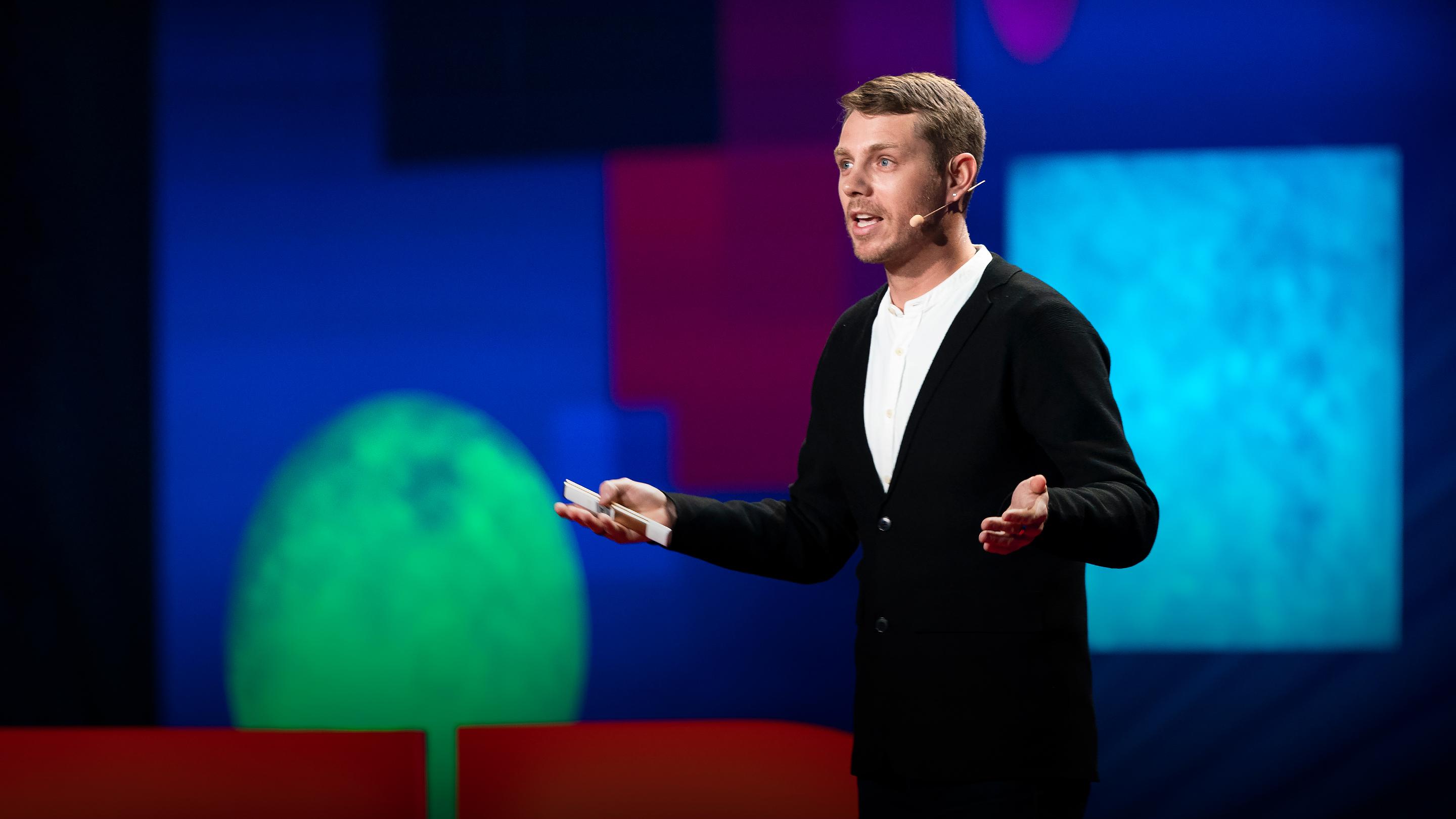
A new way to "grow" islands and coastlines | Skylar Tibbits
What if we could harness the ocean's movement to protect coastal communities from rising sea levels? Designer and TED Fellow Skylar Tibbits shows how his lab is creating a dynamic, adaptable system of underwater structures that uses energy from ocean waves to accumulate sand and restore eroding shorelines -- working with the forces of nature to build rather than destroy.
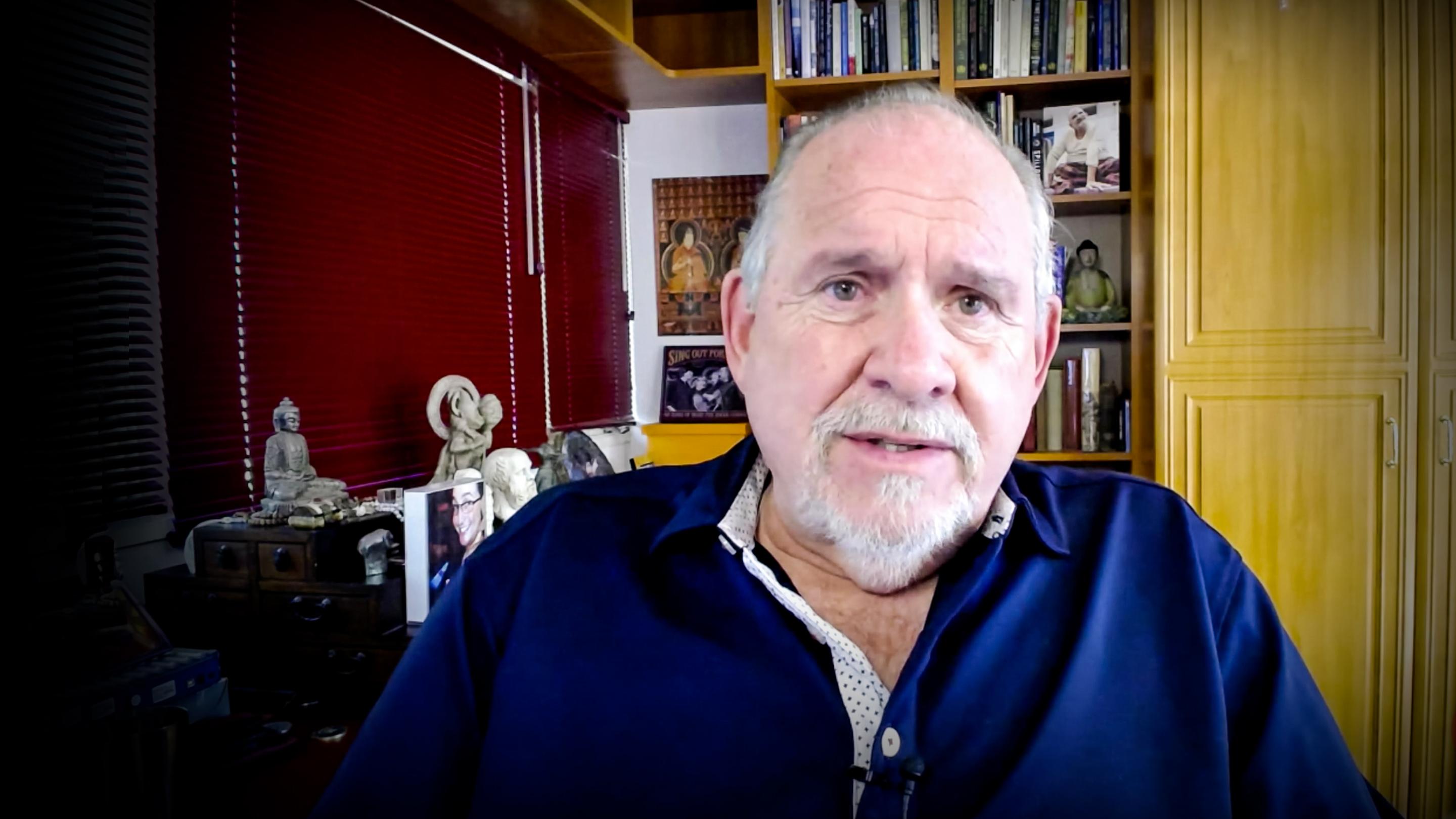
A global pandemic calls for global solutions | Larry Brilliant
Examining the facts and figures of the coronavirus outbreak, epidemiologist Larry Brilliant evaluates the global response in a candid interview with head of TED Chris Anderson. Brilliant lays out a clear plan to end the pandemic -- and shows why, to achieve it, we'll have to work together across political and geographical divides. "This is not the zombie apocalypse; this is not a mass extinction event," he says. "We need to be the best version of ourselves." (Recorded April 22, 2020)
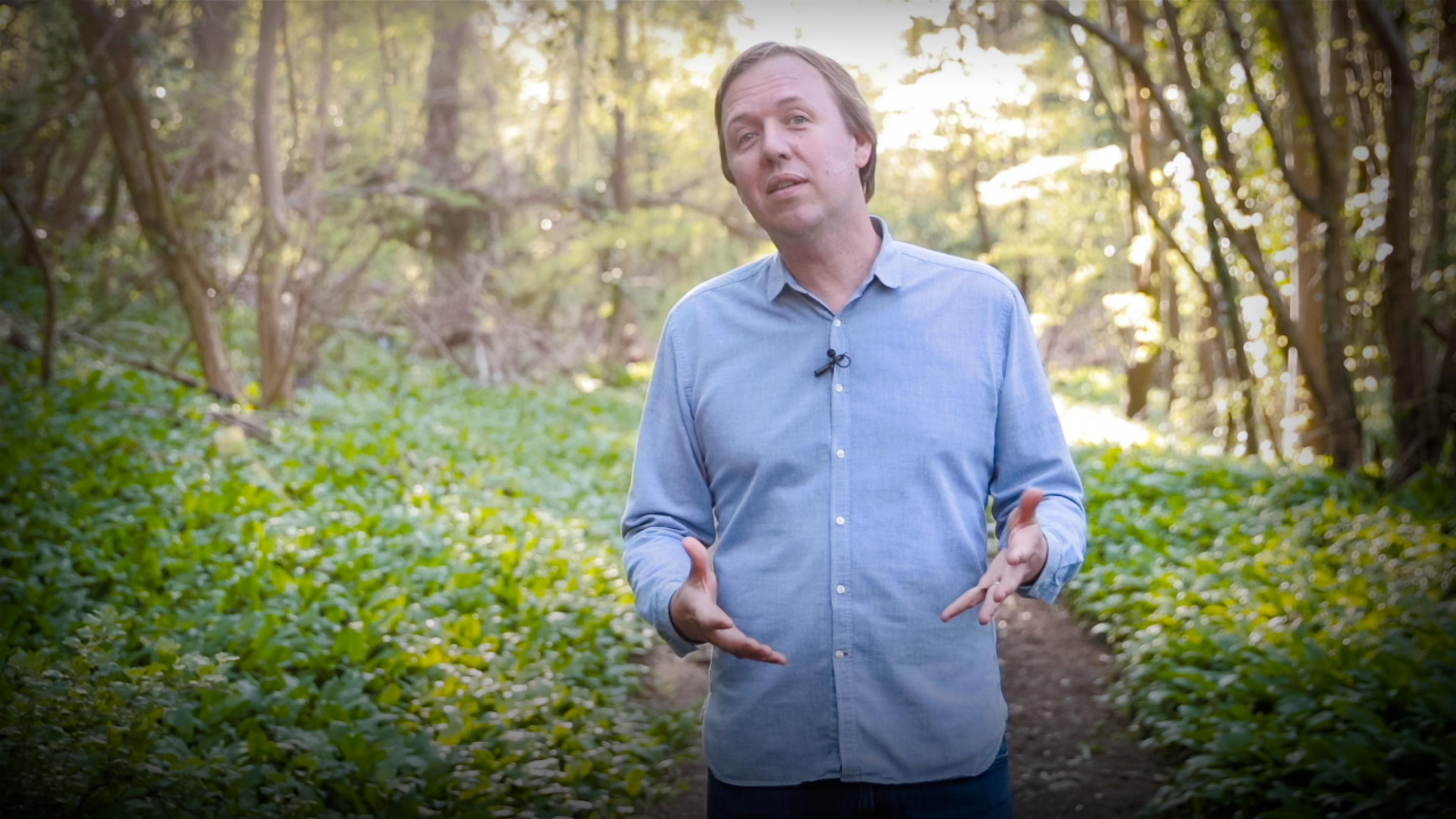
How to shift your mindset and choose your future | Tom Rivett-Carnac
When it comes to big life problems, we often stand at a crossroads: either believe we're powerless against great change, or we rise to meet the challenge. In an urgent call to action, political strategist Tom Rivett-Carnac makes the case for adopting a mindset of "stubborn optimism" to confront climate change -- or whatever crisis may come our way -- and sustain the action needed to build a regenerative future. As he puts it: "Stubborn optimism can fill our lives with meaning and purpose."
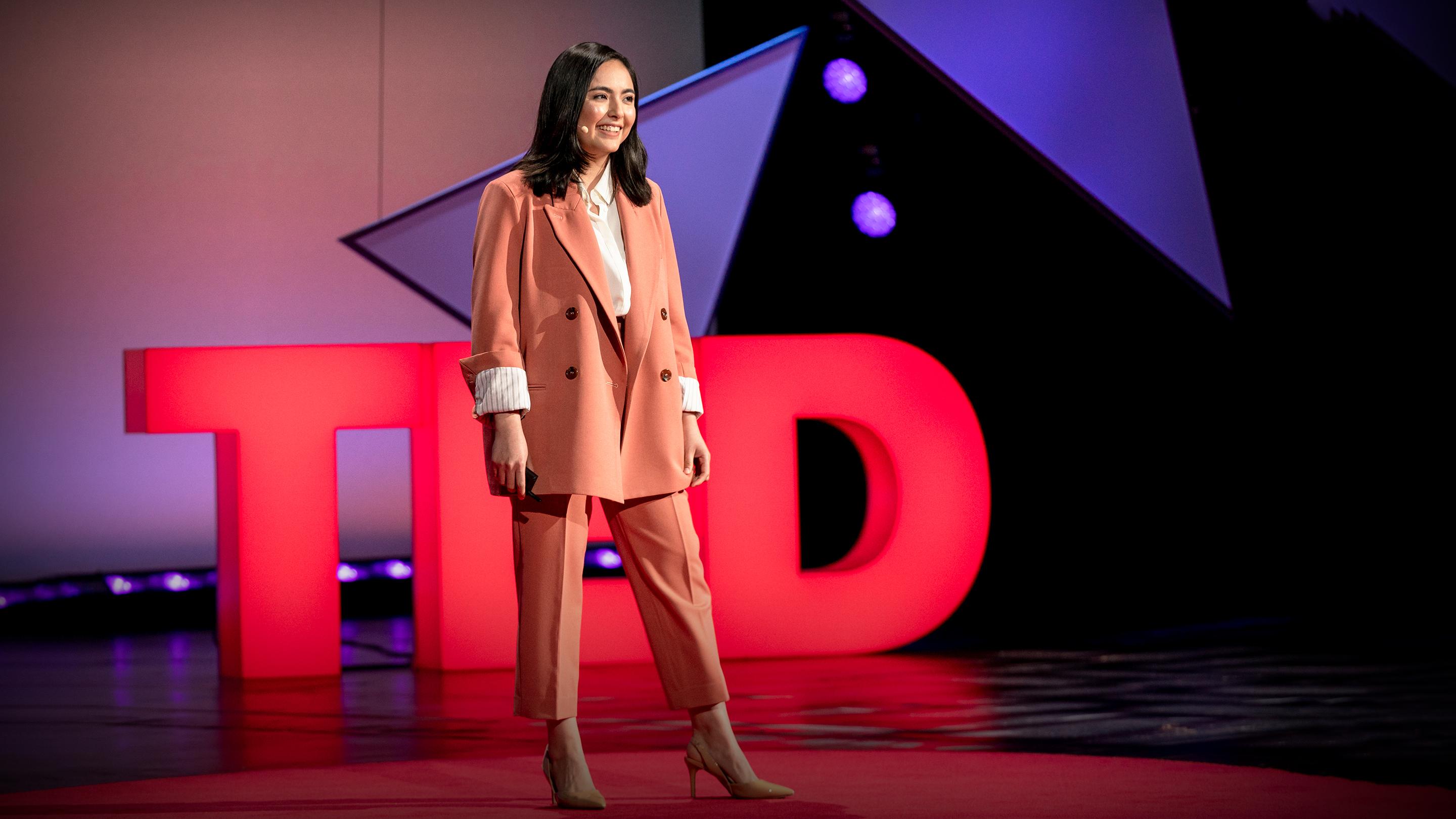
What's missing from the American immigrant narrative | Elizabeth Camarillo Gutierrez
Recounting her story of finding opportunity and stability in the US, Elizabeth Camarillo Gutierrez examines the flaws in narratives that simplify and idealize the immigrant experience -- and shares hard-earned wisdom on the best way to help those around us. "Our world is one that flourishes when different voices come together," she says.
How to spark your curiosity, scientifically | Nadya Mason
Curious how stuff works? Do a hands-on experiment at home, says physicist Nadya Mason. She shows how you can demystify the world around you by tapping into your scientific curiosity -- and performs a few onstage experiments of her own using magnets, dollar bills, dry ice and more.
The intangible effects of walls | Alexandra Auer
More barriers exist now than at the end of World War II, says designer Alexandra Auer. And when you erect one wall, you unwittingly create a second -- an "us" versus "them" partition in the mind that compromises our collective safety. With intriguing results from her social design project focused on two elementary schools separated by a fence, Auer encourages us to dismantle our biases and regain perspective on all the things we have in common.
How forgiveness can create a more just legal system | Martha Minow
Pardons, commutations and bankruptcy laws are all tools of forgiveness within the US legal system. Are we using them frequently enough, and with fairness? Law professor Martha Minow outlines how these merciful measures can reinforce racial and economic inequality -- and makes the case for creating a system of restorative justice that focuses on accountability and reconciliation rather than punishment.
How repaying loans with social service transforms communities | Angie Murimirwa
What if you could repay loans through volunteering and mentorship instead of money? Activist Angie Murimirwa shares how a game-changing economic tool known as "social interest" is reinvigorating sub-Saharan communities once trapped in cycles of poverty. Join her as she explains how this approach to lending is creating opportunities for thousands of African women and girls -- and shows why this model can be replicated anywhere with lasting effects.
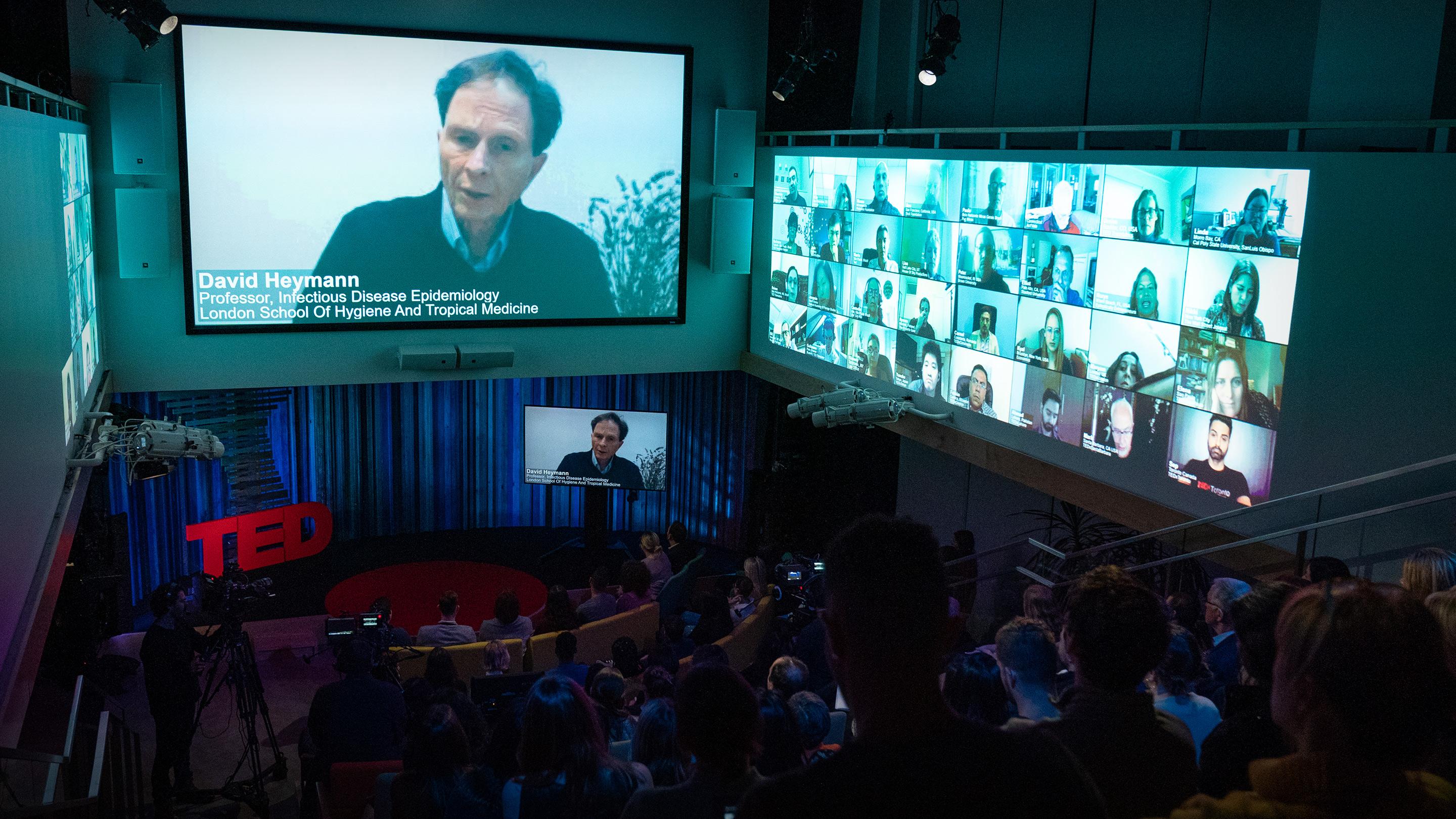
What we do (and don't) know about the coronavirus | David Heymann
What happens if you get infected with the coronavirus? Who's most at risk? How can you protect yourself? Public health expert David Heymann, who led the global response to the SARS outbreak in 2003, shares the latest findings about COVID-19 and what the future may hold. (Recorded February 27, 2020)
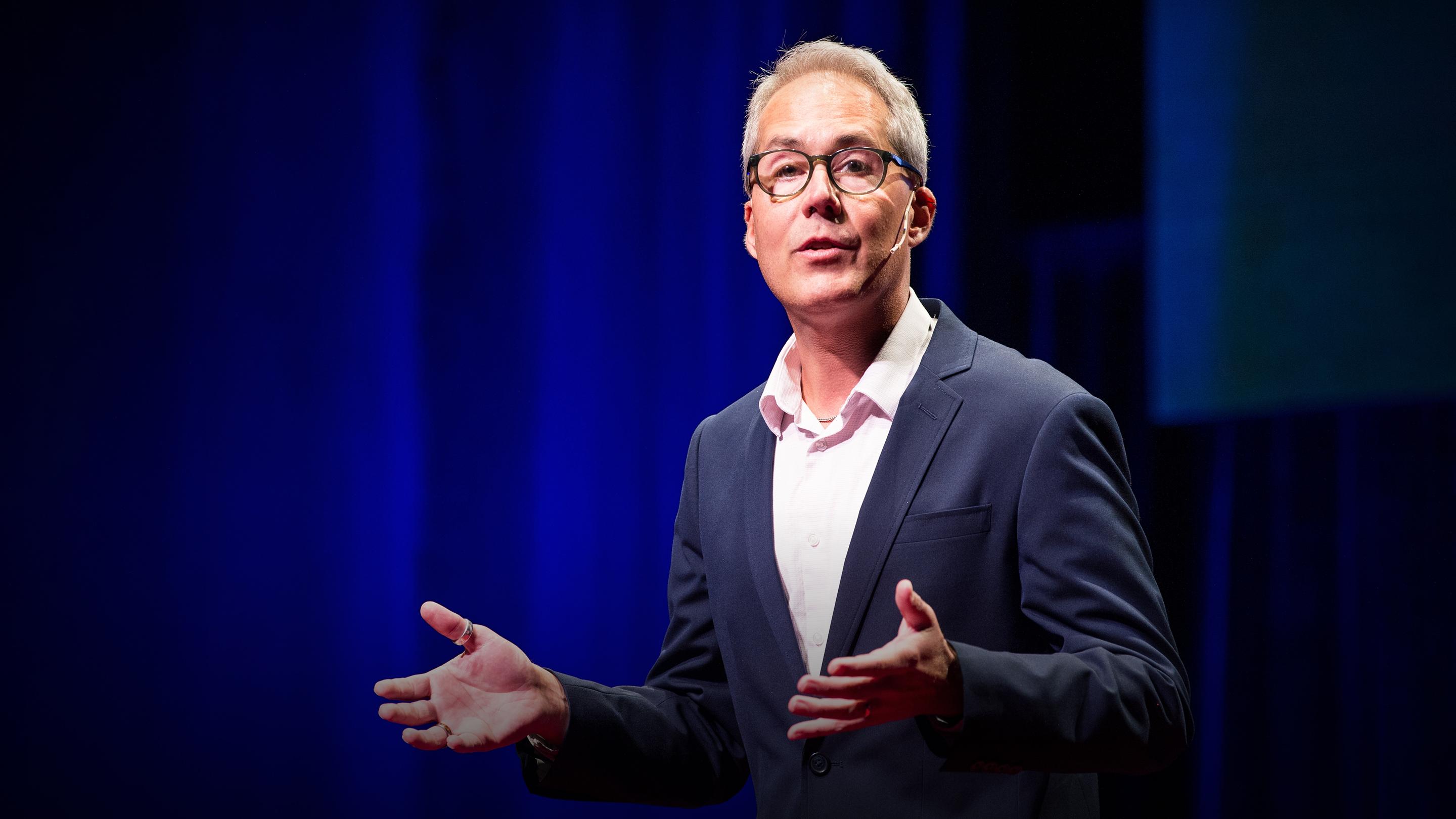
When local news dies, so does democracy | Chuck Plunkett
Nearly 1,800 newsrooms have shuttered across the US since 2004, leaving many communities unseen, unheard and in the dark. In this passionate talk and rallying cry, journalist Chuck Plunkett explains why he rebelled against his employer to raise awareness for an industry under threat of extinction -- and makes the case for local news as an essential part of any healthy democracy.
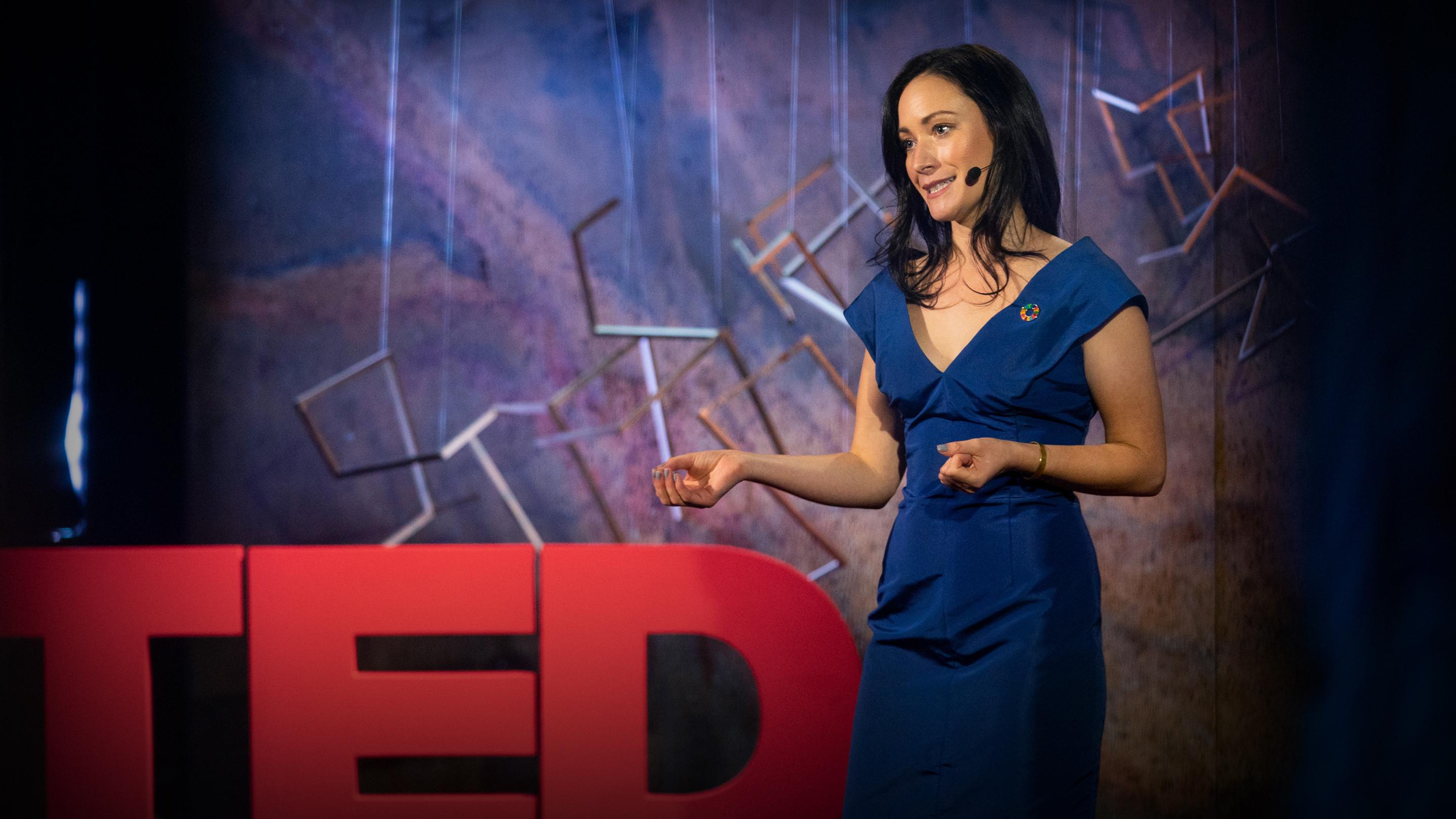
What if a single human right could change the world? | Kristen Wenz
More than a billion people worldwide, mostly children, do not have a legal identity. In many countries, this means they can't get access to vital services like health care and education, says legal identity expert Kristen Wenz. She discusses why this problem is one of the greatest human rights violations of our time -- and shares five strategies to ensure everyone can get registered and protected.
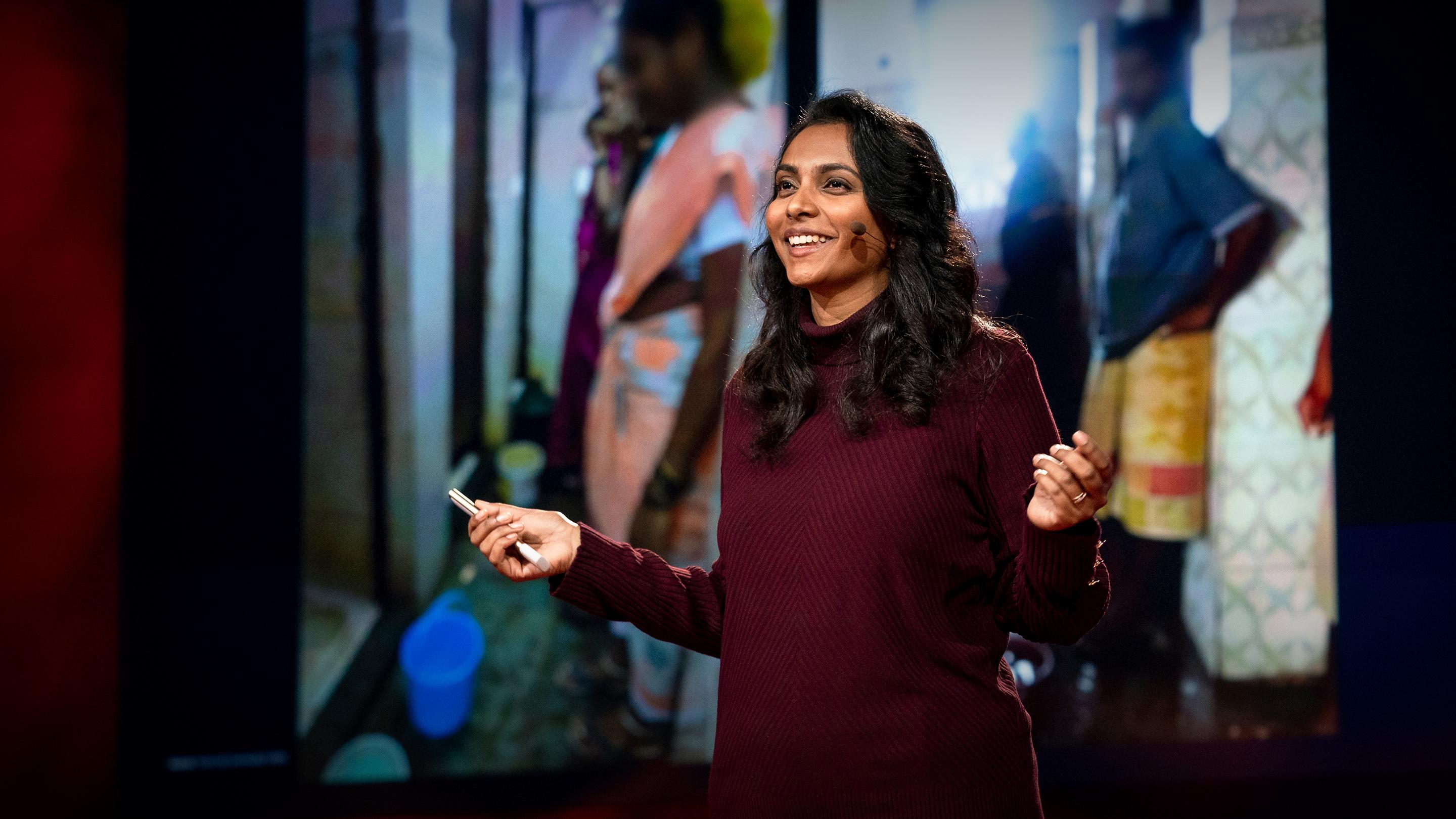
What if the poor were part of city planning? | Smruti Jukur Johari
Almost a billion people worldwide live in informal communities and slums, often without basic infrastructure like clean water, toilets or adequate roads. Urban planner Smruti Jukur Johari breaks down myths about these communities and shares examples of simple, common-sense solutions that arise when governments and architects work together with the residents -- instead of around them.
Dictators hate political cartoons -- so I keep drawing them | Rayma Suprani
"A political cartoon is a barometer of freedom," says Rayma Suprani, who was exiled from her native Venezuela for publishing work critical of the government. "That's why dictators hate cartoonists." In a talk illustrated with highlights from a career spent railing against totalitarianism, Suprani explores how cartoons hold a mirror to society and reveal hidden truths -- and discusses why she keeps drawing even when it comes at a high personal cost. (In Spanish with consecutive English translation)
The unpaid work that GDP ignores -- and why it really counts | Marilyn Waring
If you: do laundry, are (or have been) pregnant, tidy up, shop for your household or do similar labor, then by GDP standards, you're unproductive. In this visionary talk, economist Marilyn Waring seeks to correct the failures of this narrow-minded system, detailing why we deserve a better way to measure growth that values not just our own livelihood but the planet's as well.
A path to security for the world's deadliest countries | Rachel Kleinfeld
You are more likely to die violently if you live in a middle-income democracy with high levels of inequality and political polarization than if you live in a country at war, says democracy advisor Rachel Kleinfeld. This historical shift in the nature of violence presents an opportunity for everyday voters to act as a great force for change in their unbalanced societies. In this eye-opening talk, Kleinfeld unravels the causes of violence and offers a path to security for the world's deadliest countries.
How supply chain transparency can help the planet | Markus Mutz
Given the option, few would choose to buy products that harm the earth -- yet it's nearly impossible to know how most consumer goods are made or where they're sourced from. That's about to change, says supply chain innovator Markus Mutz. He shares how he used blockchain technology to track Patagonian toothfish on their journey from ocean to dinner plate -- and proved it's possible to offer consumers a product they can trust.
How civilization could destroy itself -- and 4 ways we could prevent it | Nick Bostrom
Humanity is on its way to creating a "black ball": a technological breakthrough that could destroy us all, says philosopher Nick Bostrom. In this incisive, surprisingly light-hearted conversation with Head of TED Chris Anderson, Bostrom outlines the vulnerabilities we could face if (or when) our inventions spiral beyond our control -- and explores how we can prevent our future demise.
How we can protect truth in the age of misinformation | Sinan Aral
Fake news can sway elections, tank economies and sow discord in everyday life. Data scientist Sinan Aral demystifies how and why it spreads so quickly -- citing one of the largest studies on misinformation -- and identifies five strategies to help us unweave the tangled web between true and false.
Why lakes and rivers should have the same rights as humans | Kelsey Leonard
Water is essential to life. Yet in the eyes of the law, it remains largely unprotected -- leaving many communities without access to safe drinking water, says legal scholar Kelsey Leonard. In this powerful talk, she shows why granting lakes and rivers legal "personhood" -- giving them the same legal rights as humans -- is the first step to protecting our bodies of water and fundamentally transforming how we value this vital resource.
To help solve global problems, look to developing countries | Bright Simons
To address the problem of counterfeit goods, African entrepreneurs like Bright Simons have come up with innovative and effective ways to confirm products are genuine. Now he asks: Why aren't these solutions everywhere? From password-protected medicines to digitally certified crops, Simons demonstrates the power of local ideas -- and calls on the rest of the world to listen up.
The problem of light pollution -- and 5 ridiculously easy ways to fix it | Kelsey Johnson
Ever gaze up at the starry night sky? This stunning view is at risk of disappearing -- unless we act now, says astrophysicist Kelsey Johnson. In this fascinating, unexpectedly funny talk, she explains how light pollution affects almost every species on earth (including us) and shares five "stupidly simple" things you can do to help solve the problem.

A creative solution for the water crisis in Flint, Michigan | LaToya Ruby Frazier
Artist and TED Fellow LaToya Ruby Frazier spent five months living in Flint, Michigan, documenting the lives of those affected by the city's water crisis for her photo essay "Flint is Family." As the crisis dragged on, she realized it was going to take more than a series of photos to bring relief. In this inspiring, surprising talk, she shares the creative lengths she went to in order to bring free, clean water to the people of Flint.
5 steps for clean air in India | Arunabha Ghosh
India's big cities have some of the worst air quality in the world. How can we fix this public health crisis? In an actionable talk, social entrepreneur Arunabha Ghosh lays out a five-step plan to put India on the path to cleaner, safer air -- and shows how every citizen can play an active role in getting there.
What's really happening at the US-Mexico border -- and how we can do better | Erika Pinheiro
At the US-Mexico border, policies of prolonged detention and family separation have made seeking asylum in the United States difficult and dangerous. In this raw and heartfelt talk, immigration attorney Erika Pinheiro offers a glimpse into her daily work on both sides of the border and shares some of the stories behind the statistics -- including her own story of being detained and separated from her son. It's a clear-eyed call to remember the humanity that's impacted by policy -- and a warning: "History shows us that the first population to be vilified and stripped of their rights is rarely the last," she says.
Our immigration conversation is broken -- here's how to have a better one | Paul A. Kramer
How did the US immigration debate get to be so divisive? In this informative talk, historian and writer Paul A. Kramer shows how an "insider vs. outsider" framing has come to dominate the way people in the US talk about immigration -- and suggests a set of new questions that could reshape the conversation around whose life, rights and thriving matters.

What happens to people in solitary confinement | Laura Rovner
Imagine living with no significant human contact for years, even decades, in a cell the size of a small bathroom. This is the reality for those in long-term solitary confinement, a form of imprisonment regularly imposed in US prisons. In this eye-opening talk, civil rights lawyer Laura Rovner takes us to ADX, the US federal government's only supermax prison, and describes the dehumanizing effects of long-term solitude on the mind, personality and sense of self. What emerges is an urgent case for abolishing solitary confinement -- and evidence for how our tax dollars, public safety and values are implicated in it. "Prisons are administered in our name and on our behalf," she says. "We have an obligation to bear witness."
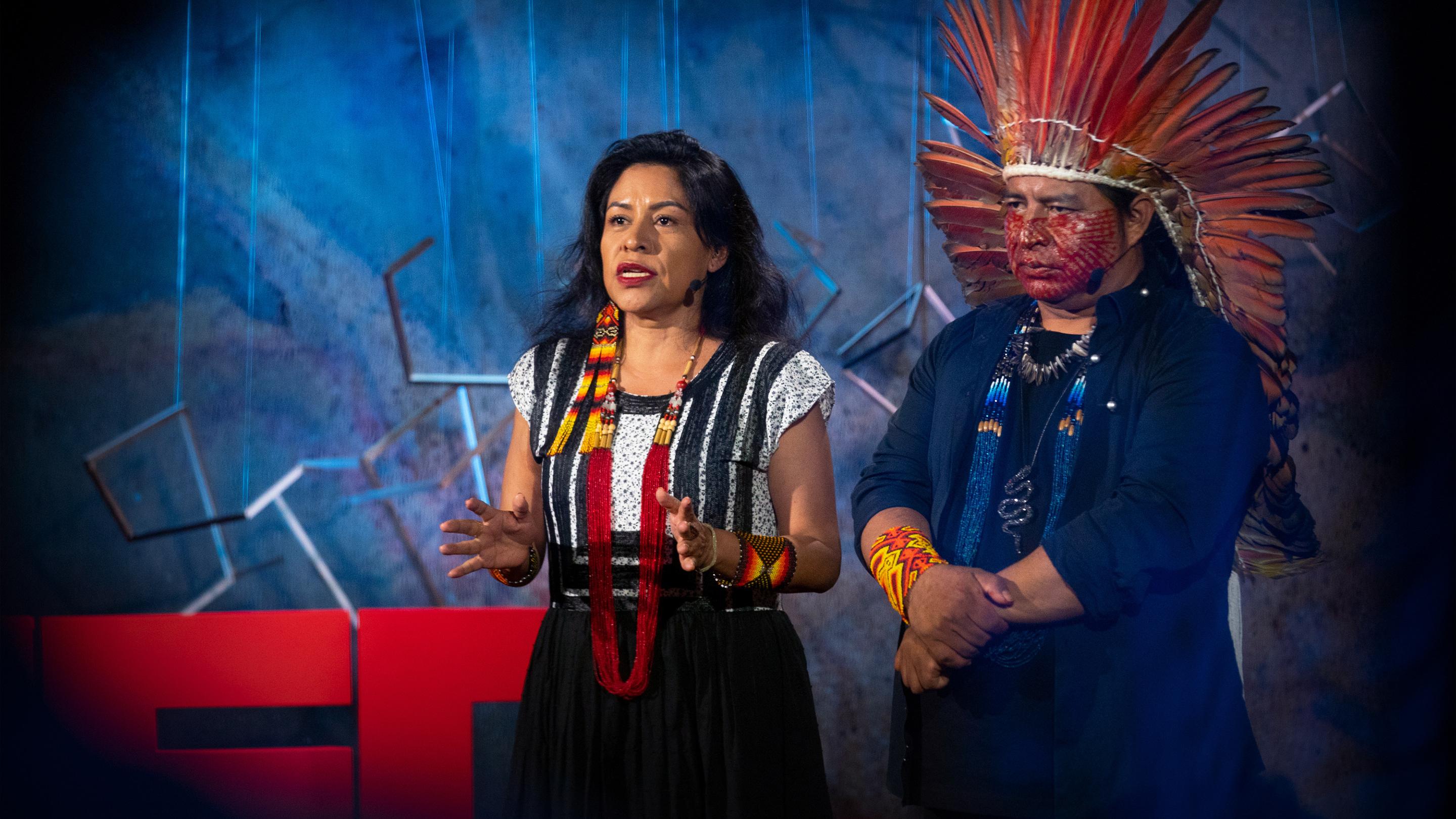
The Amazon belongs to humanity -- let's protect it together | Tashka and Laura Yawanawá
Tashka and Laura Yawanawá lead the Yawanawá people in Acre, Brazil -- a tribe that stewards almost 500,000 acres of Amazon rainforest. As footage of the Amazon burning shocks the world's consciousness, Tashka and Laura call for us to transform this moment into an opportunity to support indigenous people who have the experience, knowledge and tools needed to protect the land.
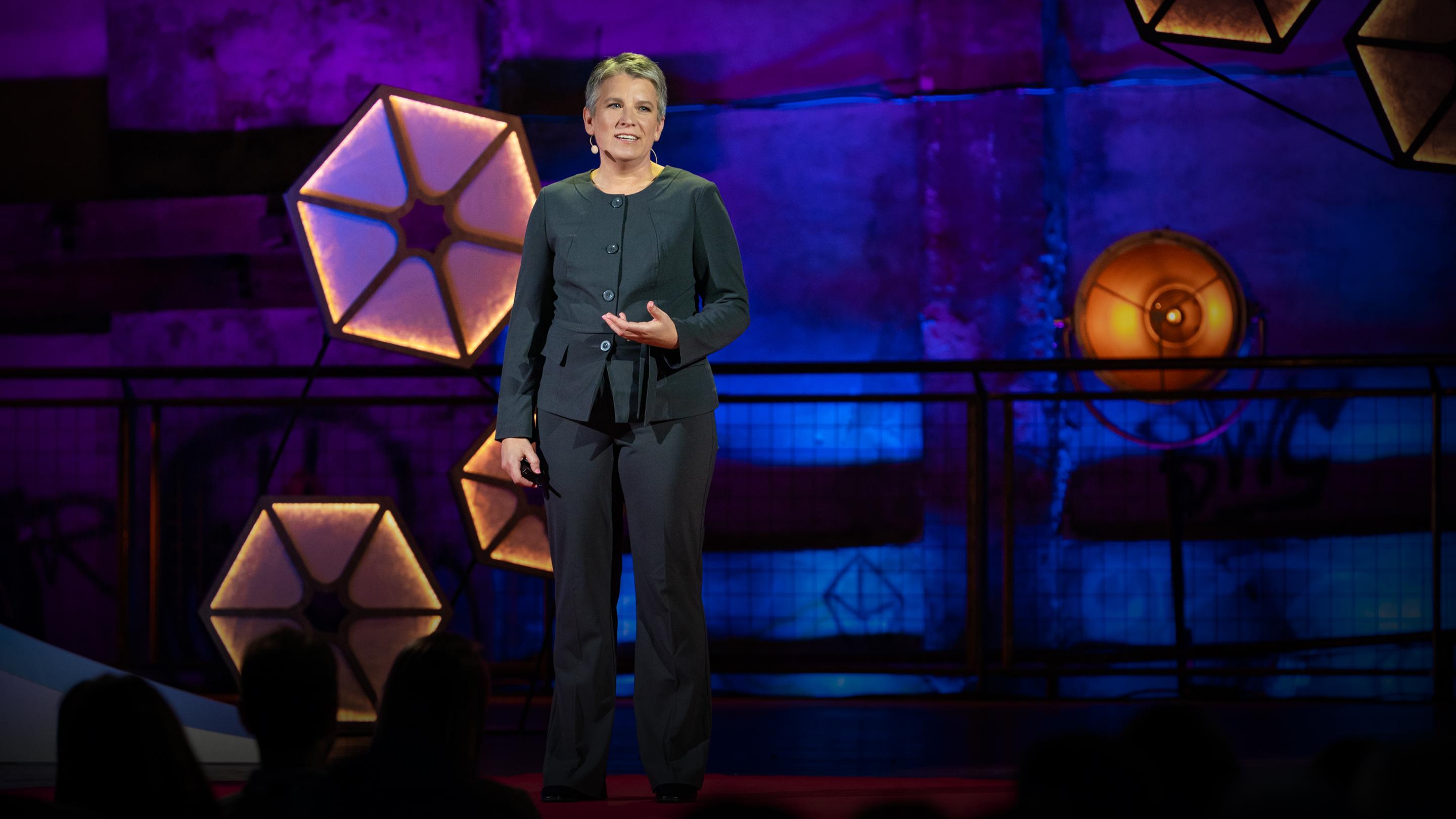
A circular economy for salt that keeps rivers clean | Tina Arrowood
During the winter of 2018-2019, one million tons of salt were applied to icy roads in the state of Pennsylvania alone. The salt from industrial uses like this often ends up in freshwater rivers, making their water undrinkable and contributing to a growing global crisis. How can we better protect these precious natural resources? Physical organic chemist Tina Arrowood shares a three-step plan to keep salt out of rivers -- and create a circular salt economy that turns industrial byproducts into valuable resources.
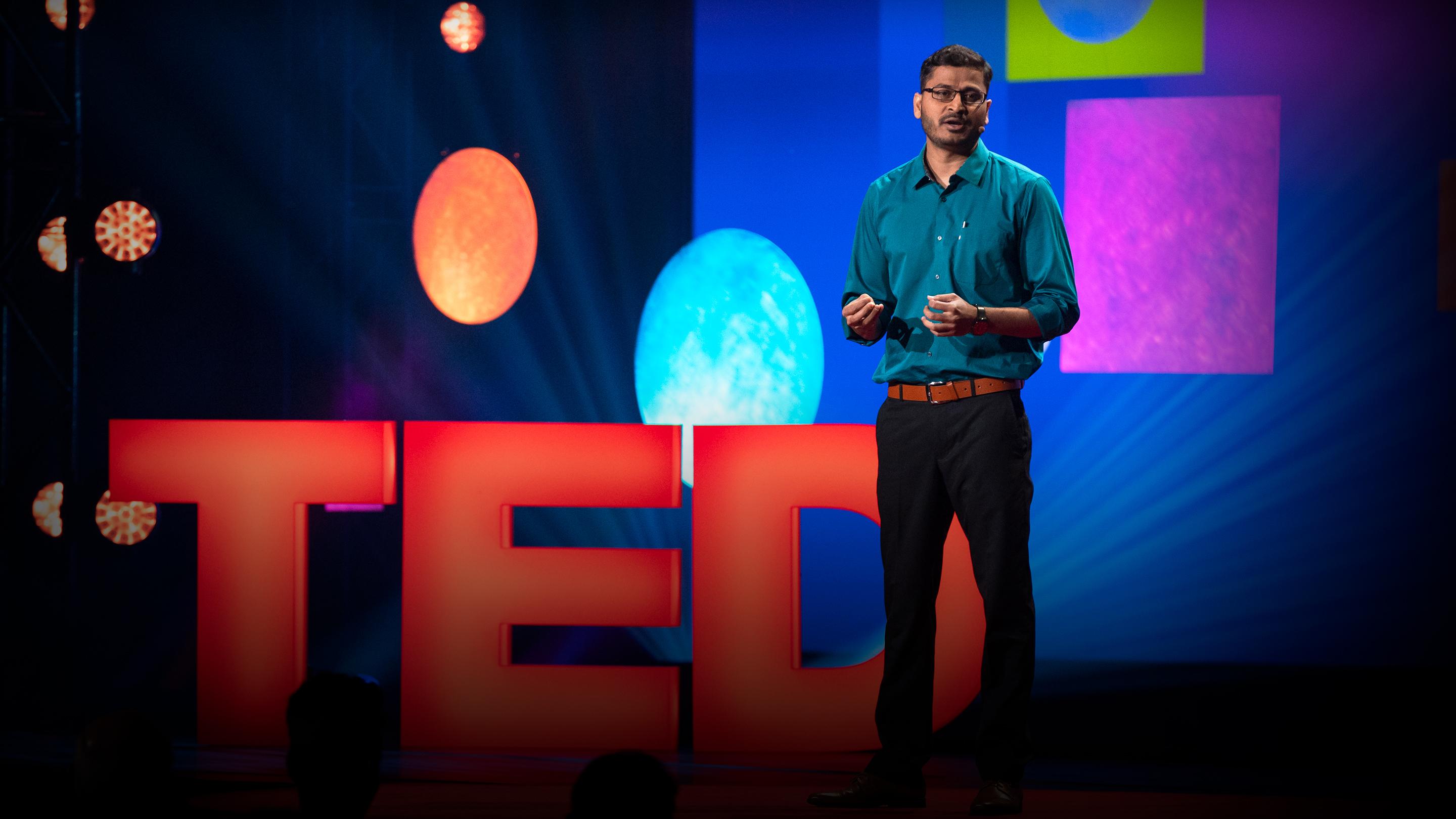
How we're helping local reporters turn important stories into national news | Gangadhar Patil
Local reporters are on the front lines of important stories, but their work often goes unnoticed by national and international news outlets. TED Fellow and journalist Gangadhar Patil is working to change that. In this quick talk, he shows how he's connecting grassroots reporters in India with major news outlets worldwide -- and helping elevate and expose stories that might never get covered otherwise.
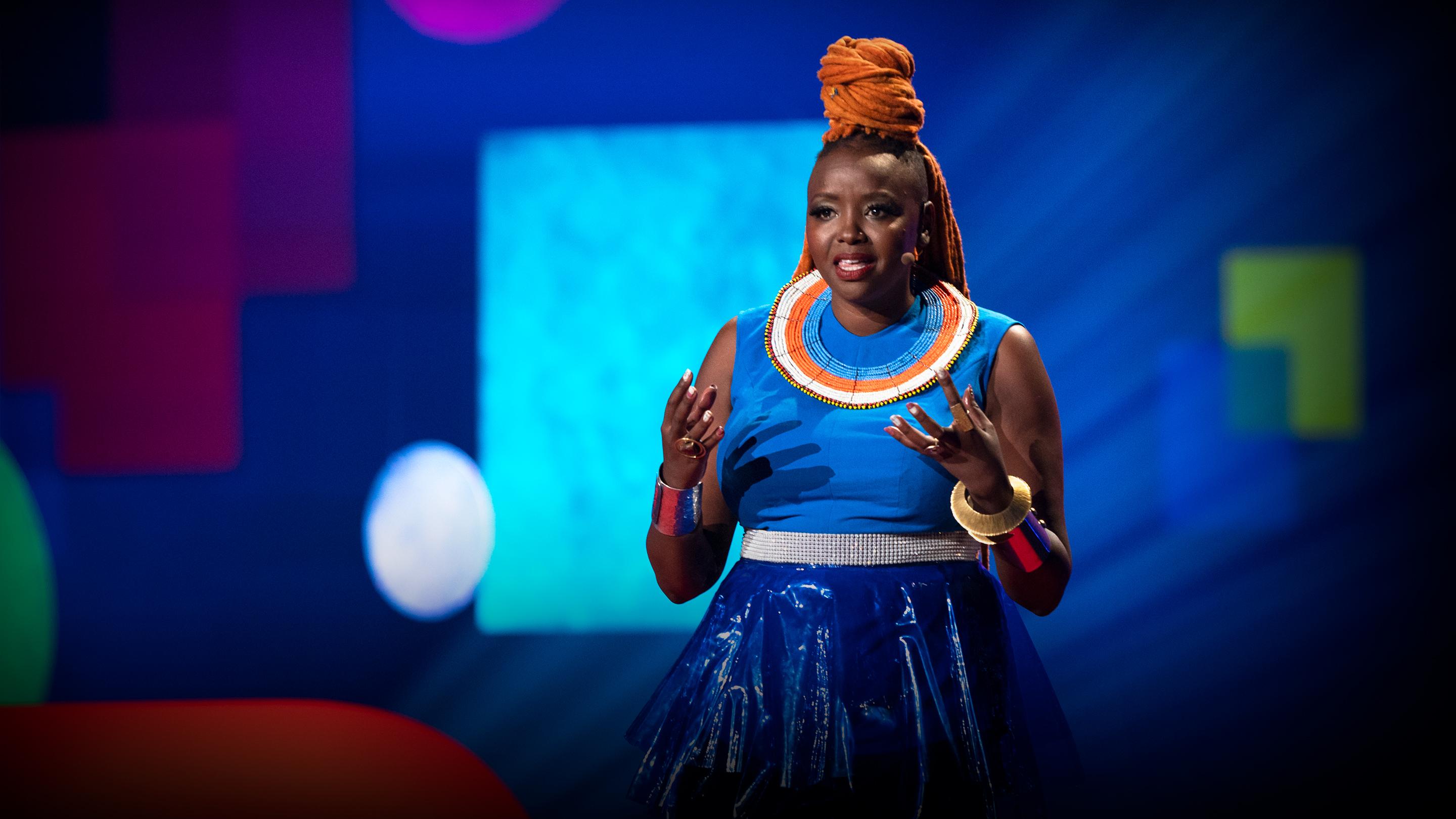
Creativity builds nations | Muthoni Drummer Queen
In a hopeful talk followed by an empowering performance, musician and TED Fellow Muthoni Drummer Queen shares how industries like music, film and fashion provide a platform for Africans to broadcast their rich and diverse talents -- and explains how the shared experience of creativity can replace attitudes of exclusionism and othering with acceptance and self-love.

A wall won't solve America's border problems | Will Hurd
"Building a 30-foot-high concrete structure from sea to shining sea is the most expensive and least effective way to do border security," says Congressman Will Hurd, a Republican from Texas whose district encompasses two times zones and shares an 820-mile border with Mexico. Speaking from Washington, DC in a video interview with former state attorney general Anne Milgram, Hurd discusses the US government's border policy and its controversial detention and child separation practices -- and lays out steps toward a better future at the border. (Recorded at the TED World Theater in New York on September 10, 2019)
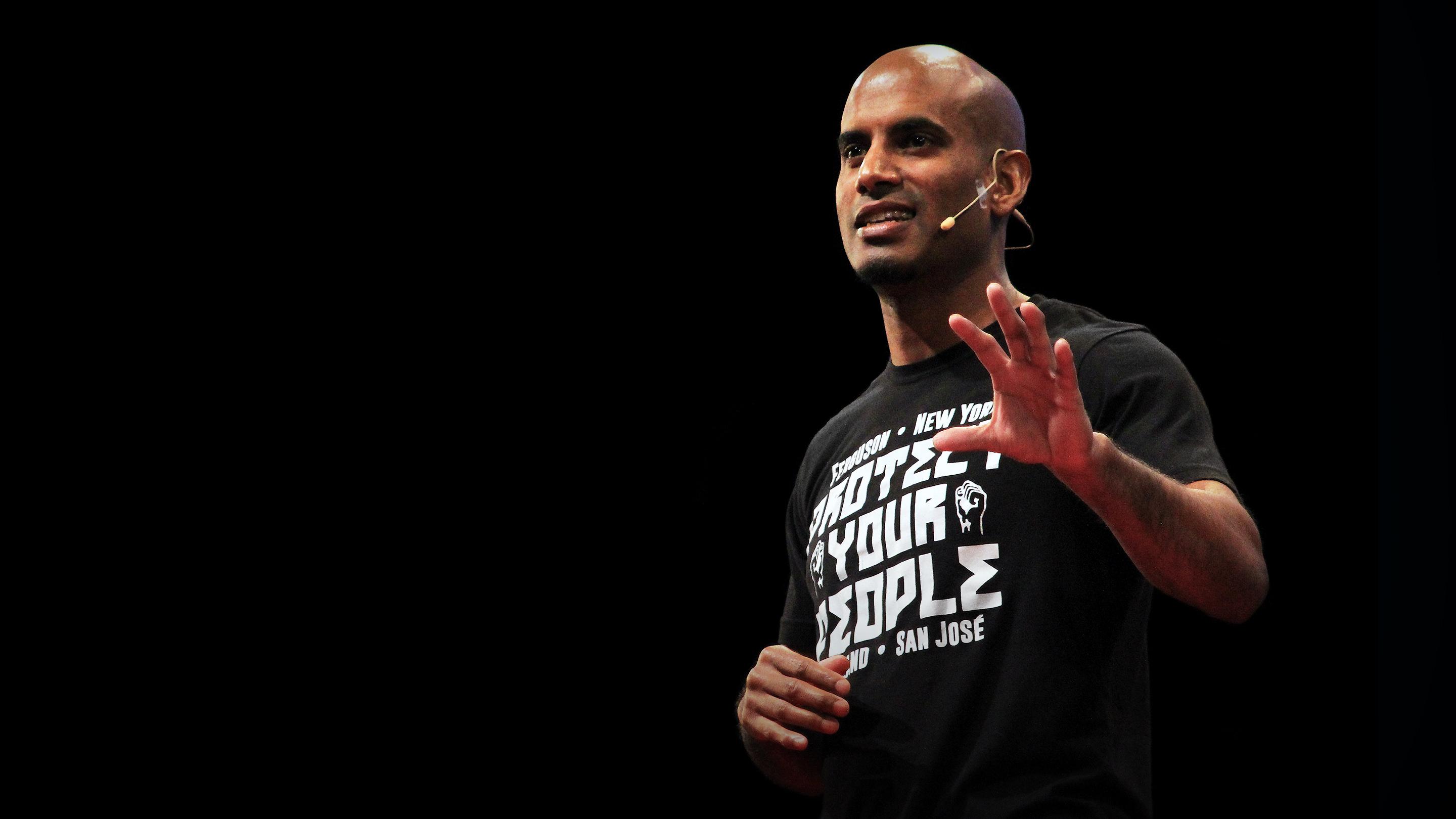
Community-powered criminal justice reform | Raj Jayadev
Community organizer Raj Jayadev wants to transform the US court system through "participatory defense" -- a growing movement that empowers families and community members to impact their loved ones' court cases. He shares the remarkable results of their work -- including more than 4,000 years of "time saved" from incarceration -- and shows how this new model could shift the landscape of power in the courts.
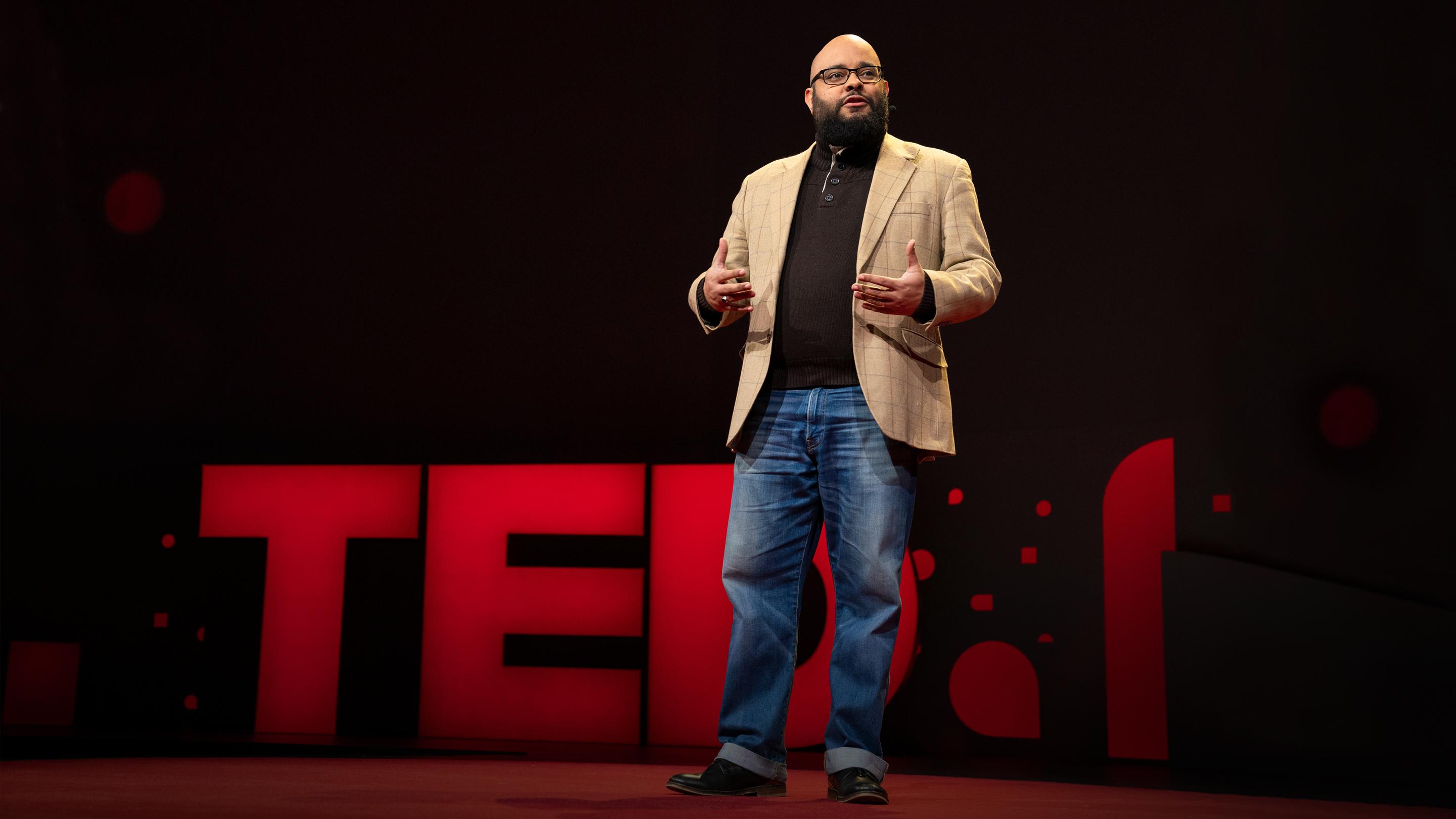
How we can make racism a solvable problem -- and improve policing | Dr. Phillip Atiba Solomon
When we define racism as behaviors instead of feelings, we can measure it -- and transform it from an impossible problem into a solvable one, says justice scientist Dr. Phillip Atiba Solomon. In an actionable talk, he shares his work at the Center for Policing Equity, an organization that helps police departments diagnose and track racial gaps in policing in order to eliminate them. Learn more about their data-driven approach -- and how you can get involved with the work that still needs to be done. (This ambitious plan is part of the Audacious Project, TED's initiative to inspire and fund global change.)
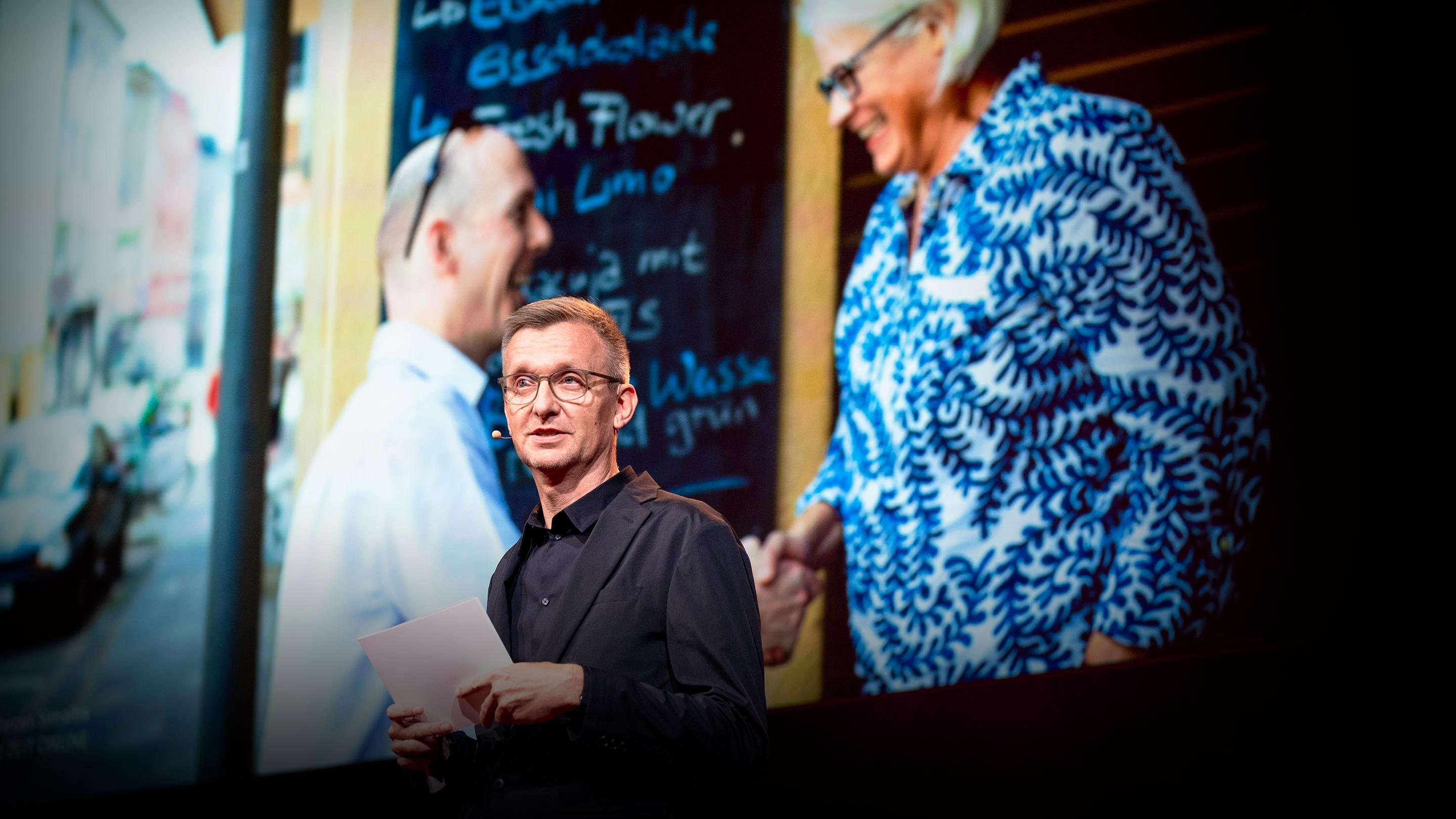
What happened when we paired up thousands of strangers to talk politics | Jochen Wegner
In spring 2019, more than 17,000 Europeans from 33 countries signed up to have a political argument with a complete stranger. They were part of "Europe Talks," a project that organizes one-on-one conversations between people who disagree -- sort of like a Tinder for politics. Editor Jochen Wegner shares the unexpected things that happened when people met up to talk -- and shows how face-to-face discussions could get a divided world to rethink itself.
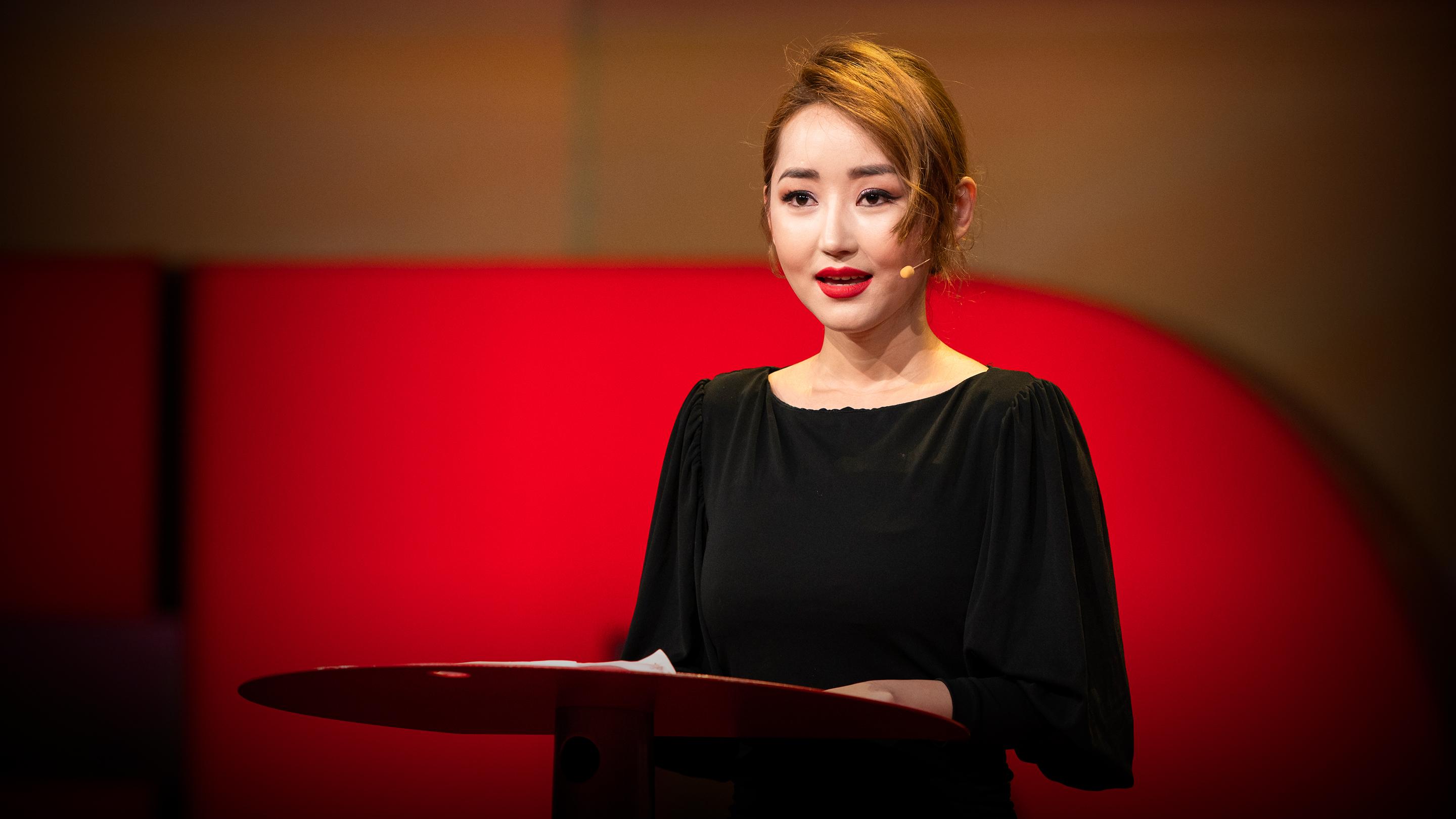
What I learned about freedom after escaping North Korea | Yeonmi Park
"North Korea is unimaginable," says human rights activist Yeonmi Park, who escaped the country at the age of 13. Sharing the harrowing story of her childhood, she reflects on the fragility of freedom -- and shows how change can be achieved even in the world's darkest places.

How the West can adapt to a rising Asia | Kishore Mahbubani
As Asian economies and governments continue to gain power, the West needs to find ways to adapt to the new global order, says author and diplomat Kishore Mahbubani. In an insightful look at international politics, Mahbubani shares a three-part strategy that Western governments can use to recover power and improve relations with the rest of the world.

What it was like to grow up under China's one-child policy | Nanfu Wang
China's one-child policy ended in 2015, but we're just beginning to understand what it was like to live under the program, says TED Fellow and documentary filmmaker Nanfu Wang. With footage from her film "One Child Nation," she shares untold stories that reveal the policy's complex consequences and expose the creeping power of propaganda.
How policewomen make communities safer | Ivonne Roman
Less than 13 percent of police officers in the United States are women -- despite their proven effectiveness in diffusing violent situations and reducing the use of force. Drawing on more than two decades of experience as a police officer and chief, TED Fellow Ivonne Roman shares how a simple change to police academy physical fitness tests could help build a more balanced force that benefits communities and officers alike.
Why governments should prioritize well-being | Nicola Sturgeon
In 2018, Scotland, Iceland and New Zealand established the network of Wellbeing Economy Governments to challenge the acceptance of GDP as the ultimate measure of a country's success. In this visionary talk, First Minister of Scotland Nicola Sturgeon explains the far-reaching implications of a "well-being economy" -- which places factors like equal pay, childcare, mental health and access to green space at its heart -- and shows how this new focus could help build resolve to confront global challenges.
The new political story that could change everything | George Monbiot
To get out of the mess we're in, we need a new story that explains the present and guides the future, says author George Monbiot. Drawing on findings from psychology, neuroscience and evolutionary biology, he offers a new vision for society built around our fundamental capacity for altruism and cooperation. This contagiously optimistic talk will make you rethink the possibilities for our shared future.
The fundamental right to seek asylum | Melanie Nezer
Refugee and immigrants rights attorney Melanie Nezer shares an urgently needed historical perspective on the crisis at the southern US border, showing how citizens can hold their governments accountable for protecting the vulnerable. "A country shows strength through compassion and pragmatism, not through force and through fear," she says.

A vision for the future of Sierra Leone | Julius Maada Bio
When Julius Maada Bio first seized political power in Sierra Leone in 1996, he did so to improve the lives of its citizens. But he soon realized that for democracy to flourish, its foundation needs to be built on the will of the people. After arranging an election, he voluntarily gave up power and left Africa. Twenty years later, after being democratically elected president of Sierra Leone, he reflects on the slow path to democracy, the importance of education for all and his focus on helping young Sierra Leoneans thrive.
The political power of being a good neighbor | Michael Tubbs
Michael Tubbs is the youngest mayor in American history to represent a city with more than 100,000 people -- and his policies are sparking national conversations. In this rousing talk, he shares how growing up amid poverty and violence in Stockton, California shaped his bold vision for change and his commitment to govern as a neighbor, not a politician. "When we see someone different from us, they should not reflect our fears, our anxieties, our insecurities," he says. "We should see our common humanity."
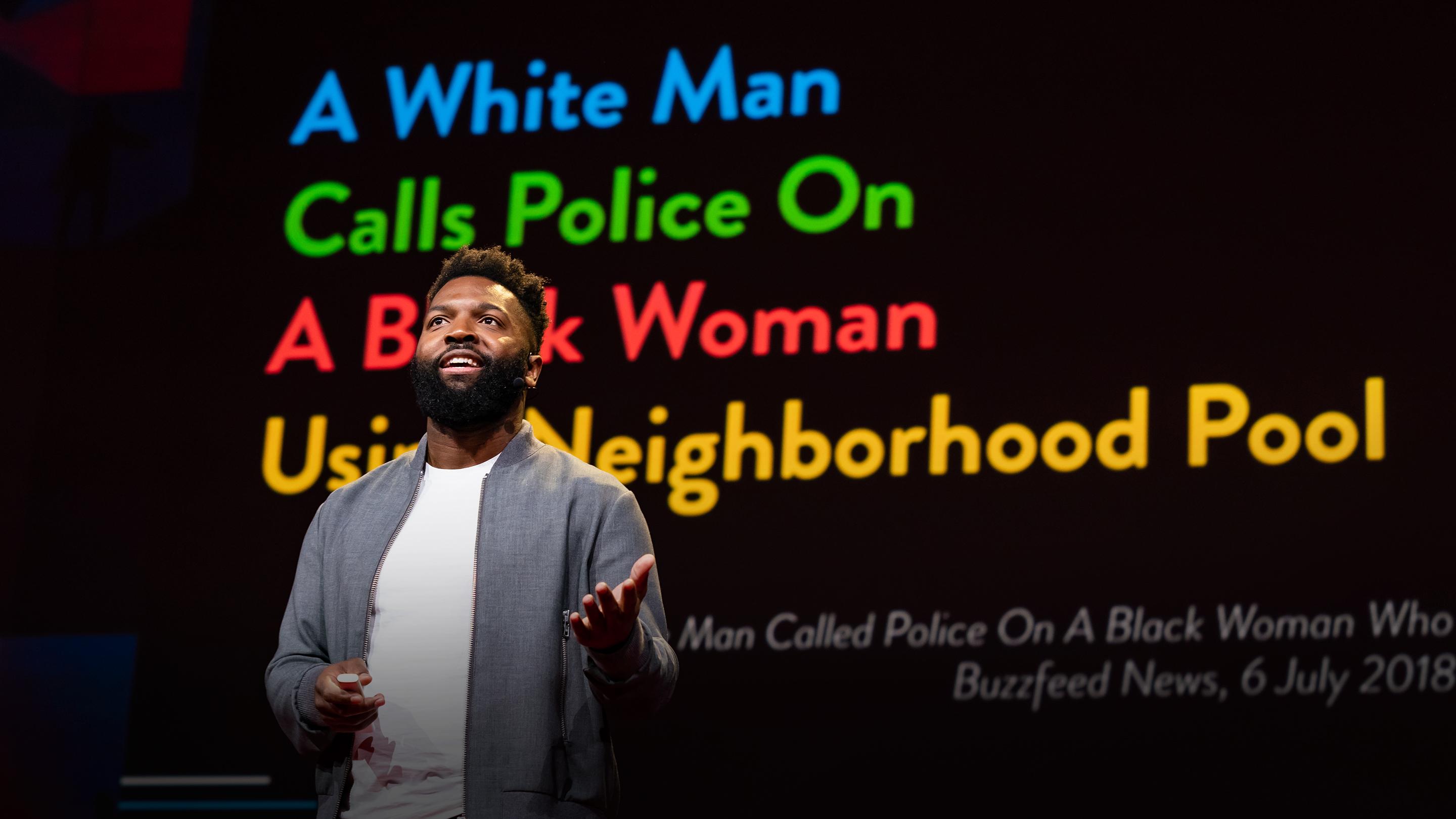
How to deconstruct racism, one headline at a time | Baratunde Thurston
Baratunde Thurston explores the phenomenon of white Americans calling the police on Black Americans who have committed the crimes of ... eating, walking or generally "living while Black." In this profound, thought-provoking and often hilarious talk, he reveals the power of language to change stories of trauma into stories of healing -- while challenging us all to level up.

What prosecutors and incarcerated people can learn from each other | Jarrell Daniels
A few weeks before his release from prison, Jarrell Daniels took a class where incarcerated men learned alongside prosecutors. By simply sitting together and talking, they uncovered surprising truths about the criminal justice system and ideas for how real change happens. Now a scholar and activist, Daniels reflects on how collaborative education could transform the justice system and unlock solutions to social problems.
How to revive your belief in democracy | Eric Liu
Civic evangelist Eric Liu shares a powerful way to rekindle the spirit of citizenship and the belief that democracy still works. Join him for a trip to "Civic Saturday" and learn more about how making civic engagement a weekly habit can help build communities based on shared values and a path to belonging.
Why we ignore obvious problems -- and how to act on them | Michele Wucker
Why do we often neglect big problems, like the financial crisis and climate change, until it's too late? Policy strategist Michele Wucker urges us to replace the myth of the "black swan" -- that rare, unforeseeable, unavoidable catastrophe -- with the reality of the "gray rhino," the preventable danger that we choose to ignore. She shows why predictable crises catch us by surprise -- and lays out some signs that there may be a charging rhino in your life right now.
Facebook's role in Brexit — and the threat to democracy | Carole Cadwalladr
In an unmissable talk, journalist Carole Cadwalladr digs into one of the most perplexing events in recent times: the UK's super-close 2016 vote to leave the European Union. Tracking the result to a barrage of misleading Facebook ads targeted at vulnerable Brexit swing voters -- and linking the same players and tactics to the 2016 US presidential election -- Cadwalladr calls out the "gods of Silicon Valley" for being on the wrong side of history and asks: Are free and fair elections a thing of the past? (NOTE: This video has been edited as a result of judgment in the Court of Appeal in England and Wales in a libel action by Arron Banks, the funder of the Leave.EU Brexit campaign, against Carole Cadwalladr. A judge found that the talk was lawful at the time of delivery, however due to a subsequent change in circumstances part of the talk was found to be unlawful in England and Wales and has therefore been removed.)
What refugees need to start new lives | Muhammed Idris
Every minute, 20 people are newly displaced by climate change, economic crisis and political instability, according to the UNHCR. How can we help them overcome the barriers to starting new lives? TED Resident Muhammed Idris is leading a team of technologists, researchers and refugees to develop Atar, the first-ever AI-powered virtual advocate that guides displaced people through resettlement, helping restore their rights and dignity. "Getting access to the right resources and information can be the difference between life and death," Idris says.
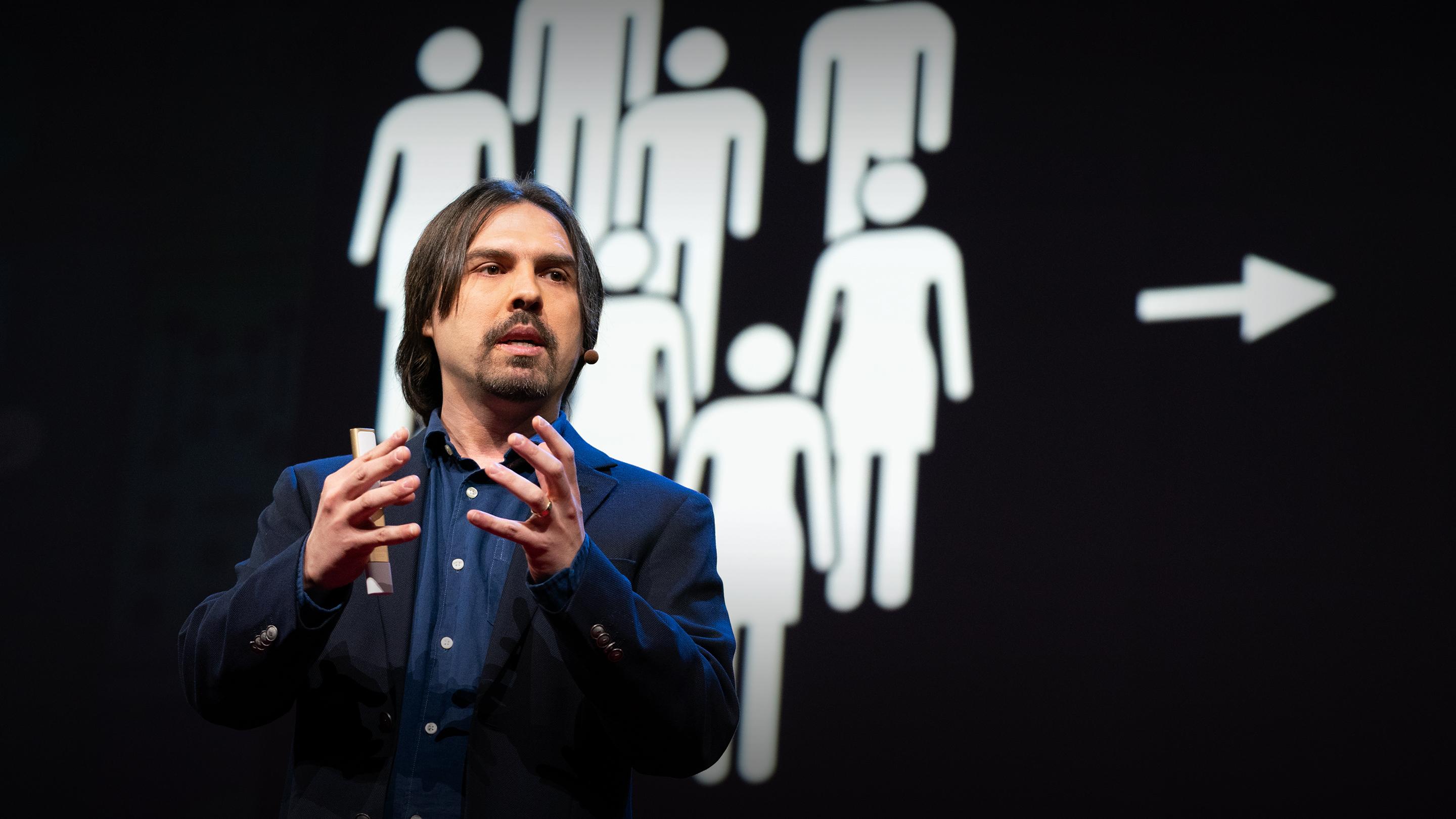
A bold idea to replace politicians | César Hidalgo
César Hidalgo has a radical suggestion for fixing our broken political system: automate it! In this provocative talk, he outlines a bold idea to bypass politicians by empowering citizens to create personalized AI representatives that participate directly in democratic decisions. Explore a new way to make collective decisions and expand your understanding of democracy.