
TED Talks Business
136 episodes — Page 1 of 3
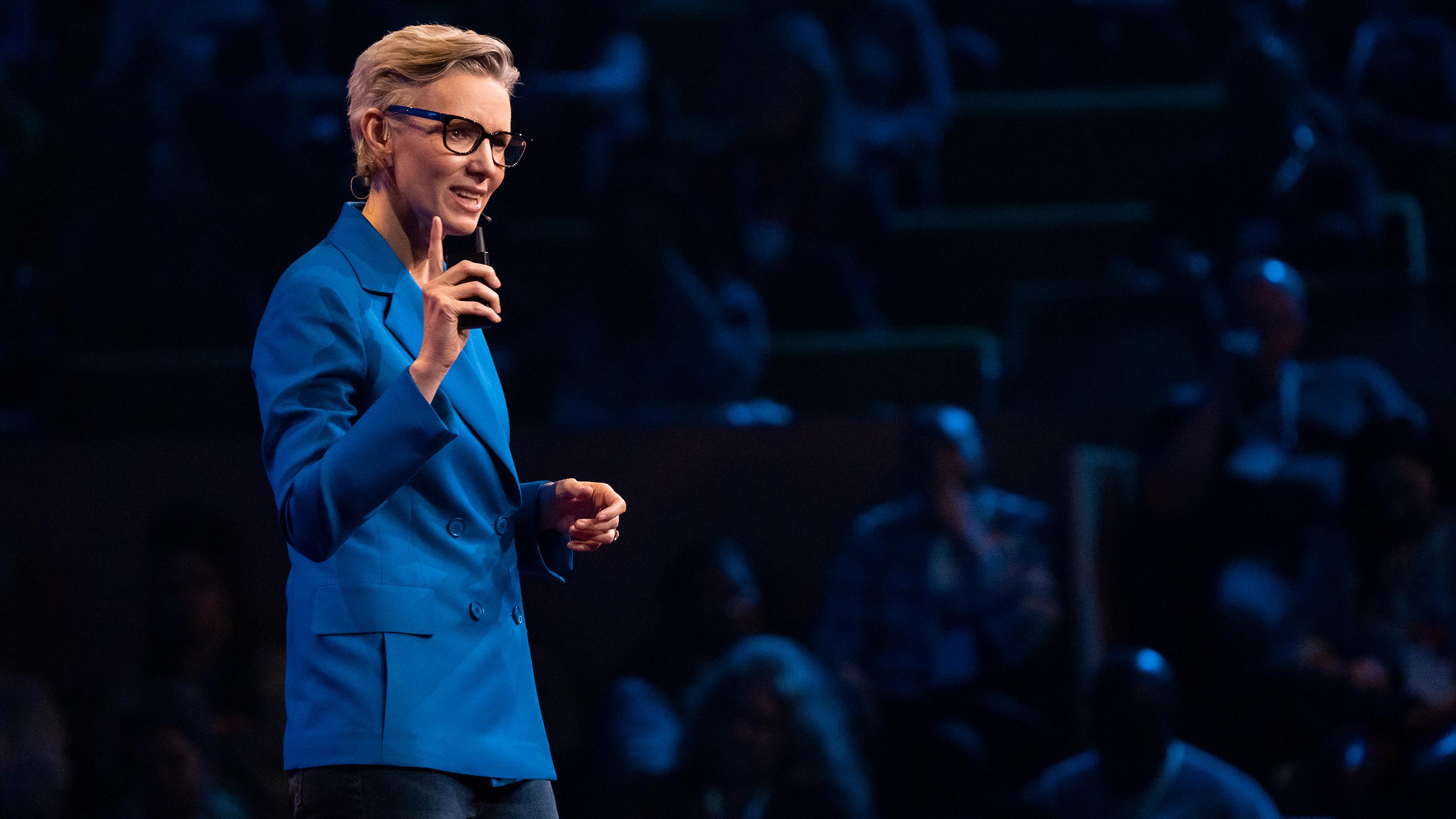
5 steps to fix any problem at work | Anne Morriss
In a practical, playful talk, leadership visionary Anne Morriss reinvents the playbook for how to lead through change -- with a radical, one-week plan to build trust and fix problems by following a step per day.
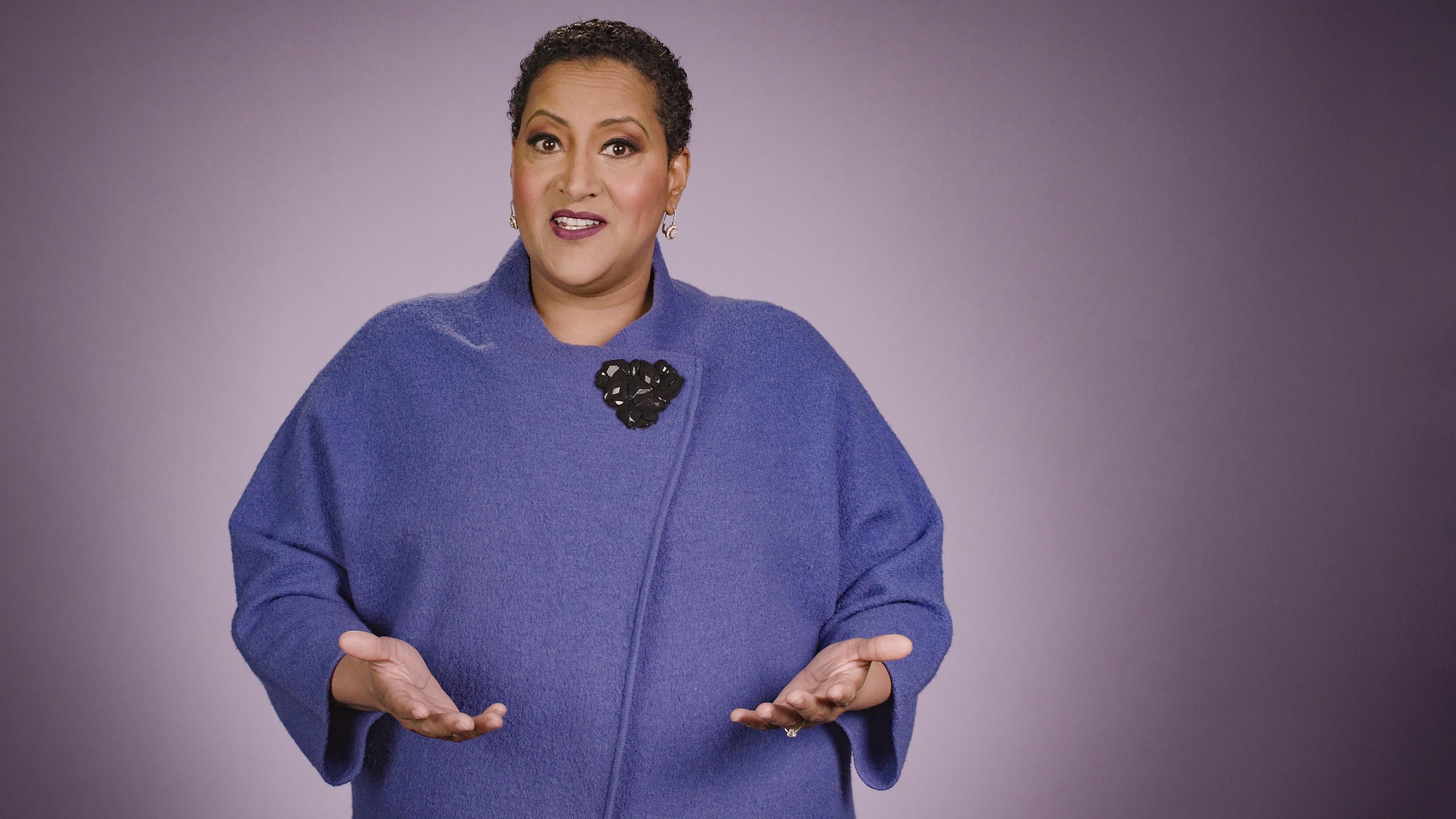
4 ways to make hybrid work better for everyone | Tsedal Neeley
How can we rethink hybrid work so it brings out the best in both in-person and distributed employees? Leadership expert Tsedal Neeley shares the changes that we need to make in order to create workplaces that actually work -- no matter where you're located.
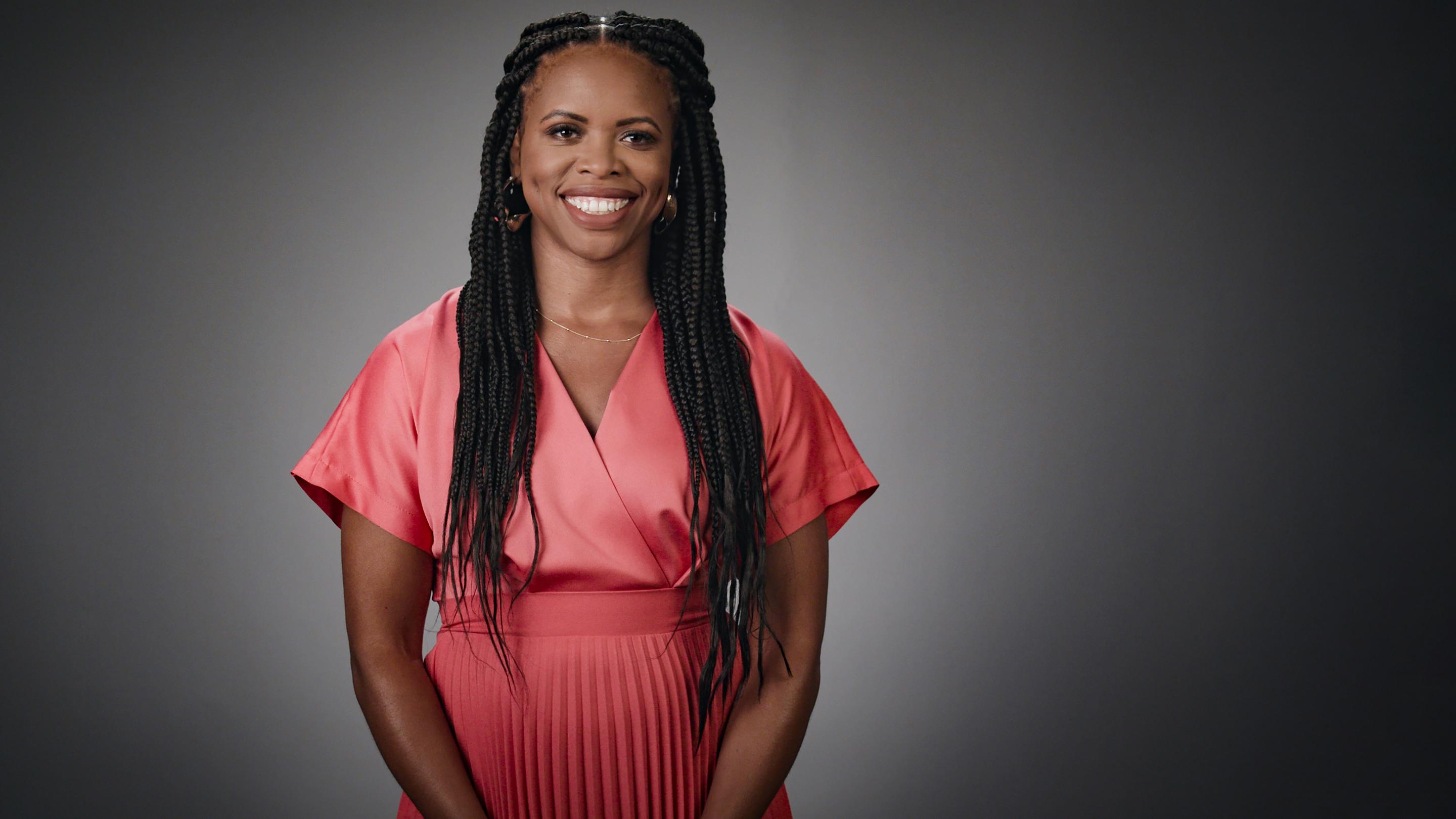
Your 3-step guide to setting better boundaries at work | Nedra Glover Tawwab
Know you should establish clear limits at work but not sure how to do it? Here are a few strategies from relationship therapist and author Nedra Glover Tawwab that can help you feel more empowered and less overwhelmed, both on and off the job.
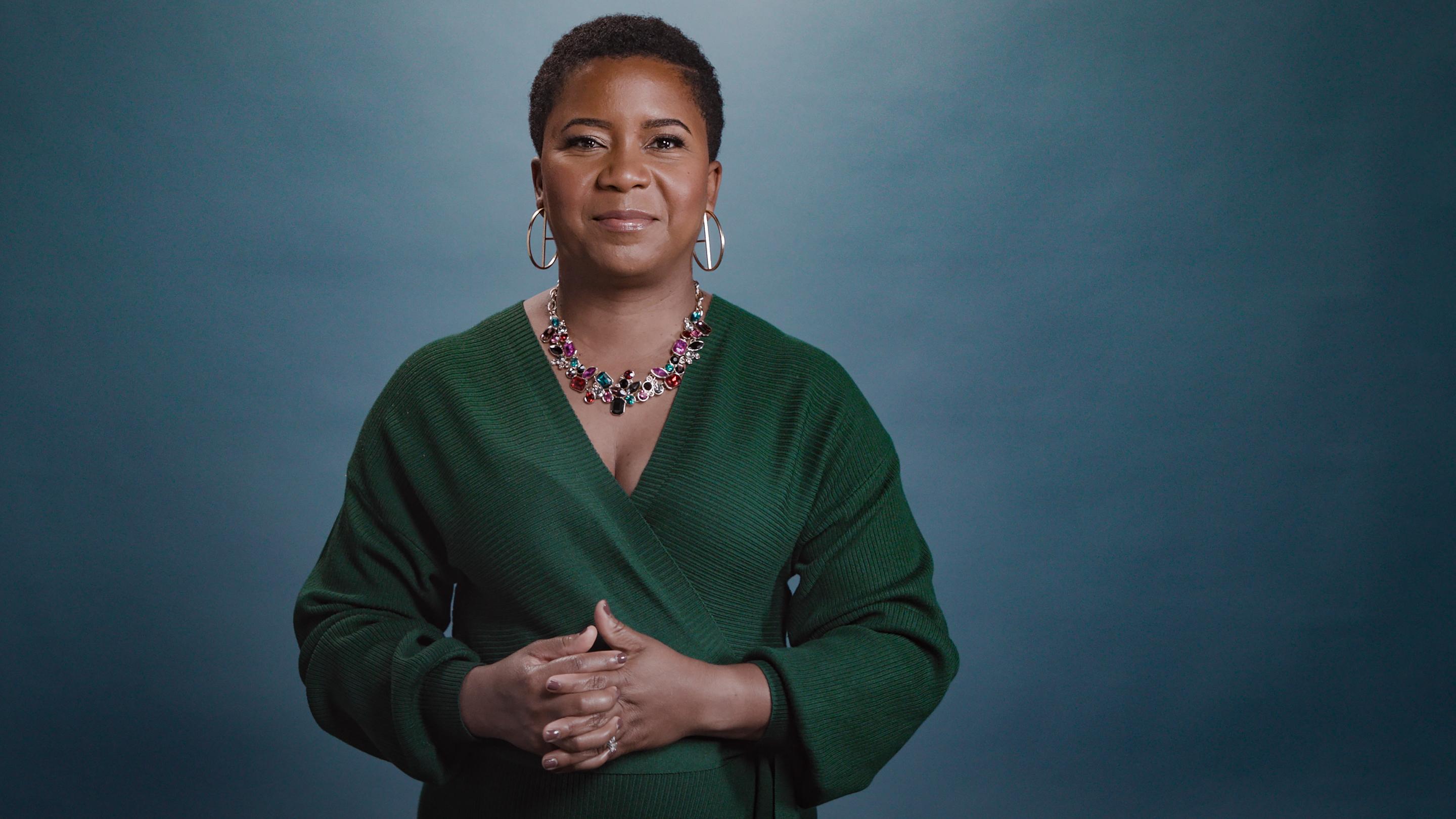
How to quit your job — without ruining your career | Gala Jackson
Stuck in an unfulfilling or stagnant job? To achieve a smooth departure without burning bridges, try this three-step exit strategy from career coach Gala Jackson. She'll help you move on to your next position with courage, confidence and clarity.
The habit that could improve your career (and your life) | Paul Catchlove
Paul Catchlove believes strongly in the power of reflection. Through every career he's held -- from priest to opera singer to senior management consultant -- he's benefitted from a habit of considering and analyzing his goals, needs and performance. Learn more about how a regular practice of reflection can improve your decision-making, career and relationships.
How millennials and Gen Z can invest in a better future | Miguel Goncalves
Millennials and Gen Z will inherit 30 trillion dollars of wealth in the coming decades, and what they do with their money will have an incredible impact on the future of the planet, says impact investor Miguel Goncalves. He makes a case for ESG investing -- or putting money in funds that weigh environmental and social factors -- and proposes a societal shift towards a more sustainable and equitable future, led by a forward-thinking next generation.
5 hiring tips every company (and job seeker) should know | Nithya Vaduganathan
To keep up with a rapidly evolving job market, hiring practices need to change, too. In this practical talk, talent strategy expert Nithya Vaduganathan shares five crucial tips every hiring manager (and job seeker) should know in order to cultivate an inclusive work culture, inspire productivity and unleash talent hiding in plain sight.
How great leaders take on uncertainty | Anjali Sud and Stephanie Mehta
In a constantly changing world, it's impossible for leaders to provide employees with the assurance they want, says Vimeo CEO Anjali Sud. Her solution: lead with humanity and flexibility. In conversation with veteran journalist Stephanie Mehta, Sud discusses her experience connecting remote employees worldwide, addressing burnout and adapting company practices for the needs of the next generation. Hear her vision for the future of work and ideas on how to be a leader that empowers others.
How to outthink your competition -- with a lesson from sports | Rasmus Ankersen
Does success come from luck or skill, and how do you tell the difference? One way to find an answer: think like a pro gambler does, says football executive Rasmus Ankersen. Using sports analytics to emphasize his point, Ankersen digs into the reasons why successful companies often hesitate to change until it's too late, offering data-driven lessons on how to stay ahead of your competition.
How AI could empower any business | Andrew Ng
Expensive to build and often needing highly skilled engineers to maintain, artificial intelligence systems generally only pay off for large tech companies with vast amounts of data. But what if your local pizza shop could use AI to predict which flavor would sell best each day of the week? Andrew Ng shares a vision for democratizing access to AI, empowering any business to make decisions that will increase their profit and productivity. Learn how we could build a richer society – all with just a few self-provided data points.
What capitalism gets right -- and governments get wrong | Katherine Mangu-Ward
Is capitalism a good thing? Journalist Katherine Mangu-Ward makes the case that "weirdos" left alone to innovate and explore far-out ideas in a free market system are our best hope for the future. She asks us to reconsider our qualms about capitalism, failure and corporate death, analyzing the recent history of General Motors and Facebook to illustrate why we're better off with a lot less government intervention.
How to write less but say more | Jim VandeHei
As the saying goes, less is more. The same goes for words. Listen as Politico and Axios co-founder Jim VandeHei shares what he's learned leading two media companies -- and how to radically rethink the way you write to keep people's attention in a distracted digital world.
The mindset shift needed to tackle big global challenges | Bernhard Kowatsch
Social entrepreneur Bernhard Kowatsch shares real-life examples of how a business approach focused on accelerating tech (like a blockchain-supported way to bring food to refugees or a machine that fortifies flour at small mills in Africa) can help make an impact on big, seemingly intractable problems. "Innovation and technology can create so much good in the world, and together we can solve the world's biggest challenges," he says.
What Wikipedia teaches us about balancing truth and beliefs | Katherine Maher
Even with public trust at an all-time low, Wikipedia continues to maintain people's confidence. How do they do it? Former CEO of Wikimedia Foundation Katherine Maher delves into the transparent, adaptable and community-building ways the online encyclopedia brings free and reliable information to the public -- while also accounting for bias and difference of opinion. "The seeds of our disagreement can actually become the roots of our common purpose," she says.
How labor unions shape society | Margaret Levi
The weekend. Social Security. Health insurance. What do these things have in common? They all exist thanks to the advocacy of labor unions. Political economist Margaret Levi explains how these organizations forge equality and protect worker rights, calling for a 21st-century revival of the labor movement in order to build a more equitable future.
The workplace, redefined by women of color | Deepa Purushothaman
Corporate inclusion visionary Deepa Purushothaman shares how women of color can advocate for themselves in workplace settings where they are undervalued, discriminated against and overlooked -- and how companies can foster working cultures that empower everyone to achieve success. (This conversation, hosted by TED current affairs curator Whitney Pennington Rodgers, was part of an exclusive TED Membership event. Visit ted.com/membership to become a TED Member.)
The case for a 4-day work week | Juliet Schor
The traditional approach to work needs a redesign, says economist Juliet Schor. She's leading four-day work week trials in countries like the US and Ireland, and the results so far have been overwhelmingly positive: from increased employer and customer satisfaction to revenue growth and lower turnover. Making the case for a four-day, 32-hour work week (with five days of pay), Schor explains how this model for the future of work could address major challenges like burnout and the climate crisis -- and shares how companies and governments could work together to make it a reality.
The likability dilemma for women leaders | Robin Hauser
When women lead, bias often follows. Documentarian Robin Hauser dives into the dilemma between competence and likability faced by women in leadership roles, detangling the unconscious beliefs and gendered thinking that distort what it means to be a good leader.
The power of purpose in business | Ashley M. Grice
What's a company's purpose? It's not the same as mission or vision, which change when leadership changes. Strategist Ashley M. Grice explains the power of purpose to push boundaries of innovation and bring clarity to every aspect of an organization, from the top floor to the shop floor.

Why play is essential for business | Martin Reeves
To thrive in today's competitive economy, you need to constantly reimagine your business. So what's the secret to sustained success? Strategist Martin Reeves makes a pitch for embracing play to spark innovative business ideas -- and invites you to try out a series of imagination games that he uses to get leaders to stretch their thinking and dream up new possibilities.
Why great leaders take humor seriously | Jennifer Aaker and Naomi Bagdonas
There's a mistaken belief in today's working world that leaders need to be serious all the time to be taken seriously. The research tells a different story. Based on the course they teach at Stanford's Graduate School of Business, behavioral scientist Jennifer Aaker and corporate strategist Naomi Bagdonas delve into the surprising power of humor: why it's a secret weapon to build bonds, power, creativity and resilience -- and how we can all have more of it.
What makes a job "good" -- and the case for investing in people | Warren Valdmanis
Businesses need to stop cutting labor costs and start investing in people, says social impact investor Warren Valdmanis. In this perspective-shifting talk, he breaks down the essential ingredients of a "good" job -- which is more than just the size of a paycheck -- and shares why they're key to building great companies.
4 steps to hiring fairly -- and supporting criminal justice reform | Nyra Jordan
Many companies have made strides when it comes to prioritizing diversity, equity, and inclusion (DEI), but one group remains largely left out: people who have been involved in the criminal justice system. Social impact investor Nyra Jordan introduces us to "fair chance hiring" -- the practice of hiring people with criminal justice records -- and shares four steps companies can take to make sure everyone has a shot at getting a job.
The value of kindness at work | James Rhee
Kindness can go a long way when it comes to reshaping a business. Having saved a fashion company from the brink of bankruptcy, entrepreneur James Rhee shares the value of investing in a culture of compassion at work -- and shows why we should all lead with our hearts.
3 rules to help you build a successful business | Julissa Prado
Have an idea you're yearning to turn into a business? Julissa Prado, founder and CEO of Rizos Curls, explains how she was inspired by the Latino and immigrant communities she grew up in -- and shares 3 principles that guide her in her work.
5 tips for dealing with meeting overload | Cindy Solomon
Could this meeting have been an email? The phenomenon of "calendar creep," where meetings completely take over your work days, is wasting time, energy and productivity -- but you can take back control. Leadership expert Cindy Solomon shares her five tips for clearing up your schedule and getting your calendar to work for you, not against you.
Want to truly succeed? Lift others up while you climb | AJ Hikes
It's up to all of us to create a more inclusive and diverse workplace. No matter where you are in your career journey, it's essential that you help others grow, even as you are growing yourself, says ACLU Chief Equity Officer AJ Hikes. They lay out three ways we can help each other succeed -- and empower and advance those who historically have been left behind.
3 rules for better work-life balance | Ashley Whillans
Have you answered a work email during an important family event? Or taken a call from your boss while on vacation? According to behavioral scientist and Harvard Business School professor Ashley Whillans, "always-on" work culture is not only ruining our personal well-being -- but our work, as well. She shares which bad habits are stopping us from getting what we need out of our free time and three practical steps for setting boundaries that stick.
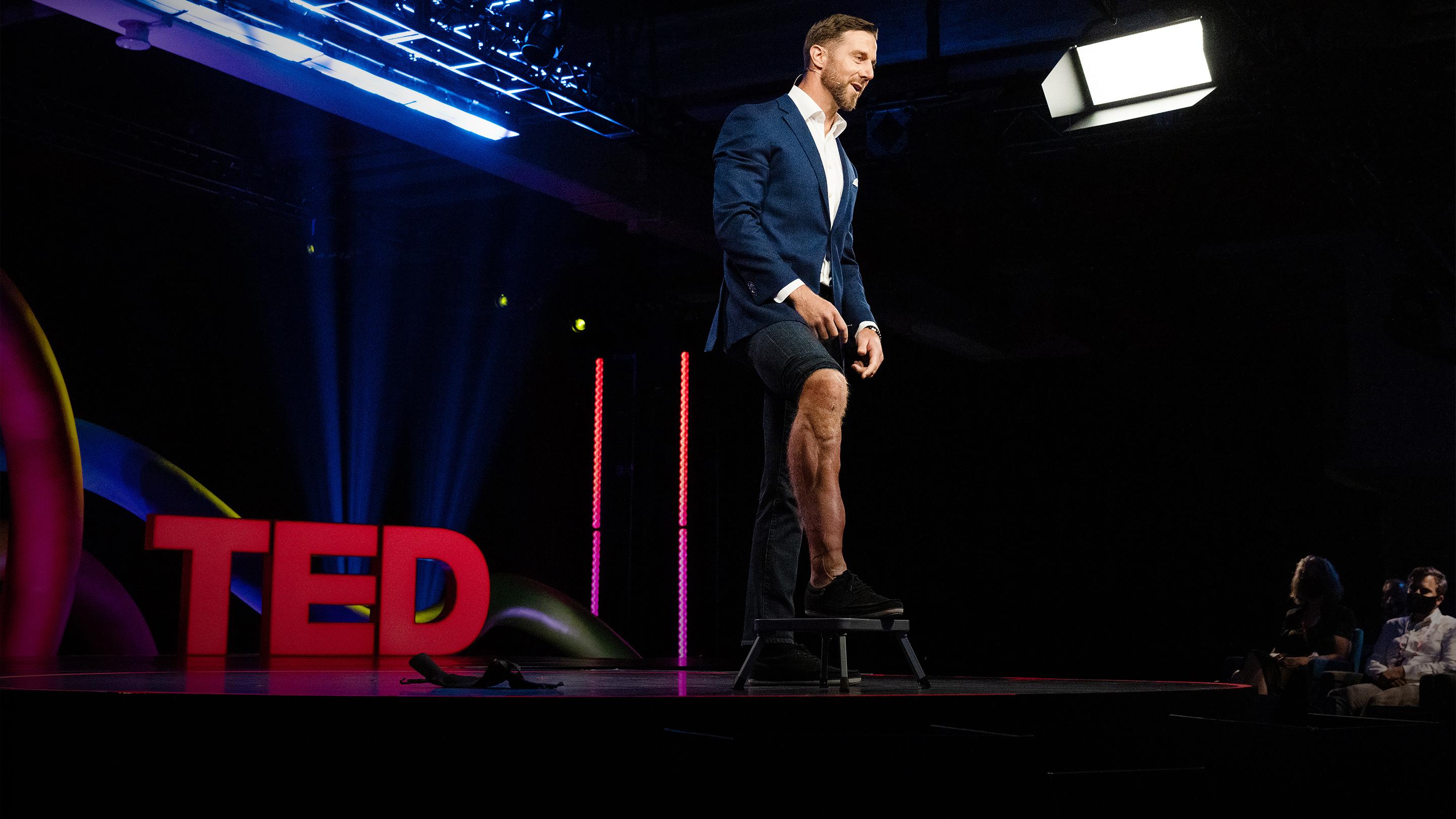
An NFL quarterback on overcoming setbacks and self-doubt | Alex Smith
Former NFL quarterback Alex Smith almost died after a particularly rough tackle snapped his leg in 2018 -- yet he was back on the field just two years later. In this inspiring talk, he shares his hard-won insights on overcoming fear, self-doubt and anxiety that could help anyone endure life's challenges. (This talk contains graphic images.)
An interactive map to track (and end) pollution in China | Ma Jun
China has pledged to be carbon neutral by 2060 -- and its citizens are helping industries across the country reach that goal. Environmentalist Ma Jun introduces the Blue Map, an app that empowers people to report pollution violations in their communities and track real-time environmental data, holding emitters accountable and helping companies along the global supply chain make informed sourcing decisions. Hear how the app uses the power of transparency to motivate more than 14,000 factories (so far) to clean up.
The link between menopause and gender inequity at work | Andrea Berchowitz
Hot flashes, joint pain, anxiety, depression, difficulty sleeping -- these unforgiving menopause symptoms directly impact work but often go overlooked and under-discussed as a taboo topic, says entrepreneur Andrea Berchowitz. She gives practical advice on how to create a menopause-friendly work culture that supports gender equity and diversity retention in the workplace.
The emotions behind your money habits | Robert A. Belle
Your money habits reveal a lot about you: your hopes, fears, dreams and other deep personal truths you may not even be aware of, says accountant Robert A. Belle. He shares how taking stock of your transaction history can unlock surprisingly valuable insights about what drives you to spend (and save) -- and provides practical tips on how to perform an "emotional audit" of your expenses.

The rigged test of leadership | Sophie Williams
The glass cliff: an experience of taking on a leadership role only to find that your chances of success have been limited before you've even begun. Equality activist Sophie Williams explores the research-backed reasons behind this workplace phenomenon and how it overwhelmingly affects underrepresented groups, despite a facade of progress and inclusion. Learn more about the biases and behaviors that set people up for failure -- and what can be done to make the path to success in leadership better for everyone.

The best career path isn't always a straight line | Sarah Ellis and Helen Tupper
Conventional wisdom frames the ideal career path as a linear one -- a ladder to be climbed with a single-minded focus to get to the top. Career development consultants Sarah Ellis and Helen Tupper invite you to replace this outdated and limiting model with "squiggly" careers: dynamic, open-ended growth paths tailor-made for your individual needs, talents and ambitions. A radical rethink for anyone who feels restricted and defined by the limits of the corporate ladder.
The case for co-ops, the invisible giant of the economy | Anu Puusa
Think capitalism is broken? Try cooperativism, says co-op enthusiast and researcher Anu Puusa. She lays out how cooperatives -- businesses owned, operated and controlled by their members -- can both make money and have a positive impact on the environment and local communities. With co-ops, Puusa says, doing good business and doing good at the same time becomes possible.

7 tools for building a business people trust | Marcos Aguiar
Why do we trust some companies and not others? Using real-world examples, digital trust advisor Marcos Aguiar decodes this make-or-break quality -- and offers seven tools to help leaders design a foundation of trust into their business ecosystems in order to achieve long-term success.
Why corporate diversity programs fail -- and how small tweaks can have big impact | Joan C. Williams
Companies in the US spend billions of dollars each year on diversity, equity and inclusion initiatives, but subtle (and not so subtle) workplace biases often cost these initiatives -- and the people they're meant to help -- big time by undermining their goals. DEI expert Joan C. Williams identifies five common patterns of bias that cause these programs to fail -- and offers a data-driven approach to pinpoint where things go wrong and how to make progress instead.
4 myths and misunderstandings about doing business in Africa | Nomava Zanazo
Business in Africa is booming -- but international companies are missing out, says emerging markets expert Nomava Zanazo. Rushing in without knowing their customers, businesses underestimate Africans and make costly assumptions about their diversity, preferences and buying power. Sharing the basics about what companies need to know to succeed on the continent, Zanazo debunks four myths and misunderstandings about Africa and its citizens -- and invites businesses from overseas to share in its wealth ... once they've done their research.
4 lessons the pandemic taught us about work, life and balance | Patty McCord
The COVID-19 pandemic changed the way we work for good. Can it also change it for the better? Consultant Patty McCord reviews four key insights employers and employees alike gleaned from their shift to working from home -- and shares how companies can use what they learned in lockdown to creatively and innovatively rethink how we do business.
The myth of bringing your full, authentic self to work | Jodi-Ann Burey
Calls for authenticity at work ask for passionate people with diverse, fresh perspectives who challenge old ways of thinking. But too often workplace culture fails to support the authenticity of professionals of color and other underrepresented groups, leading instead to backlash and fewer opportunities. Writer Jodi-Ann Burey outlines steps toward exposing privilege and achieving true equity on the job -- and implores those in leadership positions to accept responsibility for change.
The joy of shopping -- and how to recapture it online | Nimisha Jain
Shopping is about more than just what you buy: it's a treasure hunt to discover something new, a negotiation to get a great deal, a time to catch up with friends and family. But for many, online shopping has turned the experience into an impersonal, unsatisfactory event. Is there a way to bring back the magic? With exciting examples from companies in India, Thailand and China, consumer expert Nimisha Jain introduces us to "conversational commerce," a new retail model that combines the convenience of a digital experience with the personalized touch of a real, human interaction.
How your brain responds to stories -- and why they're crucial for leaders | Karen Eber
How do the world's best leaders and visionaries earn trust? They don't just present data -- they also tell great stories. Leadership consultant Karen Eber demystifies what makes for effective storytelling and explains how anyone can harness it to create empathy and inspire action.
The counterintuitive way to be more persuasive | Niro Sivanathan
What's the best way to make a good point? Organizational psychologist Niro Sivanathan offers a fascinating lesson on the "dilution effect," a cognitive quirk that weakens our strongest cases -- and reveals why brevity is the true soul of persuasion.
How to foster true diversity and inclusion at work (and in your community) | Rosalind G. Brewer
When companies think of diversity and inclusion, they too often focus on meeting metrics instead of building relationships with people of diverse backgrounds, says Starbucks COO Rosalind G. Brewer. In this personable and wide-ranging conversation with TED current affairs curator Whitney Pennington Rodgers, Brewer invites leaders to rethink what it takes to create a truly inclusive workplace -- and lays out how to bring real, grassroots change to boardrooms and communities alike.
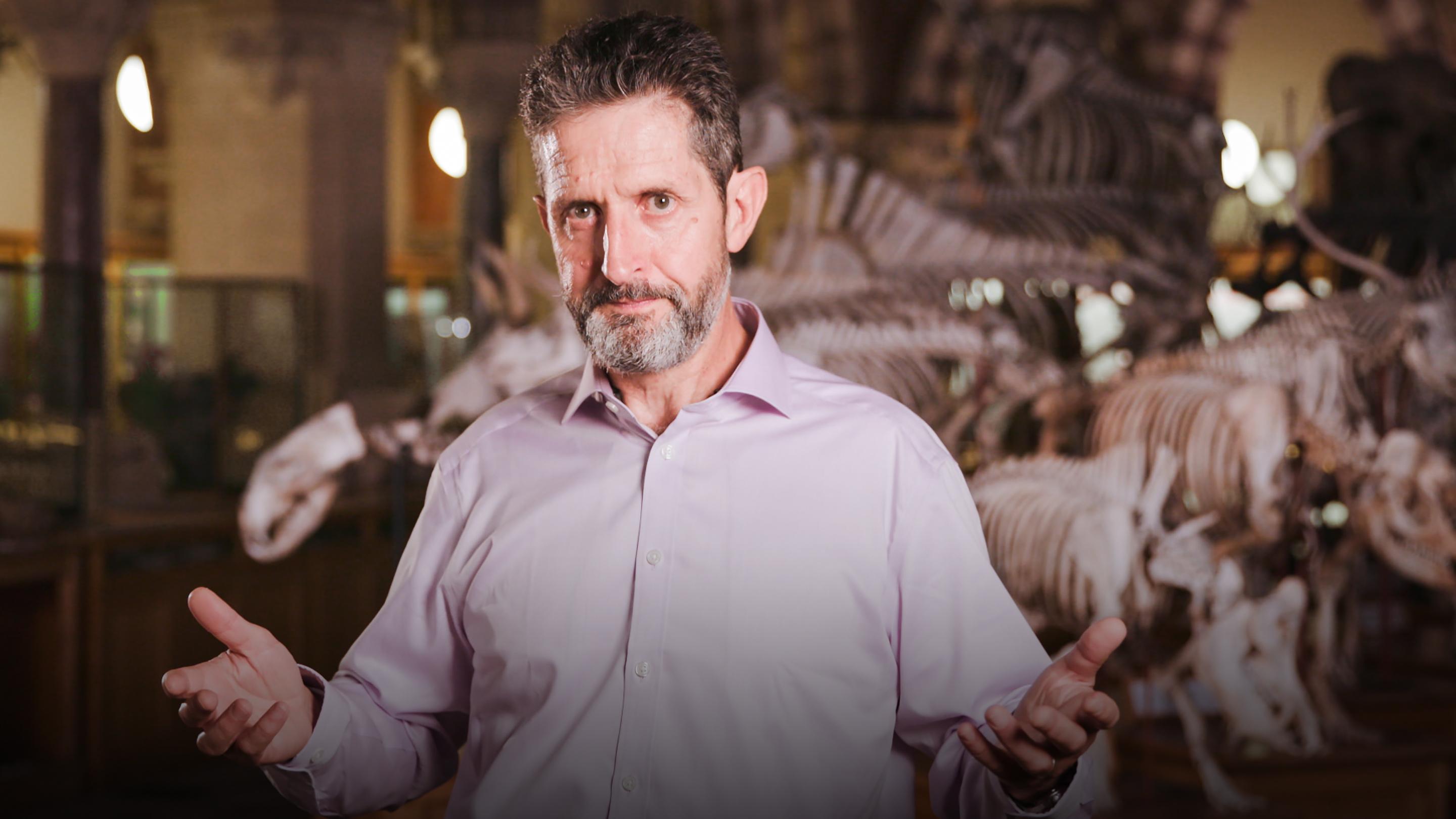
Fossil fuel companies know how to stop global warming. Why don't they? | Myles Allen
The fossil fuel industry knows how to stop global warming, but they're waiting for someone else to pay, says climate science scholar Myles Allen. Instead of a total ban on carbon-emitting fuels, Allen puts forth a bold plan for oil and gas companies to progressively decarbonize themselves and sequester CO2 deep in the earth, with the aim of reaching net-zero emissions by 2050 and creating a carbon dioxide disposal industry that works for everyone.
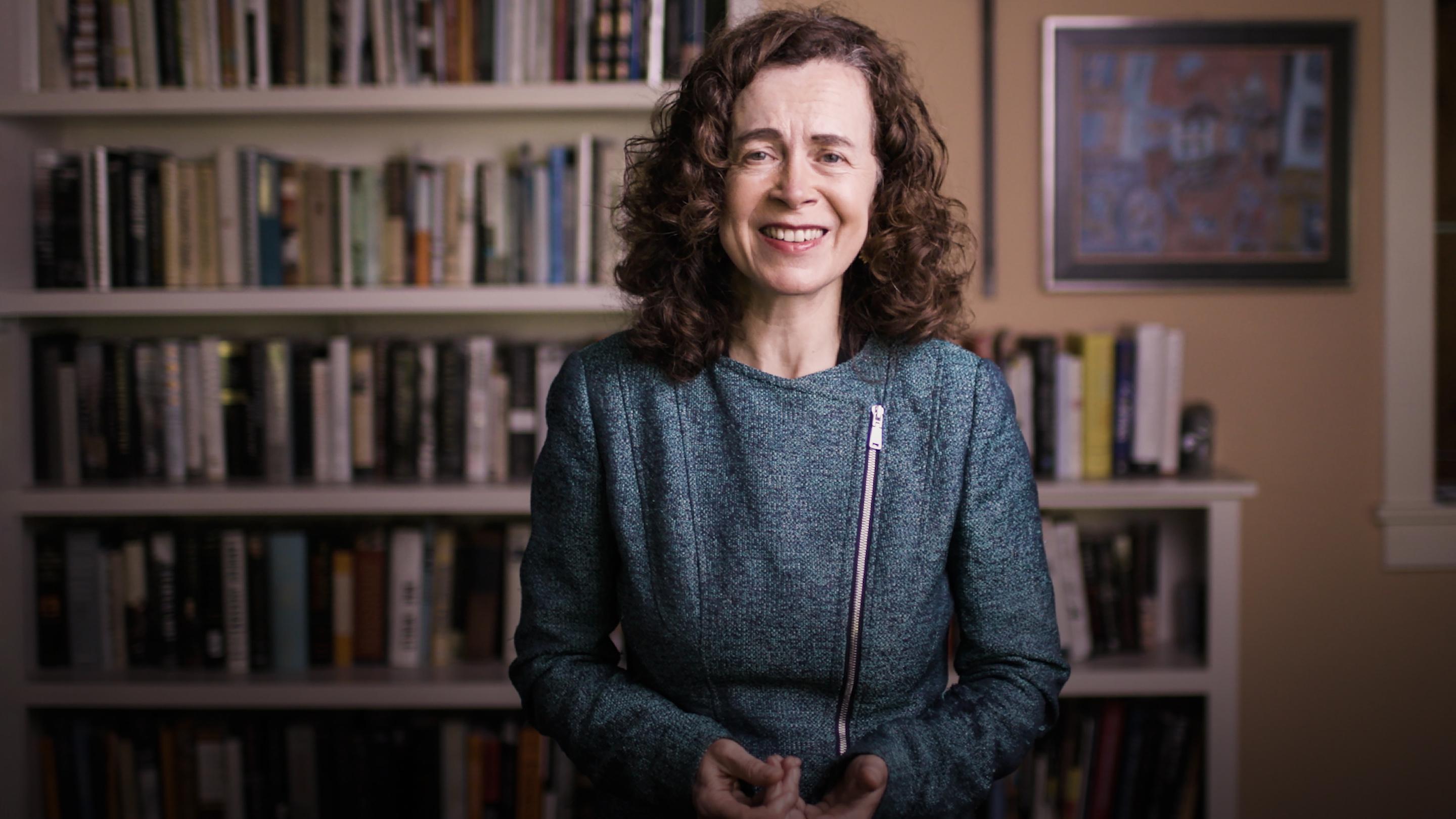
To save the climate, we have to reimagine capitalism | Rebecca Henderson
"Business is screwed if we don't fix climate change," says economist Rebecca Henderson. In this bold talk, she describes how unchecked capitalism destabilizes the environment and harms human health -- and makes the case for companies to step up and help fix the climate crisis they're causing. Hear what a reimagined capitalism, in which companies pay for the climate damage they cause, could look like.
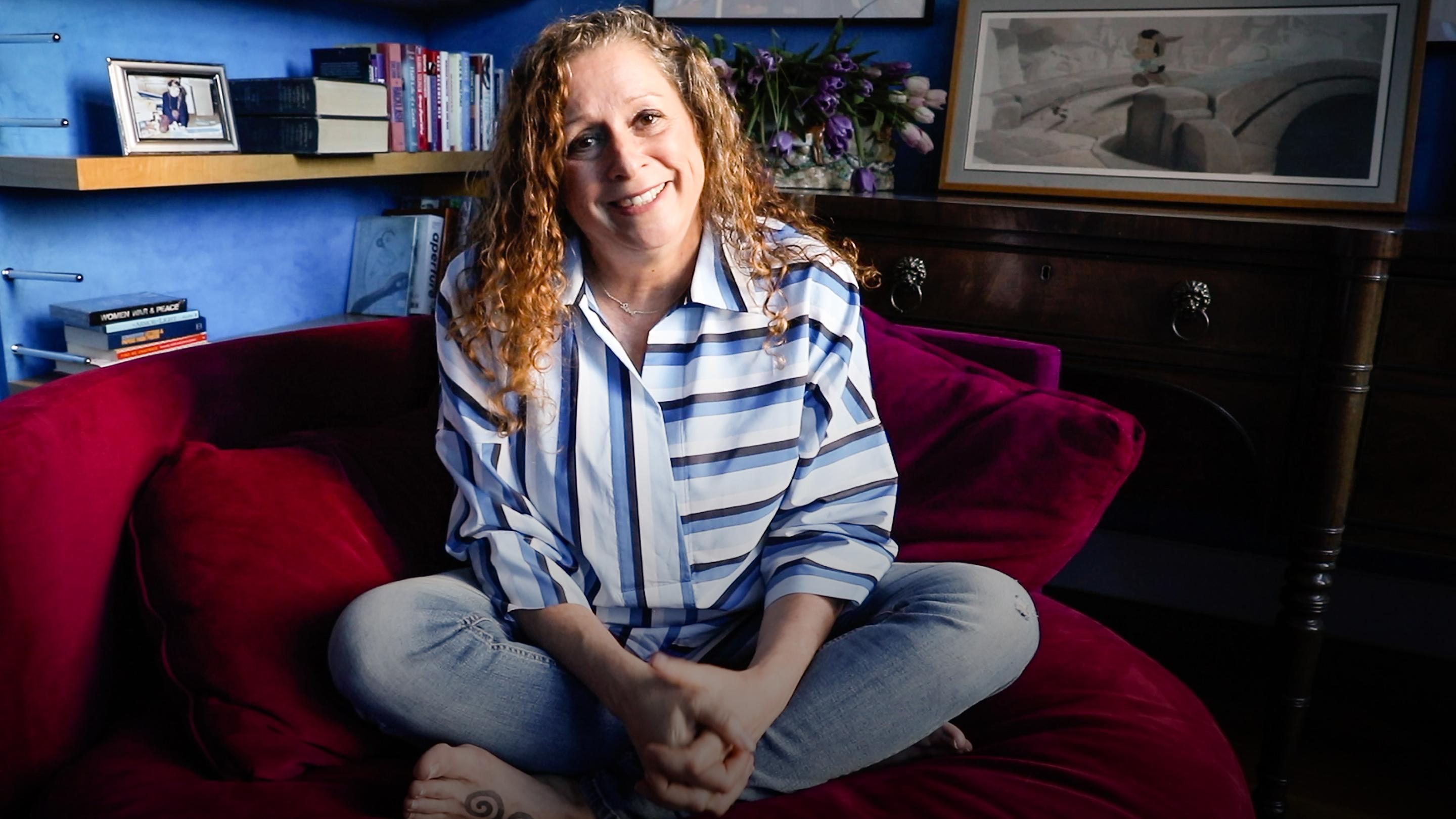
Dignity isn't a privilege. It's a worker's right | Abigail Disney
What's the purpose of a company? In this bold talk, activist and filmmaker Abigail Disney imagines a world where companies have a moral obligation to place their workers above shareholders, calling on Disney (and all corporations) to offer respect, dignity and a living wage to everyone who works for them.
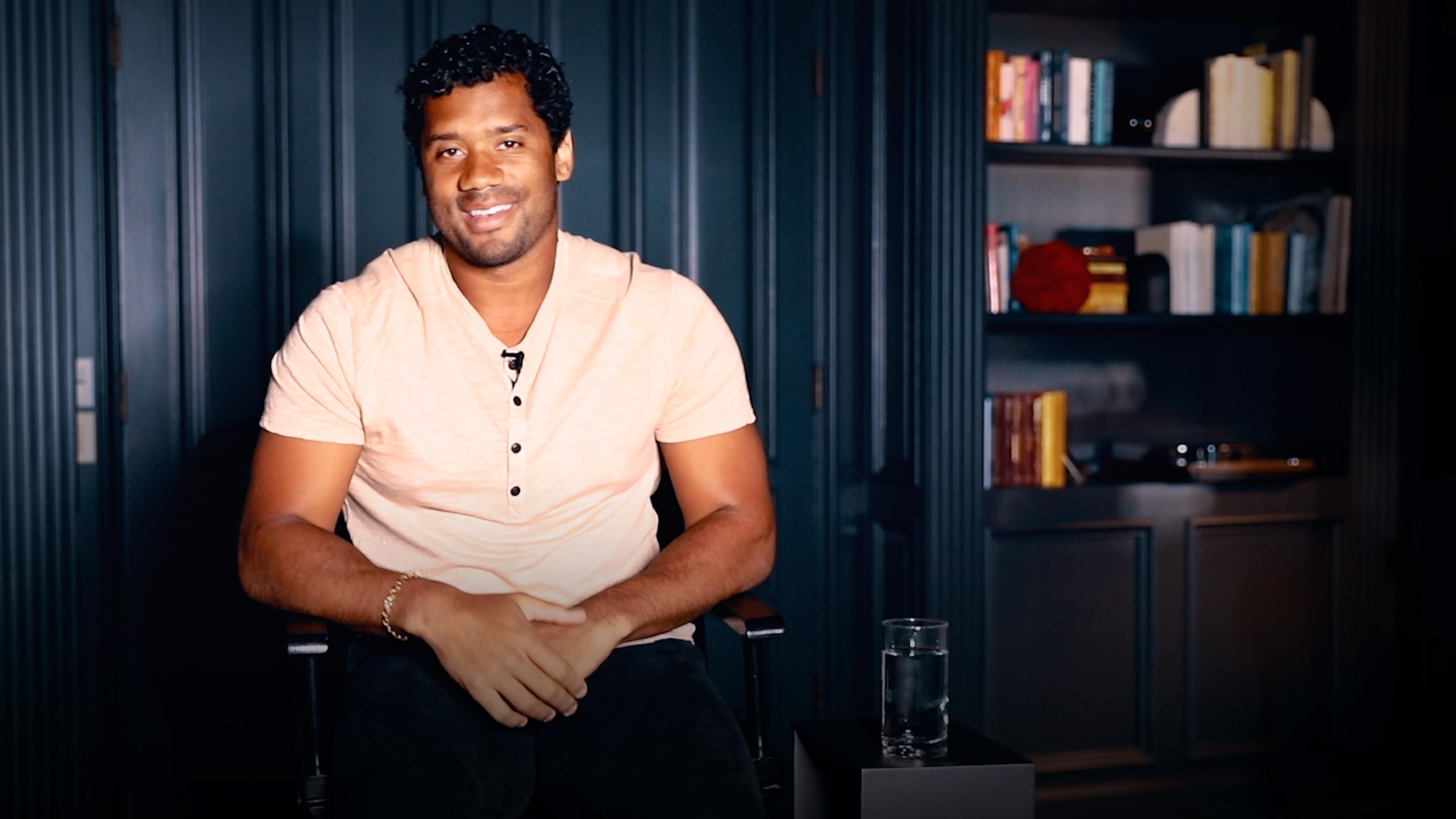
My secret to staying focused under pressure | Russell Wilson
Athletes train their bodies to run faster, jump higher, throw farther -- so why don't they train their minds, too? American football quarterback Russell Wilson talks about the power of "neutral thinking," which helps him thrive under pressure (both on the field and off) -- and shows how you can use this mindset to make the right moves in your own life.

We need to green the economy while restarting it | Nigel Topping
Nigel Topping has a cool job: he's the UK's High Level Climate Action Champion for COP26, the UN's climate change conference taking place in 2021. In this wide-ranging interview, Topping discusses his work with scientists, businesses and cities to drive action on climate change and get the world committed to net zero emissions by 2050. He also explains why he thinks the COVID-19 pandemic could accelerate the transition to a green economy, creating jobs that will last and building a cleaner world for us all. (This virtual conversation, hosted by TED global curator Bruno Giussani and current affairs curator Whitney Pennington Rodgers, was recorded May 26, 2020.)
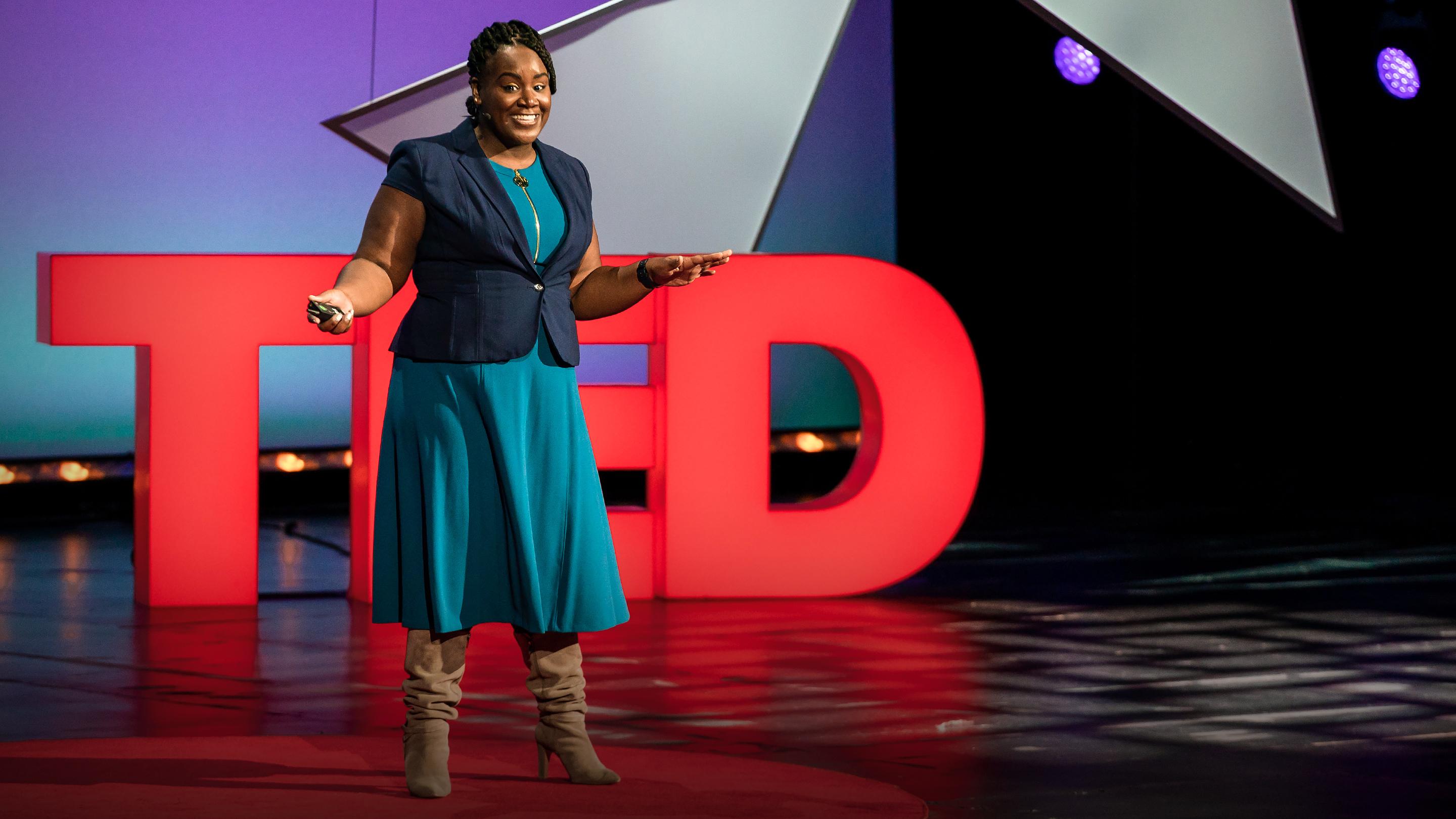
5 steps to remove yourself from drama at work | Anastasia Penright
No matter your industry, you've experienced drama at work. In this funny and all-too-relatable talk, community leader Anastasia Penright outlines five steps you can follow to better coexist with your coworkers and focus on what's really important.