
TED Talks Business
136 episodes — Page 3 of 3
Don't fail fast -- fail mindfully | Leticia Gasca
We celebrate bold entrepreneurs whose ingenuity led them to success, but what happens to those who fail? Far too often, they bury their stories out of shame or humiliation -- and miss out on a valuable opportunity for growth, says author and entrepreneur Leticia Gasca. In this thoughtful talk, Gasca calls for business owners to open up about their failures and makes the case for replacing the idea of "failing fast" with a new mantra: fail mindfully.
How to get serious about diversity and inclusion in the workplace | Janet Stovall
Imagine a workplace where people of all colors and races are able to climb every rung of the corporate ladder -- and where the lessons we learn about diversity at work actually transform the things we do, think and say outside the office. How do we get there? In this candid talk, inclusion advocate Janet Stovall shares a three-part action plan for creating workplaces where people feel safe and expected to be their unassimilated, authentic selves.
The little risks you can take to increase your luck | Tina Seelig
Luck is rarely a lightning strike, isolated and dramatic -- it's much more like the wind, blowing constantly. Catching more of it is easy but not obvious. In this insightful talk, Stanford engineering school professor Tina Seelig shares three unexpected ways to increase your luck -- and your ability to see and seize opportunities.
How to train employees to have difficult conversations | Tamekia MizLadi Smith
It's time to invest in face-to-face training that empowers employees to have difficult conversations, says Tamekia MizLadi Smith. In a witty, provocative talk, Smith shares a workplace training program called "I'm G.R.A.C.E.D." that will inspire bosses and employees alike to communicate with compassion and respect. Bottom line: always let people know why their work matters.
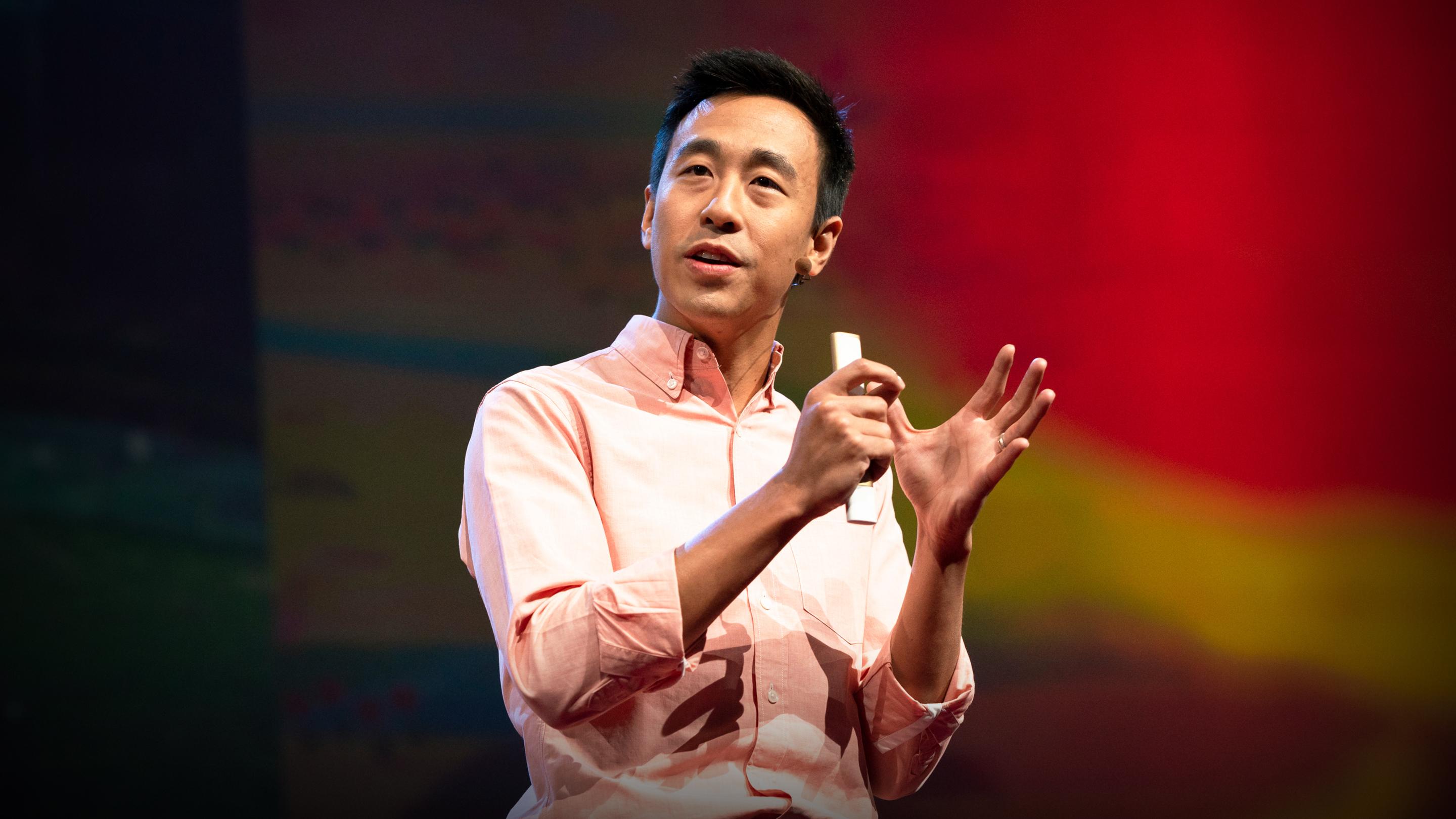
The rapid growth of the Chinese internet -- and where it's headed | Gary Liu
The Chinese internet has grown at a staggering pace -- it now has more users than the combined populations of the US, UK, Russia, Germany, France and Canada. Even with its imperfections, the lives of once-forgotten populations have been irrevocably elevated because of it, says South China Morning Post CEO Gary Liu. In a fascinating talk, Liu details how the tech industry in China has developed -- from the innovative, like AI-optimized train travel, to the dystopian, like a social credit rating that both rewards and restricts citizens.
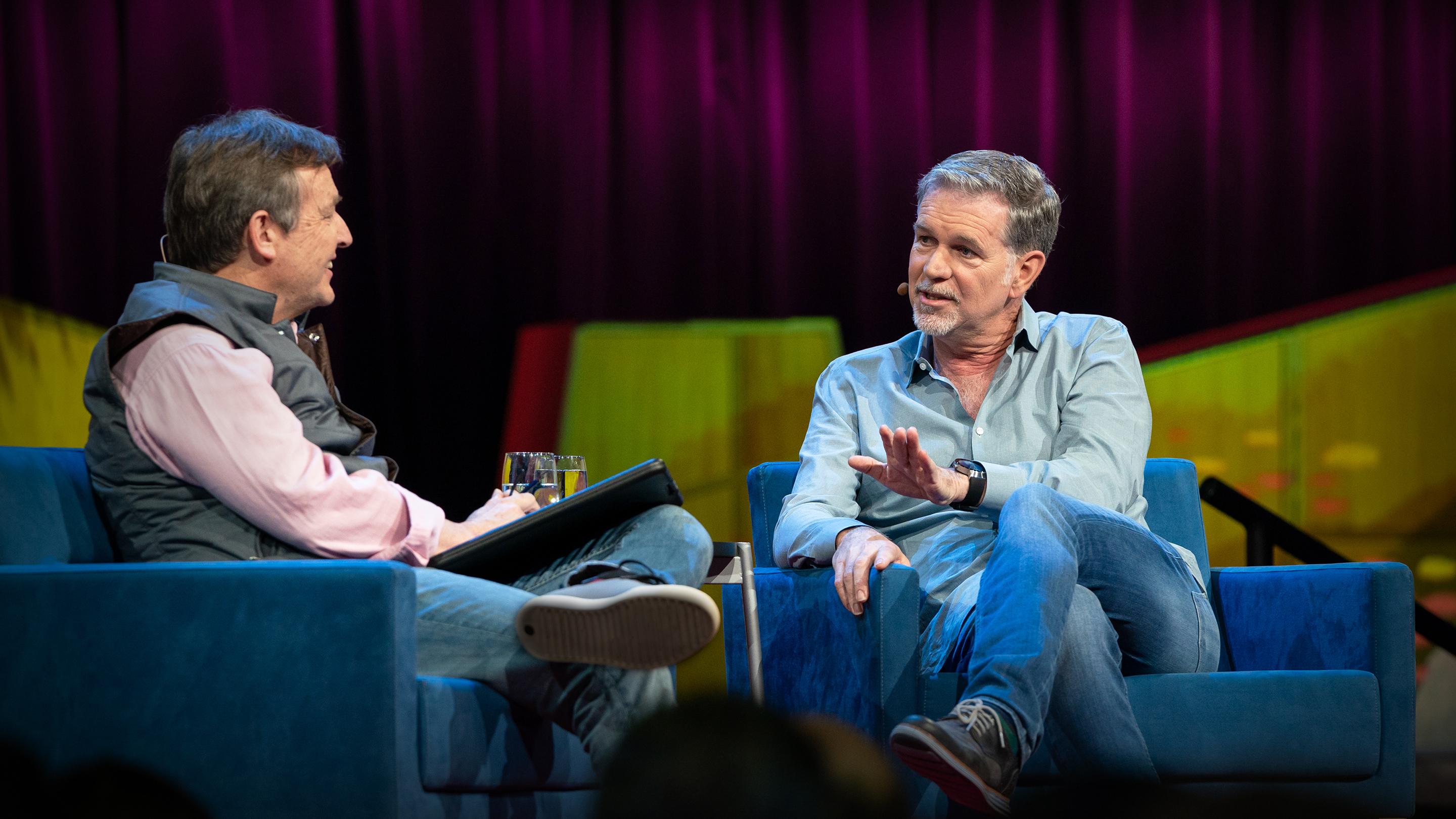
How Netflix changed entertainment -- and where it's headed | Reed Hastings
Netflix changed the world of entertainment -- first with DVD-by-mail, then with streaming media and then again with sensational original shows like "Orange Is the New Black" and "Stranger Things" -- but not without taking its fair share of risks. In conversation with TED curator Chris Anderson, Netflix co-founder and CEO Reed Hastings discusses the company's bold internal culture, the powerful algorithm that fuels their recommendations, the $8 billion worth of content they're investing in this year and his philanthropic pursuits supporting innovative education, among much more.

Why the secret to success is setting the right goals | John Doerr
Our leaders and institutions are failing us, but it's not always because they're bad or unethical, says venture capitalist John Doerr -- often, it's simply because they're leading us toward the wrong objectives. In this practical talk, Doerr shows us how we can get back on track with "Objectives and Key Results," or OKRs -- a goal-setting system that's been employed by the likes of Google, Intel and Bono to set and execute on audacious goals. Learn more about how setting the right goals can mean the difference between success and failure -- and how we can use OKRs to hold our leaders and ourselves accountable.
The age-old sharing economies of Africa -- and why we should scale them | Robert Neuwirth
From rides to homes and beyond, we're sharing everything these days, with the help of digital tools. But as modern and high-tech as the sharing economy seems, it's been alive in Africa for centuries, according to author Robert Neuwirth. He shares fascinating examples -- like apprenticeships that work like locally generated venture capital and systems for allocating scarce water -- and says that if we can propagate and scale these models, they could help communities thrive from the bottom up.
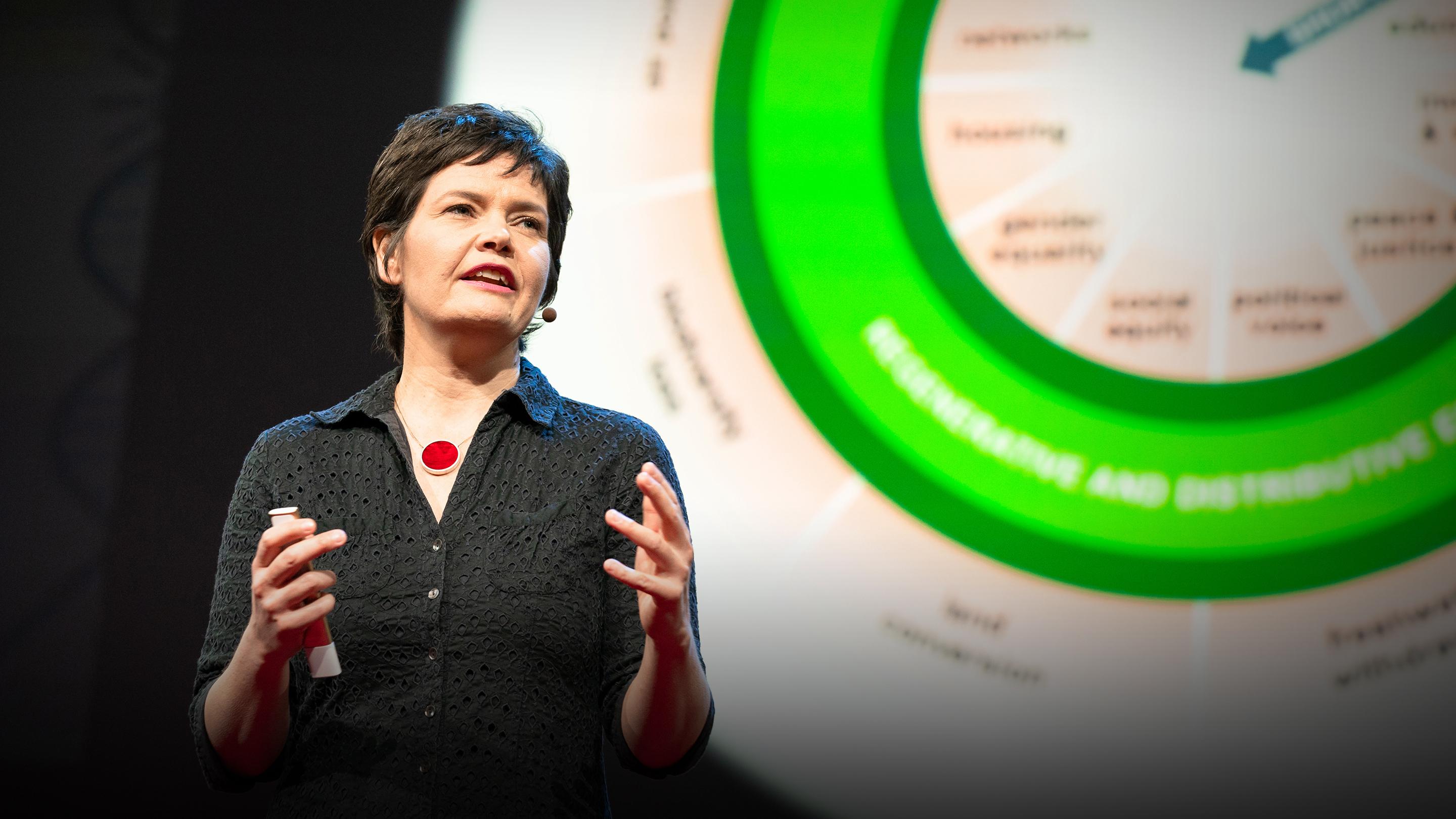
A healthy economy should be designed to thrive, not grow | Kate Raworth
What would a sustainable, universally beneficial economy look like? "Like a doughnut," says Oxford economist Kate Raworth. In a stellar, eye-opening talk, she explains how we can move countries out of the hole -- where people are falling short on life's essentials -- and create regenerative, distributive economies that work within the planet's ecological limits.
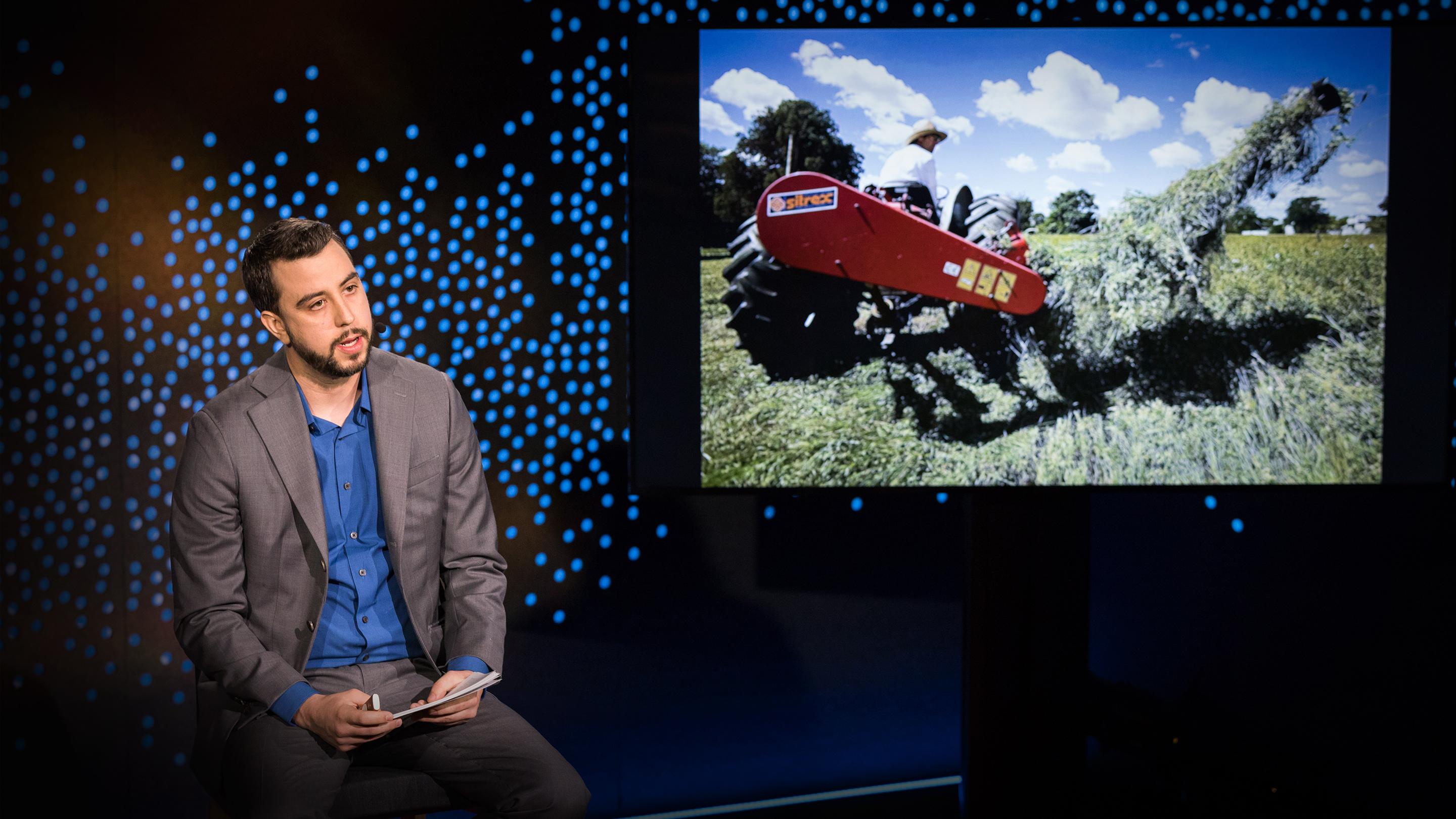
My $500 house in Detroit -- and the neighbors who helped me rebuild it | Drew Philp
In 2009, journalist and screenwriter Drew Philp bought a ruined house in Detroit for $500. In the years that followed, as he gutted the interior and removed the heaps of garbage crowding the rooms, he didn't just learn how to repair a house -- he learned how to build a community. In a tribute to the city he loves, Philp tells us about "radical neighborliness" and makes the case that we have "the power to create the world anew together and to do it ourselves when our governments refuse."
Need a new idea? Start at the edge of what is known | Vittorio Loreto
"Where do great ideas come from?" Starting with this question in mind, Vittorio Loreto takes us on a journey to explore a possible mathematical scheme that explains the birth of the new. Learn more about the "adjacent possible" -- the crossroads of what's actual and what's possible -- and how studying the math that drives it could explain how we create new ideas.
To solve the world's biggest problems, invest in women and girls | Musimbi Kanyoro
As CEO of the Global Fund for Women, Musimbi Kanyoro works to support women and their ideas so they can expand and grow. She introduces us to the Maragoli concept of "isirika" -- a pragmatic way of life that embraces the mutual responsibility to care for one another -- something she sees women practicing all over the world. And she calls for those who have more to give more to people working to improve their communities. "Imagine what it would look like if you embraced isirika and made it your default," Kanyoro says. "What could we achieve for each other? For humanity?" Let's find out -- together.
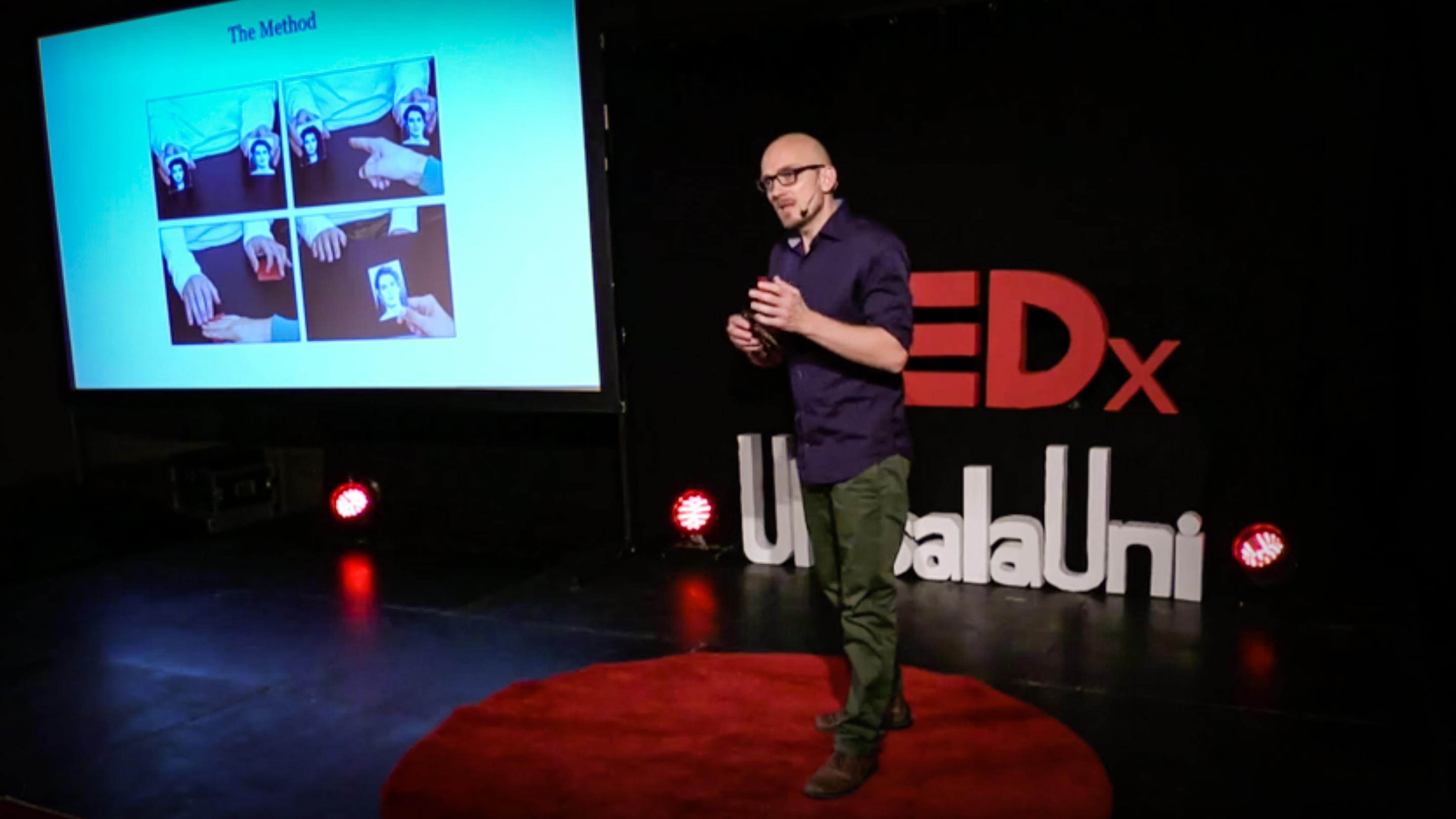
Do you really know why you do what you do? | Petter Johansson
Experimental psychologist Petter Johansson researches choice blindness -- a phenomenon where we convince ourselves that we're getting what we want, even when we're not. In an eye-opening talk, he shares experiments (designed in collaboration with magicians!) that aim to answer the question: Why do we do what we do? The findings have big implications for the nature of self-knowledge and how we react in the face of manipulation. You may not know yourself as well as you think you do.
You don't have to be an expert to solve big problems | Tapiwa Chiwewe
Driving in Johannesburg one day, Tapiwa Chiwewe noticed an enormous cloud of air pollution hanging over the city. He was curious and concerned but not an environmental expert -- so he did some research and discovered that nearly 14 percent of all deaths worldwide in 2012 were caused by household and ambient air pollution. With this knowledge and an urge to do something about it, Chiwewe and his colleagues developed a platform that uncovers trends in pollution and helps city planners make better decisions. "Sometimes just one fresh perspective, one new skill set, can make the conditions right for something remarkable to happen," Chiwewe says. "But you need to be bold enough to try."
Looking for a job? Highlight your ability, not your experience | Jason Shen
Very few of us hold jobs that line up directly with our past experiences or what we studied in college. Take TED Resident Jason Shen; he studied biology but later became a product manager at a tech company. In this quick, insightful talk about human potential, Shen shares some new thinking on how job seekers can make themselves more attractive -- and why employers should look for ability over credentials.

The secret to great opportunities? The person you haven't met yet | Tanya Menon
We often find ourselves stuck in narrow social circles with similar people. What habits confine us, and how can we break them? Organizational psychologist Tanya Menon considers how we can be more intentional about expanding our social universes -- and how it can lead to new ideas and opportunities.

The surprising ingredient that makes businesses work better | Marco Alverà
What is it about unfairness? Whether it's not being invited to a friend's wedding or getting penalized for bad luck or an honest mistake, unfairness often makes us so upset that we can't think straight. And it's not just a personal issue -- it's also bad for business, says Marco Alverà. He explains how his company works to create a culture of fairness -- and how tapping into our innate sense of what's right and wrong makes for happier employees and better results.
The business benefits of doing good | Wendy Woods
"The only way we're going to make substantial progress on the challenging problems of our time is for business to drive the solutions," says social impact strategist Wendy Woods. In a data-packed talk, Woods shares a fresh way to assess the impact all parts of business can have on all parts of society, and then adjust them to not only do less harm but actually improve things. Learn more about how executives can move beyond corporate social responsibility to "total societal impact" -- for the benefit of both a company's bottom line and society at large.
An economic case for protecting the planet | Naoko Ishii
We all share one planet -- we breathe the same air, drink the same water and depend on the same oceans, forests and biodiversity. Economist Naoko Ishii is on a mission to protect these shared resources, known as the global commons, that are vital for our survival. In an eye-opening talk about the wellness of the planet, Ishii outlines four economic systems we need to change to safeguard the global commons, making the case for a new kind of social contract with the earth.
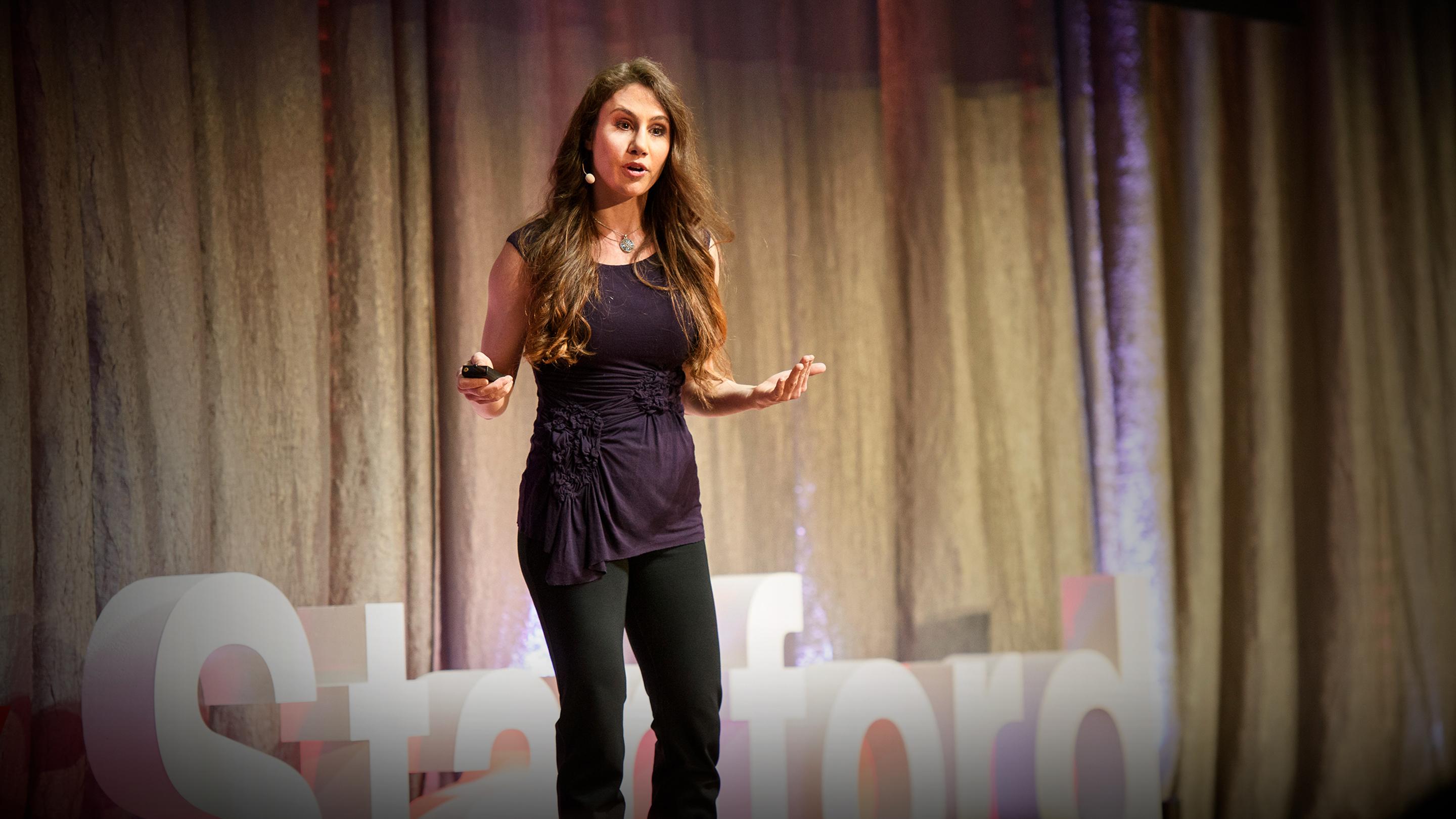
Want to be more creative? Go for a walk | Marily Oppezzo
When trying to come up with a new idea, we all have times when we get stuck. But according to research by behavioral and learning scientist Marily Oppezzo, getting up and going for a walk might be all it takes to get your creative juices flowing. In this fun, fast talk, she explains how walking could help you get the most out of your next brainstorm.
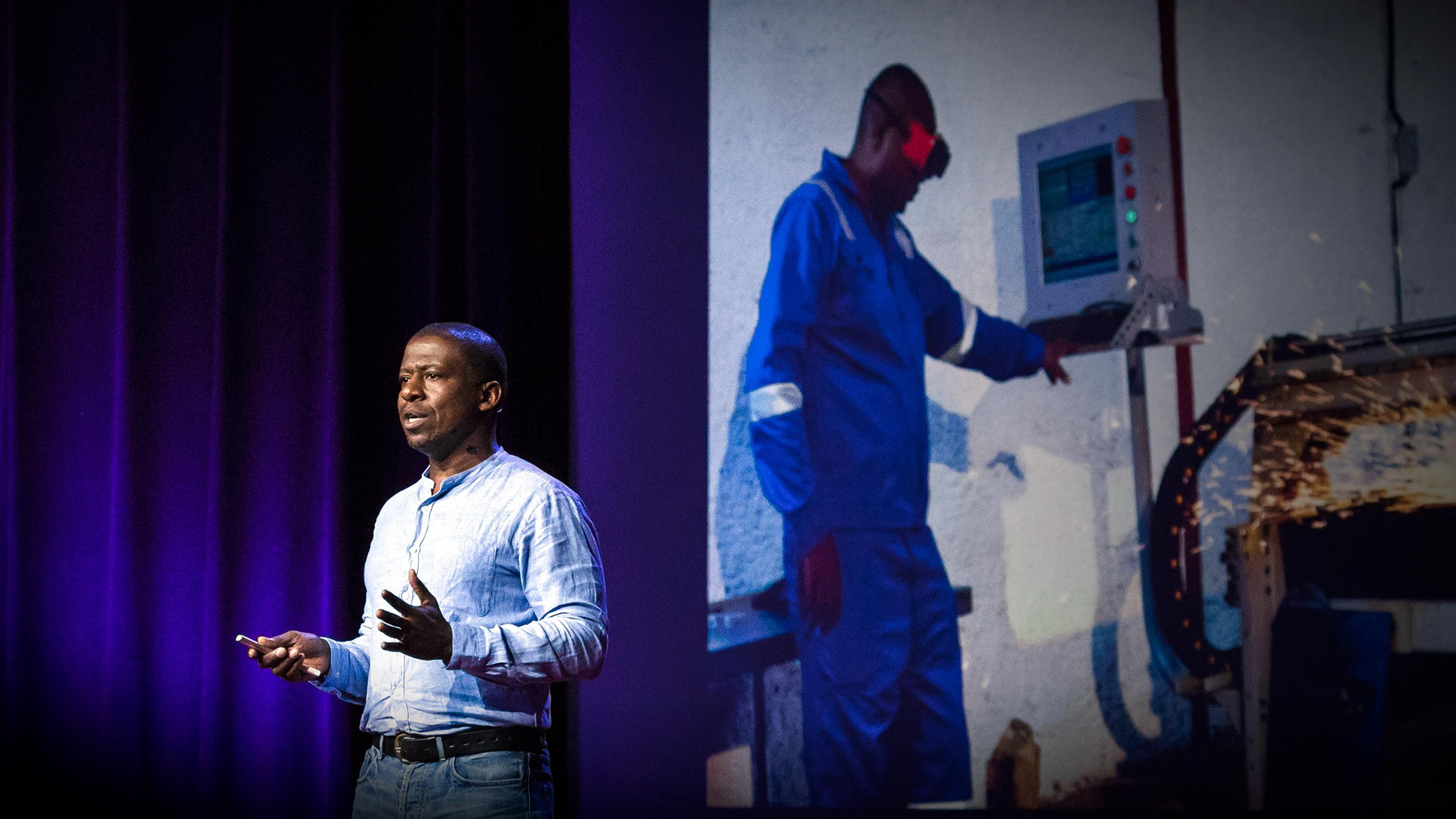
Success stories from Kenya's first makerspace | Kamau Gachigi
Africa needs engineers, but its engineering students often end up working at auditing firms and banks. Why? Kamau Gachigi suspects it's because they don't have the spaces and materials needed to test their ideas and start businesses. To solve this problem, Gachigi started Gearbox, a makerspace and hardware accelerator that provides a rapid prototyping environment for both professionals and people with no formal engineering background. In this forward-thinking talk, he shares some of the extraordinary projects and innovations coming out of his Kenyan fab lab.
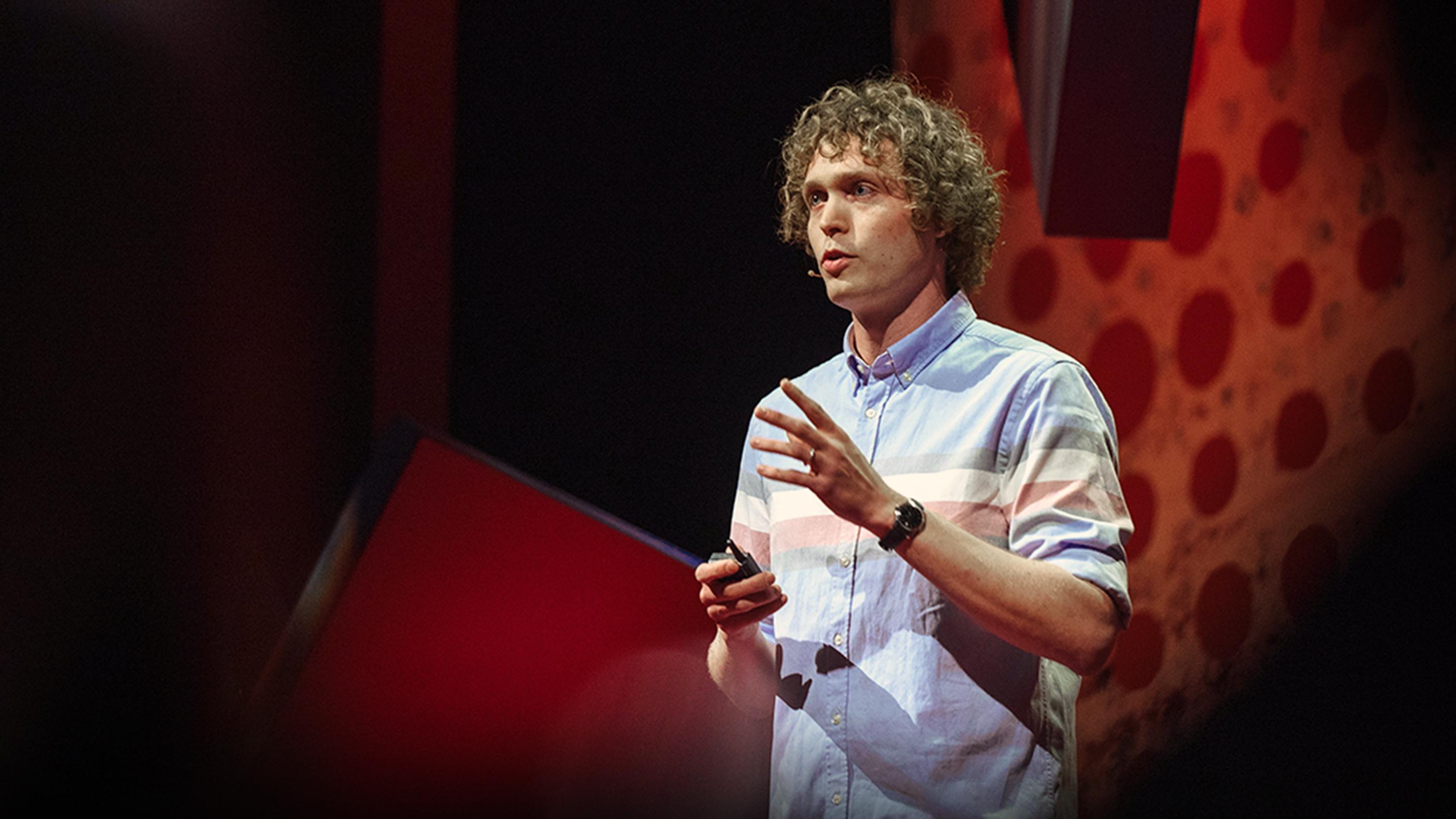
How fake handbags fund terrorism and organized crime | Alastair Gray
What's the harm in buying a knock-off purse or a fake designer watch? According to counterfeit investigator Alastair Gray, fakes like these fund terrorism and organized crime. Learn more about the trillion-dollar underground economy of counterfeiting -- from the criminal organizations that run it to the child labor they use to produce its goods -- as well as measures you can take to help stop it. "Let's shine a light on the dark forces of counterfeiting that are hiding in plain sight," Gray says.
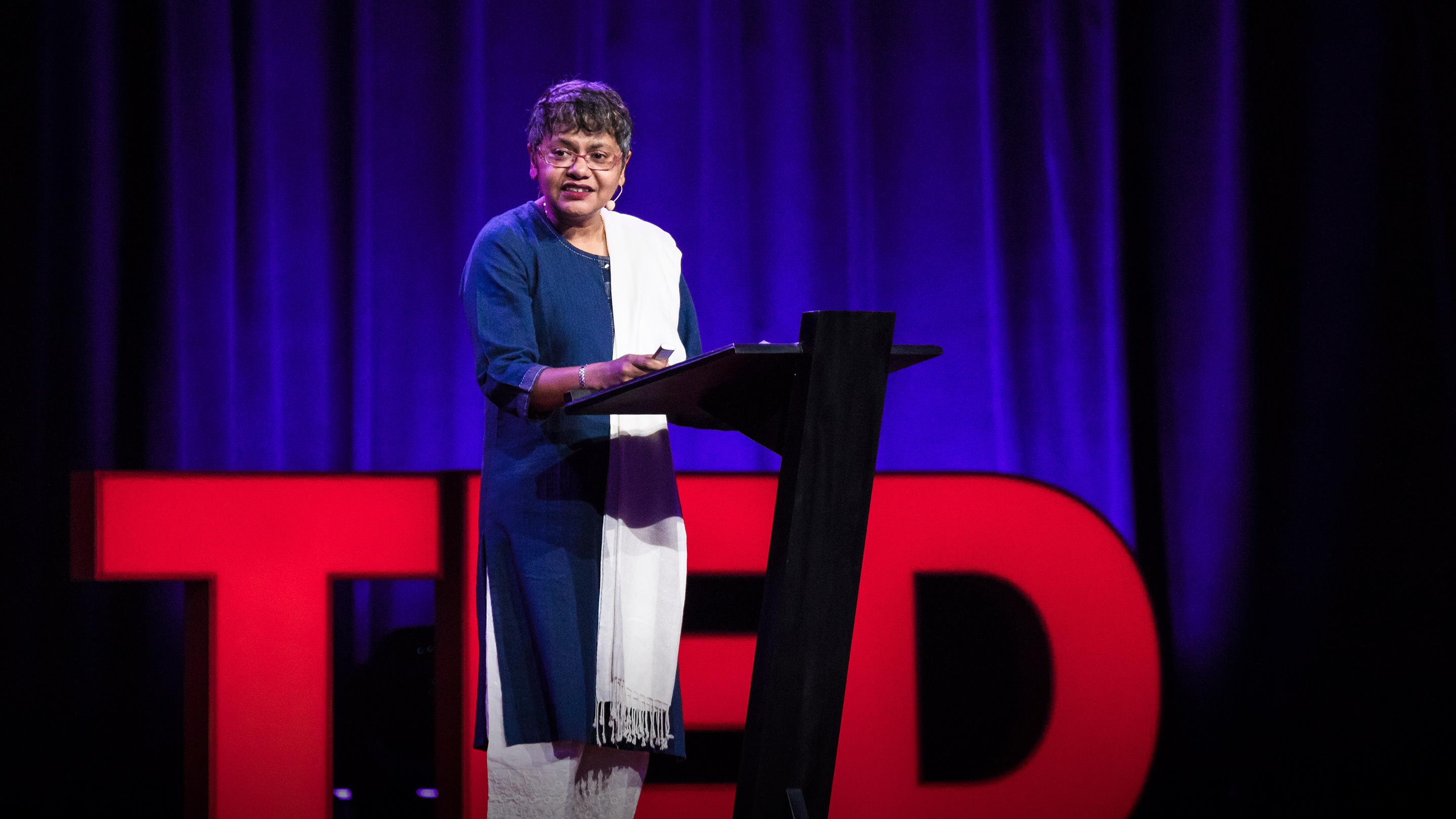
The hidden opportunities of the informal economy | Niti Bhan
Niti Bhan studies business strategy for Africa's informal markets: the small shops and stands, skilled craftspeople and laborers who are the invisible engine that keeps the continent's economy running. It's tempting to think of these workers as tax-dodgers, even criminals -- but Bhan makes the case that this booming segment of the economy is legitimate and worthy of investment. "These are the fertile seeds of businesses and enterprises," Bhan says. "Can we start by recognizing these skills and occupations?"
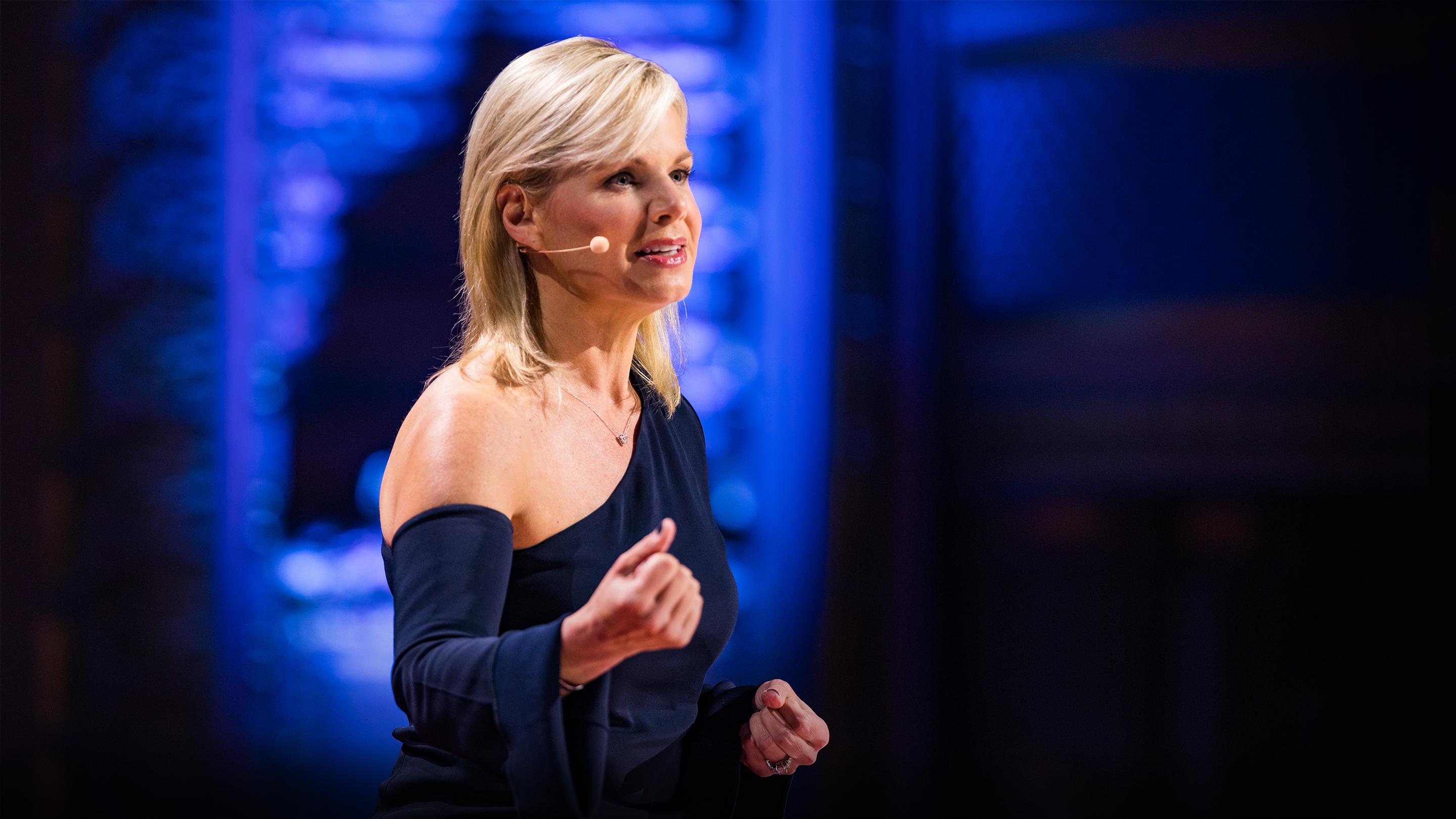
How we can end sexual harassment at work | Gretchen Carlson
When Gretchen Carlson spoke out about her experience of workplace sexual harassment, it inspired women everywhere to take their power back and tell the world what happened to them. In a remarkable, fierce talk, she tells her story -- and identifies three specific things we can all do to create safer places to work. "We will no longer be underestimated, intimidated or set back," Carlson says. "We will stand up and speak up and have our voices heard. We will be the women we were meant to be."
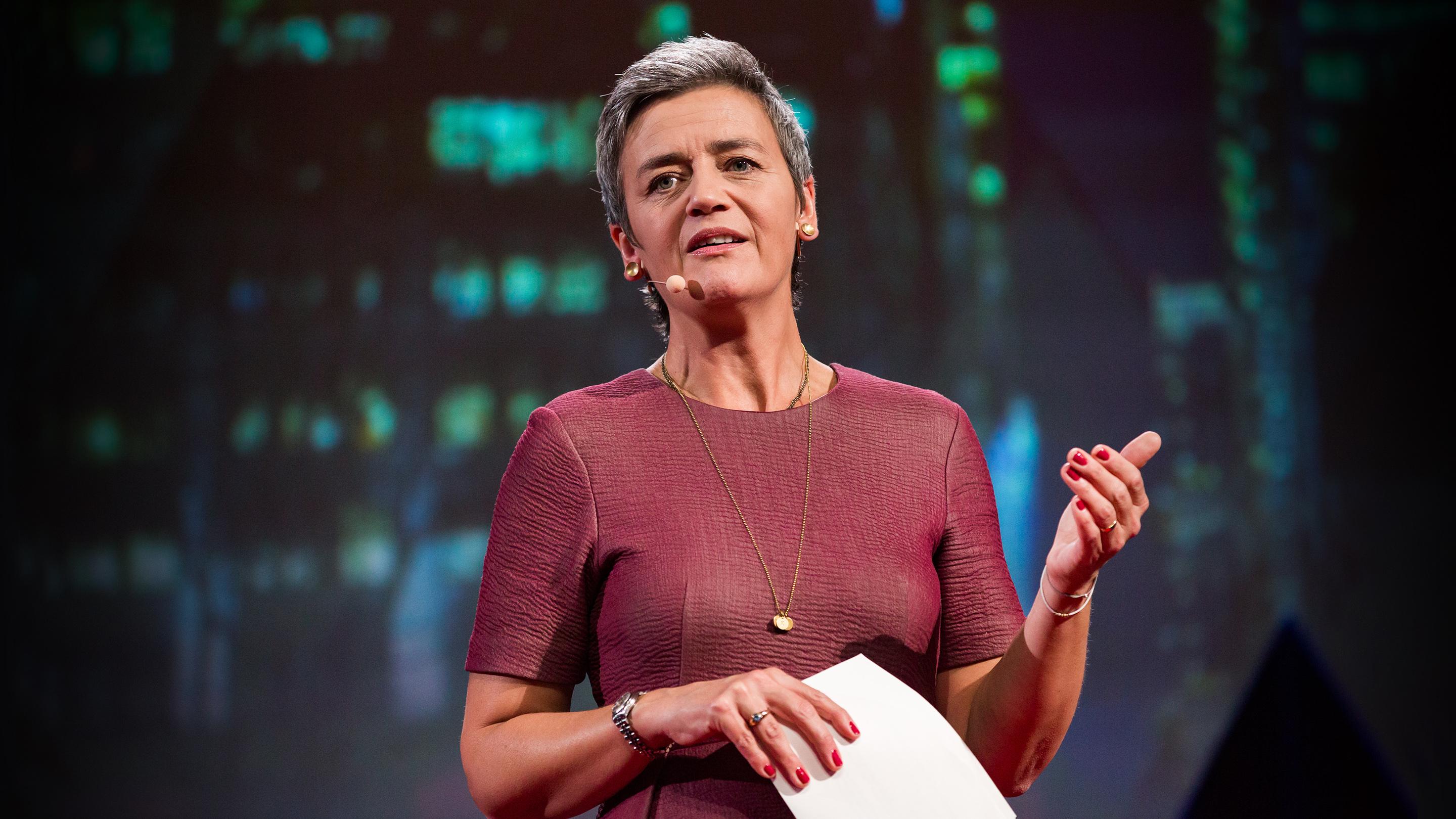
The new age of corporate monopolies | Margrethe Vestager
Margrethe Vestager wants to keep European markets competitive -- which is why, on behalf of the EU, she's fined Google $2.8 billion for breaching antitrust rules, asked Apple for $15.3 billion in back taxes and investigated a range of companies, from Gazprom to Fiat, for anti-competitive practices. In an important talk about the state of the global business, she explains why markets need clear rules -- and how even the most innovative companies can become a problem when they become too dominant. "Real and fair competition has a vital role to play in building the trust we need to get the best of our societies," Vestager says. "And that starts with enforcing our rules."
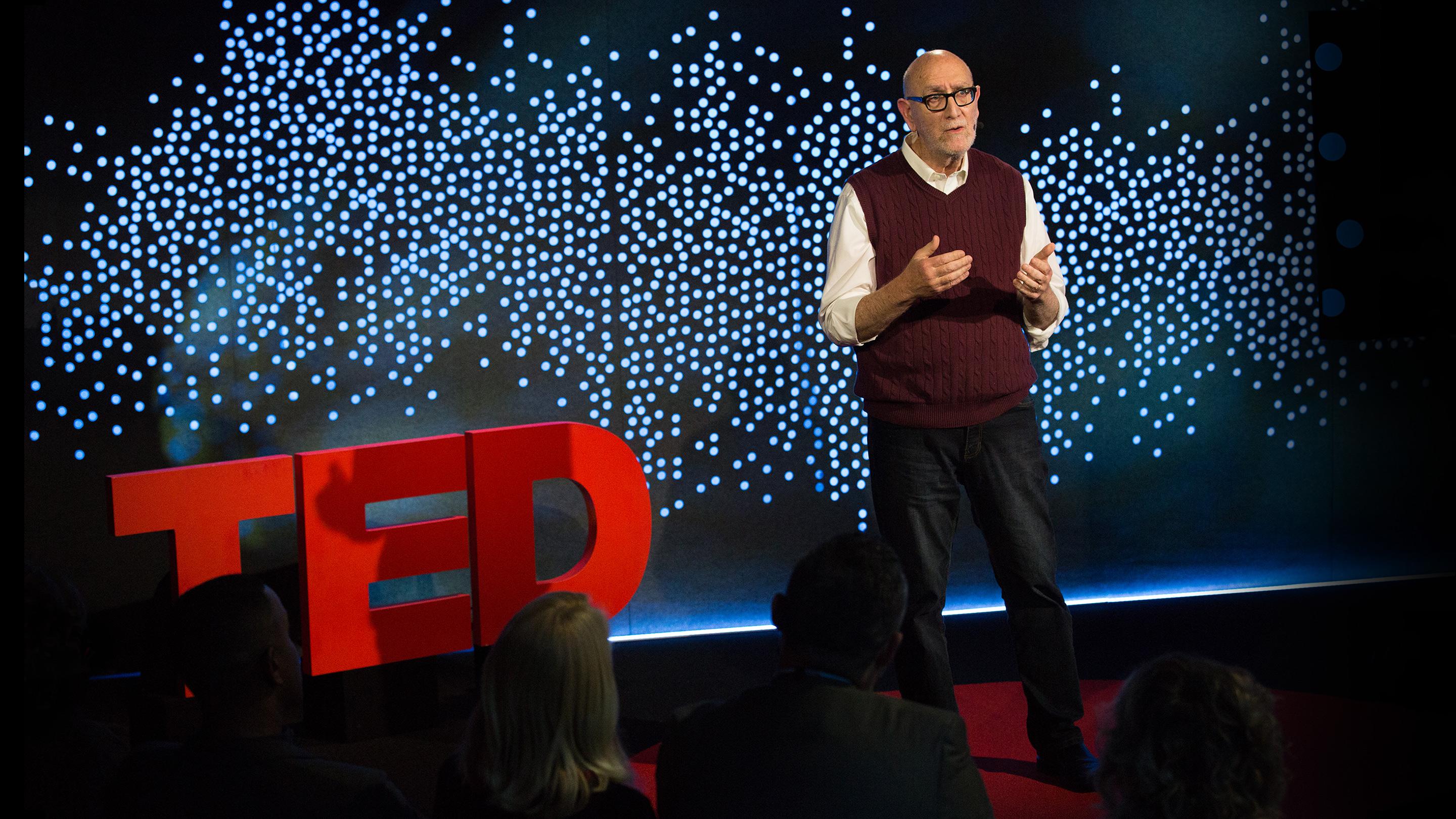
How I became an entrepreneur at 66 | Paul Tasner
It's never too late to reinvent yourself. Take it from Paul Tasner -- after working continuously for other people for 40 years, he founded his own start-up at age 66, pairing his idea for a business with his experience and passion. And he's not alone. As he shares in this short, funny and inspirational talk, seniors are increasingly indulging their entrepreneurial instincts -- and seeing great success.
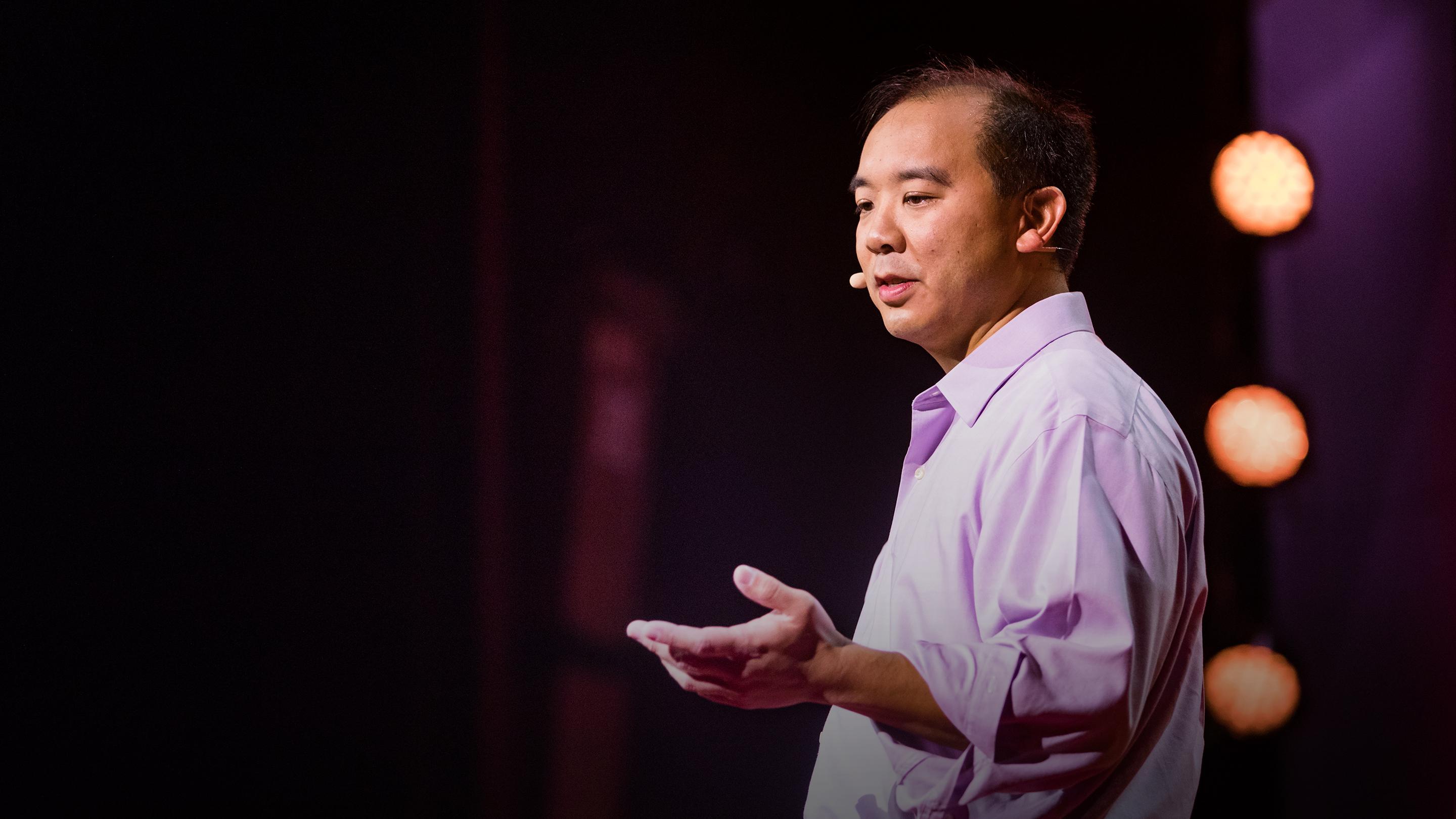
Why jobs of the future won't feel like work | David Lee
We've all heard that robots are going to take our jobs -- but what can we do about it? Innovation expert David Lee says that we should start designing jobs that unlock our hidden talents and passions -- the things we spend our weekends doing -- to keep us relevant in the age of robotics. "Start asking people what problems they're inspired to solve and what talents they want to bring to work," Lee says. "When you invite people to be more, they can amaze us with how much more they can be."
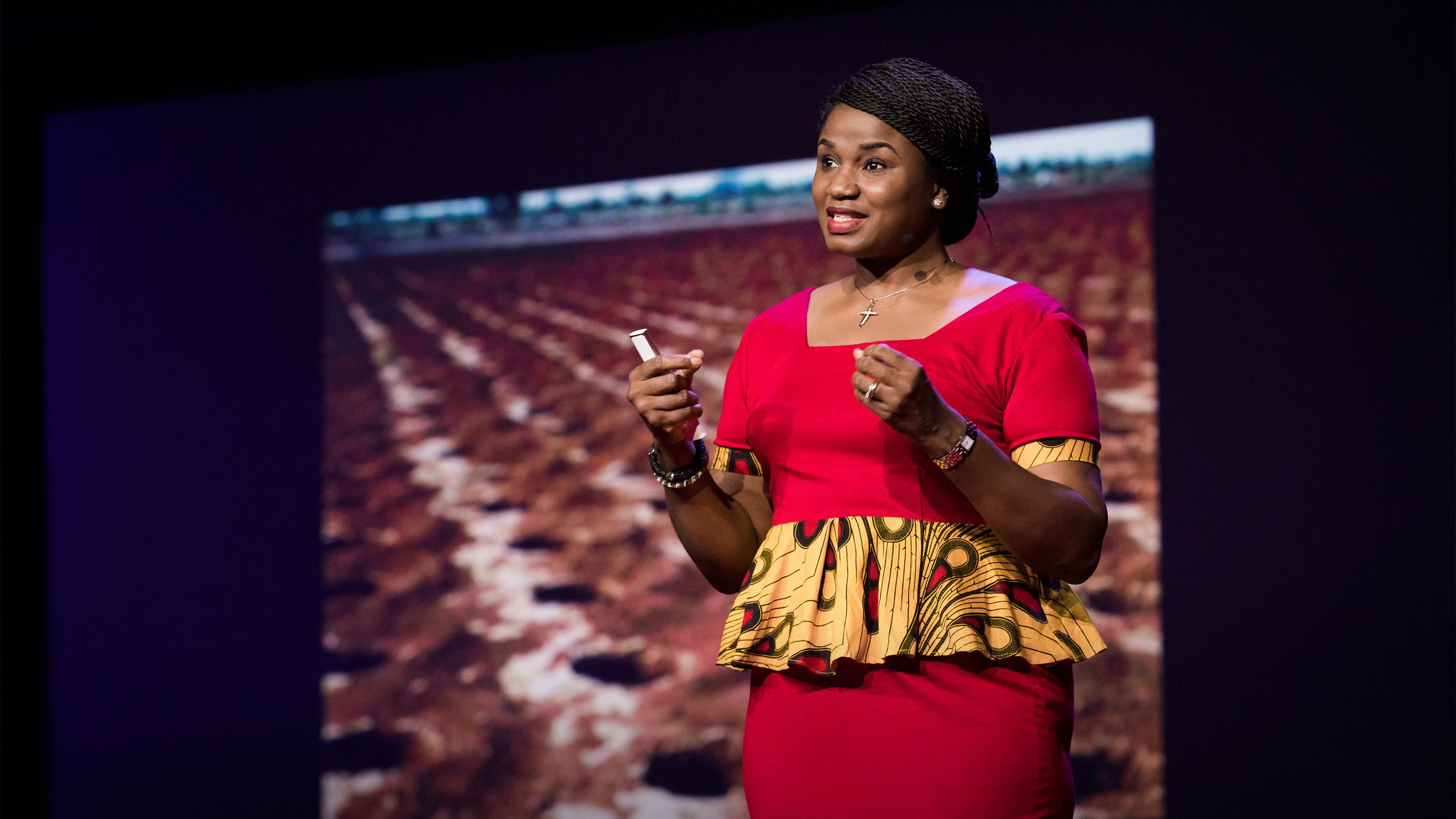
How Africa can use its traditional knowledge to make progress | Chika Esiobu
Chika Esiobu wants to see Africans unleash their suppressed creative and innovative energies by acknowledging the significance of their indigenous, authentic knowledge. In this powerful talk, she shares examples of untapped, traditional African knowledge in agriculture and policy-making, calling on Africans to make progress by validating and dignifying their reality.
The real reason manufacturing jobs are disappearing | Augie Picado
We've heard a lot of rhetoric lately suggesting that countries like the US are losing valuable manufacturing jobs to lower-cost markets like China, Mexico and Vietnam -- and that protectionism is the best way forward. But those jobs haven't disappeared for the reasons you may think, says border and logistics specialist Augie Picado. He gives us a reality check about what global trade really looks like and how shared production and open borders help us make higher quality products at lower costs.
How to build a company where the best ideas win | Ray Dalio
What if you knew what your coworkers really thought about you and what they were really like? Ray Dalio makes the business case for using radical transparency and algorithmic decision-making to create an idea meritocracy where people can speak up and say what they really think -- even calling out the boss is fair game. Learn more about how these strategies helped Dalio create one of the world's most successful hedge funds and how you might harness the power of data-driven group decision-making.
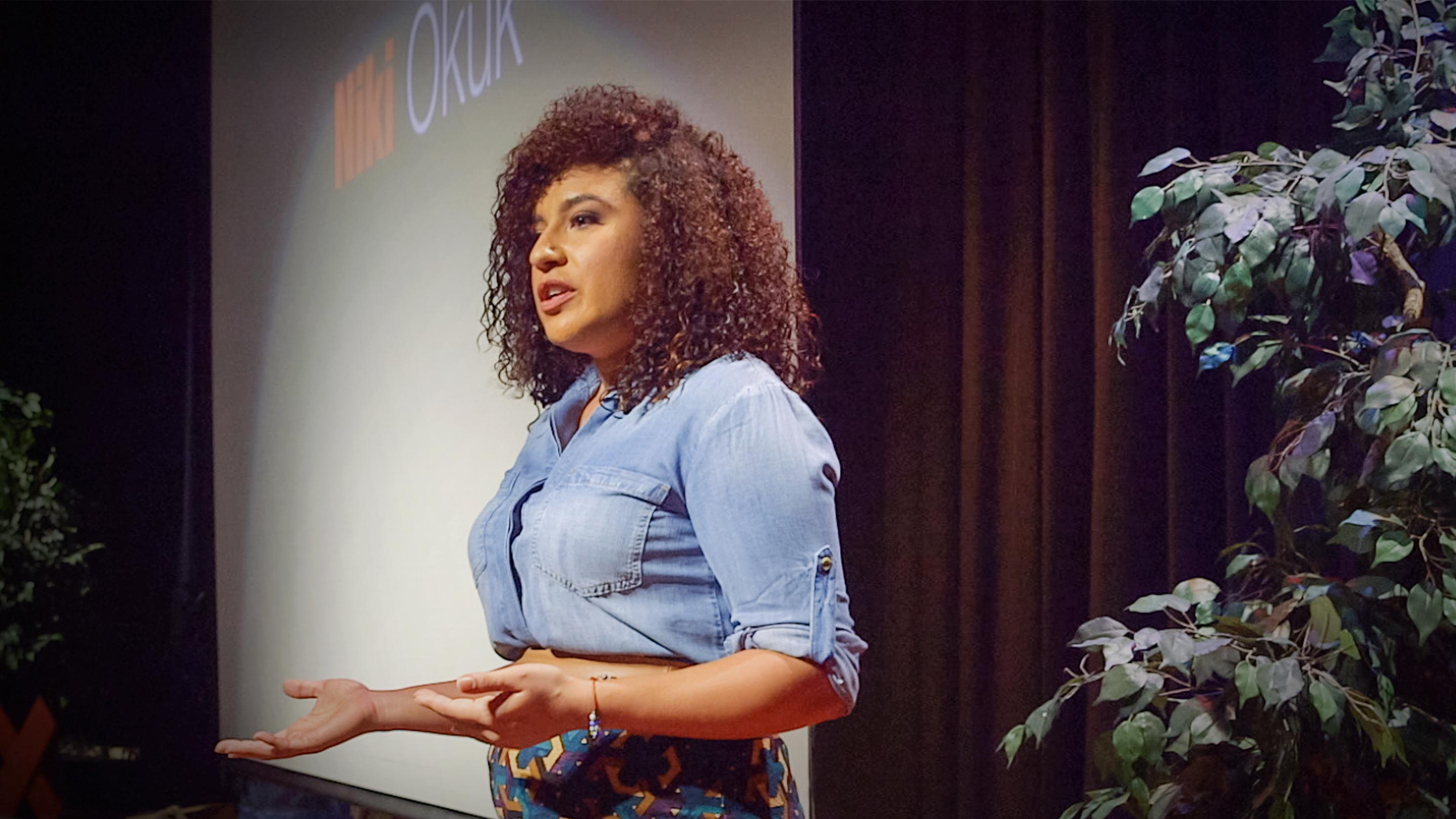
When workers own companies, the economy is more resilient | Niki Okuk
Another economic reality is possible -- one that values community, sustainability and resiliency instead of profit by any means necessary. Niki Okuk shares her case for cooperative economics and a vision for how working-class people can organize and own the businesses they work for, making decisions for themselves and enjoying the fruits of their labor.
A practical way to help the homeless find work and safety | Richard J. Berry
When Richard J. Berry, the mayor of Albuquerque, saw a man on a street corner holding a cardboard sign that read "Want a job," he decided to take him (and others in his situation) up on it. He and his staff started a citywide initiative to help the homeless by giving them day jobs and a place to sleep -- and the results were incredible. Find out how your city can replicate Albuquerque's model with this frank and optimistic talk.
How I learned to read -- and trade stocks -- in prison | Curtis "Wall Street" Carroll
Financial literacy isn't a skill -- it's a lifestyle. Take it from Curtis "Wall Street" Carroll. As an incarcerated individual, Carroll knows the power of a dollar. While in prison, he taught himself how to read and trade stocks, and now he shares a simple, powerful message: we all need to be more savvy with our money.
In praise of conflict | Jonathan Marks
Conflict is bad; compromise, consensus and collaboration are good -- or so we're told. Lawyer and bioethicist Jonathan Marks challenges this conventional wisdom, showing how governments can jeopardize public health, human rights and the environment when they partner with industry. An important, timely reminder that common good and common ground are not the same thing.
Know your worth, and then ask for it | Casey Brown
Your customers probably aren't paying you what you're worth -- instead, they're paying you what they think you're worth. Take the time to learn how to shape their thinking. Pricing consultant Casey Brown shares helpful stories and learnings that can help you better communicate your value and get paid for your excellence.

4 ways to make a city more walkable | Jeff Speck
Freedom from cars, freedom from sprawl, freedom to walk your city! City planner Jeff Speck shares his "general theory of walkability" -- four planning principles to transform sprawling cities of six-lane highways and 600-foot blocks into safe, walkable oases full of bike lanes and tree-lined streets.