
TED Talks Business
136 episodes — Page 2 of 3

How to support witnesses of harassment and build healthier workplaces | Julia Shaw
What makes you speak up -- or not -- when you see something you know is wrong? Memory scientist Julia Shaw explains the psychology of those who witness workplace discrimination and harassment -- and shares actionable steps companies can take to support and amplify their voices.
The true cost of financial dependence | Estelle Gibson
Giving up control of your finances -- voluntarily or otherwise -- can leave you powerless and, in some cases, confined to a cycle of abuse. In this personal talk, accountant Estelle Gibson shares her own story of recovering from financial dependence and provides actionable advice to empower others who desire the freedom that comes with being responsible for your own money.

To overcome challenges, stop comparing yourself to others | Dean Furness
When you stop comparing yourself to others, you can accomplish great things, says wheelchair athlete Dean Furness. He shares how, after losing the use of his legs in an accident, he discovered a powerful new mindset focused on redefining his "personal average" and getting better little by little.
The cost of work stress -- and how to reduce it | Rob Cooke
By some estimates, work-related stress drains the US economy of nearly 300 billion dollars a year -- and it can hurt your productivity and personal health too, says wellness advocate Rob Cooke. He shares some strategies to help put your mental, physical and emotional well-being back at the forefront.

An ethical plan for ending the pandemic and restarting the economy | Danielle Allen
As COVID-19 continues to spread, the world is facing two existential threats at once: a public health emergency and an economic crisis. Political theorist Danielle Allen describes how we can ethically and democratically address both problems by scaling up "smart testing," which would track positive cases with peer-to-peer software on people's cell phones -- so we can end the pandemic and get back to work. (This virtual conversation is part of the TED Connects series, hosted by head of TED Chris Anderson and business curator Corey Hajim. Recorded April 6, 2020)
2 questions to uncover your passion -- and turn it into a career | Noeline Kirabo
What's your passion? Social entrepreneur Noeline Kirabo reflects on her work helping out-of-school young people in Uganda turn their passions into profitable businesses -- and shares the two questions you can ask yourself to begin doing the same.
How to design gender bias out of your workplace | Sara Sanford
Equity expert Sara Sanford offers a certified playbook that helps companies go beyond good intentions, using a data-driven standard to actively counter unconscious bias and foster gender equity -- by changing how workplaces operate, not just how people think.
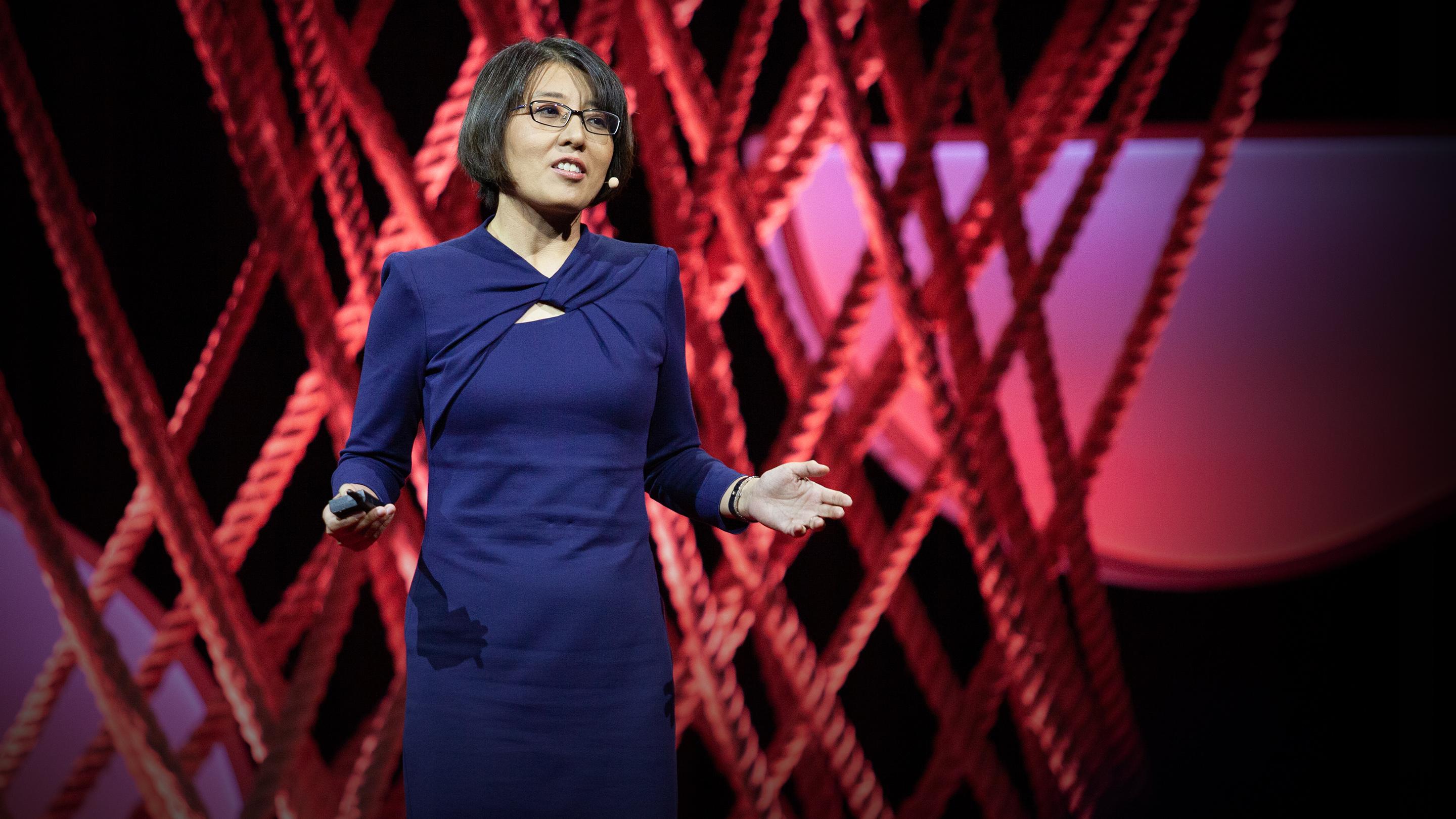
Management lessons from Chinese business and philosophy | Fang Ruan
Business management in China is changing, says consultant Fang Ruan. Learn how Chinese entrepreneurs -- long guided by Confucianism's emphasis on authority and regulation -- are now looking to Taoist philosophy for a new, dynamic leadership style that believes things spontaneously transform and naturally achieve perfection when they're supported, not controlled.
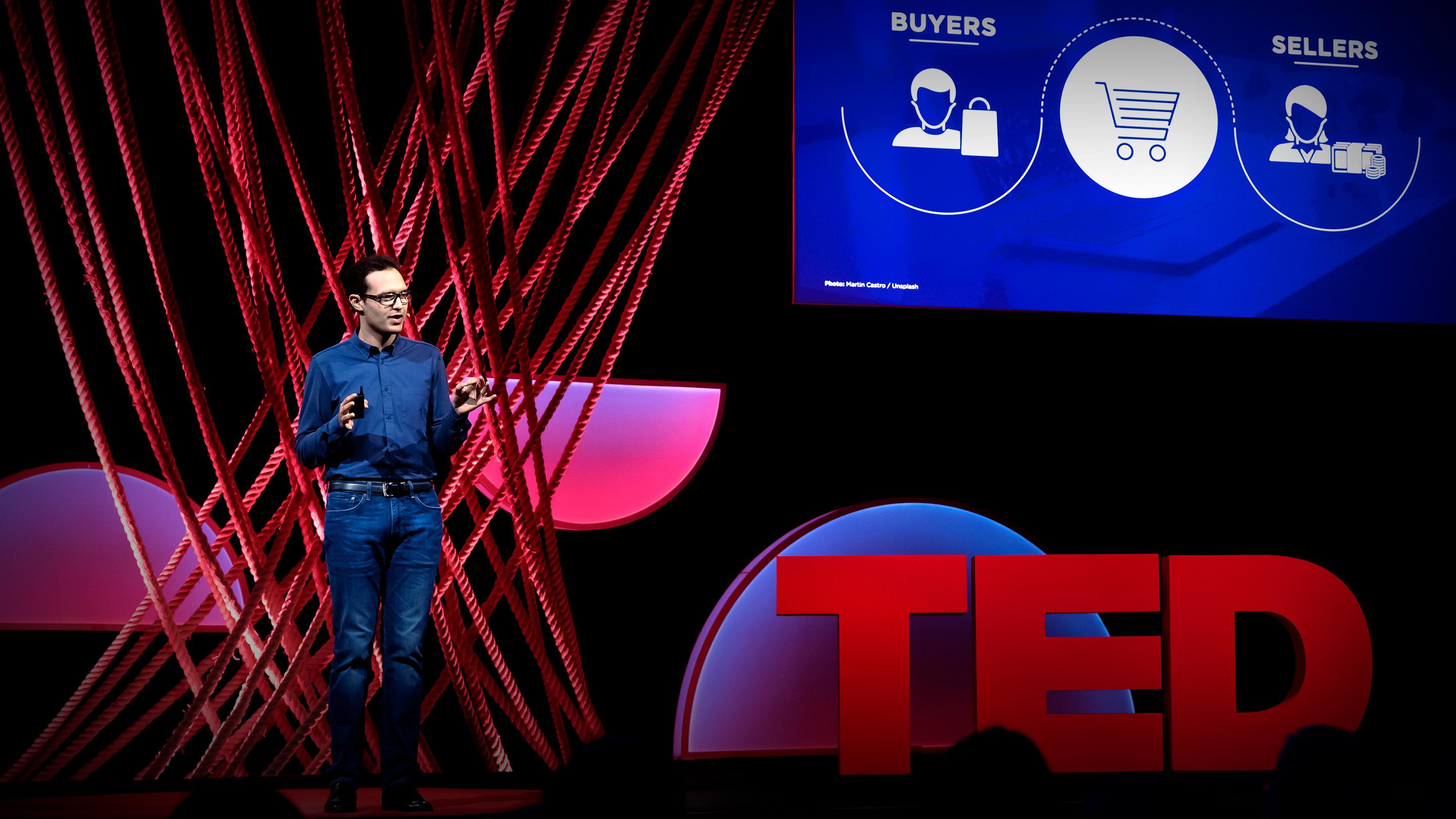
How online marketplaces can help local economies, not hurt them | Amane Dannouni
The growth of online marketplaces like Uber, Airbnb and Amazon can sometimes threaten local businesses such as taxis, hotels and retail shops by taking away jobs or reducing income to the community. But it doesn't have to be this way, says strategy consultant Amane Dannouni. Pointing to examples like Gojek (Indonesia's Uber for motorbikes) and Jumia (Africa's version of Amazon), he explains how some online marketplaces make deliberate trade-offs to include, rather than replace, existing players in local economies -- benefiting everyone in the long run.

How humans and AI can work together to create better businesses | Sylvain Duranton
Here's a paradox: as companies try to streamline their businesses by using artificial intelligence to make critical decisions, they may inadvertently make themselves less efficient. Business technologist Sylvain Duranton advocates for a "Human plus AI" approach -- using AI systems alongside humans, not instead of them -- and shares the specific formula companies can adopt to successfully employ AI while keeping humans in the loop.

Why winning doesn't always equal success | Valorie Kondos Field
Valorie Kondos Field knows a lot about winning. As the longtime coach of the UCLA women's gymnastics team, she won championship after championship and has been widely acclaimed for her leadership. In this inspiring, brutally honest and, at times, gut-wrenching talk, she shares the secret to her success. Hint: it has nothing to do with "winning."
How to turn off work thoughts during your free time | Guy Winch
Feeling burned out? You may be spending too much time ruminating about your job, says psychologist Guy Winch. Learn how to stop worrying about tomorrow's tasks or stewing over office tensions with three simple techniques aimed at helping you truly relax and recharge after work.
A guide to collaborative leadership | Lorna Davis
What's the difference between heroes and leaders? In this insightful talk, Lorna Davis explains how our idolization of heroes is holding us back from solving big problems -- and shows why we need "radical interdependence" to make real change happen.
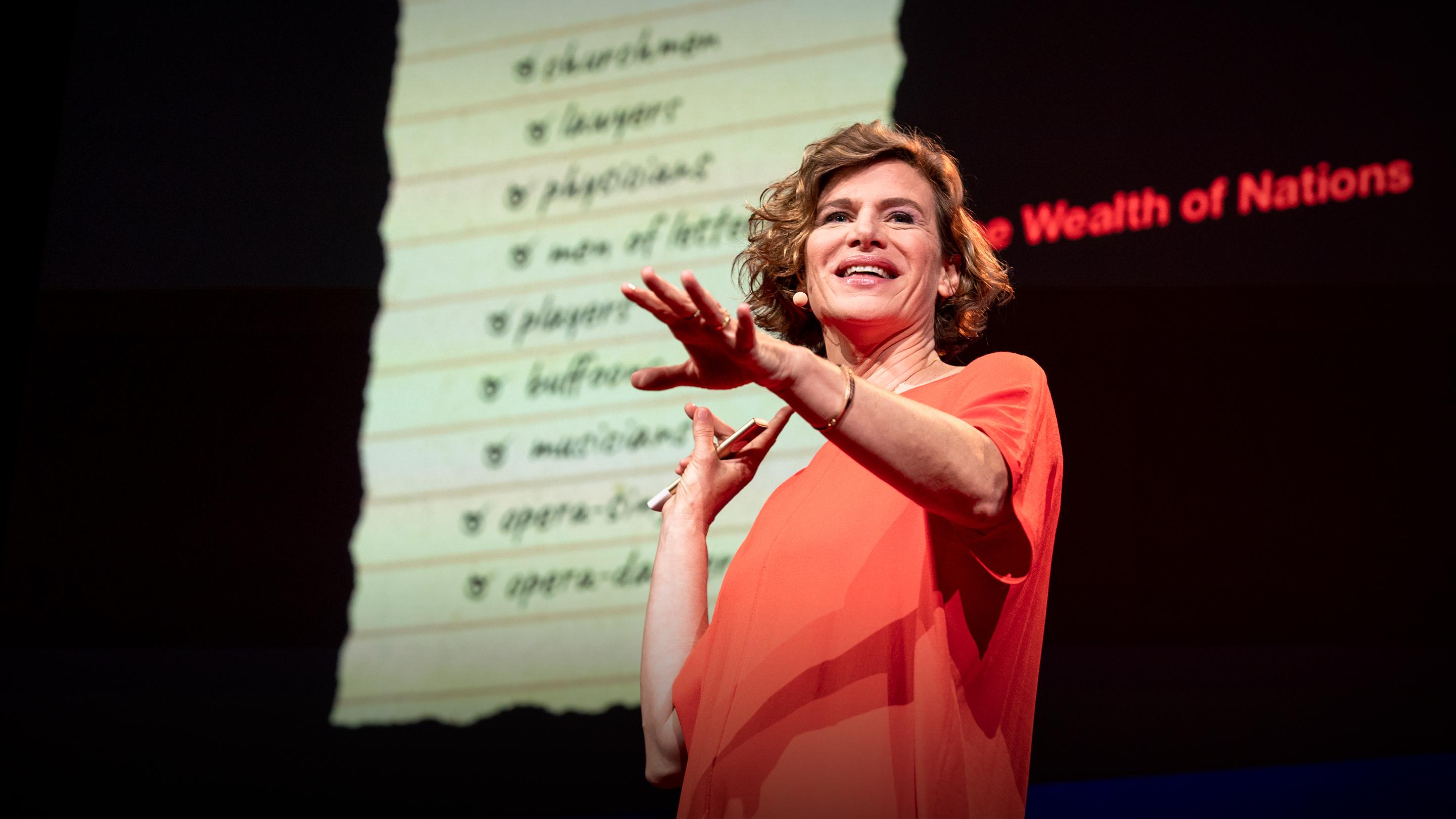
What is economic value, and who creates it? | Mariana Mazzucato
Where does wealth come from, who creates it and what destroys it? In this deep dive into global economics, Mariana Mazzucato explains how we lost sight of what value means and why we need to rethink our current financial systems -- so capitalism can be steered toward a bold, innovative and sustainable future that works for all of us.
The paradox of efficiency | Edward Tenner
Is our obsession with efficiency actually making us less efficient? In this revelatory talk, writer and historian Edward Tenner discusses the promises and dangers of our drive to get things done as quickly as possible -- and suggests seven ways we can use "inspired inefficiency" to be more productive.
3 ways to be a more effective fundraiser | Kara Logan Berlin
How do you raise money to get an idea off the ground, support a community, or help change the world? Take a crash course on the secret art of successful fundraising with development strategist Kara Logan Berlin as she shows how you can learn to ask for the resources you need -- and get them, too.
How you can use impostor syndrome to your benefit | Mike Cannon-Brookes
Have you ever doubted your abilities, feared you were going to be discovered as a "fraud"? That's called "impostor syndrome," and you're definitely not alone in feeling it, says entrepreneur and CEO Mike Cannon-Brookes. In this funny, relatable talk, he shares how his own experiences of impostor syndrome helped pave the way to his success -- and shows how you can use it to your advantage, too.

How to change your behavior for the better | Dan Ariely
What's the best way to get people to change their behavior? In this funny, information-packed talk, psychologist Dan Ariely explores why we make bad decisions even when we know we shouldn't -- and discusses a couple tricks that could get us to do the right thing (even if it's for the wrong reason).
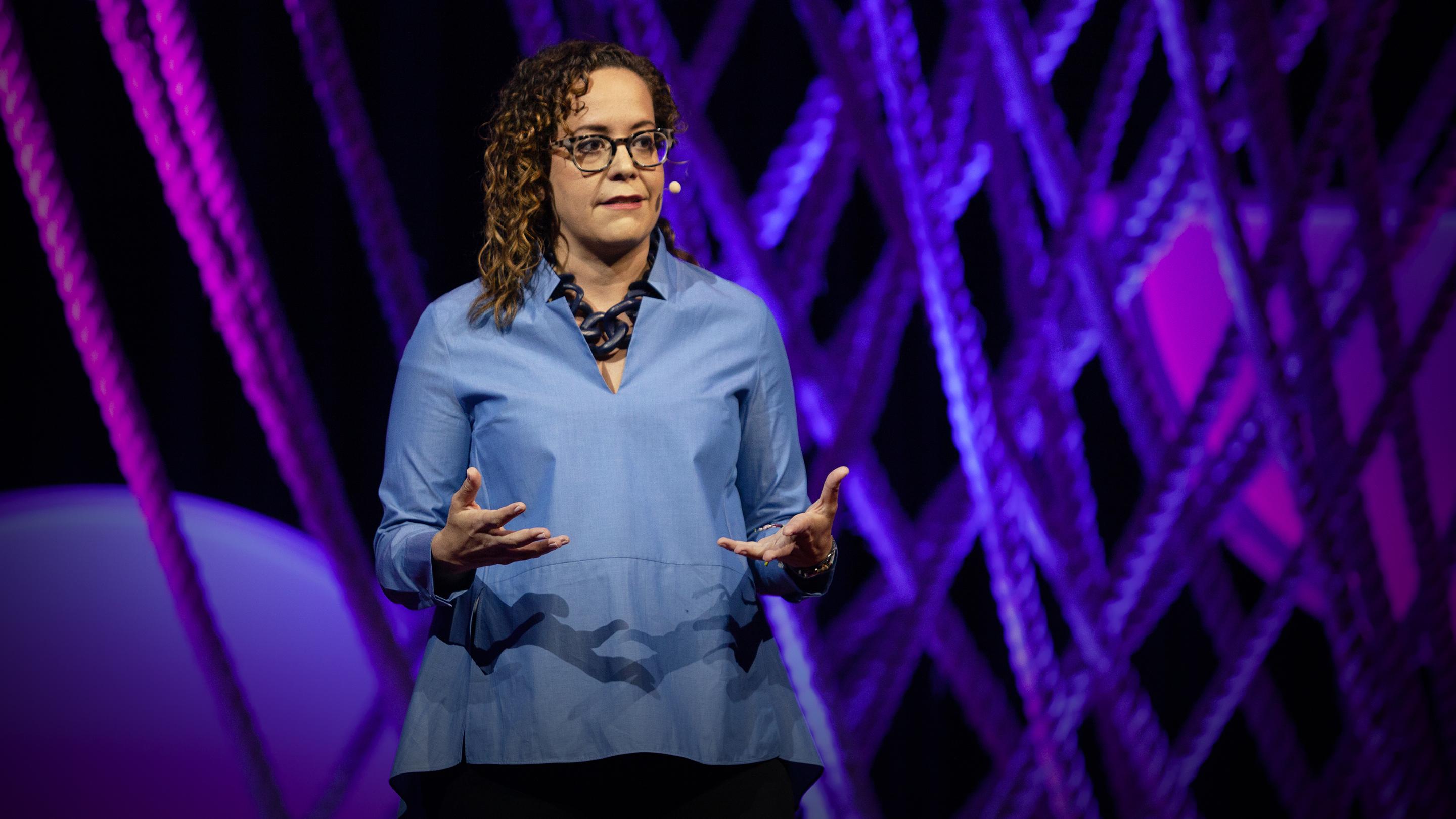
Why gender-based marketing is bad for business | Gaby Barrios
Companies often target consumers based on gender, but this kind of advertising shortcut doesn't just perpetuate outdated stereotypes -- it's also bad for business, says marketing expert Gaby Barrios. In this clear, actionable talk, she explains why gender-based marketing doesn't drive business nearly as much as you might think -- and shows how companies can find better ways to reach customers and grow their brands.

What productive conflict can offer a workplace | Jess Kutch
Got an idea to make your workplace better? Labor organizer and TED Fellow Jess Kutch can show you how to put it into action. In this quick talk, she explains how "productive conflict" -- when people organize to challenge and change their work lives for the better -- can be beneficial for employees and employers alike.
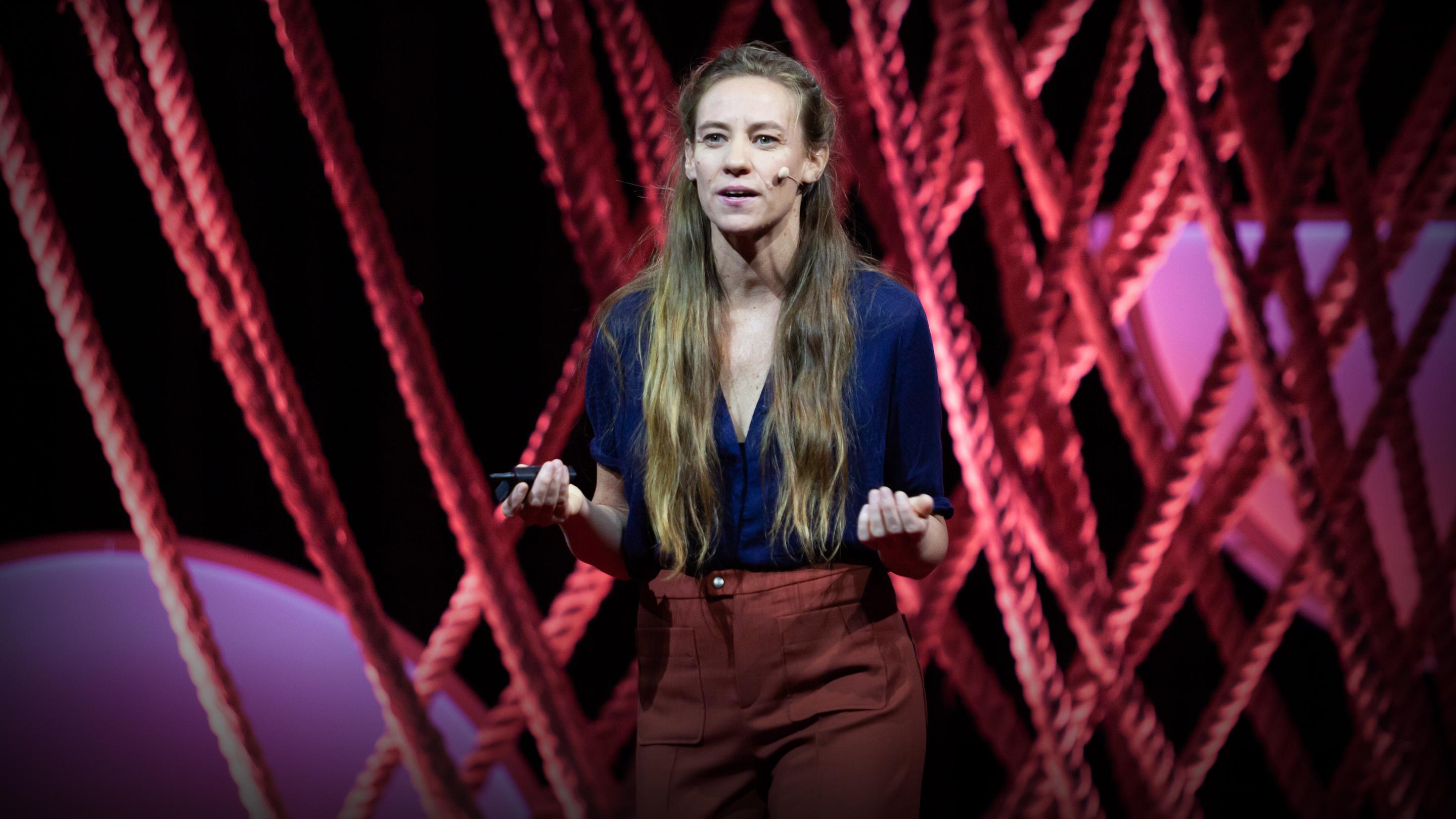
Lessons from fungi on markets and economics | Toby Kiers
Resource inequality is one of our greatest challenges, but it's not unique to humans. Like us, mycorrhizal fungi that live in plant and tree roots strategically trade, steal and withhold resources, displaying remarkable parallels to humans in their capacity to be opportunistic (and sometimes ruthless) -- all in the absence of cognition. In a mind-blowing talk, evolutionary biologist Toby Kiers shares what fungi networks and relationships reveal about human economies, and what they can tell us about inequality.

Reducing corruption takes a specific kind of investment | Efosa Ojomo
Traditional thinking on corruption goes like this: if you put good laws in place and enforce them well, then economic development increases and corruption falls. In reality, we have the equation backwards, says innovation researcher Efosa Ojomo. In this compelling talk, he offers new thinking on how we could potentially eliminate corruption worldwide by focusing on one thing: scarcity. "Societies don't develop because they've reduced corruption," he says. "They're able to reduce corruption because they've developed."
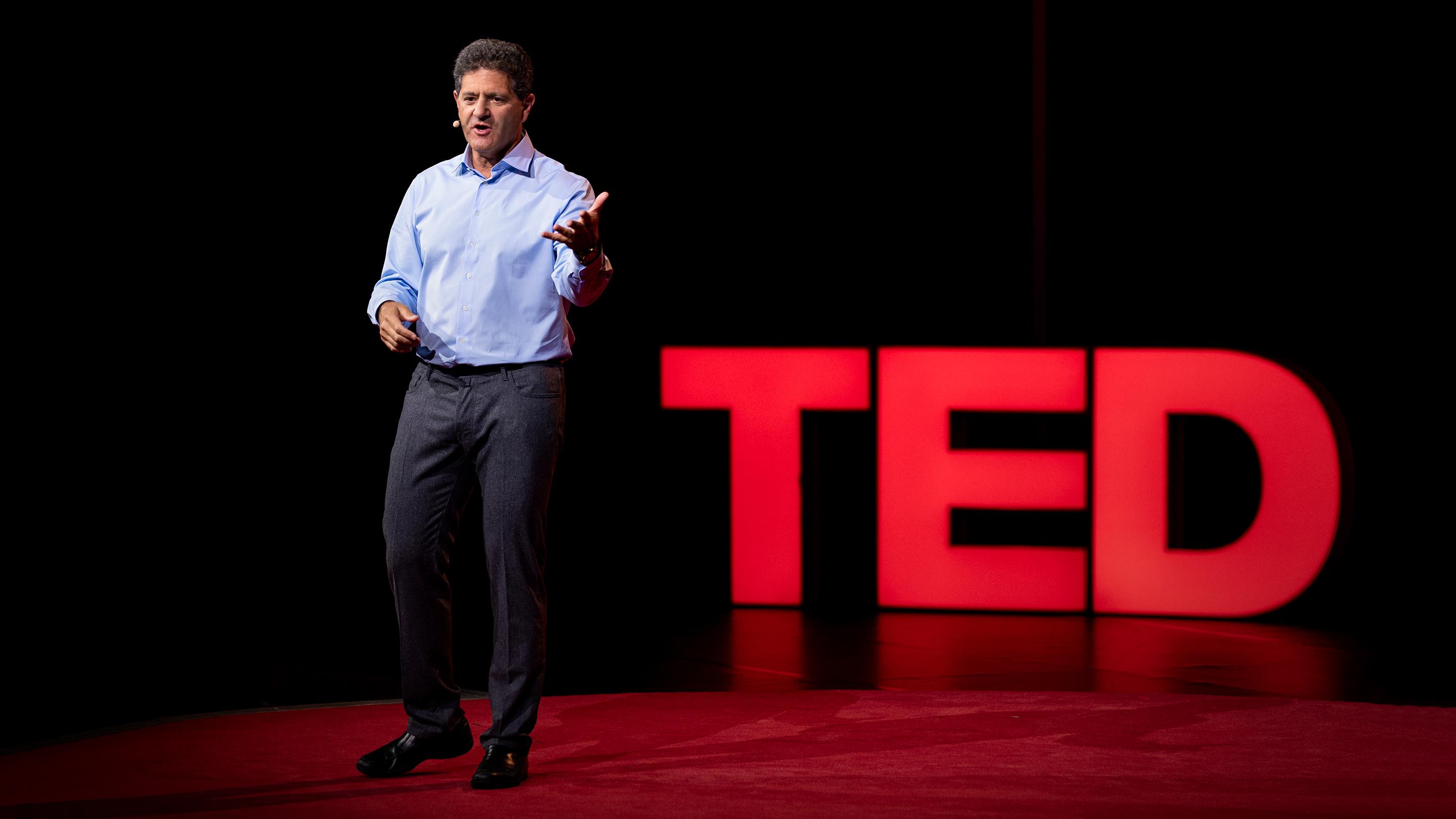
The dirty secret of capitalism -- and a new way forward | Nick Hanauer
Rising inequality and growing political instability are the direct result of decades of bad economic theory, says entrepreneur Nick Hanauer. In a visionary talk, he dismantles the mantra that "greed is good" -- an idea he describes as not only morally corrosive, but also scientifically wrong -- and lays out a new theory of economics powered by reciprocity and cooperation.

The human skills we need in an unpredictable world | Margaret Heffernan
The more we rely on technology to make us efficient, the fewer skills we have to confront the unexpected, says writer and entrepreneur Margaret Heffernan. She shares why we need less tech and more messy human skills -- imagination, humility, bravery -- to solve problems in business, government and life in an unpredictable age. "We are brave enough to invent things we've never seen before," she says. "We can make any future we choose."
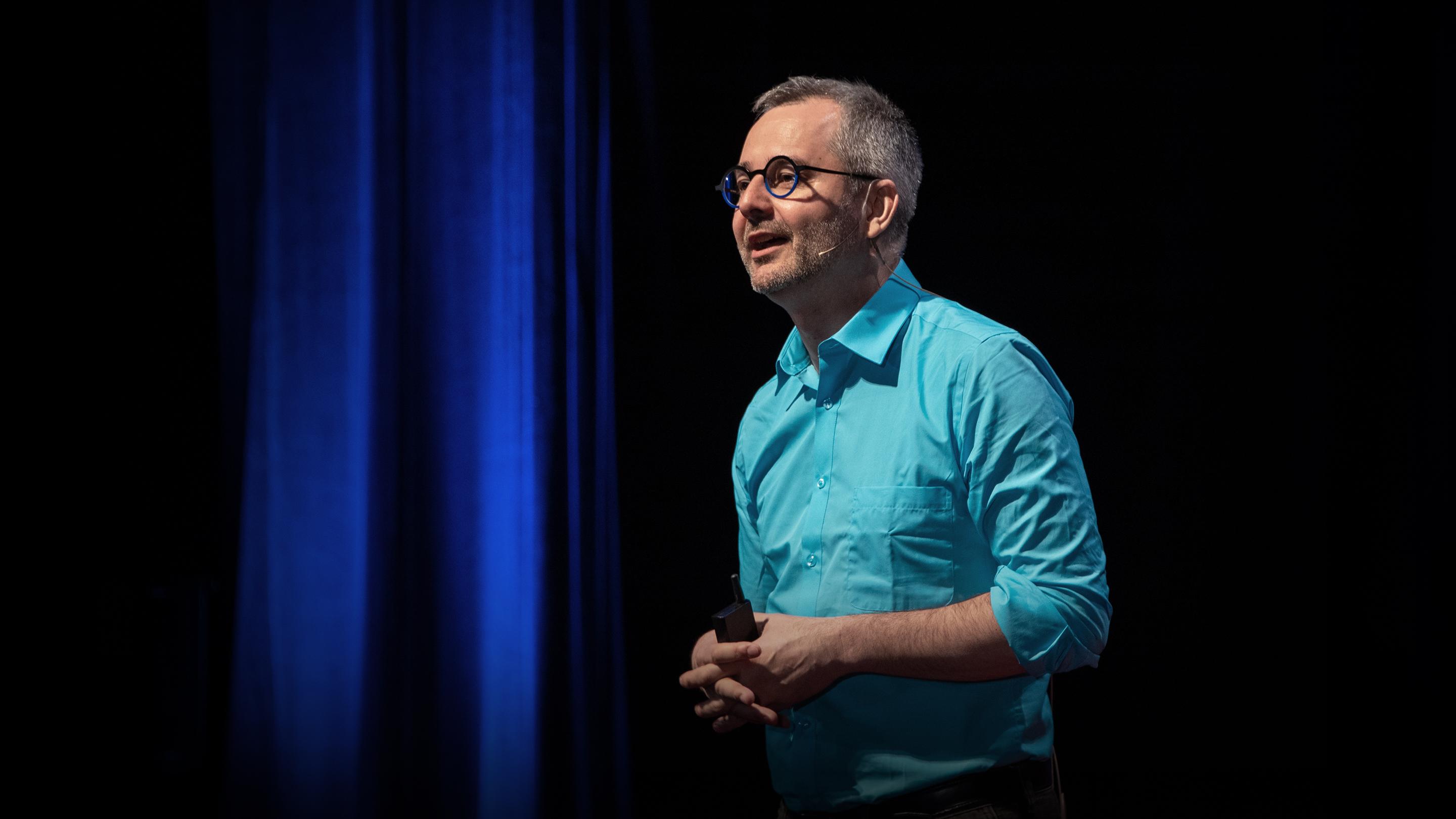
The real relationship between your age and your chance of success | Albert-László Barabási
Backed by mathematical analysis, network theorist Albert-László Barabási explores the hidden mechanisms that drive success -- no matter your field -- and uncovers an intriguing connection between your age and your chance of making it big.
3 ways to measure your adaptability -- and how to improve it | Natalie Fratto
When venture investor Natalie Fratto is determining which start-up founder to support, she doesn't just look for intelligence or charisma; she looks for adaptability. In this insightful talk, Fratto shares three ways to measure your "adaptability quotient" -- and shows why your ability to respond to change really matters.
How to ask for help -- and get a "yes" | Heidi Grant
Asking for help is tough. But to get through life, you have to do it all the time. So how do you get comfortable asking? In this actionable talk, social psychologist Heidi Grant shares four simple rules for asking for help and getting it -- while making the process more rewarding for your helper, too.
The anti-CEO playbook | Hamdi Ulukaya
Profit, money, shareholders: these are the priorities of most companies today. But at what cost? In an appeal to corporate leaders worldwide, Chobani founder Hamdi Ulukaya calls for an end to the business playbook of the past -- and shares his vision for a new, "anti-CEO playbook" that prioritizes people over profits. "This is the difference between profit and true wealth," he says.
The next global agricultural revolution | Bruce Friedrich
Conventional meat production causes harm to our environment and presents risks to global health, but people aren't going to eat less meat unless we give them alternatives that cost the same (or less) and that taste the same (or better). In an eye-opening talk, food innovator and TED Fellow Bruce Friedrich shows the plant- and cell-based products that could soon transform the global meat industry -- and your dinner plate.
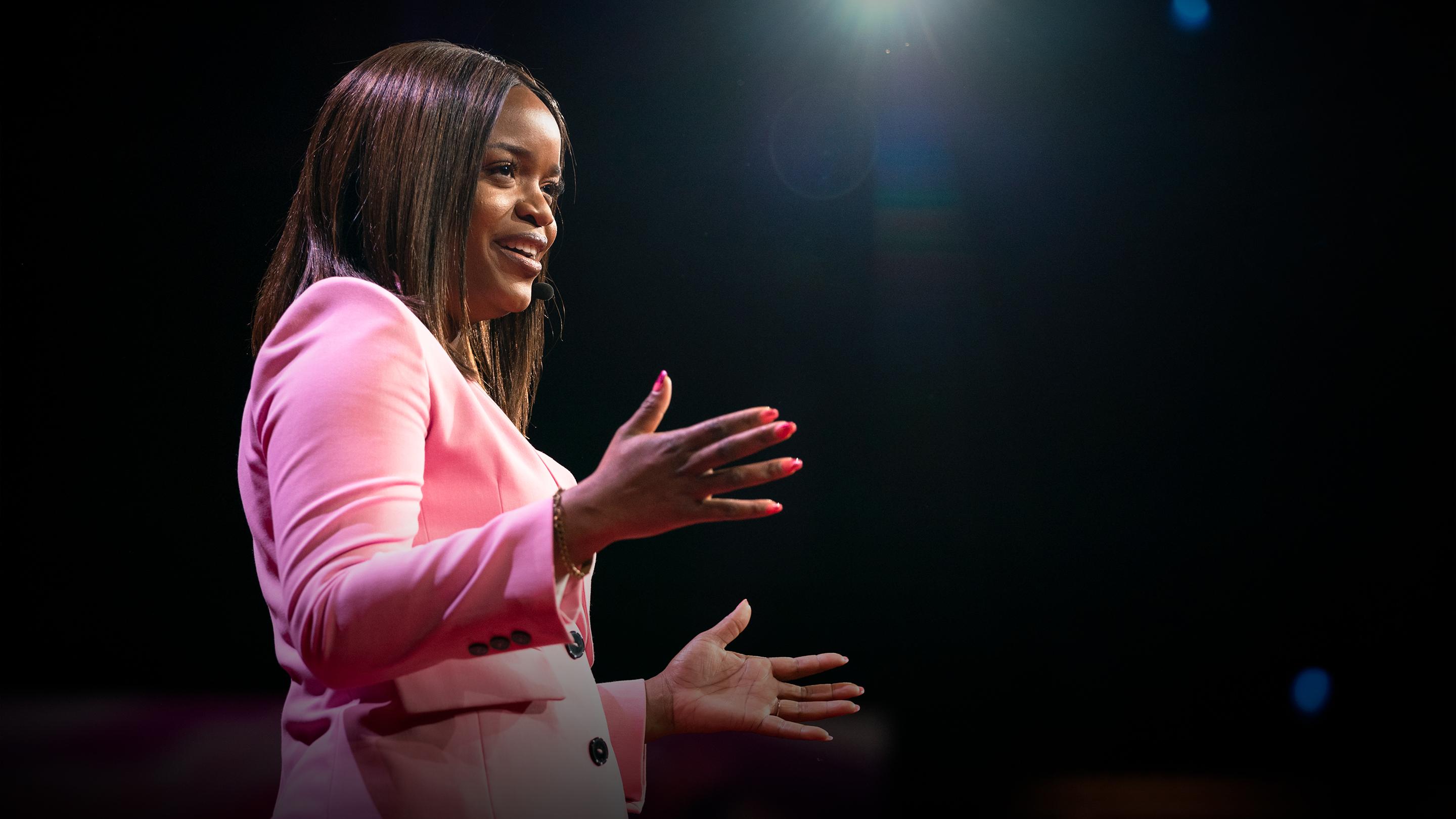
How to build your confidence -- and spark it in others | Brittany Packnett Cunningham
"Confidence is the necessary spark before everything that follows," says educator and activist Brittany Packnett Cunningham. In an inspiring talk, she shares three ways to crack the code of confidence -- and her dream for a world where revolutionary confidence helps turn our most ambitious dreams into reality.

The crisis of leadership -- and a new way forward | Halla Tómasdóttir and Bryn Freedman
What should modern leadership look like? Entrepreneur and former Icelandic presidential candidate Halla Tómasdóttir thinks global leaders need to change their ways -- or risk becoming irrelevant. In a conversation with curator Bryn Freedman, she shows how anybody can step up and make a difference, even if you don't yet have power. "There's a leader inside every single one of us," she says, "and our most important work in life is to release that leader."
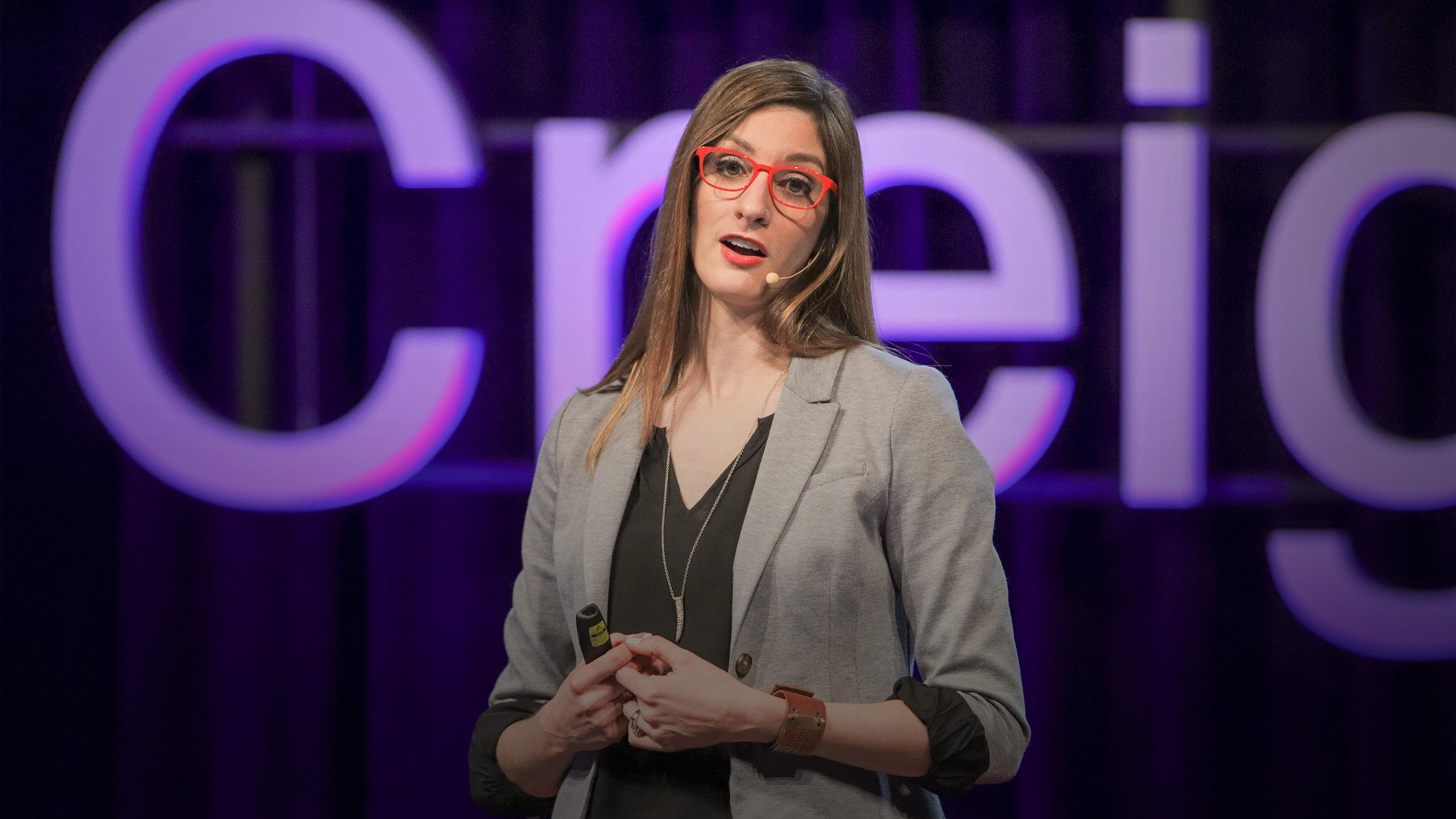
How generational stereotypes hold us back at work | Leah Georges
The Silent Generation, baby boomers, Generation X, millennials, Gen Z -- we're all in the workforce together. How are our assumptions about each other holding us back from working and communicating better? Social psychologist Leah Georges shows how we're more similar than different and offers helpful tactics for navigating the multigenerational workplace.
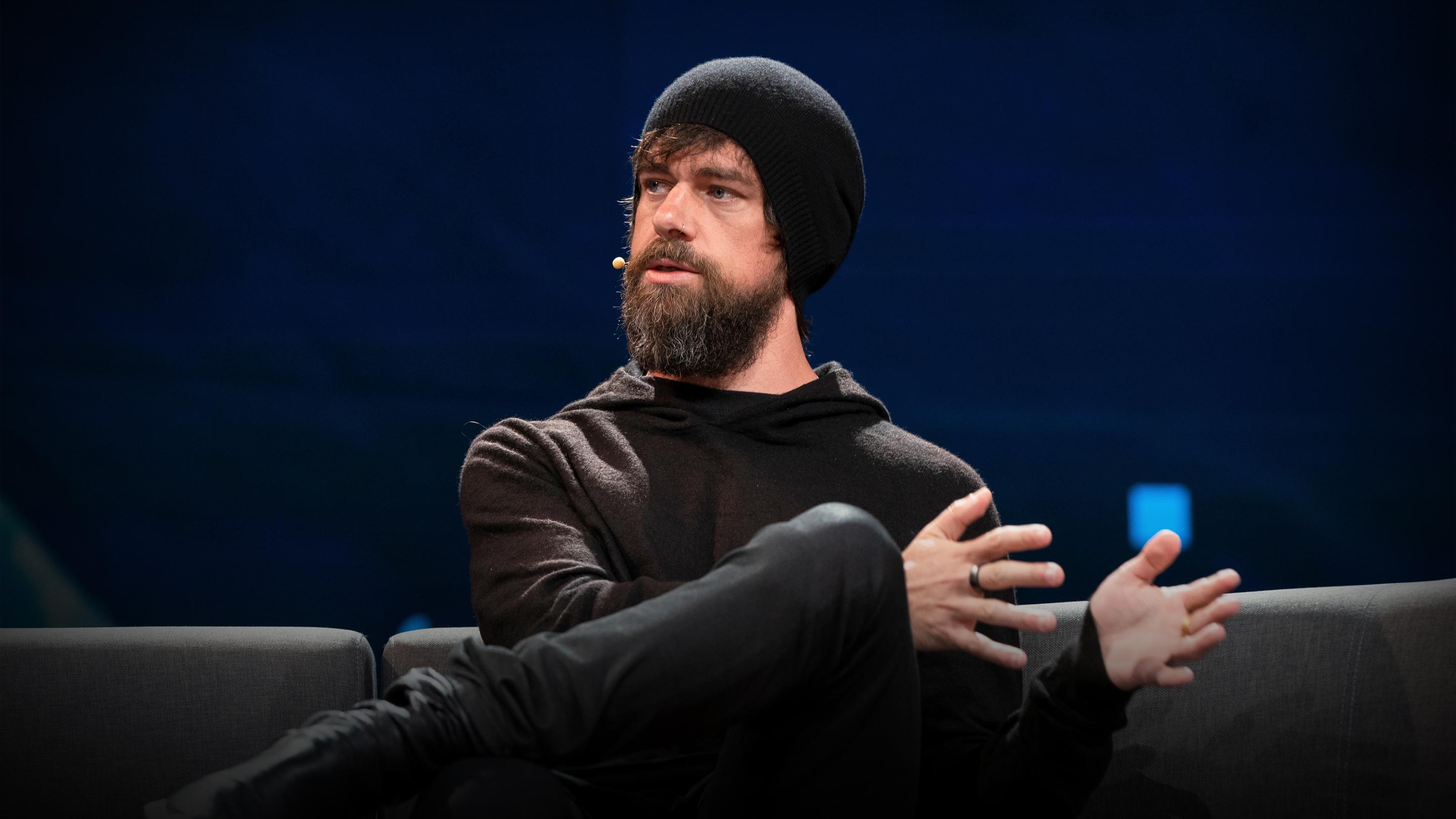
How Twitter needs to change | Jack Dorsey
Can Twitter be saved? In a wide-ranging conversation with TED's Chris Anderson and Whitney Pennington Rodgers, Twitter CEO Jack Dorsey discusses the future of the platform -- acknowledging problems with harassment and moderation and proposing some fundamental changes that he hopes will encourage healthy, respectful conversations. "Are we actually delivering something that people value every single day?" Dorsey asks.
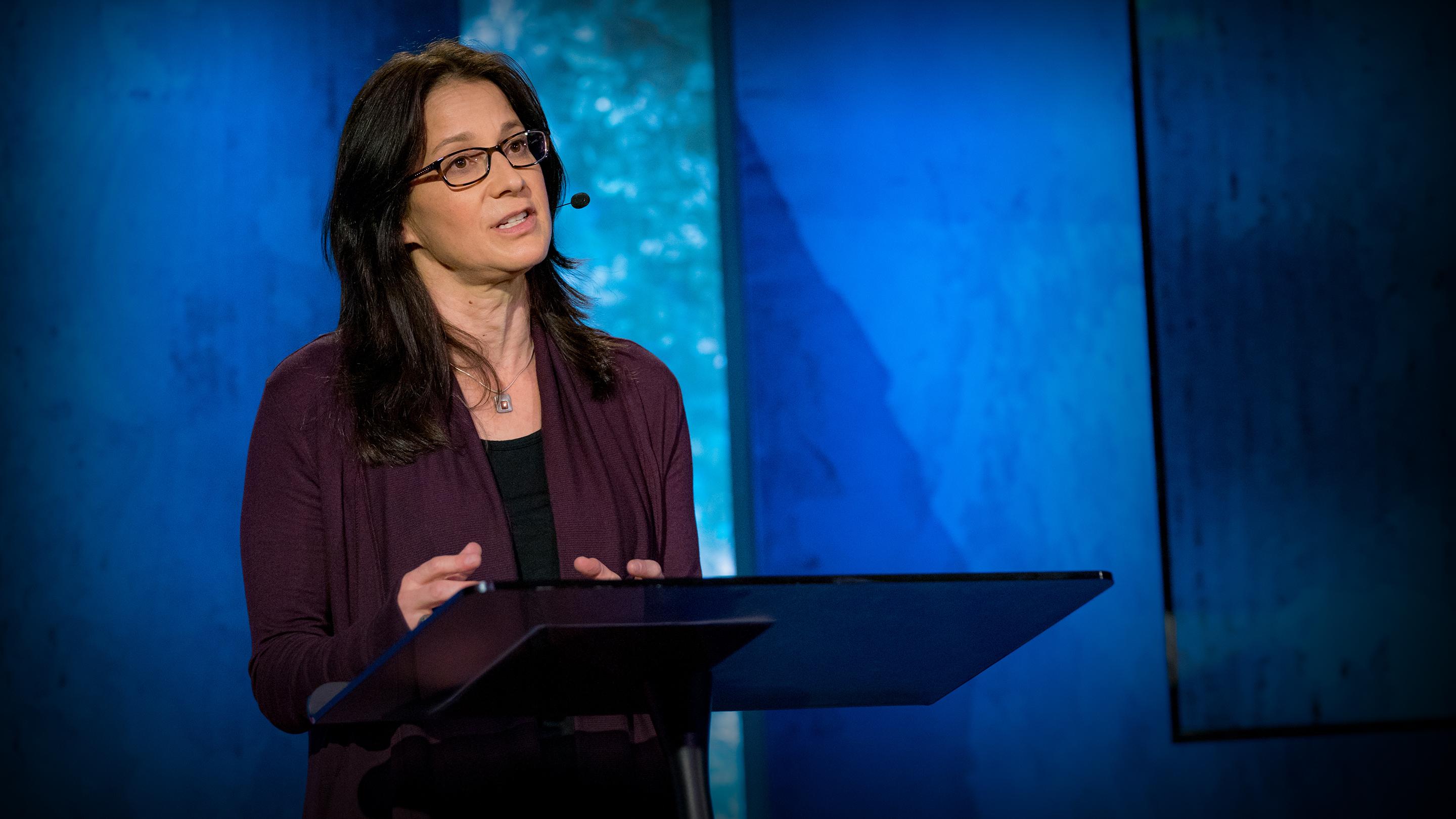
How to lead a conversation between people who disagree | Eve Pearlman
In a world deeply divided, how do we have hard conversations with nuance, curiosity, respect? Veteran reporter Eve Pearlman introduces "dialogue journalism": a project where journalists go to the heart of social and political divides to support discussions between people who disagree. See what happened when a group that would have never otherwise met -- 25 liberals from California and 25 conservatives from Alabama -- gathered to talk about contentious issues. "Real connection across difference: this is a salve that our democracy sorely needs," Pearlman says.
How we can help the "forgotten middle" reach their full potential | Danielle R. Moss
You know the "forgotten middle": they're the students, coworkers and regular people who are often overlooked because they're seen as neither exceptional nor problematic. How can we empower them to reach their full potential? Sharing her work helping young people get to and through college, social activist Danielle R. Moss challenges us to think deeper about who deserves help and attention -- and shows us how to encourage those in the middle to dream big.
A powerful way to unleash your natural creativity | Tim Harford
What can we learn from the world's most enduringly creative people? They "slow-motion multitask," actively juggling multiple projects and moving between topics as the mood strikes -- without feeling hurried. Author Tim Harford shares how innovators like Einstein, Darwin, Twyla Tharp and Michael Crichton found their inspiration and productivity through cross-training their minds.
What are you willing to give up to change the way we work? | Martin Danoesastro
What does it take to build the fast, flexible, creative teams needed to challenge entrenched work culture? For transformation expert Martin Danoesastro, it all starts with one question: "What are you willing to give up?" He shares lessons learned from companies on both sides of the innovation wave on how to structure your organization so that people at all levels are empowered to make decisions fast and respond to change.
How to break bad management habits before they reach the next generation of leaders | Elizabeth Lyle
Companies are counting on their future leaders to manage with more speed, flexibility and trust than ever before. But how can middle managers climb the corporate ladder while also challenging the way things have always been done? Leadership expert Elizabeth Lyle offers a new approach to breaking the rules while you're on your way up, sharing creative ways organizations can give middle managers the space and coaching they need to start leading differently.

The real reason female entrepreneurs get less funding | Dana Kanze
Women own 39 percent of all businesses in the US, but female entrepreneurs get only two percent of venture funding. What's causing this gap? Dana Kanze shares research suggesting that it might be the types of questions start-up founders get asked when they're invited to pitch. Whether you're starting a new business or just having a conversation, learn how to spot the kinds of questions you're being asked -- and how to respond more effectively.
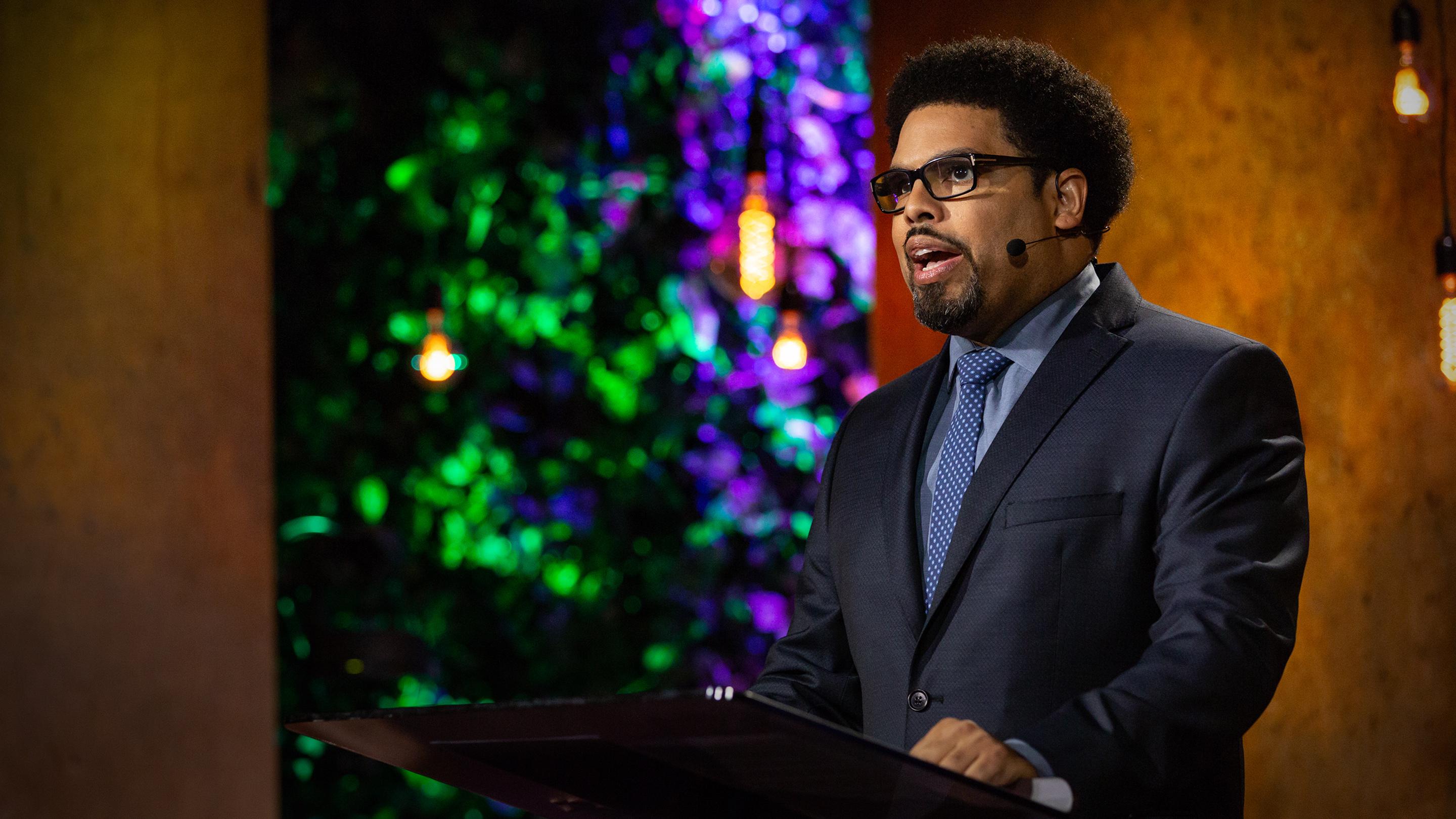
How "baby bonds" could help close the wealth gap | Darrick Hamilton
Hard work, resilience and grit lead to success, right? This narrative pervades the way we think, says economist Darrick Hamilton, but the truth is that our chances at economic security have less to do with what we do and more to do with the wealth position we're born into. Enter "baby bonds": trust accounts of up to $60,000 for every newborn, calibrated to the wealth of their family. Learn how this bold proposal could help us reduce inequality -- and give every child personal seed money for important things like going to college, buying a home or starting a business. "Without capital, inequality is locked in," Hamilton says. "When it comes to economic security, wealth is both the beginning and the end."
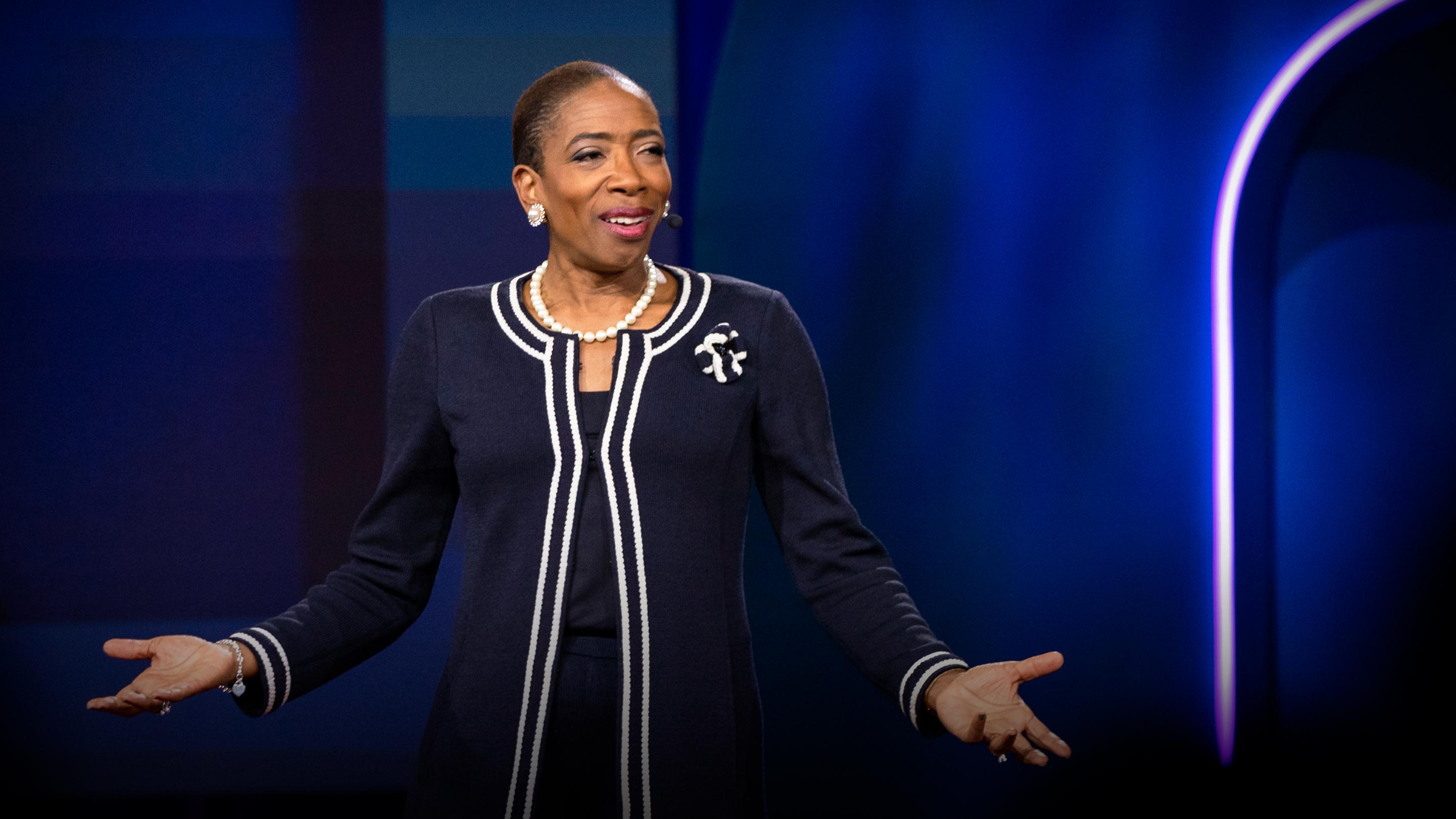
How to find the person who can help you get ahead at work | Carla Harris
The workplace is often presented as a meritocracy, where you can succeed by putting your head down and working hard. Wall Street veteran Carla Harris learned early in her career that this a myth. The key to actually getting ahead? Get a sponsor: a person who will speak on your behalf in the top-level, closed-door meetings you're not invited to (yet). Learn how to identify and develop a productive sponsor relationship in this candid, powerful talk.
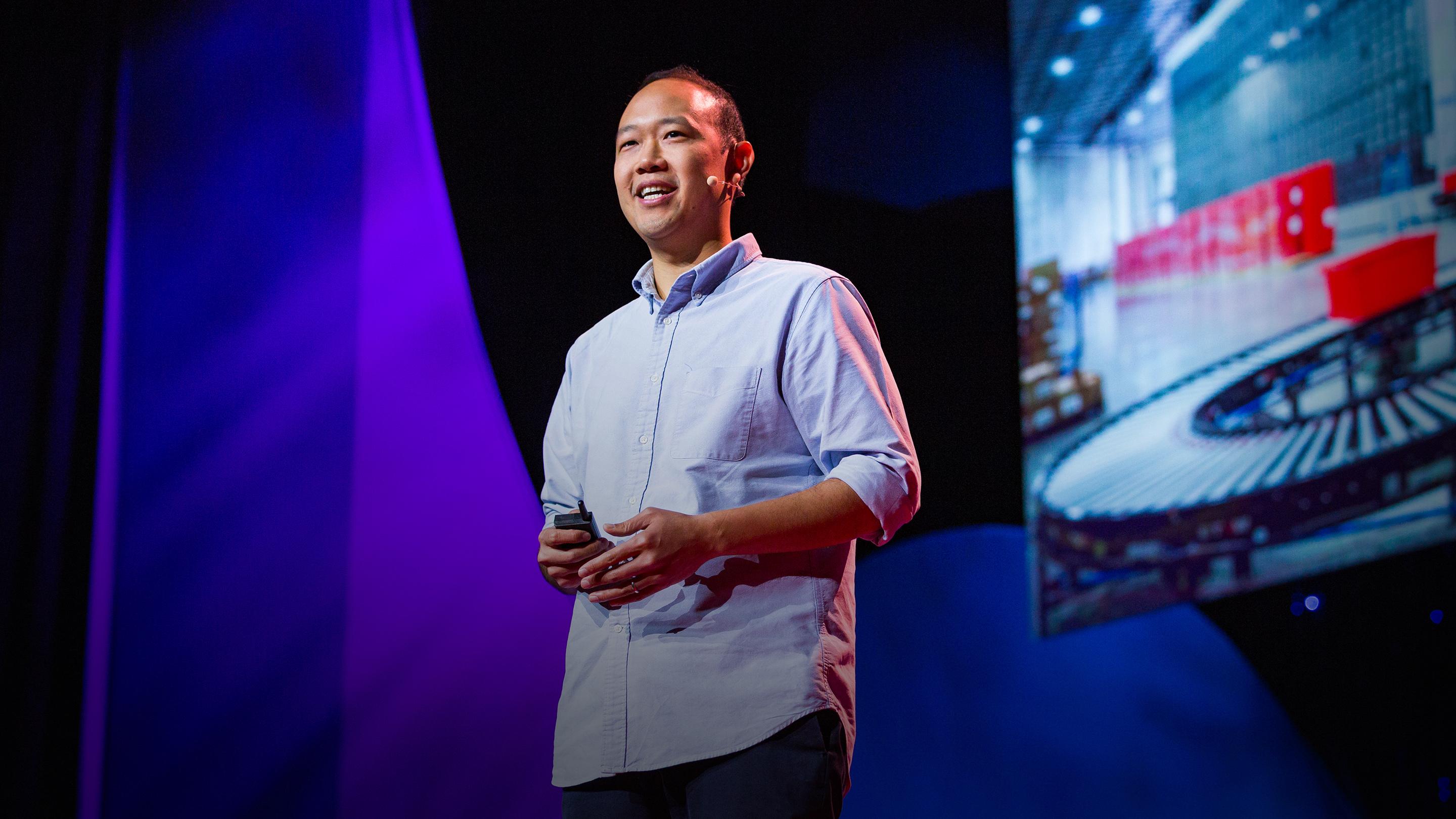
Confessions of a recovering micromanager | Chieh Huang
Think about the most tired you've ever been at work. It probably wasn't when you stayed late or came home from a road trip -- chances are it was when you had someone looking over your shoulder, watching your each and every move. "If we know that micromanagement isn't really effective, why do we do it?" asks entrepreneur Chieh Huang. In a funny talk packed with wisdom and humility, Huang shares the cure for micromanagement madness -- and how to foster innovation and happiness at work.
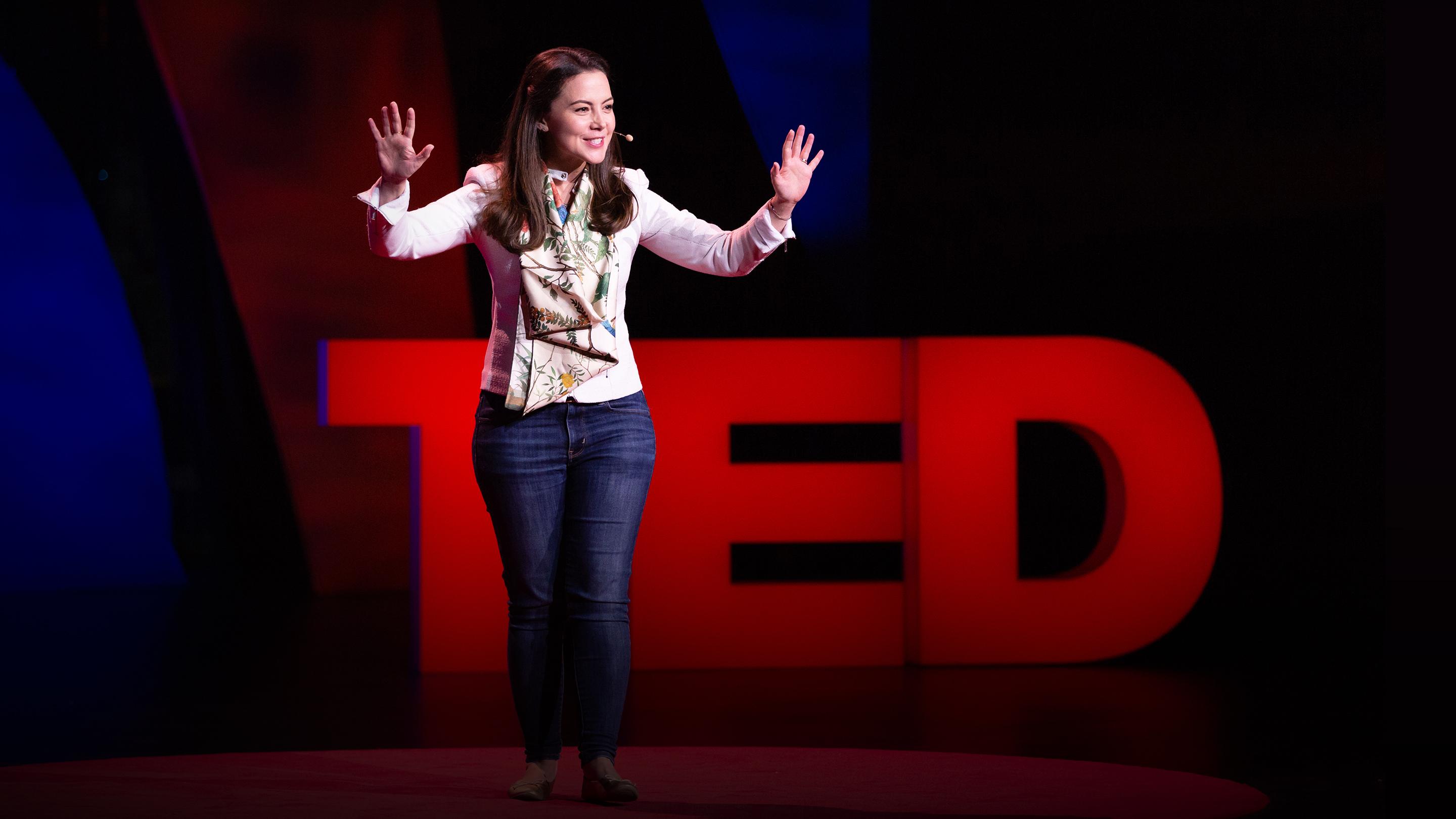
How to disagree productively and find common ground | Julia Dhar
Some days, it feels like the only thing we can agree on is that we can't agree -- on anything. Drawing on her background as a world debate champion, Julia Dhar offers three techniques to reshape the way we talk to each other so we can start disagreeing productively and finding common ground -- over family dinners, during work meetings and in our national conversations.
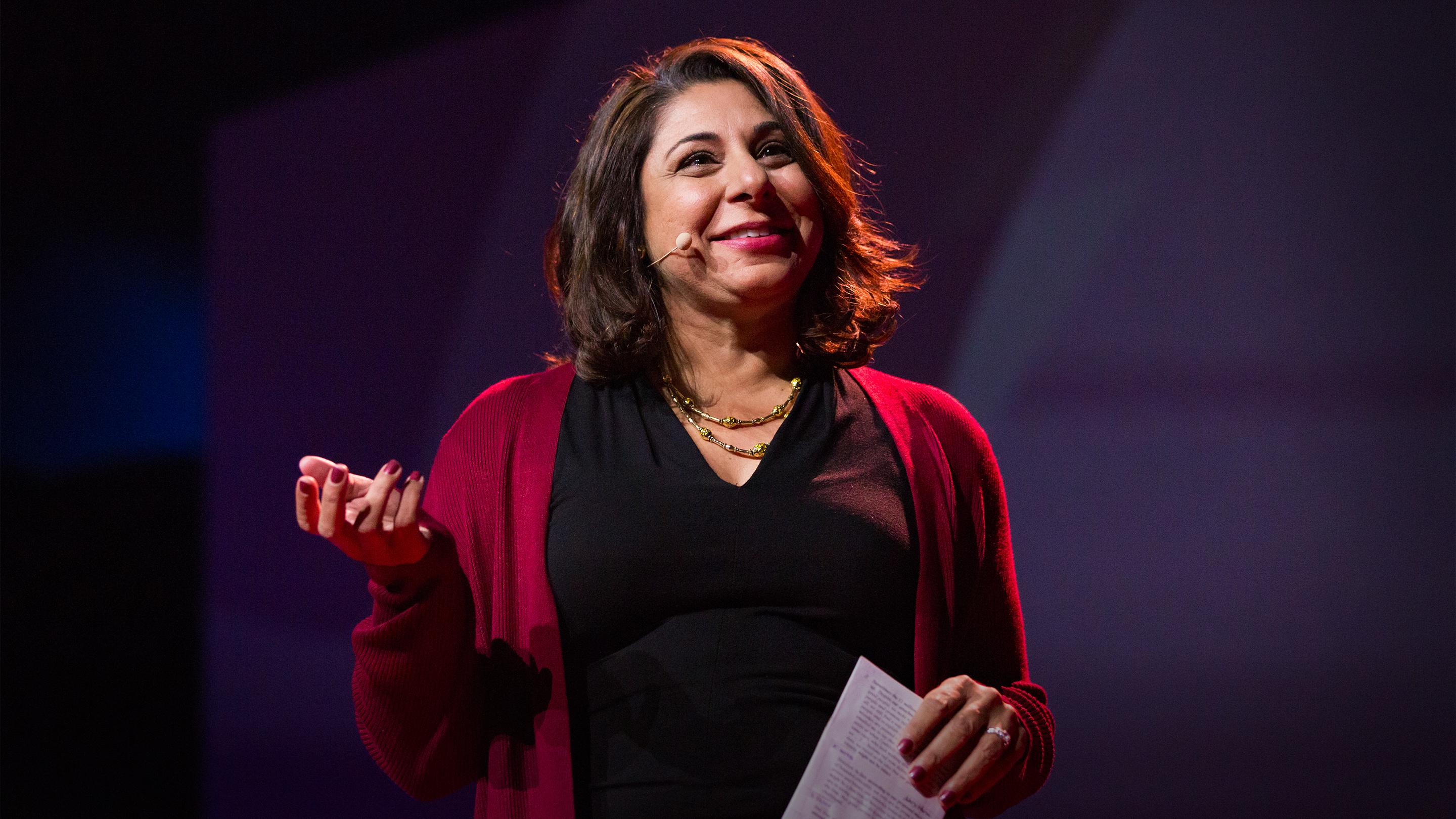
How to let go of being a "good" person — and become a better person | Dolly Chugh
What if your attachment to being a "good" person is holding you back from actually becoming a better person? In this accessible talk, social psychologist Dolly Chugh explains the puzzling psychology of ethical behavior — like why it's hard to spot your biases and acknowledge mistakes — and shows how the path to becoming better starts with owning your mistakes. "In every other part of our lives, we give ourselves room to grow — except in this one, where it matters most," Chugh says.
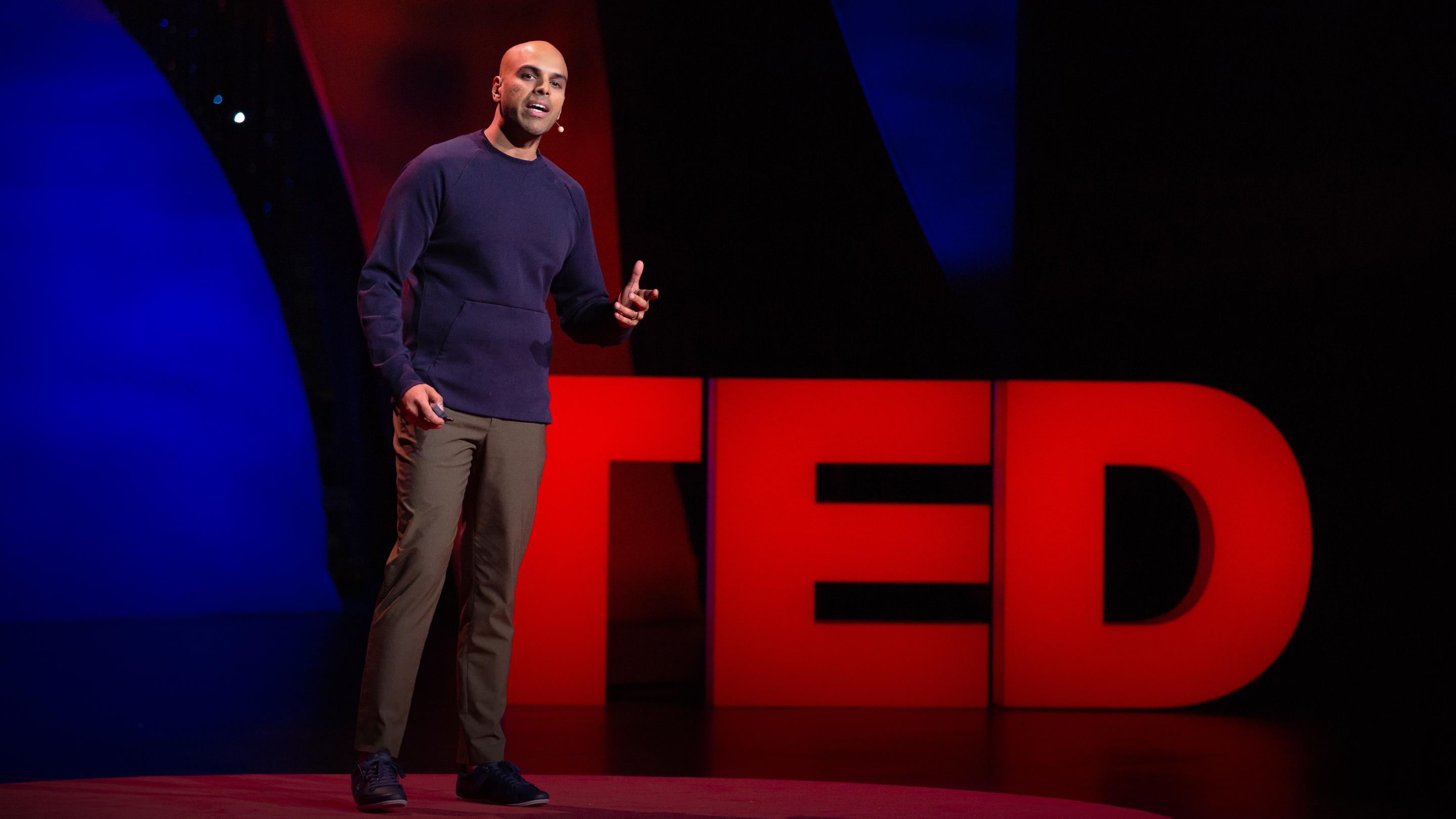
How conscious investors can turn up the heat and make companies change | Vinay Shandal
In a talk that's equal parts funny and urgent, consultant Vinay Shandal shares stories of the world's top activist investors, showing how individuals and institutions can take a page from their playbook and put pressure on companies to drive positive change. "It's your right to have your money managed in line with your values," Shandal says. "Use your voice, and trust that it matters."
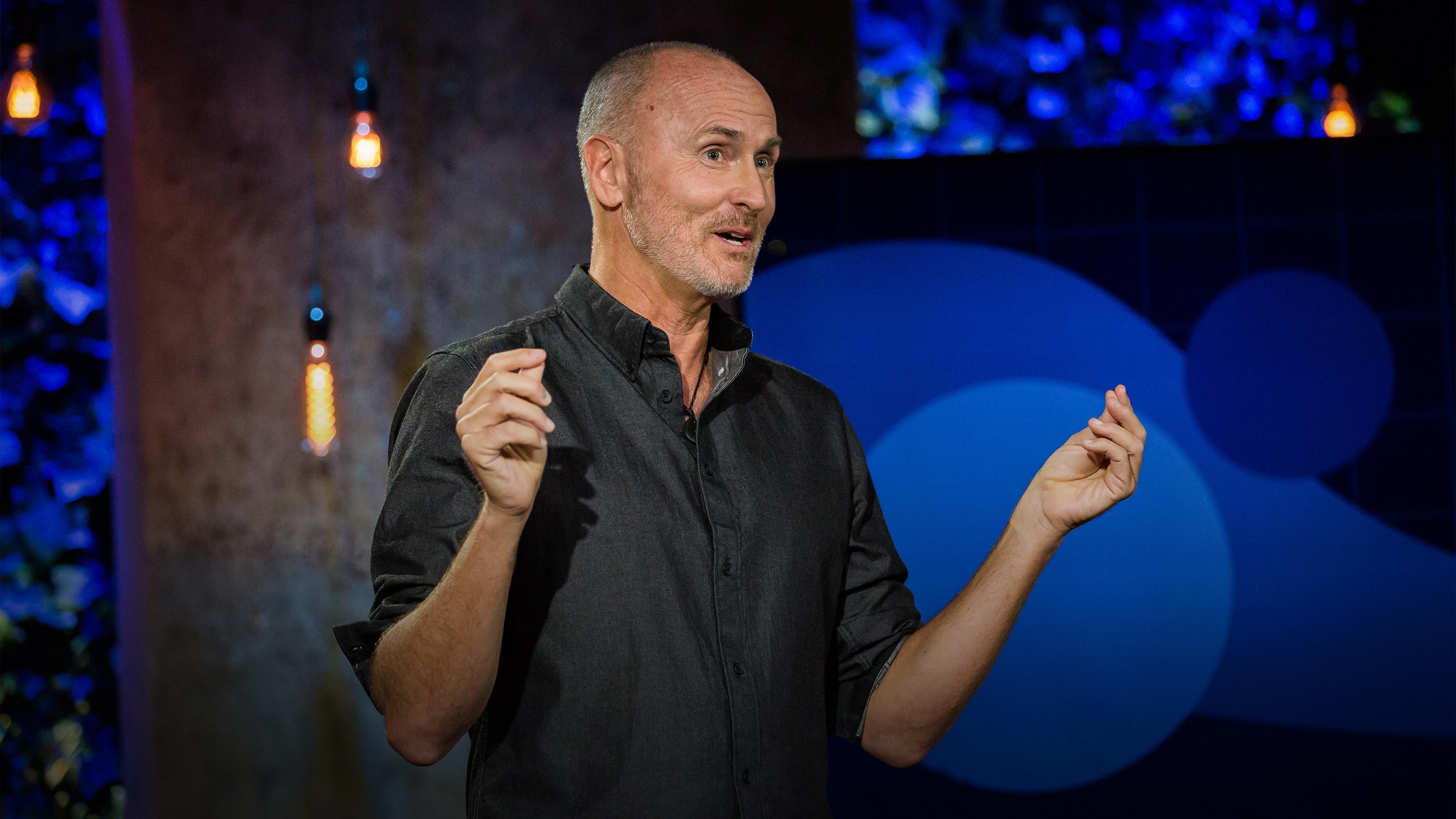
What baby boomers can learn from millennials at work -- and vice versa | Chip Conley
For the first time ever, we have five generations in the workplace at the same time, says entrepreneur Chip Conley. What would happen if we got intentional about how we all work together? In this accessible talk, Conley shows how age diversity makes companies stronger and calls for different generations to mentor each other at work, with wisdom flowing from old to young and young to old alike.
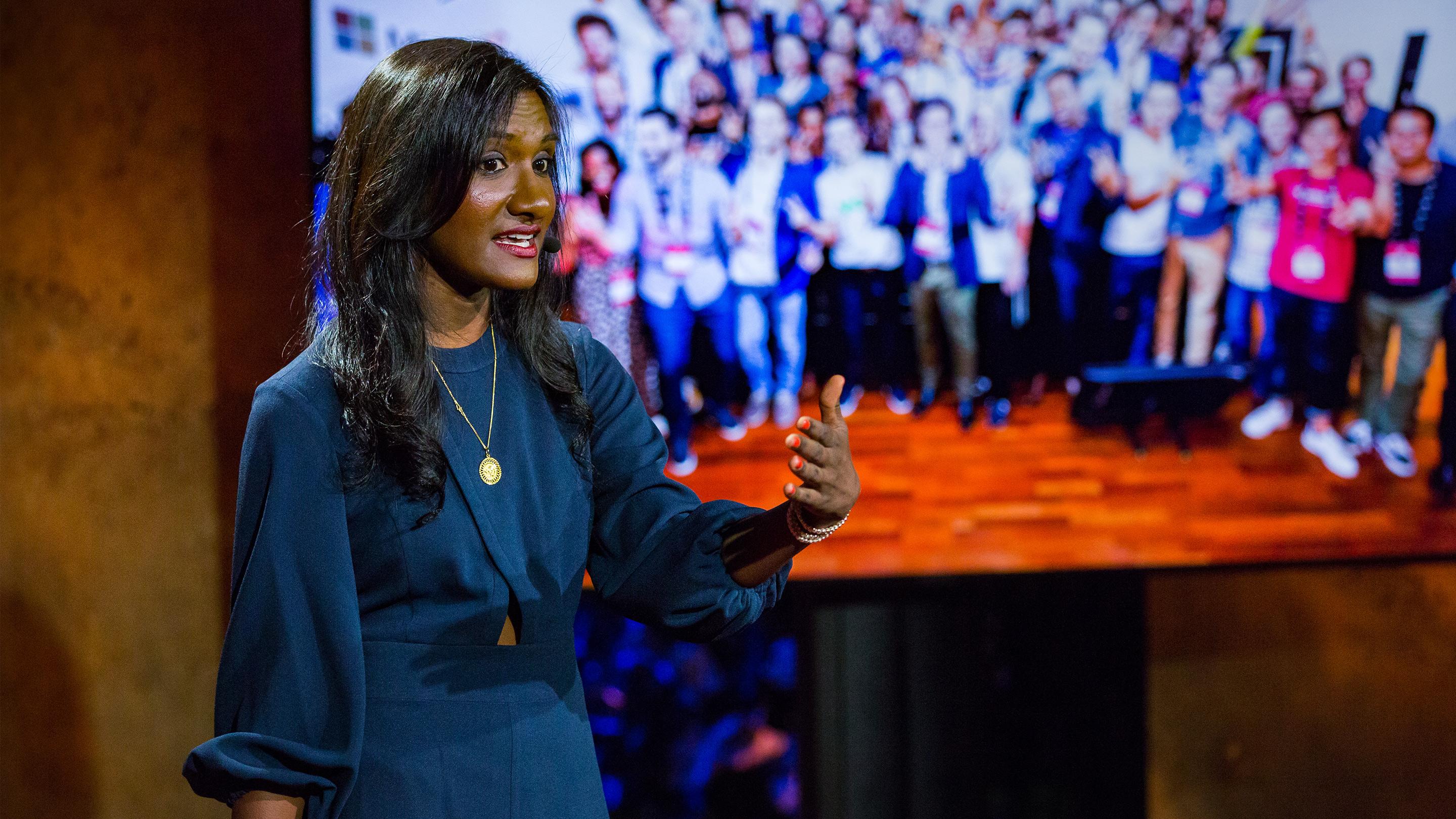
How cryptocurrency can help start-ups get investment capital | Ashwini Anburajan
We're living in a golden era of innovation, says entrepreneur Ashwini Anburajan -- but venture capital hasn't evolved to keep up, and start-ups aren't getting the funding they need to grow. In this quick talk, she shares the story of how her company became part of an entirely new way to raise capital, using the powers of cooperation and cryptocurrency.
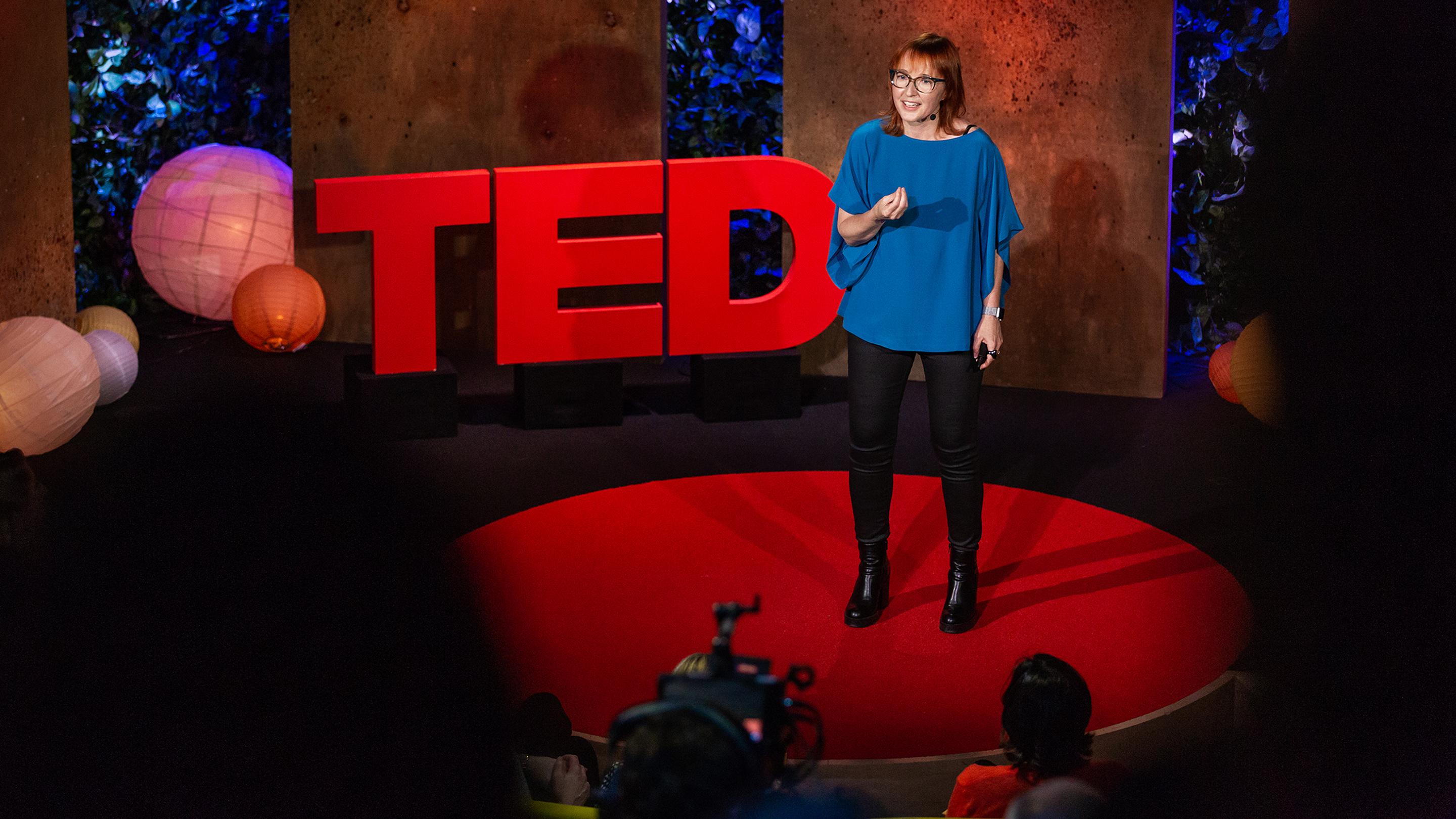
3 ways to be a better ally in the workplace | Melinda Briana Epler
We're taught to believe that hard work and dedication will lead to success, but that's not always the case. Gender, race, ethnicity, religion, disability, sexual orientation are among the many factors that affect our chances, says writer and advocate Melinda Briana Epler, and it's up to each of us to be allies for those who face discrimination. In this actionable talk, she shares three ways to support people who are underrepresented in the workplace. "There's no magic wand for correcting diversity and inclusion," she says. "Change happens one person at a time, one act at a time, one word at a time."
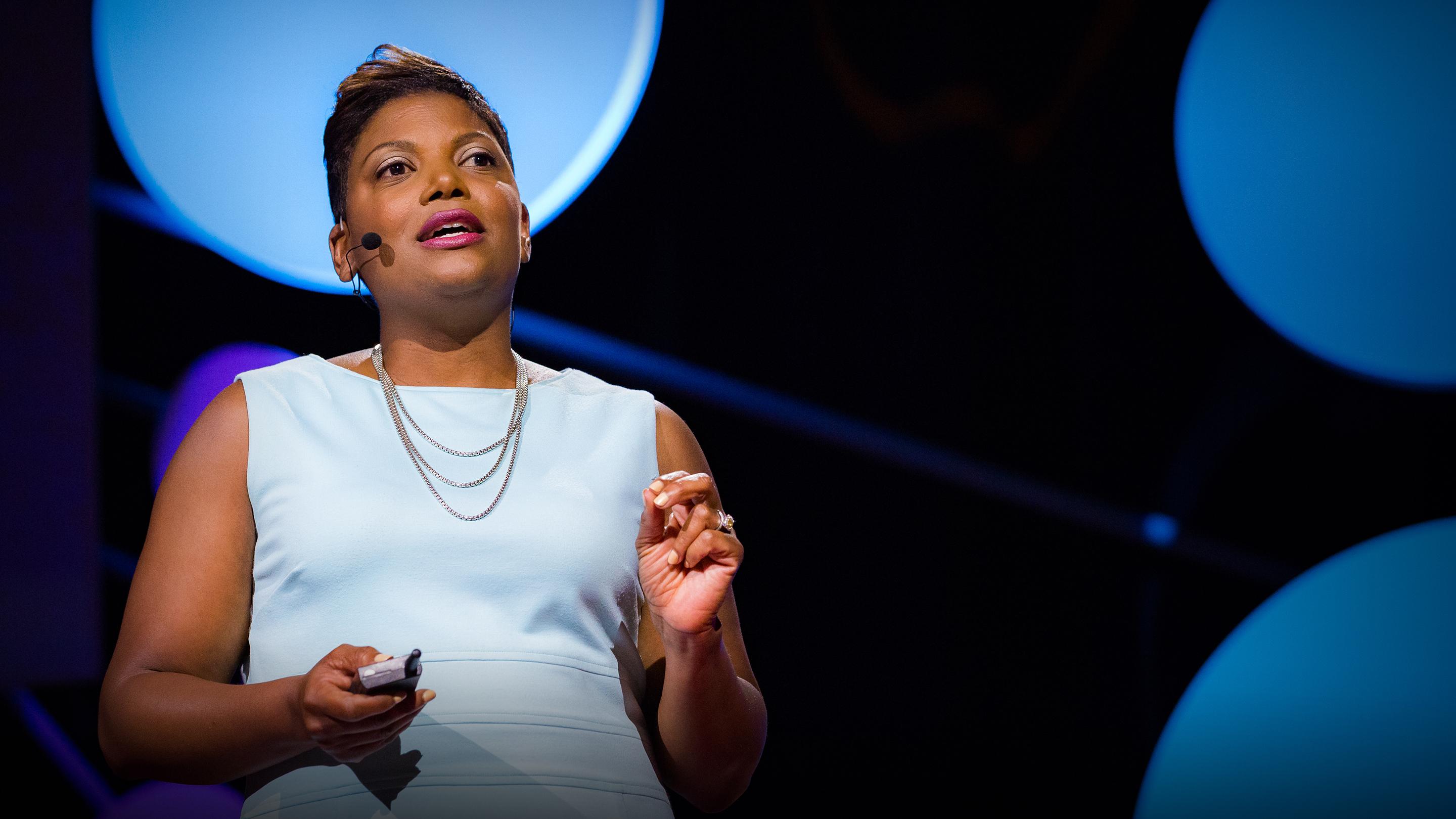
3 ways businesses can fight sex trafficking | Nikki Clifton
Sex buying doesn't just happen late at night on street corners in the shady part of town -- it also happens online, in the middle of the workday, using company equipment and resources. With this problem comes an opportunity, says attorney Nikki Clifton, because it means that the business community is in a unique position to educate and mobilize their employees to fight sex trafficking. In an honest talk, Clifton outlines how businesses can help, from setting clear policies to hiring survivors.
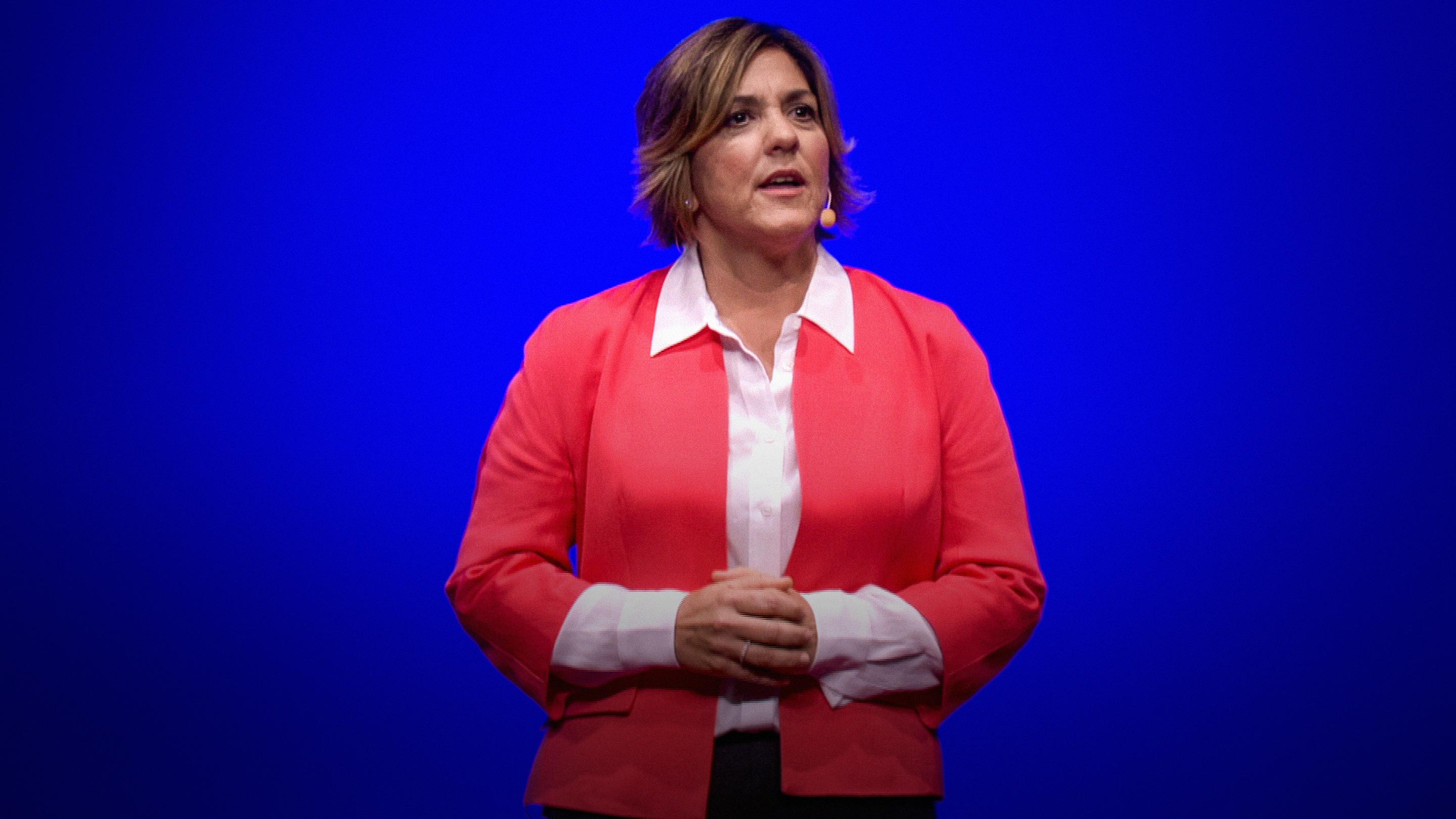
Let's get honest about our money problems | Tammy Lally
Struggling to budget and manage finances is common -- but talking honestly and openly about it isn't. Why do we hide our problems around money? In this thoughtful, personal talk, author Tammy Lally encourages us to break free of "money shame" and shows us how to stop equating our bank accounts with our self-worth.