
Taste Radio
922 episodes — Page 4 of 19
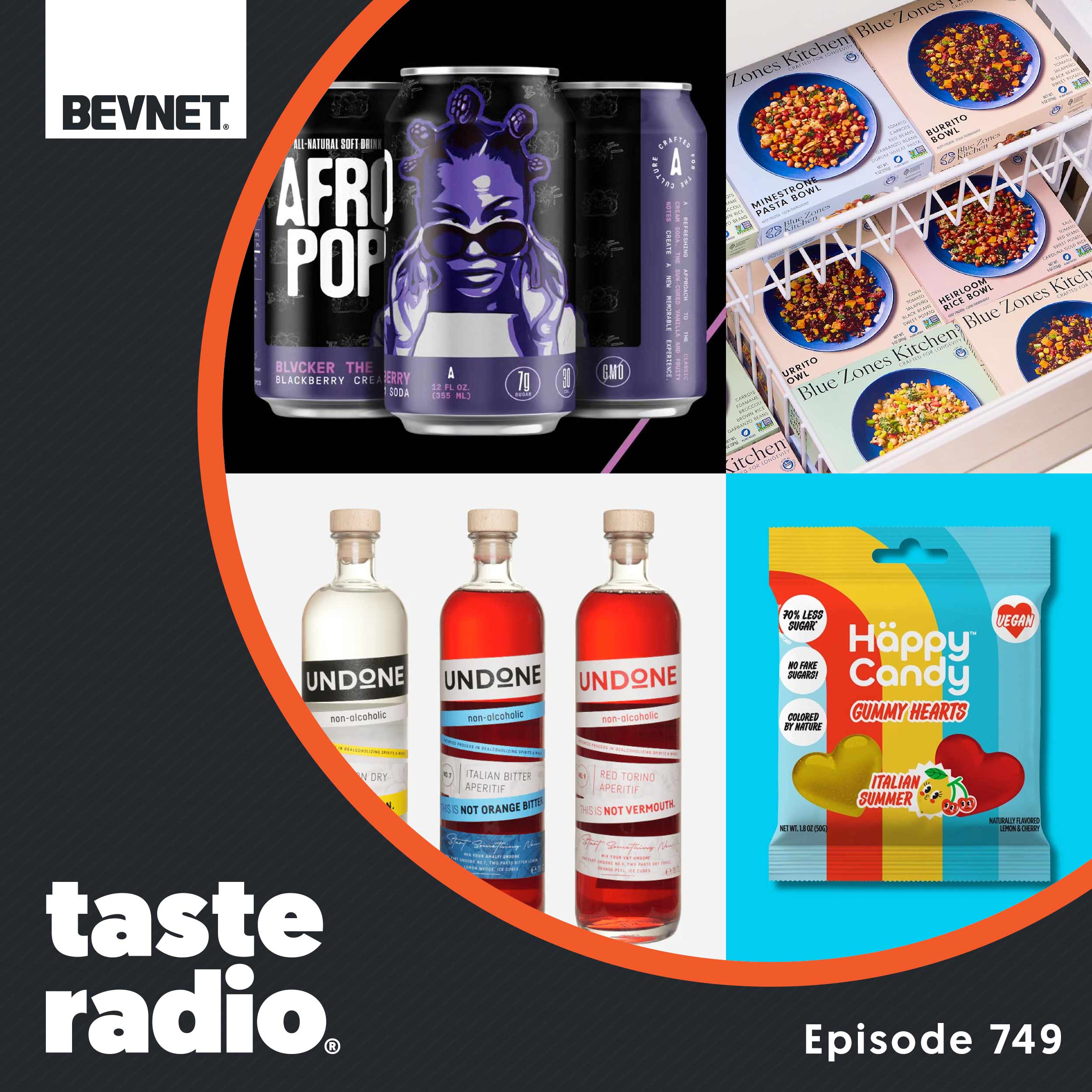
Why Is Gen Z Obsessed With BFY Frozen Foods? We've Come Undone.
Gen Z is reshaping the frozen food game… and they're not settling for TV dinners. But while they're hungry for health and convenience, there's a catch: the price tag. Can wellness-focused frozen meals stay accessible, or are they becoming a luxury in disguise? The hosts discuss, and also sample Korean-style hard seltzers, culturally-inspired craft sodas and a potentially game-changing brand of non-alcoholic spirits. Show notes: 0:35: Voice Nail. A Notable List. Investors Here. Bites & Chews. So Long, Stouffer's. Trash Panda. NA Negronis. – The hosts chat about disliking the sound of their own voices before spotlighting the release of the 2025 NOSH Notables list, which honors leaders and innovators in food. They also highlight the number of investors registered for Taste Radio's Chicago Meetup, which takes place on August 14. Mike and John discuss standout finds from a recent UNFI show, including latke-inspired crisps, "baguette bites," and low-sugar gummies. The hosts then turn their attention toward the growing trend of premium frozen meals and note the balance between health, convenience, and cost as a key consumer concern. They wrap up the show with a sampling of a hard seltzer made with fermented rice, a Twizzler-style candy brand, and a brand of alcohol alternatives that de-alcoholizes wine and spirits to create products that closely mimic whiskey, Campari, mezcal and more. Brands in this episode: Hoste Cocktails, Chomps, Little Latke, YAW!, Happy Candy, Better Sour, Behave, Stouffer's, Hungry Man, Vital Pursuit, Blue Zones Kitchen, Scott & Jon's, Mason Dixie Foods, SWRL, Afro Pop, Froot Thief, Twizzlers, Undone Drinks, Campari, Aperol
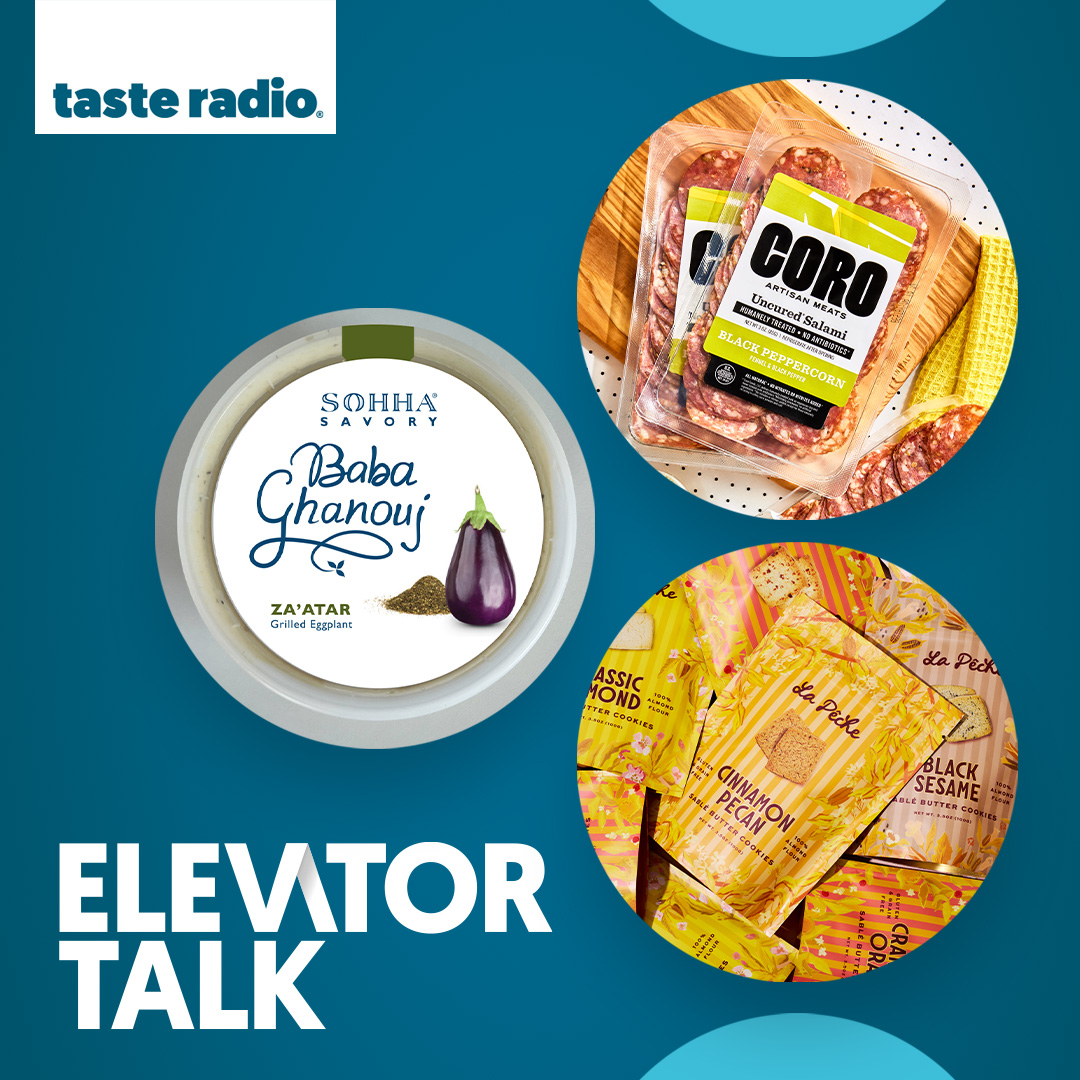
Elevator Talk: Sohha Savory, Coro Foods, La Pêche, SaladSprinkles, Cedar F&B
The latest episode of Taste Radio's Elevator Talk spotlights innovative leaders from Sohha Savory, Coro Foods, La Pêche, SaladSprinkles, and Cedar F&B. In this installment, founders and CEOs introduce their brands and share recent company updates and milestones. This week's special co-host is Beth Brown, founder and principal advisor at growth-stage consultancy S3 Connect. She offers insightful questions, thoughtful feedback, and strategic perspective alongside regular host Ray Latif, editor and producer of the Taste Radio podcast. Early-stage food and beverage entrepreneurs are encouraged to apply for future episodes of Elevator Talk. Participation is free, interviews are conducted remotely, and it's a unique opportunity to pitch your product, share news, and receive expert feedback from industry leaders. Apply now to be featured in an upcoming episode.
People First, Tacos Second. The Culture That Built Torchy's.
When Mike Rypka launched Torchy's Tacos out of a trailer in Austin, he wasn't thinking about private equity or market expansion. He just wanted to serve "damn good tacos." Fast forward to today, and Torchy's has grown into a revered fast-casual chain with national ambitions, fueled by strategic investment and a fiercely loyal customer base. But the real engine behind the brand's success isn't just craveable food. It's culture. Torchy's differentiates itself through scratch-made food and a willingness to take creative risks with its menu. Behind the scenes is a deeply human company culture built around second chances, internal growth and genuine care for employees. In this episode, Mike opens up about the humble beginnings of the company, how word of mouth and grassroots marketing initially drove Torchy's success and why "clean, craveable food" keeps the customers coming back. He also explains why it was critical to find an investment partner that provided not just capital, but deep operational and consumer insights, and how his personal struggles shaped a company culture rooted in redemption and opportunity. Show notes: 0:25: Interview: Mike Rypka, Founder, Torchy's Tacos – Mike reflects on the early days of Torchy's Tacos and how it gradually evolved into a beloved taco chain with over 130 locations. He highlights the importance of quality, consistency, and culture in differentiating Torchy's from competitors, especially through their scratch-made food, full-service bars, and commitment to hospitality. Mike explains why he recently transitioned into the role of Chief Innovation Officer, how the company attempts to sell affordable food despite economic pressures and why Torchy's has resisted franchising in favor of maintaining tight operational control. He also talks about the importance of strong supplier relationships, transparency, and how deliberate growth has helped Torchy's preserve its identity and quality. Mike discusses how private equity firm General Atlantic has helped strategically guide the company's national expansion, how Torchy's innovation process blends customer feedback, social media listening and culinary trend tools and why not every idea has succeeded. Brands in this episode: Torchy's Tacos, Athletic Brewing
Hey Pepsi, We Remain Perplexed. But These Brands Straight Slapp.
What's the point of PepsiCo's new sub-line of prebiotic colas? Is it addressing genuine consumer demand for functional ingredients, or just riding the wellness wave? The hosts once again weigh in. They also highlight emerging shot brands gaining traction and take a closer look at how the viral "WaterTok" phenomenon may have influenced Keurig Dr Pepper's acquisition of Dyla Brands. Show notes: 0:25: Take Two. Fun > Function. We Gotta Have More Ginger. Sturring The Pot. Thin Or Thick? Mike Takes A Hit. – The team kicks things off with behind-the-scenes banter, including a powdered drink spill mishap and Ray's failed frother. The hosts dive into PepsiCo's introduction of a prebiotic cola and debate its real consumer appeal, questioning whether health claims like "prebiotics" are more about marketing than meaningful function. They also discuss the rise of functional shot brands like GNGR Labs and Canada-based Slapp, and highlight Keurig Dr Pepper's acquisition of Dyla Brands, the maker of Stur drink mixes. Ray previews upcoming Taste Radio meetups in Chicago, San Diego, San Francisco, and London., before John samples a new flavor of Xochitl tortilla chips. Mike is tempted to try a cannabis beverage and everyone celebrates UK-based soda brand Something & Nothing, praising its minimal, flavorful approach and expanding U.S. footprint. Brands in this episode: Slapp, Mio, Chomps, Xochitl, Cholula, Doritos, Hoste Cocktails, Something & Nothing, Tip Top Cocktails, Caulitos, Ritz, Triscuits, Tempter's, Roar, Plift, Forto, Stur, Valley Isle Kombucha
A Tip From A Top Brand? Quality & Convenience Are Essential.
Convenience and quality don't always go hand in hand, but Tip Top Cocktails is changing that perception, one perfectly crafted drink at a time. Founded in 2019, Tip Top is an Atlanta-based brand known for its spirit-forward, bar-quality offerings. Childhood friends Yoni Reisman and Neal Cohen launched the company with a simple mission: make great cocktails more accessible, no bartender required. Tip Top's lineup includes time-honored classics like the Old Fashioned, Negroni, and Margarita, as well as modern favorites such as the Paper Plane, Penicillin, and Naked & Famous. Each cocktail is precisely mixed and served in a sleek 100 mL lowball-style can. The products are available in over 25 U.S. states and Washington, D.C., and carried by national retailers such as Trader Joe's, Whole Foods, Gelson's Markets, and Total Wine & More. Amid a rapidly expanding market for RTD cocktails, Tip Top has earned high praise from The New York Times, Food & Wine, and other publications. Perhaps surprisingly, the company hasn't taken any institutional funding to date. In this episode, Yoni and Neal share how an idea sparked on the music festival circuit evolved into a fast-growing brand with national reach. Their journey is a case study in bootstrapping, brand discipline, and building loyalty through an unwavering commitment to quality and customer experience. Show notes: 0:25: Interview: Neal Cohen & Yoni Reisman, Co-Founders, Tip Top Cocktails – The co-founders discuss how Tip Top's origins stem from Yoni's time in the music festival scene, recruiting award-winning bartender Miles Macquarrie to help develop the cocktails and how they emphasized authentic, balanced flavors and supported that with retro-inspired branding and educational elements like listing ingredients. Neal and Yoni also talk about Tip Top's collaborations with renowned bartenders such as Sam Ross and Joaquín Simó and how it reinforced the brand's credibility and dedication to cocktail culture. They also explain how Tip Top has relied on grassroots marketing, standout packaging, and word-of-mouth to build its brand, with its 100 mL can seen as both stylish and practical and how the company has earned respect within the hospitality industry and among professional bartenders. They explain why they continue to personally taste each batch of cocktails and have scrapped full runs when standards weren't met and how "building a brand people would truly miss" if it left the market is their North Star. Brands in this episode: Tip Top Cocktails, Straightaway Cocktails, Post Meridiem
Be Timely. Be Great. Be Relentless. Why The GNGR Formula Works.
How did GNGR Labs' organic, cold-pressed wellness shots become a staple in New York City bodegas and land nationwide distribution at Wegmans? Founder Namik Soltan shares a story powered by purpose, product and unrelenting persistence. The hosts also unpack PepsiCo's unexpected – and gutsy – announcement and explore how excellence fueled Tia Lupita's acquisition. Show notes: 0:35: Shot Hoarders. Hey, Pepsi. You Forget Something? Honoring Tia. Chomping At The Bit. Good Sips. -The hosts open by heaping praise on GNGR Labs' shots, followed by a few laughs and questions about Mike's recent "pen vacation." The conversation pivots to PepsiCo, earning both some head-scratching and applause for its newly announced prebiotic sub-line under the flagship Pepsi brand. Ray then highlights Coca-Cola's news of a new cola sub-line made with real sugar instead of high-fructose corn syrup. Mike puts the spotlight on Feisty, a UK-based protein soda brand, before the team celebrates Vilore Foods' acquisition of Tia Lupita. They commend founder Hector Saldivar for building a culturally authentic and better-for-you Mexican food brand from the ground up. Melissa teases an upcoming Nombase Podcast interview with Chomps' head of merchandising, while Ray announces a live conversation with Chomps CEO Rashid Ali, set for Taste Radio's Chicago meetup on August 14. Jacqui shares her take on Fermenteria's hard water kefir, Mike highlights Kate Farms' high-protein shakes and Corpse Reviver's electrolyte tea, and Melissa rounds things out by introducing a rare and intriguing Japanese plum vinegar. 35:30: Interview: Namik Soltan, Founder & CEO, GNGR Labs – Namik talks about the origins of GNGR Labs spicy ginger shots, which he launched in 2020 at the outset of the pandemic and after a failed attempt at a previous beverage brand. He discusses how a focus on high-quality, undiluted ingredients, potent flavor and authenticity helped them stand out in a crowded market. Namik also explains how he recruited a team to help him initially self-distribute across New York City and emphasized the importance of timing and forming direct relationships with store owners. He also talks about the decision to launch shelf-stable RTD cans and why he loves working with Wegmans even though merchandising is somewhat of a challenge. Namik also explains that while not every partnership worked out, his brand's growth has been organic and steady, driven by innovation and a deep understanding of the New York retail landscape. Brands in this episode: GNGR Labs, Whims, Ayo Foods, Chomps, Goodmellow, Plift, Pepsi, Poppi, Coca-Cola, Squirt, Feisty Soda, Trip Drinks, La Costeña, Jumex, Totis, Justin's, Lily's, Fermenteria, Le Seltzer, Kate Farms, Corpse Reviver, Koyo Foods, Eden Foods
Elevator Talk: Brainfood, BaoBlast, AVSOME, Bad Mermaid, High Ground Elixir
The latest installment of Elevator Talk features leaders from Brainfood, BaoBlast, AVSOME, Bad Mermaid and High Ground Elixir. Watch founders and CEOs introduce their brands and provide a recap of recent news and updates. This week's special co-host is Dayton Miller, a managing partner with BFG Partners, who shared his thoughts, questions and feedback with the participants. He is joined by Ray Latif, the editor and producer of the Taste Radio podcast. Founders and CEOs of early stage food or beverage brands are invited to join future shows to pitch their products, discuss recent news and get feedback from industry experts. It is free to participate and interviews will be conducted remotely. Apply for a future episode of Elevator Talk.
When Is $200M In Sales Just The Beginning? When The Brand Is Yerba Madre.
Yerba Madre is a brand nearly synonymous with its namesake ingredient. But in a country where most consumers have never even heard of yerba mate, a caffeine-laden herbal infusion native to South America, how do you build a household name around it? Guiding that vision is Ben Mand, who was named CEO of Yerba Madre in March 2024. Formerly known as Guayakí, the company has been pioneering yerba mate-based beverages since 1996, offering both loose-leaf and ready-to-drink formats. Today, the brand generates nearly $200 million in annual sales and is stocked in natural and conventional retailers nationwide. In this episode, Ben shares how Yerba Madre is evolving beyond its West Coast roots with a bold mission: to introduce yerba mate to the 96% of Americans who still don't know what it is. But this is about more than a beverage. Ben sees it as an opportunity to reshape how people think about clean, plant-based energy. He discusses the balance between visionary leadership and operational discipline, reigniting innovation, thinking like a founder, and scaling responsibly all while remaining rooted in the company's deeper mission: advancing regenerative agriculture in South America and building a brand that stands for purpose, authenticity, and cultural respect. Note: This episode was recorded during the breakdown of our BevNET Live Summer 2025 event and you may hear some background clatter. Our apologies for the occasional bang or boom. Show notes: 0:25: Interview: Ben Mand, CEO, Yerba Madre – Ben talks about the history of Yerba Madre and why its rebrand from Guayaki reflects its mission more clearly via a name that's more inclusive and easier for consumers to pronounce. He also highlights the functional benefits of yerba mate and emphasizes the company's regenerative business model that supports the environment and indigenous communities. Ben discusses Yerba Madre's consumer base, which is made up of primarily younger, health-conscious individuals who seek natural energy and live active lifestyles and how word-of-mouth and the simplified brand name help grow awareness. He also explains how the company is targeting convenience stores, natural retailers, and club stores to reach new consumers and how its innovation team is enhancing the brand's appeal by identifying trends and creating accessible, flavor-forward products that broaden the appeal of yerba mate. Ben also talks about how he leads with purpose and passion, using his humble roots to build company culture and why he views business as a key driver of positive social and environmental change. Brands in this episode: Yerba Madre, Harmless Harvest, Patagonia
How To Go Viral In 60 Seconds? Sell Raw Cod. Not Celeb 'Tinis.
What happens when a high-profile protein bar brand suddenly dives into frozen seafood? Naturally, the industry takes notice—and chaos ensues. In this episode, the hosts unpack David's unexpected launch of raw frozen cod, a move that seems both strategic and defiant, sparking intense debate across the CPG world. They also delve into the debut of Love Potion, a new ready-to-drink espresso martini from "Bachelor in Paradise" alum Justin Glaze, exploring what it reveals about the saturated, and increasingly unpredictable, landscape of celebrity-backed beverages. Show notes: 0:35: Marion Pen? A Slippery Stunt? Wrong Place, Wrong Time? Gold & Pecans. Strawberry Salt! – Mike is OOO, so naturally the hosts wonder if he's back in the slammer. They dive into David's introduction of a new raw, frozen cod product and whether it's a tongue-in-cheek response to critics of processed foods or a genuine product extension. The team highlights upcoming Taste Radio meetups in Chicago, San Diego, San Francisco, and London, inviting listeners to connect in person. Ray voices his frustration over the glut of RTD espresso martinis flooding the market, especially a new launch from a reality TV star. The hosts question the staying power of yet another celebrity-backed booze brand, while John shares insights on how emerging products can rise above the noise. Ray also unboxes a quirky PR gift from Snickers and samples Jacobsen Salt Co.'s new Oishii strawberry-infused salt. Meanwhile, Jacqui and John spotlight Bao Blast, a new baobab fruit juice drink, and Ray encourages entrepreneurs to send in product samples for a shot at being featured in future episodes. Brands in this episode: David, Love Potion, La Colombe, Justin's, Gigantic, Harken Sweets, Snickers, Maldon, Jacoben's Salt Co., Oishii, Fly By Jing, Bao Blast, Diet Coke
Elevator Talk: NIKIGO, Zip Frut, TruJoy, Mamame, Jack's Dad's Hummus
The latest episode of Elevator Talk features leaders from NIKIGO, Zip Frut, TruJoy Yogurt, Mamame Tempeh Chips and Jack's Dad's Hummus. Watch founders and CEOs introduce their brands and provide a recap of recent news and updates. This week's special co-host is Tom Spier, the founder and managing partner of venture capital firm BFG Partners, who shared his thoughts, questions and feedback with the participants. He is joined by Ray Latif, the editor and producer of the Taste Radio podcast. Founders and CEOs of early stage food or beverage brands are invited to join future shows to pitch their products, discuss recent news and get feedback from industry experts. It is free to participate and interviews will be conducted remotely. Apply for a future episode of Elevator Talk.
From Apothecary To Icon. The Rise Of Fernet-Branca In America.
How did a 180-year-old Italian digestif become one of America's most beloved bar staples? Though Fernet-Branca has enjoyed a storied legacy in Europe since its creation in 1845, it remained a niche curiosity in the United States for much of its life. The intensely bitter, herbal liqueur was appreciated only by the most adventurous palates. Today, however, it's a fixture behind the bar from upscale cocktail lounges to neighborhood dive bars, most often knocked back in shot form and celebrated for its distinct flavor profile. Who better to trace Fernet-Branca's unlikely rise than Edoardo Branca, managing director of Branca USA and a sixth-generation member of the family behind the brand? We caught up with Edoardo at spirits industry trade show Bar Convent Brooklyn to talk about how Fernet-Branca earned its cult status in the U.S. He shared insights on the brand's roots, its journey from obscure digestif to bartender favorite, and how the company is carefully evolving to stay relevant in a fast-changing drinks culture. From navigating pricing pressures to expanding the Branca USA portfolio with modern, consumer-focused offerings, Edoardo explains how he is stewarding a legacy while embracing innovation. Show notes: 0:25: Interview: Edoardo Branca, 6th Generation Family Member and Board President, Branca USA – Eduardo talks about his journey from Milan (he's an Inter fan) to Southern California and ultimately to New York. He also discusses his current role in which he oversees U.S. operations and highlights the most personally rewarding aspect of his job. Edorado explains how Fernet Branca became popular within the bartender community after gaining traction as a popular shot in 1990s San Francisco, the emotional resonance many have with their first Fernet experience and reflects on the global cultural differences in how it's consumed. He acknowledges generational shifts and concerns about declining alcohol consumption among younger drinkers, but expresses confidence that appreciation for spirits and bar culture will mature with age and experience. Edorado also talks about the growing Branca portfolio, noting that lower-ABV products like Antica Formula vermouth align with growing health-conscious trends and also shares his philosophy on mergers and acquisitions. Brands in this episode: Fernet-Branca, Jägermeister, Jameson, Antica Formula
Will MAHA Target Plastic? And, How The 'West' Is Won.
Could plastic packaging be the next target on MAHA's hitlist? Have we reached peak chili crisp? Has Dubai chocolate already jumped the shark? The hosts dig in and debate, then spotlight a new $450 million fund that's fueling emerging food and beverage brands. We also sit down with Tara Lindley of High West, who talks about how the revered whiskey brand balances innovation with market demand. 0:35: No Ski, Just Apres. A CPG Hub. Bright News, Big Money. Dubai Snickers. Hoarding Crisp. THC Bs. – John is back home and in the studio, though he's still craving the Guinness from his recent travels. Jacqui dives deep into Nombase's new Data Hub, while Ray and Mike shine a spotlight on snack brand Sunnie, which just landed $1 million in fresh funding. They also break down the details of Shore Capital's massive third fund. In a segment meant to be rapid-fire, "Buy or Sell" turns into a spirited debate. Does Dubai chocolate still have momentum? Are plastic bottles a new target for RFK Jr.'s supporters? And has chili crisp finally hit its saturation point? The crew also taste-tests Like Air's latest opus, before Mike rounds things off with a few sips of cannabis-infused beverages. 31:12: Interview: Tara Lindley, Director of Sensory QA & New Product Development, High West – Utah's first legal distillery since 1870, High West crafts distinctive whiskeys that represent the culture and terrain of the American West. Known for its award-winning portfolio, High West is especially celebrated for its limited-edition releases like The Noble Share, High Country American Single Malt, A Midwinter Night's Dram, and Bourye. In this interview, Tara talks about how High West balances innovation with market demand in a competitive and evolving spirits landscape and the collaborative relationship between product development and marketing. She also discusses how consumer insights shape new releases, and why strategic storytelling and education are essential for building loyalty, especially among younger, more selective drinkers. Brands in this episode: High West, Guinness, Sunnie, Lunchables, Chia Smash, Just The Fun Part, Snickers, Kit Kat, Cholula, Tabasco, Heinz, Jala-Lujah, Momofuku, Capitana, Somos, This Little Goat, Hidden Valley Ranch, Fly By Jing, Masala Gossip, Masala Bliss, Hot Pot Queen, Homiya, Gloria Shito, Like Air, Plift, Squier's, Goodmellow
The Hip-Hop Icon Building A Whiskey Brand For Everyone
A hip-hop icon. A lifelong bond. A shared passion for craft spirits. And a warehouse full of aged whiskey. When these elements came together, they gave rise to Amber & Opal, a premium honey botanical rye whiskey that's turning heads in the spirits industry. Launched in 2024, Amber & Opal was co-founded by Ja Rule, Herb Rice, Sandy Sandiford, and Kelvin Barton. A rye whiskey blended with orange blossom honey and an elegant mix of botanicals, including cinnamon, fig, ginger, and black tea, the spirit was crafted to bridge worlds: approachable for newcomers, yet complex enough to intrigue seasoned whiskey enthusiasts. At the buzzing Amber & Opal booth during the 2025 Bar Convent Brooklyn trade show in June, Ja, Herb, and Sandy shared insights into the brand's origin story and the meaning behind its evocative name. They also discuss the intentional, measured way they're leveraging Ja's star power and why they are confident that the flavor-forward whiskey has the potential to redefine what modern spirits can be. Show notes: 0:25: Ja Rule, Herb Rice & Sandy Sandiford, Co-Founders, Amber & Opal – Ray learns how Ja Rule signs checks before the musician and entrepreneur explains why Amber & Opal shouldn't be labeled a "celebrity brand," and why the founding team was advised against making a flavored whiskey. Herb talks about how product development was focused on flavor, accessibility and innovation, and how in a tequila-saturated market, it is strategically positioned to stand out. The team also discusses how the package and label design reflects an emphasis on inclusivity and storytelling before sharing a sample of the whiskey with Ray, who offers his take on its taste and potential appeal. Brands in this episode: Amber & Opal, Jack Daniel's
One Of The Best Trade Shows We've Ever Attended? Fancy That.
The 2025 Summer Fancy Food Show was a vibrant exhibition of everything we love about the food and beverage industry. From new concepts and inventive product launches to passionate entrepreneurs and irresistible bites and sips, the event was a sensory feast. The hosts spotlight ethnic brands, artisanal snacks and distinctive libations from one of the most exceptional trade shows they've ever experienced. Show notes: 0:35: Milk Strips. Mail Us. Meet Us. Rapid Fire? Slow Burn. Good Things Are A Comin' – Before the hosts heap praise on dozens of brands they encountered at the Summer Fancy Food Show, they remind listeners of where to send samples, and Ray recounts a visit to Clio Snacks' manufacturing facility for a behind-the-scenes look at how their yogurt bars come to life. He also notes that registration is now open for Taste Radio meetups in Chicago, San Diego, San Francisco, and London. The hosts wrap up with a few reasons to stay optimistic about the CPG outlook for the rest of 2025. Brands in this episode: Clio Snacks, Milkademia, Juicy Bites, Nikigo, Figa, Cadbury, Jack's Dad's Hummus, Zahav, Doosra, Krokka, Mazaah, Brooklyn Dehli, Podi, Ginny's, Narra, Brooklyn Delhi, Baris, Onosweet, Sour Milk, Moment, Paro, Saffron Road, Pioola, Tannthi, Amaza, Lakarids, Bulow, Aaji, BTR Nation, Blue Bottle, Maia, La Rossi, Jala-Lujah, Yax Snacks, Podi, Nourrir, Taan Thai, Figa Foods, KefirKult, B.T.R. Nation, Keya's Snacks, Sourmilk, Aaji's, Tari, Theo's Longhouse Coffee, Lakrid's, Ines Rosales, Släcka, Djablo, Bake Me Healthy, Caulipuffs, Pi00a, Sourcery
The Traits That Define Trailblazing & Successful Leaders
In this special edition of the podcast, we feature highlights from interviews with eight founders, creators and innovators who joined us on the show during the first half of 2025. Our guests include Gail Becker, the founder of Caulipower; Bill Creelman and Dave Burwick, the founder and CEO, respectively of Spindrift; Emily Griffith, the founder and CEO of Lil Bucks; Troy Bonde and Winston Alfieri, the co-founders of Sauz; Rosa Li, the founder and CEO of Wildwonder; and Todd Davis, the category manager for natural, local and multi-cultural foods at Kroger-owned King Soopers & City Market. Show notes: 0:33: Interview: Gail Becker, Founder, Caulipower – Let's kick things off with Gail Becker, the founder of the trailblazing frozen food brand Caulipower. In a clip pulled from an episode featured on March 25, Gail opens up about the guiding principles behind Caulipower's product development and highlights how hard work, energy, and sometimes unawareness of challenges fueled the brand's success. 6:33: Interview: Bill Creelman, Founder & Dave Burwick, CEO, Spindrift – Next, we have Bill Creelman and Dave Burwick, the founder and CEO, respectively of Spindrift, the beverage platform best known for its sparkling water made with real fruit juice and purees. In this clip, pulled from an episode published on April 8, Bill and Dave talk about how the brand upholds its integrity and solidifies its market position via a commitment to real ingredients and flavor innovation and also explore how ambition, when guided by intentionality, leads to real, sustainable growth. 12:24: Interview: Emily Griffith, Founder & CEO, Lil Bucks – Let's keep it going with Emily Griffith, the founder and CEO of Lil Bucks, a modern snack brand that champions buckwheat as its hero ingredient. In this clip, from our episode published on February 18, Emily talks about why getting into Whole Foods was a full court press. She also emphasizes the importance of knowing your brand and processes inside and out when fundraising and why she wasn't just selling her brand and vision, she was selling herself as a founder. 19:30: Interview: Troy Bonde & Winston Alfieri, Co-Founders, Sauz – We continue with Troy Bonde and Winston Alfieri, the co-founders of Sauz, a bold, culture-forward pasta sauce brand. In this clip, pulled from an episode aired on April 22, Troy and Winston reveal how they convinced skeptical retail buyers that Sauz could deliver true incremental value and how saying "I don't know" has opened doors in unexpected ways. 25:16: Interview: Rosa Li, Founder & CEO, Wildwonder – Next up is Rosa Li, the founder and CEO of Wildwonder, a fast-growing brand of sparkling beverages that are infused with prebiotics and probiotics. In this clip, from our episode published on March 18, Rosa talks about how its pricing and retail strategy are interwoven, how she met buyers from major retail chains and how listening to consumers has guided Wildwonder's innovation and marketing efforts. 32:33: Interview: Todd Davis, Category Manager – Natural Foods/Local/Multi-Cultural, King Soopers/City Market – Finally, we hear from Todd Davis, the category manager for natural/local and multi-cultural foods at Kroger-owned King Soopers & City Market stores. In the following clip, pulled from an episode published on April 29, Todd talks about how he evaluates emerging trends and new brands, the value of transparency, "HOT" conversations, and emotional detachment when making buyer decisions. Brands in this episode: Caulipower, Spindrift, Lil Bucks, Sauz, Wildwonder
How NOT To Manage A Crisis. Functional Should Mean Clean, Right?
In one of the strangest scandals to hit the CPG world, BetterBrand, the startup behind the high-protein, low-carb "Better Bagel," is now facing lawsuits, unpaid debts… and a missing founder. The hosts weigh in on the chaos surrounding entrepreneur Aimee Yang and her calamitous company. They also discuss a new, seemingly BFY beverage alcohol segment and why protein donuts deserve better ingredients. Show notes: 0:35: Hoste-ing In Chicago. Moldy, Mired, Messy. A Refreshing ABV? Inhale & Gag. Red Dye Donuts. – The hosts announce Taste Radio's Chicago meetup, which will take place on August 14 at Hoste Cocktails' event space in the Windy City's Pilsen neighborhood. They also delve into the controversy surrounding BetterBrand, whose problems have earned it comparisons to Theranos. The team also explores the rise of "hard refreshers," alcoholic beverages with packaging similar to sports drinks, raising concerns over consumer confusion. Meanwhile Liquid Death's spicy novelty drink, "Deathberry Inferno," gets mixed reviews for flavor but praise for marketing. The group samples nostalgic FatBoy ice cream treats and discusses the contrast between some function-centric foods, comparing Purely Elizabeth's new clean-label oatmeals over protein donuts made with artificial ingredients. Brands in this episode: BetterBrand, Athletic Brewing, AriZona, Spindrift, BeatBox, BuzzBallz, Happy Thursday, Lightstrike, Prime, Mas+ by Messi, Liquid Death, Paqui, Vernors, Whistlepig, FatBoy Ice Cream, Legendary Foods, Purely Elizabeth
Ghost Wasn't Created To Be A Billion-Dollar Brand. That's Why It Is One.
When Ghost co-founders Dan Lourenco and Ryan Hughes launched their fitness and lifestyle brand in 2016, they weren't chasing headlines or quick exits. They were trying to build a company that felt like a movement. From the outset, Ghost resonated with a younger, influencer-savvy audience drawn to its bold, candy- and snack-inspired fitness supplements – flavors like Warhead and Sour Patch Kids brought a nostalgic twist to recovery powders and wellness products. Building on this momentum, the brand expanded into energy and hydration beverages, achieving broad distribution across major U.S. and international retailers while cultivating a strong direct-to-consumer presence. In a significant endorsement of its growth and potential, Keurig Dr Pepper acquired a 60% stake in the company for $990 million in October, with plans to purchase the remaining 40% by 2028. So how did a company that deliberately avoided a traditional marketing playbook become a household name in sports nutrition and energy? In a candid conversation, Dan pulls back the curtain on Ghost's rise — from behind-the-scenes YouTube videos to blockbuster licensing deals and national shelf space. He explains why authenticity remains the brand's North Star — and why, for Ghost, that goes beyond simply being founder-led. Dan also reflects on the personal journey behind the business: how stepping away from social media helped him regain focus, and what scaling a brand taught him about leadership, growth, and staying grounded. Show notes: 0:25: Dan Lourenco, Co-Founder & CEO, Ghost – Dan talks about Ghost's mission to become a "100-year brand" built on authenticity, innovation, and community, and how, despite selling a majority stake to Keurig Dr Pepper (KDP), Ghost has retained its founder-led identity. He also discusses why the brand's growth has been rooted in transparency rather than traditional marketing, how differentiation lies in purposeful innovation, and why the company approaches licensing more selectively than in the past. Dan explains how Ghost's expansion into functional beverages was driven by organic customer behavior, and why he emphasizes staying nimble, preserving brand values, and maintaining a startup mindset. He also reflects on the challenges of founder wellness, learning to balance personal fulfillment with leadership, stepping back from personal social media and how he advises entrepreneurs to focus on what truly matters. Brands in this episode: Ghost, Warheads, Sour Patch Kids, Skittles, Cinnabon
Did Big Food Really Need RFK Jr.'s Nudge? Fancy, Foodie FTW.
Why did it take government pressure for Kraft Heinz to clean up its act? The hosts unpack the conglomerate's pledge to drop artificial dyes from its products by 2027, and what it says about Big Food's priorities. The episode also features interviews with the founders of two remarkable early-stage brands: Maura Duggan of Fancypants Baking Co. and Allison Elliott of Farmer Foodie. Show notes: 0:35: The Biggest Apple. Pin It, Emma. Hey, Big Food - Why Now? Gamey-Time. Clear Use Case. – The hosts review the recently held BevNET Live Summer 2025 in New York City and how the event reflected a sense of positive energy throughout the beverage industry as well as the growing power of founder-driven innovation to meet modern consumer demands. They also discuss Pinterest's foray into e-commerce via a co-branded coffee launch with Emma Chamberlain along with Kraft Heinz's decision to remove artificial dyes by 2026 and whether companies should act proactively in response to clean label trends. Mike busts out some Berski, a new brand of ancestral meat sticks made with beef liver and heart, while John highlights Brightland's new line of everyday olive oils. 26:06: Interview: Maura Duggan, Founder & CEO, Fancypants Baking Co. – Maura shares her journey from baking decorative cookies in her apartment in 2004 to launching a full-fledged CPG brand in 2024. She discusses the company's transition from fresh bakery sales to packaged consumer goods, emphasizing their commitment to high-quality, nut-free ingredients and their signature small, crunchy cookies. Maura highlights the strategic use of bright red packaging and a playful peacock mascot to stand out on shelves, the importance of limited-edition flavors to keep consumers engaged, and the advantages of self-manufacturing. 41:45: Interview: Alison Elliott, Founder & CEO, Farmer Foodie – Alison talks about the origins of Farmer Foodie, which is known for its shelf-stable, dairy-free and gluten-free Cashew Parm products, her background in farming and social impact and how she started Farmer Foodie as a food blog and transformed it into a CPG company during the pandemic. Alison also discusses overcoming the challenges of landing retail placement, differentiating in a nascent category, and her products' appeal beyond vegan consumers. Brands in this episode: Fancypants Baking Co., Farmer Foodie, Olipop, Liquid Death, Chamberlain Coffee, Top Of The Mornin', Jell-O, Crystal Light, Kool-Aid, Berski, Archer, Yaza, Brightland, Graza, Mariona, Brez, Cann, Moshi, Kif
The Overlooked $4 Billion Category That Olyra Is Redefining
While many founders chase the latest trends, Yannis Ouzounopoulos saw opportunity in an overlooked $4 billion category – and struck breakfast gold. Yannis is the founder and CEO of Olyra, a fast-growing brand of organic breakfast bars and biscuits inspired by his family's fifth-generation flour milling business in Greece. Launched in 2017, Olyra was born from Yannis' conviction that the U.S. breakfast bar aisle – vast but stagnant – was ripe for disruption. His solution: better-for-you products made with ancient grains, authentic ingredients and significantly less sugar. That vision proved prescient. Today, Olyra's products can be found in thousands of retail locations across the U.S., including Whole Foods, Sprouts, Harris Teeter and The Fresh Market. In this episode, Yannis shares the origin story behind Olyra and how both free and paid data sources helped shape the brand's overall business approach, including product development, shelf strategy and consumer messaging. He also dives into why he prioritizes long-term thinking, the importance of staying close to the customer, and the ongoing process of refining taste and brand positioning. Show notes: 0:25: Yannis Ouzounopoulos, Founder & CEO, Olyra – Yannis shares his journey from Greece to New York City, detailing the early challenges of selling to independent retailers and his eventual strategic pivot to focus on larger retail chains. He explains how Olyra began as a diversification effort within his family's heritage business, ultimately evolving into a brand designed to fill a white space in the $4 billion breakfast and snack bar category. Drawing on free and low-cost market data, Yannis crafted a more informed strategy, learning from early missteps—such as overly ambitious velocity projections. He emphasizes that product development is a continuous process, shaped by layered consumer feedback used to fine-tune taste, texture, and packaging. Yannis also describes how Olyra's brand messaging evolved to highlight clearer nutritional benefits in response to shifting consumer preferences. He credits Charles Coristine of LesserEvil with inspiring his commitment to long-term brand building and a relentless focus on taste excellence. Brands in this episode: Olyra, Belvita, RXBAR, Nature's Bakery, Nutrigrain, LesserEvil
What Grannies & Betties Can Teach Us About Authenticity
Can a sober celebrity build a booming booze brand? The hosts dig into the paradox behind a high-profile actress and entrepreneur who doesn't drink – but is betting big on alcohol. Plus, a tea company rooted in a 1930s family recipe is brewing something fresh with younger consumers. With a grassroots strategy and nostalgic appeal, could it be the next big thing for Gen Z and millennials? Show notes: 0:35: Live & Not In Person. Coffee Shots. Irony Vs. Authenticity. A $30M Joyride. Evil Does Good, Again. – Was BevNET Live Summer 2025 an amazing event? The hosts can't be sure at this point. Wellness shot maker Sol-ti gets a big time partner in a deal that surprised some of the Taste Radio team. Ray goes on a classic rant about authenticity, but John tries to reel him in. Everyone is happy for BFY candy brand Joyride, as well as a new and healthier option for crunchy cheese snacks and an Indian food brand designed to create fast and convenient meals. 19:32: Kelley McShane, Owner, Granny Squibb's – Kelley discusses her journey into the beverage industry and her role in reviving and growing Granny Squibb's. She discusses the New England-based iced tea brand's mission-driven approach and how it emphasizes a grassroots growth strategy focused on the region before national expansion. Kelley also explains how the brand's nostalgic packaging and premium ingredients help it stand out and her commitment to building a sustainable, socially impactful beverage company. 33:23: Interview: Daniel Danes, Founder & CEO, TITIN – Originally from Madrid and inspired by his great-grandmother "Titin," Daniel talks about his goal of bringing high-quality, traceable olive oil to the U.S. He discussed Titin's distinctive purple squeeze bottle and how he's attempting to build trust with younger consumers via transparency and taste, while keeping prices competitive. Daniel also highlights TITIN's recent market launch in New England and why he believes the U.S. offers greater business potential than Spain. Brands in this episode: Singing Pastures, Monsoon Kitchens, Granny Squibb's, Titin, Farmer Foodie, Fancypants Baking Co., Joyride, Starbucks, Sol-ti, Spindrift, Brew Dr., Koia, Vive Organic, Betty Buzz, Betty Booze, Delola, Lesser Evil, Jack Daniel's, Coca-Cola, Cheetos, Masala Gossip
Mission, Mainstream. How Kuli Kuli Landed Target & Walmart.
What do TikTok, Target, and African superfoods have in common? They've all played a role in the remarkable resurgence of Kuli Kuli — the pioneering superfood brand founded in 2014 that introduced moringa to the U.S. market and is now carried in over 11,000 retail stores nationwide. Once known primarily for its moringa products, Kuli Kuli has since expanded its portfolio and reintroduced itself with vibrant new packaging, a broader superfood lineup, and a renewed focus on flavor and accessibility. Now found on shelves at Walmart, Target, and other major retailers, Kuli Kuli has traded in-store demos for a digital-first marketing strategy, including leveraging moringa's surprise moment of virality on TikTok. In this episode, founder and CEO Lisa Curtis shares the behind-the-scenes story of Kuli Kuli's evolution — from navigating pandemic-era disruptions to spearheading a bold brand refresh that helped redefine the company's mission and identity. She also unpacks what it took to guide the brand to profitability, why shedding the "moringa-only" label was crucial, and what she sees as the ultimate key to long-term success in the crowded wellness space. Show notes: 0:25: Lisa Curtis, Founder & CEO, Kuli Kuli – Lisa recaps the origins of Kuli Kuli, which began as a Peace Corps-inspired effort to introduce moringa to the U.S. market and support female farmers globally, and why the company underwent a rebranding to embrace a broader identity as a vibrant, climate-smart superfood company. She also discusses the entrepreneurial rollercoaster of a 10-year journey marked by early momentum, a major COVID-related revenue dip, and now a resurgence with projected revenue doubling. Lisa also explains how Kuli Kuli's product innovation has matured, emphasizing a "fail fast" mindset, and how the company benefited from a surge in awareness about moringa and responded by producing its own science-backed educational content. She also admits that while the taste of moringa powder is not exactly a crowd-pleaser, Kuli Kuli has made strides to ensure their products either taste great on their own. Lisa also shares her personal strategies for managing entrepreneurial stress, including prioritizing health, travel, and cultural connection, why, despite being a capable fundraiser, she doesn't want to raise more equity funding and her belief that the key to startup longevity is persistence. Brands in this episode: Kuli Kuli
Millions Or Meh? Gauging The Potential For Breakout Brands.
Are they breakout stars or just... confusing? Pizza wine, salmon jerky, kava & mushroom-infused drinks, Gen Z-inspired peanut butter and "cheezy" puff snacks. Why we're thumbs up – or down – on buzzworthy new concepts in CPG. This episode also spotlights two remarkable women on a mission to elevate the way we eat: Holly Arbuckle of Singing Pastures and Swati Elavia of Monsoon Kitchens. Show notes: 0:35: Last Call. Coffee Comeback? Mo' Money For David & Moment. Yes, No, Ugh? Good Data. – BevNET Live Summer 2025 is days away. Do you have your ticket? John thinks RTD coffee is back on track, but why? Ray highlights David's $75M haul and purchase of a key supplier, as well as Moment's new $5M round. What's trending in Spate's Q2 food & beverage data? Insiders already know. It's a simple yes or no question, but we can't help ourselves when it comes to new and innovative products. 39:06: Interview: Holly Arbuckle, CEO, Singing Pastures – Fresh off her win at Naturally New England's Naturally Rising pitch competition, Holly shares the story behind Singing Pastures, a premium brand of fermented, slow-smoked meat sticks rooted in regenerative farming practices. She talks about her agricultural roots, the value of nutrient-dense food, and her vision for a more sustainable meat industry. 52:08: Interview: Swati Elavia, President, Monsoon Kitchens – A nutritionist with a deep love for Indian cuisine, Swati discusses Monsoon Kitchens' journey from serving institutions to launching retail products. She reflects on the challenges of scaling, the importance of staying true to culinary traditions, and her commitment to offering clean-ingredient Indian meals. Brands in this episode: Singing Pastures, Monsoon Kitchens, Starbucks, David, Moment, Brightland, Yellowtail, Mello, Bashi, One Trick Pony, Hippeas, Like Air, IQ Bar
Outsmarting Big Food: How Mason Dixie Wins With Integrity
If the legacy food giants won't evolve, Mason Dixie will do it for them – one honest, skillet-cooked meal at a time. When Ayeshah Abuelhiga founded Mason Dixie Foods in 2014, she set out to deliver what people are truly hungry for: clean, craveable comfort food made without compromise. No preservatives. No shortcuts. Just real ingredients and real flavor. Today, Mason Dixie offers a growing lineup of frozen biscuits, breakfast sandwiches, burritos, and fried chicken sandwiches – all made with fresh ingredients, real dairy, and no artificial ingredients, bleached flour or seed oils. The products are available in more than 6,000 stores across the country, including Whole Foods, Costco, Sprouts, Giant, Harris Teeter, and more. In this episode, Ayeshah shares how she's taking on the legacy CPG heavyweights by building a bold, next-generation frozen food brand. She dives into how Mason Dixie harnesses consumer insights, rigorous cost discipline and category whitespace to develop new products. She also breaks down how the brand is reshaping the definition of "natural" for modern shoppers, proving it's possible to scale with integrity, and lead with purpose, without ever compromising on what matters most. Show notes: 0:25: Ayeshah Abuelhiga, Founder & CEO, Mason Dixie Foods – Ayeshah and Ray chat about past conversations before the entrepreneur shares how operating outside traditional CPG hubs has allowed her Baltimore-based company to thrive with greater agility and efficiency, particularly in the wake of the pandemic. She reflects on Mason Dixie's buzzworthy Expo West appearance, where she dressed as Colonel Sanders to promote new products and offers a candid critique of the natural foods industry. The conversation delves into the brand's innovation strategy, including its expansion into sandwiches and burritos, and how the latter was developed to create a superior flavor and texture to existing products. Ayeshah explains how Mason Dixie benchmarks acceptable price points and only moves forward with products that can achieve cost efficiency through scale and criticizes large conglomerates like Tyson for their inefficient use of resources, while remaining open to partnerships that could help scale clean-label food. Beyond business, Ayeshah talks about how she finds purpose in the creative freedom of entrepreneurship and in mentoring underrepresented communities through nonprofit work. Brands in this episode: Mason Dixie Foods, Mike's Hot Honey, Uncrustables, Compass Coffee

Austin, Unfiltered. Hot Takes From CPG's OG City.
Big ideas, bold flavors, and unfiltered insights—welcome to Austin, where the future of CPG is being written in real time. At Taste Radio's Austin Meetup, we sat down with trailblazers and trendsetters redefining how brands are built and scaled. From Better Sour co-founder Bella Hughes to Torchy's Tacos founder Mike Rypka and Snaxshot's Andrea Hernández, these conversations explore what it really takes to innovate, connect with consumers, and lead with authenticity in a rapidly evolving industry. Show notes: 0:45: Buyers As Far As The Eye Can See. NNE FTW. Boiler Room. Caffeine, Protein & Pole-Caught Tuna. With BevNET Live just two weeks away, excitement is building as Casey's joins a strong lineup of participating retailers, including Stop & Shop, Whole Foods Market, Circle K, H-E-B, The Goods Mart, and Top Ten Liquors. John and Ray recap the recent Naturally New England Naturally Rising event, which spotlighted standout emerging brands, including Singing Pastures and Farmer Foodie. Mike and John revisit their tour of Athletic Brewing's HQ in Milford, CT, before the hosts riffed on consumer interest in dual-functionality products and a canned tuna brand grounded in sourcing transparency. 19:23: Interviews from Taste Radio's Austin Meetup – Mike Rypka, the visionary founder of Torchy's Tacos, shared his journey from launching a food trailer to building a nationally recognized franchise. Stephen Santangelo of Matriarch Wealth Management discussed how his firm helps CPG founders navigate the complexities of financial planning, particularly during critical growth and exit stages. Bella Hughes, co-founder of Better Sour, reflected on building a culturally inspired candy brand and the challenges of innovation in a legacy category. Andrea Hernández, the sharp mind behind Snaxshot, delivered an unfiltered perspective on food and beverage trends, highlighting the importance of authenticity and emotional resonance in brand storytelling. And Michelle Breyer, CMO of the Texas-based accelerator SKU, shed light on how the organization nurtures early-stage consumer brands, emphasizing the pivotal role of founder mindset and market fit in driving long-term success. Brands in this episode: Better Sour, Torchy's Tacos, Farmer Foodie, Monsoon Kitchens, Inc., Granny Squibb's, TITIN, Fancypants Baking Co., Singing Pastures, Athletic Brewing, Lucky Saint, 5-hour Energy, Ascent, Pole & Line, Fly By Jing, Siete, Wildwonder, Bachan's, Daily Crunch, Leisure Hydration, BodyArmor, Vitaminwater, NoBull
The 'Daughter' Building A Cultural Food Empire
Dumpling Daughter isn't just a food brand. It's founder Nadia Liu Spellman's heartfelt homage to family, culture and comfort. Her mission is simple but powerful: to make high-quality, restaurant-style comfort food accessible at home, while honoring the deep emotional ties that food can hold. Launched in 2014. Dumpling Daughter began as a beloved local restaurant in the Boston area and has since expanded into a rapidly growing CPG brand featuring frozen dumplings, bao buns, and sauces that celebrate generational flavors. In this episode, Nadia takes us on a journey from her Boston roots and business school days at Babson College to the high-pressure world of Wall Street — and ultimately, back to her cultural heritage in the kitchen. Along the way, Nadia opens up about honoring her family's culinary legacy — including her mother's legendary fine-dining restaurant, Sally Ling's — and what it takes to build a brand defined by authenticity, innovation, and uncompromising quality. From the challenges of food manufacturing to the nuances of flavor storytelling, she gives us an inside look at redefining "premium" in the world of ready-to-cook cuisine. Show notes: 0:25: Nadia Liu Spellman, Founder & CEO, Dumpling Daughter – Nadia fondly reflects on her childhood spent in the heart of her parents' lively Chinese restaurant, where her passion for food first took root. From preparing family dinners as a tween to eventually leaving behind a corporate career, she shares what inspired her leap into entrepreneurship. The Covid-19 pandemic became a turning point, offering Dumpling Daughter the chance to grow into a CPG brand that weaves heritage and hospitality into every bite. Nadia discusses her love for being the face of the brand—appearing in behind-the-scenes stories on Instagram—and why she sees competition as a motivator, not a threat. With a brand flywheel that connects direct-to-consumer, retail, and restaurant channels, she talks about why she's thinking big, while staying grounded in her mission: to share food that tastes like home. Brands in this episode: Dumpling Daughter
How Elavi Landed A Million-Dollar Deal With Costco
Michelle Razavi, the co-founder of Elavi, pulls back the curtain on how the brand landed a $1 million order from Costco just four months after the debut of its protein brownies. The hosts also discuss Chobani's purchase of Daily Harvest and Via Verde Valle's acquisition of A Dozen Cousins and how the latter may reflect a new paradigm in which founders favor strategic exits over prolonged fundraising. Show notes: 0:45: Pass The Brownies. Sample Your Wares. Fundraise Or Sell? Justin Time. Phony And Fantastic. – The hosts munch on Elavi's protein brownies and heap praise on the brand's co-founders Michelle Razavi and Nikki Elliot. They also highlight sampling opportunities and retailer buyer access at BevNET Live Summer 2025, before diving into recent industry M&A activity, including Chobani's acquisition of Daily Harvest and Verde Valley's acquisition of A Dozen Cousins. They discuss how these moves reflect shifting strategies in CPG, where founders increasingly favor strategic exits over prolonged fundraising. The team also reviews a variety of new products, including Justin's new better-for-you candy bars, Campari's non-alcoholic spritz Crodino, and the standout Phony White Negroni by St. Agrestis. Other notable mentions include energy-infused gum, crypto-themed sparkling water, and functional tea and coffee drinks. 29:09: Interview: Michelle Razavi, Co-Founder, Elavi – Michelle talks about how Elavi spotted whitespace in the protein snack category, the brand's journey to retail readiness, including key learnings from Costco roadshows, and how strategic packaging design and in-store execution have fueled velocity at scale. She also discusses buyer relationships, proving value as an emerging brand, and the internal resilience required to lead a mission-driven company through rapid iteration and distribution. Brands in this episode: Elavi, Olipop, Chobani, Polar, Daily Harvest, A Dozen Cousins, Verde Valle, Snickers, Gigantic Candy, Harken Sweets, Justin's, Campari, Aperol, Crodino, Crush, St. Agrestis, Instant Energy Gum, Rekt, Fktea, Fuzzee Coffee, RXBAR, Caulipower
Elevator Talk: Hip Pop, Pari, Aqua Boost, Pablo's Mate, Zenjoy
The latest installment of Elevator Talk features leaders from Hip Pop, Pari, Aqua Boost, Pablo's Mate, Zenjoy. Watch founders and CEOs introduce their brands and provide a recap of recent news and updates. This week's special co-host is Adam Louras, a principal with Mercenary, who shared his thoughts, questions and feedback with the participants. He is joined by Ray Latif, the editor and producer of the Taste Radio podcast.
'Reel' Change Is Here. How Seremoni Reimagined An Industry.
How do you build a globally scaled seafood company rooted in ancient Japanese techniques, humane animal treatment, and radical transparency – all before the age of 26? Meet Saif Khawaja, the founder and CEO of Seremoni, a startup that's reinventing the seafood industry from the ground up. Launched in 2024, Seremoni is a vertically integrated company setting a new benchmark for quality and ethics in seafood by merging time-honored Japanese craft with cutting-edge technology. To bring his vision to life, Saif assembled a dream team: engineers from SpaceX, veterans from premium seafood brands, and small-scale fishermen from across the globe. His mission? To build a new kind of supply chain – one powered by empathy, precision engineering, and economic equity – and to make Michelin-quality seafood accessible to everyone. In this episode, Saif shares how a Wharton thesis and a philosophical reckoning ignited a radical idea. He walks us through the early days of grit and experimentation, the challenges of leading teams twice his age, and why he believes world-changing companies are often born from deep moral conviction, not spreadsheets. Show notes: 0:25: Saif Khawaja, Founder & CEO, Seremoni – Saif opens up about how reading Peter Singer's essay "If Fish Could Scream" profoundly impacted him and inspired the development of Seremoni and how his hands-on experience as a commercial fisherman exposed him to artisanal methods and the biology of how stress affects flavor and decomposition in fish. He talks about how the company's tools and robotics scale ikejime techniques in the U.S., pursuing vertical integration to ensure quality and pay fishermen more fairly, and how he convinced investors, chefs and retailers to buy into his vision. Saif also discusses his management of a growing team of over 30 people, and how he is building a values-driven movement that is guided by a strong moral compass. Brands in this episode: Seremoni, Ōra, Oishii
Is There A Future For Plant-Based Meat? And, The Brilliance Of Boston's Bina.
Is the plant-based meat boom going bust? Despite early excitement and big investments, some brands are in the midst of turbulent times and an uncertain future. The hosts weigh in. Plus, Babak Bina, co-founder of BCB3 Hospitality Group, shares how a deep commitment to guest experience and a love for cultural cuisine helped him develop some of the city's most acclaimed restaurants. Show notes: 0:45: Head South. Point (Coffee) Break. Big Names, Live. A Beyond Meati Problem. Dink-Tinis & More. – The hosts recap Taste Radio's vibrant Austin meetup and share red hot news in the business of RTD coffee. They also highlight recently announced founders and operators that will be speaking at BevNET Live Summer 2025, including Kurt Seidensticker of Vital Proteins and Melvin Landis of Olipop. The hosts riff on the stunning downfall of plant-based meat company Meati as well as another poor quarter for Beyond and analyze the broader implications for the alt-meat space. Ray gets everyone's attention with a collaboration between The Botanist Gin and Prince, which have teamed up to serve "pickleball cocktails," before John and Mike break out lemonade-flavored potato chips and a goat milk "lamb skewer" chocolate bar. Jacqui chats about an avocado-based tea, and Ray showcases new meat sticks from The New Primal and Archer. 29:09: Babak Bina, Co-Founder, BCB3 Hospitality Group – A towering presence in Boston's culinary scene for nearly four decades, Babak is a renowned restaurateur whose influence stretches far beyond the dining room. Known for his unwavering focus on hospitality and a bold commitment to innovative, globally inspired cuisine, he has helped shape the city's food culture in lasting ways. In this episode, Babak shares insights into how he educates diners without alienating them, why pushing a city's culinary boundaries matters, and what it takes to craft experiences that go well beyond just great food. He also discusses his philosophy of leading by example – whether it's mopping the floor or bussing a table – and how culture starts at the top. Brands in this episode: Wundereggs, Super Coffee, Afia, Better Sour, Nebula Snacks, NUFS, Jolene, Vital Proteins, Olipop, Polar, Meati, Beyond, Impossible, The Botanist, Essentia, Utz, Alex's Lemonade Stand, New Primal, Archer, Kesssho, Avsome, HOP WTR
Make Drinking Culture Great Again? A Cocktail Icon Has Ideas.
Tony Abou-Ganim, a legendary figure in the world of cocktails and hospitality with nearly five decades behind the bar, is sounding an alarm for the industry he cherishes. "Where did the fun go?" he asks – a question that reverberates across the ever-evolving landscape of bars and beverage culture. As the founder of cocktail platform Modern Mixologist, Tony's career has been a masterclass in passion and perseverance. From his early days as a barback in small-town Michigan to becoming one of the most respected voices in hospitality, his journey is defined by innovation, excellence, and heart. A three-time champion on Iron Chef America, Tony helped launch the groundbreaking beverage program at the Bellagio Las Vegas. Today, he continues to shape the industry as a consultant for Royal Caribbean, high-profile venues, and leading beverage alcohol companies, where he lends his expertise to cutting-edge ready-to-drink cocktail development. In this conversation, Tony reflects on his path in parallel with the evolution of cocktail culture – from the rise of craft mixology to the risk of elitism behind the bar. He explains why eliciting connection and joy is at the core of hospitality, shares his vision to revive his family's historic bar, and offers insights into where the industry is heading – touching on everything from the sober-curious movement to the soaring price of cocktails, and what it truly means to brighten someone's day, one drink at a time. Show notes: 0:25: Tony Abou-Ganim, Founder, Modern Mixologist – On location at the 2025 Nassau Paradise Island Wine & Food Festival, Tony talks about formative experiences working at his cousin's bar, The Brass Rail, and how, in a full-circle moment, he is now restoring it to its original 1937 charm. He also reflects on 45 years in the industry, and celebrates its evolution – from artificial mixers to fresh ingredients and artisanal presentation – while criticizing the rise of ego and elitism in cocktail culture. Tony discusses the classic roots of modern cocktails and why creativity lies in thoughtful reinterpretation rather than originality and how sober-curious lifestyles have yielded challenges and opportunities for bar culture. Tony also advocates for a return to the joy and spontaneity that once defined nightlife and why he advises aspiring beverage entrepreneurs to seek honest feedback and recognize that long-standing relationships are still the cornerstone of success. Brands in this episode:
Own & Infer – Behind The Scenes Of A 'Perfect' Brand Refresh
After a challenging 2024, Lemon Perfect knew it was time for a bold reset. Founder Yanni Hufnagel led the charge with a reengineered bottle and improved formula, but the brand's comeback wouldn't be complete without a new look. Enter Paula Grant and creative studio Suite9C, tasked with developing a daring visual identity refresh. This is the story of how a brand turned setback into spotlight. Also in this episode: the hosts unpack Guayaki's unprecedented rebrand to Yerba Madre and what it means for the category-defining brand. They also dive into Gopuff's new GoXL product and whether "value" is shaping up to be a defining theme of 2025. Show notes: 0:45: All Rain, All Rain, All Rain. A Dead Rabbit, A Great Thing. Madre Musing. XLerated Delivery. – Where's that Texas heat? The hosts encounter a rainy, gloomy Austin, but at least The Dead Rabbit delivers on every front. Prior to Taste Radio's meetup later in the day, they discuss Guayaki's rebrand to Yerba Madre and why they're excited to hear from Ghost co-founder Dan Lourenco at BevNET Live. John professes his love for Gopuff, but is he excited about the prospect of buying 12 rolls of toilet paper from the delivery platform? Ray feels left out of a meeting with an Austin-based founder of chai drinks. 12:55: Paula Grant, Founder, Suite9C & Yanni Hufnagel, Founder, Lemon Perfect – Paula chats about Taste Radio's NYC meetup and stealthy afterparty, before Yanni talks about how Lemon's Perfect's product quality issues spurred the company's refreshed formulation and decision to pursue a brand refresh. Paula Paula explains why she rejects the traditional "agency vs. founder" model, instead favoring deeply collaborative, in-the-room design processes. Yanni, a self-described detail obsessive, talks about their intensely collaborative design process, from aligning on visual simplicity to debating tiny but crucial details, like color balance, label hierarchy, and shelf visibility. Paula emphasizes the importance of powerful design that is about aesthetics, storytelling, brand trust, and commercial performance. They both discuss how the refreshed identity positions Lemon Perfect for future innovation and category expansion. Brands in this episode: Yerba Madre, Ghost, Uncrustables, Chobani, Kimbala, Lemon Perfect, Vitaminwater, BodyArmor
Elevator Talk: Joon, Scobucha, Hey!Hunger, Jozo, Fable Fish Co.
The latest episode of Elevator Talk features leaders from Joon, Scobucha, Hey!Hunger, Jozo and Fable Fish Co. Watch founders and CEOs introduce their brands and provide a recap of recent news and updates. This week's special co-host is Eleanor Hayden, the founder & CEO of Hayden Consultancy, who shared her thoughts, questions and feedback with the participants. She is joined by Ray Latif, the editor and producer of the Taste Radio podcast. Founders and CEOs of early stage food or beverage brands are invited to join future shows to pitch their products, discuss recent news and get feedback from industry experts. It is free to participate and interviews will be conducted remotely. Apply for a future episode of Elevator Talk.
It's Kind Of Wild, But Katie Lee Biegel Is Changing The Way We Drink
What happens when a celebrated food personality brings her passion for clean eating to the wine aisle – and helps launch a brand that's redefining what's in your glass? Katie Lee Biegel, the bestselling author, Food Network celebrity and co-founder of Kind of Wild wines, discusses her journey into the organic wine business and how she's building a purpose-driven brand rooted in sustainability, transparency, and clean ingredients. Launched in 2021 by brothers Jordan & Adam Sager, Kind of Wild markets certified organic, zero-sugar, vegan-friendly wines with no harmful additives, and a growing portfolio of varietals from around the world. Katie joined the company as a co-founder in 2023. Within our conversation, Katie opens up about the challenges and evolution of the food and beverage industry over the last two decades, including the rise of social media and the changing role of food influencers. From grassroots wine tastings to strategic distribution through Southern Glazer's, she outlines how Kind of Wild is balancing digital engagement with real-world connection to scale its reach and stay close to its consumers. Show notes: 0:25: Katie Lee Biegel, Co-Founder, Kind Of Wild – On location at the Nassau Paradise Island Wine & Food Festival in The Bahamas, Katie Lee Biegel shares her journey from West Virginia comfort food to co-owning Kind of Wild. She discusses her approach to menu curation, emphasizing intentional wine pairings, and how she blended her love for Southern cooking blends with island-inspired ingredients for a dinner at the festival. Katie reflects on her move into the wine space in 2023, driven by a desire for organic, additive-free wines after personal struggles with wine hangovers. Katie also talks about the evolving food media landscape, why in-person connections are key to building a loyal community and why retail is the key to accessibility. Brands in this episode: Kind of Wild
It's Better For… Who? Plus, How To 'Rethink' Food Insecurity.
They call it "better-for-you." But better for who, exactly? And are trendy startups solving a problem – or just selling the illusion of one? The hosts dig in. We also revisit four interviews from Taste Radio's NYC meetup, where leaders from innovative food and beverage organizations, including Rethink Food and The Goods Mart, shared insights on mission-driven business models and scaling with purpose. Show notes: 0:45: Deadlines & Agendas. Chasin' Victory. NNE Is Next. Your Grandma's A.I. BFY Candy & Vodka. It's Redundant, No? The hosts note a fast-approaching deadline for the BevNET Live's New Beverage Showdown and the event's newly released agenda. They also spotlight Chasin' Dreams Farm, winner of the Naturally San Diego Naturally Rising Pitch Competition, and tease a similar event that a sister chapter will be hosting this month. They heap praise on Del Real Foods' new marketing campaign, before Ray's skepticism about new BFY candy bar brand Hormbles Chormbles sparks a conversation about whether moderation and simplicity answer real consumer needs. Melissa unveils a new line of "late night" Doritos and asks if soy milk might be having a quiet comeback, Jacqui highlights a beachy iced tea brand and Ray shows love to a pair of bottled cocktails inspired by a legendary bar in Japan. 30:44: Interviews from Taste Radio's NYC Meetup – Cole Riley, VP of Engagement and Partnerships at Rethink Food, described how the chef-led nonprofit repurposes excess food from restaurants and CPG brands to combat food insecurity, having delivered over 30 million meals across NYC and Miami. Austin Rief, co-founder of Morning Brew and Oceans Talent, explained how Oceans helps U.S. companies hire vetted overseas talent – mainly from Sri Lanka – for up to 65% cost savings while maintaining high-quality work and cultural fit. Rachel Krupa, founder of The Goods Mart and Krupa Consulting, highlighted her mission to spotlight better-for-you brands through curated retail and hotel minibars, emphasizing taste, founder values, and ingredient integrity. David Segal, the founder of David's Tea and now president of Highbeam, shared how his frustration with traditional banking led him to join and help grow novel financial platform Highbeam – a financial platform that automates finance tasks, optimizes cash flow, and provides tailored banking and credit solutions to scaling consumer brands. Brands in this episode: Liquid Death, Cann, Malk, Health-Ade, Chasin' Dreams Farm, Recoup, Mooski, Fierce & Kind, RXBAR, Body Vodka, Spiked Ade, Harken Sweets, Gigantic Candy, Mild Addictions, Del Real Foods, Farmer Foodie, Singing Pasture Farm, Conza Crumbs, Doritos, Madley Hadley, Kirra Tea, WholeMoon, Crushed Tonic, On The Rocks, Toki Whiskey, Haku Vodka, David's Tea, GNGR Labs
A Kroger 'King' Maker Reveals The Keys To Getting On Shelf – And Staying There
Todd Davis, a seasoned Kroger executive who's been with the retailer for over 30 years, has a sharp instinct for what makes a brand not just survive, but soar. As the category manager for natural, local, and multicultural brands at Kroger's King Soopers and City Market banners, Todd has spent decades championing innovative products and the passionate founders behind them. But for him, it's not just about the numbers – it's about purpose, authenticity and impact. In this episode, Todd shares his strategy for identifying standout brands and why he's especially driven to support women-owned and BIPOC-owned businesses. He also discusses his hands-on, relationship-first mindset, and his belief in brands that are shaking up traditional retail by selling with heart, disrupting with intention and truly connecting with today's consumer. Show notes: 0:25: Interview: Todd Davis, Category Manager – Natural Foods/Local/Multi-Cultural, King Soopers/City Market – At Expo West 2025, Todd talks about his 30-year journey at Kroger, starting as a bagger and rising through the ranks, and his deep passion for both grocery innovation and hip-hop culture – including his title as the largest collector of hip-hop music in North America. He also talks about what motivates him daily, how he approaches leadership and growth, evaluating new brands at trade shows and the value of transparency, "HOT" conversations (honest, open, transparent), and emotional detachment when making buyer decisions. Todd also explains what a brand's shippers need to tell its product story, the power of local programs like Colorado Proud and brand incubation opportunities, his advice for emerging brands preparing for a first meeting with retail buyers and how he evaluates brands without relying solely on personal preferences. He also highlights the development of a women-owned brands endcap in 30 stores, reveals why LinkedIn is his favorite platform for staying connected and talks about his belief in the "gentle push" toward greatness every day. Brands in this episode: Bonfire Burritos, U-LUV Cookies, Wilde, Melting Forest, Saint James Tea, Kevin's Natural Foods, Rudi's, Super Coffee, Rise Brewing Co.
Scaling Your Tribe. The Komos Way.
How do you cultivate a loyal following through organic growth and word-of-mouth buzz and without leaning on celebrity endorsements or splashy marketing campaigns? It's the Komos way. In this episode, Ria Soler, the director of education and global advocacy for luxury spirit brand Tequila Komos, talks about how the company has focused on organic growth, thoughtful distribution and authenticity to stand out in an increasingly crowded market. Show notes: 0:45: Sports Drink? Tawchy's. More Investment, But Where? Jean Luc Picard. National Day Day. – Tequila is still booming, but is "better for you"? Torchy's Tacos is all over Austin. When will the chain come to Boston? Melissa drops the latest on Nombase, and we've got new speaker reveals for BevNET Live. FABID's Q1 2025 report shows the funding freeze might be thawing, just not everywhere. National Pretzel Day – are you Team Soft or Team Crunchy? John is irritated. And, we've got new and notable products aplenty. 34:47: Interview: Ria Soler, Director of Education and Global Advocacy at Tequila Komos – At the Nassau Paradise Island Wine & Food Festival last month in The Bahamas, Ria talks about how Komos brings a winemaker's finesse to the world of agave spirits, blending traditional tequila craftsmanship with a sophisticated, global outlook. She also offers a candid look into Komos's multifaceted approach to brand building, how it embraces product placement in popular television shows from The White Lotus to The Real Housewives, and why "all press is good press" as the company expands visibility. Ria also talks about why at the heart of Komos' growth is a strong focus on distributor relationships, where trust and mutual respect are essential – especially during its transition into Gallo's network. She shares the value of ride-alongs with sales reps, even if it means braving a few dirty cars, and explains why her communication style is rooted in listening and adaptability. Brands in this episode: Pretzelized, Unique Pretzels, Uncle Jerry's, Auntie's Annie, Quinn's, El Nacho, Cafe Du Monde, Dude Wow, Zenjoy, MTN Dew, Whiteleaf Provisions, Super Coffee, La Colombe, Tequila Komos, Orin Swift, Fortaleza, Chartreuse, Don Julio, Avion, Aviation Gin
Elevator Talk: Corpse Reviver, MAA • TE, The NA Beverage Company, Big D Energy Drink
The latest installment of Elevator Talk features leaders from Corpse Reviver, MAA • TE, The NA Beverage Company and Big D Energy Drink. Watch founders and CEOs introduce their brands and provide a recap of recent news and updates. This week's special co-host is Courtney O'Brien, the founder of The Outlier Initiative, who shared her thoughts, questions and feedback with the participants. She is joined by Ray Latif, the editor and producer of the Taste Radio podcast. Founders and CEOs of early stage food or beverage brands are invited to join future shows to pitch their products, discuss recent news and get feedback from industry experts. It is free to participate and interviews will be conducted remotely. Apply for a future episode of Elevator Talk.
Vision & Virality — How Sauz Became One Of The Hottest Brands In CPG
Troy Bonde and Winston Alfieri aren't selling your father's ragu. Instead, the 25-year-old co-founders of Sauz, a bold, culture-forward pasta sauce brand, are reimagining what it means to build a modern CPG company from the ground up. And, it's working. Launched in 2023, Sauz has quickly made a name for itself with an unconventional lineup of jarred sauces, including Hot Honey Marinara, Creamy Calabrian Vodka, Miso Garlic Marinara, and Brown Butter Alfredo. The inventive flavors, combined with a strong brand voice and sharp social presence, have propelled Sauz onto the shelves of over 6,000 stores nationwide, including Whole Foods, Sprouts, Target, Wegmans, Kroger and more. In this episode, Troy and Winston dive into their journey from outsiders to industry disruptors and how a scrappy, solutions-first mindset powers everything they do. They also talk about the intentionality behind their brand's unique digital presence and why their path to being everywhere starts with obsessing over the details. Show notes: 0:25: Interview: Troy Bonde & Winston Alfieri, Co-Founders, Sauz - On location at Expo West 2025, lifelong friends and co-founders Troy and Winston share the story of how they used the proceeds from their first stint in entrepreneurship to launch Sauz. They dive into why legacy tomato sauces never resonated with them, recounting late-night kitchen experiments, early sourcing hurdles, and the crucial role a food scientist played in translating wild flavor ideas into scalable products. Troy and Winston also reveal how they convinced skeptical retail buyers that Sauz could deliver true incremental value – and the grind behind cooking sauce for 62 straight days to meet a national Target launch and how saying "I don't know" has opened doors in unexpected ways. From managing brutal supply chain stress tests to deliberately turning down more retailers than they accept, they break down how discipline and focus are fueling smarter growth. They also unpack how a "lazy" social post sparked a viral breakout, how TikTok-native content is resonating with 50+ audiences on Instagram, and their strategy for thoughtful channel expansion into club and mass. Finally, they share the tough lessons learned from retailer rejections—and how their relentless focus on innovation and digital-first brand building is catching the eye of top-tier VCs. Brands in this episode: Sauz, Rao's Carbone, Truff, Immi
Funding Favors the Few. Chefs Favor the Simple.
In a year clouded by economic uncertainty, you'd think investors would be clinging to their cash. But by the looks of things, maybe not? This episode also features an interview with acclaimed Boston-based chefs Jamie Bissonnette and Kenta Katagai as they take us behind the scenes of an unforgettable culinary collaboration. Show notes: 0:45: NYC In Full Effect. $30 Million For Ryl & Pop. Good Eat'n. Hark, I See Sweets! Cologne? I Wasn't Listening. – The hosts recap the buzz from Taste Radio's high-energy meetup in NYC, where over 100 CPG founders, investors, and industry insiders came together for an evening of networking, innovation, and inspiration. Held at ReThink Food's Community Kitchen, the event spotlighted compelling conversations with brand leaders and featured a showcase of cutting-edge products that had everyone talking — and sampling. They also break down two eye-catching $15 million funding rounds: one for Culture Pop and another for Ryl Tea, reflecting the surging demand for functional, better-for-you beverages. Later in the episode, the hosts dive into a lineup of crave-worthy salty snacks from a brand backed by NBA star Chris Paul and share their take on a bold new line of tonic waters with standout packaging that turns heads. 30:03: Interview: Jamie Bissonnette & Kenta Katagai, Zurito & Sushi @ Temple Records – A celebrated culinary force in Boston and beyond, Jamie is the co-founder of BCB3 Hospitality Group, the team behind four standout restaurants in the city, including Zurito, a Basque-inspired eatery, and Temple Records, a stylish cocktail bar channeling the vibe of 1950s Japanese listening lounges. Nestled beneath Temple Records is Sushi @, an intimate, subterranean sushi bar led by Kenta's meticulous direction. In this interview, Jamie reflects on his journey from a young chef cutting his teeth in the restaurant business to crafting a dynamic, globally inspired dining experience. Kenta shares how his deep respect for heritage and simplicity drives every slice and plate. Together, they dive into the art of educating diners, the power of narrative, and the joy of staying true to their vision – all while delivering unforgettable meals that resonate far beyond the plate. Brands in this episode: GNGR Labs, Oh So Easy, ZenJoy, Avsome, Poppi, Olipop, Culture Pop, Ryl Tea, Just Ice Tea, Saint James, Halfday, Moss, Harken Sweets, Gigantic Candy, Good Eat'n, Jozo, Match Tonic Water, MOSS, Salad Sprinkles, TipTop, Archer Roose, Bake Me Healthy, Zesty Z, Rind Snacks
60 Startups. $7 Million. How Ignite20 Is Funding The Future Of CPG.
Ignite20 isn't just cutting checks. The new $7 million venture capital fund and hybrid accelerator is lighting a fire under the next wave of CPG innovators. Launched in February 2025, Ignite20 was born out of the Redwood Ventures Group and is also backed by early-stage VC firm Santatera Capital and food distributor RPM Food. Over the next three years, the fund will invest in 60 early-stage startups across the health, beauty, food, beverage, and pet care industries – targeting 20 promising brands per year. Each selected company will receive a $50,000 capital investment, along with hands-on support from a network of operators, investors, and retail buyers. Through tactical mentorship, operational strategy, and founder-focused development, the program is designed to help brands grow sustainably and strategically. In this episode, we sit down with Gabriela Morales, Ignite20's co-founder and managing director, who shares how the fund is rethinking early-stage investing, the reason why margins matter more than price point, how categories like functional snacks and high-protein foods are redefining innovation, and the value of a 30-second video pitch. Show notes: 0:25: Interview: Gabriela Morales, Co-Founder & Managing Partner, Ignite20 – On location at Expo West 2025, Gabriela shares her first impressions of the industry's biggest stage and her journey from nutritionist and wellness entrepreneur to trailblazing venture investor. She also opens up about what fuels her investment philosophy, including her admiration for founders with true "fire in the belly." Gabriela also dives into the traits she looks for in early stage brands, categories she views as poised for breakout growth, and her take on buzzy trends like better-for-you soda, adaptogens, and non-nutritive sweeteners. Plus, Gabriela unpacks why sustainable growth and velocity – not just profitability – are the metrics that really matter in today's CPG market. Brands in this episode: Hiyo, Little Sesame, Wildwonder, Mezcla

The M&A Train Keeps Rolling. And, How 'Jovi's Hampton Water Got Hot.
Is 2025 the year of the acquisition? The hosts highlight two more headline-grabbing deals announced over the past week: Hershey's $750M purchase of BFY snack maker LesserEvil and the sale of watermelon water brand Mela to King Juice. We also speak with Jesse Bongiovi, who alongside rockstar father Jon Bon Jovi, co-founded Hampton Water Wine, a rosé brand that's taken the industry by storm. Show notes: 0:45: In Memoriam. NY → Texas. New With Nom. Congrats CC. Ray, The Fresh Cartoon. Sober Informed. Bert & Ernie. – Mike opens the episode with a tribute to the late Jack Craven. The hosts hype Taste Radio's upcoming meetups in NYC and Austin and Melissa spotlights valuable content featured in recent episodes of the Nombase Podcast. They also discuss the acquisitions of LesserEvil and Mela, and how both brands resonate with modern consumers. Everyone shares their lesser known nicknames and riffs on the term "sober informed," before Ray is compared to a Sesame Street character. Ray reveals a brand's innovative way to smuggle soda into movie theaters (it's not what you think). Melissa and Jacqui highlight coconut water, protein- and honey-based bars as well as "salad sprinkles." 33:15: Interview: Jesse Bongiovi, Co-Founder, Hampton Water Wine – Jesse joined us for a conversation amidst the tropical buzz of the Nassau Paradise Island Wine & Food Festival, which was held last month in The Bahamas. Jesse, who co-founded the award-winning rosé wine brand with his father and rock icon Jon Bon Jovi, talks about how a focus on accessibility without pretension is at the core of Hampton Water's success and how he's built a premium French rosé brand by staying scrappy, authentic and grounded. Brands in this episode: Fishwife, Petit Pot, Pistakio, Ithaca Hummus, Happy Wolf, Mela, LesserEvil, ISH, Evolution Fresh, Coaqua, Superfoodio, Bon Bee, Payday, MOSH, Salad Sprinkles, Painterland Sisters, Chutni Punch, Hampton Water Wine
Elevator Talk: E3 Energy Cubes, The Flavorsmith, Terranean, Sphere Snacks, Masala Gossip
The latest episode of Elevator Talk features leaders from E3 Energy Cubes, The Flavorsmith, Terranean, Sphere Snacks and Masala Gossip. Watch founders and CEOs introduce their brands and provide a recap of recent news and updates. This week's special co-host is Elisa Croft, the co-founder of First Friday CPG, who shared her thoughts, questions and feedback with the participants. She is joined by Ray Latif, the editor and producer of the Taste Radio podcast. Founders and CEOs of early stage food or beverage brands are invited to join future shows to pitch their products, discuss recent news and get feedback from industry experts. It is free to participate and interviews are conducted remotely. Apply to participate in a future episode of Elevator Talk.
The 'Real' Story Behind Spindrift's Stunning Success
Even after 15 years and a majority sale – reportedly valued at over $650 million – of the company he founded, Bill Creelman remains convinced that Spindrift is just at the beginning of a "real" revolution. Since launching Spindrift in 2010, Bill has built the brand into a powerhouse, generating nearly $300 million in annual retail sales, according to Nielsen IQ. Spindrift is known for its sparkling water made with real fruit juice and purees, with no added sugars or added flavors. The brand has expanded its portfolio to include hard seltzers and, more recently, a mid-calorie soda line that harkens back to Spindrift's original mission of delivering authentic, high-quality beverages. Earlier this year, private equity firm Gryphon Investors acquired a majority stake in Spindrift. As part of this transition, veteran CPG executive Dave Burwick stepped in as CEO, while Bill now serves as chairman of the board. Together, Bill and Dave are leading Spindrift into its next chapter, one focused on real ingredients and sustainable growth. For Bill, the future is full of endless possibilities. As he shared in our conversation, "The most surprising part is realizing just how much further we can go." In this episode, Bill and Dave dive into the importance of staying true to a vision, executing it with patience, and creating a brand that resonates with today's conscious consumers. They explore how ambition, when guided by intentionality, leads to real, sustainable growth. Bill and Dave also discuss why Spindrift's innovation strategy is grounded in the belief that the world is ready for beverages that prioritize quality, transparency, and authenticity. Show notes: 0:25: Interview: Bill Creelman, Founder & Dave Burwick, CEO, Spindrift – Bill and Dave reflect on Spindrift's journey since its inception in 2010, starting with refrigerated sodas in iconic longneck glass bottles, and how the brand is now revisiting its origins with a new line of canned sodas. They discuss Spindrift's premium positioning and its ability to maintain a higher price point in an increasingly crowded market, emphasizing why consumers are willing to pay more for a product that delivers authenticity and exceptional quality. The founders attribute the brand's ability to uphold its integrity and solidify its market position to its unwavering commitment to real ingredients and flavor innovation. They also explore the concept of "refreshment" in the beverage space, discussing untapped potential within Spindrift's core business and the vital role of strategic partnerships, like Gryphon, in fueling the brand's sustained growth. Reflecting on the company's progress, Bill acknowledges the challenges they've faced, emphasizing the importance of staying true to their vision during difficult times and remaining focused on long-term success. Brands in this episode: Spindrift, Olipop, Poppi, Truly
How Datefix Landed A Dream Deal With Walmart... And What Comes Next
When Walmart calls, you answer. When the retail giant offers you shelf space in 2,700 of its stores, you say "yes." But turning that opportunity into success? That's where the real challenge begins. Alan Scholnick, the founder of Datefix, a date-based nutrition snack brand, talks about how its two-year development from nascent idea to Walmart shelves has shaped the company's path forward. Show notes: 0:45: Tax Day/TR Meetup. $100 In Your Pocket. Fonzie's Shark. Not Your Father's Ice Cream. Easy-ish Rice & Beans. – We're 11 days away from Taste Radio's NYC Meetup – you should join us. Oh, and BevNET Live Summer 2025 is right around the corner; there's money to be saved. Ray samples an unusual minty drink and hates on April Fool's Day CPG pranks. John shares his two cents on Groupon, before Mike shares the origins of a sharky saying. Jacqui highlights "breast milk ice cream" (yes, that's how it's described) and a line of easy to prepare rice mixes inspired by Latin cuisine. Mike talks about a U.K.-based tea brand and a hotpot "queen" before Ray makes a stunning admission. 28:51: Interview: Alan Scholnick, Founder & CEO, Datefix – On location at Expo West 2025, Alan shares the story behind Datefix, which draws from his Lebanese mother-in-law's culinary traditions and seamlessly blends his passion for fitness and nourishing, flavorful food. He highlights the brand's recent rebrand, which focuses on elevating the product's simple yet premium ingredients, while positioning Datefix for exciting co-branding collaborations in the future. Alan elaborates on the versatility of Datefix, noting its ability to fit into multiple daypart occasions, and discusses how the product's portability and long shelf life make it a challenge to define a single primary positioning. He also expresses gratitude for the overwhelming support from the community, reflecting on the brand's journey since Expo West 2023. Brands in this episode: Datefix, GNGR Labs, Olipop, Mentos, Frida Ice Cream, Fancypants, Loisa, A Dozen Cousins, Little Sesame, Vista Hermosa, Cornish Tea, Hotpot Queen, MiLa
Startup To $800M Sale. How A Three-Word Mantra Guided Kevin McCray.
When Kevin McCray sold his namesake brand, Kevin's Natural Foods, to Mars, Inc. for a staggering $800 million, it wasn't just a milestone – it was the culmination of a business philosophy built on three simple words: humble and hungry. Now, with the launch of Wild Fox Foods, those same principles form the core of his new, better-for-you snack consumer brand. Kevin's entrepreneurial journey began in 2012 with Chef's Menu, a meal kit company that laid the foundation for what would later become Kevin's Natural Foods – a pioneering brand offering clean, convenient, and nutritious refrigerated and frozen meals. Fast-forward to today, and Kevin's Natural Foods is a household name, stocked in over 20,000 retail locations across Target, Whole Foods, CVS, Publix, Walmart, and more. In 2023, Mars acquired the brand, keeping it as a standalone business within its Food & Nutrition unit. But Kevin wasn't done. Last month, he made a bold return to CPG with Wild Fox Foods, a brand that reimagines trail mixes, roasted nuts, and clean protein bars, offering consumers better-for-you alternatives without sacrificing flavor. In this episode, Kevin shares his playbook for building Wild Fox Foods using the tenets responsible for the success of Kevin's Natural Foods. He breaks down what it takes to solve real consumer problems, the power of efficient, low-cost consumer research, and why founders should focus on building a strong brand before seeking funding. He also reveals how preparation, persistence, and openness to feedback are critical for any CPG entrepreneur looking to disrupt the market. Show notes: 0:25: Interview: Kevin McCray, Co-Founder, Kevin's Natural Foods & Wild Fox – On location at Expo West 2025, Kevin discusses the creative process behind Wild Fox's brand name, including a humorous alternative, and the challenges of the snacking industry. He explains what inspired him to re-enter the food industry, particularly after a remarkable exit with Kevin's Natural Foods and why alternatives to legacy brands must be built on quality ingredients and taste. He emphasizes the importance of retailer relationships, product offerings, and partnerships in getting a brand on the shelf, along with balancing short-term consumer feedback and long-term goals for success. Kevin also shares insights on the financial side of launching a food brand, advocating for efficient research and reflects on the role of luck and hard work in his success. Brands in this episode: Kevin's Natural Foods, Wild Fox Foods
A Surprising Salvo On Artificial Colors. Plus, Ben Stiller... Pop?
Is West Virginia's groundbreaking move to ban artificial dyes in food the pebble that causes an avalanche? And, is Ben Stiller really leaping into an already crowded pool for BFY soda? Lots to discuss. We also sit down with Dan Grim, the CEO of functional drink manufacturer Lucky To Be Beverage Co. Show notes: 0:45: D2, Not 3. Sign Up, Meet Up. Pitch & Catch. Color Us Intrigued. Dogfight. Pouch Bites, Vodka & Saints. – The NCAA basketball tournaments generate some off-the-wall banter (wait, what's Jacqui's username?), before the hosts turn their attention to Taste Radio's upcoming meetup in New York City and BevNET Live Summer 2025. Ray highlights West Virginia's new law banning artificial colors in food and the rest of the hosts weigh in on its potential impact nationally. The news that Ben Stiller filed a trademark for a new low-sugar soda brand turned heads and inspired a chat about the actor's most notable movies. The Newton crew munches on flavored dates, dried mango and granola clusters, before Jacqui talks about a "mindful" beverage brand. John has an unusual vodka at his side along with flasks of a NA gin analog. 28:51: Interview: Dan Grim, CEO, Lucky To Be Beverage Co. – Dan helms Lucky to Be Beverage, a San Diego-based provider of private label and co-packing solutions for functional beverage brands, as well as gummies, capsules, and tablets. At an event hosted by industry organization Naturally San Diego, Dan shares his expertise on the booming functional mushroom trend and the intricacies of the co-manufacturing business. From scaling beverage brands to ensuring the right partnership fit, Dan dives into some of the key elements that drive success in the ever-evolving wellness space. Brands in this episode: Polar, Guayaki, Harmless Harvest, Chobani, De Soi, Poppi, Health-Ade, Vive Organic, Cann, MALK, Liquid Death, Pepsi, Purely Sprouted, Senor Mango, True Dates, Broda, Mind Garden, Little Saints, Whims
Elevator Talk: Herb & Orchid, Drop Needle Drinks, Fast Pickle, Edenesque, Nutrisurg
The latest installment of Elevator Talk features leaders from Herb & Orchid, Drop Needle Drinks, Fast Pickle, Edenesque, Nutrisurg. Watch founders and CEOs introduce their brands and provide a recap of recent news and updates. This week's special co-host is Rebecca Bernard, the founder of Empire City Brand Builders, who shared her thoughts, questions and feedback with the participants. Founders and CEOs of early stage food or beverage brands are invited to join future shows to pitch their products, discuss recent news and get feedback from industry experts. It is free to participate and interviews are conducted remotely. Apply to participate in a future episode of Elevator Talk.
Why A Financial Windfall Won't Fulfill Caulipower's Gail Becker… or Anyone Else
Gail Becker has a bold message for CPG entrepreneurs: if your brand isn't built to truly improve the lives of your consumers, "you should stay the hell out." As the founder of the trailblazing frozen food brand Caulipower, Gail has changed the way that millions of Americans think about comfort food. Caulipower offers gluten-free, better-for-you versions of traditional favorites, including its flagship cauliflower-based pizza crust, as well as chicken tenders, frozen pizzas, and pizza bites. With $100 million in annual sales and a presence in tens of thousands of retailers nationwide, including Target, Walmart, Kroger, and Whole Foods, Caulipower had made an indelible mark in the freezer aisle. In a candid interview featured in this episode, Gail talks about the most rewarding aspect of her entrepreneurial journey: the personal connection she's built with her consumers. For Gail, it's never been about the financial gain – it's about making a difference. Gail opens up about the guiding principles behind Caulipower's product development and how staying true to these values has fueled innovation, allowing her to meet real consumer needs while breaking industry norms. She also dives deep into how her leadership style has evolved as the company scales, and why staying grounded in core values is crucial, no matter how big the business gets. Show notes: 0:25: Interview: Gail Becker, Founder, Caulipower – On location at the bustling Caulipower booth at Expo West 2025, Gail Becker discusses the brand's new dill pickle pizza and why its launch took two years to bring to market. She explains the three core criteria that new products must meet and talks about the company's commitment to making better-for-you options more accessible to a wider audience. Gail also shares how pushing boundaries is a key part of Caulipower's mission. Gail also reflects on the early days of Caulipower, highlighting the hard work, energy, and sometimes unawareness of challenges that fueled its initial success. She also talks about her experience as the face of Caulipower, despite being a private person, and stresses the importance of knowing when to say no as a founder. Brands in this episode: Caulipower
What Fueled Poppi's $1.65B Payday? Plus, Musings From Miami.
Poppi just popped – big time. But was PepsiCo's $1.65 billion acquisition driven by TikTok virality, perfect timing, or industry heavyweights like Rohan Oza? (Sorry, prebiotics, this one's not about you.) And now that the first major deal has landed, is the BFY soda space about to see a gold rush – or a bubble burst? The hosts break it all down. Plus, we revisit standout interviews from our Miami meetup with Koia's Chris Hunter, Verlivest's Ken Sadowsky, and Matriarch Wealth Management's Stephen Santangelo. Show notes: 0:45: Ray, Animated. Talk The Talk. Humble Pie! Zero Function. Founder Tok. The Oza Effect. More To Come? THSee, Puff Corn & NPP. – Ray has a tell or a tic – it's his signature and shares a reminder to watch OR listen to Elevator Talk. John hands a slice to Ray – who gobbles it up – before opining on the value of Poppi's prebiotics in its growth and how the company and Olipop cracked the seemingly impenetrable CSD category. Jacqui talks about the impact of Poppi co-founder Allison Ellsworth's early adoption of TikTok on the brand's development, Mike discusses how investor Rohan Oza affected its trajectory and John offers a prediction on what's next for BFY CSDs. Ray shares another kind of "pop," Mike and John crack open a couple of canna-bevs and Jacqui highlights a "salty" chili jam. 33:12: Interviews: Stephen Santangelo, Founder, Matriarch Wealth Management; Ken Sadowsky, Sr. Advisor, Verlivest; Chris Hunter, Co-Founder, Koia & Four Loko – Stephen and Ken discuss their investment strategies in food and beverage startups, emphasizing founder passion, scalability, and emerging trends like health-conscious drinks. Stephen highlights Matriarch's focus on private investments in brands such as No Bull and Junkless. Ken shares insights on personal investments in emerging brands Neau Water and Parch, while also noting Miami's growing food and beverage startup ecosystem. Chris reflects on balancing entrepreneurship with family and how his businesses evolved alongside his lifestyle. He also underscores the importance of velocity in CPG success, advocating for strong regional traction before national expansion, along with strategic pricing, in-store promotions, and consumer engagement. Brands in this episode: Poppi, Olipop, Culture Pop, SmartWater, Vitaminwater, Pop & Bottle, Gorilla, Brez, Pink Salt, Like Air, Neau Water, BodyArmor, No Bull, Junkless, Vive Organic, Parch, Koia, Four Loko
Wild By Nature, Strategic By Design. It's Why Wildwonder Is Surging.
Wild is woven into the fabric of her brand's identity. But Rosa Li's methodical, strategic approach to building a successful and respected CPG company stands in contrast to the untamed energy her products represent. Rosa is the founder and CEO of Wildwonder, a sparkling beverage brand that is infused with prebiotics and probiotics. Launched in 2020, the AAPI-founded company describes itself as "rooted in culture," offering USDA organic drinks that taste as fresh and vibrant as a California produce stand. Flavors like Raspberry Lychee, Strawberry Passion, and Guava Rose come to life in 12 oz. slim cans, each containing five grams of prebiotic fiber, six grams of sugar, and 40 calories. Wildwonder is available nationwide, including at Whole Foods, Sprouts and The Fresh Market, as well as select Target and Costco locations. In this interview, Rosa shares how a focus on steady, incremental growth has been key to maintaining Wildwonder's integrity. She discusses how the brand aligns its expansion with core values, its unique position at the intersection of kombucha and soda, and the power of social listening in shaping the company's future. Show notes: 0:25: Interview: Rosa Li, Founder & CEO, Wildwonder – On location at Expo West 2025, Rosa chats about how attendees interacted with Wildwonder at its booth, how her grandmother inspired the creation of the brand and its evolution in messaging and packaging – from glass to aluminum cans. She also talks about how consumers compare Wildwonder to kombucha, why she will not describe the brand as a "soda," what she views as the best merchandising opportunity for the products and how its pricing and retail strategy are interwoven. Rosa also discusses how she met buyers from major retail chains, demand planning and supporting the brand at the store level, managing the company's co-packer relationships, especially when challenges arise, and how listening to consumers has guided Wildwonder's innovation and marketing efforts. Brands in this episode: Wildwonder, Olipop, Poppi, Coca-Cola, Pepsi, GT's Living Foods, Nona Lim