Science Quickly
1,974 episodes — Page 2 of 40
Influencers are obsessed with peptides. What does the science say?
He let AI agents run a start-up—and things got weird fast
Scorpion stingers, preeclampsia hope, canceled wind farms
The science of psychedelic therapy
Why physics is poetic, political and personal
NASA Curiosity, suicide hotline hope, AI voice clone
The wildlife trade may be speeding up the next pandemic
Earth Day special: How to save the planet (again)
‘Cocaine hippos,’ underground bees, and surprising science on aging and the heart
Why birds outlived T. rex
When science meets Pokémon
Artemis II returned safely from the moon—but was it worth it?
Alexis Hall turns Moby-Dick into a wild sci‑fi adventure
U.S. measles cases surge as vaccination rates drop
Artemis II, endangered species and oil, snowpack crisis

Why NASA is betting big on Artemis II moon mission
In this episode of Science Quickly, we break down the successful launch of NASA’s Artemis II mission—the first crewed journey toward the moon in more than 50 years—as space editor Lee Billings explains how the Orion spacecraft will slingshot around the moon, what risks still lie ahead, why this test flight matters for future lunar landings, and how everything from heat‑shield concerns to the spacecraft’s upgraded toilet fits into NASA’s larger plan to build a long‑term presence on the moon. Recommended Reading: Live: NASA’s Artemis II moon mission launches Artemis II’s journey to the moon, day by day NASA’s moon mission day one: a toilet mishap and spacecraft maneuvers NASA’s Artemis II launches on first crewed moon mission of the 21st century E-mail us at [email protected] if you have any questions, comments or ideas for stories we should cover! Discover something new everyday: subscribe to Scientific American and sign up for Today in Science, our daily newsletter. Science Quickly is produced by Kendra Pierre-Louis, Fonda Mwangi, Sushmita Pathak and Jeff DelViscio. This episode was edited by Alex Sugiura, with fact-checking by Shayna Posses and Aaron Shattuck. Our theme music was composed by Dominic Smith. Learn more about your ad choices. Visit megaphone.fm/adchoices

We weren’t supposed to have chins
Humans are the only species that has chins. How this unique trait evolved has always been somewhat of a mystery. In this episode of Science Quickly, host Kendra Pierre-Louis talks to paleoanthropologist Lauren Schroeder, who co-authored a recent study that sheds light on the evolutionary riddle of the chin and the ways that evolution can sometimes occur unexpectedly. Recommended Reading: “Is the Human Chin a Spandrel? Insights from an Evolutionary Analysis of Ape Craniomandibular Form,” by Noreen von Cramon-Taubadel et al, in PLOS One, Vol. 21, No. 1; January 29, 2026 E-mail us at [email protected] if you have any questions, comments or ideas for stories we should cover! Discover something new every day: subscribe to Scientific American and sign up for Today in Science, our daily newsletter. Science Quickly is produced by Kendra Pierre-Louis, Fonda Mwangi, Sushmita Pathak and Jeff DelViscio. This episode was edited by Alex Sugiura, with fact-checking by Shayna Posses and Aaron Shattuck. Our theme music was composed by Dominic Smith. Learn more about your ad choices. Visit megaphone.fm/adchoices

NASA’s nuclear spacecraft, Iran war climate fallout and a promising new Lyme shot
In this episode of Science Quickly, we dig into NASA’s bold push toward a nuclear‑powered mission to Mars and plans for a long‑term lunar base, examine how the Iran war has triggered massive carbon emissions and a looming climate cost from the needed reconstruction and break down the promising latest results from Pfizer and Valneva’s new Lyme disease vaccine—all packed into your weekly science news roundup. Recommended Reading: NASA announces nuclear-powered Mars mission by 2028 NASA unveils ambitious new moon base plans Why Iran is targeting Qatar’s liquid natural gas trains E-mail us at [email protected] if you have any questions, comments or ideas for stories we should cover! Discover something new everyday: subscribe to Scientific American and sign up for Today in Science, our daily newsletter. Science Quickly is produced by Kendra Pierre-Louis, Fonda Mwangi, Sushmita Pathak and Jeff DelViscio. This episode was edited by Alex Sugiura, with fact-checking by Shayna Posses and Aaron Shattuck. Our theme music was composed by Dominic Smith. Learn more about your ad choices. Visit megaphone.fm/adchoices
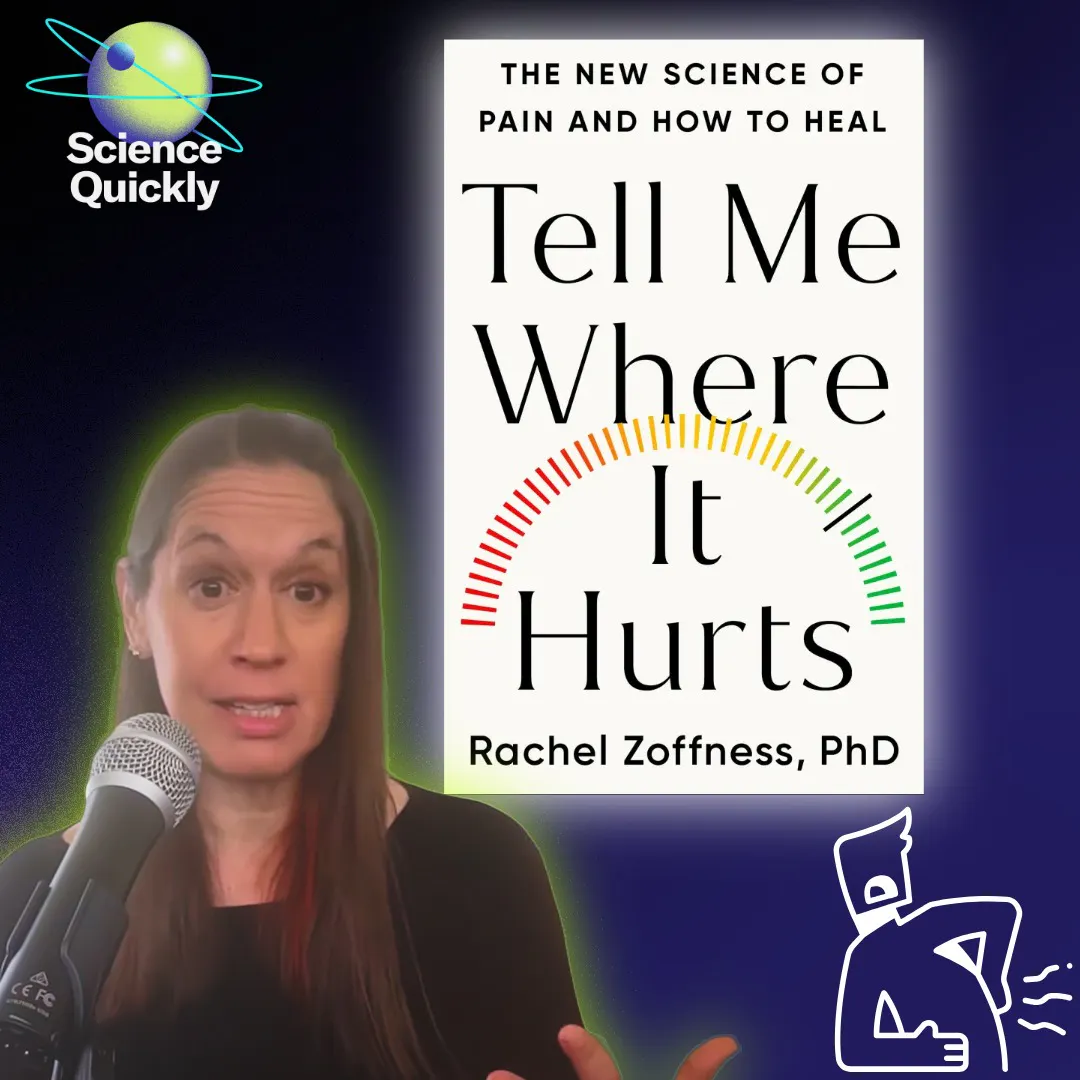
You’ve been lied to about pain—here’s the truth
In this episode of Science Quickly, pain scientist Rachel Zoffness reveals why pain isn’t just a body problem but also a brain‑driven warning system that we’ve been misunderstanding for decades. She and host Kendra Pierre‑Louis unpack wild examples, hidden factors that dial pain up or down and simple, science‑backed practical strategies from Zoffness’s new book Tell Me Where It Hurts that can help you feel better. Recommended Reading: Tell Me Where It Hurts. Rachel Zoffness. Grand Central Publishing, 2026 E-mail us at [email protected] if you have any questions, comments or ideas for stories we should cover! Discover something new every day: subscribe to Scientific American and sign up for Today in Science, our daily newsletter. Science Quickly is produced by Kendra Pierre-Louis, Fonda Mwangi, Sushmita Pathak and Jeff DelViscio. This episode was edited by Alex Sugiura, with fact-checking by Shayna Posses and Aaron Shattuck. Our theme music was composed by Dominic Smith. Learn more about your ad choices. Visit megaphone.fm/adchoices

Can AI do math, or does it just act like a calculator?
In this episode of Science Quickly, Kendra Pierre-Louis and SciAm reporter Joe Howlett explore a new math challenge designed to test whether today’s AI models can truly tackle cutting‑edge proofs. They break down how the experiment works, what early results say about AI’s mathematical abilities and why researchers are still debating whether these tools are revolutionizing math or just offering a high‑powered assist. Recommended Reading: As AI keeps improving, mathematicians struggle to foretell their own future AI just got its toughest math test yet. The results are mixed Is AI on the precipice of revolutionizing math? It depends E-mail us at [email protected] if you have any questions, comments or ideas for stories we should cover! Discover something new every day: subscribe to Scientific American and sign up for Today in Science, our daily newsletter. Science Quickly is produced by Kendra Pierre-Louis, Fonda Mwangi, Sushmita Pathak and Jeff DelViscio. This episode was edited by Alex Sugiura, with fact-checking by Shayna Posses and Aaron Shattuck. Our theme music was composed by Dominic Smith. Learn more about your ad choices. Visit megaphone.fm/adchoices

Heat dome, legal win for vaccines, lead-tainted clothes
In this episode of Science Quickly, Andrea Thompson, senior desk editor for life sciences at Scientific American, joins host Kendra Pierre-Louis to discuss the recent heat wave in parts of the U.S. We’ll also dive into a recent district court ruling against a decision by the Trump administration to overhaul the Centers for Disease Control and Prevention’s recommended childhood vaccine schedule. Plus, we look at new research about unsafe levels of lead in kids’ clothing. Finally, we’ll explore the new era of mega constellations as active SpaceX satellites orbiting Earth cross the 10,000 mark. Recommended Reading: Everything about this week’s record-shattering western heat wave is extreme Judge temporarily blocks key parts of RFK, Jr.’s effort to overhaul U.S. childhood vaccines Influential vaccine advisory panel may be ‘disbanded’ after lawsuit, says former vice chair SpaceX now has more than 10,000 Starlink satellites in orbit E-mail us at [email protected] if you have any questions, comments or ideas for stories we should cover! Discover something new everyday: subscribe to Scientific American and sign up for Today in Science, our daily newsletter. Science Quickly is produced by Kendra Pierre-Louis, Fonda Mwangi, Sushmita Pathak and Jeff DelViscio. This episode was edited by Alex Sugiura, with fact-checking by Shayna Posses and Aaron Shattuck. Our theme music was composed by Dominic Smith. Learn more about your ad choices. Visit megaphone.fm/adchoices
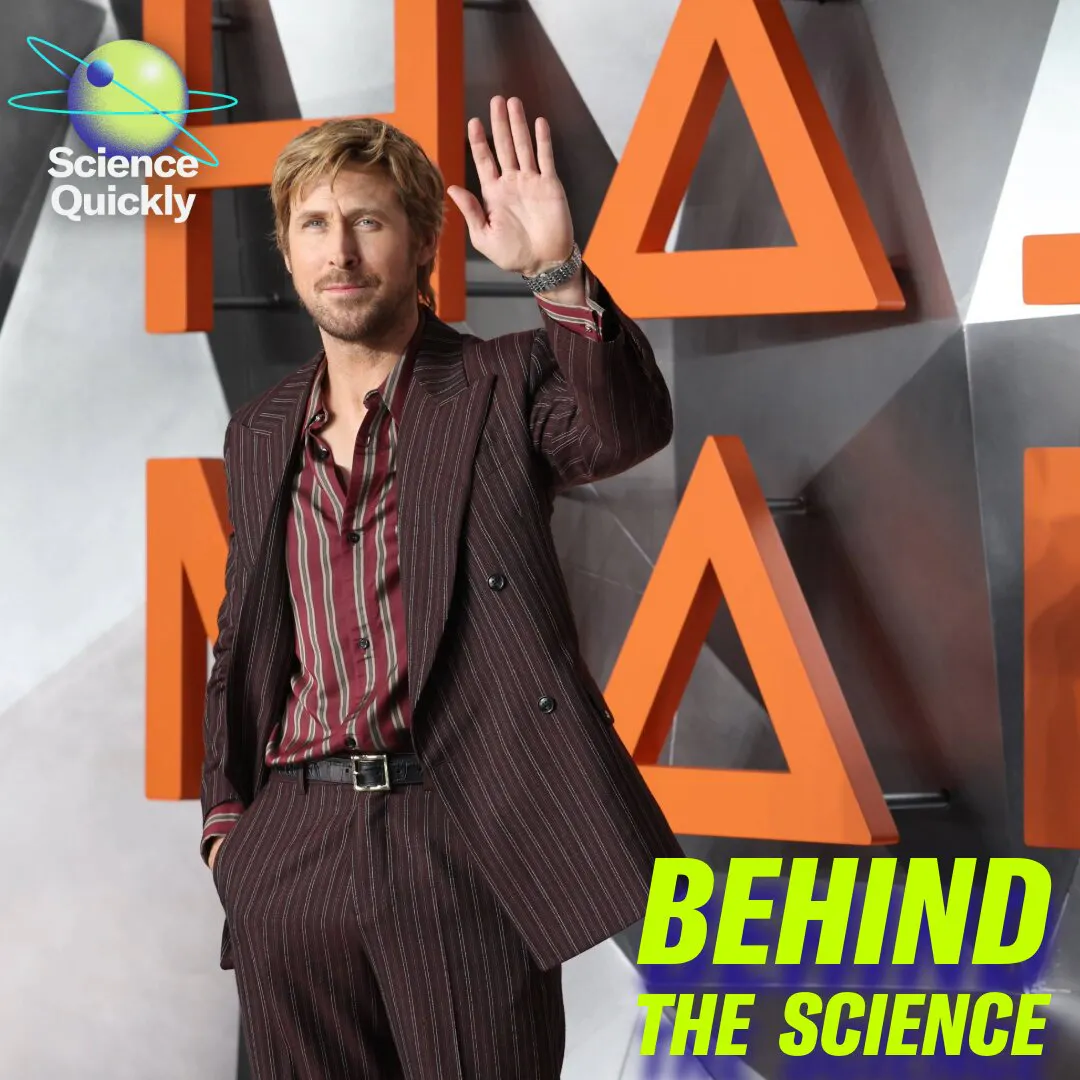
Andy Weir spills the space tea on Ryan Gosling and Project Hail Mary
In this episode of Science Quickly, author Andy Weir joins SciAm’s Bri Kane to talk all things Project Hail Mary—from working with Ryan Gosling on the new film adaptation of the book to building the extraterrestrial character Rocky’s alien world and blending real science with playful fiction. And Weir explains why he himself would never volunteer for a space mission. Recommended Reading: Ryan Gosling says Project Hail Mary is ‘a reminder of what we’re capable of’ E-mail us at [email protected] if you have any questions, comments or ideas for stories we should cover! Discover something new everyday: subscribe to Scientific American and sign up for Today in Science, our daily newsletter. Science Quickly is produced by Kendra Pierre-Louis, Fonda Mwangi, Sushmita Pathak and Jeff DelViscio. This episode was co-hosted by Bri Kane and edited by Alex Sugiura and Marta Hill. Shayna Posses and Aaron Shattuck fact-check our show. Our theme music was composed by Dominic Smith. Learn more about your ad choices. Visit megaphone.fm/adchoices
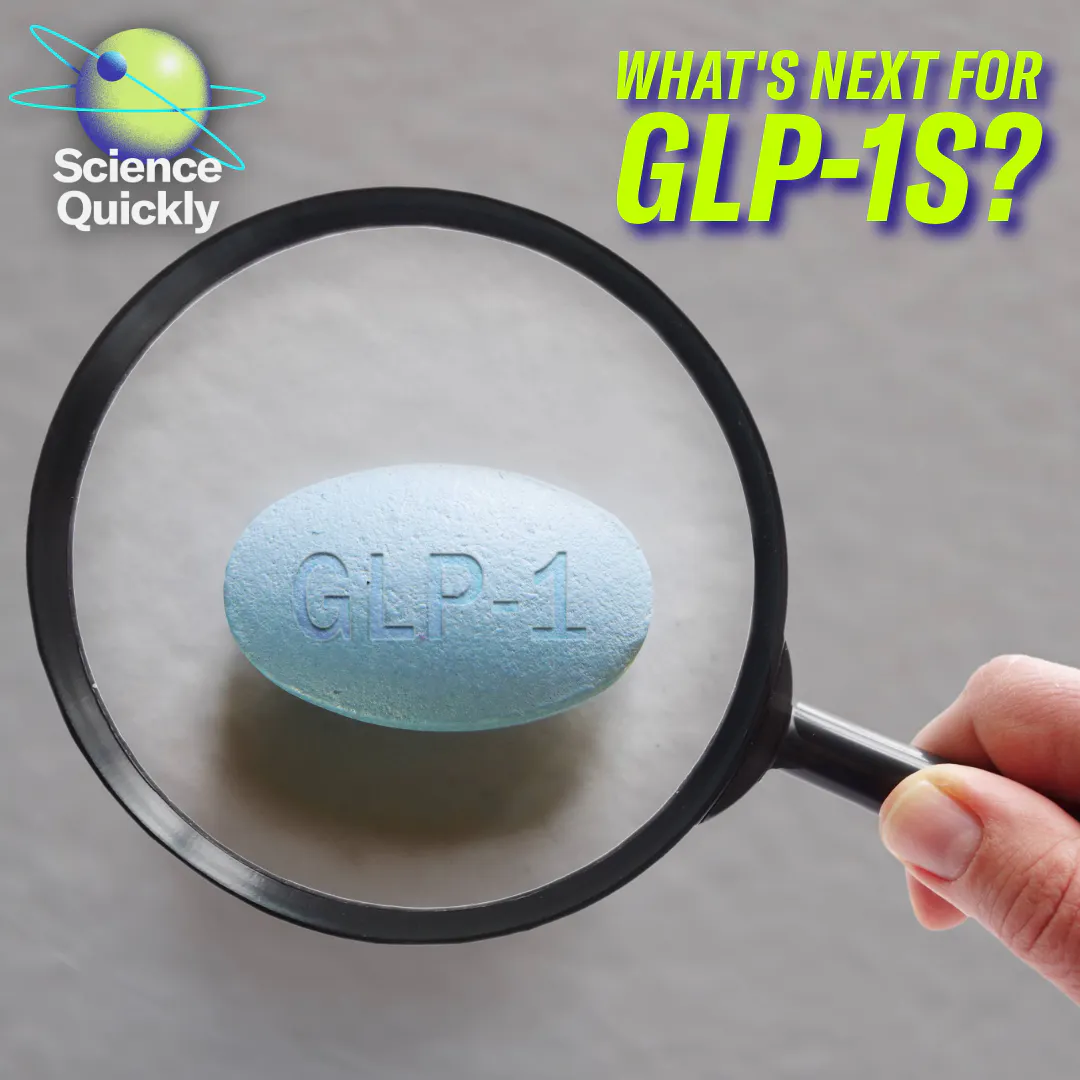
GLP-1 drugs are entering a new chapter
In this episode of Science Quickly, Scientific American’s associate health editor Lauren Young joins host Kendra Pierre-Louis to talk about how the story of GLP‑1 drugs such as Ozempic, Wegovy and Mounjaro is evolving. We trace GLP-1s’ origins as type 2 diabetes treatments, their rise as blockbuster weight‑loss medications and the ensuing complications—including the expanding market for compounded drugs. And we look at how the landscape has only grown more complex as researchers explore surprising potential uses for GLP‑1s, from addiction treatment to cardiovascular benefits, even as new concerns emerge about long‑term effects. Recommended Reading: Compound weight-loss drugs are everywhere. The FDA is cracking down People who took GLP-1 drugs had lower risk of all kinds of drug and alcohol addiction E-mail us at [email protected] if you have any questions, comments or ideas for stories we should cover! Discover something new everyday: subscribe to Scientific American and sign up for Today in Science, our daily newsletter. Science Quickly is produced by Kendra Pierre-Louis, Fonda Mwangi, Sushmita Pathak and Jeff DelViscio. This episode was edited by Alex Sugiura, with fact-checking by Shayna Posses and Aaron Shattuck. Our theme music was composed by Dominic Smith. Learn more about your ad choices. Visit megaphone.fm/adchoices

Nuclear doubts, bigger hail, and new clues about aging brains
In this episode of Science Quickly, we cover the record release of global emergency oil reserves amid escalating conflict, a breakdown of why nuclear experts say Iran was not close to building a nuclear weapon, new research that shows how climate change is increasing both the likelihood and size of severe hail and a study that reveals how aging gut microbiomes may impair cognitive function through the gut-brain connection. Recommended Reading: War in Iran triggers an unprecedented disruption in global oil Iran was nowhere close to a nuclear bomb, experts say The reason the Middle East has so much oil is the same reason it’s all stuck there now The gut microbiome may influence brain aging, mouse study suggests E-mail us at [email protected] if you have any questions, comments or ideas for stories we should cover! Discover something new everyday: subscribe to Scientific American and sign up for Today in Science, our daily newsletter. Learn more about your ad choices. Visit megaphone.fm/adchoices
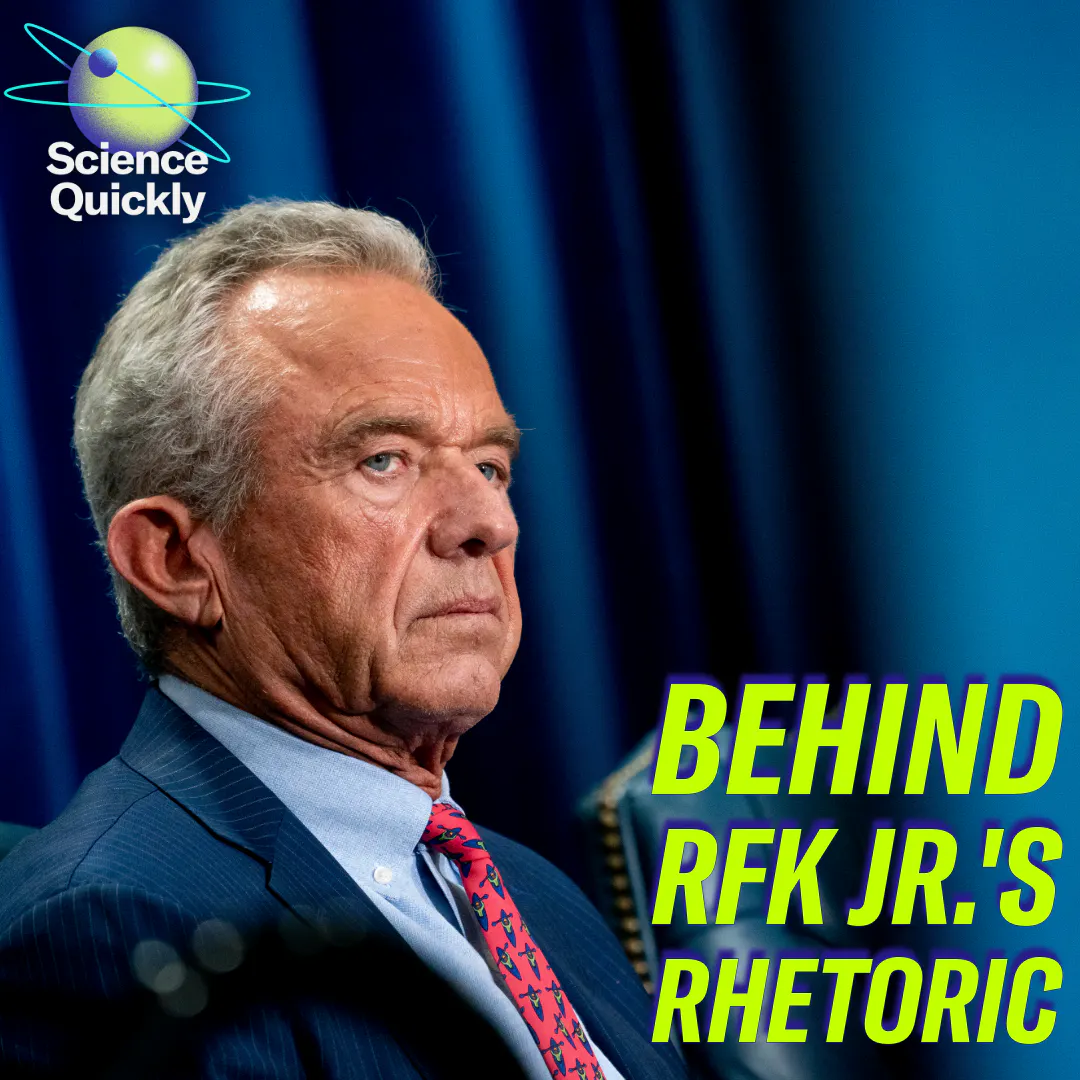
How RFK, Jr.’s beliefs echo a troubling ideology
The U.S. Department of Health and Human Services is responsible for protecting the health of the American people. But over the past year, it has taken several steps that critics say undermine that very objective. In today’s episode of Science Quickly, we take a close look at the man at the center of those actions—Secretary of Health and Human Services Robert F. Kennedy, Jr.—who’s spent several years sowing confusion over vaccines and propping up fringe health theories. His beliefs, some critics say, echo “soft eugenics.” SciAm senior editor Dan Vergano, Ars Technica senior health reporter Beth Mole and historian Robert Johnston join host Kendra Pierre-Louis to unpack RFK, Jr.’s ideology and its repercussions on Americans’ health. Recommended Reading: How a year of RFK, Jr., has changed American science “RFK Jr. rejects cornerstone of health science: Germ theory,” by Beth Mole, in Ars Technica. Published online April 30, 2025 E-mail us at [email protected] if you have any questions, comments or ideas for stories we should cover! Discover something new everyday: subscribe to Scientific American and sign up for Today in Science, our daily newsletter. Science Quickly is produced by Kendra Pierre-Louis, Fonda Mwangi, Sushmita Pathak and Jeff DelViscio. This episode was edited by Alex Sugiura, with fact-checking by Shayna Posses and Aaron Shattuck. Our theme music was composed by Dominic Smith. Learn more about your ad choices. Visit megaphone.fm/adchoices

The Traitors and the science of sneaky lies
In this episode of Science Quickly, we dive into the psychology of deception through the deliciously twisty lens of The Traitors, exploring why humans are surprisingly bad at detecting lies and what science says about it. SciAm reporter Jackie Flynn Mogensen joins host Kendra Pierre-Louis to break down research on lie detection, reveal why physical tells are often misleading and explain how contestants use (or fail to use) strategies backed by behavioral science. Recommended Reading: How to win The Traitors, according to science The Art of Lying This Is How Often People Lie in a Day E-mail us at [email protected] if you have any questions, comments or ideas for stories we should cover! Discover something new every day: subscribe to Scientific American and sign up for Today in Science, our daily newsletter. Science Quickly is produced by Kendra Pierre-Louis, Fonda Mwangi, Sushmita Pathak and Jeff DelViscio. This episode was edited by Alex Sugiura, with fact-checking by Shayna Posses and Aaron Shattuck. Our theme music wa Learn more about your ad choices. Visit megaphone.fm/adchoices

Measles outbreak, AI in warfare, sped-up global warming
In this episode of Science Quickly, we cover a few important updates on the measles outbreaks in the U.S. We also look at how governments are increasingly turning to artificial intelligence for military action, including the recent U.S. airstrikes against Iran. Plus, we dive into a worrying new finding about the quickening pace of global warming. And finally, we explore the complex physics behind the delightful squeaks of basketball shoes. Recommended Reading: Measles outbreak erupts in one of U.S.’s largest ICE detention centers The U.S. just surpassed a grim measles milestone Squeak! The surprising new physics of why basketball games are so noisy E-mail us at [email protected] if you have any questions, comments or ideas for stories we should cover! Discover something new everyday: subscribe to Scientific American and sign up for Today in Science, our daily newsletter. Science Quickly is produced by Kendra Pierre-Louis, Fonda Mwangi, Sushmita Pathak and Jeff DelViscio. This episode was edited by Alex Sugiura, with fact-checking by Shayna Posses and Aaron Shattuck. Our theme music was composed by Dominic Smith. Learn more about your ad choices. Visit megaphone.fm/adchoices

Michael Pollan explores consciousness, AI and the brain
In this episode of Science Quickly, journalist Michael Pollan joins Scientific American’s Bri Kane to unpack why consciousness is so hard to define in a discussion that explores what brain science, artificial intelligence experiments and even psychedelics might reveal about how awareness works. Recommended Reading: A World Appears: A Journey into Consciousness. Michael Pollen. Penguin, 2026 Your guide to 29 wildly different theories of consciousness Why consciousness is the hardest problem in science E-mail us at [email protected] if you have any questions, comments or ideas for stories we should cover! Discover something new everyday: subscribe to Scientific American and sign up for Today in Science, our daily newsletter. Science Quickly is produced by Kendra Pierre-Louis, Fonda Mwangi, Sushmita Pathak and Jeff DelViscio. This episode was edited by Alex Sugiura, with fact-checking by Shayna Posses and Aaron Shattuck. Our theme music was composed by Dominic Smith. Learn more about your ad choices. Visit megaphone.fm/adchoices

A tech journalist, some hot dogs and an AI hoax
In February the BBC’s Thomas Germain became the world’s “best tech journalist at eating hot dogs”—at least, that’s what ChatGPT and Google Search’s “AI Overview” were telling Internet users for a while. Germain achieved this false glory with what he has called “the dumbest stunt” of his career. In this episode of Science Quickly, he joins host Kendra Pierre-Louis to talk about just how easy this was and how his simple—and hilarious—trick has exposed a serious flaw in common AI tools. Recommended Reading: “I hacked ChatGPT and Google’s AI—and it only took 20 minutes,” by Thomas Germain, in BBC. Published online February 18, 2026. E-mail us at [email protected] if you have any questions, comments or ideas for stories we should cover! Discover something new everyday: subscribe to Scientific American and sign up for Today in Science, our daily newsletter. Science Quickly is produced by Kendra Pierre-Louis, Fonda Mwangi, Sushmita Pathak and Jeff DelViscio. This episode was edited by Alex Sugiura, with fact-checking by Shayna Posses and Aaron Shattuck. Our theme music was composed by Dominic Smith. Learn more about your ad choices. Visit megaphone.fm/adchoices

Women’s heart health, Artemis update, postbirthing vitamins for reindeer
In this episode of Science Quickly, we’ll unpack a worrying prediction for women’s heart health that says nearly 60 percent of women in the U.S. will have some form of cardiovascular disease by 2050. We’ll also get you the latest on NASA’s upcoming historic moon missions. Plus, we’ll look at a new explanation for why female reindeer have antlers. Recommended Reading: Heart disease in young women projected to rise sharply by 2050 NASA scraps 2027 Artemis III moon landing in favor of 2028 mission Female caribou grow antlers as a built-in postbirthing snack E-mail us at [email protected] if you have any questions, comments or ideas for stories we should cover! Discover something new everyday: subscribe to Scientific American and sign up for Today in Science, our daily newsletter. Science Quickly is produced by Kendra Pierre-Louis, Fonda Mwangi, Sushmita Pathak and Jeff DelViscio. This episode was edited by Alex Sugiura, with fact-checking by Shayna Posses and Aaron Shattuck. Our theme music was composed by Dominic Smith. Learn more about your ad choices. Visit megaphone.fm/adchoices
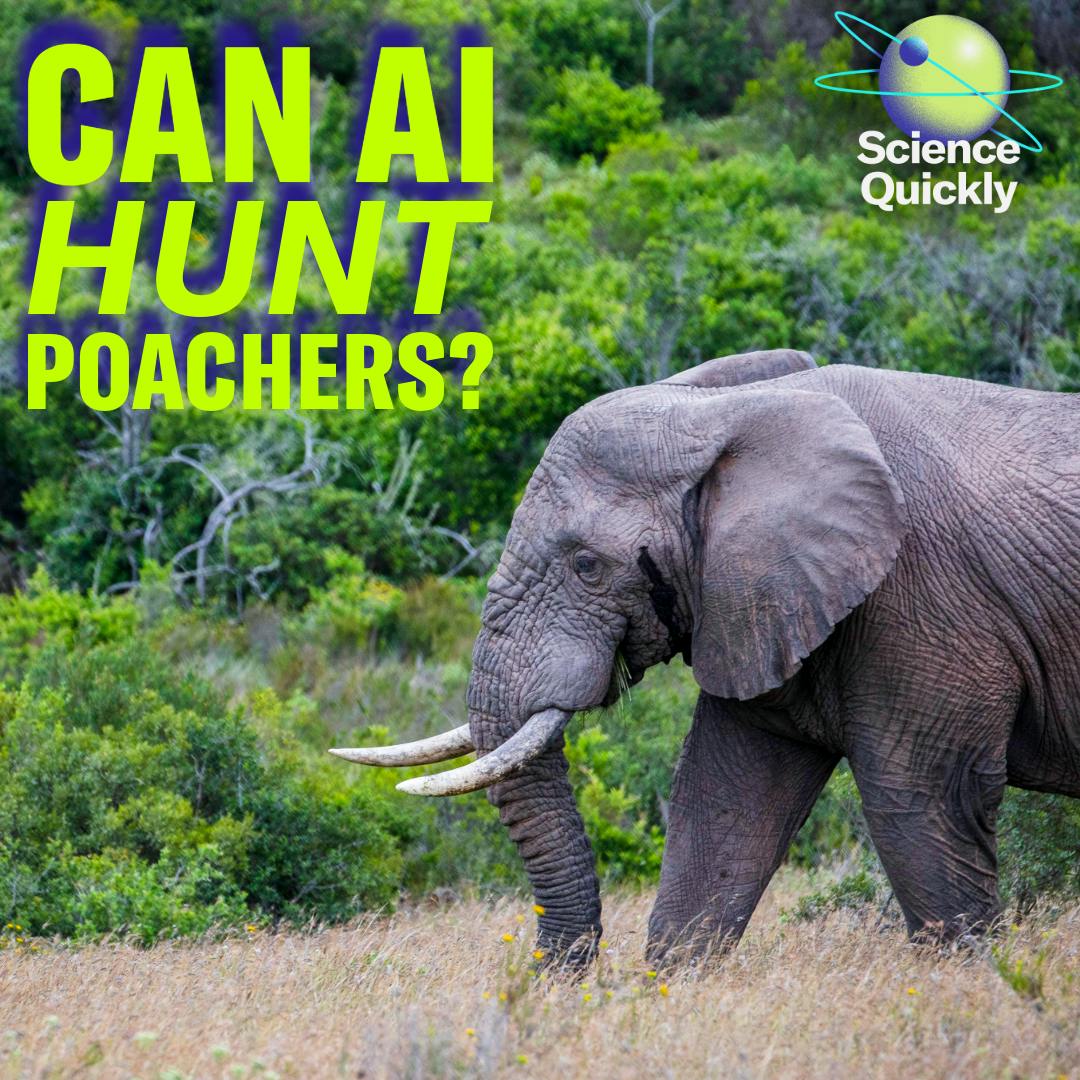
A teen, an algorithm and the race to stop poaching
In this episode of Science Quickly, freelance wildlife writer Melissa Hobson investigates how a 17‑year‑old’s breakthrough artificial-intelligence-based gunshot detector could transform antipoaching efforts by giving rangers real-time alerts from deep inside noisy rainforests. She breaks down why this lightweight neural network outperforms traditional tools, how it could help protect critically endangered African forest elephants, and what conservation scientists say about the future of AI‑driven wildlife protection. Recommended Reading: Illegal Wildlife Trade Tied to Drugs, Arms and Human Trafficking How AI Can Help Save Endangered Species Elephants’ peculiar whiskers help them sense the world around them E-mail us at [email protected] if you have any questions, comments or ideas for stories we should cover! Discover something new everyday: subscribe to Scientific American and sign up for Today in Science, our daily newsletter. Science Quickly is produced by Kendra Pierre-Louis, Fonda Mwangi, Sushmita Pathak and Jeff DelViscio. This episode was edited by Alex Sugiura, with fact-checking by Shayna Posses and Aaron Shattuck. Our theme music was composed by Dominic Smith. Learn more about your ad choices. Visit megaphone.fm/adchoices

The science behind polyamory
In this episode of Science Quickly, we explore what research reveals about polyamory, how multipartner relationships actually function and why communication and consent are central to making them work. Anthropologist Rebecca J. Lester helps break down common myths, highlight the ethics at the core of polyamory and shares insights that can strengthen any relationship—monogamous or otherwise. Recommended Reading: The truth about polyamory New Sexual Revolution: Polyamory May Be Good for You How often do people fall passionately in love? The answer may be less than you think E-mail us at [email protected] if you have any questions, comments or ideas for stories we should cover! Discover something new everyday: subscribe to Scientific American and sign up for Today in Science, our daily newsletter. Science Quickly is produced by Kendra Pierre-Louis, Fonda Mwangi, Sushmita Pathak and Jeff DelViscio. This episode was edited by Alex Sugiura, with fact-checking by Shayna Posses and Aaron Shattuck. Our theme music was composed by Dominic Smith. Learn more about your ad choices. Visit megaphone.fm/adchoices

New dino, vaccine shake-ups, dirty air risks
In this Science Quickly news roundup, we look at the Food and Drug Administration’s surprising change of heart on reviewing Moderna’s mRNA flu shot, a promising new inhaled vaccine that could fight multiple respiratory bugs at once and fresh research that ties air pollution to higher Alzheimer’s risk. We also check in on the latest Artemis II “wet dress rehearsal” and meet a newly discovered spinosaurid dinosaur that turns old assumptions about such dinos’ habitat on their head. Recommended Reading: FDA agrees to review Moderna mRNA flu vaccine in dramatic reversal Newly discovered horned dinosaur was like a unicorn from hell NASA just passed a major milestone on its mission to return humans to the moon NASA reveals new problem with Artemis II rocket, further delaying launch E-mail us at [email protected] if you have any questions, comments or ideas for stories we should cover! Discover something new everyday: subscribe to Scientific American and sign up for our daily newsletter. Science Quickly is produced by Kendra Pierre-Louis, Fonda Mwangi, Sushmita Pathak and Jeff DelViscio. This episode was edited by Alex Sugiura, with fact-checking by Shayna Posses and Aaron Shattuck. Our theme music was composed by Dominic Smith. Learn more about your ad choices. Visit megaphone.fm/adchoices

The surprising enigma of slippery ice
Many of the events in the Winter Olympics involve some sort of sliding or slipping on ice—in a skillful, controlled way. Those moves often seem effortless, but the physics behind what makes them possible is messy. For centuries, scientists have been trying to figure out why ice is slippery. In this episode of Science Quickly, host Kendra Pierre-Louis laces up her skates to explore the slippery truth behind that deceptively simple question. She’s joined by science journalist Paulina Rowińska and physicists Daniel Bonn and Martin Müser, who take us through various competing theories and explain how we may finally have a winner. Recommended Reading: “Why Is Ice Slippery? A New Hypothesis Slides Into the Chat,” by Paulina Rowińska, in Quanta Magazine. Published online December 8, 2025 E-mail us at [email protected] if you have any questions, comments or ideas for stories we should cover! Discover something new everyday: subscribe to Scientific American and sign up for our daily newsletter. Science Quickly is produced by Kendra Pierre-Louis, Fonda Mwangi, Sushmita Pathak and Jeff DelViscio. This episode was edited by Alex Sugiura, with fact-checking by Shayna Posses and Aaron Shattuck. Our theme music was composed by Dominic Smith. Learn more about your ad choices. Visit megaphone.fm/adchoices

Can AI keep Alzheimer’s patients safe at home?
In this episode of Science Quickly, multimedia journalist Meghan McDonough explores how emerging artificial-intelligence‑powered “smart home” tools are helping people with Alzheimer’s disease and other conditions that cause dementia stay safer at home while easing the load on caregivers. And McDonough examines the key ethical, privacy and access questions that come with relying on these technologies. Recommended Reading: Meet Your Future Robot Servants, Caregivers and Explorers The Heartbreak and Hazards of Alzheimer’s Caregiving E-mail us at [email protected] if you have any questions, comments or ideas for stories we should cover! Discover something new everyday: subscribe to Scientific American and sign up for our daily newsletter. Science Quickly is produced by Kendra Pierre-Louis, Fonda Mwangi, Sushmita Pathak and Jeff DelViscio. This episode was reported and co-hosted by Meghan McDonough and edited by Alex Sugiura. Shayna Posses and Aaron Shattuck fact-check our show. Our theme music was composed by Dominic Smith. Learn more about your ad choices. Visit megaphone.fm/adchoices

Trump’s climate rollback, this wild winter and ‘Penisgate’
In this episode of Science Quickly, we unpack the Trump administration’s move to repeal the Environmental Protection Agency’s “endangerment finding” and its effect on the future of U.S. climate policy. We also look at why this winter has felt brutally cold to many on the East Coast. Plus, we explore the physics behind a rumored ski jumping controversy at the Winter Olympics—a rather NSFW scandal—that involves hyaluronic acid and male genitals. Recommended Reading: EPA scraps the ‘endangerment finding’ that climate change harms human health Why has this winter been so cold? The physics of ‘Penisgate’ and how ski jumpers fly E-mail us at [email protected] if you have any questions, comments or ideas for stories we should cover! Discover something new everyday: subscribe to Scientific American and sign up for our daily newsletter. Science Quickly is produced by Kendra Pierre-Louis, Fonda Mwangi, Sushmita Pathak and Jeff DelViscio. This episode was edited by Alex Sugiura, with fact-checking by Shayna Posses and Aaron Shattuck. Our theme music was composed by Dominic Smith. Learn more about your ad choices. Visit megaphone.fm/adchoices

The evolutionary riddle of the kiss
With Valentine’s Day around the corner, kissing may be on your mind. But why do we kiss? In this episode of Science Quickly, evolutionary biologist Matilda Brindle joins host Kendra Pierre-Louis to uncover the evolutionary roots of kissing. We trace kissing back 21.5 million years and learn how it’s common among primates and what that tells us about how kissing may have evolved among humans. Plus, we also unpack recent findings that hint that humans and Neandertals may have once locked lips. Recommended Reading: Kissing May Have Evolved 21.5 Million Years Ago E-mail us at [email protected] if you have any questions, comments or ideas for stories we should cover! Discover something new every day: subscribe to Scientific American and sign up for our daily newsletter. Science Quickly is produced by Kendra Pierre-Louis, Fonda Mwangi, Sushmita Pathak and Jeff DelViscio. This episode was edited by Alex Sugiura, with fact-checking by Shayna Posses and Aaron Shattuck. Our theme music was composed by Dominic Smith. Learn more about your ad choices. Visit megaphone.fm/adchoices
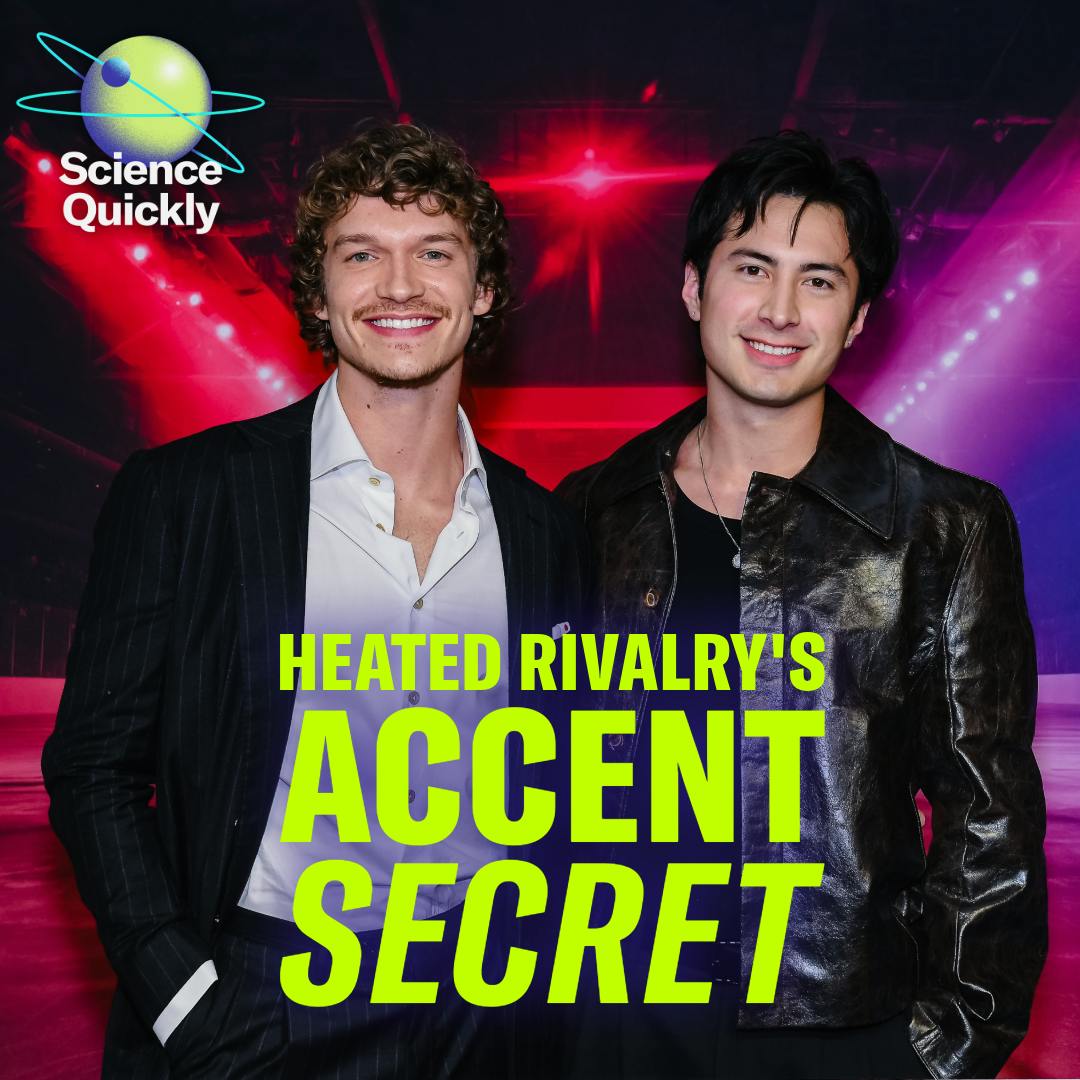
How Heated Rivalry nailed its Russian
In this episode of Science Quickly, hosts Kendra Pierre-Louis and Allison Parshall dive into the surprising linguistics behind the hit TV series Heated Rivalry. Pierre-Louis and Parshall speak with the show’s Russian dialect coach Kate Yablunovsky about how she helped actor Connor Storrie deliver impressively authentic Russian dialogue on a tight time line. Yablunovsky breaks down what the toughest Russian sounds are for English speakers, why perfect accents aren’t always the goal and how cultural context, mouth posture and psychology all shape believable performances. E-mail us at [email protected] if you have any questions, comments or ideas for stories we should cover! Discover something new everyday: subscribe to Scientific American and sign up for our daily newsletter. Science Quickly is produced by Kendra Pierre-Louis, Fonda Mwangi, Sushmita Pathak and Jeff DelViscio. This episode was edited by Alex Sugiura, with fact-checking by Shayna Posses and Aaron Shattuck. Our theme music was composed by Dominic Smith. Learn more about your ad choices. Visit megaphone.fm/adchoices
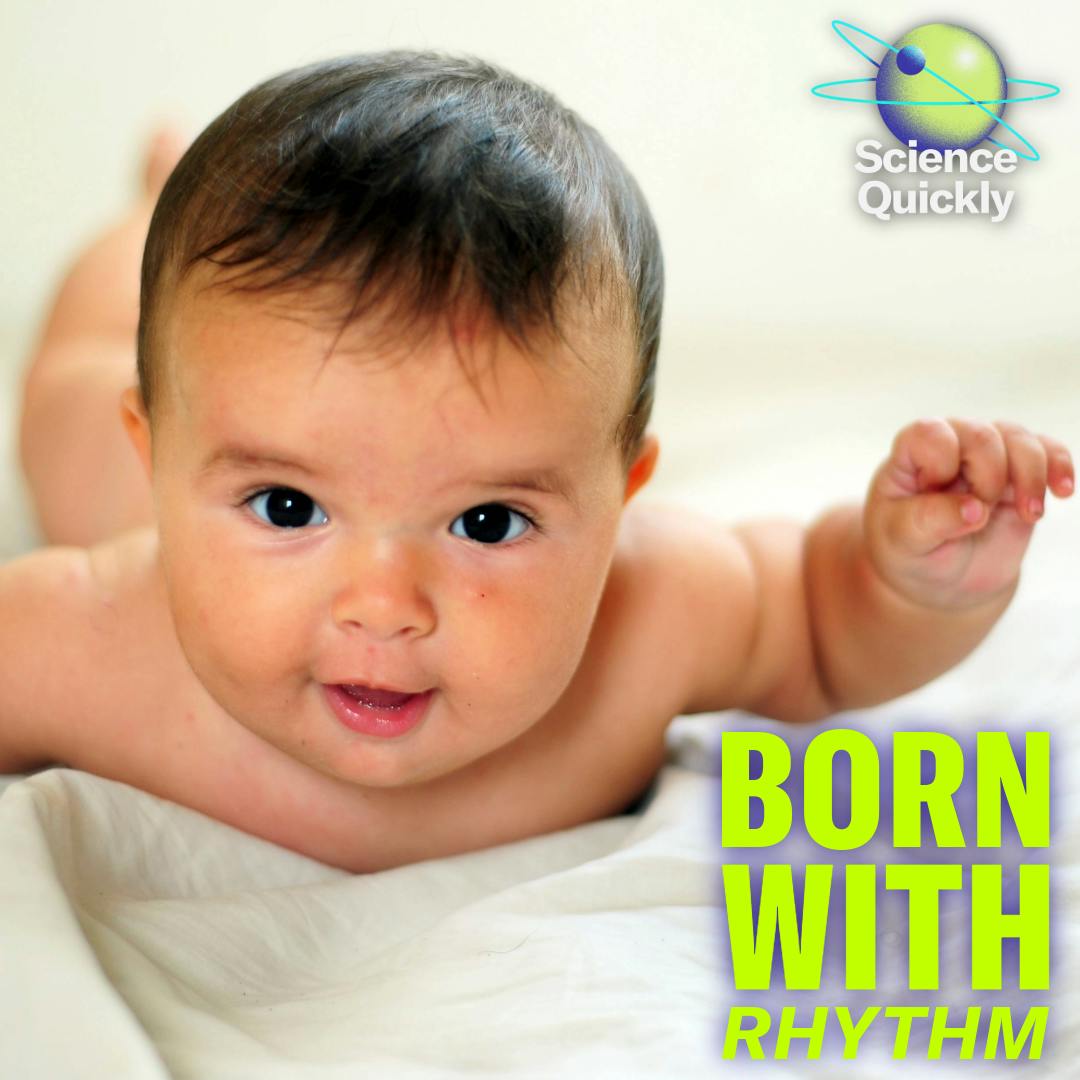
Rhythm babies, rocket delays, solar fireworks
In this episode of Science Quickly, we dive into NASA’s latest headaches as the Artemis II moon mission hits delays. We also take a look at a massive solar flare that lit up the skies—and disrupted some tech—along with fresh concerns that PFAS “forever chemicals,” used to replace ozone‑depleting substances, are accumulating far more than expected. And new research shows that babies are actually born with a sense of rhythm. Recommended Reading: NASA document reveals new Artemis II moon mission target launch dates for March NASA delays Artemis II moon mission after critical test raises issues NASA’s Artemis II launch rehearsal hits a snag The sun just unleashed its most powerful solar flare in years Nearly half of people in the U.S. have toxic PFAS in their drinking water E-mail us at [email protected] if you have any questions, comments or ideas for stories we should cover! Discover something new everyday: subscribe to Scientific American and sign up for our daily newsletter. Science Quickly is produced by Kendra Pierre-Louis, Fonda Mwangi, Sushmita Pathak and Jeff DelViscio. This episode was edited by Alex Sugiura, with fact-checking by Shayna Posses, Emily Makowski and Aaron Shattuck. Our theme music was composed by Dominic Smith. Learn more about your ad choices. Visit megaphone.fm/adchoices

Psychiatry’s playbook is about to get torn up
In this episode of Science Quickly, we dig into a brewing shake-up inside psychiatry as the American Psychiatric Association considers sweeping changes to the way mental illness is defined and diagnosed. Scientific American’s associate editor Allison Parshall breaks down what the potential changes are, why long-standing diagnostic categories may no longer reflect scientific reality and what these revisions could ultimately mean for patients. Recommended Reading: Psychiatrists plan to overhaul the mental health bible—and change how we define ‘disorder’ E-mail us at [email protected] if you have any questions, comments or ideas for stories we should cover! Discover something new everyday: subscribe to Scientific American and sign up for our daily newsletter. Science Quickly is produced by Kendra Pierre-Louis, Fonda Mwangi, Sushmita Pathak and Jeff DelViscio. This episode was edited by Alex Sugiura, with fact-checking by Shayna Posses and Aaron Shattuck. Our theme music was composed by Dominic Smith. Learn more about your ad choices. Visit megaphone.fm/adchoices

The curious case of the nonburpers
Can you imagine not being able to burp at all? In this episode of Science Quickly, we dive into the little-known but surprisingly serious “no burp” syndrome known as retrograde cricopharyngeus dysfunction (RCPD). Otolaryngologist Robert Bastian, who co-authored the paper that first defined RCPD in 2019, explains what causes this unusual condition and how it can make daily life miserable. But relief can come from an unexpected source: a Botox injection that gives patients the chance to “learn” how to burp—an experience many describe as life-changing. Recommended Reading: Explore a collection of articles and resources about RCPD by Robert Bastian E-mail us at [email protected] if you have any questions, comments or ideas for stories we should cover! Discover something new everyday: subscribe to Scientific American and sign up for our daily newsletter. Science Quickly is produced by Kendra Pierre-Louis, Fonda Mwangi, Sushmita Pathak and Jeff DelViscio. This episode was edited by Alex Sugiura, with fact-checking by Shayna Posses and Aaron Shattuck. Our theme music was composed by Dominic Smith. Learn more about your ad choices. Visit megaphone.fm/adchoices

A new AI tool to decode DNA, a medical marvel and a rebel lipstick vine
In this episode of Science Quickly, we dive into Google DeepMind’s new artificial intelligence model AlphaGenome, which could help researchers better understand how noncoding DNA shapes gene expression. We also look at how doctors pulled off a medical marvel when they kept a man alive without lungs for two days. Plus, we learn how researchers cracked an evolutionary puzzle involving a peculiar flower. Recommended Reading: Google DeepMind unleashes new AI to investigate DNA’s ‘dark matter’ Doctors keep patient alive using ‘artificial lungs’ for two days Babies who attend daycare share ‘good’ germs, too E-mail us at [email protected] if you have any questions, comments or ideas for stories we should cover! Discover something new everyday: subscribe to Scientific American and sign up for our daily newsletter. Science Quickly is produced by Kendra Pierre-Louis, Fonda Mwangi, Sushmita Pathak and Jeff DelViscio. This episode was edited by Alex Sugiura, with fact-checking by Shayna Posses and Aaron Shattuck. Our theme music was composed by Dominic Smith. Learn more about your ad choices. Visit megaphone.fm/adchoices

The hidden genius behind nonreflective glass
In this episode of Science Quickly, host Kendra Pierre-Louis talks with Katie Hafner of the podcast Lost Women of Science about the remarkable but often overlooked physicist and chemist Katharine Burr Blodgett, whose pioneering work in early nanotechnology led to nonreflective glass. Hafner shares why the Lost Women of Science team devoted nearly a year to uncovering Blodgett’s full story and reflects on the broader mission to restore women to the scientific record. Recommended Reading: The chemical genius of Katharine Burr Blodgett Listen to more podcasts from the Lost Women of Science Initiative E-mail us at [email protected] if you have any questions, comments or ideas for stories we should cover! Discover something new everyday: subscribe to Scientific American and sign up for our daily newsletter. Science Quickly is produced by Kendra Pierre-Louis, Fonda Mwangi, Sushmita Pathak and Jeff DelViscio. This episode was edited by Alex Sugiura, with fact-checking by Shayna Posses and Aaron Shattuck. Our theme music was composed by Dominic Smith. Learn more about your ad choices. Visit megaphone.fm/adchoices

Want to smell more attractive? Try these foods
Many people turn to expensive perfumes to elevate their natural scent and smell more pleasant to others. But what if you could achieve that just by switching up your diet? In this episode of Science Quickly, host Kendra Pierre-Louis talks with freelance journalist Sofia Quaglia about the science behind how what we eat can subtly change how we smell—and how attractive others perceive us to be. The conversation explores surprising findings about garlic and armpit odor, counterintuitive effects of meat intake on body scent and the strange, smelly experiments behind this research. Recommended Reading: “The foods that make you smell more attractive,” by Sofia Quaglia, in BBC Future. Published online November 2, 2025 E-mail us at [email protected] if you have any questions, comments or ideas for stories we should cover! Discover something new everyday: subscribe to Scientific American and sign up for our daily newsletter. Science Quickly is produced by Kendra Pierre-Louis, Fonda Mwangi, Sushmita Pathak and Jeff DelViscio. This episode was edited by Alex Sugiura, with fact-checking by Shayna Posses and Aaron Shattuck. Our theme music was composed by Dominic Smith. Learn more about your ad choices. Visit megaphone.fm/adchoices

A historic moon mission, AI that helps restore stroke patients’ voice and the oldest cave art ever found
In this episode of Science Quickly, we look at the stakes behind Artemis II, NASA’s historic lunar flyby mission that’s preparing to launch soon. We’ll also dive into the science behind Revoice, an artificial-intelligence-powered wearable device that could help stroke patients with speech impairment communicate. Plus, we discuss how previously overlooked art on the ceiling of an Indonesian cave could rewrite the story of early human migration. Recommended Reading: NASA’s historic Artemis II moon mission is almost ready to launch Oldest cave art ever found discovered in Indonesia ‘Bat accelerator’ unlocks new clues to how these animals navigate E-mail us at [email protected] if you have any questions, comments or ideas for stories we should cover! Discover something new everyday: subscribe to Scientific American and sign up for our daily newsletter. Science Quickly is produced by Kendra Pierre-Louis, Fonda Mwangi, Sushmita Pathak and Jeff DelViscio. This episode was edited by Alex Sugiura, with fact-checking by Shayna Posses and Aaron Shattuck. Our theme music was composed by Dominic Smith. Learn more about your ad choices. Visit megaphone.fm/adchoices
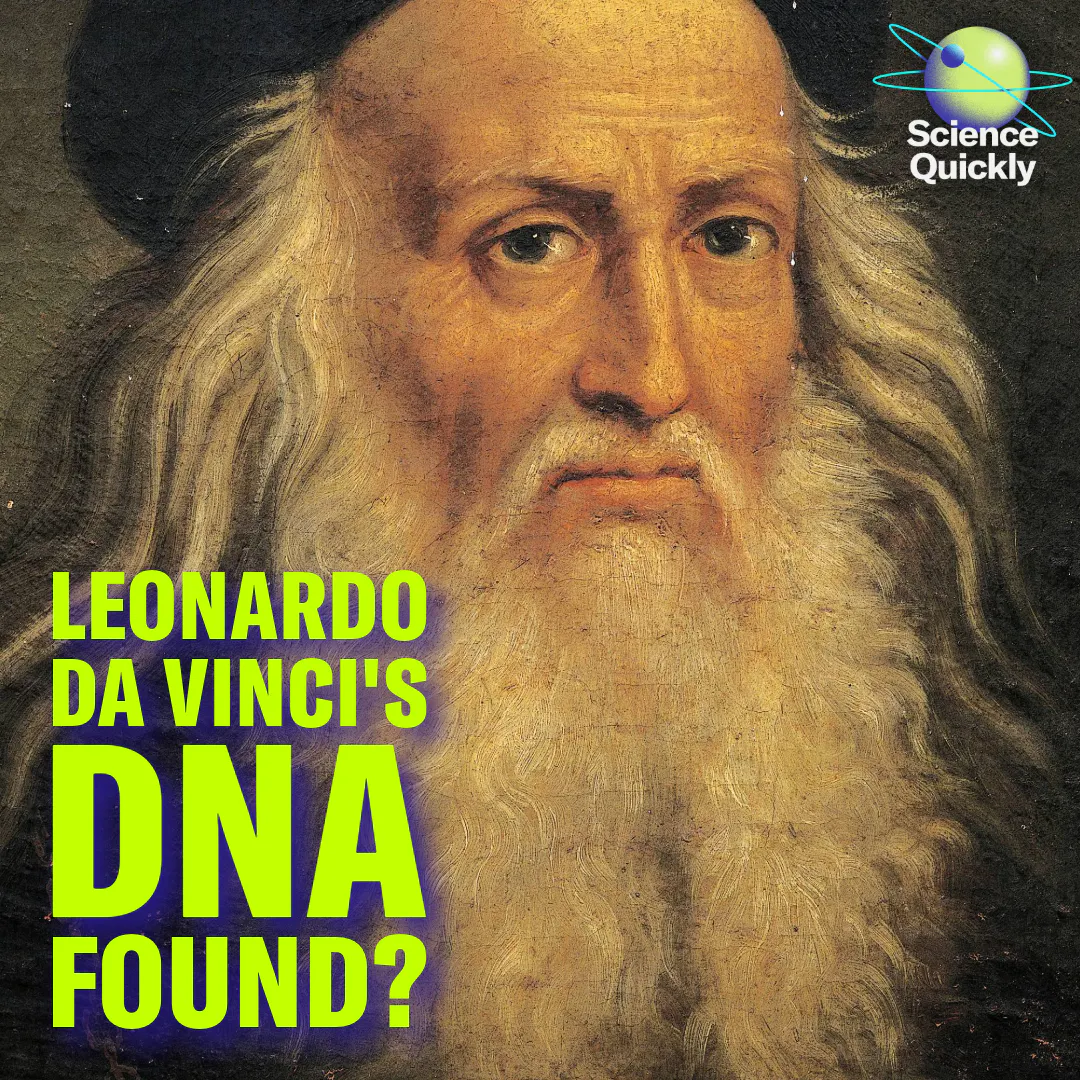
The quest for Leonardo da Vinci’s DNA
In this episode of Science Quickly, host Kendra Pierre-Louis speaks with forensic scientist Rhonda Roby about an ambitious effort to uncover traces of Leonardo da Vinci’s DNA using modern forensic techniques. Roby and her colleagues are carefully sampling centuries‑old artworks, working with extremely small amounts of biological material, to learn more about Leonardo himself and the history of his art while also advancing methods that could one day help authenticate artworks. The episode explores how forensic approaches typically used in criminal investigations are being applied to a 500‑year‑old historical puzzle. Recommended Reading: The Race to Find Leonardo da Vinci’s DNA Just Took a Major Twist “The real da Vinci code,” by Richard Stone, in Science, Vol. 391; January 8, 2026 E-mail us at [email protected] if you have any questions, comments or ideas for stories we should cover! Discover something new everyday: subscribe to Scientific American and sign up for our daily newsletter. Science Quickly is produced by Kendra Pierre-Louis, Fonda Mwangi, Sushmita Pathak and Jeff DelViscio. This episode was edited by Alex Sugiura, with fact-checking by Shayna Posses and Aaron Shattuck. Our theme music was composed by Dominic Smith. Learn more about your ad choices. Visit megaphone.fm/adchoices

What is consciousness, really?
In this episode, we explore what consciousness is, how the brain creates it and what current science says about dreams, anesthesia, animals and even artificial intelligence. Scientific American’s associate editor Allison Parshall breaks down what the leading theories are and why understanding our own awareness remains one of science’s toughest challenges. Recommended Reading: Why consciousness is the hardest problem in science Is Consciousness the Hallmark of Life? How to Detect Consciousness in People, Animals and Maybe Even AI When does consciousness emerge in babies? E-mail us at [email protected] if you have any questions, comments or ideas for stories we should cover! Discover something new everyday: subscribe to Scientific American and sign up for our daily newsletter. Science Quickly is produced by Kendra Pierre-Louis, Fonda Mwangi, Sushmita Pathak and Jeff DelViscio. This episode was edited by Alex Sugiura, with fact-checking by Shayna Posses and Aaron Shattuck. Our theme music was composed by Dominic Smith. Learn more about your ad choices. Visit megaphone.fm/adchoices

EPA weakens air pollution rules, cancer survival soars, and NASA evacuates astronauts
In this episode of Science Quickly, we unpack the Environmental Protection Agency’s controversial decision to change how it calculates health benefits from regulating certain air pollutants, a move that experts warn could lead to dirtier air and worse health outcomes. And we’ve achieved a major milestone in cancer care, with five-year survival rates hitting a record high, but looming policy threats could stall progress. Plus, NASA’s first-ever medical evacuation from the International Space Station could offer lessons for future missions. Recommended Reading: America’s Air Is about to Get Dirtier—And More Dangerous 70 Percent of Cancer Patients Now Survive at Least Five Years, Study Finds Astronauts Evacuate the ISS after Medical Incident New Study Probes How Same-Sex Behaviors Evolved in Nonhuman Primates E-mail us at [email protected] if you have any questions, comments or ideas for stories we should cover! Discover something new everyday: subscribe to Scientific American and sign up for our daily newsletter. Science Quickly is produced by Kendra Pierre-Louis, Fonda Mwangi, Sushmita Pathak and Jeff DelViscio. This episode was edited by Alex Sugiura, with fact-checking by Shayna Posses and Aaron Shattuck. Our theme music was composed by Dominic Smith. Learn more about your ad choices. Visit megaphone.fm/adchoices

How Venezuela’s Heavy Crude Shapes Climate Risks
In this episode, we dive into the climate stakes behind Venezuela’s vast but troubled oil reserves and the country’s mounting tensions with neighboring Guyana. Climate reporter Amy Westervelt breaks down why the region’s heavy crude oil, aging infrastructure and escalating border dispute are colliding with the reality of a rapidly warming planet—and what rising seas, oil expansion and fragile ecosystems mean for millions of people across the Caribbean. Recommended Reading: “The U.S.-Venezuela-Guyana Oil Triangle,” by Amy Westervelt, in Drilled. Published online January 4, 2026 Why Does Venezuela Have So Much Oil? Geology E-mail us at [email protected] if you have any questions, comments or ideas for stories we should cover! Discover something new everyday: subscribe to Scientific American and sign up for our daily newsletter. Science Quickly is produced by Kendra Pierre-Louis, Fonda Mwangi, Sushmita Pathak and Jeff DelViscio. This episode was edited by Alex Sugiura, with fact-checking by Shayna Posses and Aaron Shattuck. Our theme music was composed by Dominic Smith. Learn more about your ad choices. Visit megaphone.fm/adchoices

The Great Seed Oil Panic
Seed oils have become a target of wellness influencers and high-profile public officials. They say that these widely used and relatively inexpensive oils, which include canola, soybean and sunflower oil, are toxic. But do we really need to panic? Host Kendra Pierre-Louis speaks with food science expert Eric Decker to unpack what seed oils actually are, how their fats compare with those from other sources and whether claims about their toxicity hold up to scientific scrutiny. Recommended Reading: RFK, Jr., Upsets Food Pyramid, Urging Americans to Eat More Meat E-mail us at [email protected] if you have any questions, comments or ideas for stories we should cover! Discover something new everyday: subscribe to Scientific American and sign up for our daily newsletter. Science Quickly is produced by Kendra Pierre-Louis, Fonda Mwangi, Sushmita Pathak and Jeff DelViscio. This episode was edited by Alex Sugiura, with fact-checking by Shayna Posses and Aaron Shattuck. Our theme music was composed by Dominic Smith. Learn more about your ad choices. Visit megaphone.fm/adchoices