Science Quickly
1,974 episodes — Page 3 of 40

Woodpeckers Rock the Lab, AI Steps Out of the Chat Box, and Flu Hits Hard
Have you ever wondered how woodpeckers pound away without breaking their neck? We’ve got the answer—plus, why this flu season has broken a record, how AI is learning to predict disease from your sleep, and what CES 2026 showed about the biggest tech trends, including “physical AI” in the form of robots and other devices. Recommended Reading: This Year’s Flu Season Just Surpassed a Grim New Record Harsh Flu Season May Be Driven by New Variant K How Woodpeckers Turn Their Entire Bodies into Pecking Machines At CES 2026, AI Leaves the Screen and Enters the Real World Stevie Wonder’s Rule for AI at CES: ‘Make Life Better for the Living’ E-mail us at [email protected] if you have any questions, comments or ideas for stories we should cover! Discover something new everyday: subscribe to Scientific American and sign up for our daily newsletter. Science Quickly is produced by Kendra Pierre-Louis, Fonda Mwangi, Sushmita Pathak and Jeff DelViscio. This episode was edited by Alex Sugiura, with fact-checking by Jennifer Hackett, Shayna Posses and Aaron Shattuck. Our theme music was composed by Dominic Smith. Learn more about your ad choices. Visit megaphone.fm/adchoices

Weighing the Good and Bad of Weight-Loss Drugs
Drugs known as glucagon-like peptide-1 receptor agonists, colloquially called GLP-1 medications, have gone from relatively obscure diabetes treatments to blockbuster weight-loss medications. But is the hype backed up by science? In this episode, freelance science journalist Bethany Brookshire joins host Kendra Pierre-Louis to talk about how these drugs mimic natural hormones, why they’re so effective and what the latest research about their broader health effects says. Plus, we discuss what a recently rolled-out GLP-1 pill, the first of its kind approved for obesity, could mean for the future of weight loss. Recommended Reading: Wegovy Weight-Loss Pills Are Now Available in the U.S.—Here’s What That Means“Doctors Are Worried about Prescribing GLP-1s to Certain Patients,” by Bethany Brookshire, in National Geographic. Published online November 20, 2025 “The Unexpected Ways Ozempic-like Drugs Might Fight Dementia,” by Bethany Brookshire, in National Geographic. Published online June 17, 2025 “Is There Really an Ozempic Baby Boom? The Unexpected Ways GLP-1s Could Influence Fertility,” by Bethany Brookshire, in National Geographic. Published online November 4, 2025 E-mail us at [email protected] if you have any questions, comments or ideas for stories we should cover! Discover something new everyday: subscribe to Scientific American and sign up for our daily newsletter. Science Quickly is produced by Kendra Pierre-Louis, Fonda Mwangi, Sushmita Pathak and Jeff DelViscio. This episode was edited by Alex Sugiura, with fact-checking by Shayna Posses and Aaron Shattuck. Our theme music was composed by Dominic Smith. Learn more about your ad choices. Visit megaphone.fm/adchoices

America’s Children Face a New Era of Health Risk
Recent federal public health changes could affect children’s health, from vaccine access to essential medical care. In this episode, senior editor Dan Vergano breaks down what shifting national guidelines may mean for kids, why pediatric care is especially vulnerable and how states and medical experts are responding to protect families. Learn how these evolving health policies could shape long‑term outcomes for children and what’s at stake for public health in the U.S. Recommended Reading: U.S. Axes Number of Recommended Childhood Vaccines in Blow to Public Health Trump Administration Moves to Severely Curtail Access to Gender-Affirming Care for Minors U.S. Plan to Drop Some Childhood Vaccines to Align with Denmark Will Endanger Children, Experts Say E-mail us at [email protected] if you have any questions, comments or ideas for stories we should cover! Discover something new everyday: subscribe to Scientific American and sign up for our daily newsletter. Science Quickly is produced by Kendra Pierre-Louis, Fonda Mwangi, Sushmita Pathak and Jeff DelViscio. This episode was edited by Alex Sugiura, with fact-checking by Shayna Posses and Aaron Shattuck. Our theme music was composed by Dominic Smith. Learn more about your ad choices. Visit megaphone.fm/adchoices

How to Make Your New Year’s Resolutions Stick
Why do most New Year’s resolutions fail? And how can science help us stick to them? Behavioral economist Katy Milkman joins Science Quickly to explain the “fresh start effect,” the motivational boost we get from temporal milestones such as the arrival of a new year, birthdays or even Mondays. She shares how to build habits that last and reveals why enjoying the process is key to real change. Recommended Reading: How to Change: The Science of Getting from Where You Are to Where You Want to Be. Katy Milkman. Portfolio, 2021 New Year’s Resolutions Are Notoriously Slippery, but Science Can Help You Keep Them Choiceology, a podcast hosted by Katy Milkman Katy Milkman’s substack E-mail us at [email protected] if you have any questions, comments or ideas for stories we should cover! Discover something new everyday: subscribe to Scientific American and sign up for Today in Science, our daily newsletter. Science Quickly is produced by Kendra Pierre-Louis, Fonda Mwangi, Sushmita Pathak and Jeff DelViscio. Shayna Posses and Aaron Shattuck fact-check our show. Our theme music was composed by Dominic Smith. Learn more about your ad choices. Visit megaphone.fm/adchoices

ENCORE: Algorithmic Social Media Is Driving New Slang
From viral slang such as “skibidi” to the rise of so-called brain rot, linguist and content creator Adam Aleksic, aka the “Etymology Nerd,” and associate editor Allison Parshall, who covers the mind and brain, unpack how social media and algorithms are reshaping the way we communicate. This episode first aired in September. Recommended Reading The Internet Is Making Us Fluent in Algospeak E-mail us at [email protected] if you have any questions, comments or ideas for stories we should cover! Discover something new every day: subscribe to Scientific American and sign up for Today in Science, our daily newsletter. Science Quickly is produced by Kendra Pierre-Louis, Fonda Mwangi, Sushmita Pathak and Jeff DelViscio. This episode was edited by Alex Sugiura. Shayna Posses and Aaron Shattuck fact-check the show. Our theme music was composed by Dominic Smith. This episode was made possible by the support of Yakult and produced independently by Scientific American’s board of editors. Learn more about your ad choices. Visit megaphone.fm/adchoices

ENCORE: Understanding the Science of ‘Squirting’
The human body is capable of some truly incredible things. One of the most mysterious and debated phenomena is a release of fluid during sex that is often referred to as “squirting.” What’s actually happening, and why does it stir so much speculation? Wendy Zukerman, host of the hit podcast Science Vs, breaks down the science behind this fascinating topic, exploring what we know, what we don’t and what the controversy surrounding it is. This episode first aired in April. Recommended reading: What a Survey On Anal Sex and Masturbation Reveals About Prostates and Pleasure Squirting: What's Really Happening?! (Science Vs) E-mail us at [email protected] if you have any questions, comments or ideas for stories we should cover! Discover something new everyday: subscribe to Scientific American and sign up for our daily newsletter. Science Quickly is produced by Kendra Pierre-Louis, Fonda Mwangi, Sushmita Pathak and Jeff DelViscio. This episode was edited by Alex Sugiura. Shayna Posses and Aaron Shattuck fact-check our show. Our theme music was composed by Dominic Smith. Learn more about your ad choices. Visit megaphone.fm/adchoices

ENCORE: Science’s Greatest 180s
Science doesn’t always get it right the first time—and that’s part of the journey. In this anniversary special, we explore how ideas about nerve damage, sustainable materials and alien life have done a full 180. This episode first aired in August. Recommended Reading Celebrating 180 Years of Scientific American 180 Years of Standing Up for Science How Scientists Finally Learned That Nerves Regrow Proof That Adult Brains Make New Neurons Settles Scientific Controversy Plastics Started as a Sustainability Solution. What Went Wrong? The Search for Extraterrestrial Life Is a Roller Coaster of Hope and Disappointment E-mail us at [email protected] if you have any questions, comments or ideas for stories we should cover! Discover something new everyday: subscribe to Scientific American and sign up for our daily newsletter. Science Quickly is produced by Kendra Pierre-Louis, Fonda Mwangi, Sushmita Pathak and Jeff DelViscio. This episode was edited by Alex Sugiura. Shayna Posses and Aaron Shattuck fact-check our show. Our theme music was composed by Dominic Smith. Learn more about your ad choices. Visit megaphone.fm/adchoices

The Quest for Climate-Ready Christmas Trees
Christmas trees may seem timeless, but growing them is becoming increasingly challenging in a warming world. In this episode, host Kendra Pierre-Louis talks to Priya Rajarapu, a Christmas tree extension specialist at Oregon State University, about how climate change is reshaping tree farming—from drought and heat stress to seedling survival—and the research efforts aimed at keeping this holiday tradition alive. Recommended Reading: Tweaks to U.S. Christmas Trees Could Help Them Survive Climate Change How Weather and Climate Change Affects Christmas Tree Production The OSU Christmas Tree Program E-mail us at [email protected] if you have any questions, comments or ideas for stories we should cover! Discover something new everyday: subscribe to Scientific American and sign up for our daily newsletter. Science Quickly is produced by Kendra Pierre-Louis, Fonda Mwangi, Sushmita Pathak and Jeff DelViscio. Shayna Posses and Aaron Shattuck fact-check our show. Our theme music was composed by Dominic Smith. Learn more about your ad choices. Visit megaphone.fm/adchoices
2025: The Year Science Was Shaken
In this year-end roundup, Scientific American editors break down how 2025 reshaped science across the board—from sweeping federal upheavals that disrupted long-standing research institutions to public health setbacks driven by vaccine rollbacks and rising measles cases to renewed hostility toward climate science and clean-energy policy and finally to the mind-bending dark energy findings that are shaking up cosmology. Together, their insights reveal how 2025 was a turbulent year for science on Earth and beyond—and what to watch closely in 2026. Recommended Reading: Cures for Sickle Cell Disease Arrive After a Painful Journey NASA’s Moon Race Looks like a Losing Bet Changing the FDA’s Vaccine Approval Process Could Threaten COVID, Flu Protection for Children 5 Charts Show Climate Progress as Paris Agreement Turns 10 Latest Dark Energy Study Suggests the Universe Is Even Weirder Than We Imagined E-mail us at [email protected] if you have any questions, comments or ideas for stories we should cover! Discover something new everyday: subscribe to Scientific American and sign up for our daily newsletter. Science Quickly is produced by Kendra Pierre-Louis, Fonda Mwangi, Sushmita Pathak and Jeff DelViscio. This episode was edited by Alex Sugiura, with fact-checking by Shayna Posses and Aaron Shattuck. Our theme music was composed by Dominic Smith. Learn more about your ad choices. Visit megaphone.fm/adchoices

The Hidden Voices of Monk Seals
In this episode, take a dive into the underwater vocalizations of the endangered Hawaiian monk seal. Scientists analyzing thousands of hours of underwater recordings have uncovered a surprising array of previously unknown calls. Ocean writer Melissa Hobson explores how researchers captured the sounds of the species, why they matter for conservation and what they tell us about the social lives of one of the world’s rarest seals. Recommended Reading: “Underwater Sound Production of Free-Ranging Hawaiian Monk Seals,” by Kirby Parnell et al., in Royal Society Open Science, Vol. 12, No. 11; November 1, 2025 Melissa Hobson’s website Wiggling Whiskers Help Hungry Seals Hunt in the Dark E-mail us at [email protected] if you have any questions, comments or ideas for stories we should cover! Discover something new everyday: subscribe to Scientific American and sign up for our daily newsletter. Science Quickly is produced by Kendra Pierre-Louis, Fonda Mwangi and Jeff DelViscio. This episode was edited by Alex Sugiura, with fact-checking by Shayna Posses and Aaron Shattuck. Our theme music was composed by Dominic Smith. Learn more about your ad choices. Visit megaphone.fm/adchoices

Inside the Struggle to Save an Orca Community
In this episode of Science Quickly, we present an inside look at one of the world’s most endangered whale populations: the southern resident orcas. Senior multimedia editor Kelso Harper joins host Kendra Pierre-Louis to share the story of a rare encounter with these killer whales off of the San Juan Islands. Also, we discuss what researchers and scientists are doing to understand and protect this iconic population. Recommended Reading: These Orcas Are on the Brink—And So Is the Science That Could Save Them Killer Whales and Dolphins May Team Up to Hunt Salmon E-mail us at [email protected] if you have any questions, comments or ideas for stories we should cover! Discover something new everyday: subscribe to Scientific American and sign up for our daily newsletter. Science Quickly is produced by Kendra Pierre-Louis, Fonda Mwangi and Jeff DelViscio. This episode was edited by Alex Sugiura, with fact-checking by Shayna Posses and Aaron Shattuck. Our theme music was composed by Dominic Smith. Learn more about your ad choices. Visit megaphone.fm/adchoices

Hobbit Disappearance Explained, Second-Hottest Year Looms, New Mpox Variant Found
In this episode of Science Quickly, we dive into how the European Union’s latest Copernicus Climate Change Service bulletin shows that 2025 is on track to become the second-hottest year on record, explore what a newly detected mpox strain could mean for global health, examine why more parents are refusing vitamin K injections for newborns—and uncover fresh evidence about why Homo floresiensis, the so-called hobbits of Indonesia, mysteriously disappeared. Recommended Reading: 2025 Likely to Tie for Second-Hottest Year on Record A Vitamin Shot Given at Birth Prevents Lethal Brain Bleeds, but More Parents Are Opting Out E-mail us at [email protected] if you have any questions, comments or ideas for stories we should cover! Discover something new everyday: subscribe to Scientific American and sign up for our daily newsletter. Science Quickly is produced by Kendra Pierre-Louis, Fonda Mwangi and Jeff DelViscio. This episode was edited by Alex Sugiura, with fact-checking by Shayna Posses and Aaron Shattuck. Our theme music was composed by Dominic Smith. Learn more about your ad choices. Visit megaphone.fm/adchoices

Karen Hao on Why AI Is Reshaping Society
Generative artificial intelligence has transformed our inboxes, classrooms and even medical records—but at what cost? In this episode, journalist Karen Hao joins Scientific American to discuss her new book Empire of AI, exploring how companies like OpenAI wield power that is reminiscent of historical empires. From ideological quests for artificial general intelligence to the environmental toll of massive data centers, Hao reveals the hidden forces shaping our technological future—and the reasons we should all be paying attention. Recommended Reading: OpenAI’s Secrets are Revealed in Empire of AI Empire of AI: Dreams and Nightmares in Sam Altman’s OpenAI. Karen Hao. Penguin Press, 2025 E-mail us at [email protected] if you have any questions, comments or ideas for stories we should cover! Discover something new everyday: subscribe to Scientific American and sign up for our daily newsletter.Science Quickly is produced by Kendra Pierre-Louis, Fonda Mwangi and Jeff DelViscio. This episode was edited by Alex Sugiura, with fact-checking by Shayna Posses and Aaron Shattuck. Our theme music was composed by Dominic Smith. Learn more about your ad choices. Visit megaphone.fm/adchoices
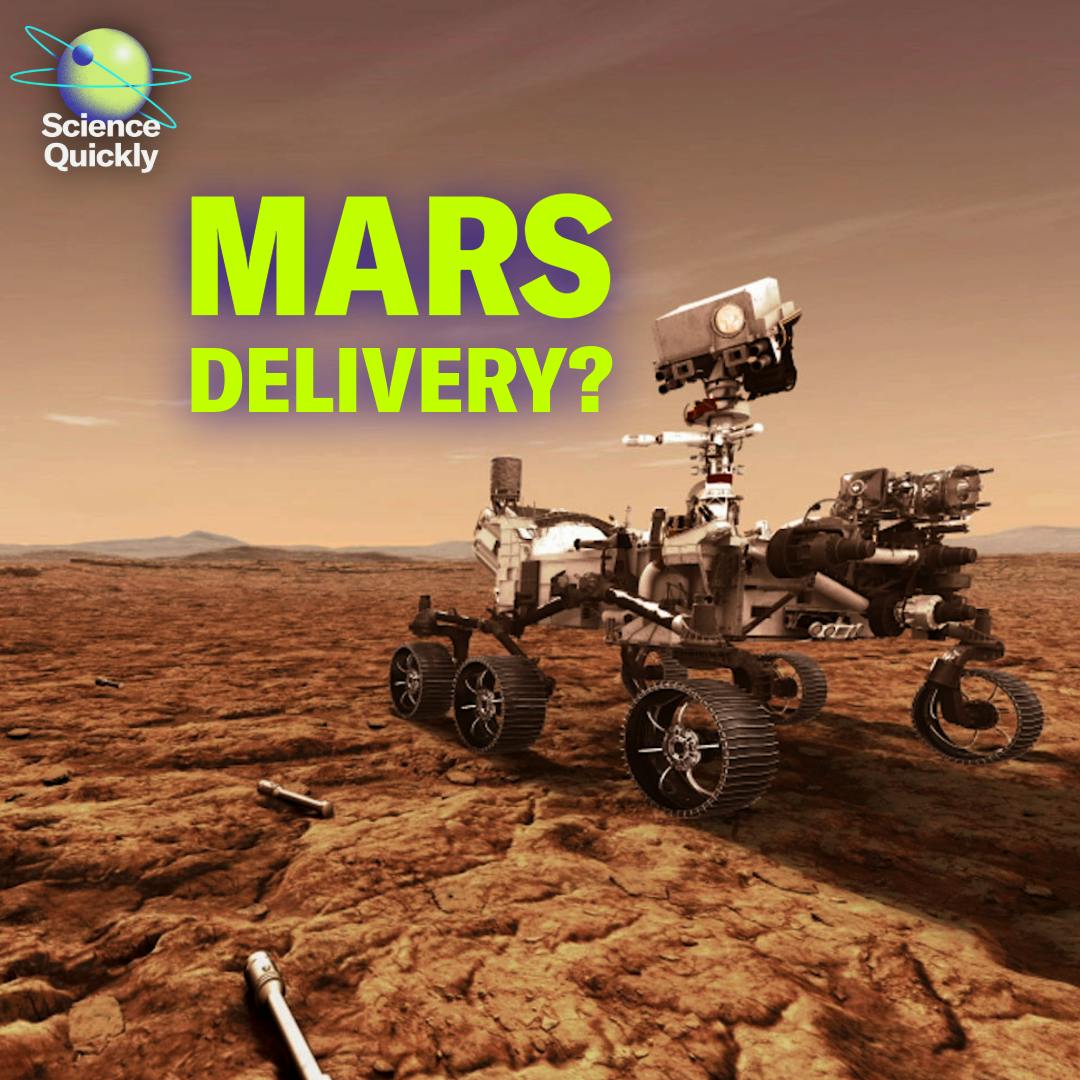
Can NASA Deliver on Perseverance’s Promise to Reveal Life on Mars?
NASA’s Perseverance rover has spent nearly five years roaming the Martian surface in search of clues to ancient life. But the ambitious plan to return its precious rock samples to Earth is now on shaky ground. Scientific American senior desk editor Lee Billings joins us to unpack the rover’s mission, the stakes of the stalled return effort and the effects it will have on the future of Mars exploration. Recommended Reading NASA Recruits Mars Perseverance Rover to Monitor Sun’s Activity This Rock May Hold Proof of Life on Mars E-mail us at [email protected] if you have any questions, comments or ideas for stories we should cover! Discover something new everyday: subscribe to Scientific American and sign up for our daily newsletter. Science Quickly is produced by Kendra Pierre-Louis, Fonda Mwangi and Jeff DelViscio. This episode was edited by Alex Sugiura, with fact-checking by Shayna Posses and Aaron Shattuck. Our theme music was composed by Dominic Smith. Learn more about your ad choices. Visit megaphone.fm/adchoices

CDC Vaccine Panel, Satellite Light Pollution, Puppy Power
Scientific American associate editor Lauren J. Young breaks down key vaccine recommendations from the Centers for Disease Control and Prevention’s Advisory Committee on Immunization Practices. Also, the Food and Drug Administration is considering controversial changes to vaccine approval and administration. Meanwhile a new study warns that light pollution from satellite megaconstellations could severely compromise space telescope observations. Recommended Reading: CDC Vaccine Panel Scraps Guidance for Universal Hepatitis B Shots at Birth Changing the FDA’s Vaccine Approval Process Could Threaten COVID, Flu Protection for Children Satellites Swarming Low-Earth Orbit Threaten Space Telescopes E-mail us at [email protected] if you have any questions, comments or ideas for stories we should cover! Discover something new everyday: subscribe to Scientific American and sign up for our daily newsletter. Science Quickly is produced by Kendra Pierre-Louis, Fonda Mwangi and Jeff DelViscio. This episode was edited by Alex Sugiura, with fact-checking by Shayna Posses and Aaron Shattuck. Our theme music was composed by Dominic Smith. Learn more about your ad choices. Visit megaphone.fm/adchoices
New Hope for Treating Postpartum Depression?
Emerging research on the biology of postpartum depression is showing how little it resembles other severe mood disorders in the brain and body. Understanding these differences could be key to better screening, detection and treatment. Science journalist Marla Broadfoot is on our show to talk about her story in the December edition of our magazine, in which she focuses on one woman’s quest for treatment and the personal cure from postpartum depression that this individual found in a promising new drug. E-mail us at [email protected] if you have any questions, comments or ideas for stories we should cover! Discover something new everyday: subscribe to Scientific American and sign up for our daily newsletter. Science Quickly is produced by Kendra Pierre-Louis, Fonda Mwangi and Jeff DelViscio. This episode was edited by Jeff DelViscio, with fact-checking by Shayna Posses and Aaron Shattuck. Our theme music was composed by Dominic Smith. Learn more about your ad choices. Visit megaphone.fm/adchoices
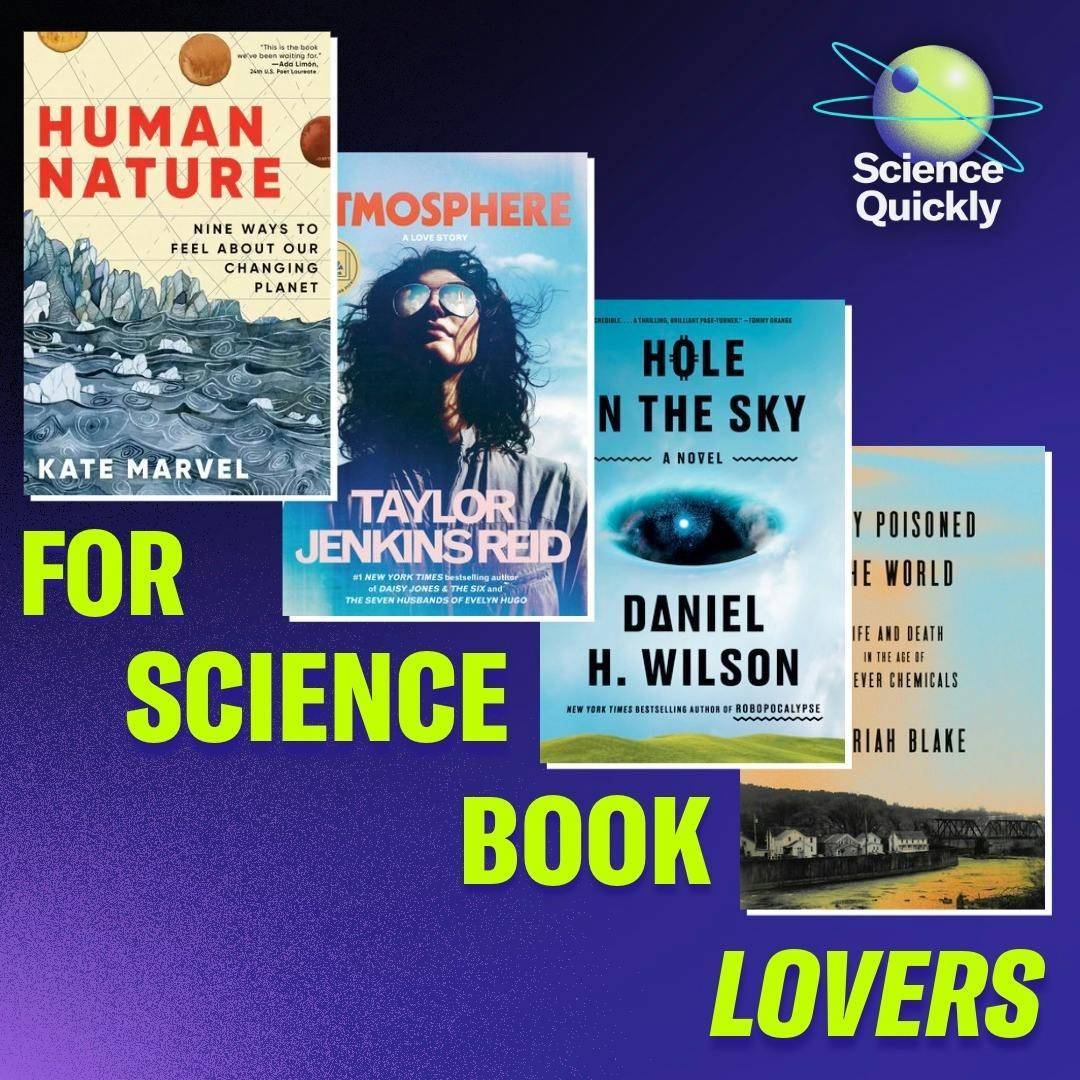
Scientific American Picks the Best Reads of the Year
Scientific American debuts its first-ever best fiction and nonfiction book lists, featuring stories that explore climate change, alien encounters and even love stories in space. Associate books editor Bri Kane joins host Kendra Pierre‑Louis to share the selections that captivated the newsroom’s editors. Recommended Reading Five Essential Reads on Plastic, Power and Pollution 7 Science Book Reviews from Scientific American’s Archives with Modern Recommendations E-mail us at [email protected] if you have any questions, comments or ideas for stories we should cover! Discover something new every day: subscribe to Scientific American and sign up for Today in Science, our daily newsletter. Science Quickly is produced by Kendra Pierre-Louis, Fonda Mwangi and Jeff DelViscio. This episode was edited by Alex Sugiura. Shayna Posses and Aaron Shattuck fact-check the show. The theme music was composed by Dominic Smith. Learn more about your ad choices. Visit megaphone.fm/adchoices

Thanksgiving’s Iconic Bird Is Thriving Again in the Wild
Wild turkeys were once on the brink of disappearing from the U.S.’s forests, with populations dropping to just tens of thousands by the 1930s. Thanks to conservation efforts, their numbers have soared to more than six million today, making them one of the country’s greatest wildlife comeback stories. Recommended Reading Wild Turkey Lab E-mail us at [email protected] if you have any questions, comments or ideas for stories we should cover! Discover something new every day: subscribe to Scientific American and sign up for Today in Science, our daily newsletter. Science Quickly is produced by Kendra Pierre-Louis, Fonda Mwangi and Jeff DelViscio. This episode was edited by Alex Sugiura. Shayna Posses and Aaron Shattuck fact-check the show. The theme music was composed by Dominic Smith. Learn more about your ad choices. Visit megaphone.fm/adchoices

Tamer Raccoons, COP30 Recap, New Fluoride Research
Zoya Teirstein, a senior staff writer at Grist, joins host Kendra Pierre-Louis to talk about this year’s United Nations Climate Change Conference, or COP30, which wrapped up in Brazil last week. Plus, new studies debunk claims that fluoride harms children’s cognitive development and show evidence that urban raccoons may be evolving traits linked to tameness. Recommended Reading “At COP30 in Brazil, Countries Plan to Armor Themselves against a Warming World,” by Zoya Teirstein, in Grist. Published online November 19, 2025 “Here Are the 5 Issues to Watch at COP30 in Brazil,” by Zoya Teirstein, Naveena Sadasivam and Anita Hofschneider, in Grist. Published online November 6, 2025 Fluoride in Tap Water Not Linked to Lower Child IQ, Massive Study Finds Raccoons Are Showing Early Signs of Domestication E-mail us at [email protected] if you have any questions, comments or ideas for stories we should cover! Discover something new every day: subscribe to Scientific American and sign up for Today in Science, our daily newsletter. Science Quickly is produced by Kendra Pierre-Louis, Fonda Mwangi and Jeff DelViscio. This episode was edited by Alex Sugiura. Shayna Posses and Aaron Shattuck fact-check the show. The theme music was composed by Dominic Smith. Learn more about your ad choices. Visit megaphone.fm/adchoices

The Hidden Worlds of ‘Nanocosmos’
In his new book, Nanocosmos: Journeys in Electron Space, artist and writer Michael Benson transforms scientific imaging into art, capturing intricate natural designs that inspire awe and wonder. Join host Kendra Pierre-Louis as they explore how science and creativity intersect at the smallest scales of our universe. Recommended Reading Nanocosmos: Journeys in Electron Space, by Michael Benson. Abrams Books. Published October 28, 2025. This episode was made possible by the support of Yakult and produced independently by Scientific American’s board of editors. E-mail us at [email protected] if you have any questions, comments or ideas for stories we should cover! Discover something new every day: subscribe to Scientific American and sign up for Today in Science, our daily newsletter. Science Quickly is produced by Kendra Pierre-Louis, Fonda Mwangi and Jeff DelViscio. This episode was edited by Alex Sugiura. Shayna Posses and Aaron Shattuck fact-check the show. The theme music was composed by Dominic Smith. Learn more about your ad choices. Visit megaphone.fm/adchoices

Gut Health Tips for the Holidays
Holiday meals can delight our taste buds while the food puts real strain on our digestion. Host Kendra Pierre-Louis talks with Northwestern University gastroenterology expert Kathryn Tomasino about why digestion is influenced not just by diet but also by stress, sleep and mindful eating. Together they share practical tips for enjoying Thanksgiving and other holiday feasts without the stomach aches. Recommended Reading Northwestern Medicine Diaphragmatic Breathing for GI Health. Northwestern Medicine, December 5, 2022 This episode was made possible by the support of Yakult and produced independently by Scientific American’s board of editors. E-mail us at [email protected] if you have any questions, comments or ideas for stories we should cover! Discover something new every day: subscribe to Scientific American and sign up for Today in Science, our daily newsletter. Science Quickly is produced by Kendra Pierre-Louis, Fonda Mwangi and Jeff DelViscio. This episode was edited by Alex Sugiura. Shayna Posses and Aaron Shattuck fact-check the show. The theme music was composed by Dominic Smith. Learn more about your ad choices. Visit megaphone.fm/adchoices

The Digital Time Capsule That Survived Two Decades
Our editor in chief David M. Ewalt revisits a remarkable 20-year experiment: an e-mail time capsule designed to deliver digital messages from the past into the future. What began as a tech project at Forbes evolved into a story of human connection—proving that sometimes it’s friendship, not servers, that keeps information alive across decades. Recommended Reading The Unlikely Story of an E-mail Time Machine E-mail us at [email protected] if you have any questions, comments or ideas for stories we should cover! Discover something new every day: subscribe to Scientific American and sign up for Today in Science, our daily newsletter. Science Quickly is produced by Kendra Pierre-Louis, Fonda Mwangi and Jeff DelViscio. This episode was edited by Alex Sugiura. Shayna Posses and Aaron Shattuck fact-check the show. The theme music was composed by Dominic Smith. This episode was made possible by the support of Yakult and produced independently by Scientific American’s board of editors. Learn more about your ad choices. Visit megaphone.fm/adchoices
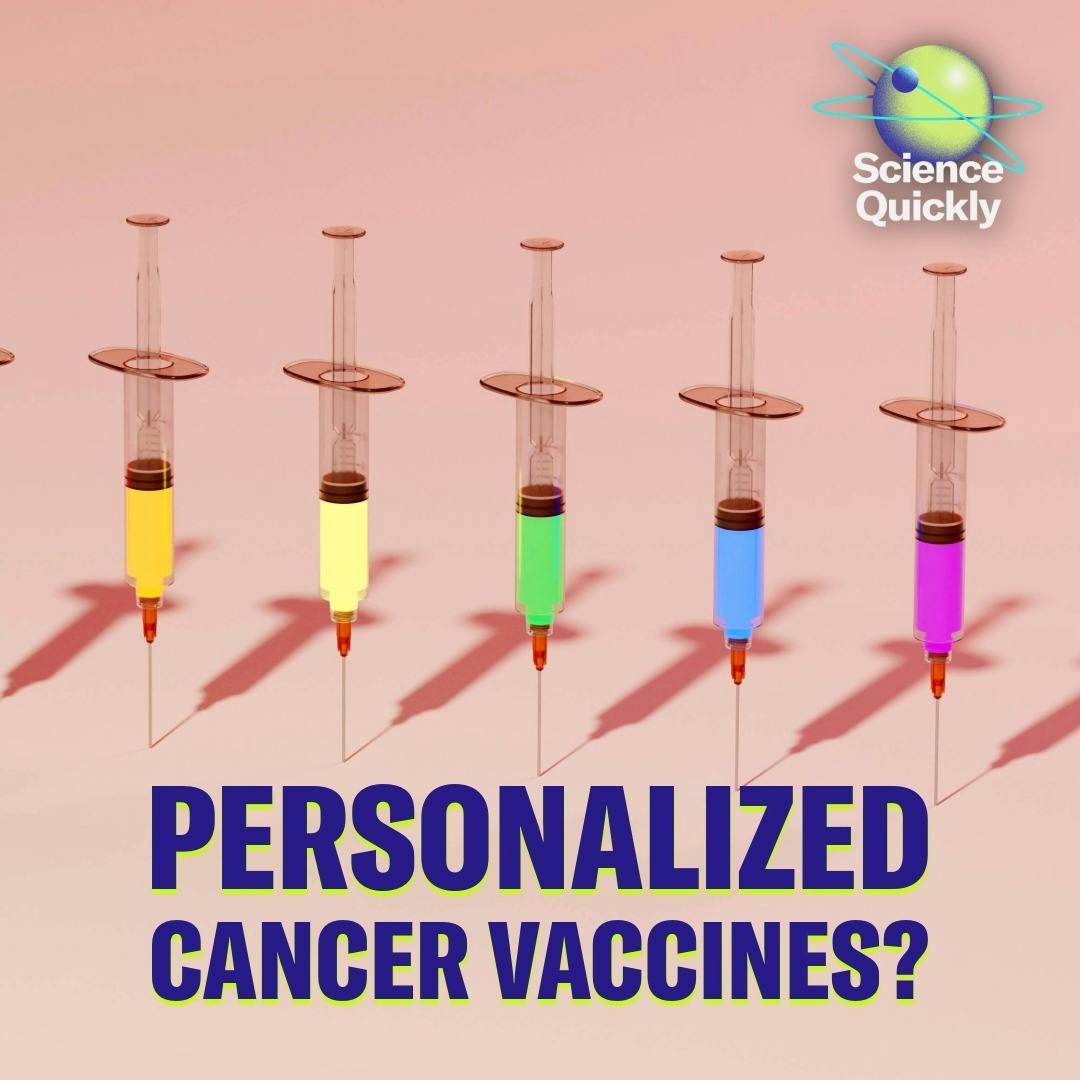
Can Vaccines Help Defeat Cancer?
Host Kendra Pierre-Louis speaks with reporter Rowan Moore Gerety about how mRNA vaccines, first successfully developed to protect against COVID, are now being tested to treat cancers such as pancreatic cancer. Together, Pierre-Louis and Moore Gerety explore the science behind these therapeutic vaccines and share the story of a survivor whose remission underscores their potential to transform cancer care. Recommended Reading New Cancer Vaccines Could Treat Some Types of Pancreatic, Colorectal and Other Deadly Forms of the Disease Why mRNA Vaccines Are So Revolutionary—And What’s at Stake if We Lose Them E-mail us at [email protected] if you have any questions, comments or ideas for stories we should cover! Discover something new every day: subscribe to Scientific American and sign up for Today in Science, our daily newsletter. Science Quickly is produced by Kendra Pierre-Louis, Fonda Mwangi and Jeff DelViscio. This episode was edited by Alex Sugiura. Shayna Posses and Aaron Shattuck fact-check the show. The theme music was composed by Dominic Smith. Learn more about your ad choices. Visit megaphone.fm/adchoices

Can AI Ease the Pain of Loss?
Griefbots—artificial-intelligence-powered chat tools that simulate conversations with the deceased—are helping some people navigate loss in unexpected ways. Science writer David Berreby shares his firsthand experience with these digital companions and explores what they reveal about mourning, memory and the limits of technology. Recommended Reading David Berreby’s substack E-mail us at [email protected] if you have any questions, comments or ideas for stories we should cover! Discover something new every day: subscribe to Scientific American and sign up for Today in Science, our daily newsletter. Science Quickly is produced by Kendra Pierre-Louis, Fonda Mwangi and Jeff DelViscio. This episode was edited by Alex Sugiura. Shayna Posses and Aaron Shattuck fact-check the show. The theme music was composed by Dominic Smith. Learn more about your ad choices. Visit megaphone.fm/adchoices

Why Some Foods Gross Us Out
In this episode of Science Quickly, Rachel Feltman introduces interim host Kendra Pierre-Louis, a climate journalist with a strong aversion to mayonnaise—and a knack for turning that disgust into fascinating science reporting. Pierre-Louis shares insights into the psychology of taste, the cultural language of food textures and the way that categories of such textures, including creamy foods such as mayo, can trigger visceral reactions. Recommended Reading “Mayonnaise Is Disgusting, and Science Agrees,” by Kendra Pierre-Louis, in Popular Science. Published online October 31, 2017 “Texture Is the Final Frontier of Food Science,” by Kendra Pierre-Louis, in Popular Science. Published online February 13, 2021 Kendra Pierre-Louis’s website. E-mail us at [email protected] if you have any questions, comments or ideas for stories we should cover! Discover something new every day: subscribe to Scientific American and sign up for Today in Science, our daily newsletter. Science Quickly is produced by Kendra Pierre-Louis, Rachel Feltman, Fonda Mwangi and Jeff DelViscio. This episode was edited by Alex Sugiura. Shayna Posses and Aaron Shattuck fact-check the show. The theme music was composed by Dominic Smith. Learn more about your ad choices. Visit megaphone.fm/adchoices

The Science of Headaches
Headaches are among the most common human experiences—yet science still struggles to explain them. Journalist Tom Zeller, Jr., joins host Rachel Feltman to explore the cultural, gender-related and scientific blind spots that have stalled research into migraine, cluster and tension-type headaches. Recommended Reading Tom Zeller, Jr’s website The Headache: The Science of a Most Confounding Affliction––And a Search for Relief, by Tom Zeller, Jr. Mariner Books, 2025 E-mail us at [email protected] if you have any questions, comments or ideas for stories we should cover! Discover something new every day: subscribe to Scientific American and sign up for Today in Science, our daily newsletter. Science Quickly is produced by Rachel Feltman, Fonda Mwangi and Jeff DelViscio. This episode was edited by Alex Sugiura. Shayna Posses and Aaron Shattuck fact-check the show. The theme music was composed by Dominic Smith. Learn more about your ad choices. Visit megaphone.fm/adchoices
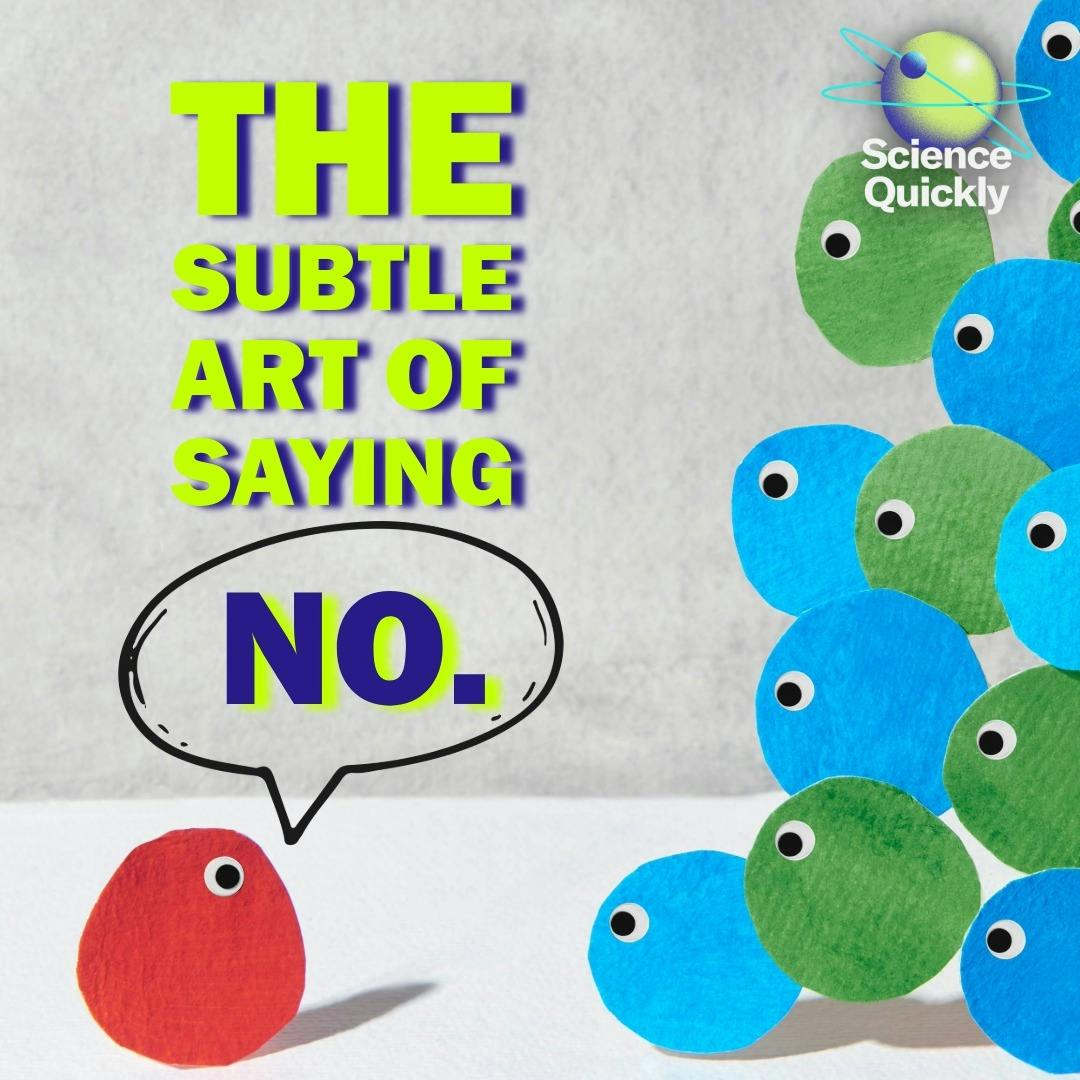
Why Defiance Can Be a Virtue
Many of us are taught from a young age that being “good” means being obedient—but that conditioning can make it hard to speak up when it counts. In this episode, Cornell University professor Sunita Sah explains how defiance can be a powerful tool for challenging injustice, asserting boundaries and reclaiming our voice. Recommended Reading Sunita Sah’s website Defy: The Power of No in a World That Demands Yes, by Sunita Sah. One World, 2025 E-mail us at [email protected] if you have any questions, comments or ideas for stories we should cover! Discover something new every day: subscribe to Scientific American and sign up for Today in Science, our daily newsletter. Science Quickly is produced by Rachel Feltman, Fonda Mwangi and Jeff DelViscio. This episode was edited by Alex Sugiura. Shayna Posses and Aaron Shattuck fact-check the show. The theme music was composed by Dominic Smith. Learn more about your ad choices. Visit megaphone.fm/adchoices
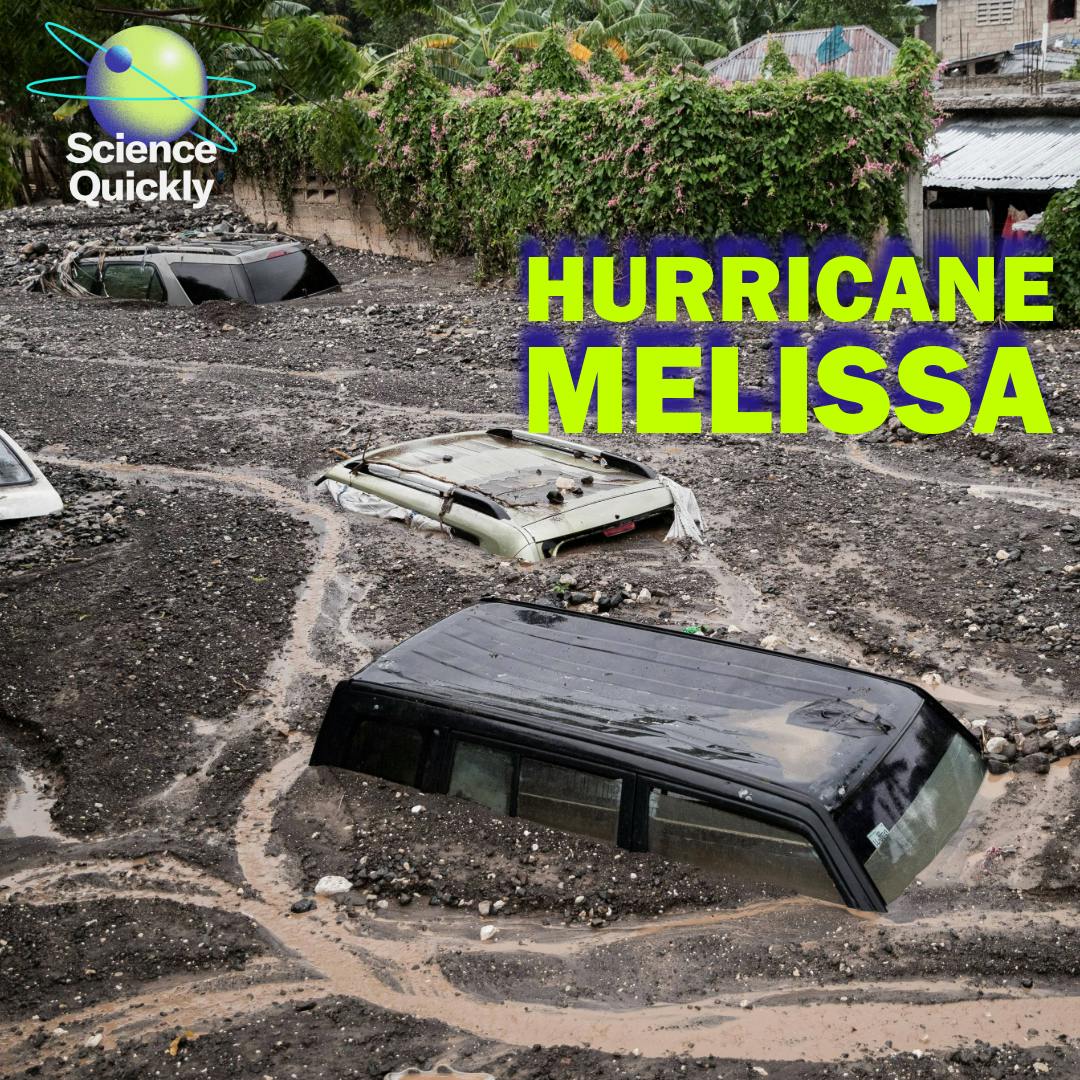
How Hurricane Melissa Became a Meteorologic Outlier
Hurricane Melissa stunned meteorologists with its rare intensity, reaching wind speeds that are more typical of Pacific supertyphoons and maintaining Category 5 strength for more than 24 hours. Scientific American senior editor Andrea Thompson breaks down what made the storm so unusual, how it impacted Jamaica and Haiti and what it might signal about the future of hurricanes. Plus, we discuss quick updates on viral infections and heart health, black hole collisions and chimpanzee rationality. Recommended Reading Hurricane Melissa Images Reveal a Monster Storm for the Record Books How Hurricane Melissa Became One of the Most Intense Atlantic Storms on Record With Melissa, 2025 Becomes Only the Second Season with More Than Two Category 5 Hurricanes Why Hurricane Melissa Could Be the Worst Storm to Ever Hit Jamaica Chimps Can Weigh Evidence and Update Their Beliefs Like Humans Do E-mail us at [email protected] if you have any questions, comments or ideas for stories we should cover! Discover something new every day: subscribe to Scientific American and sign up for Today in Science, our daily newsletter. Science Quickly is produced by Rachel Feltman, Fonda Mwangi and Jeff DelViscio. This episode was edited by Alex Sugiura. Shayna Posses and Aaron Shattuck fact-check the show. The theme music was composed by Dominic Smith. Learn more about your ad choices. Visit megaphone.fm/adchoices

How to Trick-or-Treat Your Gut
Halloween might be a treat for your taste buds, but what about the trillions of microbes in your gut? Gastroenterologist Chris Damman joins host Rachel Feltman to explore how different candies affect your gut microbiome—and why moderation and whole foods matter even after a sugar binge. Recommended Reading “Halloween Candy Binges Can Overload Your Gut Microbiome—A Gut Doctor Explains How to Minimize Spooking Your Helpful Bacteria,” by Christopher Damman, in the Conversation. Published online October 23, 2024 E-mail us at [email protected] if you have any questions, comments or ideas for stories we should cover! Discover something new every day: subscribe to Scientific American and sign up for Today in Science, our daily newsletter. Science Quickly is produced by Rachel Feltman, Fonda Mwangi and Jeff DelViscio. This episode was edited by Alex Sugiura. Shayna Posses and Aaron Shattuck fact-check the show. The theme music was composed by Dominic Smith. Learn more about your ad choices. Visit megaphone.fm/adchoices
How TikTok’s Algorithm Could Shift with a U.S. Spin-off
TikTok’s algorithm has become a cultural force, shaping what more than a billion users see and share, but its future may be shifting. As the platform prepares for a U.S.-only spin-off, Kelley Cotter, an assistant professor in the department of human-centered computing and social informatics at Pennsylvania State University, joins Science Quickly to explore how changes in ownership could affect the algorithm’s influence and transparency and the kinds of content we consume. Recommended Reading “TikTok Sale Puts App’s Algorithm in the Spotlight—A Social Media Expert Explains How the For You Page Works and What Changes Are in Store,” by Kelley Cotter, in the Conversation. Published online September 22, 2025 E-mail us at [email protected] if you have any questions, comments or ideas for stories we should cover! Discover something new every day: subscribe to Scientific American and sign up for Today in Science, our daily newsletter. Science Quickly is produced by Rachel Feltman, Fonda Mwangi and Jeff DelViscio. This episode was edited by Alex Sugiura. Shayna Posses and Aaron Shattuck fact-check the show. The theme music was composed by Dominic Smith. Learn more about your ad choices. Visit megaphone.fm/adchoices

Mosquitoes Invade Iceland, Earth Darkens, and Bird Flu Returns
Mosquitoes settle in Iceland for the first time as climate change reshapes the Arctic, and Earth’s darkening albedo may be accelerating global warming. Host Rachel Feltman also dives into rising bird flu cases, foodborne urinary tract infections linked to contaminated meat and a potential shift in mpox transmission. Plus, we discuss some hopeful news: peanut allergies are declining in toddlers, and North Atlantic right whales show signs of recovery. Recommended Reading Bird Flu Is Back. Here’s What to Know How Bird Flu Became a Human Pandemic Threat Earth Is Getting Darker, Which Could Accelerate Global Warming The Mystery of America’s Peanut Allergy Surge—And the Promising Science behind New Treatments Can Peanut Allergies Be Cured? E-mail us at [email protected] if you have any questions, comments or ideas for stories we should cover! Discover something new every day: subscribe to Scientific American and sign up for Today in Science, our daily newsletter. Science Quickly is produced by Rachel Feltman, Fonda Mwangi and Jeff DelViscio. This episode was edited by Alex Sugiura. Shayna Posses and Aaron Shattuck fact-check the show. The theme music was composed by Dominic Smith. Learn more about your ad choices. Visit megaphone.fm/adchoices

Why Medication Safety in Pregnancy Is Still a Mystery
When the U.S. president claimed that acetaminophen use during pregnancy could cause autism in a person’s offspring, it reignited a deeper conversation about how little we know about medication safety for pregnant people. In this episode, Scientific American senior health editor Tanya Lewis explains why pregnant individuals are routinely excluded from clinical trials—and how that gap in research puts millions at risk. Recommended Reading Nobody Knows How Tylenol Really Works Is Tylenol Safe for Children? Does Tylenol Use during Pregnancy Cause Autism? What the Research Shows E-mail us at [email protected] if you have any questions, comments or ideas for stories we should cover! Discover something new every day: subscribe to Scientific American and sign up for Today in Science, our daily newsletter. Science Quickly is produced by Rachel Feltman, Fonda Mwangi and Jeff DelViscio. This episode was edited by Alex Sugiura. Shayna Posses and Aaron Shattuck fact-check the show. The theme music was composed by Dominic Smith. Learn more about your ad choices. Visit megaphone.fm/adchoices
The Science of a Convincing Sorry
What makes an apology sound sincere? Psychologist Shiri Lev-Ari joins host Rachel Feltman to explore how the effort we put into our words—especially through longer, easier-to-understand language—can signal genuine remorse. New research reveals that even subtle linguistic choices shape how apologies are received and judged. Recommended Reading “Sorries Seem to Have the Harder Words,” by Shiri Lev-Ari, in British Journal of Psychology, Vol. 116; published online May 7, 2025 E-mail us at [email protected] if you have any questions, comments or ideas for stories we should cover! Discover something new every day: subscribe to Scientific American and sign up for Today in Science, our daily newsletter. Science Quickly is produced by Rachel Feltman, Fonda Mwangi and Jeff DelViscio. This episode was edited by Alex Sugiura. Shayna Posses and Aaron Shattuck fact-check the show. The theme music was composed by Dominic Smith. Learn more about your ad choices. Visit megaphone.fm/adchoices

Global Superbugs Surge, Chikungunya Hits Long Island, and Satellites Leak Data
This week on Science Quickly, we cover the global rise of antibiotic-resistant superbugs, a rare U.S. case of the mosquito-borne chikungunya virus and new research on anti-inflammatory supplements. Plus, scientists warn of satellite vulnerabilities—from Earth’s weakening magnetic shield to unencrypted data leaks—and uncover a surprising fungal nursery hidden in stink bug legs. Recommended Reading Which Anti-Inflammatory Supplements Actually Work? How the New Chikungunya Virus Outbreak in China Could Reach the U.S. Dangerous ‘Superbugs’ Are on the Rise. What Can Stop Them? E-mail us at [email protected] if you have any questions, comments or ideas for stories we should cover! Discover something new every day: subscribe to Scientific American and sign up for Today in Science, our daily newsletter. Science Quickly is produced by Rachel Feltman, Fonda Mwangi and Jeff DelViscio. This episode was edited by Alex Sugiura. Shayna Posses and Aaron Shattuck fact-check the show. The theme music was composed by Dominic Smith. Learn more about your ad choices. Visit megaphone.fm/adchoices
The Meteorite That Vanished: El Ali’s Strange Journey
A massive iron meteorite sat undisturbed in the Somali desert for generations—until armed men stole it in 2020. The El Ali meteorite contains at least three minerals never before seen on Earth, making it scientifically priceless. But its journey from landmark to black market raises thorny questions about the role of researchers in legitimizing stolen artifacts. Recommended Reading The Sordid Mystery of a Somalian Meteorite Smuggled into China E-mail us at [email protected] if you have any questions, comments or ideas for stories we should cover! Discover something new every day: subscribe to Scientific American and sign up for Today in Science, our daily newsletter. Science Quickly is produced by Rachel Feltman, Fonda Mwangi and Jeff DelViscio. This episode was edited by Alex Sugiura. Shayna Posses and Aaron Shattuck fact-check the show. The theme music was composed by Dominic Smith. Learn more about your ad choices. Visit megaphone.fm/adchoices

Why Is Lung Cancer Surging among Young Women?
Lung cancer is the leading cause of cancer death among U.S. women, surpassing breast and ovarian cancer combined. Thoracic surgeon Jonathan Villena explains why younger nonsmoking women are increasingly affected—and how early screening could save lives. Recommended Reading Most People at Risk for Lung Cancer Never Get Screened: Here’s How to Fix That Jonathan Villena’s profile at NewYork-Presbyterian/Weill Cornell Medical Center E-mail us at [email protected] if you have any questions, comments or ideas for stories we should cover! Discover something new every day: subscribe to Scientific American and sign up for Today in Science, our daily newsletter.Science Quickly is produced by Rachel Feltman, Fonda Mwangi and Jeff DelViscio. This episode was edited by Alex Sugiura and Kylie Murphy. Shayna Posses and Aaron Shattuck fact-check the show. The theme music was composed by Dominic Smith. Learn more about your ad choices. Visit megaphone.fm/adchoices

Nobel Prizes, COVID Vaccine Updates and Malnutrition in Gaza
This week on Science Quickly, we break down the 2025 Nobel Prizes in Physiology or Medicine, Physics and Chemistry. We also unpack the Centers for Disease Control and Prevention’s shifting COVID vaccine guidance, a controversial call to split the measles, mumps and rubella (MMR) shot and a new study on child malnutrition in Gaza. Recommended Reading 2025 Nobel Prize in Physiology or Medicine Awarded for Discoveries of How the Body Puts the Brakes on the Immune System 2025 Chemistry Nobel Goes to Molecular Sponges That Purify Water, Store Energy and Clean Up the Environment How the Physics Nobel Recognized Quantum Weirdness and Avoided Hype Annual COVID Vaccines Protect People against Severe Disease, Even with Prior Immunity E-mail us at [email protected] if you have any questions, comments or ideas for stories we should cover! Discover something new every day: subscribe to Scientific American and sign up for Today in Science, our daily newsletter. Science Quickly is produced by Rachel Feltman, Fonda Mwangi and Jeff DelViscio. This episode was edited by Alex Sugiura. Shayna Posses and Aaron Shattuck fact-check the show. The theme music was composed by Dominic Smith. Learn more about your ad choices. Visit megaphone.fm/adchoices

The Doctor behind the Commander in Chief
Presidential physicians operate at the intersection of medicine, politics and national security. Former White House physician Jeffrey Kuhlman joins Scientific American associate editor Lauren Young to discuss the unique medical demands of presidential care—from preparing for emergencies such as gunshot wounds to navigating the delicate balance between transparency and privacy. His insights offer a rare glimpse into the high-stakes world of White House health care. Recommended Reading Transforming Presidential Healthcare. Jeffrey Kuhlman. Ballast Books, 2024 E-mail us at [email protected] if you have any questions, comments or ideas for stories we should cover! Discover something new every day: subscribe to Scientific American and sign up for Today in Science, our daily newsletter. Science Quickly is produced by Rachel Feltman, Fonda Mwangi and Jeff DelViscio. This episode was co-hosted by Lauren Young and edited by Alex Sugiura. Shayna Posses and Aaron Shattuck fact-check the show. The theme music was composed by Dominic Smith. Learn more about your ad choices. Visit megaphone.fm/adchoices
Chris Hadfield’s Fictional Universe Is Rooted in Real Space History
What happens when a real-life astronaut turns to fiction? In this episode, Chris Hadfield shares how decades of spaceflight and global diplomacy inspired his latest novel, Final Orbit, a cold war thriller packed with historical intrigue and technical precision. Host Rachel Feltman dives into Hadfield’s creative process and the eerie parallels between past and present geopolitics. Recommended Reading Final Orbit, by Chris Hadfield. Mulholland Books, 2025 Science Quickly is a Signal Awards finalist! Support us by casting your vote before October 9 at the following link: https://vote.signalaward.com/PublicVoting?utm_campaign=signal4_finalists_finalistnotification_092325&utm_medium=email&utm_source=cio#/2025/shows/genre/science E-mail us at [email protected] if you have any questions, comments or ideas for stories we should cover! Discover something new every day: subscribe to Scientific American and sign up for Today in Science, our daily newsletter. Science Quickly is produced by Rachel Feltman, Fonda Mwangi and Jeff DelViscio. This episode was edited by Alex Sugiura and Kylie Murphy. Shayna Posses and Aaron Shattuck fact-check the show. The theme music was composed by Dominic Smith. Learn more about your ad choices. Visit megaphone.fm/adchoices

Enceladus’s Alien Ocean, Ancient Fungi and the Flavor of Influenza
Saturn’s moon Enceladus reveals complex organic molecules that could hint at extraterrestrial life. Researchers also uncover fungi’s ancient reign over Earth and warn that second COVID infections may pose greater risks to young people. Plus, ants ferment yogurt, and flu detection might soon come with a burst of herbal flavor. Recommended Reading Saturn’s Moon Enceladus Has Complex, Life-Friendly Chemistry Science Quickly is a Signal Awards finalist! Support us by casting your vote before October 9 at the following link: https://vote.signalaward.com/PublicVoting?utm_campaign=signal4_finalists_finalistnotification_092325&utm_medium=email&utm_source=cio#/2025/shows/genre/science E-mail us at [email protected] if you have any questions, comments or ideas for stories we should cover! Discover something new every day: subscribe to Scientific American and sign up for Today in Science, our daily newsletter. Science Quickly is produced by Rachel Feltman, Fonda Mwangi and Jeff DelViscio. This episode was edited by Alex Sugiura. Shayna Posses and Aaron Shattuck fact-check the show. The theme music was composed by Dominic Smith. Learn more about your ad choices. Visit megaphone.fm/adchoices
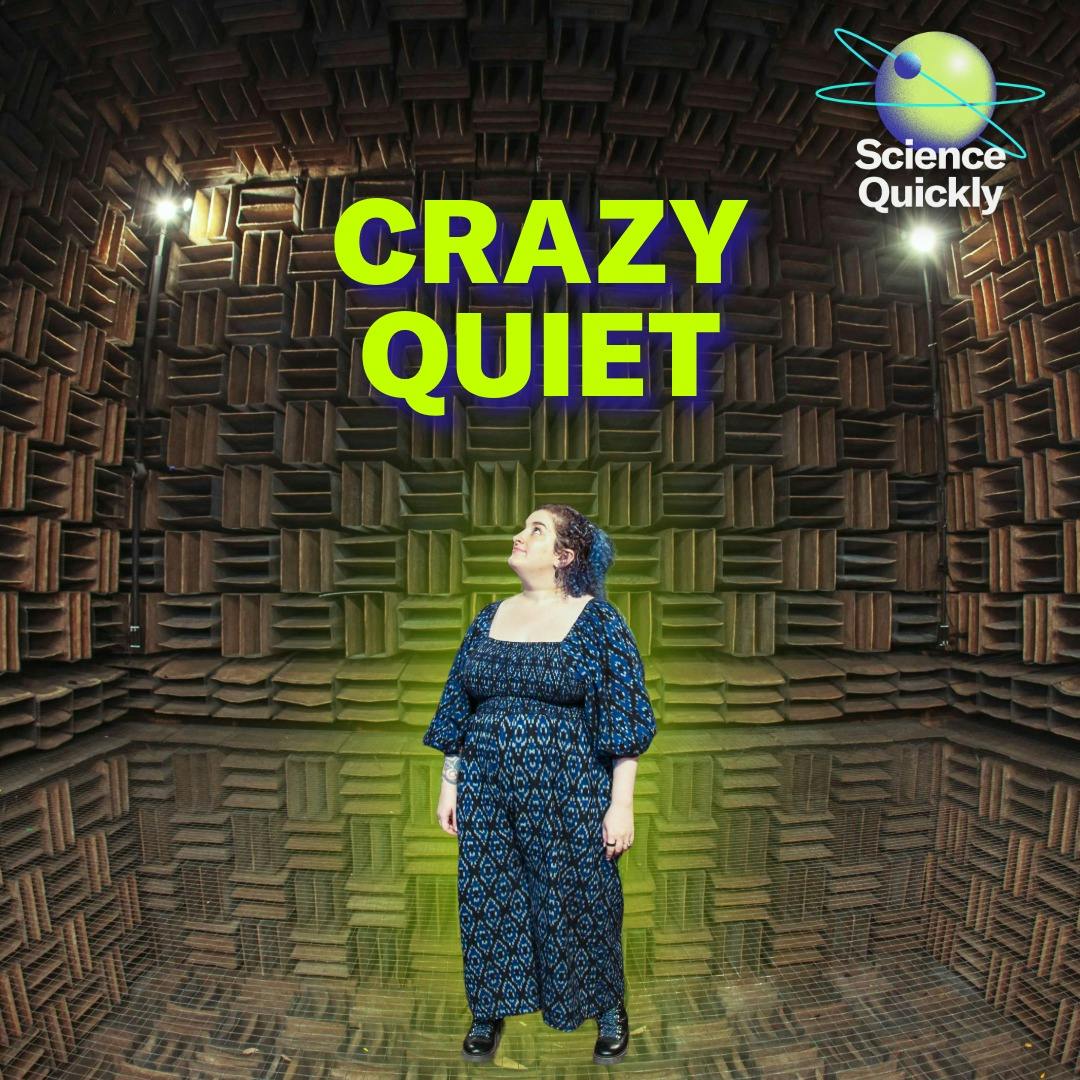
Enter One of the World’s Quietest Rooms
Inside one of the quietest rooms in the world, host Rachel Feltman meets artist-in-residence Seth Cluett at the historic anechoic chamber at Bell Labs to explore the science of silence and sound perception. From popping balloons in total silence to hearing your own nervous system, we dive into psychoacoustics, audio innovation and the emotional impact of sound design. Along the way, we uncover how Bell Labs shaped everything from stereo audio to the voice of HAL in 2001: A Space Odyssey. Science Quickly is a Signal Awards finalist! Support us by casting your vote before October 9 at the following link: https://vote.signalaward.com/PublicVoting?utm_campaign=signal4_finalists_finalistnotification_092325&utm_medium=email&utm_source=cio#/2025/shows/genre/science E-mail us at [email protected] if you have any questions, comments or ideas for stories we should cover! Discover something new every day: subscribe to Scientific American and sign up for Today in Science, our daily newsletter. Science Quickly is produced by Rachel Feltman, Fonda Mwangi and Jeff DelViscio. This episode was edited by Jeffery DelViscio. Shayna Posses and Aaron Shattuck fact-check the show. The theme music was composed by Dominic Smith. Learn more about your ad choices. Visit megaphone.fm/adchoices

What’s Driving Experts Away from the CDC?
Several top public health experts have resigned from the Centers for Disease Control and Prevention, citing a troubling shift away from science-based decision-making. Former director of the CDC's National Center for Immunization and Respiratory Diseases Demetre Daskalakis joins host Rachel Feltman to explain how political ideology is reshaping vaccine policy, threatening essential health programs and endangering trust in the nation’s leading health agency. He also shares what outside organizations must do to protect public health in the face of growing uncertainty. Recommended Reading Here’s What Happened at RFK, Jr.’s Overhauled Vaccine Panel Meeting CDC’s Leadership Is in Chaos—Experts Warn of Public Health Risks Science Quickly is a Signal Awards finalist! Support us by casting your vote before October 9 at the following link: https://vote.signalaward.com/PublicVoting?utm_campaign=signal4_finalists_finalistnotification_092325&utm_medium=email&utm_source=cio#/2025/shows/genre/science E-mail us at [email protected] if you have any questions, comments or ideas for stories we should cover! Discover something new every day: subscribe to Scientific American and sign up for Today in Science, our daily newsletter.Science Quickly is produced by Rachel Feltman, Fonda Mwangi and Jeff DelViscio. This episode was edited by Alex Sugiura. Shayna Posses and Aaron Shattuck fact-check the show. The theme music was composed by Dominic Smith. Learn more about your ad choices. Visit megaphone.fm/adchoices

Tylenol and Autism, a Shark Threesome and a Typhoon
This week’s roundup breaks down the Food and Drug Administration’s decision to revise the safety label for acetaminophen (Tylenol) following the Trump administration’s misleading claims about a link between use of the drug during pregnancy and autism—which were made despite inconsistent data and no proven causation. It also highlights new findings on the safety of COVID vaccination during pregnancy, promising results from a trial of gene therapy for Huntington’s disease and rare animal behaviors, including a notable instance of shark mating and a climate-driven coupling that resulted in a jay hybrid. Plus, the world’s strongest storm of the year reshapes the Pacific typhoon season. Recommended Reading Does Tylenol Use during Pregnancy Cause Autism? What the Research Shows Nobody Knows How Tylenol Really Works Fat Bear Week 2025 Science Quickly is a Signal Awards finalist! Support us by casting your vote before October 9 at the following link: https://vote.signalaward.com/PublicVoting?utm_campaign=signal4_finalists_finalistnotification_092325&utm_medium=email&utm_source=cio#/2025/shows/genre/science E-mail us at [email protected] if you have any questions, comments or ideas for stories we should cover! Discover something new every day: subscribe to Scientific American and sign up for Today in Science, our daily newsletter. Science Quickly is produced by Rachel Feltman, Fonda Mwangi and Jeff DelViscio. This episode was edited by Alex Sugiura. Shayna Posses and Aaron Shattuck fact-check the show. The theme music was composed by Dominic Smith. Learn more about your ad choices. Visit megaphone.fm/adchoices

The Dead Composer Whose ‘Brain’ Still Makes Music
In a hauntingly innovative exhibit, brain cells grown from the late composer Alvin Lucier’s blood generate sound. Set in a museum in Perth, Australia, the installation blurs the line between art and neuroscience. Host Rachel Feltman and associate editor Allison Parshall explore the profound questions the exhibit raises about creativity, consciousness and the meaning of making music. E-mail us at [email protected] if you have any questions, comments or ideas for stories we should cover! Discover something new every day: subscribe to Scientific American and sign up for Today in Science, our daily newsletter. Science Quickly is produced by Rachel Feltman, Fonda Mwangi and Jeff DelViscio. This episode was edited by Alex Sugiura. Shayna Posses and Aaron Shattuck fact-check the show. The theme music was composed by Dominic Smith. Learn more about your ad choices. Visit megaphone.fm/adchoices

Mary Roach on the Science of Swapping Human Parts
In this episode of Science Quickly, host Rachel Feltman explores the age-old quest to replace failing human body parts with science writer Mary Roach. From ancient surgery to modern medical marvels, Roach shares insights from her new book Replaceable You, revealing why replicating our original anatomy is still one of medicine’s greatest challenges. Recommended Reading Replaceable You: Adventures in Human Anatomy, by Mary Roach. W. W. Norton, 2025 E-mail us at [email protected] if you have any questions, comments or ideas for stories we should cover! Discover something new every day: subscribe to Scientific American and sign up for Today in Science, our daily newsletter. Science Quickly is produced by Rachel Feltman, Fonda Mwangi and Jeff DelViscio. This episode was edited by Jeff DelViscio. Shayna Posses and Aaron Shattuck fact-check the show. The theme music was composed by Dominic Smith. Learn more about your ad choices. Visit megaphone.fm/adchoices

Vaccine Shakeups, Brain Injury Warnings and Boozy Chimps
The Centers for Disease Control and Prevention’s vaccine advisory committee has been reshaped, with new recommendations on the horizon. Meanwhile studies reveal subtle brain changes in contact sports players and highlight ongoing risks of repetitive head injuries. Climate change is linked to a surge in heat-related deaths across Europe, while surprising research uncovers chimpanzees’ daily ethanol consumption and ants that produce hybrid offspring. Recommended Reading Here’s What Happened at RFK, Jr.’s Overhauled Vaccine Panel Meeting How RFK, Jr.’s Dismissal of CDC Immunization Committee Panelists Will Affect America’s Vaccine Access Chronic Traumatic Encephalopathy: A Player's Perspective Email us at [email protected] if you have any questions, comments or ideas for stories we should cover! Discover something new everyday: subscribe to Scientific American and sign up for our daily newsletter. Learn more about your ad choices. Visit megaphone.fm/adchoices
Algorithmic Social Media Is Driving New Slang
From viral slang such as “skibidi” to the rise of so-called brain rot, linguist and content creator Adam Aleksic, aka the “Etymology Nerd,” and associate editor Allison Parshall, who covers the mind and brain, unpack how social media and algorithms are reshaping the way we communicate. Recommended Reading The Internet Is Making Us Fluent in Algospeak E-mail us at [email protected] if you have any questions, comments or ideas for stories we should cover! Discover something new every day: subscribe to Scientific American and sign up for Today in Science, our daily newsletter. Science Quickly is produced by Rachel Feltman, Fonda Mwangi and Jeff DelViscio. This episode was edited by Alex Sugiura. Shayna Posses and Aaron Shattuck fact-check the show. The theme music was composed by Dominic Smith. This episode was made possible by the support of Yakult and produced independently by Scientific American’s board of editors. Learn more about your ad choices. Visit megaphone.fm/adchoices
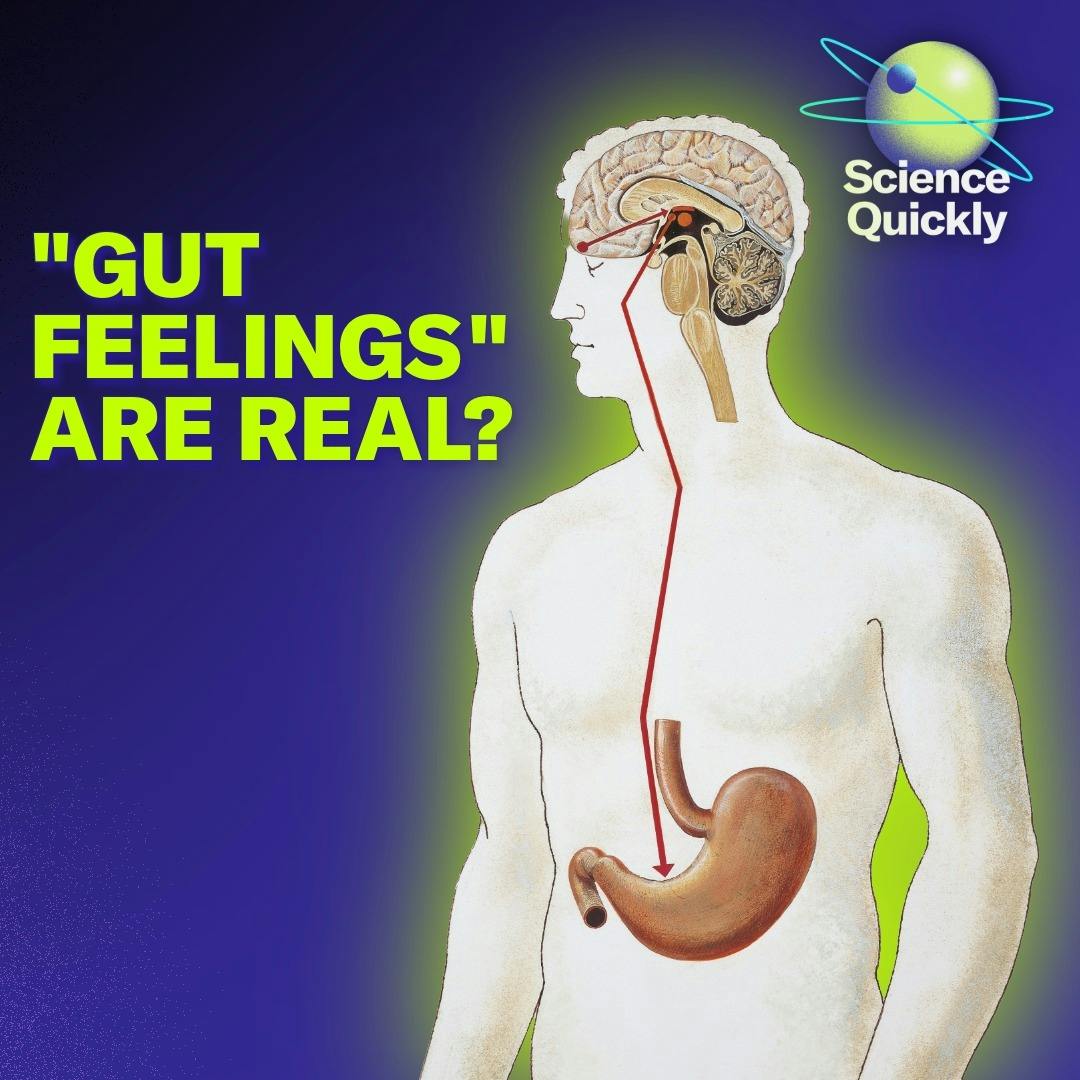
The Role Our Microbiome Plays In Our ‘Gut Feelings’
Scientists are tuning in to a surprising conversation happening inside us—between our gut and our brain. Host Rachel Feltman chats with Maya Kaelberer, an assistant professor at the University of Arizona’s department of physiology, to explore how intestinal cells and microbiomes might be shaping our moods, cravings and mental health in ways we’re only beginning to understand. Recommended Reading “A Gut Sense for a Microbial Pattern Regulates Feeding,” by Winston W. Liu et al., in Nature. Published online July 23, 2025 Website for the Gut Brain Laboratory at the University of Arizona The gut-brain community website Gastronauts E-mail us at [email protected] if you have any questions, comments or ideas for stories we should cover! Discover something new every day: subscribe to Scientific American and sign up for Today in Science, our daily newsletter. Science Quickly is produced by Rachel Feltman, Fonda Mwangi and Jeff DelViscio. This episode was edited by Alex Sugiura. Shayna Posses and Aaron Shattuck fact-check the show. The theme music was composed by Dominic Smith. This episode was made possible by the support of Yakult and produced independently by Scientific American’s board of editors. Learn more about your ad choices. Visit megaphone.fm/adchoices

Kissing Bugs, Koalas and Clues to Life on Mars
A paper published by the Centers for Disease Control and Prevention argues that Chagas disease is now endemic in the U.S. Koalas may finally be spared from a deadly epidemic. Meanwhile NASA’s Perseverance Mars rover has uncovered tantalizing clues about potential ancient microbial life on the Red Planet. Hear about all that and more in this week’s news roundup. Recommended Reading Treating Koala STDs May also Quash Their Essential Gut Microbes New Black Hole Measurements Show More Ways Stephen Hawking and Albert Einstein Were Right This Rock May Hold Proof of Life on Mars E-mail us at [email protected] if you have any questions, comments or ideas for stories we should cover! Discover something new every day: subscribe to Scientific American and sign up for Today in Science, our daily newsletter. Science Quickly is produced by Rachel Feltman, Fonda Mwangi, Kelso Harper and Jeff DelViscio. This episode was edited by Alex Sugiura. Shayna Posses and Aaron Shattuck fact-check the show. The theme music was composed by Dominic Smith. This episode was made possible by the support of Yakult and produced independently by Scientific American’s board of editors. Learn more about your ad choices. Visit megaphone.fm/adchoices
Unpacking the Brain’s Role in Inventing Your Perception
Human brains don’t just perceive reality—they invent it. In this episode of Science Quickly, cognitive neuroscientist Daniel Yon speaks with host Rachel Feltman about how perception is an active process of prediction in which the brain constructs theories about the world that can sometimes lead us astray. Drawing from his book A Trick of the Mind, he reveals why this “hallucination” of reality is not a flaw but a fundamental feature of how we navigate the world. Recommended Reading A Trick of the Mind. Daniel Yon. Grand Central Publishing, 2025 The Neuroscience of Reality E-mail us at [email protected] if you have any questions, comments or ideas for stories we should cover! Discover something new every day: subscribe to Scientific American and sign up for Today in Science, our daily newsletter. Science Quickly is produced by Rachel Feltman, Fonda Mwangi, Kelso Harper and Jeff DelViscio. This episode was edited by Alex Sugiura. Shayna Posses and Aaron Shattuck fact-check the show. The theme music was composed by Dominic Smith. Learn more about your ad choices. Visit megaphone.fm/adchoices