SANDCAST: Beach Volleyball with Tri Bourne and Travis Mewhirter
551 episodes — Page 8 of 12
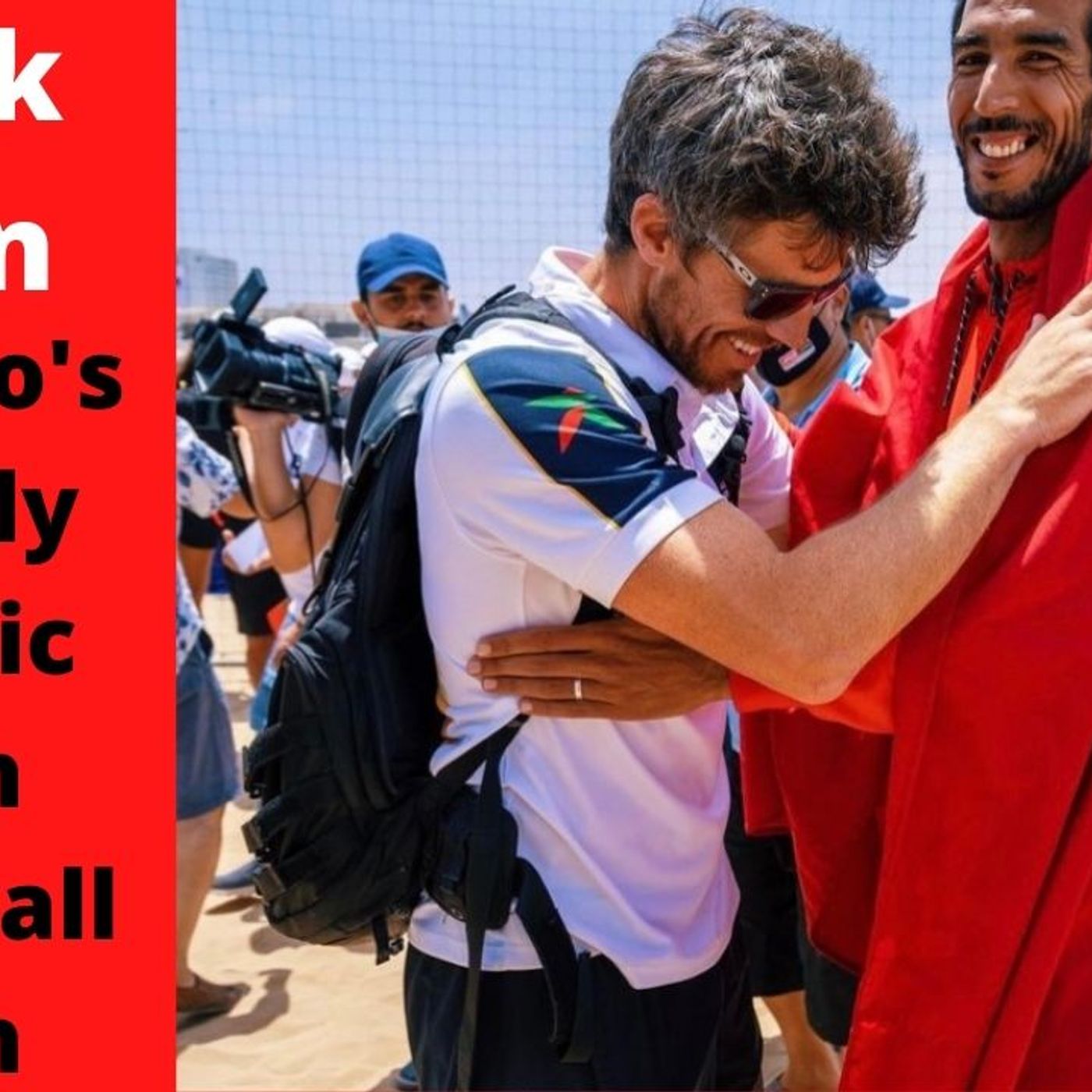
Ep 203Derek Olson, and Morocco's 'Disney story' into the Tokyo Olympic Games
This episode of SANDCAST: Beach Volleyball with Tri Bourne and Travis Mewhirter, features Derek Olson, a longtime player on the AVP and FIVB tours. He was an assistant coach at the University of California, Berkeley for two years before being promoted to interim head coach for the previous two. This off-season, he had the strangest of calls: Would he like to coach the Moroccan National Team as they prepared for the Continental Cup, which could secure them a bid for the 2021 Olympic Games? Yes. Yes he did. On this podcast, we chat about: - How Olson wound up getting the call from Morocco to coach the National Team - How, in just five weeks, he was able to take over a program and lead it to its first Olympic bid in history - The African Continental Cup, and the wild ride that the tournament was - His future prospects at Cal, and internationally And, as always, much, much more. ENJOY! *** This episode, as always, is brought to you by Wilson Volleyball, makers of the absolute best balls in the game, hands down. You can get a 20-percent discount using our code, SANDCAST-20! https://www.wilson.com/en-us/volleyball This episode is also brought to you by Chasing Gold, a new non-profit aimed at funding aspiring Olympians to relieve the financial burden of traveling around the world. Read more and donate today at www.chasinggold.org! SHOOTS! Hosted by Simplecast, an AdsWizz company. See pcm.adswizz.com for information about our collection and use of personal data for advertising.
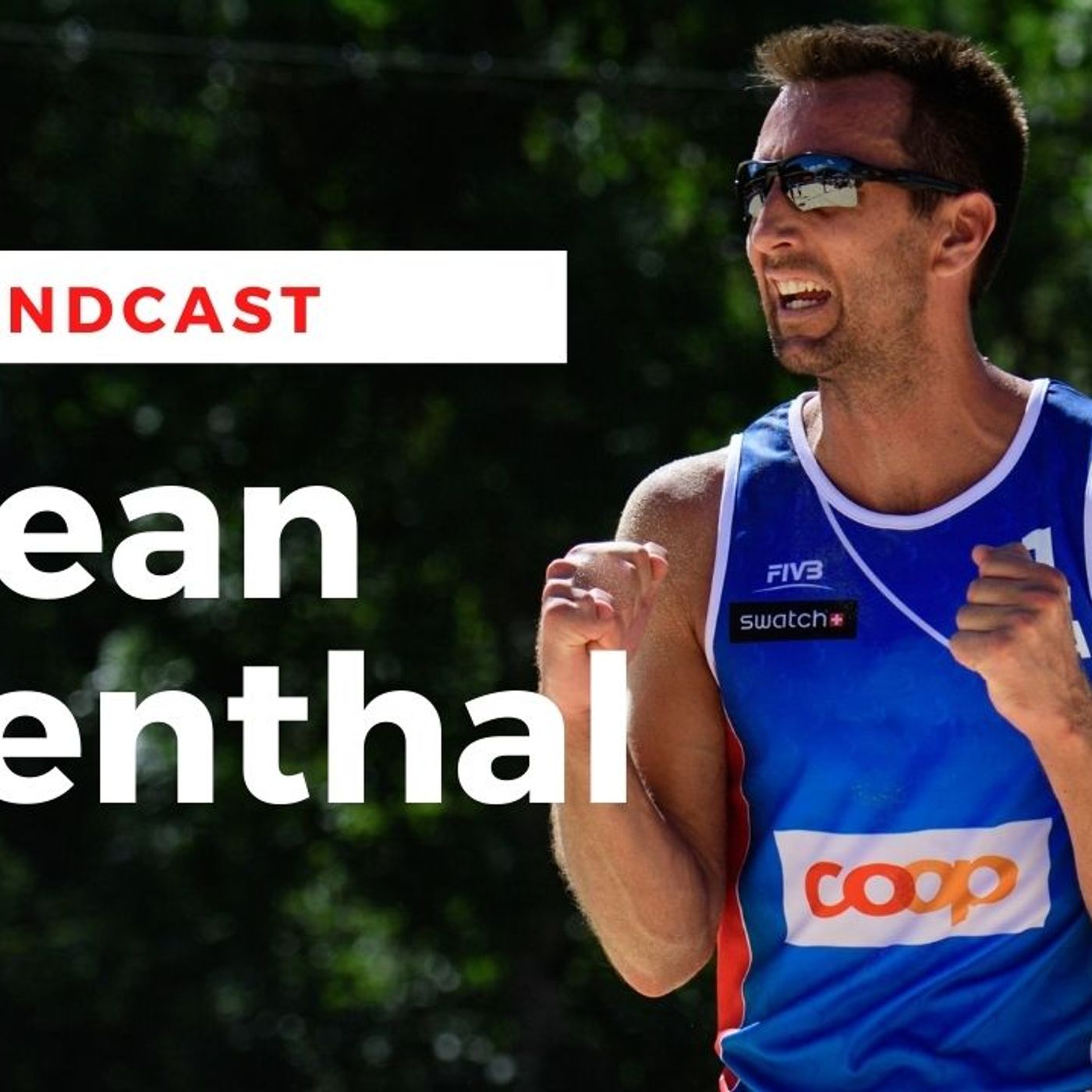
Ep 202Sean Rosenthal is the same now as he's ever been: Beach Volleyball's greatest ambassador
This episode of SANDCAST: Beach Volleyball with Tri Bourne and Travis Mewhirter, is a phenomenal one, a wide-ranging conversation with Sean Rosenthal, a two-time Olympian and one of the best to ever play the game. While Rosenthal will not be featured in the Tokyo Olympic Games, his influence on the game is the same as it's ever been. On this episode, we chat about: - What it's been like for Rosenthal to not go for the Olympic Games this quad, the first time since 2008 he has been out of the running - His deep relationship with Jake Gibb - His mindset throughout the 2008 and 2012 Olympic Games, and why he never could wish ill-will on his fellow countrymen vying for his spot - Why he's been able to remain so popular with the fans after all these years - His thoughts on the AVP's three-event season And much, much more. ENJOY!! *** This episode, as always, is brought to you by Wilson Volleyball, makers of the absolute best balls in the game, hands down. You can get a 20-percent discount using our code, SANDCAST-20! https://www.wilson.com/en-us/volleyball This episode is also brought to you by Chasing Gold, a new non-profit aimed at funding aspiring Olympians to relieve the financial burden of traveling around the world. Read more and donate today at www.chasinggold.org! SHOOTS! Hosted by Simplecast, an AdsWizz company. See pcm.adswizz.com for information about our collection and use of personal data for advertising.
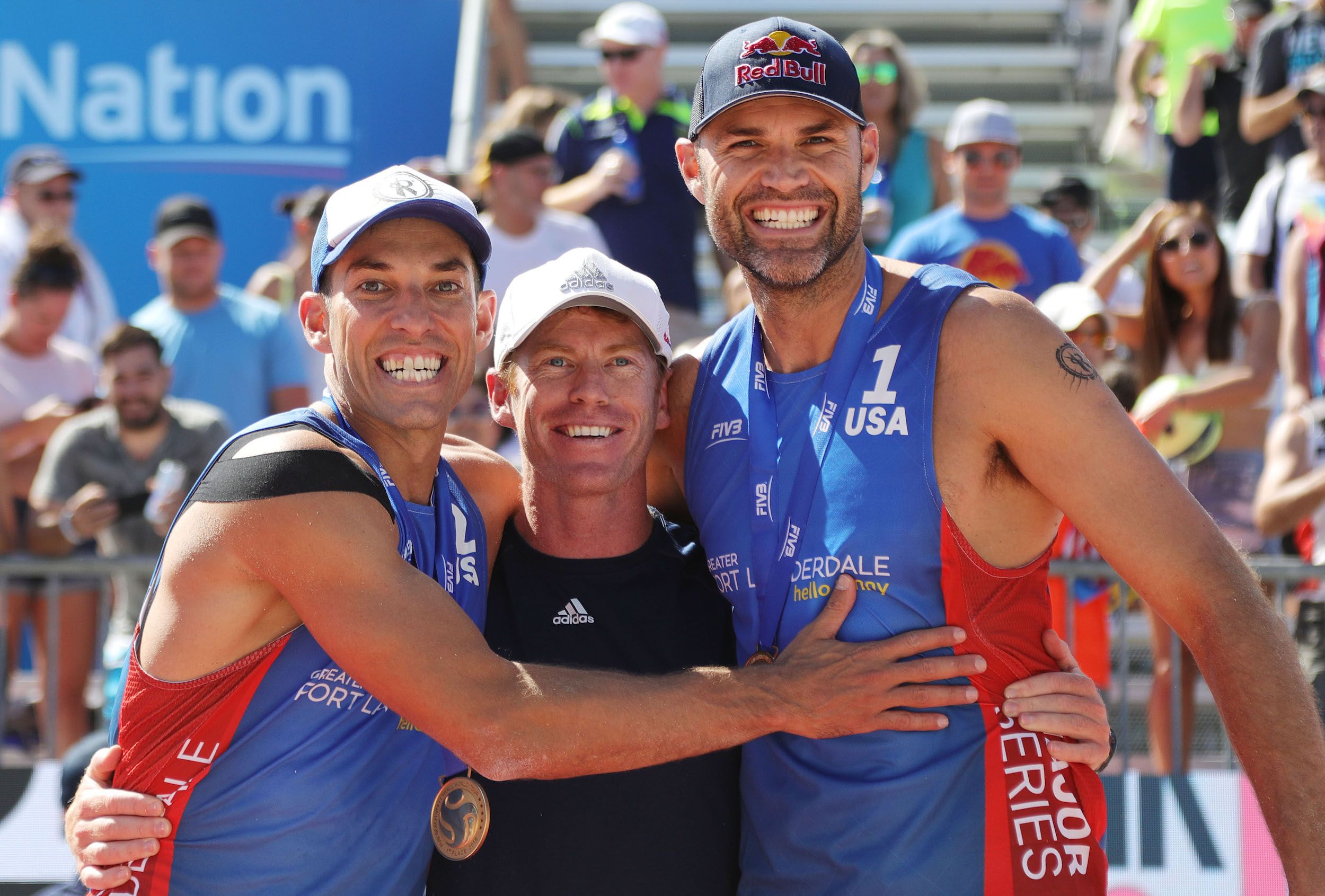
Ep 201Jason Lochhead: The globetrotting route to becoming a two-time Olympic coach
This episode of SANDCAST: Beach Volleyball with Tri Bourne and Travis Mewhirter, is an ABSOLUTE BLAST! We have Jason Lochhead, the coach of Phil Dalhausser and Nick Lucena, in the house. It is a packed episode, filled with tremendous stories and, as a bonus, a New Zealand accent. We chat about: - What it was like for Lochhead to grow up as a beach volleyball player in New Zealand, a country not exactly known for beach volleyball - His career as a player, nearly qualifying in the 2008 and 2012 Olympic Games - How he almost became a professional golfer before being recruited to coach the Vanuatu National Team - Coaching Canadians Ben Saxton and Chaim Schalk to the 2016 Olympics - The call from Nick Lucena that changed his life: Coaching Phil Dalhausser and Lucena to the 2021 Olympic Games That, and, as always, so much more! ENJOY! *** This episode, as always, is brought to you by Wilson Volleyball, makers of the absolute best balls in the game, hands down. You can get a 20-percent discount using our code, SANDCAST-20! https://www.wilson.com/en-us/volleyball This episode is also brought to you by Chasing Gold, a new non-profit aimed at funding aspiring Olympians to relieve the financial burden of traveling around the world. Read more and donate today at www.chasinggold.org! SHOOTS! Hosted by Simplecast, an AdsWizz company. See pcm.adswizz.com for information about our collection and use of personal data for advertising.
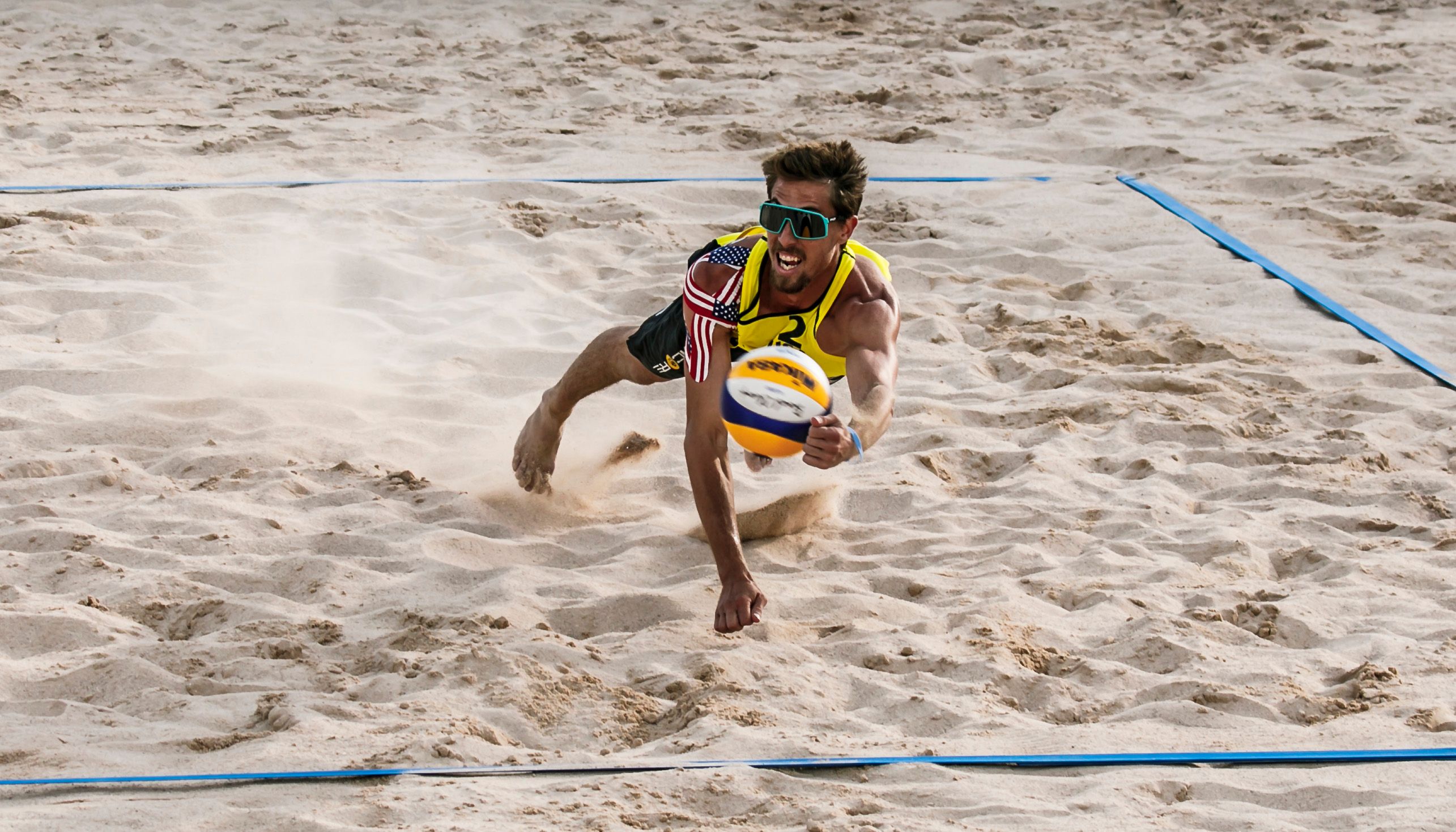
Ep 200Taylor Crabb, and the arrival of beach volleyball's next generation
This episode of SANDCAST: Beach Volleyball with Tri Bourne and Travis Mewhirter is a special one, for it is the first episode featuring a player competing in the 2021 Tokyo Olympic Games. Taylor Crabb has long been the presumed face of this next generation of American beach volleyball players. Now that generation is here, as he and Jake Gibb qualified for the Tokyo Olympics, alongside lovable veterans Phil Dalhausser and Nick Lucena. On this episode, we discuss: - What it is like for Taylor Crabb being an Olympian, something he's long dreamed of - The moment in Ostrava when he and Jake Gibb and coach Rich Lambourne knew they had qualified for Tokyo - The strangeness of this 2021 season, with so much uncertainty post-COVID - Why players should prioritize competing on the AVP just as much as they do the FIVB - The blessings of being raised in Hawai'i, growing up at the Outrigger Canoe Club And much, much more. Such a fun episode. ENJOY! *** This episode, as always, is brought to you by Wilson Volleyball, makers of the absolute best balls in the game, hands down. You can get a 20-percent discount using our code, SANDCAST-20! https://www.wilson.com/en-us/volleyball This episode is also brought to you by Chasing Gold, a new non-profit aimed at funding aspiring Olympians to relieve the financial burden of traveling around the world. Read more and donate today at www.chasinggold.org! SHOOTS! Hosted by Simplecast, an AdsWizz company. See pcm.adswizz.com for information about our collection and use of personal data for advertising.
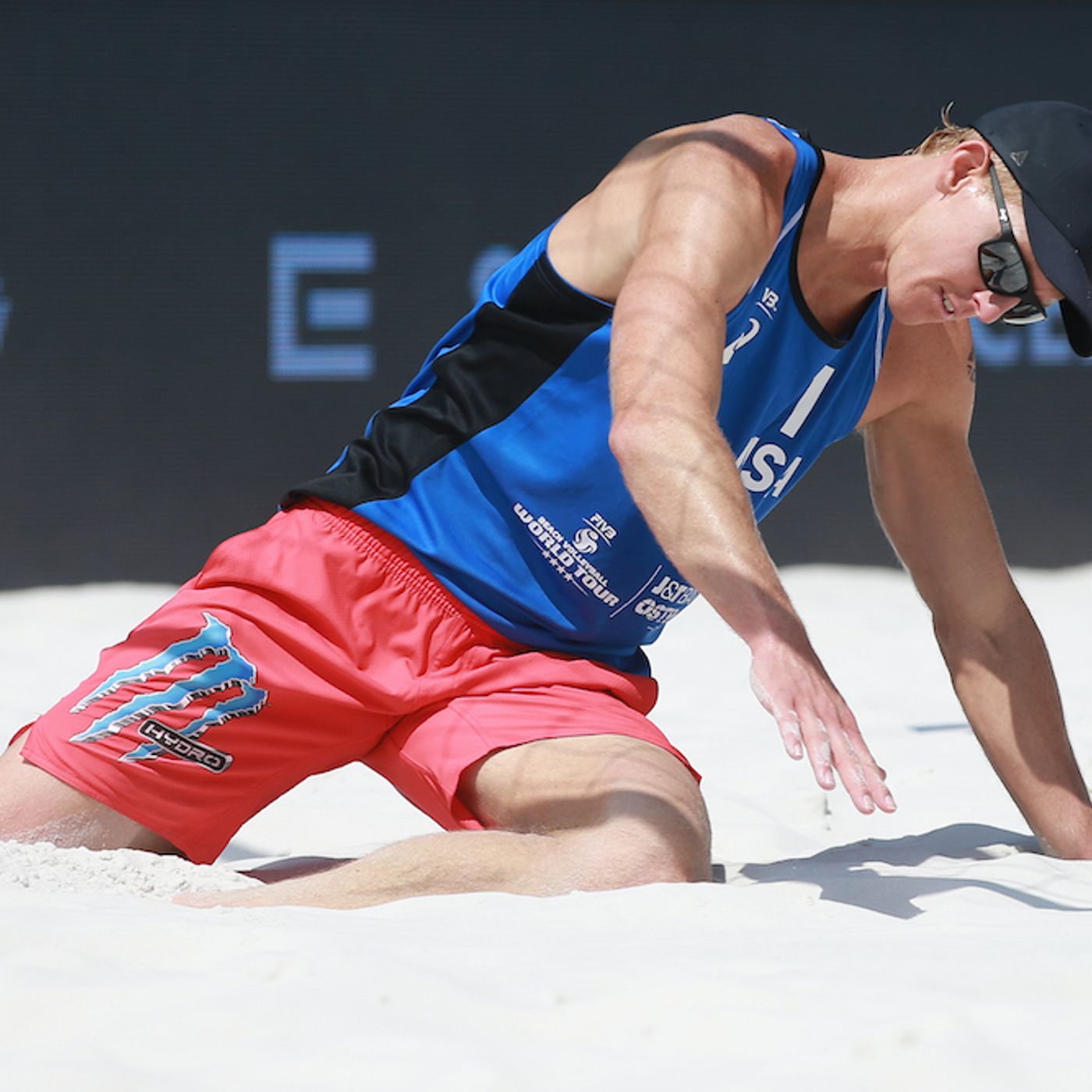
Ep 199SANDCAST Mailbag: A review of the Tokyo Olympic quad, and looking ahead to AVP 2021
This episode of SANDCAST: Beach Volleyball with Tri Bourne and Travis Mewhirter, features our monthly fan question episode. Before we dove into the fan questions, we recapped the Tokyo Olympic quad, and Bourne's journey through it with Trevor Crabb, finishing ranked No. 11 in the world yet just shy of qualifying for the Tokyo Olympic Games. We chatted about Mewhirter's five-week FIVB stretch, competing in Bulgaria, Sochi, and Bulgaria twice more. You can find a full written recap of Mewhirter's journey at VolleyballMag. And then, of course, we dove into fan questions, beginning with... - What are our thoughts on the AVP schedule, which was recently announced? - What is the purpose, and best format, for the AVP Next Gold events, which are growing in popularity and size? - What's next for Tri Bourne, with this Olympic quad now finished? - How do you handle burnout? And much, much more. This episode is a comprehensive one, as we had much to talk about -- AVP, Olympics, FIVB, you name it. Enjoy! *** This episode, as always, is brought to you by Wilson Volleyball, makers of the absolute best balls in the game, hands down. You can get a 20-percent discount using our code, SANDCAST-20! https://www.wilson.com/en-us/volleyball This episode is also brought to you by Chasing Gold, a new non-profit founded by Matt Callahan and SANDCAST host Travis Mewhirter, aimed at funding aspiring Olympians to relieve the financial burden of traveling around the world. Read more and donate today at www.chasinggold.org! SHOOTS! Hosted by Simplecast, an AdsWizz company. See pcm.adswizz.com for information about our collection and use of personal data for advertising.
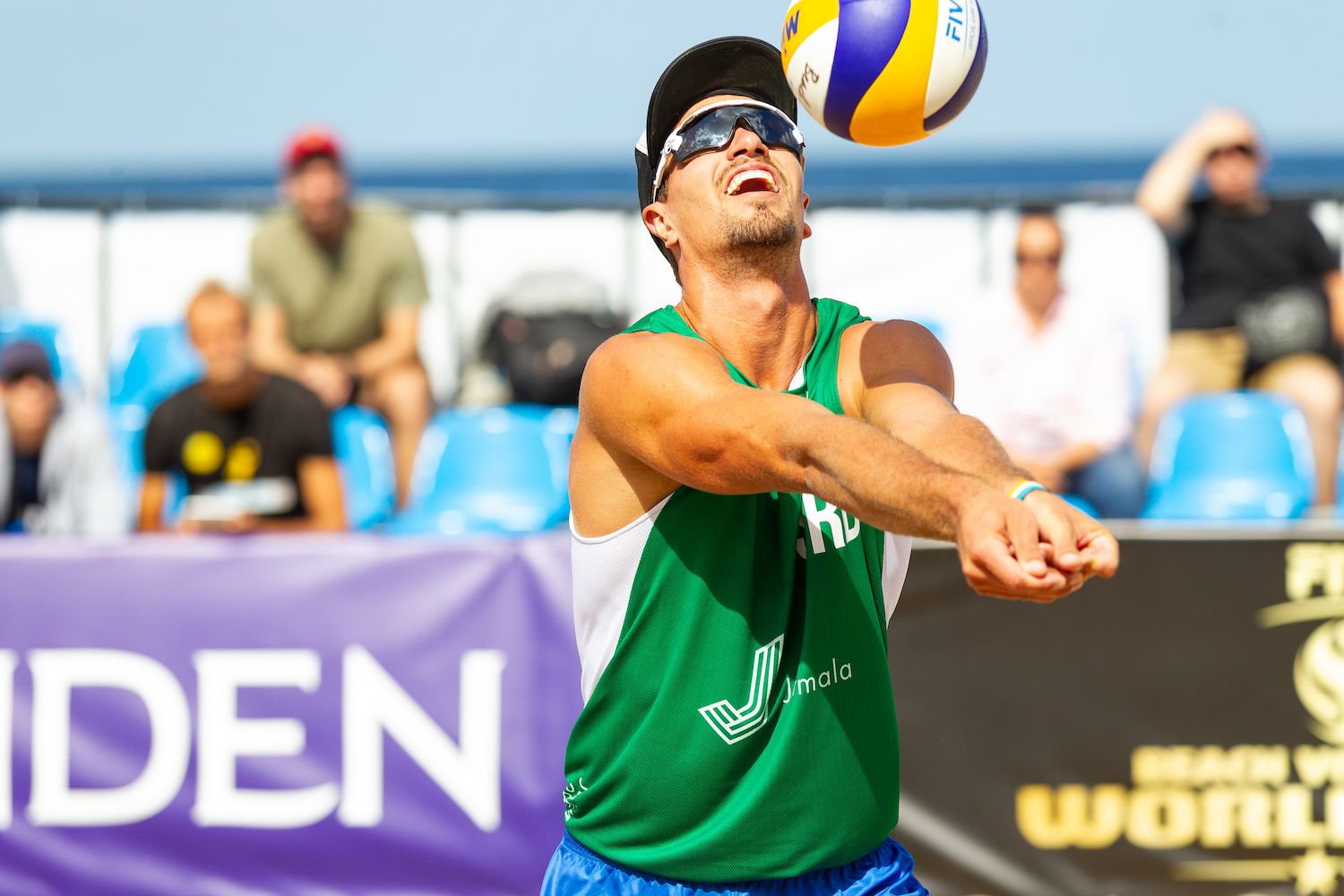
Ep 198DJ Klasnic is bringing the passion for beach volleyball back to Serbia
This episode of SANDCAST: Beach volleyball with Tri Bourne and Travis Mewhirter, features DJ Klasnic, one of the top players in the Serbian beach volleyball federation who recently won the second event on the Bulgarian National Tour. Klasnic lived in Florida for six months this year, competing with some of the best blockers in the country, including Ricardo Santos, Piotr Marciniak, Andy Benesh, and Logan Webber. Now he's back to Serbia, competing in the final round of the Continental Cup as well as on the FIVB Tour. On this episode, we discuss: - How Klasnic got into beach volleyball while growing up in Serbia, a country that doesn't view beach volleyball as a real sport - Becoming the first Serbian team to win an international medal - His time spent in Florida, and the critical role Ricardo Santos played in motivating him in his career - How Phil Dalhausser encouraged Klasnic to continue pursuing beach volleyball - His love for Florida beach volleyball, and how he's attempting to bring that kind of passion and love for the game back to Serbia *** This episode, as always, is brought to you by Wilson Volleyball, makers of the absolute best balls in the game, hands down. You can get a 20-percent discount using our code, SANDCAST-20! https://www.wilson.com/en-us/volleyball This episode is also brought to you by Chasing Gold, a new non-profit founded by Matt Callahan and SANDCAST host Travis Mewhirter, aimed at funding aspiring Olympians to relieve the financial burden of traveling around the world. Read more and donate today at www.chasinggold.org! SHOOTS! Hosted by Simplecast, an AdsWizz company. See pcm.adswizz.com for information about our collection and use of personal data for advertising.
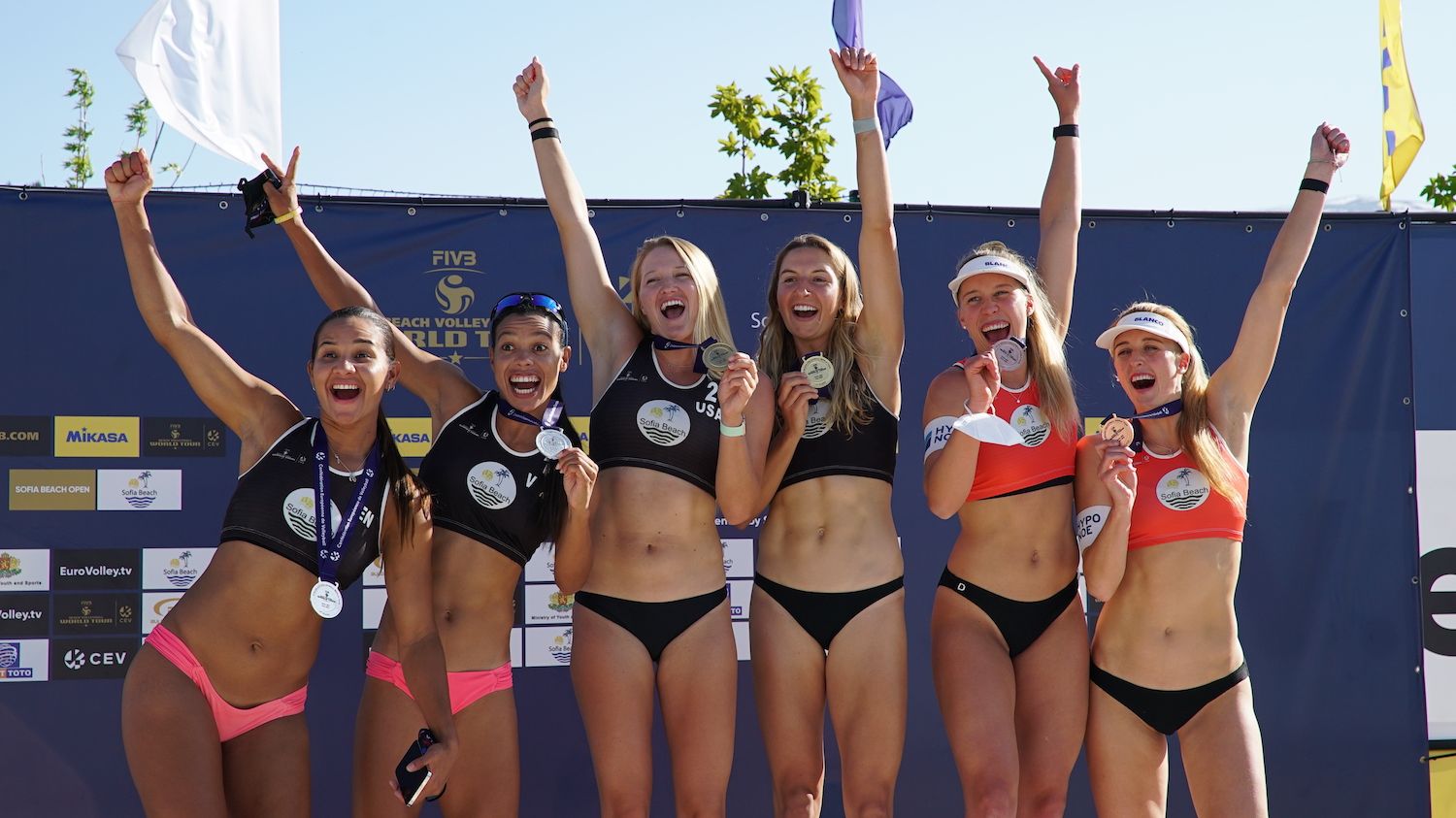
Ep 197Corinne Quiggle and Allie Wheeler: Winning the little steps on their way to the big one
This episode of SANDCAST: Beach Volleyball with Tri Bourne and Travis Mewhirter, features recent USA Volleyball GOLD MEDALISTS Corinne Quiggle and Allie Wheeler, who took home the gold at the Bulgaria one-star. After winning there -- coming out of the qualifier to do so! -- they went to Sochi, where they nearly made it through a brutal country quota against Sarah Schermerhorn and Aurora Davis and Kerri Walsh Jennings and Brooke Sweat. On this episode, we discuss: - Corinne Quiggle's wild travels, in which she almost had to drop out of the event - The difference between competing in practice and competing in an FIVB event - How Quiggle and Wheeler overcame the nerves of their first international tournament to win gold - How their partnership formed, and the progress they've made as a team - What's next on the schedule, and the big goal up ahead And much, much more. *** This episode, as always, is brought to you by Wilson Volleyball, makers of the absolute best balls in the game, hands down. You can get a 20-percent discount using our code, SANDCAST-20! https://www.wilson.com/en-us/volleyball This episode is also brought to you by Chasing Gold, a new non-profit founded by Matt Callahan and SANDCAST host Travis Mewhirter, aimed at funding aspiring Olympians to relieve the financial burden of traveling around the world. Read more and donate today at www.chasinggold.org! SHOOTS! Hosted by Simplecast, an AdsWizz company. See pcm.adswizz.com for information about our collection and use of personal data for advertising.
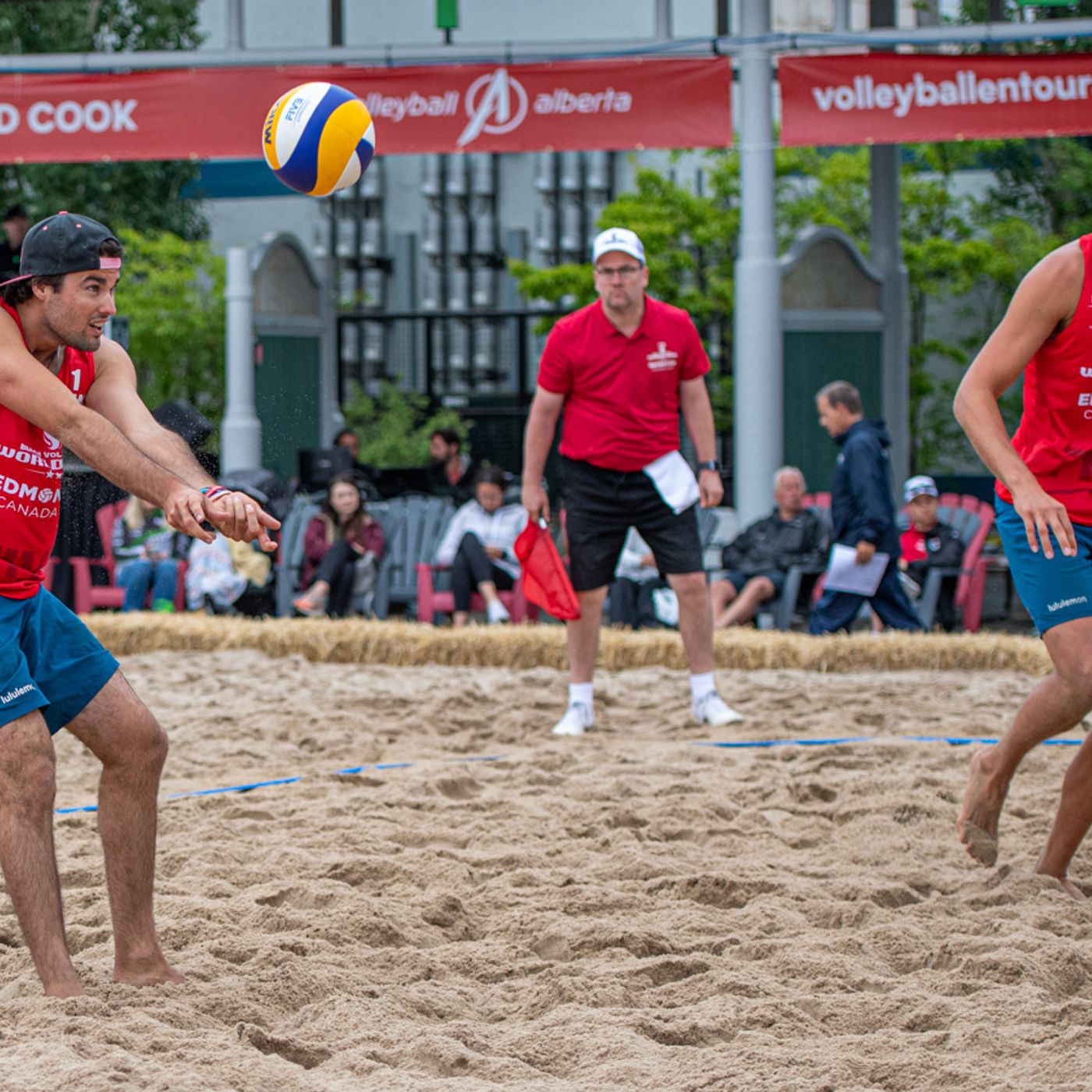
Ep 196Canadian road dogs Will Hoey and Jake MacNeil have no exit plans
This episode of SANDCAST: Beach Volleyball with Tri Bourne and Travis Mewhirter, was recorded on the road, at the FIVB Bulgaria one-star, where Mewhirter chatted with good buds and Canadian players Will Hoey and Jake MacNeil. Hoey and MacNeil finished fifth in the Bulgaria one-star, knocking out Mewhirter and Roberts in the final round of the qualifier. On this episode, we chat about: - How two Canadian men get into beach volleyball, and the role that hockey plays in that - Hoey's journey into beach, and how going winless at the U19 World Championships opened his eyes to the life of the beach volleyball player - MacNeil's decision to give up a professional hockey career to pursue beach volleyball - Their climb up the Canadian Federation's ladder, where they are the fourth-ranked team in Canada - Their life on the road, where they have no plans to return home And much, much more. SHOOTS! *** This episode, as always, is brought to you by Wilson Volleyball, makers of the absolute best balls in the game, hands down. You can get a 20-percent discount using our code, SANDCAST-20! https://www.wilson.com/en-us/volleyball This episode is also brought to you by Chasing Gold, a new non-profit founded by Matt Callahan and SANDCAST host Travis Mewhirter, aimed at funding aspiring Olympians to relieve the financial burden of traveling around the world. Read more and donate today at www.chasinggold.org! SHOOTS! Hosted by Simplecast, an AdsWizz company. See pcm.adswizz.com for information about our collection and use of personal data for advertising.
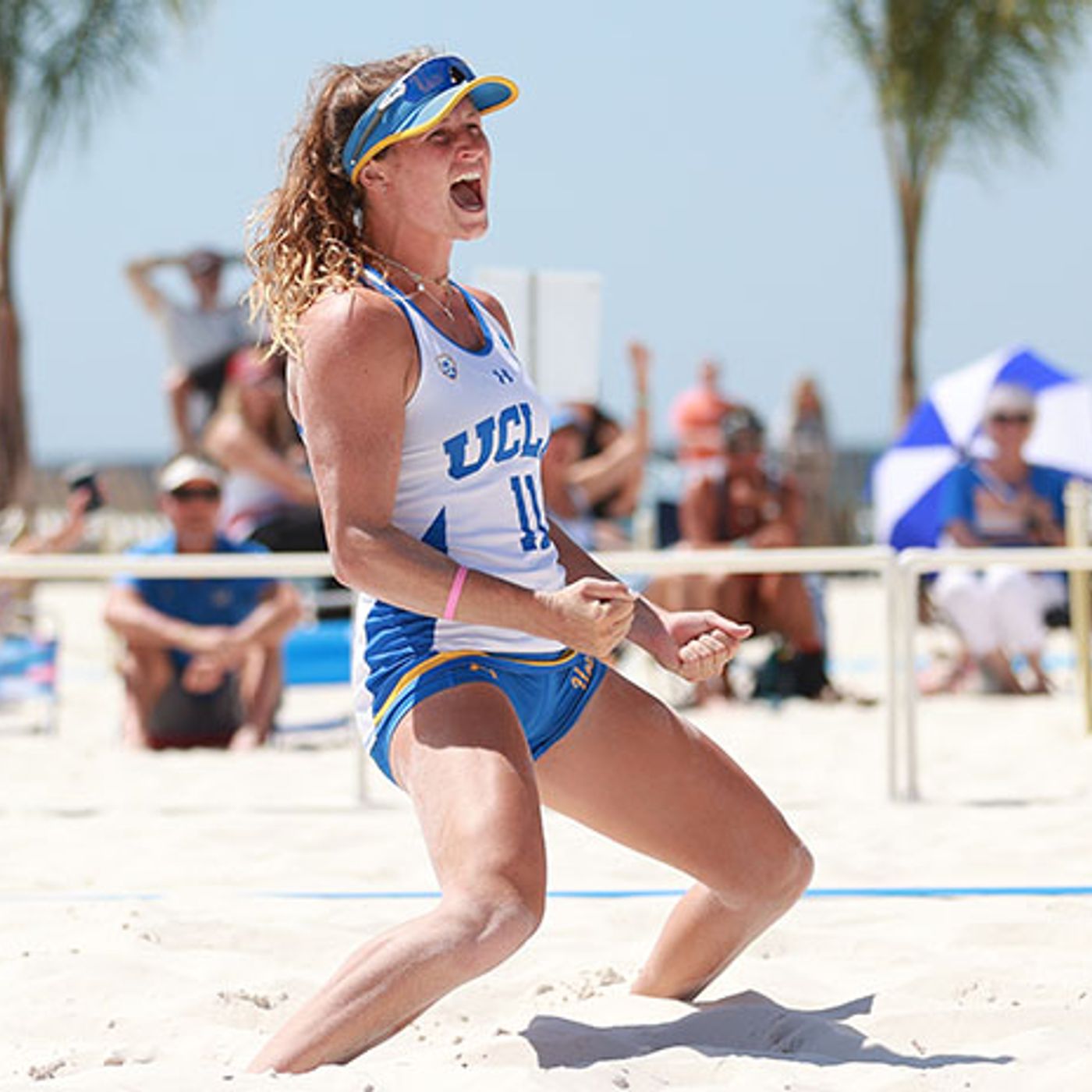
Ep 195Savvy Simo, and a remarkable, legacy-leaving career at UCLA
This episode of SANDCAST: Beach volleyball with Tri Bourne and Travis Mewhirter, features our favorite UCLA Bruin, Savvy Simo. On this episode, Bourne and Mewhirter catch up with Simo, discussing: - The NCAA Beach Volleyball National Championship, and UCLA falling just short of USC in the finals - Simo's leadership role as the lone true senior on the youngest team in the nation - The value of letting go and soaking in the biggest moments of her career - The respect she has for all of her competitors, on and off the court - Taking the leap of faith and turning pro And much, much more. Such a jam-packed episode of so many golden nuggets of wisdom. Simo is such an incredible role model for any young girls (or boys) in this sport. *** This episode, as always, is brought to you by Wilson Volleyball, makers of the absolute best balls in the game, hands down. You can get a 20-percent discount using our code, SANDCAST-20! https://www.wilson.com/en-us/volleyball This episode is also brought to you by Chasing Gold, a new non-profit founded by Matt Callahan and SANDCAST host Travis Mewhirter, aimed at funding aspiring Olympians to relieve the financial burden of traveling around the world. Read more and donate today at www.chasinggold.org! SHOOTS! Hosted by Simplecast, an AdsWizz company. See pcm.adswizz.com for information about our collection and use of personal data for advertising.
Ep 194SANDCAST Mailbag: What is Qatar doing? Top five matches from Cancun; FUDS stories
This episode of SANDCAST: Beach volleyball with Tri Bourne and Travis Mewhirter, features the hosts, Bourne and Mewhirter, answering a bag full of fan questions. We begin by recapping Bourne's wild ride in Cancun, where he lived for 23 days, competing in three Olympic qualification tournaments. Then we dive in to the questions, discussing: - What have Qatar's Cherif Samba and Ahmed Tijan been doing to make four finals in five events this year? - What are our top-five matches from Cancun? - Breaking down Tri Bourne and Trevor Crabb's insane match with Jake Gibb and Taylor Crabb - What's it like to win Fuds, playing on a sponsored team? *** - This episode, as always, is brought to you by Wilson Volleyball, makers of the absolute best balls in the game, hands down. You can get a 20-percent discount using our code, SANDCAST-20! https://www.wilson.com/en-us/volleyball - This episode is also brought to you by Chasing Gold, a new non-profit founded by Matt Callahan and SANDCAST host Travis Mewhirter, aimed at funding aspiring Olympians to relieve the financial burden of traveling around the world. Read more and donate today at www.chasinggold.org! SHOOTS! Hosted by Simplecast, an AdsWizz company. See pcm.adswizz.com for information about our collection and use of personal data for advertising.
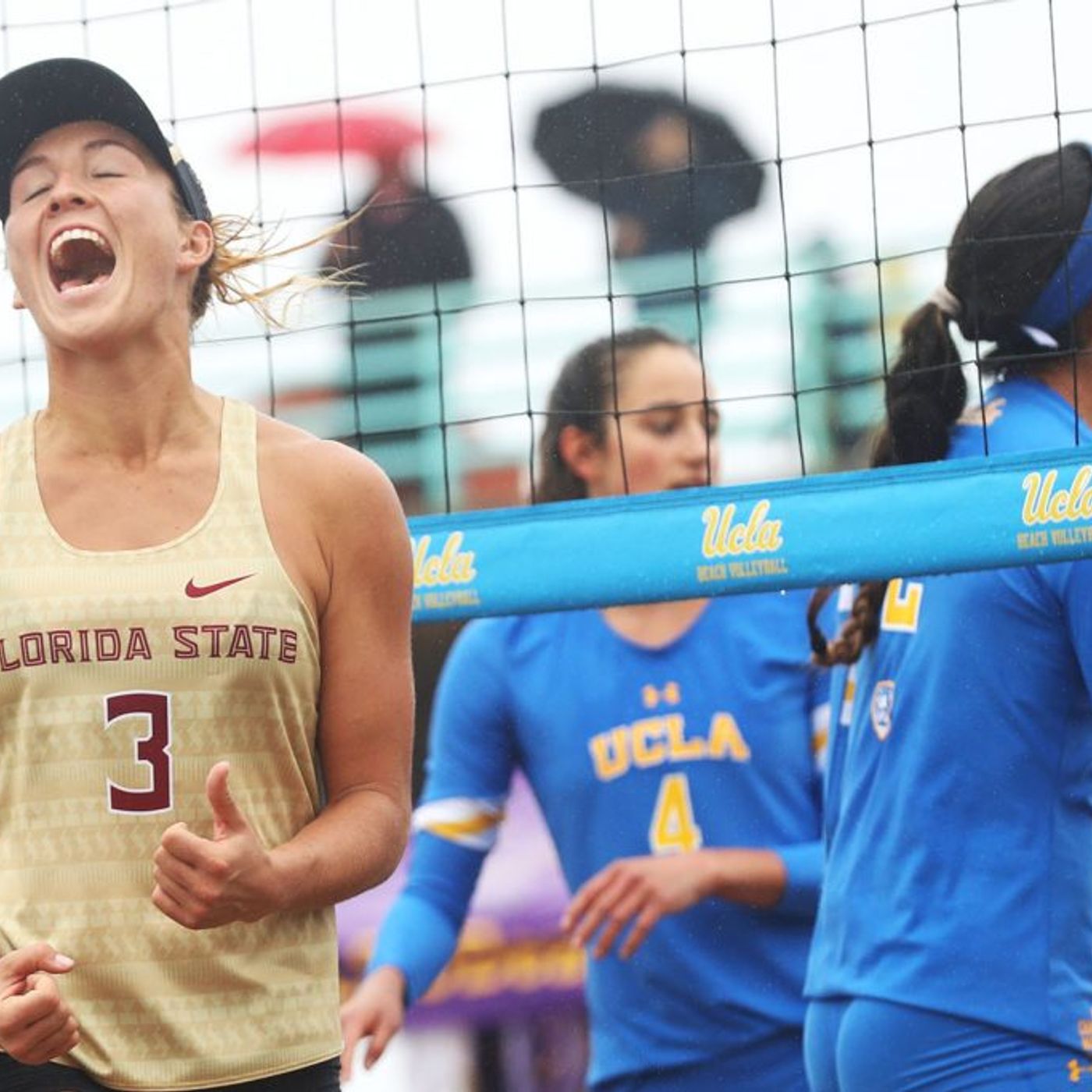
Ep 193Sara Putt's made NCAA Championship history before; now she's out to do it again
This episode of SANDCAST: Beach volleyball with Tri Bourne and Travis Mewhirter, features Florida State beach volleyball veteran Sara Putt, who has been competing for the Seminoles since 2016 and is one of the winningest players of all-time in Tallahassee. On Friday, Putt and the Florida State 'Noles will be competing for an NCAA Championship, beginning with Stanford. On this episode, we discuss: - Putt's six-year collegiate career, which began at Stetson and will alas be coming to a close this weekend - Her childhood growing up, and how she "lived the dream in high school" driving up and down Florida to play in beach volleyball tournaments - Her masters in nutrition, and the impact knowing what the best foods are for beach volleyball players - This weekend's NCAA Championship, and if Florida State can bring home the first NCAA title in school history *** - This episode, as always, is brought to you by Wilson Volleyball, makers of the absolute best balls in the game, hands down. You can get a 20-percent discount using our code, SANDCAST-20! https://www.wilson.com/en-us/volleyball - This episode is also brought to you by CROSSNET, a fun new beach volleyball game, where beach volleyball meets four-square. It's an absolute blast, and is actually a great training tool as well. Use our discount code, SANDCAST, for 20 percent off! https://www.crossnetgame.com/ - This episode is also brought to you by Chasing Gold, a new non-profit founded by Matt Callahan and SANDCAST host Travis Mewhirter, aimed at funding aspiring Olympians to relieve the financial burden of traveling around the world. Read more and donate today at www.chasinggold.org! SHOOTS! Hosted by Simplecast, an AdsWizz company. See pcm.adswizz.com for information about our collection and use of personal data for advertising.
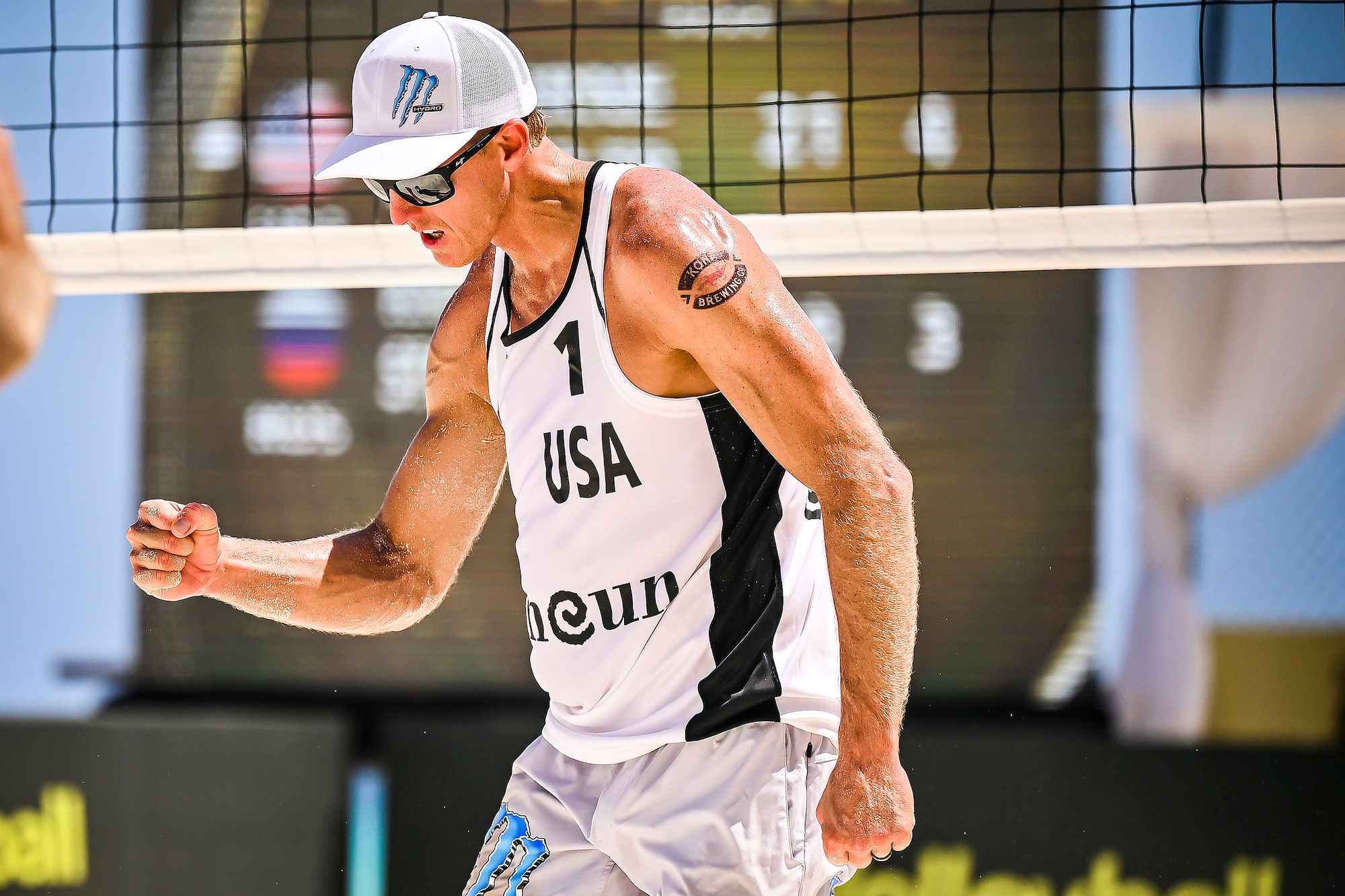
Ep 192Life inside the Cancun Bubble, with Tri Bourne and Evie Matthews
In this episode of SANDCAST: Beach volleyball with Tri Bourne and Travis Mewhirter, Bourne describes life inside the Cancun Bubble, where he has been competing for three weeks, with one final tournament remaining. Joining him on the show is coach Evie Matthews, who coaches Emily Stockman and Kelley Kolinske, who are also in the midst of a tight Olympic race. On this episode, Bourne and Matthews discuss: - The nearly non-stop beach volleyball being played: from country quotas to qualifiers to pool play to elimination rounds, there is competition happening every single day. - The intense vibe in the Bubble, from all the athletes on the cusp of qualifying for the Tokyo Olympic Games - Bourne and Trevor Crabb beating some of the best teams in the world thus far, including Aleksandrs Samoilovs and Janis Smedins, Evandro and Bruno, Viacheslav Krasilnikov and Oleg Stoyanovskiy, Daniele Lupo and Paolo Nicolai. - The crazy wind and heat, and the impact it has been having on the matches This episode, as always, is brought to you by Wilson Volleyball, makers of the absolute best balls in the game, hands down. You can get a 20-percent discount using our code, SANDCAST-20! This episode is also brought to you by CROSSNET, a fun new beach volleyball game, where beach volleyball meets four-square. It's an absolute blast, and is actually a great training tool as well. Use our discount code, SANDCAST, for 20 percent off! This episode is also brought to you by Chasing Gold, a new non-profit founded by Matt Callahan and SANDCAST host Travis Mewhirter, aimed at funding aspiring Olympians to relieve the financial burden of traveling around the world. Read more and donate today at www.chasinggold.org! SHOOTS! Hosted by Simplecast, an AdsWizz company. See pcm.adswizz.com for information about our collection and use of personal data for advertising.
Ep 191James Shaw, and the pursuit for the goals on the other side of fear
This episode of SANDCAST: Beach volleyball with Tri Bourne and Travis Mewhirter, features James Shaw. Shaw was a setter at Stanford, where he made an NCAA Championship appearance, before moving onto clubs in Italy and the USA National Team. He is now transitioning to the beach, where he is seeing immediate success. In this episode, we discuss: - Why he decided to leave indoor and play beach volleyball - The tricky transition of becoming a beach player - His childhood, growing up under Don Shaw, the legendary Stanford coach - How the volleyball community can help save the Stanford program, which was cut by the school - Shaw's growing list of audacious goals on the beach, including an Olympic run for Paris 2024 This episode, as always, is brought to you by Wilson Volleyball, makers of the absolute best balls in the game, hands down. You can get a 20-percent discount using our code, SANDCAST-20! This episode is also brought to you by CROSSNET, a fun new beach volleyball game, where beach volleyball meets four-square. It's an absolute blast, and is actually a great training tool as well. Use our discount code, SANDCAST, for 20 percent off! This episode is also brought to you by Chasing Gold, a new non-profit founded by Matt Callahan and SANDCAST host Travis Mewhirter, aimed at funding aspiring Olympians to relieve the financial burden of traveling around the world. Read more and donate today at www.chasinggold.org! SHOOTS! Hosted by Simplecast, an AdsWizz company. See pcm.adswizz.com for information about our collection and use of personal data for advertising.
Ep 190Kim Hildreth is thriving, with both feet finally on the ground
This episode of SANDCAST: Beach volleyball with Tri Bourne and Travis Mewhirter, features Kim Hildreth, one of the top players in Florida who made the finals of AVP Austin in 2019. A native of Michigan, Hildreth set for four years at Eastern Michigan before finishing out her collegiate career at North Florida. She's stayed in the Sunshine State ever since, rising through the ranks of professionals from the NVL to the AVP. On this episode, we discuss: - Life at age 30, and how becoming "one of the ladies" in Florida isn't so bad after all - How she turned 2020 into one of the most productive years of her life: getting married, getting into health coaching, practicing even more. "It was a year of growth." - Her new role as a professional health coach, and how that's impacting her game - The AVP, and the idea of expanding the main draw, but not prize money (this is a really fun convo, and I encourage you to make it to the end) This episode, as always, is brought to you by Wilson Volleyball, makers of the absolute best balls in the game, hands down. You can get a 20-percent discount using our code, SANDCAST-20! This episode is also brought to you by CROSSNET, a fun new beach volleyball game, where beach volleyball meets four-square. It's an absolute blast, and is actually a great training tool as well. Use our discount code, SANDCAST, for 20 percent off! This episode is also brought to you by Chasing Gold, a new non-profit founded by Matt Callahan and SANDCAST host Travis Mewhirter, aimed at funding aspiring Olympians to relieve the financial burden of traveling around the world. Read more and donate today at www.chasinggold.org! SHOOTS! Hosted by Simplecast, an AdsWizz company. See pcm.adswizz.com for information about our collection and use of personal data for advertising.
Ep 189Mark Paaluhi, the man alas giving beach volleyball the attention he always thought it needed
This episode of SANDCAST: Beach volleyball with Tri Bourne and Travis Mewhirter, features Mark Paaluhi, a Hawai'ian native who was raised in Hermosa Beach. As a player, his heyday was in the early '90s, the Golden Era of the sport, where he trained with Karch Kiraly and Kent Steffes, among others. But his impact on the sport goes far beyond his abilities as a player. Paaluhi is the man behind the net systems and courts at 16th Street, and he is the one directing all of those miniature tournaments in Hermosa Beach you keep hearing about. On this episode, we discuss: - His background as a player, and a hilarious story about getting bageled, 15-0, by Karch Kiraly and Kent Steffes - His serendipitous journey getting into the corporate world of beach volleyball with USA Volleyball - How he negotiated with the Hermosa Beach Chief of Police to make 16th Street the safe-haven for professional beach volleyball players - The advent, and evolution, of the miniature tournaments in Hermosa Beach This episode, as always, is brought to you by Wilson Volleyball, makers of the absolute best balls in the game, hands down. You can get a 20-percent discount using our code, SANDCAST-20! This episode is also brought to you by CROSSNET, a fun new beach volleyball game, where beach volleyball meets four-square. It's an absolute blast, and is actually a great training tool as well. Use our discount code, SANDCAST, for 20 percent off! SHOOTS! Hosted by Simplecast, an AdsWizz company. See pcm.adswizz.com for information about our collection and use of personal data for advertising.
Ep 188Beach Volleyball Mailbag: Breaking down the Cancun Bubble, training tips, AVP speculation
This episode of SANDCAST: Beach volleyball with Tri Bourne and Travis Mewhirter, features the hosts, Bourne and Mewhirter, answering a variety of fan questions. In this episode, Bourne and Mewhirter: - Break down the upcoming Cancun Bubble, a three-week stretch of back to back to back four-stars - Discuss the balance of playing vs. practicing - Analyze how to beat taller opponents - What they look for in a partner search - What they've heard about the upcoming AVP season And much, much more. This episode, as always, is brought to you by Wilson Volleyball, makers of the absolute best balls in the game, hands down. You can get a 20-percent discount using our code, SANDCAST-20! This episode is also brought to you by CROSSNET, a fun new beach volleyball game, where beach volleyball meets four-square. It's an absolute blast, and is actually a great training tool as well. Use our discount code, SANDCAST, for 20 percent off! SHOOTS! Hosted by Simplecast, an AdsWizz company. See pcm.adswizz.com for information about our collection and use of personal data for advertising.
Ep 187Matt Fuerbringer: Respecting the work that's required of greatness
This episode of SANDCAST: Beach volleyball with Tri Bourne and Travis Mewhirter, features Matt Fuerbringer, the associate head coach at Long Beach State and one of the all-time good people in beach volleyball. He's a Manhattan Beach Open champion and came within a fingernail of qualifying for the 2012 Olympic Games with Nick Lucena, a story we discuss on the podcast. We also chat about: - His partnership with Casey Jennings, and the emotional team they were that thrived on adversity and in big moments. - How he felt like he was playing the best volleyball of his career at age 34 or 35 - The leadup to the 2012 Olympics, playing with Nick Lucena, and finishing fifth in the world and still missing out on qualifying - The lessons he's trying to instill in his kids, and his awesome definition of what it means to have fun at practice This episode, as always, is brought to you by Wilson Volleyball, makers of the absolute best balls in the game, hands down. You can get a 20-percent discount using our code, SANDCAST-20! This episode is also brought to you by CROSSNET, a fun new beach volleyball game, where beach volleyball meets four-square. It's an absolute blast, and is actually a great training tool as well. Use our discount code, SANDCAST, for 20 percent off! SHOOTS! Hosted by Simplecast, an AdsWizz company. See pcm.adswizz.com for information about our collection and use of personal data for advertising.
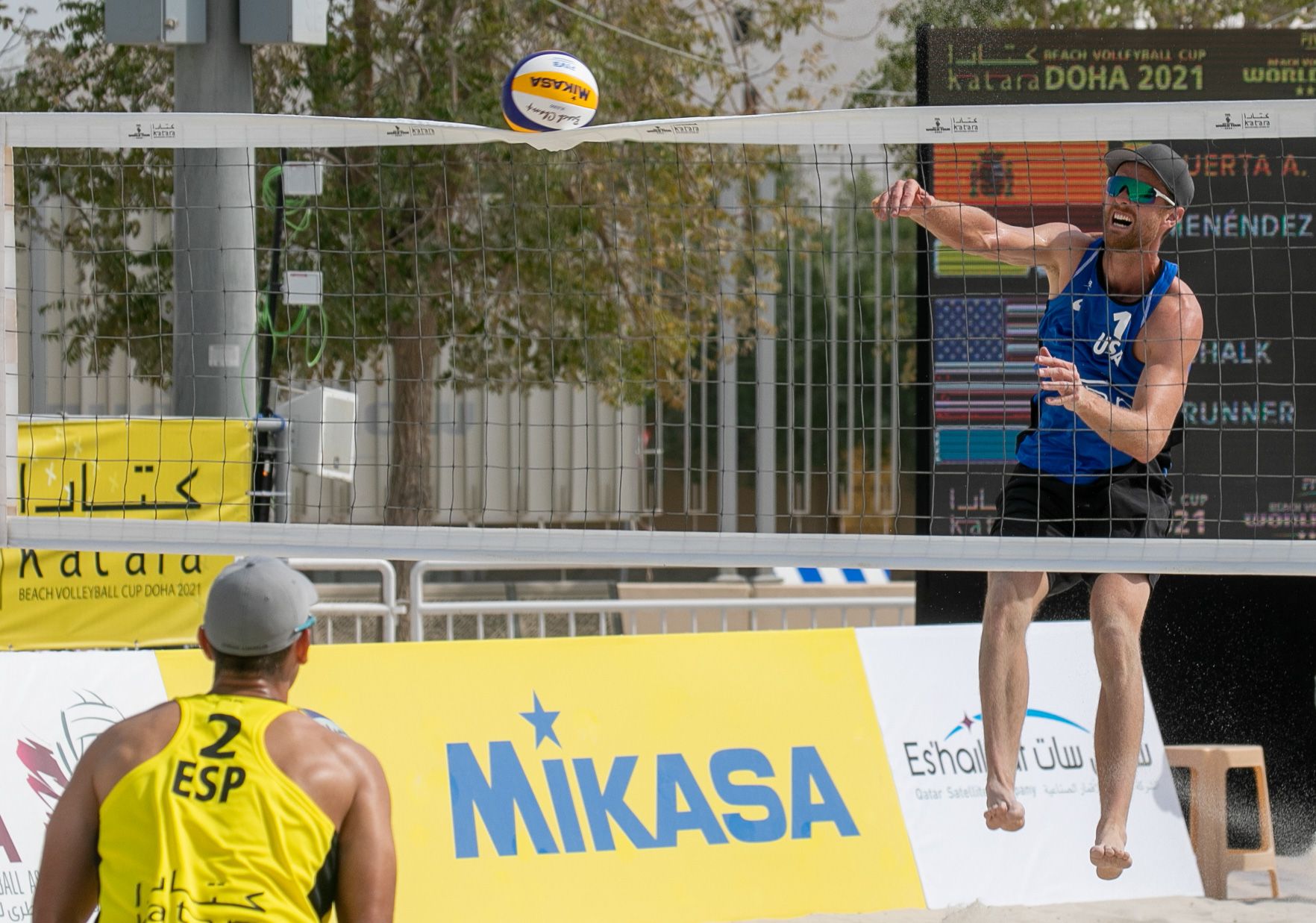
Ep 186Chaim Schalk's American career has finally begun -- from the bottom
This episode of SANDCAST: Beach volleyball with Tri Bourne and Travis Mewhirter, features Chaim Schalk, a 2016 Olympian for Canada who has finally, finally, finally begun playing for the United States. It's been a long road for Schalk, who had to sit out two years to transfer federations, then one more year for COVID. But beginning with a country quota win over Tri Bourne and Trevor Crabb, Schalk's career alas began again, with the four-star qualifier in Doha. On this episode with Schalk, we discuss: - How it felt for Schalk to compete again after such a long time off - Seeing old friends, and how much the World Tour has changed - Tri opens up about the country quota loss, and how USA Volleyball made the right decision to make him and Crabb compete - Whether or not there should be country quotas at all on the FIVB, or if there is enough parity around the world to remove the quotas - Schalk and Brunner's future as a team, and their ambitions This episode, as always, is brought to you by Wilson Volleyball, makers of the absolute best balls in the game, hands down. You can get a 20-percent discount using our code, SANDCAST-20! This episode is also brought to you by CROSSNET, a fun new beach volleyball game, where beach volleyball meets four-square. It's an absolute blast, and is actually a great training tool as well. Use our discount code, SANDCAST, for 20 percent off! SHOOTS! Hosted by Simplecast, an AdsWizz company. See pcm.adswizz.com for information about our collection and use of personal data for advertising.
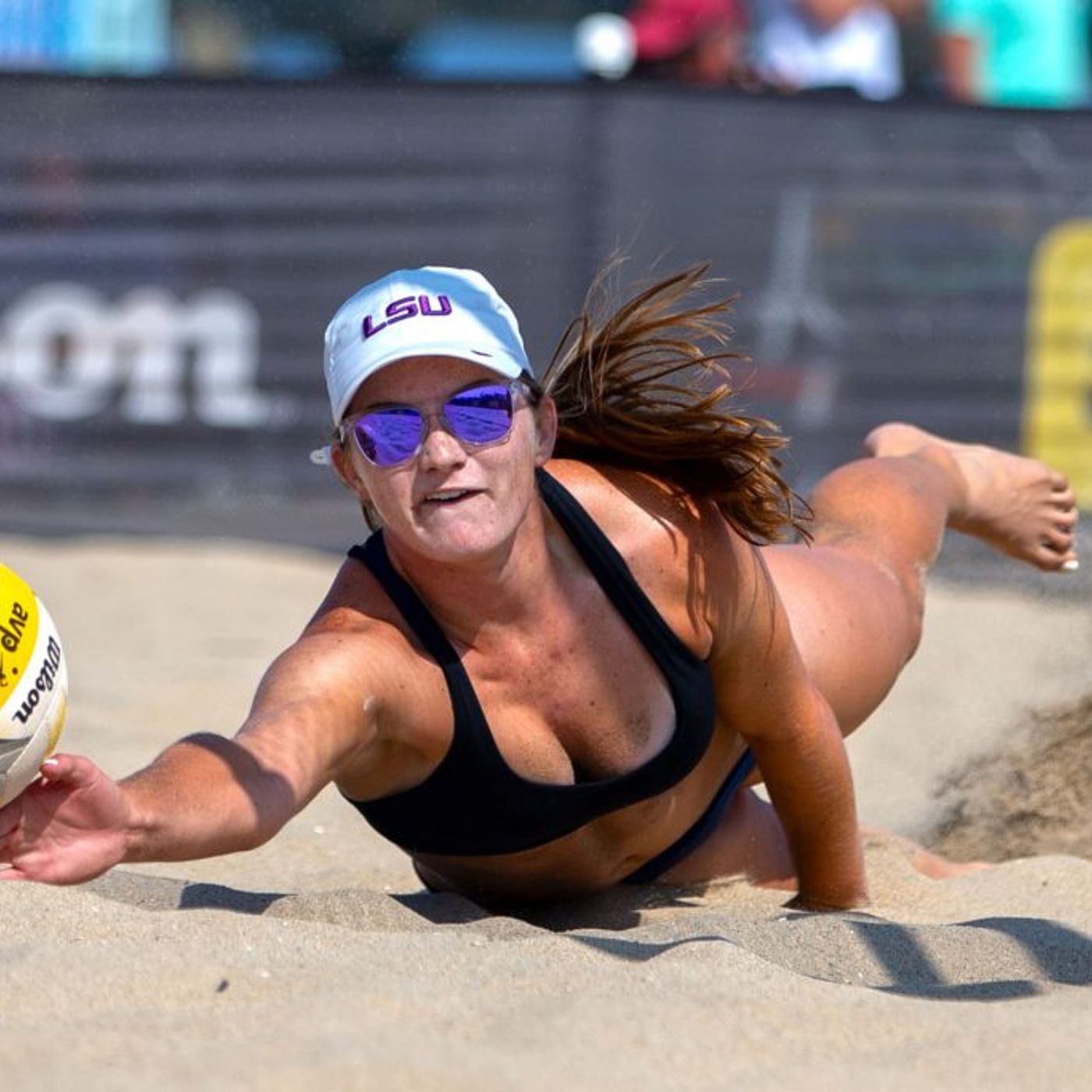
Ep 185Don't be fooled by LSU's Kristen Nuss: She'll find a way to win
This episode of SANDCAST: Beach volleyball with Tri Bourne and Travis Mewhirter, features Kristen Nuss, a standout on court one at LSU who has helped the Tigers become a perennial power in college beach volleyball. In four years with the team, she has won 111 matches (and quickly counting) and, in 2020, helped LSU rise to the No. 1 team in the country for the first time in program history. She is an absolute delight, both on and off the court. On this episode, we discuss: - LSU's rise from a landlocked, underdog program to one of the best in the United States - How Nuss wasn't recruited by a single school until her brother, Pete, told coach Russell Brock to take a look at her - How Nuss and Taryn Kloth turned 2020 from a disappointing COVID-shortened year into one criss-crossing the country, winning tournaments all over - How this year, the NCAA Championships are a "Super Championship" with all the talent Much, much more. This episode, as always, is brought to you by Wilson Volleyball, makers of the absolute best balls in the game, hands down. You can get a 20-percent discount using our code, SANDCAST-20! This episode is also brought to you by CROSSNET, a fun new beach volleyball game, where beach volleyball meets four-square. It's an absolute blast, and is actually a great training tool as well. Use our discount code, SANDCAST, for 20 percent off! SHOOTS! Hosted by Simplecast, an AdsWizz company. See pcm.adswizz.com for information about our collection and use of personal data for advertising.
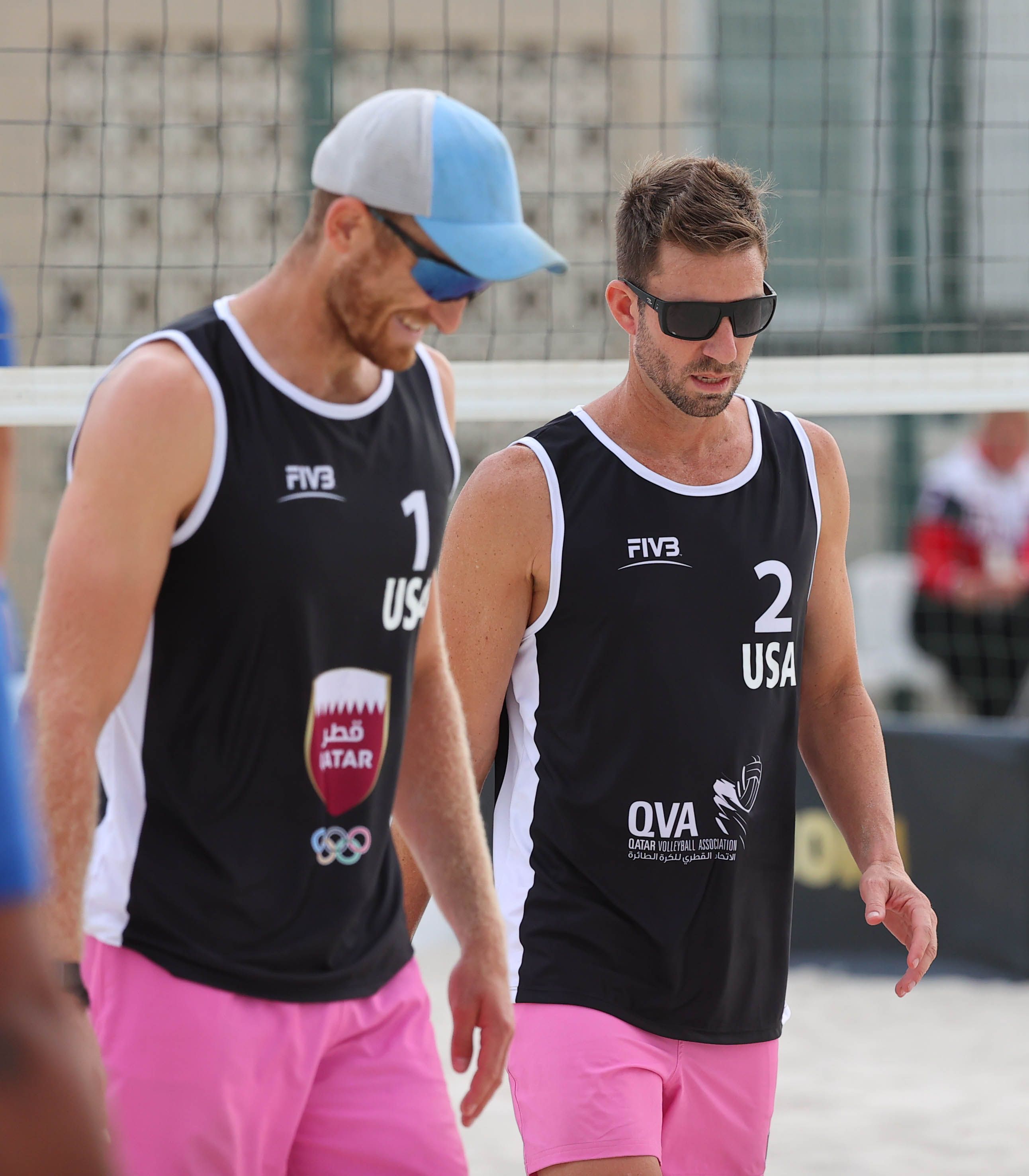
Ep 184Travis Mewhirter's volatile, adversity-filled trip to and from the Doha bubble
This episode of SANDCAST: Beach volleyball with Tri Bourne and Travis Mewhirter, features the host, Mewhirter, discussing what life is like on the World Tour, and all the hoops players and promoters must jump through to put on a successful tournament. In this episode, we discuss: - A crazy two weeks prior to leaving for Doha, which included an injury, delayed visas, COVID-testing issues -- the whole gamut - What it's like to play a tournament in a "bubble" - How it was for Mewhirter to compete in his first tournament since the Cook Islands in January of 2020 - The next steps for both Bourne and Mewhirter, in an uncertain 2021 season ahead This episode, as always, is brought to you by Wilson Volleyball, makers of the absolute best balls in the game, hands down. You can get a 20-percent discount using our code, SANDCAST-20! This episode is also brought to you by CROSSNET, a fun new beach volleyball game, where beach volleyball meets four-square. It's an absolute blast, and is actually a great training tool as well. Use our discount code, SANDCAST, for 20 percent off! SHOOTS! Hosted by Simplecast, an AdsWizz company. See pcm.adswizz.com for information about our collection and use of personal data for advertising.
Ep 183Tri Bourne reflects on his Doha country quota loss and how he plans to bounce back
This episode of SANDCAST: Beach volleyball with Tri Bourne and Travis Mewhirter, features Savvy Simo and Tri. Travis is on the road playing in the 1 star FIVB in Doha, Qatar, so Savvy interviews Bourne to bring the fans up-to-date on his teams status and his personal goals. Bourne recently played in a USA Country quota, but lost to Chaim Schalk and Theo Brunner. In this video he is reflecting on that loss and how he plans to move forward after this rough set back in 2020 Tokyo Olympic qualification. Hosted by Simplecast, an AdsWizz company. See pcm.adswizz.com for information about our collection and use of personal data for advertising.
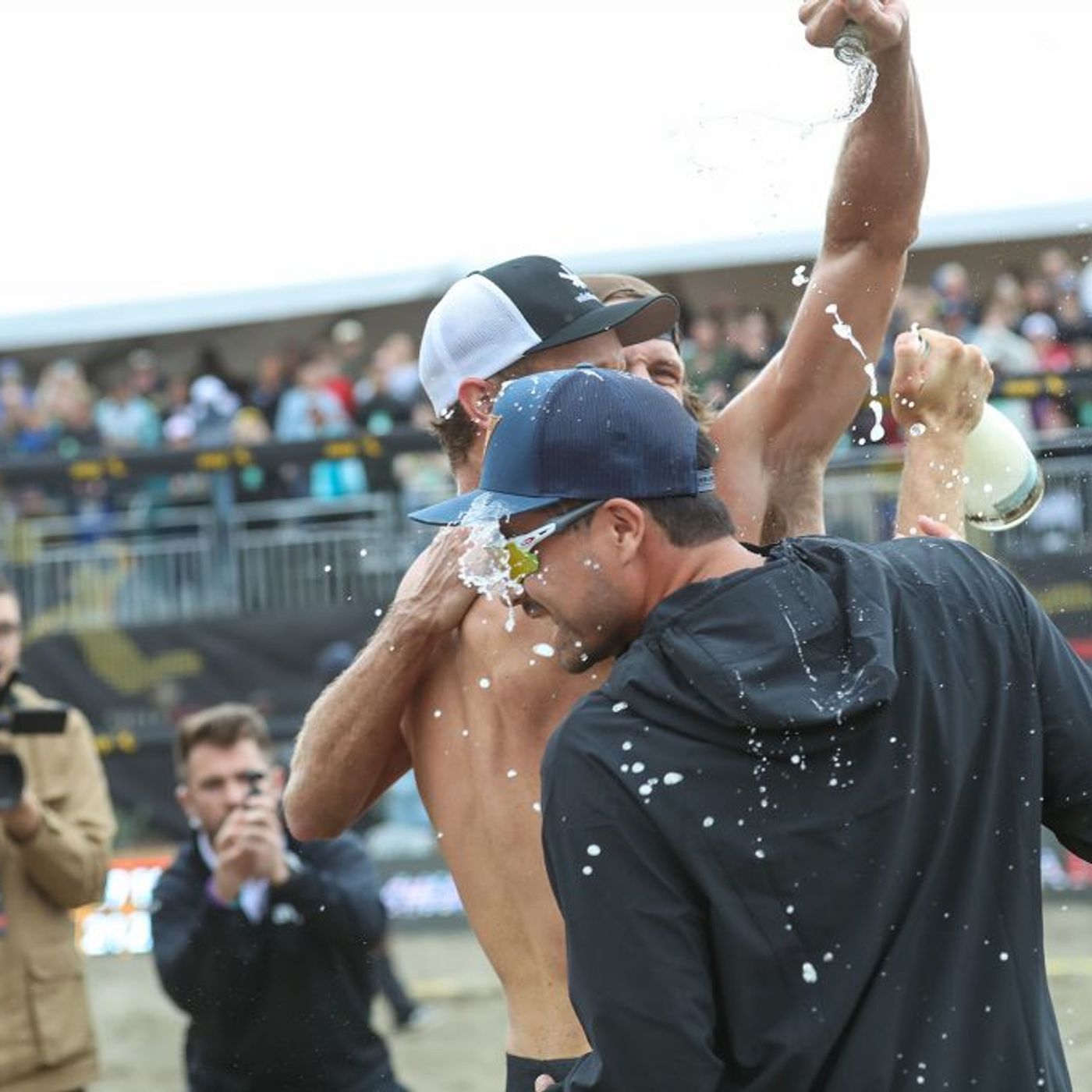
Ep 182Mike Campbell: From running off a dad bod to coaching Olympians
This episode of SANDCAST: Beach volleyball with Tri Bourne and Travis Mewhirter features Mike Campbell. Campbell is the head coach of the Long Beach State beach volleyball team, and has been the coach for the AVP teams of Jeremy Casebeer and Chaim Schalk, Chaim Schalk and Chase Budinger, and, now, Casey Patterson and Chase Budinger. He has a brilliant mind for the game, having grown up playing it by the Santa Monica Pier, and this was such a fun podcast. We talk about: - How Campbell accidentally began coaching Jeremy Casebeer and Chaim Schalk, and their win, two months later, in Seattle, a first for all three of them - The difference between coaching professionals and college players, and the tweaks a coach must make to his system to manage it - Why he began coaching professional beach volleyball players in the first place, given his extensive coaching duties already - The boom of young talent in the United States, and the promise it's showing for years to come This episode, as always, is brought to you by Wilson Volleyball, makers of the absolute best balls in the game, hands down. You can get a 20-percent discount using our code, SANDCAST-20! This episode is also brought to you by CROSSNET, a fun new beach volleyball game, where beach volleyball meets four-square. It's an absolute blast, and is actually a great training tool as well. Use our discount code, SANDCAST, for 20 percent off! SHOOTS! Hosted by Simplecast, an AdsWizz company. See pcm.adswizz.com for information about our collection and use of personal data for advertising.
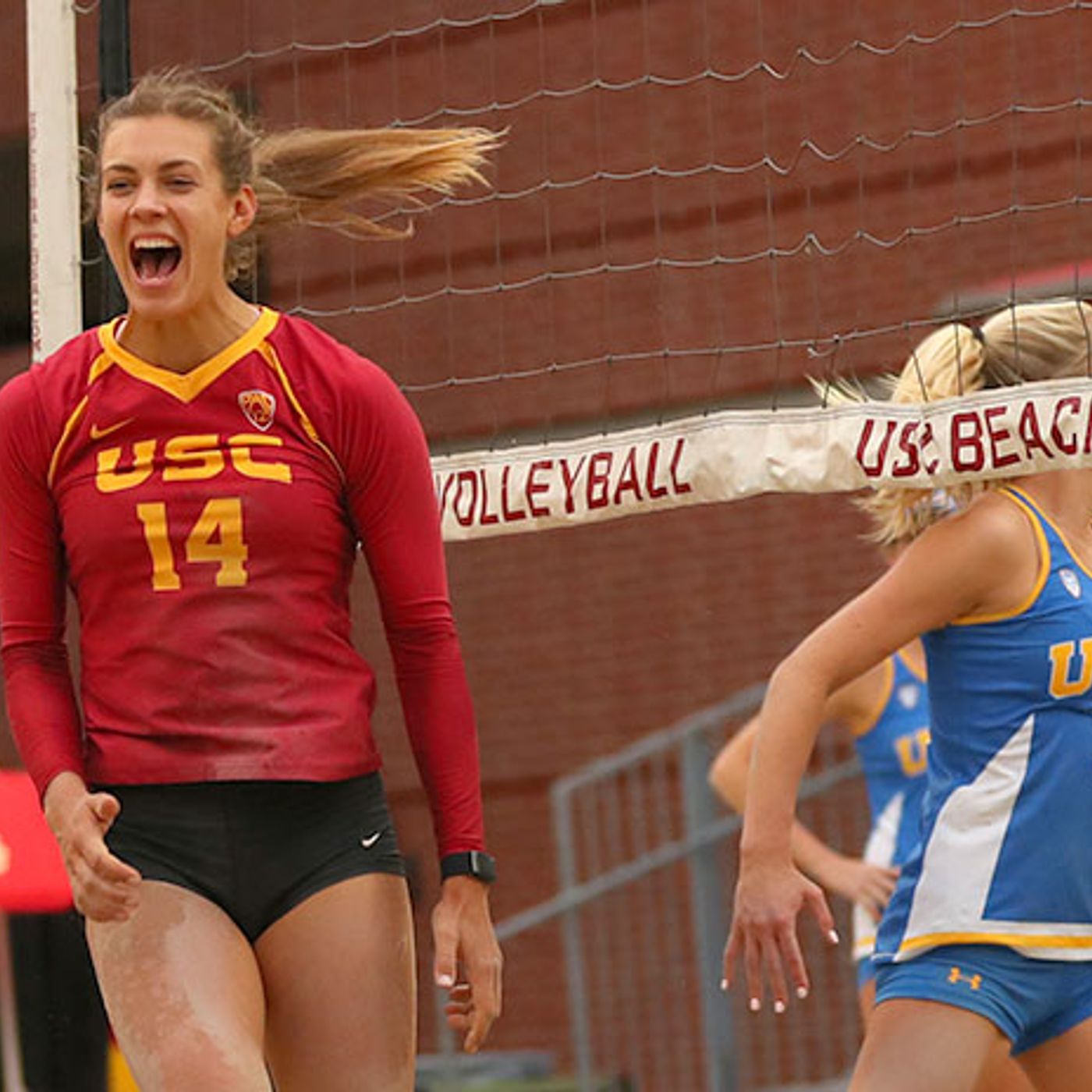
Ep 181Tina Graudina, Latvian trailblazer, is out to inspire
This episode of SANDCAST: Beach volleyball with Tri Bourne and Travis Mewhirter, features Tina Graudina, a junior at USC and the best Latvian woman to ever play beach volleyball. In 2019, Graudina and her partner, Anastasija Kravcenoka, in winning the Olympic qualification tournament in Haiyang, China, became the first Latvian women's team to qualify for an Olympic Games. All the while, she's compiled a 64-4 record at USC, twice been named an All-American and once the Player of the Year. She's a brilliant talent on the court and absolutely delightful off of it. On the episode, we discuss: - The Olympic Qualification Tournament, its funky format, and how it served well for Graudina and Kravcenoka -- all they needed was a chance - Beach volleyball in Latvia, and how Aleksandrs Samoilovs, Janis Smedins, and Martins Plavins are considered "the holy trio." - Graudina's decision to initially play for USC, and how it wasn't as easy as many may think - Her new role of being one of the biggest role models in Latvian beach volleyball This episode, as always, is brought to you by Wilson Volleyball, makers of the absolute best balls in the game, hands down. You can get a 20-percent discount using our code, SANDCAST-20! This episode is also brought to you by CROSSNET, a fun new beach volleyball game, where beach volleyball meets four-square. It's an absolute blast, and is actually a great training tool as well. Use our discount code, SANDCAST, for 20 percent off! SHOOTS! Hosted by Simplecast, an AdsWizz company. See pcm.adswizz.com for information about our collection and use of personal data for advertising.

Ep 180Ed Keller, beach volleyball's walking, talking, encyclopedic superfan
This episode of SANDCAST: Beach volleyball with Tri Bourne and Travis Mewhirter, features Ed Keller, one of the most passionate human beings in the world when it comes to the sport of beach volleyball. He's a walking BVBinfo, the guy who can tell Phil Dalhausser more about Phil Dalhausser's career than Phil Dalhausser. He's a staple at 16th street, the new central training center for the top AVP professionals, and a longtime friend of Sean Rosenthal, among many of the other big-time AVP leaders -- Casey Patterson, Chase Budinger, Jake Gibb. He arguably knows more about the game, and its history, than anyone we've had on the show, and this podcast was absolute gold. We chat about everything from the 1996 Olympic Games to stories of Sean Rosenthal's youth, to the current Olympic race and Ed Keller's statistical breakdown of what every team needs to do to get in. If you're a fan of beach volleyball, you will LOVE this podcast. We certainly did. SHOOTS! Hosted by Simplecast, an AdsWizz company. See pcm.adswizz.com for information about our collection and use of personal data for advertising.
Ep 179BEACH VOLLEYBALL IS BACK: Answering fan questions heading into the 2021 season
This episode of SANDCAST: Beach volleyball with Tri Bourne and Travis Mewhirter, is an exciting one, as beach volleyball is officially back on the schedule again, both on the World Tour -- hello, Doha! -- and in the college ranks. Bourne and Mewhirter, alongside our favorite UCLA Bruin, Savvy Simo, answered fan questions heading into the 2021 season, which we hope will feature a full schedule, with plenty of volleyball to play, discuss, and write about. Below are a few of the fan questions we answered: - Is Chase Budinger is back with Casey Patterson. Where's Chaim Schalk? - What is the most anticipated match of the college season? - If no Olympics happen, will this be the greatest AVP season since its newest revival? - Who do you predict will team up after the 2021 Olympic cycle? Those, and much, much more. This episode, as always, is brought to you by our good friends at Wilson Volleyball, who make the absolute best beach volleyballs in the game, hands down. Use our discount code, Sandcast-20, to get 20 PERCENT OFF the best balls in the game. Thanks as always for listening to SANDCAST! SHOOTS! Hosted by Simplecast, an AdsWizz company. See pcm.adswizz.com for information about our collection and use of personal data for advertising.
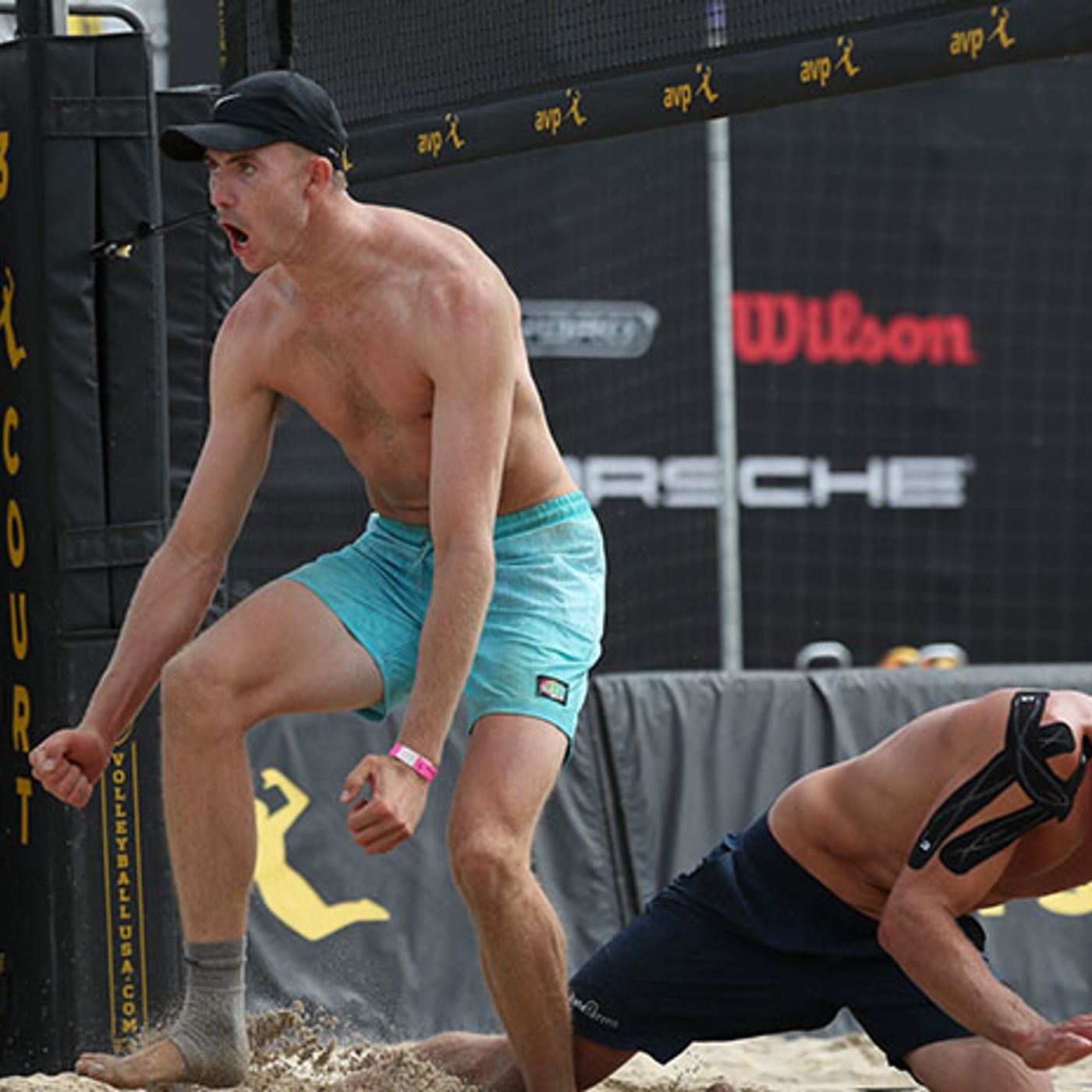
Ep 178Andy Benesh is turning the corner
This episode of SANDCAST: Beach volleyball with Tri Bourne and Travis Mewhirter, features Andy Benesh, new partner of Billy Allen. On this episode, we discuss: - Andy getting the call from Billy, and the difficult decision he had to make in leaving Eric Beranek (who has since partnered with Troy Field) - What his vision for his future in beach volleyball looks like, and what he wants it to look like - An overseas career in Switzerland that was cut short - Quitting his job as a Certified Financial Planner to become..a beach volleyball player That, and so much more. This episode, as always, is brought to you by our good friends at Wilson Volleyball, who make the best balls in the game, hands down. To get 20 PERCENT OFF your next Wilson purchase, use our discount code, SANDCAST-20! SHOOTS! Hosted by Simplecast, an AdsWizz company. See pcm.adswizz.com for information about our collection and use of personal data for advertising.
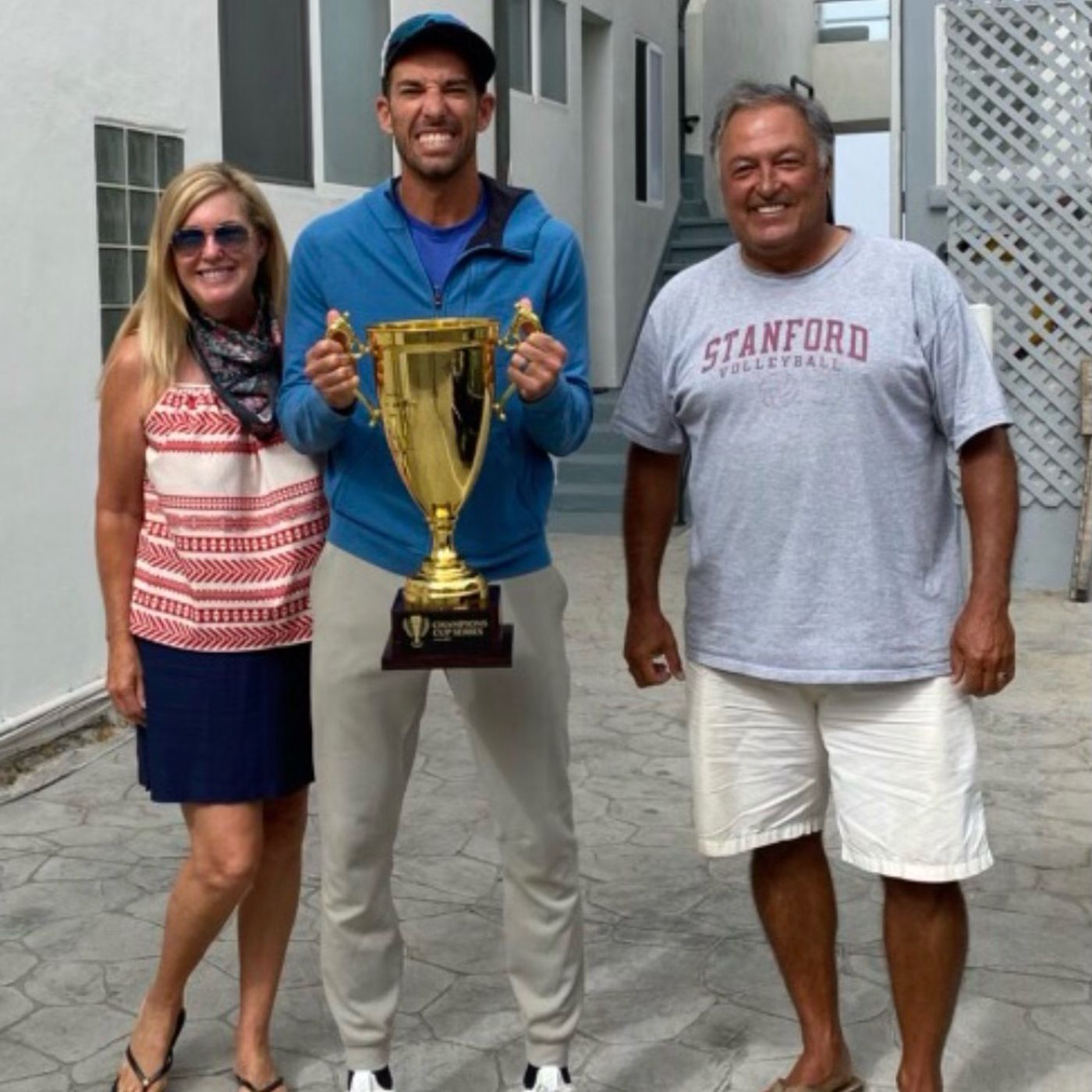
Ep 177Greg Delgado: The man who saved beach volleyball in 2020
This episode of SANDCAST: Beach volleyball with Tri Bourne and Travis Mewhirter, features one of the greatest unsung heroes in the sport of beach volleyball: Greg Delgado. Delgado is, simply, the man who saved beach volleyball in 2020. He and Mark Paaluhi, co-founder of Sand Court Experts, made an arrangement with the city of Hermosa Beach so that the players could legally play beach volleyball and train for the AVP Champions Cup. Born was one of the coolest communities on the AVP: The 16th street training center. On this episode, we discuss: - What this summer was like, to see every single top professional training, every morning, at 16th Street - How Delgado was able to persuade the city of Hermosa Beach to allow the professionals to train without risking a ticket (it was illegal to play beach volleyball at the time) - A hilarious story of Taylor Crabb throwing a massive party at Delgado's house in 2017, without Delgado knowing about it If you haven't met Delgado, I cannot recommend it highly enough that you introduce yourself, and express gratitude for what he was able to do for the AVP players this summer. He created a community at a time when community was most needed. Thanks, as always, for listening to SANDCAST, which recently topped the charts for the most listened-to volleyball podcast in six countries! Your support means the world, and we hope you had the MERRIEST OF CHRISTMASES and happiest of New Years! So long, 2020! If you're looking for last-minute Christmas ideas, we know the perfect gifts for the beach volleyball fans in your family. Check out Wilson volleyball, and use our discount code, Sandcast-20, to get 20 PERCENT OFF! And, if you're looking for a legit backpack, our guys at Kamena Outdoor make the absolute best backpacks on the beach, with more than 17 years of tweaking and modifying to make it the perfect, long-lasting backpack you need. Use our discount code DIGME to get another 20 PERCENT OFF! Thanks, as always, to you, the listeners. Y'all are the real MVPs. SHOOTS! Hosted by Simplecast, an AdsWizz company. See pcm.adswizz.com for information about our collection and use of personal data for advertising.
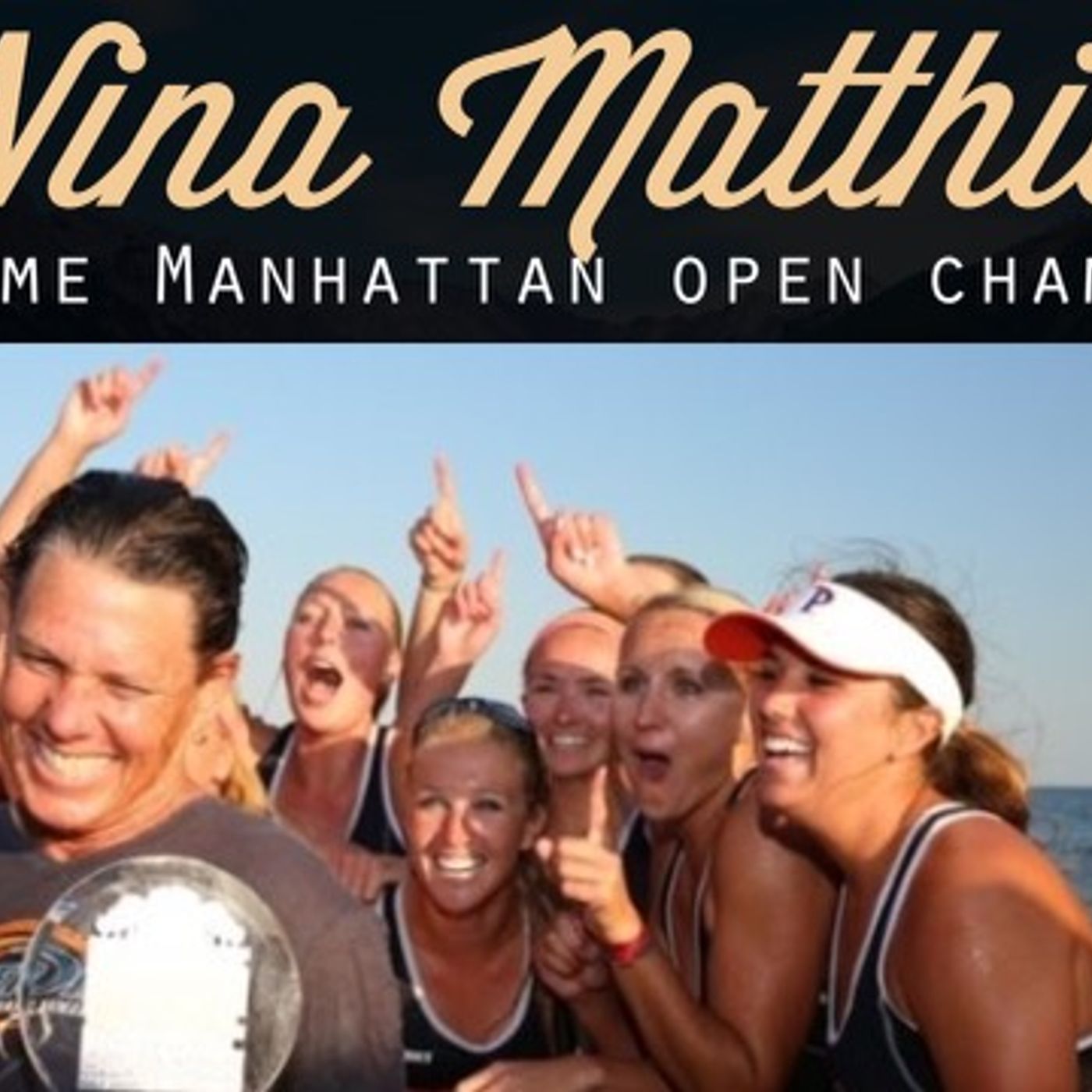
Ep 176Nina Matthies: Beach volleyball's ultimate champion and ambassador
This episode of SANDCAST: Beach volleyball with Tri Bourne and Travis Mewhirter, features Nina Matthies, a legendary player and coach and one of the all-time great people in the sport of beach volleyball. As a player, Matthies won a record SEVEN Manhattan Beach Opens, but her legacy is so much more than that of a player. She was instrumental in forming the WPVA, bringing the women's game to get the same respect as the men. She built the Pepperdine indoor program into a bona fide power, and she helped beach volleyball become established as an NCAA sport. She is an incredible human being, and her fingerprints are all over the sport of beach volleyball. In this episode, we discuss: - Nina Matthies' childhood in Manhattan Beach, and how beach volleyball was really the only option she had to play a sport as a kid - How she helped form the WPVA, and how Leonard Armato actually approached her before the men to form the AVP - A wild trip to Brazil for the inaugural professional beach volleyball event there in 1986 - How she balanced coaching at Pepperdine, being a mom, while also being the best female player in the world - The indelible formation of beach volleyball as an NCAA sport Thanks, as always, for listening to SANDCAST, which recently topped the charts for the most listened-to volleyball podcast in six countries! Your support means the world, and we hope you had the MERRIEST OF CHRISTMASES and happiest of New Years! So long, 2020! If you're looking for last-minute Christmas ideas, we know the perfect gifts for the beach volleyball fans in your family. Check out Wilson volleyball, and use our discount code, Sandcast-20, to get 20 PERCENT OFF! And, if you're looking for a legit backpack, our guys at Kamena Outdoor make the absolute best backpacks on the beach, with more than 17 years of tweaking and modifying to make it the perfect, long-lasting backpack you need. Use our discount code DIGME to get another 20 PERCENT OFF! Thanks, as always, to you, the listeners. Y'all are the real MVPs. SHOOTS! Hosted by Simplecast, an AdsWizz company. See pcm.adswizz.com for information about our collection and use of personal data for advertising.
Ep 175Answering the final fan questions in The Year Without Volleyball
This episode of SANDCAST: Beach volleyball with Tri Bourne and Travis Mewhirter is fueled by you, the listeners, as Bourne and Mewhirter, with UCLA star defender Savvy Simo, answer your fan questions. If you want your questions answered, or just want to chat, send us an email: [email protected]. On this episode, we discuss: - What can fans do to support the game, players, and help increase prize money? - If Tri wanted to teach blocking, where would he start and how would he progress? - How do you get over a bad offensive stretch/feeling like you can't get around a blocker? - Can you make a list of eligible women's blockers for the 2021 season? Asking for a friend Those, and many more. Thanks, as always, for listening to SANDCAST, which recently topped the charts for the most listened-to volleyball podcast in six countries! Your support means the world, and we hope you have the MERRIEST OF CHRISTMASES and HAPPIEST OF NEW YEARS! If you're looking for last-minute Christmas ideas, we know the perfect gifts for the beach volleyball fans in your family. Check out Wilson volleyball, and use our discount code, Sandcast-20, to get 20 PERCENT OFF! And, if you're looking for a legit backpack, our guys at Kamena Outdoor make the absolute best backpacks on the beach, with more than 17 years of tweaking and modifying to make it the perfect, long-lasting backpack you need. Use our discount code DIGME to get another 20 PERCENT OFF! Thanks, as always, to you, the listeners. Y'all are the real MVPs. SHOOTS! Hosted by Simplecast, an AdsWizz company. See pcm.adswizz.com for information about our collection and use of personal data for advertising.
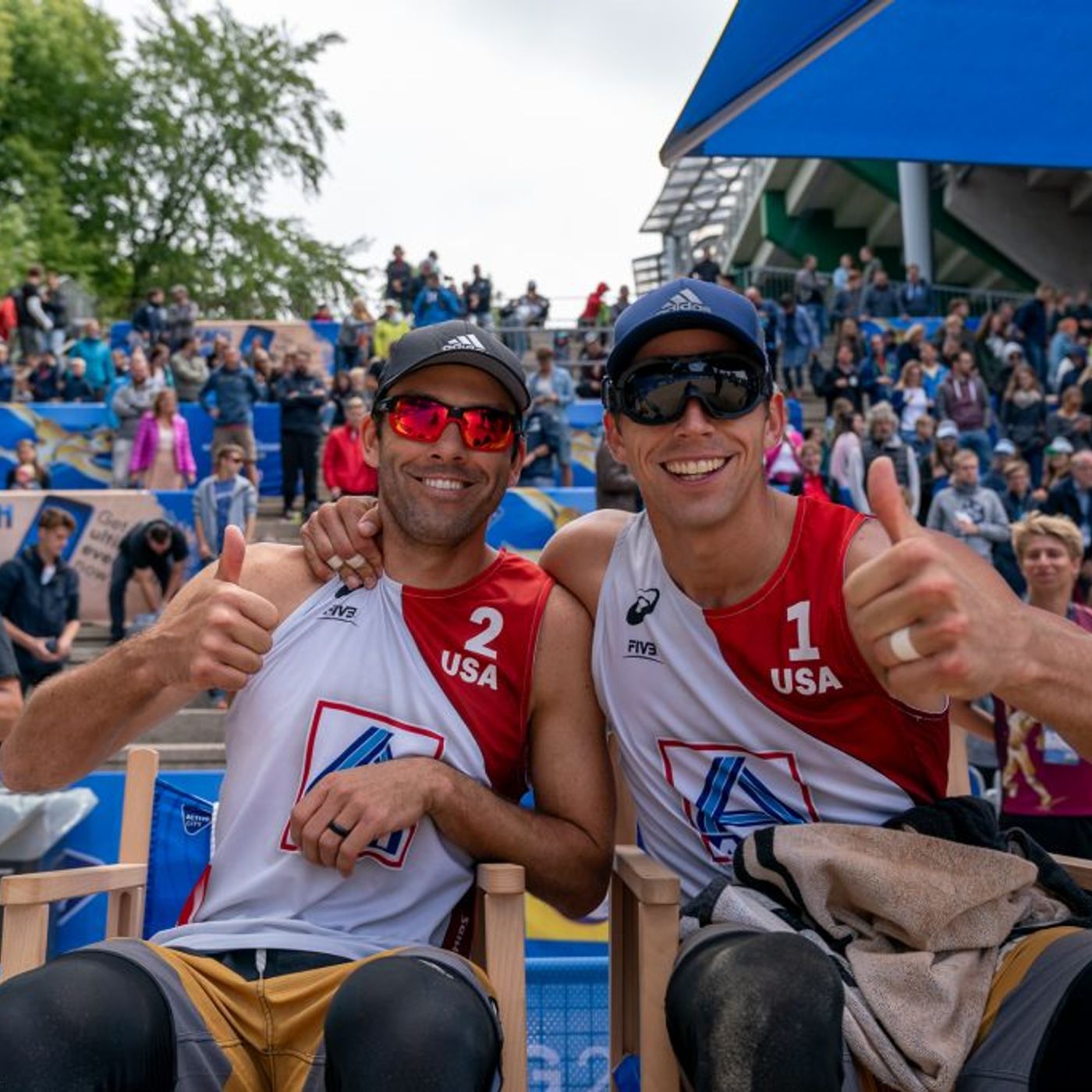
Ep 174Billy Allen: The prolific, deadpanning, self-deprecating AVP champion and author
This episode of SANDCAST: Beach volleyball with Tri Bourne and Travis Mewhirter, features Billy Allen, one of our favorites on the show who recently published his third book, Dark Blood, which you can find on Amazon and anywhere books are sold. In our conversation with Billy Allen, we discuss: - His recent move Idaho, the new beach volleyball hotbed (we kid) - His book, Dark Blood, and the year and a half that went into writing it - His plans for beach volleyball, and how he will still be pursuing a full-time international and domestic career on the FIVB and AVP tours - New Coach Your Brains Out projects with his longtime partner and fellow good guy, John Mayer - Much more Thanks, as always, for listening to SANDCAST, which recently topped the charts for the most listened-to volleyball podcast in six countries! Your support means the world, and we hope you have the MERRIEST OF CHRISTMASES! If you're looking for last-minute Christmas ideas, we know the perfect gifts for the beach volleyball fans in your family. Check out Wilson volleyball, and use our discount code, Sandcast-20, to get 20 PERCENT OFF! And, if you're looking for a legit backpack, our guys at Kamena Outdoor make the absolute best backpacks on the beach, with more than 17 years of tweaking and modifying to make it the perfect, long-lasting backpack you need. Use our discount code DIGME to get another 20 PERCENT OFF! Thanks, as always, to you, the listeners. Y'all are the real MVPs. SHOOTS! Hosted by Simplecast, an AdsWizz company. See pcm.adswizz.com for information about our collection and use of personal data for advertising.
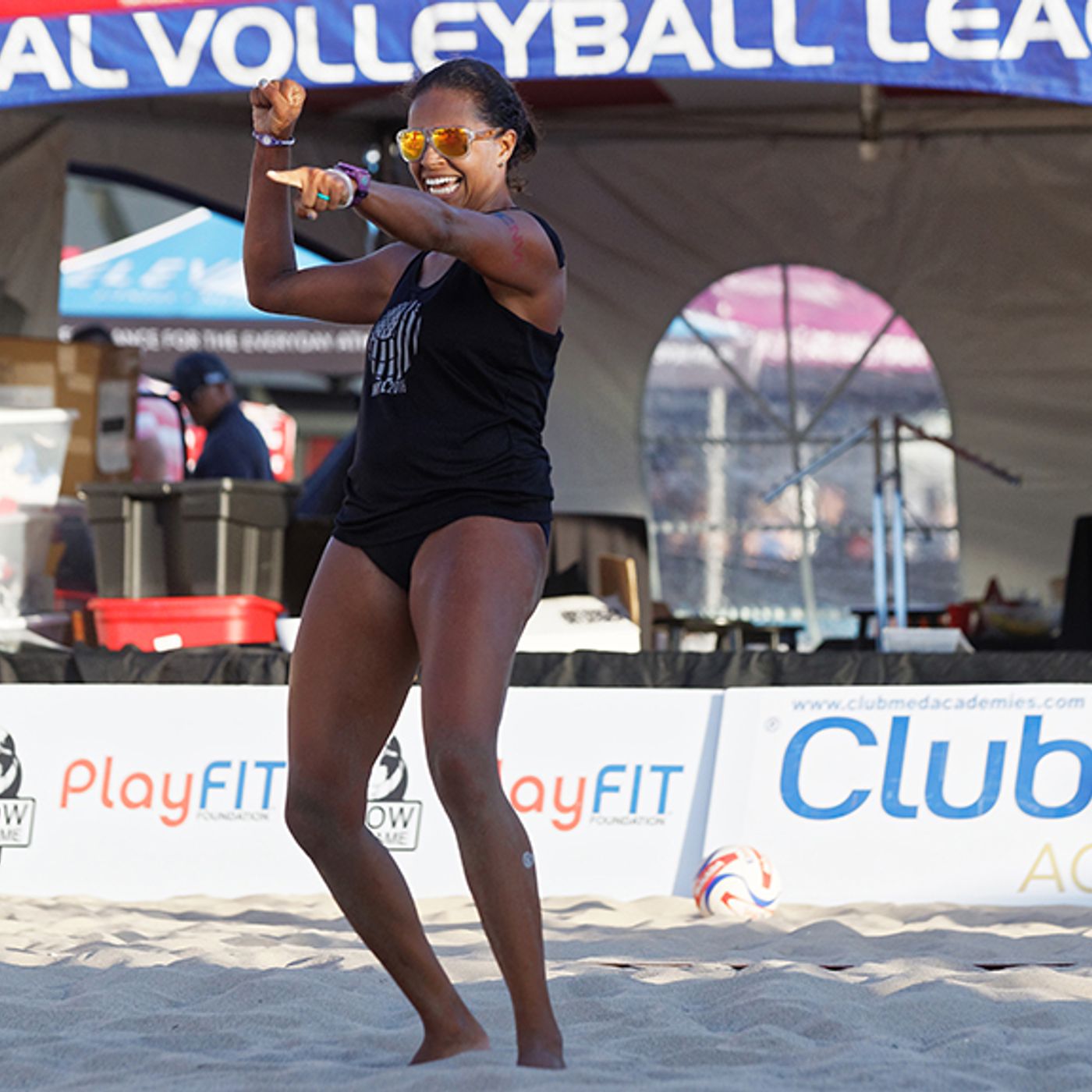
Ep 173Learning doesn't stop, with Pri Lima
This episode of SANDCAST: Beach volleyball with Tri Bourne and Travis Mewhirter, features longtime beach volleyball professional, and seven-time NVL champion Pri Lima. Lima is one of the ultimate good people in the sport of beach volleyball, a topic we'll get into a lot on the show. Along with her career, which spanned from Brazil to Louisiana to Florida and California, we discuss: - Her current role in the sport as a coach and mentor, expanding her club, Optimum Beach, to franchises in New York, Tennessee, and several locations in Florida. - What it was like in her prime on the AVP Tour, at the peak of Misty May-Treanor and Kerri Walsh Jennings' powers, and how most players "were playing for fifth." - How the Brazilian Tour operates, and her experience on it, competing -- and beating -- with players like Maria Antonelli, Carolina Salgado, Taiana Lima. - How the good people of Lafayette, Louisana made her professional career possible - The value of being a lifelong learner This episode is, as always, brought to you by Wilson Volleyball. They make the best beach volleyballs in the game, hands down, and we’d love it if you could support them. Head over to Wison and use our discount code, Sandcast-20, to receive 20 percent off all purchases! Yes, we do get a kickback, but we see it as a win-win – you get a discount on the best balls in the game, we get a little extra love! This episode is also brought to you by Kamena Outdoor! Dave Kamena is a longtime beach volleyball enthusiast and has perfected his outdoor backpack over the previous 17 YEARS! It makes a great Christmas present, or just a great present for yourself. Head over to Kamena Outdoor to get your backpack today! We would also love it if you could check out our new YouTube channel! Bourne and Mewhirter are expanding the podcast, adding extra episodes and features on YouTube, so check us out and make sure to subscribe to get the latest updates! If you haven’t seen it yet, our book, Volleyball For Milkshakes, is for sale on Amazon! If you are a fan of the show, you’ll be a fan of this book, as it adds lessons and stories from our guests in a fictional tale based around the Outrigger Canoe Club, where Bourne learned how to play the game! Thank y’all so much for supporting the show. We couldn’t do it without you. SHOOTS! Hosted by Simplecast, an AdsWizz company. See pcm.adswizz.com for information about our collection and use of personal data for advertising.
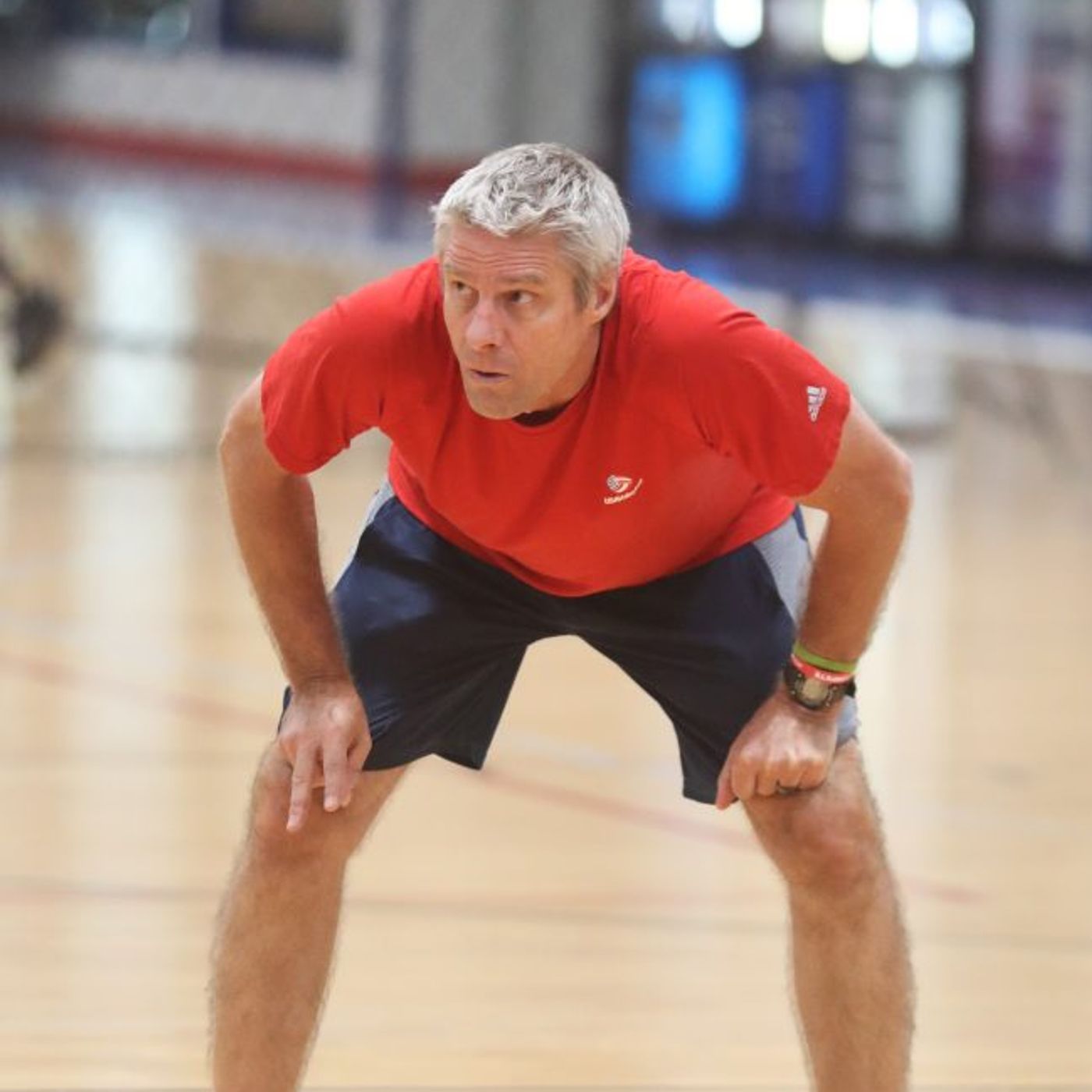
Ep 172Karch Kiraly, and the hunger to pursue mastery
This episode of SANDCAST: Beach volleyball with Tri Bourne and Travis Mewhirter, features the GOAT, Karch Kiraly. Currently the coach of the U.S. Women's National Team, Kiraly has won three gold medals and could very well win another as a coach in the upcoming Tokyo Olympics. This podcast is absolute GOLD -- pun fully intended. We cover the full range of topics, including: - Kiraly's upbringing, and how competing against grown men at 11 years old galvanized his pursuit of finding answers to win, and quickly - His difficult decision to give up beach to compete on the United States National Team, which resulted in his first gold medal at the 1984 Olympics - His wildly successful partnership with Kent Steffes - How he has been able to adapt at every evolution the game, indoor or beach, and remain at the top - SO MUCH MORE If there's one episode y'all should listen to, it should be no surprise that this is the one. Share it out, tell your friends and fellow volleyball fans. This episode is, as always, brought to you by Wilson Volleyball. They make the best beach volleyballs in the game, hands down, and we’d love it if you could support them. Head over to Wison and use our discount code, Sandcast-20, to receive 20 percent off all purchases! Yes, we do get a kickback, but we see it as a win-win – you get a discount on the best balls in the game, we get a little extra love! This episode is also brought to you by Kamena Outdoor! Dave Kamena is a longtime beach volleyball enthusiast and has perfected his outdoor backpack over the previous 17 YEARS! It makes a great Christmas present, or just a great present for yourself. Head over to Kamena Outdoor to get your backpack today! We would also love it if you could check out our new YouTube channel! Bourne and Mewhirter are expanding the podcast, adding extra episodes and features on YouTube, so check us out and make sure to subscribe to get the latest updates! If you haven’t seen it yet, our book, Volleyball For Milkshakes, is for sale on Amazon! If you are a fan of the show, you’ll be a fan of this book, as it adds lessons and stories from our guests in a fictional tale based around the Outrigger Canoe Club, where Bourne learned how to play the game! Thank y’all so much for supporting the show. We couldn’t do it without you. SHOOTS! Hosted by Simplecast, an AdsWizz company. See pcm.adswizz.com for information about our collection and use of personal data for advertising.
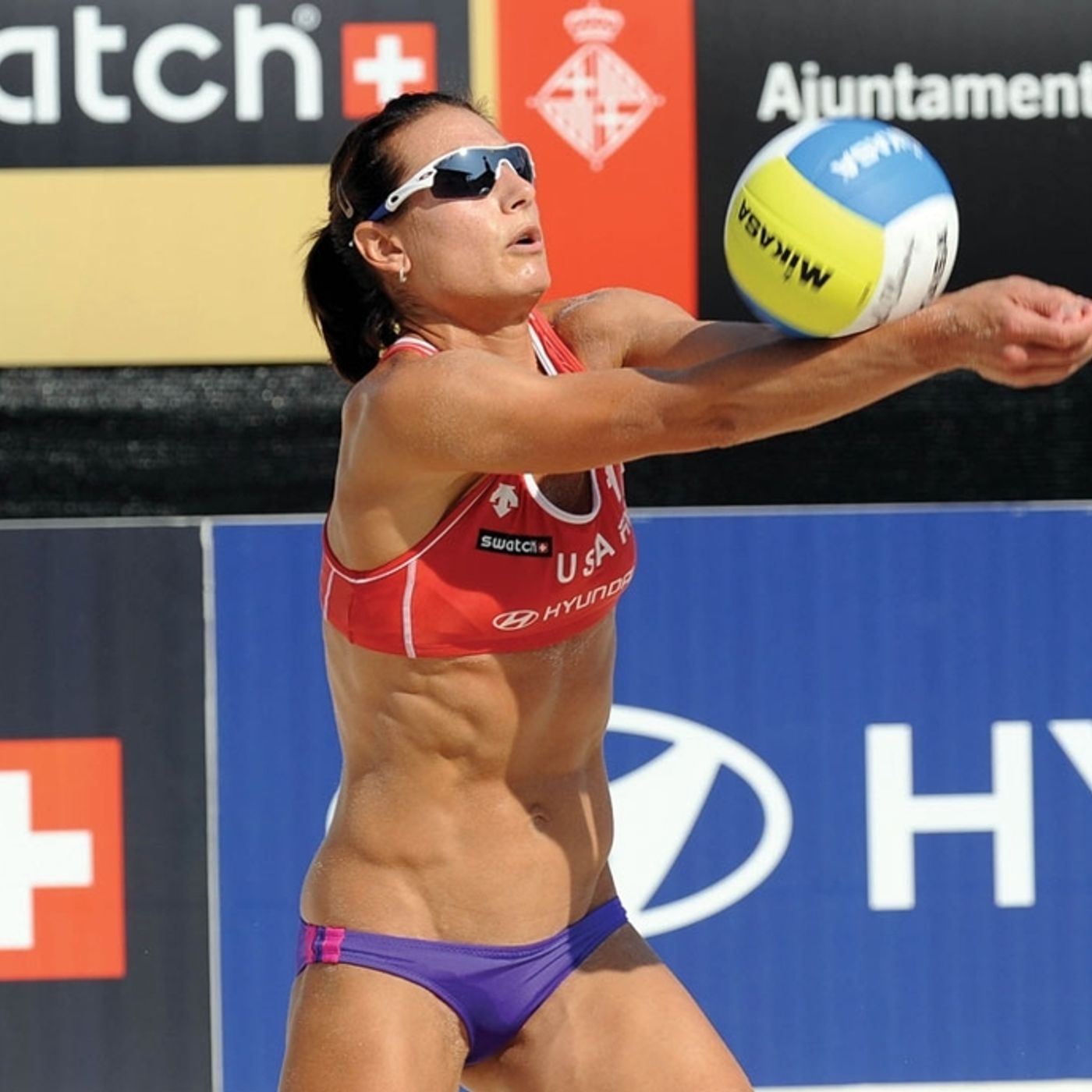
Ep 171Angie Akers: Beach volleyball's running, kickboxing Olympic coach
This episode of SANDCAST: Beach volleyball with Tri Bourne and Travis Mewhirter, features Angie Akers, the AVP and FIVB Rookie of the Year as a player and the new coach of April Ross and Alix Klineman. On this episode, we discuss: - Akers' itinerant journey into beach volleyball, from road running to working for the Lehman Brothers to kickboxing to the beach - Her experience coaching for the Netherlands for the previous six years - How she fell into a training group with John Speraw, Jeff Nygaard, and John Hyden as her first training partners - Compiling an accomplished beach career despite not playing beach volleyball until she was 26 - How she became April Ross and Alix Klineman's new coach - A fun training camp to Brazil, and what's next for the A-Team This episode is, as always, brought to you by Wilson Volleyball. They make the best beach volleyballs in the game, hands down, and we’d love it if you could support them. Head over to Wison and use our discount code, Sandcast-20, to receive 20 percent off all purchases! Yes, we do get a kickback, but we see it as a win-win – you get a discount on the best balls in the game, we get a little extra love! This episode is also brought to you by Kamena Outdoor! Dave Kamena is a longtime beach volleyball enthusiast and has perfected his outdoor backpack over the previous 17 YEARS! It makes a great Christmas present, or just a great present for yourself. Head over to Kamena Outdoor to get your backpack today! We would also love it if you could check out our new YouTube channel! Bourne and Mewhirter are expanding the podcast, adding extra episodes and features on YouTube, so check us out and make sure to subscribe to get the latest updates! If you haven’t seen it yet, our book, Volleyball For Milkshakes, is for sale on Amazon! If you are a fan of the show, you’ll be a fan of this book, as it adds lessons and stories from our guests in a fictional tale based around the Outrigger Canoe Club, where Bourne learned how to play the game! Thank y’all so much for supporting the show. We couldn’t do it without you. SHOOTS! Hosted by Simplecast, an AdsWizz company. See pcm.adswizz.com for information about our collection and use of personal data for advertising.

Ep 170Mailbag: How does off-season training differ from in-season? Other fan questions
This episode of SANDCAST: Beach Volleyball with Tri Bourne and Travis Mewhirter, features fan question host Savvy Simo, who asked a wide variety of fan questions for the show. On this episode, Bourne, Mewhirter, and Simo discuss: - What guest did we learn the most from? - How does off-season training differ from in-season training in beach volleyball? - Why is cornhole and drone racing on ESPN but not beach volleyball? - What are the financials of an up-and-comer in beach volleyball? - What are the best ways to learn the Xs and Os of beach volleyball? And much, much more. Thank you, as always, for watching the show, and thank you all for your fan questions! To submit a question, either each out to us on Instagram (@trammew, @tribourne) or our email, [email protected]. This episode is, as always, brought to you by Wilson Volleyball. They make the best beach volleyballs in the game, hands down, and we’d love it if you could support them. Head over to Wison and use our discount code, Sandcast-20, to receive 20 percent off all purchases! Yes, we do get a kickback, but we see it as a win-win – you get a discount on the best balls in the game, we get a little extra love! We would also love it if you could check out our new YouTube channel! Bourne and Mewhirter are expanding the podcast, adding extra episodes and features on YouTube, so check us out and make sure to subscribe to get the latest updates! If you haven’t seen it yet, our book, Volleyball For Milkshakes, is for sale on Amazon! If you are a fan of the show, you’ll be a fan of this book, as it adds lessons and stories from our guests in a fictional tale based around the Outrigger Canoe Club, where Bourne learned how to play the game! Thank y’all so much for supporting the show. We couldn’t do it without you. SHOOTS! Hosted by Simplecast, an AdsWizz company. See pcm.adswizz.com for information about our collection and use of personal data for advertising.
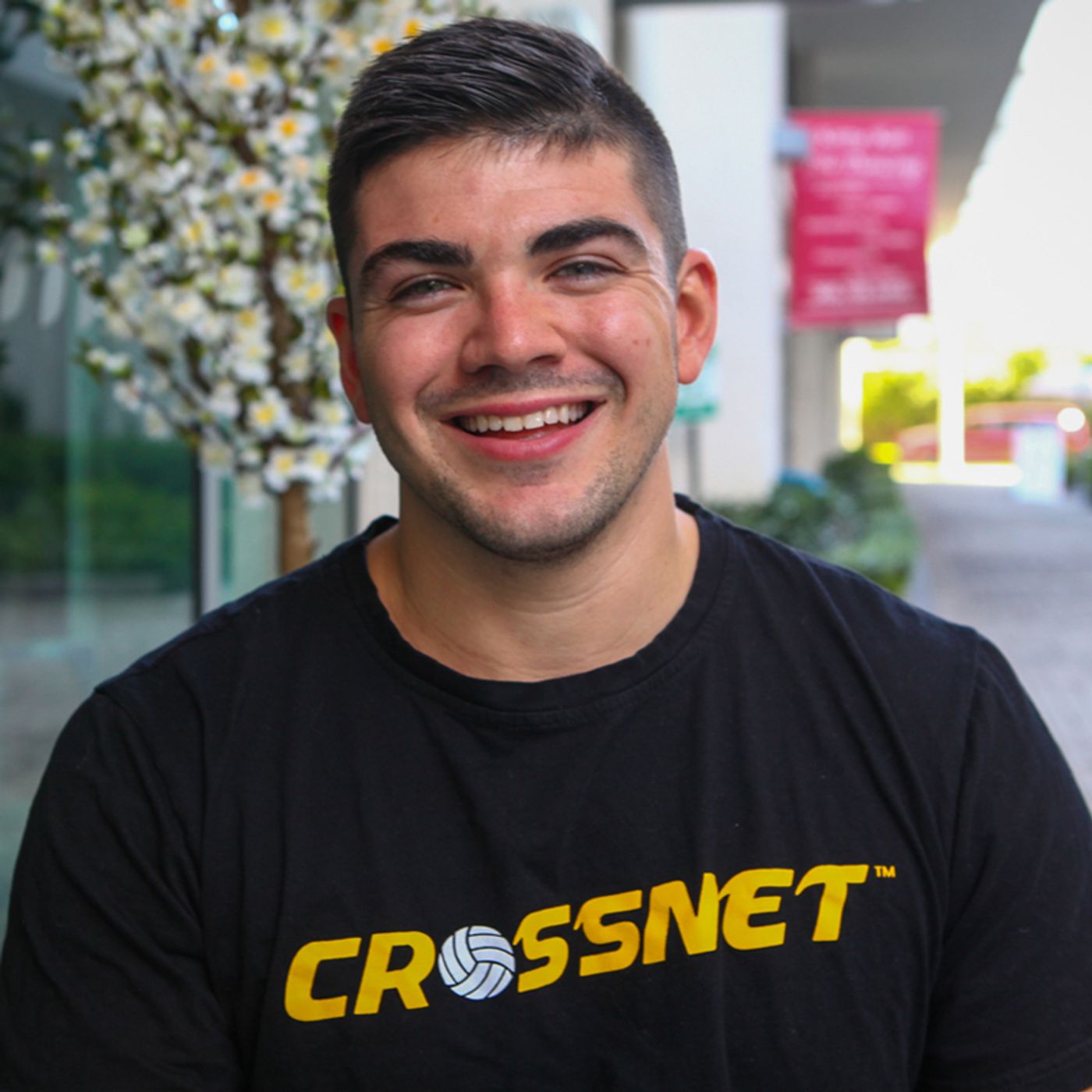
Ep 169Chris Meade: CROSSNET, the million-dollar (literally) idea beach volleyball didn't know it needed
This episode of SANDCAST: Beach volleyball with Tri Bourne and Travis Mewhirter, features Chris Meade, one of three founders of the four-way volleyball game, CROSSNET, that has exploded since its founding in 2017. In this episode, we discuss: How the idea of CROSSNET was hatched, in a 4 a.m. brainstorming session with the founders Convincing a manufacturer to take a chance on three kids with $15,000 in their savings accounts Taking the leap to leave a six-figure job at Uber to launching your own company How CROSSNET has gotten into thousands of schools and is now being retailed in major stores such as Wal Mart The impact it has had on the sport of volleyball The next steps for CROSSNET, including getting it into Canada, Australia, and, yes, swimming pools Thanks as always for listening to SANDCAST, the No. 1 beach volleyball podcast in the world. This episode is, as always, brought to you by Wilson Volleyball. They make the best beach volleyballs in the game, hands down, and we’d love it if you could support them. Head over to Wison and use our discount code, Sandcast-20, to receive 20 percent off all purchases! Yes, we do get a kickback, but we see it as a win-win – you get a discount on the best balls in the game, we get a little extra love! We would also love it if you could check out our new YouTube channel! Bourne and Mewhirter are expanding the podcast, adding extra episodes and features on YouTube, so check us out and make sure to subscribe to get the latest updates! If you haven’t seen it yet, our book, Volleyball For Milkshakes, is for sale on Amazon! If you are a fan of the show, you’ll be a fan of this book, as it adds lessons and stories from our guests in a fictional tale based around the Outrigger Canoe Club, where Bourne learned how to play the game! Thank y’all so much for supporting the show. We couldn’t do it without you. SHOOTS! Hosted by Simplecast, an AdsWizz company. See pcm.adswizz.com for information about our collection and use of personal data for advertising.
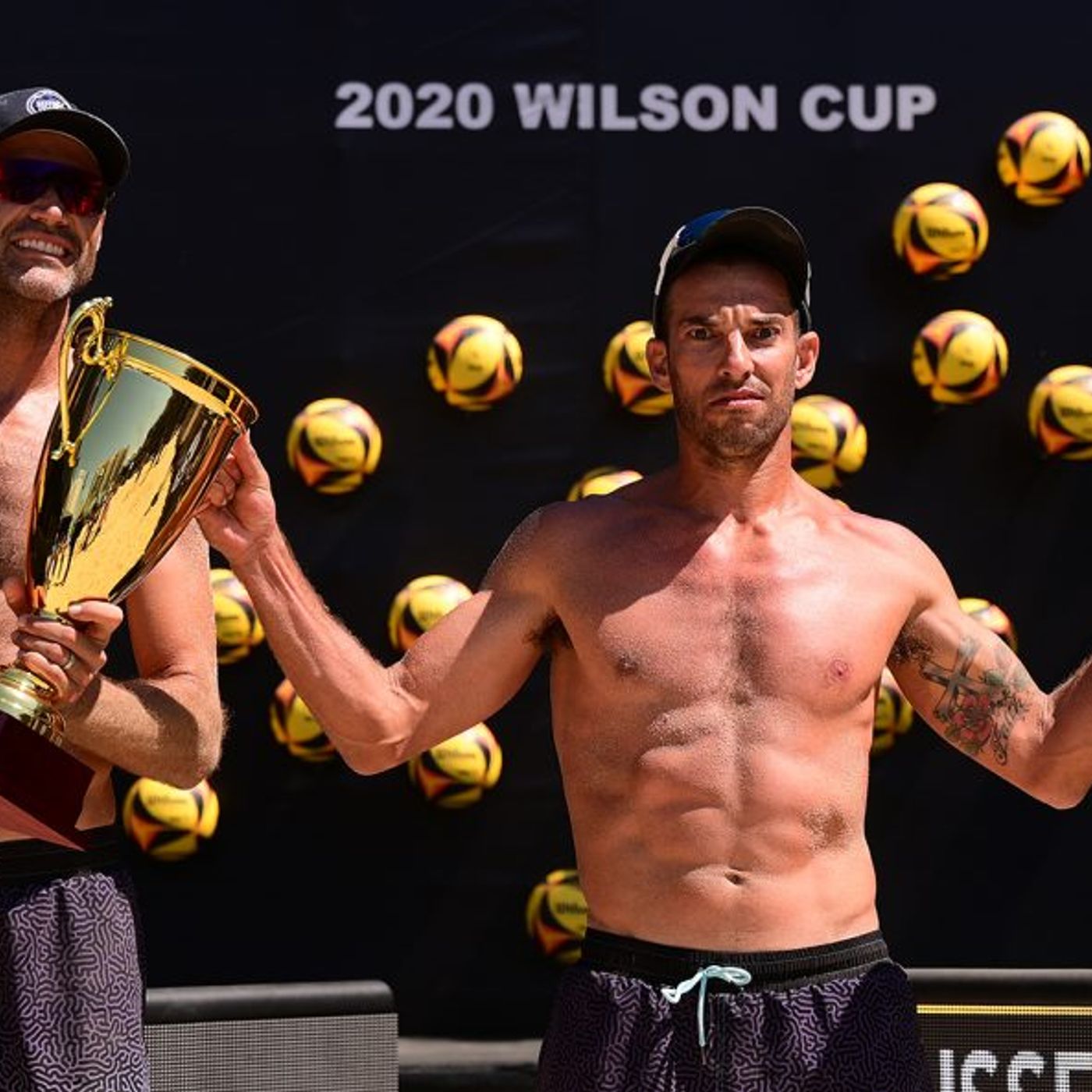
Ep 168Nick Lucena isn't ready for the life of the retired dad just yet
This episode of SANDCAST: Beach volleyball with Tri Bourne and Travis Mewhirter features Nick Lucena, one of the top defenders on the AVP and FIVB tours of his generation. In this episode, we discuss: What this year has looked like for Lucena, which began in Doha and ended in a wild trip to Australia Playing a fun, no-block tournament with Taylor Crabb Why he and Phil Dalhausser decided to split-block in the AVP Chicago tournament in 2018 What motivates Lucena, who is 41 years old, to continue playing The competitive streak that has kept him at the top of his game since his early 20s The four-week expedited training schedule he and Dalhausser undertook to prepare for the AVP Champions Cup How crazy the U.S. will look without Dalhausser and Jake Gibb in the game after this season This episode is, as always, brought to you by Wilson volleyball. They make the best balls in the game, and you can get 20 percent off by using our discount code, Sandcast-20. Be sure to check out our new book, Volleyball for Milkshakes, on Amazon and, if you're feeling extra magnanimous, drop us a review! It goes a long way. Thanks as always for listening! SHOOTS! Hosted by Simplecast, an AdsWizz company. See pcm.adswizz.com for information about our collection and use of personal data for advertising.
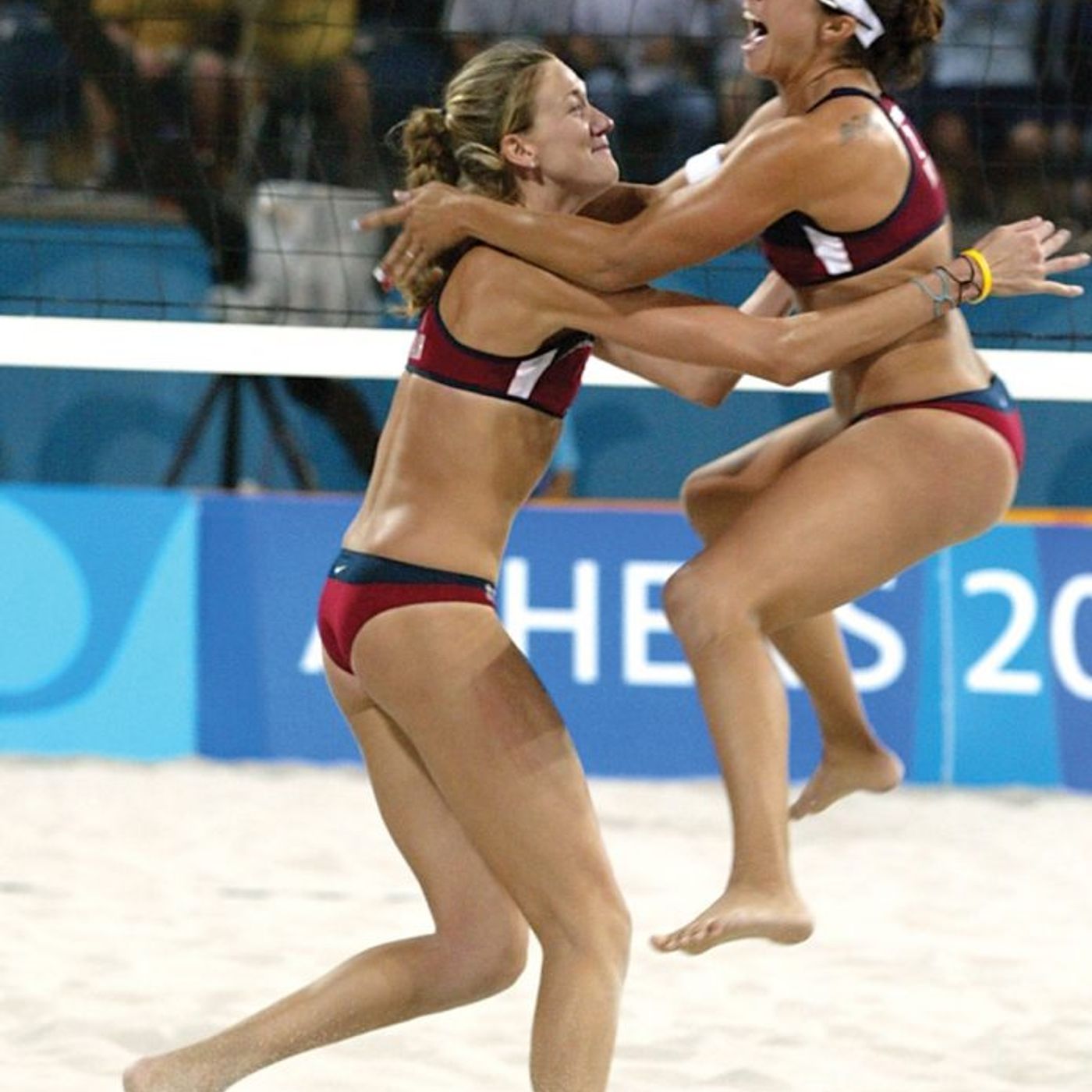
Ep 167Three gold medals of wisdom with Misty May-Treanor
This episode of SANDCAST: Beach volleyball with Tri Bourne and Travis Mewhirter, features one of the greatest of all time, if not the greatest of all time, in Misty May-Treanor. It was such a blast having May-Treanor on the show, one of the best we've had yet -- no surprise there. On the episode, we discuss: - What her life looks like today, as a retired athlete and current mother of three - Her even-keel mindset and ability to stay calm on the biggest stages in sport - What her training regimen looked like both in season and during off-season - How she built her brand on immersing herself amid the crowd -- literally -- and being physically present and available - Her and Kerri Walsh Jennings' partnership, and how they built the most dominant duo in beach volleyball history This episode, as always, is brought to you by Wilson Volleyball, makers of the BEST beach volleyballs in the game. Use our discount code, Sandcast-20 to get 20 percent off all Wilson products. Also be sure to give us a subscribe on our YouTube channel! A follow would go a long way as Tri Bourne and I build our podcast. SHOOTS! Hosted by Simplecast, an AdsWizz company. See pcm.adswizz.com for information about our collection and use of personal data for advertising.
Ep 166Three years of unbelievable growth, change in three years of SANDCAST
This episode of SANDCAST: Beach volleyball with Tri Bourne and Travis Mewhirter, features the hosts, Bourne and Mewhirter, as well as a new voice on the show, Savvy Simo, as we celebrate our three year anniversary of doing the podcast. On this episode, we recap the long and short three-year journey we've been on, and answer a wide variety of fan questions, such as... - How would you rank the top 10 men's teams right now going into the Olympics in 2021? Norway still #1? - How would you rank Taylor within the group of top 5 defenders and why? - What is the direction that USAV is headed with Tyler Hildebrand going back to Nebraska? - Seems like the players would love more chances to play and you’ve seen first hand how into beach/sand volleyball places that don’t actually have beaches can be (Cincinnati) plus you’ve seen the indoor sand facilities. So what’s your take on playing sand indoors during the winter months? - You’ve done a great job of interviewing the players and giving a bit more depth to the game from this fan’s perspective. You asked for some questions. You’ll undoubtedly get the most [surprising, best, worst, hilarious, .. etc], but I’m curious if you see the growth and acceptance of the game changing? Are you more or less positive looking forward? And what about existing and potential sponsors - how do you see that world now? Many, many more. Thanks, as always, for listening to the show! If you want to drop us a review in iTunes, we'd appreciate it. And, as always, thanks to Wilson Volleyball for sponsoring the show! If you want 20 percent off the best balls in the game, check out Wilson using our discount code SANDCAST-20 for 20 percent off! SHOOTS! Hosted by Simplecast, an AdsWizz company. See pcm.adswizz.com for information about our collection and use of personal data for advertising.
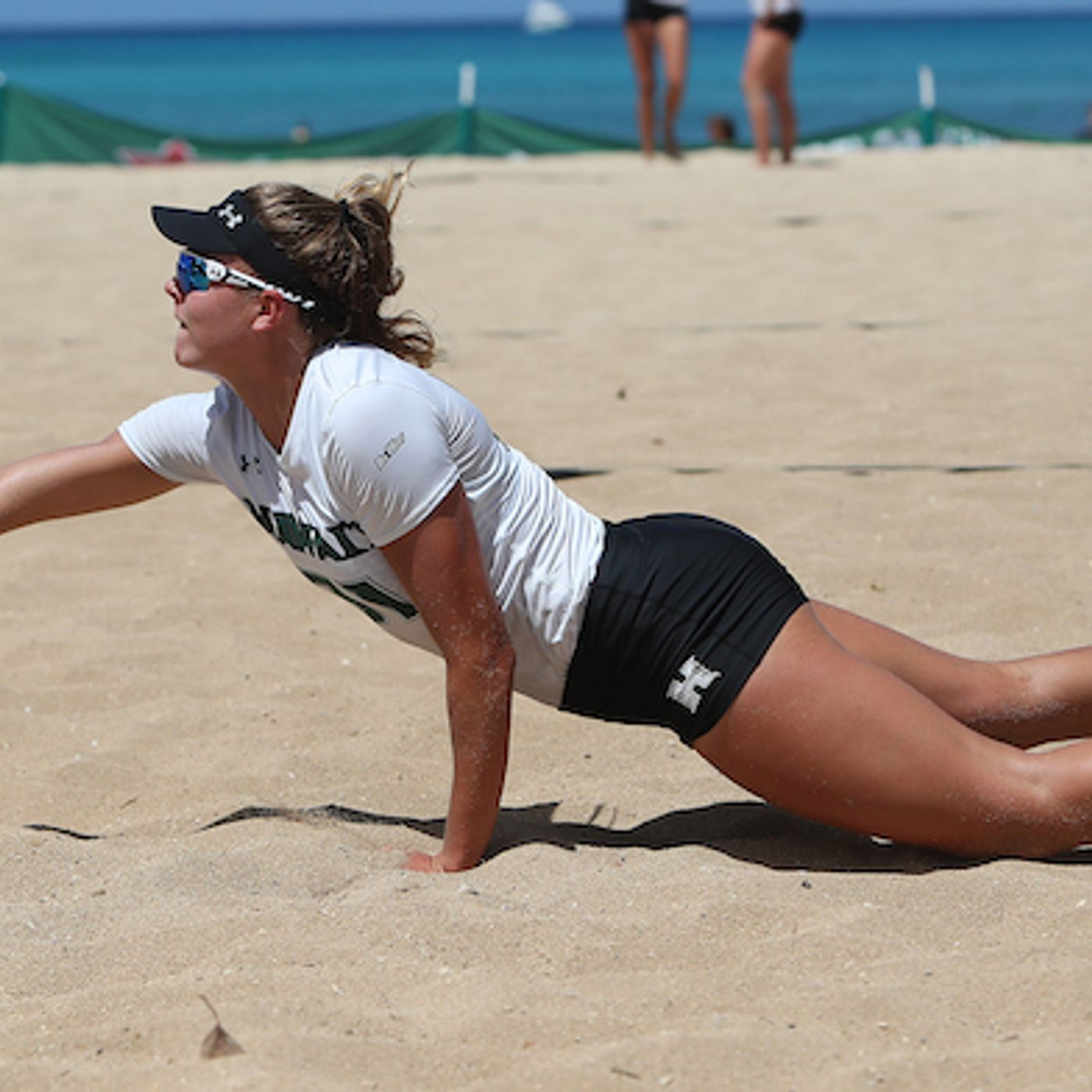
Ep 165Julia Scoles: Finding peace amid life's biggest decisions
This episode of SANDCAST: Beach volleyball with Tri Bourne and Travis Mewhirter features Julia Scoles, a phenomenal indoor player at the University of North Carolina who transferred to Hawai'i to play beach after a series of concussions. After an incredibly successful stint as a Bow, Scoles transferred to USC, where, a year later, she is still waiting to make her debut as a Trojan. On this episode, we discuss: - Scoles' path from Carolina to Hawai'i to USC - Her steep learning curve on the beach - Winning her first tournament at the Waupaca Boatride with Hailey Harward - How she has found peace amid all these momentous life decisions, and the stress of going from the East Coast to halfway around the world to Hawai'i - Her five-year plan as a professional volleyball player after she graduates from USC As always, this episode is brought to you by Wilson Volleyball, makers of the best balls in the game. Use our discount code, Sandcast-20 to get 20 percent off all Wilson products! We would also LOVE it if you checked out our book, Volleyball for Milkshakes, which can be bought on Amazon. And, if you've already read it, drop us a review! It only helps spread the beach love :) SHOOTS! Hosted by Simplecast, an AdsWizz company. See pcm.adswizz.com for information about our collection and use of personal data for advertising.
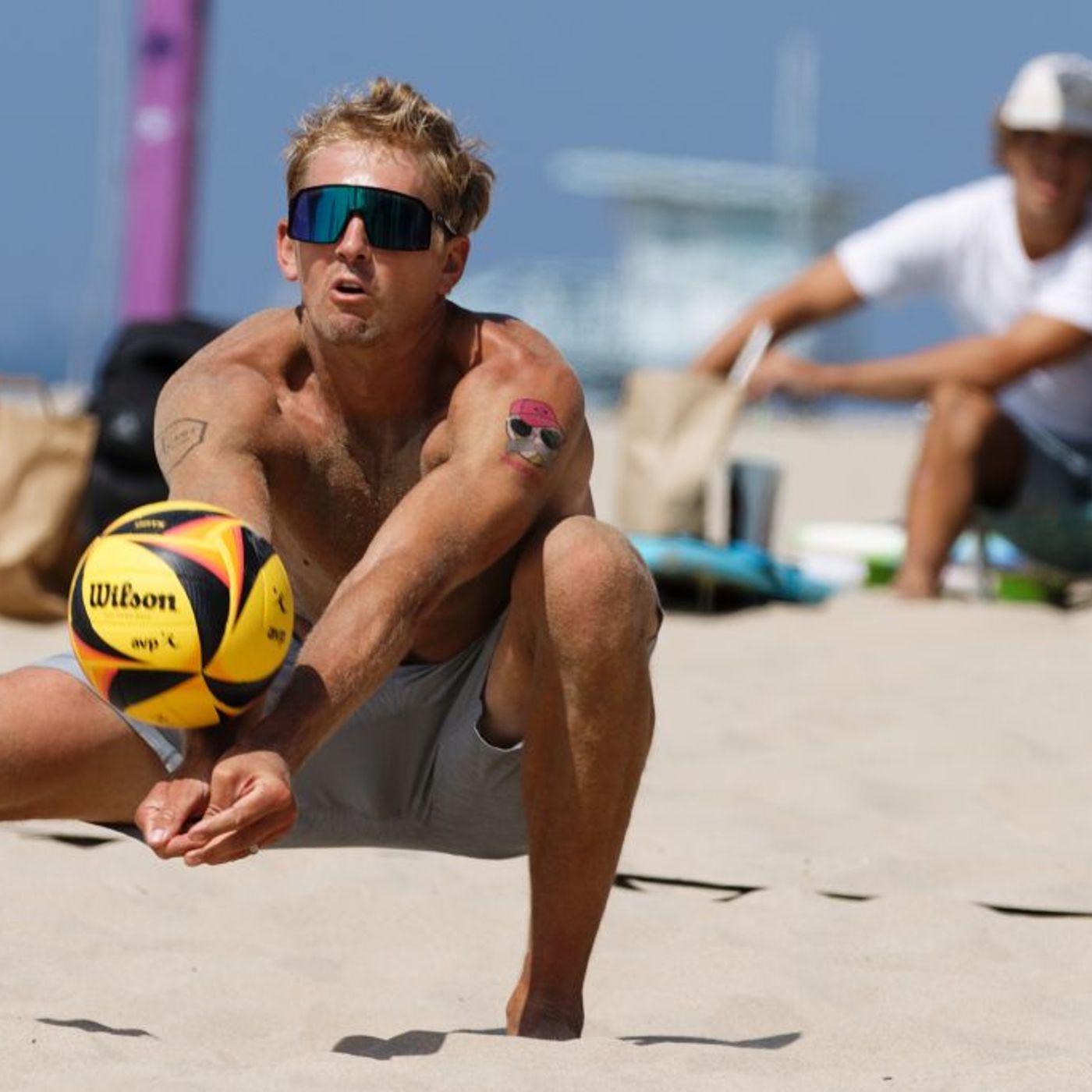
Ep 164Avery Drost: Becoming beach volleyball's ultimate utility man
This episode of SANDCAST: Beach volleyball with Tri Bourne and Travis Mewhirter is with Avery Drost, a longtime pro who has been competing on the AVP Tour for 10 years. On this episode, we discuss: - Drost winning the Hyden Beach AVP Next with Miles Partain - Just how good the 18-year-old Partain is becoming - Drost finding the best practice regimen and weight lifting schedule for his body - Finding the right playing weight - His goals when it comes to beach volleyball - Transitioning to a right-side defender with Ryan Doherty - His overall confusion -- in a good way -- over what position to play, given his ability to thrive all over the court This episode, as always, is brought to you by Wilson Volleyball, makers of the best beach volleyballs in the game. Use our discount code, Sandcast-20, for 20 percent off! We'd love it if you checked out our book, Volleyball for Milkshakes, on Amazon, and we'd really love it if you dropped us a review as well! It goes a long way. SHOOTS! Hosted by Simplecast, an AdsWizz company. See pcm.adswizz.com for information about our collection and use of personal data for advertising.
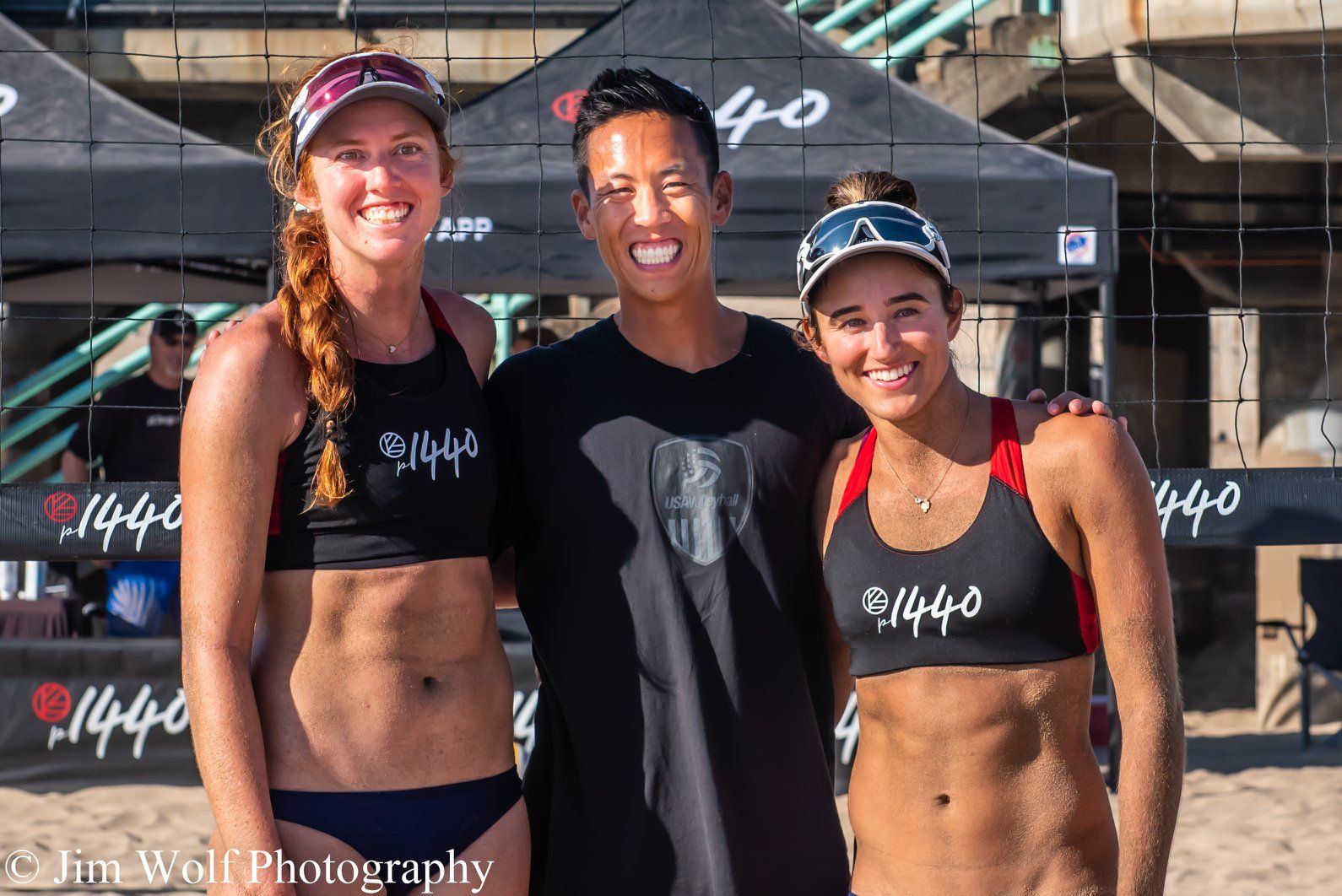
Ep 163Jordan Cheng: Making a career out of "Once in a lifetime opportunities"
This episode of SANDCAST: Beach volleyball with Tri Bourne and Travis Mewhirter, is with Jordan Cheng, the coach of Kelly Claes and Sarah Sponcil, the 10th-ranked team in the world and No. 3 in the American Olympic race. On this episode, we discuss: - Cheng's career as a coach, how his intentions to play professionally were constantly derailed by "once in a lifetime" coaching opportunities at Pepperdine, under Marv Dunphy, USA Volleyball under John Speraw, UCI, Reid Priddy and, now, Sponcil and Claes - How Cheng, 28 years old at the time, came to be the coach for Priddy, one of the best volleyball players of all time - His coaching philosophy: "I don't want to be a JV version of Jose Loiola. I want to be a varsity version of myself." - How he came to coach Claes and Sponcil - The importance of pursuing something bigger than beach volleyball This episode is, as always, brought to you by Wilson volleyball. They make the best balls in the game, and you can get 20 percent off by using our discount code, Sandcast-20. Be sure to check out our new book, Volleyball for Milkshakes, on Amazon and, if you're feeling extra magnanimous, drop us a review! It goes a long way. Thanks as always for listening! SHOOTS! Hosted by Simplecast, an AdsWizz company. See pcm.adswizz.com for information about our collection and use of personal data for advertising.
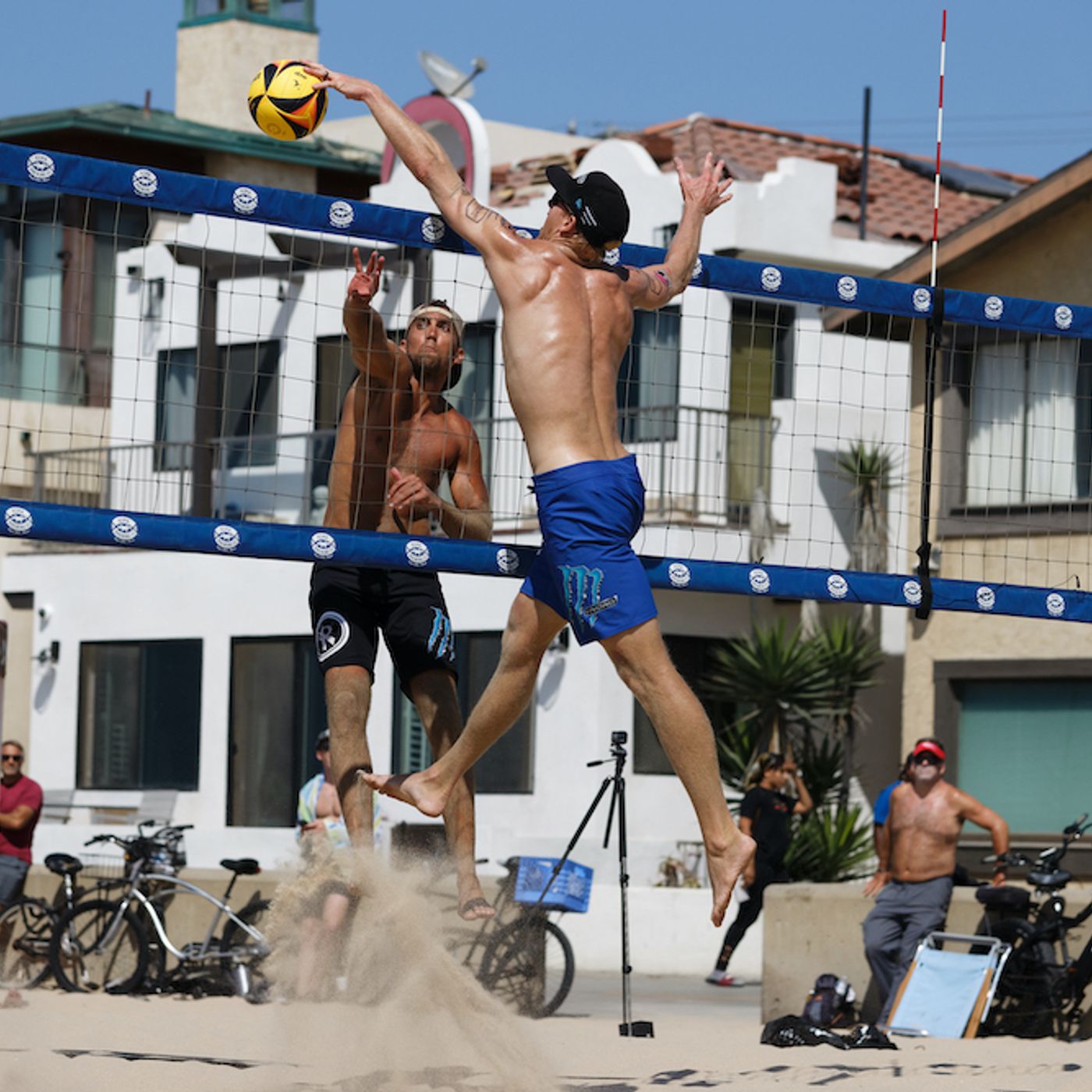
Ep 162Answering beach volleyball's questions in a year with no shortage of them
On this episode of SANDCAST: Beach volleyball with Tri Bourne and Travis Mewhirter, we answer fan questions in our "season ending" episode, even if there wasn't much of a season in the first place. Some of those questions include: - What's this secret event Tri has been training for? - Who are some of the younger players, other than Andy Benesh and Eric Beranek, we should be looking out for? - Is Miles Partain the real deal or what? - What beach players are getting out of the game after this year? - If you could change one thing about the Olympic qualifying process, what would it be? - What do you think the 2021 season will look like? We answer a few more as well. Enjoy! SHOOTS! Hosted by Simplecast, an AdsWizz company. See pcm.adswizz.com for information about our collection and use of personal data for advertising.
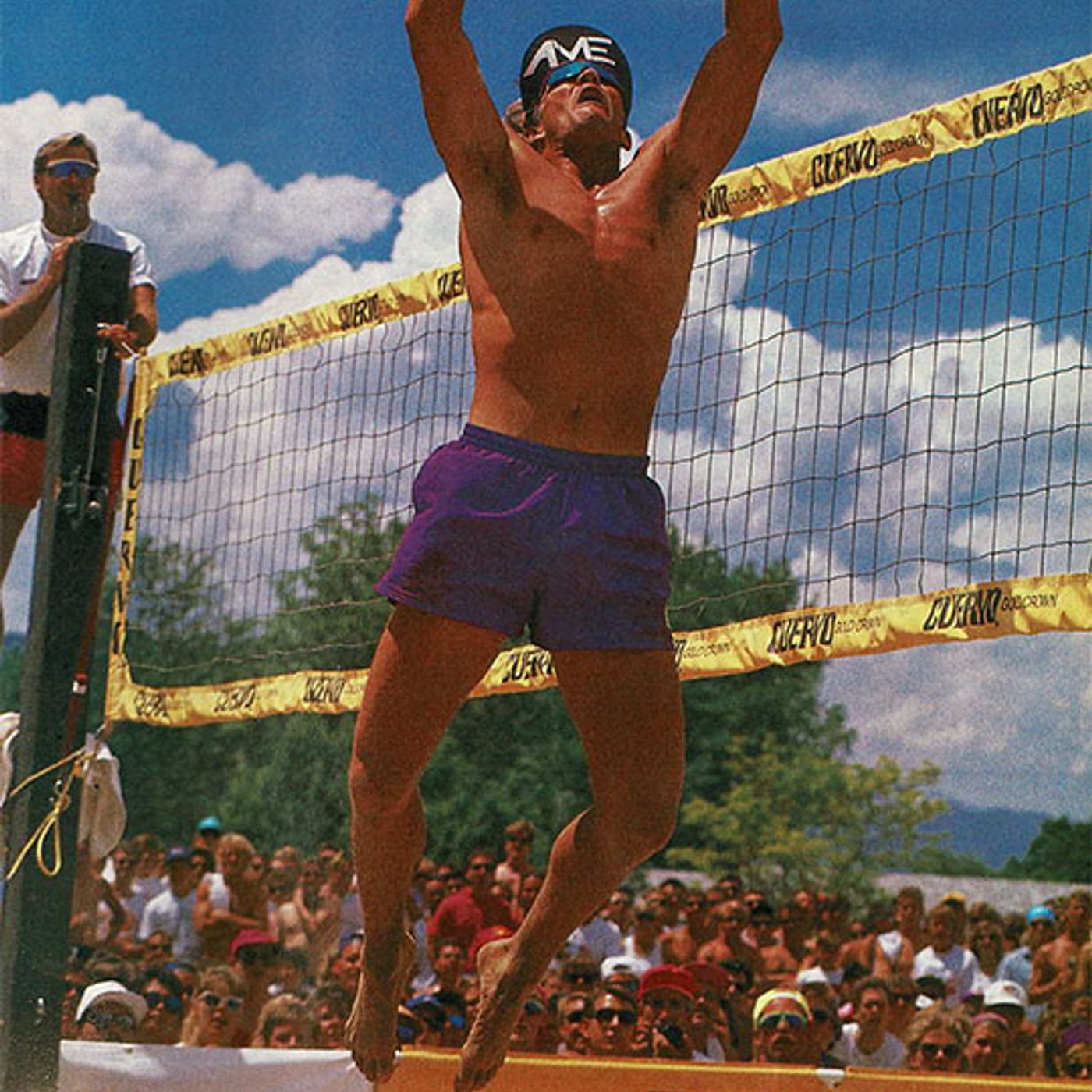
Ep 161Randy Stoklos is still the King of the Beach
This episode of SANDCAST: Beach volleyball with Tri Bourne and Travis Mewhirter, is with one of the greatest players of all-time, with 123 victories, including four at the Manhattan Beach Open. More than that, Stoklos, along with his partner, Sinjin Smith, is one of the most influential individuals in beach history, instrumental in pushing beach volleyball worldwide. Without Stoklos and Smith, it's possible the sport would not currently be in the Olympic Games. On this episode, we cover a lot of ground, including: - Stoklos' upbringing with his father, Rudy, a Polish immigrant who escaped a concentration camp in Nazi Germany. - Winning the Manhattan Beach Open at age 20 with the legendary Jim Menges - How he and Sinjin Smith partnered, both of them turning down an offer from Karch Kiraly to do so - Stoklos' and Sinjin's epic 11-year partnership, in which they won more tournaments (115) than any team in beach volleyball history - Their push for the FIVB, and international volleyball - An incredible story from Ipanema, where he and Smith were dubbed the Kings of Rio - So much more. Honestly, just listen. It's amazing. You'll love it. SHOOTS! Hosted by Simplecast, an AdsWizz company. See pcm.adswizz.com for information about our collection and use of personal data for advertising.
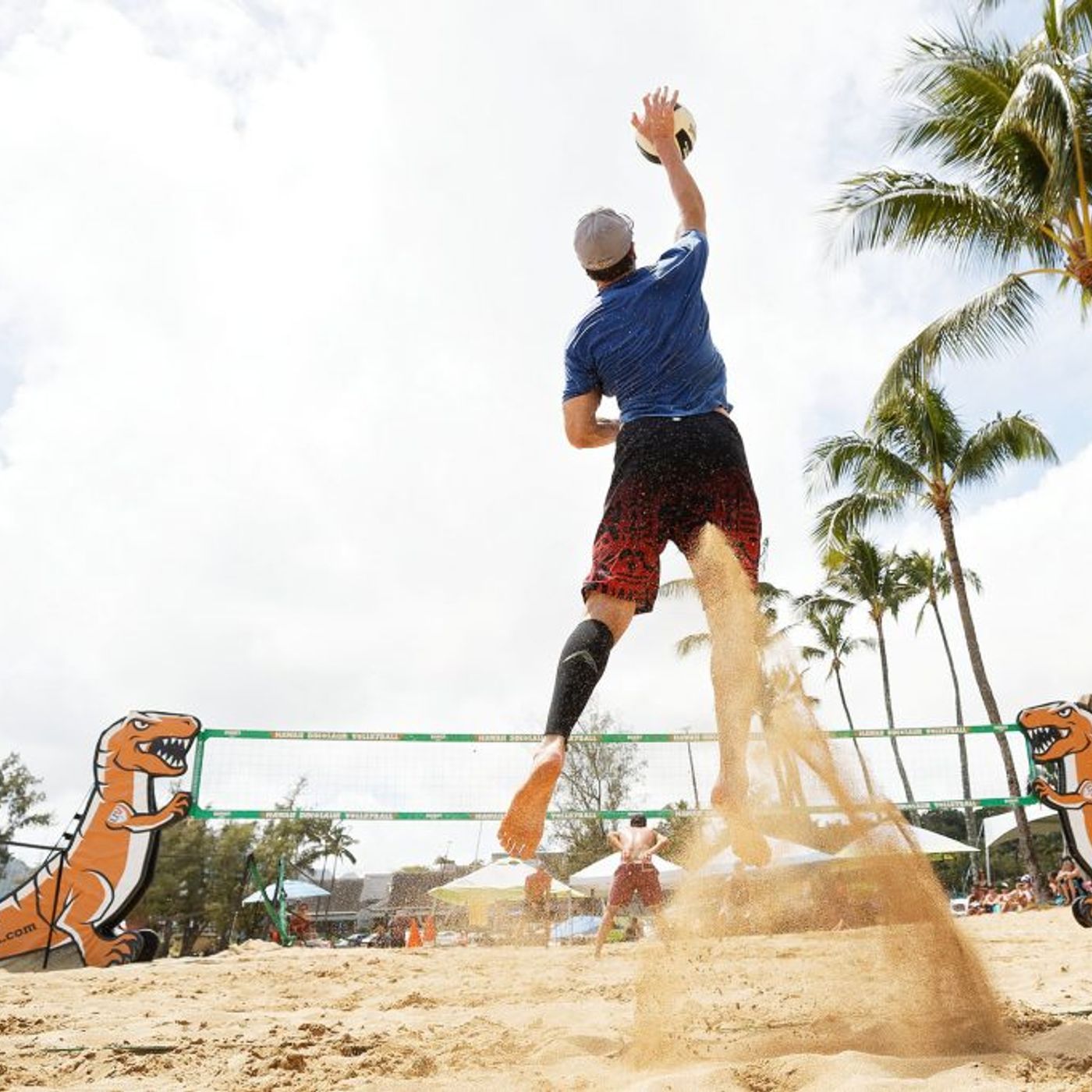
Ep 160SANDCAST: John Hyden, the consummate player-coach, on and off the sand
This episode of SANDCAST: Beach volleyball with Tri Bourne and Travis Mewhirter, is with the legendary, and ageless, John Hyden. At 47 years young, Hyden is still one of the best defenders in the United States, with his own beach facility just outside Nashville, Tennessee. On this episode, we discuss: - Hyden’s transition from an indoor Olympian to a beach volleyball player grinding in qualifiers - Hustling side jobs, like hanging Christmas lights, putting in synthetic turf putting greens, and almost getting attacked by a dog, until he turned the financial corner in beach. - Building his team and system, beginning with Brad Keenan in 2007 - Why he and Sean Scott were so dominant - Coaching up a young Tri – or Tree – Bourne, on volleyball and far more - Launching his new facility in Nashville - The final act of his playing career, and how much juice the young man has left in him This episode is, as always, brought to you by Wilson Volleyball. Use our discount code, Sandcast-20, to get 20 percent off the best balls in the game! SHOOTS! Hosted by Simplecast, an AdsWizz company. See pcm.adswizz.com for information about our collection and use of personal data for advertising.
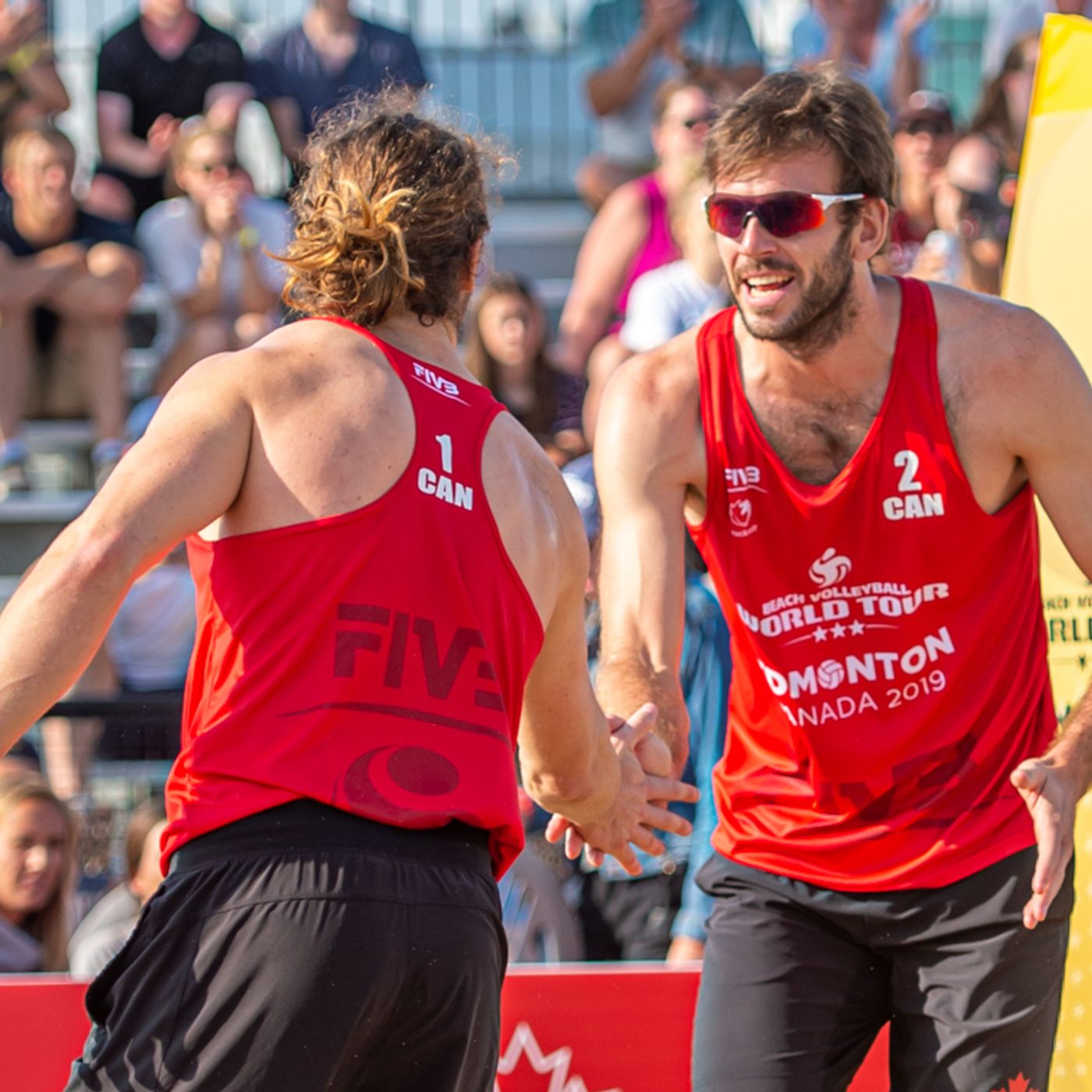
Ep 159Grant O'Gorman and Ben Saxton, pushing for Tokyo and Men's Health Awareness
This episode of SANDCAST: Beach volleyball with Tri Bourne and Travis Mewhirter, features Canadians Grant O'Gorman and Ben Saxton, who are the second-ranked Canadian team in the race for Tokyo 2021. More than pushing for Tokyo, however, they -- and especially O'Gorman -- are pushing for men's health awareness, as O'Gorman was diagnosed with, and beat, testicular cancer. On this episode, we cover: - O'Gorman discovering his testicular cancer, beginning in Hamburg, Germany, at the World Champs - How the coronavirus may have actually saved his life - How O'Gorman and Saxton became partners, and O'Gorman's brief stint living in a van - Saxton's new mindset of not focusing on the Olympics, but simply trying to be the best he can be, every year - The upcoming King of the Court event, the first time either has competed in the format - The rise of Canadian volleyball, particularly the women's side This episode, of course, is brought to you by Wilson Volleyball, the best balls in the game. Use our discount code, Sandcast-20, to get 20 percent off! SHOOTS! Hosted by Simplecast, an AdsWizz company. See pcm.adswizz.com for information about our collection and use of personal data for advertising.
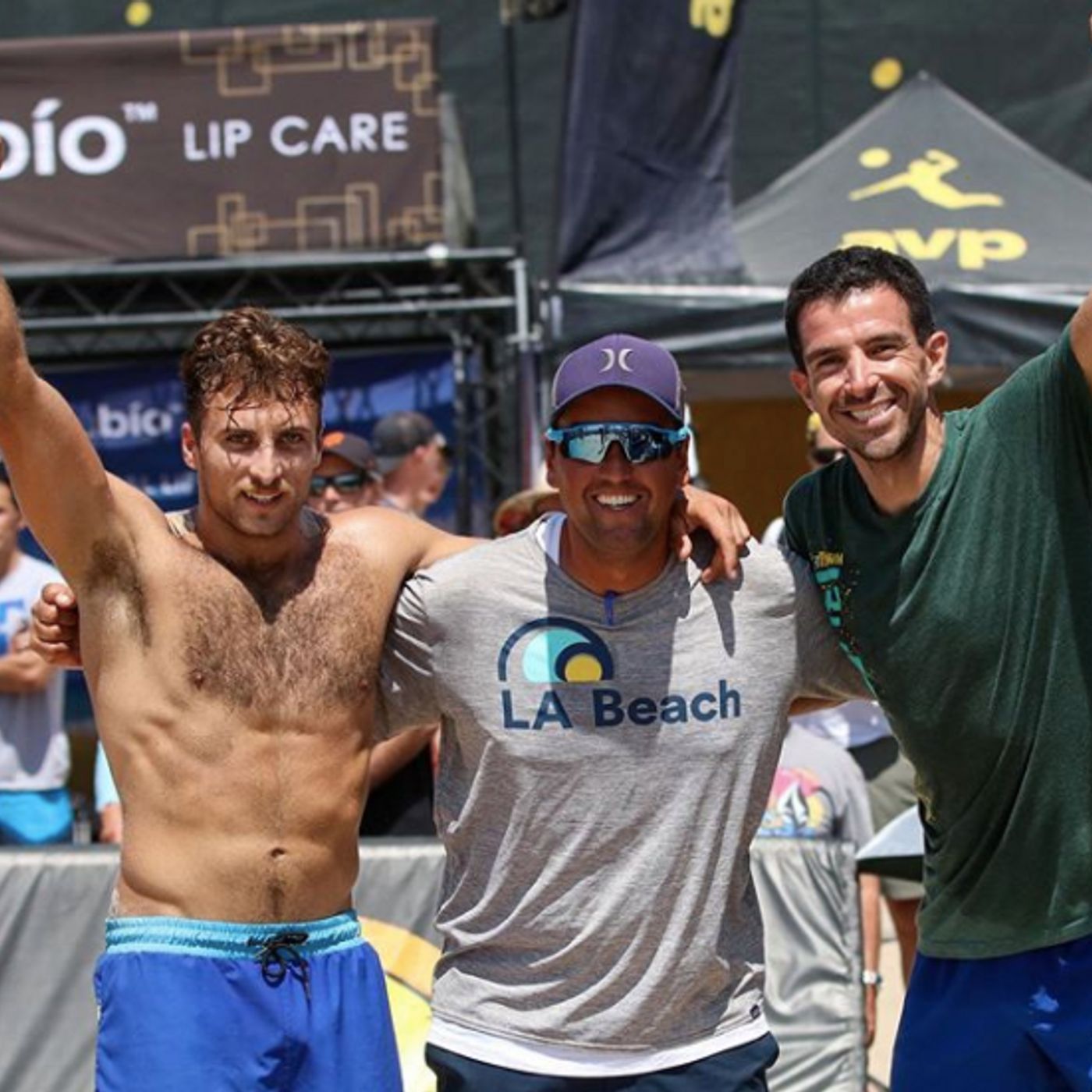
Ep 158From garbage to a coaching the best: How LT Treumann established a beach volleyball empire
This episode of SANDCAST: Beach volleyball with Tri Bourne and Travis Mewhirter, is with Livingstone "LT" Treumann, who has established one of the best unofficial beach volleyball training centers in the United States. On this episode, we cover: - Treumann's days growing up in Brazil, and how a white lie turned into a career in volleyball - Training with the best in the world, including Ricardo Santos and Emanuel Rego, as a teenager in Brazil - His decision to pursue a career in the garbage business over moving to Santa Monica - Getting back into coaching beach volleyball - How he helped Bill Kolinske and Eric Beranek to a career-high third place finish at the 2019 Manhattan Beach Open - How he established third street in Hermosa Beach as the training grounds for some of the best players in the country - What he's currently doing in Florida with Beranek and Andy Benesh for the next three months This episode, per usual, is brought to you by Wilson Volleyball, who makes the best balls in the game. Use our discount code, Sandcast-20 to get 20 percent off all purchases! Hosted by Simplecast, an AdsWizz company. See pcm.adswizz.com for information about our collection and use of personal data for advertising.
Ep 157Pressure is a privilege for Adrian Carambula
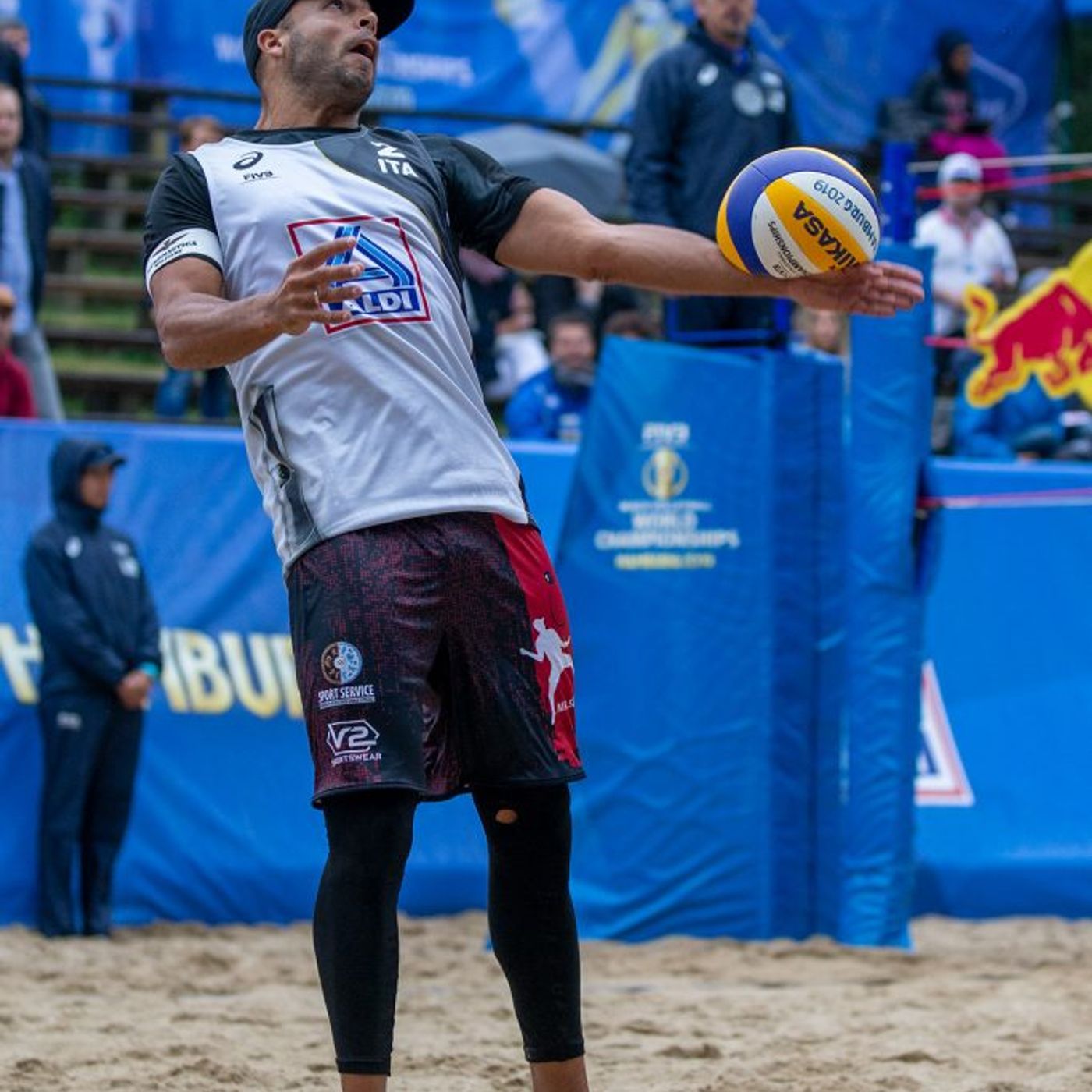
This episode of SANDCAST: Beach volleyball with Tri Bourne and Travis Mewhirter features Adrian Carambula. Nicknamed Mr. Skyball for his towering, spinning serve, Carambula is one of the best players in Italy and in the race to qualify for the Tokyo Olympics with Enrico Rossi. On this episode, we cover: - Carambula's move from Uruguay to the United States, and how he discovered volleyball on the shores of South Beach, Miami. - His rise up the ranks in beach volleyball in the U.S., and how he began utilizing a creative, never-before-seen playing style - His tryout with the Italian Federation - The long list of adversity he had to overcome to convince the Italian Federation to give him a shot at playing with Alex Ranghieri - His breakthrough tournament in Porec, Croatia, where he and Ranghieri would take bronze, putting to rest all of the doubts the Federation had about him - Finding his new partner, Enrico Rossi, and where his career is headed from here. Thanks as always for listening to SANDCAST! This episode is brought to you by Wilson Volleyball ! Use our discount code, Sandcast-20, to get 20 percent off all Wilson products. Tri and I would love it if you guys ordered a copy of our book, Volleyball for Milkshakes, which is filled with lessons from the pros on this podcast. SHOOTS! Hosted by Simplecast, an AdsWizz company. See pcm.adswizz.com for information about our collection and use of personal data for advertising.
Ep 156Traci Callahan has 'quit quitting'
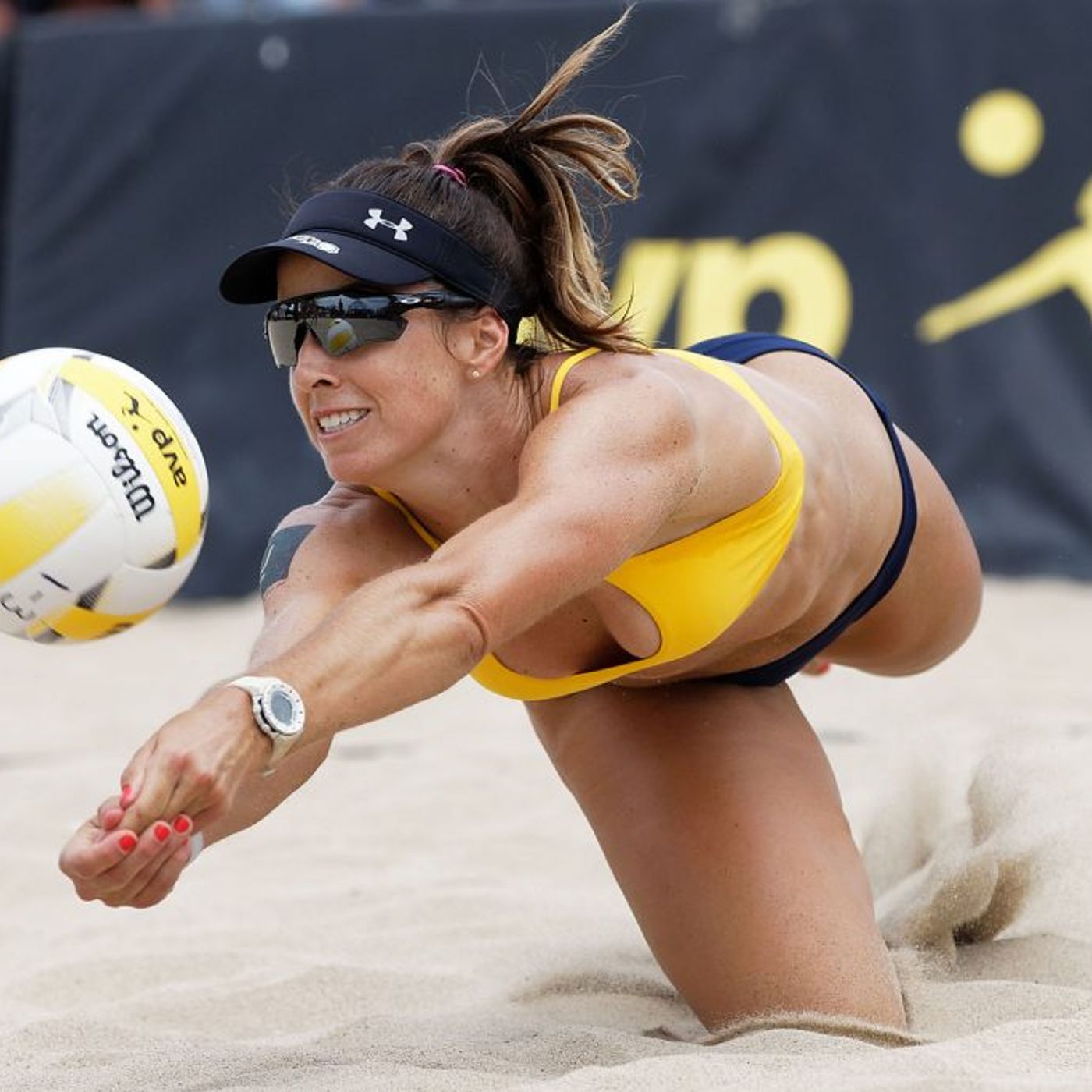
This episode of SANDCAST: Beach volleyball with Tri Bourne and Travis Mewhirter, features Traci Callahan, who has been competing on the AVP Tour since 2010, with a brief break in the 2015-2017 seasons. We talk a lot about that break, as well as: - A journey down the Camino de Santiago, and how it inspired her to get back into beach volleyball - Her time as a coach, yoga instructor, bee farmer, organic farmer, and others in between her stints as a professional beach volleyball player - Why she got back into beach volleyball - The struggles of returning to the sport, which included switching positions, not being able to find a partner, and, you know, Covid - Her newfound dedication to the sport, and what it has taken to get back to the top level As always, this episode is brought to you by Wilson Volleyball. Use our discount code, Sandcast-20, to get 20 percent off! We would LOVE it, if you checked out our book, Volleyball for Milkshakes! If you like the show, we know you'd love the book, which is packed with some of the best lessons from our guests on the show. Thanks as always for listening. SHOOTS! Hosted by Simplecast, an AdsWizz company. See pcm.adswizz.com for information about our collection and use of personal data for advertising.
Ep 155Wilco Nijland, King of the Court creator, beach volleyball's ultimate innovator
This episode of SANDCAST: Beach volleyball with Tri Bourne and Travis Mewhirter, is with Wilco Nijland, the CEO of SportWorx, based in Utretcht, Netherlands, and the creator of the wildly popular King of the Court Series. On this episode of the podcast, we discuss: - How Wilco was able, despite all the Covid precautions, to hold a King of the Court - Innovative ideas in the sport of beach volleyball, such as having the first serve of the Dutch Tour in 2020 coincide with the sunrise -- at 5:24 a.m. on July 1, the first day professional sport was allowed - The high-speed format for King of the Court, and how it has attracted a much-sought after demographic: The 18-34 year olds. - The relationships Nijland has been able to build with the FIVB and AVP, working alongside both in the past three years - The idea for Skyboxes -- skyboxes! -- in beach volleyball As always, this episode is brought to you by our good friends at Wilson Volleyball. Use our discount code, Sandcast-20, to get 20 percent off all Wilson products! And, of course, make sure to check out our new book, Volleyball for Milkshakes, which you can get on Amazon! Hosted by Simplecast, an AdsWizz company. See pcm.adswizz.com for information about our collection and use of personal data for advertising.
Ep 154Tri Bourne has leveled up, winning his first AVP title in five years
On this episode of SANDCAST: Beach volleyball with Tri Bourne and Travis Mewhirter, we bring on host Tri Bourne, who just won his first AVP tournament in five years! Since launching this podcast, Bourne has battled -- is still battling -- an autoimmune disease, enrolled in acting classes, hosting classes, improv classes, begun reading books regularly, authored a book of his own, and is back in the winners circle on the AVP Tour. He speaks a lot on leveling up on this show. He certainly has himself. On this episode, we discuss: - The AVP Champions Cup Series, from week one to week three, culminating in his win - Trevor Crabb hilariously guaranteeing a win at the Porsche Cup, for no explicable reason - Reminiscing to when Bourne was diagnosed with the autoimmune disease, when he had to have the conversation if he was ever going to play again - Bouncing back from a brutal first set loss to Chaim Schalk and Chase Budinger - What the next few weeks will look like for Bourne and Crabb Thanks, as always, for listening to the show. Be sure to give a shout to our sponsor, Wilson Volleyball, for making the show happen! Use our discount code, Sandcast-20 to get 20 PERCENT OFF! Also, we published a book! It's called Volleyball for Milkshakes, and we'd love it if you bought a copy, or dropped a review. Every little bit helps your favorite podcast :) Hosted by Simplecast, an AdsWizz company. See pcm.adswizz.com for information about our collection and use of personal data for advertising.