Retropod
487 episodes — Page 4 of 10
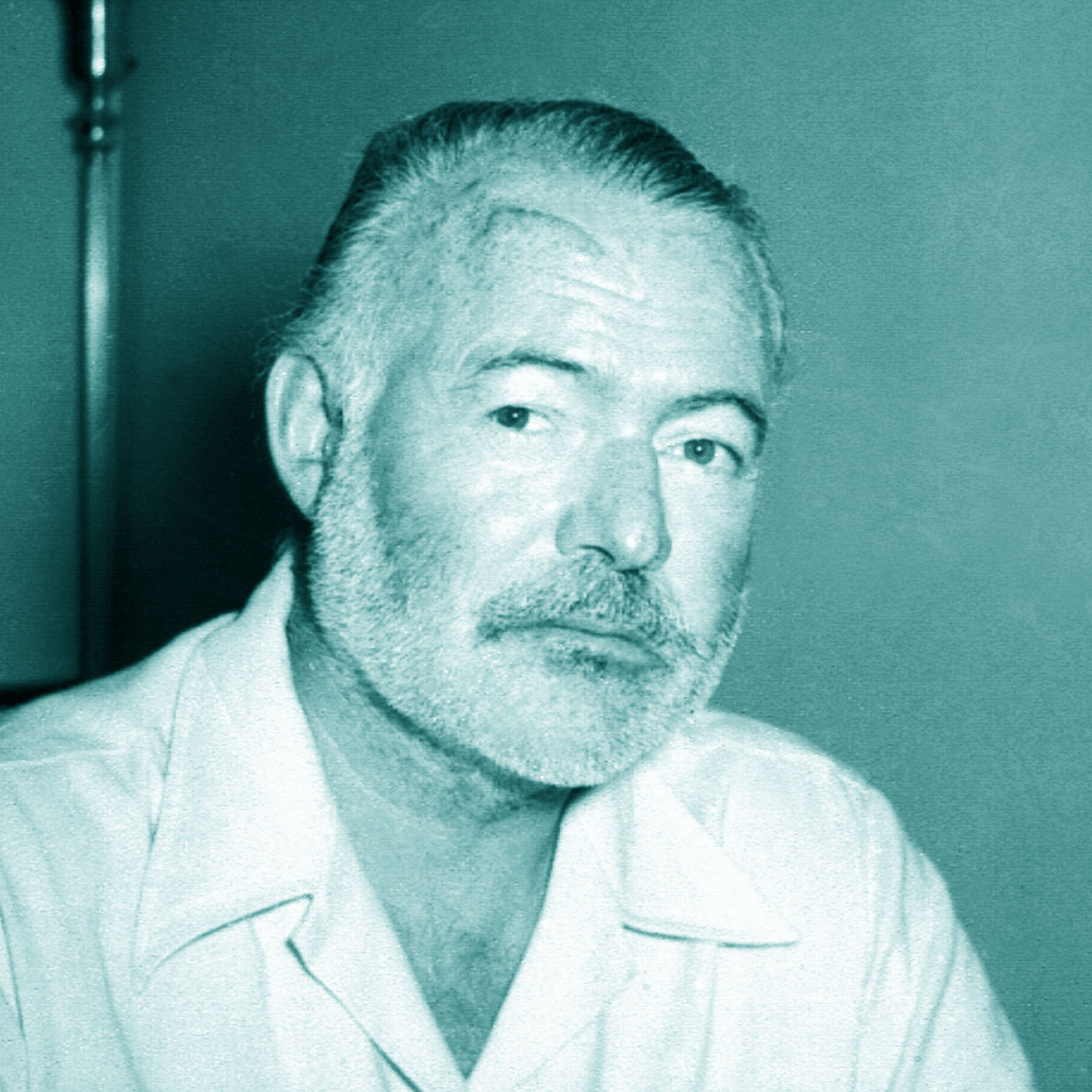
Amid rising tension between the U.S. and Cuba, Hemingway's widow went on a literary rescue mission
When author Ernest Hemingway killed himself in 1961, the political strain between the United States and Cuba was escalating. In the midst of that struggle, Hemingway's widow scrambled to recover the author's work from his beloved home in Cuba.

Frank Lloyd Wright tried to create a perfect house for an imperfect world
In 1939, an unknown copy editor from Washington, D.C., begged famous architect Frank Lloyd Wright to design his family a home. The result was a modern house that stood decades ahead of its time.
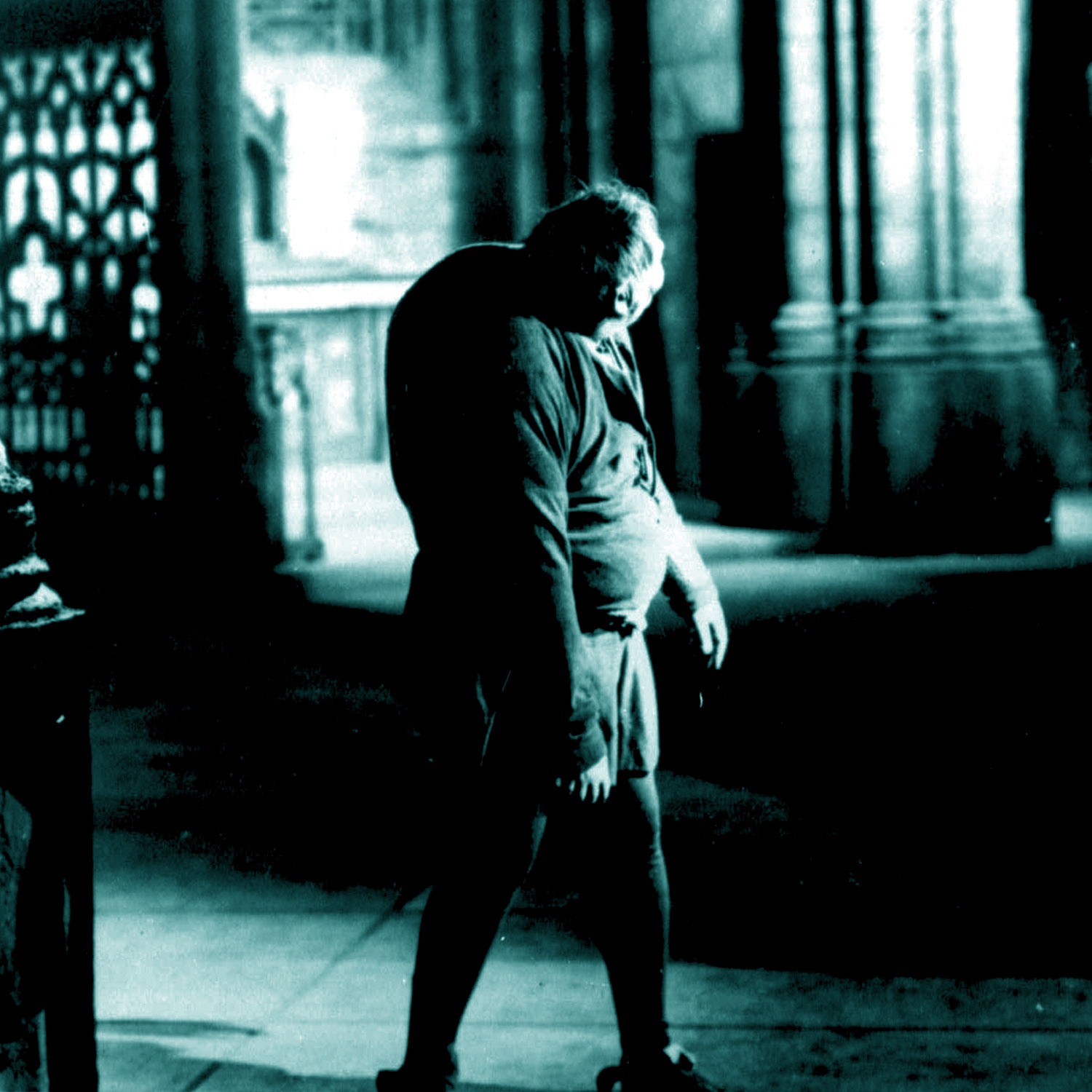
Rising from ruin: The many rebuilds of Notre Dame
The world watched Notre Dame as it burned in April. But the cathedral has endured a lot in its 856 years.
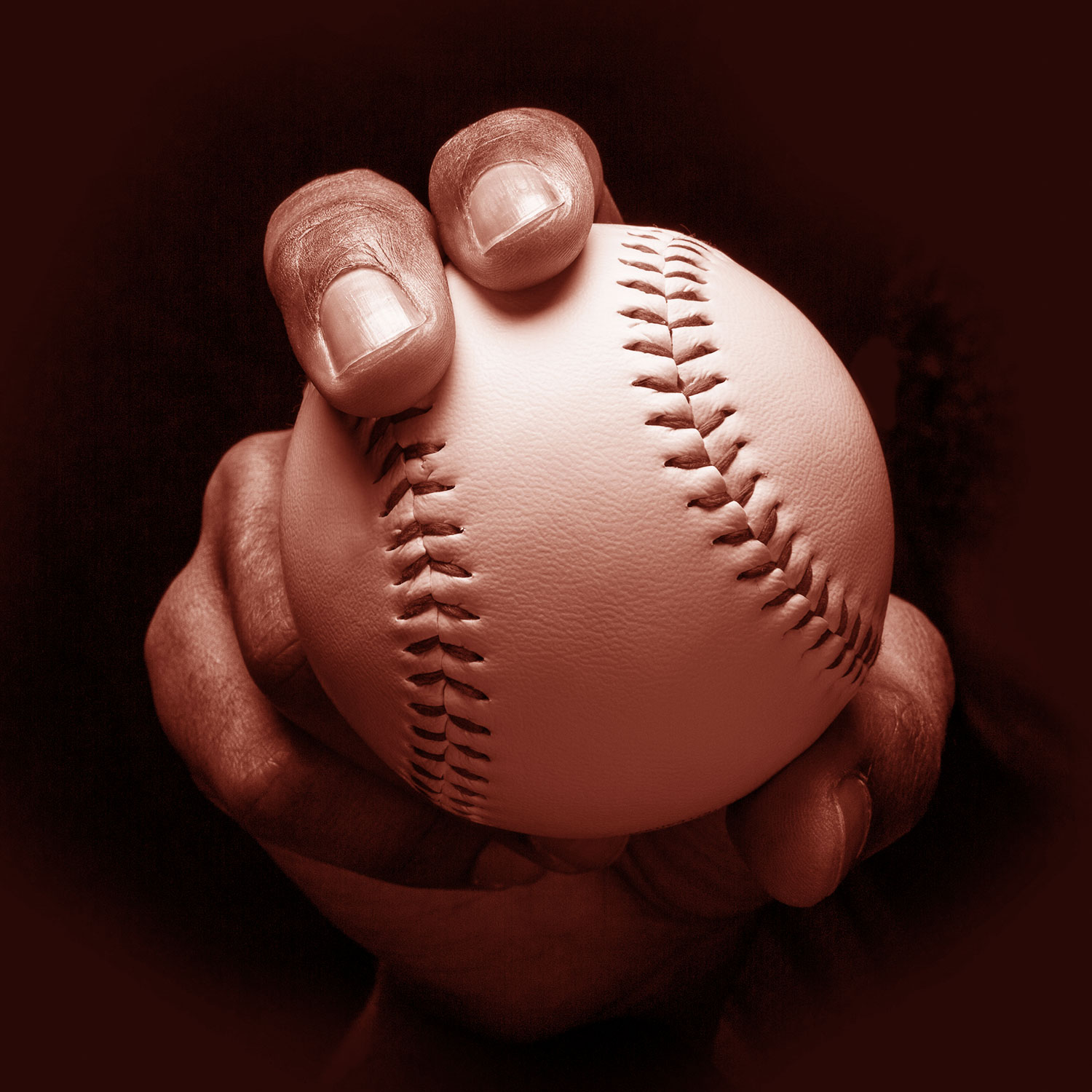
A debate that went into extra innings: Can baseballs curve?
Beginning in the earliest days of baseball, fans, journalists and even physicists disputed whether or not pitchers could make a ball curve.

How food found its way into the freezer
While on a research trip to the Arctic in the early 20th century, scientist Clarence Birdseye — a name you might recognize from the frozen food aisle — made an observation that would go on to change the way we eat.

The man who helped create the first measles vaccine didn’t vaccinate his own son
In the 1950s, millions of people suffered from measles every year. David Edmonston, an 11-year-old student, became the cure.
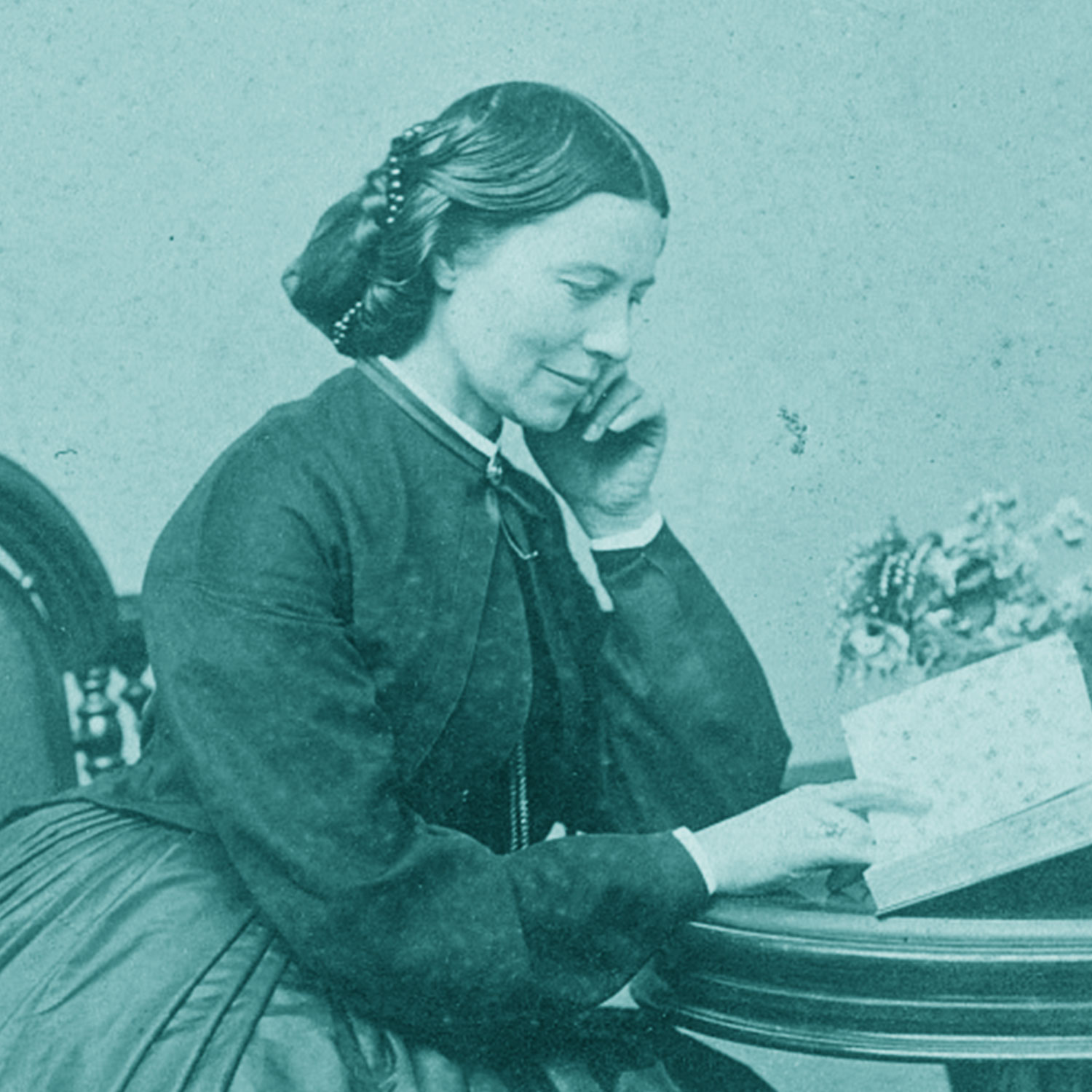
Clara Barton, America's most famous nurse, broke boundaries to treat Civil War victims
The nurse who founded the American Red Cross had no formal training in medicine. She tended to countless wounded soldiers.
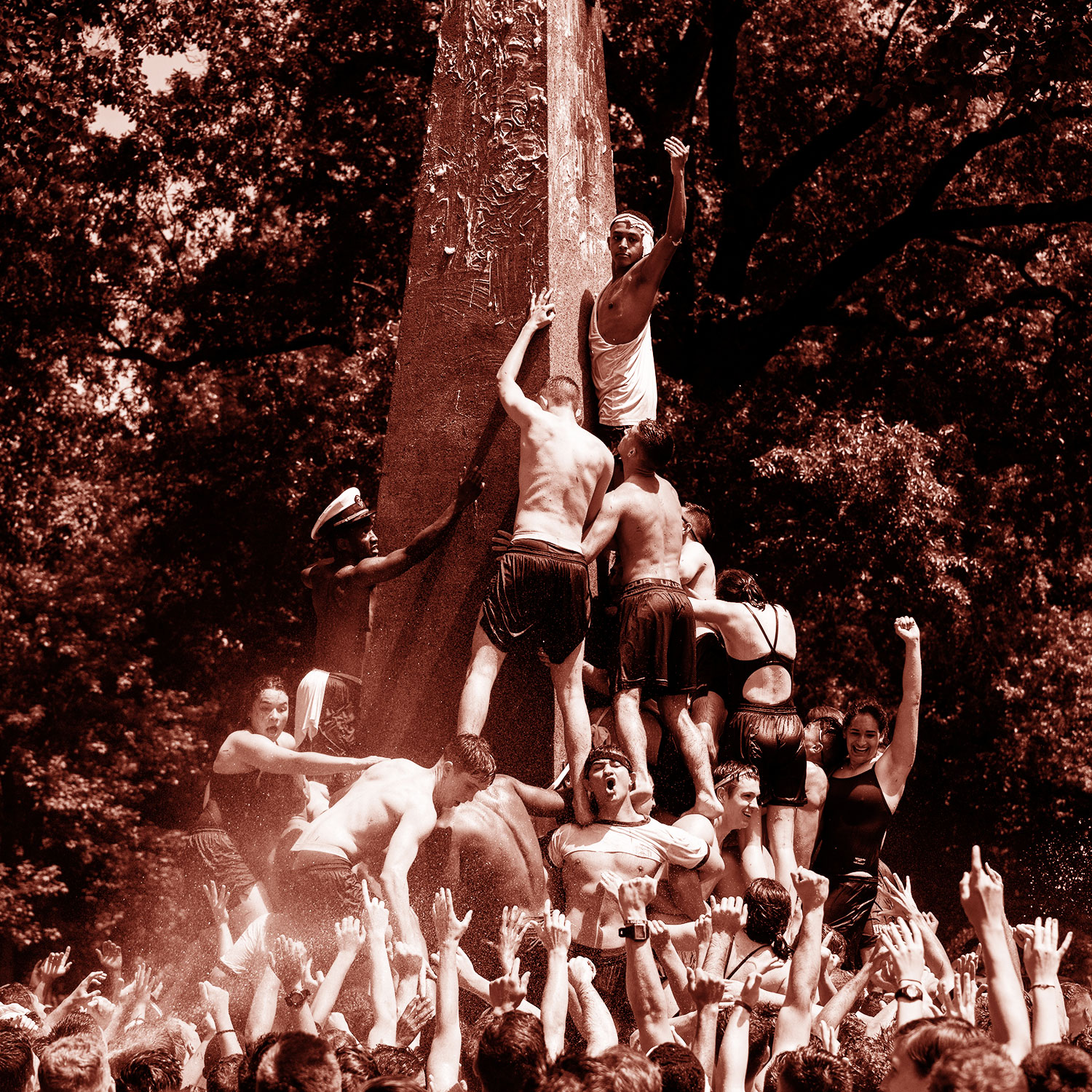
Why Naval Academy students climb a greased up obelisk every year
Every year, freshmen at the U.S. Naval Academy in Annapolis take part in an annual tradition where they must climb a 21 foot high obelisk covered in vegetable shortening and place a hat at the very top.
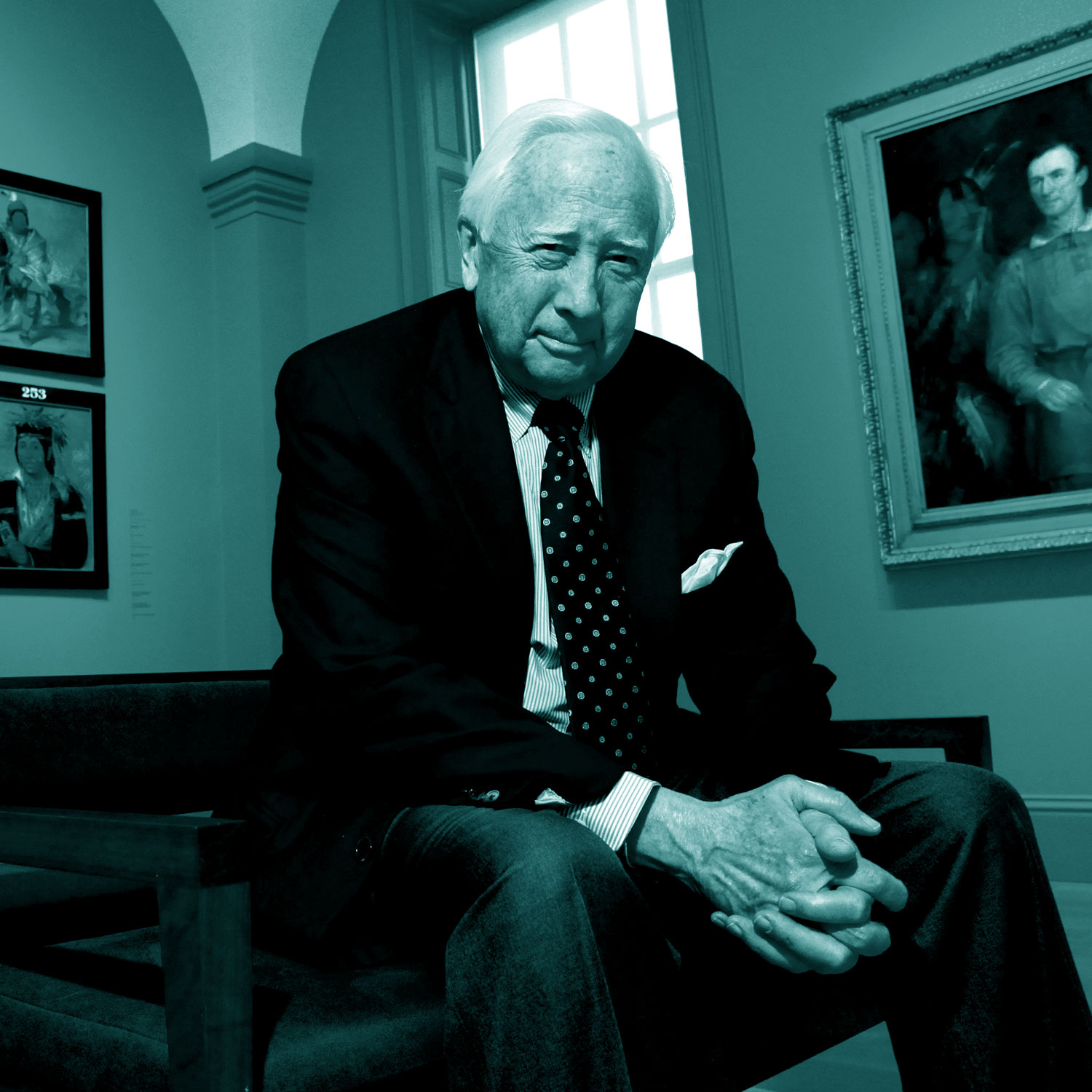
The forgotten pioneers of the first American utopia
More than a decade ago, bestselling historian David McCullough stumbled upon an important name from the past that even he’d never come across before. What he discovered was the story of pioneering American idealists.
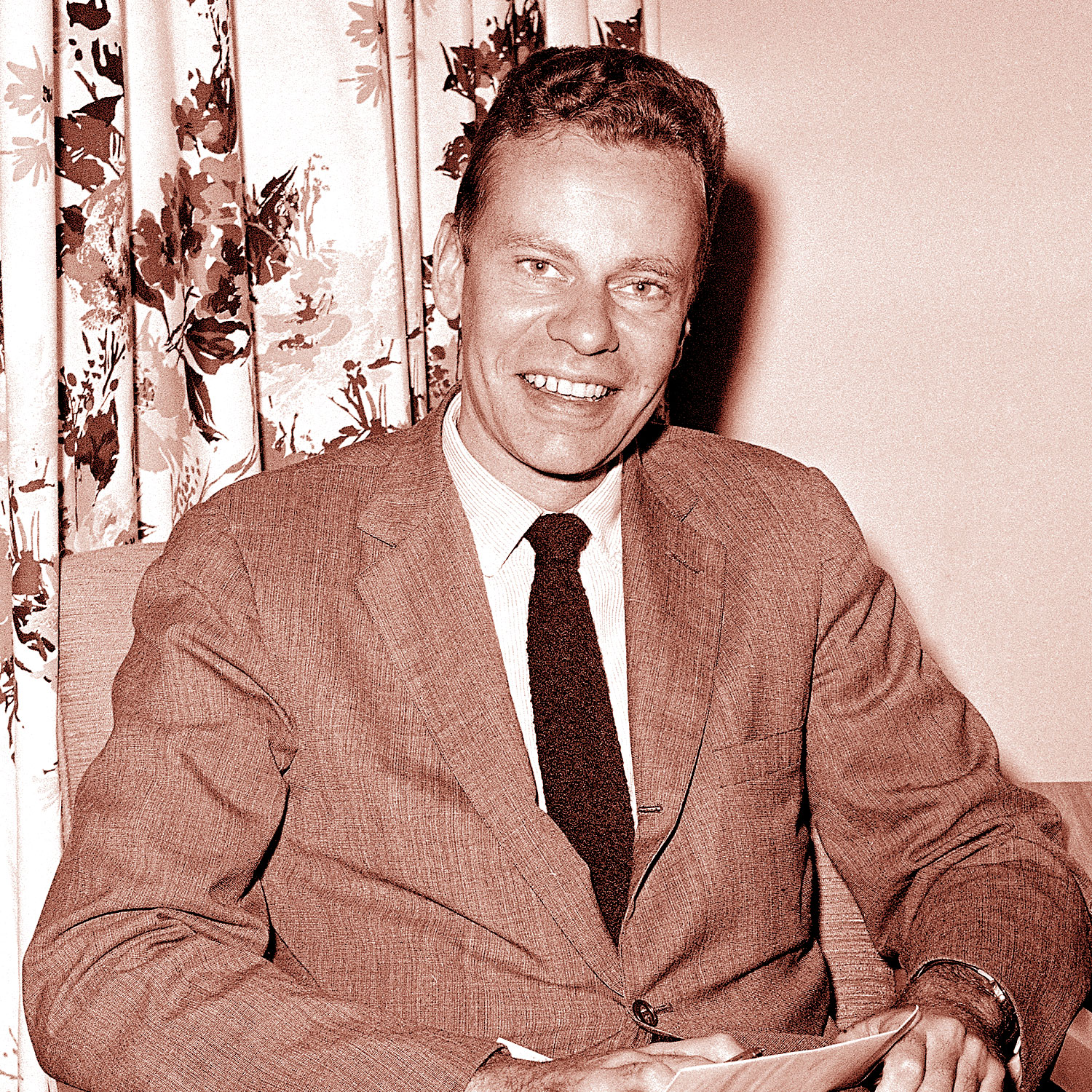
The game show contestant who cheated his way to fame
In the 1950s, Charles Van Doren, a quiet professor in New York City, became wrapped up in one of the biggest television quiz show scandals in history.

The unlikely beginning of paint-by-number
Paint-by-number was a national phenomenon. And then, the paint sets disappeared from the shelves.
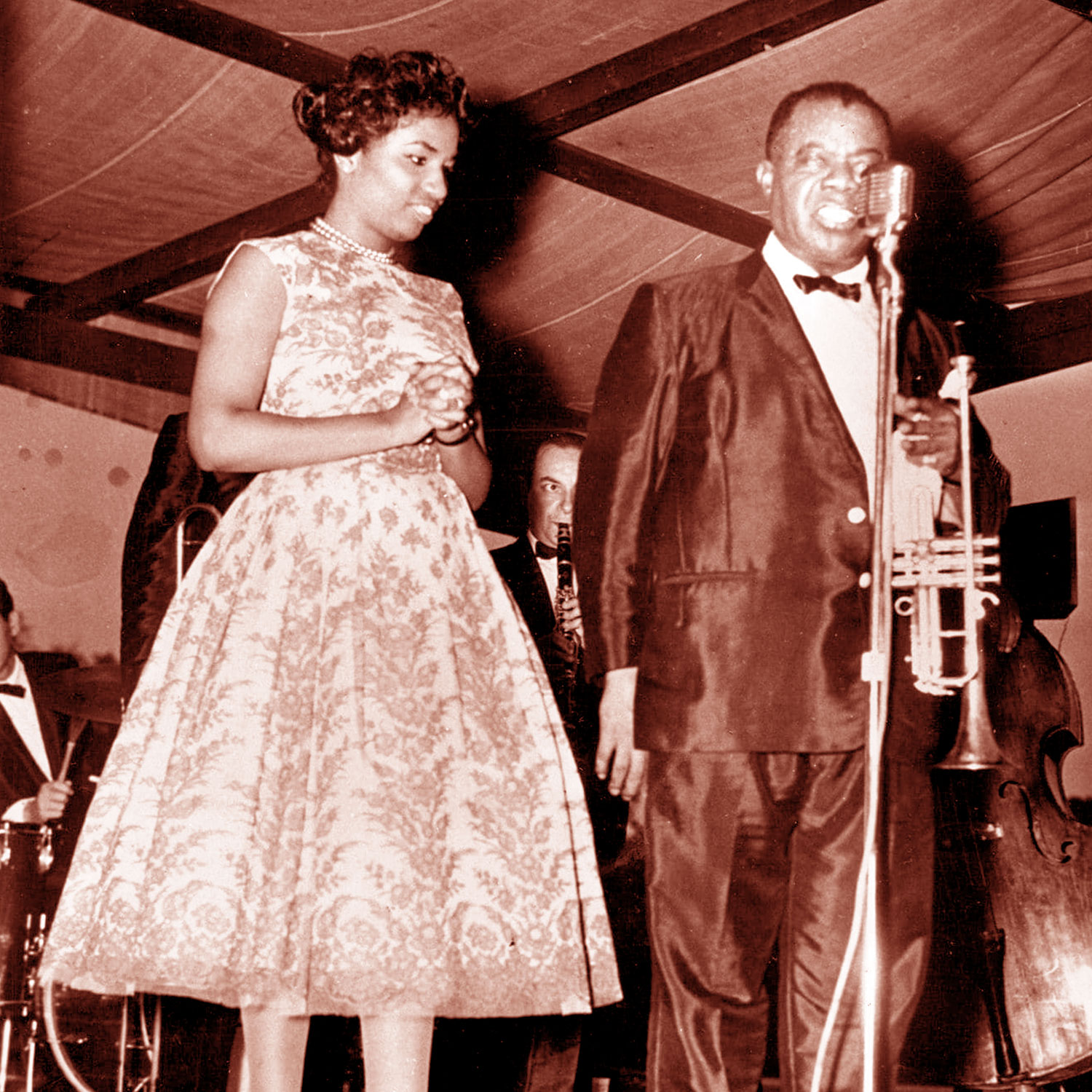
The jazz queen who chose home over fame
Jazz singer Ethel Ennis’s voice wowed audiences and won praise from critics. But when she was faced with the opportunity to become a superstar, Ennis chose a different path.
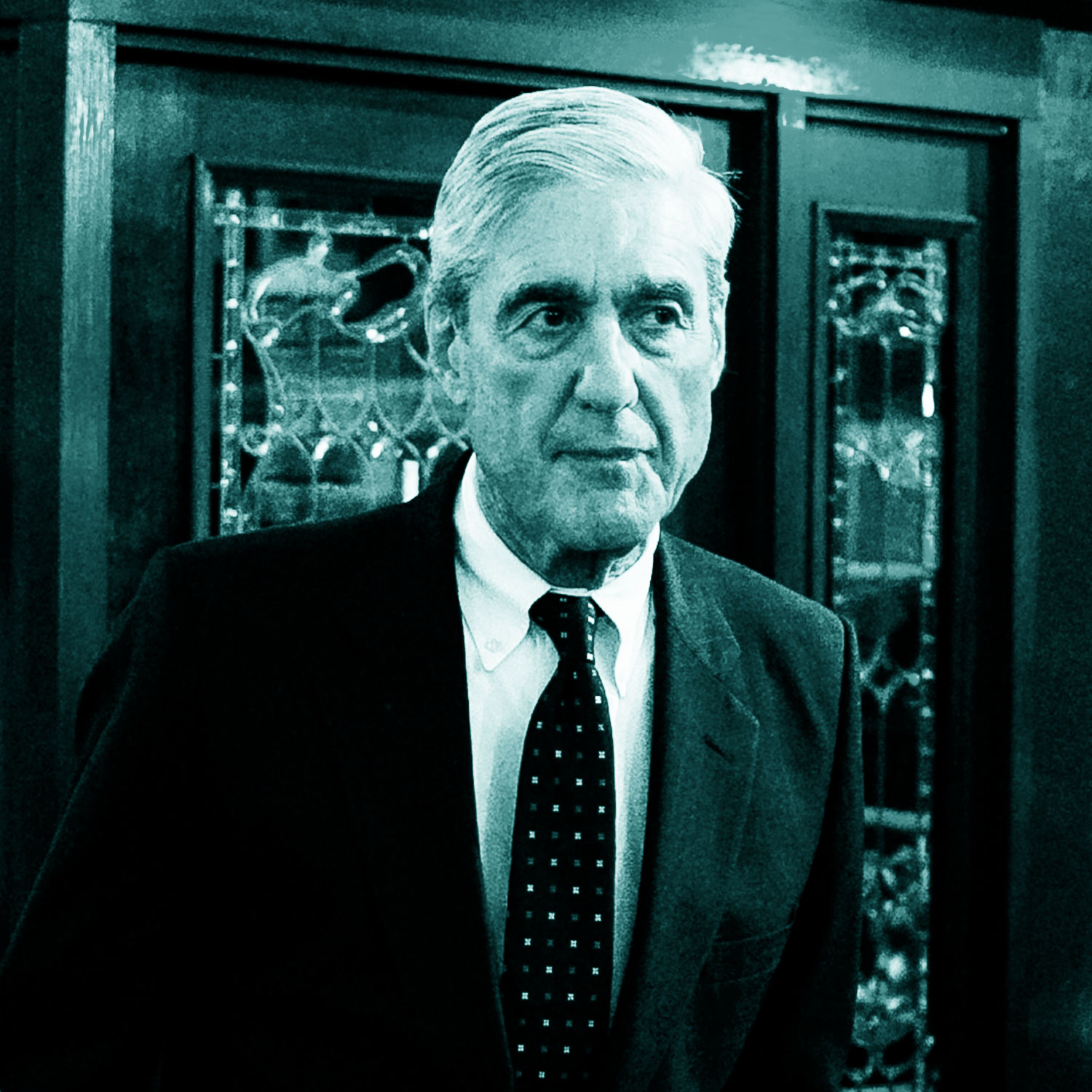
The most difficult job Robert Mueller ever had
Serving as special counsel is probably only the third hardest job Robert Mueller has held. His life in public service started when he just 23 years old, as a Marine lieutenant in the Vietnam War.
Anna Jarvis spent years fighting to create Mother's Day, then lost everything trying to protect it
Anna Jarvis would absolutely hate what Mother's Day has become.
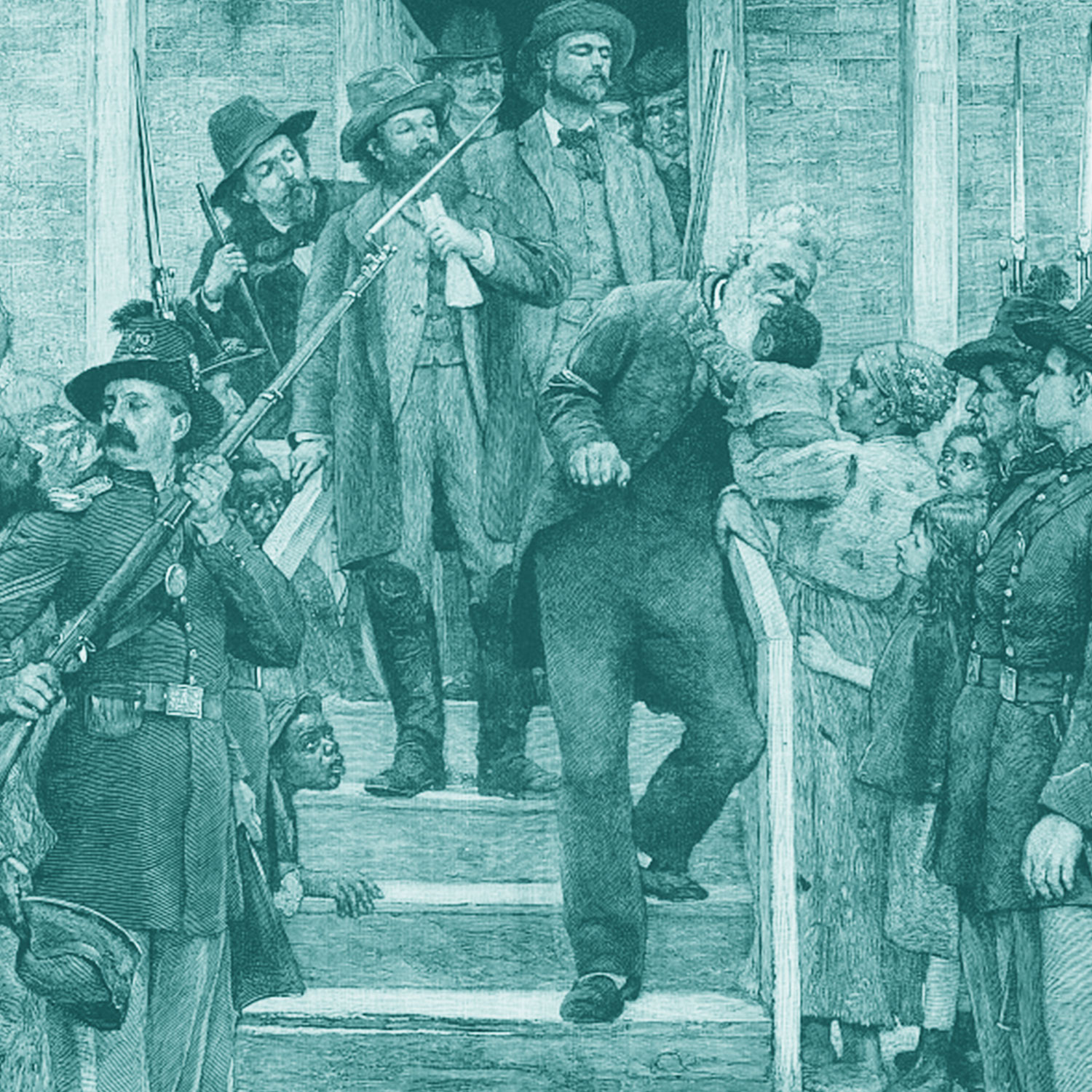
John Brown's prophecy
Abolitionist John Brown made a prophecy before he was executed.
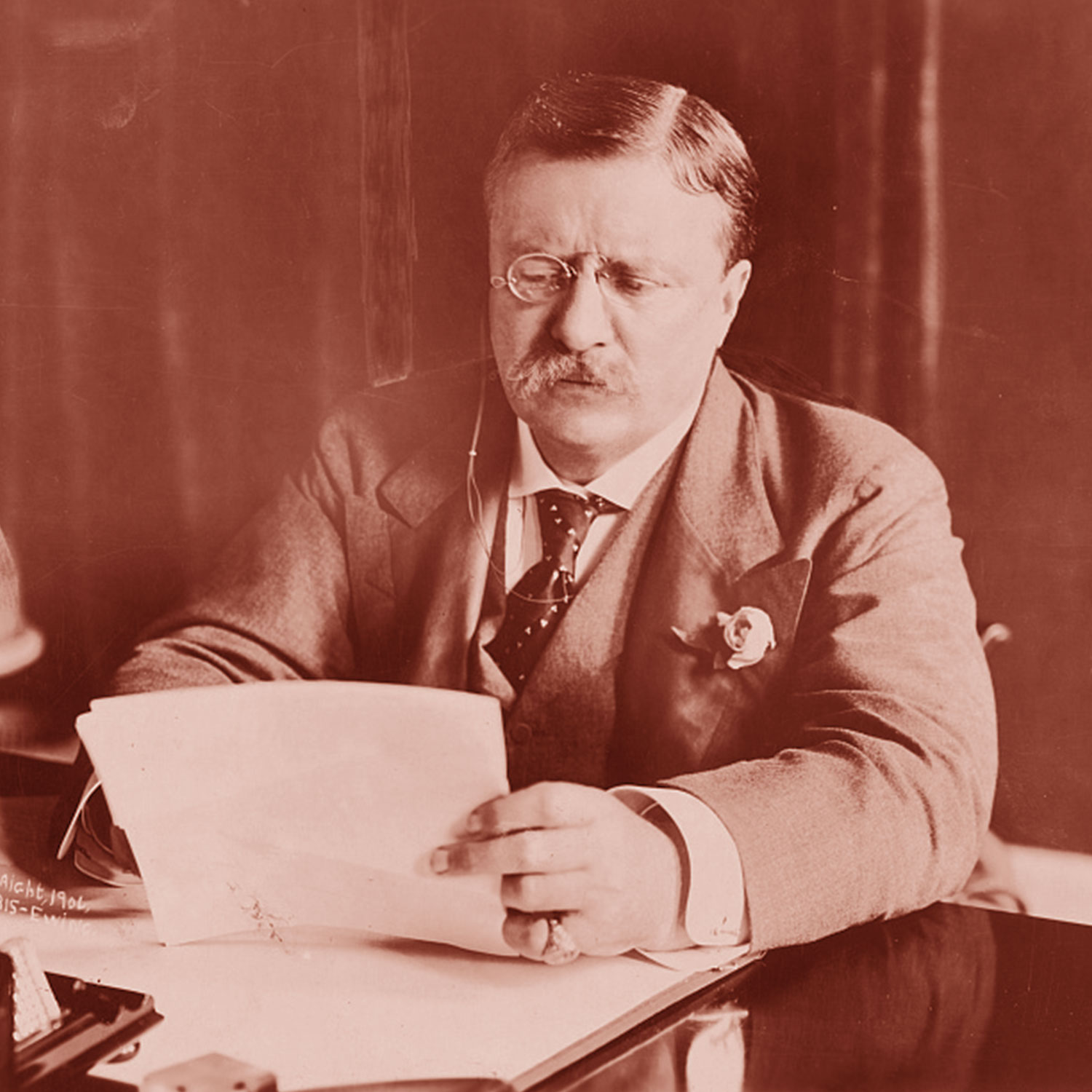
The books presidents read
People have long been fascinated by the books presidents choose to read. But how much do reading habits actually reveal about a president?
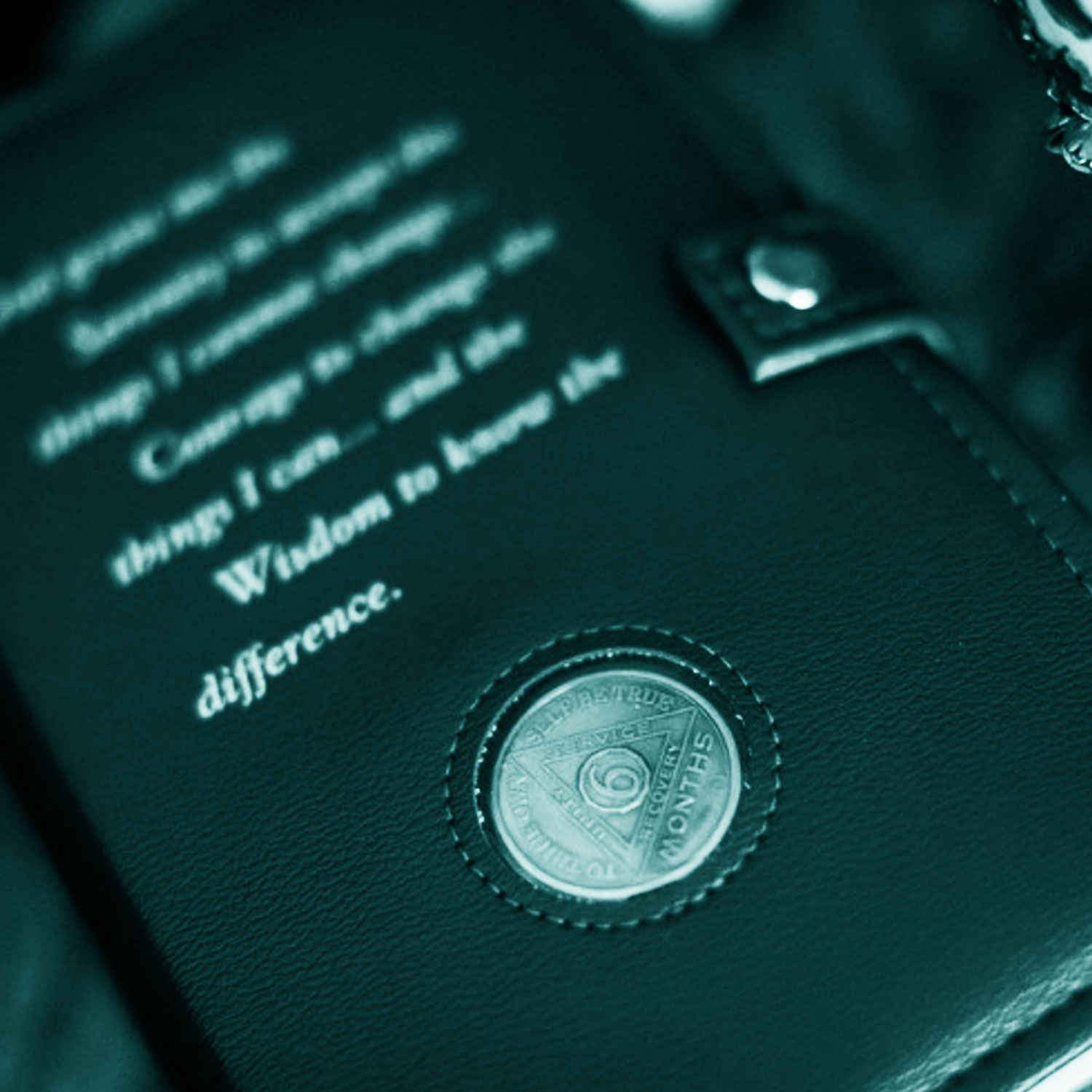
The original Alcoholics Anonymous book was auctioned for millions, but its author was never paid
The original manuscript was auctioned off for $2.4 million to an NFL owner, after almost a year of legal wrangling.
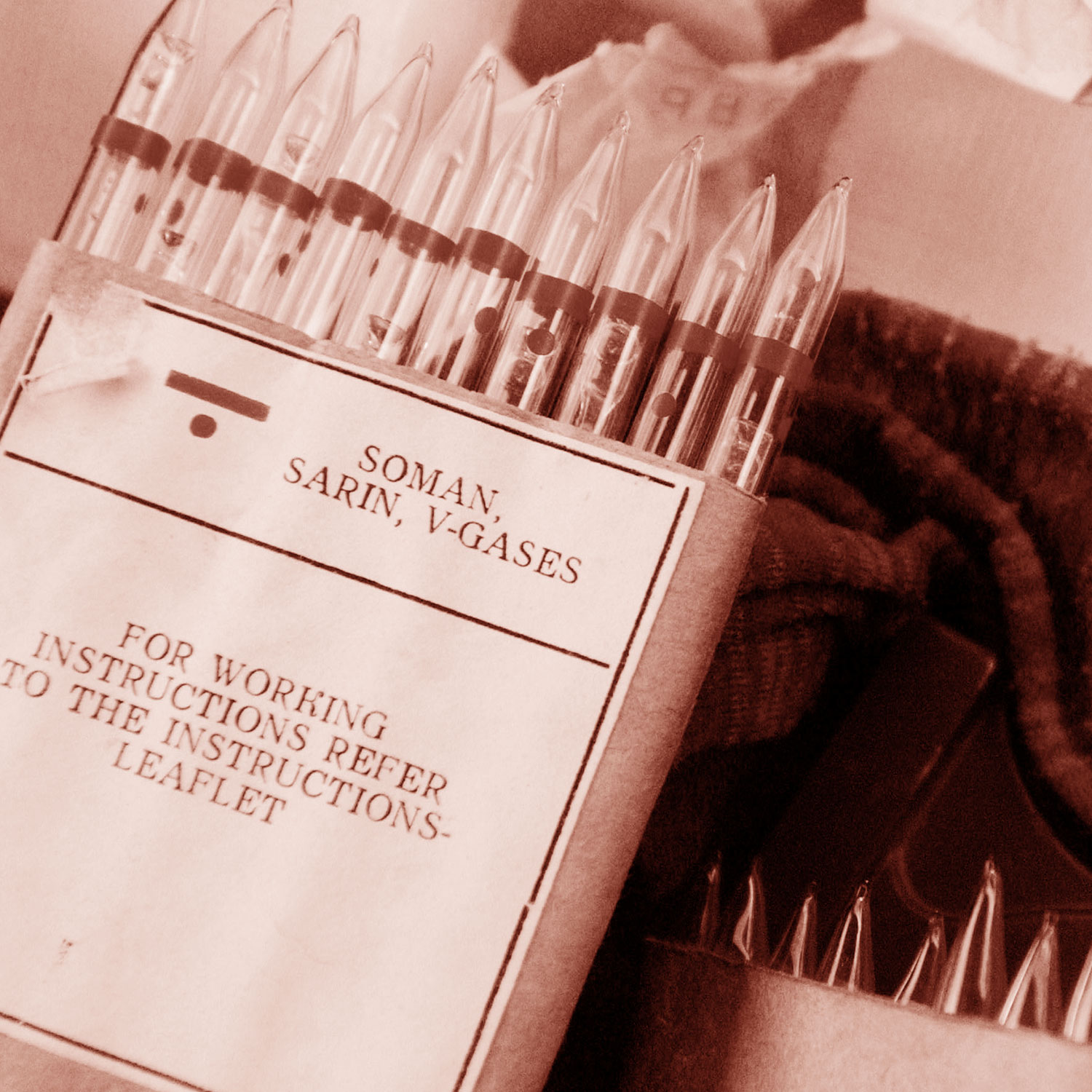
The invention of sarin
Weevils, a voracious beetle found in fields and orchards, were the original target of sarin gas.
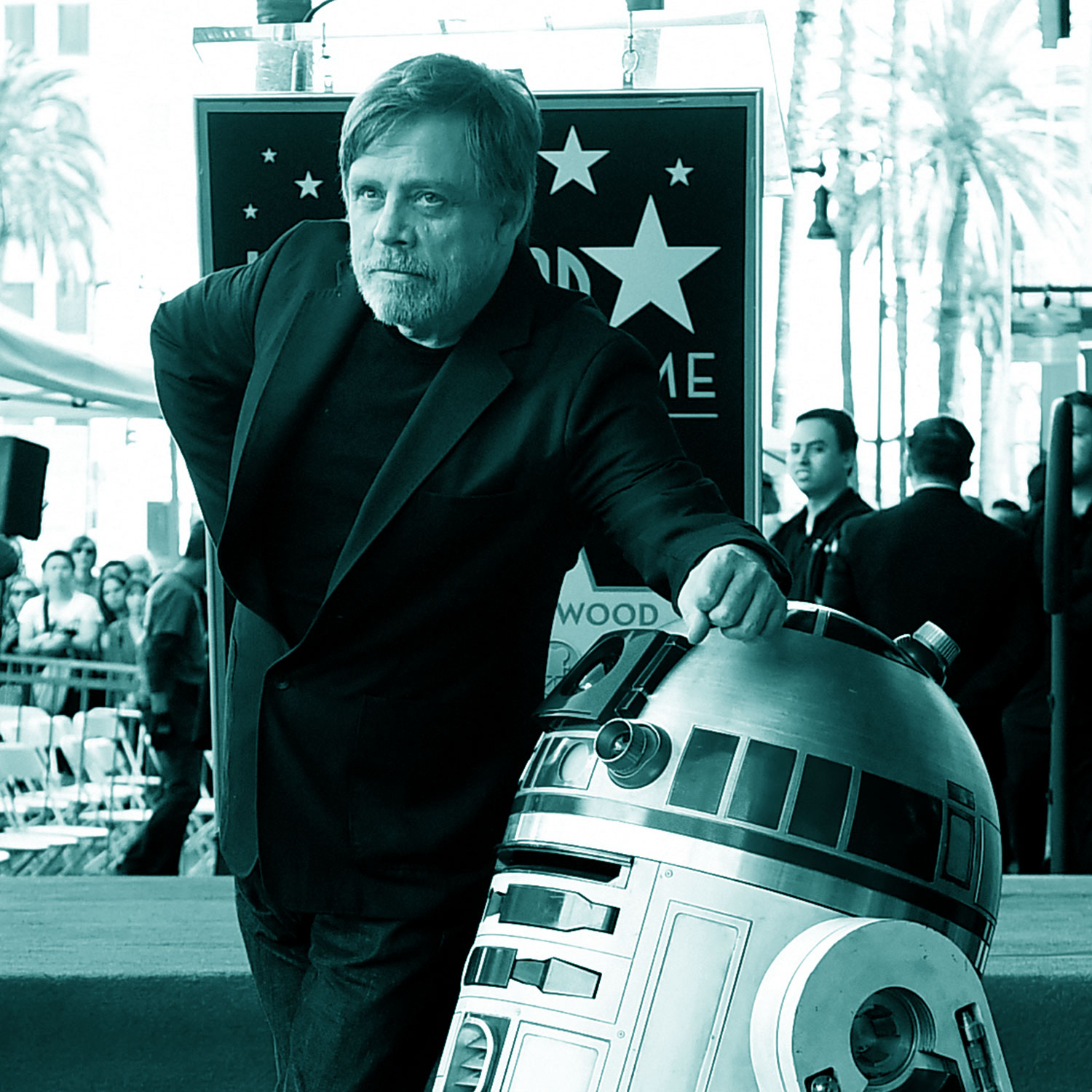
May the Fourth be with you
Mark Hamill, the actor known for playing Luke Skywalker, shares stories from Star Wars history.
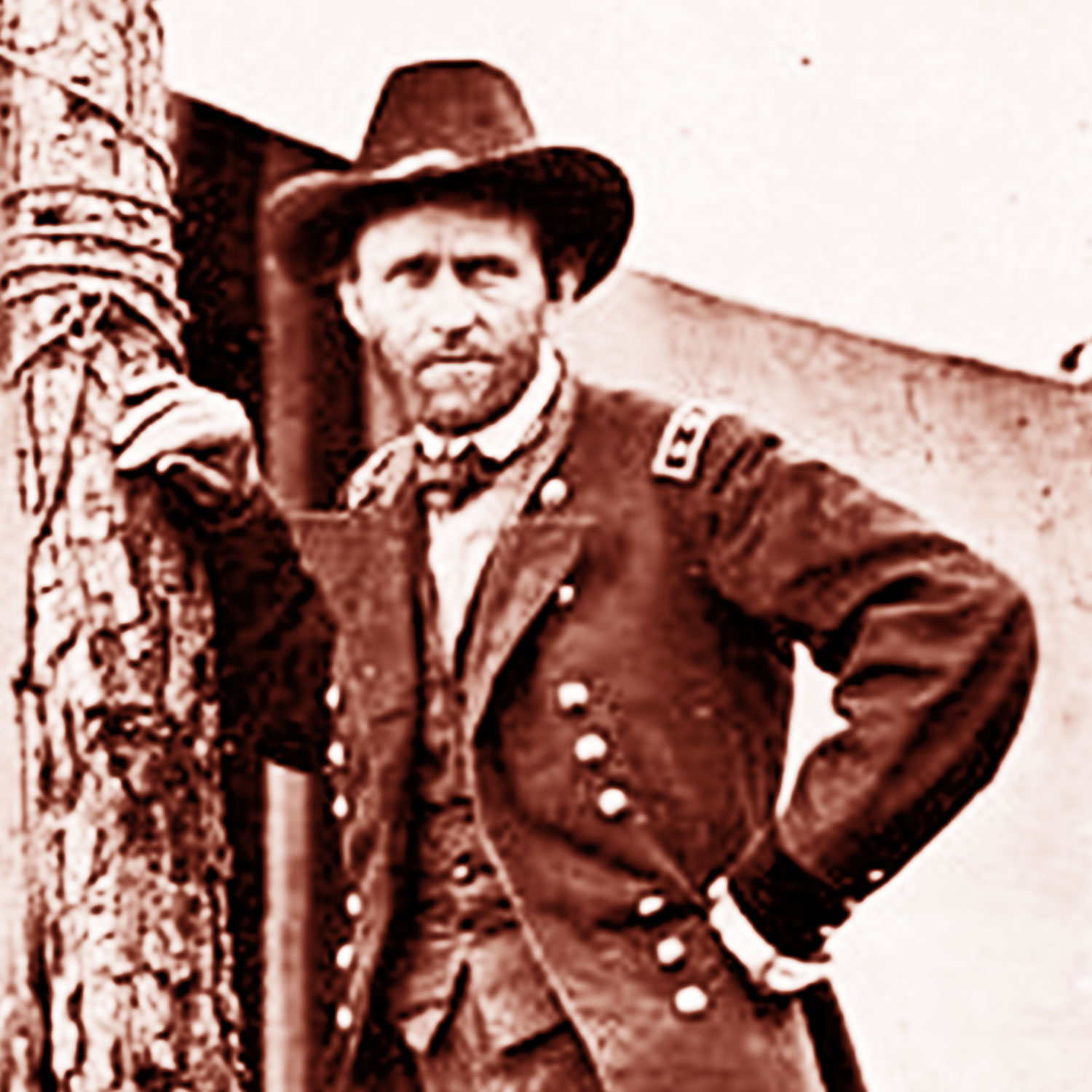
Need a job? Ask Ulysses S. Grant.
While President Grant had an impressive resume on the battlefield, he was known to be a patsy when it came to helping job hunters. People used to walk right into the White House and ask the president to find them a job.
Meet the Press
At the beginning of the television age, “Meet the Press” dented the dominance of newspapers and thrilled news junkies with the power of live broadcasting.
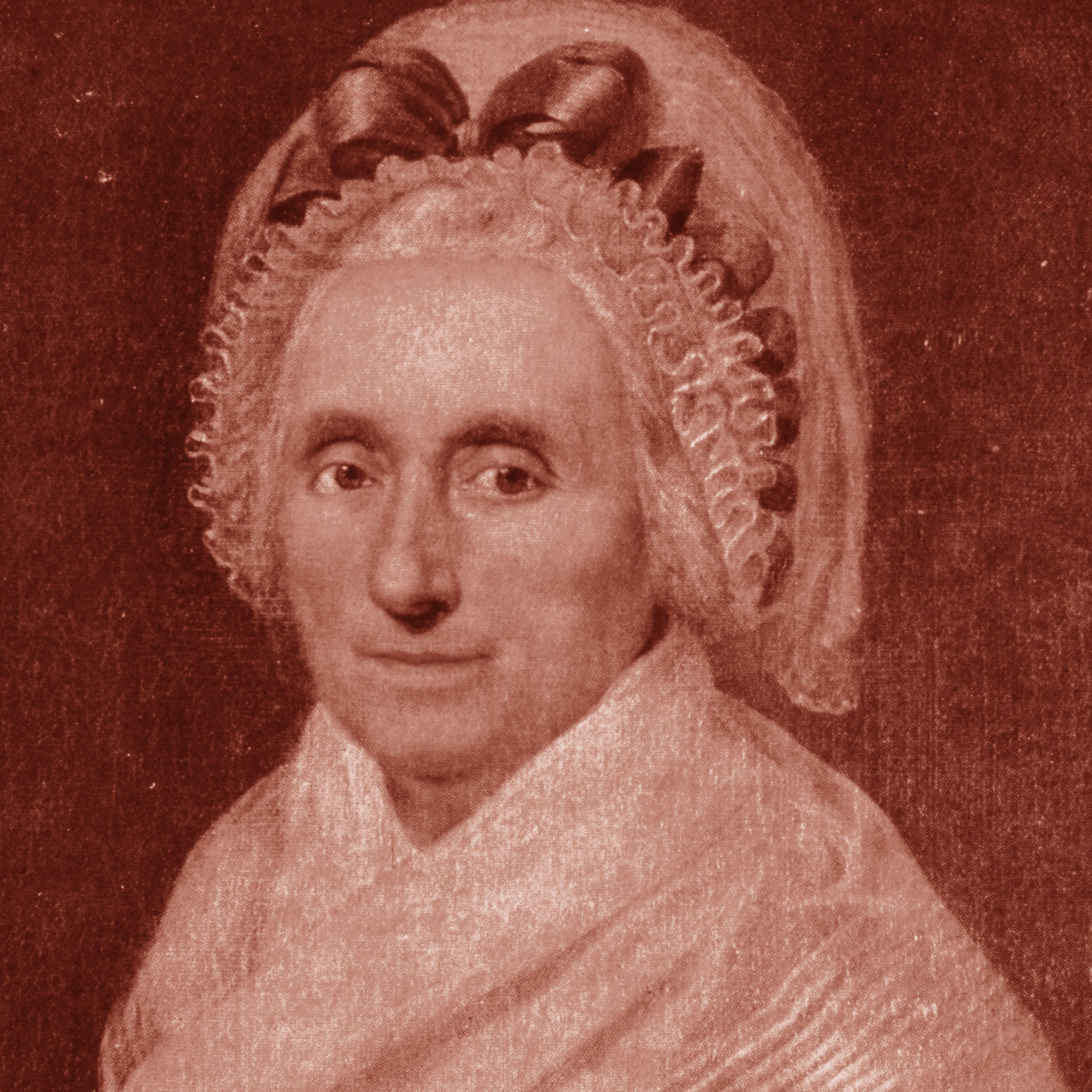
The mother who made George Washington miserable
George and his mother had an unusual relationship for the 1700s.
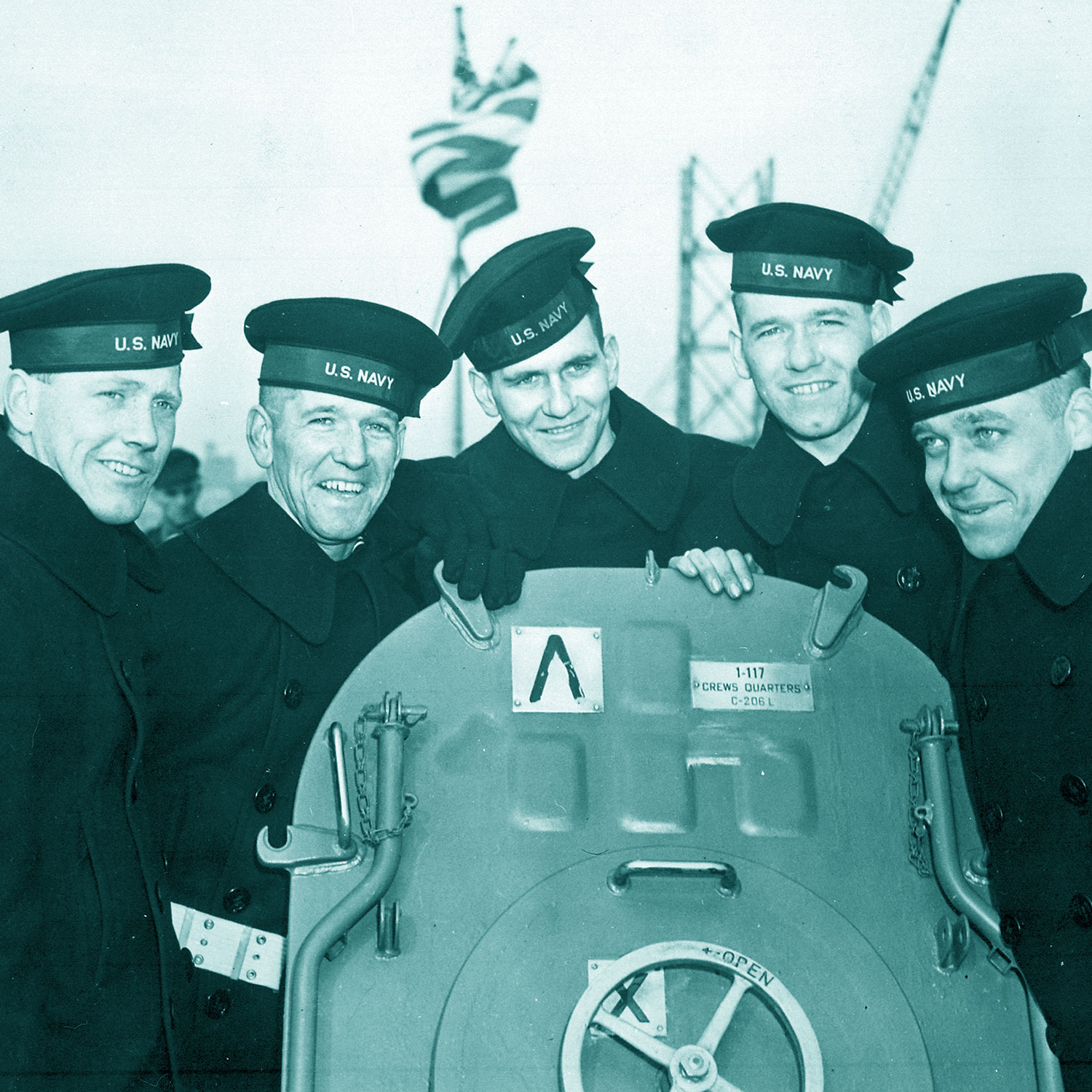
The Sullivan brothers
Five brothers fought and died together on the same ship during World War II. Their final resting place was discovered in 2018.
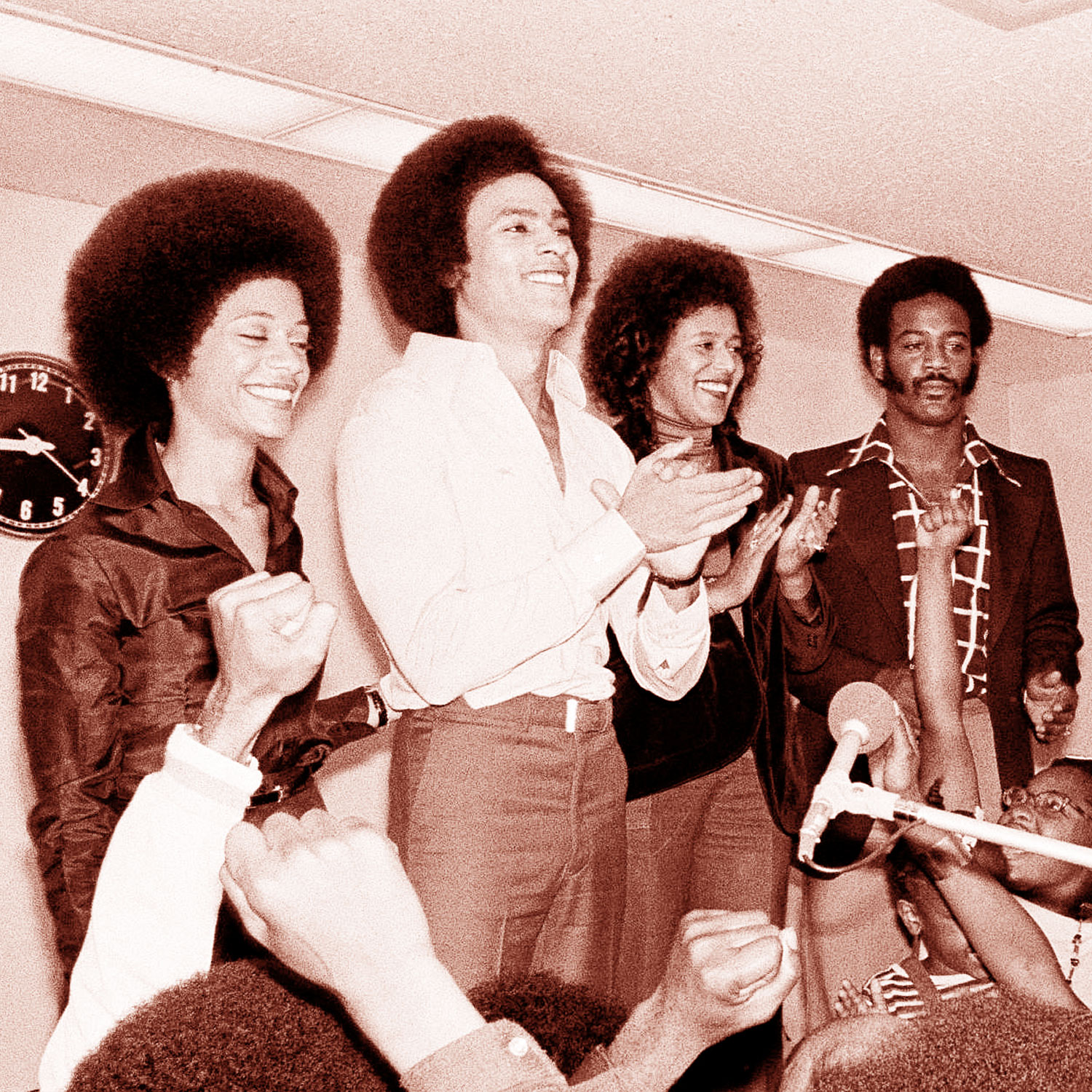
Elaine Brown, the first and only woman to lead the Black Panther Party
Elaine Brown's takeover in 1974 was a pivotal moment for a woman in the black power movement. Although women had been a dynamic force for social and racial justice, they had often been overshadowed by men.

Take Our Daughters and Sons to Work Day was once just for daughters
Mike is joined by a special guest to talk about how Take Our Daughters and Sons to Work Day began.
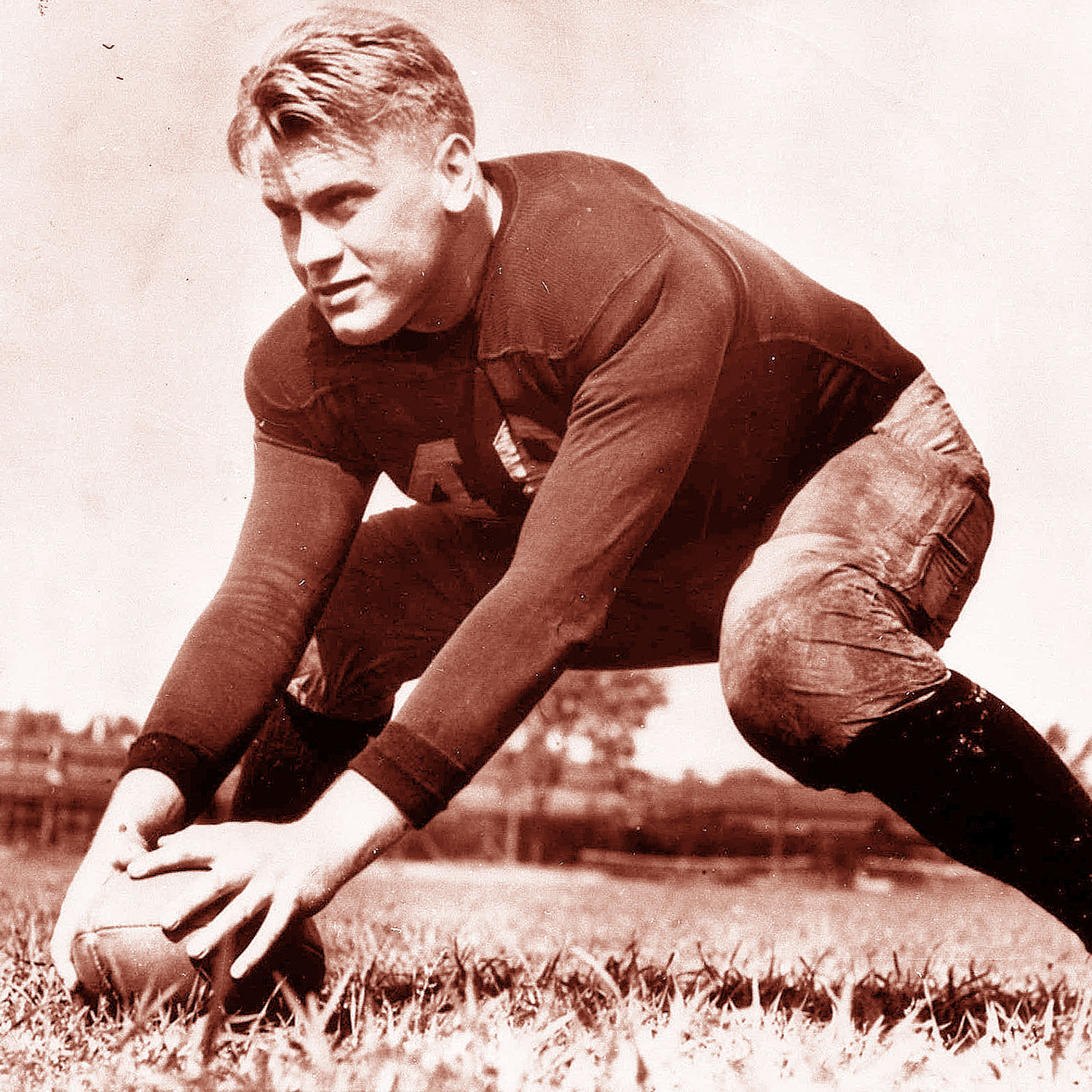
These guys were college jocks, and then became presidents of the United States
We dug through The Washington Post's archives and consulted the Pro Football Hall of Fame to bring you a rundown of the best presidential ballers.
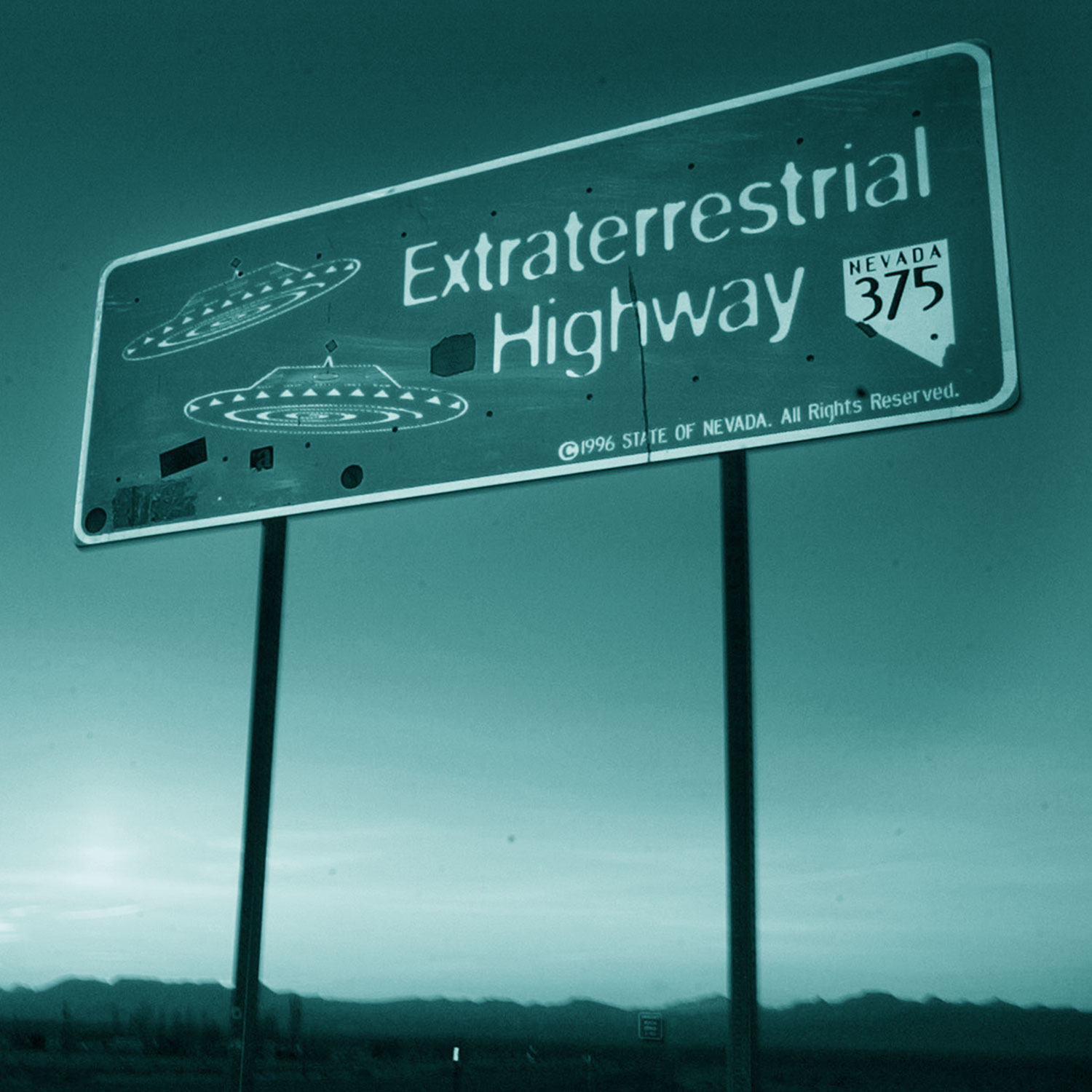
The truth is out there
Area 51's secrets may not be alien in nature, but that doesn't make it any less mysterious.
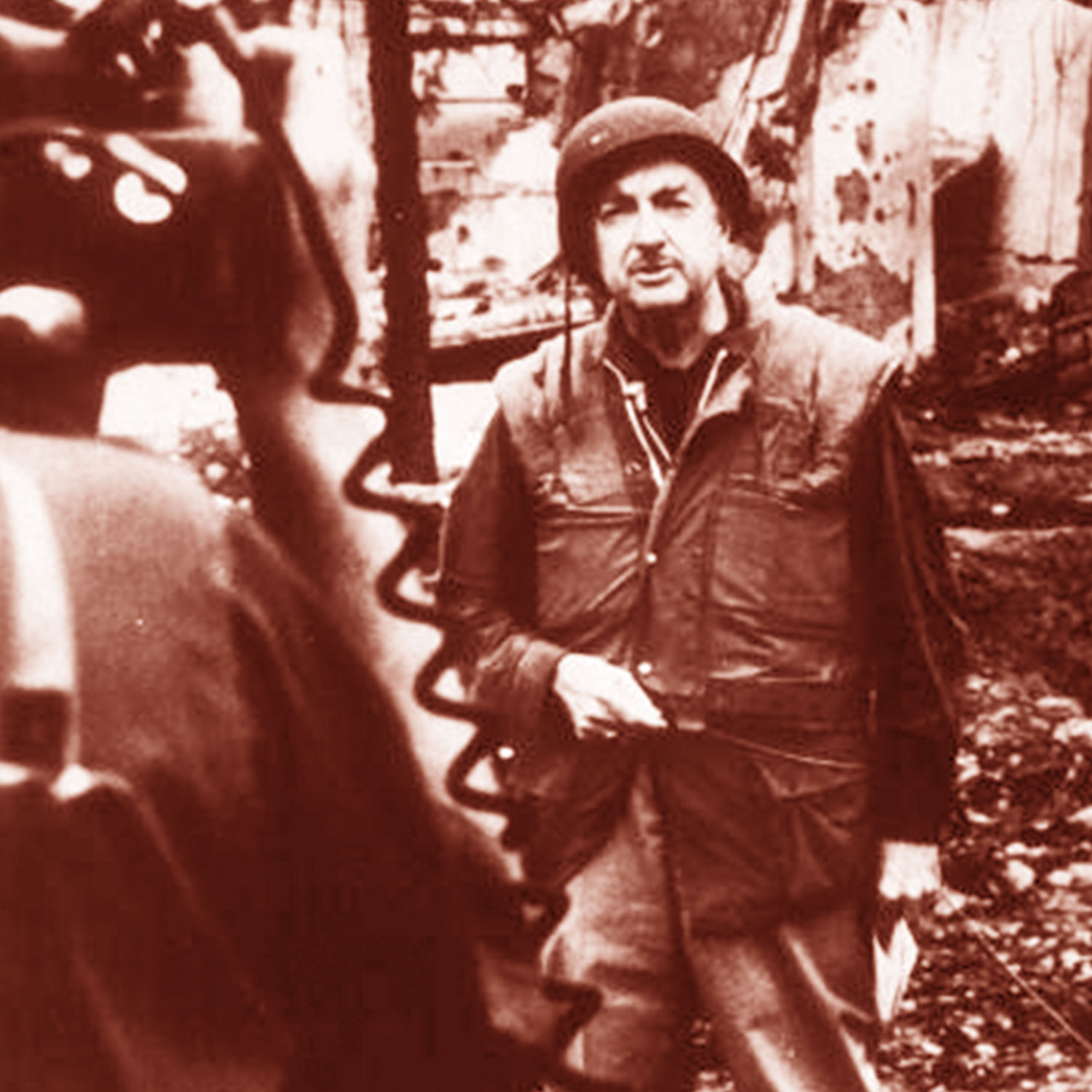
One broadcast helped turn Americans against the Vietnam War
Walter Cronkite's calm but authoritative voice carried so much weight that in 1968 one single news report helped persuade the American public that we weren't winning the war in Vietnam.
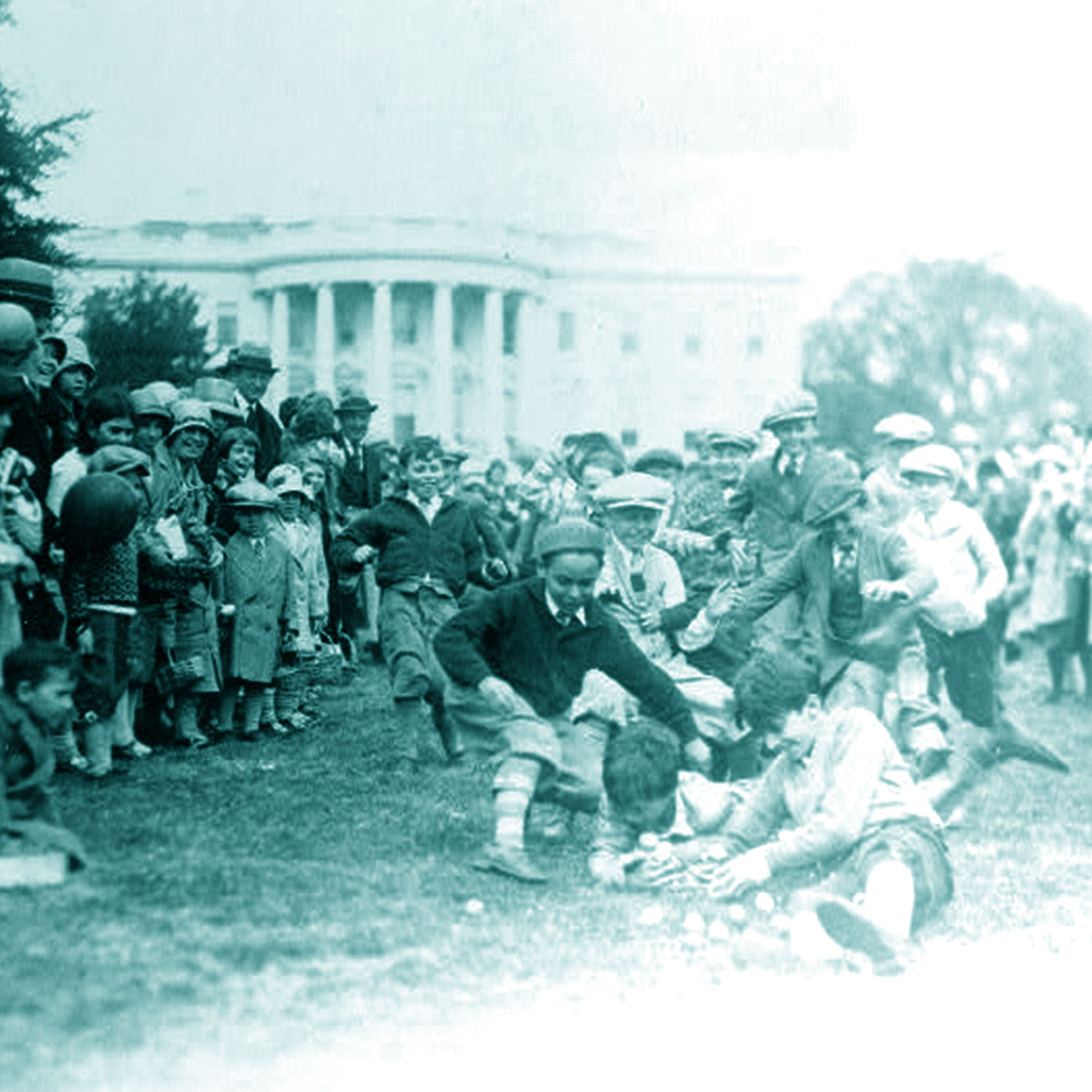
Egg Roll
One day a year, the White House grounds are turned over to kids for the Easter Egg Roll.
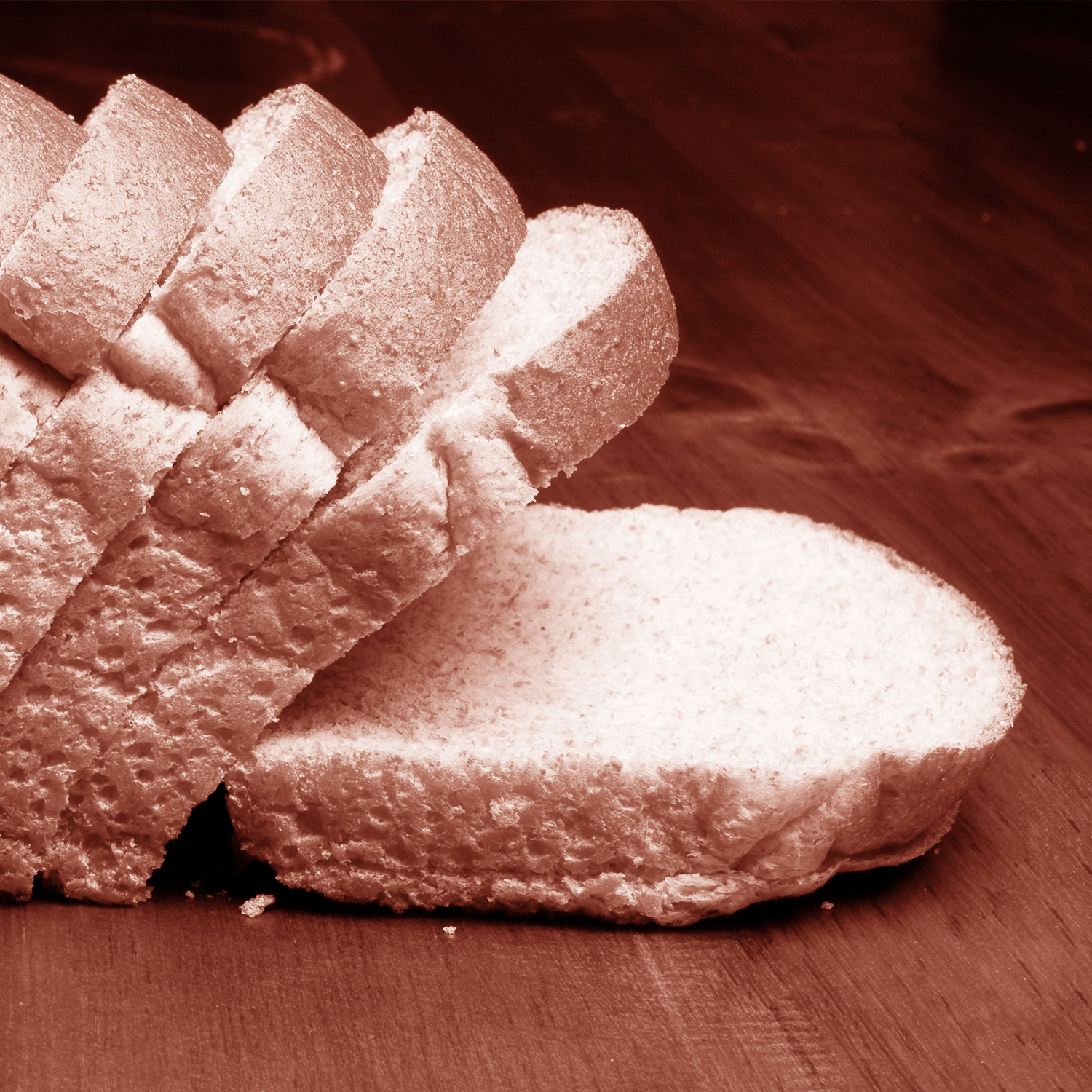
Chillicothe, Missouri: The town that invented sliced bread
The town of Chillicothe, Missouri, discovered they have a surprising claim to history: the creation of sliced bread.
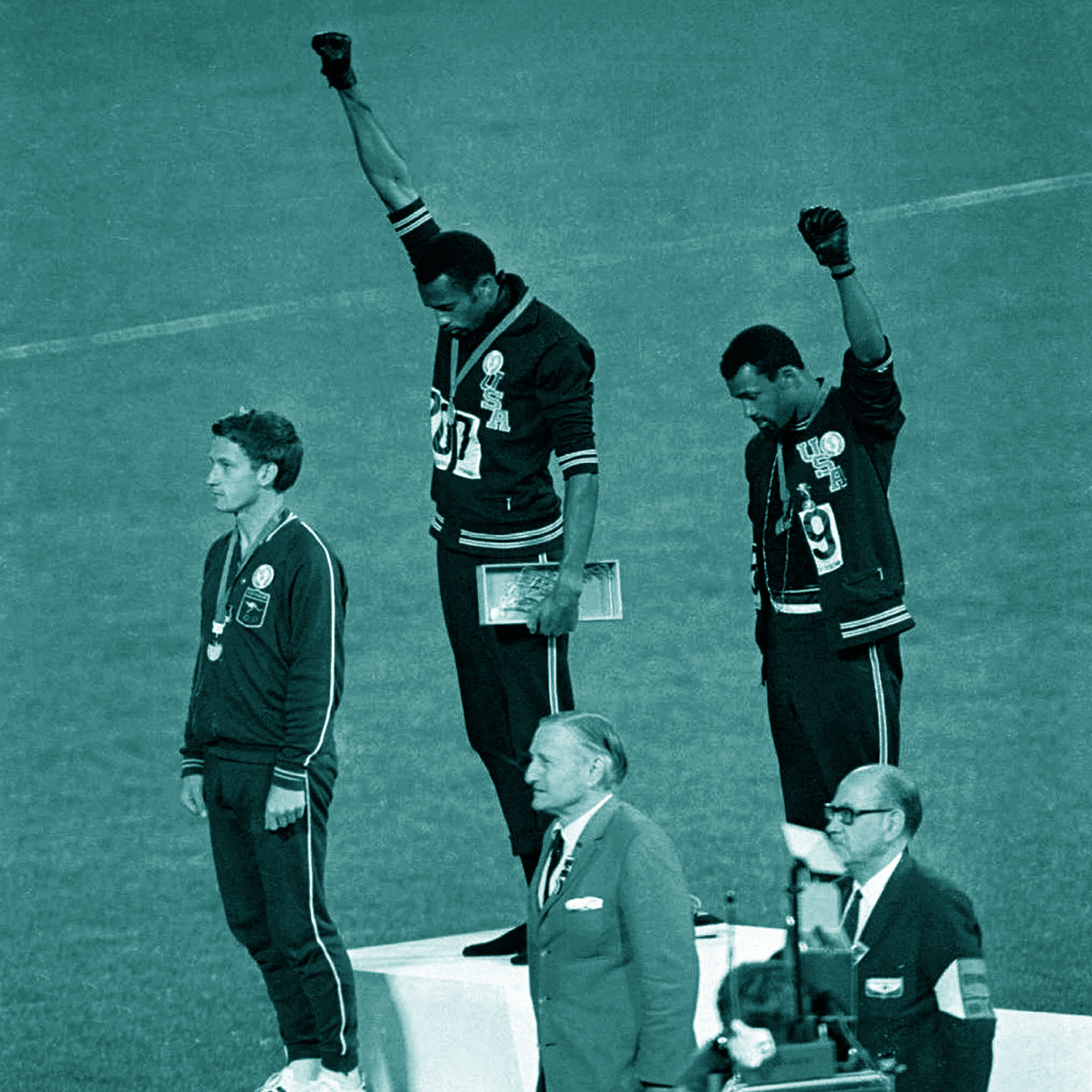
The black power protest that shook the world
At the 1968 Summer Olympics in Mexico City, one of the most iconic moments of that chaotic year unfolded on television screens around the world.
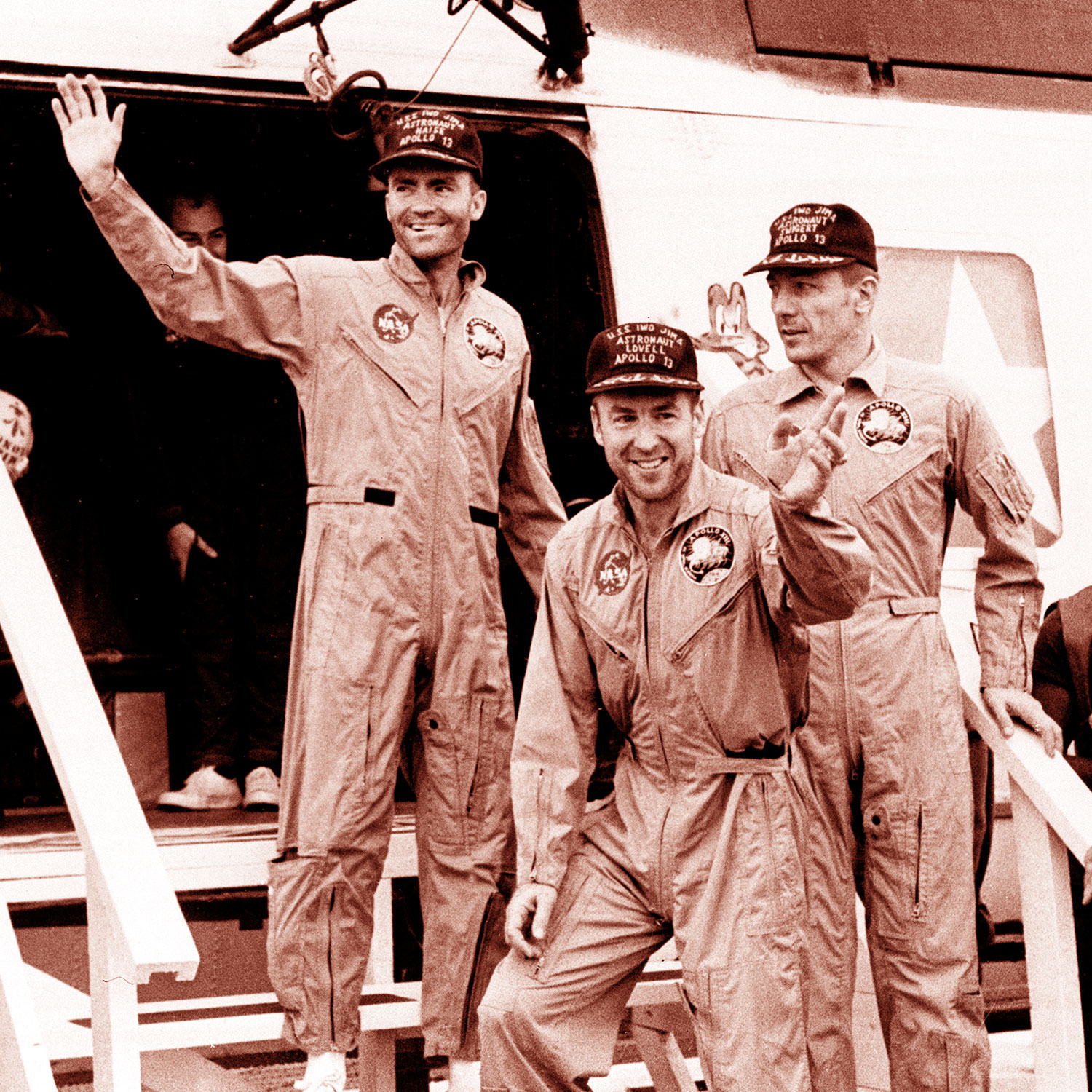
History's most fascinating misquote
The Apollo 13 astronauts never said “Houston we have a problem.” Here’s why you think they did.
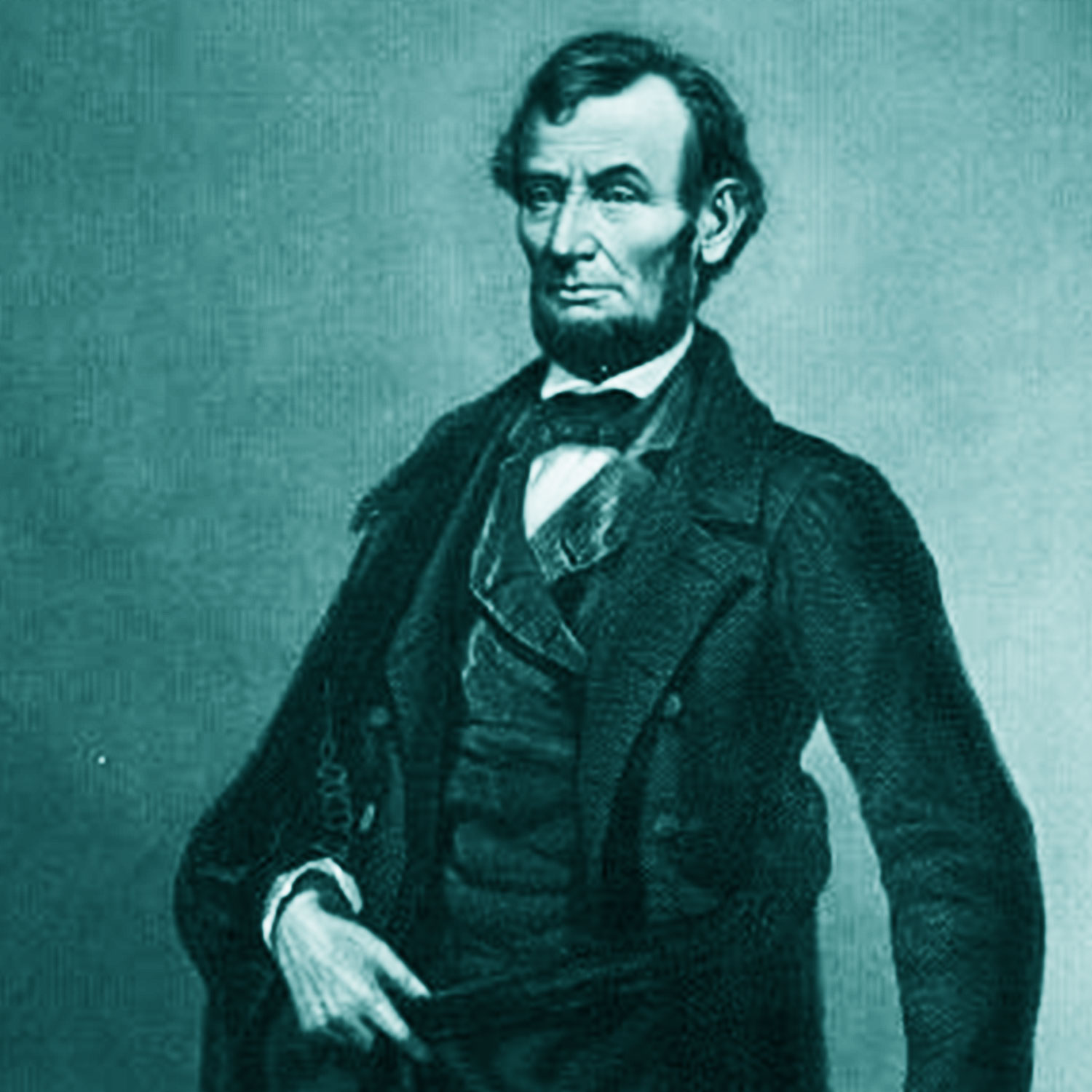
Hate the IRS? Blame Abraham Lincoln.
In 1861, President Abraham Lincoln was in a financial bind. Also, he was in a war. To raise money, he pushed for and won passage of an income tax and, a year or so later, established the Internal Revenue Bureau to collect what was owed.
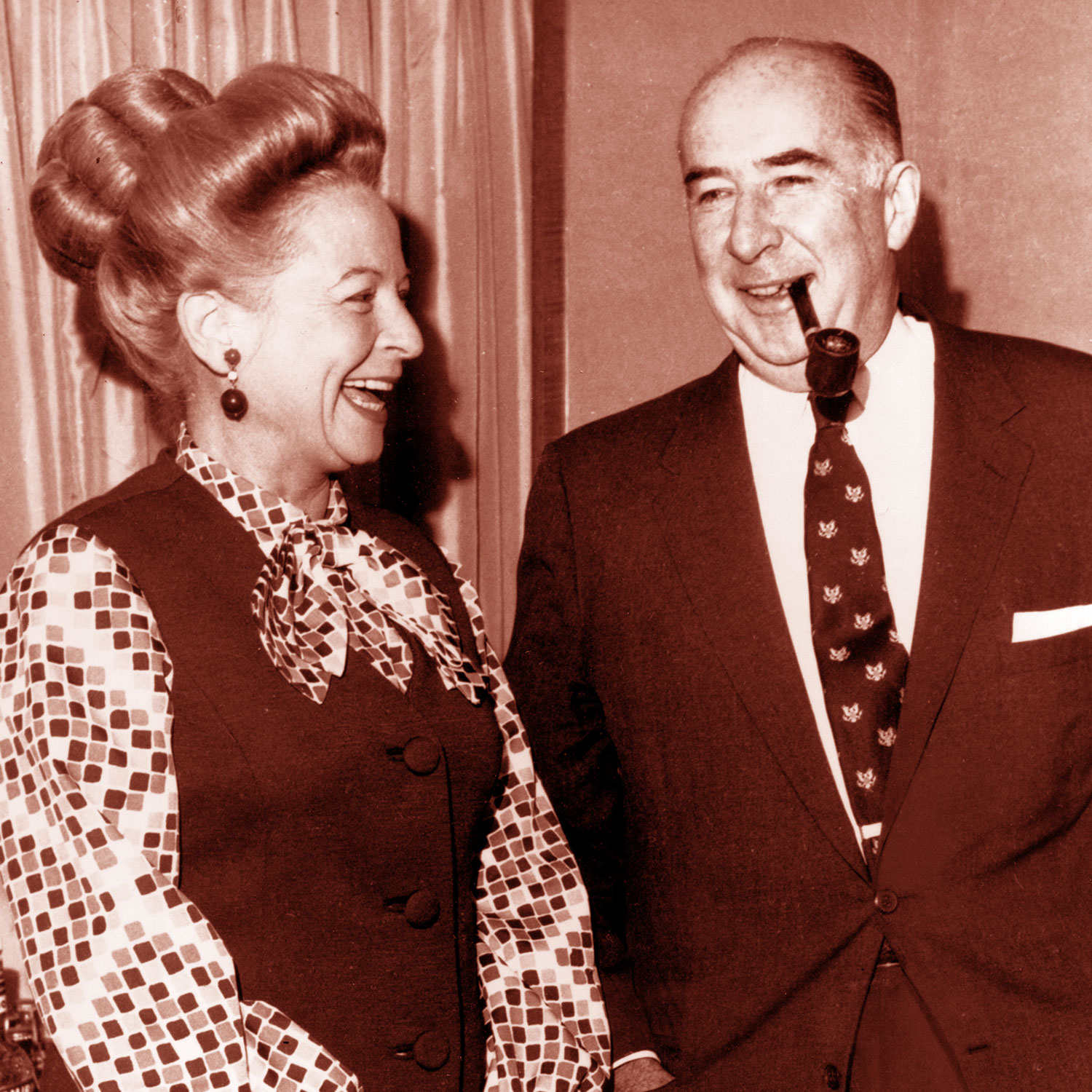
The Mouth of the South
Martha Mitchell was the wife of President Nixon's attorney general. Nixon blamed Mitchell for Watergate.

Hair peace. Bed peace.
On March 25, 1969, John Lennon and Yoko Ono were a few days into their marriage when they invited the press to join them at their honeymoon suite at the Amsterdam Hilton Hotel.
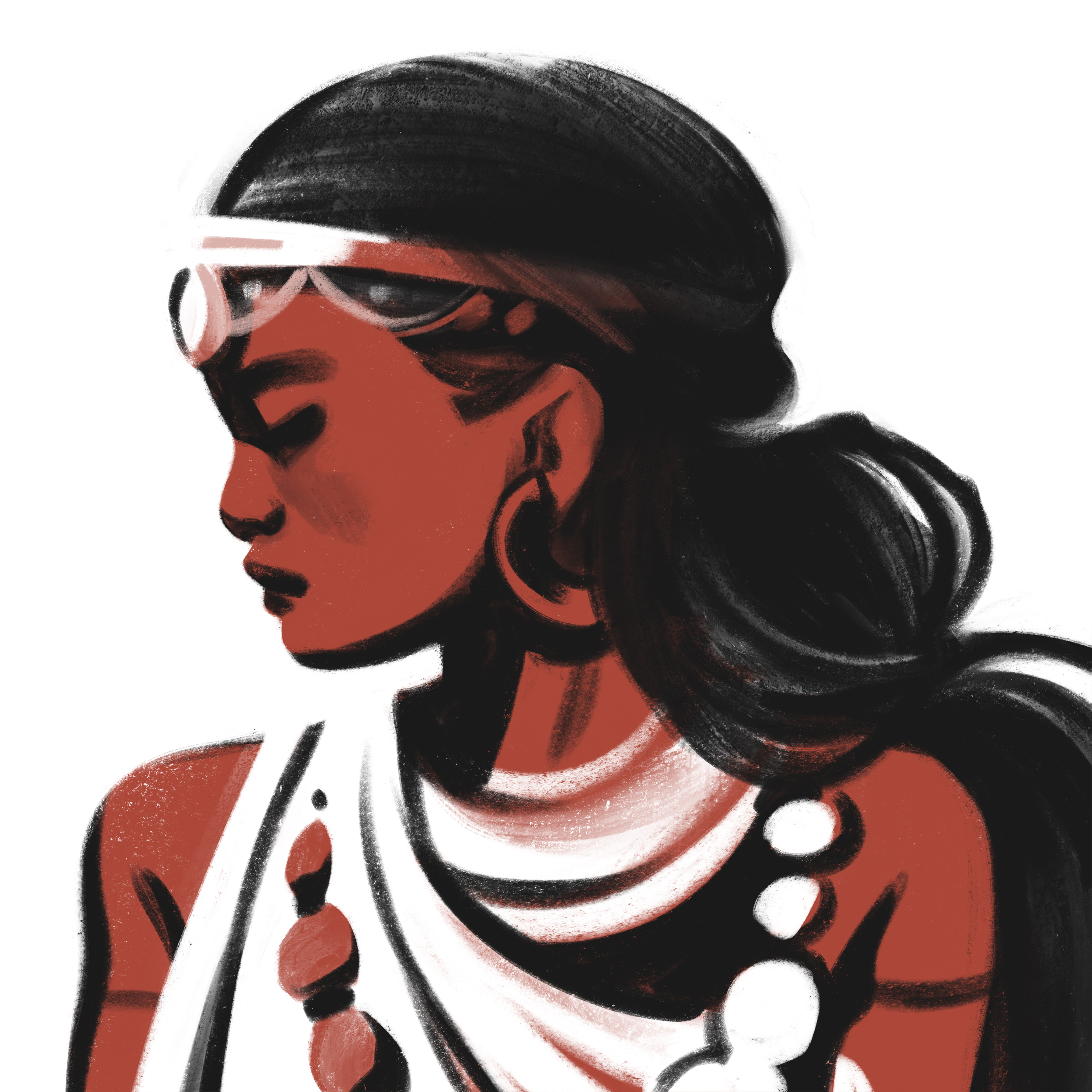
Queen Arawelo
Growing up in Somalia, a country where stories are handed down through generations, one of the first tales that children are told is about an ancient queen who fought to give women power by castrating men.
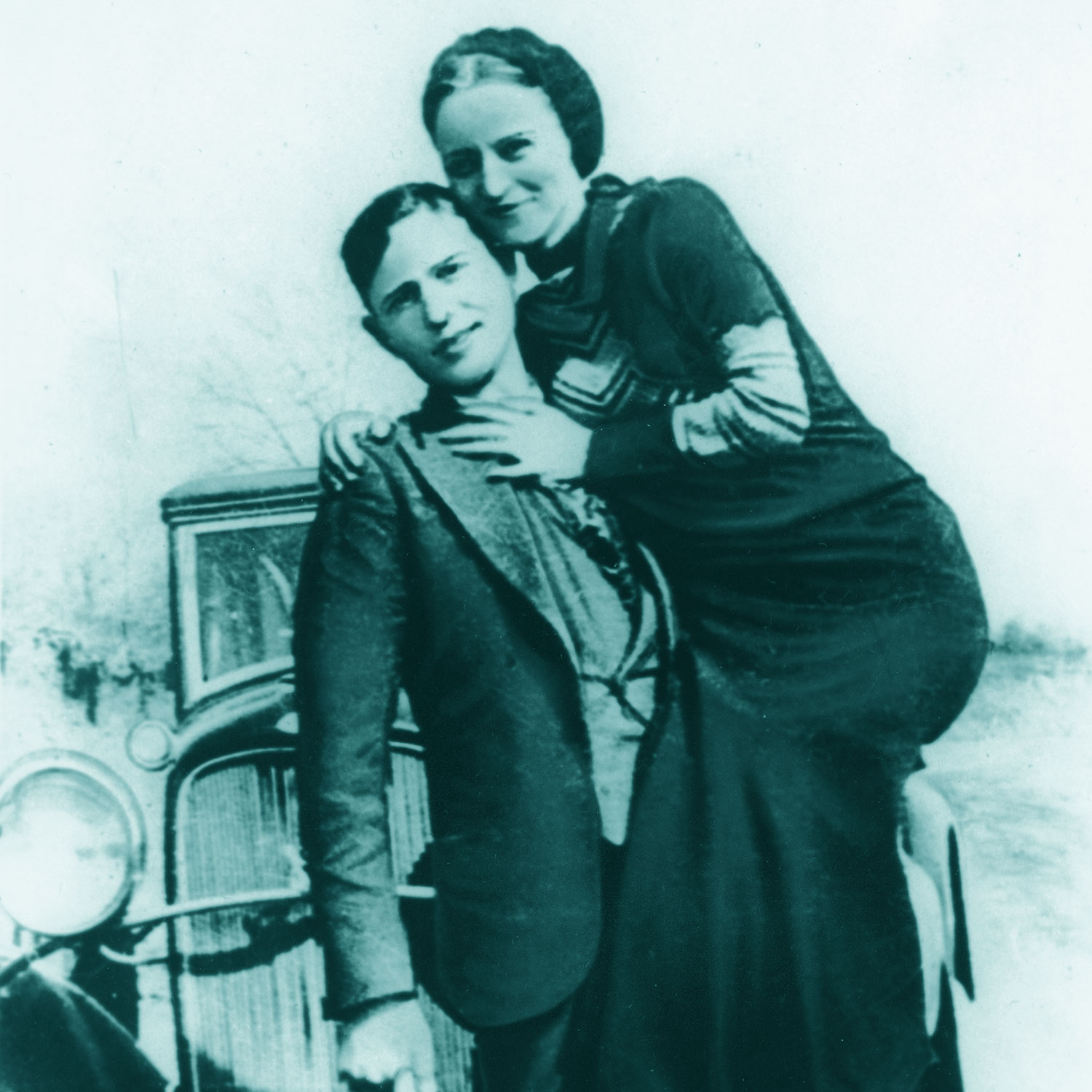
The man who killed Bonnie and Clyde
It was April of 1934. The multi-state crime spree of Bonnie and Clyde came to an end in an ambush on a winding country road in Louisiana. The man who finally hunted them down was Texas Ranger Frank Hamer, a legendary lawman from the Wild West.
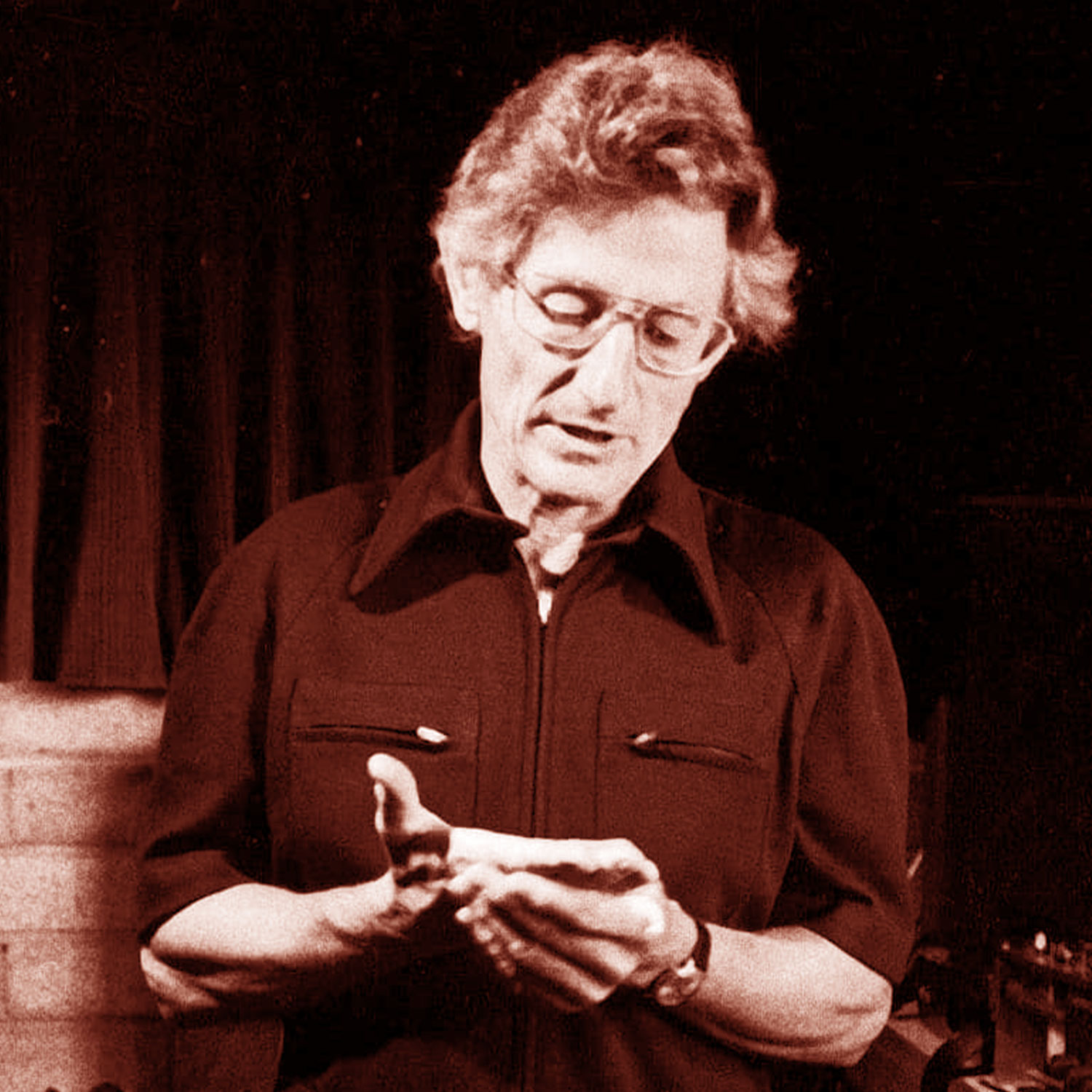
Ketamine in the mainstream
Once a party drug, ketamine has found its way into modern medicine.
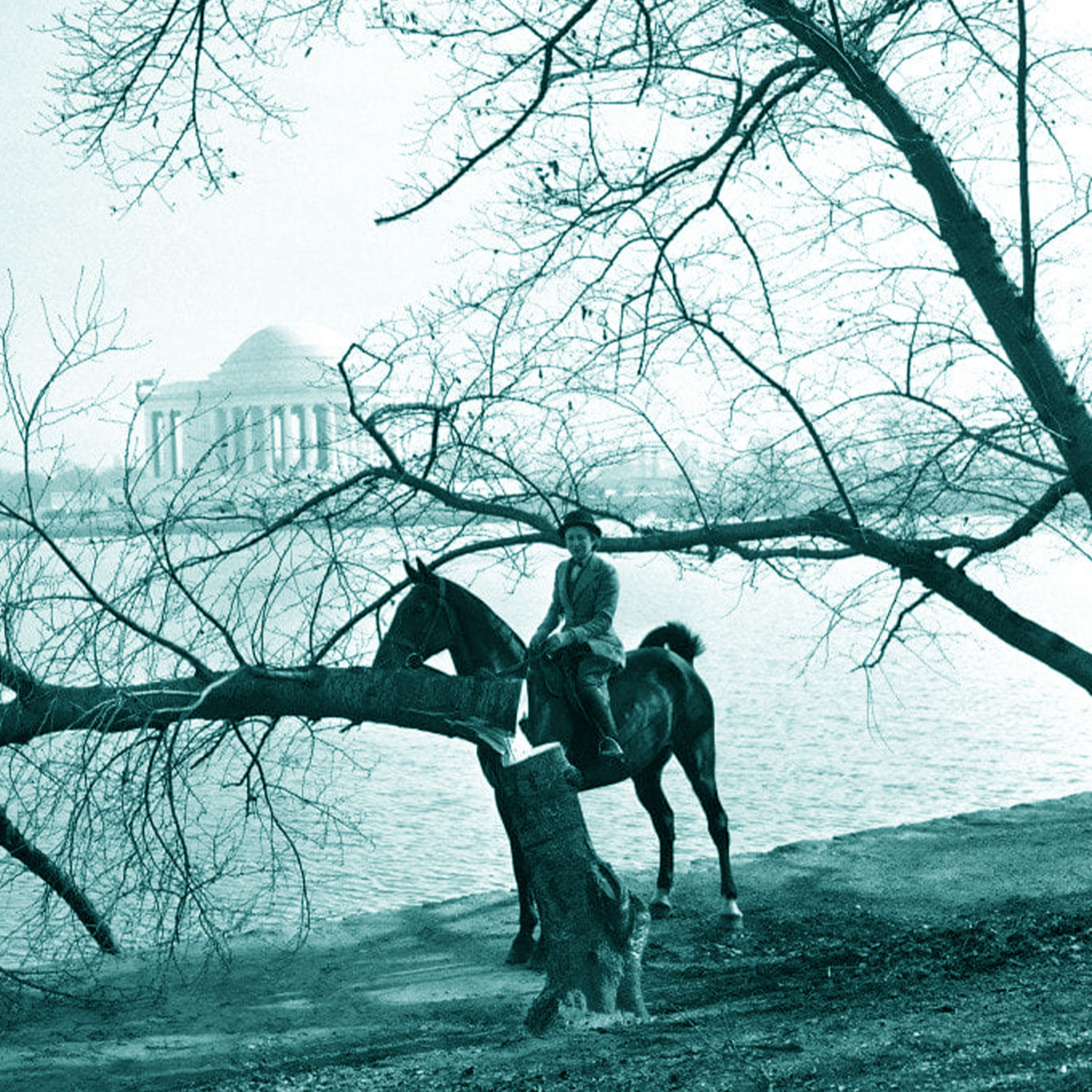
From handsaws to parades: D.C.’s cherry blossom trees weren’t always beloved
Over one million people attend the National Cherry Blossom Festival each year. But the cherry blossom trees, and Japanese culture, were not always embraced in the United States.
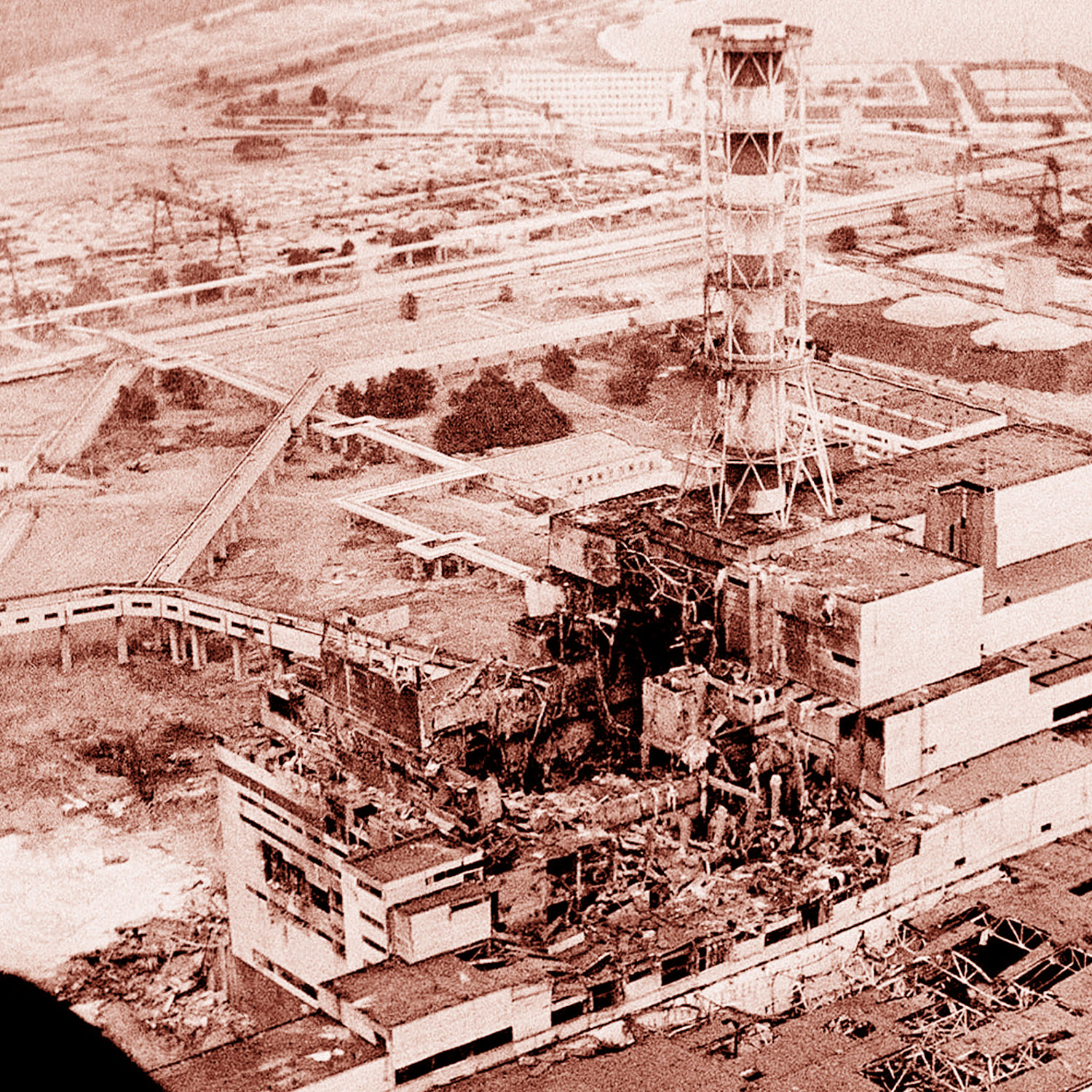
The day before the Chernobyl disaster
Disasters don’t just happen. Like anything in life, there’s usually a buildup. In the case of the Chernobyl disaster, the series of failures stretched back more than a decade. But what happened the day before the explosion?
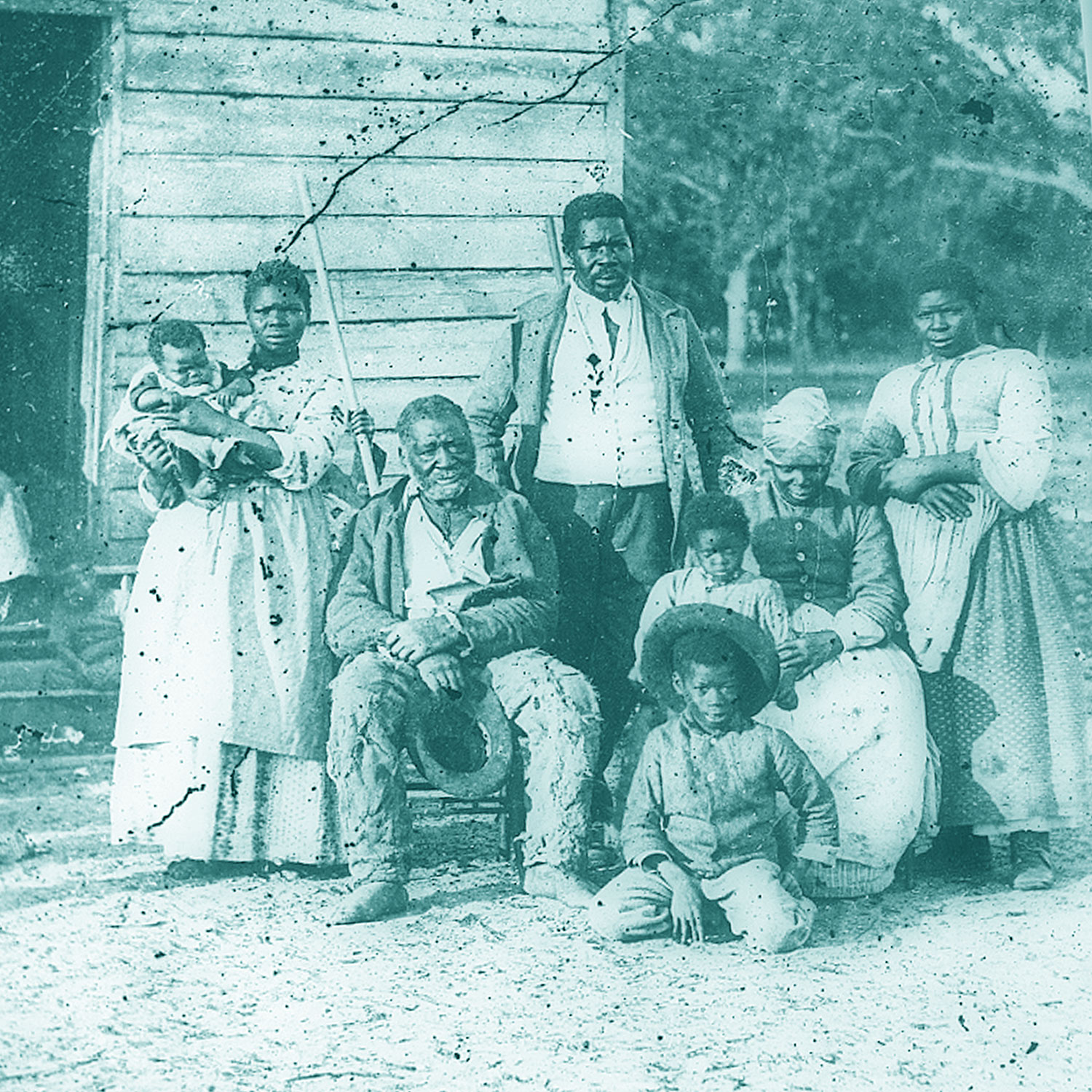
Last Seen Ads
After the Civil War, formerly enslaved people placed notices in black-owned newspapers across the country to find their loved ones.
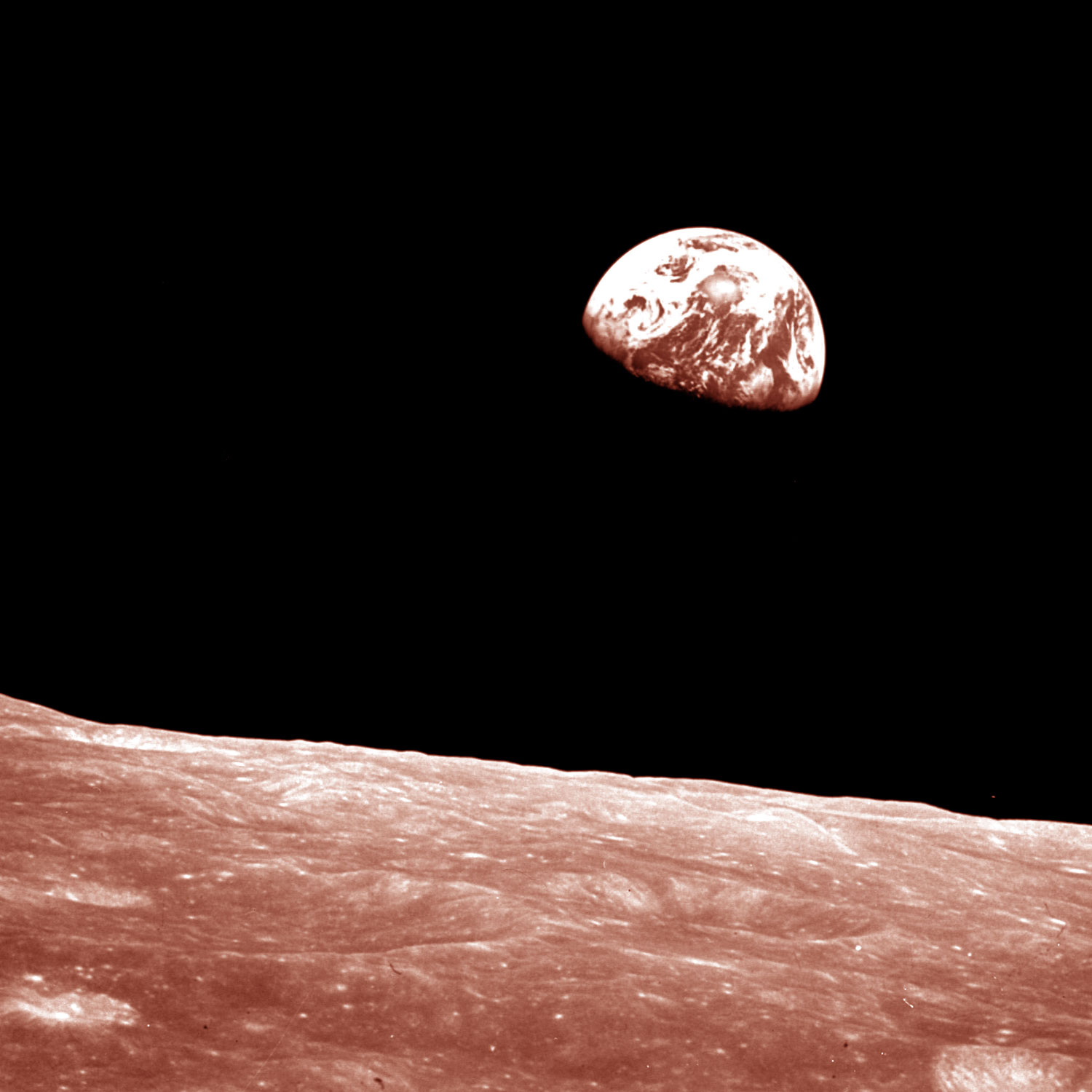
Earthrise
On Christmas Eve in 1968, the Apollo 8 astronauts captured an image that symbolizes hope and inspired environmentalism.
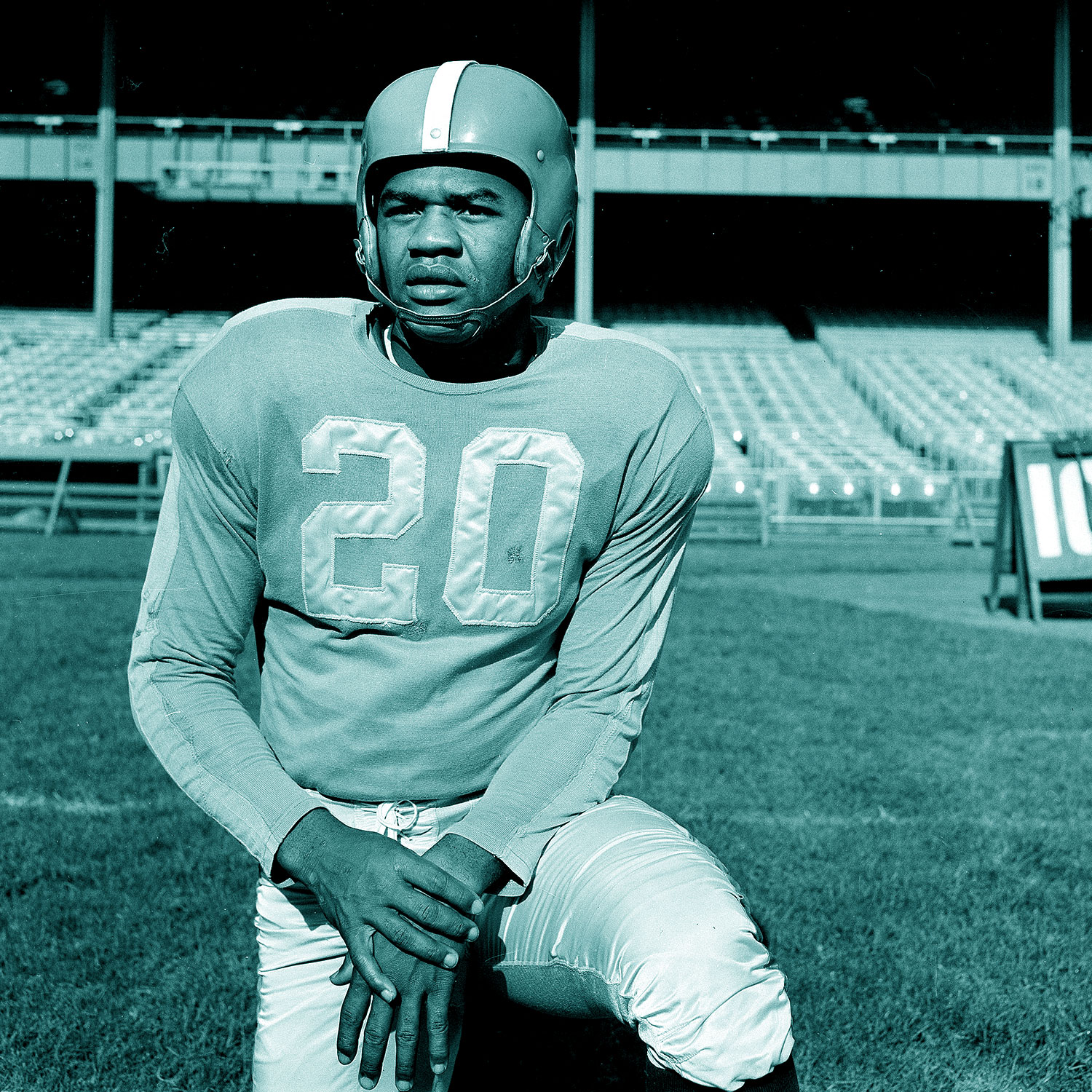
George Taliaferro, the first black player drafted to the NFL
He thought being drafted into the National Football League was so unlikely that he signed with an African American league team. Then, the NFL called.
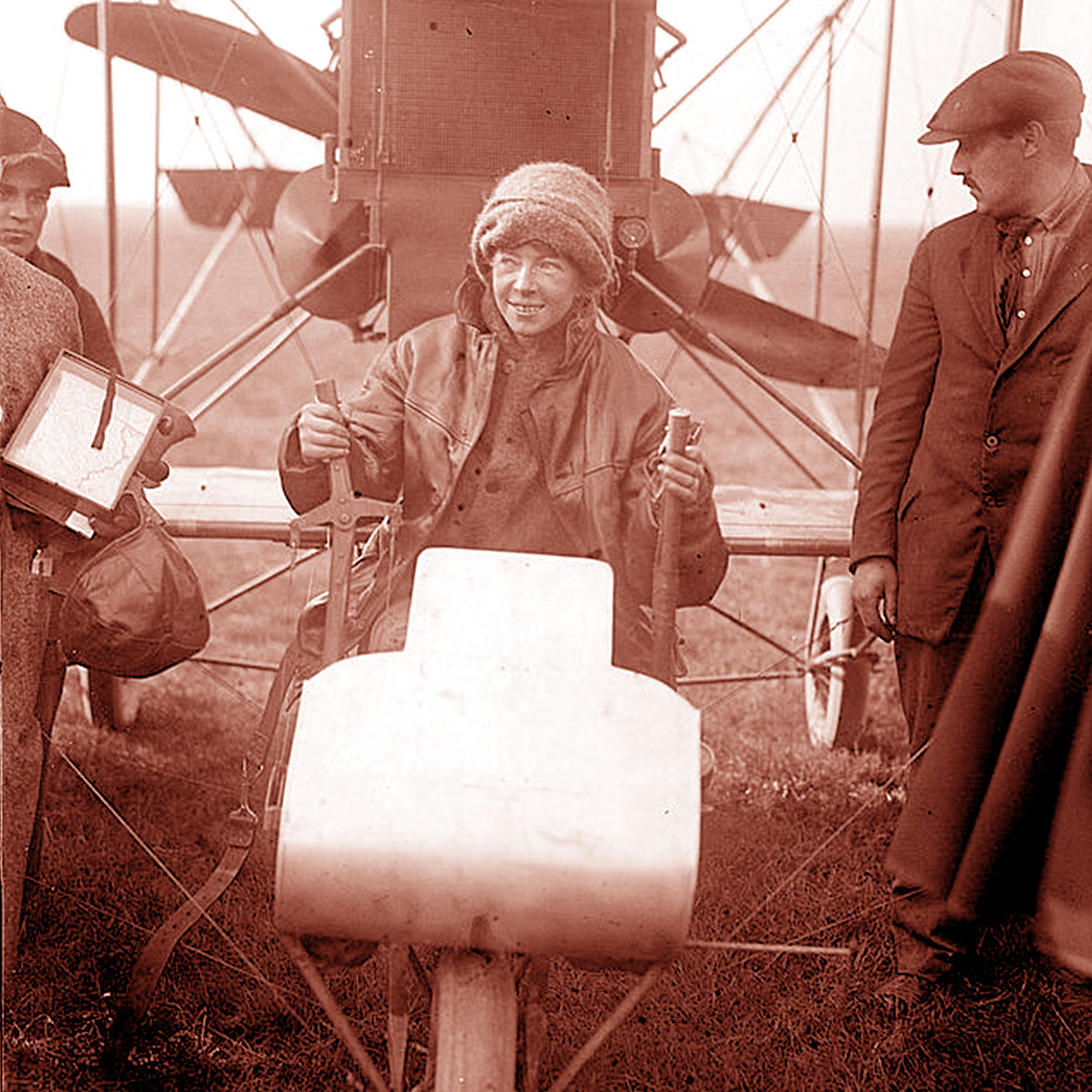
The first 'Queen of the Air'
Four years before Amelia Earhart ever got into a plane, Ruth Law was already making a name for herself in the skies.
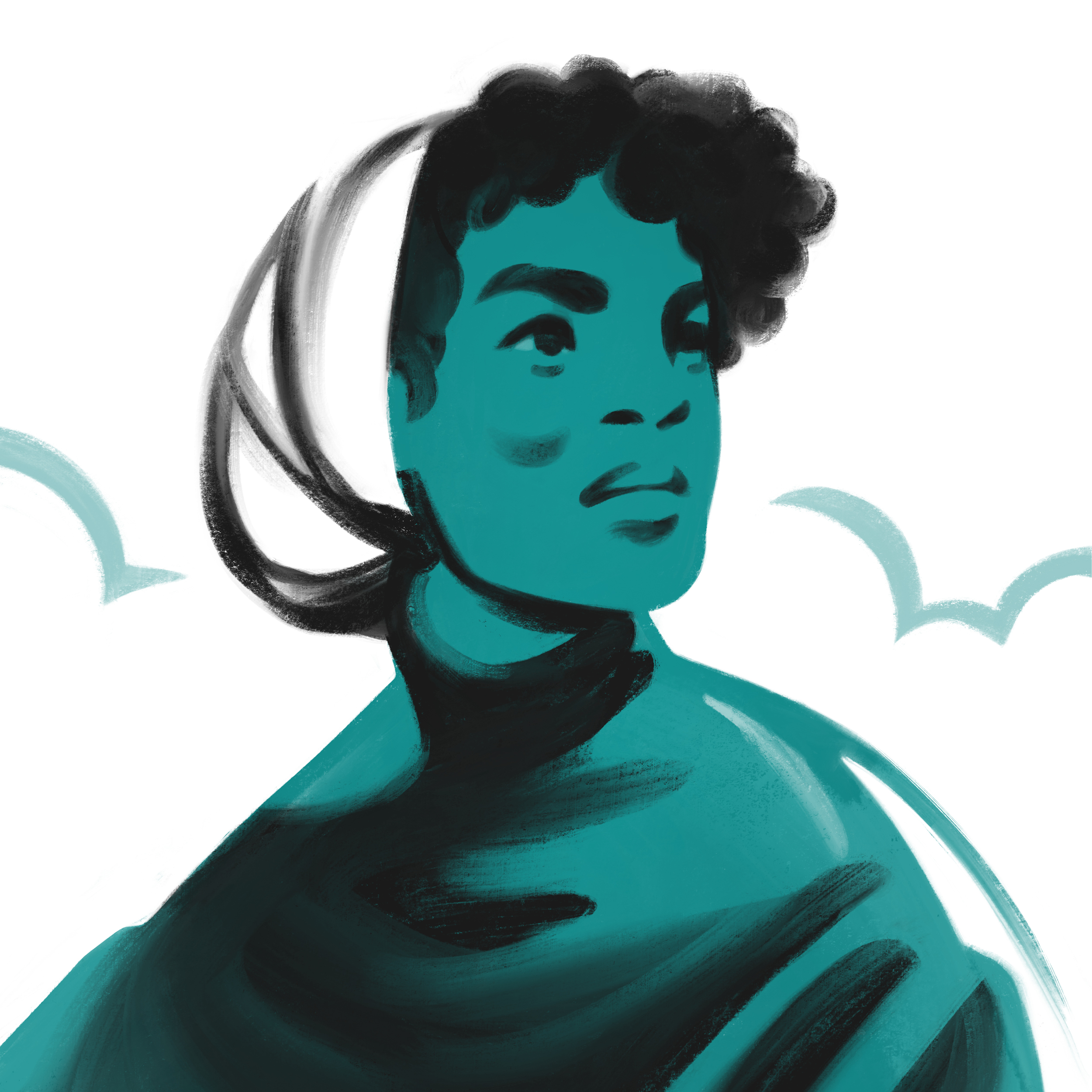
A spy in the Confederate White House
During the American Civil War, a former slave smuggled secrets from the Confederate President to help the North to victory. Her name was Mary Bowser.
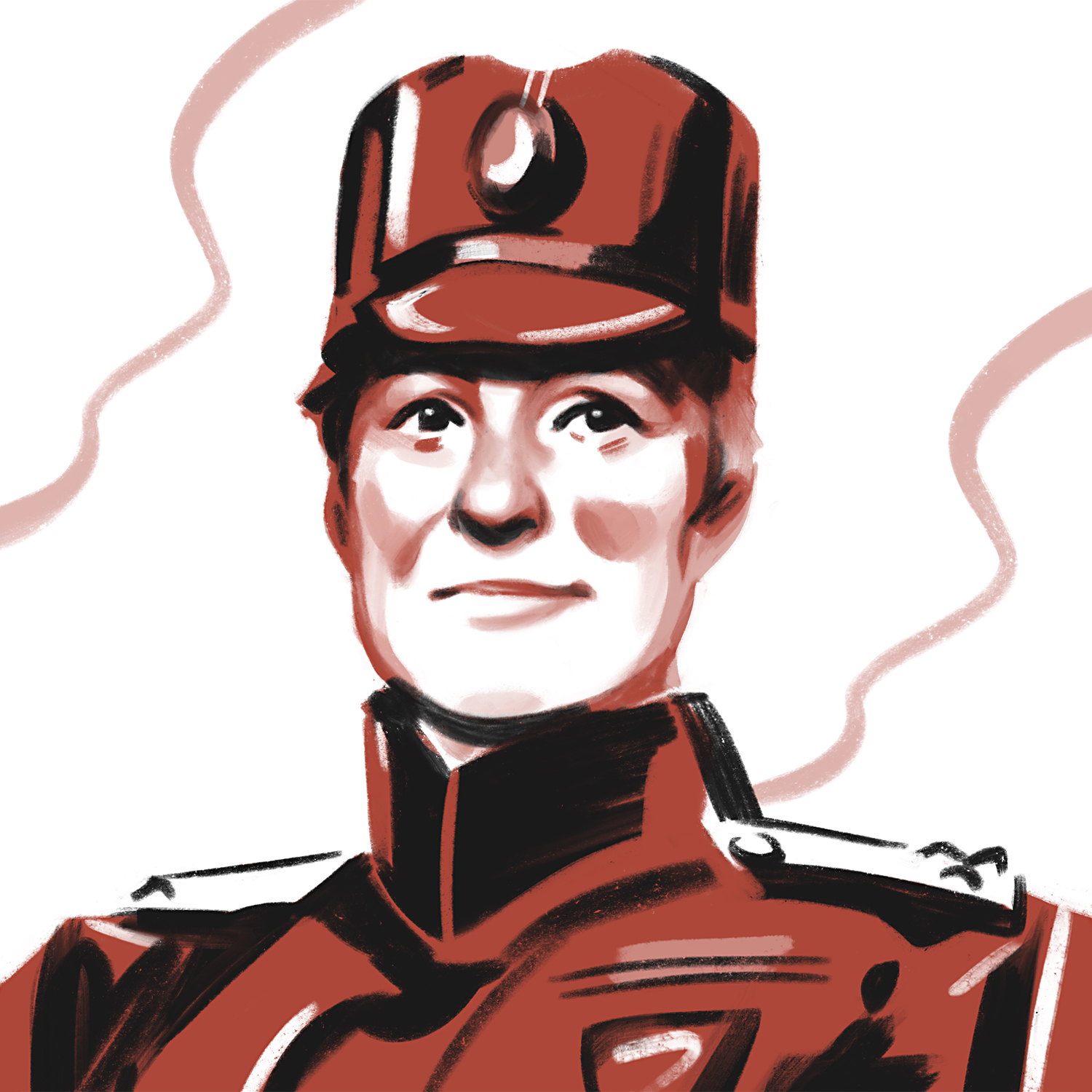
The nurse who picked up a rifle
During World War I, British nurse Flora Sandes put down her nurses bag to fight with the Serbian Army.
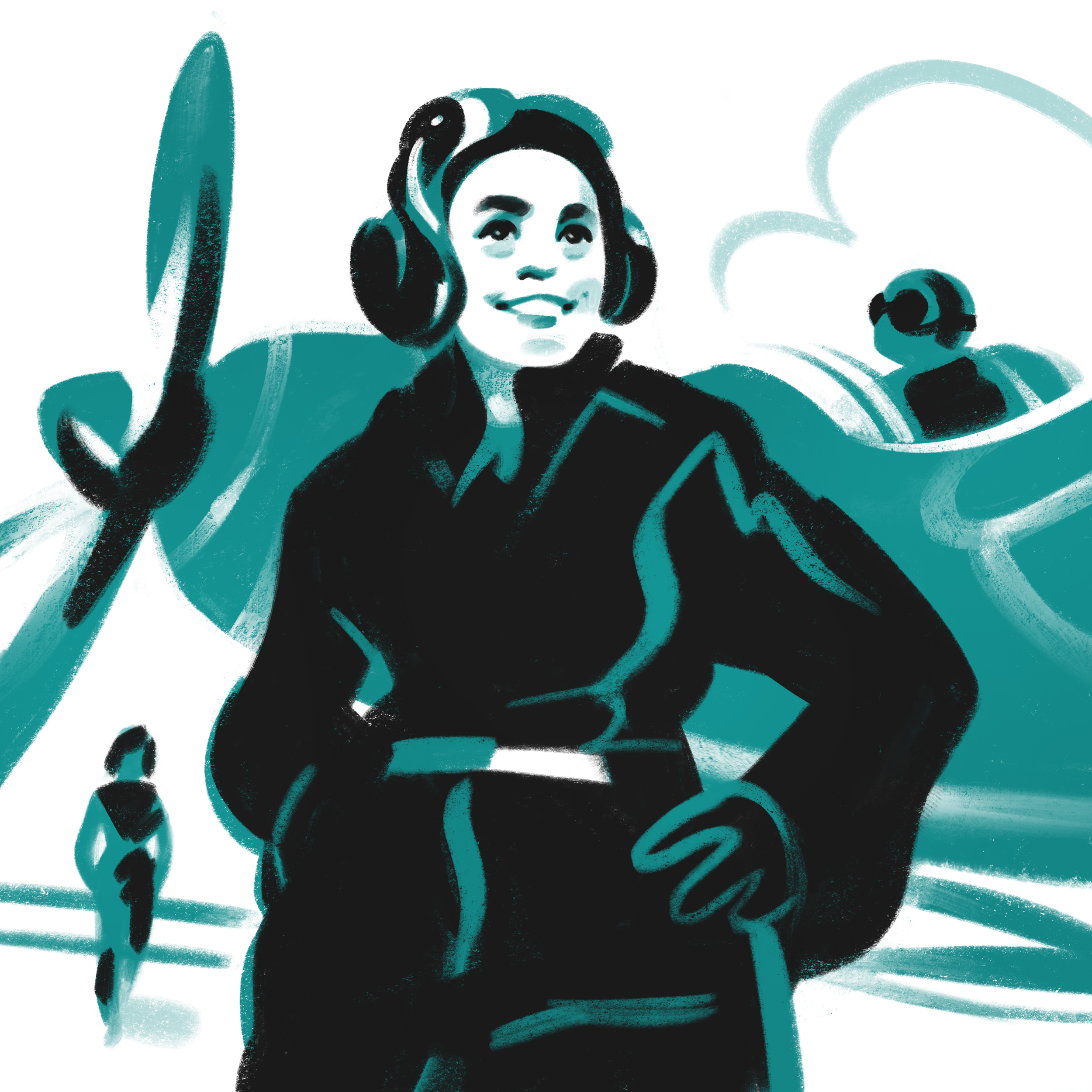
The 'Night Witches'
During World War II, around 80 Russian women took to the skies and risked their lives to fight against the Germans.
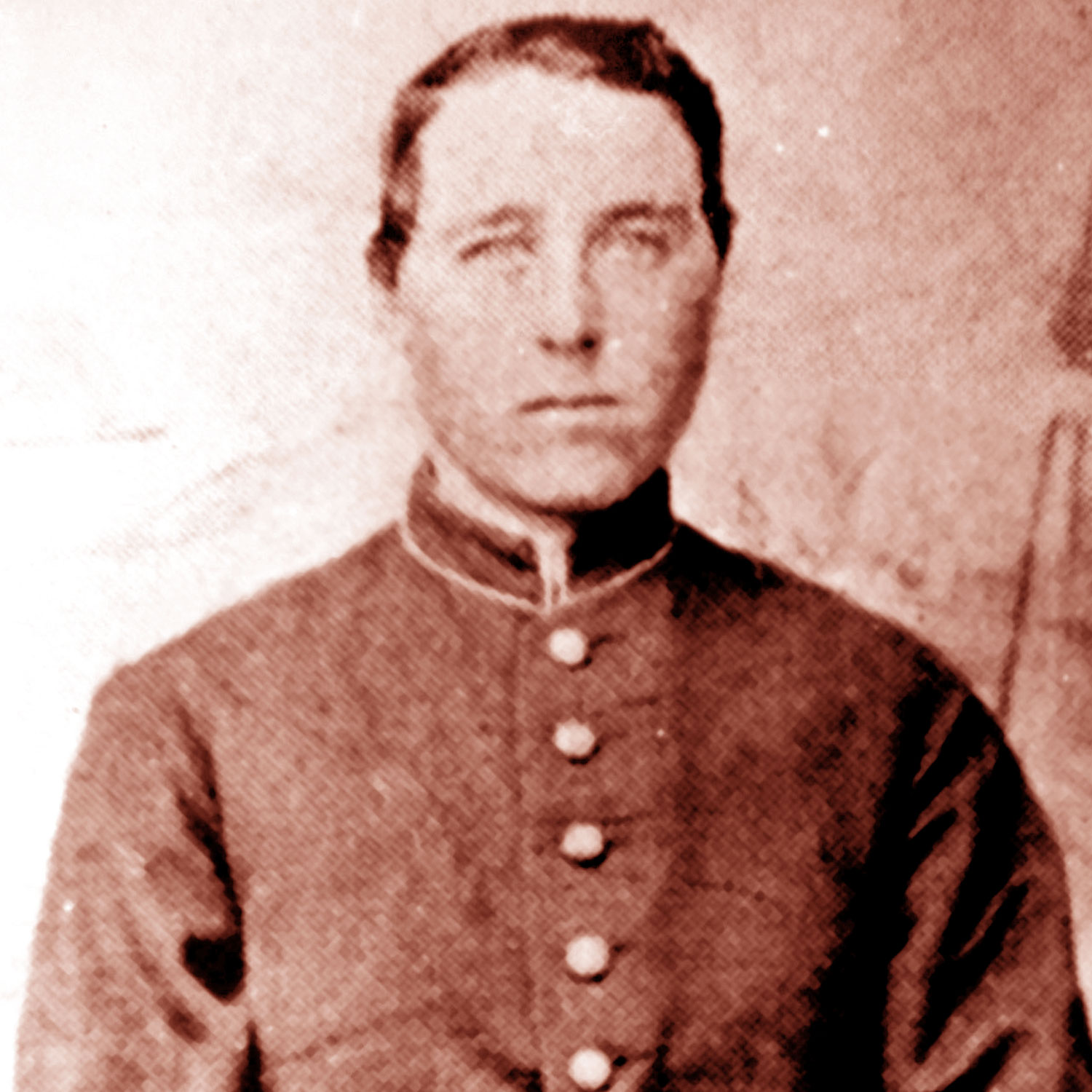
The extraordinary life of Civil War veteran Albert Cashier
On August 6, 1862, a shy young man from Belvidere, Illinois, signed up to fight for the North in the Civil War. His name was Albert Cashier.
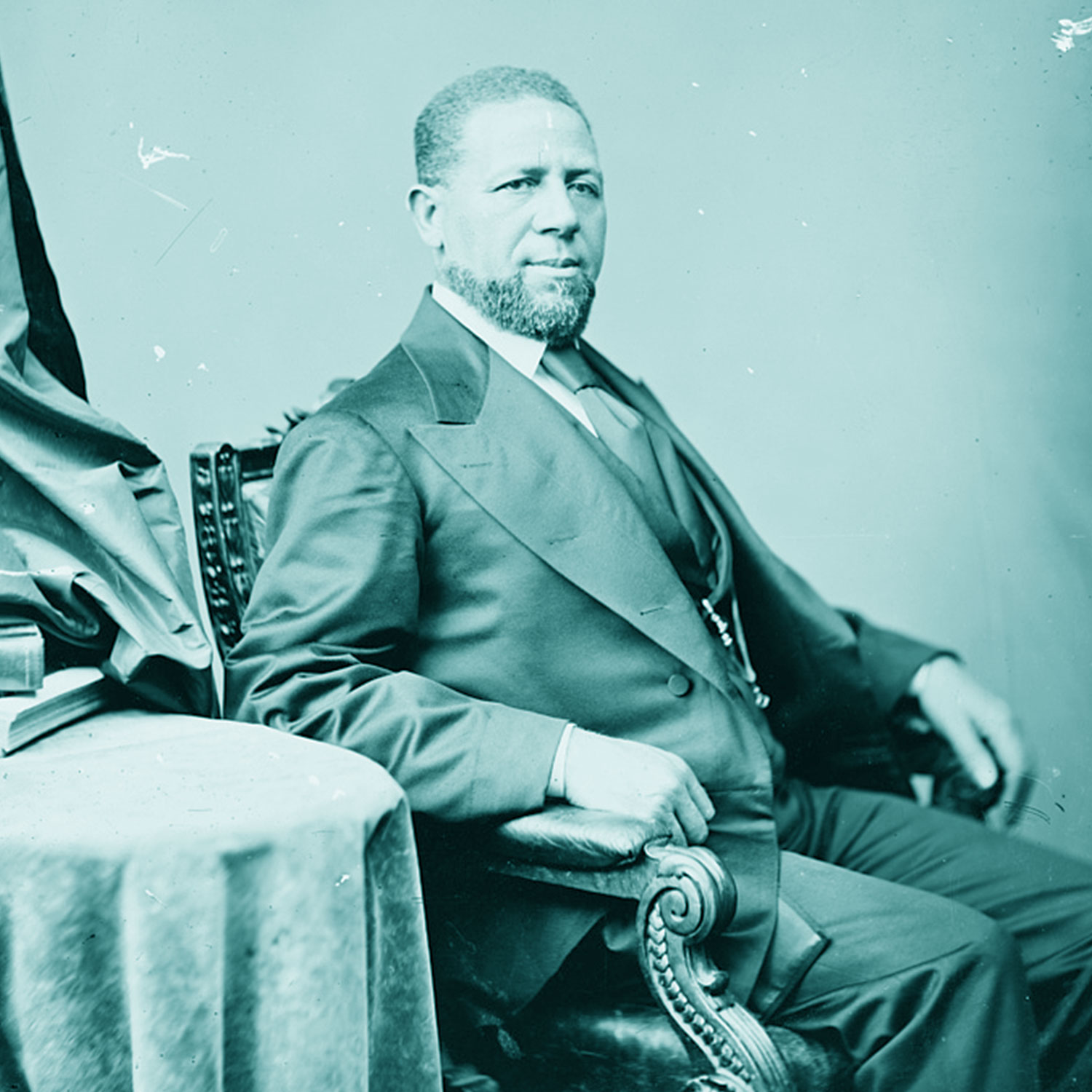
The first black senator and America’s brief biracial democracy
Hiram Rhodes Revels came to the Senate after the Civil War in a shining moment of triumph — a black man taking over the seat once held by Jefferson Davis. It didn’t last.
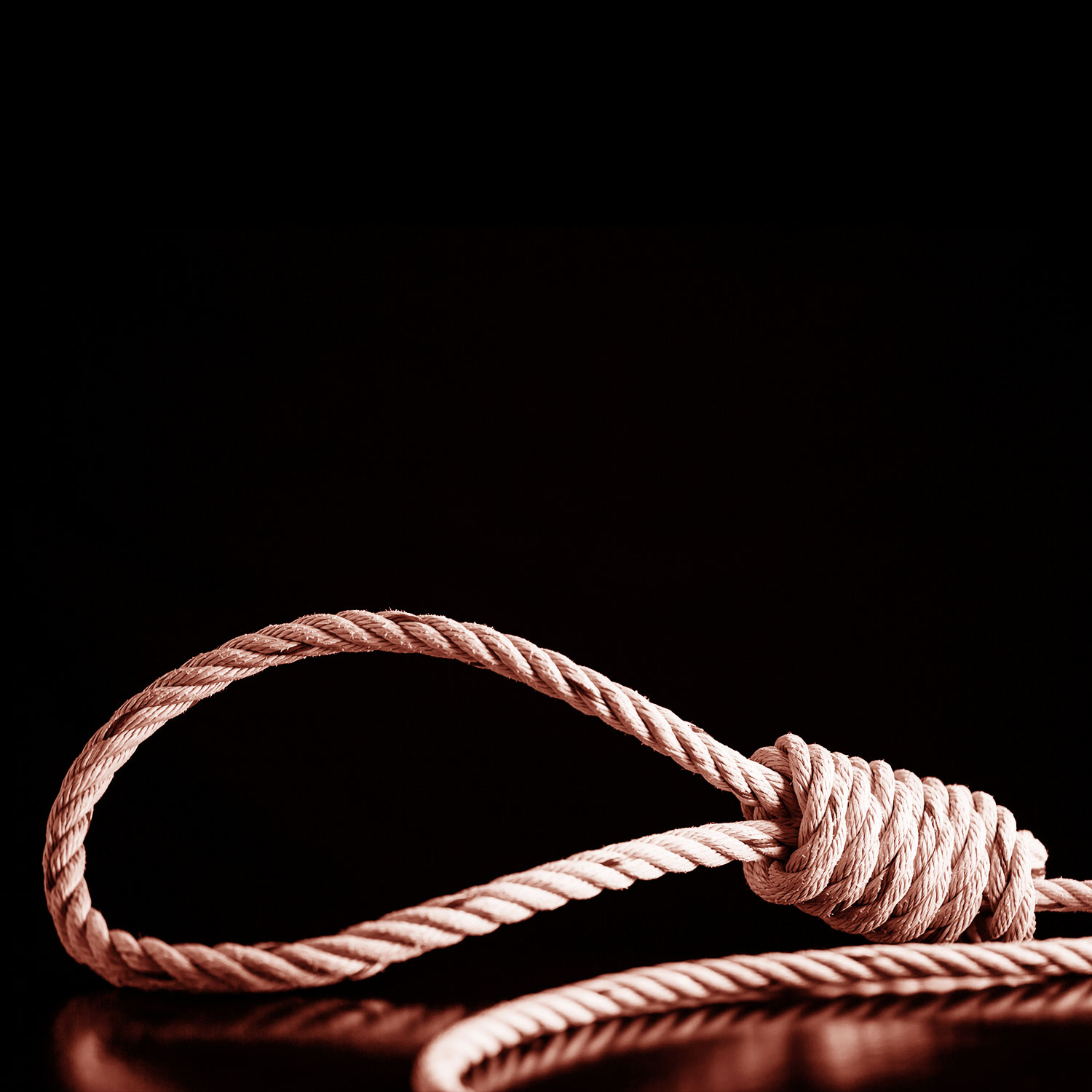
Why isn’t lynching illegal?
It is one of the worst expressions of racism in American history. And there’s no federal law to prevent it.