Retropod
487 episodes — Page 7 of 10
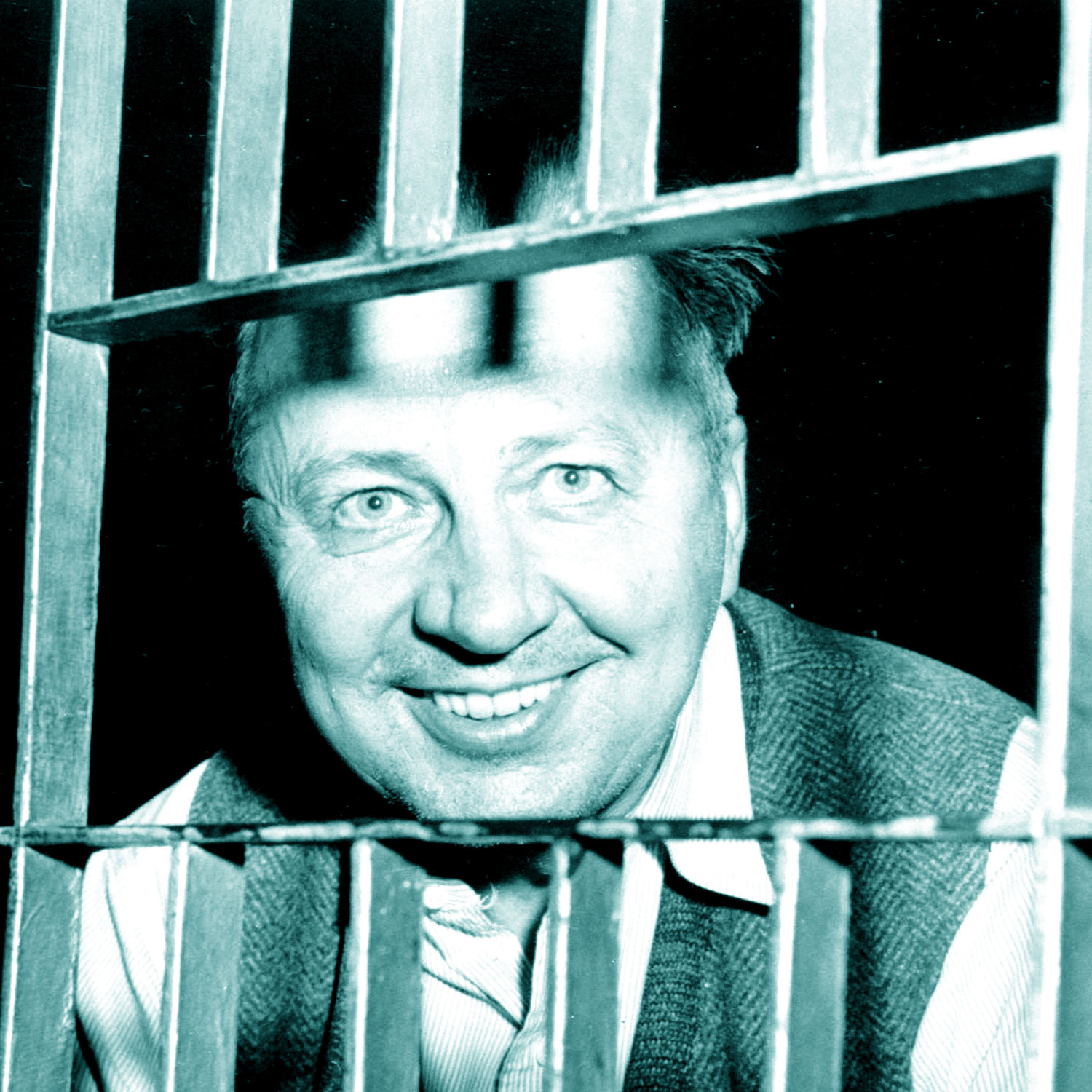
New York's mad bomber
In 1956, New York City’s bomb squad used criminal profiling to catch a terrorist known as “The Mad Bomber.”

The sword pulled from history
An 8-year-old found an ancient sword in a Swedish lake. Does that make her the queen?
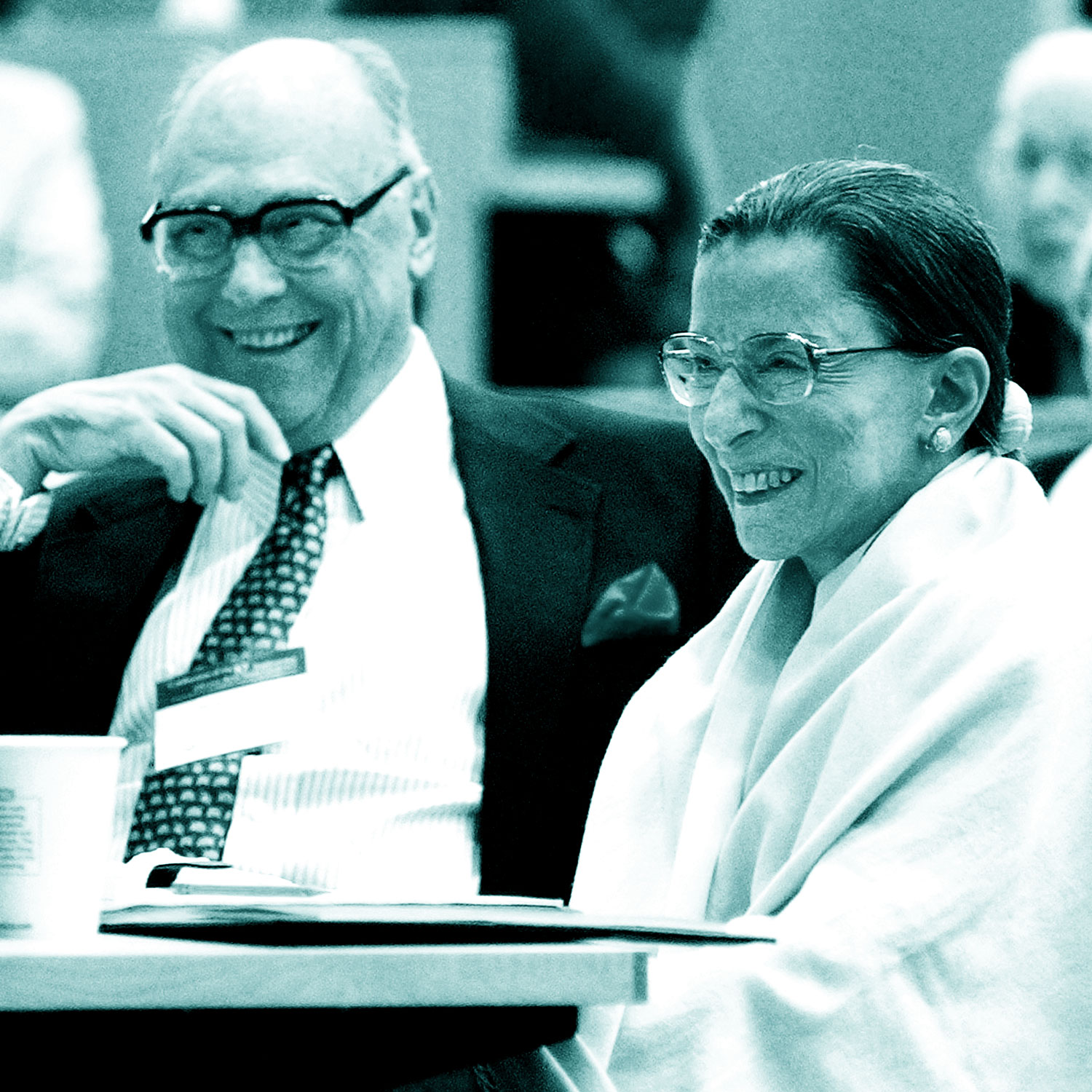
A love supreme: Ruth Bader and Martin Ginsburg
She was short. He was tall. Her family wasn't well off. His was. She was a worrier. He had not a care in the world. If you looked up mismatch in the dictionary, Ruth Bader and Martin D. Ginsburg fit the definition perfectly.
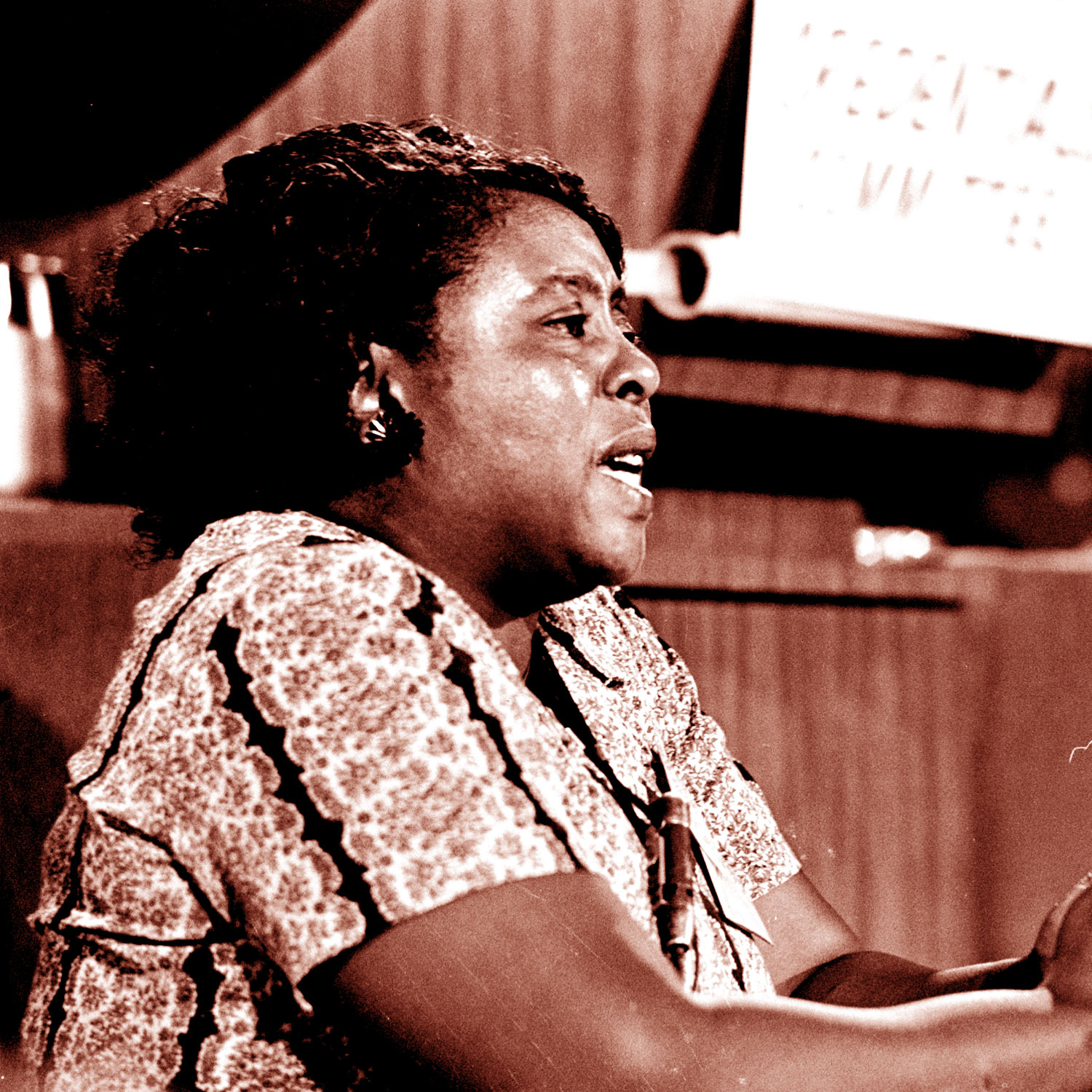
The unstoppable Fannie Lou Hamer
Civil rights crusader Fannie Lou Hamer rivaled Martin Luther King Jr. in her command of audiences.
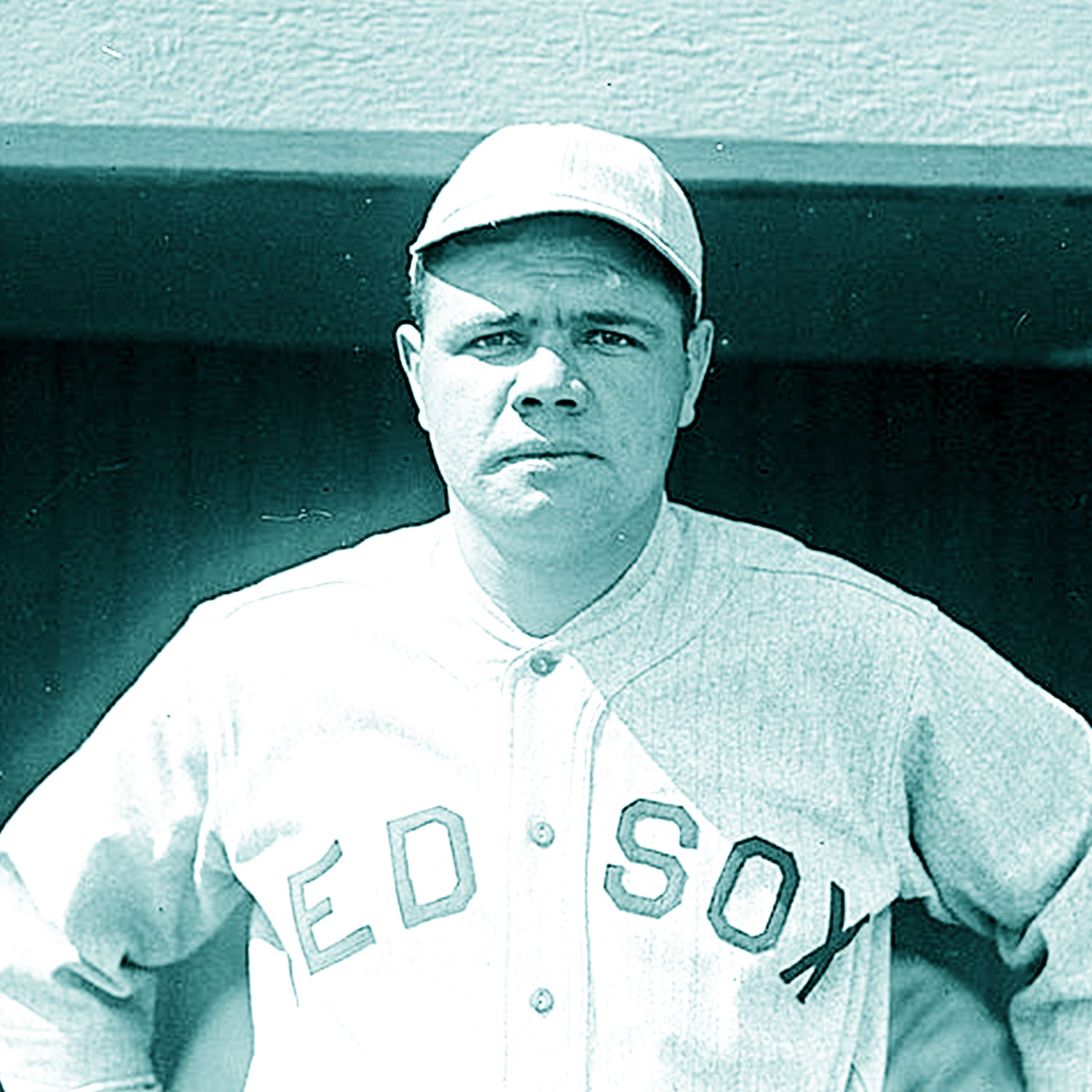
The Sultan of Swat wasn’t always known as a slugger
Before becoming a legendary big hitter, Babe Ruth was one of baseball’s best from the mound.
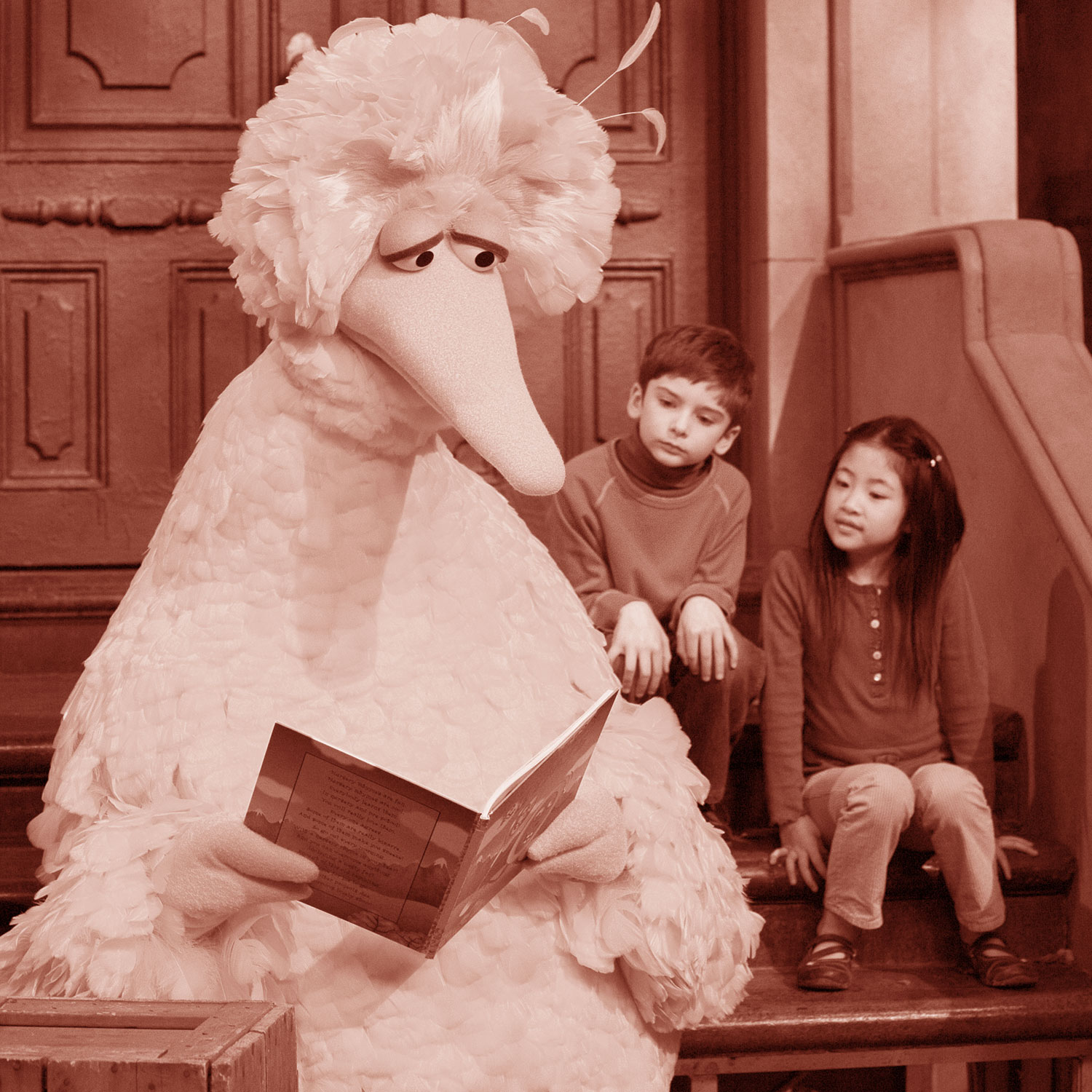
Big Bird and the genius inside
Caroll Spinney and his iconic character were inseparable for almost 50 years.
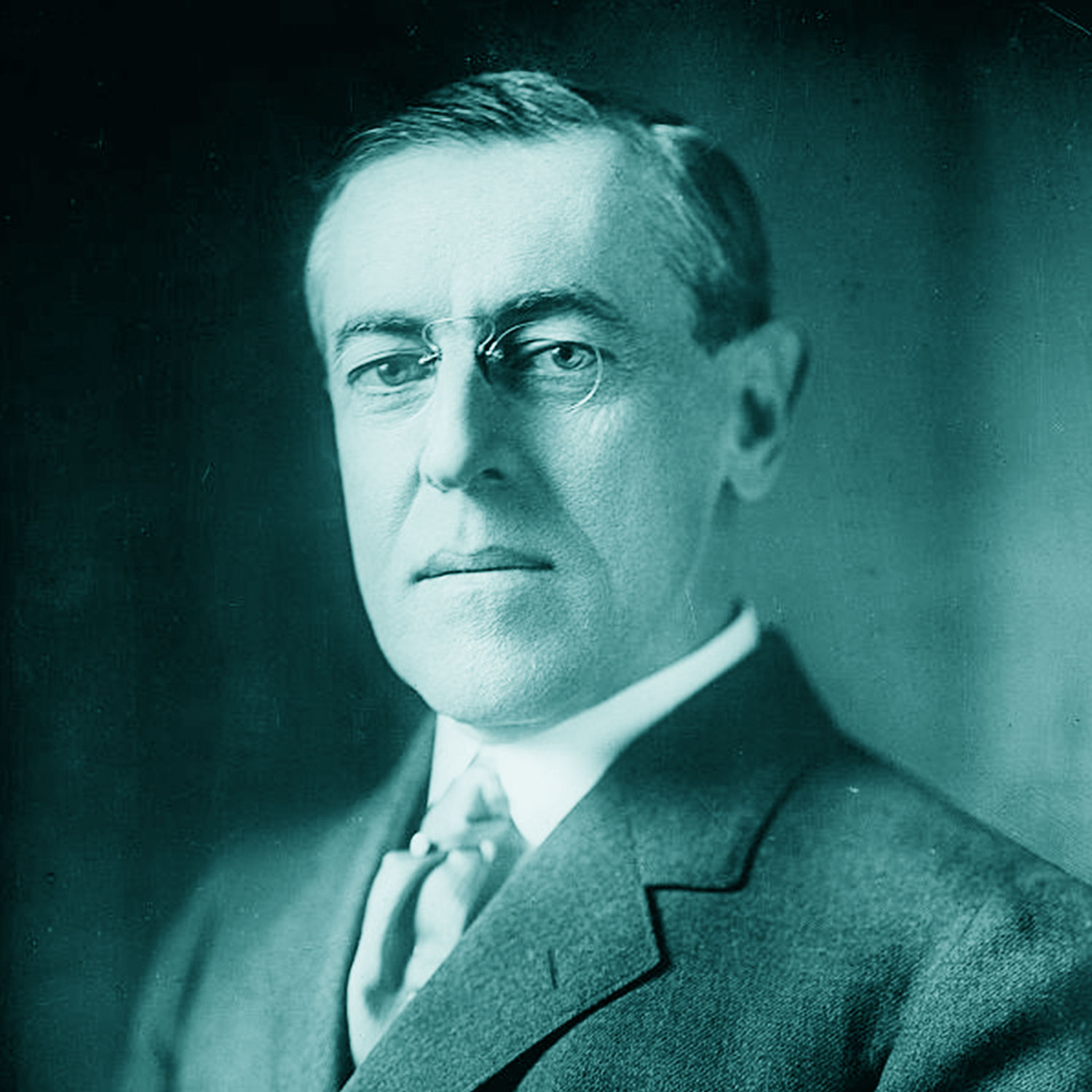
Woodrow Wilson's secret letters to another woman
Family and friends had known about the president’s intimate relationship with Mary Peck for years, but whispers about their involvement were growing.
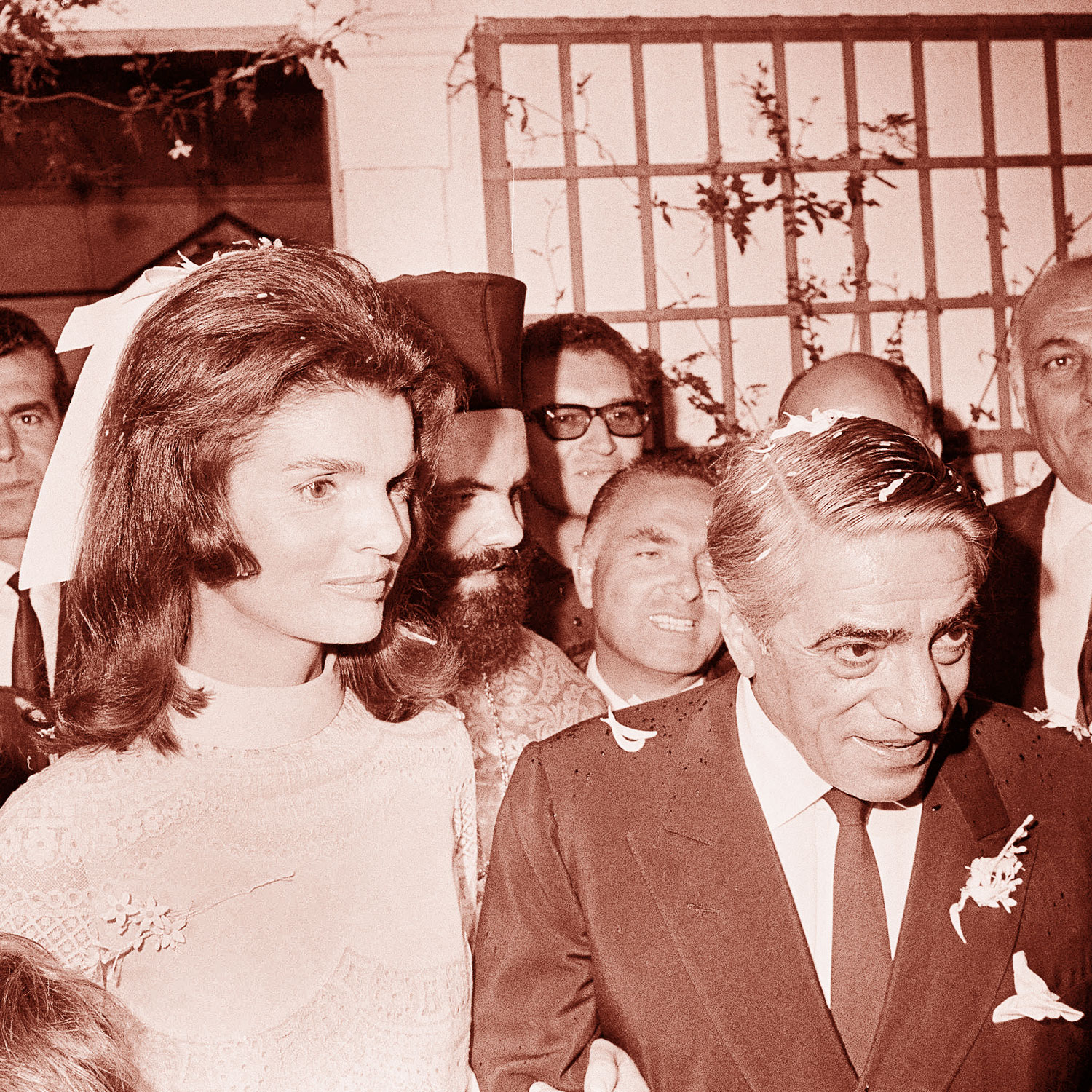
The metamorphosis of Jackie O
As Jacqueline Kennedy transitioned from wife-in-chief to widow-in-mourning, there was tension between whom she had been and whom she was allowed to become.
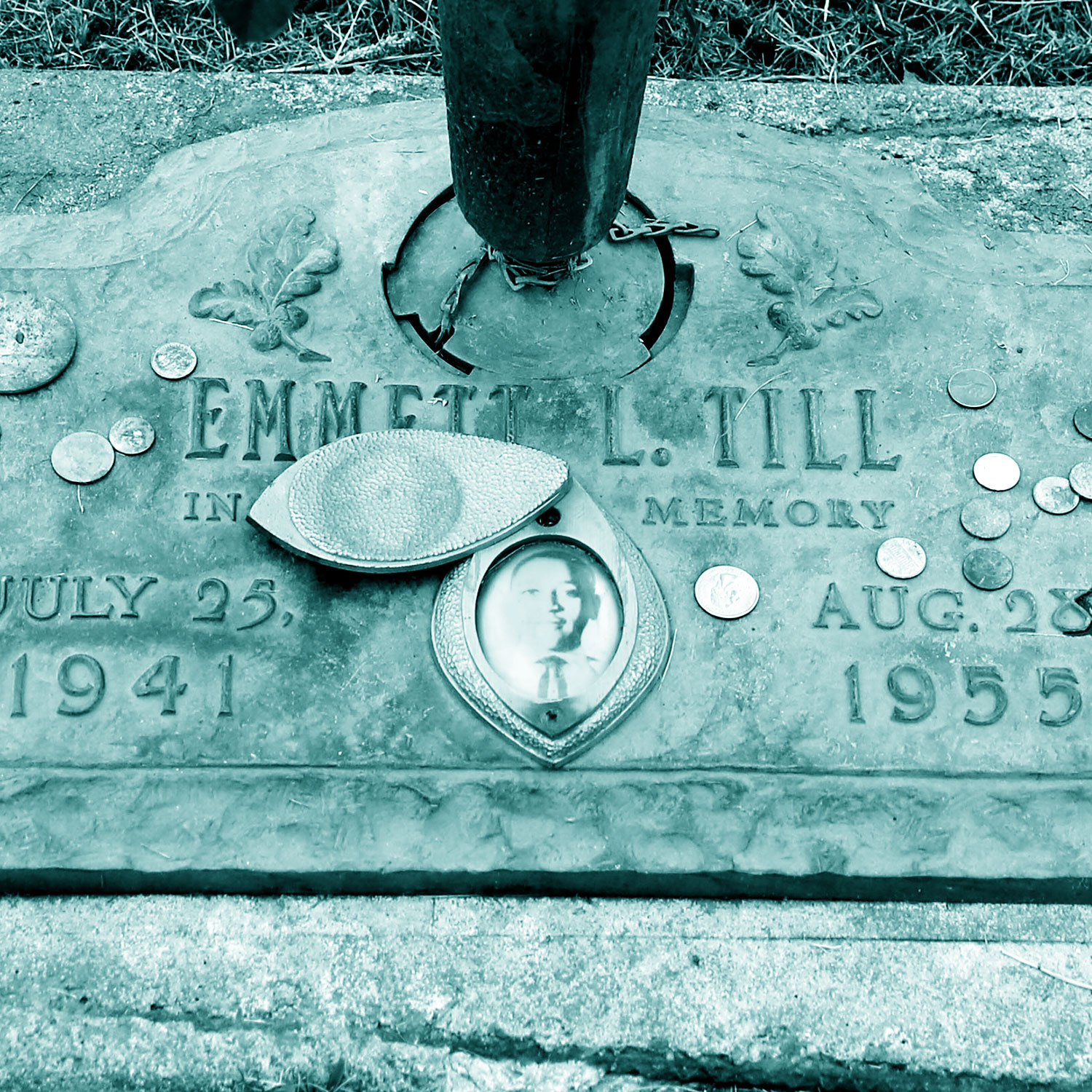
The body of Emmett Till
Emmett Till’s mother opened his casket and sparked the civil rights movement.
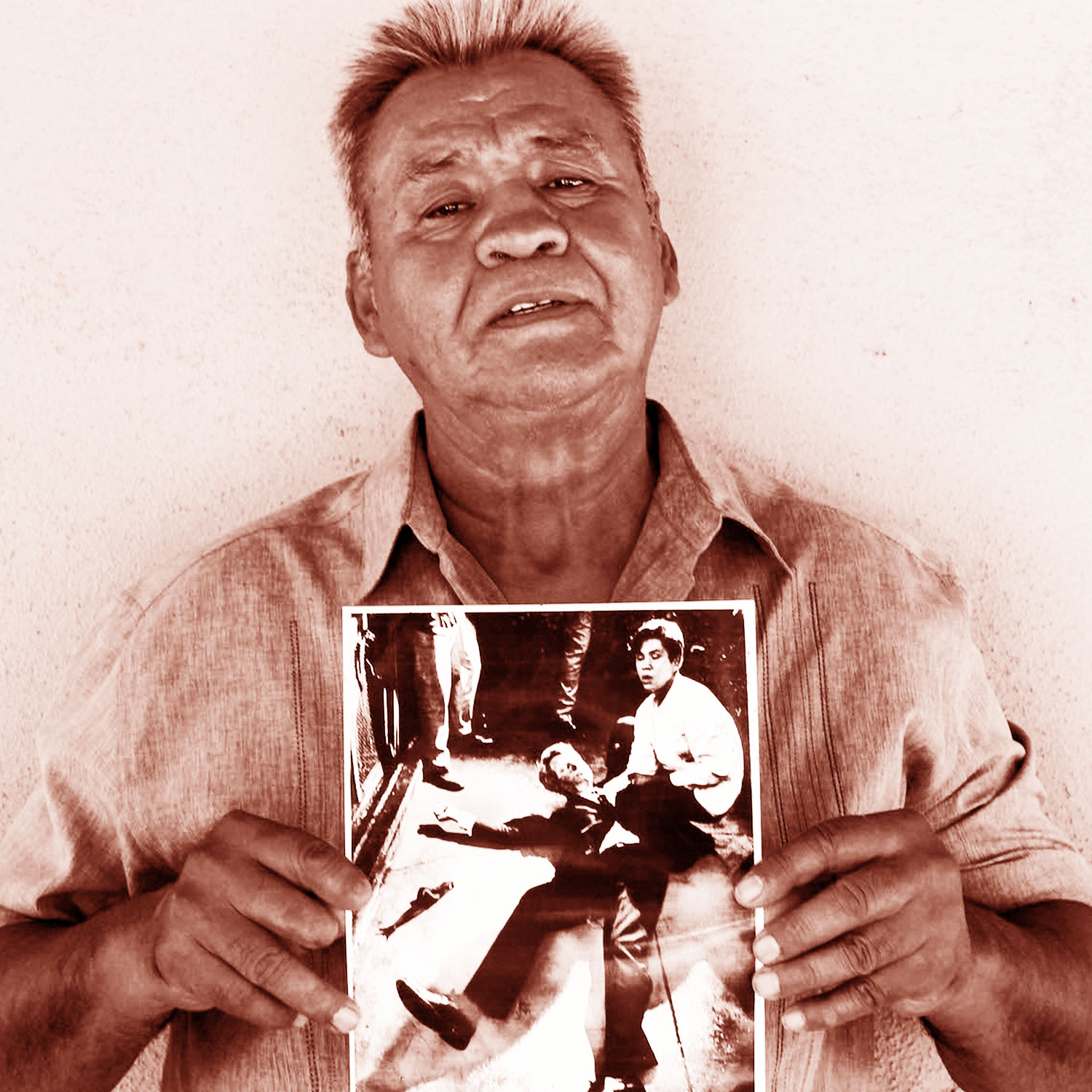
The photographer and the busboy
Photographer Boris Yaro shot the photo of Bobby Kennedy lying fatally wounded in the arms of Juan Romero, a busboy. The photo would haunt both of them.
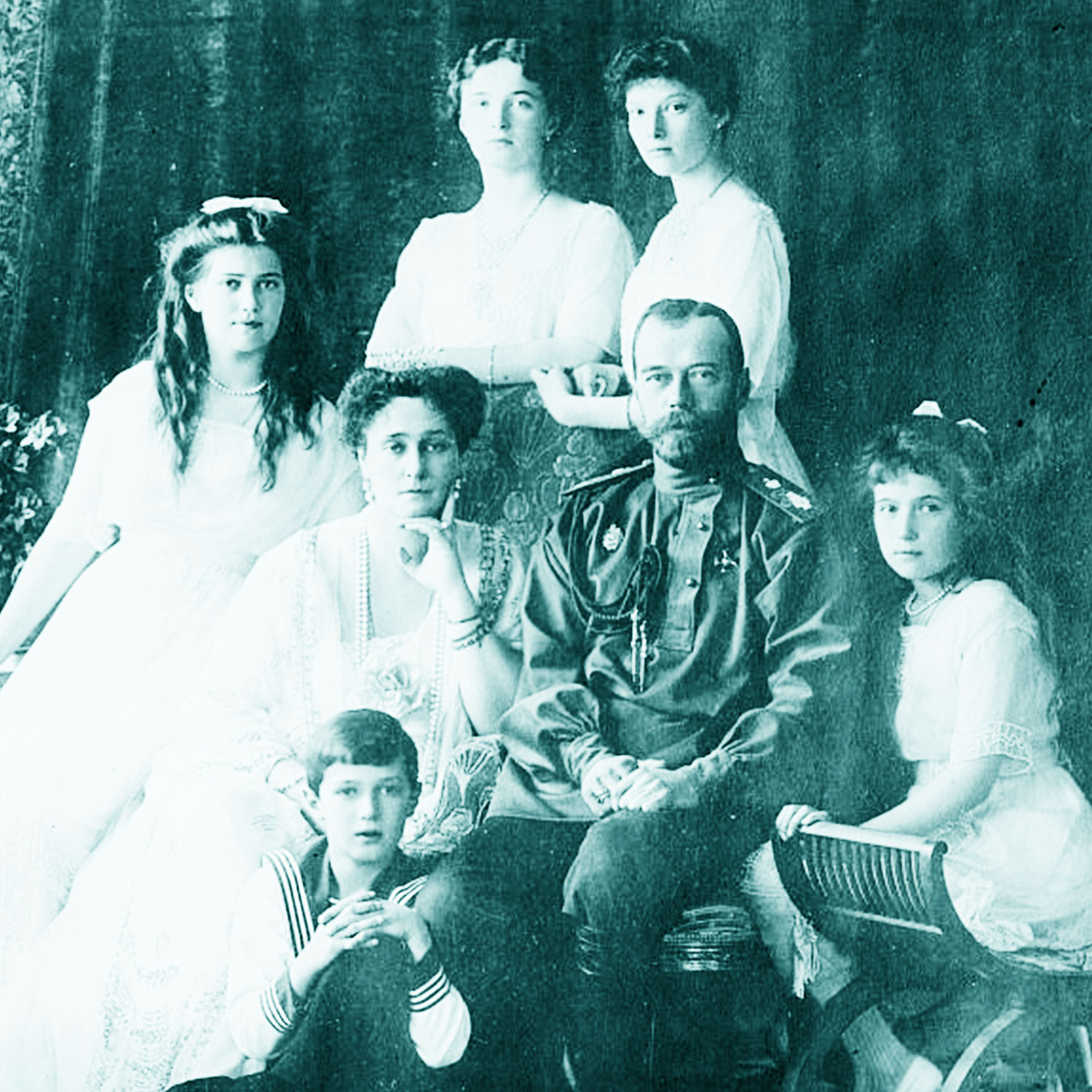
The Romanovs, Russia's 'odious' autocratic family
If you think your family is overrun with controlling lunatics, please meet the Romanovs.
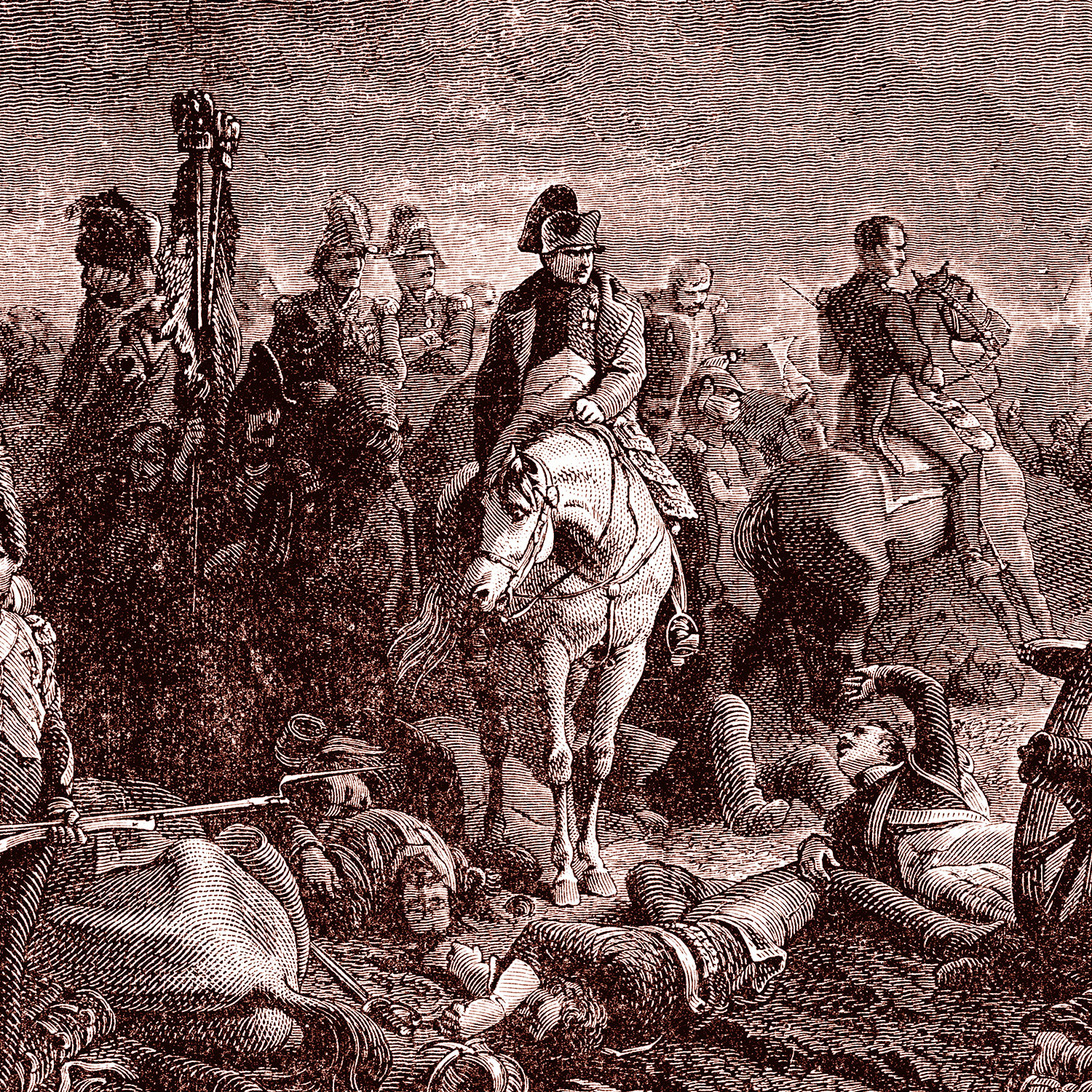
The gory origins of the Waterloo teeth
More than 50,000 soldiers died during the Battle of Waterloo, but their teeth lived on.
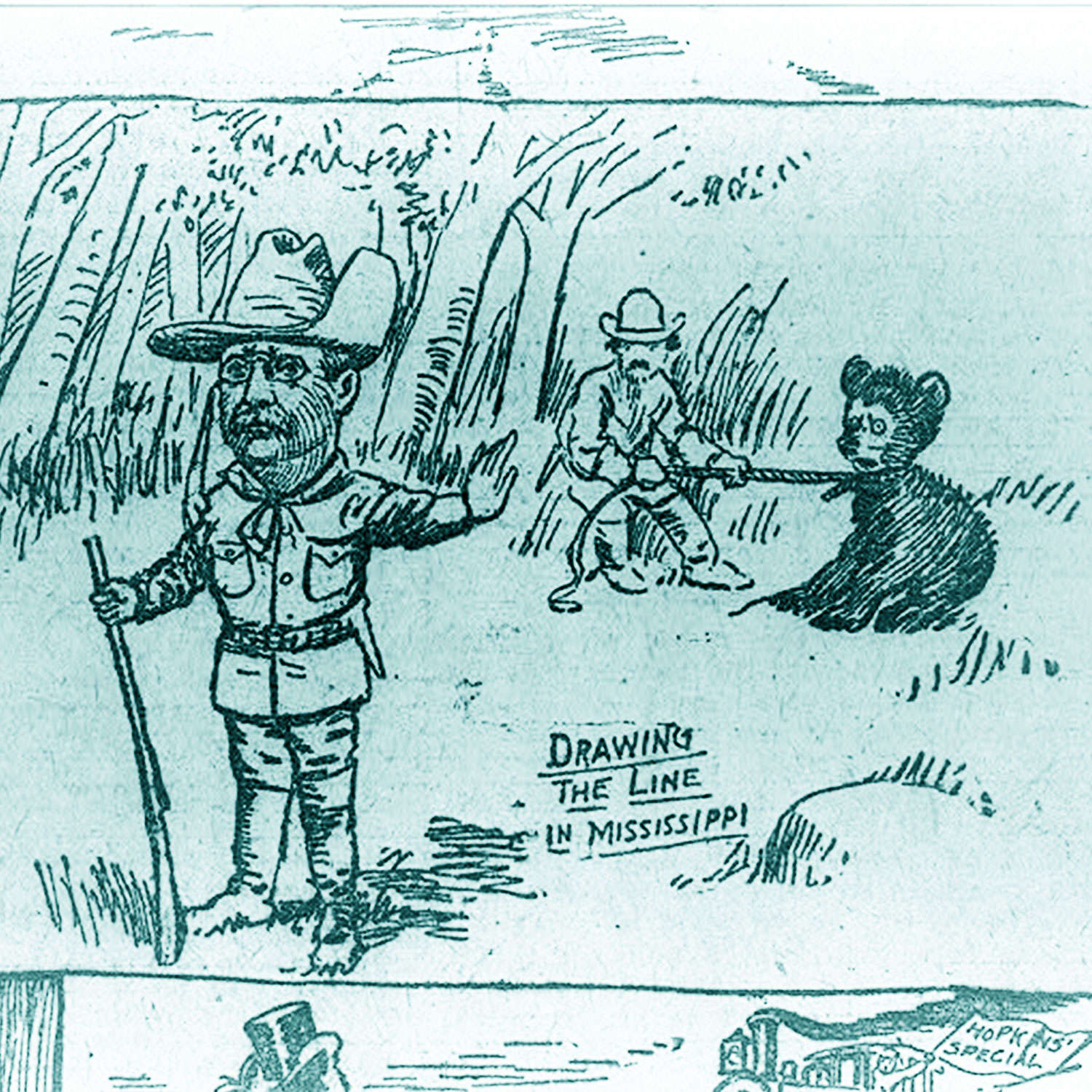
How the teddy bear was born
In the fall of 1902, a year into his presidency, President Teddy Roosevelt set off to Mississippi for a bear-hunting vacation. It ended differently than planned.
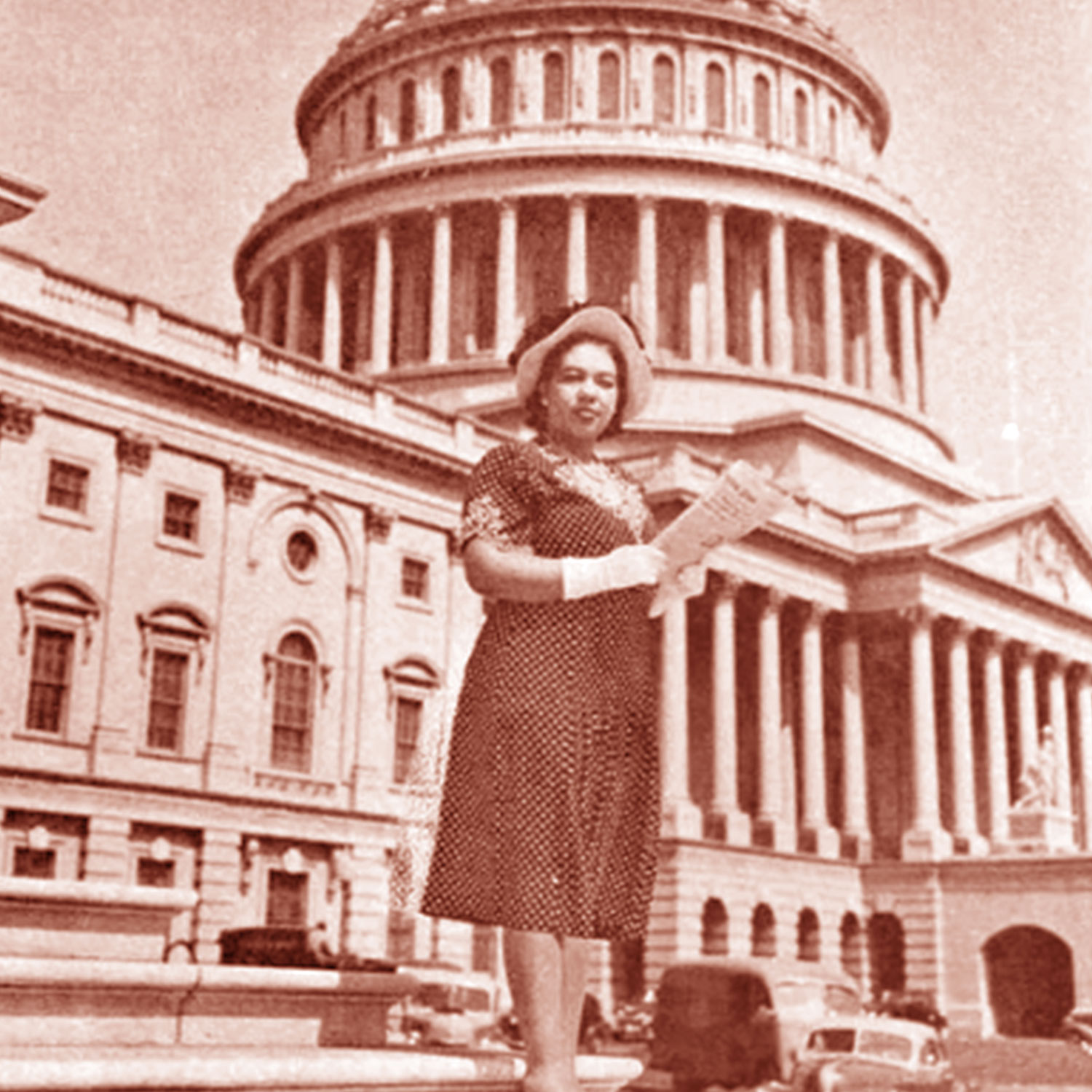
The first black female White House reporter held the powerful accountable on civil rights
It was rare to be a woman or African American covering the White House in the 1940s. Alice Dunnigan was both.
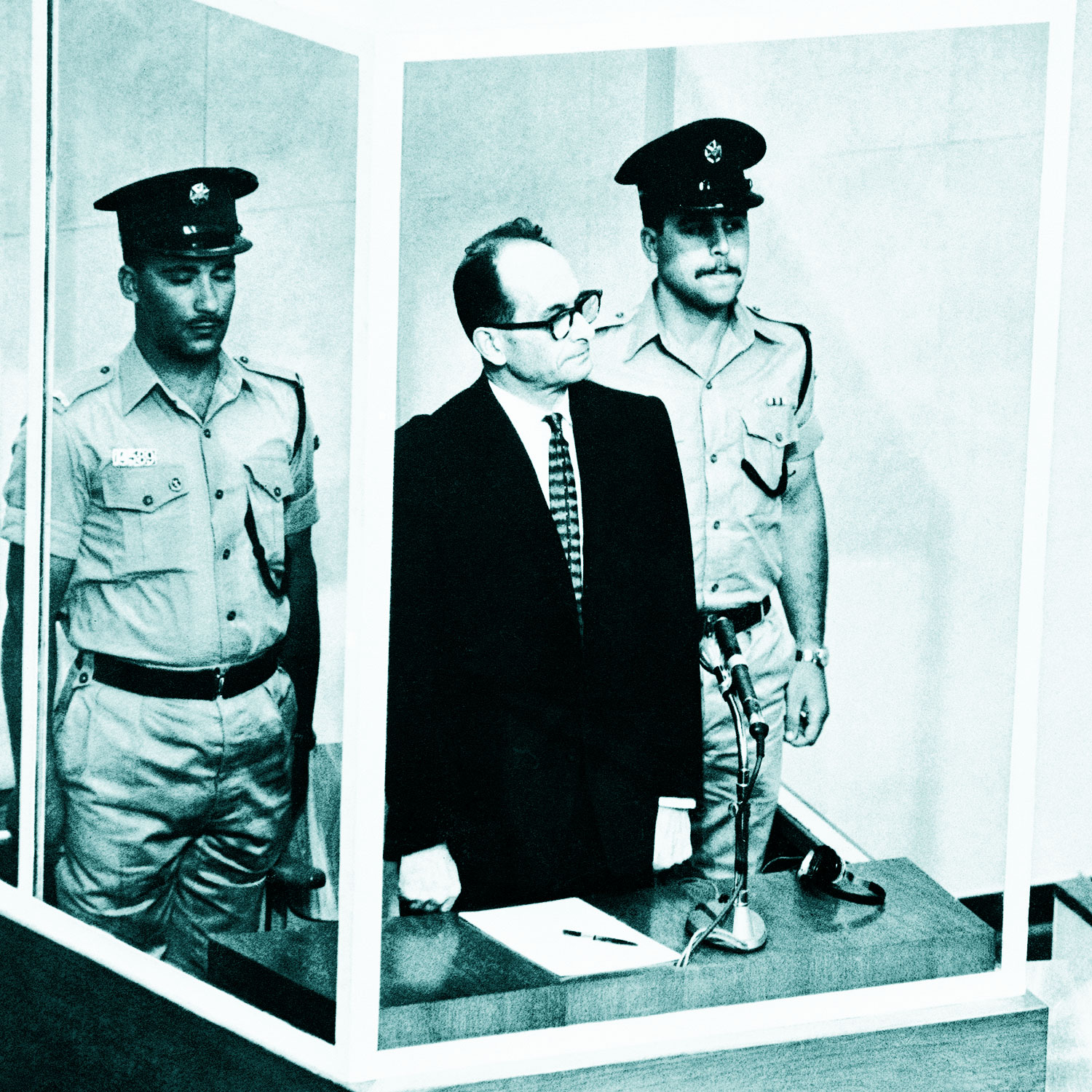
The teenage girl who caught a Nazi monster
In the fall of 1957, as the world was moving on from World War II and the extermination of 6 million Jews, Sylvia Hermann knocked on the door of a modest home in Buenos Aires.
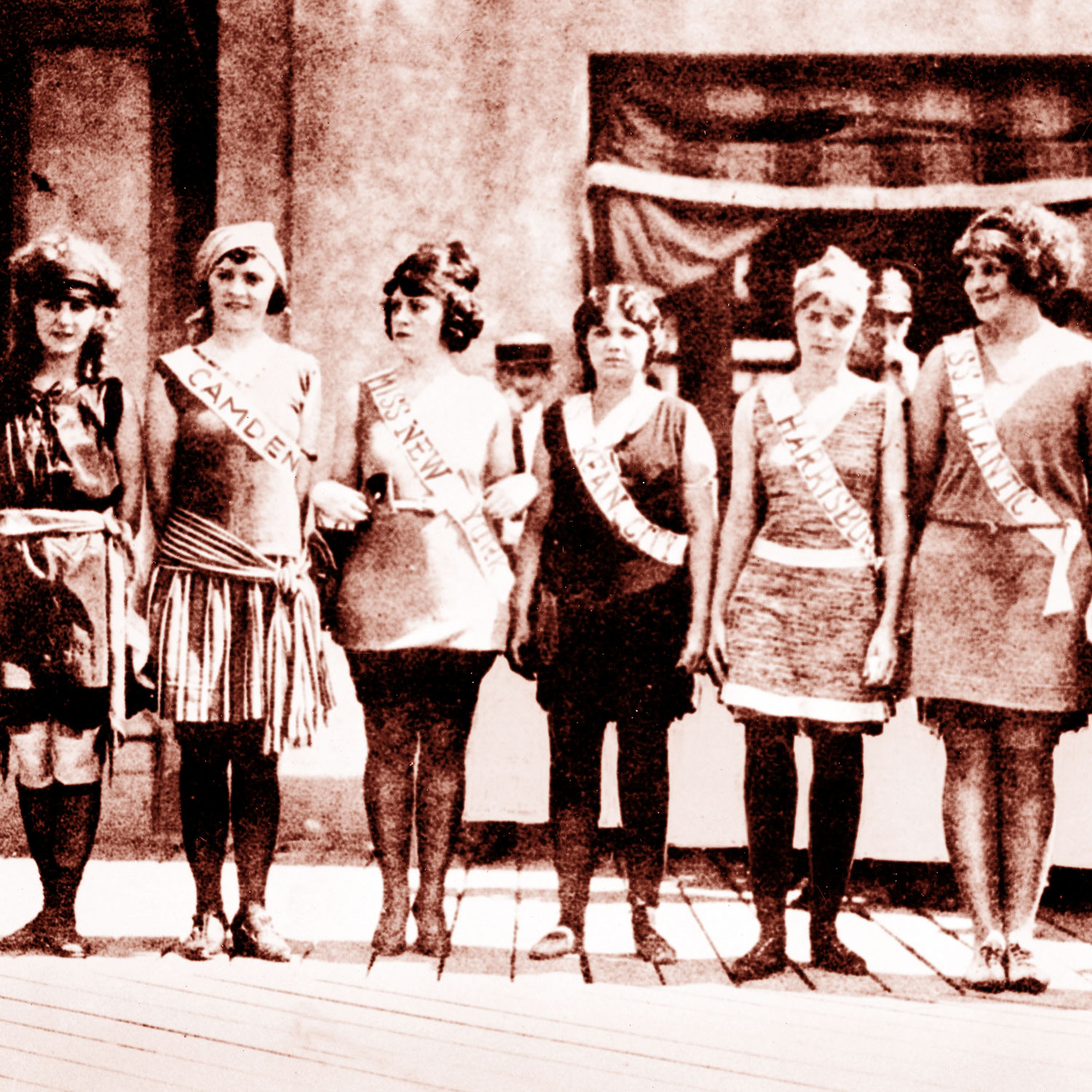
The complicated history of swimsuits and Miss America
The debate was always about more than swimsuits.
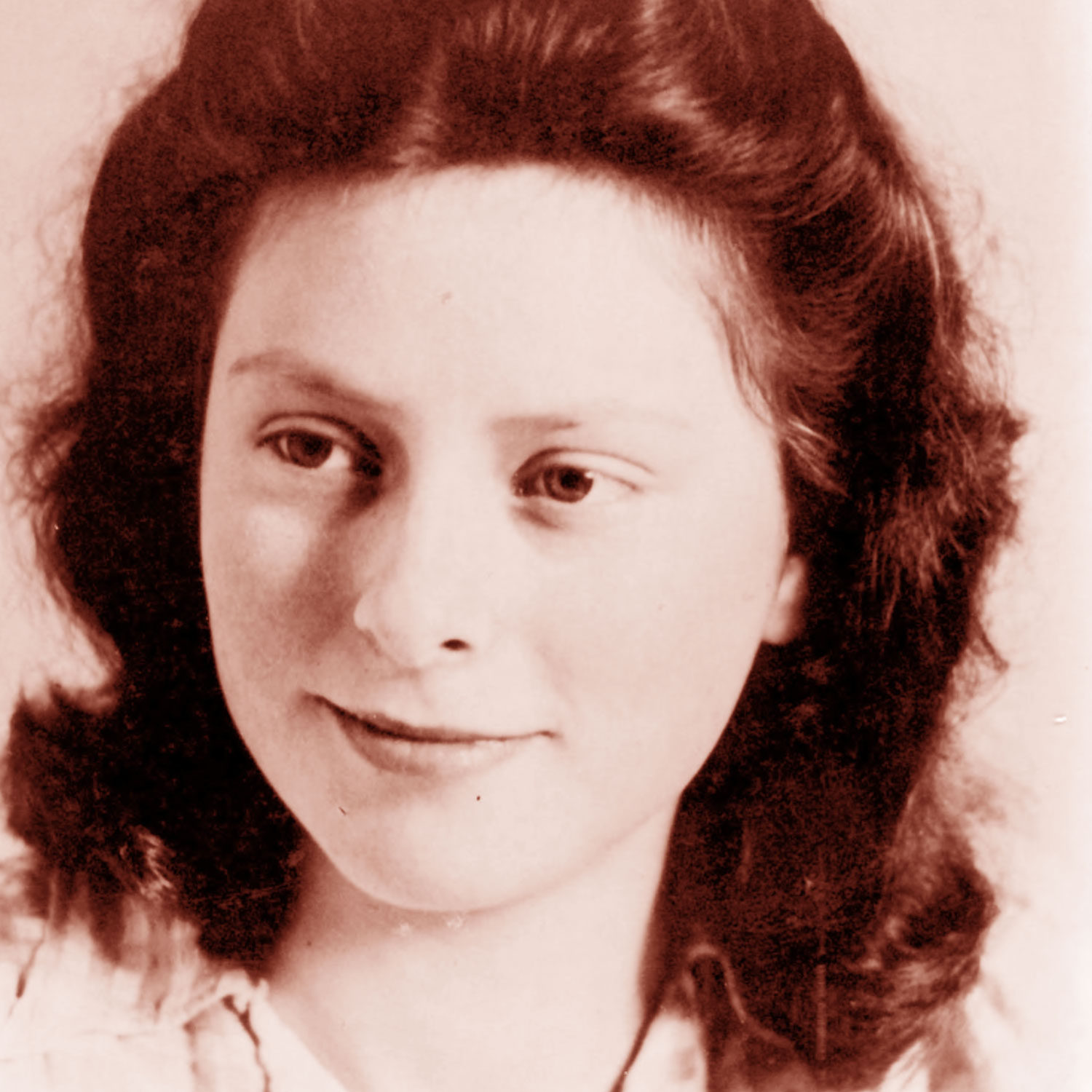
The assassin who wore braids and killed Nazis
Freddie Oversteegen was 14 when she joined the Dutch resistance, though with her long, dark hair in braids she looked at least two years younger.

The surprising history of the 25th Amendment
The 25th Amendment passed after the assassination of John F. Kennedy.
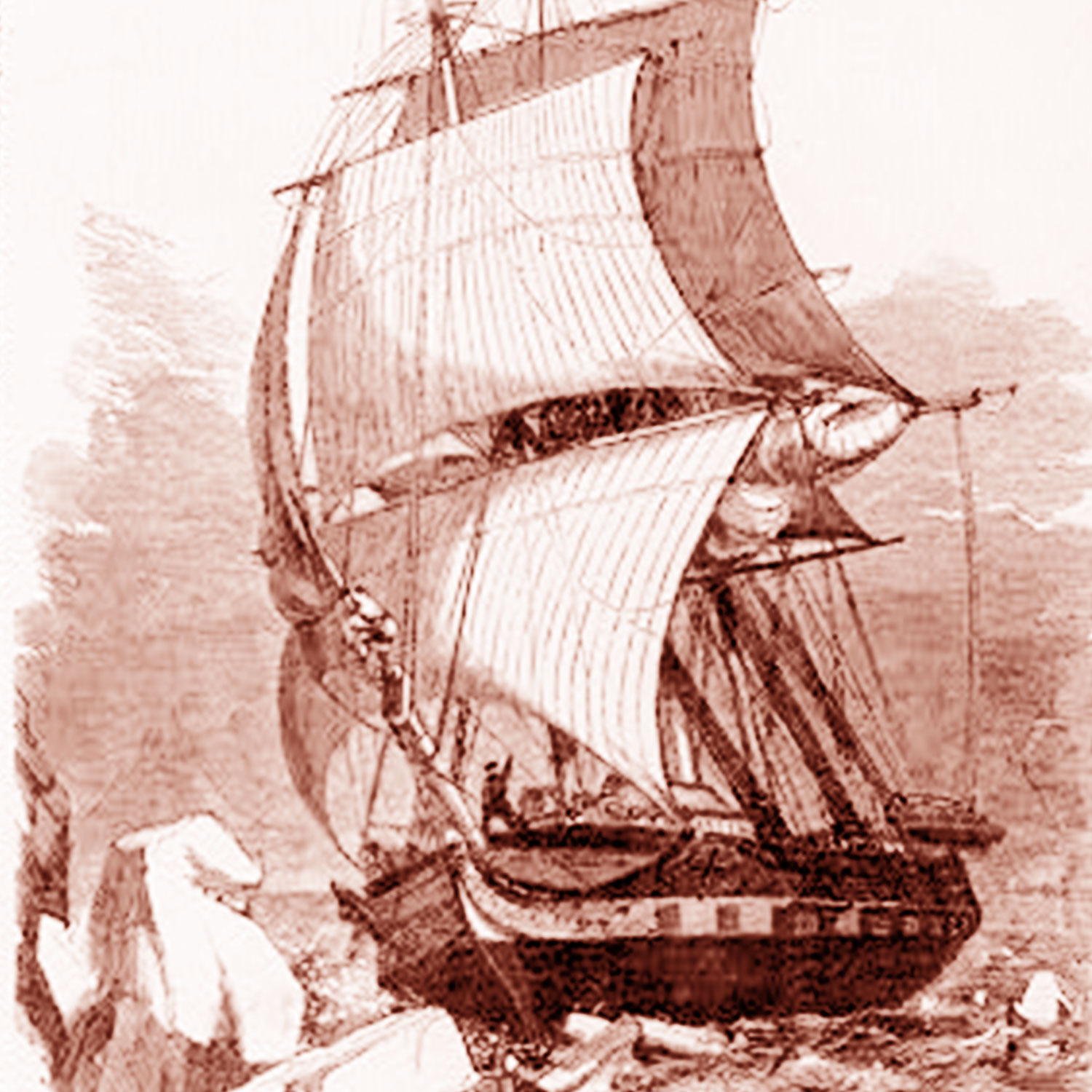
In the 1850s, navigating Ice Alley was deadly for ships
Despite warnings of icebergs, the John Rutledge set sail from Liverpool, England, to New York.
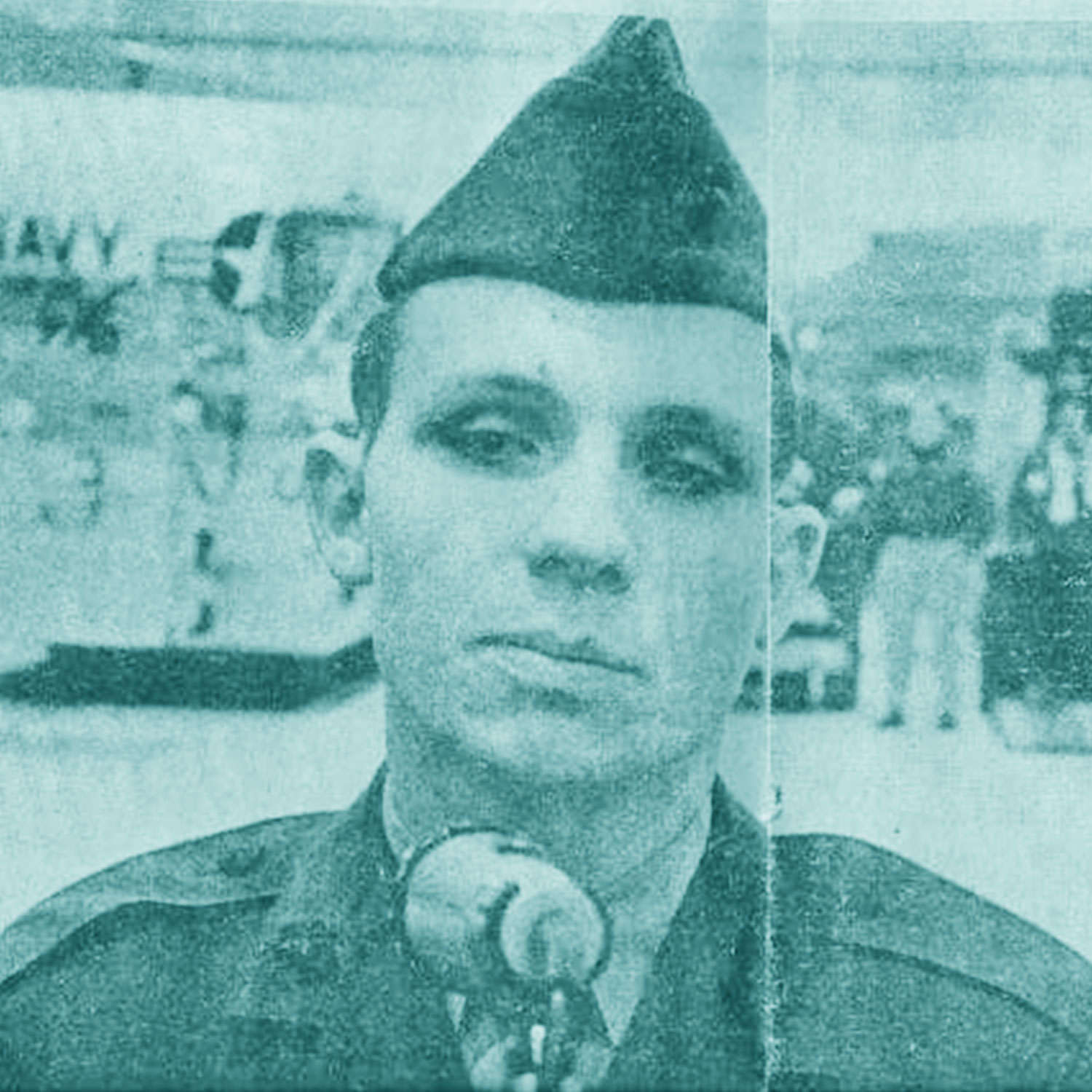
America’s forgotten Iranian hostage
Nine months before the Iran hostage crisis, Kenneth Kraus was held hostage in Iran for eight days.
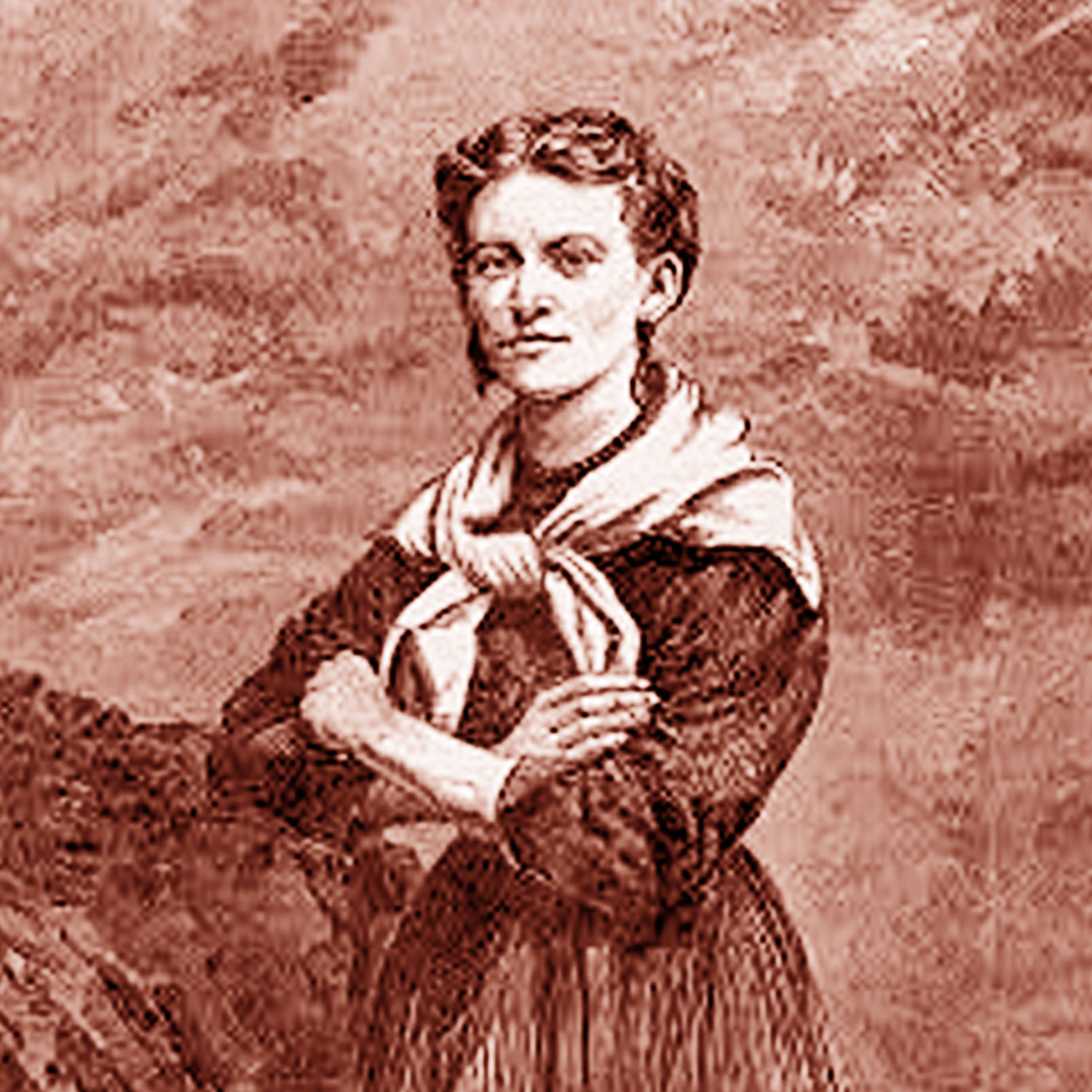
The heroine of Lime Rock Lighthouse
Ida Lewis saved as many as 25 people during her service at the lighthouse. But her deeds have largely been forgotten.
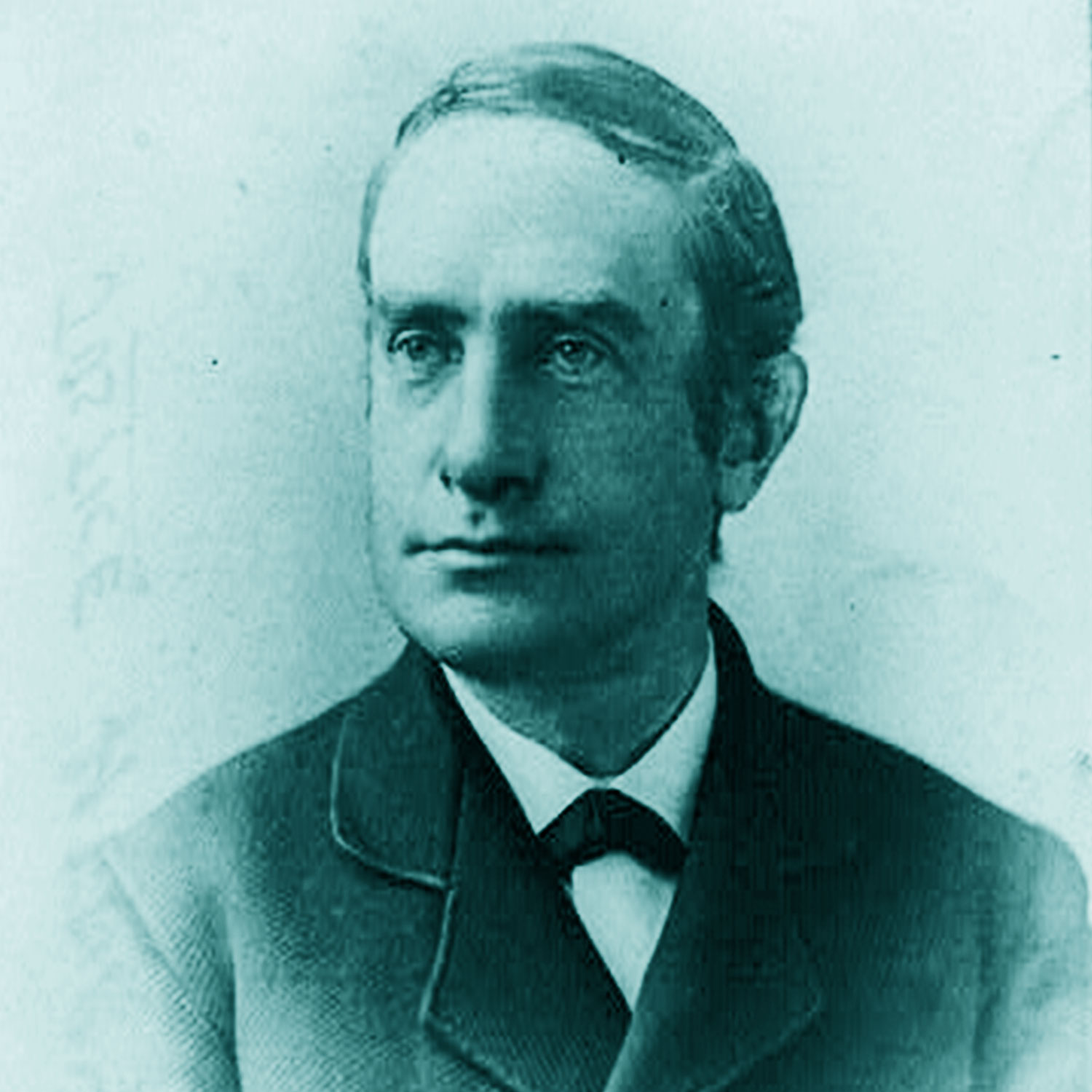
How accusations against Supreme Court nominees were once handled
In 1890, Henry Brown sailed through the confirmation process after being accused of shooting and killing someone in self defense.
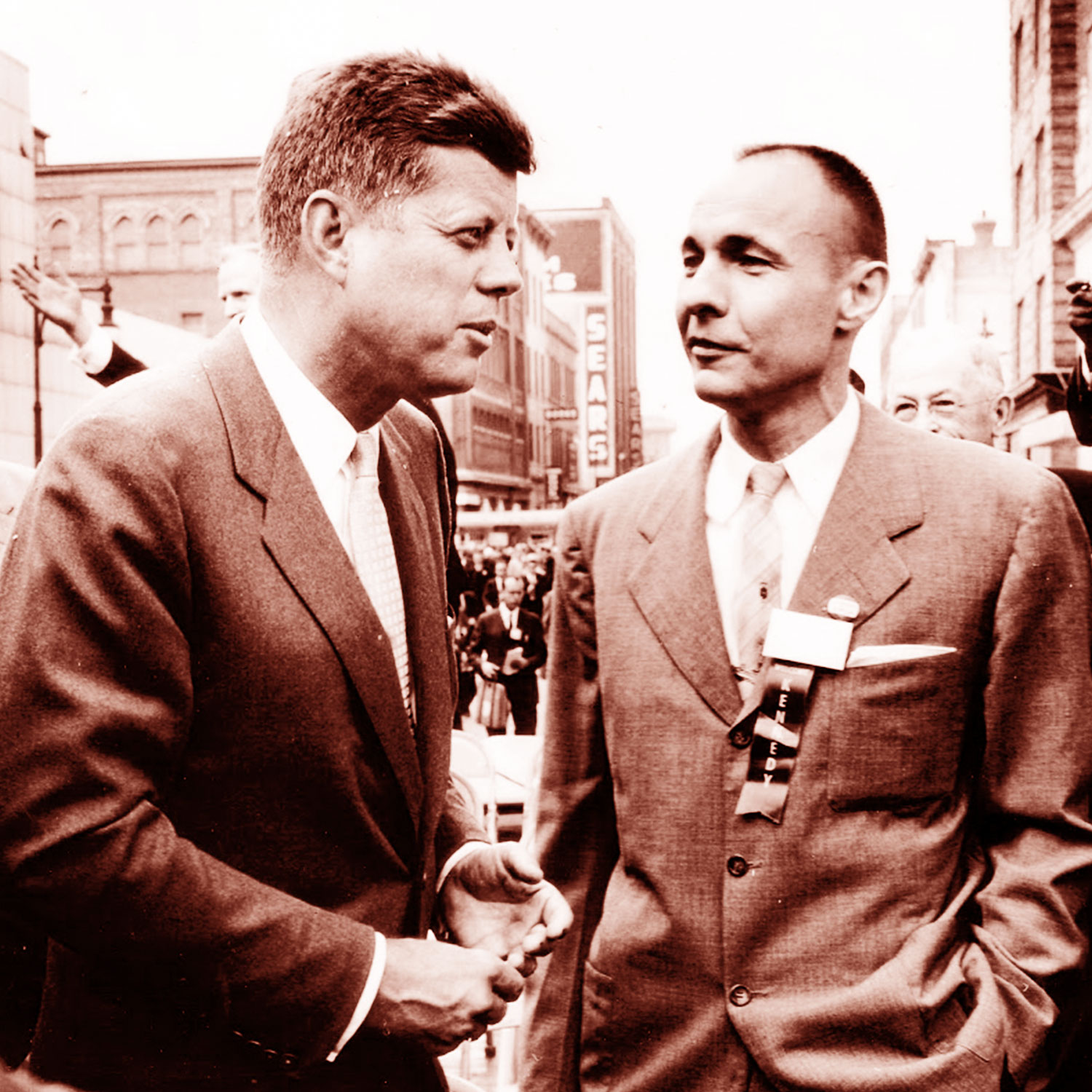
The man and the coconut that saved JFK
William Liebenow rescued John F. Kennedy from an island filled with coconuts.
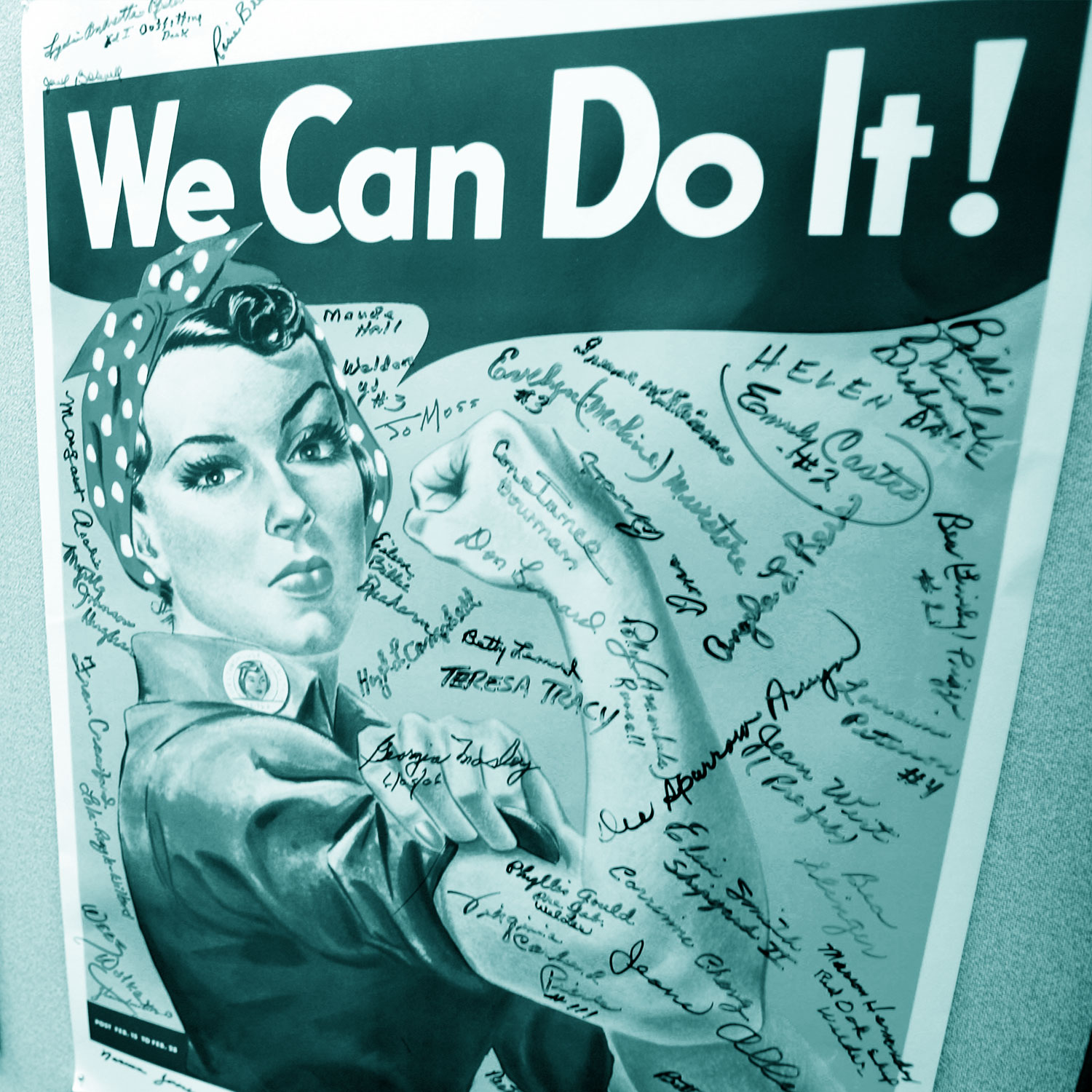
Rosie the Riveter isn’t who you think she is
An American in the 1940s would not recognize the woman from the “We Can Do It!” poster as Rosie the Riveter.
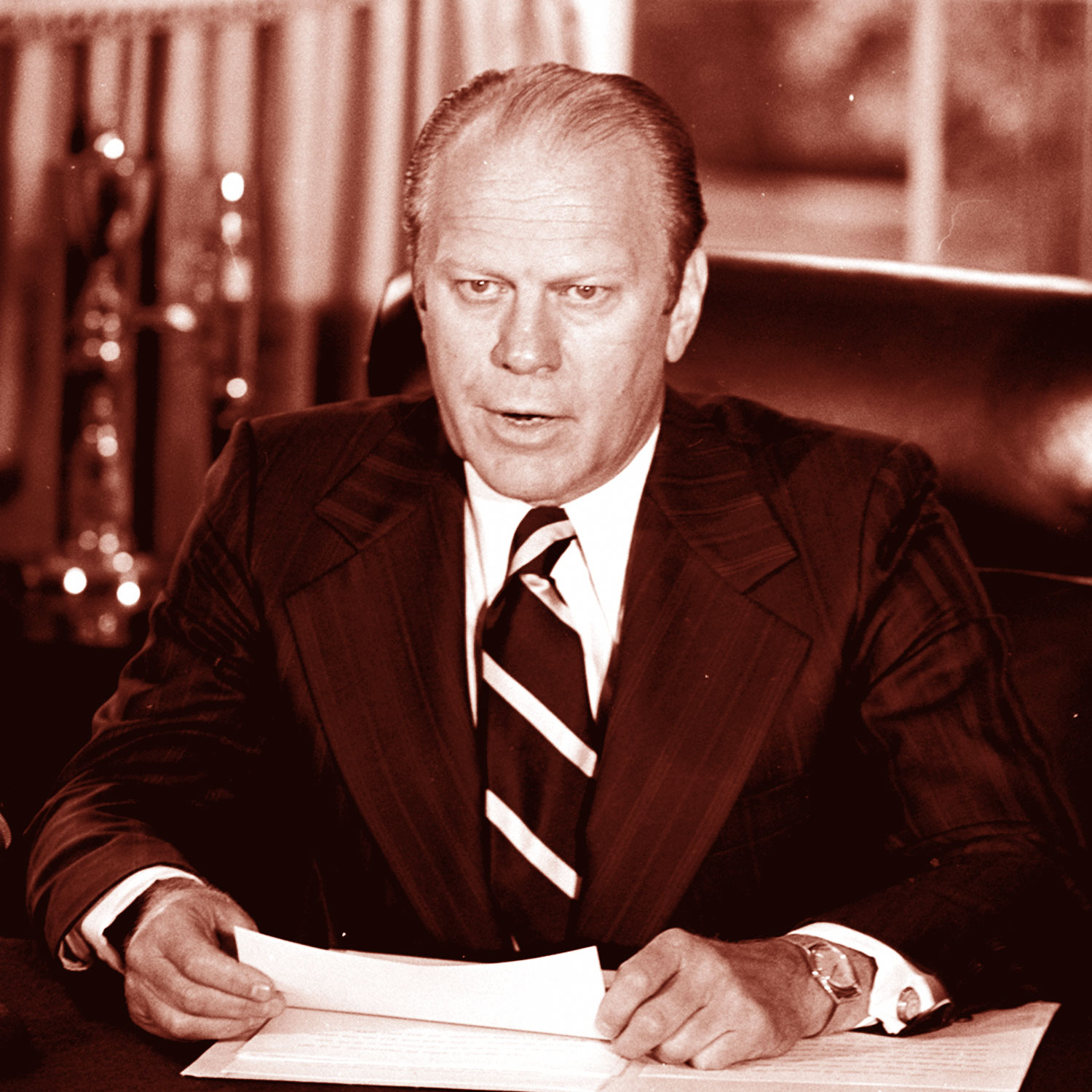
The presidential pardon the country never forgot
When Gerald Ford took over the presidency after Richard Nixon’s resignation, he soon made a controversial choice: He pardoned Nixon.
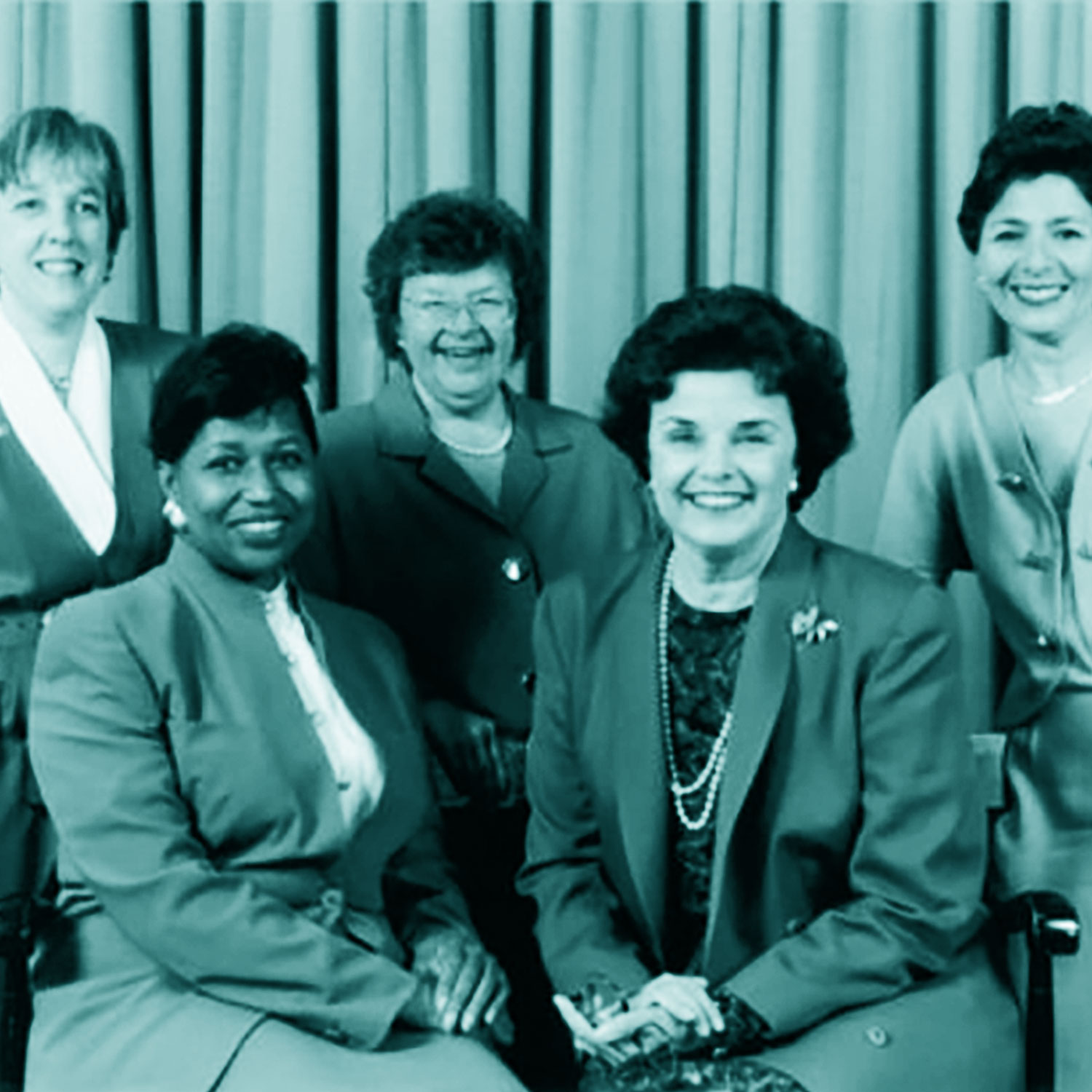
How Anita Hill’s testimony led to the "Year of the Woman"
No women served on the Senate Judiciary Committee in 1991. The ugly Anita Hill hearings changed that.
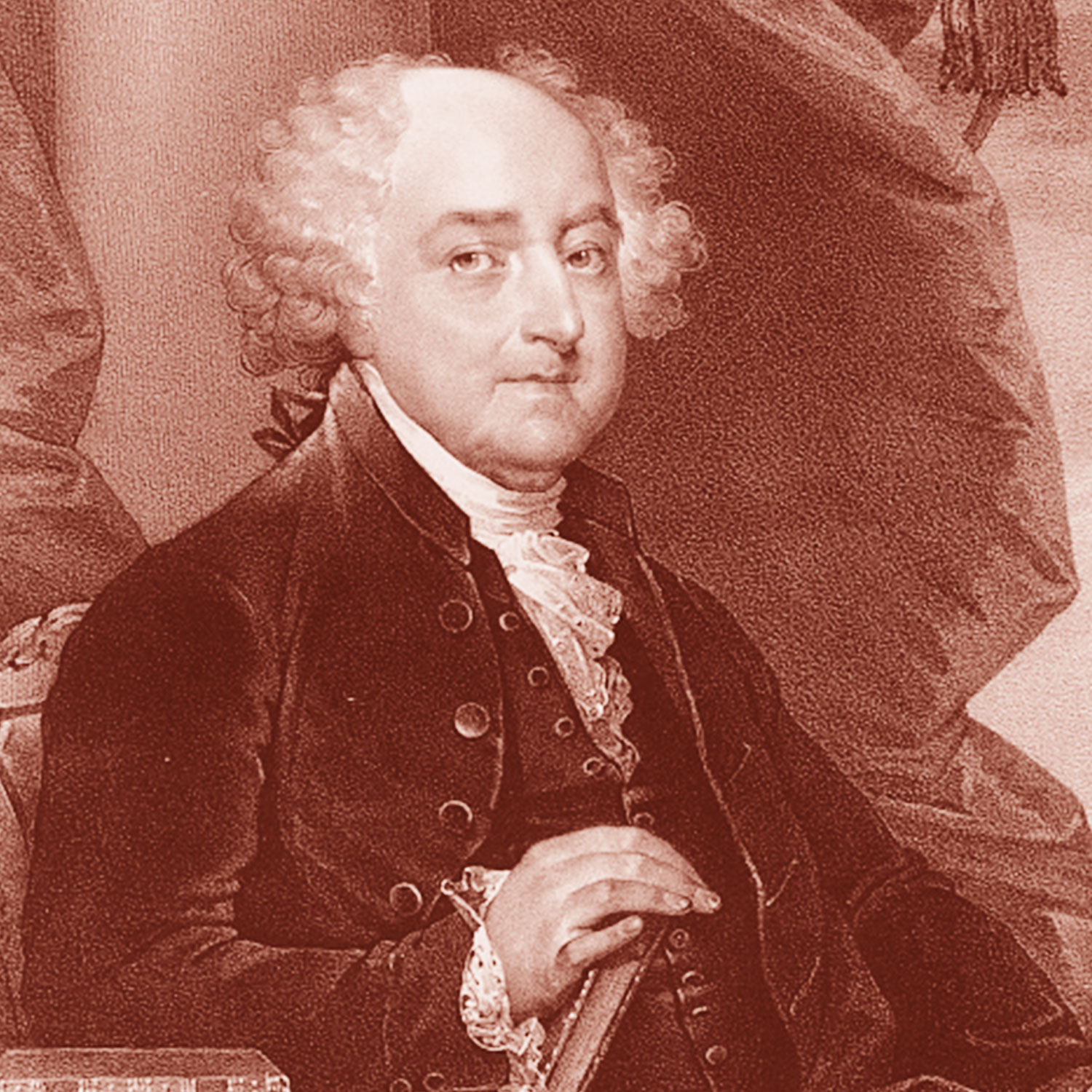
The thin-skinned president who made it illegal to criticize his office
The Alien and Sedition Acts passed under President John Adams led to the arrests of more than two dozen people.
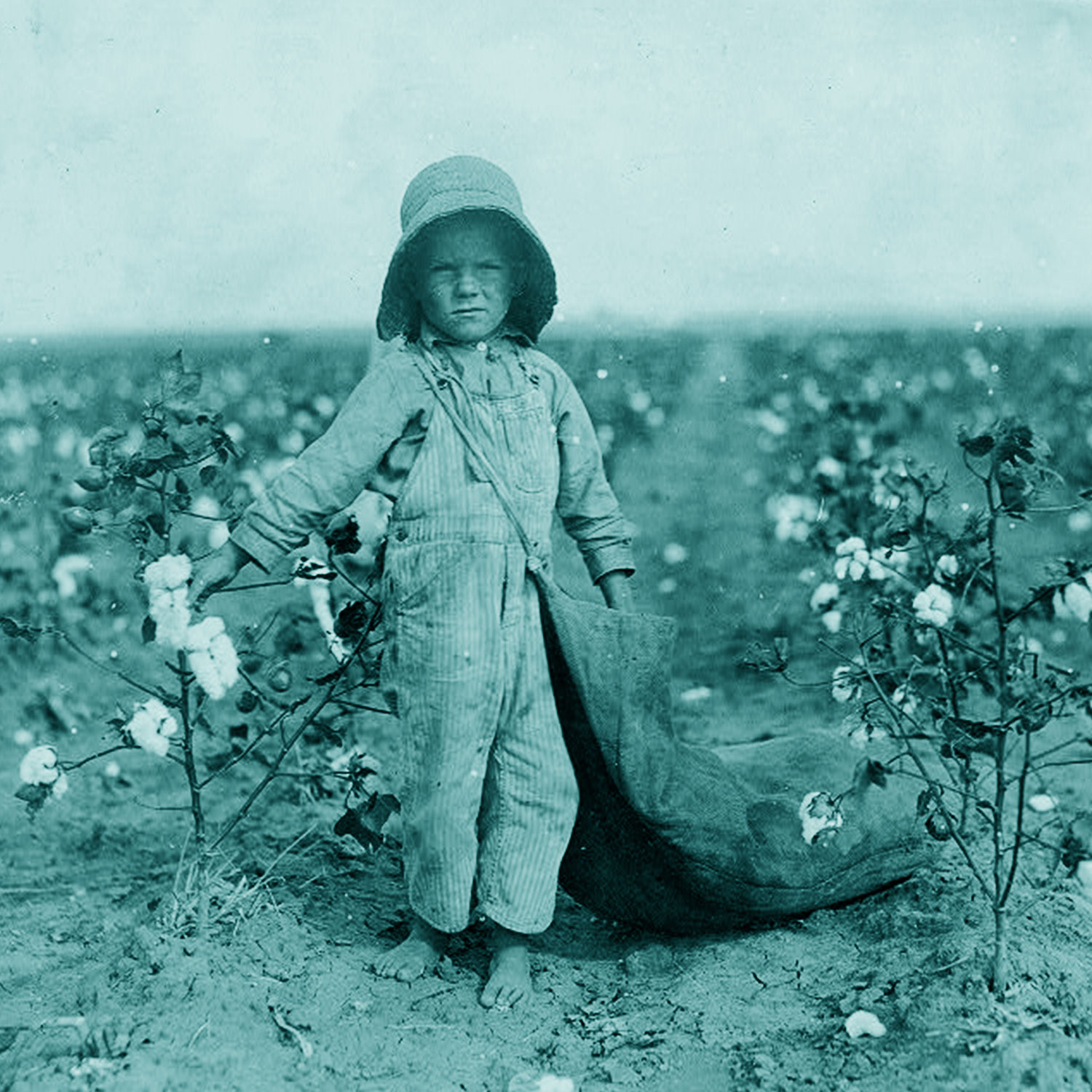
The photographer who helped end child labor in America
Lewis Hine posed as a Bible salesman or machinery photographer to expose the hardships of child labor.
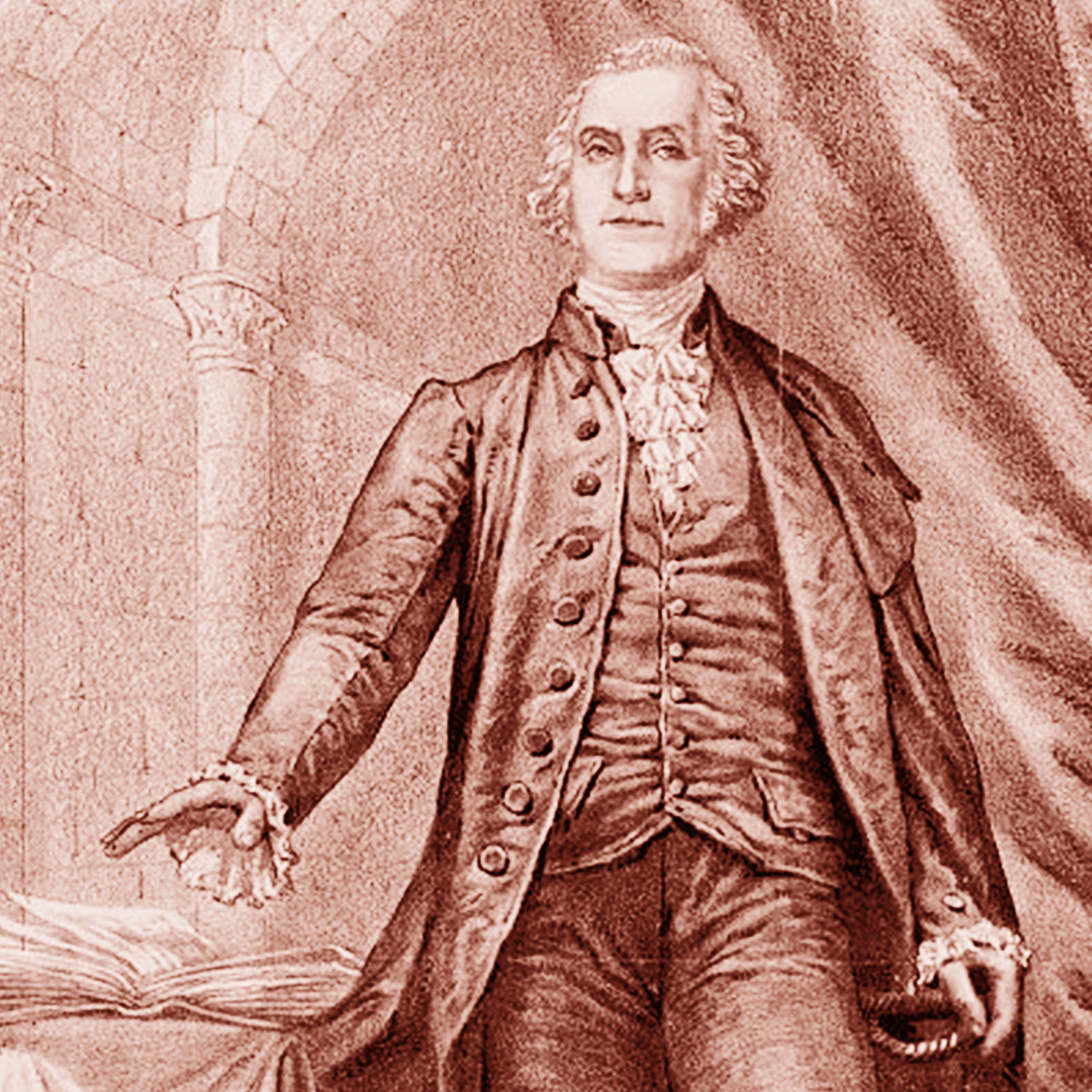
Only half of George Washington’s Supreme Court justices showed up on time
All of George Washington’s Supreme Court nominees were confirmed in only two days, but half of them didn't show up on time.
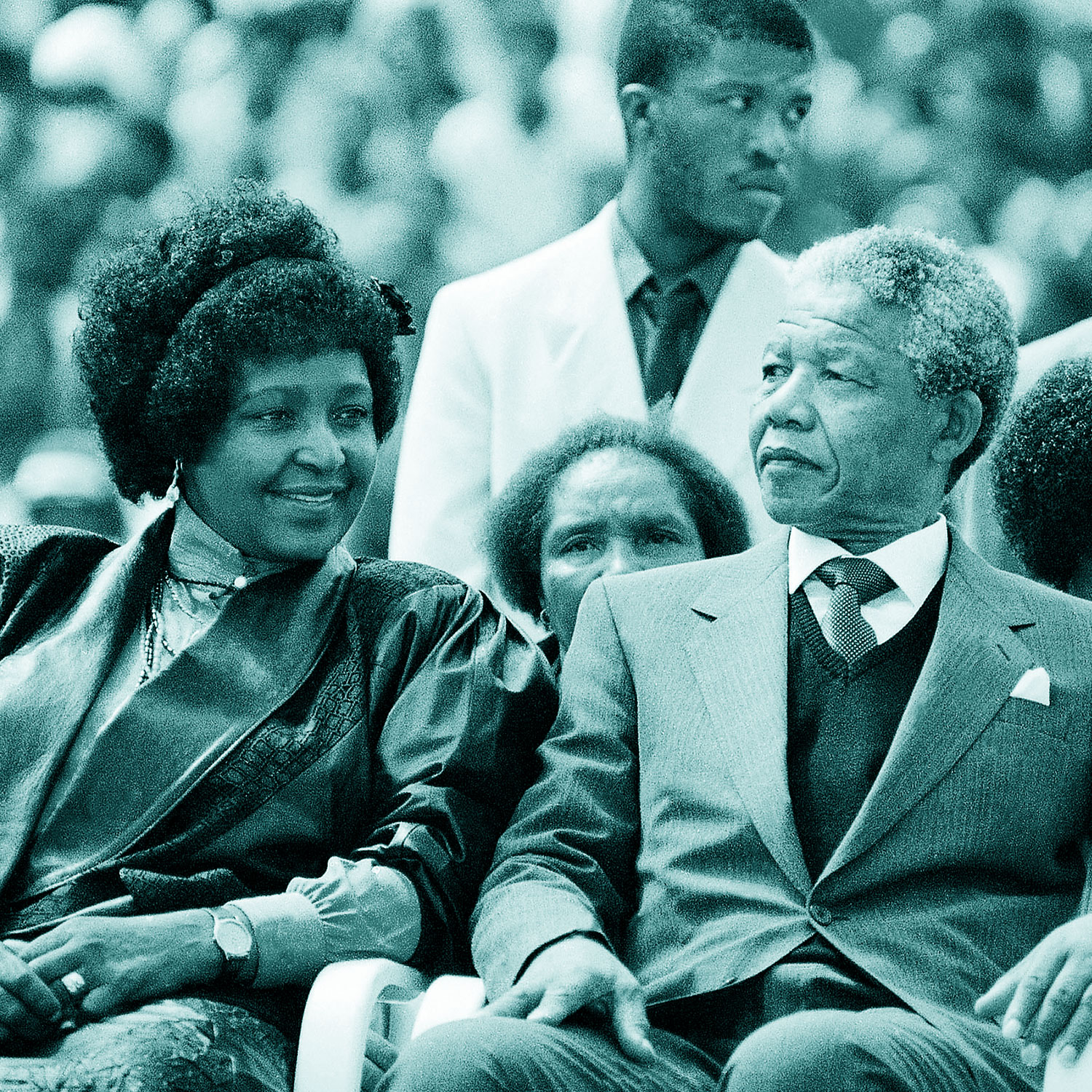
Winnie and Nelson Mandela’s marriage survived prison but not freedom
Their 38-year marriage endured his incarceration and hers.
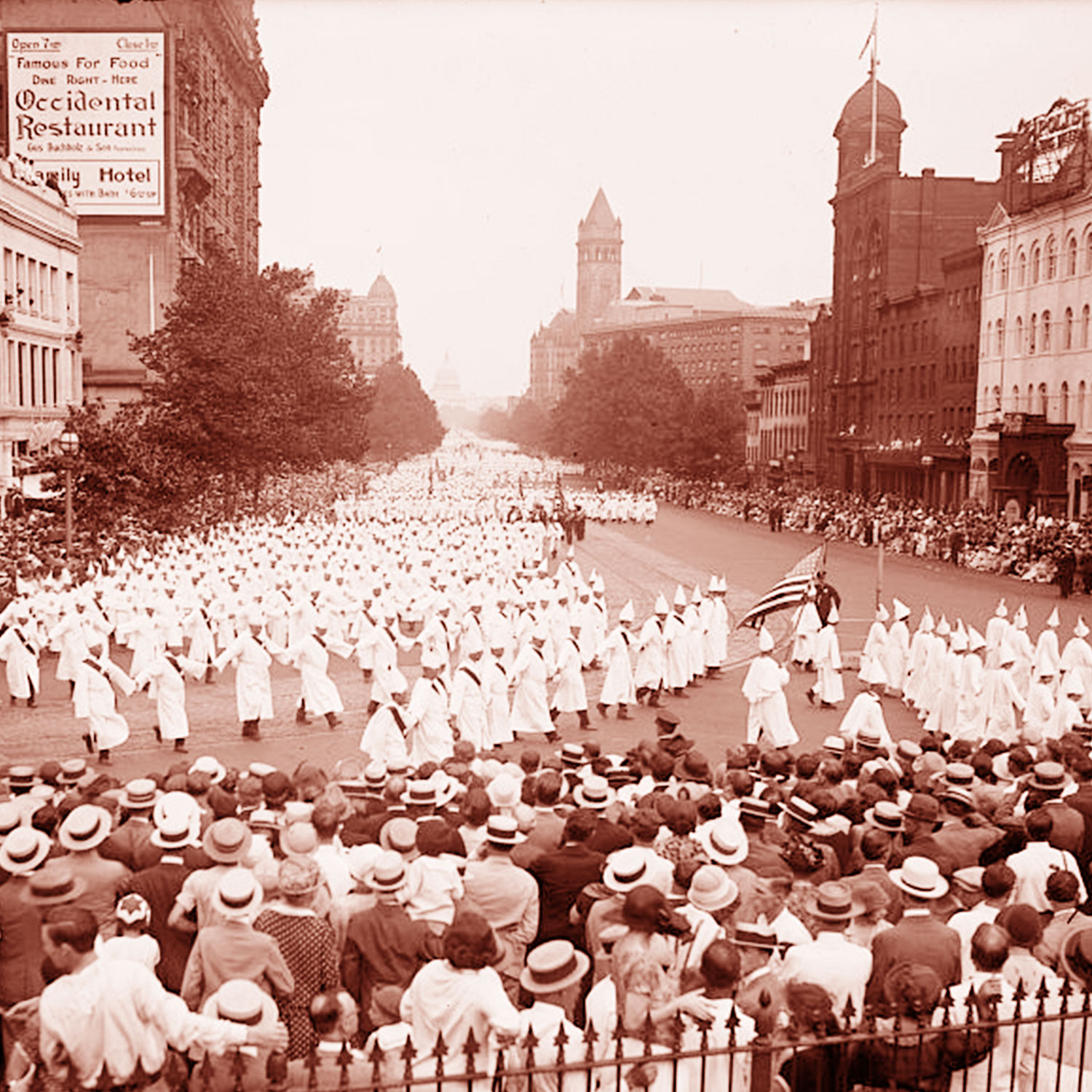
The day the nation's capital welcomed the KKK
In 1925, 30,000 Klansmen descended on Washington, D.C. The city cheered their arrival.
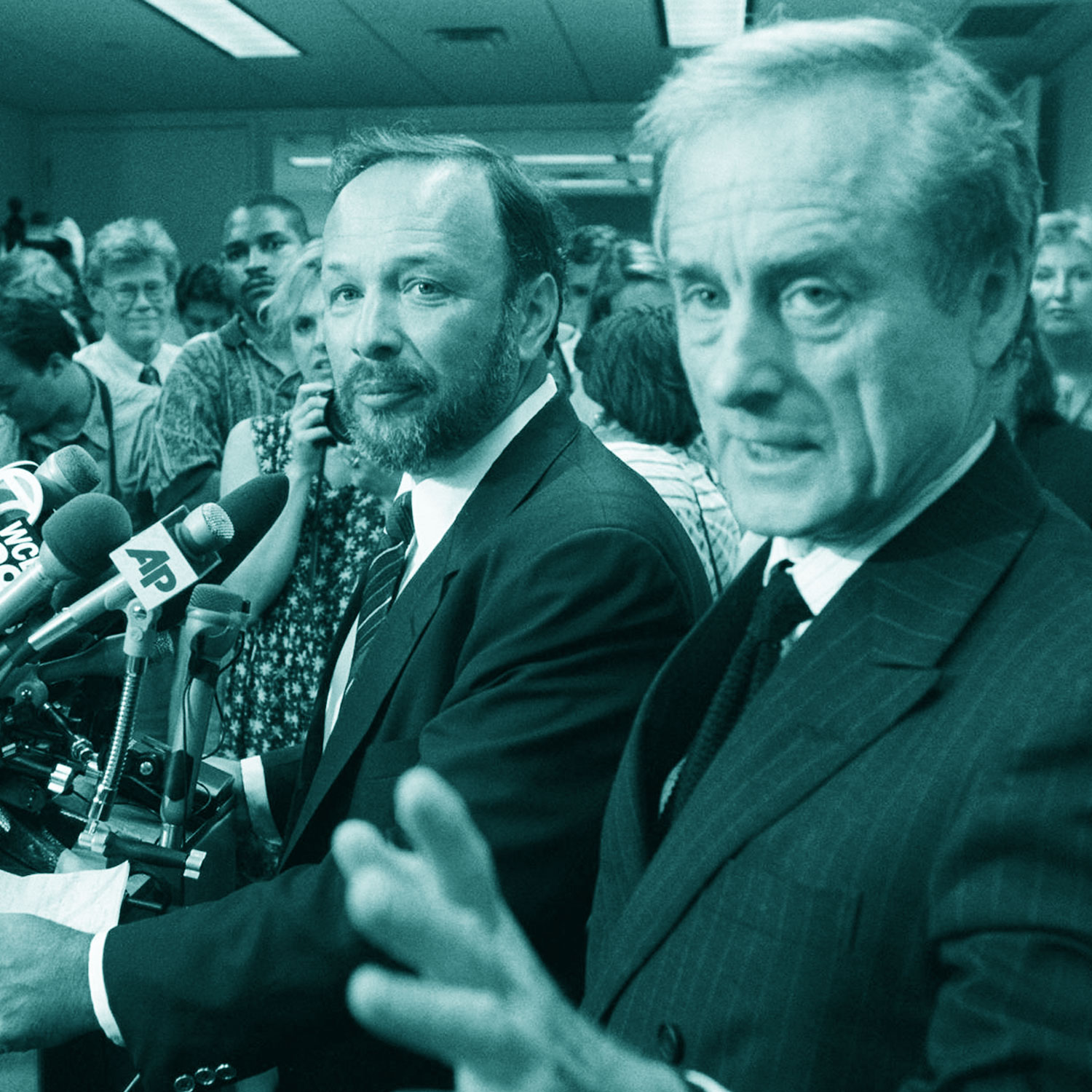
The search for the anonymous author of a 1996 political novel
Before an unnamed senior official in the Trump administration published the opinion piece, “I am part of the resistance inside the Trump administration" in the New York Times, another mysterious anonymous author lit up Washington.
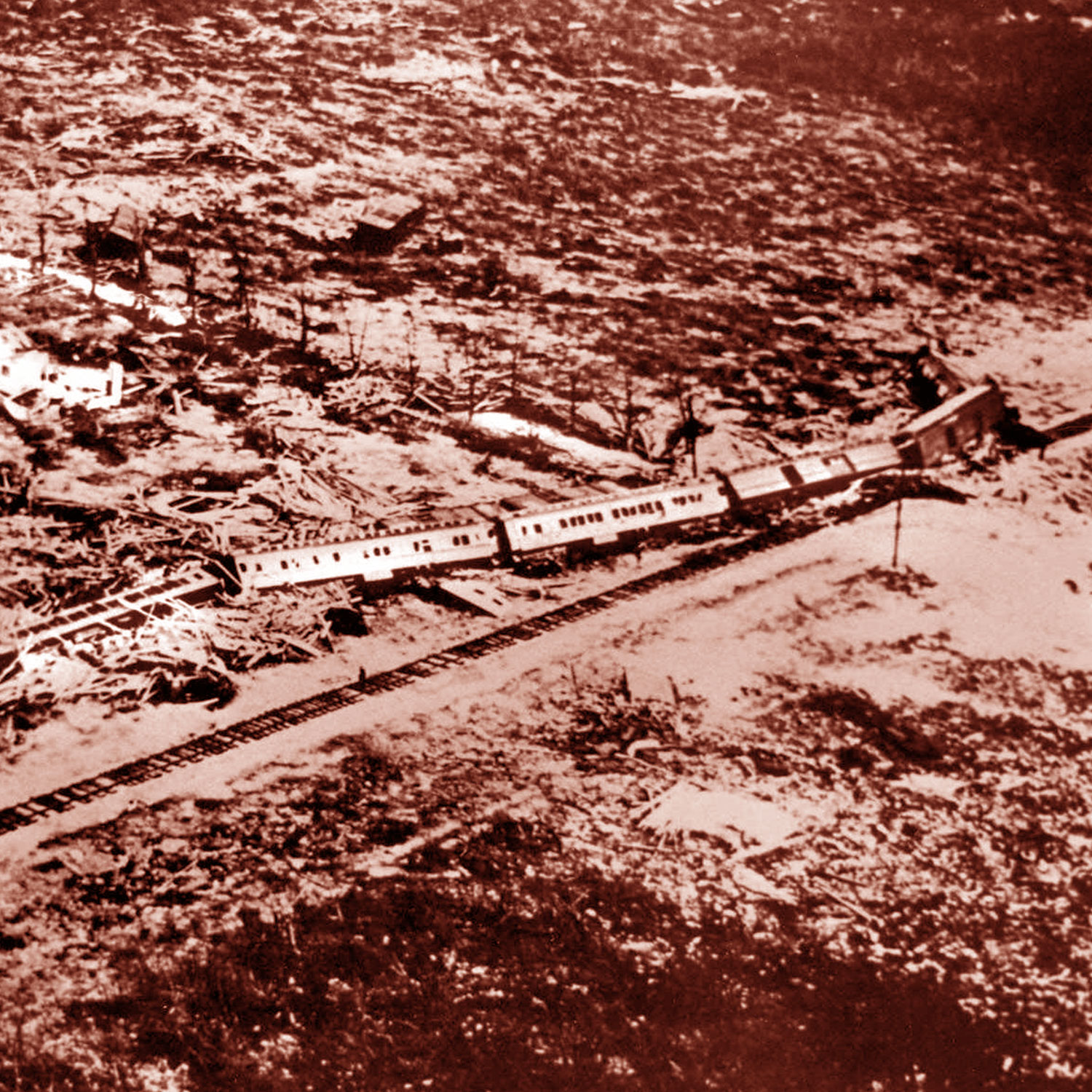
The surprise hurricane that devastated the Florida Keys
In 1935, the Florida Keys ignored the threat of a looming hurricane. When the Category 5 storm made landfall, it left a wake of death and destruction.
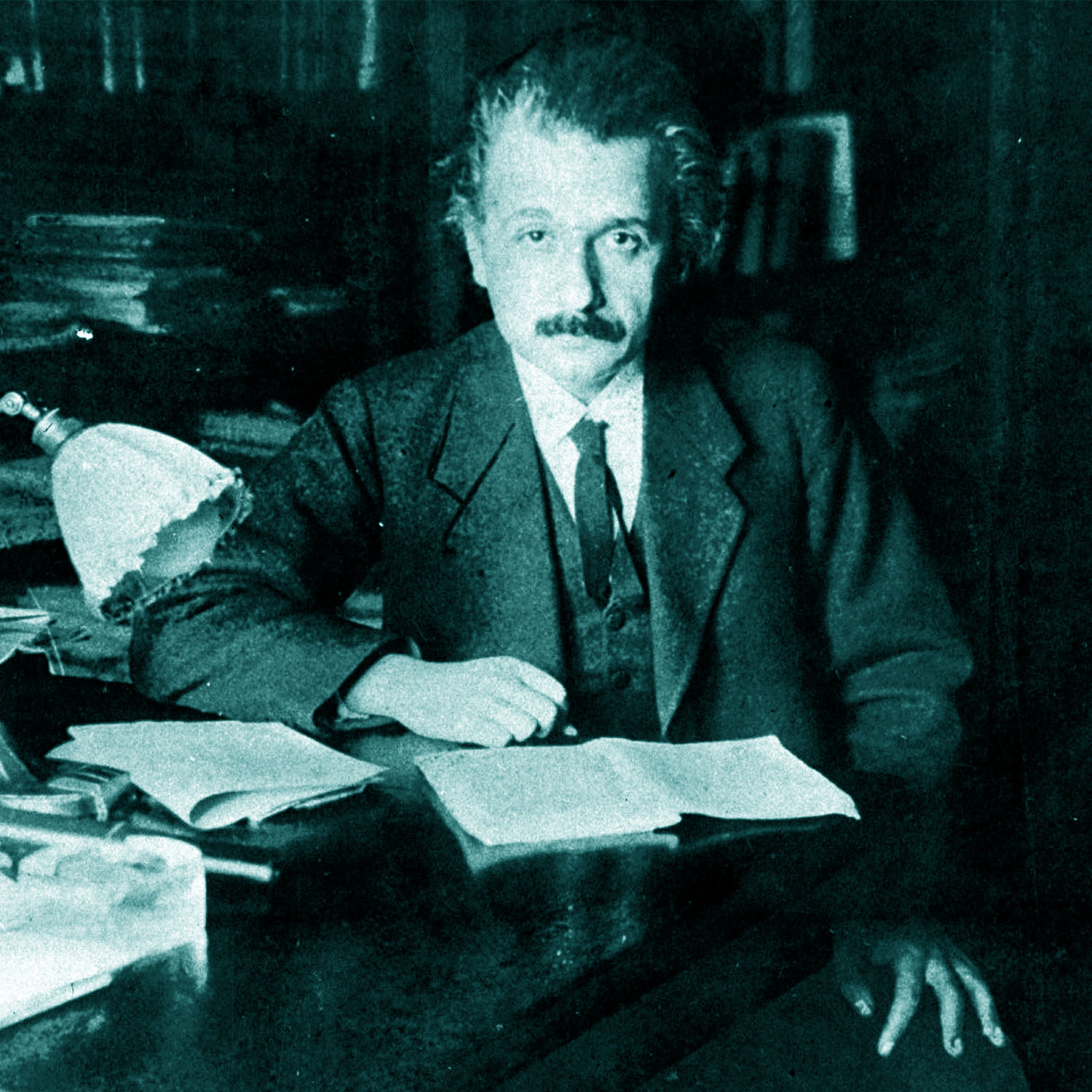
How a solar eclipse made Albert Einstein famous
It may be hard to believe, but one single event rocketed Einstein to fame.

The rookie pilot who was ready to give her life on Sept. 11
Heather Penney was among the first female combat pilots in the country. On Sept. 11, 2001, she got a mission: Bring down the fourth hijacked plane hurtling towards Washington.
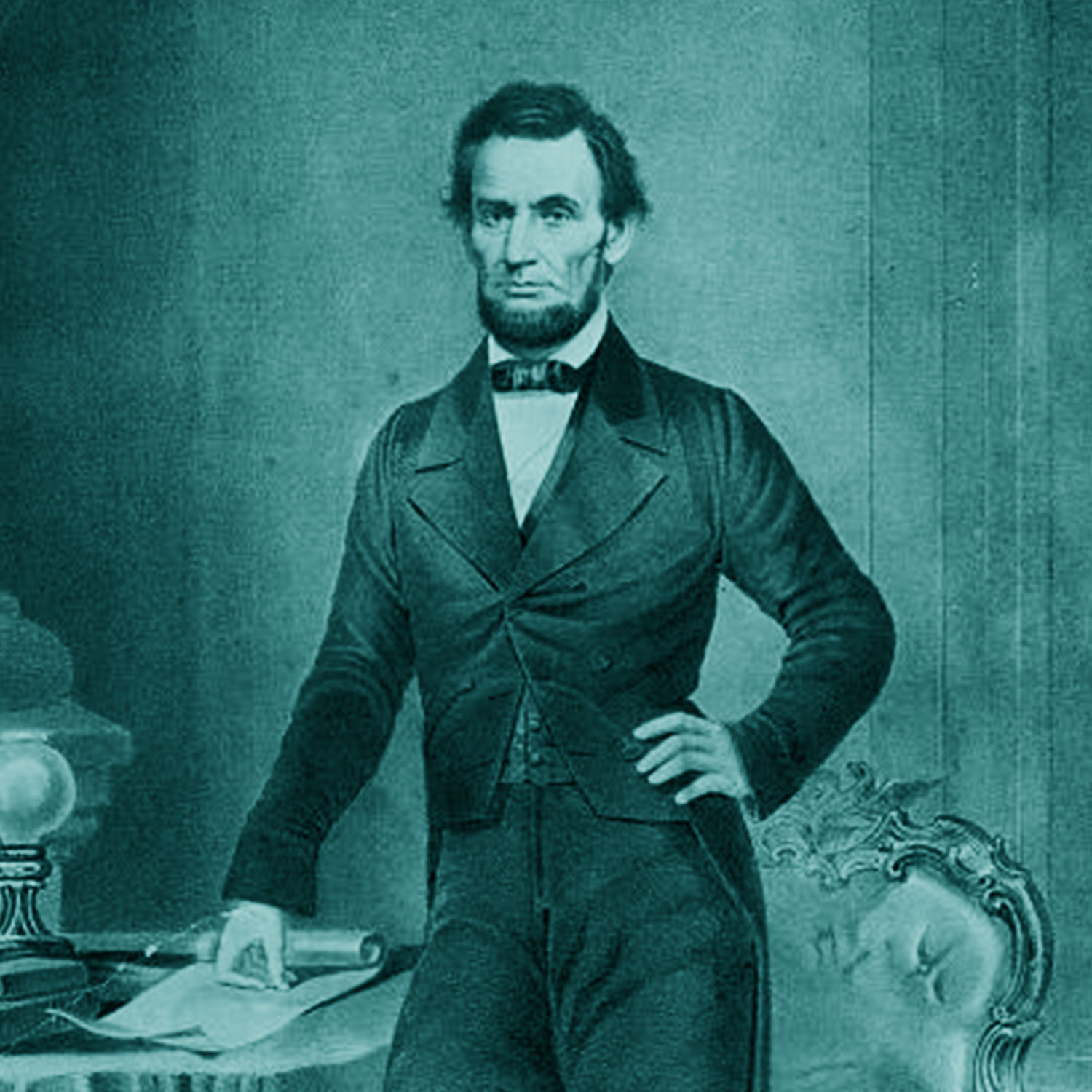
Abraham Lincoln says he owes everything to his ‘angel mother’ and ‘mama’
President Abraham Lincoln had two loving and supportive mothers in his lifetime. The second helped him cope with the tragic loss of the first.
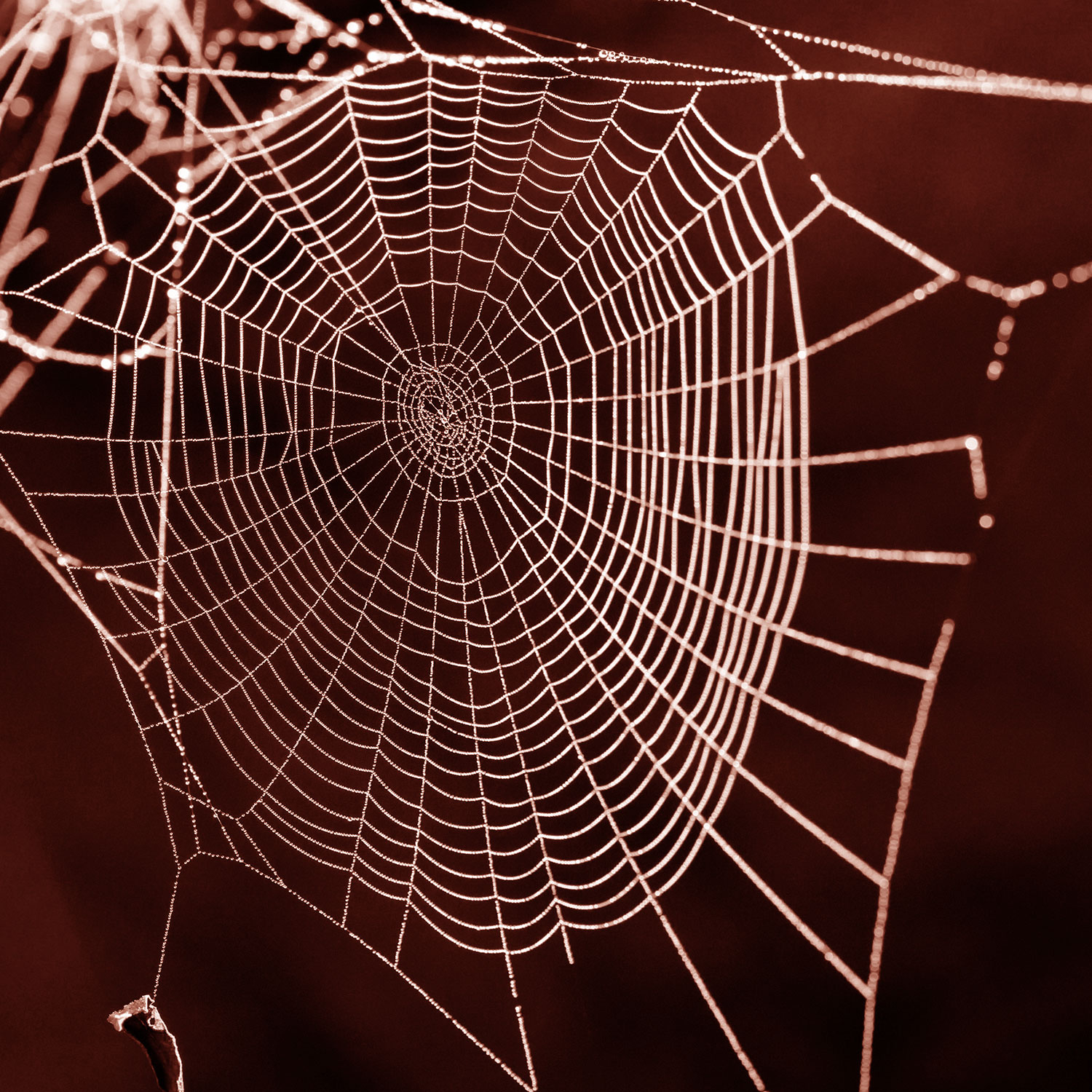
The story of the real Charlotte of ‘Charlotte's Web’
This episode is co-hosted by Madeline Daly, who won Retropod trivia last Saturday at the National Book Festival in Washington, D.C.
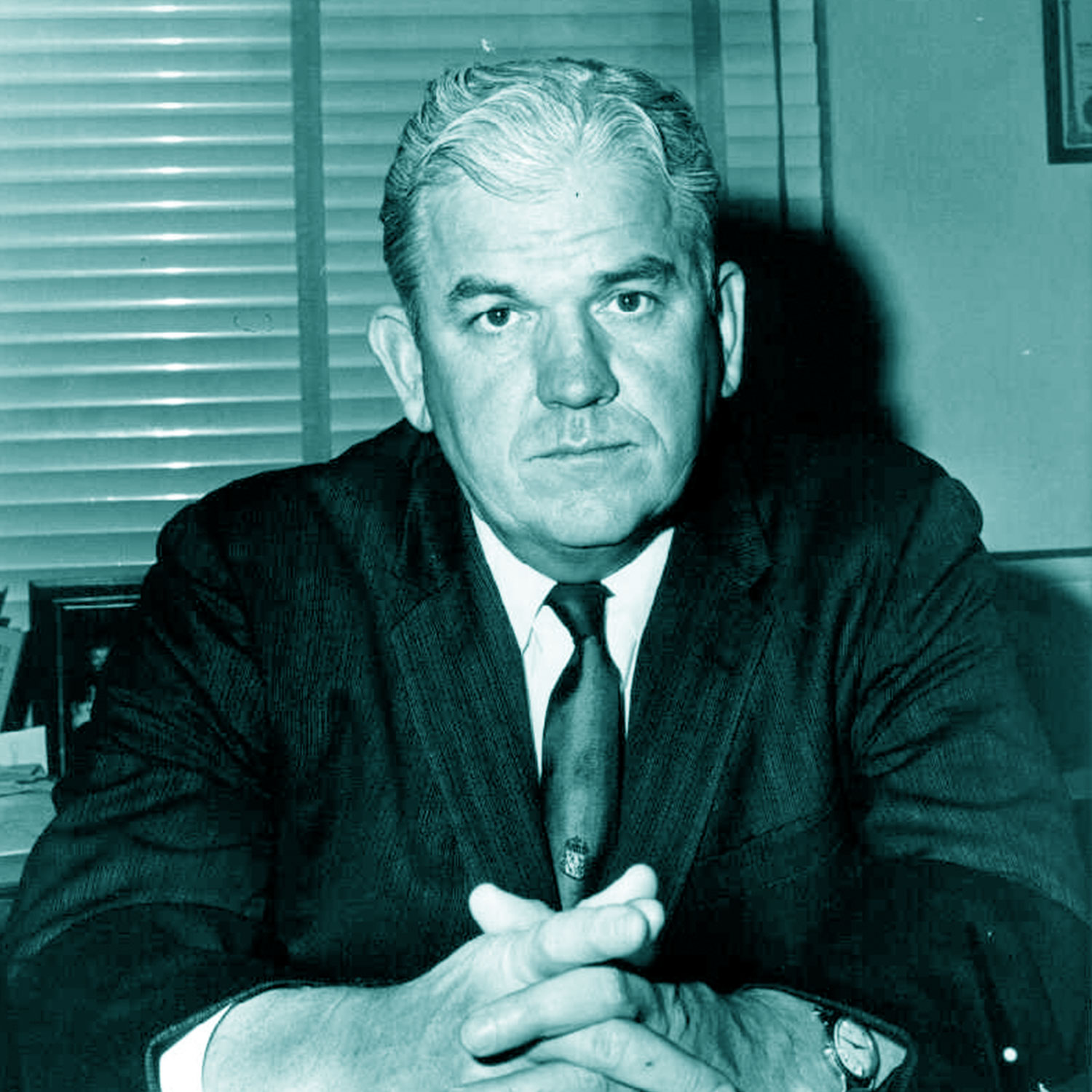
Roe v. Wade’s forgotten loser
Dallas prosecutor Henry Wade never intended to become a central figure in Supreme Court history.
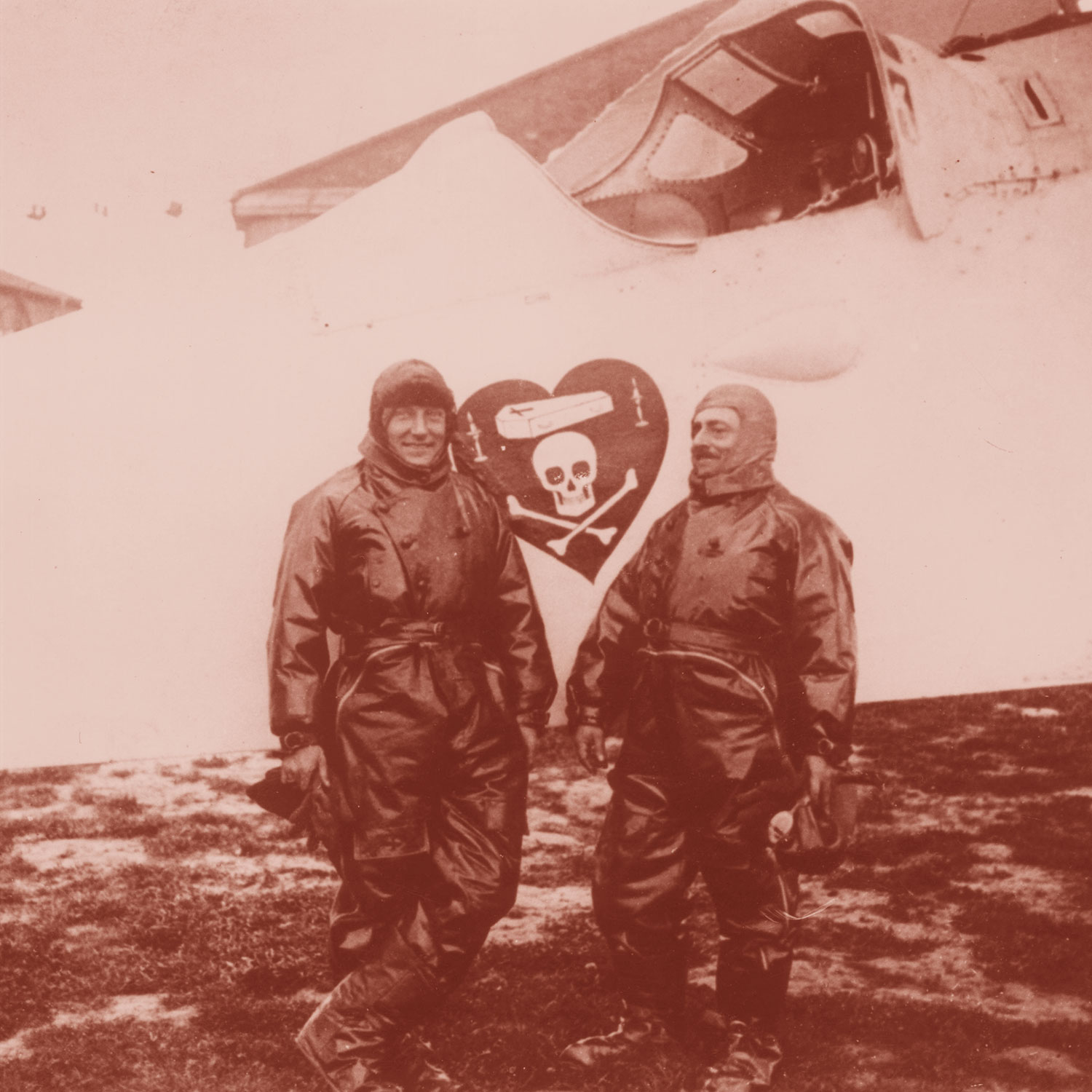
The French aviators who almost beat Charles Lindbergh
In 1927, the world watched as two French aviators attempted the world’s first transatlantic flight.
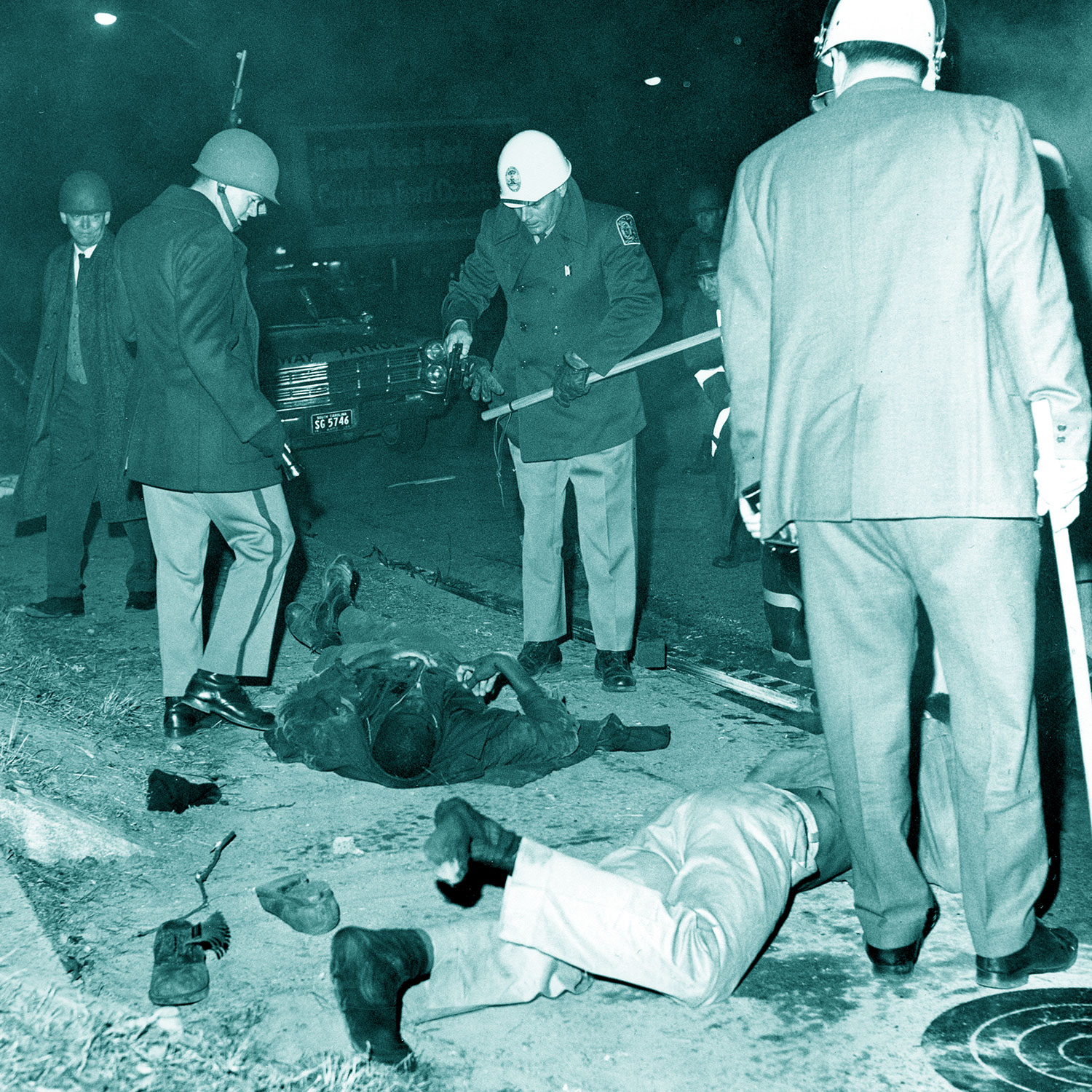
The campus massacre before Kent State
The first mass police shooting on a U.S. college campus happened two years before the Ohio National Guard opened fire on student protesters at Kent State University.
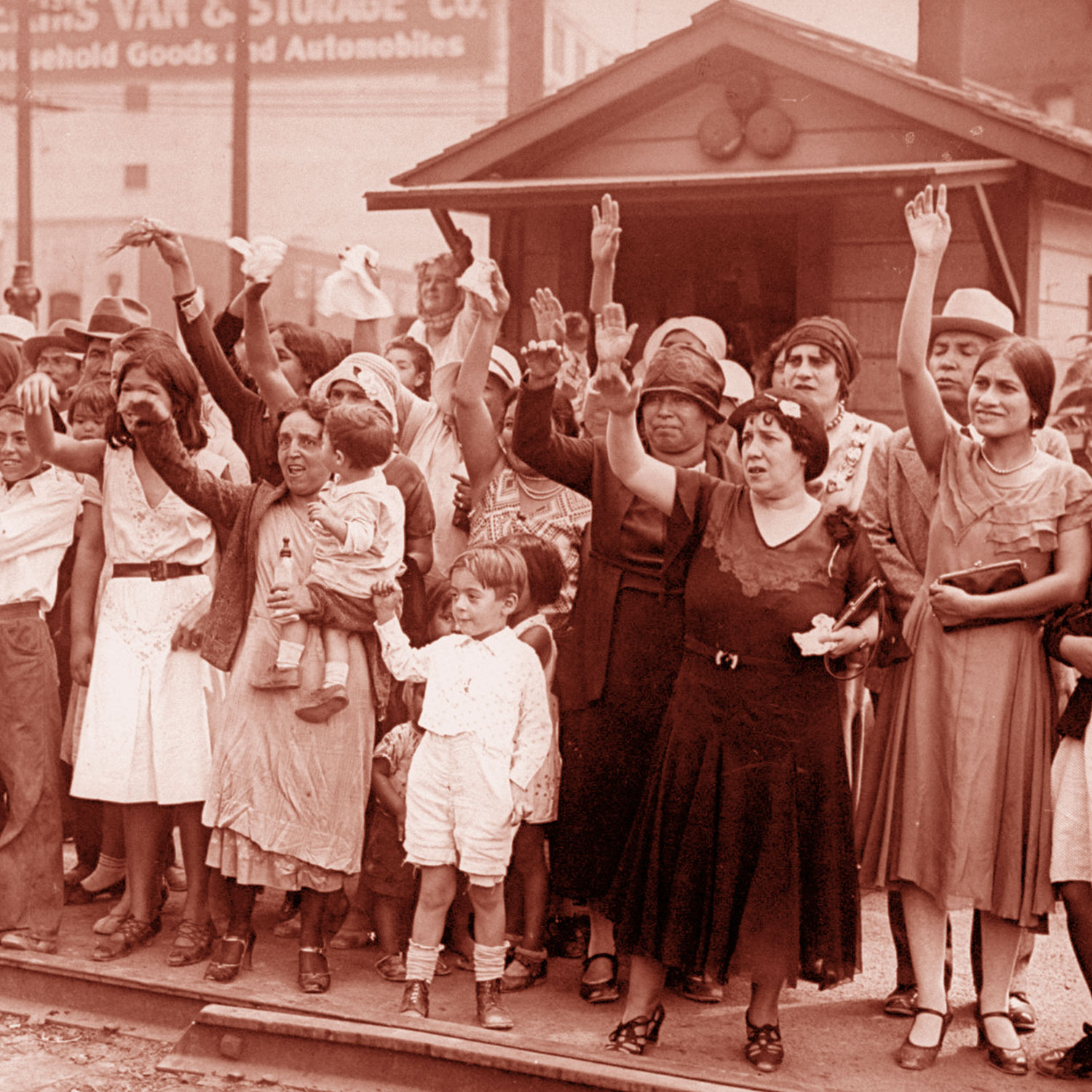
The time the United States illegally deported 1 million Mexican Americans
In 1931, President Herbert Hoover started a program that would result in the illegal deportation of 1.8 million people to Mexico by the end of the 1930s. Of those people, 60 percent were U.S. citizens.
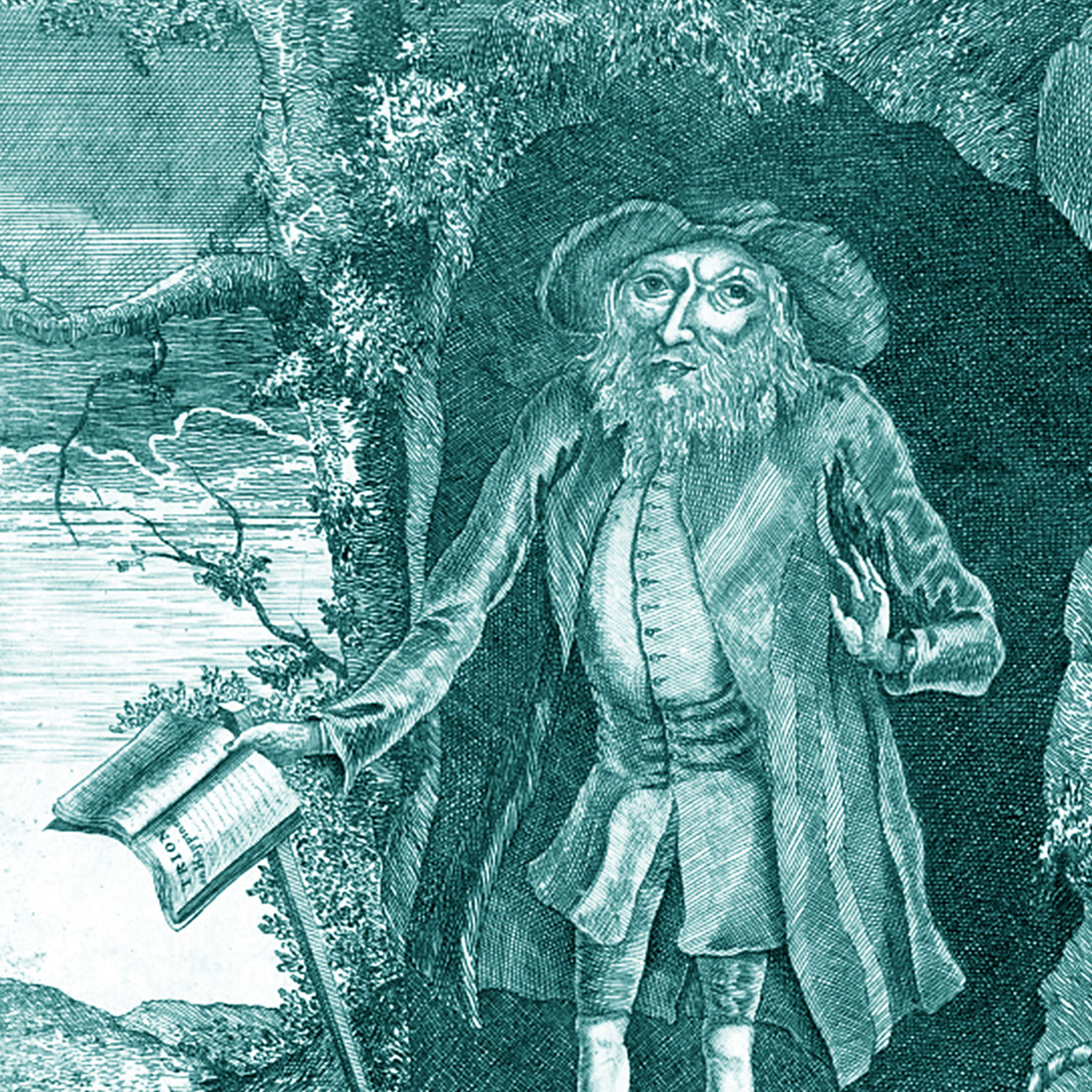
The Quaker abolitionist who was disowned for condemning slave owners
Benjamin Lay wrote one of the first treatises against slavery in Colonial America, a time when many prosperous Pennsylvania Quakers were slave owners. But for speaking out, the Quakers disowned him.
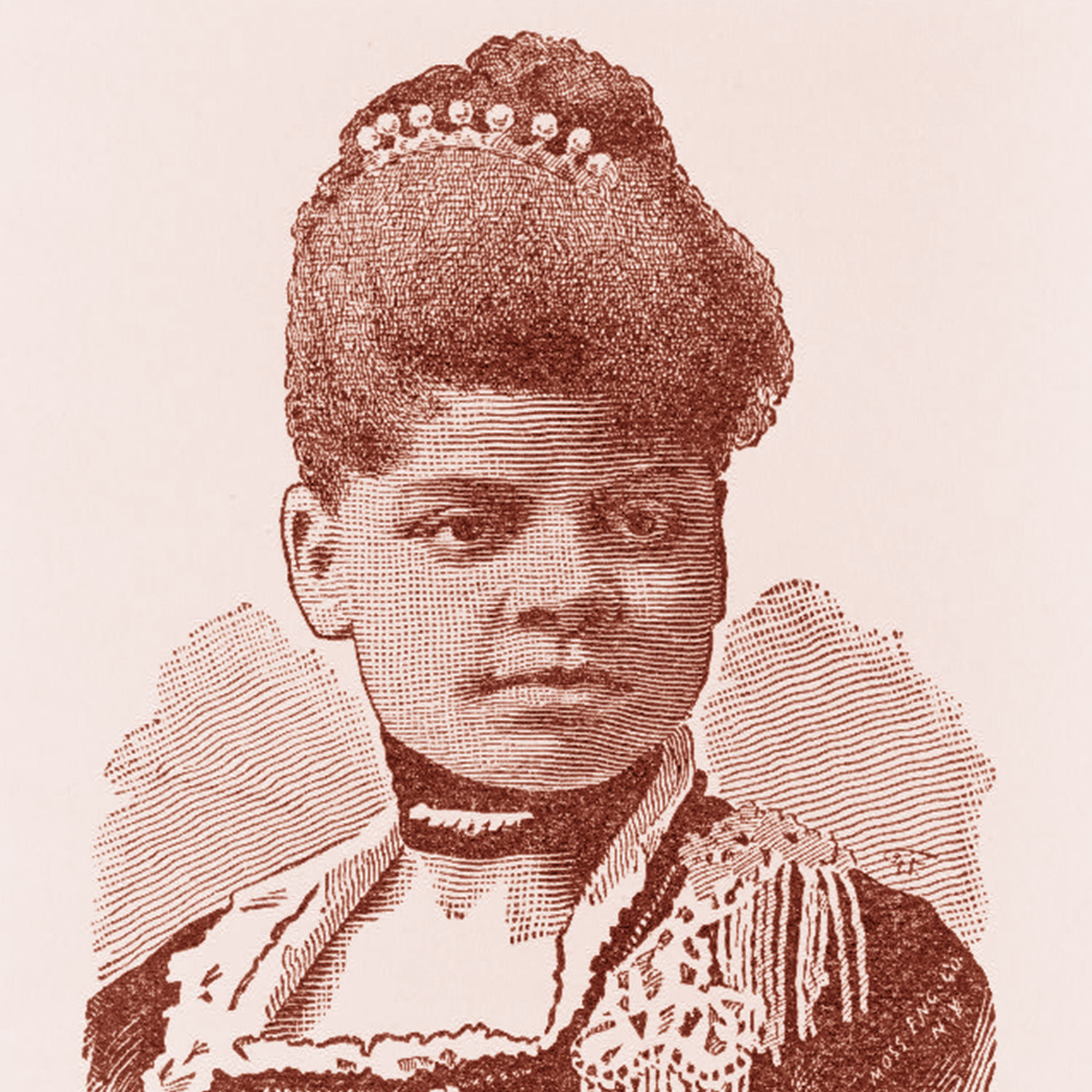
Ida B. Wells, the woman who never gave up
Ida B. Wells was an investigative journalist, an anti-lynching activist, a suffragette and a teacher.
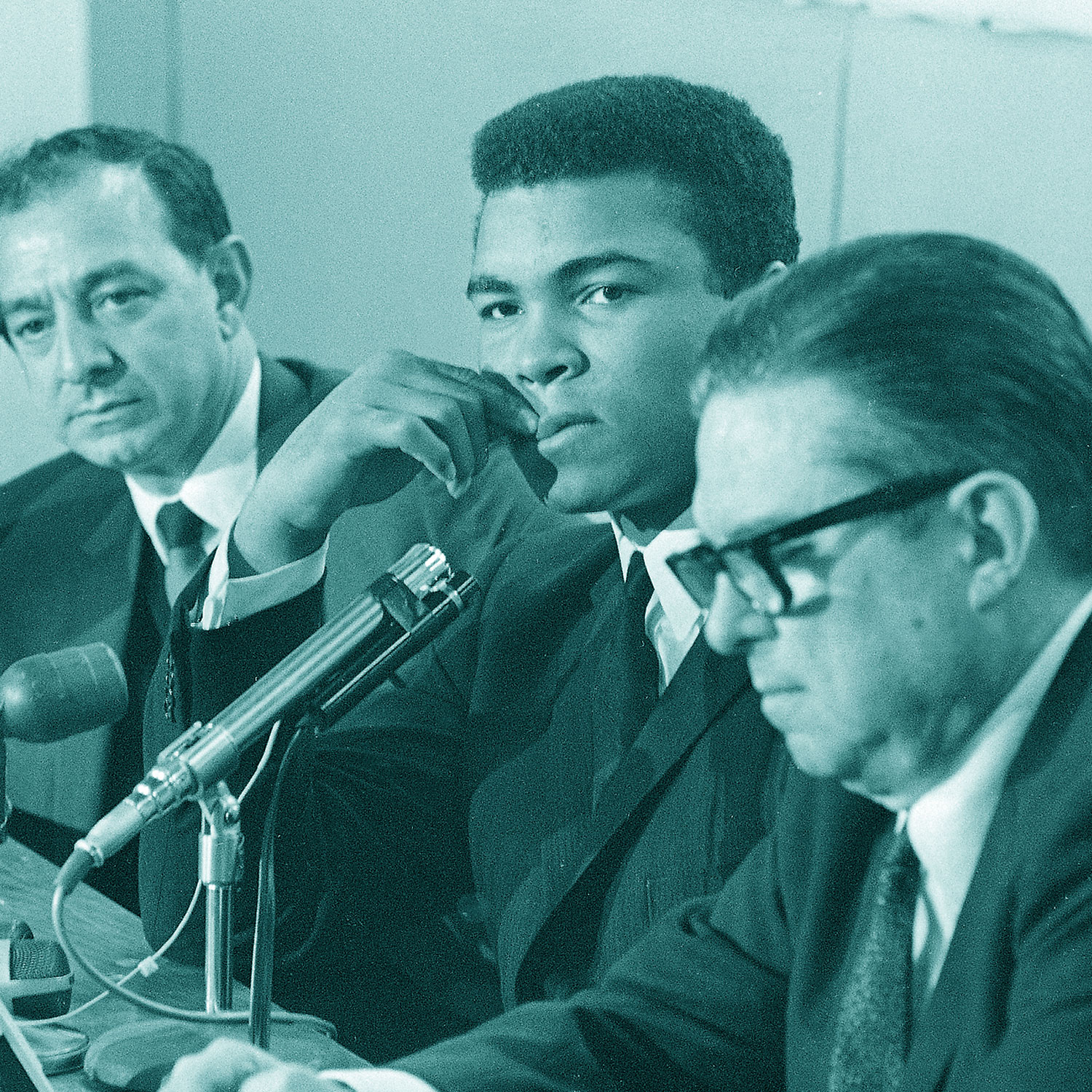
How a Supreme Court clerk changed the decision on Clay v. United States
Muhammad Ali was so close to going to jail for evading the draft. He has a Supreme Court clerk to thank for his freedom.
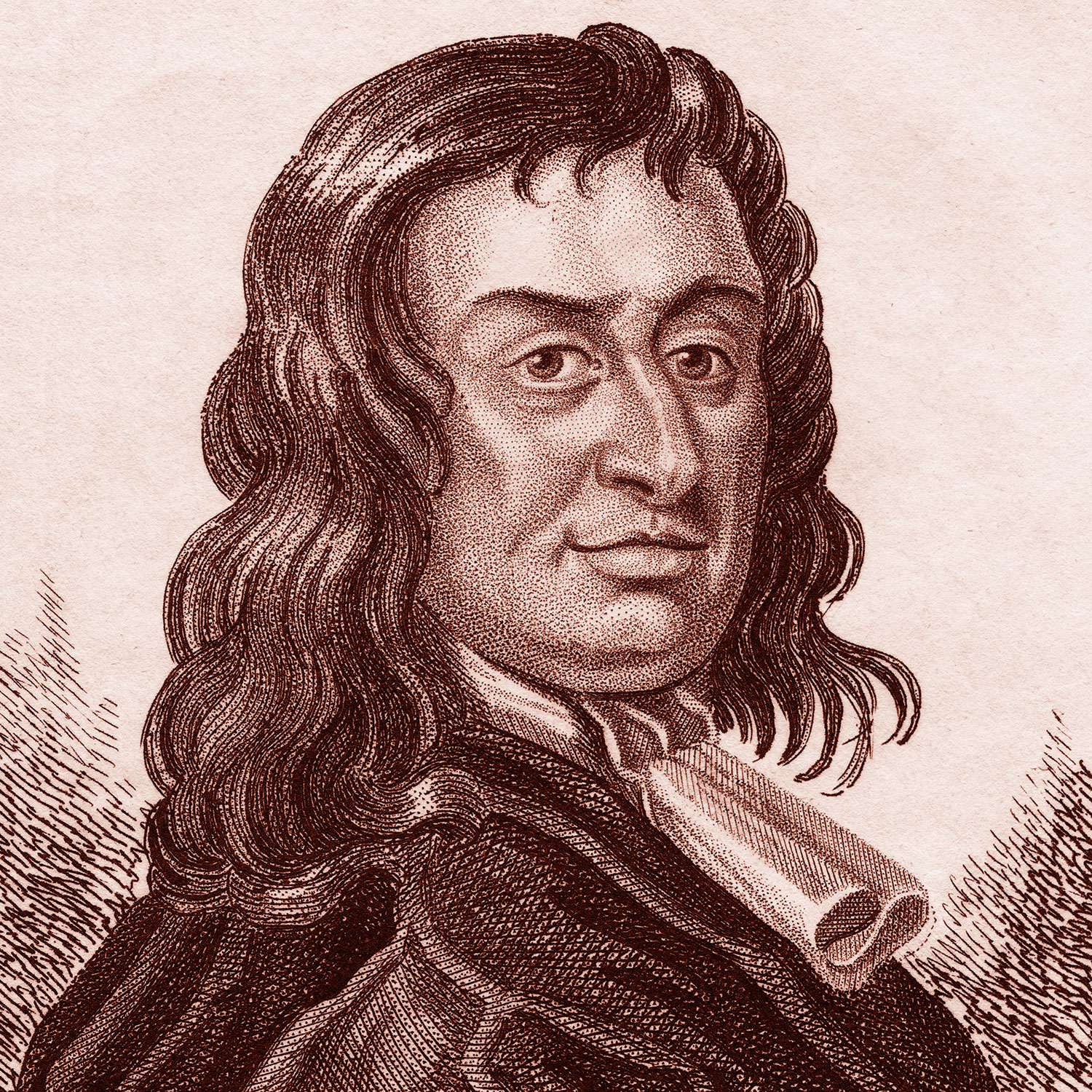
Colonel Blood, the scoundrel who tried to steal Great Britain's crown jewels
Thomas Blood had somewhat of a shady past. According to Ireland’s History magazine, he had a reputation for espionage and conducting terrorist campaigns — though many of his plans were foiled just in time.
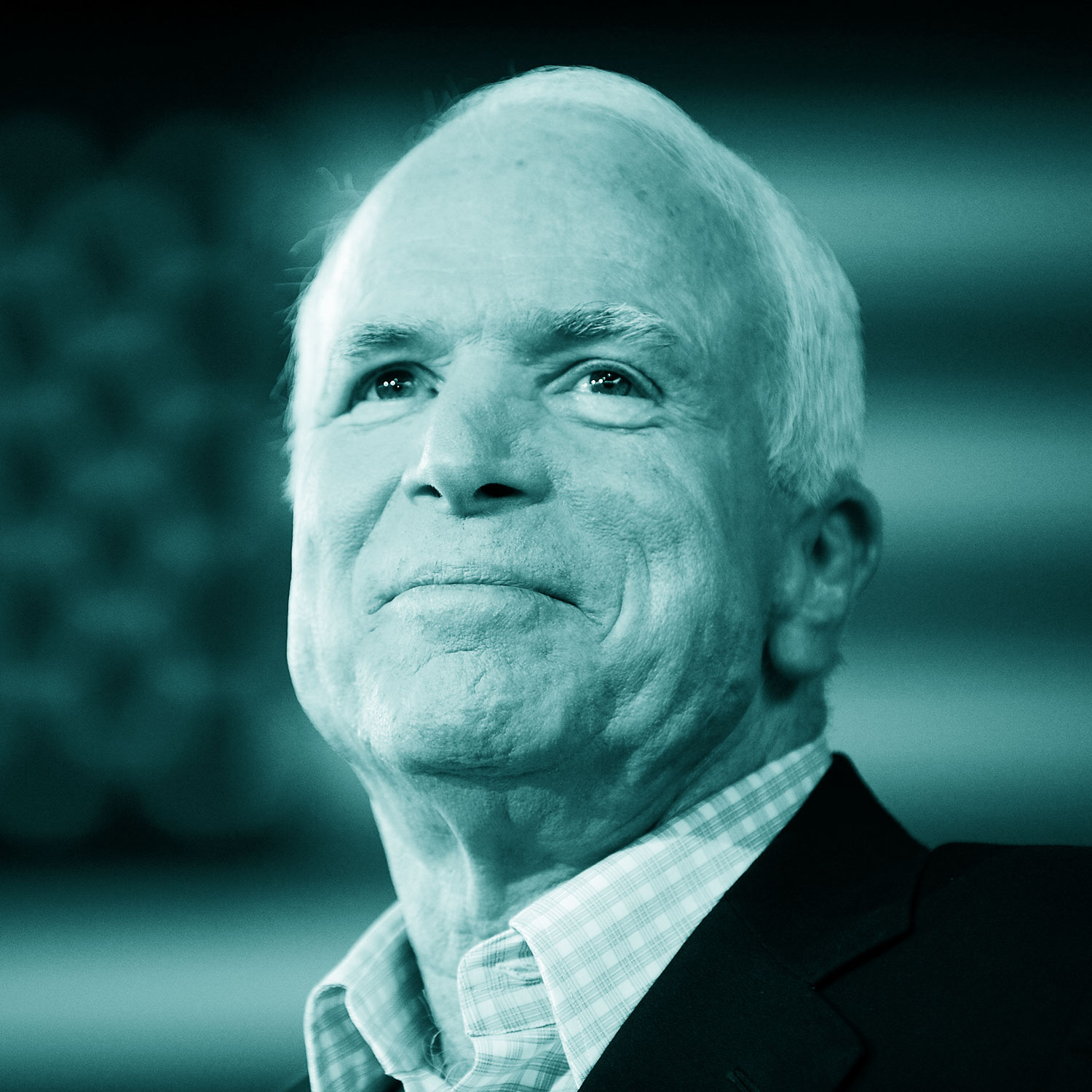
Being a maverick almost stopped John McCain from becoming a public servant
At the Naval Academy, McCain was in a group called the “Bad Bunch” as he rebelled against his father’s expectations.
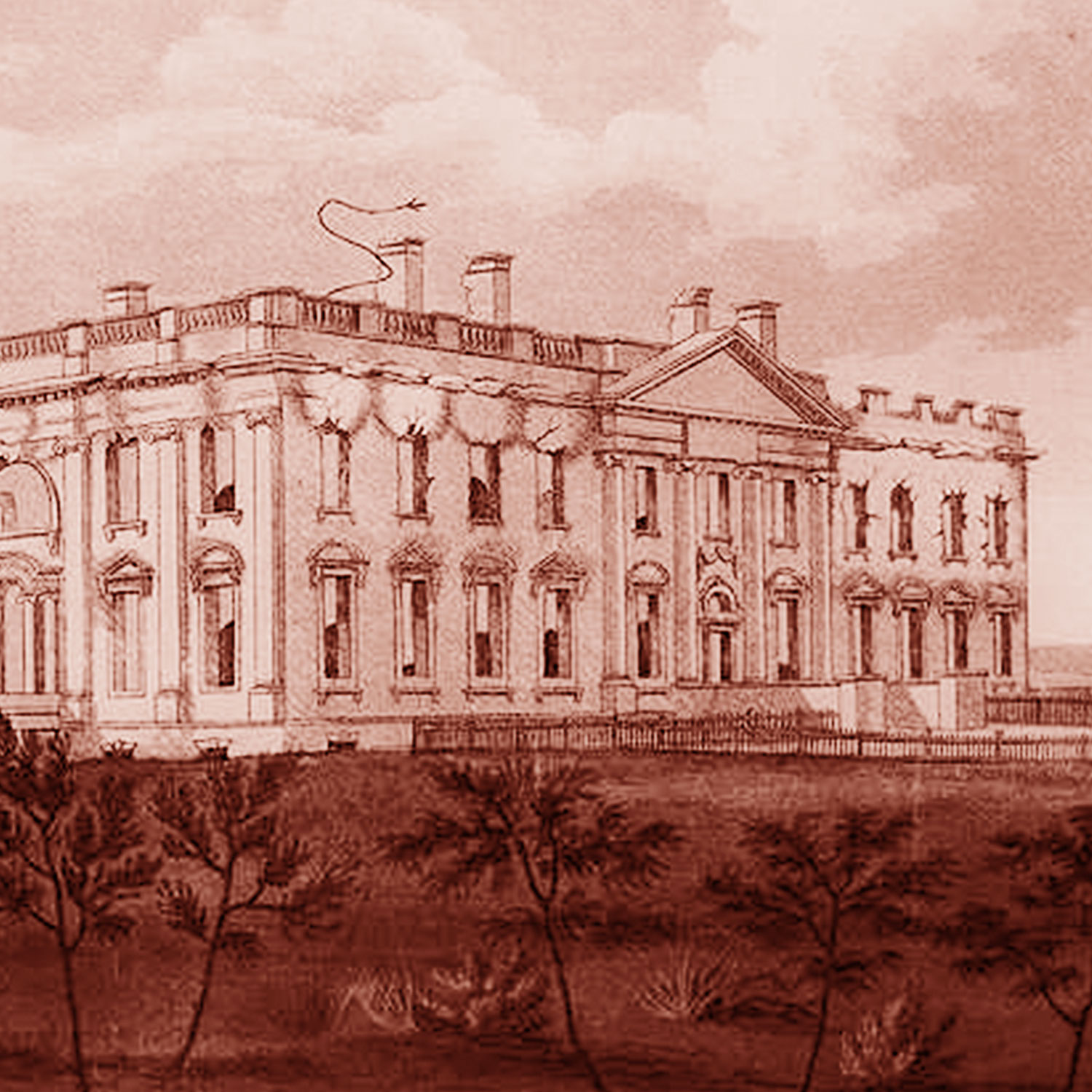
Paul Jennings, the former slave who disputed a legend from history
According to James Madison’s Virginia mansion Montpelier, Paul Jennings’ account reveals, “how the racial and gender hierarchies of the time complicate the way we understand roles in historic events.”
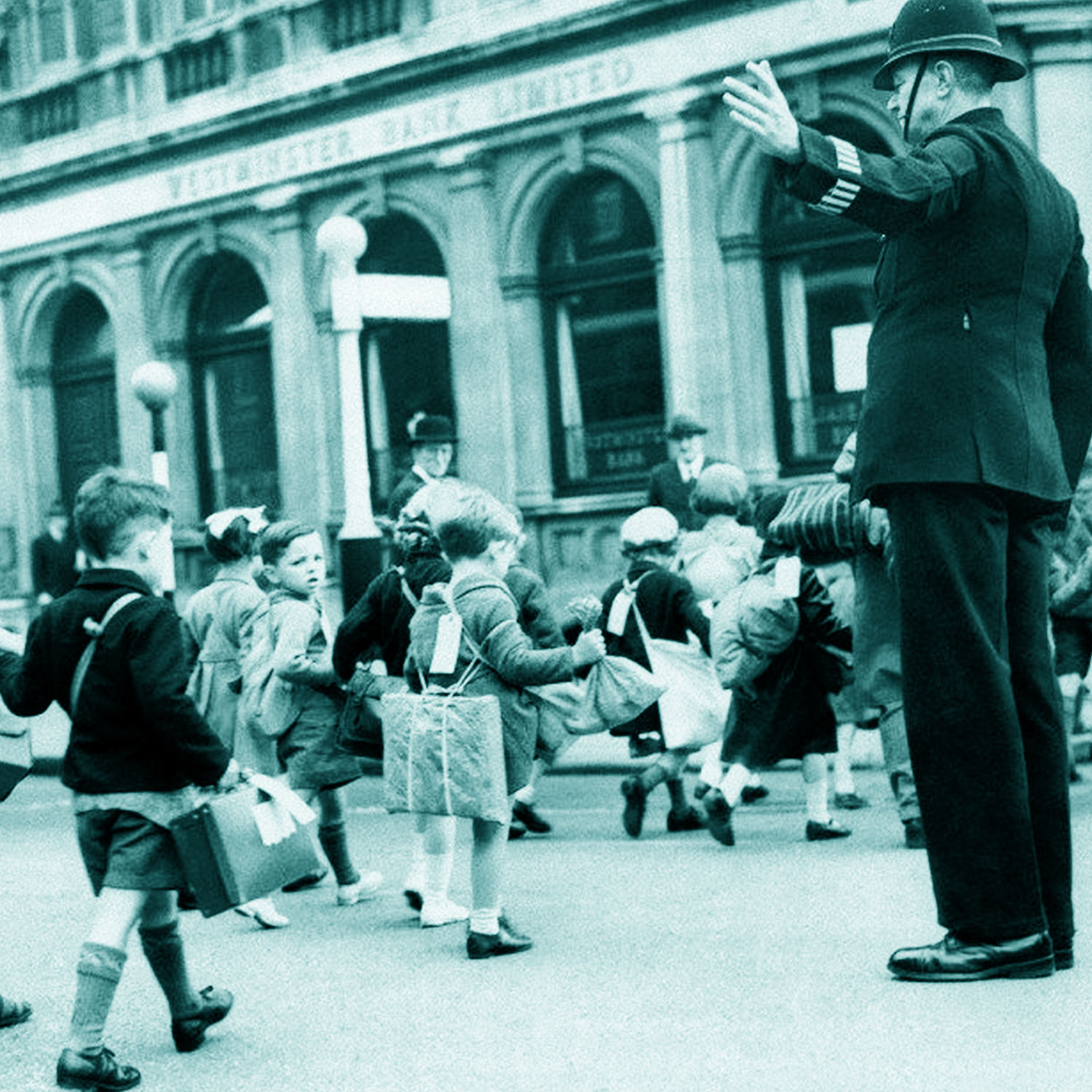
What Operation Pied Piper taught us about family separations
Millions of British children were evacuated from London and other cities to escape the horrors of war. But the family separations seemed to impart long-term trauma that was in many cases as severe as if they had stayed behind and faced the bombs.
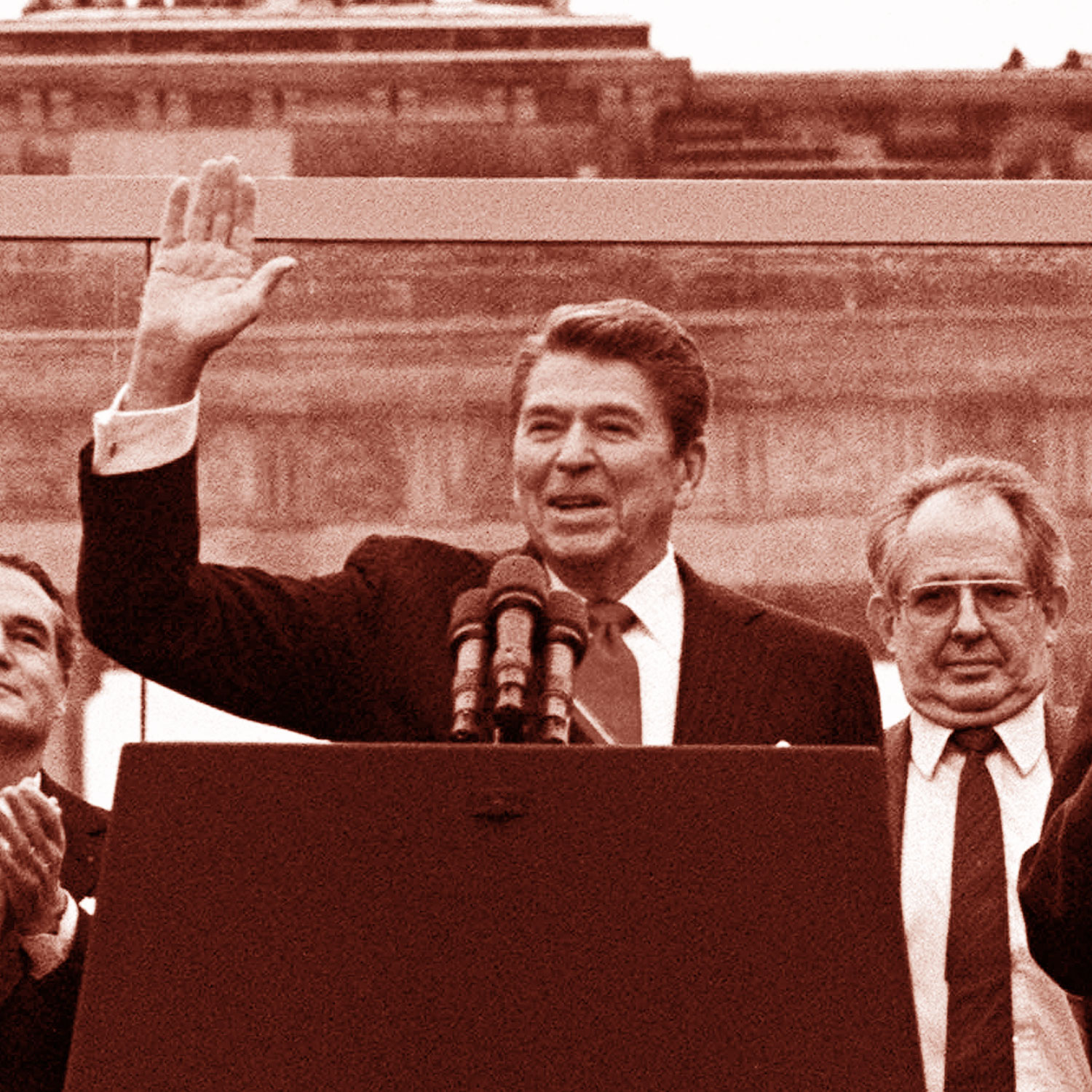
Reagan's most historic speech took a few years to make an impact
When President Reagan told Mr. Gorbachev to “tear down this wall,” it was not seen as a historic moment. It took the actual fall of the wall to resurrect the speech and drill the quote into our consciousness.
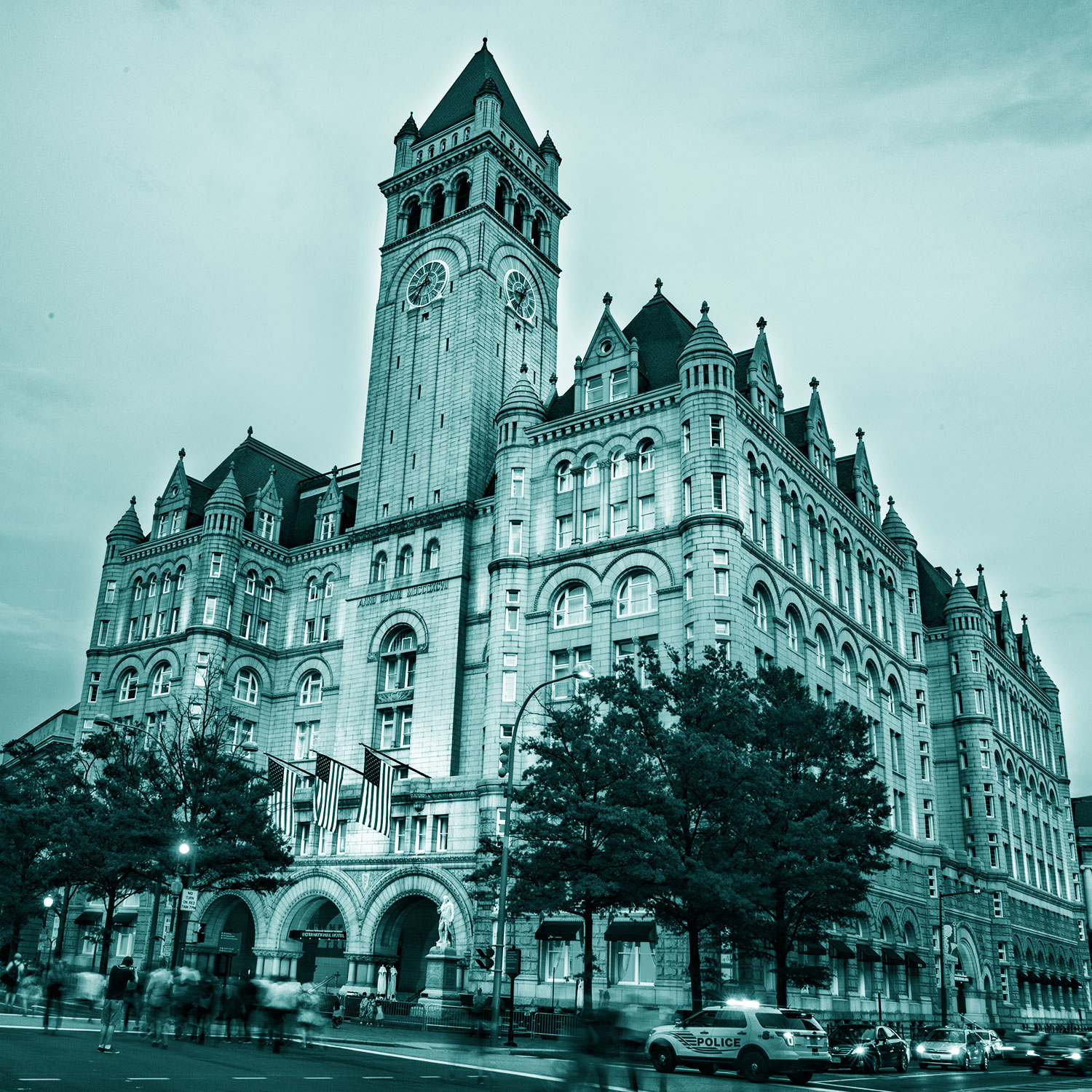
A president’s lions and the emoluments clause
The greatest emoluments-clause dilemma of the 1800s involved two lions.