Retropod
487 episodes — Page 3 of 10
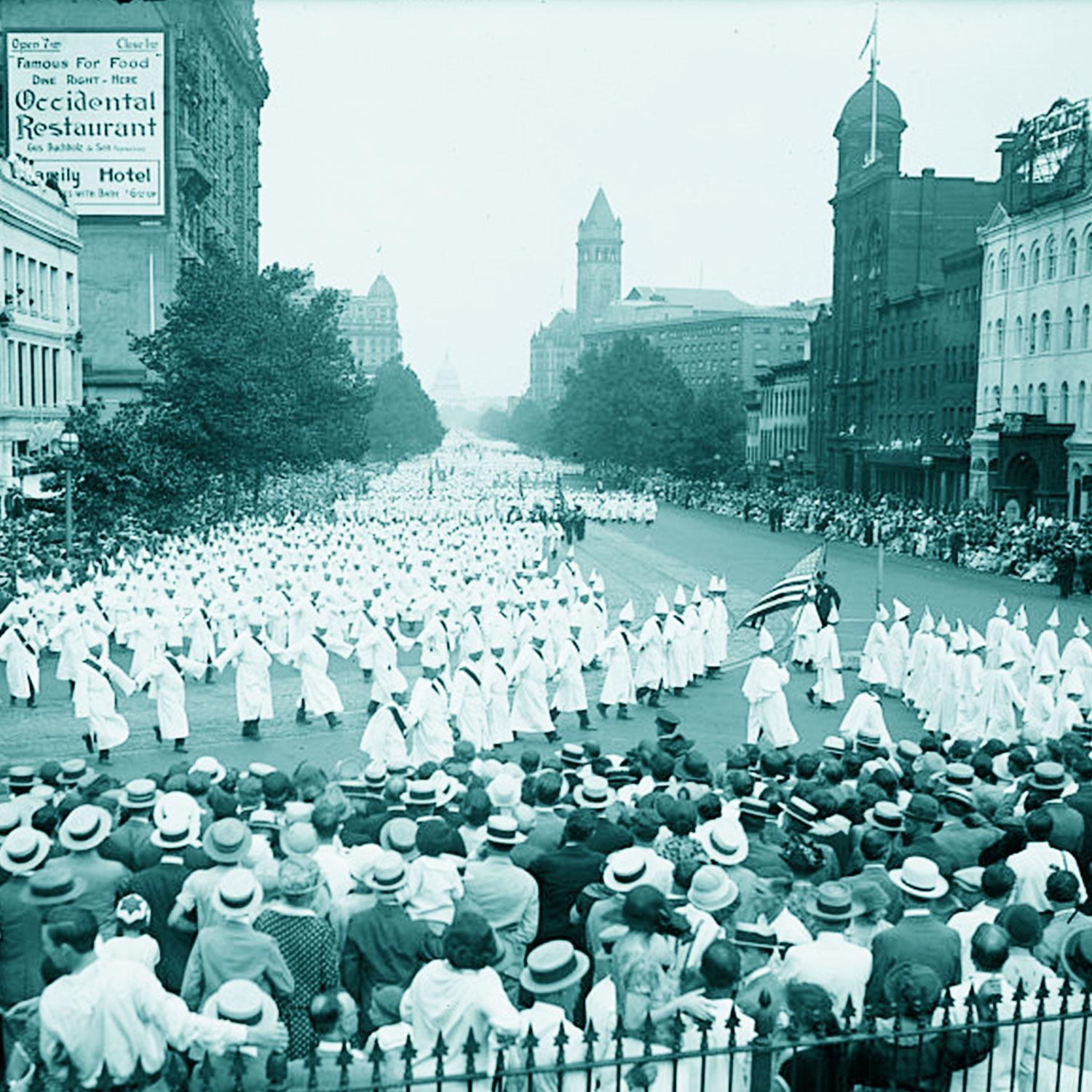
The day the nation's capital welcomed the KKK
In 1925, 30,000 Klansmen descended on Washington, D.C. The city cheered their arrival.
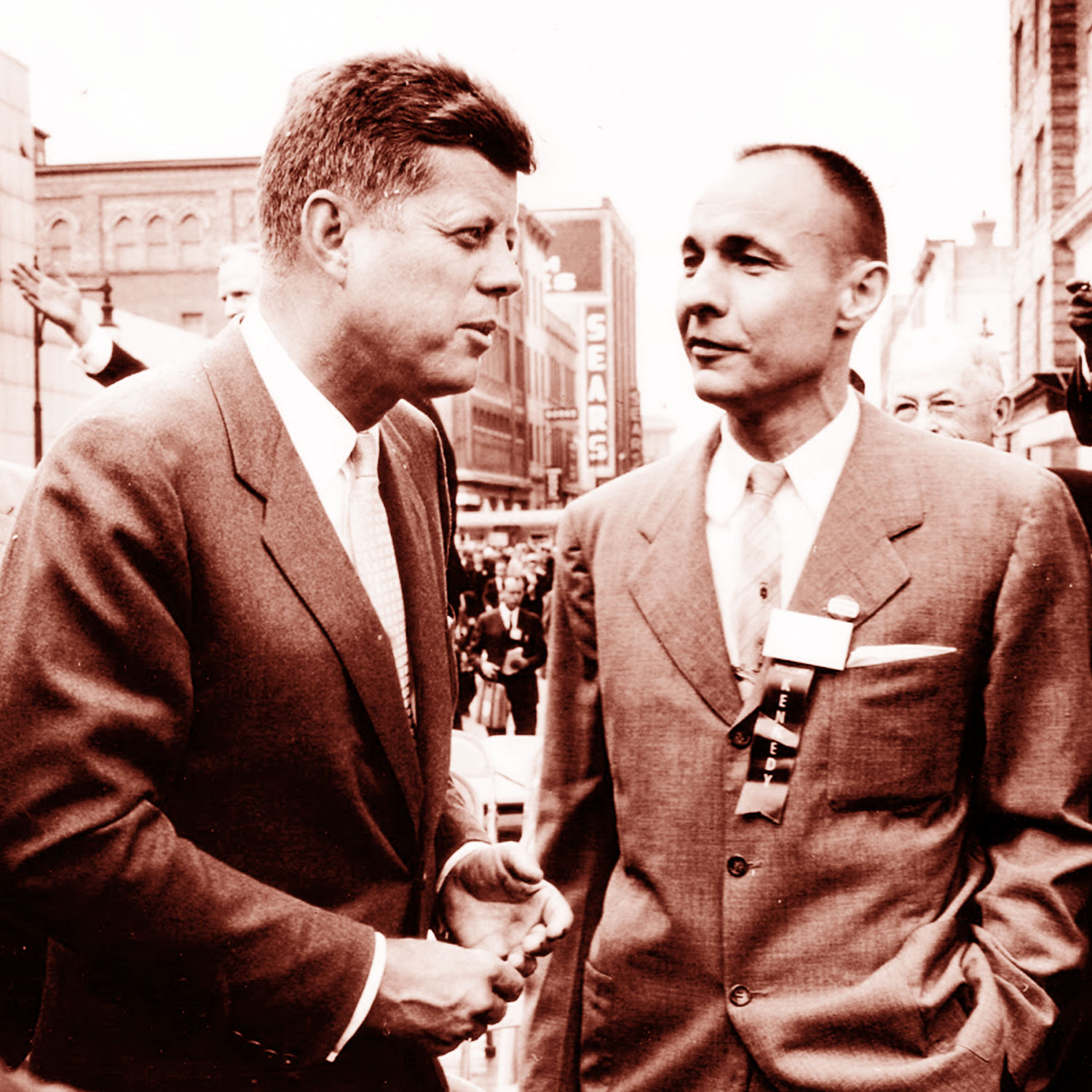
The man and the coconut that saved JFK
William Liebenow rescued John F. Kennedy from an island filled with coconuts.
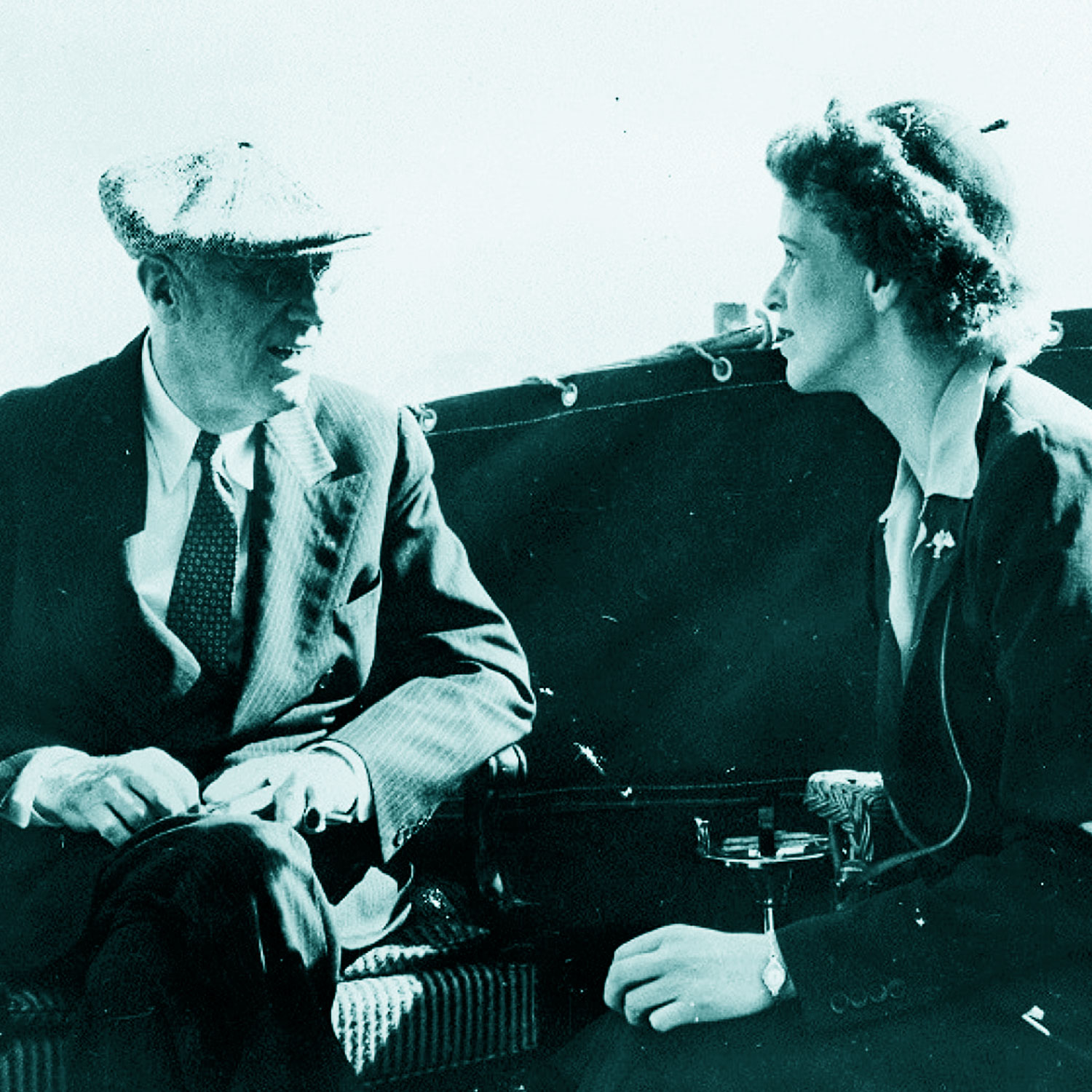
The first daughters
Ivanka Trump might be the only first daughter in American history to score a West Wing office, but she’s not the first presidential daughter to wield power in the White House.
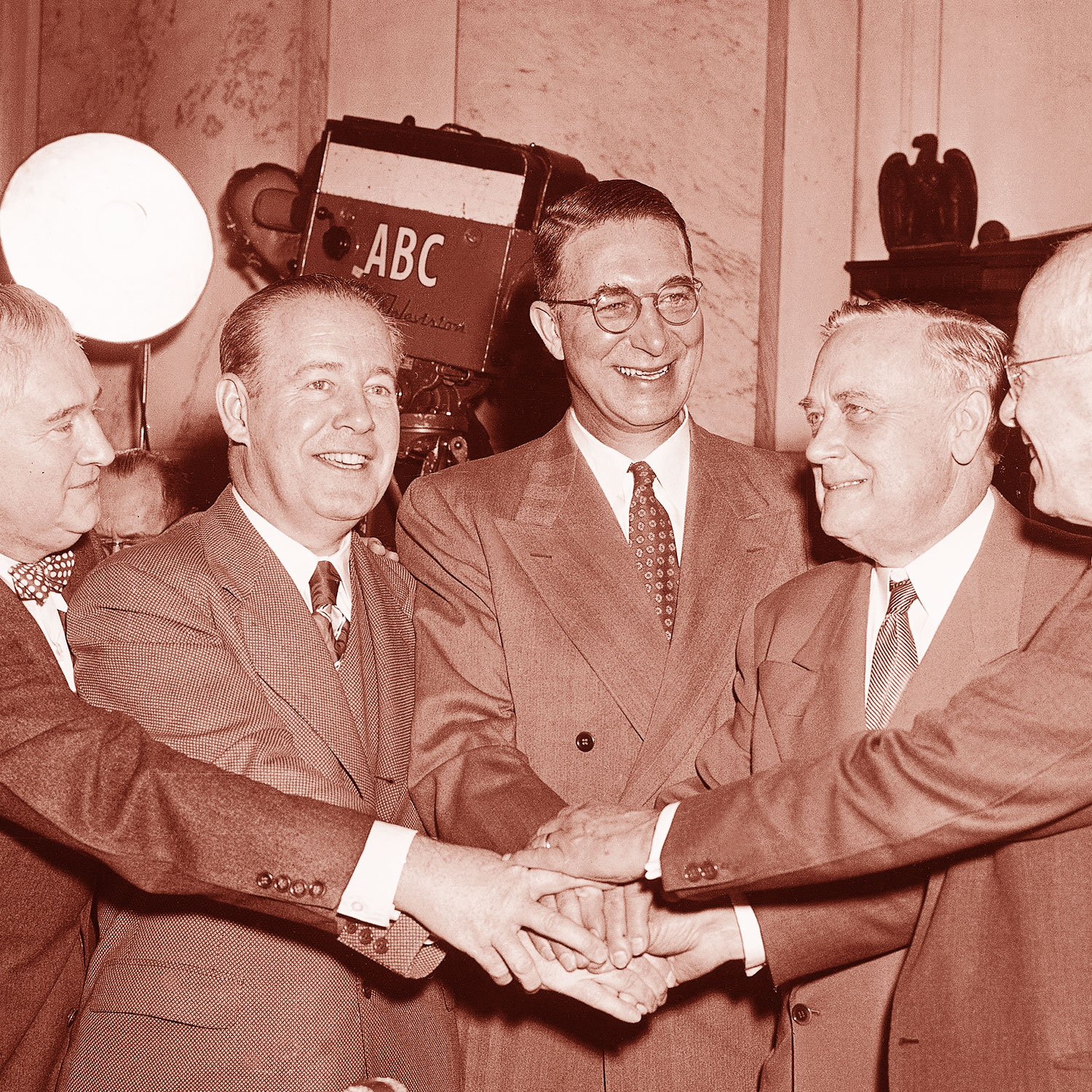
The time a senator won an Emmy for grilling witnesses at a hearing
In 1951, a televised Senate hearing caught America’s attention.
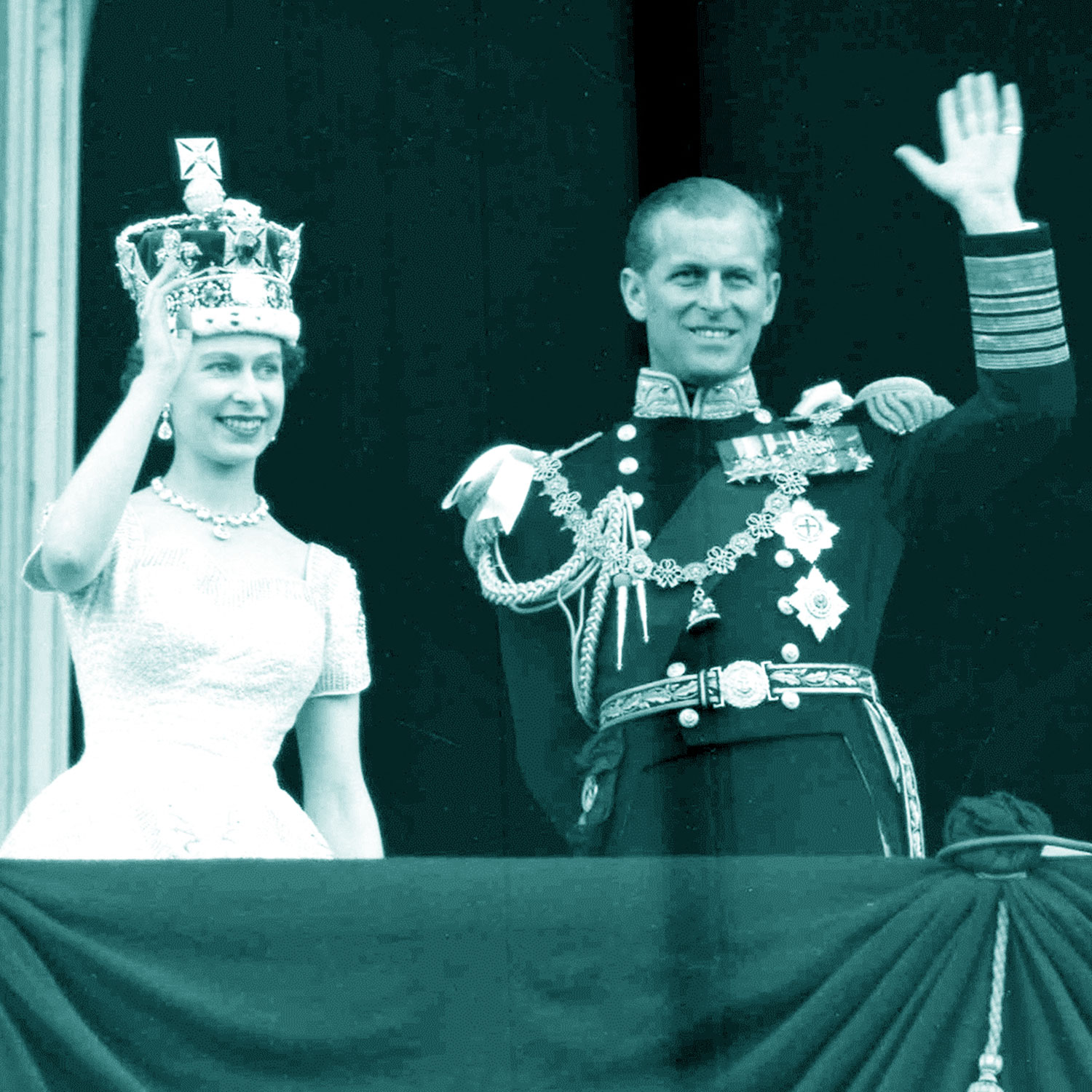
The fact and fiction of Prince Philip
The most recent British royal wedding puts all eyes on the Windsor family. But perhaps no royal is as controversial as Harry's grandfather, Prince Philip.
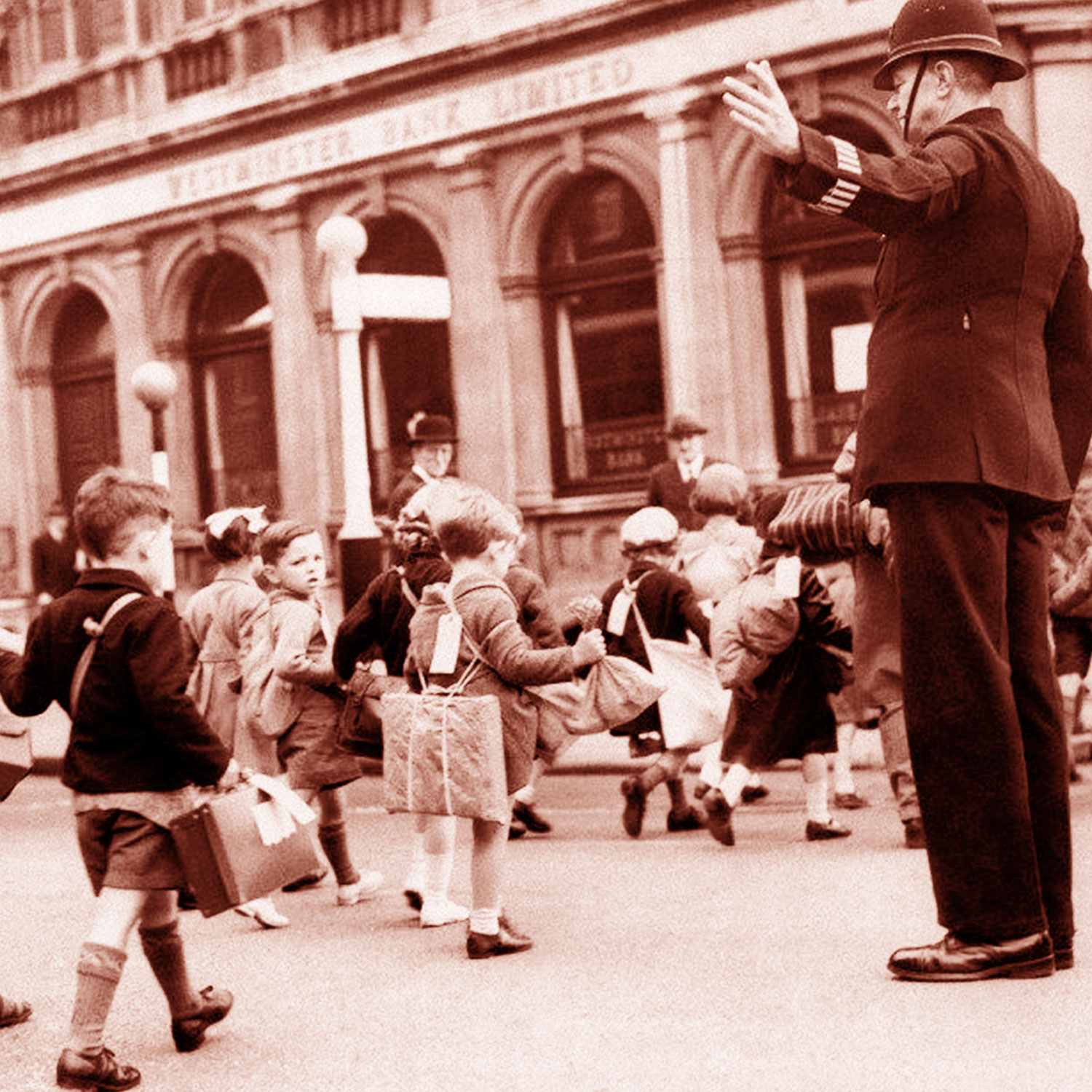
What Operation Pied Piper taught us about family separations
Millions of British children were evacuated from London and other cities to escape the horrors of war. But the family separations seemed to impart long-term trauma that was in many cases as severe as if they had stayed behind and faced the bombs.
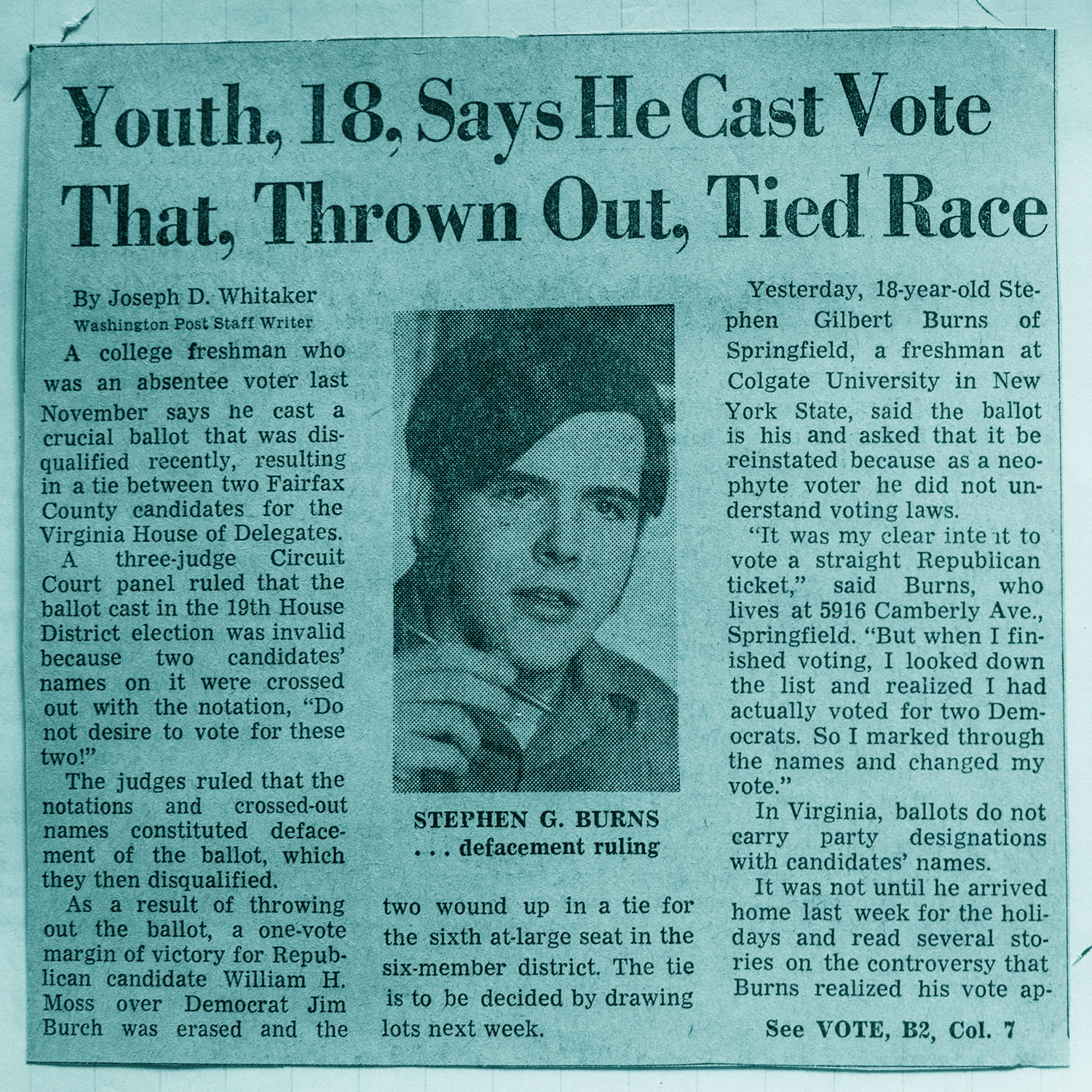
The teen who tied a Virginia election
In 1971, Stephen Burns was 18 years old and a newly minted voter. He was so jazzed to be a part of the Democratic process.
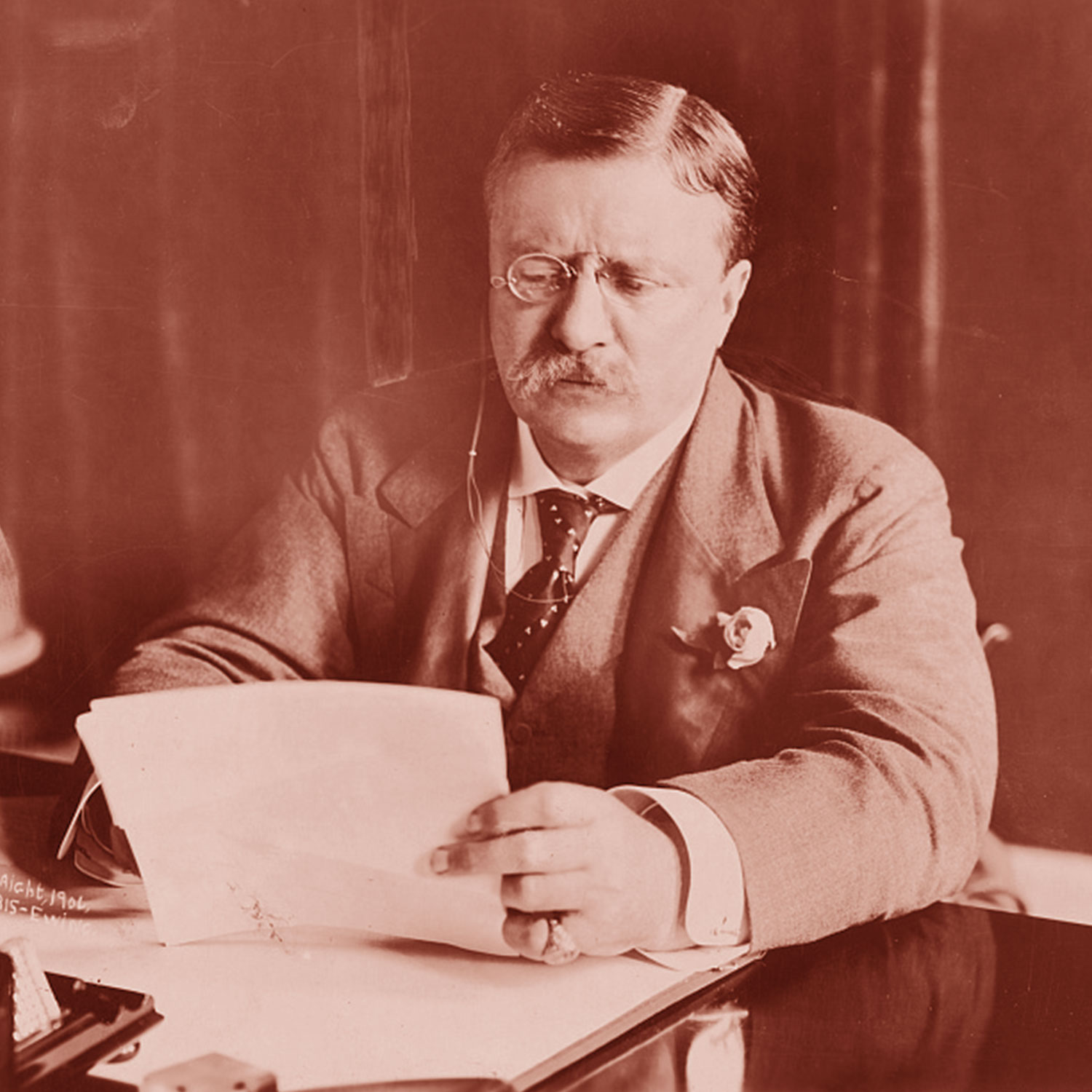
The books the presidents read
People have long been fascinated by the books presidents choose to read. But how much do reading habits actually reveal about a president?
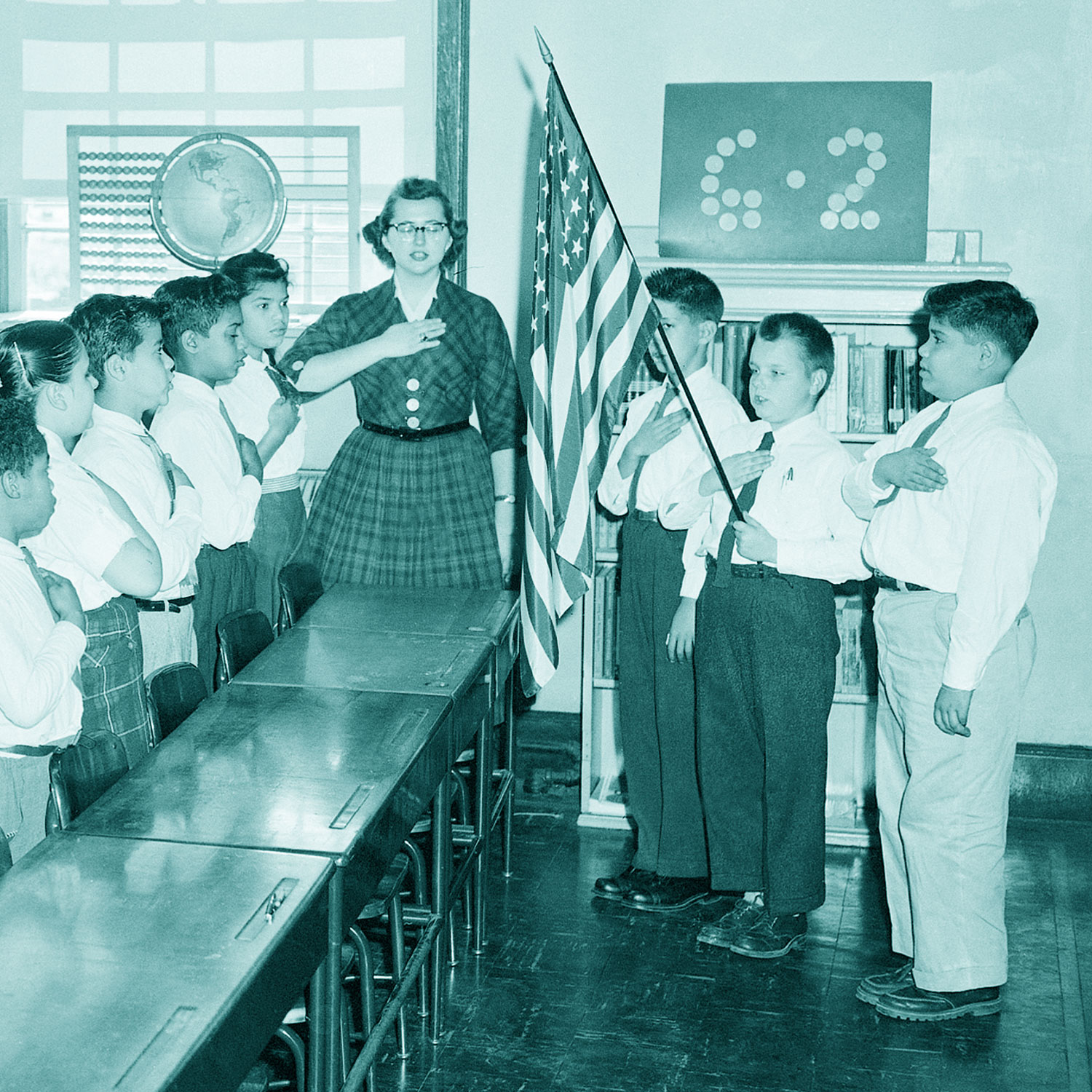
How God became part of the pledge
For over 50 years, the phrase “under God” was not a part of the Pledge of Allegiance. One sermon changed that.
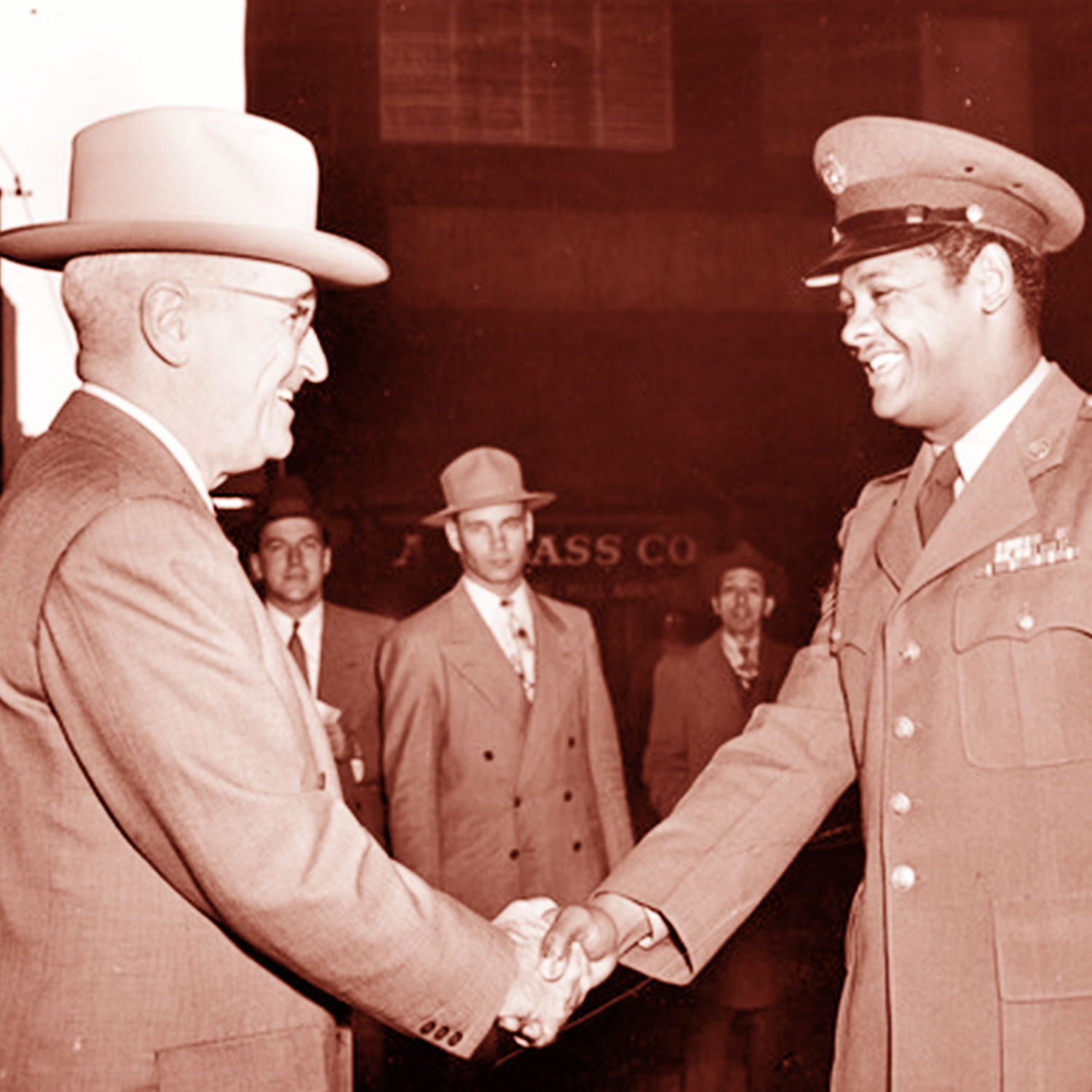
How Harry S. Truman went from being a racist to desegregating the military
When Harry Truman became president in 1945, Southern members of Congress were delighted. They thought he’d be sympathetic to segregationists. He proved them wrong.
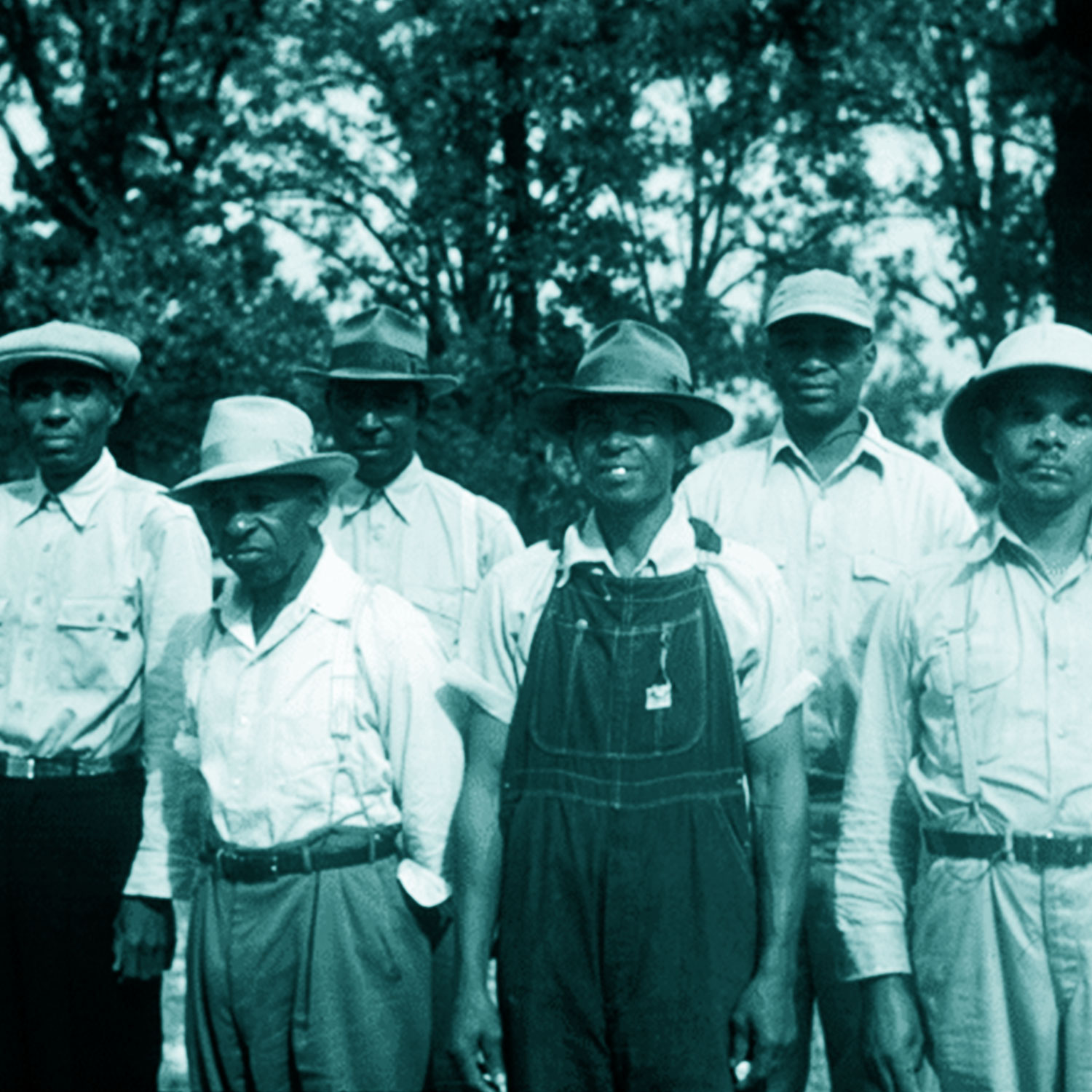
The U.S. government recruited black men to watch them die
The Tuskegee syphilis experiment is a horrific piece of American history.
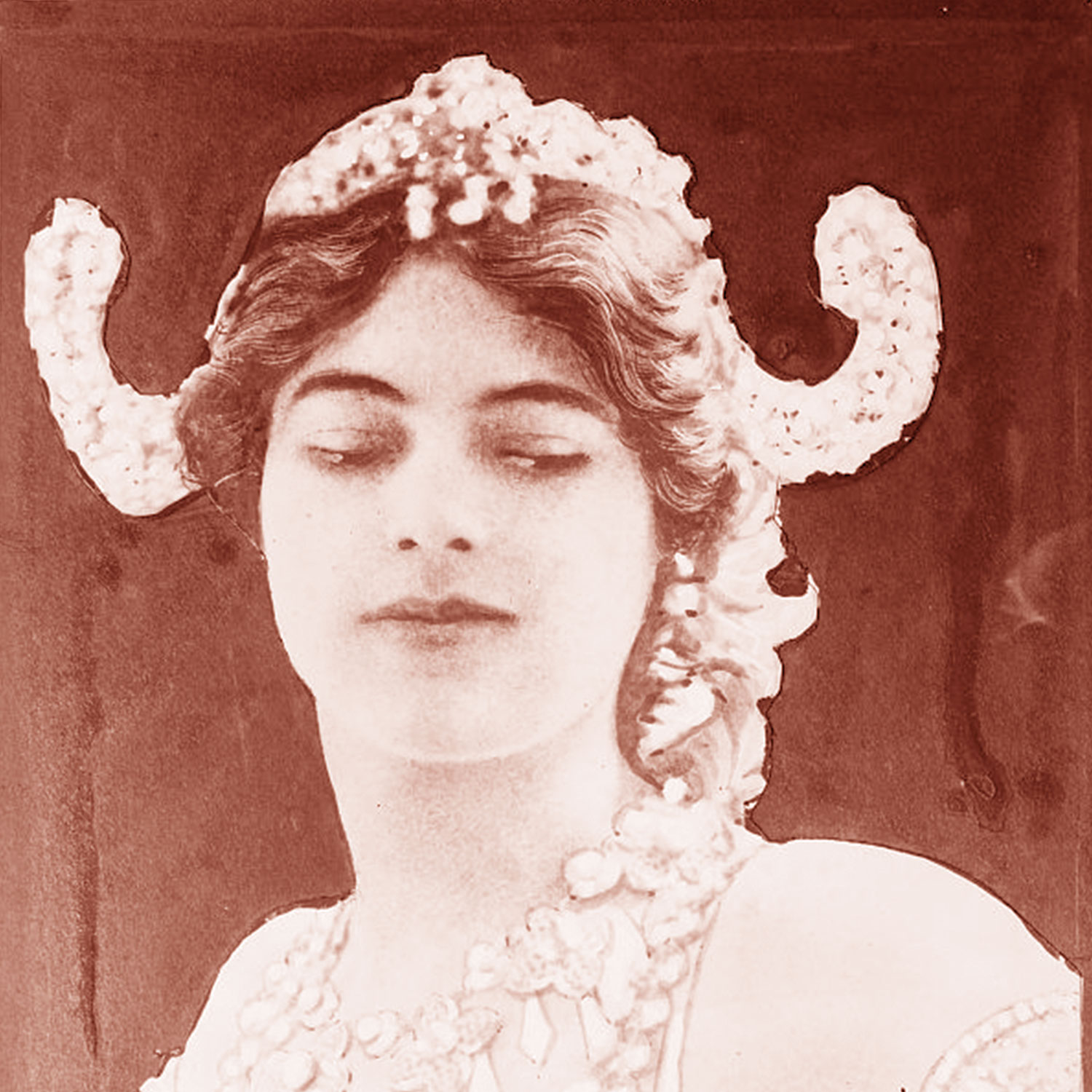
The femme fatale
For the past 100 years, Mata Hari has been revered as the quintessential glamorous spy. But the real Mata Hari was much more complicated.
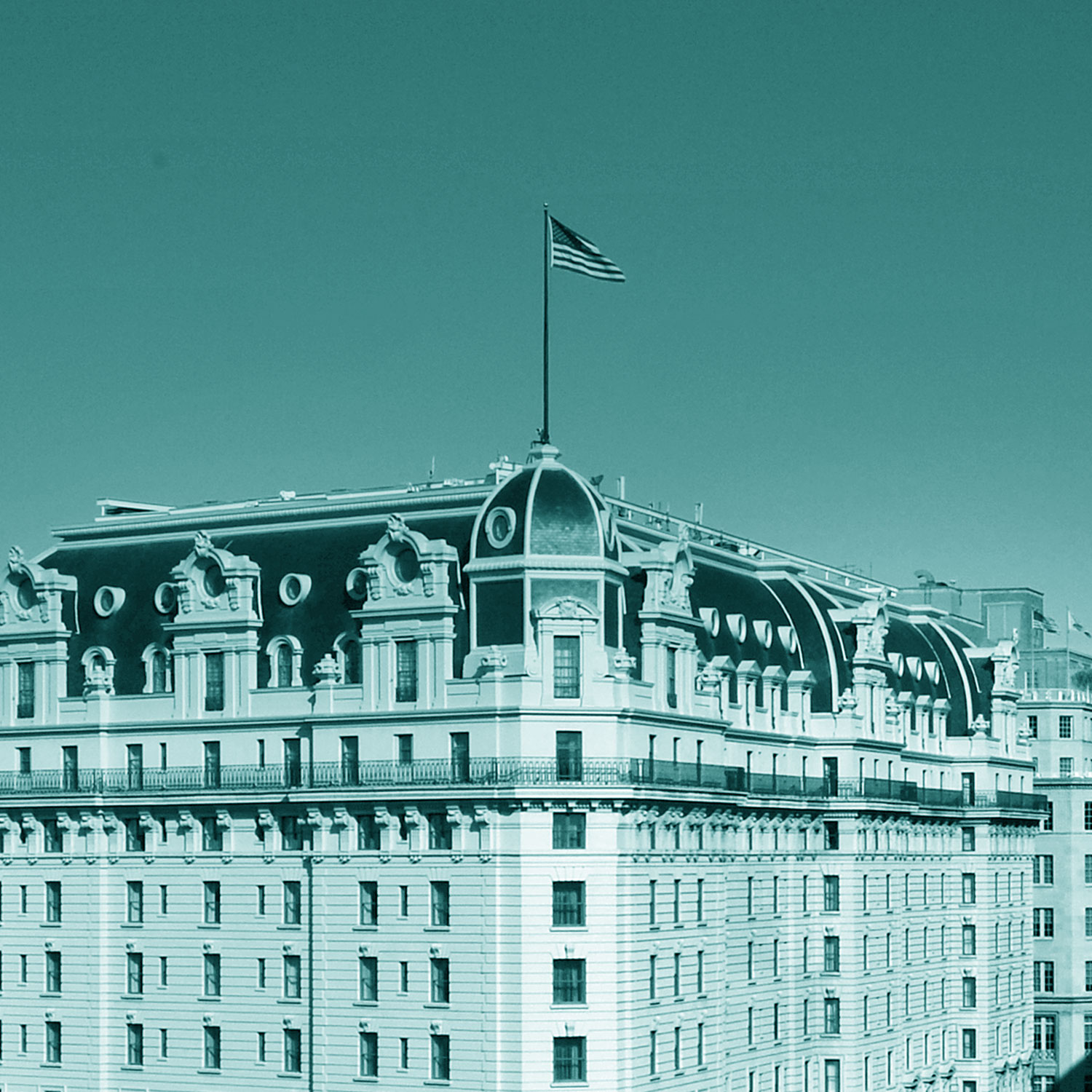
The congressman who shot a waiter
A hungry congressman didn’t get the breakfast he ordered. So he shot the waiter.
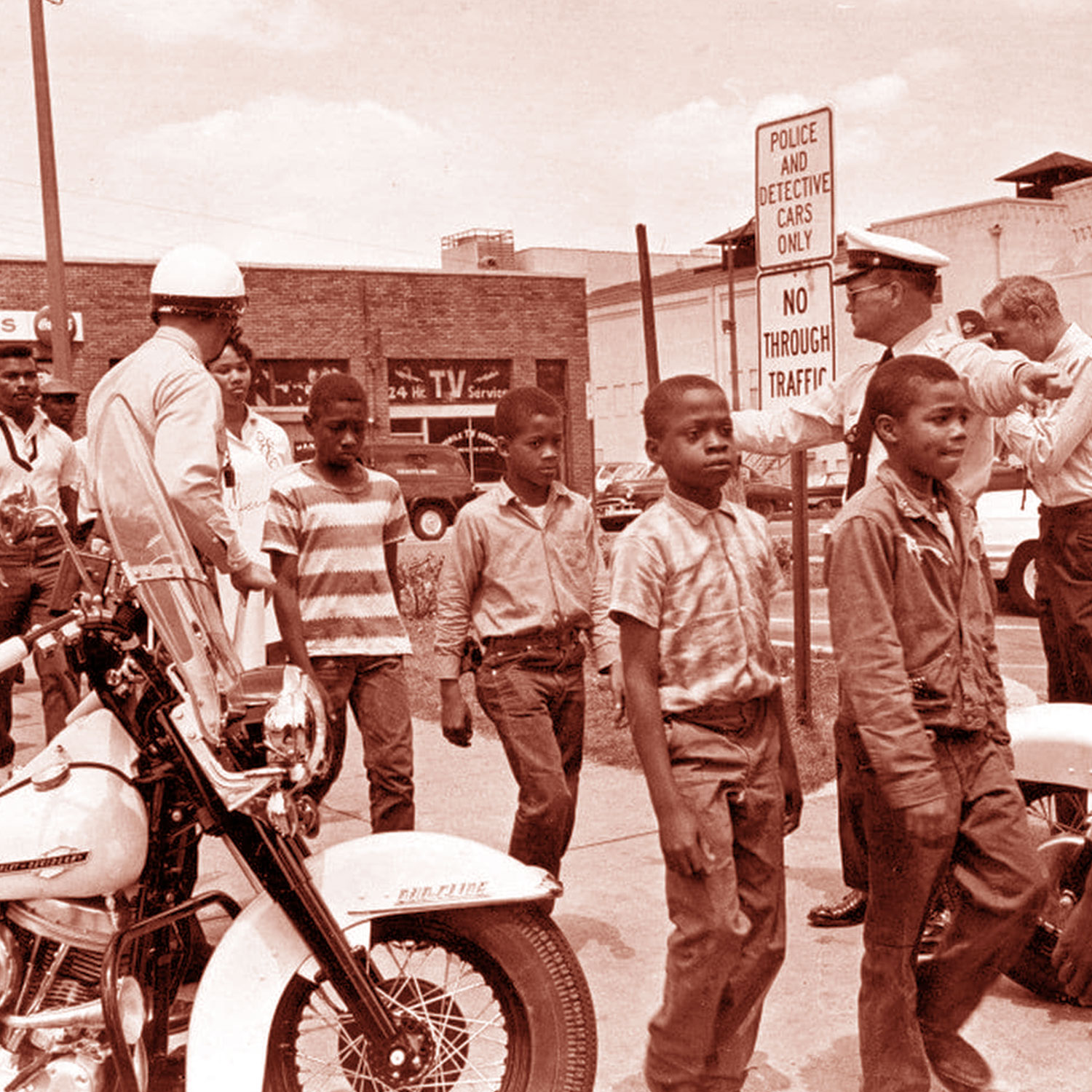
The children's crusade
The movement organized by survivors of the school shooting in Parkland, Fla., is not the first time that kids have taken a stand. H
Introducing Moonrise
Host Lillian Cunningham's next podcast explores the real story of why we went to the moon -- a darker, but truer story than the one you've heard before. Listen to this trailer, and subscribe on your favorite podcast app or at washingtonpost.com/moonrise
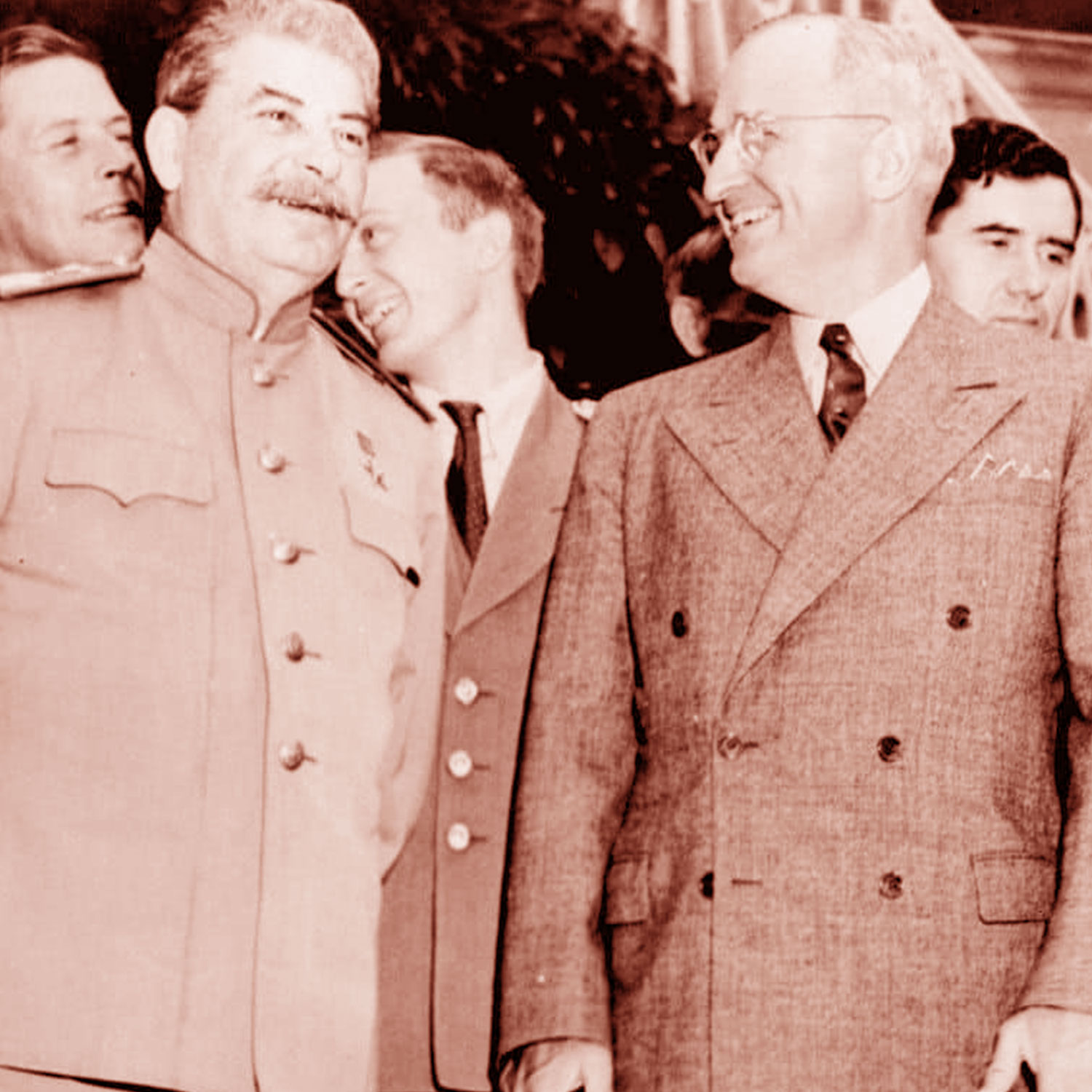
The time Truman met with Stalin and it went well
Back in 1941, a get-together that should have been fraught with uneasiness didn't turn out that way, which is surprising given the participants: President Harry S. Truman and Joseph Stalin.
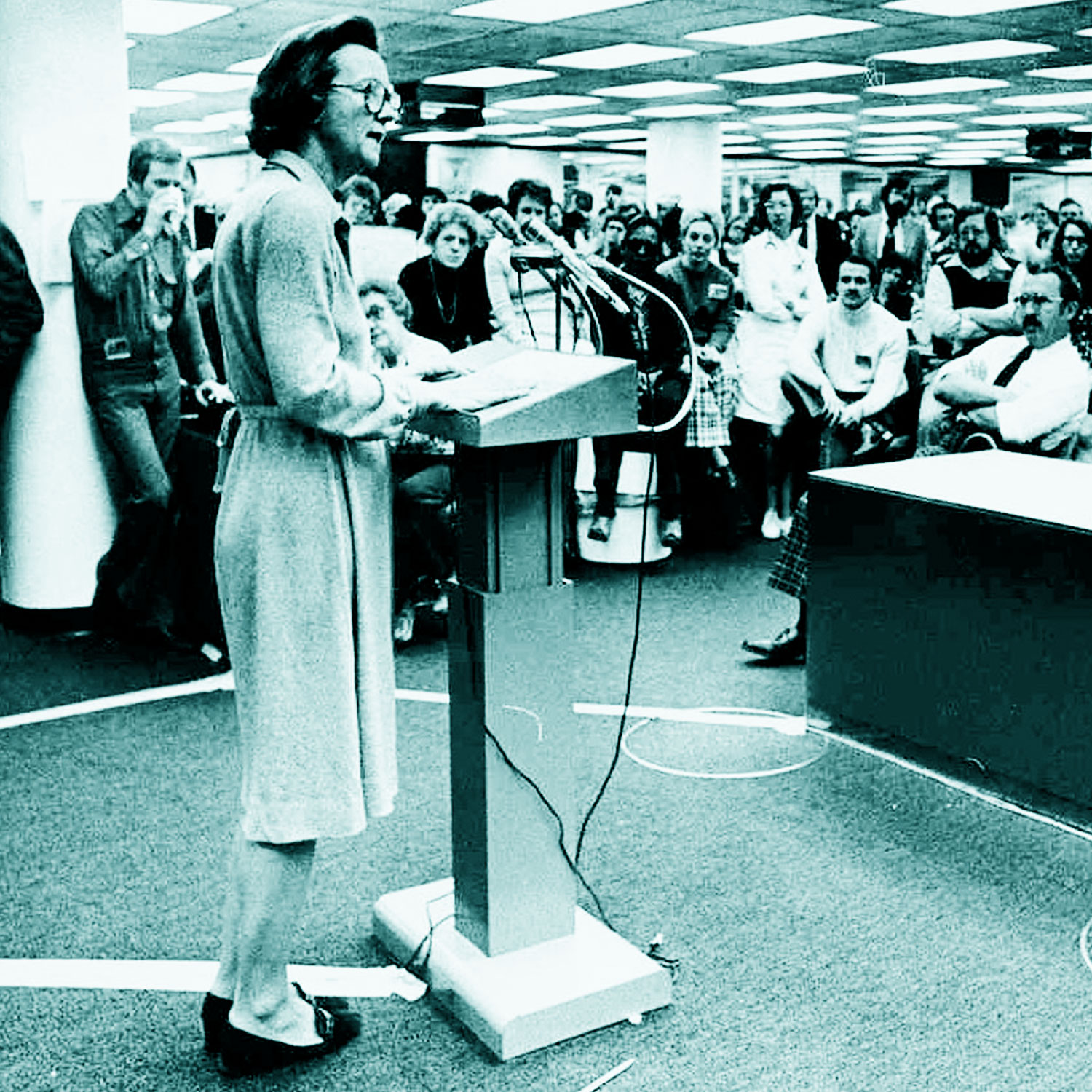
Mrs. Graham
Katherine Graham's leadership in the decision to release the Pentagon Papers was the subject of the Stephen Spielberg film "The Post." But it was her leadership during the pressman's strike in 1975 that is perhaps the most gripping moment of her life.
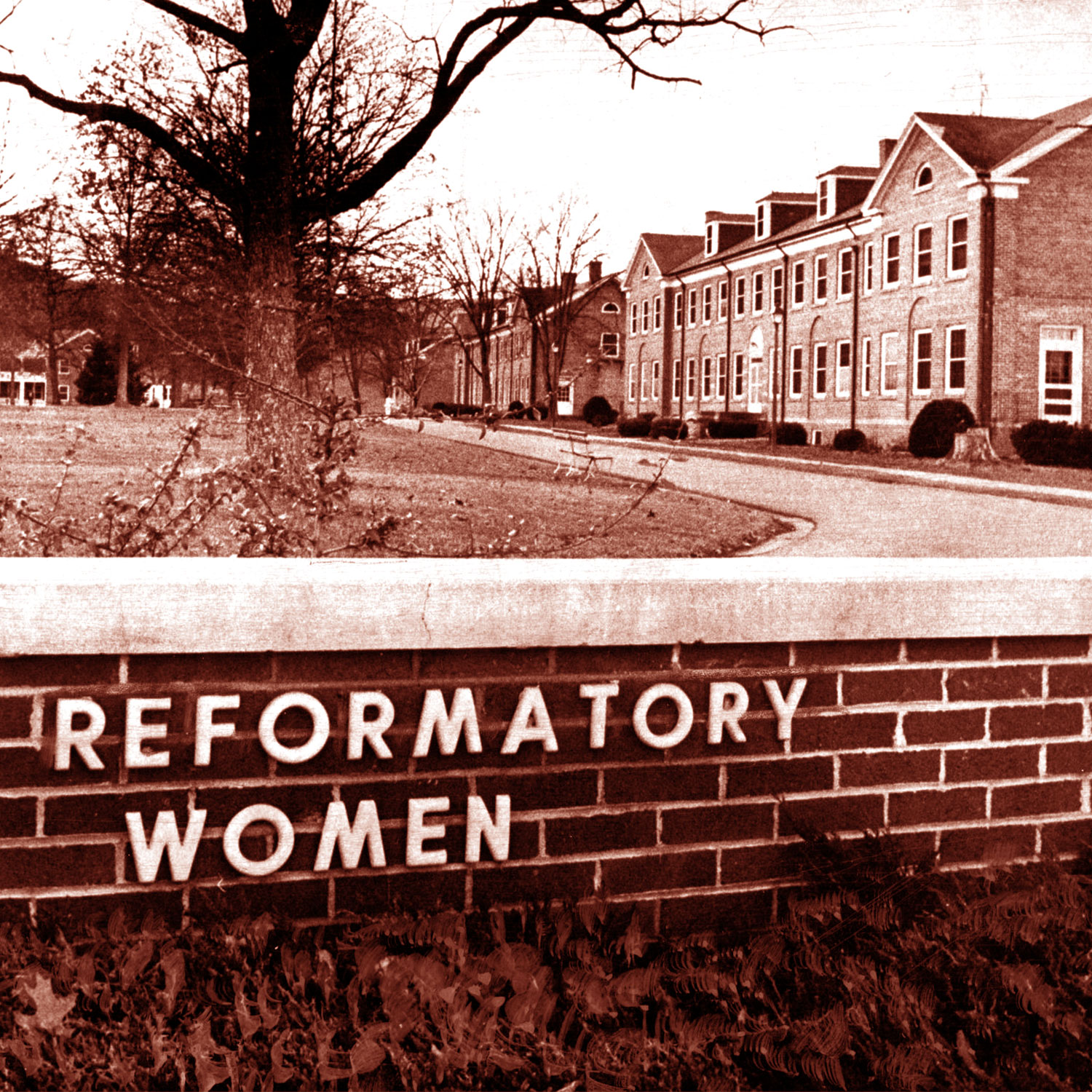
The storied past of Alderson federal women's prison
The Alderson Federal Prison Camp has a history filled with powerful women. Some pushed for the prison to be built. Others served time there.
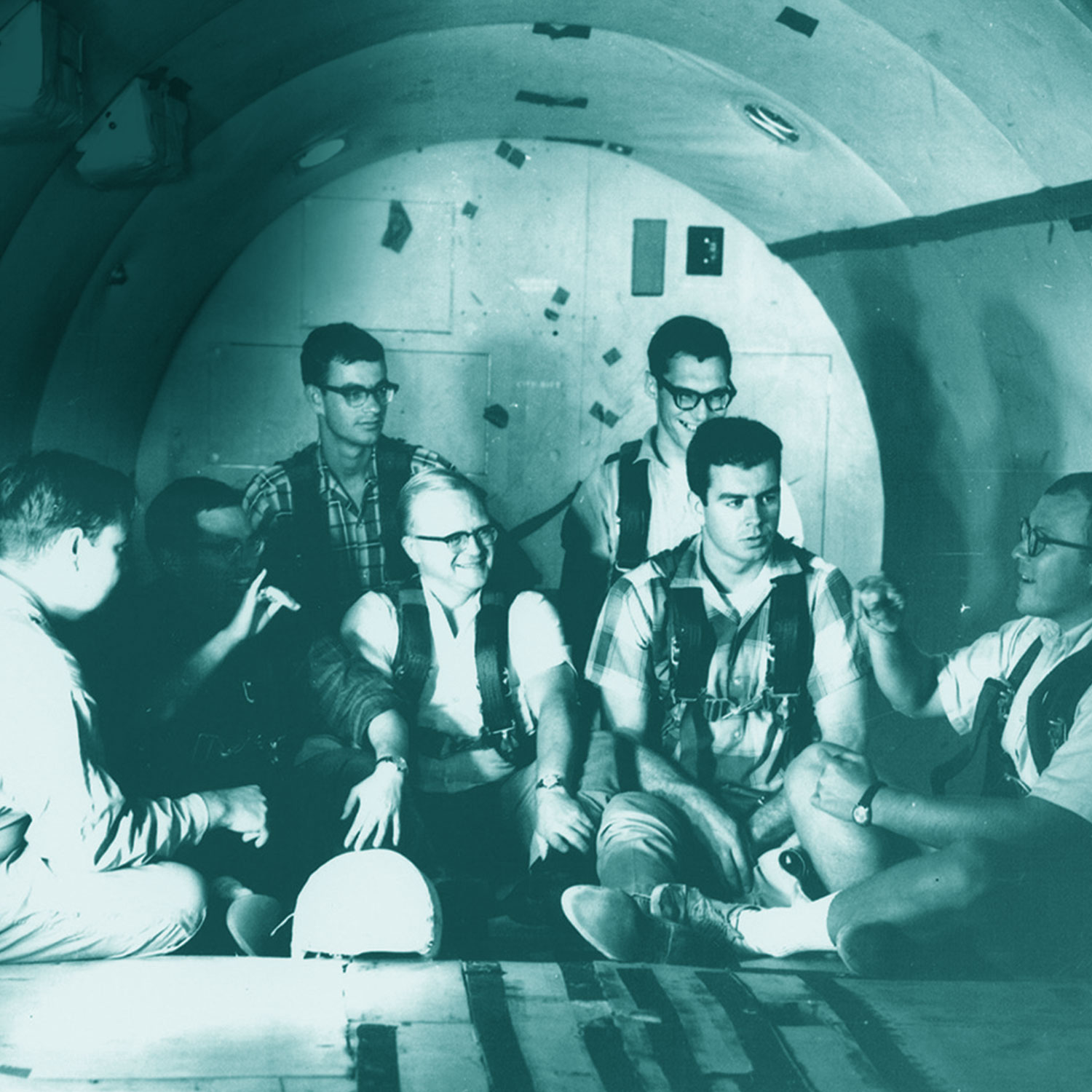
The deaf men who helped NASA send humans to space
In a largely forgotten experiment, a group of students from Gallaudet University spent years helping NASA understand the mechanisms of motion sickness and how to prevent it.
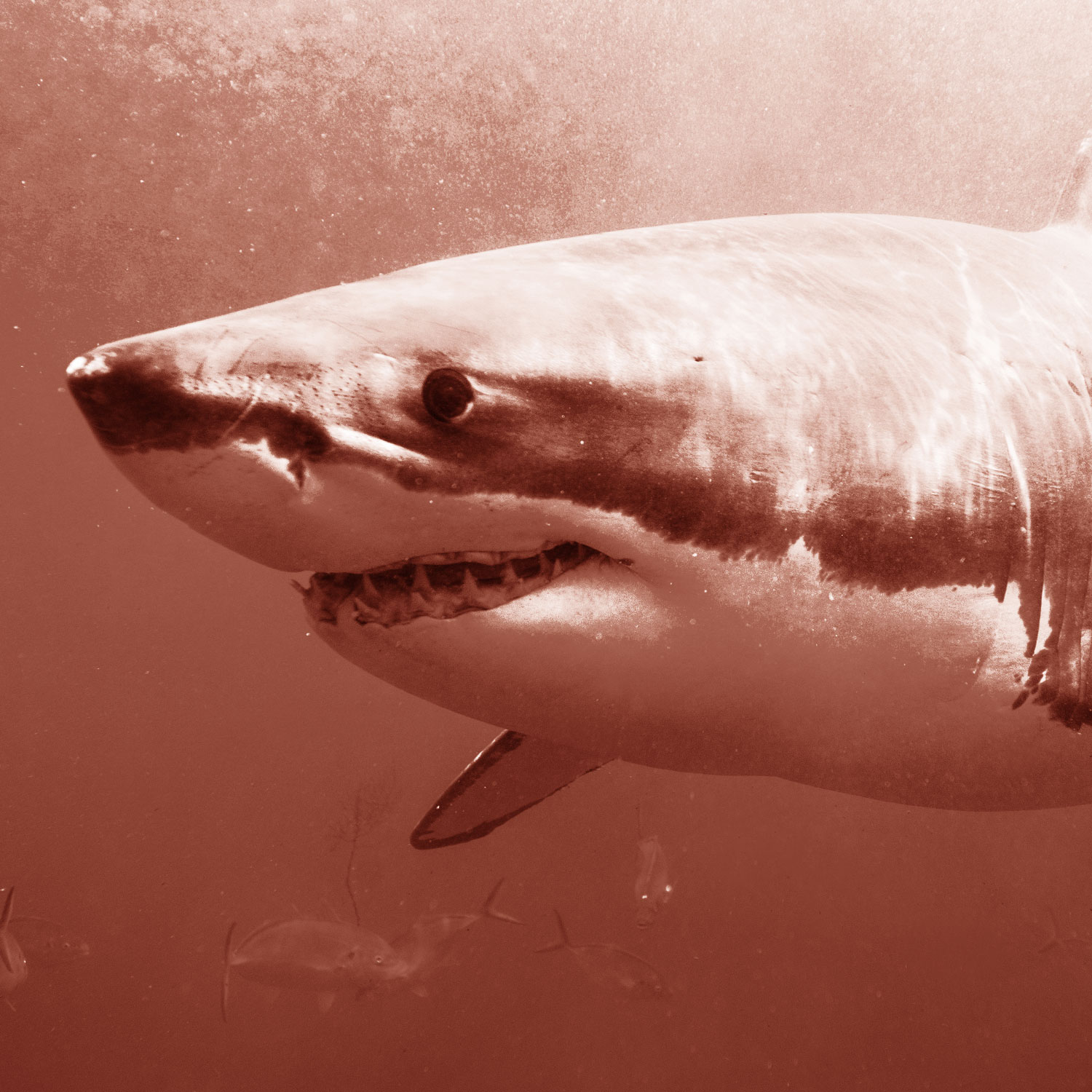
The first shark attacks
For most of American history, no one was scared of sharks. One week--and one shark--changed people's opinions of the marine creatures.
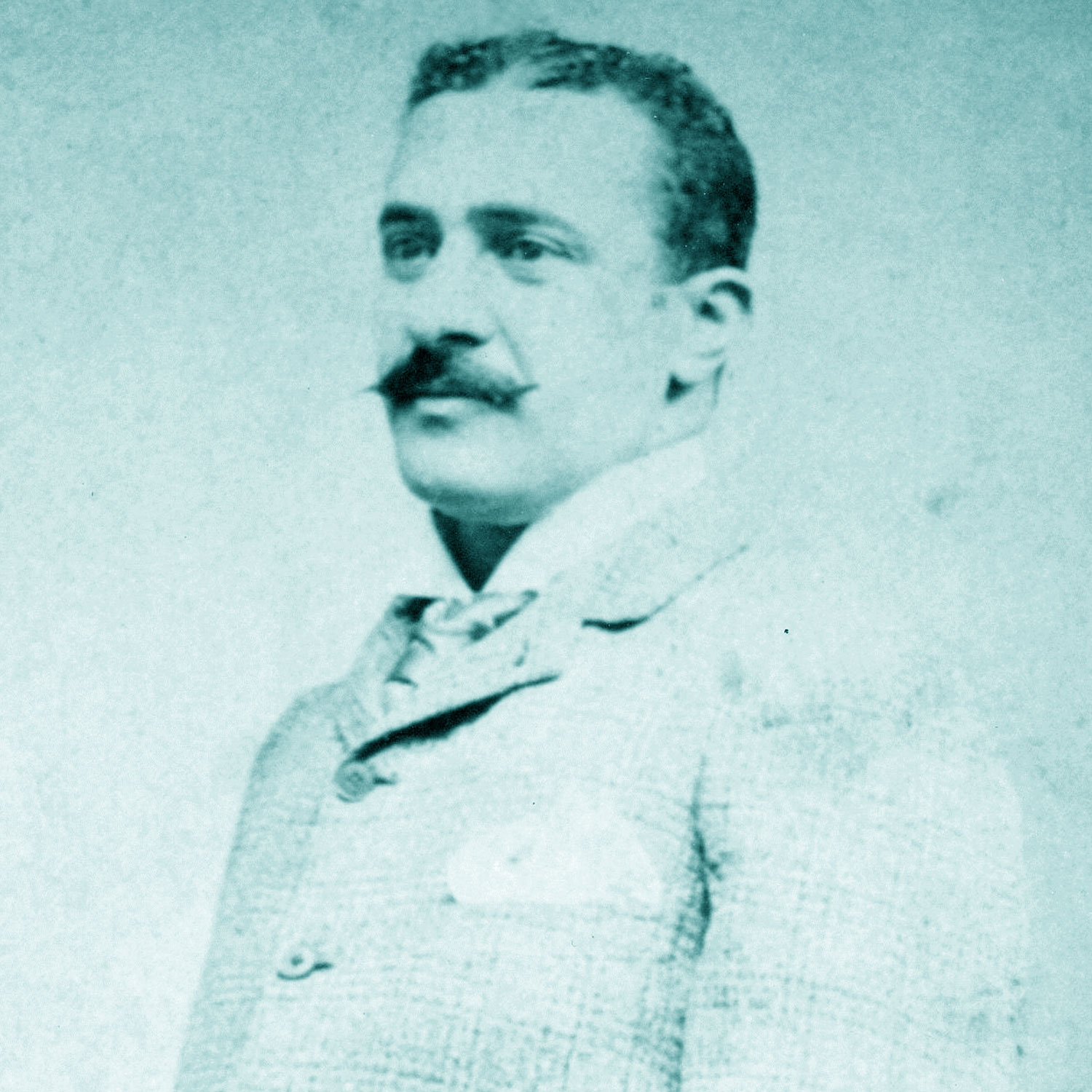
The oldest surviving banjo recording
Charles Asbury’s digitized songs serve as a time capsule to the music of the 19th century.
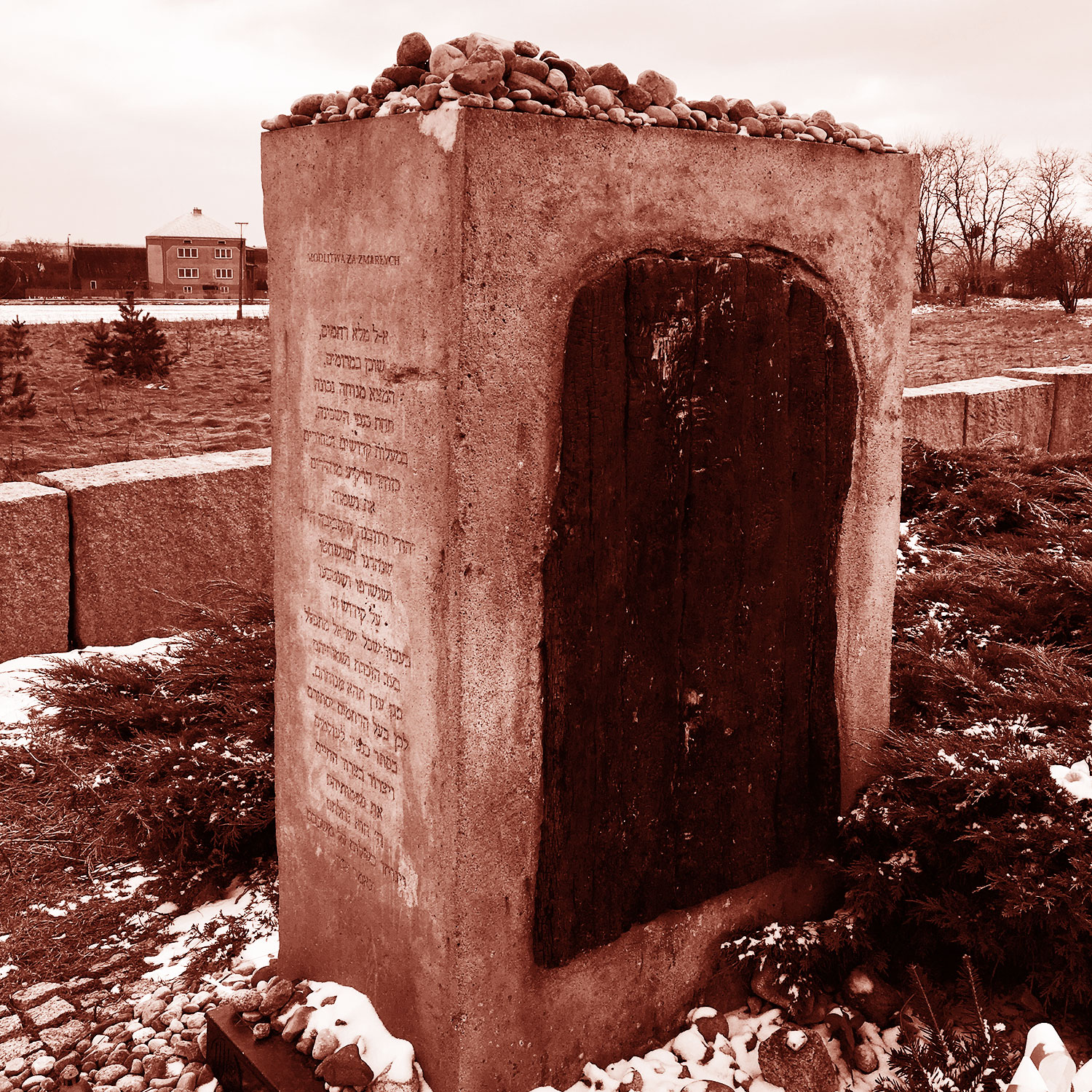
The Jedwabne massacre
Raw questions of complicity versus compulsion have surrounded the 1941 murders of a Polish village's Jewish residents.
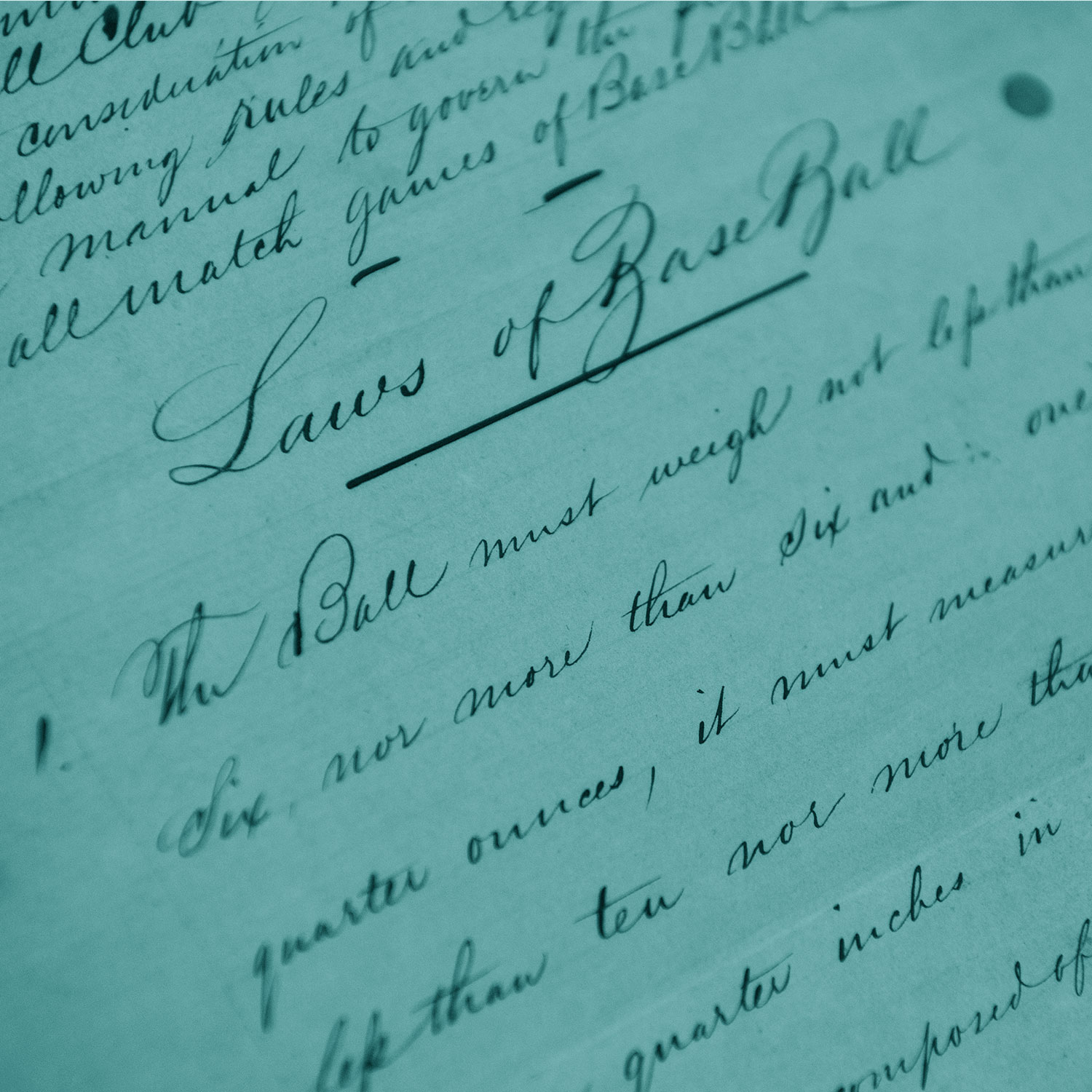
The long-lost 'Laws of Baseball'
On display in Washington, D.C. are the Declaration of Independence, the Constitution, and another document that details a fundamental institution in American life: baseball.
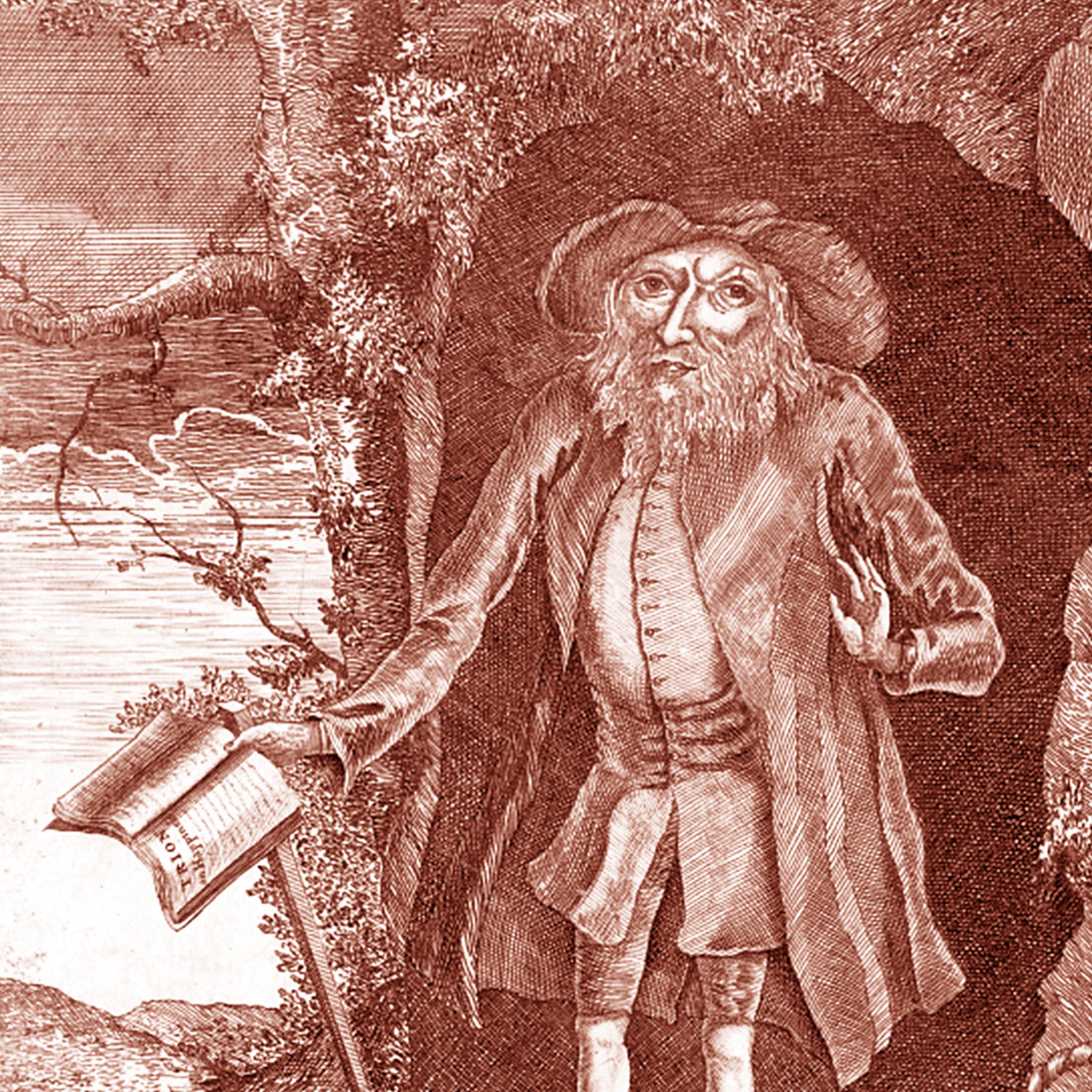
The Quaker abolitionist who was disowned for condemning slave owners
Benjamin Lay wrote one of the first treatises against slavery in Colonial America, a time when many prosperous Pennsylvania Quakers were slave owners. But the Quakers disowned Lay for speaking out.
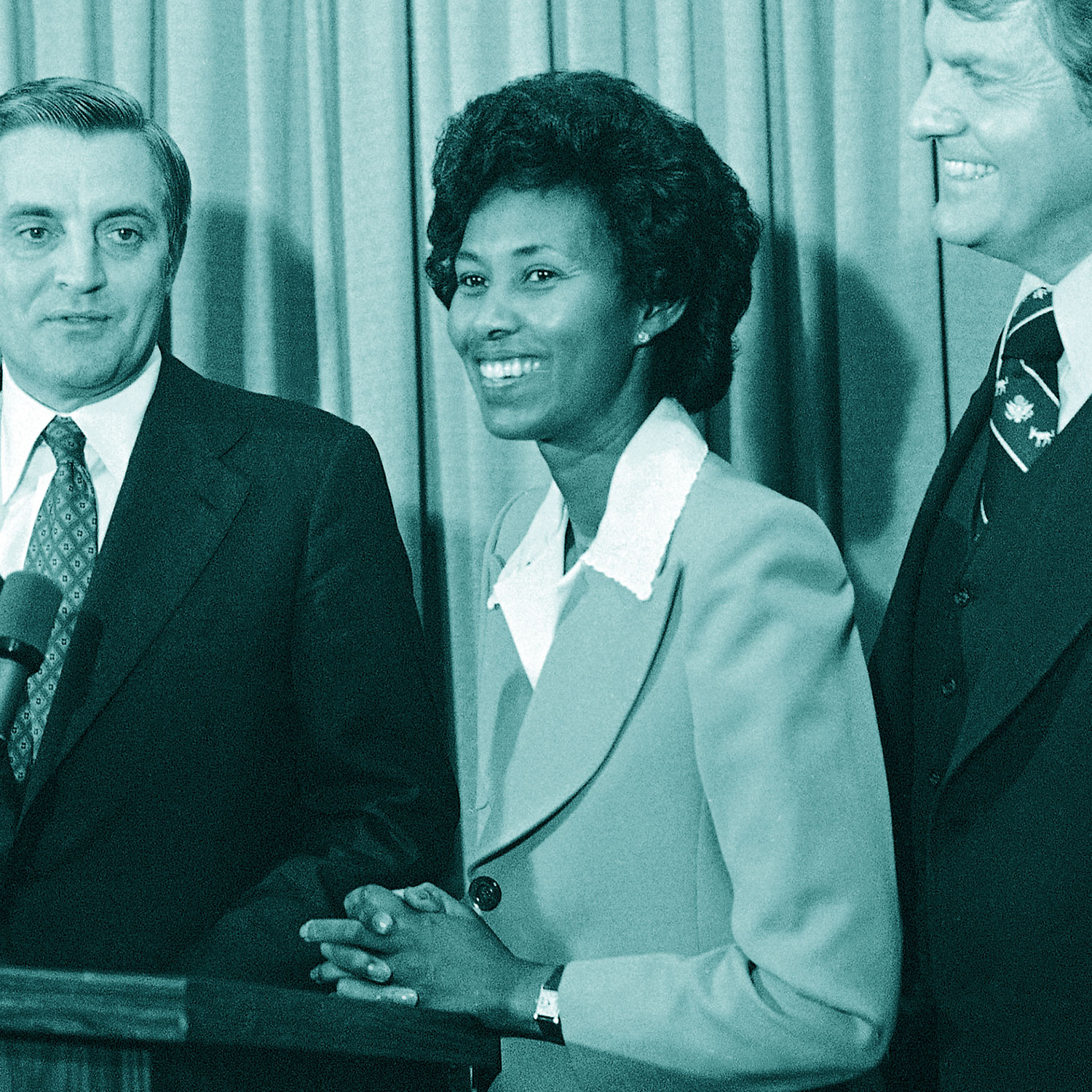
Meet Yvonne Burke, the first congresswoman to give birth in office
Sixty years after Congress welcomed its first woman, it welcomed its first baby.
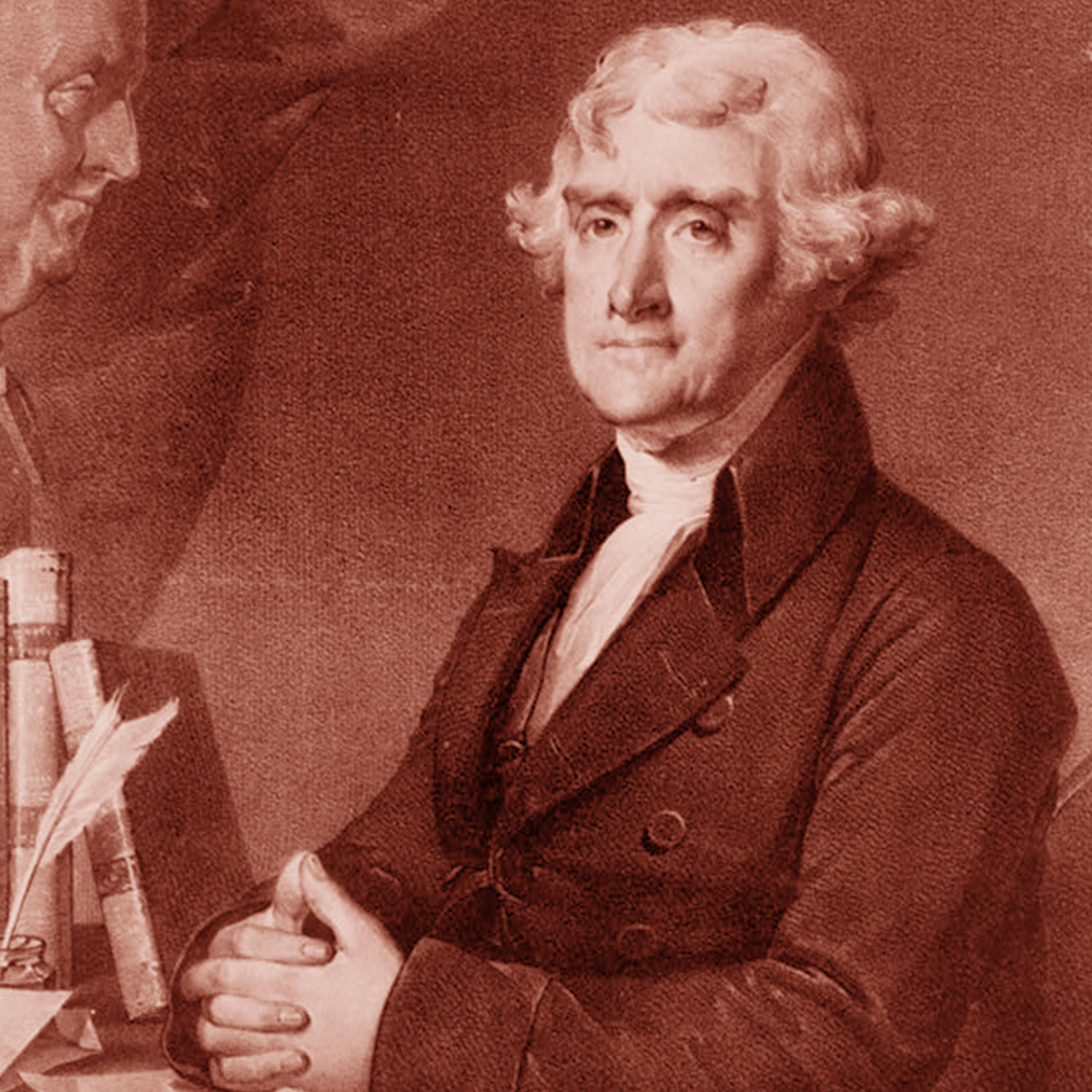
Thomas Jefferson's last letter
Somehow, in the depths of his personal misery towards the end of his life, Thomas Jefferson once again found his powerful way with words.
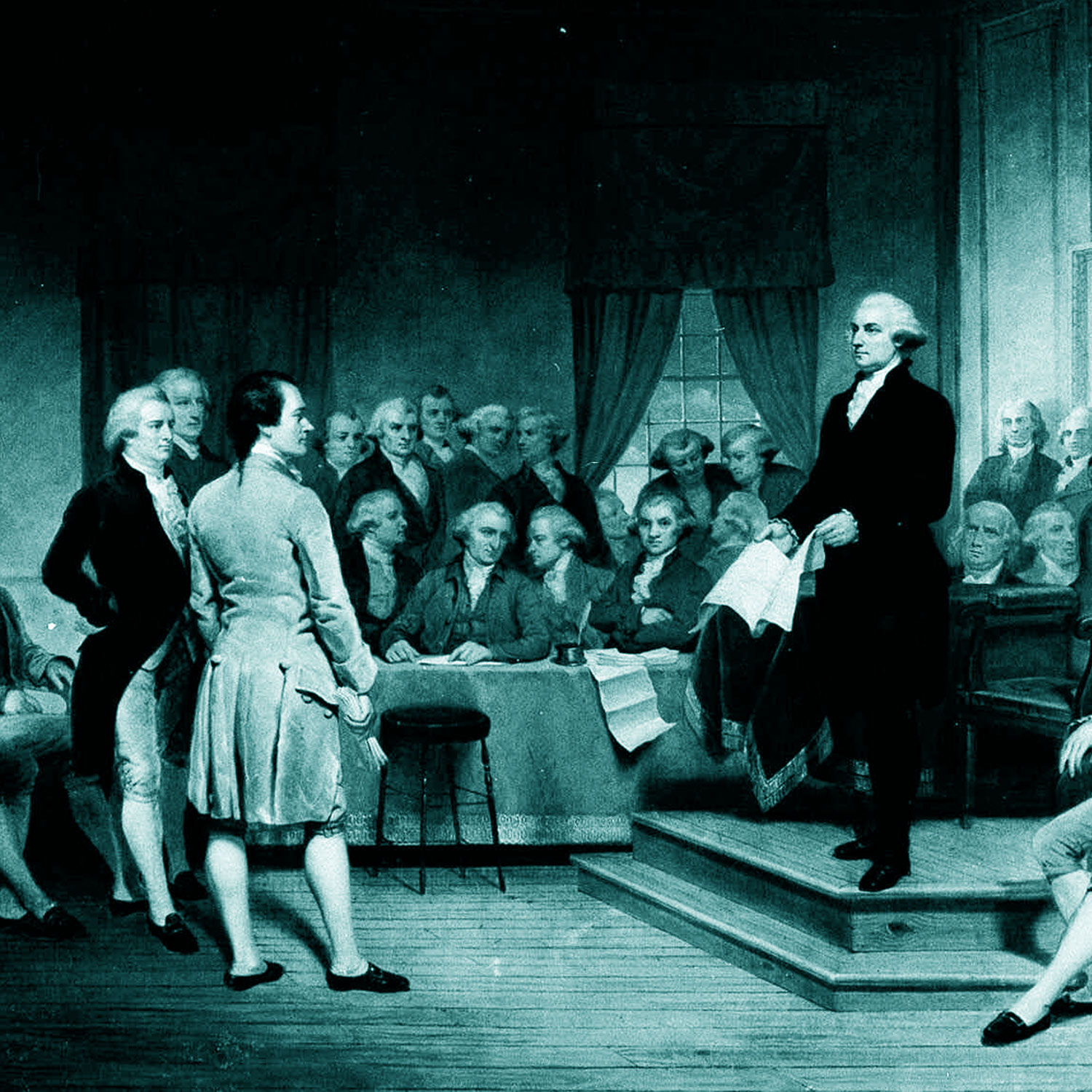
The epic bender that launched America
George Washington and his fellow partiers racked up a hefty bill--$15,000 in today’s currency--celebrating the completion of the Constitution.
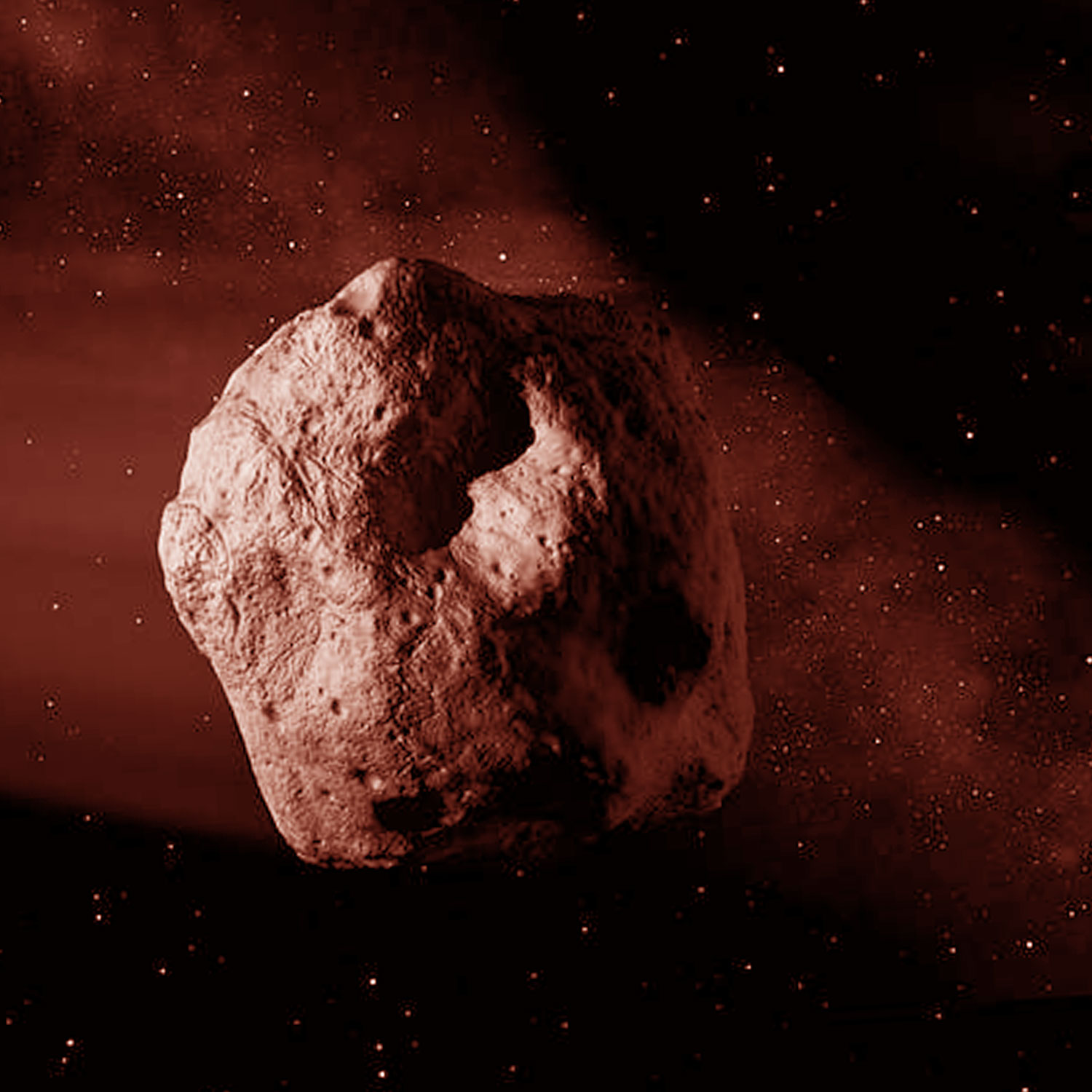
The time we thought an asteroid might kill us all
In 1998, the world briefly panicked over an asteroid that seemed headed straight for Earth.

Suzanne Lenglen, the first goddess of tennis
Suzanne Lenglen was physically ferocious, always fashionable and a disrupter of convention.
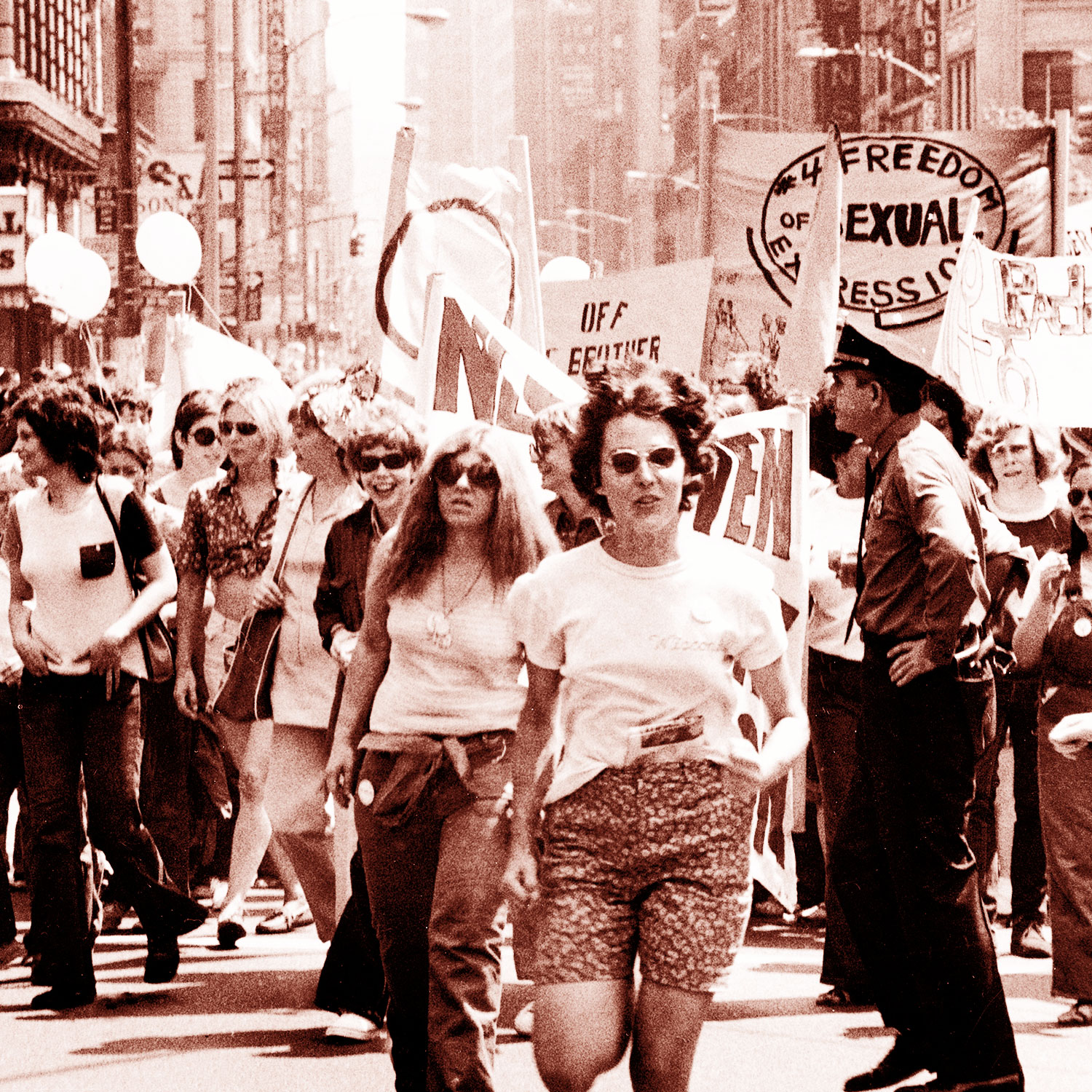
The first pride parade
The very first pride parade was held in 1964 and was a bit calmer than what we think of today.
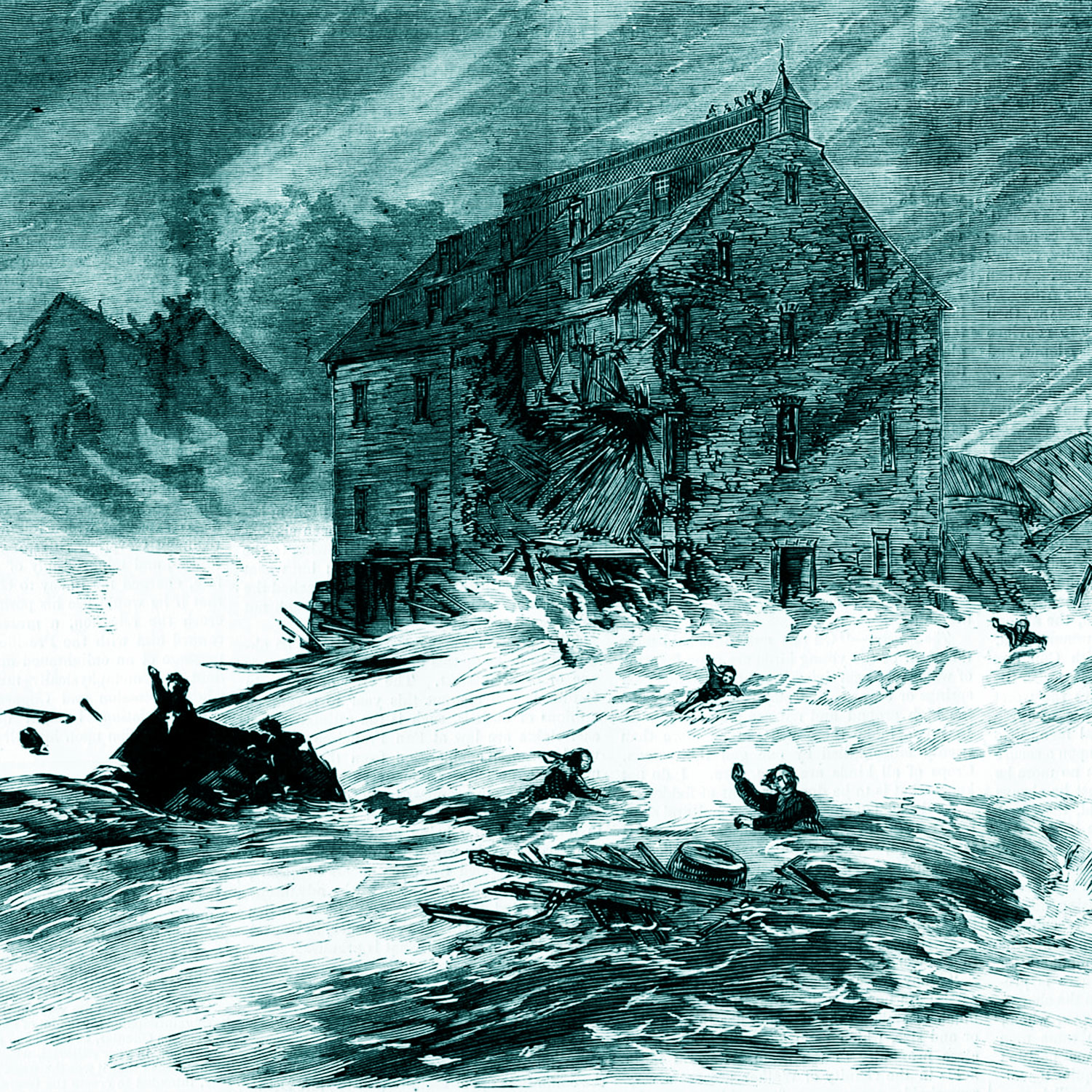
The rainless flood that destroyed a city
In 1868, Ellicott City, Md. flooded. The lack of rain made the natural disaster totally bizarre and unexpected.
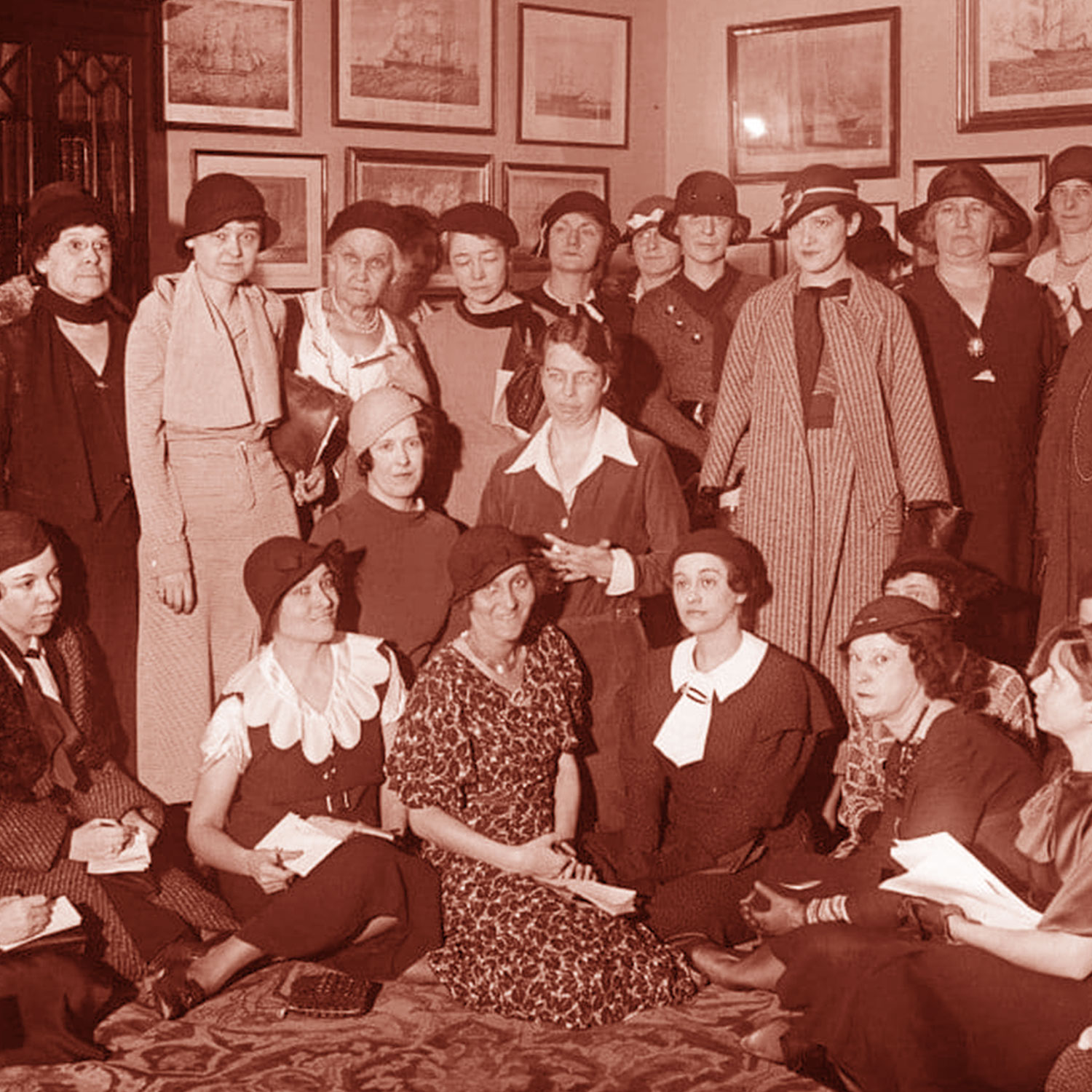
How Eleanor Roosevelt invented the modern idea of a first lady
Eleanor Roosevelt held news conferences just for female reporters. The men were not impressed.
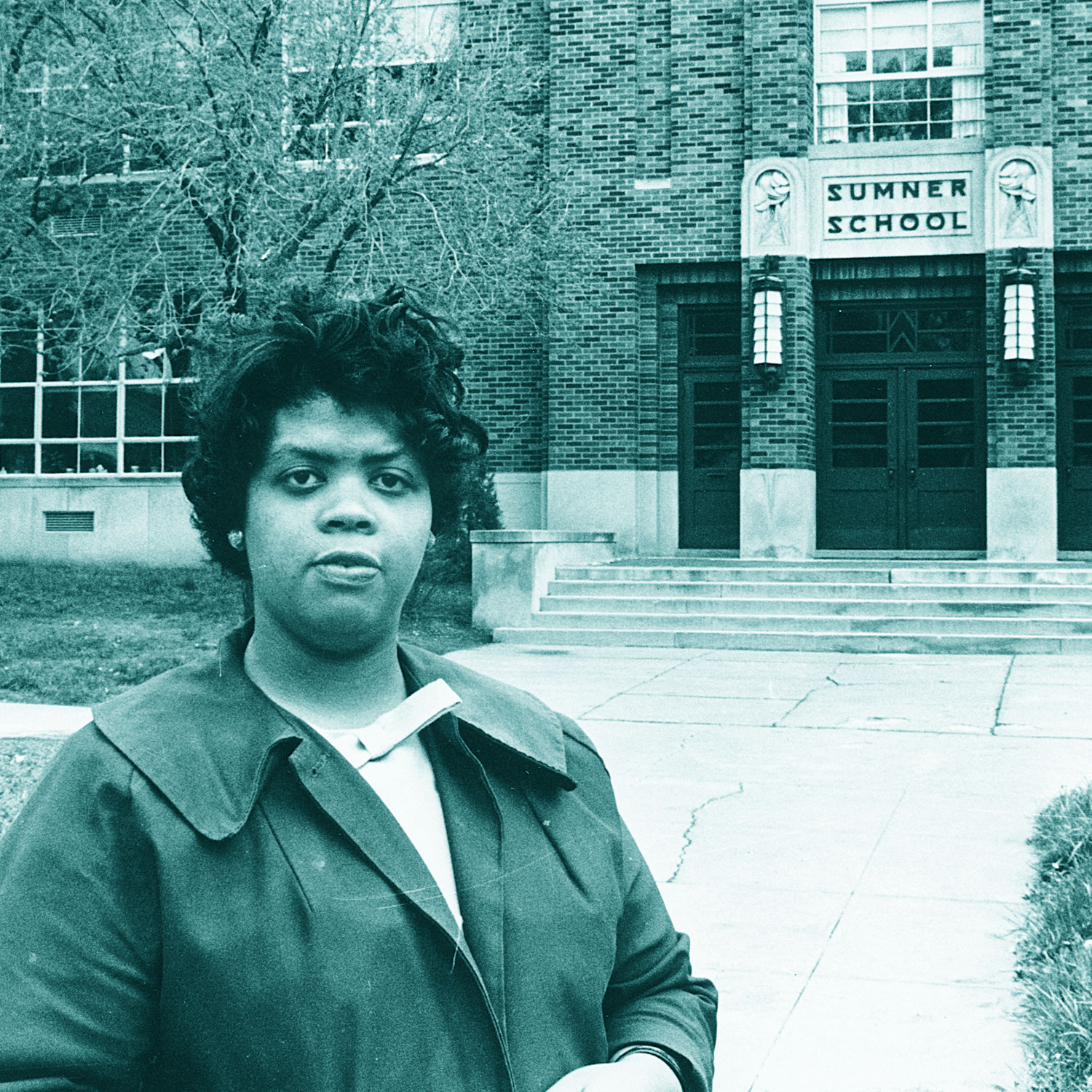
The complicated story of Linda Brown and the fight for desegregated schools
Linda Brown and her father Oliver Brown are heroes of the civil rights movement. The backstory of the landmark Supreme Court case Brown v. Board of Education is more complicated than what you learned in school.
The origins of the National Rifle Association
When the NRA was founded in 1871, its primary concern was not gun rights or the Second Amendment.

How a textile shortage led to the invention of the bikini
Designer Louis Réard left automotive engineering to work in his mother’s lingerie business. He decided to compete with another design to create the world’s smallest swimsuit.
The man who won World War II
Andrew Higgins wasn't in the Army. He wasn't a paratrooper. He was a wild and wily genius, a tough, crafty, businessman. And he built the built the boats that brought troops ashore at Normandy on June 6, 1944.
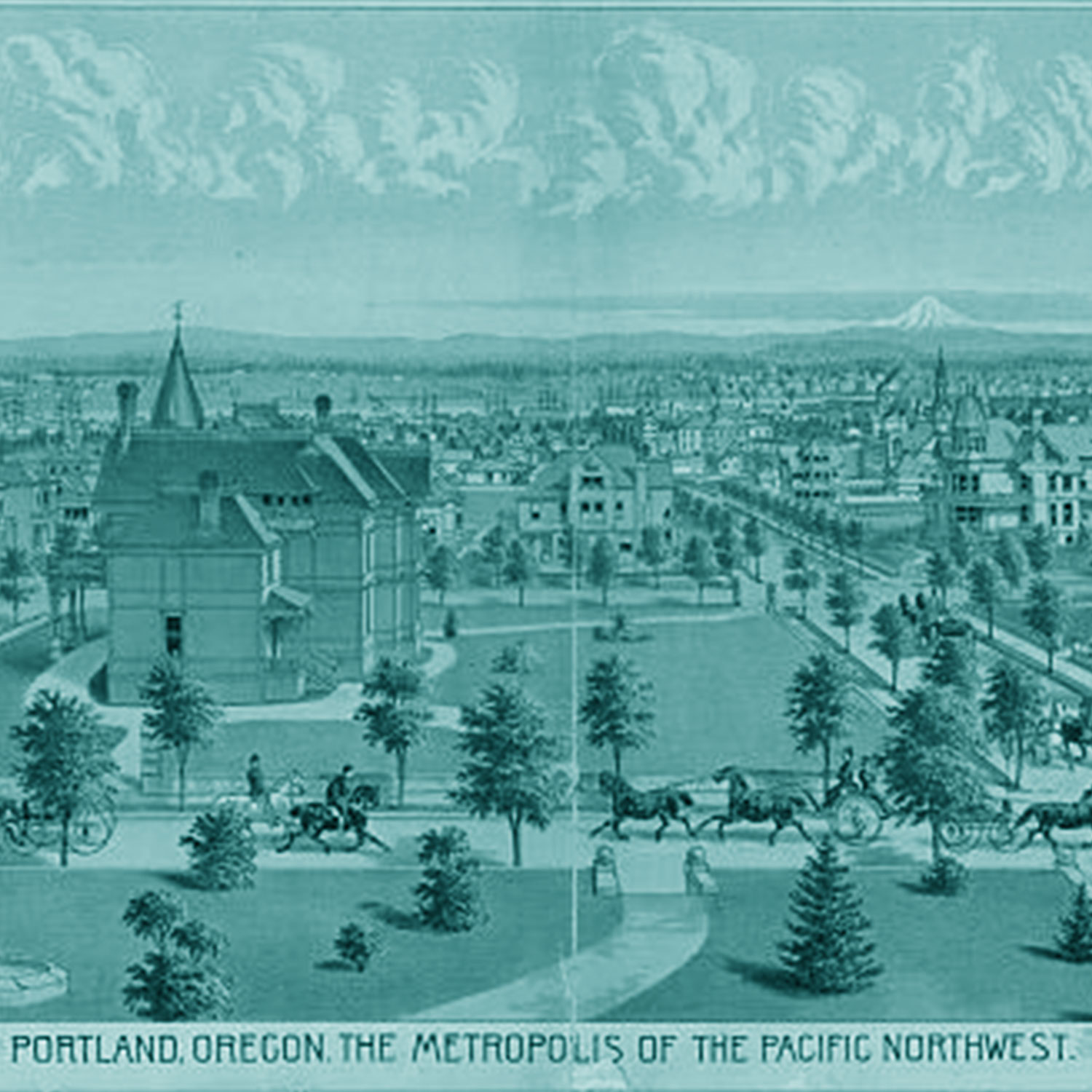
Oregon was America’s first and only state to begin as 'whites-only'
Oregon’s original constitution banned black people from the state, and the law stayed in the constitution for well over 100 years.
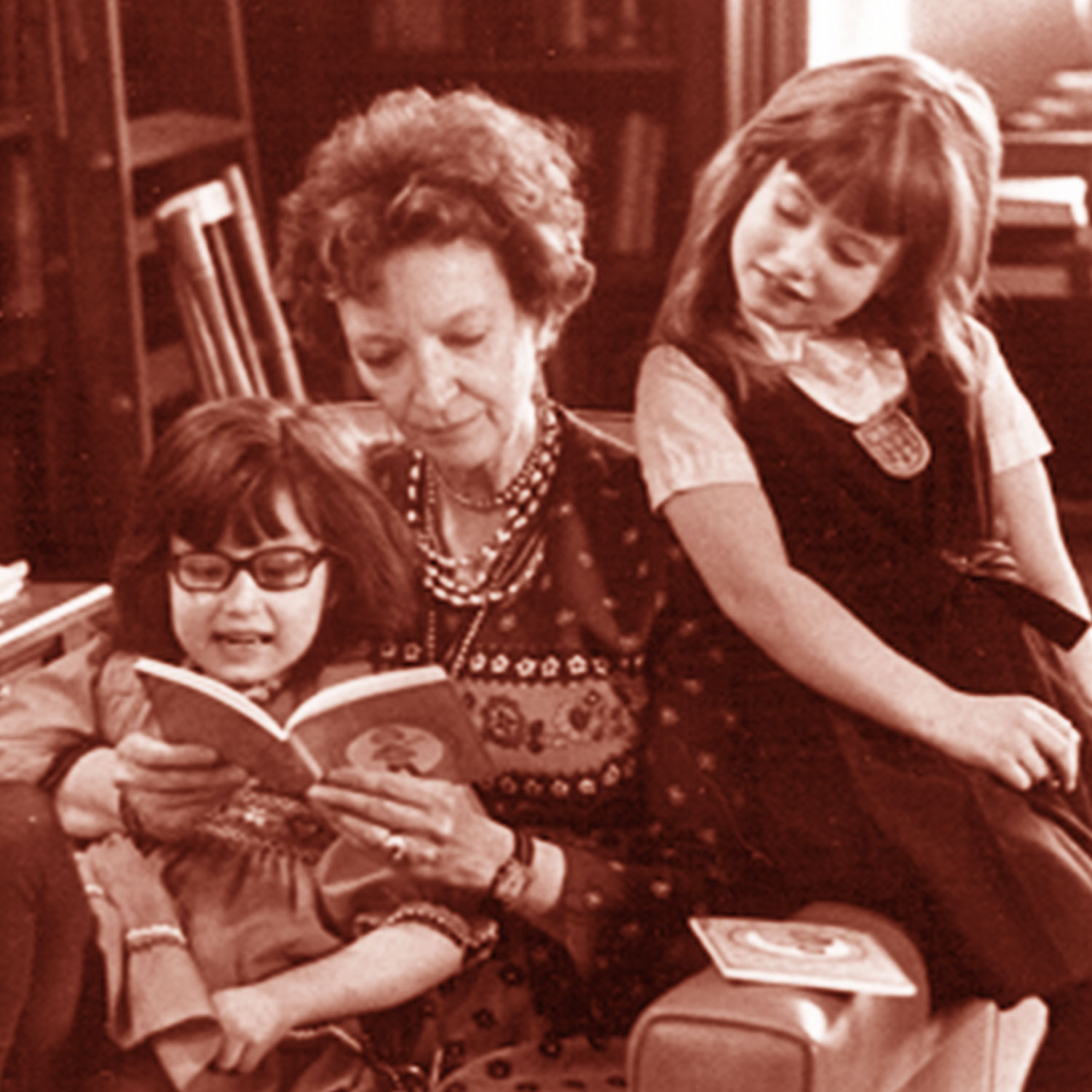
Publishers hated ‘A Wrinkle in Time,' and Madeleine L'Engle never forgot the rejections
'A Wrinkle in Time' author Madeleine L'Engle said she received 26 rejection letters from publishers.
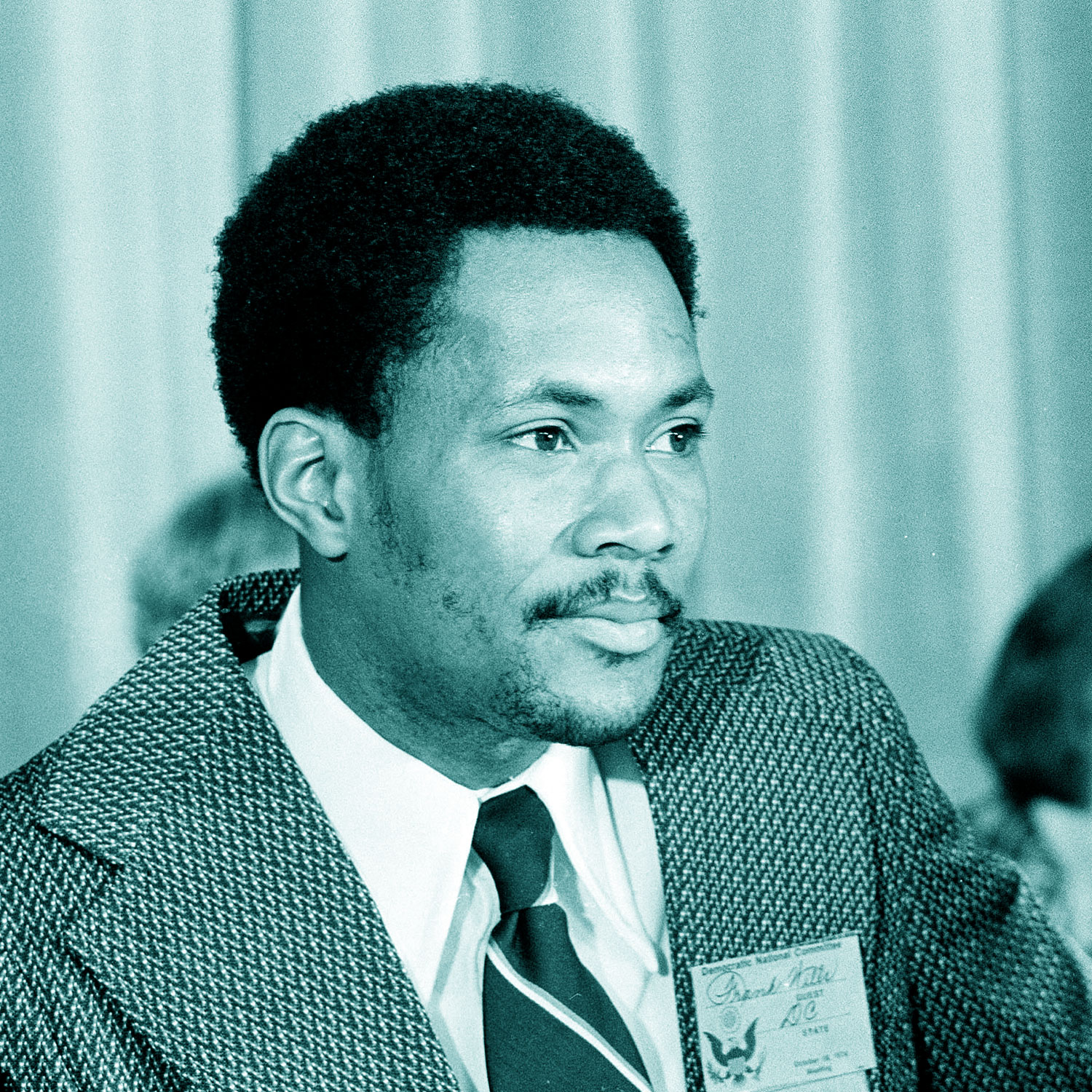
This security guard discovered the Watergate break-in, but nobody remembers him
The man who called the police on the Watergate burglars never received the credit he deserved.
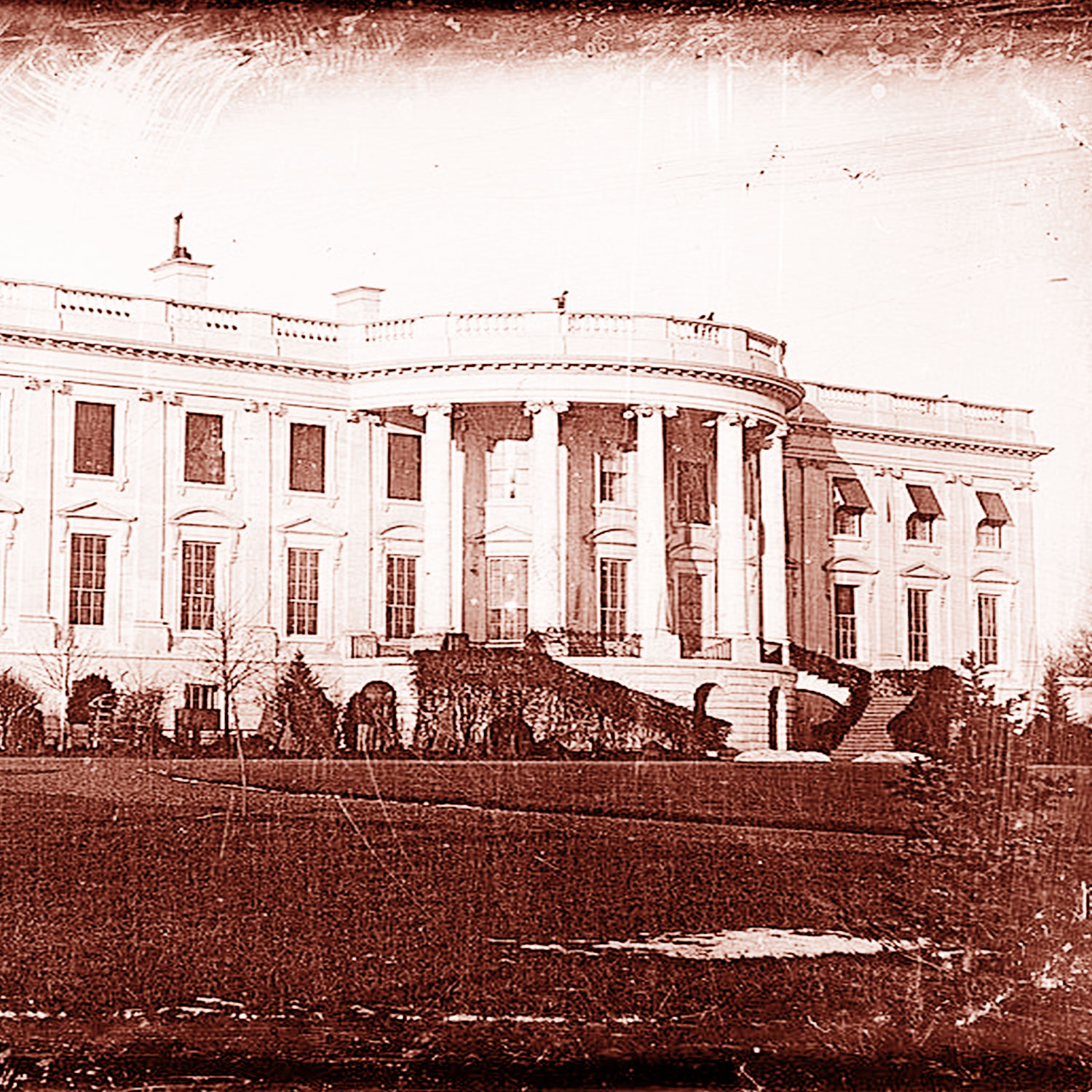
A history of extreme makeovers at 1600 Pennsylvania Avenue
When the White House was built over 200 years ago, it lacked certain modern conveniences. A hodgepodge of improvements have been added over the years.
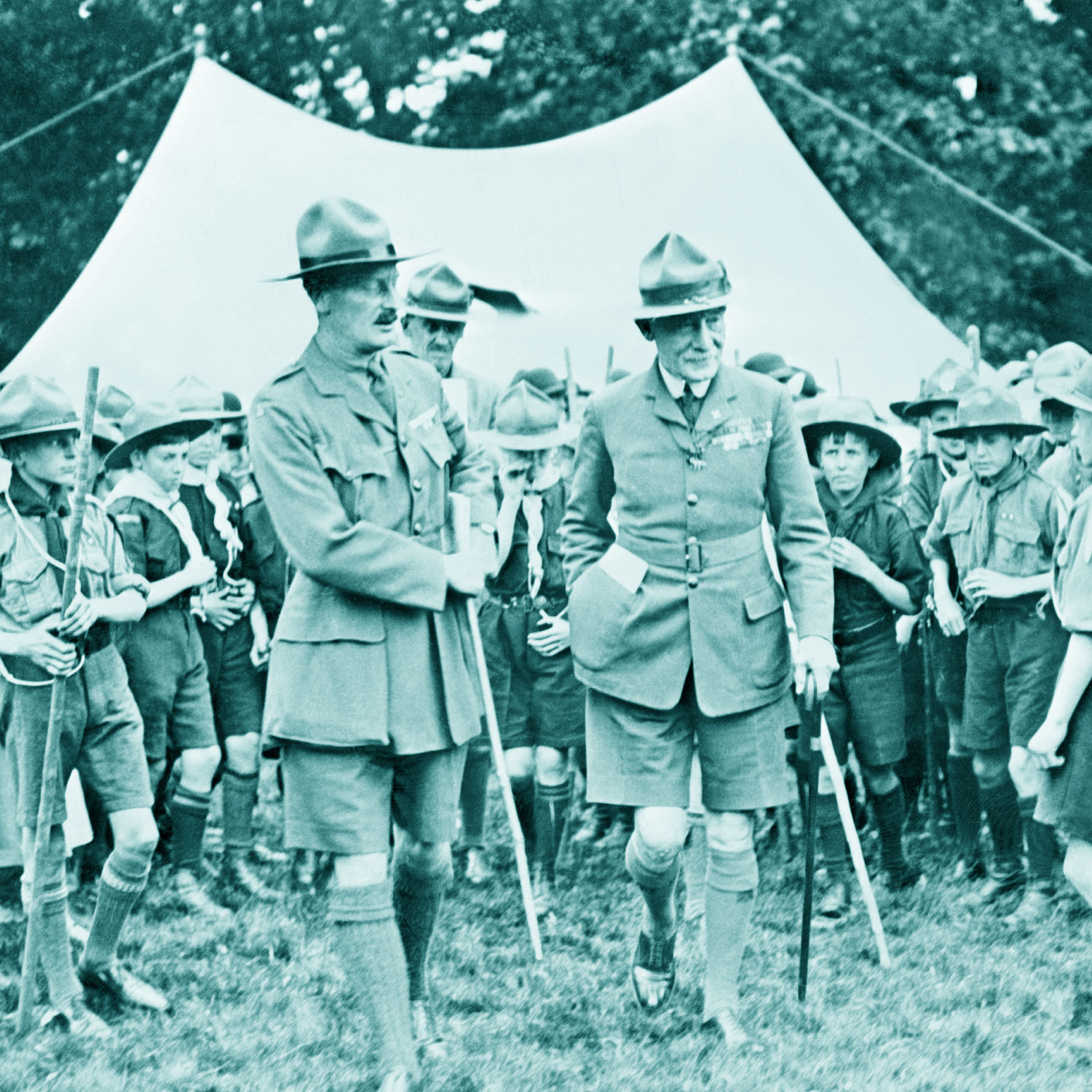
The unlikely start of the Boy Scout movement
The Boy Scout movement began 110 years ago on a tiny island just off the southern coast of England.
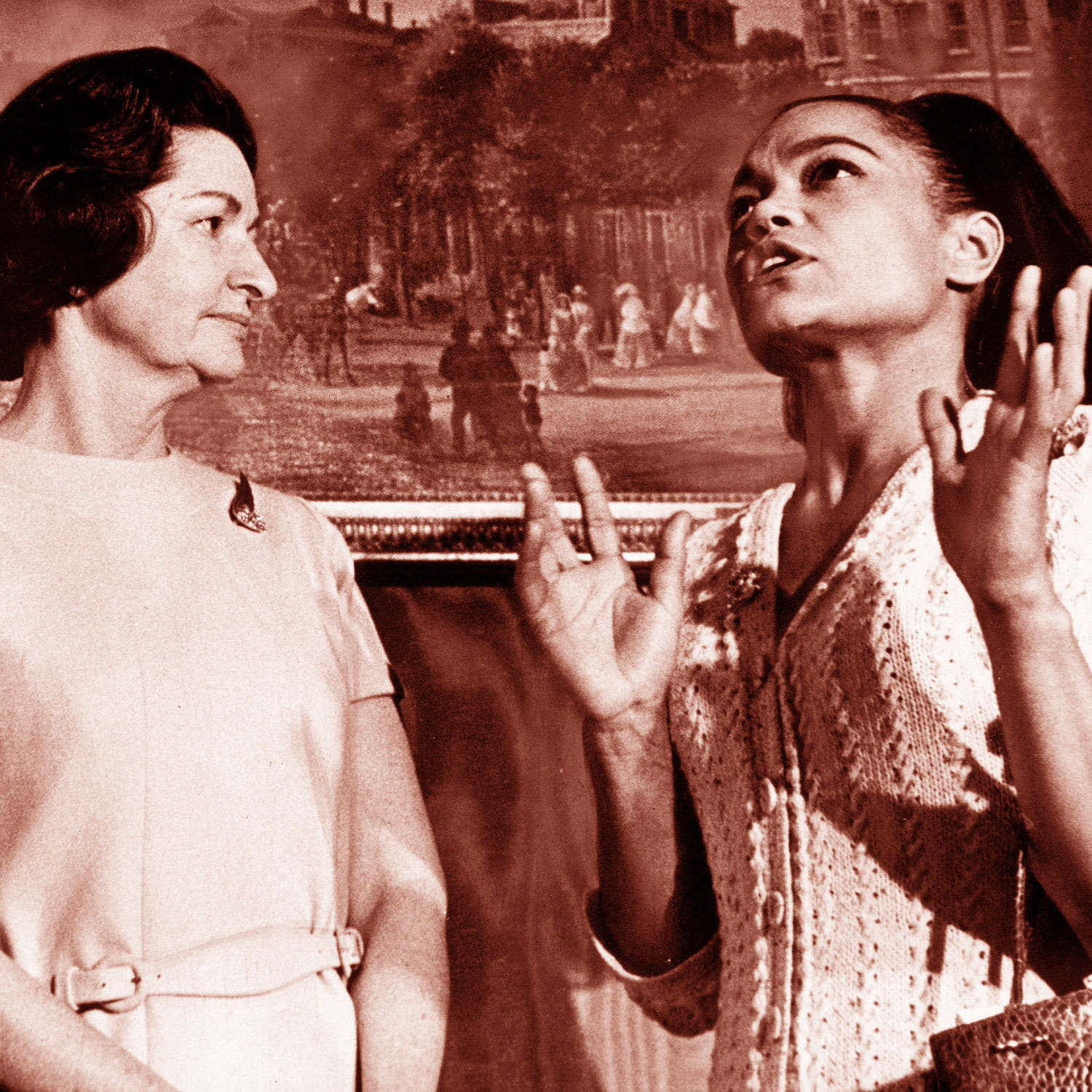
Eartha Kitt confronted the first lady and it nearly ruined her career
At a White House luncheon, actress Eartha Kitt would not let the president or the first lady avoid the issue of the Vietnam War. She paid a heavy price for her boldness.
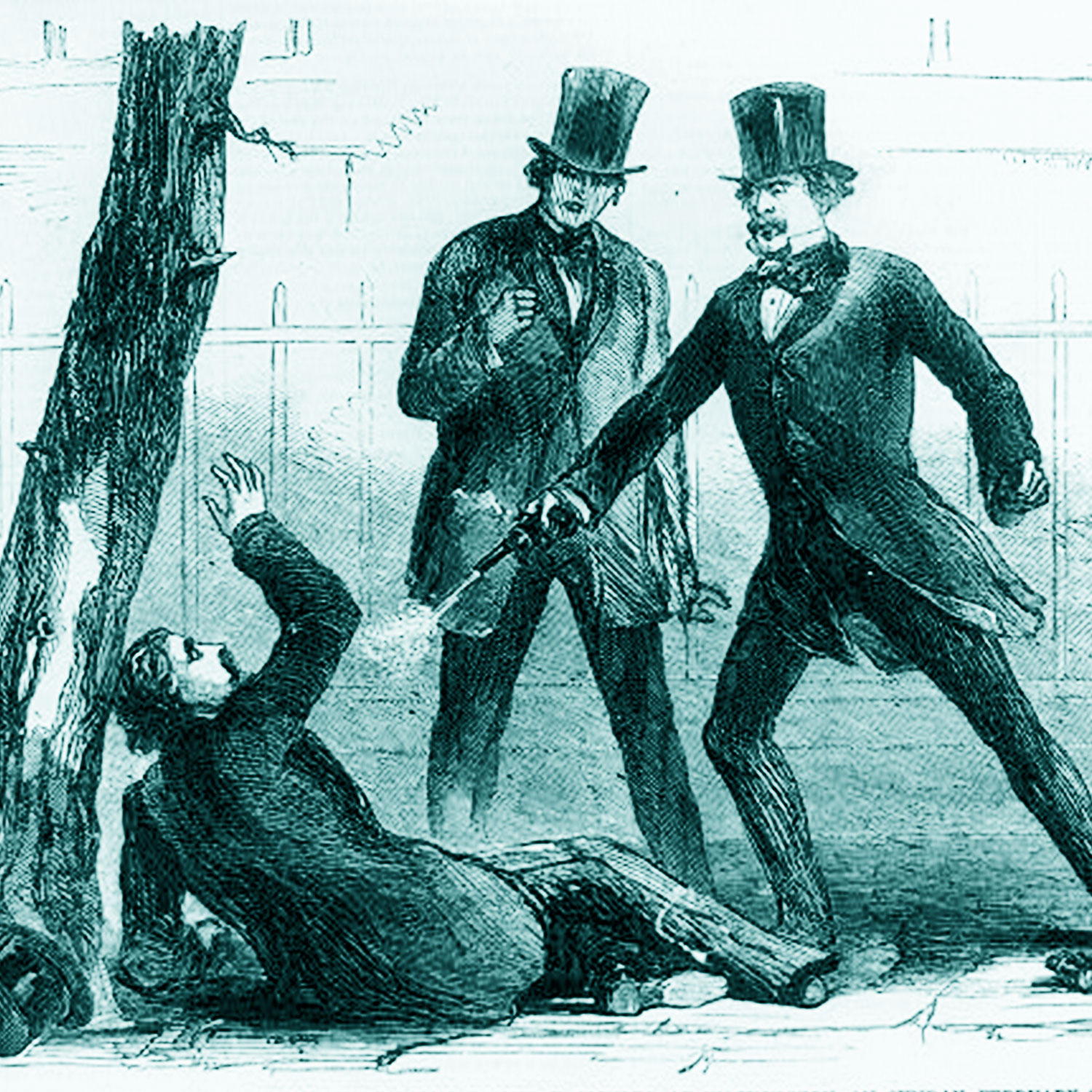
The 'temporary insanity' legal defense started with an affair
If you love gossip, drama and D.C. politics -- this story is the gift that keeps on giving.
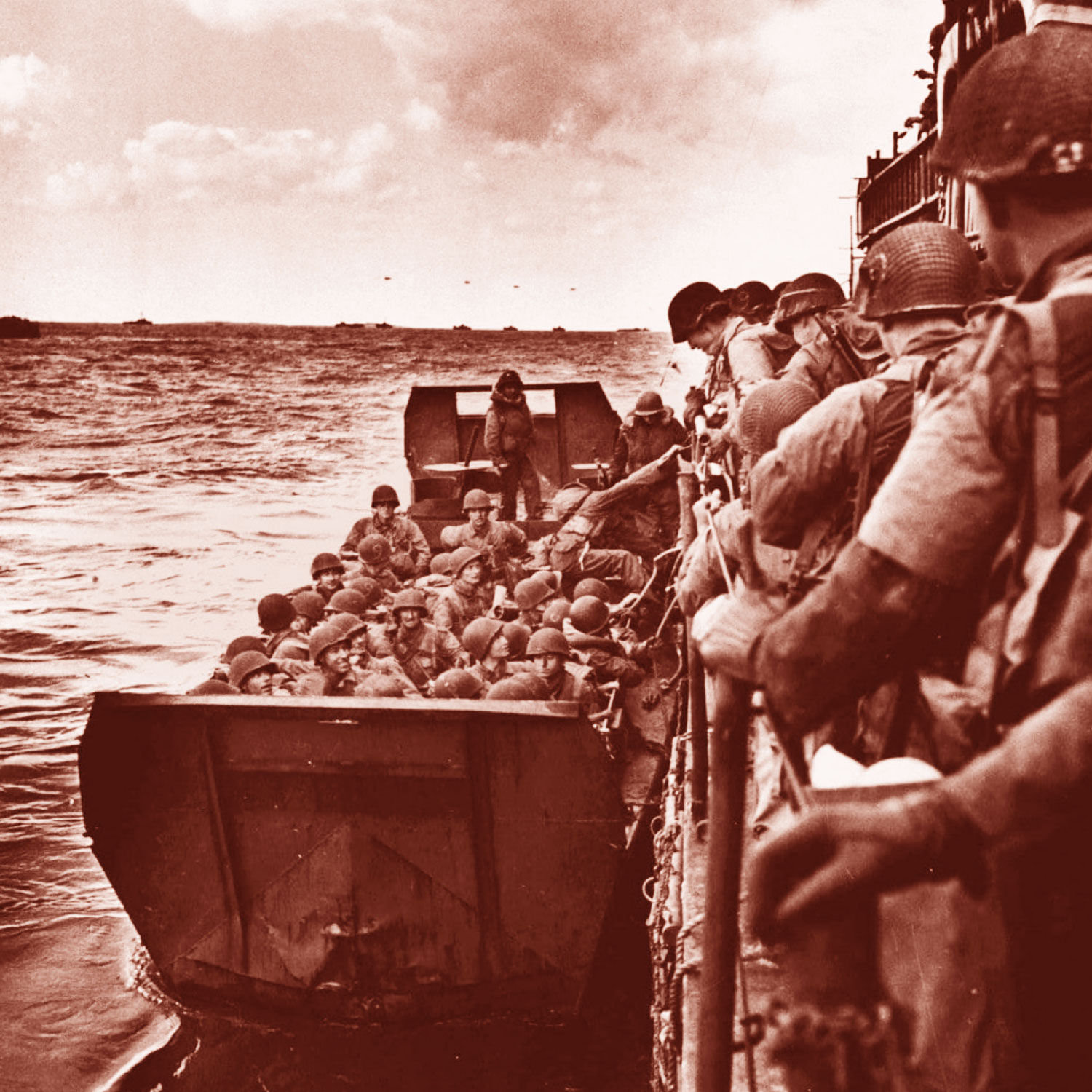
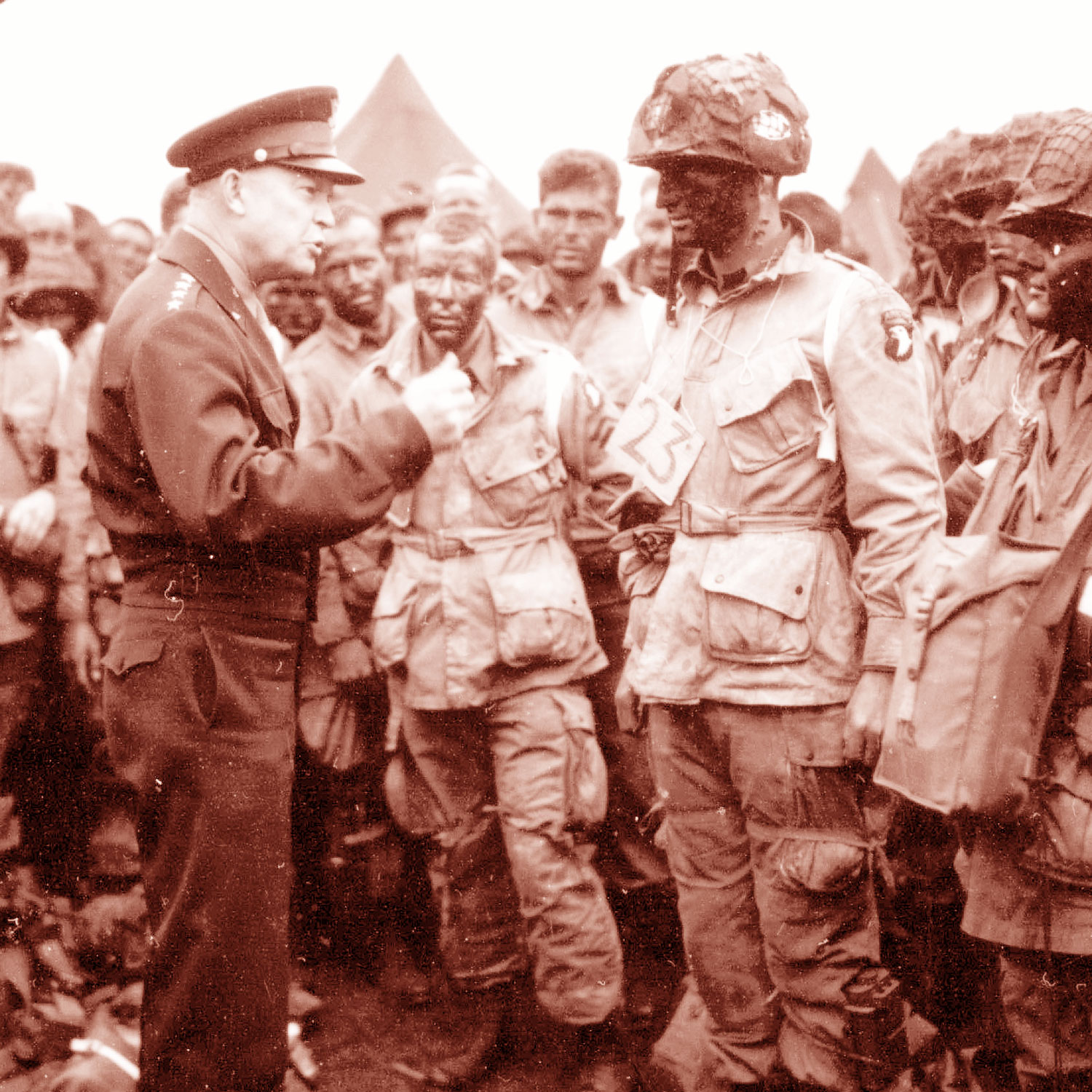
Eisenhower’s famous speech to U.S. troops the day before D-Day
On the day before D-Day, Supreme Allied Commander in Europe Dwight D. Eisenhower gave a speech to the troops that totally masked how nervous he actually was.
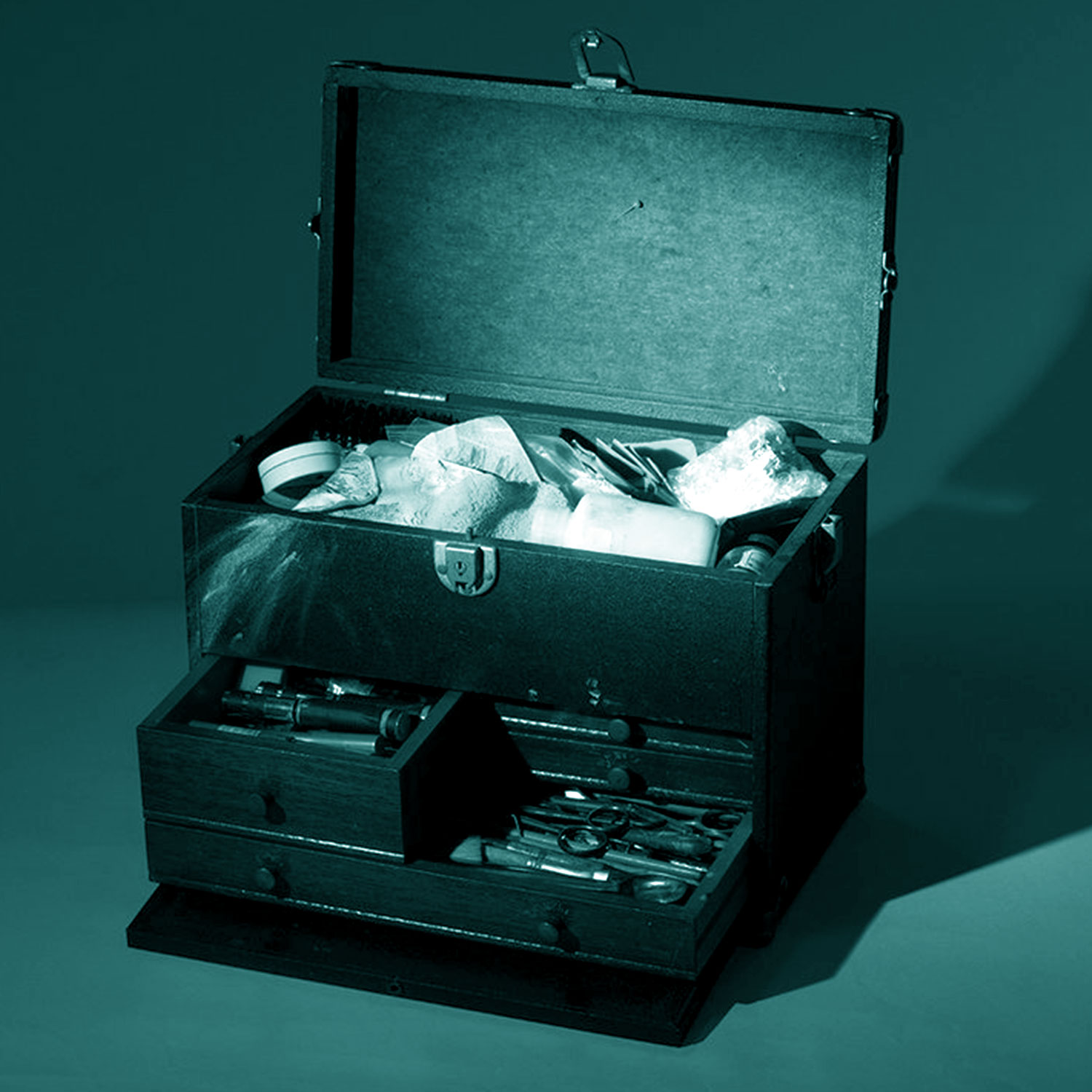
The painter who became the CIA’s master of disguise
The spy business is all about masking the truth. One CIA agent’s deceptions and sham identities were so enterprising that he earned the nickname “Master of Disguise."Related episodesThe rat that helped win the Cold WarThe pistols that almost fell from the sky The pistols that almost fell from the sky That time the CIA stole a Russian submarine The ax that killed Leon Trotsky
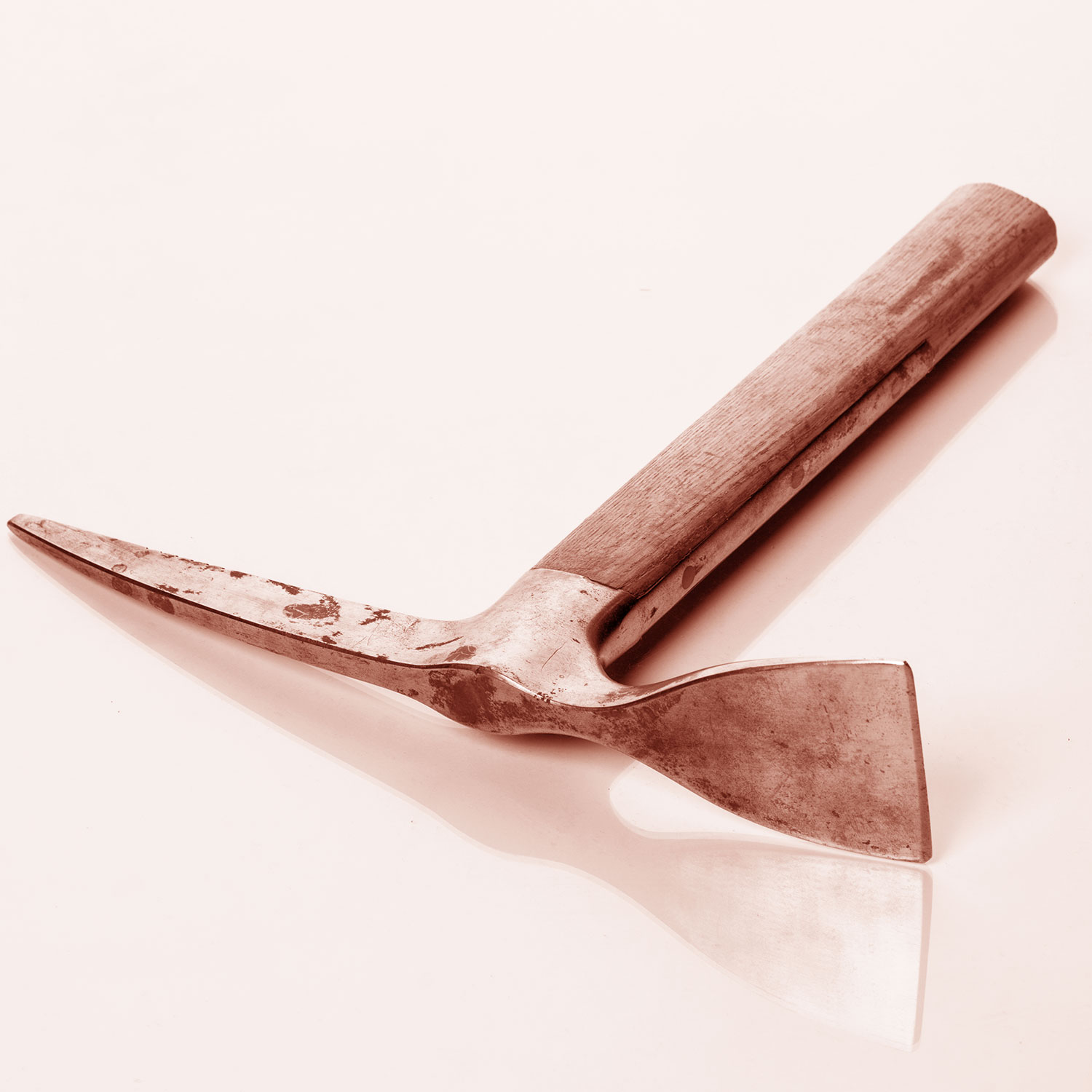
The ax that killed Leon Trotsky
Joseph Stalin wanted his political rival dead. When bullets didn’t do the job, his intelligence service tried something even more gruesome.Related episodesThe rat that helped win the Cold WarThe pistols that almost fell from the sky The pistols that almost fell from the sky That time the CIA stole a Russian submarine
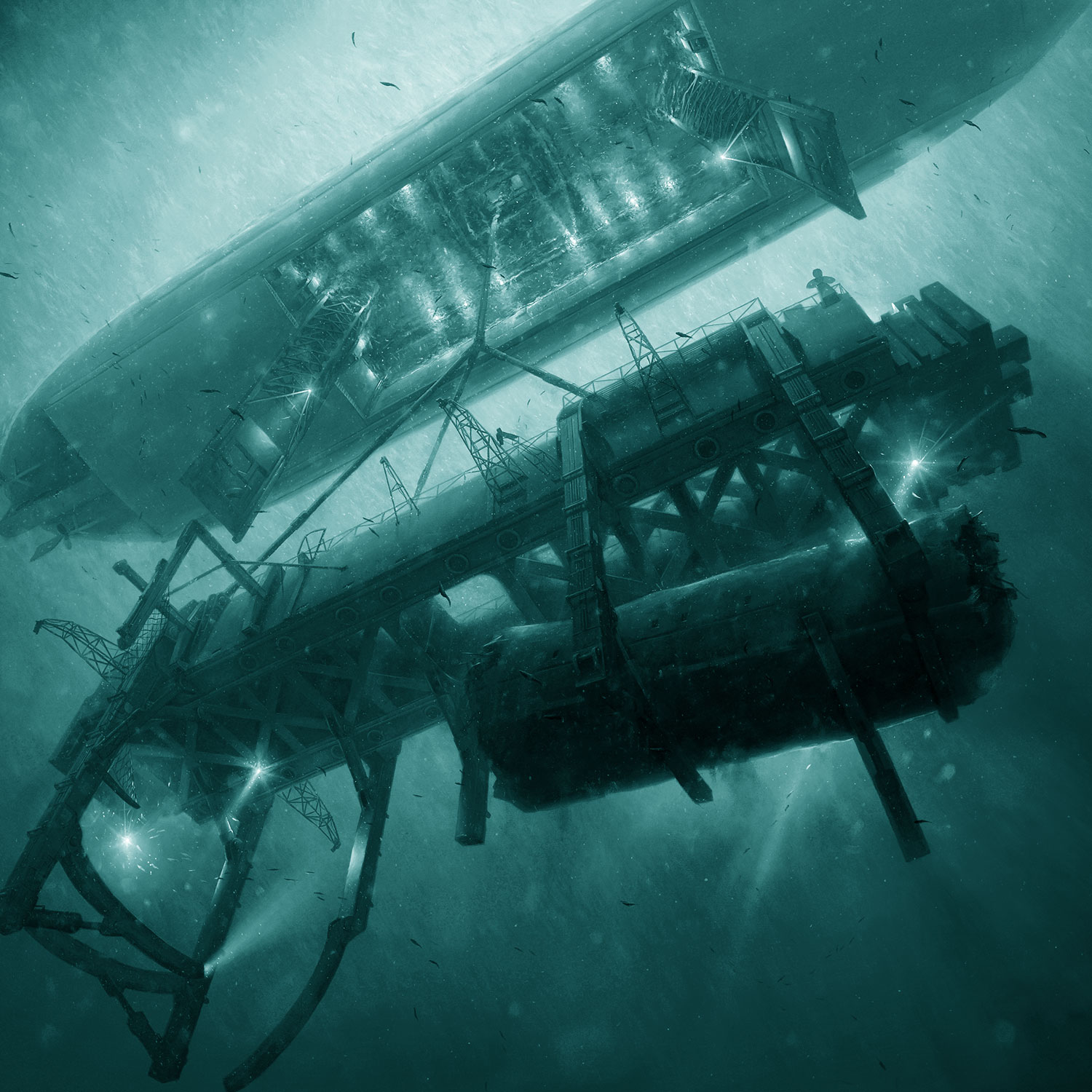
That time the CIA stole a Russian submarine
When a Russian sub sank at the height of the Cold War, the CIA got help from Howard Hughes and created a fictitious mining operation to snag the vessel at the bottom of the Pacific Ocean.Related episodesThe rat that helped win the Cold WarThe pistols that almost fell from the sky The ax that killed Leon Trotsky
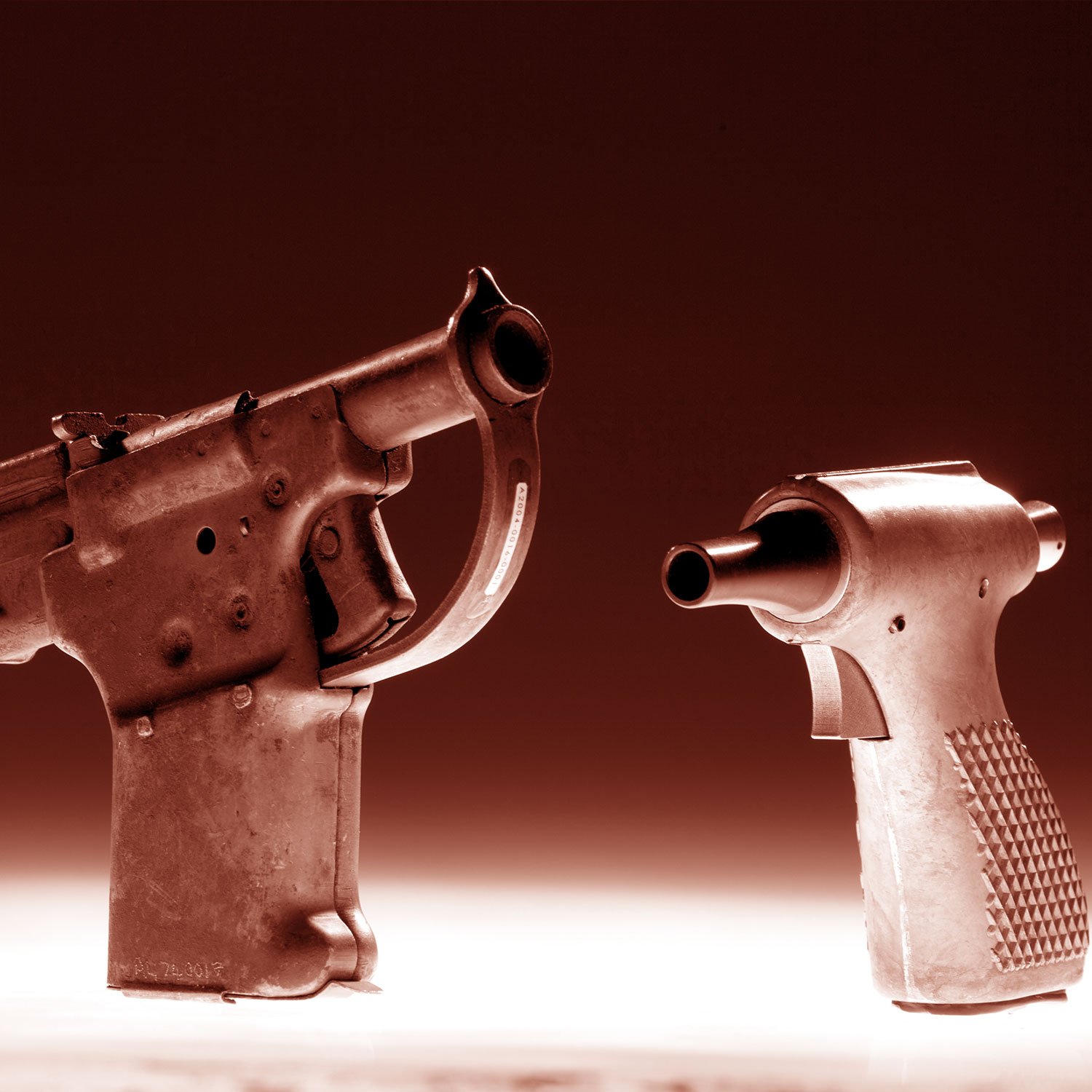
The pistols that almost fell from the sky
During World War II, U.S. intelligence operatives devised a plan to airdrop one-shot handguns, nicknamed the Liberator pistol, to allies in Europe in hopes of ending the war quickly.Related episodesThe rat that helped win the Cold WarThat time the CIA stole a Russian submarine The ax that killed Leon Trotsky
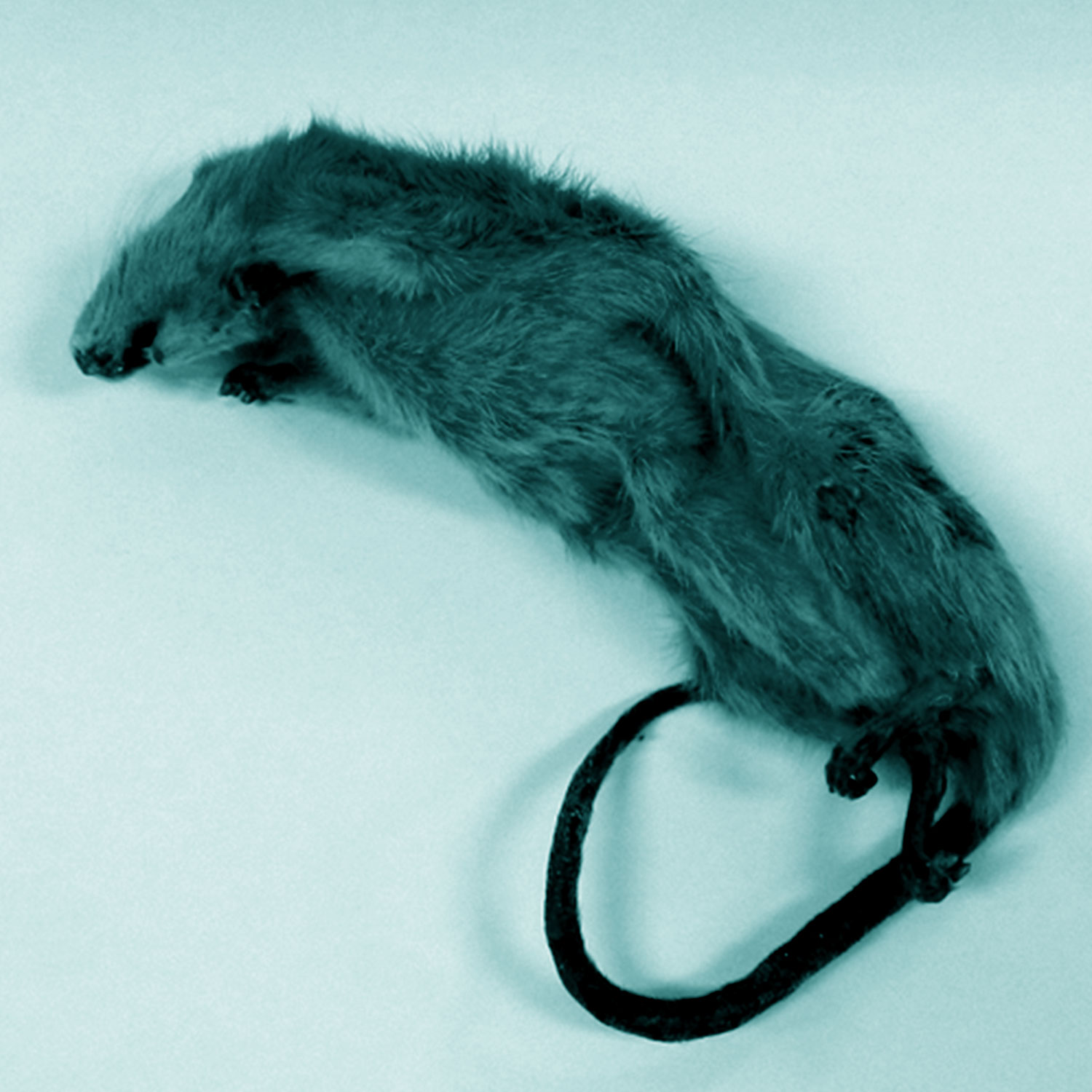
The rat that helped win the Cold War
In the first of a weeklong series of episodes about spies, subterfuge and intelligence, a look at how the CIA used dead rats to send secret messages in the former Soviet Union.Related episodesThe pistols that almost fell from the skyThat time the CIA stole a Russian submarineThe ax that killed Leon Trotsky
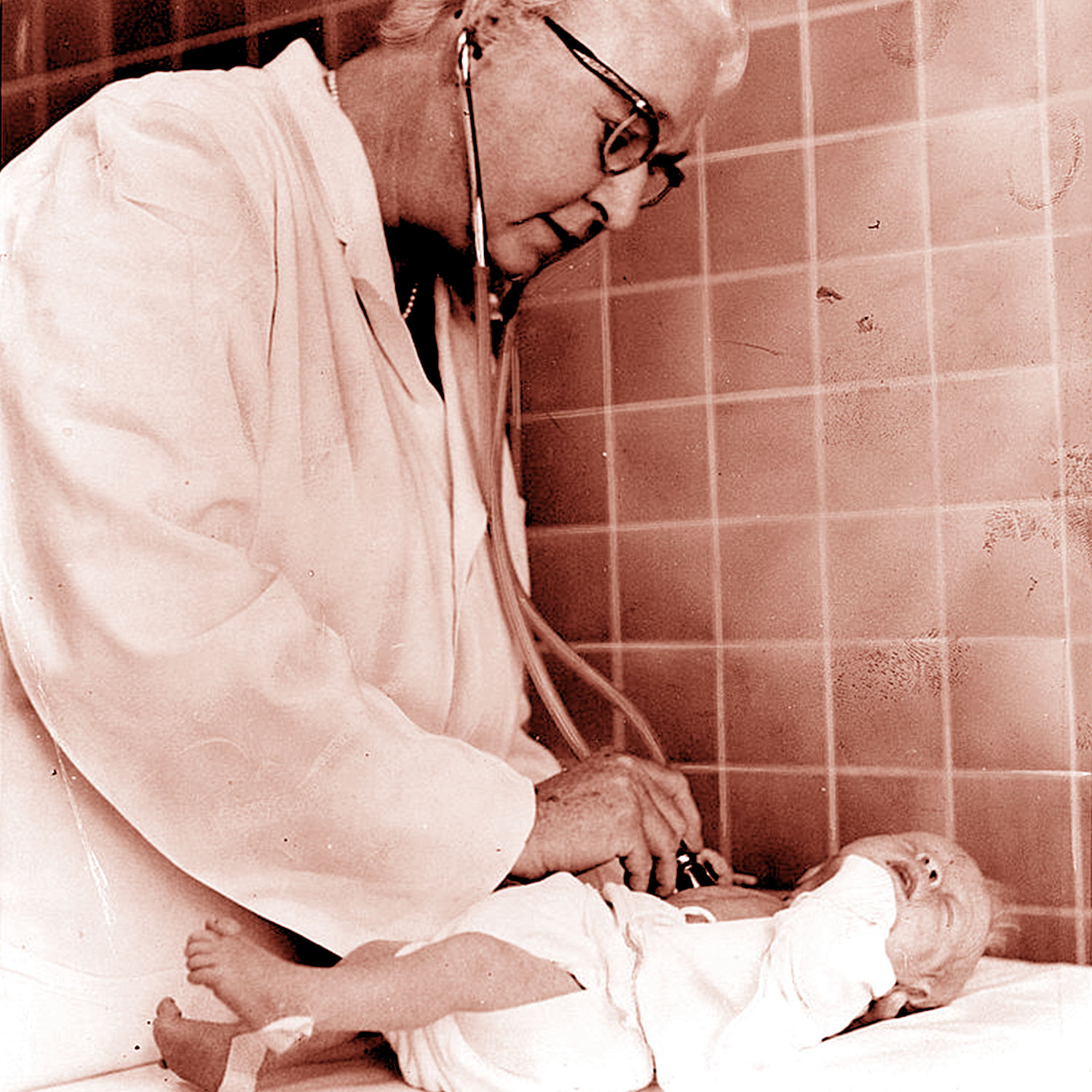
The test that changed childbirth
In the 1950s, Dr. Virginia Apgar created a quick test that nurses have since performed on millions of babies just after birth. She is considered one of the most important figures in modern medicine — a world that almost pushed her away.