Retropod
487 episodes — Page 2 of 10
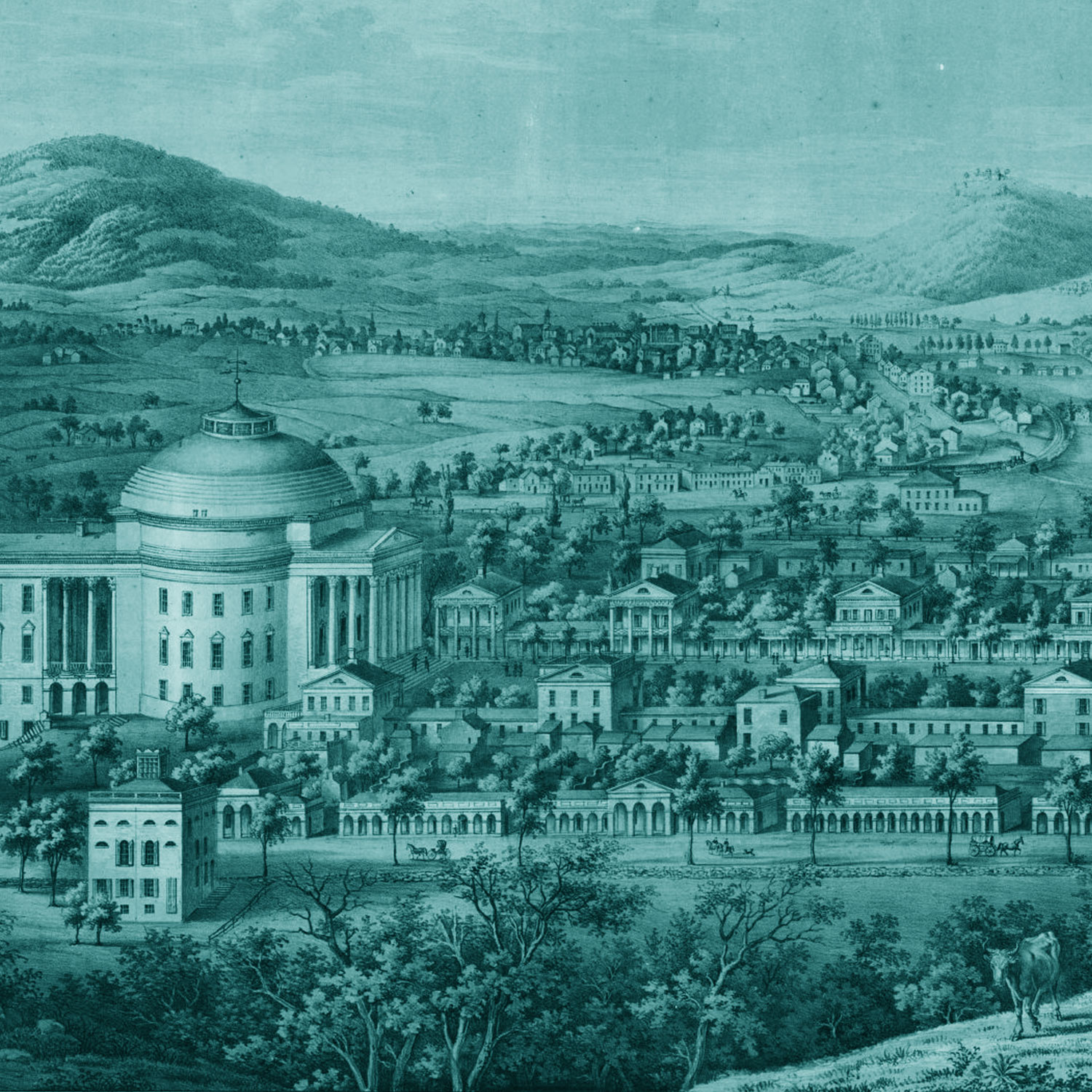
The first campus shooting
A professor at The University of Virginia was fatally shot by a student in 1840.
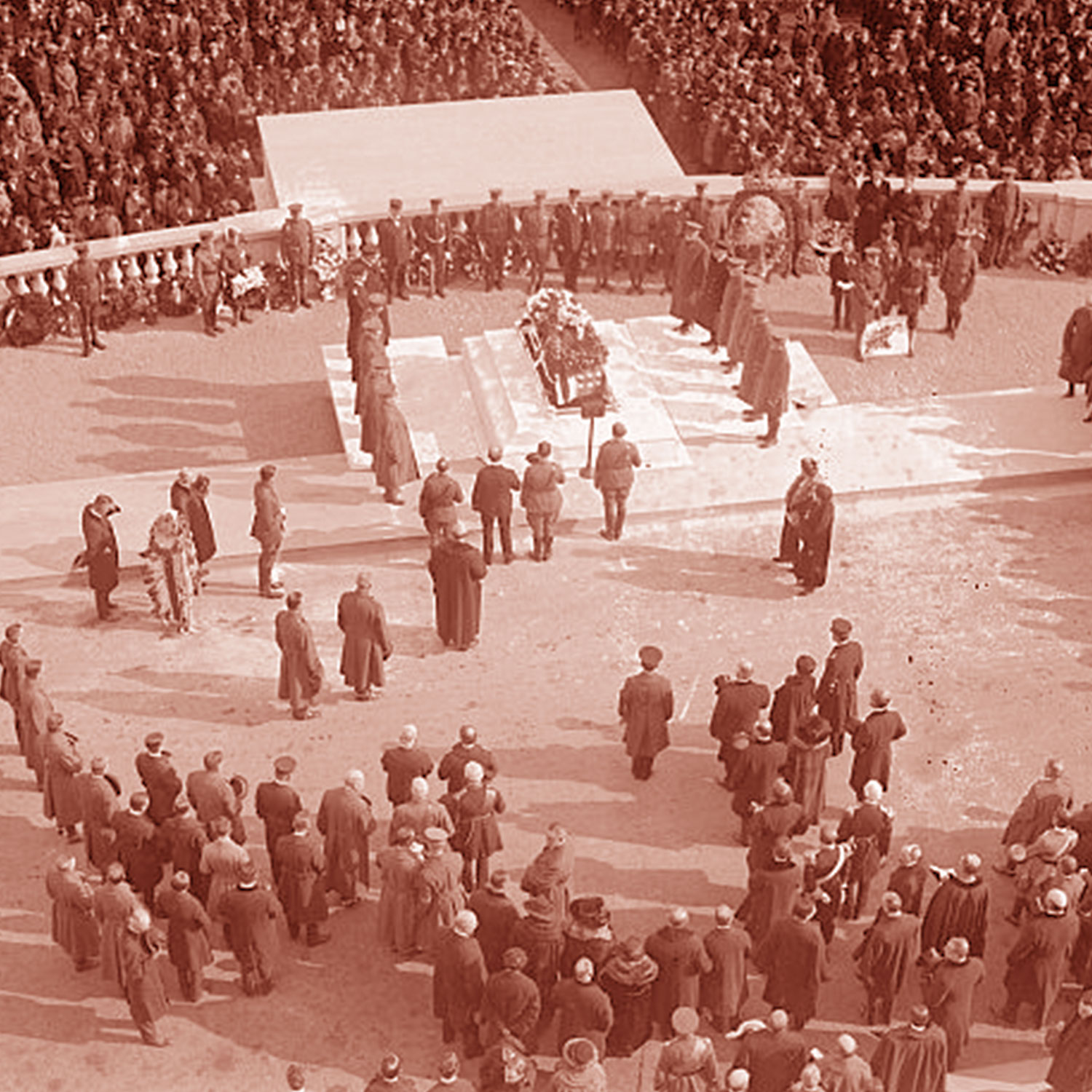
The origins of the Unknown Soldier
The story of how the anonymous soldier came to rest inside the famous tomb is almost as unknown as his identity.
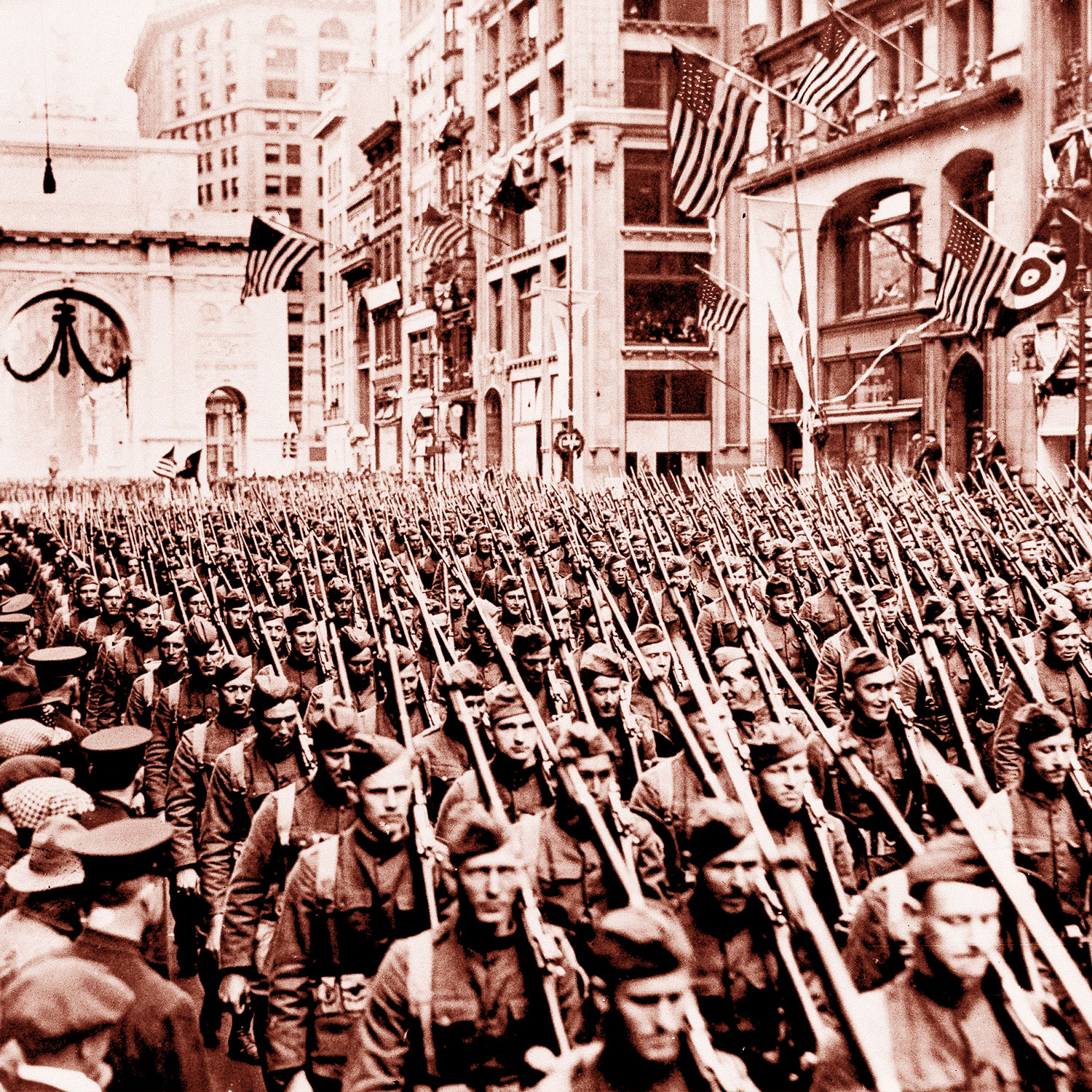
America and warfare were never the same after World War I
Along with staggering death tolls, the "Great War" generated memorable literature, geopolitical upheaval, hope, disillusion, the Russian Revolution and the seeds of World War II.
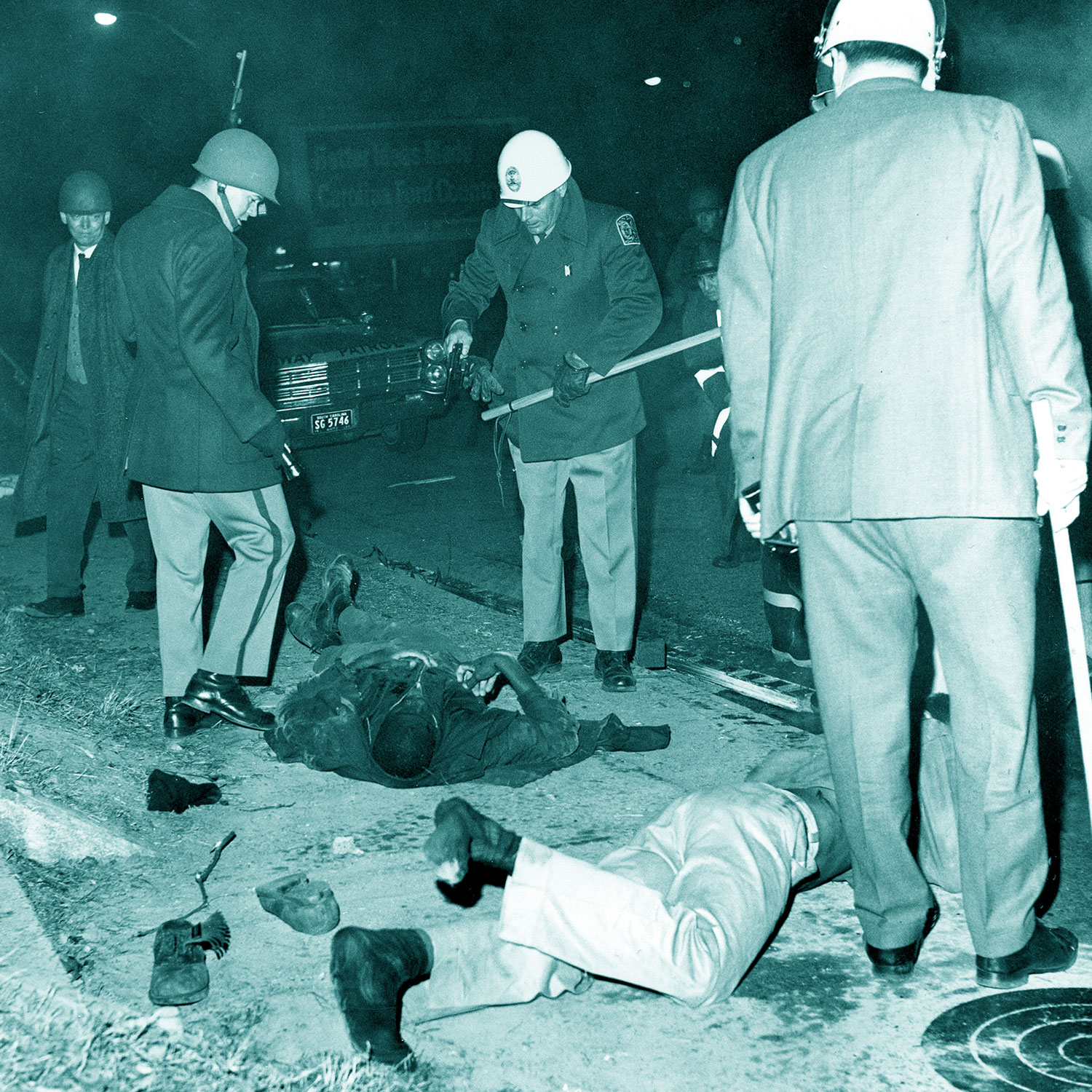
The campus massacre before Kent State
The first mass police shooting on a U.S. college campus happened two years before the Ohio National Guard opened fire on student protesters at Kent State University.
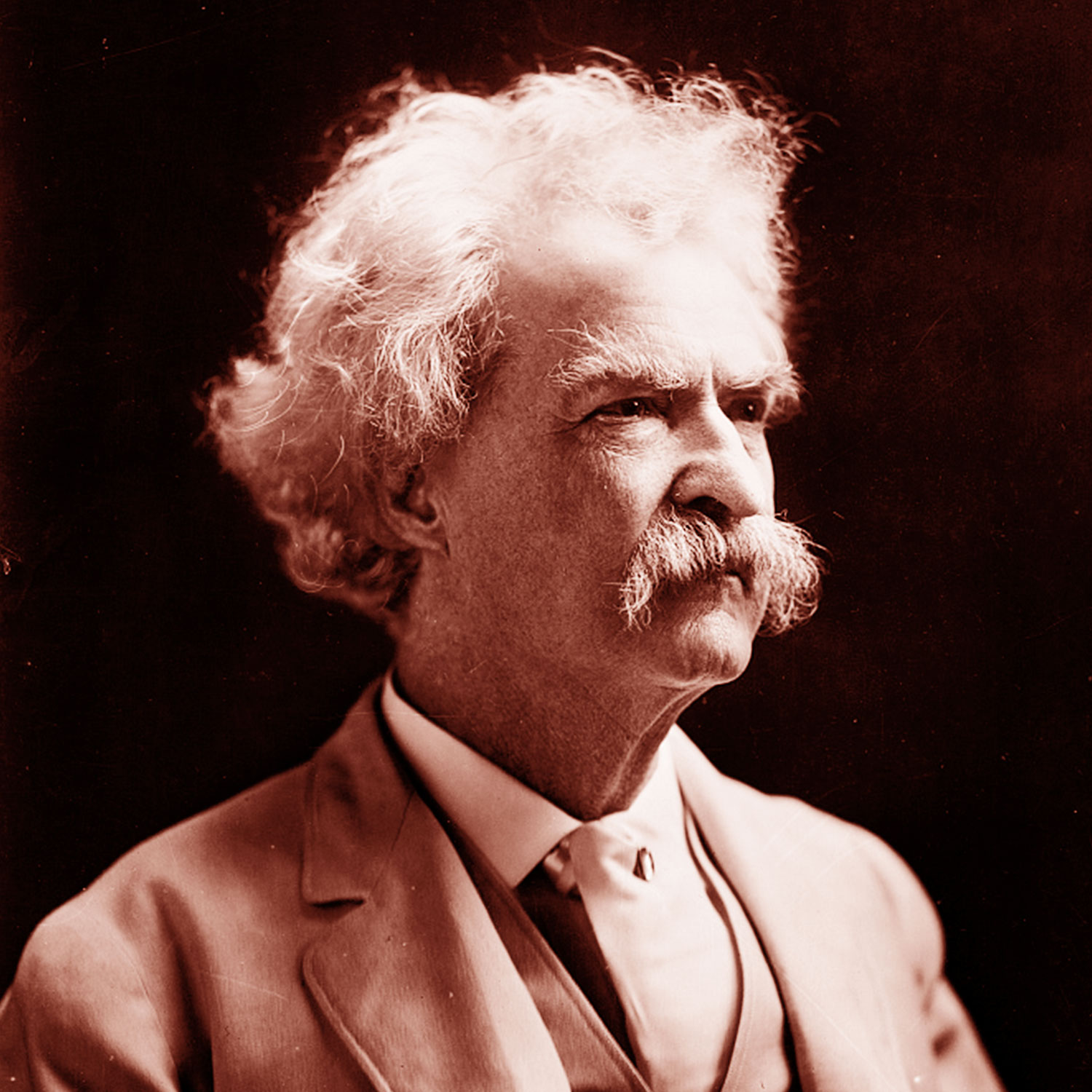
Mark Twain's complicated relationship with the typewriter
Mark Twain first laid eyes on a “newfangled typing machine,” as he called it, sometime in the early 1870s.
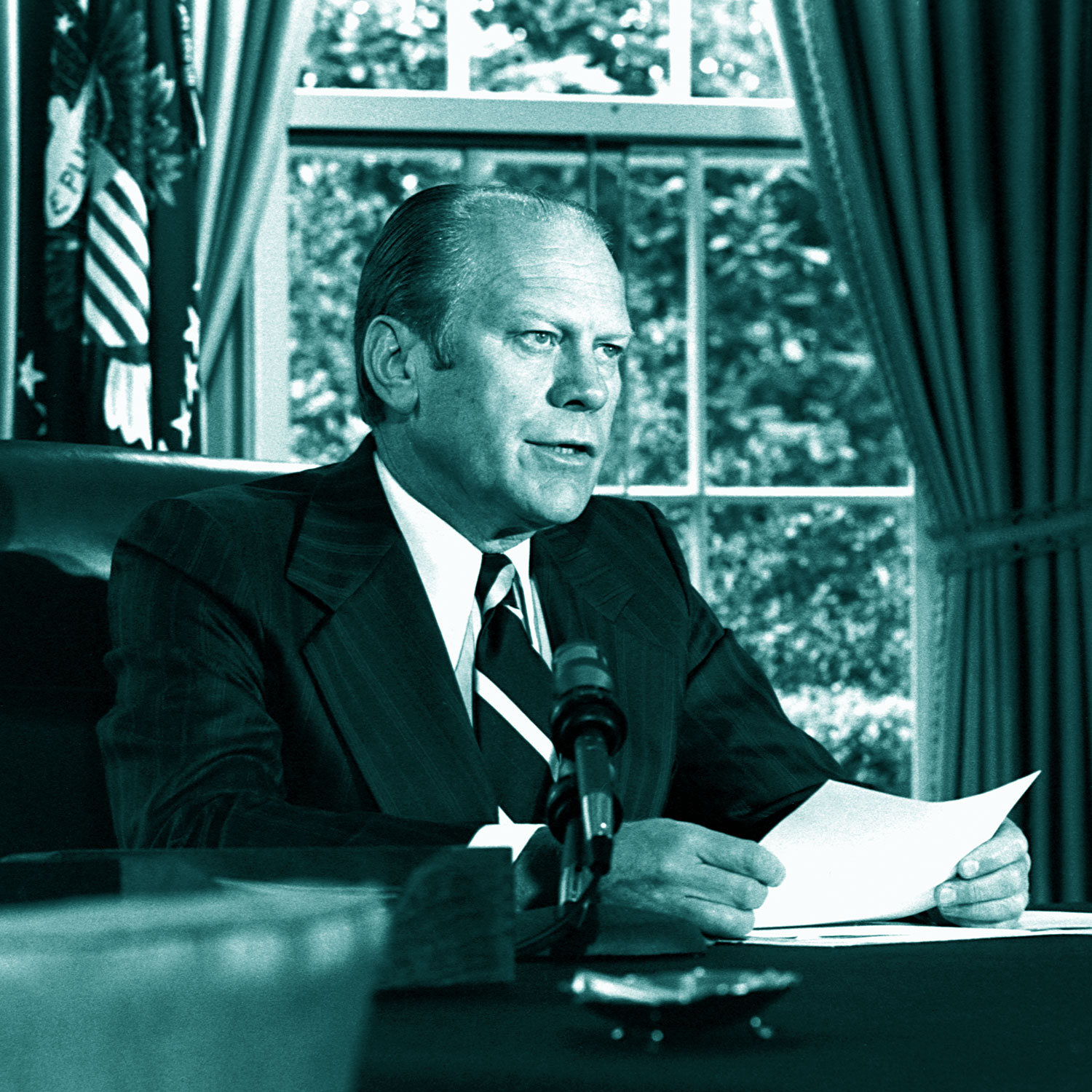
The presidential pardon the country never forgot
When Gerald Ford took over the presidency after Richard Nixon’s resignation, he soon made a controversial choice: he pardoned Nixon.
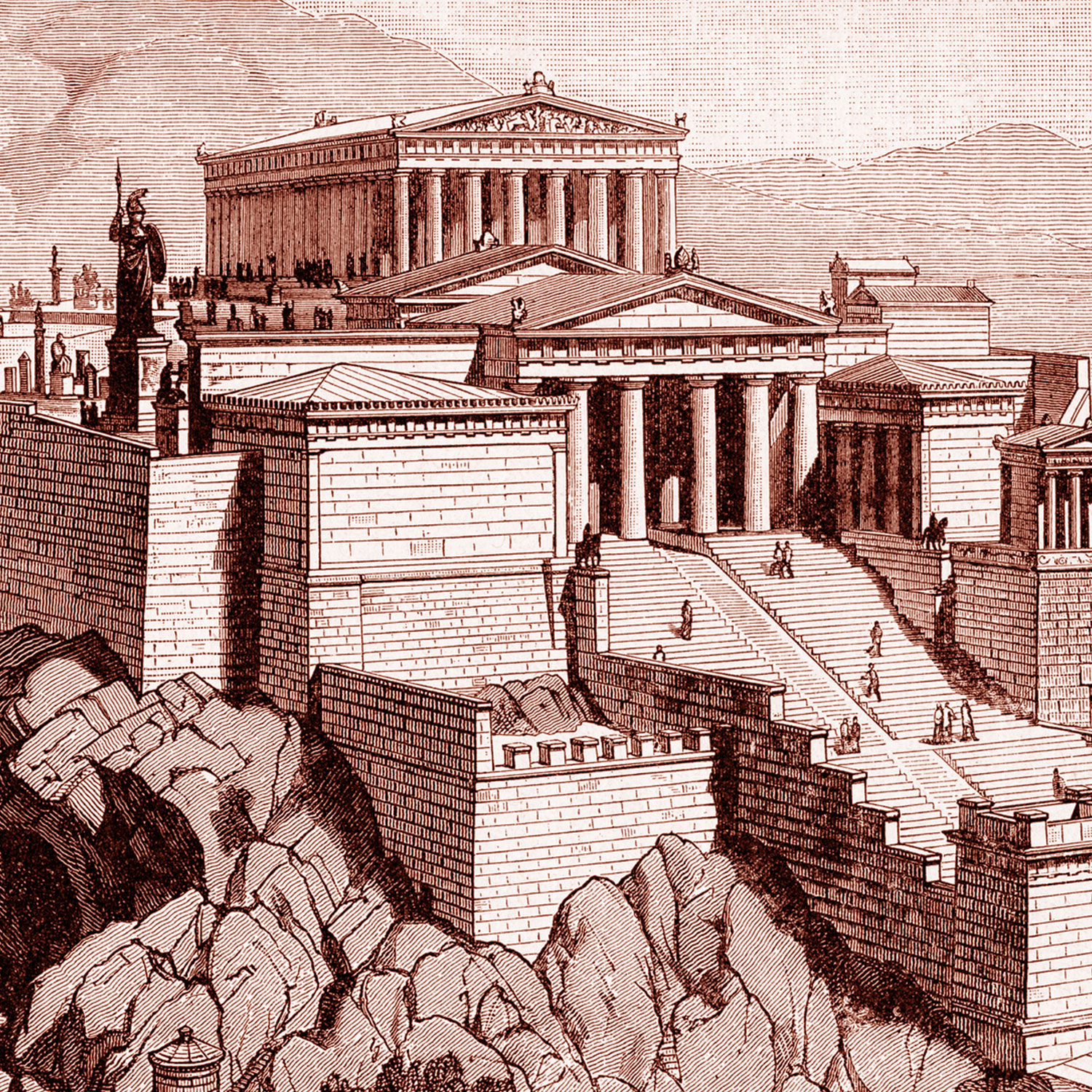
How the Greeks once used a lottery system to select government officials
Some believed that a lottery was more democratic than a vote.
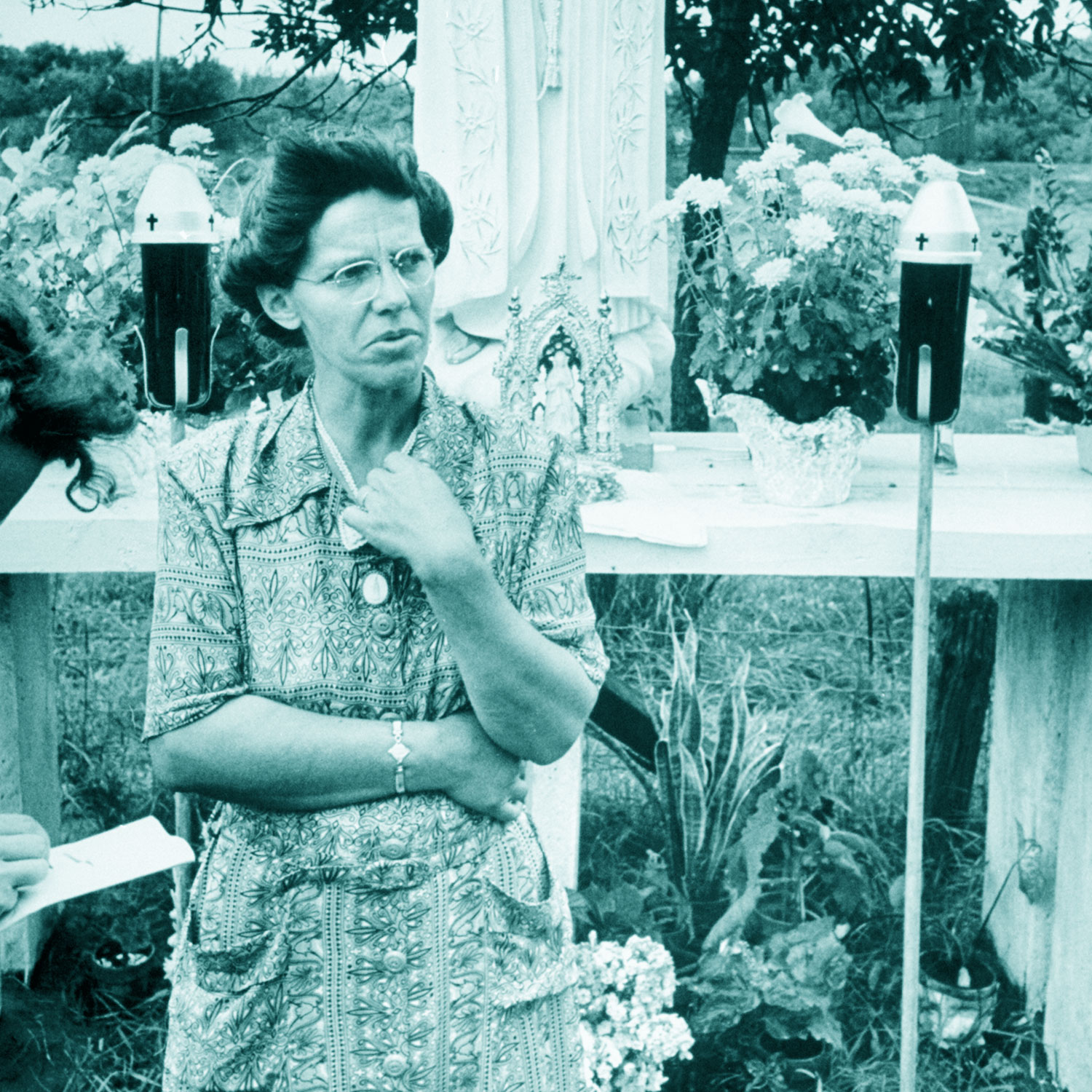
Mary Ann Van Hoof and her Marian apparitions
In 1950, Mary Ann Van Hoof gathered an estimated 100,000 people to see the Virgin Mary on a farm in Necedah, Wisconsin.
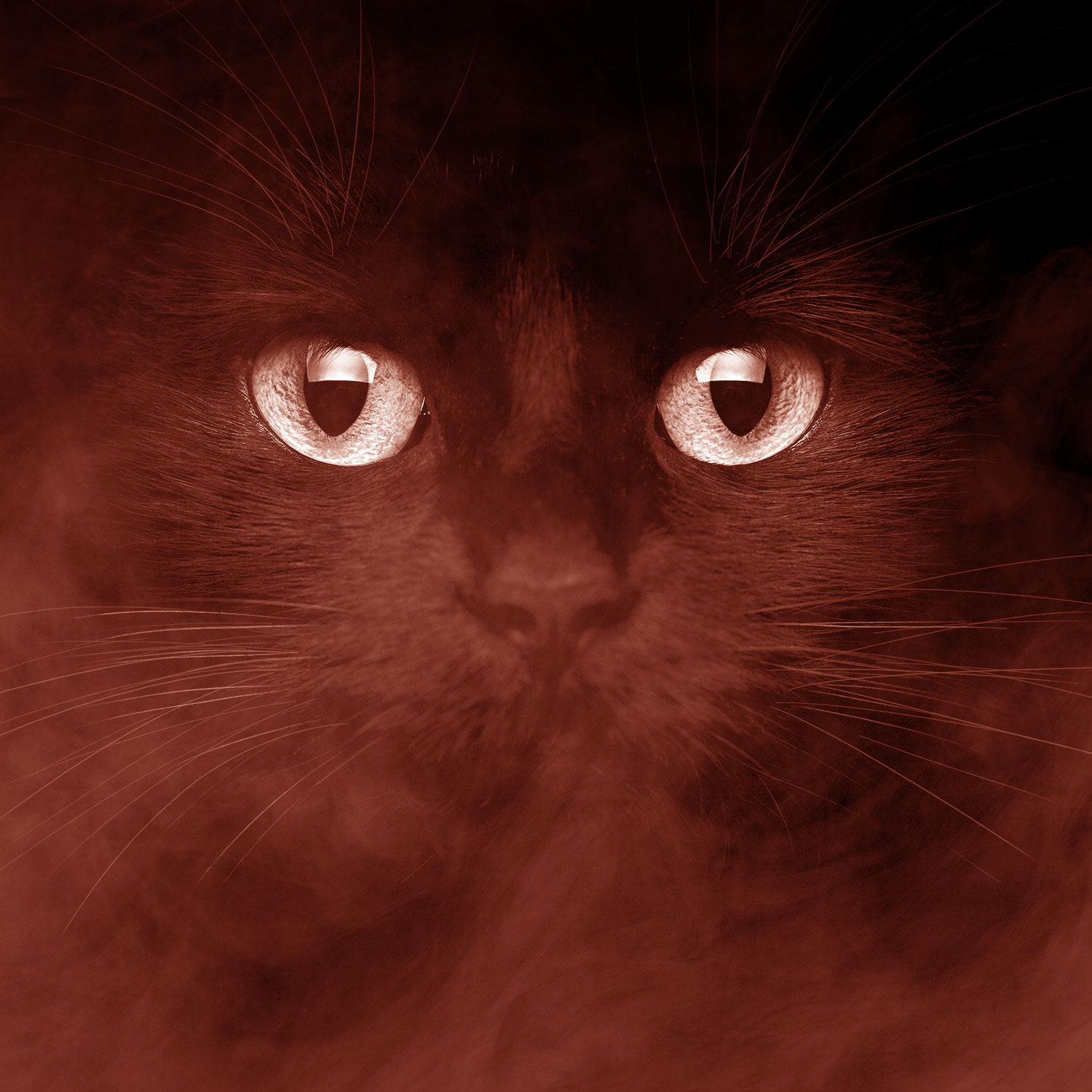
Close encounters with the Capitol's Demon Cat
From the mid-1800s to well into the 20th century, the Capitol’s Demon Cat was the top dog of Washington ghost stories.
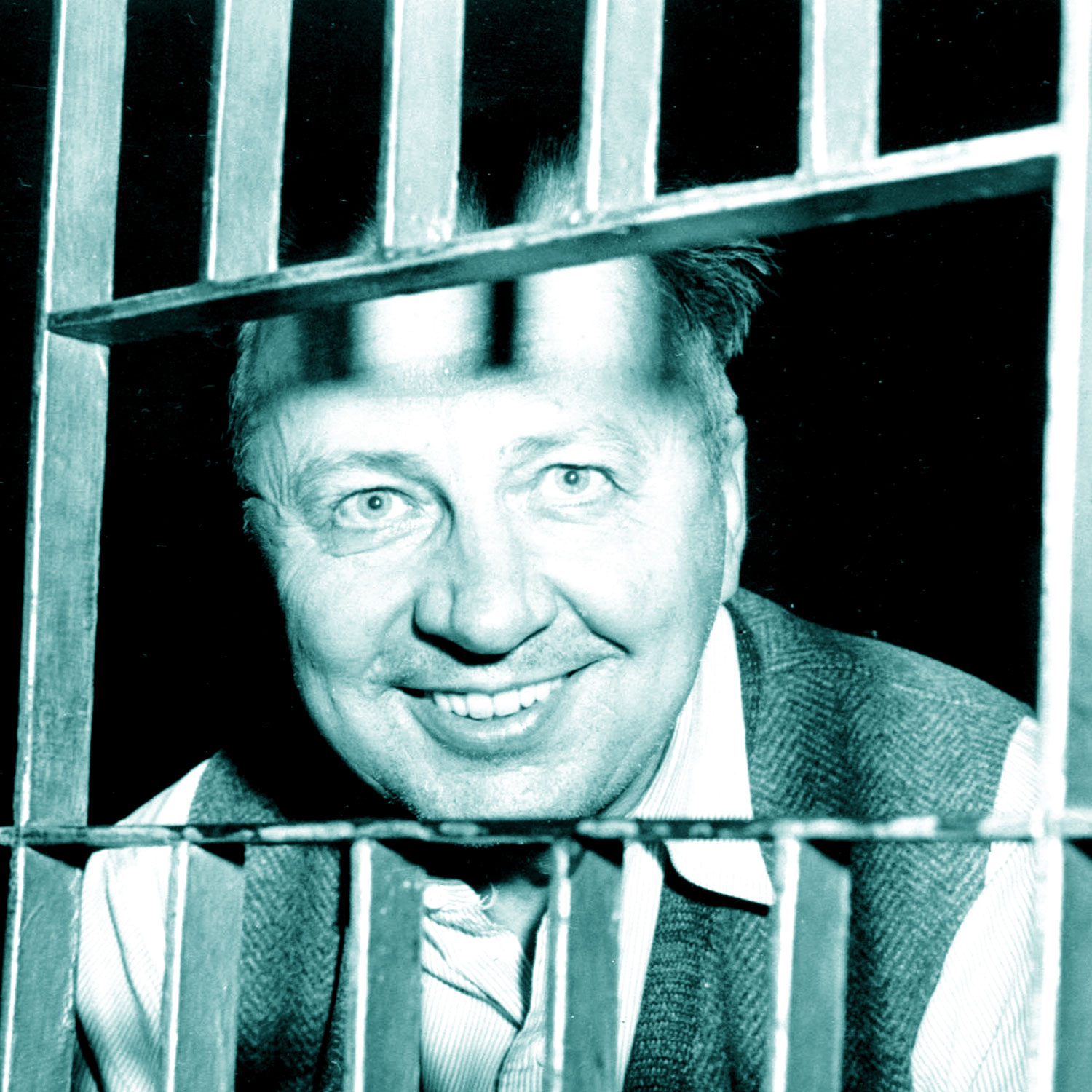
New York's mad bomber
In 1956, New York City’s bomb squad used criminal profiling to catch a terrorist known as “The Mad Bomber.”
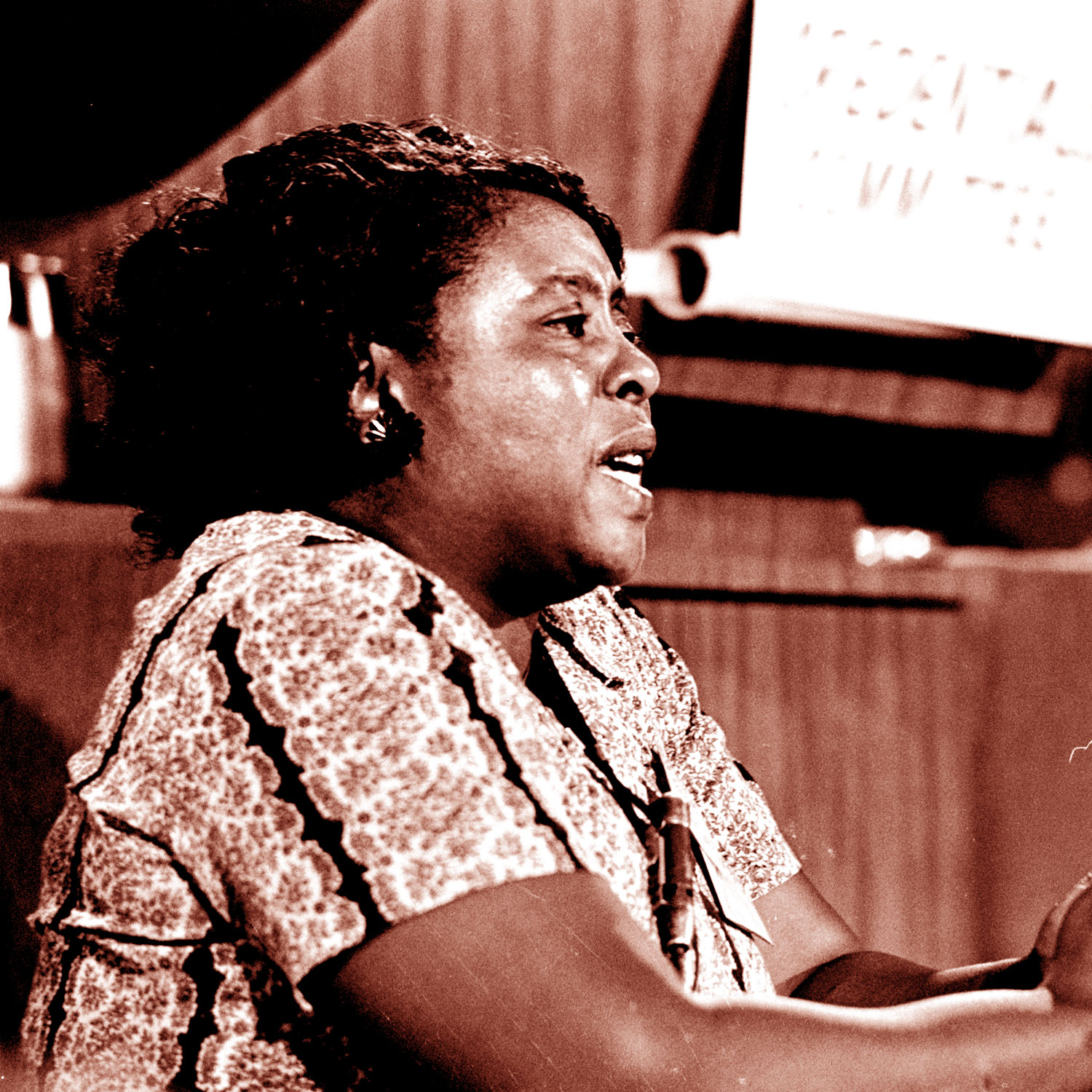
The unstoppable Fannie Lou Hamer
Civil rights crusader Fannie Lou Hamer rivaled Martin Luther King Jr. in her command of audiences.
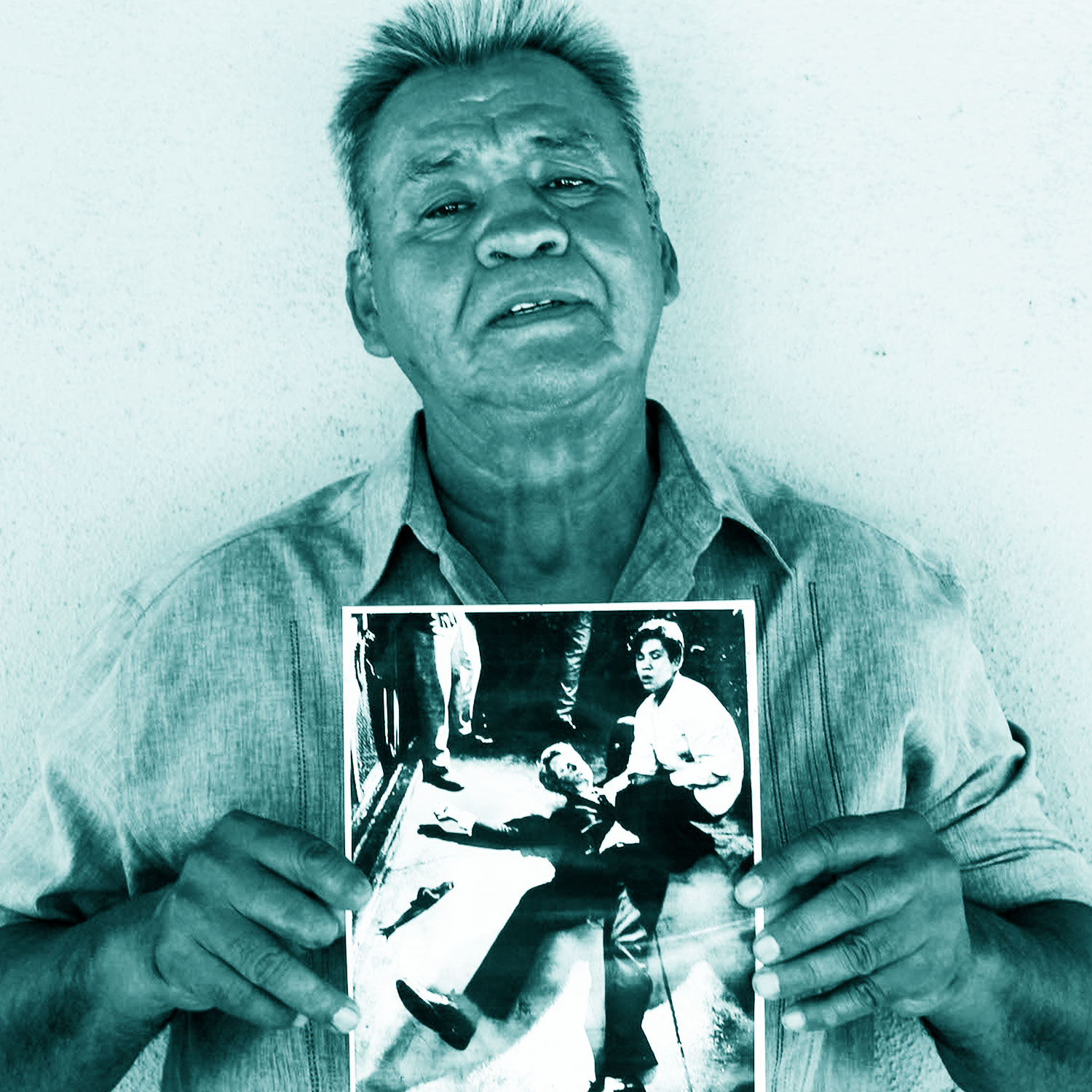
The photographer and the busboy
Photographer Boris Yaro shot the haunting photograph of Bobby Kennedy lying fatally wounded in the arms of Juan Romero, a busboy.
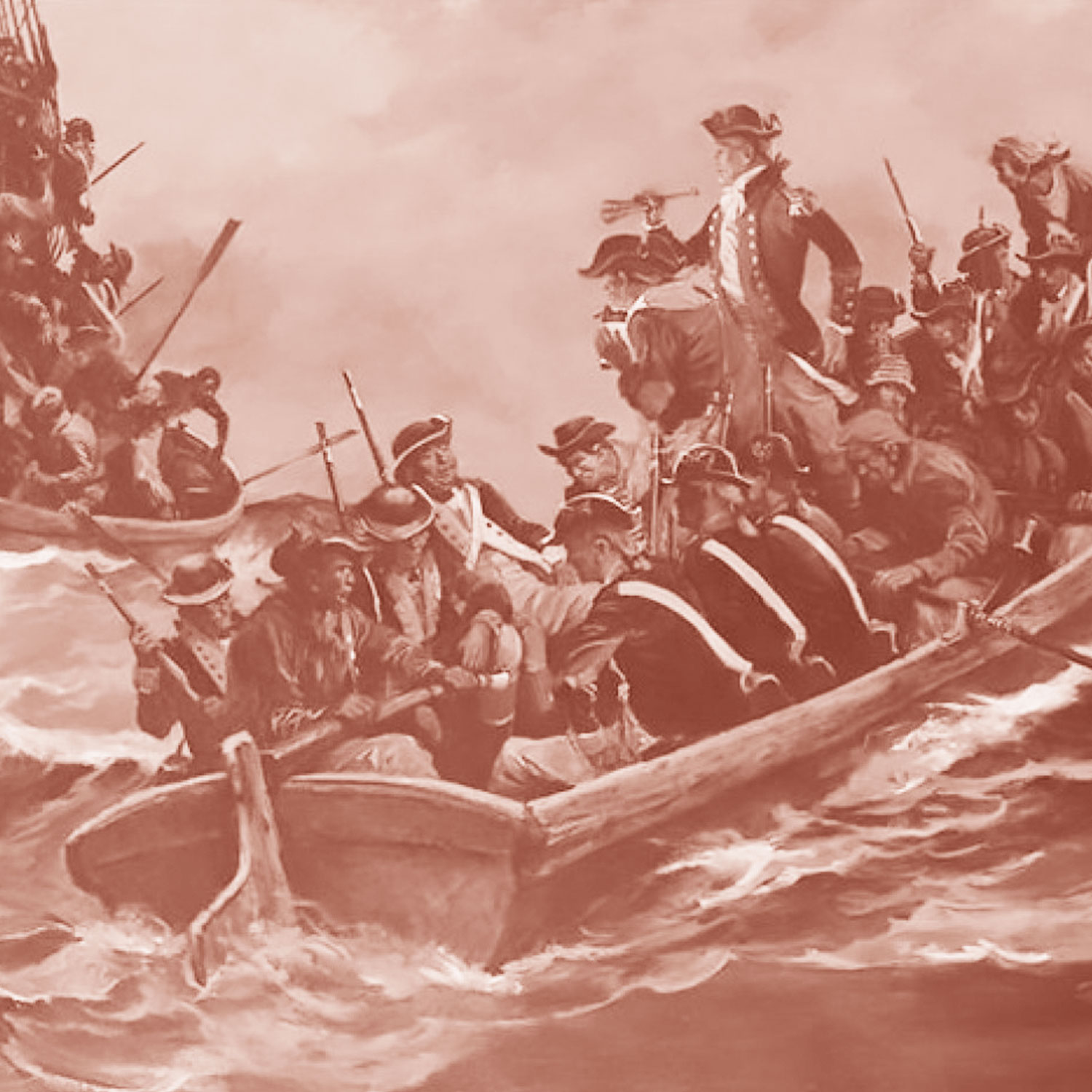
The time America invaded Britain
In 1777, Captain John Paul Jones hatched a plan to take the American Revolution to Britain’s shores.
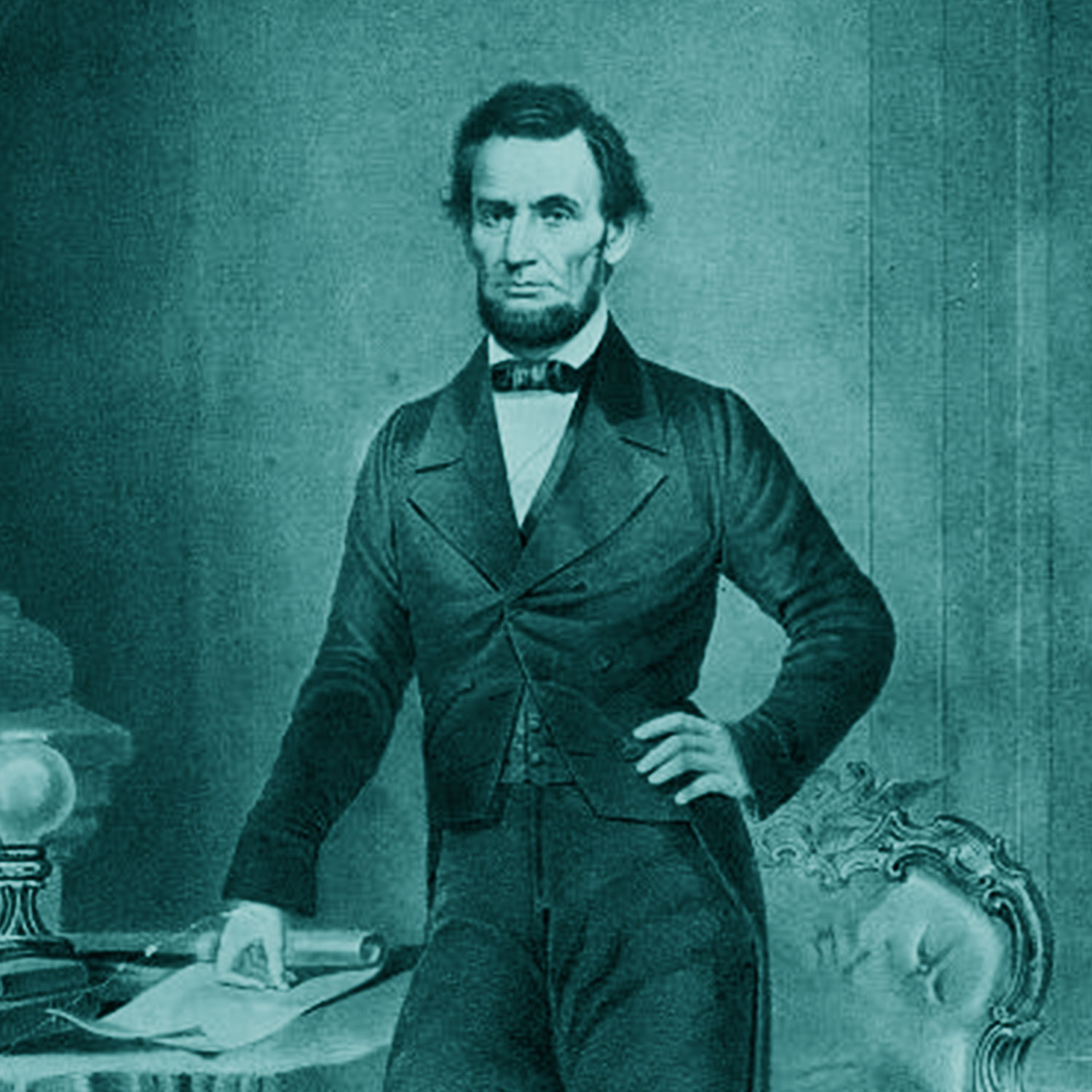
Abraham Lincoln says he owes everything to his 'angel mother' and 'mama'
President Abraham Lincoln had two loving and supportive mothers in his lifetime. The second helped him cope with the tragic loss of the first.
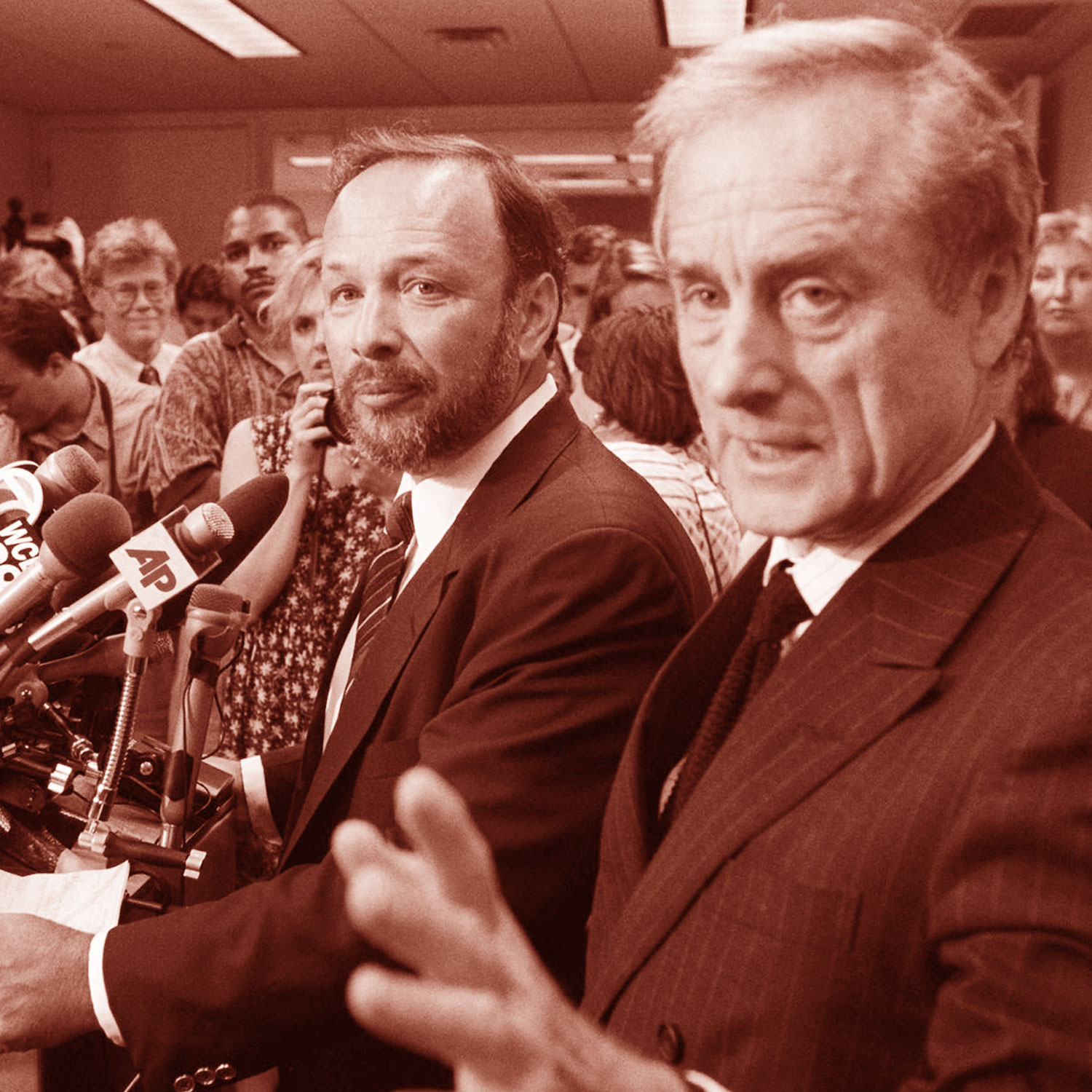
The search for the anonymous author of a 1996 political novel
Before an unnamed senior official in the Trump administration published the opinion piece, “I am part of the resistance inside the Trump administration" in the New York Times, another mysterious anonymous author lit up Washington.
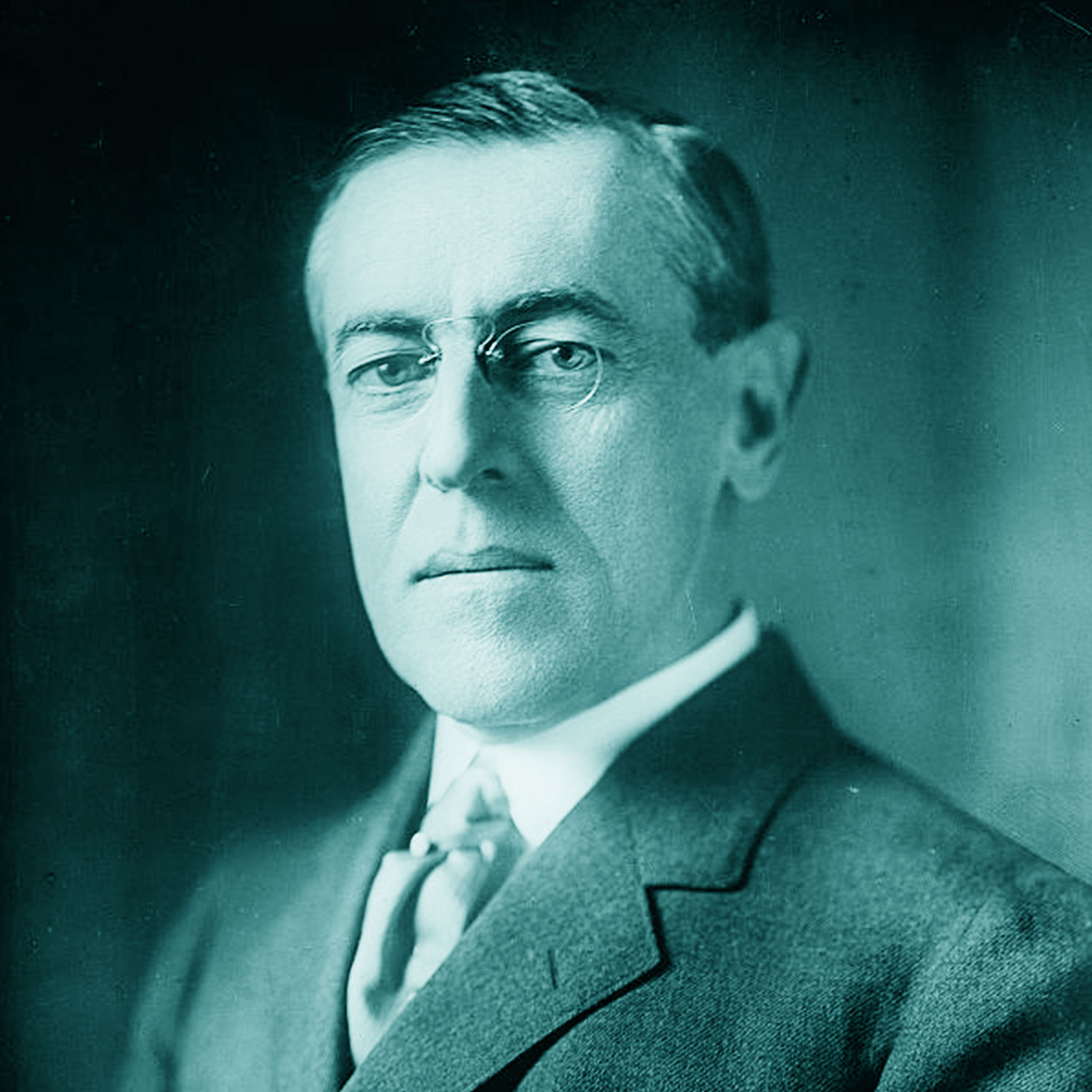
Woodrow Wilson's secret letters to another woman
Family and friends had known about the president’s intimate relationship with Mary Peck for years, but whispers about their involvement were growing.
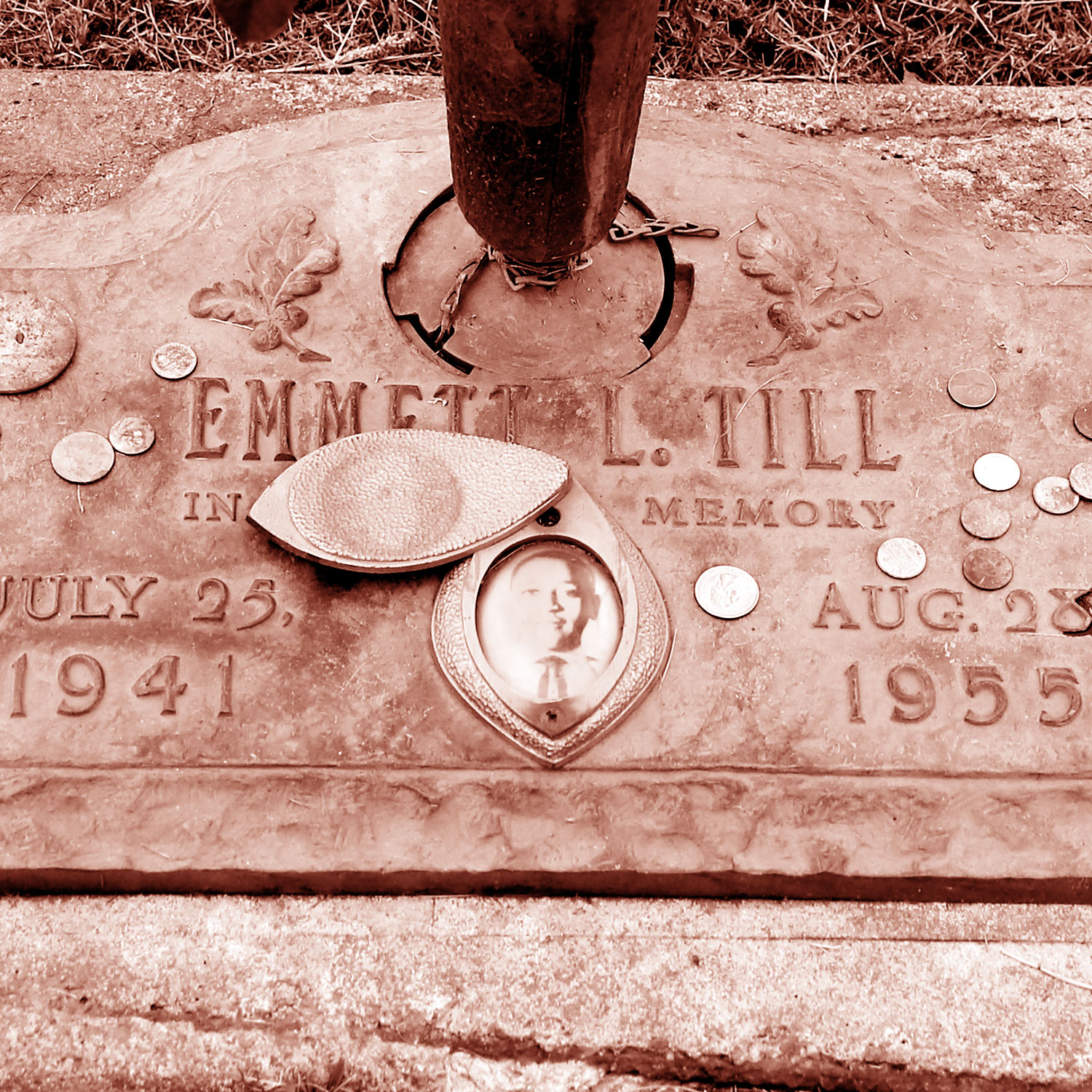
The body of Emmett Till
Emmett Till’s mother opened his casket and sparked the civil rights movement.
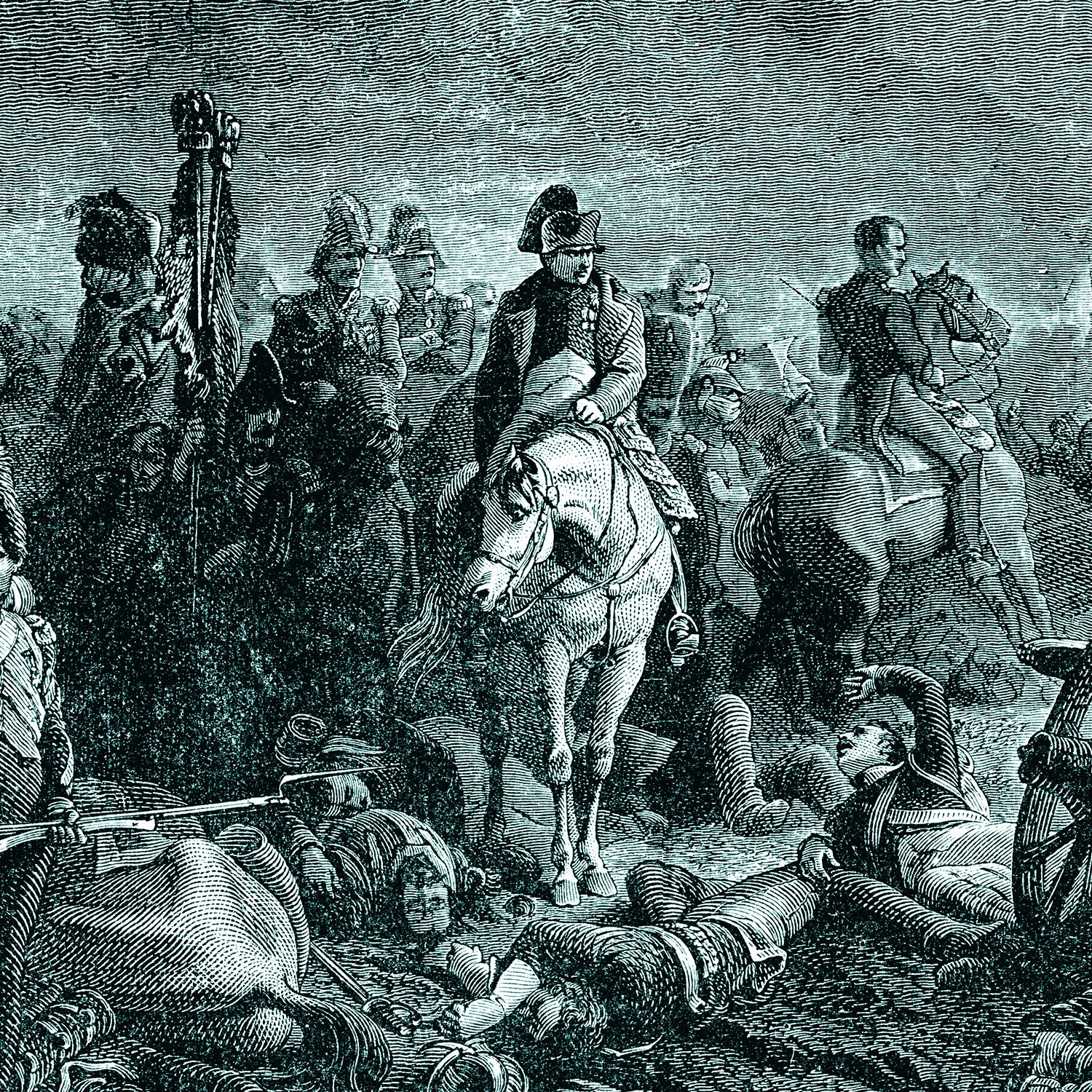
The origins of the Waterloo teeth
More than 50,000 soldiers died during the Battle of Waterloo, but their teeth lived on.
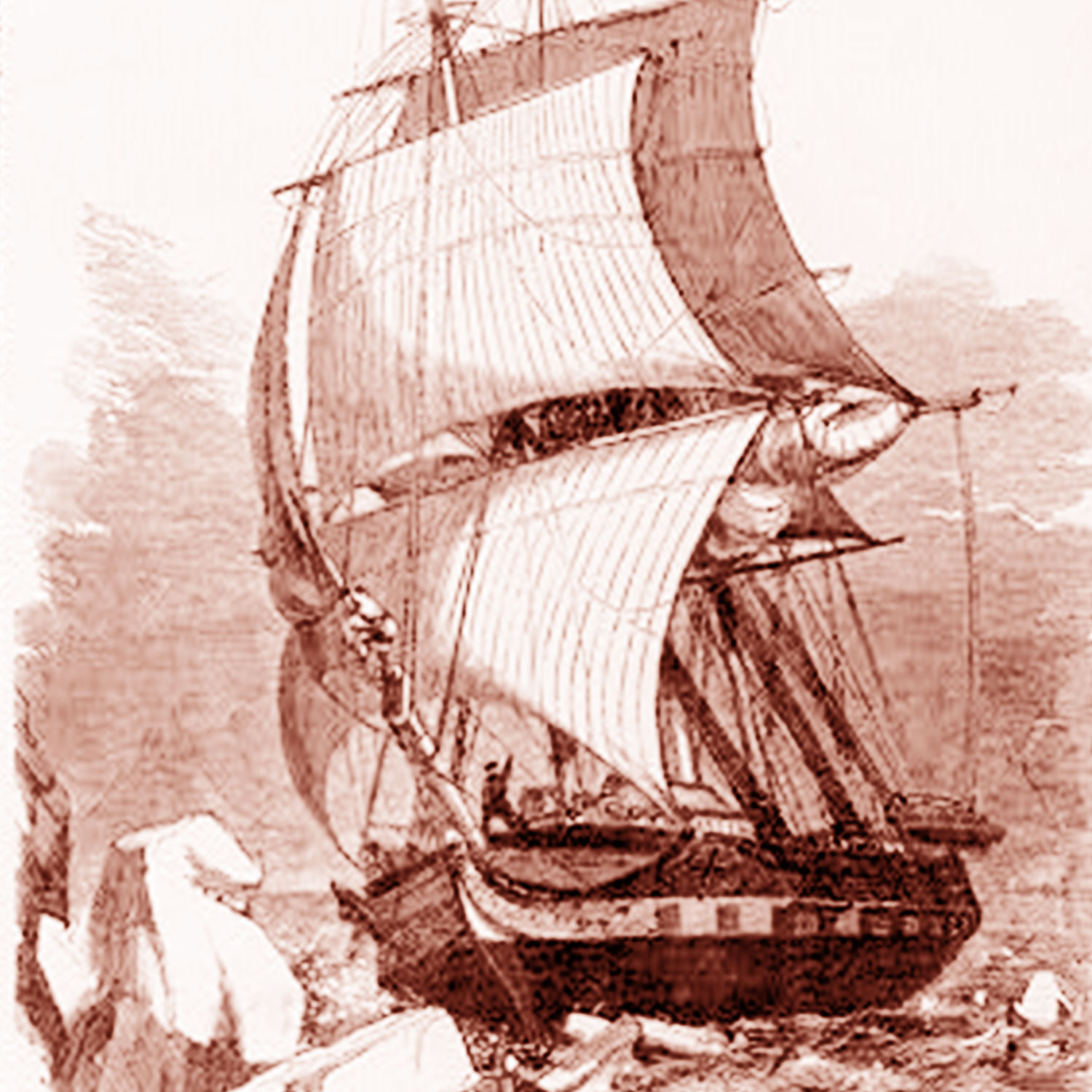
In the 1850s, navigating Ice Alley was deadly for ships
Despite warnings of icebergs, the John Rutledge set sail from Liverpool, England, to New York.
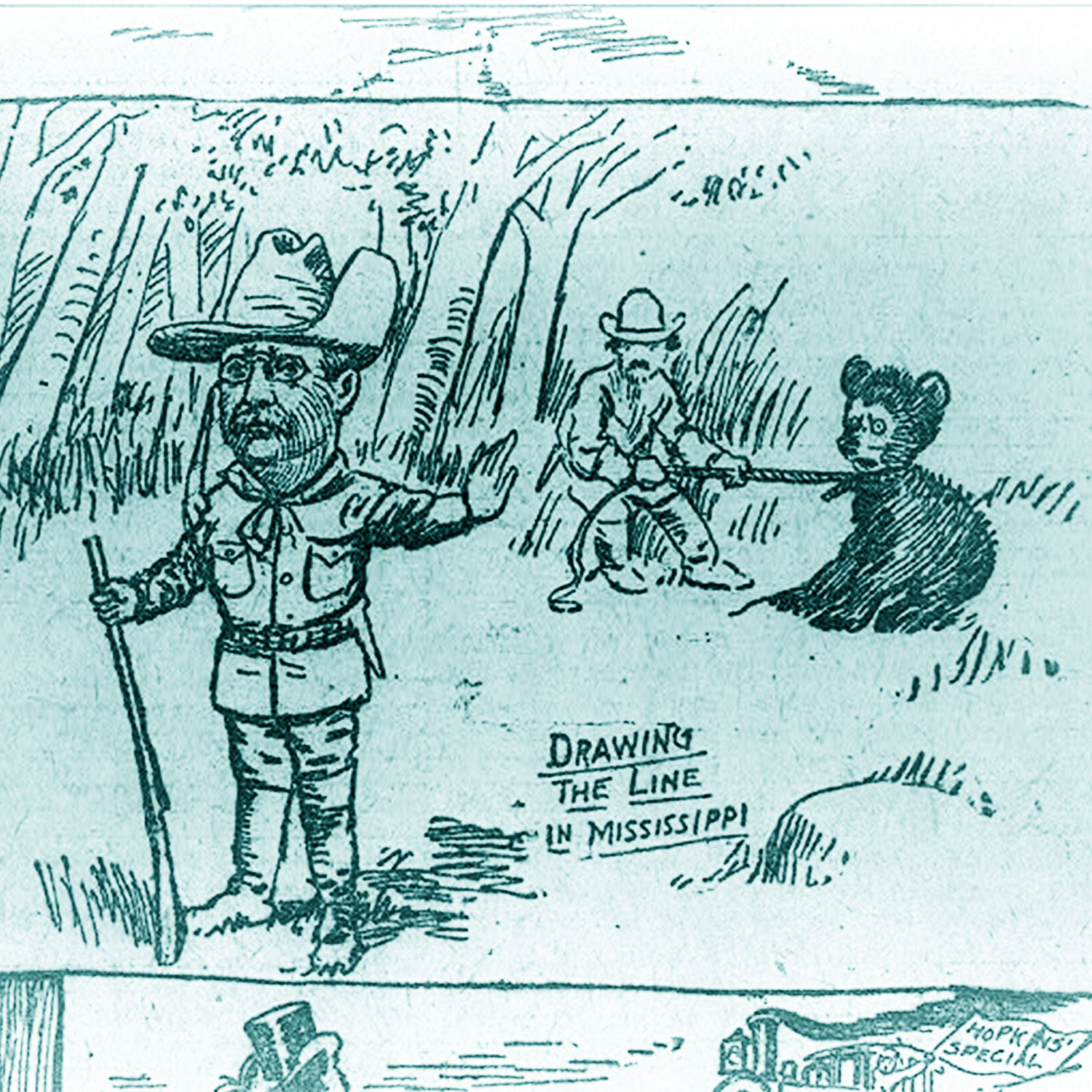
How the teddy bear was born
In the fall of 1902, a year into his presidency, President Teddy Roosevelt set off to Mississippi for a bear-hunting vacation. It ended differently than planned.
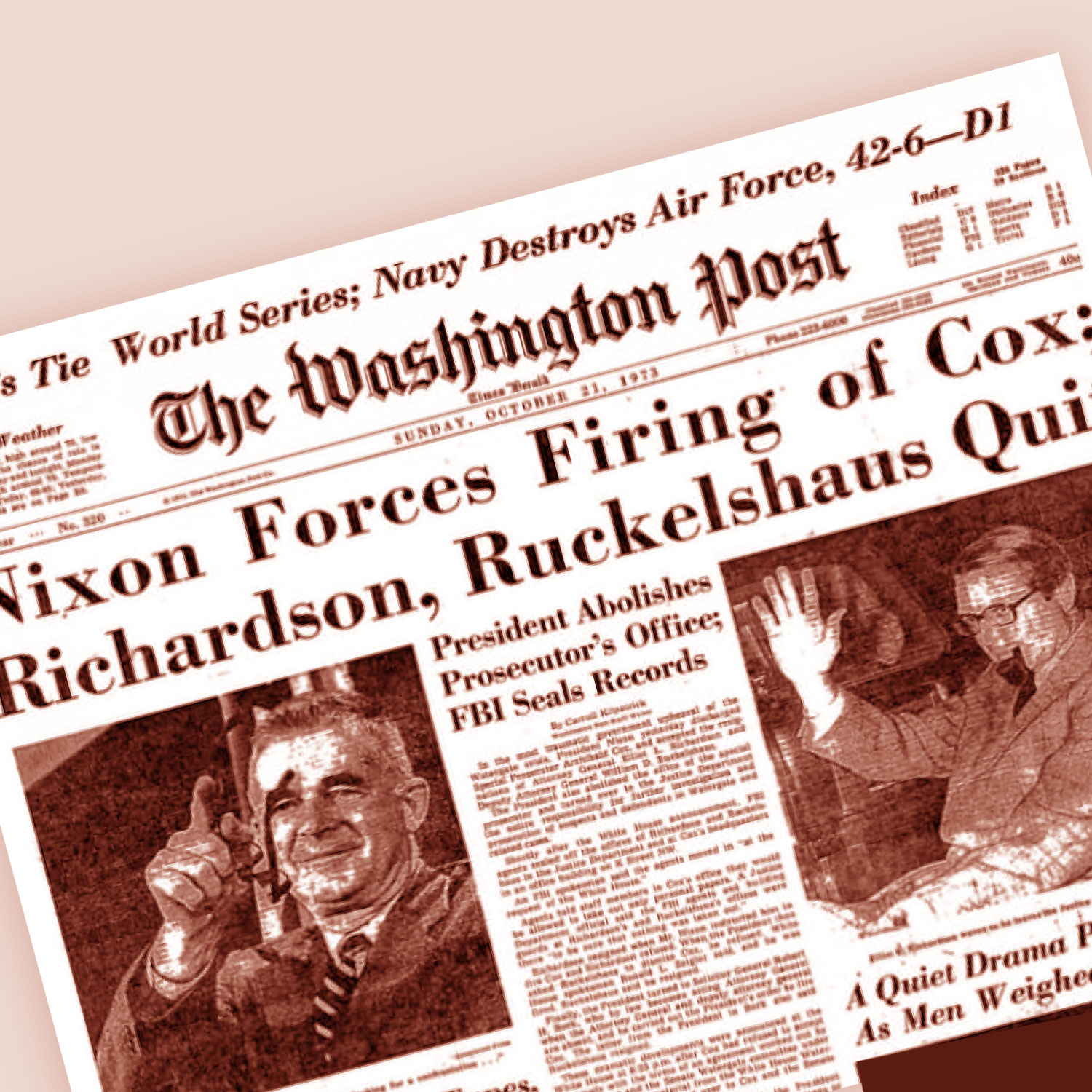
The Saturday Night Massacre
The one night that changed President Nixon’s fate has stuck with us as a reminder of the limits of presidential power.
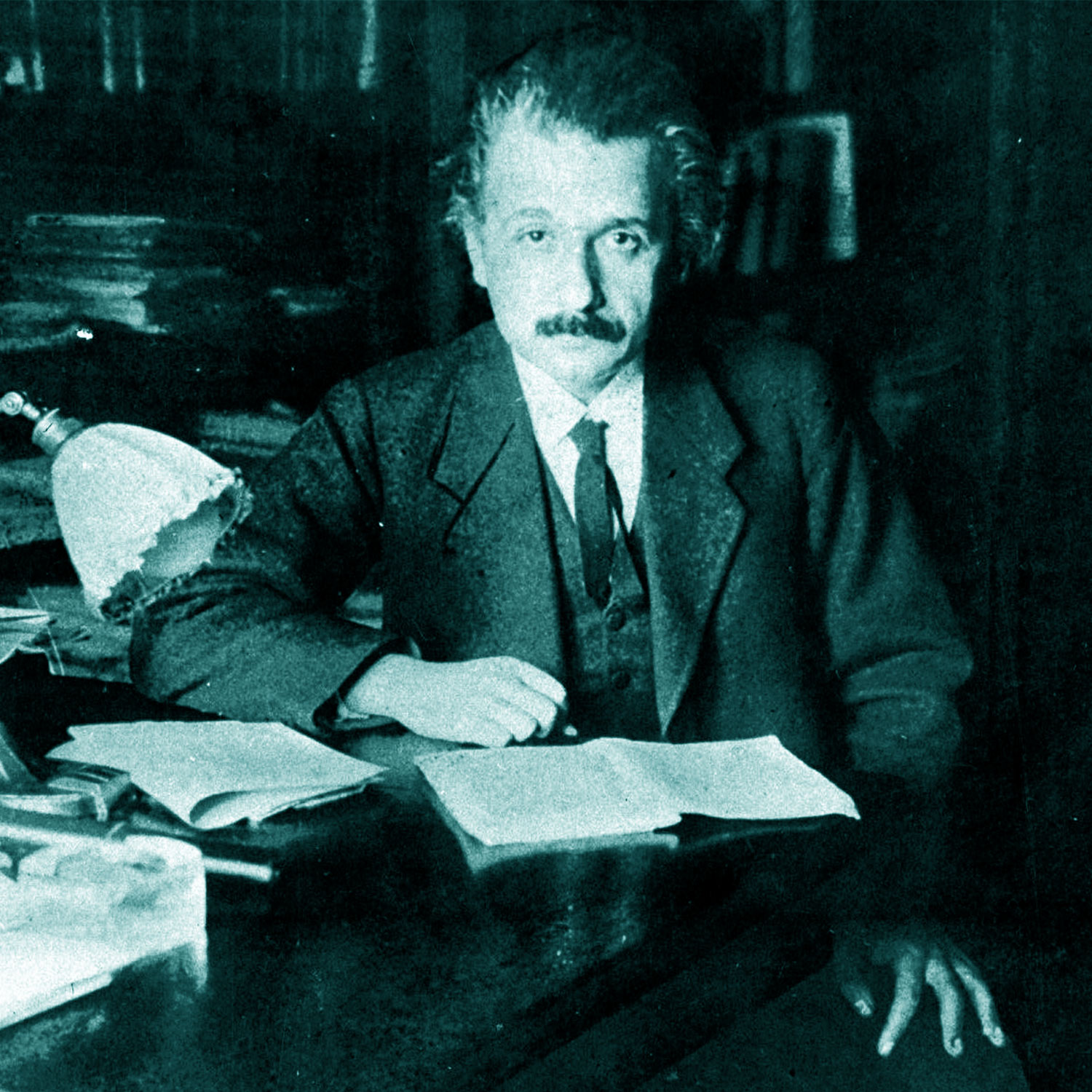
How a solar eclipse made Albert Einstein famous
It may be hard to believe, but one single event rocketed Einstein to fame.
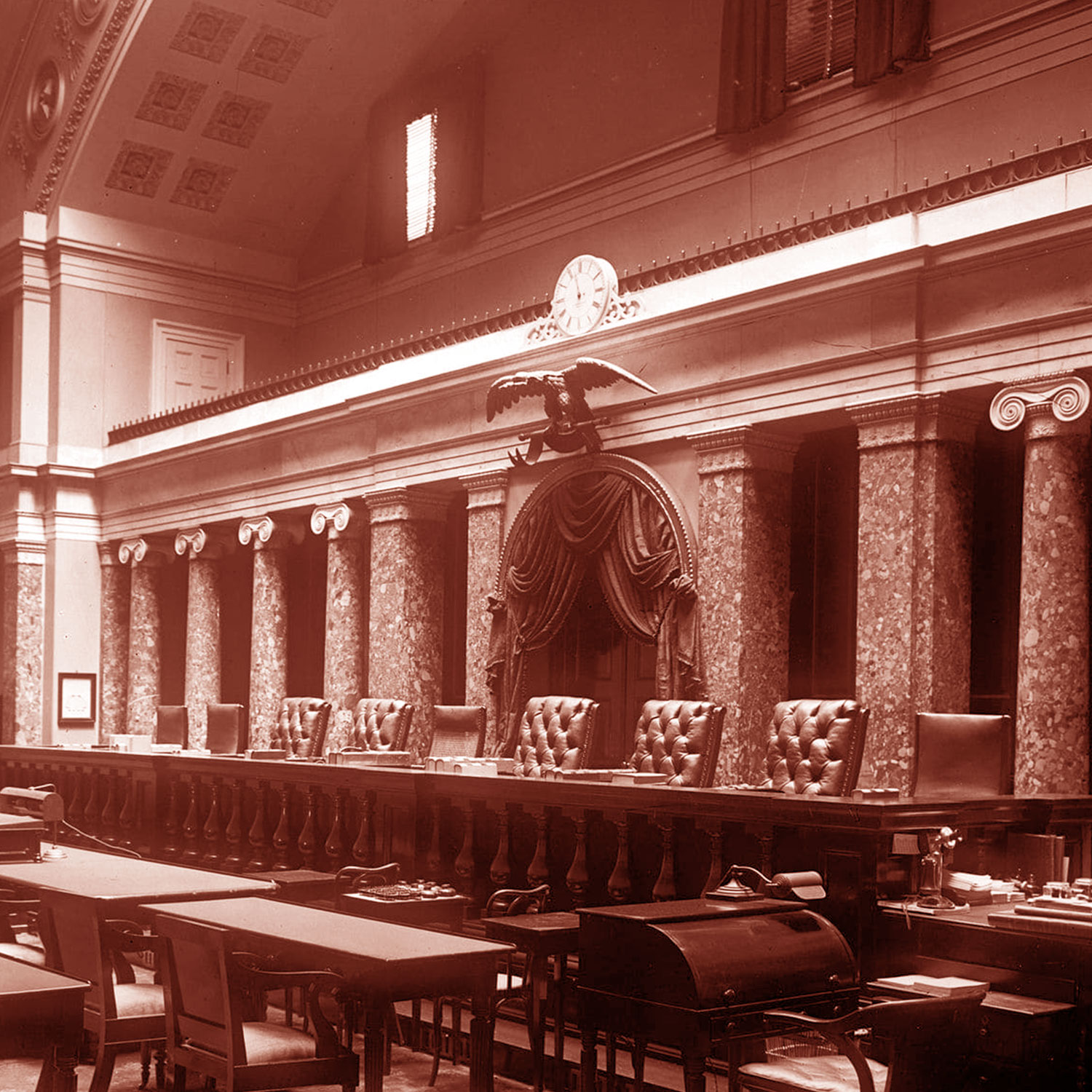
How a renovation made the Supreme Court a friendlier place
One simple change to how the Supreme Court bench was designed made a world of difference to how the justices communicated.
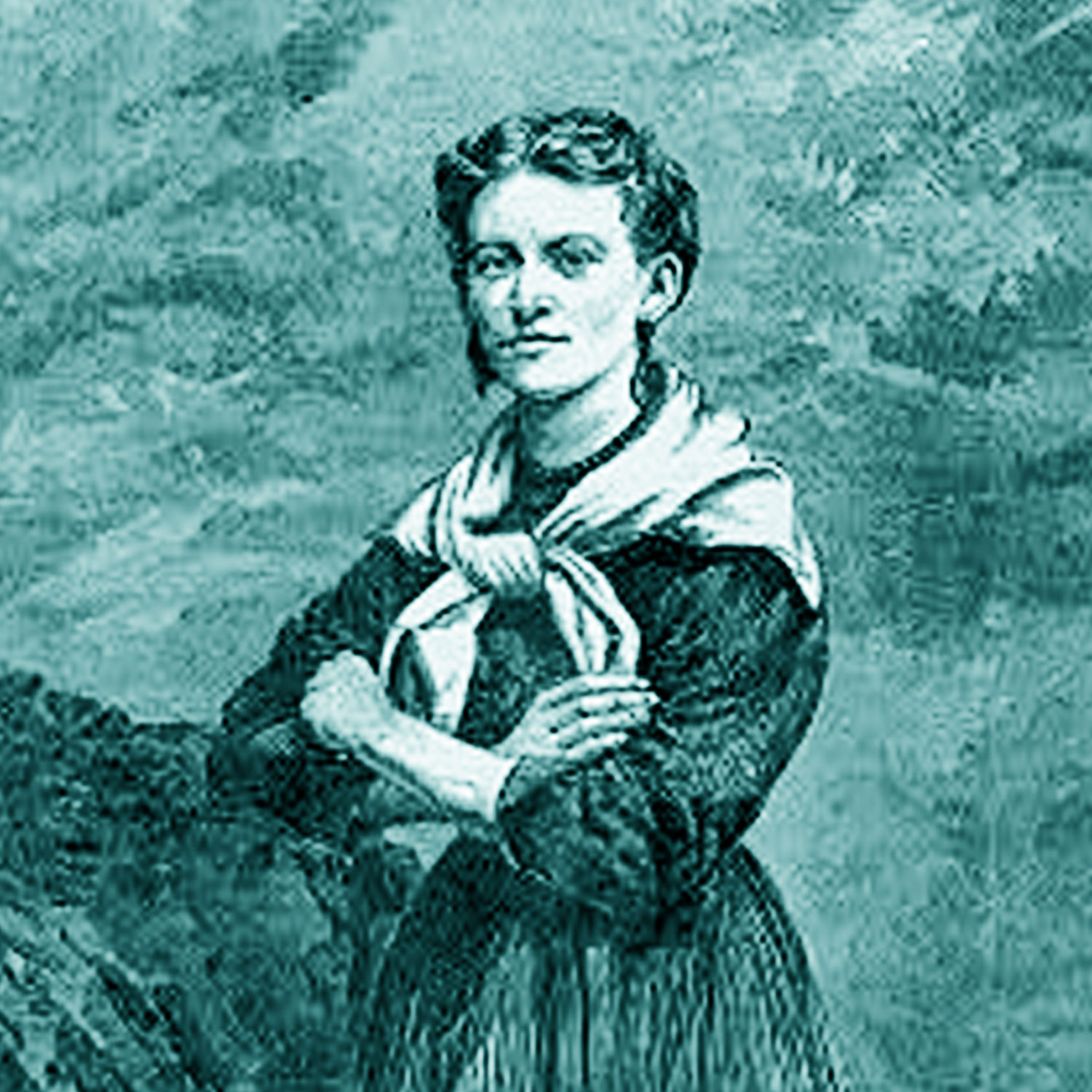
The heroine of Lime Rock Lighthouse
Ida Lewis saved as many as 25 people during her service at the lighthouse. But her deeds have largely been forgotten.
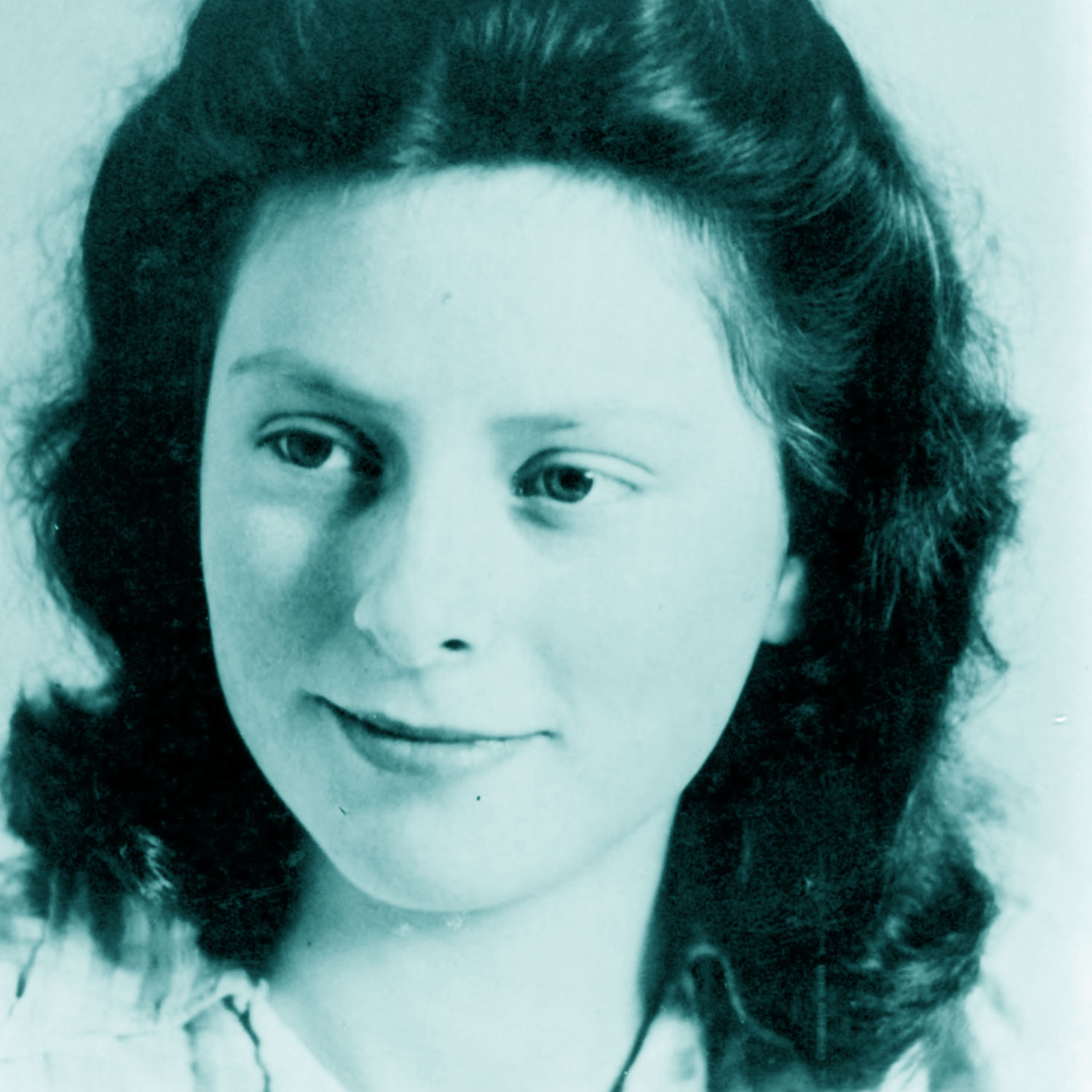
The assassin who wore braids and killed Nazis
Freddie Oversteegen was 14 when she joined the Dutch resistance.
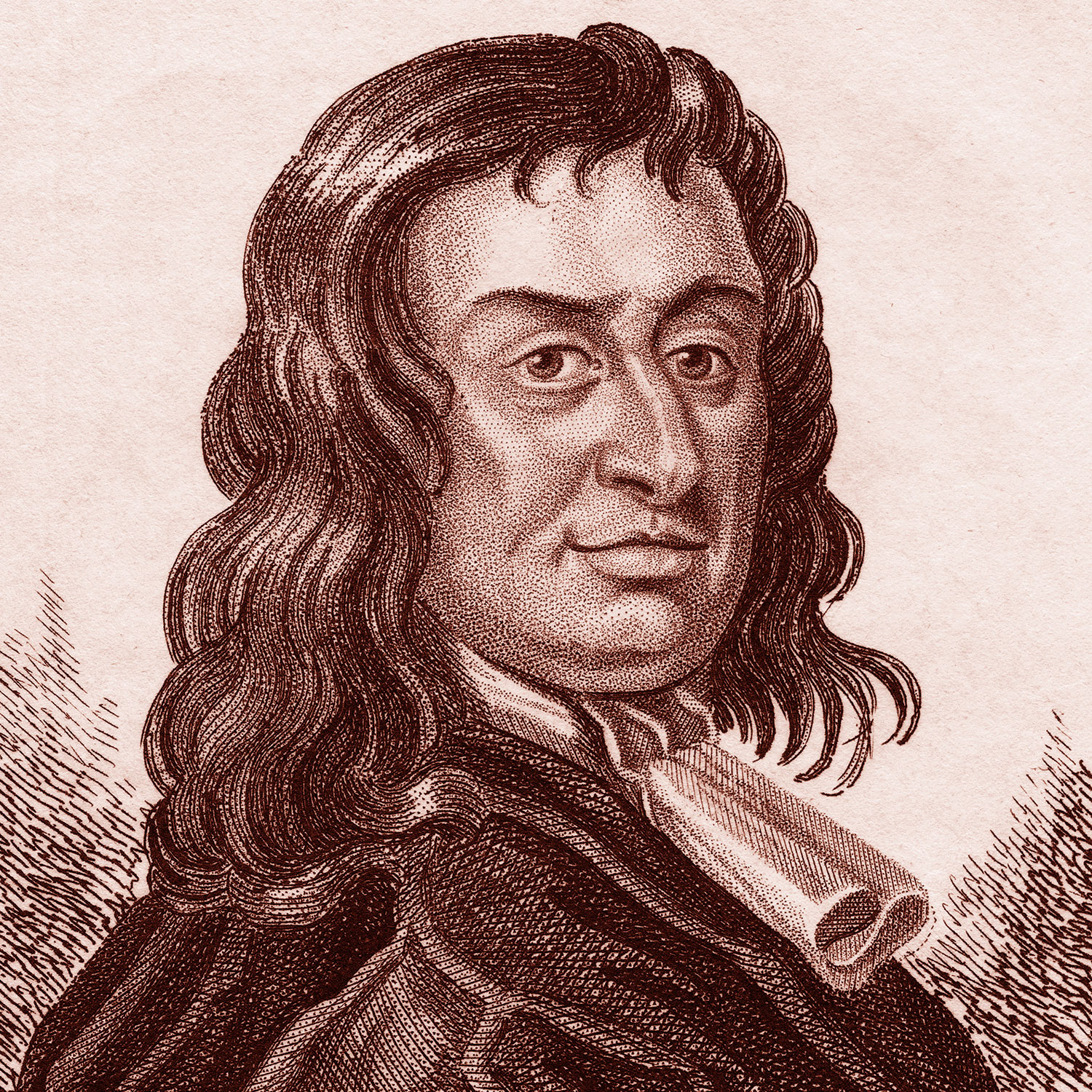
Colonel Blood, the scoundrel who tried to steal Great Britain's crown jewels
Thomas Blood had somewhat of a shady past. According to Ireland’s History magazine, he had a reputation for espionage and conducting terrorist campaigns — though many of his plans were foiled just in time.
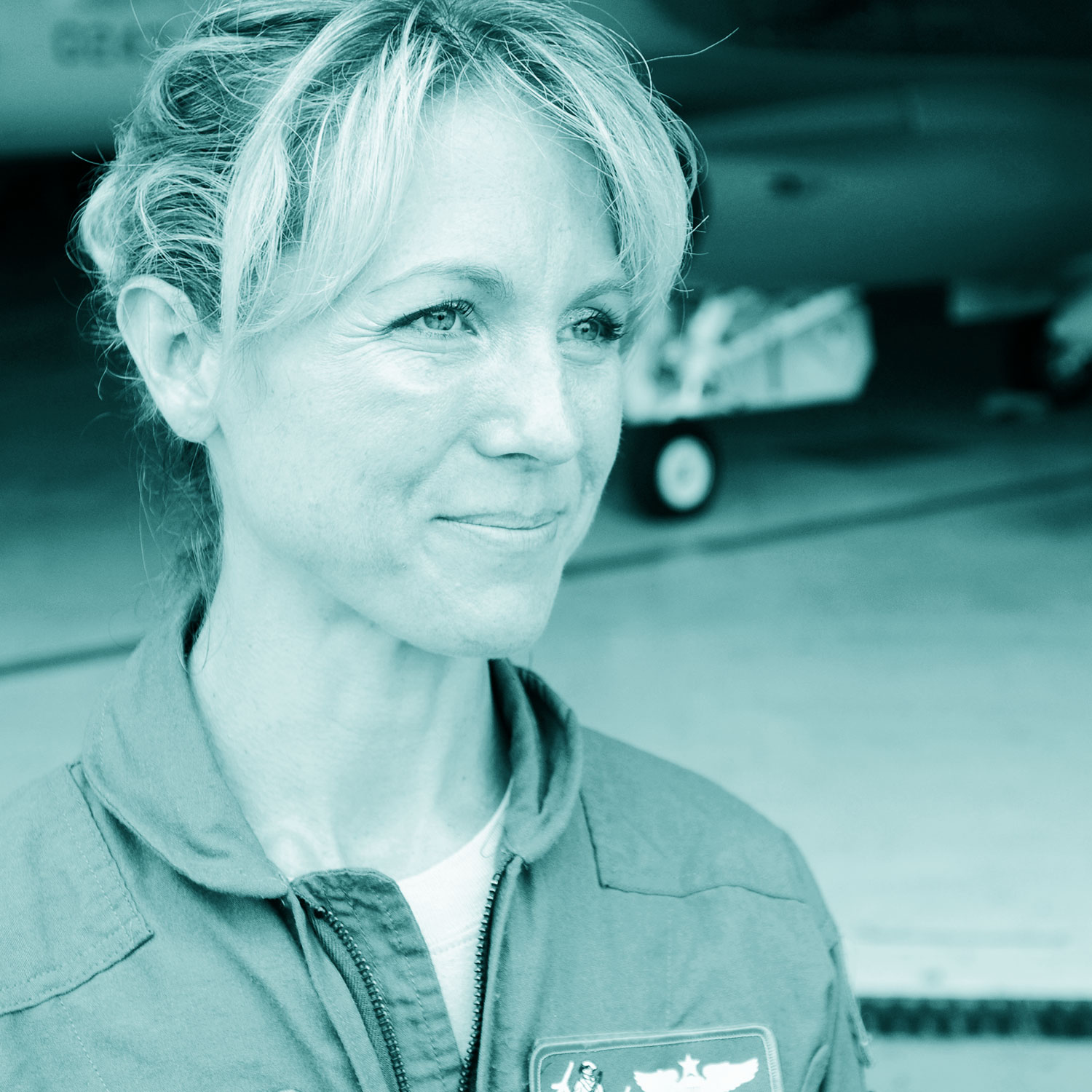
The rookie pilot who was ready to give her life on Sept. 11
Heather Penney was among the first female combat pilots in the country. On Sept. 11, 2001, she got a mission: Bring down the fourth hijacked plane hurtling towards Washington.
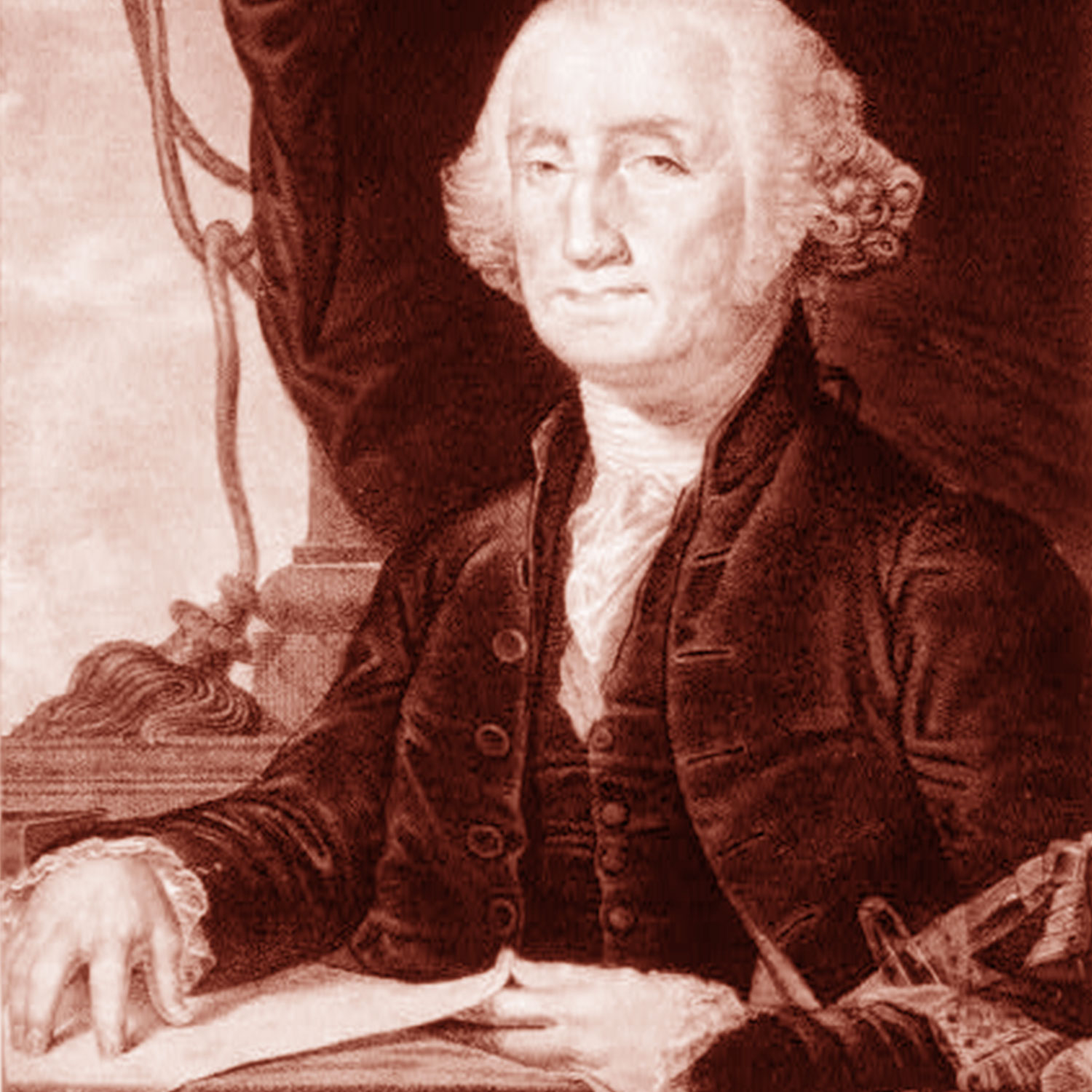
Between Lincoln and Washington, only one was a great poet
Both George Washington and Abraham Lincoln wrote poetry. But only one had a way with words.
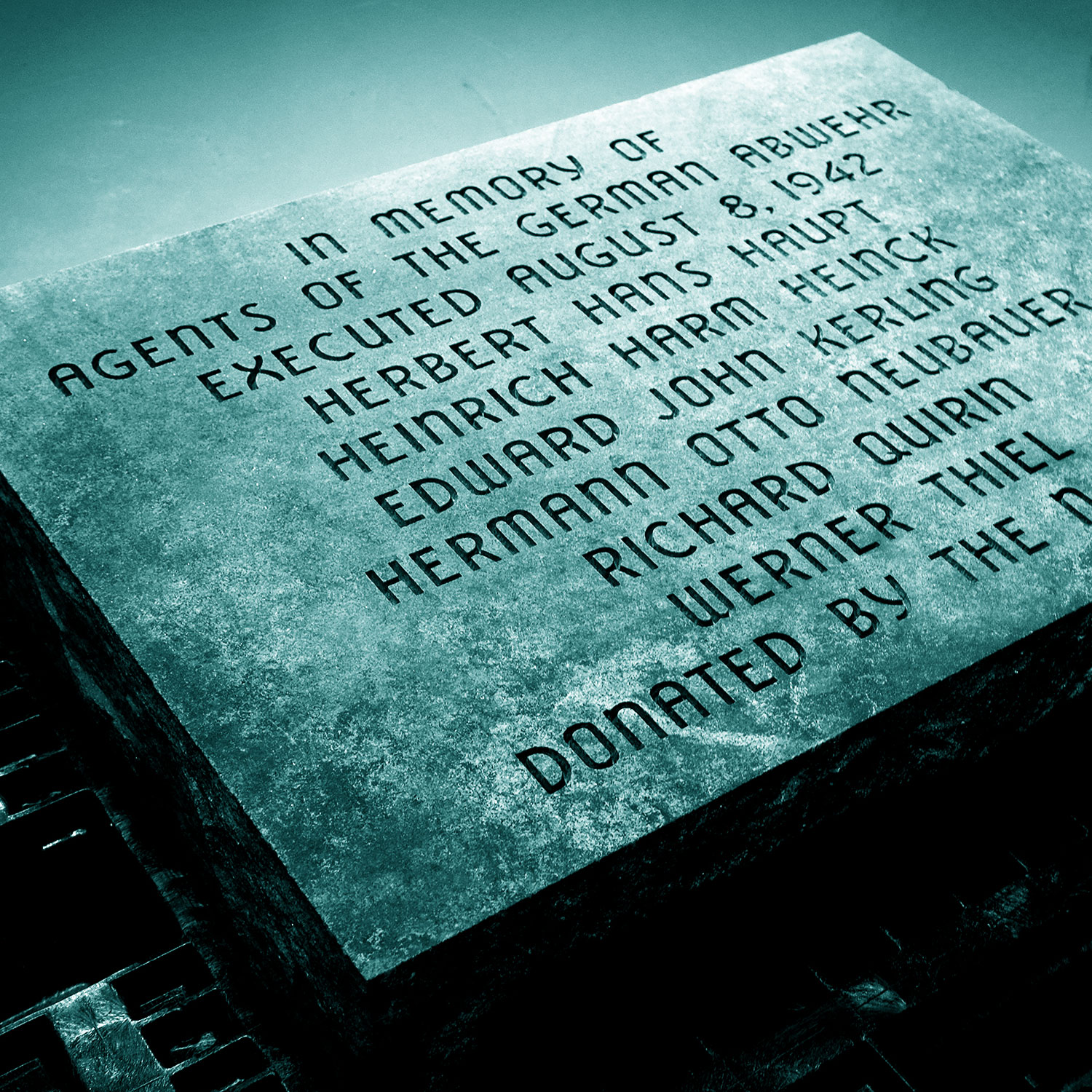
The Nazi stone
A mysterious stone memorial was found in 2006 in Washington, D.C. But who placed a memorial to Nazi spies on government property? And why?
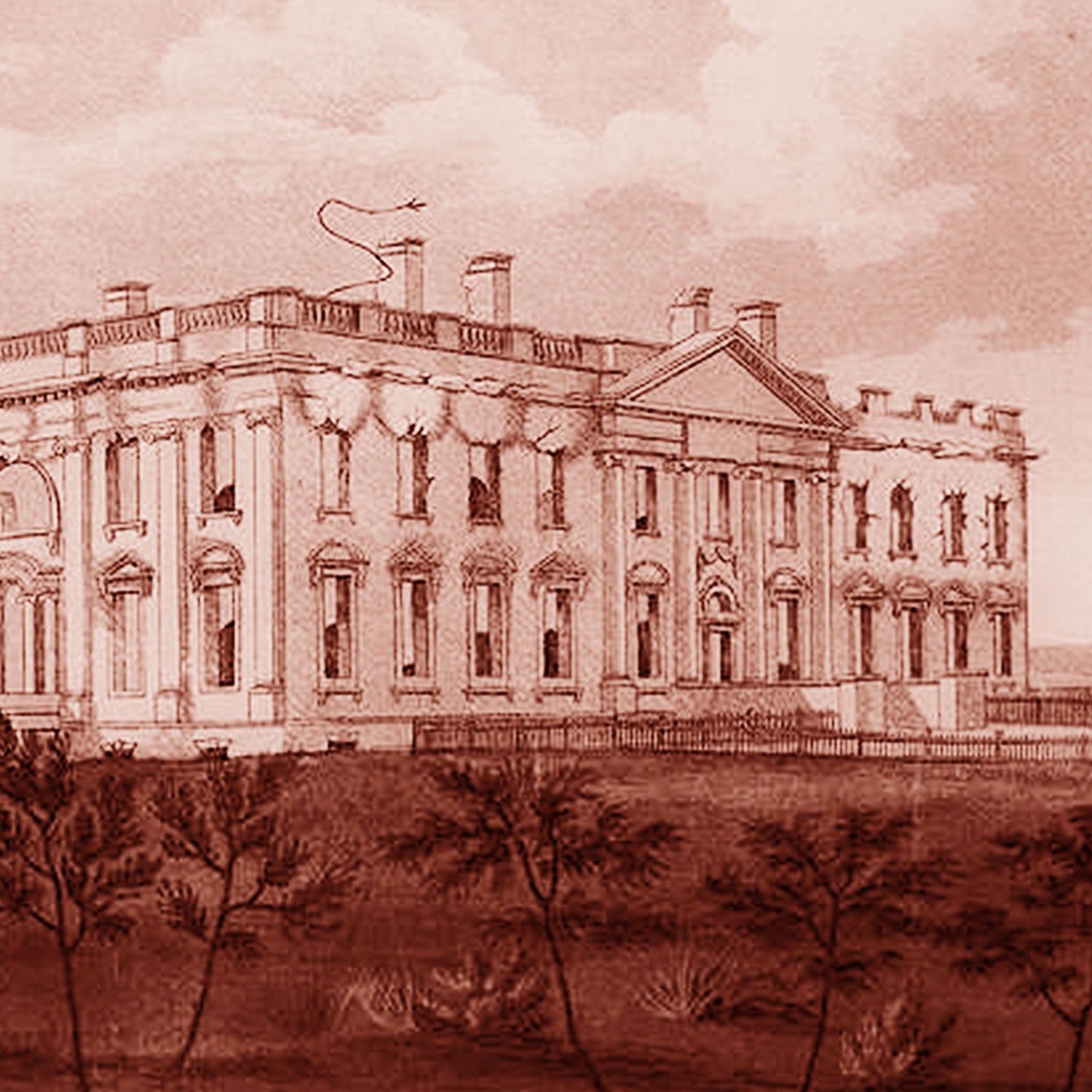
Paul Jennings, the former slave who disputed a legend from history
According to James Madison’s Virginia mansion Montpelier, Paul Jennings’ account reveals, “how the racial and gender hierarchies of the time complicate the way we understand roles in historic events.”
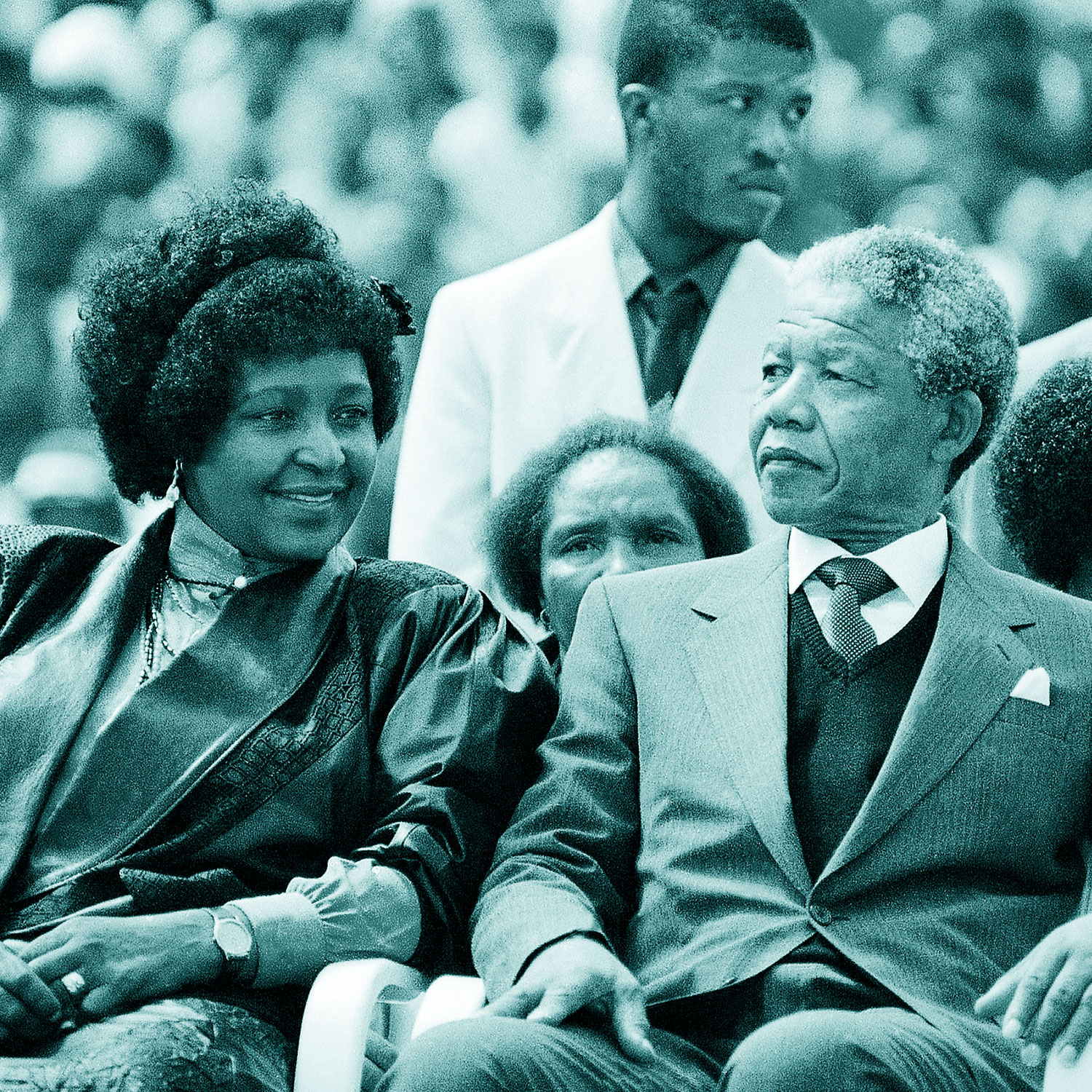
Winnie and Nelson Mandela's marriage survived prison but not freedom
Their 38-year marriage endured his incarceration and hers.
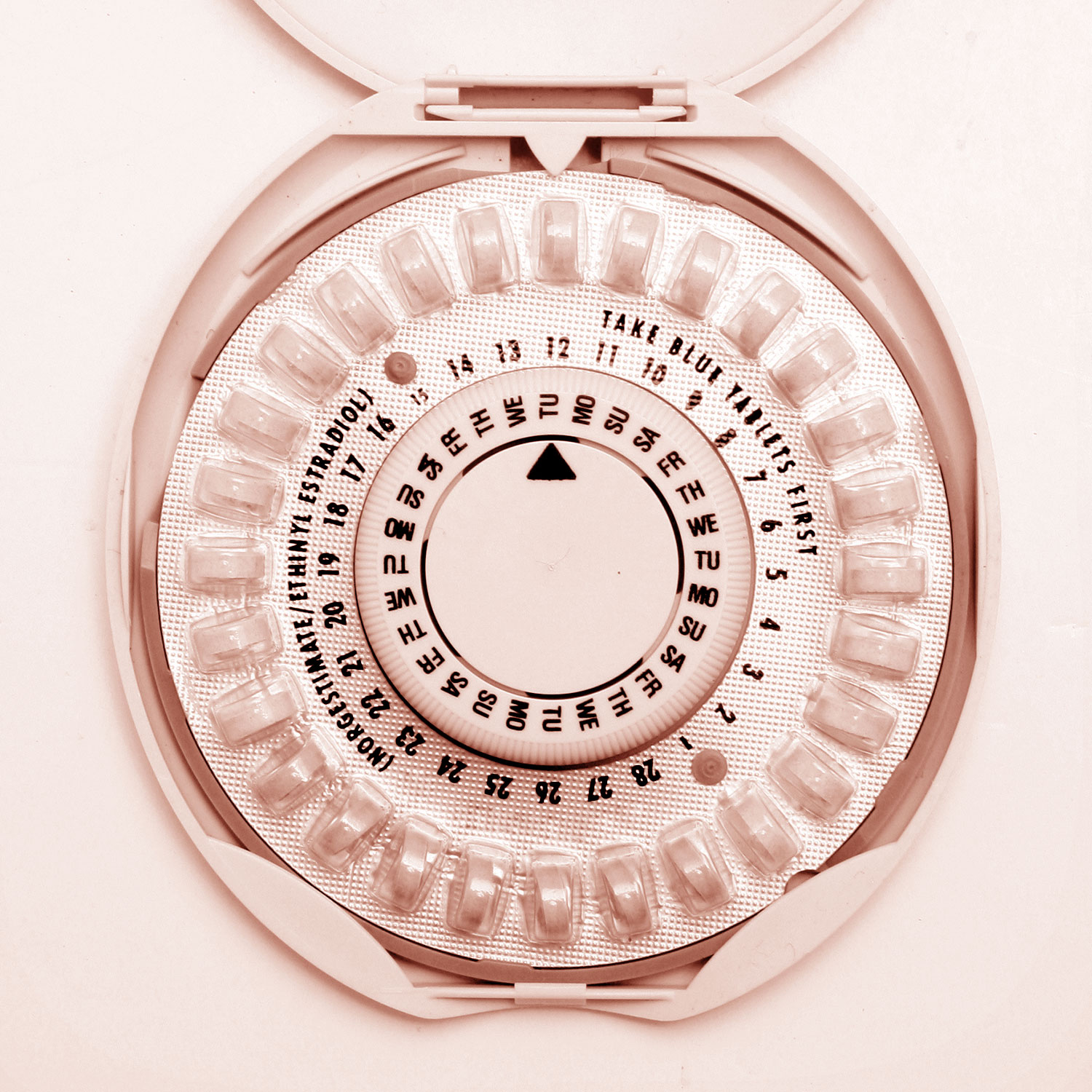
The dark history of the pill
A group of poor women in Puerto Rico were the first test subjects for the birth control pill. Were they guinea pigs or pioneers?
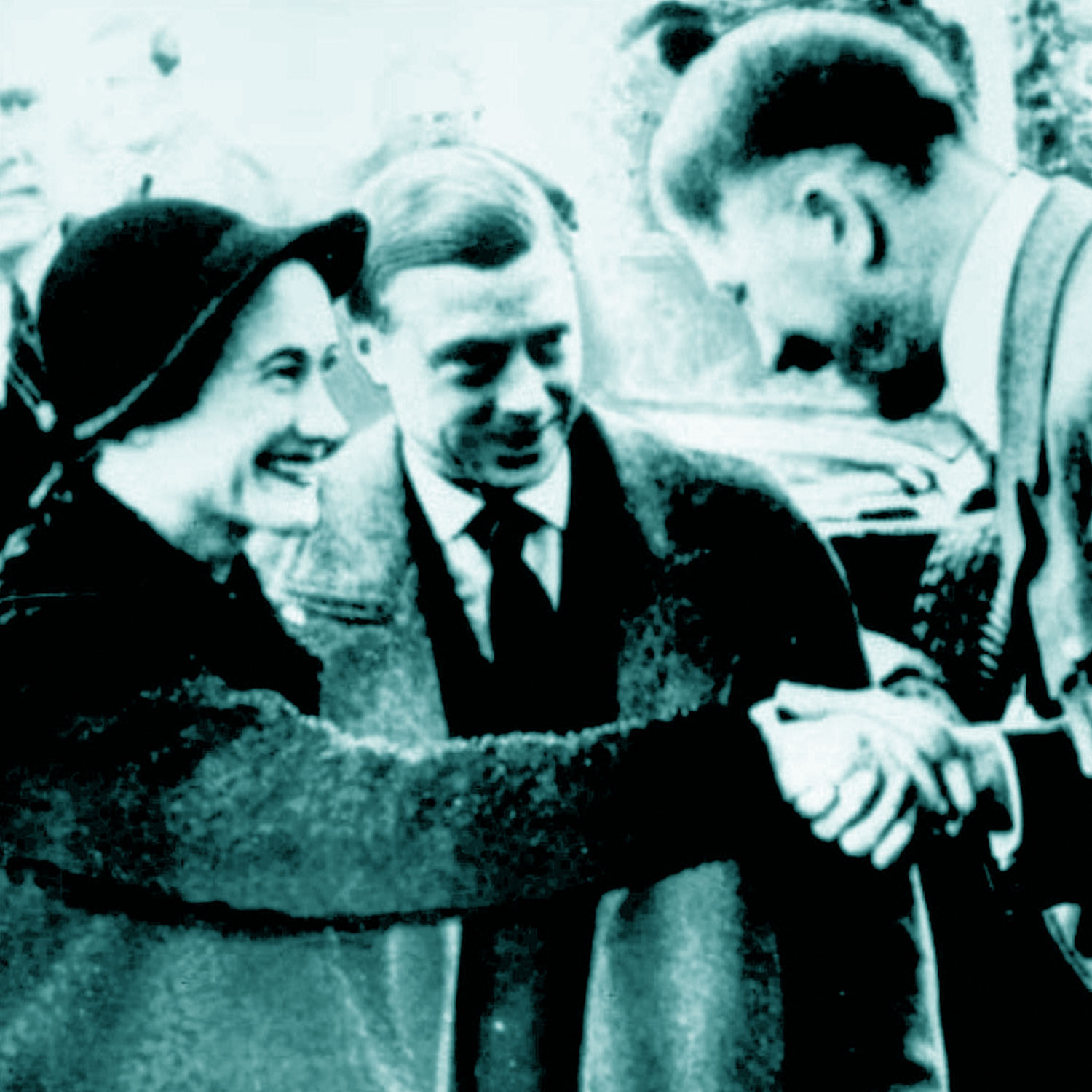
Were the Duke of Windsor and Adolf Hitler friends?
Was the Duke of Windsor a Nazi sympathizer? Did he plot to dethrone his brother, King George VI? Did he really suggest more German bombings of Britain might end World War II?
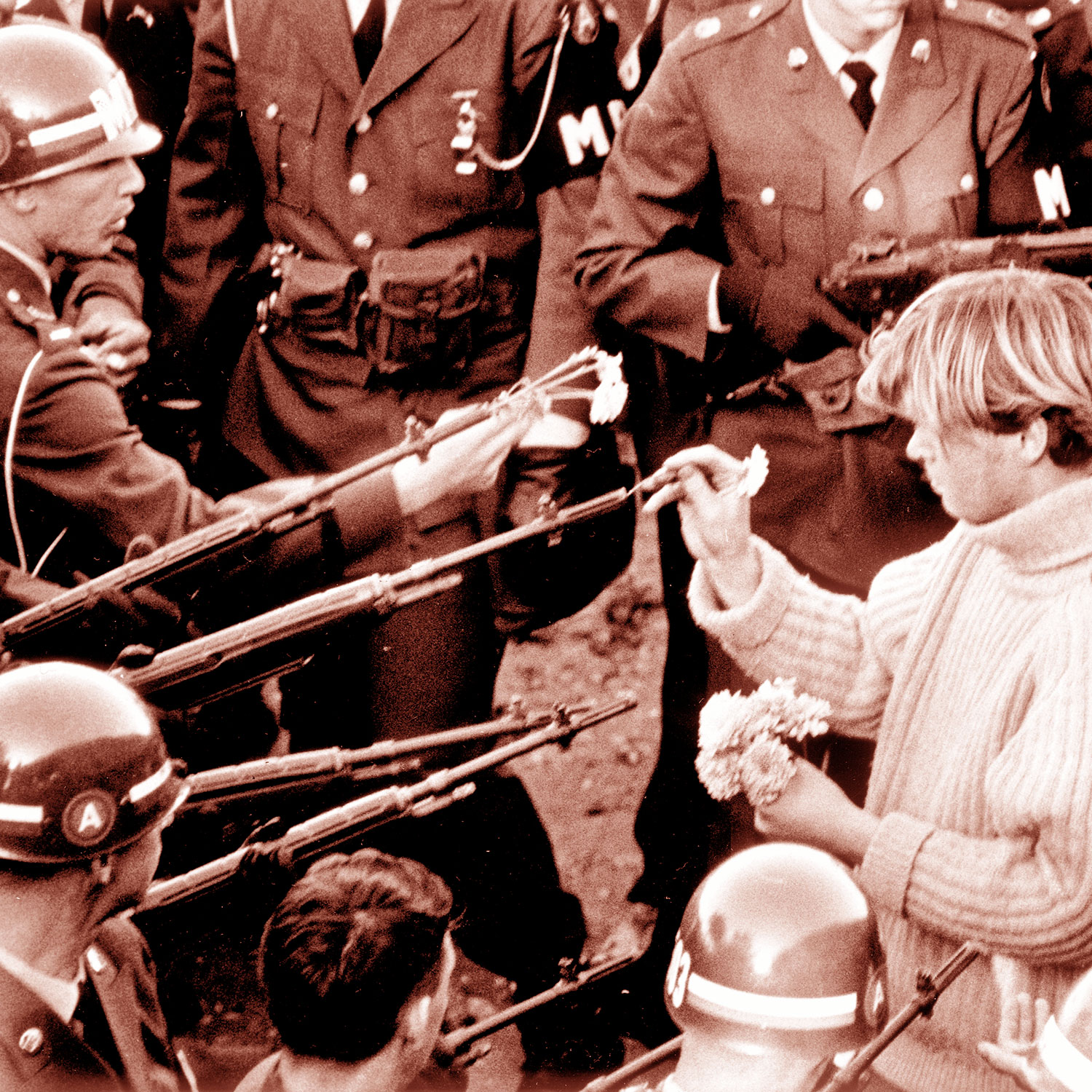
The day anti-Vietnam War protesters tried to levitate the Pentagon
In October 1967, antiwar protesters announced that they would march en masse to the front steps of the Pentagon. and levitate it. And then they would try to levitate it.
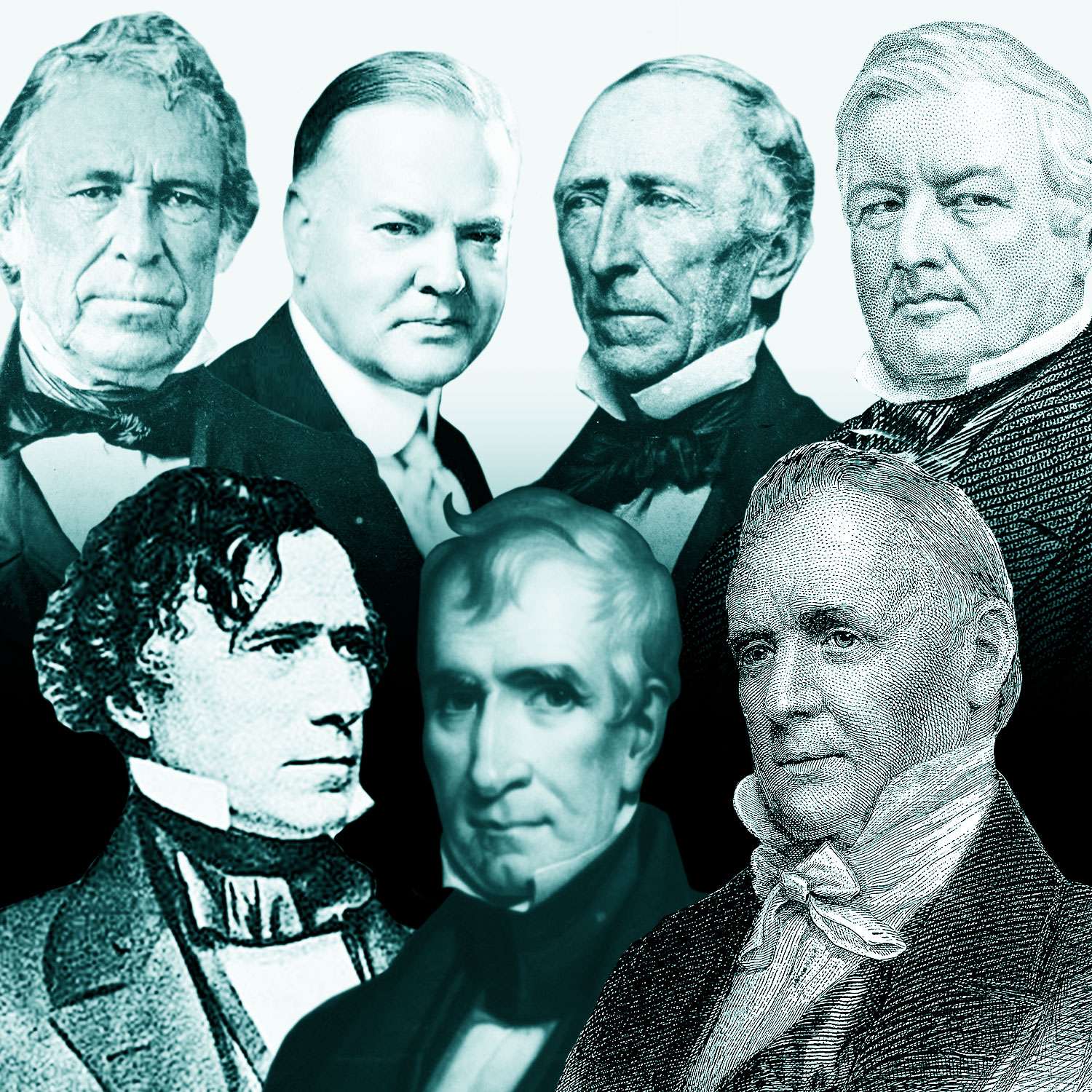
The worst presidents
Besides President Trump, whom do scholars scorn the most?
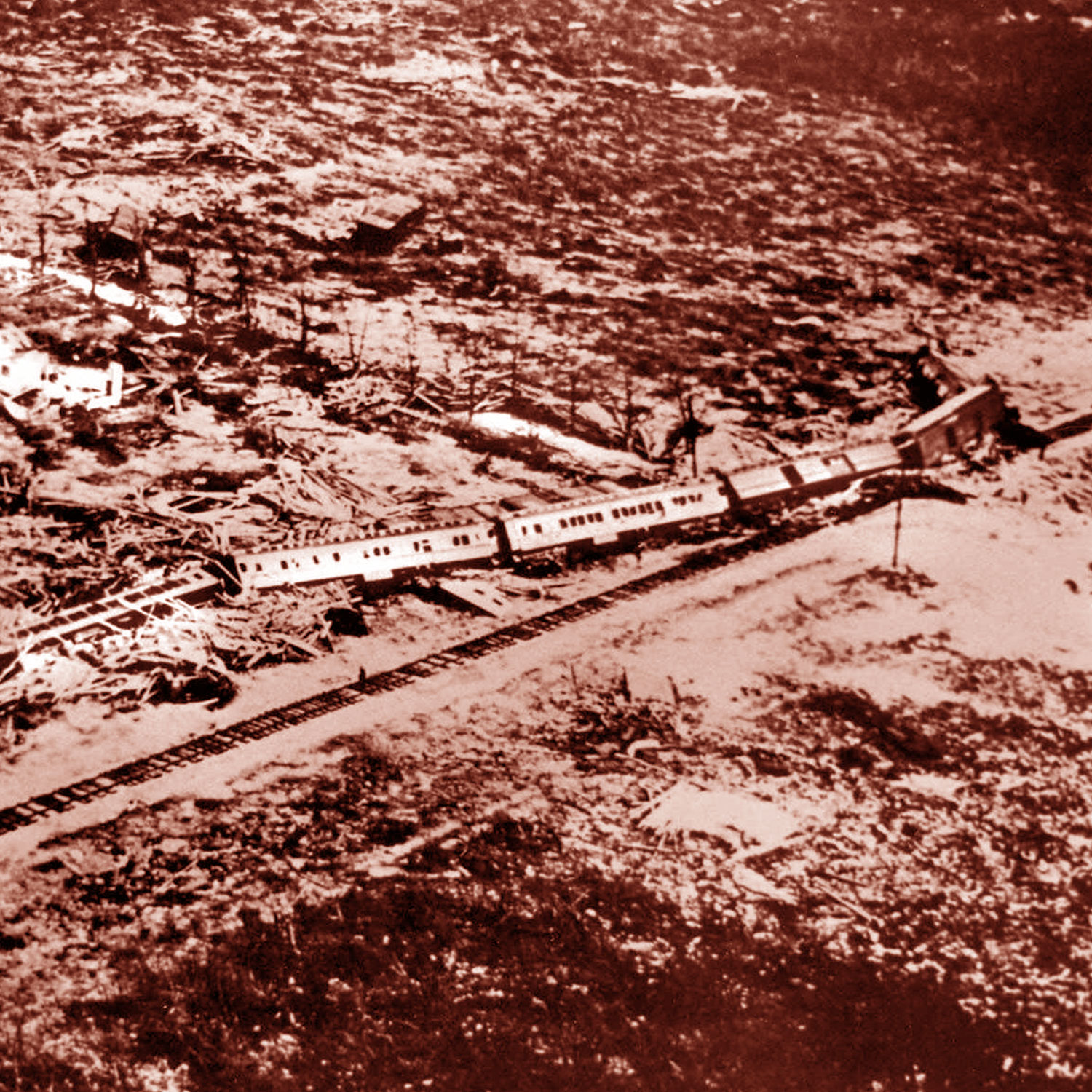
The surprise hurricane that devastated the Florida Keys
In 1935, the Florida Keys ignored the threat of a looming hurricane. When the Category 5 storm made landfall, it left a wake of death and destruction.
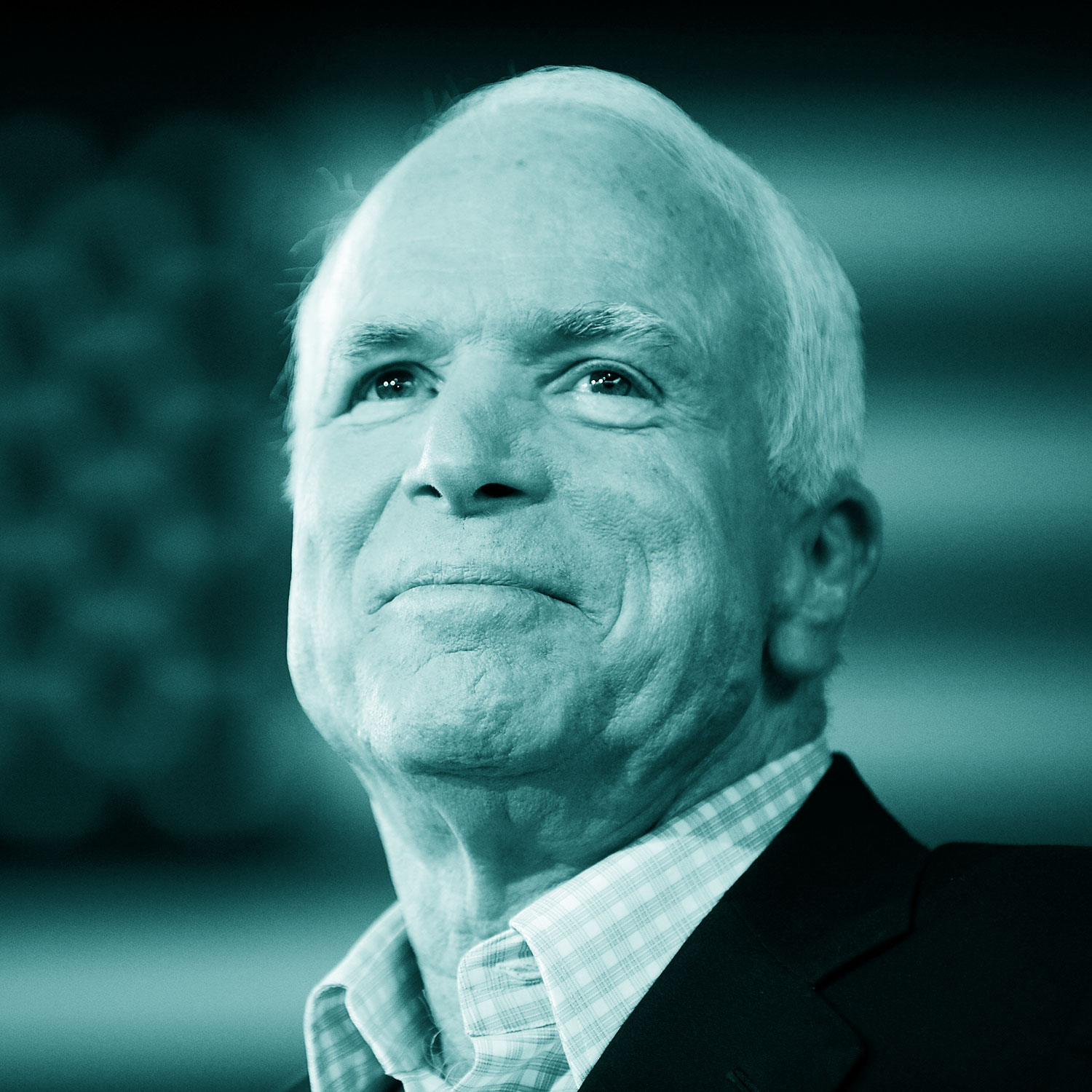
Being a maverick almost stopped John McCain from becoming a public servant
At the Naval Academy, McCain was in a group called the “Bad Bunch” as he rebelled against his father’s expectations.
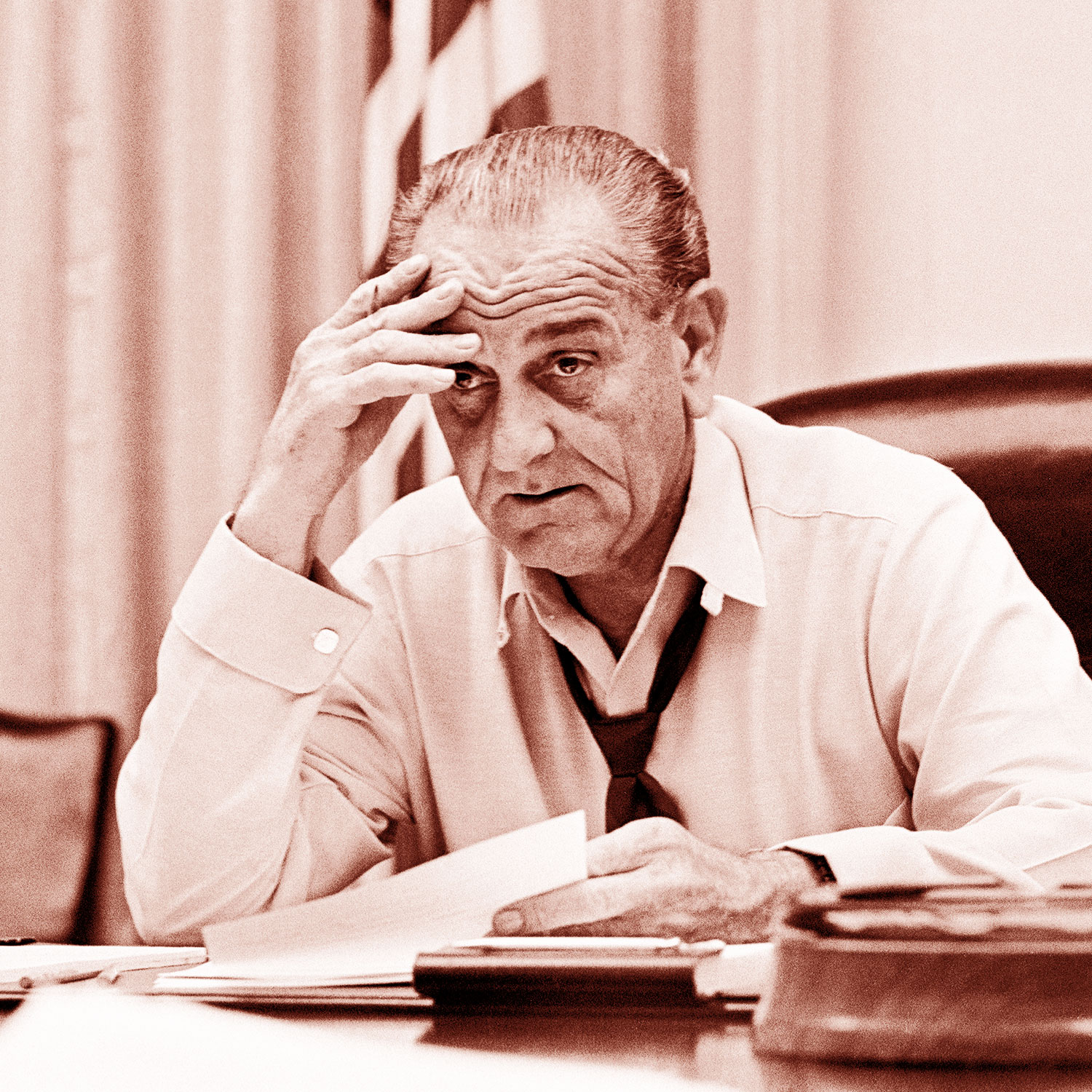
LBJ's political bombshell
By 1968, things were going badly for President Lyndon B. Johnson. Morale around the Vietnam War was sinking, and in Washington, political sharks were circling.
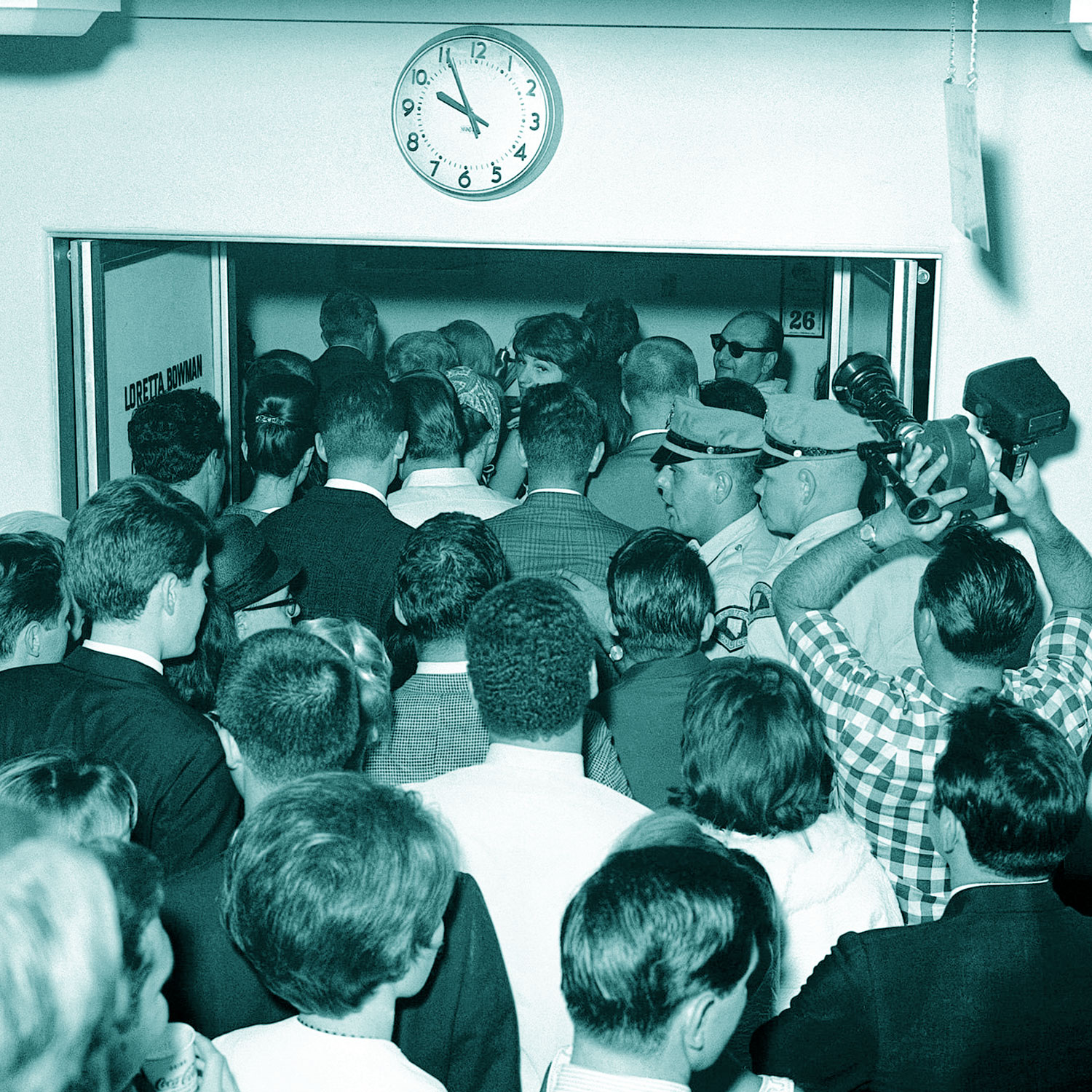
The most romantic day
All over the country, couples rushed to Las Vegas to get married. The demand for quickie weddings was at a fever pitch. But it wasn't Cupid's arrow causing the frenzy. It was the Vietnam War.
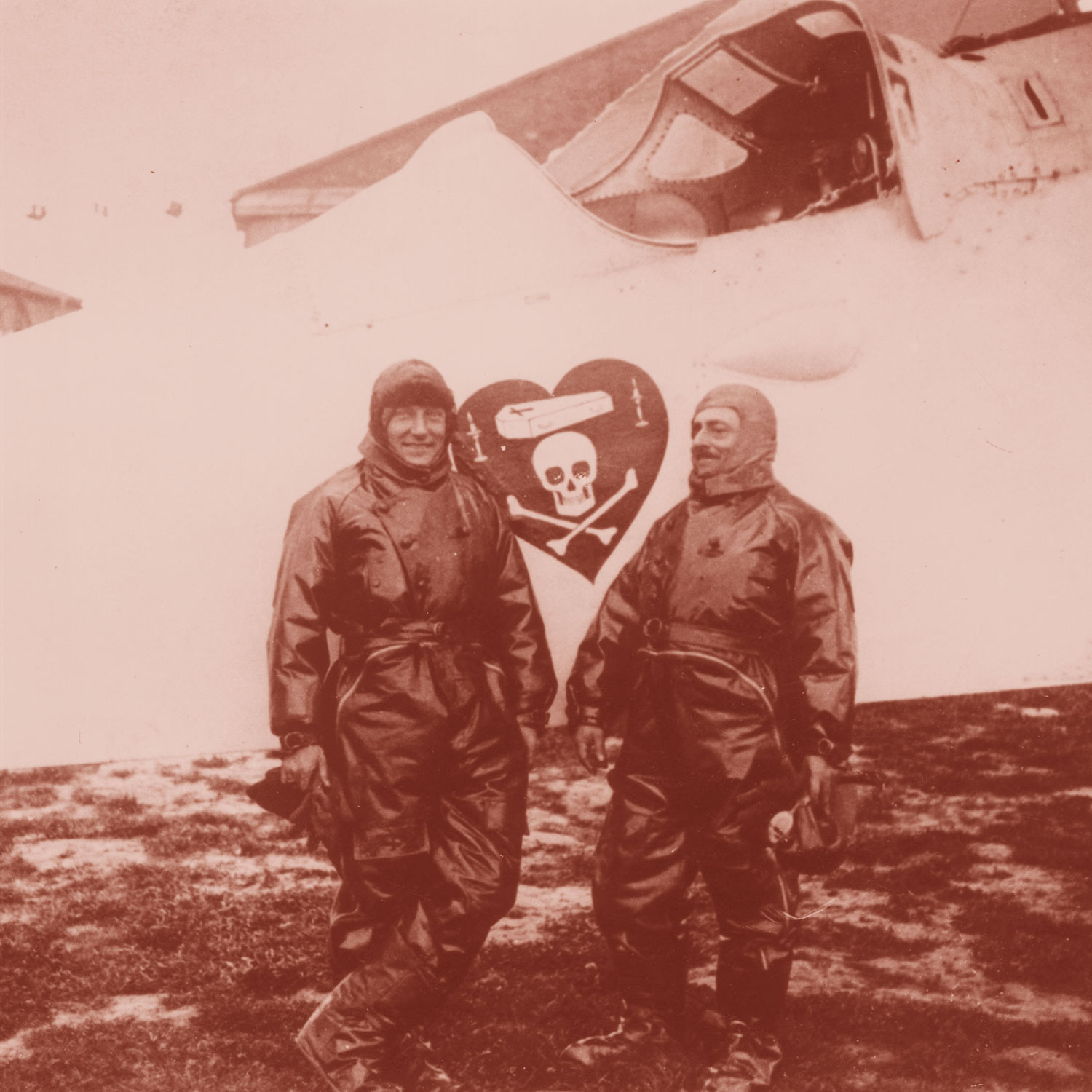
The French aviators who almost beat Charles Lindbergh
In 1927, the world watched as two French aviators attempted the world’s first transatlantic flight.
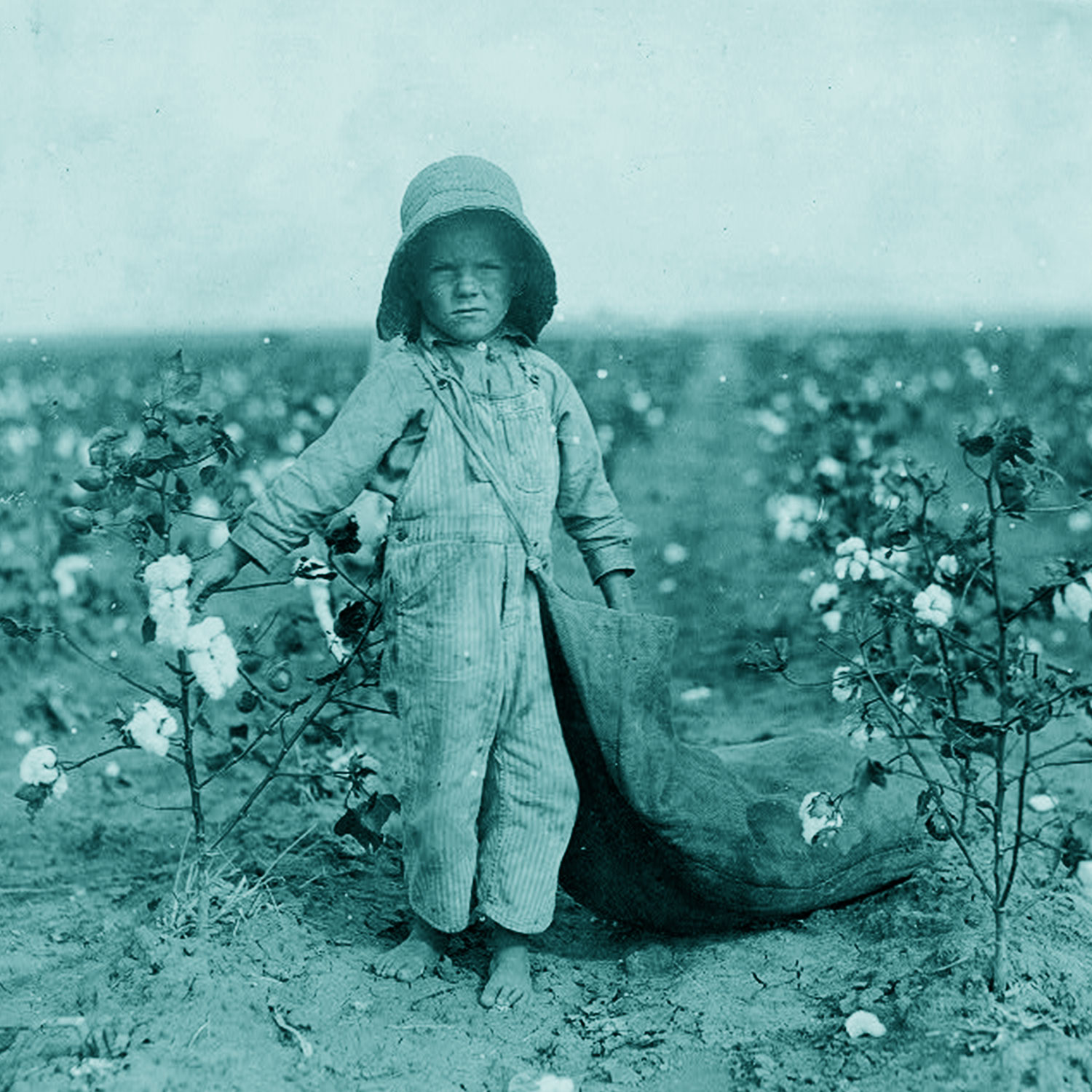
The photographer who helped end child labor in America
Lewis Hine posed as a Bible salesman or machinery photographer to expose the hardships of child labor.
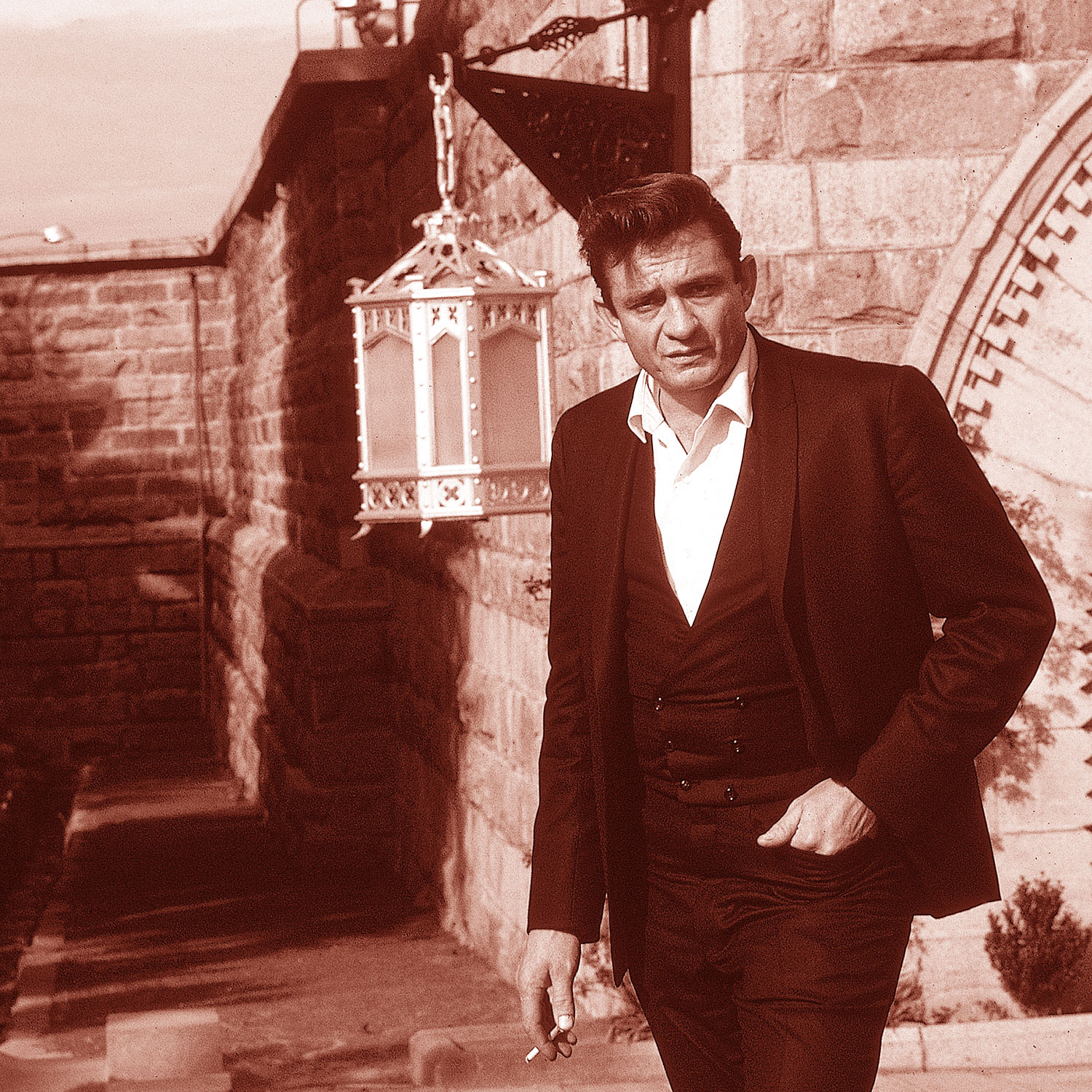
The performance that saved Johnny Cash's career
In a year of extraordinary, chaotic moments this was a hopeful one - a beat-up country music star recording an album live at a troubled maximum security prison in California.
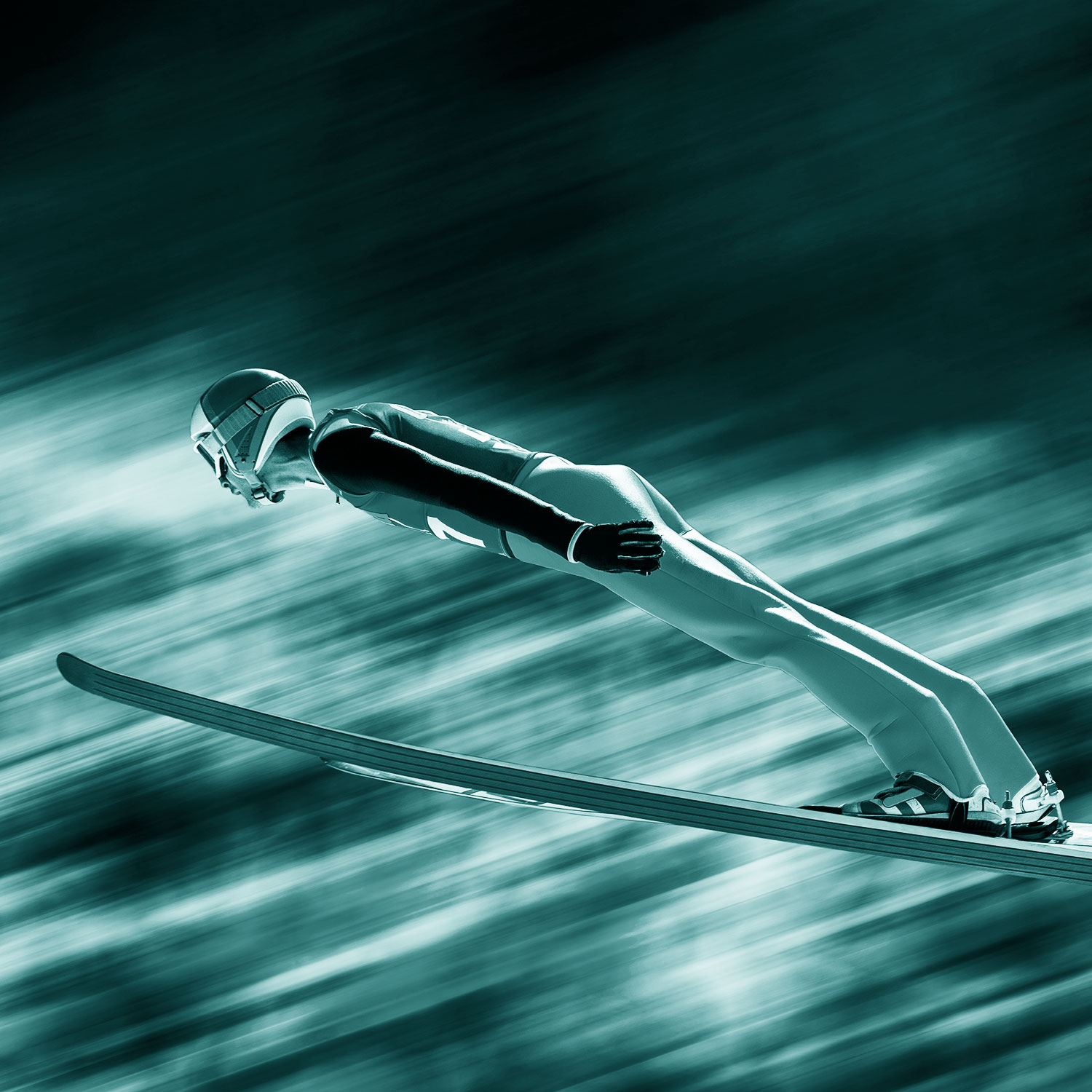
When Olympic silver beats gold
Ski jumping involves flying more than 800 feet in the air and then landing on two feet, without dying. Where on earth did this sport come from?
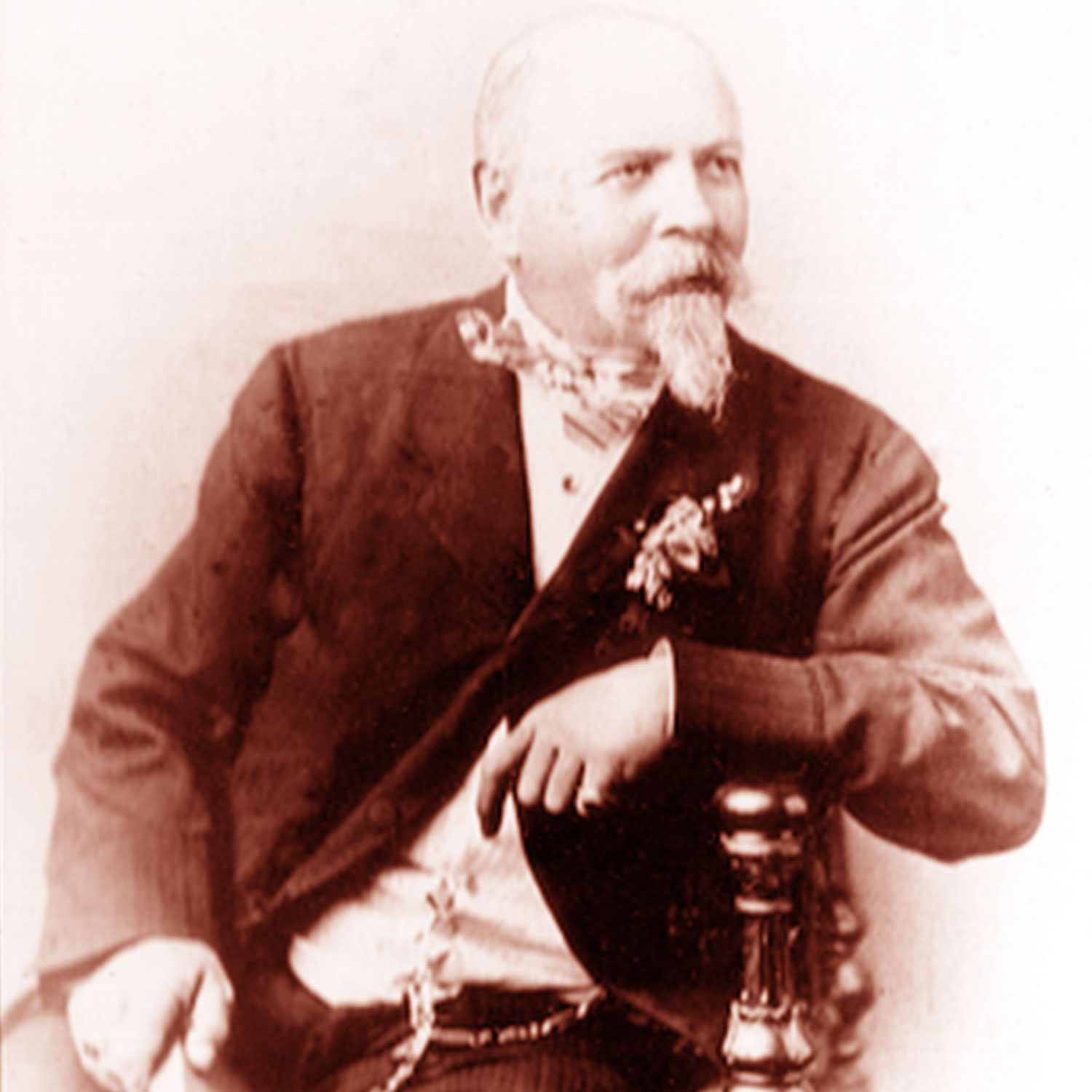
Meet Paul Manafort's century-old forefather, who also liked fancy suits
Samuel Cutler Ward, also known as the “King of the Lobby,” is credited with shaping the craft of lobbying. And like lobbyist and former Trump campaign manager Paul Manafort, he also had some seriously expensive tastes.
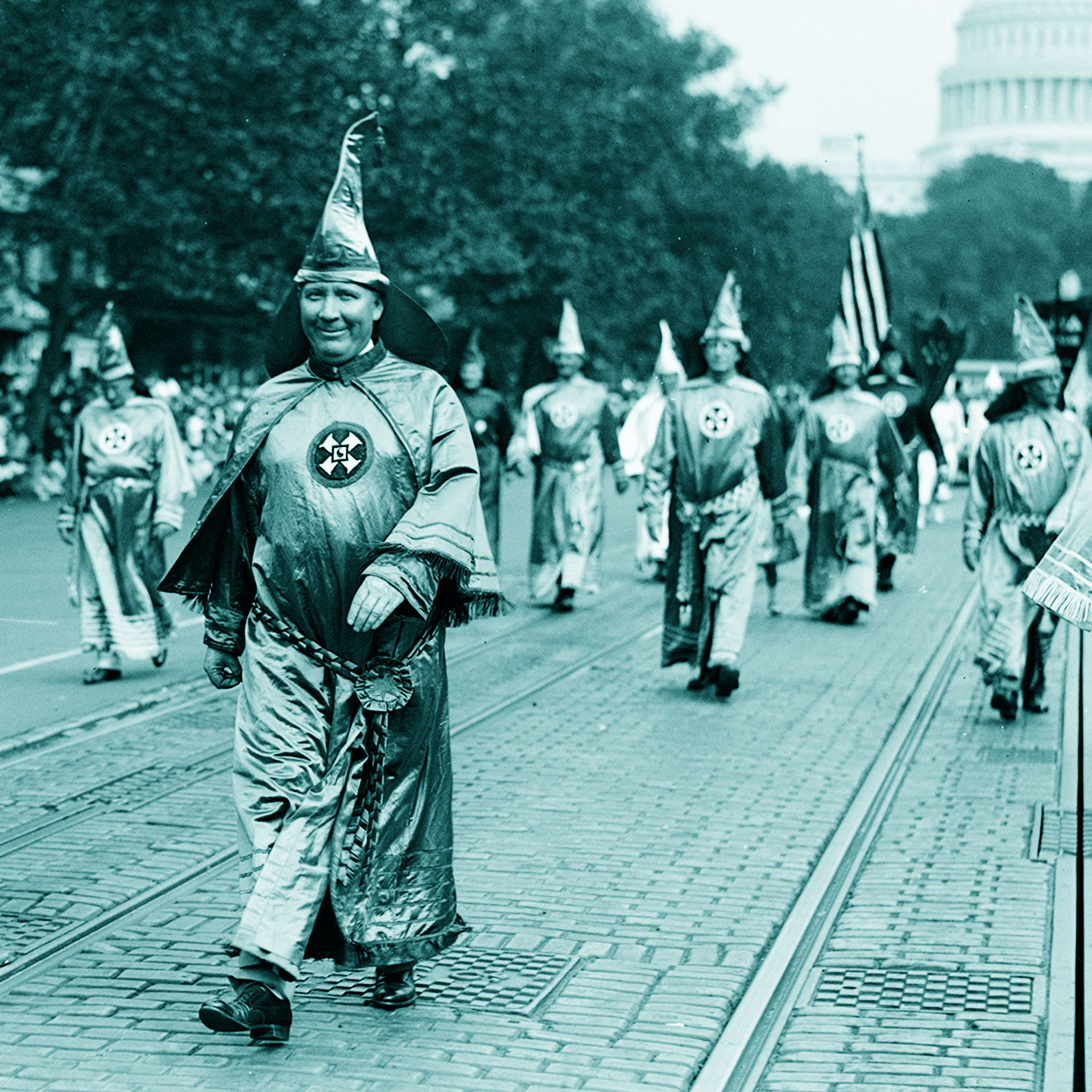
How Hollywood's first major blockbuster revived the KKK
"The Birth of a Nation" depicted life after the Civil War in a way that glorified Klansmen. The film and its cultural impact led one man to conclude that the time was right to bring back the Klu Klux Klan.
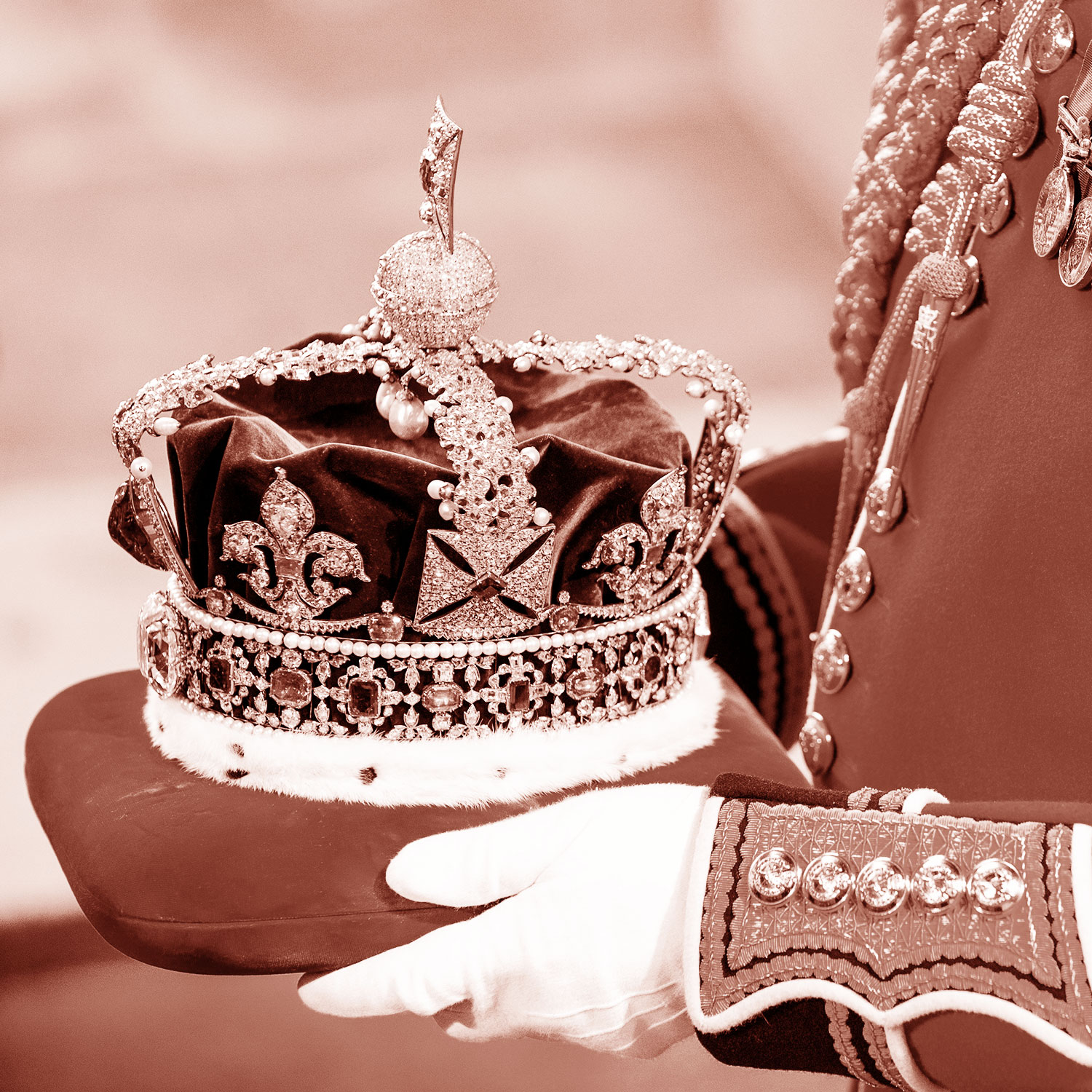
The biscuit tin that protected the crown jewels
It’s World War II, and you’re King George VI of England. You fear a Nazi invasion of England could come at any moment. How do you protect the crown jewels? Not even Queen Elizabeth II knew how her dad did it - until recently.
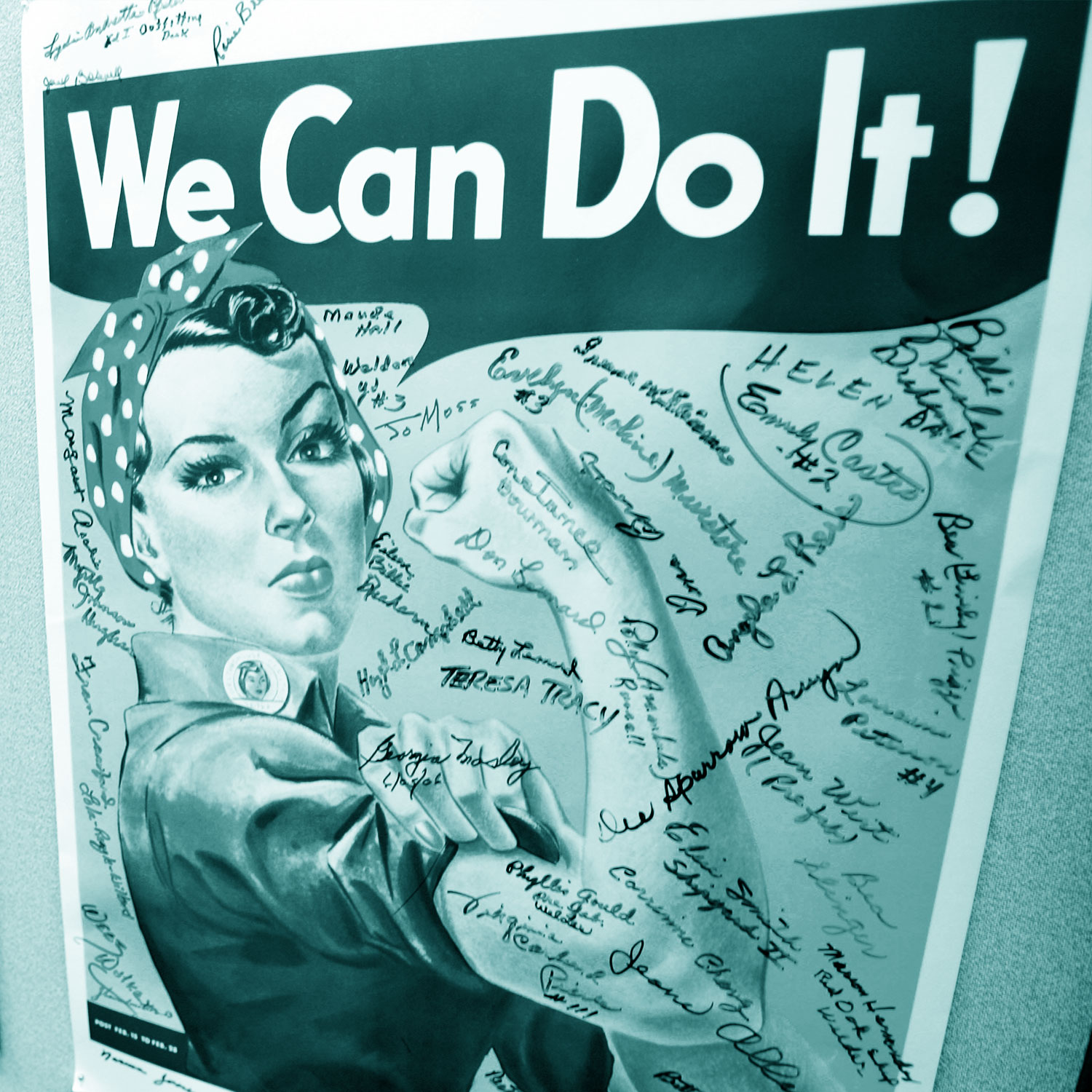
Rosie the Riveter isn't who you think she is
An American in the 1940s would not recognize the woman from the “We Can Do It!” poster as Rosie the Riveter.
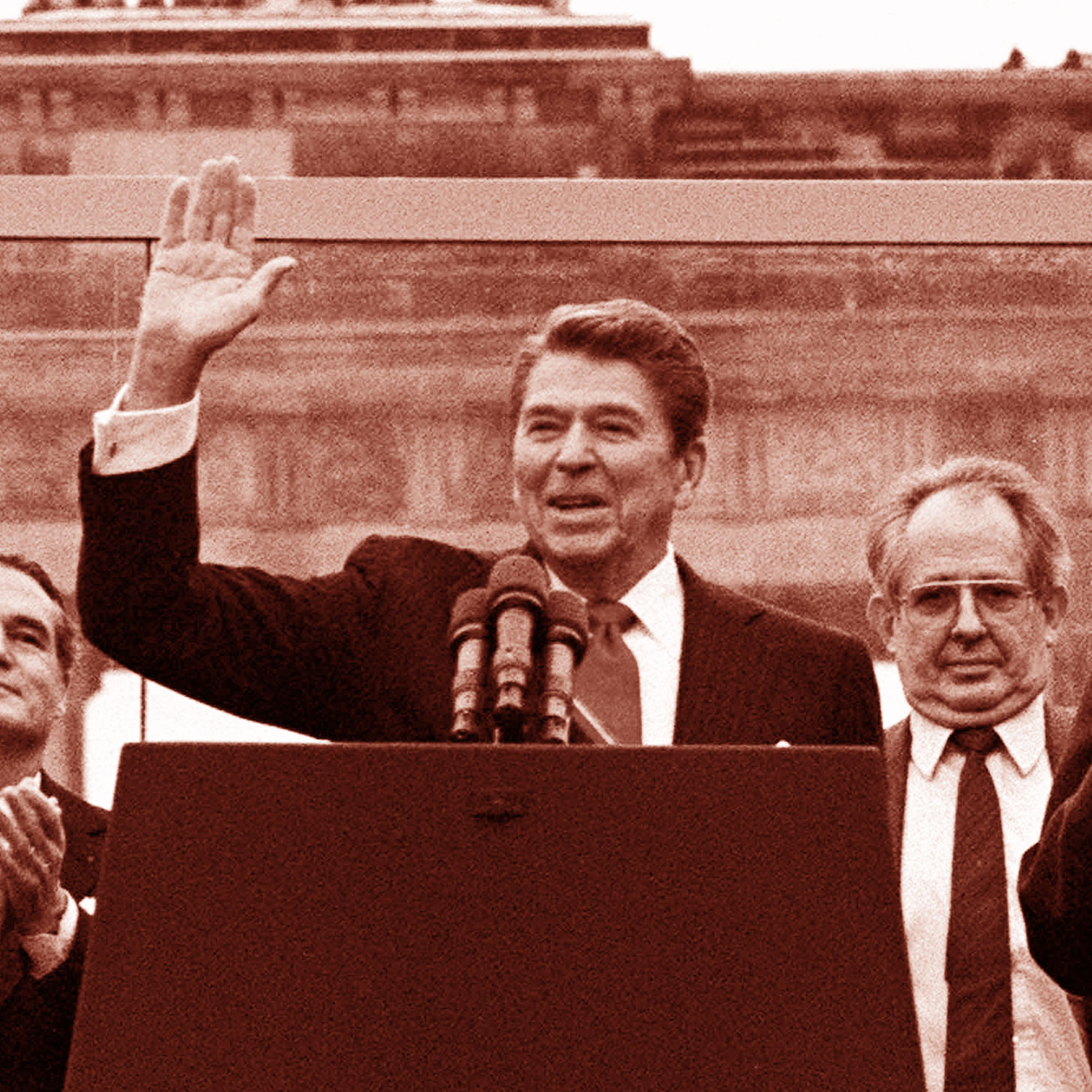
Reagan's most historic speech took a few years to make an impact
When President Reagan told Mr. Gorbachev to “tear down this wall,” it was not seen as a historic moment. It took the actual fall of the wall to resurrect the speech and drill the quote into the nation's political consciousness.
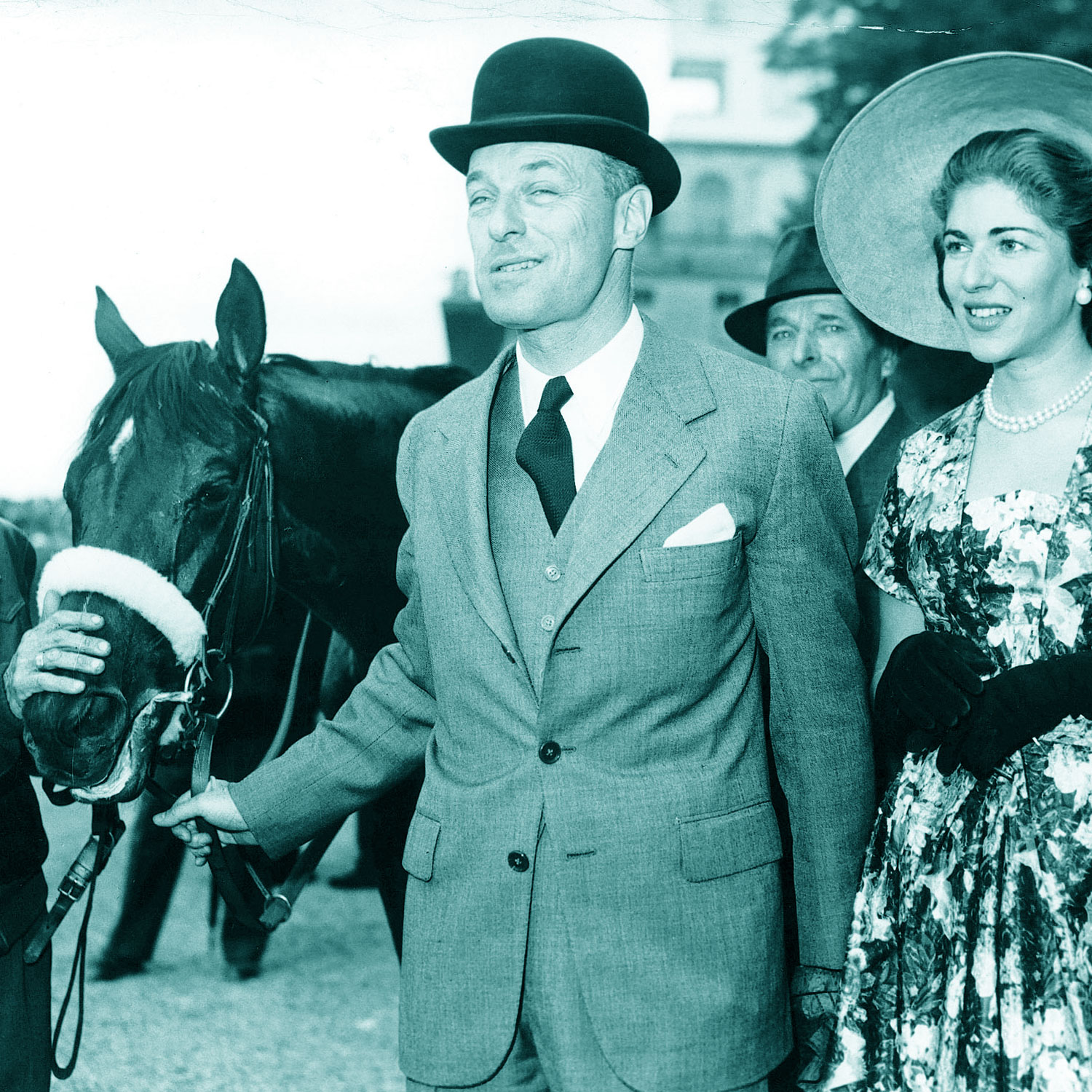
How the anti-Semitic conspiracy theories about the Rothschilds began
The anti-Semitic conspiracy theories surrounding the Rothschild family date all the way back to The Battle of Waterloo.
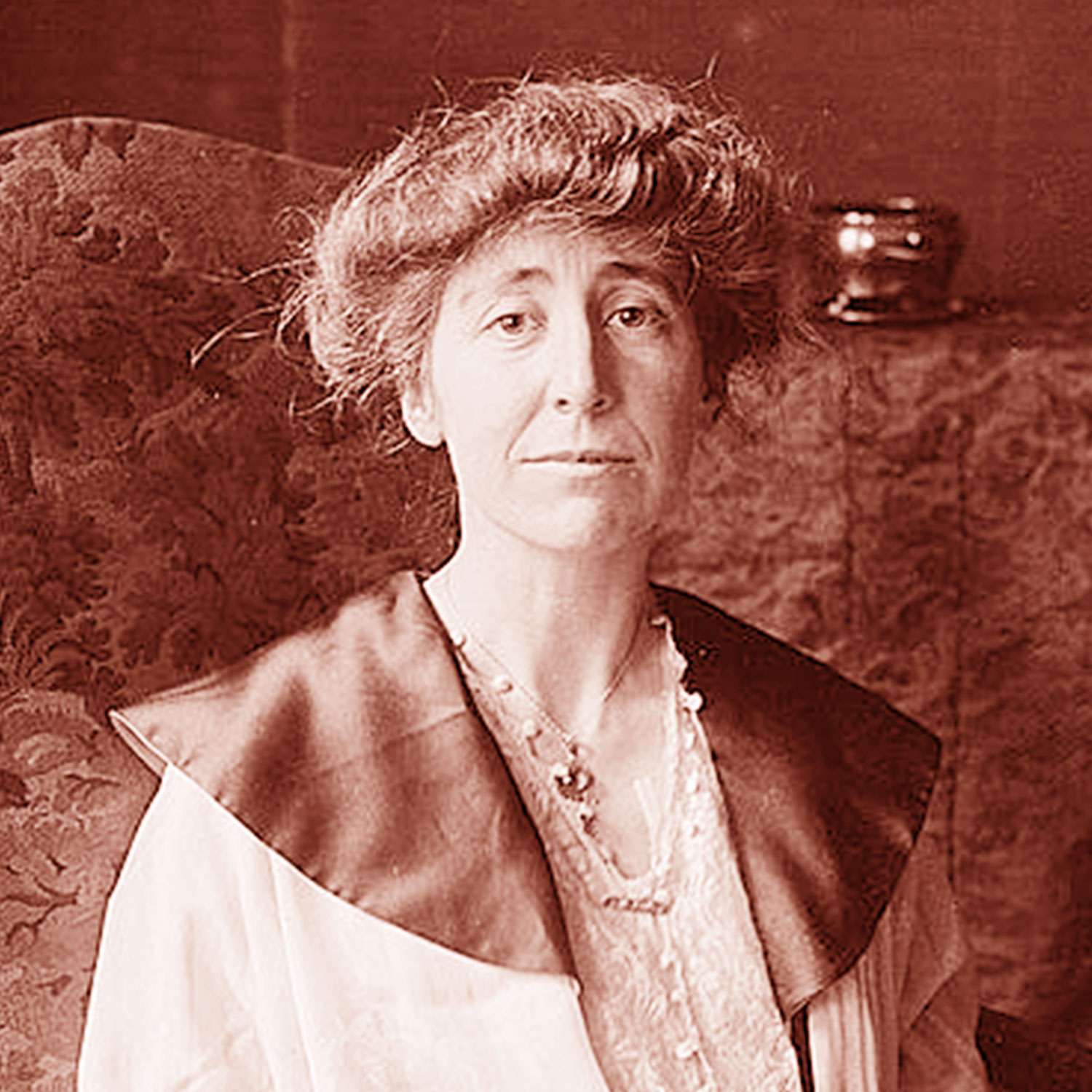
The first congresswoman's vote
In April 1917, Jeannette Rankin, the first woman elected to Congress, faced an agonizing choice: should she, or should she not, vote for the United States to enter World War I?