Radiolab
674 episodes — Page 4 of 14

Ep 555Numbers
First aired back in 2009, this episode is all about one thing, or rather a collection of things. Whether you love 'em or hate 'em, chances are you rely on numbers every day of your life. Where do they come from, and what do they really do for us? This hour: stories of how numbers confuse us, connect us, and even reveal secrets about us.

Ep 554Death Interrupted
As a lifeguard, a paramedic, and then an ER doctor, Blair Bigham found his calling: saving lives. But when he started to work in the ICU, he slowly realized that sometimes keeping people (and their hopes) alive just prolongs the suffering. He wrote a book arguing that a too-late death is just as bad as a too-early one, and that physicians and the public alike need to get better at accepting the inevitability of death sooner. As the book hit the bestseller list, Blair’s own father got diagnosed with a deadly case of pancreatic cancer. Blair’s every impulse was in direct contradiction of the book he just wrote. What should he do? And how can any of us know when to stop fighting death and when to start making peace with it?Special thanks to Lucie Howell and Heather Haley.EPISODE CREDITS: Reported by - Latif NasserProduced by - Simon Adlerwith help from - Alyssa Jeong PerryOriginal music and sound design contributed by - Simon Adlerwith mixing help from - Arianne WackFact-checking by - Natalie Middletonand edited by - Pat Walters EPISODE CITATIONS: Books: Blair Bigham, Death Interrupted: How Modern Medicine is Complicating the Way We Die (https://zpr.io/a33mEMW64X5h) Our newsletter comes out every Wednesday. It includes short essays, recommendations, and details about other ways to interact with the show. Sign up (https://radiolab.org/newsletter)! Radiolab is supported by listeners like you. Support Radiolab by becoming a member of The Lab (https://members.radiolab.org/) today. Follow our show on Instagram, X and Facebook @radiolab, and share your thoughts with us by emailing [email protected]. Leadership support for Radiolab’s science programming is provided by the Gordon and Betty Moore Foundation, Science Sandbox, a Simons Foundation Initiative, and the John Templeton Foundation. Foundational support for Radiolab was provided by the Alfred P. Sloan Foundation.

Ep 553A 4-Track Mind
In this short episode that first aired in 2011, a neurologist issues a dare to a ragtime piano player and a famous conductor. When the two men face off in an fMRI machine, the challenge is so unimaginably difficult that one man instantly gives up. But the other achieves a musical feat that ought to be impossible. Reporter Jessica Benko went to Michigan to visit Bob Milne, one of the best ragtime piano players in the world, and a preternaturally talented musician. Usually, Bob sticks to playing piano for small groups of ragtime enthusiasts, but he recently caught the attention of Penn State neuroscientist Kerstin Bettermann, who had heard that Bob had a rare talent: He can play technically challenging pieces of music on demand while carrying on a conversation and cracking jokes. According to Kerstin, our brains just aren't wired for that. So she decided to investigate Bob's brain, and along the way she discovered that Bob has an even more amazing ability—one that we could hardly believe and science can't explain. Our newsletter comes out every Wednesday. It includes short essays, recommendations, and details about other ways to interact with the show. Sign up (https://radiolab.org/newsletter)! Radiolab is supported by listeners like you. Support Radiolab by becoming a member of The Lab (https://members.radiolab.org/) today. Follow our show on Instagram, Twitter and Facebook @radiolab, and share your thoughts with us by emailing [email protected]. Leadership support for Radiolab’s science programming is provided by the Gordon and Betty Moore Foundation, Science Sandbox, a Simons Foundation Initiative, and the John Templeton Foundation. Foundational support for Radiolab was provided by the Alfred P. Sloan Foundation.

Ep 552Boy Man
Could puberty get any more awkward? Turns out, yes. Writer Patrick Burleigh started going through puberty as a toddler. He had pubic hair before he was two years old and a mustache by middle school. All of this was thanks to a rare genetic mutation that causes testotoxicosis, also known as precocious puberty. From the moment he was born, abnormally high levels of testosterone coursed through his body, just as it had in his father’s body, his grandfather’s body, and his great-grandfather’s body. On this week’s episode, Patrick’s premature coming of age story helps us understand just why puberty is so awkward for all of us, and whether and how it helps forge us into the adults we all become.Special thanks to Craig Cox, Nick Burleigh, and Alyssa Voss at the NIH.EPISODE CREDITS:Reported by - Latif Nasserwith help from - Kelsey Padgett, Ekedi Fausther-Keeys, and Alyssa Jeong PerryProduced by - Pat Walters, Alex Neason, and Alyssa Jeong Perry with help from - Ekedi Fausther-Keyes and Matt Kieltywith mixing help from - Arianne WackFact-checking by - Diane A. Kellyand Edited by - Pat Walters EPISODE CITATIONS:Music - "The Light" by Cate Le Bon & Group Listening.Articles -To read Patrick’s own writing about his experience with precocious puberty and to see photos of him as a child, check out his article in The Cut, “A 4-Year-Old Trapped in a Teenager’s Body” (https://zpr.io/athKVQmtfzaN)In her spare time, our fact checker Diane Kelly is also a comparative anatomist, and you can hear her TEDMED talk, “What We Didn’t Know about Penis Anatomy” (https://zpr.io/MWHFTYBdubHj) Our newsletter comes out every Wednesday. It includes short essays, recommendations, and details about other ways to interact with the show. Sign up (https://radiolab.org/newsletter)!Radiolab is supported by listeners like you. Support Radiolab by becoming a member of The Lab (https://members.radiolab.org/) today.Follow our show on Instagram, Twitter and Facebook @radiolab, and share your thoughts with us by emailing [email protected] support for Radiolab’s science programming is provided by the Gordon and Betty Moore Foundation, Science Sandbox, a Simons Foundation Initiative, and the John Templeton Foundation. Foundational support for Radiolab was provided by the Alfred P. Sloan Foundation.

Ep 551Shrink
The definition of life is in flux, complexity is overrated, and humans are shrinking. Viruses are supposed to be sleek, pared-down, dead-eyed machines. But when one microbiologist stumbled upon a GIANT virus, hundreds of times bigger than any seen before, all that went out the window. The discovery opened the door not only to a new cast of microscopic characters with names like Mimivirus, Mamavirus, and Megavirus, but also to basic questions: How did we miss these until now? Have they been around since the beginning? What if evolution could go … backwards? In this episode from 2015, join former co-hosts Jad Abumrad and Robert Krulwich as they grill Radiolab regular Carl Zimmer on these paradoxical viruses – they’re so big that they can get their own viruses! - and what they can tell us about the nature of life. Our newsletter comes out every Wednesday. It includes short essays, recommendations, and details about other ways to interact with the show. Sign up (https://radiolab.org/newsletter)! Radiolab is supported by listeners like you. Support Radiolab by becoming a member of The Lab (https://members.radiolab.org/) today. Follow our show on Instagram, Twitter and Facebook @radiolab, and share your thoughts with us by emailing [email protected]. Leadership support for Radiolab’s science programming is provided by the Gordon and Betty Moore Foundation, Science Sandbox, a Simons Foundation Initiative, and the John Templeton Foundation. Foundational support for Radiolab was provided by the Alfred P. Sloan Foundation.

Ep 550The Interstitium
In this episode we introduce you to a part of our bodies that was invisible to Western scientists until about five years ago; it’s called "the interstitium," a vast network of fluid channels inside the tissues around our organs that scientists have just begun to see, name, and understand. Along the way we look at how new technologies rub up against long-standing beliefs, and how millions of scientists and doctors failed to see what was right in front (and inside!) of their noses. We also find out how mapping the anatomy of this hidden infrastructure may help solve one of the fundamental mysteries of cancer, and perhaps provide a bridge between ancient and modern medicine.Special thanks to Aaron Wickenden, Jessica Clark, Mara Zepeda, Darryl Holliday, Dr. Amy Chang, Kate Sassoon, Guy Huntley, John Jacobson, Scotty G, and the Village Zendo EPISODE CREDITS - Reported by - Lulu Miller and Jenn BrandelProduced by - Matt Kieltywith help from - Ekedi Fausther-Keeyswith mixing help from - Arianne WackFact-checking by - Natalie Middletonand Edited by - Alex Neason EPISODE CITATIONS - Articles: Check out reporter Jenn Brandel’s companion essay to this episode in Orion magazine, titled, Invisible Landscapes (https://zpr.io/NKuxvYY84RvH), which argues that the discovery of the interstitium could challenge established practices of compartmentalizing in science and society.Our newsletter comes out every Wednesday. It includes short essays, recommendations, and details about other ways to interact with the show. Sign up (https://radiolab.org/newsletter)!Radiolab is supported by listeners like you. Support Radiolab by becoming a member of The Lab (https://members.radiolab.org/) today.Follow our show on Instagram, Twitter and Facebook @radiolab, and share your thoughts with us by emailing [email protected]. Leadership support for Radiolab’s science programming is provided by the Gordon and Betty Moore Foundation, Science Sandbox, a Simons Foundation Initiative, and the John Templeton Foundation. Foundational support for Radiolab was provided by the Alfred P. Sloan Foundation.
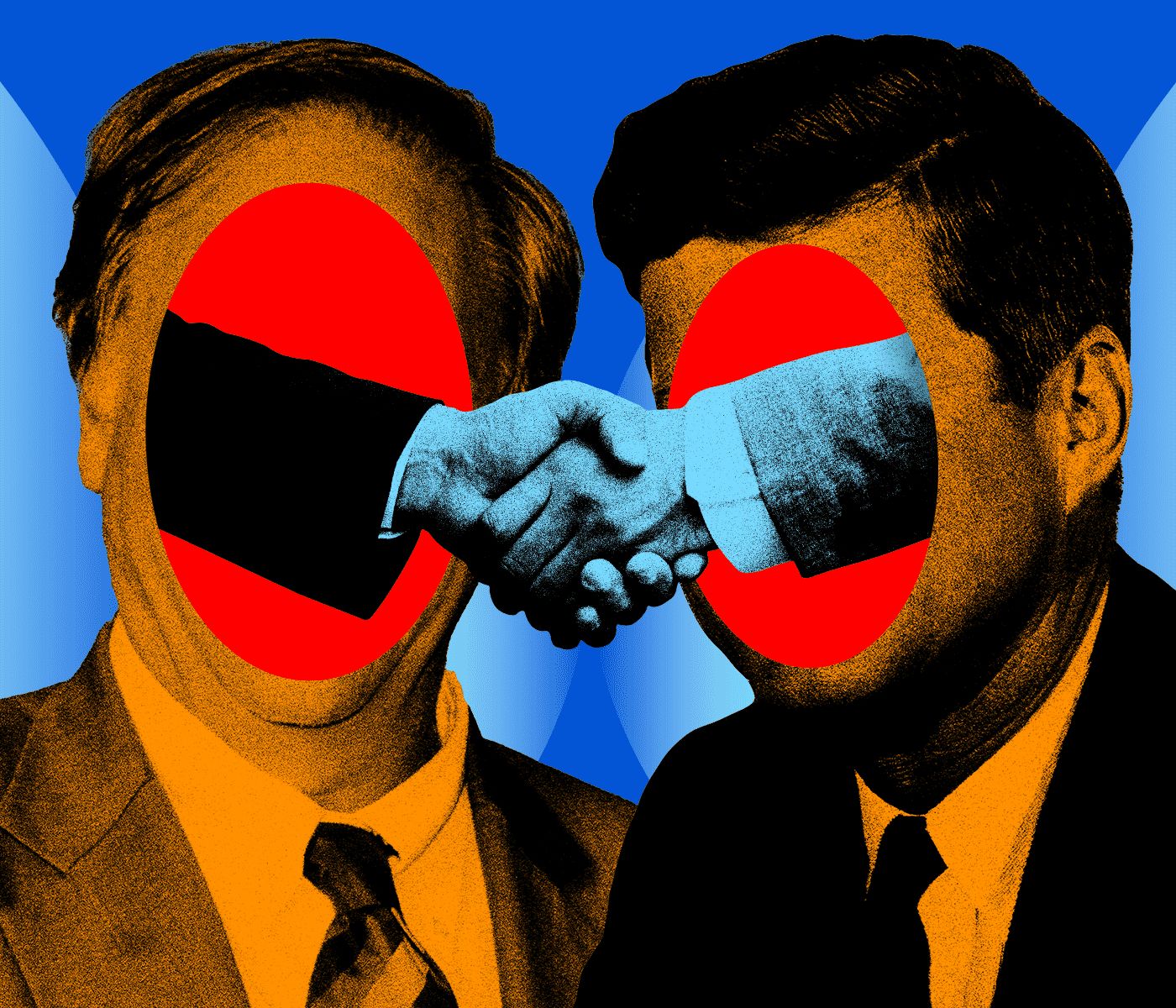
Ep 549Funky Hand Jive
Back when Robert was kid, he had a chance encounter with then President John F. Kennedy. The interaction began with a hello and ended with a handshake. And like many of us who have touched greatness, 14 year old Robert was left wondering if maybe some of Kennedy would stay with him. Back in 2017, when this episode first aired, Robert found himself still pondering that encounter and question. And so with the help of what was brand new science back then, and a helping hand from Neil Degrasse Tyson, he set out to satisfy this curiosity once and for all.EPISODE CREDITS:Produced by - Simon Adlerwith help from - Only Human: Amanda Aronczyk, Kenny Malone, Jillian Weinberger and Elaine Chen. EPISODE CITATIONS: Videos: The Handshake Experiment (https://zpr.io/buzgQeJJLqvY)Books: Neil deGrasse Tyson's newest book is called "Astrophysics for People in A Hurry." (https://zpr.io/idRcrMu3Kj8c) Ed Yong, “I Contain Multitudes.” (https://zpr.io/ff5imFP3kA6s) Our newsletter comes out every Wednesday. It includes short essays, recommendations, and details about other ways to interact with the show. Sign up (https://radiolab.org/newsletter)! Radiolab is supported by listeners like you. Support Radiolab by becoming a member of The Lab (https://members.radiolab.org/) today. Follow our show on Instagram, Twitter and Facebook @radiolab, and share your thoughts with us by emailing [email protected]. Leadership support for Radiolab’s science programming is provided by the Gordon and Betty Moore Foundation, Science Sandbox, a Simons Foundation Initiative, and the John Templeton Foundation. Foundational support for Radiolab was provided by the Alfred P. Sloan Foundation.
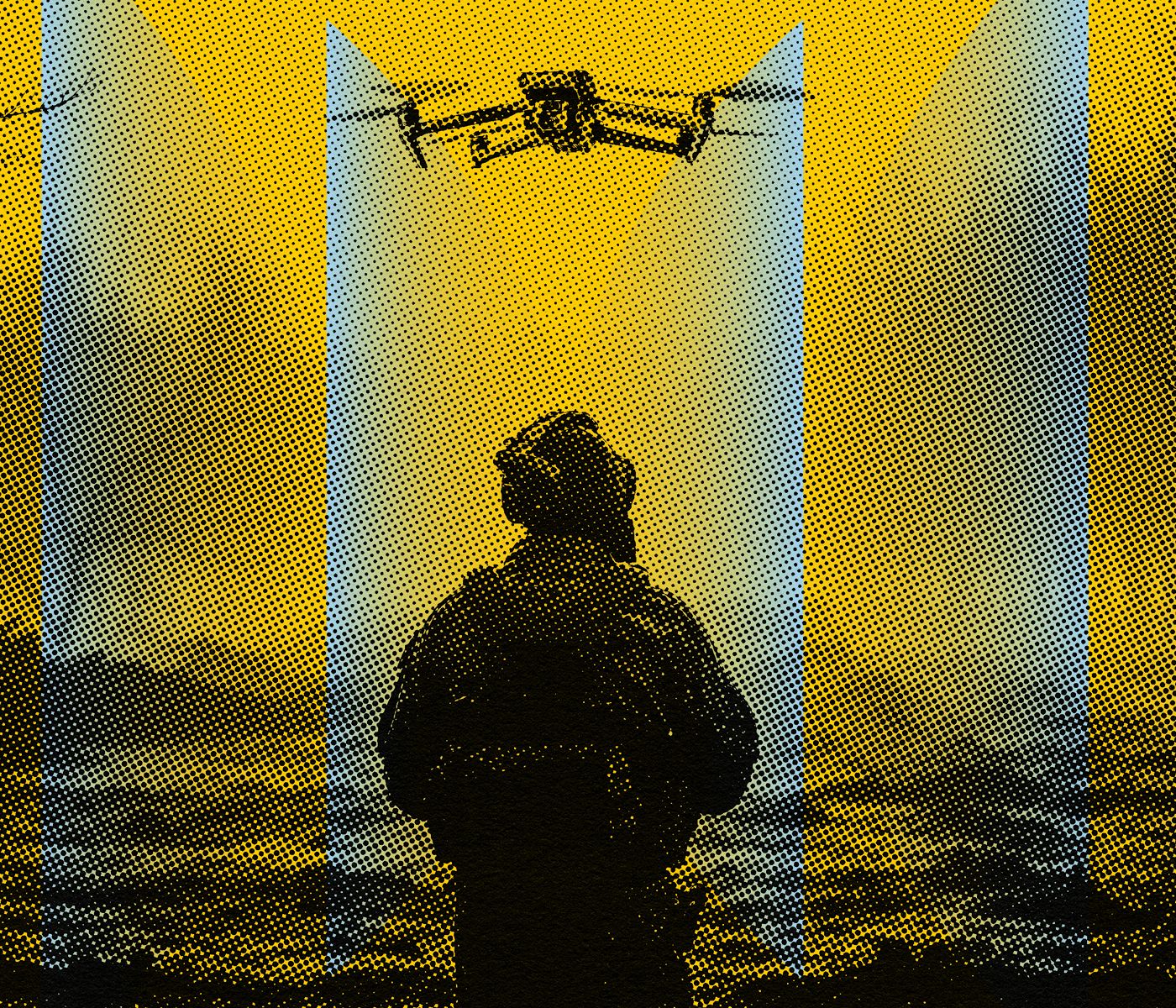
Ep 548Toy Soldiers
Back in February of 2022, anyone who knew anything thought the War in Ukraine would be over in a few weeks. Russia simply had more bodies to fight with and more steel to kill with.Fast-forward to today, however, and the war is anything but over. Ukraine has held and regained territory with shocking resilience. Stranger still, a small, cheap gadget that up until now was little more than a toy, has been central to their success.Today on Radiolab, we track the deployment of this weapon and wonder what happens when you have to look your enemy in the eye before you pull the trigger. Special thanks to Anna Kaliusna and her team for her footage from the frontline, Yulia Tarisuk for her help with all things Ukrainian language related. And Hanna Rose Shell for her helping us understand the history of camouflage. EPISODE CREDITS:Reported by - Simon AdlerProduced by - Simon AdlerOriginal music and sound design contributed by - Simon Adler and Jeremy Bloomwith mixing by - Jeremy BloomFact-checking by - Natalie Middletonand Edited by - Becca Bressler EPISODE CITATIONS:AUDIO:On the Media, “The Fog of War” (https://zpr.io/8NKDM2xHWzRp)Our newsletter comes out every Wednesday. It includes short essays, recommendations, and details about other ways to interact with the show. Sign up (https://radiolab.org/newsletter)!Radiolab is supported by listeners like you. Support Radiolab by becoming a member of The Lab (https://members.radiolab.org/) today.Follow our show on Instagram, Twitter and Facebook @radiolab, and share your thoughts with us by emailing [email protected]. Leadership support for Radiolab’s science programming is provided by the Gordon and Betty Moore Foundation, Science Sandbox, a Simons Foundation Initiative, and the John Templeton Foundation. Foundational support for Radiolab was provided by the Alfred P. Sloan Foundation.
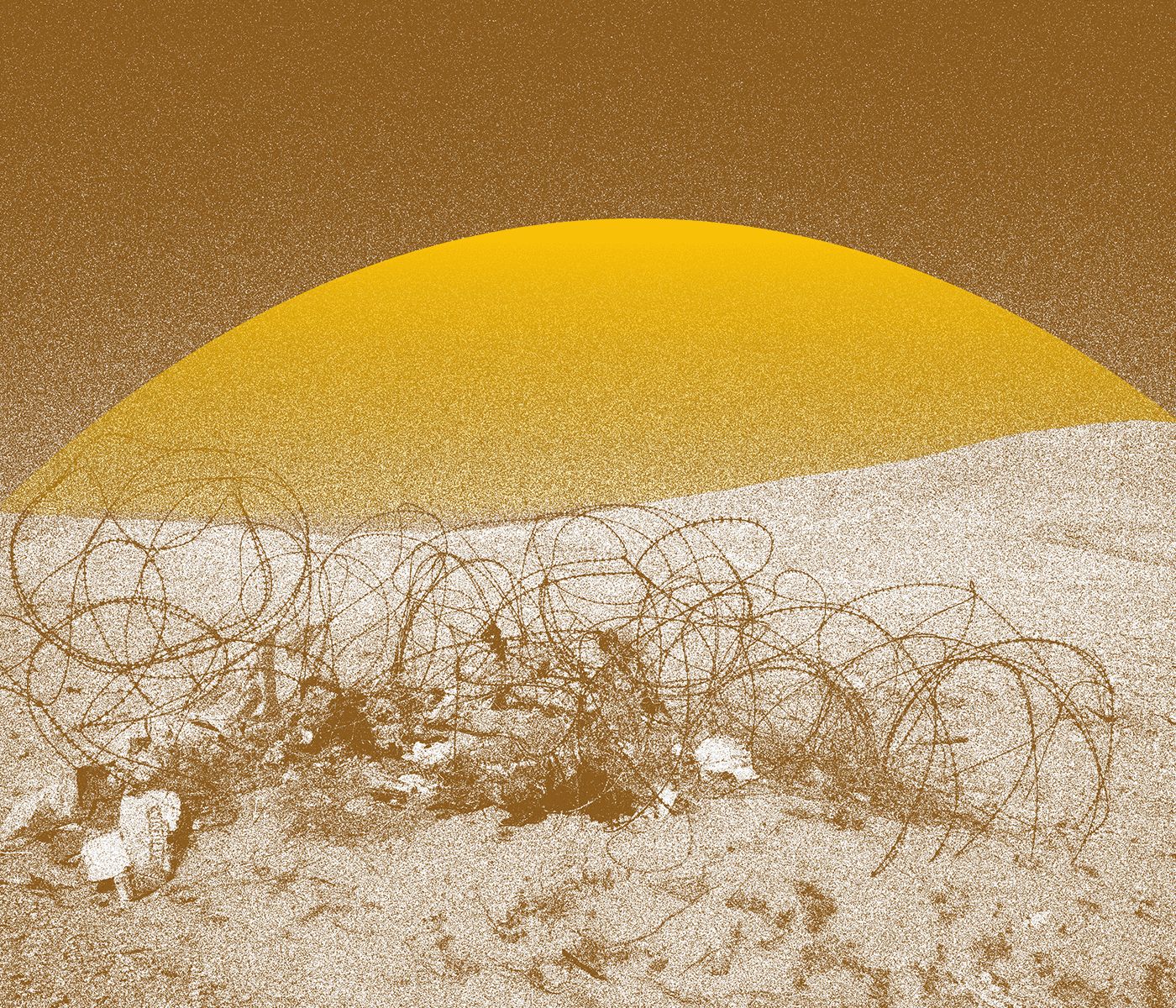
Ep 547Border Trilogy Part 3: What Remains
While scouring the Sonoran Desert for objects left behind by migrants crossing into the United States, anthropologist Jason De León happened upon something he didn't expect to get left behind: a human arm, stripped of flesh. This macabre discovery sent him reeling, needing to know what exactly happened to the body, and how many migrants die that way in the wilderness. In researching border-crosser deaths in the Arizona desert, he noticed something surprising. Sometime in the late-1990s, the number of migrant deaths shot up dramatically and have stayed high since. Jason traced this increase to a Border Patrol policy still in effect, called “Prevention Through Deterrence.” First aired in 2018 and over three episodes, Radiolab investigates this policy, its surprising origins, and the people whose lives were changed forever because of it. Part 3: What Remains The third episode in our Border Trilogy follows anthropologist Jason De León after he makes a grisly discovery in Arivaca, Arizona. In the middle of carrying out his pig experiments with his students, Jason finds the body of a 30-year-old female migrant. With the help of the medical examiner and some local humanitarian groups, Jason discovers her identity. Her name was Maricela. Jason then connects with her family, including her brother-in-law, who survived his own harrowing journey through Central America and the Arizona desert. With the human cost of Prevention Through Deterrence weighing on our minds, we try to parse what drives migrants like Maricela to cross through such deadly terrain, and what, if anything, could deter them. Special thanks to Carlo Albán, Sandra Lopez-Monsalve, Chava Gourarie, Lynn M. Morgan, Mike Wells and Tom Barry.CORRECTION: An earlier version of this episode, when it originally aired, incorrectly stated that a person's gender can be identified from bone remains. We've adjusted the audio to say that a person's sex can be identified from bone remains. CITATIONS: Books:Jason De Léon’s book The Land of Open Graves (https://zpr.io/vZbTarDzGQWK) Timothy Dunn’s book Blockading the Border and Human Rights (https://zpr.io/VTPWNJPusaCn)Joseph Nevin's book, Operation Gatekeeper (https://zpr.io/UTnHFzRstAEw)Articles:Rubio-Goldsmith, Raquel, Melissa McCormick, Daniel Martinez, and Inez Duarte. 2006. “The ‘Funnel Effect’ & Recovered Bodies of Unauthorized Migrants Processed by the Pima County Office of the Medical Examiner, 1990-2005.” (https://zpr.io/R3wSpyVCXQhJ) SSRN Electronic Journal.Check out more of Caitlin Dickerson's reporting for The Atlantic (https://zpr.io/GAfC2nfEaBeK). Our newsletter comes out every Wednesday. It includes short essays, recommendations, and details about other ways to interact with the show. Sign up (https://radiolab.org/newsletter)! Radiolab is supported by listeners like you. Support Radiolab by becoming a member of The Lab (https://members.radiolab.org/) today. Follow our show on Instagram, Twitter and Facebook @radiolab, and share your thoughts with us by emailing [email protected]. Leadership support for Radiolab’s science programming is provided by the Gordon and Betty Moore Foundation, Science Sandbox, a Simons Foundation Initiative, and the John Templeton Foundation. Foundational support for Radiolab was provided by the Alfred P. Sloan Foundation.
Ep 527Border Trilogy Part 2: Hold the Line
While scouring the Sonoran Desert for objects left behind by migrants crossing into the United States, anthropologist Jason De León happened upon something he didn't expect to get left behind: a human arm, stripped of flesh. This macabre discovery sent him reeling, needing to know what exactly happened to the body, and how many migrants die that way in the wilderness. In researching border-crosser deaths in the Arizona desert, he noticed something surprising. Sometime in the late-1990s, the number of migrant deaths shot up dramatically and have stayed high since. Jason traced this increase to a Border Patrol policy still in effect, called “Prevention Through Deterrence.” First aired in 2018 and over three episodes, Radiolab investigates this policy, its surprising origins, and the people whose lives were changed forever because of it. Part 2: Hold the Line After the showdown in court with Bowie High School, Border Patrol brings in a fresh face to head its dysfunctional El Paso Sector: Silvestre Reyes. The first Mexican-American to ever hold the position, Reyes knows something needs to change and has an idea how to do it. One Saturday night at midnight, with the element of surprise on his side, Reyes unveils ... Operation Blockade. It wins widespread support for the Border Patrol in El Paso, but sparks major protests across the Rio Grande. Soon after, he gets a phone call that catapults his little experiment onto the national stage, where it works so well that it diverts migrant crossing patterns along the entire U.S.-Mexico Border. Years later, in the Arizona desert, anthropologist Jason de León realizes that in order to accurately gauge how many migrants die crossing the desert, he must first understand how human bodies decompose in such an extreme environment. He sets up a macabre experiment, and what he finds is more drastic than anything he could have expected. Special thanks to Sherrie Kossoudji at the University of Michigan, Lynn M. Morgan, Cheryl Howard, Andrew Hansen, William Sabol, Donald B. White, Daniel Martinez, Michelle Mittelstadt at the Migration Policy Institute, Former Executive Assistant to the El Paso Mayor Mark Smith, Retired Assistant Border Patrol Sector Chief Clyde Benzenhoefer, Paul Anderson, Eric Robledo, Maggie Southard Gladstone and Kate Hall.CORRECTION: An earlier version of this piece, when the episode originally published in 2018, incorrectly stated that Silvestre Reyes's brother died in a car accident in 1968; it was actually his father who died in the accident. We also omitted a detail about the 1997 GAO report that we quote, namely that it predicted that as deaths in the mountains and deserts might rise, deaths in other areas might also fall. The audio was adjusted accordingly. EPISODE CREDITS: Reported by - Latif Nasser with help from - Tracie Hunte Produced by - Matt Kielty with help from - Bethel Habte, Latif Nasser EPISODE CITATIONS: Art: Jason de Leon's latest work is a global participatory art project called Hostile Terrain 94 (https://zpr.io/dNEyVpAiNXjv), which will be exhibited at over 70 different locations around the world in 2020. Read more about it here (https://zpr.io/uwDfu9bXFriv). Our newsletter comes out every Wednesday. It includes short essays, recommendations, and details about other ways to interact with the show. Sign up (https://radiolab.org/newsletter)! Radiolab is supported by listeners like you. Support Radiolab by becoming a member of The Lab (https://members.radiolab.org/) today. Follow our show on Instagram, Twitter and Facebook @radiolab, and share your thoughts with us by emailing [email protected] support for Radiolab’s science programming is provided by the Gordon and Betty Moore Foundation, Science Sandbox, a Simons Foundation Initiative, and the John Templeton Foundation. Foundational support for Radiolab was provided by the Alfred P. Sloan Foundation.
Ep 526Border Trilogy Part 1: Hole in the Fence
While scouring the Sonoran Desert for objects left behind by migrants crossing into the United States, anthropologist Jason De León happened upon something he didn't expect to get left behind: a human arm, stripped of flesh. This macabre discovery sent him reeling, needing to know what exactly happened to the body, and how many migrants die that way in the wilderness. In researching border-crosser deaths in the Arizona desert, he noticed something surprising. Sometime in the late-1990s, the number of migrant deaths shot up dramatically and have stayed high since. Jason traced this increase to a Border Patrol policy still in effect, called “Prevention Through Deterrence.” In a series first aired back in 2018, over three episodes, Radiolab investigates this policy, its surprising origins, and the people whose lives were changed forever because of it.Part 1: Hole in the FenceWe begin one afternoon in May 1992, when a student named Albert stumbled in late for history class at Bowie High School in El Paso, Texas. His excuse: Border Patrol. Soon more stories of students getting stopped and harassed by Border Patrol started pouring in. So begins the unlikely story of how a handful of Mexican-American high schoolers in one of the poorest neighborhoods in the country stood up to what is today the country’s largest federal law enforcement agency. They had no way of knowing at the time, but what would follow was a chain of events that would drastically change the US-Mexico border. Special thanks to Centro de Salud Familiar La Fe, Estela Reyes López, Barbara Hines, Lynn M. Morgan, Mallory Falk, Francesca Begos and Nancy Wiese from Hachette Book Group, Professor Michael Olivas at the University of Houston Law Center, and Josiah McC. Heyman at the Center for Interamerican and Border Studies. EPISODE CREDITS: Reported by - Latif Nasser, Tracie HunteProduced by - Matt Kieltywith help from - Bethel Habte, Tracie Hunte, Latif NasserCITATIONSBooksJason De Léon’s book The Land of Open Graves here (https://zpr.io/vZbTarDzGQWK) Timothy Dunn’s book Blockading the Border and Human Rights here (https://zpr.io/VTPWNJPusaCn) Our newsletter comes out every Wednesday. It includes short essays, recommendations, and details about other ways to interact with the show. Sign up (https://radiolab.org/newsletter)! Radiolab is supported by listeners like you. Support Radiolab by becoming a member of The Lab (https://members.radiolab.org/) today. Follow our show on Instagram, Twitter and Facebook @radiolab, and share your thoughts with us by emailing [email protected]. Leadership support for Radiolab’s science programming is provided by the Gordon and Betty Moore Foundation, Science Sandbox, a Simons Foundation Initiative, and the John Templeton Foundation. Foundational support for Radiolab was provided by the Alfred P. Sloan Foundation.
Ep 525The Secret to a Long Life
Producer Sindhu Gnanasambandan wants to know how she can live the longest feeling life possible. The answer leads her on a journey to make one week feel like two. And the journey leads her to a whole new answer.Special thanks to Jo Eidman, Nathan Peereboom, Kristin Lin, Stacey Reimann, Ash Sanders… and an extra special thanks to Jae Minard for editorial supportEPISODE CREDITSReported by - Sindhu GnanasambandanProduced by - Sindhu GnanasambandanOriginal music and sound design contributed by - Jeremy Bloomwith mixing help from - Arianne WackFact-checking by - Emily Kriegerand Edited by - Pat Walters Our newsletter comes out every Wednesday. It includes short essays, recommendations, and details about other ways to interact with the show. Sign up (https://radiolab.org/newsletter)! Radiolab is supported by listeners like you. Support Radiolab by becoming a member of The Lab (https://members.radiolab.org/) today. Follow our show on Instagram, Twitter and Facebook @radiolab, and share your thoughts with us by emailing [email protected]. Leadership support for Radiolab’s science programming is provided by the Gordon and Betty Moore Foundation, Science Sandbox, a Simons Foundation Initiative, and the John Templeton Foundation. Foundational support for Radiolab was provided by the Alfred P. Sloan Foundation.

Ep 524Poison Control
Originally aired in 2018, this episode features reporter Brena Farrell as a new mom. Her son gave her and her husband a scare -- prompting them to call Poison Control. For Brenna, the experience was so odd, and oddly comforting, that she decided to dive into the birth story of this invisible network of poison experts, and try to understand the evolving relationship we humans have with our poisonous planet. As we learn about how poison control has changed over the years, we end up wondering what a place devoted to data and human connection can tell us about ourselves in this cultural moment of anxiety and information-overload. Our newsletter comes out every Wednesday. It includes short essays, recommendations, and details about other ways to interact with the show. Sign up (https://radiolab.org/newsletter)! Radiolab is supported by listeners like you. Support Radiolab by becoming a member of The Lab (https://members.radiolab.org/) today. Follow our show on Instagram, Twitter and Facebook @radiolab, and share your thoughts with us by emailing [email protected]. Leadership support for Radiolab’s science programming is provided by the Gordon and Betty Moore Foundation, Science Sandbox, a Simons Foundation Initiative, and the John Templeton Foundation. Foundational support for Radiolab was provided by the Alfred P. Sloan Foundation.
Ep 523Smog Cloud Silver Lining
Summer 2023 was a pretty scary one for the planet. Global temperatures in June and July reached record highs. And over in the North Atlantic Sea, the water temperature spiked to off-the-chart levels. Some people figured that meant we were about to go over the edge, doomsday. In the face of this, Hank Green (a long time environmentalist and science educator behind SciShow, Crash Course, and more), took to social media to put things in context, to keep people focused on what we can do about climate change. In the process, he came across a couple studies that suggested a reduction in sulfurous smog from cargo ships may have accidentally warmed the waters. And while Hank saw a silver lining around those smog clouds, the story he told—about smog clouds and cooling waters and the problem of geoengineering—took us on a rollercoaster ride of hope and terror. Ultimately, we had to wrestle with the question of what we should be doing about climate change, or what we should even talk about.Special thanks to Dr. Colin Carson and Avishay Artsy. EPISODE CREDITS: Reported by - Lulu Millerwith help from - Alyssa Jeong PerryProduction help from - Alyssa Jeong PerryOriginal music and sound design contributed by - Jeremy Bloomwith mixing help from - Jeremy BloomFact-checking by - Natalie Middletonand Edited by - N/A CITATIONS: Videos: Sci Show (https://www.youtube.com/@SciShow) Crash Course (https://www.youtube.com/crashcourse) Articles: The article Hank came across (https://zpr.io/zKYxWht3Nmy7) Books: Under a White Sky (https://zpr.io/zKYxWht3Nmy7): The Nature of the Future by Elizabeth Kolbert Our newsletter comes out every Wednesday. It includes short essays, recommendations, and details about other ways to interact with the show. Sign up (https://radiolab.org/newsletter)! Radiolab is supported by listeners like you. Support Radiolab by becoming a member of The Lab (https://members.radiolab.org/) today. Follow our show on Instagram, Twitter and Facebook @radiolab, and share your thoughts with us by emailing [email protected]. Leadership support for Radiolab’s science programming is provided by the Gordon and Betty Moore Foundation, Science Sandbox, a Simons Foundation Initiative, and the John Templeton Foundation. Foundational support for Radiolab was provided by the Alfred P. Sloan Foundation.
Ep 522Driverless Dilemma
Most of us would sacrifice one person to save five. It’s a pretty straightforward bit of moral math. But if we have to actually kill that person ourselves, the math gets fuzzy. That’s the lesson of the classic Trolley Problem, a moral puzzle that fried our brains in an episode we did almost 20 years ago, then updated again in 2017. Historically, the questions posed by The Trolley Problem are great for thought experimentation and conversations at a certain kind of cocktail party. Now, new technologies are forcing that moral quandary out of our philosophy departments and onto our streets. So today, we revisit the Trolley Problem and wonder how a two-ton hunk of speeding metal will make moral calculations about life and death that still baffle its creators. Special thanks to Iyad Rahwan, Edmond Awad and Sydney Levine from the Moral Machine group at MIT. Also thanks to Fiery Cushman, Matthew DeBord, Sertac Karaman, Martine Powers, Xin Xiang, and Roborace for all of their help. Thanks to the CUNY Graduate School of Journalism students who collected the vox: Chelsea Donohue, Ivan Flores, David Gentile, Maite Hernandez, Claudia Irizarry-Aponte, Comice Johnson, Richard Loria, Nivian Malik, Avery Miles, Alexandra Semenova, Kalah Siegel, Mark Suleymanov, Andee Tagle, Shaydanay Urbani, Isvett Verde and Reece Williams. EPISODE CREDITS Reported and produced by - Amanda Aronczyk and Bethel HabteOur newsletter comes out every Wednesday. It includes short essays, recommendations, and details about other ways to interact with the show. Sign up (https://radiolab.org/newsletter)! Radiolab is supported by listeners like you. Support Radiolab by becoming a member of The Lab (https://members.radiolab.org/) today. Follow our show on Instagram, Twitter and Facebook @radiolab, and share your thoughts with us by emailing [email protected] Leadership support for Radiolab’s science programming is provided by the Gordon and Betty Moore Foundation, Science Sandbox, a Simons Foundation Initiative, and the John Templeton Foundation. Foundational support for Radiolab was provided by the Alfred P. Sloan Foundation.
Ep 521Born This Way?
Today, the story of an idea. An idea that some people need, others reject, and one that will, ultimately, be hard to let go of. Special Thanks to Carl Zimmer, Eric Turkheimer, Andrea Ganna, Chandler Burr, Jacques Balthazart, Sean Mckeithan, Joe Osmundson, Jennifer Brier, Daniel Levine-Spound, Maddie Sofia, Elie Mystal, Heather Radke EPISODE CREDITS: Reported by - Matt KieltyProduced by - Matt KieltyOriginal music and sound design contributed by - Matt Kieltywith mixing help from - Arianne WackFact-checking by - Diane Kelly EPISODE CITATIONS: Videos: Lisa Diamond - Born This Way, TEDx (https://zpr.io/WJedDGLVkTNF) Books: Joanna Wuest - Born This Way: Science, Citizenship, and Inequality in the American LGBTQ+ Movement (https://zpr.io/rYPwyhNHtgXe) Dean Hamer - The Science of Desire: The Search for the Gay Gene and the Biology of Behavior (https://zpr.io/3FuKZyu2bgwE) Lisa Diamond - Sexual Fluidity: Understanding Women’s Desire and Love (https://zpr.io/cj3ZSLC2xccJ) Edward Stein - The Mismeasure of Desire: The Science, Theory, and Ethics of Sexual Orientation (https://zpr.io/UQfdNtyE3RtQ) Chandler Burr - A Separate Creation: The Search for the Biological Origins of Sexual Orientation (https://zpr.io/GKUDhyfNacUf) Jacques Balthazart - The Biology of Homosexuality (https://zpr.io/um6XMmpfkmQS) Anne Fausto-Sterling - Sexing the Body: Gender Politics and the Construction of Sexuality (https://zpr.io/rWNrTYLeLZ3s) Our newsletter comes out every Wednesday. It includes short essays, recommendations, and details about other ways to interact with the show. Sign up (https://radiolab.org/newsletter)! Radiolab is supported by listeners like you. Support Radiolab by becoming a member of The Lab (https://members.radiolab.org/) today. Follow our show on Instagram, Twitter and Facebook @radiolab, and share your thoughts with us by emailing [email protected].

Ep 520Touch at a Distance
In this episode from 2007, we take you on a tour of language, music, and the properties of sound. We look at what sound does to our bodies, our brains, our feelings… and we go back to the reason we at Radiolab tell you stories the way we do. First, we look at Diana Deutsch’s work on language and music, and how certain languages seem to promote musicality in humans. Then we meet Psychologist Anne Fernald and listen to parents as they talk to their babies across languages and cultures. Last, we go to 1913 Paris and sneak into the premiere of Igor Stravinsky’s score of The Rite of Spring. Check out Diana Deutsch's 'Audio Illusions' here (https://deutsch.ucsd.edu/psychology/pages.php?i=201). Our newsletter comes out every Wednesday. It includes short essays, recommendations, and details about other ways to interact with the show. Sign up (https://radiolab.org/newsletter)! Radiolab is supported by listeners like you. Support Radiolab by becoming a member of The Lab (https://members.radiolab.org/) today. Follow our show on Instagram, Twitter and Facebook @radiolab, and share your thoughts with us by emailing [email protected]: An earlier version of this piece incorrectly stated the dates of two performances of “Rite of Spring” and the time that passed between them. The performance that inspired rioting occurred on May 29th, 1913. The second performance that we discussed occurred in April of 1914. The audio has been adjusted to reflect this fact.Correction: An earlier version of this piece incorrectly stated that the “Rite of Spring” was used in the movie “Fantasia” during the part that featured mushrooms. It was in fact used during the part that featured dinosaurs. The audio has been adjusted to reflect this fact. Leadership support for Radiolab’s science programming is provided by the Gordon and Betty Moore Foundation, Science Sandbox, a Simons Foundation Initiative, and the John Templeton Foundation. Foundational support for Radiolab was provided by the Alfred P. Sloan Foundation.
Ep 519Rumble Strip: Finn and the Bell
A couple years ago, our producer Annie McEwen listened to an audio documentary that, she said, “tore my heart wide open.” That episode , “Finn and the Bell,” (https://zpr.io/TDjwQuXFDSz6) by independent producer Erica Heilman (maker of the podcast Rumble Strip), went on to win some of the biggest awards in audio (including a Peabody, https://zpr.io/tu4hwhKQ3TWN), and the rest of the staff finally got around to listening, and it tore our hearts wide open, too. It’s a story about a death, but as so many of the best stories about death tend to be, it ends up mainly being about life, in this case, the life of a small town in far northern Vermont, the town where Erica lives and makes her show. We think you’ll like it. You can find more than 200 other episodes of Rumble Strip here (https://zpr.io/dwGNnSFmAEFX). Erica’s episode about The Civic Standard (https://zpr.io/GJMP95QENFKq), the community organization started by Finn’s mom Tara Reese and her friend Rose Friedman, is here (https://zpr.io/9HL9mpZT4LTM). A follow-up episode to “Finn and the Bell” is here (https://zpr.io/ycxSU7ceDXNi). The episode Lulu mentions about the camp for people with and without disabilities is here (https://zpr.io/cnyyUWrfQJey).Special thanks to Clare Dolan, Tobin Anderson, Amelia Meath and of course, Tara Reese 🥚. Rumble Strip is a member of Hub and Spoke, a collective of independent podcasts from around the country. EPISODE CREDITS Reported by - Erica Heilman Produced by - Erica Heilman If you or someone you know is struggling with suicidal thoughts, there’s help available. The National Suicide Prevention Lifeline is open 24 hours a day at 1-800-273-TALK. There’s also a live chat option on their website(http://www.suicidepreventionlifeline.org/). Our newsletter comes out every Wednesday. It includes short essays, recommendations, and details about other ways to interact with the show. Sign up (https://radiolab.org/newsletter)! Radiolab is supported by listeners like you. Support Radiolab by becoming a member of The Lab (https://members.radiolab.org/) today. Follow our show on Instagram, Twitter and Facebook @radiolab, and share your thoughts with us by emailing [email protected]. Leadership support for Radiolab’s science programming is provided by the Gordon and Betty Moore Foundation, Science Sandbox, a Simons Foundation Initiative, and the John Templeton Foundation. Foundational support for Radiolab was provided by the Alfred P. Sloan Foundation.

Ep 518The Wubi Effect
When we think of China today, we think of a technological superpower. From Huawei and 5G to TikTok and viral social media, China is stride for stride with the United States in the world of computing. However, China’s technological renaissance almost didn’t happen. And for one very basic reason: The Chinese language, with its 70,000 plus characters, couldn’t fit on a keyboard. Today, we tell the story of Professor Wang Yongmin, a hard headed computer programmer who solved this puzzle and laid the foundation for the China we know today. Episode CreditsReported by - Simon AdlerProduced by - Simon AdlerTHE DETAILS TO SIMON ADLER’S LIVESHOW!For People in ChicagoSimon will be performing at the Chicago at the Frank Lloyd Wright Unity Temple on Saturday, September 30th (https://zpr.io/jePmFHyKUqiM).For People in BostonSimon performs at the WBUR City Space on Friday, December 8th (https://zpr.io/jePmFHyKUqiM). Our newsletter comes out every Wednesday. It includes short essays, recommendations, and details about other ways to interact with the show. Sign up (https://radiolab.org/newsletter)!Radiolab is supported by listeners like you. Support Radiolab by becoming a member of The Lab (https://members.radiolab.org/) today.Follow our show on Instagram, Twitter and Facebook @radiolab, and share your thoughts with us by emailing [email protected] Leadership support for Radiolab’s science programming is provided by the Gordon and Betty Moore Foundation, Science Sandbox, a Simons Foundation Initiative, and the John Templeton Foundation. Foundational support for Radiolab was provided by the Alfred P. Sloan Foundation.

Ep 517The Internet Dilemma
Matthew Herrick was sitting on his stoop in Harlem when something weird happened. Then, it happened again. And again. It happened so many times that it became an absolute nightmare—a nightmare that haunted his life daily and flipped it completely upside down. What stood between Matthew and help were 26 little words. These 26 words, known as Section 230, are the core of an Internet law that coats the tech industry in Teflon. No matter what happens, who gets hurt, or what harm is done, tech companies can’t be held responsible for the things that happen on their platforms. Section 230 affects the lives of an untold number of people like Matthew, and makes the Internet a far more ominous place for all of us. But also, in a strange twist, it’s what keeps the whole thing up and running in the first place. Why do we have this law? And more importantly, why can’t we just delete it? Special thanks to James Grimmelmann, Eric Goldman, Naomi Leeds, Jeff Kosseff, Carrie Goldberg, and Kashmir Hill. EPISODE CREDITSReported by - Rachael CusickProduced by - Rachael Cusick and Simon Adlerwith mixing help from - Arianne WackFact-checking by - Natalie MiddletonEdited by - Pat Walters EPISODE CITATIONS: Articles:Kashmir Hill’s story introduced us to Section 230. Books: Jeff Kosseff’s book The Twenty-Six Words That Created the Internet (https://zpr.io/8ara6vtQVTuK) is a fantastic biography of Section 230To read more about Carrie Goldberg’s work, head to her website (https://www.cagoldberglaw.com/) or check out her bookcheck out her book Nobody's Victim (https://zpr.io/Ra9mXtT9eNvb). Our newsletter comes out every Wednesday. It includes short essays, recommendations, and details about other ways to interact with the show. Sign up (https://radiolab.org/newsletter)! Radiolab is supported by listeners like you. Support Radiolab by becoming a member of The Lab (https://members.radiolab.org/) today. Follow our show on Instagram, Twitter and Facebook @radiolab, and share your thoughts with us by emailing [email protected]. Leadership support for Radiolab’s science programming is provided by the Gordon and Betty Moore Foundation, Science Sandbox, a Simons Foundation Initiative, and the John Templeton Foundation. Foundational support for Radiolab was provided by the Alfred P. Sloan Foundation.
Ep 516Right to be Forgotten
In online news, stories live forever. The tipsy photograph of you at the college football game? It’s there. That news article about the political rally you were marching at? It’s there. A charge for driving under the influence? That’s there, too. But what if... it wasn’t? Several years ago a group of journalists in Cleveland, Ohio, tried an experiment that had the potential to turn things upside down: they started unpublishing content they’d already published. Photographs, names, entire articles. Every month or so, they met to decide what content stayed, and what content went. In this episode from 2019, Senior Correspondent Molly Webster takes us inside the room where the editors decided who, or what, got to be deleted. And we talk about how the “right to be forgotten” has spread and grown in the years since. It’s a story about time and memory, mistakes and second chances, and society as we know it. Our newsletter comes out every Wednesday. It includes short essays, recommendations, and details about other ways to interact with the show. Sign up (https://radiolab.org/newsletter)! Radiolab is supported by listeners like you. Support Radiolab by becoming a member of The Lab (https://members.radiolab.org/) today.Follow our show on Instagram, Twitter and Facebook @radiolab, and share your thoughts with us by emailing [email protected] Leadership support for Radiolab’s science programming is provided by the Gordon and Betty Moore Foundation, Science Sandbox, a Simons Foundation Initiative, and the John
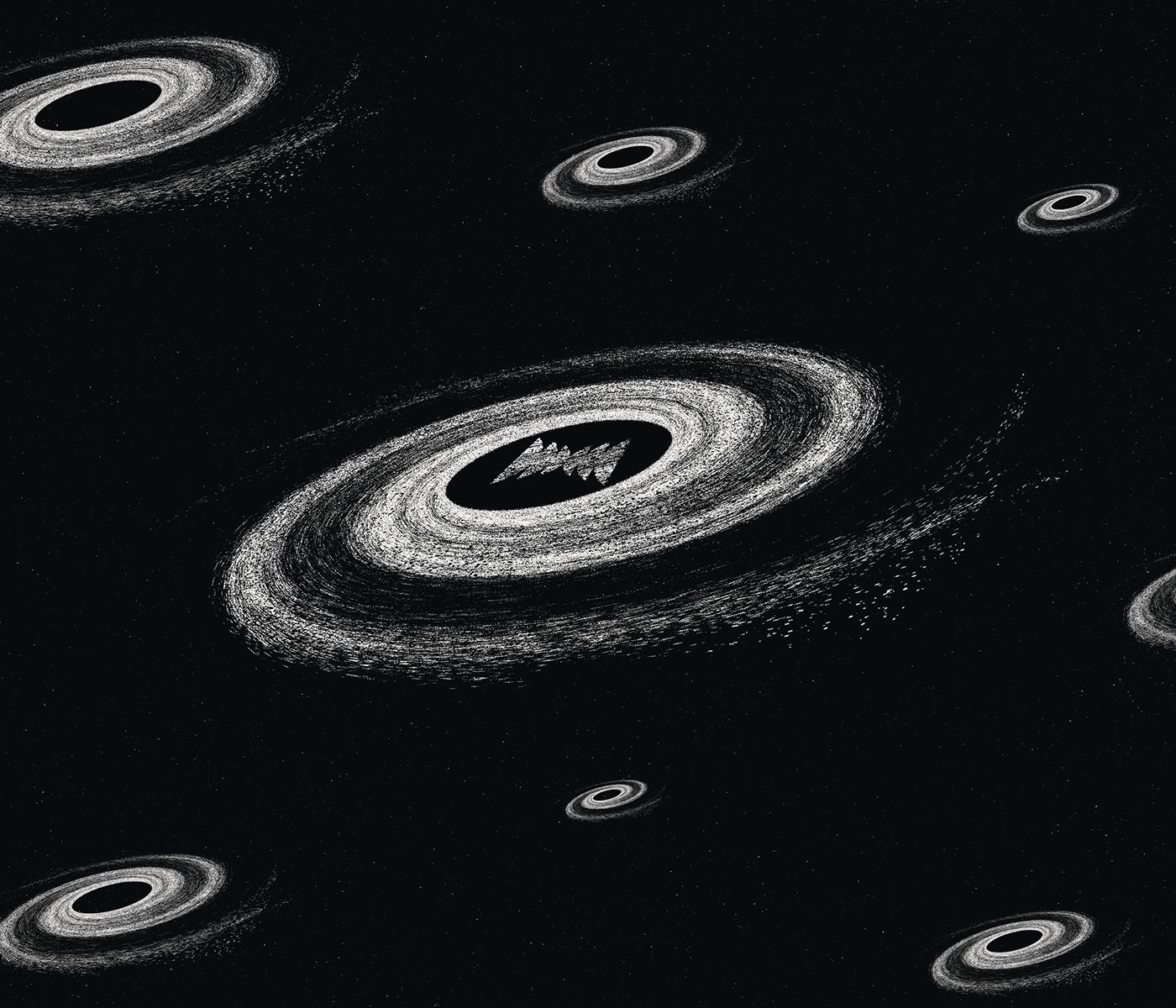
Ep 515Little Black Holes Everywhere
In 1908, on a sunny, clear, quiet morning in Siberia, witnesses recall seeing a blinding light streak across the sky, and then… the earth shook, a forest was flattened, fish were thrown from streams, and roofs were blown off houses. The “Tunguska event,” as it came to be known, was one of the largest extraterrestrial impact events in Earth’s history. But what kind of impact—what exactly struck the earth in the middle of Siberia?—is still up for debate. Producer Annie McEwen dives into one idea that suggests a culprit so mysterious, so powerful, so… tiny, you won’t believe your ears. And stranger still, it may be in you right now. Or, according to Senior Correspondent Molly Webster, it could be You.EPISODE CREDITS Reported by - Annie McEwen and Molly WebsterProduced by - Annie McEwen and Becca Bresslerwith help from - Matt KieltyOriginal music and sound design contributed by - Jeremy Bloom, Annie McEwen, Matt KieltyMixing by - Jeremy Bloomwith dialogue mixing by - Arianne WackFact-checking by - Diane Kellyand edited by - Alex Neason GUESTS Matt O’Dowd (https://www.mattodowd.space/)Special Thanks: Special thanks to, Matthew E. Caplan, Brian Greene, Priyamvada Natarajan, Almog Yalinewich EPISODE CITATIONS Videos: Watch “PBS Space Time,” (https://zpr.io/GNhVAWDday49) the groovy show and side-gig of physicist and episode guest Matt O’Dowd Articles: Read more (https://zpr.io/J4cKYG5uTgNf) about the Tunguska impact event! Check out the paper (https://zpr.io/vZxkKtGQczBL), which considers the shape of the crater a primordial black hole would make, should it hit earth: “Crater Morphology of Primordial Black Hole Impacts”Curious to learn more about black holes possibly being dark matter? You can in the paper (https://zpr.io/sPpuSwhGFkDJ), “Exploring the high-redshift PBH- ΛCDM Universe: early black hole seeding, the first stars and cosmic radiation backgrounds” Books: Get your glow on – Senior Correspondent Molly Webster has a new kids book, a fictional tale about a lonely Little Black Hole (https://zpr.io/e8EKrM7YF32T) Our newsletter comes out every Wednesday. It includes short essays, recommendations, and details about other ways to interact with the show. Sign up (https://radiolab.org/newsletter)! Radiolab is supported by listeners like you. Support Radiolab by becoming a member of The Lab (https://members.radiolab.org/) today. Follow our show on Instagram, Twitter and Facebook @radiolab, and share your thoughts with us by emailing [email protected]. Leadership support for Radiolab’s science programming is provided by the Gordon and Betty Moore Foundation, Science Sandbox, a Simons Foundation Initiative, and the John Templeton Foundation. Foundational support for Radiolab was provided by the Alfred P. Sloan Foundation.
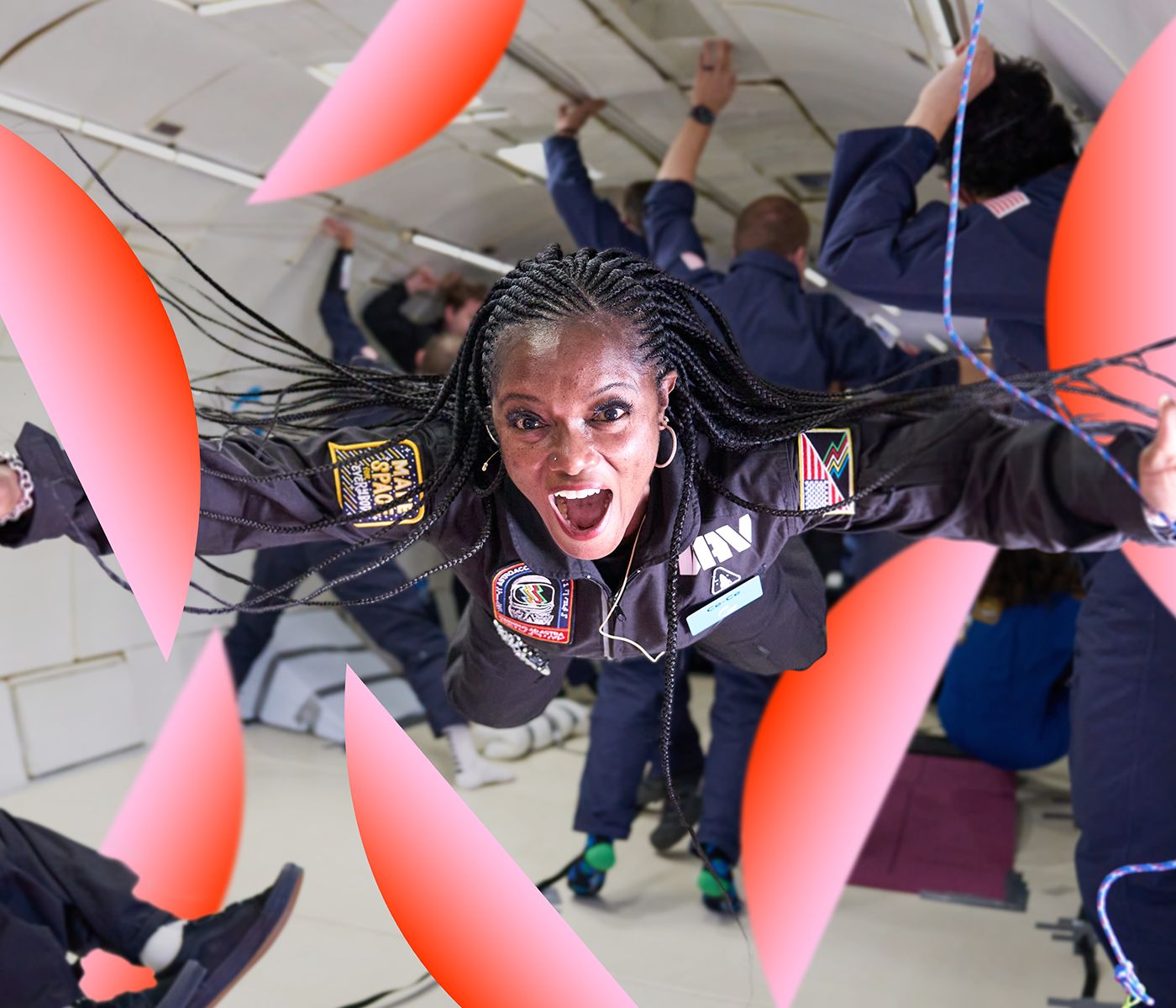
Ep 514The Right Stuff
Since the beginning of the space program, we’ve expected astronauts to be fully-abled athletic overachievers—one-part science geeks, two-part triathletes—a mix the writer Tom Wolfe called “the right stuff.” But what if, this whole time, we’ve had it wrong? In this episode from 2022, reporter Andrew Leland joins blind Linguistics Professor Sheri Wells-Jensen and a crew of 11 other disabled people. They embark on a mission to prove not just that they have what it takes to go to space, but that disability gives them an edge. On Mission AstroAccess, the crew members hop on an airplane to take a zero-gravity flight—the same NASA uses to train astronauts. With them, we learn that the challenges to making space accessible may not be the ones we thought. And Andrew, who is legally blind, confronts unexpected conclusions of his own. By the way, Andrew’s new book is out. In The Country of the Blind: A Memoir at the End of Sight (https://zpr.io/nLZ8H), Andrew recounts his transition from sighted to blind. Suspended between anxiety and anticipation, he also begins to explore the many facets of blindness as a culture. It’s well worth a read. Read the article by Sheri Wells-Jensen, published in The Scientific American in 2018. “The Case for Disabled Astronaut” (https://zpr.io/nLZ8H). This episode was reported by Andrew Leland and produced by María Paz Gutiérrez, Matt Kielty and Pat Walters. Jeremy Bloom contributed music and sound design. Production sound recording by Dan McCoy.Special thanks to William Pomerantz, Sheyna Gifford, Jim Vanderploeg, Tim Bailey, and Bill Barry Our newsletter comes out every Wednesday. It includes short essays, recommendations, and details about other ways to interact with the show. Sign up (https://radiolab.org/newsletter)! Radiolab is supported by listeners like you. Support Radiolab by becoming a member of The Lab (https://members.radiolab.org/) today. Follow our show on Instagram, Twitter and Facebook @radiolab, and share your thoughts with us by emailing [email protected] support for Radiolab’s science programming is provided by the Gordon and Betty Moore Foundation, Science Sandbox, a Simons Foundation Initiative, and the John Templeton Foundation. Foundational support for Radiolab was provided by the Alfred P. Sloan Foundation.
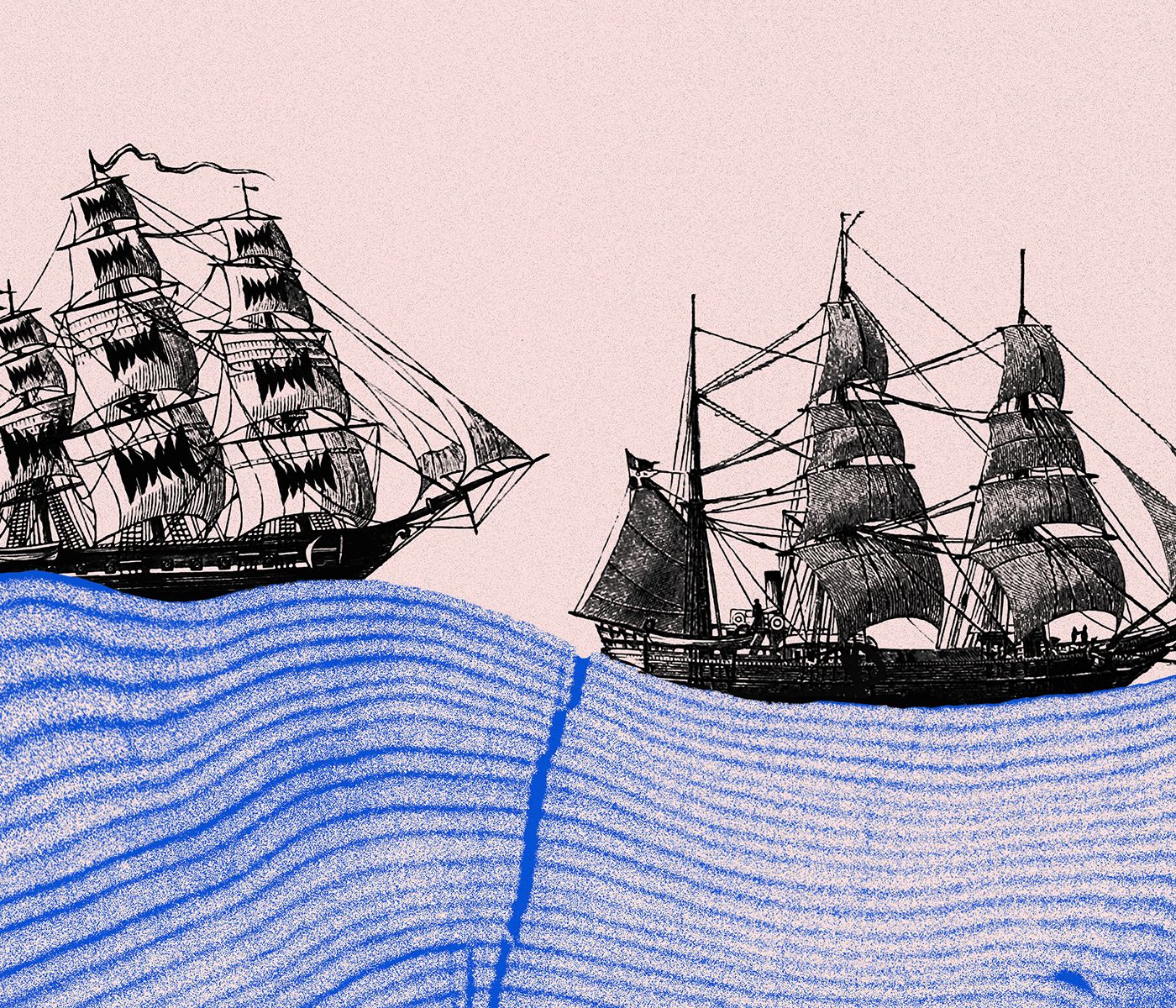
Ep 513The Fellowship of the Tree Rings
At a tree ring conference in the relatively treeless city of Tucson, Arizona, three scientists walk into a bar. The trio gets to talking, trying to explain a mysterious set of core samples from the Florida Keys. At some point, they come up with a harebrained idea: put the tree rings next to a seemingly unrelated dataset. Once they do, they notice something that no one has ever noticed before, a force of nature that helped shape modern human history and that is eerily similar to what’s happening on our planet right now. With help from pirates, astronomers and an 80-year-old bartender, this episode will change the way you look at the sun. (Warning: Do not look at the sun.) Special thanks to Scott St George, Nathaniel Millett, Michael Charles Stambaugh, Justin Maxwell, Clay Tucker, Willem Klooster, Kevin Anchukaitis EPISODE CREDITS Reported by - Latif Nasserwith help from - Ekedi Fausther-Keeys and Maria Paz GutierrezProduced by - Maria Paz Gutierrez and Pat Walterswith help from - Ekedi Fausther-Keeys and Sachi MulkeyMixed by - Jeremy Bloomwith mixing help from - Arianne WackFact-checking by - Natalie Middletonand Edited by - Pat Walters CITATIONS: Books: Tree Story (https://zpr.io/ULX279uzgW9q) by Valerie TrouetSweetness and Power (https://zpr.io/cUEGqGGWMSaQ) by Sidney Mintz Our newsletter comes out every Wednesday. It includes short essays, recommendations, and details about other ways to interact with the show. Sign up (https://radiolab.org/newsletter)! Radiolab is supported by listeners like you. Support Radiolab by becoming a member of The Lab (https://members.radiolab.org/) today. Follow our show on Instagram, Twitter and Facebook @radiolab, and share your thoughts with us by emailing [email protected]. Leadership support for Radiolab’s science programming is provided by the Gordon and Betty Moore Foundation, Science Sandbox, a Simons Foundation Initiative, and the John Templeton Foundation. Foundational support for Radiolab was provided by the Alfred P. Sloan Foundation.
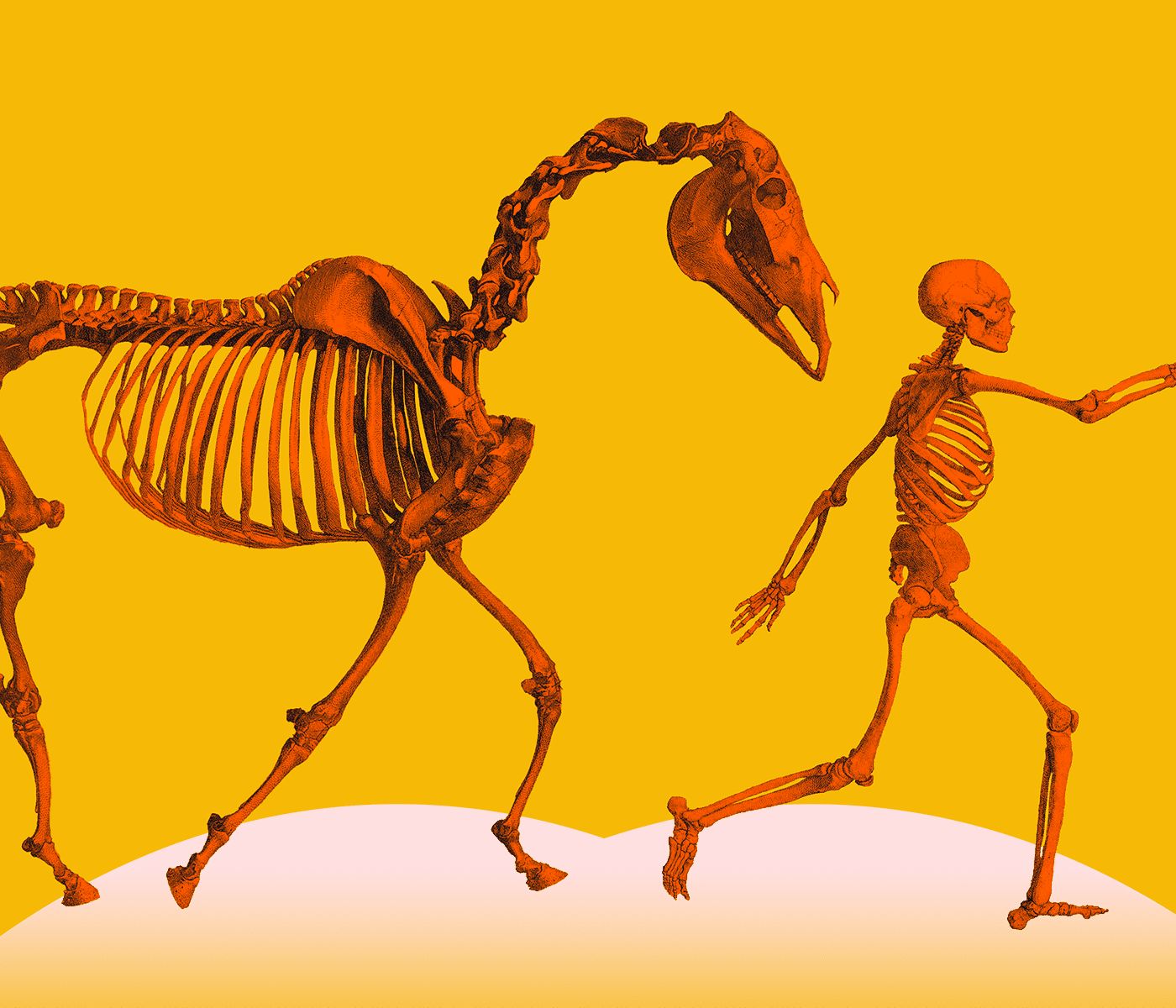
Ep 512Man Against Horse
This is a story about your butt. It’s a story about how you got your butt, why you have your butt, and how your butt might be one of the most important and essential things for you being you, for being human. In this episode from 2019, Reporter Heather Radke and Producer Matt Kielty talk to two researchers who followed the butt from our ancient beginnings through millions of years of evolution, all the way to today, out to a valley in Arizona, where our butts are put to the ultimate test. Special thanks to Michelle Legro. EPISODE CREDITS: Reported by - Heather Radke and Matt KieltyProduced by - Matt Kieltywith help from - Simon Adler and Rachael CusickOriginal music and sound design contributed by - Jeremy BloomFact-checking by - Dorie Chevlen EPISODE CITATIONS: Books: Butts by Heather Radke Our newsletter comes out every Wednesday. It includes short essays, recommendations, and details about other ways to interact with the show. Sign up (https://radiolab.org/newsletter)! Radiolab is supported by listeners like you. Support Radiolab by becoming a member of The Lab (https://members.radiolab.org/) today. Follow our show on Instagram, Twitter and Facebook @radiolab, and share your thoughts with us by emailing [email protected] Leadership support for Radiolab’s science programming is provided by the Gordon and Betty Moore Foundation, Science Sandbox, a Simons Foundation Initiative, and the John Templeton Foundation. Foundational support for Radiolab was provided by the Alfred P. Sloan Foundation.
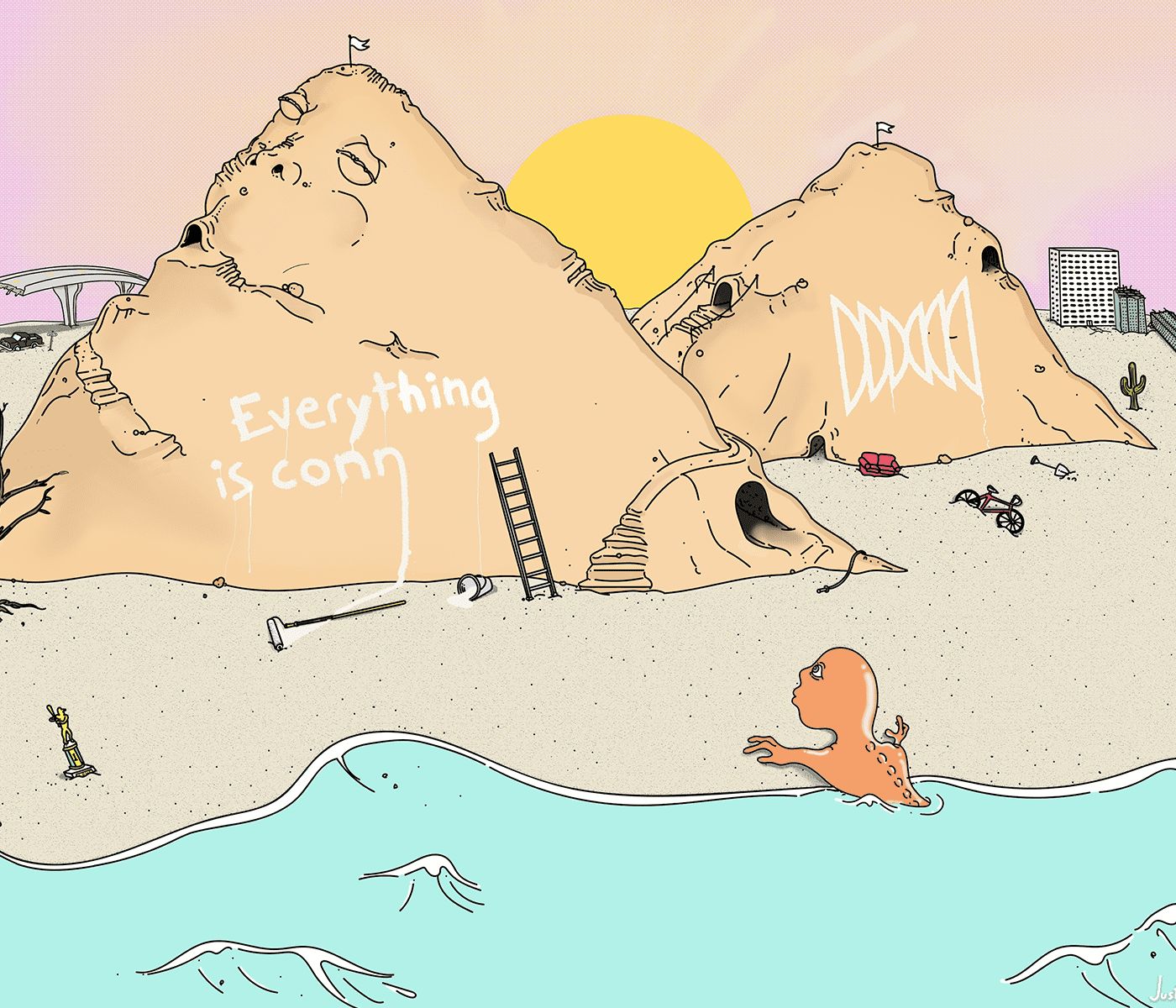
Ep 511The Cataclysm Sentence
Sad news for all of us: producer Rachael Cusick— who brought us soul-stirring stories rethinking grief (https://zpr.io/GZ6xEvpzsbHU) and solitude (https://zpr.io/eT5tAX6JtYra), as well as colorful musings on airplane farts (https://zpr.io/CNpgUijZiuZ4) and belly flops (https://zpr.io/uZrEz27z63CB) and Blueberry Earths (https://zpr.io/EzxgtdTRGVzz)— is leaving the show. So we thought it perfect timing to sit down with her and revisit another brainchild of hers, The Cataclysm Sentence, a collection of advice for The End. To explain: one day in 1961, the famous physicist Richard Feynman stepped in front of a Caltech lecture hall and posed this question to a group of undergraduate students: “If, in some cataclysm, all of scientific knowledge were to be destroyed, and only one sentence was passed on to the next generation of creatures, what statement would contain the most information in the fewest words?” Now, Feynman had an answer to his own question—a good one. But his question got the entire team at Radiolab wondering, what did his sentence leave out? So we posed Feynman’s cataclysm question to some of our favorite writers, artists, historians, futurists—all kinds of great thinkers. We asked them “What’s the one sentence you would want to pass on to the next generation that would contain the most information in the fewest words?” What came back was an explosive collage of what it means to be alive right here and now, and what we want to say before we go. Featuring: Richard Feynman, physicist - The Pleasure of Finding Things Out (https://zpr.io/5KngTGibPVDw) Caitlin Doughty, mortician - Will My Cat Eat My Eyeballs (https://zpr.io/Wn4bQgHzDRDB) Esperanza Spalding, musician - 12 Little Spells (https://zpr.io/KMjYrkwrz9dy) Cord Jefferson, writer - Watchmen (https://zpr.io/ruqKDQGy5Rv8) Merrill Garbus, musician - I Can Feel You Creep Into My Private Life (https://zpr.io/HmrqFX8RKuFq) Jenny Odell, writer - How to do Nothing (https://zpr.io/JrUHu8dviFqc) Maria Popova, writer - Brainpickings (https://zpr.io/vsHXphrqbHiN) Alison Gopnik, developmental psychologist - The Gardener and the Carpenter (https://zpr.io/ewtJpUYxpYqh) Rebecca Sugar, animator - Steven Universe (https://zpr.io/KTtSrdsBtXB7) Nicholson Baker, writer - Substitute (https://zpr.io/QAh2d7J9QJf2) James Gleick, writer - Time Travel (https://zpr.io/9CWX9q3KmZj8) Lady Pink, artist - too many amazing works to pick just one (https://zpr.io/FkJh6edDBgRL) Jenny Hollwell, writer - Everything Lovely, Effortless, Safe (https://zpr.io/MjP5UJb3mMYP) Jaron Lanier, futurist - Ten Arguments for Deleting Your Social Media Accounts Right Now (https://zpr.io/bxWiHLhPyuEK) Missy Mazzoli, composer - Proving Up (https://zpr.io/hTwGcHGk93Ty) Special Thanks to: Ella Frances Sanders, and her book, "Eating the Sun" (https://zpr.io/KSX6DruwRaYL), for inspiring this whole episode. Caltech for letting us use original audio of The Feynman Lectures on Physics. The entirety of the lectures are available to read for free online at www.feynmanlectures.caltech.edu.All the musicians who helped make the Primordial Chord, including: Siavash Kamkar (https://zpr.io/2ZT46XsMRdhg), from Iran Koosha Pashangpour (https://zpr.io/etWDXuCctrzE), from Iran Curtis MacDonald (https://zpr.io/HQ8uskA44BUh), from Canada Meade Bernard (https://zpr.io/gbxDPPzHFvme), from US Barnaby Rea (https://zpr.io/9ULsQh5iGUPa), from UK Liav Kerbel (https://zpr.io/BA4DBwMhwZDU), from Belgium Sam Crittenden (https://zpr.io/EtQZmAk2XrCQ), from US Saskia Lankhoorn (https://zpr.io/YiH6QWJreR7p), from Netherlands Bryan Harris (https://zpr.io/HMiyy2TGcuwE), from US Amelia Watkins (https://zpr.io/6pWEw3y754me), from Canada Claire James (https://zpr.io/HFpHTUwkQ2ss), from US Ilario Morciano (https://zpr.io/zXvM7cvnLHW6), from Italy Matthias Kowalczyk, from Germany (https://zpr.io/ANkRQMp6NtHR) Solmaz Badri (https://zpr.io/MQ5VAaKieuyN), from IranAll the wonderful people we interviewed for sentences but weren’t able to fit in this episode, including: Daniel Abrahm, Julia Alvarez, Aimee Bender, Sandra Cisneros, Stanley Chen, Lewis Dartnell, Ann Druyan, Rose Eveleth, Ty Frank, Julia Galef, Ross Gay, Gary Green, Cesar Harada, Dolores Huerta, Robin Hunicke, Brittany Kamai, Priya Krishna, Ken Liu, Carmen Maria Machado, James Martin, Judith Matloff, Ryan McMahon, Hasan Minhaj, Lorrie Moore, Priya Natarajan, Larry Owens, Sunni Patterson, Amy Pearl, Alison Roman, Domee Shi, Will Shortz, Sam Stein, Sohaib Sultan, Kara Swisher, Jill Tarter, Olive Watkins, Reggie Watts, Deborah Waxman, Alex Wellerstein, Caveh Zahedi.EPISODE CREDITS Reported by - Rachael Cusick (https://www.rachaelcusick.com/)Our newsletter comes out every Wednesday. It includes short essays, recommendations, and details about other ways to interact with the show. Sign up (https://radiolab.org/newsletter)! Radiolab is supported by listeners like you. Support Radiolab by becoming a member of The Lab (https://members.radiolab.org/) today. Follow our show on Instagram, Twitt
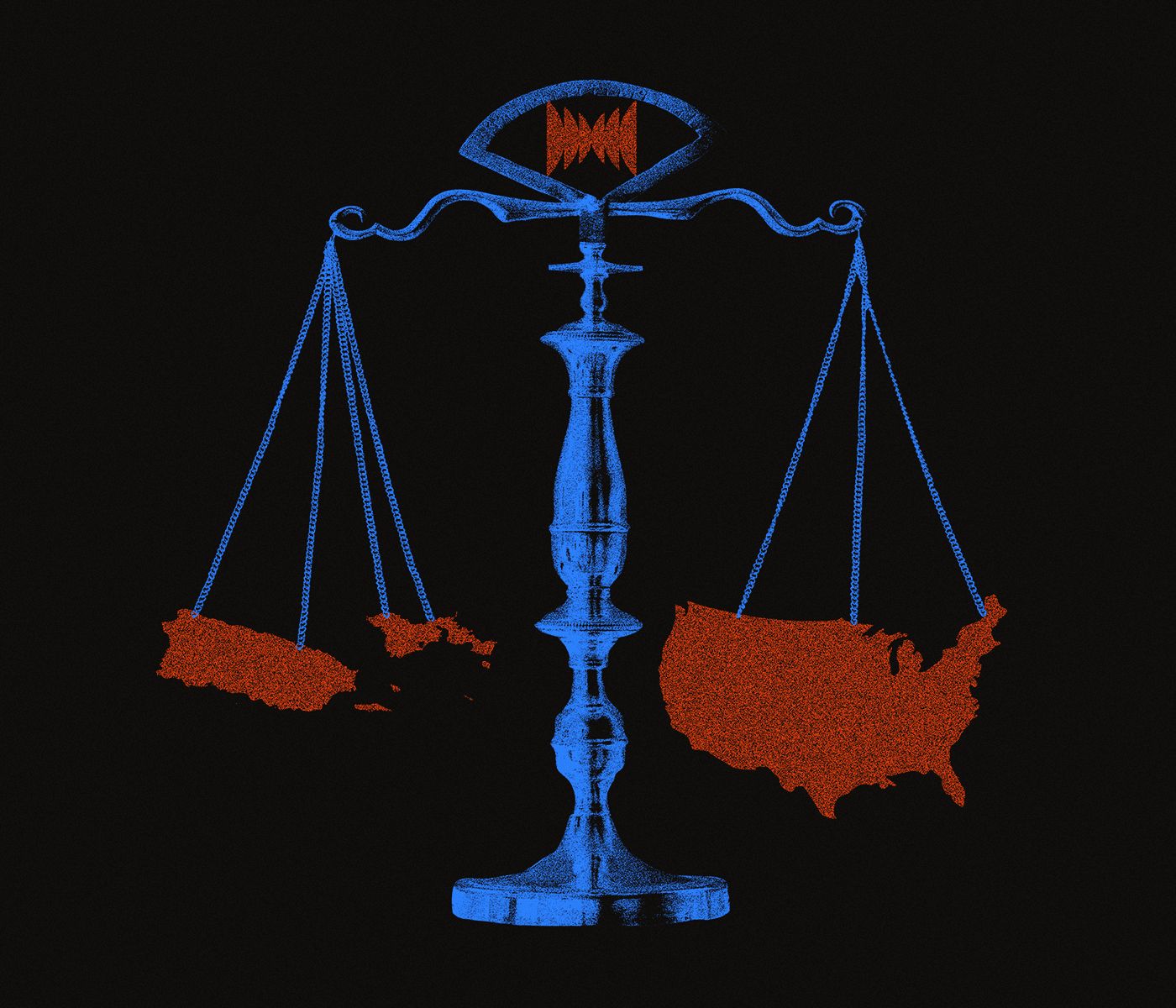
Ep 510Americanish
Given reporter Julia Longoria’s long love affair with the Supreme Court, it’s no surprise she’s become the new host of More Perfect (https://zpr.io/4R9fMg9gJ96k), a show all about how the Supreme Court got to be so… supreme. This week, we talk to Julia about her journey to the host seat, and we highlight an episode she produced for Radiolab in 2019 about a specific case: González v. Williams. In 1903 the U.S. Supreme Court refused to say that Isabel González was a citizen of the United States. Then again, they said, she wasn’t exactly an immigrant either. And they said that the U.S. territory of Puerto Rico, Isabel’s home, was “foreign to the United States in a domestic sense.” Since then, the U.S. has cleared up at least some of the confusion about U.S. territories and the status of people born in them. But, more than a hundred years later, there is still a U.S. territory that has been left in limbo: American Samoa. It is the only place on Earth that is U.S. soil, but people who are born there are not automatically U.S. citizens. When we visit American Samoa, we discover that there are some pretty surprising reasons why many American Samoans prefer it that way. EPISODE CREDITS Reported by - Julia Longoria Our newsletter comes out every Wednesday. It includes short essays, recommendations, and details about other ways to interact with the show. Sign up (https://radiolab.org/newsletter)! Radiolab is supported by listeners like you. Support Radiolab by becoming a member of The Lab (https://members.radiolab.org/) today. Follow our show on Instagram, Twitter and Facebook @radiolab, and share your thoughts with us by emailing [email protected] Leadership support for Radiolab’s science programming is provided by the Gordon and Betty Moore Foundation, Science Sandbox, a Simons Foundation Initiative, and the John Templeton Foundation. Foundational support for Radiolab was provided by the Alfred P. Sloan Foundation.
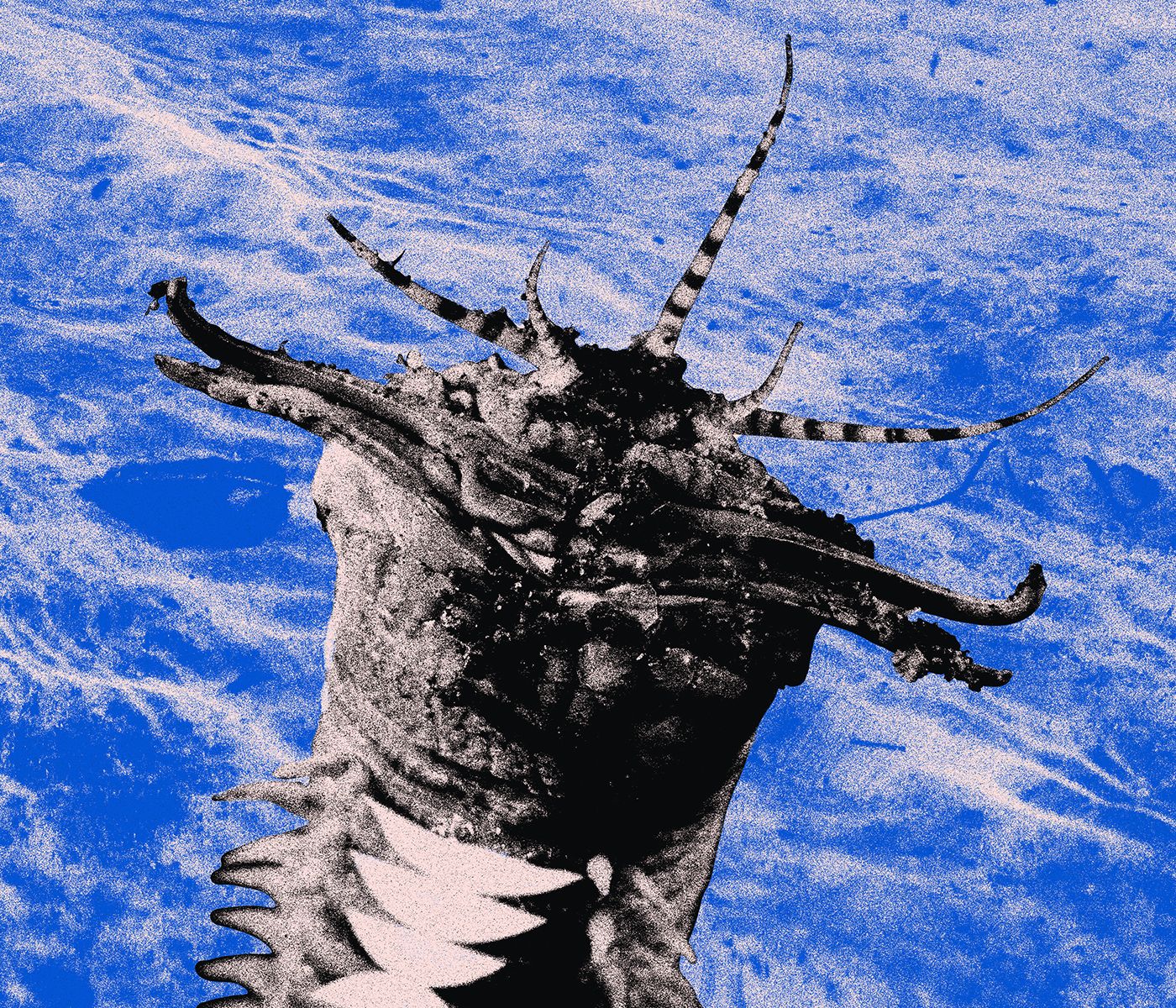
Ep 509Beware the Sand Striker
Shipworms. Hairy Chested Yeti Crabs. Parasitic Barnacles in the cloaca of Greenland Sharks. These are the types of creatures Sabrina Imbler, a columnist at Defector, likes to write about. The stranger, the better. In this episode, Imbler discusses how they balance maintaining scientific rigor while also drawing inspiration and metaphor from the animal world. Then they read a stirring essay from their new book, How Far the Light Reaches: A Life in Ten Sea Creatures . It’s about the sand striker, one of the ocean’s most gruesome predators, and the various prey that surround it. In learning about the relationships between predator and prey lurking in the murky bottom, Imbler ends up unearthing new insights about predation in human society. The essay deals with sexual assault so listen with care. EPISODE CREDITS Reported by - Lulu Miller Produced by - Sindhu Gnanasambandan Original music and sound design contributed by - Alex Overington with mixing help from - Jeremy Bloom and Arianne Wack Fact-checking by - Natalie Middleton and Edited by - Alex Neason and Pat Walters EPISODE CITATIONS Articles:“Creaturefector” (https://zpr.io/3myWi4grgkGB) by Sabrina Imbler Books: How Far the Light Reaches: A Life in Ten Sea Creatures (https://zpr.io/agkRj7xyPG9T) by Sabrina Imbler Dyke (geology) (https://zpr.io/7kAtAKjdBqPa) by Sabrina Imbler Our newsletter comes out every Wednesday. It includes short essays, recommendations, and details about other ways to interact with the show. Sign up (https://radiolab.org/newsletter)! Radiolab is supported by listeners like you. Support Radiolab by becoming a member of The Lab (https://members.radiolab.org/) today. Follow our show on Instagram, Twitter and Facebook @radiolab, and share your thoughts with us by emailing [email protected]. Leadership support for Radiolab’s science programming is provided by the Gordon and Betty Moore Foundation, Science Sandbox, a Simons Foundation Initiative, and the John Templeton Foundation. Foundational support for Radiolab was provided by the Alfred P. Sloan Foundation.

Ep 508Eye in the Sky
Ross McNutt has a superpower: he can zoom in on everyday life, then rewind and fast-forward to solve crimes in a shutter-flash. But should he? In 2004, when casualties in Iraq were rising due to roadside bombs, Ross McNutt and his team came up with an idea. With a small plane and a 44 megapixel camera, they figured out how to watch an entire city all at once, all day long. Whenever a bomb detonated, they could zoom into that spot and then, because this eye in the sky had been there all along, they could scroll back in time and see—literally see—who planted it. After the war, Ross McNutt retired from the Air Force, and brought this technology back home with him. Manoush Zomorodi and Alex Goldmark (from the podcast Note to Self) give us the lowdown on Ross’ unique brand of persistent surveillance, from Juarez, Mexico to Dayton, Ohio. Then, once we realize what we can do, we wonder whether we should. Our newsletter comes out every Wednesday. It includes short essays, recommendations, and details about other ways to interact with the show. Sign up (https://radiolab.org/newsletter)! Radiolab is supported by listeners like you. Support Radiolab by becoming a member of The Lab (https://members.radiolab.org/) today. Follow our show on Instagram, Twitter and Facebook @radiolab, and share your thoughts with us by emailing [email protected] Leadership support for Radiolab’s science programming is provided by the Gordon and Betty Moore Foundation, Science Sandbox, a Simons Foundation Initiative, and the John Templeton Foundation. Foundational support for Radiolab was provided by the Alfred P. Sloan Foundation.

Ep 507The Seagulls
In the 1970s, as LGBTQ+ people in the United States faced conservatives whose top argument was that homosexuality is “unnatural,” a pair of young scientists discovered on a tiny island off the coast of California a colony of seagulls that included… a significant number of female homosexual couples making nests and raising chicks together. The article that followed upended the culture’s understanding of what’s natural and took the discourse on homosexuality in a whole new direction. In this episode, our co-Host Lulu Miller grapples with the impact of this and several other studies about animal queerness on her life as a queer person. Special thanks to the History is Gay (https://www.historyisgaypodcast.com/) podcast. EPISODE CREDITS Reported by - Lulu Millerwith help from - Sarah QariProduced by - Sarah QariOriginal sound design contributed by - Jeremy Bloomwith mixing help from - Arianne WackFact-checking by - Diane Kellyand Edited by - Becca Bressler Our newsletter comes out every Wednesday. It includes short essays, recommendations, and details about other ways to interact with the show. Sign up (https://radiolab.org/newsletter)! Radiolab is supported by listeners like you. Support Radiolab by becoming a member of The Lab (https://members.radiolab.org/) today. Follow our show on Instagram, Twitter and Facebook @radiolab, and share your thoughts with us by emailing [email protected]. Leadership support for Radiolab’s science programming is provided by the Gordon and Betty Moore Foundation, Science Sandbox, a Simons Foundation Initiative, and the John Templeton Foundation. Foundational support for Radiolab was provided by the Alfred P. Sloan Foundation.
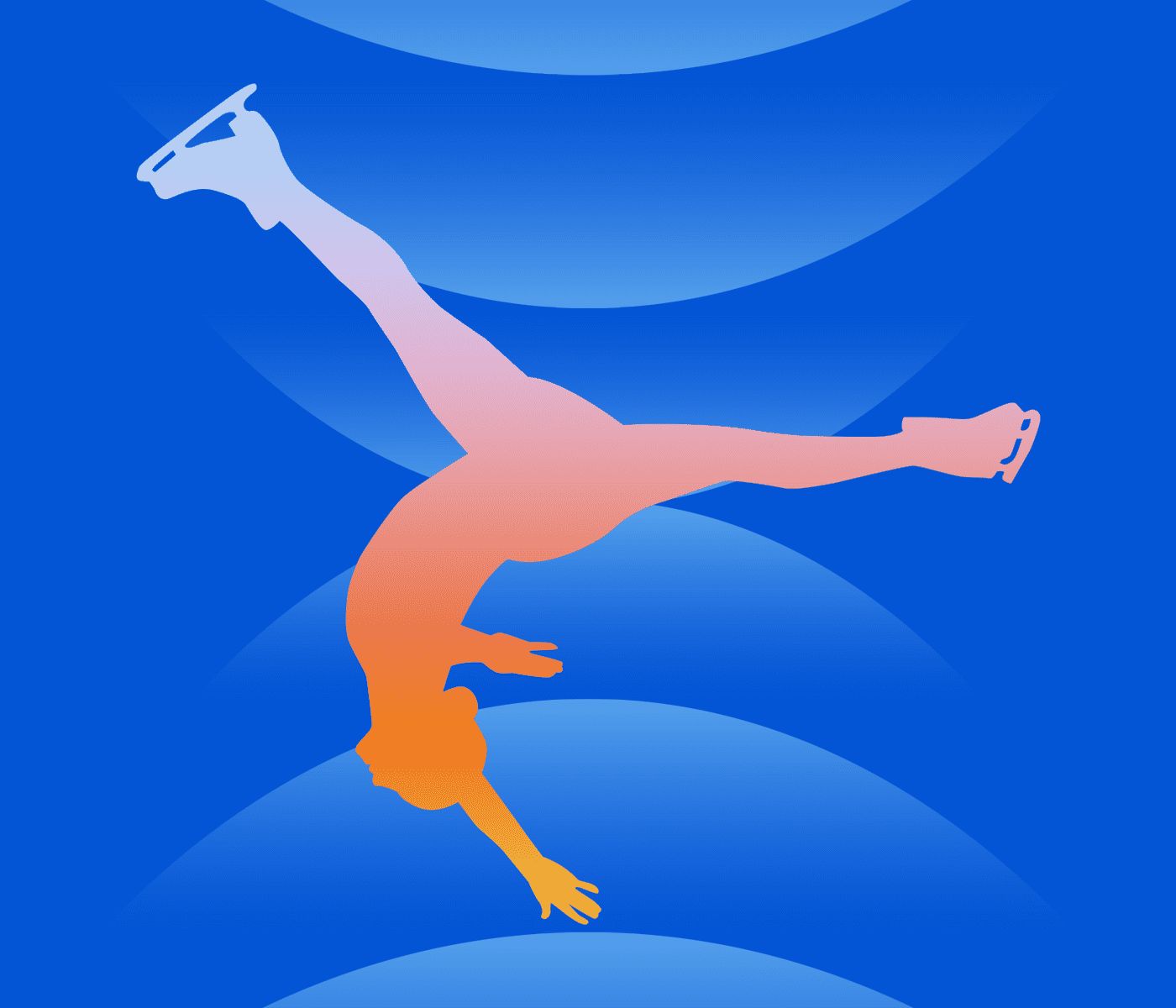
Ep 506On the Edge
At the 1998 Olympics in Nagano, Japan, one athlete pulled a move that, as far as we know, no one else had ever attempted. In this episode, first aired in the Spring of 2016, we tell you about Surya Bonaly. Surya was not your typical figure skater: she is black, she is athletic, and she didn’t seem to care about artistry. Her performances—punctuated by triple jumps and other power moves—thrilled audiences around the world. Yet commentators claimed she couldn’t skate and judges never gave her high marks. But Surya didn’t accept that criticism. Unlike her competitors—ice princesses who hid behind demure smiles—Surya made her feelings known. Then, during her final Olympic performance, she attempted one jump that flew in the face of the establishment and marked her for life as a rebel. Our newsletter comes out every Wednesday. It includes short essays, recommendations, and details about other ways to interact with the show. Sign up (https://radiolab.org/newsletter)!Radiolab is supported by listeners like you. Support Radiolab by becoming a member of The Lab (https://members.radiolab.org/) today.Follow our show on Instagram, Twitter and Facebook @radiolab, and share your thoughts with us by emailing [email protected] Leadership support for Radiolab’s science programming is provided by the Gordon and Betty Moore Foundation, Science Sandbox, a Simons Foundation Initiative, and the John Templeton Foundation. Foundational support for Radiolab was provided by the Alfred P. Sloan Foundation.
Ep 505Family People
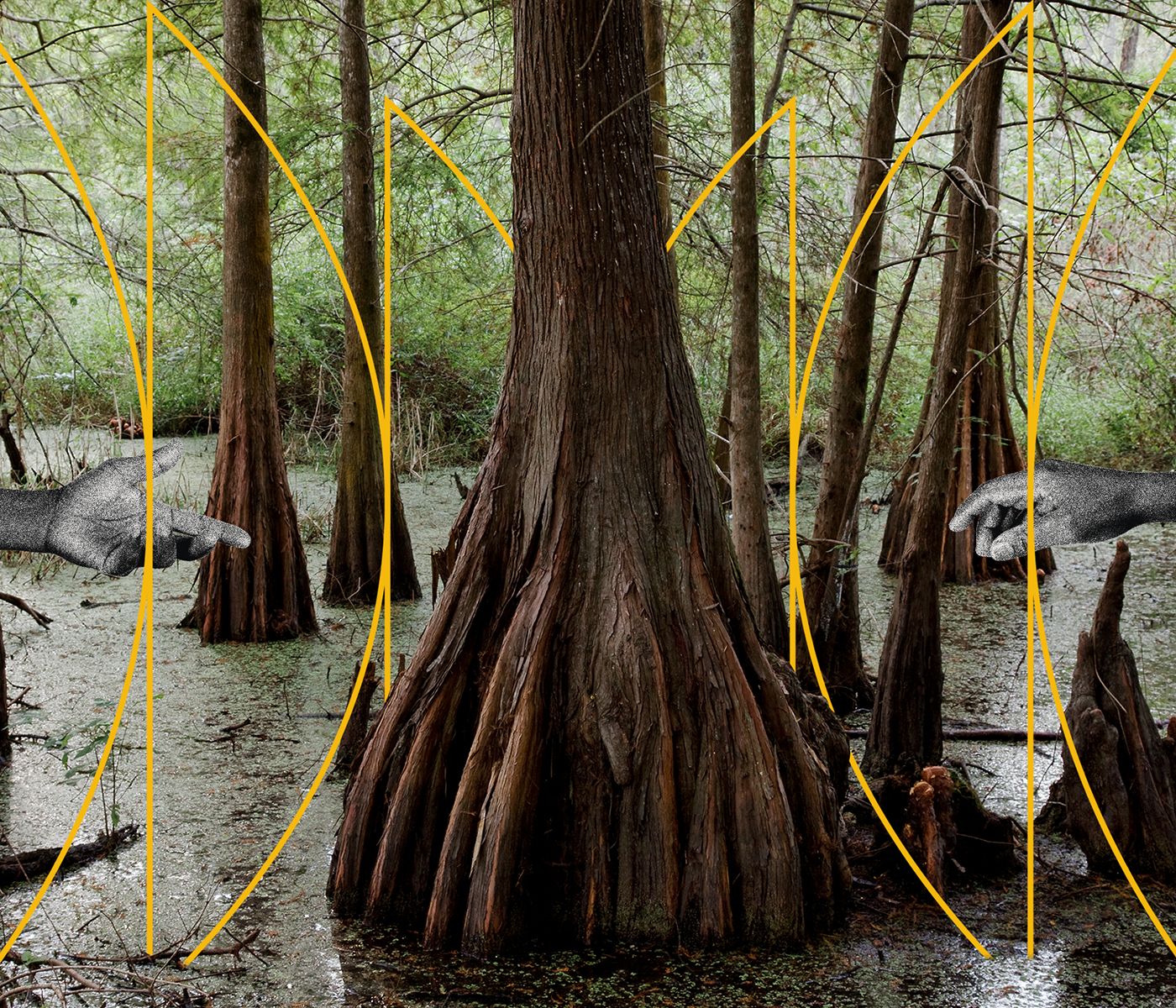
In 2021, editor Alex Neason's grandfather passed away. On his funeral program, she learned the name of his father for the first time: Wilson Howard. Not Neason. Howard. And when she asked her family why his last name was different from everybody else's, nobody had an answer. In this episode, we tag along as Alex searches for answers through swampy cemeteries, libraries, and archives in the heart of south Louisiana: who was her great grandfather, really? Is she supposed to be a Neason? Where did the name Neason come from, anyways? And is a name something whose weight you have to shed, or is it the only path forward into the future?Special thanks to, Cheryl Neason-Isidore, Karen Neason Dykes, Johari Neason, Keaun Neason, Kevin Neason, Anthony Neason, the late Clarence Neason Sr. and Anthony Neason, Clarence Neason Jr., Olivia Neason, Tori Neason, Orelia Amelia Jackson, Russell Gragg, Victor Yvellez, Asher Griffith, Devan Schwartz, Myrriah Gossett, Sabrina Thomas, Nancy Richard, Katie Neason, Amanda Hayden, Gabriel Lee, Paul Brandenburg, Justin Flynn, Mark Miller, Kenny Bentley, Jason Isaac, Irene Trudel, Bill Hyland, the staff members at the Orleans Parish, East Feliciana Parish, and Plaquemines Parish Clerk of Court offices. Episode Credits:Reported by - Alex Neasonwith help from - Nicka Sewell-SmithProduced by - Annie McEwenwith help from - Andrew ViñalesMusic performed by - Jason Isaac, Paul Brandenburg, Justin Fynn, Mark Miller, and Kenny Bentleywith engineering and mixing help from - Arianne Wack and Irene TrudelFact-checking by - Emily KriegerEpisode Citations:Audio - You can listen to the episode of La Brega (https://zpr.io/p5EcBJyU2dfJ), in English and in Spanish.Our newsletter comes out every Wednesday. It includes short essays, recommendations, and details about other ways to interact with the show. Sign up (https://radiolab.org/newsletter)! Radiolab is supported by listeners like you. Support Radiolab by becoming a member of The Lab (https://members.radiolab.org/) today. Follow our show on Instagram, Twitter and Facebook @radiolab, and share your thoughts with us by emailing [email protected]. Leadership support for Radiolab’s science programming is provided by the Gordon and Betty Moore Foundation, Science Sandbox, a Simons Foundation Initiative, and the John Templeton Foundation. Foundational support for Radiolab was provided by the Alfred P. Sloan Foundation.
Ep 504The War on Our Shore
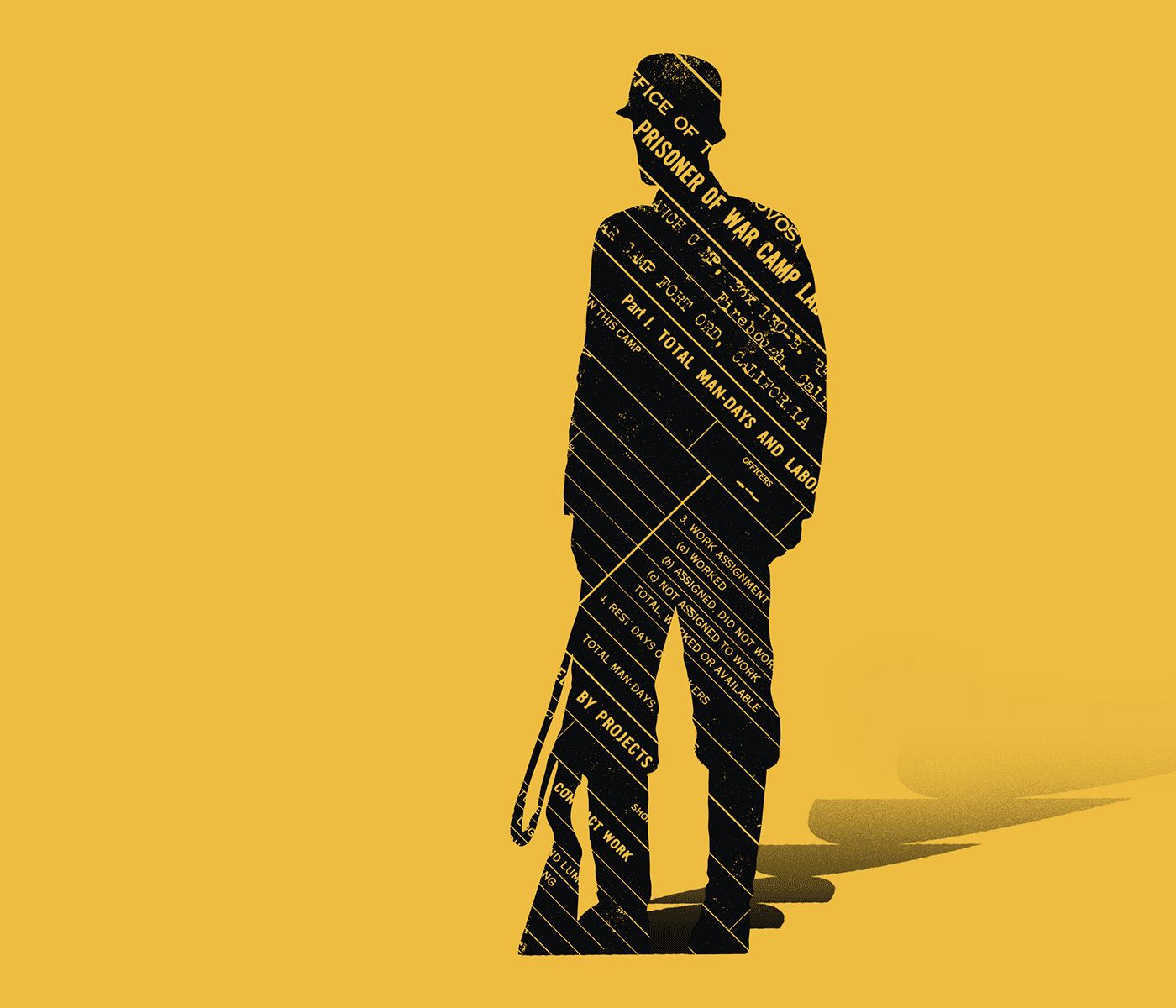
Foreign enemies have seldom brought war to U.S. soil… right? In this episode from 2017, we tell you strange stories of foreign enemies landing on our shore. From bombs floating across the country without a sound (or even a discussion), to Nazi prisoners of war leading placid lives in towns nationwide, listen to how war quietly wormed its way into the heartland of the United States. Our newsletter comes out every Wednesday. It includes short essays, recommendations, and details about other ways to interact with the show. Sign up (https://radiolab.org/newsletter)! Radiolab is supported by listeners like you. Support Radiolab by becoming a member of The Lab (https://members.radiolab.org/) today. Follow our show on Instagram, Twitter and Facebook @radiolab, and share your thoughts with us by emailing [email protected] Leadership support for Radiolab’s science programming is provided by the Gordon and Betty Moore Foundation, Science Sandbox, a Simons Foundation Initiative, and the John Templeton Foundation. Foundational support for Radiolab was provided by the Alfred P. Sloan Foundation.
Ep 503Ologies: Dark Matters
Testudinology. Enigmatology. Hagfishology. Raccoonology. Meteorology. Chronobiology. Chickenology. Delphinology. Bryology. Vampirology. Zymology. Echinology. Screamology. Melaninology. Dolorology.In this episode, we introduce you to one of our all-time favorite science podcasts. Ologies. A show that’s a kindred spirit to ours, but also… very different. In each episode, Host Alie Ward interviews a brilliant, charming ologist, and wanders with them deep into their research, quirky facts they’ve learned throughout their career and their personal motivations for studying what they study. “It’s all over the map,” she says. And we love it. To give you a taste of the show, we’re playing her ep on scotohylology, the study of dark matter, with UC-Riverside theoretical particle physicist Flip Tanedo (https://zpr.io/FJWL4NtH5Wsi). If you like it, you can find more than 300 more episodes of Ologies at ologies.com.Episode CreditsReported by - Alie WardProduced by - Pat Walterswith mixing help from - Arianne WackFact-checking by - Diane KellyOur newsletter comes out every Wednesday. It includes short essays, recommendations, and details about other ways to interact with the show. Sign up (https://radiolab.org/newsletter)!Radiolab is supported by listeners like you. Support Radiolab by becoming a member of The Lab (https://members.radiolab.org/) today.Follow our show on Instagram, Twitter and Facebook @radiolab, and share your thoughts with us by emailing [email protected]. Leadership support for Radiolab’s science programming is provided by the Gordon and Betty Moore Foundation, Science Sandbox, a Simons Foundation Initiative, and the John Templeton Foundation. Foundational support for Radiolab was provided by the Alfred P. Sloan Foundation.

Ep 502The Golden Rule
At first glance, Golden Balls was just like all the other game shows — quick-witted host, flashy set, suspenseful music. But underneath all that, each episode asked a very serious question: can you ever really trust another person? Executive producer Andy Rowe explains how the show used a whole lot of money and a simple set of rules to force us to face the fact that being good might not end well. The result was a show that could shake your faith in humanity — until one mild-mannered fellow unveiled a very unusual strategy, and suddenly, it was a whole new ball game. With help from Nick Corrigan and Ibrahim Hussein, we take a closer look at one of the strangest moments in game show history. Our newsletter comes out every Wednesday. It includes short essays, recommendations, and details about other ways to interact with the show. Sign up (https://radiolab.org/newsletter)!Radiolab is supported by listeners like you. Support Radiolab by becoming a member of The Lab (https://members.radiolab.org/) today.Follow our show on Instagram, Twitter and Facebook @radiolab, and share your thoughts with us by emailing [email protected] Leadership support for Radiolab’s science programming is provided by the Gordon and Betty Moore Foundation, Science Sandbox, a Simons Foundation Initiative, and the John Templeton Foundation. Foundational support for Radiolab was provided by the Alfred P. Sloan Foundation.
Ep 501Corpse Demon
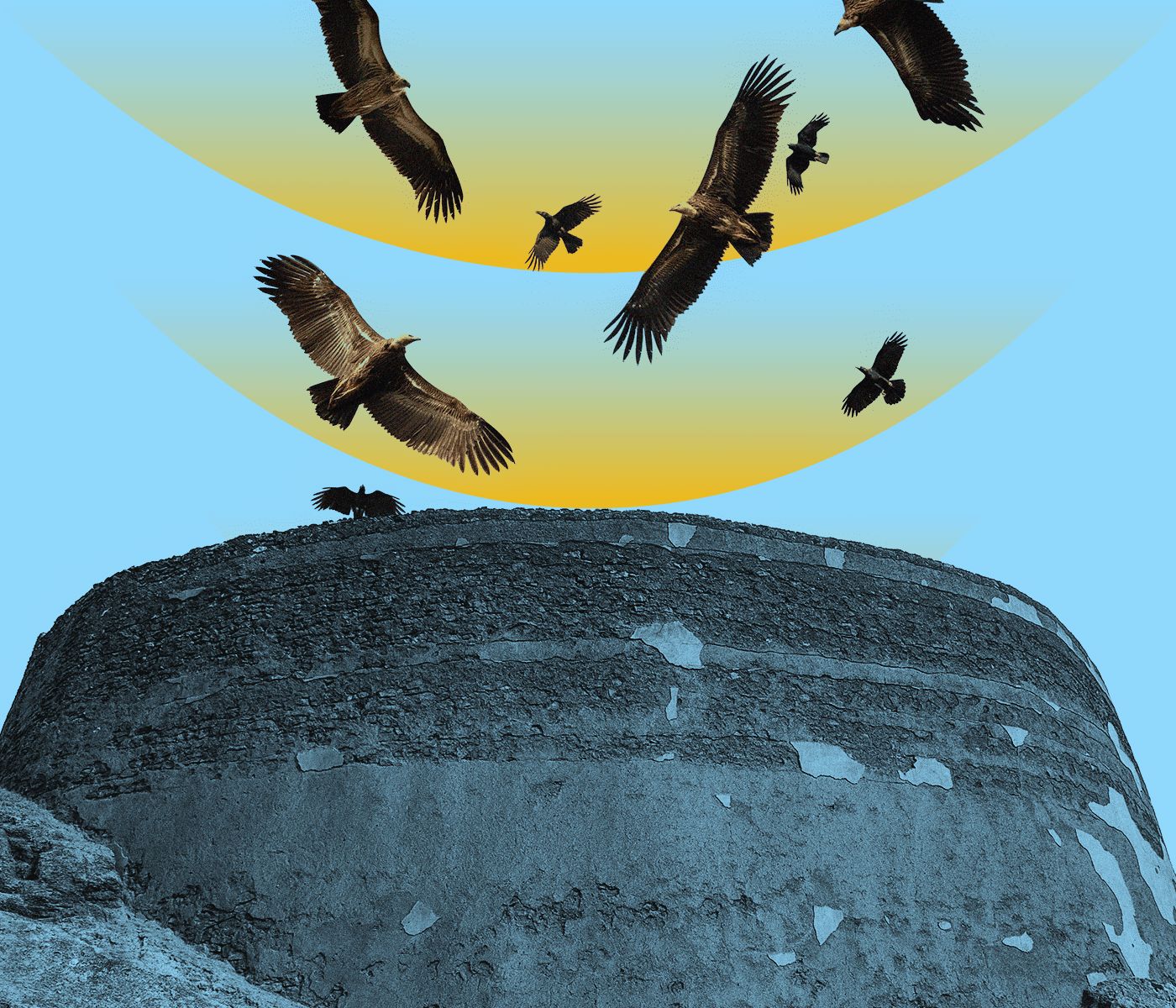
Heaven and hell, Judgement Day, monotheism — these ideas all came from one ancient Persian religion: Zoroastrianism. Also: Sky Burials. Zoroastrians put their dead on top of a structure called The Tower of Silence where vultures devour the body in a matter of hours. It’s clean, efficient, eco-friendly. It’s how it’s been for thousands of years. Until 2006. That’s when a Zoroastrian woman living in Mumbai snuck up into the tower and found bloated, rotting bodies everywhere. The vultures were gone. And not just at the tower — all across the country. In this episode, we follow the Kenyan bird biologist, Munir Virani, as he gets to the bottom of this. A mystery whose stakes are not just the end of an ancient burial practice, but the health of all the world’s ecosystems. The answer, in unexpected ways, points back to us. Special thanks to Daniel Solomon, Peter Wilson, Samik Bindu, Vibhu Prakash, Heather Natola and the Rapture Trust in New Jersey, and Avir’s uncle Hoshang Mulla, who told him about this story over Thanksgiving dinner. EPISODE CREDITSReported by - Avir Mitrawith help from - Sindhu GnanasambandanProduced by - Sindhu Gnanasambandanwith help from - Pat WaltersOriginal music and sound design contributed by - Jeremy Bloomwith mixing help from - Arianne WackFact-checking by - Diane Kellyand Edited by - Pat Walters Our newsletter comes out every Wednesday. It includes short essays, recommendations, and details about other ways to interact with the show. Sign up (https://radiolab.org/newsletter)! Radiolab is supported by listeners like you. Support Radiolab by becoming a member of The Lab (https://members.radiolab.org/) today. Follow our show on Instagram, Twitter and Facebook @radiolab, and share your thoughts with us by emailing [email protected]. Leadership support for Radiolab’s science programming is provided by the Gordon and Betty Moore Foundation, Science Sandbox, a Simons Foundation Initiative, and the John Templeton Foundation. Foundational support for Radiolab was provided by the Alfred P. Sloan Foundation.
Ep 500Abortion Pills, Take Two
Abortion pills — a combo of two drugs, mifepristone and misoprostol — are on notice: on April 7, 2023, a federal judge said the FDA’s approval of mifepristone was invalid. And then, not more than an hour later, another federal judge in a separate case said that mifepristone had to stay on the market in certain states. With these two contradictory rulings, mifepristone — and medical abortion, in general — is in the crosshairs. So, today, we want to rewind to an episode we made last year. It looks at these two drugs over the last 40 years, from their origin stories and development, to how their administration from doctors to patients keeps evolving. This story, for us, started… Special thanks to Mariana Prandini Assis and Pam Belluck. EPISODE CREDITS Reported by - Molly Webster, Avir Mitra Produced by Sarah Qariwith mixing help from - Arianne WackFact-checking by - Diane Kellyand Edited by - Becca BresslerCITATIONS: Articles: From one of our sources, Abigail Aiken: “Safety and effectiveness of self-managed medication abortion provided using online telemedicine in the United States: A population based study” (https://zpr.io/kG3hNFXM4kb9) Our newsletter comes out every Wednesday. It includes short essays, recommendations, and details about other ways to interact with the show. Sign up (https://radiolab.org/newsletter)! Radiolab is supported by listeners like you. Support Radiolab by becoming a member of The Lab (https://members.radiolab.org/) today. Follow our show on Instagram, Twitter and Facebook @radiolab, and share your thoughts with us by emailing [email protected] Leadership support for Radiolab’s science programming is provided by the Gordon and Betty Moore Foundation, Science Sandbox, a Simons Foundation Initiative, and the John Templeton Foundation. Foundational support for Radiolab was provided by the Alfred P. Sloan Foundation.
Ep 499The Library of Alexandra
How much does knowledge cost? While that sounds like an abstract question, the answer is surprisingly specific: $3,096,988,440.00. That’s how much the business of publishing scientific and academic research is worth. This is the story of one woman’s battle against a global network of academic journals that underlie published scientific research. In 2011, Alexandra Elbakyan had just moved home to Kazakhstan after a disappointing few years trying to study neuroscience in the United States when she landed on an internet forum where a bunch of scientists were all looking for the same thing: access to academic journal articles that were behind paywalls. That’s the moment the very simple, but enormously powerful, website called Sci Hub was born. The site holds over 88 million articles and serves up about a million downloads to people in practically every country on the globe. We travel to Kazakhstan to meet the mysterious woman behind it all and to find out what it takes to make everything we know about anything available to anyone anywhere, for free.Special thanks to Vrindra Bhandari, Balázs Bodó, Stephen Buranyi, Ian Graber-Stiehl, Joel Joseph, Noorain Khalifa, Aparajita Lath, Steve McLaughlin, Marcia McNutt, Randy Scheckman Tanmay Singh, Deborah Harkness, Joe Karaganis, Lawrence Lessig, Glyn Moody, and Steven Press. Episode Credits:Reported by - Eli CohenReporting help from - Karishma Mehrotra, Emily Krumberger and Norihelys RamosProduced by Simon Adlerwith help from - Eli CohenOriginal music and sound designed by - Simon AdlerMixing by - Jeremy BloomEdited by - Alex Neason Our newsletter comes out every Wednesday. It includes short essays, recommendations, and details about other ways to interact with the show. Sign up (https://radiolab.org/newsletter)! Radiolab is supported by listeners like you. Support Radiolab by becoming a member of The Lab (https://members.radiolab.org/) today. Radiolab is on YouTube! Catch up with new episodes and hear classics from our archive. Plus, find other cool things we did in the past — like miniseries, music videos, short films and animations, behind-the-scenes features, Radiolab live shows, and more. Take a look, explore and subscribe! Follow our show on Instagram, Twitter and Facebook @radiolab, and share your thoughts with us by emailing [email protected]. Leadership support for Radiolab’s science programming is provided by the Gordon and Betty Moore Foundation, Science Sandbox, a Simons Foundation Initiative, and the John Templeton Foundation. Foundational support for Radiolab was provided by the Alfred P. Sloan Foundation.
Ep 498The Good Samaritan
Tuesday afternoon, summer of 2017: Scotty Hatton and Scottie Wightman made a decision to help someone in need and both paid a price for their actions that day — actions that have led to a legal, moral, and scientific puzzle about how we balance accountability and forgiveness. In this 2019 episode, we go to Bath County, Kentucky, where, as one health official put it, opioids have created “a hole the size of Kentucky.” We talk to the people on all sides of this story about stemming the tide of overdoses. We wrestle with the science of poison and fear, and we try to figure out whether and when the drive to protect and help those around us should rise above the law. Special thanks to Earl Willis, Bobby Ratliff, Ronnie Goldie, Megan Fisher, Alan Caudill, Nick Jones, Dan Wermerling, Terry Bunn, Robin Thompson and the staff at KIPRC, Charles Landon, Charles P Gore, Jim McCarthy, Ann Marie Farina, Dr. Jeremy Faust and Dr. Ed Boyer, Justin Brower, Kathy Robinson, Zoe Renfro, John Bucknell, Chris Moraff, Jeremiah Laster, Tommy Kane, Jim McCarthy, Sarah Wakeman, and Al Tompkins. CDC recommendations on helping people who overdose: https://www.cdc.gov/drugoverdose/pdf/patients/Preventing-an-Opioid-Overdose-Tip-Card-a.pdf Find out where to get naloxone: https://prevent-protect.org/. It is also now available over-the-counter. (https://zpr.io/SMX9yYDUta7a). EPISODE CREDITS: Reported by - Peter Andrey Smith with Matt KieltyProduced by - Matt Kielty Our newsletter comes out every Wednesday. It includes short essays, recommendations, and details about other ways to interact with the show. Sign up (https://radiolab.org/newsletter)! Radiolab is supported by listeners like you. Support Radiolab by becoming a member of The Lab (https://members.radiolab.org/) today. Follow our show on Instagram, Twitter and Facebook @radiolab, and share your thoughts with us by emailing [email protected] Leadership support for Radiolab’s science programming is provided by the Gordon and Betty Moore Foundation, Science Sandbox, a Simons Foundation Initiative, and the John Templeton Foundation. Foundational support for Radiolab was provided by the Alfred P. Sloan Foundation.
Ep 497Alone Enough
Cat Jaffee didn’t necessarily think of herself as someone who loved being alone. But then, the pandemic hit. And she got diagnosed with cancer. Actually, those two things happened on the exact same day, at the exact same hour. In the shadow of that nightmarish timing, Cat found her way to a sport that celebrated the solitude that was forced on her, and taught her how to not only embrace self-reliance, but to love it. This sport is called competitive bikepacking. And in these competitions, riders have to bring everything they need to complete epic bike rides totally by themselves. They pack all the supplies they think they’ll need to survive, and have to refuse some of the simplest, subtlest, most intangible boosts that exist in our world. But a leader has emerged in this sport. Her name is Lael Wilcox, and she’s a total rockstar in the world of competitive bikepacking. She’s broken all kinds of records. And also, some rules. Most recently, on this one ride she did across the entire state of Arizona. We set out to find out what it means — for Cat, for Lael, and for any of us — to endure incredibly hard things, totally alone. The answer is on the course, in our bodies, and hidden in that mysterious place between us and the people we care about. Special thanks to Anna Haslock, Nico Sandi, Michael Fryar, Moab Public Radio, Nichole Baker and Payson McElveen for sharing their studio with us, and The Radavist, for letting us use the audio of Lael’s ride across Arizona. You can watch the original video here (https://www.youtube.com/watch?v=4HOk0MmgFwE). EPISODE CREDITS This episode was reported by - Cat Jaffee and Rachael CusickProduced by - Rachael Cusick with help from - Pat WaltersOriginal music and sound design by - Jeremy Bloom with mixing help from - Arianne WackFact-checking by - Emily KriegerEdited by - Pat Walters CITATIONS: Videos: You can watch Lael’s you can watch Lael’s ride across Arizona here (https://www.youtube.com/watch?v=4HOk0MmgFwE). And see the next season of racing by following along on TrackLeaders.com (http://trackleaders.com/)Articles:You can find Jim Coan’s study on emotional support here (https://zpr.io/Y2yMXZMgnMKv).Audio:For more on Lael Wilcox, you can check out her interviews with the podcasts Adventure Stache (https://zpr.io/EtkFsW8b6VdS) and Bikes or Death (https://zpr.io/ZSTAECjAifn5). Our newsletter comes out every Wednesday. It includes short essays, recommendations, and details about other ways to interact with the show. Sign up (https://radiolab.org/newsletter)! Radiolab is supported by listeners like you. Support Radiolab by becoming a member of The Lab (https://members.radiolab.org/) today. Radiolab is on YouTube! Catch up with new episodes and hear classics from our archive. Plus, find other cool things we did in the past — like miniseries, music videos, short films and animations, behind-the-scenes features, Radiolab live shows, and more. Take a look, explore and subscribe! Follow our show on Instagram, Twitter and Facebook @radiolab, and share your thoughts with us by emailing [email protected]. Leadership support for Radiolab’s science programming is provided by the Gordon and Betty Moore Foundation, Science Sandbox, a Simons Foundation Initiative, and the John Templeton Foundation. Foundational support for Radiolab was provided by the Alfred P. Sloan Foundation.

Ep 496Apologetical
How do you fix a word that’s broken? A word we need when we bump into someone on the street, or break someone’s heart. In our increasingly disconnected secular world, “sorry” has been stretched and twisted, and in some cases weaponized. But it’s also one of the only ways we have to piece together a sense of shared values and beliefs. Through today's sea of sorry-not-sorries, empty apologies, and just straight up non-apologies, we wonder in this episode from 2018 what it looks like to make amends. EPISODE CREDITS: Reported and Produced by - Annie McEwenwith help from - Simon Adler CITATIONS:The program at Stanford that Leilani went through (and now works for) (https://zpr.io/eYhfZnwznHfD) was a joint creation between Stanford and Lee Taft. Our newsletter comes out every Wednesday. It includes short essays, recommendations, and details about other ways to interact with the show. Sign up (https://radiolab.org/newsletter)! Radiolab is supported by listeners like you. Support Radiolab by becoming a member of The Lab (https://members.radiolab.org/) today.Follow our show on Instagram, Twitter and Facebook @radiolab, and share your thoughts with us by emailing [email protected] Leadership support for Radiolab’s science programming is provided by the Gordon and Betty Moore Foundation, Science Sandbox, a Simons Foundation Initiative, and the John Templeton Foundation. Foundational support for Radiolab was provided by the Alfred P. Sloan Foundation.

Ep 495Buttons Not Buttons
Tiny buttons have such a hold on us. They can be portals to power, freedom, and destruction. Today, with the help of buttons, we tell you about taking charge of the little things in life, about fortunes made and lost, and about the ease with which the world can end. Confused? Push the button marked Play.Special thanks for the music of Brian Carpenter's Ghost Train OrchestraOur newsletter comes out every Wednesday. It includes short essays, recommendations, and details about other ways to interact with the show. Sign up (https://radiolab.org/newsletter)!Radiolab is supported by listeners like you. Support Radiolab by becoming a member of The Lab (https://members.radiolab.org/) today.Follow our show on Instagram, Twitter and Facebook @radiolab, and share your thoughts with us by emailing [email protected] Leadership support for Radiolab’s science programming is provided by the Gordon and Betty Moore Foundation, Science Sandbox, a Simons Foundation Initiative, and the John Templeton Foundation. Foundational support for Radiolab was provided by the Alfred P. Sloan Foundation.
Ep 494Crabs All the Way Down
This week we examine one of nature's most humble creations: crabs. Turns out when you look closely at these little scuttlers, things get surprisingly existential — about how to come into being, how to survive chaos, and how to live. We even examine the possibility of evolutionary destiny. This episode is a two-parter, a double-decker crab cake of sorts. Served up on a bed of lettuce and beautiful weirdness. The first layer comes from producer Rachael Cusick, and is a story she told live on stage at Pop-Up Magazine (http://www.popupmagazine.com) as a part of their Fall of 2022 tour. It chronicles a cross-species love story between artist Mary Akers (http://maryakers.com/) and an overlooked pet store companion, a creature that even Chris Tudge (https://zpr.io/MyUNwPAaqewg) — the scientist dedicated to this creature, you could say — could not get a ring on. The second layer is cooked up by Lulu, who tries to understand why crabs keep evolving (according to recent work by Jo Wolfe (https://zpr.io/2GftY9RjbLkF), Heather Bracken-Grissom (https://zpr.io/HhvMVfnThp5P) and Javier Luque (https://zpr.io/xBiQHEtNSKZr)). Crack a leg and see what we mean. Special thanks to the entire team at Pop Up Magazine, Randi Rotjan, Jan Pechenik, Renae Brodie, Samantha Edmonds, whose story (https://zpr.io/ELQS4VkJGaSa) from The Outline introduced us to Mary, EPISODE CREDITS: Reported by - Rachael Cusick and Lulu Millerwith help from - Annie McEwenProduced by - Becca Bressler with help from Ekedi Fausther-KeeysOriginal music and sound design contributed by - Ghost Girl, Jeremy Bloom with mixing help from - Arianne WackFact-checking by - Diane Kellyand Edited by - Haley Howle and Pat WaltersCITATIONS: Articles:If you want more details about hermit crab breeding, head over to Mary’s blog to read more: http://maryakers.com/inthecrabitat/Or check out the Land Hermit Crab Owners Society: https://lhcos.org/ Our newsletter comes out every Wednesday. It includes short essays, recommendations, and details about other ways to interact with the show. Sign up (https://radiolab.org/newsletter)! Radiolab is supported by listeners like you. Support Radiolab by becoming a member of The Lab (https://members.radiolab.org/) today. Follow our show on Instagram, Twitter and Facebook @radiolab, and share your thoughts with us by emailing [email protected]. Leadership support for Radiolab’s science programming is provided by the Gordon and Betty Moore Foundation, Science Sandbox, a Simons Foundation Initiative, and the John Templeton Foundation. Foundational support for Radiolab was provided by the Alfred P. Sloan Foundation.

Ep 493The Trust Engineers
First aired in 2015, this is an episode about social media, and how, when we talk online, things can quickly go south. But do they have to? In the earlier days of Facebook, we met with a group of social engineers who were convinced that tiny changes in wording can make the online world a kinder, gentler place. We just have to agree to be their lab rats. Because Facebook, or something like it, is where we share and like and gossip and gripe. And before we were as aware of its impact, Facebook had a laboratory of human behavior the likes of which we’d never seen. We got to peek into the work of Arturo Bejar and a team of researchers who were tweaking our online experience, to try to make the world a better place. And even now, just under a decade later, we’re still left wondering if that’s possible, or even a good idea. EPISODE CREDITS Reported by - Andrew ZolliOriginal music and sound design contributed by - Mooninites REFERENCES: ArticlesAndrew Zolli’s blog post about Darwin’s Stickers (https://zpr.io/ZpMeUnRmVMgP) which highlights another one of these Facebook experiments that didn’t make it into the episode. BooksAndrew Zolli’s Resilience: Why Things Bounce Back (https://zpr.io/7fYQ9iDYAQBu)Kate Crawford's Atlas of AI: Power, Politics, and the Planetary Costs of Artificial Intelligence (https://zpr.io/9rU5CGSit3W4) Our newsletter comes out every Wednesday. It includes short essays, recommendations, and details about other ways to interact with the show. Sign up (https://radiolab.org/newsletter)!Radiolab is supported by listeners like you. Support Radiolab by becoming a member of The Lab (https://members.radiolab.org/) today.Follow our show on Instagram, Twitter and Facebook @radiolab, and share your thoughts with us by emailing [email protected] Leadership support for Radiolab’s science programming is provided by the Gordon and Betty Moore Foundation, Science Sandbox, a Simons Foundation Initiative, and the John Templeton Foundation. Foundational support for Radiolab was provided by the Alfred P. Sloan Foundation.

Ep 492Golden Goose
After years of being publicly shamed for “fleecing” the taxpayers with their frivolous and obscure studies, scientists decided to hit back with… an awards show?! This episode, we gate-crash the Grammys of government-funded research, A.K.A. the Golden Goose Awards. The twist of these awards is that they go to scientific research that at first sounds trivial or laughable but then turns out to change the world. We tell the story of one of the latest winners: a lonely Filipino boy who picked up an ice cream cone that was actually a covert vampire assassin. Decades later, that discovery leads to an even bigger one: an entire pharmacy's worth of new drugs hidden just below the surface of the ocean. EPISODE CREDITS: Reported by - Latif Nasser and Maria Paz Gutiérrezwith help from - Ekedi Fausther-KeeysProduced by - Maria Paz Gutiérrez and Matt Kieltywith help from Ekedi Fausther-KeeysOriginal music and sound design contributed by Matt Kieltywith mixing help from Arianne Wack. Fact-checking by Emily KriegerEditing by Soren Wheeler, who thought the whole episode should have been a little shorter. Special thanks to Erin Heath, Haylie Swenson, Gwendolyn Bogard, Valeria Sabate and everyone else at AAAS who oversee the Golden Goose Awards. Also to Maggie Luddy, and former Congressman Jim Cooper, Terry Lee Merritt at University of Utah, Jim Tranquada, John McCormack, and the Cosman Shell Collection at Occidental College. CITATIONS: Videos - Gorgeous slo mo video of cone snails hunting (https://zpr.io/uiWrS3J2BuZM). A recent segment from our down-the-hall neighbors at On The Media (https://zpr.io/VZHSLPdkdAxH) about breakthrough science featuring the late Senator William Proxmire. Check out dazzling documentary shorts on each of the Golden Goose Awards winners (https://zpr.io/Tpxxrzzuz6GS) on their website. Our newsletter comes out every Wednesday. It includes short essays, recommendations, and details about other ways to interact with the show. Sign up (https://radiolab.org/newsletter)! Radiolab is supported by listeners like you. Support Radiolab by becoming a member of The Lab (https://members.radiolab.org/) today. Follow our show on Instagram, Twitter and Facebook @radiolab, and share your thoughts with us by emailing [email protected]. Leadership support for Radiolab’s science programming is provided by the Gordon and Betty Moore Foundation, Science Sandbox, a Simons Foundation Initiative, and the John Templeton Foundation. Foundational support for Radiolab was provided by the Alfred P. Sloan Foundation.

Ep 491Bliss
In this deep cut from 2012, we are searching for platonic ideals longing for completion, engaged in epic quests for holy grails in science, linguistics, and world peace. And along the way, we’ll meet the dreamers and measure just how impossible their dreams are. First: a perfect moment. On day 86 of a 3-month trek to and from the South Pole, adventurer Aleksander Gamme (https://zpr.io/ryaJzt5vaNTZ) discovered something he'd stashed under the ice at the start of his trip. He wasn't expecting such a rush of happiness in that cold, hungry instant, but he hit the bliss jackpot.Producer Tim Howard (https://zpr.io/bfxEEMYHf5vT) brings us the incredible and tragic story of Charles Bliss -- the man that inspired this show. As Charles's friend Richard Ure and writer Arika Okrent (https://zpr.io/3gjsdSePpQbG) explain, Bliss believed that war was often caused by the misuse of language. Having lived through the hell of Nazi concentration camps, he set about creating the perfect language, based on symbols and logic. Years later, Shirley McNaughton accidentally discovered it, and started using it to communicate with her students -- kids with cerebral palsy who quickly picked up the language and made it their own. At first, Charles was thrilled...until he started to feel his original dream of saving the world was slipping from his fingers.And finally, co-host Latif Nasser (https://zpr.io/pJsnQSYWJLTe) explains how, on a cold, snowy farm in Vermont in 1880, a kid named Wilson Bentley put a snowflake under a microscope and started a lifelong quest to capture perfection. EPISODE CREDITS:Reported by - Tim HowardProduced by - Tim Howard CITATIONS: Videos: Aleksander and his glorious gift to his future self. (https://zpr.io/STUpZqWqrBwy)Books: Arika Okrent, In the Land of Invented Language (https://zpr.io/uqBLpYQr7xNT) Lorraine Daston and Peter Galison, Objectivity (https://zpr.io/JpdC8rS7Uqjq) Duncan C. Blanchard, The Snowflake Man: A Biography of Wilson A Bentley (https://zpr.io/YaqeAw4XucRT) Ken Libbrecht, The Secret Life of a Snowflake: An Up-Close Look at the Art and Science of Snowflakes (https://zpr.io/DtZrbyFc3M75), Ken Libbrecht's Field Guide to Snowflakes (https://zpr.io/wg79x4HPCFun) W.A. Bentley, Snowflakes in Photographs (https://zpr.io/ccQfy9ZGFDDh) Our newsletter comes out every Wednesday. It includes short essays, recommendations, and details about other ways to interact with the show. Sign up (https://radiolab.org/newsletter)! Radiolab is supported by listeners like you. Support Radiolab by becoming a member of The Lab (https://members.radiolab.org/) today.Follow our show on Instagram, Twitter and Facebook @radiolab, and share your thoughts with us by emailing [email protected] Leadership support for Radiolab’s science programming is provided by the Gordon and Betty Moore Foundation, Science Sandbox, a Simons Foundation Initiative, and the John Templeton Foundation. Foundational support for Radiolab was provided by the Alfred P. Sloan Foundation.
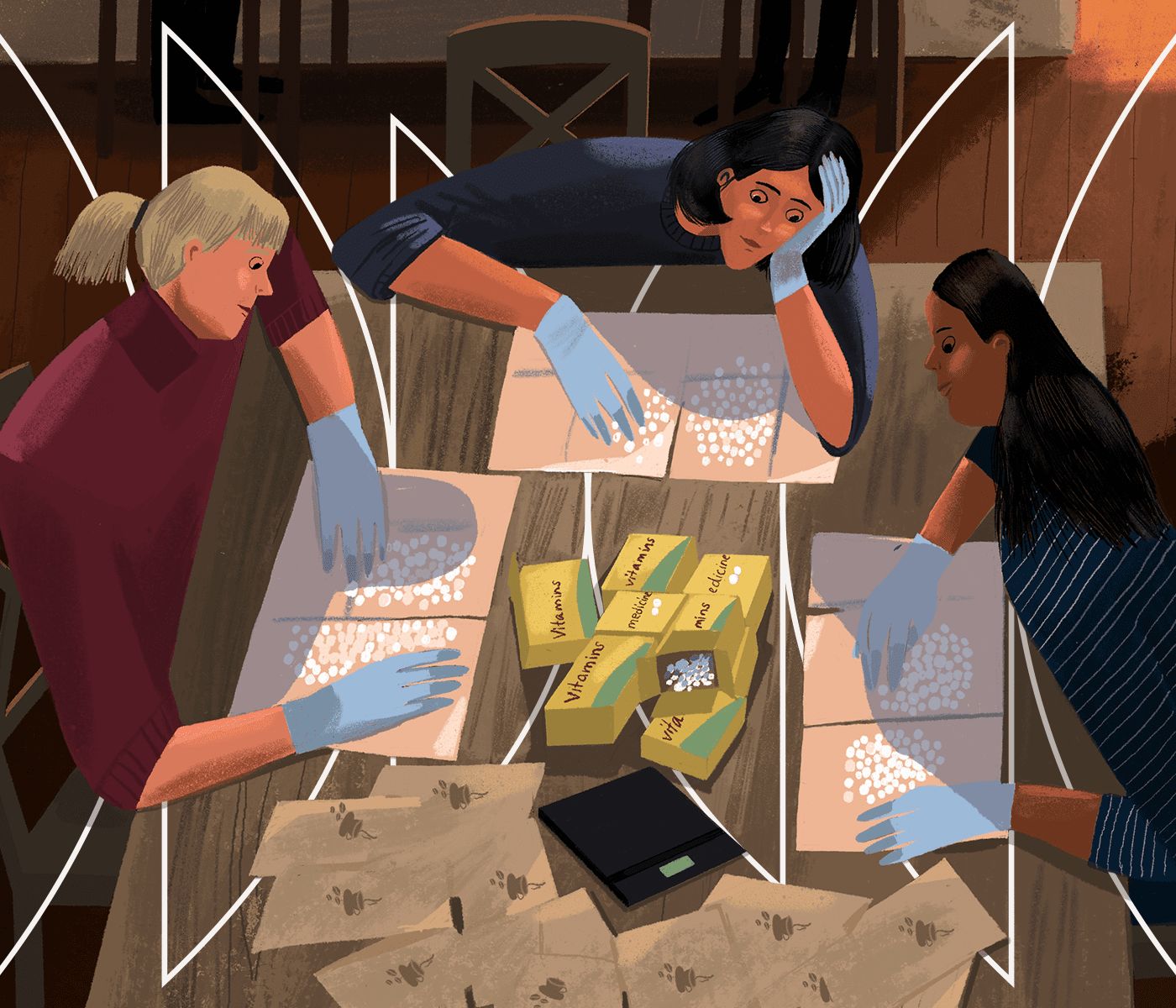
Ep 490Ukraine: The Handoff
We continue the story of a covert smuggling operation to bring abortion pills into Ukraine, shortly after the Russian invasion. In this episode, reporters Katz Laszlo and Gregory Warner go to Ukraine, landing on a fall night during a citywide blackout, to pick up the trail of the pills and find out about the doctors and patients who needed them. But as they follow the pills around the country, what they learn changes their understanding of how we talk about these pills, and how we talk about choice, in a war. This episode is the second of two done in collaboration with NPR’s Rough Translation. You can find the first episode here (https://zpr.io/CnmNVFQ6X5gc). Special thanks to the Rough Translation team for reporting help. Thanks also to Liana Simstrom, Irene Noguchi, and Eleana Tworek. Thanks to the ears of Valeria Fokina, Andrii Degeler, Noel King, Robert Krulwich and Sana Krasikov. And to our interpreters, Kira Leonova and Tetyana Yurinetz. Thanks to Drs Natalia, Irna & Diana. To Yulia Mytsko, Yulia Babych, Maria Hlazunova, Nika Bielska, Yvette Mrova, Lauren Ramires, Jane Newnham, Olena Shevchenko, Marta Chumako, Jamie Nadal, Jonathan Bearak, and the many others who we spoke with for this story. Thank you to NPR’s International Desk and the team at the Ukraine bureau. Translations from Eugene Alper and Dennis Tkachivsky. Voice over from Lizzie Marchenko and Yuliia Serbenenko. Archival from the Heal Foundation. Legal guidance provided by Micah Ratner, Lauren Cooperman, and Dentons. Ethical guidance from Tony Cavin. EPISODE CREDITS: Guest hosted by - Gregory Warner and Molly Webster Reported by - Katz Laszlo, Gregory Warner Produced by - Tessa Paoli, Daniel Girma, Adelina Lancianese w/ production help from - Nic M. Neves Mixer - James Willetts and Robert Rodriguez w/ mixing help from - Jeremy Bloom Fact-checking by - Marisa Robertson-Textor and Edited by - Brenna Farrell Music: John Ellis composed the Rough Translation theme music. Original music from Dylan Keefe. Additional music from Blue Dot Sessions and FirstCom Music. CITATIONSPhotos - See a Lviv blackout through host Gregory Warner’s eyes – he posted photos from his time in Lviv on Twitter (https://zpr.io/egzpZZw7xPKk). Podcasts - To understand Ukraine’s president, it helps to know the training ground of his youth: the competitive comedy (https://zpr.io/ympqrikgCkE3) circuit, in this Rough Translation episode. Listen to “No-Touch Abortion” (https://zpr.io/5SB6bpNzUs6r) from Radiolab for more on the science and use of abortion pills Articles - Further reading: a study on medical abortion (https://zpr.io/f8h5WNfKaMtk) by Galina Maistruck, one of the main sources in our piece Our newsletter comes out every Wednesday. It includes short essays, recommendations, and details about other ways to interact with the show. Sign up (https://radiolab.org/newsletter)! Radiolab is supported by listeners like you. Support Radiolab by becoming a member of The Lab (https://members.radiolab.org/) today. Follow our show on Instagram, Twitter and Facebook @radiolab, and share your thoughts with us by emailing [email protected]. Leadership support for Radiolab’s science programming is provided by the Gordon and Betty Moore Foundation, Science Sandbox, a Simons Foundation Initiative, and the John Templeton Foundation. Foundational support for Radiolab was provided by the Alfred P. Sloan Foundation.
Ep 489Birthstory
You know the drill — all it takes is one sperm, one egg, and blammo — you’ve got yourself a baby. Right? Well, in this 2015 episode, conception takes on a new form — it’s the sperm and the egg, plus: two wombs, four countries, and money. Lots of money. This is the story of an Israeli couple, two men, who go to another continent to get themselves a baby — three, in fact — by hiring surrogates to carry the children for them. As we follow them on their journey, an earth-shaking revelation shifts our focus from them to the surrogate mothers. Unfolding in real time, as countries around the world considered bans on surrogacy, this episode looked at a relationship that manages to feel deeply affecting and deeply uncomfortable at the same time. “Birthstory” is a collaboration with the brilliant radio show and podcast Israel Story, created to tell stories for, and about, Israel. Go check ‘em out! (https://zpr.io/rX3DazcJiUUG) Israel Story's five English-language seasons were produced in partnership with Tablet Magazine (https://zpr.io/HxYET7psAbPh) and we highly recommend you listen to all of their work at (https://zpr.io/HD3LSqq25LEx) This episode was produced and reported by Molly Webster. Special thanks go to: Israel Story, and their producers Maya Kosover, and Yochai Maital; reporters Nilanjana Bhowmick in India and Bhrikuti Rai in Nepal plus the International Reporting Project (https://zpr.io/KxN7etFiqWHL); Doron Mamet, Dr Nayana Patel, and Vicki Ferrara; with translation help from Aya Keefe, Karthik Ravindra, Turna Ray, Tom Wasserman, Pradeep Thapa, and Adhikaar (https://zpr.io/MDyadskgwZtH), an organization in Ridgewood, Queens advocating for the Nepali-speaking community. Audio Extra: Tal and Air had a chance to meet each surrogate once - just after the deliveries, after all the paperwork was sorted out, and before any one left Nepal. As Amir says, they wanted to say "a big thank you." These meetings between intended parents, surrogate, and new babies are a traditional part of the surrogacy process in India and Nepal, and we heard reports from the surrogates that they also look forward to them. These moments do not stigmatize, reveal the identity of, or endanger the surrogates. Tal and Amir provided the audio for this web extra. EPISODE CREDITS: Reported by - Molly Websterwith help from - Maya Kosover, Yochai Maital, Bhrikuti Rai
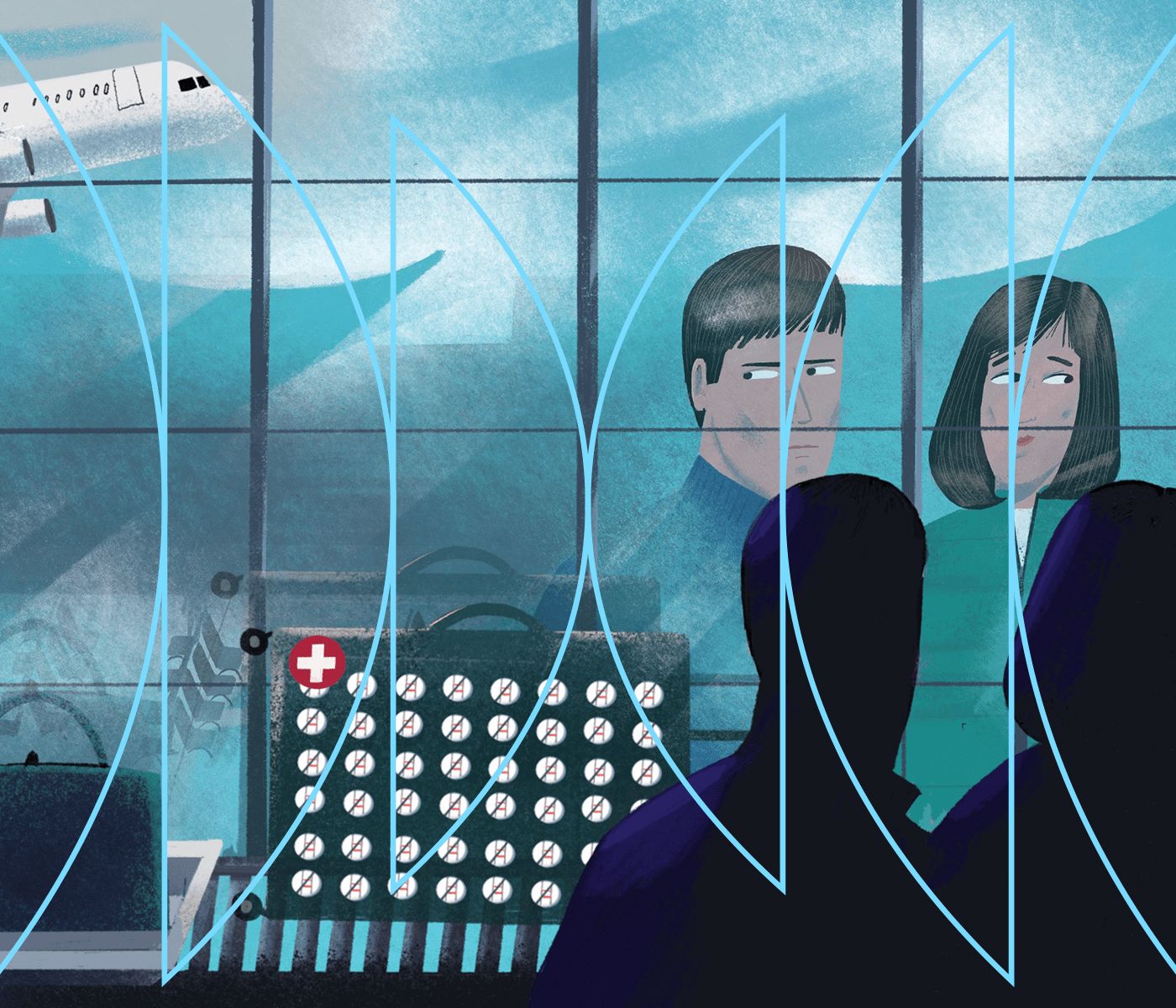
Ep 488Ukraine: Under the Counter
In the weeks following the full-scale invasion of Ukraine, a young doctor in Germany sees that abortion pills are urgently needed in Ukraine. And she wants to help. But getting the drugs into the country means going through Poland, which has some of the strictest abortion laws in Europe. So, she gets creative. What unfolds is a high-stakes, covert-operation run by a group of strangers. With everyone deciding: who to trust? In collaboration with NPR’s Rough Translation (https://zpr.io/9UpCwb2Smjzw), we find out what happened. Part 1 of 2 episodes.Special thanks to Wojciech Oleksiak, Katy Lee, Maria Hlazunova, Valeria Fokina, Sara Furxhi, Noel King, Robert Krulwich and Sana Krasikov, and our homies over at Rough Translation. Thanks also to Micah Loewinger and Laura Griffin. Illustrations came from Oksana Drachkovska. And thank you to the many sources and experts we interviewed who asked to remain anonymous. Episode Credits:Guest hosted by - Gregory Warner and Molly WebsterReported by - Katz LaszloProduced by - Daniel Girma and Tessa PaoliMixer - Gilly Moonwith mixing help from - Jeremy BloomFact-checking by - Marisa Robertson-Textorand Edited by - Brenna Farrell CITATIONS: Videos Watch Deutsche Welle’s Abortion in Europe documentary (https://zpr.io/YHctj4bZQwHM). Podcasts Listen to Eleanor MacDowell’s A Sense of Quietness (https://zpr.io/eHhcHusxrhfE) on the BBC. Listen to NPR’s Joanna Kakissis’s story This Secretive Network Helps Ukranian Refugees Find Abortions in Poland (https://zpr.io/LsQw9V6ByfFg). Our reporter, Katz Laszlo, reports on European current affairs and reproductive health, and produces for The Europeans (https://zpr.io/sHAvrvqU2m8t) podcast, which features stories across the continent, including in Ukraine. Our collaborators, NPR’s Rough Translation (https://zpr.io/9UpCwb2Smjzw) Our newsletter comes out every Wednesday. It includes short essays, recommendations, and details about other ways to interact with the show. Sign up (https://radiolab.org/newsletter)!Radiolab is supported by listeners like you. Support Radiolab by becoming a member of The Lab (https://members.radiolab.org/) today.Follow our show on Instagram, Twitter and Facebook @radiolab, and share your thoughts with us by emailing [email protected]. Leadership support for Radiolab’s science programming is provided by the Gordon and Betty Moore Foundation, Science Sandbox, a Simons Foundation Initiative, and the John Templeton Foundation. Foundational support for Radiolab was provided by the Alfred P. Sloan Foundation.

Ep 487Games
In this episode, first aired in 2011, we talk about the meaning of a good game — whether it's a pro football playoff, or a family showdown on the kitchen table. And how some games can make you feel, at least for a little while, like your whole life hangs in the balance. This hour of Radiolab, Jad and Robert wonder why we get so invested in something so trivial. What is it about games that make them feel so pivotal? We hear how a recurring dream about football turned into a real-life lesson for Stephen Dubner, we watch a chessboard turn into a playground where by-the-book moves give way to totally unpredictable possibilities, and we talk to Dan Engber, a one time senior editor at Slate, now at The Atlantic, and a bunch of scientists about why betting on a longshot is so much fun. And finally, we talk to Malcolm Gladwell about why he loves the overdog. CITATIONS: Videos - The Immaculate Reception (https://zpr.io/izhV3Sm88SWF) by Franco Harris on December 23, 1972. Harris was the Pittsburgh Steelers’ fullback at the time. Books - Stephen J. Dubner’s book, Confessions of a Hero Worshipper (https://zpr.io/iQUwfF8vGArj) Our newsletter comes out every Wednesday. It includes short essays, recommendations, and details about other ways to interact with the show. Sign up (https://radiolab.org/newsletter)! Radiolab is supported by listeners like you. Support Radiolab by becoming a member of The Lab (https://members.radiolab.org/) today. Follow our show on Instagram, Twitter and Facebook @radiolab, and share your thoughts with us by emailing [email protected] Leadership support for Radiolab’s science programming is provided by the Gordon and Betty Moore Foundation, Science Sandbox, a Simons Foundation Initiative, and the John Templeton Foundation. Foundational support for Radiolab was provided by the Alfred P. Sloan Foundation.