
Radio Lento podcast
304 episodes — Page 4 of 7

Ep 154150 Looking down on Coldingham Sands (January special 2 / 4)
There's a bench. Perfectly perched, by the sandy steps that lead steeply down onto Coldingham Sands. Perfectly perched, because the sound-view from this bench is so wide, and the angle just right to hear the incoming waves, as they break over outcrops of craggy, elephant-sized rocks. It's a bright August day, and the sun is mistily lighting up the sea, the rocky cliffs, and the plunging, richly vegetated slopes. Conditions are calm. A little motor boat is bobbing on the swell, about a quarter of a mile off the coast. It's engine gently thrums the soft air. Land birds and sea birds ride the onshore breeze. They coo, and sing from the dense shrubbery that surrounds the bench. Dogs and owners pass by, as they head towards the open freedom of the sands. This place, on the East Coast of Scotland, is special. It's a landscape under a genuinely quiet sky. A sky free of human-made noise, where the detail and quality of natural sound reaches the ear drums intact. With headphones on, this sound landscape recording (captured spatially by lone microphones) brings you the sound-feel of this place, of sitting on this simple bench, and listening to the ebb and flow of Coldingham Sands.

Ep 153149 Dawn birdsong from Derbyshire (a brighten up January special 1/4)
Dawn. Bright morning sky. High pressure, barometer rising. A vast quiet sky, etched with a few scudding clouds picked out by the light of the rising sun. Gone is the tranquil hush of night. These remote moorland woods are alive again! Alive and lit up, not just by the morning sun, but by countless singing birds. From a sturdy beech growing beside the ancient track, the woodland sparkles. Sparkles with an abundance of natural life to whom this patch of the landscape is home. It's crossed by a babbling brook that constantly flows with rain water running off the higher ground (audible right of scene). A place that at this time of day is almost completely free of human made noise. No traffic on the fast road other side of the valley. No overflights from rumbling aircraft heading to Manchester Airport. No hikers trudging by. By leaving our microphones out all night, we were able to capture the sound of this remote wood in its most natural state. The wood as it must have sounded in early May, throughout the years, decades and centuries gone by. Thankfully a sound landscape that's still there to enjoy, still connect with, through the clarity of the Lento microphones, and without disturbing the wildlife.

Ep 152148 Suffolk Wood (part 13) - 8am to 9am
For the very last episode of 2022, and because it's so cold and dank, we want to use the magic of spatial sound landscape recording to teleport back into the summer! It's August 2017, and our microphones are out on their first ever overnight recording, lent up against the trunk of a tree in a rural wood in Suffolk. This passage of raw unedited time continues on from episode 112, and begins as the clock of St Mary's church, far over the fields, is about to strike 8am. A change in wind direction, and raised traffic levels on the A12 several miles away, make the bell sound more distant, and its sequence of chimes harder to count compared to the previous episodes from the dead of night. Wood pigeons, sparkling wrens, rooks and other woodland birds bathe in the bright morning sun, and sing out sonorously, through the richly reverberant spaces created by so many thousands of often very tall and long established trees. Later on, a buzzard can be heard circling, high over. It makes a simple and distinctive downward mewing call. The woodsman, who we had been told may start work just after daybreak, can sometimes be heard shifting fallen branches, and slowly trudging by. As time passes, planes softly cross the sky. Birdsong comes, and goes. There's a loud pheasant that passes, a bumblebee, and some stark snaps from hungry crows. Slow quiet rhythms, of a richly verdant and uninhabited summer wood. A spatial sound recording, that through headphones and for as long as it lasts, lets us and we hope you experience being present there in that wood again, on that warm and peaceful Suffolk summer's day. * This twelve hour non-stop recording was the first we ever made back in 2017. It was this desire to capture the sound of the natural landscape in high quality spatial sound that convinced us to create Radio Lento, as a platform to share the uninterrupted audio. A place to listen to places. You can ** listen to the full Suffolk Wood sequence here **. Our warm thanks to you for listening and supporting. And wishing you a very Happy New Year!

Ep 151147 The barn high up the moor (sleep safe - atmospheric with headphones)
A barn, that's stood alone on the steeply sloping fields below the summit of Black Hill in Derbyshire, for longer than anyone can remember. This is the sound atmosphere from inside, recorded around 1am this morning. Nobody and nothing is about. Not even the owls, that we've been told nest somewhere within the rafters. A storm is whipping up outside, across the moor. Strong sweeping wind, rumbling against the barn's sturdy stone-built structure. Gusting in, through its deep set windowless appatures. In time, the rain comes. Heavy. Falling onto the foliage outside. Onto the rushing stream that's filled the air around this barn for centuries, with a fine mist of natural white noise. Capturing the sound-feel inside this remote barn has been something we've wanted to do for years. Last night we trudged up the moor, in the pouring rain with our microphones, and left them alone to record. We had no idea what they'd hear. As we returned this morning, it struck us how, with its soft earthy base and timbered upper stage for the dry storage of hay, this barn would have served as a manger. We hope you enjoy feeling the gentleness of this barn. Wishing you and all a very happy Christmas! And thanks for listening to Radio Lento.
Ep 150146 Fresh air along the Creel Path
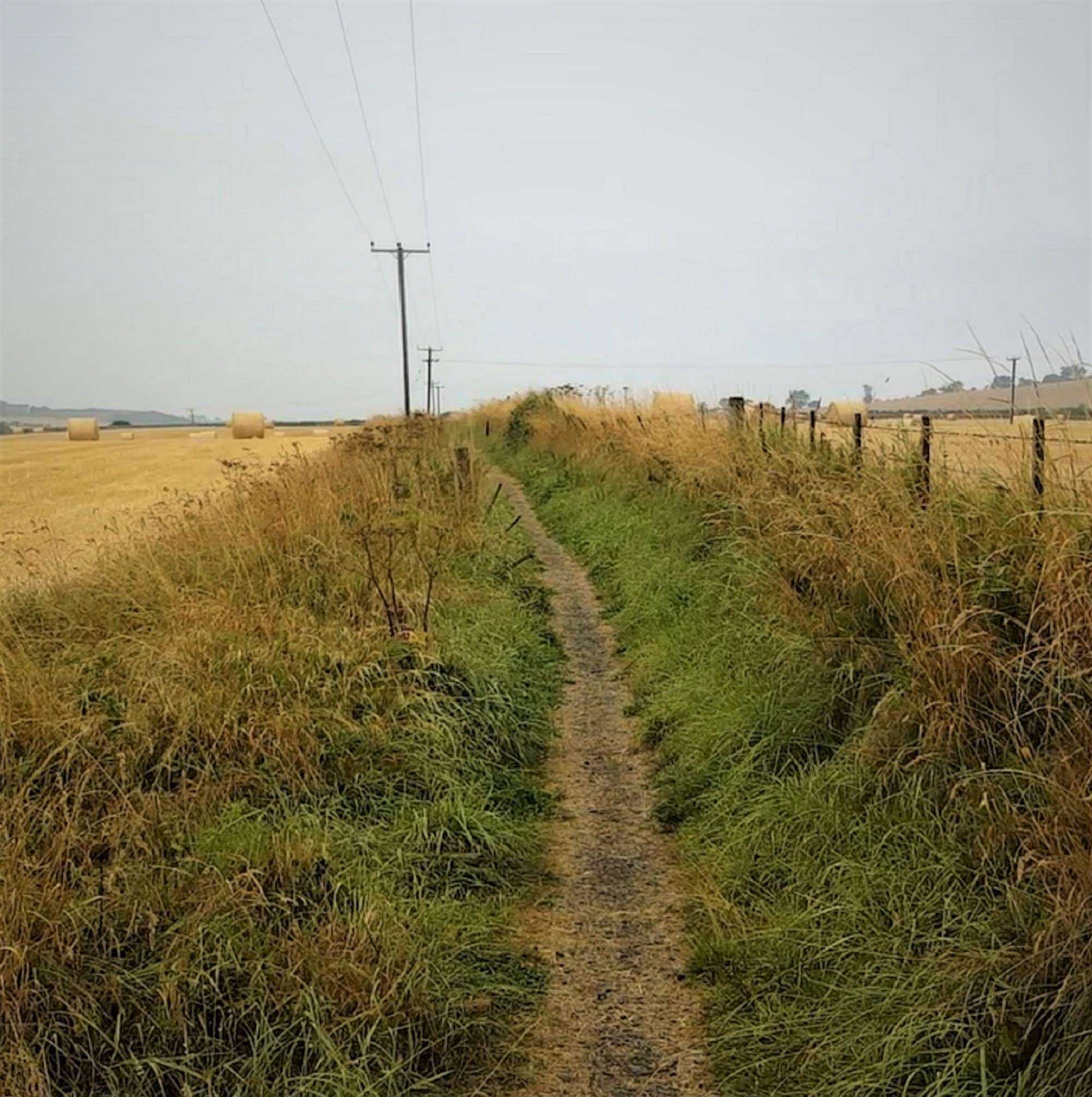
Changing weather. Shifting scenes. The east coast of Scotland above St Abbs. A landscape whose geography leaves it exposed to everything that the sky can bring. Wind. Rain. Mist. Brilliant, revelatory sunshine. Here, listening to this landscape from within the leaves and branches of this tree. A lone tree along the Creel Path. The ancient Creel Path that's been trodden by fisherman on their way to work from Coldingham to the harbour at St Abbs, for a thousand years. By locating our mics within the natural shelter of this tree, and letting them record alone for twelve hours, we're able to capture the full width, depth and range of this place and its unique soundscape. What is made can be thought of as an ambient sound recording. Of rain upon the leaves of a small tree. Of a tree being blown by gusts of blustery coastal wind. Of a panoramic landscape made of fields, grazing sheep, and high circling seagulls above. Spatial. With contrasting shifting scenes. But this is more than just an ambient sound recording. Give yourself time to really focus on it. This recording is a real piece of time, captured on-location from a real place, in clean untampered audio. By listening to it, in a quiet place with a pair of headphones, it can work as a virtual aural experience that may shift the sense of conscious awareness. From the place you are listening, to the place that is St Abbs. You, for a while upon the Creel Path, free amongst the fresh air and natural quiet that's found along the coast of Scotland. * We set up Radio Lento as a place to listen to places. The real and authentic sound of naturally quiet and spatial places. Please let us know if you do manage to feel transported by listening, and which episodes seem to work the best. We read all comments and currently use Twitter @RadioLento as our main comms channel (for now!).

Ep 149145 Curling folding breaking waves (part 2 in hi-def sound)
Hear. This solitude. This real captured quiet. This authentic air. From horizon to horizon. Near empty of human-made noise. Aural solitude. Rare? Becoming rarer? It is there though. It does exist. Out there. And can be found. You can find it here, like we did, at this deserted beach. An uplifting stretch of land half way between Winchelsea and Rye Harbour. It's a place where you can sit down upon the beach, and listen to the sound, of time passing. With nobody about. Nobody and nothing, to blur the pristinely detailed sounds that ocean waves make as they sweep and break over shallow shingle slopes. Break, and bend and quiver the air pockets, that occupy the spaces beneath the waves. A spacious sound landscape, made of soft rounded stones, and natural white noise.

Ep 148144 Garden beside meadow in the Derbyshire hills
High in the Derbyshire hills, a century-old garden is being blown dry by brisk morning air. It's quiet. Sheltered. Surrounded by strong gritstone walls and tall trees. Over the lower wall is a perfect view. A steep hummocky meadow, and beyond, the vast deep space created by a wide vibrantly green Derbyshire valley. Birds, to whom the garden is home, fleetingly sing, and call. Some flutter right past the lone recording microphones that are tied to a wooden frame. The frame sometimes shifts in the wind and creaks as it so weatherworn and heavily laden with climbing plants. The sound scene is delicately soft and spatial. Like gently billowing fabrics. Hear-able fabrics, made of breezes that rise and settle, and flow from side to side. Hissing textures from the nearby foliage, murmuring and hushing tones from the neighbouring trees. The meadow beside the garden is scattered with grazing sheep, and the odd roaming chicken. When sometimes the warm sun peeks through the gaps in the cloud, wood pigeons coo. Aural sunbeams, in a peaceful, moorland garden.

Ep 147143 Lullaby waves by Nothe Sea Fort (sleep safe)
Peering out from atop the high seawall of Nothe Fort. Two o'clock in the morning. High tide, and the sea below feels so near. Overhead the sky is faintly luminous. But is dense black, out over the sea. Even blacker out over the invisible presence of Portland, somewhere over to the right. Hearing the night's velvet silence, rippled by slow moving, crisp edged waves. Crisp edged, watery waves, that sound like shapes. Ocean swells, that fill the spaces between the submerged rocks. Sway the empty moored boats. Are these waves just normal waves? Or have they come here, to Nothe Fort, for a reason? Notice how they hang around, at the foot of the fort's huge parapet wall. How, in graceful arching circles, they seem to come, but not really go. Come, and join other waves already arrived, to combine, and elaborate, and form new, even more graceful watery shapes. Watery shapes, that swirl in the dead of night around the ancient stone footings of Nothe Fort. ------------------ This is the third episode from our night recording from the Fort. Listen to episode 124 and episode 118 for more from this wonderfully peaceful place. ------------------ Big Lento thanks to Exploration Project on Twitter who kindly found a perfect photo of sea at night we could use in this episode to illustrate it. Thank you!

Ep 146142 All aboard the Night Riviera (source of dark brown soporific noise)
It's gone dark. It's 21:15. And you're standing on platform 1 of the railway station in Penzance. Bright lamps light the long platforms, and seaside smells waft in the air. Wheely bag at your side, you're waiting to board the legendary Night Riviera. A long, impressive line of carriages hiding stylish cabins and bunks within. Departing Penzance 21:45. Arriving London Paddington 05:04. Far away at the front of the train thrums a Class 57 locomotive. It's charging the air with a subsonic, deep brown hum. As you wait, a motorbike speeds along the road behind the station. It makes an arc of wide reverberant sound. You listen to its drone stretching away. Then, to the luscious spacious echoings, of this tranquil, end-of-the-line Cornish railway station, after dark. Suddenly a handful of people are discreetly hurrying up the platform. Passing by humming coaches, pulling down cold metal handles and heaving open doors. Climbing and lifting bags aboard. And being introduced by smart uniformed stewards to the cabins. Each is equipped with two neat bunks, the slimmest of slimline wardrobes, and an interestingly shaped bulbous sink with a lid that doubles up as a shelf. You unpack your bed things, then return to the vestibule to witness the moment the Night Riviera sets off. A nocturnal journey across Cornwall, over the Tamar bridge, along the Jurassic coast and through the long stretch of Wiltshire and Somerset. As the train pulls off, you can just make out the wild sea, the crashing waves, and a dark shadow that is St Michael's Mount. Swaying carriages, knocking rails, squeaking suspension and steel wheels rolling along miles of steel rails. Now it's time to make your way back to your cabin. Head down the shoulder-width corridor lined with smart panel doors. With a sturdy slam enter the cabin and notice the change in sound! The velvety quietness is almost deafening. Like falling into a soft duvet! Climb into pyjamas. Lift lid of bulbous sink, and brush teeth. Roll into bunk bed, set alarm, adjust covers, and, sleep? The aural experience of being in a bunk on a sleeper train is completely spellbinding to us, which is of course why we wanted so much to make and share this recording. The thumps and clunks. The squeaks and bangs. The dull thudding as people walk along the corridor outside. The thrum of the rails. The whine of the electrics and the locomotive, as it pulls you through the night. It's enchanting. It's aural poetry. Rich, soporific sounds, that meld together in rocking rhythms. Dark, brown, cushioning noise, that sends some off to sleep. Others may find themselves held in a deliciously mesmerising doze, a state of semi-conscious slumber. What is even more special, is when the train calls at a station along the way. Gradually slowing. Then gently stopping, with doors distantly slamming, and people muffledly boarding. Then, with a steady sumptuous rising tone, the locomotive powers up again, to haul you and the new passengers onwards, over the rails, and into the night.

Ep 145141 Soft land murmuring - Wooler, Northumberland
An exposed tree, looking down upon the town of Wooler, high in the Northumberland hills. It stands amidst wide open fields, by an empty bench and an overgrown footpath. It stands. And it feels the time passing, through the slow undulations of the wind. Bright cloudful skies. Rain expected. Then out across the valley the bell strikes. Reverberantly. Five shining tones to tell the sleeping town of Wooler that this is the fifth hour of this new, Northumbrian day. Two tiny birds leap to attention, from their hidden places inside the tree. The soundview of this wide panoramic landscape changes with the wind. Tawny treetop owls. Sheep. Cawing rooks. Flocks of chattering jackdaws. Wood pigeons, cooing comfortably from their lofty roosts. Then as the wind gathers strength, the soundview shifts to the interior space within the tree. To the hushing currents of moving air pressing through its dense and complex branch structures. To the light countless flutterings of its small, crisp edged leaves. Soft undulating murmurings, of the land that is Northumberland.

Ep 144140 Fishing village harbour at night (sleep safe)
This is real quiet from the middle of the night, captured from a point above the harbour of St Abbs on the East Coast of Scotland. Car-free. Plane-free. Just the sparse and spacious cries of circling gulls, and the faintest hum of a fishing vessel anchored somewhere out at sea. This remote, thousand-year-old fishing village is to us a place defined by its quiet horizons. Its single country road and empty panoramic plane-less skies. Where the lack of human-made noise means you hear the sound-feel of the place itself. This 'sound landscape' is produced in keeping with the natural experience, so through headphones you can feel the real place through your ears. Hear the sea-washed piers and jetties of St Abbs, captured in 'one take' by our high spec wide angle microphones, recording on-location and alone. * We often travel long distances to capture the quiet we share in our weekly sound landscapes. Each episode is unique, fully authentic, highly spatial and sonically detailed. Genuine peace and quiet is endlessly fascinating to us, as well as refreshing and rejuvenating. Hearing the sound world around us without talking over it, or adding music, loops or effects, is the reason Radio Lento exists! If you can please **support us on Ko-fi** or by give us positive reviews wherever you get the podcast. Thank you.

Ep 143139 Old rafters brewing storm
At the top of the old Victorian house are several flights of dim, dark stairs. Steep. Narrow. Cold. They lead up to a pair of rarely used attic rooms. As you climb, you feel the dust on the banisters. The threadbare carpets. The loose, unsteady floorboards. A small landing greets you at the top, with a single empty chair that's facing the wall. And two doors. The first opens into a small box room. It's full with shadows, and stacks of long forgotten things. Between the boxes, pushed against the far wall, beneath a tiny blurry window, is a slanted wooden form. A child sized school desk, with a lifting lid and a round hole for an ink pot. This little desk, behind the boxes and the shadows of the attic box room, feels like a place far away. a place that's good for sitting, and listening. To the wind rumbling in the chimneys. To the gusts that moan through the tiles and rafters. The resonations inside the roof voids. All the strange and eerie sounds of a brewing storm, from an attic room at the very top of an old Victorian house.

Ep 142138 Ocean peace above Folkestone beach (sleep safe)
Dusk gathering, we found a stony path, and followed it. Microphones still in the rucksack. It'd been a long day, and we still hadn't found the right place to record. Time. Night approaching. Two pairs of feet dislodging loose stones. Passing through thick stubby trees, and winding steeply. Then suddenly we're there! There, exposed, and looking out over a panoramic, coastal landscape. Breathing. Soft, warm, silky August air. Still, and standing, to listen, by a hedgerow. By a hedgerow with a hawthorn tree with a strong sturdy trunk. Thorny but perfect to hold the mics. Then tying up the mics with hands catching on thorns, before leaving, to let them record alone. Alone. And through the night. Rising thermals, from far below carry up the ocean's murmurings. Its undulating white noises. Its timeless surging waves. Its sandy shoreline flows. And long after we're gone a dark bush cricket comes. Comes to be beside the hawthorn tree. Comes to mark the time, passing.

Ep 141137 Night rains amongst moorland trees (sleep safe)
Up a soily slope, almost too steep to climb, nestled in against the smooth trunk of a tree, the microphones are recording. Recording the sound of solitude. Dry inside their weatherproof box. Listening, carefully. Witnessing, faithfully, the moments of passing time. The tip taps of raindrops. The gently surging currents of moving air. And as the movement calms, the undulating views of the nocturnal landscape beyond is heard. This is a place where the trees live. A remote place, where nobody goes. Steep soily ground that looks down over a hidden valley. From afar it looks like just another shadow, along the moor.

Ep 140136 Curling folding breaking waves (high-definition sound and sleep safe)
Wide silent sky. Still warm air. Having followed a country footpath across miles of open farmland you reach a stony bank and, like a natural magic trick, it leads you down onto a deserted, shingle beach, animated with its own soft crashing waves. Nobody's about. Really, nobody. It's a stretch of beach between Rye Harbour and Winchelsea that's somehow, perhaps for you, kept itself perfectly deserted. It's the sort of place you've been longing for. Now all you need is time. You find yourself scanning the horizon. Surely somebody must be about on this warm October Sunday. Layered shingle berms stretch out to the left. Pristine water out ahead. A heavily laden timbered groyne to the right, bearing all the weight of the longshore drift. There is really no one here. Except for a distant calling seabird. Scrunching forward, and a few yards from the wetted shoreline, you find a patch of shingle, fold your coat, and sit down to listen to the waves. They're so close, and yet so soft. So full and detailed, as they curl, and fold, and crash onto the beach. Soft crashing. And soft sifting textures, of shifting shingle. You wonder about time. If it's been five minutes, or ten. But your hands are resting now, feeling the cool stones. There really is no need to check. No need to move.

Ep 139135 A natural sound report from the Forest of Dean
This is a segment of time from a clearing deep in the Forest of Dean. Echoing birds in full voice. Soft hushing breezes in high treetops. Then, over time, a band of fresh summer rain, falling in rich spatial detail over countless broad-leaved trees. It's a natural environment. The sort of place people travel to, to get away from it all. To get a dose of green health, because it ticks all the boxes. It's remote. Proper countryside. Far away from major roads and industrialised, built-up areas. So, a place where unnatural noise should be almost non-existent. To get here we travelled several hundred miles by train with our audio equipment, staying in the Gloucestershire town of Lydney. We covered the last five miles on foot. We found the same tree we recorded from back in 2019 and set our mics beside it to record on their longest mission so far. Hooked up to a huge battery, we left them alone to record non-stop over a four-day period. We imagined how we'd capture the sounds of woodcock on their twilight roding flights. Owls hooting in the dead of night. Brilliantly songful dawn choruses. Hours of pure birdsong in the warm daylight. All pure and free of human-made noise. We have managed to capture these amazing sounds, but what's also revealed is just how much human-made noise there is too. We've not been able to find natural daytime quiet lasting for more than about 15 minutes. From aircraft to the exhaust sounds of motorbikes and other motor transport, the sound-feel of the forest is strongly shaped by unnatural things. The natural environment is recognised as vitally important to our health and wellbeing, but it's highly permeable to unnatural noise which can carry over many miles. Its effect on the experience of being within nature can be heard in this episode, particularly over the first five minutes. It shows how just one passing motorbike becomes the main sound feature of the forest for a significant portion of time. How the number of journeys that people make, in that area and the design of the machines they use, combine over time to interrupt and break up the forest's own natural sound presence.

Ep 138134 Night waves rolling onto Coldingham Sands (sleep safe)
Up steep steps from the sandy beach, and a birds-ear view of ocean breakers from a thicket, perched half-way up the cliff. Several hours to go before low tide. Directly ahead slow rolling waves, breaking over outcrops of large craggy rocks. It's the dead of night, here on Coldingham Sands. An empty, uninhabited land, under a sky of almost astronomical darkness. An area of land mostly free of human things. Quiet, enough to hear the rumbling undersides of the breaking waves. Time. Gradually shifting contours, as the tideline recedes. We captured this natural aural landscape and all its uninterrupted spatialness last month near St Abbs in Scotland. As we walked the cliff path to set up the equipment late the previous evening, the silence in the sky was the thing that struck us most. It created a palpable, almost velvety sensation in us. This sense of silence is not, as we've discovered, a purely aural experience. It's something that seems to be felt rather than heard, although it does come from what is heard. Microphones can't record silence, they can only capture actual vibrations, and silence is the absence of vibrations. What's come out from this particular sound recording expedition though, is a very precise sound-picture of the shapes, over time, that waves make as they first roll onto the rocky margins of land. Silence is for sound recording like good light is for photography, the more there is, the greater the detail that is captured in the picture.

Ep 137133 Vivid rain - rolling thunder (very spatial experience with headphones)
A rare night amongst nights. A dark landscape, subdued, beneath immense and invisible storm clouds. It's just past eleven thirty on Monday the fifth of September 2022. The kitchen was in darkness. The light was off. But the little door leading into the small garden beyond was open. We'd left it open, because there was this palpable sense that an event was about to happen. Though strangely peaceful outside, and still, the rain had begun to fall. There was electricity, in the air. And subsonic rumbles, from afar, that sent the thin metal oven tray drying on the hob into faint, buzzing vibrations. Over only a few minutes, the rain became heavier. And heavier again. That warm drenching kind of rain, that tumbles rather than falls out of late summer skies, and suddenly abates. It cascaded onto hurriedly covered garden things. Poured in rivulets and sung as it sank down through the hollowness of the drains. Holding high the microphone box, we silently glided around, angling it straight up into the sky, and hoping, to catch the thunder. Powerful flashes came. Cavernous rumbles followed. Sounds that rolled, like unimaginably huge boulders across the immensity of the sky. Sheet lightening, superheating the air, causing it to explode in acoustic shockwaves. A natural phenomenon, that like few other experiences, lets us see through our ears the true dimensions of the heavens above. * Listen out for the umbrella that we quietly guide over the equipment towards the end. The amount of water falling directly onto the box meant we had to do it! * We are able to keep capturing sound landscapes like this and bring them to a public audience with no upfront cost thanks to everyone who donates to Radio Lento. Every pound is put towards the costs of maintaining the recording and production equipment, travelling out to locations, and digital distribution. We don't get any payment each time the podcast is downloaded, even though some distributors stream our material to listeners who are paying them, as well as us paying to get the podcast available on their platform. Thank you for each donation, and thanks to everyone for listening. The more downloads we get the greater the chance we might be able to attract ad-free and sustainable sponsors.

Ep 136132 A bird watcher’s outpost beneath the telegraph wires
Warm sunlit afternoon. Late August. On the nature reserve at Mucking, beside the Thames in Essex. A bird hide. Perched on a steep bank amongst reeds, looking out on a strip of newly exposed mud. Tide falling. Water receding. Soon, when enough mud is exposed, maybe the curlew will come. "Listen" a voice says. From inside the bird hide. Though empty, someone is there. Between the bright of the slot windows, within the shadow, there's a figure, of an old man. Not creaking its timber floorboards, he moves towards the threshold, but then stops. "Can you hear it?" He asks, in a soft brown tone. A curl of smoke from his pipe wafts on the breeze. Softly washing tidal water. Breezes rustling in tall reeds. A cricket, there but barely perceptible, hiding somewhere. Basking in the sun. This place, beside the bird hide, though near habitation, feels beyond civilisation. On the edge of something else. Like an outpost. But what can the old man mean? A single drifting seagull. Faint noises of the bankside industry. Or is it that nearby clink, of loose metal on stone? "It's all around," he says, slowly raising his arms as if to fly away. "In the all around". Subtle. There, and not there. A low, undulating hum. A slow, quavering tone. What is it? The old man smiles. "They say it's the wind in the telegraph wires". Then backs, and disappears into the shadows inside the bird hide. As if in reply the sound rises, and falls. Rises, and falls again. Marking the quiet. Marking the time. "It's just the voice, of the wind". * We recorded this piece of captured quiet on the almost completely deserted nature reserve at Mucking on one of the last days in August. The wind in the telegraph wires is subtle, and worth finding a pair of headphones and a quiet place to listen. At about 29 minutes the curlews do come. We still can't work out what is making the occasional chinking noise. There was nobody at all about. Someone (not any of us) does walk along the path next to the bird hide near the end.

Ep 135131 A thousand years along the Creel Path
A straight and stony path heads through open country, towards the sea. Beside the track, amongst land in-between, a tree. Lone and leafy. Like a sentry. Exposed and standing. It watches the sea birds. Hears their wide and freeing calls. Feels summer gusts of salty air. And listens, to a distant thrum. A vessel. At sea. Slowly passing. It's daytime. Rain clouds are moving overhead. Loose stones lie along the narrow track, wettening, and darkening, and waiting, for the first feet of the day. In the hedgerow, the tall grasses wave on the edge of golden fields with sculptured hay bales resting. Sheep graze. Jackdaws fly, against a slender band of ocean grey. Time passes. From within the tree, raindrops are landing amongst broad green leaves. This is how the world sounds from the Creel Path, a track that runs from Coldingham to St Abbs on the east coast of Scotland. The route has a history going back a thousand years. In bygone times, fishermen used it to trudge to their gruelling work. We left the microphones alone to record in the only useful tree we could find on this stretch of the path. It looked out towards the sea, about a quarter of a mile away. The same view for 1000 years.

Ep 134Daydream 4 - water rain wind
Children play on a soft sandy beach by the Essex Wildlife Trust nature reserve at Stanford-le-Hope. When the tide goes out, this amazing hidden beach is revealed. Water laps. Families bask in the sun. Distant engines of passing marine vessels thrum the air. It's hard to believe that this is reclaimed, re-wilded industrial land. As east as you can go, deep amongst the sedge grass on Wallasea Island the temperature climbs above 30 degrees. Insects busy and buzz on hot rising thermals. Warm wind whirls and whisps. Here, below the footpath, near an inlet brimming with water, a pocket of perfect summer quiet simmers in the heat haze. Low tide on an empty shingle beach near Felixstowe Ferry, with the waves rolling in. The sun is high in the sky, shining almost directly down onto a calm North Sea. Blue sky. Nobody about. Far away on the horizon you see a container ship is about to disappear over the horizon. Time just to stand, and imagine where it might be going, and enjoy the spatial sound of waves advancing and retreating around your feet. In-land now. Rain. Heavy rain. Persistent rain. When a gloriously refreshing soundscape comes to you, and begins to land all about. All about your home, the space around your home, and the streets and gardens nearby. Millions and millions of tiny percussive drops, falling, and landing, from invisible high up clouds. Each drop ends its long downward journey, on top of an upturned plant pot. An old paint tin. A concrete paving stone. A tarpaulin stretched over a little back yard. And there it is. Bliss! Free moorland wind gusts through the branches of an old, lone oak tree. It stands tall, in the corner of a windswept field, beside a gritstone wall and a metal gate, that chinks, and an ancient footpath. A Peak District tree, with wide reaching bows laden with wind catching leaves. How many storms has this tree survived? How many droughts? How many days of grey? And of bright afternoon sun, like this one, where country walkers pass from time to time. This is the unique sound that this tree makes, high on a hill above the railway line between Chinley and Edale, Derbyshire. -------------------------- Don't forget that from next Saturday we're back to our normal service posting up a new and unique piece of captured quiet every week. For now here's where to listen to the full episodes from this final daydream: 24 - Peace beside the tidal Thames near Stanford-le-Hope in the county of Essex (24 minutes) 80 - A doze in the grass on Wallasea Island (39 minutes) 70 - Blue sky. Empty beach. Low tide. (36 minutes) 128 - Persistent rain (51 minutes) 82 - Hill top oak in strong wind (42 minutes)

Ep 133Daydream 3 - rain water woods (new material coming soon)
It's the dead of night. Along an exposed stretch of seawall East of Burnham-on-Crouch, a deluge has started. Rain lashes down from a pitch black sky onto the swirling water of an out-going tide. This is the River Crouch, and the microphones are capturing the essence of this nocturnal estuary landscape, opposite Wallasea Island in Essex. Bright daytime, on Landermere Creek. Wild water surrounded by green fields and farmland. Gulls, redshank and curlews speed up and down the creek on fast, blustery breezes. In this place there's a strong sense of escape, and of a world where land, sea and weather interlace. On a rock, closely suspended above a small patch of exposed shell beach at the mouth of the Blackwater Estuary, near Bradwell-on-Sea, the microphones capture the pristine detail of the incoming tide. The way these particular waves move. the way they lap, and hurry along the contoured rocky edges, as the tide slowly rises. It's a sound that no matter where you are, or what you're doing, happens twice a day, everyday. We stumbled upon a fallen tree whilst walking over Galley Hill near Epping Forest. the M25 sounded further away than usual, so we tied the mics under its steeply angled trunk for some shelter, and left them to record the ambience of the place alone. Some rain falls in large heavy drops, from ominous grey clouds seen from miles away approaching. But this rain didn't. It fell from an open sky, light as it was light grey. Flocks of jackdaws flew overhead, surveying the wide open fields between the outcrops of trees. We always set out to capture the closest 3D aural experience we can, so with a pair of headphones, you can close your eyes and feel yourself present somewhere else, somewhere perhaps more natural, and peaceful, but without our human presence disturbing the nature that lives there. As dawn breaks over a wood in Suffolk, the mics capture, almost close enough to touch, a rare experience of small furry animals, scampering about with each other, on the crisp summer-dry forest floor. ------------------------------- Thanks for listening and for spreading the word about Radio Lento, a self-funded podcast helped by listener recommendations and donations. Last May we went to the Podcast Show in London and walked about feeling like ducks out of water! Ad spend, business plans, audience growth and sales. We're typing this in a Youth Hostel far far away, with the mics still out on their overnight record, and being pelted by rain, we feel much better. Here's where to listen to the full episodes featured in this daydream: 90 Wind on water, night curlews, rain later *sleep safe (39 minutes) 79 Essence of estuary (32 minutes) 81 Rising tide in the rock garden (37 minutes) 59 Fallen tree on Galley Hill (31 minutes) 95 Suffolk Wood, part 10 (1 hour).

Ep 132Daydream 2 - lazy summer days
Wondering along the path from Althorn to North Fambridge in Essex. Skylarks! Their contented never-ending songs, wheeling about slowly in the warm thermals somewhere, high above. Almost as far as the eye can see, a vast waist-deep plantation made of millions of waving stems and leaves is catching the breezes, shushing and sissing in sympathy with the moving air. This, is open country, crossed by the rippling River Crouch on its way to the North Sea. A blackbird sings, out over the swirling water at Wrabness. It's perched high up in a gnarled tree, leaves catching the softly flowing breezes. It's the closest of a whole bank of trees to the estuary water, and the last before the mud of the exposed shoreline begins. The tide's just turned. A warm, quiet summer afternoon, and nobody's about. Midday in August. Sun beating down. Strong, radiant heat. It's making the crickets cricket in the grass beside the marina. Cool, deep water, glinting, with lines of sailing boats, all moored up. Their masts knock in the wind, and sometimes sound like bells. Seagulls. Out over the basking River Crouch, Inland, across the other side of the vast county of Essex, the churchyard of St Mary's Gilston is at rest. It's unusually peaceful because it's under a very quiet sky. Rare. A phenomenon of 2020 and 2021. A secluded spot, where walkers can stop, ease their feet on the wooden bench, and listen to wood pigeons cooing on the warm slates of the church roof. Towards London, where the last piece of Essex country blends into the series of lakes that make the Lee Valley Park, the night is coming. The paths, usually busy with people enjoying their freedom, are empty. No more bikes and scooters. No more barking dogs. No more chasing kids with trikes and ice creams. Just dark bush crickets under the hedgerows, and swans, slowly swimming over still, twilight water. And the echoing hoots of owls. Listen to the full episodes where these short daydreamy clips are from: 116 - Sissing plantations in open water (25 minutes) 75 - Wrabness (32 minutes) 84 - Down at the marina on a working day (37 minutes) 65 - Songs from the churchyard (50 minutes) 54 - Norman's Pond at night (45 minutes)
Ep 131Daydream 1 (a series of short August adventures)
Begin, by a country church on the hills above Harlow in Essex, and at the foot of a jovial fir tree, hushed by warm wind. It's a sunny afternoon and a blackbird is singing in the secluded churchyard of St Mary's, Gilston. Wood pigeons are sunning their wings on the old slates of the church roof. Great tits call from the long hedgerow that forms a natural boundary to the open fields beyond. The open fields beyond. You slip into a daydream, and imagine yourself not beside vast open land, but beside a vast, and open sea. You can almost hear the waves lapping. No, not quite lapping, it's more that they're washing in. Washing in on an incoming tide, from the cool expanse of the North Sea. You're on the Blackwater estuary, listening to the waves coming in. Playfully flowing over tiny, feather light shells, that form a carpet under your warm, bare feet. Hot noon sunshine. Eyes blurring. Rising thermals from the dense sedge grass, and a heat haze to make you think you're in a dream. Now you're on Wallasea Island, a little further down along the Essex coast. A nature reserve, and a home to wild birds and countless buzzing insects. It feels like high definition. Pristine and taught with high frequency sound. The aural evidence of an ecosystem that's being nourished with more of what it really needs to exist. Bask for a minute, in its existence. Its intense August heat, and all its life-affirming sound. And then, to a different kind of place. A creek, along which gulls and redshank and curlews swoop and fly as they hunt for food. A place where sea water ingresses inland, to blend with rolling farmland fields and little collections of homely houses and a beach with gnarled wooden groins. This is Landermere Creek near Thorpe-le-Soken. A cool summer's day with a big sky, a day of changeable weather. Rain clouds are approaching the creek, Dark grey. Heavy. But the birds are flying headlong, all the same. You follow the rain clouds, inland. Float over miles and miles of land, criss-crossed with rivers, and roads, and strips of woodland, and buildings and settlements. Towards, but not quite, to London. By now the clouds are out of rain, and are now, just clouds. Below is a lake, No, a collection of lakes, Darkening, but that still just about reflect the clouds. The dusk is rapidly gathering. Far below, on the ground, on the thick overgrown ground that forms one bank of a large lake-like pond known as Norman's Pond, the dark bush crickets have come out. Cricketing their sharp, precise stridulating sounds to each other. Then along comes a creature. A small mammal, of some kind. Squeaking, like a children's toy. Can it be real? Where has it come from? It comes, and goes, through the leaf litter, on its jerky, squeaky way. Perhaps the swans, out dabbling on the smooth still water, will know... ---------------------------------------- These minute segments are taken from the following full episodes: 65 Songs from the churchyard (50 minutes) 81 Rising tide in the rock garden (37 minutes) 80 A doze in the grass on Wallasea Island (39 minutes) 79 Essence of estuary (32 minutes) 54 Lee Valley Park at night (45 minutes) We're sharing these mini daydream adventures while we gather new material over the summer. Full-length episodes will return in September. Thanks for listening to and supporting Radio Lento, a podcast for anyone who loves authentic captured quiet. Each episode is recorded by us, on locations that we find by exploring the landscape on foot, and by listening. We're independent sound recordists, helped by your >>kind donations

Ep 130130 Dartmoor stream above waterfall gorge - hydrotherapeutic + * sleep safe*
After an hour's steep upward toil, through a thickly wooded gorge and along some very precipitous granite rock formations, you reach a wooden footbridge. Here the landscape's totally changed. Just dense bracken, a rough winding path, all slanted steeply up to a wide open sky. Somewhere, up there you think, is an ancient stone circle known as the Nine Maidens. But no Dartmoor walk should be done, or needs to be done, without stopping to take in the atmosphere. This footbridge is a natural stopping point. You rest on its weather beaten beam, look down into the tumbling stream, and think at how it nourishes the woodland below. The air is rich with the smell of verdant undergrowth, moist rock and deep green mosses. Then you see an interesting tree, a little further on, growing beside the water. At the tree, you sit down for a rest. Looking up, you see it's several types of tree, growing together as one. In front of you begins the wood that runs down into the valley. Behind you the bare path up to the Nine Maidens. But here, in this spot beside the tree, and for this little piece of time, you've found some pure, watery bliss. Feeling the tree's soft bark against your back and the luscious cushioning moorland grass beneath your outstretched legs, you let the richly spatial flowing water lull you into a delicious, dreamlike doze. --------------------------------------- * We captured the sound feel of this place only a few days ago on Dartmoor, above Okehampton. This 35 minute segment of time shows how a stream is made up of constantly yet subtly shifting formations of richly textured sound, that can be really helpful as a focus for an overly busy or overly tired mind. ** Over August we're pausing the release of new material so we can travel and find more quiet places. Instead we'll be posting collections of clips we made for Essex Wildlife Trust, along with links to the full episodes so you can listen without having to search the back catalogue. Thanks so much for listening and for your on-going support, including donations which we combine with our own money to keep the podcast going. This week we reached a significant milestone of 200k downloads. Have a lovely August and we'll see you in September!

Ep 129129 Pristine quiet to early dawn (includes woodcock roding calls in full spatial detail)
For this week's episode we're back in the Forest of Dean for a different kind of captured quiet. Quiet that transforms from one thing to another. A kind of sonic metamorphosis. The segment from this overnight recording begins at around 4am when the space around the oak tree holding the microphones is still pitch dark, and pristine quiet. Intimate. A clearing, deep within an expansive forest, where the night air carries so little sound that only the trickling stream can be heard. It reflects narrowly off the trunk of the tree, like the flickering light of a campfire. But when a woodcock flies by, on its *roding flight, the sense of pristine space is temporarily revealed. This sense of closeness, of being beside an old oak tree and a trickling stream, surrounded by dense and tangled undergrowth, continues, occasionally graced by the distant hooting of an owl, and a passing high altitude passenger plane. But then, something in the forest changes. Strange new sounds, floating in, from far beyond. Fragments of distant birdsong. Filtered through countless trees, countless empty voids. Echoing, and reverberating. The intimate space, thinning, giving way, opening out, and lightening, through the gathering sound. A song thrush, heard left of centre of scene, sings out and becomes the first real soloist of this newly evolving place. Widening. Expanding as each new bird joins in song. The proportions of the space growing, from an amphitheatre. Then, to a cathedral. * In late spring male woodcocks make roding flights to attract females. Just after dusk and just before dawn, they fly at speed through the treetops making a combination call that sounds like a quack that ends with a squeak. This recording captures the roding flight in 3d spatial audio and so reveals the way the bird is moving.

Ep 128128 Persistent rain (long, sleep safe, may ease heat fatigue when used in combination with a fan)
Heavily, this winter rain falls. Persistent. Cold. Wet. Refreshing. In waves. In sprinkling flurries. Over time. Onto the huge tarpaulin stretched across the yard, each drop's long downward journey is both completed, and revealed, in one tiny moment. It's actually quite loud! And so dense and complex and layered with detail that we tend to hear it as, well, just rain. Just plain old, simple, rain. Listen in though, especially through a pair of headphones, and layer upon layer of spatially detailed rich textured sound will to you become revealed. And if you're in the mood for it, for some really good, long, refreshingly detailed rain, it seems the longer it goes, the more it holds your attention. Rain, depending where you live in the world, can be a very ordinary thing. But it is also a very spacious and complexly detailed thing. Best captured with panoramic binaural microphones. When it comes, it redefines the place it lands. In fact, it entirely changes it. Before the rain came, this little backyard, was just some outside space, waiting for another day to come. But with its collections of things, so many of them resonant to the tap and patter of the falling drops, the space suddenly transformed, and became full and bright with meaning. The canopy and the upturned paint tins. The empty plastic tubs, the wide leafed shrubs, small bushes and the old shed with broken boxes on top. The stack of old planks lent up against the outside wall, beneath a dripping gutter, the exposed patch of concrete paving and the dull wintering grass. And the lone discarded football, kicked into the middle of the lawn. Every thing. Revealed in sound. By falling rain.

Ep 127127 Mirrored ambiences from a summer meadow at Wrabness
With Wrabness station behind us, the footpath stretched ahead. A warm summer day. Skylarks singing overhead. Sweet scented breezes freshening the clean, optimistic air. Soon, a huge expanse of natural uninhabited land was there in front of us, gently sloping down to the estuary water. From here it's nothing more than a silvery slither seen between tall, long established trees. We stop by a fenced meadow with a horse in it. By a bramble bush with a family of resident tweepy birds. Near a strange house that looks like no other. The sense of sheer openness, was so rejuvenating, we felt we just had to try to capture it. Once fixed to the fence beside the rambling brambles, we left the microphones to capture the landscape, alone. The house, nearby, is called Julie's House. "A house for Essex". Conceived by the artist Grayson Perry, it's a building that serves not just to shelter and protect it's occupants, but to tell a story to those who pass by. What do the skylarks make of it though? Who knows. But their singing does light it up. Light up the house's ramped tiles and sound reflective structures, which as the birds wheel over strongly reflect and amplify their songs. What a thing to discover! A house, that's a sound mirror for skylarks, at the edge of an estuary wilderness.
Ep 126126 The seawall and the night patrolling curlews (quiet, long, sleep safe)
To be a remote seawall, on a stretch of tidal estuary. To see the days and nights not as periods of time, but as slowly undulating waves. To feel the weight of water, twice rising, twice falling. To hear, the lone patrolling curlews. To stand, firm. To be warmed by the sun, then when it's gone, cooled. To be dried, then submerged. Exposed, then hidden, to thrum with the mindful hummings, of passing ships. And still hear them, the lone patrolling curlews. To be leaning back, shoulder against the great mass of land, there, beneath the open sky. To be brushed by its gentle, onshore wind. And charmed, by its nudging, soft cusping, whisperings. To be flooded, and engorged, then washed, slooched, and released, then lapped, and slooped, and washed, and trickled, and left wetted, soaked and cleaned, by the ebbing tidal water. And all the time, be a fulcrum, on which swing the days and nights, and tides, and weather fronts and seasons, and years and decades, and, centuries? A fulcrum, and a mirror, flat, back leaning and steadfast, off which the echoes reflect. The sparse, echoed callings, of the night patrolling curlews. -------------------------------------- This segment of quiet, detailed time comes from an overnight recording we made last summer in Burnham-on-Crouch. The view from the seawall is straight out over the water, towards Wallasea Island. It's about 2am and a very high tide has just receded, leaving the lower section of the seawall sparkling with watery sound. Birds patrol the night sky. To the right of scene the hum can still be heard of the ship that passed (heard in episode 98), and that is now docked about half a mile upstream.
Ep 125125 May rain in the Forest of Dean
A band of cloud slowly drifts towards a sunlit clearing, deep in the Forest of Dean. It's morning in late May, and the birds are lighting up the space in sound as brightly as the sun. Wrens. Blackcaps. Song thrush. Over the forest floor, tangled vines warm in the heat. High above the approaching clouds, a jet plane softly rumbles by. Perhaps some of its passengers are dreaming of falling rain, in a cool quiet woodland. We've been scanning for rain, through the 72 hours of audio we recorded last month in the Forest of Dean, because it is always so rejuvenating to listen to. Falling rain, and the aural ambiences that come before and after it, seem to play to our atavistic instincts. Those ancient, ancestral compulsions that reveal that our thirst for water reaches far beyond the mere act of drinking it. Here's what the mics we left alone in the forest captured, from the trunk of an old oak tree beside a hidden clearing, as a shower of fresh May rain passes over. >>Thank you to everyone who donated or bought cards through Ko-fi this week. Every one helps keep Lento on air.
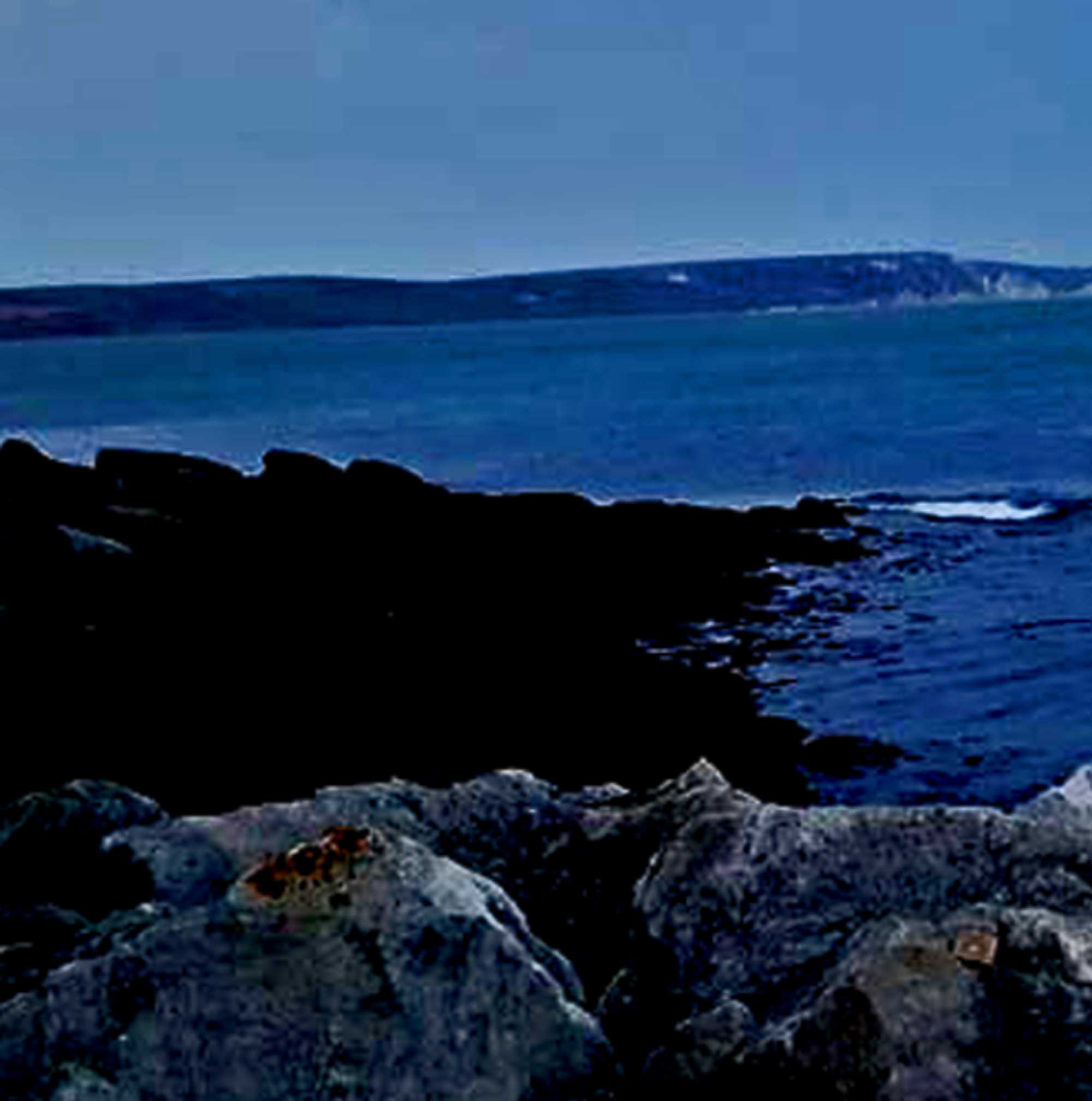
Ep 124124 Midnight waves by the sea fort at Weymouth (sleep safe)
We've been struggling to sleep in the heat. To help, if you are having the same trouble, we're sharing another segment of cool and quiet from Nothe Fort, Weymouth. Tied high up in a tree, right beside the fort and with a birds-eye sound-view of the water down below, the microphones captured the unique quietness of this place, through the empty night hours, without anyone about. Tide low, and on the turn. Out over the sea, sky, pitch black. A whole landscape, in sound, and almost at rest. Lone cars far away, labour the inclines along the coast road. Surface waves moving, in slowed motion. Swelling, circling, then settling in sympathy to the stone footings of the fort. Painting a picture in crisp clean sound, of its outer shingle boundaries, its under water rock formations. In time, the tide will slowly rise, and a boat, somewhere near, will begin to pull against its moorings.
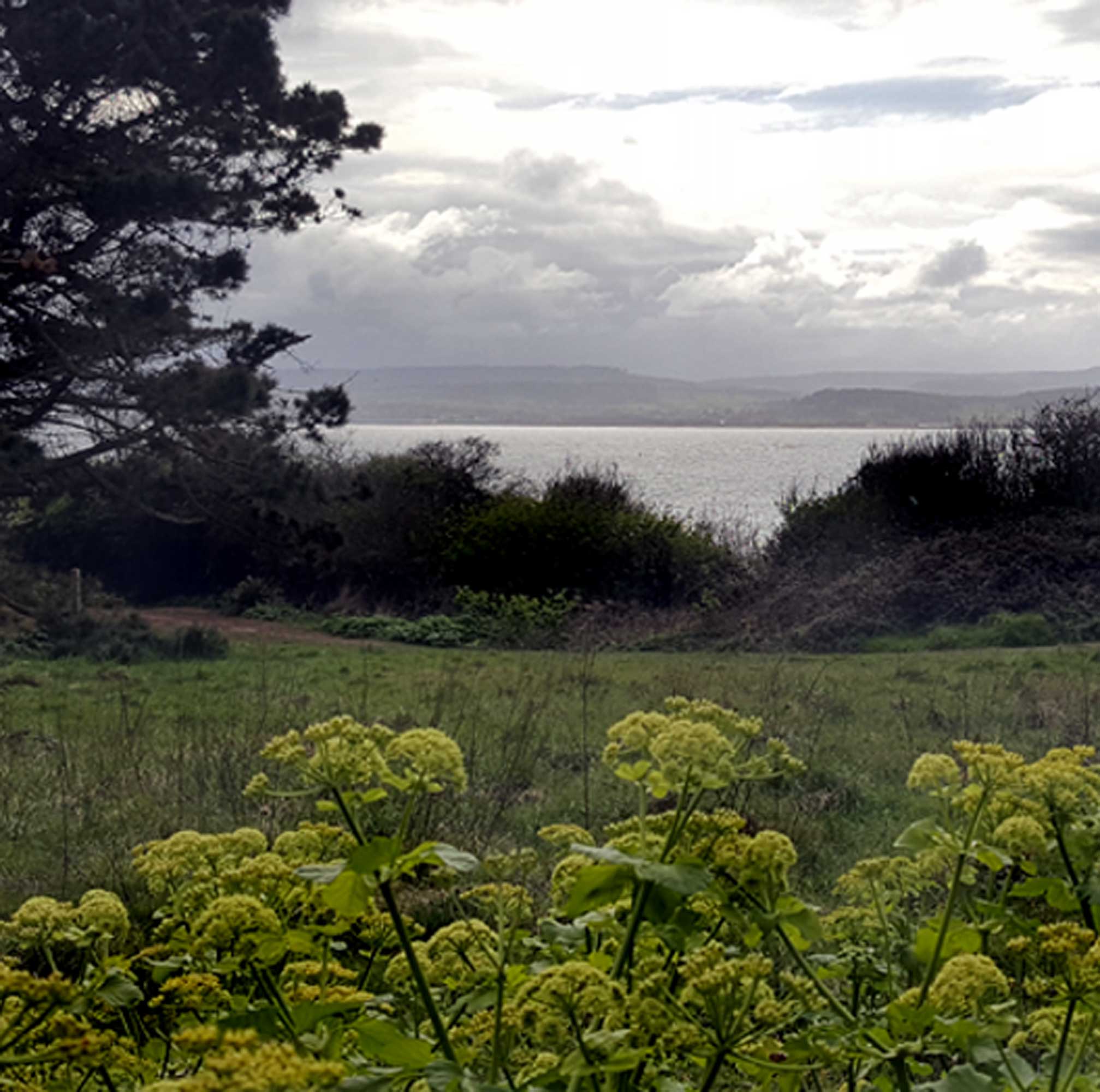
Ep 123123 A sound-view from Orcombe Point on the Jurassic coast
Between the stubby trees, a stony path. Shrubs, unusual grasses. Feeling the climb, and the air. For the first time this year it's warmer than skin. Warm moist and still, like the waft that greets you at the greenhouse door. Here, high up the hill (though still below the Geoneedle of Orcombe Point) and looking down from a patch of ground that's formed like a natural balcony. The sea and the crashing waves have melded into a distant pool of steady white noise. Seagulls circle the bright expanse above. Far below, motorbike riders, sandcastle builders, picnicers and their over-excited dogs can be heard enjoying the day, enjoying the place, all mellowed by distance. The balcony position seemed like a good place to record, so we left the mics behind in one of the stubby trees and proceeded up the path to the top. Somewhat surprisingly this coastal land is rich with familiar birdsong. Blackcap, chif chaf, robins, great tits, various types of crow, and of course the ever-reassuring cooing wood pigeons. Given the location and the particular fruitiness of their respective callings, maybe we can treat ourselves to a jolly seaside thought. That they, like us, were also here to enjoy the panoramic sound-view of the sea from Orcombe Point.
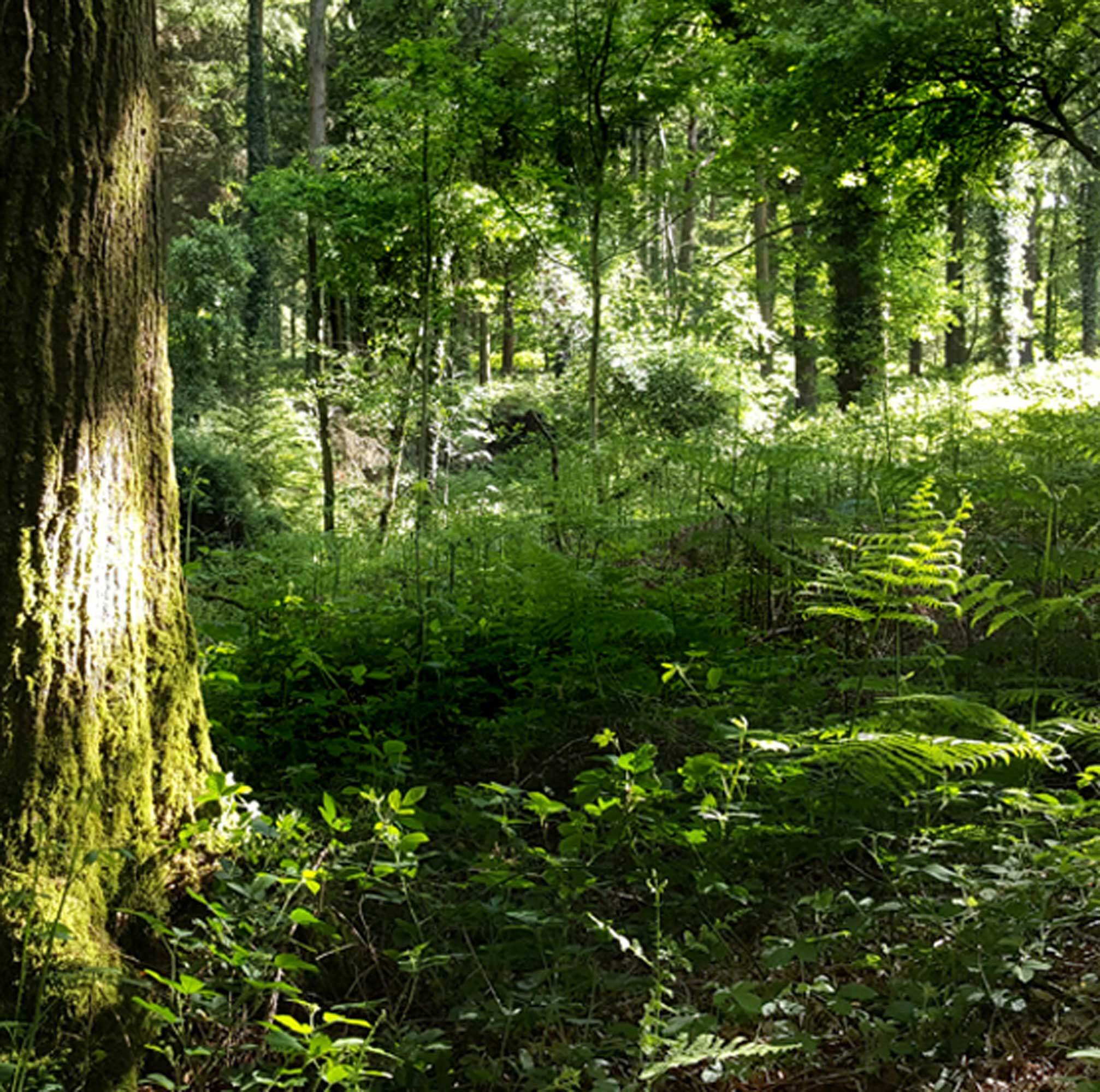
Ep 122122 Forest bathing in the cathedral of trees
We're really happy to be able to share with you this latest piece of captured quiet, fresh from the Forest of Dean. It's a passage of early evening time, from deep in the forest last Saturday. If you're new here, Radio Lento is a bit different to other podcasts. It's all about experiencing the sound-feel of natural places. We've put a few tips on how to get the most from it below*. Each episode presents the authentic sound of time passing from a real place with no interruptions, talking or adverts. It's for anyone wanting something to help clear their head, use in meditation and mindfulness routines. It's also an escape from the noise of daily life - travel through your ears to feel the aural reality of somewhere else. What you hear on this podcast is produced by panoramic microphones carefully placed in natural places, and left alone to record. We hike out to each location with high spec nature mics, then listen back through the huge chunks of audio to pick out the quietest and richest passages of time. After checking the sound is clean and uninterrupted, we upload the segments as new episodes to the podcast feed. Radio Lento combines the ideas of nature and immersive listening, with discovering the real sounds of natural places across England and Wales, and presents them in an easily accessible podcast format. *How to get the most from this podcast: 1. To get the full panoramic detail available in the stereo feed use headphones. Headphones of any type should work, but 'covered ear' designs and those with noise-cancelling will help to reduce external distractions. If you find covered-ear headphones uncomfortable try open-ear design headphones instead which let your ears breathe. 2. The ideal setting for listening is from a comfortable and reasonably still position as each episode is captured from one fixed and steady position. The podcast especially suits those working, reading, resting or doing mindful focusing. 3. Our recordings are taken from natural places and aren't bass-boosted or loudness pumped like other podcasts. Even listening in a quiet place it can take a few minutes for your ears to adjust to the softer sound. But if Radio Lento remains too faint tap up the volume level a few steps. If you listen to a sleep safe episode to get to sleep remember to deactivate your Apps automatic 'play next' option to prevent another podcast starting.
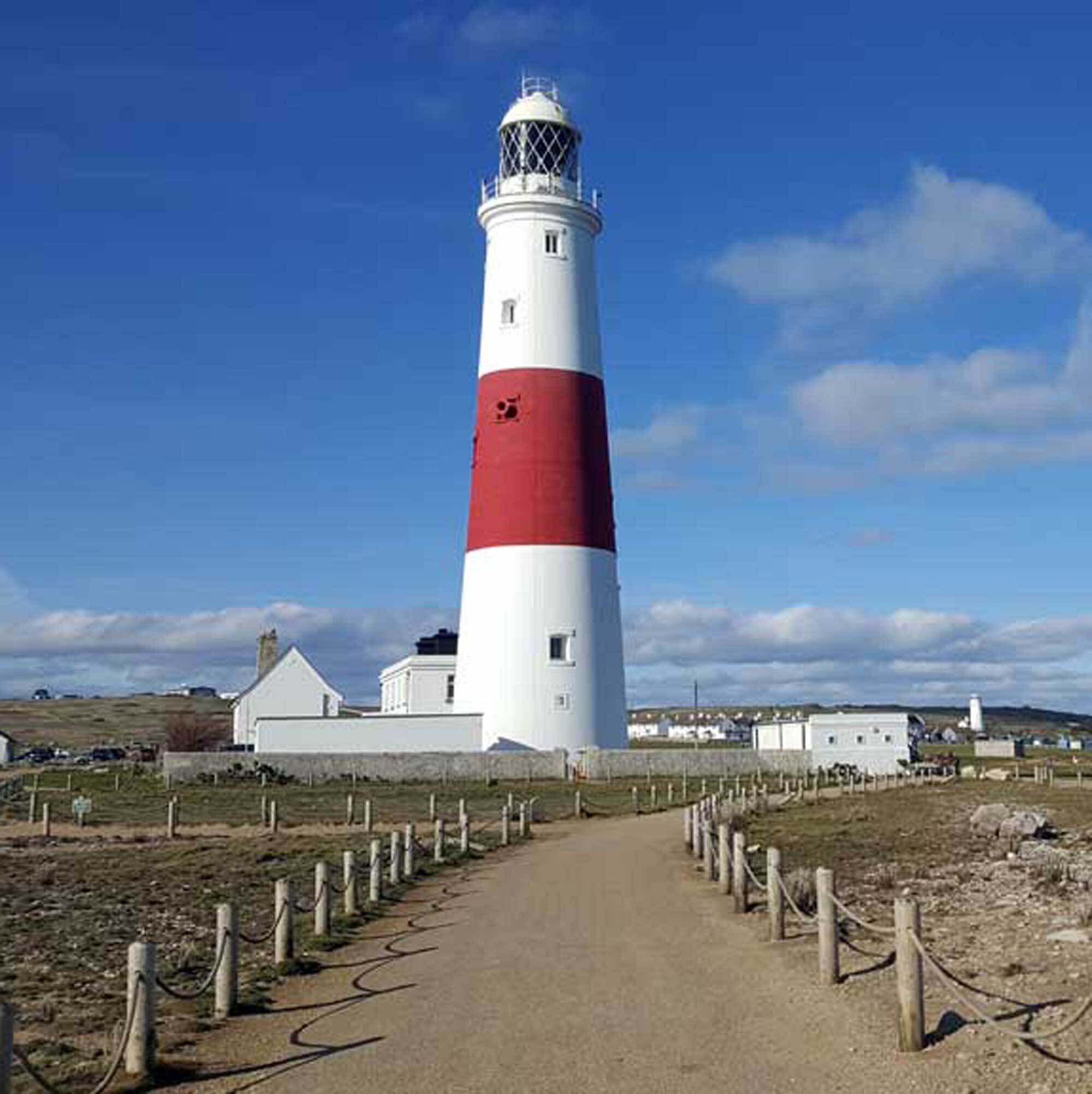
Ep 121121 On Portland Bill
At the edge of a craggy rock promontory, near the giant lighthouse, there's strong sea wind, and an old rusted crane. Past the collection of weather-beaten fishing huts. Off the footpath. And beyond where the land is safe to walk. The view here, of a panoramic sunlit sea, is both wild and precarious. It urges the venturer to resist reaching down to touch the water. Touch and so connect, with whatever the mysterious energy is, that's powering the dance of the deep water waves. Folly, it says. Step back, it says, and rest upon the old rusted crane. Spend a little time here. Half an hour should do it. Use your ears to read the water. Use time. The pointed shape of this craggy section of rock steers the incoming swell into natural inlets, to the left, and to the right. Wild water slaps and splatters against the worn stone. Gusting sometimes strongly, the onshore breeze swings a loose part on the crane, somewhere above where the microphones are attached, making a delicate metallic chink. Over time, and from some way out to sea, an ocean going vessel slowly, and benevolently, hums by. We captured this segment of time near the lighthouse on Portland Bill last month. Cloudy conditions had persisted through the day but by the time we'd found the right location to record the sky had turned to blue and the sun was shining strongly.
Ep 120120 Secrets in the spring air - inland coastal country
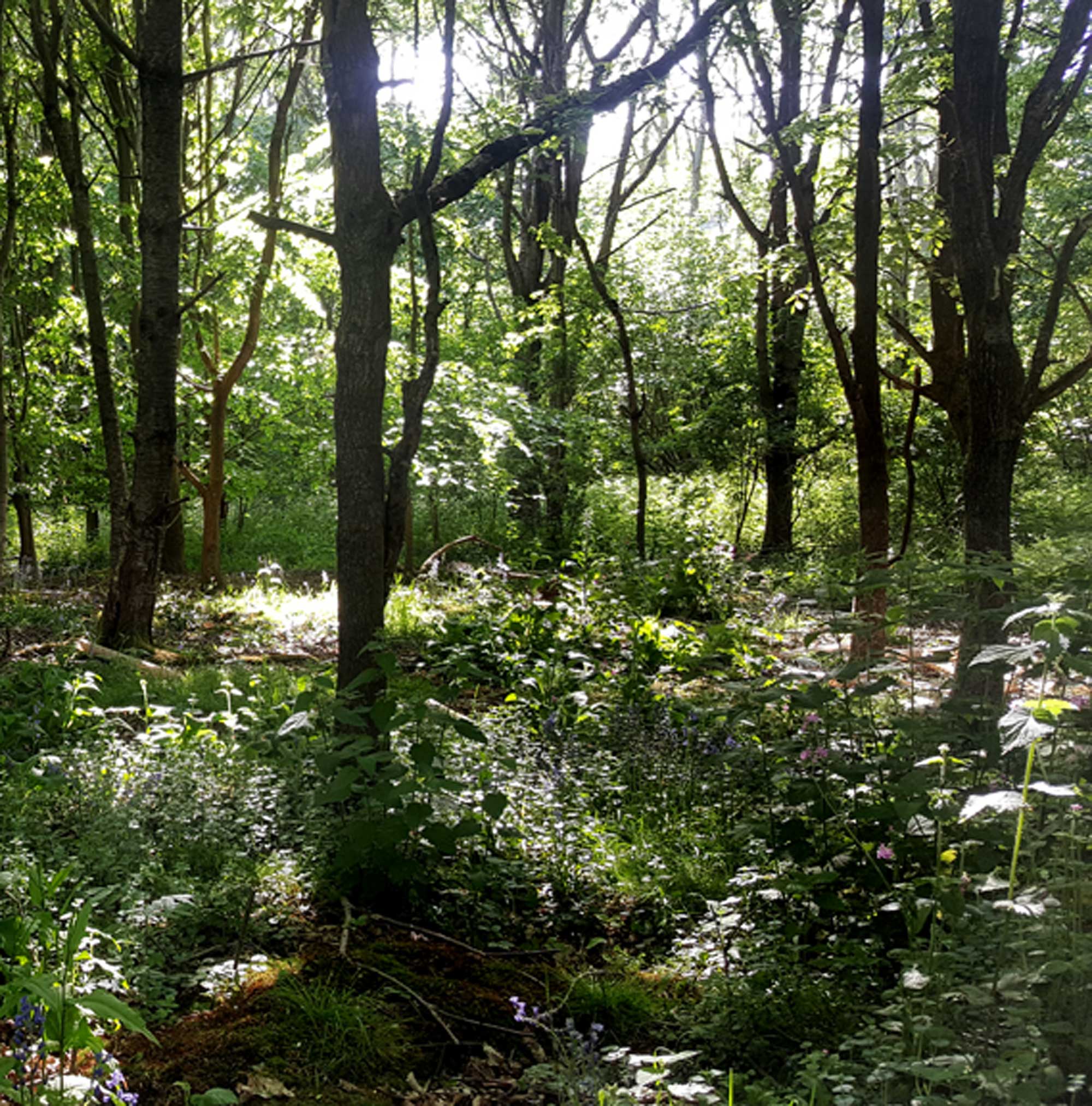
On the footpath from Winchelsea to Rye (the one that goes inland and round in a long loop) we came across a small copse of trees in the corner of a field, by a heavy metal gate. The spot was surrounded on all sides by fields and pastures. The day was starting to get hot, so under the shade we just stood at the gate, to take in the air. Above the baa-ing of sheep and lambs, and the melodic callings of woodland birds, the trees, tops against the blue sky, were waving slightly in the spring breeze. They stood together, turning the moving air into soft susurating sound. Vague voices seemed to waft from somewhere. Perhaps it was the farm we saw signposted a little further on. It was the space underneath the trees that possessed the most mesmerising feel. The trees seemed to somehow distil the landscape. We set up the mics, then walked on, to let them capture the quiet alone. With us gone, they captured the singing birds, and the insect hum. The grazing sheep and lambs, and two propeller planes, high over, with ocean views of the coast. They caught the cracklings of drying twigs amongst the dense leaf litter, and that strange nameless blur that time makes as it passes in a quiet country place. They witnessed a squirrel too, noisily nosing about on dried broken bark and leaves between the trees, and later jumping through the branches. Quietest of all though, and right at the end, they caught the distant passing calls (extreme right of scene) of a cuckoo. -- Cuckoos are the most fleeting of England's migrant birds spending only about three weeks here to lay their eggs, before flying back to Africa, They never get to see their chicks, but still the young birds once fledged still manage to follow their parent back to the same place in Africa.
Ep 119119 Dawn chorus in the rain high in the Derbyshire hills
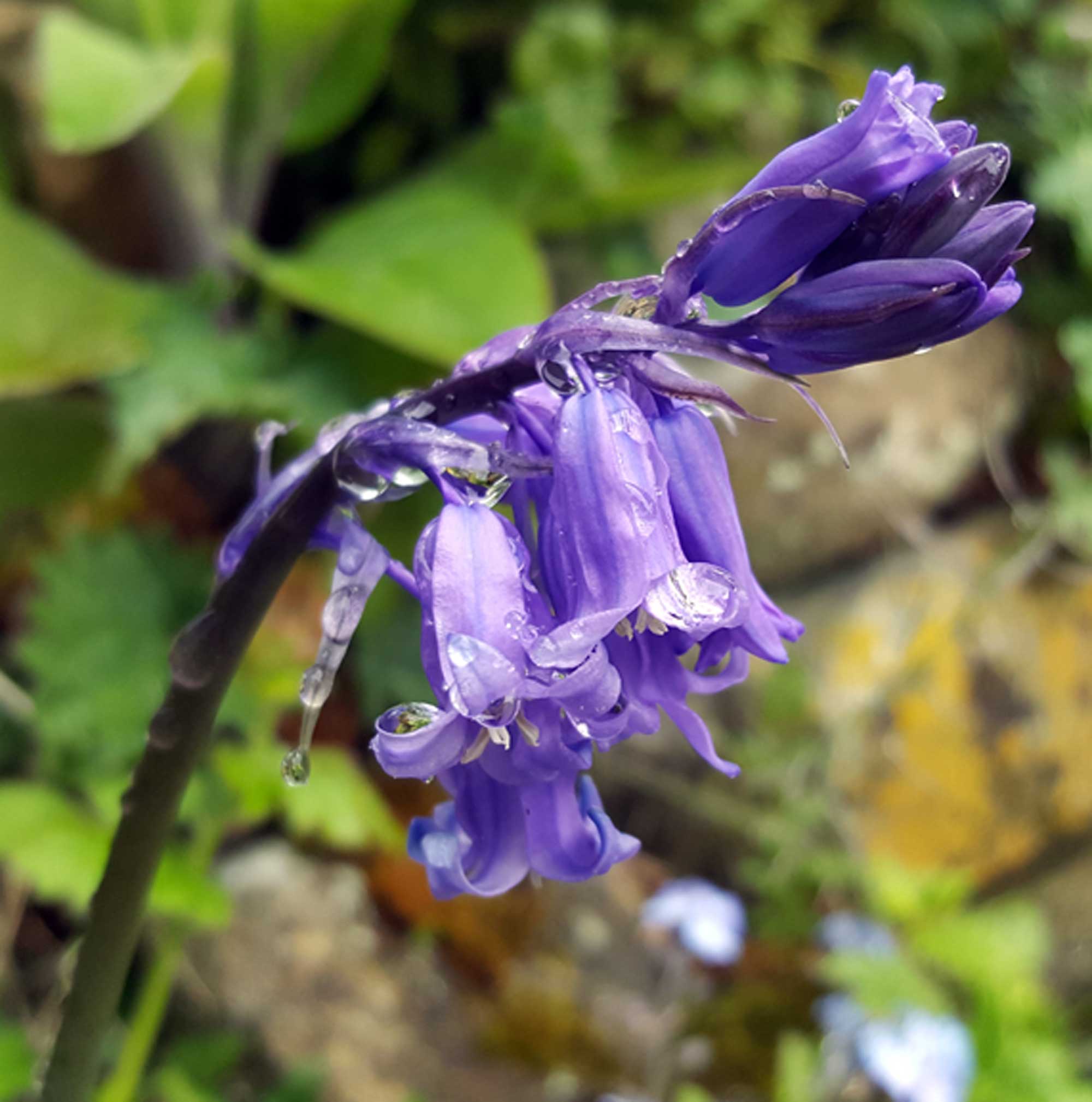
These are the last woods that an ancient track passes through on its rocky way up onto the flanks of Black Hill, Derbyshire. The last woods to catch the spring rains. Walkers, mountain bikers and horse riders bathe in its rich spacious atmosphere before ascending onto the exposed moorland that lies beyond. But there's nobody about now, it's five o'clock in the morning. Glorious emptiness, filled with spring rain and birds. A world that's all theirs, on Dawn Chorus Day 2022. The track fords a stream by a broken down gate mid-right of scene. Normally the stream is an ankle deep torrent but owing to a long dry spell its presence is lighter than usual. The rilling water can still be heard reflected by the countless newly sprouted leaves, that make this wood an intensely green place. The microphones, recording non-stop all night, are attached to the trunk of a tree. Centre of scene is the exact same spot that Carl Fuchs first cellist of the Halle Orchestra and member of the original Brodsky Quartet, wrote about in his memoires*. Whilst digging in the stream two passing walkers enquired of him whether the water was good to drink. After they'd refreshed themselves he overheard one of them say to the other as they trailed away, how helpful the labourer man had been. To be seen by others as not an eminent musician but as the ordinary man he felt himself to be, proved a significant moment in his life. So hear, at this same spot where that exchange took place a century ago, how the stream still flows, a hundred springs on. Time passing, in all its ordinariness, in all it's refreshingly uncluttered and restorative ordinariness. *Musical and other recollections of Carl Fuchs, Cellist. Published 1937, Sherratt and Hughes, St Ann's Press, Manchester.
Ep 118118 Lullaby sea by Nothe Fort (sleep safe)
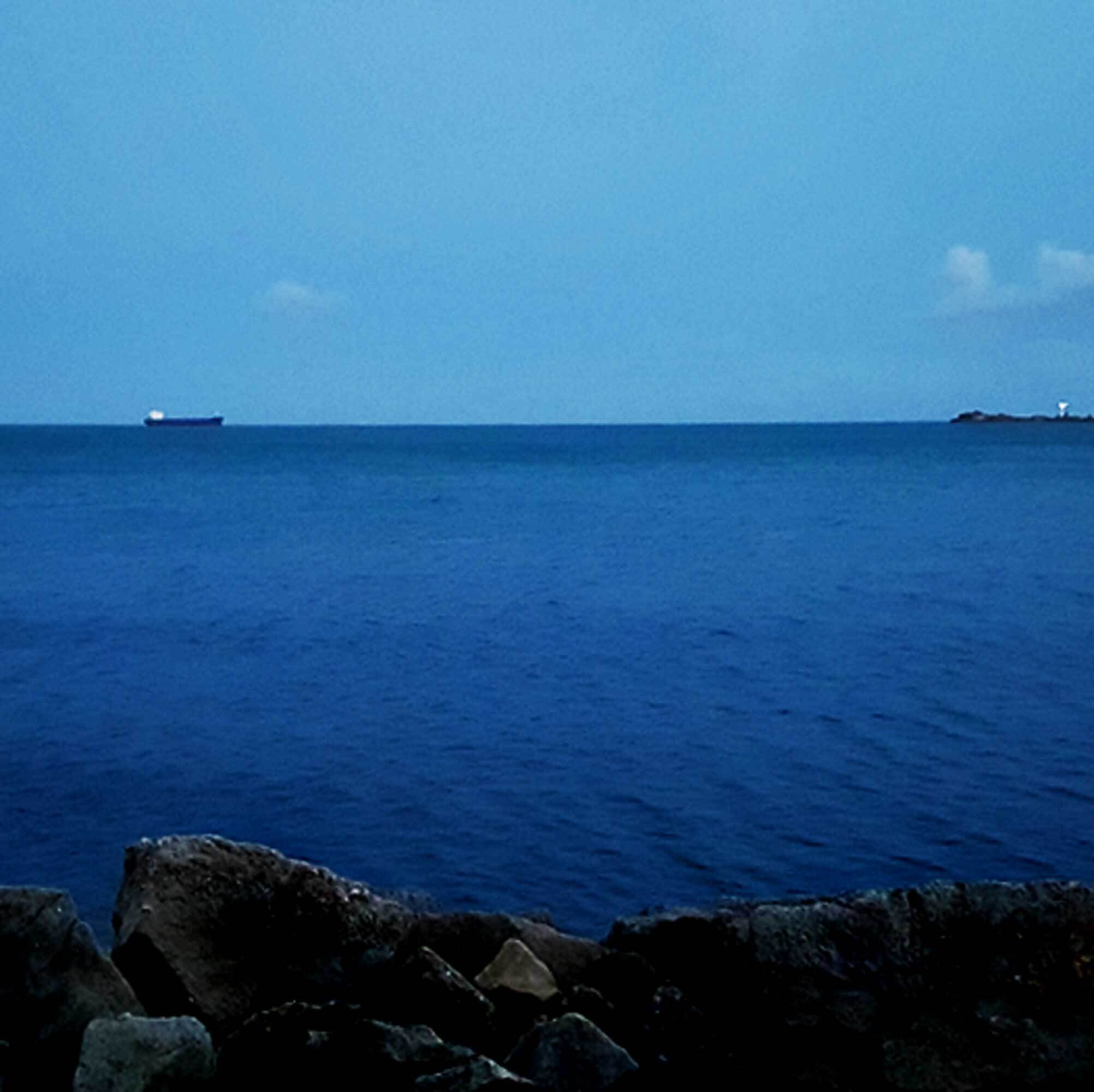
It's the dead of night. Everything still. A panoramic stillness, stretching for miles, across this coastal Dorset landscape. The tide's in, and without the chivvying warmth of day to energise it, the sea has calmed. Calmed, and reduced, into gentle, lullaby rhythms. You can feel it ten yards to the left, the sound mirroring presence of the fort. And sense the drop, just a few steps in front, sixty sheer feet or more, down into the water below. With your elbows wedged onto the top stones, peer out. Not with your eyes, with your ears. Peer into the blackness and imagine yourself as night watch. How long can you go before these slow rocking waves rock you to sleep? Don't fight it though. Let yourself instead drift into a state of wakeful rest. An uncluttered form of vigilance, with all attention focused onto the rippling surface of the water. This slowly rocking, lullaby sea is filling and emptying, filling and emptying, in perfect aural detail, along the immense stone footings of this old, long-standing south coast sea fort. ------------------------------------------------------ Nothe Fort was built by the Victorians to protect Portland Harbour and is well worth a visit. With its ramparts, gun decks and underground maze of tunnels the fort is perched at the edge of open tidal water at Weymouth, on the south coast of England. Our warm and special thanks go to Radio Lento supporters Caz and Tymn for the creation of this episode. They suggested this location for an all-night record, and helped us set up and take down the kit. We're looking forward to returning to this area to capture more as soon as we can. If you are wondering how to say Nothe, people from the fort helpfully told us on Twitter than Nothe rhymes with clothe and mauve.
Ep 117117 Dartmoor birds through white noise mist
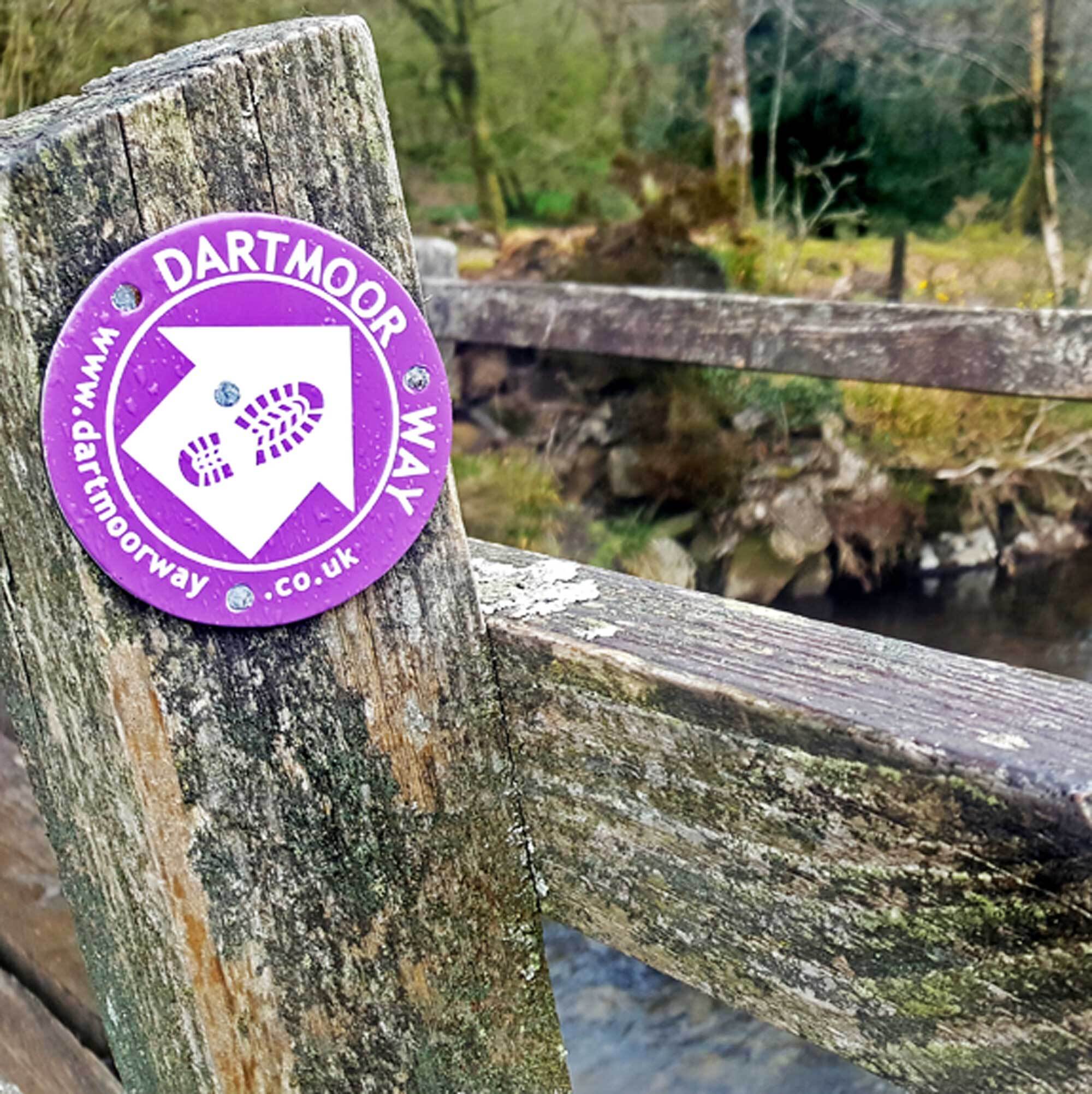
Captured only a few weeks ago, this sound landscape is from a place where woodland birds sing through a mist of pristine white noise. A place empty of people. Empty of human made noise. And a place that we never thought we'd be able to get to... A gorge. On the edge of Dartmoor, where trees thick with velvety moss grow on steep banks, knee deep in foliage. Where a torrent of crystal clear water rushes down through stark craggy rocks. A perfect spot, there to be discovered along a footpath that eventually leads up to the Nine Maidens stone circle, and that winds, and loops around boulders, and that narrows and widens and then narrows again, and that often disappears into outcrops of blunt rocks, until eventually it levels off near a wooden bridge. A bridge that's there and waiting for you to cross from this bird rich bath of white noise, onto the ground that slopes up onto the exposed tops of Dartmoor. We left the microphones behind to capture the rich aural essence of it while we walked on. Discovering this remote spot was for us entirely thanks to the recently reopened train service from Exeter to Okehampton. We've made almost every Lento recording on-location and on shank's pony (old speak for travelling on foot, shank meaning leg). We cover the long distances by train and increasingly on rural bus routes. It means almost every location you hear through Radio lento is there for you to get to yourself, and reachable without a car.
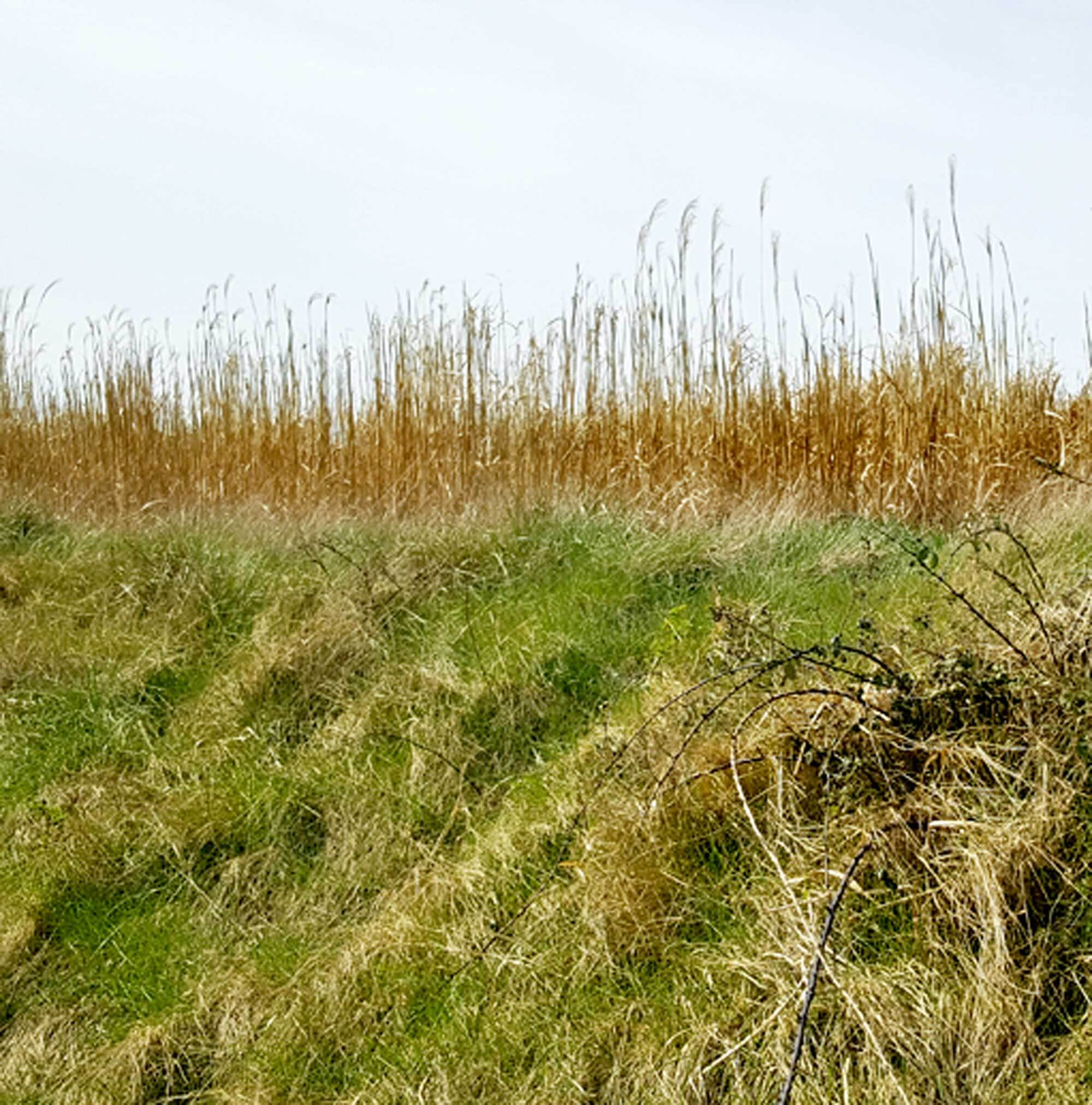
Ep 116116 Sissing plantations in open country
Stopped in our tracks some way along the path from Althorne to North Fambridge, by a sound. Plantations swaying in a gentle wind. The brightness. The softness. And a sound that comes in waves. Siffing, then sissing, then siffing again. Above, on warming thermals, skylarks circle and sing. Beyond, in the far distance, geese and other wild birds call. But these are last year's crops, one of us says, into the unfamiliar warmth of a new spring breeze. Still there? Yes, unusually still there, and still making their own particular sound. A mile-wide sea of dry, wind waivering plants. As the breeze eases, the siffing and sissing subsides into darker tones. Shifting shadows, of last year's golden hues. -------------- We made this 25minute sound photograph of this wild wide open place last weekend on another walk along the River Crouch, this time going from Althorne to Fambridge. Farm machinery can sometimes be heard along with the distant activity of the residents of Althorne (extreme right) a remote hamlet in Essex and home of the Bridgemarsh Marina (episode 36). ----- ------ ----- Thanks for listening. If you'd like to support Radio Lento, please buy us a coffee or set up a monthly subscription via our >Ko-fi site
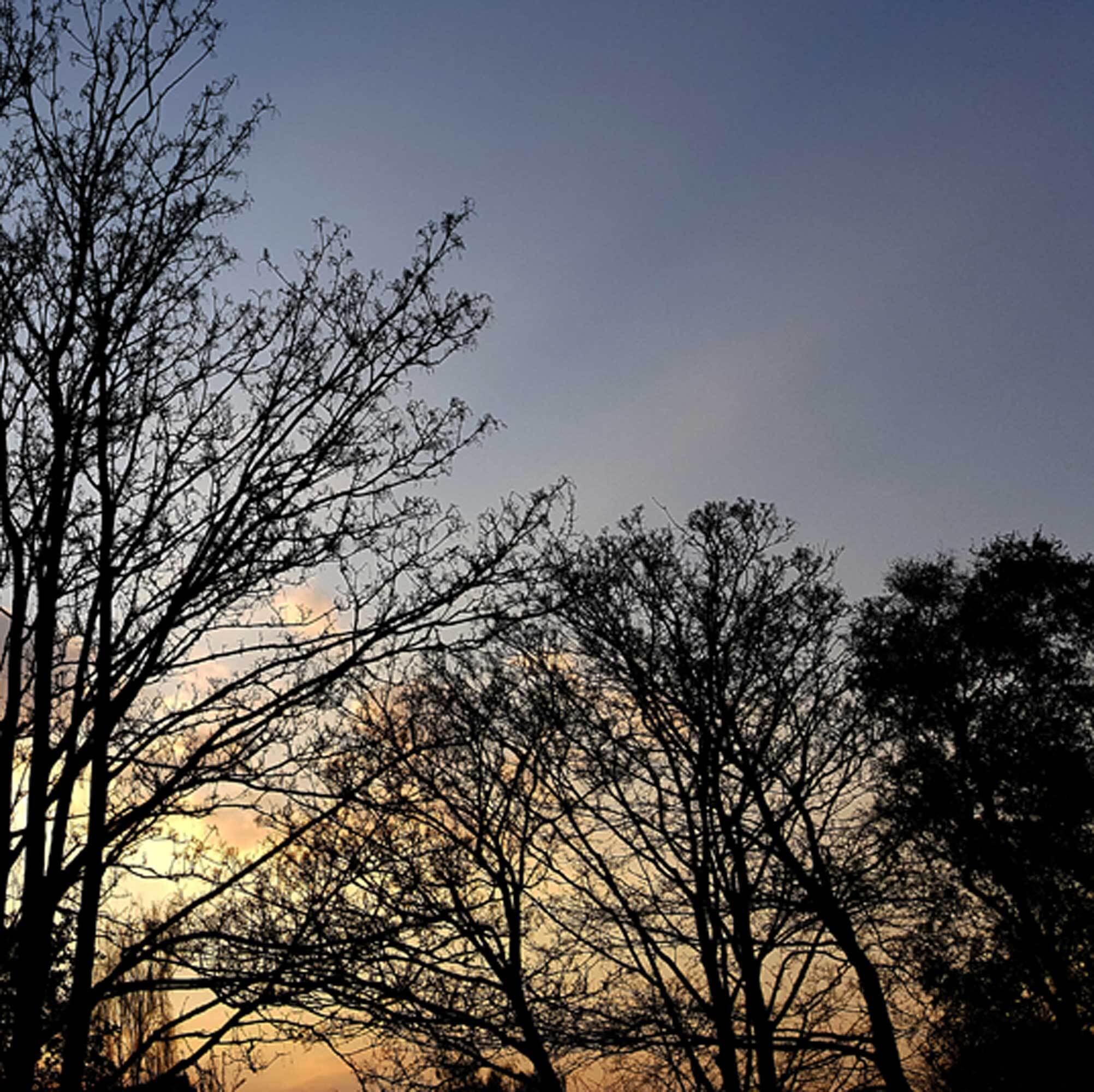
Ep 115115 Coastal city sleeping (sleep safe)
What makes that city noise at night? That strangely non-descript hum. That audible presence that seems to be made of nothing and everything, and comes from nowhere and everywhere, and that is so familiar to us city dwellers. Its origin is uncertain. Probably impossible to pin down. City hum does not exist outside of cities though, so that at least explains something. Perhaps that's its charm. That city hum can't be explained. And so why, like other things that cannot be fully explained, it seems to possess some very valuable properties. Especially to those seeking rest. At night, city hum with its endless lulling flow, seeps in through every window open. Every door ajar. Aural balm, for tired minds. And it greets the garden wonderer, come out to look for stars, with a soft inky black message, that says, welcome, to the night. Welcome, to these tawny roosted hours, watched over by owls. To this other version of the same world, where light shrinks to speckled dots, and all that is, all that is anything, is there to be seen through listening. City hum ebbs and flows. Echoes with night birds, and susurates between countless details across landscape forms. Listening into it, really listening to hear into its depths, can be like counting sheep. Soft city sheep, come to help you listen, come to help you sleep. -------------------------- This is a section of an all night recording we made in Exeter a few days ago. It's in the back garden of a house from 1am. It captures the stillness of the city and two tawny owls against a backdrop of dreamy sounding seagulls. Exeter is in Devon, in the South West of England.
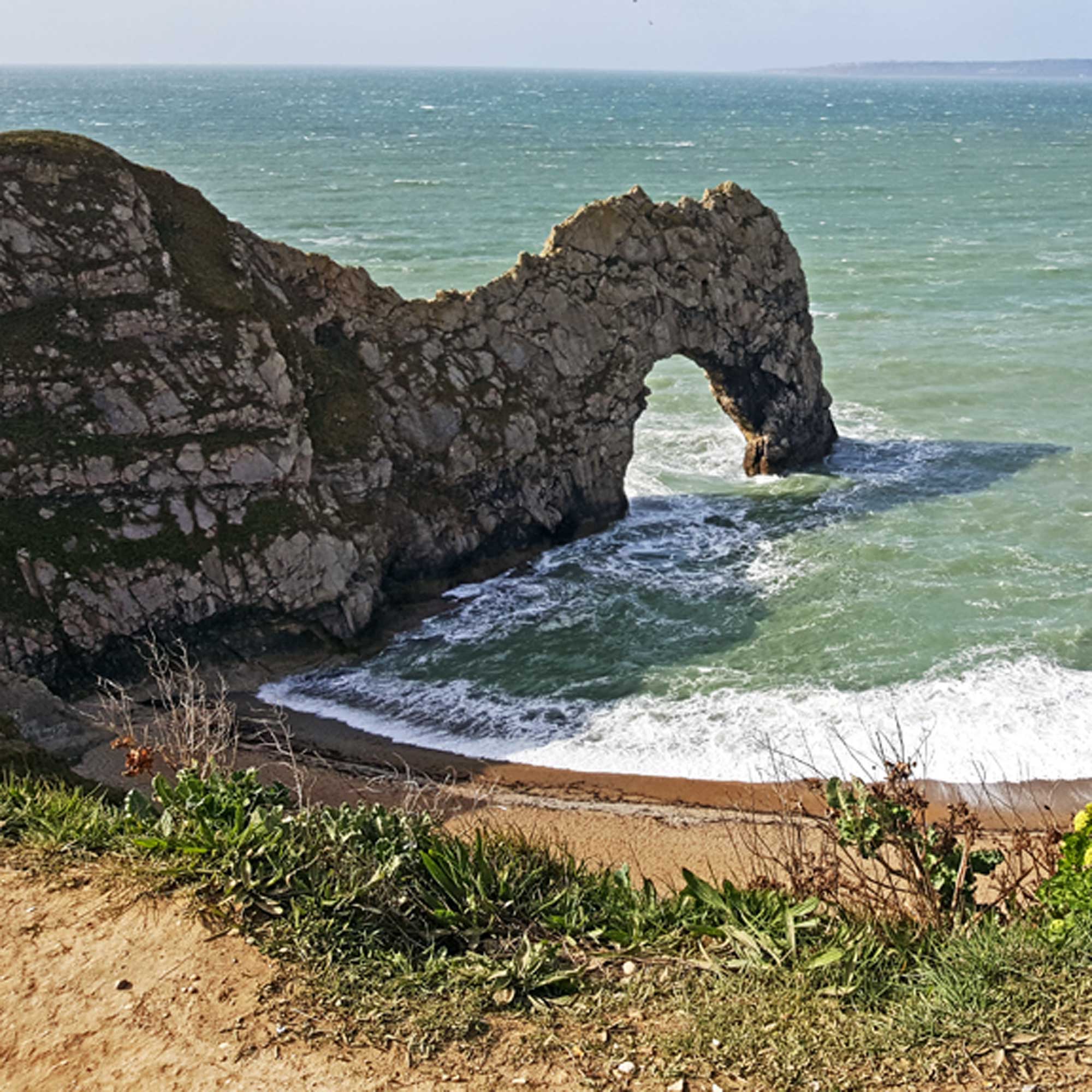
Ep 114114 Crashing waves at Durdle Door
It's when you've been listening to it for a while, within the gravitational pull of this immense rock promontory, that it starts to make sense. The language of the crashing waves. And how each wave, as it arrives onto the shingle shore, has its own way. Everything that a wave has to say about its long journey over the sea, has to be said upon the moment it lands on the shore. Within those few moments. Those few, tumultuous moments. A whole story in sound. All that it says though is tumbled out through noise. And all jumbled up too, if heard in land time. To hear, properly, what each wave has to say, you have to attune your mind to sea time. Time, as it is in the liquid world. Time that surges and curls and folds and leaps and fizzes into bright white air. Listen forwards, and left and right, and into the near distance, and into the deep distance, and all at the same time. And it'll make sense. What each wave has to say, will be there. Will effortlessly unfurl in front of you. Each wave. Each arriving, with its own, unjumbled story. --- We made this recording last Thursday on the shingle beach looking out onto the stack and arch of Durdle Door on the Jurassic Coast in Dorset, England. The name we use today for it dates back over a thousand years, when these crashing waves would have sounded exactly the same.
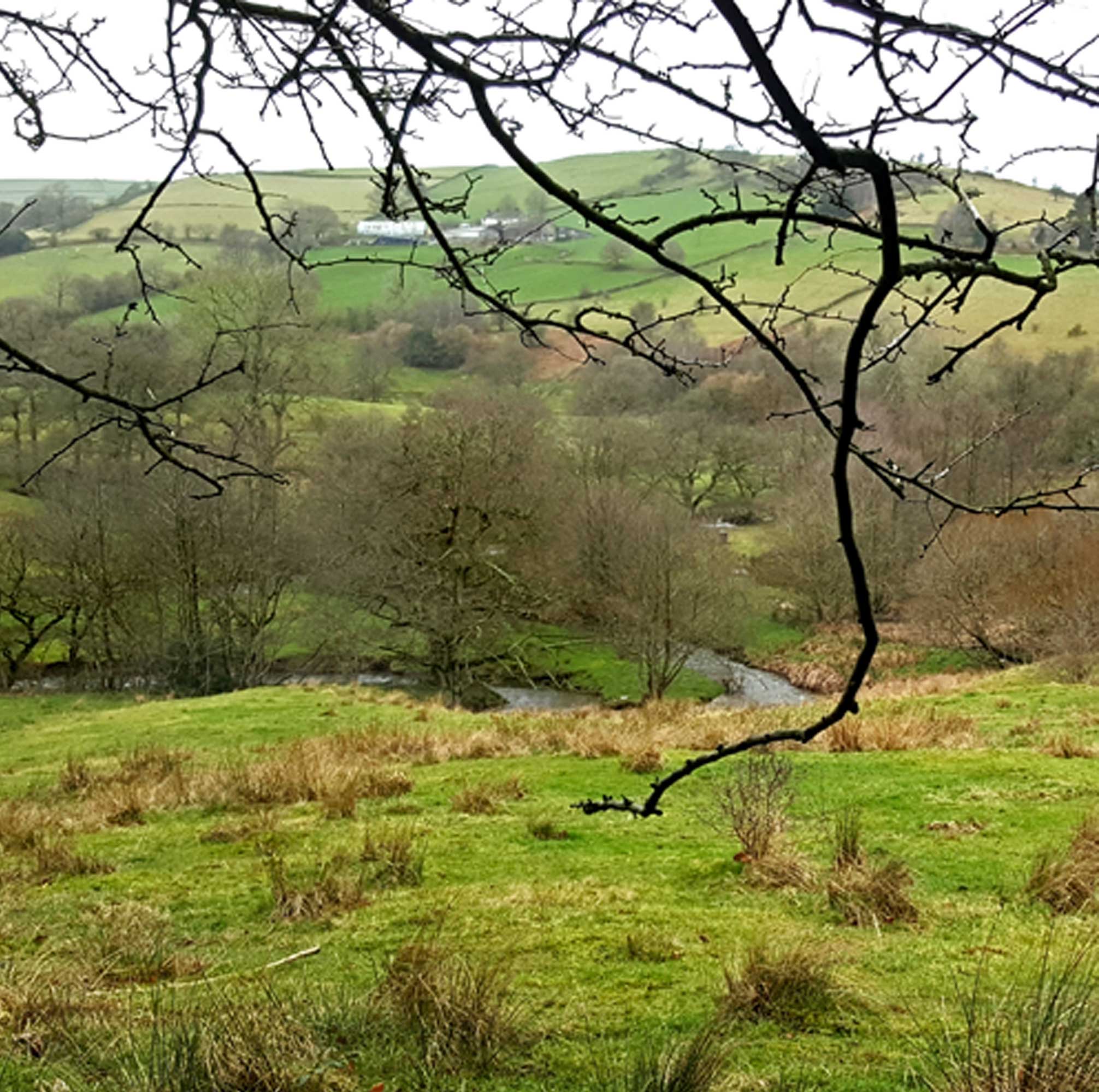
Ep 113113 Spring’s here in mild valley
Sheltered against the gnarled trunk of an old holly tree, beside a country lane, the microphones are recording. Or maybe to them, they are looking. Looking out, as they have done for hours, at this mild valley, in sound. From this tree, the valley stretches far and wide. In front is a wide field. It slopes gently down and meets a stony rushing stream. Beyond, and up again across another field, is a farmhouse, partly hidden beneath tall winter worn trees. To the left of the scene, the stream passes into a ravine. Its steep sides reflect and amplify the soft white noise of the flowing water. To the right, animals graze on upland pastures. Here, is up in the Derbyshire hills. A place, that to us city dwellers, may feel like a place to retreat. But this is not all that it is. By visiting it, even through headphones and a bit of time, the meaning of this landscape can be observed, read and understood. The patterns of the wind in the tree. The ways the birds communicate, come and go. The distant murmurs of animals. Things that are heard best, when there is no human presence to interfere. This segment ends with the panoramic sound of passing geese as they fly along the course of the stream to reach the reservoir beyond, where they spend the day.
Ep 112112 Suffolk Wood (part 12) - 7am to 8am
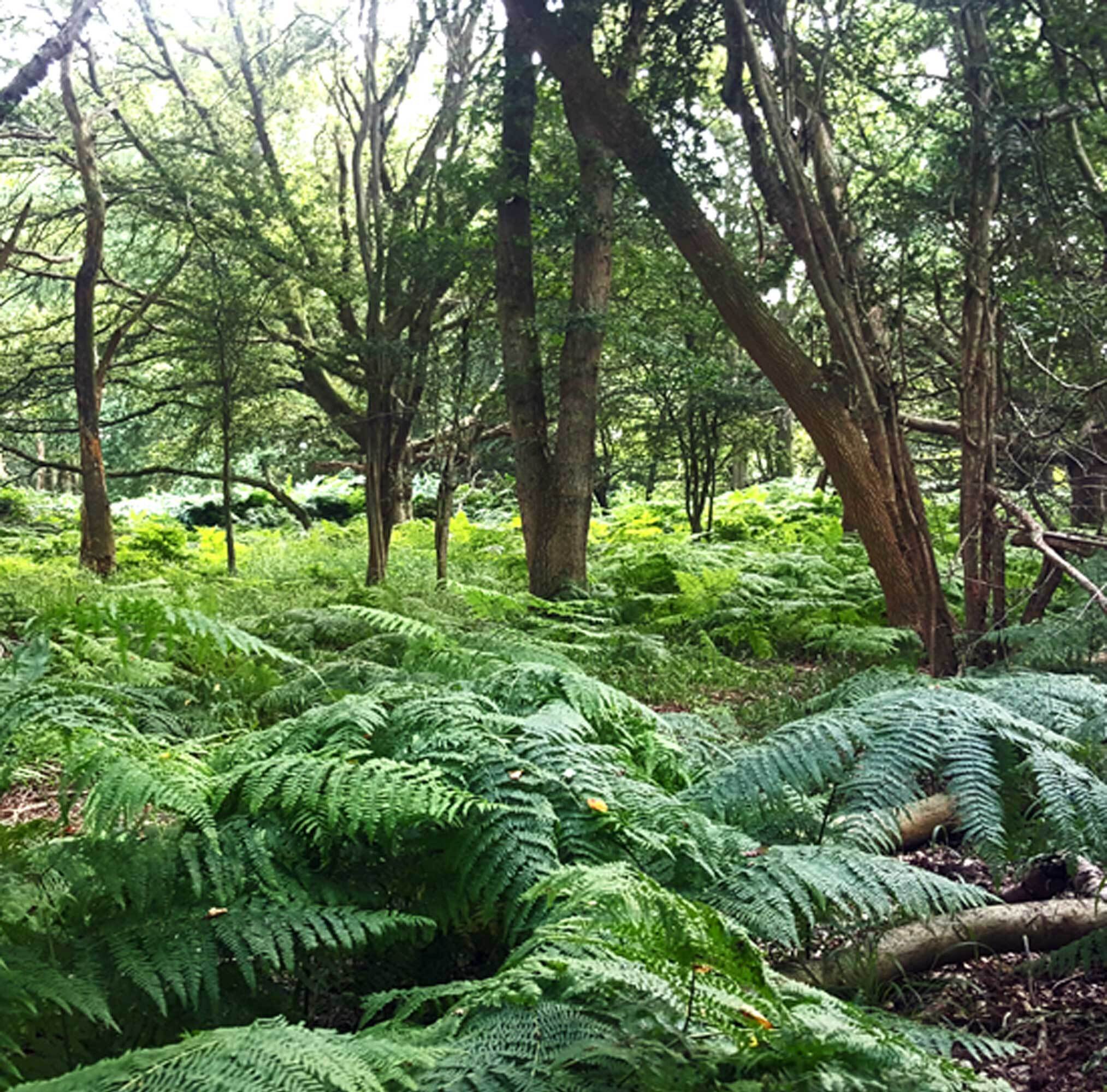
Radio Lento is 2! Thank you for listening, for supporting, and for the many kind messages. It all started here, in this Suffolk Wood. So to celebrate we return, to hear how time passes within the wood between 7am and 8am. This is episode 112, and the twelfth part of the Suffolk Wood series. It's the penultimate one, with just one more hour from special location to come. It's been and continues to be an absolute pleasure to share the aural records of time passing in many different places, and particularly from this wood, hour to hour, and in all its three dimensional and unedited form. The authentic sound of the landscape unfolding is what Radio Lento is all about. Radio Lento remains a free service providing real sound landscapes in high definition long-form sound. Every recording is made on-location by us and using our own customised equipment. Our approach to sound recording is to intervene as little as possible during the recording and post-production process, leaving the microphones to record alone, so what comes through your headphones is true, like physically being there in that place yourself. It's all based on our thinking that, in this overly designed overly edited speeded-up view of the world, that a free and flowing source giving people the chance to, in solitude, experience time passing in the landscape, is probably now more important than ever. If you can and you are able to >>make a small donation to help us cover the costs of production we'd be extremely grateful.

Ep 111111 Soundscenes of estuary rain
For this week's episode we head back to the rugged seawall below Burnham-on-Crouch, to witness the sound of summer rain as it falls onto inland tidal water. We've not actually listened back to this audio before, and preparing it has been a labour of love. Labour, because the hundreds of rain drops that hit the lid of our microphone box have had to be individually treated to volume match all the other rain drops! Of love, because each hour we spent doing this, has been another hour spent immersed, within this truly wild and evocative place. And given these troubled times, it's made for some pure and simple escapism that's just so needed. Daylight has come, and from left to right, the pattering of rain melds with the cries of estuary birds. Redshank, gulls, curlew. Tidal flows come and go, swirling and swilling, over the concrete blocks that form the seawall. Distant signs of habitation waft in from the west (hard right of the soundview), while from the east (left), nothing but the natural world. Well almost, there are a few soft passing planes, flying inland from the North Sea. Somewhere high. Somewhere beyond the deep, grey clouds. We were able to capture this passage of time in August last year, by leaving our microphones alone to record from evening, through the night, and into the morning of the next day. When we retrieved the kit, everything was unsurprisingly soaked and wringing wet. Amazingly though, while the electronics inside the box had got wet too, the kit was still recording! We hope the captured sound of time passing beside these wild and open tidal waters may bring you some relief, as it has us, during this difficult and most taxing of times.

Ep 110110 Rain falls in Banfield Wood
Sky greying. Rain coming. A muddy path under bare trees. This is the wood where we should record. Beneath a buzzard circling, a perfect tree, mid-point within the forest. Mid-point, with a wide and detailed aural view, of boughs moving in the wind, of light sticks shifting, of silent fields sloping up to a green grey horizon. The rain begins. It starts gently, as a fine sifting mist upon the ivy leaves that surround the trunk of this old tree. The tree, an elder, basks in the falling water, creaks in the changing air. On the forest floor the rain falls heavier, is scattered and blown in flurries. Above, banks of wind make passing shapes in the high bare branches. Spring is coming though, and you can tell by the birds. Great tits, long tail tits, a jovial wood pigeon. Between the bands of rain they hop out from their sheltered places, and sing. Their song makes this not a winter wood anymore, but a place filled with the sounds of the approaching vernal equinox. ----------------------- Last weekend we left our microphones alone to make this recording in Banfield Wood, rural Hertfordshire. It is the next wood across the valley from Comb's Wood which featured in episode 104 'While away in winter woodland' which we recorded in December.

Ep 109109 Here at the river’s edge
Now you're here, unhook the burden, and let it rest upon the wild grass. Walk away. Away from it, and down, onto the rocks. Away, and over the wetted stones, around the weeds that smell of sea, and right up to the river's edge. The rushing edge of the Crouch. Yes that tidal river, that unheard of river that runs like a forgotten dream, across the wilds of the Dengie Peninsula. Here, is your journeys-end. And what you've come for. And now you're here, you can breathe. Breathe, and look about. Breathe, and listen. Take it in. In, all of it. All of this landscape, with its simple, natural, emptiness. This hurrying water. Crystal clear. Crystal clear and spinning, and curling, in wind folded waves. Feel the wind, how it buffets your face. Tugs at your jacket. Hear it, sweeping the waves, this way and that, from left to right, right to left. Wind against tide. A few inches beneath the flowing surface, you see some tiny little trees. Submerged plants, wind-bent in the strong current. You crouch down, reach forward, and dip your hand in. It's another world. A clear translucent world, of pure cold. Fingers wavering, you cradle one of the little trees. It feels like rubber. A tiny, little, rubbery tree. Anchored, and growing almost impossibly, out of the bare river bedrock. It's living. What a wonder of nature, you think. What a wonder of nature, cries a bird. A redshank. Two redshanks, flying directly overhead. With fingers still cradling the tiny plant, you look up. Up at them calling, and as a child again, into the too bright sky. -- We made this recording last Friday at a remote spot on the river Crouch, as it was washed about by extremely strong wind. It's about a mile due east from the Bridgemarsh Marina in Althorn, Essex. The new wind baffles we attached for episode 108 were severely tested. Redshank, distant geese, an overflying seaplane and the train on the line to Southminster can also be heard.

Ep 108108 Song thrush sings in twilight gales
We were told a song thrush lives up in the wood. The old place on the side of an exposed and remote hill, where sheep are kept in a paddock under the shelter of trees. Tall firs, holly trees, hawthorn and a tangle of thorny briars. For a moment, the pure repeated notes of that ethereal bird, that musical songster of echoing forests, rang out somewhere in our imaginations. Another gale was forecast though, and to try for a recording we'd have to hurry. Our mic box, tattered after months of outdoor use, needed new wind baffles. We quickly cut and pinned fresh squares of fluffy acoustically transparent fabric onto the box. Drawing pins proved the best. Sat at the kitchen table, on one side the wall clock ticked. On the other, flurries of hail rattled against the windows. Real weather was coming. In an hour we were out. Striding up the moor, along its steep stony lane, sleet rained down in freezing waves. It made the widely spaced bars of the cattle grids even more treacherous than usual. The high grassland was waterlogged. Through deep puddled trenches and along the rough track we went. The sky stripes of bright, and grey. Then we reached it, perched on the sloping moor, the dignified shelter of the old wood. The deep hushing space of the wood. The wood where the song thrush lives. ----------------------------------------- We made this recording last week on the flanks of Black Hill in Derbyshire. This segment is from twilight to dark. The mic box was attached to an ancient holly tree covered in a stocking of moss, facing out over the paddock towards banks of tall fir trees. The song thrush did sing as did a robin, which for a short time perches directly above the kit. Sheep briefly baa too. This sound photograph captures the scene, a panoramic movement of fir and holly trees as they absorb the energy of the oncoming gale.
Ep 107107 Shellness bleak where land meets sea (best heard with time and headphones)
This, is bleak. Wave, weather worn, bleak. Windswept, land end bleak. What we've come for. An exposed area of land that noses out into the North Sea. Its tidal zones are made of bleached dry shells instead of sand. Of saline rotted timbered fences, some sunk waist deep, in time rounded, long shore drifted stones. And of shallow racing waves, blown sideways. This is Shellness, on the Isle of Sheppey, Kent. Dazzled at the water's edge by a low, February sun. Blasted by wind. Too much. So about turn and up the beach you go, through ankle deep shells, to look for shelter. A place found, beside the ramped seawall. A squat concrete block. A Second World War pillbox. Back lent against, and out of the wind. And looking down the coastline at right angles to the rushing waves. At the desolate boundary between land and sea. And slowly, hearing it, as a corridor of emptiness. Nestled within this dim shadow, you can hear how this world is split. to the left, land. Its Swishing grasses. And to the right about a hundred yards, the North Sea. Its constant onshore flow. In time here becomes, not an empty place, but a place where each thing heard, each thing waited for, however slight, is somehow greater, more significant. A sparse few rugged birds. The warm, eventual hum, of a passing propeller plane. And an impression, that the tide might very gradually, be coming in. --- Our grateful thanks go to Ian, who we have connected with on Twitter. He met us off the train and drove us out over an extremely rough track to reach this remote spot. Without Ian, his local knowledge and willingness to sacrifice his car's suspension, we couldn't have made this recording.

Ep 106106 In time the wren will come - Murmurs of the Kerry Ridgeway
Cold clear water flows, through a dell beneath trees. Hidden behind brambles. A place for the foraging bee. Here, is a place that's miles away. Is a place, steep down beside a country road, that's left alone. Chiffchaff, mistle thrush, pheasant, great tit, rook, wood pigeon, wren. All singing and calling. All free to be themselves in this remote, almost wilderness. It's a mid week morning in April. Another working day for people, just begun. Beneath their few passing cars, behind the brambles, down the dell, the stream flows. Flows on, and flows steadily. An open secret, rich with birdsong, that they'll never get to know. -------------- This section is from a twelve hour unattended recording we made up in the hills of mid Wales in 2019. Human made noise levels are extremely low. At one point a wren perches on the tree where we left the microphones, and sings directly overhead. The stream you hear runs from left to right of the soundview, and down the valley into Ceri, a village in Montgomeryshire, Powys. Listen to other episodes in this series.

Ep 105105 Boy dog beach fossils
It was last weekend when we made a long train journey out to the North Essex coast, to reach Walton-on-the-Naze. We planned the trip because our maps showed it to be an area out on a limb, and free of major roads. Finding good potential locations for making quiet recordings is very much a main mission for us these days. Quiet is a scarce resource. Long periods of quiet, in wide open landscapes, is even rarer. Scarcer, and even more valuable. Stepping off the train, we could see Felixstowe across the other side of the estuary. As we walked towards the town with a scattering of other just arriveds, our kit bag with the mics sounded noisy. Something inside, perhaps the metal tripod, knocked and rattled. Shifting it about didn't work. On towards the sea. On past the closed off-season shops. And then we realised. It always takes a while for us city dwellers to realise. It's not the bag that's started rattling. It's the quietness of this place! Arriving at the nature reserve, along the stony coastal path, an information board told of the rocks being of the eocene epoch, of yielding sharks teeth and other fossils. The land around us had mostly emptied of human things. So down onto the sand we strode, wind cuffing in our ears, we headed straight to walk along the bottom of the chalk cliffs. It was the sound of a fresh water stream-let that caught our attention. Trickling down the weather-beaten and sea-eroded cliff, forming a small clear pool. A pool surrounded by sand, and by chunks of fallen rock. Chalky, forgiving rocks, some brittle, that break apart within the hand. We played with the rocks and turned to listen to the sea. How the cliff wall mirrored the crashing waves, seemed to emphasise its light blue grey tones. A crisp, bright, wide openness, blended with the contented voices of children, searching for fossils, and couples, walking their dogs. A good place to record. A good place to take this sound photograph of the beachscape, in January, at Walton-on-the-Naze.