Question of the Week, from the Naked Scientists
637 episodes — Page 12 of 13

Ep 87Why can't dogs eat chocolate?
We discover why delicious chocolate is deadly for dogs. Why should they be denied the pleasure? Plus, we ask how countries measure their carbon dioxide output accurately. Like this podcast? Please help us by supporting the Naked Scientists

Ep 86What would happen if you 'Tasered' an elephant?
We find out what would happen if you tried to use a stun gun on an elephant. Would you live to tell the tale? Plus, we ask why dogs need to avoid chocolate... Like this podcast? Please help us by supporting the Naked Scientists

Ep 85How do you propagate seedless fruit?
We find out how one makes more seedless grapes, bananas, oranges and watermelons when they don't have any seeds! Plus, we ask what would happen if you had the audacity to Taser(tm) an elephant... Like this podcast? Please help us by supporting the Naked Scientists

Ep 84How much radiation does an x-ray expose you to?
This week's question is all about the cell-zapping power of radiation. Just how much does a standard medical scan expose you to? How does that compare to the levels radiation workers are limited to receiving? Plus, we ask how seedless fruits manage to reproduce. Like this podcast? Please help us by supporting the Naked Scientists

Ep 83Why serve white wine chilled?
Why is it that we serve white wines and red wines at different temperatures? Does this really affect the bouquet? Plus, we ask how many x-rays are too many. Like this podcast? Please help us by supporting the Naked Scientists
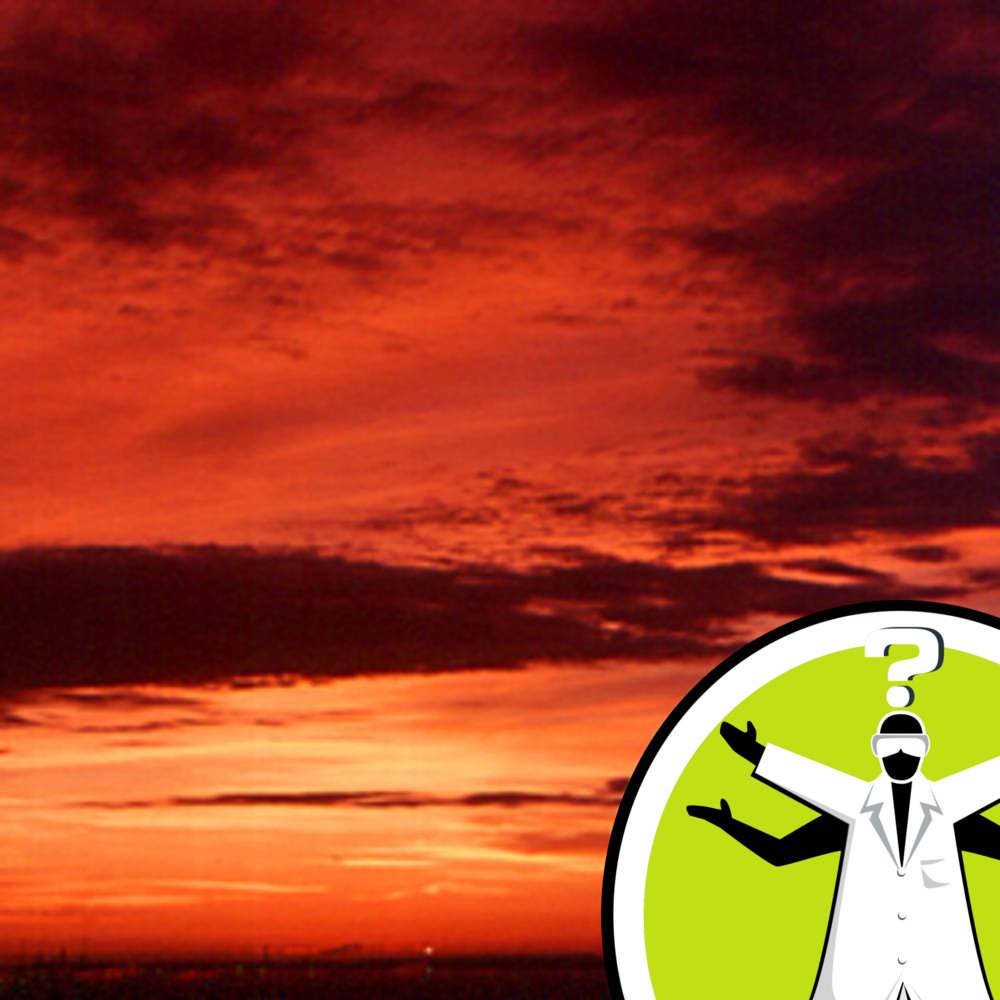
Ep 82Do red skies at night mean shepherd's delight?
We find out why it is we see red skies at all and the meteorology behind, Red sky at night, shepherd's delight; red sky in the morning, shepherd's warning. Is it true? Plus, we ask why different wines are served at different temperatures. Like this podcast? Please help us by supporting the Naked Scientists

Ep 81How many offspring does a sperm donor create?
We find out how many children a sperm donor will father. Is there a limit to the number? Plus, we ask whether red skies at night really do delight shepherds. Like this podcast? Please help us by supporting the Naked Scientists

Ep 80Why does holding the TV aerial improve the picture?
Why is it that, when your mum asks you to move the TV aerial to a better position, the signal improves while you move it about and then degrades as soon as you let go? We find out what it is that makes the signal improve when you're holding a TV aerial. Plus, we ask how many offspring a sperm donor is likely to generate... Like this podcast? Please help us by supporting the Naked Scientists

Ep 79What are floaters?
We find out what vitreous floaters are and how they can be removed. Will a coil of wire do the trick? Plus, we ask why holding a TV aerial can improve the picture. Like this podcast? Please help us by supporting the Naked Scientists
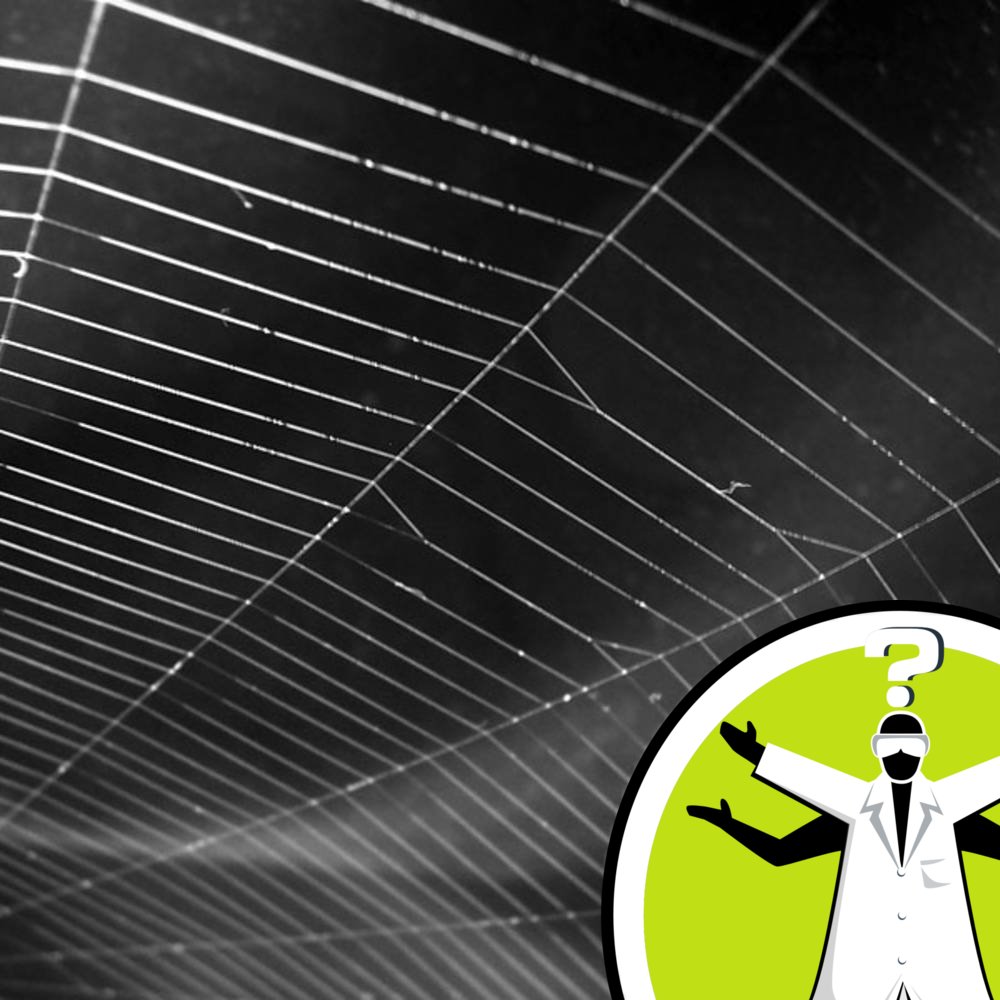
Ep 78Are Spiders Expert Architects?
How do spiders make such perfect webs? Are they expert architects, mathematical geniuses or natural engineers? Plus, we ask what the floaters in our eyes are, and if we can pull them out of the way... Like this podcast? Please help us by supporting the Naked Scientists

Ep 77Is it dangerous to sit too close to the TV?
We find out why we were told as kids not to sit too close to the television. Is there any scientific basis to the warning? Plus, we ask how it is that spiders manage to build such intricate and regular webs without geometry equipment. Like this podcast? Please help us by supporting the Naked Scientists

Ep 76How do sharks make blood?
We find out how sharks, proud owners of cartilaginous skeletons, make red blood cells without the aid of bone marrow. Plus, we ask whether it's safe to get up close and personal with your television set. Like this podcast? Please help us by supporting the Naked Scientists

Ep 75Why do we have fingerprints?
Just what is the point to all those ridges and furrows set into our fingers, toes, palms and soles? We do some detective work on the answer. Plus, we ask how sharks make blood when they have bones made from cartilage. Like this podcast? Please help us by supporting the Naked Scientists

Ep 74What dictates the frequency of the waves?
We discover what it is that makes fewer or more waves crash against the shore each minute. Is it the tides, the sun or the number of surfers? Plus, we ask, why do we have finger prints? Like this podcast? Please help us by supporting the Naked Scientists

Ep 73Do Plants have Immunity?
We find out if and how plants might combat little nasties like bacteria and viruses. Plus, we ask what defines the frequency of ocean waves. Like this podcast? Please help us by supporting the Naked Scientists

Ep 72Tattoos Forever
We find out why tattoos can hang around for a lifetime. Plus, we ask if plants have an immune system. Like this podcast? Please help us by supporting the Naked Scientists

Ep 71Setting the Pace
We find out how pacemakers keep your heart in check, even if you go running after a bus. Plus, we ask how tattoos manage to stay under your skin for so long. Like this podcast? Please help us by supporting the Naked Scientists

Ep 70Snap, Crackle and Pop!
We find out what it is that makes rice-based cereals so noisy. Plus, we ask how does a pacemaker know to keep step with a human heart? Like this podcast? Please help us by supporting the Naked Scientists

Ep 69Egg Ventilation
We find out how developing bird embryos get their oxygen whilst trapped inside an egg. Plus, we ask what makes breakfast cereals go, "snap, crackle and pop?" Like this podcast? Please help us by supporting the Naked Scientists

Ep 68Night Sneezing
In this Question of the Week, we ask if we sneeze in our sleep? What stops us from 'atchoo'ing while we're snoozing? Plus, we ask how oxygen gets into a developing egg. Like this podcast? Please help us by supporting the Naked Scientists

Ep 67Scrapping a Banger
On this Question of the Week, we askif it makes environmental sense to trade in an old car for a new one, asthere's so much embodied carbon in a car. Find out how efficient your new car would need to be to render the old one ungreen! Plus, we ask why we never sneeze in our sleep... Like this podcast? Please help us by supporting the Naked Scientists

Ep 66Dirty Laundry
We clean up the science of washing powders, how they work and why stains rather than dyes are removed by them. Plus, we ask whether it is better for the environment to continue driving an old car or have a new one made. Like this podcast? Please help us by supporting the Naked Scientists

Ep 65Raining Into Space
We ask if the Earth rains outwards and loses water to space! Plus, how does laundry detergent target stains but avoid dyes? Like this podcast? Please help us by supporting the Naked Scientists

Ep 64Safest Sites for Asteroid Impact
Where would be the best place for an asteroid to strike the Earth? Would deep ocean, land or polar ice cap be the least destructive? We weigh up the options on this Question of the Week. Plus, we ask if the Earth leaks water into space. Like this podcast? Please help us by supporting the Naked Scientists

Ep 63Sunflowers Doing the Twist
We find out how sunflowers follow the sun as it moves from east to west and whether the bloomshave the same attraction to the moon. Plus, we ask where the best place would be for an asteroid to land. Like this podcast? Please help us by supporting the Naked Scientists
Ep 62Will the Dumb Out-Breed the Clever?
This week, we ask if the human race is evolving to be less intelligent, as those with more education tend to delay breeding and have fewer children. Plus, we ask how sunflowers follow the Sun, and whether they re-set overnight! Like this podcast? Please help us by supporting the Naked Scientists
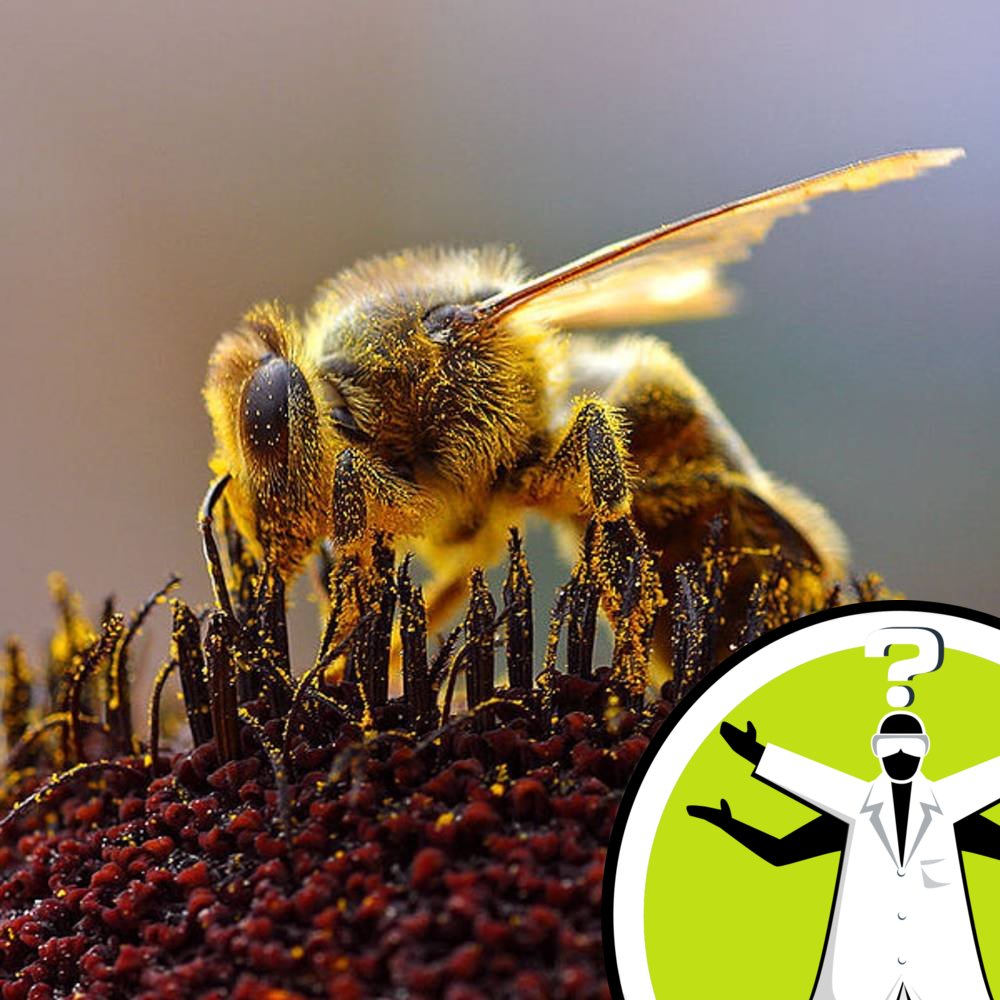
Ep 61Waggle Dance Evolution
How did the waggle dance - the complex dance that honeybees use to describe the whereabouts of good food - evolve in small steps? We find out in this Question of the Week. Plus, we ask where human evolution is taking us... Like this podcast? Please help us by supporting the Naked Scientists
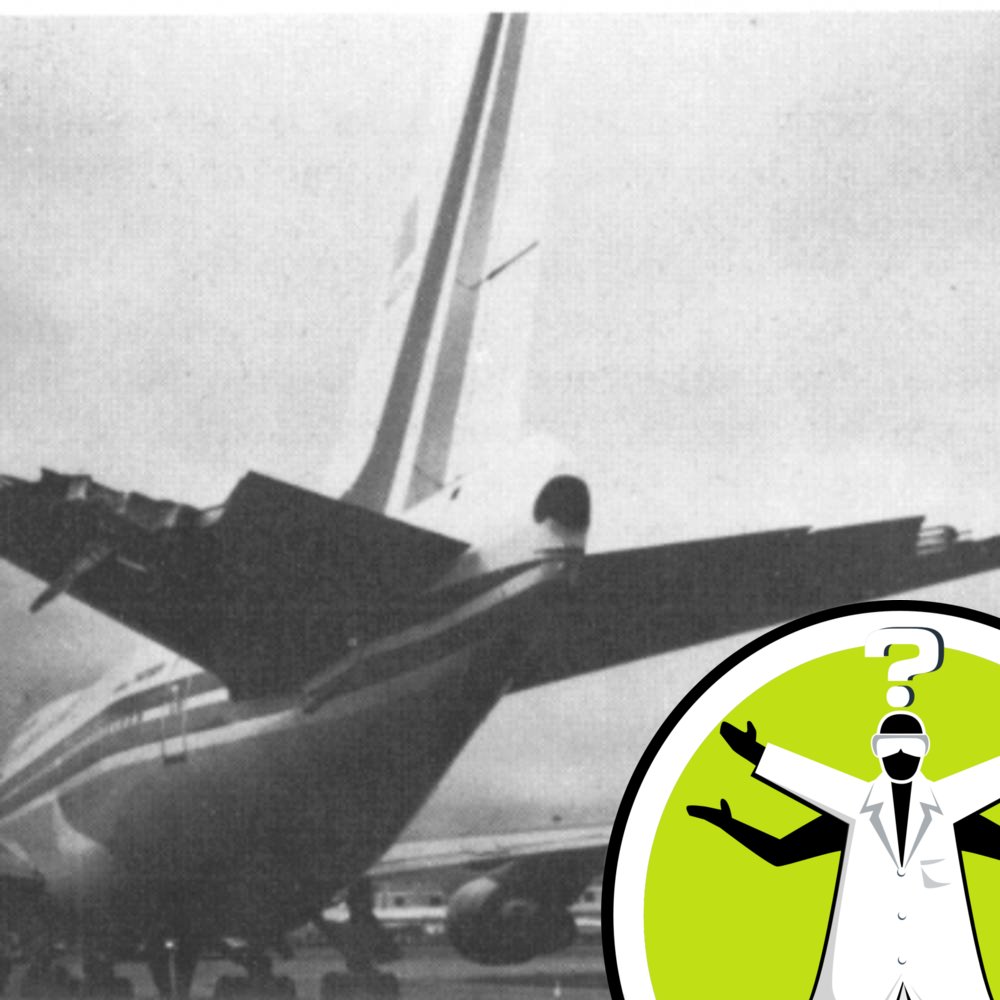
Ep 60Jumbo Aerobatics
This week's question jet propels us into the blue skies thinkingon passenger jet manoeuvrability. Can a large airliner perform barrel rolls and loops? We also ask, how did bee dances come about? Like this podcast? Please help us by supporting the Naked Scientists
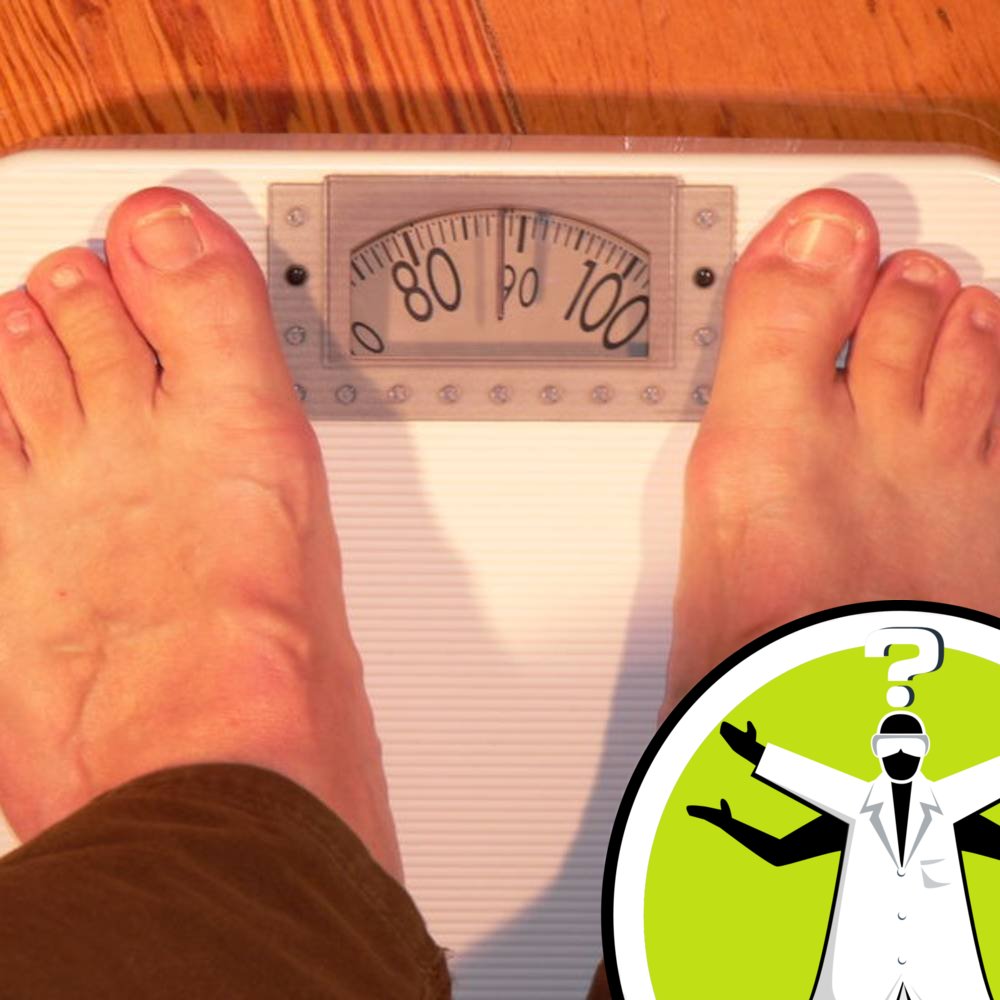
Ep 59Night Time Weight Loss
In this Question of the Week, we ask if the positions of the Sun and Moon influence your weight - Is night time your light time, what do you weigh at midday? Diana O'Carroll finds out. Plus, we ask if it's possible to do aerobatic stunts in large passenger aircraft! Like this podcast? Please help us by supporting the Naked Scientists

Ep 58Can Magnets Descale Your Pipes?
In this Question of the Week, we find out if a magnetic field can stop pipes from clogging up with limescale? Many manufacturers would like us to believe that simply clamping a magnet to your plumbing is all you need for clean, free flowing water, but is the science on their side? Plus, we ask if the planets and stars align to make you weigh less at night! Like this podcast? Please help us by supporting the Naked Scientists

Ep 57How do Fish Sleep?
As they can't close their eyes, how do fish sleep? We find out in this Question of the Week. Plus, we ask if magnetism can really stop limescale from sticking to your pipes... Like this podcast? Please help us by supporting the Naked Scientists

Ep 56Deadly Snakes
This Question of the Week is about getting to the root of toxic snake bites. Why do Aussie snakes have such a venomous reputation? Plus, we ask what goldfish get up to at night... Like this podcast? Please help us by supporting the Naked Scientists

Ep 55Chameleon Food
In this week's QotW we find out what food to eat if you want to turn orange. Plus, we ask why Australian snakes are, on the whole, moretoxic than their global counterparts. Like this podcast? Please help us by supporting the Naked Scientists
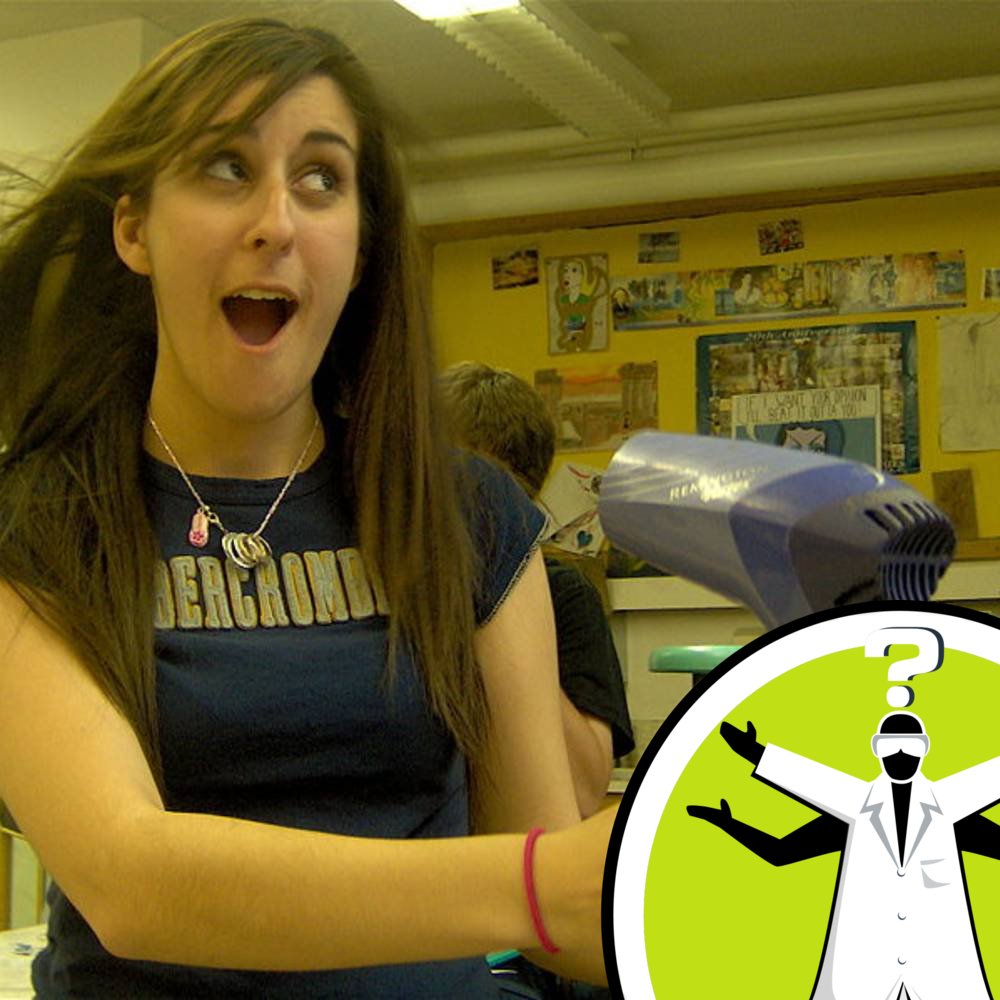
Ep 54Growing a Winter Fur Coat
On this Question of the Week, we ask if humans grow a winter coat, and then moult in the winter, as so many other furry animals do? Plus, if Flamingoes are pink because of their diet, can we eat to change colour? Like this podcast? Please help us by supporting the Naked Scientists
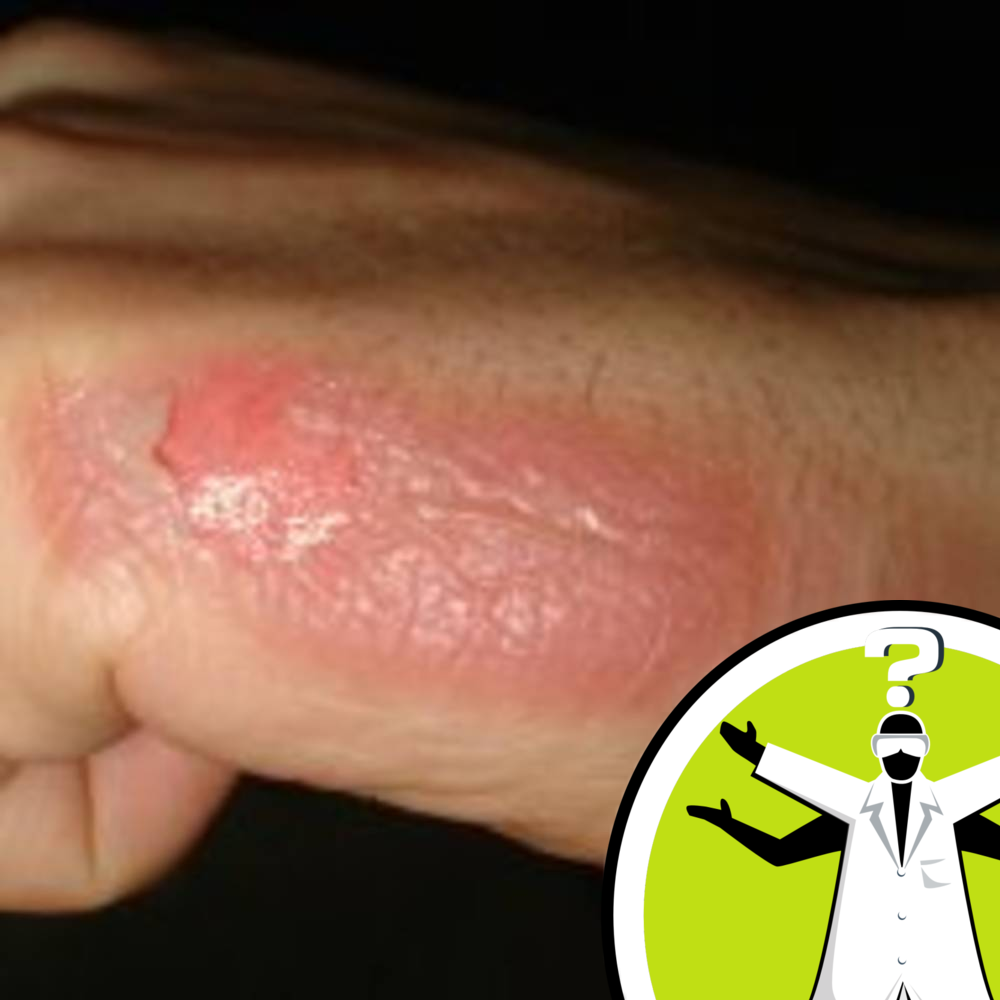
Ep 53The Biology Of Burns
In this Question of the Week, we discover the biological basis of burns - just what does happen to your cells when you touch something hot? Plus, we ask if humans undergo seasonal moulting - do we lose more hair when it's warmer? Like this podcast? Please help us by supporting the Naked Scientists

Ep 52Google Power
This week, we search our own databanks to find out how much energy it takes to search for something on Google. Plus, we ask what happens at a molecular level when we touch a hot object... Like this podcast? Please help us by supporting the Naked Scientists

Ep 51The Many Shapes of Leaves
In this special Question of the Week, we explore the reasons why trees, even when closely related an in the same environment, can have such diverse leaf shapes. Plus, we ask how much energy it takes to search the internet for answers! Like this podcast? Please help us by supporting the Naked Scientists

Ep 50Musical Milk
Why should milk 'change it's tune' when it's being steamed? In this Question of the Week, we find out why the sound of steaming milk changes abruptly at around 60C (140F), and invite you to consider Sir David Attenborough's question for next week... Like this podcast? Please help us by supporting the Naked Scientists

Ep 49Wearable Robots
Could a robotic suit make a ballerina out of a buffoon? Could technology allow ordinary people to perform extraordinary tasks? We find out in this Question of the Week. Plus, we ask why milk seems to be so musical - why does the sound of milk being steamed seem to suddenly change when the milk reaches 60 degrees Celsius? Like this podcast? Please help us by supporting the Naked Scientists

Ep 48Spit and Polish
How does spit make your shoes so shiny? A good polish needs more than just elbow grease, it needs your saliva too! We find out in this Question of the Week, and ask if it's possible to build a suit that lets you dance like a ballerina? Like this podcast? Please help us by supporting the Naked Scientists

Ep 47Counting Without Counting
You can instantly tell if there are three objects on a table, but if there are twenty, you would need to count them to be sure. Why can we spot the small groups without having to count, and how big does the group have to be for us to get out our mental abacus'? We find out in this Question of the Week, plus, we ask why should spit shine shoes so successfully? Like this podcast? Please help us by supporting the Naked Scientists

Ep 46Fossilised Fence Posts
Petrified wood is a type of fossil, but some claim to have seen wooden fence posts that have already become petrified. Is it scientifically possible for wood to fossilise in such a short period? We ask how petrified wood is formed, and what exactly does it consist of? Plus, you may instinctively be able to count three items in a pile, but how many items before you have to stop and count? Like this podcast? Please help us by supporting the Naked Scientists

Ep 45Meteoric Life Forms
Meteorites, dust and other space rubbish is falling to Earth all the time, but does any of it ever contain life? We find out if aliens hitch a lift on space rubble in this Question of the Week. Plus, we ask how does wood become petrified? Can it happen quickly enough for us to find petrified fence posts? Like this podcast? Please help us by supporting the Naked Scientists

Ep 44Having your Cake and Eating it All
If you're given an excess of chocolate or sweets as a present, is it better for you to wolf them all down in a huge binge, or just eat a few each day to make them last? We find out what to do with your chocolate haul in this Question of the Week. Plus, we ask if amongst all the things that fall from space, have we ever found evidence for life? Like this podcast? Please help us by supporting the Naked Scientists

Ep 43Tryptophan and Turkey
What is tryptophan, and does Turkey really make you sleepy? We find out in this seasonal Question of the Week. Plus, we ask if you should scoff down all of your Christmas chocolates in one go, or make them last all winter? Like this podcast? Please help us by supporting the Naked Scientists

Ep 42What Makes Us Laugh?
What is it that makes us laugh? We find out what makes us giggle and keeps stand up comedians in work! Plus, we ask if eating Turkey really makes you sleepy... Like this podcast? Please help us by supporting the Naked Scientists

Ep 41Psychopaths and Lie Detectors
Could a psychopath pass a lie detector test, if they felt no remorse for their crimes? We find out if the technology is up to finding the truth in this Question of the Week. Plus, what is it that makes us laugh? Find out how to excersise your giggle muscle next week. Like this podcast? Please help us by supporting the Naked Scientists
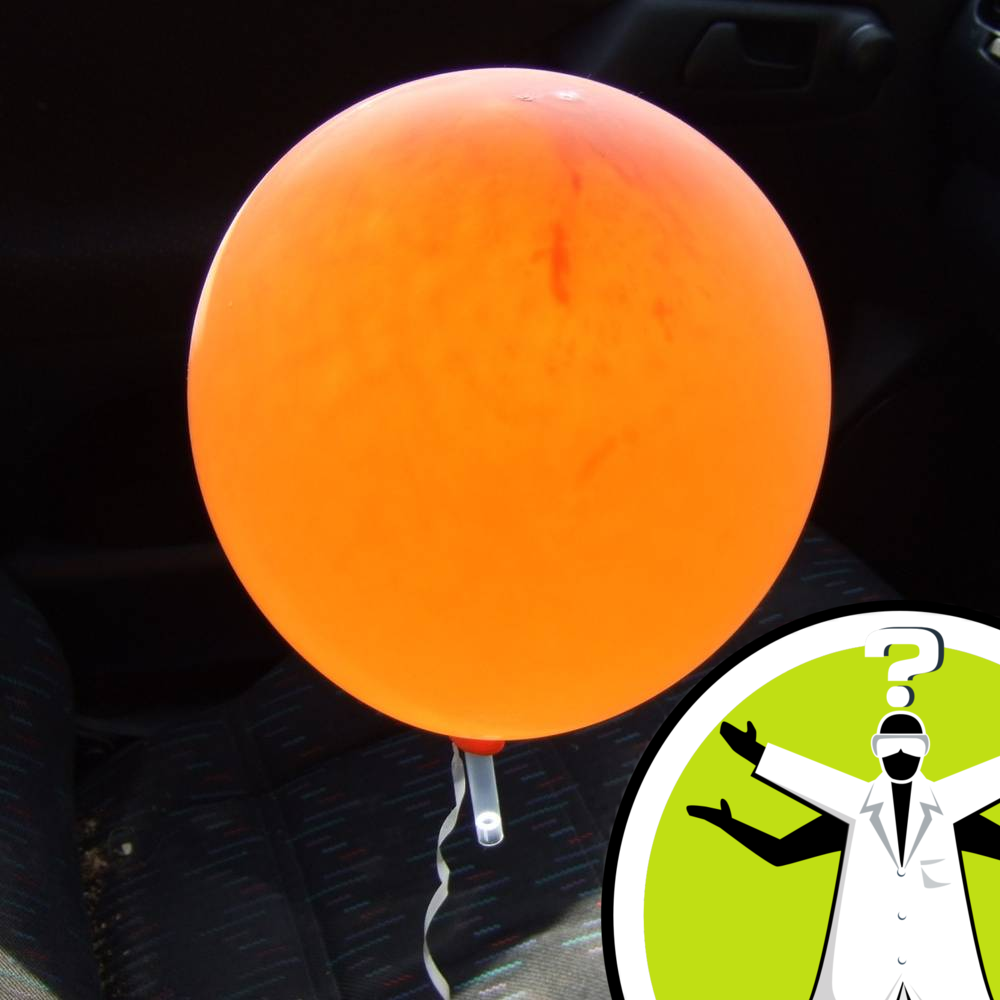
Ep 40Helium Balloons on the Moon
In this Question of the Week, we learn the correct etiquette for attending a birthday party on the Moon - Should you bring a helium balloon, or will it just be a let down? Plus, we ask if people who do not feel remorse can trick a lie detector test... Like this podcast? Please help us by supporting the Naked Scientists

Ep 39The Beasts Who Barbeque
Are we the only animals who cook our food? Why do we need to cook, and if it's so good, why haven't other animals joined us at the barbeque? We find out in this Question of the Week. Plus, we ask if a helium balloon would float on the moon... Like this podcast? Please help us by supporting the Naked Scientists
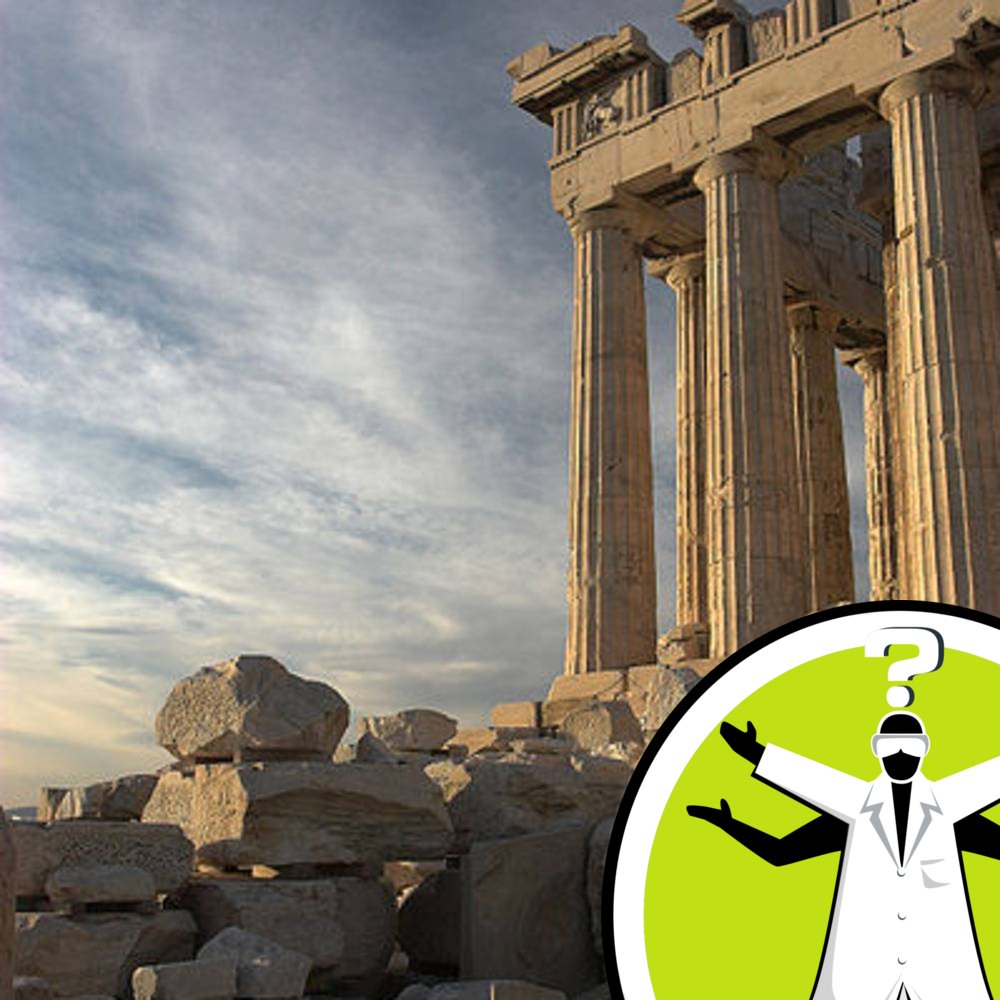
Ep 38Wiping Away the Human Race
If the human race were to become spontaneously extinct, how long would it take for all evidence of us to be wiped from the planet Earth? Will there be evidence of human activity forever, or will we disappear without a trace. Find out in this Question of the Week, where we also ask if we are the only species to cook our food... Like this podcast? Please help us by supporting the Naked Scientists