
Post Reports
1,940 episodes — Page 6 of 39
Long waits, website crashes: Social Security is breaking down
President Donald Trump and his ally Elon Musk have vowed to eliminate waste, fraud and abuse they say is rampant in the Social Security Administration, a federal program that provides more than 70 million Americans with retirement or disability income. But evidence of widespread fraud and abuse is scant, and cost-cutting at the agency has driven out experienced staff. As a result, the website is crashing, phone lines are clogged, and seniors are reporting difficulty getting the help they need to establish or update their benefits.Host Colby Itkowitz speaks with Lisa Rein, who covers the Social Security Administration for The Washington Post, about how this agency has come under fire during the second Trump administration.Today’s show was produced by Laura Benshoff. It was edited by Maggie Penman and mixed by Sean Carter. Subscribe to The Washington Post here.

How to manage your money amid turbulent tariffs
After President Donald Trump announced far-reaching tariffs last week, the stock markets immediately reacted, taking the biggest plunge since 2020. Host Colby Itkowitz speaks with personal finance columnist Michelle Singletary about how to weather the economic storm, from whether to pause on big purchases like cars to how to handle your retirement savings. Today’s show was produced by Emma Talkoff, with help from Ariel Plotnick. It was edited by Reena Flores and mixed by Sean Carter. Thanks also to Rivan Stinson.Subscribe to The Washington Post here.

The global fight against HIV/AIDS, in chaos
Within hours of taking office in January, President Donald Trump issued an executive order freezing nearly all foreign aid. While exemptions were later given for some life-saving services, the move has sent the global fight against HIV/AIDS into chaos. In Kenya, clinics have closed, HIV medication is being rationed and condom dispensers are empty, according to The Washington Post’s Nairobi correspondent, Katharine Houreld. She spoke with host Colby Itkowitz about a woman named Mary’s story, and how mothers and children with HIV fear for their lives.In the wake of the U.S. overhaul in foreign aid, many now wonder: How much of these long-fought victories against the virus are now being lost? Today’s show was produced by Elana Gordon. It was mixed by Sean Carter, and edited by Lucy Perkins. Thanks to Jesse Mesner-Hage and Jennifer Amur. Subscribe to The Washington Post here.
GOP tariff woes, Musk's unforced error, Booker's speech
With the stock market roiling following the announcement of new tariffs, Republicans are confronting a challenge. Will they support President Donald Trump’s economic plans, even if they don’t believe in them? Or will they seek to temper his moves and draw criticism from a president who hates disloyalty?Senior reporter Aaron Blake talks with Post congressional correspondent Liz Goodwin and Senate reporter Theodoric Meyer about the mixed reactions to this week’s bombshell economic news. They also discuss how special elections in Florida, and a state Supreme Court race in Wisconsin, provide Democrats with some positive data points after their stinging 2024 defeat. In particular, Elon Musk’s spending push in support of the conservative candidate in Wisconsin may have backfired, motivating liberal voters to turn out en masse. Plus, what Cory Booker’s more than 25-hour speech from the Senate floor did and didn’t accomplish.Today’s show was produced by Laura Benshoff. It was edited by Reena Flores and mixed by Sean Carter. Subscribe to The Washington Post here.

How Trump's new tariffs could tank the economy
President Donald Trump on Wednesday announced the largest increase in tariffs in modern U.S. history, unveiling import taxes that he said would revive domestic manufacturing and amount to a national “Declaration of Economic Independence.”Today on “Post Reports,” financial writer David Lynch joins host Colby Itkowitz to discuss the impact of these tariffs on the American economy, and on your wallet. Today’s show was produced by Sabby Robinson and Ariel Plotnick, with help from Rennie Svirnovskiy. It was edited by Lucy Perkins and mixed by Sean Carter. Thanks to Jen Liberto. Subscribe to The Washington Post here.

Trump’s plan to take over Greenland
President Donald Trump has wanted to make Greenland a part of the United States since his first term, citing its strategic location and valuable mineral resources. Now, the White House is drawing up scenarios for how the U.S. could take control of Greenland from Denmark, which currently governs the island. But those in Greenland and Denmark have been alarmed by the Trump administration’s strategy and rhetoric.White House reporter Michael Birnbaum reports on this effort and the challenges that the administration is facing as it tries to make this plan into a reality. Today’s show was produced by Ariel Plotnick and Sabby Robinson. It was edited by Reena Flores and Peter Bresnan and mixed by Sean Carter. Subscribe to The Washington Post here.Correction: A previous version of this podcast incorrectly said the elections in Greenland happened "this month." They happened last month in March.

Know your rights: Protesting and traveling in the U.S. as a noncitizen
From New York to Boston to Washington, we've seen arrests of noncitizens by Immigration and Customs Enforcement, citing ties to Hamas and Hezbollah. The evidence seems to be their participation in protests of the Israel-Gaza war, or social media posts.Civil liberties groups say the legal justifications are tenuous and potentially unconstitutional. The First Amendment protects the right to speak, protest and publish views, regardless of citizenship status. But experts say that deportation is an area where courts have historically granted the executive branch broad latitude — and that gray area is where the Trump administration is operating.Today on “Post Reports,” reporter María Luisa Paúl joins host Colby Itkowitz to outline the rights of noncitizen protesters. And, as reports emerge of travelers being questioned, detained or refused entry at U.S. ports of entry — and of travelers having their phones searched and taken by border patrol officers – technology reporter Heather Kelly shares her guide to locking down your devices.Today’s show was produced by Rennie Svirnovskiy. It was mixed by Sean Carter, and edited by Maggie Penman. Subscribe to The Washington Post here.
Why Elon Musk cares so much about a Wisconsin Supreme Court seat
Conservative judicial candidate Brad Schimel and Democratic-backed judge Susan Crawford are the ones on the ballot in Tuesday’s election. But it’s Elon Musk who’s drawing outsized attention in the race for an open seat on Wisconsin’s Supreme Court.That’s because the billionaire and his super PAC are pumping money into a race that Republicans claim could decide the fate of the country. Democrats, meanwhile, are also spending millions, hoping that painting Musk as the ultimate villain of the race will inspire their base to turnout. Host Colby Itkowitz speaks to Wisconsin-based reporter Patrick Marley about how the cash is being spent and the strategy behind it all. Today’s show was produced by Laura Benshoff. It was edited by Reena Flores and mixed by Sean Carter. Thanks to Dan Eggen. Subscribe to The Washington Post here.

Why Bob Woodward worries about Trump's America
What does Bob Woodward think of all this? Colby Itkowitz poses that question to the renowned Washington Post journalist in his first sit-down interview about President Donald Trump since Trump’s second inauguration. Over 50 years ago, Woodward’s reporting of the break-in at the Watergate with his colleague Carl Bernstein exposed the Nixon administration’s plan to spy on and sabotage his political adversaries and the cover-up that followed. After President Richard Nixon’s resignation, Congress would go on to enact new limits on presidential power, which Trump is now challenging. In the years since Watergate, Bob Woodward has continued to report on presidents – interviewing Trump and writing three books about him that reveal the president’s approach to power.“So much of it is Trump just asserted himself, taking on the role of the courts, taking on the role of Congress,” Woodward told Itkowitz. “So we are entering a moment where there is going to be a clash of those traditions and laws and Trump's will.” You can also watch the interview here on YouTube. Special thanks to the Gerald R. Ford Presidential Library. Today's episode was produced by Sabby Robinson. It was edited by Renita Jablonski and Reena Flores with help from Allison Michaels. It was mixed by Sam Bair. Additional thanks to Zach Purser Brown, David Bruns, Ross Godwin, Randolph Smith, Dan Mich, Tom LeGro, Lauren Saks and Micah Gelman on our video team. Subscribe to The Washington Post here.

Will the Dodgers break baseball? And other Opening Day questions.
Baseball is back – and so are the sport’s existential questions, both on and off the field. Coming off a dominant 2024 season, Shohei Ohtani and the Los Angeles Dodgers are looking to become the first team since the 2000 New York Yankees to capture back-to-back World Series championships. Standing in their way is a changing game, the increasingly pervasive threat of elbow injuries across the majors, and the 29 other MLB teams set on beating them. Today on “Post Reports,” guest host Ava Wallace is joined by Washington Post national baseball writer Chelsea Janes to discuss how the Dodgers are shaping the future of America’s pastime and building a team to compete in October. Today’s show was produced by Lucas Trevor. It was mixed by Sean Carter. It was edited by Maggie Penman. Clips provided courtesy of MLB. Subscribe to The Washington Post here.

The IRS is in turmoil. Taxpayers are taking notice.
With just a few weeks to go until Tax Day, Treasury Department and IRS officials are predicting a decrease of more than 10 percent in tax receipts by the April 15 deadline compared with 2024. That would amount to more than $500 billion in lost federal revenue. The prediction, officials told congressional economic correspondent Jacob Bogage, is directly tied to changing taxpayer behavior and President Donald Trump’s rapid demolition of parts of the IRS. On “Post Reports,” Jacob joins host Colby Itkowitz to discuss the signals the Trump administration has sent taxpayers with its shrinking of the IRS. And he explains how the administration is hoping to use the tax agency's confidential taxpayer databases to aid in its mass deportation campaign.Today’s show was produced by Rennie Svirnovskiy, with help from Bishop Sand. It was edited by Peter Bresnan and mixed by Sean Carter. Subscribe to The Washington Post here.
The fallout from the Signal leak
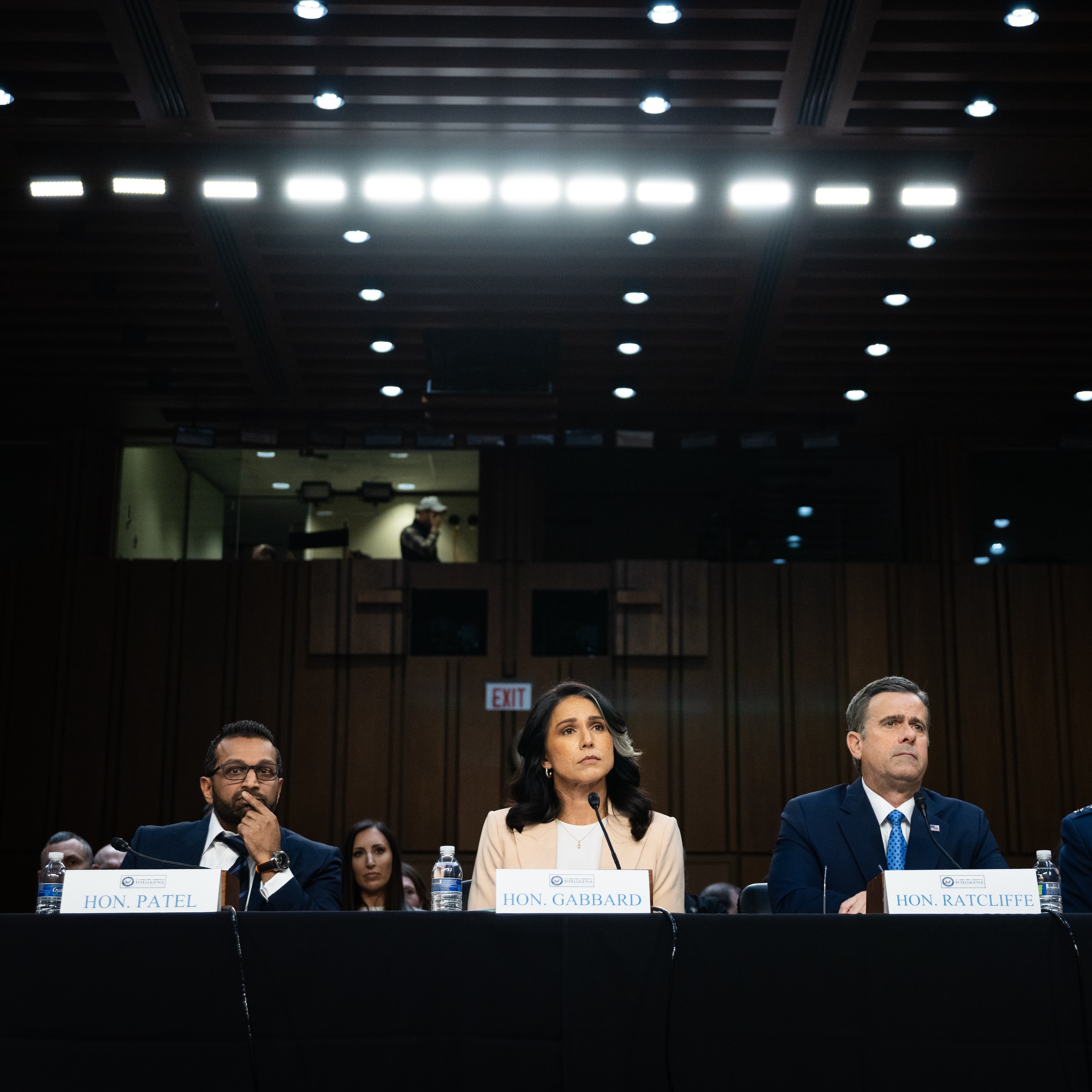
A Tuesday hearing had been previously scheduled for senior Trump administration officials to share an annual global threat assessment with the Senate Intelligence Committee. Instead, Democratic senators spent much of the time grilling them about their involvement in a Signal group chat in which Jeffrey Goldberg, the editor in chief of the Atlantic, had been erroneously included. Screenshots shared by Goldberg showed top officials, including Vice President JD Vance and Defense Secretary Pete Hegseth, discussing a U.S. plan to launch airstrikes on Houthi targets in Yemen. They shared precise information about weapons and timing. Host Colby Itkowitz is joined by national security reporters Dan Lamothe and Abigail Hauslohner to discuss the security risks this poses and how the administration and Congress are responding. Today’s episode was produced by Sabby Robinson and Ted Muldoon, who also mixed the show. It was edited by Lucy Perkins, with help from Peter Bresnan.Subscribe to The Washington Post here.

Why is Trump so obsessed with Canada?
Whether you consider it an odd joke, a national security threat or a negotiating tactic, Trump’s mentions of the United States annexing Canada have become a sticking point for the president, and a mystery to everyone else.And, check out The Post’s coverage of second lady Usha Vance’s trip to Greenland, which comes as Trump vows to acquire the island “one way or another.”Today’s show was produced by Ariel Plotnick with help from Emma Talkoff. It was edited by Maggie Penman and mixed by Sean Carter.Subscribe to The Washington Post here.

Uzo Aduba on creating a White House murder mystery
White House reporter Cleve Wootson interviews Uzo Aduba today on “Post Reports” about the new Netflix show “The Residence,” and the real dynamics the fictional show reveals. Read Sonia Rao’s story about “The Residence.” She says it's “Clue,” set on Pennsylvania Avenue, with a Shondaland touch. You can also read our TV critic Lili Loofbourow’s review.Today’s show was produced and mixed by Ted Muldoon. It was edited by Maggie Penman. Subscribe to The Washington Post here.
Trump's biggest clash with the courts yet
President Donald Trump’s invocation of the Alien Enemies Act last week kicked off a battle with the courts that’s getting more heated by the day. On Tuesday, he called U.S. District Judge James E. Boasberg “crooked” and a “radical left lunatic” and suggested he should be impeached. Then, Supreme Court Chief Justice John G. Roberts Jr. issued a rare public rebuke of the president, saying impeachment is “not an appropriate response” to a judicial decision. Senior politics reporter Aaron Blake speaks with Supreme Court reporter Justin Jouvenal and White House reporter Natalie Allison about the legal and political calculus behind Trump’s fight with the courts. And they also weigh in on the partial ceasefire deal for Ukraine brokered by the president and his Russian counterpart. Today’s show was produced by Laura Benshoff. It was edited by Reena Flores and Rachel Van Dongen. It was mixed by Sam Bair. Subscribe to The Washington Post here.
The influencer administration
Since Trump’s second inauguration, there has been a firehose of news out of the White House – and longtime adviser Steve Bannon says that’s all part of the plan. “It looks like chaos, but there's certain internal logic to it,” Bannon told Sarah Ellison, media and democracy reporter for The Post. “It's amazingly compelling content.”Sarah and tech reporter Drew Harwell have been reporting on the White House’s new aggressive approach to messaging. Host Colby Itkowitz talks with Sarah about how that strategy involves sidelining legacy media in favor of newer outlets, and with Drew about how the White House is leveraging social media to attack critics and turn policy into meme-worthy moments.Today’s show was produced by Laura Benshoff. It was edited by Maggie Penman and mixed by Sam Bair, with help from Sean Carter. Subscribe to The Washington Post here.Wondering where Martine is?

Israel shatters the ceasefire with Hamas
More than 400 people were killed and hundreds more wounded in Tuesday’s attacks, according to Gaza’s Health Ministry, making it one of the deadliest days of the 17-month war.Host Colby Itkowitz talks with Miriam Berger, who has been covering the conflict for The Post, about what it’s like in Gaza right now and what this means for the possibility of a ceasefire in the future. Today’s show was produced by Rennie Svirnovskiy with help from Bishop Sand. It was edited by Lucy Perkins with help from Reena Flores, and mixed by Sam Bair.Subscribe to The Washington Post here.
Trump used the Alien Enemies Act to deport migrants. Was it legal?
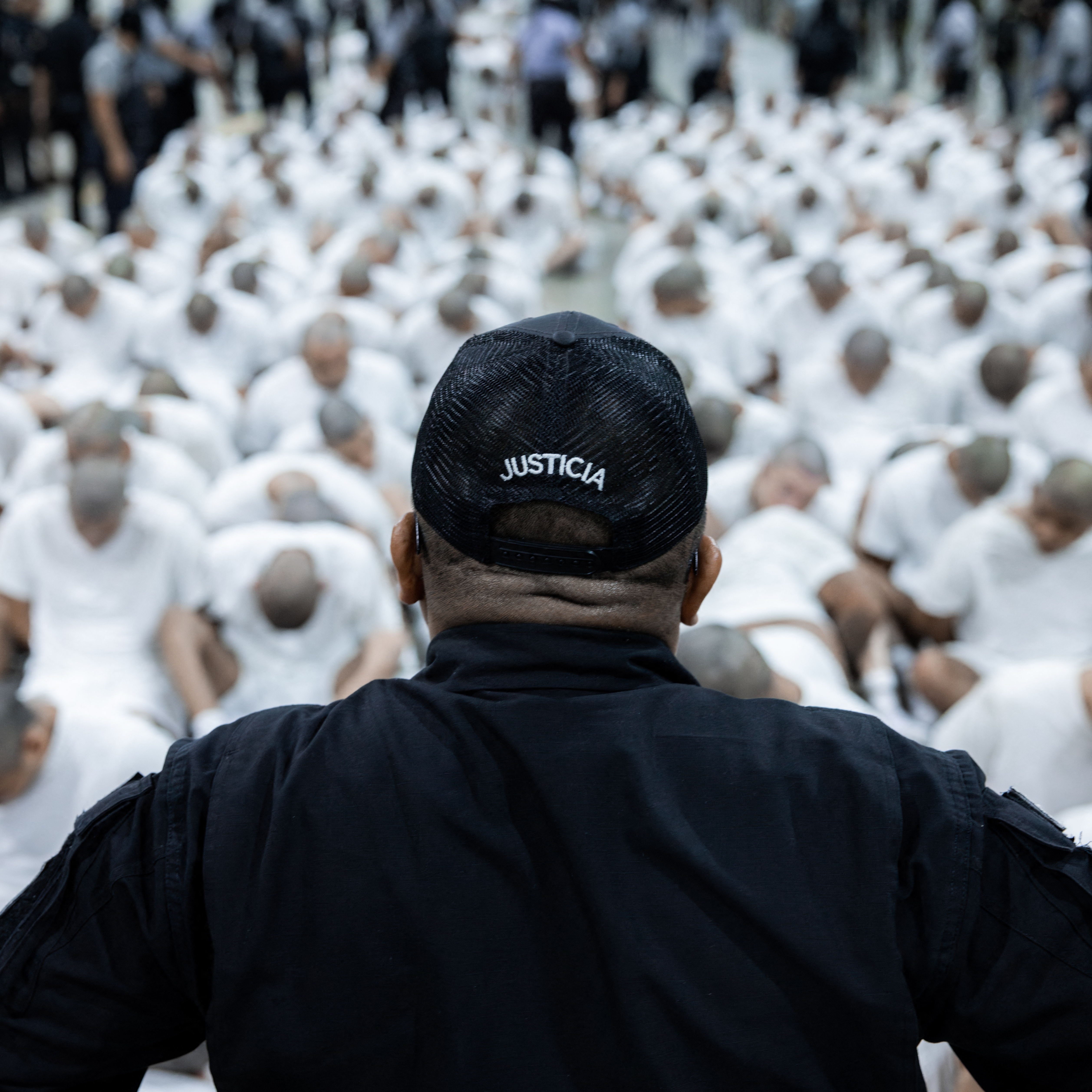
Over the weekend, President Donald Trump invoked a seldom-used wartime powers act to deport suspected gang members without due process. Though a federal judge blocked the administration’s use of the Alien Enemies Act of 1798, more than a hundred migrants accused by U.S. officials of being part of the gang Tren de Aragua were flown to a prison in El Salvador on Saturday. It was the first time the Alien Enemies Act had been invoked since World War II, when it was used to incarcerate Japanese, Italian and German nationals and laid the foundation for the imprisonment of more than 110,000 Japanese Americans. Today on “Post Reports,” immigration reporter Marianne LeVine joins host Colby Itkowitz to unpack the strategy behind the administration’s use of this act outside of wartime, the timing and legality of the move, and what El Salvador is getting out of working with Trump. Today’s show was produced by Rennie Svirnovskiy and Ted Muldoon, who also mixed the show. It was edited by Reena Flores, with help from Lucy Perkins. Subscribe to The Washington Post here.
Dems' shutdown discord, a tariff backlash and Elon Musk
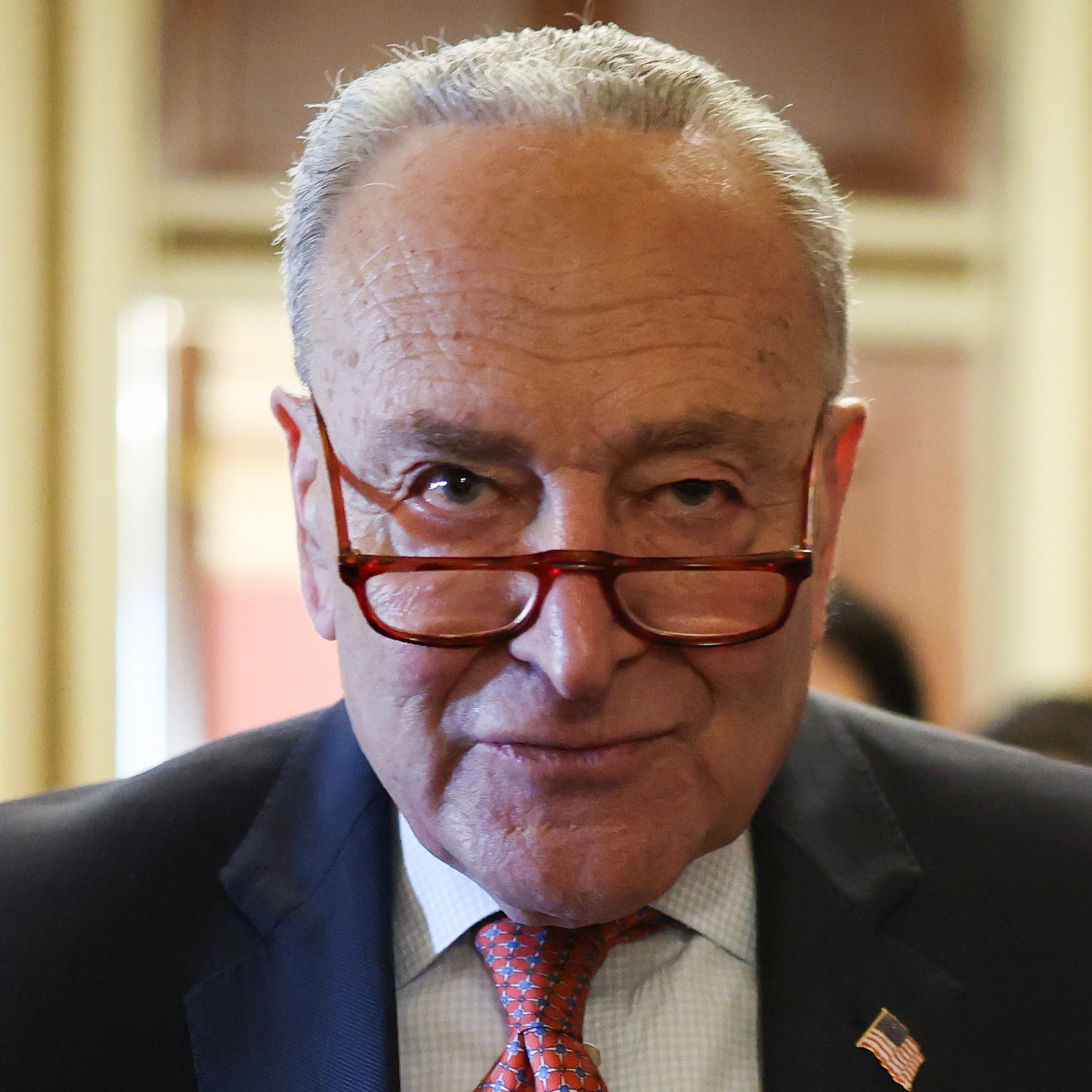
Democrats are bristling at the decision by Senate Minority Leader Chuck Schumer to vote for a GOP bill averting a government shutdown. Senior politics reporter Aaron Blake speaks with congressional reporter Marianna Sotomayor to get a behind-the-scenes look at the politics of the shutdown vote. He also breaks down the latest tariff news and Elon Musk drama with David Lynch, a financial writer for The Washington Post, and Trisha Thadani, a Post technology reporter. Today’s show was produced and mixed by Ted Muldoon. It was edited by Reena Flores and Rachel Van Dongen. Subscribe to The Washington Post here.

Dr. Oz goes to Washington
Mehmet Oz is President Donald Trump’s pick to lead the Centers for Medicare and Medicaid Services, a massive agency that oversees health coverage for more than 100 million Americans, including older adults, those with low incomes and children. Oz is a cardiothoracic surgeon and former professor at Columbia University who became a household name when he started appearing on “The Oprah Winfrey Show” in 2004 and then hosted his own show, “The Dr. Oz Show,” from 2009 to 2022. On Friday, Oz will face federal lawmakers in a Senate hearing as he seeks confirmation to run CMS, an agency that has a more than trillion-dollar budget and could face spending cuts in the budget year ahead. Today on “Post Reports,” health accountability reporter Lauren Weber explains why he may face questions about his past, his investments and possible conflicts of interest.Today’s show was produced by Elana Gordon. It was edited by Peter Bresnan with help from Maggie Penman and Lynh Bui. It was mixed by Sam Bair. Subscribe to The Washington Post here.

DOGE’s PR crisis
For weeks, Americans have watched as Elon Musk and the U.S. DOGE Service have slashed at the federal bureaucracy, making drastic cuts to agency budgets and the federal workforce. And while President Donald Trump has made clear that he supports Musk, DOGE’s efforts have sparked concern among many senior Trump advisers, civil servants and everyday Americans. That has left DOGE, which stands for Department of Government Efficiency, hunting for wins.Today on “Post Reports,” The Post’s DOGE reporter Faiz Siddiqui joins host Colby Itkowitz to discuss how DOGE is responding to external pressure and what Tuesday’s White House press conference-turned-sales pitch for Tesla says about other pressures Musk could face. Today’s show was produced by Emma Talkoff with help from Rennie Svirnovskiy. It was edited by Lucy Perkins and mixed by Sam Bair. Thanks also to Mike Madden. Are you a snacker? This week, health columnist Anahad O’Connor published a deep dive into what makes a healthy packaged snack. He analyzed the labels and ingredients on different ultra-processed crackers, jerkies and protein bars and came away with a great guide to the healthiest options. You can find his recommendations at washingtonpost.com/snacks. Subscribe to The Washington Post here.

The ICE arrest of student activist Mahmoud Khalil
Columbia graduate student Mahmoud Khalil helped organize protests at the university against the Israel-Gaza war last spring. Khalil, who is a legal permanent resident of the United States, according to his lawyers, was detained over the weekend by immigration officers was detained by immigration officers and accused by the Trump administration of sympathizing with Hamas terrorists. So far no evidence of this has been reported.Immigration reporter Maria Sacchetti speaks with host Colby Itkowitz about Khalil’s arrest and what it could signal about how this administration will treat activists and immigrants. Today’s show was produced by Rennie Svirnovskiy, with help from Sabby Robinson. It was edited by Reena Flores and mixed by Sam Bair. Thanks also to Jenna Johnson.Subscribe to The Washington Post here.Where’s Martine?

Is Trump leading us into a recession?
In an interview broadcast on Sunday, President Donald Trump declined to rule out that Americans could see a recession this year as the economy stutters from his efforts to impose tariffs and cut down the size of the federal government. He told Fox News anchor Maria Bartiromo, “I hate to predict things like that. There is a period of transition, because what we’re doing is very big. We’re bringing wealth back to America. That’s a big thing.”Today on “Post Reports,” economics correspondent Abha Bhattarai joins host Colby Itkowitz to talk about the economic indicators informing the Trump administration, how businesses and consumers are handling inflation, and whether we’re headed toward a recession. Today’s show was produced by Sabby Robinson with help from Rennie Svirnovskiy. It was edited by Maggie Penman and mixed by Sam Bair. Subscribe to The Washington Post here.Where’s Martine?
A message from Martine
Our beloved senior host, Martine Powers, is stepping away from the microphone for a bit to cover the White House and then take on a longer-term assignment. Tune in to today’s bonus episode to hear more, and get to know our guest co-host for the next few months, Colby Itkowitz. Subscribe to The Washington Post here.

So… are we going to Mars?
As Elon Musk leads a project to drastically remake the federal government, one goal might be fueling it all: getting to Mars. It’s an objective that President Donald Trump seems to share. In his inaugural address on Jan. 20, Trump promised that the U.S. would “pursue our manifest destiny into the stars, launching American astronauts to plant the Stars and Stripes on the planet Mars.”But what are the obstacles to get to the Red Planet? Host Martine Powers speaks with space reporter Christian Davenport about the U.S. ambitions to get to Mars — and how the country, along with private space companies, could actually get there.Today’s show was produced and mixed by Ted Muldoon. It was edited by Reena Flores with help from Renita Jablonski and Maggie Penman. Subscribe to The Washington Post here.

Trump's chilling effect on medical research
The National Institutes of Health is a sprawling and complex institution that supports the work of hundreds of thousands of scientists at universities and labs across the country.Since Trump’s inauguration that work has been stymied by confusion and uncertainty – potentially delaying or even preventing important medical research. The Post’s science reporter Carolyn Johnson has been reporting on the turmoil at NIH and talks to Martine about how it could impact a generation of scientists. Today’s show was produced by Emma Talkoff and Elana Gordon. It was edited by Maggie Penman and mixed by Sam Bair. Elana Gordon contributed reporting.Subscribe to The Washington Post here.
Trump’s defiant speech to Congress
Senior political reporter Aaron Blake breaks down the speech with senior White House correspondent Naftali Bendavid and Democracy reporter Colby Itkowitz. They fact-check Trump’s DOGE claims and explain the political consequences Trump could face for his tariffs. Today’s show was produced by Laura Benshoff. It was edited by Lucy Perkins with help from Rachel Van Dongen and mixed by Sam Bair. Subscribe to The Washington Post here.This episode has been updated to clarify that the Trump administration has said Elon Musk is not the head of DOGE. An earlier version of the episode included a misstatement where the names "Musk" and "Trump" were swapped.

Inside Texas’s growing measles outbreak
Measles is one of the most contagious diseases in the world. It was eliminated in the United States 25 years ago because of an effective vaccine. While cases periodically pop up, a growing wave of vaccine skepticism is giving this old virus new traction.Health reporter Fenit Nirappil and “Post Reports” producer Elana Gordon recently traveled to the heart of this growing outbreak, which officials say may take months to get under control. Today, Martine Powers speaks with Fenit about the state of the Texas outbreak; we hear from a mom whose unvaccinated child recently got measles and from a pediatrician who has cared for hospitalized patients. Today’s show was produced by Elana Gordon, who also contributed to this report. It was edited by Peter Bresnan with help from Reena Flores and Maggie Penman, and mixed by Sam Bair. Thank you to Lenny Bernstein.Subscribe to The Washington Post here.
What happened after Trump kicked Zelensky out of the Oval Office
On Friday, Zelensky and Trump met for what was expected to be a tense but uneventful meeting before signing a natural resources agreement that was seen as the first step to a peace deal with Russia. Instead, cameras captured a blow-up – Trump and Vice President JD Vance accused Zelensky of being ungrateful and said he was “gambling with the lives of millions of people.” Since then, European leaders have redoubled support for Ukraine – while the Kremlin proclaimed that the Trump administration is “largely aligned” with Moscow’s vision. Martine Powers speaks with White House reporter Michael Birnbaum about how the meeting fell apart and where Zelensky might go from here.Today’s show was produced by Emma Talkoff with help from Bishop Sand. It was edited by Lucy Perkins and mixed by Sam Bair. Subscribe to The Washington Post here.
A Trump-Zelensky blow up, a spending bill, anger at Musk
Some House Republicans are getting nervous. They’re worried that passing President Donald Trump’s budget proposal could mean cuts to popular programs like Medicaid. They’ve also gotten an earful from voters angry at Elon Musk who are packing congressional town halls. Senior politics reporter Aaron Blake unpacks the drama with congressional reporter Marianna Sotomayor and congressional economics correspondent Jacob Bogage. Today’s show was produced by Laura Benshoff. It was edited by Lucy Perkins and mixed by Ted Muldoon. Subscribe to The Washington Post here.

The Oscars movies worth watching
This year’s Oscar contenders are all over the place, ranging from the adaptation of the popular musical “Wicked” to the Brazilian historical drama “I’m Still Here.” Film and TV reporter Sonia Rao and arts editor Janice Page sit down with host Martine Powers to share which films are rising to the top and explain why some actors may be favored more by the academy than others. Today’s show was produced by Emma Talkoff, with help from Sabby Robinson and Ariel Plotnick. It was edited by Maggie Penman and mixed by Sam Bair.

The gutting of the federal workforce
Gregg Bafundo worked as a lead wilderness ranger in Washington state and used his basic firefighting training to help contain fires in the parks he worked in. Erin Williamson traveled to rural communities to help them get financing for essential services as part of her job with the U.S. Agriculture Department. Veteran Jared Blockus worked for a VA hospital in North Carolina ordering critical equipment. All of them were probationary workers fired a couple of weeks ago as part of the Trump administration’s plan to reduce the size of the federal workforce, along with thousands of others. Host Martine Powers speaks with reporter Kyle Swenson about these former federal workers and what their job loss means personally and for the public. Correction: A previous version of this episode mispronounced a source’s name. The error has been corrected.Today’s show was produced by Sabby Robinson. It was edited by Reena Flores and mixed by Sam Bair.Subscribe to The Washington Post here.

A straight, White person sued for discrimination. Her case is before the Supreme Court.
Host Martine Powers speaks with Supreme Court reporter Justin Jouvenal about Ames v. Ohio Department of Youth Services, which will be heard before the country’s highest court on Wednesday. Ames and her attorneys say she was held back at her job because she is straight and White. Her case was rejected by lower courts, in part because reverse discrimination claims require a higher burden of proof than anti-minority discrimination in many parts of the country. But Ames’s attorneys argue that this double standard is unconstitutional. And many legal experts say the Supreme Court is poised to agree. They expect that if the court sides with Ames, it could lead to an increase in the number of discrimination lawsuits filed by straight people, White people and men. The decision may also have a chilling effect on corporate diversity, equity and inclusion (DEI) programs.Today’s show was produced by Laura Benshoff. It was edited by Peter Bresnan and mixed by Sam Bair. Subscribe to The Washington Post here.

How to reverse an opioid overdose
Opioid overdoses don’t have to be fatal if the person gets help in time.In recent years naloxone, a medication that reverses opioid overdoses, has become more widely available in the United States. Narcan, a nasal spray version of naloxone, became available without prescription in pharmacies in 2023. That means more people can help reverse overdoses. Despite showing signs of decline, the number of people dying nationwide from overdoses eclipsed 100,000 annually from 2020 to 2023, according to national health data.Host Elahe Izadi talks with producer Elana Gordon about the lifesaving effects of the medication. They walk through the steps of how to use Narcan and what it feels like to experience an opioid overdose reversal. Today’s show was produced by Ariel Plotnick. It was edited by Lucy Perkins with help from Alison MacAdam and mixed by Sam Bair. Download The Post’s step-by-step guide for how to administer the naloxone nasal spray here.Subscribe to The Washington Post here.

Deep Reads: Children joked about school shootings. Then the sheriff sent them to jail.
An analysis of news reports by The Washington Post found that at least 477 people — 90 percent of them students — were arrested in the two weeks after the Apalachee High massacre in Georgia. That’s nearly 100 more than in the aftermath of the three previous mass school shootings combined.In Volusia County, Florida, the elected sheriff, Mike Chitwood, a registered Independent and brash Philadelphia native, decided he’d had enough. In September 2024, he deployed dozens of deputies and spent an extra $21,000 in taxpayer money. On a single night, his office received 54 tips.Reporters Hannah Natanson and John Woodrow Cox document the real-life effects of Volusia’s aggressive response on children, parents, teachers, administrators and police officers.This story is part of our Deep Reads series, which showcases narrative journalism at The Washington Post. It was read by John Woodrow Cox. Audio production and original music by Bishop Sand.
The Trump honeymoon is ending
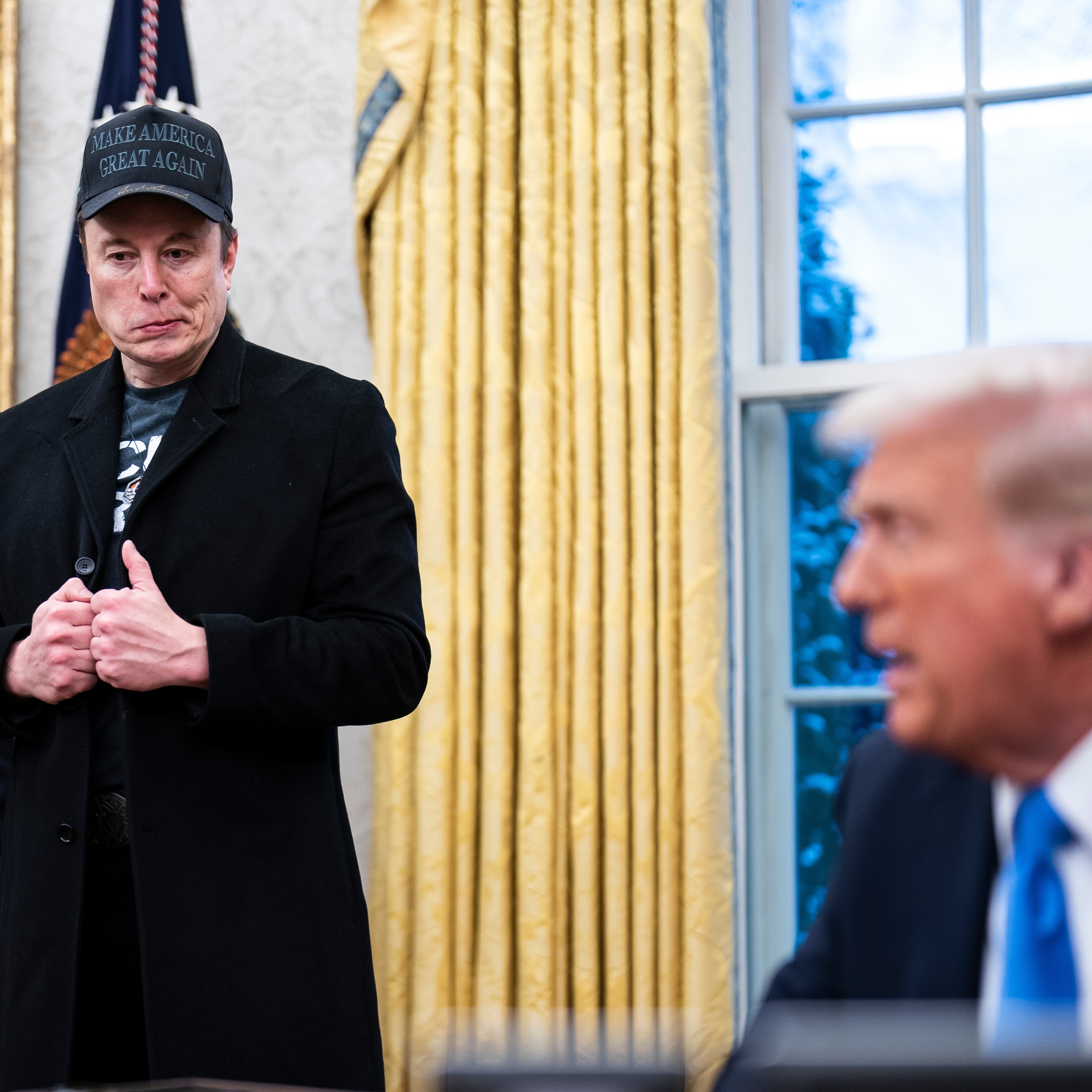
Senior political reporter Aaron Blake talks with Post congressional reporter Liz Goodwin and Dan Lamothe, who covers the Pentagon and the U.S. military, about the week’s political news. They dig into Trump’s sharp turn against Ukraine and its president, Volodymyr Zelensky, and toward Russian President Vladimir Putin. They also talk about new polling that shows Trump’s sweeping federal policy decisions are largely unpopular. Plus, why GOP lawmakers are quietly begging Trump to spare their districts from Trump and his ally Elon Musk’s splashy government spending cuts.Today’s show was produced by Laura Benshoff. It was edited by Lucy Perkins with help from Rachel Van Dongen. It was mixed by Justin Gerrish.

The rise of the conservative wellness influencer
Alex Clark stands out on mic and on camera. The 31-year-old wellness influencer and podcaster has nearly half a million followers on YouTube and ranks among the top 10 wellness podcasts on Apple. While wellness has long been associated with liberal hippies, Clark hails from a conservative background. She’s part of the new “Make America Healthy Again” movement questioning modern medicine, backing President Donald Trump and supporting anti-vaccine activist Robert F. Kennedy Jr., who has started as health and human services secretary. For the last year and a half, reporter Kara Voght has been following Clark’s rise, spending time with her in Arizona. Today, Voght speaks with host Martine Powers about Clark’s rise as a conservative wellness warrior, what’s behind the changing politics of wellness, and what that could mean for the nation’s health. Today’s show was produced by Elana Gordon. It was edited by Reena Flores and mixed by Sam Bair. Thanks also to Steve Kolowich.Subscribe to The Washington Post here.
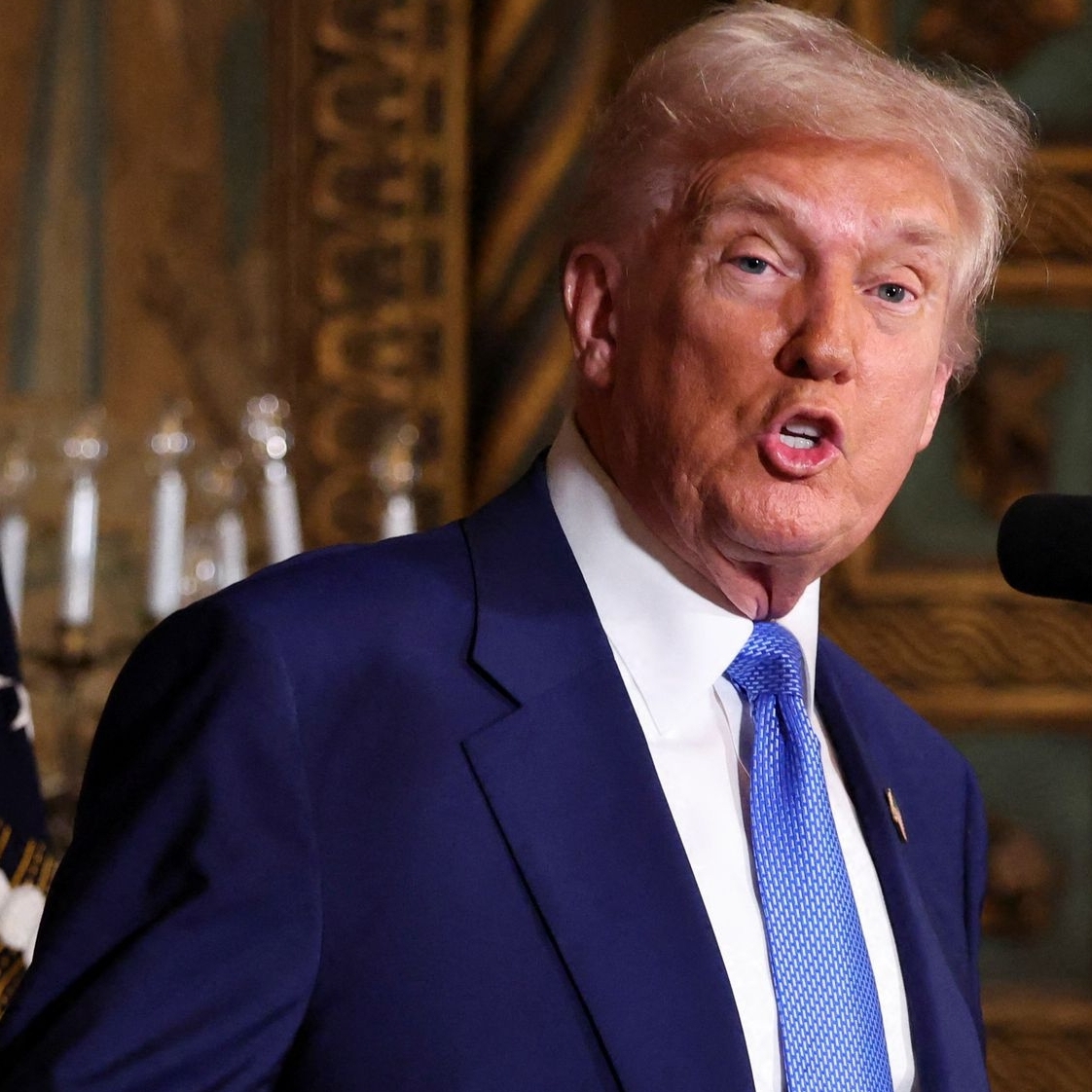
Trump turns on Ukraine
The United States and Russia have begun talks to end the war in Ukraine. But Ukraine wasn’t there. The United States and Russia just completed their first round of diplomatic talks to end the war in Ukraine since the start of Russian invasion in 2022. The exclusion of Ukraine representatives from the talks signals a new approach and new U.S. interests in the region.Host Martine Powers talks with White House correspondent Michael Birnbaum about Trump’s conversation with Russian President Vladimir Putin, and why the United States’ actions over the past week have alarmed its European allies. Today’s show was produced by Bishop Sand. It was edited by Lucy Perkins and mixed by Sam Bair. Subscribe to The Washington Post here.

DOGE wants access to your tax data. Why?
Elon Musk’s U.S. DOGE Service sparked alarm over the weekend, when a senior DOGE official requested access to the Internal Revenue System’s detailed database featuring financial information about every taxpayer, business and nonprofit in the country.Host Martine Powers speaks with economics correspondent Jacob Bogage about how this could affect millions of American taxpayers.Today’s show was produced by Ariel Plotnick, with help from Rennie Svirnovskiy. It was edited by Reena Flores and mixed by Sam Bair. Thanks also to Mike Madden.Subscribe to The Washington Post here.

Want to live longer? Try fartleks.
Fartlek is a Swedish term for “speed play.” This informal version of interval training is simple, effective and dare we say … enjoyable? And not just because "fartlek" is fun to say.Exercise columnist Gretchen Reynolds is here to vouch for this often-overlooked, decades-old practice. Reynolds, who helped popularize the 7-minute workout, has found that a growing body of research points to the benefits of this approach, even in small doses. According to exercise scientists, it can improve strength, endurance and longevity, and may even lower the risk of dementia. Read more: Don’t like to exercise? Try this simple, science-backed trick.Being in shape is better for longevity than being thin, new study showsToday’s show was produced by Elana Gordon and mixed by Sam Bair. It was edited by Maggie Penman. Thanks to Anjuman Ali.Subscribe to The Washington Post here.
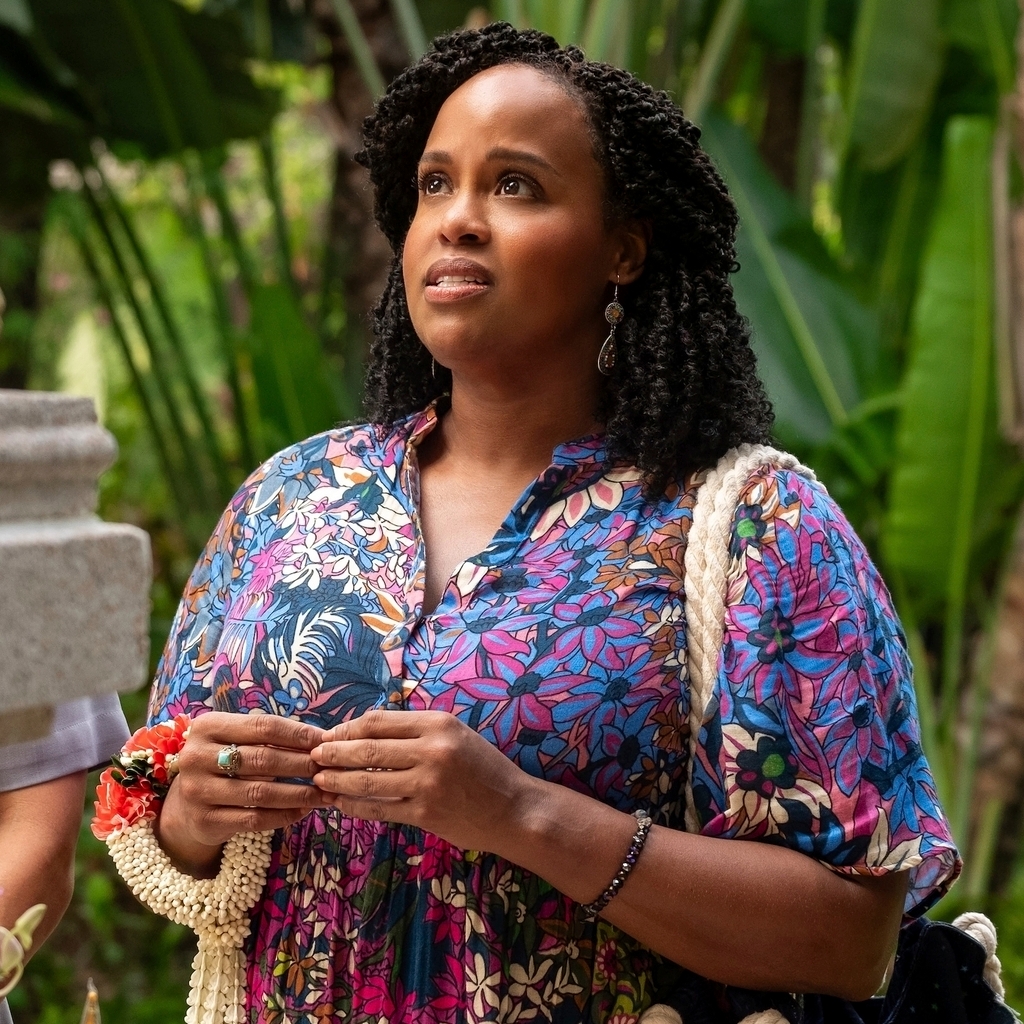
Can you be a good person at the White Lotus?
Belinda is one of the few decent people on “The White Lotus,” the sharp satire populated with miserable rich people on vacation. Belinda is back for Season 3, and host Martine Powers knew she wanted to talk to the actress who plays her. Today’s show was produced by Ariel Plotnick. It was edited by Maggie Penman and mixed by Sam Bair.
Trump versus the courts
Senior political reporter Aaron Blake talks with Supreme Court reporter Justin Jouvenal and Democracy reporter Colby Itkowitz about how President Donald Trump is testing the power of the courts — and trying to expand his own authority in the process. They break down the cases facing the executive branch right now, what Trump and his allies are saying about them, and why some experts say Trump’s actions run afoul of the constitution.Today’s show was produced by Laura Benshoff. It was edited by Reena Flores and Rachel Van Dongen and mixed by Ted Muldoon.Subscribe to The Washington Post here.

Ronny Chieng on why America needs satire
Ronny Chieng’s approach to comedy, along with his expanding TV and film portfolio, have put him on The Washington Post’s first-ever “Post Next 50” list – 50 people shaping our society this year. In this conversation with Elahe Izadi, he reflects on why he works to write jokes for his stand-up in a way that anyone can appreciate, even if they’re coming from a different perspective, and why the work of “The Daily Show” is crucial. By the way, Martine Powers interviewed another name on the “Post Next 50” list. You can catch her conversation with Congresswoman Sarah McBride here. Today’s show was produced by Sabby Robinson, with help from Ted Muldoon, who also mixed the show. It was edited by Renita Jablonski.Special thanks to Evan Bretos, Hope Corrigan, Bronwen Latimer, Daniela Santamarina and Maggie Penman.Subscribe to The Washington Post here.

The battle over USAID
Today on “Post Reports,” how USAID entered President Donald Trump’s crosshairs. And, how his freeze on foreign aid has affected vulnerable people around the world.Read more:On the first day of his second term in office, President Donald Trump signed an executive order freezing foreign aid for 90 days. The suspension was part of the president’s effort to slash public spending, remake the federal government and align foreign policy more closely with his “America First” agenda. And it had near-immediate consequences.Today on “Post Reports,” The Post’s West Africa bureau chief Rachel Chason relays the fears of a refugee camp coordinator in Mauritania, where more than 115,000 residents rely on American aid. And, host Martine Powers speaks with national security reporter Missy Ryan about why the Trump administration has focused its sights on the U.S. Agency for International Development, the legal roadblocks they may face, and how an aid freeze could impact the United States' standing around the world. Today’s show was produced by Rennie Svirnovskiy, with help from Elana Gordon. It was edited by Peter Bresnan, with help from Lucy Perkins, and mixed by Sam Bair. Thanks to Katharine Houreld, Amy Fiscus and the John F. Kennedy Presidential Library and Museum. Subscribe to The Washington Post here.
Rep. Sarah McBride on what Democrats can still get done
Sarah McBride was elected to the House of Representatives in 2024, representing Delaware's lone congressional district — and becoming the first openly transgender member of Congress. She’s become a target for her conservative colleagues — but she’s also determined to work with Republicans. She joins Martine Powers to talk about how she makes that work and what she thinks Democrats can do now.Rep. Sarah McBride is part of “Post Next 50,” The Post’s project profiling 50 people shaping our society in 2025. The full list can be found here. Today’s show was produced by Emma Talkoff. It was edited by Maggie Penman and mixed by Sam Bair. Thank you to Lucas Trevor.Subscribe to The Washington Post here.

What’s up with egg prices?
Host Martine Powers talks with health reporter Lena Sun about the connection between bird flu and egg prices. She also explains what consumers should know about how bird flu spreads and whether the cost of eggs will drop any time soon. Today’s show was produced by Ariel Plotnick with help from Rennie Svirnovskiy. It was edited by Lucy Perkins and mixed by Sam Bair. Thanks also to Lynh Bui. Subscribe to The Washington Post here.

The Chiefs, the Eagles and villainy in the Super Bowl
Over the last five years Patrick Mahomes, Travis Kelce and the Kansas City Chiefs have dominated the NFL and the national sports spotlight. They are looking for a historic third straight Super Bowl win this weekend in New Orleans. On the other side of the ball is the Philadelphia Eagles. Led by star running back Saquon Barkley, they are seeking their first championship since 2018. Today on the show, host Ava Wallace is joined by national sports reporter Adam Kilgore and sports columnist Candace Buckner. They discuss Kansas City’s quest for history, Philadelphia’s chance for redemption, and the players who could make the difference.Today’s episode was produced by Lucas Trevor and Ted Muldoon, who also mixed the show. It was edited by Maggie Penman and Dan Steinberg. Subscribe to The Washington Post here.
Gaza ‘take over,’ tariffs and Trump’s free reign
Senior political reporter Aaron Blake talks with senior national political correspondent Naftali Bendavid and national politics reporter Hannah Knowles about President Donald Trump's proposal to “take over” Gaza, displace Palestinians and remake it as the “riviera” of the Middle East. They also dig into Trump's use of tariffs as bargaining chips and the lack of resistance to Trump policies from both parties.Today’s show was produced by Peter Bresnan. It was edited by Lucy Perkins and Rachel Van Dongen and mixed by Sam Bair.Subscribe to The Washington Post here.
Inside Trump’s immigration crackdown
As the Trump administration ramps up immigration arrests, it’s promoting a simple story: They are getting the dangerous criminals out. But to get to the massive numbers of deportations that President Donald Trump has promised, U.S. Immigration and Customs Enforcement is also arresting people without violent or criminal offenses on their records. Those arrests have spread fear among undocumented immigrants and their family members.Today, a look inside two recent ICE arrests. First, host Martine Powers speaks with immigration reporter Nick Miroff about his recent ride along with ICE in New York City. Then, a visit to Newark, New Jersey, where investigative immigration reporter Silvia Foster-Frau reported on ICE’s arrest of three men working at a seafood distributor.Today’s show was produced by Laura Benshoff and Emma Talkoff. It was edited by Reena Flores with help from Maggie Penman. It was mixed by Sam Bair. Thanks to Jenna Johnson.Subscribe to The Washington Post here.

The unchecked power of Musk and DOGE
Elon Musk’s Department of Government Efficiency – a team of 20 or so engineers – now has influence in a number of departments, working to deplete the civil service. But is this legal?Read more: Elon Musk and other unelected officials are working to remake the U.S. government. Faiz Siddiqui has been covering the world’s richest man for years, and he says Musk’s playbook at DOGE is similar to what he did at X, formerly known as Twitter: Cut first, ask questions later.There are still questions about whether that worked for X and whether it’s legal for the U.S. government. Today’s show was produced by Rennie Svirnovskiy. It was edited by Maggie Penman and mixed by Sam Bair. Subscribe to The Washington Post here.