
Post Reports
1,940 episodes — Page 7 of 39

The Trump tariff flip-flop
Over the weekend President Donald Trump announced that the U.S. would be putting an import tax on goods coming from Mexico, Canada and China. He said he wanted to stop people from bringing fentanyl into the country and prevent migrants from crossing the borders. The leaders of the other countries are working to find alternative solutions with Trump, and on Monday the tariffs against Mexico and Canada were delayed for a month after he had conversations with Canadian Prime Minister Justin Trudeau and Mexican President Claudia Sheinbaum. But if they take effect later, the steep taxes could push the price of many items up for Americans, like cars and cell phones. Martine Powers speaks with Mexico City correspondent Mary Beth Sheridan about how these tariffs would work and what the impact of them could be on Americans and the globe.Today’s show was produced by Rennie Svirnovskiy and Sabby Robinson. It was mixed by Sam Bair. And edited by Reena Flores. Subscribe to The Washington Post here.
Deep Reads: A Columbia professor criticized Israeli students. It put her job at risk.
Franke spoke out during the spring student protests on the Columbia University campus. She had watched as mostly Republican lawmakers grilled the presidents of MIT, the University of Pennsylvania and Harvard on live television. Soon after, the latter two women resigned — followed months later by Columbia’s Minouche Shafik. Franke read about professors at colleges in other states, from Arizona to California to Pennsylvania, who said they were fired or punished for speaking out about the Gaza war.Months later, she didn’t know whether she’d be next. Nor had she decided how to respond to Columbia’s verdict of its probe into her actions, whenever it came: She could accept what the university determined. She could draw on her legal expertise to fight any punishment in court. Or she could give up and retire early, because sometimes she was no longer sure she wanted to stay.Could she still teach at Columbia, if she could no longer recognize it? This is the story of what unfolded in Franke’s life after the student protests. The piece was reported, written and read by Hannah Natanson. Audio production and original music by Bishop Sand.
“The vibes have been immaculate” for Trump. Until now.
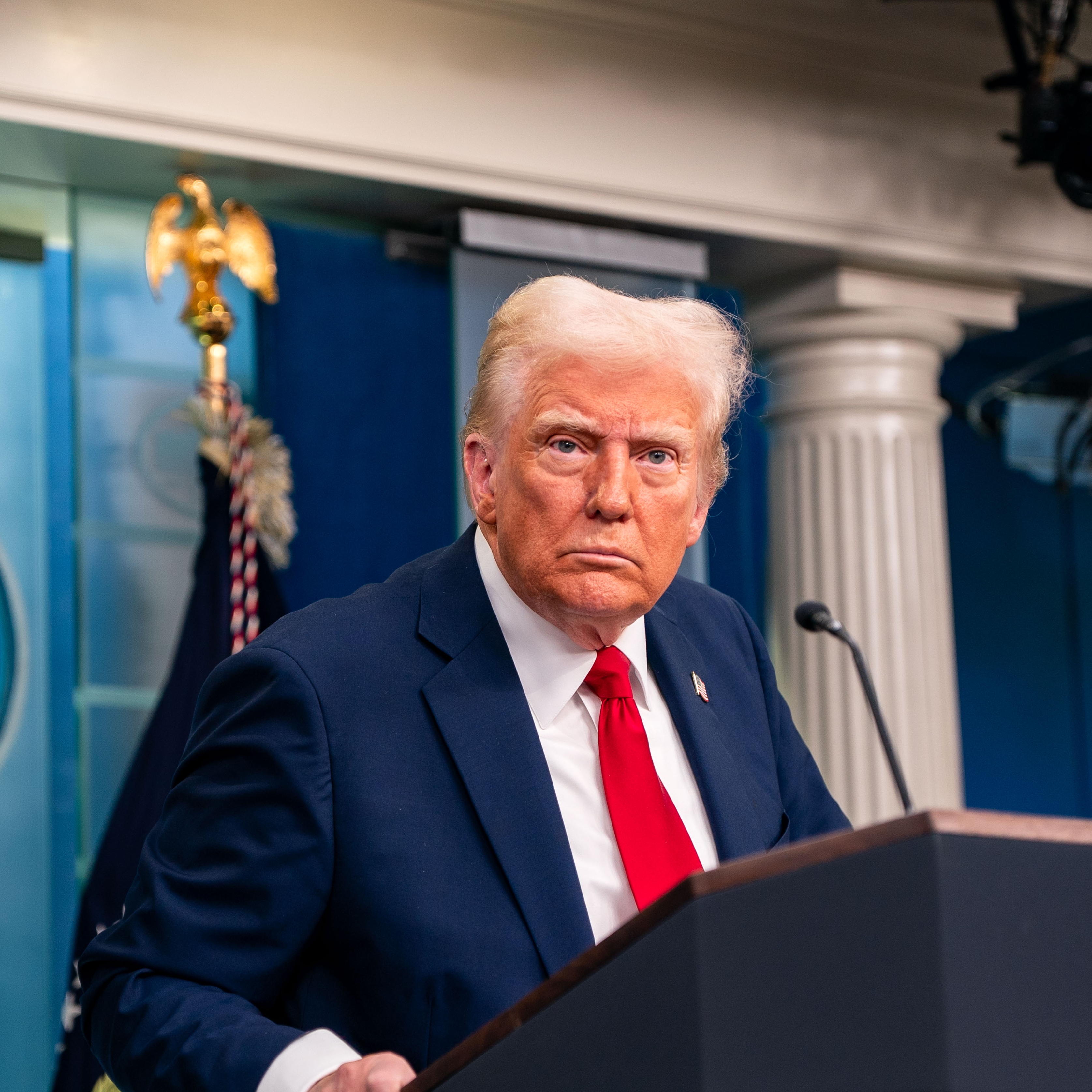
Trump’s extraordinary news conference on the plane crash near Reagan National Airport, his administration’s freeze and unfreeze of all federal funds, and the Senate hearings for three more of his controversial Cabinet picks.Senior political reporter Aaron Blake talks through another chaotic week of political news with Congress reporter Liz Goodwin and White House economics reporter Jeff Stein. They break down Trump’s baseless claims that DEI could be the cause of the fatal plane crash in the Potomac, why the administration reversed its decision to halt the flow of all federal funds, and whether Trump’s picks for FBI director, director of national intelligence and health and human services secretary have enough support to be confirmed.Today’s show was produced and mixed by Ted Muldoon. It was edited by Lucy Perkins and Rachel Van Dongen. Subscribe to The Washington Post here.

Crowded airspace and D.C.'s deadly plane crash
“It was probably out in the middle of the river. I just saw a fireball, and then it was gone.” Today on “Post Reports,” unpacking a deadly collision in the nation’s capital.Read more:On Wednesday night, an American Airlines plane and an Army Black Hawk helicopter collided in midair near Reagan National Airport. Both aircraft crashed into the Potomac River in Washington. D.C. officials believe the three soldiers in the helicopter and all 64 passengers and crew aboard the airplane were killed. Today on “Post Reports,” host Elahe Izadi and transportation reporter Lori Aratani break down what we know about the collision, the close calls faced around Reagan National Airport in the recent past, and President Donald Trump’s baseless claims that diversity, equity and inclusion programs within the Federal Aviation Administration were to blame for the crash. Today’s show was produced by Bishop Sand and Rennie Svirnovskiy. It was mixed by Sam Bair and edited by Reena Flores. Thanks to Teddy Amenabar, Blair Guild, Evan Hill, Jorge Ribas, Chris Rowland, Kyle Swenson and Clarence Williams.Subscribe to The Washington Post here.

Is China winning the AI race?
The stock market plummeted this week after a Chinese company showed it could do more with less. Today, we talk about the new AI chatbot DeepSeek, and why people are freaking out about it – from Silicon Valley to Wall Street to Washington.Read more:For two years, American artificial intelligence companies looked unstoppable. Then came DeepSeek. Today on Post Reports, we talk to tech policy reporter Eva Dou about how a scrappy startup became so dominant, and what it means for the AI arms race. Eva has a book out now about one of the world’s most controversial tech companies, set against the backdrop of the political, social and economic transformation of China. It’s called “House of Huawei: The Secret of China’s Most Powerful Company.”Today’s show was produced by Rennie Svirnovskiy. It was edited by Maggie Penman and mixed by Sam Bair. Thanks to James Graff. Subscribe to The Washington Post here.
Measles, polio, HPV: Uncovering RFK Jr.'s false vaccine claims
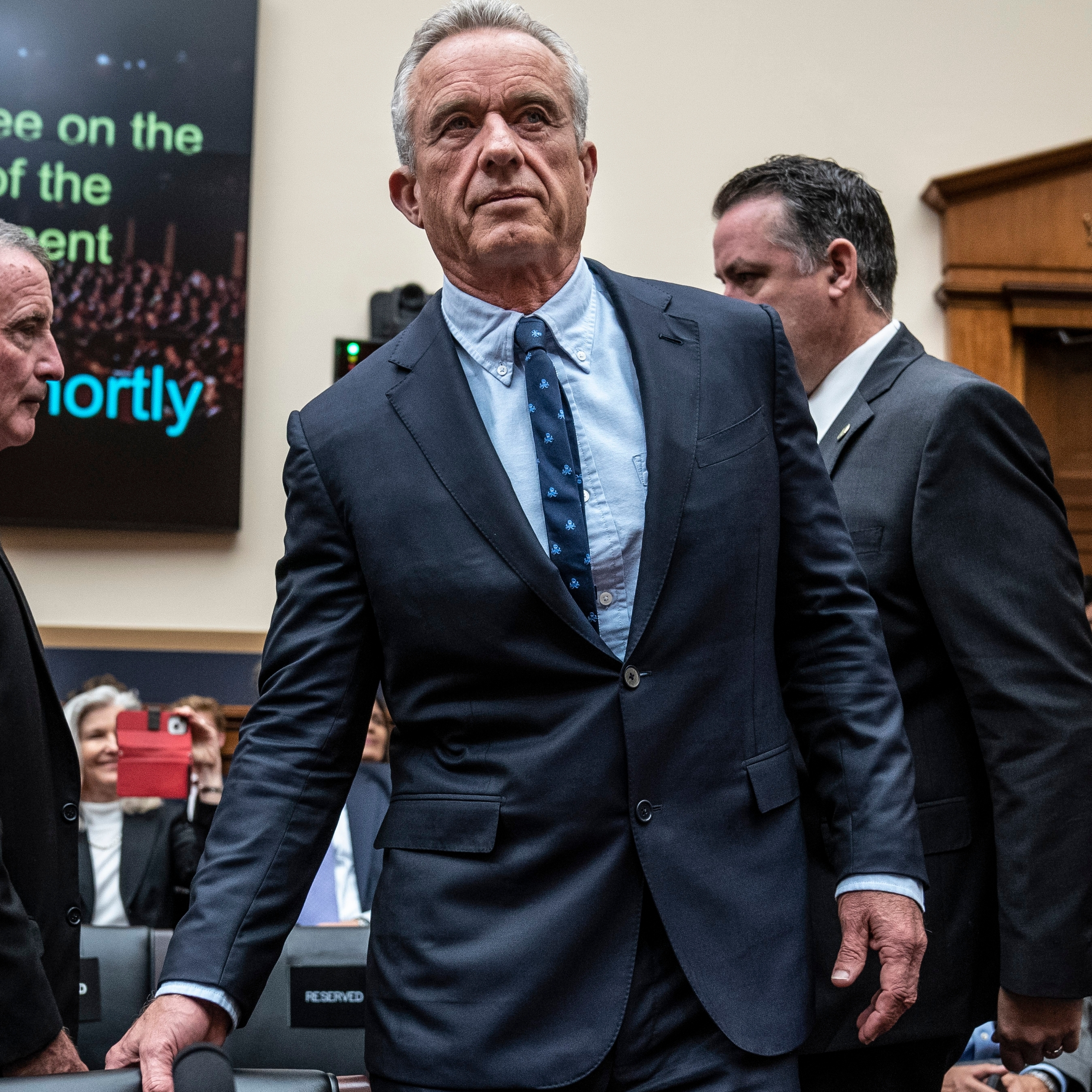
Robert F. Kennedy Jr.’s selection has raised red flags among medical experts and public health officials, especially because of his stance on vaccines. Health reporter Lauren Weber and data reporter Caitlin Gilbert examined hundreds of appearances that RFK Jr. has made to understand the extent of his disparaging claims about vaccines. Today on “Post Reports,” Weber discusses what they exclusively unearthed and what it all means for the contentious confirmation battle ahead. Read more: Caroline Kennedy warns senators of ‘predator’ RFK Jr. in searing letter10 RFK Jr. conspiracy theories and false claims, in his own wordsPressure builds on RFK Jr. as confirmation hearing remains unscheduledToday’s show was produced by Elana Gordon. It was edited by Reena Flores and mixed by Sam Bair. Thanks to Stephen Smith and Caitlin Gilbert. Subscribe to The Washington Post here.

Trump's deportation campaign has begun
Over the weekend, U.S. Immigration and Customs Enforcement officials received instructions from the White House to ramp up deportations, from a few hundred per day to at least 1,200. This came after President Donald Trump expressed disappointment with the results of his mass deportation campaign so far, according to people with knowledge of the briefings.The orders significantly increase the chance that officers will engage in more indiscriminate enforcement tactics or face accusations of civil rights violations as they strain to meet quotas, according to current and former ICE officials.Host Martine Powers speaks with immigration reporter Nick Miroff about what these new deportation quotas mean for the country, and the obstacles the Trump administration could face in making these goals a reality.Today’s show was produced by Emma Talkoff with help from Ariel Plotnick. It was edited by Maggie Penman and mixed by Sam Bair. Subscribe to The Washington Post here.
Debora Cahn on ‘The Diplomat’ and “using your words”
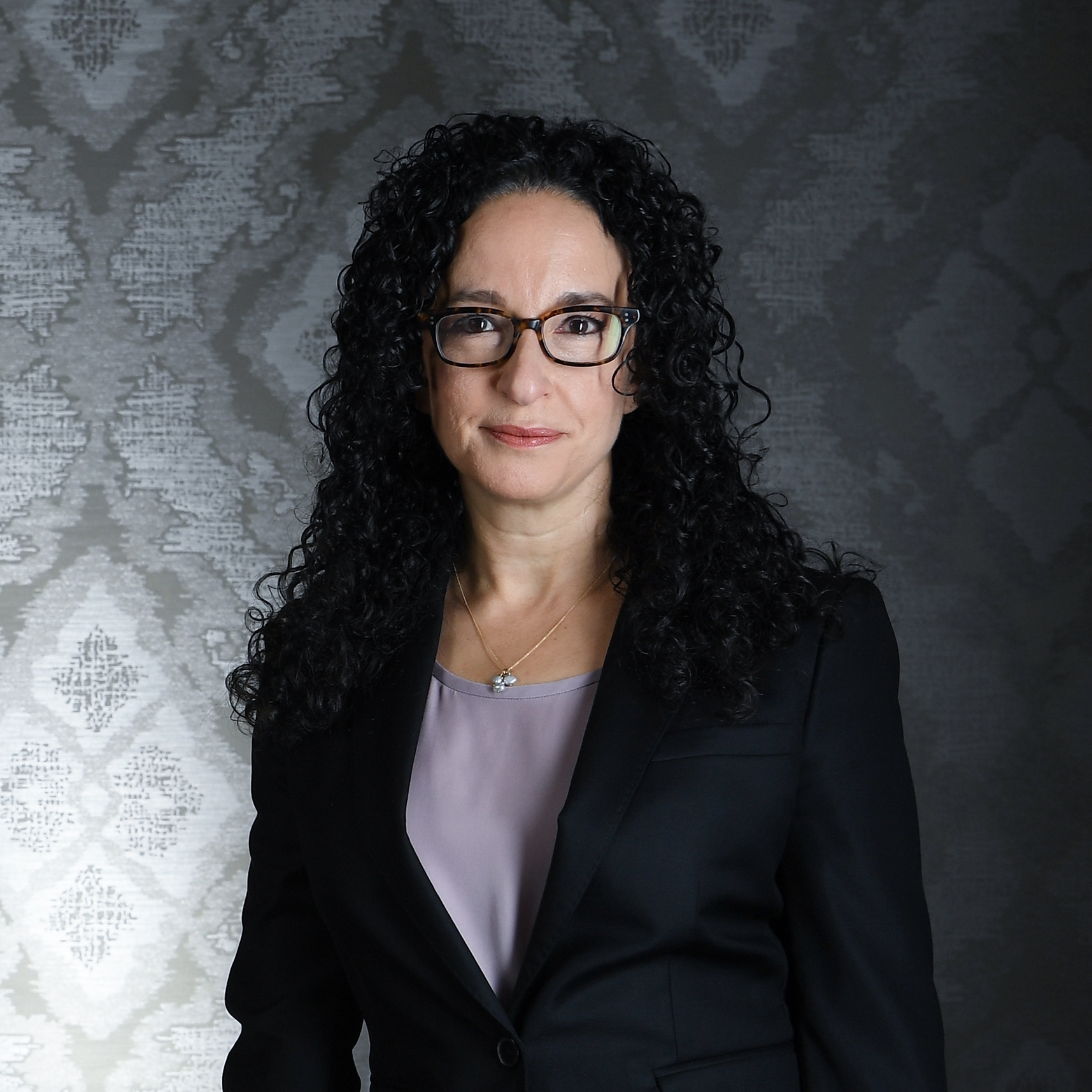
Ahead of President Donald Trump’s inauguration, scores of career diplomats at the State Department were asked by Trump aides to resign. Trump campaigned on dismantling what he has called the “deep state” of federal bureaucrats, who he views as lacking loyalty to him and undermining his agenda. The forced departures were seen as confirmation of this plan – and a step toward changing the tone of the department. But who are these bureaucrats, and what are their stories? Those are the driving questions behind Netflix’s “The Diplomat.” Martine Powers spoke to its creator and executive producer, Debora Cahn. The show is about the life of a no-nonsense Foreign Service officer who’s suddenly made the U.S. ambassador to Britain. It is messy, it is human, and it – unintentionally – sometimes seems to be in conversation with the headlines.On “Post Reports” today, Martine and Debora talk about the stories we don’t hear out of the Foreign Service, the allure of “competency porn,” and what “The Diplomat” can tell us about the value of “using your words.” Today’s show was produced and mixed by Rennie Svirnovskiy, with help from Peter Bresnan. It was edited by Maggie Penman. Subscribe to The Washington Post here.
Trump’s busy first week in office
Senior political reporter Aaron Blake talks with senior White House reporter Isaac Arnsdorf and national political reporter Marianne LeVine about how Trump’s executive actions are already having a tangible impact. They also talk about how Trump’s pardon of Jan. 6 rioters was met with a muted response from several prominent Republicans. Today’s show was produced by Laura Benshoff. It was edited by Lucy Perkins and Rachel Van Dongen and mixed by Sam Bair. Subscribe to The Washington Post here.
The future of work is female — and older
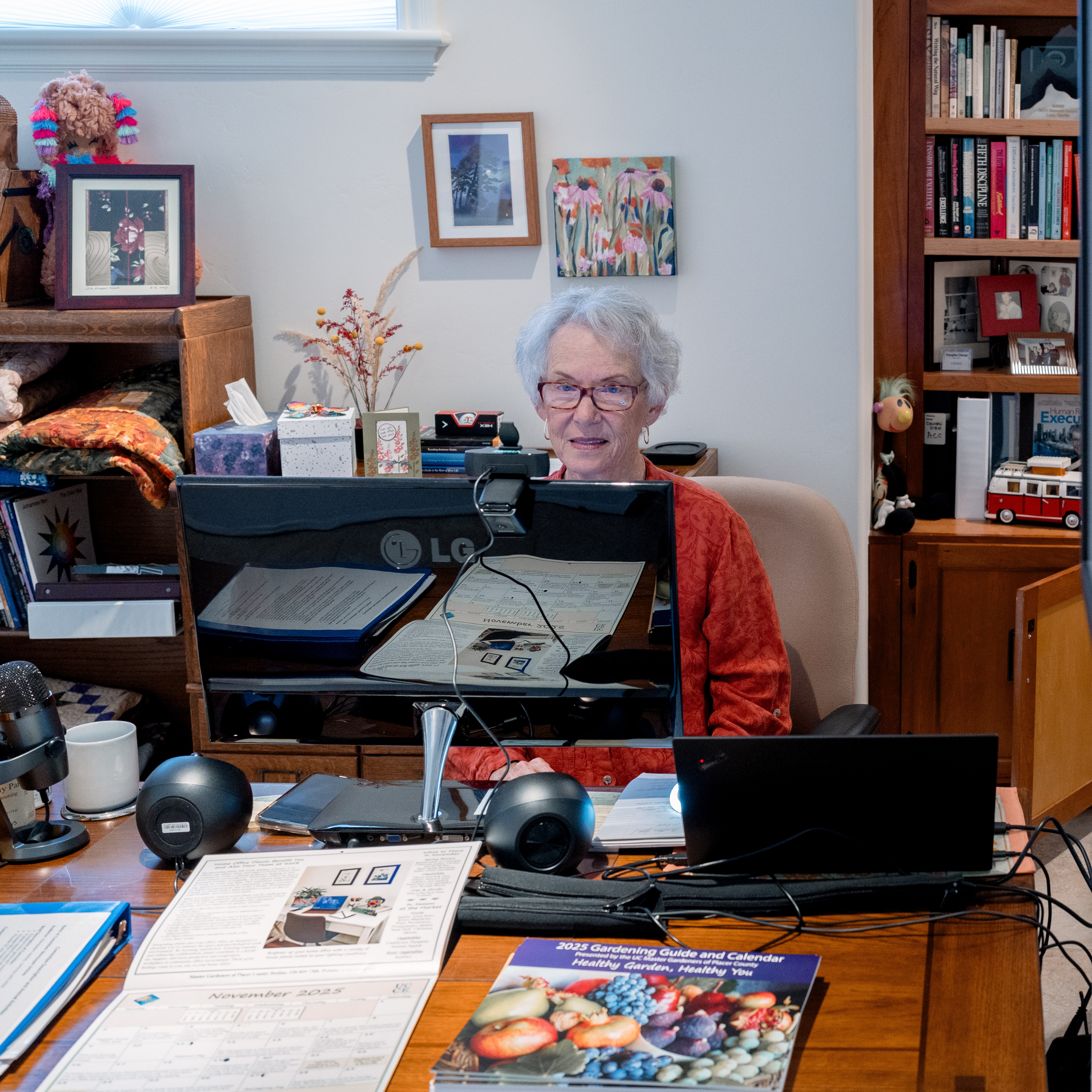
Historically, many women dropped out of the labor force because of family obligations. Today, women are working longer — in some cases because they feel like they’ve finally hit their stride in their careers. In other cases, they feel they can’t afford to retire. Hannah Ziegler is a business reporter for The Post, and she talks to host Martine Powers about this Big Shift as the workforce becomes older — and more female. Today’s show was produced by Ariel Plotnick. It was edited by Maggie Penman and mixed by Sam Bair.You can also read about the hurdles older women face with investing and how some savers have overcome them. Plus, the women who are sharing their homes as they grow older.Check out a live podcast taping that will be hosted by Martine on Jan. 25 about the enduring legacy of the Rev. Martin Luther King Jr. Subscribe to The Washington Post here.
Prince Harry's tabloid saga
On Wednesday, Rupert Murdoch’s British media group agreed to pay “substantial damages” and apologized to Prince Harry as part of a settlement agreement over claims that the paper illegally intruded into the prince’s life. Harry is one of many celebrities and politicians who have sued Murdoch’s papers for illegally obtaining private information – the claims stretch back to 2011, when it was first revealed that journalists at the tabloids might be hacking phones. Martine speaks with democracy reporter Sarah Ellison about why Prince Harry finally decided to settle and what this outcome means for the Murdochs. Today’s show was produced by Sabby Robinson, with help from Rennie Svirnovskiy. It was edited by Reena Flores and mixed by Sam Bair. Subscribe to The Washington Post here.
How Trump resurrected TikTok
It’s not over for TikTok. Or is it? Today on “Post Reports,” why the app went dark in the United States, how it came back and who controls its fate. Read more:Last week, the Supreme Court upheld a federal law banning TikTok in the United States unless its Chinese parent company, ByteDance, sold to an American buyer. On Sunday, the popular video-sharing app went dark, only to come back later that night. And on Monday, Trump signed an executive order to halt the ban. Today on “Post Reports,” tech reporter Drew Harwell digs into the national security arguments that swayed the court’s decision, why Trump’s opinion on the app has flip-flopped and why users of the platform might still feel like they’re in purgatory. And, we hear from Dave Jorgenson, the face of The Washington Post’s TikTok team, about how TikTok users are feeling amid the turmoil. Today’s show was produced by Rennie Svirnovskiy and Bishop Sand. It was mixed by Sam Bair and edited by Lucy Perkins and Monica Campbell. Thanks also to Alexis Fitts.Subscribe to The Washington Post here.Check out a live podcast taping that will be hosted by Martine on Jan. 25 about the enduring legacy of the Rev. Martin Luther King Jr.
Trump returns
Crowds of Trump supporters in Washington were supposed to watch the inauguration on the National Mall. But when plans changed last-minute because of freezing temperatures, the president’s fans crowded instead into indoor space at Capital One Arena and nearby bars. At the same time, Trump was getting sworn in at the Rotunda of the U.S. Capitol, flanked by tech billionaires and members of his proposed Cabinet. On today’s episode, host Martine Powers talks with chief correspondent Dan Balz about the unusual inauguration, Trump’s plans for his presidency and what he’s already doing to make them a reality.Today’s show was produced by Laura Benshoff and Ted Muldoon, who also mixed the show. It was edited by Reena Flores. Thanks to Annah Aschbrenner.Subscribe to The Washington Post here.Check out a live podcast taping that will be hosted by Martine on Jan. 25 about the enduring legacy of the Rev. Martin Luther King Jr.
Retropolis: The presidential inauguration that made everyone sick
In this special episode of “Post Reports,” columnist Petula Dvorak reads her first installment of The Post’s revealing history column, Retropolis. James Buchanan barely won the presidency. The nation was roiling in the debate over slavery. So when Buchanan became gravely ill before his inaugural address, it wasn’t a stretch to suspect an assassination attempt. The presidential entourage all stayed at the posh National Hotel on Capitol Hill and they fell ill, too. It hit more than 400 guests of the hotel and more than 30 died. It became known as the mysterious National Hotel Disease and confounded Washington for months. This column details the story of the sickness and the doctors and detectives who searched for the cause.The piece was reported, written and read by Petula Dvorak. Audio production and original music by Bishop Sand.
The Campaign Moment: Hegseth and Bondi go to Washington
Aaron Blake, senior political reporter and author of The Campaign Moment newsletter talks with national security reporter Abby Hauslohner and national politics reporter Hannah Knowles about the most heated exchanges that Trump’s picks for defense secretary and attorney general, Pete Hegseth and Pam Bondi, faced during their Senate confirmation hearings. They also talk about what to expect if the historic ceasefire deal goes into effect over the weekend and what to watch for at Trump’s inauguration on Monday.Today’s show was produced by Laura Benshoff and Rennie Svirnovskiy, who also mixed the episode. It was edited by Lucy Perkins and Rachel Van Dongen. Subscribe to Aaron’s newsletter, The Campaign Moment, here. Subscribe to The Washington Post here.
A ceasefire hangs in the balance
After months of negotiations mediated by the United States, Egypt and Qatar, Israel and Hamas reached a ceasefire agreement. But its fate is already in doubt. If the agreement takes effect as planned Sunday, an initial 42-day ceasefire would bring Gaza’s residents some relief from Israeli attacks that have killed more than 46,700 people there, according to the Gaza Health Ministry. The ministry’s toll does not distinguish between civilians and militants.In exchange, Hamas has agreed to release 33 of the hostages it kidnapped during its Oct. 7, 2023, assault on Israel.The status of the deal is not certain: On Thursday, Israeli Prime Minister Benjamin Netanyahu’s office cast doubt on whether it would be formally approved. Meanwhile, Israeli strikes have killed at least 77 people in the Gaza Strip since the deal was announced, according to Gaza’s civil defense spokesman. At least 25 women and 21 children were reported to be among the dead.Today on “Post Reports,” correspondent Claire Parker joins us from Jerusalem to talk about the factors that finally led to a ceasefire agreement – and what the road ahead could look like.Today’s show was produced by Ariel Plotnick with help from Emma Talkoff. It was edited by Monica Campbell with help from Maggie Penman and mixed by Sam Bair.Thanks to Heba Farouk Mahfouz, Miriam Berger, Erin Cunningham and Alan Sipress. Subscribe to The Washington Post here.
How to reset your relationship with your phone
The 2024 election pushed some people to put down their phones more and tune out of the news. But author Catherine Price started thinking about breaking up with her phone years ago, after realizing she was focusing on it instead of her newborn daughter. “Our devices and their apps are designed to fragment our attention, whether it is taking us out of our real-life experience and getting us to focus our attention even momentarily on the phone itself or it's what we do within apps where we are looking at different pieces of content in a particular feed,” Price told “Post Reports” co-host Elahe Izadi. After realizing how detrimental her phone was to her life, she wrote “How to Break Up With Your Phone: The 30-Day Plan to Take Back Your Life.” The book details the negative impact our phones can have on our attention and mental health and provides advice for how to create a healthier relationship with them.“It really has made me feel more alive,” Price said. “It encouraged me to ask questions that have resulted in me tapping into this broader community of people I never would have met and discovering this joy.”Today’s show was produced by Sabby Robinson. It was edited by Lucy Perkins and Maggie Penman and mixed by Sam Bair. You can find more writing by Price at her Substack here. Subscribe to The Washington Post here.
Arrested by AI
After two men brutally assaulted a security guard on a train platform in St. Louis, police detectives faced a daunting challenge: identifying the attackers. Police turned to facial recognition technology, feeding a blurry image from a small surveillance camera into the software.The software gave them the mugshot of a man who says he had nothing to do with the crime. Christopher Gatlin spent over a year in jail awaiting trial before the case was dropped.Gatlin is one of at least eight people in the United States who have been wrongfully arrested after being identified by facial recognition technology. All of those cases were eventually dropped by prosecutors – but only after the suspects fought to clear their names.Business and tech investigations reporter Doug MacMillan unpacks his research into how police are using AI-driven facial recognition and how people like Gatlin have been wrongfully arrested as a result.Today’s show was produced by Emma Talkoff and Trinity Webster-Bass. It was edited by Maggie Penman and Evelyn Larrubia. Thank you to David Ovalle and Aaron Schaffer. Subscribe to The Washington Post here.
Grief (and love) in L.A.
Today, when disaster hits home. Weather editor Paulina Firozi and Brianna Sacks, an extreme weather and disaster reporter, are Post colleagues. We'll hear how they and others are grappling with the devastation in L.A. Read more:When several wildfires began ripping through parts of Los Angeles County on Jan. 7, The Post’s Brianna Sacks, an extreme weather and disaster reporter, began documenting the destruction. Then the story turned personal as her own father’s house in Pacific Palisades burned down. Since Tuesday, the Palisades Fire has burned over 23,000 acres. The Eaton Fire, which erupted to the northeast, has burned more than 14,000 acres, according to Cal Fire, while the Hurst Fire, burning in the north, has spread to over 700 acres.At least 24 people have been killed in the fires.Today on “Post Reports,” Brianna speaks with weather editor Paulina Firozi, also from Los Angeles, about the wildfires and what it has meant to see their childhood neighborhoods erased. We also hear from other Angelenos about how they are grappling with loss — and finding hope. Today’s show was produced by Sabby Robinson with help from Rennie Svirnovskiy. It was mixed by Sam Bair and edited by Monica Campbell and Renita Jablonski. Thanks also to Zach Goldfarb, Juliet Eilperin, Maggie Penman and Allison Michaels. Subscribe to The Washington Post here.
The Campaign Moment: Trump, the unpunished felon
Senior political reporter Aaron Blake talks with The Post’s White House editor, Naftali Bendavid, and national political reporter Maeve Reston about the politics of Trump’s sentencing in the New York hush money case. They also dig into how Trump is trying to pin the Los Angeles wildfires on Democrats and look ahead to next week’s Senate confirmation hearing for Trump’s pick for defense secretary, Pete Hegseth. Today’s show was produced by Sabby Robinson. It was edited by Lucy Perkins and Rachel Van Dongen and mixed by Rennie Svirnovskiy. Subscribe to Aaron’s newsletter, The Campaign Moment, here. Subscribe to The Washington Post here.
How Justin Trudeau lost Canada
After 10 years on the job, Canadian Prime Minister Justin Trudeau announced earlier this week that he is stepping down. Today, The Washington Post’s Amanda Coletta and host Elahe Izadi break down Trudeau’s career, where this leaves Canadian politics and what this could mean for U.S.-Canada relations.Today’s show was produced by Ariel Plotnick with help from Sabby Robinson. It was edited by Reena Flores with help from Monica Campbell. It was mixed by Sam Bair. Thanks to Reem Akkad.Subscribe to The Washington Post here.
Los Angeles is burning
Early Tuesday, wildfires started burning across Los Angeles County. The scale of the destruction is massive; entire neighborhoods are in flames, with longtime businesses, schools and houses of worship burnt to the ground.Today, guest host Rachel Siegel speaks with extreme weather and natural disaster reporter Brianna Sacks about what Los Angeles looks like as the wildfires rage, and the struggle to contain the flames. Today’s show was produced by Rennie Svirnovskiy with help from Ariel Plotnick and Elana Gordon. It was edited by Reena Flores with help from Lucy Perkins. It was mixed by Sam Bair.Subscribe to The Washington Post here.
Will I get cancer from drinking alcohol?
The country’s top doctor is calling for cancer risk warning labels on alcohol. On “Post Reports,” why, and what that could mean for you.Read more:Last week, U.S. Surgeon General Vivek Murthy said in an advisory that studies suggest alcohol is the third leading preventable cause of cancer, contributing to 100,000 cancer cases and 20,000 related deaths each year. For that reason, he says health warning labels on bottles of alcohol should be updated to include a cancer risk warning and that recommended limits for alcohol consumption should also be reassessed, given the increased risk of certain cancers. Today on “Post Reports,” public health reporter Fenit Nirappil breaks down the science behind the surgeon general’s advisory, what it would take to get warning labels amended and what it could all mean for you. Today’s show was produced by Rennie Svirnovskiy with help from Sabby Robinson. It was edited by Lucy Perkins with help from Monica Campbell and mixed by Sam Bair. Subscribe to The Washington Post here.
How ISIS became ‘the easiest club’ to join
On New Year’s Day in New Orleans, a man drove a pickup truck into a crowd of people, killing 14 and leaving many others injured. In the aftermath law enforcement found an Islamic State flag in the truck, and evidence that shows the man was inspired by the extremist group. This wasn’t the only Islamic State-inspired incident in recent months.Today on “Post Reports,” guest host Rachel Siegel speaks with national security reporter Joby Warrick about how people become radicalized by the Islamic State and what the New Orleans attack and the canceled Taylor Swift concerts in Austria tell us about the power of extremist propaganda. Warrick’s book “Black Flags: The Rise of ISIS” was awarded a 2016 Pulitzer Prize for nonfiction. Today’s show was produced by Elana Gordon, with help from Ariel Plotnick and Rennie Svirnovskiy. It was edited by Monica Campbell, with help from Reena Flores, and mixed by Sam Bair.Subscribe to The Washington Post here.
The Campaign Moment: How Mike Johnson won the speaker fight
On Friday, Republicans once again selected Rep. Mike Johnson (R-Louisiana) to be speaker of the House — but not before there was a little bit of drama.Earlier this week, President-elect Donald Trump took to social media to link the New Year’s Day vehicular attack in New Orleans to weak border policies, even though the attacker was an American citizen born in Texas. In the hours following, the message became a popular Republican talking point. Reporters Marianna Sotomayor, Marianne LeVine and Leigh Ann Caldwell join host Aaron Blake to discuss how Johnson eked out a victory in the speaker fight, and why the New Orleans attack became so quickly politicized.Today’s show was produced by Laura Benshoff. It was edited by Reena Flores and Rachen Van Dongen and mixed by Sam Bair. Subscribe to Aaron’s newsletter, The Campaign Moment, here. Subscribe to The Washington Post here.
What we know about the attack in New Orleans
Early in the morning on New Year’s Day, a man drove a truck into a crowd of people celebrating on Bourbon Street in New Orleans. In the hours since, law enforcement has discovered key details that point to a possible motive, including an Islamic State flag in the attacker’s car. Guest host Rachel Siegel and Justice Department reporter Perry Stein break down what we know about the terrorist attack in New Orleans.We also talk about the investigation into a possible attack in Las Vegas with some eerie similarities, though no known connection. Today’s show was produced by Ariel Plotnick with help from Emma Talkoff and Elana Gordon. It was edited by Maggie Penman with help from Monica Campbell and Reena Flores. It was mixed by Sam Bair.Subscribe to The Washington Post here.
How to choose joy: ‘Try This’
Happiness, it turns out, comes down to a science — even though what makes each of us happy can vary widely. Host Cristina Quinn talks to happiness scientist Emiliana Simon-Thomas, science director at UC-Berkeley's Greater Good Science Center, about exactly what makes us happy and how much our sense of joy is within our control. Drawing from the science of happiness, Emiliana explains that happiness isn’t about chasing fleeting positive emotions, but rather about fostering an overarching sense of contentment, belonging and resilience. She also lays out how much of happiness is influenced by genetics, external circumstances and the choices we make.This course reminds us that happiness isn’t out of reach — it’s something we can cultivate every day. Emiliana and her colleagues at the Greater Good Science Center have been collecting data on happiness through the Big Joy Project, a seven-day online study where participants are assigned a micro-act of joy every day. Learn more about the project here. For some extra happiness tips, read about trying new things for joy and embracing “joy snacks.”Subscribe to The Washington Post or connect your subscription in Apple Podcasts.To hear more, check out “Try This” wherever you listen to podcasts.
How Jimmy Carter redefined his legacy
Carter, a peanut farmer, Navy veteran and Georgia governor, served just four years in the White House. But his time in office was only part of his legacy. Later in life, he would be awarded the Nobel Peace Prize for his pursuit of peace and human rights.Elahe Izadi speaks with national political correspondent Dan Balz about the life and legacy of the former president.Today’s show was produced by Ted Muldoon and Arjun Singh. It was edited by Maggie Penman, with help from Reena Flores. It was mixed by Ted Muldoon. Subscribe to The Washington Post here.
Deep Reads: The man who drives prisoners home
It had been five years since Frankie Nole came out from behind prison doors. Now at age 72, Nole shakes his head. He had spent 49 years fighting to get out. He struggled to find work. Managers unfailingly loved his attitude. Then — as always — came the background check and email. “Unfortunately, we have decided to move forward with other candidates …”At a loss for a purpose, two years ago, he started picking up other prisoners on the day they were released. He put out the word to friends on the inside. He persuaded guards to put up notices in prisons across Pennsylvania. Anyone who didn’t have family or friends to get them — he’d be their ride.This story is part of our Deep Reads series, which showcases narrative journalism at The Washington Post. It was written by William Wan. Audio narration comes from our partners at Noa, an app offering curated audio articles.
'Erin Brockovich' made their town famous. They still don’t have clean water.
In 2000, the movie “Erin Brockovich” helped put the small town of Hinkley, California, on the map. The movie stars Julia Roberts as a determined law clerk who takes on the massive utility company Pacific Gas & Electric, which had been dumping chromium-6, the dangerous chemical, in Hinkley's groundwater. Brockovich is depicted gathering evidence and building a legal case against the utility. And she prevails: The movie concludes with a landmark settlement awarded to residents. But that Hollywood ending isn’t the whole story. Many residents say the settlement didn’t go far to cover mounting medical bills and moving costs. And the chromium-6 cleanup proved to be slow. It was stymied by the difficulty of containing widespread contamination and a small local water board lacking the power to enforce stricter standards. Today, Hinkley is a ghost town, and the water there is still contaminated with chromium-6.On the 50th anniversary of the Safe Drinking Water Act, investigative reporter Silvia Foster-Frau has traveled the country reporting on where America has fallen short in its promise of providing clean drinking water. In the final installment in this series, she returns to Hinkley to learn why, even with a massive spotlight, it can be so hard to clean up toxic tap water.Today’s show was produced by Emma Talkoff. It was edited by Monica Campbell and mixed by Sam Bair. Subscribe to The Washington Post here.
Hunting an owl to save an ecosystem
Biologist Daniel Hofstadter and a tiny band of researchers have been carrying out the most expansive barred owl removal effort to date. It’s a project that has killed more than 1,000 owls in Northern California since 2019 across nearly 10 million acres. The biologists believe that their work protecting spotted owls — a species that launched a conservation movement more than three decades ago — will ultimately help safeguard the ecosystem in one of the last old growth forests in the West. Host Martine Powers speaks with national climate reporter Joshua Partlow about the motivation behind the barred owl removal, the brief history of spotted owls in the area, and the ornithologist who carries out the shootings.Today’s show was produced by Bishop Sand. It was edited by Monica Campbell and mixed by Justin Garrish. Subscribe to The Washington Post here.
Dinner with The Post’s food critic
Tom Sietsema has been The Post’s food critic for 25 years. Over a quarter of a century, Sietsema has eaten at and reviewed thousands of restaurants. Even after all these years, he’s not sick of it. In fact, Sietsema loves the theater of dining out, and he takes great pride in guiding readers toward truly delicious food.Today’s show was produced by Ariel Plotnick. It was edited by Maggie Penman and mixed by Sam Bair. Subscribe to The Washington Post here, or give someone a gift subscription.
Saving “Sesame Street”
“Sesame Street” is an American institution. It began airing in 1969 as an educational program intended to help toddlers prepare for kindergarten. It has grown into a cultural staple and become one of the longest-running shows in TV history. Back in 2022, Laura Meckler learned that Season 55 of “Sesame Street,” which will start airing next year, will focus heavily on the emotional well-being of young kids. She spent almost two years following the cast and creatives behind the show as they researched, wrote, and filmed their upcoming season. But as she was reporting, Laura learned that “Sesame Street” is in a fight for its own survival. Warner Bros. Discovery, which currently distributes “Sesame Street,” has announced that it will not renew the show’s contract for another term. Now, the iconic show is on the hunt for a new streaming partner and is preparing a major reimagining as it tries to adapt both to the needs of today's kids and to the increasingly competitive world of children’s TV. Today’s show was produced by Peter Bresnan. It was edited by Maggie Penman and mixed by Sam Bair. Subscribe to The Washington Post here.
College football now has more money - and more problems
This weekend, the 2024 College Football Playoff kicks off, featuring more teams, more storylines and a lot more money than ever before. Today on the show, how we got to this moment in college sports, and what could be next.Read more:In 2021, amateur athletes won the right to profit off sponsorships using their name, image and likeness or NIL). Now, some college football players are able to ink million-dollar endorsement deals with shoe brands and insurance companies. This has led to sweeping changes in college athletics, from how players are recruited to whom teams play against. Guest host Ava Wallace talks to sports columnist Jerry Brewer and Jesse Dougherty, a reporter covering the business of college sports. They talk about the development of NIL, how conference realignment shaped the 2024 season and what the future could hold for amateur athletics.Today’s show was produced by Lucas Trevor and edited by Maggie Penman. It was mixed by Ted Muldoon.
Musk and Trump bring shutdown chaos to Congress
Today on “Post Reports,” Washington scrambles to avoid a government shutdown. President-elect Donald Trump and Elon Musk have fanned the flames. Read more:On Wednesday, Republicans scrapped House Speaker Mike Johnson’s initial bipartisan plan to avoid a government shutdown. That’s after President-elect Donald Trump and Elon Musk condemned the bill online. Musk called it “terrible,” “criminal,” “outrageous,” “horrible,” “unconscionable,” “crazy” and, ultimately, “an insane crime.”Today on “Post Reports,” host Elahe Izadi and congressional reporter Marianna Sotomayor discuss what Trump and Musk found so objectionable about that first plan, and why some are seeing it as a preview of the kind of power Musk – who’s not even a government official – could soon have over Washington. Today’s show was produced by Rennie Svirnovskiy and Laura Benshoff, with help from Sabby Robinson. It was edited by Reena Flores, with help from Lucy Perkins, and mixed by Sam Bair. Thanks also to Emily Rauhala. Subscribe to The Washington Post here.
Club raids, influencers: How Putin’s playbook is pushing young Russians toward ultranationalism
When Francesca Ebel, a Russia correspondent for The Post, returned to one of Moscow’s most popular nightclubs after Russia’s invasion of Ukraine began, she noticed differences. The physical structure was there, but there were fewer young artists. Something had changed.What Ebel noticed that night was just one example of a bigger shift. Her reporting has since found that young Russians are increasingly embracing a culture of ultranationalist patriotism and Orthodox Christian values. Online influencers and Kremlin-sanctioned artists are changing the narratives on war and identity. An independent poll this year found a majority of Russians ages 18 to 24 support Russia’s war in Ukraine. Conforming can bring rewards and career advancement. Defiance can mean jail – or worse. Today on “Post Reports,” Ebel speaks with host Elahe Izadi about her reporting inside Russia on how Putin’s propaganda strategies toward Russian youth are working – and creating a new generation to carry forward the Kremlin’s anti-Western ideology. Read more from The Post’s “Russia, Remastered” series:We reported for months on changes sweeping Russia. Here’s what we found.A wartime generation of youth molded by Putin’s propaganda Artists say Putin’s push for patriotism is killing Russian cultureTo please Putin, universities purge liberals and embrace patriotsHave babies for Russia: Putin presses women to embrace patriotism over feminismWashington and the West struggle for a way forward with Putin’s RussiaToday’s show was produced by Elana Gordon, with help from Emma Talkoff. It was mixed by Rennie Svirnovskiy, who also helped with translation. It was edited by Monica Campbell, with help from Maggie Penman. Thanks to David Herszenhorn, Paul Schemm and Jenn Amur. Subscribe to The Washington Post here.
Trump’s new businesses — and new potential conflicts of interest
Since he last held office, President-elect Donald Trump’s business interests have evolved. The real estate mogul launched the social media company Truth Social, and — in the height of this year’s presidential campaign — he announced a cryptocurrency venture, World Liberty Financial. Both of these industries could be targeted with efforts at regulation during Trump’s second term. So what could it mean for Trump to oversee an administration that also plays a role in these regulations? This dynamic sets up what ethics experts have described as unprecedented potential conflicts of interest for his second term.“Post Reports” host Elahe Izadi speaks with investigative reporter Jonathan O’Connell about how Trump became involved in these new businesses, what potential conflicts of interest they present, and what we might learn from how Trump approached potential conflicts in his first term. Today’s show was produced by Laura Benshoff with help from Ariel Plotnick. It was edited by Alison MacAdam and Reena Flores and mixed by Sam Bair. Subscribe to The Washington Post here.
A stunning two weeks in South Korea
Hundreds of thousands of protestors celebrated in Seoul over the weekend as South Korean President Yoon Suk Yeol was impeached by the National Parliament. Yoon, who was elected by a narrow margin in 2022, oversaw deepening political divisions and a population increasingly frustrated by income inequality. His tenure was marked by scandals and unpopular choices. But his administration reached a breaking point when Yoon declared martial law in early December, outraging many Koreans who saw the move as an unwelcome return to the authoritarian rule of decades past.Washington Post Tokyo bureau chief Michelle Ye Hee Lee was among the crowd celebrating outside the National Assembly, talking to protestors about why they were so excited to see the president impeached. She joins “Post Reports” to explain how Yoon fell from power, who will lead the country next and what lessons other countries can take from a tense 11 days in South Korea. Today’s show was produced by Emma Talkoff with help from Elana Gordon and Sabby Robinson.It was edited by Maggie Penman with help from Lucy Perkins, and mixed by Sam Bair. Subscribe to The Washington Post here.
Deep Reads: Guns. Knives. Bats. Hammers. Hatchets. Spears.
Dean DeSoto has been teaching his driving class for aggressive drivers over the past 26 years. During that time, he has come to believe several things. One is that what goes on in the country will play out on its roadways. Another is that anger on the roads is getting worse. Across the country, the number of people injured or killed in road rage incidents involving a gun has doubled since 2018, according to data from the Gun Violence Archive, a nonprofit research group. There is no uniform definition of aggressive driving across law enforcement agencies and no national database to track it, but DeSoto has been keeping his own tally, including cases in Texas involving guns, knives, ice picks, 2-by-4s, tire tools, PVC pipe, plumbing pipe, bats, hammers, shovels, hatchets, ball bearings, marbles, frozen water bottles, bricks, stones and, in at least one instance, a spear.This story follows attendees of DeSoto’s class as well as a police officer who encounters rage from motorists in Texas. The piece was reported, written and read by Ruby Cramer. Audio production and original music by Bishop Sand.
The Campaign Moment: Biden races to protect his legacy
Aaron Blake, senior political reporter and author of The Campaign Moment newsletter, sits down with senior congressional correspondent Paul Kane and White House reporter Matt Viser to talk about what Biden is trying to do with his last few weeks in office. They also talk about Time magazine’s person of the year interview with Trump and what two GOP Senate appointments could mean for Trump’s ability to get his agenda through Congress.Today’s show was produced by Laura Benshoff. It was edited by Lucy Perkins and mixed by Justin Gerrish. Subscribe to Aaron’s newsletter, The Campaign Moment, here. Subscribe to The Washington Post here.
The ‘FBI’ called. Then she got scammed.
Americans are being conned every day by increasingly sophisticated scams. Today, we hear the story of one woman who lost her life's savings to a government impersonation scam.Read more:According to the Federal Trade Commission, Americans were scammed out of more than $10 billion in 2023. And that’s just what’s been reported.Most scam victims never report the crime because they feel shame and embarrassment.In “Scammed,” a seven-part series, personal finance columnist Michelle Singletary explains how con artists exploit human nature and technology to manipulate their victims. She joins “Post Reports” to tell the story of how Judith Boivin lost her life’s savings to a government impersonation scam. Today’s show was produced by Charla Freeland. It was edited by Maggie Penman and Ted Muldoon, who also mixed the show. Thank you to Joshua Carroll and Amber Ferguson. Subscribe to The Washington Post here.
Can Biden's climate law survive Trump?
Two years ago, President Biden and congressional Democrats passed the Inflation Reduction Act, aimed at stimulating clean energy production and reducing carbon emissions. Since then, hundreds of thousands of jobs have been created and Americans have claimed over $8 billion in tax credits to spend on climate-friendly technologies for their homes. The biggest winners have been more conservative areas, where more investments have been made because of lower tax barriers and more incentives for companies to build there. But despite this, President-elect Donald Trump has vowed to stop efforts to boost clean energy, calling it the “green new scam.” “Post Reports” co-host Elahe Izadi speaks with reporter Maxine Joselow about how he could do this and what the lasting effects of the Inflation Reduction Act might be.Today’s show was produced by Sabby Robinson with help from Elana Gordon. It was mixed by Justin Gerrish and edited by Lucy Perkins with help from Maggie Penman. Thank you also to Roger Hodge.Subscribe to The Washington Post here.
The killing of a CEO
After a five-day manhunt, authorities have arrested and charged a man with the murder of UnitedHealthcare CEO Brian Thompson. Today on “Post Reports,” we bring you the latest in the case — and a look at why some on the internet cheered the killing.Read more:Authorities have charged 26-year-old Luigi Magione with murder in the shooting of Brian Thompson, the UnitedHealthcare chief executive who was killed in New York City last week. New York police say Mangione killed Thompson, 50, with a fatal shot to his torso. According to a complaint made public Tuesday, police say Mangione is the person who killed Thompson based on evidence that includes “written admissions about the crime” as well as surveillance footage.Today on “Post Reports,” health reporter Dan Diamond takes host Martine Powers through the multiday search for Mangione and the charges he faces. Dan also breaks down the reputation of UnitedHealthcare, and explains why so many on social media celebrated the health-care executive’s death. Today’s show was produced by Rennie Svirnovskiy with help from Sabby Robinson and Ariel Plotnick. It was edited by Reena Flores with help from Monica Campbell, and mixed by Justin Gerrish. Thanks also to Stephen Smith. Subscribe to The Washington Post here.
What’s next for Syria
After more than a decade of destructive civil war in Syria, it was widely assumed that the Assad regime would keep its grip on power. Instead, lightly armed rebels were able to launch an offensive that succeeded in toppling the regime in less than two weeks. Bashar al-Assad fled to Moscow.Louisa Loveluck spoke with Martine Powers as she prepared to cross into Syria.Today’s show was produced by Sabby Robinson, with help from Ted Muldoon, Emma Talkoff and Ariel Plotnick. It was mixed by Justin Gerrish and edited by Monica Campbell, with help from Maggie Penman and Reena Flores. Thanks to Naomi Schanen, Lior Soroka, Mohamad El Chamaa, Jesse Mesner-Hage, Jenn Amur and Andrew Golden. Subscribe to The Washington Post here.
The Campaign Moment: Will Biden issue more pardons?
On Capitol Hill, Hegseth is facing renewed scrutiny over allegations of excessive drinking and sexual misconduct, which he denies. So this week, the veteran and former Fox News host spent time with lawmakers, publicly and privately making the case for his leadership of the Defense Department. But some Republican senators are skeptical, and Trump is reportedly lining up other options. Senior political reporter Aaron Blake breaks down the latest Cabinet controversies with White House editor Naftali Bendavid and Washington Post Live anchor Leigh Ann Caldwell. Plus, they discuss the extraordinary breadth of Biden’s pardon of his son Hunter and the possibility that Biden will issue more preemptive pardons to critics of the incoming president. Today’s show was produced by Laura Benshoff. It was edited by Reena Flores and mixed by Justin Gerrish. Subscribe to Aaron’s newsletter, The Campaign Moment, here. Subscribe to The Washington Post here.
What’s up with all these food recalls?
Last month, organic carrots were recalled after they were linked to an E. coli outbreak across 18 states that left one dead. This week, cucumbers available in 19 states have been recalled after regulators fielded reports of at least 68 people falling ill from salmonella. Meanwhile, the Centers for Disease Control and Prevention declared a massive E. coli outbreak linked to slivered onions in McDonald’s Quarter Pounders to be over this week. Earlier this year, a Boar’s Head plant shut down and ceased making liverwurst following a deadly outbreak of listeria. These kinds of high-profile incidents have many wondering about the country’s food safety system, even as the number of food recalls this year appears to be on track to go down slightly.Today on “Post Reports,” co-host Elahe Izadi talks with national health-care reporter Rachel Roubein about how food regulation in the U.S. works, how bacteria like salmonella can wind up in vegetables like cucumbers and how to make sure the produce in our kitchens is safe to eat.Today’s show was produced by Elana Gordon with help from Emma Talkoff. It was edited by Lucy Perkins with help from Reena Flores and mixed by Justin Gerrish. Thanks also to Tracy Jan. Subscribe to The Washington Post here.
A surprising turn in Syria's civil war
In the past week, the civil war in Syria reignited. Islamist rebels seized control of Aleppo, triggering a new phase in a years-long civil war. The Post’s Middle East bureau chief, Kareem Fahim, talks with host Elahe Izadi about why this moment matters.Read more: Last weekend’s assault on Aleppo, Syria’s economic capital, poses the most serious challenge to President Bashar al-Assad in years. Government forces, supported by Russia and Iran, have controlled the majority of territory in Syria. Now, the government is fighting back against Islamist rebels who showed surprising strength.This shakeup raises questions for the major foreign powers who have, directly or indirectly, become involved in the conflict, such as Russia, Iran and the United States. The incoming Trump administration will have to decide how it addresses one more destabilizing situation in the Middle East.Host Elahe Izadi talks with Middle East Bureau Chief Kareem Fahim about the implications for Syria and for the wider regional conflict.Today’s show was produced by Peter Bresnan, with help from Sabby Robinson, Ariel Plotnick and Rennie Svirnovskiy. It was mixed by Justin Gerrish and edited by Monica Campbell, with help from Alison MacAdam, Reena Flores and Lucy Perkins. Thanks to Jesse Mesner-Hage. Subscribe to The Washington Post here.
A trans teen takes her case to the Supreme Court
The case the Supreme Court will hear Wednesday is brought by a doctor and three transgender teens with their families – including L.W. and her parents, Brian and Samantha Williams. Their suit challenges a law in Tennessee, but nearly half of states have banned certain treatments for minors with gender dysphoria, so the implications of the Supreme Court case could be wide-ranging. When the Williams family first sought out hormone treatment for their daughter, it wasn’t illegal in any state, but over the past few years, trans kids have increasingly become a talking point for Republican lawmakers.Elahe Izadi speaks with reporter Casey Parks about what the law in Tennessee has meant for L.W. and her family – and what a ruling in this case could mean for the tens of thousands of kids who live in states where gender transition care is restricted. Today’s show was produced by Emma Talkoff and Ariel Plotnick with help from Bishop Sand. It was edited by Maggie Penman with help from Reena Flores. It was mixed by Justin Gerrish. Subscribe to The Washington Post here.
Why many people on death row will never be executed
Today, why so many people on death row will likely never be executed and what this says about the American justice system.Read more:Today, more than 2,000 people sit on American death rows. But some may never see an execution chamber. Between moratoriums, court orders and other official edicts, many people on death row are left in a state of indefinite limbo.Host Martine Powers speaks with criminal justice reporter Mark Berman about the state of the death penalty in America and what those languishing on death row symbolize about the American justice system.Today’s show was produced by Ariel Plotnick, with help from Sabby Robinson and Rennie Svirnovskiy. It was edited by Maggie Penman, with help from Monica Campbell, and mixed by Justin Gerrish. Reshma Kirpalani provided tape from video interviews. Thank you to Efrain Hernandez Jr. Subscribe to The Washington Post here.
Impromptu: The real reason Americans are having fewer kids
On this episode of “Impromptu,” Opinions columnists Shadi Hamid and Heather Long talk with Style columnist Monica Hesse about what’s really behind the baby bust and whether we just need to prepare for a lower fertility future. Subscribe to The Washington Post here.