
Post Reports
1,940 episodes — Page 4 of 39

Trump’s tariffs are finally here. Now what?
David Lynch covers trade for The Post, and he joins us to explain how the tariffs will affect consumer prices and the broader economy. David is the author of the forthcoming book “The World’s Worst Bet: How the Globalization Gamble Went Wrong (And What Would Make It Right).”Today’s show was produced by Sabby Robinson. It was edited by Maggie Penman with help from Reena Flores. It was mixed by Sam Bair. Subscribe to The Washington Post here.

What an oncologist wants us to know about everyday chemicals
Endocrine disruptors are chemicals that can interfere with the complex system that produces and interacts with our hormones. Research suggests they can affect the reproductive system, our kidneys, and even increase our risk of cancer. There are over 1,000 types of endocrine-disrupting chemicals, according to some estimates, and we are exposed to them daily through things like kitchen utensils and makeup. So how worried should we be about inevitable exposure?Host Elahe Izadi speaks with oncologist Dr. Mikkael Sekeres about the connection between endocrine disruptors and cancer. Dr. Sekeres also shares his advice on steps he takes to avoid these chemicals–and how he puts the risks into perspective.Today’s show was produced by Thomas Lu, with help from Rennie Svirnovskiy, who also mixed the episode. It was edited by Ariel Plotnick. Subscribe to The Washington Post here.

Democrats are ready to fight dirty over Texas
President Donald Trump is asking for five more Republicans in the House of Representatives, and Texas Gov. Greg Abbott is trying to give them to him. Last week, Republicans in the state’s legislature demanded they redraw Texas’ 38 congressional districts in a way that would effectively create five more safely red seats. If passed, the new map could give Republicans a major advantage in maintaining control of the House of Representatives in 2026.But in a stunning move, Democrats in the state legislature fled Texas and temporarily foiled the Republican plot. Now, Democrats across the country are openly asking whether they should emulate Texas Republicans and politically alter their own congressional districts to boost Democratic strength in Congress. Today on “Post Reports,” Colby Itkowitz sits down with Patrick Marley, who covers voting issues for The Post, to discuss why the standoff in Texas could mark a fierce new era in American politics.

The government is paying 154,000 people not to work
This spring, the Trump administration and Elon Musk’s U.S. DOGE Service drastically reduced the federal workforce, all in the name of cost-cutting. This included making a “deferred resignation” offer to government workers, offering to pay them through at least the end of September if they resigned their positions. Post reporter Meryl Kornfield and colleagues have been trying for months to find out exactly how many federal employees took these buyouts. Last week, they reported for the first time that the government is now paying more than 154,000 people not to work. Colby Itkowitz speaks with Meryl about how she and her colleagues uncovered this number, how the Trump administration defends its claims of cost-cutting, and how former federal workers are feeling as they continue to earn a paycheck for work they are not doing. Today’s show was produced by Peter Bresnan. It was edited by Maggie Penman and mixed by Sean Carter. Subscribe to The Washington Post here.
Deep Reads: Cracks in the dream
The Vitals had settled in Springfield from Haiti during President Donald Trump’s first term and saved money through the Biden administration. Business leaders in their reliably red county praised immigrants for reviving the local economy. Americans struggled to pass drug tests, one factory boss told a TV news crew. Not Haitians.Fernande Vital earned $21 an hour at a Japanese automotive plant, monitoring robots forging car parts, while her husband, Rocher, led a strip-mall church. Even as the GOP and some of their neighbors called for mass deportations, the Vitals were sure nobody meant them, immigrants here legally.So inJuly of last year, they made a down payment of $8,000, their entire nest egg. In August, they moved in, installed lace curtains and hung a family portrait in the dining room. One month later came the cracks.This story follows the Vitals after they dealt with the structural woes in their home and their feeling of belonging in this country.Danielle Paquette reported, wrote and narrated the piece. Bishop Sand composed music and produced audio.Subscribe to The Washington Post here.
What Trump wants: More tariffs, less Epstein
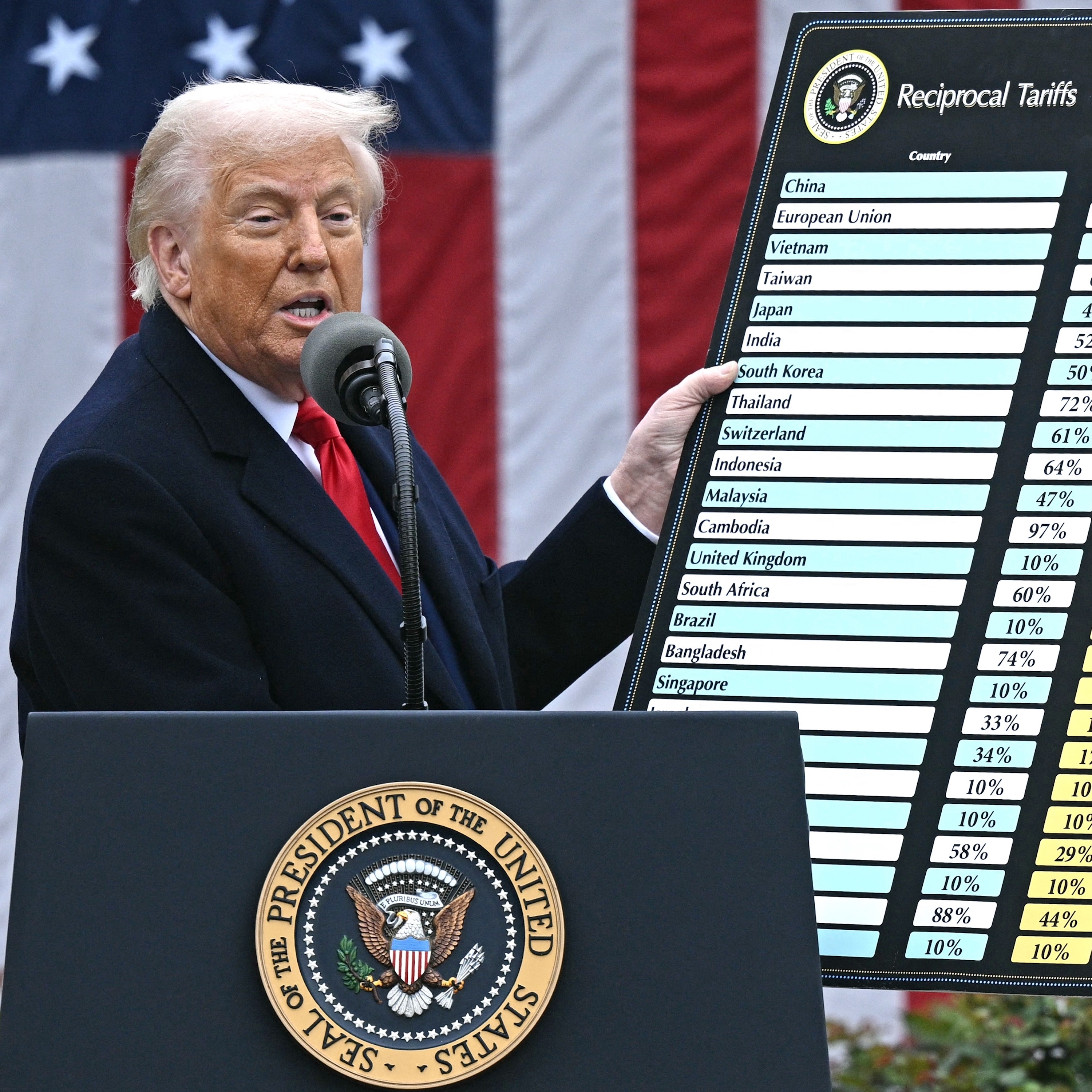
After months of threats, the Trump administration announced this week a slew of heavy tariffs, taxes on imported goods, for major trading partners such as India and Canada. The news came on the heels of the recent announcement of a new trade agreement with the European Union that was widely seen as a lopsided deal in favor of the United States. Despite angst over President Donald Trump’s tariffs and aggressive approach to trade policy, major trading partners do appear to be ceding some ground to Trump. But how will these policies risk damaging alliances that are already frayed? And how could Trump’s latest trade moves affect U.S. consumers?Today on “Post Reports’s” weekly politics roundtable, host Colby Itkowitz is joined by Washington Post White House reporter Cat Zakrewski and global economics correspondent David Lynch to discuss the consequences of Trump’s tariffs.

Sydney Sweeney's jeans and an American (Eagle) controversy
Last week, clothing brand American Eagle released a series of short clips and images featuring “Euphoria” and “White Lotus” star Sydney Sweeney. They’re part of a new jeans marketing campaign – where proceeds from the sale of “The Sydney Jeans” are donated to a domestic abuse crisis hotline. But the provocative nature of the campaign and the messaging of the ads have come under scrutiny. Some critics call Sweeney’s collaboration with clothing retailer American Eagle an anti-feminist, pro-eugenics campaign, while others celebrate a seeming shift from DEI-focused marketing. Colby Itkowitz speaks with The Washington Post’s fashion critic, Rachel Tashjian, and Style Memo newsletter writer Shane O’Neill about the controversy, the long history of selling fashion through provocative imagery, and why we can’t stop talking about Sydney Sweeney’s jeans.Today’s show was produced by Thomas Lu. It was edited by Reena Flores and mixed by Sean Carter. Subscribe to The Washington Post here.

Why more immigrants are being tracked with ankle monitors – and who profits
ICE is expanding a controversial surveillance program. Today, our reporter shares how he learned about it, and what The Post uncovered about the company that stands to profit.Read more: Last month, U.S. Immigration and Customs Enforcement directed personnel to sharply increase the number of immigrants they shackle with GPS-enabled ankle monitors. ICE is targeting about 183,000 people with the expansion of the policy, all enrolled in the agency’s Alternatives to Detention program. The move marks a significant expansion of a 20-year-old surveillance practice steeped in controversy. While tracking devices are cheaper and arguably more humane than detention, immigrants and their advocates have long criticized the government’s use of the bulky black ankle bands, which they say are physically uncomfortable and impose a social stigma for the people wearing them, many of whom have no criminal record or history of missed court appointments.Today on “Post Reports,” corporate accountability reporter Douglas MacMillan joins Elahe Izadi to discuss why the agency is expanding this program and who stands to benefit.Today’s show was produced by Rennie Svirnovskiy. It was edited by Maggie Penman and mixed by Sean Carter. Thanks to Silvia Foster-Frau, Tadeo Ruiz Sandoval, Sabby Robinson and Christine Armario.Subscribe to The Washington Post here.
Inside the system burning out air traffic control trainees
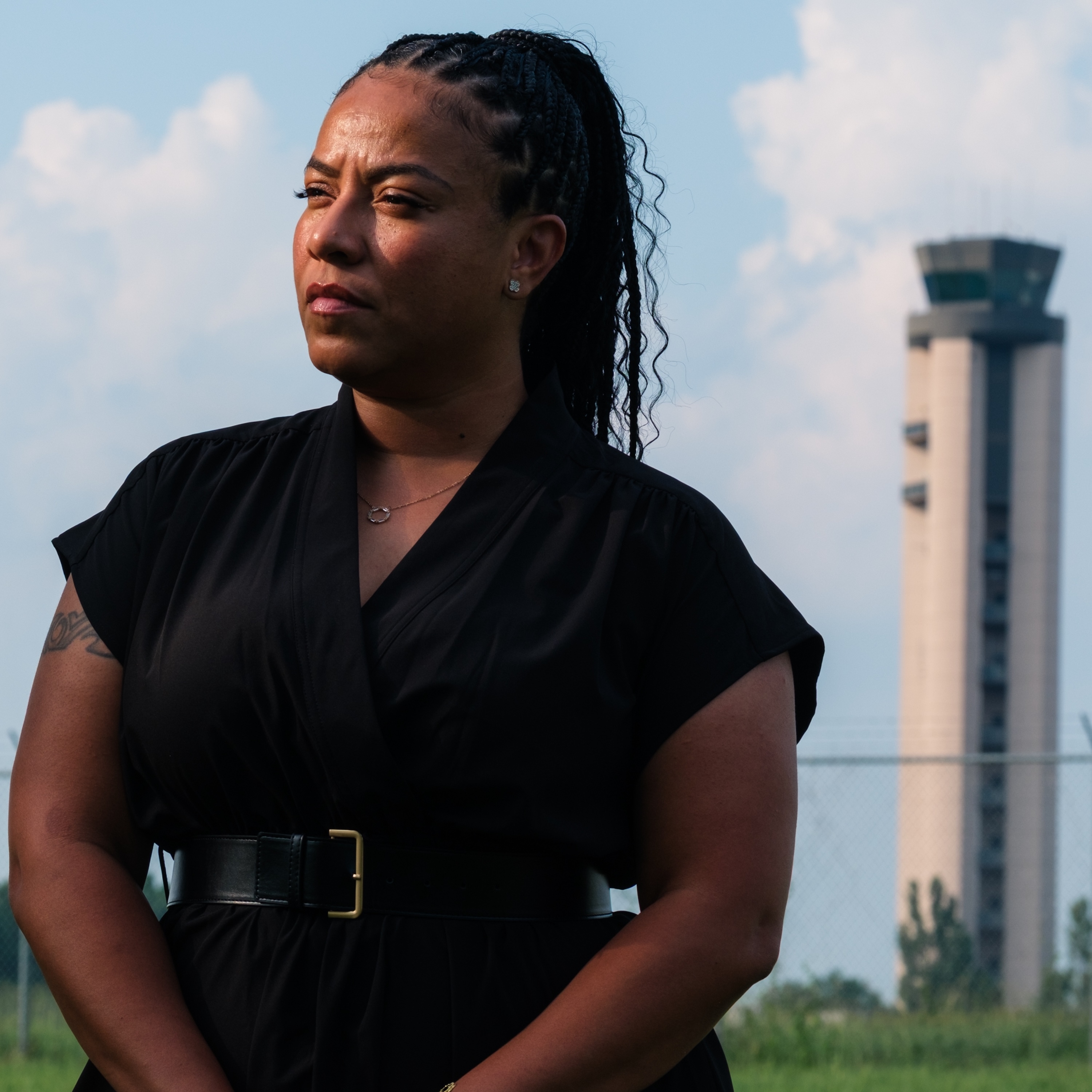
The Federal Aviation Administration has been trying to solve the air traffic controller shortage for years, and recently, they’ve made a variety of changes to get more people trained and employed.But hundreds of trainees are dropping out before they get certified. While some say the program weeds out people who can’t “hack it,” others say a culture of hazing and disrespect is pushing promising controllers out of the FAA.Post Reports producer Emma Talkoff speaks with transportation reporters Lori Aratani and Ian Duncan about why so many air traffic controllers are “washing out” of FAA training. Today’s show was produced by Emma Talkoff. It was edited by Ariel Plotnick and mixed by Sean Carter. Thanks to Christopher Rowland.Subscribe to The Washington Post here.

Gazans are starving. Will aid get in?
As hunger reaches new levels in Gaza, society is on the brink of collapse. Even doctors are struggling to find the energy to treat patients without enough food themselves. At least 147 people have died of malnutrition, including 88 children, according to Gaza’s Health Ministry. Medics have said that is probably an undercount. In recent months, more than 1,000 Palestinians have also been killed while waiting for aid distributed in Israeli-controlled combat zones.Israel has tightened its control of humanitarian aid going into Gaza in recent months to pressure Hamas. Israel has blamed Hamas for the crisis and its refusal to release the remaining hostages. The latest round of ceasefire talks involving the United States broke down last week. International pressure is mounting on Israel to lift its near total blockade on Gaza. President Donald Trump recently voiced concerns about the situation. Israel has started allowing more aid trucks in, and it resumed power to a critical water treatment plant. Critics worry about whether enough is being done. Today, host Colby Itkowitz speaks with Louisa Loveluck, a foreign correspondent for The Washington Post who has been reporting for months about the growing humanitarian crisis in Gaza, and what the future holds. Today’s show was produced by Rennie Svirnovskiy with help from Elana Gordon. It was edited by Maggie Penman and Erin Cunningham. It was mixed by Sean Carter. Subscribe to The Washington Post.

Deep Reads: Chasing ghosts with Dale Earnhardt Jr.
In October 2023, Junior turned 49. That’s the same age his dad was in 2001, when, before the last turn on the last lap of the Daytona 500, Dale Earnhardt Sr.’s car bumped into Sterling Marlin’s, sending the iconic No. 3 careening into the wall at 160 mph.Reporter Kent Babb was studying journalism in college in 2002 when his grandmother called. “They think he’s gone,” she said, referring to Babb’s father. His father’s heart had become enlarged, and while he was painting a house one day, it just stopped. His dad was 51. Babb is 43 now, and since the day his dad died, there has been something unsettling to him about the idea of turning 51. This is common among people who’ve lost a parent young, or what is called an “off-time” death. Psychologists suggest these feelings of anxiety and fear, alongside a gradually intensifying urge to learn about your bloodline, are like a final stage of grief. And it’s one that most people, and in particular men, rarely talk about or explore.Babb wanted to talk about it, preferably with someone who understood. And though he never took to NASCAR, Babb knew he and Junior belonged to the same unfortunate club. Babb wondered if he thought about it, if he dreaded turning 49, how he was coping as he approached the age his daddy was.So, before his birthday in 2023, Babb asked if Earnhardt Jr. would be open to talking. He said yes.This story traces Dale Earnhardt Jr.’s relationship with his father and who he has become after his father’s death.Kent Babb reported, wrote and narrated the piece. Bishop Sand composed music and produced audio for the piece.Subscribe to The Washington Post here.
Trump keeps trying — and failing — to move on from Epstein
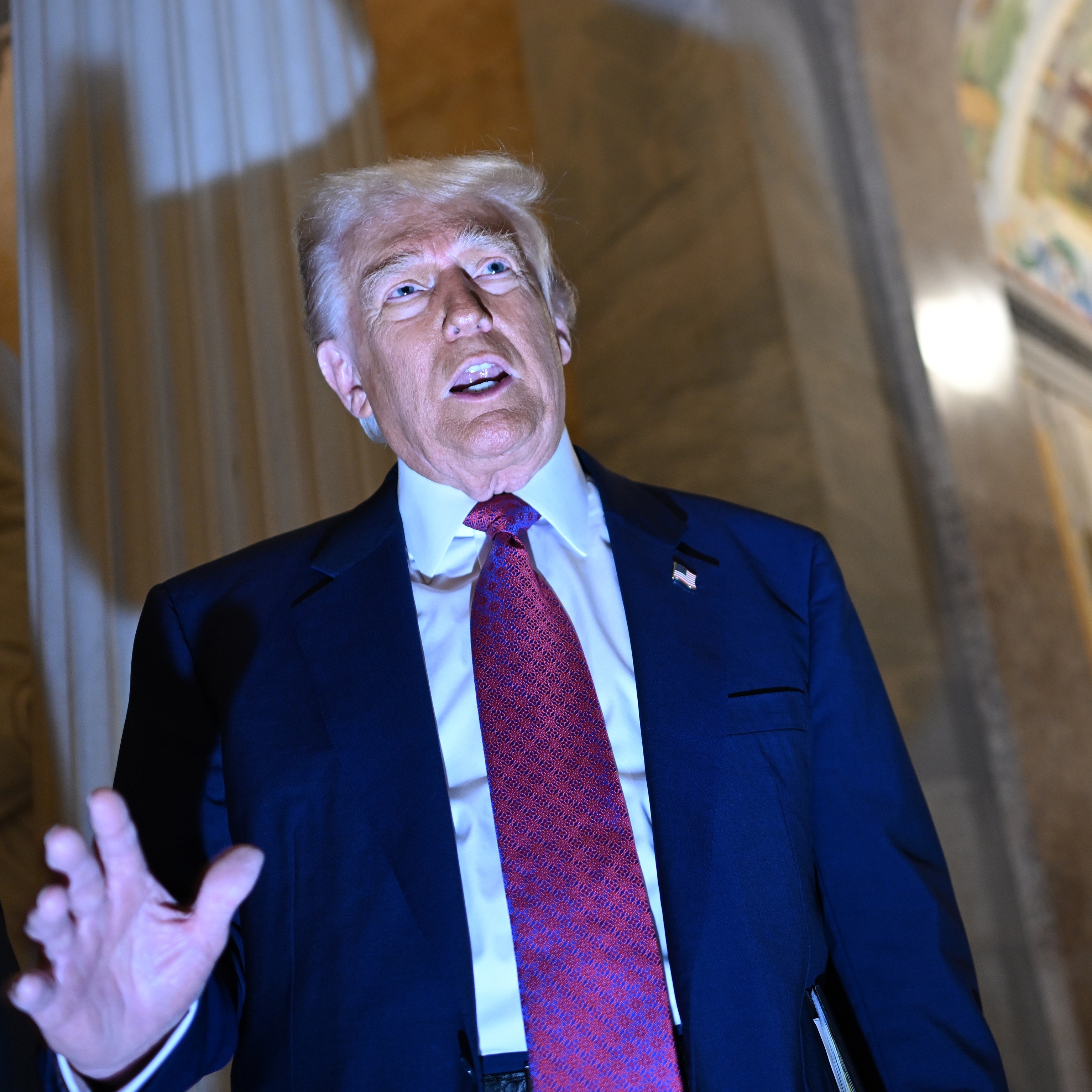
Is President Donald Trump losing control of his MAGA base? Despite his best efforts, congressional Republicans continued to pressure him to release files related to deceased sex offender Jeffrey Epstein.

Mosquitoes are deadly. Should we kill them all?
Mosquitoes are the deadliest animal on earth. They carry diseases, including malaria, which killed more than half a million people in 2023, according to the World Health Organization. Now, we may have a way to fight back. Scientists have developed gene editing technology that renders female mosquitoes infertile, which could lead to a total collapse of certain malaria-carrying mosquito species. Would a world without these mosquitoes have unintended side effects? And should humans be allowed to kill off an entire species?Climate and wildlife reporter Dino Grandoni explains the exciting science and fraught ethics of being able to eliminate mosquitoes. Today’s show was produced by Tadeo Ruiz Sandoval. It was edited by Elana Gordon with help from Ariel Plotnick and Maggie Penman. It was mixed by Sam Bair. Thanks also to Marisa Bellack. Subscribe to The Washington Post here.

The antisemitism task force carrying out Trump’s anti-DEI agenda
For years, conservatives have criticized American universities for being too woke, too liberal, and too focused on DEI – diversity, equity and inclusion initiatives. These critiques were reignited when students on college campuses around the nation began holding pro-Palestinian protests as a response to the ongoing Israel-Gaza war. Under both the Biden and Trump administrations, these protests prompted concerns over increased antisemitic sentiments.Now, under the Trump administration, an internal government group, the Task Force to Combat Anti-Semitism, has been created to address these concerns. Supporters of the task force say that it will help protect Jewish students and make campuses safer for them. Opponents say antisemitism is just a pretext used for pushing a more conservative agenda on U.S. universities.Host Colby Itkowitz speaks with education reporter Laura Meckler about The Post’s investigation into the Trump administration’s Task Force to Combat Anti-Semitism, and how this group could fundamentally change the way universities are run in the United States.Today’s show was produced by Sabby Robinson with help from Thomas Lu. It was edited by Ariel Plotnick and mixed by Sean Carter.Subscribe to The Washington Post here.
Congress cut public media funding. Now what?
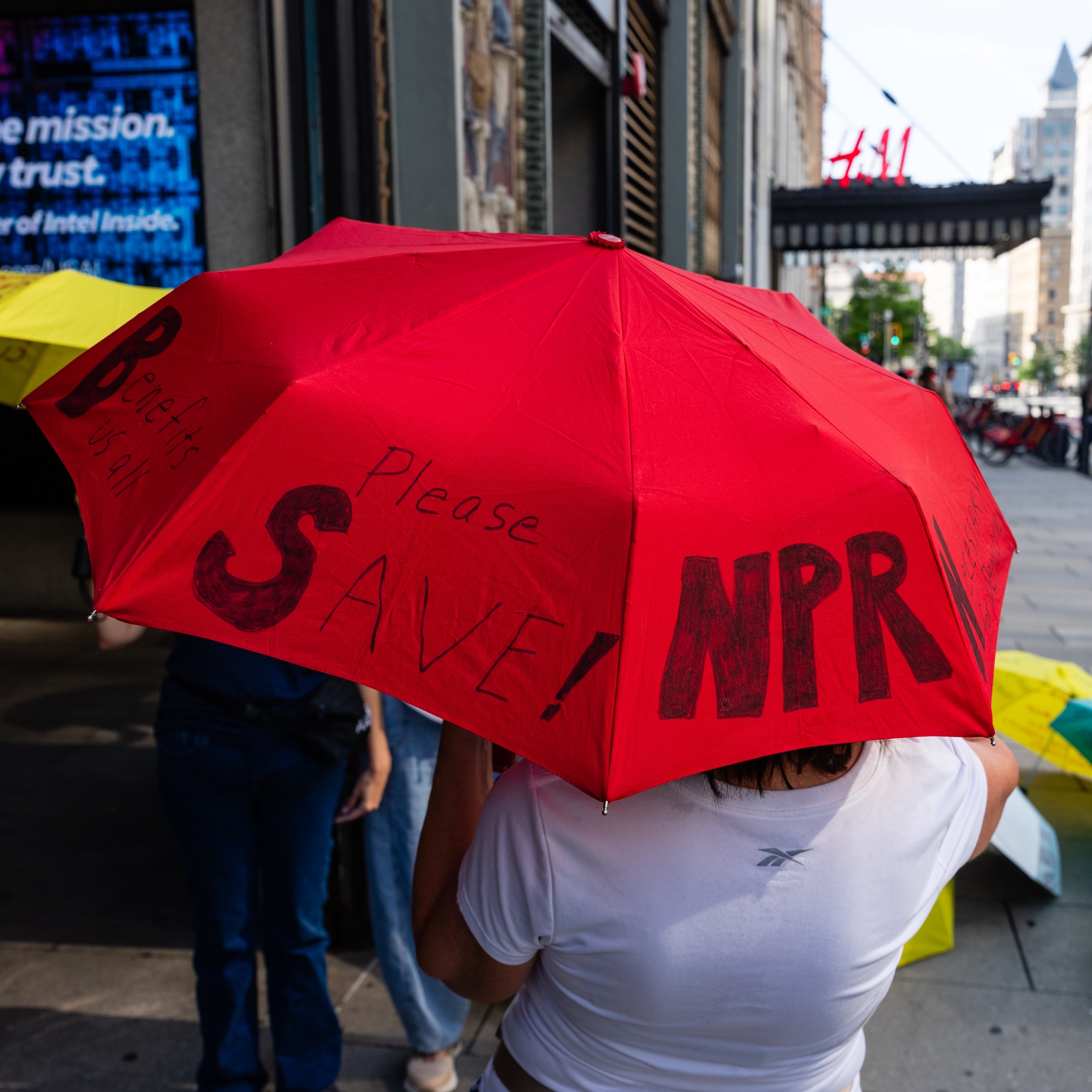
KYUK is the oldest Native American-owned radio station in the country. It broadcasts morning newscasts in both English and Yup'ik, the local Indigenous language, to 56 remote communities in Southwest Alaska. When there’s a weather emergency or even just a local basketball game, these communities turn to KYUK for information. But soon, that could all change. Late last week, Congress passed a rescissions bill that claws back the money set aside for public broadcasting for the next two years. For KYUK, this money represents close to 70 percent of its entire budget. Without it, the station could go dark. Host Elahe Izadi speaks with KYUK’s interim general manager, Kristin Hall, about what the loss of public media funding could mean for her community. Later, Elahe speaks with media reporter Scott Nover about how after decades of talking about defunding public media, Republicans finally made it happen. Today’s episode was produced by Tadeo Ruiz Sandoval. It was edited by Maggie Penman and mixed by Sam Bair.Subscribe to The Washington Post here.

Was he given up for adoption? Or was he taken?
Over the weekend, South Korea announced it would end private adoptions in the country. This comes after an investigation found human rights abuses by international adoption agencies. Some babies had been taken without their birth parents’ knowledge or consent. Records were falsified. Identities were swapped. Babies were stolen.Host Elahe Izadi speaks with Seoul-based reporter Kelly Kasulis Cho about how adoption fraud occurred for decades in South Korea. We also hear from a man who is now on a quest to find his biological family. Today’s show was produced by Tadeo Ruiz Sandoval. It was edited by Maggie Penman and mixed by Rennie Svirnovskiy with help from Sam Bair. Thanks to Bart Schaneman.Subscribe to The Washington Post here.

Does Vogue still matter?
At the height of its influence, American Vogue set the standard for taste and fashion. Now, after nearly 40 years at its helm, Editor in Chief Anna Wintour is stepping down.This announcement coincides with a fast-changing media landscape in which glossy magazines and top editors may no longer be the go-to source for fashion trends and inspiration. Today on “Post Reports” fashion critic Rachel Tashjian chats with Colby Itkowitz about Wintour’s influence and whether fashion tastemakers still work at traditional magazines. Today’s show was produced by Thomas Lu. It was edited by Maggie Penman and mixed by Rennie Svirnovskiy, with help from Sean Carter. Subscribe to The Washington Post here.

How Trump’s Epstein woes nearly derailed his spending cuts
Congress passed a rescissions package early Friday. The package formally withdraws funding for foreign aid, as well as for public television and radio stations. But debate stretched into the night on Thursday, as unrest over the Trump administration’s handling of the Jeffrey Epstein case continued to roil the GOP.While the bill passed along largely partisan lines, the saga illustrates the heat some Republicans are facing after the recent Justice Department decision to withhold the “Epstein files” from the public. Host Colby Itkowitz speaks with Post congressional reporters Liz Goodwin and Marianna Sotomayor about the controversy over the rescissions package and why the Epstein scandal remains a sticking point for lawmakers.Today’s show was produced by Arjun Singh. It was edited by Laura Benshoff and mixed by Sean Carter. Subscribe to The Washington Post here.

What happened at Camp Mystic
Since the devastating flooding over the Fourth of July weekend in Texas, Washington Post journalists have been piecing together what went wrong at Camp Mystic. The floods were especially deadly for the camp, and our colleagues found that many of the things that made the Christian girls camp beloved for generations also made it vulnerable. The camp sits at the confluence of the South Fork Guadalupe River and Cypress Creek. Many of its cabins were built in high-risk flood zones. In 2013, the Federal Emergency Management Agency approved appeals from Camp Mystic to exempt several structures from a flood zone designation, according to federal records.Today on “Post Reports,” correspondent Annie Gowen talks us through what we know about what happened at Camp Mystic.Today’s show was produced by Sabby Robinson. It was mixed by Sam Bair. It was edited by Maggie Penman. Read more about the victims here.Subscribe to The Washington Post here.
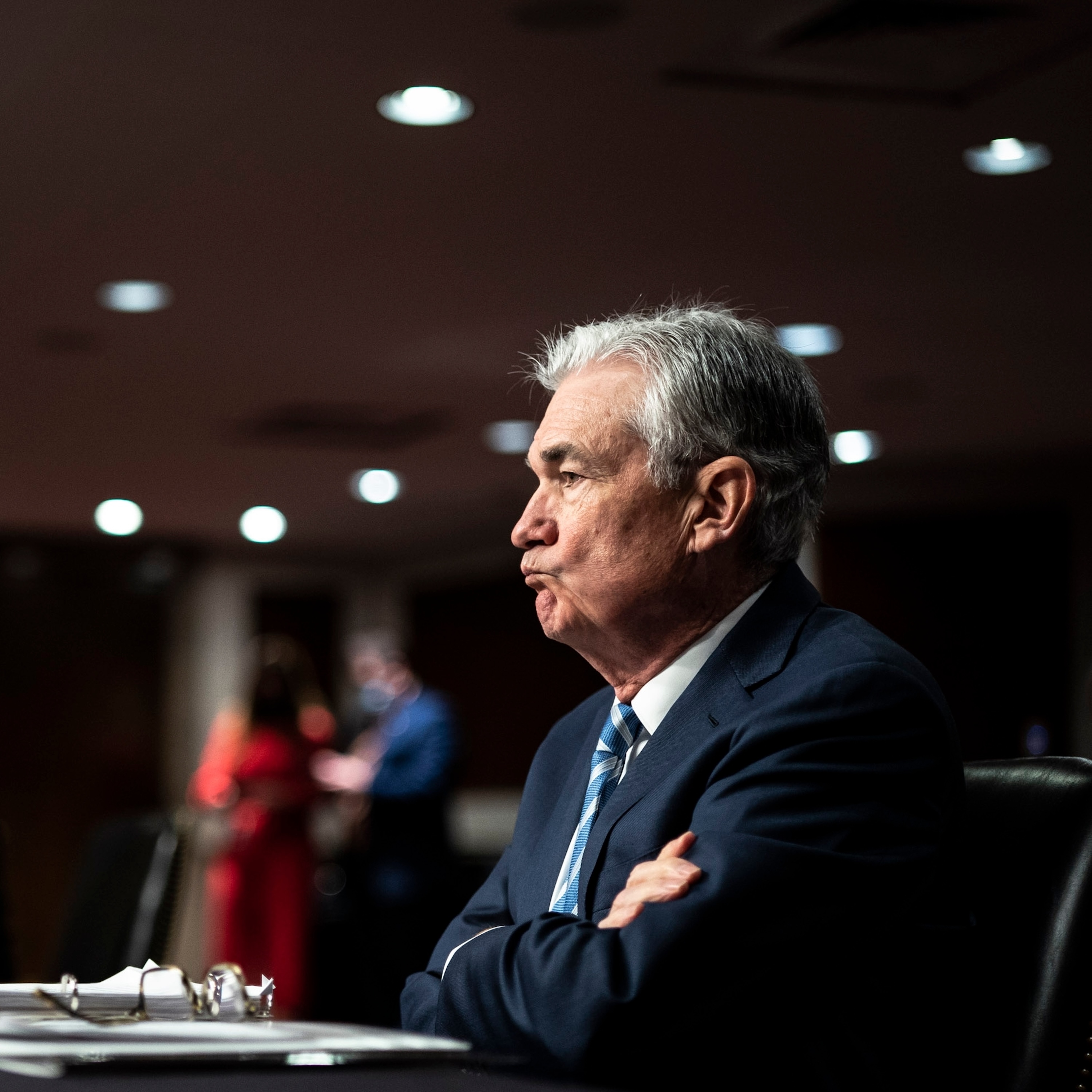
Trump's grudge against the Fed's Jerome Powell
Firing Jerome Powell, the chair of the Federal Reserve, has long been on President Donald Trump’s wish list. Despite nominating Powell to run the country’s central bank in his first term, Trump might be gearing up to fire Powell at any moment. Ousting Powell could add to an already precarious economic situation, fueled in part by Trump’s large cuts to the federal workforce and threat of tariffs against major trading partners. Today on “Post Reports,” host Colby Itkowitz sits down with reporter Andrew Ackerman, who covers the Federal Reserve, financial regulation and consumer financial protection for The Post. Today’s episode was produced by Tadeo Ruiz Sandoval and edited by Reena Flores. It was mixed by Sean Carter. Thanks to Jen Liberto.
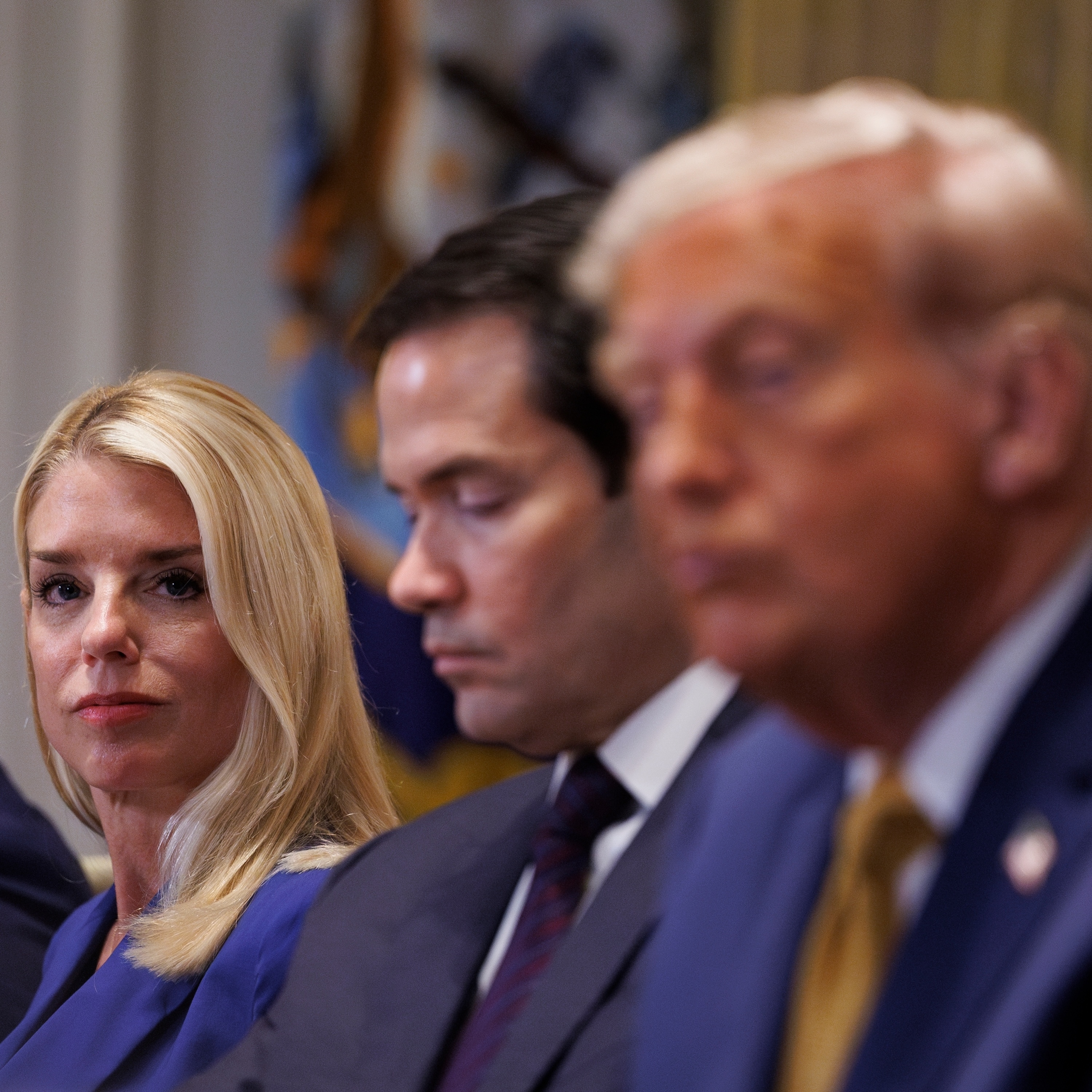
Trump’s “Epstein files” problem
Jeffrey Epstein, a well-connected financier, was found dead in his jail cell in 2019 following his arrest on child sex-trafficking charges. The circumstances around his death, which was ruled a suicide by hanging, and crimes have spurred fringe conspiracy theories, mostly on the far right. Some believe Epstein was actually killed as part of a cover-up; they also believe the “deep state” is hiding information about Epstein’s rich and powerful friends, who they say could also be implicated on sex trafficking chargesTrump did nothing to tamp down his base’s Epstein fixation during his reelection campaign. He even hinted he might release secret government documents that his supporters hoped would validate their conspiracy theories. But the Department of Justice said recently that there’s nothing more to reveal. Host Colby Itkowitz speaks with White House reporter Natalie Allison about how Trump’s conflicting messages about Epstein are unsettling his base and causing strife within his administration.Today’s show was produced by Laura Benshoff and Thomas Lu. It was edited by Ariel Plotnick with help from Reena Flores and mixed by Sam Bair. Subscribe to The Washington Post here.

Inside ex-Brazilian president Jair Bolsonaro's fight to stay out of prison
Former Brazilian President Jair Bolsonaro is in a moment of reckoning. In January 2023, after his election loss, thousands of his supporters attacked the presidential palace, the Supreme Court and the Congress as they protested an electoral defeat that Bolsonaro had baselessly attributed to electoral fraud. Now Bolsonaro is awaiting a criminal trial before the country’s Supreme Court for allegedly plotting to kill his rivals and stay in power. Bolsonaro is barred from running for office until 2030, and he could very well go to prison for decades. Last week, U.S. President Donald Trump weighed in on Bolsonaro’s situation. He called the trial a “WITCH HUNT” on social media and in a letter to Brazilian leaders when announcing a 50 percent tariff on Brazilian goods.Reporters Terrence McCoy and Marina Dias, who are based in Brazil, got a rare window into Bolsonaro’s thinking and his desire for a Trump intervention during a visit to his office this past spring. Today on the podcast, host Elahe Izadi sits down with McCoy and Dias, to learn what their visit revealed about Bolsonaro, about Latin America’s largest democracy and about the United States. Today’s episode was produced by Elana Gordon with help from Sabby Robinson. It was edited by Peter Bresnan and Reena Flores. It was mixed by Sean Carter. Thanks to Jesse Mesner-Hage.

Trump was shot a year ago. Why do we still know so little?
One year ago in Butler, Pennsylvania, 20-year-old Thomas Matthew Crooks was able to get onto a nearby roof and take shots at Donald Trump. In the aftermath many wondered — who was this man who shot the presidential candidate, and how was he allowed to get so close to killing him? Host Colby Itkowitz speaks with investigative reporter Carol Leonnig about the mystifying search for a motive and what she and others have concluded about what went wrong that day, one year later. Today’s show was produced by Sabby Robinson. It was edited by Maggie Penman and mixed by Rennie Svirnovsky. If you want to learn more about how the shooting in Butler changed Trump, our colleague Isaac Arnsdorf was on “Post Reports” on Friday to talk about that. His new book is “2024: How Trump Retook the White House and the Democrats Lost America.”Subscribe to The Washington Post here.

Trump ran to save himself in 2024. He won back America.
President Donald Trump left the White House in 2021 with a historically low approval rating. After the Jan. 6, 2021, attack on the U.S. Capitol, his attempt to overthrow the 2020 presidential election, and his handling of the coronavirus pandemic, Republicans, and much of the nation, appeared ready to move on from his presidency. Three years later, Trump returned to the White House with a decisive victory. But his return wasn’t predestined. In “2024: How Trump Retook the White House and the Democrats Lost America,” Post senior White House reporter Isaac Arnsdorf and former Post reporters Josh Dawsey and Tyler Pager reveal how Trump used his public criminal trials to dominate headlines and amass support. Meanwhile, critical missteps by President Joe Biden and Vice President Kamala Harris’s campaigns hampered their ability to counter a Trump comeback. Host Colby Itkowitz speaks with Arnsdorf about the book and discusses exclusive reporting about the Biden, Harris and Trump campaigns. Today’s show was produced by Arjun Singh. It was edited by Laura Benshoff and mixed by Sean Carter. Thanks to Katy Burnell Evans. Subscribe to The Washington Post here.

How AI is changing dating
Artificial intelligence can help you draft better emails, summarize long documents and now it could even be your online dating coach. Dating app companies say generative AI is a great way for people who might be shy or awkward to present themselves better. But others are worried this could make it harder to know who is on the other side of the screen. Host Elahe Izadi speaks with internet culture reporter Tatum Hunter about the ever-changing dating app landscape and how artificial intelligence could change the way we view romance. Today’s show was produced by Tadeo Ruiz Sandoval. It was edited by Reena Flores and mixed by Sam Bair. Thanks to Yun-Hee Kim.Subscribe to The Washington Post here.

The Supreme Court opens the door to mass federal layoffs
On Tuesday the Supreme Court lifted an order by a lower court that prevented the Trump administration from laying off thousands of federal workers. While the order was unsigned – meaning that the justices have not yet ruled on its legality – this is one of several recent decisions in which the court has sided with President Donald Trump in his effort to upend the government by firing federal workers and regulators. Host Colby Itkowitz speaks with Supreme Court correspondent Ann Marimow about how the court came to this decision and what the rulings could mean for Trump’s agenda in the future. Today’s show was produced by Arjun Singh, with help from Elana Gordon and Tadeo Ruiz Sandoval. It was edited by Ariel Plotnick and mixed by Sean Carter. Thanks to Debbi Wilgoren.Subscribe to The Washington Post here.

How Trump's media war came for CBS
Donald Trump has spent the past decade waging war on the media. That has included filing frequent lawsuits against media organizations whose coverage he views as unfavorable. Those lawsuits have been largely unsuccessful, until recently. Last week, Paramount announced it was settling a lawsuit brought by Trump against CBS News over the news program “60 Minutes.” Although many legal experts believed the case was unlikely to succeed at trial, Paramount chose to settle for $16 million. Elahe Izadi talks to reporter Sarah Ellison about the origins of the case, why Paramount would choose to settle, and what implications the settlement has for the wider media landscape.Today’s show was produced by Peter Bresnan. It was mixed by Sam Bair. And edited by Reena Flores. Subscribe to The Washington Post here.

Why devastation struck Texas's 'flash flood alley'
In just three hours, water levels in Central Texas rose over 30 feet, surprising local communities that say they had little time to prepare and no warning. What ensued was one of the most destructive floods the region has seen in decades.Colby Itkowitz speaks with extreme weather reporter Brianna Sacks about what made the floods in Texas so catastrophic, why local communities were caught off guard, and how these floods have impacted the summer camp culture in Central Texas.Today’s show was produced by Arjun Singh, with help from Tadeo Ruiz Sandoval. It was edited by Ariel Plotnick, with help from Laura Benshoff. It was mixed by Sean Carter. Subscribe to The Washington Post here.
Deep Reads: Abandoned by Trump, a farmer and a migrant search for a better future
As an American farmer, JJ Ficken, 37, was perpetually subject to weather, labor, loans, overhead, markets, health, politics. None of it was predictable, and all of it was a threat. The industry’s survival has long depended on the deals made between millions of Americans willing to brave all that uncertainty and a federal government willing to sustain them, through grants, subsidies, insurance, financing, payouts and disaster relief.But then President Donald Trump, in the earliest days of his second term, threatened to break tens of thousands of those deals, suspending billions in agricultural funding and decimating the staffs that managed it. Swept up in the freeze was JJ and the $50 million grant program he’d signed up for along with 140 other farmers across the country. All of them had agreed to hire and, in many cases, house domestic workers or lawful immigrants willing to take jobs that Americans would not, but with the reimbursements in doubt, farmers worried they’d miss payrolls, default on loans or face bankruptcy.This story follows JJ and Otto Vargas, 24, as JJ recruits, meets and starts working with Otto – all while JJ wonders whether the government will ever pay him back. John Woodrow Cox reported, wrote and read the piece. Sarah Blaskey co-wrote the story. David Ovalle contributed to the report. Bishop Sand composed music and produced audio for the piece.Subscribe to The Washington Post here.

Understanding your gut with 'Try This'
The gut microbiome acts as a key player in our overall health; but what exactly is it, and how does it work?In the first class in our course on the gut microbiome, host Cristina Quinn speaks with gastroenterologist Trisha Pasricha about the leading role the gut microbiome plays in our digestive health and how certain foods support its function.Read more of Pasricha’s work, including eight tips to improve gut health and why probiotics can be a waste of money. For more advice, follow her on Instagram.To hear more, check out “Try This” wherever you listen to podcasts.Now “Try This” has a newsletter! Think of it as a supplemental guide and sign up here.Subscribe to The Washington Post or connect your subscription in Apple Podcasts.
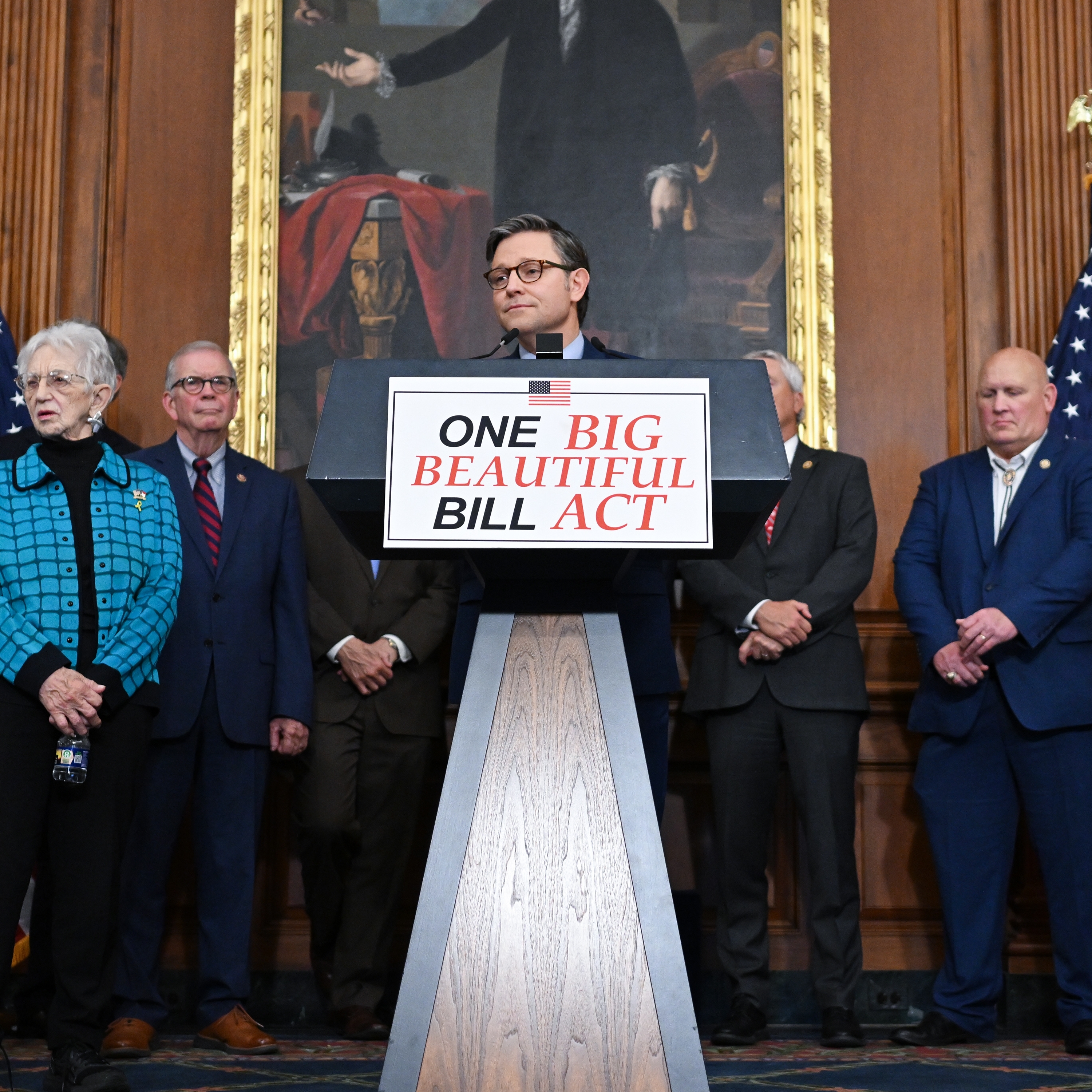
How Trump got his One Big Beautiful Bill Act passed
President Donald Trump is poised to sign the One Big Beautiful Bill Act into law, after the House and Senate passed the bill in two all-night sessions this week. Trump and his allies consider its passage to be a big victory, but the bill, which extends Trump’s 2017 tax cuts, will also result in millions losing their health insurance — a cost that could leave fissures in the Republican Party. Today on “Post Reports,” Colby Itkowitz sits down with congressional reporter Theodoric Meyer and the Post’s “Early Brief” newsletter author Dan Merica to discuss the consequences of the bill and how it could influence the 2026 midterm elections. Today’s show was produced by Arjun Singh, and edited by Laura Benshoff with help from Emily Rauhala. It was mixed by Sam Bair.Subscribe to The Washington Post here.

The Diddy trial: How the jury reached its verdict
After weeks of deliberation, a jury has found Sean “Diddy” Combs not guilty on racketeering and sex-trafficking charges. While this spares Combs from life in prison, he could still face years in prison because he was found guilty of two counts of transportation to engage in prostitution. The verdict came as a shock for many, particularly after lengthy, graphic testimony from Combs’s ex-girlfriends, who described alleged abuse.Today, host Elahe Izadi speaks with style reporter Anne Branigin to unpack the verdict, what it means for Combs’s future and the precedent it could set for similar cases going forward.Today’s show was produced by Peter Bresnan, Tadeo Ruiz Sandoval and Thomas Lu. It was mixed by Sean Carter and edited by Reena Flores. Thanks to Carla Spartos. Follow our coverage of the trial of Sean “Diddy” Combs on Spotify here.Subscribe to The Washington Post here.
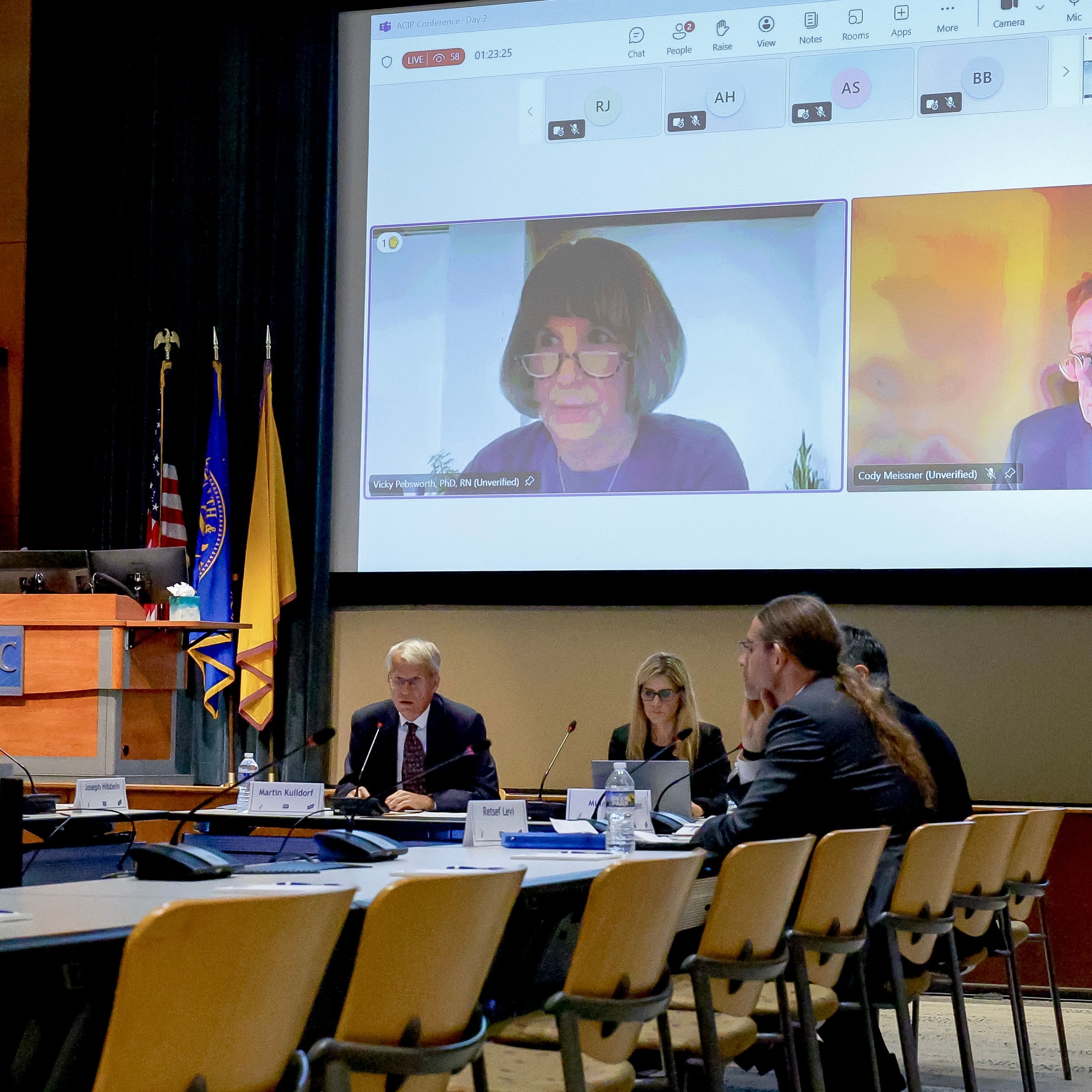
Inside RFK Jr.'s push to change vaccines in America
Every year, the Advisory Committee on Immunization Practices (ACIP) gathers to discuss vaccinations and make recommendations to the Centers for Disease Control and Prevention. This year, however, the panelists are all new to the job and were all handpicked by Health and Human Services Secretary Robert F. Kennedy Jr. — who has expressed skepticism of vaccines.Today on “Post Reports,” host Elahe Izadi speaks with two of The Washington Post’s health reporters, Lena Sun and Lauren Weber, about last week’s controversial ACIP meeting, and what the future of vaccines in the United States could look like under Kennedy’s leadership. Today’s show was produced by Emma Talkoff, with help from Elana Gordon and Thomas Lu. It was edited by Ariel Plotnick, with help from Reena Flores and mixed by Sam Bair. Thanks to Lynh Bui and Fenit Nirappil.Subscribe to The Washington Post here.
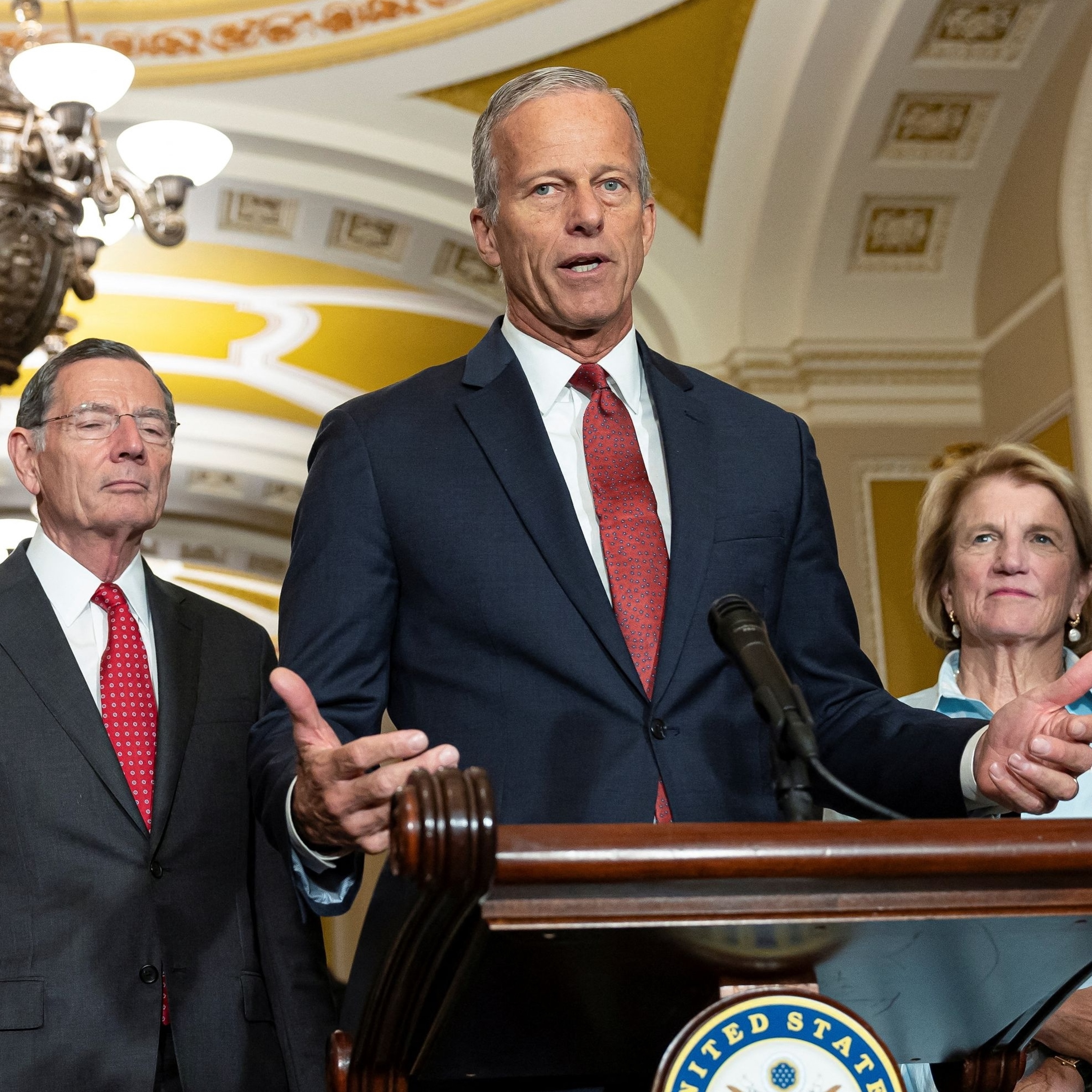
Who wins and loses with Trump's tax bill?
The Senate is voting on President Donald Trump’s signature legislation, which includes tax cuts for a broad swath of Americans. But who stands to benefit most?

The Afghans at risk of deportation
This month Homeland Security Secretary Kristi Noem announced the administration’s termination of temporary protected status, or TPS, for Afghans, exposing thousands, potentially, to deportation as soon as next week, when the policy is to take effect.Today on “Post Reports,” national security reporter Abigail Hauslohner explains.Today’s show was produced by Rennie Svirnovskiy and mixed by Sean Carter. It was edited by Maggie Penman. Thank you to Andy deGrandpre, Hasiba Atakpal, Spojmie Nasiri, Shala Gafary, Negina Khalili, Helal Massomi.Subscribe to The Washington Post here.

The Diddy trial: How Sean Combs's lawyers mounted a defense
After six weeks of intense testimony and cross-examination, the trial of Sean “Diddy” Combs is coming to a close. This week, both the prosecution and defense rested their cases and delivered closing arguments. Soon the case will be in the jury’s hands.Today, style reporter Anne Branigin gives us an update on the defense’s closing arguments, which will wrap up Friday. Then, court reporter Shayna Jacobs breaks down the potential strategy behind Combs’s minimal defense presentation earlier in the week, how prosecutors approached closing arguments and the possible outcomes once the case is handed over to the jury. Today’s show was produced by Peter Bresnan. It was edited by Reena Flores and mixed by Sean Carter. Thanks to Carla Spartos.Follow our coverage of the trial of Sean “Diddy” Combs on Spotify here.Subscribe to The Washington Post here.

Mamdani's win and the future of Trump's war powers, tax bill
Mamdani’s primary win in New York excited progressives as the Democratic Party tries to find its footing after its 2024 losses. Host Colby Itkowitz talks with national enterprise reporter Sarah Ellison about whether Mamdani’s victory could be a road map for the party. They also talk with senior congressional reporter Paul Kane about whether the Senate will pass Trump’s big tax bill and how congressional Republicans have continued to cede power to the executive branch. Today’s show was produced by Laura Benshoff. It was edited by Lucy Perkins and Reena Flores. It was mixed by Sean Carter. Thanks also to Arjun Singh. Subscribe to The Washington Post here.

Can’t stop scrolling on Zillow? You’re not alone.
Many people who visit Zillow aren’t even buying houses — they’re just looking, sharing and daydreaming about their ideal home. The site has such a powerful hold on the market that one real estate company filed a lawsuit this week calling Zillow a monopoly. Elahe Izadi talks with reporter Rachel Kurzius about how we got here and what this house-hunting obsession says about us. Today’s show was produced by Emma Talkoff and Tadeo Ruiz Sandoval. It was edited by Lucy Perkins and mixed by Sean Carter. Subscribe to The Washington Post here.Need a gut check? Find the new season of “Try This” here.

Netanyahu’s long game in Iran
Today: a view of the war from Israel. Elahe Izadi sits down with Jerusalem Bureau Chief Gerry Shih to discuss Israeli Prime Minister Benjamin Netanyahu’s long march to war with Iran.They walk through why Netanyahu attacked Iran when he did, and what he may have gained politically in the process.This episode was produced by Rennie Svirnovsky with help from Arjun Singh and edited by Lucy Perkins. It was mixed by Sam Bair. Subscribe to The Washington Post here. Need a gut check? Find the new season of “Try This” here.

Trump’s gamble in Iran
Over the weekend, President Donald Trump ordered strikes on three Iranian nuclear facilities. His proxies insisted this was a simple one-and-done mission. But on social media Trump raised the prospect of regime change in Tehran. Today on “Post Reports,” we hear from White House reporter Natalie Allison about how Trump made this decision and the divisions it is causing among his MAGA base. Plus, military reporter Alex Horton explains the operation and the consequences we could feel for years to come. Today’s show was produced by Laura Benshoff and Emma Talkoff. It was edited by Maggie Penman and mixed by Sam Bair. Thank you to Andy DeGrandpre.

How to cope with grief and find wonder as Earth's climate changes
Kate Marvel watches the world end all the time. She’s a physicist who works with climate models, so it’s her job to run experiments in computer simulations, watching sea levels rise and temperatures climb.But climate change isn’t happening just in models. It’s happening here, and now – and Marvel has some feelings about it.In her new book Human Nature: Nine Ways to Feel About Our Changing Planet, Marvel explores the many emotions she has been feeling surrounding climate change – grief, fear and anger, of course, but also hope, wonder and love. In today’s Post Reports, she explains how we can all feel a little more empowered and motivated to change the world. Today’s show was edited by Ariel Plotnick and mixed by Sean Carter. Subscribe to The Washington Post here.

The Diddy trial: Race, consent, and why the trial matters
Sean “Diddy” Combs is a master imagemaker and influencer who rose to the top of multiple industries. But now he is on trial facing federal charges of racketeering conspiracy, sex trafficking and transportation to engage in prostitution – which he denies and has pleaded not guilty to. Still, Combs is trying to maintain some control over public perception.Host Elahe Izadi speaks with culture reporter Helena Andrews-Dyer and style reporter Anne Branigin about Combs’s image and the societal issues at the center of the trial, including race and consent in a post-#MeToo era. Today’s show was produced by Sabby Robinson. It was edited by Reena Flores and mixed by Sean Carter. Thanks to Carla Spartos.Follow our coverage of the trial of Sean “Diddy” Combs on Spotify here.Subscribe to The Washington Post here.

Listen to ‘The Empty Grave of Comrade Bishop’
Every 19th of October, Grenadians mark a somber anniversary: the 1983 execution of the country’s former prime minister and revolutionary leader, Maurice Bishop, and others who died alongside him. The people of this Caribbean nation still have no closure more than 40 years later. The remains of Bishop and his supporters were never returned to their family members and are missing to this day. In the first episode of “The Empty Grave of Comrade Bishop,” The Washington Post’s Martine Powers takes us on the personal journey that led her to learn about Grenada’s history. Martine delves into why Bishop was such an influential figure, what made the United States nervous about him and why the mystery of his missing remains continues to haunt so many on the island. If you haven’t listened to the series yet, we hope you check it out on Apple, Spotify, or wherever you listen to podcasts. If you’ve already listened, we would be grateful if you shared it and left a review. You can find photos and documents from the investigation in our special episode guide here. Subscribe to The Washington Post here.

Will the U.S. bomb Iran?
Six days into the exchange of blows between Israel and Iran, President Donald Trump is weighing a direct attack on Iran. The decision would have massive implications — entangling the United States in yet another foreign conflict that some members of Trump’s base say would be a betrayal of his “America First” campaign promise. Trump says he’s issued an “ultimatum” to Iran to dismantle its nuclear program.How would American involvement in the Israel-Iran conflict further inflame hostilities in the region — and what could retaliation against the U.S. look like?Host Elahe Izadi speaks with Pentagon reporter Dan Lamothe and investigative reporter Carol Leonnig about this pivotal moment for Trump, the United States and the world.Today’s episode was produced by Laura Benshoff with help from Emma Talkoff. It was edited by Ariel Plotnick and Maggie Penman. It was mixed by Sean Carter. Another story we’re following today: The Supreme Court has ruled that states can ban some gender transition treatments for minors. In December, when the court heard arguments in U.S. v. Skrmetti, Post Reports followed a family at the center of the case. Listen to that episode here.Subscribe to The Washington Post here.

A major turning point in the Israel-Iran conflict
Israel launched attacks on Iran last week. Iran quickly retaliated. The fighting has left many feeling both fearful and hopeful. Now, it is unclear whether this escalation in a long-simmering conflict could turn into a wider war. Elahe Izadi speaks with Post reporter Yeganeh Torbati about why Israel chose this moment to launch strikes against Iran, whether Iran’s government could fall, and whether the U.S. and President Donald Trump will get involved.Today’s show was produced by Peter Bresnan. It was edited by Lucy Perkins and mixed by Sam Bair. Subscribe to The Washington Post here.

A manhunt and search for a motive in Minnesota
Last night, police arrested Vance Boelter, the man suspected of shooting two Minnesota Democratic lawmakers and their spouses. One couple died. The other survived. The details of Boelter’s life and what might have pushed him to commit these crimes are still coming into focus. But police say he planned the attack meticulously. We also know he is a devout Christian, fervently antiabortion, and kept a long hit list of other Democrats.Colby Itkowitz speaks with national reporter Patrick Marley about the shootings and how Boelter was apprehended.Today’s show was produced by Rennie Svirnovskiy with help from Laura Benshoff. It was edited by Ariel Plotnick and Maggie Penman, and mixed by Sean Carter. Subscribe to The Washington Post here.

The Diddy trial: “Jane,” the government’s sleeper witness
Until the past week, not much was known about “Jane,” one of the alleged victims at the center of the government’s case against Sean Combs. Jane — who is going by a court-approved alias to protect her identity — testified earlier this week that she was seeing Combs on and off until he was arrested in September. She alleges she was pressured into participating in sex parties with Combs and male escorts — events that allegedly happened while he was being investigated by the government for similar acts. Combs faces charges of racketeering conspiracy, sex trafficking and transportation to engage in prostitution. Combs has pleaded not guilty and has denied wrongdoing. Style reporter Anne Branigin talks with host Elahe Izadi about how Jane's testimony could be a game changer in this trial and why the government believes she’s a victim of sex-trafficking. Today’s show was produced by Sabby Robinson. It was edited by Ariel Plotnick and Lucy Perkins and mixed by Sean Carter. Thanks to Carla Spartos.Follow our coverage of the trial of Sean “Diddy” Combs on Spotify here.Subscribe to The Washington Post here.

Gov. Josh Shapiro on antisemitism and Trump's 'sanctimonious B.S.'
Pennsylvania Gov. Josh Shapiro (D) faced a violent attack on his home in April. A man with a history of mental illness, 38-year-old Cody Balmer, has been charged with breaking in and setting fire to a dining room at the Governor’s Residence. The alleged arsonist said part of his motivation was Shapiro’s support for Israel. Since this incident, there have been other high-profile attacks against Jewish people in Boulder, Colorado, and Washington, D.C.Host Colby Itkowitz speaks with Shapiro about the attack and the recent spike in antisemitic actions in the United States. She also asks him about President Donald Trump’s decision to deploy the National Guard and Marines to California, and why so many people think he’s a top contender for the Democratic presidential nomination in 2028.Today’s show was produced by Laura Benshoff. It was edited by Reena Flores and mixed by Sam Bair, who also edited the video. Peter Stevenson and HyoJung Kim shot the video. Thanks also to Nick Baumann, Sean Sullivan and Ariel Plotnick.Watch the full interview on YouTube. And you can subscribe to The Washington Post here.

He's dying of cancer. They chose to start their family.
Since 2000, the rate of new cancer diagnoses for people ages 15 to 49 has climbed by 10 percent. This year, more than 200,000 people in that age group will be newly diagnosed with cancer. They will join more than 2.1 million Americans who were also diagnosed as young adults and are living with the disease. In today’s episode, Post video journalist Drea Cornejo sits down with host Elahe Izadi to talk about how Drea’s own cancer diagnosis three years ago, when she was 26, motivated her to report on the realities facing more younger adults. Drea documented the lives of Tanner and Shay Martin over the past six months as they navigated Tanner’s terminal colon cancer diagnosis with big life decisions including starting a family. While most young adults survive their cancer diagnosis, they still face the potential of a greatly altered future with implications for relationships, careers, finances and family planning. You can watch The Post’s short documentary about Tanner and Shay here. Be sure to also check out the comic about Drea’s diagnosis here. Today’s show was produced by Elana Gordon. It was mixed by Ted Muldoon and edited by Renita Jablonski with additional editing by Lynh Bui, Mary-Ellen Deily and Dan Keating. Additional reporting for this story came from Dan Keating, Ariana Cha and Julia Wall. Special thanks to Wendy Galietta, Whitney Leaming, Jessica Koscielniak and Stephen Smith. Subscribe to The Washington Post here

Serving ‘dead time’
Washington’s juvenile justice agency appeared to finally be reformed. After decades of court monitoring, a judge declared in late 2020 that the long-troubled Department of Youth Rehabilitation Services could return to the mayor’s control.Mayor Muriel E. Bowser (D) promised “a focus on restorative justice, love, and empowerment” that would “serve and improve the lives of our young people, their families, and our entire community.”Instead, progress at the agency – charged with setting serious and repeat teen offenders on a better path – unraveled as youth crime spiked, a Washington Post investigation found.Today on the show, investigative reporter Nicole Dungca tells “Post Reports” co-host Elahe Izadi about some of the teens and children who spent months in a violent detention center as waits grew longer for rehabilitation programs.Read more here. If you value this reporting, please subscribe to The Washington Post. Today’s episode was produced by Peter Bresnan with help from Sean Carter, who also mixed the show. It was edited by Reena Flores. Thank you to Lisa Gartner and David Fallis.