Know your rights: Protesting and traveling in the U.S. as a noncitizen
Can noncitizens protest? Should you leave your phone at home when flying into and out of the United States? Post reporters walk us through the gray areas being used by the Trump administration in its effort to crack down on immigration.
Audio is streamed directly from the publisher (tracking.swap.fm) as published in their RSS feed. Play Podcasts does not host this file. Rights-holders can request removal through the copyright & takedown page.
Show Notes
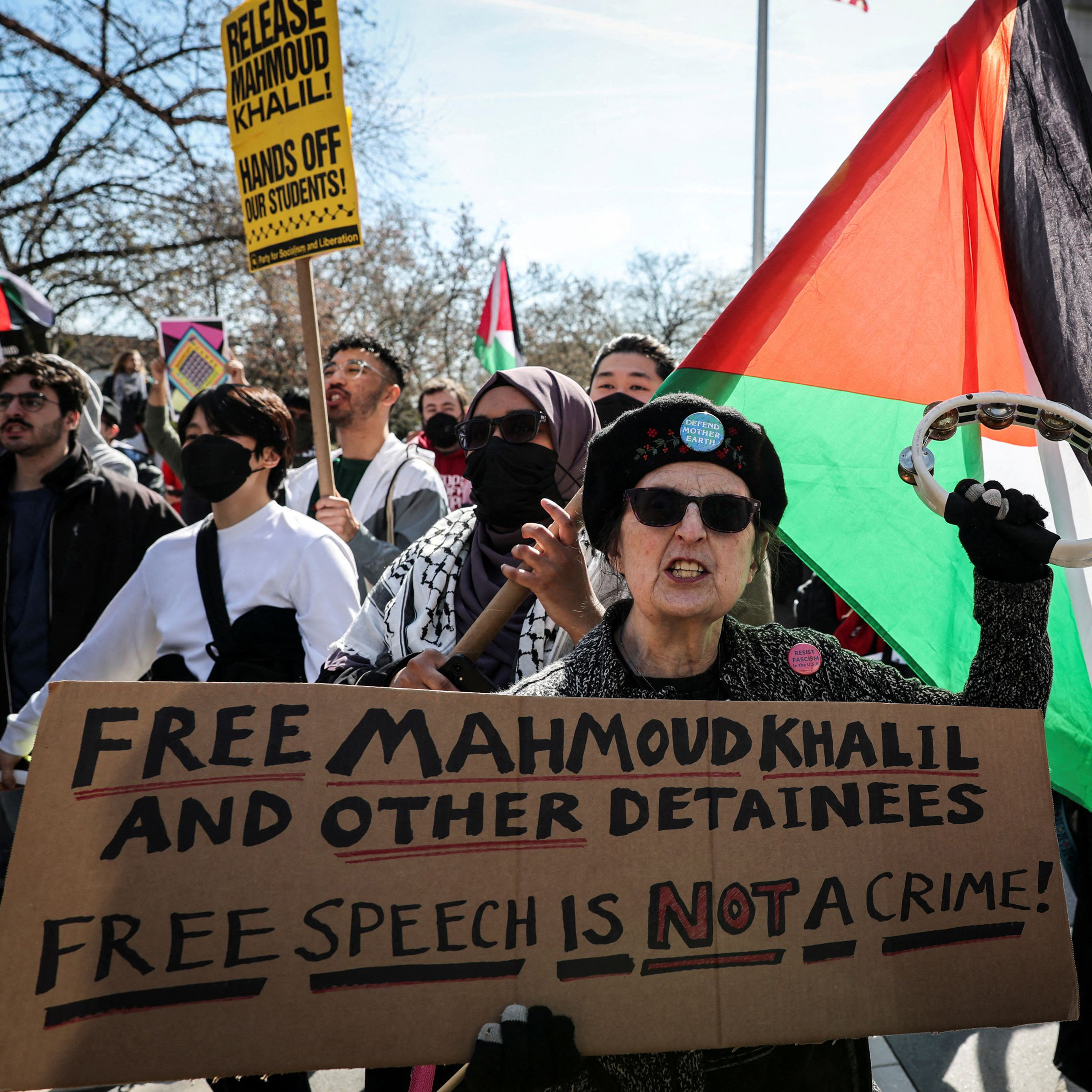
From New York to Boston to Washington, we've seen arrests of noncitizens by Immigration and Customs Enforcement, citing ties to Hamas and Hezbollah. The evidence seems to be their participation in protests of the Israel-Gaza war, or social media posts.
Civil liberties groups say the legal justifications are tenuous and potentially unconstitutional. The First Amendment protects the right to speak, protest and publish views, regardless of citizenship status. But experts say that deportation is an area where courts have historically granted the executive branch broad latitude — and that gray area is where the Trump administration is operating.
Today on “Post Reports,” reporter María Luisa Paúl joins host Colby Itkowitz to outline the rights of noncitizen protesters.
And, as reports emerge of travelers being questioned, detained or refused entry at U.S. ports of entry — and of travelers having their phones searched and taken by border patrol officers – technology reporter Heather Kelly shares her guide to locking down your devices.
Today’s show was produced by Rennie Svirnovskiy. It was mixed by Sean Carter, and edited by Maggie Penman.
Subscribe to The Washington Post here.