The Page Aloud: How Six British Book Podcasts Decide What Reading Should Sound Like
Book podcasts have a strange problem to solve: how do you make reading — the most private of pursuits — sound interesting out loud? Six British shows have arrived at very different answers.
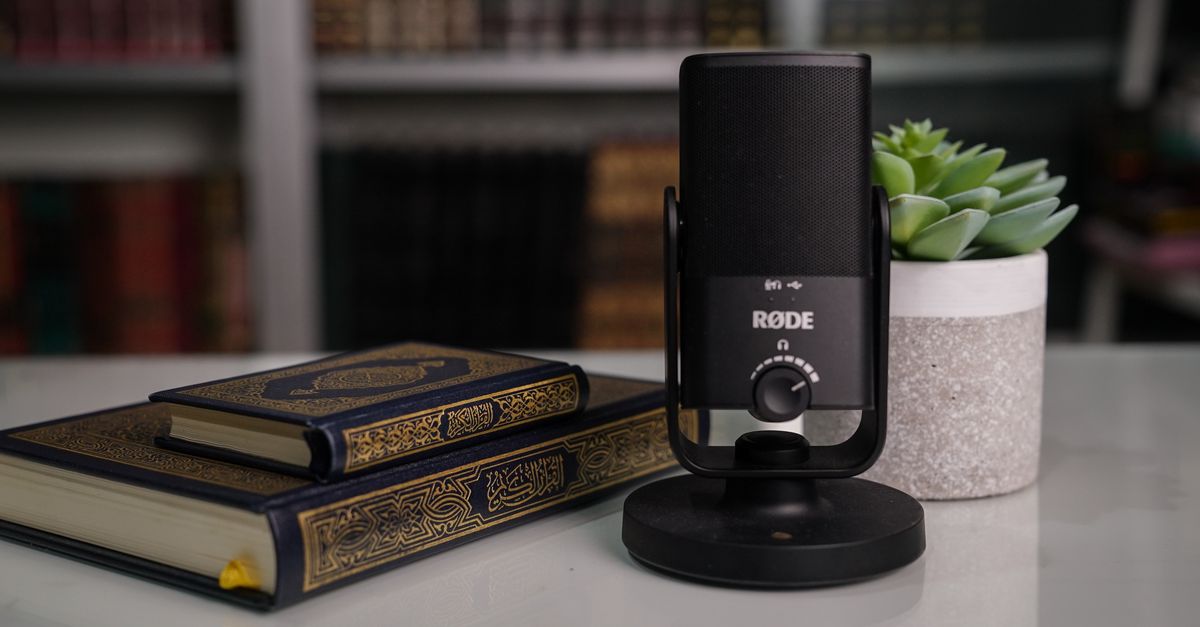
Reading is the most private thing a person does in public. We do it on trains and in cafés, in armchairs and bus shelters, and almost none of what happens during it leaves any external trace. A book podcast — any book podcast — is therefore an attempt to take an essentially silent activity and make it audible without making it dull. It is not a small problem.
It is also, quietly, one of the most interesting craft challenges in British podcasting. The country has a deeper bench of literary radio than almost anywhere — Bookclub and A Good Read have been running on Radio 4 for decades, and an independent fringe has grown up around them with markedly different production philosophies. The result is six shows that, on paper, do something similar (talk about books) and in practice sound nothing like one another.
I've spent the last fortnight listening through their recent runs to work out why.
The six shows
| Show | Hosts | Typical length | Format | Where it lives |
|---|---|---|---|---|
| Backlisted | John Mitchinson, Andy Miller (+ guest) | 80–110 min | Deep-dive on a single overlooked book | Independent, listener-funded |
| Bookclub | James Naughtie | 28 min | Author meets a small audience of readers | BBC Radio 4 |
| A Good Read | Harriett Gilbert + two guests | 28 min | Each guest brings a book they love | BBC Radio 4 |
| Sentimental Garbage | Caroline O'Donoghue + rotating guests | 60–80 min | Reclaiming popular and so-called minor fiction | Independent, Patreon-funded |
| Always Take Notes | Simon Akam (with co-host) | 60–90 min | Career-craft interviews with writers and editors | Independent |
| Slightly Foxed | Hosted out of the magazine's office | 35–45 min | Quarterly conversations on neglected classics | Tied to a print quarterly |
That is, in essence, six different theories of why anyone would want to hear someone else talk about a book. Each is internally coherent; each makes very specific decisions about what a book conversation should contain.
The spoiler line, and how each show draws it
The single sharpest difference between a book podcast and almost any other format is what it does with plot. A film podcast can describe the ending — most of the audience has either seen it or is fine being told. A book podcast cannot rely on that. Reading takes weeks; the audience for any given episode includes people who have read the book, people who haven't, and people who will only read it if the podcast persuades them.
The Radio 4 shows handle this by simply not really discussing plot. Bookclub is built around an author meeting their readers, but Naughtie's interviewing is essentially about the making of the book — research, character, what was thrown away — so spoilers rarely arise. A Good Read is even more careful: each guest has barely six minutes to talk about their pick, which is not enough time to give an ending away even if anyone wanted to.
Backlisted sits at the opposite end of the spectrum. The premise is that the book is half-forgotten anyway, so plot is fair game — and indeed half the fun is hearing Mitchinson and Miller unpack a denouement nobody has thought about for thirty years. The show carries an implicit warning: this is criticism, not seduction.
Sentimental Garbage does something subtler. Caroline O'Donoghue picks books that her audience has often read but never been allowed to take seriously — Bridget Jones, The Secret History, the warmer Marian Keyes — and the unspoken contract is that the listener already knows the plot, or doesn't mind. The episodes are essentially long-form criticism with the safety off.
Slightly Foxed doesn't have a spoiler line at all in any conventional sense, because the books are typically out of print, neglected, or fifty years old. The whole point of the show is that you've never heard of the thing and never will unless they tell you about it. Spoilers, in that frame, are recommendations.
The author-as-guest problem
Three of these shows put authors on the microphone; three mostly don't. The difference shapes the craft enormously.
Bookclub has long been the gold standard of the author interview — partly because Naughtie is one of the few broadcasters who has read the book properly, and partly because the audience is in the room. Listener questions force authors out of the polished circuit they tour with on book promotion. You can hear the shift, sometimes, when the questions become more probing than the host's.
Always Take Notes approaches the writer-on-microphone problem from a craft direction. The hosts treat each guest like a working professional — what's your daily rate, how do you pitch, how did you survive your second book? It is one of the few shows where you might learn the median advance for a literary novelist in Britain (the answer, depressingly, is somewhere in the low five figures). The interviews work because they aren't about the book; they're about the job.
By contrast, Backlisted invites the author of the book under discussion only occasionally and treats it as a treat, not a rule. The reasoning is sound: when the hosts have spent two months reading and rereading, the writer is often the least essential person in the conversation.
What gets said about prose
Here is where most book podcasts fail and a few succeed. Talking about prose — the texture of the sentences themselves — requires reading aloud, and reading aloud is unforgiving on a podcast. Pace, breath, the choice of which sentence to read: all of it is exposed.
The Radio 4 shows largely don't read aloud. Bookclub quotes sparingly, A Good Read almost not at all. The independent shows lean in. Backlisted's episodes are studded with read passages, and the choice of who reads what (a guest, Mitchinson, Miller, sometimes a recorded extract by the author) is part of the production design. Slightly Foxed often reads at length, and reads slowly; the show's whole aesthetic is built around the assumption that you'll relax into the pace of a long, well-mannered tea.
Sentimental Garbage reads selectively but well — O'Donoghue is a novelist herself, and her instinct for which paragraph to put in front of an audience is sharper than most. Always Take Notes reads least of any independent show on the list, which is logically consistent: it's about writers, not their writing.
The economics, briefly
A working assumption among podcasters used to be that talk-about-books shows were not commercially viable. The audience is engaged but small; advertisers prefer broader-appeal categories. Five of the six shows here have effectively conceded the point and gone listener-funded.
- Backlisted runs a Patreon that, by available accounting, supports the production and pays the hosts a modest salary. The membership-tier model — bonus episodes, a book club — has become a template.
- Sentimental Garbage is similarly Patreon-led, with monthly tiers giving access to back catalogue and a thriving members' community.
- Always Take Notes sells a workshop and book alongside the podcast, with the show functioning as a top-of-funnel exercise for paid offers.
- Slightly Foxed is supported by the magazine subscription, which is the actual product.
- Bookclub and A Good Read are paid for by the licence fee and don't need to monetise individually.
Only one show on the list — Bookclub — could plausibly be made by a commercial producer from scratch, and only because the BBC's archive and interview-booking heft underwrite it. Without those advantages, almost every independent book podcast in the UK is, essentially, a sole trader.
Five things the best of them all do
Listening through, the same handful of choices kept turning up in the episodes that worked:
- Have read the book. Properly. Twice, ideally. The single most reliable predictor of a good episode is that the host has done the reading. It sounds obvious. It is not universal.
- Pick one passage to read aloud, not five. The temptation to share favourite quotes is enormous. The best shows resist it; one reading, well chosen, does more than four quick ones.
- Decide on the spoiler policy upfront. And tell the audience. Backlisted does this every episode. The shows that don't tend to lose listeners halfway through.
- Don't make the author the headline. The author has done their work; the podcast's job is the conversation about the work.
- Leave silence after a quotation. Almost nobody does this. The shows that do — Slightly Foxed especially — sound dramatically more confident than the rest.
Where the form might go next
If a single thread runs through the recent run of British book podcasting, it is that the genre is becoming more comfortable being criticism. The earlier wave — and a lot of the publisher-funded shows that came after — treated the book as a product to be celebrated. The current generation is closer to the long-form essay: argumentative, structured, ready to say a book has failed.
That is a healthy direction. The country that produced Granta, the London Review of Books and the now-ailing TLS has an obvious appetite for criticism delivered with rigour and personality. Audio is, somewhat unexpectedly, becoming one of the places it lands.
The technical bar is rising too. Sentimental Garbage and Backlisted are produced to standards that would have been impossible for an independent show a decade ago — proper sound design, intros that aren't just stings, music chosen rather than borrowed. The shows at the front of the form are essentially doing what the best film-criticism podcasts did between 2014 and 2018: treating the medium as a serious place to write, except out loud, and with someone else in the room.
If you want a single place to start: Backlisted is the obvious answer. If you want to understand why the form is interesting at all, listen to it next to A Good Read. You will hear, in the gap between the two, an entire argument about what books are for.