Positive People USA
97 episodes — Page 2 of 2
S15 Ep 70Benny Roberts-Director Hallie Q, Brown Community Center
See My Book: https://www.barnesandnoble.com/w/relationships-the-power-of-illusion-lucky/1149325667?ean=9781663277930Community Lesson PlanLesson Plan: Dr. Martin Luther King Jr. and the Civil Rights MovementCommunity members (adaptable for workshops, civic groups, or intergenerational gatherings).Learning Objectives (with examples and video links)By the end of this lesson, community members will be able to:Identify key events in Dr. King’s life and his role in the Civil Rights Movement.Example: Recognize the Montgomery Bus Boycott as a turning point in challenging segregation.Video Resource: Martin Luther King Jr. – “I Have a Dream” Speech (1963) 👉 https://www.youtube.com/watch?v=smEqnnklfYsExplain the principles of nonviolent protest and how they shaped the movement.Example: Describe how sit‑ins at lunch counters demonstrated peaceful resistance against unjust laws.Video Resource: Moving Towards Civil Rights: America’s Long Road to Racial Justice (Documentary) 👉 https://www.youtube.com/watch?v=HXvvr1aam-gAnalyze the impact of Dr. King’s leadership on American society and laws.Example: Connect King’s advocacy to the passage of the Civil Rights Act of 1964 and Voting Rights Act of 1965.Video Resource: Selma’s Bloody Sunday – Footage from March 7, 1965 👉 https://www.youtube.com/watch?v=5GhvSyVA9asReflect on how civil rights struggles connect to issues of justice today.Example: Discuss parallels between King’s fight for voting rights and current debates about voter access.Outcomes / AssessmentKnowledge Outcomes:Community members recall major events (Montgomery Bus Boycott, March on Washington, Selma marches, Civil Rights Act of 1964).Community members demonstrate understanding of King’s philosophy of nonviolence.Skills Outcomes:Community members articulate how King’s leadership influenced changes in law and society.Community members connect historical civil rights struggles to contemporary issues of justice and equality.Assessment Methods:Formative: Observation of participation in group discussions and ability to explain concepts.Summative: Short written or spoken reflection assessing comprehension of key events, principles, and their relevance today.Mr. Positive, Licensed Social Studies Educator: [email protected]

S12 Ep 37Rihanna/Nicki Minaj - Gospel Music
The message of “Power to Pray” Rihanna × Nicki Minaj, is a bold reminder that prayer is not passive—it’s a force that unlocks strength, unity, and divine intervention in the face of struggle.To be a guest on Positive People USA Podcast call 773-809-8594
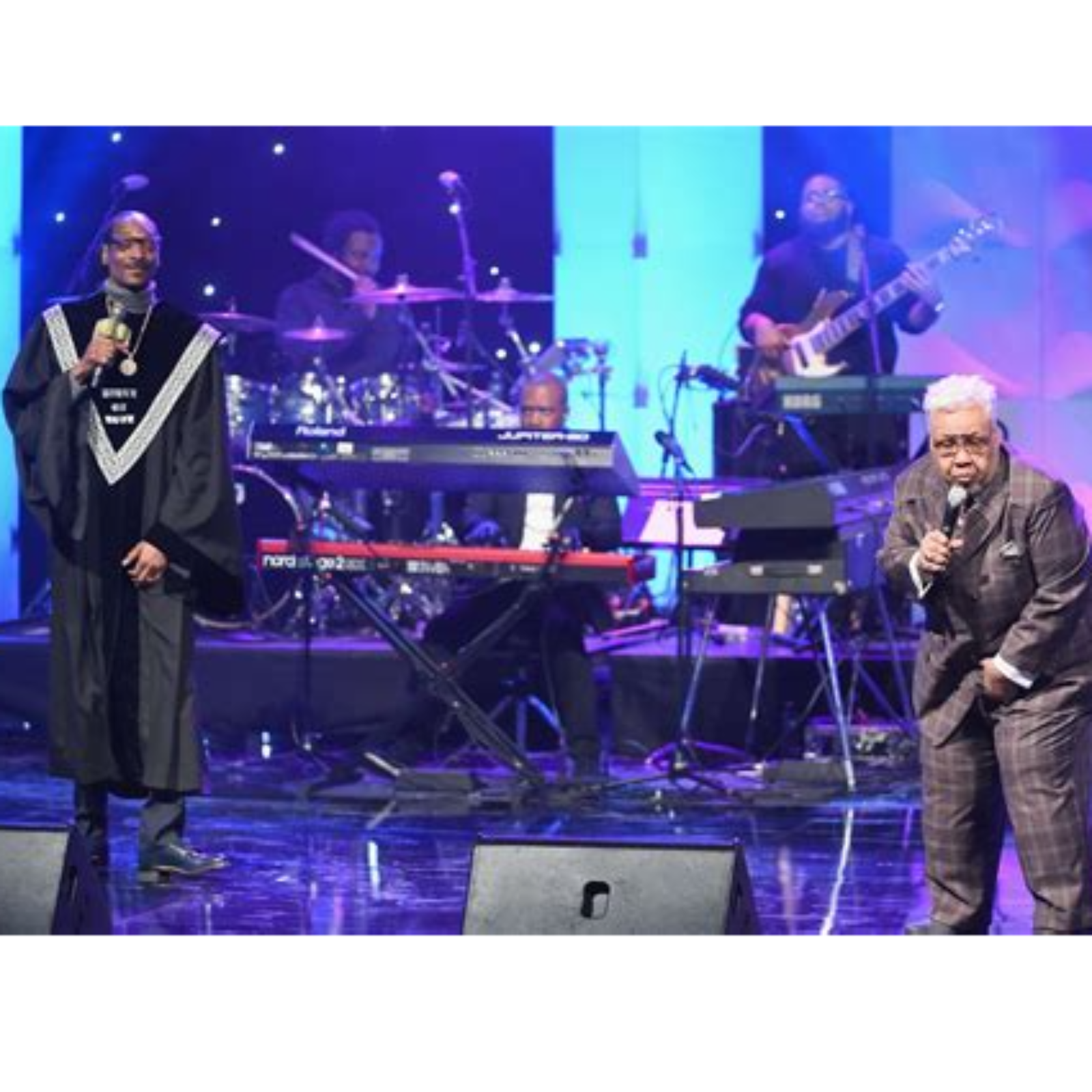
S12 Ep 38Snoop Dogg: Gospel Album-Say What?
QuestionsDo you think Snoop Dogg’s gospel work is authentic or just experimental?How do you see gospel music influencing mainstream artists like him?Send your answers to: [email protected]

S11 Ep 34Smiling and Highly Favored
To be a guest on this podcast call 773-809-8594. Share something that you are doing that is positive. “Smiling is not denial — it is defiance. Our joy is proof that God has favored us.” — Mr. Positive📖 Lesson Plan Title“Smiling People Are Favored”🎯 Learning Objectives (with examples)Families will recognize joy as a sign of divine favor. Example: A parent explains how maintaining a smile during financial stress reminded them of God’s presence.Families will connect outward expressions of joy (like smiling) to biblical promises of favor. Example: A child recalls smiling through rejection at school and links it to Psalm 5:12.Families will practice encouraging one another with affirmations that highlight favor. Example: Each member tells another, “Your smile is proof of God’s favor.”🌱 Learning Outcomes (with examples)By the end of the session, families will:Identify one moment when joy carried them through hardship. Example: A family recalls smiling together during illness, trusting God’s healing.Memorize and recite one verse about favor and resilience. Example: A child recites Isaiah 54:17: “No weapon formed against you shall prosper.”Create a family motto that links smiling with favor. Example: “Our smiles are shields — proof of God’s favor.”📚 ActivitiesOpening Reflection (5 min): Share the lyric “God favored me” and ask: How does smiling show favor?Scripture Connection (10 min): Review the five empowerment points + verses. Families choose one verse to memorize.Family Sharing (10 min): Each member shares a time when smiling through pain revealed God’s favor.Creative Task (10 min): Families design a “Smiling People Are Favored” poster or motto.Communal Declaration (5 min): Families present their motto aloud as a ritual of encouragement.✅ AssessmentObservation: Facilitator notes how families connect smiles to favor in discussion.Participation: Each family presents their motto/poster.Reflection: Families write one takeaway about how they will use joy as a testimony of favor.🕊️ Closing Thought“Smiling is not denial — it is defiance. Our joy is proof that God has favored us.” — Mr. PositiveComments to: [email protected]

S12 Ep 42Please Help Me Please
To be a guest on the podcast and share something that you are doing positive and/or to offer encouragement to others call 773-809-8594“Pressing On” is a declaration of unwavering faith and forward motion in the face of adversity. It captures the resolve to keep moving, not because the path is easy, but because the calling is higher. The song transforms hardship into fuel, opposition into confirmation, and delay into a test of endurance. It’s not just about surviving trials—it’s about refusing to be defined by them. With every lyric, it affirms that pressing on is a spiritual act of defiance, a refusal to retreat, and a commitment to walk in purpose no matter who tries to block the way." Mr. Positive
S11 Ep 32The Battle Is Not Yours
To be a guest on the podcast and share something that you are doing positive and/or to offer encouragement to others call 773-809-8594
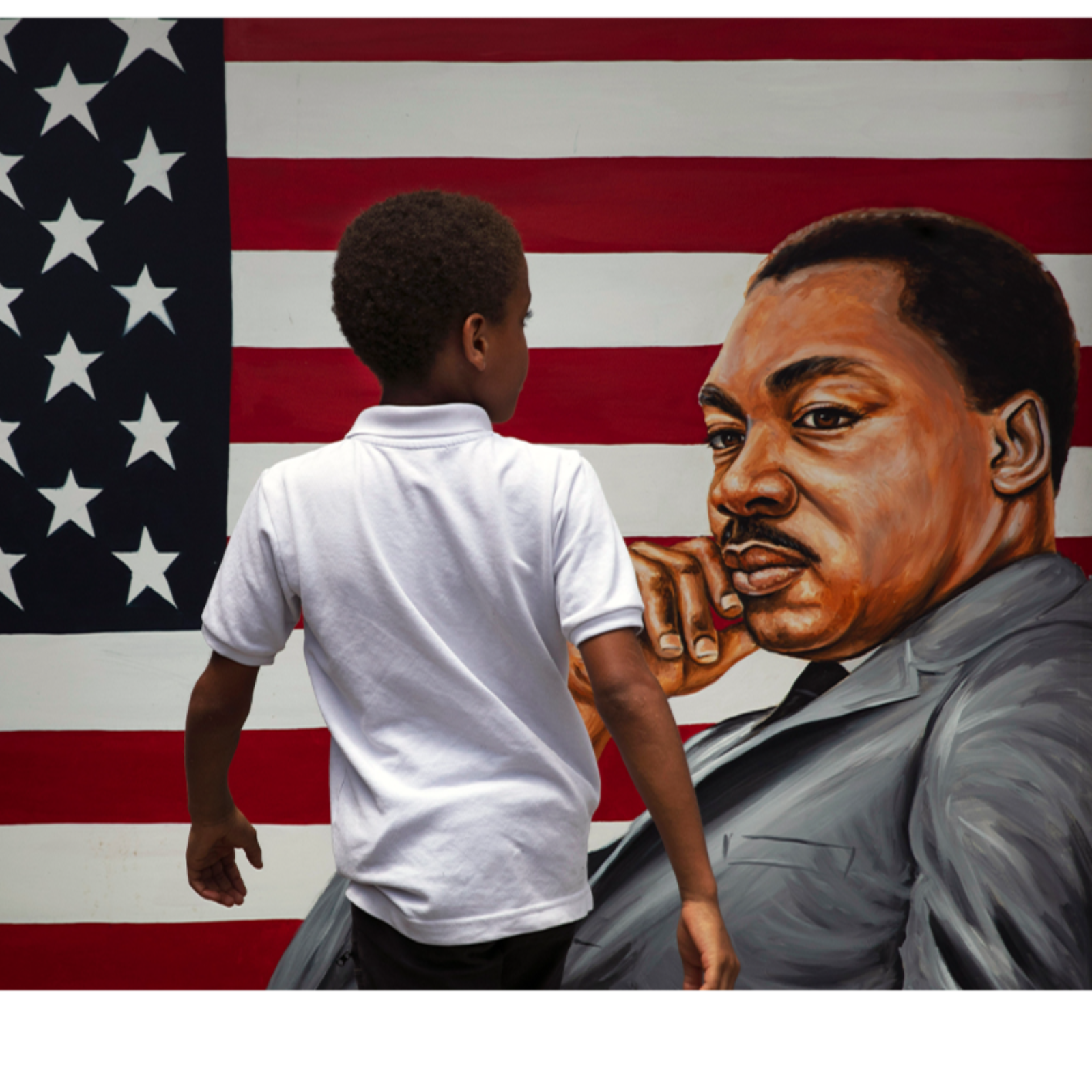
S11 Ep 29Trump’s Erasing Blackness — Let’s Act Together
Trump’s Erasing Blackness — Let’s Act TogetherCommunity Lesson PlanLearning Objectives (3)Recognize the role of civic holidays in shaping collective memory. Example: MLK Day as a ritual of recognition for civil rights.Analyze historical figures’ legacies with nuance. Example: Theodore Roosevelt’s anti-lynching stance and his clash with Southern Democrats.Connect past erasures to present civic action. Example: Juneteenth’s removal from fee-free days as symbolic denial of Black freedom.Learning Outcomes (3)Explain why erasure matters. Example: Participants articulate how removing MLK Day weakens public standards.Identify complex legacies. Example: Participants describe Roosevelt’s support for Black officials and his unpopular stance in the South.Commit to civic action. Example: Each participant drafts one step, such as calling officials or sharing a podcast episode.Assessment (3)Discussion Check: Share one historical fact and one civic implication. Example: “Roosevelt condemned lynching, but Juneteenth’s removal erases Black resilience.”Reflection Prompt: Write a short paragraph on how erasure affects community identity. Example: “Without MLK Day, younger generations lose a ritual of remembrance.”Action Commitment: State one concrete step to take. Example: “I will call my representative to demand restoration of Juneteenth.”To be a guest on Positive People USA Podcast call 773-809-8594
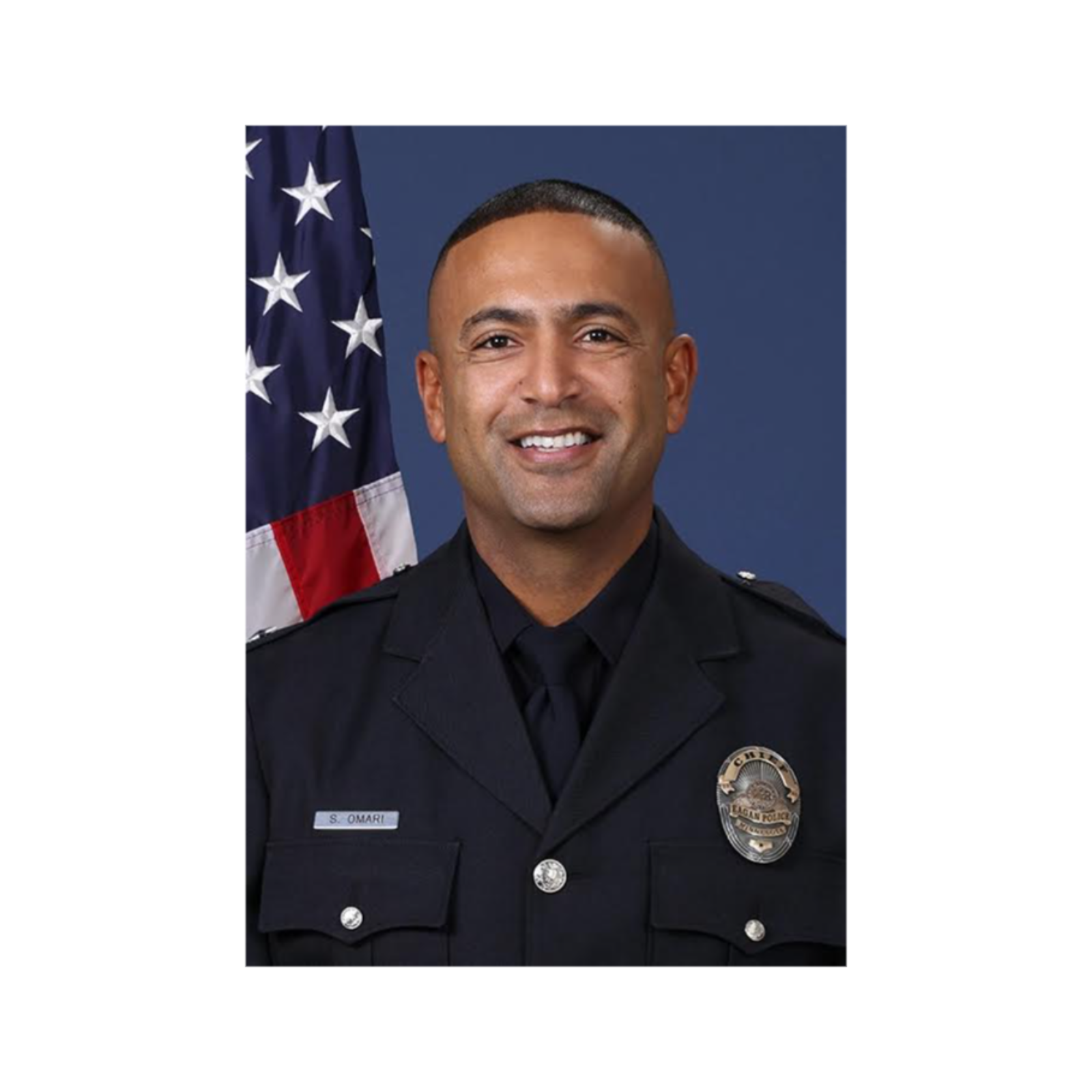
S15 Ep 80Salim Omari: Egan's New Police Chief
See My Book: https://www.barnesandnoble.com/w/relationships-the-power-of-illusion-lucky/1149325667?ean=9781663277930Community Lesson Plan: Chief Salim Omari’s Appointment🎯 Learning ObjectiveParticipants will understand the significance of Chief Salim Omari’s appointment in Eagan, identify seven key takeaways from his career and vision, and connect these lessons to community values of trust, equity, and honorable policing.📌 Learning OutcomesBy the end of the session, participants will be able to:Recognize Chief Omari’s professional journey and leadership record.Example: Describe his transition from Bloomington PD to St. Paul PD and now Eagan.Explain how his appointment reflects Eagan’s commitment to diversity, inclusion, and public trust.Example: Connect his emphasis on collaboration to Eagan’s broader equity goals.Discuss the role of community-focused policing in building collaboration and safety.Example: Identify how trust-building with residents and businesses can reduce conflict.Identify Omari’s contributions to state and national recognition in law enforcement.Example: Cite his IACP 40 Under 40 honor or service on the Sentencing Guidelines Commission.Connect his academic and leadership training to effective civic service.Example: Relate his master’s in police leadership to operational excellence in Eagan.Reflect on the importance of honorable policing as a community legacy.Example: Share how his St. Paul service modeled dignity and accountability.Apply lessons from Omari’s leadership to local civic engagement and community building.Example: Suggest a neighborhood initiative inspired by his bridge‑building approach.📝 Assessment:Reflection Prompt: Write a short response (3–4 sentences) on what “honorable policing” means to you, inspired by Omari’s career.Group Activity: In small groups, design one practical community initiative (e.g., listening sessions, mentorship programs, equity forums) that embodies Omari’s bridge‑building approach.Salim Omari was sworn in as Eagan’s Police Chief on December 2, bringing more than 21 years of experience from Bloomington and St. Paul police departments. He has led units ranging from Internal Affairs and Major Crimes to SWAT, earning recognition such as IACP’s 40 Under 40 and appointments to the Minnesota Sentencing Guidelines Commission. With advanced degrees in criminal justice and police leadership, Omari is praised for his focus on collaboration, equity, and building trust across the community.To share what you are doing that is positive on Positive People USA Podcast. Call 773-809-8594Mr. Positive773-809-8594
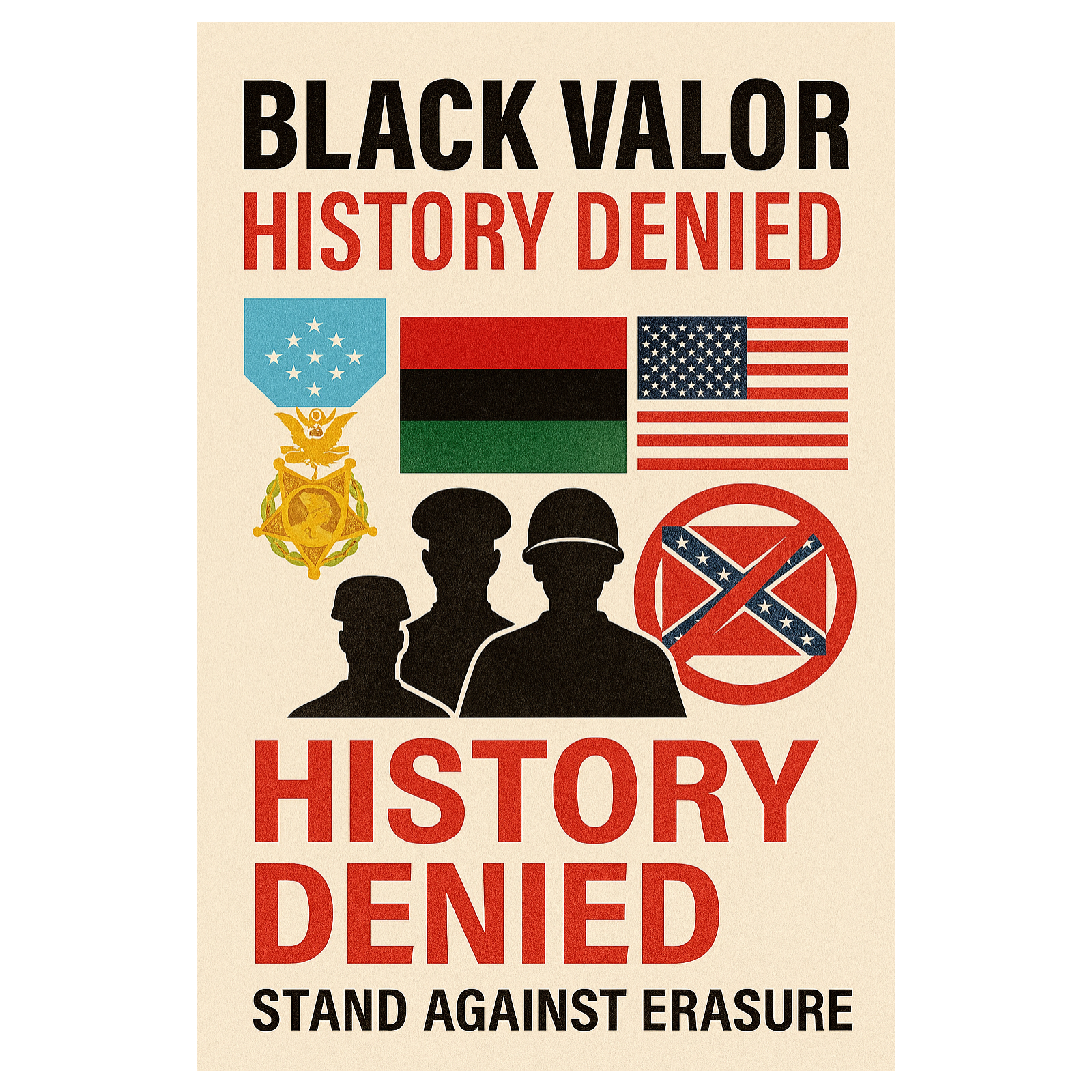
S15 Ep 49Denied: BLACKS American Revolution
Brief Statement Why would anyone seek to oppress, deny, or diminish the extraordinary service of African American heroes who gave their lives and courage for this nation? Their sacrifices are woven into the fabric of our democracy. More important, we do not need permission or consent to remember our heroes — their legacy belongs to all of us, and it must be honored without erasure.📘 Lesson Plan: Standing Against Erasure – Honoring Black Military Heroes🎯 Learning ObjectiveParticipants will understand the contributions of African American military heroes across U.S. history and recognize why preserving their legacy is essential to democracy.🌟 Learning Outcomes (with Examples)By the end of this short session, participants will be able to:Identify at least three African American military heroes and the battles where they served.Example: Name Peter Salem at Bunker Hill (1775), Henry Johnson in the Argonne Forest (1918), and Alwyn Cashe near Samarra, Iraq (2005).Explain why recognition of these heroes was often delayed due to racism.Example: Describe how Freddie Stowers was denied the Medal of Honor until 1991, 73 years after his death, and how Vernon Baker only received his Medal of Honor in 1997 after decades of systemic discrimination.Reflect on why erasure of these stories undermines democracy and justice.Example: Discuss how removing names of Black heroes from bases or ships while glorifying Confederate generals erases the sacrifices of patriots who defended the Union and freedom.Commit to one personal action (sharing, writing, contacting leaders) to resist erasure.Example: A participant pledges to write a blog post about Shoshana Johnson, the first Black female POW, or call their congressman to demand protection of military history that honors African American heroes.📝 AssessmentQuick Recall Activity: Ask participants to name one hero from the Revolution, one from WWII, and one from Iraq.Discussion Prompt: “Why would anyone want to oppress, deny, or diminish this kind of service to our nation?”Exit Ticket: Each participant writes one sentence on how they will help preserve the memory of these heroes (e.g., talk to family, post online, contact a representative).Comments: [email protected]
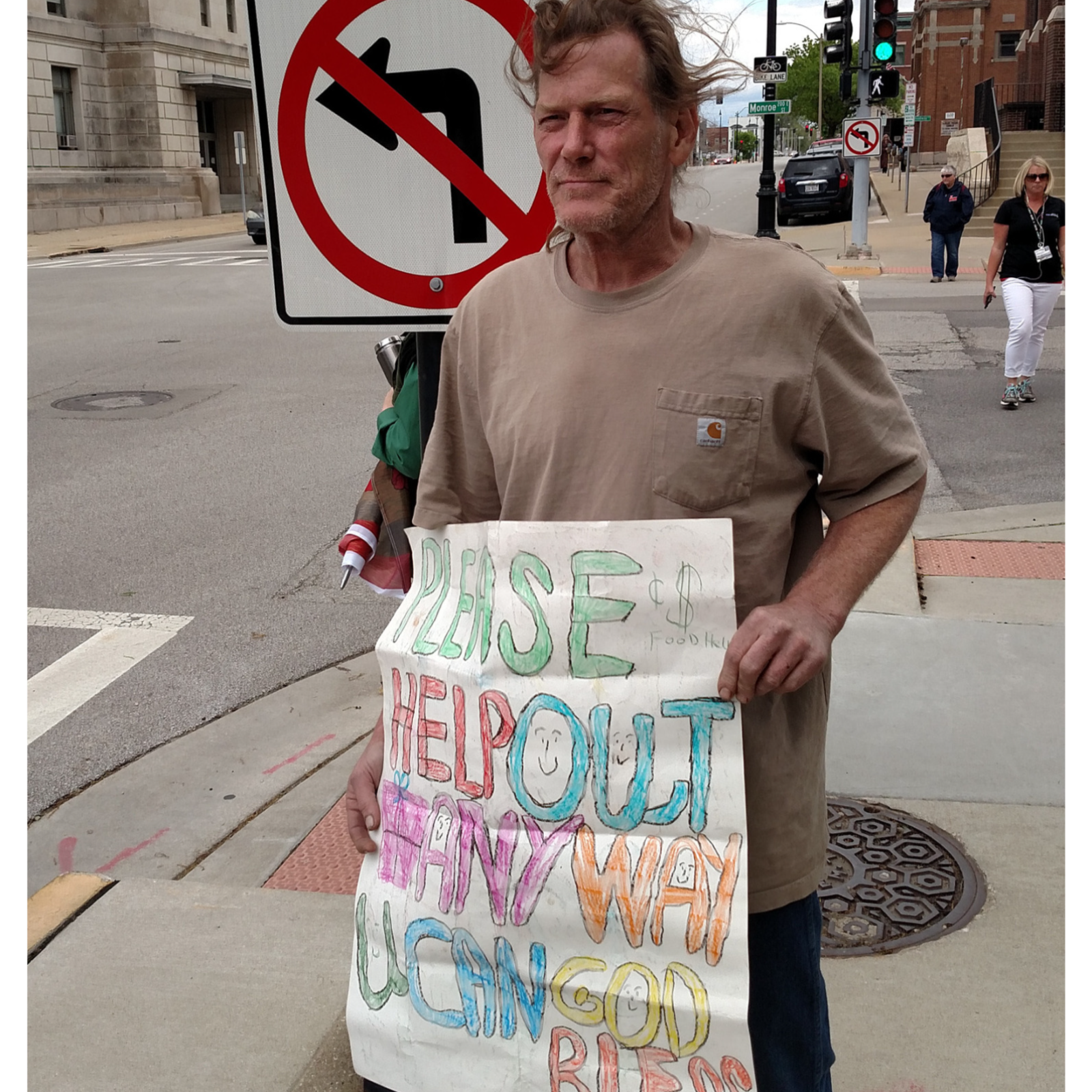
S11 Ep 24Panhandlers = No Sympathy
Example Complaint Letter[Your Name] [Your Address] [City, State, ZIP] [Date]To: Chief of Police, [City Police Department] [City Council Representative’s Name] [City Council Office Address]Subject: Failure to Enforce Panhandling Ordinances and Livability StandardsDear Chief [Name] and Councilmember [Name],I am writing to formally lodge a complaint regarding repeated failures of the police department to respond to violations of city ordinances governing panhandling and public safety.On [date] at [location], I reported panhandlers engaging in conduct that is clearly prohibited under city law, including:Standing in the street and obstructing traffic.Aggressive solicitation near ATMs and business entrances.Harassing customers outside storefronts.Leaving trash and drug paraphernalia in public spaces.This lack of enforcement undermines public safety, violates the city’s own ordinances, and creates livability issues for working families and businesses.City ordinances in (name your city) explicitly prohibit panhandling in roadways, near ATMs, at transit stops, and in front of businesses. Aggressive conduct such as blocking, threatening, or harassing passersby is illegal. Yet these violations continue unchecked.I respectfully demand:A written explanation for why no response was provided to my complaint.Assurance that future violations will be addressed promptly.Accountability measures to ensure ordinances are enforced consistently.If the police department continues to fail in its duty, I will escalate this matter further through additional complaints, public testimony at council meetings, and community petitions demanding accountability.Sincerely, [Your Name]Comments: [email protected]
S15 Ep 68Moe Jackson: Gun Knowledge and Safety
To be a guest in Positive People USA call 773-809-8594Bio: Moe JacksonMy first experience with firearms was in 2022 at a pawn shop. I held one for the first time—a Glock 44—then went to get my permit to purchase and bought it. A couple of weeks later, I took it to the range, fired those first few rounds, and immediately knew my life had changed from just a few shots of .22 LR. From that point on, I began researching day in and day out, learning everything I could about that gun, the rules around owning and using it, and the history of firearms in general.Not long after, I purchased a second Glock chambered in 9mm and enrolled in an online gunsmithing school to deepen my knowledge. Around the same time, I was hired at a local gun store and range, with the hope of eventually working alongside the gunsmiths there. As I quickly discovered, many of the more intensive jobs require more than online coursework, but I am steadily progressing. In the meantime, I have learned a great deal from the gunsmiths—how to properly maintain firearms, what concerns to watch for in different designs, and how to resolve common issues with ease. I am grateful for their willingness to share their expertise and help me continue on my journey.As a range safety officer, I have also gained valuable insight into the common issues and mistakes people encounter when selecting a firearm for home protection, concealed carry, or recreational shooting. One of my favorite aspects of the job is helping to dispel misconceptions about various firearms and guiding people toward the most appropriate choice from a practical perspective, rather than one based on optics or politics. Especially when choosing a weapon for self-defense and the protection of loved ones, there is much to consider—not only the firearm itself but also the equipment, training, and mindset required to ensure it fulfills its role should the need ever arise.

S15 Ep 44Joseph Terrell - Electric Trap
To be a guest on Positive People USA call 773-809-8594Mr. Positive
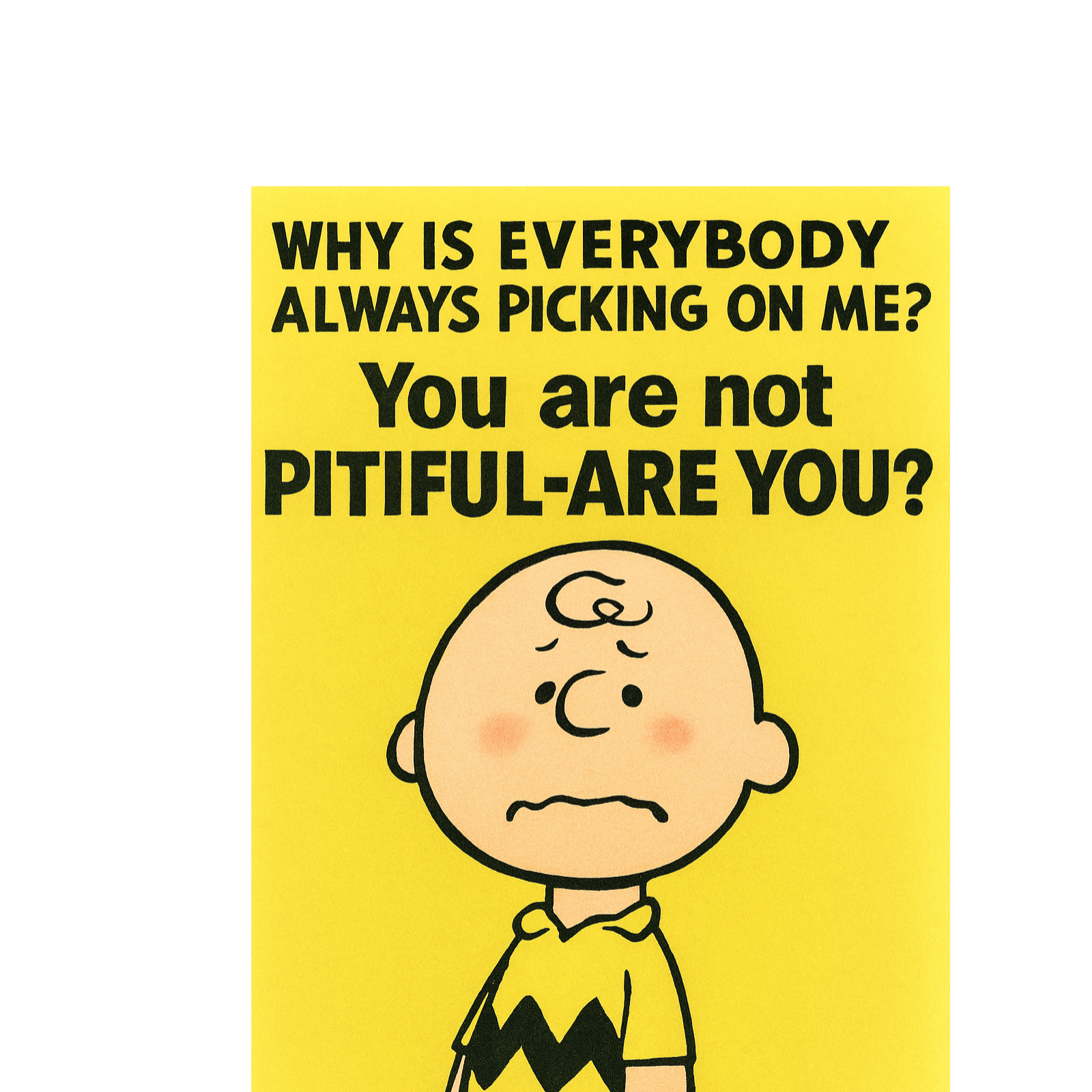
S11 Ep 19Register: Charlie's Pity Me Class
Charlie Brown Always Picking on Me Lesson Plan📘 Lesson Plan: Blame‑Shift Course 101🎯 Learning ObjectivesRecognize blame‑shifting language and how it keeps people stuck. Example: Spot phrases like “They’re always picking on me” and explain how they reinforce helplessness.Practice turning blame‑shift statements into ownership statements. Example: Transform “It’s not my fault” into “I take responsibility for my choices and my response.” 🌟 Learning OutcomesGroup Outcome: Participants can identify blame‑shift patterns and join in chants that reject them. Example: Leader: “Blame‑Shift 101?” Crowd: “Not today — we own our choices!”Individual Outcome: Participants show they can rewrite at least one personal example into a statement of responsibility. Example: A participant rewrites “My boss is unfair” as “I will clarify expectations and take responsibility for my role.”🌀 5E Instructional Model with Single Assessments1. EngageActivity: Perform a satirical skit: one person repeatedly says, “It’s not my fault, everyone’s against me!”Assessment: Quick poll — participants raise hands if they recognize the phrase as blame‑shifting.2. ExploreActivity: Small groups brainstorm common blame‑shift phrases (“They set me up,” “Why me?”).Assessment: Each group shares one phrase aloud that the class identifies as blame‑shifting.3. ExplainActivity: Mini‑lecture defining the chain: Blame‑Shift → Victim Script → Loss of Responsibility.Assessment: Exit ticket — participants write one sentence explaining how blame‑shifting keeps people stuck.4. ElaborateActivity: Role‑play reframing:“They’re always picking on me” → “I choose how I respond, I own my choices.”Assessment: Each participant speaks one rewritten statement beginning with “I” to the group.5. EvaluateActivity: Reflection card — participants write one original blame‑shift phrase and their rewritten ownership statement.Assessment: Instructor reviews cards to confirm each includes both the original phrase and the rewrite.You can drop it into a workshop, classroom, or communal ritual without needing extra scaffolding "You are not Charlie Brown, and you are not helpless unless you accept that role. The labels others throw at you only stick if you let them, and the voices behind your back are behind you for a reason — far behind you. When someone tries to put you down, remember they are only revealing their own weakness, not yours. Look in the mirror and tell yourself that your worth is not defined by their negativity. Be bold, refuse to let others write your story, and be prepared to ask the powerful defense: “What is your reason for saying that? There must be a better way to make yourself feel worthy than trying to put me down.” This is how you rise, reclaim agency, and live beyond the victim script." Mr. PositiveComments: [email protected]

S11 Ep 17Loving Your Black Skin
The history of African Americans reveals how systems of oppression deliberately taught hate and inferiority through colorism, segregation, and cultural division; yet the enduring lesson is that the power of loving you—embracing your skin, identity, and worth—becomes the force that drives motivation toward success, unity, and restoration.The Clark Doll Experiment: https://youtu.be/PZryE2bqwdk?si=IZ6mRph2rkn_nGuWRace, The Power Of Illusion: https://youtu.be/Y8MS6zubIaQ?si=IzcennESV1ra6LQ0Who Taught You to Hate Yourself: https://youtu.be/Wm9pEWIPjks?si=gZ6Z8dxP7B6--MTyLesson Plan: Loving Your Skin – Understanding Colorism and Self-Worth🎯 Learning ObjectivesBy the end of the session, participants will be able to:Identify historical and modern examples of colorism and how they teach inferiority.Explain how pride and self-love counteract negative messages about skin tone.Apply the concept of “loving you” to personal affirmations and community unity.✅ Learning OutcomesParticipants will demonstrate understanding by discussing examples of colorism in history and media.Participants will create one affirmation statement that celebrates their identity.Participants will connect self-love to motivation and success in a short reflection.5E Model Lesson Flow1. Engage (5 minutes)Present the rhyme: “If you’re white, you’re right; yellow, mellow; brown, stick around; black, stay back.”Ask: “What message does this send about skin tone?”Example: Participants share quick reactions, connecting to modern slang or media.2. Explore (10 minutes)Small groups examine short excerpts from the Clark Doll Test or Malcolm X’s “Who Taught You to Hate Yourself?” speech.Example: Participants discuss how children or communities were taught to feel inferior.3. Explain (10 minutes)Facilitator clarifies: Colorism is a system that teaches hate and inferiority, but history also shows resistance (James Brown’s “Say It Loud – I’m Black and I’m Proud”).Example: Participants connect how pride movements counter negative lessons.4. Elaborate (10 minutes)Participants write or share one affirmation beginning with: “The power of loving me means…”Example: “The power of loving me means I can succeed without changing who I am.”5. Evaluate (5 minutes)Quick reflection: “How does loving yourself drive motivation toward success?”Example: Participants share one sentence linking self-love to achievement (e.g., “When I love myself, I believe I can reach my goals.”).“Write one sentence completing this phrase: The power of loving me means…”“To be a guest on Positive People USA and share what you are doing, call 773‑809‑8594.”.

S10 Ep 114Trump Hires Nicki-Say What?
Lesson Plan Title: Nicki Minaj —Black Woman StandingAudience: Common sense participants—community members, church leaders, legal aid volunteers, and restoration-minded citizens Duration: 45–60 minutes Theme: Using public messaging to restore legacy, confront injustice, and inspire actionLearning ObjectiveObjective: Participants will be able to craft a short, persuasive public message that integrates historical truth, moral conviction, and a call to action.Example: By the end of the session, each participant will write a 3–5 sentence public statement addressing a current issue (e.g., religious violence, political hypocrisy, cultural erasure) using restorationist language and a clear moral stance.Learning OutcomesOutcome 1: Identify Restorationist Messaging TechniquesParticipants will analyze examples of public statements (e.g., Nicki Minaj’s UN speech, Trump-aligned rapper commentary) to identify techniques such as legacy invocation, moral clarity, and refusal of victimhood.Example: Highlight phrases like “faith is under attack” or “Trump will do what he says” and explain how they signal conviction and agency.Outcome 2: Distinguish Between Symbolism and SubstanceParticipants will critique symbolic gestures (e.g., performative allyship) versus substantive action (e.g., policy, partnership, or public risk-taking).Example: Compare a celebrity tweet with Nicki Minaj’s UN appearance and discuss which one models real leadership.Outcome 3: Compose a Restorationist StatementParticipants will write a short public message that includes a historical reference, a moral claim, and a call to action.Example: “Our ancestors didn’t survive slavery for us to stay silent while churches burn. We rise with truth, not trends. Protect faith. Defend legacy.”Assessment MethodsFormative Assessment:Quick-write reflection: “What makes a message powerful?”Exit ticket: One sentence using restorationist framing on a current issue.Summative Assessment:Final product: A 3–5 sentence public statement graded on:Clarity of messageUse of historical or moral framingStrength of call to actionComments: [email protected]
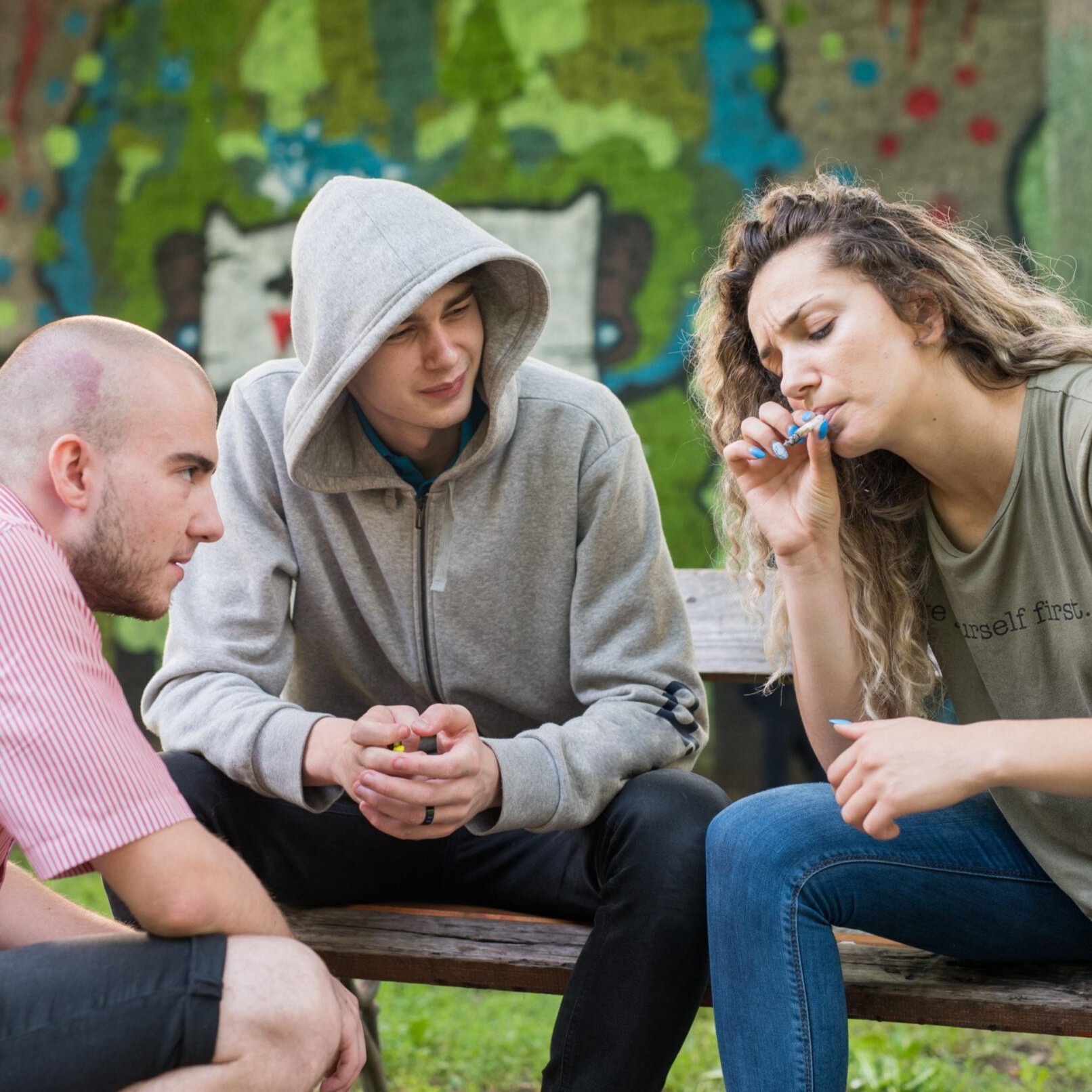
S10 Ep 95Neighbors’ Weed Harms Your Health
PUBLIC NOTICENeighbors’ Weed, Bud, Loud, Zaza Harms Your Health"Secondhand weed smoke—whether they call it bud, loud, gas, or zaza—is not just a lifestyle choice. When it crosses property lines and enters your home, yard, or lungs, it becomes a legal violation and a health hazard." Mr. Positive.⚖️ You Have RightsSmoke trespass may qualify as a public or private nuisance, especially when it:Worsens asthma, diabetes, or respiratory conditionsPrevents peaceful use of your propertyInvades your home or yard without consent🏥 Health Comes FirstIf you or a loved one suffers from smoke-related health impacts, you may:File a nuisance complaint with your city’s public health departmentSeek a cease-and-desist order or injunction in courtRequest reasonable accommodations under disability lawDemand enforcement of air quality and nuisance codes📞 Need Help?I may assist you with:Drafting cease and desist lettersFiling writs and complaints in courtNavigating public health enforcement channelsDon’t let legalization silence your rights. Call me for free assistance.Don’t let legalization silence your rights. Just because politicians legalized weed—bud, loud, zaza, whatever they call it—doesn’t mean you have to inhale it in your own home. If secondhand smoke is invading your space and harming your health, you have legal grounds to fight back. Public nuisance laws, health protections, and court remedies are still on your side. You’re not helpless. You’re protected—and I'll help you enforce it. Especially for your grandparents.For more information call 773-809-8594
S10 Ep 94Unjustly Kills Woman
“A woman is unjustly killed after knocking on the wrong door.”Here is a link to the article for your tracking: https://www.nydailynews.com/2025/11/17/indiana-cleaner-killed-homeowner-charged-curt-andersen/I have been teaching the permit to carry class for over 20 years. Remember the following:🛑 “When fear replaces reason, justice must respond.”Example: A homeowner hears a knock at dawn, assumes danger without confirmation, and fires through a locked door—killing a woman who was simply at the wrong address. No weapon. No threat. Just fear. Why it matters: The law does not excuse deadly force based on irrational fear. When fear overrides reason, it becomes a danger to the innocent—and justice must intervene to restore the boundary between protection and paranoia.🏠 “A secure home is not a license to shoot.”Example: Curt Andersen was behind a locked door. No one was breaking in. No weapon was visible. Yet he fired anyway. Why it matters: A locked door is a shield, not a trigger. The law protects your right to defend your home—but not to shoot blindly from it. Security is not a green light for violence. It’s a moment to pause, assess, and act with restraint.⚖️ “Self-defense ends where recklessness begins.”Example: Instead of calling 911 or issuing a warning, Andersen pulled the trigger without knowing who was outside. That’s not defense—it’s recklessness. Why it matters: Self-defense is a legal right, but it comes with a moral boundary. When someone uses lethal force without confirming a threat, they cross that line—and the law must hold them accountable.Curt Andersen’s decision to shoot through a locked door at an unarmed woman who posed no threat is now facing legal consequence. Prosecutors have charged the Indiana homeowner with voluntary manslaughter in the death of María Florinda Ríos Pérez De Velásquez, a 32-year-old cleaner and mother who mistakenly approached the wrong home. This case underscores a hard truth: fear is not a license to kill, and deadly force must meet the standard of reasonableness under the law. A locked door is not a war zone. It's a barrier—and a moment to think, not fire.Comments: [email protected]
S15 Ep 67Twin Cities Handyman Services
See My Book: https://www.barnesandnoble.com/w/relationships-the-power-of-illusion-lucky/1149325667?ean=9781663277930If you are doing something positive and would like to be a guest on the podcast call 773-809-8594
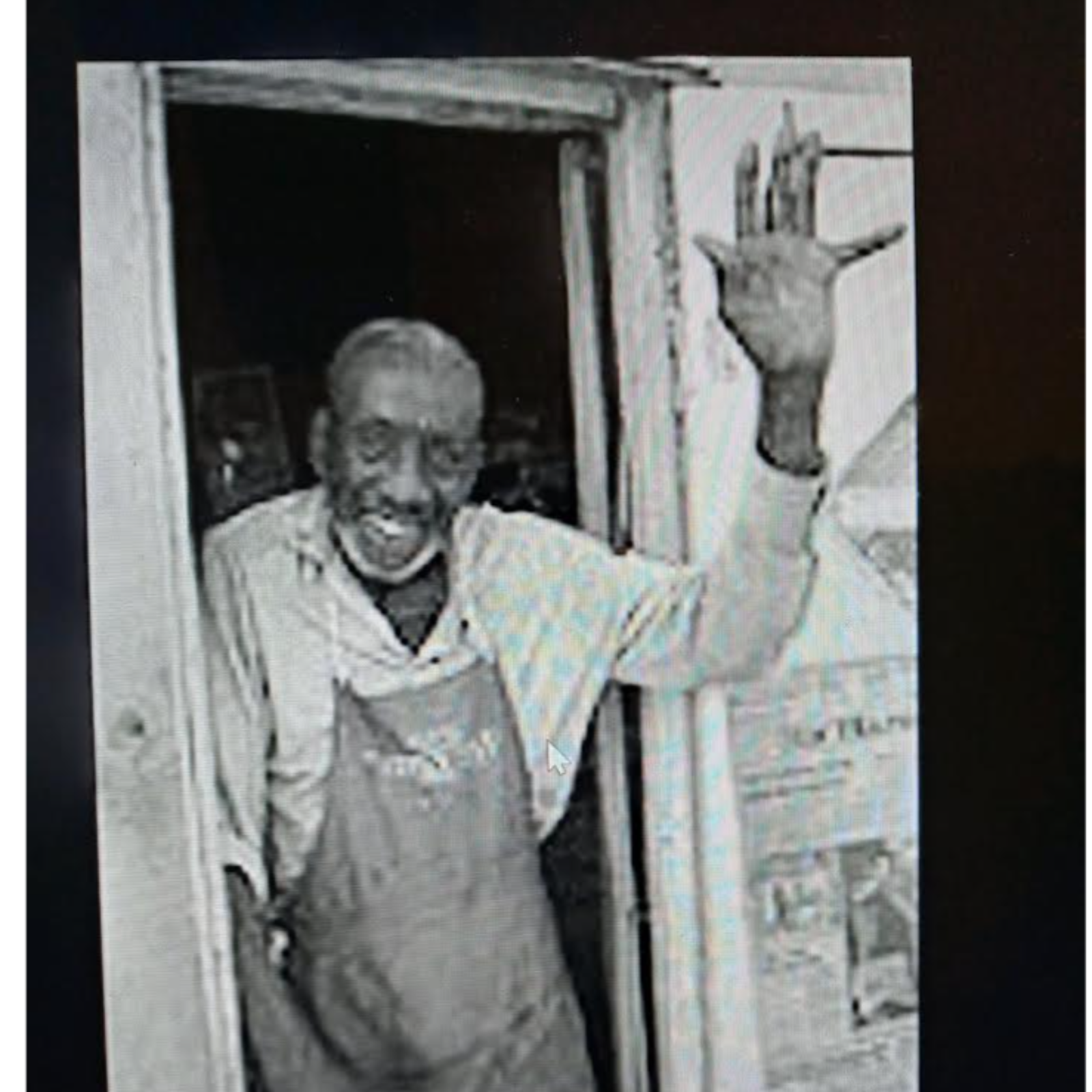
S15 Ep 5Mr. and Mrs. Tiger Jack: With Lesson Plan
Added Video for the Lesson Plan: https://youtu.be/tt-ENJ4_qSQ?si=4WrxZgcMsf706b4JPreserving Rondo: Lesson Plan from Tiger Jack’s BusinessTiger Jack’s Corner stands as a living monument to Black migration, entrepreneurial grit, and family-led resilience—preserving Rondo’s cultural legacy through faith, self-reliance, and generational pride.🧭 Lesson Plan: Tiger Jack’s Corner – Legacy, Labor, and Black Spirit🎯 Learning ObjectivesAnalyze the role of Black entrepreneurship in preserving cultural identity and community resilience. Example: Students examine Tiger Jack’s business values— “Accept no handouts,” “Respect God and family”—and how they shaped Rondo’s civic fabric.Evaluate the impact of family labor and gender roles in sustaining legacy institutions. Example: Students explore how Mrs. Tiger dual role as caregiver and co-laborer challenged stereotypes and modeled quiet strength.📈 Learning OutcomesStudents will articulate how Tiger Jack’s Corner functioned as a cultural anchor in the face of systemic disruption. Example: Students explain how the store’s survival after I-94 construction symbolizes resistance and continuity.Students will reflect on how intergenerational labor and values transmission sustain Black legacy. Example: Students profile a family-run business or community figure that mirrors Mrs. Tiger's partnership and purpose.🧪 AssessmentsFormative Assessment (During Lesson):🔍 Quick Write: “What does self-reliance mean in the context of Tiger Jack’s journey?”🗣️ Think-Pair-Share: “How did Mrs. Tiger's labor redefines Black womanhood in Rondo?”Summative Assessment (End of Lesson):📝 Legacy Reflection Essay: “How does Tiger Jack’s Corner challenge stereotypes and restore dignity in Black history?”🎤 Oral Presentation: Students present a local business or figure that embodies similar values of faith, family, and fortitude.To be a guest on the podcast and/or to share your memory of Mr. and Mrs. Tiger Jack call 773-809-8594
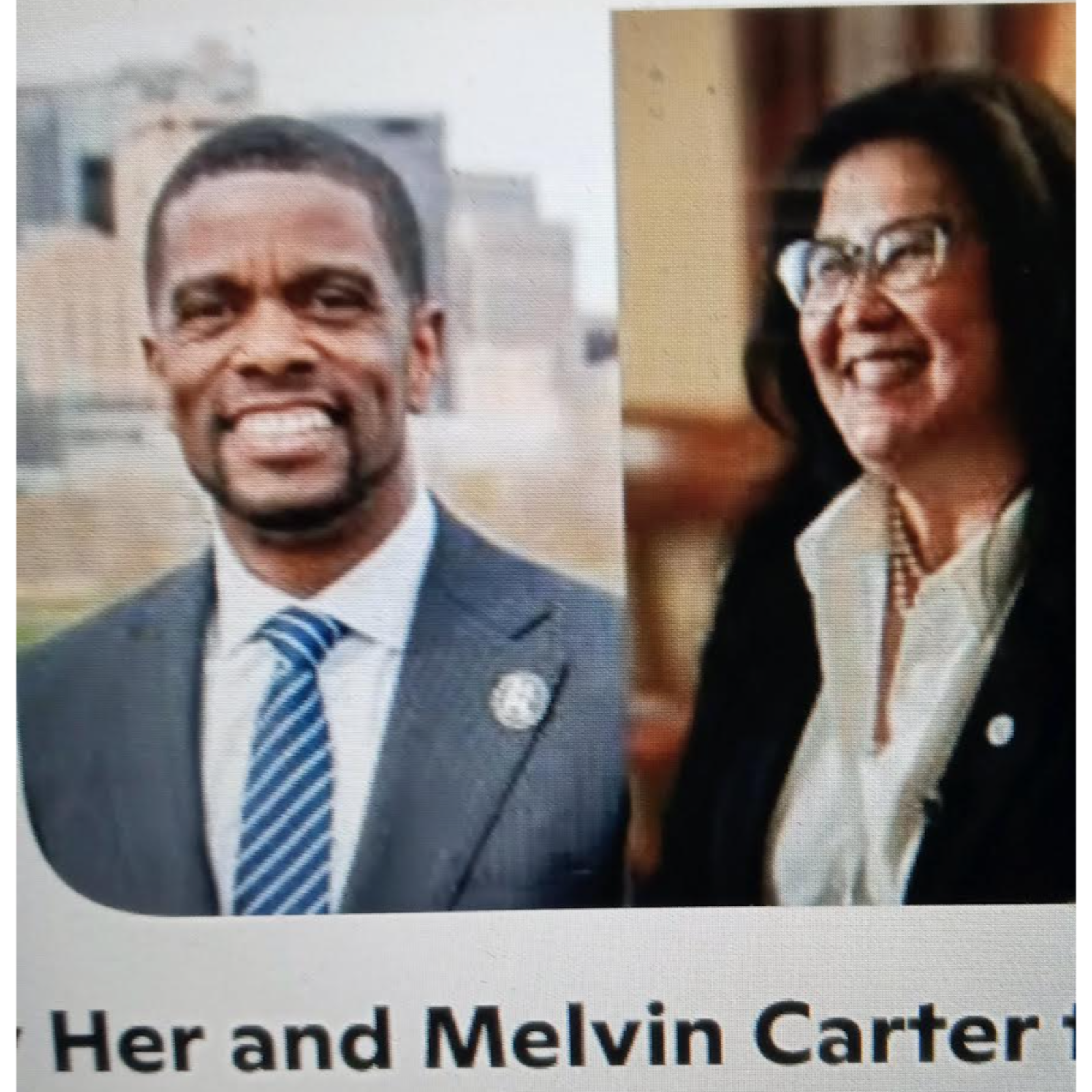
S14 Ep 40 Mayor Carter’s Upset Defeat — With Civic Lesson Plan
Added Videos for the Lesson Plan: https://youtube.com/shorts/ZLRVFRf33vo?si=yYzHBlh3fViPt5FjAnd: https://youtu.be/elg7fc9CKhg?si=BGizM2kfTw0ueduX🏛️ Civic Engagement Lesson Plan: “Your Voice, Your City”🎯 Learning ObjectiveParticipants will understand the structure and function of local government, identify current civic issues in their community, and develop strategies to engage effectively in local decision-making processes.🧠 Learning OutcomesBy the end of the lesson, participants will be able to:Describe the roles of key local government officials and departments Example: Explain the responsibilities of the mayor, city council, and public works department in St. Paul.Identify one current issue affecting their community Example: Discuss the impact of rising property taxes or the closure of local grocery stores in Midway.Analyze how local decisions impact daily life Example: Evaluate how rent control policies affect housing availability and affordability.Develop a civic action plan to address a local issue Example: Create a plan to attend a city council meeting and speak about public transit improvements.Demonstrate how to communicate effectively with elected representatives Example: Draft a letter to the mayor advocating for safer pedestrian crossings in their neighborhood.📝 Lesson Sequence1. Introduction (20 minutes)Icebreaker: “What’s one thing you’d change in your city?”Overview of local government structureDiscussion of recent local events (e.g., mayoral election, policy changes)2. Exploration (40 minutes)Group activity: Map how a local issue (e.g., infrastructure repair) moves through city governmentResearch: Identify local representatives and their stated priorities3. Action Planning (60 minutes)Workshop: Draft a civic action planChoose a community issueIdentify stakeholdersPlan outreach (letters, meetings, social media)Role-play: Practice speaking at a city council meeting or writing to a representative4. Reflection & Wrap-Up (20 minutes)Share action plansDiscuss barriers to civic engagement and strategies to overcome themEncourage follow-up: Attend a real meeting or submit a letter✅ Assessment MethodsFormative Assessment:Participation in discussions and group activitiesCompletion of civic issue mappingSummative Assessment:Submission of a civic action planReflection journal entry: “What did I learn about my role in local government?”Comments and/or to be a guest on the podcast call: 773-809-8594
S10 Ep 59"My Music, My Books & My Record Deal
This episode, I'll be sharing all original music in the genres of R&B, gospel, and jazz fusion. Scroll down to my notes for information about my books and the song I signed with Numero Records.See My Book: https://www.barnesandnoble.com/w/relationships-the-power-of-illusion-lucky/1149325667?ean=9781663277930My Music: https://numerogroup.com/products/keep-your-faith-in-god-b-w-just-give-it-all-to-christ"During struggles, always ask, 'What can I do?'—never, 'What can't I do?'"In a time when negativity dominates headlines and feeds, this podcast exists to spotlight the people who choose to build, heal, and uplift. Each episode features someone doing real work in their community—whether through service, creativity, activism, or everyday kindness.Each episode is a living archive of purpose: authors, business owners, artists, activists and others who transform struggle into service and creativity into community.This is the "Positive People Podcast." Personal. Pervasive. Permanent. Because positivity isn’t a mood—it’s a movement.To Join the show with something that you are doing that is positive. Call 773-809-8594BIO:Mr. Positive, M.A., B.Soc.Sci., CIT, PEL, A.S.P.DMr. Positive is an award-winning educator, curriculum designer, and transformative leader with over 15 years of experience spanning secondary education, juvenile justice, and strategic community engagement. As a licensed Social Studies educator and certified trainer, he has developed a culturally responsive curriculum, mentored educators, and led initiatives that drive systemic change across schools and civic institutions.He has designed and taught more than eight elective courses—including Leadership, Race in America, and Community Organizing—while increasing student achievement and reducing disciplinary incidents through trauma-informed, inclusive instruction. His legislative advocacy has led to the introduction of House Files and secured over $355,000 in funding for student-centered programs. As Dean of Students and Director of Public Relations, he rebranded school identity, built strategic partnerships, and led restorative practice training for staff.His impact extends beyond the classroom. Mr. Positive served nearly a decade as a Juvenile Probation Officer and Paralegal with Ramsey County Corrections, earning multiple awards for innovation and service. His professional background also includes roles as Legal Clinic Manager, Veterans Case Manager, Urban Elder Teacher Coach, Park Police and Military Police Officer—each reflecting a deep commitment to public service and educational empowerment.As a creative force, Mr. Positive is the author of two books published through iUniverse Publishing, both available at major retailers including Amazon and Barnes & Noble. His gospel album, Keep Your Faith in God, was reissued by Numer Records and is also available at leading record stores and online platforms. His creative work blends spiritual resilience with social commentary, offering inspiration rooted in lived experience.He has been honored with induction into the National Society of Leadership and Success, the Pillsbury United Communities Service Award, and multiple commendations from Ramsey County Corrections, the U.S. Army, and Minnesota civic institutions. He chaired the Governor’s Legacy Committee, overseeing $240,000 in arts grants with a perfect audit, and led youth civic engagement projects resulting in legislative wins.Contact: 773-809-8594
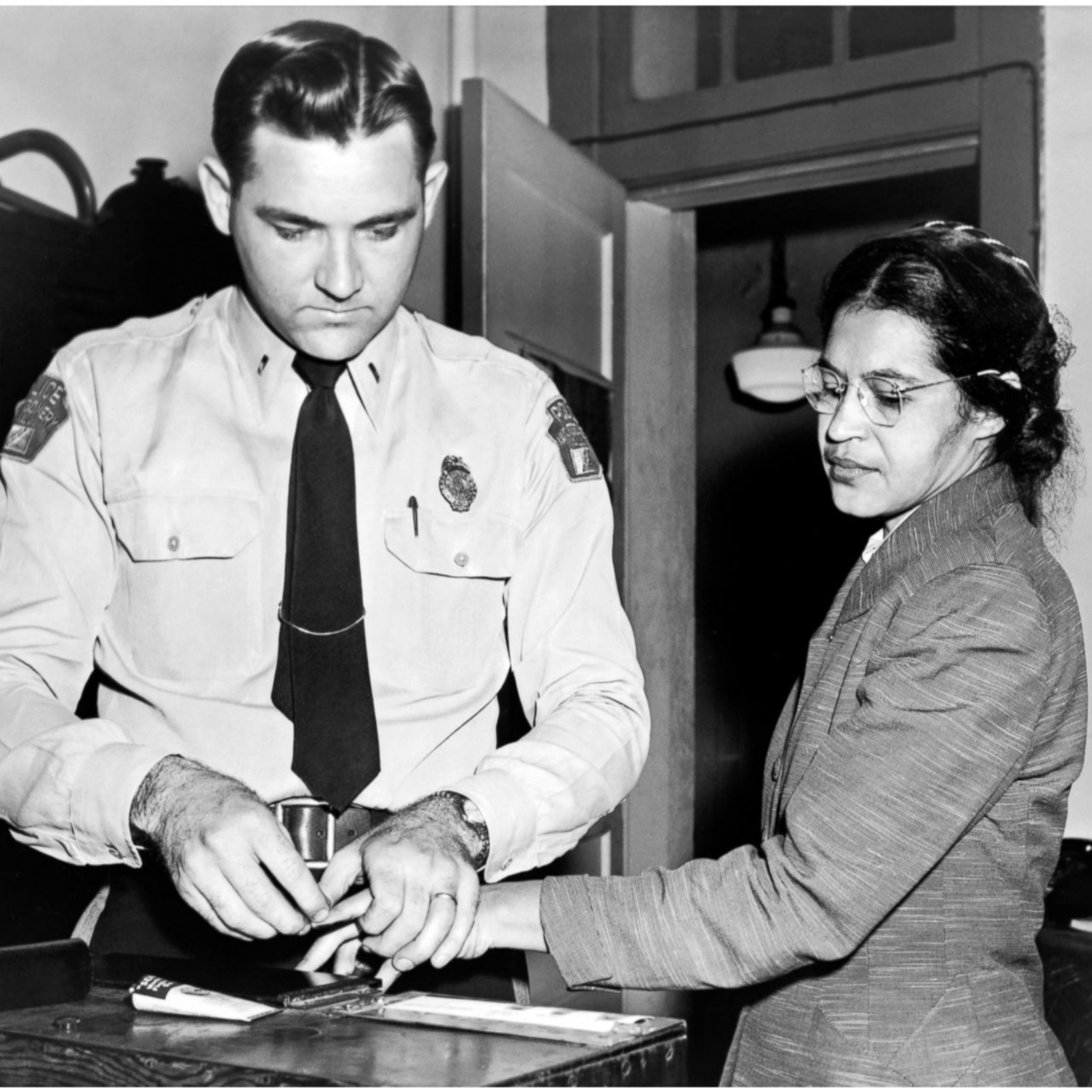
S10 Ep 58Fighting Does Not Make You a Criminal. Fox 9 News Story
https://www.google.com/amp/s/www.fox9.com/news/business-owner-thinks-st-paul-is-targeting-him-for-his-political-views.ampANDhttps://youtu.be/0pYW6D2Nf-o?si=NjNeq_VdiWyk43W5Lucky Rosenbloom’s story is more than a local dispute — it’s a symbol of the broader fight for Black Freedom of Speech. His refusal to be intimidated, his demand for legal accountability, and his insistence on respect for his voice reflect a growing movement. In 2026 and beyond, Black Americans must not only speak freely — they must be protected when they do.Taking a legal stand is not just about defending rights; it’s about affirming dignity, demanding justice, and reshaping the narrative of who gets to speak without fear. Fighting does not make you a criminal. It makes you courageous. It makes you necessary. It makes you free.To be a guest on Positive People USA Podcast call 773-809-8594
S15 Ep 66Hermland Landscaping
Contact Hermland Landscaping at [email protected] be a guest on Positive People USA call 773-809-8594See My Book: https://www.barnesandnoble.com/w/relationships-the-power-of-illusion-lucky/1149325667?ean=9781663277930

S10 Ep 52AI Says You're Fired. Now What?
Artificial intelligence is no longer just a tool—it’s a force reshaping the very structure of employment. From streamlining operations to replacing entire departments, AI is driving layoffs and workforce reductions across major industries. In this episode, I try to provide how employees can respond strategically.If you are doing something positive that you want to share with listeners on this podcast call 773-809-8594.

S15 Ep 14PERMIT TO CARRY GUN WORKSHOP
Men, Women and Families Call For More Information773-609-8594Permit to Carry Gun Classes & Basic Firearm Safety Lessons for BeginnersWe offer comprehensive firearm education for men, women, and families. Whether you're new to firearms or seeking your permit to carry, our certified instructors provide safe, supportive training tailored to your needs.✅ Beginner-friendly instruction✅ Permit to Carry certification courses✅ Family-friendly classes for ages 21 and up✅ Safe, respectful learning environmentEmpower yourself with knowledge. Train responsibly.📍 Classes available locally. Contact us today to reserve your spot!773-809-8594
S10 Ep 41Parents WARNING: THC-laced Candy
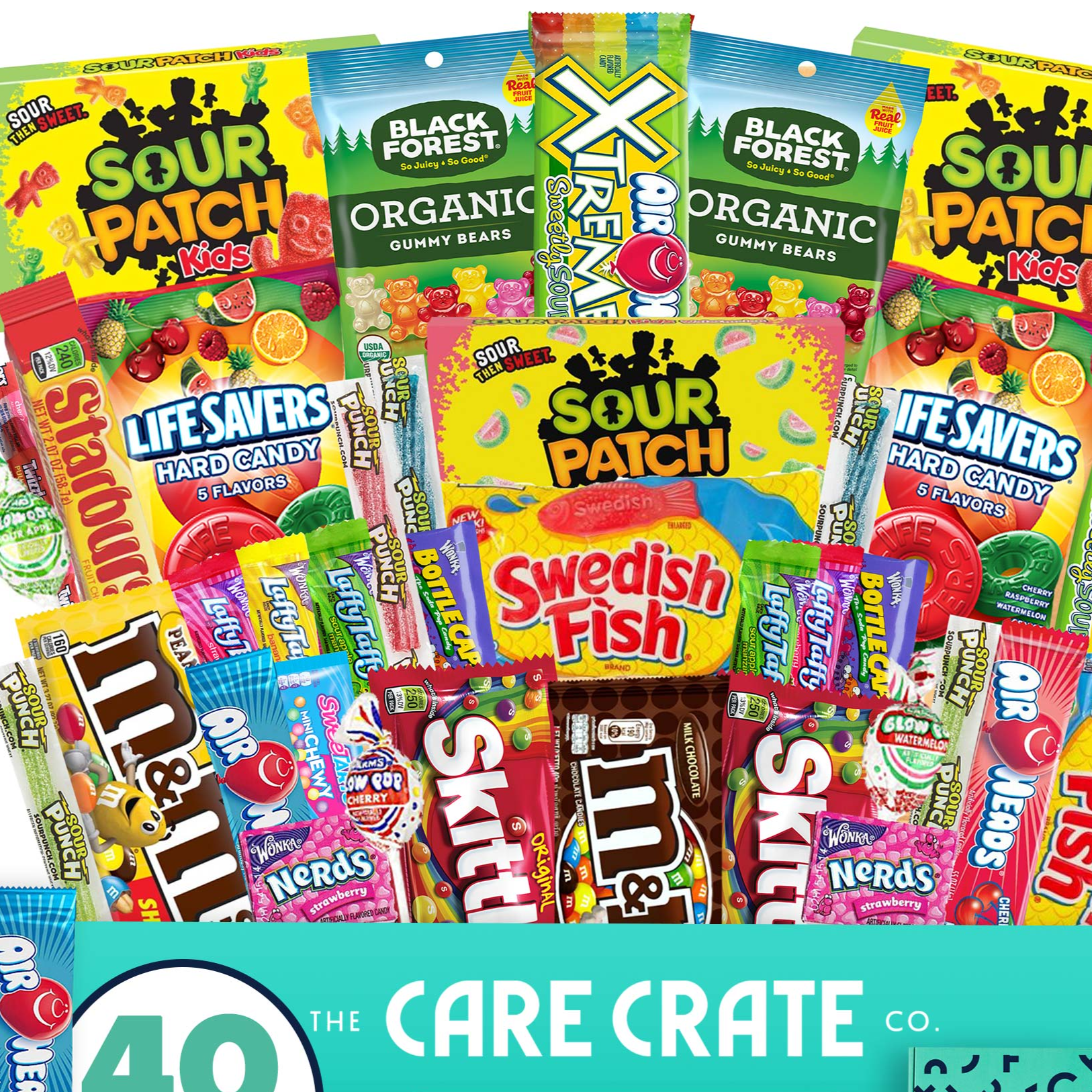
https://youtu.be/B39ErwG-Bko?si=-A8-CAg3OfefTMTCThe rise of THC-infused edible products disguised as popular snacks poses a serious public health risk, especially to children, due to deceptive packaging, accidental ingestion, and lack of regulation—making public awareness and safety practices essential.To be a guest on this podcast call 773-809-8594
S10 Ep 39Everyday Harm, Everyday Rights
Contact; [email protected] Law: Harm, Duty, Recovery with Lesson PlanThis material is not intended as legal advice. It is designed to educate the layperson — the non-legally trained neighbor, tenant, worker, or customer — on one of the most common areas of law they are likely to encounter when seeking recovery for harm: tort law. By understanding the basic elements of duty, breach, and injury, everyday people can better recognize when harm is actionable and how the law frames accountability in shared civic life.⚖️ The Three Elements of Tort Law1. Duty – A legal obligation to act (or not act) in a way that avoids foreseeable harm.2. Breach of Duty – A failure to meet that obligation.3. Injury (Damages) – Actual harm suffered as a result of the breach.🧭 Lesson Plan: Everyday Harm, Everyday RightsIntended for: High school students, adult learners, community groups and other entities is cool beans with me. ⏱️ Duration45–60 minutes (expandable to multi-day module)📚 Learning ObjectivesParticipants will:Define the three core elements of tort law: duty, breach of duty, and injury.Identify real-life examples of tortious harm across four civic domains.Explain how tort law enables monetary recovery for harm suffered.Recognize when harm may be legally actionable — even without a lawyer.Apply tort law principles to hypothetical scenarios using civic reasoning.🎓 Learning OutcomesParticipants will demonstrate:Understanding of how tort law functions in everyday lifeAbility to distinguish between duty and breach in common situationsAwareness of legal rights and responsibilities in shared spacesConfidence in identifying harm and seeking accountabilityCivic literacy that connects law to restoration, not just punishment🛠️ Formative Assessment Tool: Civic Scenario CardsFacilitator will create and distribute cards with realistic harm scenarios. For each, participants must:Identify the DutySpot the BreachDescribe the InjuryDecide if Recovery is PossibleExample: A tenant slips on a broken stair in a dim hallway. The landlord ignored repair requests. → Duty: Maintain safe premises → Breach: Ignored complaints → Injury: Physical harm → Recovery: Yes🧩 Optional Extension Activities🔸 Role Play: Civic CourtroomAct out tort scenarios as plaintiff, defendant, and judge. Example: A customer sues a store for injury caused by a blocked wheelchair ramp.🔸 Community Mapping: Risk & ResponsibilityIdentify local spaces where tort law might apply (e.g., icy sidewalks, broken playgrounds).🔸 Restoration ReflectionWrite a short reflection or poem: “What does justice look like when someone is harmed in a shared space?”🔸 Tort Law BingoCreate bingo cards with civic harms (e.g., “slip on ice,” “spoiled food,” “unleashed dog”). Mark off as scenarios is discussed.To be a guest on the podcast and share something that you are doing call 773-809-8594
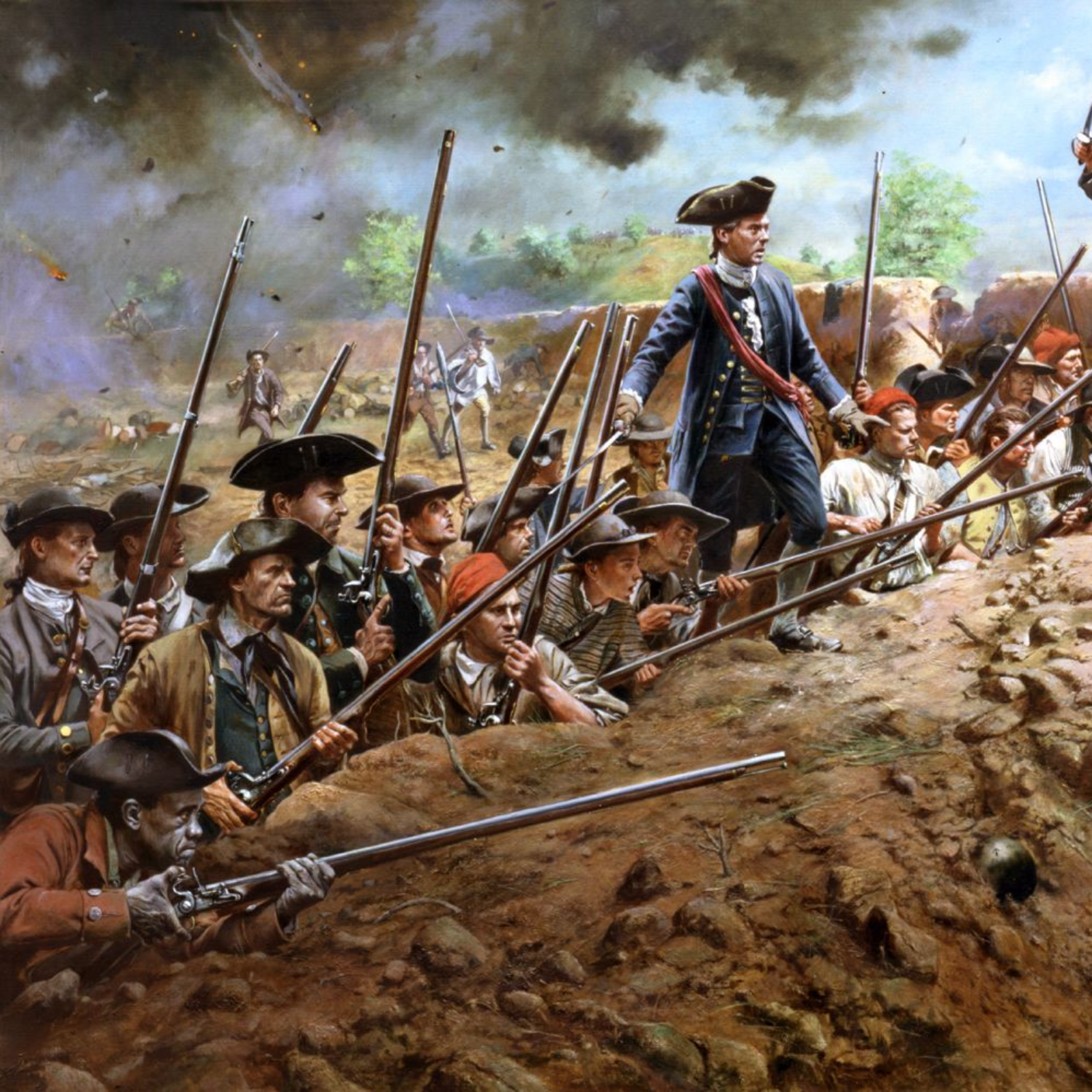
S15 Ep 50“Truth Denied: Blacks and the American Revolution”
https://youtube.com/shorts/IO5Whq5FKX0?si=H74fTlRrL2p8LEIKMr. Positive, M.A., B.Soc.Sci., CIT, PEL, A.S.P.D.Black Americans: Nothing But the Truth All parents, teachers, and fellow Americans must listen to this episode. Share it with someone—then ask them to share it with someone else. Keep it moving. Keep the truth alive."We were never told the full story about Black Americans and the American Revolution. Pull up images of the Battle of Bunker Hill and Washington’s crossing of the Delaware. Look closely. Find the Black patriots. Learn the truth." Mr. Positive.🧭Lesson Plan to Be Used with This Podcast: Reclaiming Black Patriots of the American RevolutionPresented by the Positive People USA Podcast🎯 Learning Objectives (with Examples)Students will:Identify and explain the contributions of Black patriots in the Revolutionary War, such as:Wentworth Cheswell, the first Black elected official in U.S. history, who rode north in 1774 to warn of British troop movements.James Armistead Lafayette, a double agent whose intelligence helped secure victory at Yorktown in 1781.Analyze how post-Civil War political forces erased Black contributions from historical narratives, using:David Barton’s claim that Southern Democrats rewrote textbooks between 1870–1890 to support segregation and suppress Black patriotism. "Verbal Presentation."Evaluate primary sources to restore historical truth, including:William Cooper Nell’s 1855 book, The Colored Patriots of the American Revolution, which documents figures like Crispus Attucks and Salem Poor.📈 Learning OutcomesBy the end of the lesson, students will be able to:Name and describe at least five Black patriots, including:Peter Salem, who killed British Major Pitcairn at Bunker Hill (June 17, 1775).Phillis Wheatley, who corresponded with George Washington in 1775–76, praising his leadership through poetry.Explain the mechanisms of historical erasure, such as:The removal of Black figures from post-Reconstruction textbooks to justify Jim Crow policies and white supremacy.Create a civic restoration message that reclaims a forgotten legacy, such as:A podcast script honoring Lemuel Haynes, the first Black ordained Protestant minister, who preached liberty and pastored churches in Massachusetts and New York.🧪 AssessmentFormative:Quick write: “Why was Wentworth Cheswell’s election in 1768 historically significant?”Group discussion: Analyze Prince Whipple’s symbolic presence in Washington Crossing the Delaware and its implications for visual legacy.Draw a picture and explain the significance of any part of the podcast that strikes you as important.Summative:Civic Restoration Project: Students will produce a mini-podcast script, PSA, or infographic that reclaims one Black patriot’s legacy and critiques the mechanisms of historical erasure.Rubric will assess:Historical accuracy (dates, locations, roles)Comments: [email protected]
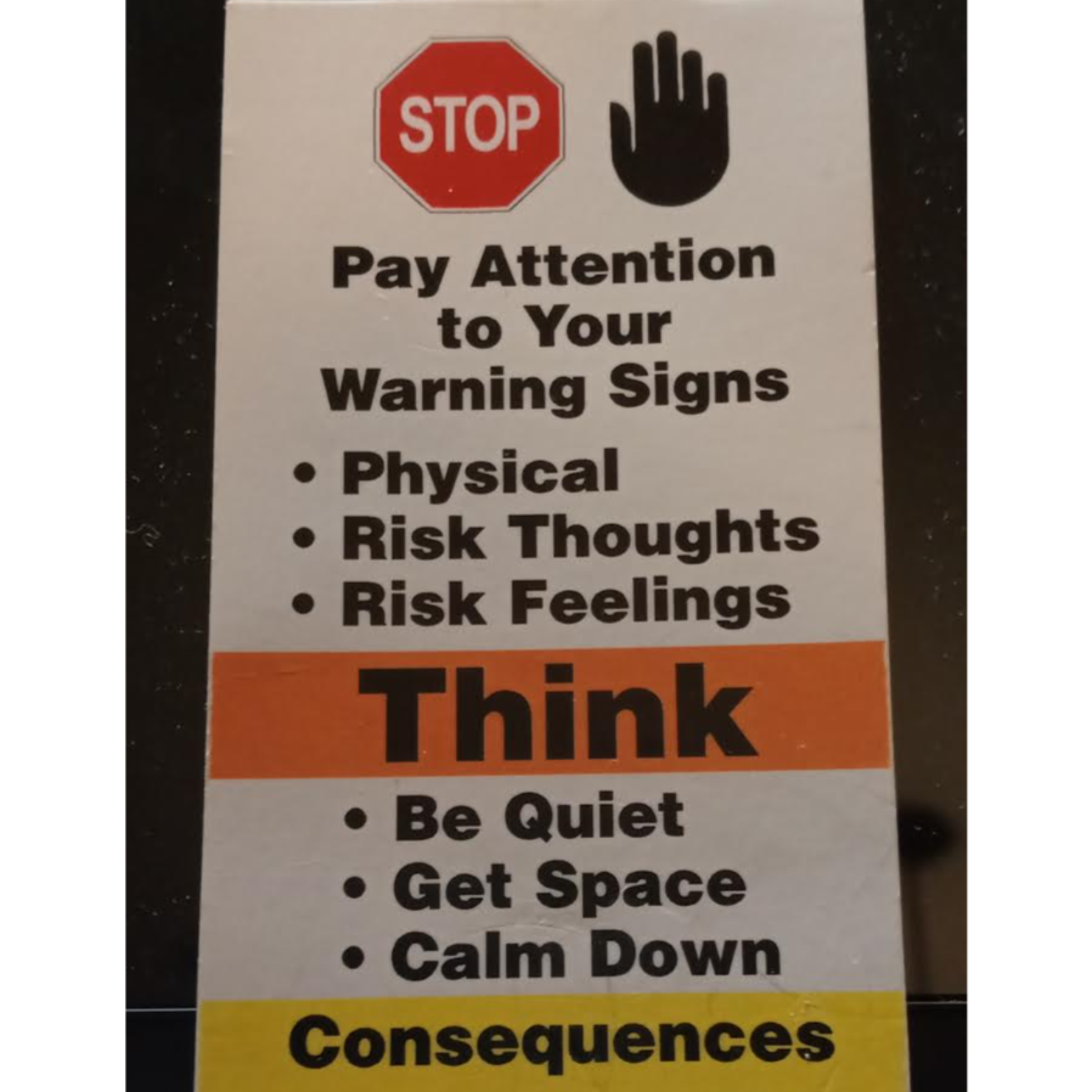
S15 Ep 71STOP: Restorative Practice for Families/Classrooms
Short Lesson Plan: STOP StrategyGrade Level: Middle School, High School, families or Community Workshop Duration: 30–45 minutes Audience: Youth, Parents, Educators, Community Leaders🧠 Learning Objectives (with examples)Identify personal warning signs that signal rising conflict Example: A student recognizes that when their hands clench and their heart races, they’re about to lose control.Practice the STOP → THINK → CONSEQUENCES sequence in role-play scenarios Example: A youth worker guides a student through a mock hallway conflict using the strategy.Reflect on the impact of behavioral choices in real-life situations Example: A parent shares a story about walking away from a heated argument and how it changed the outcome.🎯 Learning Outcomes (with examples)Students will describe their physical, emotional, and cognitive warning signs Example: “When I feel disrespected, my chest tightens and I want to yell. That’s my STOP signal.”Students will demonstrate the NIC STOP sequence through role-play Example: In a classroom skit, a student pauses, steps back, and calmly explains their feelings after THINKING.Students will evaluate consequences of behavior using real or hypothetical examples Example: “If I had shouted back, I might’ve been suspended. But because I walked away, I got praised for maturity.”Mr. Positive: [email protected] or 773-809-8594
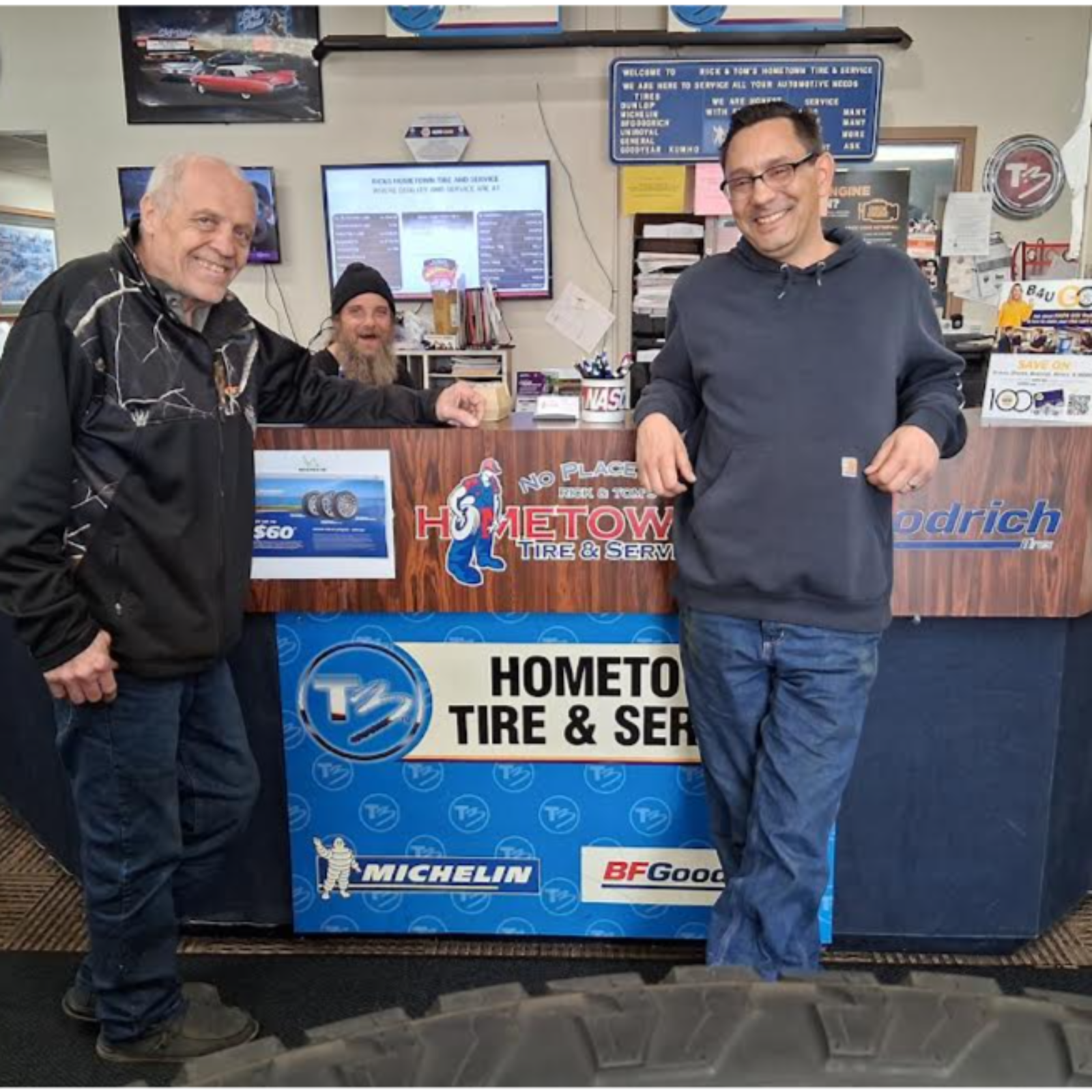
S15 Ep 65Hometown Tire & Service
See My Book: https://www.barnesandnoble.com/w/relationships-the-power-of-illusion-lucky/1149325667?ean=9781663277930Welcome to Hometown Tire & ServiceAt Hometown Tire and Service, we take pride in repairing your family or business vehicle with your best interests as our highest priority. We treat you as if we were in your shoes—because your safety and satisfaction matter to us.We carry a wide variety of tire brands, including Michelin, BFGoodrich, and Uniroyal, and we can help you find almost any tire you're looking for. We also provide mechanical repairs, including brakes, suspension, and many other maintenance services to keep you safe and on the road.We’re proud that the majority of our business comes from returning customers—and that most new customers are referred by those we’ve already served.Are your tires bald? Is your car pulling to the right? Have you gone 3,000 miles since your last oil change? Home Town Tire & Service in St. Paul, Minnesota offers all the auto services and tires you need, right here under one roof. We are a certified dealer of Michelin®, BFGoodrich®, Uniroyal®, and other trusted brands, and we stock tires for cars, trucks, SUVs, vans, ATVs, and more. Don't know what size tire your vehicle needs? Let us help—call (651) 450-0535 or use our easy online Tire Fitment Guide. In need of vehicle repair or maintenance? We offer oil changes, brake inspections and service, tire repair, and other valuable automotive services at affordable prices. For the complete list of repairs we offer, view our Services page. We have been serving customers from St. Paul, Minneapolis, Woodbury, and Mendota Heights for years. Stop in and see why Home Town Tire & Service is the area's leading auto service provider.To be a guest on Positive People USA call 773-809-8594

S15 Ep 17Auto Accident Injuries=Mo Money?
This content provides a clear overview of legal doctrines used to determine fault and compensation in auto accidents. It explains:Learning Objectives (with Examples)By the end of this lesson, learners will be able to:Define and distinguish between negligence per se, comparative negligence, and contributory negligence. Example: Learners will explain how running a red light qualifies as negligence per se.Analyze fault and compensation using real-world scenarios. Example: Learners will calculate damages when a driver is 40% at fault in a two-car collision.Identify jurisdictional differences in negligence rules. Example: Learners will compare Minnesota’s modified comparative rule to Virginia’s contributory rule.✅ Learning Outcomes (with Examples)Learners will demonstrate:Accurate definitions of each doctrine. Example: “Negligence per se occurs when a driver violates a traffic law and causes harm.”Application of fault percentages to determine compensation. Example: “If a driver is 25% at fault and suffers $10,000 in damages, they can recover $7,500.”Jurisdictional awareness of legal doctrines. Example: “In Maryland, a pedestrian who jaywalks and is hit by a speeding car may receive no compensation due to contributory negligence.”📝 Assessment ActivitiesQuick Quiz: Match each doctrine to its definition.Scenario Analysis: Learners evaluate fault and compensation in sample cases (e.g., a texting driver hitting a cyclist).Discussion Prompt: “Should contributory negligence still be legal? Why or why not?”🧪 Teaching ExamplesNegligence Per Se: A driver runs a stop sign and hits a pedestrian. This is negligence per se because the driver violated a traffic law.Comparative Negligence: A speeding driver hits another who failed to signal. Under comparative negligence, fault is shared—if Driver A is 60% at fault and Driver B is 40%, Driver B can recover 60% of their damages.Contributory Negligence: A jaywalking pedestrian is hit by a distracted driver. In contributory negligence states, the pedestrian may be barred from recovering damages—even if the driver was mostly at fault.Comments: [email protected] or call 773-809-8594
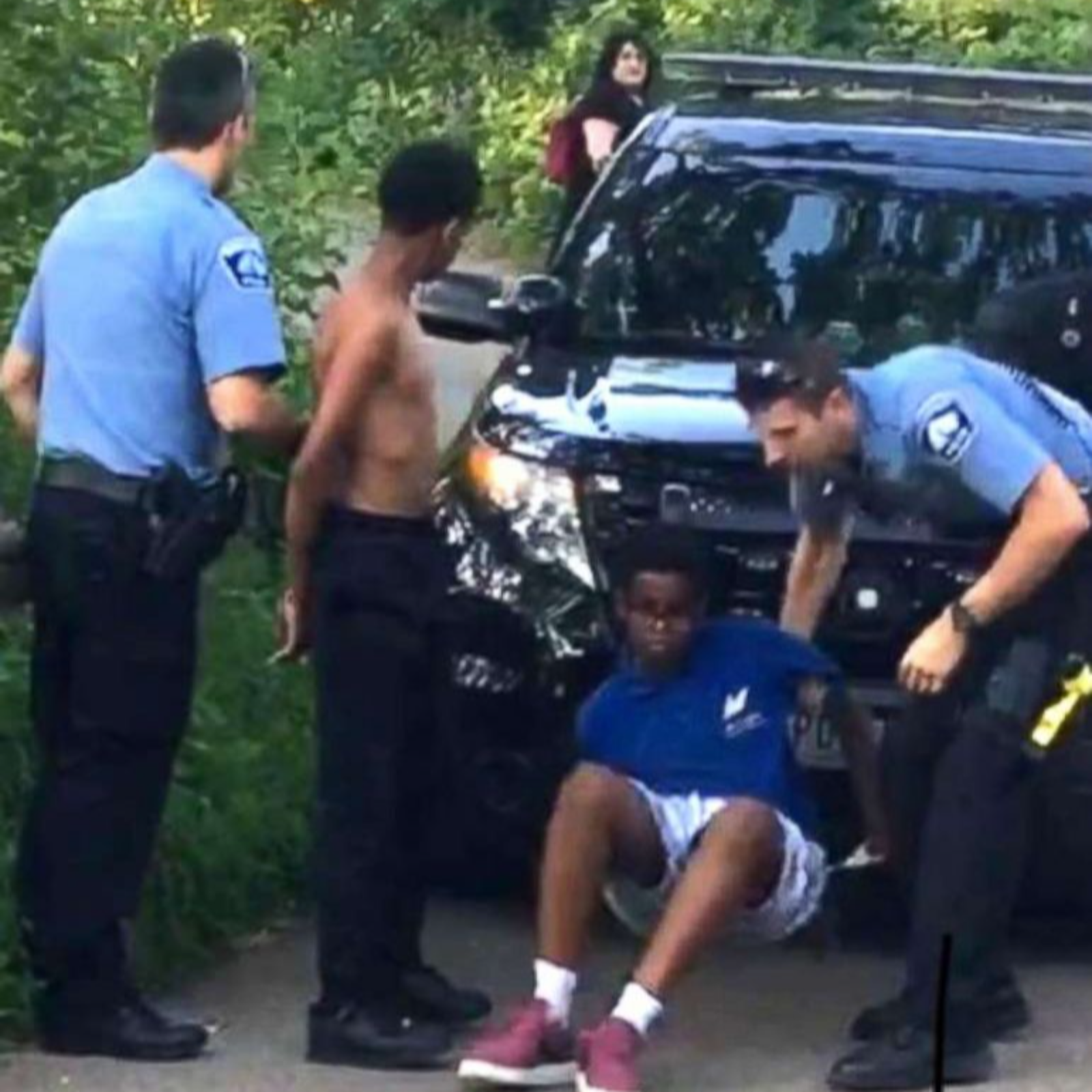
S10 Ep 31“The Talk" Youth & Police Encounters.
Public Notice:The episode delivers a clear, survival-first message: urban youth must be equipped with behavioral discipline, legal awareness, and emotional restraint to survive police encounters. It does not encourage confrontation or protest during the encounter—it teaches how to endure, document, and respond safely. The tone is urgent, practical, and rooted in lived experience, making it ideal for classroom use, outreach campaigns, and civic education modules.Teach it in classrooms, church groups, probation programs, and family circles.“The Talk” is a vital conversation in Black families that prepares children—especially boys—for encounters with police, emphasizing survival, restraint, and observation over argument. It teaches youth to comply calmly, keep hands visible, avoid escalation, and document the moment so they can challenge injustice later. It’s not just advice—it’s a legacy of protection passed down through generations.Lesson Plan: “The Talk” — Survival, Strategy, and Civic ClarityAudience: Parents and youth (ages 12+) Duration: 30–45 minutes Format: Community workshop, classroom module, or family discussion🎯 Learning ObjectiveEquip youth and parents with survival-first strategies for routine police encounters, emphasizing observation, restraint, and post-encounter documentation.📚 Key Concepts & ExamplesSurvival over argument Example: A teen is pulled over for a broken taillight. They keep their hands visible, comply calmly, and leave safely. The family later files a complaint about the officer’s tone.Mouth gets you in trouble Example: A youth stopped for jaywalking begins arguing. The officer runs a warrant check and arrests them for an unrelated issue. The original stop could’ve ended in a warning.Observation as power Example: A 15-year-old memorizes the badge number, squad car ID, and time of a tense stop. Their parent uses that info to file a formal complaint the next day.Post-encounter strategy Example: A family documents the location and officer involved in a stop. They consult a lawyer and submit a complaint with supporting evidence the next day.✅ Outcomes with ExamplesYouth understand their primary duty is to survive the encounter. Example: After the workshop, a 14-year-old tells their sibling, “We don’t argue—we survive. We speak tomorrow.”Parents gain tools to reinforce restraint and strategy at home. Example: A mother creates a checklist for her kids: “Hands visible. No sudden moves. Eyes open. Badge number. Time. Location.”Families leave with a shared language and plan for handling future encounters with clarity and dignity. Example: A father and son rehearse a traffic stop scenario together, using phrases like “I’m complying” and “I’ll speak tomorrow.”🧭 Conclusion: Legacy and the Gault DecisionIn 1967, the Supreme Court ruled in In re Gault that youth are entitled to due process. That ruling wasn’t symbolic—it was a demand for dignity, for voice, for legal recognition. But due process begins after the encounter. You must live to invoke it.Your silence, your observation, your restraint—that’s not weakness. That’s legacy. That’s strategy. That’s how you turn a moment of vulnerability into a record of accountability.Comments: [email protected] or 773-809-8594
S15 Ep 47Ignoring Negative Labels
Dr. King delivered this message during a speech titled “What Is Your Life’s Blueprint?” at Barratt Junior High School in Philadelphia in 1967. He was urging students to pursue excellence regardless of their circumstances or societal expectations. Street SweeperLesson Plan: Do Not Let Others Define Your LimitsLearning ObjectiveParticipants will internalize and apply the principles of perspicacity and alacrity of thought to confront challenges, refine their messaging, and pursue endeavors with purpose and velocity.Learning Outcomes & ExamplesBy the end of the lesson, participants will be able to:Define perspicacity and alacrity of thought in civic and creative contexts Example: A participant explains that perspicacity is the ability to see through political doublespeak, while alacrity of thought is the readiness to respond with a clear, dignified message in any public-facing effort.Identify moments in history, media, or personal experience where these traits shaped outcomes Example: Participants analyze how Fannie Lou Hamer’s testimony at the 1964 DNC showed perspicacity in exposing injustice and alacrity in seizing the moment to speak truth to power.Compose a short motivational message or public statement that embodies these principles Example: A participant writes: “This is your moment. Move with perspicacity. Act with alacrity. The world isn’t waiting—it’s listening.”Reflect on how asking “What can I do?” transforms their approach to challenge and legacy Example: In a journal entry, a participant writes: “Instead of freezing when I saw the problem in our community, I asked what I could do. I organized a weekly gathering to amplify local voices. That shift—from fear to action—was everything.”Three Examples of Not Being Defined by Limits1. Temple Grandin Diagnosed with autism at a time when institutionalization was common, Grandin used her unique cognitive style to revolutionize humane livestock handling. She didn’t ask what she couldn’t do—she asked how her mind could solve problems others overlooked.2. The Montgomery Bus Boycott Sparked by Rosa Parks’ refusal to give up her seat, this movement wasn’t defined by the limits imposed by segregation—it was defined by the collective decision to walk, organize, and persist. The boycott lasted over a year, reshaping civil rights history.3. Community Organizers in Underserved Areas With limited access to funding or formal platforms, organizers have turned living rooms, sidewalks, and social media into spaces for truth-telling and transformation. They didn’t wait for permission or perfect conditions—they built legacy with what they had.AssessmentFormative: Group discussion analyzing examples of perspicacity and alacrity in action (e.g., historical speeches, civic movements, public statements)Summative: Participants submit a 60-second motivational message or public service announcement using the main message and conclusion above, adapted to their voice and audienceOptional Extension: Peer review and refinement of messages for clarity, impact, and emotional resonance.To be a guest on the podcast: [email protected] or 773-809-8594
S10 Ep 68Dr. King: Street Sweeper
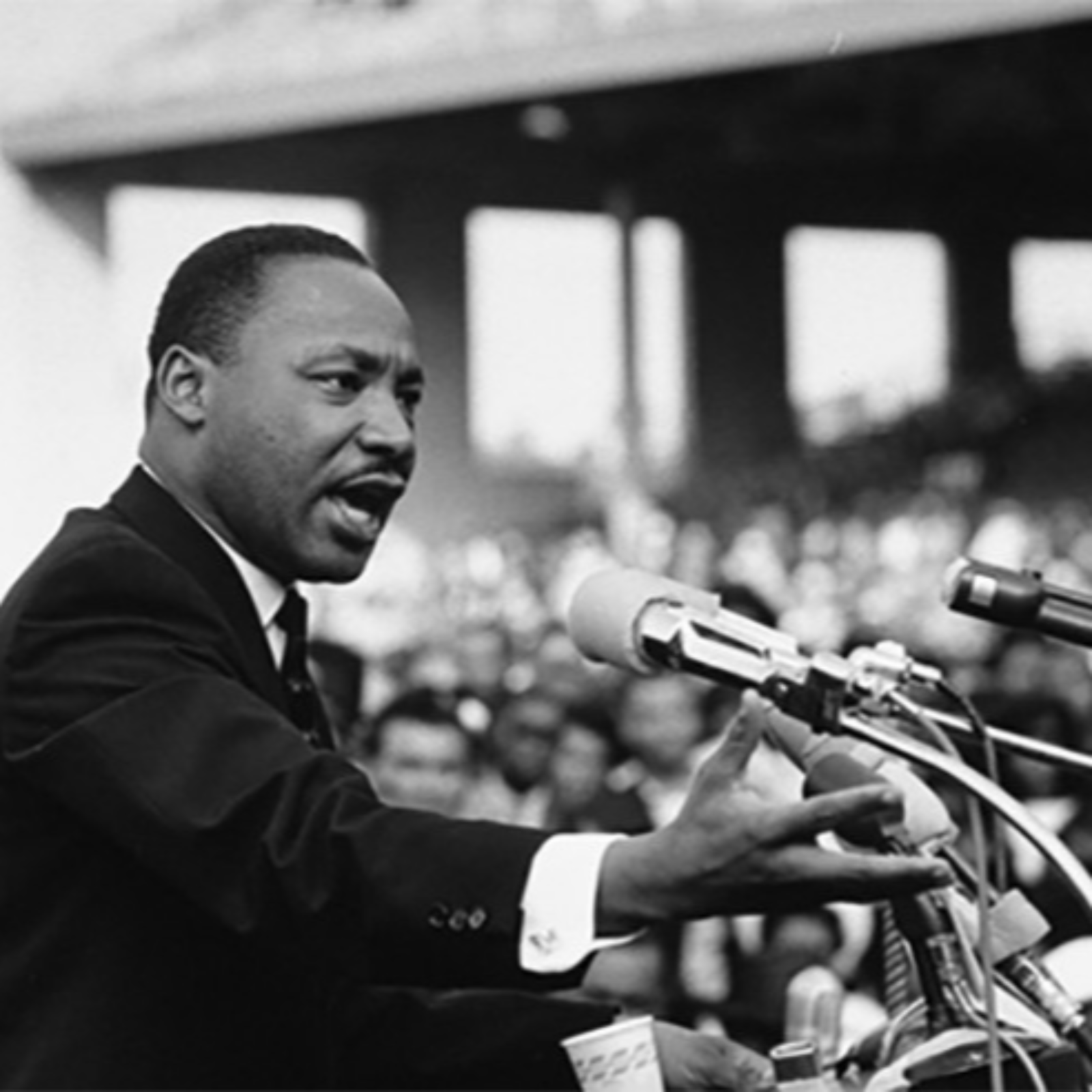
Dr. King delivered this message during a speech titled “What Is Your Life’s Blueprint?” at Barratt Junior High School in Philadelphia in 1967. He was urging students to pursue excellence regardless of their circumstances or societal expectations. Street Sweeper Lesson Plan: Do Not Let Others Define Your LimitsLearning ObjectiveParticipants will internalize and apply the principles of perspicacity and alacrity of thought to confront challenges, refine their messaging, and pursue endeavors with purpose and velocity.Learning Outcomes & ExamplesBy the end of the lesson, participants will be able to:Define perspicacity and alacrity of thought in civic and creative contexts Example: A participant explains that perspicacity is the ability to see through political doublespeak, while alacrity of thought is the readiness to respond with a clear, dignified message in any public-facing effort.Identify moments in history, media, or personal experience where these traits shaped outcomes Example: Participants analyze how Fannie Lou Hamer’s testimony at the 1964 DNC showed perspicacity in exposing injustice and alacrity in seizing the moment to speak truth to power.Compose a short motivational message or public statement that embodies these principles Example: A participant writes: “This is your moment. Move with perspicacity. Act with alacrity. The world isn’t waiting—it’s listening.”Reflect on how asking “What can I do?” transforms their approach to challenge and legacy Example: In a journal entry, a participant writes: “Instead of freezing when I saw the problem in our community, I asked what I could do. I organized a weekly gathering to amplify local voices. That shift—from fear to action—was everything.”Three Examples of Not Being Defined by Limits1. Temple Grandin Diagnosed with autism at a time when institutionalization was common, Grandin used her unique cognitive style to revolutionize humane livestock handling. She didn’t ask what she couldn’t do—she asked how her mind could solve problems others overlooked.2. The Montgomery Bus Boycott Sparked by Rosa Parks’ refusal to give up her seat, this movement wasn’t defined by the limits imposed by segregation—it was defined by the collective decision to walk, organize, and persist. The boycott lasted over a year, reshaping civil rights history.3. Community Organizers in Underserved Areas With limited access to funding or formal platforms, organizers have turned living rooms, sidewalks, and social media into spaces for truth-telling and transformation. They didn’t wait for permission or perfect conditions—they built legacy with what they had.AssessmentFormative: Group discussion analyzing examples of perspicacity and alacrity in action (e.g., historical speeches, civic movements, public statements)Summative: Participants submit a 60-second motivational message or public service announcement using the main message and conclusion above, adapted to their voice and audienceOptional Extension: Peer review and refinement of messages for clarity, impact, and emotional resonance.To Be a Guest on Positive People USA call: 773-809-8594

S15 Ep 18Wedding Vows Assistance
Mr. Positive-State Registered Wedding Officiant.I’ve provided tips to help you create meaningful wedding vows. I’m also available to officiate your wedding—and help you save money in the process.Contact me at 773-809-8594.Love, joy, safety and peace from God, surround you and family.
S15 Ep 64Numero Group Looking for Music from the Past
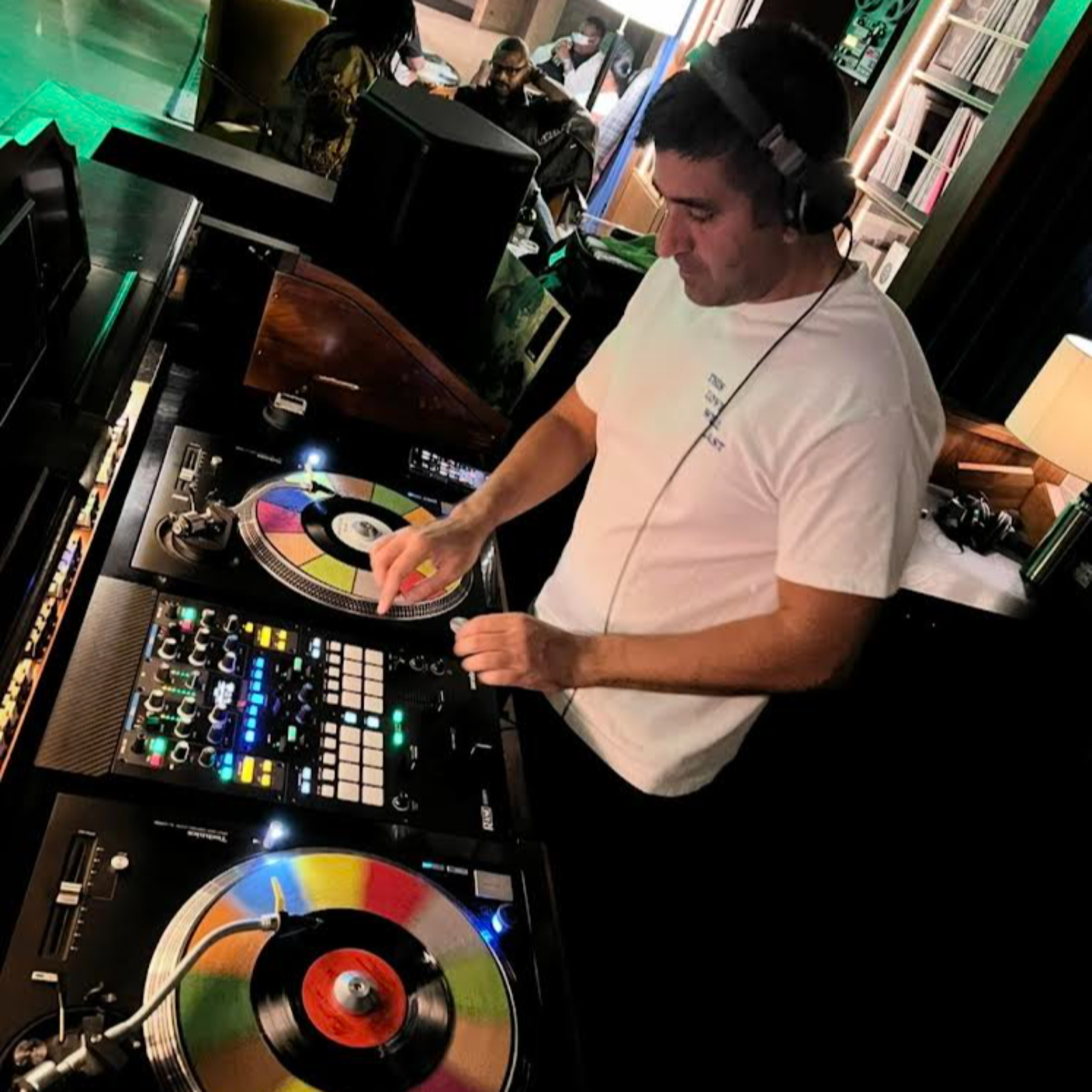
To be a guest on Positive People USA and share what you're doing that's positive, call 773-809-8594.The Numero Group is an archival record label that creates compilations of previously released music, reissues original albums, and reconstructs recordings across a variety of musical genres. Known simply as Numero, the label was founded in 2003 by Rob Sevier and Ken Shipley. Since its founding, Numero has focused on researching and preserving obscure recorded material and ephemera from artists and entrepreneurs who found little commercial success upon their work’s initial release.Numero Records email address: [email protected]

S10 Ep 21First Black Cosmetologist: Licensed in Minnesota
🧕🏾 Summary: Nellie L. Brown – Trailblazer in Beauty and EquityNellie L. Brown broke racial and professional barriers by becoming Minnesota’s first licensed cosmetologist, setting a precedent for Black excellence in a newly regulated field. At a time when African Americans were systematically excluded from many professions, her achievement became a symbol of dignity, defiance, and vocational empowerment.Brown’s work helped elevate cosmetology into a respected career path, especially for Black women seeking entrepreneurship and self-determination. Her legacy lives on in Minnesota’s diverse salon culture and in the many professionals she inspired. Today’s licensing standards—1,550 hours of training and exams—continue the professional rigor she helped establish.Learning OutcomesLearners will be able to:Identify key facts about Nellie L. Brown’s life and legacyExample 1: “Nellie L. Brown received Minnesota’s first cosmetology license in 1927.”Example 2: “She was the first Black professional formally recognized in the state’s beauty industry.”Explain how her achievement influenced the beauty industry and racial equityExample 1: “Her license helped legitimize cosmetology as a career path for Black women.”Example 2: “She opened doors for entrepreneurship and community leadership in the beauty sector.”Connect her story to broader themes of empowerment and professional recognitionExample 1: “Nellie’s success shows how formal recognition can uplift marginalized voices.”Example 2: “Her legacy reflects the power of regulation to create lasting change in professional spaces.”Assessment OptionsChoose one or both based on your audience:Quick Write (5–7 sentences): Prompt: “Why does Nellie L. Brown’s story matter today?”Encourages personal reflection and historical connection.Allows learners to express how her legacy relates to modern equity issues.Creative Response: Learners create a short skit, podcast segment, or visual poster honoring Nellie’s legacy.Promotes engagement through artistic expression.Reinforces key facts and emotional connection to her story.Comments: [email protected]
S15 Ep 63Elizabeth Brown: Financial Educator Planning Specialist
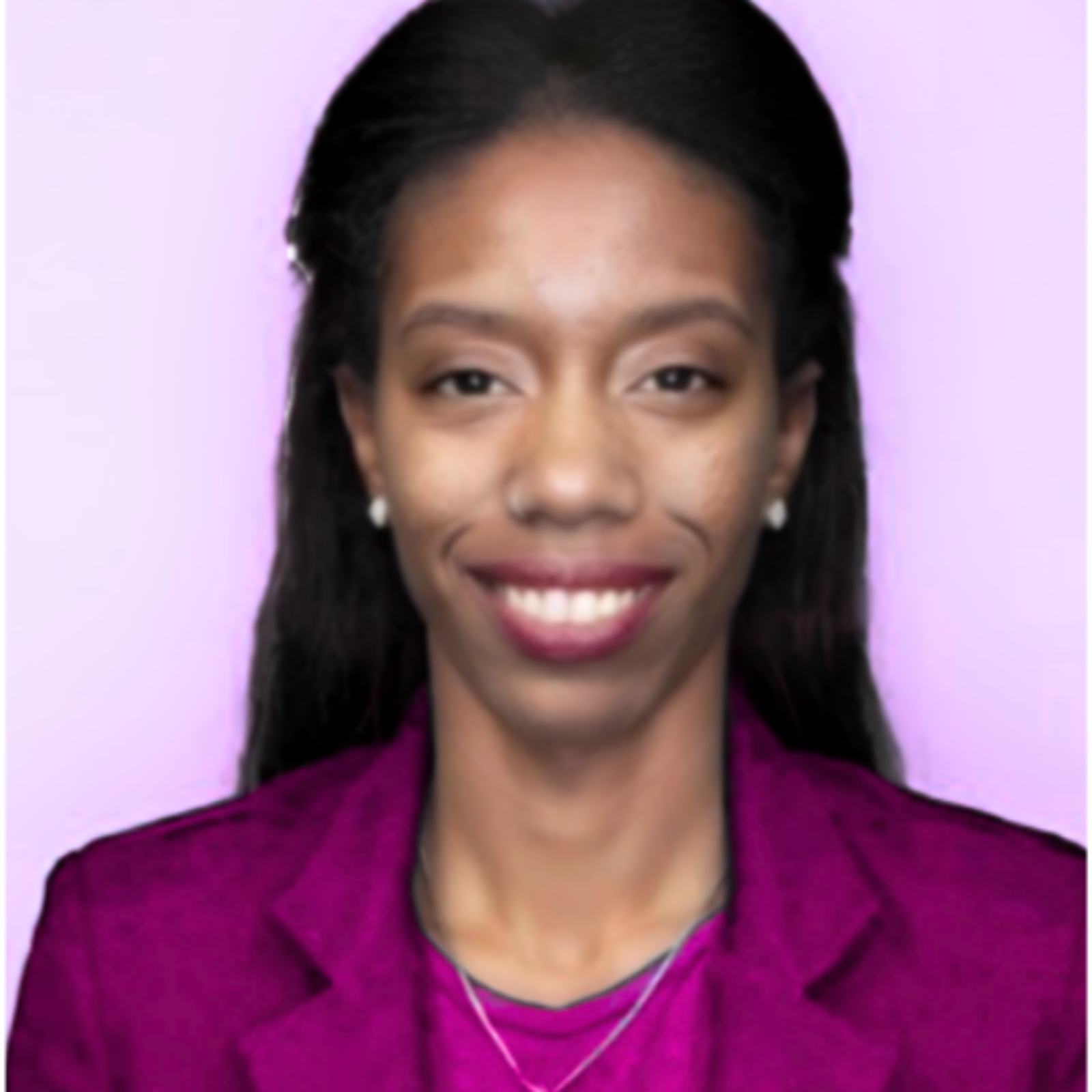
See My Book: https://www.barnesandnoble.com/w/relationships-the-power-of-illusion-lucky/1149325667?ean=9781663277930To be a guest on the podcast call 773-809-8594Elizabeth Brown is a Financial Educator and Pre-Planning Specialist who has worked with families across the United States to help them achieve financial security and peace of mind. Her primary base is Minnesota.As a financial educator and pre-planning specialist, Elizabeth works closely with individuals and families who are interested in learning more about financial protection, including the “new” life insurance, health insurance, pre-planning, retirement, and more—for both the present and the future. Elizabeth guides clients through the process, explains the short- and long-term benefits of strategic planning, and helps identify the best path forward for each unique situation.Please don’t hesitate to contact Elizabeth with any additional questions!https://clients.firstfinancialsecurity.com/JW1714https://calendly.com/elizabethbrownffs/30minTo be a guest on the podcast and share what you are doing call Mr. Positive- 773-809-8594
S15 Ep 42Back Talkers: With Lesson Plan
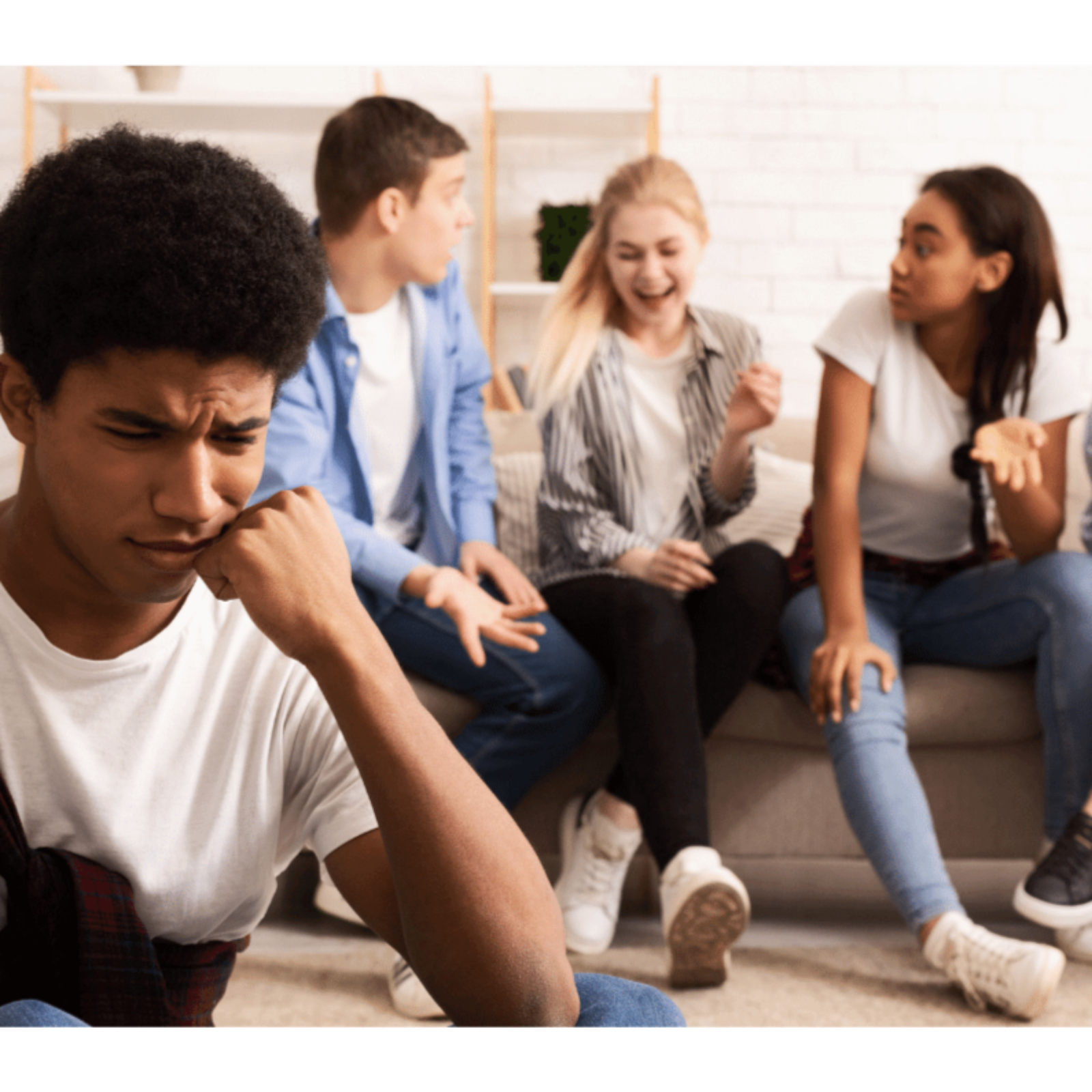
Copy and paste the link to this episode and send to others that need to hear the message. KEEP IT MOVING.🎯 Lesson Title:Back Talkers: Behind You for Reasons Understanding the psychology of gossip, building resilience, and mastering forward focus📘 Learning Objective:Students will analyze the social dynamics of backtalk and gossip, explore strategies for emotional resilience, and create expressive responses that affirm personal growth and forward movement.✅ Learning Outcomes & Examples:By the end of this lesson, students will be able to:Define the concept of “backtalkers” and explain why they operate from behind. Example: “Backtalkers are people who criticize others in secret, often out of envy or insecurity. They stay behind because they fear direct confrontation or lack the courage to lead.”Identify tw0 strategies for ignoring gossip and maintaining focus. Example:Silence is strategy: Don’t respond to rumors.Turn repetition into revelation: Use affirmations like “They’re behind you for reasons.”Interpret and perform a monologue that uses repetition and satire to expose hypocrisy. Example: Students rehearse and perform the monologue, emphasizing the repeated line “They’re behind you for reasons” and delivering the satirical Snickers conclusion with punchline timing.Create a personal mantra or short spoken-word piece affirming their own forward motion. Example: “I rise without apology. I move without explanation. I don’t turn around for whispers—I walk forward with purpose. They’re behind me for reasons.”🧠 Assessment Activities:Discussion Prompt: “Why do people talk behind others’ backs—and what does it reveal about their position?”Written Reflection: Students write a 30-word sentence capturing the essence of Back Talkers: Behind You for Reasons.Creative Response: Students write their own short monologue or mantra using the phrase “They’re behind you for reasons” as a ritual refrain.🧩 5E Lesson Plan Structure1️⃣ EngageActivity: Open with the monologue title and a bold question:“Why do people talk behind your back—and what does it say about their position?”2️⃣ ExploreActivity: Students brainstorm reasons why people gossip or backtalk. Create one column:Why they’re behindPurpose: Encourage critical thinking and personal reflection. Reveal the psychology and insecurity behind backtalk.3️⃣ ExplainActivity: Introduce the full monologue: Back Talkers: Behind You for Reasons Break down key themes: movement, envy, distraction, resilience. Discuss the four strategies for ignoring gossip:Silence is strategy4️⃣ ElaborateActivity: Students write and perform their own short mantra or spoken-word piece using the refrain:“They’re behind you for reasons.”5️⃣ EvaluateAssessment Options:Written Reflection: “What does ‘They’re behind you for reasons’ mean to you personally?”To be a guest on the podcast: [email protected] or 773-809-8594
S15 Ep 46Awake to Win or Don’t Wake Up
Help Others: Copy and paste the link to this encouraging episode to friends, family, and across your social media platforms. KEEP THIS message moving forward. Ask for my message "God Can't Work with Lazy People". email: [email protected] “If you go to a problem expecting to lose—if you wake up thinking the worst and expecting failure—why wake up at all? Wake up in power. Say it. Say it out loud: I did not wake up to fail.” —Mr. PositiveSomewhere I read: If you see ten problems coming down the road, keep watching—nine will fall into a ditch.Are you doing something positive that you would like to be interviewed as a guest on this podcast?To be a guest on the podcast email: [email protected]
S15 Ep 62Elsa's House Of Sleep
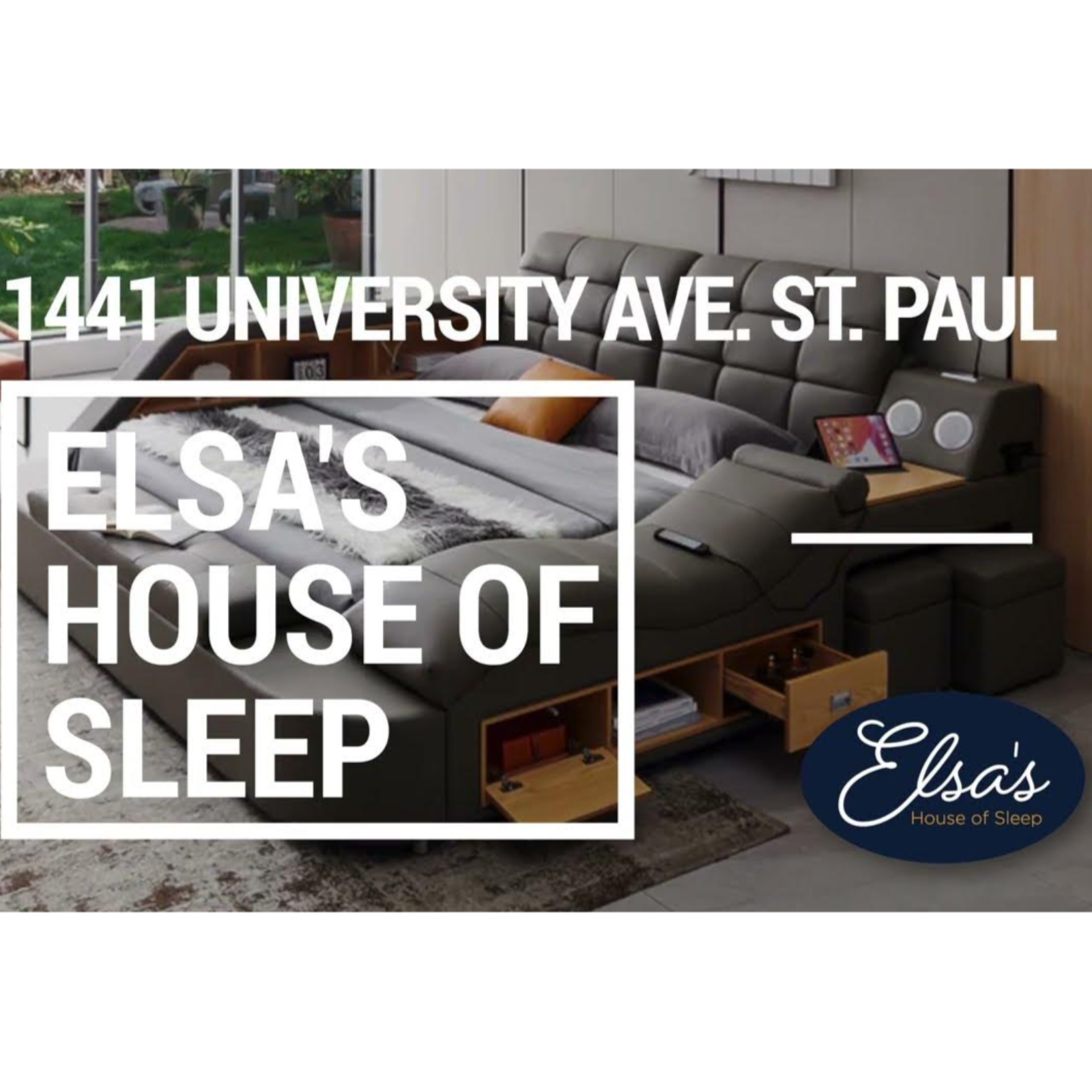
Elsa’s House of Sleep is a long-standing, family-owned furniture store based in Saint Paul, Minnesota. It’s been serving the Twin Cities since 1997, and it’s known for offering discount furniture and mattresses across a wide range of styles and budgets.🛏️ What they offer:Furniture for bedrooms, living rooms, and dining roomsMattresses from brands like Ashley Furniture, Coaster, Homelegance, and morePersonalized service with a local touch—they’ve built a reputation for knowing their products inside and out📍 Location: 1441 University Ave W, Saint Paul, MN 55104📞 Contact: Phone: (651) 647-0225 Website: elsasfurniture.comTo be a guest on the podcast: [email protected] or 773-809-8594
S15 Ep 61Estrella Carter, REALTOR®
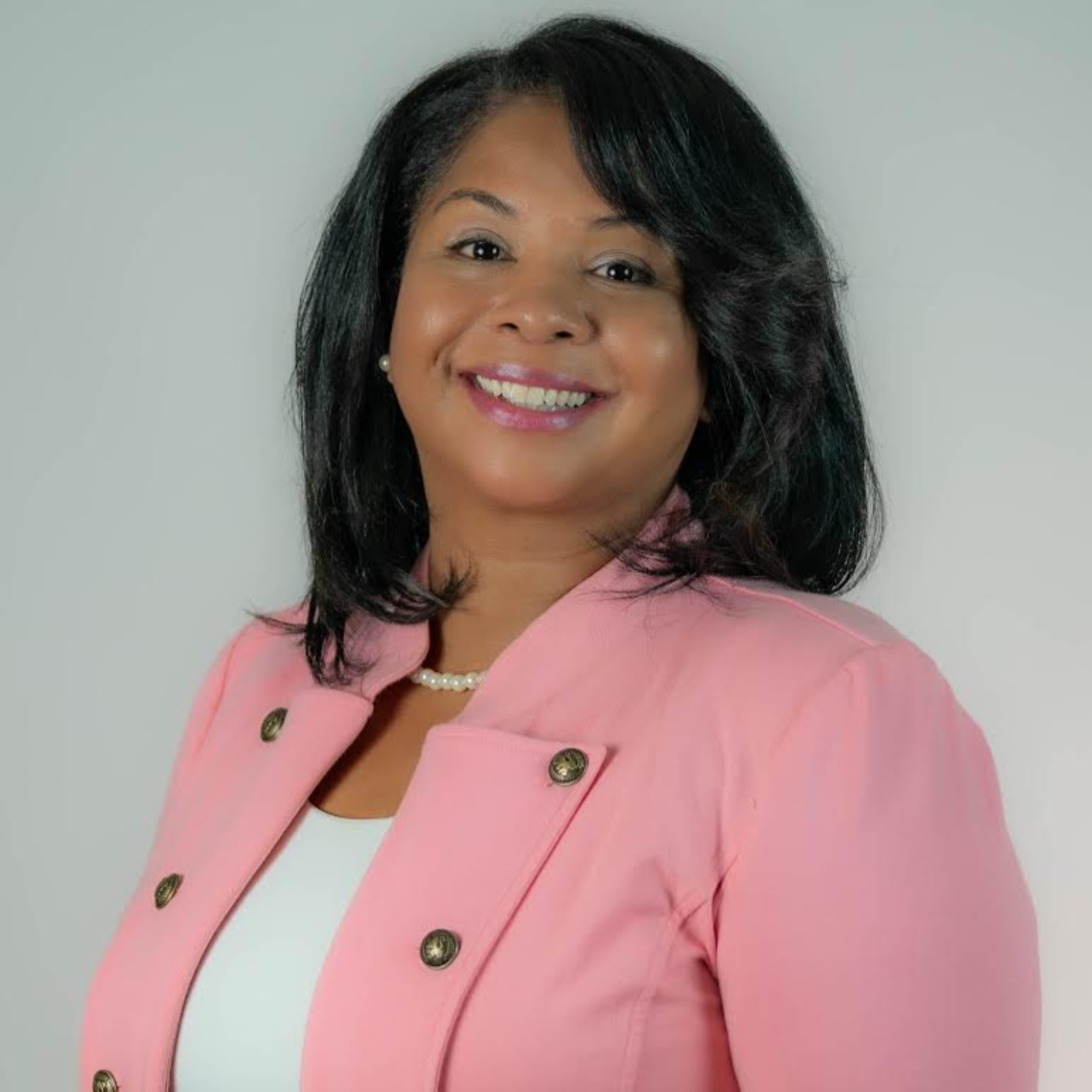
To be a guest on the podcast: [email protected] or 773-809-8594
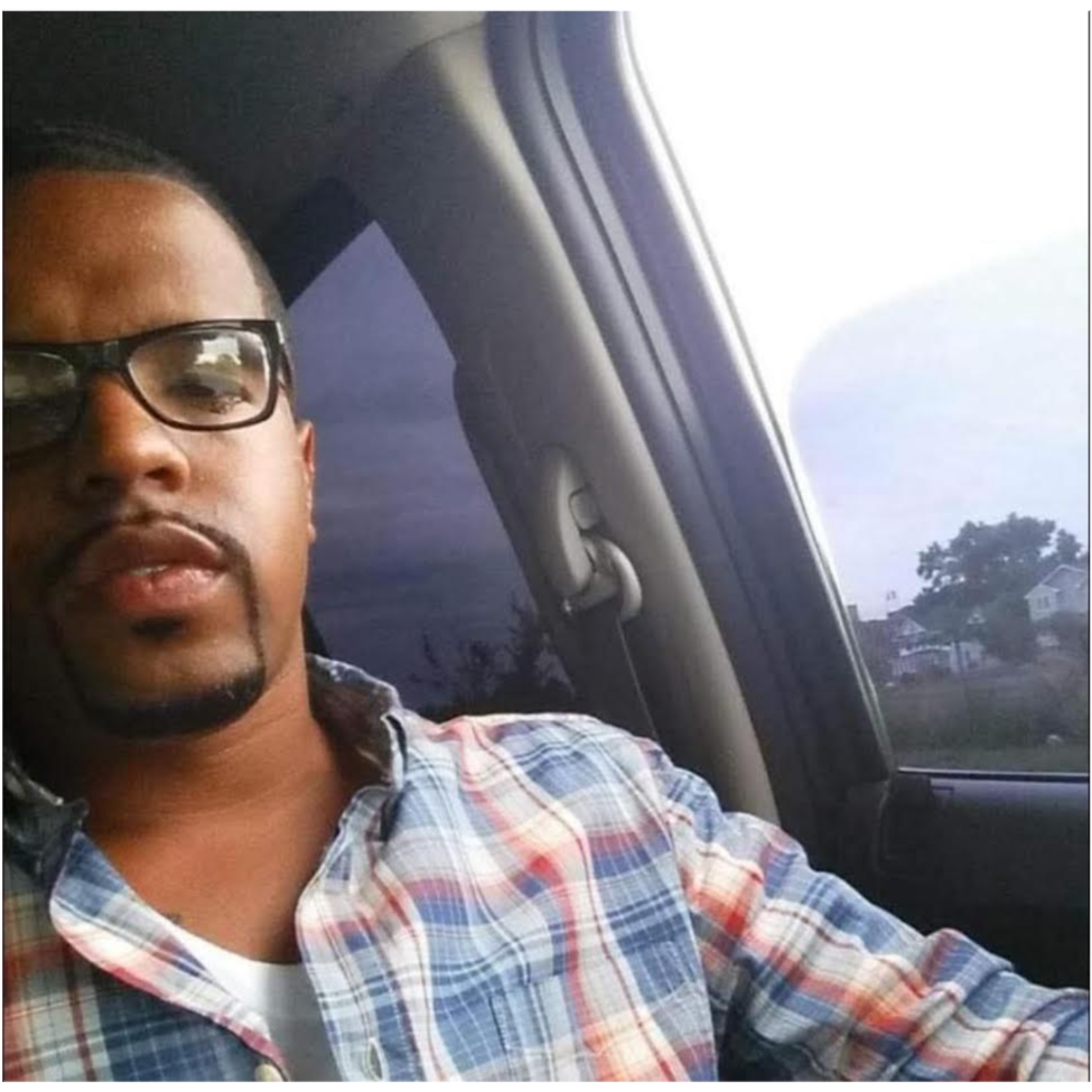
S15 Ep 60Discount Auto Glass with Stephen Burk
To be a guest on the podcast: [email protected] or 773-809-8594This episode, we share space with Mr. Stephen Burks, owner of Discount Auto Glass.
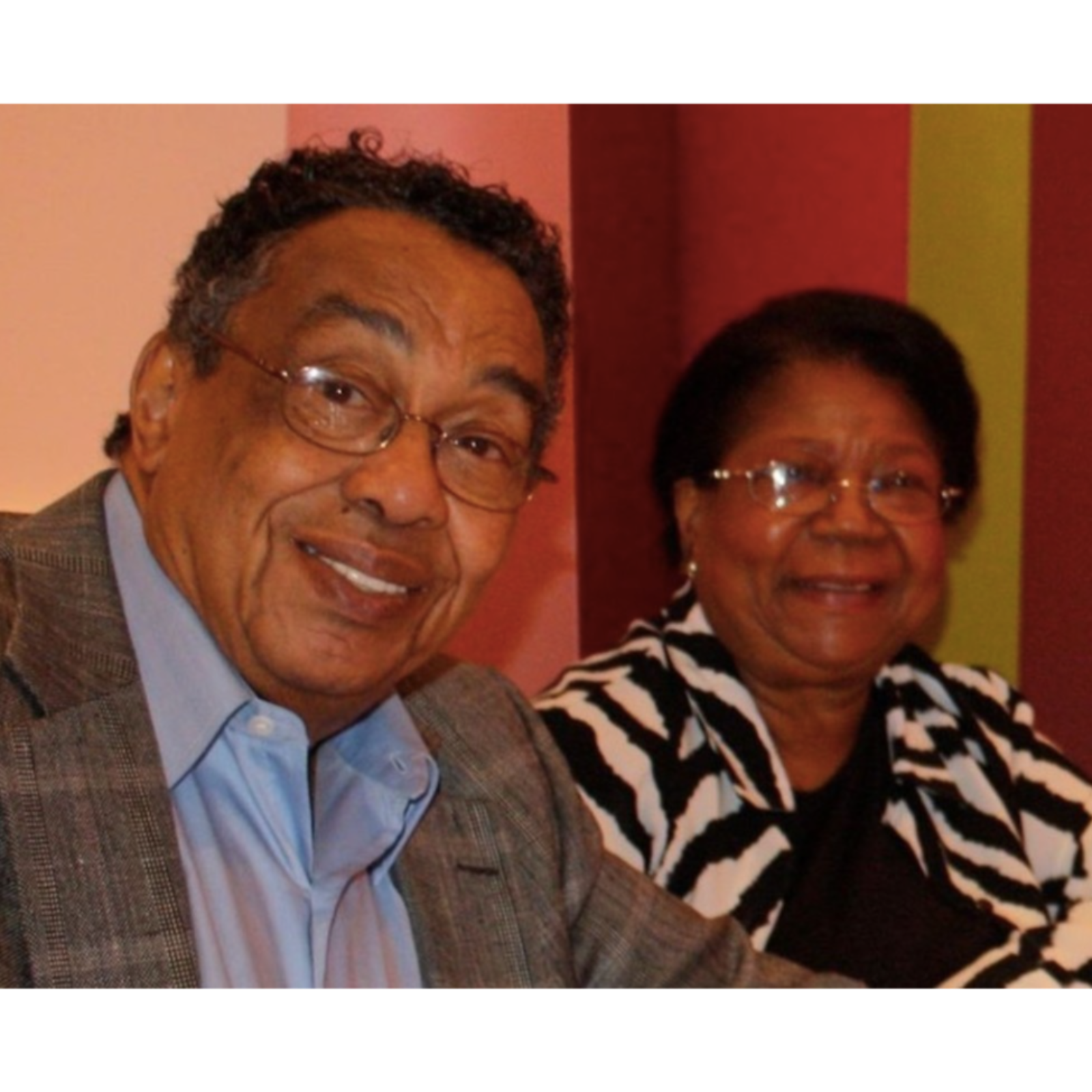
S1 Ep 7Bill Wilson Mentored Mayor Melvin Carter
To Be a Guest on This Program call 507-593-9775 or email: [email protected] Bill Wilson’s legacy is one of quiet revolution—he shattered racial barriers in St. Paul not with bombast, but with relentless integrity, becoming the city’s first Black City Council member and later its president. From founding the Inner City Youth League to launching Higher Ground Academy, Wilson built institutions that outlived the headlines, rooted in justice, education, and community uplift. He governed with humility, mentored future leaders like Mayor Melvin Carter, and carried the weight of history with grace—transforming personal struggle into public service. His life was a blueprint for restoration: not just breaking ceilings, but laying foundations.Mr. Positive
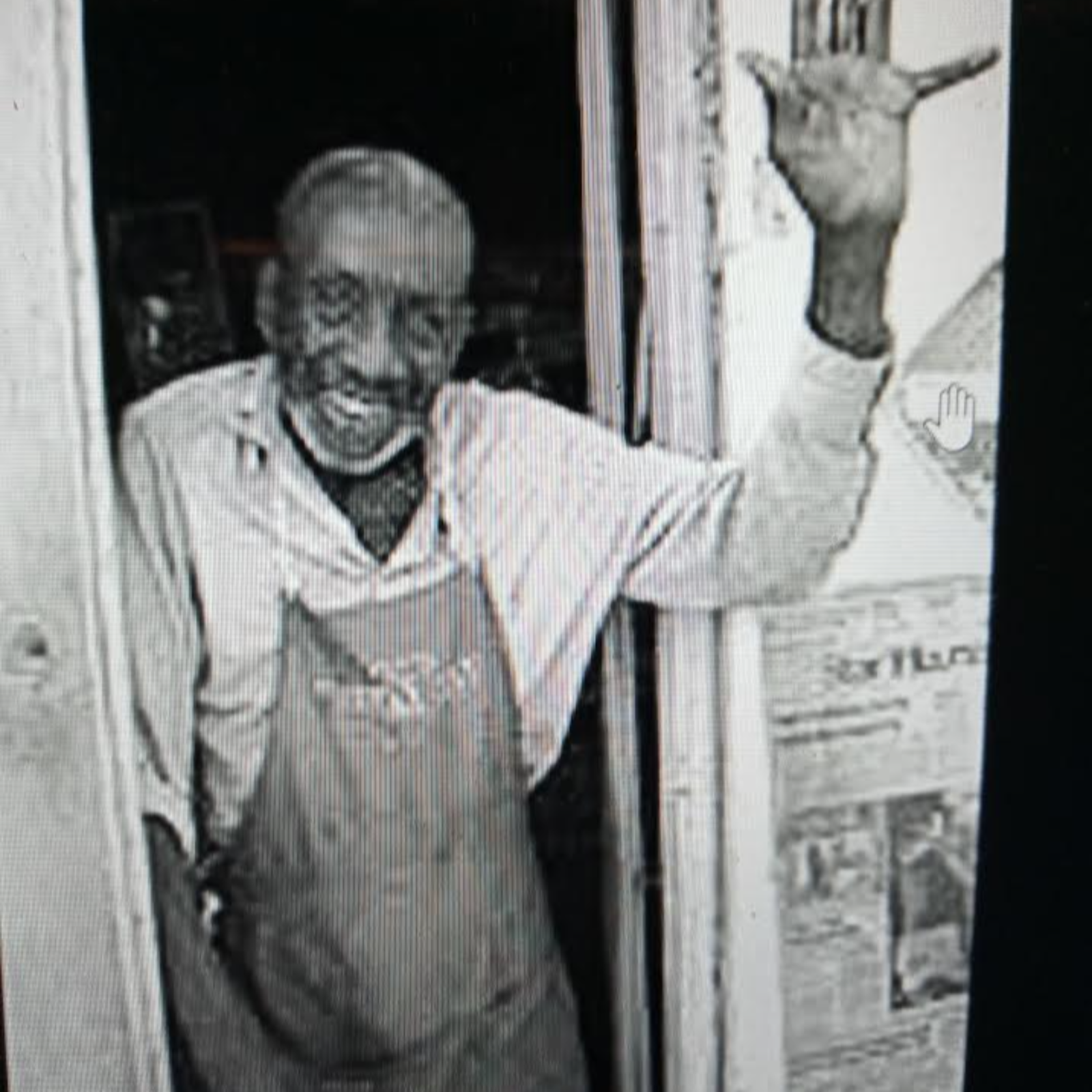
S10 Ep 42Mr. and Mrs. Tiger Jack: Legends of Rondo
Copy and paste the link to this episode on Tik Tok, Facebook and any other social media platforms is cool beans with me.To Be a Guest on the Podcast Email:Contact: 507-593-9775 [email protected]. Tiger Jack Rosenbloom was a pillar of St. Paul’s Rondo neighborhood—a man who arrived in Minnesota in 1936 with just ten dollars and a boxer’s resolve. Known for his fierce independence and deep respect for God, family, and hard work, he built a small business from the ground up that operated for over 57 years. His nickname “Tiger” came from a moment in the ring when he responded to a racial slur with knockout force, earning the title from his trainer. Through decades of racial injustice and the destruction of Rondo by freeway construction, Tiger Jack’s store stood firm as one of the last surviving Black-owned businesses in the area. His legacy was rooted in self-reliance, dignity, and a refusal to accept handouts—values he lived, not just preached.Mrs. Nurceal Dillon Rosenbloom, known as Mrs. Tiger, was equally formidable in spirit. Originally from Osaka, Mississippi, she endured the harsh realities of Jim Crow before moving north and working 37 years at United Hospital. After long shifts, she returned home to help run the store and raise eight children, embodying quiet strength and unwavering love. Her presence became a source of inspiration for young Black girls in Rondo, a living example of grace under pressure. After Tiger’s passing, she lived to see the street where they built their legacy renamed Mr. and Mrs. Tiger Jack Street. Their store was later preserved by the Minnesota Historical Society, and their story continues to be honored as a testament to Black resilience, entrepreneurship, and community leadership.Mr. Positive

S15 Ep 72“My Education Without Artificial Intelligence”
See My Book: https://www.barnesandnoble.com/w/relationships-the-power-of-illusion-lucky/1149325667?ean=9781663277930Positive People Being Lifelong LearnersContact: 507-593-9775 [email protected]"This episode documents an education earned through personal discipline, financial sacrifice, and rigorous study—without reliance on artificial intelligence or academic shortcuts. It stands as factual testimony to the value of preparation, persistence, and self-driven excellence, especially during moments of global disruption and cultural shift." Mr. Positive.“My Education Without Artificial Intelligence” – Legacy Passage (Thesis Included)Thesis: This body of work documents an education earned through personal discipline, financial sacrifice, and rigorous study—without reliance on artificial intelligence or academic shortcuts. It stands as factual testimony to the value of preparation, persistence, and self-driven excellence, especially during moments of global disruption and cultural shift.I didn’t borrow brilliance—I built it.Several degrees. Every class paid for out of pocket. Every paper written by hand, every thesis shaped by sweat and solitude.While others outsourced their thinking, I was up before dawn, reading chapters before the syllabus caught up, crafting index cards like sacred texts, walking into classrooms with prepared questions professors hadn’t yet asked.I didn’t party—I prepared. I didn’t coast—I climbed.I earned a master’s degree during the COVID-19 pandemic. While the world shut down, I stayed focused. No AI, no plugins, no digital crutches—just me, my mind, and the grind.I studied harder, not because I was naturally gifted, but because I refused to quit.I earned honor society recognition multiple times—not through shortcuts, but through consistency, discipline, and old-fashioned research.This isn’t just my education. It’s my protest.Against the myth of effortless genius. Against the erasure of effort.I am not the product of AI.I am the proof that earned success still matters.
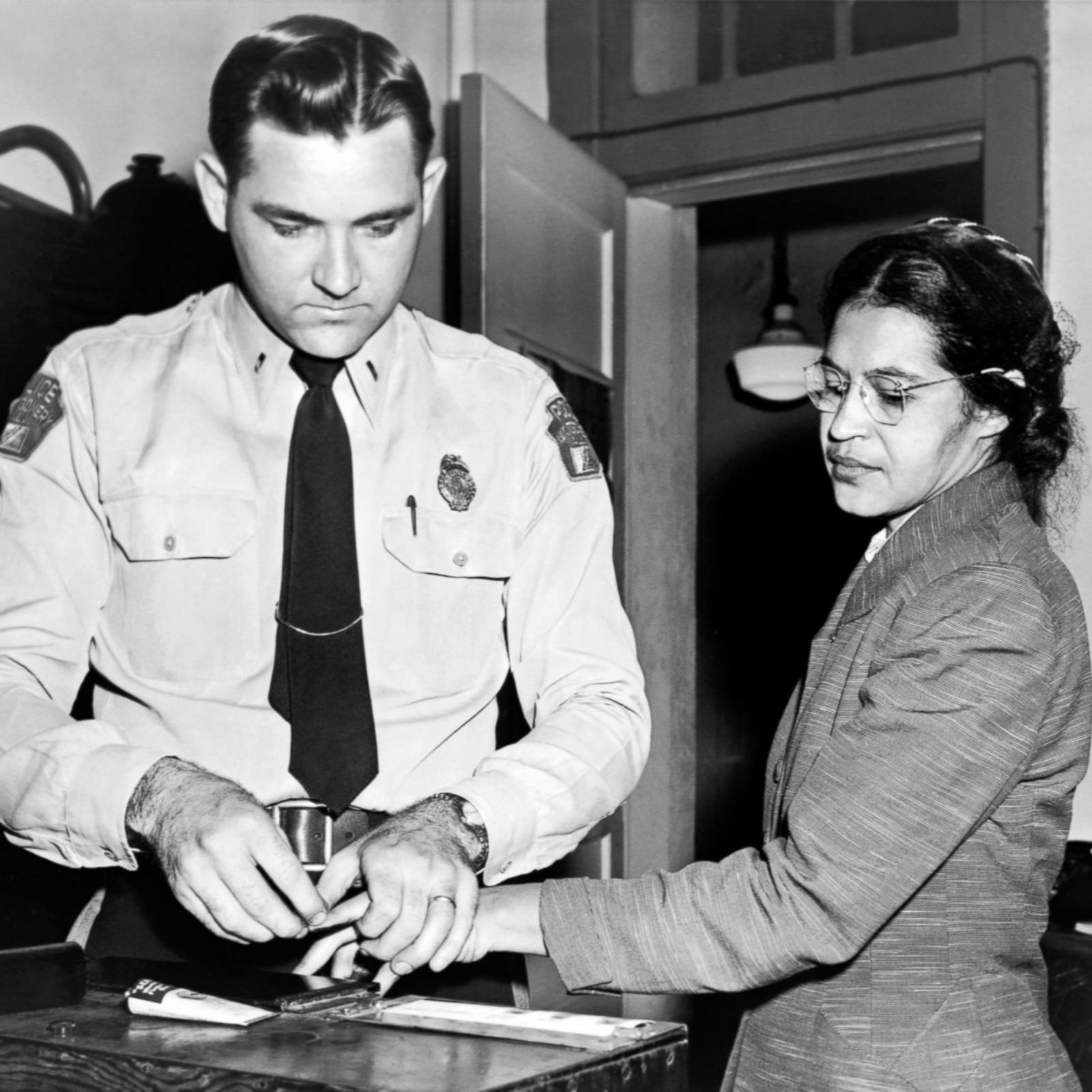
S1 Ep 2Music and Civil Rights. Lesson Plan.
To Be a Guest on The Program Call and/or text Your email to 507-593-9775Teaching the Sound of Freedom🧭 Learning ObjectivesStudents will analyze how specific Civil Rights-era songs functioned as emotional and political tools of resistance.Students will connect the lyrical content and historical context of these songs to ongoing struggles for justice in 2025.🛠️ ActivitiesLyric & Context Analysis: Students work in pairs to dissect one assigned song from the playlist, identifying contradictions, emotional tone, and historical relevance.Ensemble Response: Students create a short spoken-word or dramatic piece that layers the song’s message with a modern contradiction (e.g., immigration hypocrisy, racial double standards).🎯 Learning OutcomesStudents will demonstrate understanding of the historical and emotional power embedded in Civil Rights-era music.Students will produce original ensemble work that honors the legacy of the music while confronting present-day injustice.Email: [email protected]