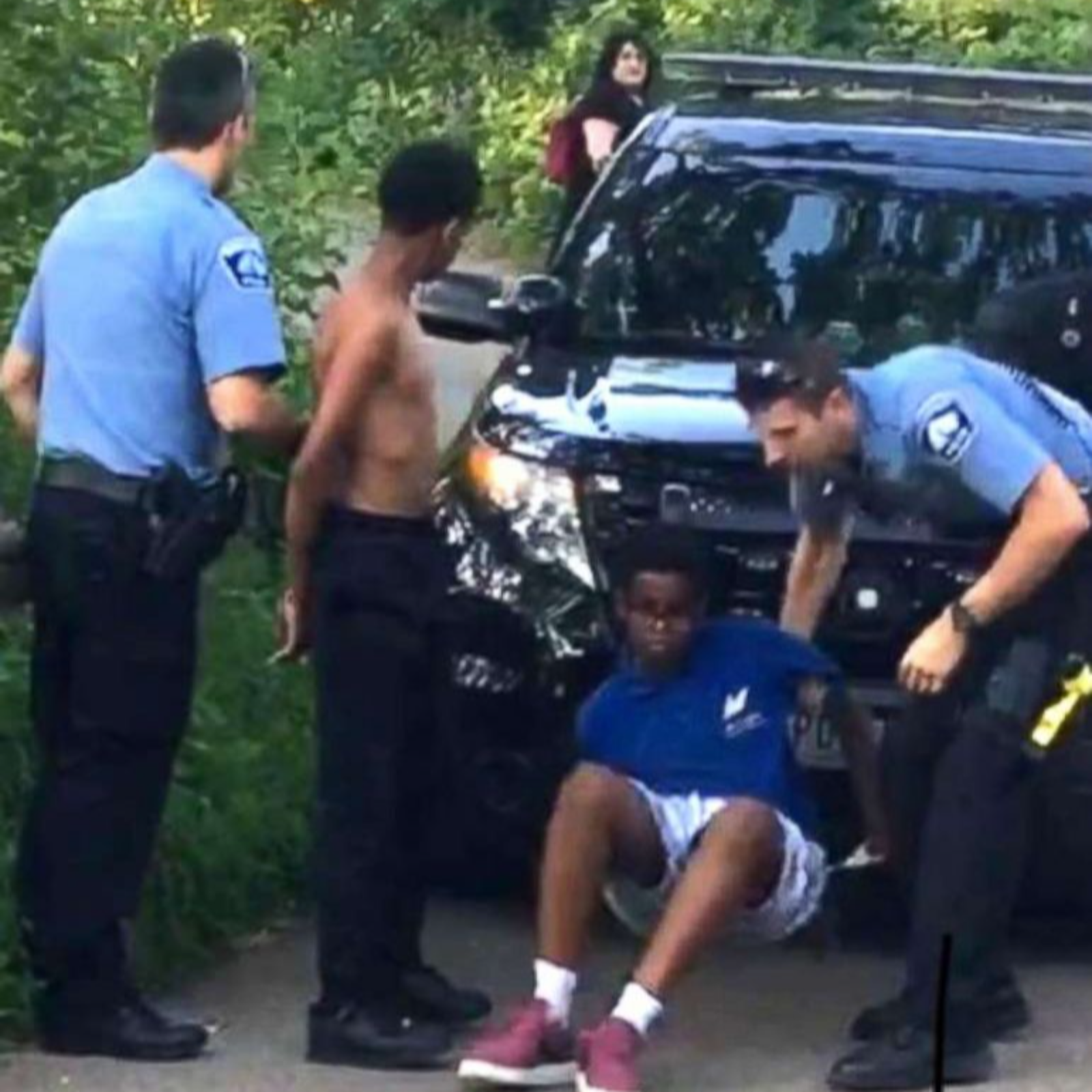
“The Talk" Youth & Police Encounters.
Positive People USA · Mr. Postive, M.A., MAPL — Graduate Student, M.S. Education
Audio is streamed directly from the publisher (content.rss.com) as published in their RSS feed. Play Podcasts does not host this file. Rights-holders can request removal through the copyright & takedown page.
Show Notes
Public Notice:
The episode delivers a clear, survival-first message: urban youth must be equipped with behavioral discipline, legal awareness, and emotional restraint to survive police encounters. It does not encourage confrontation or protest during the encounter—it teaches how to endure, document, and respond safely. The tone is urgent, practical, and rooted in lived experience, making it ideal for classroom use, outreach campaigns, and civic education modules.
Teach it in classrooms, church groups, probation programs, and family circles.
“The Talk” is a vital conversation in Black families that prepares children—especially boys—for encounters with police, emphasizing survival, restraint, and observation over argument. It teaches youth to comply calmly, keep hands visible, avoid escalation, and document the moment so they can challenge injustice later. It’s not just advice—it’s a legacy of protection passed down through generations.
Lesson Plan: “The Talk” — Survival, Strategy, and Civic Clarity
Audience: Parents and youth (ages 12+) Duration: 30–45 minutes Format: Community workshop, classroom module, or family discussion
🎯 Learning Objective
Equip youth and parents with survival-first strategies for routine police encounters, emphasizing observation, restraint, and post-encounter documentation.
📚 Key Concepts & Examples
- Survival over argument Example: A teen is pulled over for a broken taillight. They keep their hands visible, comply calmly, and leave safely. The family later files a complaint about the officer’s tone.
- Mouth gets you in trouble Example: A youth stopped for jaywalking begins arguing. The officer runs a warrant check and arrests them for an unrelated issue. The original stop could’ve ended in a warning.
- Observation as power Example: A 15-year-old memorizes the badge number, squad car ID, and time of a tense stop. Their parent uses that info to file a formal complaint the next day.
- Post-encounter strategy Example: A family documents the location and officer involved in a stop. They consult a lawyer and submit a complaint with supporting evidence the next day.
✅ Outcomes with Examples
- Youth understand their primary duty is to survive the encounter. Example: After the workshop, a 14-year-old tells their sibling, “We don’t argue—we survive. We speak tomorrow.”
- Parents gain tools to reinforce restraint and strategy at home. Example: A mother creates a checklist for her kids: “Hands visible. No sudden moves. Eyes open. Badge number. Time. Location.”
- Families leave with a shared language and plan for handling future encounters with clarity and dignity. Example: A father and son rehearse a traffic stop scenario together, using phrases like “I’m complying” and “I’ll speak tomorrow.”
🧭 Conclusion: Legacy and the Gault Decision
In 1967, the Supreme Court ruled in In re Gault that youth are entitled to due process. That ruling wasn’t symbolic—it was a demand for dignity, for voice, for legal recognition. But due process begins after the encounter. You must live to invoke it.
Your silence, your observation, your restraint—that’s not weakness. That’s legacy. That’s strategy. That’s how you turn a moment of vulnerability into a record of accountability.
Comments: [email protected] or 773-809-8594