
POMEPS Middle East Political Science Podcast
272 episodes — Page 6 of 6
Iranian Revolution, Arab Uprisings, Mobilizations: A Conversation with Charles Kurzman (S. 5, Ep. 3)
Charles Kurzman speaks with Marc Lynch about how past failed mobilizations can explain the challenges facing the Middle East after the 2011 uprisings. Kurzman is a professor of sociology at the University of North Carolina at Chapel Hill and co-director of the Carolina Center for the Study of the Middle East and Muslim Civilizations. "There's the sense of disillusionment when things don't turn out well. The hopes and dreams that come crumbling down when the new institutions turn out not what you thought they ought to be. We saw this in Iran, when a huge portion of the population that was so active in bringing down the shah, then feels that their revolution was hijacked. This new Islamic Republic doesn't represent what they meant at all. We see it again after the uprisings of the Arab Spring; huge portions of the populations saying, 'No, no. This isn't what we wanted.'"
Saudi Arabia’s New Challenges: A Conversation with Greg Gause (S. 5, Ep. 2)
Saudi Arabia is facing challenges: the global oil slump, the future of the GCC's collective stability and its intervention in Yemen. "Yemen was the place they decided to strike back," Greg Gause tells Marc Lynch in this latest POMEPS podcast. "I think both because they've always seen it as their backyard — part of their special preserve — where they were least likely to directly confront the Iranians. You do something like they're doing in Syria, and you're fighting the Iranians directly." There are signs, Gause says, that an end may be in sight. "The fact there was a Houthi delegation in Riyadh in April show that those in charge are looking for an exit ramp." Saudi Arabia's economic challenges lie beyond low oil prices. "The Saudi private sector has been a job creating machine in the last decade. It's just that almost all of those jobs have gone to foreigners...the real core of this how do you make it so Saudi private sector hire more Saudis without destroying the business model they've created. I don't see that in vision 2030." Gause says he believes the stability of Saudi regime is sound. "Fiscal crisis can create regime crisis." But Gause notes, "I don't see the kinds of fissues in the ruling family that could lead to serious problems in Saudi Arabia." Back in the 1980s and 90s, Saudi Arabia "ran their debt up to a 100% of GDP. There's no indication the Saudis won't be able to sell their government bonds. I think they actually have plenty of room to put off fiscal crisis." Looking beyond Saudi to its neighbors, "when things are really serious, the GCC comes together." But, Gause warns, "It would be a mistake for us to overestimate the policy coherence of the GCC, even now." F. Gregory Gause, III is the John H. Lindsey ’44 Chair, Professor of International Affairs and Head of the International Affairs Department at the Bush School of Government and Public Service, Texas A&M University.

Crisis in Turkey: A Conversation with Kristin Fabbe (S. 5, Ep. 1)
"The crisis in Turkey has been a long time coming," Kristin Fabbe says about the current political situation in Turkey. Fabbe, an assistant professor at Harvard Business School, speaks with Marc Lynch on this week's POMEPS podcast about the "very scary" climate in Turkey. "There was this key moment between the first election in 2015 and the second, and what happened in between those two elections was very scary for Turkish politics. You see this bombings in Ankara and then members of the AKP get up and say, 'This happened because there was no government. This did not happen on our watch.' They use the fact they lost control of the parliament... to basically say, 'You're better off under our thumb.'" Their conversation looks at how President Erdogan is leading his party in the midst of terrorism and the refugee crisis, their economic situation, and Turkey's relationship with the European Union. "Turkish democracy does better when Turkey is engaged with Europe. When Turkey is disengaged, Turkish democracy does worse. I think there's really something to that argument," Fabbe said. "The question is... is this the kind of engagement you want Turkey to have with Europe over the refugee and migration issue?"
A Conversation with Rory McCarthy (S. 4, Ep. 20)
Marc Lynch speaks with Rory McCarthy about Tunisia's Ennahda party, and its transition through the uprisings to present day.
POMEPS Conversations: Steffen Hertog (S. 4, Ep. 19)
Marc Lynch speaks with Steffen Hertog about the current economic situation and challenges faced in the GCC, specifically Saudi Arabia's recent reforms in subsidies for citizens and public sector employment.
POMEPS Conversations: Bessma Momani (S. 4, Ep. 18)
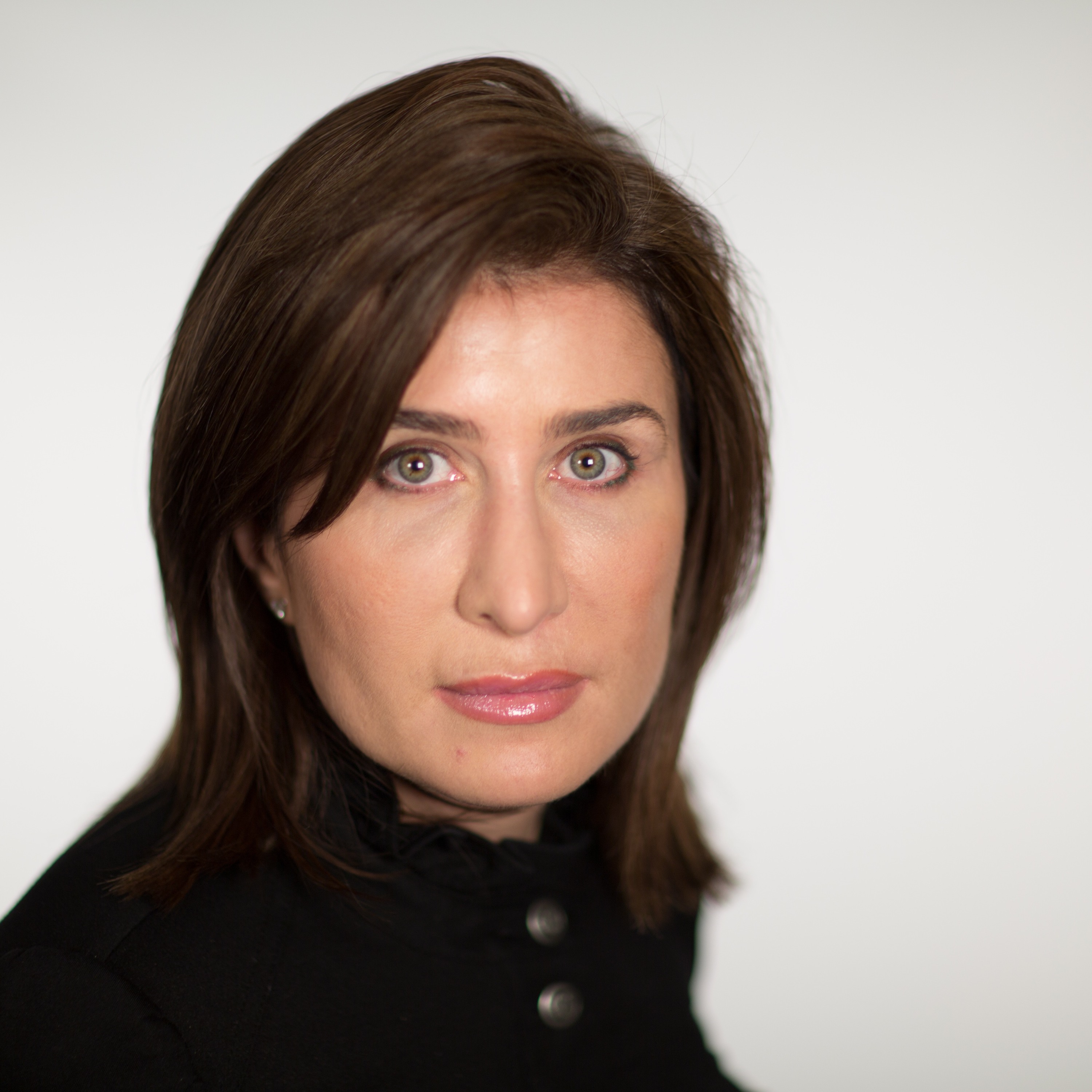
Marc Lynch speaks with Bessma Momani to discuss her book, "Arab Dawn: Arab Youth and the Demographic Dividend They Will Bring." Momani is an Associate Professor in the Department of Political Science at the University of Waterloo and the Balsillie School of International Affairs in Canada.
POMEPS Conversations: Zaid al Ali (S. 4, Ep. 17)
This week Marc Lynch speaks with Zaid al Ali of Princeton University about the constitutional drafting process in the Middle East in the wake of the Arab Uprisings.

POMEPS Conversations: Jonah Schulhofer-Wohl (S. 4, Ep. 15)
Jonah Schulhofer-Wohl speaks with Marc Lynch about his continued research on the war in Syria.

POMEPS Conversations: Erin Snider (S. 4, Ep. 14)
On this week's POMEPS Conversation, Erin Snider from Texas A&M speaks with Marc Lynch about the political economy of foreign aid in the Middle East.

POMEPS Conversations: Hind Ahmed Zaki (S. 4, Ep. 13)
On this week’s POMEPS Conversation, Hind Ahmed Zaki speaks with Marc Lynch about feminism and women's rights movements in the wake of the Arab Spring.

POMEPS Conversations: Amaney Jamal (S. 4, Ep. 12)
This week’s conversation is with Amaney Jamal. She speaks with Marc Lynch about the After the Uprisings conference co-hosted by Princeton University and POMEPS, and the future of political science in the Middle East.

POMEPS Conversations: Merouan Mekouar (S. 4, Ep. 11)
On this week's POMEPS Conversation, Merouan Mekouar speaks with Marc Lynch about the challenges facing Morocco now. Assistant Professor in the Department of Social Science at York University in Toronto, Canada. Mekouar's research focuses on authoritarian resilience, revolutions, and behavior in the MENA region.

POMEPS Conversations: Justin Gengler (S. 4, Ep. 10)
Justin Gengler is a senior researcher at the Social and Economic Survey Research Institute (SESRI) of Qatar University. He is the author of the book Group Conflict and Political Mobilization in Bahrain and the Arab Gulf: Rethinking the Rentier State (Indiana University Press, May 2015).

POMEPS Conversations: Steven Brooke (S. 4, Ep. 9)
Steven Brooke speaks with Marc Lynch about the Muslim Brotherhood in Egypt over the past five years and prospects for future study of the group. Brooke is a postdoctoral research fellow at the Belfer Center’s Middle East Initiative at Harvard University and will be an assistant professor in the Department of Political Science at the University of Louisville beginning in the fall of 2016.

POMEPS Conversations: Sean L. Yom (S. 4, Ep. 8)
Sean Yom speaks with Marc Lynch about his new book, "From Resilience to Revolution," and the role of foreign and domestic actors in Middle East politics.

POMEPS Conversations: Michaelle Browers (S. 4, Ep. 7)
Michaelle Browers speaks with Marc Lynch about intellectuals in the Middle East, and the growth of a new generation of scholars and political theorists.

POMEPS Conversations: Jillian Schwedler (S. 4, Ep. 6)
Marc Lynch sat down with Jillian Schwedler to discuss economic development and the effects of the Arab Spring in Jordan. Schwedler, a professor of political science at Hunter College, is the author of "Policing and Prisons in the Middle East: Formations and Coercion" and "Faith in Moderation: Islamist parties in Jordan and Yemen."

POMEPS Conversations: Hesham Sallam (S. 4, Ep. 5)
This conversation is with Hesham Sallam of Stanford University. He speaks with Marc Lynch about competing narratives of the Egyptian revolution.

POMEPS Conversations: Stacey Philbrick Yadav (S. 4, Ep. 4)
Stacey Philbrick Yadav speaks with Marc Lynch about the ongoing civil war in Yemen and the difficulty of an enduring resolution. Yadav is associate professor of political science at Hobart and William Smith Colleges in Geneva, New York.

POMEPS Conversations: Lindsay Benstead (S. 4, Ep. 3)
A conversation with Lindsay J. Benstead about who votes for women, and why, in the Middle East. Benstead is noted for her work in survey methodology and public opinion in the Middle East. Benstead is an assistant professor of political science in the Mark O. Hatfield School of Government at Portland State University, where she teaches courses on Middle East and North African politics and research methods.
POMEPS Conversations: Michael Wahid Hanna & Thanassis Cambanis (S. 4, Ep. 2)
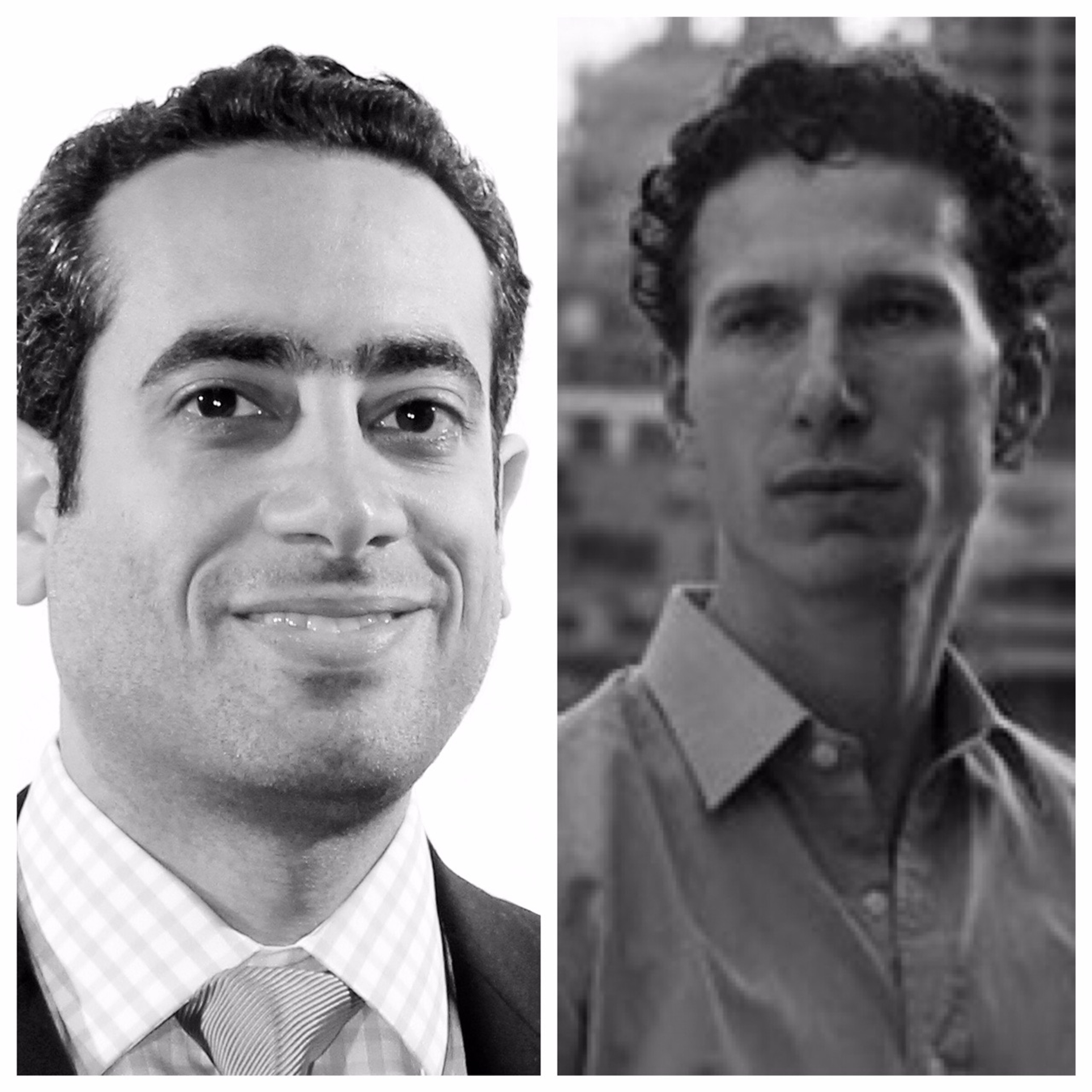
The George Washington University's Marc Lynch, director of the Project on Middle East Political Science, with Michael Wahid Hanna & Thanassis Cambanis of The Century Foundation. They talk about the upcoming fifth anniversary of the Egyptian revolution on January 25, and the challenges facing Egypt today.

POMEPS Conversations: Nathan Brown (S. 4, Ep. 1)
A conversation about the current challenges and opportunities facing Egypt between Nathan Brown and Marc Lynch.