
Plain Talk
969 episodes — Page 5 of 20
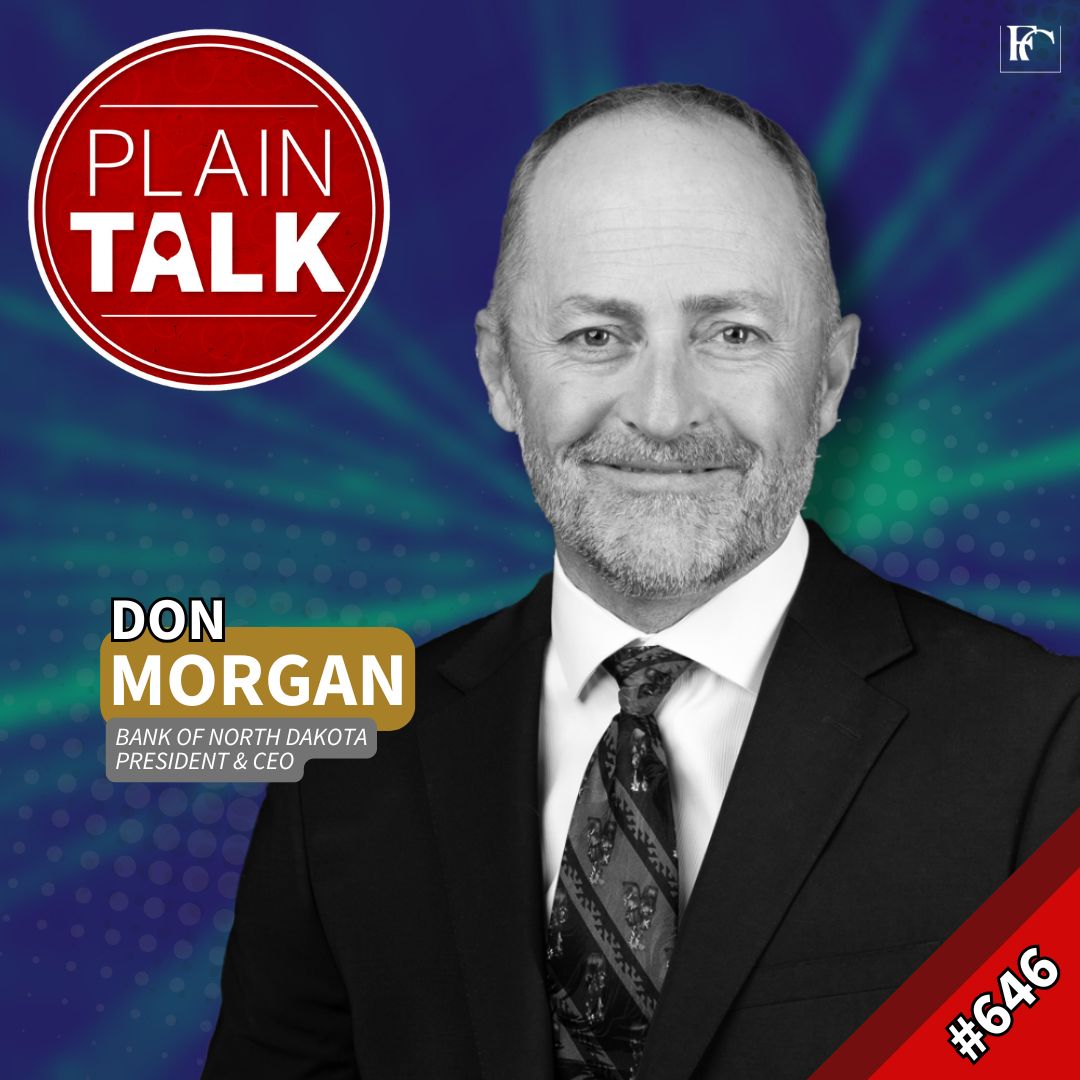
646: 'These are North Dakota residents living next to you' (Video)
"Banking has been on payment rails that are old and traditional," Don Morgan said on this episode of Plain Talk. "They were built in 1970. They're antiquated." Morgan is the president of the Bank of North Dakota, which recently announced a new blockchain currency called the Roughrider Coin — a "stablecoin," in the parlance of the industry. He came on the show to talk about how that will serve the interests of North Dakotans. The answer? It won't. Not directly. At least not at first. As Morgan's analogy about "rails" makes clear, the best way to think about this new currency is as infrastructure. This is a "blockchain-enabled transaction framework," Morgan said. Right now, when you make an online payment, or you swipe your debit card at the grocery story, your transaction is processed through a lot of computers that ensure that you're nor using a stolen car, or that you have enough available credit or account balance to cover the transaction. But this process can be slow, and expensive both for the businesses accepting the payments and their customers making them. Banks in our region will have the Roughrider Coin available to innovate when it comes to those sort of transactions. They'll be able to "begin to build a blockchain enabled digital transaction framework for banking," which would be the "first of its kind." The potential applications are numerous. Another example Morgan referenced was using the Roughrider coin as an on and off ramp for international currencies. North Dakota agriculture businesses frequently operate in various international markets, and navigating the various foreign currencies can be difficult. This coin could make it easier. Morgan also talked about North Dakota's new program aimed at helping furloughed federal workers and military workers through the government shutdown. The idea was implemented by the state Industrial Commission, which oversees the Bank of North Dakota, and it will facilitate 2% loans to furloughed workers for up to 90 days worth of their pay. "These are North Dakota residents living next to you," Morgan said, arguing that it's right for the state to step in and help smooth out any disruptions to their lives. If you want to participate in Plain Talk, just give us a call or text at 701-587-3141. It's super easy — leave your message, tell us your name and where you're from, and we might feature it on an upcoming episode. To subscribe to Plain Talk, search for the show wherever you get your podcasts or use one of the links below. Apple Podcasts | Spotify | YouTube | Pocket Casts | Episode Archive
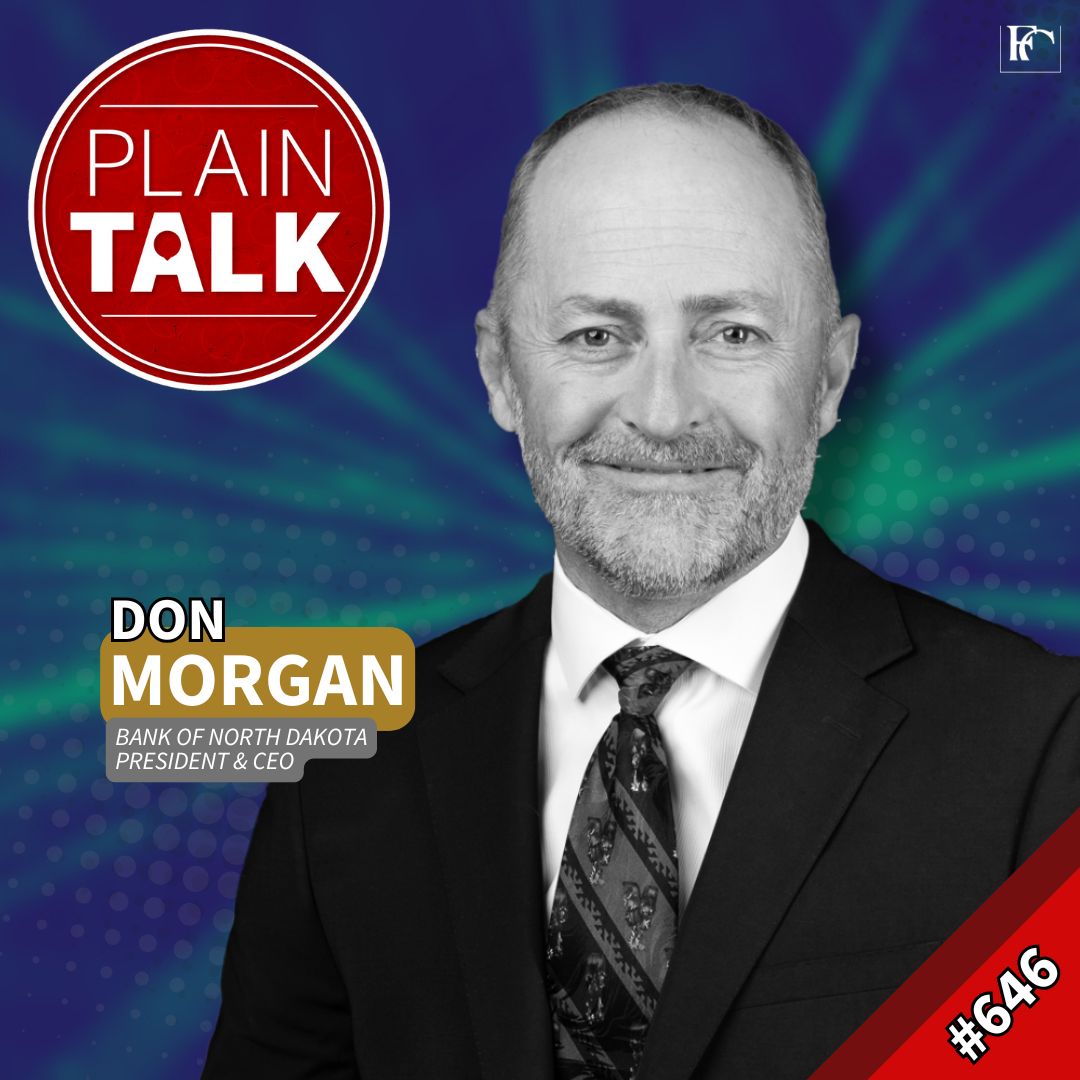
646: 'These are North Dakota residents living next to you' (Audio)
"Banking has been on payment rails that are old and traditional," Don Morgan said on this episode of Plain Talk. "They were built in 1970. They're antiquated." Morgan is the president of the Bank of North Dakota, which recently announced a new blockchain currency called the Roughrider Coin — a "stablecoin," in the parlance of the industry. He came on the show to talk about how that will serve the interests of North Dakotans. The answer? It won't. Not directly. At least not at first. As Morgan's analogy about "rails" makes clear, the best way to think about this new currency is as infrastructure. This is a "blockchain-enabled transaction framework," Morgan said. Right now, when you make an online payment, or you swipe your debit card at the grocery story, your transaction is processed through a lot of computers that ensure that you're nor using a stolen car, or that you have enough available credit or account balance to cover the transaction. But this process can be slow, and expensive both for the businesses accepting the payments and their customers making them. Banks in our region will have the Roughrider Coin available to innovate when it comes to those sort of transactions. They'll be able to "begin to build a blockchain enabled digital transaction framework for banking," which would be the "first of its kind." The potential applications are numerous. Another example Morgan referenced was using the Roughrider coin as an on and off ramp for international currencies. North Dakota agriculture businesses frequently operate in various international markets, and navigating the various foreign currencies can be difficult. This coin could make it easier. Morgan also talked about North Dakota's new program aimed at helping furloughed federal workers and military workers through the government shutdown. The idea was implemented by the state Industrial Commission, which oversees the Bank of North Dakota, and it will facilitate 2% loans to furloughed workers for up to 90 days worth of their pay. "These are North Dakota residents living next to you," Morgan said, arguing that it's right for the state to step in and help smooth out any disruptions to their lives. If you want to participate in Plain Talk, just give us a call or text at 701-587-3141. It's super easy — leave your message, tell us your name and where you're from, and we might feature it on an upcoming episode. To subscribe to Plain Talk, search for the show wherever you get your podcasts or use one of the links below. Apple Podcasts | Spotify | YouTube | Pocket Casts | Episode Archive
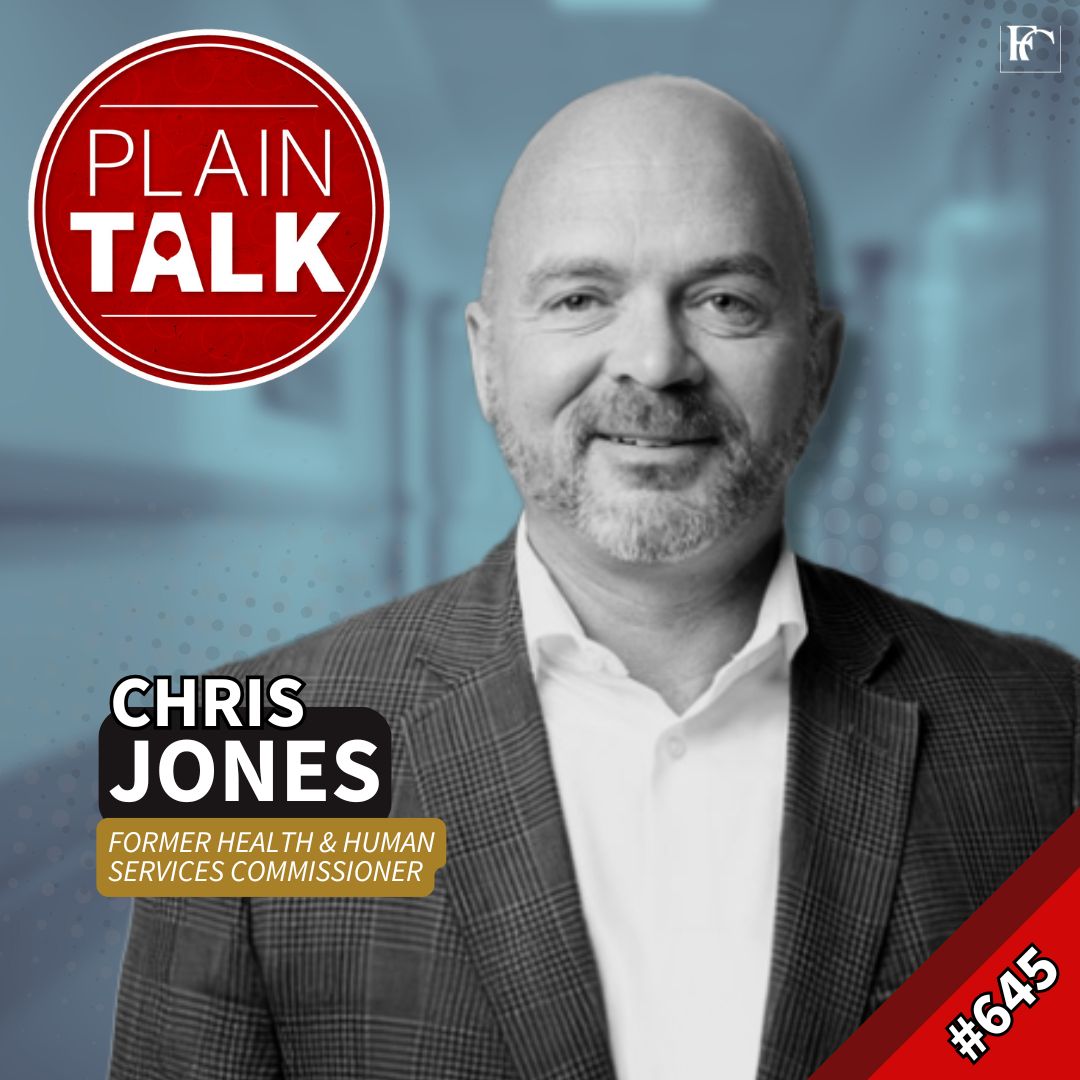
645: 'We're getting precipitously close to having a significant issue with access to healthcare' (Video)
"We've just made it so complex that the average consumer will never understand it." That's what Chris Jones said on this episode of Plain Talk, referring to the way Americans access and pay for health care. Jones is the former head of the North Dakota Department of Health and Human Services, having served in that role under Gov. Doug Burgum, and he's just finishing up a stint in President Donald Trump's administration where he's advised Secretary of Health Robert F. Kennedy and Centers for Medicare & Medicaid Services administrator Mehmet Oz. He argues that the maze of employer-provided benefits, government programs, premium subsidies, insurance companies, health care companies, and pharmacy companies that Americans must navigate when they're sick or injured just isn't working. "The system is broken," he says, and argues that the root problem for all of this is the cost of care. "It's the price, not the financing mechanisms." What can be done to bring down prices? Transparency is one thing. Americans often have no idea what their care will cost them until they get a bill in the mail, and thanks to the fact that most Americans see their coverage by a third party (an employer-provided insurance policy, or a government program) they have little incentive to find out. Jones also weighed in on the tug of war between Republicans and Democrats over health care during the ongoing government shutdown. He said that claims from Democrats that "nursing homes are going to close, benefits are being cut for kids and individuals with disabilities" culdn't be "further from the truth." He also supported new work requirements for Medicaid recipients scheduled to begin in 2029. These rules require enrollees between 19 and 64 to work, volunteer, or participate in a qualifying activity for at least 80 hours per month. Jones pointed out that we already have work requirements in place for programs like food stamps and welfare. "What I can't understand, morally, is why we think it's okay to work 20 hours a week for food and basic assistance that you need every single day, but to have you work the same amount of time for something you may never use, and that being cruel and unusual, I just can't reconcile in my brain," he said. Also on this episode, co-host Chad Oban and I discussed Superintendent Kirsten Baesler's appointment to a position in the Trump administration and Gov. Kelly Armstrong's announced bridge loan program for furloughed workers. If you want to participate in Plain Talk, just give us a call or text at 701-587-3141. It's super easy — leave your message, tell us your name and where you're from, and we might feature it on an upcoming episode. To subscribe to Plain Talk, search for the show wherever you get your podcasts or use one of the links below. Apple Podcasts | Spotify | YouTube | Pocket Casts | Episode Archive
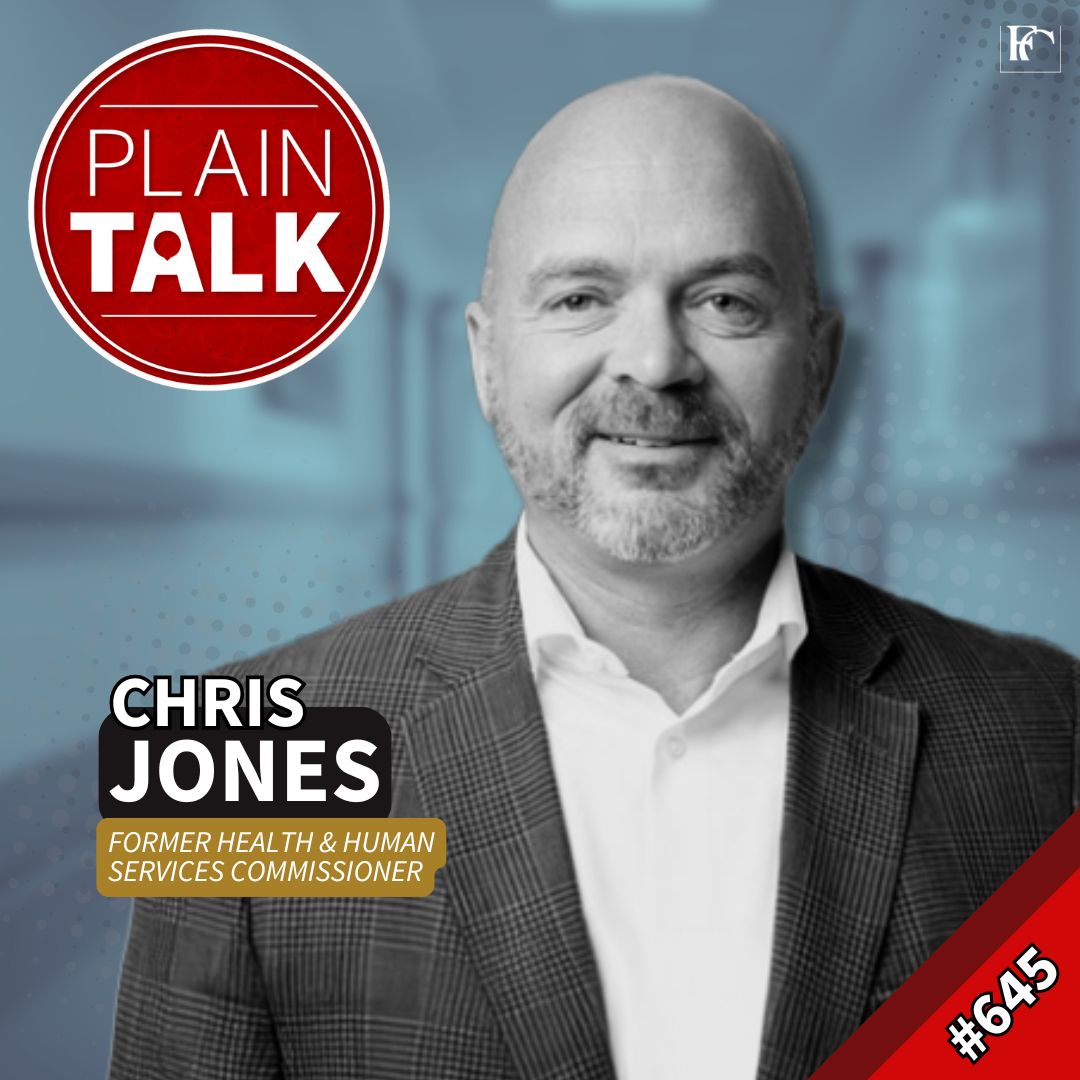
645: 'We're getting precipitously close to having a significant issue with access to healthcare' (Audio)
"We've just made it so complex that the average consumer will never understand it." That's what Chris Jones said on this episode of Plain Talk, referring to the way Americans access and pay for health care. Jones is the former head of the North Dakota Department of Health and Human Services, having served in that role under Gov. Doug Burgum, and he's just finishing up a stint in President Donald Trump's administration where he's advised Secretary of Health Robert F. Kennedy and Centers for Medicare & Medicaid Services administrator Mehmet Oz. He argues that the maze of employer-provided benefits, government programs, premium subsidies, insurance companies, health care companies, and pharmacy companies that Americans must navigate when they're sick or injured just isn't working. "The system is broken," he says, and argues that the root problem for all of this is the cost of care. "It's the price, not the financing mechanisms." What can be done to bring down prices? Transparency is one thing. Americans often have no idea what their care will cost them until they get a bill in the mail, and thanks to the fact that most Americans see their coverage by a third party (an employer-provided insurance policy, or a government program) they have little incentive to find out. Jones also weighed in on the tug of war between Republicans and Democrats over health care during the ongoing government shutdown. He said that claims from Democrats that "nursing homes are going to close, benefits are being cut for kids and individuals with disabilities" culdn't be "further from the truth." He also supported new work requirements for Medicaid recipients scheduled to begin in 2029. These rules require enrollees between 19 and 64 to work, volunteer, or participate in a qualifying activity for at least 80 hours per month. Jones pointed out that we already have work requirements in place for programs like food stamps and welfare. "What I can't understand, morally, is why we think it's okay to work 20 hours a week for food and basic assistance that you need every single day, but to have you work the same amount of time for something you may never use, and that being cruel and unusual, I just can't reconcile in my brain," he said. Also on this episode, co-host Chad Oban and I discussed Superintendent Kirsten Baesler's appointment to a position in the Trump administration and Gov. Kelly Armstrong's announced bridge loan program for furloughed workers. If you want to participate in Plain Talk, just give us a call or text at 701-587-3141. It's super easy — leave your message, tell us your name and where you're from, and we might feature it on an upcoming episode. To subscribe to Plain Talk, search for the show wherever you get your podcasts or use one of the links below. Apple Podcasts | Spotify | YouTube | Pocket Casts | Episode Archive
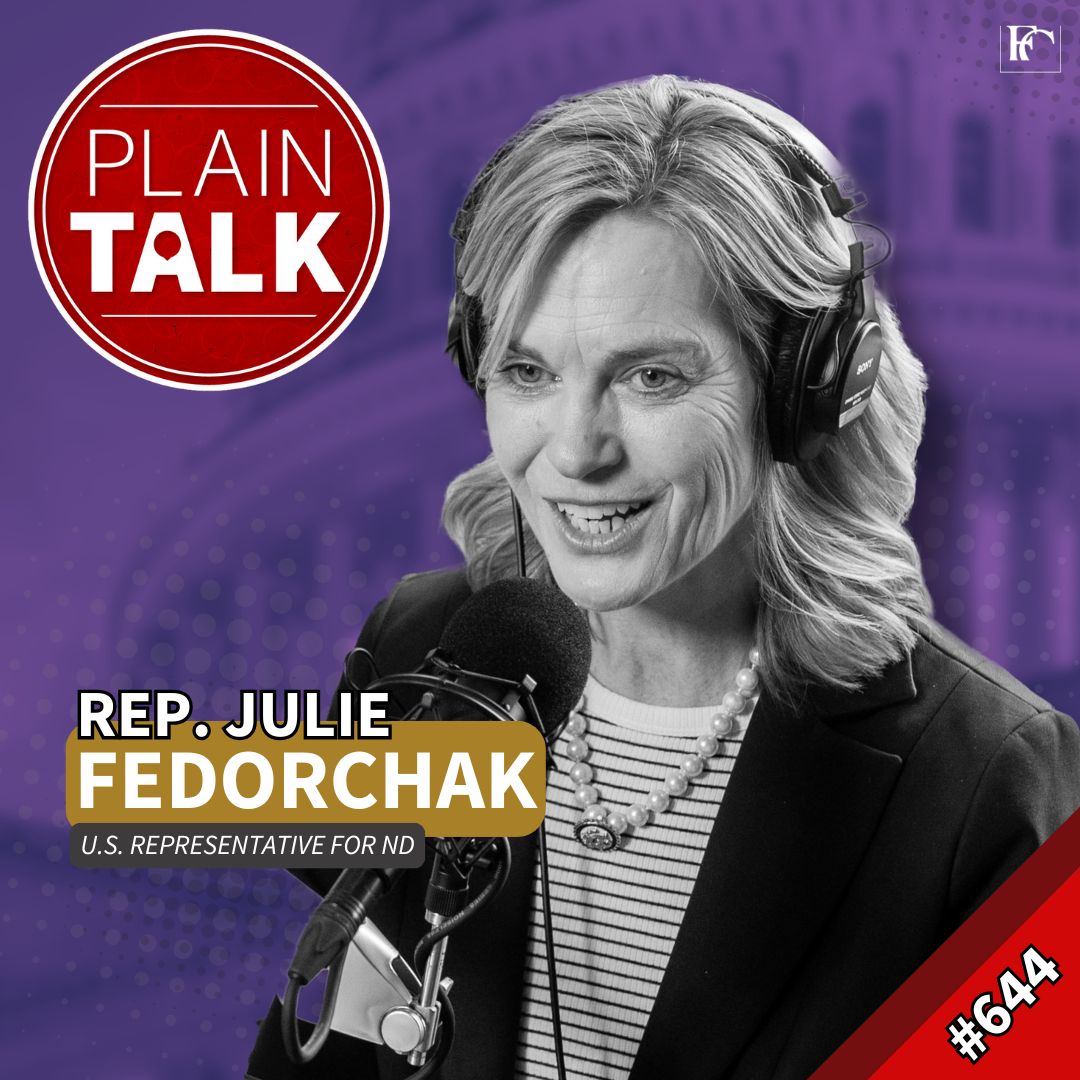
644: 'I think he needs to follow the courts' (Video)
President Donald Trump's deployment of the military domestically over the objections of local leaders has become a flashpoint in our national debate. The Trump has justified these deployments by citing lawlessness in places like Portland and Chicago, but at least one federal judge has found these claims to be "untethered in reality." North Dakota Rep. Julie Fedorchak has said in the past that a line Trump cannot cross is ignoring the courts, yet with these deployments, Trump is now ignoring court orders. How does she feel about that? She's maintaining her position -- "I think he needs to follow the courts like I've said before," she said on this episode of Plain Talk -- but she also told guest co-host Zach Raknerud and I that she hasn't been following the situation closely. "My conversations with the administration would be you've got to follow the courts, appeal it, and go through that process. That's how the system's designed," she said. Asked about Insurance Commissioner Jon Godfread's assertion that cutting subsidies for health insurance premiums would create a "death spiral" for the insurance industry, Fedorchak said that's a problem that needs to be addressed, but not in the context of the government shutdown. "We want to address it. We want to address it, you know, as soon as we can, but you don't need to tie it to a continuing resolution to keep the government open," she said. She also accused Democrats of making federal health coverage for illegal immigrants a factor in the shutdown. "Democrat states like California and New York were using to provide funding, federal funding to cover illegal immigrants on Medicaid," she said. "They were using federal dollars to cover their state match for legal aliens. We closed that loophole in the Working Families Tax Cuts Act and now by repealing this, they open up that loophole again. And they do indeed allow for coverage on Medicaid for illegal immigrants." On trade issues, Fedorchak said she's sent a letter to President Donald Trump asking for "some sort of a market facilitation a grant program" to help impacted farmers make it through "this fall," but she was also supportive of Trump's trade policies, accusing China of "weaponizing agriculture." Raknerud asked Fedorchak about some of the rhetoric coming from Republicans, casting Democrats as extremists and even "demonic." The Congresswoman said she's not supportive of speaking that way. "I believe in leading by example and that's what I'm doing," she said." I am one that tries to use measured language. I treat people with respect. I have zero tolerance for any sort of political violence or violence as a whole in any issue." Also on this episode, Zach and I discuss Trump's domestic troop deployments, the national debt, and the ongoing controversy around Rep. Dustin McNally's appointment in District 42. If you want to participate in Plain Talk, just give us a call or text at 701-587-3141. It's super easy — leave your message, tell us your name and where you're from, and we might feature it on an upcoming episode. To subscribe to Plain Talk, search for the show wherever you get your podcasts or use one of the links below. Apple Podcasts | Spotify | YouTube | Pocket Casts | Episode Archive
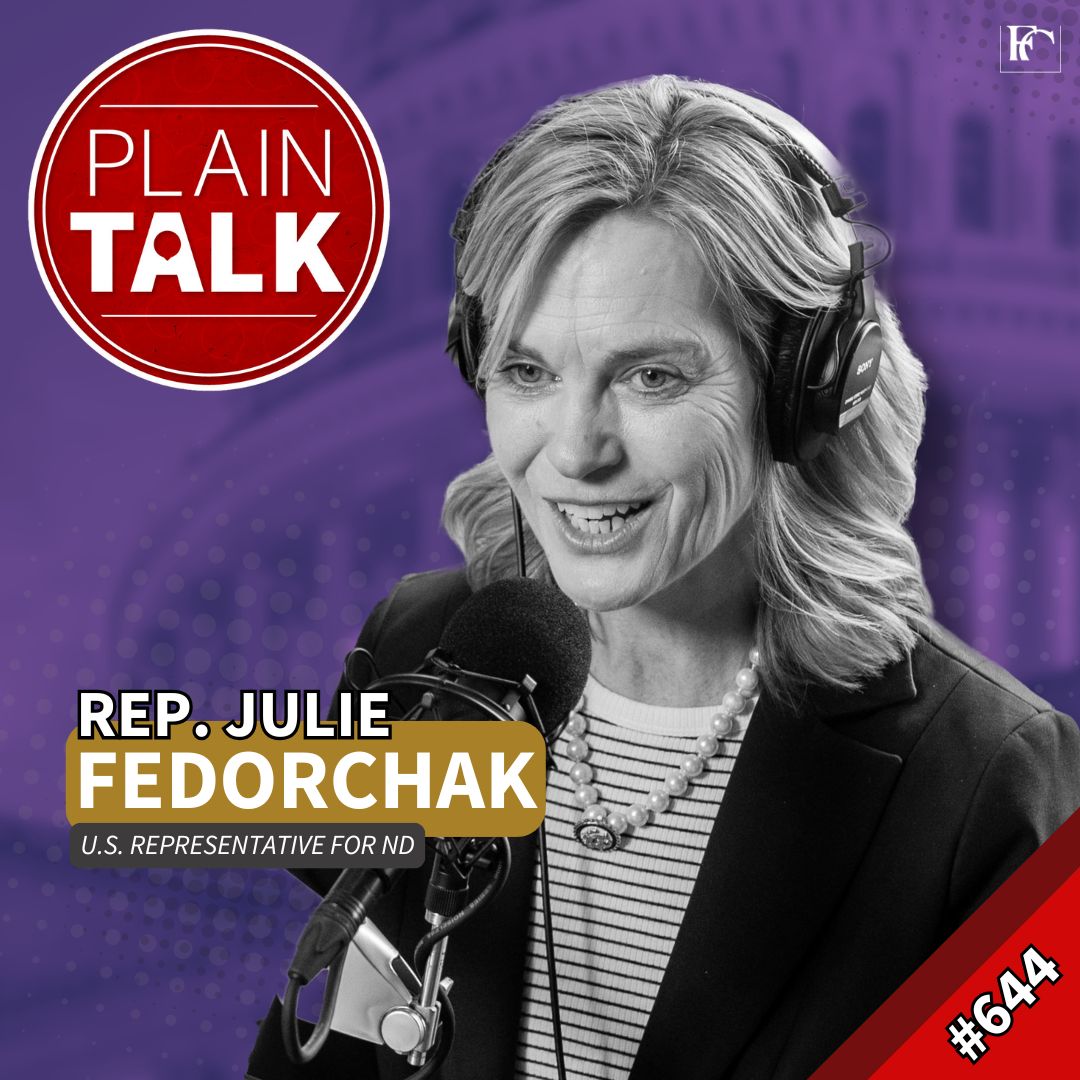
644: 'I think he needs to follow the courts' (Audio)
President Donald Trump's deployment of the military domestically over the objections of local leaders has become a flashpoint in our national debate. The Trump has justified these deployments by citing lawlessness in places like Portland and Chicago, but at least one federal judge has found these claims to be "untethered in reality." North Dakota Rep. Julie Fedorchak has said in the past that a line Trump cannot cross is ignoring the courts, yet with these deployments, Trump is now ignoring court orders. How does she feel about that? She's maintaining her position -- "I think he needs to follow the courts like I've said before," she said on this episode of Plain Talk -- but she also told guest co-host Zach Raknerud and I that she hasn't been following the situation closely. "My conversations with the administration would be you've got to follow the courts, appeal it, and go through that process. That's how the system's designed," she said. Asked about Insurance Commissioner Jon Godfread's assertion that cutting subsidies for health insurance premiums would create a "death spiral" for the insurance industry, Fedorchak said that's a problem that needs to be addressed, but not in the context of the government shutdown. "We want to address it. We want to address it, you know, as soon as we can, but you don't need to tie it to a continuing resolution to keep the government open," she said. She also accused Democrats of making federal health coverage for illegal immigrants a factor in the shutdown. "Democrat states like California and New York were using to provide funding, federal funding to cover illegal immigrants on Medicaid," she said. "They were using federal dollars to cover their state match for legal aliens. We closed that loophole in the Working Families Tax Cuts Act and now by repealing this, they open up that loophole again. And they do indeed allow for coverage on Medicaid for illegal immigrants." On trade issues, Fedorchak said she's sent a letter to President Donald Trump asking for "some sort of a market facilitation a grant program" to help impacted farmers make it through "this fall," but she was also supportive of Trump's trade policies, accusing China of "weaponizing agriculture." Raknerud asked Fedorchak about some of the rhetoric coming from Republicans, casting Democrats as extremists and even "demonic." The Congresswoman said she's not supportive of speaking that way. "I believe in leading by example and that's what I'm doing," she said." I am one that tries to use measured language. I treat people with respect. I have zero tolerance for any sort of political violence or violence as a whole in any issue." Also on this episode, Zach and I discuss Trump's domestic troop deployments, the national debt, and the ongoing controversy around Rep. Dustin McNally's appointment in District 42. If you want to participate in Plain Talk, just give us a call or text at 701-587-3141. It's super easy — leave your message, tell us your name and where you're from, and we might feature it on an upcoming episode. To subscribe to Plain Talk, search for the show wherever you get your podcasts or use one of the links below. Apple Podcasts | Spotify | YouTube | Pocket Casts | Episode Archive

643: 'I am deeply frustrated that a judge's decision could undo the will of the voters' (Video)
After a federal judge imposed a new district map on the State of North Dakota, former Sen. Judy Estenson lost her seat in the state legislature. That's unfair, she argued in a recent letter to the editor of the Minot Daily News, and on this episode of Plain Talk. "I am deeply frustrated that a judge's decision could undo the will of the voters who elected me in 2022," Estenson said. "I am angry that a midcycle court order forced me from from office, deprived district 15 of its chosen senator, and reship district 9 in a way that made it nearly impossible for me or any Republican to win." Co-host Chad Oban rebutted that last claim from Estenson, pointing out that a Republican who ran with Estenson almost did win in the last election, even after redistricting, but the former Senator is correct that legal wrangling over North Dakota's district map has created headaches. The legal fight is still ongoing, too, making the map for the upcoming 2026 election something less than certain. Estenson, an outspoken supporter of President Donald Trump wand whose family is involved in ranching, also commented on the impact tariffs are having on production agriculture. As many as "20 to 30% of small farmers could go out of business and not be able to continue," Estenson, a former candidate for Agriculture Commissioner, told us. While she says she supports Trump's efforts to address "unfair trade practices," she's not certain what the future holds. "I don't think anyone really knows what the end result will be of all these tariffs. I certainly don't." Also on this episode, Oban and I discuss the absurd call on newly-appointed Rep. Dustin McNally to resign from his seat in District 42, the potential impact of data centers on power rates, and outlook for the Yankees and the Dodgers in the post season. If you want to participate in Plain Talk, just give us a call or text at 701-587-3141. It's super easy — leave your message, tell us your name and where you're from, and we might feature it on an upcoming episode. To subscribe to Plain Talk, search for the show wherever you get your podcasts or use one of the links below. Apple Podcasts | Spotify | YouTube | Pocket Casts | Episode Archive

643: 'I am deeply frustrated that a judge's decision could undo the will of the voters' (Audio)
After a federal judge imposed a new district map on the State of North Dakota, former Sen. Judy Estenson lost her seat in the state legislature. That's unfair, she argued in a recent letter to the editor of the Minot Daily News, and on this episode of Plain Talk. "I am deeply frustrated that a judge's decision could undo the will of the voters who elected me in 2022," Estenson said. "I am angry that a midcycle court order forced me from from office, deprived district 15 of its chosen senator, and reship district 9 in a way that made it nearly impossible for me or any Republican to win." Co-host Chad Oban rebutted that last claim from Estenson, pointing out that a Republican who ran with Estenson almost did win in the last election, even after redistricting, but the former Senator is correct that legal wrangling over North Dakota's district map has created headaches. The legal fight is still ongoing, too, making the map for the upcoming 2026 election something less than certain. Estenson, an outspoken supporter of President Donald Trump wand whose family is involved in ranching, also commented on the impact tariffs are having on production agriculture. As many as "20 to 30% of small farmers could go out of business and not be able to continue," Estenson, a former candidate for Agriculture Commissioner, told us. While she says she supports Trump's efforts to address "unfair trade practices," she's not certain what the future holds. "I don't think anyone really knows what the end result will be of all these tariffs. I certainly don't." Also on this episode, Oban and I discuss the absurd call on newly-appointed Rep. Dustin McNally to resign from his seat in District 42, the potential impact of data centers on power rates, and outlook for the Yankees and the Dodgers in the post season. If you want to participate in Plain Talk, just give us a call or text at 701-587-3141. It's super easy — leave your message, tell us your name and where you're from, and we might feature it on an upcoming episode. To subscribe to Plain Talk, search for the show wherever you get your podcasts or use one of the links below. Apple Podcasts | Spotify | YouTube | Pocket Casts | Episode Archive

642: 'Republicans should not be in favor of tax increases' (Video)
Steve Forbes, the editor-in-chief of Forbes Media, the host of the "What's Ahead" podcast, and a two-time U.S. Presidential candidate is speaking at North Dakota State University later this month as part of the Challey Institute's Menard Family Distinguished Speaker Series. He dropped by Plain Talk ahead of that speech to talk about some of the economic issues pressing on North Dakotans. Specifically, tariffs, which haven't just made selling crops and livestock harder for farmers and ranchers, but has also driven up their costs. "Tariff is another word for tax, and when you impose a tax you are imposing a barrier of sorts between buyer, seller, producer and consumer," Forbes said. He argues that sweeping and uncertain tariffs, that can change wildly day-to-day based on the whims of President Donald Trump, are slowing down the economy. He also thinks they're illegal. "Tariffs, because they're taxes, have to go through Congress, and most of those haven't gone through that kind of process," he said, adding that he hopes the U.S. Supreme Court will strike them down. But even setting aside they're legality, the tariffs aren't something Republicans should be supporting, Forbes said. "Republicans should not be in favor of tax increases," he told us. Forbes also criticized what he described as "weak dollar" currency policies from the Trump administration — "great countries don't trash their money," he said — and called for a "stable, strong dollar" which will lead to lower interest rates and prevent inflation. Forbes will be espeaking at NDSU on October 23 at 5:30pm. Click here for more information on how to attend in-person or virtually. If you want to participate in Plain Talk, just give us a call or text at 701-587-3141. It's super easy — leave your message, tell us your name and where you're from, and we might feature it on an upcoming episode. To subscribe to Plain Talk, search for the show wherever you get your podcasts or use one of the links below. Apple Podcasts | Spotify | YouTube | Pocket Casts | Episode Archive

642: 'Republicans should not be in favor of tax increases' (Audio)
Steve Forbes, the editor-in-chief of Forbes Media, the host of the "What's Ahead" podcast, and a two-time U.S. Presidential candidate is speaking at North Dakota State University later this month as part of the Challey Institute's Menard Family Distinguished Speaker Series. He dropped by Plain Talk ahead of that speech to talk about some of the economic issues pressing on North Dakotans. Specifically, tariffs, which haven't just made selling crops and livestock harder for farmers and ranchers, but has also driven up their costs. "Tariff is another word for tax, and when you impose a tax you are imposing a barrier of sorts between buyer, seller, producer and consumer," Forbes said. He argues that sweeping and uncertain tariffs, that can change wildly day-to-day based on the whims of President Donald Trump, are slowing down the economy. He also thinks they're illegal. "Tariffs, because they're taxes, have to go through Congress, and most of those haven't gone through that kind of process," he said, adding that he hopes the U.S. Supreme Court will strike them down. But even setting aside they're legality, the tariffs aren't something Republicans should be supporting, Forbes said. "Republicans should not be in favor of tax increases," he told us. Forbes also criticized what he described as "weak dollar" currency policies from the Trump administration — "great countries don't trash their money," he said — and called for a "stable, strong dollar" which will lead to lower interest rates and prevent inflation. Forbes will be espeaking at NDSU on October 23 at 5:30pm. Click here for more information on how to attend in-person or virtually. If you want to participate in Plain Talk, just give us a call or text at 701-587-3141. It's super easy — leave your message, tell us your name and where you're from, and we might feature it on an upcoming episode. To subscribe to Plain Talk, search for the show wherever you get your podcasts or use one of the links below. Apple Podcasts | Spotify | YouTube | Pocket Casts | Episode Archive
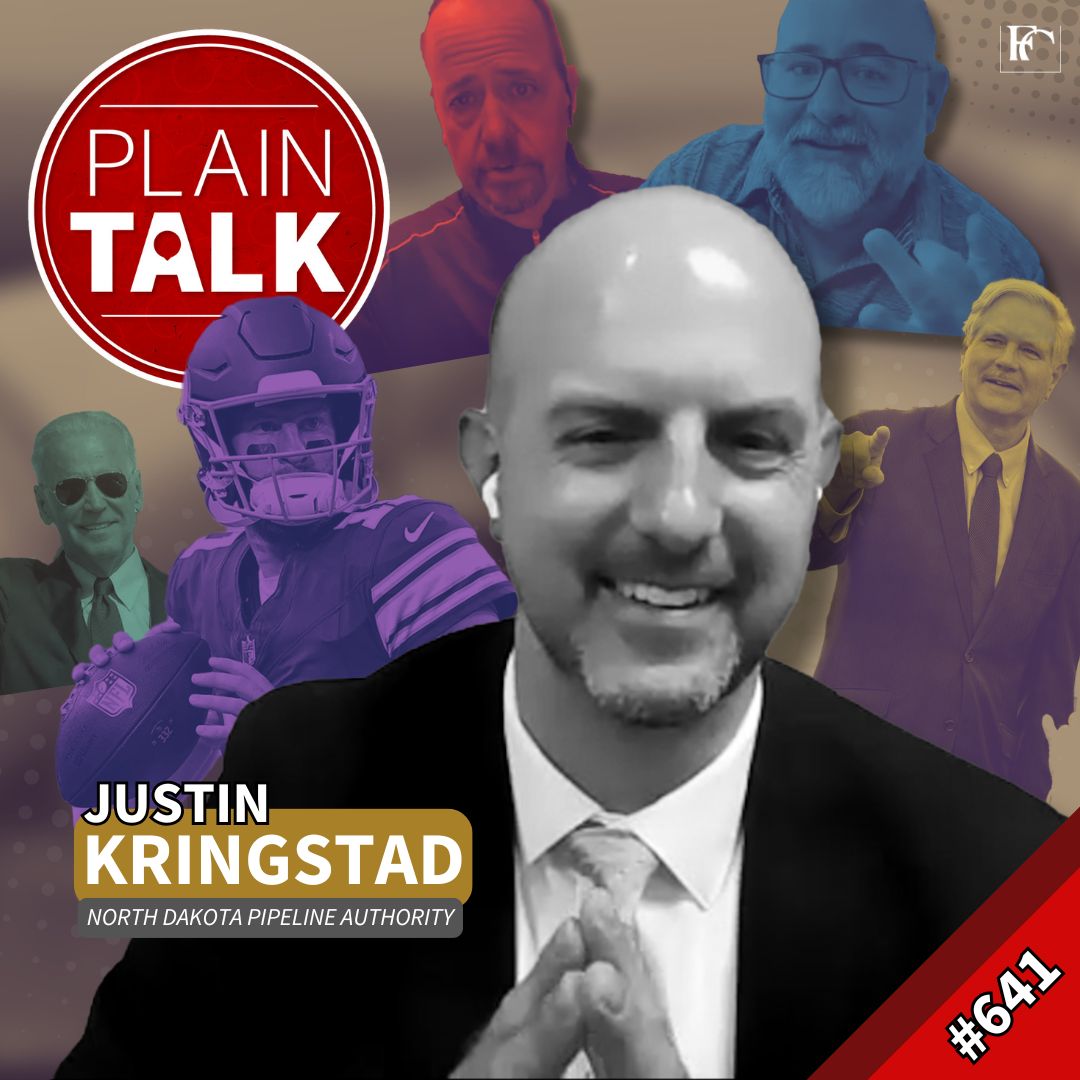
641: 'You can't drink Diet Coke without the fizz' (Video)
With Rob out for his daughter's wedding, Chad Oban hosts alongside longtime ad man and GOP strategist Pat Finken for a discussion on the state's transformation from a competitive two-party era to a durable GOP majority, what that's meant for business, and the way national fights over climate and immigration filter down to North Dakota. Then Justin Kringstad, Executive Director of the North Dakota Pipeline Authority, lays out the nuts and bolts of getting Bakken gas east. Kringstad details the phased schedule, explains the ship-or-pay realities that make pipelines "extremely risk averse," and makes the case for domestic supply security. They also dig into data centers, value-added ag, and why early landowner outreach matters. If you want to participate in Plain Talk, just give us a call or text at 701-587-3141. It's super easy — leave your message, tell us your name and where you're from, and we might feature it on an upcoming episode. To subscribe to Plain Talk, search for the show wherever you get your podcasts or use one of the links below. Apple Podcasts | Spotify | YouTube | Pocket Casts | Episode Archive
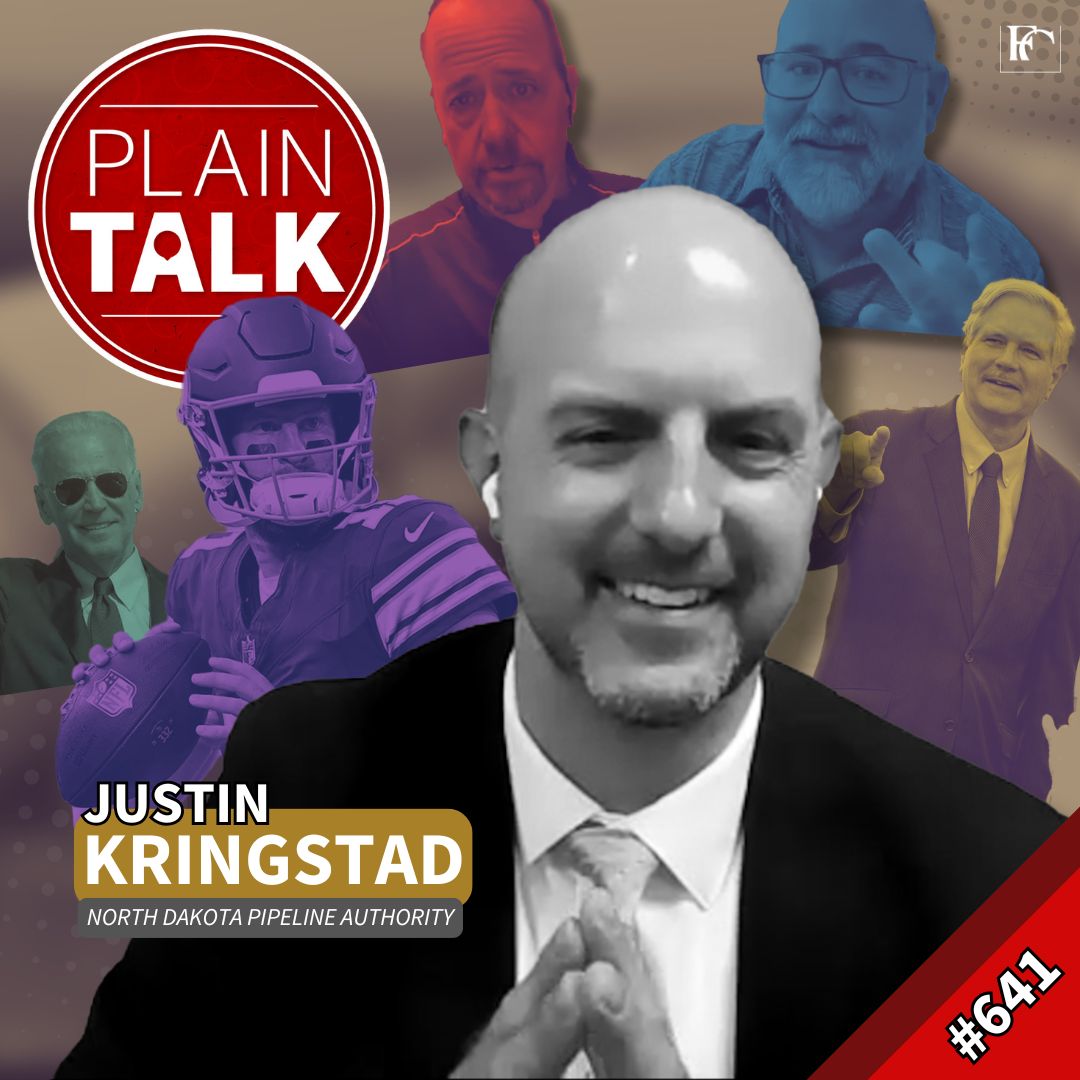
641: 'You can't drink Diet Coke without the fizz' (Audio)
With Rob out for his daughter's wedding, Chad Oban hosts alongside longtime ad man and GOP strategist Pat Finken for a discussion on the state's transformation from a competitive two-party era to a durable GOP majority, what that's meant for business, and the way national fights over climate and immigration filter down to North Dakota. Then Justin Kringstad, Executive Director of the North Dakota Pipeline Authority, lays out the nuts and bolts of getting Bakken gas east. Kringstad details the phased schedule, explains the ship-or-pay realities that make pipelines "extremely risk averse," and makes the case for domestic supply security. They also dig into data centers, value-added ag, and why early landowner outreach matters. If you want to participate in Plain Talk, just give us a call or text at 701-587-3141. It's super easy — leave your message, tell us your name and where you're from, and we might feature it on an upcoming episode. To subscribe to Plain Talk, search for the show wherever you get your podcasts or use one of the links below. Apple Podcasts | Spotify | YouTube | Pocket Casts | Episode Archive

640: 'Whoever's in power is going to censor the opposing viewpoint' (Video)
Guest host Chad Oban and guest co-host Pat Finken sit down with Governor Kelly Armstrong for a wide-ranging conversation on politics, policy, and free speech. Governor Armstrong explains why the cure for bad speech is always more speech, why government crackdowns are dangerous no matter who's in charge, and how the real fight over information today doesn't happen on late-night TV. They also dig into the impact of North Dakota's new cell phone ban in schools and the rollout of the recently passed $1,600 property tax credit. Governor Armstrong also outlines major energy and infrastructure priorities, including a west-to-east gas pipeline, new data centers, and how North Dakota can stay competitive for business. In the second half, Chad and Pat dive into party mechanics, populists vs. traditional conservatives and read listener texts. If you want to participate in Plain Talk, just give us a call or text at 701-587-3141. It's super easy — leave your message, tell us your name and where you're from, and we might feature it on an upcoming episode. To subscribe to Plain Talk, search for the show wherever you get your podcasts or use one of the links below. Apple Podcasts | Spotify | YouTube | Pocket Casts | Episode Archive

640: 'Whoever's in power is going to censor the opposing viewpoint' (Audio)
Guest host Chad Oban and co-host Pat Finken sit down with Governor Kelly Armstrong for a wide-ranging conversation on politics, policy, and free speech. Governor Armstrong explains why the cure for bad speech is always more speech, why government crackdowns are dangerous no matter who's in charge, and how the real fight over information today doesn't happen on late-night TV. They also dig into the impact of North Dakota's new cell phone ban in schools and the rollout of the recently passed $1,600 property tax credit. Governor Armstrong also outlines major energy and infrastructure priorities, including a west-to-east gas pipeline, new data centers, and how North Dakota can stay competitive for business. In the second half, Chad and Pat dive into party mechanics, populists vs. traditional conservatives and read listener texts. If you want to participate in Plain Talk, just give us a call or text at 701-587-3141. It's super easy — leave your message, tell us your name and where you're from, and we might feature it on an upcoming episode. To subscribe to Plain Talk, search for the show wherever you get your podcasts or use one of the links below. Apple Podcasts | Spotify | YouTube | Pocket Casts | Episode Archive

639: A 'clown show' and a 'disaster' (Video)
Dustin McNally was chosen by Republicans in District 42 to replace former state Rep. Emily O'Brien, who resigned her seat to take a position in Gov. Kelly Armstrong's administration. But despite emerging from that process the winner, he called it a "clown show" and a "bad faith effort all around" on this episode of Plain Talk, describe it as something that doesn't serve the people well. Under North Dakota law, legislative vacancies are filled by the local committee for the political party the vacating lawmaker belonged to. This means the new lawmaker is picked in a small room where the populist faction of the NDGOP has shown it can win, often by controlling who gets to participate. That was the case in District 42, according to McNally, though the tactic backfired. An attempt to block participants who had paid their dues and paid their residency upon entering the meeting "pissed off some voters they brought to the meeting" and swung their votes to him. McNally, who makes no pretense about being a moderate Republican, said even though he won, he would have liked to have seen the party get far more participants. The final vote was just 20-17 in McNally's favor, meaning less than 40 votes were cast to elect someone to the Legislature. Even though O'Brien was just re-elected last year, the law requires that McNally's appointment be confirmed by the voters on the next general election ballot, which will happen before the next regular meeting of the legislature. McNally says he plans to run, and expects to face a primary challenger from the populist faction. Also on this episode, co-host Chad Oban and I discuss the City of Minot's decision to withdraw from the League of Cities over the organization's support for Gov. Kelly Armstrong's property tax plan, and the somewhat odd spectacle of activists who say voter ID laws are voter suppression encouraging voters to get IDs. If you want to participate in Plain Talk, just give us a call or text at 701-587-3141. It's super easy — leave your message, tell us your name and where you're from, and we might feature it on an upcoming episode. To subscribe to Plain Talk, search for the show wherever you get your podcasts or use one of the links below. Apple Podcasts | Spotify | YouTube | Pocket Casts | Episode Archive
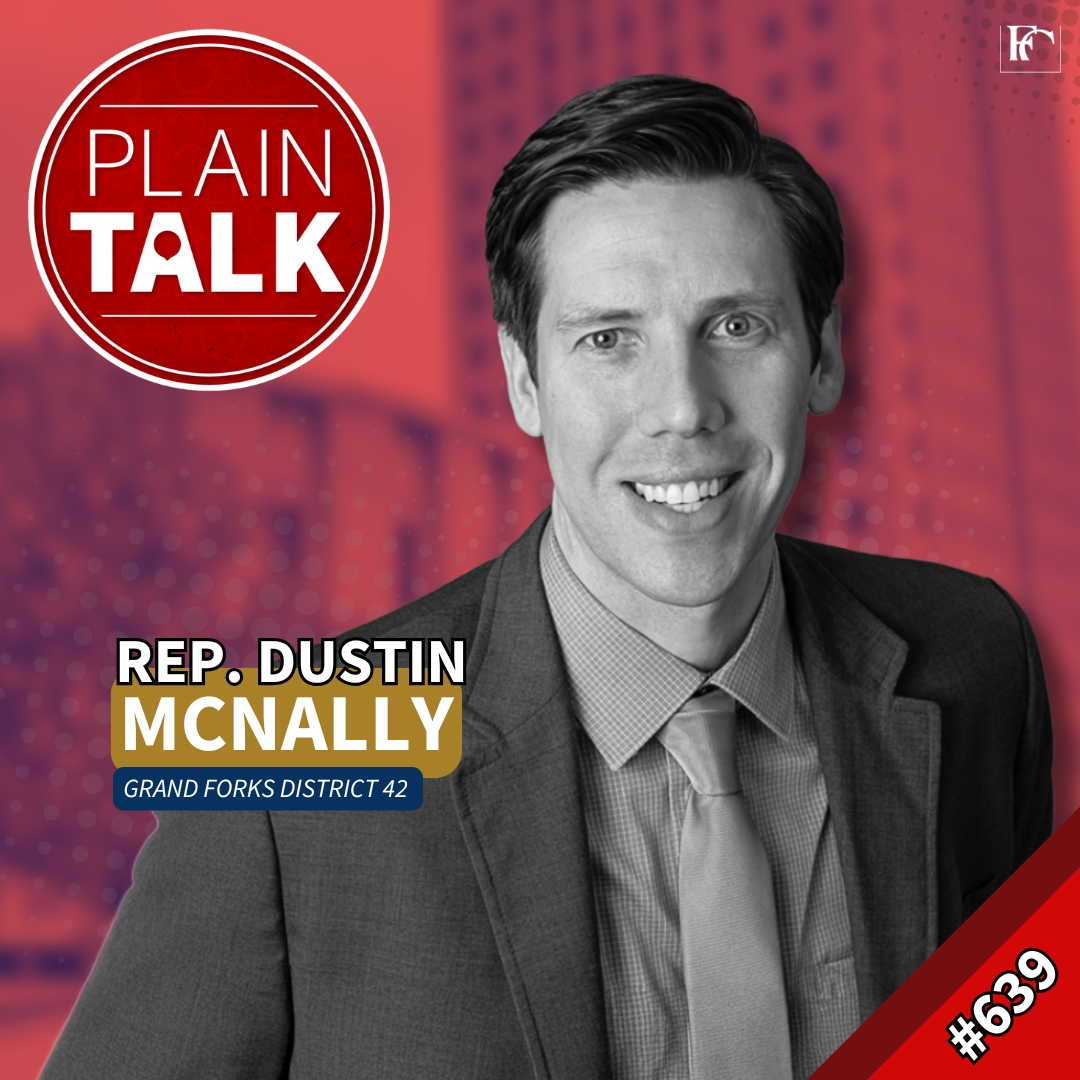
639: A 'clown show' and a 'disaster'
Dustin McNally was chosen by Republicans in District 42 to replace former state Rep. Emily O'Brien, who resigned her seat to take a position in Gov. Kelly Armstrong's administration. But despite emerging from that process the winner, he called it a "clown show" and a "bad faith effort all around" on this episode of Plain Talk, describe it as something that doesn't serve the people well. Under North Dakota law, legislative vacancies are filled by the local committee for the political party the vacating lawmaker belonged to. This means the new lawmaker is picked in a small room where the populist faction of the NDGOP has shown it can win, often by controlling who gets to participate. That was the case in District 42, according to McNally, though the tactic backfired. An attempt to block participants who had paid their dues and paid their residency upon entering the meeting "pissed off some voters they brought to the meeting" and swung their votes to him. McNally, who makes no pretense about being a moderate Republican, said even though he won, he would have liked to have seen the party get far more participants. The final vote was just 20-17 in McNally's favor, meaning less than 40 votes were cast to elect someone to the Legislature. Even though O'Brien was just re-elected last year, the law requires that McNally's appointment be confirmed by the voters on the next general election ballot, which will happen before the next regular meeting of the legislature. McNally says he plans to run, and expects to face a primary challenger from the populist faction. Also on this episode, co-host Chad Oban and I discuss the City of Minot's decision to withdraw from the League of Cities over the organization's support for Gov. Kelly Armstrong's property tax plan, and the somewhat odd spectacle of activists who say voter ID laws are voter suppression encouraging voters to get IDs. If you want to participate in Plain Talk, just give us a call or text at 701-587-3141. It's super easy — leave your message, tell us your name and where you're from, and we might feature it on an upcoming episode. To subscribe to Plain Talk, search for the show wherever you get your podcasts or use one of the links below. Apple Podcasts | Spotify | YouTube | Pocket Casts | Episode Archive

638: 'We have to be concerned about people not even liking or wanting to read'
It's no secret that the rise of the internet and social media has upended the news business. We've been talking about it for decades. But the industry isn't dying, as many like to say, so much as changing. People still want their news. They just want it in different ways, and the news industry is rising to meet that challenge. That's what Cecile Wehrman, executive director of the North Dakota Newspaper Association, had to say on this episode of Plain Talk. Part of that challenge is convincing people that local news is worth paying for, especially in a time of subscription fatigue, but some of the challenges are even more fundamental than that. Many news consumers don't want journalism so much as cherry-picked facts and commentary that affirm what they already believe, and even upstream from that is the problem that many Americans don't like reading. "The last time I checked overall grades, it was 44% are reading at grade level," Wehrman said, referring to numbers from North Dakota proficiency testing. "There are some schools in western North Dakota where that number is as low as 29%." "It's a long play, but we have to be concerned about people not even liking or wanting to read. I mean, it's that fundamental," she continued. "Aside from all of the other distractions and questions about who's paying and who isn't paying and where the news is coming from and all of those things, if people don't like to read, newspapers don't have anything for them. And that spells disaster for our future workforce, our society, for understanding who to vote for, whether our rights are being taken away. And I mean, it's just that bedrock of an issue." Also on this episode, my co-host Chad Oban and I discussed the terrible murder of right-wing organizer and commentator Charlie Kirk, and the terrible way his death has been turned into content for the influencer industry, and a new wedge to drive between Americans of differing political sentiments. If you want to participate in Plain Talk, just give us a call or text at 701-587-3141. It's super easy — leave your message, tell us your name and where you're from, and we might feature it on an upcoming episode. To subscribe to Plain Talk, search for the show wherever you get your podcasts or use one of the links below. Apple Podcasts | Spotify | YouTube | Pocket Casts | Episode Archive

638: 'We have to be concerned about people not even liking or wanting to read' (Audio)
It's no secret that the rise of the internet and social media has upended the news business. We've been talking about it for decades. But the industry isn't dying, as many like to say, so much as changing. People still want their news. They just want it in different ways, and the news industry is rising to meet that challenge. That's what Cecile Wehrman, executive director of the North Dakota Newspaper Association, had to say on this episode of Plain Talk. Part of that challenge is convincing people that local news is worth paying for, especially in a time of subscription fatigue, but some of the challenges are even more fundamental than that. Many news consumers don't want journalism so much as cherry-picked facts and commentary that affirm what they already believe, and even upstream from that is the problem that many Americans don't like reading. "The last time I checked overall grades, it was 44% are reading at grade level," Wehrman said, referring to numbers from North Dakota proficiency testing. "There are some schools in western North Dakota where that number is as low as 29%." "It's a long play, but we have to be concerned about people not even liking or wanting to read. I mean, it's that fundamental," she continued. "Aside from all of the other distractions and questions about who's paying and who isn't paying and where the news is coming from and all of those things, if people don't like to read, newspapers don't have anything for them. And that spells disaster for our future workforce, our society, for understanding who to vote for, whether our rights are being taken away. And I mean, it's just that bedrock of an issue." Also on this episode, my co-host Chad Oban and I discussed the terrible murder of right-wing organizer and commentator Charlie Kirk, and the terrible way his death has been turned into content for the influencer industry, and a new wedge to drive between Americans of differing political sentiments. If you want to participate in Plain Talk, just give us a call or text at 701-587-3141. It's super easy — leave your message, tell us your name and where you're from, and we might feature it on an upcoming episode. To subscribe to Plain Talk, search for the show wherever you get your podcasts or use one of the links below. Apple Podcasts | Spotify | YouTube | Pocket Casts | Episode Archive
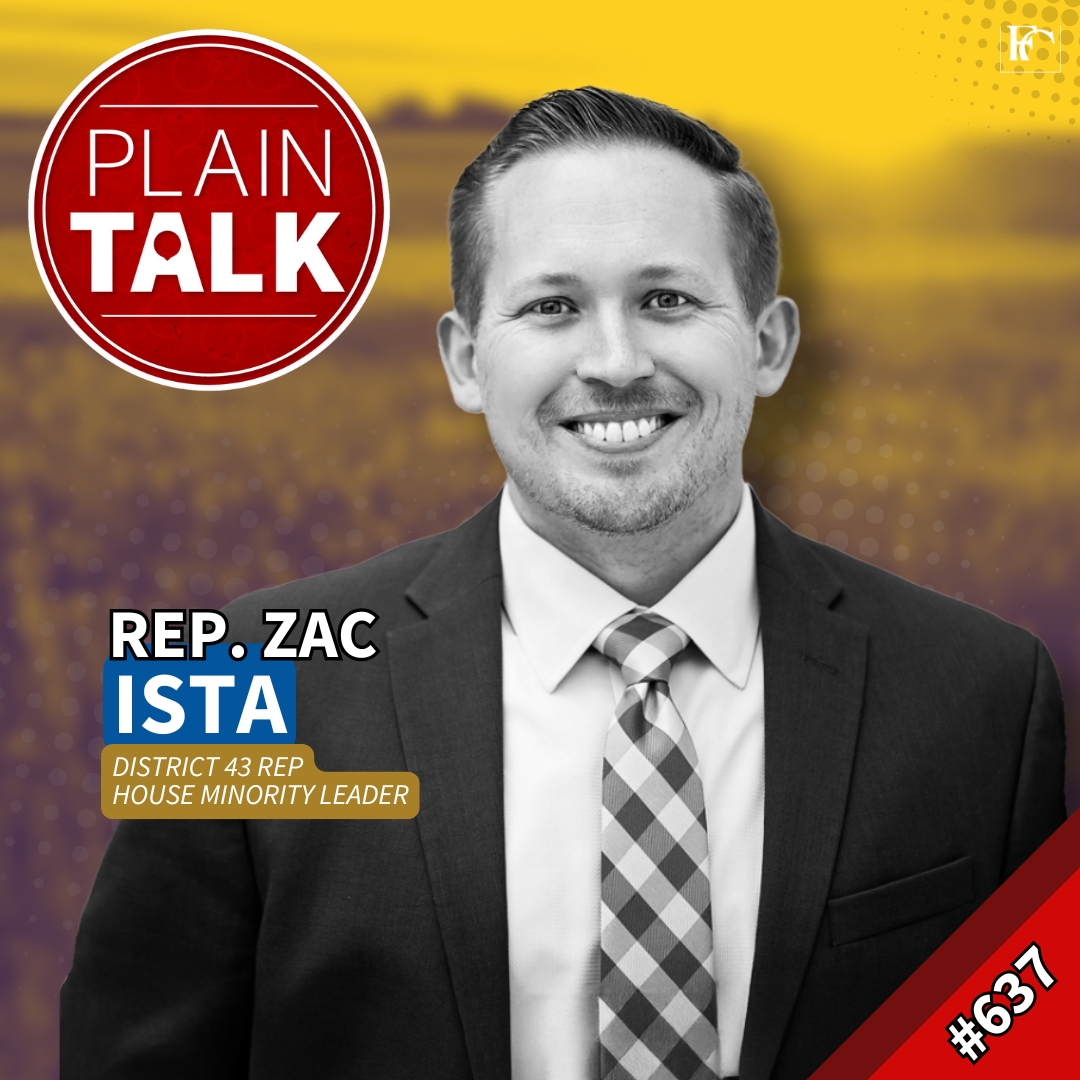
637: 'Do they know there's ways to influence a president beyond kissing his ass all the time?' (Video)
In late June, terrible storms destroyed millions of dollars worth of property, and took lives in parts of the state around Enderlin, Spiritwood, and beyond. In late July, Gov. Kelly Armstrong issued a disaster declaration, asking President Donald Trump administration to release aid to the state. Weeks and weeks went by, until North Dakota's Federal delegation -- Senators John Hoeven and Kevin Cramer, and Rep. Julie Fedorchak -- sent their own letter to the Trump administration, indicating that state emergency funds had been depleted, and urging the president to act both on Armstrong's declaration for the June storms, and a more recent one from Sept. 2 related to tornadic storms in August. The Trump administration has been very slow in responding to these sorts of request, taking over a month on average compared to just a couple of weeks for previous administrations. And the declaration for the Enderlin/Spiritwood storm, in particular, took over 50 days before finally being acknowledged by Trump this week. "Look, it's absolutely shameful. You have a lot of Republican politicians failing a lot of Republican voters," state Rep. Zac Isa, the Minority Leader for the Democratic-NPL, said on this episode of Plain Talk (which was recorded before Trump finally acquiesced to Gov. Armstrong's request). "I take the back roads home from Bismarck and I drove through Page ,and Hunter, and the Arthur area. I saw the damage that windstorm did and and I can also look at electoral map," he continued. "I know there's a whole lot of Republican voters in that region. They expect Julie Fedorchak and John Hoeven and and Kevin Cramer to deliver, but those those guys are just rubber stamps for Trump. I mean, do they know there's ways to influence a president beyond kissing his ass all the time?" Ista argues the delegation could not"rubber stamp his policies until he authorizes a disaster relief for North Dakota." "It's just an absolute failure of any influence they might have," he continued. If you want to participate in Plain Talk, just give us a call or text at 701-587-3141. It's super easy — leave your message, tell us your name and where you're from, and we might feature it on an upcoming episode.
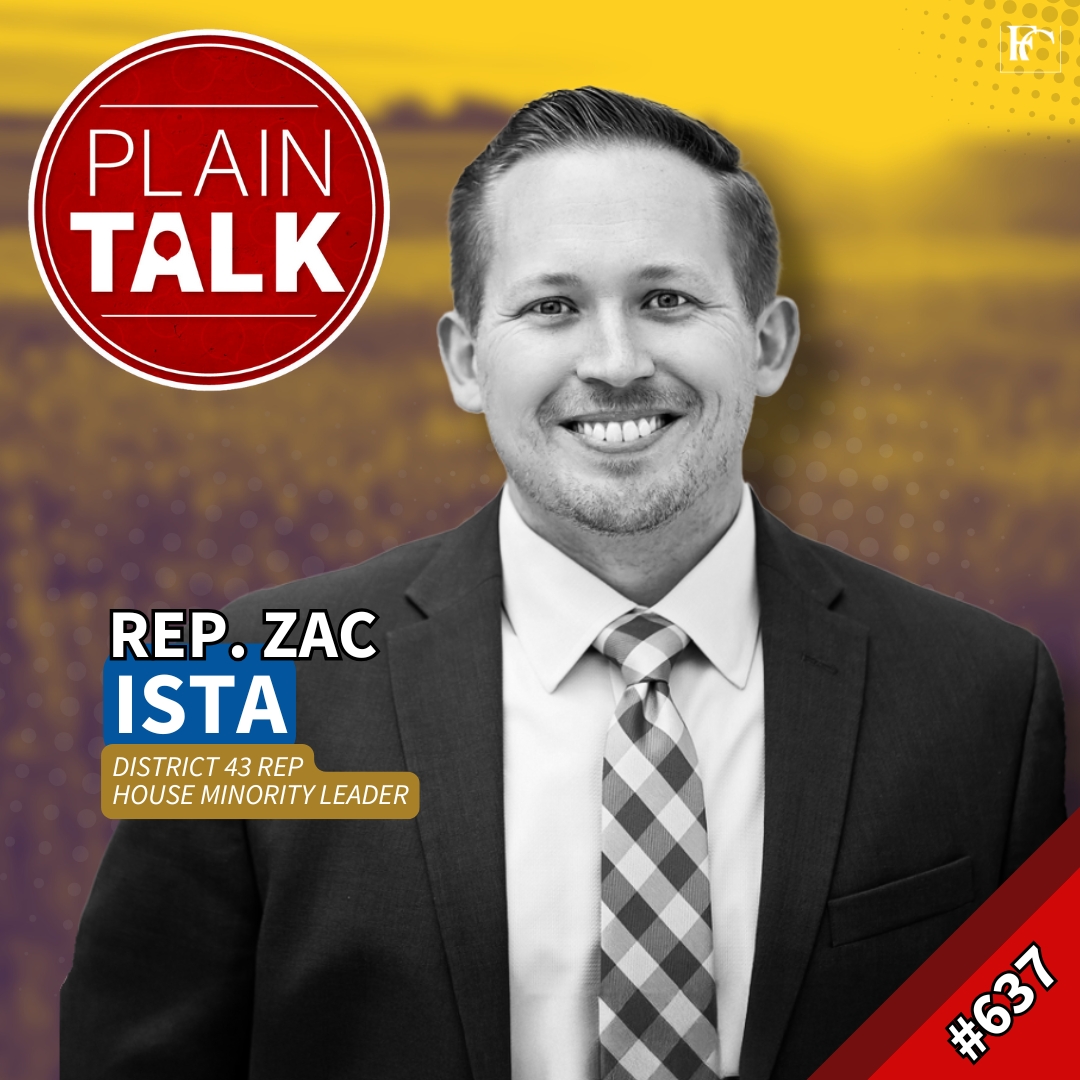
637: 'Do they know there's ways to influence a president beyond kissing his ass all the time?' (Audio)
In late June, terrible storms destroyed millions of dollars worth of property, and took lives in parts of the state around Enderlin, Spiritwood, and beyond. In late July, Gov. Kelly Armstrong issued a disaster declaration, asking President Donald Trump administration to release aid to the state. Weeks and weeks went by, until North Dakota's Federal delegation -- Senators John Hoeven and Kevin Cramer, and Rep. Julie Fedorchak -- sent their own letter to the Trump administration, indicating that state emergency funds had been depleted, and urging the president to act both on Armstrong's declaration for the June storms, and a more recent one from Sept. 2 related to tornadic storms in August. The Trump administration has been very slow in responding to these sorts of request, taking over a month on average compared to just a couple of weeks for previous administrations. And the declaration for the Enderlin/Spiritwood storm, in particular, took over 50 days before finally being acknowledged by Trump this week. "Look, it's absolutely shameful. You have a lot of Republican politicians failing a lot of Republican voters," state Rep. Zac Isa, the Minority Leader for the Democratic-NPL, said on this episode of Plain Talk (which was recorded before Trump finally acquiesced to Gov. Armstrong's request). "I take the back roads home from Bismarck and I drove through Page ,and Hunter, and the Arthur area. I saw the damage that windstorm did and and I can also look at electoral map," he continued. "I know there's a whole lot of Republican voters in that region. They expect Julie Fedorchak and John Hoeven and and Kevin Cramer to deliver, but those those guys are just rubber stamps for Trump. I mean, do they know there's ways to influence a president beyond kissing his ass all the time?" Ista argues the delegation could not"rubber stamp his policies until he authorizes a disaster relief for North Dakota." "It's just an absolute failure of any influence they might have," he continued. If you want to participate in Plain Talk, just give us a call or text at 701-587-3141. It's super easy — leave your message, tell us your name and where you're from, and we might feature it on an upcoming episode. To subscribe to Plain Talk, search for the show wherever you get your podcasts or use one of the links below. Apple Podcasts | Spotify | YouTube | Pocket Casts | Episode Archive
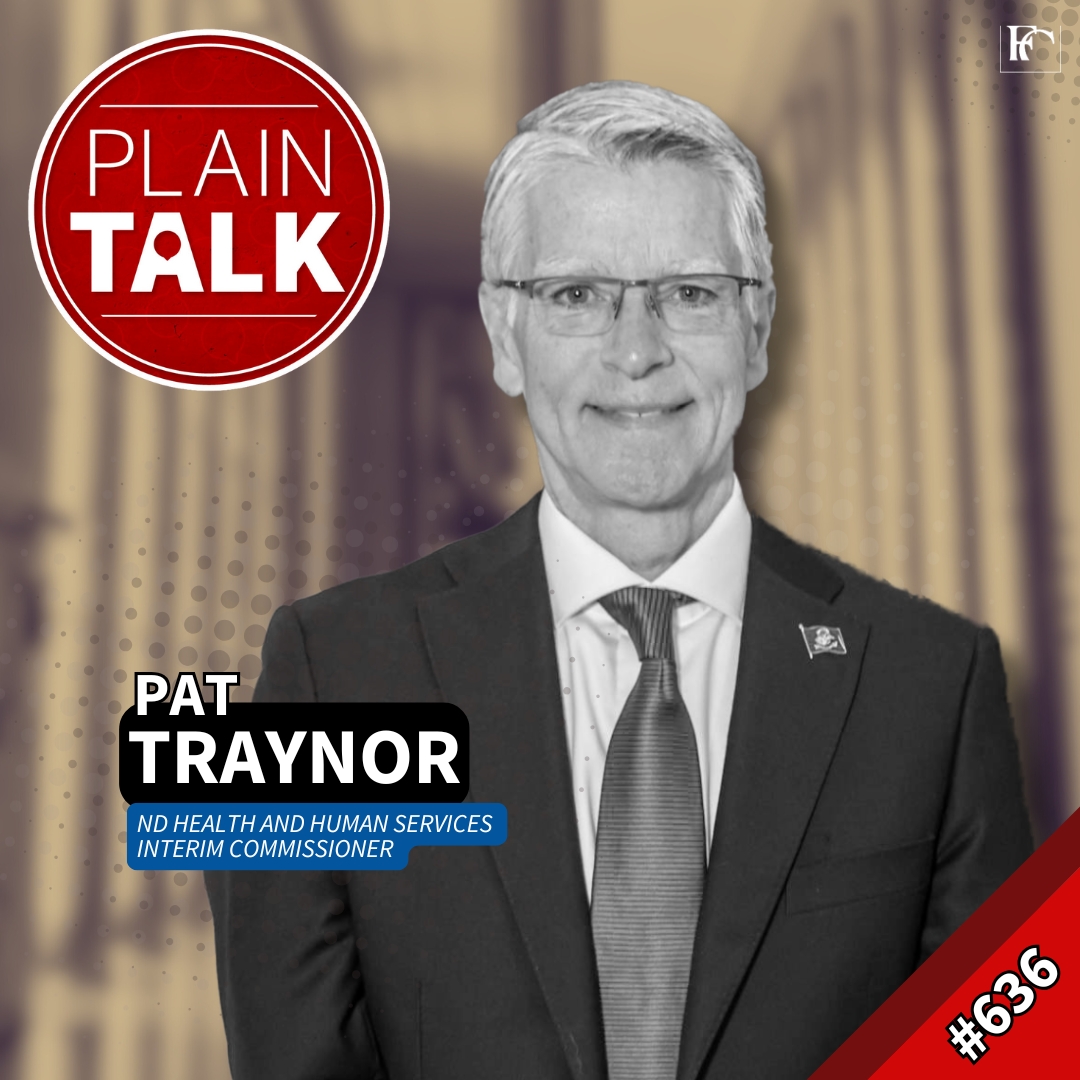
636: 'Constant distractive state' (Video)
When Pat Traynor, Gov. Kelly Armstrong's interim Commissioner of the Department of Health and Human Services, said that excessive use of cell phones and other digital devices is "probably the biggest public health threat that we have," I wrote that he was wrong, and accused him of stoking a moral panic. Traynor came on today's episode of the Plain Talk podcast to talk about it, and said that our devices leave us "continuously distracted." Referring to North Dakota's law law circumscribing cell phone use in public schools, he wondered how studens can be effectively educated when in a "constant distractive state." Since cell phones aren't going away in our society any time soon, does a ban on their presence in schools help or hinder our ability to teach kids how to deal with them responsibly? Traynor says that part is up to families. "Remember there's 24 hours in a day. Just from a standpoint of, parents still control the environment within which their kids grow up. Values. Norms," he said. "For instance, when you have a family meal together, are you present? And that goes for us, goes for me, with my kids and everything of the sort. But you're in charge of your family structure, as a parent or with guardians and others that take care of children." Also on this episode, me and guest co-host Kyler Collom, from The Dakotan, discussed the use of a religious litmus test in appointing state Rep. Kathy Skroch to replace former Rep. Cindy Schreiber-Beck in District 25, and the mounting controversy around a similar appointment process playing out in District 42, where Rep. Emily O'Brien resigned her seat to take a position in Armstrong's administration. If you want to participate in Plain Talk, just give us a call or text at 701-587-3141. It's super easy — leave your message, tell us your name and where you're from, and we might feature it on an upcoming episode. To subscribe to Plain Talk, search for the show wherever you get your podcasts or use one of the links below. Apple Podcasts | Spotify | YouTube | Pocket Casts | Episode Archive
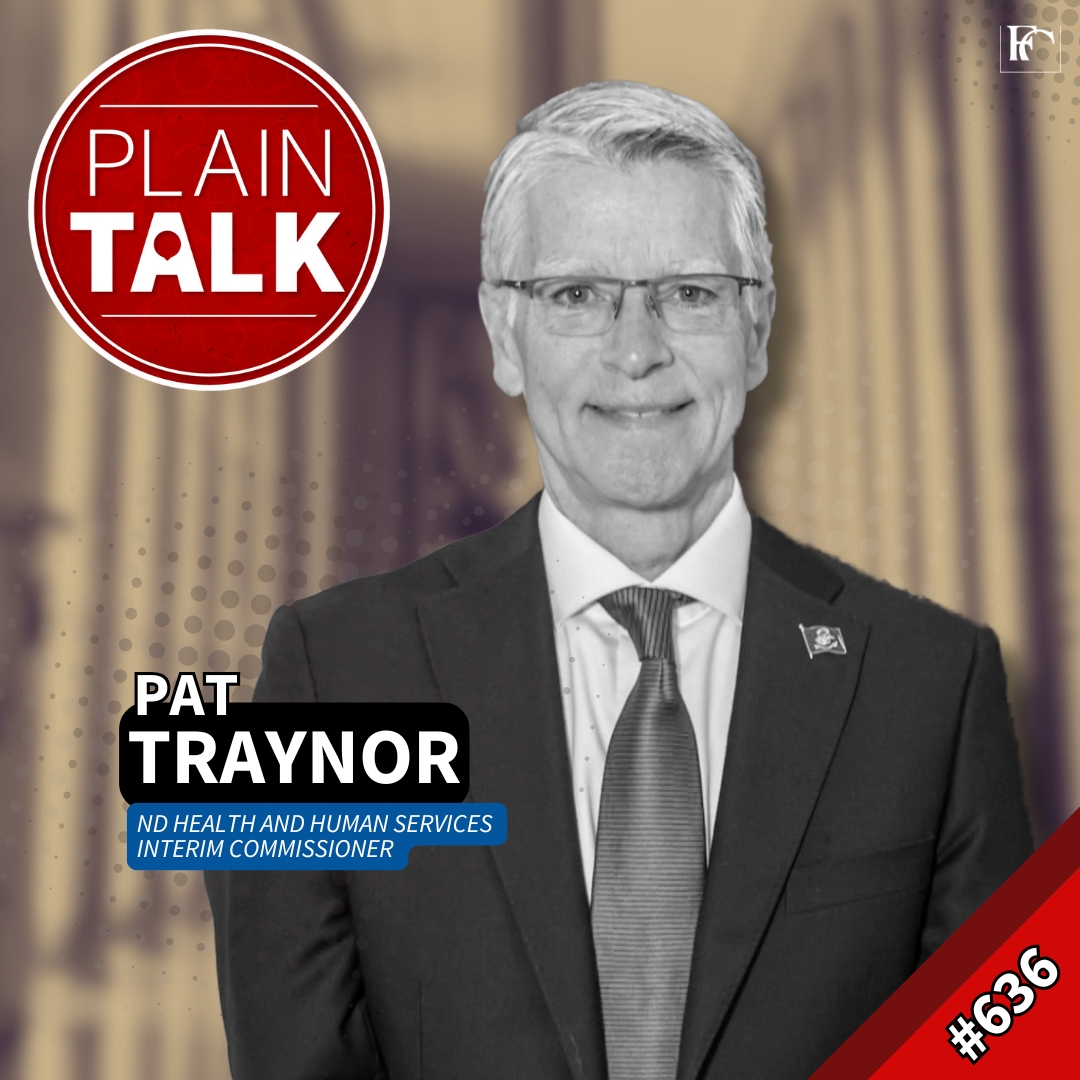
636: 'Constant distractive state' (Audio)
When Pat Traynor, Gov. Kelly Armstrong's interim Commissioner of the Department of Health and Human Services, said that excessive use of cell phones and other digital devices is "probably the biggest public health threat that we have," I wrote that he was wrong, and accused him of stoking a moral panic. Traynor came on today's episode of the Plain Talk podcast to talk about it, and said that our devices leave us "continuously distracted." Referring to North Dakota's law law circumscribing cell phone use in public schools, he wondered how studens can be effectively educated when in a "constant distractive state." Since cell phones aren't going away in our society any time soon, does a ban on their presence in schools help or hinder our ability to teach kids how to deal with them responsibly? Traynor says that part is up to families. "Remember there's 24 hours in a day. Just from a standpoint of, parents still control the environment within which their kids grow up. Values. Norms," he said. "For instance, when you have a family meal together, are you present? And that goes for us, goes for me, with my kids and everything of the sort. But you're in charge of your family structure, as a parent or with guardians and others that take care of children." Also on this episode, me and guest co-host Kyler Collom, from The Dakotan, discussed the use of a religious litmus test in appointing state Rep. Kathy Skroch to replace former Rep. Cindy Schreiber-Beck in District 25, and the mounting controversy around a similar appointment process playing out in District 42, where Rep. Emily O'Brien resigned her seat to take a position in Armstrong's administration. If you want to participate in Plain Talk, just give us a call or text at 701-587-3141. It's super easy — leave your message, tell us your name and where you're from, and we might feature it on an upcoming episode. To subscribe to Plain Talk, search for the show wherever you get your podcasts or use one of the links below. Apple Podcasts | Spotify | YouTube | Pocket Casts | Episode Archive
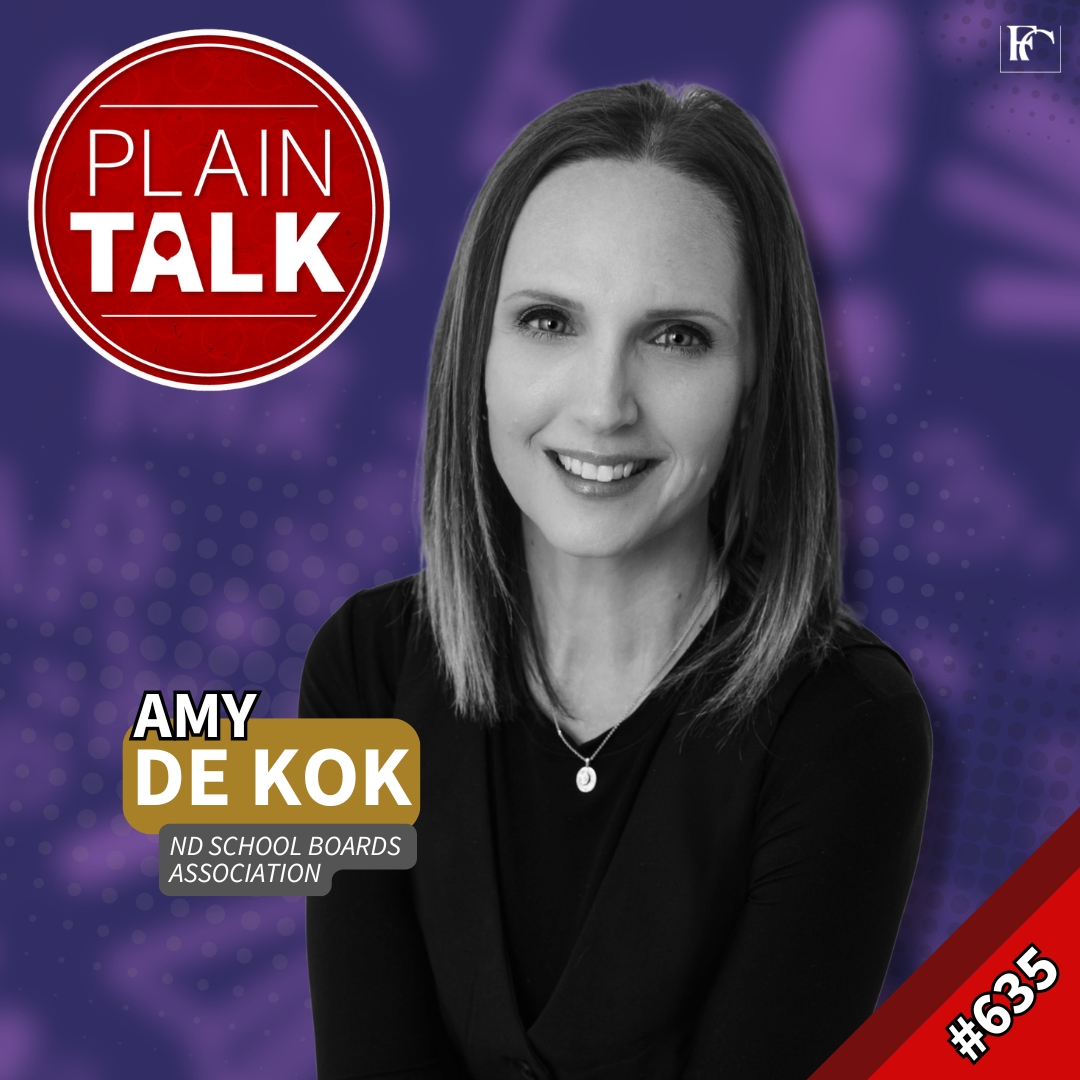
635: 'Definitely calmed down since the pandemic' (Video)
A new North Dakota law which went into effect on August 1 states that "every regular meeting of a governing body of a city, county, township, school district, district park district, water resource district must include an opportunity for an individual to provide public comment." Over the last five years or so, school board meetings have become a flashpoint for the culture wars and other political battles, but in North Dakota and nationally. How does the state's school boards feel about this new public comment requirement? Amy De Kok, executive director of the North Dakota School Boards Association, says she doesn't see it having much impact. "Most of our school boards have little to no, you know, public attendance on at their regular meetings," she said, adding that "a large majority of our local school boards have been providing this opportunity to their community at the regular meetings for several years, some for more than a decade." While De Kok and her organization feel the legislation wasn't necessary, she argues it does some good in that it sets in law some limits on what sort of comment can take place. "What this bill does do that I think is positive is set some kind of guard rails for local our local boards, our local school boards and cities and counties and and whatnot to make sure that they can properly manage public comment," she said. The bill allows the government entities to which it applies to set time limits on comment, content limits (comments can be limited to only what's on a meeting's agenda), and it also allows them to prohibit any speech that's harassing or defamatory. She also said that, while school board meetings have been getting rowdy in recent years, things have "definitely calmed down since the pandemic." If you want to participate in Plain Talk, just give us a call or text at 701-587-3141. It's super easy — leave your message, tell us your name and where you're from, and we might feature it on an upcoming episode. To subscribe to Plain Talk, search for the show wherever you get your podcasts or use one of the links below. Apple Podcasts | Spotify | YouTube | Pocket Casts | Episode Archive
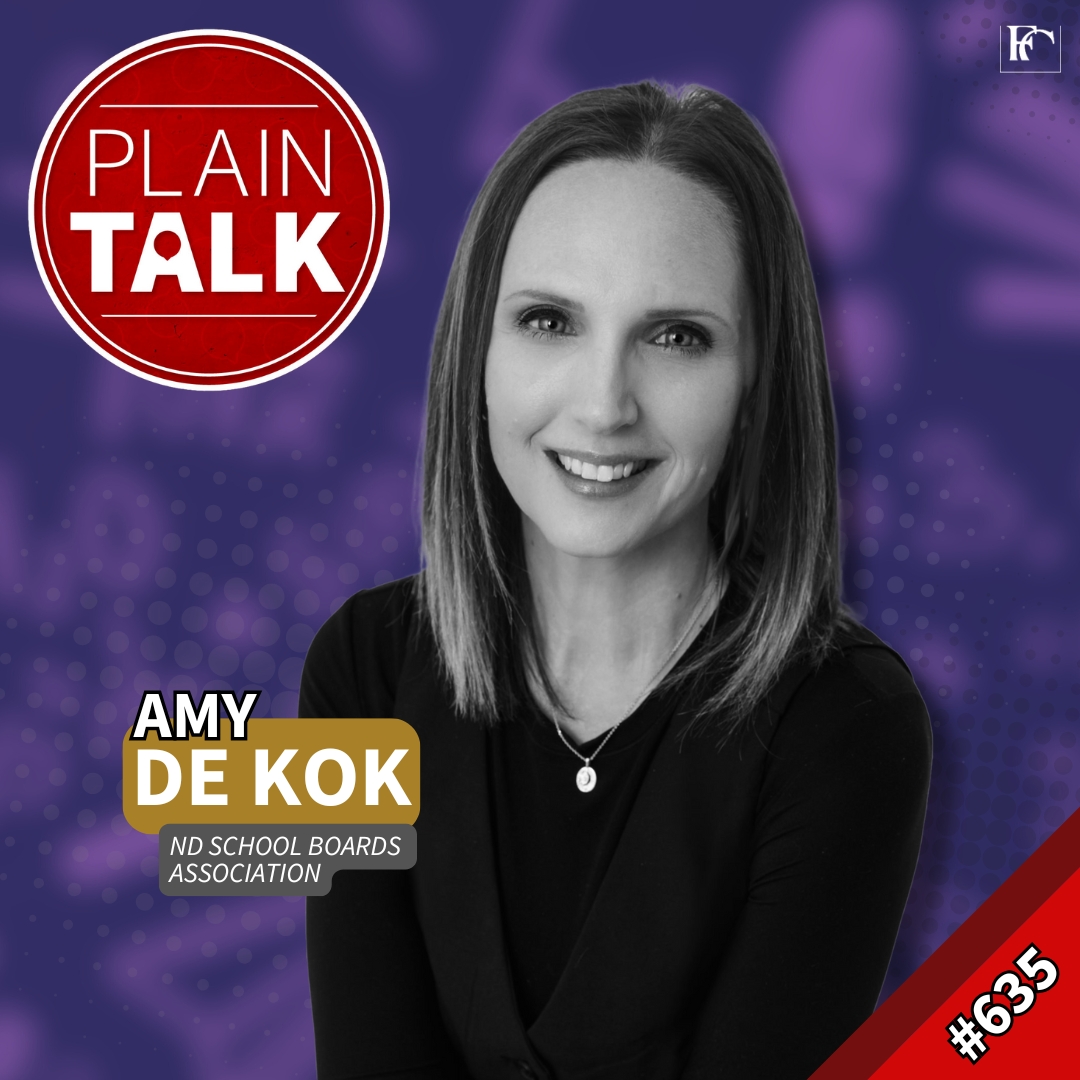
635: 'Definitely calmed down since the pandemic' (Audio)
A new North Dakota law which went into effect on August 1 states that "every regular meeting of a governing body of a city, county, township, school district, district park district, water resource district must include an opportunity for an individual to provide public comment." Over the last five years or so, school board meetings have become a flashpoint for the culture wars and other political battles, but in North Dakota and nationally. How does the state's school boards feel about this new public comment requirement? Amy De Kok, executive director of the North Dakota School Boards Association, says she doesn't see it having much impact. "Most of our school boards have little to no, you know, public attendance on at their regular meetings," she said, adding that "a large majority of our local school boards have been providing this opportunity to their community at the regular meetings for several years, some for more than a decade." While De Kok and her organization feel the legislation wasn't necessary, she argues it does some good in that it sets in law some limits on what sort of comment can take place. "What this bill does do that I think is positive is set some kind of guard rails for local our local boards, our local school boards and cities and counties and and whatnot to make sure that they can properly manage public comment," she said. The bill allows the government entities to which it applies to set time limits on comment, content limits (comments can be limited to only what's on a meeting's agenda), and it also allows them to prohibit any speech that's harassing or defamatory. She also said that, while school board meetings have been getting rowdy in recent years, things have "definitely calmed down since the pandemic." If you want to participate in Plain Talk, just give us a call or text at 701-587-3141. It's super easy — leave your message, tell us your name and where you're from, and we might feature it on an upcoming episode. To subscribe to Plain Talk, search for the show wherever you get your podcasts or use one of the links below. Apple Podcasts | Spotify | YouTube | Pocket Casts | Episode Archive

634: Applied Digital CEO talks about Harwood, AI, jobs, and nondisclosure agreements (Video)
"It's by far the most important race we've been in in the world." That's what Applied Digital CEO Wes Cummins told us on this episode of Plain Talk. "In my opinion, there's two countries that are racing forward to advance AI, to reach super intelligence, to reach AGI [artificial general intelligence], and it's the United States and it's China." Cummins says he wants the United States to win that race, which is why they're investing heavily in data center infrastructure across the country, including billions of dollars' worth of projects in North Dakota. But that push is not without some local headwinds. Opposition to one of their proposed data centers in Harwood, North Dakota, has manifested itself in some shouty public meetings, if not necessarily pushback from the larger public. One bone of contention has been nondisclosure agreements that his company had some local officials, including elected leaders, sign ahead of the Harwood project. Many (including this humble correspondent) have been critical of that move, but Cummins said it's a reality given the nature of their business as a publicly-traded company. "What I will say is there is no purpose to keep information away from the public that they need to have to be informed to know what's going on," he said. "These are typically things that we do prior to us launching a project or doing a project." There are two purposes of an NDA in this context. One is to protect the company's competitive information, since local officials get to tour facilities and learn details about building plans, but the other is to ensure that no illegal trading schemes emerge from the information shared. "So say we have the mayor and he's not steeped in public company rules and regulations, and he tells a couple of his friends or people that work around it or people that he's close with that this big new project could be coming," Cummins said, describing one possible scenarios. "And then they go and find our company, and they say, 'You know what? This is interesting. Maybe I'll buy their stock.' And then you have this issue of potentially violations in insider trading laws." Cummins defended the NDAs by saying they're part of promoting a clean project. "A lot of people who want to yell about, you know, that they're bought and paid for or were trying to hide something would be even happier if one of these guys got in trouble for a simple misstep on something that they didn't know about." And what about the claims that these power-hungry data centers will drive up power prices for North Dakotans? Cummins said that it won't be a problem, because North Dakota already produces far more power than it uses. "When you're a net power exporter and you start using power inside of your state, you just export less power, and so the power is already abundant." He said that at the company's facility in Ellendale, they're actually saving rate payers money, because their facility is allowing utilities to use capacity they were paying for but not utilizing. "With us adding 200 megawatts of load in Ellendale for the last 2 years, we have saved the MDU ratepayers 3.5 million in 2023 that was dispersed back to the ratepayers, and 5.7 million, I believe, in 2024. So we have two years of record of utilizing the infrastructure that's there. The utility makes more money and then shares that money back with its customers." Cummins said he wasn't sure if that would be the case with the Harwood facility, but he's not concerned about his company's power consumption driving up rates. If you want to participate in Plain Talk, just give us a call or text at 701-587-3141. It's super easy — leave your message, tell us your name and where you're from, and we might feature it on an upcoming episode. To subscribe to Plain Talk, search for the show wherever you get your podcasts or use one of the links below. Apple Podcasts | Spotify | YouTube | Pocket Casts | Episode Archive

634: Applied Digital CEO talks about Harwood, AI, jobs, and nondisclosure agreements (Audio)
"It's by far the most important race we've been in in the world." That's what Applied Digital CEO Wes Cummins told us on this episode of Plain Talk. "In my opinion, there's two countries that are racing forward to advance AI, to reach super intelligence, to reach AGI [artificial general intelligence], and it's the United States and it's China." Cummins says he wants the United States to win that race, which is why they're investing heavily in data center infrastructure across the country, including billions of dollars' worth of projects in North Dakota. But that push is not without some local headwinds. Opposition to one of their proposed data centers in Harwood, North Dakota, has manifested itself in some shouty public meetings, if not necessarily pushback from the larger public. One bone of contention has been nondisclosure agreements that his company had some local officials, including elected leaders, sign ahead of the Harwood project. Many (including this humble correspondent) have been critical of that move, but Cummins said it's a reality given the nature of their business as a publicly-traded company. "What I will say is there is no purpose to keep information away from the public that they need to have to be informed to know what's going on," he said. "These are typically things that we do prior to us launching a project or doing a project." There are two purposes of an NDA in this context. One is to protect the company's competitive information, since local officials get to tour facilities and learn details about building plans, but the other is to ensure that no illegal trading schemes emerge from the information shared. "So say we have the mayor and he's not steeped in public company rules and regulations, and he tells a couple of his friends or people that work around it or people that he's close with that this big new project could be coming," Cummins said, describing one possible scenarios. "And then they go and find our company, and they say, 'You know what? This is interesting. Maybe I'll buy their stock.' And then you have this issue of potentially violations in insider trading laws." Cummins defended the NDAs by saying they're part of promoting a clean project. "A lot of people who want to yell about, you know, that they're bought and paid for or were trying to hide something would be even happier if one of these guys got in trouble for a simple misstep on something that they didn't know about." And what about the claims that these power-hungry data centers will drive up power prices for North Dakotans? Cummins said that it won't be a problem, because North Dakota already produces far more power than it uses. "When you're a net power exporter and you start using power inside of your state, you just export less power, and so the power is already abundant." He said that at the company's facility in Ellendale, they're actually saving rate payers money, because their facility is allowing utilities to use capacity they were paying for but not utilizing. "With us adding 200 megawatts of load in Ellendale for the last 2 years, we have saved the MDU ratepayers 3.5 million in 2023 that was dispersed back to the ratepayers, and 5.7 million, I believe, in 2024. So we have two years of record of utilizing the infrastructure that's there. The utility makes more money and then shares that money back with its customers." Cummins said he wasn't sure if that would be the case with the Harwood facility, but he's not concerned about his company's power consumption driving up rates. If you want to participate in Plain Talk, just give us a call or text at 701-587-3141. It's super easy — leave your message, tell us your name and where you're from, and we might feature it on an upcoming episode. To subscribe to Plain Talk, search for the show wherever you get your podcasts or use one of the links below. Apple Podcasts | Spotify | YouTube | Pocket Casts | Episode Archive
633: 'Why not? We have it.' (Video)
This is the video version of Episode 633 of the Plain Talk podcast. North Dakota has become a destination for investment in building out America's artificial intelligence infrastructure. Specifically, the massive, power-hungry data centers that enable the sort of cloud computing necessary to make AI work. Public Service Commissioner Sheri Haugen-Hoffart, who serves on the triumvirate that oversees things like utility proces and power infrastructure, is enthusiastic about this investment. And, despite some critics saying the data centers will drive up utility prices, she's confident they're a good fit for the state. "AI is here to stay. It's here. So where is their capacity?" she said on this episode of Plain Talk. "North Dakota has a lot of resources to fulfill that. So why not? We have it." "We have good regulatory oversight," she continued. "I think we work well together, and we want to control that AI versus having someone like China or another adversary control our AI. So let's work together. Let's be good stewards and let's control it, and if we have the capacity, let's use it to serve." Haugen-Hoffart said North Dakota has the cheapest electrical rates in the country, and she's confident that would remain the case even with AI data centers coming online. She also pointed out that the power consumption for some of the data centers -- at least those built by Applied Digital, which is working on a major investment near Harwood -- is "interruptable." first-term incumbent also indicated that she will be seeking re-election next year. "My plan right now, absolutely," she said. Haugen-Hoffart was first appointed in 2022 to complete the six-year term current Tax Commissioner Brian Kroshus was elected to. That appointment was confirmed on the statewide ballot in 2024, and now that term is up for re-election again in 2026. On this episode we also discussed North Dakota's gambling boom, which has grown far beyond the state's capacity to regulate it, and whether our state should embrace a new philsophy of promoting from within, as opposed to hiring from outside the state, when it comes to key government leadership positoins. If you want to participate in Plain Talk, just give us a call or text at 701-587-3141. It's super easy — leave your message, tell us your name and where you're from, and we might feature it on an upcoming episode.

633: 'Why not? We have it.'
North Dakota has become a destination for investment in building out America's artificial intelligence infrastructure. Specifically, the massive, power-hungry data centers that enable the sort of cloud computing necessary to make AI work. Public Service Commissioner Sheri Haugen-Hoffart, who serves on the triumvirate that oversees things like utility proces and power infrastructure, is enthusiastic about this investment. And, despite some critics saying the data centers will drive up utility prices, she's confident they're a good fit for the state. "AI is here to stay. It's here. So where is their capacity?" she said on this episode of Plain Talk. "North Dakota has a lot of resources to fulfill that. So why not? We have it." "We have good regulatory oversight," she continued. "I think we work well together, and we want to control that AI versus having someone like China or another adversary control our AI. So let's work together. Let's be good stewards and let's control it, and if we have the capacity, let's use it to serve." Haugen-Hoffart said North Dakota has the cheapest electrical rates in the country, and she's confident that would remain the case even with AI data centers coming online. She also pointed out that the power consumption for some of the data centers -- at least those built by Applied Digital, which is working on a major investment near Harwood -- is "interruptable." The first-term incumbent also indicated that she will be seeking re-election next year. "My plan right now, absolutely," she said. Haugen-Hoffart was first appointed in 2022 to complete the six-year term current Tax Commissioner Brian Kroshus was elected to. That appointment was confirmed on the statewide ballot in 2024, and now that term is up for re-election again in 2026. On this episode we also discussed North Dakota's gambling boom, which has grown far beyond the state's capacity to regulate it, and whether our state should embrace a new philsophy of promoting from within, as opposed to hiring from outside the state, when it comes to key government leadership positoins. If you want to participate in Plain Talk, just give us a call or text at 701-587-3141. It's super easy — leave your message, tell us your name and where you're from, and we might feature it on an upcoming episode. To subscribe to Plain Talk, search for the show wherever you get your podcasts or use one of the links below. Apple Podcasts | Spotify | YouTube | Pocket Casts | Episode Archive
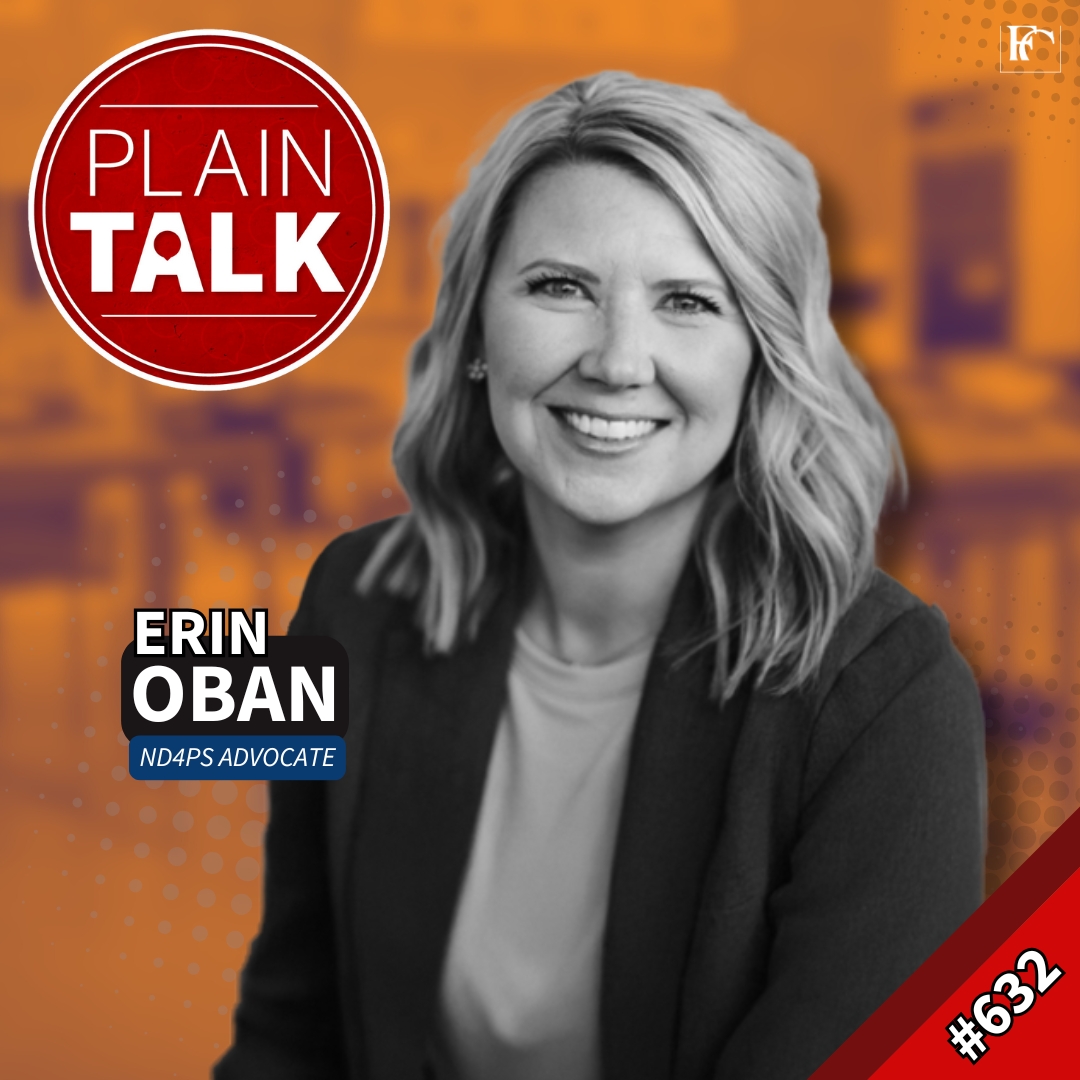
632: 'A little bit closer to perfect' (Video)
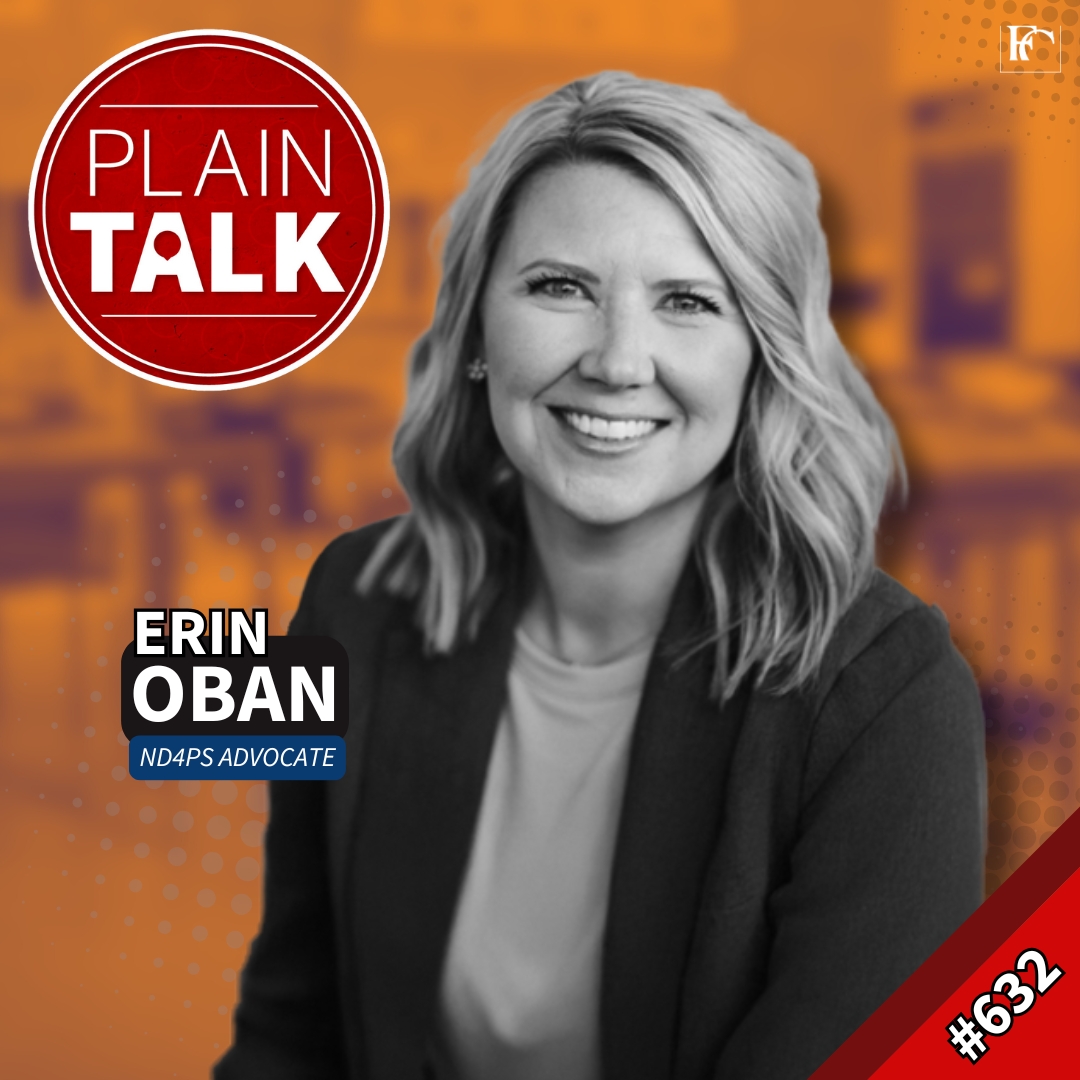
This full video interview with Erin Oban from North Dakotans for Public Schools is from Episode 632 of the Plain Talk Podcast.
632: 'A little bit closer to perfect'
North Dakota's public schools are not perfect, but they are very, very good. Sadly, often thanks to national narratives that have little to do with what's happening in our school districts, that's not always the popular perception the public has. People are left with the impression that kids are being indoctrinated, or in extreme cases even groomed, and that's just not the case. North Dakotans for Public Schools is a new organization aimed at bridging that gap between public perception and reality. Former state Senator Erin Oban is a spokesperson for the organization (and, full disclosure, is also the wife of my co-host Chad Oban). "I don't think our public schools are perfect," she said on this episode of Plain Talk. But she wants the group to drive home the question: "What are we doing to to make them a little bit closer to perfect for the kids in our communities that they serve?" That doesn't just mean making the case for the state's public schools. It also means helping the schools understand the reasonable concerns parents and the public at large have. The goal is to "build stronger more trusted relationships," Erin Oban said. Though that will include telling some of the positive stories about education, to try and get them on par with the negative things we hear. "The negative catches on so much more than the positive," she said, "and we need to be people who spread good news, not just bad news." Both Chad and I agree that there is a need to turn the temperature down in the debate around our public schools. "The adults have to start acting like adults," Chad said, and I think he's right. We also discussed my recent column about the "tyranny of small rooms," which sees the loud voices of angry people who show up at school board meetings, or on social media, get a lot of attention, even if their views aren't necessarily reflective of the larger public's. If you want to participate in Plain Talk, just give us a call or text at 701-587-3141. It's super easy — leave your message, tell us your name and where you're from, and we might feature it on an upcoming episode. To subscribe to Plain Talk, search for the show wherever you get your podcasts or use one of the links below. Apple Podcasts | Spotify | YouTube | Pocket Casts | Episode Archive

631: Back-to-school tax, Trump's Fedorchak endorsement, and cheerleader culture wars
Should the voters take their case for covering school lunches for all students to the ballot box with an initiated measure? We discussed the issue on this episode of Plain Talk, and co-host Chad Oban made the case for some populism on this issue. "The legislature has had ample opportunity to pass something that over 70% of North Dakotans support," he said, referring to a North Dakota News Cooperative poll from this spring. "What if school districts start charging parents for books, right? Parents across the state would be up in arms if school districts started charging for books," he continued. "To me, it's a no-brainer today. It was a no-brainer yesterday. It was a no-brainer a year ago." President Donald Trump's early endorsement of Rep. Julie Fedorchak's re-election, which hadn't even been officially announced yet, raised some eyebrows. What drove it? It might have something to do with divisive ."I didn't perceive Julie Fedorchak needing Trump to intervene and try to head off a primary challenge," I argued, but it could be about the North Dakota Republican Party, the leadership of which is now in control of a populist faction that doesn't like traditional Republicans very much. That faction has already censured Gov. Kelly Armstrong twice, and at last cycle's state convention, they had enough clout to deny Fedorchak the endorsement, though she went on to win the primary and the general handily. Trump's early endorsement may have been to "warn off the state party," I contend. North Dakotan Blaize Shiek is a cheerleader for the Minnesota Vikings this year, and not everyone likes it. "This isn't about male cheerleaders. This is about a certain type of male cheerleaders. Ones that are very good dancers and not just holding up the pretty girls," Oban said of the critics. "I don't like it when people take it upon themselves to be gatekeepers and to say we're going to gatekeep football or we're going to gatekeep culture and we're going to say you can only do it our way only the way that we want it," I added. "Being weird in all the different wonderful ways we can be weird is not un-American. That's the most American damn thing in the world. What's un-American is you saying there's only one way to be an American." We also discussed North Dakota Health and Human Services Commissioner Pat Traynor's alarmist comments about cell phones, and state Rep. Emily O'Brien's decision to step down and take a job as deputy commissioner in that same department. If you want to participate in Plain Talk, just give us a call or text at 701-587-3141. It's super easy — leave your message, tell us your name and where you're from, and we might feature it on an upcoming episode. To subscribe to Plain Talk, search for the show wherever you get your podcasts or use one of the links below. Apple Podcasts | Spotify | YouTube | Pocket Casts | Episode Archive

ND Insurance Commissioner John Godfread from Episode 630 (Video Interview)
This is the full video version of our August 20, 2025, interview with North Dakota Insurance Commissioner Jon Godfread. The interview is from Episode 630.

630: One Big Beautiful Bill Act could lead to 'death spiral' in health insurance
North Dakota Insurance Commissioner Jon Godfread says North Dakota -- and America, really, since our state is hardly an independent nation -- is on an unsustainable trajectory when it comes to the cost of insurance and health care. On this Plain Talk, Godfread, who is also the current president of the National Association of Insurance Commissioners, argued that Congress, with its much-ballyhooed One Big Beautiful Bill Act, has made things worse. "With what happened in the budget reconciliation bill, I'm really worried about this upcoming open enrollment period." Godread, who is a Republican, argued that some of the provisions in the bill are "really going to harm consumers" and predicts "pretty significant rate increases across the board across the country." He said there is talk of Congress coming back and fixing some of these issues, but that will be too little too late. "If they look at doing something, changing it in December, well, at that point, I've already gone on, shopped as a consumer, and realized the price is too high. I'm not going back in the last two weeks of the year to say, 'Oh, well, maybe this time they promise it's going to be better.'" Pricing healthy people out of the insurance market would narrow the pool and drive up costs, creating what Godfread described as a "death spiral." "We're on a track right now that is not sustainable, right? I mean, there is no more more to give when you get to health insurance premiums." On an unrelated topic, earlier this year, the state legislature passed a law merging the state's previously independent Securities Department under Godfread's office after controversial Securities Commissioner Karen Tyler went to work for the state's Industrial Commission. That Godfread's office is now in charge of the inquiry into the high-profile dissolution of Epic Companies. Godfread said he couldn't comment on that matter, specifically, but said he was surprised to learn that a restitution fund created by lawmakers to help mitigate those financially harmed by fraud was sitting empty. "Another piece that we found is back in 2019, there was a restitution fund that was created by the legislature for the Securities Department," he said. Under Tyler's leadership, "that fund has never had money put into it. That to me is a big problem." If you want to participate in Plain Talk, just give us a call or text at 701-587-3141. It's super easy — leave your message, tell us your name and where you're from, and we might feature it on an upcoming episode. To subscribe to Plain Talk, search for the show wherever you get your podcasts or use one of the links below. Apple Podcasts | Spotify | YouTube | Pocket Casts | Episode Archive
F5 Project Founder Adam Martin from Episode 629 (Video Interview)
This exclusive interview with F5 Project founder Adam Martin is from Plain Talk episode 629.
629: 'I think it should be wiped across the board'
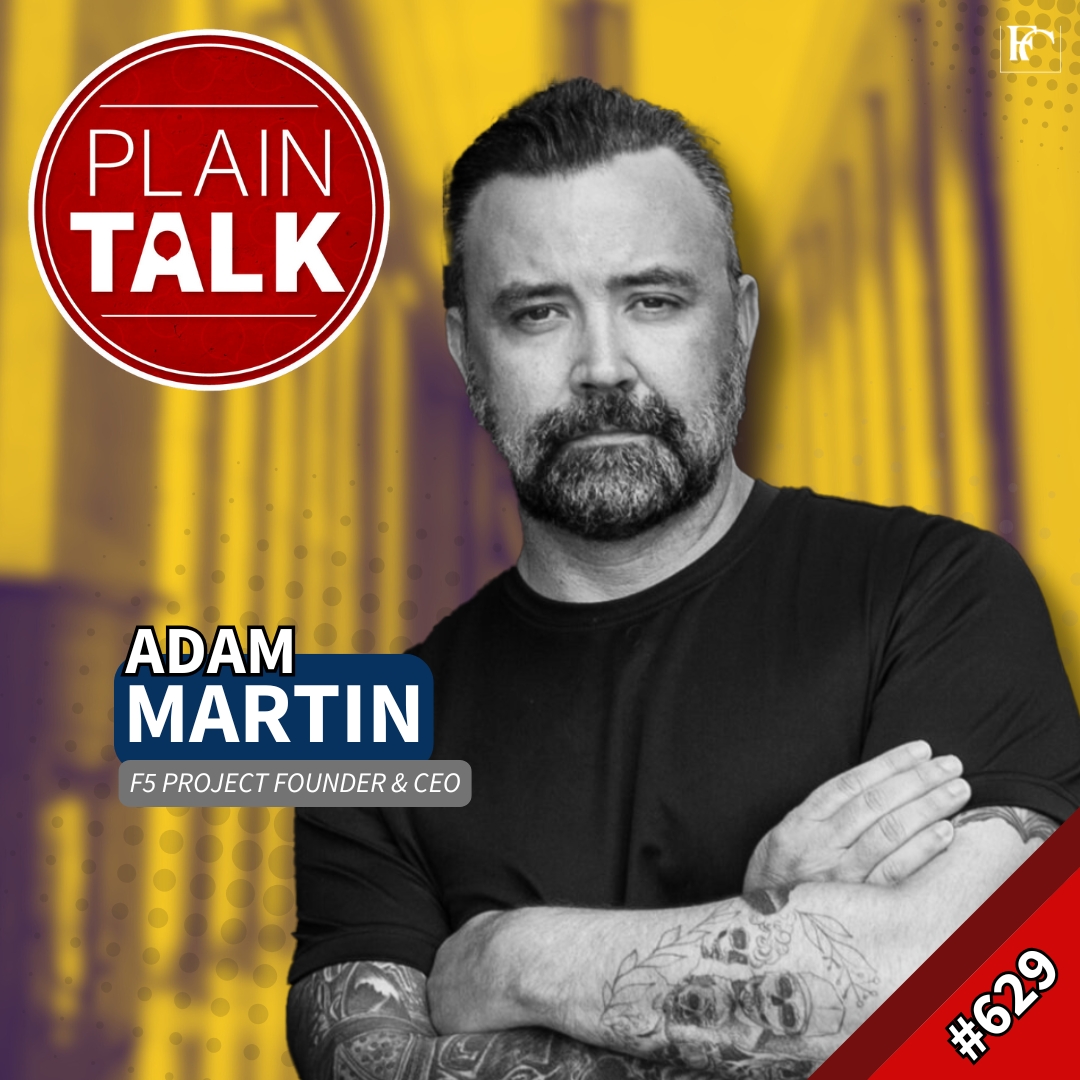
A new law that just took effect here in North Dakota seals court records in concluded cases that don't result in a conviction. That would mean instances where the defendant was acquitted, or when the charges were dismissed, or any other outcome that's not a guilty plea or verdict. The argument in favor of the law is that it's not fair to the defendants to have those cases in the public record. After all, as a matter of law, if they aren't convicted of the charges against them, they are innocent. But if the cases are accessible, they may be judged for them anyway, especially in instances like hiring or housing. But what about transparency? What does sealing those records mean for the public and the news media's ability to scrutinize those cases to ensure that the acquittal, or dismissal, or other non-conviction outcome was ethical and lawful? I believe the cases should remain open to ensure accountability for all parties involved. Adam Martin, the founder of the F5 Project and our guest on this episode of Plain Talk, feels the opposite. For every instance where there might be a defendant who got off because of untoward machinations by the judge, or the prosecutor, or some other state official, "there's 500 people...that are struggling with getting jobs or housing or whatever for something that they didn't even do," Martin said. Martin goes even further and argues that in the future we should also close off access to police and other records that don't result in a conviction. "If something's pardoned, if something's dismissed or whatever, I think it should be wiped across the board," he said. Also on this episode, my co-host Chad Oban and I discussed whether SNAP benefits should cover things like energy drinks and candy bars, and the impact the "warrior cop" ethos has on law enforcement mental health and morale. If you want to participate in Plain Talk, just give us a call or text at 701-587-3141. It's super easy — leave your message, tell us your name and where you're from, and we might feature it on an upcoming episode. To subscribe to Plain Talk, search for the show wherever you get your podcasts or use one of the links below. Apple Podcasts | Spotify | YouTube | Pocket Casts | Episode Archive
628: 'I pay people the courtesy of candor'
"There are currently three ethics complaints against my office," Attorney General Drew Wrigley said on this episode of Plain Talk. It's a startling admission, but Wrigley says the complaints are spurious, and that the state Ethics Commission, which he has been outspokenly critical of, is hording complaints like those, instead of clearing them, for political purposes. "Somebody lodged a complaint that human trafficking is a problem in North Dakota," Wrigley said, describing the complaints. "The legislature has allocated dollars to be handed out in grants through the attorney general's office. There are only three months left in the legislative, in the budget cycle, rather, in the bienium, and they still haven't passed out all the money. Ethics complaint. Three of them." Wrigley disputed that the Ethics Commission has jurisdiction in two of the complaints and that all three have reasonable explanations unrelated to ethics. Wrigley says his office has been contacting groups as potential recipients of the funds, but has struggled to find takers. "That's what it is. There it is. But that's been there for three or four months. They've [the Ethics Commission] never even contacted us about it because you know why? They don't want to. They want that backlog to be able to have this discussion." The attorney general brought up this anecdote to illustrate his argument that the Ethics Commission lacks efficiency, transparency, accountability, and fails to conform to constitutional norms. He is calling on the Ethics Commission to foster a more collaborative and cooperative relationship with the rest of the state government, but my co-host Chad Oban and I asked him how that squares with his own, at times, aggressive behavior toward the commission. Wrigley says his office's criticisms are about "professional, practical, and legal infirmities" at the commission. If you want to participate in Plain Talk, just give us a call or text at 701-587-3141. It's super easy — leave your message, tell us your name and where you're from, and we might feature it on an upcoming episode. To subscribe to Plain Talk, search for the show wherever you get your podcasts or use one of the links below. Apple Podcasts | Spotify | YouTube | Pocket Casts | Episode Archive
627: Jeans, property taxes, scandal, and baseball
I spent a little time on this episode of Plain Talk bemoaning the horrendous performance of my beloved New York Yankees. Poor roster construction and poor fundamental play are difficult things to watch. Co-host Chad Oban ate it up, as you might imagine, but baseball isn't all we discussed. We touched on the baffling controversy over Sydney Sweeney's jeans commercial. For some reason, this has convulsed the nation, starting with left-wing critics who claim the ad promotes some master race message about eugenics, which of course inspired the MAGA crowd to rally around Sweeney as their new hero. It makes me wonder if comedian and actor Marc Maron is right when he says that progressives have "annoyed the average American into fascism." Shifting to North Dakota politics, we talked about Fargo leaders trying to pin their budget woes on property tax reform. I argued on the podcast, and in a previous column, that Mayor Tim Mahoney's budget is calculated to produce political talking points, not solutions, and Oban agreed, pointing out that Fargo's fiscal problems predate the 3% spending cap passed earlier this year. We addressed my controversial story about education lobbyist Aimee Copas and her alleged activities at a Mandan waterpark as detailed in a police report. I got flak from some who said that the story wasn't news. My argument? Copas, the executive director of the North Dakota Council of Educational Leaders, is one of the most consequential people in North Dakota when it comes to education policy. When a police report alleges that she and her husband were engaging in sexual activities in public, at a water park, the public deserves to know about it. Also on this episode, we cover the delays in Superintendent Kirsten Baesler's appointment to a position in the Trump administration, and whether or not her bid might be scuttled by opposition from the MAGA right. Plus, North Dakota's new porn verification law probably isn't stopping anyone from watching porn on the internet. If you want to participate in Plain Talk, just give us a call or text at 701-587-3141. It's super easy — leave your message, tell us your name and where you're from, and we might feature it on an upcoming episode.
626: 'Zip, none.'
Today on Plain Talk, we had the pleasure of speaking with US Senator John Hoeven, and began our conversation with a pretty historic event: the rerouting of the Red River for the Fargo-Moorhead Flood Control Project. Senator Hoeven, who has been working on this project since he was governor, highlighted how it will "permanently change part of the route of the uh Red River" and "protect more than a quarter of a million people." He called this a "marvel of modern engineering." Next, we tackled the freezing of education dollars by the Trump administration, which caused weeks of chaos for schools and parents. He explained that the federal Office of Management and Budget was "reviewing funds for social agenda," but emphasized that the larger goal is "transitioning...the education funding from this centralized bureaucracy in Washington D.C." to give states "more control and less regulation." We also discussed the status of state Superintendent Kirsten Baesler's nomination to the Department of Education, which is currently before the full Senate. Hoeven highlighted what he characterized as unprecedented obstruction. He pointed out that nearly 60% of President Joe Biden's nominees were approved by unanimous consent, while for Trump's, it's "zip, none." Speaking of spending cuts, the so-called "Big Beautiful Bill" implemented funding changes for rural hospitals and Medicaid. Hoeven says he's optimistic, believing "our rural hospitals are going to come out as well and hopefully maybe even better" due to higher reimbursement rates and a "$50 billion fund" that ensures North Dakota gets "a hundred million a year" automatically. Hoeven will also be playing host to Customs and Border Patrol Commissioner Rodney Scott later this week. I pressed the Senator on the lack of due process for individuals facing deportation without court oversight, worrying about potential errors where people with legal status might be deported. He contended that due process for citizens "doesn't apply to somebody here who is illegally" and that Homeland Security and Justice "have to follow the law." He also argued that the public gave the Trump administration a mandate for this sort of policy in the last election. I disagreed, arguing that relying solely on the executive branch to determine immigration status without judicial review "flies in the face of our separation of powers" and the principles of "limited government." Even non-citizens, I contended, "do still have a right to due process" to establish their legal status. Finally, Senator Hoeven mentioned upcoming visits with HUD Secretary Scott Turner to examine "low-cost housing projects." If you want to participate in Plain Talk, just give us a call or text at 701-587-3141. It's super easy — leave your message, tell us your name and where you're from, and we might feature it on an upcoming episode.

Bob & Dan | The $740,000 Question (Episode 3)
NOTE: The $740,000 question is a podcast from Plain Talk producer Matt Fern. In the conclusion of this three-part series, filmmaker Matt Fern investigates the two men at the center of North Dakota's film grant controversy: longtime legislator Rep. Bob Martinson and Canticle Productions founder Dan Bielinski. As an ethics complaint regarding the film grants finally moves into a formal investigation, Governor Doug Burgum's administration breaks its year-long silence, reluctantly agreeing to a meeting. Yet state officials remain dismissive, downplaying concerns and refusing further action. From a mysterious $40,000 payment in 2017, to an unannounced grant in 2021, to a $600,000 grant in 2023, Fern traces how Canticle Productions repeatedly benefited while other North Dakota filmmakers were shut out. At the same time, lawmakers—including Rep. Martinson—pushed to weaken the North Dakota Ethics Commission's authority to investigate complaints. Ultimately, Fern confronts a disturbing truth: transparency and accountability are hard to find in North Dakota government. As the ethics investigation continues, the $740,000 question remains unanswered—how was all of this legal?

625: Voters need to be responsible for who they're voting for
On this episode of Plain Talk, my co-host Chad Oban and I talk about the crazy Minot mayoral race, evidence of extremism in the North Dakota Young Republicans, and the controversy over bonuses paid to Commerce Department employees. The Minot race, in some ways, is an important bellwether for North Dakota politics, taking place as it is in one of the most partisan Republican communities in the state. The race is officially nonpartisan, but pits two candidates from the far right against two mainstream, traditional, right-of-center candidates. Can one of the far-right candidates win, and take over leadership of one of North Dakota's largest communities? A lot of it depends on who turns up at an oddball, off-year, August 5 special election. "There's real statewide ramifications for this," Oban said. We also discussed evidence that the North Dakota Young Republicans, an independent group loosely affiliated with the North Dakota Republican Party, are aligning themselves with a bigoted Holocaust denier. At the very least, association with people who believe and say some truly despicable things doesn't seem to be much of a drawback for Republicans in 2025. This stuff is "increasingly mainstream," I argue, and Oban says it's "a frightening proposition for 10, 15 years from now," as it shapes the next generation of Republican leaders. Voters need to be cognizant of the individuals they're voting for. This is a time of political transition, and increasingly, party labels don't mean what they once did. As for the Commerce Department controversy, after we recorded this episode, Commerce Commissioner Chris Schilken said they wouldn't be issuing the bonuses, and apologized to lawmakers for issuing them. I argued that paying bonuses like this through irregular budget practices can "hide the football a little bit" from taxpayers when it comes to how much public employees are getting paid. If you were to look up Schilken's annual salary, or that of any of the other top Commerce Department officials who received the bonuses, it likely wouldn't take into account the additional pay. That's not very transparent. If you want to participate in Plain Talk, just give us a call or text at 701-587-3141. It's super easy — leave your message, tell us your name and where you're from, and we might feature it on an upcoming episode. To subscribe to Plain Talk, search for the show wherever you get your podcasts or use one of the links below. Apple Podcasts | Spotify | YouTube | Pocket Casts | Episode Archive

624: 'We need more human-to-human, face-to-face interaction'
Minot-area Democrat Trygve Hammer has run for the U.S. House of Representatives in the last two election cycles. More recently, he's organizing a town hall event in Minot — which he's branded the People's Town Hall — as a clapback to Rep. Julie Fedorchak holding only digital town halls. He was on this episode of Plain Talk to promote that event, but I started him off with the obvious question. Will he seek a seat in Congress for the third consecutive election cycle? "My wife said to make very clear that this does not mean I'm running," Hammer said. "I haven't closed it off, but you know, that's definitely, I'm nowhere near making a decision at this time." So not a yes, but not a no either. Fedorchak has justified her decision not to hold in-person town halls by pointing to acts of political violence, such as the murder of a Minnesota lawmaker and her husband earlier this year, and public events in other states that have been unproductive because of disruptions by political activists. Hammer said he's holding his event to prove "it's safe to go out there and have these town halls." Hammer also said that voters want to see Democrats "fight back" against Republicans. When I pointed out that Democrats have done almost nothing but attack Donald Trump since he was first elected in 2016 — remember they impeached him, twice, in his first term — and that it hasn't worked out well for them, he said Democrats "haven't gotten out there and and really laid down the law, really, really pushed back against Republican accusations." Hammer's town hall will be held at the Carnegie Center in downtown Minot on July 31 at 7:00 pm. If you want to participate in Plain Talk, just give us a call or text at 701-587-3141. It's super easy — leave your message, tell us your name and where you're from, and we might feature it on an upcoming episode. To subscribe to Plain Talk, search for the show wherever you get your podcasts or use one of the links below. Apple Podcasts | Spotify | YouTube | Pocket Casts | Episode Archive

No Comment | The $740,000 Question (Episode 2)
NOTE: The $740,000 question is a podcast from Plain Talk producer Matt Fern. After sending a letter to Governor Doug Burgum and receiving no response, a coalition of 27 filmmakers from across North Dakota hold a press conference outside the Attorney General's office to demand transparency and accountability in how one filmmaker received $740,000 from the Department of Commerce. But despite the media attention and growing public scrutiny, state officials remain silent. The Governor never replies. The Attorney General passes the buck. And the ND Commerce insists nothing was done wrong. In this episode, filmmaker Matt Fern walks through the aftermath of the press conference and the months of waiting for answers. We hear from the State Auditor, whose report confirms the process was flawed, with a grant application window open for just six business days. But while the timeline may have been unusual, the audit stops short of calling it illegal. With no one taking responsibility, and no clear authority stepping in, Matt files a formal ethics complaint—only to discover how limited and untested the Ethics Commission process really is. Meanwhile, Canticle Productions begins building film sets, hiring crew, and raising more money for multiple films—without ever publicly addressing the controversy. And it all leads to one big question: if no one in the state is willing to investigate, who will?

623: Democratic lawmaker says now is a good time for local governments to "off ramp" property tax give aways
Even as some local governments claim that a new, 3% cap on property tax increases will cause chaos in their budgets, Sen. Josh Boschee, a Democrat from Fargo, says he and his colleagues felt it was important to implement. He says lawmakers see it as a way of putting the responsiblity for property taxes back on local governments. "In the last decade, or my 12 years of service in the state legislature, we've tried to educate voters that property tax is a local issue," he said on this episode of Plain Talk. "Yet it continues to be put on our plate in Bismarck." He noted that with the state now providing significant relief, locals are expected to manage their budgets to prevent past issues of unchecked growth in valuations and spending. Boschee addressed property tax exemptions, including my recent column about a property tax break for newly-built single-family homes in Fargo that could go a long way toward addressing the city's shortfalls. He said the $1,600 tax credit lawmakers approved for primary residences gives local governments a good "off ramp" to end some of those exemptions, since the credit would cushion the blow for taxpayers. Switching topics, Boschee also addressed concerns that cuts in federal spending could hit North Dakota hard. He said the state's finances are in order to deal with some uncertainty. "We are in a good budget position," he said. "We worked and we're part of the ruling majority with the mainstream Republicans to make sure we had a good budget." "The governor has some leniency within about 5% of the budget to weather cuts at the agency level, or you know, some discretionary funds that we can see what can be moved around through the emergency commission. So we're in a a good position to be able to address them." If you want to participate in Plain Talk, just give us a call or text at 701-587-3141. It's super easy — leave your message, tell us your name and where you're from, and we might feature it on an upcoming episode. To subscribe to Plain Talk, search for the show wherever you get your podcasts or use one of the links below. Apple Podcasts | Spotify | YouTube | Pocket Casts | Episode Archive

622: 'The greasy pole of politics in the Republican party'
Is Doug Burgum, who is currently serving as Secretary of the Interior under President Donald Trump, a happy man right now? I posed that question in a recent column occassioned by Burgum's visit to infamous island prison Alcatraz at Trump's behest to assess it for use as a detention facility. Burgum has to know that this is a fantastically stupid idea. His face, during a Fox News interview from the prison, made it pretty clear that he knows that this initiative would be a non-starter for any rational, grounded human being. And yet, there he was, on national television, carrying the president's fetid water. We talked about it on this episode of Plain Talk. "If you want to be in Donald Trump's orbit, and if you want to climb the greasy pole of politics in the Republican party right now, you have to be Donald Trump's sock puppet," I argued. Co-host Chad Oban and I also discussed a possible ballot measure banning the use of public dollars and resources for private schools that North Dakota voters are currently being surveyed about. Also on the agenda was Sen. John Hoeven taking a victory lap after the release of federal funds for North Dakota school programs, and Rep. Julie Fedorchak's husband, Mike Fedorchak, getting a job as a lobbyist. If you want to participate in Plain Talk, just give us a call or text at 701-587-3141. It's super easy — leave your message, tell us your name and where you're from, and we might feature it on an upcoming episode. To subscribe to Plain Talk, search for the show wherever you get your podcasts or use one of the links below. Apple Podcasts | Spotify | YouTube | Pocket Casts | Episode Archive

621: 'We knew this was coming'
This episode of Plain Talk is a little unusual, because the guest we interviewed for the show is actually our own producer, Matt Fern. Matt, in addition to producing Plain Talk, is also a filmmaker by trade. A couple of years ago he organized a dozens of his colleagues from around the state to object to hundreds of thousands of dollars in film grants being issued by the North Dakota Department of Commerce under former Gov. Doug Burgum by untoward means. The Commerce Department ran an odd, extremely truncated bidding process for a grant that, per evidence from the legislative record, was always intended to go to a specific Bismarck-based company that, two years later, still hasn't released the films the state paid for. And this wasn't the first time something like this had happened, either. "Our group of filmmakers did speak out two years ago because we saw this coming because this already happened twice, with $100,000 in 2021 with nothing to show for it, and very little to show for $40,000 in 2017," Matt told us. Matt has produced his own podcast about these called "The $740,000 Question." It's available on YouTube, with the first episode available today, and subsequent episodes to be released in the coming weeks. Why does this story matter? While $740,000 is a lot of money from a personal perspective, it's not much in terms of North Dakota's overall appropriations. Also, North Dakota's film industry isn't exactly large. So why should you care? Because this is a window into how our state government sometimes does business, and it doesn't paint a pretty picture. Also on this episode, co-host Chad Oban and I discuss Sen. John Hoeven's interesting maneuvering about the "Big Beautiful Bill" and Trump administration spending decisions, as well as the chaos around the Donald Trump/Jeffrey Epstein situation. If you want to participate in Plain Talk, just give us a call or text at 701-587-3141. It's super easy — leave your message, tell us your name and where you're from, and we might feature it on an upcoming episode. To subscribe to Plain Talk, search for the show wherever you get your podcasts or use one of the links below. Apple Podcasts | Spotify | YouTube | Pocket Casts | Episode Archive

Department of Incompetence | The $740,000 Question (Episode 1)
The $740,000 question is a podcast from Plain Talk producer Matt Fern. Making movies in North Dakota is hard. Unless you're one company with powerful connections. In the premiere episode of The $740,000 Question, filmmaker Matt Fern unpacks how a single production company, Canticle Productions, received $700,000 in taxpayer-funded film grants from the North Dakota Department of Commerce. With no state film office, no tax incentives, and virtually no infrastructure, how did this happen and why? Matt traces the timeline of payments starting with a $40,000 stock footage deal in 2017, a $100,000 grant in 2021 with no public process, and a $600,000 grant in 2023 awarded after just six business days of competitive bidding. The eligibility criteria? What looks like a copy-paste of Canticle's website. Through public records, media reports, and insider interviews, this podcast reveals a process marked by secrecy and a total lack of accountability. With little answers from state officials, the governor's office, or Canticle Productions itself, Fern asks the question no one in power seems willing to: How is all of this legal?
620: 'This panel has represented George Floyd protesters and they have represented January 6 defendants'
Public defenders working in the federal system representing indigent defendants aren't getting paid. The federal government ran out of money, as my colleague April Baumgarten reported recently. That's a big problem. Every American accused of a crime has a right to counsel, and while you might think that public defenders are just for poor people, they actually represent most people accused of a crime. In North Dakota, the precentage of criminal defendants represented by a public defender is north of 80%. In the federal system, nationwide, it's around 90% Jason Tupman said on this episode of Plain Talk. Tupman is the top federal public defender for the North Dakota and South Dakota district (full disclosure: my sister works as an investigator for Tupman's office). "There will be consequences," he said of this lack of funding. "I think they are not just short-term, either." The federal employees in Tupman's offices cover about 2/3's of the cases in North and South Dakota, with the rest going to private sector attorneys who participate in what's called the Criminal Justice Act Panel. Right now, those panel lawyers won't be getting a check until October 1, though given the chaos in Washington D.C. right now, there's not a lot that's certain. Tupman, and Mark Friese, a prominent defense attorney from the Vogel Law Firm who is a representative on the CJA Panel, say that lawyers are beginning to turn down these cases. That means delays in the criminal justice process for defendants, which in turn means more costs associated with things like pre-trial detention. Also, it may also mean that they're assigned by lawyers from other areas, who may struggle to provide adequate counsel, which in turn may result in more appeals and procedural delays. We are currently having a rollicking debate about the federal debt and deficits, but delays or cuts in funding for federal public defenders could actually end up costing the taxpayers more. Tupman points out that the work of his office isn't political. "This office and this panel has represented George Floyd protesters and they have represented January 6 defendants," he said. "This is a non-political group...who represent individuals, treat them with dignity, and do so every day pretty quietly. To not pay them for the work they've already done can be crippling. Crippling to them and crippling to our future functioning." Friese, meanwhile, pointed out that even when the feds are paying the bills, they're far below what private sector attorneys can otherwise earn. "A lot of your listeners are going to say, $175 an hour, that's crazy," he said referring to the rate at which panel attorneys are compensated. "That's less than half the market rate. That's less than half the prevailing rate if you were to come to me in my private practice to hire me for representation." "When I take my car in the mechanic shop, the prevailing rate in in North Dakota is 150 bucks an hour," he continued. "So, we're paid $25 more an hour than a mechanic shop, essentially." Also on this episode, co-host Chad Oban and I talk about my criticism of the Turtle Mountain Band of Chippewa's lawsuit over redistricting (Chad thinks I'm full of it) and we also give some praise to the North Dakota Chamber of Commerce for their efforts to promote civics. If you want to participate in Plain Talk, just give us a call or text at 701-587-3141. It's super easy — leave your message, tell us your name and where you're from, and we might feature it on an upcoming episode. To subscribe to Plain Talk, search for the show wherever you get your podcasts or use one of the links below. Apple Podcasts | Spotify | YouTube | Pocket Casts | Episode Archive

619: 'Conservation sometimes becomes the dog that everybody can get behind kicking'
One proposal in the recently passed "big, beautiful bill" that didn't make it to the finish line was an amendment from Utah Sen. Mike Lee, which would have jump-started a sell-off of federally owned lands. On this episode of Plain Talk, John Bradley, executive director of the North Dakota Wildlife Federation, talked about that victory, and also discussed the place in politics conservation issues often find themselves. "Conservation sometimes becomes the dog that everybody can get behind kicking," he said. Bradley expressed a desire for public lands to become a "third rail" issue that politicians are "terrified to go after," but also acknowledged that there are instances where some sales make sense. He says there is, in existing law, a process for selling or swapping out federal lands, and while he admits that it can be bureaucratic, he also says that it's important that all interested parties are involved in that process. Bradley also discussed his group's recent criticism of North Dakota's congressional delegation's support for using the Congressional Review Act to rewrite federal land use rules that the delegation says are too arduous for the energy industry and other interests. He called the approach "scorched earth," arguing it "wipes that entire process" and assumes D.C. politicians "know better" than local experts. Also on this episode, we discussed the hard feelings between Attorney General Drew Wrigley's office and the North Dakota Ethics Commission, as well as news that millions in federal dollars for after school programs in North Dakota have been frozen. There are "crickets from the congressional delegation in terms of unfreezing this money," my co-host Chad Oban said of the situation. "Crickets from the governor's office to unfreeze this money. Crickets from the superintendent of public instruction." "I understand that [Superintendent Kirsten Baesler] is trying to get a job in Washington, but if our superintendent of public instruction is not screaming and yelling to unfreeze these dollars, I'm not sure she can be doing her job," he added. "Our congressional delegation should be pounding on the door of OMB and the Department of Education getting this money to our kids in North Dakota, but everybody's afraid of Trump," he continued. If you want to participate in Plain Talk, just give us a call or text at 701-587-3141. It's super easy — leave your message, tell us your name and where you're from, and we might feature it on an upcoming episode.

618: Legislature stepped up with funding to move public defenders 'in the right direction'
The criminal justice system is often where public policy debates, from civil rights to addiction, converge. It's also critical for ensuring accountability when the government oversteps. North Dakota's Commission on Legal Counsel for Indigence, led by Director Travis Finck, headed into this year's legislative session facing a "perilous situation," that was dangerously close to a "constitutional failure" due to a lack of resources, leaving many without legal counsel. But lawmakers stepped up. The Finck and his fellow public defenders received a 20% budget increase, amounting to an additional $4.5 million over their 2023 budget. The budget boost is moving the agency "in the right direction," Finck said on this episode of Plain Talk. This funding has tangible impacts on recruitment and retention. Frink notes the agency can now offer higher salaries, implementing a new compensation plan to put them "on par with places like the attorney general's office." Previously, they weren't even "in the same stadium," Finck said. The agency is now projected to be fully staffed by September, a stark contrast to the 25-30% vacancy rate prior to the session. Beyond attorneys, the budget also allowed for hiring two new investigator positions, increasing their statewide total from one to three. Legislative support also provides a crucial morale boost. Applicants, even from out of state, recognize that the North Dakota legislature "acknowledges the public defenders exist…and the important role they play," Finck said. This commitment fosters a client-centered culture, attractive to new law school graduates, emphasizing the profound impact public defenders have. Looking forward, Finck emphasizes that while the progress is significant, the job isn't done. Future goals include hiring more investigators for thorough case reviews and developing "holistic approach" models to provide services such as housing and job assistance, to reduce recidivism. The agency also seeks to re-evaluate reliance on user fees and eliminate remaining fines, asserting that constitutional rights should not be funded by those exercising them. Also on this episode, co-host Chad Oban and I discuss the turmoil in Minot's recent mayoral elections, which included one of the candidates, Rob Fuller, suggesting I illegally accessed public records about his arrest for domestic violence. We also talked about the ongoing (and very tiresome) Armstrong veto controversy, and we react to some listener feedback. If you want to participate in Plain Talk, just give us a call or text at 701-587-3141. It's super easy — leave your message, tell us your name and where you're from, and we might feature it on an upcoming episode. To subscribe to Plain Talk, search for the show wherever you get your podcasts or use one of the links below. Apple Podcasts | Spotify | YouTube | Pocket Casts | Episode Archive
617: Rep. Nico Rios didn't show up (REPLAY)
In this replay episode, we revisit a conversation that didn't go as planned. We had scheduled Rep. Nico Rios to appear on Plain Talk to discuss his recent controversies; from bigoted and homophobic remarks during a DUI arrest, to a social media post invoking the CIA and antisemitic language, to a constitutionally questionable resolution declaring Jesus Christ "King over all the world." We wanted to have a respectful, honest conversation about his words and actions. But just minutes before the interview, Rep. Rios backed out. "Ay dude I'm not going on your boring little show," he texted. "Got more important things to do than chat Capitol gossip." Replay or not, this episode is a revealing look at the tone and tension inside North Dakota politics today. If you want to participate in Plain Talk, just give us a call or text at 701-587-3141. It's super easy — leave your message, tell us your name and where you're from, and we might feature it on an upcoming episode. To subscribe to Plain Talk, search for the show wherever you get your podcasts or use one of the links below. Apple Podcasts | Spotify | YouTube | Pocket Casts | Episode Archive