Omni Talk Retail
2,062 episodes — Page 18 of 42
S7 Ep 221AI in Retail & E-Commerce: Insights from NetElixir CEO at eTail West
We’re live from eTail West in Palm Springs with NetElixir CEO Udayan Bose, who breaks down the latest innovations in AI-driven retail marketing. From predictive analytics to strategic experimentation, Udayan shares how brands can increase revenue, optimize Google and Meta ad spending, and navigate the digital marketing evolution.🔹 [0:14] Live from eTail West: Introducing NetElixir and its mission🔹 [1:06] Udayan’s 19-year journey with eTail and key industry shifts🔹 [2:30] How NetElixir pioneered AI-driven customer acquisition🔹 [4:16] Top concerns for retailers: margin compression and AI adoption🔹 [5:26] AI in digital marketing—what actually works vs. hype🔹 [6:40] How AI is changing Google Ads and Meta advertising🔹 [7:28] The role of AI agents in marketing operations by year-end🔹 [8:08] Why brands should allocate 10% of their budget to experimentation🔹 [9:41] Final advice: Identifying problems, rethinking workflows, and leveraging AI for smarter retail growthJoin us for this insightful discussion, and subscribe for more cutting-edge retail and e-commerce strategies. And thanks to NetElixir for making all our coverage from eTail West possible!#ecommerce #etailwest #onlineshopping #retailinnovationThis podcast uses the following third-party services for analysis: Podcorn - https://podcorn.com/privacy
S7 Ep 223Scentbird CTO on Personalization, Efficiency & The Future of Retail
We’re live from eTail West with Andrei Rebrov, CTO & Co-Founder of Scentbird, to explore the transformative power of AI in retail. From personalized fragrance recommendations to AI-driven automation, Andrei shares how technology is redefining customer experiences and workplace efficiency.🔹 [0:14] Welcome to eTail West: Scentbird’s evolution from fragrance subscription to a global scent destination🔹 [2:18] The challenge of discovering new scents online & how Scentbird solves it🔹 [4:45] How AI enhances fragrance recommendations and personalization🔹 [6:30] The power of AI in interpreting customer preferences & behavior🔹 [7:39] Why AI-powered agents will redefine business efficiency in 2025🔹 [9:55] The future of work: AI tools for retail, marketing, and finance teams🔹 [11:30] Leadership insights: Aligning teams & avoiding the "complaint culture"🔹 [13:08] AI's role in unleashing human creativity & innovation in the workplaceJoin us for this fascinating discussion, and subscribe for more cutting-edge retail insights. And thanks to NetElixir for making all of our eTail West coverage possible!#scentbird #etailwest #retail #ecommerceThis podcast uses the following third-party services for analysis: Podcorn - https://podcorn.com/privacy
S7 Ep 224AI, Search & The Future of Retail Marketing | Beyond’s VP Rick Egan at eTail West
In this episode, Rick Egan, VP of Performance Marketing at Beyond (Bed Bath & Beyond & Overstock), explores how AI and first-party data are impacting digital marketing strategies. Learn about the role of behavioral AI in customer acquisition, the impact of predictive analytics on promotions, and the future of AI-powered search and personalization.🔹 [0:14] Live from eTail West: Introducing Rick Egan & Beyond’s marketing strategy🔹 [1:25] Rick’s early days in e-commerce & the evolution of digital marketing🔹 [2:44] The challenge of acquiring new customers cost-effectively🔹 [4:13] The role of first-party data in optimizing marketing campaigns🔹 [5:49] AI-powered customer segmentation & predictive behavioral modeling🔹 [6:45] Why NOT couponing is an overlooked retail growth strategy🔹 [8:07] How AI is reshaping search—generative & language-based models🔹 [9:46] Visual search: why it hasn’t taken off & its potential future🔹 [11:26] Rick’s predictions: The biggest changes coming to digital marketing in 2025Join us for a thought-provoking discussion on the next wave of AI-powered marketing, and subscribe for more insights from retail’s top leaders. And special thanks to our NetElixir for making our coverage of eTail West possible!#etailwest #ecommerce #onlineshopping #retailtrendsThis podcast uses the following third-party services for analysis: Podcorn - https://podcorn.com/privacy
S7 Ep 222Walmart’s Fashion Renaissance Explained: EVP Denise Incandela on Affordable Style & Innovation
Live from eTail West, Walmart EVP Denise Incandela shares how Walmart is reshaping its fashion business with premium private brands, national brand partnerships, and an expanding marketplace. Discover how Walmart is reaching new customers, enhancing in-store experiences, and leveraging AI for a personalized shopping journey.🔹 [0:14] Live from eTail West: Walmart’s evolving fashion strategy🔹 [1:07] How Walmart is shifting beyond basics to full lifestyle offerings🔹 [2:40] National brand partnerships—Reebok, Jessica Simpson, and more🔹 [3:55] The rise of premium private brands like Scoop & Free Assembly🔹 [5:46] In-store vs. online assortment strategy & geographic customization🔹 [7:24] Walmart’s first-ever transactional NYC popup and its massive success🔹 [8:59] How Walmart is attracting higher-income shoppers with fashion🔹 [10:31] The role of the Walmart marketplace in expanding fashion options🔹 [12:15] The "Store of the Future" with digital displays and mannequins🔹 [13:19] Walmart’s focus on AI, personalization, and micro-influencersDon’t miss this inside look at Walmart’s fashion transformation, and subscribe for more retail innovation. And special thanks to NetElixir for making our coverage of eTail West possible!#walmart #walmartfashion #walmartplus #etailwestThis podcast uses the following third-party services for analysis: Podcorn - https://podcorn.com/privacy

S7 Ep 220Retail Investing Trends & The Future of Consumer Brands | VC Insights with Claire Cherry
In this episode, we dive into the latest trends in retail investing with Claire Cherry, Partner at Era VC. Claire shares her journey from science to venture capital and provides a deep dive into how consumer brands can thrive in today's competitive landscape.🔹 [1:09] Claire Cherry’s background and journey into venture capital🔹 [2:28] What Era VC looks for in early-stage consumer brands🔹 [4:09] Key investment areas: longevity, functional food, and wellness🔹 [6:07] The rise of food as medicine and its impact on retail🔹 [9:48] Challenges in customer acquisition and sustainable brand growth🔹 [12:03] How retail buyers evaluate new brands and product performance🔹 [14:49] The future of store investments: driving revenue vs. reducing costs🔹 [16:30] AI-driven personalization and the next wave of loyalty programs🔹 [18:15] Retail theft prevention: how AI is replacing traditional security methods🔹 [21:27] RFID and next-gen inventory management solutions🔹 [26:44] How VCs evaluate pitch decks and decide on investments🔹 [31:40] Claire’s advice for founders & how to connect with herTune in for an engaging discussion on the evolving retail landscape, and subscribe to Omni Talk Retail for more expert insights!Music by hooksounds.com#retailtechnology #venturecapital #omnichannel #retailtrends #aiinretail #retailinnovation #futureofretail #functionalfood #healthandwellnessThis podcast uses the following third-party services for analysis: Podcorn - https://podcorn.com/privacy
S7 Ep 227Fast Five Shorts | "The Price Of Wishes Has Increased With Inflation" Lightning Round
In the latest edition of Omni Talk’s Retail Fast Five, sponsored by the A&M Consumer and Retail Group, Mirakl, Simbe, and Ocampo Capital Chris Walton and Anne Mezzenga, along with special guest hosts from the A&M Consumer & Retail group David Brown and Lisa Collier discuss: How "The Price Of Wishes Has Increased With Inflation" In The Latest Lightning RoundFor the full episode head here: https://www.youtube.com/watch?v=W5GLcP12oeIThis podcast uses the following third-party services for analysis: Podcorn - https://podcorn.com/privacy
S7 Ep 226Fast Five Shorts | Pros And Cons Of Amazon Featuring Products From Other Websites Within Its App
In the latest edition of Omni Talk’s Retail Fast Five, sponsored by the A&M Consumer and Retail Group, Mirakl, Simbe, and Ocampo Capital Chris Walton and Anne Mezzenga, along with special guest hosts from the A&M Consumer & Retail group David Brown and Lisa Collier discuss: The Pros And Cons Of Amazon Featuring Products From Other Websites Within Its AppFor the full episode head here: https://www.youtube.com/watch?v=W5GLcP12oeIThis podcast uses the following third-party services for analysis: Podcorn - https://podcorn.com/privacy

S7 Ep 225Fast Five Shorts | Buy Or Sell: Wayfair Muse?
In the latest edition of Omni Talk’s Retail Fast Five, sponsored by the A&M Consumer and Retail Group, Mirakl, Simbe, and Ocampo Capital Chris Walton and Anne Mezzenga, along with special guest hosts from the A&M Consumer & Retail group David Brown and Lisa Collier discuss: If They're Buying Or Selling: Wayfair MuseFor the full episode head here: https://www.youtube.com/watch?v=W5GLcP12oeIThis podcast uses the following third-party services for analysis: Podcorn - https://podcorn.com/privacy
S7 Ep 224Fast Five Shorts | How Long Before Retailers Start To Emulate Dick’s Varsity Team Program?
In the latest edition of Omni Talk’s Retail Fast Five, sponsored by the A&M Consumer and Retail Group, Mirakl, Simbe, and Ocampo Capital Chris Walton and Anne Mezzenga, along with special guest hosts from the A&M Consumer & Retail group David Brown and Lisa Collier discuss: How Long It'll Take Before Retailers Start To Emulate Dick’s Varsity Team Influencer Program?For the full episode head here: https://www.youtube.com/watch?v=W5GLcP12oeIThis podcast uses the following third-party services for analysis: Podcorn - https://podcorn.com/privacy
S7 Ep 223Fast Five Shorts | Pro Or Con: The Growth Of Digital Screens In Stores?
In the latest edition of Omni Talk’s Retail Fast Five, sponsored by the A&M Consumer and Retail Group, Mirakl, Simbe, and Ocampo Capital Chris Walton and Anne Mezzenga, along with special guest hosts from the A&M Consumer & Retail group David Brown and Lisa Collier discuss: Pro Or Con: The Growth Of Digital Screens In Stores?For the full episode head here: https://www.youtube.com/watch?v=W5GLcP12oeIThis podcast uses the following third-party services for analysis: Podcorn - https://podcorn.com/privacy
S7 Ep 222Fast Five Shorts | Does The World Need Amazon’s New Beauty Store In Italy?
In the latest edition of Omni Talk’s Retail Fast Five, sponsored by the A&M Consumer and Retail Group, Mirakl, Simbe, and Ocampo Capital Chris Walton and Anne Mezzenga, along with special guest hosts from the A&M Consumer & Retail group David Brown and Lisa Collier discuss: Whether The World Needs Amazon’s New Beauty Store In Italy?For the full episode head here: https://www.youtube.com/watch?v=W5GLcP12oeIThis podcast uses the following third-party services for analysis: Podcorn - https://podcorn.com/privacy

S7 Ep 221Amazon’s Italian Beauty Store, Wayfair’s Muse & Dick’s Enviable Influencer Program | Fast Five
In this week’s Omni Talk Retail Fast Five news roundup, sponsored by the A&M Consumer and Retail Group, Simbe, Mirakl, and Ocampo Capital, A&M’s David Brown and Lisa Collier joined Chris and Anne to discuss:Amazon’s new beauty store in Italy (Source)Scheels adding 460 and $11 million worth of digital screens into its stores (Source)Dick’s new varsity influencer program (Source)Wayfair’s new AI-powered shopping tool, Muse (Source)And closed with a look at why in the world Amazon would test letting consumers purchase items within its mobile app from other brands’ websites (Source)There’s all that, plus David ranks his favorite sodas, Lisa picks her favorite SNL cast member of all-time, and we all discuss if the price of wish has gone up with inflation.Music by hooksounds.comThis podcast uses the following third-party services for analysis: Podcorn - https://podcorn.com/privacy
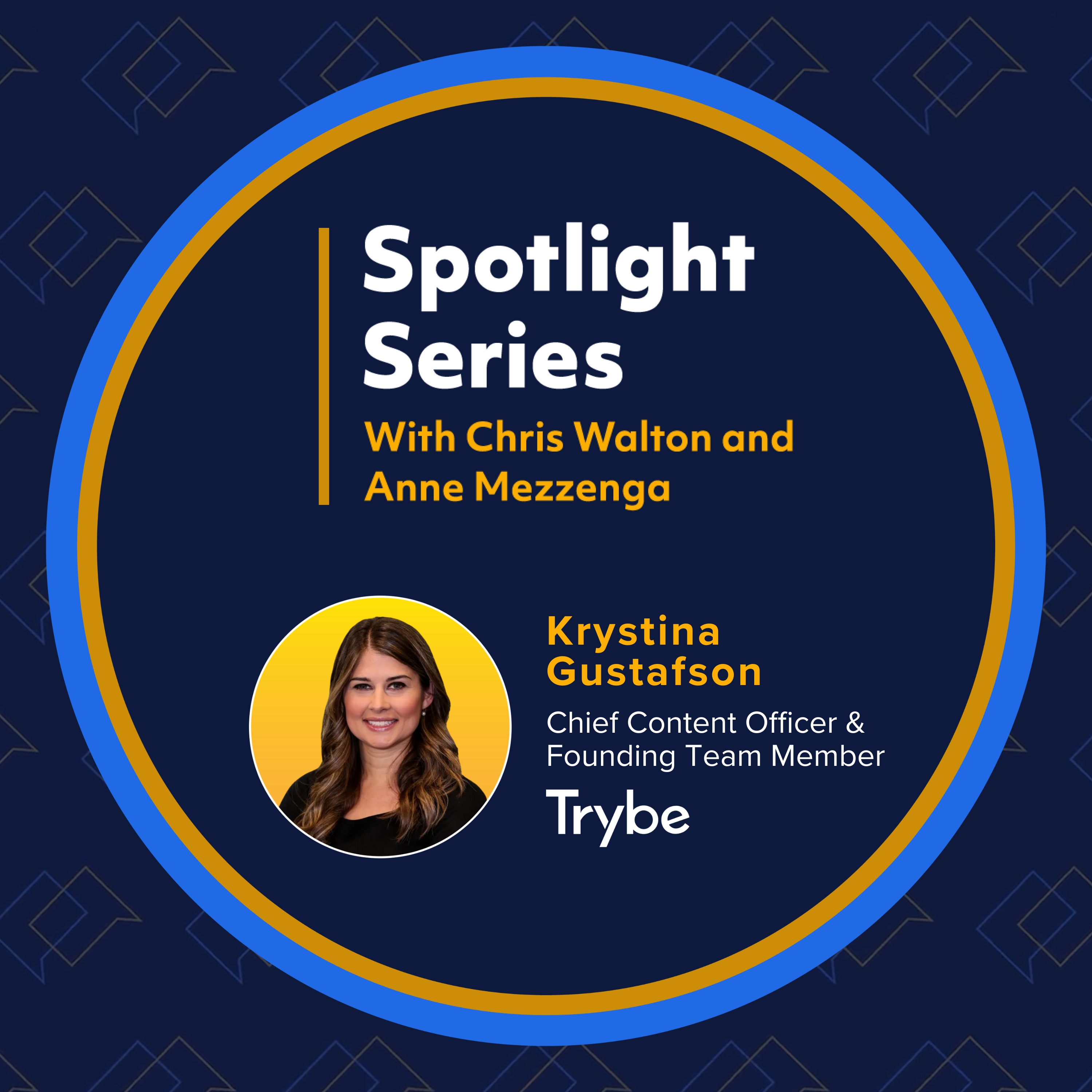
S7 Ep 220Trybe: The Ultimate Conference for Women in Business—What You Need to Know!
Trybe is redefining women’s leadership conferences, bringing together top executives, founders, and industry leaders across retail, tech, and consumer industries. In this episode, Anne Mezzenga chats with Krystina Gustafson, Trybe's Chief Content Officer, about what makes this event different, who should attend, and why it’s a great opportunity for career growth and networking. Plus, hear about some of the powerhouse speakers, key themes, and special insights into professional and personal development. Don’t miss this inside look at one of the most anticipated leadership events of the year!📅 Tribe Conference – May 20-22, 2024 | Aria, Las Vegas🎟 Use code OMNI250 for $250 off registration by visiting https://bit.ly/trybecode#trybe #retail #cpg #womeninbusinessThis podcast uses the following third-party services for analysis: Podcorn - https://podcorn.com/privacy
S7 Ep 225Fast Five Shorts | A Lovely-Scented Lightning Round
In the latest edition of Omni Talk’s Retail Fast Five, sponsored by the A&M Consumer and Retail Group, Mirakl, Simbe, Ocampo Capital and Scratch Event DJs Chris Walton and Anne Mezzenga discuss: A Lovely-Scented Lightning RoundFor the full episode head here: https://youtu.be/2w2T7EP2LiwThis podcast uses the following third-party services for analysis: Podcorn - https://podcorn.com/privacy
S7 Ep 224Fast Five Shorts | Pro Or Con: Instacart Piloting CPG Brand Tasks For Its Workers
In the latest edition of Omni Talk’s Retail Fast Five, sponsored by the A&M Consumer and Retail Group, Mirakl, Simbe, Ocampo Capital and Scratch Event DJs Chris Walton and Anne Mezzenga discuss: Pro Or Con: Instacart Piloting CPG Brand Tasks For Its WorkersFor the full episode head here: https://youtu.be/2w2T7EP2LiwThis podcast uses the following third-party services for analysis: Podcorn - https://podcorn.com/privacy
S7 Ep 223Fast Five Shorts | Is Save A Lot A Retailer To Watch?
In the latest edition of Omni Talk’s Retail Fast Five, sponsored by the A&M Consumer and Retail Group, Mirakl, Simbe, Ocampo Capital and Scratch Event DJs Chris Walton and Anne Mezzenga discuss: If Save A Lot Is A Retailer To Watch?For the full episode head here: https://youtu.be/2w2T7EP2LiwThis podcast uses the following third-party services for analysis: Podcorn - https://podcorn.com/privacy

S7 Ep 222Fast Five Shorts | EG America To Deploy Quorso Tech Across 1,500 Stores
In the latest edition of Omni Talk’s Retail Fast Five, sponsored by the A&M Consumer and Retail Group, Mirakl, Simbe, Ocampo Capital and Scratch Event DJs Chris Walton and Anne Mezzenga discuss: EG America Deploying Quorso Tech Across 1,500 StoresFor the full episode head here: https://youtu.be/2w2T7EP2LiwThis podcast uses the following third-party services for analysis: Podcorn - https://podcorn.com/privacy
S7 Ep 221Fast Five Shorts | GapVintage: What’s The Verdict?
In the latest edition of Omni Talk’s Retail Fast Five, sponsored by the A&M Consumer and Retail Group, Mirakl, Simbe, Ocampo Capital and Scratch Event DJs Chris Walton and Anne Mezzenga discuss: GapVintage: What’s The Verdict?For the full episode head here: https://youtu.be/2w2T7EP2LiwThis podcast uses the following third-party services for analysis: Podcorn - https://podcorn.com/privacy

S7 Ep 220Fast Five Shorts | Aldi To Sell Back Stores It Had Acquired From Southeastern Grocers
In the latest edition of Omni Talk’s Retail Fast Five, sponsored by the A&M Consumer and Retail Group, Mirakl, Simbe, Ocampo Capital and Scratch Event DJs Chris Walton and Anne Mezzenga discuss: Aldi Selling Back Stores It Had Acquired From Southeastern GrocersFor the full episode head here: https://youtu.be/2w2T7EP2LiwThis podcast uses the following third-party services for analysis: Podcorn - https://podcorn.com/privacy
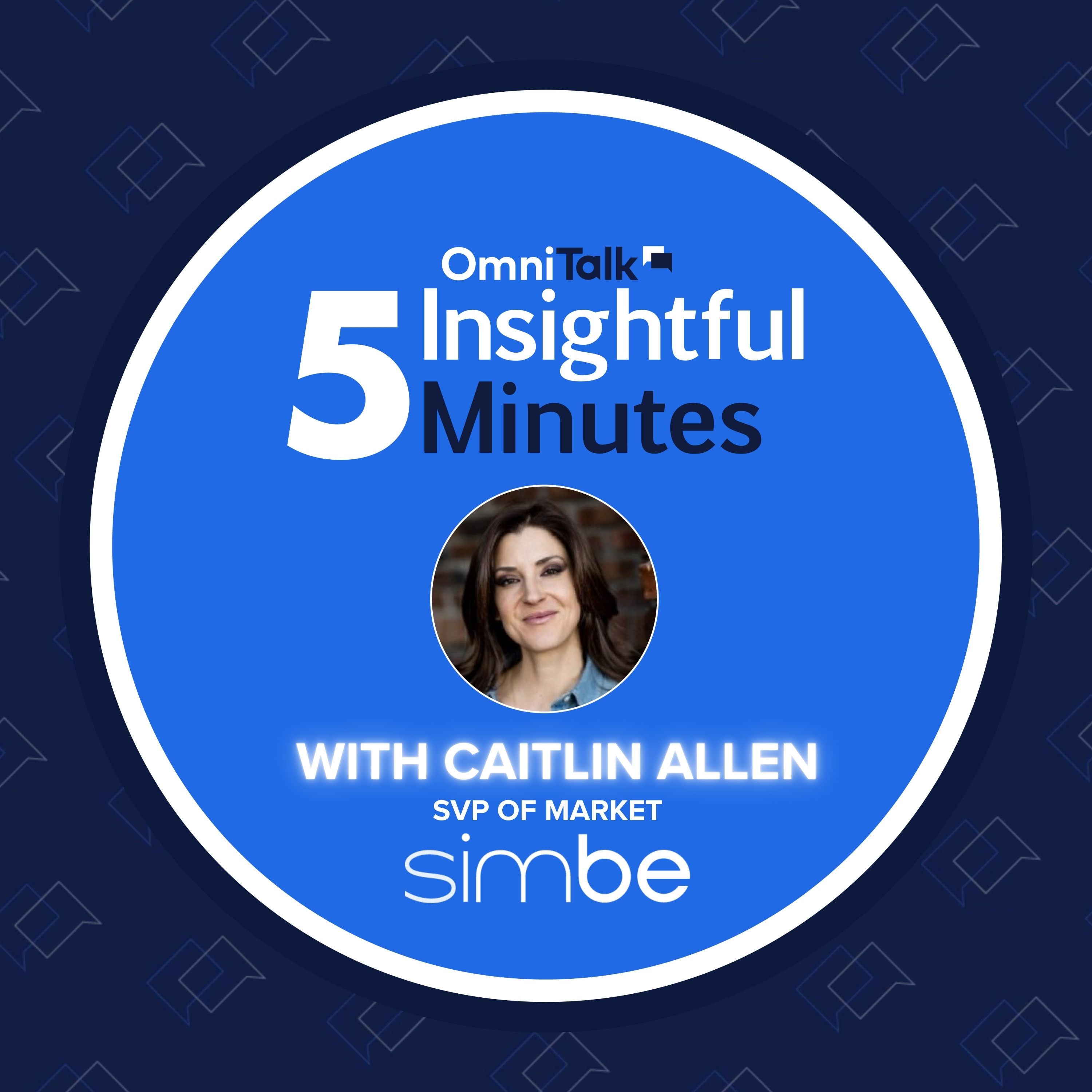
S7 Ep 219Retail Automation at Scale: What It Takes to Deploy AI, Robotics & Data-Driven Tasks Successfully | 5IM
In this latest 5 Insightful Minutes episode, Caitlin Allen, SVP of Market at Simbe, breaks down the key misconceptions retail executives have about automation, why data quality is critical, and how top retailers are scaling AI-driven solutions. Learn the difference between good and bad computer vision AI, how autonomous robots are driving efficiency, and why collaboration between HQ and store teams is essential for successful tech rollouts. Plus, hear real-life "Aha" moments from retailers who have discovered hidden inventory and optimized operations through AI-powered insights.Key Moments:🔹 (0:18) – Common misconceptions about retail automation🔹 (0:44) – The three key priorities: data quality, scalability, and store coverage🔹 (2:22) – How to distinguish good vs. bad computer vision AI🔹 (4:26) – Bridging the gap between HQ and store operations🔹 (5:49) – Eye-opening insights: Retailers discovering hidden inventory🔹 (6:13) – AI’s role in e-commerce accuracy, automated reordering, and merchandisingMusic by hooksounds.com#retailtrends #retailtech #robotics #retailinnovation Sponsored ContentThis podcast uses the following third-party services for analysis: Podcorn - https://podcorn.com/privacy
S7 Ep 225Aldi, GapVintage & Why The “Next Best Action” Is An Idea Everyone Will Be Talking About | Fast Five
In this week’s Omni Talk Retail Fast Five news roundup, sponsored by the A&M Consumer and Retail Group, Simbe, Mirakl, Ocampo Capital, and Scratch Event DJs, Chris and Anne discussed:The many angles to Aldi’s decision to sell back some of the stores it previously purchased from Southeastern Grocers (Source)How bullish they both are on Gap’s new vintage clothing play (Source)Why EG America’s new partnership with Quorso heralds a new age of store management technology (Source)If Save A Lot should be on everyone’s retailer to watch lists (Source)And closed with an examination of Instacart’s decision to pilot CPG brand tasks for its workers (Source)There’s all that, plus Simbe's Caitlin Allen stopped by for 5 Insightful Minutes on how to deploy AI and automation successfully at scale, and also Chunk Light Tuna, Ozempic blindness, and how big of a creeper Chris would have been if he had asked his flight attendant what perfume she was wearing on his flight to Vegas this week.To register for CommerceNext, head here, and don't forget to use our 10% off Promo Code for General Attendee Tickets: OMNITALKMusic by hooksounds.comThis podcast uses the following third-party services for analysis: Podcorn - https://podcorn.com/privacy
S7 Ep 224How Blu Dot Is Optimizing Its Furniture Logistics and Last-Mile Fulfillment
Join Nate Shutes, VP of Global Fulfillment & Logistics at Blue Dot, as he explores predictive supply chains, AI-driven scheduling, and the challenges of furniture logistics. Learn how Blu Dot is leveraging AI, warehouse automation, and workforce strategies to optimize e-commerce fulfillment and improve last-mile delivery efficiency.⏳ Important Timestamps:0:00 - Welcome & introduction from Manifest 20250:47 - Meet Nate Shutes, VP of Global Fulfillment & Logistics at Blu Dot1:15 - Overview of Blu Dot’s omni-channel furniture business2:00 - Nate’s background in logistics & supply chain management3:00 - Key takeaways from Nate’s panel on predictive supply chains4:10 - What is a predictive supply chain & why does it matter?5:30 - How AI & automation are shaping logistics strategy7:00 - Investing in people vs. automation in big & bulky logistics9:20 - How Blu Dot manages last-mile delivery challenges10:40 - AI-powered scheduling and its impact on customer experience12:00 - Future of home furnishings logistics & retail fulfillment13:30 - Closing thoughts on technology, supply chain talent & AI innovationSpecial thanks to our sponsors TGW Logistics for making our Manifest coverage possible. To learn more about TGW head here: www.tgw-group.com.#manifest2025 #supplychain #homefurnishings #bludot #retailtrendsThis podcast uses the following third-party services for analysis: Podcorn - https://podcorn.com/privacy
S7 Ep 223Selection, Trust-Building & AI-Driven Efficiency | How Alibaba Plans To Innovate B2B Supply Chains
At Manifest 2025, we talk with Justin Liu, U.S. Country Manager for Alibaba.com, about how AI and automation are transforming the B2B sourcing experience. With new AI-powered communication tools, supplier verification, and automated comparison reports, Alibaba.com is streamlining supply chain operations for U.S. buyers and sellers. Learn how businesses can optimize sourcing, mitigate risks, and expand globally using Alibaba’s latest innovations.⏳ Important Timestamps:0:00 - Welcome & introduction from Manifest 20250:47 - Meet Justin Liu, U.S. Country Manager for Alibaba.com1:30 - What Alibaba.com does for B2B buyers & sellers3:00 - How Alibaba.com helps U.S. businesses source globally4:20 - The biggest supply chain challenges for buyers5:30 - New AI-powered sourcing & supplier communication tools7:00 - How Alibaba.com is helping businesses mitigate supply chain risks8:45 - Key insights from Justin’s Manifest 2025 panel discussion10:10 - The biggest misconception about Alibaba.com for U.S. buyers11:30 - The future of B2B e-commerce & AI-driven trade13:00 - Why AI in trust-building & supplier management is critical14:10 - Closing thoughts & how to connect with Alibaba.comSpecial thanks to our sponsors TGW Logistics for making our Manifest coverage possible. To learn more about TGW head here: www.tgw-group.com.#manifest2025 #alibaba #supplychain #b2b #ecommerceThis podcast uses the following third-party services for analysis: Podcorn - https://podcorn.com/privacy
S7 Ep 222Planning Integration, Visibility & AI | How Philips is Transforming Its Supply Chain Operations
At Manifest 2025, Birger Beusching, Head of Supply Chain for Philips North America, shares insights on supply chain transformation, AI-powered decision-making, and enhancing supply chain visibility. Learn how Philips is optimizing operations, improving planning efficiency, and leveraging AI for data-driven supply chain management.⏳ Important Timestamps:0:00 - Welcome & introduction from Manifest 20250:47 - Meet Birger Beusching, Head of Supply Chain at Philips1:30 - Overview of Philips' Personal Health division & supply chain challenges3:00 - Key takeaways from Birger’s panel discussion on transformation & change management4:20 - Why supply chain cohesion with commercial teams is critical6:30 - How Philips is optimizing its North American supply chain strategy8:00 - The impact of AI & automation in supply chain decision-making9:40 - Lessons learned from pandemic-driven supply chain disruptions11:30 - The future of data-driven decision-making in supply chain operations13:10 - Retail partnerships & collaborative forecasting strategies14:30 - How end-to-end visibility & automation improve logistics efficiency16:00 - Closing thoughts & the next steps for Philips' supply chain transformationSpecial thanks to our sponsors TGW Logistics for making our Manifest coverage possible. To learn more about TGW head here: www.tgw-group.com.#manifest2025 #philips #supplychain #retailtrendsThis podcast uses the following third-party services for analysis: Podcorn - https://podcorn.com/privacy
S7 Ep 221How Daily Harvest Really Approaches Supply Chain & Logistics | Manifest 2025
At Manifest 2025, we talk with Wesley Williams, VP of Supply Chain at Daily Harvest, about the biggest supply chain challenges and strategies for 2025. Instead of chasing the latest AI trends, Daily Harvest is doubling down on fundamentals like ERP, transportation management, and materials resource planning (MRP). Learn how supply chain leaders are making the most of their existing technology while preparing for long-term innovation and scalability.⏳ Important Timestamps:0:00 - Welcome & introduction from Manifest 20250:47 - Meet Wesley Williams, VP of Supply Chain at Daily Harvest1:30 - How Daily Harvest manages end-to-end supply chain operations3:02 - Key takeaways from Wesley’s panel discussion at Manifest4:20 - The importance of supply chain as a strategic initiative6:00 - Daily Harvest’s philosophy on partnerships & collaboration7:27 - Best audience question: What would an ideal supply chain look like?8:45 - Why critical thinking is more important than new technology10:22 - What supply chain technologies Daily Harvest is actually investing in11:30 - Focusing on ERP, MRP, and transportation management systems12:45 - Making existing supply chain infrastructure more efficient14:00 - Why Daily Harvest is prioritizing optimization over new investments15:35 - Closing thoughts & how to connect with Wesley WilliamsSpecial thanks to our sponsors TGW Logistics for making our Manifest coverage possible. To learn more about TGW head here: www.tgw-group.com.#manifest2025 #supplychain #retailtrends #dtcThis podcast uses the following third-party services for analysis: Podcorn - https://podcorn.com/privacy
S7 Ep 220Automation, Software Upgrades, and AI-Driven Logistics | TGW Insights from Manifest 2025
The Future of Logistics & Supply Chain Automation is here! Live from Manifest 2025, we talk with Blake Neal, TGW Logistics Head of Business Development, about the biggest industry trends, including AI-driven warehouse solutions, supply chain efficiency, and automation in logistics. Whether you’re in retail, grocery, or apparel, this episode covers the most important innovations shaping the future of logistics.⏳ Important Timestamps:0:00 - Introduction & welcome to Manifest 20250:33 - Shoutout to sponsor TGW Logistics1:08 - Meet Blake Neal & his background in automation2:00 - From airport baggage handling to warehouse automation3:35 - What TGW Logistics does & its supply chain solutions5:10 - Why AI & automation are critical for logistics6:58 - How retailers are upgrading warehouses without downtime8:45 - The role of AI in trucking & logistics efficiency10:25 - Key supply chain priorities for 2025 & beyond12:00 - How to connect with TGW Logistics for automation solutionsTo learn more about TGW Logistics, head here: www.tgw-group.com#manifest2025 #warehouseautomation #supplychain #retailtrends #retailinnovationThis podcast uses the following third-party services for analysis: Podcorn - https://podcorn.com/privacy

S7 Ep 218The State of Retail Supply Chain Automation & Investment Spending with Dematic’s Kim Baudry | Spotlight Series
What’s happening with retail automation in 2025? Investment in supply chain technology appears to be flattening out as retailers shift focus from large new projects to optimizing existing infrastructure.Anne and Chris sit down with Kim Baudry from Dematic to explore what this means for AI in logistics, warehouse automation, and the future of retail distribution.⏳ Timestamps:0:00 – Introduction & welcome to Kim Baudry1:03 – The current state of automation investment in retail3:00 – Why supply chain automation is slowing down in 20255:45 – How economic uncertainty & interest rates impact investment7:33 – Where retailers are focusing automation budgets now10:05 – The role of AI & machine learning in warehouse optimization12:50 – How digital twins help simulate supply chain changes15:17 – Retailers “sweating their assets” & maximizing existing infrastructure18:00 – The impact of tariffs & global trade shifts on supply chain strategies22:05 – The future of supply chain efficiency & retail distribution25:30 – Final thoughts#supplychain #warehouseautomation #retailtrends #retailinnovationMusic by hooksounds.comSponsored ContentThis podcast uses the following third-party services for analysis: Podcorn - https://podcorn.com/privacy
S7 Ep 217Fast Five Shorts | A Suitcase Full Of Sunshine Lightning Round
In the latest edition of Omni Talk’s Retail Fast Five, sponsored by the A&M Consumer and Retail Group, Mirakl, Simbe, Ocampo Capital and Scratch Event DJs Chris Walton and Anne Mezzenga are joined by special co-host and Shoptalk and Groceryshop’s VP of Original Content and Strategy Ben Miller. In this clip, the group discusses: A Suitcase Full Of Sunshine Lightning RoundFor the full episode head here: https://youtu.be/ySon4C9S-hQThis podcast uses the following third-party services for analysis: Podcorn - https://podcorn.com/privacy

S7 Ep 216Fast Five Shorts | What Impact Will Walmart Same-Day RX Delivery Have On The Healthcare Landscape
In the latest edition of Omni Talk’s Retail Fast Five, sponsored by the A&M Consumer and Retail Group, Mirakl, Simbe, Ocampo Capital and Scratch Event DJs Chris Walton and Anne Mezzenga are joined by special co-host and Shoptalk and Groceryshop’s VP of Original Content and Strategy Ben Miller. In this clip, the group discusses: The Impact Walmart's Same-Day RX Delivery Will Have On The Healthcare LandscapeFor the full episode head here: https://youtu.be/ySon4C9S-hQThis podcast uses the following third-party services for analysis: Podcorn - https://podcorn.com/privacy
S7 Ep 215Fast Five Shorts | What Should We All Make Of IKEA's Secondhand Marketplace?
In the latest edition of Omni Talk’s Retail Fast Five, sponsored by the A&M Consumer and Retail Group, Mirakl, Simbe, Ocampo Capital and Scratch Event DJs Chris Walton and Anne Mezzenga are joined by special co-host and Shoptalk and Groceryshop’s VP of Original Content and Strategy Ben Miller. In this clip, the group discusses: What We Should Make Of IKEA's Secondhand MarketplaceFor the full episode head here: https://youtu.be/ySon4C9S-hQThis podcast uses the following third-party services for analysis: Podcorn - https://podcorn.com/privacy
S7 Ep 214Fast Five Shorts | Pro Or Con: Clinics Inside Of Retail Stores?
In the latest edition of Omni Talk’s Retail Fast Five, sponsored by the A&M Consumer and Retail Group, Mirakl, Simbe, Ocampo Capital and Scratch Event DJs Chris Walton and Anne Mezzenga are joined by special co-host and Shoptalk and Groceryshop’s VP of Original Content and Strategy Ben Miller. In this clip, the group discusses: The Pros Or Cons of Clinics Inside Of Retail StoresFor the full episode head here: https://youtu.be/ySon4C9S-hQThis podcast uses the following third-party services for analysis: Podcorn - https://podcorn.com/privacy
S7 Ep 213Fast Five Shorts | Is The Third Time The Charm For Buybuy Baby?
In the latest edition of Omni Talk’s Retail Fast Five, sponsored by the A&M Consumer and Retail Group, Mirakl, Simbe, Ocampo Capital and Scratch Event DJs Chris Walton and Anne Mezzenga are joined by special co-host and Shoptalk and Groceryshop’s VP of Original Content and Strategy Ben Miller. In this clip, the group discusses: If The Third Time's The Charm For Buybuy BabyFor the full episode head here: https://youtu.be/ySon4C9S-hQThis podcast uses the following third-party services for analysis: Podcorn - https://podcorn.com/privacy
S7 Ep 212Fast Five Shorts | There’s An App For That
In the latest edition of Omni Talk’s Retail Fast Five, sponsored by the A&M Consumer and Retail Group, Mirakl, Simbe, Ocampo Capital and Scratch Event DJs Chris Walton and Anne Mezzenga are joined by special co-host and Shoptalk and Groceryshop’s VP of Original Content and Strategy Ben Miller. In this clip, the group discusses: The New CVS App And What It It Means For CustomersFor the full episode head here: https://youtu.be/ySon4C9S-hQThis podcast uses the following third-party services for analysis: Podcorn - https://podcorn.com/privacy

S7 Ep 211The Retail Trends (And Retailers) To Watch In 2025 | Ask An Expert
🎙️ Omni Talk Retail Ask An Expert – Featuring Placer.ai’s Ethan ChernofskyRetailers are rethinking their store formats, customer engagement strategies, and location choices—but what does the foot traffic data actually say? Placer.ai’s SVP of Marketing, Ethan Chernofsky, joins Chris Walton and Anne Mezzenga to analyze real consumer shopping trends and predict what’s next for retail in 2025.Timestamps & Discussion Topics:⏩ (0:00) – Intro ⏩ (3:45) – The return of the “third place” in retail ☕ (Starbucks, bookstores, malls)⏩ (10:16) – How shopping mall visitation is evolving 🏬⏩ (14:08) – What retailers should learn from store visit duration & calendar shopping patterns 📆⏩ (20:03) – Retail is moving South! 🛒 Why Texas, Florida & Arizona are booming⏩ (24:21) – Sam’s Club’s surprising resurgence—is it the next big retail powerhouse?⏩ (27:45) – Ashley Furniture & HomeGoods are winning—why is home decor making a comeback? 🏡⏩ (30:08) – Specialty grocery chains (Trader Joe’s, Sprouts) are gaining market share 🍎⏩ (35:01) – Walmart+, Sam’s Club & the battle for high-income grocery shoppers⏩ (40:00) – Final thoughts & predictions for the future of retail spaces📢 Key Takeaway: Shopping behaviors are shifting! Retailers who optimize for experience, convenience, and specialty offerings will win big in 2025.💡 Hot Take: Will Sam’s Club overtake Costco in the loyalty battle? 🤔📊 Want access to more retail data? Visit Placer.ai🎥 Subscribe & Follow for Weekly Retail Insights#retailtrends #omnichannel #walmart #samsclub #malls #retailmarketing #customerinsights #retailanalytics #retailnews #retailinnovation Music by hooksounds.comSponsored ContentThis podcast uses the following third-party services for analysis: Podcorn - https://podcorn.com/privacy

S7 Ep 220Crypto BuyBuy Babies, More Walgreens Woes & Walmart Takes Same-Day Rx Nationwide | Fast Five
In this week’s Omni Talk Retail Fast Five news roundup, sponsored by the A&M Consumer and Retail Group, Simbe, Mirakl, Ocampo Capital, and Scratch Event DJs, Shoptalk’s VP of Original Content & Strategy, Ben Miller, joined Chris and Anne to discuss:CVS Health’s new app rollout (Source)Beyond buying back BuyBuy Baby (Source)Walgreens’ plans to close down 47 of its in-store health clinics in Illinois (Source)IKEA’s decision to expand its secondhand furniture marketplace in Europe (Source)And closed with a discussion of whether Walmart+ and Walmart same-day Rx delivery will have the same impact on the pharmacy industry that Walmart+ has had on the grocery business (Source)There’s all that, plus we announced our February OmniStar (congrats Joe Coll of Macy’s), and Chris and Anne grill Ben on everything from #Tayvoodoo and the Fantastic 4 to what American-made products Ben plans to sneak back home to the UK from Las Vegas in his suitcase.P.S. Be sure to check out all our other podcasts from the past week here, too: https://omnitalk.blog/category/podcast/P.P.S. Also be sure to check out our podcast rankings on Apple Podcasts and on FeedspotMusic by hooksounds.com#RetailNews #WalmartPlus #HealthcareRetail #PharmacyDelivery #RetailTech #RetailInnovation #RetailBusiness #HealthcareTech #RetailIndustry #OmniTalkThis podcast uses the following third-party services for analysis: Podcorn - https://podcorn.com/privacy
S7 Ep 219How Coborn’s COO David Best Plans to Innovate Grocery Shopping | Live at FMI 2025
🎙 Omni Talk Retail Live at FMI 2025: Coborn’s COO David Best on Grocery Innovation 🎙Join Chris Walton & Anne Mezzenga as they speak with David Best, President & COO of Coborn’s, about how the regional grocer is innovating through food service, customer experience, and store operations live from the Simbe Podcast Studio at FMI 2025.⏳ Key Moments:00:00 - Introduction: Live from FMI 2025 with Coborn’s01:30 - David’s Background and Journey from Target to Coborn’s03:45 - How Coborn’s Competes with National Grocery Chains06:20 - Expanding Meal Solutions & Food Service in Grocery09:15 - The Upcoming Coborn’s Flagship Store in Plymouth, MN11:50 - How Coborn’s Leverages AI & Automation for Store Efficiency14:30 - Growth Strategies: Liquor, Pet Supplies, and Home Improvement17:10 - Technology Investments & Customer-Centric Innovations19:45 - Defining Success for Coborn’s in 2025 & Beyond💡 Discover how Coborn’s is shaping the future of independent grocery retail—Subscribe for more insights!#fmi #coborns #grocery #retailtrends #retailstrategyThis podcast uses the following third-party services for analysis: Podcorn - https://podcorn.com/privacy
S7 Ep 219How Simbe Robotics is Impacting Grocery Stores with Automated Intelligence Gathering | FMI 2025
🎙 Omni Talk Retail Live at FMI 2025: Benjamin Bond on Retail Automation with Simbe Robotics 🎙Join Chris Walton & Anne Mezzenga as they speak with Benjamin Bond, VP of Strategy & Business Development at Simbe Robotics, about how automation and AI are transforming grocery retail.⏳ Key Moments:00:00 - Introduction: Live from FMI 2025 with Simbe Robotics01:30 - Benjamin’s Background and Role at Simbe03:20 - The Impact of AI & Automation on Retail06:00 - Key Benefits of Using Tally for Inventory Management09:15 - Understanding T-Spot and Multi-Modal Data Capture11:30 - Best Practices for Implementing Robotics in Stores14:00 - Future Trends in Retail Automation and Technology17:50 - How Simbe Supports Retailers with Accurate Data & Insights💡 Explore how Simbe Robotics is leading the charge in retail innovation—Subscribe now!#grocery #robotics #fmi #retailtrends #retailstrategyThis podcast uses the following third-party services for analysis: Podcorn - https://podcorn.com/privacy
S7 Ep 219Hy-Vee’s New CMO on Retail Media, Supplier Strategy & In-Store Tech | Live at FMI 2025
🎙 Omni Talk Retail Live at FMI 2025: A Conversation with Hy-Vee CMO Kathryn Mazza 🎙Join Chris Walton & Anne Mezzenga for an exclusive interview with Katherine Maza, newly appointed Chief Marketing Officer of Hy-Vee live from the Simbe Podcast Studio at FMI 2025. She shares insights on retail media, supplier partnerships, and the role of technology in grocery marketing.⏳ Key Moments:00:00 - Introduction: Live from FMI 2025 with Hy-Vee’s New CMO02:30 - Kathryn's Journey from Retail Media to CMO05:10 - Why Retail Media & Marketing Must Be Integrated07:45 - How Hy-Vee Uses In-Store Screens & Audio to Engage Customers10:30 - The Role of Supplier Partnerships in Grocery Success14:00 - Retail Tech Investments: Data, AI & Store Analytics18:15 - How In-Store Media & Digital Advertising Drive Sales21:00 - Kathryn’s Top Priorities for 2025 & Beyond💡 Learn how Hy-Vee is shaping the future of grocery retail—Subscribe now!This podcast uses the following third-party services for analysis: Podcorn - https://podcorn.com/privacy
S7 Ep 219A Pragmatic Review of Grocery Shopping Trends with Accenture's Karen Fang Grant | FMI 2025
🎙 Omni Talk Retail Live from FMI 2025 🎙Join Chris Walton & Anne Mezzenga as they sit down with Karen Fang Grant, Managing Director at Accenture, live from the Simbe Podcast Studio at FMI 2025, to discuss how AI, robotics, and automation are transforming grocery retail. From shifting consumer demographics to new strategies for omnichannel success, this conversation is packed with insights.⏳ Key Moments:00:00 - Welcome & Introduction: Live from FMI 2025 with Accenture02:00 - Consumer Behavior Shifts: The rise of Gen Alpha & aging populations05:30 - AI & Personalization: How technology is bridging the retail gap08:15 - Robotics in Grocery: Automation, smart stores, and store efficiency12:40 - Omnichannel Strategy: What it really means for grocery retail15:20 - Future Predictions: How grocery shopping will evolve in 5-10 years💡 Don’t miss this exclusive conversation from FMI 2025—Subscribe to Omni Talk Retail for more insights!#fmi #retailtrends #retailstrategy #accenture #groceryThis podcast uses the following third-party services for analysis: Podcorn - https://podcorn.com/privacy
S7 Ep 219Oliver Wyman's Bobby Gibbs on The Future of Grocery Retail & Walmart’s Digital Domination
🎙 Omni Talk Retail Live from FMI 2025 🎙Join Chris Walton & Anne Mezzenga as they chat with Bobby Gibbs, Partner at Oliver Wyman, live from the Simbe Podcast Studio at FMI 2025, about the evolving grocery landscape. From Walmart’s aggressive digital expansion to the growing intersection of healthcare and retail, this episode uncovers game-changing insights.⏳ Key Moments:00:00 - Welcome & Introduction: Live from FMI 2025 with Oliver Wyman02:00 - The Future of Grocery Growth: Capturing more meal occasions04:30 - Walmart’s Digital Strategy: How BOPIS is reshaping grocery shopping07:20 - The Sustainability of Data Monetization & Membership Models10:40 - What Regional Grocers Need to Do to Compete14:10 - The Role of Food Service & Community Spaces in Grocery18:30 - Healthcare & Grocery Partnerships: The Next Big Thing?22:00 - Predictions for 2025 & Key Takeaways💡 Don’t miss this deep dive into the future of grocery retail—Subscribe to Omni Talk Retail!#retailtrends #fmi #grocery #retailstrategyThis podcast uses the following third-party services for analysis: Podcorn - https://podcorn.com/privacy
S7 Ep 219How Robotics & AI Are Transforming Grocery Retail | Corey Rochkin, Oliver Wyman at FMI 2025
🎙 OmniTalk Retail Podcast | Live from FMI 2025 🎙Chris Walton & Anne Mezzenga chat with Corey Rochkin of Oliver Wyman about the latest robotic automation trends in grocery retail live from the Simbe Podcast Studio at FMI 2025. From AI-driven inventory tracking to customer service enhancements, discover how retailers are integrating cutting-edge technology to boost store efficiency.⏱ Time Stamps & Topics:🔹 [0:00] – Live from FMI 2025 at the Simbe Robotics Booth🔹 [1:00] – Corey Rochkin’s role at Oliver Wyman and focus on in-store robotics🔹 [3:00] – Why choose robotics over fixed cameras? The cost and flexibility factors🔹 [6:30] – AI & labor shortages – How technology is helping augment store teams🔹 [8:00] – Top use cases for grocery robots – Inventory tracking, planogram verification, pricing accuracy🔹 [10:00] – Future use cases – AI-driven quality checks, theft prevention, and customer interaction🔹 [12:30] – Will robots take store jobs? The reality of labor constraints in grocery🔹 [15:00] – How grocery operations will change – The move toward enhanced customer service🔹 [18:00] – The future of AI in retail – Where robotics & automation are headed next📢 Don’t miss this insightful look at the future of grocery store automation!🔔 Subscribe for more retail innovations from FMI 2025!#robotics #retailtrends #retailstrategy #grocery #fmiThis podcast uses the following third-party services for analysis: Podcorn - https://podcorn.com/privacy
S7 Ep 218🔹 Inside Lowes Foods’ Digital Strategy: Grocery’s Future with Chad Petersen | FMI 2025
🎙 OmniTalk Retail Podcast | Live from FMI 2025 🎙Chris Walton & Anne Mezzenga sit down with Chad Petersen, SVP of Digital at Lowes Foods, live from the Simbe Podcast Studio at FMI 2025, to dive into the next evolution of grocery retail and how digital transformation is reshaping the shopping experience.⏱ Time Stamps & Topics:🔹 [0:00] – Live from FMI 2025 at the Simbe Robotics Booth🔹 [1:00] – Chad Petersen’s background & expansion of his role at Lowes Foods🔹 [3:00] – The shift from e-commerce to an omnichannel digital strategy🔹 [5:30] – How digital, automation & AI are shaping grocery shopping experiences🔹 [8:00] – Food service & gathering spaces as a key retail trend🔹 [10:30] – The evolving physical store footprint & integrating digital experiences🔹 [13:00] – How Lowes Foods is driving loyalty, personalization & frictionless shopping🔹 [15:00] – The role of AI & automation in operational efficiency🔹 [17:00] – Future innovations & technology bets for the next 5-10 years📢 Don’t miss this deep dive into the digital transformation of grocery retail!🔔 Subscribe for more exclusive retail insights from FMI!#groceryonline #fmi #retailtrends #retailstrategyThis podcast uses the following third-party services for analysis: Podcorn - https://podcorn.com/privacy
S7 Ep 218🚀 The Future of Grocery: AI, Live Streaming & Store Innovation w/ Deborah Weinswig | FMI 2025
🎙 OmniTalk Retail Podcast | Live from FMI 2025 🎙Chris Walton & Anne Mezzenga sit down with Deborah Weinswig, Founder & CEO of Coresight Research, live from the Simbe Podcast Studio at FMI, to explore the biggest retail trends shaping 2025 and beyond. From AI-powered store experiences to the rise of live streaming commerce, this conversation is packed with insights on the future of grocery, digital transformation, and consumer behavior.⏱ Time Stamps & Topics:🔹 [0:00] – Live from FMI 2025 at the Simbe Robotics Booth🔹 [1:00] – Meet Deborah Weinswig & Coresight Research’s role in retail insights🔹 [2:30] – AI in the physical world & retail automation🔹 [5:00] – Generative AI: How retailers must optimize for AI-driven search (SEO in AI)🔹 [7:30] – Live streaming commerce: Why the U.S. lags behind China & how to catch up🔹 [10:45] – Voice commerce & AI shopping assistants: The next wave of consumer engagement🔹 [13:20] – The shift in grocery store design: From stockrooms to experiential retail🔹 [15:00] – The importance of supply chain technology & inventory visibility📢 Don’t miss this deep dive into the AI-powered future of retail!🔔 Subscribe for more exclusive insights from FMI!#ai #retailtrends #retailstrategy #seo #groceryinnovation #fmiThis podcast uses the following third-party services for analysis: Podcorn - https://podcorn.com/privacy
S7 Ep 218📊 How Albertsons Media Collective is Shaping the Future of Retail Media | FMI 2025
Chris Walton & Anne Mezzenga chat with Julian Mintz, VP of Sales at Albertsons Media Collective, live from the Simbe Podcast Studio at FMI 2025, to discuss the rapid evolution of retail media networks, ad measurement standardization, and the future of omnichannel brand engagement. Learn how AI-driven insights, loyalty data, and in-store analytics are transforming the way brands optimize their marketing spend and connect with shoppers at the right moments.⏱ Time Stamps & Topics:🔹 [0:00] – Live from FMI 2025 at the Simbe Robotics Booth🔹 [1:00] – Meet Julian Mintz: His background in TV advertising & transition to retail media🔹 [2:50] – Why retail media matters & how Albertsons is innovating🔹 [4:30] – The power of grocery shopper data for ad targeting & customer engagement🔹 [6:15] – Why standardizing measurement across retail media networks is essential🔹 [7:50] – How Albertsons Media Collective connects brand awareness campaigns to real purchases🔹 [9:40] – Challenges of a fragmented retail media landscape & why frictionless buying matters🔹 [11:30] – Future goals: Optimizing omnichannel media & expanding measurement capabilities📢 Don't miss this deep dive into the future of retail media and advertising ROI!🔔 Subscribe for more exclusive retail insights & interviews from FMI!#albertsons #retailtrends #retailmedia #retailmarketing #fmiThis podcast uses the following third-party services for analysis: Podcorn - https://podcorn.com/privacy
S7 Ep 218🛒 The Future of Grocery: Topco’s Insights on Private Label & Shopper Trends | FMI 2025
🎙 OmniTalk Retail Podcast | Live from FMI 2025 🎙Chris Walton & Anne Mezzenga sit down with Katie Waeltz, VP of Category Management & Market Insights at Topco, to discuss the future of grocery, the shift in consumer behavior post-inflation, and the evolution of private label brands. Learn how regional grocers are leveraging AI, data, and innovative merchandising to compete with national chains.⏱ Time Stamps & Topics:🔹 [0:00] – Live from FMI 2025 at the Simbe Robotics Booth🔹 [1:00] – Meet Katie Waeltz & Topco’s role in the grocery industry🔹 [2:50] – What is category management & why it matters for grocers🔹 [4:30] – The shift toward premium private label & evolving consumer expectations🔹 [6:15] – How shoppers define "value" today—beyond just price🔹 [8:00] – The role of AI, data, and insights in grocery merchandising🔹 [10:30] – Future of grocery retail: Digital shopping meets in-store experiences🔹 [12:15] – Strategic priorities for grocers & CPG brands in 2025📢 Don’t miss this discussion on the trends shaping the future of grocery retail!🔔 Subscribe for more exclusive retail insights & interviews from FMI!#retailtrends #grocery #fmi #retailstrategyThis podcast uses the following third-party services for analysis: Podcorn - https://podcorn.com/privacy
S7 Ep 218📦 How SpartanNash is Digitizing Grocery Merchandising with AI & Robotics | FMI 2025
🎙 OmniTalk Retail Podcast | Live from FMI Conference 2025 🎙Chris Walton & Anne Mezzenga sit down with Bennett Morgan, EVP & CMO of SpartanNash, live from the Simbe Podcast Studio at FMI 2025, to discuss how automation, robotics, and AI-powered analytics are shaping the future of grocery merchandising. Learn how real-time shelf data, vendor collaboration, and digital inventory tracking are improving in-stock rates, pricing accuracy, and store efficiency.⏱ Time Stamps & Topics:🔹 [0:00] – Live from FMI 2025 at the Simbe Robotics Booth🔹 [1:00] – Meet Bennett Morgan: His background in retail & merchandising🔹 [2:30] – How SpartanNash operates as both a wholesaler & retailer🔹 [3:50] – Merchandising trends in grocery: Freshness, health, and convenience🔹 [4:49] – How AI & robotics are improving pricing, planograms, and inventory🔹 [6:15] – Expanding Simbe’s Tally robots to 100 stores & how it helps retail operations🔹 [7:40] – Using robotics to enhance vendor collaboration & optimize shelf stocking🔹 [9:50] – New AI-powered backroom inventory management with Simbe’s Tally Spot technology🔹 [12:10] – Why digitizing the shelf is a game-changer for grocery retail📢 Don’t miss this deep dive into the future of grocery merchandising!🔔 Subscribe for more exclusive retail insights & interviews from FMI!#retailtrends #fmi #retailstrategy #groceryinnovationThis podcast uses the following third-party services for analysis: Podcorn - https://podcorn.com/privacy
S7 Ep 218How AI & Automation Are Changing Grocery Retail | Live from FMI 2025
Chris Walton & Anne Mezzenga sit down with Thom Blischok, Chairman and CEO, Dialogic Group, to discuss how automation, AI, and connected stores are reshaping retail live from the Simbe Podcast Studio at FMI. Thom breaks down the biggest mistakes retailers make with technology adoption, the future of real-time store analytics, and why robotic-powered shelf intelligence is the biggest industry breakthrough in 20 years.⏱ Time Stamps & Topics:🔹 [0:00] – Live from FMI 2025 at the Simbe Robotics Booth🔹 [1:00] – Meet Tom Blischok: His background & expertise in retail transformation🔹 [2:20] – Retail’s biggest automation mistakes & why technology adoption fails🔹 [3:40] – Why choosing the right technology partner is critical🔹 [4:50] – Point-to-point vs. holistic solutions: What works best?🔹 [6:00] – How Walmart, Schnucks, & BJ’s Wholesale are leading in AI-driven retail🔹 [7:30] – The Connected Store: How real-time shelf analytics are changing grocery retail🔹 [8:50] – Simbe Robotics' role in next-gen store automation📢 Don’t miss this expert breakdown of how AI & automation are shaping the future of retail!🔔 Subscribe for more exclusive retail insights & interviews from FMI!#retailtrends #retailtechnology #fmi #groceryinnovationThis podcast uses the following third-party services for analysis: Podcorn - https://podcorn.com/privacy
S7 Ep 218🔹 How AI & Tech Will Transform Grocery | Oliver Wright of Accenture at FMI 2025
🎙 OmniTalk Retail Podcast | Live from FMI 2025 🎙Chris Walton & Anne Mezzenga sit down with Oliver Wright from Accenture to explore the technological trends transforming the grocery industry and beyond. Discover how AI, automation, and data-driven leadership are changing the way retailers operate and connect with customers.⏱ Time Stamps & Topics:🔹 [0:00] – Live from FMI 2025 at the Simbe Robotics Booth🔹 [1:00] – Oliver Wright’s role at Accenture and the consumer industries he covers🔹 [2:30] – Technology trends in retail and grocery – The impact of AI and generative AI🔹 [4:45] – How AI is reshaping consumer decision-making and store experiences🔹 [6:30] – The concept of a connected store and blending physical and digital retail🔹 [9:00] – The human-AI flip – Transitioning from human-led processes to AI-assisted operations🔹 [12:00] – Data leadership and the importance of technology adoption in retail🔹 [15:00] – Global differences in technology adoption – Asia, Europe, and the U.S.🔹 [18:00] – Leadership challenges and opportunities in adopting new technologies📢 Don’t miss this in-depth look at the future of grocery retail with Accenture's Oliver Wright!🔔 Subscribe for more exclusive retail insights from FMI!#retailtrends #consumertrends #fmi #retailThis podcast uses the following third-party services for analysis: Podcorn - https://podcorn.com/privacy
S7 Ep 218🌿 Sprouts' Secrets to Grocery Success | Exclusive Interview from FMI Conference 2025 🌿
🎙 OmniTalk Retail Podcast | Live from FMI Conference 2025 🎙Chris Walton & Anne Mezzenga sit down with Stan Swinton, VP of Non-Perishable Grocery at Sprouts Farmers Market, live from the Simbe Podcast Booth at FMI 2025, to explore how Sprouts stays ahead in grocery innovation, selects emerging brands, and delivers high-quality products to meet the needs of its loyal customers.⏱ Time Stamps & Topics:🔹 [0:00] – Live from FMI 2025 at the Simbe Robotics Booth🔹 [1:00] – Meet Stan Swinton: His role in Sprouts’ success & background in grocery retail🔹 [2:54] – How Sprouts differentiates itself with high-quality, innovative grocery products🔹 [3:39] – Inside Sprouts’ Innovation Center: Testing & launching emerging food brands🔹 [5:37] – The Sprouts customer: What they value & why they’re loyal🔹 [6:59] – Merchandising strategy: Every product has to earn its place on the shelf🔹 [8:36] – Sprouts expansion plans: More stores, more markets, more innovation🔹 [9:50] – The supply chain challenge: How Sprouts ensures in-stock availability & fresh products📢 Don't miss this behind-the-scenes look at one of the fastest-growing grocery retailers!🔔 Subscribe for more exclusive retail insights & interviews from FMI!#sprouts #sproutsfarmersmarket #fmi #groceryshopping #retailnews #retailtrendsThis podcast uses the following third-party services for analysis: Podcorn - https://podcorn.com/privacy
S7 Ep 217Fast Five Shorts | A "2-Ply" Lightning Round
In the latest edition of Omni Talk’s Retail Fast Five, sponsored by the A&M Consumer and Retail Group, Mirakl, Simbe, Ocampo Capital and Scratch Event DJs Chris Walton and Anne Mezzenga discuss: A "2-Ply" Lightning RoundFor the full episode head here: https://youtu.be/PmDEXwquuSEThis podcast uses the following third-party services for analysis: Podcorn - https://podcorn.com/privacy