New Thinking for a New World - a Tallberg Foundation Podcast
262 episodes — Page 4 of 6
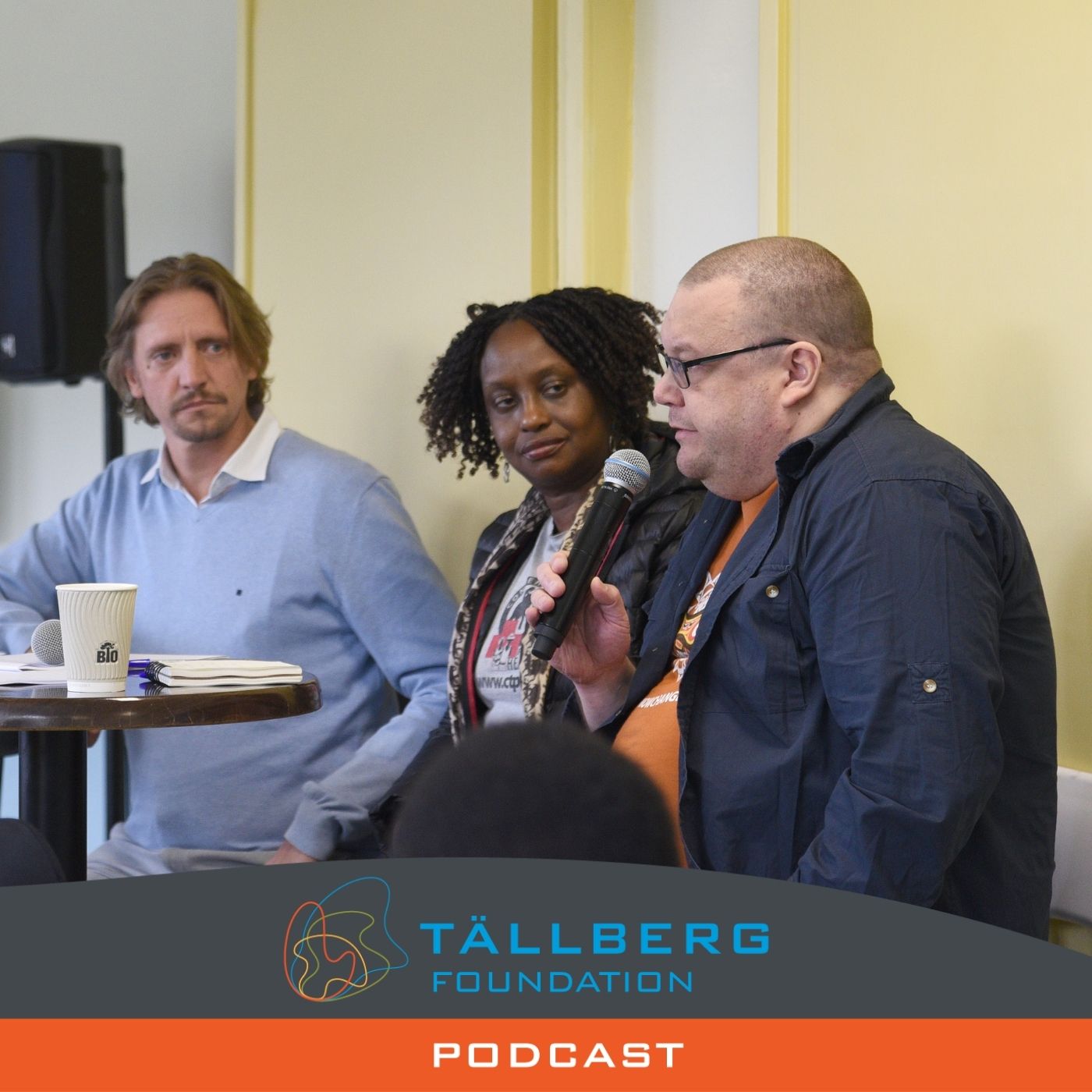
Don’t Fool with Mother Nature!
We live in an era of accelerating, disruptive climate change. This isn’t about the random bad storm, but about systemic, dramatic shifts in climate. Change is everywhere, with catastrophic consequences that every credible forecast says will worsen. But how can we understand the reality of those changes? What’s likely to happen next, and what can we do about it? To look for answers we recently organized a conversation among Ugandan veterinarian Gladys Kalema-Zikusoka, Colombian Amazon expert and a friend of its indigenous people Francisco Hildebrand, and Finnish fisherman, scientist and village head man Tero Mustonen. All are deeply knowledgeable about the realities of their ecosystems, and even more deeply committed to finding solutions to the challenges thrown up by the changing climate. Our discussion was moderated by Maarten Koets.
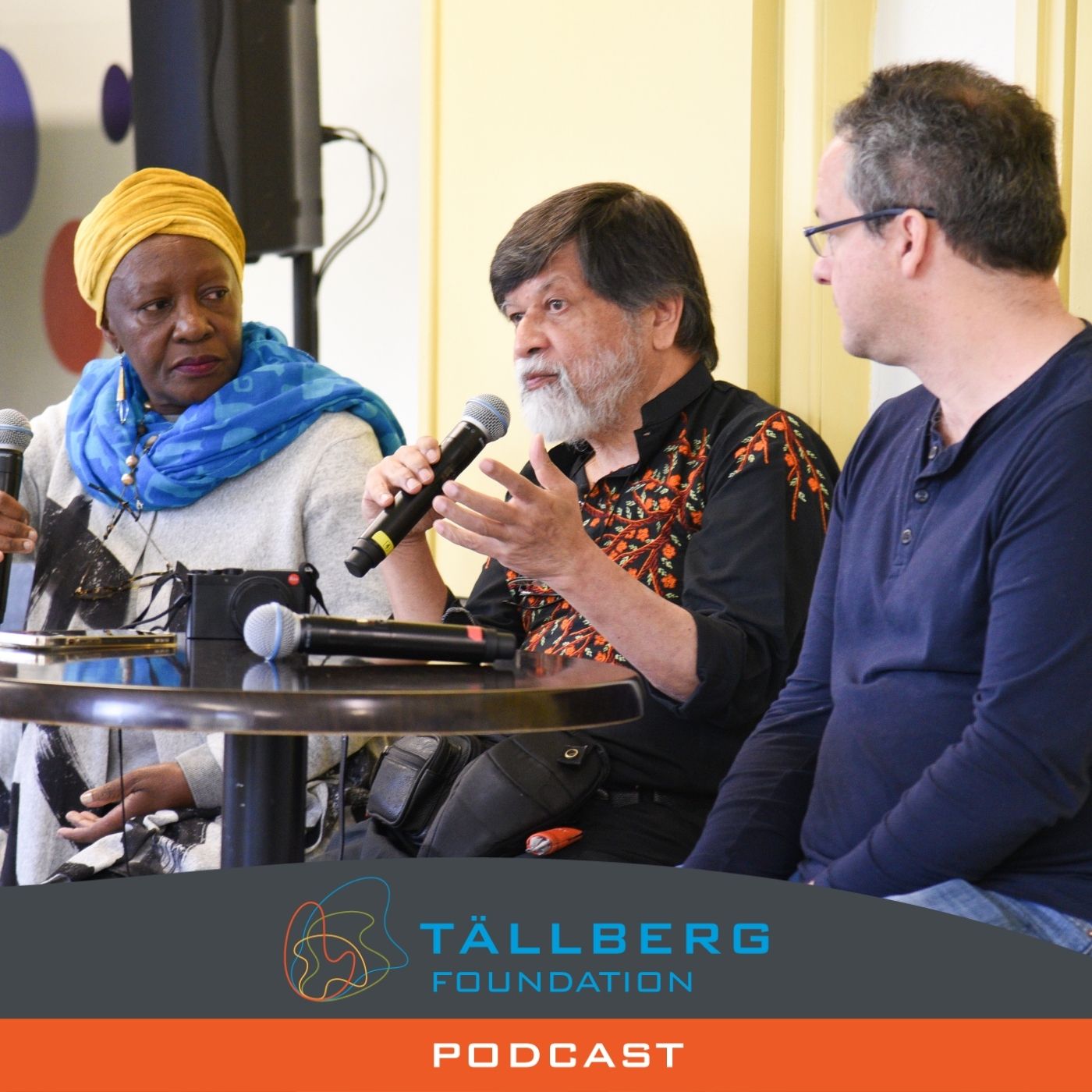
Speaking Truth to Power in the Real World
At a time when autocrats are rampaging and our democracies are weakening, the need for citizens to defend their rights has never been greater. But, does speaking truth to power matter in the real world? While we celebrate the bravery and eloquence of those who stand up to injustice and overweening authority, too often the bad guys seem to win. What would it take to change that outcome? The Tällberg Foundation recently hosted a conversation among three of the good “guys:” Kenyan poet Sitawa Namwalie, Bangladeshi photographer and activist Shahidul Alam, and American human rights lawyer Jared Genser. Their discussion was hosted in Vamvakou, Greece by the Vamvakou Revival and SNF (the Stavros Niarchos Foundation). Listen as they discuss the reality in the trenches of the fight for human rights.
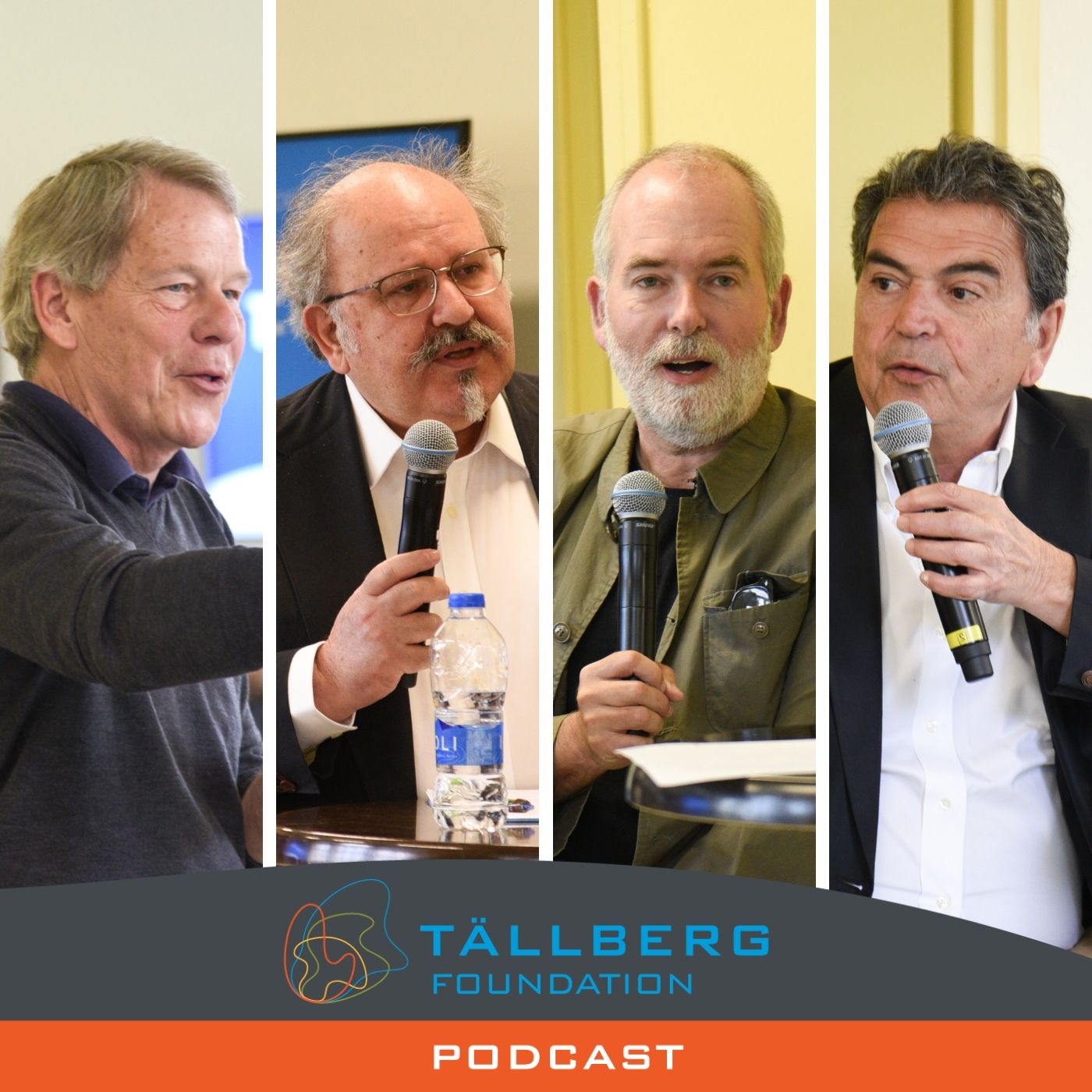
Ukraine Changes Everything
Russia’s war on Ukraine changes everything. But the damage is not limited to Ukraine and to Russia. The knock-on effects include increased inflation and reduced growth around the world. Most importantly, the war seems to be the straw that is breaking the camel’s back of the post-Cold War world order, with unpredictable consequences. The Tällberg Foundation recently hosted a discussion that touched on many of these issues. The speakers were Alan Stoga, Tällberg’s chairman; Pierre Lellouche, former French minister and politician; Nikos Xydakis, Greek journalist and former minister; Tomas Anker Christensen, Danish diplomat, who spoke in his personal capacity. The conversation was hosted in Vamvakou, Greece by Vamvakou Revival and the Stavros Niarchos Foundation (SNF). This war is far from over and its reverberations will be with us for a long time.
Sweden Burning? Really?
We live in the age of the refugee. Arguably, no country in the West has been more welcoming to refugees over the years than Sweden has. Progressive, secular, social democratic, Swedes have worked hard to integrate migrants into their society, to help refugees create new lives in their new home country. How then do you explain what happened last month during Easter when Stockholm, Malmö and other cities were racked by riots and violent clashes between police and mostly Muslim young men? Lars Åberg, one of his country's leading journalists and a prolific author, has thought and written about these questions for years. Listen as he explains what Sweden has done right, but also what it has done wrong.
Them vs Us: What Ukraine Is Really About
As Russia's war on Ukraine grinds on with no end in sight, what's at stake may be changing. As Blitzkrieg turned into a war of attrition, arguably the confrontation is becoming about something much bigger than European security arrangements. It's becoming about how the world works, about democracy versus autocracy, about free versus not free. A surprising list of countries, big and small, are either actively or passively supporting Putin's war. Why? Our guest has a theory; indeed, more than a theory, he has lived experience. Leopoldo López is a Venezuelan patriot, who has been imprisoned for his efforts to resurrect democracy in his country, and who, it's safe to say, is high on the list of people whom President Maduro wishes would just go away. Listen as Leopoldo explains how the fight to save Ukraine reflects a much bigger, existential fight for freedom everywhere.
Poland to the Rescue
Russia’s war on Ukraine has set off the largest movement of refugees in Europe since the last World War. At least 2.7 million of these refugees have fled to Poland, a country with a spotty record—at best—when it comes to accepting migrants. But this time is different: even as the country builds a wall on its border with Belarus to keep out migrants from the Middle East, Poles and their government are welcoming the Ukrainians pouring across their border. Why the difference? Will there be limits to the hospitality? Marta Górczyńska, a Polish human rights lawyer, is hopeful. She has seen and dealt with her country’s efforts to close the border with Belarus as well as its enthusiastic opening of the border with Ukraine (at least for Ukrainians). Will the better angels prevail?
How Worried Are You?
One of the many unintended consequences of the Russian invasion of Ukraine is the renewed discussion among politicians, as well as in the popular media, of nuclear war. How worried should we be about Russian or Korean or Chinese or prospectively Iranian nukes? Have we suddenly moved from a world of nonproliferation to a world of proliferation? Dr. Tytti Erästö is an expert on nuclear weapons at the Stockholm International Peace Research Institute (SIPRI). For her, a key assumption has long been that rational leaders would never use nuclear weapons. But now she is asking, what about irrational ones?
Does China Have Russia’s Back?
Perhaps the biggest known unknown in Russia’s invasion of Ukraine is China's role. What does that actually mean? How far will China go to keep Russian troops in the field? Promises aside, are there in fact limits? Tough questions that are very difficult, maybe impossible to answer, but our guest Alicia Garcia-Herrero recently offered some possibilities. Alicia is a senior fellow at the European think-tank BRUEGEL, as well as the chief economist for Asia Pacific at Natixis, a French investment bank.

Worth Repeating: Looking For—and Finding—Real Leaders
The only hope for a world awash in troubles is that leaders with vision, universal values, and determination will seize the moment. But just bemoaning the lack of leaders accomplishes nothing. That’s why we established the Tällberg-SNF-Eliasson Global Leadership Prize. In 2021, our global jury selected two amazing leaders: Asha de Vos, a Sri Lankan marine biologist and Tero Mustonen, a Finnish climate scientist, fisherman and community leader. Listen as two jurors—David Kiernan and Marthe Reinette—discuss leadership, challenges and hope with the winners.
The Whole World is Watching!
The whole world really is watching Russia’s brutal invasion of Ukraine. Except for audiences in Russia itself, that is. Among the many thousands of Russians reportedly fleeing their country are scores of Russia’s best journalists who have (understandably) given up the good fight. However, at least one has not: Yevgenia Albats. When the government stopped her from publishing and ended her radio show, she found ways to keep talking to her Russian audiences. At great personal peril, Yevgenia tells it like it is—to the Russians who depend on her and to us, who need her.
Is China Complicit in Ukraine?
Arguably, any understanding of the Russian invasion of Ukraine must take into account the Beijing Winter Olympics or, rather, the meeting there of Presidents Xi and Putin. Can there be any doubt that they included Putin’s war plans as well as Xi's willingness to provide support when the much-advertised Western sanctions eventually kicked in? Why did Xi apparently green light Putin's war? What does China potentially gain from war in Europe? How does this war fit into China's long-term strategy? Listen as Jonathan Ward reflects on China’s role in Russia’s war and the implications for the United States and the rest of the West.
The Faces of War
The world is transfixed by the tragic images emerging from Russia’s brutal invasion of Ukraine. Unfortunately, many modern conflicts never really end. Whether or not that will be the case in Ukraine remains to be seen. We too quickly move on to the next issue, assuming that what's done is done. War correspondents and war photographers know better. Our guest, Janine di Giovanni has spent much of her celebrated career so far reporting from the Balkans, Africa and the Middle East. She has witnessed the worst of what mankind can do to itself, but also the best that people under extraordinary circumstances can do for others. Listen as she discusses her experiences.

Special Edition: War in Europe
Most of us thought the war in the Balkans would be the last conflict in Europe. We were wrong. A revanchist Russia is trying to redraw borders, roll back history, and change Europe’s security reality. It’s impossible to predict how or when this ends. The Tällberg Foundation recently hosted a conversation about the conflict in Ukraine and its implications. This conversation featured Jan Eliasson, former Deputy Secretary-General of the United Nations, Pierre Lellouche, former French parliamentarian and minister, and Dalia Bankauskaitė, a strategic communications expert at Vilnius University in Lithuania, and was moderated by Alan Stoga, Tällberg’s chairman.
Talking about Talking
Wars have cycles: sooner or later, the fighting ends and the negotiations begin. Of course how the fighting ends will shape whatever negotiations ensue. But it is never too early to think about the future contours of the map of Europe. This episode with Emma Ashford, Washington-based Atlantic Council geopolitical expert, was recorded before Russia attacked Ukraine. Nonetheless, Emma's thoughts and speculation about a new security structure for Europe are even more important now than when we discussed them before President Putin chose to go to war.
Welcome to the End of Democracy
Joel Kotkin, Executive Director of the Urban Reform Institute, recently published an essay on democracy’s demise. Donald Trump is not the villain of the piece. Rather, he argues that the withering of democratic process and institutions reflects the deeper transformation of our societies: the emergence of a ruling technocracy; the use of the pandemic and the environmental crisis to constrain individual rights; the growing distance between the governing and the governed. All of it made worse by the mind-boggling concentration of economic wealth.
What’s Next for the Climate: A Post Glasgow Perspective
Climate change is the ultimate example of a problem that can only meaningfully be addressed at the global level. Last November, more than 100 countries sent delegations to Glasgow for the 26th United Nations High Level Meeting on Climate. The results were mixed. Many new commitments were made, but not enough to meet the 1.5 degrees goal. And that was the easy part; delivering policies that actually bend the arc of global climate change is quite another. How likely is that? Is the UN process working? No one is better positioned to answer those questions than Denmark's Climate Ambassador Tomas Anker Christensen. Tomas was deeply engaged in the European and global run-up to Glasgow, in the negotiations in Scotland, and in the effort since then to translate words into action.

Saving Democracy, One New Leader at a Time
In many, perhaps most countries in the West, there is a wide and growing gap between citizens and their political leaders. Governments often fail to deliver on basic aspects of the social contract and voters sometimes respond by endorsing extreme solutions on the right or the left. If there is a silver lining, it is that our sorry condition has caused some people to rethink how politics ought to work and try to reinvent, rather than tear down, democratic processes and institutions. Alice Barbe, a French political activist, do exactly that and recently shared her ideas, hopes and solutions.
Will there be war?
Hostile troops massing on the border of a Central European democracy. Russia's threats against Ukraine and its demands for new security and arrangements in Europe sound all too familiar. Of course, the huge difference today is that Germany is not only firmly anchored in the West but is a cornerstone of the European Union. What will Germany do? Constanze Stelzenmüller—an expert on Germany, geopolitics and trans-Atlantic relations who is based at the Brookings Institution in Washington—is deeply knowledgeable about all aspects of the crisis. Listen as she shares her views on what is at stake.
Looking for Change in All the Right Places: The New Middle East
The Middle East is changing. New investment and trade relationships are emerging based on economics, not religion. In December more than 700,000 Saudi kids participated in a four-day rave in the Saudi desert with regular intermissions for Islamic prayers. What's going on? Has the Middle East of strict Islam suddenly turned into something more modern? Have the Arabs figured out how to move beyond religious conflict? Neil Quilliam is a deeply knowledgeable, experienced expert in the region. He has been engaged with the politics, economics, and societies of the Middle East and North Africa for decades: today from Chatham House and earlier through his service in the UK's Foreign and Commonwealth Office.
Are the Bad Guys REALLY Winning?
Whether we like it or not, global politics today is defined by the confrontation between autocracies and democracies. Not surprisingly, as historian and journalist, Anne Applebaum wrote in the Atlantic in November: “The Bad Guys are Winning.” As she put it, "If the 20th century was the story of slow, uneven progress toward the victory of liberal democracy over other ideologies—communism, fascism, virulent nationalism—the 21st century is, so far, a story of the reverse.” Listen as Applebaum discusses how this new world (dis) order might evolve.

Worth Repeating Cyber Defenders: Protecting Human Rights Online
We live in a digital society. Unfortunately, some of the results include cybercrime, illegal spying, intimidation and identity theft. It’s bad enough when these activities are aimed at you or me; much worse when they target dissidents, crusading journalists, etc. Ronald Deibert and his colleagues at the Citizen Lab are in the business of fighting back, using cutting-edge technologies to protect citizens and civil society from digital predators. Listen as he explains how they do the voodoo they do so well.

Worth Repeating: Escaping the Taliban
The Taliban's surge to power in Afghanistan is one of those events that will have repercussions for years to come. Jamila Afghani succeeded in getting out with her family. Jamila is an educator and an activist. Her work to elevate the rights and improve the education of women and girls is based on her studies of Islamic law, which she believes is typically misinterpreted to give them second-class status. Listen as she talks about escaping the Taliban, and what she expects for her country.
Worth Repeating - China: On the Road to Perdition?
Under President Xi Jinping, China has shown a growing willingness to act outside the accepted geopolitical, economic and even diplomatic global framework and practices. Australian Kevin Rudd has spent a considerable part of his life thinking about, working on, and negotiating with China — as a diplomat, twice as his country's prime minister, and currently as president of the Asia Society. Arguably no other western leader knows China better. Listen as he assesses where China is today, and where it wants to be tomorrow.
Searching for New Leaders
Great leaders may or may not be born that way, but their skills and abilities certainly evolve and mature over time. That is why we established an Emerging Leader category for the TSEGL Prize. The jury selected two leaders. Pashtana Durrani, an Afghan activist and educator. Christian Ntizimira, a Rwandan who champions palliative care in central Africa. Listen as two jurors—Shahidul Alam, photographer and human rights activist and Gouri Mirpuri, a social entrepreneur—discuss leadership with the two winners.

Looking For—and Finding—Real Leaders
The only hope for a world awash in troubles is that leaders with vision, universal values, and determination will seize the moment. But just bemoaning the lack of leaders accomplishes nothing. That’s why we established the Tällberg-SNF-Eliasson Global Leadership Prize. This year, our global jury selected two amazing leaders: Asha de Vos, a Sri Lankan marine biologist and Tero Mustonen, a Finnish climate scientist, fisherman and community leader. Listen as two jurors—David Kiernan and Marthe Reinette—discuss leadership, challenges and hope with the winners.
Give Peace a Chance (this time in the Middle East)
The Middle East of today is significantly different than the region that has been such a locus of conflict over the past 50 years. Key actors seem to be refocusing their political and diplomatic efforts. In this context Jordan is playing a major role and their diplomacy has kicked into high gear in this search for a new, positive future. Ambassador Dina Kawar, Jordan's ambassador to the United States, is both an observer and participant in this transformation. Listen as she parses the possibilities, good and bad, of this rapidly changing region.

Save the Seas
Do you care about the future of the oceans? Seventy percent of the earth is covered by water. If we want a livable planet, we need livable oceans. Can we save the oceans? If failure is not an option—and it should not be—who needs to do what? Oceanographers Sylvia Earle from the United States and Asha de Vos from Sri Lanka talked about water, the oceans, threats, and solutions. Both are explorers, educators, and activists and both are winners of the Tällberg-SNF-Eliasson Global Leadership Prize.

Cyber Defenders: Protecting Human Rights Online
We live in a digital society. Unfortunately, some of the results include cybercrime, illegal spying, intimidation and identity theft. It’s bad enough when these activities are aimed at you or me; much worse when they target dissidents, crusading journalists, etc. Ronald Deibert and his colleagues at the Citizen Lab are in the business of fighting back, using cutting-edge technologies to protect citizens and civil society from digital predators. Listen as he explains how they do the voodoo they do so well.

Worth Repeating: Can We Unearth Solutions to the Climate Challenge?
Rapidly accelerating climate change is uniquely modern — but climate change is not. Can indigenous people who understand nature differently than most of us teach us how to cope with today’s terrifying challenges? Tero Mustonen is a climate scholar who combines indigenous knowledge with academic research. He is also a leader of the SnowChange Cooperative and is currently the head of his town of Selkie in North Karelia, Finland. Listen to his insights on how to promote positive change on a damaged planet.
China: On the Road to Perdition?
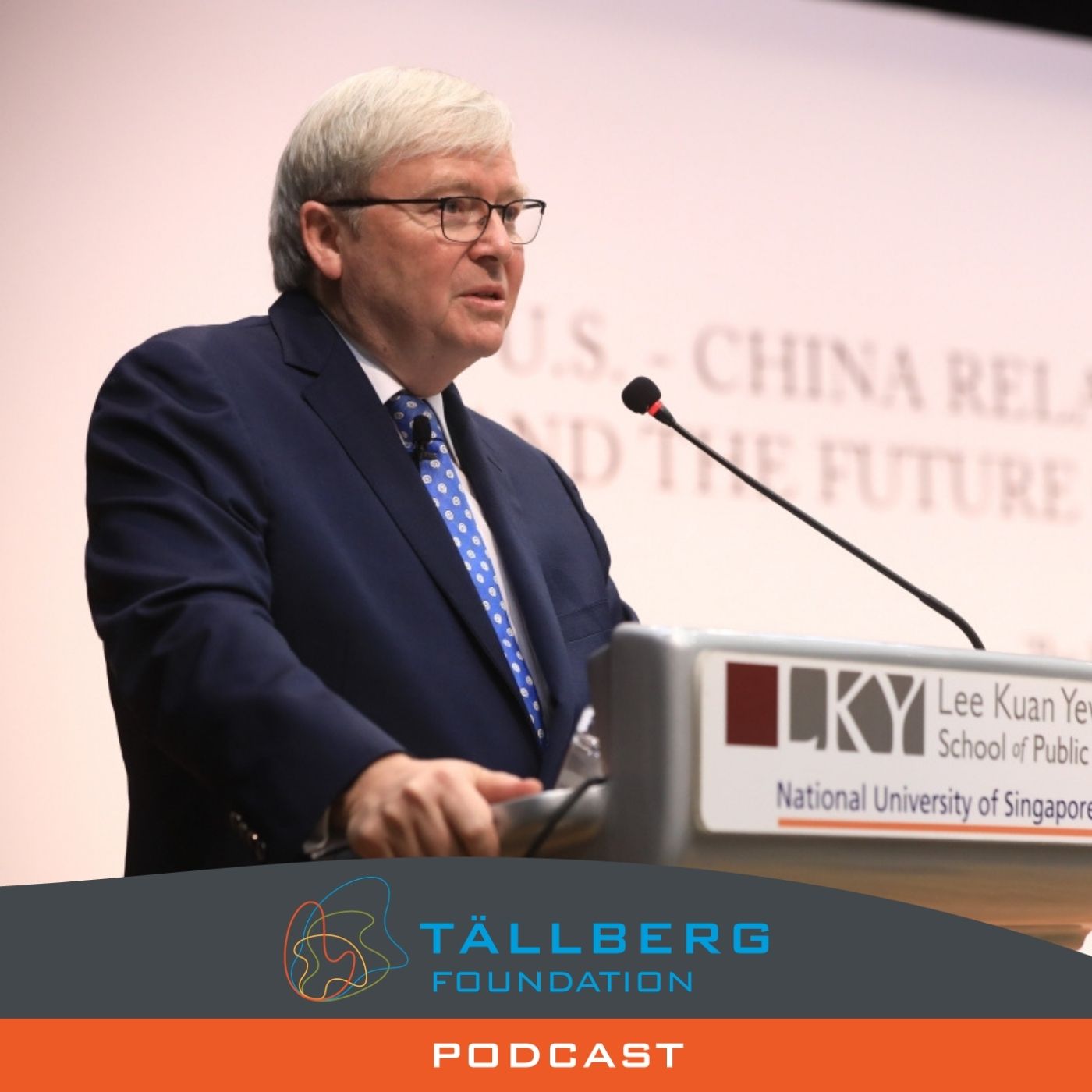
Under President Xi Jinping, China has shown a growing willingness to act outside the accepted geopolitical, economic and even diplomatic global framework and practices. Australian Kevin Rudd has spent a considerable part of his life thinking about, working on, and negotiating with China — as a diplomat, twice as his country's prime minister, and currently as president of the Asia Society. Arguably no other western leader knows China better. Listen as he assesses where China is today, and where it wants to be tomorrow.

Electrify Everything!
The disastrous impacts of climate change are evident. Do we have the technologies in hand to decarbonize economies in ways that are compatible with how people want to live? Can we do this? Saul Griffith, the Australian inventor and engineer, insists that the answer is emphatically yes. We have all the technology we need to transform the United States from laggard to leader in the effort to change the arc of the warming climate. And, if the United States can do it, everyone can.
Greta’s Right: Less Talk, More Action
What is actually being done about climate change? The gap between rhetoric and action is critical. Santiago Gowland, CEO of the Rainforest Alliance has spent years working with businesses, NGOs and citizens around the world to mitigate some of the biggest impacts of climate change. Listen as he discusses urgent efforts to reverse the degradation of rainforests and to create truly sustainable supply chains that are good for people as well as for the planet.
Worth Repeating: Slouching Towards Bethlehem, 21st Century Style
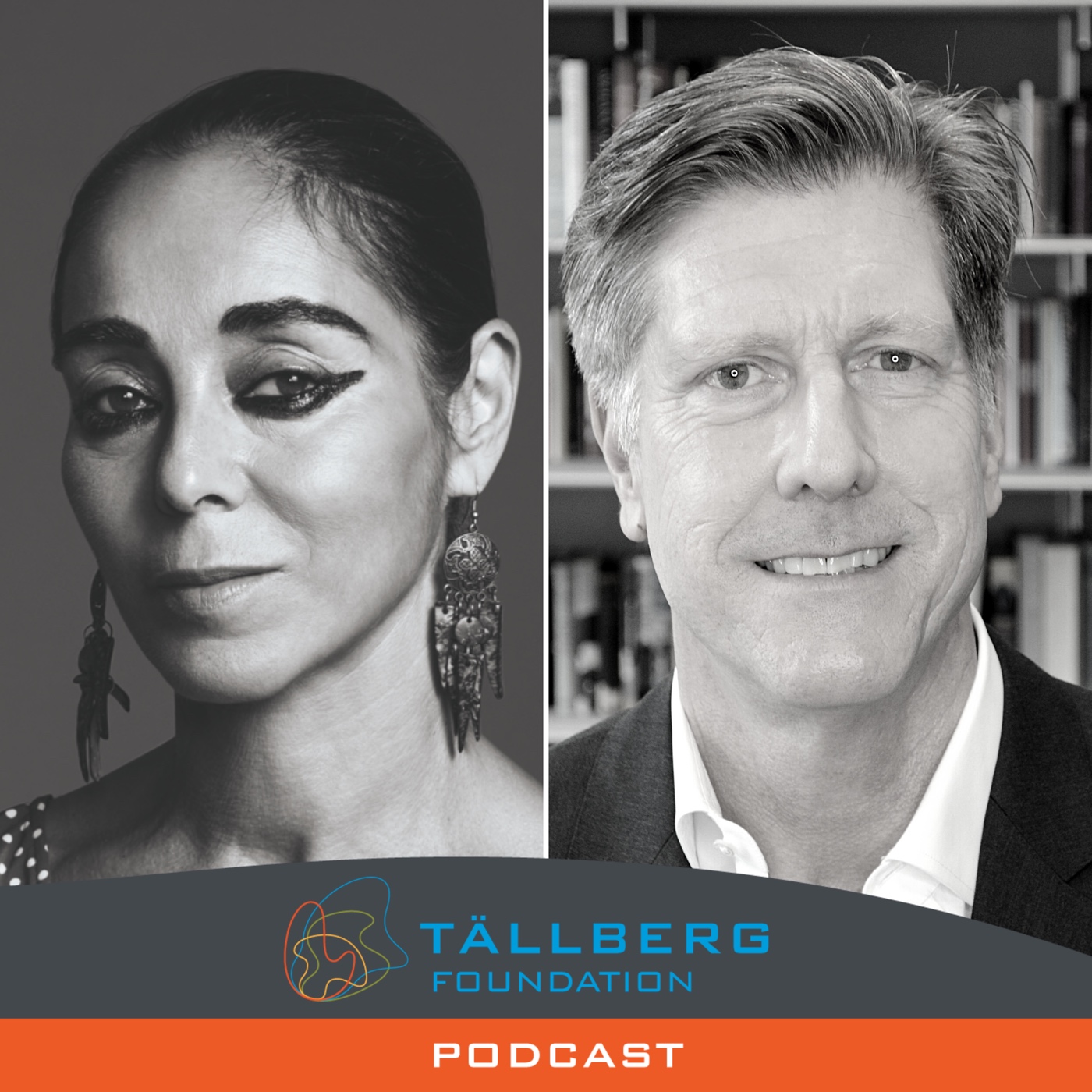
As we in the West become more conscious of inequalities that have been part of our societal fabric for a long time, we're becoming less sure of our identities. If art is a window on the soul of a nation, what does ours look like? Who do we think we are in the sense of identity? What's our mood? Of course, these are questions without answers or, at least, unique answers. Shirin Neshat, an acclaimed Iranian visual artist, and Jonathan Burnham at HarperCollins, discuss our evolving zeitgeist.
Worth Repeating: Is It Possible to Be Optimistic About Climate Change?
Listen as Tomas Anker Christensen, Denmark’s Climate Ambassador, and Daniel Martinez-Valle, Chief Executive Officer of Orbia, a Mexico based global company, discuss the need to develop effective partnerships between government and corporations, to find a better balance between globalism and nationalism, and to innovate solutions that assure the transformation to a low carbon economy creates, rather than destroys, jobs, growth and economic opportunity.

Escaping the Taliban
The Taliban's surge to power in Afghanistan is one of those events that will have repercussions for years to come. Jamila Afghani succeeded in getting out with her family. Jamila is an educator and an activist. Her work to elevate the rights and improve the education of women and girls is based on her studies of Islamic law, which she believes is typically misinterpreted to give them second-class status. Listen as she talks about escaping the Taliban, and what she expects for her country.
Can We Unearth Solutions to the Climate Challenge?
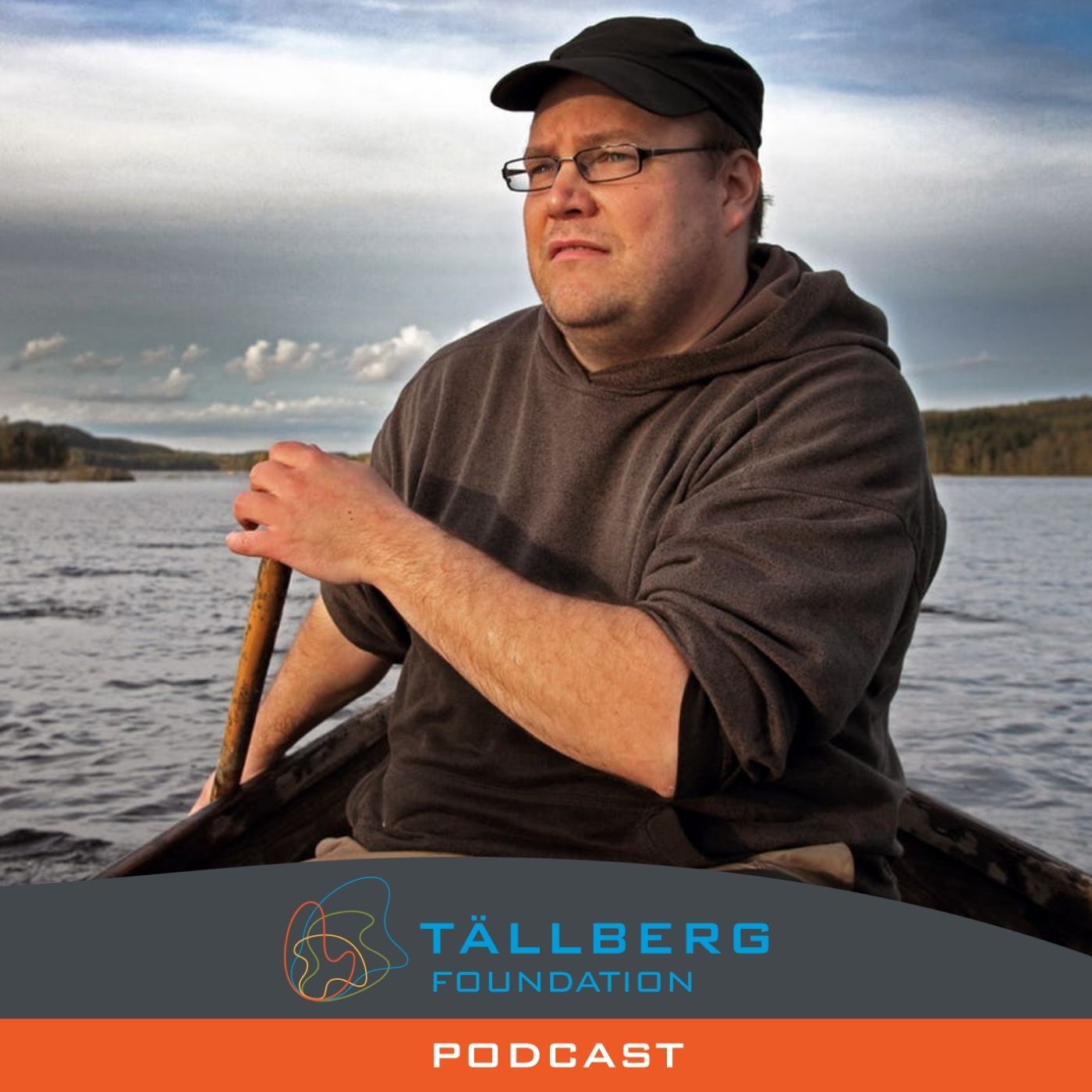
Rapidly accelerating climate change is uniquely modern — but climate change is not. Can indigenous people who understand nature differently than most of us teach us how to cope with today’s terrifying challenges? Tero Mustonen is a climate scholar who combines indigenous knowledge with academic research. He is also a leader of the SnowChange Cooperative and is currently the head of his town of Selkie in North Karelia, Finland. Listen to his insights on how to promote positive change on a damaged planet.
Latin American Democracy: Dead or Alive?
Over the years Latin America has seen more than its share of coups, dictators, autocrats, and stolen elections. Why hasn't liberal democracy developed deeper roots in Latin America? Why do many Latins seemingly embrace “strong man” rather than democratic solutions to their social, economic, and political problems? Brian Winter, editor-in-chief of Americas Quarterly and a journalist who has covered the region for twenty years, has some answers—but also lots of worries.
New World Order: Middle East Chapter
The Taliban victory in Afghanistan and the abrupt U.S. withdrawal are the most dramatic evidence of a profound realignment in the politics of the Middle East. How are these developments seen in Iran? What kind of Middle East do the leaders, including president Ebrahim Raisi, want and what are they prepared to do to get it? Listen as Ambassador Seyed Hossein Mousavian, Middle East Security and Nuclear Policy Specialist at Princeton University, describes his view of what happens when the U.S. loses a war.
Can Brazil’s Democracy Survive Bolsonaro?
Can Bolsonaro bully his way into reelection? Will the country’s democratic institutions be so damaged by him that Brazil’s future stability could be at risk? Most importantly, what do the Brazilian people want? Sergio Amaral has a long career as a top Brazilian diplomat, presidential policy advisor, and consultant to some of São Paulo’s global companies and has an insider's perspective on how his country actually works. Listen as he discusses the future of Brazilian democracy.
Cyber (In)Security in a Connected World
Cyber insecurity is a reality of life in the digital age. We all worry about being hacked, about losing personal or corporate secrets. But what happens when nations do it? Is that war? Who makes the rules of cyber warfare? Are there already cyber powers? Marcus Willet has spent decades thinking about such questions at the UK Government Communications Headquarters, and at London’s International Institute for Strategic Studies. Listen as he discusses the risks and challenges facing us in the digital age
Can We Innovate Our Way to Better Times?
2021 may go down in history as the year of the Great Awakening. Can we really innovate our way out of the mess? Are we smart enough to translate discoveries into tangible benefits for people? And, can we do so faster than pathogens mutate, accumulated emissions change weather or draughts destroy land? Livio Valenti sits at the intersection of cutting-edge science and the demand for innovative solutions in healthcare, biotech, and material sciences. Listen as he discusses why he thinks we can do this.
Who Cares About Migrants?
The world is a mess: climate change in real time, the pandemic, widespread social and political unrest, high pitch geopolitical tensions. In the midst of this firestorm, people are suffering. Climate migrants need to escape fires, hurricanes and floods. Families flee wars and oppression. Where do they go and who will take them? Lawyers Becca Heller and Kristine Rembach are in the business of finding answers, one refugee or migrant at a time.
A German Millennial Looks at a New — Or, at Least, Different — World
The 20th century ended when the Berlin Wall fell and the collapse of the Soviet Union. If you've come of age since then, the struggles of The Cold War are the stuff of history books. German millennials who are starting to come to power in society look at the world differently than their predecessors. How will this change the country? What does it mean for Europe and Germany's role in the world? Ulrike Franke, senior policy fellow at ECFR, is a German millennial who has thought about these questions.

Are Your Thoughts Safe?
Neuroscientists today know more about how the brain works than ever before; unlocking the brain's potential could transform our world. But it could also be abused, with nightmarish consequences. Dr. Rafael Yuste works at the forefront of neuroscience, based at Columbia University. His pioneering work has led him to become a champion for protecting individual neuro-identity and neurorights. In that initiative, he is joined by Jared Genser, a leading international human rights lawyer
Worth Repeating: The Chinese Puzzle
What does China—or, China’s leadership and the Chinese Communist Party— want from the rest of the world? Jonathan Ward, an American who is rapidly becoming one of that country's leading China experts, thinks they want victory. Dr. Ward, who has lived and worked in China and has a deep affinity for the Chinese people, recently published a new provocative book, China's Vision of Victory. Listen as he shares his perspective on the issue that could literally change the course of history.
Slouching Towards Bethlehem, 21st Century Style
As we in the West become more conscious of inequalities that have been part of our societal fabric for a long time, we're becoming less sure of our identities. If art is a window on the soul of a nation, what does ours look like? Who do we think we are in the sense of identity? What's our mood? Of course, these are questions without answers or, at least, unique answers. Shirin Neshat, an acclaimed Iranian visual artist, and Jonathan Burnham at HarperCollins, discuss our evolving zeitgeist.
Worth Repeating: Does Democracy Have a Future in Latin America?
By any measure, Latin American democracy is in trouble. From Mexico to Argentina there has been an accelerating erosion of representative democracy. Is the witches’ brew of the pandemic, underperforming economies, weak rule of law, and structural inequalities more than democracy can bear? Eduardo Amadeo, Argentine economist and politician; Sergio Guzman, Colombian political risk analyst and commentator; Patricio Navia, Chilean political scientist and academic have some answers.
Worth Repeating: The best of times, and the worst of times
Increased poverty and malnutrition; greater inequality; damaged and depleted health care systems; rising social and political tensions. But is this a crisis or opportunity? This week’s guests are dedicated to trying to make the world the kind of place it could and should be. Vidhya Ramalingam is a recognized expert on the use of technology to disrupt violent extremism online. Sarah Durieux focuses on mobilizing citizens online, to help them achieve policies they care about.
Hot War, Cold War, New War
Lithuania is a frontline state in the growing confrontation—some think it is already war—between East and West. Dalia Bankauskaitė, a security expert at Vilnius University, and Marius Laurinavičius an analyst at the Vilnius Institute for Policy Analysis, are both in that camp. They insist that Russia’s hostility, partly exercised through its puppet Belarus, is aimed not just at Lithuania, but at Europe and the U.S. Is this what war in the 21st century feels like? What do Putin and Lukashenko wan
Worth Repeating: Live and Let Live
2020 will be remembered as the Pandemic Year, when a deadly pathogen somehow moved from bat to human—and the rest is history still being written. Six out of 10 infectious diseases are zoonotic: everything from COVID and the other coronaviruses to rabies, West Nile, even the plague. Dr. Gladys Kalema-Zikusoka has a better idea, she believes that zoonotic disease is controllable by simultaneously working to improve the health of humans and animals, at the points where they meet.