New Thinking for a New World - a Tallberg Foundation Podcast
Tällberg Foundation
Show overview
New Thinking for a New World - a Tallberg Foundation Podcast has been publishing since 2020, and across the 6 years since has built a catalogue of 268 episodes, alongside 2 trailers or bonus episodes. That works out to roughly 150 hours of audio in total. Releases follow a fortnightly cadence.
Episodes typically run twenty to thirty-five minutes — most land between 29 min and 37 min — and the run-time is fairly consistent across the catalogue. None of the episodes are flagged explicit by the publisher. It is catalogued as a EN-language Society & Culture show.
The show is actively publishing — the most recent episode landed 4 days ago, with 15 episodes already out so far this year. The busiest year was 2021, with 56 episodes published. Published by Tällberg Foundation.
From the publisher
Aiming to provoke people to think — and therefore act — differently about the global issues that are shaping their future, the Tällberg Foundation is sharing some of its conversations in podcast form. The podcast invites you to hear from leaders from different sectors and geographies as they explore issues that are challenging and changing our societies.
Latest Episodes
View all 268 episodesIs There an App for That? Victor Liakh on Digital Government, AI and Democracy — Lessons from Ukraine
Mind the (Justice) Gap
Mapping a Better Future
Can International Law Save Us?
The Global Mental Health Crisis
Covering the Last Mile
Best New Thinking: Unboxing the Music Business
The Leadership Journey
Leading into a Better Future
Ye Jin Min: The Music (Part 2)
Unboxing the Music Business
Democracy Succeeds (At Least in Bangladesh)
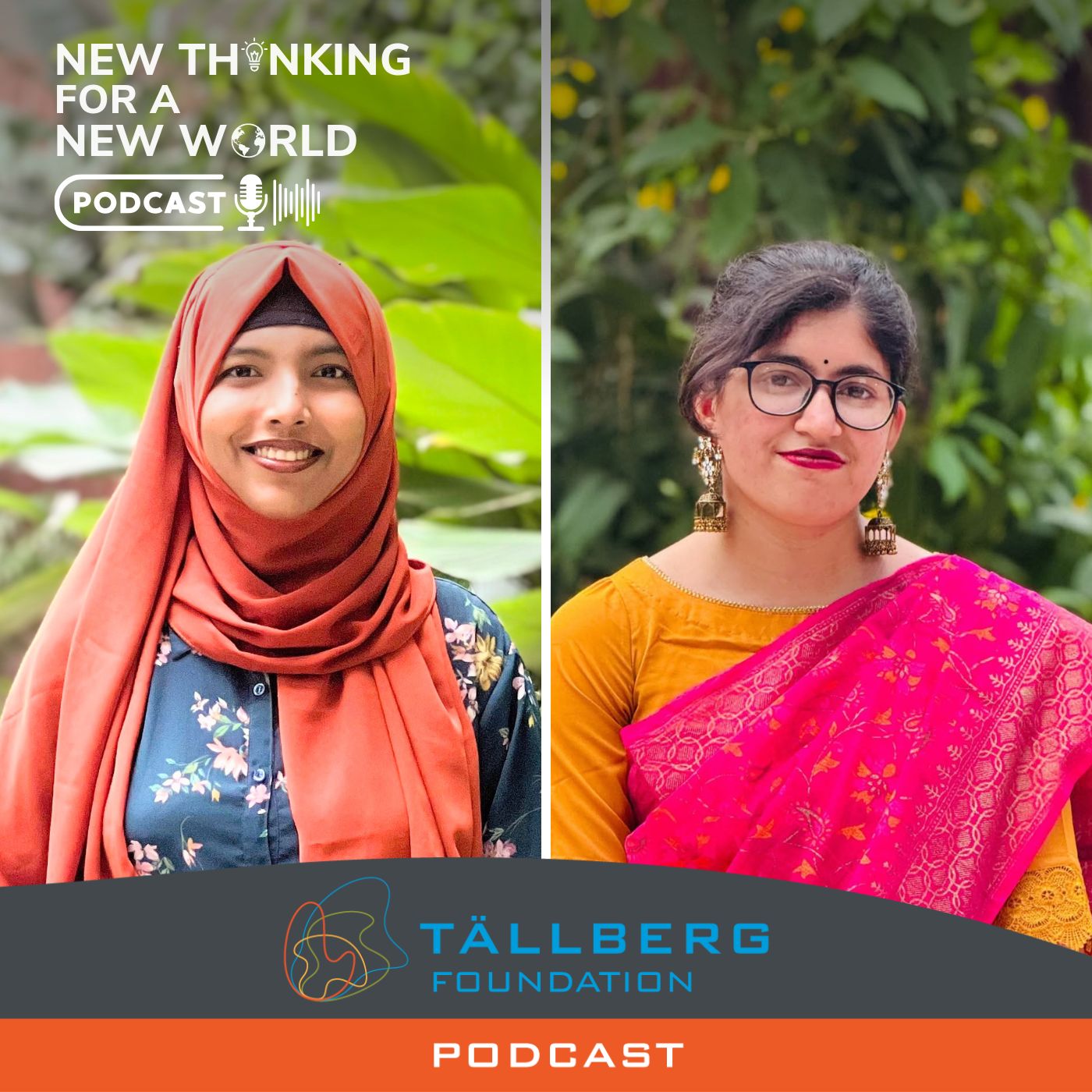
Democracy may be struggling across much of the world, but Bangladesh offers a rare counterexample. In the summer of 2024, a student-led movement forced out the long-ruling government of Sheikh Hasina. Less than 20 months later, the country conducted elections widely described as mostly free, fair, and peaceful—leading to a democratically elected government replacing the interim administration led by Nobel laureate Muhammad Yunus. In this episode, Aysha Siddiqua Tithi and Umama Fatema—leaders of Students Against Discrimination and central figures in the revolution—share what it took to organize, mobilize, and persist. They reflect on the risks they faced, the hopes that sustained them, and what democracy’s revival in Bangladesh might signal for a world increasingly skeptical of democratic governance.
This Is What Leadership Looks Like
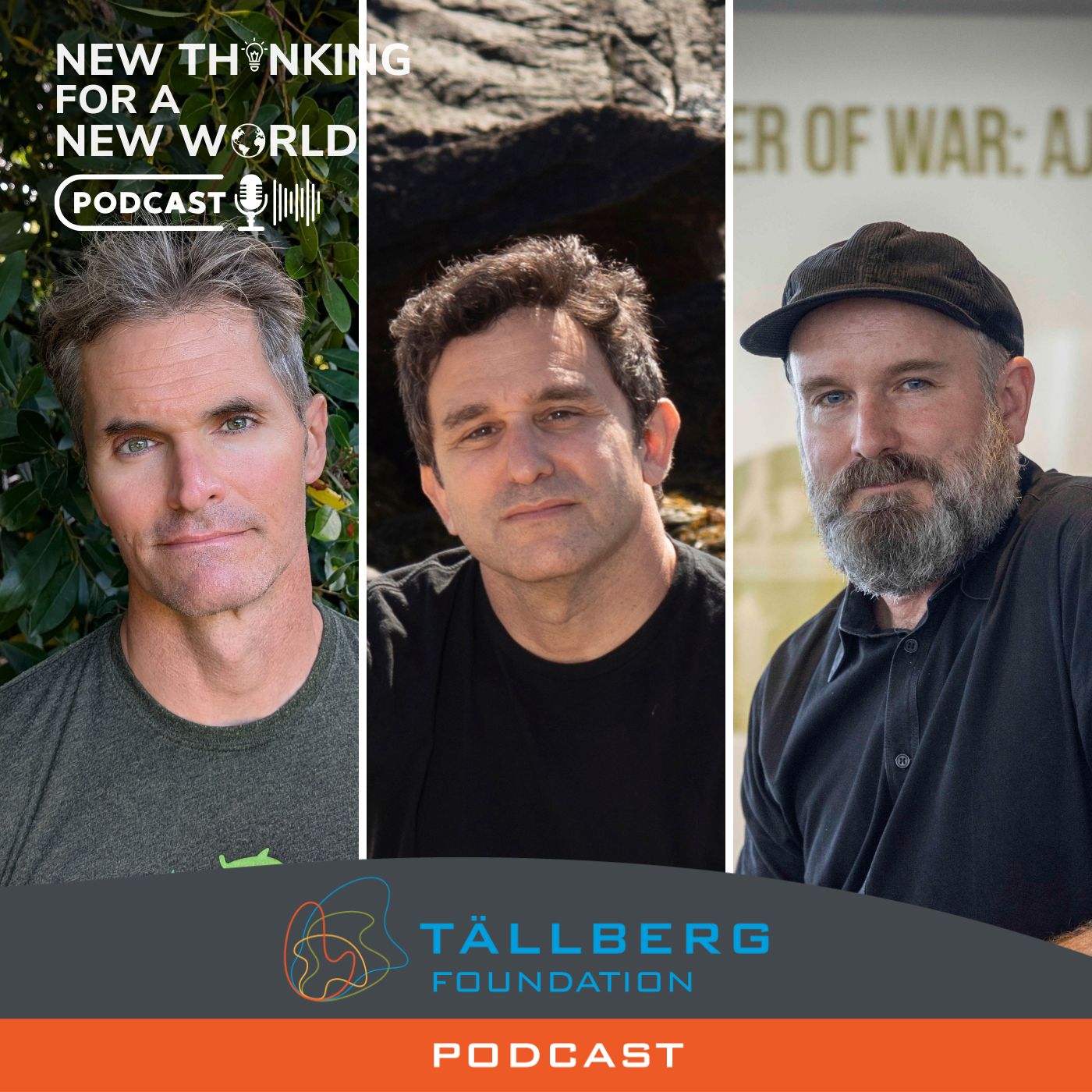
What does great leadership look like today? In this special episode, we bring together the 2025 Tällberg-SNF-Eliasson Global Leadership Prize laureates: Rhett Ayers Butler, founder of Mongabay; Bryan Doerries, founder of Theater of War Productions; and David Gruber, founder of Project CETI. Moderated by Helena Nilsson, Prize jury member and Deputy CEO of the MiL Institute, the conversation spans journalism, art, and science—revealing how curiosity, creativity, and moral courage can reshape how we confront global challenges. Together, these leaders demonstrate that meaningful leadership transcends politics and borders, grounded instead in universal values and persistent commitment to making the world better.
Middle Eastern Challenges
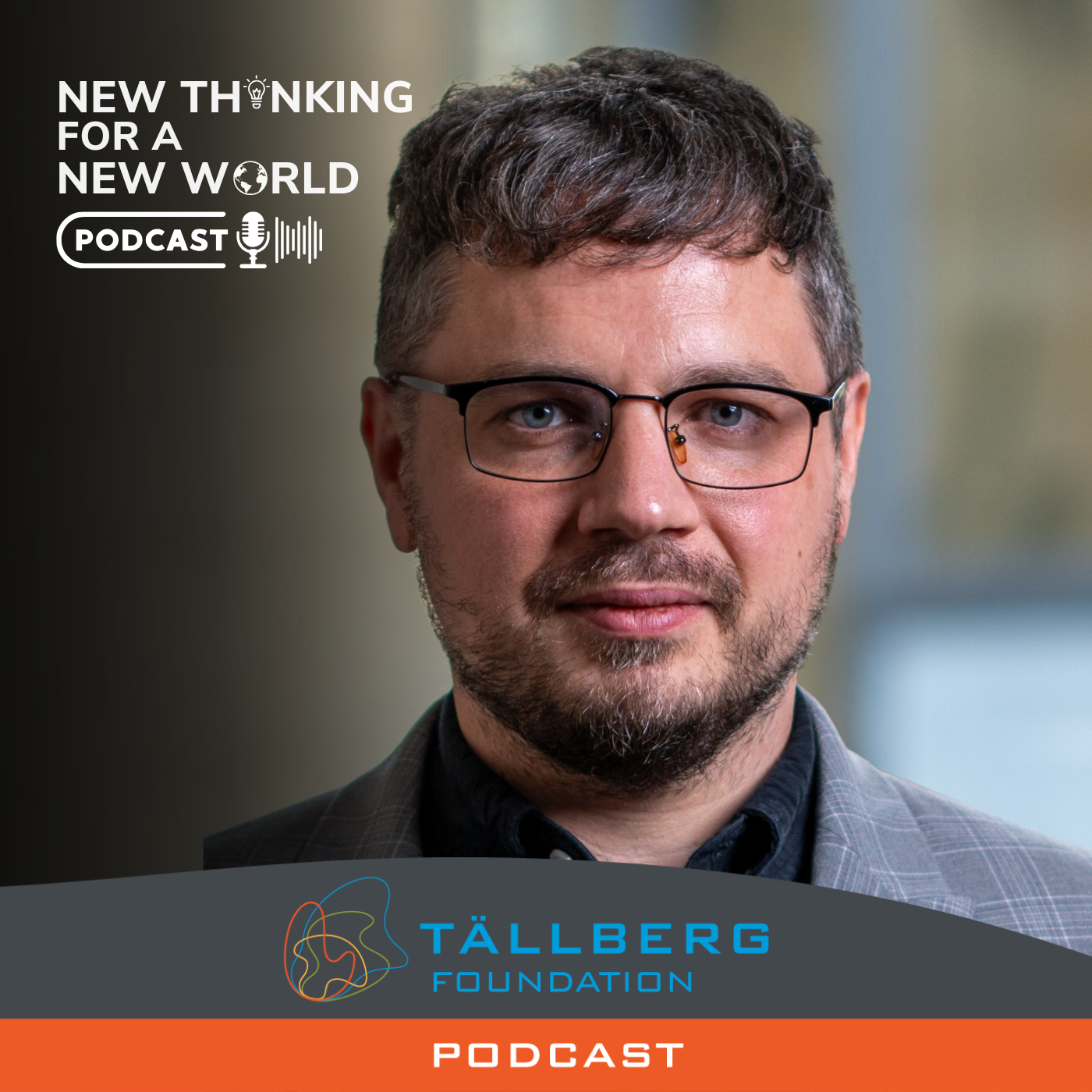
Much of the world’s attention remains fixed on Iran, Israel, and the Palestinian question. But another rivalry is quietly reshaping Middle Eastern politics: Saudi Arabia versus the United Arab Emirates. Once close partners, the two Gulf powers now find themselves moving from cooperation toward competition—and perhaps even confrontation. In this episode, Professor Rob Geist Pinfold explores what is driving the shift, what is at stake for regional leadership, and how Crown Prince Mohammed bin Salman and Sheikh Mohammed bin Zayed are maneuvering for influence. While definitive answers may be premature, informed analysis reveals why this evolving relationship matters far beyond the Gulf.
GOOOAL!!!
As the world braces for another difficult year, a single global event promises to capture the attention of billions: the FIFA World Cup, co-hosted by Canada, Mexico, and the United States. In this episode, New Thinking for a New World takes a detour from geopolitics and climate to explore how an event of this scale actually comes together. Gabriela Cuevas—an experienced Mexican political leader—has the daunting task of coordinating Mexico’s role in a 104-match tournament watched around the globe. She joins the podcast to discuss the logistical, political, and cultural challenges of hosting the world’s most popular sporting event—and the opportunities it creates for countries and communities alike.
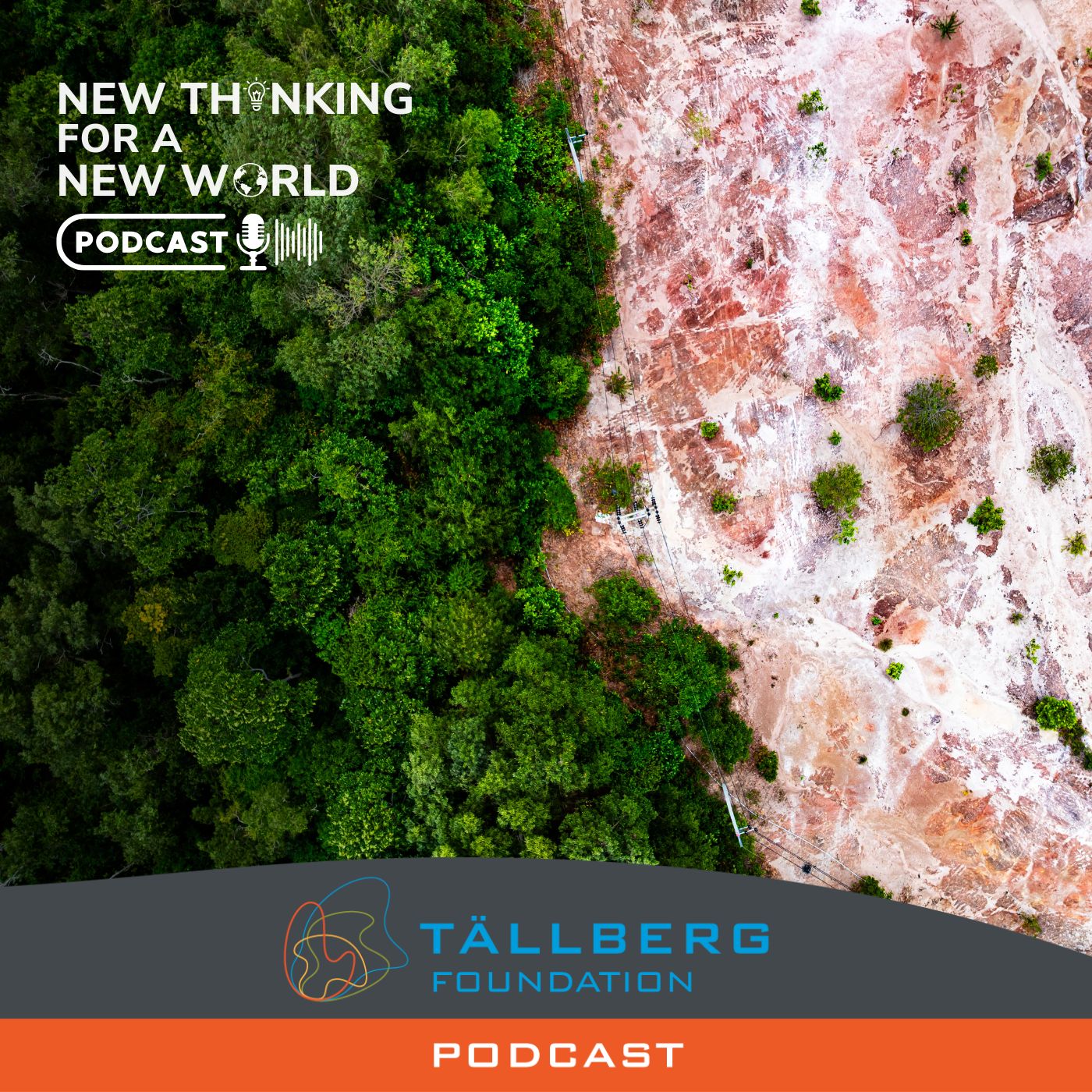
Thinking Differently About the Rainforests
For decades, warnings about the destruction of the Amazon and Congo rainforests have grown louder, even as meaningful action has lagged behind. International summits and political declarations continue, but the forests edge closer to dangerous tipping points. In this episode, we ask whether a different approach is needed. Dr. Gladys Kalema-Zikusoka, Dr. Fernando Trujillo, and Sam Muller bring perspectives shaped by hands-on experience in conservation, science, justice, and governance. Together, they argue that protecting the world’s great rainforests is not only an environmental challenge, but also one of equity, economic development, and power—and that lasting solutions are more likely to emerge from the ground up than from global pledges alone.
Inheriting Trauma
The world is entering a new era of conflict: more violent, more fragmented, and with more civilians caught in the crossfire than at any time since World War II. But the consequences of war may extend far beyond the battlefield. Rana Dajani, Jordanian molecular biologist and long-time member of the Tällberg network, is part of a research team uncovering how traumatic violence might alter gene expression and affect not only survivors but also their children and grandchildren. In this episode, she explains the emerging science behind intergenerational trauma and explores what these findings could mean for societies living through—and after—conflict.
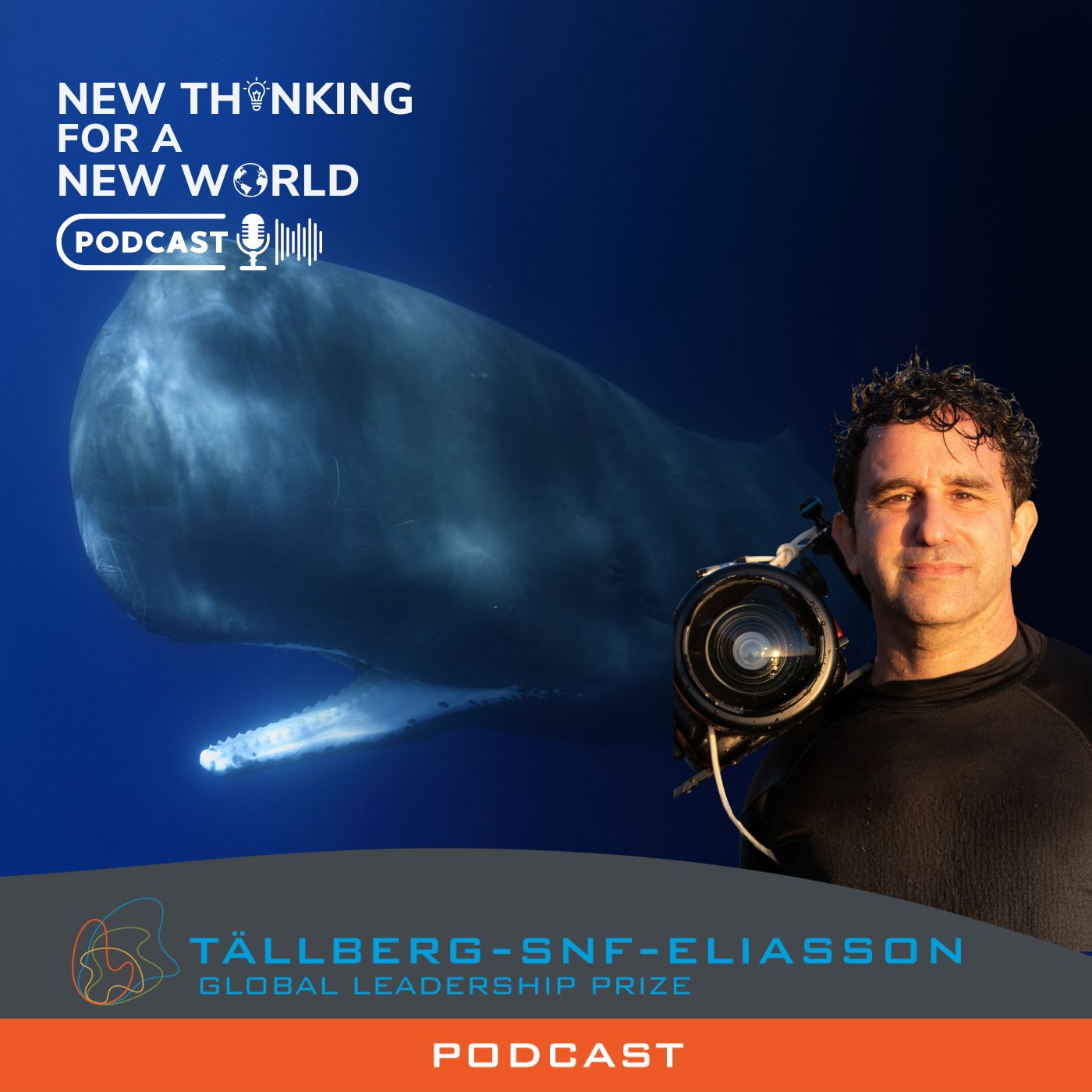
What Has the Whale to Say?
Sperm whales are among the most extraordinary creatures on the planet—massive, deep-diving, highly social, and constantly communicating. David Gruber, marine biologist and founder of Project CETI, leads a global team of scientists using cutting-edge technology to decode the vocalizations of these remarkable animals. A 2025 Tällberg-SNF-Eliasson Global Leadership Prize winner, Gruber explains how understanding whale communication isn’t about speaking to them, but about learning how they see and interact with the world we share. In this episode, he discusses the science, wonder, and purpose behind CETI—and what unlocking whale language could mean for humanity.
Greek Classics—Modern Life
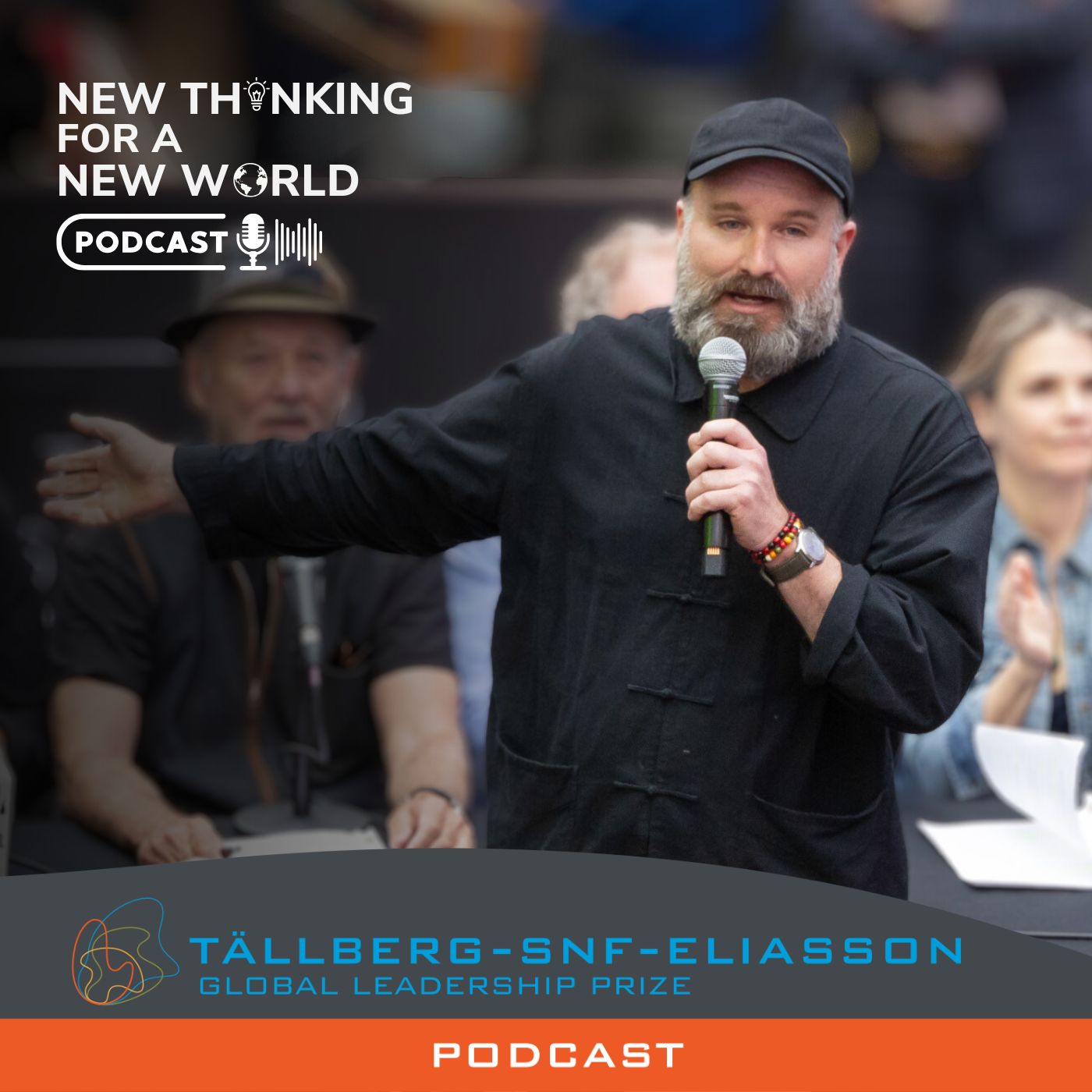
For thousands of years, Greek tragedies have helped people make sense of fear, grief, conflict, and the complexities of being human. Bryan Doerries—co-founder and Artistic Director of Theater of War Productions and a newly selected Tällberg-SNF-Eliasson Global Leadership Prize winner—has spent nearly two decades bringing these timeless texts to contemporary audiences. In this episode, he reflects on how classical stories open space for empathy, dialogue, and healing in the 21st century. By stripping away the myth that our struggles are unique to our time, Doerries helps reveal what connects us across cultures and generations.
Reimagining Environmental Journalism
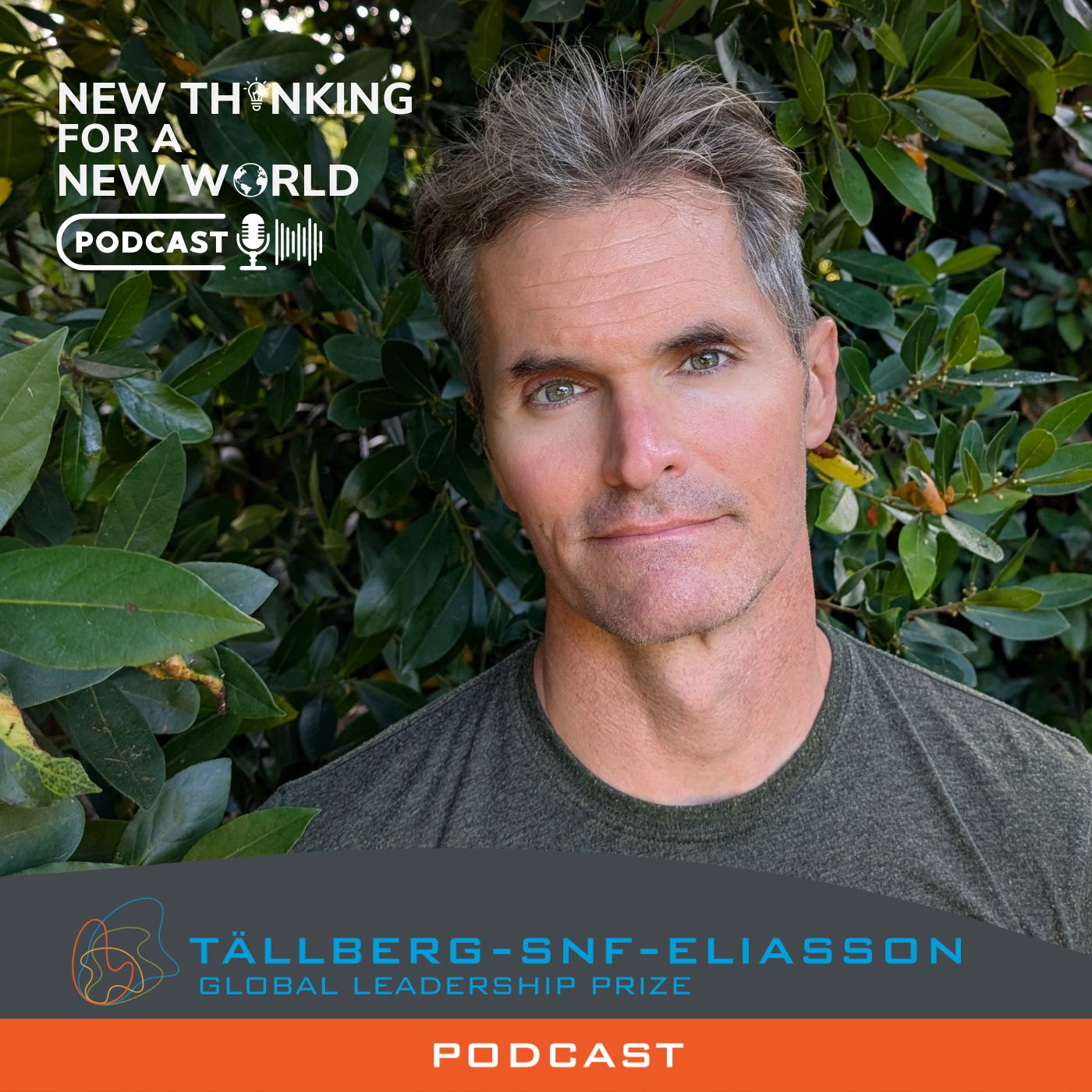
Climate change is accelerating, but reliable information about what is really happening on the ground is still far too rare. Rhett Ayers Butler—founder of Mongabay and a 2025 Tällberg-SNF-Eliasson Global Leadership Prize winner—has built one of the world’s most trusted platforms for independent environmental journalism. In this episode, he explains why empowering communities with accurate reporting, elevating local and Indigenous voices, and grounding public debate in science are essential to driving meaningful environmental action. His work shows how journalism, done right, can inform, inspire, and help protect both people and the planet.