Neuroscience Meets Social and Emotional Learning
413 episodes — Page 9 of 9
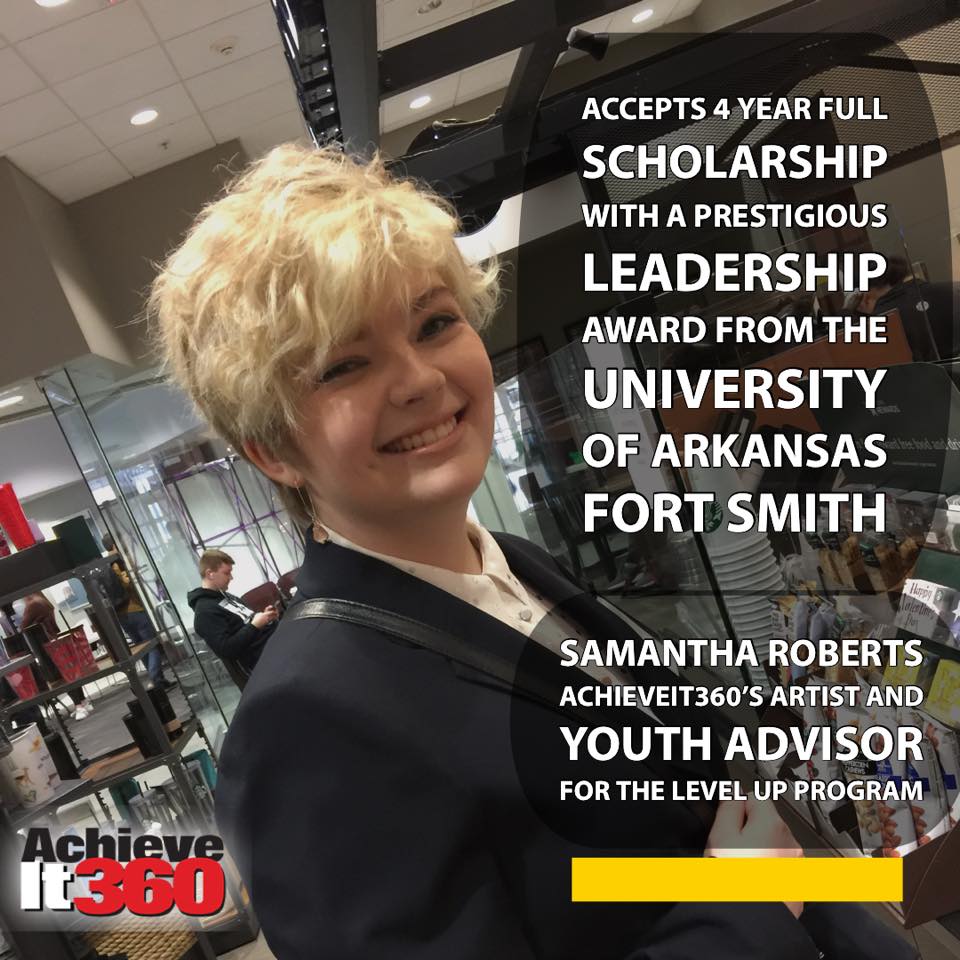
S1 Ep 13Our Very Own Teen Artist Sam Roberts on "Winning a 4 Year Prestigious Leadership Scholarship" at the University of Arkansas, Fort Smith
Welcome back to the “Neuroscience Meets SEL Podcast” this is Andrea Samadi. This interview will be broadcast on YouTube as well as on the regular podcast channel, so be sure to look for the YouTube link in the show notes if you would like to view the video. Today we have a very special guest. She is someone who has helped us at Achieveit360.com with ideas, video editing, student voice and customized art work since 2015. If you have a copy of the Level Up book, she’s the teen artist on the back cover who designed the original cover of the book for a school administrator who requested a customized version for his school and you can also see more about her story in the history and testimonial section. She was involved in creating the name of the book and program, Level Up, and the videos in the program, all with the teen in mind. She learned how to take action on her ideas at an early age, without any limits in her mind, and we are so excited to share her most recent news. She just accepted a 4 year, all paid, prestigious leadership scholarship at the University of AR Fort Smith and begins this adventure this week! Welcome Sam. Can you give us an example of when you FIRST started to use your voice as a young teen, and the results that you created by staying true to yourself and developing your strengths/passions/talents with your artwork? Looking back now, what skills would you say you learned as a teen that helped you with the success you’ve attained with you most recent achievement? What advice do you have for other students as they are navigating through HS to stay focused on the end result vs drama that can be a part of this time period? What tips do you have for students who would like to apply for a scholarship like you did? Where do they begin? How do you ever find out about scholarships like this? How about parents of teens? How can we help our kids be more successful? What should we do more of/less of? What about secondary school educators? How can they help their students be more successful? What has winning this scholarship been like for you? How did it feel when you first got the news? What are you learning there? What will this year look like for you? What types of courses/programs will you receive that are different than a typical 4-year student? (Extensive Team Building, and other?) Where do you see yourself AFTER your scholarship? What are you most excited about learning? Is there anything that you think is important that we have not covered yet about your journey to get to this point? Thank you for taking the time out of your day to share your story with us. We are thrilled to see the results that you have created for yourself and know that this is only the beginning. You are destined for a very bright future. Well done.
S1 Ep 12Responsible Decision-Making: Begins with Understanding Your Brain Health
Welcome back to the “Neuroscience Meets SEL Podcast” this is Andrea Samadi. I want to first of all thank YOU for listening and providing feedback of the episodes. Since launching the end of June, without any paid advertising, we are on our 12th episode and we have reached 12 countries so far! This is incredible! Thanks for all the DMs with feedback on the content and how you are implementing these ideas—I do appreciate hearing how these episodes are being received and how you are using this information. If you’d like to reach me with any questions, you can always find me on Linkedin, Twitter, Facebook or Instagram. Just search Andrea Samadi. For those who don’t know the background of why we launched the “Neuroscience Meets SEL Podcast” it began with the growing movement and interest in social and emotional learning in our schools and need to take these skills into the workplace with emotional intelligence training. Our goal is to close the gap recent surveys show exists in our workforce where 58 percent of employers say college graduates are not adequately prepared for today’s workforce, and those employers noted a particular gap in social and emotional skills like self and social awareness, and growth mindset that are crucial to college and career readiness and are finally being introduced into our schools. We want the ideas you take away with you to be actionable whether you are an educator working in a school, an employee of manager in a corporation, or someone just looking to take their skills to the next level. As a recap, in our first episode, we shared with you the “Why behind implementing an SEL/emotional intelligence training program in your school or workplace” with some strategies that we offered on how to get started. In the second episode, we introduced the first of the six SEL competencies (self-awareness). This episode has been the most popular so far, and the one I’ve had the most feedback on, showing me that self-awareness is of high interest to those interested in this work—both the school market, as well as the workplace. We’ve tied in interviews to connect you to these skills so you can hear directly from experts from the field and those who are implementing programs with success. With each skill we investigate the best practices and strategies that you can use either in the classroom or workplace to develop and improve your own program and practice, before extending these strategies to others. Don’t forget to look for ideas, tools and resources in the show notes section if you want a deeper dive into the content. Today we are on the fourth competency, out of six—Responsible Decision-Making. Understanding the neuroscience[i] behind decision-making can be an important tool when looking for new results. In our last episode with Chloe Amen, we discussed the importance of brain development and results and the fact that “your brain is not fully developed until the age of 25 for females and 28 for males”[ii] so it is critical that we take care of our brain to ensure that we are able to make sound decisions later in life. An understanding of our brain’s functions and form are crucial to our future success, since our brain is involved in literally everything that we do. In the Brain Thrive by 25 Online Course (by Dr. Daniel Amen) that was designed to help teens and young adults improve brain function and performance, Chloe Amen (from our last episode) participated in the teen panel and noted that “People don’t realize the decisions they make now (as teens or young adults)—will affect their life later because we aren’t thinking about this at all! Decisions can affect our future—So how can I be my best self?”[iii] Imagine if we had all grown up protecting the organ that controls everything that we do? When I was thirteen, no one ever mentioned the importance of protecting my brain, or how it relates to my future success. We were all told to work hard, go to school and study, with the goal to graduate a

S1 Ep 1115-year-old Chloe Amen Reveals Strategies on how to "Change Your Brain, Change Your Grades"
Welcome back to the “Neuroscience Meets SEL Podcast” this is Andrea Samadi. This interview will be broadcast on YouTube as well as on the regular podcast channel, so be sure to look for the YouTube link in the show notes if you would like to view the video. Today I want to welcome our special guest, Chloe Amen. If you follow Tana and Dr. Daniel Amen’s work on their Brain Warrior’s Way Podcast[i], she doesn’t need an introduction, because the past couple of weeks she’s been speaking about the soon to be released book that was written by her Dad, Dr. Daniel Amen, who draws on his experience as a neuroscientist and psychiatrist as well as the latest brain science to help you study more effectively, learn faster, and understand how your brain works to optimize results (whether we are talking about academic results or results in the boardroom) they both begin with an understanding of our brain. Chloe and her cousin Alizé Castellanos are major contributors to this book, offering modern day strategies that students and adults will relate to (Coming Sept 17th…you can pre-order it on AMAZON)[ii] “Change Your Brain, Change Your Grades.” Here’s more about Chloe so you can see the vast experience that has led her to be an expert and role model for others in this field at such a young age. Chloe Amen, now a junior in high school (a straight A student who has just finished sophomore classes) has been a part of the National Honor Society for the past three years. She was a guest star on the popular public television show Feel Better Fast[iii] (with Dr. Daniel Amen), and contributor and guest star in the high school program Brain Thrive by Twenty Five,[iv] which is designed to help teens improve brain function and performance. (This is the most thorough and engaging online course that I have ever taken, teaching the theories of brain development as it relates to life success) and has been used in forward thinking schools looking to give their students the leading edge that comes with these strategies. She is an intern for the Mayor’s Youth Council of Newport Beach, which participates in local government and community service. Chloe also has a passion for service and is an active volunteer for Girls Inc., an afterschool girl’s empowerment program. Chloe has a passion for performing arts, where she is currently pursuing a career. Volunteering at church in activities such as student leadership and campus cleanup has been an ongoing devotion. With her free time Chloe enjoys practicing martial arts, dance, songwriting and singing, and the arts. In elementary and early junior high, Chloe struggled with anxiety and organization which affected her academic performance. Through the techniques she has learned and shared in Change Your Brain, Change Your Grades, she has transformed her mindset and work ethic. As a result, she now has a 4.0 GPA and thoroughly enjoys learning. Welcome Chloe! It’s an honor to have you here today. Q1: Can you give us some background of growing up with brain strategies infused into your household and how you got involved with the modern version of this book, Change Your Brain, Change Your Life? Before your involvement with this new book, that’s coming out September 17th, you were already actively involved with helping others understand the power involved with their brain’s function as it relates to achievement. I took the Brain Thrive by 25 Course[v] at least 2 years ago, so am I correct to say that you were 13 when you filmed that? One of the biggest lessons I learned from watching you in the teen panel of was that your brain is not fully developed until age 25 for females and 28 for males. Q2: Can you give us some thoughts of how this fact has changed your decision-making process and perhaps some thoughts of things you know you will do differently with this knowledge as a young adult? Chloe mentions that she has always been taught to make decisions with her brain health in mind being raised by Dr. Daniel A

S1 Ep 10President of xSEL Labs, Clark McKown on "SEL Assessments Made Simple"
Welcome back to the “Neuroscience Meets SEL Podcast” this is Andrea Samadi. This interview will be broadcast on YouTube as well as on the regular podcast channel, so be sure to look for the YouTube link in the show notes if you would like to view the video. Today we have Clark McKown, the Founder and President of xSEL Labs, an award-winning social scientist and a leading expert on SEL assessments. His work with SEL assessments began back in 2007 at Rush University and in 2016 he founded xSELLabs and their assessment called SELweb. In 2017 more than 50,000 children completed SELweb during the 2017-2018 school year and they continue to grow. Welcome Clark. I have some questions that tie into the language of SEL and assessment for others to gain some clarity with these terms. There’s a lot to navigate with all the terminology that often has different meaning for different people, so let’s dive right in. Q1: When I was referred to your work from Greg Wolcott, an Assistant Superintendent from Chicago, he mentioned you were the #1 person to look at with regards to SEL assessment in the US. We know from the feedback from the Edweek 2019 Social and Emotional Learning in Schools Summit that educators are “interested in social and emotional learning but aren’t always sure where to start” [i] and they are looking for “clear starting points in developing their own SEL strategies and programs.” I wanted to have you on today to share your research and knowledge in the growing field of SEL as many school districts begin to implement their programs[ii] but there’s a lot that I can see that could use some clarification for this field. Can you give an overview of where you see SEL now since you started xSELLabs, and where you see SEL going in the country to bring some clarity to this emerging field? Clark mentions the work Casel is doing with their Collaborating States Initiative[iii] as well as the Assessment Work Group[iv] that he is a steering committee member of. Q2: What first steps would you recommend a District consider when looking to go from intention to action with implementing an SEL program? You mention in your blog “Social and Emotional Learning Programs and Practices”[v] that there are 2 broad approaches—one being to adopt a widely used SEL program and the other being the kernel approach. Can you explain these approaches with the pros and cons of each? Clark mentions to begin with Casel.org and Casel’s District Resource Center[vi] for your first implementation steps. Q3: When Districts are choosing an SEL program, a program that is evidence-based, like those found in Casel’s program guides[vii], and data-informed SEL programs both matter. Q4: “One of the main reasons for the historic lack of engagement with social and emotional skill development in schools relates to issues of measurement. It was only a few years ago that a superintendent emailed me an article that asked the question of “how are we going to measure SEL competencies.” He was looking for my thoughts on this and I didn’t know the answer. The latest developments in social and emotional skills measurement allow these skills to be measured meaningfully.”[viii] Can you explain the difference between some measurement tools that are survey-based vs what you have created with SELweb and how SELweb measures SEL competence key performance indicators? How do they differ and why are they both important?[ix] Clark offers his recent book Assessing Students’ Social and Emotional Learning: A Guide to Meaningful Measurement[x] as a resource. Q5: To wrap this up Clark, what are the important ingredients that you think an SEL program should include? (Teacher Well-Being, Teacher Practices, SEL Competencies). Thank you, Clark, for the time you took today to explain how SEL assessments work with SELweb. If anyone wants to reach you to learn more, they can contact you through your website www.xsel-labs.com or on Twitter @xSEL_Labs REFERENCES: [i] Social and Emotional Le
S1 Ep 9Using Your Brain to Build and Sustain Effective Relationships
Welcome back to the “Neuroscience Meets SEL Podcast” this is Andrea Samadi. As a recap, in our first episode, we shared with you the “Why behind implementing an SEL/emotional intelligence training program in your school or workplace.” The second episode we introduced the first of six social and emotional learning competencies that we will be diving deep into over the next six weeks. (Self-awareness, Social Awareness, Relationships, Responsible Decision-Making, Self-Regulation and Mental Mindset). With each competency, we’ll investigate the best practices and strategies that educators/and the workplace can use for themselves to develop and improve their own SEL/Emotional Intelligence and well-being practice, before extending these strategies to their districts, schools, classrooms, workplaces and communities. We’ll offer ideas, tools and resources (in the show notes section)—be sure to take a look at the resources, so that anyone can apply these skills themselves, and then teach others for improved results, focus and productivity. Today we are going to dive deep into the relationship competency. We did cover this topic in an interview with Assistant Superintendent of Schools from Chicago, and author of the book, Significant 72: Unleashing the Power of Relationships in Today’s Schools, Greg Wolcott. Be sure to see episode 8 with Greg, to learn more about the research behind relationship building and academic achievement. In addition to schools, relationship building is proving to be the key to success and well-being and the attribute that ties all the pieces in your life together. Dr. Daniel Siegel, a clinical professor of psychiatry at the UCLA School of Medicine and Executive Director of the Mindsight Institute, proposes in his book “The Developing Mind” that “relationships represented the three aspects of one reality essential to human well-being”[1] (he calls these the 3 Rs, relationships, reflection and resilience) and that “human connections shape neural connections, and each contributes to (developing the) mind.”[2] He explains that “we need to teach more in schools than just reading, writing and arithmetic. We should have reflection, relationships and resilience as the 3 Rs.”[3] Let’s Dive Deeper into Understanding Communication, Relationships and Your Brain: If you want to strengthen your relationship with another person, relate to them better, and have them relate to or understand you better, you must remain “relaxed, observant, and nonjudgmental.” Otherwise, the person that you are interacting with will “feel and connect to your inner stress, causing their brain to assume a defensive stance”[i] and they won’t trust you. Having the ability to “watch a person’s face, their gestures, and their tone of voice”[4] will cause their brain to align with yours, forming a process called “neural resonance” that allows the closest connection between what two people are thinking and feeling. Here are Five Ways to Train Your Brain to Connect to Others Mindfully Remember to observe others mindfully. Before you engage with someone else, always take time to connect this person at the deepest level possible. If you notice facial expressions or body language, ask questions like “how are things going today?” to connect with them and learn more about what could be happening in their world. Always interact with others in a fair and kind manner. Listen to others without judgement and demonstrate that they matter to you by leaning towards them when they speak and then be sure your body language and facial expression matches what you want to convey, in a supportive manner. Show them that you are actually listening. Bring warmth to the tone of your voice with every person you interact with. “If you drop the pitch of your voice, you’ll automatically talk more slowly, allowing the listener to better understand you. This strategy was originally developed and tested in 2011 at the Department of Communication Science and Disorders at the
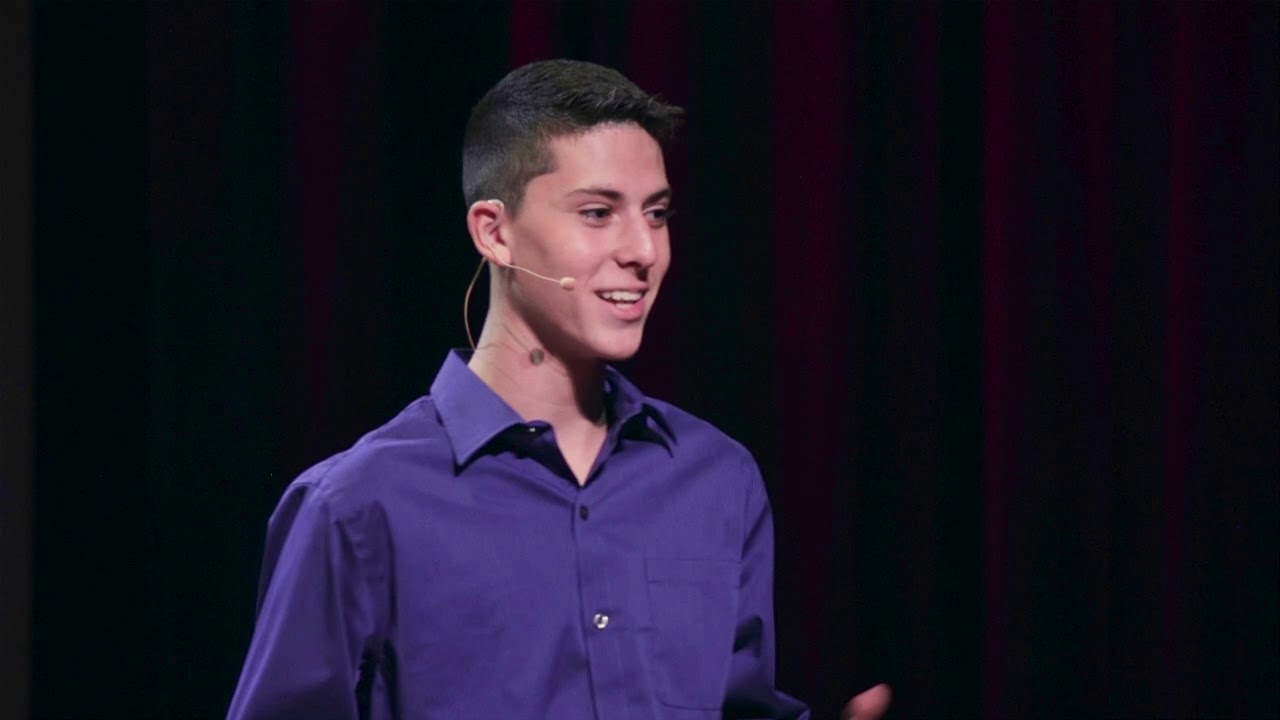
S1 Ep 814-year-old Adam Avin on "Improving Well-Being and Mental Health in Our Schools"
This episode is also available on YouTube. Our special guest today is Adam Avin, the founder of Wuf Shanti[1], a company that promotes health, wellness, and happiness in children, and encourages peace and positivity. Wuf Shanti was created by a kid for other kids, and started when Adam was younger, with his illustrations, voice and his dream to make a difference in the world. He shares his character, Wuf Shanti, with children across the planet, in the hopes of guiding them down a path of peace and positivity with his programs. His Wuf Shanti videos are in hospitals around the globe, helping children smile while they heal from their cancer treatments and in 25,000 schools across the country. I first met Adam this past Spring when he was hosting the Mindful Kids Peace Summit[2] (a five-day summit that I was a part of) that brought awareness to the need for immediate change in our schools today. It was incredible for me to see his knowledge and enthusiasm for social emotional learning (he understands the competencies just as well as the experts he interviewed) and his experience with mindfulness and meditation as he interviewed over 70 experts! Welcome Adam! It’s wonderful to speak with you. Q1: For those who have not yet seen your TEDTALK[3] where you explain this in detail, can you give us some background on your company, what exactly Wuf Shanti does, and the reason why did you started this company? Q2: I mentioned in the intro that you were a host of the Mindful Kids Peace Summit this year and interviewed over 70 experts. I know to do this well, you need to research your expert in order to ask questions and be able to speak on the topic you are asking them about. What did you learn from interviewing these experts, and hosting this summit? Q3: Watching your interview with the teacher from Marjorie Stoneman Douglas HS (Chelsea Briggs) was a part of the summit that I will never forget, since one of the main reasons I got involved with this work back in the late 90s was because of the Columbine tragedy (April 20, 1999). This is going back before you were born, I was working with a group of 12 teens who created a pin to honor the 13 lives lost in that tragedy. I kept the pin to remind me of why I am doing this work, and last year, I had the chance to meet Darryl Scott the father of Rachel Scott, the first teen shot that day, and he took a pin to remind him of the ripple effect that his daughter has had on the world. The Parkland shooting (not far from where you live) was 17 lives lost, the worst school shooting since Sandy Hook (20 children and 6 adults). How did speaking with the students and teachers at Marjory Stoneman High School in Parkland impact you and your work? ADAM: Mentioned that this event inspired him to work harder because the statistics[4] show the need is imminent for change. We agree as the research shows that “80% of children who struggle with mental health issues receive no treatment.”[5] Q4: We saw “student voice” emerge after the Parkland shooting and it remains a concept, I know schools are placing a focus on. How has Wuf Shanti helped you to bring “student voice” to the forefront? What do your friends think about your work? Have you helped any of your friends with success or coping strategies? Q5: On a lighter note, it was fun for me to watch your promoting the summit, especially when Maroon 5 noticed you on social media. How do you think bringing in a celebrity helped to spread the word and your goals for the summit? Q6: What’s your vision for Wuf Shanti? Where would you like to see your programs go? ADAM: His vision is to have mental health programs in all schools K-12 for students and educators. Educators need stress reduction techniques as well.[6] Q7: What final advice do you have for anyone listening to bring for mindfulness into their daily lives? (the tips you gave at the end of your TED TALK were perfect). Thank you for your time Adam. We think you are wise beyond your years and d
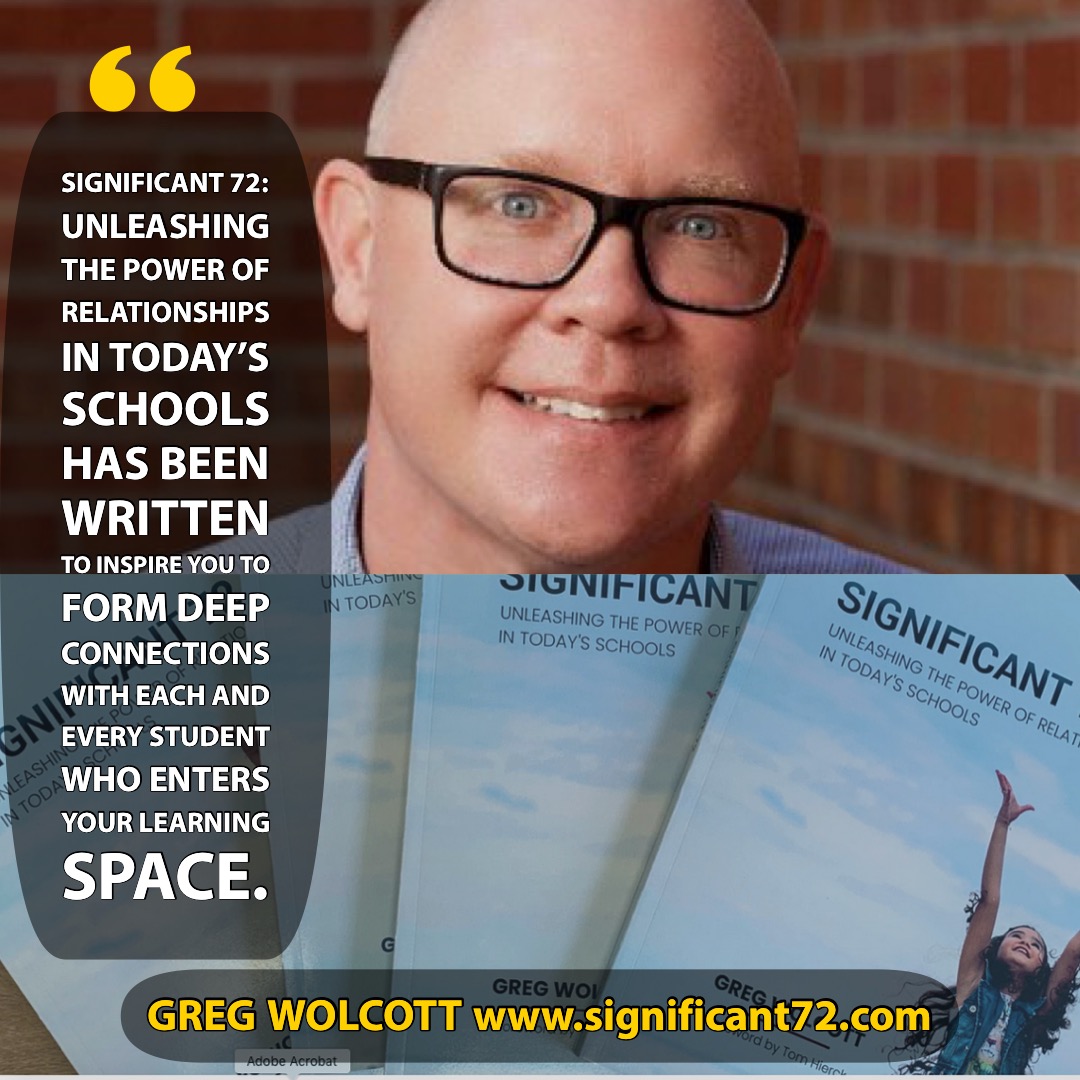
S1 Ep 7Assistant Superintendent Greg Wolcott on "Building Relationships in Today's Classrooms"
Welcome back to the “Neuroscience Meets SEL Podcast” this is Andrea Samadi. This interview will be broadcast on YouTube as well as on the regular podcast channel, so be sure to look for the YouTube link in the show notes if you would like to view the video. Our special guest today is Greg Wolcott. He is someone who is “always on the cutting edge of education.” Greg is the author of the book Significant 72: Unleashing the Power of Relationships in Today’s Schools[i] and is on a serious mission to impact our schools with this movement. Greg currently serves as the Assistant Superintendent for Teaching and Learning in a suburb of Chicago as well as an adjunct professor. As an educator in the Chicago area for over 20 years, he is passionate about developing opportunities for all students to succeed as well as finding ways for all teachers and staff members to utilize their strengths to maximize learning. I’m excited to have Greg share more about the “Significant 72” initiative that’s implemented in over two hundred schools across the United States and Canada. Welcome Greg. Q1: As we dive into the relationship competency, I know there isn’t anyone I could think of that could cover this topic better than you. Can you give some background on the reason why you wrote this book? I remember hearing you talking about the concept of “Significant 72” on an SEL Webinar back in 2016. I remember you mentioned it had to do with the importance of relationship building after 3-day weekends. Where did the concept begin, what does Significant 72 look like in a school (every day, every month and after long breaks)? Q2: When you mentioned the research you had done, and found the key attribute that all great teachers do—their ability to form strong, caring relationships with students, how did you take this information to help build on this strength to connect with students on a deeper level? Q3: We know from the research that “When students perceive that their teacher knows them both academically and personally, they are better positioned to take ownership of their learning.” (Edwards & Edick, 2013). We can all recall are favorite teachers who inspired us to learn, but how did they do it? There’s that fine line of showing you care and being too intrusive when asking students about their feelings or personal lives. How did you handle this to get the results you were looking for? GREG: It all began with John Hattie’s research on effect size and how relationship building yielded a gain of 2 years.[ii] Q5: Can you give us your TOP tips used in “Significant 72” for improving relationships with students? Q4: What are the outcomes and results from the schools using this method? How are you measuring this data? GREG: They use Panorama Education Surveys[iii] Q5: What is your 3-5 year vision of where you see “Significant 72” going? Q 6: To sum this all up, what are some final words of wisdom that you think we can all do (parents, as well as educators) to build stronger, meaningful relationships that foster that home/school connection? GREG: Connections Before Curriculum! Thank you Greg, for taking the time out of your day to speak with us and share your Significant 72 book, ideas and resources. If someone wants to learn more, they can go to www.significant72.com and find you on Twitter @GregJWolcott to reach you. [i] www.significant72.com [ii] https://visible-learning.org/hattie-ranking-influences-effect-sizes-learning-achievement/ [iii] www.PanoramaEd.com
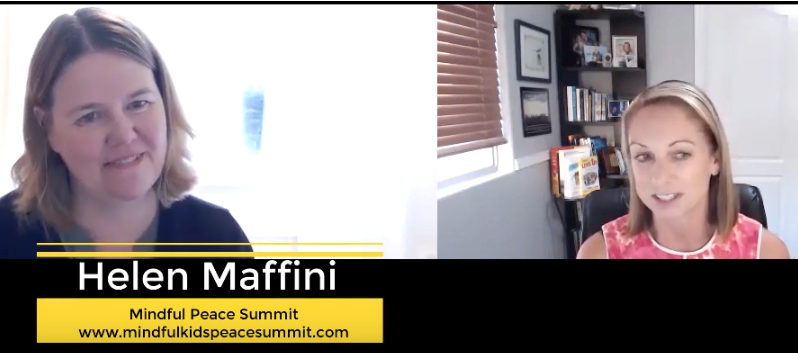
S1 Ep 6Helen Maffini, from the Mindful Peace Summit on "Launching Mindfulness and Meditation in Our Schools"
In today’s episode we have Helen Maffini, a Canadian/British international educational consultant. You can watch the video of this interview on YouTube as well as listen on our regular podcast channel. Helen is the host of the Mindfulness in Education and Peace Summits, a doctoral researcher, author and educator and will share with us her experience as the host of "The Mindful Peace Summits" that bring educators, business leaders, researchers and experts in the field together in one place, to share their ideas, resources and expertise on the future of "Mindfulness and Meditation" in our schools. With time, these practices will be implemented in more and more schools worldwide, and workplaces will follow the way (like in the UK where meditation is used in parliament). Here Helen's thoughts on the following questions. Q1: I’ve been blessed to be interviewed by you for your Mindful Peace Summits where you interview leaders across the world in the area of SEL and neuroscience with guests like Dr. Daniel Siegal, the author of Brain Storm: The Power and Purpose of the Teenage Brain (and countless other books) as well as many others. Why did you create the Mindful Peace Summits? What have YOU learned from your interviews? Q2: It was powerful watching 14-year-old Adam Avin hosting your last Mindful Peace Summit in February. I think that student-voice is trending in the country, and Adam is spearheading his way. How did Adam impact your Summit? What did you notice about his participation? Q3: I know we have similar visions for where we see education going, and we have both come from similar backgrounds. Where do you think SEL is right now in the US opposed to Canada and Internationally? Is the US behind/at the same pace? (I see Canada as being ahead from the fact that in 2016 they hired me to present on SEL/Neuroscience whereas the US is just catching onto this topic). Curious what you think? Q4: Can you explain your MindBe Curriculum and how it’s impacting schools in Asia? What is your vision for your curriculum? (Canada/USA)? Q5: What’s on the 3-5 year plan for you? I know you are always working on something. What’s next?
S1 Ep 5Social-Awareness: How to Change Your Social Brain
Our goal with this podcast is to close the gap recent surveys show exists in our workforce where 58 percent of employers say college graduates aren’t adequately prepared for today’s workforce, and those employers noted a particular gap in social and emotional skills. Research shows that social-emotional skills like social awareness, self-management, and growth mindset are crucial to college and career readiness. We have chosen six social and emotional learning competencies to dive deep into over the next 6 episodes to use as a springboard for discussion and tie in how an understanding of our brain can facilitate these strategies. We want the ideas you take away with you to be actionable whether you are an educator working in a school, an employee or manager in a corporation, or someone just looking to take their skills to the next level. We have done all of the research for you and look forward to hearing about the results that you create. As a recap, in our first episode, we shared with you the “Why behind implementing an SEL/emotional intelligence training program in your school or workplace.” In the second episode, we introduced the first of the six SEL competencies (self-awareness). With each competency, we’ll investigate the best practices and strategies that you can use to develop and improve your own SEL/Emotional Intelligence and well-being practices, before extending these strategies to your districts, schools, classrooms, workplaces and communities. We’ll offer ideas, tools and resources (in the show notes section) so that anyone can apply these skills themselves, and then teach others for improved results, focus and productivity. Our next competency is social-awareness. What is Social-Awareness and Why is it Important? “Social awareness is the ability to take the perspective of and empathize with others from diverse backgrounds and cultures.” [i] Being socially aware means that we have the ability to: Recognize our own emotions in addition to other people’s emotions Use information about our emotions to help guide or direct our thoughts, feelings, actions and behaviors Be aware of the thoughts, feelings and motivations of others Be able to take another person’s perspective “As an educator, part of our role is to help students see the world through others’ eyes.” [ii] How can we become more socially mindful of others? We know that research shows that students with strong social awareness adapt easily to their environment, are empathetic to others, and have fewer behavioral problems.” [iii] This creates a setting where students can focus on learning. Findings also show that students who demonstrate strong social awareness are better able to engage in effective communication with their peers to resolve conflicts and challenges when they arise. In the workplace, there are a lot of components to think about. We are all equals (men vs women) and of diverse backgrounds and everyone on the team can contribute in a different way to achieve the end goal. We’ve must learn to communicate between different departments-- marketing can’t work without sales and sales can’t operate without marketing. It’s important to learn strategies to connect with all our colleagues. Tap into Your Own Social-Awareness in 4 Steps There is a way to train your brain to increase social awareness and create substantial neural changes in your social brain. This practice will help you to change your behavior and in turn, will cause others to trust and connect with you more. Imagine you have a team meeting and you know the outcome that you want from the meeting. There are some steps that you can take BEFORE the meeting that can prime your brain for these results. STEP 1: Prepare yourself to engage in the present moment. Yawn, stretch, relax and release any negative thoughts and feelings that might be on your mind. You don’t want to carry anything into the meeting to affect the outcome that you want. STEP 2: Find your power word. Think o
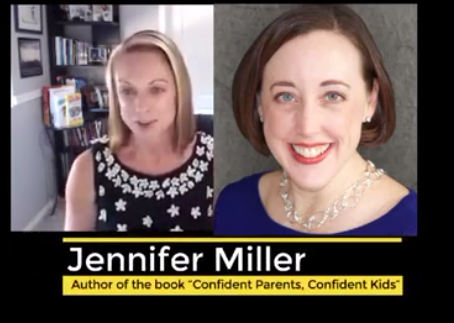
S1 Ep 4Author and Speaker Jennifer Miller on "Building Connections with Parents and Educators"
Welcome back to the “Neuroscience Meets SEL Podcast” this is Andrea Samadi. This interview will be broadcast on YouTube as well as on the regular podcast channel. Today we are speaking with Jennifer Miller, she’s an author and illustrator of the blog Confident Parents, Confident Kids[i] with over 22,000 followers. She has her master’s degree in Instructional Leadership with a focus on social and emotional development, and has a new book coming out just shortly after the SEL Exchange[ii] this October called Confident Parents, Confident Kids: Raising Emotional Intelligence in Ourselves and Our Kids — From Toddlers to Teenagers.[iii] Welcome Jennifer, it’s great to meet you after following your work for the past few years. I was excited to see you as a speaker at Casel’s SEL Exchange this coming October where you will be showcasing your research with educators nationally and internationally. This is very exciting! Q1: Can you give us a sneak peak of the insights you will be sharing at Casel’s pre-conference institute this fall? Q2: I know we’ve both heard this question many times, and it’s often the question kicked around in many different settings. I hope that this interview can shed some light on some solutions to bridge the gap that exists with the question. The question is….“Whose job is it to educate our kids?” Of course, we know the role of our schools to educate students, but teachers can’t be the only solution. With the fact that students are with their teachers around 6 hours/day, about 180 days/year, [iv] we can’t rely on only the school because there’s a lot of time they are not in school, bringing us to you, for your expertise. Whose job is it? Q3: What can/should parents be doing at home to support their child’s social and emotional learning? What does SEL look like integrated into family life? (examples for young children-teens) Q4: How do parents access and translate the robust knowledge base from schools to support them in raising confident, responsible children? What should parents be doing more of to support this new and emergent field? Q5: How can schools who prioritize social and emotional learning authentically partner with families to maximize success with our children? Q6: What would be your top 5 tips for a parent to improve their role to support their local school/educator? Q7: Would be your top 5 tips for teachers to improve their role to support/connect better with parents? Q8: I’m looking forward to the release of your book Confident Parents, Confident Kids: Raising Emotional Intelligence in Ourselves and Our Kids — and look will do all I can to promote your book to help more families. Can you give us some background on why you wrote this book, and the support it will provide for parents? Q9: Thank you Jennifer for taking the time out of your day today. Is there anything you think we have missed, any final thoughts for parents/educators who either watch the video on YouTube, or hear the podcast, to learn more about supporting the home/school connection with social and emotional learning? [i] https://confidentparentsconfidentkids.org/ [ii] https://selexchange.casel.org/ [iii] Pre-order Jennifer Miller’s Book on Amazon https://www.amazon.com/Confident-Parents-Kids-Emotional-Intelligence/dp/1592339042/ref=sr_1_2?keywords=jennifer+miller+parenting&qid=1563316995&s=gateway&sr=8-2 [iv] Leading Education Podcast with Jeff Rose https://www.leadingedsolutions.com/about

S1 Ep 3Ron Hall of Valley Day School, PA on "Launching Your Neuroeducational Program"
Welcome back to the “Neuroscience Meets SEL Podcast” this is Andrea Samadi. This interview will be broadcast on YouTube as well as on the regular podcast channel, so be sure to click on the link if you would like to view the video. In this episode we have a special guest, Ron Hall, the Executive Director of Valley Day School[i] in Morristown, Pennsylvania to discuss how his school improved behavioral outcomes with a neuroscientific approach. If you take one look at Valley Day Schools website in the News Section you can see the forward-thinking nature of this school that is applying cutting edge technology in PE class that combines movement with intellect, challenging students to think while they move. They are using virtual reality to travel to different regions of the world and develop empathy. Teachers hold community meetings with students to get to the root cause of behavioral problems over punishment, and they teach their students about table etiquette, and social/emotional intelligence though advanced technology tools.Welcome Ron, thanks for joining us today. When I saw the article written about your focus on social support rather than the old punitive approach, I knew I had to contact you so you could share your experiences to help other schools that might be thinking of implementing a program like yours. The more I read on your In the News Section of your website, the more excited I got to speak with you to learn more. I know that summer time is a time to get some rest to rejuvenate for the next year, so I do appreciate you speaking with me during the summer break to help others to see some of your strategies. Let’s dive into the questions… In your recent interview “Lessons in Leadership: How an Alternative School Improved Behavioral Outcomes with a Neuroscience Approach”[ii] from educationdive.com you mentioned how you were interested in using an understanding of the brain to facilitate learning prior to being hired at Valley Day School over 15 years ago. It was just a bit longer than that when I was a teacher in the classroom and looking for something like this to help me manage a classroom of behavioral students. My principal sent me to a Tribes workshop, but this was not even close to what I needed. What made you look at brain-based learning back then and what did you discover? We know that 15 years ago there wasn’t the research around social and emotional learning that we now know impacts student achievement and behavior. What do you think is different now than 15 years ago with schools using these strategies to help improve student behavior that we know is tied into achievement? How are you teaching these skills? What happens if some staff do not buy in, or you see some outliers? How do you handle that? Can you explain the demographics of Valley Day School so that other schools can learn from your experience and model your approach? When I looked up your website valleyday.org right on your home page banner under “Cutting Edge Technology” I see a student on a computer with a brain jumping out of the screen. It looks like augmented reality (something I have been following for some time now). What program is that? How are you raising funds for such innovative tools? Where do you see neuroeducation going in the next 5 years and I’m really curious what’s on your roadmap for your next steps in innovation? I really do wish I knew these strategies back when I was in the classroom. It was probably one of the reasons I burnt out of the profession. I know that you believe that to “effectively manage behavior and improve learning, all staff members need to have a thorough understanding of how the brain operates.” Where would you suggest a school begin when looking to implement a neuroscientific approach to prevent teacher burnout? What are the most important components that teachers should grasp about the brain? Ron suggests starting with Harry Wong’s book, The First Day of School.[iii] What do you think s
S1 Ep 2Self-Awareness: Know Thyself
In this episode, we will introduce the first of six social and emotional learning competencies (self-awareness) that we will be diving deep into over the next six weeks. With each competency, we’ll investigate the best practices and strategies that educators/and the workplace can use for themselves to develop and improve their own SEL/Emotional Intelligence and well-being practices, before extending these strategies to their districts, schools, classrooms, workplaces and communities. We’ll offer ideas, tools and resources (in the show notes section) so that anyone can apply these skills themselves, and then teach others for improved results, focus and productivity. With the buzz of the importance and need of social and emotional learning in our schools (and emotional intelligence training in our workplaces), we all know that developing a child’s SEL skills is just as important as their academic content to ensure student motivation and success throughout their school years as well as in their future careers. We do know that students with strong SEL health “demonstrate self-control, communicate well, problem solve, are empathetic, respectful, grateful, gritty and optimistic.”[i] All of the skills our workforce is actively looking for. We also know that neuroscience has advanced our understanding of these SEL skills. We know that there is a clear connection between educator cortisol increase and student cortisol increase, (meaning that when teachers are stressed, the students will in turn be stressed) and that teachers who demonstrate social and emotional learning competencies (like self-awareness, social awareness, self-regulation, decision-making, relationship building) are more likely to stay in the classroom longer because they are able to work more effectively with challenging students—one of the main reasons for educator burn out. This is something I remember well—since this was one of the reasons I left the classroom over 20 years ago. I wish I knew the research and had some of the tools that I know now, and the importance of working on myself, before considering an impact on others. I hope these ideas, can help offer solutions to deepen the student/teacher relationship as well as connect teachers back to their profession, providing them with that feeling of autonomy, and peace that we all are looking for in our workplace. In the corporate world, these skills aren’t new, but they are “newly important” and of high urgency to develop in our future generations. A recent survey showed that 58 percent of employers say college graduates aren’t adequately prepared for today’s workforce, and those employers noted a particular gap in social and emotional skills. Our goal with this podcast is to close this gap by exploring six social and emotional learning competencies as a springboard for discussion and tie in how an understanding of our brain can facilitate these strategies. We want the ideas you take away with you to be actionable whether you are an educator working in a school, an employee of manager in a corporation, or someone just looking to take their skills to the next level. We have done all of the research for you and look forward to hearing about the results that you create. Self-Awareness Today we will begin with Self-Awareness to kick off our first SEL competency since to “know thyself” is the most substantial achievement we can have in our lifetime. “The major value in life is not what you get. It’s what you become.” (Jim Rohn, American author, speaker and entrepreneur). So let’s take a deeper look. What is self-awareness, why do we need it, and how can we get more of it? Self-awareness is “the ability to see ourselves clearly, understand who we are, how others see us and how we fit into the world.”[ii] When we have self-awareness, we have a power within ourselves because there is a comfort in knowing who exactly who we are and where we fit into the larger world around us. Research shows that “people who
S1 Ep 1The "Why" Behind Implementing an SEL or Emotional Intelligence Program for Schools and the Workplace
Welcome to our FIRST “Neuroscience Meets SEL Podcast” this is Andrea Samadi. In this episode, we will be talking about the WHY behind setting up a social and emotional learning program in your school or district, or emotional intelligence training in the workplace. Today I have with me Majid Samadi, Corporate Sales Leader for the past 22 years, and my husband, and we will be talking about “The Why Behind Social and Emotional Learning or Emotional Intelligence Training for Schools and Workplaces” and offering his thoughts with his experience in mind. Andrea to Majid: As someone who works in the corporate world, why do you think teaching SEL in our classrooms is so important to develop our future generations? What skills do you think are missing? Majid to Andrea: What about you? Since you were a teacher in the classroom, why do you think SEL programs are so important in today’s classrooms? Why now? Hasn’t SEL always been important for preparing young people for the workplace? Sure, these skills have always been important, but the research wasn’t there 20 years ago. When I first started my career in education, in the late 90s, as a classroom teacher, I felt overwhelmed and frustrated by the lack of resources to help me to manage and teach my students (my first teaching assignment was a behavioral class) and I had to be creative to hold their attention, let alone teach what was required. I discovered social and emotional learning skills by chance through a motivational speaker. After seeing students working with skills that developed their attitude, mindset, confidence and goal-setting abilities, (you know, what we used to call soft skills) and it skyrocketed their results, (I saw kids who were able to go from C grades to A grades, from being a bench warmer to the starting line-up and improving their personal lives) I knew we were onto something. It actually hit me like a brick since I was really struggling to make an impact on the students in my classroom, and then here were these 12 teens talking about their results after only a few months of working with lessons that mirrored growth mindset, and self-awareness…and I knew I was meant to be doing this work back then. It’s been a 20-year journey and I am excited to share the resources and ideas with everyone here on the podcast. I know it won’t shock educators to know the statistics that support the need for students and SEL but did you know that: ¼ students struggle with anxiety 1/5 struggle with depression Research now shows us that students with strong SEL health “demonstrate self-control, communicate well, problem solve, are empathetic, respectful, grateful, gritty and optimistic.”[i] We also know that neuroscience has advanced our understanding of these SEL skills. Here’s more research of what we know now: “Success in life, and in college and career specifically, relies on student’s cognitive, social, and emotional development. (Integrating Social, Emotional and Academic Development: An Action Guide for School Leadership Teams) page 4 “Research shows that teaching these skills result in immediate and long-term improvement in academic achievements and are a better predictor of success than academic ability alone.” (Perspectives of Youth on High School and SEL Webinar, Dec. 11/18). (Research of over 200 studies show that students who studies SEL have an 11% gain in academic achievement). School climate, autonomy, educator health improves. We also know that there is a connection between educator cortisol increase and student cortisol increase. We know that teachers who demonstrate Social and Emotional Learning competencies are more likely to stay in the classroom longer because they are able to work more effectively with challenging students- one of the main causes of burn out. That’s why this topic is of such interest to so many people these days. “School leader support is the biggest predictor of whether change takes hold and is beneficial” (SEL and Principal