Naked Scientists, In Short Special Editions Podcast
989 episodes — Page 4 of 20

Ep 839Growing roots in compacted soil
Erosion is carrying away millions of tonnes of the soil we depend upon to keep our crops alive, every year. To try to prevent soil losses, farmers have moved away from some traditional techniques, like deep ploughing, and they're also planting short-lived "cover-crops" that protect the soil surface over winter. They then sow seed directly through these cover crops for the next season. The problem is that, without periodic deep ploughing, soils can become highly compacted. Plants don't tend to send their roots through compact soils so well, meaning they miss out on nutrients, and this can dent... Like this podcast? Please help us by supporting the Naked Scientists
Ep 838Soothing surgical patients
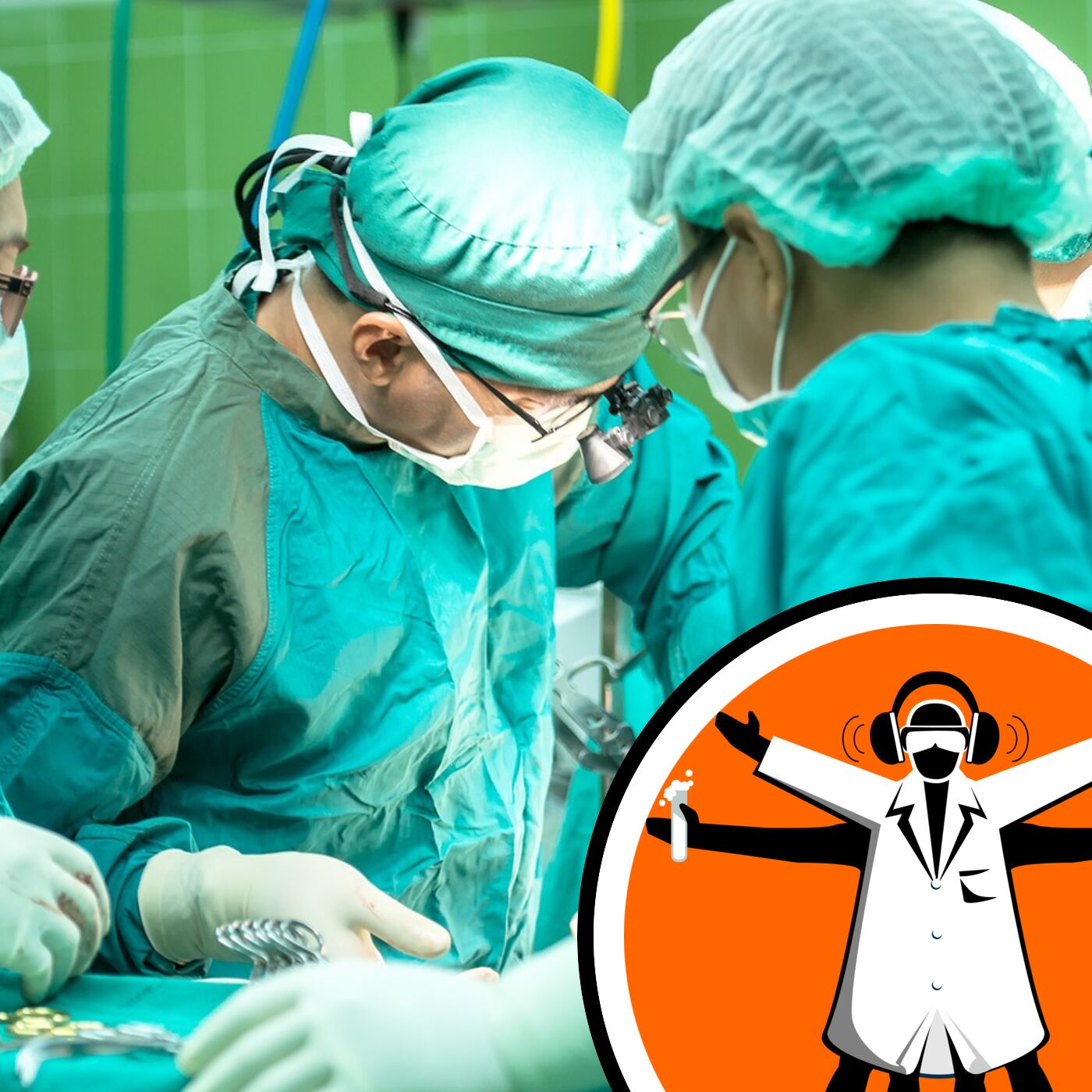
Anyone who's had surgery knows that recovery is often accompanied by discomfort. But scientists in Germany, writing in the British Medical Journal recently, explain how playing music and soothing words to patients while they are "under" during surgery results in less self reported pain and lower use of painkillers - specifically opioids - afterwards. Katie Haylor spoke to Ernil Hansen from Regensburg University Hospital in Bavaria... Like this podcast? Please help us by supporting the Naked Scientists

Ep 837COVID Vaccines: the EU debacle
Amid accusations of "despicable behaviour", the EU are backpedalling furiously. With fewer than 2% of EU citizens vaccinated compared with 12% of the UK population, Brussels faces a rising tide of disquiet from EU members as the bloc fails to get a vaccine programme on track. They blamed AstraZeneca, then invoked laws to erect a border across Ireland to block movements of vaccines made in Belgium. Many cannot believe the behaviour of the Brussels bureaucrats. Like this podcast? Please help us by supporting the Naked Scientists
Ep 836Cats, catnip, and curious chemicals
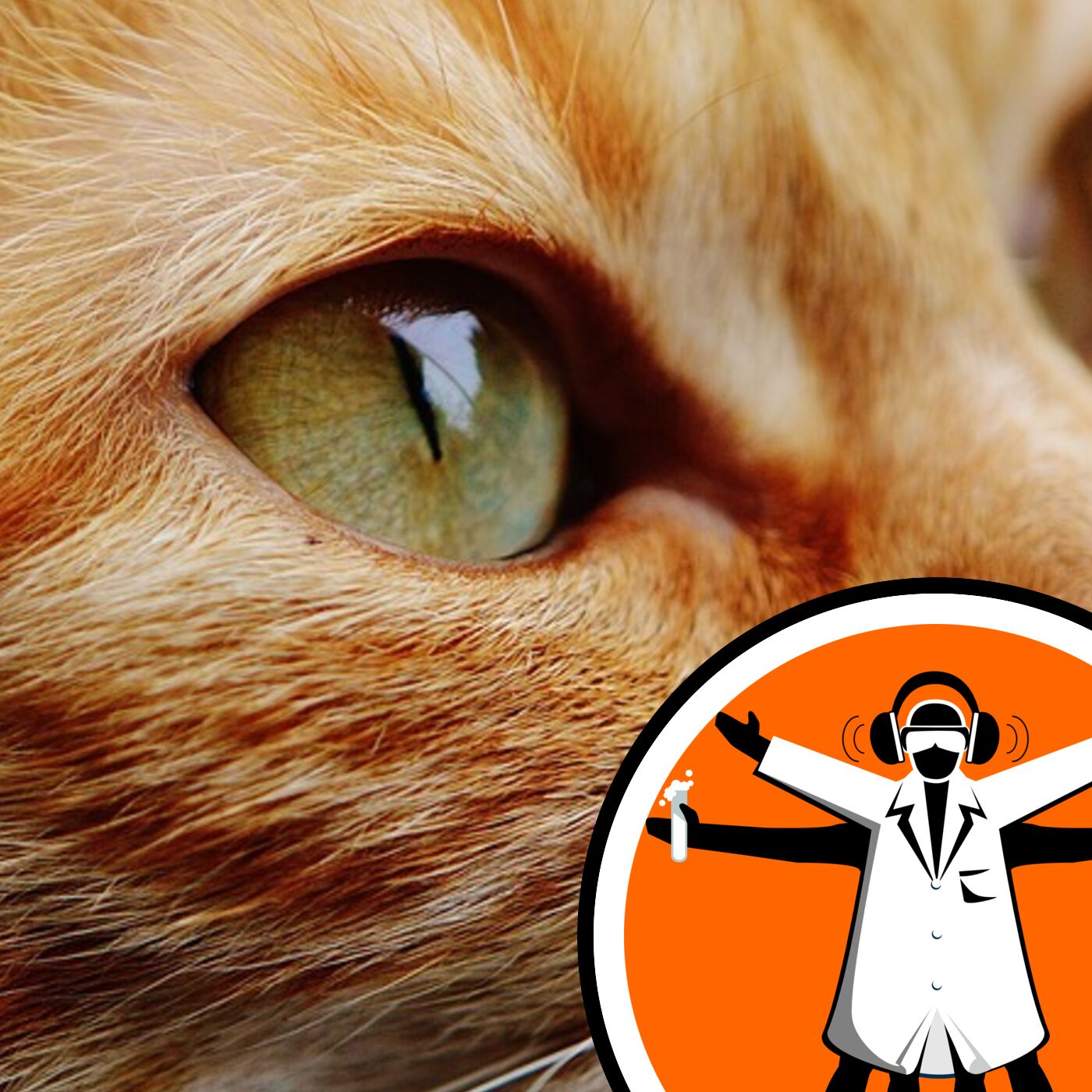
You've probably heard of catnip, which makes cats go crazy. There's also another plant called silver vine, which has a similar effect. Now scientists have been nailing down what in silver vine makes cats so excited, but also a surprising bonus effect of the chemical - it makes an effective mosquito repellent! Eva Higginbotham heard how from lead author on the study Masau Miyazaki from Iwate University, which has just been published in the journal Science Advances...Ref: https://advances.sciencemag.org/content/7/4/eabd9135 Like this podcast? Please help us by supporting the Naked Scientists

Ep 835Knitting: a short history
Although knitting and other handicrafts are having a bit of a moment during the pandemic as we all try to keep ourselves busy at home, the art and practice of knitting goes back a long way through history. Eva Higginbotham spoke with Loretta Napoleoni, a journalist and author who last year wrote a book about the power, and history, of knitting... Like this podcast? Please help us by supporting the Naked Scientists
Ep 834Flashy dinosaur fossil described
Now in the UK it is dark and dreary, but there's been a recent colourful scientific discovery to brighten up the day, as a new flamboyantly-dressed dinosaur has recently been described by scientists at the University of Portsmouth and the State Museum of Natural History in Germany. Eva Higginbotham heard the story from lead scientist on the project, Dave Martill... Like this podcast? Please help us by supporting the Naked Scientists

Ep 833COVID-19: can the new variant defeat vaccines
Kim Hill talks to virologist Chris Smith about Covid-19 in 2020, in retrospect and right now. What's the situation with global access to vaccines for the new coronavirus, and will the "new variant" emerging in the UK defeat the present vaccine repertoire? Where did this variant come from, what does it tell us about how viruses evolve, and is the UK looking at another lockdown post Christmas? Like this podcast? Please help us by supporting the Naked Scientists

Ep 832Winter traditions: scientifically speaking
Do you have any winter holiday traditions? This month, as we were gearing up for our holidays here at the Naked Scientists, we thought it would be a fun experiment to explore the science behind holiday celebrations around the world with the help of Chunendra Sahu, Cristina Rodriguez, Ljiljana Fruk, and Olgo Loblova - all researchers at the University of Cambridge... Like this podcast? Please help us by supporting the Naked Scientists

Ep 831Universal Flu Vaccine
The WHO estimates that up to 650,000 people globally die each year from the flu, and one of the tools in our arsenal against it is the seasonal flu vaccine. Recently there's been a huge breakthrough in the search for a universal flu vaccine, that is one vaccine that would give broad protection from lots of different strains of flu. Just published in the journal Nature Medicine, Eva Higginbotham spoke to one of the scientists behind the work: Lynda Coughlan... Like this podcast? Please help us by supporting the Naked Scientists

Ep 830Inhaled vaccines cross from lungs to blood
Traditionally, when someone says "vaccine", the image of a syringe and needle usually springs to mind. But injections need trained staff to administer them, and they're unpleasant, even for people who are not scared of needles. So vaccines you can inhale sound altogether more attractive. And that's what researchers at Rutgers University in the US have been working on. They've found a particular clutch of chemical compounds that are very good at passing harmlessly through the lungs and entering the bloodstream where they can interact with the immune system. What's exciting is that these... Like this podcast? Please help us by supporting the Naked Scientists

Ep 829Dreaming during the coronavirus pandemic
When we nod off we often dream, but many people have reported that, over the course of the pandemic, what they dream about has changed dramatically. It seems to be a real claim, and scientists are studying it. Eva Higginbotham spoke with dream scientist Alejandro Ezquerro-Nassar from the University of Cambridge... Like this podcast? Please help us by supporting the Naked Scientists

Ep 828AstraZeneca's Covid Vaccine
The AstraZeneca Oxford University Covid-19 vaccine results were announced recently, but something wasn't quite right: it turned out that some people in the trial had received the wrong vaccine dose, although with surprising results. Chris Smith joins RNZ's Kim Hill to review the AZ and other vaccines... Like this podcast? Please help us by supporting the Naked Scientists

Ep 827Alzheimer's: early detection via AI
Recently news was published of an artificial intelligence system which has analysed bits of speech from participants of a long-running study on dementia. These participants were cognitively normal, didn't have signs of dementia, at the time. The system managed to predict the onset of dementia up to 7 years earlier than human doctors. Katie Haylor asked Susan Kohlhass, director of research at Alzheimer's Research UK what she made of the announcement... Like this podcast? Please help us by supporting the Naked Scientists
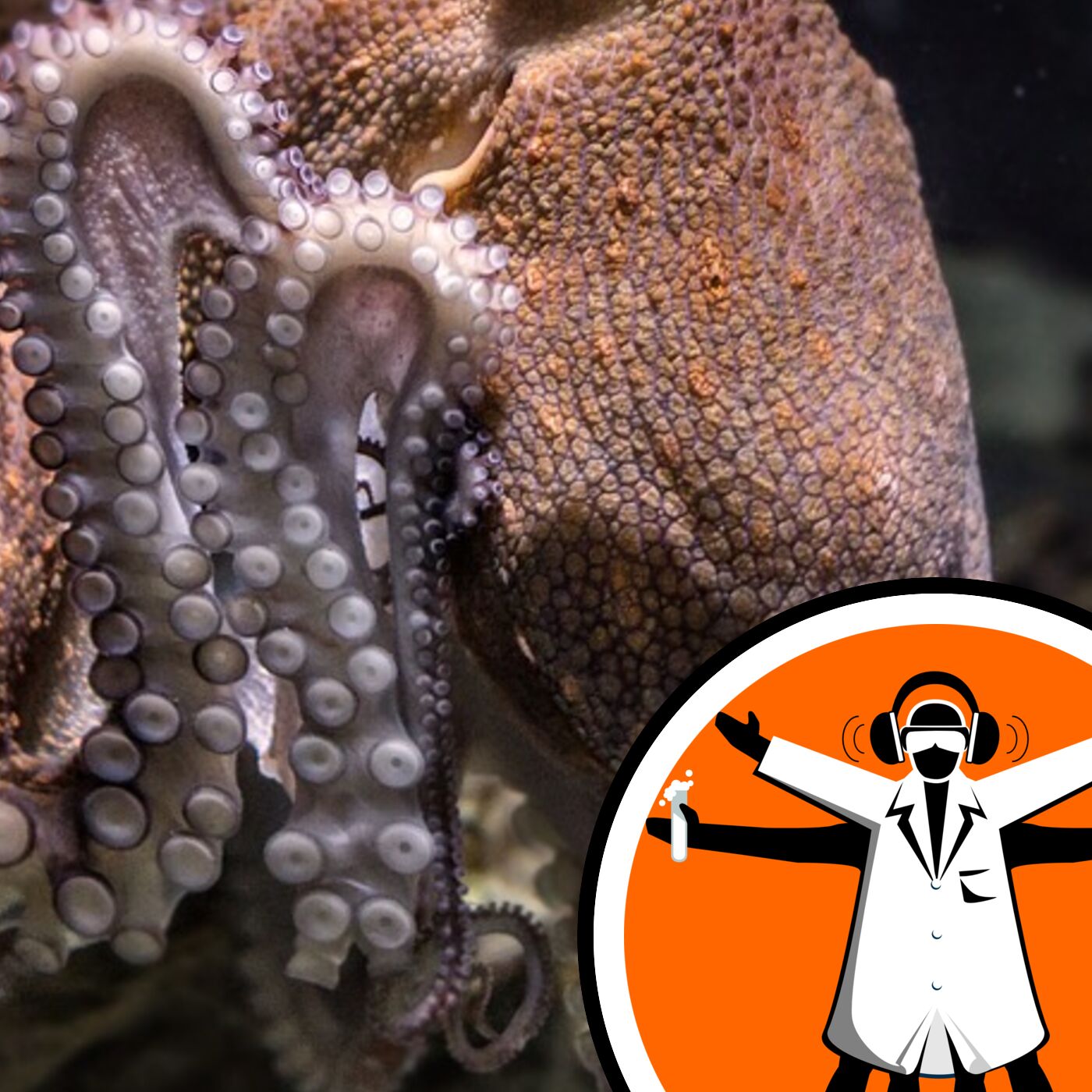
Ep 826Octopuses taste with their tentacles
Let's dive into the depths and consider the octopus. As well as being famous for its 8 arms, and 3 hearts, octopus vision is also impressive: it helps them spy out dinner, among other things. But light isn't always in great supply when you're hunting around on the seabed, so these creatures have a fascinating ability to taste their surroundings and therefore make decisions about what to eat or not, simply by touching things. Now, a paper from scientists at Harvard explains how this touch-taste system actually works on a molecular level. By studying the cells in the suction cups of the... Like this podcast? Please help us by supporting the Naked Scientists

Ep 825Obesity: modelling the effects of TV ads
As part of their obesity strategy the UK government announced plans to restrict the advertising of unhealthy foods on TV. And in a paper out recently, Oliver Mytton, of Cambridge University, and colleagues have modelled the potential impact of the TV ban on rates of obesity and overweight among children in the UK. Katie Haylor spoke to Oliver. Like this podcast? Please help us by supporting the Naked Scientists

Ep 824Carlos Rodriguez: Founder of eSports team G2
Join Chris Berrow for this extended chat with Carlos "Ocelote" Rodriguez about running one of the biggest eSports teams in the world - G2. From League of Legends to Hearthstone, the team have had a huge amount of success across the board. So what has coronavirus and lockdown meant for the business? Find out how long a typical player's career lasts, and what happens after you retire from competitive play. Like this podcast? Please help us by supporting the Naked Scientists

Ep 823Drug discovery via sea squirt
When we think of drug discovery we might conjure up images of scientists in white lab coats holding test tubes, but a new study searching for drugs to kill dangerous disease-causing fungi had researchers wearing wetsuits and holding fishing nets, and so far, it's all been worth it. Eva Higginbotham spoke with Tim Bugni and David Andes, two leaders on the project... Like this podcast? Please help us by supporting the Naked Scientists

Ep 822Brain cells making choices: pizza, or pasta?
If you've ever wondered what's going on in your brain when choosing what you want for lunch, look no further. Researchers from Washington University School of Medicine in St Louis recently published a paper in Nature where they used an experimental trick to show what was happening in the brains of monkeys as they chose which beverage they wanted to drink. Eva Higginbotham spoke with lead scientist on the project, Camillo Padoa-Schioppa, about how it works... Like this podcast? Please help us by supporting the Naked Scientists

Ep 821Smelling history: from AI to chemistry
Tired of just seeing and reading about history? Soon you'll be able to experience its smells as well! This is thanks to an ambitious project called ODEUROPA, which has just received a big EU grant that brings together researchers from a range of disciplines including historians, computer scientists and chemists to reconstruct the pongs of the past. Marieke van Erp is one of them; she's from the Dutch Digital Humanities Lab, and spoke to Eva Higginbotham... Like this podcast? Please help us by supporting the Naked Scientists

Ep 820Pfizer vaccine: an immunologist explains
Pfizer and BioNTech have concluded the Phase 3 trial of their coronavirus vaccine. The results appear to show an efficacy rate of 95%, and the developers hope to win FDA approval as soon as possible. This vaccine - a promising hope for many - works via a new methiod that's never been tried before in humans. Chris Smith asked Cambridge University immunologist Clare Bryant for her reaction... Like this podcast? Please help us by supporting the Naked Scientists
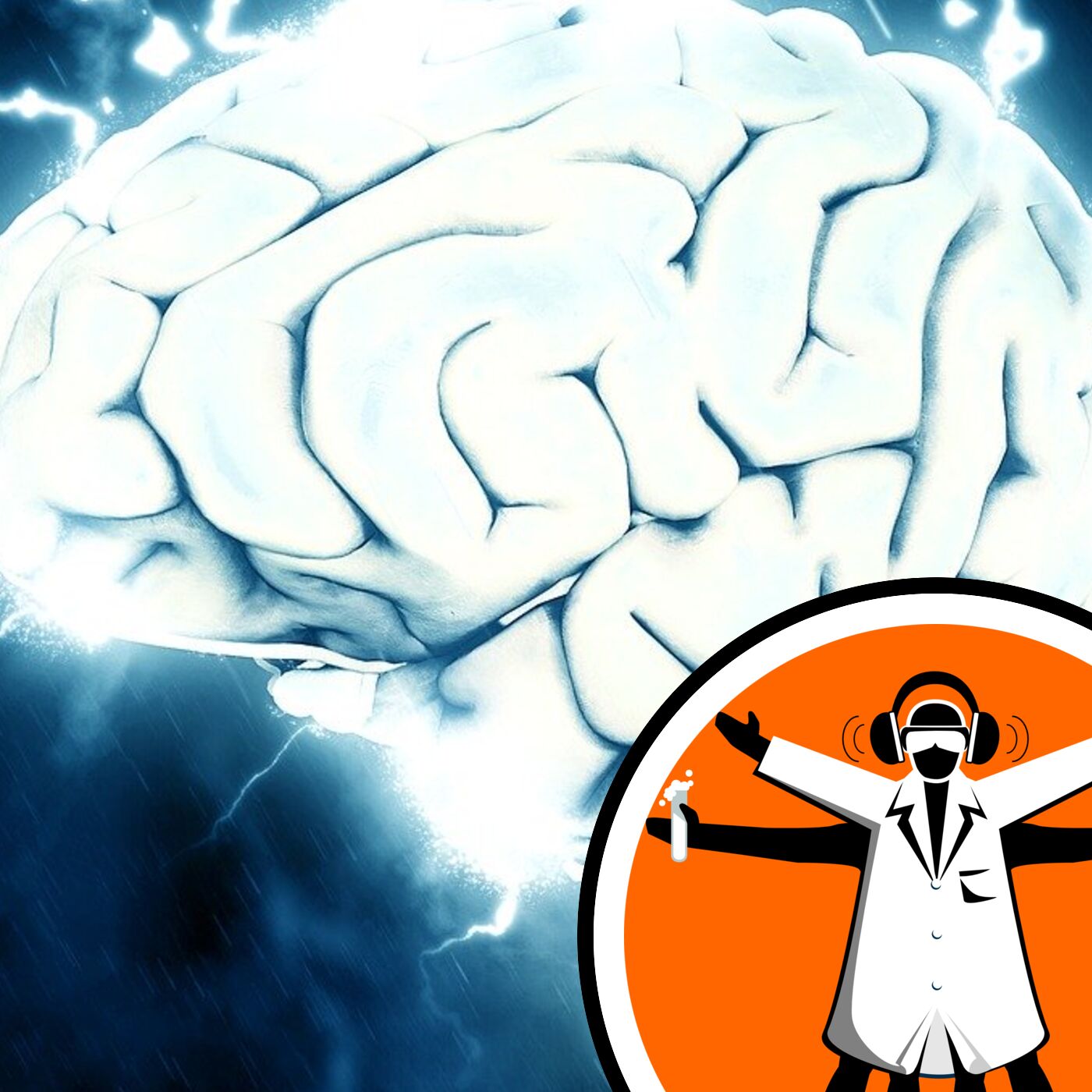
Ep 819MS vaccine using your own brain cells
Could an injection of your own brain cells be a way to halt multiple sclerosis - MS? That's what researchers in the US are finding in mice with the disease. In MS, the immune system attacks the brain and spinal cord, damaging a material called myelin. An extract of this myelin material, injected into the bloodstream, can permanently deactivate the immune cells that cause MS... Like this podcast? Please help us by supporting the Naked Scientists

Ep 818Pfizer announce Covid-19 vaccine
What do we know about Pfizer and bioNTech's new RNA-based COVID-19 vaccine, preliminary results for which were announced this week? Who was tested in the trial? And what is a genetic vaccine, why were vaccinees innoculated twice, what does 90% effective mean, and what's the reason it needs to be stored at -80º C? Joining RNZ's Kim Hill, virologist Dr Chris Smith explains... Like this podcast? Please help us by supporting the Naked Scientists
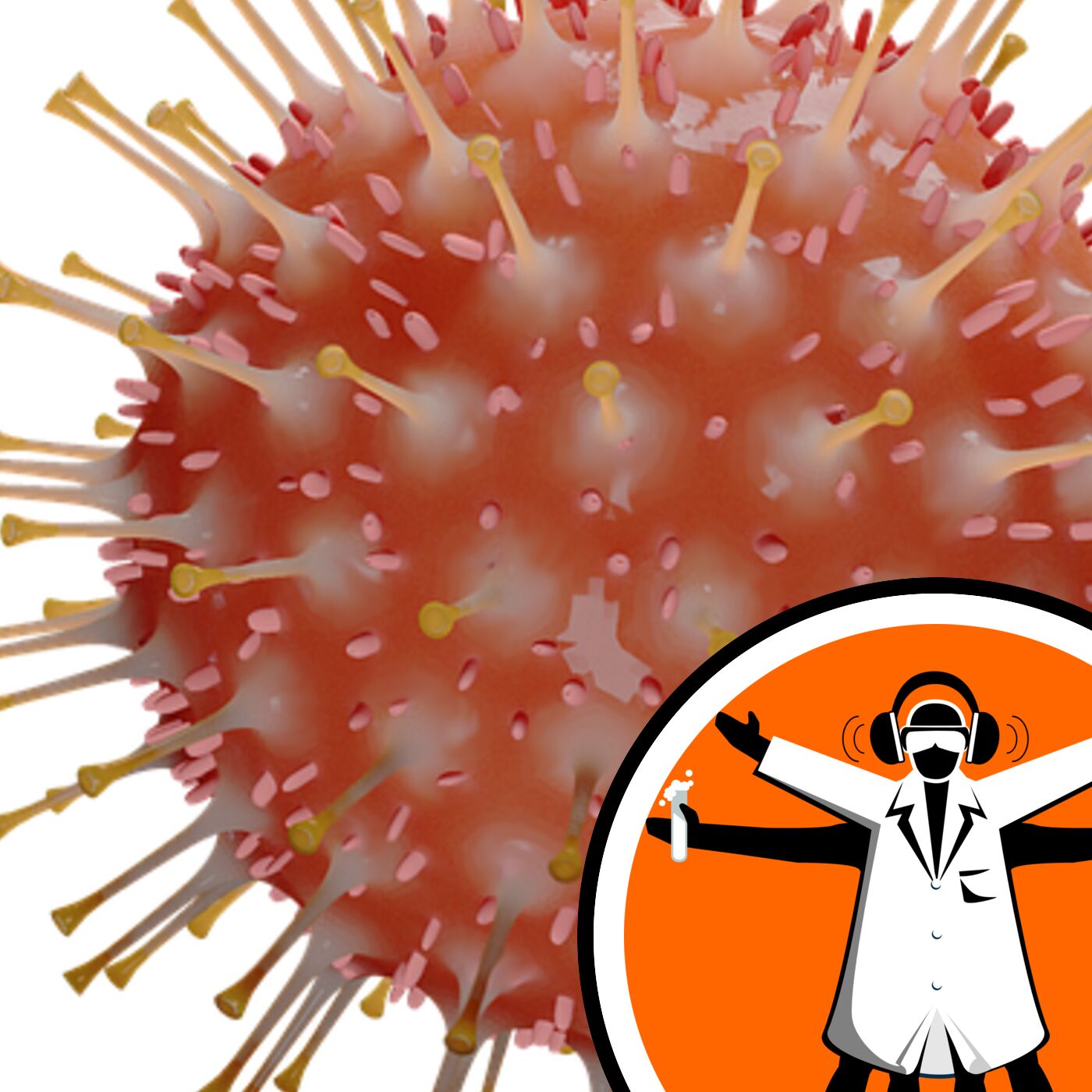
Ep 817COVID: The Swedish Strategy
There's been a lot of discussion about the Swedish approach to the coronavirus pandemic, and back in September, Jonas F Ludvigsson, a paediatrician and clinical epidemiologist at the Karolinka Institute, published a paper describing in detail what happened in Sweden during the first 8 months of the pandemic, so between January and August 2020. Eva Higginbotham spoke to Jonas back in October... Like this podcast? Please help us by supporting the Naked Scientists

Ep 816AI for infertility, and scar-free healing
This month we hear about an artificial intelligence (AI) breakthrough for infertility, how ketamine can mimic some of the decision-making difficulties seen in schizophrenia, a new device to observe and document mosquito feeding behaviour, the key to scar-free wound healing, and how open is open access publishing at the moment? Like this podcast? Please help us by supporting the Naked Scientists
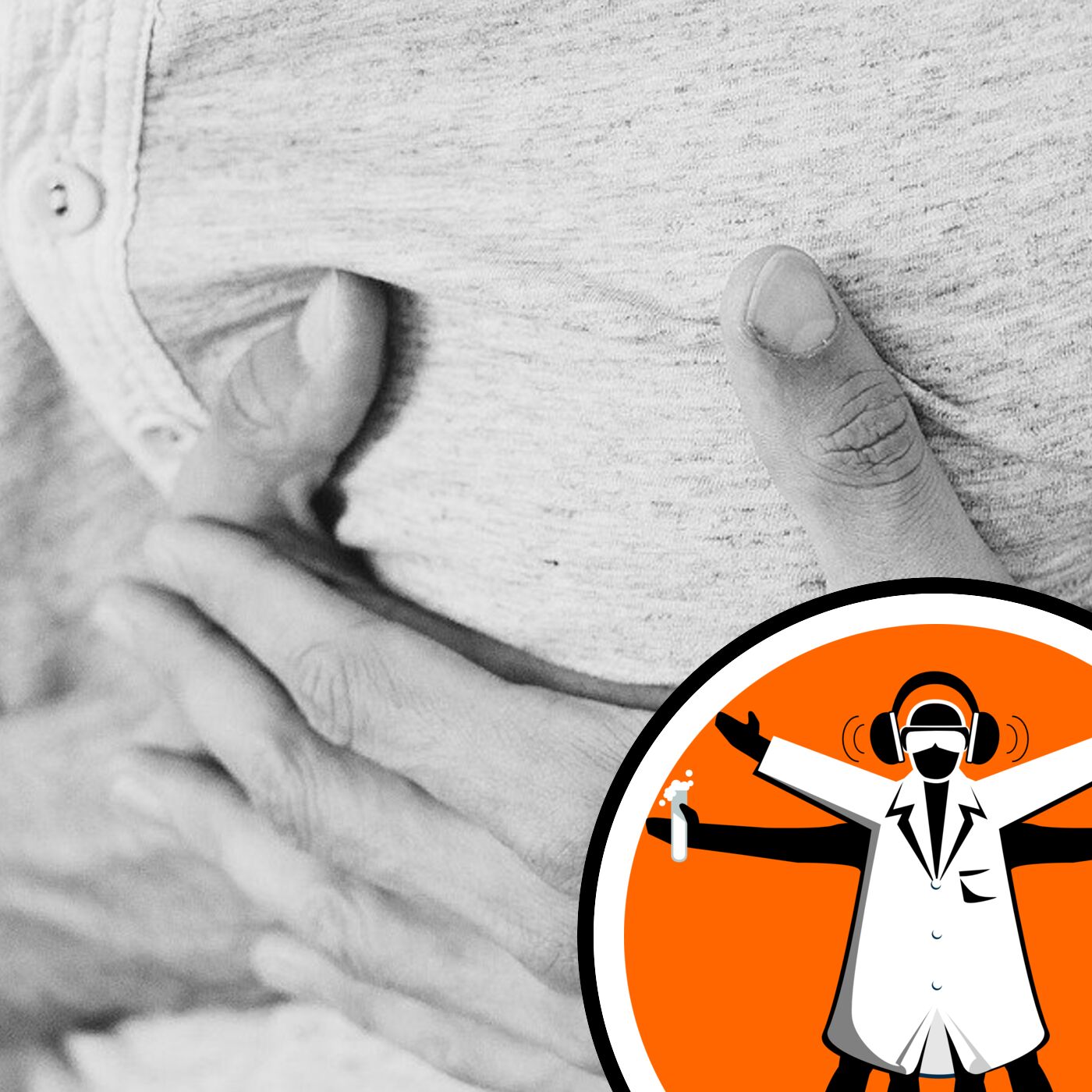
Ep 815HFpEF: heart failure type is underserved
Have you ever heard of the condition known as "heart failure with preserved ejection fraction"? If not, then you're not alone; despite it representing hundreds of thousands of heart failure cases every year in the UK alone, a new study shows that many doctors don't really understand it, and many patients don't even know they have it. In order to better understand the condition they call "heff peff", Emma Sowden from the University of Manchester and her colleagues have been speaking to people living with it - like Mancunian Mike Wardle - as well as to Phil Sansom... Like this podcast? Please help us by supporting the Naked Scientists

Ep 814UK Back in Lockdown
Virologist Dr Chris Smith joins Radio New Zealand National's Kim Hill to talk Covid-19. Why is the UK back in a lockdown, and did the measure come too late? How are we testing for the virus and how many cases are we missing? What is the incubation period, and what's the prospect for long term immunity? Like this podcast? Please help us by supporting the Naked Scientists
Ep 813Covid control and the economy
There's been lots of talk over the last several months over how best to both protect people from coronavirus and protect the economy, and economist Quentin Grafton from Australian National University has been crunching the numbers. Back in September, he combined epidemiological models of how the virus spreads with models of the Australian economy, and found results that lockdown-sceptics might consider surprising, as he told Eva Higginbotham... Like this podcast? Please help us by supporting the Naked Scientists

Ep 812Ten equations that rule the world
Would you like to make more money? Understand your relationships better? Know when to trust someone, or something, or not? Well, David Sumpter's got an equation for you in his new book 'Ten equations that rule the world" as he explained to Eva Higginbotham... Like this podcast? Please help us by supporting the Naked Scientists

Ep 811Daylight Saving Time: a history
Were you waking up too early this week? Across Europe, we recently left summer Daylight Light Saving time and re-entered standard time. But where does this practice of changing the clocks come from, and is it still a good idea? Eva Higginbotham reports... Like this podcast? Please help us by supporting the Naked Scientists
Ep 810Plastic recycling: the one pot method
Plastics are useful but notoriously hard to recycle back into their component chemicals, which limits what else we can do with them. Now, scientists in the US have developed a new catalyst that can break apart common plastics and turn them into chemicals that can be used to make other products. Cambridge University's Taylor Uekert works on ways to deal with plastic waste and she talked Katie Haylor through what the US team have managed to do... Like this podcast? Please help us by supporting the Naked Scientists

Ep 809Glitter litter: the dark side of dazzle
We've heard news that Morrisons, Waitrose and John Lewis' own brand Christmas products will not contain glitter this year. And now, scientists at Anglia Ruskin University have looked at making little ponds in the lab with river water and sediment. Katie Haylor heard from lead author Danielle Green, who explained that all the glitters they tested had an impact on the plants and algae in these ponds... Like this podcast? Please help us by supporting the Naked Scientists

Ep 808How not to get fooled by graphs
If you've been paying attention to the news in recent times, you'll be very familiar by now with graphs: COVID rates, infection rates, data are being displayed in a plethora of ways. But there are, as the old saying Mark Twain made popular goes "lies; damn lies and statistics", so are there any "gotchas" we should look out for when someone shows us a graph? Adam Murphy caught up with Nira Chamberlain, president of the Institute of Mathematics... Like this podcast? Please help us by supporting the Naked Scientists
Ep 807Stop littering in space!
Britain recently began a diplomatic campaign to draw up new rules for responsible behaviour in space; essentially it's a "don't litter" policy intended to reduce the threat posed by decades of irresponsible dumping in orbit. But what's the scale of the problem of space littering, and how might things go wrong? Adam Murphy spoke to John Zarnecki, emeritus professor of Space Sciences at the Open University... Like this podcast? Please help us by supporting the Naked Scientists

Ep 806Protected land: UK facing biodiversity crisis
On the 28th September, Boris Johnson committed to increasing the area of protected land in the UK to 30% by 2030. This announcement was made at a virtual UN event, where the prime minister, alongside upwards of 60 other world leaders, signed up to a pledge to tackle the world's chronic loss of biodiversity. Sir David Attenborough addressed the event too, imploring world leaders to do more to protect our natural environment. But what does this 30% actually mean for us here in the UK? Katie Haylor spoke to the RSPB's global conservation director Martin Harper... Like this podcast? Please help us by supporting the Naked Scientists
Ep 805Bee microbiome smells tell nestmates apart
How do bees recognise who's a bona fide member of the nest and who is an impostor? It turns out that it's down to the bacteria they carry inside them... Eva Higginbotham heard how Cassondra Vernier at Washington University in St Louis has figured it out with her colleague Yehuda Ben-Shahar... Like this podcast? Please help us by supporting the Naked Scientists

Ep 804Alien life: a zoologist's guide
For decades, astronomers have been scouring the skies looking for signs and signals that appear to be from creatures on other planets. But discussions on this topic invariably stray into science fiction and conjure images of 'little green men'. What might complex alien life really look like? That's the subject of The Zoologist's Guide to the Galaxy: What Animals on Earth Reveal about Aliens - and Ourselves, a new book by the University of Cambridge's Arik Kershenbaum. Adam Murphy and Chris Smith heard more... Like this podcast? Please help us by supporting the Naked Scientists

Ep 803Jim Gazzard: adapting teaching to Covid-19
Covid-19 is forcing educators to re-think centuries of teaching traditions and develop new ways to provide a rich but safe student experience. Jim Gazzard leads Cambridge University's Institute of Continuing Education (ICE). He joined palaeoanthropologist Lee Berger and Theo Bloom to speak with Chris Smith about how adult education and training are evolving rapidly... Like this podcast? Please help us by supporting the Naked Scientists

Ep 802Naked Gaming's Chris & Leigh interviewed!
Listen in to a special interview all about the Naked Gaming Podcast.Gene "Bean" Baxter from Podcast Radio (and Radio Hall of Famer!) chats to Leigh Milner and Chris Berrow about what its like being married to each other, and recording our gaming podcast.Topics include: how coronavirus has affected the gaming industry, what the best simulator of all time is, and whether Google Stadia is really worth buying. And Bean had to start off asking if Chris and Leigh were naked. Luckily they are used to fielding that question. And if you're wondering the answer was... no. They were wearing dressing... Like this podcast? Please help us by supporting the Naked Scientists
Ep 801UK Covid-19 second wave
As UK cases spike again, Dr Chris Smith joins RNZ's Kim Hill to discuss why some geographies are particularly hard-hit, what constitutes a "super-spreader" and who are the asymptomatic cases, what sentinel screening is telling us about the features and spread of Covid-19. Also on the table, low-cost rapid testing technology, the prospect of using testing to return the airline industry to viability, the timelines for vaccines, and why the Neanderthal in you might affect your coronavirus risk... Like this podcast? Please help us by supporting the Naked Scientists

Ep 800Prostate cancer prediction and bonobo culture
This month on the eLife podcast, artificial intelligence reveals a better test for prostate cancer, is the brain stuffed with neuronal stem cells, bonobos with cultural preferences, and why some insects play "follow my leader"... Like this podcast? Please help us by supporting the Naked Scientists

Ep 799Cambridge and Covid: a new academic year
On October 8th, about 15,000 students will return for the new academic year at Cambridge University. Other UK institutions have seen outbreaks and quarantine measures en-masse as Covid has ripped though university campuses. Cambridge Vice Chancellor Stephen Toope spoke with Chris Smith to discuss whether the student experience can be preserved at Cambridge in the face of measures required to control coronavirus... Like this podcast? Please help us by supporting the Naked Scientists

Ep 798The many ends of the universe
Welcome to the end of the universe. Which one will we get? Will the life drain slowly from thousands of cold, dead galaxies; or will the stars get ripped apart by a wave of strange new matter? That's the subject of a new book by astrophysicist Katie Mack, "The End of Everything". And be warned, some of the catastrophes she described to Phil Sansom make the coronavirus look like a walk in the park... Like this podcast? Please help us by supporting the Naked Scientists

Ep 797Magical manipulation... of animals?
Everyone loves magic. But does that extend to animals? You might have seen videos online of people performing tricks to animals, and the animals being hugely entertained by it, but do they understand what's going on. That's the idea put forth by researchers from the University of Cambridge. Adam Murphy spoke to Elias Garcia-Pelegrin about what magic tricks might be teach us about the animals around us... Like this podcast? Please help us by supporting the Naked Scientists

Ep 796Gene editing to reverse myotonic dystrophy
Myotonic dystrophy type 1 is a debilitating genetic disease that causes muscle weakness and wasting, amongst other problems, and there's currently no cure. It causes a toxic form of the chemical RNA - a genetic messenger molecule similar to DNA - to build up and clog up other important processes inside cells. Now, scientists at the University of California San Diego have used gene editing to reverse the disease in mice, as Eva Higginbotham heard from Gene Yeo... Like this podcast? Please help us by supporting the Naked Scientists
Ep 795When will we get a Covid-19 vaccine?
People everywhere are clinging to the hope that there'll soon be a coronavirus vaccine. That aspiration suffered a setback last week when AstraZeneca announced the suspension of its trial of the Covid-19 vaccine it's developing. So how are decisions to start and stop clinical trials made, and what's the present trajectory for a coronavirus vaccine? Chris Smith asked Gordon Dougan, who's overseen the development of many vaccines during his career, to explain... Like this podcast? Please help us by supporting the Naked Scientists
Ep 794Bradykinin and Covid-19: what's the link?
Virologist Dr Chris Smith joins Radio New Zealand National's Kim Hill for a Covid-19 update covering why AstraZeneca and Oxford University's coronavirus vaccine trial was halted and how vaccine side effects are investigated, why Boris Johnson has launched his Covid moonshot, signs that vapers are at higher risk of Covid-19, long term immunity to coronavirus infection or vaccination, and the bradykinin storm hypothesis to explain severe Covid-19 infection... Like this podcast? Please help us by supporting the Naked Scientists
Ep 793Dream analysis with AI
From the Babylonians to psychologist Sigmund Freud, as humans we've been fascinated by what our dreams might mean for thousands of years. Now, computer scientists have turned their hands to the art of dream divination with the development of automatic dream analysis software, as lead researcher Luca Aiello from the Nokia Bell Labs told Eva Higginbotham... Like this podcast? Please help us by supporting the Naked Scientists

Ep 792Why is Death Valley so hot?
There have been some record breaking temperatures lately, and Adam Murphy is hot on the trail of why one place in particular stands out... Like this podcast? Please help us by supporting the Naked Scientists

Ep 791Smartphones that can tell if you're drunk
Drink driving is one of the biggest killers on our roads. Brian Suffoletto is an A&E doctor in the US where he's spent the past 15 years developing digital interventions to stop people drinking and driving. Lately he's been working on a system that uses a smartphone to analyse the way a person walks to pick up on subtle giveaways that they're over the limit. Katie Haylor heard how it works... Like this podcast? Please help us by supporting the Naked Scientists

Ep 790Genetic risk for PTSD
PTSD is a disease that may occur after experiencing trauma, often characterised by the involuntary reliving of particularly painful memories. About 1 in 3 people who experience trauma will develop PTSD, but it's unclear why some people develop it and others don't. New research out of the University of Basel has shown that a genetic component may help explain why some people are more susceptible, as researcher Dominique de Quervain told Eva Higginbotham... Like this podcast? Please help us by supporting the Naked Scientists