
Naked Scientists, In Short Special Editions Podcast
989 episodes — Page 3 of 20

Ep 889Self-assembling filter can remove fluoride
Fluoride is the stuff in toothpaste that helps strengthen teeth. But if there's too much fluoride in the water it softens bones, and children become susceptible to bone deformities. It's very difficult and expensive to remove dissolved fluoride ions from water. But, inspired by nature, scientists have used polymers to produce a membrane that can filter out fluoride, as Sally Le Page heard from Ayse Asatekin... Like this podcast? Please help us by supporting the Naked Scientists

Ep 888Moral outrage on Twitter is contagious
Twitter has been the subject of another study, looking at how people's tendency to post tweets in moral outrage is affected by other people on the site. Increasingly in recent years, celebrities and other well-known individuals have found themselves being "cancelled". This usually happens when they do or say something that other users disagree with. The outpourings of outrage reverberate across the social network with many piling in publicly to scorn and humiliate the perpetrator. But why do people resort to this Twitter equivalent of lobbing rotten tomatoes at someone in the stocks?... Like this podcast? Please help us by supporting the Naked Scientists
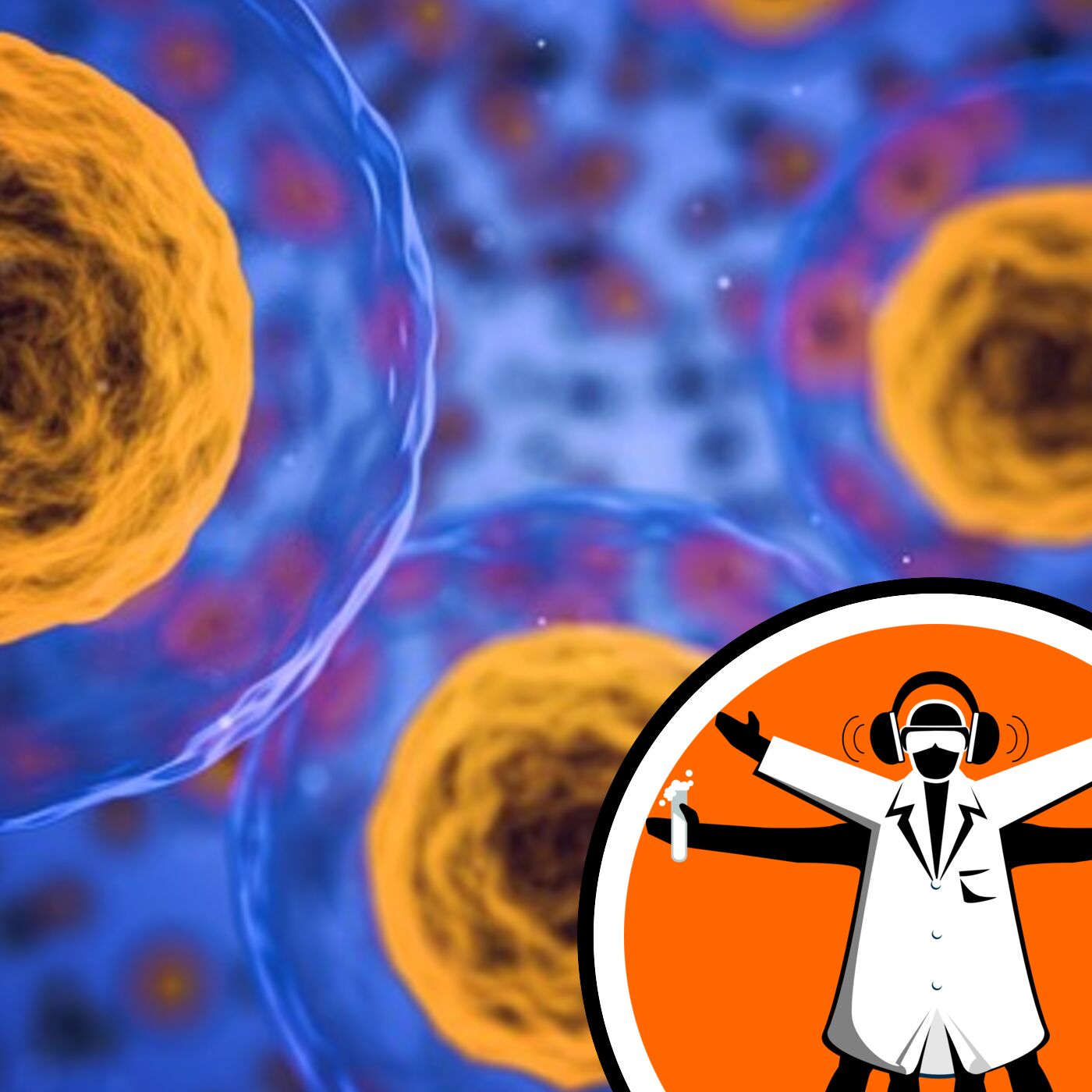
Ep 887bit.bio: a new source of human cells
Scientists and doctors are always after good quality human cells for research and therapeutic purposes, but these can be hard to come by in sufficient quantities. Now, synthetic biology company bit.bio has opened up new headquarters in Cambridge to start supplying multiple different cell types by reprogramming stem cells. Eva Higginbotham heard more from founder and CEO Mark Kotter... Like this podcast? Please help us by supporting the Naked Scientists
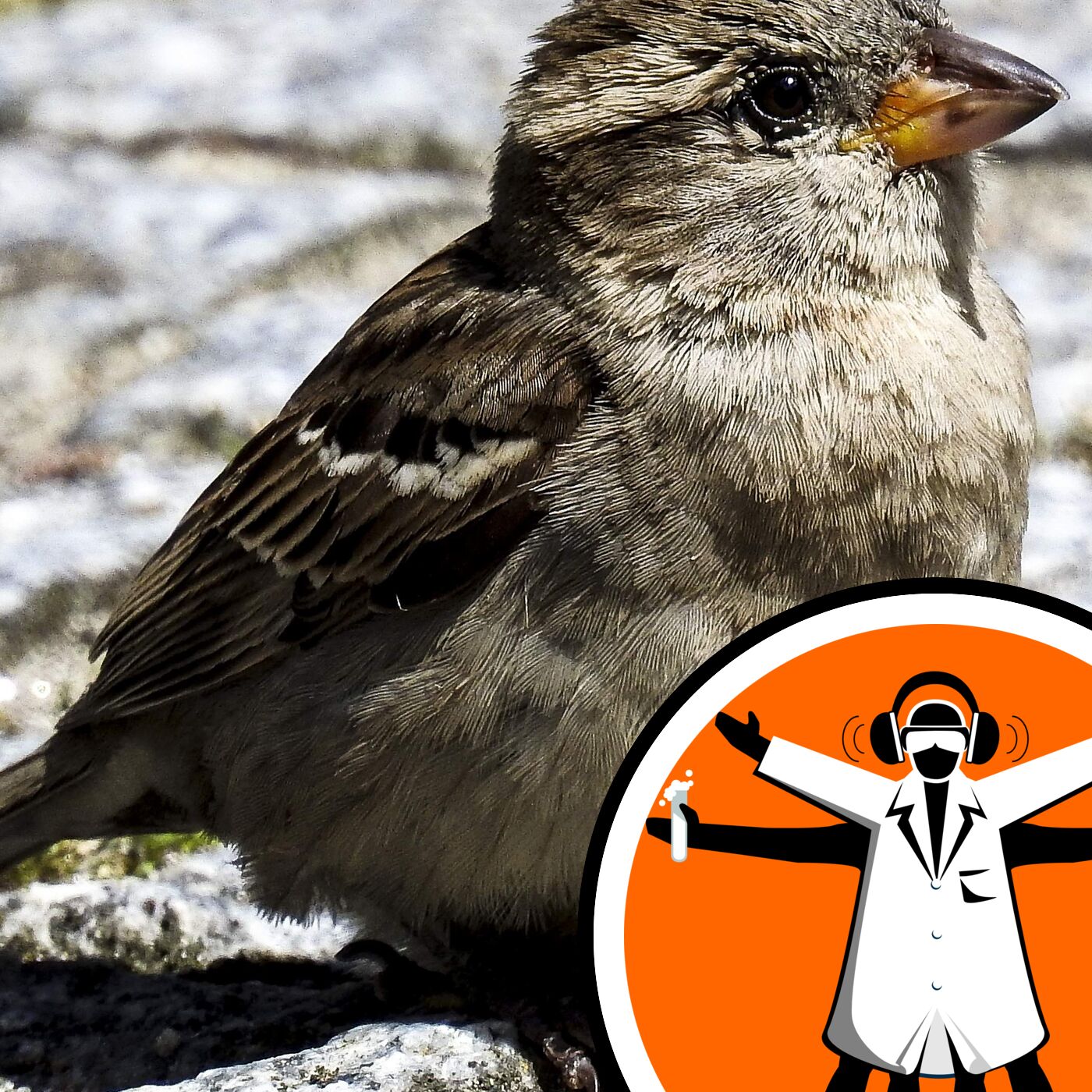
Ep 886Feeding birds could be causing harm
Many of us love putting out bird seed and watching birds feast away, and feel we're doing a good deed too, but a new paper out of Manchester Metropolitan University suggests we may actually be doing more harm than good. Eva Higginbotham spoke to BBC science correspondent Victoria Gill, who spoke with lead author Alex Lees previously... Like this podcast? Please help us by supporting the Naked Scientists

Ep 885Schools Causing Covid Surges
Most schools across the UK are open and children are heading back to their classrooms. But to what extent will this affect the Covid case rates across the country and what can we do to avoid disrupting a third academic year? In Scotland, children returned to school sooner than their English counterparts: what can we learn from their experience? Chris Smith spoke with Linda Bauld, who specialises in public health at the University of Edinburgh... Like this podcast? Please help us by supporting the Naked Scientists

Ep 884Long COVID in children: what we know so far
Quite soon after the pandemic first struck a significant number of people began to complain of persistent symptoms in the aftermath of being infected with the new coronavirus. These manifestations have been dubbed "long covid". What's less clear is the extent to which this is happening not just to adults but also to children, and particularly teenagers. Terence Stephenson is at the UCL Gt Ormond St Institute of Child Health and spoke with Chris Smith... Like this podcast? Please help us by supporting the Naked Scientists
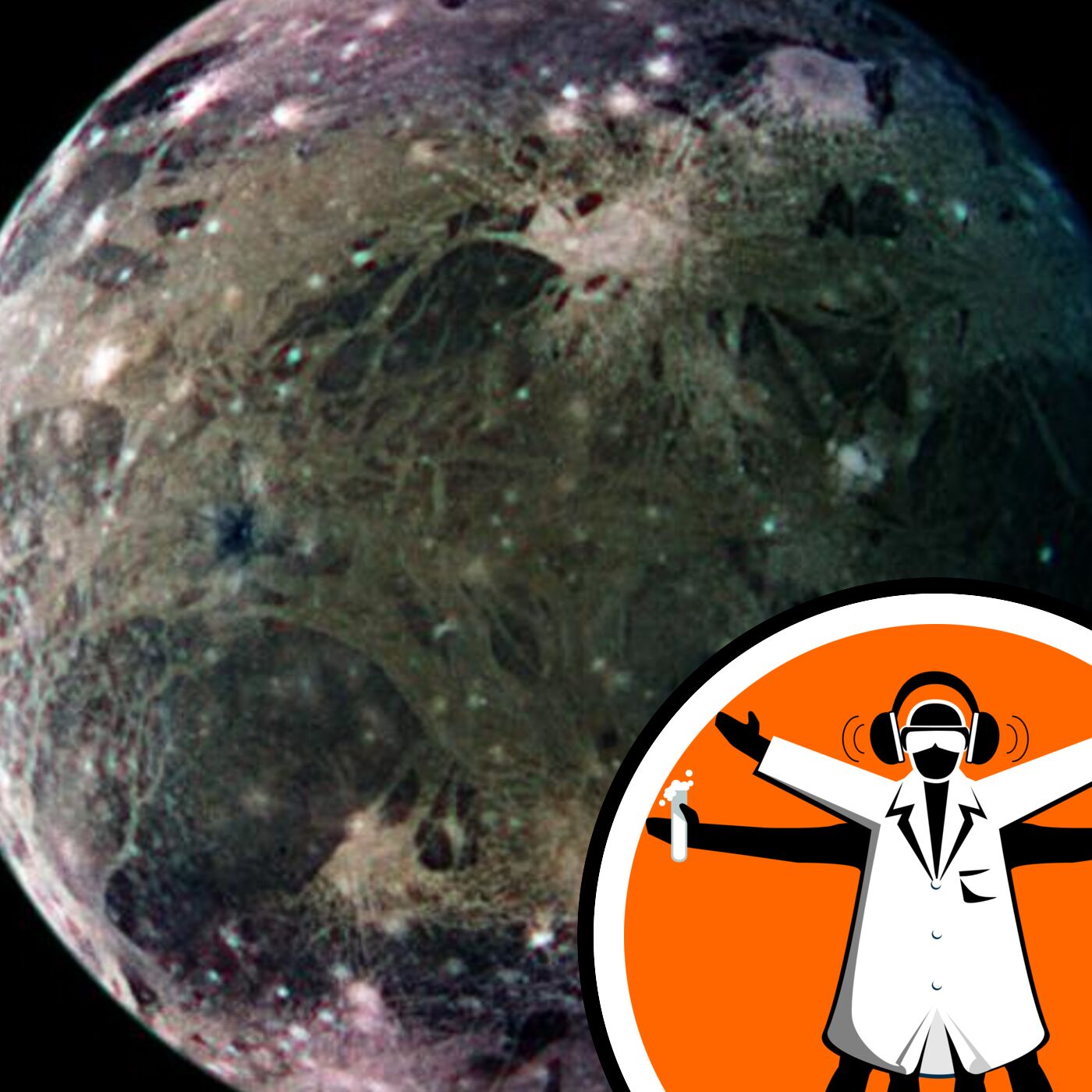
Ep 883Water vapour found on Ganymede
We often look for water on remote planets and moons because, as far as we know, it's a requirement for life. Now a team of researchers using the Hubble Space Telescope to scrutinise Jupiter's largest moon, Ganymede, think they've found water in its atmosphere. Sally Le Page spoke with team member Kurt Retherford. Like this podcast? Please help us by supporting the Naked Scientists

Ep 882What can NZ do about Delta?
Is Delta more deadly, or just transmitting more rapidly? And are the vaccines we're using likely to defend against future coronavirus variants? Also, does it matter that levels of antibody dimish post-vaccination, or will immune memory make up for the shortfall? Meanwhile, are vaccinated people who still catch Delta equally infectious? Does Delta incubate at the same rate as classical coronavirus strains? And do tests work equally well against Delta? Like this podcast? Please help us by supporting the Naked Scientists

Ep 881Antibiotic-resistant bacteria in dogs
Researchers have reported a case of antibiotic-resistant bacteria passing between dogs and their owners. And these bacteria aren't just resistant to any antibiotic - they're resistant to colistin, an antibiotic of last resort that we use when all other treatments fail. Mark Holmes is a vet and a microbial scientist from the University of Cambridge - he wasn't involved in the research, but he took a look for us and spoke to Eva Higginbotham... Like this podcast? Please help us by supporting the Naked Scientists

Ep 880The UK and Freedom Day: What The Numbers Say
Chris Smith joins Radio New Zealand National's Kim Hill to talk Covid-19, including the impact of the July 19th UK Freedom Day on Covid case rates. They also touch on vaccine performance, variants, past pandemics and whether we'll all be getting boosters in future years... Like this podcast? Please help us by supporting the Naked Scientists
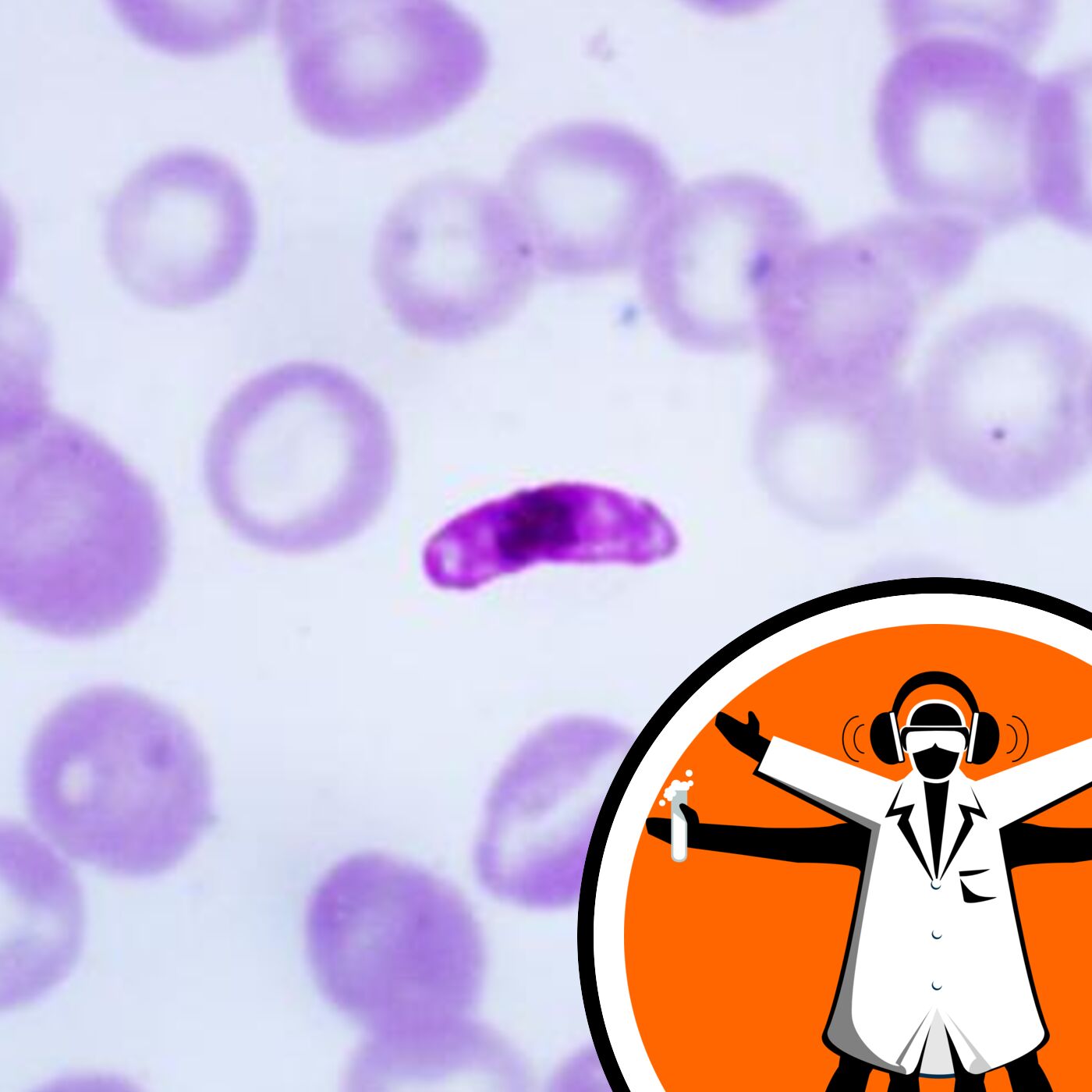
Ep 879New malaria drug cures with one dose
Although Covid-19 is dominating the headlines perpetually at the moment, it's very important not to lose sight of other significant diseases that don't yet have vaccines and do have a higher cumulative death toll. Malaria is one of them and kills half a million people, mostly children, every year. One serious problem is that the parasite that causes the disease is rapidly becoming resistant to the remaining antimalarial drugs we're using, so scientists have been searching for new ways to treat the disease. So far, more than 7 million chemical compounds have been screened to try to discover new... Like this podcast? Please help us by supporting the Naked Scientists
Ep 878Increasing likelihood of extreme heatwaves
Earlier this year a devastating heatwave in the pacific northwest of the United States killed almost 200 people with record-shattering temperatures; and, in 2019, the UK recorded its highest ever temperature of 38.7 degrees here in Cambridge. Alarmingly, new research from the Swiss Federal Institute of Technology suggests that there's more of this to come. Eva Higginbotham heard why from Erich Fischer... Like this podcast? Please help us by supporting the Naked Scientists

Ep 877Hygiene doesn't harm immune development
A question we're being asked quite a lot is whether the extra lengths we're going to in terms of hygiene to protect us from COVID-19 might cause us immune problems later because we're living lives that are too clean. This is the basis of what's dubbed the "hygiene hypothesis". But a report out this week says that, actually, it's the environment we've created - rather than the way we clean it - that matters, because modern living conditions and building materials select for the wrong sorts of microbes. Microbiologist and author of the report, Graham Rook, spoke to Chris Smith... Like this podcast? Please help us by supporting the Naked Scientists
Ep 876Rivers don't always recover after drought
The general view is that waterways, such as rivers and underground water sources, will dry up during severe drought - but eventually recover and resume their normal flow when the rains return. But new findings from Australia pour cold water on that idea. When researchers analysed 30 years of rainfall and flow data from 161 water catchments in southeast Australia, they discovered that one-third of these water catchments had not recovered almost eight years later. Charlotte Birkmanis heard more from Monash University's Tim Peterson... Like this podcast? Please help us by supporting the Naked Scientists
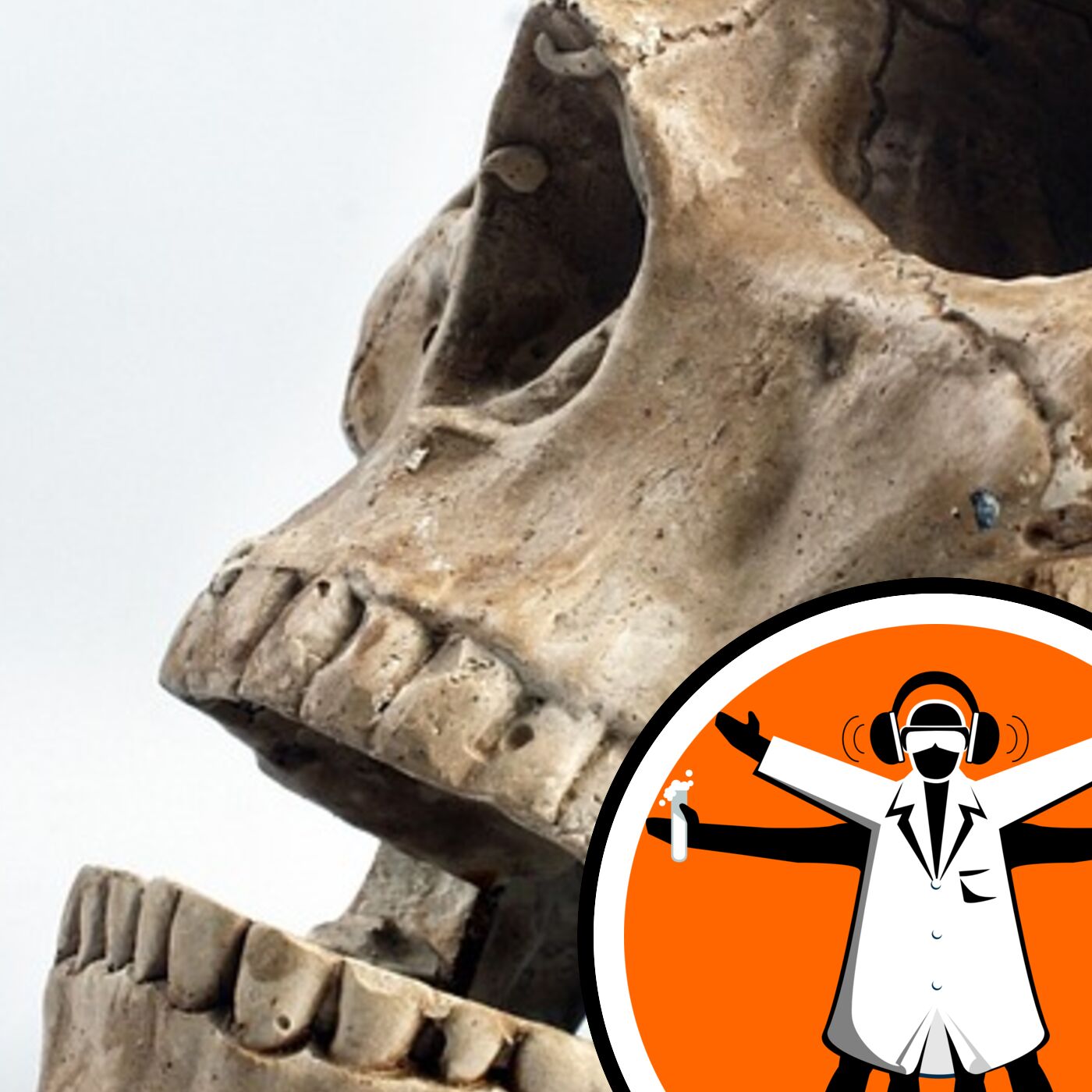
Ep 875'Dragon Man' skull: our closest relative?
An ancient skull, uncovered decades ago in China, has recently been revealed to be possibly the closest ever relative to humankind. It's called "Dragon Man", and based on trace uranium inside the skull, it's been dated to at least 146,000 years old - but could well be much older! This puts it at a critical time period in human evolution, when our ancestors were first emerging within Africa. But there's some disagreement about whether the fossil is from an entirely new species, or is linked to other sets of fossils found in East Asia. Palaeoanthropologist John Hawks, who wasn't involved in the... Like this podcast? Please help us by supporting the Naked Scientists

Ep 874T-rex teens fill mid-size predator gap
Few animals inspire the imagination like Tyrannosaurus rex. And the mighty tyrannosaurs did dominate the lands that eventually became central Asia and western North America for millions of years. But during that time, fossils show that medium-sized predators all but disappeared. Why? Thomas Holtz from the University of Maryland dug deep into the records, and - as he tells Charlotte Birkmanis - thinks teen T-rexes are the answer... Like this podcast? Please help us by supporting the Naked Scientists
Ep 873Sharks use Earth's magnetic field as a map
Previously, researchers knew that sharks can travel back and forth across entire oceans, accurately returning to specific locations. But what we didn't know was whether they memorise these routes, or if they have some sort of inbuilt GPS. To find out how sharks navigate, Charlotte Birkmanis mapped the course with Florida State University's Bryan Keller... Like this podcast? Please help us by supporting the Naked Scientists

Ep 872Pesticide antidote might help struggling bees
New technology may help save bees by providing an antidote for deadly pesticides. The new solution allows beekeepers to feed their bees 'pollen patties', a pollen-sized microparticle filled with enzymes to prevent the bees from ingesting certain pesticides. Carlotte Birkmanis chatted with Cornell University's James Webb to get the latest buzz on their sweet technology. Like this podcast? Please help us by supporting the Naked Scientists
Ep 871Covid viruses, vaccines and variants
Covid viruses, vaccines and variants: Chris Smith talks to Radio New Zealand National to bring Kim Hill up to speed with the latest developments on the pandemic front, including the recent case in NZ's Wellington... Like this podcast? Please help us by supporting the Naked Scientists

Ep 870Mouse plague in Australia
Eastern Australia is currently in the grips of a mouse plague. Mice live everywhere people do, often undetected. Right now though, highly favourable conditions have caused mice populations to explode in the eastern states of Queensland and New South Wales. A year of abundant rainfall after several years of drought has led to bumper crops, providing lots of food for mice, allowing them to not only thrive but also reproduce at an astonishing rate. Farmers are using zinc phosphide-coated wheat bait to combat the pests, the only registered in-crop rodent killer for the management of mice in... Like this podcast? Please help us by supporting the Naked Scientists
Ep 869Sperm and squid in space
Scientists have reported on some unusual things flying in space recently. In one paper, sperm, stored aboard the International Space Station for the last 5 years, has been brought back to Earth and used to fertilise eggs. Also, a group of glow-in-the-dark bobtailed squid headed spacewards to look at how microgravity affects their microbiome. Westminster University astrobiologist Lewis Dartnell talked Chris Smith through the different projects... Like this podcast? Please help us by supporting the Naked Scientists
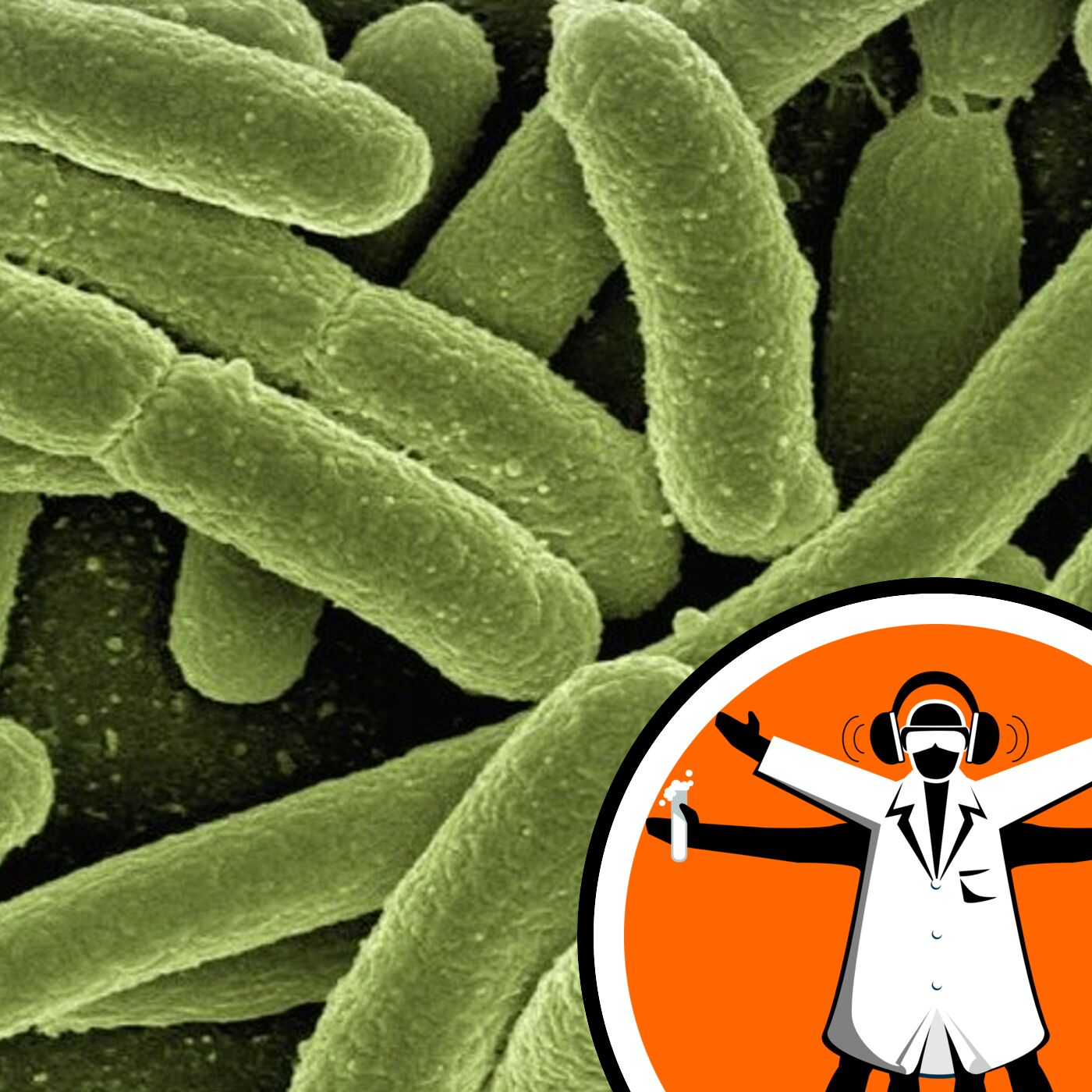
Ep 868Cells reprogrammed to make synthetic polymers
The world is always on the lookout for new drugs - but they're not easy to make. Synthesising them is often an expensive and prolonged process. But what if we could employ a miniature assistant to do it for us? That's what a team from the MRC Laboratory of Molecular Biology have come up with. They're managed to genetically reprogramme living cells to build complex molecules - molecules that no living thing would ever normally produce. Phil Sansom learned how from researcher Jason Chin... Like this podcast? Please help us by supporting the Naked Scientists
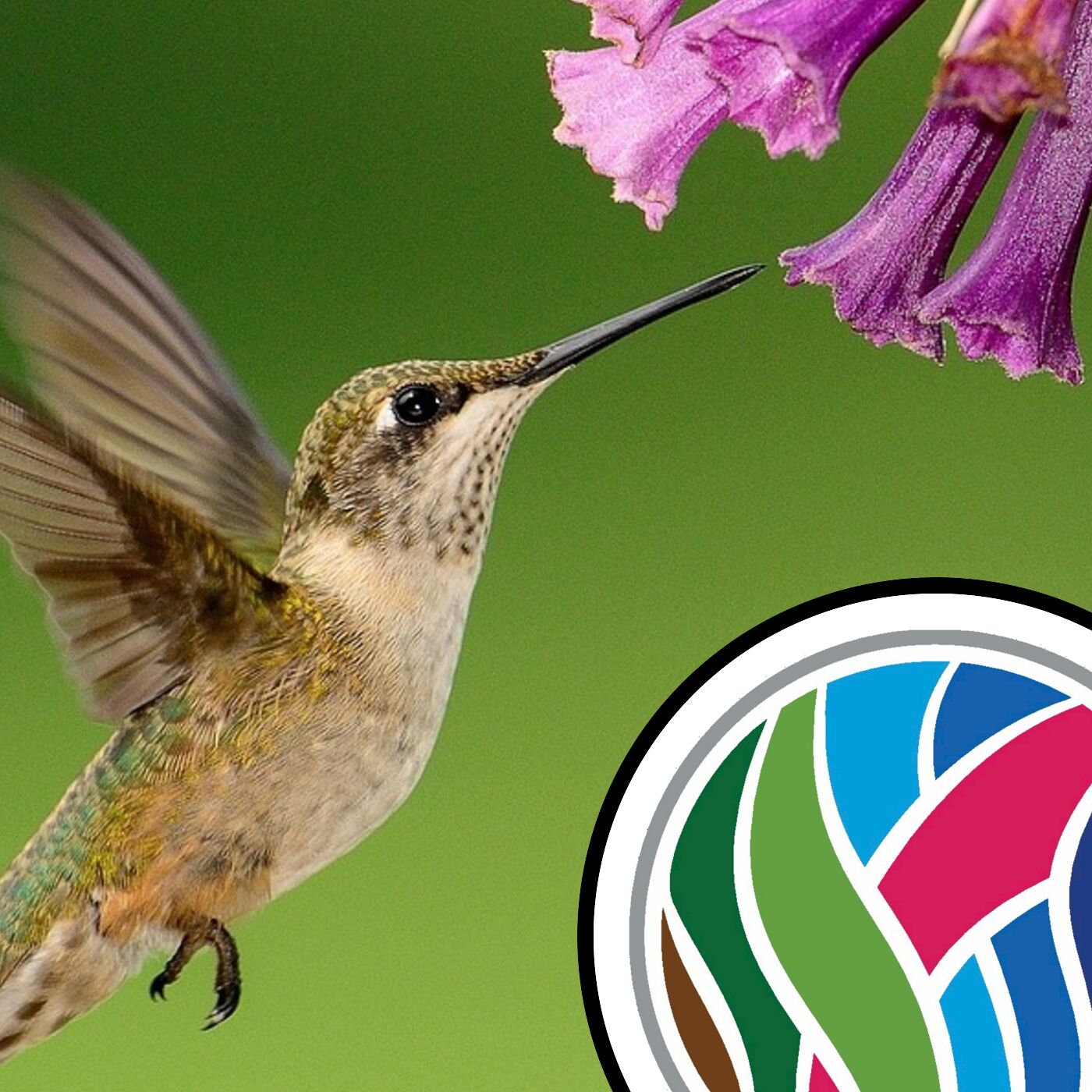
Ep 867Motherless gorillas and how hummingbirds hum
This month: how hummingbirds hum, how elephants evolved anti-cancer genes so they can sustain big bodies, gorillas that grow up without their mothers, and why deforestation causes peaks and then troughs in malaria cases... Like this podcast? Please help us by supporting the Naked Scientists

Ep 866New process may transform mining
For thousands of years, humans have used traditional mining techniques involving sinking tunnels or large pits to recover relatively small amounts of useful metals like gold and copper. What remains is usually, at best, a scar on the landscape, large amounts of waste material, and habitat destruction. At worst, the practices have led to environmental catastrophes. Now an international team, including researchers from the University of Western Australia, have found a way to harness the power of electricity to achieve the same mineral recovery but without the environmental costs. By placing... Like this podcast? Please help us by supporting the Naked Scientists
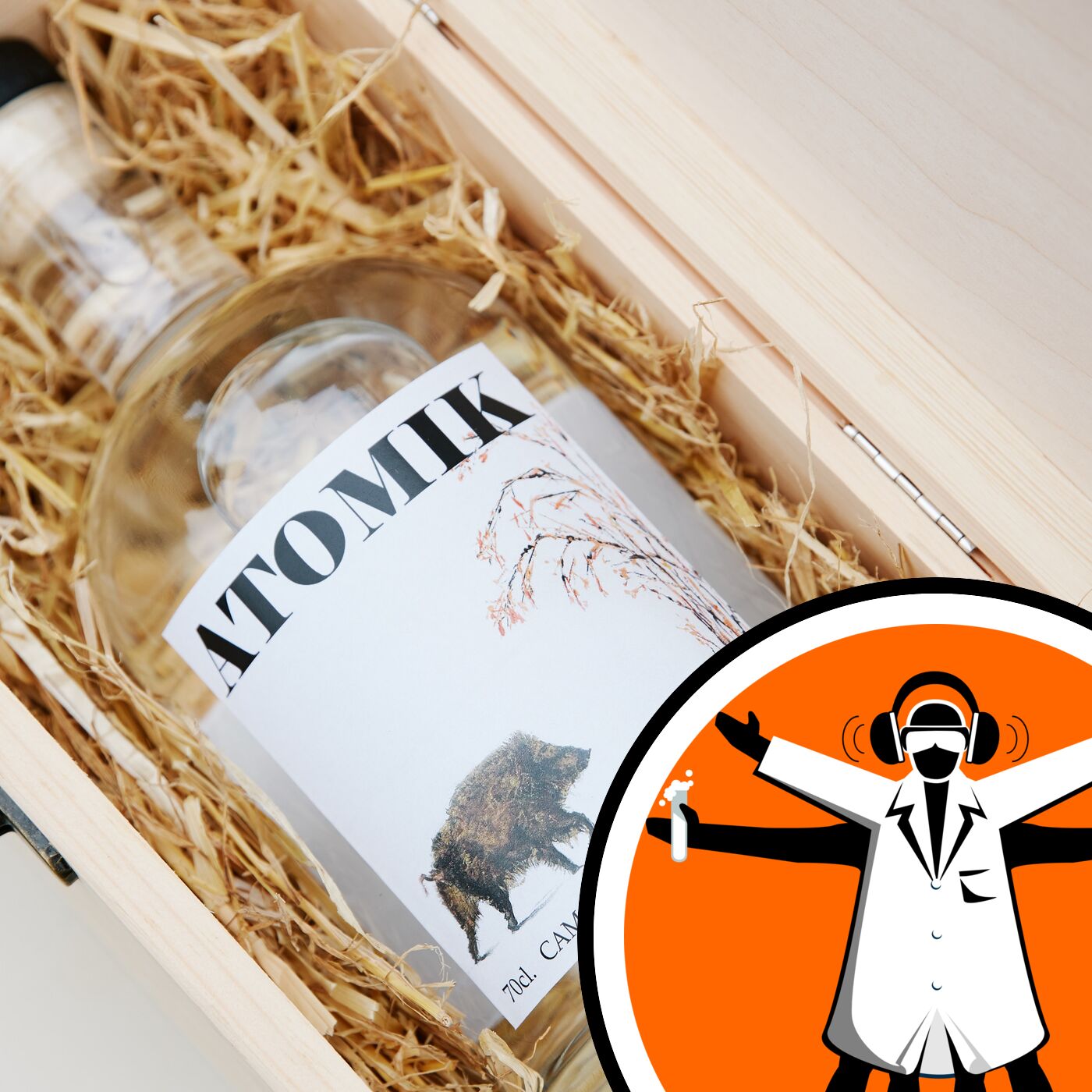
Ep 865Vodka from Chernobyl on its way to UK
If you live in the UK, you should soon be able to drink vodka... from Chernobyl! Which might sound like a radioactive nightmare, but the stuff is - supposedly - completely safe to drink. Not only do radioactive particles get removed during the distillation process, there were few originally there at all - thanks to how well much of the environment around Chernobyl has recovered since the 1986 disaster. The project is the brainchild of researchers in Ukraine alongside environmental scientist Jim Smith from Portsmouth University. They've just distilled the first batch of their vodka, but... Like this podcast? Please help us by supporting the Naked Scientists
Ep 864Loan applications rejected more around midday
It's often hardest to think when you've been working all day - especially if your job involves making lots of decisions. Psychologists call this decision fatigue. And evidence has shown that the phenomenon has serious, real-world consequences... beyond making you collapse on the sofa. Now, a study from the University of Cambridge seems to demonstrate that it could make the difference between your bank loan getting approved - or rejected. Lead author Tobias Baer spoke to Eva Higginbotham... Like this podcast? Please help us by supporting the Naked Scientists
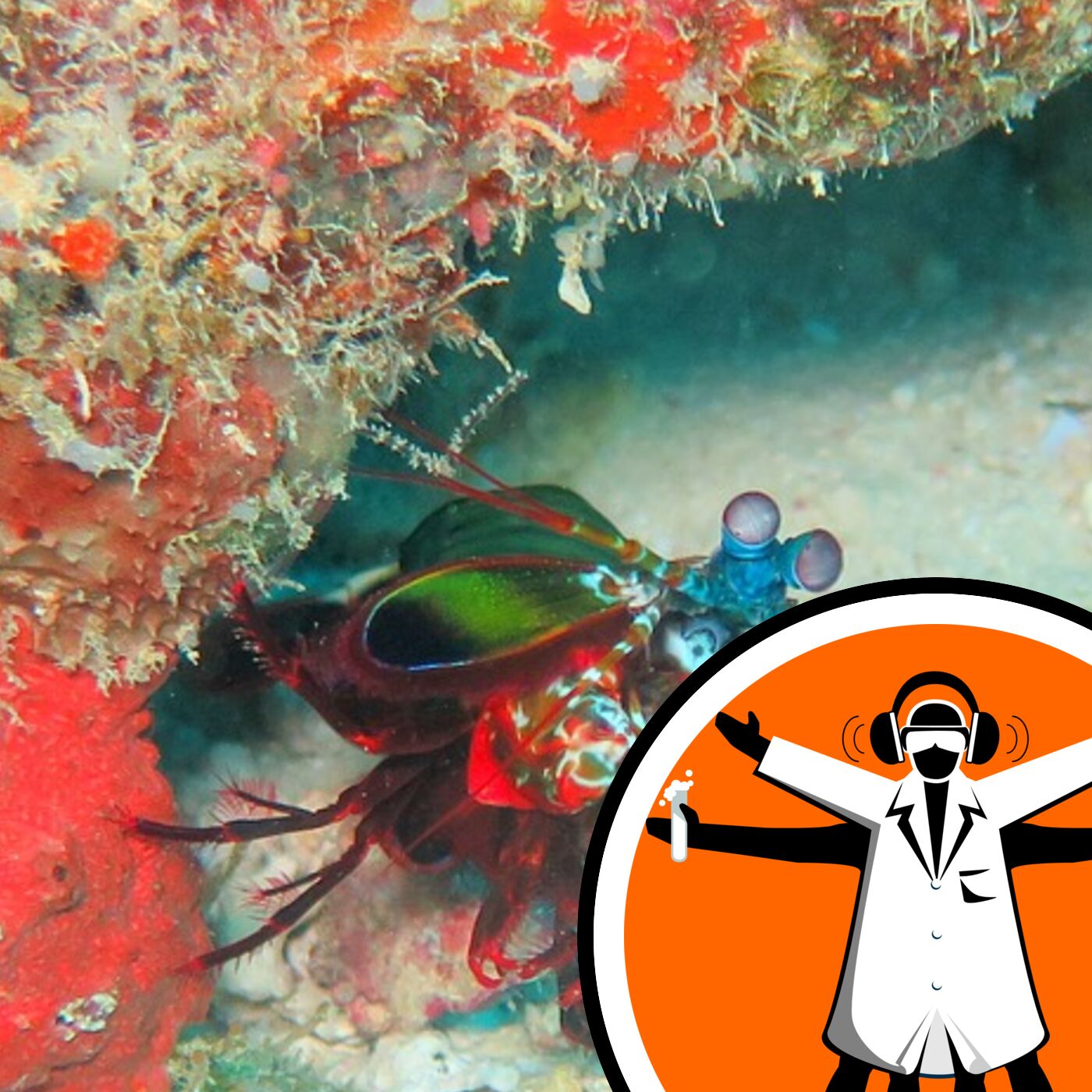
Ep 863Camera based on shrimp eye sees cancer cells
The mantis shrimp is a sea creature with a particular party piece. While our eyes are sensitive to three colours, red, green and blue, which our brain uses to make the full rainbow of colours we see, the mantis shrimp is sensitive to 12 to 16 different colours, giving them a much wider spectrum of colours. Scientists in the University of Illinois figured this might be useful, and have created a camera that can see colours we can't. The idea is that if you tag a cancerous tumour with a fluorescent chemical that we can't see, but the camera can, it will give surgeons a quick and easy way to... Like this podcast? Please help us by supporting the Naked Scientists

Ep 862SciHub: are they stealing your data?
Alexandra Elbakyan is the founder of the website SciHub, and it came out this week that she is being investigated by the FBI. You see, SciHub is an illegal venture: it makes research papers available for free to people who want them, bypassing the fees and subscriptions that journals would normally charge for that access. In this respect they can claim the moral high ground: people who couldn't otherwise afford to access the material can read it. But the way SciHub obtains the journal articles it makes available is not legal; they are said to have obtained access codes from people at... Like this podcast? Please help us by supporting the Naked Scientists

Ep 861Plants affected by noise pollution
Noise pollution can be difficult to live with, and it turns out that plants are also impacted by too much noise, although not in the way you might expect. Jenny Phillips from Texas A&M in San Antonio has been studying the seedlings of native trees around gas wells in New Mexico. She's found that noise pollution can drive away the animals that some plants rely on to spread their seeds, as she explained to Katie Haylor... Like this podcast? Please help us by supporting the Naked Scientists

Ep 860Biological target for future anorexia drugs
Anorexia nervosa is a cruel, complex and serious mental health condition. It involves deliberately losing weight in order to keep body weight as low as possible. And through investigating brain circuits involved in regulating body weight and which can go awry in obesity, Roger Cone from the University of Michigan and colleagues, along with scientists from Vanderbilt University, have now shown that activating a particular receptor called MC3 in the brains of mice encourages them to eat more, whilst at the same time also suppressing fear and anxiety. And Roger thinks this has interesting... Like this podcast? Please help us by supporting the Naked Scientists

Ep 859Ancient DNA extracted from cave dirt
When they're trying to piece together our understanding of ancient Humans and Neanderthals, scientists often have to rely on artifacts found in caves. What scientists wish they had more of was ancient DNA, which would allow them to study how the populations of these groups changed and expanded over time. Now that's about to change thanks to Benjamin Vernot at the Max Planck Institute, as he explained to Eva Higginbotham.... Like this podcast? Please help us by supporting the Naked Scientists

Ep 858New treatment for paracetamol overdose
Each year 80,000 patients are hospitalised in the US for paracetamol overdose, the leading cause of liver damage in the US and Europe. The current treatment is effective at treating the liver damage, but because its efficacy is limited to being given within 8 hours since the overdose, scientists have been looking for alternative treatments. Melanie Jans-Singh spoke with clinical scientist Christof Gaunt, about the discovery of a new molecule that can treat the damage done by the paracetamol overdose to the liver... Like this podcast? Please help us by supporting the Naked Scientists

Ep 857Masks on the beach and in beer gardens? C'mon...
Face masks have their place, but what's really needed right now is a breath of fresh air and a dose of common sense to control Covid-19, as Chris Smith explains... Like this podcast? Please help us by supporting the Naked Scientists

Ep 856Genetics behind why rabbits hop
New research has found a gene that looks to be the reason why rabbits, and perhaps all bouncing mammals hop. Using an unusual type of rabbit, called a sauteur d'Alfort, which doesn't hop, but runs on its front paws like a handstand, scientists have found a specific gene called RORB, that's missing in these rabbits. Defects in this gene may have damaging effects in all mammals though, not just rabbits. Adam Murphy spoke to Leif Andersson from Uppsala University about these bizarre bunnies... Like this podcast? Please help us by supporting the Naked Scientists

Ep 855Spinosaurus: was it a giant, toothy heron?
Spinosaurus was a dinosaur that was around 13 metres long, and looked a little like a T-Rex with the addition of a massive sail on its back. There's been much debate around how it lived; while it seems to be tied to the water, it's unclear how close those ties were. One theory suggests it was actually like a crocodile, living a pretty aquatic life. But new research points to features of its anatomy that suggest that it was a lot more like a giant, very toothy heron, waiting at the water's edge. Adam Murphy spoke to David Hone from Queen Mary University of London about the dino debate... Like this podcast? Please help us by supporting the Naked Scientists

Ep 854The world of fungi inside seed banks
We share our planet with microbes. Some do us harm, others do us good and are known as our microbiome. Plants also have a microbiome, and in a paper out recently, scientists working in a seed bank report how they got curious about what microbes could be stored away inside banked seeds. And by surveying seeds from just 1 type of plant, they found about 200 species of fungi. Katie Haylor spoke to study author Rowena Hill... Like this podcast? Please help us by supporting the Naked Scientists

Ep 853Eagle killer identified
In 1994, at DeGray Lake in the state of Arkansas in the USA, 29 bald eagles were found dead from a mysterious disease. Many more across the area have been found suffering from "Avian Vacuolar Myelinopathy", which causes holes in the brain and spinal cord, and erratic behaviour. Researchers now think they've cracked the mystery, as Eva Higginbotham heard from Timo Niedermeyer at Martin Luther University in Halle, Germany... Like this podcast? Please help us by supporting the Naked Scientists

Ep 852Industrial yeast impairs gut wound healing
Crohn's Disease is a type of inflammatory bowel disease (or IBD), where the immune system attacks and inflames bits of the intestines. It can cause diarrhea, pain, fatigue, and consequent disruptions to daily activities like school and work. There are treatments, but currently no cure. Now, scientists in the US have found that a fungus used industrially in foods like wine, cheese and cured meats - called Debaryomyces Hansenii - seems to be thriving in gut wounds in mice, and getting in the way of the wounds healing. And they think a similar thing is happening in the inflamed intestines of the... Like this podcast? Please help us by supporting the Naked Scientists

Ep 851Wildfire smoke detected in stratosphere
Fires of any scale tend to produce a certain amount of smoke - a variety of different particles including small bits of unburnt fuel, which eventually disperse into the atmosphere. And looking at data from satellites out in space, scientists in Israel have shown that smoke from the late 2019 / early 2020 Australian wildfires actually travelled up beyond the lower atmosphere (known as the troposphere) and into the stratosphere - that's above where clouds gather and planes tend to fly. Up here, these smoke particles stick around for longer, where they can absorb or scatter incoming energy from... Like this podcast? Please help us by supporting the Naked Scientists

Ep 850Cone snails seduce prey with pheromones
Cone snails are a group of highly venomous marine snails. Their shells are beautiful, but they pack a powerful neurotoxic punch: some members of this family are so poisonous that they can easily kill a person. But one species of cone snail, called Conus imperialis, produces a very different reaction in the worms they hunt. This snail has a venom cocktail that includes pheromones: it uses similar chemicals to the ones the worms give off when mating. Why make a worm aphrodisiac? Phil Sansom spoke to Joshua Torres from the University of Copenhagen about these strange creatures... Like this podcast? Please help us by supporting the Naked Scientists

Ep 849Modelling concussion with eggs
In recent years we've realised quite how bad a knock on the head can be for us, because the brain bobs about suspended in fluid inside our skulls. And if you move, or stop, the head suddenly, the brain cannons into the inside of the skull and can be injured. It's especially important in sports, but it's hard to study - and to develop effective safety equipment - for obvious reasons. But scientists have now discovered that something you commonly find in fridge door behaves in an uncannily similar way to your brain. Adam Murphy found out more... Like this podcast? Please help us by supporting the Naked Scientists

Ep 848Diabetes drug trialled to treat obesity
In the UK, about 1 in 4 adults are affected by obesity, which is linked to diabetes, heart disease and some cancers. But recently a new study has documented the effect of giving a drug called semaglutide to 2000 people over a 1 year period. The drug mimics a gut hormone called GLP-1 to boost insulin levels and it's already used to treat diabetes. The study subjects lost an average of 15kg on the drug, suggesting that it might be an effective way to support weight loss. Katie Haylor asked Cambridge University geneticist and obesity specialist Giles Yeo to take her through the results of the... Like this podcast? Please help us by supporting the Naked Scientists

Ep 847Bile ducts grown in lab can repair livers
A new way to repair diseased livers has been unveiled by researchers at the University of Cambridge. They've found a way to grow the cells that line the branching system of pathways inside the liver - the bile ducts. It's a big step forward. Chris Smith heard from Kourosh Saeb-Parsy, who is part of the team behind the work... Like this podcast? Please help us by supporting the Naked Scientists
Ep 846COVID: seeking herd immunity by vaccination
One thing we're all hoping for is that the new coronavirus vaccines will give us 'herd immunity' - this would mean that so many people are immune to the virus that it would start to die away as it can't find new hosts to infect. But how does herd immunity work in practice, and are the vaccines we have likely to put us in this fortunate position? Eva Higginbotham spoke with Peter English, a consultant in communicable disease control, to find out... Like this podcast? Please help us by supporting the Naked Scientists

Ep 845Covid-19 latest and the flu surge in waiting
Virologist Dr Chris Smith catches up with RNZ's Kim Hill with an update on the Covid-19 latest news including encouraging data on the performance of the vaccines, but discouraging news on the stances of some prominent European leaders towards AstraZeneca's vaccine. Also, new Covid variants in America, and why scientists suspect flu might be waiting in the wings to make a dramatic comeback... Like this podcast? Please help us by supporting the Naked Scientists

Ep 844Treating osteoarthritis with antidepressants
Osteoarthritis is a painful condition caused by wear and tear to the slippery cartilage that normally coats and lubricates the bone surfaces in our joints. This doesn't repair itself very well, so, when it wears out, joint replacement is usually the only option. But recently, scientists out of Penn State University in the US have shown that the antidepressant drug paroxetine has an interesting side-effect: it encourages the cells that make and build cartilage to grow. So, perhaps, in the future we'll be able to pop a pill, rather than have a hip replacement. Fadia Kamal told Katie Haylor what... Like this podcast? Please help us by supporting the Naked Scientists
Ep 843An ancient freshwater Arctic ocean
About 70% of our planet is covered in water, and the vast majority of that water is in the salty oceans. But in a paper published recently, scientists from Germany propose that the Arctic Ocean was - at a relatively recent few points in Earth's history - actually entirely freshwater. Rivers and meltwater flushed out the salt, and lower sea levels worldwide at the time meant it couldn't come back, at least for a while. Getting to grips with how and exactly when this was happening is critical to our understanding of how climate change affects the Arctic, as Katie Haylor heard from Walter... Like this podcast? Please help us by supporting the Naked Scientists

Ep 842Traffic noise makes crickets pick bad mates
Many of us may love driving, but nature certainly doesn't love us doing it! Alongside the pollution, there's the noise of traffic, which isn't just a nuisance for humans. Lots of research shows man-made noise affects nearby animals, and now another study shows that insects are also being impacted: female crickets get so confused by road noise that they struggle to pick the best potential suitor from the pack. Zoologist Adam Bent explained the situation to Phil Sansom... Like this podcast? Please help us by supporting the Naked Scientists

Ep 841Australia takes on Google
In the online world, a battle is brewing between tech giants Google and Facebook and the Australian government. The government are proposing a law to force organisations like Google pay the news outlets that produce the news content they currently run for free on their websites, where it draws huge amounts of traffic. The tech companies have retaliated by threatening to withdraw their services from Australia. To explore this in more detail, Adam Murphy spoke with entrepreneur and tech Investor Peter Cowley... Like this podcast? Please help us by supporting the Naked Scientists
Ep 840Millipedes disrupting trains
The things we see inhabiting our planet have evolved fantastic adaptations and habits to overcome issues in their environment that get in the way of an ultimate happy ending. This week an international collaboration led by scientists from Japan, have established the first life cycle in a creature other than the famous cicadas where they erupt from the earth all at the same time to cause havoc and interrupt human lives. Martin Khechara spoke to arthropod researcher Eleanor Drinkwater from the University of York about the research... Like this podcast? Please help us by supporting the Naked Scientists