Naavik Gaming Podcast
471 episodes — Page 4 of 10
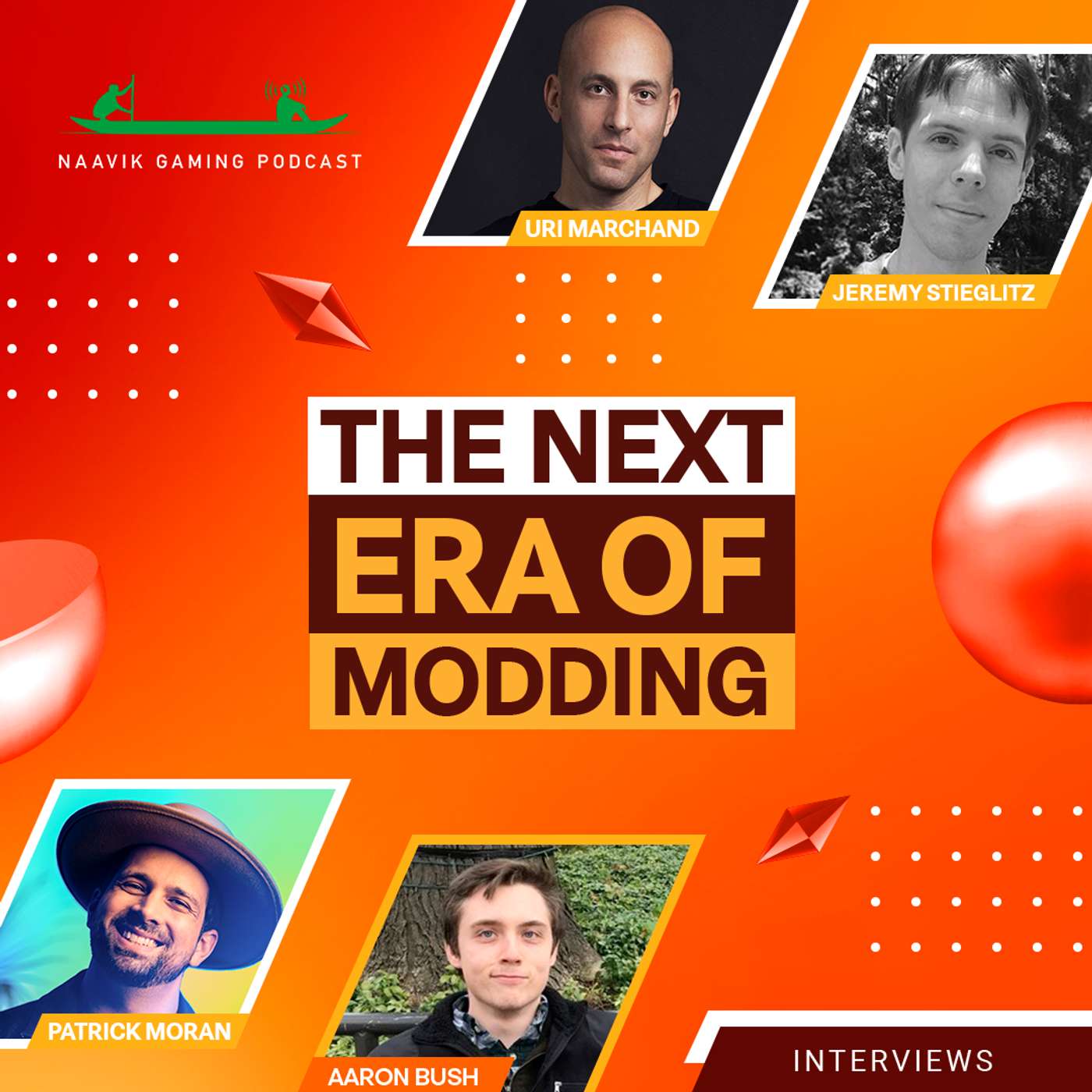
The Next Era of Modding - with Overwolf, Studio Wildcard, and Look North World
Modding has long been a force of innovation and creativity in the games industry, but the emergence of cross-platform, premium mods is set to take modding to another level. Thanks to platforms like Overwolf’s CurseForge, studios and publishers can now enable all sorts of creators — even other professional studios — to build on top of their games and get rewarded for doing so. This new technical and economic unlock is poised to take UGC gaming to even higher heights and is a compelling growth opportunity for the entire industry.To best discuss this trend, host and Naavik co-founder Aaron Bush is joined by Uri Marchand, CEO of Overwolf, Jeremy Stieglitz, Co-Founder of Studio Wildcard, and Patrick Moran, Founder and COO of Look North World. Look North World, a young UGC-focused publisher and studio, is building a premium DLC on top of Studio Wildcard’s popular ARK: Survival Ascended, which is all enabled thanks to Overwolf’s CurseForge platform. The crew discusses how to operationalize premium mods, why the economics can be compelling, what cross-platform enablement unlocks, and big predictions for the future.We’d also like to thank Nexus for making this episode possible! Nexus’s creator program in-a-box makes it easy for game devs to build and manage a world-class creator program, driving significant growth in conversion, ARPPU, retention, and LTV. To learn more, go to http://nexus.gg/naavikIf you like the episode, please help others find us by leaving a 5-star rating or review! And if you have any comments, requests, or feedback shoot us a note at [email protected]. Watch the episode: YouTube ChannelFor more episodes and details: Podcast WebsiteFree newsletter: Naavik DigestFollow us: Twitter | LinkedIn | WebsiteSound design by Gavin Mc Cabe.
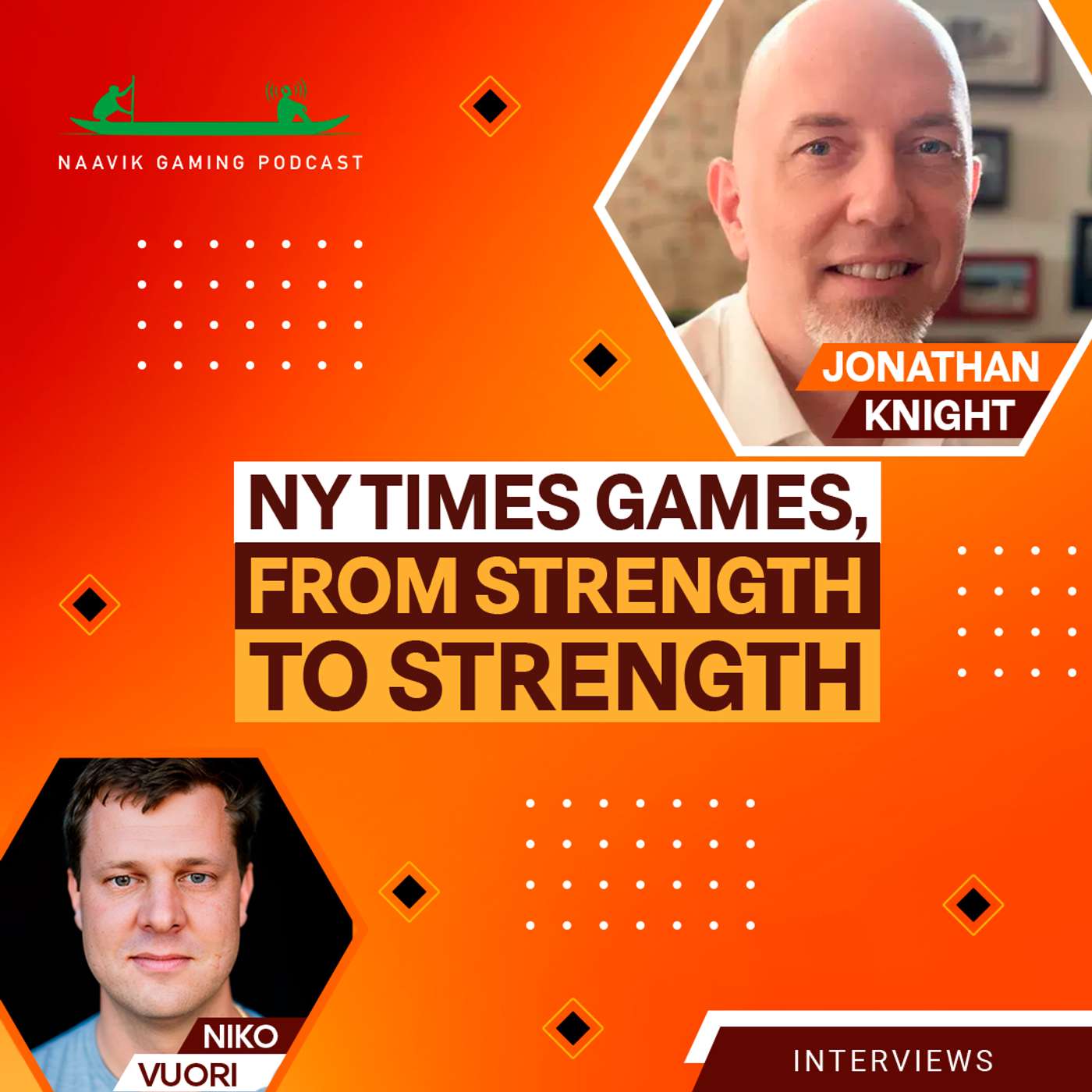
New York Times Games, From Strength to Strength
The New York Times is one of the world’s most recognized newspapers and has been in circulation since 1851. With 10 million subscribers, the Times has a huge audience and an even larger cultural impact. But the Gray Lady isn’t content to just rest on her laurels and focus on news - other verticals in which the Times operates are product reviews (The Wirecutter), sports (through their 2022 acquisition of The Athletic), cooking, and, of course, games. In addition to their home-grown casual titles, the Times famously acquired viral sensation Wordle in early 2022 and since then has launched hit games Connections and most recently Strands (in beta).To learn more about the Times’ games strategy, your host Niko Vuori talks with Jonathan Knight, Head of Games at The New York Times. New York Times Games: https://www.nytimes.com/subscription/games. You can find Jonathan Knight on LinkedIn.We’d also like to thank Lightspeed Venture Partners for making this episode possible! With its dedicated gaming practice, "Lightspeed Gaming," the firm is investing from over $7B in early- and growth-stage capital — the by far largest fund focused on gaming and interactive technology. If you’re interested in learning more, go to https://gaming.lsvp.com/.If you like the episode, please help others find us by leaving a 5-star rating or review! And if you have any comments, requests, or feedback shoot us a note at [email protected]. Watch the episode: YouTube ChannelFor more episodes and details: Podcast WebsiteFree newsletter: Naavik DigestFollow us: Twitter | LinkedIn | WebsiteSound design by Gavin Mc Cabe.
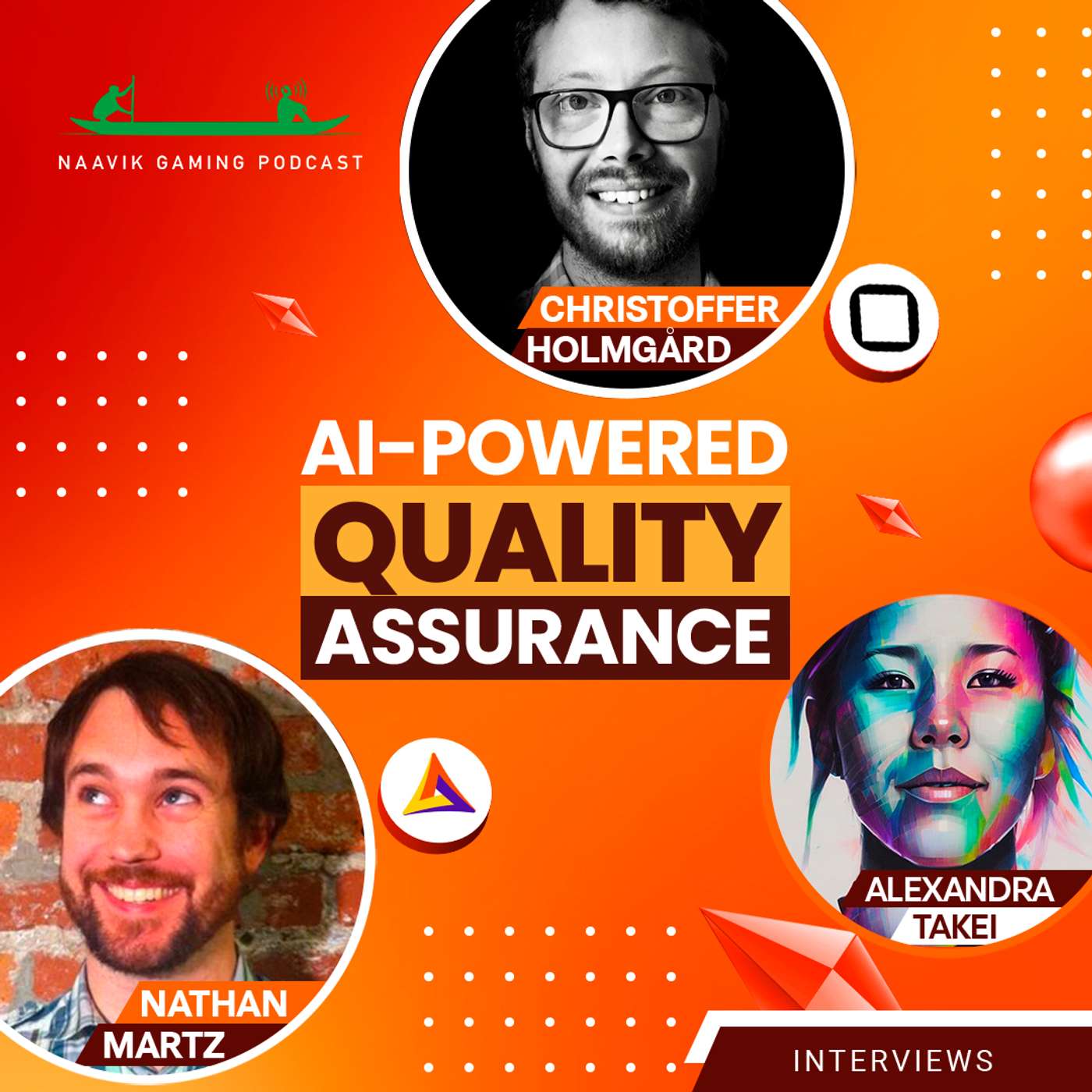
AI-Powered Quality Assurance
Quality assurance is one of the most crucial aspects of game development to ensure the game functions as intended and to provide a positive player experience. Around $300M in funding has been directed towards AI “efficiency tools for creators” and Christoffer Holmgard, Founder of Modl.AI, and Nathan Martz, Founder of Agentic, are pushing the frontier of how AI can enhance and streamline QA processes. From “players as a service” to functional load testing, your host Alexandra Takei, Director at Ruckus Games, and guests discuss the history of QA, the various methods developers use to access it, the different types of testing in the ideal test pyramid, and where AI can realistically plug.-in. Agentic and Modl.AI are production-ready and share stories of successful partnerships with AA and indie studios to improve their testing processes. Tune in for a fascinating episode on the evolution of QA testing and a window into the future where collaboration between humans and AI agents is a developer's everyday life. Also, big thanks to ZBD for making this episode possible! ZBD provides a plug-and-play API and SDK for seamless integration of instant, borderless, and low-fee payments using the Bitcoin Lightning Network. Want to better engage and monetize your global user base? Start for free at http://zbd.gg/If you like the episode, please help others find us by leaving a 5-star rating or review! And if you have any comments, requests, or feedback shoot us a note at [email protected]. Watch the episode: YouTube ChannelFor more episodes and details: Podcast WebsiteFree newsletter: Naavik DigestFollow us: Twitter | LinkedIn | WebsiteSound design by Gavin Mc Cabe.
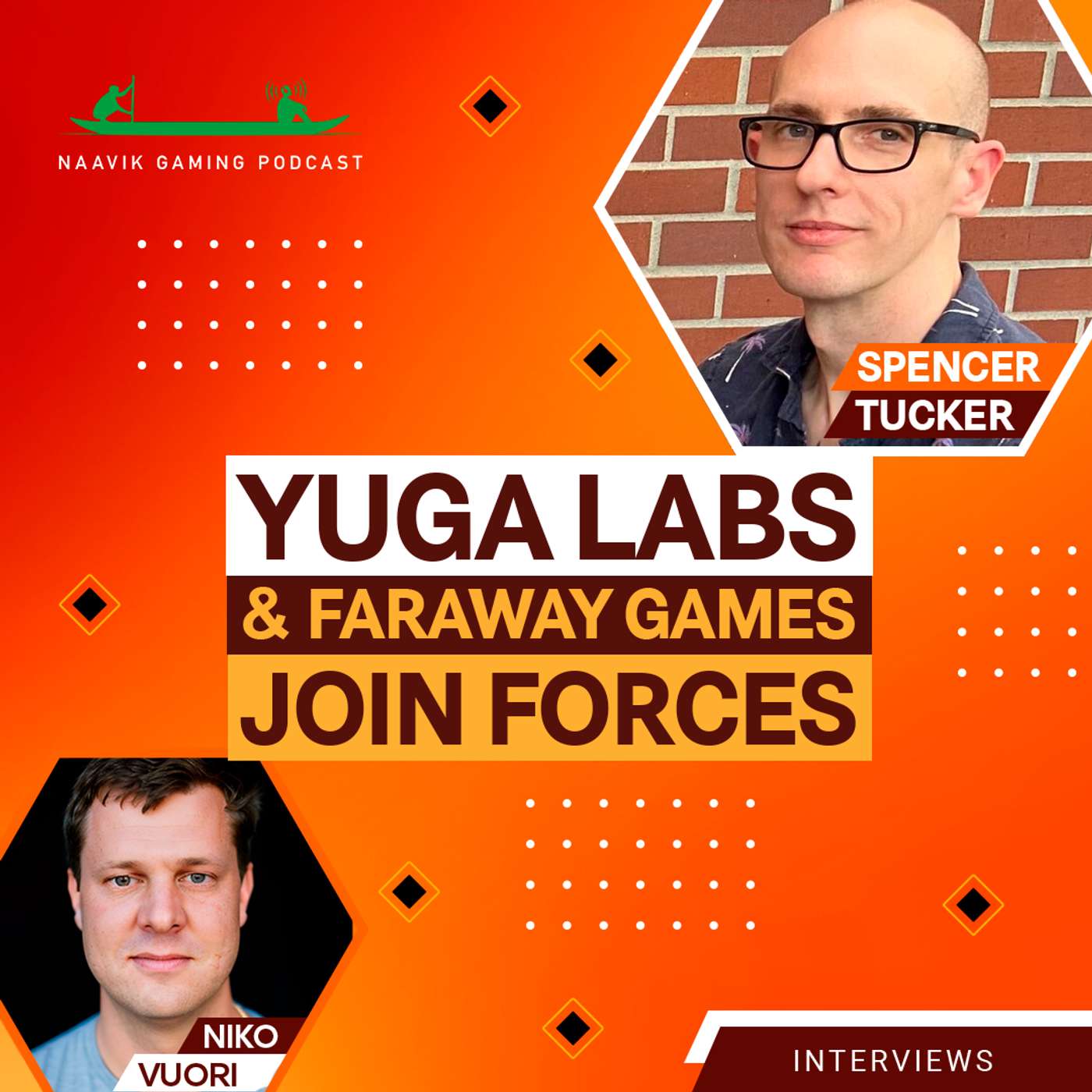
Yuga Labs: 1 Year After Dookey Dash
Yuga Labs, the heavyweight behind some of the biggest Web3 IP, including Bored Ape Yacht Club, CryptoPunks, and Meebits, made its first foray into games just over a year ago with its toilet-themed infinite runner, Dookey Dash. Now Yuga is here with a sequel called Dookey Dash: Unclogged, and there are a lot of innovations from the original - the most important of which are that it is not token-gated, and it is mobile. The game was developed in partnership with one of the earliest Web3 game studios, Faraway Games, best known for its shooter Mini Royale: Nations. In conjunction with this release, Yuga and Faraway have announced that Faraway Games is acquiring a subset of Yuga’s IP portfolio and that Yuga Chief Gaming Officer is joining Faraway as Chief Product Officer. In this episode your host, Niko Vuori, dives into Yuga’s and Faraway’s strategy, how the partnership came to be, what acquiring some of Yuga’s IP means for Web3 gaming more broadly for the ecosystem, and what learnings Yuga took from Dookey Dash to the sequel. Learn more about Yuga Labs and Faraway Games. You can find Spencer Tucker on LinkedIn.We’d also like to thank Nefta for making this episode possible. Nefta has created an advertising network that pays game publishers higher eCPMs on their iOS opt-out users and drives better results for advertisers. Learn more about how Nefta can boost your results at http://nefta.io/ If you like the episode, please help others find us by leaving a 5-star rating or review! And if you have any comments, requests, or feedback shoot us a note at [email protected]. Watch the episode: YouTube ChannelFor more episodes and details: Podcast WebsiteFree newsletter: Naavik DigestFollow us: Twitter | LinkedIn | WebsiteSound design by Gavin Mc Cabe.
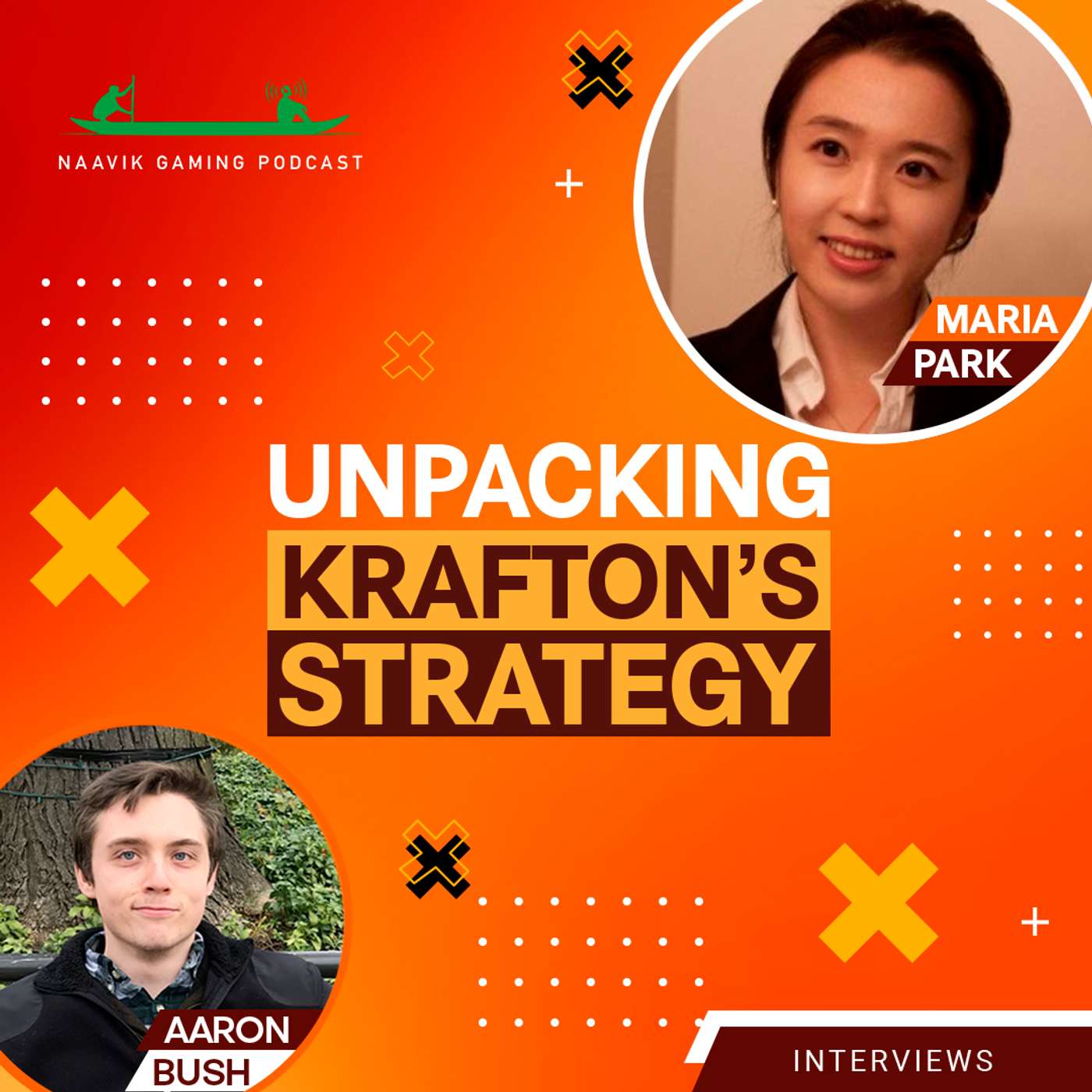
Unpacking Krafton’s Strategy: PUBG, New IPs, Investments & More!
Krafton is one of the world’s premier video game publishers. After experiencing the explosive success of PUBG in the late 2010s, Krafton rebranded in 2018, went public in 2021, and has since been working to not just extend the PUBG brand to new games, platforms, and regions but also kickstart new IPs with innovative playstyles and partner with emerging developers around the world.To dig into the details, host Aaron Bush is joined by Maria Park, who currently serves as Head of Corporate Development at Krafton and previously was Head of Strategy at PUBG Corporation. In our conversation, we explore what strategically changed after going public, what it was like to navigate PUBG during the heights of battle royale, and the ins-and-outs of Krafton’s growth strategy. We cover lessons learned in taking IPs multiplatform, why Krafton is “scaling up creative,” how the company manages its investments, and how Krafton is leveraging emerging technologies like UGC and AI.We’d also like to thank Overwolf for making this episode possible! Whether you're a gamer, creator, or game studio, Overwolf is the ultimate destination for integrating UGC in games! You can check out all Overwolf has to offer at https://www.overwolf.com/.If you like the episode, please help others find us by leaving a 5-star rating or review! And if you have any comments, requests, or feedback shoot us a note at [email protected]’s On:Guest - Maria Park: https://www.linkedin.com/in/chicago/ Host - Aaron Bush: https://www.linkedin.com/in/aaron-bush-846b8185/ Watch the episode: YouTube ChannelFor more episodes and details: Podcast WebsiteFree newsletter: Naavik DigestFollow us: Twitter | LinkedIn | WebsiteSound design by Gavin Mc Cabe.
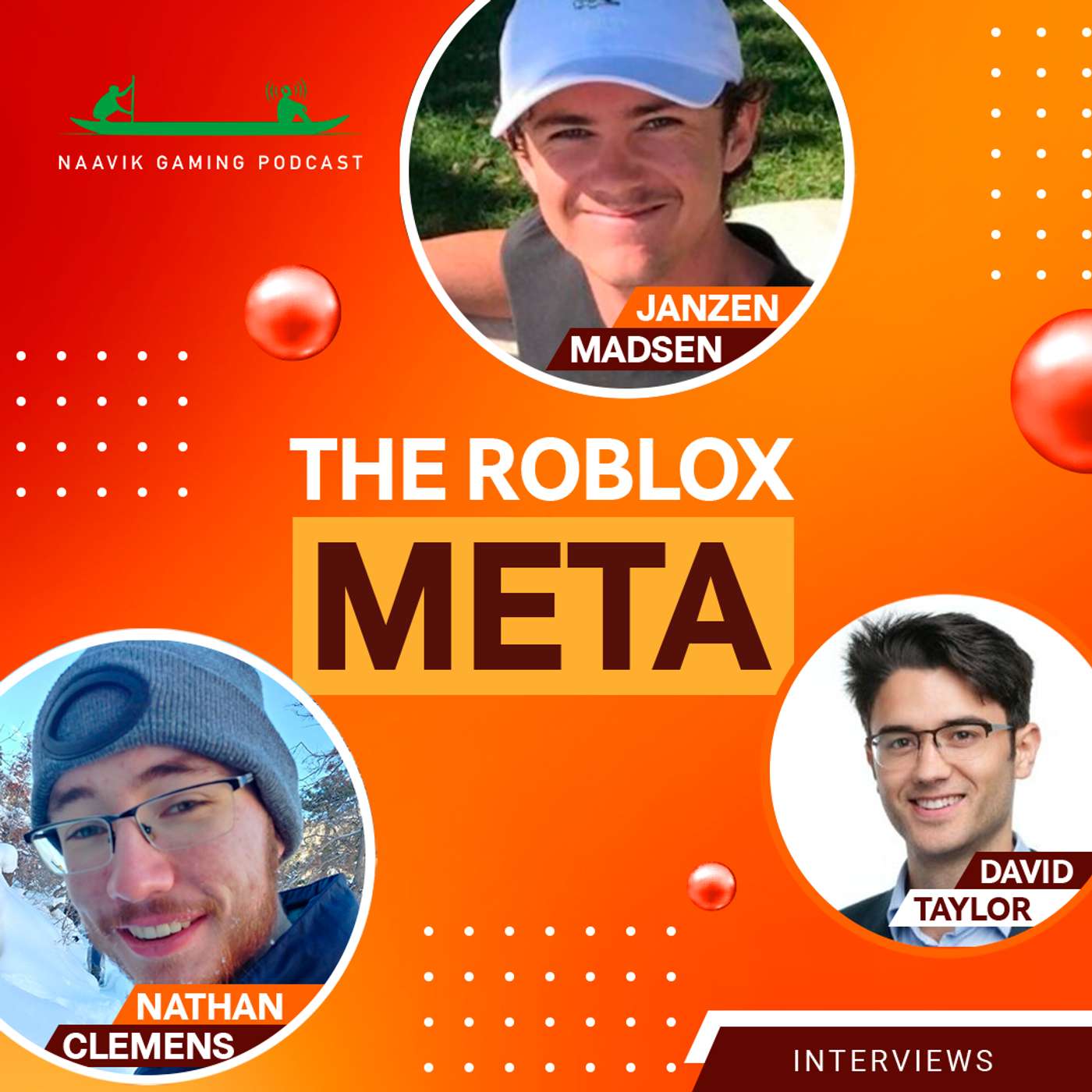
Mastering the Roblox Meta
Roblox is approaching 350M monthly active users. It’s a platform that generated $3.3B in bookings last year and paid $740M to its developers and creators. The low barriers to entry for developers and immediate access to an audience of 350M players has made it an appealing proposition for indie developers. According to Roblox’s most recent estimate, however, there are over 5M developers on Roblox, which makes it incredibly competitive and difficult to stand out. Furthermore, the nuanced player expectations have left many professional developers scratching their heads wondering why their Candy Crush-inspired game mechanics never gained traction. Today, host David Taylor sits down with Janzen Madsen (aka Jandel) and Nathan Clemens (aka UndoneBuilder) to share their learnings from over eight years developing successful games on Roblox. Janzen is the creator of breakout hits such as a dusty trip, Field Trip Z, Wacky Wizards, and Gunfight Arena, which collectively have 100,000 concurrent players at the time of this recording. If Janzen were a game, he would be the eighth most popular game on Steam right now. Nathan has launched 24 Roblox games including The Survival Game, City Life, and War Simulator, which have garnered over 850M play sessions. These two understand the Roblox meta better than anyone else, so this is an episode you won't want to miss.This episode is brought to you by CleverTap Gaming, the all-in-one platform for creating personalized player experiences. Visit https://clevertap.com/gaming/ for more details. If you like the episode, please help others find us by leaving a 5-star rating or review! And if you have any comments, requests, or feedback shoot us a note at [email protected]. Watch the episode: YouTube ChannelFor more episodes and details: Podcast WebsiteFree newsletter: Naavik DigestFollow us: Twitter | LinkedIn | WebsiteSound design by Gavin Mc Cabe.
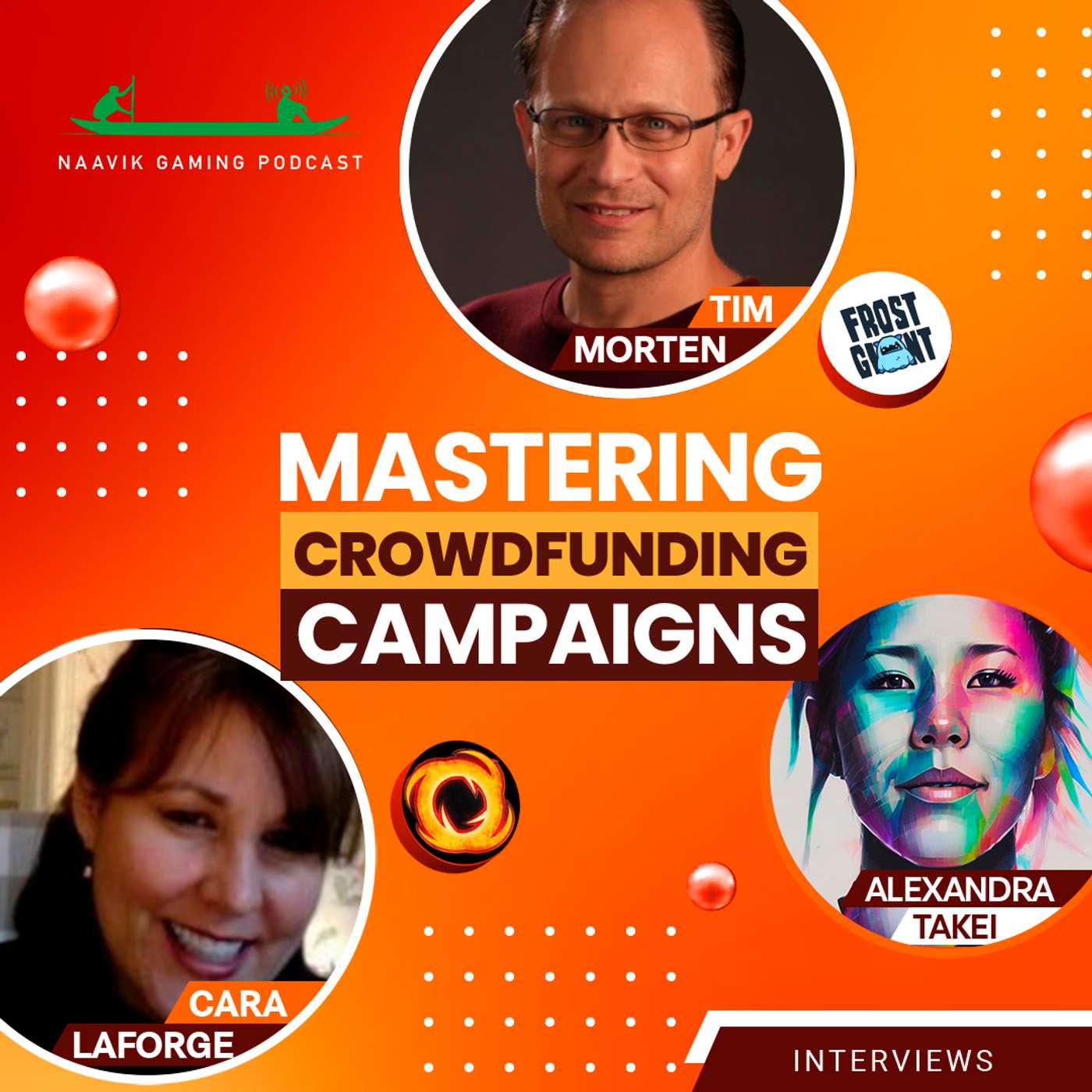
Mastering Crowdfunding Campaigns
In an era of games where the financing sources are slim and marketing and community can make or break your game launch, your host Alexandra Takei, Director at Ruckus Games, welcomes Tim Morten and Cara LaForge, CEO and Director of Business Operations respectively at Frost Giant Studios, to discuss their experiences in running a widely successful crowd financing campaign on Kickstarter ($2.4M, 2280% over target, with >$28K backers for an average wallet size of $85) and a crowd equity campaign on StartEngine. We talk about the differences between a crowd equity and crowd financing campaign, the dos and donts of Kickstarter as a platform, the planning and strategy behind the Stormgate campaign specifically (marketing beats, Founder’s pack design, and timing), as well as lessons learned if they were to do it all again. Tune in for a fun episode, and, if you’d like to contribute to Stormgate, they’re running an extension campaign on Indiegogo here due to demand! Big thanks to GRID for making this episode possible. GRID is a game data platform providing esports data infrastructure, analytics, and distribution solutions to leading game publishers including Riot Games, Ubisoft, and KRAFTON. If you're a fan, developer, or entrepreneur with an idea for a live data-powered project, make sure to apply for GRID Open Access, get free access to official data, and start creating today! To learn more, visit https://grid.gg/?utm_source=naavik.co&utm_medium=media&utm_campaign=NaavikIf you like the episode, please help others find us by leaving a 5-star rating or review! And if you have any comments, requests, or feedback shoot us a note at [email protected]. Watch the episode: YouTube ChannelFor more episodes and details: Podcast WebsiteFree newsletter: Naavik DigestFollow us: Twitter | LinkedIn | WebsiteSound design by Gavin Mc Cabe.
Guild of Guardians, Immutable’s Next Web3 Flagship Game?
Guild of Guardians is Immutable’s second major game after Gods Unchained, and is one of the most anticipated web3 games of 2024 - Immutable has called it their new “flagship game” and has been preparing for a global May 15th launch. After starting out as a real-time RPG, the game pivoted to a more casual auto-battler 15 months ago, driven by Gods Unchained and formerly Magic the Gathering: Arena Design Director Chris Clay. Guild of Guardians is one of the first games on Immutable’s new ZK-EVM blockchain, which Naavik covered in the January 24, 2024 episode of the podcast with Immutable founder, Robbie Ferguson. In this episode, your host, Niko Vuori, sits down with Justin Hulog, Chief Studio Officer at Immutable and Chris Clay, VP & Design Director at Immutable and talks about Immutable’s gaming ambitions, lessons learned from Gods Unchained and how excited the Immutable team is about Guild of Guardian’s early metrics heading into the May 15th global release. If you are interested in web3 games, you won’t want to miss this episode. Check out Guild of Guardians online, as well as Niko’s January 2024 interview with Immutable founder Robbie Ferguson.We’d like to thank RallyHere for making this episode possible. RallyHere is a proven gaming backend platform and service made specifically for cross-platform live-service games. RallyHere is your one-stop-shop to streamline your development processes, increase speed to market, and optimize your post-launch live services. To learn more or schedule a demo, visit rallyhere.gg If you like the episode, please help others find us by leaving a 5-star rating or review! And if you have any comments, requests, or feedback shoot us a note at [email protected]. Watch the episode: YouTube ChannelFor more episodes and details: Podcast WebsiteFree newsletter: Naavik DigestFollow us: Twitter | LinkedIn | WebsiteSound design by Gavin Mc Cabe.
Paying Players to Play
In the dynamic landscape of gaming, the fusion of cutting-edge financial technology and innovative incentives is shaping a new era of player acquisition and engagement. Host Devin Becker leads an insightful discussion with Ben Cousens, Chief Strategy Officer of ZBD, and Paul West, Founder of Fumb Games, on the transformative power of Bitcoin rewards in gaming. Delving into Fumb's utilization of ZBD technology, they both unveil how this synergy propels gaming retention and LTV through examples of successful games harnessing ZBD’s Bitcoin Lightning Network service.Exploring the intersection of financial incentives and traditional user acquisition (UA), the conversation navigates how rewarding players financially complements conventional marketing strategies. Addressing pressing issues in mobile UA and retention, Ben and Paul dissect the system's efficacy in mitigating challenges and fostering sustainable growth. Strategic considerations, such as player segmentation and reward frequency, illuminate the nuanced approach required for optimal results. We explore how this approach manages to be cost effective for game developers by rewarding amounts that are a fraction of LTV while still strongly motivating players.Navigating the complexities of fluctuating Bitcoin prices and the potential for alternative reward forms, including NFTs, tokens and other networks, the discussion forecasts the evolving landscape of gaming incentives for games and potentially gamified apps. As the prospect of moving from free to play to rewarded play becomes potentially more prevalent, the episode raises thought-provoking questions about its trajectory and the ensuing competitive landscape. Join Devin, Ben, and Paul for a compelling exploration of the future where gaming and incentives converge to redefine player engagement.We’d also like to thank Lightspeed Venture Partners for making this episode possible! With its dedicated gaming practice, "Lightspeed Gaming," the firm is investing from over $7B in early- and growth-stage capital — the by far largest fund focused on gaming and interactive technology. If you’re interested in learning more, go to https://gaming.lsvp.com/.If you like the episode, please help others find us by leaving a 5-star rating or review! And if you have any comments, requests, or feedback shoot us a note at [email protected]. Watch the episode: YouTube ChannelFor more episodes and details: Podcast WebsiteFree newsletter: Naavik DigestFollow us: Twitter | LinkedIn | WebsiteSound design by Gavin Mc Cabe.
The New Business of Narrative
A new era of game developer has arrived to shake up narrative game making. In this episode, host Alexandra Takei, Director at Ruckus Games, welcomes Emily Pitcher, founder of Sondering, and Karla Reyes, founder of Anima Interactive, two Forbes 30 under 30 game developers focused on narrative innovation and socially conscious storytelling. The discussion delves into the evolution of narrative in games, innovative storytelling mechanics, the importance of representation, and finally, the limited innovation brought to business models within the narrative genre. Beyond building stories for the underrepresented, they are also committed to building studios whose developers are uniquely qualified to do so: social media and Tik Tok native (check out Emily’s robust following here), and importantly, have lived experiences that lend themselves to a creator’s truth. Games are a powerful medium for storytelling and social change and it is developers like these that are leading the charge. Also, big thanks to ZEBEDEE for making this episode possible! ZEBEDEE provides a plug-and-play API and SDK for seamless integration of instant, borderless, and low-fee payments using the Bitcoin Lightning Network. Want to better engage and monetize your global user base? Start for free at https://zebedee.io/If you like the episode, please help others find us by leaving a 5-star rating or review! And if you have any comments, requests, or feedback shoot us a note at [email protected]. Watch the episode: YouTube ChannelFor more episodes and details: Podcast WebsiteFree newsletter: Naavik DigestFollow us: Twitter | LinkedIn | WebsiteSound design by Gavin Mc Cabe.
Nyan Heroes: Cats, Mechs & Esports in Web3
Nyan Heroes is a team-based hero shooter featuring small cats piloting giant mechs. The studio was founded in Singapore in 2021 and is staffed by industry veterans from hit franchises like Marvel’s Avengers, Destiny, and Halo. Combining web3 and web2 elements, the game aspires to competitive gameplay and has already secured partnerships with top names in the esports space. The game also has garnered impressive reviews and early stats. Nyan Heroes is a top 5 most wishlisted game on the Epic Games Store, a top 16 most played game on the Epic Games Store during its recent alpha demo, and boasts over 1.3 million registered users, 80% of whom are web3 Solana natives. In this episode, your host, Niko Vuori, speaks with Nyan Heroes Creative Director & CEO, Max Fu, about the game, how he intends to compete in esports, and how he’s thinking about balancing web2 and web3 elements. Max also unpacks his love for cats and how the Nyan Heroes felines can form the foundation for a major new IP.Check out Nyan Heroes online and in the Epic Games Store. You can find Max Fu on LinkedIn.We’d also like to thank Nefta for making this episode possible. Nefta has created an advertising network that pays game publishers higher eCPMs on their iOS opt-out users and drives better results for advertisers. Learn more about how Nefta can boost your results at http://nefta.io/If you like the episode, please help others find us by leaving a 5-star rating or review! And if you have any comments, requests, or feedback shoot us a note at [email protected]. Watch the episode: YouTube ChannelFor more episodes and details: Podcast WebsiteFree newsletter: Naavik DigestFollow us: Twitter | LinkedIn | WebsiteSound design by Gavin Mc Cabe.
From Scrappy to Success: Strategies for Gaming Founders
What does it take to stand out and succeed as a games industry entrepreneur these days? And how should smart venture capitalists best identify and work with these best founders? To help answer these questions, host Aaron Bush is joined by David Kaye, serial entrepreneur and general partner of F4 Fund. We discuss why David believes 99% of games studios aren’t fit for venture capital and what makes that top 1% so special. We also cover how early-stage teams, especially in a post-cheap money era, can get scrappy, think about distribution cleverly, and unlock early forms of competitive advantage. Plus, alongside discussing the state of gaming venture capital at large, we also dig into what David sees as underrated and how that’s reflected in the way F4 builds its portfolio. Buckle in for a thought-provoking conversation.If you’re interested in learning more from David, make sure to subscribe to his newsletter: https://blog.davidkaye.co/ We’d also like to thank Overwolf for making this episode possible! Whether you're a gamer, creator, or game studio, Overwolf is the ultimate destination for integrating UGC in games! You can check out all Overwolf has to offer at https://www.overwolf.com/.If you like the episode, please help others find us by leaving a 5-star rating or review! And if you have any comments, requests, or feedback shoot us a note at [email protected]’s On:Guest - David Kaye, General Partner, F4 Fund: https://www.linkedin.com/in/davidkaye/ Host - Aaron Bush: https://www.linkedin.com/in/aaron-bush-846b8185/ Watch the episode: YouTube ChannelFor more episodes and details: Podcast WebsiteFree newsletter: Naavik DigestFollow us: Twitter | LinkedIn | WebsiteSound design by Gavin Mc Cabe.
Fortnite Creative Origins
Epic Games paid $320 million to over 25,000 creators in the last 12 months and during that time saw UGC content capture a whopping 35% of total Fortnite engagement. That means there are over 1 million players engaging in UGC content on Fortnite during peak hours. With other top franchises like GTA and The Sims currently working to build out their own UGC platforms in time for planned launches in the next couple years, it’s the perfect time to look back at how and why the biggest video game franchise of our time decided to go all in on UGC. Our host, David Taylor, sat down with Zak Phelps, the former Senior Director of Product Design on Fortnite Creative, along with Michael Ha (AKA Birdo), the creator of Minigame Box PVP, a top 10 Fortnite Creative experience. The crew covers the origin story of Fortnite Creative, the early days of building a leading UGC platform, and what it’s like building on Fortnite Creative five-years into its existence. Special thanks to Creators Corp for suggesting Naavik connect with these two great Fortnite minds. This episode is brought to you by CleverTap Gaming, the all-in-one platform for creating personalized player experiences. Visit https://clevertap.com/gaming/ for more details. If you like the episode, please help others find us by leaving a 5-star rating or review! And if you have any comments, requests, or feedback shoot us a note at [email protected]. Watch the episode: YouTube ChannelFor more episodes and details: Podcast WebsiteFree newsletter: Naavik DigestFollow us: Twitter | LinkedIn | WebsiteSound design by Gavin Mc Cabe.
TikTok: Gaming’s New Discovery Platform
TikTok is undeniably changing the game for game developers and creating a new marketing and distribution playbook across mobile, console, and PC. In this discussion, Alexandra Takei, Director at Ruckus Games, speaks with Assaf Sagy, Head of Global Gaming at TikTok, and Rema Vasan, Head of Global Gaming Marketing at TikTok, about the impact TikTok has on consumer behavior. We discuss why TikTok has set up a vertically integrated business focusing solely on gaming, and our discussion covers the essential elements of TikTok's value proposition, including discovery, cultural relevance, and performance, TikTok's position in the gaming distribution stack, and how developers should create content, foster community, and promote culture to create successful games. We also share brand-new stats and success stories of developers on the TikTok platform! As Matej Lancaric rightly said in a prior Naavik Digest newsletter piece, "Above all, don't underestimate the power of TikTok."Big thanks to GRID for making this episode possible. GRID is a game data platform providing esports data infrastructure, analytics, and distribution solutions to leading game publishers including Riot Games, Ubisoft, and KRAFTON. If you're a fan, developer, or entrepreneur with an idea for a live data-powered project, make sure to apply for GRID Open Access, get free access to official data, and start creating today! To learn more, visit https://grid.gg/?utm_source=naavik.co&utm_medium=media&utm_campaign=Naavik.If you like the episode, please help others find us by leaving a 5-star rating or review! And if you have any comments, requests, or feedback shoot us a note at [email protected]. Watch the episode: YouTube ChannelFor more episodes and details: Podcast WebsiteFree newsletter: Naavik DigestFollow us: Twitter | LinkedIn | WebsiteSound design by Gavin Mc Cabe.
Tactical Advice for Building Healthy Player Relationships
In the ever-evolving world of gaming, understanding and managing player interactions through technology is becoming increasingly critical. Host Devin Becker sits down with Solomon-Ruiz Lichter, Senior Director of Global Gaming at CleverTap, to delve into segmenting players, crafting personalized offers, and fostering a more engaging gaming environment. We explore the importance of live ops in maintaining a dynamic relationship with players and discuss the future of this practice, emphasizing the potential for AI and machine learning to revolutionize the way developers understand and improve player interactions. Solomon shares insights on customizing offers for various player types, including 'whales', and strategies for converting non-spenders into spenders through targeted, personalized approaches. We also dig into the integration of AI and ML in live ops content creation, highlighting how these technologies can enhance productivity and tailor content more closely to player preferences. The potential for user-generated content (UGC) in shaping the gaming landscape is also discussed, alongside strategies for balancing the retention of long-term players with the acquisition of new ones. This episode promises a thorough exploration of how cutting-edge technology and strategic management can together sculpt the future of gaming.We’d also like to thank Nexus for making this episode possible! Nexus’s creator program in-a-box makes it easy for game devs to build and manage a world-class creator program, driving significant growth in conversion, ARPPU, retention, and LTV. To learn more, go to http://nexus.gg/naavikIf you like the episode, please help others find us by leaving a 5-star rating or review! And if you have any comments, requests, or feedback shoot us a note at [email protected]. Watch the episode: YouTube ChannelFor more episodes and details: Podcast WebsiteFree newsletter: Naavik DigestFollow us: Twitter | LinkedIn | WebsiteSound design by Gavin Mc Cabe.
The Bleeding Edge: Building Games on Discord, ChatGPT, and Beyond
There’s no shortage of conversation around how new technologies are changing the way games are made, but that technological change doesn’t end there. New platforms are also contending for player attention, and where and how games are distributed is all destined to evolve, likely in bigger ways than most people think. We all know about Roblox and UEFN, but what about Discord, ChatGPT, and whatever new AI-focused consumer platforms may emerge? Could other large social and messaging platforms make a gaming comeback? Could new devices actually grow the games industry over the next decade?To help unpack these big questions, host Aaron Bush is joined by Sebastian Park, co-founder of Infinite Canvas. Infinite Canvas was not only early to building on Roblox, but has been at the bleeding edge of experimenting with making games on platforms like Discord and ChatGPT. Sebastian shares his views on these emerging platforms, how design implications change with varying technology and incentive models, how advertising may evolve with AI, where he’s seeing success today, and more. This is a fascinating, wide-ranging conversation you won’t want to miss.We’d also like to thank Nexus for making this episode possible! Nexus’s creator program in-a-box makes it easy for game devs to build and manage a world-class creator program, driving significant growth in conversion, ARPPU, retention, and LTV. To learn more, go to http://nexus.gg/naavikIf you like the episode, please help others find us by leaving a 5-star rating or review! And if you have any comments, requests, or feedback shoot us a note at [email protected]’s On:Guest - Sebastian Park: https://www.linkedin.com/in/sebastianpark/ Host - Aaron Bush: https://www.linkedin.com/in/aaron-bush-846b8185/ Watch the episode: YouTube ChannelFor more episodes and details: Podcast WebsiteFree newsletter: Naavik DigestFollow us: Twitter | LinkedIn | WebsiteSound design by Gavin Mc Cabe.
Guild of Guardians on Immutable + Web3 Pulsecheck
Guild of Guardians, Immutable’s second major game after Gods Unchained, is one of the most anticipated web3 games of 2024. The game recently pivoted from a real-time RPG to an auto-battler, and is set for a May 15th global release. Guild of Guardians is one of the first games on Immutable’s new ZK-EVM blockchain, which Naavik covered in the January 24, 2024 episode of the podcast with Immutable founder, Robbie Ferguson. In the second half of the episode your host, Niko Vuori, and Naavik’s own web3 analyst, Devin Becker, spend some time reflecting on the state of web3 gaming now that a fresh crypto bull run is well underway. What does that mean for web3 games? Has the industry learned any lessons from the 2021-2022 rise and fall? Or is it all just tulip mania all over again? Check out Devin’s piece on Guild of Guardians at https://naavik.co/digest-updating-web3-2024/ and Niko’s interview with Immutable founder Robbie Ferguson at https://naavik.co/immutables-web3-roadmap-for-2024.We’d also like to thank Nefta for making this episode possible. Nefta has created an advertising network that pays game publishers higher eCPMs on their iOS opt-out users and drives better results for advertisers. Learn more about how Nefta can boost your results at http://nefta.io/If you like the episode, please help others find us by leaving a 5-star rating or review! And if you have any comments, requests, or feedback shoot us a note at [email protected]. Watch the episode: YouTube ChannelFor more episodes and details: Podcast WebsiteFree newsletter: Naavik DigestFollow us: Twitter | LinkedIn | WebsiteSound design by Gavin Mc Cabe.
GDC Vibes / data.ai x Sensor Tower / Epic Announcements / US v. Apple
In this week's Roundtable, the squad takes a deep dive into the unique atmosphere of this year's Game Developers Conference (GDC), marked by a spirit of camaraderie and innovation amidst widespread industry layoffs. We then pivot to discuss the monumental acquisition of data.ai by Sensor Tower, setting the stage for what could become the definitive source of mobile app data. The conversation heats up as we explore Epic Games' showcase of Unreal Engine, UEFN, and the bombshell announcement of a mobile Epic Store set to launch by year's end. We shift gears to dissect the U.S. Department of Justice's sweeping lawsuit against Apple, examining the broader implications of the case beyond the specific policies contested by Epic, and reflecting on the growing global backlash against Apple's business practices. Lastly, we delve into a revealing survey from Mistplay, which predicts a downturn in mobile spending by high-value users. Join us for all the latest games business news with Aaron Bush, Dave Elton, and host Devin Becker.We’d like to thank RallyHere for making this episode possible. RallyHere is a proven gaming backend platform and service made specifically for cross-platform live-service games. RallyHere is your one-stop-shop to streamline your development processes, increase speed to market, and optimize your post-launch live services. To learn more or schedule a demo, visit rallyhere.gg If you like the episode, please help others find us by leaving a 5-star rating or review! And if you have any comments, requests, or feedback, shoot us a note at [email protected]. Watch the episode: YouTube ChannelFor more episodes and details: Podcast WebsiteFree newsletter: Naavik DigestFollow us: Twitter | LinkedIn | WebsiteSound design by Gavin Mc Cabe.
Century Games: How a Top 20 Mobile Publisher Found Success on Roblox
Finding success on Roblox can be very challenging. There are over 20 million experiences created every year, and the play patterns are quite different from their more traditional mobile and console counterparts. That’s why UGC games analyst, David Taylor, sat down with Xiang Shen, the CTO of Century Games, a top 20 mobile publisher and the creators for the recent breakout hit Whiteout Survival, which drew in $500 million in in-app purchases over the past year according to recent estimates.What makes Century Games particularly unique is the company's willingness to experiment with new platforms such as Roblox. Century Games has two successful Roblox experiences — Livetopia and MetLife — that the team launched from scratch over the last few years. Given the growth of the UGC games industry, traditional developers are increasingly asking the question: should we build a Roblox game? In this episode, we’ll explore how Century Games found success on Roblox and how this fits into its broader strategy as a successful mobile developer.This episode is brought to you by Overwolf, the all-in-one platform for creating, sharing and monetizing in-game apps and mods.. Visit overwolf.com for more details. If you like the episode, please help others find us by leaving a 5-star rating or review! And if you have any comments, requests, or feedback shoot us a note at [email protected]. Watch the episode: YouTube ChannelFor more episodes and details: Podcast WebsiteFree newsletter: Naavik DigestFollow us: Twitter | LinkedIn | WebsiteSound design by Gavin Mc Cabe.

P2E is Dead? Long Live P2E! With Pixels.xyz
After the meteoric rise - and equally meteoric fall - of Axie Infinity, the term “Play-to-Earn” lost much of its cachet, and web3 developers avoided the term throughout the 2022-23 crypto winter. Adjacent concepts such as “Play-and-Earn” or “Play-to-Own” proliferated instead while developers and investors largely ignored the genre, and P2E was effectively declared dead.But not all developers felt this way. Through the crypto winter, Pixels.xyz continued to believe in their thesis, that if done thoughtfully and methodically, P2E can be sustainable. Now, almost 3 years after they started building their social farming sim, Pixels.xyz has hit 500,000 Daily Active Users with over 80,000 concurrent players during events, has announced a partnership with Yield Guild Games and is about to introduce the biggest overhaul of the guilds concept in any web3 game.In this episode your host, Niko Vuori, talks with Luke Barwikowski, Founder, CEO & CTO of Pixels.xyz, and dives into how it quietly grew into one of the biggest web3 games by player count after migrating to Ronin, why Luke believes P2E can be sustainable, what utility the $PIXEL token provides players, and more.To learn more, visit https://pixels.xyz. You can find Luke Barwikoski on LinkedIn.Big thanks to GRID for making this episode possible. GRID is a game data platform providing esports data infrastructure, analytics, and distribution solutions to leading game publishers including Riot Games, Ubisoft, and KRAFTON. If you're a fan, developer, or entrepreneur with an idea for a live data-powered project, make sure to apply for GRID Open Access, get free access to official data, and start creating today! To learn more, visit https://grid.gg/?utm_source=naavik.co&utm_medium=media&utm_campaign=Naavik If you like the episode, please help others find us by leaving a 5-star rating or review! And if you have any comments, requests, or feedback shoot us a note at [email protected]. Watch the episode: YouTube ChannelFor more episodes and details: Podcast WebsiteFree newsletter: Naavik DigestFollow us: Twitter | LinkedIn | WebsiteSound design by Gavin Mc Cabe.
A Mario Movie Sequel / Activision's New Union / Apple's EU Troubles / Toys x Games
In this week's Roundtable, the squad dives into the exciting news of a greenlit sequel to the Super Mario Brothers movie, with production once again helmed by Illumination. We speculate on the potential for spinoffs and the broader implications for video game adaptations. The conversation then shifts to Microsoft's landmark recognition of Activision Blizzard's 600-person union, which focuses on quality assurance employees, sparking a debate on whether this will pave the way for more unions across the gaming industry. We also dissect the implications of the EU's Digital Markets Act (DMA) coming into effect, Apple's aggressive moves, and what this means for the future of app distribution. Lastly, we delve into Mattel's newly announced co-development deal, spurred by the recent success of the Barbie movie, that pushes the company deeper into mobile game development. We end by pondering whether this marks a new trend for toy companies leveraging their IP in the digital gaming space. Join us for all the latest games business news with Tammy Levy, Dave Elton, and host Devin Becker.If you’d like to speak with Naavik at GDC use this form to let us know! https://9r0y051mvrx.typeform.com/to/hRCVP7VNWe’d also like to thank Nefta for making this episode possible. Nefta has created an advertising network that pays game publishers higher eCPMs on their iOS opt-out users and drives better results for advertisers. Learn more about how Nefta can boost your results at http://nefta.io/If you like the episode, please help others find us by leaving a 5-star rating or review! And if you have any comments, requests, or feedback, shoot us a note at [email protected]. Watch the episode: YouTube ChannelFor more episodes and details: Podcast WebsiteFree newsletter: Naavik DigestFollow us: Twitter | LinkedIn | WebsiteSound design by Gavin Mc Cabe.
The Past, Present, & Future of Live Service Games
RallyHere builds on the back of years of experience in Live Service, before the term was even coined, as Hi-Rez Studios under the leadership of CEO Stewart Chisam. RallyHere bottles this expertise into a toolset that can provide a huge edge for teams that want to leverage the power of live services in games. Hi-Rez Studios is behind many popular and long running live service games like Smite, Paladins, Tribes: Ascend, Rogue Company, Realm Royale. Not only is the expertise of Hi-Rez baked in, but Hi-Rez themselves use the service, ensuring it consistently delivers. What exactly does “live service” mean, why is it so hard to pull off, and why is it suddenly a hot topic? Join your host Devin Becker as he digs into these questions and more with Stewart Chisam.This episode is brought to you by CleverTap Gaming, the all-in-one platform for creating personalized player experiences. Visit https://clevertap.com/gaming/ for more details. If you like the episode, please help others find us by leaving a 5-star rating or review! And if you have any comments, requests, or feedback shoot us a note at [email protected]. Watch the episode: YouTube ChannelFor more episodes and details: Podcast WebsiteFree newsletter: Naavik DigestFollow us: Twitter | LinkedIn | WebsiteSound design by Gavin Mc Cabe.
Esports Infrastructure, by the Numbers
GRID has seen the value of data in esports since 2018 thanks to Founder and CEO Moritz Maurer's direct experience in the scene. Working directly with game developers, GRID is able to surface unmatched competitive game data from some of the biggest games like League of Legends, DotA 2, Valorant, PUBG, and Rainbow 6: Siege. GRID is leveling up the understanding of competitive player and match data for players, teams, esports organizations, and even the game developers themselves. With its Open Access initiative, GRID is democratizing data access to help improve the esports landscape for everyone. Join your host Devin Becker as he explores the present and future of esports infrastructure with Moritz Maurer.We’d also like to thank Windwalk for making this episode possible! Windwalk builds digital communities and the technologies necessary to accelerate them through their flagship software, Harbor. To learn more, simply head to https://www.harbor.gg/ And if you’d like to meet GRID at GDC, head on down to booth S568 or visit their website.If you like the episode, please help others find us by leaving a 5-star rating or review! And if you have any comments, requests, or feedback shoot us a note at [email protected]. Watch the episode: YouTube ChannelFor more episodes and details: Podcast WebsiteFree newsletter: Naavik DigestFollow us: Twitter | LinkedIn | WebsiteSound design by Gavin Mc Cabe.
Neopets: A New Frontier
Neopets has always been a metaverse, says Dominic Law, CEO of The World of Neopia. If you were born prior to the 2000s, you’ll remember how much Neopets took the internet world by storm. By 2011, Neopets had 35M unique users, amassed 1 trillion page views, and was responsible for compelling an entire generation of children to internet proficiency and adoption. Not only that, but Neopets was free to play (before free to play), UGC (before UGC), web3-esque (before the blockchain), and a product placement paradise containing immersive ads all the way back in 2005. The rise and fall (and hopeful rise again) of Neopets contains a treasure trove of knowledge around community management, social gaming adoption, digital identity, user generated content, and the life cycle of products and businesses. As Neopets approaches its 25 Year Anniversary, join your host, Alexandra Takei, Director at Ruckus Games, as she speaks with Dominic about the parallels between Neopets and Roblox today, the history of multiple management teams over the course 25 years, and what Neopets is doing to rebuild a long lost IP. We’d also like to thank Nexus for making this episode possible! Nexus’s creator program in-a-box makes it easy for game devs to build and manage a world-class creator program, driving significant growth in conversion, ARPPU, retention, and LTV. To learn more, go to http://nexus.gg/naavik If you like the episode, please help others find us by leaving a 5-star rating or review! And if you have any comments, requests, or feedback shoot us a note at [email protected]. Watch the episode: YouTube ChannelFor more episodes and details: Podcast WebsiteFree newsletter: Naavik DigestFollow us: Twitter | LinkedIn | WebsiteSound design by Gavin Mc Cabe.
Emulator Armageddon / Netflix Ports / Private Equity / Early 2024 Winners
In this week's Roundtable, the squad unpacks the seismic impact of Nintendo's legal victory, securing a $2.4M settlement against the Switch emulator Yuzu, a move that has dramatically reshaped the emulation landscape. We then pivot to Netflix's strategic foray into gaming, spotlighting its latest coup in bringing the critically acclaimed indie darling Hades to mobile platforms, signaling a deeper commitment to integrating premium gaming into its ecosystem. The conversation shifts to the ever-evolving acquisitions landscape, including the recent sales of Saber Interactive's and Jagex, which hints at private equity's growing role in the gaming industry's future. Amid the flurry of industry upheavals, we also take a moment to shine a light on the positive trends and standout successes that have emerged early in 2024, offering a counter-narrative to the often gloomy industry headlines. Join us for all the latest games business news with Aaron Bush, Anil Das-Gupta, and host Devin Becker.If you’d like to speak with Naavik at GDC, please use this form to let us know! https://9r0y051mvrx.typeform.com/to/hRCVP7VNWe’d also like to thank Lightspeed Venture Partners for making this episode possible! With its dedicated gaming practice, "Lightspeed Gaming," the firm is investing from over $7B in early- and growth-stage capital — the by far largest fund focused on gaming and interactive technology. If you’re interested in learning more, go to https://gaming.lsvp.com/.If you like the episode, please help others find us by leaving a 5-star rating or review! And if you have any comments, requests, or feedback, shoot us a note at [email protected]. Watch the episode: YouTube ChannelFor more episodes and details: Podcast WebsiteFree newsletter: Naavik DigestFollow us: Twitter | LinkedIn | WebsiteSound design by Gavin Mc Cabe.
Web3 Mech Combat with MetalCore
Studio369 is preparing to launch MetalCore, an open world player-versus-player mech combat game that combines the engagement of high-quality traditional gaming with true asset ownership via web3.It has been in the works for about three years, with the game expected to hit a closed beta by the end of March and an open beta test by May 2024. It’s being built by a team of experienced developers familiar with the mech combat genre from LucasFilm, Disney, and Activision, among others.In this episode your host, Niko Vuori, dives into how MetalCore is integrating NFTs and digital ownership into the mech combat genre, what utility the $MCG fungible token will provide players, what it's like to build on Immutable, and more.To get your key for Phase 2 of the closed beta, visit https://metalcore.gg. You can find Dan Nikolaides on LinkedIn.Also, big thanks to ZEBEDEE for making this episode possible! ZEBEDEE provides a plug-and-play API and SDK for seamless integration of instant, borderless, and low-fee payments using the Bitcoin Lightning Network. Want to better engage and monetize your global user base? Start for free at https://zebedee.io/ If you like the episode, please help others find us by leaving a 5-star rating or review! And if you have any comments, requests, or feedback shoot us a note at [email protected]. Watch the episode: YouTube ChannelFor more episodes and details: Podcast WebsiteFree newsletter: Naavik DigestFollow us: Twitter | LinkedIn | WebsiteSound design by Gavin Mc Cabe.
How to Succeed in MENA (with Sandsoft Games)
The games industry can no longer ignore the MENA region, encompassing markets like Israel, Saudi Arabia, UAE, Egypt, and more. With approximately 800 million people, a young and growing audience of gamers, expanding wealth, rising ARPUs, and emerging talent, it’s abundantly clear that MENA will be much more important to the games industry’s future than it was in the past.To tell us more about what’s going on here, host Aaron Bush sat down with David Fernandez, CEO of Sandsoft Games. We dig into emerging trends in MENA, how global teams can maximize their success in the region, how better developing talent could change the entrepreneurial landscape, and how Sandsoft is positioning itself to become a Saudi-based global leader as a publisher and developer.We’d also like to thank Overwolf for making this episode possible! Whether you're a gamer, creator, or game studio, Overwolf is the ultimate destination for integrating UGC in games! You can check out all Overwolf has to offer at https://www.overwolf.com/.If you like the episode, please help others find us by leaving a 5-star rating or review! And if you have any comments, requests, or feedback shoot us a note at [email protected]’s On:Guest - David Fernandez: https://www.linkedin.com/in/dremesal/ Host - Aaron Bush: https://www.linkedin.com/in/aaron-bush-846b8185/ Watch the episode: YouTube ChannelFor more episodes and details: Podcast WebsiteFree newsletter: Naavik DigestFollow us: Twitter | LinkedIn | WebsiteSound design by Gavin Mc Cabe.
Age of Empires Mobile / Balatro’s Success / Sony Layoffs / Apple Arcade Woes
In this week's Roundtable, the squad dives into the recent announcement of Age of Empires Mobile, sparking debates on whether it will meet the high expectations of its loyal fanbase or simply blend into the crowded market of 4x strategy games. We then shift gears to discuss the surprising success of Balatro, a poker roguelike game from a solo developer that turned profitable within just an hour of its release, highlighting the trend of unexpected hits in the gaming industry this year. The conversation takes a somber turn as we examine Sony's decision to lay off 900 employees, with a notable focus on PSVR developers. Lastly, we delve into the growing concerns among Apple Arcade game developers, who report a deteriorating partnership environment. Join us for all the latest games business news with Dave Elton, Felipe Mata, and host Devin Becker.Big thanks to GRID for making this episode possible. GRID is a game data platform providing esports data infrastructure, analytics, and distribution solutions to leading game publishers including Riot Games, Ubisoft, and KRAFTON. If you're a fan, developer, or entrepreneur with an idea for a live data-powered project, make sure to apply for GRID Open Access, get free access to official data, and start creating today! To learn more, visit https://grid.gg/?utm_source=naavik.co&utm_medium=media&utm_campaign=NaavikIf you like the episode, please help others find us by leaving a 5-star rating or review! And if you have any comments, requests, or feedback, shoot us a note at [email protected]. Watch the episode: YouTube ChannelFor more episodes and details: Podcast WebsiteFree newsletter: Naavik DigestFollow us: Twitter | LinkedIn | WebsiteSound design by Gavin Mc Cabe.
XR: X-plore, X-plain, X-amine
Do you believe that XR is the future of modern entertainment? Composed of a blend of AR, MR, VR, and spatial computing, XR is a major frontier for big tech. Meta has spent $40B on Reality Labs, and Apple has launched the world’s first “spatial computer” this past month. But is it a fit for entertainment and games? Join your host, Alexandra Takei, Director at Ruckus Games, Taylor Hurst, Principal at Konvoy Ventures, and Julian Park, CEO and Co-Founder of Bezi, in an exhaustive discussion about XR and its subcomponents, company players and their competitive advantages across integrated chips, software, and hardware, gaming content being built for XR devices, debates around the the future of VR, and the underwritten priors that have to be permissible in order for the space to succeed. We’d also like to thank Windwalk for making this episode possible! Windwalk builds digital communities and the technologies necessary to accelerate them through their flagship software, Harbor. To learn more, simply head to https://www.harbor.gg/ If you like the episode, please help others find us by leaving a 5-star rating or review! And if you have any comments, requests, or feedback shoot us a note at [email protected]. Watch the episode: YouTube ChannelFor more episodes and details: Podcast WebsiteFree newsletter: Naavik DigestFollow us: Twitter | LinkedIn | WebsiteSound design by Gavin Mc Cabe.
Helldivers 2 Invades Steam / Xbox’s Big Non-Event / Supercell’s Annual Letter
In this week's Roundtable, the squad dives into the unexpected success of Helldivers 2, PlayStation Studios' first game to launch simultaneously on PlayStation and PC. We then shift gears to Microsoft's Xbox Business Event, which, despite its brevity, sparked a flurry of speculation regarding the company's strategy for porting "exclusives" to PlayStation. The conversation takes a critical turn as we examine the Epic Game Store's 2023 performance review, alongside Epic's maneuver to reintroduce Fortnite on iOS in Europe via its own mobile app store. Additionally, we dissect Supercell's annual public letter and debate the effectiveness of the company's strategic pivots since its last game released in 2018. This week's discussion offers a blend of analysis and insight into the evolving dynamics of game development, distribution, and the broader industry's competitive landscape. Join us for all the latest games business news with Sebastian Park, Tammy Levy, Aaron Bush, and host Devin Becker.You can sign up for the Naavik x Betaworks NYC meetup here: https://lu.ma/3lrc2t71We’d like to thank RallyHere for making this episode possible. RallyHere is a proven gaming backend platform and service made specifically for cross-platform live-service games. RallyHere is your one-stop-shop to streamline your development processes, increase speed to market, and optimize your post-launch live services. To learn more or schedule a demo, visit rallyhere.ggIf you like the episode, please help others find us by leaving a 5-star rating or review! And if you have any comments, requests, or feedback, shoot us a note at [email protected]. Watch the episode: YouTube ChannelFor more episodes and details: Podcast WebsiteFree newsletter: Naavik DigestFollow us: Twitter | LinkedIn | WebsiteSound design by Gavin Mc Cabe.
Midnight, the AA Web 3 Games Consolidator
It is no secret that web3 gaming had bit of a down year in 2023. Many studios had to shut down, and venture funding was hard to come by. But where some see a valley of despair, others see opportunity.Midnight is scooping up talented web3 studios that have run out of funding in order to go after multiple opportunities at the same time with double AA games. To get a sense of the ambitious plans Midnight has for moving web3 gaming forward, your host, Niko Vuori, sat down with Steve Wade, the founder and CEO of Midnight, for an enlightening conversation. To learn more about Midnight, visit https://www.midnight.io/. You can find Steve Wade on LinkedIn.This episode is brought to you by CleverTap Gaming, the all-in-one platform for creating personalized player experiences. Visit https://clevertap.com/gaming/ for more details. If you like the episode, please help others find us by leaving a 5-star rating or review! And if you have any comments, requests, or feedback shoot us a note at [email protected]. Watch the episode: YouTube ChannelFor more episodes and details: Podcast WebsiteFree newsletter: Naavik DigestFollow us: Twitter | LinkedIn | WebsiteSound design by Gavin Mc Cabe.
Decoding Success: From Operator to Venture Capitalist
Today’s guest is Shanti Bergel, Founding General Partner and Managing Director of Transcend Fund, which has been a top decile performer since the firm was founded in 2020.Shanti is not just on the cutting edge of where the games industry is headed, but he’s also a veteran operator across much of the industry’s decades-long dynamism. In this episode, Shanti and host, Aaron Bush, chat through Shanti’s career at companies like EA, Gree, and FunPlus, pull out evergreen lessons learned, and then discuss his views on gaming VC. His insights about navigating platform shifts, succeeding in global expansions, becoming better at sales, and the power of startups focusing on distribution innovations are all worth learning from.We’d also like to thank Nefta for making this episode possible. Nefta has created an advertising network that pays game publishers higher eCPMs on their iOS opt-out users and drives better results for advertisers. Learn more about how Nefta can boost your results at http://nefta.io/If you like the episode, please help others find us by leaving a 5-star rating or review! And if you have any comments, requests, or feedback shoot us a note at [email protected]. Watch the episode: YouTube ChannelFor more episodes and details: Podcast WebsiteFree newsletter: Naavik DigestFollow us: Twitter | LinkedIn | WebsiteSound design by Gavin Mc Cabe.
Games: Once Upon Now in Hollywood
The Super Mario Brothers Movie made $1.36B at the box office, shattering records and solidifying the power of gaming IP on the big screen. Transmedia across TV and Film is an active growth strategy for many gaming companies, and a high number of works are in the pipeline as Hollywood looks towards games as a fertile ground for untold stories. Alexandra Takei, Director at Ruckus Games, hosts Roy Lee, producer of films like the LEGO Movie, IT, and LEGO Batman. He is slated to produce Microsoft’s 2025 Minecraft Movie, God of War TV and film properties, a Bioshock film, a Shadow of Colossus film, and more. What is the deal-making process for gaming adaptations? What price are studios willing to pay? How much should studios be involved? What games lend themselves to being adapted, and what makes an adaptation successful? We cover this and so much more in today’s discussion. We’d also like to thank Nexus for making this episode possible! Nexus’s creator program in-a-box makes it easy for game devs to build and manage a world-class creator program, driving significant growth in conversion, ARPPU, retention, and LTV. To learn more, go to http://nexus.gg/naavikIf you like the episode, please help others find us by leaving a 5-star rating or review! And if you have any comments, requests, or feedback shoot us a note at [email protected]. Watch the episode: YouTube ChannelFor more episodes and details: Podcast WebsiteFree newsletter: Naavik DigestFollow us: Twitter | LinkedIn | WebsiteSound design by Gavin Mc Cabe.
Disney x Fortnite / Heroes of Mavia Launch / WB Live Service Stumbles
In this week's Roundtable, the squad dives into Disney's $1.5 billion investment in Epic Games, aiming to create custom Fortnite-related experiences. We speculate on what Disney's persistent world might look like, especially in light of its potential connections to Fortnite and the recent Lego collaboration. Then, we shift gears to discuss Mythical Games' settlement of its lawsuit against Fenix Games, concerning a significant $150 million investment debacle. The conversation takes an optimistic turn with the successful launch of Heroes of Mavia, a mobile web3 game, and what its early success could mean for the future of web3 mobile gaming. We also marvel at Palworld's explosive growth to 19 million players across Xbox and PC, highlighting the potential for smaller studios in today's competitive landscape. Finally, we tackle WB's latest foray into live service games with Suicide Squad: Kill the Justice League, dissecting the challenges and consumer backlash faced by transitioning beloved franchises into the live service model. Join us for all the latest games business news with Anil Das-Gupta and host Devin Becker.We’d also like to thank Lightspeed Venture Partners for making this episode possible! With its dedicated gaming practice, "Lightspeed Gaming," the firm is investing from over $7B in early- and growth-stage capital — the by far largest fund focused on gaming and interactive technology. If you’re interested in learning more, go to https://gaming.lsvp.com/.If you like the episode, please help others find us by leaving a 5-star rating or review! And if you have any comments, requests, or feedback, shoot us a note at [email protected]. Watch the episode: YouTube ChannelFor more episodes and details: Podcast WebsiteFree newsletter: Naavik DigestFollow us: Twitter | LinkedIn | WebsiteSound design by Gavin Mc Cabe.
Parallel, the $500 Million Web3 TCG
Trading card games (TCGs) have always been the most natural fit for web3. Their real-world analog cousins are inherently collectible, generally have a notion of rarity, and have a thriving secondary market. So it is no surprise that some of the earliest and most hyped entrants into web3 gaming have been TCGs, and perhaps none more so than Parallel, the Toronto-based company building an ambitious sci-fi themed game. To realize its ambitions, the team raised $50 million at a $500 million valuation and is making waves - one of its 1-of-1 cards sold for $1.1M million in ETH, and the game recently won the top prize at the prestigious GAM3 Awards dedicated to recognizing the best of web3 gaming. To learn more about what Parallel is building and how divorce software (yes, it's a thing) can prepare you for a career in web3 TCG game design, your host, Niko Vuori, sat down with Kohji Nagata, one of the founders of Parallel, for an enlightening conversation. To learn more about Parallel, visit https://www.parallel.life. You can find Kohji Nagata on LinkedIn.Also, big thanks to ZEBEDEE for making this episode possible! ZEBEDEE provides a plug-and-play API and SDK for seamless integration of instant, borderless, and low-fee payments using the Bitcoin Lightning Network. Want to better engage and monetize your global user base? Start for free at https://www.zebedee.io/ If you like the episode, please help others find us by leaving a 5-star rating or review! And if you have any comments, requests, or feedback shoot us a note at [email protected]. Watch the episode: YouTube ChannelFor more episodes and details: Podcast WebsiteFree newsletter: Naavik DigestFollow us: Twitter | LinkedIn | WebsiteSound design by Gavin Mc Cabe.
The State of UGC Gaming in 2024
User-generated content (UGC) in games continues to grow in scale and impact, and staying on top of this dynamic market has never been more important. In this episode, Naavik analyst and consultant David Taylor joins Aaron Bush to discuss the most important trends and developments on Roblox, UEFN, and beyond. We discuss emerging patterns that make successful UGC experiences, game-changing roadmap features, how studios should approach this market, the possible eventual scales on these platforms, and much more. Whether you are already creating UGC games or are interested in participating in the market in some way (as an investor, brand, or publisher), this episode is a must listen.Additional links:The State of UGC (2024) report: https://naavik.co/deep-dives/state-of-ugc2024/ Interested in chatting or working with us? Contact us here: https://naavik.co/contact-us/ David Taylor’s LinkedIn: https://www.linkedin.com/in/jdavetaylor/ Big thanks to GRID for making this episode possible. GRID is a game data platform providing esports data infrastructure, analytics, and distribution solutions to the leading game publishers including Riot Games, Ubisoft, and KRAFTON. And if you're a fan, developer, or entrepreneur with an idea for a live data-powered project, make sure to apply for GRID Open Access, get free access to official data, and start creating today! To learn more, visit https://grid.gg/?utm_source=naavik.co&utm_medium=media&utm_campaign=Naavik If you like the episode, please help others find us by leaving a 5-star rating or review! And if you have any comments, requests, or feedback shoot us a note at [email protected]. Watch the episode: YouTube ChannelFor more episodes and details: Podcast WebsiteFree newsletter: Naavik DigestFollow us: Twitter | LinkedIn | WebsiteSound design by Gavin Mc Cabe.
China's Regulations / Microsoft & EA Earnings / Apple’s Legal Challenges
In this week's Roundtable, the squad dives into the public reversal of China's proposed bans on game monetization tactics, plus ponders the future of these regulations and their impact on Chinese game stocks. We then shift focus to Tencent's CEO's candid reflections on the company's 2023 gaming performance and its hopeful outlook on AI for 2024. The conversation heats up with a detailed analysis of EA's and Microsoft's earnings reports, highlighting the boost from the Activision Blizzard acquisition and the strategic transition from FIFA to FC. We also discuss the implications of Microsoft's recent layoffs at Activision Blizzard and Johanna Faries' new role at Blizzard, debating whether these moves set the stage for success post-acquisition. The team then scrutinizes Apple's begrudging compliance with the EU DMA law, opening iPhones to alternative app stores, and the potential fallout of their 'malicious compliance' strategy. Finally, we explore a new study which reveals that smartphones have surpassed Nintendo as the primary gaming gateway for younger audiences. Join us for all the latest games business news with Matt Dion, Dave Elton, Felipe Mata and host Devin Becker.Also, big thanks to ZEBEDEE for making this episode possible! ZEBEDEE provides a plug-and-play API and SDK for seamless integration of instant, borderless, and low-fee payments using the Bitcoin Lightning Network. Want to better engage and monetize your global user base? Start for free at https://zebedee.io/If you like the episode, please help others find us by leaving a 5-star rating or review! And if you have any comments, requests, or feedback, shoot us a note at [email protected]. Watch the episode: YouTube ChannelFor more episodes and details: Podcast WebsiteFree newsletter: Naavik DigestFollow us: Twitter | LinkedIn | WebsiteSound design by Gavin Mc Cabe.
Between the Lines: Eastern Europe’s Gaming Market
It is known that the gaming scene in CIS has political, legal, and regulatory challenges that make it hard to develop games or deploy investments into the region. But if you do it right, my guests, Maria Kochmola, Managing Partner at The Games Fund, and Arseny Lebedev, CEO and Co-Founder at Original Games, think it’s worth it. Today they both sit down with your host, Alexandra Takei, Director at Ruckus Games, and we discuss why going through the hurdles of employee relocation and headquarter restructuring are worth it in the long run. What do these challenges mean for a studio, and what is the lasting impact? What precisely is the Eastern European (CIS) gaming market in terms of countries and geos, and what are the games they are looking to make and play? Most importantly, what are some of the misconceptions the west has about the region, and what can games do to bridge the gap? That and more in today’s episode. We’d also like to thank Overwolf for making this episode possible! Whether you're a gamer, creator, or game studio, Overwolf is the ultimate destination for integrating UGC in games! You can check out all Overwolf has to offer at https://www.overwolf.com/.If you like the episode, please help others find us by leaving a 5-star rating or review! And if you have any comments, requests, or feedback shoot us a note at [email protected]. Watch the episode: YouTube ChannelFor more episodes and details: Podcast WebsiteFree newsletter: Naavik DigestFollow us: Twitter | LinkedIn | WebsiteSound design by Gavin Mc Cabe.
Palworld Explodes / Riot Scales Back / Newzoo’s 2024 Report
In this week's Roundtable, the squad dives into the booming success of Palworld, a game that's been dubbed "Pokemon with guns," and explores why it's capturing everyone's curiosity. We then shift gears to discuss Riot's recent pullback (layoffs and game pivots) and what this could mean for other projects in the works. The conversation then heats up as we dissect Newzoo's 2024 market predictions, sparking a fierce debate about the accuracy and implications of these forecasts. Finally, we offer our own insights, discussing the bullish trends we anticipate for 2024 and beyond, providing a glimmer of hope amidst the current climate of doom and gloom. Join us for all the latest games business news with Aaron Bush, Tammy Levy, Sebastian Park, and host Devin Becker.We’d like to thank RallyHere for making this episode possible. RallyHere is a proven gaming backend platform and service made specifically for cross-platform live-service games. RallyHere is your one-stop-shop to streamline your development processes, increase speed to market, and optimize your post-launch live services. To learn more or schedule a demo, visit rallyhere.gg If you like the episode, please help others find us by leaving a 5-star rating or review! And if you have any comments, requests, or feedback, shoot us a note at [email protected]. Watch the episode: YouTube ChannelFor more episodes and details: Podcast WebsiteFree newsletter: Naavik DigestFollow us: Twitter | LinkedIn | WebsiteSound design by Gavin Mc Cabe.
Immutable’s Web3 Roadmap for 2024
Immutable is one of the leaders in the web3 gaming space, as well as one of Australia’s fastest-growing companies. The business has raised AUD$400 million dollars and was most recently valued at AUD$3.5 billion (about US$2.5 billion). The company was founded by brothers Robbie and James Ferguson in 2018 when it was called Fuel Games, and they developed and published the blockchain trading card game Gods Unchained. The company then rebranded as Immutable in 2019, added an NFT trading platform, an Ethereum Layer 2 solution and many other products. To get a sense of the ambitious plans Immutable has for moving web3 gaming forward, your host, Niko Vuori, sat down with Robbie Ferguson, one of the founders of Immutable, for an enlightening conversation. To learn more about Immutable, visit https://www.immutable.com/. You can find Robbie Ferguson on LinkedIn.We’d also like to thank Windwalk for making this episode possible! Windwalk builds digital communities and the technologies necessary to accelerate them through their flagship software, Harbor. To learn more, simply head to https://www.harbor.gg/ If you like the episode, please help others find us by leaving a 5-star rating or review! And if you have any comments, requests, or feedback shoot us a note at [email protected]. Watch the episode: YouTube ChannelFor more episodes and details: Podcast WebsiteFree newsletter: Naavik DigestFollow us: Twitter | LinkedIn | WebsiteSound design by Gavin Mc Cabe.
The State of Gaming VC in 2024
Venture markets – within and beyond gaming – soared in 2020-2021 and fell back to earth over the past couple of years, but what should we expect in 2024? And what may change about gaming VC longer-term?To answer these questions and more, host Aaron Bush is joined by Moritz Baier-Lentz, Partner and Head of Gaming at Lightspeed. Moritz shares his thoughts on the state of venture capital, lessons learned as an investor, why he’s targeting increased exposure to growth-stage deals and post-product-market fit opportunities, and shares an update on Lightspeed Gaming’s first year.Moritz walks us through his first three investments at Lightspeed: Believer (raised $55M in Series A), Gardens (raised $31.3M in Series A), and Inworld AI (raised $50M+). We then dig into what corners of the market are attracting Lightspeed’s attention in gaming & interactive media today. This includes new studios (like cross-platform forever games), generative AI applications (for developer workflows + novel user experiences), interactive media applications and platforms (leveraging UGC, applied game mechanics, etc.), 3D innovations (like new game engines, generative 3D, and reality capture methods), as well as XR and new AI-driven devices. He also discusses how Lightspeed supports teams across the traditional boundaries of geographies and at the cross-sections of gaming and other industries (like consumer, enterprise, fintech, healthcare, and blockchain).Additional links:Lightspeed’s website: https://gaming.lsvp.com/ Game Changers: https://lsvp.com/lightspeed-gamesbeat-game-changers-winners/ Gaming x AI Market Map: https://naavik.co/deep-dives/lightspeed-gaming-x-ai-market-map/ Please enjoy the episode!We’d also like to thank Nexus for making this episode possible! Nexus’s creator program in-a-box makes it easy for game devs to build and manage a world-class creator program, driving significant growth in conversion, ARPPU, retention, and LTV. To learn more, go to http://nexus.gg/naavikIf you like the episode, please help others find us by leaving a 5-star rating or review! And if you have any comments, requests, or feedback shoot us a note at [email protected]. Watch the episode: YouTube ChannelFor more episodes and details: Podcast WebsiteFree newsletter: Naavik DigestFollow us: Twitter | LinkedIn | WebsiteSound design by Gavin Mc Cabe.

Valve's Daily Deals / Activision Blizzard & NetEase Reconcile / Apple's 27% Fee
In this week's Roundtable, the squad begins by discussing Stumble Guys' move to Xbox, which will now compete head-to-head with Fall Guys. We then shift gears to Valve's new initiative, testing an invite-only system that empowers developers to schedule their own daily deals, alongside a reverse in policy that now allows AI-utilizing games (given certain assurances). We also dive into the reconciliation between Activision Blizzard and NetEase, paving the way for Diablo 4's much-anticipated release in China. We also tackle the hefty $700M fine Google has agreed to pay for antitrust violations, and dig into Apple and Epic's failed appeals, which is leading to Apple's swift implementation of a 27% fee and auditing measures targeting web stores. Join us for all the latest games business news with Taylor Hurst, Maria Gillies, and host Devin Becker.We’d also like to thank Nefta for making this episode possible. Nefta has created an advertising network that pays game publishers higher eCPMs on their iOS opt-out users and drives better results for advertisers. Learn more about how Nefta can boost your results at http://nefta.io.If you like the episode, please help others find us by leaving a 5-star rating or review! And if you have any comments, requests, or feedback, shoot us a note at [email protected]. Watch the episode: YouTube ChannelFor more episodes and details: Podcast WebsiteFree newsletter: Naavik DigestFollow us: Twitter | LinkedIn | WebsiteSound design by Gavin Mc Cabe.
CES Takeaways / Subscription Strategy Changes / Second Dinner's $100M Raise
In this week's Roundtable, we explore the gaming highlights from the 2024 Consumer Electronics Show and joke about what trends are peaking in ridiculous ways (AI-powered egg cartons, anyone?). We then dive into a couple strategy changes being discussed by leading subscription businesses: first, how Netflix is reportedly rethinking ways to monetize games, and, second, what Xbox (with Game Pass) may be planning in bringing previous exclusives to the PlayStation 5. We then discuss Unity's and Twitch's major layoffs and what these may foreshadow for the remainder of 2024. Additionally, we explore Second Dinner's large $100M Series B amidst the uncertainty surrounding its publisher Nuverse. Finally, the squad shares new ideas for what M&A markets may deliver in 2024. Join us for all the latest games business news with Dave Elton, Aaron Bush, and host Devin Becker.Big thanks to Lightspeed Venture Partners for making this episode possible! With its dedicated gaming practice, "Lightspeed Gaming," the firm is investing from over $7B in early- and growth-stage capital — the by far largest fund focused on gaming and interactive technology. If you’re interested in learning more, go to https://gaming.lsvp.com/.We’d also like to thank Coda Payments for making this episode possible! Coda helps developers collect some of their revenues outside the app stores, keeping more of the income they generate for themselves. To learn more, head to https://www.codapayments.com/naavik?utm_source=newsletter&utm_medium=webpage&utm_campaign=naavikIf you like the episode, please help others find us by leaving a 5-star rating or review! And if you have any comments, requests, or feedback, shoot us a note at [email protected]. Watch the episode: YouTube ChannelFor more episodes and details: Podcast WebsiteFree newsletter: Naavik DigestFollow us: Twitter | LinkedIn | WebsiteSound design by Gavin Mc Cabe.
The State of Web3 Trading Card Games
Trading Card Games (TCGs) have always been a natural fit for Web3. Their real-world analog cousins are inherently collectible, generally have a notion of rarity, and have a thriving secondary market. For instance, the infamous Black Lotus card from Magic: The Gathering earlier in 2023 broke its own sales record at $540,000, and there is a long history of high-value cards changing hands. So it is no surprise that some of the earliest entrants into Web3 gaming were TCGs. But how are these games doing? Have they justified the early hype? Or have they disappointed and not quite lived up to their potential? And where might they go from here?In this episode your host, Niko Vuori, dives into Web3 TCGs with Naavik’s Web3 analyst Devin Becker, who recently published an in-depth look into the genre, which is a must-read for anyone interested in this space.To learn more, be sure to read Devin’s piece on Web3 TGCs at https://naavik.co/digest/web3-tcg-games/. You can find Devin Becker on LinkedIn.This episode is brought to you by CleverTap Gaming, the all-in-one platform for creating personalized player experiences. Visit https://clevertap.com/gaming/ for more details.We’d also like to thank Dive for making this episode possible! Dive is a fully outsourced BI-as-a-Service solution that provides an enterprise-grade data platform and services for gaming studios on all platforms. It also saves studios hundreds of thousands of dollars yearly. To learn more, go to: https://bit.ly/3NRlX3i If you like the episode, please help others find us by leaving a 5-star rating or review! And if you have any comments, requests, or feedback shoot us a note at [email protected]. Watch the episode: YouTube ChannelFor more episodes and details: Podcast WebsiteFree newsletter: Naavik DigestFollow us: Twitter | LinkedIn | WebsiteSound design by Gavin Mc Cabe.
Nexon’s CEO on Leaving a Legacy, Fostering Talent, & AI in Games
Owen Mahoney, CEO of Nexon, is back for another phenomenal conversation – this time on the heels of the announcement that Owen is soon stepping down from the CEO role after a decade of market-beating performance. He and host, Aaron Bush, discuss Owen’s legacy at Nexon, what he wished he knew about being CEO when he started, what goes into great succession planning, and more about Nexon’s next CEO, Junghun Lee. Then the duo discusses how AI-driven software is already enabling AAA games to be made with smaller creative teams (such as Embark Studios’ THE FINALS) and how that shifting reality will have a profound impact on AAA publishing in the coming years. Lastly, Owen and Aaron wrap up by discussing what Owen aims to spend more time doing post-Nexon.Also, if you haven’t listened to our previous conversation with Owen, which covers how Nexon manages long-lasting virtual worlds and builds antifragility into its business, you can do so here: https://naavik.co/podcast/owen-mahoney/ And here are the book recommendations Owen mentioned during our conversation:Mindstorms: Children, Computers, And Powerful Ideas: https://www.amazon.com/Mindstorms-Children-Computers-Powerful-Ideas/dp/0465046746 Flow: The Psychology of Optimal Experience: https://www.amazon.com/Flow-Psychology-Experience-Perennial-Classics/dp/0061339202/ Designing Games: A Guide to Engineering Experiences: https://www.amazon.com/Designing-Games-Guide-Engineering-Experiences/dp/1449337937/ We’d also like to thank Overwolf for making this episode possible! Whether you're a gamer, creator, or game studio, Overwolf is the ultimate destination for integrating UGC in games! You can check out all Overwolf has to offer at https://www.overwolf.com/ If you like the episode, please help others find us by leaving a 5-star rating or review! And if you have any comments, requests, or feedback shoot us a note at [email protected]. Watch the episode: YouTube ChannelFor more episodes and details: Podcast WebsiteFree newsletter: Naavik DigestFollow us: Twitter | LinkedIn | WebsiteSound design by Gavin Mc Cabe.
Game Awards Stats / VR Struggles / China Regulations / Square Enix Letter
In this week's Roundtable, the squad kicks off with a deep dive into the Game Awards' staggering 118 million viewers, surpassing even the Super Bowl, and what this means for gaming's place in mainstream culture. We then shift gears to a recent Omdia report revealing VR's struggles, debating why it's floundering and what could turn it around by 2026. The conversation turns to China's proposed new regulations for mobile games, examining the immediate impact on industry giants like Tencent and NetEase, and the broader implications for global gaming markets. Finally, we explore Square Enix's new CEO's pivot in his annual public letter, moving away from web3 and towards a strong emphasis on AI, and what this strategic shift signifies for the future of the company. Join us for all the latest games business news with Dave Elton, Matt Dion and host Devin Becker.We’d like to thank Pragma for making this episode possible! Pragma is a Backend Game Engine that powers services like accounts, matchmaking and player data for the world’s most ambitious live service games. To learn more, head to https://pragma.gg/We’d also like to thank Dive! Dive is a fully outsourced BI-as-a-Service solution that provides an enterprise-grade data platform and services for gaming studios on all platforms. It also saves studios hundreds of thousands of dollars yearly. To learn more, go to: https://bit.ly/3NRlX3i If you like the episode, please help others find us by leaving a 5-star rating or review! And if you have any comments, requests, or feedback, shoot us a note at [email protected]. Watch the episode: YouTube ChannelFor more episodes and details: Podcast WebsiteFree newsletter: Naavik DigestFollow us: Twitter | LinkedIn | WebsiteSound design by Gavin Mc Cabe.
Our Games Industry Predictions for 2024
In this week's Roundtable, we follow up on the previous episode with this week’s Epic Games Store policy shift, highlighting the decision to create an Adults Only exception for web3 games, notably reinstating titles like Gods Unchained. The conversation then pivots to our final episode of the year celebration, packed with bold predictions and in-depth discussions for 2024. We delve into the evolving landscape of consoles, subscription models, and the burgeoning role of AI in gaming. Our panelists offer diverse perspectives on the future of user-generated content platforms, investment trends, and the ever-changing mobile gaming scene. We also touch on emerging growth opportunities in the console market, including platforms like Steam Deck and Quest VR, providing a comprehensive outlook on what's next in the dynamic world of gaming. Join us for all the latest games business news with Dave Elton, Tammy Levy, Taylor Hurst, and host Devin Becker.We’d also like to thank Lakestar - one of the leading European venture capital firms - for making this episode possible!. If you're interested in learning more or getting in contact with the Lakestar’s Games and Media team, simply go to https://lakestar.com/If you like the episode, please help others find us by leaving a 5-star rating or review! And if you have any comments, requests, or feedback, shoot us a note at [email protected]. Watch the episode: YouTube ChannelFor more episodes and details: Podcast WebsiteFree newsletter: Naavik DigestFollow us: Twitter | LinkedIn | WebsiteSound design by Gavin Mc Cabe.
The Advent of AI Analytics
Together with Dive, one of our Open Gaming Research Initiative partners, we’re exploring the topic of data and games through a limited podcast series called “Data Corner.” This episode is the final segment of this mini-series, so we decided to focus it on a fascinating future-facing topic — AI Analytics.According to Gartner’s Analytics Ascendancy Model, there are four types of analytics that sharpen hindsight, reveal insight, and create foresight:1. Descriptive analytics, which explain what happened2. Diagnostic analytics, which explain why it happened3. Predictive analytics, which explain what will happen4. Prescriptive analytics, which explain how one can make it happenFrom a gaming analytics standpoint, gaming studios of all sizes and analytics capabilities live on various points of this framework and employ each of the four analytics types to varying degrees. However, AI has the potential to act as an exoskeleton here and elevate all aspects of this framework. To discuss all this and more, we’re joined by Elad Levy, founder and CEO of Dive, Daniel Berdichevski, Playtika’s ex-VP of Data Science and Products (now a Data Management Consultant), and your host, Abhimanyu Kumar, co-founder of Naavik.We hope you enjoy the last episode of the Data Corner. Please send any thoughts, feedback, and questions to [email protected]’d also like to thank Pragma for making this episode possible! Pragma is a Backend Game Engine that powers services like accounts, matchmaking and player data for the world’s most ambitious live service games. To learn more, head to https://pragma.gg/ And as always, if you like the episode, you can help others find us by leaving a rating or review!Watch the episode: YouTube videoRead more: Naavik DigestLearn more: Naavik’s Open Gaming Research InitiativeWork with us: Naavik ConsultingFollow us: Twitter | LinkedIn | WebsiteSound design by Gavin Mc Gabe.
Forever Digital Pets in the Petaverse
Real, living pets have a fundamental problem - they have a limited lifespan and they die. Digital pets aren’t immortal either. Over 80 million Tamagotchis have been sold since their debut in 1996 - and how many of them are still around today? But what if your pets really could live forever, at least in the digital realm? With blockchain technology that’s a reality, and to discuss how, your host, Niko Vuori, talks with Susan Cummings, the Founder & CEO of Tiny Rebel Games, which is building the Petaverse, where digital pets outlive their humans. To learn more, make sure to visit https://www.petaverse.com/. You can find Susan Cummings on LinkedIn.We’d also like to thank Gamesight for making this episode possible! Gamesight provides full-service campaign management, taking charge of consulting, influencer discovery, relationship management, billing, and reporting, leaving you free to focus on your core business. To learn more, simply visit https://i.try.games/gamesight/fzjked If you like the episode, please help others find us by leaving a 5-star rating or review! And if you have any comments, requests, or feedback shoot us a note at [email protected]. Watch the episode: YouTube ChannelFor more episodes and details: Podcast WebsiteFree newsletter: Naavik DigestFollow us: Twitter | LinkedIn | WebsiteSound design by Gavin Mc Cabe.
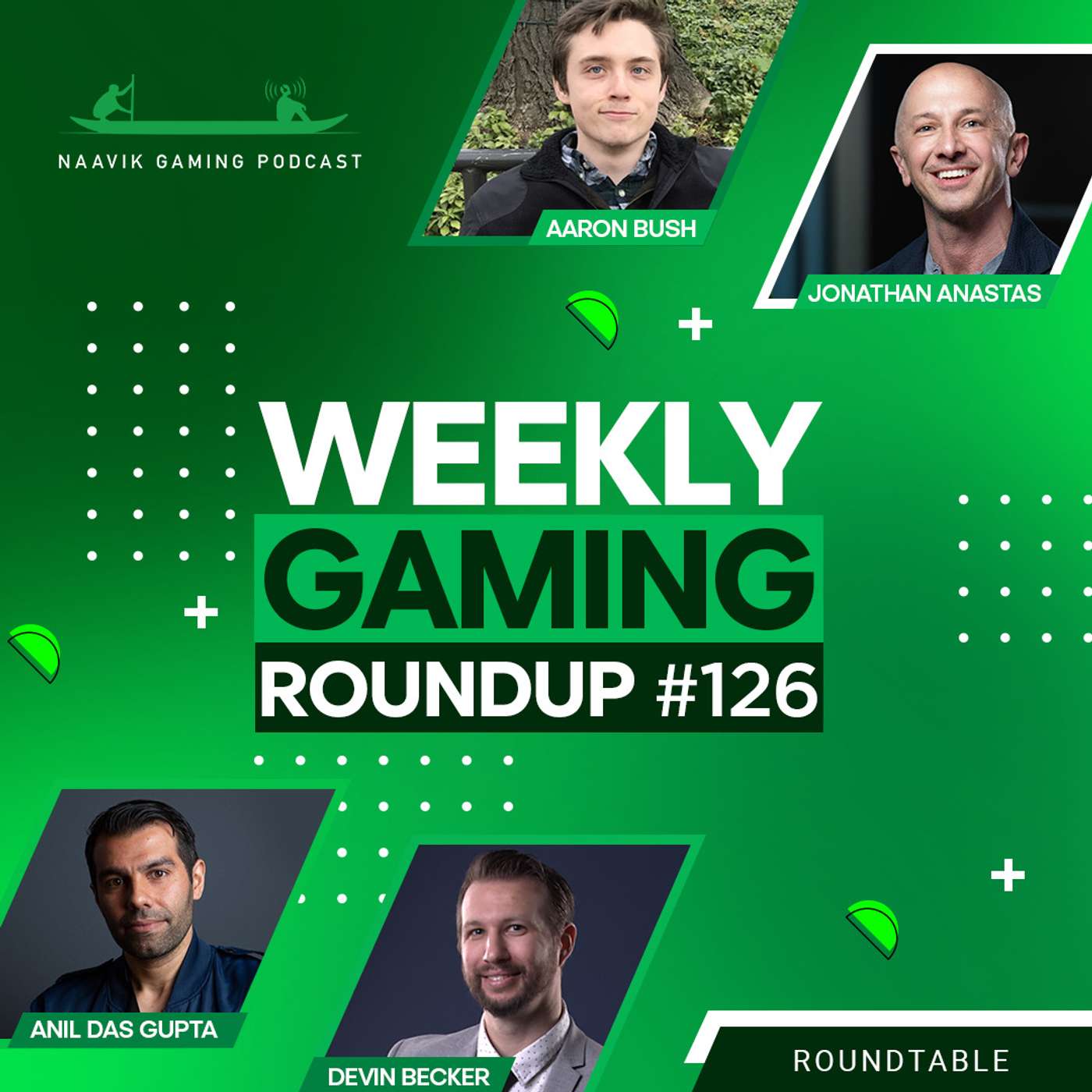
LEGO Fortnite Pops / Google's Legal Loss / ESRB vs Web3 / The Game Awards
In this week's Roundtable, the squad dives into the successful collaboration between LEGO and Fortnite, discussing how LEGO's first successful Minecraft-like venture could potentially broaden both companies’ audiences. We then shift gears to Epic's recent legal triumph over Google, analyzing the stark differences from its Apple lawsuit and pondering the implications for the future of mobile gaming. The conversation takes a critical turn as we dissect the "Adults Only" rating awarded to Gods Unchained by the ESRB, due to its real-money value rewards in tokens and NFTs, leading to its automatic delisting from the Epic Games Store. We debate whether this marks the beginning of a series of significant challenges for web3 gaming. Finally, we delve into the plethora of game announcements from The Game Awards, unpacking what this event signifies for the current state of the gaming industry, as well as its future trajectory. Join us for all the latest games business news with Aaron Bush, Anil Das-Gupta, Jonathan Anastas and host Devin Becker.We’d also like to thank Windwalk for making this episode possible! Windwalk builds digital communities and the technologies necessary to accelerate them through their flagship software, Harbor. To learn more, simply head to https://www.harbor.gg/ If you like the episode, please help others find us by leaving a 5-star rating or review! And if you have any comments, requests, or feedback, shoot us a note at [email protected]. Watch the episode: YouTube ChannelFor more episodes and details: Podcast WebsiteFree newsletter: Naavik DigestFollow us: Twitter | LinkedIn | WebsiteSound design by Gavin Mc Cabe.