Naavik Gaming Podcast
471 episodes — Page 3 of 10
Can Play-to-Earn Ever Be Sustainable?
In this episode of the Naavik Gaming podcast, host Niko Vuori welcomes back Luke Barwikowski, founder and CEO of Pixels.xyz, to discuss whether Play-to-Earn mechanics can, in fact, be sustainable. Luke shares the evolution of Pixels, its unique approach to Play-to-Earn gaming, and the strategies that have led to significant user growth (10 million registered users) and revenue generation (over $20 million in the past 12 months). The conversation delves into the sustainability of Play-to-Earn models, the importance of data-driven decision-making in game monetization, and the future plans for expanding the Pixels ecosystem. Luke also shares insights into the current state of web3 player demographics and geographic player concentration, the monetization strategies being employed, and the role of DAOs in shaping the future of gaming.We’d also like to thank Overwolf for making this episode possible! Whether you're a gamer, creator, or game studio, Overwolf is the ultimate destination for integrating UGC in games! You can check out all Overwolf has to offer at https://www.overwolf.com/.If you like the episode, please help others find us by leaving a 5-star rating or review! And if you have any comments, requests, or feedback shoot us a note at [email protected]. Watch the episode: YouTube ChannelFor more episodes and details: Podcast WebsiteFree newsletter: Naavik DigestFollow us: Twitter | LinkedIn | WebsiteSound design by Gavin Mc Cabe.
The Story of Crunchyroll, GGWP, and Forge
The intersection of anime, games, and technology takes center stage in this episode. Host Aaron Bush is joined by Kun Gao, a serial entrepreneur known for co-founding Crunchyroll, the world’s leading anime streaming platform, and now charting new paths in the games industry with GGWP, an AI-driven moderation platform, and Forge, which is enabling direct-to-consumer loyalty programs for games teams. In this conversation, we explore the many lessons Kun learned from scaling Crunchyroll and navigating high-profile dealmaking with IP companies and stakeholders like The Chernin Group and Sony. We then dive into the founding stories of GGWP and Forge, unpack the big ideas behind both companies, and dig into how more interconnected loyalty programs can empower game developers to create deeper, more valuable connections with their players. This episode is packed with insights into Kun’s entrepreneurial process, so make sure to tune in!We’d also like to thank Lightspeed Venture Partners for making this episode possible! With its dedicated gaming practice, "Lightspeed Gaming," the firm is investing from over $7B in early- and growth-stage capital — the by far largest fund focused on gaming and interactive technology. If you’re interested in learning more, go to https://gaming.lsvp.com/If you like the episode, please help others find us by leaving a 5-star rating or review! And if you have any comments, requests, or feedback shoot us a note at [email protected]’s On:Guest - Kun Gao: https://www.linkedin.com/in/kungao/ Host - Aaron Bush: https://www.linkedin.com/in/aaron-bush-846b8185/ Watch the episode: YouTube ChannelFor more episodes and details: Podcast WebsiteFree newsletter: Naavik DigestFollow us: Twitter | LinkedIn | WebsiteSound design by Gavin Mc Cabe.
Finding Success with AI Agents and Content Creators
Today, we dive deep into the world of gaming innovation with a guest who’s been at the forefront of some of the industry’s most exciting trends — from enabling user generated content to launching the first commercially successful game leveraging AI agents.In this conversation, our host, David Taylor, sits down with Ran Mo, the Founder and CEO of Proxima, to unpack the lessons learned from Proxima’s success with the viral sensation Suck Up!, a game developed where players act as vampires that must convince AI citizens to let you in their home so you can suck their blood. Ran is also the former Head of Central Product Management at Electronic Arts and oversaw the development of UGC systems for iconic franchises like The Sims and Skate. He also shares his thoughts on the future of gaming, from the role of AI and UGC to the innovations that could define the next generation of experiences.We’d also like to thank TikTok for making this episode possible. In a dynamic gaming market where a majority of games fail within three years, TikTok has become a critical partner in helping games achieve long-term player retention and substantial revenue growth. Learn more: https://bit.ly/LiveOpsProgramNAVPodcast If you like the episode, please help others find us by leaving a 5-star rating or review! And if you have any comments, requests, or feedback shoot us a note at [email protected] the episode: YouTube ChannelFor more episodes and details: Podcast WebsiteFree newsletter: Naavik DigestFollow us: Twitter | LinkedIn | WebsiteSound design by Gavin Mc Cabe.
Building and Scaling Communities in 2025
The role of community management in gaming has never been more critical. In this episode, our host Alexandra Takei, Director at Ruckus Games, joins Andrew Beegle, founder of Beegle Productions and Gravity Gang, and Tim Smith, co-founder of Cohezion AI, to discuss the evolving discipline of community management.Together, they explore the transformation of community roles over the past decade, from the decline of forums to the rise of Discord and influencer-driven strategies. The discussion highlights best practices for engaging communities early in development, balancing transparency with managing expectations, and leveraging tools like AI to scale engagement. They also address the nuanced dynamics of working with influencers and measuring community health pre and post-launch.If you’re navigating the challenges of building a loyal player base in a saturated market, this conversation provides actionable insights and strategies to thrive in 2025, including the groups must-have software tools for community development and predictions for headwinds community organizations will face heading into a content saturated market. We’d also like to thank Overwolf for making this episode possible! Whether you're a gamer, creator, or game studio, Overwolf is the ultimate destination for integrating UGC in games! You can check out all Overwolf has to offer at https://www.overwolf.com/.If you like the episode, please help others find us by leaving a 5-star rating or review! And if you have any comments, requests, or feedback shoot us a note at [email protected]. Watch the episode: YouTube ChannelFor more episodes and details: Podcast WebsiteFree newsletter: Naavik DigestFollow us: Twitter | LinkedIn | WebsiteSound design by Gavin Mc Cabe.
Web3 Gaming: What Will 2025 Bring?
In this episode, host Niko Vuori is joined by Naavik’s own web3 analyst, Devin Becker, to dive into the current state of web3 gaming, reflecting on the past year and looking ahead to 2025. They discuss the industry's significant developments, including the emergence (finally!) of quality games, the evolving regulatory landscape, and the shifting dynamics of funding, particularly for indie studios. The conversation also touches on the challenges faced by AAA games in adopting web3 technologies and the potential need for consolidation. They also explore the challenges and opportunities presented by integrating web3 technologies into gaming, the potential of Telegram as a distribution platform, and the geographic concentration of web3 studios in Asia. The discussion culminates in predictions for 2025, emphasizing the importance of adaptability in the gaming industry.We’d also like to thank nSure.ai for making this episode possible! As a proven industry leader, nSure.ai provides scalable payment fraud prevention that’s not just effective but tailored specifically to your needs. To learn more, visit https://www.nsure.ai/contact If you like the episode, please help others find us by leaving a 5-star rating or review! And if you have any comments, requests, or feedback shoot us a note at [email protected] the episode: YouTube ChannelFor more episodes and details: Podcast WebsiteFree newsletter: Naavik DigestFollow us: Twitter | LinkedIn | WebsiteSound design by Gavin Mc Cabe.
Inside NCSoft: Strategy, Partnerships, and Korean Gaming Trends
To kick off the new year, host Alexandra Takei, Director at Ruckus Games, interviews Songyee Yoon, former President and Chief Strategy Officer of NCSoft and now founding partner at PVP Ventures, which recently raised a $100M fund to invest in AI startups. They explore NCSoft’s transformation from its early days to a global gaming powerhouse, focusing on strategic pivots like transitioning from subscription models to free-to-play, embracing mobile gaming, and forging key partnerships with Tencent and others. Songyee shares her perspective on Korean gaming culture, from the role of PC cafés to transmedia collaborations, and how they shaped NCSoft’s growth. She discusses lessons learned from her tenure, including navigating challenges in organizational change and adapting to technological shifts. The episode also dives into broader trends like casualization, Korea’s bullish stance on blockchain, and the global influence of Korean entertainment on gaming. Songyee closes by sharing her predictions for 2025, NCSoft’s future, and opportunities in Korea’s gaming market, while offering insights on applying her experience to venture capital. This episode is a must-listen for those interested in strategy, innovation, and the Korean gaming industry!We’d also like to thank Reforged Labs for making this episode possible. This YC startup automates the traditionally costly and time-consuming ad production process, delivering high-quality, cost-effective video ads in under 24 hours – and it’s all powered by a proprietary AI engine trained on thousands of successful game ads. Learn more: https://reforgedlabs.com/?utm_source=newsletter&utm_medium=email&utm_campaign=naavik_promo&utm_id=naavik+promo&utm_term=newsletter&utm_content=october30.If you like the episode, please help others find us by leaving a 5-star rating or review! And if you have any comments, requests, or feedback shoot us a note at [email protected] the episode: YouTube ChannelFor more episodes and details: Podcast WebsiteFree newsletter: Naavik DigestFollow us: Twitter | LinkedIn | WebsiteSound design by Gavin Mc Cabe.
The Evolution of Sports Betting (with FanDuel’s Founder)
In this episode of the Naavik Gaming Podcast, host Niko Vuori interviews Nigel Eccles, the co-founder and former CEO of FanDuel, exploring his journey in the online gaming world, the origin story of FanDuel, its competition with DraftKings, and the regulatory challenges faced by the fantasy sports industry.Nigel shares the inside scoop on the FanDuel multi-billion dollar class action lawsuit and the evolving landscape of sports betting and gaming technology. Transitioning from FanDuel to his new venture, BetHog, he emphasizes the importance of innovation in the online casino space, particularly through social gaming and streaming. They also discuss the intricacies of betting mechanics, the design of engaging games, the challenges posed by regulations, and the future of crypto in the gaming industry.We’d also like to thank Heroic Labs for making this episode possible! Thousands of studios have trusted Heroic Labs to help them focus on their games and not worry about gametech or scaling for success. To learn more and reach out, visit https://heroiclabs.com/?utm_source=Naavik&utm_medium=CPC&utm_campaign=Podcast If you like the episode, please help others find us by leaving a 5-star rating or review! And if you have any comments, requests, or feedback shoot us a note at [email protected] the episode: YouTube ChannelFor more episodes and details: Podcast WebsiteFree newsletter: Naavik DigestFollow us: Twitter | LinkedIn | WebsiteSound design by Gavin Mc Cabe.
The State of Video Game Publishing (with Serenity Forge)
The sub-AA/AAA world of games has become increasingly competitive in recent years, and yet Serenity Forge, a diverse 40-50 person publisher based out of Colorado, has found a way to grow, develop, and publish games with very high success rates. How do they do it?To answer this question, host Aaron Bush is joined by Zhenghua (Z) Yang, the founder and CEO of Serenity Forge. They discuss Z’s inspiring story, how publishing has evolved over the past decade, and how Z goes above and beyond to ensure success. They also dig into the nuances of working with subscription platforms, the underdiscussed benefits of physical sales, building unique distribution, structuring publishing deals, and how AI does (and doesn’t) impact the way they think about supporting games. If you want a case study of how to win and stand out in a crowded gaming market, make sure to give this episode a listen!We’d also like to thank AWS for Games for making this episode possible. AWS for Games aligns purpose-built game development capabilities — including AWS services like Amazon GameLift as well as solutions from AWS Partners — to help game developers build, run, and grow their games. For more information, visit https://aws.amazon.com/gametech/If you like the episode, please help others find us by leaving a 5-star rating or review! And if you have any comments, requests, or feedback shoot us a note at [email protected]’s On:Guest - Zhenghua (Z) Yang: https://www.linkedin.com/in/serenityz/ Host - Aaron Bush: https://www.linkedin.com/in/aaron-bush-846b8185/ Watch the episode: YouTube ChannelFor more episodes and details: Podcast WebsiteFree newsletter: Naavik DigestFollow us: Twitter | LinkedIn | WebsiteSound design by Gavin Mc Cabe.
Lessons In Writing and Directing Video Game IP
Writing and directing for transmedia is an often overlooked part of world building in video games, but as consumers it is one of the most memorable elements of any game we play. Our host, David Taylor sat down with Neel Upadhye, a creative powerhouse who has left his mark on some of the most iconic franchises in gaming. From shaping the lore of Star Wars: The Old Republic and Battlefield 2042 to crafting Stories from the Outlands for Apex Legends, Neel’s work has been viewed tens of millions of times, defining what it means to merge storytelling with gameplay. In this episode, we explore Neel’s journey through the gaming industry, dive into his creative process, and what the future holds for transmedia storytelling.We’d also like to thank Lightspeed Venture Partners for making this episode possible! With its dedicated gaming practice, "Lightspeed Gaming," the firm is investing from over $7B in early- and growth-stage capital — the by far largest fund focused on gaming and interactive technology. If you’re interested in learning more, go to https://gaming.lsvp.com/.If you like the episode, please help others find us by leaving a 5-star rating or review! And if you have any comments, requests, or feedback shoot us a note at [email protected] the episode: YouTube ChannelFor more episodes and details: Podcast WebsiteFree newsletter: Naavik DigestFollow us: Twitter | LinkedIn | WebsiteSound design by Gavin Mc Cabe.
Navigating the Botting Industry: Fraud, Cheating, and Multi-Accounting
Botting, an often misused term that encapsulates multi-accounting, cheating, and fraud, plays a pivotal role in gaming — sometimes enhancing experiences but often undermining them. Our host, Alexandra Takei, Director at Ruckus Games, sits down with Henry LeGard, CEO and co-founder of Verisoul, and George Ng, CTO and co-founder of GGWP, to unpack the botting phenomenon. Their nuanced conversation covers why gaming is rife with bots, when bots are good, when bots are bad, and what gaming can learn from cybersecurity and homeland security. The conversation digs into detection strategies (including behavioral analysis, device fingerprinting, and the deployment of ban waves) and also explores how community plays a role in bot detection and reporting. Finally, the trio discusses how the botting industry will change for the better or the worse with the advancements in AI. We’d also like to thank Reforged Labs for making this episode possible. This YC startup automates the traditionally costly and time-consuming ad production process, delivering high-quality, cost-effective video ads in under 24 hours – and it’s all powered by a proprietary AI engine trained on thousands of successful game ads. Learn more: https://reforgedlabs.com/?utm_source=newsletter&utm_medium=email&utm_campaign=naavik_promo&utm_id=naavik+promo&utm_term=newsletter&utm_content=october30.If you like the episode, please help others find us by leaving a 5-star rating or review! And if you have any comments, requests, or feedback shoot us a note at [email protected] the episode: YouTube ChannelFor more episodes and details: Podcast WebsiteFree newsletter: Naavik DigestFollow us: Twitter | LinkedIn | WebsiteSound design by Gavin Mc Cabe.
Mastering Merge: How StarBerry Built a Merge-2 Hit
In this episode of the Naavik Gaming Podcast, host Niko Vuori interviews Antti Hattara, co-founder and CEO of StarBerry Games, about their successful mobile game, Merge Mayor. As the game surpasses the $25 million revenue milestone, the conversation covers the game's journey from an idle game that pivoted into a merge-2 (along the lines of Metacore’s Merge Mansion), the challenges of the merge category, and the importance of community engagement through platforms like Discord. Antti shares insights into the development processes of Merge Mayor with just a 22-person team, key moments that contributed to its success, and strategies for balancing feedback from hardcore players with the needs of new users. The discussion also touches on the innovative social features of the game, the “pyramid” framework for player engagement, and their evolving approach to storytelling.We’d also like to thank nSure.ai for making this episode possible! As a proven industry leader, nSure.ai provides scalable payment fraud prevention that’s not just effective but tailored specifically to your needs. To learn more, visit https://www.nsure.ai/contactIf you like the episode, please help others find us by leaving a 5-star rating or review! And if you have any comments, requests, or feedback shoot us a note at [email protected]. Watch the episode: YouTube ChannelFor more episodes and details: Podcast WebsiteFree newsletter: Naavik DigestFollow us: Twitter | LinkedIn | WebsiteSound design by Gavin Mc Cabe.
Transforming UA Creatives Through AI (with Reforged Labs)
AI is increasingly touching every corner of the games industry, and one of the areas it may have the largest impact on is user acquisition. Today, host Aaron Bush is joined by Robert Huynh, co-founder and CEO of Reforged Labs, to discuss how AI will transform the way gaming creatives are made, experimented with, and ultimately convert consumers.They dive into how the world of online content and digital marketing may evolve in the coming years, what Reforged Labs is building to help mobile game teams find greater and more efficient success, and how AI in marketing is a democratizing force for smaller companies. Robert shares multiple lessons learned as a repeat founder, walks us through the technology underpinning Reforged Labs, and we chat about why the future of AI content may not be as dystopian as many fear.If you want to learn where the future of marketing is heading, make sure to give this episode a listen!We’d also like to thank Neon – a merchant of record with customizable webshops optimized for conversion – for making this episode possible! Neon is trusted by some of the biggest names in gaming and can help you sell direct without the typical overhead. To learn more, visit https://www.neonpay.com/?utm_source=naavik If you like the episode, please help others find us by leaving a 5-star rating or review! And if you have any comments, requests, or feedback shoot us a note at [email protected]’s On:Guest - Robert Huynh: https://www.linkedin.com/in/huynhrobert/ Host - Aaron Bush: https://www.linkedin.com/in/aaron-bush-846b8185/ Watch the episode: YouTube ChannelFor more episodes and details: Podcast WebsiteFree newsletter: Naavik DigestFollow us: Twitter | LinkedIn | WebsiteSound design by Gavin Mc Cabe.
Gaming, Music, & Tipping: A New Era for Creator Payments
Today, host Devin Becker is joined by Sam Means, Founder of Wavlake, and Ben Cousens, Chief Strategy Officer of ZBD, for an exploration of alternative payment systems for creators in the music and gaming industries. The conversation dives into how Wavlake leverages Bitcoin to revolutionize artist payments and music distribution, offering unique benefits over traditional platforms like Spotify and Apple Music. Sam shares the story behind Wavlake, its current mission, and how its collaboration with ZBD opens new doors for “tipping” (rather than purchasing or subscribing) as a way to support creators. We explore how this technology reshapes interactions between music artists and gamers, with potential applications for UGC platforms, music in games, and live-streaming environments. We tackle pressing questions about copyright enforcement, the role of AI-generated music, and emerging policies that impact artists and game developers alike. (Also be sure to check out our previous episode with Ben, discussing ZBD in more detail!)We’d also like to thank TikTok for making this episode possible. Powered by automation and precision, TikTok’s advanced product solutions work seamlessly with its newest creative tools—making content creation easy, effective, and scalable—to drive installs and boost in-game revenue. Learn more about making the most of Q5 with TikTok by visiting: https://bit.ly/Q5ProgramNAVPodcastIf you like the episode, please help others find us by leaving a 5-star rating or review! And if you have any comments, requests, or feedback shoot us a note at [email protected] the episode: YouTube ChannelFor more episodes and details: Podcast WebsiteFree newsletter: Naavik DigestFollow us: Twitter | LinkedIn | WebsiteSound design by Gavin Mc Cabe.
Can Alternative App Stores Thrive Post-DMA?
In this episode of the Naavik Gaming podcast, host Niko Vuori interviews Álvaro Pinto, co-founder and COO of Aptoide, an independent app store with over 430 million users and 10 billion downloads. They discuss the evolution of app distribution, the concept of decentralization, and how Aptoide has grown and adapted over the years. Álvaro shares insights into the company's revenue model, user demographics, and the impact of blockchain technology through their AppCoins initiative. The conversation highlights the challenges and opportunities in the app distribution landscape, especially in light of regulatory changes in Europe and Japan, and the push for alternative solutions to the dominant app store duopoly of Apple and Google.We’d also like to thank Reforged Labs for making this episode possible. This YC startup automates the traditionally costly and time-consuming ad production process, delivering high-quality, cost-effective video ads in under 24 hours – and it’s all powered by a proprietary AI engine trained on thousands of successful game ads. Learn more: https://reforgedlabs.comIf you like the episode, please help others find us by leaving a 5-star rating or review! And if you have any comments, requests, or feedback shoot us a note at [email protected]. Watch the episode: YouTube ChannelFor more episodes and details: Podcast WebsiteFree newsletter: Naavik DigestFollow us: Twitter | LinkedIn | WebsiteSound design by Gavin Mc Cabe.
Gaming IP in 2024: How to Create Lasting Impact on UEFN
One of UEFN's biggest strengths is that it is a melting pot of intellectual property. Jeremy Pedron, Lead Game Designer at JOGO Studios, calls it “a vast childhood playroom”, a place where you can combine playing with Batman while also playing with Legos. As creative costs go down to zero, the modern gaming market is undergoing a transformation in how IP is created. In summary, IP has never been more adaptable. Host, Alexandra Takei, Director at Ruckus Games, sits down with Kevin Mariano, CEO of Future Trash, and Jeremy to discuss how building IP for gaming today differs from the past. They explore two distinct strategies, one focused on establishing unique art style and character design, and the other centered around character development and lore — and how both studios utilize UEFN to their advantage. The conversation also addresses the implications of transferring IP off the platform and what limitations a UGC-native brand and IP might face. For further insights into JOGO and the Fortnite Creative Economics system, be sure to listen to our other episode here.We’d also like to thank Overwolf for making this episode possible! Whether you're a gamer, creator, or game studio, Overwolf is the ultimate destination for integrating UGC in games! You can check out all Overwolf has to offer at https://www.overwolf.com/.If you like the episode, please help others find us by leaving a 5-star rating or review! And if you have any comments, requests, or feedback shoot us a note at [email protected]. Watch the episode: YouTube ChannelFor more episodes and details: Podcast WebsiteFree newsletter: Naavik DigestFollow us: Twitter | LinkedIn | WebsiteSound design by Gavin Mc Cabe.
Cheating Payments: The Hidden World of Game Fraud
Host Devin Becker is joined by Zach Nass, Head of Gaming at nSure.ai, to discuss the complex and evolving landscape of payment fraud prevention in gaming. Zach shares insights into why payment fraud in gaming has become such a critical issue today, the unique challenges posed by game-specific economies and marketplaces, and the importance of nuanced, adaptable solutions to secure transactions.We unpack how AI and machine learning are used to identify patterns and predict fraudulent payment activity, and also touch on how payment fraud prevention strategies are evolving to better handle the decentralized systems of web3 and cryptocurrency transactions. This episode provides an in-depth look at the future of secure gaming payments — and the technical processes that nSure.ai employs to detect and prevent payment fraud — so you can stay ahead of fraud cutting into profits.We’d also like to thank Heroic Labs for making this episode possible! Thousands of studios have trusted Heroic Labs to help them focus on their games and not worry about gametech or scaling for success. To learn more and reach out, visit https://heroiclabs.com/?utm_source=Naavik&utm_medium=CPC&utm_campaign=Podcast If you like the episode, please help others find us by leaving a 5-star rating or review! And if you have any comments, requests, or feedback shoot us a note at [email protected]. Watch the episode: YouTube ChannelFor more episodes and details: Podcast WebsiteFree newsletter: Naavik DigestFollow us: Twitter | LinkedIn | WebsiteSound design by Gavin Mc Cabe.

The State of Web3 Gaming with Game7
Host Niko Vuori and guest George Isichos, core contributor at Game7, discuss the current state of web3 gaming, focusing on the latest Game7 x Naavik research report (which you can download here). They explore the evolution of the ecosystem, the impact of platforms like Telegram and Epic Games Store, and emerging economic models such as Play-to-Airdrop. The conversation also addresses the challenges posed by bots in gaming and the shifting geographic distribution of players. The discussion then digs into the integration of AI in gaming and its unique impact in web3, the evolving funding landscape for web3 games, the rise of indie and fall of AAA, plus the shift towards Layer 2 and Layer 3 strategies. We’d also like to thank Overwolf for making this episode possible! Whether you're a gamer, creator, or game studio, Overwolf is the ultimate destination for integrating UGC in games! You can check out all Overwolf has to offer at https://www.overwolf.com/.If you like the episode, please help others find us by leaving a 5-star rating or review! And if you have any comments, requests, or feedback shoot us a note at [email protected]. Watch the episode: YouTube ChannelFor more episodes and details: Podcast WebsiteFree newsletter: Naavik DigestFollow us: Twitter | LinkedIn | WebsiteSound design by Gavin Mc Cabe.
LinkedIn's Gaming Strategy: Using Games to Foster Connection and Conversation
If you’re reading this, you’re probably one of LinkedIn’s 1B+ global users. You might have also noticed some of your professional connections playing one of LinkedIn’s new games — Queens, Pinpoint, Crossclimb, or Tango — and may even be wondering "why are there games on LinkedIn?" Host Alexandra Takei, Director at Ruckus Games, sits down with Lakshman Somasundaram, Director of Product Management at LinkedIn, to discuss the strategic intent behind games on LinkedIn and their unique approach to building games inside a professional networking and social media platform. We discuss the history of other social media’s forays into gaming and the underlying principles that guide the design, format, and product features of LinkedIn’s games.With a current D1 retention rate of approximately 80% and an exceptionally engaged community, LinkedIn hopes its portfolio of games will become a meaningful conversation starter for professionals. To discover more about the how, why, and what behind this initiative, just hit play!We’d also like to thank Overwolf for making this episode possible! Whether you're a gamer, creator, or game studio, Overwolf is the ultimate destination for integrating UGC in games! You can check out all Overwolf has to offer at https://www.overwolf.com/.If you like the episode, please help others find us by leaving a 5-star rating or review! And if you have any comments, requests, or feedback shoot us a note at [email protected]. Watch the episode: YouTube ChannelFor more episodes and details: Podcast WebsiteFree newsletter: Naavik DigestFollow us: Twitter | LinkedIn | WebsiteSound design by Gavin Mc Cabe.
Direct-to-Consumer: A Game Changer for Developers
A new frontier is emerging with the advent of "web shops," also known as direct-to-consumer distribution methods. Alexandra Takei, Director at Ruckus Games, sits down with Chris Faught, the CEO and founder of Neon, a direct-to-consumer payments service currently working with Space Ape, Metacore, and Theorycraft to build customizable web shops and geography-specific payment systems, challenging the traditional distribution models of Apple and Google. We explore the evolving landscape of mobile regulations, contextualize the current payment stack in gaming, and break down what it means to be “the merchant of record.” The discussion highlights what major publishers and game studios have done since the iOS and Android distribution shake-up that began with Epic's lawsuit against Apple in 2021. Additionally, we dig into the nuances of why a direct-to-consumer webshop is about more than just increasing profitability. For any studio, investor, or revenue strategist interested in optimizing margins and considering a shift to a direct-to-consumer webshop, this episode is a must-listen.We’d also like to thank Lightspeed Venture Partners for making this episode possible! With its dedicated gaming practice, "Lightspeed Gaming," the firm is investing from over $7B in early- and growth-stage capital — the by far largest fund focused on gaming and interactive technology. If you’re interested in learning more, go to https://gaming.lsvp.com/.If you like the episode, please help others find us by leaving a 5-star rating or review! And if you have any comments, requests, or feedback shoot us a note at [email protected]. Watch the episode: YouTube ChannelFor more episodes and details: Podcast WebsiteFree newsletter: Naavik DigestFollow us: Twitter | LinkedIn | WebsiteSound design by Gavin Mc Cabe.
A New Frontier: Where Transmedia Meets UGC
Host Aaron Bush welcomes Shahar Sorek, CMO of Overwolf, and Nick Tuosto, co-founder of Griffin Gaming Partners and GoodGame Advisors, to discuss the growing – and increasingly interconnected – impact of transmedia and modding on the gaming industry. As beloved entertainment IPs partner with more types of game creators, we examine how these transmedia efforts are reshaping consumer behaviors and evolving the market, especially with the younger UGC-native generation and as UGC creation gets more professionalized. Our guests share insights into how cross-platform support and new technologies, especially AI, are democratizing creation and unlocking new possibilities. They also share best practices for both publishers and brands who want to make UGC an effective strategy. Tune in to discover what lies ahead for the intersection of UGC and transmedia.We’d also like to thank Neon – a merchant of record with customizable webshops optimized for conversion – for making this episode possible! Neon is trusted by some of the biggest names in gaming and can help you sell direct without the typical overhead. To learn more, visit https://www.neonpay.com/?utm_source=naavik If you like the episode, please help others find us by leaving a 5-star rating or review! And if you have any comments, requests, or feedback shoot us a note at [email protected]’s On:Guest - Shahar Sorek: https://www.linkedin.com/in/%F0%9F%90%B0-shahar-sorek-83ab299/ Guest - Nick Tuosto: https://www.linkedin.com/in/ntuosto/ Host - Aaron Bush: https://www.linkedin.com/in/aaron-bush-846b8185/ Watch the episode: YouTube ChannelFor more episodes and details: Podcast WebsiteFree newsletter: Naavik DigestFollow us: Twitter | LinkedIn | WebsiteSound design by Gavin Mc Cabe.Disclosure: GoodGame provides independent financial advice on mergers, acquisitions, financial restructurings and similar corporate finance matters. All investment banking and securities brokerage services are preformed through our partner, Belzberg Capital LLC (“Belzberg”), a member of the Financial Industry Regulatory Authority, Inc. (www.finra.org). GoodGame, through Belzberg, performs advisory services in connection with underwritings and does not sell underwritten securities to investors. Neither GoodGame nor Belzberg is a retail broker-dealer, and it does not provide research or analyst reports or solicit or carry accounts for, or offer or sell securities products to, retail customers.
Fortnite Creative Economics with MustardPlays and Birdo
Fortnite has paid out roughly $500 million to creators since UEFN and Creator Economy 2.0 launched in March of 2023. These payouts, which have increased 32.5% YoY (measured from March through September), are showing no signs of slowing down. However, Fortnite Creative engagement as a proportion of total Fortnite engagement has actually declined as Epic has launched more successful modes like 'Reload.' What will it take for Epic's $500 million investment to turn into a thriving UGC ecosystem that creates more value than it costs? Where does the Fortnite economy go from here? Joining host David Taylor today are two top Fortnite creators and influencers, Chad Mustard (aka MustardPlays) and Michael Ha (aka Birdo).MustardPlays has accumulated over 900K followers on Youtube with his Fortnite Creative content, and his company JOGO Studios, which he co-founded with TypicalGamer, is the 4th most popular game on Fortnite at the time of recording. Birdo created a Fortnite-focused TikTok following of over 2M. He then hit it big with Minigame Box PvP, which has been played for 5 billion minutes or 1% of all Fortnite Creative time since the release of UEFN in March 2023.We’d also like to thank Heroic Labs for making this episode possible! Thousands of studios have trusted Heroic Labs to help them focus on their games and not worry about gametech or scaling for success. To learn more and reach out, make sure to visit https://heroiclabs.com/?utm_source=Naavik&utm_medium=CPC&utm_campaign=PodcastIf you like the episode, please help others find us by leaving a 5-star rating or review! And if you have any comments, requests, or feedback shoot us a note at [email protected]. Watch the episode: YouTube ChannelFor more episodes and details: Podcast WebsiteFree newsletter: Naavik DigestFollow us: Twitter | LinkedIn | WebsiteSound design by Gavin Mc Cabe.
Social Sweeps, the $6B Gaming Category Hiding in Plain Sight
In this episode, host Niko Vuori and guest Sean Ryan delve into the emerging category of social sweepstakes, a gaming model that barely existed as recently as 2017 but has rapidly evolved into a multi-billion dollar industry. In 2023, social sweeps generated almost $6 billion in revenue, and this number is expected to double to nearly $12 billion by next year, 2025. What are social sweeps? When a gaming product offers users real-world prizes without the element of consideration. Removal of consideration takes place via the existence of an alternate method of entry, such as sending in a postcard, so that users can potentially receive real prizes without making a purchase.Niko and Sean explore the mechanics of social sweeps, the regulatory challenges that come with it, and the role of VGW as a pioneer in the space. The conversation also touches on the target audience, user journey, and the future potential of social sweeps in the broader gaming market. Check out Sean's company, Zoot, on the web.We’d also like to thank TikTok for making this episode possible. In a dynamic gaming market where a majority of games fail within three years, TikTok has become a critical partner in helping games achieve long-term player retention and substantial revenue growth. Learn more: https://bit.ly/LiveOpsProgramNAVPodcast If you like the episode, please help others find us by leaving a 5-star rating or review! And if you have any comments, requests, or feedback shoot us a note at [email protected] the episode: YouTube ChannelFor more episodes and details: Podcast WebsiteFree newsletter: Naavik DigestFollow us: Twitter | LinkedIn | WebsiteSound design by Gavin Mc Cabe.
AI, New Platforms, & the Future of Game Development
Sebastian Park, co-founder of Infinite Canvas and a favorite recurring guest, joins host Aaron Bush to dive into the fascinating topic of building games on new platforms and with new technologies. They discuss how Infinite Canvas rapidly iterates, uses off-the-shelf LLM tech, and what the team has learned lately from building on Discord, Twitch, and Telegram. If you want to better understand how emerging AI-based tools will increase the baseline requirements for competing in game development and what emerging platforms to be most bullish on, make sure to give this episode a listen! We’d also like to thank nSure.ai for making this episode possible! As a proven industry leader, nSure.ai provides scalable payment fraud prevention that’s not just effective but tailored specifically to your needs. To learn more, visit https://www.nsure.ai/contactIf you like the episode, please help others find us by leaving a 5-star rating or review! And if you have any comments, requests, or feedback shoot us a note at [email protected]’s On:Guest - Sebastian Park: https://www.linkedin.com/in/sebastianpark/ Host - Aaron Bush: https://www.linkedin.com/in/aaron-bush-846b8185/ Watch the episode: YouTube ChannelFor more episodes and details: Podcast WebsiteFree newsletter: Naavik DigestFollow us: Twitter | LinkedIn | WebsiteSound design by Gavin Mc Cabe.
How SciPlay Wins in Social Casino, Post-IDFA
In this episode, host Niko Vuori and guest Danny Moy, Chief Strategy Officer at SciPlay, delve into the highly competitive category of social casino. They discuss the evolution of SciPlay, the demographics of social casino players, and the integration of casino mechanics into mainstream games. The conversation also touches on the importance of live operations, the role of AI in game design, and the cross-pollination between real money gaming and social casino. With insights from Danny's extensive experience in the gaming industry, this episode provides a comprehensive overview of the current landscape and future trends in social casino gaming. The discussion also covers the challenges of user acquisition in a post-IDFA landscape, highlighting the importance of community engagement through live ops and partnerships.Check out SciPlay on the web. You can find Danny Moy on LinkedIn. We’d also like to thank Heroic Labs for making this episode possible! Thousands of studios have trusted Heroic Labs to help them focus on their games and not worry about gametech or scaling for success. To learn more and reach out, make sure to visit https://heroiclabs.com/?utm_source=Naavik&utm_medium=CPC&utm_campaign=PodcastIf you like the episode, please help others find us by leaving a 5-star rating or review! And if you have any comments, requests, or feedback shoot us a note at [email protected]. Watch the episode: YouTube ChannelFor more episodes and details: Podcast WebsiteFree newsletter: Naavik DigestFollow us: Twitter | LinkedIn | WebsiteSound design by Gavin Mc Cabe.
How Studio Culture Fuels an Exit (with Seth Sivak)
What is culture, and why does it matter? Seth Sivak, the founder and ex-CEO of Proletariat, a studio most known for its title Spellbreak, joins our host, Alexandra Takei, Director at Ruckus Games, to discuss the importance of organizational culture in the gaming industry. Proletariat was founded in 2012 by Seth and four other co-founders and went through various era of growth: scaling up to 80 people in person, 130 people remote during the pandemic, everyone brought back in person again, and then a sale to Blizzard Entertainment in the summer of 2022 with subsequent culture merging afterward. We discuss the definition of culture, who is responsible for setting it, who is responsible for maintaining it, as well as tactics to create a shared vision and shared set of norms, habits, and standards. If you are curious about what supercharges a successful game and business, this is a conversation that illuminates the balance between transparency and employee focus, how to build an effective communication decorum that scales, and why spending time on your company culture does not detract from building your product and business, but if done right, enhances and augments success. We’d also like to thank Lightspeed Venture Partners for making this episode possible! With its dedicated gaming practice, "Lightspeed Gaming," the firm is investing from over $7B in early- and growth-stage capital — the by far largest fund focused on gaming and interactive technology. If you’re interested in learning more, go to https://gaming.lsvp.com/.If you like the episode, please help others find us by leaving a 5-star rating or review! And if you have any comments, requests, or feedback shoot us a note at [email protected]. Watch the episode: YouTube ChannelFor more episodes and details: Podcast WebsiteFree newsletter: Naavik DigestFollow us: Twitter | LinkedIn | WebsiteSound design by Gavin Mc Cabe.
Metagame Mastery: Growing Games Beyond Core Loops
With metagames becoming a key component of player engagement and monetization, it’s more important than ever to get them right. Host Devin Becker welcomes Christopher Molozian, CEO of Heroic Labs, to discuss the evolving landscape of metagame systems and the technology that powers them. Christopher explains how Heroic Labs' platform integrates seamlessly into games, enabling developers to enhance live operations with scalable metagame features. The conversation also explores how metagame elements can boost retention and monetization, while also examining the potential pitfalls where these systems might work against player engagement.Throughout the episode we address critical questions for developers, including where live operations most effectively tie into metagames, which features should be prioritized, and how to balance standardization with customization in mobile game development. Christopher also touches on the broader challenges of developing metagame features in today’s fast-paced industry and the trends that are shaping the future of metagames across all platforms. Whether you're a game developer, product manager, or simply fascinated by game design, this episode provides valuable insights into the evolving role of metagames in modern gaming.We’d also like to thank AWS for Games for making this episode possible. AWS for Games aligns purpose-built game development capabilities — including AWS services like Amazon GameLift as well as solutions from AWS Partners — to help game developers build, run, and grow their games. For more information, visit https://aws.amazon.com/gametech/If you like the episode, please help others find us by leaving a 5-star rating or review! And if you have any comments, requests, or feedback shoot us a note at [email protected]. Watch the episode: YouTube ChannelFor more episodes and details: Podcast WebsiteFree newsletter: Naavik DigestFollow us: Twitter | LinkedIn | WebsiteSound design by Gavin Mc Cabe.
Launching an AI + UGC Startup
When designing content creation tools for the masses, most platforms have to make trade-offs across accessibility, ease of use, capability, and power of the toolsets. However, AI has the potential to provide the best of both worlds. For instance, co-pilot technology empowers non-technical creators to write code, and 3D gen-AI enables entire environments to be created from simple command line prompts. We’re seeing a number of companies emerge that are taking advantage of AI in order to compete with UGC gaming incumbents like Roblox and Fortnite. To help us understand the opportunities ahead, host David Taylor is joined by Vishnu Hari and Peggy Wang, the co-founders of ego, and Tabish Ahmed, the founder of Playroom. Additionally, we spend some time discussing the potential of Discord and Meta Horizon Worlds as emerging platforms in their own rights.We’d also like to thank Heroic Labs for making this episode possible! Thousands of studios have trusted Heroic Labs to help them focus on their games and not worry about gametech or scaling for success. To learn more and reach out, make sure to visit https://heroiclabs.com/?utm_source=Naavik&utm_medium=CPC&utm_campaign=Podcast If you like the episode, please help others find us by leaving a 5-star rating or review! And if you have any comments, requests, or feedback shoot us a note at [email protected]. Watch the episode: YouTube ChannelFor more episodes and details: Podcast WebsiteFree newsletter: Naavik DigestFollow us: Twitter | LinkedIn | WebsiteSound design by Gavin Mc Cabe.
EA’s Game Plan: Launches, AI, & the Strategic Approach
“AAA is not in crisis; it is in a moment of change.” In this episode, Kate Kellogg, the COO of EA Studios, joins our host, Alexandra Takei, Director at Ruckus Games, to discuss game launches, EA's strategic approach, and how EA staffs and organizes itself to win. We discuss the challenge of aligning development resources with performance expectations and delve into EA's strategic pillars of Play, Watch, Create, and Connect. We explore why this strategy is not only well-suited for the current gaming market but why it is the optimal choice for EA as well as how franchises (e.g. The Sims, College Football) manifest their expressions of those strategic pillars. Kate also explains how EA is incorporating AI into its development stack across quality assurance, asset creation, and moderation, plus how EA's talent and culture is supercharging this organization's goals. We’d also like to thank Overwolf for making this episode possible! Whether you're a gamer, creator, or game studio, Overwolf is the ultimate destination for integrating UGC in games! You can check out all Overwolf has to offer at https://www.overwolf.com/.If you like the episode, please help others find us by leaving a 5-star rating or review! And if you have any comments, requests, or feedback shoot us a note at [email protected]. Watch the episode: YouTube ChannelFor more episodes and details: Podcast WebsiteFree newsletter: Naavik DigestFollow us: Twitter | LinkedIn | WebsiteSound design by Gavin Mc Cabe.
Telegram: The Next Great Gaming Platform?
It's no secret that distribution across all major gaming platforms is virtually inaccessible to all but the most deep-pocketed developers. The go-go days of being able to bootstrap a studio or raise a modest amount of funding to grow and scale a title are long gone, and there have been very few emerging platforms that show outsized promise. But is that about to change? Telegram games have exploded onto the scene over the past few months. Top titles like Hamster Kombat, with deceptively simple yet surprisingly deep gameplay, can attract hundreds of millions of players in a matter of months - or even weeks! How and why is this happening? Could Telegram be the next "big thing" for gaming, a truly new platform where cost-effective user acquisition and effective distribution are once again possible? To find out, your host, Niko Vuori, sits down with Simon Davis, Founder & CEO of Mighty Bear Games, a studio that grew its own Telegram title, Goat Gaming, to 2 million players in a matter of weeks. Simon drops some major alpha about what is driving adoption among developers on Telegram, who the player base is, retention and engagement metrics, how these games are bridging some elements of web3, and much more. We’d also like to thank nSure.ai for making this episode possible! In the gaming industry, protecting revenue from fraudsters is crucial. That’s where nSure.ai comes in. As a proven industry leader, nSure.ai provides scalable payment fraud prevention that’s not just effective but tailored specifically to your needs. To learn more, visit https://www.nsure.ai/contactIf you like the episode, please help others find us by leaving a 5-star rating or review! And if you have any comments, requests, or feedback shoot us a note at [email protected]. Watch the episode: YouTube ChannelFor more episodes and details: Podcast WebsiteFree newsletter: Naavik DigestFollow us: Twitter | LinkedIn | WebsiteSound design by Gavin Mc Cabe.
Game Tech: The Hidden Force Behind Gaming’s Challenges and Opportunities
In recent years, there’s been considerable discourse about the game industry’s challenges. However, according to today's guest, Jiten Dajee, one core element has been missing from the conversation: the root technical causes underlying many of today’s business woes. After all, game tech shapes the way games are developed and managed, which in turn drives business outcomes.Jiten, General Partner at Rendered VC, joins host Aaron Bush to discuss how the state of game tech is holding developers back, how many managers fail to solve systemic issues, interesting trends across global development teams, and how all of this shapes the way he invests. We also hit where future game tech breakthroughs may come from and areas adjacent to gaming that are worth keeping an eye on.We’d also like to thank AWS for Games for making this episode possible. AWS for Games aligns purpose-built game development capabilities — including AWS services like Amazon GameLift as well as solutions from AWS Partners — to help game developers build, run, and grow their games. For more information, visit https://aws.amazon.com/gametech/If you like the episode, please help others find us by leaving a 5-star rating or review! And if you have any comments, requests, or feedback shoot us a note at [email protected]’s On:Guest - Jiten Dajee: https://www.linkedin.com/in/jitendajee/ Host - Aaron Bush: https://www.linkedin.com/in/aaron-bush-846b8185/ Watch the episode: YouTube ChannelFor more episodes and details: Podcast WebsiteFree newsletter: Naavik DigestFollow us: Twitter | LinkedIn | WebsiteSound design by Gavin Mc Cabe.
Dream Sports and the Future of Cricket
If you are into fantasy sports, Dream 11 is a household name. Boasting over 220M active users, it is one of the most popular fantasy sports platforms in the world. But what you might not know is that Dream 11 is just one part of the Dream Sports Group, which aspires to be a full 360 sports experience beyond fantasy (including merchandise, travel, streaming, live experiences, and, of course, video games).Rohit Gupta, Founder and CEO of Dream Games Studios, joins our host, Alexandra Takei, Director at Ruckus Games, for a discussion about innovation and growth in the sports video game industry with a specific eye towards Cricket and India. Their most recent game, Dream Cricket, aims to be the most authentic and realistic cricket game in the market. But what makes a good cricket game, and can you create a blockbuster cricket video game akin to Madden for the Indian market? What advantages are there to building in public, and what are the challenges in the licensing (name, image, and likeness) across the pro cricket space? What is the macro positioning for the sports video game market, and how has Dream Sports Group organized itself to capitalize on the opportunity? That and more!We’d also like to thank Lightspeed Venture Partners for making this episode possible! With its dedicated gaming practice, "Lightspeed Gaming," the firm is investing from over $7B in early- and growth-stage capital — the by far largest fund focused on gaming and interactive technology. If you’re interested in learning more, go to https://gaming.lsvp.com/.If you like the episode, please help others find us by leaving a 5-star rating or review! And if you have any comments, requests, or feedback shoot us a note at [email protected]. Watch the episode: YouTube ChannelFor more episodes and details: Podcast WebsiteFree newsletter: Naavik DigestFollow us: Twitter | LinkedIn | WebsiteSound design by Gavin Mc Cabe.
How to Bring Brands to Roblox
Over the last few years, brands have increasingly gravitated to platforms like Roblox as a way to reach younger audiences. In 2023 alone, we saw 240 brand activations on Roblox, which doubled from the year prior. In terms of revenue, this contributed to over $80 million in brand spend, which equates to roughly 10% of Roblox's developer earnings for 2023.From the brand perspective, results can vary greatly depending on the execution. As advertisers, the cost per play session in a branded experience can range from as much as $1 to a fraction of a cent. Critical decisions include whether a brand should build its own experience versus integrate into an already popular one, and it's important to understand how well the brand resonates with Roblox's audience as well as any specific genre. With such uncertainty around outcomes, much of the spend so far has come from innovation budgets rather than traditional marketing allocations.To explore these trends further and discuss what needs to happen for advertising to further scale on Roblox, our host, David Taylor, sat down with three veterans of the Roblox advertising space, each with their own unique approaches: Matt Edelman, President of Super League Gaming, Harry Bienenstock, Head of Growth at Voldex, and Evan Zirschky, CEO of Turning Tables. We’d also like to thank Neon – a merchant of record with customizable webshops optimized for conversion – for making this episode possible! Neon is trusted by some of the biggest names in gaming and can help you sell direct without the typical overhead. To learn more, visit https://www.neonpay.com/?utm_source=naavikIf you like the episode, please help others find us by leaving a 5-star rating or review! And if you have any comments, requests, or feedback shoot us a note at [email protected]. Watch the episode: YouTube ChannelFor more episodes and details: Podcast WebsiteFree newsletter: Naavik DigestFollow us: Twitter | LinkedIn | WebsiteSound design by Gavin Mc Cabe.
Sony, Microsoft, Valve, and Roblox: Who Will Be Platform King?
The gaming industry is currently facing an identity crisis, with widespread layoffs, escalating budgets, and a flood of new games hitting the market. In light of these macro trends, game studios and platforms need to find ways to leverage their existing strengths or develop new strategies for long-term success.Ben Feder, Managing Partner at Tirta and former CEO of Take-Two, and Ken Wee, former CSO of Activision Blizzard King, join host Alexandra Takei, Director at Ruckus Games, to delve into the strategies of four major players in the gaming industry: Microsoft, Sony, Valve, and Roblox. Given the dynamic and uncertain future of the gaming industry, this episode explores how these companies and platforms are approaching content discovery, the role of AI in game development, innovative business models, and future-proofing their businesses. If you want to gain insights into the strategies of these four companies from industry experts, this episode is for you!We’d also like to thank Overwolf for making this episode possible! Whether you're a gamer, creator, or game studio, Overwolf is the ultimate destination for integrating UGC in games! You can check out all Overwolf has to offer at https://www.overwolf.com/.If you like the episode, please help others find us by leaving a 5-star rating or review! And if you have any comments, requests, or feedback shoot us a note at [email protected]. Watch the episode: YouTube ChannelFor more episodes and details: Podcast WebsiteFree newsletter: Naavik DigestFollow us: Twitter | LinkedIn | WebsiteSound design by Gavin Mc Cabe.
Building a Creator-Focused 3D Engine with Hiber
UGC is hot, hot, hot right now. Roblox is on track to pay out half a billion USD to creators - annually - and never has it been more possible for young, individual creators to make a meaningful living as “game developers.” But is Roblox the only place for such creators? HiberWorld, a platform that's empowering anyone to build and share their own 3D worlds, is trying to change that by making making it as easy possible for anyone, at any age, and anywhere in the world to build their own virtual worlds. HiberWorld has already achieved some impressive milestones, reaching 1 million worlds in 2021, 5 million in 2023, and 6.5 million at latest count. Underlying everything is Hiber3D, Hiber’s web engine, which is trying to make it as easy as possible for anyone to build their own HiberWorld.In this episode your host, Niko Vuori, sits down with Hiber’s Chief Strategy Officer Sean Kauppinen to discuss Hiber’s story, what growth strategies it has used to grow, and what differentiates it from Roblox. Check out Hiber on the web. You can find Sean Kauppinen on LinkedIn. For more information about some of the topics discussed in this episode, check out Dive Analytics for outsourced games BI, Nir Eyal’s excellent book “Hooked” about building habit-forming products, and The New York Times’ “Hard Fork” podcast for all things tech and particularly their excellent coverage of developments in AI.We’d also like to thank nSure.ai for making this episode possible! In the gaming industry, protecting revenue from fraudsters is crucial. That’s where nSure.ai comes in. As a proven industry leader, nSure.ai provides scalable payment fraud prevention that’s not just effective but tailored specifically to your needs. To learn more, visit https://www.nsure.ai/contact If you like the episode, please help others find us by leaving a 5-star rating or review! And if you have any comments, requests, or feedback shoot us a note at [email protected]. Watch the episode: YouTube ChannelFor more episodes and details: Podcast WebsiteFree newsletter: Naavik DigestFollow us: Twitter | LinkedIn | WebsiteSound design by Gavin Mc Cabe.
Emergency Pod: SEC vs OpenSea
On August 28th, the Securities and Exchange Commission issued a Wells Notice to OpenSea, notifying the largest NFT marketplace that it is under investigation for operating as an unlicensed exchange, labeling the NFTs traded on the platform as securities. Founder & CEO of OpenSea, Devin Finzer, posted that “[t]his is a move into uncharted territory. By targeting NFTs, the SEC would stifle innovation on an even broader scale: hundreds of thousands of online artists and creatives are at risk, and many do not have the resources to defend themselves. NFTs are fundamentally creative goods: art, collectibles, video game items, domain names, event tickets, and more.” In this very first Naavik Gaming emergency podcast, your host, Niko Vuori, sits down with Naavik web3 analyst Devin Becker and web3 operator Steven Wade to digest the news and discuss what this might mean for web3 gaming. Here's Devin Finzer’s post announcing the Wells Notice. You can find Niko, Devin and Steven on LinkedIn.We’d also like to thank Overwolf for making this episode possible! Whether you're a gamer, creator, or game studio, Overwolf is the ultimate destination for integrating UGC in games! You can check out all Overwolf has to offer at https://www.overwolf.com/.If you like the episode, please help others find us by leaving a 5-star rating or review! And if you have any comments, requests, or feedback shoot us a note at [email protected]. Watch the episode: YouTube ChannelFor more episodes and details: Podcast WebsiteFree newsletter: Naavik DigestFollow us: Twitter | LinkedIn | WebsiteSound design by Gavin Mc Cabe.
Monopoly Go! and Baldur’s Gate III: The Hasbro Perspective
Hasbro is known for iconic properties like Dungeons and Dragons and Monopoly, but is sometimes overlooked as the licensor of incredible video game successes such as Baldur's Gate III and Monopoly Go!In the last 12 months, Hasbro's licensed games have generated a staggering $3.25 billion, making it the largest entertainment IP licensor in video games, and almost doubling the revenue of the next largest licensor, Disney, which includes powerhouse franchises like Marvel and Star Wars.David Taylor sat down with Eugene Evans, the Senior Vice President of Digital Strategy and Licensing at Hasbro. In this episode we dive into Hasbro's approach to licensing IP to video game developers and how they’ve successfully transitioned their business from the physical playground to the virtual realm.We’d also like to thank nSure.ai for making this episode possible! In the gaming industry, protecting revenue from fraudsters is crucial. That’s where nSure.ai comes in. As a proven industry leader, nSure.ai provides scalable payment fraud prevention that’s not just effective but tailored specifically to your needs. To learn more, visit https://www.nsure.ai/contactIf you like the episode, please help others find us by leaving a 5-star rating or review! And if you have any comments, requests, or feedback shoot us a note at [email protected]. Watch the episode: YouTube ChannelFor more episodes and details: Podcast WebsiteFree newsletter: Naavik DigestFollow us: Twitter | LinkedIn | WebsiteSound design by Gavin Mc Cabe.
Building the Next Game-as-a-Platform
Today, we explore what it takes to build the next big video game franchise powered by user-generated games. It's a daunting task as Epic Games paid roughly $320 million to creators in the past year in order to incentivize creators to build new experiences on its platform. That's enough money to develop and market a new AAA franchise every year. However, that hasn't discouraged start-up studios like Build a Rocket Boy and OCP from diving headfirst into the space. Build a Rocket Boy recently closed a $110 million Series D round and OCP a $16.25 million Series A. Our host, David Taylor, sat down with Sergiy Galyonkin, Senior Vice President of Publishing at Build a Rocket Boy, and Mike Atamas, Co-founder and CEO of Omni Creator Products, to discuss their companies’ approaches and what each of them learned from their previous experiences working on Fortnite.We’d also like to thank Heroic Labs for making this episode possible! Thousands of studios have trusted Heroic Labs to help them focus on their games and not worry about gametech or scaling for success. To learn more and reach out, make sure to visit https://heroiclabs.com/?utm_source=Naavik&utm_medium=CPC&utm_campaign=Podcast .If you like the episode, please help others find us by leaving a 5-star rating or review! And if you have any comments, requests, or feedback shoot us a note at [email protected]. Watch the episode: YouTube ChannelFor more episodes and details: Podcast WebsiteFree newsletter: Naavik DigestFollow us: Twitter | LinkedIn | WebsiteSound design by Gavin Mc Cabe.
Animoca Brands and the Motorverse
Animoca has been an unwavering web3 cheerleader since day one, with a stated goal of leveraging blockchain technologies to “deliver digital property rights to consumers around the world and to help to establish the open metaverse.” The company develops and publishes a broad portfolio of both original and licensed IP, and has its finger in about as many web3 pies as anyone on the planet, through its over 450 investments in some big names like Yuga Labs, Axie Infinity, Consensys, Magic Eden, OpenSea, Yield Guild Games, and so many more. One of Animoca’s goals is to build out a holistic ecosystem of digital car ownership, which they are calling the Motorverse. To learn more about Animoca and their Motorverse strategy, your host Niko Vuori talks with Will Griffiths, GM of the Motorverse at Animoca Brands. The Motorverse: https://motorverse.com/ . You can find Will Griffiths on LinkedIn.We’d also like to thank Neon for making this episode possible! Neon is a merchant of record with customizable webshops optimized for conversion — and modern APIs that let you use your existing liveops tools — Neon is trusted by some of the biggest names in gaming to help you sell direct without the overhead. To learn more, visit https://www.neonpay.com/?utm_source=naavik If you like the episode, please help others find us by leaving a 5-star rating or review! And if you have any comments, requests, or feedback shoot us a note at [email protected]. Watch the episode: YouTube ChannelFor more episodes and details: Podcast WebsiteFree newsletter: Naavik DigestFollow us: Twitter | LinkedIn | WebsiteSound design by Gavin Mc Cabe.
Web3 Innovation with Mirai Labs
One of the biggest web3 hits of 2022, the horse racing game Pegaxy, generated over $200 million in sales, second only to Axie Infinity during that period. After building heads down during the crypto bear market through the end of the 2023, the company behind Pegaxy, Mirai Labs, is ready to ride again, now with its second game, Petopia, a top-down roguelite shooter. With its fresh and innovative take on guilds, fractional ownership of teams, and passive income, Petopia is looking to invigorate the play-to-earn (P2E) genre, having absorbed many lessons from the prior web3 wave.To learn more about the origin story of Pegaxy, what Petopia is doing differently, and the Mirai Labs roadmap, your host Niko Vuori talks with Corey Wilton, Founder & CEO of Mirai Labs. Mirai Labs: https://mirailabs.co/. You can find Corey Wilton on LinkedIn.We’d also like to thank Overwolf for making this episode possible! Whether you're a gamer, creator, or game studio, Overwolf is the ultimate destination for integrating UGC in games! You can check out all Overwolf has to offer at https://www.overwolf.com/.If you like the episode, please help others find us by leaving a 5-star rating or review! And if you have any comments, requests, or feedback shoot us a note at [email protected]. Watch the episode: YouTube ChannelFor more episodes and details: Podcast WebsiteFree newsletter: Naavik DigestFollow us: Twitter | LinkedIn | WebsiteSound design by Gavin Mc Cabe.
The State of Adaptive Gaming
There are 3B gamers in the world, and many of those players have disabilities. Often called “accessibility” or “adaptive gaming”, this is one of the most important topics (and markets) in the gaming industry. From mobility, visual, and hearing impairments to cognitive and speech impairments, the industry has begun making strides in addressing how we can enable as many people as possible to access gaming experiences, plus interpret and perceive the content as intended. Alexander Dunn, Founder and CEO of Cephable, joins our host, Alexandra Takei, Director at Ruckus Games, for a discussion on who is doing what in the hardware space, which games are masterclasses in pushing the frontiers of accessibility, and how AI is impacting studios' abilities to do these things in a cost efficient manner. We also discuss how Cephable is playing a role as a mediator between different types of inputs (gesture control, voice activation, and facial recognition) and is building a marketplace of games that support adaptive controls. We’d also like to thank Lightspeed Venture Partners for making this episode possible! With its dedicated gaming practice, "Lightspeed Gaming," the firm is investing from over $7B in early- and growth-stage capital — the by far largest fund focused on gaming and interactive technology. If you’re interested in learning more, go to https://gaming.lsvp.com/.If you like the episode, please help others find us by leaving a 5-star rating or review! And if you have any comments, requests, or feedback shoot us a note at [email protected]. Watch the episode: YouTube ChannelFor more episodes and details: Podcast WebsiteFree newsletter: Naavik DigestFollow us: Twitter | LinkedIn | WebsiteSound design by Gavin Mc Cabe.
The Past, Present, & Future of KidTech
Online safety for kids has only become more important over time, and it's become a thorny compliance topic for games teams to wrestle with. Fortunately, talented entrepreneurs are creating solutions that make it easier for games teams (and beyond) to tackle these challenges. To help explore this nuanced topic, host Aaron Bush is joined by Kieran Donovan, co-founder and CEO of k-ID (which recently raised a $45M Series A, led by Lightspeed and a16z), as well as Dylan Collins, serial entrepreneur behind Demonware, Jolt, and SuperAwesome.We dive into what’s changed in the kidtech market over the past decade, k-IDs new approach, lessons learned from SuperAwesome, where the market and k-ID are headed next, and how games teams can benefit from these emerging solutions.This episode is brought to you by CleverTap Gaming, the all-in-one platform for creating personalized player experiences. Visit https://clevertap.com/gaming/ for more details. If you like the episode, please help others find us by leaving a 5-star rating or review! And if you have any comments, requests, or feedback shoot us a note at [email protected]’s On:Guest - Kieran Donovan: https://www.linkedin.com/in/kieran-donovan-06399819/ Guest - Dylan Collins: https://www.linkedin.com/in/dylanc/Host - Aaron Bush: https://www.linkedin.com/in/aaron-bush-846b8185/ Watch the episode: YouTube ChannelFor more episodes and details: Podcast WebsiteFree newsletter: Naavik DigestFollow us: Twitter | LinkedIn | WebsiteSound design by Gavin Mc Cabe.
The Next Era of Voice Games
Voice games have had a quiet history compared to mobile, console, and the PC gaming arena. However, Lightspeed and Microsoft’s M12 Ventures see Volley Games as a leader and game changer in the space, co-leading a $55M Series C on the backs of solid MAU and ARR. Our host, Alexandra Takei, Director at Ruckus Games, speaks with Max Child, CEO and Co-Founder of Volley, about the history of voice games, the current market, and the AI inflection point that enables experiences that were once hindered by slow speech recognition, difficulty in assessing intent, and the inability to interrupt an AI speaker. The duo dive into what’s in the Volley portfolio, how the games are performing, who is playing them, and how they are monetizing. We discuss the history of “input design” in games (controllers, mouse, keyboard, bespoke hardware) and why voice is one of the most powerful input mechanisms at the heart of human connectivity. That and more!We’d also like to thank Overwolf for making this episode possible! Whether you're a gamer, creator, or game studio, Overwolf is the ultimate destination for integrating UGC in games! You can check out all Overwolf has to offer at https://www.overwolf.com/.If you like the episode, please help others find us by leaving a 5-star rating or review! And if you have any comments, requests, or feedback shoot us a note at [email protected]. Watch the episode: YouTube ChannelFor more episodes and details: Podcast WebsiteFree newsletter: Naavik DigestFollow us: Twitter | LinkedIn | WebsiteSound design by Gavin Mc Cabe.
Inside Voodoo’s #1 Hit: The Story of Mob Control’s $200M+ Rise
Mobile gaming is a tough business, but Voodoo has been able to evolve with the times. After years of pioneering hypercasual, the company has more recently set its sights on making casual mobile games with deeper metas and monetization tactics. This pivot sparked major changes across the organization, but it’s already led to major hits – the largest of which is Mob Control, which surpassed the $200M revenue barrier and is still climbing.In order to learn the full story of Mob Control, host Aaron Bush flew to Barcelona, Spain to meet with Miguel Santirso, a General Manager at Voodoo whose internal studio, Mambo Studio, has masterminded the game’s ascent. We discuss Voodoo’s unique culture, the origin story of Mob Control, and the key decisions that led to the game’s success. We also touch on what’s next for Mob Control and how the team is managing the next hit on its hands, Block Jam.This is a case study in mobile gaming excellence you certainly won’t want to miss.If you like the episode, please help others find us by leaving a 5-star rating or review! And if you have any comments, requests, or feedback shoot us a note at [email protected]’s On:Guest - Miguel Santirso: https://www.linkedin.com/in/miguelsantirso/ Host - Aaron Bush: https://www.linkedin.com/in/aaron-bush-846b8185/ Watch the episode: YouTube ChannelFor more episodes and details: Podcast WebsiteFree newsletter: Naavik DigestFollow us: Twitter | LinkedIn | WebsiteSound design by Gavin Mc Cabe.
Building a Thriving Casual Word Games Business in a Red Ocean
Casual word games is a tough, tough category to compete in on mobile. Not only is it a very crowded red ocean, but casual games are notoriously hard to monetize effectively through IAPs, making user acquisition even more difficult than it already is in the post-IDFA world. That said, Funcraft is making it work in their favor, building a thriving, growing business with an expanding portfolio of games and with the ability to spend profitably, at scale, on user acquisition. With a small team of experienced industry veterans, investments in systems, processes, and analytics, as well as a second-to-none ad mediation stack, Funcraft is a great case study in how it is still possible to compete with the big guys — and win. To learn more about how Funcraft is making it work, your host Niko Vuori talks with Michael Martinez, Founder & CEO of Funcraft. Funcraft: https://www.funcraft.com/. You can find Michael Martinez on LinkedIn.This episode is brought to you by CleverTap Gaming, the all-in-one platform for creating personalized player experiences. Visit https://clevertap.com/gaming/ for more details. If you like the episode, please help others find us by leaving a 5-star rating or review! And if you have any comments, requests, or feedback shoot us a note at [email protected]. Watch the episode: YouTube ChannelFor more episodes and details: Podcast WebsiteFree newsletter: Naavik DigestFollow us: Twitter | LinkedIn | WebsiteSound design by Gavin Mc Cabe.
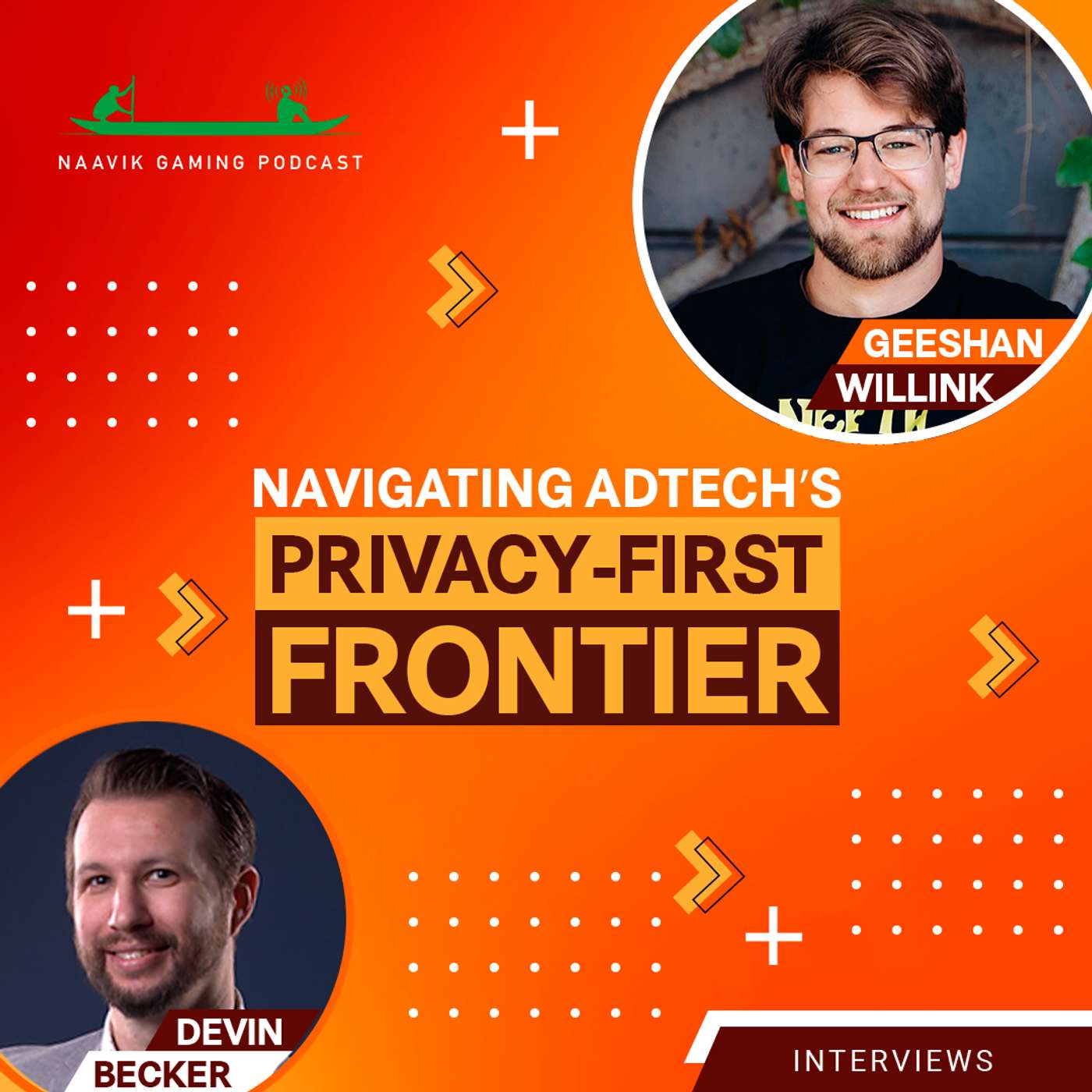
AdTech Evolution: Navigating the Privacy-First Frontier
Between Apple’s policy changes and growing government regulations, privacy concerns have sparked a significant shift in AdTech strategies. This episode investigates the potential for privacy-focused ads, exploring how companies are adapting to new regulations while still striving for effective targeting. Host Devin Becker is joined by Geeshan Willink, CEO of Nefta, to dig into the complexities of maintaining anonymity and its implications for the gaming industry.Geeshan shares insights on Nefta's journey from its web3 roots through the struggles with building ad technology that meets growing privacy standards. We explore the balancing act between precision targeting and user privacy, comparing anonymous user profiling with traditional fingerprinting methods. Willink offers examples of how behavioral-based identification can lead to effective ad targeting without compromising user data and discusses the potential impact on player retention and ad inventory pricing. The discussion also touches on the challenges of implementing these new approaches in an entrenched industry, recent trends in AdTech, and predictions for the future of ad-supported gaming.We’d also like to thank Lightspeed Venture Partners for making this episode possible! With its dedicated gaming practice, "Lightspeed Gaming," the firm is investing from over $7B in early- and growth-stage capital — the by far largest fund focused on gaming and interactive technology. If you’re interested in learning more, go to https://gaming.lsvp.com/.If you like the episode, please help others find us by leaving a 5-star rating or review! And if you have any comments, requests, or feedback shoot us a note at [email protected]. Watch the episode: YouTube ChannelFor more episodes and details: Podcast WebsiteFree newsletter: Naavik DigestFollow us: Twitter | LinkedIn | WebsiteSound design by Gavin Mc Cabe.
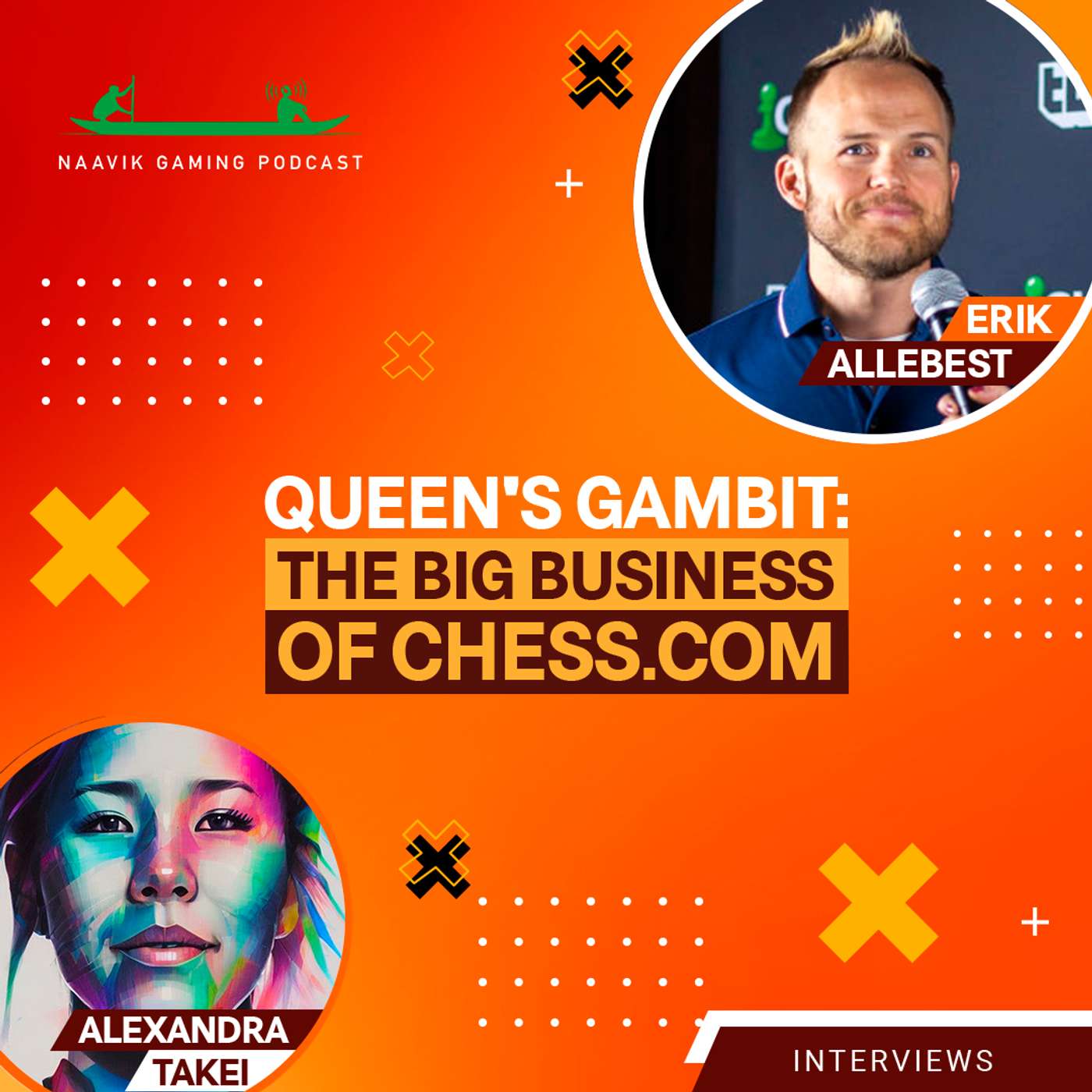
Queen’s Gambit: The Big Business of Chess.com
Chess is a business that has, without a doubt, been supercharged by linear media and has been booming since COVID-19. As one of the most tactically complex games ever designed, Chess has over 700 years of retention and history. But what is it like to build a chess empire? Chess.com, purchased by Erik Allebest and his co-founder for $55K in 2005, has built a web and mobile platform with over 170M raw accounts, 50M monthly active users, and 5-7M daily active users. Join our host, Alexandra Takei, Director at Ruckus Games, in a discussion with Erik that covers growing a team of two to 600 over 20 years, the monetization and engagement of a Chess platform, an overview of external acquisitions the company has made, and growing rapidly via what Erik calls a “great meme game”. We also discuss the pros and cons of not owning your IP and where the future of online Chess is headed! Checkmate! Also, big thanks to ZBD for making this episode possible! ZBD provides a plug-and-play API and SDK for seamless integration of instant, borderless, and low-fee payments using the Bitcoin Lightning Network. Want to better engage and monetize your global user base? Start for free at http://zbd.gg/https://grid.gg/?utm_source=naavik.co&utm_medium=media&utm_campaign=NaavikIf you like the episode, please help others find us by leaving a 5-star rating or review! And if you have any comments, requests, or feedback shoot us a note at [email protected]. Watch the episode: YouTube ChannelFor more episodes and details: Podcast WebsiteFree newsletter: Naavik DigestFollow us: Twitter | LinkedIn | WebsiteSound design by Gavin Mc Cabe.
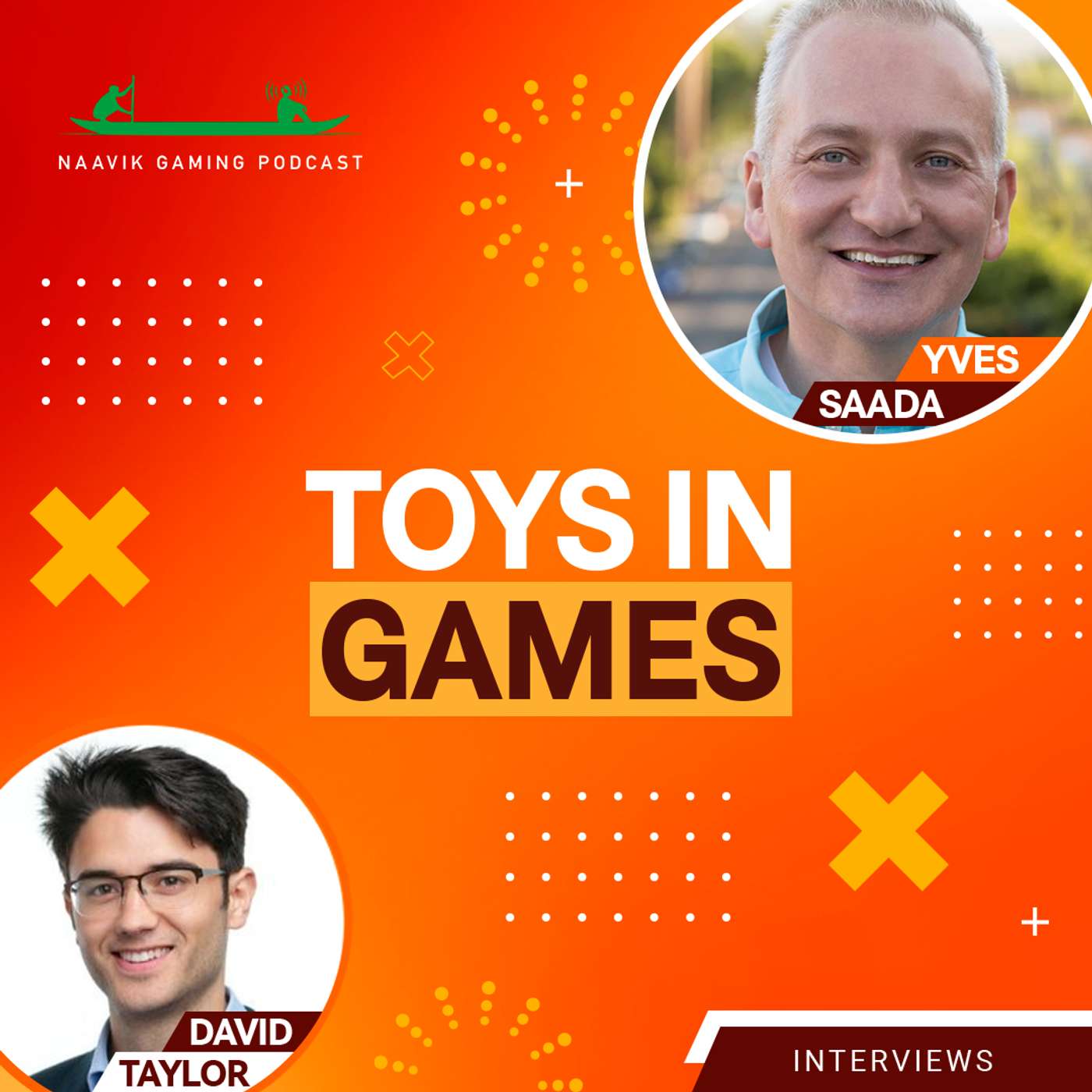
Toys x Games (with Spin Master)
Major toy companies like Spin Master, Mattel, and Hasbro have all been expanding their influence beyond traditional toys for many years. Spin Master, in particualr, is known for launching popular entertainment properties like PAW Patrol and Bakugan, which have seamlessly transitioned into digital formats in the form of TV series, movies, and video games. Spin Master has also been unafraid to acquire properties when it sees a strategic opportunity, such as its 2016 acquisition of Toca Boca, the children's mobile app developer. Today, host David Taylor sits down with Yves Saada, the Head of Strategic Partnerships at Spin Master, to better understand its place at the intersection of toys, video games, and entertainment more broadly. We cover Spin Master’s success in mobile games, as well as Roblox, and how that fits into Spin Master’s broader strategy as a toy company. We’d also like to thank Lightspeed Venture Partners for making this episode possible! With its dedicated gaming practice, "Lightspeed Gaming," the firm is investing from over $7B in early- and growth-stage capital — the by far largest fund focused on gaming and interactive technology. If you’re interested in learning more, go to https://gaming.lsvp.com/.If you like the episode, please help others find us by leaving a 5-star rating or review! And if you have any comments, requests, or feedback shoot us a note at [email protected]. Watch the episode: YouTube ChannelFor more episodes and details: Podcast WebsiteFree newsletter: Naavik DigestFollow us: Twitter | LinkedIn | WebsiteSound design by Gavin Mc Cabe.
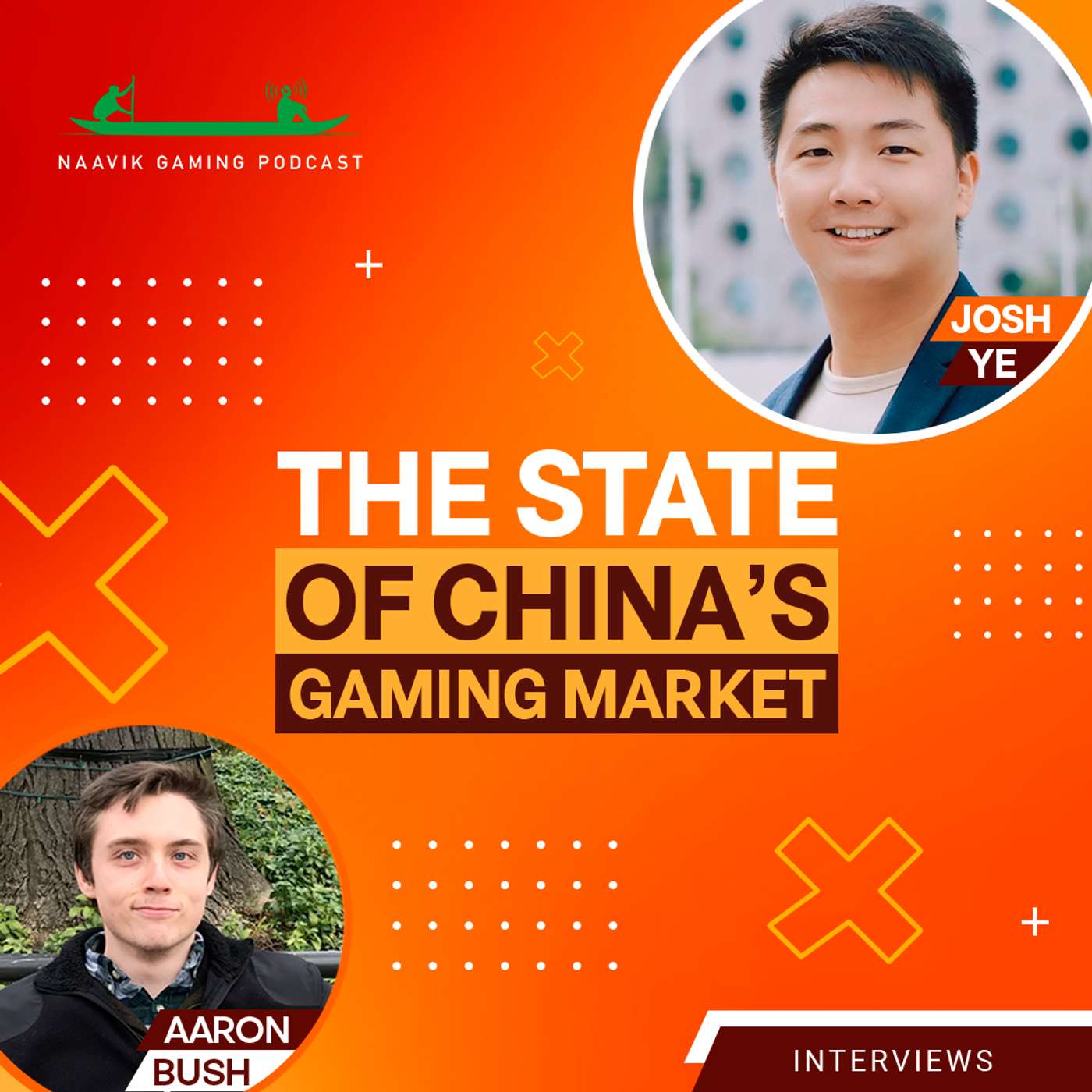
The State of China’s Gaming Market
China is the second largest video game market in the world, and even though its industry has faced domestic challenges, China’s global impact on gaming continues to rise. However, if you’re an outsider, figuring out what’s happening in China can sometimes be opaque. That’s why host Aaron Bush is joined today by Josh Ye, a long-time reporter for all things gaming and tech in China.We dig into how China’s gaming market became massive over the past couple decades and how its current ecosystem compares and contrasts to the West’s. We also discuss the domestic regulatory challenges all gaming companies face in China and how Chinese companies are changing how they pursue international expansion. We hit on several specific companies – including Tencent, NetEase, Bytedance, and Hoyoverse – before wrapping up with some lessons learned and predictions for the future.We’d also like to thank Overwolf for making this episode possible! Whether you're a gamer, creator, or game studio, Overwolf is the ultimate destination for integrating UGC in games! You can check out all Overwolf has to offer at https://www.overwolf.com/.If you like the episode, please help others find us by leaving a 5-star rating or review! And if you have any comments, requests, or feedback shoot us a note at [email protected]’s On:Guest - Josh Ye: https://www.linkedin.com/in/joshyehk/ Host - Aaron Bush: https://www.linkedin.com/in/aaron-bush-846b8185/ Watch the episode: YouTube ChannelFor more episodes and details: Podcast WebsiteFree newsletter: Naavik DigestFollow us: Twitter | LinkedIn | WebsiteSound design by Gavin Mc Cabe.
The Business of Cloud and Game Servers
Apex Legends is known for having one of the most “boring” game launches in history in the best of ways. Jokingly called Uptime Legends, Apex pursued a multi-tiered cloud infrastructure that helped EA deliver one of the smoothest PvP launches in history. Sid Dhulipalla, CEO and Co-Founder of Hathora, and Steven Hartland, VP of Engineering at Rocket Science, join our host, Alex Takei, Director at Ruckus Games, to discuss the role of cloud and server orchestration in the distribution of modern video games and the business surrounding it. We chat all things bare metal, peer-to-peer, dedi servers, hybrid setups, and their implications on the player experience and the developer’s cost profile. We learn about the landscape of players from public cloud to bare metal to server orchestration to boutique backend teams that are available to studios across the AAA and indie spaces. We also have the age-old chicken and egg debate of “predictability, cost, and flexibility” as relative unknowns for every game launch despite being major components of any game's financial health. This episode is about the backbone of all video games - tune in!Big thanks to GRID for making this episode possible. GRID is a game data platform providing esports data infrastructure, analytics, and distribution solutions to leading game publishers including Riot Games, Ubisoft, and KRAFTON. If you're a fan, developer, or entrepreneur with an idea for a live data-powered project, make sure to apply for GRID Open Access, get free access to official data, and start creating today! To learn more, visit: https://grid.gg/?utm_source=naavik.co&utm_medium=media&utm_campaign=NaavikIf you like the episode, please help others find us by leaving a 5-star rating or review! And if you have any comments, requests, or feedback shoot us a note at [email protected]. Watch the episode: YouTube ChannelFor more episodes and details: Podcast WebsiteFree newsletter: Naavik DigestFollow us: Twitter | LinkedIn | WebsiteSound design by Gavin Mc Cabe.
How Content Creators Are Shaping Gaming
As the world of gaming matures, the influence of content creators is increasingly important. In this episode, host Devin Becker sits down with Justin Sacks, CEO of Nexus, and Bryan Herren, Director of Partnerships for offbrand, to dive into the pivotal role of content creators in shaping the gaming ecosystem.The conversation kicks off with an exploration of the origins and current endeavors of Nexus and offbrand. As the discussion unfolds, Justin and Bryan illuminate the transformative power of content creators, emphasizing their importance beyond mere promotion. The conversation navigates the nuances of working with diverse content creators, from those focused on specific games or genres to versatile personalities with broad demographic appeal. Justin and Bryan also examine the evolving landscape of esports and user-generated content, envisioning a future where content creators play a pivotal role in the burgeoning UGC and modding scenes. Finally, the duo reflects on the potential challenges of deeper content creator involvement while outlining the future opportunity to build around creators for Nexus and offbrand in this dynamic landscape.We’d like to thank RallyHere for making this episode possible. RallyHere is a proven gaming backend platform and service made specifically for cross-platform live-service games. RallyHere is your one-stop-shop to streamline your development processes, increase speed to market, and optimize your post-launch live services. To learn more or schedule a demo, visit rallyhere.gg If you like the episode, please help others find us by leaving a 5-star rating or review! And if you have any comments, requests, or feedback shoot us a note at [email protected]. Watch the episode: YouTube ChannelFor more episodes and details: Podcast WebsiteFree newsletter: Naavik DigestFollow us: Twitter | LinkedIn | WebsiteSound design by Gavin Mc Cabe.