
Meteorology Matters
274 episodes — Page 5 of 6
S2 Ep 14Hurricane Helene Housing Crisis
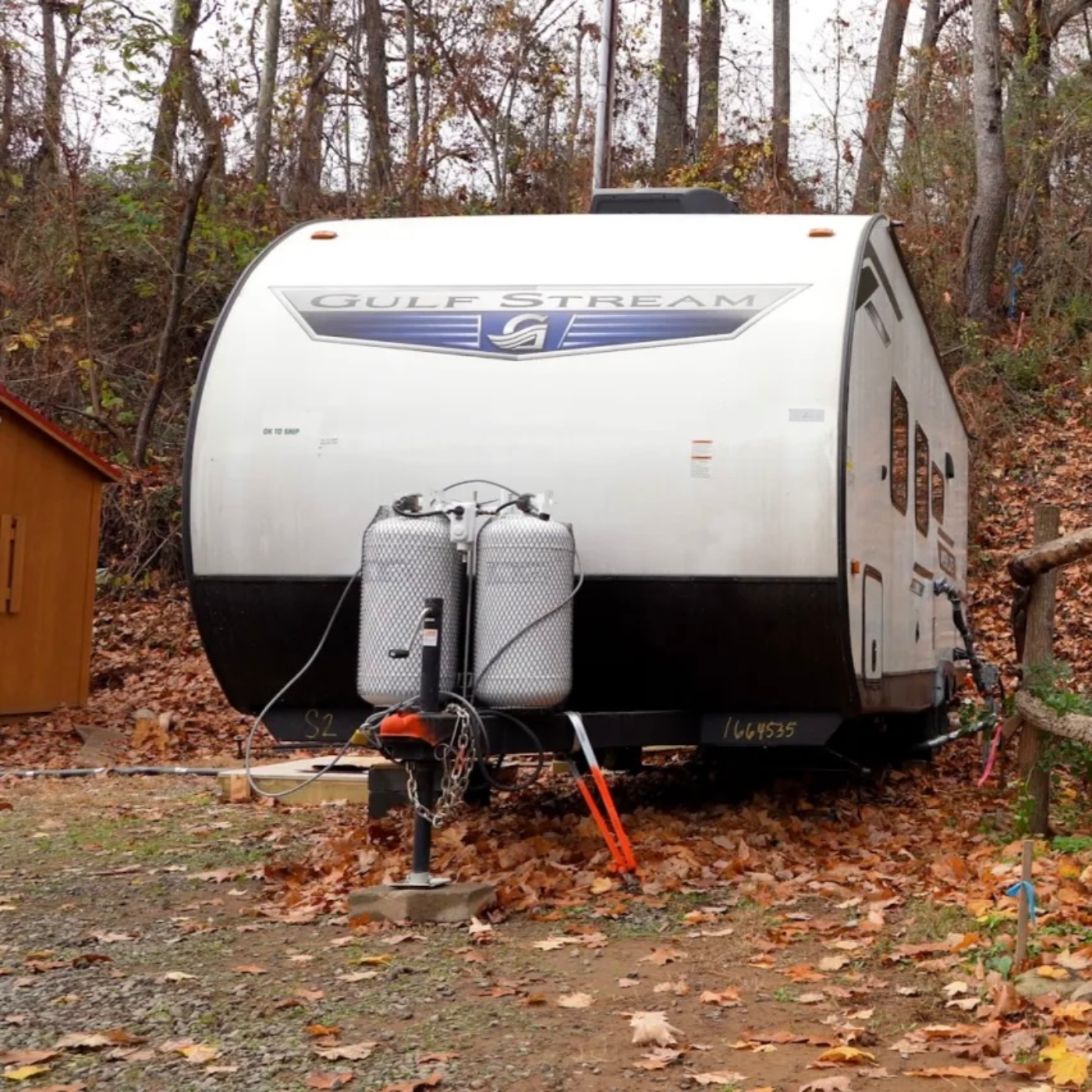
Hurricane Helene Housing CrisisDate: January 14, 2025Summary: meteorology Matters analyzes various news sources to provide a comprehensive overview of the ongoing housing crisis in Western North Carolina (WNC) following the devastation caused by Hurricane Helene in September 2024. The document focuses on the challenges faced by displaced residents, government and FEMA response efforts, and the emerging role of campers as temporary housing solutions.Main Themes:Scale of Displacement and Housing Need: Hurricane Helene severely impacted WNC, damaging an estimated 121,000-132,000 homes and displacing over 12,000 residents as of January 2025. ("1,000 travel trailers approved for WNC residents displaced by Helene.pdf") The need for temporary housing remains critical, with thousands still residing in hotels, with friends and family, or in inadequate shelters.FEMA's Response and Challenges: FEMA has been criticized for the slow rollout of temporary housing units, with less than 100 families residing in FEMA-provided trailers by January 2025. ("Are FEMA rules to blame for slow WNC housing recovery? Here’s what we learned..pdf") While FEMA maintains that its policies allow for placing units in floodplains as a last resort, the lengthy construction timelines and bureaucratic hurdles contribute to delays."The reason these units are taking so long in North Carolina is more complicated than some politicians are making it seem to their constituents" - BPR News, January 13, 2025State and Local Initiatives: North Carolina Governor Josh Stein has taken proactive steps to address the housing crisis. He signed an executive order authorizing the purchase of 1,000 travel trailers for displaced residents, bypassing usual procurement procedures to expedite the process. ("1,000 travel trailers approved for WNC residents displaced by Helene.pdf") Local governments have also eased zoning restrictions to facilitate the placement of temporary housing units.The Rise of Campers as Temporary Housing: With the shortage of FEMA units and the impending winter, many displaced residents are turning to campers and RVs as temporary homes. ("WNC residents displaced by Helene turn to campers as housing.pdf") This presents new challenges, including winterization of campers to withstand freezing temperatures and ensuring a consistent supply of propane for heating."The cold weather has not been easy" - Vickie Revis, resident living in a donated camper, January 7, 2025FEMA's Transitional Sheltering Assistance (TSA) Program: FEMA’s TSA program, which provides hotel vouchers for displaced residents, has been extended multiple times. However, thousands of residents faced eviction from the program in January 2025, forcing them to seek alternative housing solutions. ("FEMA grants 48-hour extension for thousands of displaced WNC residents staying i.pdf")Key Facts and Figures:12,000+: Estimated number of WNC residents displaced by Hurricane Helene.1,000: Number of travel trailers authorized for purchase by the state of North Carolina.<100: Number of families residing in FEMA-provided trailers by January 2025.3,500: Number of households facing eviction from FEMA's TSA hotel program in January 2025.
S2 Ep 13Wetter Weather Can Intensify Wildfire Risk
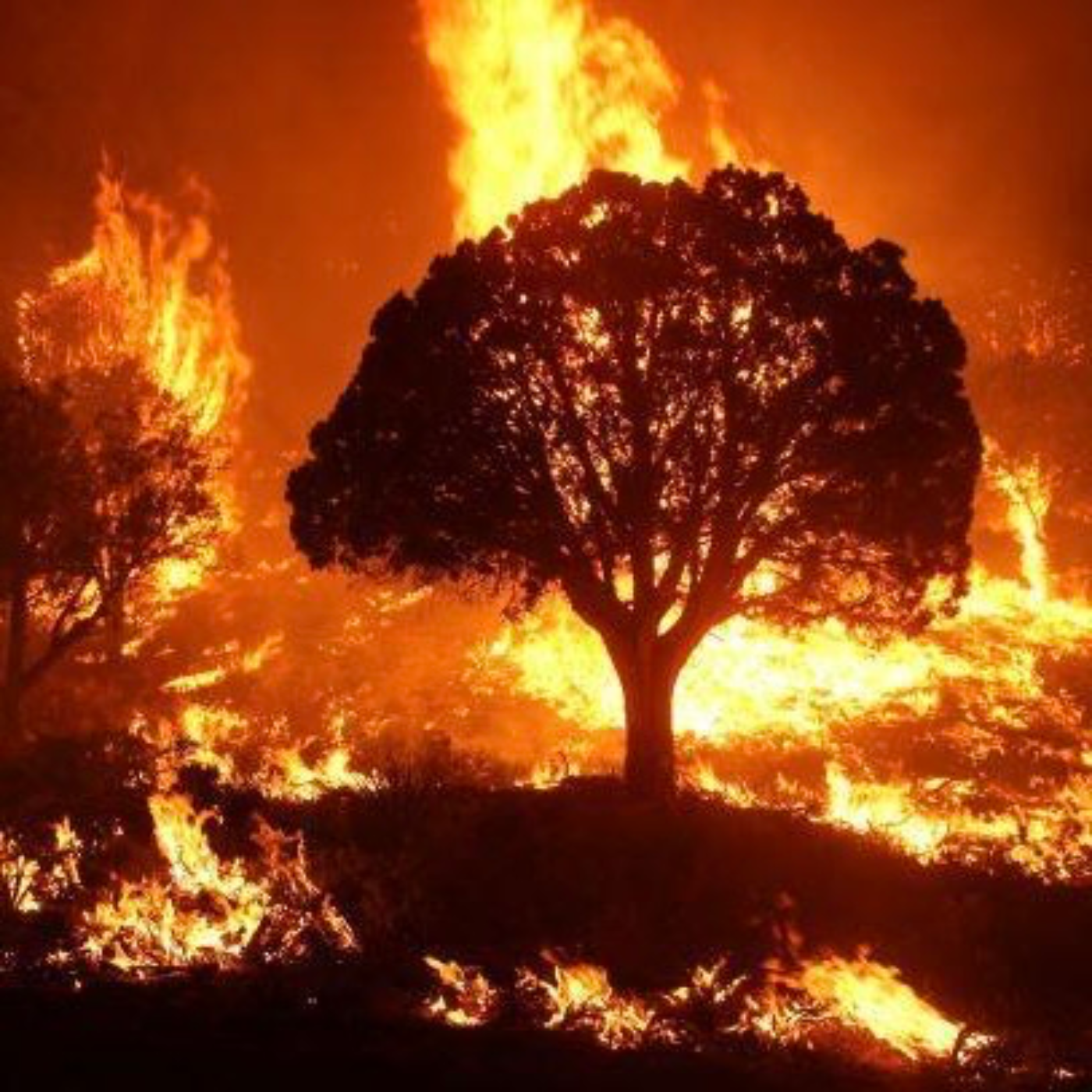
Wildfires and Climate ChangeMain Themes:Climate Change Fuels Wildfires: Warmer temperatures, drought, and a "thirsty" atmosphere create ideal conditions for larger, more frequent, and more severe wildfires.Wildfires Exacerbate Climate Change: Fires release massive amounts of carbon dioxide and destroy carbon sinks like forests, contributing to further warming.Expanding Wildfire Season: The traditional wildfire season is extending, with significant fires occurring even in winter months.Widespread Impacts: Wildfire smoke impacts air quality and public health far beyond the immediate fire zone.Adapting to a New Reality: Communities need to adapt to a future of more frequent and intense wildfires through prevention, mitigation, and building resilience.Key Facts & Ideas:Climate Change and Wildfire:Climate change has doubled the area burned by wildfires in the western U.S. since the 1980s. (NOAA)"Weather whiplash," the rapid shift between wet and dry periods, is intensifying globally due to climate change, exacerbating fire risk. (Washington Post)California now has 78 more annual “fire days” than 50 years ago. (CalMatters)Drought-stressed trees are more susceptible to insects and diseases, increasing fuel load. (Environmental Defense Fund)Shrinking snowpacks and earlier snowmelt further dry out forests. (Environmental Defense Fund)Lightning-sparked fires are becoming more common due to climate change. (CalMatters)Wildfire Impacts:Wildfires release massive amounts of pollutants, including black carbon, which is thousands of times more damaging than greenhouse gases. (CalMatters)Smoke from wildfires can travel hundreds of miles, affecting air quality and public health even in areas far from the fires. (Covering Climate Now)Wildfire smoke is particularly harmful to children. (Covering Climate Now)Wildfires destroy forests, which act as carbon sinks, further contributing to climate change. (Covering Climate Now)Intense fires can burn deep into the soil, creating risks for future mudslides and flooding. (Covering Climate Now)Adaptation and Prevention:Communities need to adapt to the “Pyrocene,” the age of fire, through fire-resistant building materials, defensible space around homes, and updated building codes. (CalMatters)Utilities need to improve infrastructure and vegetation management to prevent power lines from sparking fires. (CalMatters)Prescribed burns can help reduce fuel loads and promote healthy forest ecosystems. (Environmental Defense Fund)Better forest management and community planning are crucial for reducing wildfire risks. (Environmental Defense Fund)Public awareness and education about wildfire risk and prevention are essential. (Covering Climate Now)
S2 Ep 12LA Wildfires and the Misinformation Storm
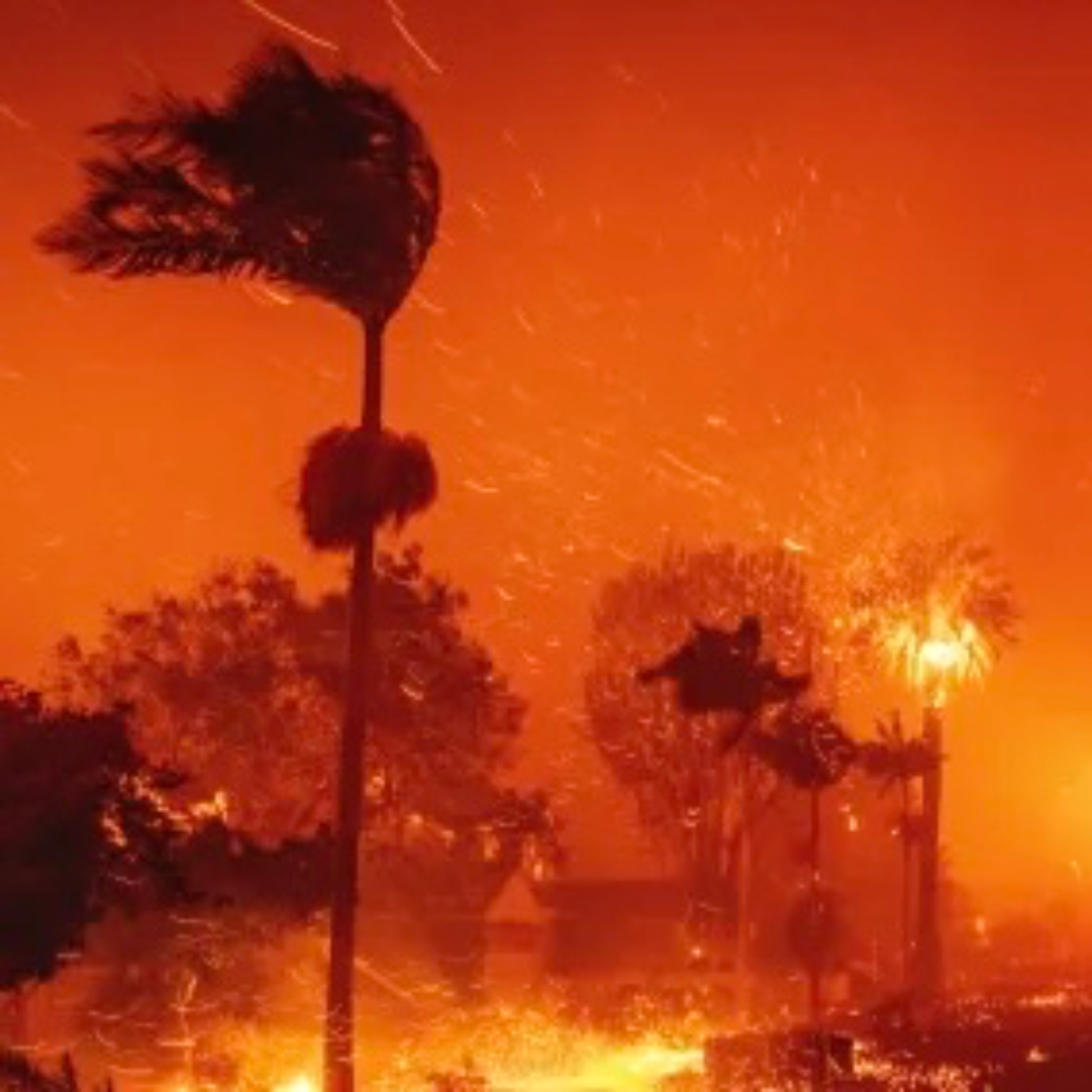
1. The Fires Themselves:Driven by hurricane-force Santa Ana winds reaching 100 mph and dry conditions due to an aggressive dry season, the fires are the most destructive in the city's history (Rolling Stone).At least five people have died, over 130,000 residents have been evacuated, and over 2,000 structures have been burned (Rolling Stone, Los Angeles Times).Over 7,500 fire personnel have been deployed, but containment remains a challenge (California Gov. Gavin Newsom).The fires are likely exacerbated by climate change, creating conditions ripe for rapid spread and ignition (Inside Climate News).Water infrastructure faced unprecedented strain with some fire hydrants running dry due to extreme demand, not budget cuts (Inside Climate News).2. Politicization and Misinformation:Blaming DEI Initiatives: Prominent figures like Elon Musk and Megyn Kelly spread the false claim that the LAFD's diversity initiatives hindered firefighting efforts, exemplified by Musk's tweet, "DEI means people DIE." (Rolling Stone, The Washington Post).Attacking Gov. Newsom: President-elect Trump falsely accused Newsom of refusing to sign a non-existent water restoration declaration to protect the Delta smelt, diverting water needed for firefighting. This claim was debunked by experts and Newsom's office (Inside Climate News, Rolling Stone).Conspiracy Theories: Alex Jones propagated the theory that the fires were a planned attack to destabilize the US, gaining traction on X (formerly Twitter) (Rolling Stone). Wild claims about Sean "Diddy" Combs' arrest and underground tunnels being destroyed by the fires circulated on TikTok (Rolling Stone).Misleading Budget Narratives: Social media and outlets like Fox News falsely accused Mayor Karen Bass of slashing the LAFD budget, ignoring the context of new contracts and increased firefighter salaries. Bass refuted these claims, stating that budget cuts did not impact firefighting capabilities (Inside Climate News, Mother Jones).Racialized Looting Concerns: Although officials warned about looting, online rhetoric often took a racist tone, with a viral (and debunked) tweet falsely accusing men of looting based on a news clip showing homeowners evacuating (Rolling Stone).3. Role of Social Media:Elon Musk's Influence: Musk's use of X to amplify far-right narratives and attack individuals based on their identity highlights how his platform has become a megaphone for his own political views (The Washington Post).Amplification of Misinformation: X, once a hub for breaking news, has become less reliable due to reduced fact-checking and the prioritization of paid conservative accounts (The Washington Post).Lack of Context: The spread of out-of-context information about the LAFD budget and the Delta smelt demonstrates how misinformation can flourish in the absence of accurate, nuanced reporting (Inside Climate News).This underscores the dangerous intersection of natural disasters and the spread of misinformation. As climate change intensifies extreme weather events, the need for accurate, reliable information will only grow more urgent.
S2 Ep 112024: HOTTEST Year on Record Exceeds 1.5°C Threshold
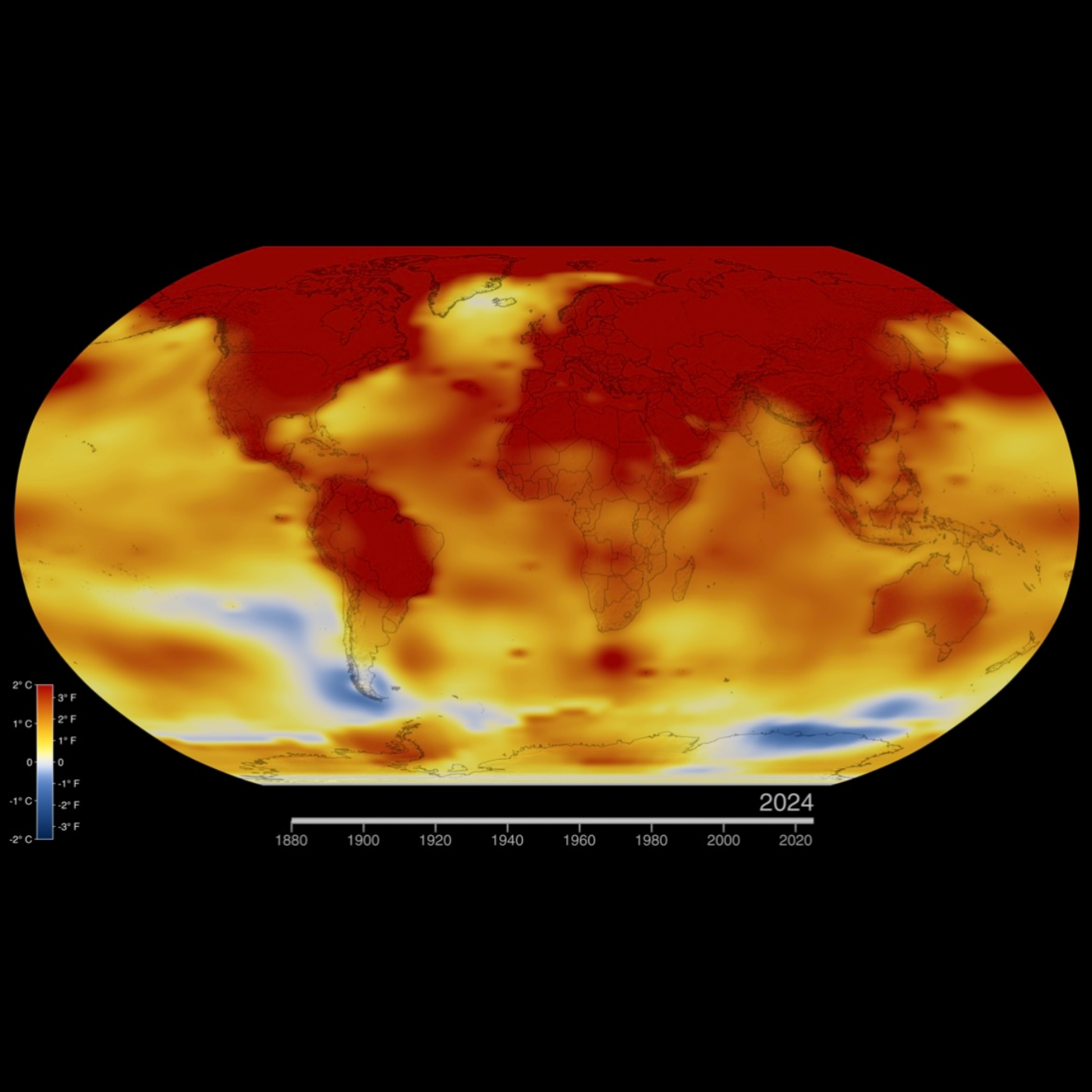
2024: A Year of Record-Breaking Heat and Climate ImpactsThe overarching theme is clear: 2024 was the hottest year on record globally, exceeding the 1.5°C warming threshold outlined in the Paris Agreement for the first time and bringing a cascade of extreme weather eventsRecord-breaking Temperatures: 2024 was the hottest year on record globally, surpassing 2023's record. Global temperatures were 1.6°C warmer than the pre-industrial level (1850-1900) according to Copernicus Climate Change Service (C3S), and 2.3°F warmer than NASA's 20th-century baseline (1951-1980) according to NASA's analysis. (Copernicus, NASA, UN, NPR, Al Jazeera)1.5°C Threshold Exceeded: The global average temperature exceeded the 1.5°C warming threshold set by the Paris Agreement for the first time, although exceeding it in a single year does not mean the agreement has been breached. (Copernicus)Record Warmth Throughout the Year: Every month from January to June 2024 was warmer than the corresponding month in any previous year. July and August saw the hottest day and summer on record, respectively. (Copernicus, Al Jazeera)Warmest Decade on Record: The past 10 years Human Activities Driving Warming: Scientists attribute the warming trend to the release of heat-trapping greenhouse gases like carbon dioxide and methane from human activities, primarily the burning of fossil fuels. (NASA)Climate Change Impacts contributed to extreme weather events across the globe, including:Heat Waves: Extreme heat events were widespread, with many regions experiencing "strong" or even "extreme" heat stress.Floods: Heavy rainfall events caused widespread flooding, such as in Nigeria, Europe, and Australia.Wildfires: Prolonged dry conditions fueled devastating wildfires in Canada, South America, and other regions.Hurricanes: Warmer ocean temperatures intensified hurricane activity, with Hurricane Beryl in the Atlantic becoming the earliest Category 5 hurricane on record.El Niño: A strong El Niño event in 2023 Reduced Aerosol Emissions: Changes in shipping regulations led to a reduction in sulfate aerosols in the atmosphereHunga Tonga-Hunga Ha'apai Volcanic Eruption: The 2022 volcanic eruption injected water vapor into the atmosphere
S2 Ep 10Evacuation to Air Quality: Southern California Wildfire Tips
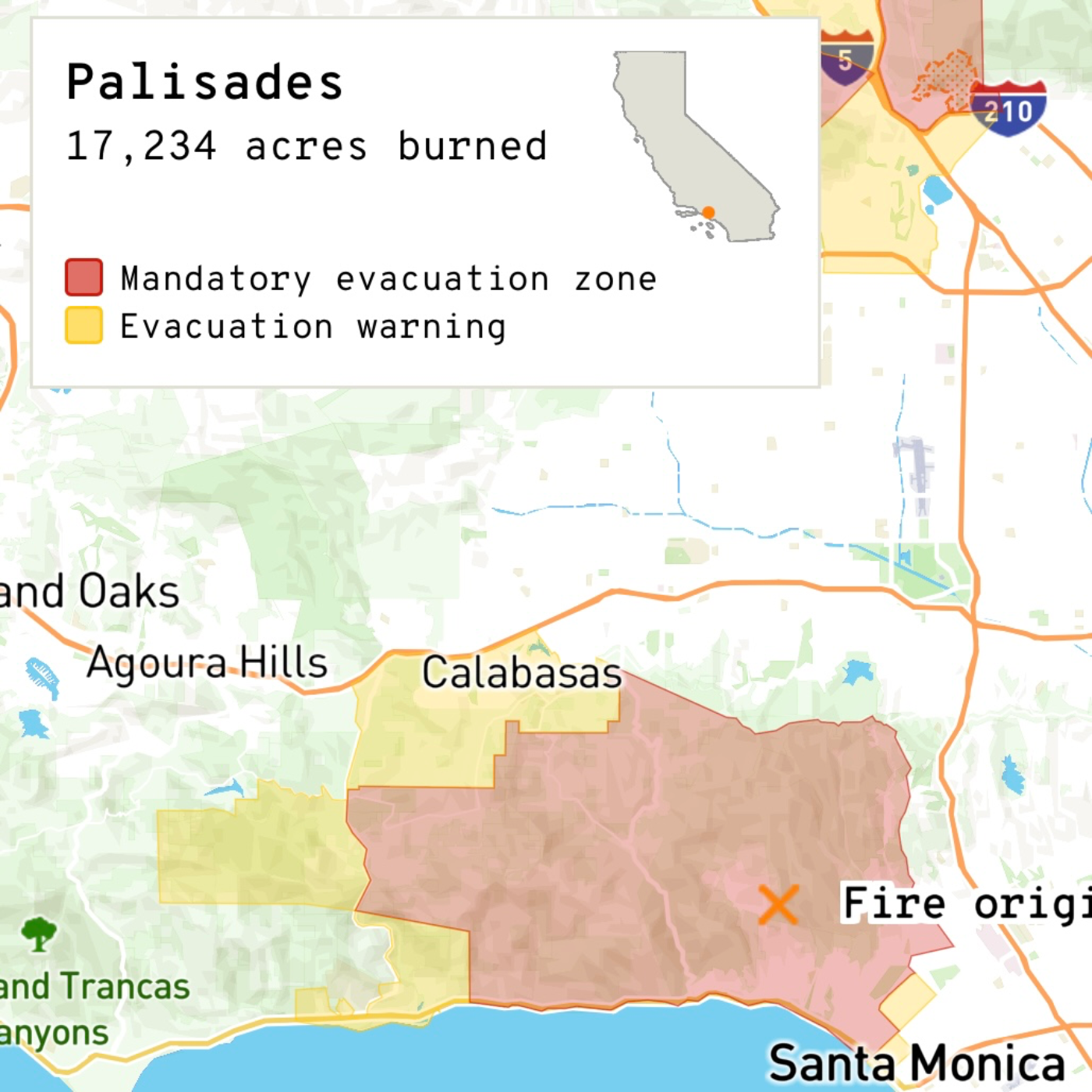
SoCal Wildfire Tips from Evacuation to Air Quality - January 9, 2025Situation: Multiple wildfires, including the Palisades Fire, are raging across Southern California fueled by strong winds and low humidity. Tens of thousands of residents have been ordered to evacuate, with over 1,000 homes and structures destroyed.Urgent Actions:Evacuate immediately if ordered: Residents in affected areas must evacuate without delay when instructed by officials. Do not wait for the fire to approach. ("California fire evacuations- How to prepare, what to pack and what to do if you'.pdf")Sign up for emergency alerts: Stay informed about fire spread, evacuation orders, and other critical information by signing up for alerts from Cal Fire, LA County, and Ventura County. Utilize resources like the Watch Duty app for real-time updates. ("How to Stay Safe as Fires Sweep Southern California - The New York Times.pdf")Protect yourself from smoke: Minimize exposure to wildfire smoke by staying indoors, closing windows, and running air purifiers. If going outside is necessary, wear an N95 mask. ("How to protect yourself from the smoke caused by L.A. wildfires - Los Angeles Ti.pdf", "Wildfire smoke poses health hazard in LA - NPR.pdf")Health Impacts:Respiratory Issues: Wildfire smoke can trigger asthma attacks, exacerbate COPD, and cause other respiratory problems. Cardiovascular Risks: Smoke exposure can worsen heart conditions and increase the risk of heart attacks and strokes.Long-Term Effects: Studies suggest a link between wildfire smoke exposure and an increased risk of dementia. Evacuation & Shelter Resources:Evacuation Centers: Multiple evacuation centers are open, including Westwood Recreation Center, El Camino Real Charter High School, and Pasadena Civic Center. ("Palisades fire- Evacuations, road closures, shelters, forecast - Los Angeles Tim.pdf", "SoCal wildfire evacuation centers - ABC7 Los Angeles.pdf")Animal Shelters: Dedicated shelters are available for small and large animals at various locations throughout the affected areas. ("Palisades fire- Evacuations, road closures, shelters, forecast - Los Angeles Tim.pdf", "SoCal wildfire evacuation centers - ABC7 Los Angeles.pdf")School Closures: Many schools in Los Angeles and surrounding areas are closed due to evacuations, air quality, and safety concerns. LAUSD is providing meal distribution at select locations for students. ("Palisades fire- Evacuations, road closures, shelters, forecast - Los Angeles Tim.pdf")Further Information:Cal Fire website: https://www.fire.ca.gov/LA County Emergency website: https://lacounty.gov/emergency/Air Quality Information: https://www.airnow.gov/ and https://www.arb.ca.gov/Watch Duty App: Download from app storesFEMA Shelter Locator: Text “SHELTER” and your ZIP code to 43362

S2 Ep 9Major Winter Storm Forecast to Bring Southern Snow… Again
Major Winter Storm Threatens Southern USSituation: A major winter storm, named Cora, is forecast to impact a large swath of the southern United States between Wednesday, January 8, 2025 and Saturday, January 11, 2025. The storm will bring a mix of snow, sleet, and freezing rain, creating hazardous travel conditions and potential disruptions to daily life.Geographic Scope:Primarily Impacted: A 1,400-mile stretch from North Texas to the North Carolina coast, including Oklahoma, Arkansas, Mississippi, Alabama, Georgia, Tennessee, Kentucky, and West Virginia.Potentially Affected: Southern Kansas and Missouri, Ohio Valley, Mid-Atlantic, and Northeast (lighter snow accumulations expected).Timeline:Wednesday Night: Spotty wintry weather begins in western Texas.Thursday: The storm strengthens, bringing significant snow and ice to Texas, Oklahoma, Arkansas, and surrounding areas.Friday: The storm tracks eastward, bringing snow and icy mix to Tennessee, Kentucky, Mississippi, Alabama, Georgia, and the Carolinas.Saturday: Lingering snow possible along the Eastern Seaboard and in the Appalachians. The storm moves offshore and potentially strengthens into a bomb cyclone in the Atlantic, posing no threat to the East Coast.Impacts:Snowfall:Highest accumulations expected from northeast Texas and southeast Oklahoma through Tennessee and the southern Appalachians (potentially exceeding 6 inches).3+ inches possible in northern portions of Mississippi, Alabama, and Georgia.Lighter accumulations (dusting to a few inches) possible in surrounding regions.Ice:Sleet and freezing rain expected in central and northern Texas, southern Arkansas, and potentially other areas as warmer air mixes in."Any amount of ice is dangerous; just a thin layer — even a tenth of an inch — can turn paved surfaces into skating rinks." (CNN)Travel Disruptions:"Treacherous travel conditions and the potential for road closures, flight delays and cancellations, and school and business disruptions." (The Washington Post)Major interstates, including I-20, I-30, I-35, and I-40, likely to be impacted.Power Outages:"Frigid temperatures will increase power demands in Texas but grid conditions are expected to be normal", according to ERCOT. (CNN) However, the risk of outages remains, especially in areas with significant ice accumulation.Flooding: Possible in coastal Texas due to heavy thunderstorms.Noteworthy Points:This storm is expected to be the biggest snow event in several years for many southern states.Atlanta, which hasn’t had significant snowfall in nearly seven years, has a moderate chance of receiving measurable snow.The storm's track is still subject to change, which could alter snow and ice accumulations.A separate storm system may interact with Cora, potentially bringing additional light snow to the Midwest and Northeast.Following the storm, a prolonged period of frigid temperatures is expected across much of the US.
S2 Ep 8Lives Lost and Over 1000 Structures Burned as Los Angeles Wildfires Become Worst in Area History
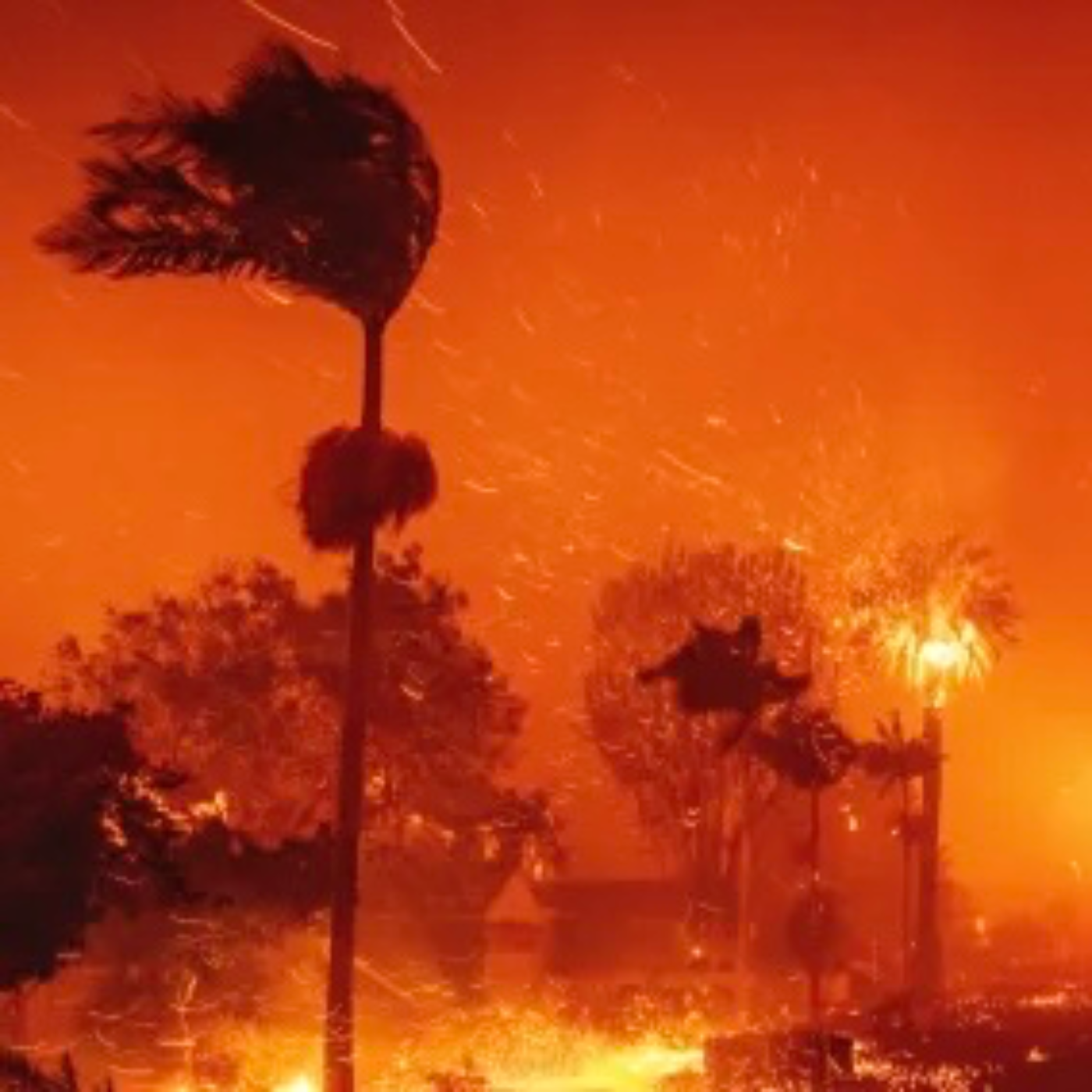
Southern California Wildfires IntensifyOverview:This briefing document synthesizes information from four news articles covering the devastating wildfires raging across Los Angeles County in early January 2025. These fires, fueled by an unprecedented combination of extreme Santa Ana winds and prolonged drought conditions, have caused widespread destruction, claiming lives and displacing thousands of residents.Key Findings:Destructive Impact: As of January 8th, 2025, over 1,000 structures have been destroyed across multiple wildfires. The Palisades fire alone has consumed over 5,000 acres, reaching the Pacific Coast Highway and incinerating homes. The Eaton fire near Altadena and Pasadena has burned over 2,200 acres and claimed two lives."More than a thousand homes, businesses and other buildings have burned and at least two people are dead in wildfires scorching communities across L.A. County, making this one of the most destructive firestorms to hit the region in memory." (Los Angeles Times)Unprecedented Weather Conditions: The driving force behind these fires is a rare convergence of climate factors. The region is experiencing its worst high-wind event since 2011, coupled with record-breaking dry conditions for early January. Strong Santa Ana winds, with gusts exceeding 90 mph in some areas, are whipping the flames and challenging firefighting efforts."The wildfires are the result of an unheard-of combination of factors at this time of year — the worst high wind event in Southern California since 2011, plus some of the driest conditions on record for early January." (Axios)"The National Weather Service warned that this could be the strongest Santa Ana wind event in Southern California in over 13 years, since Dec. 1 2011" (Yale Climate Connections)Climate Change Link: Experts are connecting the severity of these fires to the escalating impacts of climate change. Prolonged drought, fueled by a hotter, drier climate, creates ample fuel for fires. The extended dry period is intersecting with the Santa Ana wind season, leading to a dangerous overlap of extreme conditions."Climate change is increasing the overlap between extremely dry vegetation conditions later in the season and the occurrence of these wind events." (UCLA climate scientist Daniel Swain, quoted in Axios)Difficult Firefighting Conditions: The strong winds are grounding firefighting aircraft, hampering containment efforts. The fires are exhibiting "extreme fire behavior," including long-range spotting, making them challenging to control."The fire is being fueled by strong Santa Ana winds and surrounding topography, which makes it extremely challenging for us firefighters to really get a handle on it.” (Los Angeles Fire Department spokesperson Erik Scott, quoted in the Los Angeles Times)Evacuations and Looting: Tens of thousands of residents are under evacuation orders due to the rapidly spreading fires. Law enforcement officials have reported arrests for looting in evacuated zones."Los Angeles County Sheriff Robert Luna said 32,500 residents were under evacuation orders in the Eaton fire area and another 37,000 residents were ordered to be evacuated in the Palisades fire. Two people have been arrested on suspicion of looting in the evacuated zones, he said." (Los Angeles Times)
S2 Ep 7Biden Designates Two New National Monuments in California
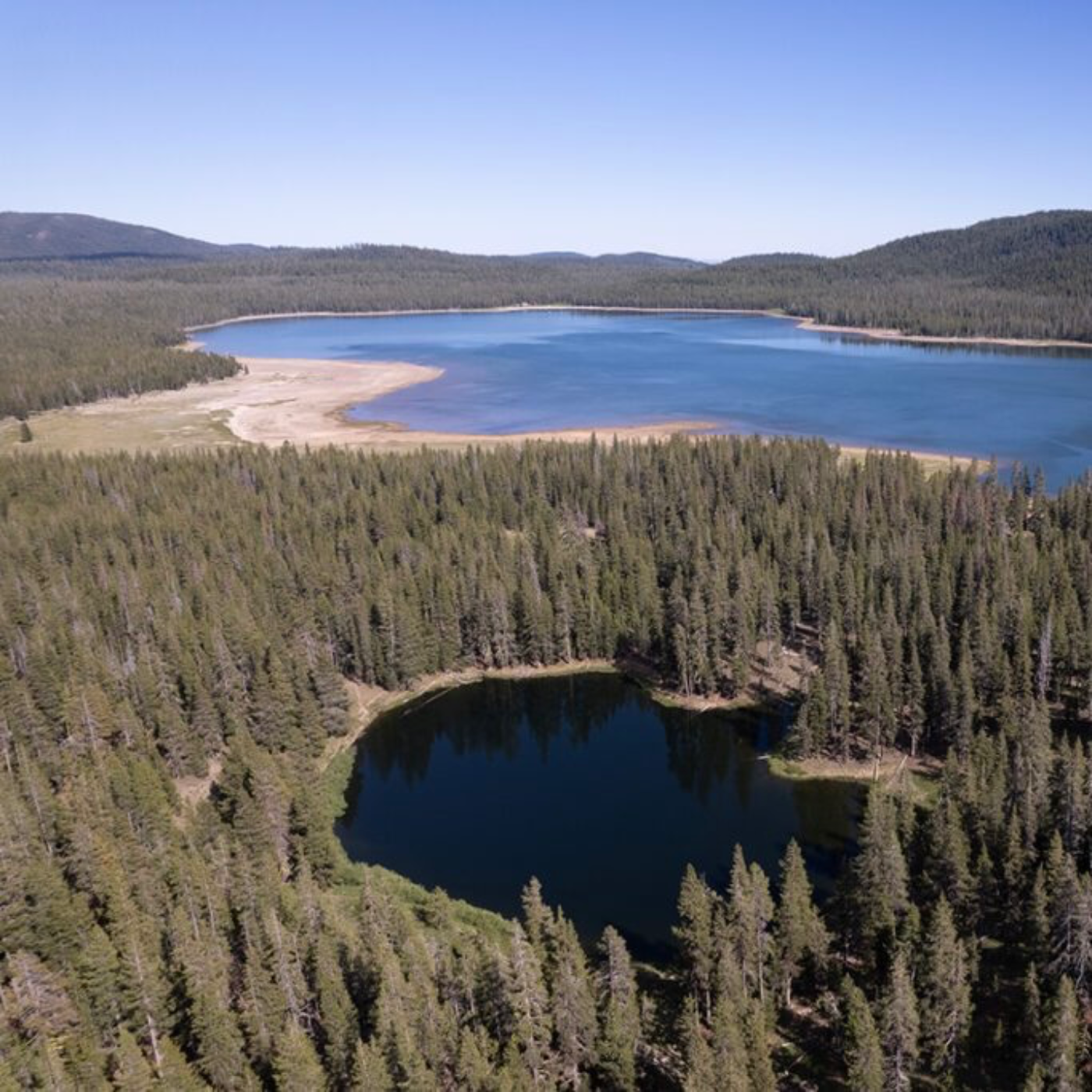
Biden Designates Two New National Monuments in CaliforniaOn January 7, 2025, President Biden designated two new national monuments in California: Chuckwalla National Monument in the southern California desert and Sáttítla Highlands National Monument in the state's northern mountainous interior. This action protects a combined 848,000 acres of land with significant ecological, cultural, historical, and scientific value. The move is lauded by environmental groups and California officials as a major victory for conservation efforts, while drawing criticism from some as a politically motivated attempt to thwart the agenda of incoming President Trump.Key Themes:Conservation and Climate Change Mitigation: The monument designations are framed as key components of the Biden Administration's ambitious conservation agenda and commitment to tackling climate change. These actions protect biodiversity, enhance ecosystem resilience, and contribute to the “America the Beautiful” initiative, aiming to conserve 30% of U.S. lands and waters by 2030.Tribal Sovereignty and Cultural Heritage Preservation: Both monuments encompass ancestral lands and sacred sites of Indigenous peoples. The designations prioritize tribal co-management and recognize the importance of Indigenous knowledge in land stewardship. Notably, the Sáttítla Highlands Monument protects the Medicine Lake Volcano, a site of immense cultural and spiritual significance for the Pit River Tribe.Political Legacy and Inter-Party Conflict: The timing of the monument designations, just days before the inauguration of President Trump, suggests a strategic maneuver to solidify Biden's environmental legacy and potentially limit his successor's ability to pursue resource extraction in these areas. Trump has criticized the move, vowing to revoke the protections on his first day in office, setting the stage for potential legal battles.Scale of Protection: “With today’s designations and yesterday’s actions to protect the East and West coasts and the Northern Bering Sea from offshore oil and natural gas drilling, President Biden has now protected 674 million acres of U.S. lands and waters.” (White House Fact Sheet)Conservation Corridor: “Establishing the Chuckwalla National Monument in southern California is President Biden’s capstone action to create the largest corridor of protected lands in the continental United States, covering nearly 18 million acres stretching approximately 600 miles. This new Moab to Mojave Conservation Corridor protects wildlife habitat and a wide range of natural and cultural resources along the Colorado River, across the Colorado Plateau, and into the deserts of California.” (White House Fact Sheet)Economic Benefits: "National monuments do more than preserve beautiful and culturally significant places; they also drive substantial economic benefits for surrounding communities. Studies have consistently shown that conservation of public lands correlates with growth in local economies, particularly through tourism and recreation." (California Governor's Office press release)Trump's Opposition: “They took away 625 million acres of offshore drilling... nobody else does that. I’m going to have it revoked on day one. If we need to we’ll go to the courts, if they try to be sneaky... remember this is a man who said he wants the transition to be smooth. You don’t do those kind of things... We’re going to be drilling soon.” (President Trump, quoted in Yahoo News article)
S2 Ep 6When Risks Become Reality: 2024 Extreme Weather
Risks Become Reality: 2024 Altered Extreme WeatherThis briefing summarizes the key findings of the World Weather Attribution (WWA) report "When Risks Become Reality: Extreme Weather in 2024," analyzing the year's extreme weather events and their connection to climate change.Key Themes:Escalating Extreme Weather Events: The report emphasizes the unprecedented levels of extreme weather experienced in 2024, including heatwaves, droughts, wildfires, storms, and floods. These events resulted in thousands of deaths and the displacement of millions. The report states that "Extreme weather reached dangerous new heights in 2024," demonstrating the increasing threat of a 1.3°C warmer world.Climate Change as a Key Driver: WWA studies directly link climate change to the increased intensity and likelihood of many of these extreme weather events. They analyzed 26 events and found climate change was a significant contributing factor in each, leading to the deaths of at least 3,700 people.Dangerous Heat Days on the Rise: New analysis by Climate Central, included in the report, shows a global average increase of 41 dangerous heat days in 2024 due to climate change. This poses a severe threat to human health, particularly impacting vulnerable small island and developing states.Impacts Beyond El Niño: While the El Niño weather pattern influenced early 2024 events, WWA studies consistently found climate change played a more significant role than El Niño in driving events like the historic Amazon drought. This highlights the growing dominance of climate change's influence over natural climate variations.Record Rainfall and Flooding: 2024 saw record-breaking global temperatures that led to record-breaking rainfall and devastating floods worldwide. Of the 16 flood events studied, 15 were linked to climate change-amplified rainfall. This aligns with the understanding that a warmer atmosphere holds more moisture, resulting in heavier downpours.Amazon Under Threat: The Amazon rainforest and Pantanal Wetland suffered severe droughts and wildfires in 2024, causing significant biodiversity loss. The report underscores the critical role of the Amazon as a global carbon sink and emphasizes the need to halt deforestation to protect these vital ecosystems.Intensified Storms: Hotter seas and warmer air contributed to more destructive storms like Hurricane Helene and Typhoon Gaemi. Research points to climate change increasing wind speeds and rainfall in these storms. WWA analysis shows an increasing risk of multiple high-intensity typhoons hitting the Philippines due to climate change.Conclusion:The WWA report underscores the undeniable link between human-induced climate change and the intensifying extreme weather events witnessed in 2024. It serves as a stark reminder of the urgency to accelerate global action on climate change mitigation and adaptation to protect lives, ecosystems, and the future of our planet.

S2 Ep 5Florida’s New AI-Driven Hurricane & Emergency Alert System
BEACON: Florida's New AI-Driven Hurricane & Emergency Alert SystemOverview:The Florida Division of Emergency Management (FDEM), in collaboration with the University of Florida and AI company Futuri, has launched BEACON, an innovative artificial intelligence-driven emergency messaging system. This system aims to provide real-time, targeted alerts before, during, and after disasters, primarily focusing on hurricane preparedness in Florida.Key Features:AI-Powered: BEACON utilizes artificial intelligence to process information from local, state, and federal agencies, including the National Weather Service and IPAWS.Text-to-Voice Conversion: The system converts text-based information into human-sounding voice messages for broadcast.Multilingual: Currently available in English and Spanish, BEACON plans to incorporate Haitian Creole and other languages.Radio-Based: Utilizes the robust and resilient infrastructure of AM radio, FM HD channels, and a dedicated mobile app for dissemination.Functionality:BEACON gathers relevant emergency information, personalizes it based on location, and broadcasts it via radio and the BEACON app. This provides actionable information to residents and visitors, complementing existing alert systems like the Emergency Alert System.Benefits:Improved Communication: Enables faster and more targeted information delivery, potentially saving lives."I guarantee you, sometime over the next decade, that we will save lives," said FDEM Director Kevin Guthrie.Enhanced Resilience: Leverages radio's reliability, ensuring communication even during power outages."So why radio? Because radio survives even the harshest storms," said Former FEMA Administrator Craig Fugate.Targeted Messaging: Delivers personalized alerts based on specific geographic locations and needs.Accessibility: Reaches diverse communities, including those with limited internet access.Pilot and Expansion:The initial BEACON site launched at WUFT public radio station in Gainesville, serving the Gainesville-Ocala market. FDEM aims to expand the system statewide before the 2025 hurricane season, with plans for a Southwest Florida launch in the coming months.Quotes:"BEACON combines new technology with the reliability and power of broadcast radio to deliver messages directly to the communities that need them the most," - Kevin Guthrie, FDEM Director."This has been a longtime coming." - Craig Fugate, Former FEMA Director."It complements those warnings by now giving people actionable information about what they need to do," - Craig Fugate."We want to use this as a preparedness tool as we get ready to go into severe weather season,” - Kevin Guthrie."All of the information that we’re receiving is actually vetted at the local level or the state level or the federal level. It’s coming from the storm weather prediction center. It’s coming from local national weather service,” - Kevin Guthrie.Conclusion:BEACON represents a significant advancement in Florida's emergency preparedness strategy. Its utilization of AI and radio broadcasting ensures reliable and timely communication, empowering communities to make informed decisions during critical events. The statewide expansion holds the potential to significantly enhance public safety and disaster response effectiveness.
S2 Ep 4Yellowstone’s Super Volcano Eruption Forecast
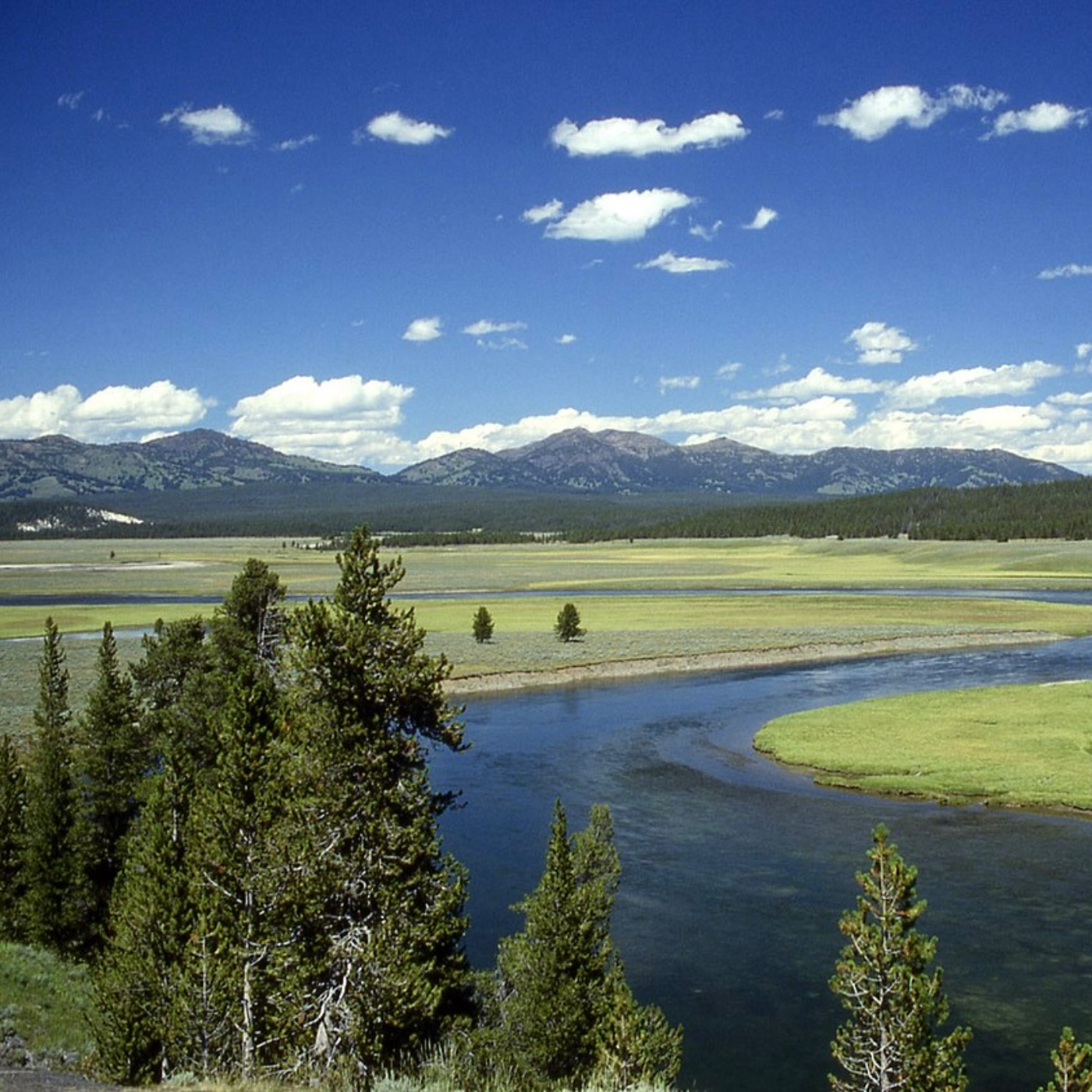
Yellowstone's Volcanic Future: Insights from Recent ResearchMeteorology Matters reviews research concerning volcanic activity at Yellowstone National Park. The sources provide insights into the likelihood of future eruptions, the structure of the magma system beneath the park, and the potential shift in volcanic activity.Key Findings:Yellowstone is not "overdue" for an eruption. Despite past supereruptions, volcanoes don't operate on predictable schedules. (Source: USGS)The magma chamber under Yellowstone is largely solid. Only 5-15% is molten, raising questions about the feasibility of a large-scale eruption. (Source: USGS)New research using magnetotellurics reveals a different picture of the magma system. Instead of one large reservoir, there are multiple, segregated pockets of magma with low melt percentages. (Source: Fox Weather & The Washington Post)This finding suggests that eruptions are unlikely in the foreseeable future, particularly in the northeastern region. (Source: Fox Weather)The research pinpoints the heat source driving Yellowstone's volcanic activity in the northeast region. This area also houses the largest magma storage, suggesting future eruptions may be concentrated there. (Source: Fox Weather)The study confirms a shift in volcanic activity towards the northeast. This aligns with the movement of the North American plate over the Yellowstone hotspot. (Source: The Washington Post)Scientists emphasize that future eruptions are likely thousands of years away. The park's volcanic activity is dynamic but does not pose an immediate threat. (Source: The Washington Post)Important Considerations:Supereruptions are rare events. Most volcanic systems that experience them do not have multiple occurrences. (Source: USGS)Even if Yellowstone erupts again, it may be a smaller, non-explosive event. The most recent eruption 70,000 years ago was a lava flow. (Source: USGS)Continued monitoring of Yellowstone is crucial. Seismographs and GPS help scientists understand stress changes in the Earth's crust, which could trigger earthquakes and influence volcanic activity. (Source: USGS)Quotes:"When we used magnetotellurics, we were able to see, actually, there’s not a lot there… There are these segregated regions where magma is stored across Yellowstone, instead of having one sort of large reservoir." - Ninfa Bennington, lead author of the study (Source: Fox Weather)"Nowhere in Yellowstone do we have regions that are capable of eruption. It has a lot of magma, but the magma is not connected enough." - Ninfa Bennington (Source: The Washington Post)"By no means is Yellowstone 'due for an eruption.' There will be eruptions, but it will probably be thousands of years before we can expect an eruption." - Erik Klemetti Gonzalez, associate professor of earth and planetary sciences (Source: The Washington Post)Conclusion:Recent research provides a more nuanced understanding of Yellowstone's volcanic system. While the potential for future eruptions remains, the current scientific consensus suggests that such events are unlikely in the near term. Continued monitoring and research are essential to further refine our understanding of Yellowstone's volcanic activity and its potential impacts.
S2 Ep 3Florida: Ban Asphalt Shingle Roofs?
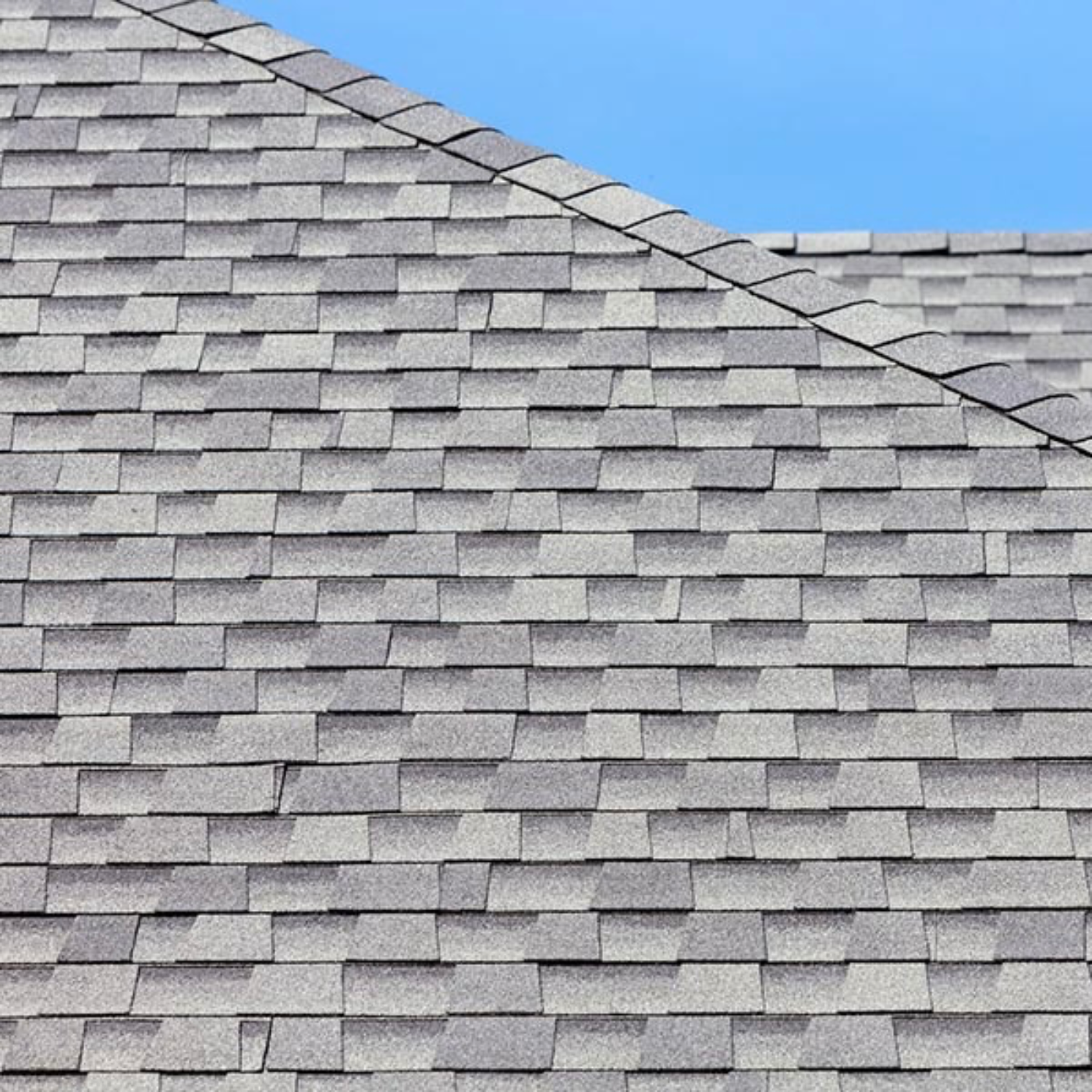
Florida's Roofing Conundrum:Overview: Meteorology Matters explores Florida's ongoing insurance crisis, focusing on the debate surrounding asphalt shingle roofs and their role in escalating premiums and homeowner vulnerability.Main Themes:Asphalt Shingle Roofs Under Scrutiny: Florida Insurance Commissioner Michael Yaworsky has sparked controversy by suggesting asphalt shingle roofs may need to be phased out due to their vulnerability to Florida's harsh weather conditions. He argues they don't last the promised 30 years and contribute to insurance claims and rising premiums.Industry Pushback: Roofing industry representatives, including the Asphalt Roofing Manufacturers Association and the Florida Roofing and Sheet Metal Contractors Association, disagree with Yaworsky's assessment. They argue that properly installed, high-quality asphalt shingles can withstand hurricanes and offer a more affordable option for homeowners.Search for Solutions: In light of the insurance crisis, various stakeholders are seeking solutions:New Insurance Programs: Security First Insurance and Embark MGA have partnered to create a new program specifically for new construction homes, offering comprehensive HO5 policies with streamlined claims processing.Legislative Action: House Bill 13 proposes a radical change to Citizens Insurance, making it a windstorm-only insurer available to all Floridians. This model mirrors California's approach and aims to lower rates, though some experts raise concerns about its financial feasibility.Focus on Mitigation: State officials emphasize strengthening building codes and incentivizing homeowners to invest in storm-resistant features through programs like My Safe Florida Home.Exploring Alternatives: While cost remains a barrier, metal and concrete tile roofs are gaining attention as more durable and storm-resistant alternatives to asphalt shingles.Key Facts and Quotes:Asphalt Shingle Dominance: Asphalt shingles cover an estimated 80% of roofs nationwide and 60-65% in Florida. (Source: South Florida Sun Sentinel)Durability Concerns: "These products that are guaranteed to last for 30 years. They don't last for 30 years in Florida. They just don't." - Michael Yaworsky (Source: South Florida Sun Sentinel)Cost Factor: "Metal or tile roofs can last 50 years or more but cost two to three times the price of asphalt tile." (Source: South Florida Sun Sentinel)Industry Perspective: "Clearly, when it comes to wind performance, we're improving every single cycle, and every time we get a storm, we’re seeing more and more evidence of that." - Mike Silvers, Florida Roofing and Sheet Metal Contractors Association (Source: South Florida Sun Sentinel)New Insurance Program: "The new HO5 policy comes with a broader scope of protection for new homebuyers than the standard, with streamlined claims processing." (Source: Newsweek)Legislative Proposal: "It provided insurance for all claims and only claims related to natural disasters and left the private market to pick up the rest. The result is rates dropped like a stone." - Former Rep. Spencer Roach on the proposed windstorm-only Citizens model (Source: WPTV)Funding for Mitigation: The Department of Financial Services plans to seek an additional $500 million for the My Safe Florida Home program. (Source: The Palm Beach Post)
S2 Ep 2Fogvid-24, Smart Dust, or Simply Fog?
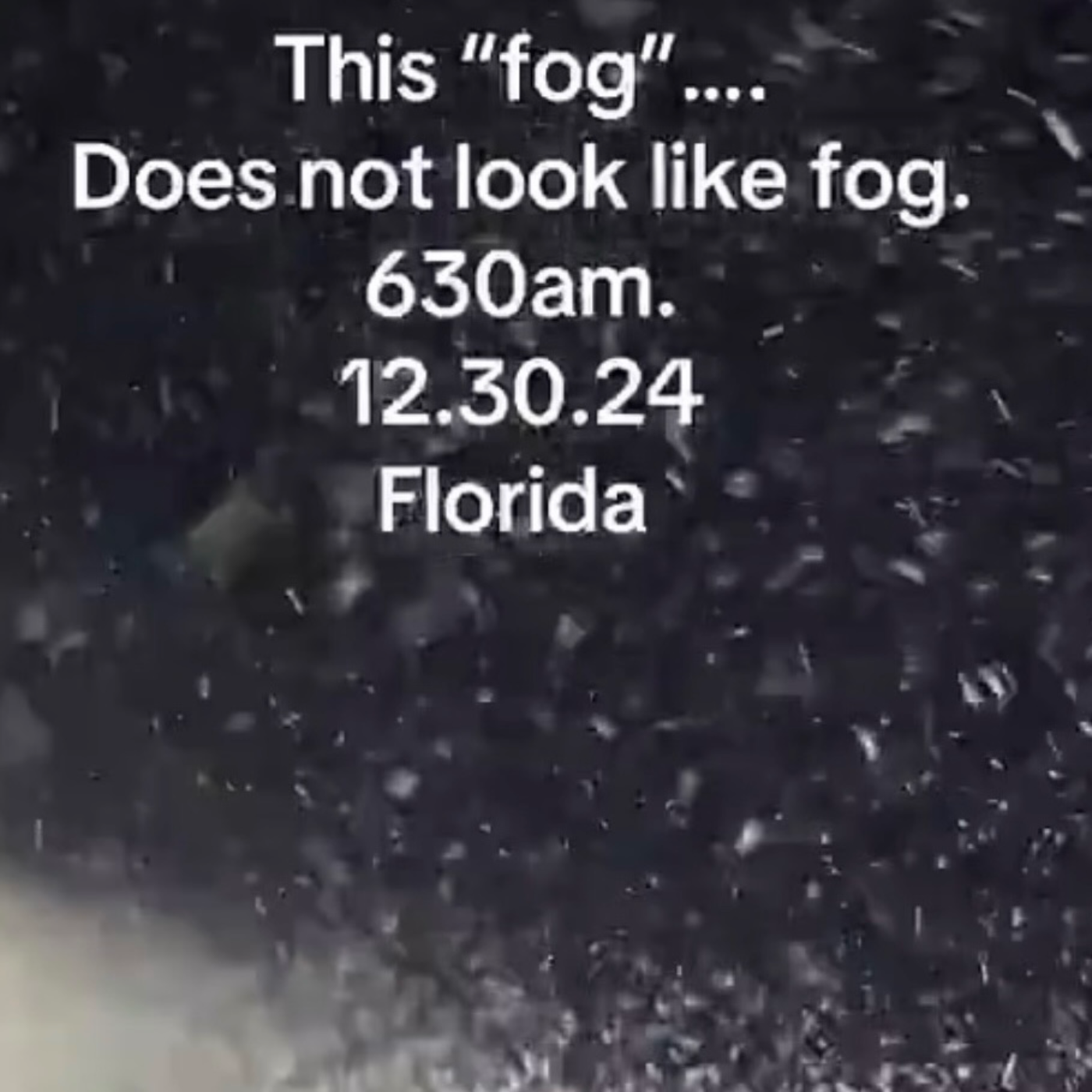
Meteorology Matters: Social media is abuzz with conspiracy theories surrounding reports of an unusual fog across the US, UK, and Canada, dubbed "Fogvid-24." This document summarizes the main themes, important facts, and contributing factors to this phenomenon.Summary of Events:Starting December 29, 2024, social media users, particularly on TikTok and X, began reporting a thick fog with unusual visual and olfactory characteristics.Some individuals claim this fog is accompanied by a chemical, electrical, or burning smell.Subsequent reports link exposure to the fog with flu-like symptoms such as fever, coughing, sore throat, headaches, and fatigue.Conspiracy Theories:The unusual appearance of the fog and reported symptoms have fueled conspiracy theories, with some alleging it is a government-engineered bioweapon or a form of chemical attack.The term "Fogvid-24" emerged, drawing parallels to the COVID-19 pandemic and its associated conspiracy theories.Some users point to historical examples like the US military's bacteria fog experiments in San Francisco (1949-1969) as evidence of the government's capacity for such actions.Quote: "None of this means that the government is pouring pathogens on its populace now, but we can’t say it’s impossible to do so." (Daily Dot)The discovery of a 1916 patent for an "intense artificial cloud" machine, though expired, has further fueled speculation.Theories linking the fog to the December drone incidents and Smart Dust technology developed by DARPA are also circulating.Quote: "Could this strange fog happening in multiple states and cities be Smart Dust? DARPA has a patent on Smart Dust back in the ‘90s I’m sure it’s been perfected in 2024 and the use of AI now," (X user)Skeptical Viewpoints:Skeptics, often leaning left politically, attribute the perceived abnormalities to the normal properties of fog and seasonal illnesses.Quote: “The delusional throbbers that believe this stupidity need to give their heads a massive wobble,” (X user @BSmithBenS)They highlight the fact that shining a light through fog naturally reveals individual water droplets, creating the illusion of "particles."They argue that the reported symptoms are likely due to the prevalence of common respiratory illnesses like COVID-19, especially during the holiday season.Scientific Explanations:The National Weather Service (NWS) has issued dense fog advisories for affected areas, suggesting a meteorological explanation.Scientists explain that the fog can trap and concentrate pollutants, leading to a stronger perception of chemical smells.Quote: “When fog forms, sulfur oxides, nitrogen oxides, and other polluting gases are taken up or ‘scavenged’ by fog water droplets,” (Rudolf Husar, Washington University atmospheric scientist)Fog can also exacerbate respiratory problems due to its high moisture content, potentially leading to coughing, shortness of breath, and other symptoms.Conclusions:While the scientific community attributes the fog and associated symptoms to natural phenomena, conspiracy theories continue to spread on social media.This situation underscores the need for critical thinking and reliance on credible sources of information.The "Fogvid-24" phenomenon serves as a reminder of the powerful influence of social media and its potential to amplify unfounded fears and anxieties.
S2 Ep 1Helene Aftermath: NC Recovery 3 Months Later
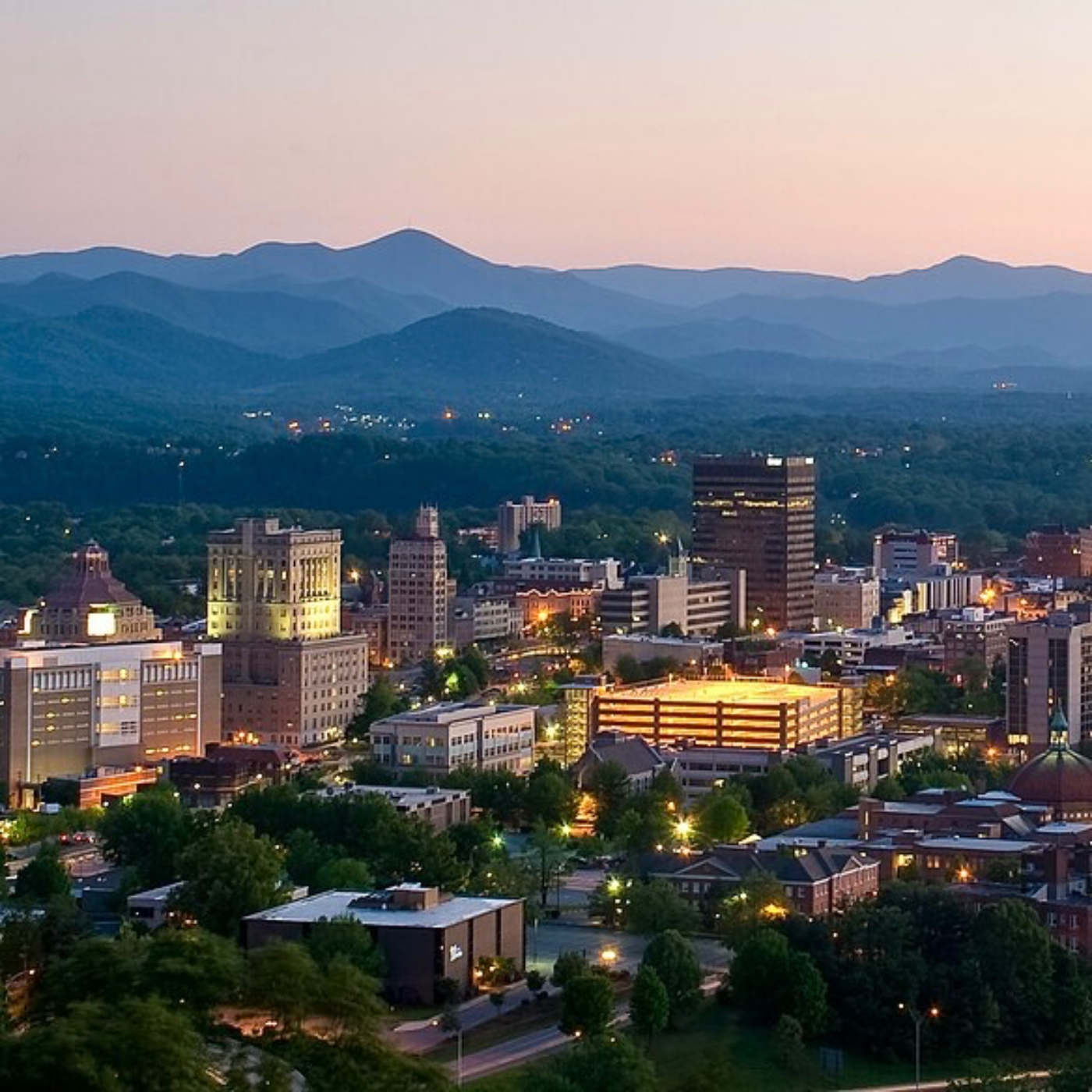
Helene Aftermath: NC Recovery 3 Months LaterMeteorology Matters analyzes the lingering impacts of Hurricane Helene, three months after its devastating sweep through western North Carolina in September 2024. We examine the storm's enduring consequences on infrastructure, tourism, community life, and recovery efforts.Devastation and DestructionHurricane Helene, a Category 4 storm upon landfall in Florida, brought catastrophic flooding and landslides to the mountainous region of western North Carolina. Vivid imagery from the sources depicts the extent of the damage
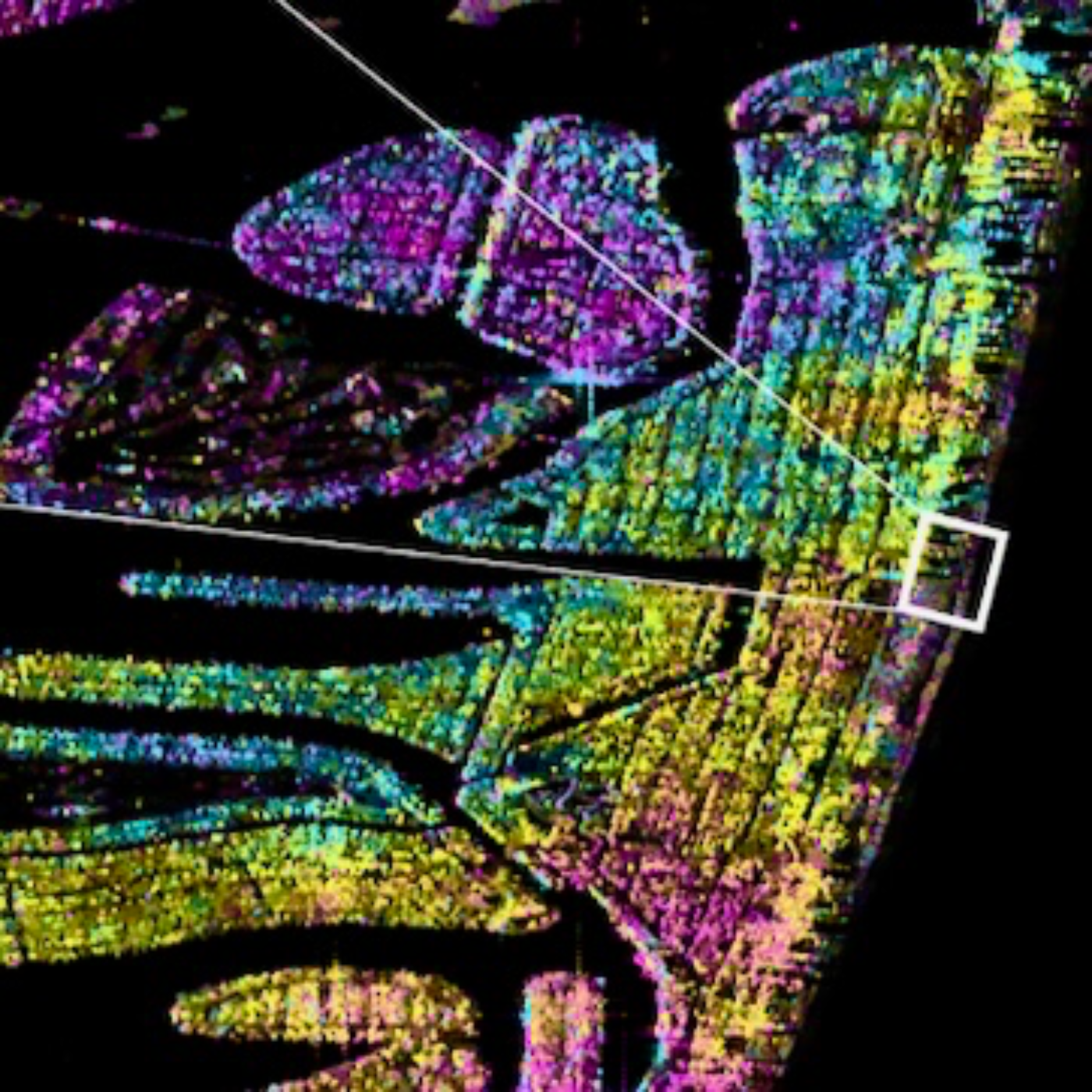
S1 Ep 61Miami’s Sinking Skyline
Meteorology Matters reviews the key findings from several recent sources regarding the subsidence of buildings along the Miami coastline. The research, primarily based on satellite-based Interferometric Synthetic Aperture Radar (InSAR) observations, identifies alarming trends in ground settlement potentially linked to construction practices and geological factors.

S1 Ep 60Jimmy Carter's Environmental Legacy
Jimmy Carter's Environmental Legacy: meteorology Matters provides a comprehensive overview of President Jimmy Carter's environmental legacy, highlighting his commitment to conservation, energy efficiency, and renewable energy, while also acknowledging the complexities and criticisms surrounding his approach.

S1 Ep 59January Cold Snap: Accuracy, Limits, and Looming Winter Weather
January Cold Snap: Accuracy, Limits, and the Looming Winter WeatherMeteorology Matters analyzes recent weather reporting regarding forecast accuracy, the intrinsic limits of predictability, and the potential for a severe cold snap in early to mid January 2025.

S1 Ep 58US Military Christmas Tradition History: NORAD Tracks Santa and Operation Christmas Drop
Briefing Document: Holiday Traditions with a Military TwistThis document reviews two unique holiday traditions involving the US military: NORAD Tracks Santa and Operation Christmas Drop.NORAD Tracks SantaOrigin: The tradition began in 1955 when a Sears advertisement mistakenly printed the Continental Air Defense Command (CONAD) hotline number as Santa's phone number. Colonel Harry Shoup, the commander on duty, received calls from children and, rather than dismissing them, decided to provide updates on Santa's location.Operation Christmas DropOrigin: Operation Christmas Drop started in 1952 when a WB-29 aircrew, seeing islanders waving from Kapingamarangi, decided to drop a bundle of supplies attached to a parachute.

S1 Ep 57The Long Road to Recovery: How Hurricanes Helene and Milton Continue to Impact Tampa Bay Residents in December 2024
The Long Road to Recovery: How Hurricanes Helene and Milton Continue to Impact Tampa Bay ResidentsMeteorology Matters examines the ongoing challenges faced by residents in the Tampa Bay area in the wake of Hurricanes Helene and Milton. Even in December 2024 area residents are dealing with hurdles months after the hurricanes, we are focusing on the struggles residents are encountering with FEMA, housing instability, and supply shortages.Key Themes:FEMA's 50% Rule and Damage Assessment InconsistenciesHousing Instability for RentersSupply Shortages and Extended DelaysFinancial and Emotional Strain

S1 Ep 56Christmas 2024 Travel Briefing: Weather Impacts and White Christmas Predictions
Christmas 2024 Travel Briefing: Weather Impacts and White Christmas PredictionsThis briefing summarizes key weather information for the Christmas 2024 holiday period, drawing from several weather forecasts and news articles.Main Themes:Unsettled weather leading up to Christmas: Many regions will experience rain, snow, and potentially disruptive weather in the days preceding Christmas.Warmer temperatures for many on Christmas Day: A warming trend is expected across much of the US, bringing above-average temperatures and reducing the likelihood of snow in many areas.Limited White Christmas potential: While higher elevations in the West and areas near the Canadian border have the best chances, widespread snow cover on Christmas morning is unlikely across the contiguous US.Travel disruptions possible: Travelers should anticipate potential delays due to weather, especially in the days leading up to Christmas.

S1 Ep 55Miami and Tampa: High Risk to Climate Change, Rising Sea Level
Meteorology Matters examines Miami and Tampa's vulnerability to hurricanes and climate change. Miami, despite its booming population and development, faces significant climate risks, including rising sea levels and increased flooding, yet many residents remain, prioritizing lifestyle over potential dangers. Tampa, similarly situated in a low-lying area, presents a high-risk scenario due to its rapid growth and the potential for catastrophic storm surge, with the upcoming Hurricane Milton posing an imminent threat. Both cities highlight the complex interplay between economic growth, environmental risks, and individual choices in the face of climate change. Experts express serious concern about the preparedness of both cities for extreme weather events.

S1 Ep 54Walkable Cities Good for Earth While Americans Prefer Suburbia
Meteorology Matters examines the environmental impact of suburban sprawl, contrasting it with denser, more walkable urban neighborhoods. We explore the trade-offs between walkability, affordability, and living space, highlighting public preference for sprawling suburbs despite their higher carbon footprint. We look at the effects of suburban development on natural habitats, noting both habitat loss and surprising animal adaptations. Finally we examine strategies to reduce the climate footprint of suburban areas, suggesting policy changes, technological upgrades in homes and transportation, and individual actions to mitigate emissions.

S1 Ep 53Hurricane Helene: Impact Erwin Tennessee
Meteorology Matters looks at a Washington Post investigation into the deaths of six Impact Plastics employees during Hurricane Helene's flooding in Erwin, Tennessee. The investigation highlights the role of both the severe weather and allegedly inadequate employer responses in the fatalities, contrasting this with the successful rescue of hospital staff and patients. We also examine the deaths of workers at an Amazon warehouse and a Kentucky candle factory during a tornado. The lack of union representation contributed to the workers' inability to leave their workplaces before the disaster and emphasizes the importance of unions in ensuring worker safety and fair treatment. This boils down to the tragic consequences of prioritizing profit over worker safety in the face of extreme weather events.

S1 Ep 52Lake Effect: 6 Feet of Snow Forecast for Watertown, NY
Meteorology Matters reports on a major Thanksgiving Weekend lake-effect snowstorm impacting upstate New York and parts of the Great Lakes region. Significant snowfall accumulations of up to five or six feet are predicted, especially near Watertown, NY, and along the shores of Lakes Erie and Ontario. Hazardous travel conditions and widespread disruptions are anticipated, prompting warnings and travel restrictions. State and local authorities are mobilizing resources, including the National Guard and transportation crews, to respond to the storm's impact. The storm is expected to last through early Monday.
S1 Ep 51Gust vs Sustained Wind: Application to Building Standards
Meteorology Matters presents an analytical framework for standardizing tropical cyclone wind characteristics (mean wind speed, turbulence intensity, integral scale, gust factor, and peak factor) from various measurement conditions to a common reference. This framework uses equilibrium boundary-layer theory and is applied to data from seven tropical cyclones (four typhoons, three hurricanes), comparing results to existing standards (ASCE 7-10 and AIJ-RLB-2004). We continue to. examine gust factor variations based on coastal tower measurements during three landfalling typhoons. We explore the relationships between gust factor and turbulence intensity, height, wind speed, and direction, finding that gust factors are smaller than those in national codes and influenced significantly by shoreline confinement on sea wave development.

S1 Ep 50Thanksgiving Week Weather
Meteorology Matters discusses Thanksgiving week weather forecasts across the U.S., predicting potential travel disruptions. CBS News reports on severe storms impacting the Pacific Northwest and California, with ensuing power outages and fatalities, while also forecasting rain and snow in the East impacting Thanksgiving travel. Weather.com provides a more detailed, day-by-day forecast, highlighting potential travel issues due to snow in mountainous regions and lake-effect snow in the Great Lakes area, along with rain and thunderstorms in other parts of the country. The overall message is one of caution and preparedness for holiday travel.

S1 Ep 49Deadlines Loom for FEMA Hurricane Disaster Assistance, Unemployment, and Appeals
Meteorology Matters provides details onthe Disaster Unemployment Assistance (DUA) and Federal Emergency Management Agency (FEMA) aid available to Florida residents affected by Hurricanes Helene and Milton. We explain how to apply for FEMA assistance and appeal denials, highlighting challenges faced by applicants. We also focus on DUA application procedures, deadlines, and eligibility requirements for individuals whose employment was impacted by the hurricanes. We go over supplemental information on DUA, including eligibility criteria, application methods, and appeal processes, emphasizing the importance of meeting deadlines and providing necessary documentation. We aim to inform and guide individuals seeking aid after the hurricanes before time runs out!

S1 Ep 48What a Second Trump Term Means for Science
People express concern over the potential impact of a second Trump presidency on US science policy. They highlight anxieties regarding potential budget cuts to scientific research, increased focus on research security potentially hindering international collaboration, and a diminished respect for scientific consensus in policy decisions, particularly concerning climate change and public health. The appointment of Robert F. Kennedy Jr. to a key position is cited as a cause for alarm due to his controversial views on public health. Finally, there are discussions of proactive strategies for the scientific community to engage with the new administration and advocate for continued funding and the preservation of independent scientific agencies.

S1 Ep 47Climate Change Supercharged Hurricane Season 2024
Meteorology Matters looks at how Climate change significantly intensified the 2024 Atlantic hurricane season. Multiple reports, including one from Climate Central and a peer-reviewed study in Environmental Research: Climate, confirm that human-caused ocean warming increased the wind speeds of all eleven hurricanes. This resulted in seven hurricanes being upgraded to higher Saffir-Simpson categories and two tropical storms becoming hurricanes. The increased intensity led to substantial damage and economic losses, with climate change attributed to a significant portion of the damage caused by Hurricanes Helene and Milton. A separate analysis by a hurricane expert highlights the unusually active 2024 season, noting record-breaking ocean temperatures and the occurrence of three simultaneous hurricanes in October.

S1 Ep 46November Florida Hurricanes & Potential Sara
A potential tropical storm, dubbed Invest 99L, is forming in the Caribbean and has a high chance of developing into Tropical Storm Sara within the next few days.Multiple weather models are forecasting Sara to potentially become a hurricane and threaten Florida's Gulf Coast next week, although the track and intensity of the storm remain uncertain. MeteorologyMatters discusses the rarity of November hurricanes, with only three recorded landfalls in the US since 1850, but warn that warm water temperatures in the Atlantic basin are fueling an unusually active hurricane season.

S1 Ep 44Abortion and LGBTQ Community Cause Hurricanes?
Meteorology Matters addresses Tucker Carlson’s bizarre assertion that abortions cause hurricanes, dismissing scientific explanations for their increased frequency and intensity, and instead linking them to a supposed “human sacrifice.” We examine these claims through a scientific lens, presenting evidence that contradicts their religious justifications and highlights their potential harm in influencing public opinion on scientific and social issues. We look back at televangelist Pat Robertson’s claims over the years that he can control the weather and that God is punishing the U.S. for its increasing acceptance of homosexuality, specifically targeting Disney World and abortion supporters.

S1 Ep 43Biden Protecting Climate Protections from Donald Trump
Meteorology Matters looks at the potential impact of Donald Trump’s return to the presidency on science and environmental policy. Currently, the Biden administration is trying to solidify its environmental policies, such as those regarding greenhouse gas emissions and vehicle electrification, before Trump takes office. We examine the uncertainty surrounding Trump’s potential return to power and how it might influence scientific research, particularly concerning climate change, vaccine skepticism, and the role of government funding in science. There’s the potential for conflict between Trump’s agenda and the goals of the scientific community.

S1 Ep 42Climate Policy: Kamala Harris vs Donald Trump
Meteorology Matters compares and contrasts the climate change policies of Vice President Kamala Harris and former President Donald Trump. We explore their records on climate change, examining their stances on issues such as the Paris Agreement, renewable energy investment, electric vehicles, and fossil fuel projects. We look at the broader implications of their positions for the future of U.S. climate policy, highlighting their contrasting views on the urgency of climate action and their approaches to clean energy transitions. The candidates' foreign policy platforms, including their views on the war in the Middle East, the NATO alliance, climate change, trade with China, aid for Ukraine, and immigration. Delving into the potential impact of a Harris or Trump administration on climate and energy policy, we analyze the challenges and constraints they will face in implementing their agendas.

S1 Ep 41National Hurricane Center Monitoring Possible Development for November Tropical Systems
Meteorology Matters discusses the possibility of tropical development in the Atlantic basin during the final month of hurricane season. We look at three specific areas of interest: the southwestern Caribbean Sea, the northeastern Caribbean Sea and Greater Antilles, and the North Atlantic. We also emphasize the importance of monitoring these systems as their development and movement could potentially bring heavy rainfall and flooding to various regions.

S1 Ep 40Valencia Deadly Flash Flood: Latest in a String of Floods that Seem to be Getting More Frequent & More Severe
Meteorology Matters explores the devastating consequences of flooding across the globe, highlighting the increasingly frequent and intense events driven by climate change. We examine how different countries are responding to this challenge, focusing on strategies such as building barriers, adapting to flooding, and relocating communities. We look at the World Weather Attribution report that analyzes the recent flooding in Sudan, concluding that human-induced climate change has significantly increased the likelihood of such extreme rainfall events. There’s been a record-breaking number of flash flood emergencies in the US, emphasizing the role of climate change in intensifying heavy rainfall events. The damage inflicted by Tropical Storm Helene on the Great Smoky Mountains National Park, showcases the destructive power of flooding on natural landscapes and infrastructure. Recently severe flooding in Italy and Spain, show the significant human and economic toll these events have taken. We address the unfolding tragedy in Valencia, Spain, highlighting the devastating impact on the country and the ongoing efforts to provide aid and rescue stranded individuals.

S1 Ep 39Weeks After Hurricane Milton, Floods Still Ongoing Along Withlacoochie River in Florida
Meteorology Matters discusses the flooding of the Withlacoochee River in Central Florida, which has been at its highest levels since 1960 due to excess rainfall during the rainy season and Hurricane Milton. We explain the river's course, how the flooding has impacted local communities, and the efforts by authorities to help residents. We also address concerns from the public about the causes of the flooding and whether water management structures could be used to alleviate it.

S1 Ep 38More Billion Dollar Disasters Like Hurricanes Aided by Population Shift
Meteorology Matters explorers the rising trend of billion-dollar weather disasters in the United States. NOAA provides a comprehensive overview of the events in 2023, highlighting the record number of disasters and the significant financial and human costs. The Washington Post examines the debate surrounding the role of climate change in this trend. While acknowledging the potential influence of global warming, the article emphasizes the significant impact of population growth and development in hazard-prone areas. a complex set of natural factors and human activity is exacerbating the risks associated with extreme weather events

S1 Ep 37Multiple Hurricane Strikes in Florida is Normal, Not Climate Change
Urology matters uncovers the history of hurricanes in Florida, particularly focusing on the significant impact of the 1848 Tampa Bay hurricane. There have been many years with multiple major hurricane landfalls in Florida, highlighting the state's vulnerability to these natural disasters. We also look the 2024 and recent hurricane seasons, analyzing the frequency and intensity of storms in relation to climate change, while also acknowledging that hurricanes are a natural part of Florida's coastal environment. The 1848 Tampa Bay hurricane had devastating effects on the region and its lasting impact on the local geography but the population in the area was very small at the time. Additionally, discuss how Florida has always been a hurricane hot spot, but only in the last half century has the population blossomed along the coast to really affect massive numbers of people and damage the more developed infrastructure.

S1 Ep 36“Operation Popeye” and HAARP are Not to Blame for Hurricanes Milton & Helene
Meteorology Matters looks into how HAARP and Cloud Seeding did not create or drive Hurricanes Helene and Milton by providing a review of 43 studies published between 2012 and 2021 that examine conspiracy theories related to weather modification and climate change. The review provides insights into the prevalence, characteristics, and potential consequences of weather and climate change conspiracy theories, as well as exploring the science that debunks those theories. We identify knowledge gaps in existing research, emphasizing the need for greater geographic representation, improved conceptualization of the topic, and a more integrative approach that considers multiple factors and processes involved in the interplay between conspiracy theories and weather/climate change.

S1 Ep 35DeSantis Backed Florida Law Benefits Insurance Companies to Deny Claims After Hurricanes Helene & Milton
Meteorology Matters explores the growing problem of insurance companies failing to adequately cover homeowners after hurricanes in Florida, specifically focusing on issues since a Governor DeSantis supported law change. We highlight the challenges facing homeowners, insurance companies, and policymakers in the wake of increasingly severe weather events. We examine the implications of Florida’s insurance law changes, which are intended to reduce litigation but are further disadvantaging homeowners. Additionally, we talk about the importance of flood insurance and how the lack of adequate coverage is leaving many homeowners financially vulnerable.

S1 Ep 34Hurricane Catastrophe: Lower Income People Affected Disproportionately with Little Help
Meteorology Matters examines the increasing vulnerability of low-income communities and communities of color to weather impacts, specifically hurricanes. They highlight how these groups are disproportionately affected by storm surges, flooding, and power outages due to their location in high-risk areas and lack of resources for preparedness and recovery. We discuss the need for better federal disaster relief and recovery policies that prioritize these vulnerable communities, including increased funding, streamlined application processes, and more comprehensive climate resilience measures. We also showcase examples of innovative solutions, like the Hunters Point community in Florida, which is designed to withstand hurricanes with features like solar panels, battery systems, and elevated construction but affordability keeps homes like these out of reach for almost everybody.

S1 Ep 33FEMA - National Flood Insurance Program’s 50% Rule
Meteorology Matters breaks down the Federal Emergency Management Agency's (FEMA) "50% rule," a regulation that impacts homeowners in flood-prone areas. This rule states that if a home (structure itself excluding the land) sustains damage exceeding 50% of its market value, it must be brought into compliance with current floodplain management standards, usually by elevating the structure. The rule is designed to discourage rebuilding vulnerable properties in flood zones and prevent the government from bearing the cost of repeated damage. The sources explain the details of the rule, how it is applied, and the debate surrounding its implementation, particularly in Florida, where communities face an ongoing threat of hurricanes and rising sea levels. Homeowners and local officials often find themselves in a difficult position, balancing the need for rebuilding with the financial burden of complying with the rule, which can make it challenging to afford housing in flood-prone areas.

S1 Ep 32Engineered for Hurricanes: The “Three Little Pigs” Were Almost Right
Meteorology Matters examines the impact of hurricanes and extreme weather on residential buildings. Many Europeans believe their older buildings are stronger than American’s when in reality they’re not engineered to handle extremes, while survivorship bias may play a role in their perception. While many think the “Three Little Pigs” are the end all and be all of tough building examples, engineering plays a vital role in how those materials actually perform. Wood can actually perform better than concrete if it’s engineered better than brick for example. We analyze different building materials and construction techniques, exploring their resistance to high winds, storm surge, and flooding. Then dive into the importance of strong connections between building components, such as roofs and walls, and explore vulnerabilities in different types of construction, such as wood-framed homes. Highlighting the importance of understanding regional wind vulnerabilities and using building codes and design practices that meet local needs, research emphasizes the need to address the growing problem of residential building failures due to extreme weather events, particularly in areas prone to hurricanes and tornadoes.

S1 Ep 31NO, Hurricane Milton and Hurricane Helene were NOT Products of Weather Control but were Influenced by Climate Change
We debunk the claim that Hurricanes Helene and Milton were artificially engineered or manipulated by the government, HAARP, or other individuals or groups. Experts in meteorology, geoengineering, and atmospheric research confirm that the technology needed to control or create hurricanes does not exist. They attribute the intensity of these storms to natural processes, emphasizing the role of climate change in intensifying hurricanes. We further expose the spread of misinformation online, particularly among right-wing influencers and accounts, highlighting the potential dangers of these unfounded theories. They underscore the importance of critical thinking and reliance on credible scientific sources in the face of such misinformation. While climate change may be influencing hurricanes in some ways, most notably by rapid intensification, these conspiracy theories lack real evidence and have no basis in science.

S1 Ep 30Tampa Soap Opera: Hurricane Evacuation Defier “Lieutenant Dan” Arrested After Surviving Helene and Milton on Boat
Joseph Malinowski, is the Florida man who went viral for his decision to ride out Hurricanes Helene and Milton on his small sailboat. He was dubbed "Lieutenant Dan" after the character in Forrest Gump because he was missing a leg among other similarities with the movie character and garnered considerable attention online. While he initially received support and even donations, Malinowski was eventually arrested for trespassing and failing to appear in court. We detail his legal troubles, as well as the concerns of his daughter who fears the attention will negatively impact her father.

S1 Ep 29Florida Homeowners Sell Due to Hurricanes, Flooding and Out of Control Costs
Florida is facing a number of issues related to the insurance market and hurricanes. Insurance premiums are at an all-time high, with many homeowners facing an increase of up to 400%. The recent hurricanes, Helene and Milton, have caused billions of dollars in damage, further straining the insurance market. Some insurers are raising rates, while others are pulling out of the state entirely, leading to a shortage of insurance options. This is leading some homeowners to sell their properties at a loss, while others are hesitant to buy homes in Florida due to the risk of hurricanes. Despite the challenges, some residents are choosing to stay in Florida, citing the benefits of the state's weather, attractions, and overall lifestyle as outweighing the risks of hurricanes. There is also a growing interest in building hurricane-resistant homes, particularly domed structures, which have been proven to withstand even category 5 hurricanes. However, the high cost of building these homes presents a significant barrier for many.

S1 Ep 28Florida Always Near Top in Hurricane Building Codes
The Insurance Institute for Business & Home Safety (IBHS) has published a report titled “Rating the States” that evaluates the building code enforcement and administration systems, as well as contractor licensing practices in the 18 Atlantic and Gulf coast states most vulnerable to hurricanes. Each state is assigned a score from 0 to 100 based on the state’s adoption, implementation, and enforcement of building codes designed to minimize windstorm damage. The report highlights states with the most effective building code systems, identifies areas for improvement, and emphasizes the importance of adopting modern building codes to reduce the devastating impacts of hurricanes. The IBHS report provides valuable insights into the effectiveness of state-level building codes and serves as a resource for policymakers to make informed decisions regarding building code regulations.

S1 Ep 27Miami King Tides: Flooding this Weekend and Beyond
We explore the phenomenon of king tides and their increasing impact on coastal cities, particularly Miami. King tides are naturally occurring high tides that occur during specific lunar phases, amplified by the sun's gravitational pull. We discuss how these tides, exacerbated by rising sea levels due to climate change, are causing frequent sunny-day flooding in Miami and other coastal areas. We highlight the growing threat of these floods to infrastructure, businesses, and the overall well-being of coastal communities. The need can’t be emphasize enough for proactive planning and investment in mitigation strategies to address the escalating problem of king tides.

S1 Ep 26Mental Health Check: Hurricane Fatigue and PTSD After Helene and Milton
We examine the mental health consequences of hurricanes, specifically focusing on the hurricane fatigue, prevalence of post-traumatic stress disorder (PTSD), anxiety, and depression in hurricane-affected populations. We highlight the compounding effects of repeated hurricanes on mental health, as well as the role of environmental factors like green space and social support in mitigating those effects. We also provide recommendations for individuals and communities on how to cope with hurricane-related stress and trauma, and emphasize the importance of seeking professional help when needed.

S1 Ep 24Where Will Home Prices Go After Hurricanes Helene & Milton?
The sources discuss the impact of Hurricane Helene on the housing markets in Florida, particularly in the Tampa Bay area. Several articles note that, following the devastation caused by Hurricane Helene and previous hurricanes, home prices tend to increase, as wealthier buyers move in and take advantage of the reduced housing supply. However, this influx of wealthier buyers can displace longtime residents, causing a shift in the social fabric of the community. The articles also highlight the challenges faced by homeowners with limited resources and how insurance rates and government assistance contribute to these trends.