
Meteorology Matters
258 episodes — Page 3 of 6

S2 Ep 99Upside Down Rhino Rides by Helicopter 🚁🦏
The Critical Need for Rhino Translocation: Black rhinos are critically endangered, and translocation is a vital conservation tool to protect them from poaching, facilitate monitoring, and ensure genetic diversity. The species largely exists in isolated protected areas, making movement necessary for population health.The Revolutionizing Role of Helicopters in Rhino Conservation: Helicopters have become increasingly important for rhino translocation since the 1990s, with methods refining in the 2010s. They offer a faster and less stressful alternative to traditional ground transport.The Innovative "Upside Down" Airlifting Technique: Hanging rhinos upside down by their feet from helicopters has proven to be the safest and most aerodynamic method for transport, despite initially seeming counterintuitive.The Adaptation of Military Technology for Conservation: War-torn helicopters, particularly UH1-H Hueys from the Vietnam War, are now being used for rhino conservation, highlighting an ironic twist of repurposing machines of war for saving wildlife.The Ongoing Efforts and Future of Rhino Conservation: Conservationists are continually studying and improving translocation methods and envision incorporating new technologies like drones and satellites. The success of translocation projects offers hope for the future of rhino populations.Key Ideas and Facts:Black Rhino Population Status and Threats: Black rhino populations declined drastically due to poaching and habitat loss, reaching a low point in the 1990s. While conservation efforts have led to an increase (roughly 6,500 today), they remain critically endangered.Reasons for Translocation: According to Ursina Rusch of WWF South Africa, rhinos are moved for three main reasons:Protection from poaching.Monitoring (including GPS telemetry insertion).Ensuring genetic diversity by increasing their range and preventing inbreeding.Rusch states, "If we don't translocate rhinos and create new populations, they will inbreed enough that they crash, or run out of resources and stop breeding."Advantages of Helicopter Transport:Speed: Aerial tracking and darting by helicopter significantly reduces the time taken to immobilize a rhino compared to on-foot tracking. "Whereas before veterinarians would have spent 20 minutes on-foot tracking a half-way-sedated rhino, the helicopter team now saves precious time by aerially tracking the rhino – and within four minutes, the rhino falls unconscious," says Rusch.Reduced Stress and Injury: Traditional ground transport in crates can cause muscle or horn damage and potentially occlude airways. "These road trips could be stressful for the rhino passengers; they're awake for the journey (albeit, sometimes, anaesthetised) and standing in a crate, which can cause muscle or horn damage – or even occlude their airways, which can be fatal."Access to Remote Areas: Helicopters can reach capture and release sites inaccessible by road, particularly important in regions like Namibia's Kunene. Robin Radcliffe of Cornell University notes, "Conservationists 'really only consider slinging' as a solution when the capture or release site is inaccessible by road, he says, or when slinging significantly cuts down on transport time."The "Upside Down" Method:Initially, conservationists tried transporting rhinos on boards and in nets, but these methods had drawbacks related to aerodynamics and breathing.
S2 Ep 98Double Whammy HIGH Risk for Tornados and Flooding
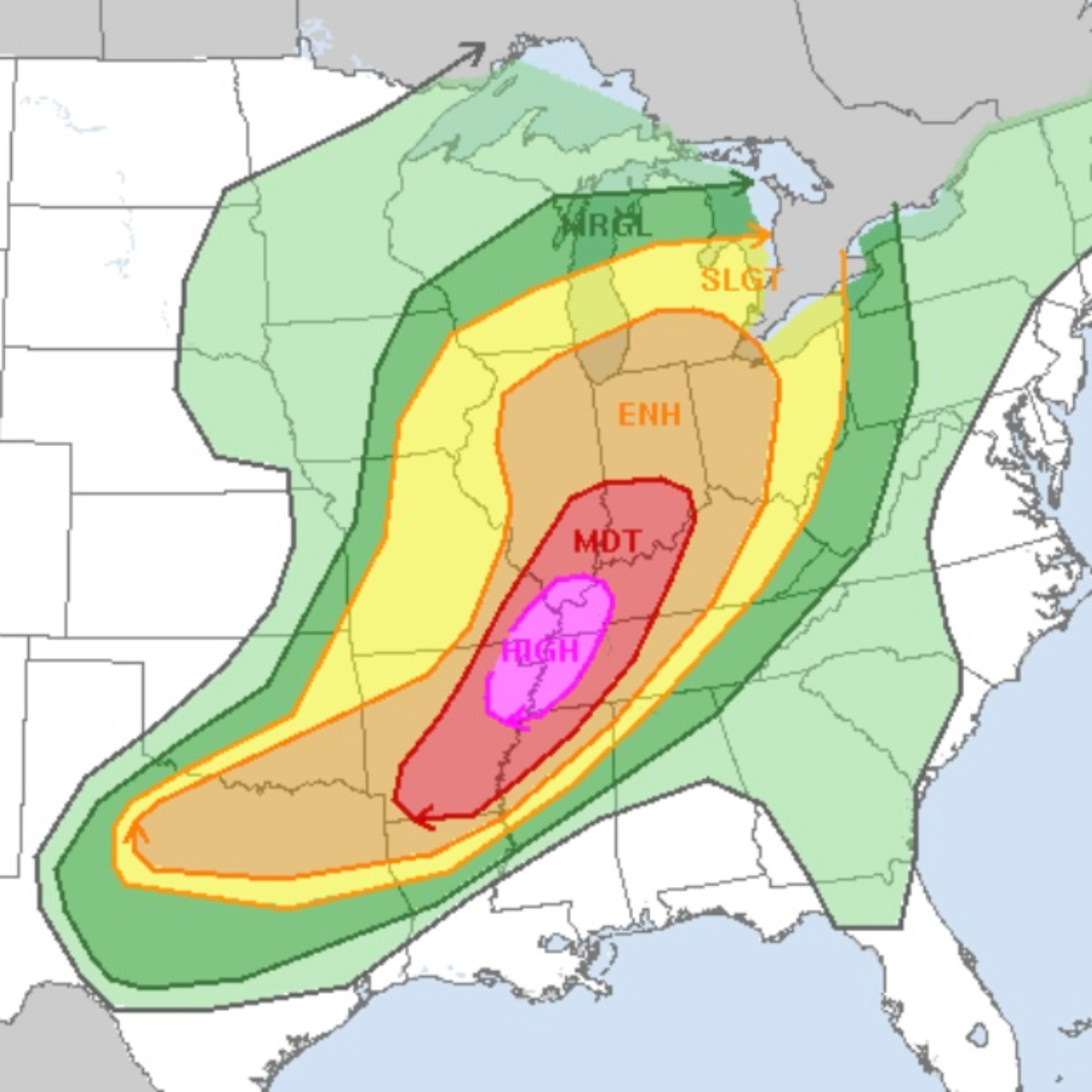
Wednesday, April 2, 2025:Early Morning: Weather alerts are in effect across the central U.S. as forecasters monitor developing storms. Thunderstorms in the Midwest could remain severe after sunrise, influencing the severe threat for the rest of the day. Lingering storms in parts of Kansas and Missouri will likely strengthen as they move east into the Mississippi Valley by the early afternoon.Daytime: A significant severe weather threat is anticipated across a large swath from Lower Michigan and the Ohio Valley southwestward through the mid-South and southern Plains. The SPC upgrades the severe weather threat to a Level 5 out of 5 (High Risk) for over 4.4 million people in major Tennessee cities like Memphis, Clarksville, and Jackson, as well as Evansville, Indiana, and Jonesboro, Arkansas.Mid-Afternoon: Additional storms will develop in the Mississippi Valley, with some potentially undergoing "explosive" development.Afternoon/Evening: A tornado outbreak is expected, particularly in the mid-Mississippi and lower Ohio Valleys and the eastern Ozarks. Numerous tornadoes, including multiple long-track EF3+ tornadoes, are likely. The greatest risk for tornadoes, some strong and long-lasting, will stretch from Arkansas to Indiana and Ohio, with many potentially occurring after sunset. The strongest storms could also dump baseball-sized hail in parts of the Mississippi Valley. Damaging wind gusts are also a significant threat. Severe thunderstorms could stretch from Louisiana and Arkansas north to Michigan, with a few more storms developing overnight in Texas. Schools in some areas dismiss students early and cancel after-school activities.Late Week (Starting Wednesday): The threat of significant, life-threatening flash flooding begins to grow in the Mississippi and Ohio valleys due to repeated rounds of heavy rain (training thunderstorms) moving over the same areas. Rainfall totals could exceed 5-8 inches in some spots within 24 hours, particularly from Arkansas into western Kentucky, on top of previous rainfall.Thursday, April 3, 2025:Ongoing: The cold front will slow and stall from the Mississippi and Ohio valleys into the southern Plains. Even as the main storm system moves into Canada, daytime heating and high humidity will fuel another round of severe storms with damaging winds, large hail, and tornadoes possible.Flooding Intensifies: The expected prolonged heavy rain continues, with a Level 4 (highest threat level) flash flood risk for parts of western Tennessee and Kentucky. A Level 3 risk zone shifts slightly to the west. Rainfall totals could approach a foot in parts of the Mississippi and Ohio valleys through Sunday. The ground becomes increasingly saturated, increasing the risk of dangerous flash flooding. Areas repeatedly under the heaviest storms could see 2 to 6 inches of rain each day, especially from Arkansas to Indiana.Friday, April 4, 2025:Ongoing: The flash flood threat remains significant, with a Level 3 risk zone shifting east again. The potential for heavy rain and severe storms continues in parts of the Mississippi and Ohio valleys.
S2 Ep 97Hurricane Milton: The Official Word is Out
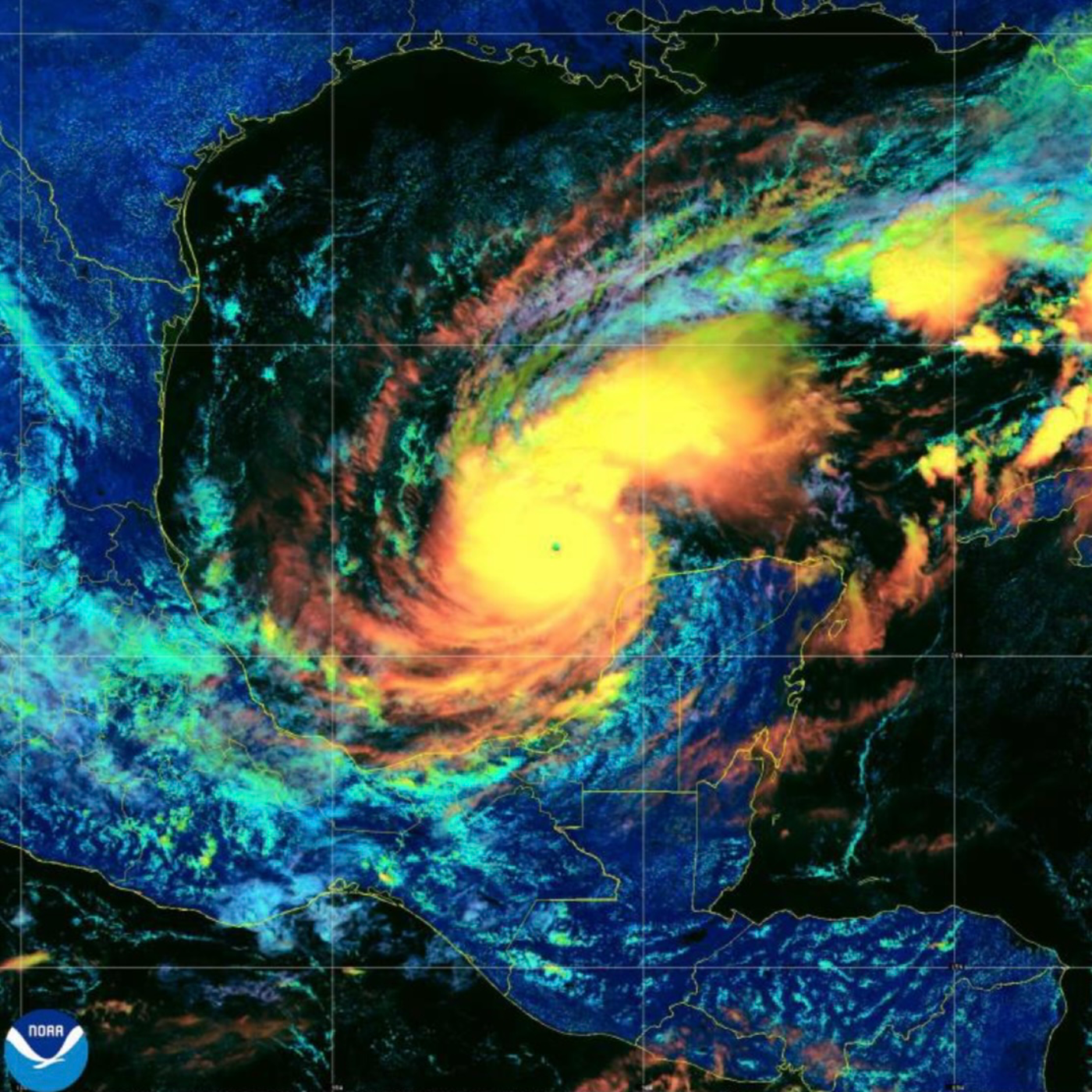
14 September: A tropical wave moves off the west coast of Africa.Early October (Date unspecified): This tropical wave appears to have interacted with a pre-existing low-level trough west of the Cabo Verde Islands, contributing to Milton's genesis.04 / 1800 UTC: Best track indicates the system is a low with a central pressure of 1009 mb and wind speeds of 30 kt, located at 21.0°N 94.6°W.05 / 1200 UTC: The system strengthens into a tropical depression with a central pressure of 1008 mb and wind speeds of 30 kt, located at 22.0°N 95.5°W.05 / 1800 UTC: The tropical depression intensifies into Tropical Storm Milton with a central pressure of 1006 mb and wind speeds of 35 kt, located at 22.5°N 95.5°W.06 / 0300 UTC: A Tropical Storm Watch is issued for the coast of the Yucatan Peninsula of Mexico from Celestun to Cancun.06 / 1500 UTC: A Tropical Storm Warning is issued for the coast of the Yucatan Peninsula of Mexico from Celestun to Cabo Catoche.06 / 1800 UTC: Milton becomes a hurricane with a central pressure of 986 mb and wind speeds of 70 kt, located at 22.5°N 94.1°W.06 / 2010 UTC: NOAA buoy 42055 (22.14N 94.11W) records a minimum sea level pressure of 997.5 mb and a maximum 1-minute sustained wind speed of 47 kt (gusts to 54 kt).06 / 2100 UTC: A Hurricane Watch is issued for the coast of the Yucatan Peninsula of Mexico from Celestun to Cancun.06 / 2100 UTC: The Tropical Storm Warning is extended along the coast of the Yucatan Peninsula of Mexico from Cabo Catoche to Dzilam.07 / (Time uncertain): Milton reaches its peak intensity between aircraft missions.07 / ~1700 UTC: An Air Force Reserve aircraft makes its last penetration of the eye, reporting maximum 700-mb flight-level winds of 158 kt and a central pressure fall from 925 mb to 912 mb.07 / ~2000 UTC: Satellite imagery suggests Milton reaches its estimated peak intensity with maximum sustained winds of 155 kt and a minimum central pressure of 895 mb. At this time, it is centered about 85 nautical miles northwest of Merida.07 / 0900 UTC: A Storm Surge Watch is first issued for the Florida Gulf Coast from Flamingo northward to the Suwannee River, including Charlotte Harbor and Tampa Bay.07 / 1200 UTC: A Hurricane Watch is issued for the coast of the Yucatan Peninsula of Mexico south of Celestun to Campeche.07 / 1200 UTC: A Tropical Storm Warning is issued for the coast of the Yucatan Peninsula of Mexico south of Celestun to Campeche.07 / 1500 UTC: A Hurricane Watch is issued for Lake Okeechobee.07 / 2040 UTC: Campeche (MMCP) in Mexico records a minimum sea level pressure of 1001.4 mb.07 / 2100 UTC: A Hurricane Warning is issued for the Florida Gulf Coast from Bonita Beach northward to the mouth of the Suwannee River, including Tampa Bay.07 / 2100 UTC: A Hurricane Watch is issued for the east coast of the Florida Peninsula from the St. Lucie/Indian River County Line northward to the mouth of the St. Mary’s River.07 / 2100 UTC: A Tropical Storm Warning is issued for the Florida Gulf Coast south of Bonita Beach to Flamingo, including Lake Okeechobee.07 / 2100 UTC: A Tropical Storm Warning is issued for the Florida Gulf Coast north of the mouth of the Suwannee River northward and westward to Indian Pass.
S2 Ep 96Climate Does NOT Always Mean “Climate Change”
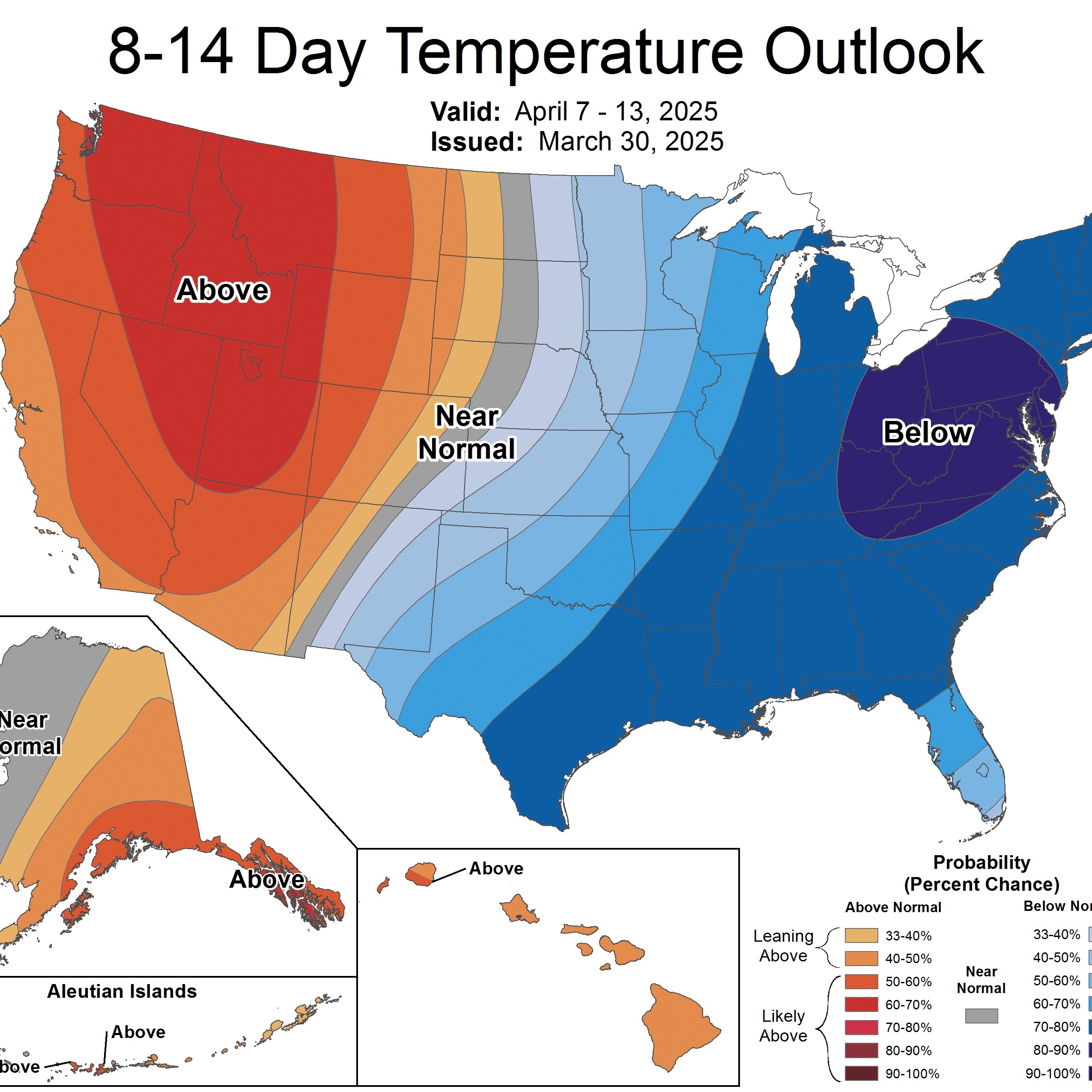
Meteorology Matters summarizes key developments and perspectives presented in the provided sources. Axios highlights administrative changes within NOAA, specifically the merging of the Climate Prediction Center (CPC) with the Weather Prediction Center (WPC). This move is reportedly driven by concerns about political vulnerability and potential budget cuts under the Trump administration, alongside a broader trend of reduced publicity around NOAA's climate change work. New research argues that climate science is facing an emerging "crisis" at regional scales due to accumulating discrepancies between model predictions based on the "standard approach" and real-world observations, coupled with disruptive advancements in computational approaches. Both topics underscore the complexities and challenges in understanding and predicting climate, albeit from different angles – one focusing on the institutional and political landscape of climate research, and the other on fundamental scientific paradigms.
S2 Ep 95Dumbass Florida Legislators Propose Law to Ban Non-Existent Chemtrails in Trend of American Idiocy
What is the "chemtrail" conspiracy theory? The "chemtrail" conspiracy theory posits that the condensation trails (contrails) left by aircraft are not merely water vapor, but rather intentionally dispersed chemical or biological agents ("chems"). Believers claim these substances are part of a secret, large-scale program orchestrated by governments or other powerful entities for purposes such as weather modification, population control, or biological warfare. This theory often arises from observations of contrails that linger and spread, forming hazy skies, which are misinterpreted as evidence of chemical spraying rather than natural atmospheric processes.What is the scientific explanation for contrails? Contrails, short for condensation trails, are clouds formed from the water vapor in aircraft engine exhaust. At high altitudes, the air is cold, and the aerosols (tiny particles) in the exhaust, such as soot and sulfur dioxide, act as condensation nuclei. Water vapor condenses and freezes around these particles, forming ice crystals. If the surrounding air is dry, contrails dissipate quickly. However, if the air is humid, contrails can persist and spread, sometimes merging to form larger cirrus clouds. This behavior is well-understood by atmospheric science and does not involve the intentional release of chemicals.How widespread is belief in the "chemtrail" conspiracy theory? Despite being consistently debunked by scientists, fact-checking organizations, and even courts, belief in the "chemtrail" conspiracy theory is surprisingly widespread. Surveys have indicated that a significant portion of the population holds some level of belief in these claims. The visual nature of contrails and the ease of sharing unverified information and photographs online contribute to the persistence and dissemination of the theory.What is solar geoengineering and how is it related to the "chemtrail" conspiracy theory? Solar geoengineering refers to proposed technologies that aim to reflect a small percentage of incoming sunlight back into space to counteract global warming. One prominent idea involves stratospheric aerosol injection, where tiny particles would be sprayed into the upper atmosphere. This concept shares a superficial resemblance with the "chemtrail" conspiracy theory in that both involve aerial spraying of substances by potentially state actors with observable atmospheric effects. This resemblance has contributed to the confusion and conflation of the two, with conspiracy theorists often misinterpreting discussions about legitimate solar geoengineering research as confirmation of ongoing secret "chemtrail" operations.Why is it challenging to address "chemtrail" misinformation? Several factors contribute to the difficulty of countering "chemtrail" misinformation. The visual "evidence" of contrails is readily available and easily photographed, providing a seemingly concrete basis for the theory. Distrust in government and scientific institutions, coupled with anxieties about environmental and health issues, can make people more susceptible to conspiratorial explanations.
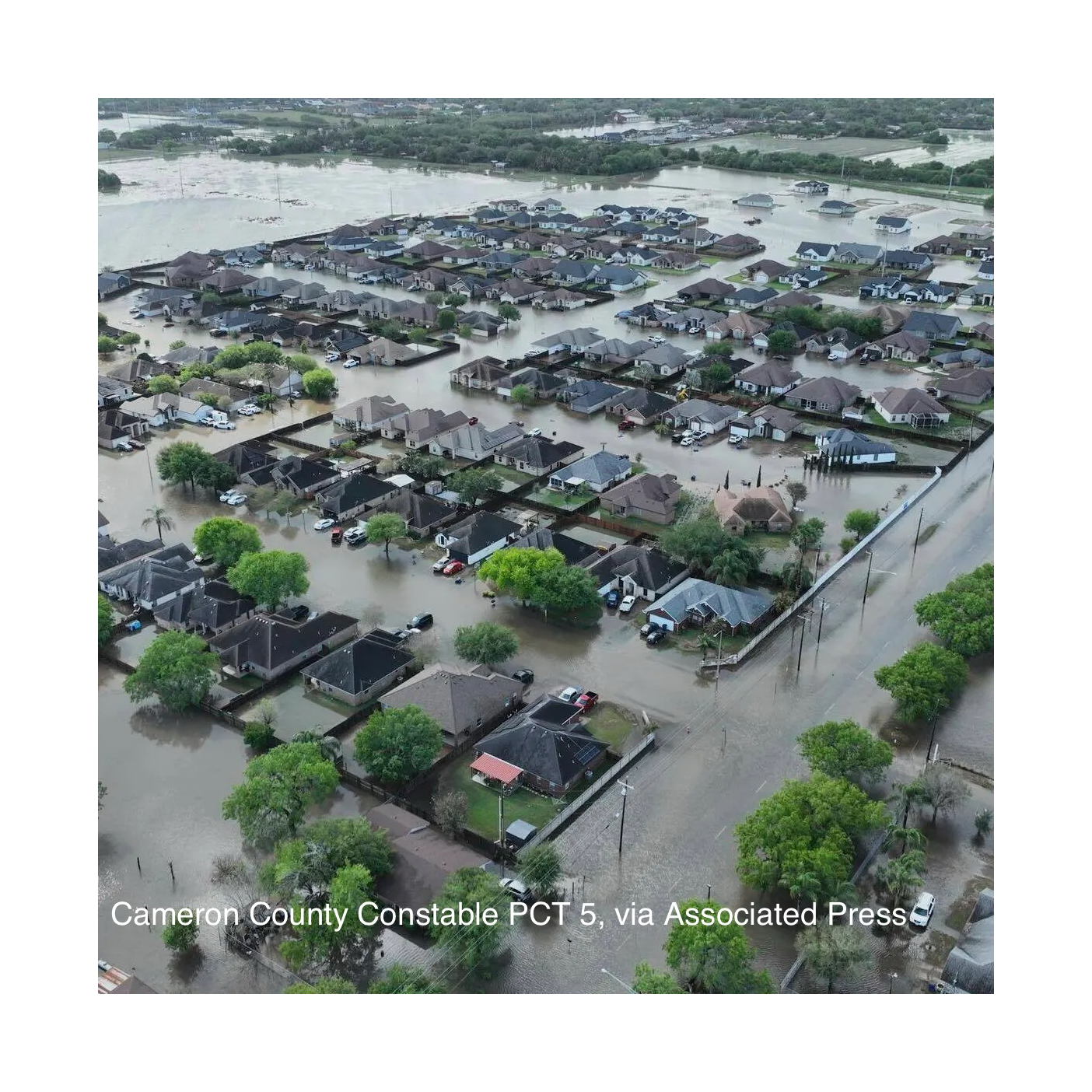
S2 Ep 94South Texas Rio Grande Valley Flooding Leads to Fatalities as Severe Weather Threat Takes Shape
Thursday, March 27, 2025:Heavy rain begins inundating South Texas, particularly the Rio Grande Valley near the border with Mexico.More than a half-year's worth of rain falls in some areas in a short period.The city of McAllen, Texas, experiences significant flooding, with streets becoming submerged and a hospital's first floor flooding, leading to patient diversions and visitation pauses.Eyewitness video shows cars submerged in floodwaters in McAllen.Portions of Interstate 2 in Hidalgo County become underwater, with abandoned vehicles and even a fire truck stranded.In Palm Valley, near Harlingen, residents like Jionni Ochoa experience floodwaters entering their homes.Across the border in Tamaulipas, Mexico, significant rainfall also occurs, leading to flooding in cities like Reynosa and Rio Bravo.Friday, March 28, 2025:Morning:Rain continues in South Texas, though it begins to subside by the evening.Two flash flood warnings are in effect for eastern and west-central Cameron County, Texas.The Rio Grande River near San Benito, Texas, is recorded at 40.37 feet, with forecasts predicting it to rise significantly in the coming days.AccuWeather reports that at least five rain gauges in the area have recorded over 18 inches of rain in the past 48 hours. Harlingen airport reports 14.11 inches.Officials in Harlingen, Texas, report rescuing over 200 residents, with hundreds more awaiting rescue due to 21 inches of rain.Hidalgo County Judge Richard Cortez signs a local disaster declaration due to "widespread flooding and significant property damage," confirming three deaths.The city of Edinburg, the Hidalgo County seat, reports a "record-breaking downpour" causing flooding, stranded motorists, and facility damage.Texas Agriculture Commissioner Sid Miller describes the flooding as a "devastating tragedy" and notes significant agricultural and livestock losses in counties including Cameron, Hidalgo, Starr, and Willacy.A hospital in McAllen, Texas, reopens to visitors, though some parts of the first floor remain restricted due to flood damage.In Tamaulipas, Mexico, authorities report one drowning death in Reynosa. The Mexican Secretariat of Security and Citizen Protection states that over 1,100 people have been moved to temporary shelters after more than a foot of rain in 48 hours, with nearly 700 rescued.Cameron County Constable PCT 5 shares images on social media showing the extent of the flooding and rescue efforts in areas like Primera, Texas.Afternoon/Evening:The heavy rain in South Texas subsides.The National Weather Service forecasts the rains to move northeast toward Mississippi and Arkansas over the next several days.AccuWeather forecasts dry weather for South Texas over the weekend and into the first half of the following week, with above-normal temperatures.Saturday, March 29, 2025:The Rio Grande River near San Benito, Texas, is forecast to rise to 48.6 feet.A multiday episode of severe weather, including potential tornadoes, is forecast to begin across the central and eastern U.S., starting in Oklahoma, Kansas, and Missouri.Sunday, March 30, 2025:The greatest risk of severe weather, including strong tornadoes, is forecast across the Mississippi and Ohio Valleys.Tuesday, April 1, 2025:The Rio Grande River near San Benito, Texas, is forecast to reach 51.4 feet.

S2 Ep 93Tampa Could Get Hotter Due to 2024 Hurricanes Destroying Tampa Trees
Pre-1992:Early 1990s: Tampa was recognized for having one of the best tree canopies in the world.1992:Hurricane Andrew: Strikes South Florida. Researchers at the University of Florida/Institute of Food and Agricultural Sciences (UF/IFAS) begin studying the impacts of hurricanes on the urban forest.1995:Two Hurricanes: Strike the Pensacola, FL area. UF/IFAS researchers continue their study of hurricane wind damage to urban neighborhoods.1998:Hurricane Georges: Crosses over the entire island of Puerto Rico. UF/IFAS researchers expand their study to include the impacts on tropical and subtropical tree species.2004:Four Hurricanes (Charley, Jeanne, Francis, and Ivan): Strike Florida with maximum sustained winds ranging from 105 to 145 mph. These events provide further data for the UF/IFAS study.2005:Hurricanes Dennis, Katrina, and Rita: Strike the Gulf Coast of the US. These hurricanes are included in the UF/IFAS research, allowing for the study of over 150 urban tree species.Post-2005 - Early 2020s:UF/IFAS researchers analyze data from ten hurricanes (Andrew, Erin, Opal, Georges, Charley, Jeanne, Francis, Ivan, Dennis, Katrina, and Rita) to understand how, when, and why trees fail in storms.Research focuses on biological, site, and cultural factors influencing tree wind resistance.rates.Pines are observed to sometimes show delayed decline and death after hurricane winds.Around 2024:Recent hurricanes (including Hurricane Milton) significantly damage Tampa's tree canopy, with estimates of up to 5% loss.The loss of tree cover raises concerns among scientists and city officials about potential temperature increases in Tampa during the upcoming summer. Shade from trees can reduce surrounding temperatures by up to 6 degrees.Federal grants intended to help Tampa improve its tree canopy are axed as part of President Trump's cost-cutting efforts. This includes a previously withdrawn $1 million grant and a further $1.6 million.Tampa Mayor Jane Castor expresses disappointment and concern over the loss of the tree canopy and the reduction in funding.City Councilman Luis Vieeek highlights the benefits of a robust tree canopy for marginalized communities, including air quality and heat index, and expresses concern about the impact of the losses.Tampa launches a program called "Plant Your Heart Out," likely an initiative to encourage tree planting in the city.March 18, 2025:FOX 13 News reports on the expected temperature rise in Tampa due to the loss of tree cover from recent (2024) hurricanes and the difficulty in replenishing the canopy due to the loss of federal funding.President Trump: While not directly involved in the tree research, his administration's cost-cutting efforts led to the axing of federal grants intended to help Tampa replenish its hurricane-damaged tree canopy, impacting the city's ability to address the issue.
S2 Ep 92FEMA Under Threat of Shutdown Amidst Increasing Climate Disasters
FEMA Under Threat of Shutdown Amidst Increasing Climate DisastersDate: March 27, 2025Meteorology Matters outlines the critical situation surrounding the Federal Emergency Management Agency (FEMA) in March 2025. As the Trump administration signals its intent to eliminate the agency, FEMA is already experiencing significant internal turmoil, including stalled disaster assistance, frozen grant money, and a hiring freeze. This coincides with new data from the International Institute for Environment and Development (IIED) and CNN analysis revealing a near-record number of climate-related major disaster declarations in the US in 2024 – one every four days. The potential dismantling or significant weakening of FEMA raises serious concerns about the nation's ability to prepare for and respond to an increasing frequency and intensity of climate-driven disasters.Main Themes and Important Ideas/Facts:1. Trump Administration's Intent to Eliminate FEMA and Resulting Agency Turmoil:Homeland Security Secretary Kristi Noem has vowed to "eliminate FEMA."Top officials from FEMA and DHS, including Noem, FEMA Acting Administrator Cameron Hamilton, and Corey Lewandowski, met to discuss options for shutting down the agency, potentially moving faster than President Trump's established FEMA Review Council.These actions and stated intentions have already caused significant turmoil within FEMA.Stalled Preparedness: "March is typically when we’re finalizing hurricane plans. A lot of that got paused," according to a FEMA official working on disaster response. "So, it’s already having an impact, which is that we’re not preparing."Hiring Freeze and Workforce Reduction: A hiring freeze is in place, and a new process requires Secretary Noem's team to directly approve the renewal of many agency workers, including those in public-facing roles critical to disaster response.FEMA Acting Administrator Cameron Hamilton submitted a plan to Secretary Noem outlining an approach to reduce the agency's staffing posture.Fear and Uncertainty Among Staff: FEMA officials express fear about job security and the ability to focus on their work amidst the uncertainty. "It’s now a fear of, what else? Are we able to get back to work and focus? Our feeling is, no, there will be something else that will pop up that’s going to require a lot of our attention."Frozen Funds: Over $100 billion in previously awarded grant money and disaster assistance was frozen due to a lack of guidance on ensuring compliance with Trump's executive orders restricting funding for immigration programs and sanctuary cities. While guidance has reportedly been issued, concerns about disruption persist.Chilling Effect: The firing of four FEMA employees, including the CFO, for approving grant money to New York City to help shelter migrants has created a "chilling effect" on FEMA workers who now fear repercussions for misconstrued payments.
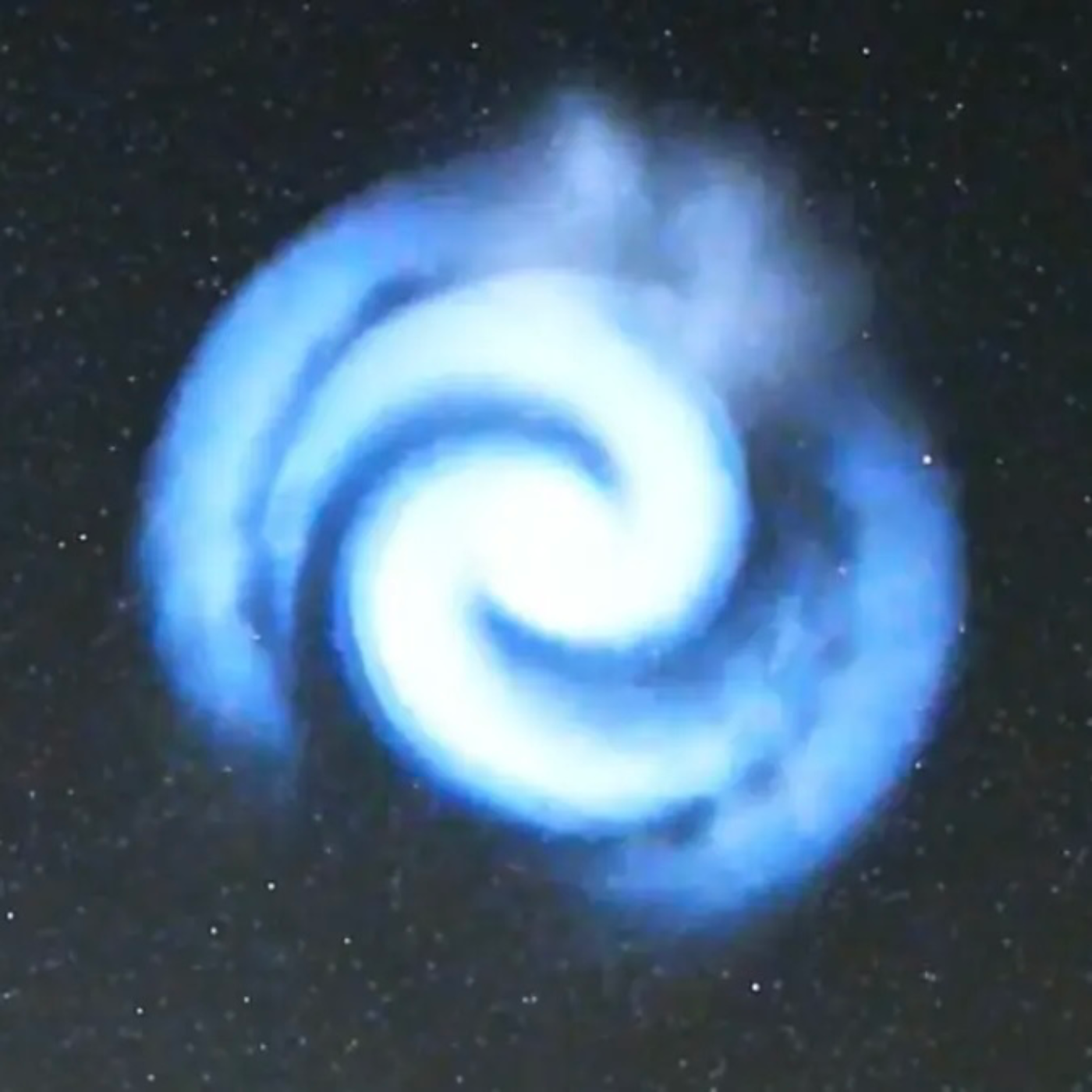
S2 Ep 91SpaceX Rocket Dumps Fuel in Swirl: What’s the Environmental Cost?
Environmental Concerns of Increased Space ActivityQ1: What are the primary pollutants released by rocket launches and re-entering satellites, and how might they harm the atmosphere?Rockets that burn fossil fuels, particularly kerosene, release soot (black carbon) directly into the stratosphere. This soot absorbs heat, potentially increasing temperatures in the upper atmosphere and affecting global circulation patterns. It also has the potential to deplete the ozone layer, which protects Earth from harmful ultraviolet (UV) radiation. Re-entering satellites burn up in the atmosphere, producing metallic ashes, particularly aluminum oxides, which can also accumulate in the mesosphere and stratosphere. Studies suggest that increased aluminum oxide concentrations could significantly deplete the ozone layer and cause temperature anomalies in the stratosphere.Q2: How does pollution from space activities differ from ground-based pollution, and why is high-altitude pollution a concern?Unlike ground-based pollution, which is largely confined to the lower atmosphere (troposphere), rocket exhaust and satellite debris are deposited in the middle and upper layers of the atmosphere, including the stratosphere and mesosphere. These higher altitudes are typically pristine and experience very little mixing with the lower atmosphere. Pollution at these levels can persist for much longer periods – potentially hundreds of years for metallic particles from satellites – and our understanding of its long-term consequences is limited. The higher the altitude of the pollution, the longer it remains and the more time it has to cause harm.Q3: What evidence suggests that current and projected levels of space activity could negatively impact the ozone layer?Multiple studies indicate a potential for ozone depletion due to increased space activity. Modeling of increased black carbon emissions from rocket launches suggests significant ozone reductions, particularly in the Northern Hemisphere. Similarly, research indicates that the projected increase in aluminum oxides from re-entering satellites could lead to "potentially significant" ozone depletion. These reductions in ozone could increase the amount of harmful UV radiation reaching the Earth's surface, posing risks to human health and ecosystems.Q4: Beyond ozone depletion, what other environmental consequences are scientists concerned about regarding increased rocket launches and satellite re-entry?Scientists are concerned that soot and metallic particles in the stratosphere could alter the Earth's thermal balance, potentially leading to temperature anomalies and changes in atmospheric circulation patterns, such as the slowing of subtropical jet streams. Some researchers also suggest that the accumulation of metallic ash in the stratosphere could interfere with Earth's magnetic field, potentially weakening it and allowing more harmful cosmic radiation to reach the planet's surface. Additionally, the impact of falling rocket debris on marine environments remains largely unknown.Q5: What are the environmental risks associated with rocket launch sites and launch failures on the ground?Rocket launches, particularly of large rockets like SpaceX's Starship, can cause significant local environmental damage. The force of liftoff can destroy launchpads and eject debris, including sand, soil, metal, and concrete, over considerable distances, impacting nearby conservation areas and wildlife habitats. Rocket explosions release pollutants into the air and can potentially cause fires.
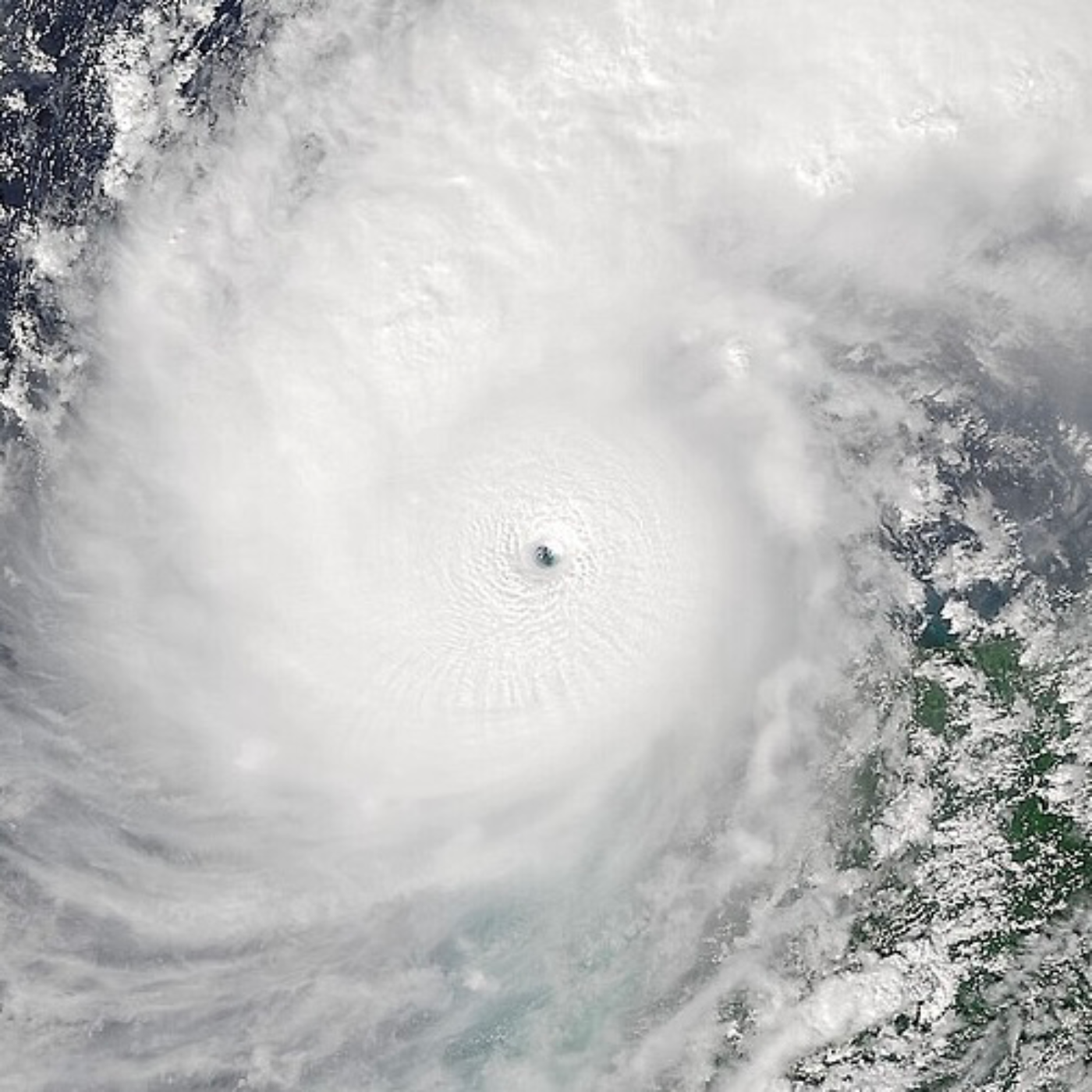
S2 Ep 90Hurricane News: FEMA Borrows $2 Billion for Helene & Milton, Florida Fallen Tree Act, Hurricane Hunters
1. Why is FEMA borrowing money in early 2025?FEMA is borrowing $2 billion from the U.S. Treasury to cover the surge in flood claims primarily from Hurricane Helene and Hurricane Milton in 2024, along with other flooding events from the previous year. The National Flood Insurance Program (NFIP), administered by FEMA, anticipates paying out over $10 billion in flood claims related to these events. The NFIP's funds, which are generated from premiums, have been depleted due to the multiple catastrophic events occurring in a single year, exceeding its designed capacity.2. What were the impacts of Hurricanes Helene and Milton that led to such high flood claim payouts?Hurricane Helene, which made landfall in Florida as a Category 4 storm in late September 2024, caused widespread and devastating flooding, particularly in Southeast states like Georgia, North Carolina, and South Carolina due to record rainfall. As of early February 2025, over 57,400 flood claims related to Helene had been handled, with over $4.5 billion paid out and estimated total losses ranging from $6.4 billion to $7.4 billion. Hurricane Milton, while considered more of a wind event when it struck Florida in October 2024, still resulted in significant flood claims, with over $740 million paid out on over 21,100 claims by early February, and estimated final losses ranging from $1.2 billion to $2.9 billion.3. What is the current financial state of the National Flood Insurance Program (NFIP)?As of January 25, 2025, the NFIP had only $615 million on hand to pay claims, according to the Congressional Research Service. Its debt to the U.S. Treasury has reached approximately $22.5 billion. FEMA has the authority to borrow up to $30.4 billion, and it was already carrying a debt of $20.5 billion from previous major hurricanes like Katrina, Sandy, and Harvey. The NFIP funds its operations and repays its debt and accruing interest through the premiums it collects from flood insurance policies.4. How might proposed changes like Florida's 'Fallen Tree Act' affect homeowners and insurance?Florida's proposed 'Fallen Tree Act' aims to shift the responsibility for damage caused by a fallen tree to the property owner from where the tree originated, rather than the property where it falls, which is the current law. While this could provide relief to homeowners whose property is damaged by a neighbor's tree, it raises concerns, particularly regarding damage from major storms or "Acts of God," as the bill does not specify responsibility in such events. Currently, homeowners typically file a claim with their own insurance for such damage and cover the deductible, potentially leading to increased insurance rates. The proposed change could shift the burden and associated costs to the neighbor's insurance, but the lack of clarity on storm-related incidents remains a significant issue in a hurricane-prone state like Florida.5. Why are organizations like NOAA and the National Weather Service (NWS) considered so valuable?NOAA and the NWS provide crucial services like weather and ocean observations and forecasts, which have an enormous return on investment for taxpayers. For a relatively low annual cost per citizen, they contribute to improved citizen preparedness, transportation efficiency and safety, private sector profits, disaster prevention and mitigation, and scientific research innovation. Their partnerships with emergency management communities have shifted responses from reactive to proactive. Significant improvements in forecasting, especially for hurricanes and tornadoes, have dramatically reduced casualties compared to past decades when warnings were less accurate or non-existent. The private sector also heavily relies on NOAA data and services, generating tax revenue that reportedly covers the NWS's entire cost.
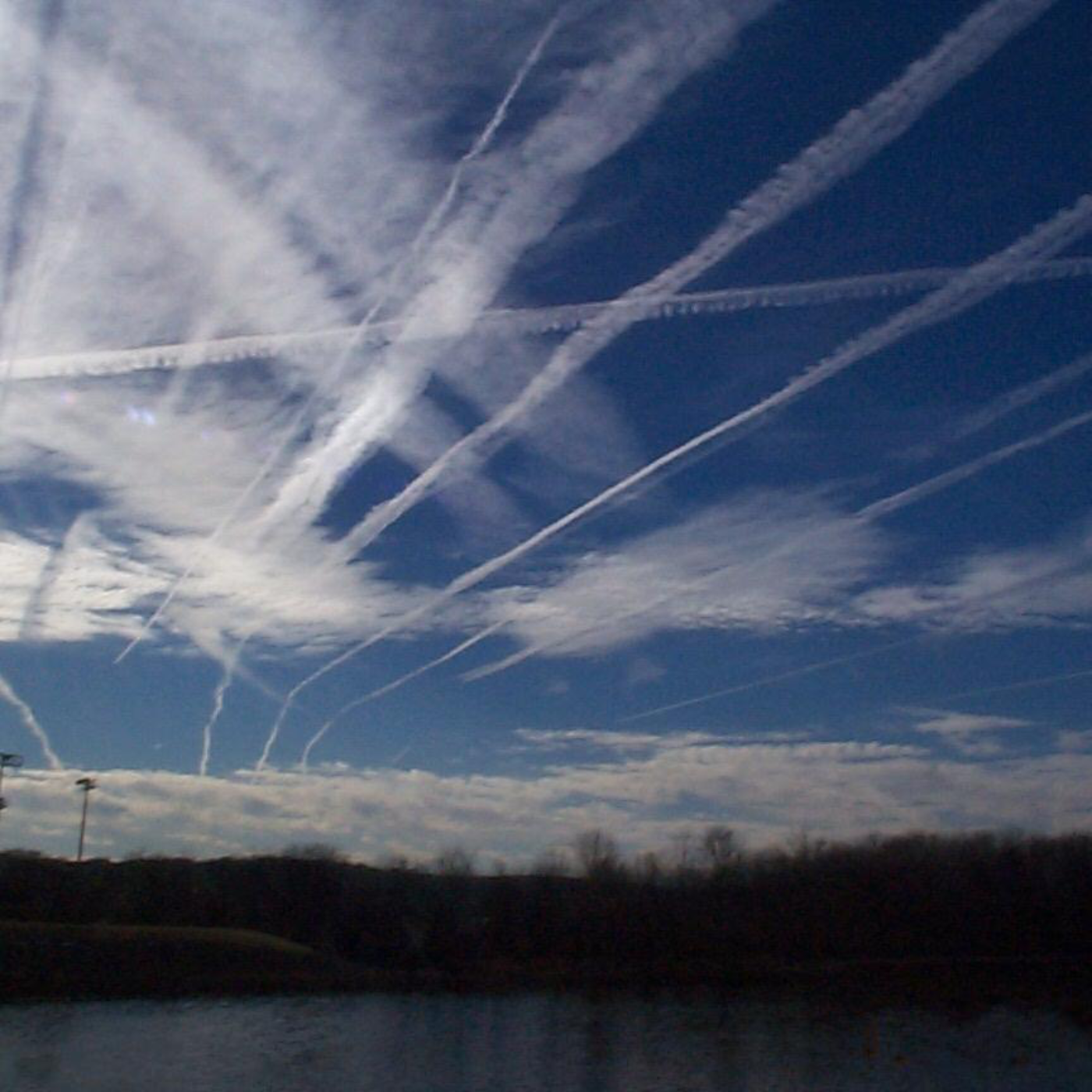
S2 Ep 89Alabama Bill Would Make Chemtrails Illegal
"Chemtrails" Conspiracy Theory FAQsWhat is the "chemtrails" conspiracy theory? The "chemtrails" conspiracy theory, which began circulating around 1996, posits that the white trails left behind by airplanes (contrails) are actually the result of governments, wealthy individuals, or other powerful entities deliberately spraying toxic chemicals or other substances into the atmosphere. Believers suggest various nefarious purposes for this alleged spraying, including weather control, mind control, mass sterilization, or causing health problems and reducing life expectancy. This theory is distinct from the scientifically recognized phenomenon of contrails, which are formed by the condensation of water vapor in aircraft exhaust at high altitudes.Why do some people believe in the "chemtrails" conspiracy theory? Belief in the "chemtrails" conspiracy theory often stems from a combination of factors. For some, it aligns with pre-existing beliefs and worldviews, such as distrust of government or concerns about environmental issues. Some individuals interpret normal contrails, especially those that persist or form patterns, as evidence of a secret operation. The theory also gains traction through online platforms and communities where anecdotal evidence, photos, and personal interpretations are shared and reinforced. The human desire for "sensemaking," especially when encountering unexplained phenomena or having concerns about real-world issues, can also contribute to the adoption of this and other conspiracy theories. Historical events, such as past government experiments involving the public (like mock chemical warfare attacks), can also contribute to a general suspicion of official activities.What is being done at a legislative level regarding concerns about atmospheric spraying? Some state legislatures, like Alabama, Tennessee, and Florida, have seen bills proposed to make the intentional release of chemicals or substances into the sky to affect weather or sunlight a crime. In the case of Alabama, the sponsor of such a bill expressed concerns about the federal government overreaching and wanting to prevent experiments intended to affect weather, including those related to climate change. However, these bills often face skepticism, with concerns raised about the lack of evidence for the alleged threat and the practicalities of policing such activities, especially given that contrails from commercial flights are a normal occurrence.How do cognitive abilities and critical thinking relate to belief in conspiracy theories like "chemtrails"? Research suggests a complex relationship between cognitive abilities, critical thinking skills and dispositions, and the endorsement of unsubstantiated beliefs like conspiracy theories. While general cognitive ability (often measured by IQ tests) can play a role in evaluating evidence, it is not the sole determinant. Critical thinking dispositions, such as skepticism, open-mindedness, and the tendency to engage in reflective, rational-analytic thinking, are also crucial. Individuals with a stronger reliance on intuitive rather than rational-analytic cognitive styles tend to be more likely to endorse unsubstantiated claims. Furthermore, factors like "myside bias" (favoring information that confirms existing beliefs) can hinder critical evaluation, even among those with high cognitive abilities.How are social media platforms addressing misinformation related to "chemtrails" and similar conspiracy theories? Social media platforms like Facebook, Twitter, and YouTube have developed content moderation policies to address misinformation, including conspiracy theories. These policies are often influenced by a desire to avoid government regulation, adhere to free speech principles, and maintain user engagement
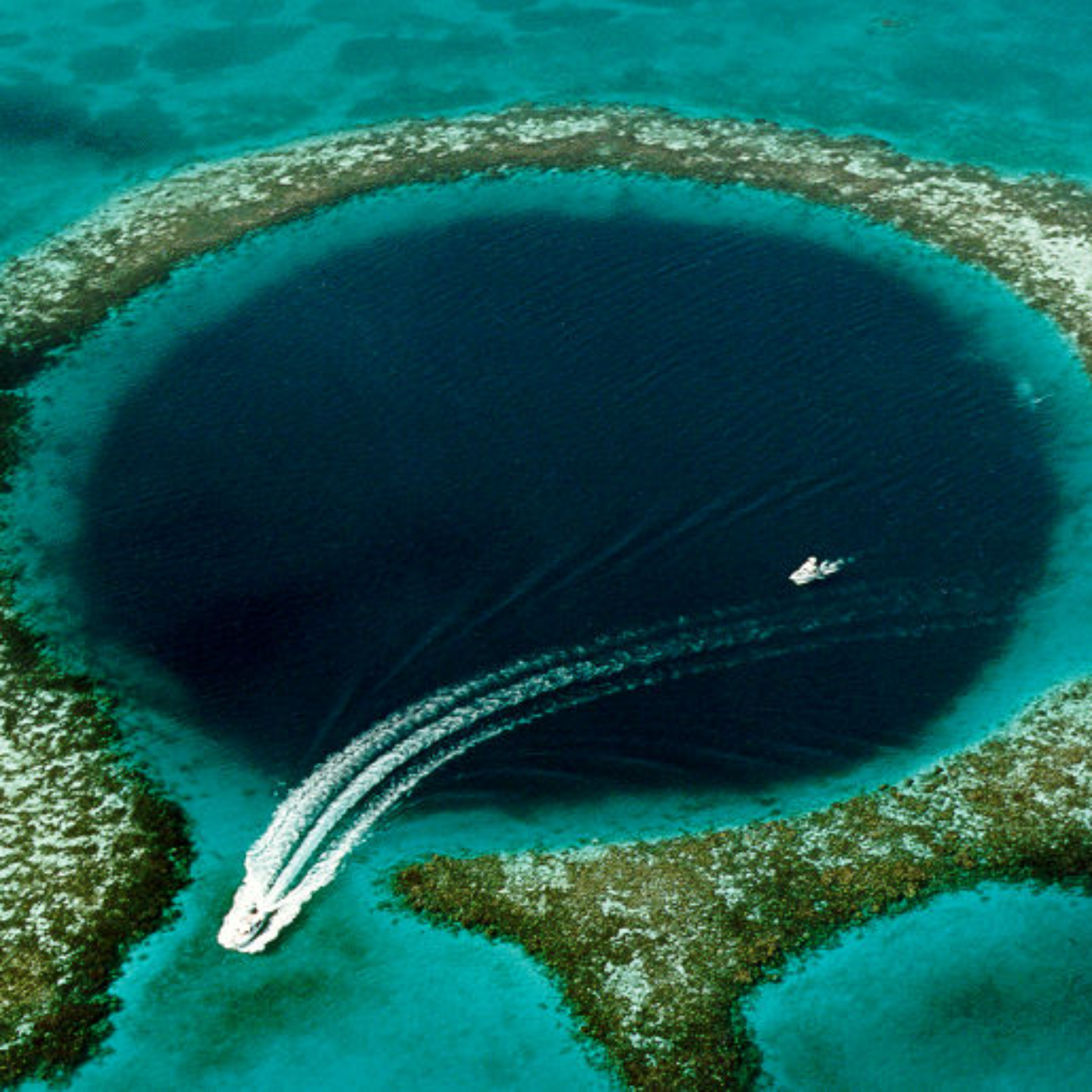
S2 Ep 88Great Blue Hole Reveals Great Big Secrets About Hurricanes Past and Future Predictions
Pre-Great Blue Hole Formation:Pleistocene Epoch: Limestone island formation, likely with cave systems.Glacial and Postglacial Times (up to ~12.5 ka B.P.): Sea level is significantly lower (up to 120 m below modern). Collapse of a cave roof on the limestone island leads to the formation of a subaerial terrestrial sinkhole, or cenote, which will eventually become the Great Blue Hole (GBH).Unit A: Cenote Phase (12.5 to 7.2 ka B.P.)12.5 ka B.P.: Earliest deposition recorded in the GBH core composite BH8 begins. The environment is a partially inundated subaerial terrestrial sinkhole (cenote).Early Holocene: Sea level rises at a rate of 4.0 ± 0.4 m/ka. The water level in the cenote increases from about 60 m to 5 m below modern level.Sedimentation rate in the cenote is slow (0.20 ± 0.00 mm/a), similar to subaerial sinkholes in the Bahamas.Sediment consists of finely laminated organic-rich carbonates with intercalated white or reddish event layers. These event layers are likely from heavy rainfalls, landslides, or earthquakes, not necessarily tropical cyclones (TCs).The cenote has a stratified water column with anoxic bottom waters.The surrounding limestone island is covered by a diverse neotropical forest.Freshwater gastropods (Pyrgophorus coronatus, Pyrgophorus parvulus) are present.~7.2 ka B.P.: The rising sea level reaches the former rim of the sinkhole, marking the end of Unit A deposition.Unit B: Restricted Marine Phase (7.2 to 5.7 ka B.P.)7.2 ka B.P.: Deposition of Unit B commences as the mid-Holocene sea-level rise (0.5 ± 0.2 m/ka) leads to a nearly complete marine inundation of the limestone island.7.2 to 6.8 ka B.P.: The cenote becomes fully submerged, forming a blue hole with brackish waters and widespread mangrove swamps (Rhizophora).Sedimentation rate increases significantly to 3.18 ± 0.03 mm/a.Sediment consists of varved fair-weather carbonates with intercalated white to pale brown or almost black event layers. These event layers are identified as tempestites, originating from over-wash and mobilization by TCs from the developing marginal reef and adjacent mangrove forests.Keep-up reefs likely begin to form around the rim of the sinkhole.Water column remains stratified with anoxic bottom waters.Unit C: Fully Marine Phase (5.7 ka B.P. to Present)5.7 ka B.P.: Deposition of Unit C begins under fully marine conditions with anoxic bottom waters. Sea-level rise continues to decelerate.Sedimentation rate is relatively constant at 2.41 ± 0.04 mm/a, similar to other Bahamian blue holes.Sediment consists of lighter grayish-green annually laminated fair-weather carbonates with intercalated white to pale brown event layers (tempestites).Keep-up coral patch reefs surrounding the GBH in a circular ring continuously compensate for the remaining 3-meter sea-level rise.Tempestites primarily contain over-washed reef detritus due to storm-wave erosion at windward marginal reef sites.5.7 to 4.0 ka B.P.: Relatively low average TC frequency in the southwestern Caribbean (seven events per century), coinciding with a more northerly position of the Intertropical Convergence Zone (ITCZ) and North Atlantic Subtropical High (NASH).4.0 to 1.0 ka B.P.: Mean cyclone activity increases (from around 9 to 14 events per century), following a southward migration of the ITCZ and NASH.

S2 Ep 87Denied Entry: French Scientist, Terrorist or Spy?
Timeline of EventsEarly March 2025: Philippe Baptiste, France's Minister of Higher Education and Research, sends a letter to French research institutions urging them to take in American scientists looking to leave the United States due to Trump's budget cuts in science.March 9, 2025: A French space researcher working for the French National Center for Scientific Research (CNRS) is stopped for a random check upon arrival at an unspecified US airport near Houston while en route to a conference on spatial matters (possibly the 56th Lunar and Planetary Science Conference held March 10-14).March 9, 2025: US immigration officers search the researcher's phone and allegedly find text messages with colleagues and friends expressing "personal opinions" critical of the Trump administration's research policy. US authorities reportedly label these messages as "hatred towards Trump" that "could be qualified as terrorism."March 9/10, 2025: The researcher is detained at the airport for over a day. His work computer and personal phone are confiscated. An FBI investigation is reportedly launched but later dropped.March 10, 2025: The French researcher is put on a plane and sent back to France.March 10-14, 2025 (Likely): The 56th Lunar and Planetary Science Conference takes place outside Houston.March 12, 2025: Philippe Baptiste shares a video on X (Twitter) of a French news channel appearance where he criticizes the Trump administration's cuts to research in health, climate change, renewable energy, and AI, stating that "research is being chain-sawed in the United States!" He also questions Elon Musk's role in decisions regarding the International Space Station.March 19, 2025: News reports emerge detailing the French scientist being denied entry. Philippe Baptiste issues a statement to AFP, published by Le Monde, expressing his concern and stating the researcher was expelled due to expressing a personal opinion on Trump's research policy found in text messages.March 19, 2025: The French Foreign Ministry confirms being informed of the incident and states it "deplored the situation," while acknowledging the US's sovereign right over border control.March 20, 2025: Tricia McLaughlin, a spokeswoman for the US Department of Homeland Security, refutes the French account on X (Twitter), stating the researcher was in possession of confidential information from Los Alamos National Laboratory on his electronic device, violating a non-disclosure agreement, and that any claim of political motivation is "blatantly false."March 20, 2025: Los Alamos National Laboratory spokeswoman Jennifer Talhelm states the lab is "working with federal officials to understand more about the incident."March 21, 2025: Philippe Baptiste reiterates his claim in an interview with Sud Radio that the scientist was targeted for his opinions, calling the case "extraordinarily atypical" and a "subject of concern."March 21, 2025: The French Academy of Sciences issues a statement denouncing the incident as a serious challenge to fundamental freedoms of the academic world.March 21, 2025: The French Research Ministry reiterates previously issued instructions (from 2022 and January 2024) to higher education and research establishments regarding the protection of sensitive data and security when traveling abroad.

S2 Ep 86Black Saturday: The Day American Democracy Died
Week of March 10-14, 2025 (Specific dates not always clear):Federal agencies, including the National Oceanic and Atmospheric Administration (NOAA) and the Energy Department, submit "reductions in force" plans, expected to lead to further federal employee dismissals. NOAA reportedly anticipates losing at least 1,000 employees, potentially 10% of its workforce.Judge William Alsup issues a court order to rehire fired probationary federal workers. Some agencies, like the Department of Energy, reportedly begin calling laid-off employees back. The Department of Defense seeks guidance from the White House.The White House, through officials speaking anonymously, indicates it plans to appeal the court rulings on rehiring federal workers but that these rulings will not impact their plans to reduce the size of government. They view the rulings as useful for building a "narrative about out of control liberal judges."White House officials and spokespeople, like one who mentions "DOGE" and the OPM not being "intimidated by activists who dress up in black robes," publicly dismiss the court orders regarding federal workers.Friday, March 14, 2025:An article in Politico is published detailing the Trump administration's plans to move forward with slashing federal workers despite court orders to reinstate some.Saturday, March 15, 2025 ("Black Saturday"):A federal judge issues a direct order against the Trump administration, reportedly denying permission to deport alleged criminals from Venezuela (as per one commenter's account).President Trump and his administration openly defy this federal court order. The White House simply ignores the ruling.The Trump administration proceeds with the deportation of hundreds of Venezuelan migrants to a mega-prison in El Salvador, allegedly without due process, despite the judge's order to halt and turn back any planes. They refuse to answer the judge's questions on Monday, arguing the court had no jurisdiction over international airspace.No immediate intervention, enforcement, or consequences follow Trump's defiance of the court order.Commenters online begin to note a potential Congressional action on this day (H.Res 211, Section 4) that might hand more power to Trump, though this is not directly confirmed as the catalyst for "Black Saturday" in the main article.
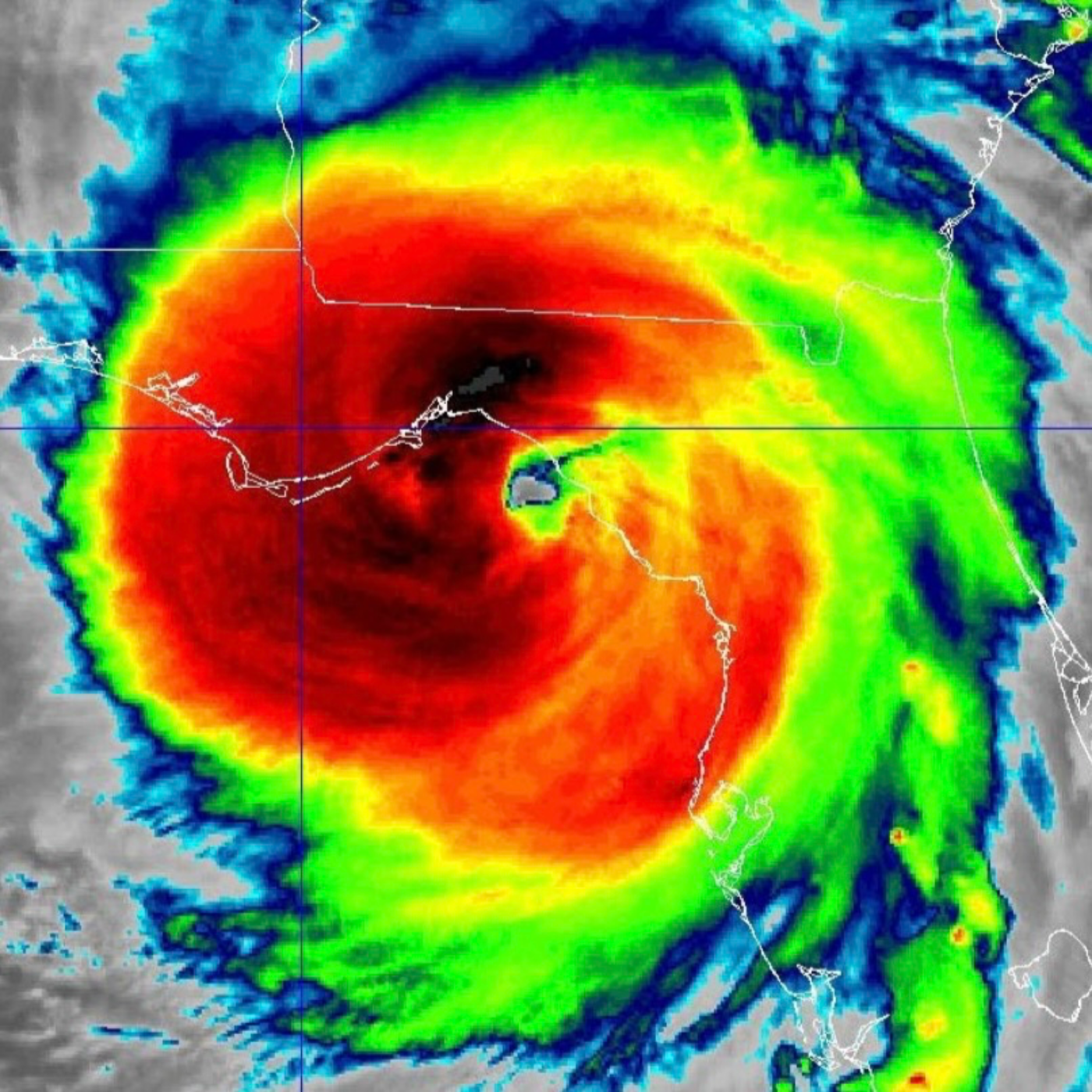
S2 Ep 85NHC Issues Hurricane Helene Tropical Cyclone Report
Timeline of Hurricane Helene (September 24-27, 2024)September 20-22: A Central American Gyre (CAG) develops, bringing heavy rains to portions of Nicaragua and Honduras as it moves slowly northward.September 23, 1200 UTC: The large circulation of the CAG straddles Central America and the northwestern Caribbean Sea. Deep convection begins to organize near a mid-level vorticity maximum about 130 nautical miles south of Grand Cayman. The system lacks a well-defined low-level center necessary to be a tropical cyclone.September 23, 1500 UTC: The National Hurricane Center (NHC) initiates potential tropical cyclone advisories as the system is expected to become a tropical cyclone and bring tropical storm conditions to land areas within the next couple of days.September 24: The system becomes Tropical Storm Helene. It enters the Gulf of America as a category 1 hurricane later in the day and turns northward.September 25: Tropical storm conditions are observed over portions of the eastern Yucatan Peninsula of Mexico (including Cancun, Cozumel, and Isla Mujeres) and western Cuba. Helene develops a secondary wind maximum farther from the center.September 26: Helene rapidly intensifies over the very warm Gulf waters while accelerating north-northeastward. Aircraft reconnaissance reports an eye around 0600 UTC, and a clear eye becomes visible on satellite imagery around 1800 UTC.September 26, 1800 UTC: Helene intensifies into a 105-knot major hurricane, located about 150 nautical miles west-southwest of Tampa, Florida.September 27, 0000 UTC: Helene reaches its peak intensity of 120 knots, located about 80 nautical miles south-southwest of the coast of the Florida Big Bend region. Its central pressure is estimated to be around 941 mb.September 27, 0310 UTC: Hurricane Helene, a category 4 hurricane with winds of 120 knots and a central pressure of 939 mb, makes landfall about 10 nautical miles southwest of Perry, Florida. This is the strongest landfalling hurricane in the Florida Big Bend region since reliable records began around 1900.September 27: Helene moves inland, bringing catastrophic storm surge to Florida's Gulf Coast, life-threatening wind gusts far inland across the southeastern United States, and historic rainfall leading to catastrophic flooding and landslides in the southern Appalachians. Numerous tornadoes are produced.September 28, 0600 UTC: Helene's sustained winds drop below gale force.September 28-29: The remnants of Helene continue to produce impacts, including tropical storm force winds and gusts across portions of the Mid-Atlantic and Ohio Valley as it becomes post-tropical and eventually dissipates.

S2 Ep 84Weather is Making Allergy Season Worse
Climate Change and Pollen AllergiesPre-1990s: Allergy seasons and pollen levels are within historical norms.1990s: Research indicates that ragweed pollen monitoring has been taking place at 11 locations in the central US and Canada since this decade as part of a national allergy monitoring network.1990-2018: Research by William Anderegg finds approximately a 21% increase in overall pollen concentrations in North America.Since the Beginning of the 20th Century: The contiguous U.S. has experienced an increase of more than two weeks on average in the frost-free season.Since the 1970s: The frost-free season has expanded by an average of at least 11 days in all nine of the U.S.'s distinct climate regions.1995: The US EPA begins tracking changes in ragweed pollen season length at 11 locations in the central United States and Canada.1995-2015: Analysis of ragweed pollen season data shows a lengthening of the season at 10 of the 11 studied locations, with more pronounced increases at higher latitudes. Winnipeg, Manitoba, sees the largest increase at 25 days.2011: A study estimates the economic impact of medically treating seasonal allergies in the United States to be $3.4 billion annually.2016: A study in Sweden analyzes the economic impact of allergic rhinitis, estimating an impact of about $1.43 billion in Sweden alone due to presenteeism, absenteeism, and medical treatment.2018: A study notes only 85 pollen stations operating in the U.S., highlighting a need for more comprehensive monitoring.2019: The Asthma and Allergy Foundation of America reports that ragweed pollen allergy affects an estimated 15.5 percent of all Americans.2019: An EPA study estimates that between 35,000 and 60,000 asthma-related emergency department visits were linked to pollen, projecting a potential 14% increase by 2090.Early 2020s (anecdotal): Allergists report an increase in patients seeking treatment for seasonal allergies.2021: The CDC begins collecting data on the prevalence of seasonal allergies.April 19, 2023: Samantha Harrington publishes an article in Yale Climate Connections highlighting research by William Anderegg and Brooke Lappe on the impact of climate change on worsening pollen allergies.March 18, 2025: Kasha Patel publishes an article in The Washington Post detailing the "allergy capitals" of the U.S. for the previous year (2024), based on data from the Asthma and Allergy Foundation of America. Wichita, Kansas, is ranked the most challenging city.April 9, 2024: Bridget Balch publishes an article in AAMC News discussing how warmer temperatures and "botanical sexism" are exacerbating seasonal allergies.By 2050 (projected): Some computer models suggest that climate change could significantly increase airborne pollen loads, even in areas that currently have low loads.Ongoing: Climate change continues to cause warmer temperatures, longer frost-free seasons, increased carbon dioxide levels, and altered precipitation patterns, all contributing to longer and more severe pollen seasons and worsening allergy symptoms.
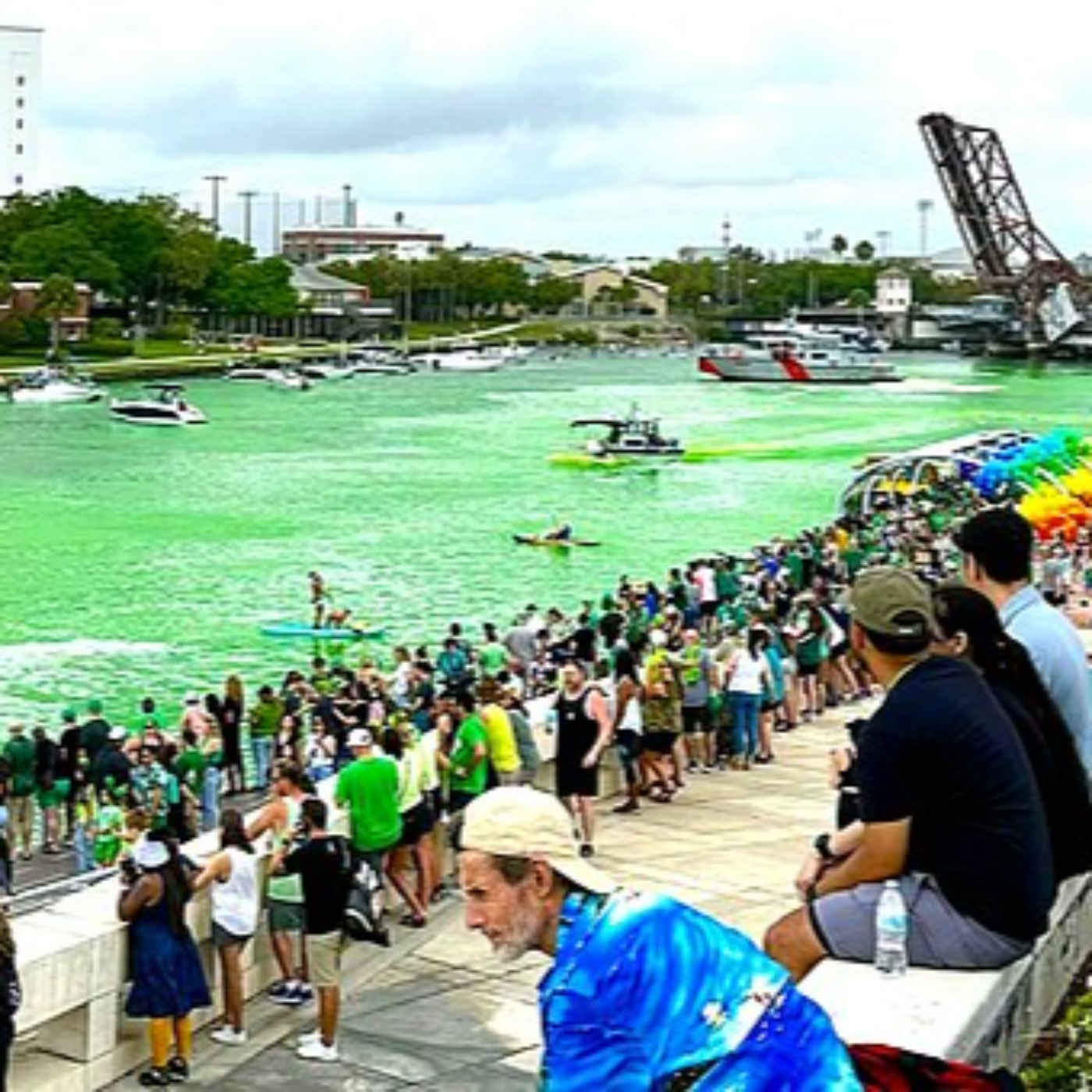
S2 Ep 83🍀 St. Patrick's Day Green River Dye Toxic?
The Tradition of Dyeing Rivers Green1. Why do cities like Chicago and Tampa dye their rivers green for St. Patrick's Day? The tradition of dyeing rivers green for St. Patrick's Day is primarily a celebratory gesture rooted in Irish heritage. In Chicago, it began in 1962 when a member of the Chicago Plumbers Union Local 130 accidentally discovered that a dye used to trace leaks turned a section of the river green. This inspired the idea to dye the entire river as a unique way to honor St. Patrick's Day. Tampa, Florida, has a similar tradition that also serves as part of their St. Patrick's Day celebrations. The vibrant green color is meant to evoke the "Emerald Isle" and enhance the festive atmosphere of the holiday.2. Is the green dye used considered environmentally safe? The environmental safety of the green dye has evolved over time. Chicago initially used an oil-based fluorescein dye, which raised environmental concerns. Since 1966, Chicago has switched to a vegetable-based powdered dye called Leprechaun Dust. The city and the Illinois Environmental Protection Agency (EPA) maintain that this current formula is non-toxic and safe for the river and its wildlife at the concentration used. Similarly, Tampa uses an EPA-certified food-grade dye and states that it has not seen any detrimental effects from the event. However, some environmental groups remain skeptical and advocate for a reevaluation of the practice, citing concerns about altering the natural state of the river and potential long-term impacts.3. How long does the Chicago River stay green? The Chicago River typically remains a vibrant green for only a few hours each year. The dye is intentionally designed to dissipate relatively quickly due to the river's flow and natural processes, usually lasting until the end of the St. Patrick's Day celebrations.4. Has the dyeing of the Chicago River ever caused environmental problems? While the current vegetable-based dye is considered safe by the city and EPA, the original oil-based dye used in the 1960s was a point of environmental concern. There were also instances of "rogue dyeing" where individuals or groups illegally dumped unauthorized green dye into the river, raising concerns about the unknown composition and potential harm. Furthermore, environmental advocates argue that any artificial alteration of a natural waterway has the potential for ecological impacts, even if the immediate effects of the current dye seem minimal.5. Have there been studies on the effects of the green dye on river wildlife? Yes, there have been scientific studies examining the impact of dyeing the Chicago River on fish behavior. A recent study tracked over 80 fish in the river during the 2024 St. Patrick's Day celebrations when the river was dyed green. The researchers found that the tagged fish generally sought shelter in areas with green-tinged water but did not show significant changes in their daily activity patterns. While this specific study did not observe detrimental effects, ongoing monitoring and research are important to fully understand any potential long-term impacts on aquatic life.6. Are there any environmental groups that oppose the tradition of dyeing rivers green? Yes, various environmental groups, such as the Sierra Club Illinois Chapter and Friends of the Chicago River, have voiced their opposition to the tradition of dyeing the Chicago River. Their concerns include the artificial alteration of a natural ecosystem, the potential for negative impacts on aquatic life (even if not immediately apparent), and the message it sends about treating the river as a spectacle rather than a vital natural resource. They advocate for respecting the river's natural state and focusing on broader efforts to clean and protect it.

S2 Ep 82Hurricane Hunters Face BIG Challenges Due to Funding Constraints
Questions and Answers on Hurricane Hunter Aircraft OperationsQ1: What is the primary purpose of Hurricane Hunter aircraft operated by NOAA and the Air Force?Hurricane Hunter aircraft from the National Oceanic and Atmospheric Administration (NOAA) and the United States Air Force fly into tropical cyclones and winter storms to collect critical data. This information is used by the National Weather Service (NWS) to improve forecasts of a storm's track and intensity. These forecasts are vital for informing evacuation efforts and storm preparations, ultimately aiming to protect life and property. NOAA studies have indicated that data from Hurricane Hunters can improve forecast accuracy by at least 10 percent.Q2: How has the demand for Hurricane Hunter reconnaissance missions changed since 2014, and what factors have contributed to this change?The number of Hurricane Hunter reconnaissance missions has increased since 2014 for both tropical cyclone and winter seasons. Tropical cyclone missions saw a rise due to increased storm activity in the Atlantic basin and a greater demand for data from forecasters. Winter season missions experienced a substantial increase, particularly in the Pacific basin, beginning in fiscal year 2020. This surge was primarily driven by the expansion of Hurricane Hunter responsibilities to include reconnaissance of atmospheric rivers on the U.S. West Coast, which can cause extreme precipitation and flooding.Q3: What challenges have NOAA and the Air Force faced in meeting their Hurricane Hunter mission requirements?Both NOAA and the Air Force have encountered challenges in completing Hurricane Hunter mission requirements, leading to an increasing number of missed requirements since 2014. Key challenges include limited aircraft availability, often due to maintenance issues (as seen when all of NOAA's aircraft were grounded during Hurricane Idalia in 2023), and staffing shortages affecting air crews and maintenance personnel. The expansion of winter season responsibilities has also placed a higher operational tempo on the aircraft, limiting time for off-season repairs and contributing to more frequent maintenance problems. Limited backup aircraft options further exacerbate the issue when a primary aircraft is unavailable.Q4: Have NOAA and the Air Force systematically tracked the reasons for missed Hurricane Hunter mission requirements?No, neither NOAA nor the Air Force has systematically tracked the reasons why Hurricane Hunter mission requirements have been missed. NOAA officials stated they didn't previously consider it necessary due to the lower frequency of missed missions, but now recognize the potential benefits. The Air Force historically did not track this data as it wasn't a requirement. While the Air Force began documenting some reasons in fiscal year 2023, comprehensive data to assess trends over time is still limited for both agencies.Q5: What are NOAA's plans for its Hurricane Hunter aircraft fleet, and what challenges does the agency face in implementing these plans?NOAA plans to acquire six new Hurricane Hunter aircraft: two Gulfstream G550 high-altitude jets to replace its aging Gulfstream IV, and four C-130J aircraft to replace its two WP-3D Orions and expand reconnaissance capacity. However, NOAA faces several challenges in implementing these plans, primarily funding-related issues. While significant appropriations have been received, substantial additional funding is needed, particularly for the C-130J acquisition. Budgetary constraints and the timing of congressional appropriations add uncertainty. NOAA has also experienced manufacturing delays with the first G550 jet and faces technical challenges in integrating Doppler radar on the new C-130J aircraft.
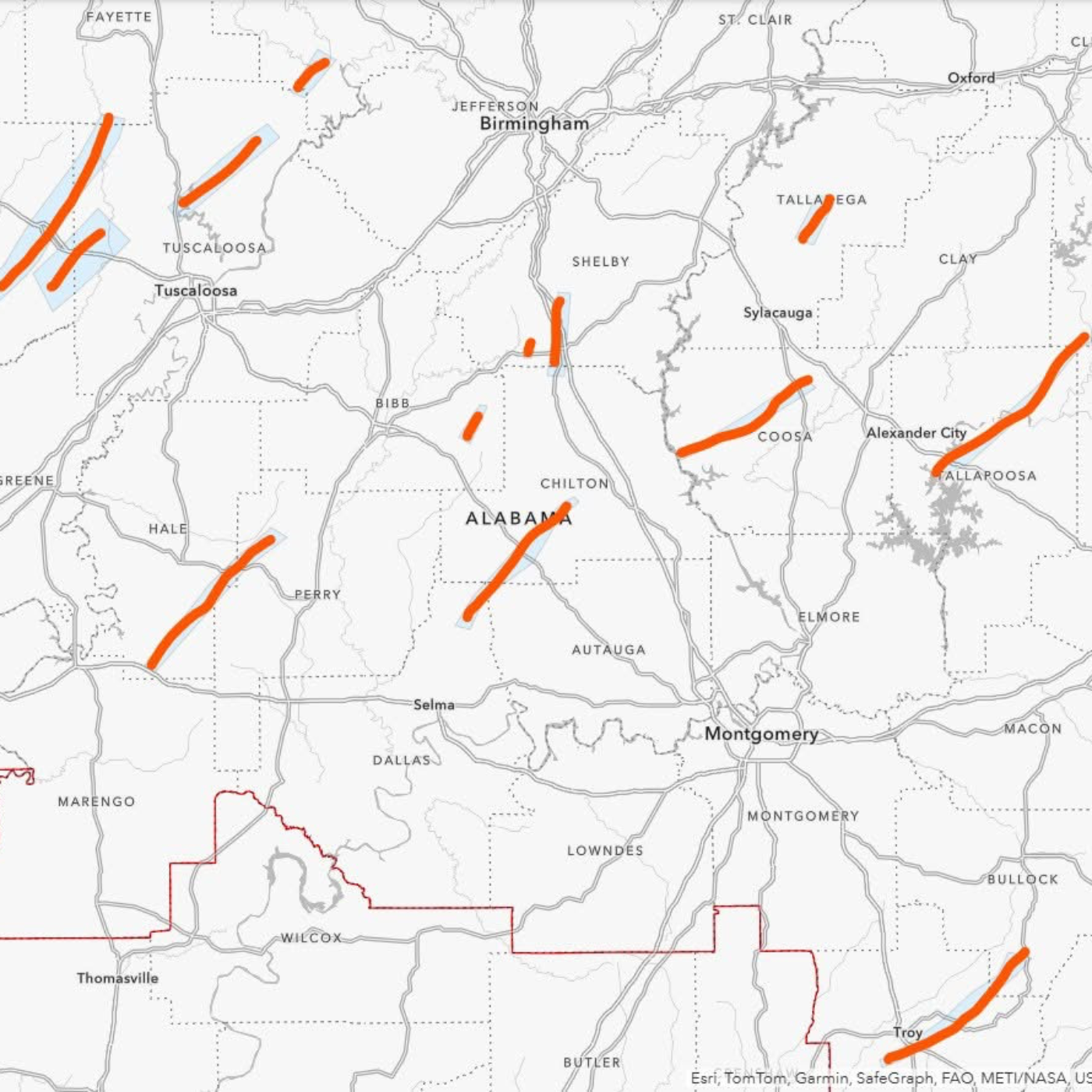
S2 Ep 81March 14-16 Tornado Outbreak: Stories of Survival
Questions about the Recent Severe Weather Outbreak (March 2025)1. What was the primary cause of the widespread severe weather experienced across several US states in mid-March 2025? The severe weather outbreak, which included tornadoes, wildfires, and dust storms, was primarily caused by two strong low-pressure systems. One tracked across the Plains on Friday, and the other moved through the Deep South on Saturday. These systems drew unseasonably warm and humid air from the Gulf of Mexico, creating atmospheric instability conducive to thunderstorms and tornadoes. Additionally, strong winds and low humidity in some areas, like Oklahoma, contributed to the outbreak of wildfires and dust storms.2. Which states were most severely impacted by the tornadoes, and what was the reported death toll specifically attributed to tornadoes? Missouri appears to have been the state most severely impacted by tornadoes, with at least 12 reported deaths. Mississippi also experienced significant tornado activity, resulting in six deaths. Alabama reported three deaths due to tornadoes. While other states experienced tornadoes as part of the larger storm system, the provided sources highlight Missouri, Mississippi, and Alabama in terms of tornado-related fatalities.3. Beyond tornadoes, what other forms of severe weather caused significant damage and fatalities during this period? Besides tornadoes, the severe weather system brought powerful winds that fueled nearly 150 wildfires in Oklahoma, resulting in at least four deaths and the destruction of approximately 300 structures. In Kansas and Texas, strong winds whipped up dust storms that severely reduced visibility, leading to multiple vehicle pile-ups and a combined total of at least 12 deaths.4. What was the immediate impact on infrastructure and residents in the affected areas? The immediate impact was widespread and devastating. Hundreds of homes, schools, and businesses were destroyed or severely damaged. Over 320,000 people across the affected region experienced power outages, with tens of thousands still without power days later. Residents faced displacement, loss of personal belongings, and in some cases, the complete destruction of their homes, leading to urgent questions about shelter and next steps.5. Can you describe a specific instance of a community or group directly affected by the tornadoes, based on the provided sources? In Villa Ridge, Missouri, an EF-2 tornado partially destroyed a Burger King restaurant and a connected gas station. Thirteen people, including employees and customers who had taken shelter in a bathroom, were trapped inside the damaged building. Fortunately, they were all rescued without injury after the general manager, who was not at the store, insisted to first responders that people were inside. This incident highlights the sudden and localized impact of tornadoes on businesses and the immediate need for rescue efforts.6. How does the recent tornado outbreak compare to the deadliest tornado in recorded history, which also struck Missouri? The recent tornado outbreak, while causing significant damage and loss of life, is dwarfed in scale by the Tri-State Tornado of March 18, 1925. This historic tornado, which touched down in Missouri and tracked across Illinois and Indiana, resulted in 695 deaths and carved a 219-mile path of destruction. The Tri-State Tornado remains the deadliest single tornado ever recorded, with a death toll significantly higher than any subsequent tornado event in the US.
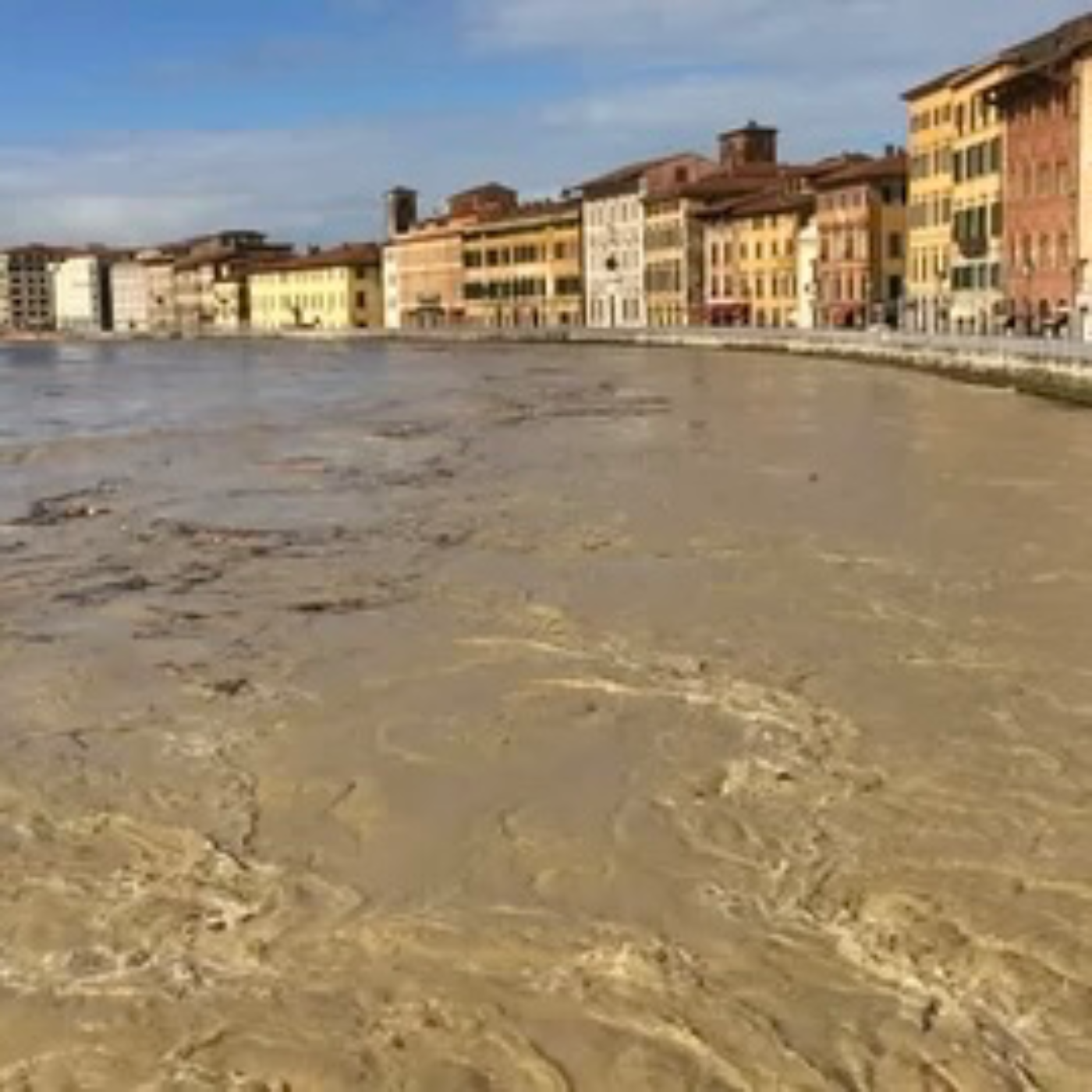
S2 Ep 80Northern Italy Floods, Again
Northern Italy Flooding EventKey Topics:The severe weather event affecting Tuscany and Emilia-Romagna on March 14, 2025.The specific cities and regions impacted by heavy rainfall, flooding, and landslides, including Florence, Pisa, Bologna, and Sesto Fiorentino.The immediate consequences of the weather, such as road closures, school shutdowns, evacuations, and the rising water levels of the Arno and Rimaggio rivers.The potential link between such extreme weather events and broader climate change patterns, particularly in Europe.The concept of "climate whiplash" and "climate hazard flips" in the context of European cities experiencing shifts between flooding and drought.The two Italian regions under red alert were Tuscany and Emilia-Romagna. These alerts were issued due to torrential rainfall causing flooding and landslides.Florence saw more than 53mm of rain in just six hours on Friday morning. This was more than double its average March rainfall of 61mm in the past three days.In Sesto Fiorentino, the Rimaggio stream broke its banks and flooded the central streets. This town, located a few kilometers from Florence, experienced a particularly critical situation.In Pisa, flood defenses were being erected along the Arno river. Local authorities had warned that the river had surpassed the first flood-risk level."Climate whiplash" is defined as intensifying floods and droughts. The Euronews report found that almost one in five (20 percent) of the globally studied cities are experiencing this phenomenon.The report found that all European cities analyzed exhibit drying trends over the past 42 years. Examples mentioned include Madrid and London.Scientists at the World Weather Attribution group said that the devastating floods brought by Storm Boris were made worse by climate change. This highlights the link between extreme weather and a warming world.An area of high pressure in the north-east Atlantic has recently blocked the path of low-pressure systems that normally pass to the north-west of the UK, sending them through the Mediterranean instead.Some social and infrastructural vulnerabilities include poverty and poor water and waste systems. These factors can make communities less equipped to handle the impacts of floods and droughts, potentially leading to disease spread and water shortages.According to the Euronews article, WaterAid claims that 90 percent of all climate disasters are driven by too much or too little water. This underscores the central role of water in climate-related crises.

S2 Ep 79Is American Society Falling Apart via Social Media Misinformation and Structural Stupidity?
Jonathan Haidt's article in The Atlantic argues that the 2010s marked a turning point in American life, characterized by increasing fragmentation, distrust, and "structural stupidity" within institutions. Drawing a parallel to the biblical story of Babel, Haidt posits that the rise and evolution of social media, particularly the introduction of features like "Like" and "Share" buttons around 2009-2012, have fundamentally altered human interaction and weakened the social bonds, institutions, and shared stories that underpin a functioning democracy. He contends that these platforms, driven by algorithms that prioritize engagement (often through outrage), have amplified extremism, eroded trust in vital institutions, and fostered an environment where truth and reasoned discourse are increasingly difficult to achieve. The article concludes with a warning about the future, especially with the advent of advanced AI disinformation, and proposes several areas for reform, including hardening democratic institutions, reforming social media, and better preparing the next generation for digital citizenship.Main Themes and Important Ideas:1. The "Babel" Metaphor:Haidt uses the story of the Tower of Babel to illustrate the current state of America: "The story of Babel is the best metaphor I have found for what happened to America in the 2010s, and for the fractured country we now inhabit. Something went terribly wrong, very suddenly. We are disoriented, unable to speak the same language or recognize the same truth. We are cut off from one another and from the past."He emphasizes that this fragmentation is not just between political parties but exists within them and across various societal institutions: "Babel is not a story about tribalism; it’s a story about the fragmentation of everything."2. The Role of Social Media's Evolution:Early social media (pre-2009) is portrayed as an extension of existing communication technologies, fostering connection. However, the introduction of "Like" and "Share" buttons and the subsequent algorithmic prioritization of engagement marked a critical shift."Shortly after its “Like” button began to produce data about what best “engaged” its users, Facebook developed algorithms to bring each user the content most likely to generate a “like” or some other interaction, eventually including the “share” as well. Later research showed that posts that trigger emotions––especially anger at out-groups––are the most likely to be shared."This new dynamic incentivized performativity, outrage, and the spread of emotionally charged content, contributing to a "new game" where virality and online fame became goals.A Twitter engineer is quoted regretting the "Retweet" button, stating, "We might have just handed a 4-year-old a loaded weapon."
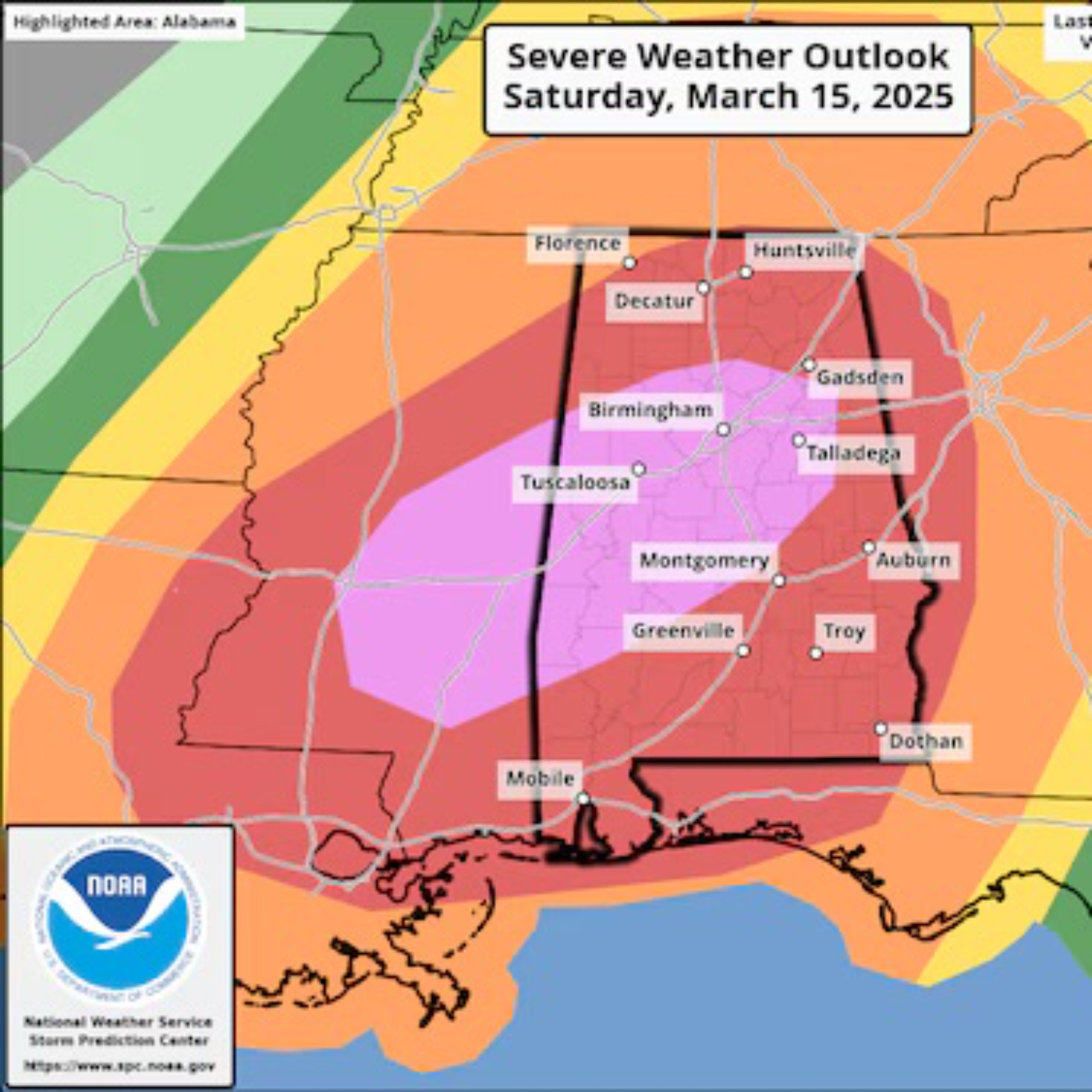
S2 Ep 78Tornado Outbreak: Rare Level 5 “High Risk” for Severe Weather
Timeline of Main Events (March 14-16, 2025)Friday, March 14, 2025:Evening/Overnight:Severe Thunderstorm Watches are in effect from Iowa and Nebraska southward to Kansas and Missouri.Tornado Watches are in effect for a large part of Missouri, Illinois, and Arkansas, extending to the Gulf Coast.Parts of north and west Alabama are under a Level 3 out of 5 risk for severe weather starting late tonight (around 11 PM or later), with a "conditional" threat of intense storms if a "cap" of warmer air doesn't hold.Areas west of this zone in Alabama, including Huntsville and Birmingham, are under a Level 2 risk, and areas further south are under a Level 1 risk. Southeast Alabama is not expected to see severe weather tonight.Storms in west Alabama are expected to develop around 11 PM and move eastward through the overnight hours.The Tallahassee area in Florida could see storms arriving as early as midnight or 1 AM Sunday, with the more likely window from 4 AM to 10 AM.Saturday, March 15, 2025:All Day: A widespread and dangerous severe weather outbreak is expected across the central Gulf Coast states and Deep South into the Tennessee Valley.Morning: Confidence increases about the probability of widespread severe storms in Alabama, particularly from Saturday afternoon until early Sunday morning.Daytime/Afternoon:A tornado outbreak is possible across the central Gulf Coast states and Deep South into the Tennessee Valley.Multiple intense, long-tracked tornadoes (EF-3 or higher) are possible on Saturday.The storms will develop along the Mississippi River and quickly move east from midday to the afternoon.A line of supercells is expected to swing through central and southern Mississippi into northern Alabama, central and east Tennessee, and north Georgia.Cities such as New Orleans, Louisiana, and Birmingham, Alabama, are under a Level 4 out of 5 risk.In Alabama, there could be supercells or individual severe storms producing tornadoes, followed by a squall line moving west to east across the state.Storms could begin to affect Alabama around noon and last into early Sunday morning.The Storm Prediction Center's highest risk level (Level 5 out of 5) impacts 2.7 million people in major cities like Birmingham, Jackson, Tuscaloosa, Hoover, and Hattiesburg.Night: The severe weather threat in Alabama is expected to continue through early Sunday morning.Sunday, March 16, 2025:Early Morning: Storms will be tracking eastward and out of Alabama.Daytime: The storm system will have traversed the entire U.S., with its focus on the East Coast, including the Interstate 95 corridor.Threats on the East Coast: The threat of tornadoes will be confined to the Virginia coast and south into the Carolinas. Damaging wind gusts and large hail will be the main threats from Florida to the Northeast.Morning (Tallahassee): The severe weather threat could continue even after an initial round of storms moves through the Tallahassee area. Much of the eastern Big Bend is under a slight risk of severe storms for after 8 AM Sunday.
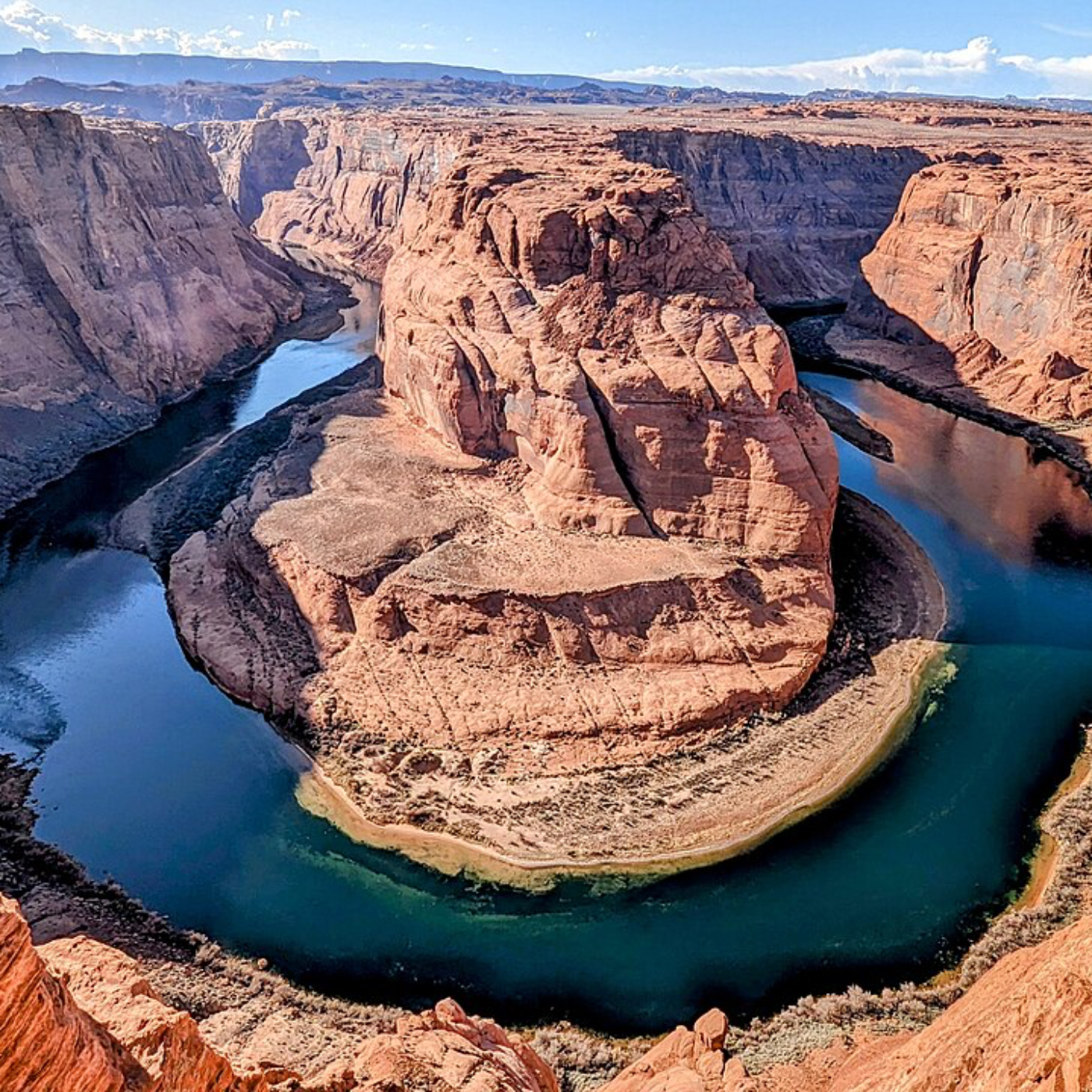
S2 Ep 77Water Woes for California & Other Western States Due to Trump Cuts
Office and Staffing Changes1. Which federal agencies are most affected by the lease cancellations and staff reductions?Several agencies are facing a significant number of lease cancellations, including the IRS, the Social Security Administration, the U.S. Department of Agriculture, and the U.S. Geological Survey. The Bureau of Reclamation, particularly in California, has been heavily impacted by staff cuts, with potential reductions of up to 40% being discussed. Other agencies like the National Oceanic and Atmospheric Administration and the National Weather Service have also reportedly experienced mass firings.2. What concerns have been raised by agencies, employees, and lawmakers regarding these changes?Numerous concerns have been voiced. Agencies worry about their ability to deliver critical services without adequate office space and staffing. Employees express fear over job security and the potential loss of institutional knowledge. Lawmakers and state officials criticize the rapid and seemingly unplanned nature of these changes, warning of potential chaos, disruptions to public services, and risks to public safety, particularly concerning water management and infrastructure.3. Have there been any errors or reversals in the implementation of these changes?Yes, there have been reported errors and reversals. Plans to cancel leases for several IRS taxpayer assistance centers and a Geological Survey office in Alaska were reportedly rescinded after it was realized that the government did not have the right to terminate the latter's lease. Additionally, a Geological Survey office in Anchorage, Alaska, had its cancellation reversed. However, these changes have not always been accurately reflected in DOGE's public lists.4. How might these changes impact the management of water resources, particularly in the Western United States and California?The staff cuts at the Bureau of Reclamation are a major concern for water management. Experts warn that the loss of experienced personnel with specialized knowledge of aging water infrastructure could negatively impact the delivery of water and power, threaten public health and safety, and complicate the intricate management of systems like the Central Valley Project and the Colorado River. There are fears that decisions regarding water releases and resource management could be made without a full understanding of the complex interconnectedness of these systems.5. What has been the reaction from state and local authorities, especially in California?California state officials, including Governor Gavin Newsom's office, have strongly criticized these federal cuts. They argue that water management should be handled by experts, not tech executives, and that gutting agencies like the Bureau of Reclamation defies common sense, especially given California's focus on water supply and management. Water agencies in the Central Valley have also voiced serious concerns about the potential harm to water delivery and public safety due to the loss of experienced staff.6. What are the potential long-term consequences of these rapid federal office and staffing changes?The long-term consequences are still unfolding, but potential impacts include disruptions to essential government services, delays in processes (e.g., tax refunds), increased risks to the operation and maintenance of critical infrastructure (e.g., dams), undermined negotiations over vital resources like the Colorado River, and a general destabilization of sectors that rely on federal agencies. The full impact will likely take months or years to fully understand.
S2 Ep 76Global Weather Connected to Sea Ice, Extreme Weather Affects Education
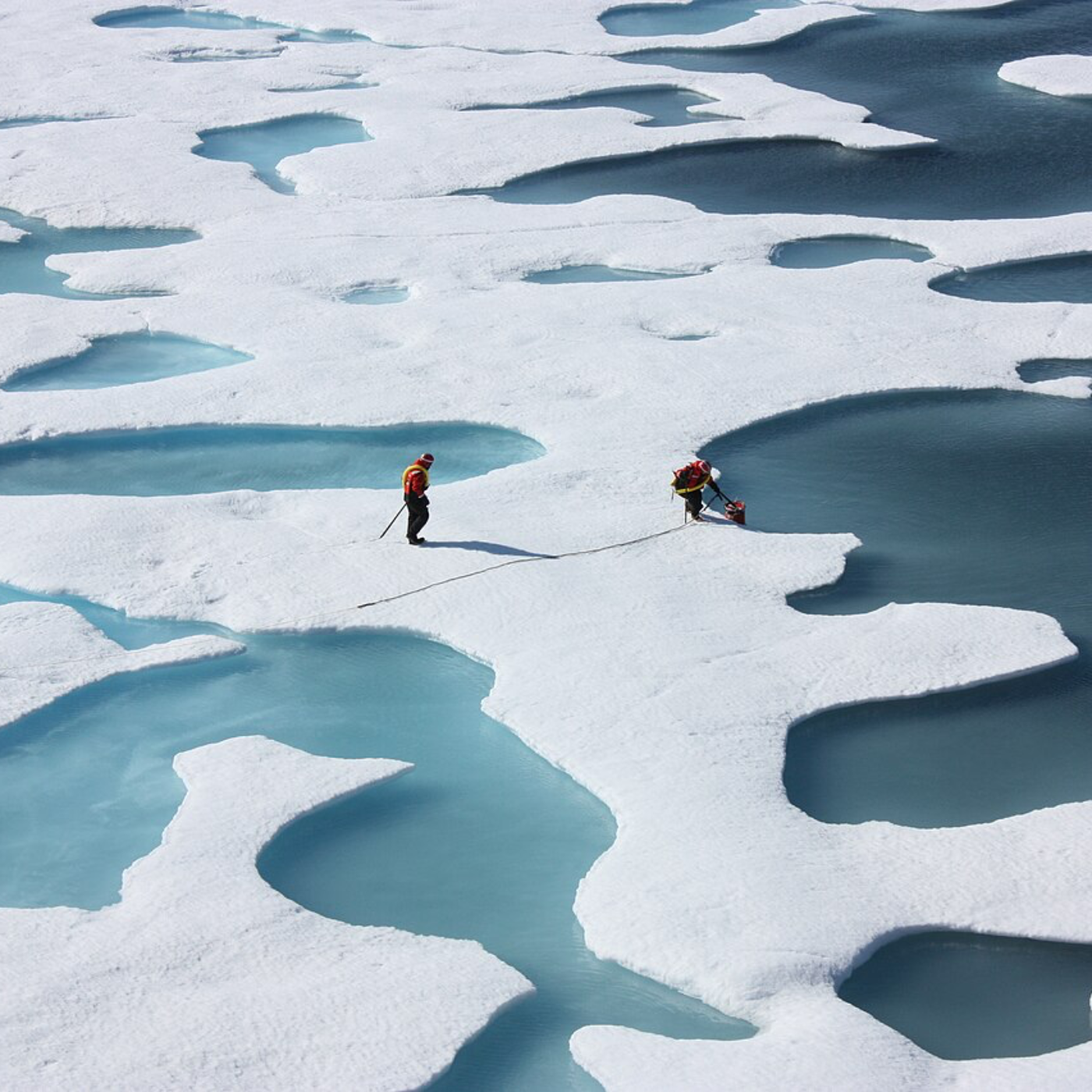
1. How significantly did extreme weather events disrupt global education in 2024?In 2024, extreme weather events such as heat waves, storms, and floods caused disruptions to schooling for at least 242 million students worldwide. Low-income countries were disproportionately affected by these climate-related school closures.2. What are the potential long-term consequences for students who miss school due to climate-related disasters?Missing school due to climate-related disasters can lead to significant long-term academic setbacks, particularly for middle and high school students. These disruptions can also create mental and economic challenges for students in vulnerable regions, making it difficult for them to return to school and potentially deepening educational inequality due to learning gaps.3. How is the melting of Arctic sea ice influencing global weather patterns?The rapid melting of Arctic sea ice disrupts its crucial role in regulating Earth’s climate. This includes its ability to reflect sunlight, maintain ocean salinity, and insulate the ocean from the atmosphere. The loss of ice alters atmospheric circulation, affecting jet streams and oceanic currents, which in turn leads to shifts in weather patterns thousands of miles away, such as drier winters in California and wetter conditions in parts of Europe.4. According to recent research, what specific regional climate changes are linked to Arctic sea ice loss?A recent study highlights a link between the loss of Arctic sea ice and drier winters in the southwestern United States, particularly California. Conversely, the study suggests that regions like Spain and Portugal may experience increased winter humidity due to shifts in air currents caused by the melting ice.5. What is novel about the methodology used in the recent study connecting Arctic ice loss to global weather?Unlike previous studies that often focused on long-term changes over centuries or introduced artificial heat sources into climate models, this new research directly compared historical Arctic ice levels with significantly reduced ice cover in their models without artificial variables. This approach allowed researchers to isolate the effects of ice loss on atmospheric patterns over shorter, decadal timescales.6. Why is the United States considered "vital" for global weather forecasting?The United States, through agencies like NOAA, provides a significant amount of meteorological data and expertise that are crucial for global weather predictions. This includes up to 25% of global meteorological satellite data, 3% of globally-shared land surface observations, and 12% of upper air radiosonde profiles. This data, combined with contributions from other nations, forms the basis for accurate forecasts that help protect lives and livelihoods worldwide.7. What concerns have been raised regarding the US's ability to continue providing these vital forecasting services?Concerns have arisen due to reported mass layoffs at NOAA and potential termination of leases for properties housing vital weather service operations. These actions are seen as potentially jeopardizing the US's ability to maintain accurate and comprehensive weather forecasting services, which are essential for both domestic and global well-being.8. How does international cooperation play a role in global weather forecasting?While the United States makes significant contributions to global weather forecasting, it also relies on international cooperation. The sharing of meteorological data and expertise across countries is a "win-win" situation, as it creates a comprehensive global system that allows for more accurate predictions from local to global scales. This collaborative effort is essential because weather, climate, and water patterns do not respect geopolitical boundaries.
S2 Ep 75Blood Moon: March 13-14 2025 Total Lunar Eclipse of the Americas
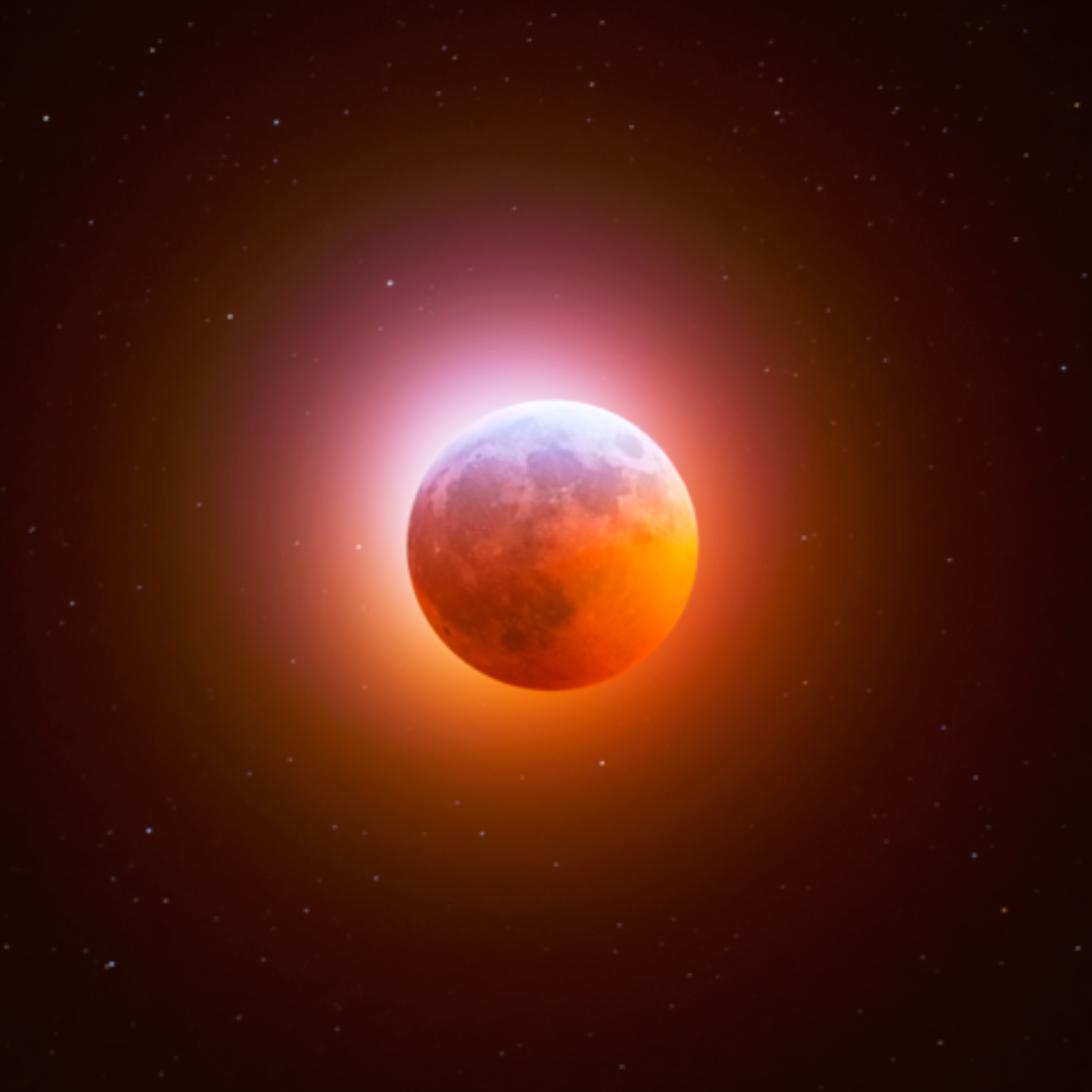
March 13, 2025 (Evening PDT / Late Night EDT / UTC): The total lunar eclipse begins.8:57 p.m. PDT / 11:57 p.m. EDT / 03:57 UTC: Penumbral eclipse begins. The Moon enters the Earth’s penumbra, resulting in a subtle dimming.10:09 p.m. PDT / 1:09 a.m. EDT (March 14) / 05:09 UTC (March 14): Partial eclipse begins. The Moon starts entering Earth’s umbra, with a noticeable dark "bite" appearing on the lunar disk.Around 11:26 p.m. PDT (March 13): West Coast viewers can begin to see the total lunar eclipse.March 14, 2025 (Early Morning EDT / UTC): The total lunar eclipse reaches and ends totality.12:00 a.m. EDT: The Virtual Telescope Project's livestream begins.1:00 a.m. EDT: Timeanddate's livestream begins.1:09 a.m. EDT: Partial eclipse begins for East Coast viewers.2:26 a.m. EDT / 11:26 p.m. PDT (March 13) / 06:26 UTC: Totality begins. The entire Moon is within Earth’s umbra and appears reddish-orange (a "blood moon").Around 2:26 a.m. EDT: East Coast viewers can begin to see the total lunar eclipse.2:59 a.m. EDT / 6:59 GMT / 07:59 UTC: Maximum phase of the total lunar eclipse, with the Moon fully obscured by Earth's umbra.3:31 a.m. EDT / 12:31 a.m. PDT / 07:31 UTC: Totality ends. The Moon begins to exit Earth’s umbra, and the red color starts to fade.4:47 a.m. EDT / 1:47 a.m. PDT / 08:47 UTC: Partial eclipse ends. The Moon is completely out of Earth’s umbra.6:00 a.m. EDT / 3:00 a.m. PDT / 10:00 UTC: Penumbral eclipse ends. The Moon is entirely out of Earth’s shadow, and the eclipse is over.6:05 a.m. EDT: The Griffith Observatory's online broadcast ends.September 7-8, 2025: The next total lunar eclipse will occur, visible over Asia, Australia, and parts of Africa and Europe, but not North America.March 2026: The next total lunar eclipse visible from the U.S. will occur.

S2 Ep 74Microplastics Influence the Weather, Endanger Your Health
Microplastic Pollution: A Growing Threat to Human Health and the Environmentmeteorology Matters highlights the pervasive and increasingly concerning issue of microplastic pollution. They reveal the presence of microplastics in household cleaning products, their negative impact on plant photosynthesis, and alarmingly, their significant accumulation in human brains, potentially linked to neurological disorders. While the full extent of the health and environmental consequences is still under investigation, the evidence presented underscores the urgent need for both individual and systemic action to reduce plastic production, consumption, and release into the environment.Main Themes and Important Ideas/Facts:1. Microplastics are Widespread and a Growing Concern:Microplastics, defined as plastic particles less than five millimeters in size, are now "a ubiquitous part of our daily physical reality," found in diverse environments from "Antarctic sea ice to human brains" (Scientific American).Global plastic production has more than doubled in the past two decades, reaching approximately 400 million tons annually (New York Post). This surge directly contributes to the increasing levels of microplastic pollution.A new study found that microplastic levels in human brains have increased by 50% in just eight years (New York Post).2. Microplastics in Household Cleaning Products:Many household cleaning products contain microplastics as primary ingredients for abrasive properties, viscosity, color, or shimmer. They can also be shed as secondary microplastics from the breakdown of packaging (Washington Post).Examples of cleaning products that may contain or shed microplastics include: laundry and dishwashing detergent pods and liquid capsules (due to polyvinyl alcohol - PVA), toilet bowl cleaners, synthetic scrubbers and melamine sponges, scrubbing agents with microbeads, surface wipes with synthetic polymers, and some furniture polishes and waxes (Washington Post).While laundry and dishwashing detergent pods with PVA are designed to biodegrade in wastewater treatment plants, research suggests that "up to 61 percent of the PVA from pods enters the environment as sludge, and an additional 16 percent is emitted through water" after treatment (Washington Post).Consumers currently bear the "burden" of identifying and avoiding microplastics in cleaning products as they are not explicitly listed on labels. Instead, consumers need to look for specific chemical names like polyethylene, polypropylene, polyurethane, acrylates, polymers, and microbeads (Washington Post).3. Negative Impact on Plant Photosynthesis:New research indicates that microplastics can significantly hinder photosynthesis in a wide range of plant species, including crucial food crops. The study found an average reduction of 7 to 12 percent in photosynthetic ability (Scientific American).This reduction could lead to substantial yield losses in staple crops like corn, rice, and wheat (estimated at 4 to 13.5 percent per year over the next 25 years) and a decrease in seafood production (up to 7 percent) due to the impact on algae, which forms the base of aquatic food webs (Scientific American).Decreased photosynthesis also has implications for climate change mitigation, as plants will sequester less carbon dioxide than currently predicted (Scientific American).The researchers estimate that reducing the amount of plastic particles currently in the environment by just 13 percent could mitigate photosynthesis loss by 30 percent (Scientific American).
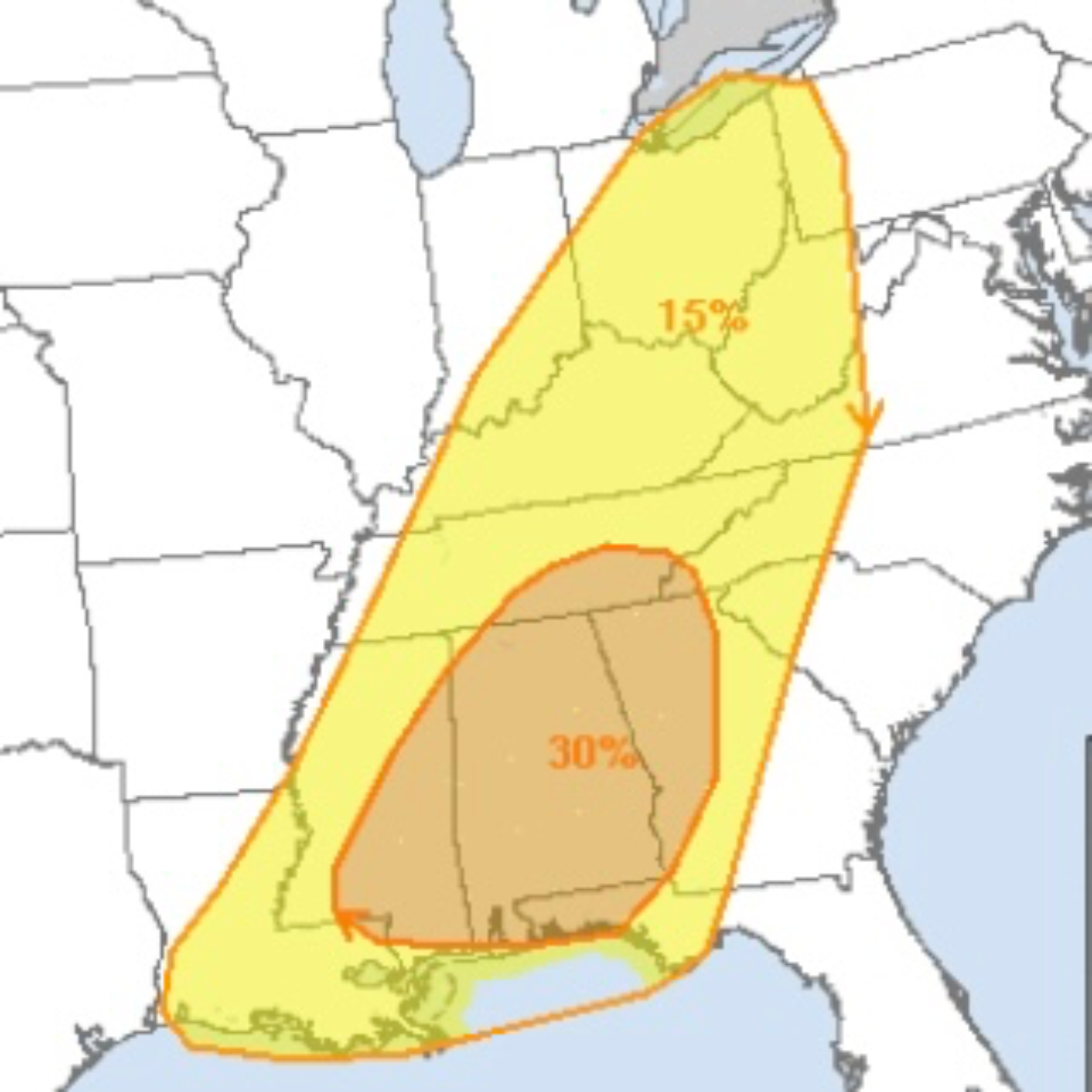
S2 Ep 73Strong Pacific Storm Brings Potential for Tornado Outbreak Late Week
March 11, 2025Meteorology Matters sees a significant and complex storm system expected to impact a large portion of the United States throughout the latter part of this week and into the weekend of March 14-16, 2025. This "colossal storm" (USA TODAY) will move from the West Coast eastward, bringing a variety of hazardous weather conditions including heavy rain and snow in the west, a potential severe thunderstorm outbreak with tornadoes in the central and southern US, blizzard conditions in the Plains, and high winds across many regions. Specific areas like Alabama and Panama City Beach, Florida, are highlighted for multiple rounds of severe weather coinciding with the start of spring break. Residents across the affected areas are urged to monitor forecasts and prepare for potential power outages, travel disruptions, and property damage.Key Themes and Important Ideas/Facts:1. Nationwide Impact of a Major Storm System:A significant storm is forecast to move across the entire United States over the next week. As stated by USA TODAY, "Over the next week, tens of millions of Americans will be at risk of severe weather as a colossal storm marches across the country..."The storm will begin on the West Coast on Wednesday, bringing rain and snow, and then track eastward, impacting the central and eastern states through the weekend. (weather.com, FOX Weather)AccuWeather senior meteorologist Tom Kines described the storm as potentially "among the strongest on record in terms of low pressure," emphasizing its significance. (USA TODAY)2. Severe Thunderstorm Outbreak Potential:A major threat associated with this storm is the potential for a severe weather outbreak, including tornadoes, damaging winds, and large hail, primarily across the central and southern United States on Friday and Saturday. (weather.com, FOX Weather)FOX Weather reports that "Millions of people across more than half of the U.S. could see damaging winds, tornadoes and even a potential severe weather outbreak on Friday and Saturday."The Storm Prediction Center (SPC) is highlighting areas in the Mississippi and Tennessee Valleys as being at the greatest risk for severe weather on Friday, with the threat shifting east towards the Southeast on Saturday. (weather.com, FOX Weather)USA TODAY notes concerns from Kines that this storm "could cause a 'tornado outbreak,' spinning up dozens of twisters from the Gulf Coast to the Midwest."Widespread damaging winds of 65 to 75 mph, with gusts potentially reaching 100 mph, are also a major concern associated with these thunderstorms. (USA TODAY)
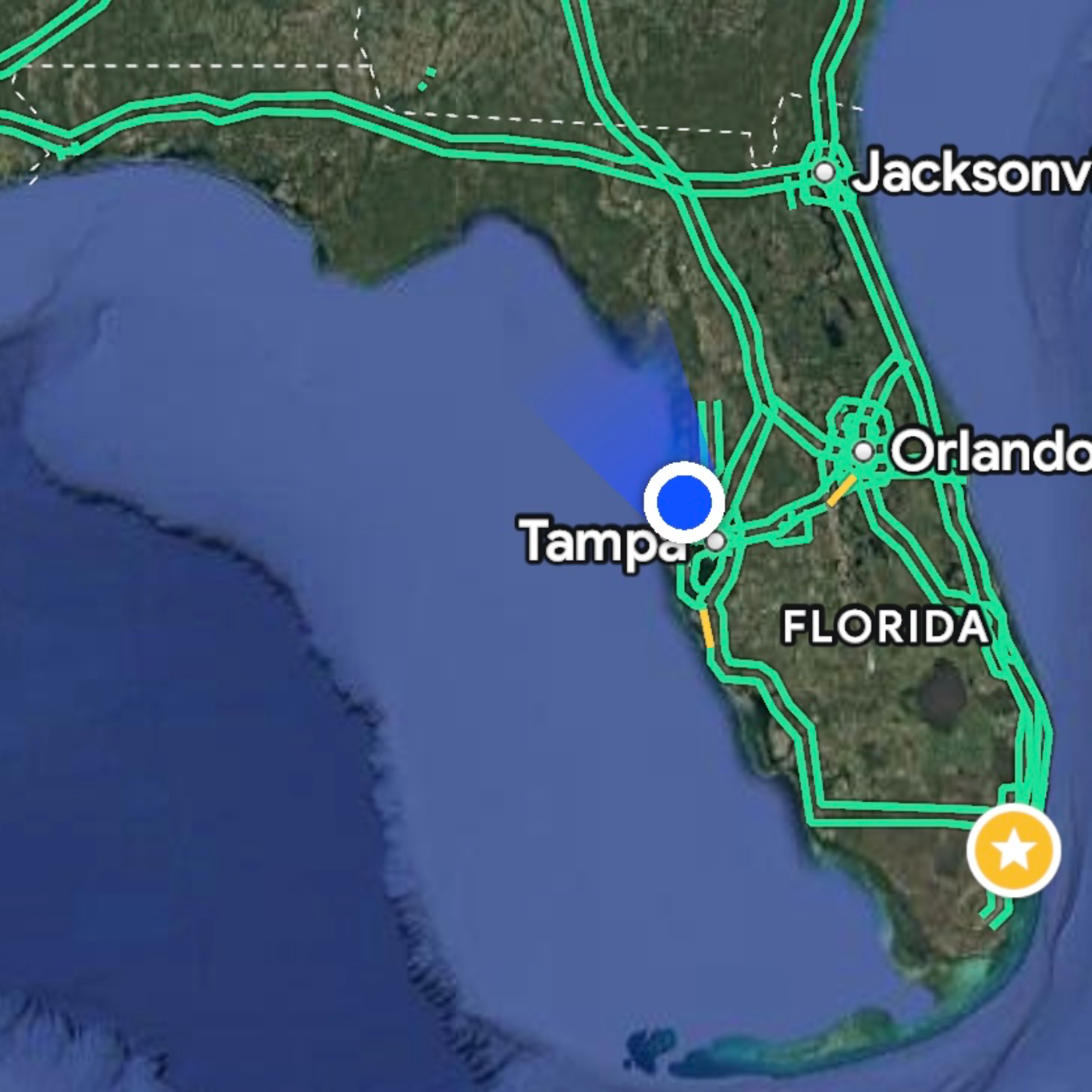
S2 Ep 72Florida Insurance Companies Hide BIG Profits to Raise Homeowners Rates
Florida Insurance Companies Hide BIG Profits to Raise Homeowners RatesMeteorology Matters summarizes the findings of a 2022 report commissioned by the Florida Office of Insurance Regulation (FLOIR) analyzing fees paid by Florida domestic property insurers to their affiliates between 2017 and 2019. This internal report, recently brought to public attention by the Tampa Bay Times/Herald in a February 2025 article, reveals significant financial activity between insurers and their affiliates, including substantial net income for affiliates while some insurers experienced net losses (excluding outliers). The analysis raises concerns about the "fair and reasonable" nature of these affiliated agreements, the potential for misuse of Managing General Agent (MGA) structures, and the need for enhanced regulatory oversight.II. Main Themes and Important Ideas/Facts:A. Scope and Methodology of the FLOIR Analysis:The FLOIR engaged Risk & Regulatory Consulting, LLC to analyze fees paid by 53 Florida domestic property insurers to their affiliates over a three-year period (2017-2019). This period was chosen to avoid single-year anomalies.The analysis considered various factors, including gross written premiums, total affiliated fees, percentage of fees to premium, number of policies, net income of insurers and affiliates, capital contributions, fee waivers, and dividends.The evaluation of whether fees were "fair and reasonable" considered Florida Administrative Rule 69O-143.047, NAIC accounting principles, and guidance from the NAIC Financial Analysis Handbook.Forty-one (41) of the 53 reviewed companies utilized an MGA or Attorney-in-Fact (AIF) to administer operations.Compensation methods for affiliated and non-affiliated agreements varied widely, including percentages of premium, hourly rates, fixed fees, commissions, and combinations thereof.

S2 Ep 71Profits over People: Trump Cuts Hurt Americans and Help Big Corporations
President Donald Trump's second administration has swiftly implemented a broad agenda of environmental deregulation and a significant shift in priorities within federal agencies. Key themes emerging from the first month include a reversal of Biden-era environmental justice and climate change initiatives, a push for energy dominance through expedited permitting and favoring fossil fuels, a freeze and potential rollback of numerous regulations, significant personnel changes and budget freezes at the Environmental Protection Agency (EPA) and other agencies, and a withdrawal from international environmental agreements. These actions have been met with legal challenges and strong criticism from environmental advocates and the scientific community, who warn of detrimental consequences for public health, the environment, and scientific progress.Main Themes and Important Ideas/Facts:1. Reversal of Biden Administration Environmental Priorities:Environmental Justice and Climate Change: President Trump's Day One executive orders reversed the priorities of the Biden administration, which had emphasized environmental justice, regulatory enforcement, and addressing climate change.The EPA website has eliminated most instances of the terms "environmental justice" and "climate change."EPA Administrator Lee Zeldin announced the "Powering the Great American Comeback Initiative," which does not explicitly prioritize environmental justice or climate change in the same way as the previous administration. Its five pillars are: Clean Air, Land and Water for Every American; Restore American Energy Dominance; Permitting Reform, Cooperative Federalism and Cross-Agency Partnership; Make the United States the Artificial Intelligence Capital of the World; and Protecting and Bringing Back American Auto Jobs.An executive order ended DEI initiatives, including the termination of "to the maximum extent allowed by law, all ‘environmental justice’ offices and positions." The EJScreen tool website is no longer functional.Staff in EPA’s Office of Environmental Justice & External Civil Rights were informed of the office's imminent closure.EPA linked to Administrator Zeldin's post announcing the administrative leave of DEI and environmental justice-focused employees, stating, "The previous Administration used DEI and Environmental Justice to advance ideological priorities, distributing billions of dollars to organizations in the name of climate equity. This ends now."Paris Agreement: President Trump issued an executive order withdrawing the United States from the Paris Agreement.

S2 Ep 70NOAA Expected to Lose 20% of Staff with Next Round of Firings
The Trump administration is implementing significant workforce reductions across the federal government, with the National Oceanic and Atmospheric Administration (NOAA) facing a potential 20% staff cut. This briefing document outlines the key themes and concerns arising from these proposed and ongoing layoffs, including the potential impact on weather forecasting, climate research, the space industry, and broader scientific leadership. Sources highlight that these cuts are part of a larger administration effort, driven by an executive order and influenced by policy blueprints like Project 2025, which views NOAA as a driver of "climate change alarm." Scientists, industry leaders, and organizations are expressing alarm over the potential consequences of these reductions on public safety, economic stability, and America's standing in science and technology.Main Themes and Important Ideas/Facts:1. Substantial Workforce Reductions at NOAA:NOAA has been instructed to prepare for an additional 1,000 worker layoffs.This comes on top of approximately 1,300 NOAA staff members who have already resigned or been laid off in recent weeks.Combined, these reductions would represent nearly 20% of NOAA’s roughly 13,000-member workforce.Managers within NOAA have been asked to submit layoff and reorganization proposals with little guidance on program prioritization for cuts.The administration aims for rapid, large-scale cuts to the federal bureaucracy, with NOAA being specifically targeted.Quote: "Together, the reductions would represent nearly 20 percent of NOAA’s approximately 13,000-member work force." (New York Times)2. Potential Impact on Critical NOAA Functions:Scientists and meteorologists at NOAA are alarmed, fearing that these cuts could hinder the National Weather Service’s ability to produce lifesaving forecasts, especially with hurricane and disaster season approaching.Some activities, such as the launching of weather balloons, have already been suspended due to staffing shortages.The staff departures have already affected NOAA’s operations in various areas, including:Predicting hurricanes and tornadoes.Overseeing fisheries and endangered species.Monitoring climate change and ecosystems.Experts warn that reduced staffing could "interfere with important weather forecasting in advance of hurricane season and other natural disasters." (ET)Quote: "Together with recent firings and resignations, the new cuts could hamper the National Weather Service’s ability to produce lifesaving forecasts, scientists say." (New York Times)3. Broader Federal Workforce Reduction Initiatives:NOAA is not the only agency facing significant cuts. Other agencies reportedly targeted include:Internal Revenue Service (IRS): Intends to eliminate almost 50% of its staff.Social Security Administration: Reportedly ordered to cut its employees in half.Environmental Protection Agency (EPA): Could face a 65% staff reduction, driven by attempts to retract environmental rules.Department of Veterans Affairs (VA): Aiming to eliminate roughly 80,000 jobs.Office of Community Planning and Development (HUD): Facing a potential 84% personnel cut.
S2 Ep 69New National Hurricane Center Products 2025
National Hurricane Center Product and Service Updates for 2025Meteorology Matters summarizes the key updates to products and services that the National Hurricane Center (NHC) will implement for the 2025 hurricane season, as outlined in the provided document. These updates aim to improve public communication of hurricane risks, enhance forecast accuracy, and provide more detailed information on potential impacts.Main Themes:Enhanced Communication of Inland Wind and Rip Current Risks: The NHC is focusing on improving the communication of hurricane-related risks beyond the immediate coastline, specifically addressing inland wind threats and dangerous rip currents.Earlier Issuance of Advisories for Potential Tropical Cyclones: Recognizing the need for timely warnings, the NHC will now issue advisory products for potential tropical cyclones earlier in their development.Increased Detail and Lead Time in Wind and Wave Forecasts: Forecast information regarding hurricane-force winds will be extended, and the representation of sea state in forecasts will be updated to better align with user preferences.Introduction of Probabilistic Storm Surge Guidance for Hawaii: For the first time, the Hawaiian Islands will receive probabilistic storm surge forecasts, providing a more nuanced understanding of potential inundation.Continued Improvement in Track Forecast Accuracy: The NHC's track forecast error cone will be reduced in size for both the Atlantic and eastern North Pacific basins, reflecting ongoing improvements in forecasting.Leveraging Social Media for Real-time Updates and Outreach: The NHC continues to utilize various social media platforms to provide timely information, engage with the public, and enhance outreach efforts.Most Important Ideas and Facts:1. Experimental Cone Graphic with Inland Watches and Warnings:Change: The NHC will continue to issue an experimental version of the hurricane cone graphic that includes a depiction of inland tropical storm and hurricane watches and warnings for the continental United States.Rationale: This is based on feedback from the 2024 season and social science research suggesting it will "help communicate wind risk during tropical cyclone events while not overcomplicating the current version of the graphic."New Feature: The experimental cone legend will now include symbology for areas under simultaneous hurricane watch and tropical storm warning (diagonal pink and blue lines).Availability: It will be available on hurricanes.gov for full and intermediate advisories, generally within 30 minutes of the advisory release, though potential technical issues could affect timeliness.Operational Graphic: The current operational cone graphic, which only depicts coastal watches/warnings, will remain available without changes.Feedback: There will be an opportunity to provide comments on the experimental graphic.
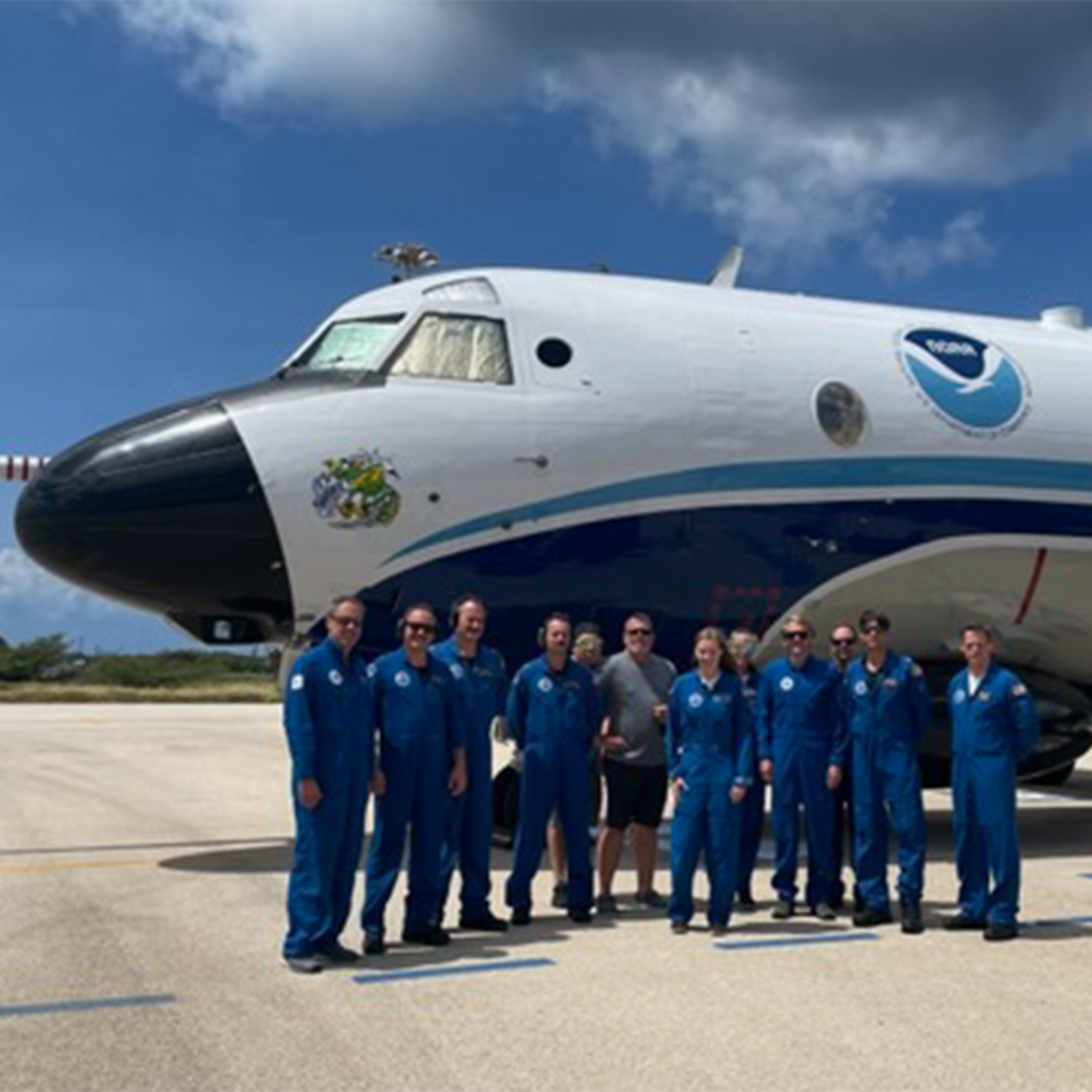
S2 Ep 68Hurricane Hunters Encounter Major Turbulence from loss of Key Personnel
NOAA's Office of Aircraft Operations and the National Hurricane CenterRecent layoffs at NOAA's Office of Aircraft Operations (OAO), home of the Hurricane Hunters, and staffing reductions at the National Hurricane Center (NHC) are raising significant concerns about the future quality of hurricane monitoring, prediction, and warnings. The termination of key personnel, particularly flight directors for the Hurricane Hunter aircraft, threatens the ability to maintain crucial 24/7 flight operations during significant hurricane events. Experts warn that these cuts, coupled with potential further staff and funding reductions outlined in the administration's "Project 2025" plan, could lead to less accurate forecasts, increased risks for coastal communities, and a degradation of vital hurricane research. The specialized capabilities of NOAA's Hurricane Hunter aircraft, particularly their Doppler radar, are critical for feeding data into advanced forecast models, and a reduction in their operation would negatively impact forecast accuracy.Main Themes and Key Ideas:1. Layoffs at NOAA's Office of Aircraft Operations (Hurricane Hunters):Significant Staff Reduction in Key Roles: NOAA laid off two flight directors and one electronic engineer on February 28th. Flight directors, meteorologists responsible for mission safety from a meteorological perspective, are required on every Hurricane Hunter mission.As Jeff Masters notes, "every hurricane hunter mission is required to carry a flight director – a meteorologist who is charged with ensuring the safety of the mission from a meteorological perspective."Reduced Capacity for 24/7 Operations: The loss of two flight directors reduces the number from eight (needed for continuous operation of three aircraft) to just six. This barely covers the twice-daily flight schedule during significant hurricanes, leaving no buffer for illness or other unforeseen circumstances.Kerri Englert, one of the fired flight directors, stated that NOAA had aimed for ten flight director positions, but the layoffs left only six. "Now, she said, if one flight director is sick, there will be fewer hurricane hunter flights."Potential for Further Staff Depletions: Concerns exist that remaining staff may seek new employment due to job insecurity, exacerbating the staffing shortage.Masters suggests, "if I still had my old job as a flight director for NOAA’s Hurricane Hunters, worries about my job security would have me looking hard for new employment."Impact on Data Quality, Not Just Quantity: While the Air Force also operates hurricane hunter aircraft, NOAA's planes possess unique capabilities, particularly Doppler radar, which provides detailed 3D storm imagery crucial for forecast models.Masters emphasizes, "the loss of a NOAA hurricane hunter aircraft because of short staffing will not greatly reduce the overall quantity of flights undertaken. However, it will significantly reduce the quality of the data collected, potentially negatively impacting hurricane forecasts."
S2 Ep 67Scientists and Supporters Will "Stand Up for Science" on March 7, 2025
Scientists and Supporters Will "Stand Up for Science" on March 7, 2025Meteorology Matters looks into the "Stand Up for Science" rallies scheduled to take place nationwide on Friday, March 7, 2025. These rallies are a direct response to recent actions by President Donald Trump's administration, including significant budget cuts and mass firings within federally supported scientific agencies. Organized by researchers, the "Stand Up for Science" movement aims to defend science as a crucial pillar of public benefit, urge policymakers to protect scientific integrity and funding, and emphasize the non-partisan nature of scientific progress. The movement draws inspiration from the 2017 March for Science but is characterized by a more focused vision and policy demands.Main Themes and Important Ideas:1. Response to Perceived Threats to Science:The primary driver behind the "Stand Up for Science" rallies is a perceived threat to the scientific enterprise in the United States stemming from the actions of President Donald Trump's administration.Sources highlight funding cuts and mass firings across key federal scientific agencies, including the National Institutes of Health (NIH), National Science Foundation (NSF), and National Oceanographic and Atmospheric Administration (NOAA)."The rallies come in response to the actions of President Donald Trump, which has resulted in funding cuts and mass firings across federally supported scientific agencies." (The Dai)"Within weeks of the presidential inauguration, Mr. Trump has already reshaped much of the federal scientific enterprise, which funds a significant chunk of academic research." (The New York Times)Concerns extend to the termination of funding for global health programs, firing of disease screeners, gutting of climate policy, and attempts to suspend funding for nuclear protection. (The New York Times)The administration's review of grants mentioning terms related to diversity, equity, inclusion, and accessibility (DEI) is also a significant concern."'Woman' and ‘female’ were on that list,' she said. ‘They were my words. I’m a woman. I’m female.'" (referring to DEI-related terms under review by the NSF - The New York Times)2. Goals and Objectives of the "Stand Up for Science" Movement:The overarching goal is to defend science as a public good and ensure its benefits continue to serve everyone."On Friday, March 7, multiple “Stand Up for Science” protests nationwide will spring up to defend science as a pillar of social benefit..." (The Dai, The Dai - Repetition likely due to duplicate source)"Stand Up for Science is an organization working to defend science as a public good and pillar of social, political and economic progress..." (What is a Stand Up for Science 2025 rally?)Specific policy demands include:
S2 Ep 66Trump Bypasses Enviornmental Regulations to Cut Down America’s National Forests
Analysis of Executive Orders Aimed at Fast-Tracking Logging on Federal LandsPresident Donald Trump has signed executive orders with the stated goal of significantly increasing domestic timber production on federal lands, including national forests and those managed by the Bureau of Land Management (BLM). These orders aim to achieve this by directing federal agencies to expedite permitting processes, potentially bypass environmental regulations like the Endangered Species Act (ESA) and the National Environmental Policy Act (NEPA), and explore measures to counter foreign timber imports. While proponents argue this will boost the economy, reduce housing costs, and address national security concerns related to timber supply, environmental groups and legal experts raise significant concerns about potential ecological damage, increased wildfire risks, threats to endangered species, and the legality of the proposed actions. The use of the "God Squad" and emergency provisions of the ESA to facilitate logging is particularly contentious and faces legal challenges.Main Themes and Important Ideas/Facts:1. Executive Orders Aimed at Increasing Timber Production:President Trump signed an executive order titled "Immediate Expansion of American Timber Production" on March 1, 2025. This order directs the U.S. Forest Service and the BLM to update their guidelines to "facilitate increased timber production." (Izzo)A companion directive declared that "onerous' federal policies have prevented the United States from developing a sufficient timber supply, increasing housing and construction costs and threatening national security." (Friedman)The executive orders also task the Commerce Department with investigating whether other countries are "dumping" lumber into American markets, potentially leading to tariffs on imports, particularly from Canada. (Friedman, Singh & Geman)Another key aspect is the exploration of new categorical exclusions under NEPA and the reestablishment of exclusions for timber salvage and thinning, which could allow more logging projects to bypass thorough environmental reviews. (Singh & Geman)
S2 Ep 65Is Foggy Florida Connected to “Operation Sea Spray” Bioweapon?
Is Foggy Florida Connected to “Operation Sea Spray” Bioweapon? 1. 1950 Bioweapon Experiment in San Francisco:Main Theme: The U.S. military conducted a secret bioweapon simulation in San Francisco in 1950, exposing residents to Serratia marcescens, a bacterium initially believed to be harmless. This experiment, known as "Operation Sea Spray," aimed to assess the vulnerability of a large city to biological warfare.2. Mysterious Fog and Potential Health Impacts (February 2025):Main Theme: Reports of an unusual fog with a chemical smell sweeping across parts of Florida in early 2025, raising concerns among residents about potential health risks and comparisons to the 1950 "Operation Sea Spray."Key Facts/Ideas:Residents reported the fog as "unnatural," smelling of chemicals or metal.The National Weather Service (NWS) issued dense fog advisories for the affected areas.Locals reported symptoms like coughing, sore throat, congestion, eye irritation, lethargy, loss of appetite, and gut issues after exposure to the fog.Some speculate the fog is a biological or chemical weapon, drawing parallels to the 1950 San Francisco experiment.Authorities suggest the fog is likely a natural weather event coinciding with common winter viruses, and the smell is due to pollutants trapped in the fog.Fog can exacerbate respiratory issues due to increased moisture content in the air.The article mentions Serratia marcescens, Bacillus atrophaeus as the bacteris used in operation sea spray.Quotes:"'I live in Lake County, it's so thick. It's not natural fog,' one resident shared online.""experts have stated that there is no evidence to suggest that this 'sickness-causing' fog is anything but a co-occurrence of a natural weather event and the viruses that are especially common this time of year."3. Unusually Cold Winter in the U.S. and Upcoming Spring Weather (Winter 2024-2025):Main Theme: The United States experienced a colder-than-average winter (December 2024 - February 2025), followed by a stormy start to meteorological spring.Key Facts/Ideas:The winter was the coldest in the U.S. since 2013-2014, averaging 1.1 degrees below average.Despite the cold, snowfall was generally below average across the country.High pressure in the Arctic displaced the polar vortex, pushing polar air masses into the U.S.More than 111 million people experienced subzero temperatures.The week of March 3, 2025, is expected to bring severe thunderstorms, tornadoes, strong winds, and potential blizzard conditions.A record warm patch of ocean water in the western Gulf of Mexico could contribute to a significant warm-up later in March.4. Connections and Potential ImplicationsThe mysterious fog in Florida is causing alarm, with some residents drawing parallels to the "Operation Sea Spray" experiment. This highlights public distrust and concerns about government transparency and potential environmental and health risks. However, experts are dismissing this theory.The colder-than-average winter and the forecasted severe weather events further contribute to a sense of environmental instability and potential health hazards.

S2 Ep 64How YOU Are Impacted by the NOAA Massacre
FAQ on Recent Changes Affecting NOAA and the U.S. Weather EnterpriseWhat actions have the Trump administration and Elon Musk's Department of Government Efficiency (DOGE) taken that are impacting NOAA?The Trump administration, guided by DOGE, has initiated several measures impacting NOAA, including canceling leases for key weather forecasting centers like the NOAA Center for Weather and Climate Prediction in College Park, MD, and the Radar Operations Center in Norman, OK, initiating layoffs of NOAA employees, particularly probationary staff and those involved in DEI initiatives, terminating NOAA's space, climate, and marine life advisory committees, and planning for deeper budget cuts.Why are the lease cancellations for NOAA buildings a cause for concern?The NOAA Center for Weather and Climate Prediction houses the National Weather Service's National Centers for Environmental Prediction (NCEP) and the Environmental Modeling Center. Canceling the lease could force NOAA to replicate its functionality elsewhere, potentially causing critical forecasting gaps lasting a year or more, requiring new congressional appropriations, and disrupting the generation of national weather forecasts. The Radar Operations Center is vital for maintaining and improving the nation’s Doppler weather radar network.What is the potential impact of NOAA staff layoffs on weather forecasting and public safety?Layoffs, particularly of experienced meteorologists-in-charge at local forecast offices and staff at the Environmental Modeling Center, could compromise forecast and warning accuracy, delay detection of severe weather events like tornadoes, and reduce the agency's ability to update and maintain critical weather models. This, combined with the impacts of climate change, could have adverse consequences for public safety.What is the role of NOAA's advisory committees, and why is their termination significant?NOAA's advisory committees consisted of non-federal experts providing advice on critical issues such as space debris, climate services, coastal area management, and marine fisheries. Terminating these committees eliminates a crucial channel for external expertise, potentially leading to decisions that are not informed by the best available science.What is the American Meteorological Society's (AMS) position on the changes affecting NOAA and other federal science agencies?The AMS urges strong support for NOAA and other federal science agencies and extreme caution in altering federal roles and responsibilities within the weather enterprise. It warns that reductions in federal science capabilities risk U.S. leadership in scientific innovation and could increase vulnerability to hazardous weather. The AMS emphasizes the importance of the public-private partnership in the weather enterprise for public safety, economic well-being, and U.S. global leadership.
S2 Ep 63Stand Up for Science March 7th Amid NOAA Firings of Hurricane Hunters
# What is the primary concern regarding the firings at NOAA and the National Weather Service?The main concern is that the mass firings, coupled with previous staff reductions, will severely hinder the agencies' ability to effectively monitor and predict weather hazards, including extreme events like hurricanes, tornadoes, and tsunamis. This could compromise public safety, economic stability, and the accuracy of weather forecasts that both the public and private sectors rely upon. The firings impacted a wide range of positions, from meteorologists and hydrologists to technicians and modelers.# Which specific areas within NOAA and the National Weather Service were most affected by the firings?The firings impacted numerous critical areas within NOAA and the NWS. Key areas hit include: the Environmental Modeling Center (responsible for building and maintaining weather prediction models), the National Hurricane Center, tsunami warning centers in Alaska and Hawaii, weather forecast offices across the country, the Aircraft Operations Center (which flies into hurricanes), and the Office of Space Commerce. Critical support staff such as equipment technicians and communications personnel were also affected.# How might the cuts to NOAA and the NWS affect hurricane forecasting and preparedness?The loss of experienced hurricane modelers, flight directors at the Aircraft Operations Center, and other critical personnel raises serious concerns about the accuracy and timeliness of hurricane forecasts. Fewer reconnaissance flights into hurricanes could result in less data, impacting the ability to predict storm intensity and track. Reduced staffing at local weather forecast offices could also hinder the ability to provide timely warnings and support emergency managers.# What is Project 2025, and how does it relate to the NOAA firings?Project 2025 is a policy blueprint from the Heritage Foundation that calls for a significant reduction in the size of the federal government. Specifically, with respect to NOAA, the plan advocates for dismantling the agency and commercializing its forecasting operations, with the NWS primarily focusing on data gathering. Critics argue that the NOAA firings align with the goals of Project 2025 and represent a step toward privatizing weather forecasting, which could lead to reduced public access to vital weather information.# What specific types of jobs were affected by the layoffs?The layoffs affected a wide range of positions, including meteorologists, hydrologists, technicians, modelers, communications personnel, and even those responsible for repairing critical equipment like radar systems. Many of those fired were probationary employees, which included both recent hires and experienced federal workers who had recently been promoted or transferred. The loss of these experienced individuals, even those classified as probationary, represents a significant loss of institutional knowledge and expertise.# What actions are being taken to protest and counteract the cuts to NOAA and the National Weather Service?The "Stand Up for Science" rallies are being organized to protest the attacks on science and to advocate for increased scientific funding, an end to censorship and political interference in science, and the defense of diversity, equity, inclusion, and accessibility in science. Lawmakers are also denouncing the layoffs, with some vowing to fight the actions in Congress and the courts. Some employees were rehired due to legal rulings.#standupforscience

S2 Ep 62The Industrialists Who Regretted Backing Hitler and the Nazis
Meteorology Matters examines the complex and ultimately self-destructive relationship between Adolf Hitler and wealthy German industrialists and media moguls who initially supported his rise to power, driven by a desire for profit and a fear of communism, but later faced dire consequences, including loss of power, imprisonment, and complicity in war crimes.Key Ideas and Facts:Early Capitalist Distrust: In the 1920s and early 1930s, Hitler and the Nazi Party were generally viewed with suspicion by capitalists. The Nazi's platform was "belligerently nationalistisch but also unapologetically sozialistisch." Their 25-point platform explicitly targeted bankers, financiers, and industrialists, calling for nationalization and confiscation of profits.Key Enablers: Hugenberg and Thyssen: Despite initial capitalist distrust, some wealthy individuals provided crucial support.Alfred Hugenberg: A media mogul and industrialist who provided Hitler with "electoral capital" in January 1933, enabling his appointment as chancellor. Hugenberg used his media empire to disseminate National Socialist ideas, practicing "Katastrophenpolitik" (politics of catastrophe) to polarize public opinion. He initially believed he could control Hitler, stating, "Hitler will sit in the saddle but Hugenberg holds the whip." After being appointed to a cabinet post as head of a "Superministerium", Hugenberg tried to advance economic growth through territorial expansion, which ultimately led to his resignation from his minister post in June 1933.Fritz Thyssen: An heir to a leading industrial fortune, was an early and significant financier of the Nazi movement. He provided approximately 1 million reichsmarks and facilitated Hitler's address to industrialists in Düsseldorf in 1932, which resulted in "a number of large contributions flow[ing] from the resources of heavy industry into the treasuries of the National Socialist party.” Thyssen eventually regretted his support and ended up in a concentration camp.The Shift in Corporate Sentiment: As Hitler's power grew, the attitude of the capitalist class shifted. They began to see him as a bulwark against the left-wing Social Democrats and Communists. Banker Kurt Baron von Schröder provided Hitler with a crucial 30 million reichsmark credit line just before his appointment as chancellor.Göring's Fundraiser: On February 20, 1933, Hermann Göring hosted a fundraiser for the Nazi Party, attended by prominent industrialists and bankers, including Gustav Krupp von Bohlen and directors from I.G. Farben. Hitler himself attended, promising to restore the military, assert totalitarian control, and crush political opponents. The fundraiser generated 3 million reichsmarks. Göring stated that the upcoming election "will surely be the last one for the next 10 years, probably even for the next 100 years."Corporate Complicity: German corporations actively participated in building the Third Reich, with companies like Ferdinand Porsche (Volkswagen), Mercedes-Benz, Hugo Boss (SS uniforms), Krupp (armaments), and Allianz (insurance for concentration camps) contributing to the Nazi war machine.Significance: The article serves as a cautionary tale about the dangers of prioritizing profit and short-term political gains over ethical considerations and the long-term consequences of supporting extremist ideologies. It highlights the complicity of corporate elites in the rise of totalitarian regimes and the devastating impact of their actions.
S2 Ep 61Meteorologists Fired: NOAA Cuts Could Put You in Danger Thanks to Trump & Musk
NOAA Firings - February 2025The Trump administration, influenced by entities like Elon Musk's Department of Government Efficiency (DOGE) and guided by principles outlined in Project 2025, initiated mass layoffs at the National Oceanic and Atmospheric Administration (NOAA) and other federal agencies in late February 2025. These layoffs disproportionately targeted probationary employees, impacting critical functions such as weather forecasting, climate research, and emergency services. The moves have drawn criticism from lawmakers, scientists, and agency staff, who warn of significant damage to public safety, the economy, and the nation's ability to respond to extreme weather events.Key Themes and Information:Mass Layoffs at NOAA:Hundreds of employees were fired, impacting various divisions within NOAA, including the National Weather Service (NWS), satellite divisions, the Geophysical Fluid Dynamics Laboratory, and the Office of Oceanic and Atmospheric Research. (Axios)The New York Times reports firings are expected to affect over 800 employees out of a total of 13,000 at NOAA.Impact on Agency Functions:Layoffs are expected to "set the agency back years and compromise the integrity of missions that directly support human health and safety, economic prosperity and national security.” (NYT, policy analyst quote)The SF Chronicle cites a person familiar with the matter as saying, "Some NOAA offices could lose up to 25% of their staff."Timing and Context:The firings occurred shortly after Howard Lutnick was sworn in as the new Commerce Department secretary, under which NOAA falls. (NYT)Layoffs coincide with potential severe weather outbreaks and the approaching Atlantic hurricane season. (WaPo)Motivations and Ideological Influences:Elon Musk's Department of Government Efficiency (DOGE) is cited as a driving force behind the cuts. (Axios, SF Chronicle)Project 2025 also suggests commercializing the National Weather Service. (NYT)Reactions and Concerns:Lawmakers have denounced the layoffs, with Sen. Maria Cantwell (D-Wash.) stating the move is "a direct hit to our economy, because NOAA's specialized workforce provides products and services that support more than a third of the nation's GDP." (Axios)Miyoko Sakashita, the director of oceans projects at the Center for Biological Diversity, stated, "Gutting NOAA will hamstring essential lifesaving programs that forecast storms, ensure ocean safety and prevent the extinction of whales and sea otters.” (NYT)Specific Examples of Impact:Emma Esquivel, executive assistant to Alaska’s National Weather Service director, received a termination email stating she was "not fit for continued employment because your ability, knowledge and/or skills do not fit the agency’s current needs.” (NYT)Andrew Hazleton, a physical scientist for the Weather Service and a veteran of NOAA’s Hurricane Hunter missions, confirmed his termination. (WaPo)Financial Implications:The National Weather Service budget is roughly $1.4 billion, which equates to about $4 per taxpayer. (SF Chronicle)The SF Chronicle states that a 2024 report showed weather service forecasts provide an estimated benefit of $102.1 billion to the U.S. public, which is a return of $73 for every dollar invested.

S2 Ep 60American Farmers Sue USDA for Deleting Climate Data
American Farmers Sue USDA for Deletion of Climate Data from Government WebsitesOrganic farmers and environmental groups have filed a lawsuit against the U.S. Department of Agriculture (USDA) for removing climate change-related data, websites, and resources from its online platforms. The plaintiffs argue that this action hinders farmers' ability to plan and adapt to climate change, disrupts research efforts, and violates federal laws related to government transparency and agency action. The suit alleges that the USDA's actions were arbitrary, capricious, and politically motivated, and seeks to compel the agency to restore the deleted information.Key Themes and Ideas:Deletion of Climate Data and Resources:The USDA, allegedly under the directive of Director of Digital Communications Peter Rhee, ordered staff to remove climate change-focused webpages, data sets, interactive tools, and funding information from its websites. The directive was issued on January 30, 2025.The lawsuit claims that the department “acted swiftly to purge department websites of climate-change-focused webpages,” (Washington Post) leading to confusion and inaccessibility of resources for farmers and the public.Examples cited include the removal of a Farm Service Agency webpage detailing how to apply for Climate-Smart Agriculture and Farm Loan Programs, and the Forest Service's deletion of an interactive map showing climate change vulnerability assessments.The data was deemed by the plaintiffs to be useful to farmers for business planning. The lawsuit said that the department was hindering farmers from using the data to make “agricultural decisions” (Washington Post).Impact on Farmers and Researchers:The deleted information is considered crucial for farmers facing climate change-related risks such as "heat waves, droughts, floods, extreme weather and wildfires" (New York Times).The data removal makes it harder for climate researchers and advocates to do their jobs.Wes Gillingham, president of the Northeast Organic Farming Association of New York, stated, "Right now, because of climate change and because of what farmers are facing in terms of extreme weather events, we need every piece of available information we can get. We don’t have access to that, we’re not going to make it" (New York Times).Legal Arguments and Violations Alleged:The plaintiffs allege violations of the Paperwork Reduction Act, the Freedom of Information Act, and the Administrative Procedure Act.The lawsuit claims that the USDA’s actions were "arbitrary, capricious, an abuse of discretion, or otherwise not in accordance with law" (New York Times).The suit seeks a court order to declare the USDA's actions unlawful, compel the restoration of the deleted webpages, and prevent further deletions.Political Context and Motivations:The lawsuit suggests the data removal is "part of a trend" under the Trump administration to dismantle climate protections and reverse federal policies aimed at fighting and measuring climate change (Washington Post).The timing of the data deletion coincided with a freeze on funding promised by the USDA under climate and conservation programs, which had been set in motion by the Trump administration.Gillingham states that "taking information down because of a 'political agenda about climate change' was senseless" (New York Times).
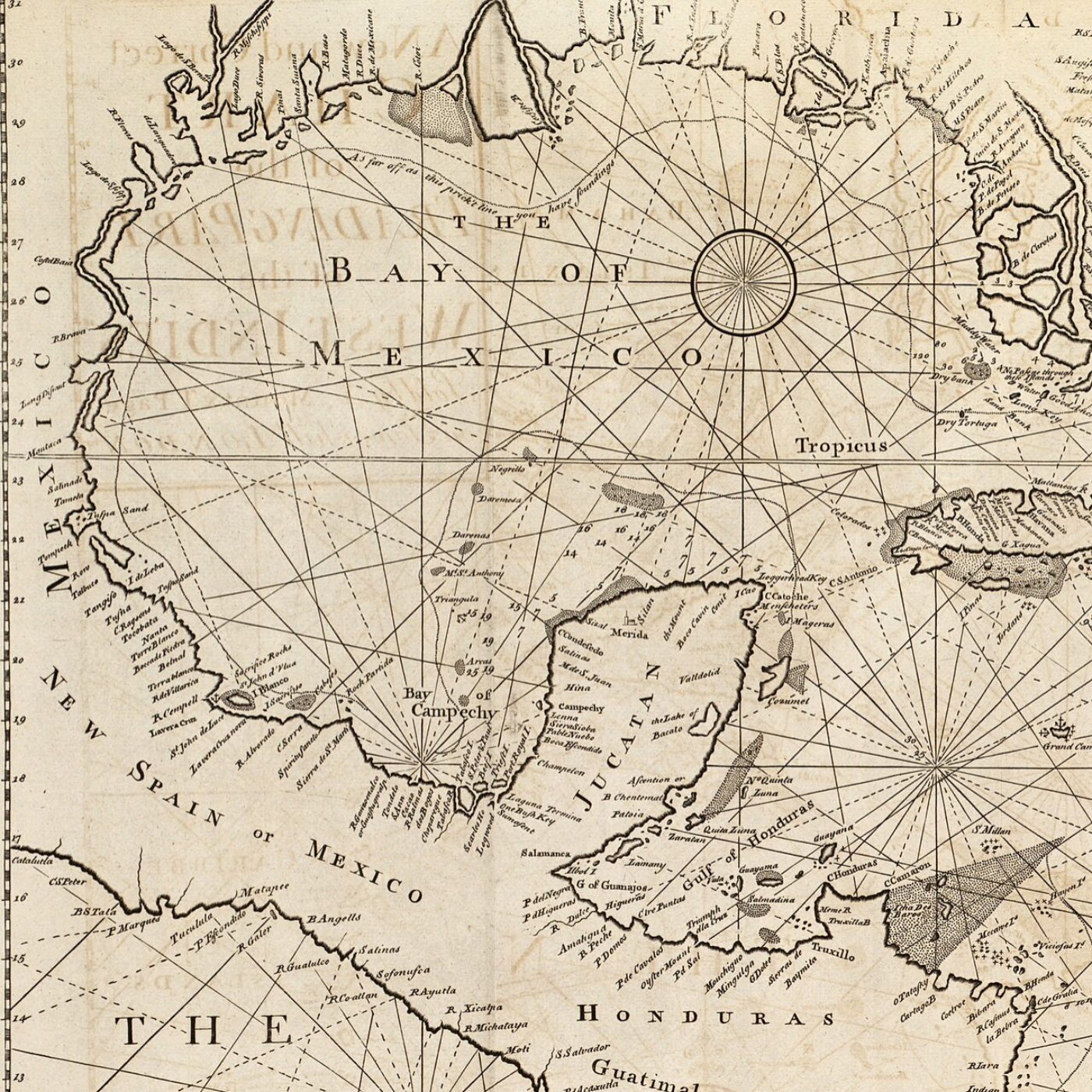
S2 Ep 59The Words “Gulf of Mexico” and “Climate Change” May Cost Floridians Billions of Dollars
Recent Controversies Regarding Education and Environmental Policy in FloridaExecutive Summary: This document summarizes recent actions in Florida that have drawn criticism for alleged political influence on education and environmental policy. These include the removal of climate change references from textbooks, the proposed renaming of the "Gulf of Mexico" to the "Gulf of America" in state materials, and broader concerns about "ideology or indoctrination" in schools.Key Themes and Ideas:Textbook Censorship & Climate Change Denial:Summary: The Florida Department of Education is accused of removing or altering textbook content to minimize or eliminate references to climate change.Details:A 90-page section on climate change was removed from a high school chemistry book.References to climate change were cut from middle school biology textbooks, including passages urging government action, deemed a "political statement."The state demanded citations supporting the link between "human activity" and climate change in a high school biology textbook."They asked to take out phrases such as climate change."No high school environmental science textbooks were included in the state's list of acceptable books.Context: These actions follow the removal of "DEI" (Diversity, Equity, and Inclusion) and "critical race theory" references from textbooks.Impact: Critics argue that these actions deny students a deeper understanding of climate change and its implications, especially considering Florida's vulnerability to climate change impacts.Quote: "Educators told the Sentinel the state's 'ill-considered actions' will 'rob students of a deeper understanding of global warming' and 'cheat Florida students.'""Gulf of America" Initiative:Summary: Florida GOP lawmakers have introduced bills to rename the "Gulf of Mexico" as the "Gulf of America" in state laws and educational materials, following an executive order from former President Donald Trump.Details:Multiple bills in the Florida Senate and House seek to replace all references to the "Gulf of Mexico" with "Gulf of America."One bill proposes designating a section of U.S. Highway 41 as the "Gulf of America Trail."The bills would require state agencies, county school districts, and charter school boards to use materials reflecting the new name.Governor DeSantis referenced "an area of low pressure moving across the Gulf of America" in an order about a winter storm.The bills would update the name in over 50 Florida statutes.Quote: The bill noted that the “Gulf of Mexico spans approximately 1,700 miles along the United States coastline, of which 770 miles are located along the Florida coast.”Quote: Trump’s executive order directed the secretary of the U.S. Department of the Interior to “rename the Gulf of Mexico as the ‘Gulf of America’ in order to recognize the importance of the body of water to the United States.”"Ideology" and State Control Over Education:Summary: The Florida Department of Education asserts its role in ensuring that instructional materials align with state standards and do not include "any form of ideology or indoctrination."Details:The DeSantis administration has been accused of aligning Florida's public education system with conservative views.
S2 Ep 58Wind Load Impact on Tall Buildings During Severe Wind Events
Wind Load Impact on Tall Buildings During Severe Wind EventsMeteorology Matters looks at the performance of tall building facades under severe wind conditions, focusing on damage observations from recent events (May-July 2024) including a derecho and Hurricane Beryl in Houston, Texas. The study combines real-world damage assessments with wind tunnel simulations conducted at the NSF NHERI Wall of Wind Experimental Facility to understand the factors contributing to facade failures. A key finding is that non-hurricane wind events, like derechos and downbursts, can cause significant localized damage due to wind channeling effects in urban areas and the unique characteristics of these wind events. The research highlights the need for reassessing wind load design criteria for tall buildings to account for these factors.Key Themes and Ideas:Increased Vulnerability of Tall Buildings: The article emphasizes the growing number of tall buildings in urban environments and their inherent vulnerability to extreme wind events."As urbanization accelerates, the construction of tall buildings has surged, becoming a defining feature of modern cityscapes... Tall buildings, while contributing to economic growth and urban development, face substantial risks from extreme wind events, such as hurricanes and downbursts."Impact of Non-Hurricane Wind Events: A core argument is that localized convective systems like derechos and downbursts pose a significant threat to tall building facades, sometimes causing more damage than hurricanes with comparable wind speeds."localized convective systems such as derecho and downbursts rank among the most formidable natural forces capable of inflicting severe damage on tall structures.""Comparing the observations in both events, the damage resulted from the derecho was more severe than that resulted from the hurricane, despite comparable gust speeds."Wind Channeling in Urban Areas: The study identifies wind channeling in densely built urban environments as a critical factor in facade damage. The interaction of wind forces with surrounding buildings can amplify pressures on specific facades."...critical vulnerabilities in tall building façades, particularly in relation to wind channeling effects in densely built urban areas.""As observed, channelling effects in dense urban environment might have a significant consequence on the wind-induced local pressures and have contributed to the damage observed in Houston during the derecho."Need for Reassessing Wind Load Design: The research suggests that current wind load design criteria may not adequately account for the complexities of wind behavior in urban areas, especially concerning non-hurricane events."...underscore the need for a reassessment of wind effects on tall buildings to better reflect the complex interactions between wind forces and urban environments."Wind Tunnel Testing Methodology: The study uses wind tunnel simulations at the NHERI Wall of Wind Experimental Facility to investigate wind loads on tall building models under both atmospheric boundary layer (ABL) and downburst wind conditions. The wind tunnel is equipped with a 12-fan system simulating Category 5 hurricane conditions.
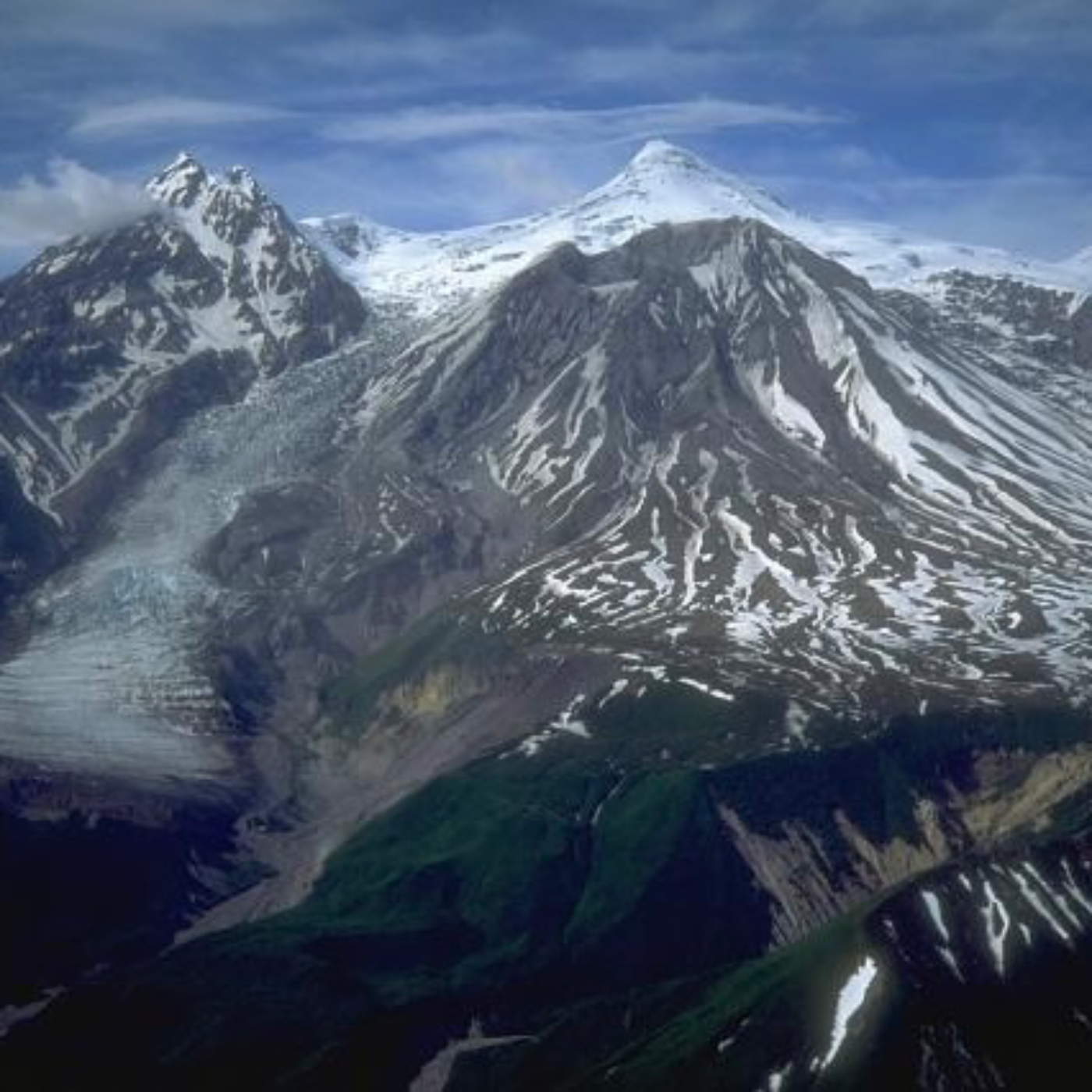
S2 Ep 57Volcanic Unrest at Mount Spurr, Alaska
Volcanic Unrest at Mount Spurr, Alaska (February 2025)Summary:Mount Spurr, a stratovolcano located approximately 75 miles west of Anchorage, Alaska, is exhibiting signs of increased volcanic activity, prompting close monitoring by the Alaska Volcano Observatory (AVO). The primary indicators are an increase in seismic activity, changes to the summit crater, and observations of fumaroles. While an eruption is not certain, volcanologists estimate a roughly 50-50 chance of an eruption at Crater Peak and are closely watching for additional signals that would indicate an increased likelihood. Past eruptions, particularly those in 1953 and 1992, demonstrate the potential for significant disruption to air travel due to ashfall.Key Themes and Details:Increased Seismic Activity: A significant increase in earthquakes has been recorded since April, escalating from approximately 30 per week to 125 per week. Over 2,700 earthquakes have been recorded in total, with the largest being a magnitude 2.9 quake on January 2. As noted by one article, "thousands of earthquakes and notable shifts in the terrain have been observed over recent weeks, indicating that the volcano may be on the verge of an eruption."Location of Potential Eruption: If an eruption occurs, scientists believe it is most likely to occur at Crater Peak, a vent located about two miles below the Spurr summit. Crater Peak erupted in 1953 and 1992.Potential Hazards: An eruption at Crater Peak could release "streams of hot gas, rock and ash traveling at speeds of more than 200 miles per hour." This could also lead to lahars (mudflows) due to melting snow and ice. While the immediate area around Mount Spurr is sparsely populated, the primary concern is ashfall affecting Anchorage and disrupting air travel.Impact on Air Travel: The 1992 eruption caused significant travel disruptions by blanketing Anchorage in ash and shutting down the airport. The USGS reports that "planes are highly susceptible to volcanic materials, which can damage the fuselage, blades and significantly hinder engine performance." The increased volume of air traffic in 2025 compared to 1992 suggests that a similar eruption could be even more disruptive today.Monitoring Efforts: The AVO is closely monitoring Mount Spurr using 11 seismic stations and conducting overflights to take gas measurements and maintain instruments. They are looking for specific warning signs that would indicate an imminent eruption, including increased seismic activity, gas emissions, surface heating, and changes in surface deformation. As Matt Haney stated, "We’re watching it very closely... We’re saying that there’s unrest above background [levels], but it’s uncertain if this is actually building to an eruption."Uncertainty of Eruption: While there is a 50-50 chance of an eruption, it is also possible that the volcanic unrest will subside without an eruption. Past episodes of increased activity have not always resulted in eruptions. According to one of the articles, "Sometimes there can be a build-up of magma beneath the volcano, but it doesn’t have enough magma to ultimately proceed all the way and produce a volcanic eruption."Advanced Warning: The AVO expects to see additional warning signs before an eruption, potentially providing "days to a few weeks" of advanced notice, although this is not guaranteed. The AVO stated that, "it is very likely that if an eruption were to occur it would be preceded by additional signals that would allow advance warning."
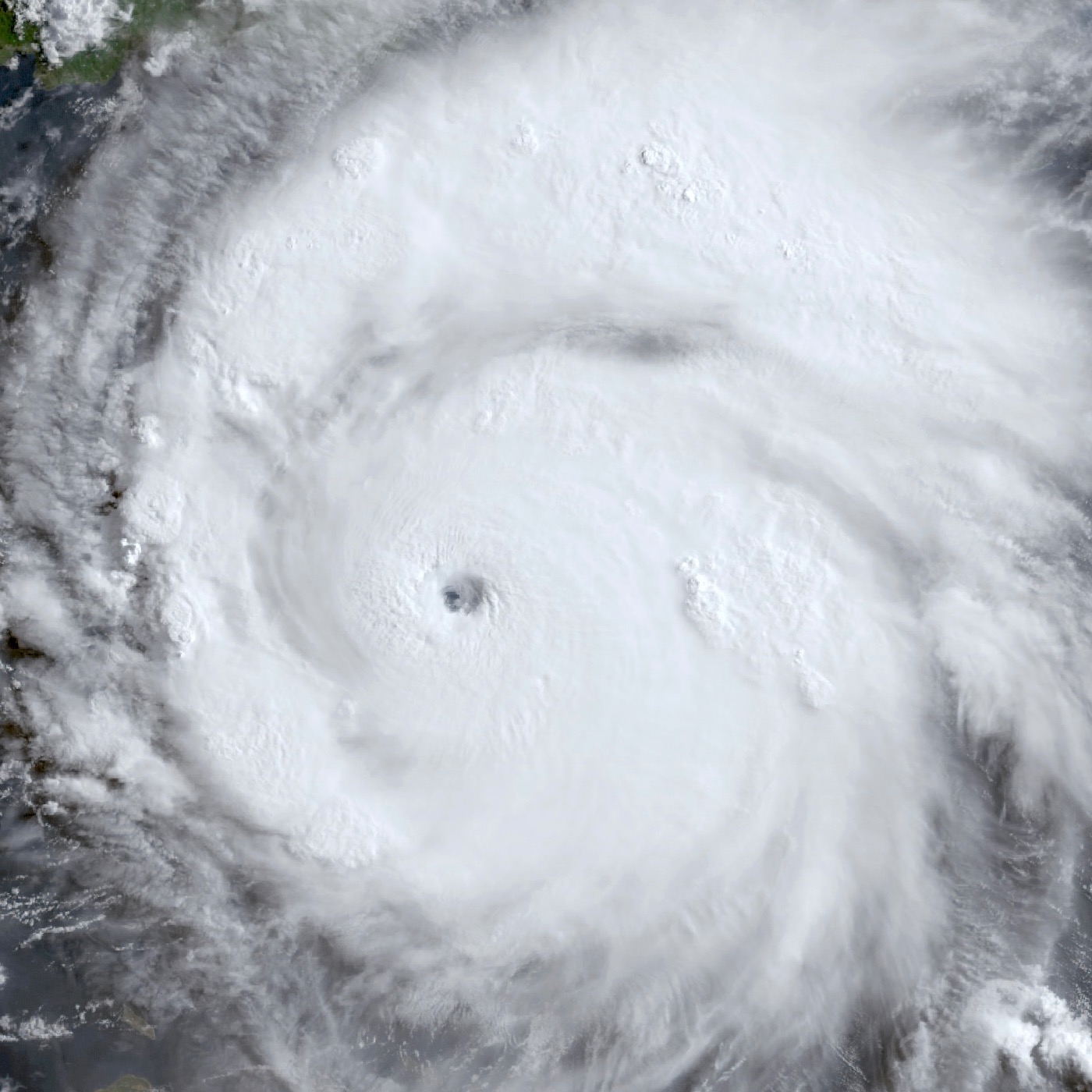
S2 Ep 562025 Hurricane Season Forecast
2025 Atlantic Hurricane Season OutlookDate: February 24, 2025Sources:"5 things Bryan Norcross is watching for the 2025 hurricane season" - Fox Weather"New NOAA system ushers in next generation of hurricane modeling, forecasting" - NOAA"After predicting 'hurricane season from hell,' forecaster is back for '25" - Chron.comExecutive Summary:The 2025 Atlantic hurricane season is approaching, with the official start on June 1st. Forecasters are closely monitoring several factors that will influence the season's activity. While early predictions suggest a potentially less active season than the disastrous 2024 season, unusually warm Caribbean waters and other unpredictable elements mean coastal communities should remain vigilant. New forecasting technologies, like NOAA's HAFS model, promise improved accuracy in predicting storm intensity and track, offering more lead time for preparedness.Key Themes and Ideas:Seasonal Predictions and ENSO:ENSO-Neutral Conditions: Current outlooks suggest a likely ENSO-neutral phase, meaning neither El Niño nor La Niña will dominate. Historically, ENSO-neutral years have produced varying levels of hurricane activity. "Forecasters are still analyzing the potential development of an El Niño or La Niña event for the upcoming season, but current outlooks suggest that the year will likely fall within an ENSO-neutral phase, meaning neither El Niño nor La Niña conditions are expected to dominate."Spring Predictability Barrier: Forecasting ENSO conditions this time of year is difficult due to weak trade winds over the Pacific. "What that means is that this time of year and up into about March and maybe even April, it becomes very difficult and forecasts for whether it's going to be an El Niño or La Niña are much less reliable."WeatherBell's Forecast: After accurately predicting a severe 2024 season, WeatherBell Analytics forecasts a less impactful 2025 season with 15-19 named storms, 7-9 hurricanes, and 2-3 major hurricanes. They suggest "fewer impacts" and "no clear landfall signals" unlike last year.Sea Surface Temperatures:Warm Caribbean Waters: Above-average temperatures in the Caribbean Sea raise concerns about potentially more intense hurricanes if storms enter that region. "The Caribbean is extremely warm. That suggests that if we get a storm, like Beryl, forming in the region, we could see an unusually strong system this year," said Norcross.Gulf and Western Atlantic: Water temperatures in the Gulf and western Atlantic fluctuate but can still provide fuel for developing systems.Cooler Atlantic: WeatherBell forecasters say that cooler conditions in the Atlantic favor a weaker season overall. "The Atlantic is much cooler than last year, and the swath of warmer water is shown to the north. This suggests less Main Development Region activity, but the worry have its share of issues."
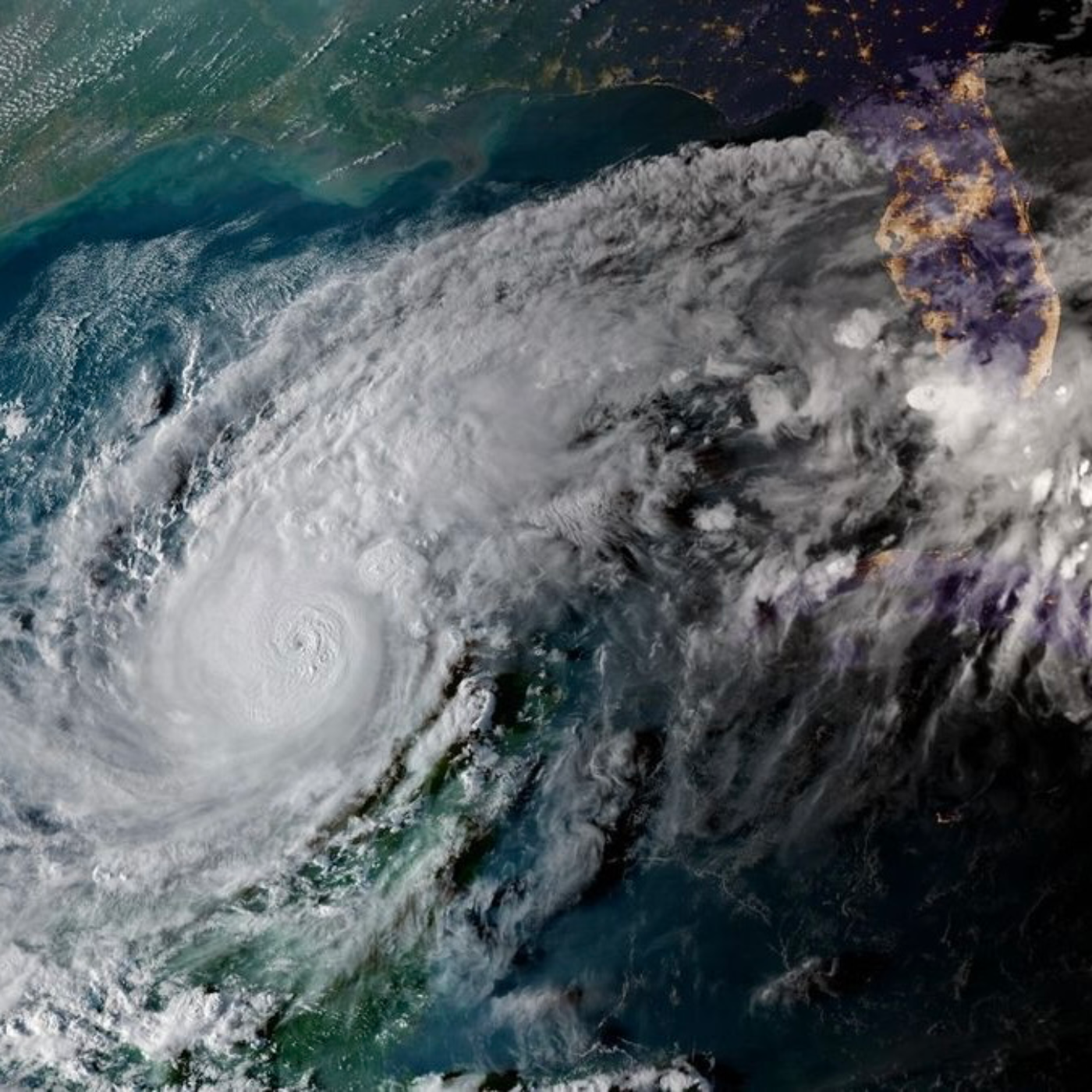
S2 Ep 55100 Days till Hurricane Season 2025
2025 Atlantic Hurricane Season Outlook and PreparednessPurpose: To provide a summary of early predictions for the 2025 Atlantic hurricane season and offer recommendations for preparedness based on current information.Key Themes:Hurricane Season Timing: The Atlantic hurricane season officially runs from June 1st to November 30th. However, storms can and have developed outside of these dates. The eastern Pacific hurricane season runs from May 15 to November 30, while the central Pacific season (including Hawaii) runs June 1 through November 30.Early Predictions for 2025: Initial outlooks suggest an average to slightly above-average hurricane season in the Atlantic. However, experts caution that early predictions are subject to change."Looking ahead to the 2025 season, early outlooks from various weather organizations suggest an average to slightly above-average season. However, experts caution that early predictions are prone to errors." - Fox WeatherENSO (El Niño-Southern Oscillation) Influence: ENSO is a critical factor influencing hurricane activity.Currently in a waning La Niña phase (late 2024), expected to transition to a neutral state in 2025.Neutral ENSO years have historically produced a wide range of hurricane activity."Historically, neutral ENSO years have produced a range of hurricane activity, from a below-average number of cyclones to well above-average seasons, depending on variables such as sea surface temperatures, wind patterns and other atmospheric factors." - Fox WeatherAccording to research from Florida State University, the Florida Peninsula and the Gulf Coast are especially affected during neutral ENSO years.Sea Surface Temperatures: Warmer-than-average sea surface temperatures, particularly in the Gulf of Mexico and Caribbean, could contribute to increased tropical development."The Caribbean is already warm enough to sustain tropical activity... The Gulf is several degrees warmer than average for this time of the year, and if sustained for several months, that could lead to more development." - Weather.comImportance of Early Preparation: The documents stress that preparing now is crucial, not waiting until a storm is imminent.Key Facts and Ideas:2024 Season Recap: The 2024 Atlantic hurricane season had 18 named storms, including 11 hurricanes and 5 major hurricanes. This is considered an active year, but below expectations of early forecasts.An average season produces 14 named storms, 7 hurricanes, and 3 major hurricanes with an ACE value of around 122.Pre-Season Storms: Storms can and do form before the official June 1st start date. Examples cited: Tropical Storm Arlene (2023), Tropical Storm Bonnie (2016), Hurricane Alex (2016), Tropical Storm Beryl (2012)."Many recent years have had storms develop before June 1, the official start of hurricane season." - Weather.comHurricane Names: The naming list for the 2025 season is provided, with Andrea being the first name. Dexter replaces Dorian on the list."The first named storm of the 2025 Atlantic hurricane season will be Andrea, followed by Barry, Chantal and Dexter. The name Dexter replaces Dorian, which was retired after the 2019 season." - Fox Weather

S2 Ep 53Was Trump Recruited as KGB Asset in 1987?
Allegations of Donald Trump's Recruitment by the KGBMultiple news sources report on allegations made by Alnur Mussayev, a former Kazakh intelligence chief, that Donald Trump was recruited by the KGB in 1987 and given the codename "Krasnov." These claims have resurfaced amid ongoing scrutiny of Trump's ties to Russia. Mussayev's allegations lack supporting evidence. There is also commentary on how a story about this allegation seemed to quickly disappear from the Daily Beast and other online sources.Key Themes and Information:Allegation of KGB Recruitment: The central claim is that Donald Trump was recruited by the KGB in 1987 while he was a New York real estate developer. Alnur Mussayev, a former head of Kazakhstan's National Security Committee and a former KGB officer, is the source of this allegation. According to Mussayev, the KGB targeted businessmen from capitalist countries for recruitment, and Trump was one such target. As Mussayev stated, "In 1987, our directorate recruited Donald Trump under the pseudonym Krasnov.”Lack of Evidence: The news reports emphasize that Mussayev's claim is unsubstantiated and lacks concrete evidence. While he alleges that a file on "Krasnov" exists and is now managed by a close associate of Putin within the FSB, he provides no proof to support this.Historical Context: Trump's 1987 Moscow Visit: The allegations are linked to Trump's visit to Moscow in 1987, during which he explored the possibility of building a hotel. Soviet officials reportedly facilitated this trip, raising questions about its true nature.KGB Recruitment Tactics: The reports mention a 1985 KGB document outlining how to identify and recruit Western figures. The document instructed agents to target "prominent figures in the West" with the aim of "drawing them into some form of collaboration with us… as an agent, or confidential or special or unofficial contact.” Mussayev's claim suggests Trump may have been a target of such a recruitment effort.Trump's Denials and Concerns of US Officials: Trump has consistently denied any improper ties to Russia or collusion with Vladimir Putin. However, some US officials have repeatedly expressed concerns about his relationship with the Kremlin leader.Scaramucci's Comments on Trump and Putin: Anthony Scaramucci, former White House communications director, has added to the speculation, suggesting that Trump's deference to Putin has puzzled many former senior officials. "I think there is a mysterious ‘hold’ on the president,” he said, noting that H.R. McMaster, James Mattis, and John Kelly were also unable to understand Trump's affinity for Putin.Possible Removal of Initial Report: There is a claim that the initial story of this allegation disappeared from the Daily Beast and other sources quickly. According to the "Magic Disappearing DB Story About Allegations Trump Was Recruited as a Russian A.pdf" source, "I expected to see this story covreed heavily here, but nary a peep, and within hours, it was scrubbed from both the Daily Beast’s site, as well as various other outlets on the internet."Conclusion:The reports highlight serious allegations against Donald Trump, claiming he was recruited by the KGB in 1987. However, these claims are currently unsubstantiated and should be treated with caution.
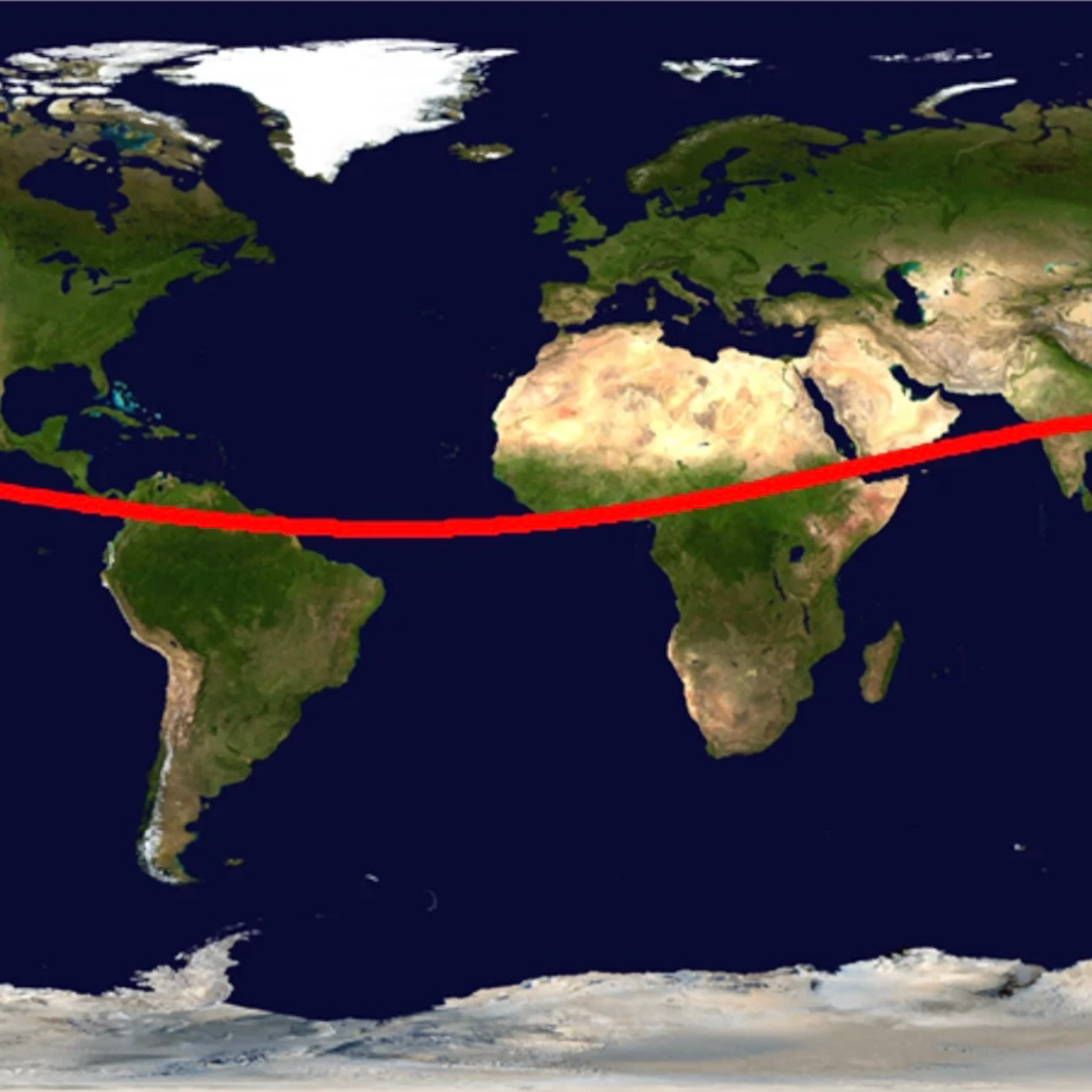
S2 Ep 52Asteroid 2024 YR4 Changing Impact Risk
Asteroid 2024 YR4 – Impact Risk Assessment Asteroid 2024 YR4, a "city killer"-sized space rock (estimated between 40-100 meters wide or 131-295 feet), has briefly become the riskiest asteroid ever recorded due to a non-zero probability of impacting Earth in December 2032. Initial assessments calculated a potential impact probability as high as 3.1%, later revised down to 1.5%. While the initial impact probability was the highest ever seen for an asteroid of this size, scientists emphasize that this is a dynamic situation and the probability is expected to fluctuate and ultimately decrease as more data is collected. The asteroid is currently classified as a 3 on the Torino Scale, indicating a potential for localized destruction and meriting public attention.Key Themes and Ideas:Fluctuating Risk Assessment: The core theme across all sources is the changing nature of the risk assessment for 2024 YR4. As more observational data becomes available, the predicted orbit becomes more precise, leading to shifts in the calculated impact probability. This is a normal process in near-Earth object (NEO) tracking. As Lee Billings states, "Asteroid 2024 YR4’s risk of hitting Earth is shifting with new data, astronomers say".Initial High Risk & Subsequent Reduction: The initial assessments in mid-February 2025 showed a relatively high impact probability, triggering concerns. CNN reported on February 19th that "A recently discovered asteroid, named 2024 YR4, is now the riskiest asteroid ever detected". However, later data, especially after the full moon passed, led to a significant reduction in the calculated risk. This highlights the importance of continuous observation. As the editor's note in the Scientific American excerpt points out: "Hours after this story’s publication, NASA announced that new data collected overnight had reduced the Earth-impact probability for asteroid 2024 YR4 from a record-setting 3.1 percent to 1.5 percent."The Torino Scale: The asteroid is currently at a 3 on the Torino Scale, which, according to Richard Binzel (the scale's inventor), indicates "current calculations give a 1% or greater chance of collision capable of localized destruction." The scale is intended to communicate the level of concern to both the public and officials.Importance of Continued Observation: All sources emphasize the need for ongoing observation and tracking of 2024 YR4 to refine its orbit and reduce uncertainties. The James Webb Space Telescope (JWST) is expected to play a key role in this effort by observing the asteroid in infrared light. "A team of astronomers will use the keen infrared eyes of NASA’s James Webb Space Telescope to further constrain estimates of the asteroid’s size and trajectory in early March".Comparison to Apophis: The articles draw parallels between 2024 YR4 and the asteroid Apophis. Apophis initially had a significant (but ultimately incorrect) risk assessment, which was later revised to zero after further observations. This serves as a precedent for the expected trajectory of 2024 YR4's risk assessment.Size and Potential Impact: The asteroid is described as a "city killer," which is a relative term. It is significantly smaller than the asteroid that caused the extinction event, and the potential destruction would be localized. If 2024 YR4 were to impact Earth, the result "could resemble a detonating hydrogen bomb, unleashing enough localized devastation to destroy any unlucky metropolis in the way."Mitigation Strategies (Premature at This Stage): While potential mitigation strategies like deflection or destruction are mentioned

S2 Ep 51NYC Congestion Pricing: Good for Air Quality, Weather, Climate, Health…
New York City Congestion PricingNew York City implemented congestion pricing on January 5, 2025, charging tolls to vehicles entering Manhattan south of 60th Street. This initiative, decades in the making, aims to reduce traffic congestion, improve air quality, fund public transit upgrades, and contribute to a more sustainable urban environment. Early data shows promising results with reduced traffic and improved travel times. However, the program faces opposition, particularly regarding its cost to drivers and potential negative impacts on outer boroughs and New Jersey. A major development occurred in February 2025 when the Trump administration moved to revoke federal approval for the program, leading to a legal battle and uncertainty about the future of congestion pricing.Main Themes & Key Ideas:The Goals of Congestion Pricing:Reduced Traffic Congestion: The primary goal is to alleviate gridlock in Manhattan, one of the world's most congested areas. As stated in "Congestion Pricing Begins," this aims to "reduce traffic congestion in one of the busiest urban centers in the world."Improved Air Quality & Public Health: Fewer cars are expected to lead to reduced emissions and improved air quality. The NYLCV document quotes Julie Tighe: "We cannot drive our way out of the climate crisis. We need fewer cars on the road, less greenhouse gas emissions coming from our transportation sector, and less air pollution from tailpipes of cars idling in traffic choking our lungs."Funding for Public Transit: The tolls are projected to generate substantial revenue (up to $15 billion) for the Metropolitan Transportation Authority (MTA), enabling modernization and expansion of the subway, bus, and commuter rail systems. This includes "updating tracks, cars, signals, and installing safety features like platform barriers," as well as accessibility upgrades.Environmental Sustainability: A long-term goal is to reduce greenhouse gas emissions and contribute to New York's climate goals.Safer Streets: Congestion pricing aims to create safer streets by decreasing accidents and serious injuries. The NYC's congestion pricing plan has lead to "both crashes and injuries dropping by more than 50% in the CRZ."Implementation & Early Results:Toll Structure: The initial toll for passenger vehicles is $9 during peak hours and $2.25 during off-peak hours.Early Data: The "How Congestion Pricing Will Benefit New York City" article reports that just one month after implementation, "New York's Metropolitan Transportation Authority (MTA) reported that 1 million fewer vehicles entered Manhattan's most congested zone," leading to travel time improvements.Increased Transit Ridership: Weekend express bus service ridership grew by more than 20%, and subway ridership increased by 7.3% during weekdays.Foot traffic increase: "Through Jan. 31, 35.8 million pedestrians entered major business districts in the tolling zone, nearly 5 percent more than in the same period last year."Opposition & Concerns:Cost Burden on Drivers: A major point of contention is the financial burden placed on drivers, particularly those from working-class backgrounds.
S2 Ep 50NOAA, CDC, EPA, DOE, NPS, NASA Cuts Equate to Small Budget Changes, Big Concerns for You
Impact of Trump Administration Staff Cuts on Federal Agencies (February 2025)The Trump administration's push to downsize the federal government through layoffs and hiring freezes is having significant, and potentially detrimental, impacts on key agencies, particularly those related to climate science, environmental protection, and national park services. These actions are generating concerns about public safety, economic disruption, and the long-term health of vital government functions. Elon Musk's Department of Government Efficiency (DOGE) is playing a significant role in these cuts, raising questions about conflicts of interest. While the full extent of the impact remains unclear, the reports suggest widespread disruption and a potential degradation of essential services.Significant Staff Reductions Across Multiple Agencies:Widespread layoffs and rescinded job offers are impacting the National Oceanic and Atmospheric Administration (NOAA), NASA, the Department of Energy (DOE), the National Park Service (NPS), the Forest Service, the Centers for Disease Control and Prevention (CDC), the General Services Administration (GSA), and others."The layoffs of thousands of government workers are likely to expand — possibly as soon as Tuesday — to two key climate science and extreme weather agencies: NOAA and NASA." (Axios)"As part of a directive to fire most trial and probationary staff across the federal government, the Park Service on Friday terminated roughly 1,000 probationary employees, in what some are calling a 'Valentine’s Day massacre.'" (Washington Post)At the U.S. Forest Service, where some 3,400 workers are slated to be cut, wildfire prevention will be curtailed. (Politico)Disproportionate Impact on Climate Science and Environmental Protection:NOAA is facing potentially drastic cuts to its staff and budget, impacting its ability to provide weather forecasting, climate research, and fisheries management. Some sources suggest a potential halving of NOAA's workforce."The Trump administration is looking to halve the NOAA workforce... The draconian cut...threatens to cripple an agency that provides climate and weather information across the U.S. economy." (Scientific American)The Commerce Department has instructed NOAA to search grant programs for climate-related terms, suggesting a targeted effort to curtail climate change-related projects."Fire safety projects are already frozen and being canceled all over the West," said Rep. Jared Huffman regarding Forest Service layoffs. (Politico)National Park Service Under Strain:Layoffs within the NPS are causing disruptions to visitor services, maintenance, and resource protection. The loss of probationary employees and seasonal workers is particularly concerning as the peak tourist season approaches."President Donald Trump’s purge of federal employees is not only upending the lives of National Park Service workers, but also threatening to harm the visitor experience at national parks across the country." (Washington Post)Examples cited include longer wait times at park entrances, canceled reservations, and potential closures of visitor centers and campgrounds."‘Nobody to pump the toilets in a month?’" (Politico)Conclusion:The Trump administration's widespread staff cuts across the federal government are raising serious concerns about the future of key agencies and their ability to fulfill their missions. The potential consequences for climate science, environmental protection, public safety, and the economy are significant and warrant close monitoring.
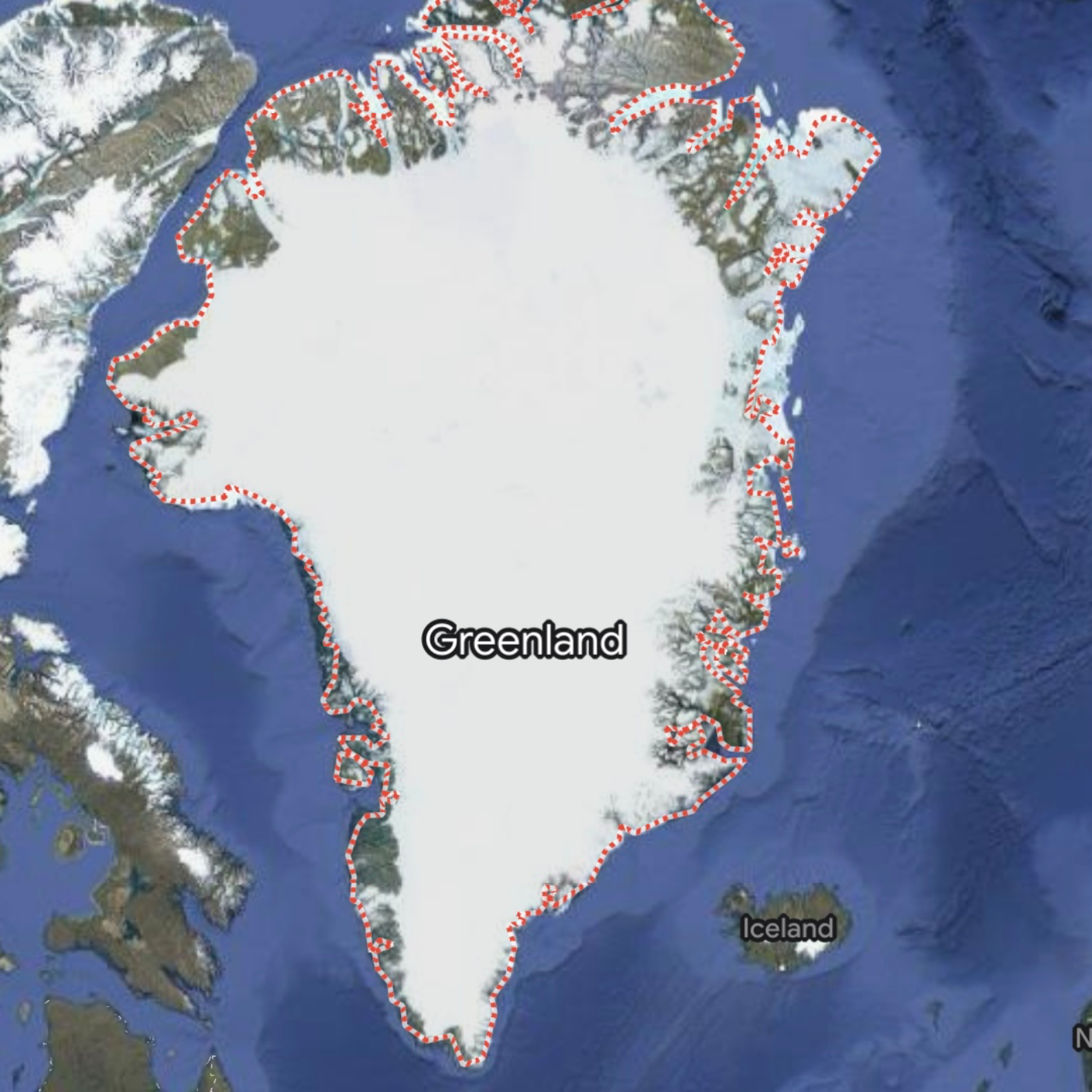
S2 Ep 49NOAA Weather Data & Disaster Relief Donkeys
Climate Science, Disaster Relief, and Weather DataMeteorology Matters reviews three articles focusing on different aspects of environmental issues and their societal impact. The first article highlights the historical importance of Camp Century in Greenland for climate science. The second details the role of mules in providing disaster relief after a hurricane. The third explores the crucial function of NOAA in providing public weather data and the challenges of private companies replicating this service.Source 1: "A U.S. military base built under Greenland ice had a pivotal role in climate science"Main Theme: The legacy of Camp Century, a Cold War-era U.S. military base built under the Greenland ice sheet, extends beyond its original military purpose to become a pivotal site in climate science history.Key Ideas/Facts:Camp Century was initially a secret project to test the feasibility of a hidden base under the ice, potentially for nuclear missiles. The project was eventually abandoned.A nearly mile-long ice core extracted from Camp Century in 1966 provided scientists with the first detailed record of Earth's climate, stretching back beyond the last glacial period.Quote: "So before the Camp Century core, we did not really have a reliable way of looking into the Earth's past climate. When the U.S. pulled out the Camp Century core in 1966, it provided a window into the past like people had never known before." - Glaciologist William Colgan.The site remains a "science super site" because early research established baseline measurements still used today.The ice at Camp Century is now melting slightly every year, even though it was initially chosen because the surface ice never melted.Quote: "Of course, when you go to the site today, you don't see anything. It looks like any other site on the ice sheet, just flat white snow and a blue sky." - William Colgan.Source 2: "Mules that provided aid after Hurricane Helene struck down on road"Main Theme: The role of mules, specifically those from the Mountain Mule Packer Ranch, in providing vital disaster relief after Hurricane Helene, and the community's grief following the tragic death of three of these animals.Key Ideas/Facts:Mules from the Mountain Mule Packer Ranch played a critical role in delivering food, water, and building supplies to areas inaccessible by vehicles after Hurricane Helene.Quote: "They brought more than just supplies to people. It’s that they were bringing hope to people, because there were so many people that felt like they were forgotten," - Michele Toberer, co-founder of Mountain Mule Packers.Hurricane Helene was a Category 4 storm that caused significant damage (around $80 billion) and loss of life (at least 106 deaths).The ranch created a non-profit organization called Mission Mules to continue hurricane relief efforts.Three mules (Vader, Kev, and Amigo) were killed after escaping their pasture and being struck by a semi-truck.Despite the loss, the organization continues its mission to provide relief and host distribution events.Quote: "Their work ethic and what they’ve done with the people in western North Carolina taught us in the last few months that when something unimaginable happens, we still keep going." - Michele Toberer.