Lectures in History
429 episodes — Page 4 of 9
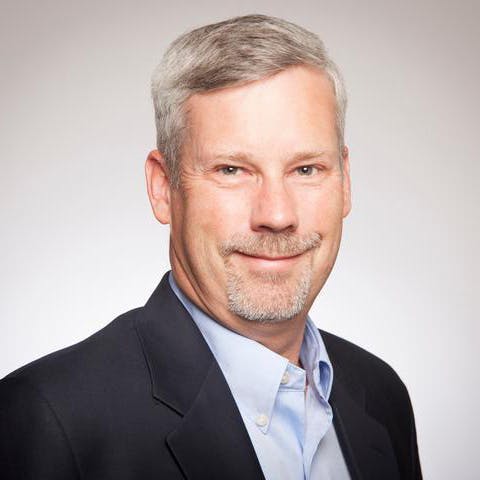
Cults & American Culture
Santa Clara religious studies professor Jim Bennett taught a class on the formation of cults and the history of notorious American cults. Santa Clara University is a Jesuit university located in California. Make your donation at: c-span.org/donate Learn more about your ad choices. Visit megaphone.fm/adchoices
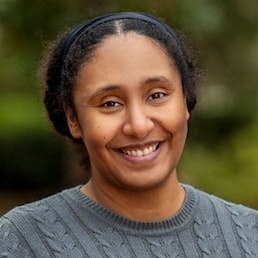
Slavery in the Northern Colonies
University of South Carolina Professor Nicole Maskiell taught a class on the early development of slavery in the northern American colonies. The University of South Carolina is located in Columbia, South Carolina. Make your donation at: c-span.org/donate Learn more about your ad choices. Visit megaphone.fm/adchoices
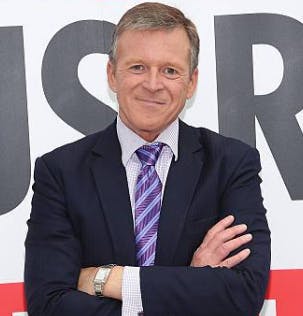
BONUS EPISODE: Convo w/ New Q&A Host Peter Slen
This week a conversation with the new host of Q&A, Peter Slen. We discuss the mission of the program, what to expect, and the best parts of hosting a one-hour conversation with interesting individuals. All new episodes of Q&A begin on January 28th, 2024. Make your donation at: c-span.org/donate Learn more about your ad choices. Visit megaphone.fm/adchoices
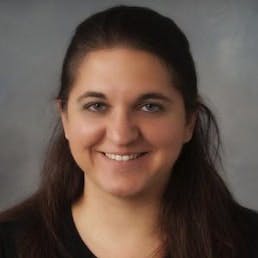
Legacy of President Jimmy Carter
Marquette University political science professor Julia Azari taught a class on the life and presidency of Jimmy Carter. Marquette University is located in Milwaukee. Make your donation at: c-span.org/donate Learn more about your ad choices. Visit megaphone.fm/adchoices

The Cold War & Global Literature
University of Kentucky English professor Peter Kalliney discussed how Cold War politics shaped literature from Africa, Asia and the Caribbean. The University of Kentucky is located in Lexington. Make your donation at: c-span.org/donate Learn more about your ad choices. Visit megaphone.fm/adchoices

Soldier, Diplomat & Civil Rights Leader Charles Young
The life and legacy of World War I general & early civil rights leader Charles Young was the topic of a lecture by Le'Trice Donaldson, history professor at Texas A&M University – Corpus Christi. This lecture was hosted by Akron University in Ohio. Learn more about your ad choices. Visit megaphone.fm/adchoices

Television, Internet & White House Communications
Chapman University Professor Lori Cox Han discussed how television and the internet impacted White House communications strategies. Chapman University is located in Orange, California. Learn more about your ad choices. Visit megaphone.fm/adchoices
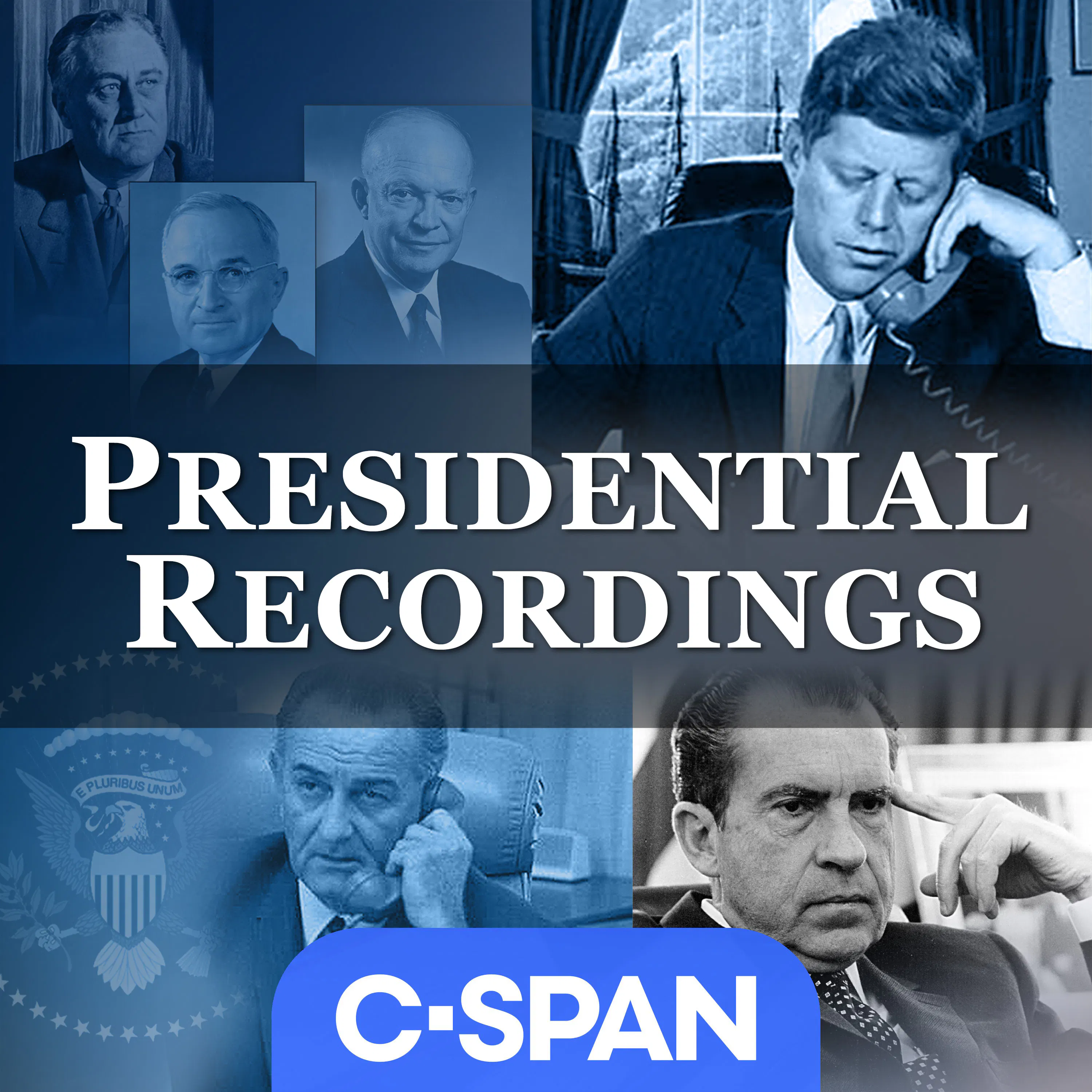
FEED DROP: JFK 60 Years Later Ep. 1 & Ep. 2
Ep. 1 - Step back in time with C-SPAN as we dive deep into one of the most iconic and controversial events in modern history—the assassination of President John F. Kennedy. In this episode, we explore the history surrounding JFK's tragic death through official phone calls from Dallas, Texas, the White House, and Air Force 1. Ep. 2 - Join C-SPAN on a journey through the events following November 22, 1963, as we listen to the events after that fateful day in Dallas. Hear calls from President Lyndon Johnson, Michigan Governor George Romney, FBI Director J. Edgar Hoover, and Dr. Martin Luther King Jr, and more. Learn more about your ad choices. Visit megaphone.fm/adchoices

World War II Battle of the Atlantic
University of Notre Dame professor Ian Ona Johnson discussed the contest for control of Atlantic sea routes during World War II. The University of Notre Dame is located in Indiana. Learn more about your ad choices. Visit megaphone.fm/adchoices

FEED DROP: Booknotes+ - Lindsay Chervinsky, "The Cabinet"
Lindsay Chervinsky is a presidential historian who has written what she says is the first book on the presidential cabinet. It's called "The Cabinet: George Washington and the Creation of an American Institution." It was on November 26, 1791, that President George Washington convened his cabinet department secretaries: Alexander Hamilton, Thomas Jefferson, Henry Knox, and Edmund Randolph. It was the first cabinet meeting ever held. Among other things, we asked Lindsay Chervinsky why Washington waited a full two and a half years into his presidency to call everyone together. Learn more about your ad choices. Visit megaphone.fm/adchoices

Abraham Lincoln & Emancipation
Virginia Tech University professor Paul Quigley discussed President Abraham Lincoln's shifting policies on emancipation during the Civil War. Virginia Tech University is located in Blacksburg, Virginia. Learn more about your ad choices. Visit megaphone.fm/adchoices

Furniture Making in Sumter, S.C.
The woodworking industry in early 20th century South Carolina is the subject of a class co-taught by University of South Carolina professor Jessica Elfenbein and former museum executive director Lynn Robertson. Learn more about your ad choices. Visit megaphone.fm/adchoices

The Church in Colonial California
Santa Clara University professor Meg Eppel Gudgeirsson discusses the spread of Catholicism and role of missions in 18th and early 19th century Spanish California. Learn more about your ad choices. Visit megaphone.fm/adchoices

Colonial Tensions Before The Revolution
Ithaca College professor Michael Trotti discussed the escalating tensions between colonists and the British government before the American Revolution. Ithaca College is located in New York. Learn more about your ad choices. Visit megaphone.fm/adchoices

Obama's 2004 DNC Keynote Address
Barack Obama's keynote address at the 2004 Democratic National Convention was the topic of a class taught by University of Kansas political communication professor Robert Rowland. The University of Kansas is in Lawrence, Kansas. Learn more about your ad choices. Visit megaphone.fm/adchoices
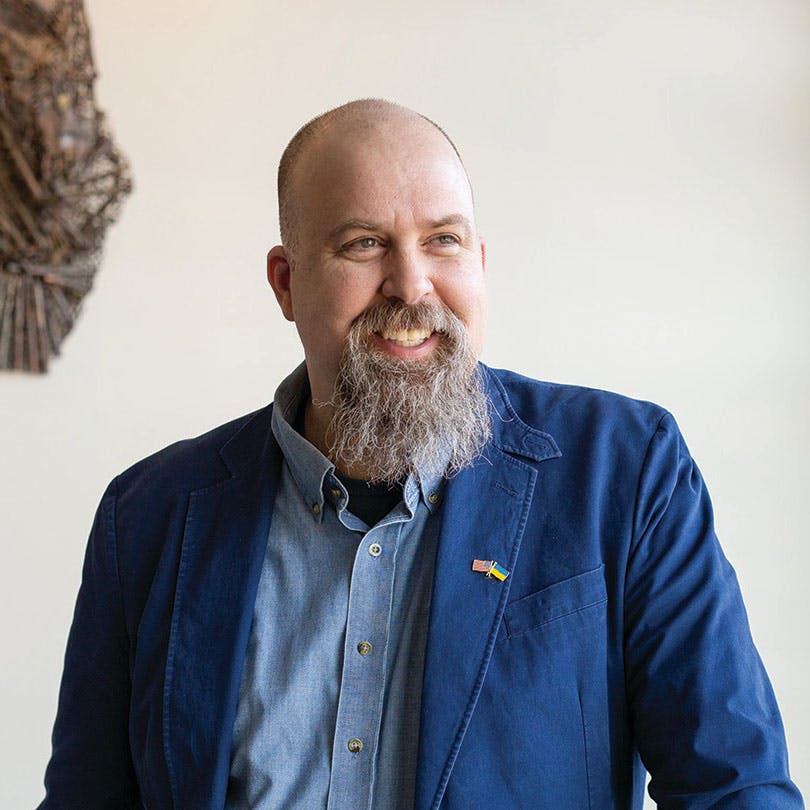
C.S. Lewis & Natural Law
Calvin University Professor Micah Watson discussed C.S. Lewis's views on law, politics and government and how they connected to the author's Christian beliefs. This lecture took place at the Acton Institute for the Study of Religion and Liberty in Grand Rapids, Michigan. Learn more about your ad choices. Visit megaphone.fm/adchoices

BONUS EPISODE: Q&A with AHTV's & BookTV's John McArdle
An episode with C-SPAN coordinating producer for BookTV and American History TV, John McArdle. Mr. McArdle is responsible for selecting the lectures that are produced, the logistics behind bringing them to our audiences, and crossing a divide of interesting and topical issues. He answers questions from the audience and provides a behind the scenes look at C-SPAN's most popular podcast. Learn more about your ad choices. Visit megaphone.fm/adchoices

The Great Society & the Welfare State
George Washington University lecturer Bell Julian Clement discussed American poverty policy and how the Johnson Administration's Great Society program sought to provide economic security to the poorest Americans. George Washington University is located in Washington, D.C. Learn more about your ad choices. Visit megaphone.fm/adchoices

The Oregon Country
University of Washington lecturer Ross Coen discussed the development of the Oregon Country and how the United States and Britain divided the Northwest Coast. The University of Washington is located in Seattle. Learn more about your ad choices. Visit megaphone.fm/adchoices

Worth Bagley & Civil War Reconciliation
N.C. State professor Chris Laws taught a class about North Carolina native Worth Bagley, who was the first U.S. soldier to die during the Spanish-American War in 1898. Bagley was celebrated as a national hero and his death was seen as a key moment in reconciliation in the decades after the Civil War. North Carolina State University is located in Raleigh. Learn more about your ad choices. Visit megaphone.fm/adchoices

Ludlow Coal Miners' Strike and Massacre
Professor Fawn-Amber Montoya talked about the Ludlow coal miners' strike and massacre that took place in the early 20th century in Colorado. She follows the story of a few mining families, many of whom died when the Colorado National Guard burned the tent city where the strikers and their families were living. She also described the modern memorial and how the event has been remembered. Learn more about your ad choices. Visit megaphone.fm/adchoices

Coroners in the 19th Century South
Professor Stephen Berry talked about coroners in the 19th century South. He discussed the role of a coroner as an agent of the state and talked about the records created from coroner inquests. He argued that coroners can shed light on the emerging patterns of death within a society and spot potential threats to public health such as diseases or a lack of industrial safety. Learn more about your ad choices. Visit megaphone.fm/adchoices
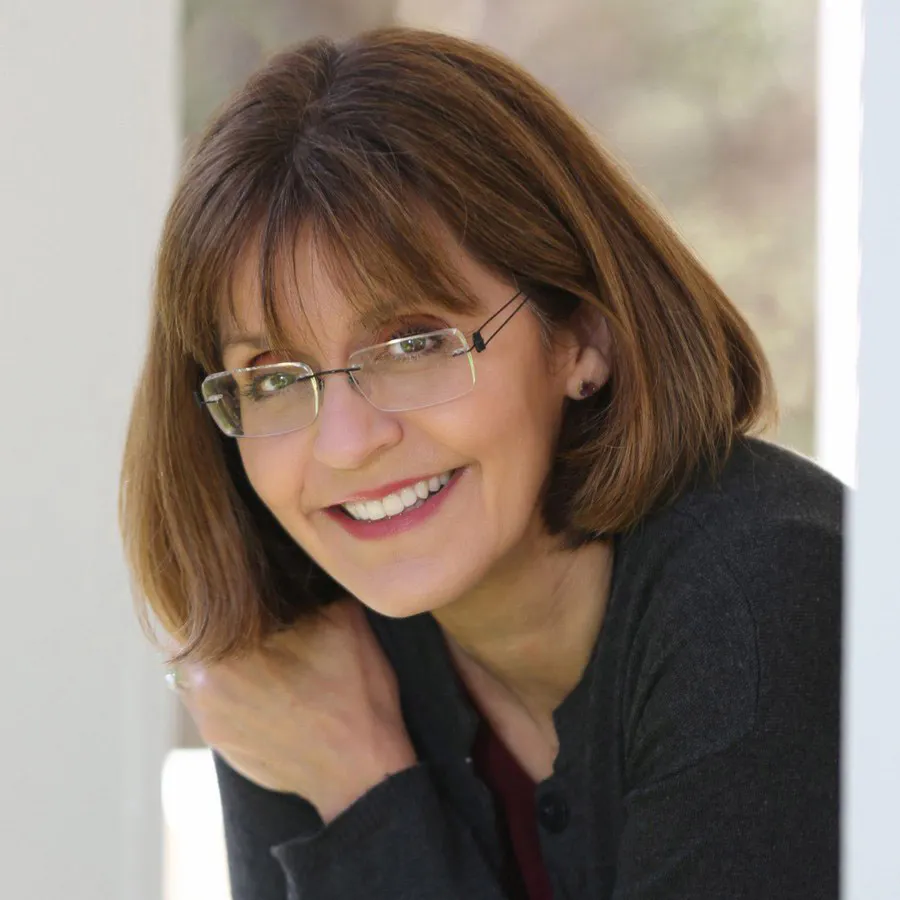
U.S. Refugee Policy Since World War II
Professor Maria Cristina Garcia talks about the United States' refugee policy since World War II. She speaks about qualifications to be a refugee and how those have changed as well as legislation governing quotas and procedures. Learn more about your ad choices. Visit megaphone.fm/adchoices

Q&A: Ilyon Woo on the Self-Emancipation of William and Ellen Craft in 1848
In this episode, you'll meet Ilyon Woo, author of a new bestseller-- "Master Slave, Husband Wife." She recounts the harrowing journey of self-emancipation made by two enslaved Georgians--William and Ellen Craft -- in 1848. Disguised as a wealthy disabled white man traveling with his enslaved servant, the Crafts left Georgia via public conveyances, avoiding slave traders, law enforcement, and curious fellow passengers in their successful effort to gain freedom. Becoming popular speakers on the lecture circuit, they found themselves hunted by slavecatchers after the passage of the Fugitive Slave Law in 1850. Learn more about your ad choices. Visit megaphone.fm/adchoices

Lewis and Clark Expedition
Brigham Young University Professor Jay Buckley taught a class about Lewis and Clark’s expedition across the American West after the Louisiana Purchase in 1803. Also known as the Corps of Discovery Expedition, he described their goal to map a route to the Pacific coast as well as to gather information on the people, flora and fauna in the new territory. This class was taught online due to the coronavirus pandemic and Brigham Young University provided the video. Learn more about your ad choices. Visit megaphone.fm/adchoices

Playwright August Wilson and Fences
Tulane University professor John “Ray” Proctor taught a class about playwright August Wilson, his contribution to African American theatre and his Pulitzer Prize-winning play, Fences. Learn more about your ad choices. Visit megaphone.fm/adchoices

BONUS EPISODE: The Atomic Bomb
In this speech from 1945, Robert Oppenheimer speaks about the development and use of the atomic bomb. He also talks about atomic weapons as “evil things” and the ethical application of science and scientific discovery. He also expressed his hope that the atomic bomb would never be used again, the peaceful use of nuclear technologies, and nuclear deterrence. The physicist known as “the father of the atomic bomb” served as the first director of the Los Alamos National Laboratory beginning in 1943. The first atomic bomb test in New Mexico was on July 16, 1945, and on August 6, 1945, Little Boy was detonated above Hiroshima. After WWII, he became chief adviser to the newly-created Atomic Energy Commission. The speech was delivered at the University of Pennsylvania Museum of Archaeology and Anthropology. It is presented courtesy of the American Philosophical Society Library. Learn more about your ad choices. Visit megaphone.fm/adchoices
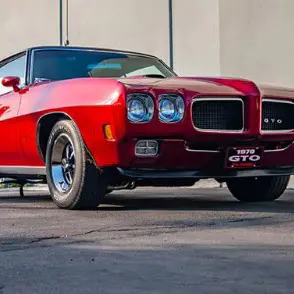
1970s American Car Culture and Film
University of Dayton Professors John Heitmann and Todd Uhlman taught a class about 1970s American car culture and films of the era. Using examples like Easy Rider, American Graffiti, and Badlands, they argued these films reflected many Americans' disillusionment and glorified the open road as a way to take back control in the face of societal changes. They also talked about the impact of oil shortages, the rise of coast-to-coast races called “Cannonball Runs,” and the popularity of trucker movies and music. Learn more about your ad choices. Visit megaphone.fm/adchoices

White House Myths
White House Historical Association historian and American University lecturer Matthew Costello taught a class on White House myths. He talked about the realities and legends behind often repeated stories such as the tunnel system, a gift alligator, how decorating traditions began, and Dolley Madison rescuing George Washington’s portrait. Learn more about your ad choices. Visit megaphone.fm/adchoices

New York City and Broadway in the 1960s
Baruch College Professors Vincent DiGirolamo and Elizabeth Wollman taught a class about New York City and Broadway in the 1960s. They described the political culture of the time, the relationship between Broadway and off-Broadway productions, and how smaller theaters were often more experimental and responded to current issues such as Vietnam. Learn more about your ad choices. Visit megaphone.fm/adchoices

Lead-Up to the Battle of Gettysburg
U.S. Army War College professor Douglas Douds gives a lecture about the causes and military objectives of the Civil War prior to a day-long staff ride at Gettysburg for the college’s resident class. Learn more about your ad choices. Visit megaphone.fm/adchoices

Jean Harris & Scarsdale Diet Doctor Murder Trial
University of Colorado Denver professor Sarah Fields teaches a class about the 1981 Jean Harris trial, also known as the "Scarsdale Diet" doctor murder case. Learn more about your ad choices. Visit megaphone.fm/adchoices
Landscape Preservation and National Parks
Professor Laura Watt talked about the evolution of a national park system and the effort to preserve pristine wilderness. She argued that this approach often obscures the ways humans have already interacted with the land. She also spoke about her research on the Point Reyes National Seashore, which used to be a dairy ranch community before it was designated a national park in the 1960s. Learn more about your ad choices. Visit megaphone.fm/adchoices

The Underground Railroad
Norfolk State University history professor Cassandra Newby-Alexander discussed the history of the Underground Railroad and efforts to escape enslavement before the Civil War. Norfolk State is an historically black university in Norfolk, Virginia. Learn more about your ad choices. Visit megaphone.fm/adchoices

The Ohio Dynasty of Presidents
University of Akron professor Kevin Kern discusses the Ohioans who were elected president, including the seven that served between 1868 and 1920. Learn more about your ad choices. Visit megaphone.fm/adchoices

Colonial Myths and Monuments
University of Delaware Professor Zara Anishanslin taught a class about how colonial history is remembered through historic sites and monuments, and sometimes contested. She argued that people’s assumptions about Colonial America are influenced by material and popular culture, including paintings depicting early American history in the U.S. Capitol and statues of Columbus and Pocahontas. This video was provided by the University of Delaware. Learn more about your ad choices. Visit megaphone.fm/adchoices
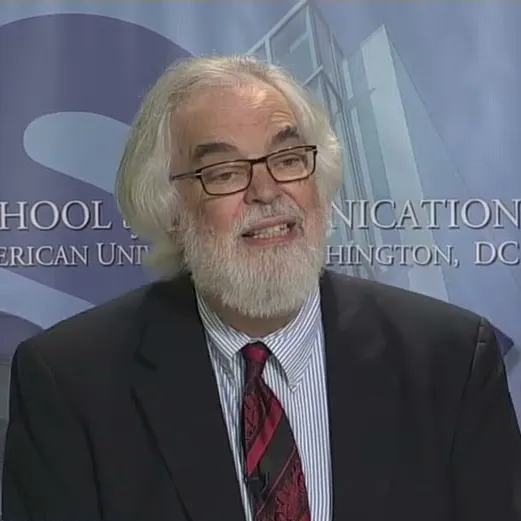
The 1990s
American University professor Joseph Campbell explored a decade of political, foreign policy, cultural and social events to define the zeitgeist of the American 1990s. American University is located in Washington, D.C. Learn more about your ad choices. Visit megaphone.fm/adchoices

Evolution of Job Skills & Rise of Robots
Boston College economics professor Chandini Sankaran discussed the evolution of job skills and how computers and robots have changed labor markets and the types of jobs available. Learn more about your ad choices. Visit megaphone.fm/adchoices

Native American Art & Museum Collections
University of California, Davis, art history professor Heghnar Watenpaugh discussed objects of native American culture in museum collections as well as repatriation efforts. Learn more about your ad choices. Visit megaphone.fm/adchoices

Vietnam War's "Operation Rolling Thunder"
Douglas Kennedy of the U.S. Air Force Academy taught a class on Vietnam's War's "Operation Rolling Thunder" air campaign, which took place from 1965-68. He described goals of the campaign, such as destroying North Vietnam's transportation system, but also discussed the limitations put in place to avoid antagonizing other communist powers such as the Soviet Union and the People's Republic of China. Learn more about your ad choices. Visit megaphone.fm/adchoices
The Outdoor History of Columbia, South Carolina
University of South Carolina professor Kent Germany used an urban stream and its surrounding landscape to tell the history of Columbia, South Carolina. Learn more about your ad choices. Visit megaphone.fm/adchoices
The 1960s Underground Press
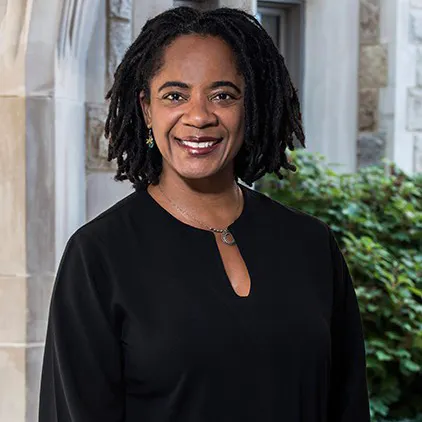
Boston College professor Angela Ards taught a class about underground newspapers during the 1960s. Boston College is located in Chestnut Hill, Massachusetts. Learn more about your ad choices. Visit megaphone.fm/adchoices

Weapons Technology in the Revolutionary War
Wright State University professor Paul Lockhart taught a class on the development of weapons technology in the American Revolution. Wright State University is located in Dayton, Ohio. Learn more about your ad choices. Visit megaphone.fm/adchoices

Puritanism & the Enlightenment in Colonial America
Princeton University scholar Allen Guelzo taught a class on how Puritanism and the Enlightenment shaped religion, politics and philosophy in colonial America. Princeton University is located in Princeton, New Jersey. Learn more about your ad choices. Visit megaphone.fm/adchoices

Legacy of President Jimmy Carter
Marquette University political science professor Julia Azari taught a class on the life and presidency of Jimmy Carter. Marquette University is located in Milwaukee. Learn more about your ad choices. Visit megaphone.fm/adchoices

West Virginia Statehood
West Virginia University professor William Gorby taught a class on the formation of West Virginia and its entry into the Union during the Civil War. West Virginia University is located in Morgantown. Learn more about your ad choices. Visit megaphone.fm/adchoices

The 'Red Scare' (1940s-50s)
University of California-Davis history Professor Kathryn Olmsted taught a class on how the 'Red Scare' evolved into a wide-ranging conspiracy theory in the United States in the 1940s and 1950s. Learn more about your ad choices. Visit megaphone.fm/adchoices

Gays & Lesbians in Colonial America
Santa Clara University professor Nancy Unger taught a class on the experiences of gays and lesbians in Colonial America. Santa Clara University is located in Santa Clara, California. Learn more about your ad choices. Visit megaphone.fm/adchoices

Black Women During Reconstruction
University of Maryland Eastern Shore history Professor Arlisha Norwood taught a class on the role of black women played during the Reconstruction Era. University of Maryland Eastern Shore is an historically black university located in Princess Anne, Maryland. Learn more about your ad choices. Visit megaphone.fm/adchoices

Immigration & Working Class Life in the American Industrial Age
Northwestern University professor Kevin Boyle taught a class about immigration and working class life in America in the late 19th and early 20th centuries. Northwestern University is located in Evanston, Illinois. Learn more about your ad choices. Visit megaphone.fm/adchoices