Lectures in History
429 episodes — Page 2 of 9
FEED DROP: ABC David Grann on Killers of the Flower Moon and America’s Hidden History
Author David Grann joins David M. Rubenstein to discuss his books, including "Killers of the Flower Moon" and "The Wager," and visits the vault of the Folger Shakespeare Library. This is an episode of C-SPAN's new series America's Book Club. Learn more about your ad choices. Visit megaphone.fm/adchoices
The Mexican-American War: Causes, Consequences, and Legacy
On September 14, 1847, Winfield Scott's Army marched into Mexico City, marking the final stages of the Mexican-American War. University of Texas professor Aaron O'Connell chronicles the war's causes, the divisions it inflamed, and its aftermath. Learn more about your ad choices. Visit megaphone.fm/adchoices
How Constitutional Order Emerged From Crisis
During Reconstruction, a campaign to overthrow the South Carolina government succeeded, triggering a constitutional crisis. University of North Carolina professor and author of "Sedition," Marcus Gadson, analyzed the history behind this event. Learn more about your ad choices. Visit megaphone.fm/adchoices

Gettysburg College’s Timothy Shannon on the Mystery of Roanoke
This week on the Lectures in History podcast: The mystery of the Roanoke Colony’s disappearance. In 1587, English settlers established a colony on Roanoke Island, off the coast of present-day North Carolina — only to vanish without a trace soon after. Gettysburg College Professor Timothy Shannon explores what we know about the lost colony, the people who lived there, and the theories behind one of early America’s greatest mysteries. Learn more about your ad choices. Visit megaphone.fm/adchoices

The 1876 Great Sioux War and the Battle of the Little Bighorn
What happened when General Custer and Crazy Horse faced off in battle? Stetson University Professor David Morton chronicles the 1876 Great Sioux War in the South Dakota Black Hills. Stetson University is located in Deland, Florida. Learn more about your ad choices. Visit megaphone.fm/adchoices

World War II History: Vichy France Collaboration and the U.S.-UK Alliance
United States Army War College history professor Michael Neiberg discusses Vichy France and the Anglo-American relationship during World War II. Learn more about your ad choices. Visit megaphone.fm/adchoices
Kentucky and Slavery: From Statehood to the Civil War
When Kentucky in 1792 became a state, it had a choice; keep slavery or abolish it. University of Kentucky professor Melanie Goan teaches a class on the state's relationship with the institution of slavery until the 1863 Emancipation Proclamation. Learn more about your ad choices. Visit megaphone.fm/adchoices
Black Education in Colonial America: The Story of the Williamsburg Bray School
William & Mary Bray School Lab director Maureen Elgersman Lee discusses the history of the 18th-century Williamsburg Bray School for Black children and the legacies of the 300 to 400 scholars it enrolled. Learn more about your ad choices. Visit megaphone.fm/adchoices
Lectures in History: 1992 Republican National Convention
The 1992 Republican National Convention speeches by former President Ronald Reagan and Pat Buchanan - who had run for the GOP nomination that year against incumbent President George H.W. Bush - was the topic of a class taught by University of Kansas political communication professor Robert Rowland. The University of Kansas is in Lawrence. Learn more about your ad choices. Visit megaphone.fm/adchoices
FEED DROP: BN+ Richard J. Evans, "Hitler's People"
Sir Richard J. Evans has been writing about Germany and Adolf Hitler for his entire professional life. He was knighted in Britain in 2012 for his service to scholarship. From 2003-2008, Professor Evans published a trilogy of the Third Reich with a total of over 2,500 pages. His latest book is titled "Hitler's People: The Faces of the Third Reich." In his preface, Sir Richard, a former professor at Cambridge University writes: "The individuals who stand at the center of this book range from the top to the bottom, from Hitler all the way down to the lowest of the Nazi party." There are 22 chapters. Learn more about your ad choices. Learn more about your ad choices. Visit megaphone.fm/adchoices

James Broussard, Colonial America Before the Revolution
Professor James Broussard taught a class on the lead-up to the American Revolution. He described actions by the British government, such as the Stamp Act and stationing British troops in Boston, that American colonists began to view as an overreach of power Learn more about your ad choices. Visit megaphone.fm/adchoices

Eric Hinderaker, Western Lands Before and After the American Revolution
University of Utah Professor Eric Hinderaker taught a class about western settlement before, during and after the American Revolution. Using the Kentucky territory as an example, he described the conflicts and relationships between the new federal government, settlers and Native Americans. Learn more about your ad choices. Visit megaphone.fm/adchoices

Professor Joyce Lee Malcolm, Benedict Arnold
Law professor and author Joyce Lee Malcolm discussed Benedict Arnold's triumphs as an American army general in the Revolutionary War and questioned whether his legacy as a notorious American traitor is entirely accurate. Professor Malcolm is the author of, The Tragedy of Benedict Arnold: An American Life. This one hour talk was hosted by the University of Mary Washington as part of their Great Lives Lecture Series. Learn more about your ad choices. Visit megaphone.fm/adchoices
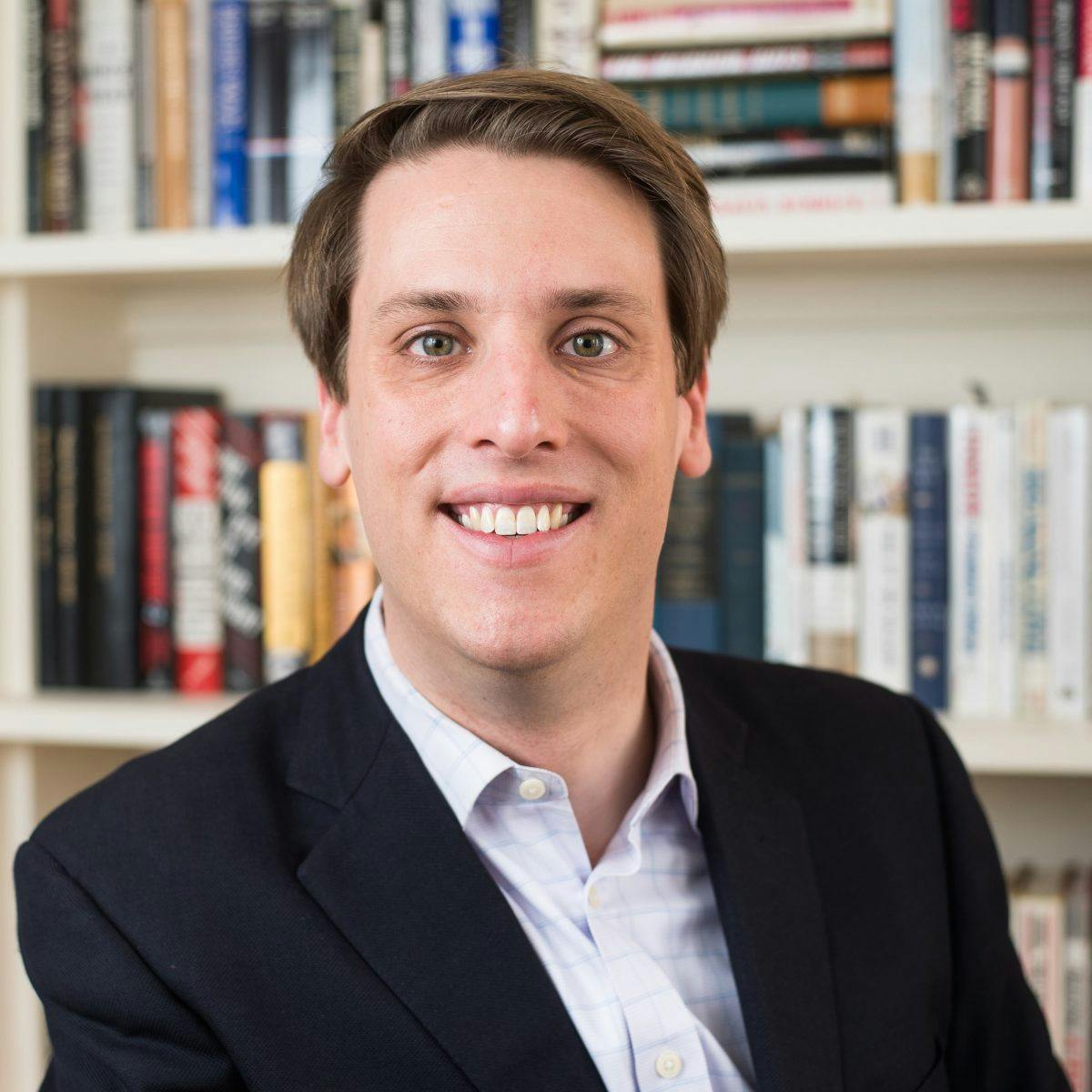
Garrett Graff, "The Devil Reached Toward the Sky"
Historian Garrett Graff discusses his oral history of the development, testing and deployment of the atomic bomb in August 1945. Learn more about your ad choices. Visit megaphone.fm/adchoices

George Washington's Character
Gene Allen Smith, a Texas Christian University history professor, taught a class about George Washington's character. He examined how the first president interacted with his contemporaries, how he viewed himself, and how he is remembered. Learn more about your ad choices. Visit megaphone.fm/adchoices

Colonial Tensions Pre-Revolution
Ithaca College professor Michael Trotti discussed the escalating tensions between colonists and the British government before the American Revolution. Ithaca College is located in New York. Learn more about your ad choices. Visit megaphone.fm/adchoices

1607 Jamestown Settlement
College of William & Mary lecturer Amy Stallings discussed the history of the 1607 Jamestown fort and settlement in Virginia, and how Americans have tried to preserve and remember the first permanent English settlement in the Americas. The College of William & Mary is located in Williamsburg, Virginia Learn more about your ad choices. Visit megaphone.fm/adchoices

Army Explorers of the West
Texas Woman's University history professor Cecily Zander discussed the federal government's efforts to explore and control the American west from the early 1800's through the Civil War. Texas Woman's University is located in Denton. Learn more about your ad choices. Visit megaphone.fm/adchoices

Weapons Technology in the Revolutionary War
Wright State University professor Paul Lockhart taught a class on the development of weapons technology in the American Revolution. Wright State University is located in Dayton, Ohio. Learn more about your ad choices. Visit megaphone.fm/adchoices
Gilded Age Bohemians
University of North Carolina at Pembroke professor Ryan Anderson discussed the rise of a Bohemian culture in the late 19th and early 20th centuries that rejected conventional societal restraints and embraced the arts. Learn more about your ad choices. Visit megaphone.fm/adchoices
World War II Interracial Relationships in Japan & Hawaii
Santa Clara University history professor Sonia Gomez discusses the intimate relationships between people of different racial and ethnic backgrounds that occurred in Hawaii and Japan during and immediately after World War II. Learn more about your ad choices. Visit megaphone.fm/adchoices

America's National Pastime
Boston College communications professor Michael Serazio discussed how baseball connects Americans to their past and culture. Learn more about your ad choices. Visit megaphone.fm/adchoices

Christian Nightlife in the 1970s
California State University Fullerton professor Eric Gonzaba taught a class about evangelical nightlife and Christian nightclubs in 1970s California. Learn more about your ad choices. Visit megaphone.fm/adchoices

Islam & Judaism in American History
George Mason University religious studies department chair John Turner teaches a class on the history of Islam and Judaism in America. Learn more about your ad choices. Visit megaphone.fm/adchoices

Schools of Thought on the Vietnam War
Hillsdale College history professor Mark Moyar discusses competing interpretations of the Vietnam War when it comes to questions about the necessity of the conflict and whether it was winnable for the United States. Learn more about your ad choices. Visit megaphone.fm/adchoices

Ronald Reagan & the 1980s Conservative Resurgence
University of Texas history professor Mark Lawrence discusses the rise of Ronald Reagan, his impact on the conservative movement, and the Reagan Administration's performance in his first term. Learn more about your ad choices. Visit megaphone.fm/adchoices

Native Americans & the American Revolution
Tulane University history professor Keely Smith discusses Native American alliances during the Revolutionary War and how the U.S. government and American society viewed various tribes during the early Republic. Learn more about your ad choices. Visit megaphone.fm/adchoices

FEED DROP: BN+ Alexandra Richie, "Warsaw 1944"
As a follow up to our recent podcast regarding the life and times of Anne Frank, we asked author Alexandra Ritchie to tell us more about the horrors of World War II and Poland. Ritchie, a citizen of Canada, now lives in the city which is the title of her book, Warsaw. Her focus is on 1944 and what was called the Warsaw Uprising. In her introduction, she writes, "Himmler and Hitler had decided that the entire population remaining in one of Europe's great capital cities was to be murdered in cold blood. Himmler referred to Warsaw as the great abscess, which was to be completely destroyed." Learn more about your ad choices. Visit megaphone.fm/adchoices
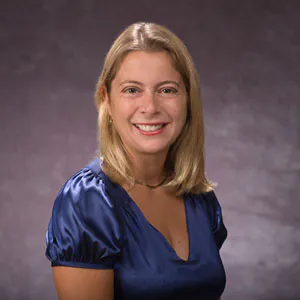
Winston Churchill, the Special Relationship and the Cold War
American University professor Laura Beers teaches a class on Winston Churchill and the "special relationship" between Great Britain and the U.S during World War II and the Cold War Learn more about your ad choices. Visit megaphone.fm/adchoices

Cold War Refugees & the 1980 Refugee Act
Tulane University history professor Jana Lipman discusses Cold War refugees from Cuba and Vietnam and the impact of the Refugee Act of 1980. Learn more about your ad choices. Visit megaphone.fm/adchoices

World War II Interracial Relationships in Japan & Hawaii
Santa Clara University history professor Sonia Gomez discusses the intimate relationships between people of different racial and ethnic backgrounds that occurred in Hawaii and Japan during and immediately after World War II. Learn more about your ad choices. Visit megaphone.fm/adchoices

"The Education of Henry Adams" (1918)
University of Dallas history professor Susan Hanssen discusses the legacy and cultural importance of the 1918 Pulitzer Prize winning book, "The Education of Henry Adams." Learn more about your ad choices. Visit megaphone.fm/adchoices
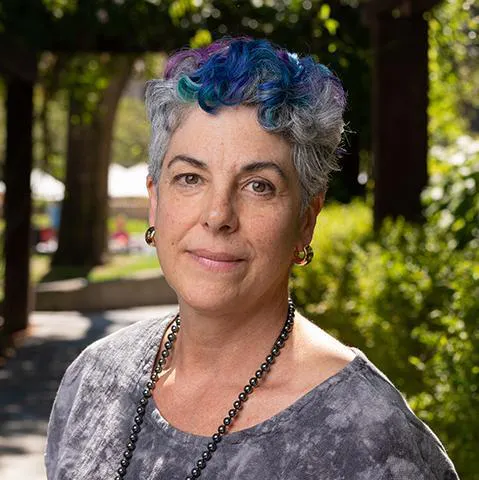
19th Century American Landscape Painting
Santa Clara University art history professor Andrea Pappas discusses the mid-19th century American landscape painting movement known as the Hudson River School. Learn more about your ad choices. Visit megaphone.fm/adchoices

Development of the Atomic Bomb
University of Texas history professor Bruce Hunt discusses the development of the atomic bomb during World War II and the role of the Army Corps of Engineers General Leslie Groves. Learn more about your ad choices. Visit megaphone.fm/adchoices

FEED DROP: Q&A: Heath Hardage Lee, "The Mysterious Mrs. Nixon"
Historian Heath Hardage Lee, author of "The Mysterious Mrs. Nixon," talks about the life and times of the former First Lady (1969-74). She says that Pat Nixon, who was voted "Most Admired Woman in the World" in 1972, was largely mis-portrayed by the press, who characterized her as being elusive and "plastic." Learn more about your ad choices. Visit megaphone.fm/adchoices

America & the Northern Ireland Peace Process
Georgetown University history professor Darragh Gannon discusses the Irish diaspora and the role of the United States during "The Troubles" and in the Northen Ireland peace process. Learn more about your ad choices. Visit megaphone.fm/adchoices

Prison Gangs
University of Southern California sociology professor Brittany Friedman discusses the formation and evolution of American prison gangs in the 20th and 21st centuries. Learn more about your ad choices. Visit megaphone.fm/adchoices

Henry Christophe & the 1791 Haitian Revolution
Yale University professor Marlene Daut discusses the life and legacy of slave, revolutionary, and king Henry Christophe and how the United States and other foreign powers reacted to the 1791 Haitian revolution. Learn more about your ad choices. Visit megaphone.fm/adchoices

The U.S. Border Patrol
Indiana University history professor Juan Mora discusses the U.S. Border Patrol and how 20th century immigration laws shaped the creation and development of immigration agencies Learn more about your ad choices. Visit megaphone.fm/adchoices

World War I Propaganda
Louisiana State University journalism professor John Maxwell Hamilton discusses U.S. government propaganda efforts during World War I. Learn more about your ad choices. Visit megaphone.fm/adchoices

1607 Jamestown Settlement
College of William & Mary lecturer Amy Stallings discusses the history of the 1607 Jamestown settlement in Virginia and efforts over four centuries to preserve and remember the first permanent English settlement in the Americas. Learn more about your ad choices. Visit megaphone.fm/adchoices

History of Latinos in the South
Duke University professor Cecilia Marquez discusses Latino migration trends in the 20th and early 21st centuries and how Latinos shaped the culture, development and economics of the American South. Learn more about your ad choices. Visit megaphone.fm/adchoices

World War I Propaganda
Louisiana State University journalism professor John Maxwell Hamilton discusses U.S. government propaganda efforts during World War I. Learn more about your ad choices. Visit megaphone.fm/adchoices

American Civil Religion During the Cold War
Hillsdale College professor Richard Gamble teaches a class on civic faith, and how American nationalism incorporated religious elements and symbolism during the Cold War. Learn more about your ad choices. Visit megaphone.fm/adchoices
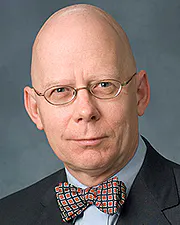
John Kennedy's 1961 Inaugural Address
President John Kennedy's 1961 inaugural address was the topic of a class taught by University of Kansas political communication professor Robert Rowland. The University of Kansas is in Lawrence. Learn more about your ad choices. Visit megaphone.fm/adchoices

SHORT SERIES: Women's Political Power in Early America
York College professor Jacqueline Beatty discussed women’s rights and changing political power during the American Revolution and the early years of the Republic. York College is located in York, Pennsylvania. Learn more about your ad choices. Visit megaphone.fm/adchoices

SHORT SERIES: Women Journalists at the Turn of the 20th Century
Iowa State University professor Tracy Lucht talked about women journalists in the late-19th and early 20th centuries. She described the careers of some pioneers, such as Nellie Bly and Dorothy Dix, and the societal pressures for women writers to balance traditional femininity and a career in journalism. Learn more about your ad choices. Visit megaphone.fm/adchoices

SHORT SERIES:Women's Sports and Title IX
Georgetown University professor Bonnie Morris talked about discrimination against women in sports and Title IX of the Education Amendments of 1972. Title IX prohibits discrimination on the basis of sex in any federally funded education program or activity. Learn more about your ad choices. Visit megaphone.fm/adchoices

SHORT SERIES: Satchel Paige, Negro Leagues Baseball, and Civil Rights
Professor Donald Spivey talked about the legacy of pitcher Satchel Paige and Negro Leagues baseball. Satchel Paige was the first Negro Leagues player to be inducted into the National Baseball Hall of Fame. Professor Spivey also explained the ways that Paige and other Negro Leagues players and owners contributed to the struggle for civil rights, including fighting Jim Crow laws, financially supporting groups like the NAACP, and fostering friendships with white players in Major League Baseball. Learn more about your ad choices. Visit megaphone.fm/adchoices

SHORT SERIES: Baseball in the Gilded Age
Professor Joan Waugh talked about the rise of baseball as a national activity, spectator event, and business. She described the efforts of baseball club owners to codify the rules of the games, establish a national league, and attract a broad middle class audience. Learn more about your ad choices. Visit megaphone.fm/adchoices