Lectures in History
429 episodes — Page 7 of 9

Notable Speakers of the House
Southern Illinois University Edwardsville professor Kenneth Moffett teaches a class about notable Speakers of the House, from Henry Clay and Joseph Cannon to Newt Gingrich and Nancy Pelosi. Learn more about your ad choices. Visit megaphone.fm/adchoices

Coroners in the 19th Century South
Professor Stephen Berry talked about coroners in the 19th century South. He discussed the role of a coroner as an agent of the state and talked about the records created from coroner inquests. He argued that coroners can shed light on the emerging patterns of death within a society and spot potential threats to public health such as diseases or a lack of industrial safety. Learn more about your ad choices. Visit megaphone.fm/adchoices

Women Journalists at the Turn of the 20th Century
Iowa State University professor Tracy Lucht talked about women journalists in the late-19th and early 20th centuries. She described the careers of some pioneers, such as Nellie Bly and Dorothy Dix, and the societal pressures for women writers to balance traditional femininity and a career in journalism. Learn more about your ad choices. Visit megaphone.fm/adchoices

U.S. Containment Strategy After World War II
Professor Hitchcock lectured about the U.S. foreign policy strategy of containment between 1946-1950. After World War II, President Harry Truman initiated policies to prevent the spread of communism in Europe and Asia. This strategy of “containment” would result in decades of Cold War tension between the United States and the Soviet Union. Professor William Hitchcock presented the topic in a class lecture at the University of Virginia. Learn more about your ad choices. Visit megaphone.fm/adchoices

Women and the Civil War
Professor Caroline Janney lectured to her class on women in America from 1600-1870 on the role of women in the Civil War. During her illustrated lecture Professor Janney argued that women provided invaluable services to the soldiers while maintaining the home front. Learn more about your ad choices. Visit megaphone.fm/adchoices

Playwright August Wilson and "Fences"
Tulane University professor John “Ray” Proctor taught a class about playwright August Wilson, his contribution to African American theatre and his Pulitzer Prize-winning play, Fences. Learn more about your ad choices. Visit megaphone.fm/adchoices

National Intelligence Under President Kennedy
Catholic University professor and former CIA historian Nicholas Dujmovic teaches a class about national intelligence during President Kennedy’s administration. He talks about the Bay of Pigs, the Cuban Missile Crisis, and other covert operations during the Cold War. Learn more about your ad choices. Visit megaphone.fm/adchoices
Lead-Up to the Battle of Gettysburg
U.S. Army War College professor Douglas Douds gives a lecture about the causes and military objectives of the Civil War prior to a day-long staff ride at Gettysburg for the college’s resident class. Learn more about your ad choices. Visit megaphone.fm/adchoices

World War II Leadership
Victor Hanson, a professor emeritus of Classics at California State University, Fresno, lectured to a history class on masters and commanders during World War II. In this fall seminar in classical and military history Professor Hanson examined how leaders, both civilian officials and generals on the battlefield, conducted themselves in wartime. That day’s class focused on Franklin D. Roosevelt and Winston Churchill and how those very different American and British leaders learned to work together to defeat Nazi Germany. This episode was recorded in 2010. Learn more about your ad choices. Visit megaphone.fm/adchoices

Martin Luther King, Jr.
Professor Clayborne Carson talked about Martin Luther King Jr.'s early life, why he decided to become a minister, and how that contributed to his work in the Civil Rights movement. This class took place at Ebenezer Baptist Church in Atlanta, Georgia, where King followed in his father’s footsteps as pastor. The class was from a course that was part of a Stanford University program in which students could take a three-week seminar that included field trips before their sophomore year. Learn more about your ad choices. Visit megaphone.fm/adchoices

History of State of the Union Addresses
Stonehill College professor Peter Ubertaccio taught a class on the history of State of the Union addresses. He described George Washington’s first address -- delivered in person -- but explained that many presidents who followed simply elected to send Congress a written statement until Woodrow Wilson in 1913. He explored how, since then, State of the Union speeches have evolved along with new technology and, in modern times, have been used to bolster political platforms. Learn more about your ad choices. Visit megaphone.fm/adchoices

First Ladies' Memoirs
Washington University in St. Louis professor Peter Kastor leads a discussion comparing several first ladies' memoirs from Sarah Polk to Michelle Obama. Learn more about your ad choices. Visit megaphone.fm/adchoices

Colonial Myths and Monuments
University of Delaware professor Zara Anishanslin teaches a class about how Colonial history is remembered through historic sites and monuments, and sometimes contested. Learn more about your ad choices. Visit megaphone.fm/adchoices

1783 Treaty of Paris
University of North Carolina at Chapel Hill professor Kathleen DuVal teaches a class about the end of the American Revolution and the 1783 Treaty of Paris. Learn more about your ad choices. Visit megaphone.fm/adchoices

First and Second Amendment Court Cases
University of South Florida Sarasota-Manatee visiting professor John Prevas teaches a class at IMG Academy about the First and Second amendments to the U.S. Constitution, using court cases to demonstrate how these rights have been interpreted. Learn more about your ad choices. Visit megaphone.fm/adchoices

Post-Civil Rights Era Music
Flagler College professor Michael Butler teaches a class about music in the post-Civil Rights era, highlighting artists such as James Brown, Marvin Gaye and George Clinton. Learn more about your ad choices. Visit megaphone.fm/adchoices

Antebellum Social Reformer Lucretia Mott
University of Texas at Arlington professor Stephanie Cole teaches a class on the life and work of antebellum social reformer Lucretia Mott. Learn more about your ad choices. Visit megaphone.fm/adchoices

20th-Century Roadside Attractions
University of Mary Washington professor Christine Henry talks about the history of roadside attractions and her own experience travelling to a freshwater pond in Ohio called the Blue Hole. Learn more about your ad choices. Visit megaphone.fm/adchoices

James Buchanan & William Rufus King Relationship
Eastern Connecticut State Univ. professor Thomas Balcerski teaches a class on the relationship between two prominent 19th century politicians: James Buchanan, elected president in 1856, and William Rufus King, who served briefly as vice president in 1853. Learn more about your ad choices. Visit megaphone.fm/adchoices

New Deal Politics and Public Opinion
University of Maryland, Baltimore County professor William Blake teaches a class about New Deal-era politics and the role of public opinion on issues such as court packing and executive power. Learn more about your ad choices. Visit megaphone.fm/adchoices

Richard Nixon, Henry Kissinger, and U.S. Foreign Policy
Emory University professor Patrick Allitt teaches a class about President Richard Nixon, his National Security Adviser Henry Kissinger and some of their key foreign policy initiatives, including overtures toward the Soviet Union and China. Learn more about your ad choices. Visit megaphone.fm/adchoices

Electoral College
University of Utah Political Science Professor James Curry taught a class about the creation of the Electoral College and explained how it works as a part of the presidential election process. Professor Curry taught the class prior to the 2020 vice presidential debate, which took place October 7 at the University of Utah. Learn more about your ad choices. Visit megaphone.fm/adchoices

Presidential Campaign Advertising
Mary Ellen Pethel and Jennifer Duck of Belmont University teach a class on the history of presidential campaign advertising, from the print and cartoon ads of the 19th century to the Internet and social media content of the present day. Learn more about your ad choices. Visit megaphone.fm/adchoices

Presidential Debates
University of Utah political science professor David Buhler teaches a class about presidential debates and their influence on voters. Learn more about your ad choices. Visit megaphone.fm/adchoices
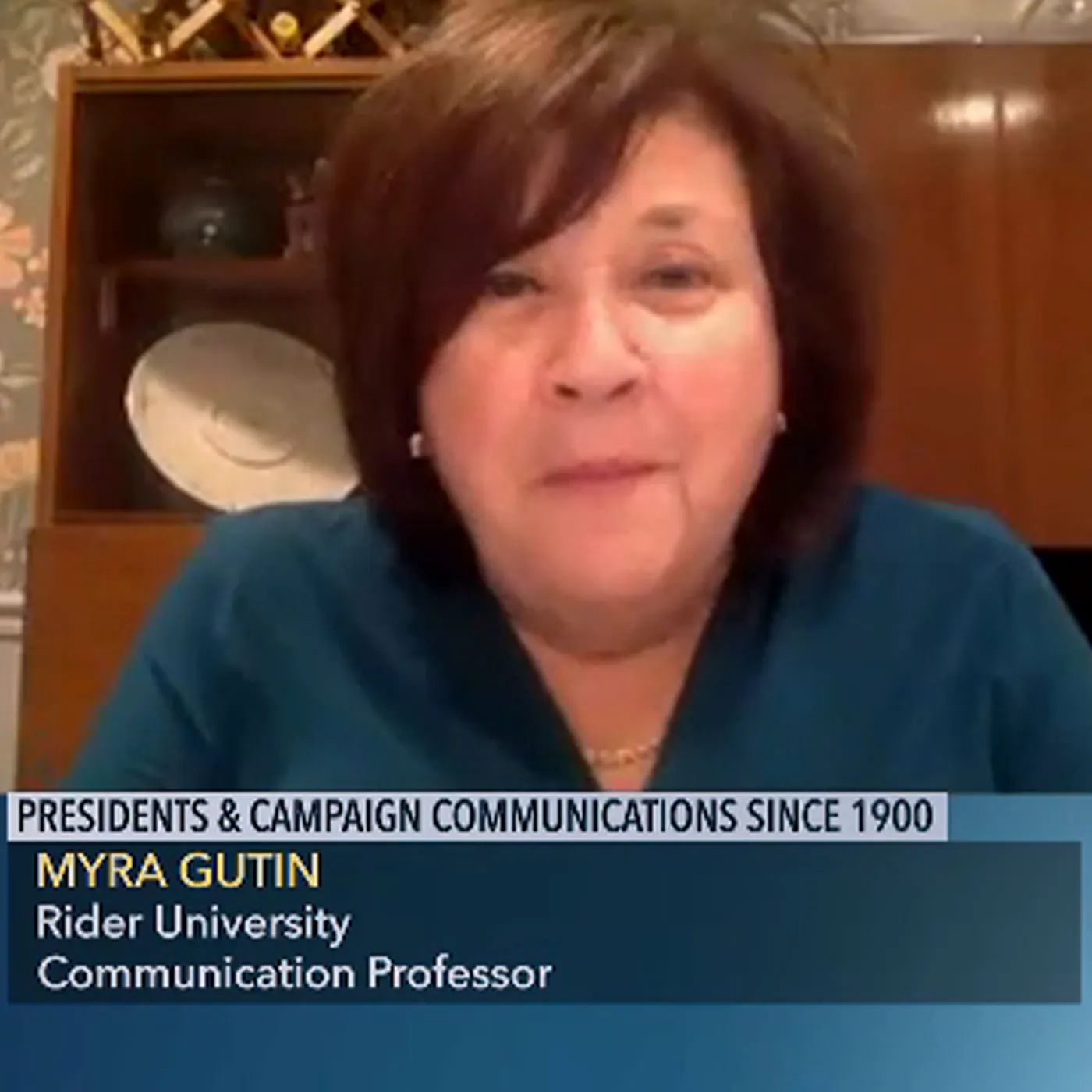
Presidents & Campaign Communications Since 1900
Rider University professor Myra Gutin teaches a class on presidents and communications in both their campaigns and while in office, starting with Teddy Roosevelt in the early 20th century and continuing to the present day. Learn more about your ad choices. Visit megaphone.fm/adchoices
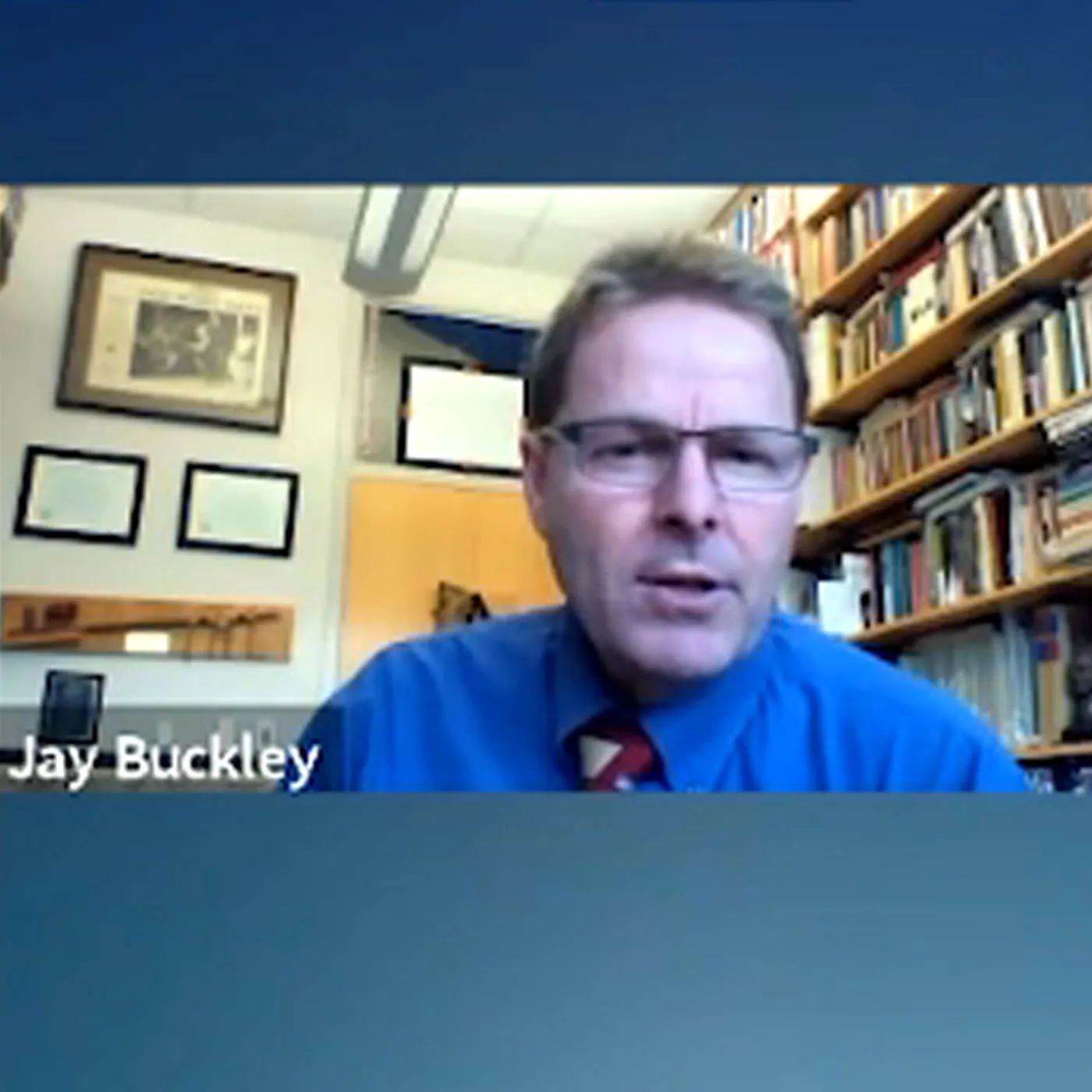
Lewis and Clark Expedition
Brigham Young University professor Jay Buckley teaches a class about Lewis and Clark’s expedition across the American West after the Louisiana Purchase in 1803. Learn more about your ad choices. Visit megaphone.fm/adchoices
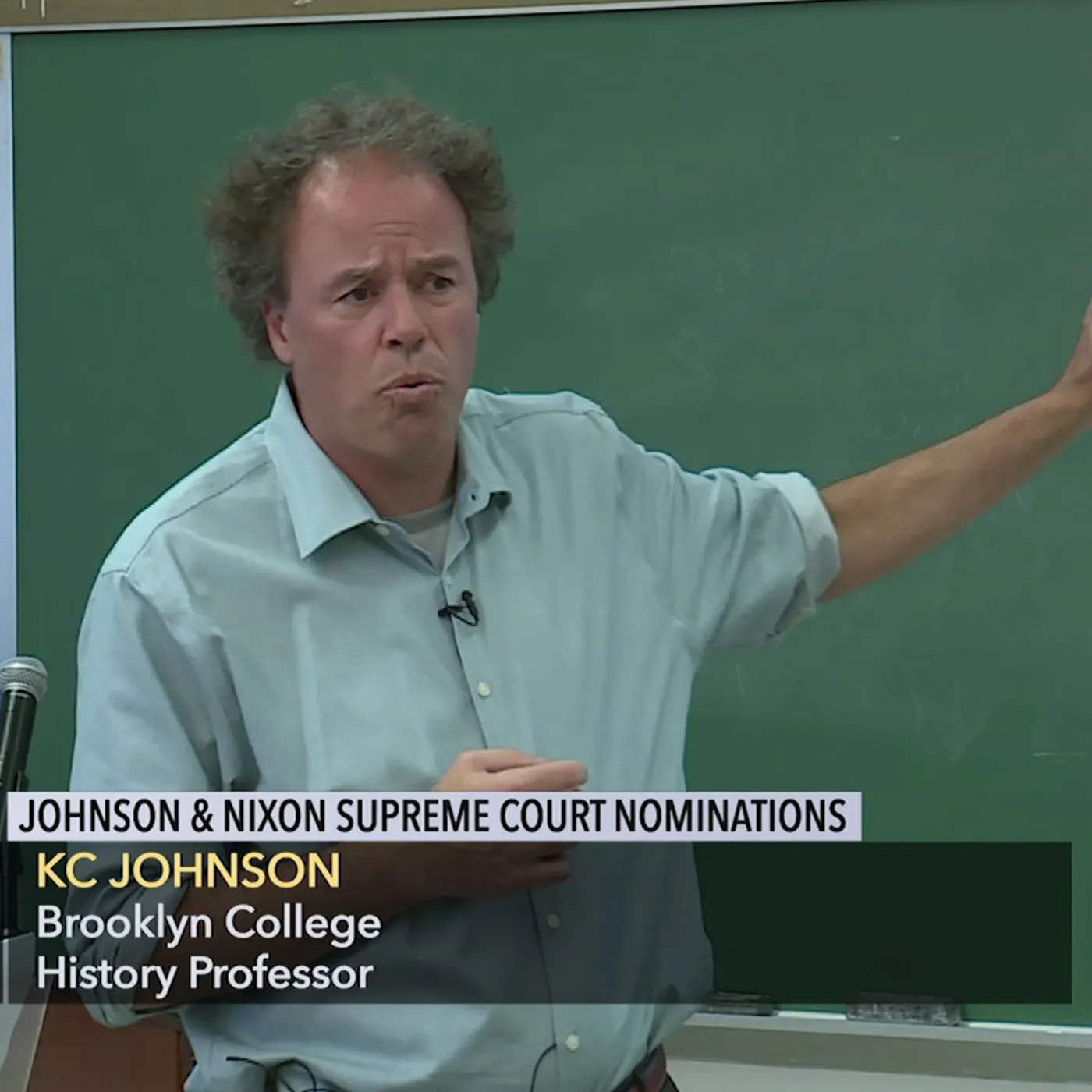
Johnson and Nixon Supreme Court Nominations
Brooklyn College Professor KC Johnson taught a class on Presidents Lyndon Johnson and Richard Nixon’s Supreme Court nominations. He described Johnson’s plan to fill the bench with liberal justices and the difficulties he ran into getting them confirmed. He outlined the resistance from conservative senators in the confirmation hearings and concluded with background on some of Nixon’s nominations to the court. Learn more about your ad choices. Visit megaphone.fm/adchoices
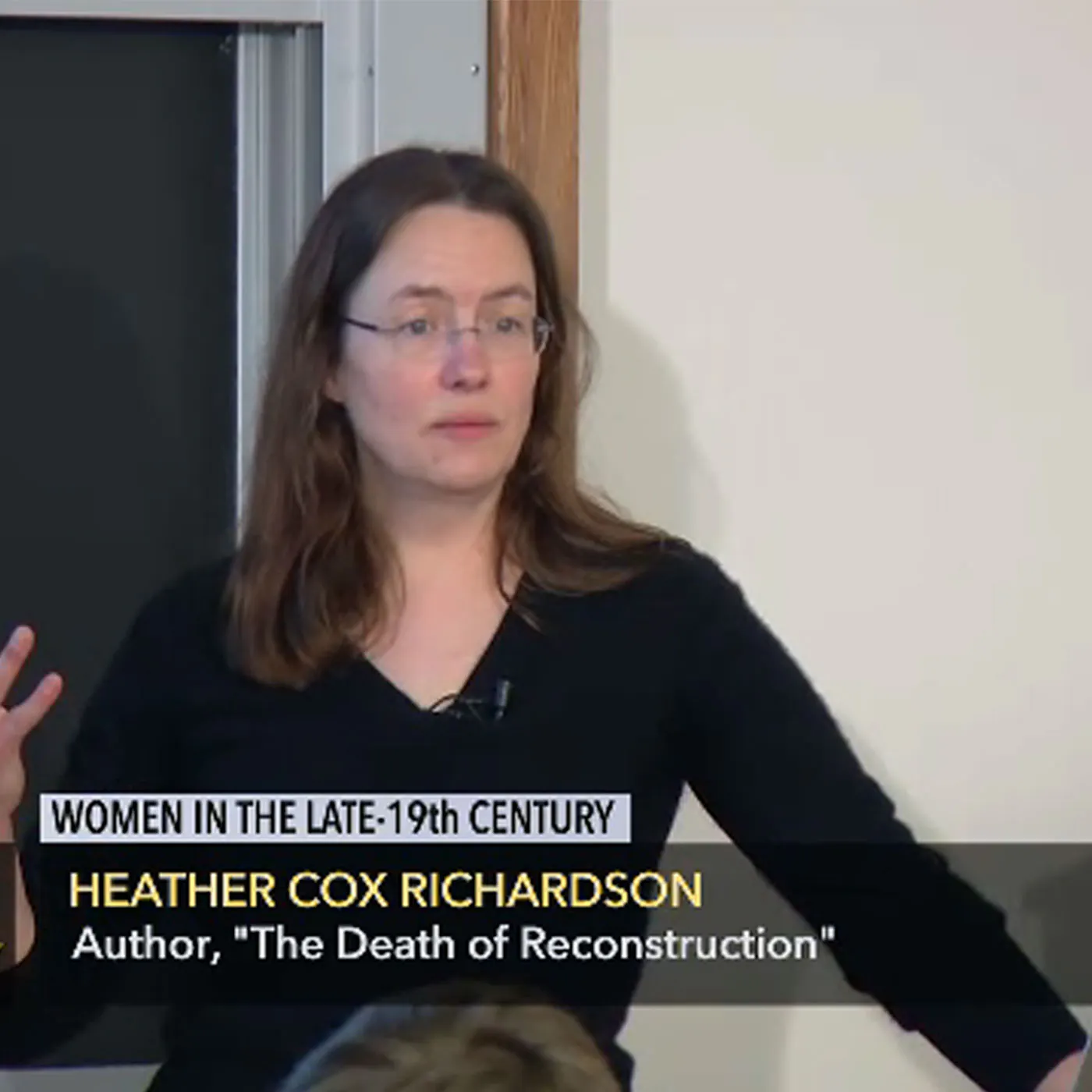
Women in the Late-19th Century
Professor Heather Cox Richardson talked about the new roles women assumed in the workforce and in politics during the late-19th century. She described the gains women made in fields such as nursing, teaching, and social work. She also spoke about the growth of political organizations run by women that focused on issues such as Prohibition and women’s suffrage. Learn more about your ad choices. Visit megaphone.fm/adchoices
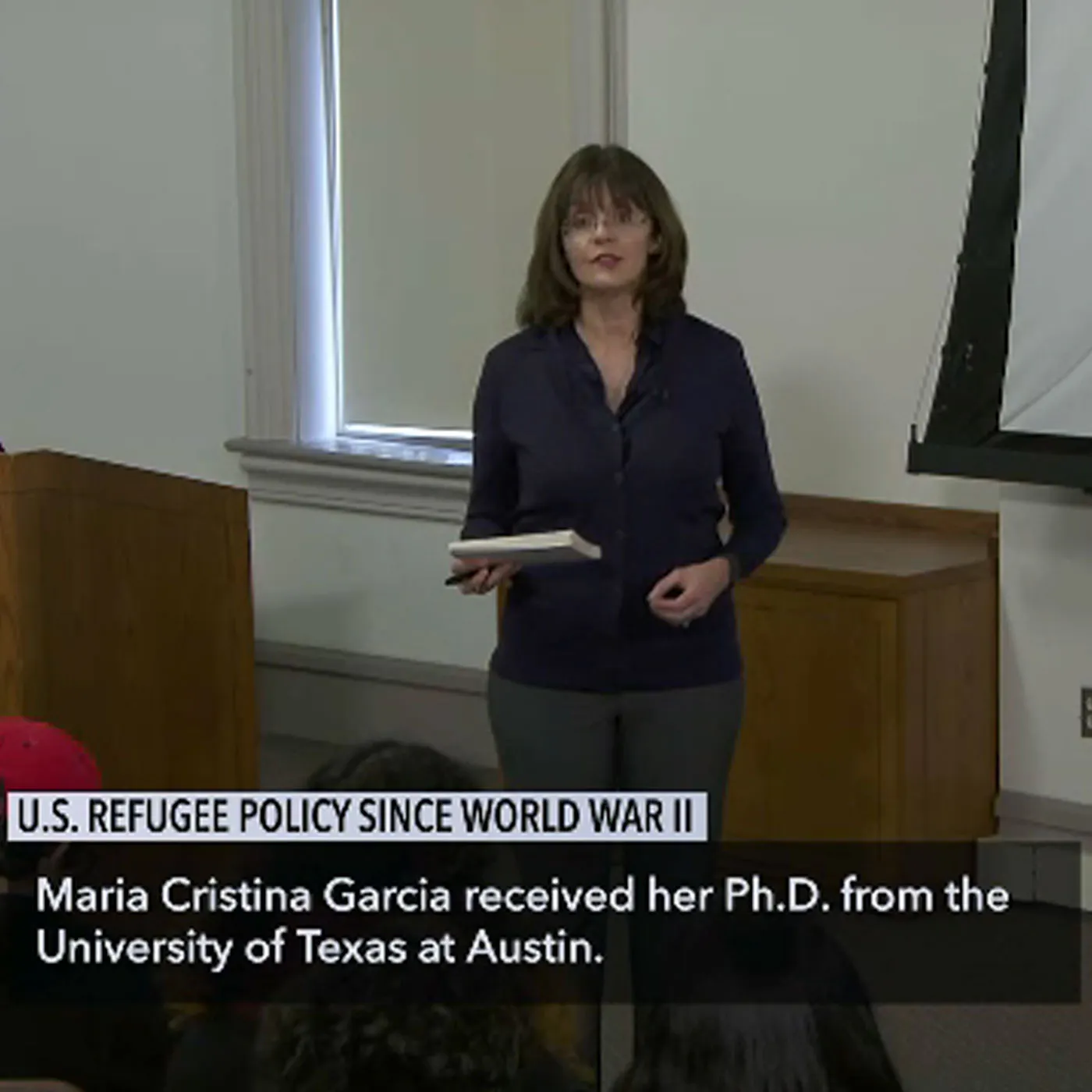
U.S. Refugee Policy Since World War II
Professor Maria Cristina Garcia talked about the United States' refugee policy since World War II. She spoke about qualifications to be a refugee and how those have changed as well as legislation governing quotas and procedures. Learn more about your ad choices. Visit megaphone.fm/adchoices
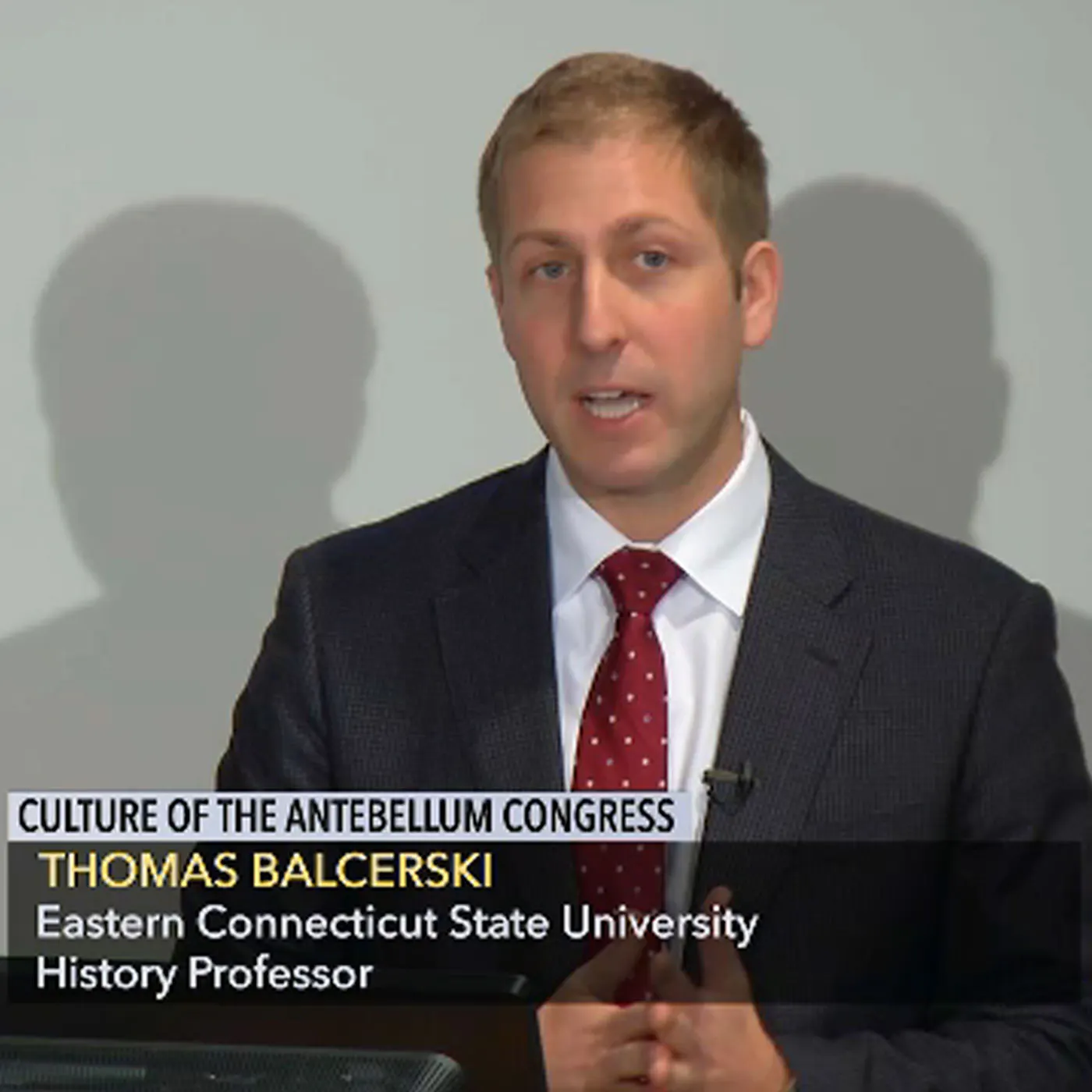
Culture of the Antebellum Congress
Professor Thomas Balcerski talked about the culture of Congress in the Antebellum Era. He described how members of Congress in the early 1800s bonded across party lines through tobacco use, social clubs, and living together in boarding houses. However, he said these friendships and alliances disintegrated as the Civil War approached, revealing the sectional divisions in national politics at the time. Learn more about your ad choices. Visit megaphone.fm/adchoices

Asian Immigration and Angel Island
University of Minnesota professor Erika Lee talks about Asian immigration to the West coast from 1830 to 1930, including the role of San Francisco Bay’s Angel Island in the 20th century. She compared the Angel Island and Ellis Island experiences, describing how Asian immigrants in California had more extensive background checks and longer holding times than European immigrants in New York. This class was from a course called “American Immigration History.” Learn more about your ad choices. Visit megaphone.fm/adchoices
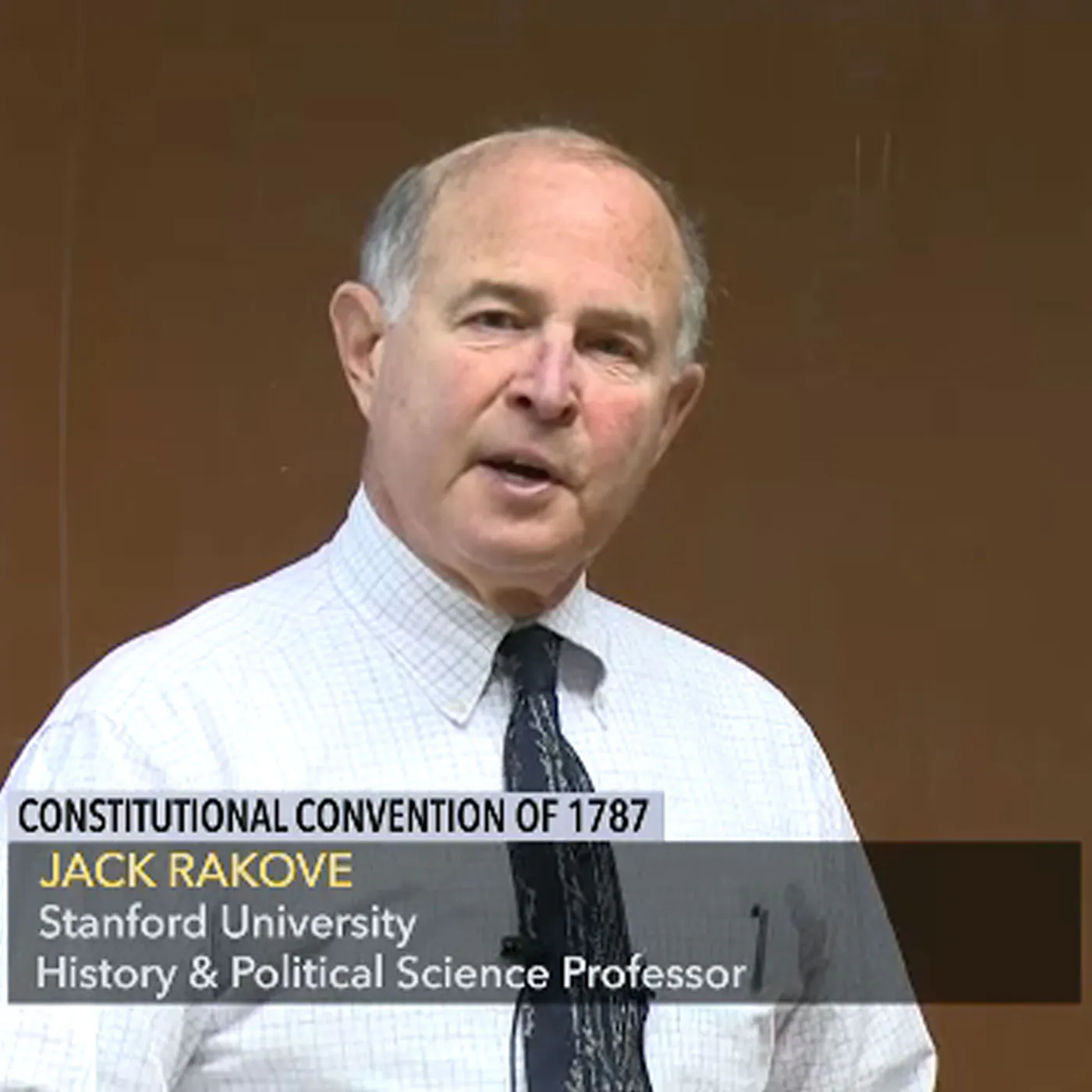
Constitutional Convention of 1787
Professor Jack Rakove talked about some of the issues debated during the Constitutional Convention of 1787, such as the number of representatives for each state and the method of presidential elections. He described the arguments put forth by James Madison and how delegates tried to reach compromises despite competing State interests. This class was from a course called “The Constitution: A Brief History.” Learn more about your ad choices. Visit megaphone.fm/adchoices
Female Slaves and the Law
Professor Martha Jones talked about the mid-19th century court case of Celia, a female slave who killed her master after repeated sexual assaults. Topics included what options Celia may have had, and the involvement of her fellow slaves and her master’s white neighbors in her court case. This episode may contain content that is sensitive to some listeners. Learn more about your ad choices. Visit megaphone.fm/adchoices
Alcohol Use in the Early American Republic
University of California, Davis Professor Alan Taylor spoke on alcohol use in the early American republic. By 1830, annual alcohol consumption in America reached four gallons per person, the most in the history of the nation before or since. Professor Taylor talked about why Americans drank so much, the consequences of so much drinking, and how it spawned the temperance movement in the 1830s. Learn more about your ad choices. Visit megaphone.fm/adchoices

Polio Epidemic in the United States
Davidson College professor Sally McMillen talked about the polio epidemic in the United States in the early to mid-20th century. Fear of contracting polio grew following a series of outbreaks, including one in 1916 that started in Brooklyn, New York, and eventually killed more than 6,000 people. She also spoke about the efforts of President Franklin Roosevelt to help find a cure, in part by starting the March of Dimes organization. Learn more about your ad choices. Visit megaphone.fm/adchoices
Culture and Society in the 1920s
Professor Michael Kazin taught a class about culture and society in the 1920s. He spoke about Prohibition and the exploits of the gangster Al Capone, who eventually went to prison on tax evasion charges, the motion picture industry and the new production codes that sought to reduce sexuality in films, and the 1925 State of Tennessee v. John Thomas Scopes trial, in which a high school teacher faced charges of unlawfully teaching evolution in a state-funded school. Learn more about your ad choices. Visit megaphone.fm/adchoices
Cultural Conservatism and the Religious Right
Phyllis Schlafly, founder of the Eagle Forum and author or editor of 20 books - talked about the roots and development of the modern conservative movement, as well as the role of women’s issues in conservative politics. Phyllis Schlafly was a guest lecturer at The Citadel Military College in Charleston, South Carolina, in a course called “The Conservative Intellectual Tradition in America,” taught by Professor Mallory Factor. Learn more about your ad choices. Visit megaphone.fm/adchoices
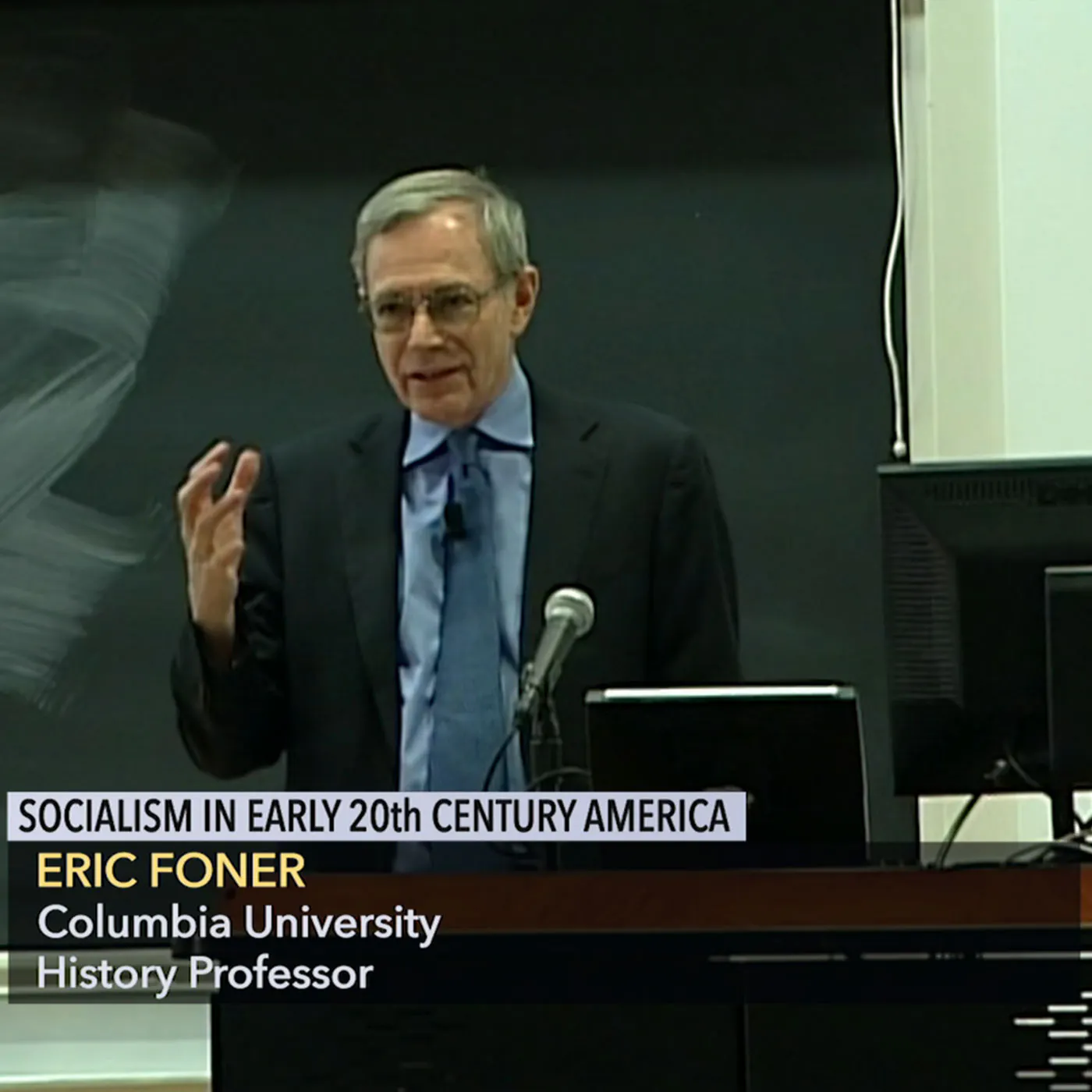
Socialism in Early 20th Century America
Columbia University history professor Eric Foner examines the rise of socialism in America in the early 20th century. He talks about the Socialist Party in New York City and Milwaukee, and looks at the Socialist Party of America presidential campaigns of Eugene Debs. Learn more about your ad choices. Visit megaphone.fm/adchoices

1950s Civil Rights Movement
American History Professor Quintard Taylor looks at the Civil Rights Movement from the 1940s through the 1960s. Professor Taylor focuses on the 1954 U.S. Supreme Court Decision on Brown v. Board of Education and the 1957 integration of Central High School in Little Rock, Arkansas. This two-hour class took place at the University of Washington in Seattle. Learn more about your ad choices. Visit megaphone.fm/adchoices
Vietnam Anti-War Movement
Professor David Farber teaches twentieth-century American history at Temple University in Philadelphia. In this lecture to a history class he focused on the origin of the 1960s Vietnam anti-war movement, and his view of how it helped to expand the nation’s democratic process. This episode was recorded in 2010. Learn more about your ad choices. Visit megaphone.fm/adchoices
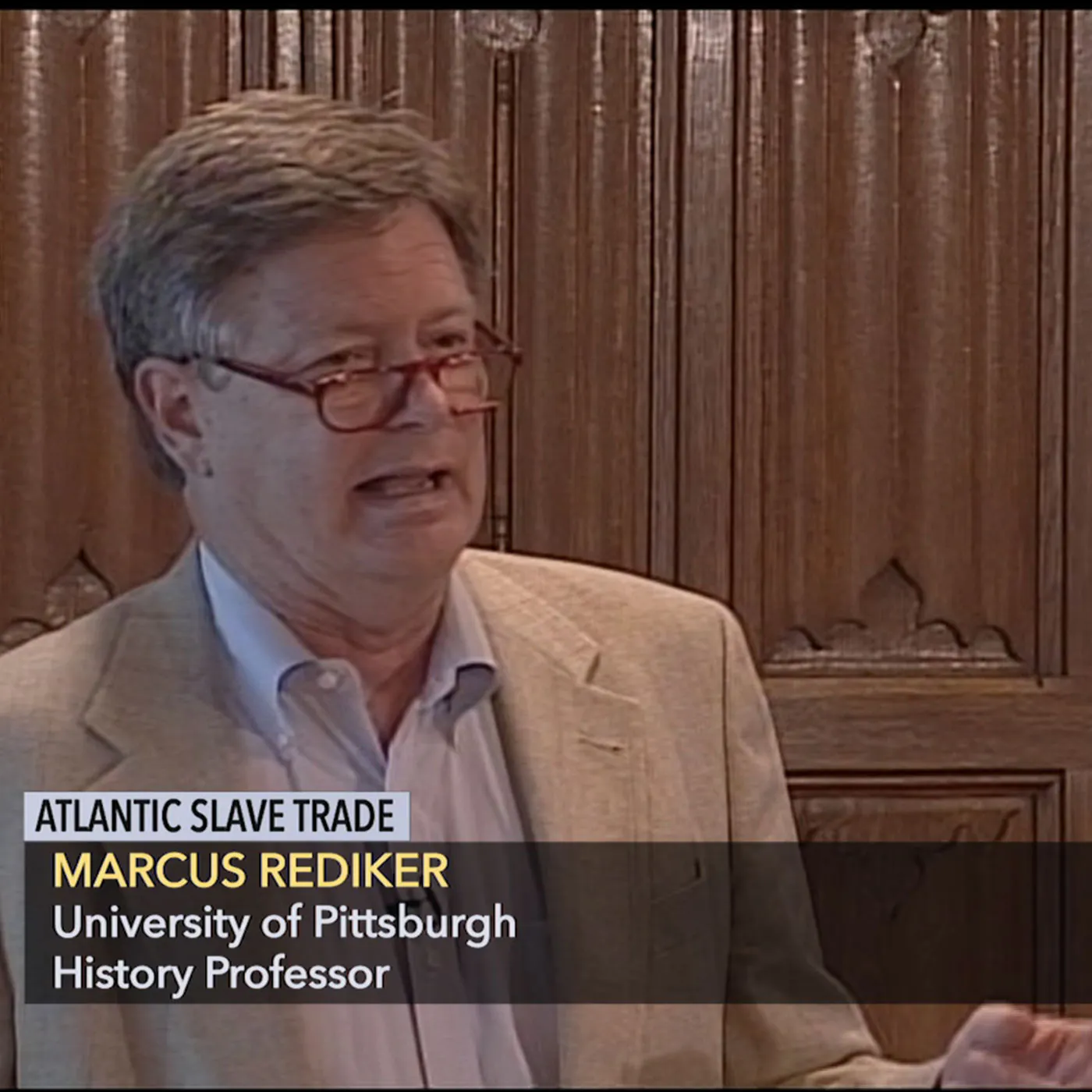
The Slave Trade
History professor Marcus Rediker lectured during a course on Colonial America at the University of Pittsburgh in 2010. He talked about the origins of the slave trade to the Americas between 1640 and the early 1800s. Learn more about your ad choices. Visit megaphone.fm/adchoices
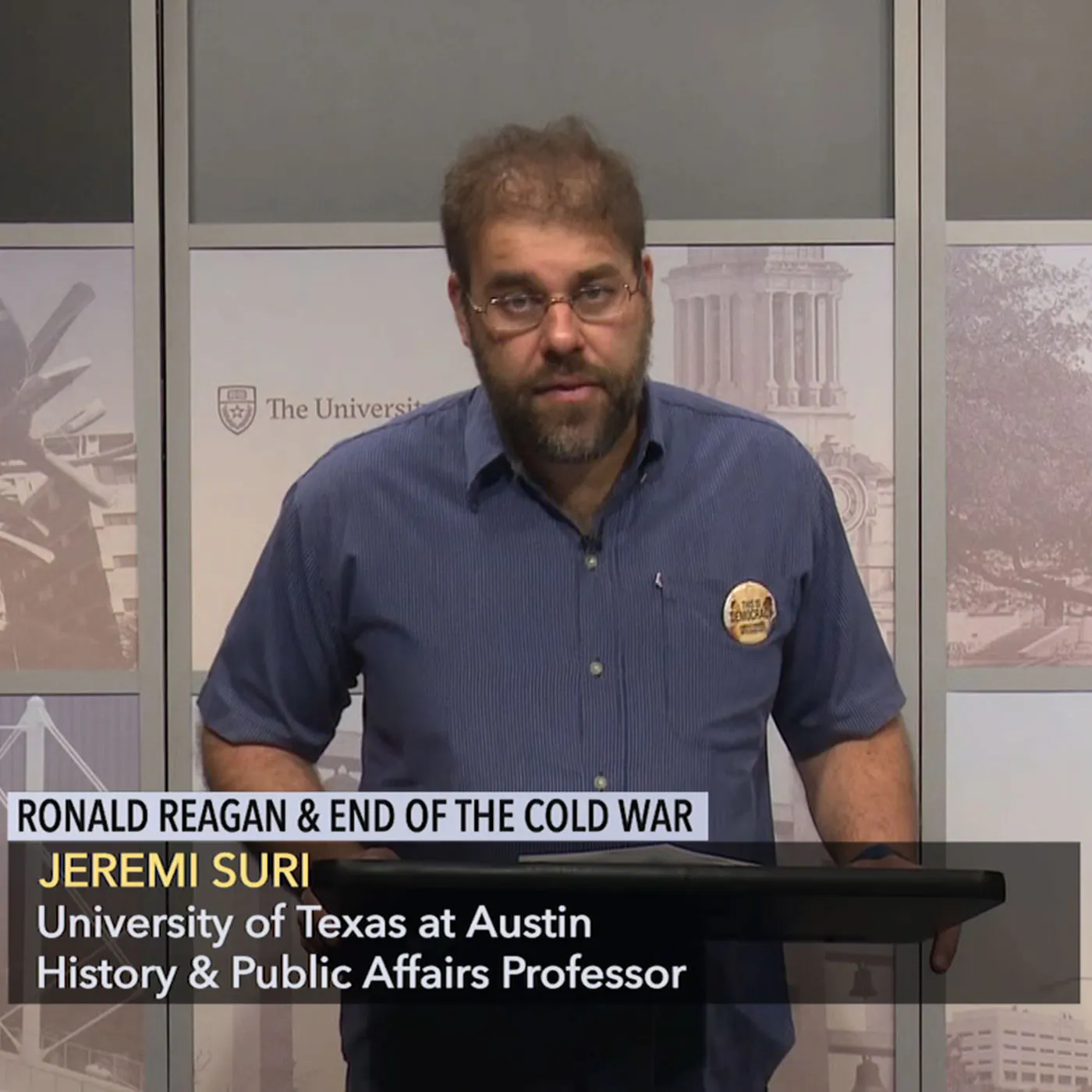
Ronald Reagan and the End of the Cold War
EUniversity of Texas at Austin professor Jeremi Suri teaches an online class about President Ronald Reagan and the end of the Cold War. Learn more about your ad choices. Visit megaphone.fm/adchoices

U.S. Military in the 1890s
Weber State University professor Branden Little teaches a class about the U.S. military in the 1890s. He covers reforms designed to make the officer corps more professional, a new focus on sea power, and an international incident with Chile. Learn more about your ad choices. Visit megaphone.fm/adchoices
1980s Fitness Industry and Culture
Professor Natalia Mehlman Petrzela of the New School teaches a class about the 1980s fitness industry and culture in the United States. Learn more about your ad choices. Visit megaphone.fm/adchoices

The Spanish-American War
University of North Carolina at Chapel Hill professor Joseph Glatthaar teaches a class on the 1898 Spanish-American War. Learn more about your ad choices. Visit megaphone.fm/adchoices
Nixon, Ford & the Constitution
Duquesne University president Ken Gormley teaches a class looking at constitutional issues stemming from the Watergate scandal that arose during the presidencies of Richard Nixon and Gerald Ford. Learn more about your ad choices. Visit megaphone.fm/adchoices
Free Speech Laws and Court Cases
University of Tennessee College of Law professor Glenn Harlan Reynolds teaches a class about free speech and the legal cases that have impacted the courts' interpretation of this part of the First Amendment. Learn more about your ad choices. Visit megaphone.fm/adchoices
Early Cold War U.S. Politics and Economics
George Mason University professor Sam Lebovic taught a class about U.S. politics and economics of the early Cold War period of the late-1940s and 1950s. He argued that with extreme ideologies such as fascism and communism completely discredited or out of favor, a consensus formed in the U.S. around centrist political views to the point where the political parties were barely distinguishable. On the economic front, a belief in a “mixed economy” ruled, meaning a broad acceptance of some government involvement in the market. Learn more about your ad choices. Visit megaphone.fm/adchoices
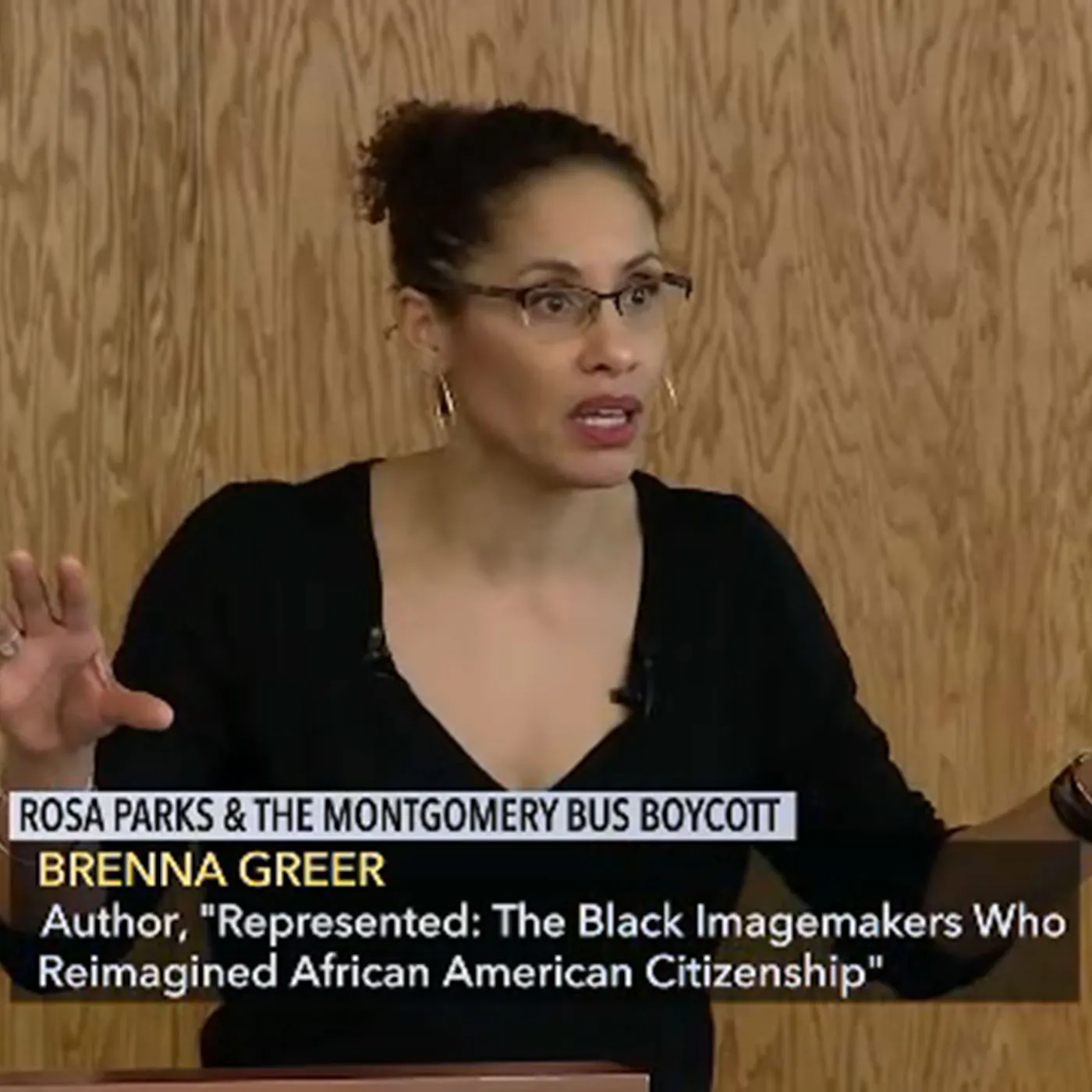
Rosa Parks and the Montgomery Bus Boycott
Wellesley College professor Brenna Greer debunked some of the myths about Rosa Parks and the 1955-56 Montgomery bus boycott. She addressed that Parks was not the first African American woman who refused to give up her seat and that the boycott had planning and precedent. She also explored with the class why a simplified version of this history has become so widespread. Learn more about your ad choices. Visit megaphone.fm/adchoices
1890s Growing American Internationalism
Baylor University professor David Smith taught a class about the growth of the internationalist worldview in 1890s America. He argued that economic, moral and political impulses caused Americans to consider a larger role in the world for their nation. Smith then detailed the actions they took, such pursuing missionary work, arguing for the expansion of the navy, and searching for new economic markets. Learn more about your ad choices. Visit megaphone.fm/adchoices