Lectures in History
429 episodes — Page 6 of 9

First Ladies in Their Own Words - Lady Bird Johnson
First Ladies from Lady Bird Johnson to Melania Trump talked about the role of the First Lady, their time in the White House, and the issues important to them. This week, check out C-SPAN's latest podcast, First Ladies: In Their Own Words. To find future episodes, find it wherever you listen to podcasts. And follow so you never miss an episode. Learn more about your ad choices. Visit megaphone.fm/adchoices
Cold War Educational Film
Professor Karen Rader talked about mid-20th century educational films used to teach students about nuclear warfare and science. During the Cold War, policymakers feared the U.S. population was falling behind the Soviet Union in science education. The class included a look at animated programs created by noted Hollywood director Frank Capra in the 1950s. Learn more about your ad choices. Visit megaphone.fm/adchoices

Neutrality and World War I America
University of Minnesota Professor Saje Mathieu taught a class about “neutrality” and what that concept meant in World War I America. She explained how neutrality did not mean inactivity, as the U.S. sold materials to both the Allied and Central Powers, helping both sides continue the fight. She also talked about how the U.S. viewed itself as the defender of democracy and sought to police certain nations and ethnic groups, yet faced criticism for how it treated its own dissenters and minorities. Learn more about your ad choices. Visit megaphone.fm/adchoices

1960s African American Voter Registration
Emory University professor Carol Anderson taught a class about efforts in the early 1960s to register African American voters in Mississippi. She described some of the leaders of the movement, their tactics, and the opposition they faced from segregationists. Learn more about your ad choices. Visit megaphone.fm/adchoices

Watergate 50 Years Later
American University professor Joseph Campbell teaches a class about the 1972 Watergate scandal and, what he calls, “the myth of heroic journalism.” Learn more about your ad choices. Visit megaphone.fm/adchoices

Bakari Sellers, "My Vanishing Country"
Former Charleston, South Carolina Mayor Joseph Riley and professor Kerry Taylor co-teach a course at The Citadel military college looking at why a new African American history museum is being built in the city. They're joined by former South Carolina representative Bakari Sellers who talks about African American history in the state and his own political career. Learn more about your ad choices. Visit megaphone.fm/adchoices
Politics and Culture in Early America
Suffolk University professor Kathryn Lasdow taught a class on politics and culture in the United States from 1800 through the 1830s. She described how the country changed during the period between the presidency of Thomas Jefferson and Andrew Jackson. Learn more about your ad choices. Visit megaphone.fm/adchoices

Civil War as a Constitutional Crisis
Penn State professor Rachel Shelden teaches a class on how the Civil War tested the limits of the U.S. Constitution. Learn more about your ad choices. Visit megaphone.fm/adchoices
Enlightenment Era in America
Messiah College professor John Fea teaches a class on the 18th-century enlightenment movement, which included natural rights, reason, and self-improvement principles. Learn more about your ad choices. Visit megaphone.fm/adchoices

African American Women in Arts & Literature
St. Joseph’s University professor Katherine Sibley teaches a class about African American women who were writers and artists during the early Civil Rights era. Learn more about your ad choices. Visit megaphone.fm/adchoices
1980s Fitness Industry & Culture
Professor Natalia Mehlman Petrzela of the New School taught a class about the 1980s fitness industry and culture in the United States. She talked about new business models for group classes like Jazzercise, as well as about career opportunities for people who otherwise might only have had the option of being physical education teachers. This class was taught online due to the coronavirus pandemic and the New School provided the video. Learn more about your ad choices. Visit megaphone.fm/adchoices

Food During the Great Depression
Iowa State University Professor Pamela Riney-Kehrberg taught a class on food during the Great Depression. She described the ways families tried to stretch their money and food supply, often by gardening, buying cheap ingredients, and eating the same thing over and over. Learn more about your ad choices. Visit megaphone.fm/adchoices
Civil War Naval Warfare
Southern Utah University professor Laura June Davis teaches a class about Civil War naval warfare. She highlights instances of guerrilla attacks on U.S waterways and describes pro-Confederate sympathizers who sabotaged Union vessels. Learn more about your ad choices. Visit megaphone.fm/adchoices
Conversation with Rep. James Clyburn D-SC
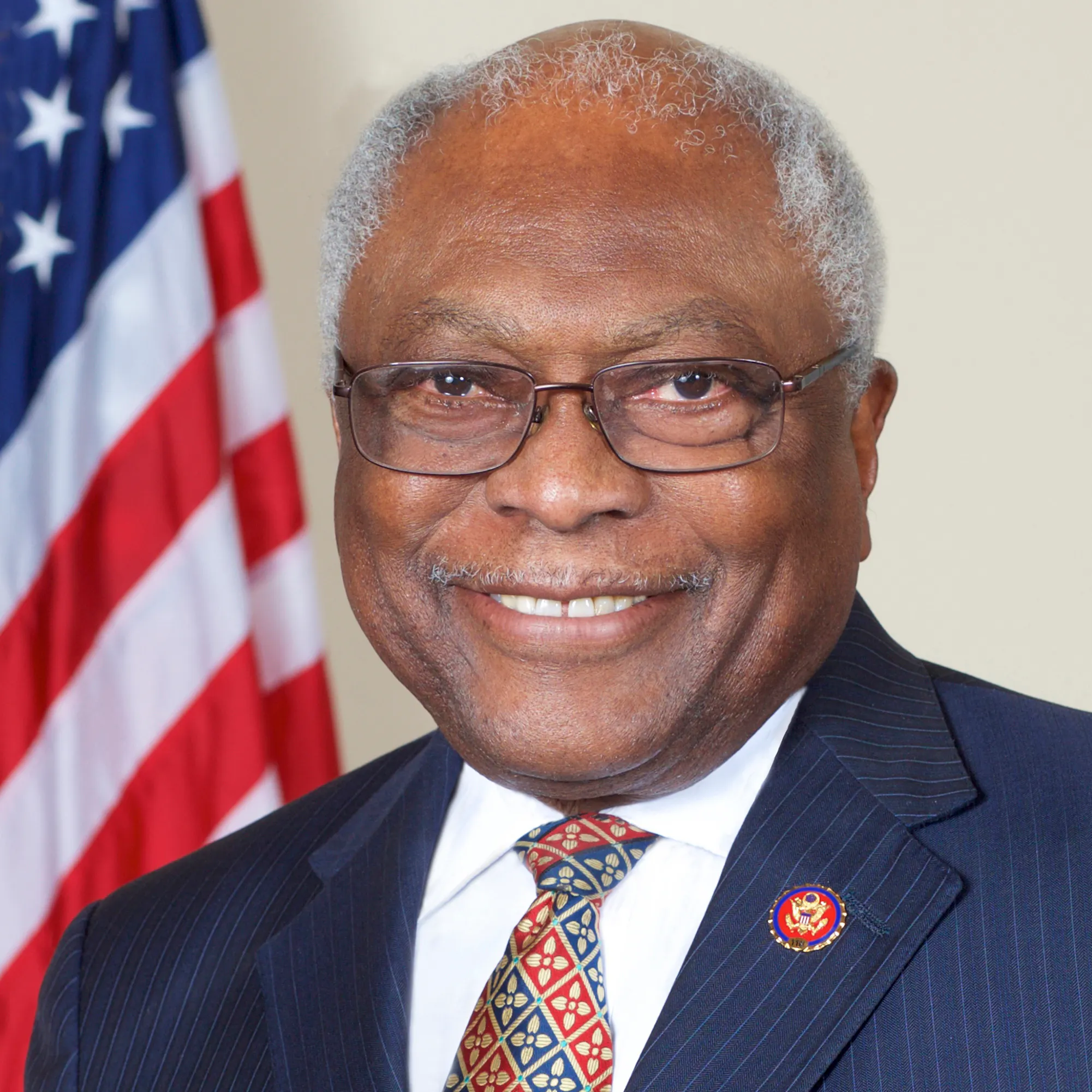
Former Charleston, South Carolina Mayor Joseph Riley and professor Kerry Taylor co-taught a course at The Citadel military college looking at why a new African American history museum is being built in the city. They were joined by Rep. James Clyburn (D-SC) who talks about his role as the Steering Committee Chairman for the museum. Rep. Clyburn also described his time as a social studies teacher in the 1960s and the importance of teaching African American history. Learn more about your ad choices. Visit megaphone.fm/adchoices

Baseball During the Depression
Pepperdine University professor Loretta Hunnicutt taught a class about baseball during the Great Depression. She looked at the role of baseball in American culture and the origins of sports journalism. Learn more about your ad choices. Visit megaphone.fm/adchoices

Pilgrims and History Textbooks
Abram Van Engen of Washington University in St. Louis taught a class about how the Pilgrims became part of the United States' founding story in 19th-century history textbooks. He described why early historians and educators emphasized the Pilgrims' Plymouth Colony over earlier settlements, such as Jamestown in Virginia. Learn more about your ad choices. Visit megaphone.fm/adchoices

Anti-Semitism Between WWI & WWII
American University professor Pamela Nadell taught a class about the rise in anti-Semitism in America between World War I and II. She described the 1915 lynching of Jewish man Leo Frank in Georgia, how international anti-Semitic texts made their way to America, and the role Henry Ford played in spreading anti-Jewish sentiments. Learn more about your ad choices. Visit megaphone.fm/adchoices

Trailer: Presidential Recordings: Season 1 President Lyndon Johnson
In the ten episodes of Season 1 hear secretly recorded conversations President Lyndon Johnson made on topics including the Warren Commission, the Vietnam War, the March on Selma, and more. Find it wherever you listen to podcasts starting 11/22 and follow it today so you never miss an episode. Learn more about your ad choices. Visit megaphone.fm/adchoices
Designing African American Monuments
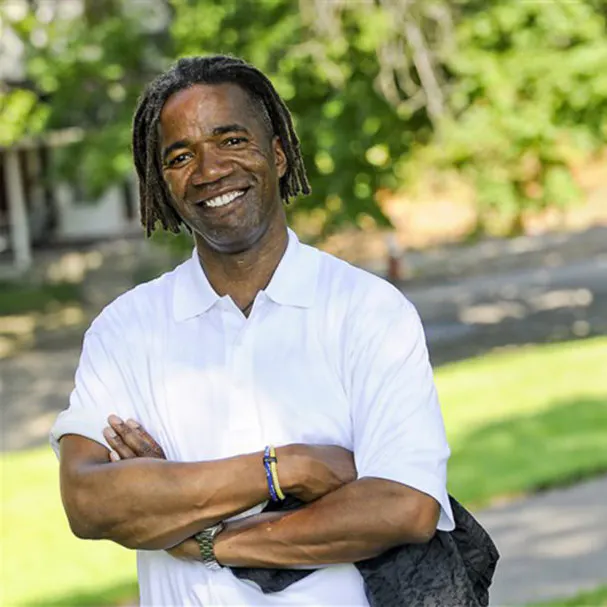
Former Charleston, South Carolina Mayor Joseph Riley, and professor Kerry Taylor co-teach a course at The Citadel military college looking at why a new African American history museum is being built in the city. They’re joined by Walter Hood. Learn more about your ad choices. Visit megaphone.fm/adchoices

Irish Catholics and Tammany Hall
Christendom College professor Christopher Shannon teaches a class about Irish Catholics and 19th century New York City politics, including the Tammany Hall organization. Learn more about your ad choices. Visit megaphone.fm/adchoices
Presidential Speeches
Claremont McKenna professor John Pitney teaches a class about presidential speeches and public opinion, focusing on the 1970s through the 1990s. He examines how presidential communication shifted from network television to cable and the internet. Learn more about your ad choices. Visit megaphone.fm/adchoices
American Military in the Revolutionary War
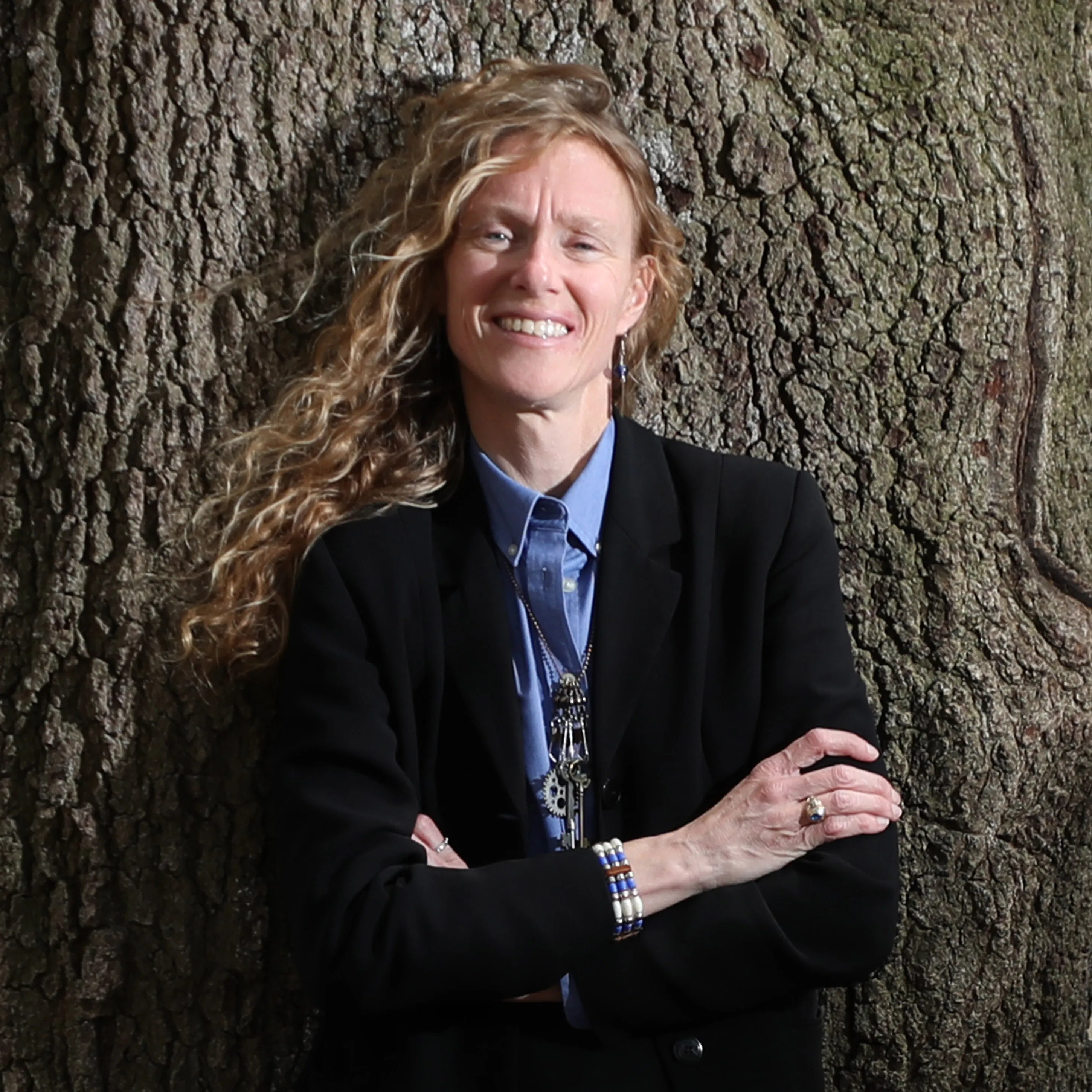
Baylor University Professor Julie Anne Sweet taught a class on the American military during the Revolutionary War, including a look at the equipment and capabilities of both the Continental Army and militia troops. She also compared the advantages and disadvantages of the American and British forces. Learn more about your ad choices. Visit megaphone.fm/adchoices

The Reconstruction Era
Former Charleston, South Carolina Mayor Joseph Riley and professor Kerry Taylor co-teach a course at The Citadel military college looking at why a new African American history museum is being built in the city. They're joined by Harvard University professor Henry Louis Gates Jr. who talks about his work with PBS on the documentary "Reconstruction: America After the Civil War." This is part of a series of collegiate lectures from The Citadel which are airing on American History TV.. Learn more about your ad choices. Visit megaphone.fm/adchoices

Women's Suffrage Movement
Wentworth Institute of Technology professor Allison Lange teaches a class about the Women’s Suffrage Movement. Learn more about your ad choices. Visit megaphone.fm/adchoices

Edward Ball, Slaves in the Family and Life of a Klansman
Former Charleston, South Carolina Mayor Joseph Riley and professor Kerry Taylor co-teach a course at The Citadel military college looking at why a new African American history museum is being built in the city. They're joined by author Edward Ball who discusses his books, "Slaves in the Family" and " Life of a Klansman: A Family History in White Supremacy." Learn more about your ad choices. Visit megaphone.fm/adchoices

1863 New York City Draft Riots
City University of New York professor emeritus Joshua Brown teaches a class on the 1863 New York City Draft Riots and Civil War newspapers. He describes how citizens across the country saw drawings and read articles chronicling the events. This class is part of a National Endowment for the Humanities Institute for college and university teachers hosted by the City University of New York Graduate Center. Learn more about your ad choices. Visit megaphone.fm/adchoices

African American History and Museums
The International African American Museum in Charleston, South Carolina is slated to open its doors in the summer of 2022. We sat in on a course at the Citadel looking at how and why the museum came into existence. Former Charleston Mayor Joseph Riley -- who first proposed the idea for the museum more than 20 years ago -- co-taught the course with history professor Kerry Taylor. Their guest speaker for this class session was Smithsonian Secretary Lonnie Bunch, who shared his experiences as the founding director of the National Museum of African American History and Culture. The Citadel provided this video. Learn more about your ad choices. Visit megaphone.fm/adchoices

Remembering Victims of September 11, 2001
Jonathan Marwil talked to students about perceptions and remembrances of the victims of the September 11, 2001 terrorist attacks. The class discussion revolved around a photograph by Associated Press photographer Richard Drew of a man falling from the North Tower of the World Trade Center. During his remarks, he responded to questions. Learn more about your ad choices. Visit megaphone.fm/adchoices

Conspiracy Culture in American History
Indiana University Bloomington professor Stephen Andrews taught a class about conspiracy culture in American history. He described how conspiracy theories have changed over time, but often include the involvement of groups such as the Illuminati, Freemasons, and Skull and Bones. He talked about how in the 1950s a prominent aspect of conspiracy theories was the threat of communism, but in later decades a global “New World Order” was a more common feature. This is the first of a two-part seminar hosted by the Gilder Lehrman Institute of American History. Learn more about your ad choices. Visit megaphone.fm/adchoices

U.S. Refugee Policy Since World War II
Professor Maria Cristina Garcia talked about the United States' refugee policy since World War II. She spoke about qualifications to be a refugee and how those have changed as well as legislation governing quotas and procedures. Learn more about your ad choices. Visit megaphone.fm/adchoices

Post-World War II U.S. Auto Industry
University of Central Florida professor Yanek Mieczkowski teaches a class about some of the people who challenged the status quo of the U.S. auto industry from the post-World War II era to the present day. He discusses the successes and failures of people such as Harley Earl, Preston Tucker, John DeLorean, and Elon Musk. Learn more about your ad choices. Visit megaphone.fm/adchoices

Women Journalists at the Turn of the 20th Century
Iowa State University professor Tracy Lucht talked about women journalists in the late-19th and early 20th centuries. She described the careers of some pioneers, such as Nellie Bly and Dorothy Dix, and the societal pressures for women writers to balance traditional femininity and a career in journalism. Learn more about your ad choices. Visit megaphone.fm/adchoices

Colonial Myths and Monuments
University of Delaware Professor Zara Anishanslin taught a class about how colonial history is remembered through historic sites and monuments, and sometimes contested. She argued that people’s assumptions about Colonial America are influenced by material and popular culture, including paintings depicting early American history in the U.S. Capitol and statues of Columbus and Pocahontas. This video was provided by the University of Delaware. Learn more about your ad choices. Visit megaphone.fm/adchoices

Salem Witch Trials and the Great Awakening
Baylor University Professor Thomas Kidd taught a class on the First Great Awakening in the Americas, a period in the mid-18th century of Christian revitalization that swept through the colonies. He explained how the Salem witch trials and the decline of Puritanism led to an era of traveling preachers, such as George Whitefield, and an emphasis on evangelism. Learn more about your ad choices. Visit megaphone.fm/adchoices

Korean War and Civil-Military Relations
Professor Joseph Glatthaar talked about the Korean War, General Douglas MacArthur’s removal from command by President Harry Truman, and civil-military relations. Learn more about your ad choices. Visit megaphone.fm/adchoices

Philosophy of W.E.B. Du Bois
Professor Maurice Jackson talked about the philosophy of W.E.B. Du Bois, an influential African-American sociologist, author, and civil rights activist in late-19th and early 20th centuries. He described Du Bois' early life, his role as an educator, and his relationship with other activists of the time. Learn more about your ad choices. Visit megaphone.fm/adchoices

20th Century UFO Conspiracies
Emory University professor Felix Harcourt teaches a class on how conspiracy theories about UFOs have shaped America culture. He begins in the late 1940s and describes how public opinion about extraterrestrials changed over the course of the 20th century, often paralleling societal anxieties. Learn more about your ad choices. Visit megaphone.fm/adchoices

Women in the Early Republic
University of California, Riverside professor Catherine Allgor teaches a class on the lives of women during the American Revolution and the Early Republic. The history of the period has often focused on the actions of men and battlefields, with women portrayed as strictly home-centered and only achieving political influence through their husbands. Professor Allgor argues for a broader view of Revolutionary-era women, looking at how they exercised a small but increasing amount of political and economic freedom during and after the war. Learn more about your ad choices. Visit megaphone.fm/adchoices

Guerilla Warfare in the Civil War
Brown University professor Megan Kate Nelson teaches a class about guerilla warfare, which is largely characterized by its tactics, including ambushes and surprise raids on unsuspecting troops and towns. She talks about the guerrilla soldiers fighting on both the Union and Confederate sides during the Civil War. These small bands of men on horseback were nimble and difficult to capture, especially Confederate guerrillas who often did not wear uniforms and blended back into the population after an attack Learn more about your ad choices. Visit megaphone.fm/adchoices

Early Atlantic Exploration
Northeastern University professor William Fowler taught a class about early Atlantic exploration, Christopher Columbus and the discovery of the Caribbean and the Americas by Europeans. He described the oceanic ventures of the Vikings, Portuguese and Spanish as well as the navigation assumptions of the time period. Learn more about your ad choices. Visit megaphone.fm/adchoices

The Promise of Suburbia
Johns Hopkins University professor Nathan Connolly teaches a class about the “promise of suburbia” after the civil rights movement. He explores the role of zoning, eminent domain, and property rights in the making of racial housing categories. He also explains how these tools were often used by local governments to impede desegregation of neighborhoods. Learn more about your ad choices. Visit megaphone.fm/adchoices

Donald Rumsfeld on the War on Terror
As a guest lecturer at the Citadel Military College in Charleston, South Carolina in 2012, former Defense Secretary Donald Rumsfeld gives a talk he calls “The Bush Doctrine, Compassionate Conservatism, and the War on Terror." This class is from a course called “The Conservative Intellectual Tradition in America” taught by Citadel International Politics and American Government professor Mallory Factor. Learn more about your ad choices. Visit megaphone.fm/adchoices

Age & the American Revolution
We visit the James Madison University classroom of professor Rebecca Brannon as she teaches about the concept of age around the time of the Revolutionary War. She debunks the myth that the Founding Fathers were all old men, and describes how fertility rates and perceptions of childhood changed during this founding period, leading to a more child-centric family culture by the early 1800s. Learn more about your ad choices. Visit megaphone.fm/adchoices

Mary Church Terrell & the Black "Mammy" Statue
University of Delaware professor Alison Parker teaches a class about activist Mary Church Terrell's 1923 fight against the United Daughters of the Confederacy's attempt to erect a black "Mammy" statue in Washington, D.C. She describes how Terrell, a civil rights activist and suffragist, organized opposition and successfully prevented this "Lost Cause" statue from being built. Learn more about your ad choices. Visit megaphone.fm/adchoices

Native American & English Trade in Colonial Virginia
Virginia Tech professor Jessica Taylor teaches a class about trade relationships between English colonists and Native peoples in Virginia. She talks about the trade networks between tribes prior to European contact, periods of conflict between colonists and Native Americans, and how slavery impacted the economy Learn more about your ad choices. Visit megaphone.fm/adchoices

1970s American Car Culture & Film
University of Dayton professors John Heitmann and Todd Uhlman teach a class about 1970s American car culture and films of the era. Using examples like "Easy Rider," "American Graffiti" and "Badlands," they argue these films reflected many Americans' disillusionment and glorified the open road as a way to take back control in the face of societal changes. They also talk about the impact of oil shortages, the rise of coast-to-coast races called "Cannonball Runs," and the popularity of trucker movies and music. Learn more about your ad choices. Visit megaphone.fm/adchoices

1920s American South
Professor Alan Kraut lectured at American University on the economic progress made by the South during the 1920s as part of his history course on the South since Reconstruction. He said that at half a century after the Civil War it was necessary for the South to turn from its past in order to chart a new future. Learn more about your ad choices. Visit megaphone.fm/adchoices

1864 Presidential Election
Christopher Newport University professor Jonathan White teaches a class about the 1864 presidential election pitting incumbent Abraham Lincoln against his former top general, Democrat George McClellan. Learn more about your ad choices. Visit megaphone.fm/adchoices

John F. Kennedy's Foreign Policy
Iowa State University History Professor Charles Dobbs talked about President John F. Kennedy’s foreign policy. Topics included the failed Bay of Pigs invasion in Cuba, the raising of the Berlin Wall, and the Cuban Missile Crisis. He also talked about President Kennedy’s policy toward Vietnam. This episode is from 2013. Learn more about your ad choices. Visit megaphone.fm/adchoices

Vietnam, Walter Cronkite, and Public Opinion
American University’s W. Joseph Campbell teaches a class on CBS News anchor Walter Cronkite’s pessimistic assessment of the Vietnam War in February 1968 and looks at whether the impact of those comments has been overstated and is merely a media myth. www.oracle.come/goto/cspan. Learn more about your ad choices. Visit megaphone.fm/adchoices