
Latter-day Faith
244 episodes — Page 5 of 5

044: The Divine Feminine, Part 2
In this episode (Part 2 of 2), we continue our discussion of the divine feminine with panelists Kristen Rogers-Iversen, Kathryn Knight Sonntag, and Brittney Lowe Hartley. Whereas the first segment featured each participant's search for and journey with the feminine divine, as well wide-ranging conversations about goddesses in faith traditions besides Mormonism, various other female deities or aspects that are reverenced, symbols such as the Tree of Life, etc., this discussion zeros in more directly on ways to talk about her in communities that have failed to emphasize Mother. For Mormonism, is it or isn't it a blessing that not much direct teaching on the feminine divine has come forward in comparison to the lists of qualities and attributes of Father in Heaven? What opportunities and spiritual blessings are open to us with a Mother that is much more mysterious? How might we know when the time is right to say speak up about Her? How do we know when the setting isn't optimal for being received well? What are some prerequisites to sharing effectively from the pulpit or in classroom settings, or even among family members and other groups that are predominantly Mormon? What are the best strategies for pushing this discussion in the church and helping it grow spiritually through paying closer attention to the divine feminine? Each panelist shares wonderful insights! Listen in!
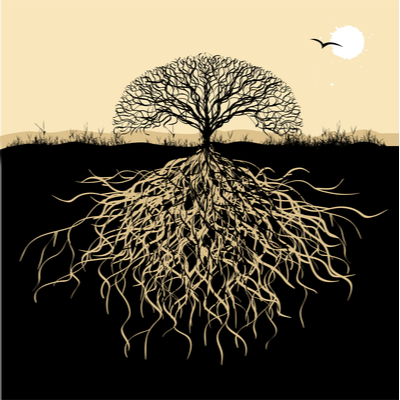
043: The Divine Feminine, Part 1
Goddess figures have abounded world wide and at every stage in history. Many are tied to creative and generative powers, Wisdom, accessibility, Presence, and more. In all cultures, the prominence of Mother or the Goddess waxes and wanes depending on group needs, and especially when authoritative, declarative, military, masculine powers take the fore. Yet, even during these times, each culture features groups of people who in some way keep her dearly needed presence alive. Such is the case in Mormonism, with many continuing to seek the divine feminine, most often in the figure of Heavenly Mother but in others, as well. This episode, the first of a two-part discussion about the feminine divine, features three wonderful panelists, Kristen Rogers-Iversen, Kathryn Sonntag, and Britney Hartley, who share their journeys with Mother, and with nature, the earth, embodiment, motherhood, and more. Each brings unique perspectives and questions to the forefront. The conversation here focuses on their longings, quests, research, deep dives into symbols of the divine feminine, such as the Tree of Life, personal and communal spirituality, mysticism, and faith journeys that require us to find balance between the feminine and the masculine. It's a wonderful, vulnerable, at at times challenging and wistful discussion. Please listen in!

042: When Stories Collide
In this episode, the brilliant Stephen Carter joins with LDF host Dan Wotherspoon to talk about two types of stories that don't easily play well with each other, yet are both very much needed. How might we learn to hold these in a healthy tension? Stephen's doctorate is in narrative studies and he is always on the look out to notice the types of stories that capture imaginations and direct lives. And often with specific attention on the ones that influence Latter-day Saints. The two he brings up today he names "Circle" and "Line" stories, and he and Dan explore what can happen when one dominates the other in an individual human life as well within the collective. "Line" stories indicate direction. I tell myself a line story that indicates what my values and goals are, the direction I should move in order to get there, and what I should be on the look out for that might prove to be tough obstacles I need to avoid or conquer. For good and ill, line stories also provide for us ways to judge our progress toward these goals. By themselves, however, we can't really define and have a firm grasp on what is or isn't meaningful. "Circle" stories are directionless. We are all living a circle story--our lives and what we are learning, how we are changing, who we are becoming--but in themselves don't really direct us. Instead, they require us to self-examine, to wrestle, to conquer fears, and to allow what we value and want to reveal themselves as fruits from our struggles. And all the criteria for judging how we are doing come from inside rather than through those that dominate the line story. The "meaning" of our lives comes from Circle stories. Mormonism nods toward the importance of Circle stories and has deep resources for talking about them, but it primarily emphasizes Line stories as our guides and evaluation criteria. The Plan of Salvation is laid out clearly, and the goal is the celestial kingdom. We are to raise children who will follow this same path, hold these same values. We are to listen to these particular guides but not those. But how would it look if the Circle story gained equal footing, got equal attention in church or in general conference addresses? Both types of stories are essential for a balanced, meaningful, and joyful life. By naming these types and exploring how they work, might we be of service in re-balancing our religion and lives within the church? Stephen and Dan believe so. Listen in! This stuff is rich!

041: Wrestling with the Book of Mormon, Part 2
After listening to last week's podcast on the Book of Mormon, longtime Latter-day Faith collaborator Mark Crego suggested we record a follow up that deals more directly with how to engage with the book within our own hearts (including the things in the text that trigger us!) and communities. If it is the "word of God" and most folks take that concept to mean that practically everything in the book is pretty darn close to The Truth, how might we engage with them? To help us see things more clearly, Mark proposes four paradigm shifts we each to internalize and that also can be communicated well to others. The discussion then turns to examine in depth what it is that the scriptures themselves say about the writings and revelations contained in them, including the Book of Mormon. Again, these can be important ideas to hold and recall when and if we feel we need to speak up and help widen a discussion. Finally, our discussion focuses on what the real purpose of the Gospel is, which is to bring us the Good News of the "Revelation of Jesus Christ"; that God in Jesus Christ, is fully God and fully human; and that God is incarnated and present in all beings. This means that God is present in Christ, and in you and in me, and in Scripture (expanded to include the inspired texts we find everywhere. Check out 2 Nephi 29). No podcast or tip can ever help us skip the hard work of our internal wrestles with God, ourselves, and scripture. What they can do, however, is help us understand what we are going through and why it is required of us in order to become transformed into the likeness of Christ. This is an excellent episode serving those purposes. Listen in!

040: Wrestling with The Book of Mormon
The Book of Mormon occupies a key place in the history of the Church of Jesus Christ of Latter-day Saints, and very much so in many persons' faith journeys. For some, encounters with the book completely changed their lives, offered meaning and a sense of a God who is alive and still speaking. But for many Latter-day Saints themselves, the book has become problematic. Some question its historicity, its origin stories, its teachings, as well as struggle with how it is seen within the tradition, and especially how it is talked about on Sundays and in other gatherings. For them, the Book of Mormon has become a stumbling block, and for many of these perhaps a reason they feel they can no longer associate with the church and LDS community. In this episode, Latter-day Faith host Dan Wotherspoon is joined by his longtime friend, mentor, and discussion partner, Charles Randall Paul (Randy), to consider the Book of Mormon with different lenses, many of them personal. Their discussion begins with each of them sharing the story of their "love affair" (one that hasn't always felt easy) with this book. They then move on to discuss it on different levels and from different approaches that have helped them retain a positive relationship with it, regardless of its historicity or other problematic areas. Randy shares how he has been helped by considering the many genres one finds in the book (in the same way as one finds in the Bible and the sacred texts of other traditions). And then they both reflect upon the term "scripture" and what it means for something to be considered as such. What is going on within us as individuals when we grant something the status of scripture, and what roles do scriptural texts and what they contain function within a faith community? The discussion herein might be summarized as reflections on each of the participants' life-long wrestles with the Book of Mormon, including their gratitude for all it has brought to their lives, even despite the pain of frustrations and loss they've felt or certain transitions their encounters with the text and its context have forced upon them.

039-Nature, Evolution, Spirituality
Because many Latter-day Saints, as well as many people in general, have not been taught evolution very well, they will often dismiss it out of hand, especially when it it encroaches upon their understandings of the origins of human beings. Likewise, it is very unlikely that they have explored the evolutionary process, along with the environment, all of nature, and persons in a web of life, as wonderful gateways to spiritual exploration and transformative experiences. In this Latter-day Faith podcast episode, host Dan Wotherspoon is joined by evolutionary biology professor T. Heath Ogden in an effort to focus on the spiritual sensibilities that go hand in hand with evolution as the creative force that brings forth change, increased complexity, specialization, and the ever-widening diversity that is produced through its quiet but powerful work. They don't delve here into the nuts and bolts of the basic processes (so no real biology lessons here) as much as engage each other in an effort to convey how their understandings and acceptance of this process have enriched their spiritual understandings and vitality for life, including a greater appreciation for their fellow beings as also part of this pathway to growth, development, and flourishing. There is a spirituality in the study of nature and in immersion in the natural world that, when experienced, changes us, grounds us, and brings forth in us greater compassion, gratitude, and also a greater appreciation for all life and its significance--including our own lives. Toward the end of the discussion, they also wrestle together about how the concept and reality of God might or might not enhance and inform, or perhaps distract and obscure, all the wondrous views of life and energy that are ours to experience, should we allow ourselves to do so. We hope you'll listen in!

038: Renewal
Here at the beginning of both a new year and new decade, Latter-day Faith host Dan Wotherspoon reflects on the spiritual concept of "renewal" and ways we might keep that notion and its power active in our lives. He reflects on the opportunities that our calendar (primarily the Christian calendar in this case) provides for us to renew, to gather energy afresh, and to release what is worn down, not working, and that does not represent our highest ideals. The rituals that precede these special days/seasons even allow us to mimic this deterioration in fun but symbolically potent ways. Dan also takes us into the heart of what renewal means and how it is best instantiated within our core selves through daily spiritual practice that allows us to tap into far deeper sources of energy and greater abilities than what our simple will-power alone can provide. (Insert your own instances when your "resolutions" didn't last much past the first few days of the year or season.)
037: Christmas Conversation: Birthing the Christ Within
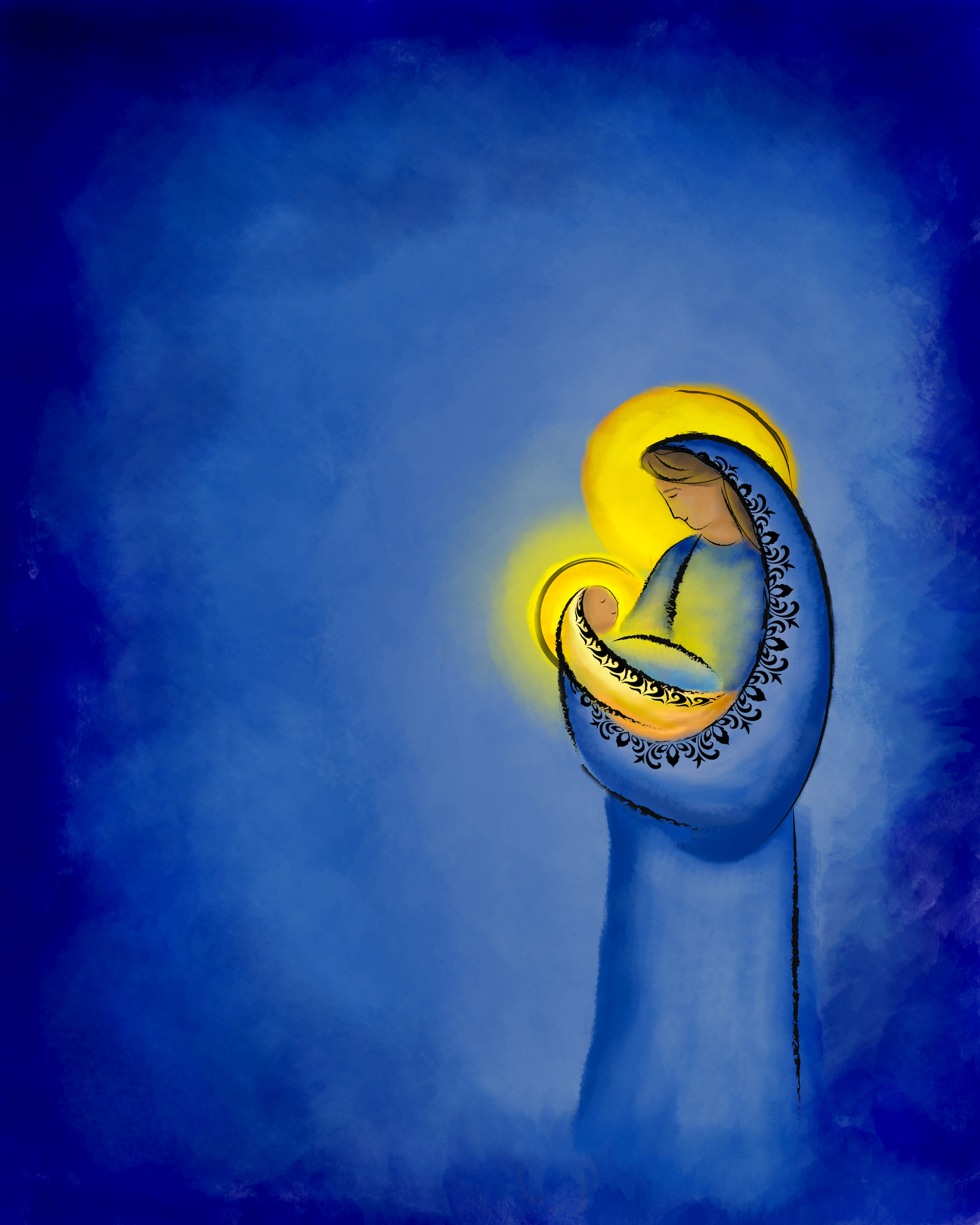
This show continues the conversation with Phil McLemore, a yogi in the lineage of Paramahansa Yogananda and also a Latter-day Saint, this time focusing on Christmas and its various symbols and opportunities for better understanding Jesus and, more widely, Christ, the divine consciousness of God in every part of creation. Phil and Latter-day Faith host Dan Wotherspoon first discuss the importance of understanding things related to our divine development through myth and symbology rather than worrying if this or that story or account of something miraculous really happened historically. It's an important shift to make, allowing us to read scripture, situations, others, and all of life with new and fresh eyes, for in each of these is much we can draw on in our journeys. Mary, mother of Jesus, and the divine feminine then take front stage as Phil pulls wonderful wisdom from every aspect of what she represents as a virgin, as pregnant with Christ consciousness, as giving birth, and much more. What does the inn represent? What about the cave/stable? How can we look at the shepherds and the wise men/magi (and their gifts) more expansively? Elizabeth and Mary, each carrying in her womb a powerful, God-conscious child can be seen as much more than simply cousins communing together during their pregnancies. Plus more! Yogi Phil then takes us into greater depth, sharing some of the teachings and practices of Yogananda in relation to Christmas, and he then offers us a powerful meditative practice that will help take us deep in the meaning of this holy season and the patterns and archetypes playing themselves out in its stories and symbols, and even more importantly, within each of us as we journey toward divine consciousness and communion. Will we allow ourselves to be open to its many gifts?

036: The Real Gospel of Jesus, Part 2
Following up on the recent "Wisdom Jesus" show, this two-part episode features the wonderful yogi Phil McLemore offering extended insights in some of the things talked about in that conversation but also taking us deeper into the heart of what Jesus was really teaching and what his life actually means in relation to the notion of Atonement and our lives. In conversation with Latter-day Faith host Dan Wotherspoon, Phil teaches us about the "perennial philosophy" that underlies all spiritual traditions and shows how Jesus's life and messaging align perfectly with each of its elements. He also takes us through his own spiritual development journey and how the insights he has have come through direct experiences with the Divine. In the second of the two episodes, they move the conversation into what has often been referred to as the "dark night of the soul." What does this mean? Does everyone on a spiritual journey experience what is often characterized as the terror of losing one's identity? Are there more helpful ways of discussing the type of surrender of our "small" selves to the eternal, glorious identities that we are, and to a love that surpasses all understanding? You won't want to miss this conversation!

035: The Real Gospel of Jesus, Part 1
Following up on the recent "Wisdom Jesus" show, this two-part episode features the wonderful yogi Phil McLemore offering extended insights in some of the things talked about in that conversation but also taking us deeper into the heart of what Jesus was really teaching and what his life actually means in relation to the notion of Atonement and our lives. In conversation with Latter-day Faith host Dan Wotherspoon, Phil teaches us about the "perennial philosophy" that underlies all spiritual traditions and shows how Jesus's life and messaging align perfectly with each of its elements. He also takes us through his own spiritual development journey and how the insights he has have come through direct experiences with the Divine. In the second of the two episodes, they move the conversation into what has often been referred to as the "dark night of the soul." What does this mean? Does everyone on a spiritual journey experience terror about losing her or his identity? Are there more helpful ways of discussing the type of surrender of our "small" selves to the eternal, glorious identities that we are, and to a love that surpasses all understanding? You won't want to miss this episode!
034: Stages of Change/Stages of Faith
In this episode, highly experienced family therapist, Julie Keanaaina introduces a model known as the Stages of Change that has been found to be very helpful in not only addiction therapy but applied more widely, and then she and Latter-day Faith host Dan Wotherspoon move to compare its categories/levels with those laid out by Stages of Faith author James Fowler as adult stages of faith and worldview development. It's an instructive and fascinating conversation about mental states and physical action that is part teaching, part conversation, part personal storytelling, and all terrific and insightful. The Stages of Change have (without calling each by the names discussed in the podcast) been adapted into a wonderful poem by Portia Nelson that is shared in the episode: Autobiography in 5 Short Chapters Chapter I I walk down the street. There is a deep hole in the sidewalk. I fall in. I am lost ... I am helpless. It isn't my fault. It takes me forever to find a way out. Chapter II I walk down the same street. There is a deep hole in the sidewalk. I pretend I don't see it. I fall in again. I can't believe I am in the same place. But it isn't my fault. It still takes a long time to get out. Chapter III I walk down the same street. There is a deep hole in the sidewalk. I see it is there. I still fall in ... it's a habit. My eyes are open. I know where I am. It is my fault. I get out immediately. Chapter IV I walk down the same street. There is a deep hole in the sidewalk. I walk around it. Chapter V I walk down another street. Listen in! You'll find a lot that will cause you to think with more focus about our lives, issues, changes, and our faith journeys.
033: Dream Like Jesus
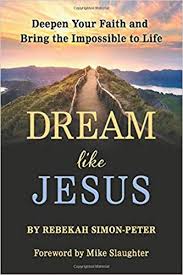
Rebekah Simon-Peter is a Christian teacher from a Jewish background who specializes in helping clergy (and anyone who feels "called" by God to do something "kingdom oriented") to "dream like Jesus." We are excited to have her on Latter-day Faith where she and host Dan Wotherspoon explore together what a Jesus-like dream looks like. In likely the most inspirational LDF episode to date, they draw from and discuss elements of Rebekah's new book, Dream Like Jesus: Deepen Your Faith and Bright the Impossible to Life (Market Square Publishing, 2019), to ask us all if we are dreaming big enough, involving our communities, as well as trying to do our part, like Jesus, in bringing the kingdom of heaven to earth. Rebekah is so remarkably powerful that it is not hard to believe that we can, in partnership with God, do in this world far more than we have ever imagined! Listen in! You'll likely be returning to this episode often!
032: Wisdom Jesus
A common refrain we hear in Christianity today is someone claiming something like this: "There are those who think of Jesus is merely a great teacher of morals or wisdom. But we know he is actually the Son of God and Savior of the world!" It is a binary, either/or proposition intended to discourage people from exploring the deeper, wisdom teachings of Jesus of Nazareth. Well, in this episode, Jana Spangler, Thomas McConkie, and LDF host Dan Wotherspoon turn their attention to those sayings and parables and types of consciousness that are, indeed, best read and understood through wisdom and contemplative lenses. Each panelist tells her or his own "Jesus story," and also talks about various scriptural passages and insights that only come truly alive when approaching Jesus in this way. It's a wonderful conversation, followed by beautiful centering exercise led by Thomas. Listen in! Be ready to re-embrace a powerful and even more compelling Jesus!

031: What is "Doctrine"?
In two October 2019 General Conference talks, President Dallin H. Oaks shared thoughts about what constitutes church "doctrine," limiting it to what is taught by the entire First Presidency and Quorum of the Twelve. He also shared that we too often think we know more about things, such as the afterlife, than we actually do. This episode was prompted by his talks, and it features a conversation between Charles R. Harrell (Charley), author of the wonderful book "This is My Doctrine": The Development of Mormon Theology, and Latter-day Faith host Dan Wotherspoon. The two of them speak of many things, some at the meta level, such as why so many people want there to be settled doctrines, and showing that this is a desire that never has nor can ever be fulfilled. Doctrine, like revelation/inspiration, evolves because human beings are active participants in the process of trying to discern God's truth and will, and in then teaching what they feel inspired to, all the while burdened with leadership concerns such as protecting and warning the Saints, as well as their own biases and imaginations. Finally, Harrell and Wotherspoon go particular, speaking of the development of ideas about God and Godhead, showing that even this most fundamental concern of religion has undergone many iterations (and perhaps is on the cusp or an even more profound change than what has happened in the past). Listen in! You'll learn and have cause to think a lot!
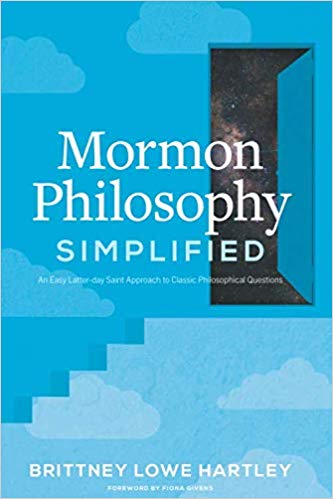
030-Mormon Philosophy Simplified
Brittney Lowe Hartley has just published a long-awaited book, Mormon Philosophy Simplified: An Easy LDS Approach to Classic Philosophical Questions. In this episode, she joins Latter-day Faith host Dan Wotherspoon to discuss the book, its contents, and to dive into several of Mormonism's interesting, and, to many, expansive and ennobling angles on questions such as the nature of existence itself, the problem of evil, Atonement, Sin, Grace, Free Will, Gender, Ethics, and more. In addition, Brittney shares a terrific exegesis on the often-troubling story of Nephi slaying Laban, and they hint at a beautiful telling of the story of the Good Samaritan that is contained in the book's epilogue. All throughout they wax enthusiastically about the importance of philosophy and theology and how these disciplines can help all of us on our spiritual journeys, aiding in clarifying our intellectual and spiritual foundations and core values. You will love this conversation! Dig in!

029: Covenant Belonging
In the October 2019 General Conference of the Church of Jesus Christ of Latter-day Saints, as well as the previous year at a conference at BYU, Elder Gerrit W. Gong of the Quorum of the Twelve introduced the phrase, "covenant belonging." In doing so, he offered us a term that suggests much deeper meaning is embedded in the now-common phrase, "covenant path." His messages about what covenant belonging might mean are absolutely beautiful and empowering. Sensing this richness, Faith Journey Foundation board member and frequent guest on Latter-day Faith (and Mormon Matters previously) Mark Crego and LDF host Dan Wotherspoon came together for the discussion that is featured in this episode. In it, Mark takes us through the Hebrew Bible (Old Testament) in order to discern the nature of the Covenant that God made with Israel. Moving from Adam to Noah to Abraham and Moses, he demonstrates that although each figure's covenant with God had different specifics, each still falls under the larger framework of Covenant (singular). This one Covenant is that God will be our God, and we will always be His/Her/Their people. It's a fundamental fact for every person on earth, and it is not a covenant of "works" but of "grace." The Covenant undermines the typical quid pro quo understanding of most Latter-day Saints that suggests that IF we keep our covenants (plural) THEN we will receive God's blessing/approval/reward. The Covenant, however, is not a transactional agreement. Through dynamic and excellent scriptural exegesis, Mark unpacks for us how the idea of God always considering Israel (and we are all Israel--those who wrestle with the Divine) as God's own has been present all throughout the Biblical narrative, ultimately repeated in the teachings of, and made manifest in the flesh by, Jesus Christ. God longs for us to come closer and be more intimate with Divine powers and life, magnifying our joys all along the way. This episode's discussion is an example of how scriptural and pastoral theology can serve to enrich and clarify our own sense of who we are, drawing into the notion of the Covenant all persons regardless of their religion or no-religion, and shows that is it not contingent upon where a person might be along his/her/their faith path. The episode will likely be one that you will want to listen to more than once. What it unfolds is a thrilling vision, and affirms to us the inspiration that Elder Gong received (through his study and wrestles) as absolutely worth hearing and considering. Listen in!

028: Mental Illness and Religious Discomfort
Mental illness and other mental health issues are common among the human population, including among those who attend church and wrestle with religious questions. Sufferers may struggle to feel beloved and "seen" within their faith communities. In this episode, Susan Hinckley and I talk about our experiences growing up in homes deeply affected by mental illness. We also discuss the ongoing challenge of navigating these illnesses in our personal lives, as well as ways we each feel blessed by our unique difficulties and the wrestles into which they have led us. We explore some of the reasons mental illness is perhaps considered more taboo and something to hide within religious (including Mormon) communities. What theological hurdles does mental illness bring into play? How might it create real or assumed distance from other members of our congregations? We talk about bright spots that indicate an effort to normalize these struggles for Latter-day Saints, but also dive into the challenging effects of mental illness on personal spirituality and one's sense of connection with the Divine. This is a very personal episode but one we hope you'll connect with, and share with anyone who might benefit from an open discussion of this topic. We'd love to foster increased awareness and conversation—in our homes, church communities, and within ourselves.

027: Characteristics of Religious Experience and Profound but Low-Key Ways of Talking about What We Hold Most Dear
With quite a bit of help from the early twentieth century intellectual giant William James, in this episode host Dan Wotherspoon introduces two framings that assisted him greatly when his faith first began to shift. One is a model that contains four characteristics of religious/mystical/direct experience and helps differentiate such events from emotional experiences or other day-to-day moments when we feel close to God, feel God or the Spirit is "with" us, comforting us, etc. The second is the down-to-earth way that James, a skeptic by nature (but one who chooses to go where ever the evidence seems to lead rather than trying to fit what he sees and experiences into certain already-circumscribed and confining boxes), speaks about religion and its power in human lives. And he does this without feeling the need to get specific and express the dynamics of religious experiences in terms of "God's" actions in the world and in us. Wotherspoon introduces James' term, the MORE, as a much broader and yet very powerful category to elucidate that "something" that is beyond what our physical senses and intellectual faculties can touch. James speaks of an "intimacy" with this MORE that far exceeds that which we experience through other means. It's beautiful, and it's very helpful for anyone who feels uncomfortable or triggered by God-talk or typical spiritual/religious terminology. It can even help us explain to more traditionally believing family and friends what is going on within ourselves as we wrestle, and do it in ways that they might be able to understand and not be offended by. Please give this episode a listen!

026: Healing Journeys
This episode takes on the topic of healing, but foremost through the sharing of two healing journeys and the new world and sense of self that can open up when we find the courage to explore those messages and wounds that we pick up through life that distort our vision of reality, and especially our own sense of self worth. Too often, we choose to keep on functioning with certain stories of ourselves and others simply because they are known to us, they form the world we know that isn't great but at least it's predictable. Luckily God/Life/Love keep serving up to us invitations to go inside and figure out what is hidden in the shadows so we might heal from negative experiences and integrate in healthy ways the lessons and perspectives these have given us. Sometimes it is great love that causes us to start exploring our patterns and views, but far more often it takes great suffering and finding ourselves at the end of our own resources to deal with it that forces us to confront what we've tried so hard to hide from ourselves and others. That's not what we went to hear, but it is pretty close to universally true. In the discussion you are about to listen to, Carma Hyde and Shelly Wilkinson, two wonderful and brave women who have chosen to risk being vulnerable about their healing journeys, share sadnesses and messages and events in their past that have led them to seek and eventually find peace through going inward, facing shadows, and trusting that light and love would be with them all the way through. Both have now emerged as healers themselves, with one of them, Shelly, formally becoming a sought-out healer in the Salt Lake Valley. In addition to hearing their stories, we got to a more objective view, drawing from all our experiences to reflect on aspects of healing in general. Please listen in! You'll be glad you did! Dan

025: The Importance of Having One's Own Spiritual Connection
Kajsa Berlin-Kaufusi is a wonderful example of someone whose spiritual connection has guided her and encouraged her even through her many spiritual wrestles. She has a varied and rich background, familial as well as scholarly, and in addition to being a mom of three, she teaches Ancient Scripture courses at the BYU Salt Lake Center. I know you'll very much enjoy getting to know her and learning about the various ways she has come to be able to bring together her faith and academic understandings, in addition to multi-cultural and multi-religious experiences. She is powerful, and our discussion throughout highlights again and again just how vital it is that we first and foremost ground ourselves in and remain connected with the Divine. I believe you will also find fascinating the way she approaches scripture in her college classrooms, as well as those times in which personal and institutional revelations don't mesh. She is a great model for thoughtful, prayerful, soulful wrestling alongside a deep commitment to engagement and service in the Church of Jesus Christ of Latter-day Saints. Please listen in!

024: A Paradigm Shift in Today's Mormonism, Part 2
This episode follows up on the notion that we are experiencing a transition time in today's Church of Jesus Christ of Latter-day Saints during which the outlines of one dominant way of being Mormon, thinking Mormon, living Mormon is losing sway, with another, a more experiential way, slowly rising and establishing itself as here to stay. Two great conversationalists, active church members, and astute trend watchers, Susan Hinckley and Mark Crego, join LDF host Dan Wotherspoon to share reactions to the earlier podcast and its proposal. What did they hear about the proposal? What were their own reactions to it and how it was presented? How have they experienced the shift in their own wards or circles? What cautions do they have for those who feel called to be part of this movement to model new ways of interacting at church and in other typically Mormon settings they find themselves in? The episode is also full of broad themes that go beyond just the paradigm model, such as stepping into our own spiritual development, learning to experience God/Christ and speak of these in language that doesn't move into "correlation speak," and the call to be patient in trusting the slow work of God. Please listen in and comment below!
023: Spiritually Surviving/Thriving as a Latter-day Saint
This short(ish) episode contains the announcement of a change to the upcoming Latter-day Faith retreat for October 11th to 13th. Natasha Helfer Parker cannot be part of that event, so Jana Spangler, Jody England Hansen, and LDF host Dan Wotherspoon have re-designed it to focus more on spirituality, development, possibilities for reframing what we had previously experienced only in limited ways, various spiritual practices, and more. And though the episode was launched because of the changes needed for the upcoming event, the panelists all try to make what they share here relevant for those who might not even be able to consider coming to the retreat. What are some of the larger issues at play in LDS lives and faith journeys that serve as excellent jumping off points for our own spiritual reflections?

022: A Paradigm Shift in Today's Mormonism
Latter-day Faith host Dan Wotherspoon goes solo this week to talk about some of the dynamics he sees at play in today's Church of Jesus Christ of Latter-day Saints. Specifically, he utilizes the language of paradigm shifts to try to make sense of this current period, arguing that what we see fits the pattern often found when an all-encompassing vision of "the way things are" (a very strong, well-articulated paradigm that a majority of people think, react, and think out of) begins to show its limits when it can't any longer reach and satisfy the curiosity and priorities and values of people who have begun to operate from a different paradigm. Ideally, this is a natural process and does not have to fraught with conflict, with the result being the instantiation of a new paradigm that honors and builds on the strengths of the previous one even as it shows how much "more" can be discovered and explored via the new one. What cracks are beginning to show themselves in today's current LDS paradigm? What is happening to reassure members of the church that today's paradigm can explain and still inspire, protect, and bring peace at this time. What things are signaling that the current reactions are not at all satisfactory, and that the paradigm needs expanding to accommodate new data, events, trends, discoveries, and enrichments? If someone is experiencing tension with the old paradigm but does not want to abandon it or the church it dominates, what can they do to assist in a smooth transition from the one to the other? What are some of the values and methodologies and blessings that lie at the core of the new paradigm? This presentation is intended as a beginning to a discussion and does not pretend to be polished and well-articulated. Observations, hunches, sensibilities, and hopefulness are its hallmark, and Dan invites you all to suggest, challenge, tweak, and in any way you'd like become an active voice in identifying the issues and assisting in making a stronger case for the needs showing themselves in today's church dynamics. Or, again, fight back. Propose alternative visions that frame things differently. However you react, please share!

021: Gathering Zion "from Beneath"
Expanding on several previous Latter-day Faith episodes that centered on scripture or the concept of Zion, our discussion this week revolves around several elements in LDS scripture and early church teachings that shifts our thinking regarding these areas in wonderful ways. Guided by the brilliant Brittney Hartley, we explore how we need to create a better balance between the scriptural teachings about Zion being brought down "from above" as well as up "from beneath." (D&C 84:100) The vast majority of teachings about creating Zion have been driven by church leaders and through top-down pronouncements, even to the point of talking about how Zion should be "administered"! Instead, Brittney asks what would it mean to take seriously gathering Zion from below? You don't want to miss this discussion! It is very frank about current failings, including really missing the point in how we understand 2 Nephi 29's critique about "A Bible! A Bible! We have got a Bible, and there cannot be any more Bible," but it is also full of optimism and very practical steps we might take to restore proper balance and become the kind of church needed today in this pivotal time of increasing disaffiliation among members, and especially among the rising generations.
020: Engaging Scripture the Ignacian Way
For so many of us whose religious world views have begun to shift, and previous ways of viewing various elements of what we had been taking for granted start to become less stable, scripture is one of the components for which we can easily lose affection and appreciation. But rather than abandon our reading and study practices altogether, there are approaches to it that match well with what our journeys have prepared us be able to engage. One such method is the focus of this episode, an Ignacian spiritual practice/approach to scripture. (We'd already introduced another practice, lectio divina in Episode 014, but the Ignacian method is quite different from that.) Our guide into this practice is Mark Crego, a regular guest on Latter-day Faith podcast as well as Mormon Matters. In this discussion with host Dan Wotherspoon, Mark briefly introduces us to Ignatius of Loyola, the founder of the Society of Jesus, which came to be known as Jesuits and that is a recognized monastic order in Catholicism, one that places high value on education, scholarship, and science while at the same time nurturing deep self-reflection and enlivened spirituality. (The current pope, Francis, is the first Jesuit to receive that ordination.) Mark then takes us into a few more elements of the Jesuit worldview and what they hold as the highest goal of a human life, but his main focus in the Ignacian practice of imaginatively entering into scriptural stories (settings, persons, what and who else is there that the scripture isn't mentioning) that can lead into insights and personal transformation that can gained through a practice of this type. In the course of the conversation, he and Dan briefly reflect on ways we might shift our understandings of the Adam and Eve story, and then Mark shares a powerful piece he wrote about his experiences and transformations of insight and how he came to understand himself differently as he practices this approach during Holy Week 2017. It is gorgeous, rich, emotional, discerning, and not to be missed. From it and a closing few minutes that re-introduce the various steps in the Ignacian method, you will be able to gain both a delicious taste of and some know-how about this practice and what it can yield. Dive in!

19: Surrender and Spiritual Expansion
In this episode, Latter-day Faith host Dan Wotherspoon goes solo this time to talk about the aspect of "surrendering" or "yielding" or "allowing" the Divine to work in us. He asserts that if we allow the idea that God is all in all and in and through everything, including ourselves, and if we seek to abide in and be influenced by our spiritual center that exists "in" God and is God, we will be able to grow spiritually in ways our minds and plans and goals can't even imagine, as experiencing deep abiding in God is far richer than these can ever touch. From there, he moves into aspects of surrender and yielding, and reveals through various LDS scripture how deeply embedded this practice is, this stance of allowing something more than what our dualistic minds and beliefs can change us in our very core. If "ideas about" God or aspects of the universe as describe in religions language are increasingly feeling constrictive and impotent, let this episode and its focus on experiencing God sink in a bit. You'll be intrigued and hopefully motivated to trust the deepest calls of our soul.

018: Zion
This episode features an interview with the wonderful Kim McCall about the concept (and small instantiations) of Zion, and especially how it activates and animates his soul and spiritual life. Latter-day Faith host Dan Wotherspoon gets into sharing mode about it, as well. Kim's recent reflections on Zion were prompted by his being asked this past year to give a sacrament meeting talk on the Second Coming, a topic Kim wasn't at all enthusiastic to speak on. (Neither would many of us, we suspect!) But then, as he further queried his heart and mind, he found a way into the topic: Zion and how it animated so many early Latter-day Saints' focus and efforts and unified extremely diverse people with genuine purpose and a sense of call to prepare a community to which Christ would feel comfortable returning. Kim shared his beautiful heart with his ward, at the Salt Lake Sunstone Symposium this past week, and even more in this episode. The conversation here also explores what it means to have a "good will," as well as how we can each catch the vision of Zion and go about implementing it in our portions of this world despite a world and mindsets that do not (yet?) hold much space for such things, and even work against them. This is a terrific episode! Please jump in and then share your own vision of Zion and tales of bringing these ideals into your spheres of influence.

017: The LDS Temple and the Vitality of Ritual Immersion
Within the Church of Jesus Christ of Latter-day Saints, the various rituals and ordinances that take place in LDS temples are considered to be the highest expression of God's love for us and the path of human ascension. And for many church members, especially the ones who have really leaned into temple ritual, it is. But for a significant number of others, most likely a majority of those who have participated, temple experiences baffle them or even become sources of deep internal conflict or discouragement, or they even play a role in their choosing to leave Mormonism, either through being less involved or even fully removing themselves from its membership records. In this episode, my very good and wise friend Jody England Hansen and I acknowledge the experiences of participants all along this spectrum of reactions, but discuss the temple and ritual in general through the lenses of myth and ritual studies, symbolism and archetypal energies and truths, and our own experiences with the temple, including key moments from our own journeys with the temple that have led to our own shifts toward greater appreciation of what gifts lie within when we let go of certain preconceived notions and wrong-headed rhetoric about the nature of the endowment and other ordinances. A key feature in our journeys through life and in faith must be a willingness to allow our world views to expand as we accumulate more and more experience. What can seem like THE truth at one time in our development must be able to yield to the lessons found in all the complexities life will lead us into. And an absolute key in all of this shifting must involve embracing mythic truths and rich symbolic methods that teach us in ways that are impossible simply through what our minds alone can discover. I think you will find the discussion herein to be challenging but also liberating, unusual in its frankness while also empowering. May it be so!
016: Defending the Family: Alternative Emphases
In this episode, Latter-day Faith host Dan Wotherspoon is joined by Jordan Harmon, a terrific and thoughtful therapist, to talk about the threats to the family that loom larger than the external ones most often emphasized in religious circles: acceptance/normalizing of same-sex marriages, ubiquitous pornography, and so forth. Certainly, these are valid and shouldn't be dismissed. But what if, instead, we focused our attention within ourselves as well as on our relationships with family? What internal motivators are driving our interactions? Are they healthy, or are might they be clues to some deeper wounds we need to explore and heal from? What habits of mind have we developed that keep us from fully knowing how to love others and to receive love from them? (There's more to both of these than we usually give attention to!) Are we trying to protect ourselves and our family from life's vicissitudes by trying to control everyone and everything, insisting they do things "our" way rather than accepting others' agency and differences and truly trusting that they have the wisdom within to figure things out for themselves? We can certainly discuss things with them, seek to understand and validate the emotions they feel as well as what is coming up for us, but when our fears lead into unrighteous dominion, we have definitely missed the mark for the unfolding of happy and healthy families. The panelists also discuss so much more! Put on your headphones, car stereos, or whatever ways you generally listen to podcasts and give this one a good listen! It contains many terrific ideas that you might find yourself chewing on for many days to come!
015: Let's Talk "Blessings"
We hear people throughout the religious world use the language of "blessings" when something difficult in their lives is resolved in a wonderful and what seems to them somewhat mysterious way. For some who are attuned to trying to experience the heartbeat of the cosmos, we will hear about all of life as a blessing, the very large and very small, all the good and all the bad, light and dark, life and death, things unexpected, desired, dreaded, or confusing. For others who think of God in quite personal terms, as a being that somehow pays really close attention to them and all other individuals on the planet, they sense that blessings are a result of actions they have taken, thinking of them being doled out by this personal God according to some formula that they don't fully understand but are sure it is in play. A common refrain from some is that it was God, following their prayer of desperation, who helped them "find their keys," healed their loved one, or perhaps led them safely home through a terrible storm. They will testify to this in a spirit of gratitude, certain that God was definitely the primary actor in such things. However, for many who hear their testimony of God's particular care, such expressions that seem to move beyond "this happened" to why they were particularly gifted with this result bring up many questions: Why didn't my loved one recover from their illness, be warned of an impending accident so they might not have been so badly injured, or worse, from what happened on the highway. Some become fraught with questions and frustration: So God cared about their keys being found just in time to make it to the important meeting—or the temple session they wanted to attend—yet doesn't care enough to rescue others who are imprisoned in sexual slavery, who are murdered or raped or abused, who lose their livelihood from circumstances far beyond their own control? It all can make one stop believing in a God at all and, sometimes, at least for a while, imagining life is meaningless and everything that comes up in life is purely random. In this episode of Latter-day Faith, Susan Hinckley, along with host Dan Wotherspoon, explore the idea of blessings and the various ways people think and speak about them. In an effort to "seed" reflection, they explore notions and orientations to blessings like those things mentioned above, as well as reveal their own struggles with the evolution of their ideas about blessings in their own journeys. Are they something that are sort of "earned" by righteousness, or is there a more mysterious sort of calculus in play, such as that suggested by Elder Dale G. Renlund in a recent General Conference address when he proposed: "[Y]ou do not earn a blessing—that notion is false—but you do have to qualify for it."? Or is a better way of approaching life's various movements in terms of "grace," a term for that which is given freely to all things and persons simply through the energies that create and infuse all life? Is that best approach found in the idea of "original blessing," a concept that allows for both God and creation's own mysterious work drawn from the story of Creation in Genesis 1 in which God creates and at each step of separation and differentiation declares it "good," and, ultimately, after the creation of humans, pronounces the result "very good." Please enjoy this discussion! May it stimulate wonderful reflection on this "close to home" topic! _____ Quotation from Pema Chodron that Susan read during discussion: Things falling apart is a kind of testing and also a kind of healing. We think that the point is to pass the test or to overcome the problem, but the truth is that things don't really get solved. They come together and they fall apart. Then they come together again, and fall apart again. It's just like that. The healing comes from letting there be room for all of this to happen: room for grief, for relief, for misery, for joy. From Chodron's When Things Fall Apart: Heart Advice for Difficult Times

014: Engaging Scripture: The Practice of Lectio Divina
The spiritual practice of lectio divina (divine/sacred reading) originated in the early centuries of Christianity and survived from then until recently primarily in monasteries and convents. In the past few decades, it has found many practitioners among spiritual seekers. Primarily focused on Bible texts but applicable to all scripture, including LDS ones, and sacred readings, lectio is a way of engaging these texts that concentrates on our discernment of what in the passage is calling to us to explore, and then using it as a catalyst for our inner work. In this way, it becomes a form of scripture reading that truly allows these texts, with their stories and symbols and metaphors, etc. to become daily bread and living water for us. It isn't so much reading for content or just the action of the story or in an effort to nail down some hard and fast truth in ways that will build testimony of our previously held notions, but a way of approaching the texts with an open heart and soul that allows it to draw you into conversation with it, and with our deepest selves. In this episode, Latter-day Faith host Dan Wotherspoon introduces this practice and its various elements--lectio (reading), meditatio (meditation/reflection), oratatio (prayer), and contemplatio (contemplation)--in an attempt to get you excited about engaging scripture in ways that aren't taught in most traditions. He speaks about each of the aspects, as well as shares as an example some of the ways that his personal practice of lectio led him to discover new things in and about the story told in Luke 4:14-30, but even more to reflect on and help get unstuck in trying to overcome a personal struggle of his. We hope you'll enjoy learning about this practice and potentially trying it out for yourself! We all need to draw fresh each day from the well of the Spirit and Divine guidance and encouragement, and this is one discipline that has been extremely helpful for other fellow travelers along the spiritual journey trail.
013: Rhetoric and Ideas about the Term "Latter-day"
This episode focuses on the term "latter-day" and how it is understood by Christians, including Latter-day Saints, in many different ways, each leading to quite varied theologies. Mark Crego and LDF host Dan Wotherspoon distinguish between "last days" and the idea of an impending apocalypse, "latter" vs "former" days of both early Christianity and early Mormonism, and, third, as referring to now, this present moment in time. They review each, discussing scripture and precedent in Christian discussions, as well as evaluating the practical and social impact of the various camps. Do some lead to apathy and waiting for the fix for social ills to come from the Second Coming of Jesus? Do some lend themselves best in creating power dynamics that can often be coercive or controlling. Ultimately, this episode zeros in on the way this podcast, Latter-day Faith, emphasizes the concept of latter-days as being about faith for these current days of so much information and competing voices and sensibilities. It also offers framings for how to interact with those in our families or communities who might think about prophecies of Christ's return differently than we do. All throughout, both Mark and Dan share quite personal stories and reflections about pivotal moments in their lives related to how they have come to view the idea of latter days.
012: Embracing Myth
We all live our lives within mythic structures, and we always will. But early on, as James Fowler states, we take these overarching stories as literally true (he names his Stage 2 as Mythic-Literal). Then life, in ways that we can comprehend, serves up alternate mythologies. We begin to see the stories of others as genuine options for us to adopt, or at least appreciate deeply. In that dilemma of seeing more than one story or mythic framing being as capable of leading people to experience rich and joyful lives, with strong values and a dynamic sense of purpose, we must begin to shift our perspective. We are now forced to see our myths as value stories rather than factual truth, and begin to enter into a new relationship with them. Making this shift is extremely difficult. At first, most of us want to hide or re-cocoon ourselves solely within our story as being THE right or best one. This transition toward comfort with our overarching stories and sense of the world/universe/purpose as being mythic and something other than what we thought it was can take a very long time. But it is a shift worth making, because all of a sudden the world and universe come alive for us in ways we can't, in our fears, imagine. Now we are playing on a much larger stage: a lure that calls us to embark upon the hero's journey, the quest to overcome what scares us or holds us back, and into a new life that can help heal ourselves and the communities we are part of. In this episode, my wonderful friend Charles Randall Paul (Randy) and I dive deeply into the importance and value of myth (debunking any thought of it as "not true") and the excitement of being in a broader world in which we are now able to be creators and teachers and livers of our highest values and experience harmony between our old and ever-emerging selves in ways that enliven our family and community bonds and experiences and, hopefully, model for others the boons of these journeys into the unknown that lead us back transformed in powerful ways. I hope you'll join us in this important conversation, this attempt to assist us all in "unlearning" any perjorative thoughts of myth as being less powerful or vital than "facts." I also hope you'll find attractive, as well, what we do in the sections that help bring alive gorgeous aspects of Mormonism's foundational myths.
011: Church
In this episode, I am joined by the wonderful scholar Taylor Petrey for a conversation on "church." Our goal was to try to open up the concept of church to allow more breathing room so we might consider it beyond a particular religion and its various leadership, ritual, and community forms. In the first part of our discussion, Taylor leads us through the origins of the term and understandings of it in the New Testament and early centuries of Christianity. We discuss whether Jesus deliberately tried to set up a church with a particular organizational structure that was to be perpetuated following his death. This leads us to briefly reconsider the story of Apostasy and Restoration that have been emphasized within the Church of Jesus Christ of Latter-day Saints. We also consider "church" as it is used in Latter-day Saint scriptures. The second half of our discussion is more personal than historical or theological. How do we approach church as participating members who have studied, or at least become conscious enough of, the difficult aspects of churches and their teachings, and as organizations that naturally focus on "administering" their affairs and providing messaging that will be safe and digestible for the majority of its adherents, rather than "ministering" to and feeding each and every member's particular needs? We ask about what church means in our lives. We conclude with messages of appreciation, as well, for the many good things a church can provide, and, of course, I throw in my pitch for the secret to thriving within a structured faith community (no matter its set-up) as being our willingness to do our own inner work and commune directly with God rather than imagine we are forced only to approach the Divine through a church's authoritative structure and leaders. Interesting and better "questions" are far superior when it comes to our spiritual lives than are "answers"!
010: Becoming Aware of Our Biases
I've just released a new and very powerful episode of the Latter-day Faith podcast. I hope you'll check it out! We live so much of our lives unconsciously, in many ways reacting, seeing, and judging based on understandings that were primarily "given to" us during our formative years. Among the toughest of these biases regards race. In fact, this week's guest, Dr. LaShawn C Williams, suggests that if we can talk about this one, we can talk about anything! And so that's what we do in this episode. After a fairly Mormon specific, what's-occurring-today chat, LaShawn and I dig into the subject of bias, using race as a primary example, but at every turn also generalizing from it to all the types of bias that we unconsciously hold, while also offering strategies for becoming aware of them and moving through healing processes. In short, as is the case with most Latter-day Faith episodes, we always tie bias with inner work and how to remove it as a block or cover that keeps our full, deepest, true soul manifesting itself and the love and compassion that is the its natural stance. As part of the discussion, we get into a great section about situational vs systemic privilege or oppression. About the importance of understanding the way our bodies work with regard to scary or foreign situations and people. About the importance of trying to understand all situations and others' as well as our own biases, in context. How did they or we come to hold these biases? We talk about how important it is to seek to understand how this or that action, reaction, or attitude "make sense" to that person or to us. Only in this way can we avoid thinking of them, or parts of ourselves, as evil. We must also learn how often our interactions with and understandings of others are based on our "projections" onto them. Do we really know who they are? Are we really experiencing them, or just ourselves? All of this is very hard work, but it is also joyful work, and at each step LaShawn exudes hope and optimism alongside her realism. She models the best of ways we can approach the world and our lives through inner work, as well as reminding us of the importance of patience in all these processes. LaShawn is powerful, and this is a powerful and empowering episode. Listen in! You'll be glad you did! _____ Links: "Becoming Powerful," Mormon Matters episode with LaShawn C. Williams, October 2018 Zandra Vranes, Facebook post on grief among Latter-day Saints referred to by Dr. Williams in this episode
009: Faith is Much More than Belief
According to Joseph Smith, faith is the first principle of the gospel. And many of this teachings show that he understood it profoundly. But ever since the early church published its "Articles of Faith" with all but one of them beginning with "We believe," Latter-day Saints, like so many other Christians who now live downwind from when their various traditions broke off from the main church and in doing so felt they had to distinguish themselves from other denominations by sharing how their beliefs differ from the others, "faith" has become far too conflated with what a person or group believes. The active, relational, magnificent engine of change and hope and well-being aspects of faith become, far too often, forgotten. And one set of circumstances in which this distortion of the concept of faith is often a bigger stumbling block is for those who begin to doubt the truth claims that they once held and/or feel out of place within a church of culture that seems to demand a high level of belief, whether in the form of creeds to assert or questions posed by ecclesiastical leaders. How do we (re)claim in our own lives the power, hope, and love that are the core features of faith? How can we be "persons of faith" and persons who walk in faith even if we don't/can't actually give mental consent to very many particular claims about the nature of God, Jesus, Spirit, the universe, human beings, scripture, rituals, salvation, and so forth? Mark Crego and Latter-day Faith host Dan Wotherspoon believe that the first steps involve attaining more clarity on the subject/phenomenon of faith, unlearning the habit of equating it too much with beliefs, and most of all beginning to understand that it actually is all about relationships. We hope you'll enjoy this terrific, insight-filled discussion! Let us know if you did in the comments below! Thanks!
008: Faith Journeys
Latter-day Faith is, rightly, part of the Faith Journey Foundation, as its ultimate focus is trying to assist in the the life processes that simply "feel right" to our souls: our becoming our highest selves. This episode was originally prompted by a Facebook query in which a listener noted that I have been mentioning quite often that the early episodes of LDF are intended to be "foundational," groundwork for discussions that will follow, but he couldn't quite spot the full rhyme or reason for the various topics we've presented on up to this point. I recorded this episode as a response to his question that ended up moving into ideas such as the importance of "un-learning" certain things before we can learn new ones, and of our allowing ideas, judgments, assumptions, grudges, blinders, self-doubts, and so much more to "die" before we can be resurrected, able to enter the fulness of what it means to be both human and divine. To get there, I primarily share two framings (two approaches to the same thing): the Hero's/Heroine's Journey, and the basic gist of James Fowler's "stages of faith." Both have been pivotal in my own journey, and I wanted to share them afresh here in the early going of this podcast project. I hope you'll enjoy the result of my rambles, switchbacks and goofiness centered around some really profound stuff. Cheers!
007: Rethinking Scripture
I am thrilled to have two wonderful scholars and friends, David Bokovoy and Margaret Toscano, join me this week for a discussion about scripture. So often while we are undergoing a shift of faith, tools and notions that were once extremely helpful and exciting can become stale to us, or even become a target of our scorn. Our new questions run up against old ways of seeing things such as scripture, and our old views don't fare well under vigorous inquiry. This failure leads to several options, the most common two being abandonment of the thing and dismissing it altogether, or seeing if the assumptions we've previously held (most likely gained unconsciously) might be lacking. It is in service of this second option, and regarding scripture, that I convened this panel. What must we "unlearn" about scripture that might make way for it to become alive for us and possibly worthy of our engagement again? What assumptions do we hold at this day and time (and our particular location--geographically or within our religious tradition) that obscure for us the meanings the texts had for those when they were written, or that keep us from engaging scripture at levels much deeper than literal, historical, and moral instruction? How can study of sacred texts viewed through different lenses often lead us to greater appreciation of many of the authors' brilliance, and serve as a catalyst for our own illumination and deeper experiences with the Divine? Margaret and David are wonderful guides for these kinds of inquiry and the potential benefits for us that come when we rethink scripture. Please listen in to our discussion and help continue it by reacting and sharing in the comments section! Links: David Bokovoy, Authoring the Old Testament: Genesis - Deuteronomy (Kofford Books, 2014) Richard Rohr, What Do We Do With the Bible? (Center for Action and Contemplation, 2019)

006: Clearing the Way for Joy and Forgiveness: A Spiritual Practice
In this unusual episode, Latter-day Faith host Dan Wotherspoon undergoes the processes that are part of a terrific technique for learning to evaluate current tensions in our lives—with situations, people, and even institutions—and coming to see clearly how we are very likely trading our potential for joy because of certain benefits we (think we) gain from remaining in conflict. The process is an important spiritual practice that we all can learn and apply in many, many circumstances. As taught here by JoDee Baird, a wonderful and experienced facilitator and faith journey guide, the practice also helps us understand the peace and joy available to all us if we will allow ourselves to both offer and receive forgiveness. Listen in if you dare to peek a bit more than usual into Dan's psyche. He's not sure how that might come across!

005: Hallmarks of Mature Spirituality
As my good friend Jana Spangler and I talk in this episode about the quality of "spiritual maturity," we note the difficulty involved in a subject like this because such maturity is more of a thing that we might notice in other people and, perhaps, ourselves, yet it is hard to explain in words (and definitely not something someone should claim about themselves). But we pushed on anyway! Our approach was to discuss three qualities or hallmarks that we believe are universal across all spiritual traditions and communities. Jana leads us through a discussion of transformational vs transactional relationships with God and others. We move next to someone's ability to examine what ego needs are playing out with others and ourselves, leading us in our relationships and soul work to over-identify with these needs and trying to protect others and us from seeing them rather than coming to center in our highest selves. Our final topic is differentiation. How comfortable are we with expressions of genuine difference, whether they be in others' experiences vs ours or even another's critique? Are we able to validate the positions of and see those who differ from us as fellow travelers rather than enemies who are standing in the way of our vision becoming normative? Do we lead out always with love and compassion first? Are we comfortable enough with ourselves to be okay even in settings in which we might feel a bit like an outsider? This episode contains many terrific insights. Jana knocks everything out of the ballpark here. Prepare for a good and potentially important transformative listen! Cheers! Links to things mentioned in the episode: Mormon Matters episode on the Enneagram for Mormons" On Being episode with Alain de Botton, "The True Hard Work of Love and Relationships"

004: Changing Our Story
In this episode, I invite my good and very interesting friend Stephen Carter to share some of his deep wisdom about the effect that stories have on us. So often we feel like we are writing and living out our own story—whether it be religious, familial, communal, or many others—when, according to Stephen, it is actually stories living us. It's an interesting and fruitful angle to try to think from and within, and especially so for Latter-day Saints and others from different traditions who are finding the story that they had been caught up in and experiencing the world through no longer matches our deepest desires, or even has become harmful. As Stephen and I frame our discussion, we note how difficult it is to want to explore new stories or ways of thinking, believing, or acting. Our brains are wired to prefer the familiar more than the foreign, and routine over novelty. Yet, it is only by pushing past our initial aversion to real changes that we can grow. We point out how our religious (and even academic, scientific, historical, et al) traditions prefer stories that "confirm" previously held notions over those that place us in a tension that forces us to really think, struggle, and change even though a group's highest ideals say our primary task in life is to progress along a Godward path. I learned a lot from and am mulling over many things that come up in this podcast, especially related to my own spiritual path and how I might be keeping myself from new vistas and experiences because of how I stubbornly hold onto particular ideas conveyed in my story. Should you listen, I believe you will also be drawn into an inner dialogue of this sort. Luckily, by now we know that these wrestles, though challenging, are ultimately very important, and even delicious.

003: Wrestling with Revelation, Personal and Institutional—Part 2
Among the many topics that spiritual seekers must wrestle with, the concept, uses, and experiences of revelation eclipse most others. We seek to know what's best for us, what God (however defined) would have us do next, and, often, how can we make this or that right: how might we approach this person we're in conflict with, who we need to apologize to, or who seems to be moving away from what's good, true, or beautiful? Yet, in the discernment process we so often wonder, "Is this God I'm sensing, or my own mind? How can I tell?" These questions also loom large when groups come together to seek guidance—and, for this podcast in particular, we are including within the horns of this dilemma a church's leading quorums and/or other decision-making bodies. No one is spared the often agonizing process of wondering how much we are being influenced by past ideas, patterns, and influences versus being open to new ones—including ones we can't even yet imagine. All of us, religious leaders included, are human beings with histories, personalities, preferences, egos, fears, limitations, et al, and none of these fully recede when seeking revelatory direction for our or our group's lives. Within the Church of Jesus Christ of Latter-day Saints, the difficulty of "revelation" has recently come to the forefront again through an April 4th reversal of a previous policy that had been in place that had been declared "revelation." For three-and-a-half years, the LDS First Presidency, Quorum of the Twelve, and other governing bodies had declared restrictions of Latter-day Saints in same-sex marriages and their children in terms of membership or other privileges granted to others in the church, and then these ended. Many church members were then left to ask if God's mind regarding these restrictions suddenly changed, or is this a case where even prophets, seers, and revelators "got it wrong." Compounding the difficulty of the wrestle with this matter is the fact that this short-term policy/revelation deeply wounded tens of thousands Latter-day Saints, perhaps even causing distress to such a degree that it was a final factor in some choosing to end their own lives, and confused and depressed hundreds of thousands, or even perhaps a million or more, church members who experienced a agonizing split between their own conscience and the personal light they felt they had received regarding the status of same-sex marriages and that which the church's top leaders claimed to be God's will on the matter. In this two-part Latter-day Faith episode, the brilliant Carol Lynn Pearson and Charley Harrell join host Dan Wotherspoon for a broad and deep discussion about revelation and its messiness. Certainly the recent policy change was the discussion's impetus, but it isn't the primary focus. Listeners should not expect anything nitty-gritty about this particular instance. Instead, the panelists focus on how revelation has been thought about within not only Mormonism but also throughout the history of other Christians. Charley leads out there, introducing various models that have arisen as faithful persons who believe in God and God's ability to communicate with and influence us for good have had to come to terms with what is patently evident: revelation has human hands, minds, desires, fears, confusion all over it! This discussion (comprising much of the first of the two parts) is then followed by a powerful wrestle with the "shadow" that a failure to understand and talk about this messier-than-we'd-love-to-believe matter of receiving clear revelatory messages has cast upon the entire history of Mormonism. (Listeners from other religions, I believe you'll find many parallels here with your own traditions.) From Mormon beginnings forward, the unnoticed biases, desires, fears, and trust in inherited world views have influenced and warped minds, hearts, and souls as they gave rise to the practice (and theology) of plural marriage, restrictions on full participation and priesthood for Latter-day Saints with black African ancestry, and ongoing issues such as the role of women within the church, this issue regarding LGBT+ members, and the "culture of certainty" and all its harmful effects on individuals and the church itself. The shadow is dark (it's not been exposed by healing Light) and healing it is and will be difficult. Yet, approach it we must, trusting in God, the power of Truth and Love, and the goodness of our God-permeated souls to show the way, open hearts, and allow us to continue to work toward living fully the Kingdom of God (the way of viewing and prioritizing things as God does) as taught in scripture as being within all of us.

002: Wrestling with Revelation, Personal and Institutional—Part 1
Among the many topics that spiritual seekers must wrestle with, the concept, uses, and experiences of revelation eclipse most others. We seek to know what's best for us, what God (however defined) would have us do next, and, often, how can we make this or that right: how might we approach this person we're in conflict with, who we need to apologize to, or who seems to be moving away from what's good, true, or beautiful? Yet, in the discernment process we so often wonder, "Is this God I'm sensing, or my own mind? How can I tell?" These questions also loom large when groups come together to seek guidance—and, for this podcast in particular, we are including within the horns of this dilemma a church's leading quorums and/or other decision-making bodies. No one is spared the often agonizing process of wondering how much we are being influenced by past ideas, patterns, and influences versus being open to new ones—including ones we can't even yet imagine. All of us, religious leaders included, are human beings with histories, personalities, preferences, egos, fears, limitations, et al, and none of these fully recede when seeking revelatory direction for our or our group's lives. Within the Church of Jesus Christ of Latter-day Saints, the difficulty of "revelation" has recently come to the forefront again through an April 4th reversal of a previous policy that had been in place that had been declared "revelation." For three-and-a-half years, the LDS First Presidency, Quorum of the Twelve, and other governing bodies had declared restrictions of Latter-day Saints in same-sex marriages and their children in terms of membership or other privileges granted to others in the church, and then these ended. Many church members were then left to ask if God's mind regarding these restrictions suddenly changed, or is this a case where even prophets, seers, and revelators "got it wrong." Compounding the difficulty of the wrestle with this matter is the fact that this short-term policy/revelation deeply wounded tens of thousands Latter-day Saints, perhaps even causing distress to such a degree that it was a final factor in some choosing to end their own lives, and confused and depressed hundreds of thousands, or even perhaps a million or more, church members who experienced a agonizing split between their own conscience and the personal light they felt they had received regarding the status of same-sex marriages and that which the church's top leaders claimed to be God's will on the matter. In this two-part Latter-day Faith episode, two brilliant folks, Carol Lynn Pearson and Charley Harrell, join host Dan Wotherspoon for a broad and deep discussion about revelation and its messiness. Certainly the recent policy change was the discussion's impetus, but it isn't the primary focus. Listeners should not expect anything nitty-gritty about this particular instance. Instead, the panelists focus on how revelation has been thought about within not only Mormonism but also throughout the history of other Christians. Charley leads out there, introducing various models that have arisen as faithful persons who believe in God and God's ability to communicate with and influence us for good have had to come to terms with what is patently evident: revelation has human hands, minds, desires, fears, confusion all over it! This discussion (comprising much of the first of the two parts) is then followed by a powerful wrestle with the "shadow" that a failure to understand and talk about this messier-than-we'd-love-to-believe matter of receiving clear revelatory messages has cast upon the entire history of Mormonism. (Listeners from other religions, I believe you'll find many parallels here with your own traditions.) From Mormon beginnings forward, the unnoticed biases, desires, fears, and trust in inherited world views have influenced and warped minds, hearts, and souls as they gave rise to the practice (and theology) of plural marriage, restrictions on full participation and priesthood for Latter-day Saints with black African ancestry, and ongoing issues such as the role of women within the church, this issue regarding LGBT+ members, and the "culture of certainty" and all its harmful effects on individuals and the church itself. The shadow is dark (it's not been exposed by healing Light) and healing it is and will be difficult. Yet, approach it we must, trusting in God, the power of Truth and Love, and the goodness of our God-permeated souls to show the way, open hearts, and allow us to continue to work toward living fully the Kingdom of God (the way of viewing and prioritizing things as God does) as taught in scripture as being within all of us.
S1 Ep 1001: Introducing Latter-day Faith Podcast
In this inaugural episode of Latter-day Faith, host Dan Wotherspoon shares what the podcast will be about. As he moves into this new adventure following eight years as host of the Mormon Matters podcast, he emphasizes that Latter-day Faith will be far broader in scope, less LDS/Mormon centric, and will, at its heart, be about universal themes related to our faith lives. It will tackle the nature of faith itself, and how it should not be narrowed to assent to truth claims (beliefs) but instead be or become a trust that can only grow through participation and risk and stretching within a relationship with God (with God not solely limited to what can be thought with our minds or said with words—but only experienced). It will talk about scripture, religious practices, mythic and archetypal truths that are not best approached through discursive thought, community, institutional religion and how it can and does bless our lives while at the same time, too often, can obscure of place limits on our vision if we allow it to. It will feature many guests who are members or good observers of the Church of Jesus Christ of Latter-day Saints but also others from outside this tradition, many deeply immersed in their home or adopted religions, but always with an active and powerful spiritual life. Mormonism (the tradition) will certainly be mentioned in each episode, sharing touchstones within its teachings or group dynamics, but it hopes many others will also find Latter-day Faith (read: Faith needed Today!) a great resource for their spiritual journeys. We are excited to bring you this new podcast! Please subscribe via iTunes or any of your podcast listening apps! And visit https://latterdayfaith.org/ to read the soon-to-be-started blog and learn of workshops and retreats or other offerings and announcements. Latter-day Faith intends to grow with its audience, and in dialogue with what listeners hope it will cover or do. Welcome to Latter-day Faith!!!