
Latter-day Faith
244 episodes — Page 3 of 5

144: How our Bodies Experience and Hold Trauma: Understanding and Finding Healing, Part 2
In Part 2 of this very powerful two-part episode, Jana Spangler and Jody England Hansen join LDF host Dan Wotherspoon for a discussion of the close relationship between mental and spiritual trauma and our bodies. Much of what they offer is also true of physical trauma, but their primary focus is on how to recognize, understand, and find healing for our bodies and minds by exploring what is less obvious than specific bodily injuries. So often, we don't even notice how mental, emotional, and spiritual trauma affects our bodies, nor understand how it is these very bodies hold wonderful keys for healing and new creation. Do we find ourselves acting and reacting in ways that don't align with our cognitive understandings? Why is this? Is it possible that our bodies have learned to become hyper-aware of potential threats to our well-being, and will therefore trigger reactions we don't understand? I've already dealt with has happened to me. Are we, perhaps, having trauma reactions that override our conscious situational awareness that tells us we are in a safe situation? Trauma causes both subtle and noticeable reactions, sometimes storing memories of bad experiences in certain areas of our bodies. And the best path to healing from these traumas and how they not only affect us but also others who can't understand what's going on with us as we react emotionally or physically in inexplainable ways. And, as we do pay attention to our bodies, we can often find clues to the originating events and fears that are manifesting in us. From there, if we are to heal, we will need to go inward, inside our life experiences, and sometimes even into the life experiences of those who have hurt us. Inner work is never easy, but it always pays off as we learn to face our pain and fears. It is from this work, that new neural pathways, and new understandings, new equanimity, and refreshed hope will spring forth. There is no way to adequately describe the insights, recognitions, and validations this discussion holds. You will definitely want to listen to this episode and share it with friends and family who may not understand you—or even themselves. Links to things referred to in the podcast Bessel van der Kolk, The Body Keeps the Score: Brain, Mind, and Body in the Healing of Trauma, (Penguin, 2015) Teresa Pasquale, Sacred Wounds: A Path to Healing from Spiritual Trauma (Chalice Press, 2015) Film: The Wisdom of Trauma, available at thewisdomoftrauma.com To learn more about the traumatic experiences that were part of the debacle of Natasha Parker's excommunication proceedings, listen to Latter-day Faith Episode 90–91, "Witnessing Even When Things Hurt so Badly"

143: How Our Bodies Experience and Hold Trauma: Understanding and Finding Healing, Part 1
In this very powerful two-part episode, Jana Spangler and Jody England Hansen join LDF host Dan Wotherspoon for a discussion of the close relationship between mental and spiritual trauma and our bodies. Much of what they offer is also true for physical trauma, but their primary focus is on how to recognize, understand, and find healing for our bodies and minds by exploring what is less obvious than specific bodily injuries. So often, we don't even notice how mental, emotional, and spiritual trauma affects our bodies, and also understand how it is these very bodies hold wonderful keys for healing and new creation. Do we find ourselves acting and reacting in ways that don't align with our cognitive understandings? Why is this? Is it possible that our bodies have learned to become hyper-aware of potential threats to our well-being, and will therefore trigger reactions we don't understand? I've already dealt with has happened to me. Are we, perhaps, having trauma reactions that override our conscious situational awareness that tells us we are in a safe situation? Trauma causes both subtle and noticeable reactions, sometimes storing memories of bad experiences in certain areas of our bodies. And the best path to healing from these traumas and how they not only affect us but also others who can't understand what's going on with us as we react emotionally or physically in unexpected ways is to recognize where our bodies are hurting. And, as we do, we can often find clues to the originating events and fears that are manifesting in us. From there, if we are to heal, we will need to go inward, inside our life experiences, and sometimes even into the life experiences of those who have hurt us. Inner work is never easy, but it always pays off as we are able to face our pain and fears. It is from this work, that new pathways, new understandings, new equanimity, and hope will spring forth. There is no way to adequately describe the insights, recognitions, and validations this discussion holds. You will definitely want to listen to this two-part episode and share it with friends and family who may not understand you--or even themselves.

142: Exploring the Love Map with Carol Lynn Pearson
In this episode, LDF host Dan Wotherspoon is joined by the wonderful, gifted, powerful author Carol Lynn Pearson to talk about her most recent book and the ideas that underlie it. The book, The Love Map: Saving Your Love Relationship and Incidentally Saving the World, is the flowering of a more-than-forty-year interest that Carol Lynn has had in the deep energies of the soul and universe that are at play in both societies and individual human lives. In this book, she focuses on the chakra system, which outlines seven energy centers in our bodies, each with its own different but vital contribution to our well-being, both physically and spiritually. Carol Lynn uses the metaphor of "kingdoms" in speaking about the contributions of (and potential dangers inherent in) each chakra, but focuses on the fourth kingdom, the "heart" chakra, as the most important for our love relationships. But learning to live and flourish in this kingdom only comes after all sorts of inner wrestles, especially with ego and the dangerous (and wonderful) energy of the third kingdom in which "power" is preeminent. Through compelling narrative and first-person voice, The Love Map, traces the journey of human history as Carol Lynn describes the type of energy that is ascendent in different chronological epochs, as well as through developments in the life of Joanna, a young woman, the narrator, whose three-year marriage is nearing collapse. The book is a depiction of Joanna's hero's journey. The book's voice and prose allows us to understand ourselves and human development writ large through dramatic encounters with each energy in a way that isn't accessible through more academic approaches. We "experience" our lives in these kingdoms, and we are grateful to Carol Lynn for teaching us of these kingdoms through story, which includes humor, heartaches, and faced fears. You don't want to miss this book! Nor this conversation!

141: The Covenant Path and the Spiritual Journey
The title of this episode is the title of a poem written by this week's guest, Selina Forsyth. The poem, which she reads here, contains several wonderful metaphors that most of us can definitely relate to. In many ways, a work like this poem can aid us in actually coming to know our own selves better. The episode certainly contains conversation about the covenant path and spiritual journeys—rich territories in and of themselves. But it features much more. It discusses the creative process and its many parallels with revelation, instruction, and experiencing things at a much deeper level than when in our typical waking lives. In fact, for those who have struggled with meditation or other spiritual practices, diving into the world of creation/co-creation and working with our hands, our voices, and our imagination can often be a catalyst that assists us in coming to know more of what mystics know. It has paid off for Selina, and as an example, she credits it with a complete change in how she understands scripture. As the discussion turns to the poem itself, it raises several issues. One is the power of religious narratives and accompanying rituals have to, in some cases, lull us into a sense of being above the fray, and actually harming our sense of urgency to explore God and Spirit more deeply. In other sections, Selina and LDF host Dan Wotherspoon discuss various other things including the less formal stories we tell, and how goodness is far more powerful and affirming of God's presence in our lives than are ideas and theories and teachings. It's a terrific discussion! Come meet the wonderful and powerful Selina!

140: The Hero's Return, Part 2
This episode is a follow up to Latter-day Faith 137, "The Hero's Return," which was released this past August. That episode featured a discussion between Stephen Carter and LDF host Dan Wotherspoon about an aspect of the Hero's Return model that is one of its lesser studied elements: the decision by the hero/heroine to return to their society of origin, bringing with them the insights and power they have gained from their journey. In this follow-up, Dan Wotherspoon adds a few additional insights about that pivotal decision that weren't explored in the first podcast. In order to help understand the cycle and the return better, Dan introduces and tells the story of Jonathan Livingston Seagull, penned by Richard Bach some fifty years ago. The fable is about a seagull who understands that there is more to a gull's life than being in the large flock that follows fishing boats and feeds on its scraps. Jonathan gains the sense that the key to unlocking a higher form of life is through flight for flight's sake, and through great effort, experimentation, risk, and practice he comes to new and rich understandings. After more and more training by other gulls on a similar journey, Jonathan differs from many of them by eventually choosing to return to the flock in order to serve other gulls who are interested in flight more than fighting for fish discarded by boats. Dan then focuses on the struggle to return, which most heroes only do reluctantly and that requires them facing different inner and outer obstacles. And if and when they do return, he introduces Joseph Campbell's notion of their ability to be a "master of both worlds." There is much in this episode that relates closely to spiritual journeys in general, including Mormon ones. Listen in!

139: What is "Holiness"
We often hear the terms "holy" and "holiness," and we have a general sense of what they mean. But it is always good to look at familiar terms and concepts through different lenses, different eyes, and this is what we have done in this episode. In it, LDF host Dan Wotherspoon is joined by Mark Crego and Kajsa Berlin-Kaufusi, both of whom are scriptural scholars as well as partners with Dan in the Faith Journey Foundation, to examine "holiness" from many angles. Does something "holy" necessarily entail that it is accessible only by those who qualify themselves first through holding certain beliefs or behaving in certain ways? Is being "holy" better understood as a state one reaches, or is it perhaps understood best as an ongoing process? What are the linguistic roots of the word "holy," and how do these connect with language and ideas we are familiar with today? Is "holiness" achieved or uncovered, revealed? How have these concepts affected Latter-day Saint lives? What teachings and emphases come the closest, and which miss the mark? These questions and many other aspects of holiness come forth in this wide-ranging but focused discussion among friends. We hope you will tune in for it!

138: Prosociality, Societal Shifts, and Religion
Today's show focuses on the Prosocial movement, a network of people who are studying and testing and putting into action practices guided by principles that put people first. Our guest, Jordan Harmon, a therapist with strong Latter-day Saint roots who practices in Utah, is part of this movement and brings it into focus for those of us who may never have encountered it. In the process, we learn what study has shown to be key factors in the success of groups whose goals are focused on the well-being of people, the biosphere, and this planet with its limited resources. He draws us into the work taking place in many fields, including his own, and leads us through the movement's guiding principles. In the final third of the discussion, he and Latter-day Faith host Dan Wotherspoon turn their attention to religion and how certain ideas, ideals, concepts, and phrases might align with prosocial notions and practices. And, of course, as they discuss religion, Mormonism and some of its notions make their appearance. Listen in! You will learn a lot and find yourself chewing on many of the conversation's wonderful morsels.

137: The Hero's Return
Many of us understand the basic structure of what Joseph Campbell has named "the hero's journey" and the wrestles and transformations it requires. But one element that is usually underemphasized is the final step in the journey, which is when the hero returns to community. In most cases, the journeyer comes back to the society and culture she or he had left, but even in the cases when it isn't back where they began, their journey isn't complete until they bring their transformed selves back to the real world, back into community. They left "home" because their society was sick, but now, through their journeying, they have obtained the secret elixir, some sort of healing knowledge and power that can overcome the disease and inspire others to go find it for themselves. In this terrific conversation, Stephen Carter joins LDF host Dan Wotherspoon to discuss various aspects of the hero's return. Does the hero have to physically leave her or his community in order to complete their journey? And if they can't or do not want to separate physically, what sort of things are helpful in assisting them in gaining a different kind of distance and some breathing room to do their healing and gain new perspectives? How will the hero know they are ready to fully reintegrate into community? Are there clear internal signals for them to watch for? This episode also contains an intriguing take on "judgment." How does a lens of judgment affect our experience in community, as well as in our healing work? Listen in! You will be glad you did!

136: Turning Obedience Upside Down
Elder Bruce R. McConkie once proclaimed, "Obedience is the first law of heaven," which is an interesting statement when compared with Jesus's declaration that the first of all laws is love. Has the modern Church followed Elder McConkie's path, overemphasizing obedience over love? More recently, President Russell M. Nelson has proclaimed that "Obedience brings blessings, and exact obedience brings miracles." All of this is interesting for when we examine that actual scriptural meaning of "obedience" we find that it means nearly the opposite from claims like this. Can we turn "obedience" into mindfulness and love? This episode explores the dangers of "exact obedience" and the joys of turning obedience upside down. Listen in on this conversation between two Faith Journey Foundation chairs: Mark Crego and Dan Wotherspoon

135: (Encore) Embracing Myth
We all live our lives within mythic structures, and we always will. But early on, as James Fowler states, we take these overarching stories as literally true (he names his Stage 2 "Mythic-Literal"). Then life, in ways that we can comprehend, serves up alternate mythologies. We begin to see the stories of others as genuine options for us to adopt, or to at least appreciate deeply. In that dilemma of seeing more than one story or mythic framing being as capable of leading people to experience rich and joyful lives, with strong values and a dynamic sense of purpose, we must begin to shift our perspective. We are now forced to see our myths as "value stories" rather than factual truth, and as we do so we begin to enter into a new relationship with them. Making this shift is extremely difficult. At first, most of us want to hide or re-cocoon ourselves solely within our story as being THE right or best one. This transition toward comfort with our overarching stories and sense of the world/universe/purpose as being mythic can take a very long time. But it is a shift worth making, because all of a sudden the world and universe come alive for us in ways we can't, in our fearful modes, imagine. Now we find ourselves playing on a much larger stage, and the call for us to embark upon the hero's journey, the quest to overcome what scares us or holds us back, becomes louder. It is likewise only through such journeys that we can heal ourselves, which then allows us to heal the communities we are part of. In this episode, my wonderful friend Charles Randall Paul (Randy) and I dive deeply into the importance and value of myth (debunking any thought of it as "not true") and the excitement of being in a broader world in which we are now able to be creators and teachers and livers of our highest values and experience harmony between our old and ever-emerging selves in ways that enliven our family and community bonds and experiences and, hopefully, model for others the boons of these journeys into the unknown that lead us back transformed in powerful ways. I hope you'll join us in this important conversation, our attempt to assist us all in "unlearning" any pejorative thoughts about myth as being less powerful or vital than "facts." I also hope you'll find attractive, as well, what we do in the sections that help bring alive gorgeous aspects of Mormonism's foundational myths. This episode was originally aired June 26, 2019. It is definitely worth revisiting! The image above is a representation of the Judgment of Paris, a foundational Greek myth discussed in the episode.

134: What is Priesthood, Really? Do We Know?
The Church of Jesus Christ of Latter-day Saints makes many claims about the importance of priesthood. It also claims that conferral of the priesthood is only to be given to men, only needed by men, not women. Why is that? Yet when LDS leaders actually talk about priesthood's power in relation to men's spirituality and the special gifts it holds, their messaging seems to be describing things that are good qualities and attributes for all people, for anyone who seeks to be a good disciple of Christ. So what is it about men that they need the priesthood boost whereas women don't? What do men lack that seems to be inherent in women? In the spirit of inquiry and clarity rather than in service of an agenda related to priesthood conferral upon and ordination for women, this episode features a discussion about such things between Ian Thomsen and LDF host Dan Wotherspoon. They discuss specific messages by leaders as well as the kinds of explanations one often hears in LDS circle that employ some form of "gender essentialism," which hinges on essential differences between men and women, as part of the reasoning. Yet no real explanation for a men-only priesthood emerges when pressed. Such things are usually asserted rather than examined or argued for. Ultimately, this sort of approach to justifying the exclusion of women from priesthood (essentially saying they already have the spiritual qualities and don't need ordination) leads to a need to really ask fresh what, exactly, is priesthood? Is priesthood "power" distinct from priesthood "authority"? Do our current teachings about priesthood rely on scriptural precedent? Do practices from early LDS history and within Mormonism's own scriptural record match with what we see today regarding a universal priesthood for all men? Is there a place for non-priesthood-ed men within the church? Is that even conceivable within today's church assumptions? What role do cultural notions, especially older ones, play in keeping us today from asking important questions in these and other areas? If we are here on earth to thrive and grow spiritually and ultimately develop as God has, it sure would be helpful to understand what priesthood is. Listen in! These are important things to think about.

133: Faith and Spirituality in the Wake of the New Supreme Court Ruling on Roe v Wade
At the end of last week, the U.S. Supreme Court overturned the long-standing right to bodily autonomy for women, including the right to medical abortion. With the end of the protections put forth in Roe v. Wade and Planned Parenthood v. Casey, we are now entering a time in which each state has the right to determine when to allow abortion legally. The ruling was lauded by some, including many Latter-day Saints, and it was met with anger and devastation by many who champion reasonable access to abortion. How might we as Latter-day Saints improve our understanding of the issues and strong feelings held by proponents on both sides of the debate? What does our religion say about the reasons that we are here on earth and how God acts in the universe and with us individually? Most surveys of Latter-day Saints suggest that they are primarily pro-life, but what are some LDS principles that guide those who take a pro-choice stance? How does this position fit within their wider spirituality, as well? Does Mormonism's theology of God entail sensibilities that give more room to its adherents than what is typically entailed in the God described by wider Christianity? In this episode, LDF host Dan Wotherspoon is joined by the wonderful and powerful Jody England Hansen and Jana Spangler in the discussion outlined above. Listen in!

132: Continuing Our Discussion about What it Means to be "True"
Following up on last week's episode about different ways that ideas or things can be "true," in this show LDF host Dan Wotherspoon is joined by his Faith Journey Foundation partner and longtime friend Mark Crego to discuss other aspects of what "true" can mean. Here the focus moves primarily to "true" when it comes to people, families, members of our congregations, and others. Dan and Mark also spend some time on the issue of "exclusivity" when it comes to propositional truth claims as well as individuals. What shall we do when some entity or person is described as the "only" way to salvation, one's one and only true love, and so forth. In that section, Mark introduces us to great ideas and phrasings from Marcus Borg and John Hick. Please enjoy! Tell others about this discussion!
131: What Does It Mean That Something is "True"?
Within the contexts of Latter-day Saint testimony meetings and the congressional hearings now starting regarding the events and planning leading up to and following the January 6th, 2021 demonstrations/insurrection at the U.S. Capitol, it is good to talk about the nature of "truth" and all the factors involved in believing or speaking of something as "true." In this episode, LDF host Dan Wotherspoon goes solo, sharing a few framings that can help us see claims of truth in greater context, as well as through more graceful eyes, when we are forced to confront the reality that not everyone sees "facts" or values various things differently than we do. The largest section of Dan's musings center around the phenomenon that is endemic to many Latter-day Saint meetings and other gatherings in which people say the "know the church is true." What are some of the possibilities that they might be thinking of when they proclaim that as "knowledge." What is "church" in these contexts? Can imagining in new ways what's going on internally with them help us enjoy and appreciate their testimonies even if this sort of statement doesn't come to mind within us as something to testify of? The other main section focuses on the way that social factors play into the construction of our world views, those things that we consider as "true" or "truer" or "more likely" than other views. In taking a look at that, can er more easily confront the challenges and hangups we have that are keeping us from fully flourishing spiritually? Listen in!

130: Hope
In the wake of the shootings that are happening around the country, and in particular in Texas and Oklahoma most recently, it is easy to feel overwhelmed, depressed, and helpless in the face of all the conditions that have led the shooters to the point they reached in which mass slaughter feels like a way for them to express their pain and go out of this world. At times like these, we need reasons to hope--hope that things can and will change and that love and goodness will ultimately triumph. But even more needed than these "outcome" oriented sorts of hopes, is learning to uncover within us a much deeper source of hope within which we naturally swim but so often fail to notice and connect with. With this in mind, LDF host Dan Wotherspoon called upon his friend who has taken a wonderful faith journey for most of her life, Janaki LeFills, to talk about Hope at this profound level. In the conversation, both Janaki and Dan share their own experiences and insights regarding the nature of Hope, and Janaki also brings in some of the work of Cynthia Bourgeault as a third voice in the discussion. May everyone find hope during these trying times, and we encourage you to give this episode a listen.
129: Experiencing Scripture Literally and Spiritually
Latter-day Saints take scripture seriously, and often very literally: as if the events in scripture literally happened. Yet the word "Literal" as it applies to scripture takes on richer meaning when we embrace the "literature" aspect of scripture. Scripture is literature--story, poetry, wisdom sayings, etc.--created by a community in the past, reflecting their experienced with God. It then is accepted by a community in the present, as its symbolic, moral, and spiritual narrative. This week, while Dan Wotherspoon is on vacation, Mark Crego and Kajsa Berlin-Kaufusi explore together the literal and spiritual experience with scripture.

128: Experiencing a Gendered God—or Not, Part 2
For many, Latter-day Saint teachings about God as consisting of embodied beings and being a literal Divine Couple have been very empowering as it carves out space for the divine feminine. But descriptions of God fall short—trying to use words for what is indescribable. But even more vital than how we "think" about God is how we "experience" God. Even if we are taught that God is gendered, do we experience God that way? As we seek God and feel we've connected with the Divine, is the element of gender part of it? Some say they do and it is while others report it that they don't. Several weeks ago, Latter-day Faith hosted two "virtual firesides" on this very topic. In preparation for a larger discussion those evenings, we asked four thoughtful people to prepare a few thoughts about God and the question of gender, and then we had them lead off in these firesides. All provided powerful glimpses into their own thinking about God as well as wonderful framings for the discussions. And most shared personal details about how their thinking and experiencing of God changed in their lives. Because we do not record our virtual firesides (as we want all who participate to feel safe should they choose to share things so close to their hearts), we have decided to release two episodes featuring their presentations along with some discussion with LDF host Dan Wotherspoon. Part 1 (released a week ago) features conversations with Derek Knox and Kajsa Berlin-Kaufusi. Part 2 (this episode) features Susan Hinckley and Laurie Lee Hall. You will be so glad you experienced these conversations!

127: Experiencing a Gendered God—or Not, Part 1
For many, Latter-day Saint teachings about God as consisting of embodied beings and being a literal Divine Couple have been very empowering as it carves out space for the divine feminine. But descriptions of God fall short—trying to use words for what is indescribable. But even more vital than how we "think" about God is how we "experience" God. Even if we are taught that God is gendered, do we experience God that way? As we seek God and feel we've connected with the Divine, is the element of gender part of it? Some say they do and it is while others report it that they don't. Several weeks ago, Latter-day Faith hosted two "virtual firesides" on this very topic. In preparation for a larger discussion those evenings, we asked four thoughtful people to prepare a few thoughts about God and the question of gender, and then we had them lead off in these firesides. All provided powerful glimpses into their own thinking about God as well as wonderful framings for the discussions. And most shared personal details about how their thinking and experiencing of God changed in their lives. Because we do not record our virtual firesides (as we want all who participate to feel safe should they choose to share things so close to their hearts), we have decided to release two episodes featuring their presentations along with some discussion with LDF host Dan Wotherspoon. Part 1 features these conversations with Derek Knox and Kajsa Berlin-Kaufusi. Part 2 features Laurie Lee Hall and Susan Hinckley. Tune in this week and next! You will discover great insight and wisdom, and you will be moved by the courage of the presenters in sharing elements of their very personal journeys.

126: Helping Children Develop Spiritually
Whether we are a parent, grandparent, brother, sister, aunt or uncle, we'd all love the children in our lives to grow up healthy in every way. We likely have thought a lot about their physical and emotional health, but how often do we consider their spiritual health? Spiritual development definitely goes hand in hand with emotional development, encouraging children to recognize what they are feeling, be able to verbalize it, and to learn techniques for grounding themselves during the storms of life that surely come for us all, with children being no exception. But more than emotional maturity, wouldn't it be wonderful to also help them develop ways to become more whole-hearted, expansive, joyful, and life-embracing at each stage of their development? Whether we want to use terms associated with religious traditions or not, it is important to provide them with help recognizing and being able to name what it feels like to be completely loved and grounded in the more subtle aspects of life, such as being in communion with nature or whatever else that fosters a sense of deep connectedness with things beyond their immediate field of focus. There are many benefits of having children develop and come to trust their "inner compass" as an aid in making choices in their lives, even when they are complicated. This episode features two wonderful guests, Jon Ogden and Amanda Suarez, who are both grounded spirituality and also immersed in understanding child and human development. They are two of four founders for an organization called "Uplift," which provides resources for parents and others who want children to experience spirituality in healthy ways that open them to the world's widest contexts. Throughout their conversation with LDF host Dan Wotherspoon, they discuss approaches for developing these qualities and awarenesses for three age groups: teens, kids, and "littles." As children in each age range have different capacities, Uplift provides ideas, videos, art, and ideas for helping convey spiritually expansive things at a level that each child can understand. The discussion has many touchstones to Jon and Amanda's work with Uplift, but it is geared to be something interesting to all listeners rather than just a pitch for what their foundation provides. It's a great episode. Not one to be missed! So don't!
125: Spirituality and Neuroscience, Part 2
In this fascinating episode, Dr. Michael Ferguson joins LDF host Dan Wotherspoon for a journey into the field of neuroscience and how its insights relate to spirituality and spiritual journeys. Michael is pioneering the new field of "neurospirituality", and now teaches courses on it at Harvard Divinity School and Harvard College, along with an appointment in neurophysiology at Harvard Medical School, where he is conducting several research projects. As you will learn from listening in on this conversation, he is eminently qualified to unpack for us what he is learning and hoping to continue to learn from this fascinating intersection. In addition to getting to know Michael personally through his sharing about his own journey toward making these studies his primary focus, he also shares openly about his experiences within Mormonism as a gay man, including the effects of conversion therapy treatments. We also get a great glimpse of his own deep spirituality. In their wide-ranging discussion, Michael and Dan discuss the nature of spirituality and what the brain is doing while someone is experiencing a peak spiritual experience. Michael differentiates between spiritual "states" and spiritual "traits," which is a theme that plays out in several sections and that holds great promise for not only understanding more about the reasons some people seem to experience more intense spiritual states, but also about subtleties between different states and his hopes to study various practices associated with these differences and how they map in the brain so he and his colleagues might be able to use the maps associated with depression and other neuro- and psychological symptoms in an effort to find ones that seem to affect the same areas in hopes of tailoring certain practices to affect these places in a positive way. Michael also shares his interest in a particular spiritual trait that he calls "spiritual acceptance," which describes the levels of openness individuals have to allowing that there is perhaps more going on in the wider universe than what our brains, logic, and language can describe. Along the way, Michael introduces what the brain is revealing about how deeply wired spiritual pathways are, which brings to light the question of how spiritual experiences may have influenced brain development and vice versa. He and Dan also discuss mysticism and spiritual writings that describe various subtleties along a deep spiritual path that seem to match well with what neuroscience is discovering. For instance, part of their discussion focuses on the poem, "The Dark Night of the Soul," by St. John of the Cross, which has suggested a metaphor for one stage along a spiritual journey, as well as descriptions of the inner life as one moves toward God from Teresa of Avila, an influential sixteenth-century nun with a gift for describing the subtleties of various spiritual states. There are parallels in what she writes to what neuroscience is starting to understand. This is a very inadequate introduction to this two-part episode. May is still serve to whet your appetite for a great listening and spiritual adventure. Don't miss out!
124: Spirituality and Neuroscience, Part 1
124: Spirituality and Neuroscience, Part 1 In this fascinating episode, Dr. Michael Ferguson joins LDF host Dan Wotherspoon for a journey into the field of neuroscience and how its insights relate to spirituality and spiritual journeys. Michael is pioneering the new field of "neurospirituality", and now teaches courses on it at Harvard Divinity School and Harvard College, along with an appointment in neurophysiology at Harvard Medical School, where he is conducting several research projects. As you will learn from listening in on this conversation, he is eminently qualified to unpack for us what he is learning and hoping to continue to learn from this fascinating intersection. In addition to getting to know Michael personally through his sharing about his own journey toward making these studies his primary focus, he also shares openly about his experiences within Mormonism as a gay man, including the effects of conversion therapy treatments. We also get a great glimpse of his own deep spirituality. In their wide-ranging discussion, Michael and Dan discuss the nature of spirituality and what the brain is doing while someone is experiencing a peak spiritual experience. Michael differentiates between spiritual "states" and spiritual "traits," which is a theme that plays out in several sections and that holds great promise for not only understanding more about the reasons some people seem to experience more intense spiritual states, but also about subtleties between different states and his hopes to study various practices associated with these differences and how they map in the brain so he and his colleagues might be able to use the maps associated with depression and other neuro- and psychological symptoms in an effort to find ones that seem to affect the same areas in hopes of tailoring certain practices to affect these places in a positive way. Michael also shares his interest in a particular spiritual trait that he calls "spiritual acceptance," which describes the levels of openness individuals have to allowing that there is perhaps more going on in the wider universe than what our brains, logic, and language can describe. Along the way, Michael introduces what the brain is revealing about how deeply wired spiritual pathways are, which brings to light the question of how spiritual experiences may have influenced brain development and vice versa. He and Dan also discuss mysticism and spiritual writings that describe various subtleties along a deep spiritual path that seem to match well with what neuroscience is discovering. For instance, part of their discussion focuses on the poem, "The Dark Night of the Soul," by St. John of the Cross, which has suggested a metaphor for one stage along a spiritual journey, as well as descriptions of the inner life as one moves toward God from Teresa of Avila, an influential sixteenth-century nun with a gift for describing the subtleties of various spiritual states. There are parallels in what she writes to what neuroscience is starting to understand. This is a very inadequate introduction to this two-part episode. May is still serve to whet your appetite for a great listening and spiritual adventure. Don't miss out!
123: (Encore) Resurrection Now
In this encore presentation of an episode recorded one year ago, LDF host Dan Wotherspoon is joined by the wonderful Kajsa Berlin-Kaufusi for a discussion of Easter, especially how we might lean more deeply and intently into the cycle of dying and rebirthing that is at the spiritual center of this holiday. There are many wonderful teachings around Easter, and Kajsa and Dan honor those and the focuses that are typically presented in church settings. But this episode focuses more on the big picture, which (not coincidentally) also takes us inward and seeking greater intimacy with Christ. How can we experience more life before death? Can each day, each moment, be a resurrection?

122: Creating Spaces for Women's Voices and Spiritual Flourishing in the Church
This week's episode features Susan Hinckley and Cynthia Winward, the hosts of the incredible At Last She Said It podcast. In conversation with LDF host Dan Wotherspoon, they share many things about their experiences with it over the two years since its launch. How is it being received? Who is listening? What are the primary themes that come up again and again? In the course of the dialogue, they discuss how women too often feel unseen and unheard within the church. How they are restless. About their concerns for their daughters coming into an environment that doesn't feel safe or encouraging of their full expression as women. The guests and host also have a conversation about how women who are so used to being powerless at church often also feel powerless in their own spiritual lives. The conversation also turns to practical concerns, such as how they would react should any church leaders ask them to stop recording the podcast (and how quite a few listeners worry about that situation possibly arising for them). They also talk of the harms of patriarchy and how it will need commitment by both women and men if it is going to be lessened or dismantled entirely. Dan also turns the tables by asking them the question that they ask their podcasts guests: What do you know? (At least know today.) Listen in! This is a rich discussion that we know you'll enjoy and gain much from!

121: Spiritual Grounding in Times of Cynicism and Despair
As we release this episode, we are in the midst of the senate confirmation hearings (battles?) over the potential elevation of the Hon. Ketanji Brown Jackson to the U.S. Supreme Court. Many Latter-day Saints are also looking toward the upcoming April 2022 General Conference--most with excitement, but others with deep trepidation about possibly hearing messages that might lead them or loved ones to feel "othered," shamed, or in despair. At times like these, alongside all the other stresses in the world at large and/or our own lives in particular, we are not always at our best. We can easily become cynical, outraged, depressed, and the temptation is to want to hide from the cacophony that surrounds us. But is there hope for managing all this better? Latter-day Faith host Dan Wotherspoon thinks so. He goes solo in this episode that is designed to offer a sense of comfort, and perhaps even optimism in our lives even when they are difficult. His approach is to teach about and encourage each of us to seek an even deeper grounding in Spirit--or whatever term we prefer that describes the source of energies and courage that are beyond us and that can sustain us. He discusses why we might want to seek this deeper grounding and why they are especially important in today's world when there is so much division and outrage and dissembling that are all so easy to get caught up in. He discusses daily practices in general and why they are important, and the benefits of them that can come to us. He addresses the fruits of spiritual centering and how it yields far better results than when we seek to do better and then going about it primarily through our own willpower. Can we develop new attitudes toward everything that comes our way? He is in good company in suggesting the answer is a resounding "YES." Listen in! See what you think!

120: Leaving Church as Well as God
Reported percentages vary, but many Latter-day Saints who disaffiliate to some degree from Mormonism also lose their faith in God or even a spiritual path. There are quite a few reasons why many step away from a Latter-day Saint life, but why is it so hard for so many to even want to hold on to belief in some higher power, let alone continue to have a desire to connect with this Source? These are the questions that Phil McLemore and LDF host Dan Wotherspoon take on in this episode. They also discuss the general lack of passion for the gospel that seems to describe what we find in the church today, and also the lack of passion even for spiritual pursuits of any kind. What is going on? Are there remedies? Listen in to what Phil and Dan come up with in this slightly-longer-than-usual but still very engaging episode!

119: What Do We Really Want?
This episode is primarily an exploration of the concept of "intention," especially as it relates to our spiritual journeys. But in the end, it is best summed up by the question, "What Do We Really Want"? Of course, if each of us drills down to discover what we value the most, and explore the reasons for these values and how they have been present in our life paths so far, no two of us will end up with the exact same answer. Not only that, we should hold somewhat loosely to our answer because if we are engaging intentionally with our lives and spiritual journeys, we will not be the same people we were when we last visited the question. In the episode, LDF host Dan Wotherspoon is joined by two wonderful and insightful friends and fellow retreat leaders, Mark Crego and Jana Spangler, for a discussion of "intentions." Do intentions differ from goals or motivations? And if so, how? In our faith lives, we generally inherit the institutional intentions for us, which are very often aligned with what our parents or other important figures in our lives have for us. But how well has/does a church prepare us for the hard spiritual work of discovering and uncovering what drives us most deeply? Do most institutional religions even point us toward this kind of work as a thing to expect to undertake as we continue maturing? This episode features some ideas for ways to become open to this kind of work, and then to allow us to fully embrace the challenges. The panelists discuss many things that will resonate with some listeners and not with others, but they assure us that this is okay and it shouldn't be another (dang) reason to judge ourselves harshly. Each discussant comes at the nexus of what "intention" means to them, and how it plays out in their own hearts and journeys--and you will be able to recognize their differences based on their temperament, training, study, personalities, and life stories. Please listen to this episode! It's a great one!
118: Dan's Approach to Seeking Truth and Goodness
In this episode, LDF host, Dan Wotherspoon, speaks about three approaches to life's questions that he has found to work well for him in his spiritual journey. He first introduces key elements of William James's Pragmatism and how following it ultimately yields a greater sense of empowerment. He then reflects on the superiority of "Questions" over "Answers." Finally, he moves into a discussion of how actively using our imagination helps yield the most important important kinds of knowledge. Listen in to get to know Dan a bit better, especially with regard to his approach to matters of truth and goodness. Enjoy!

117: Loving Scripture
In this episode, the wonderful Margaret Toscano joins Latter-day Faith podcast host Dan Wotherspoon for a conversation about scripture in general, and the Hebrew Bible/Old Testament in particular. They discuss reasons why we should worry far, far less than Latter-day Saints normally do about whether the characters in the Bible and the events described therein actually happened. Margaret shares about her deep love for scripture, some of the ways she studies it, and the importance of our imaginations in our approach to it. Dive in with them! It will provide a boost as we continue to study the Biblical text this year in Sunday School!

116: LDS Anti-Racism 101
This wonderful and timely episode features James Jones, a black Latter-day Saint currently studying at Union Theological Seminary in New York, talking about his just-released video course: "LDS Anti-Racism 101: Abandoning Attitudes and Actions of Prejudice." This hour-long course features James sharing from scripture and prophetic calls of other forms to confront racism in its overt as well as subtle forms. Structuring it in the "head, heart, and hands" formula, he teaches how to raise our Awareness, be more thoughtful and open in our Associations, and put our particular gifts into Action. This conversation between James and LDF host Dan Wotherspoon also features the story of the complicated background story to its production and publication, one that features Deseret Book withdrawing from the project due to concerns over James' online history of calling out racism and other forms of marginalizing in remarks from LDS general authorities, but ultimately modeling a very good way of confronting institutional mistakes and making restitution. James and Dan also discuss a few course particulars regarding racism in wider societal context, and talk through a form of micro-aggression that most of us would never even think about. Plus, they talk about a whole lot more! Listen in! Do it because you "should" but also for the wisdom and fresh-eyes you will receive and that will bring more love into your heart and spark ways for you to be more authentic and confident in speaking and acting prophetically in your own life.

115: Christmas Insights from Catholicism
This episode features a conversation between Mat Schmalz and LDF host Dan Wotherspoon about images, rituals, and meditations surrounding the Christmas season. Mat, who teaches religious studies at the College of the Holy Cross, in Worcester, Massachusetts, is a cradle Catholic and has for the past twenty years or so also engaged with Latter-day Saints, and here shares openly, and in a very approachable way, about Catholic traditions centered on the Christmas story. In the first section, Mat teaches us about three holy days in the Catholic calendar: the Annunciation, Advent, and Epiphany—the symbols at play in these, other traditions surrounding them, and more. Mat also shares about Christmas Mass, the time he met Mother Teresa, and some of the emphases Catholicism place with regard to the various individuals and animals present in the Nativity narrative. He also shares about the direction his own meditations have taken him. This is a great conversation between two friends that also includes questions from Mat about various LDS subjects. A shared spirit in their exchanges is how readily each shares their "holy envy" about things more emphasized in the others' tradition. Listen in to learn, and to perhaps find ideas that can help shape your experiences this Christmas season and in seasons to come. Merry Christmas!

114: (Encore) Christmas Conversation: Birthing the Christ Within
This encore presentation of a show first released in December 2019 continues a conversation between Phil McLemore, a yogi in the lineage of Paramahansa Yogananda and also a Latter-day Saint, and LDF host Dan Wotherspoon. This time, its focus is on Christmas and its various symbols and the opportunities the season provides for better understanding Jesus and, more widely, Christ, the divine consciousness of God in every part of creation. Phil and Dan first discuss the importance of understanding things related to our divine development through myth and symbology rather than worrying if this or that story or account of something miraculous really happened historically. It's an important shift to make, allowing us to read scripture, situations, others, and all of life with new and fresh eyes, for in each is much that we can draw on for strength and insight for our journeys. Mary, the mother of Jesus, and the divine feminine more widely, then take front stage as Phil pulls wonderful wisdom from every aspect of what she represents as a virgin, as pregnant with Christ consciousness, as giving birth, and much more. The turn next to what the inn and innkeeper represent. What about the cave/stable? How can we look at the shepherds and the wise men/magi (and their gifts) more expansively? Elizabeth and Mary, each carrying in her womb a powerful, God-conscious child can also be seen as much more than simply cousins communing together during their pregnancies. And more! Yogi Phil then takes us into greater depth, sharing some of the teachings and practices of Yogananda in relation to Christmas, and he then offers us a powerful meditative practice that will help take us deep in the meaning of this holy season and the patterns and archetypes playing themselves out in its stories and symbols, and even more importantly, within each of us as we journey toward divine consciousness and communion. Will we allow ourselves to be open to its many gifts?
113: Reading Scripture as a Spiritual Practice
So often we read scripture through lenses that don't allow them to affect us all that much. We read for the stories depicted, perhaps the history. We will notice teachings and perhaps other things about the writers. But none of these ways place the emphasis on us and our transformation, or on insights that these suggest when we approach them spiritually. In this episode, Mark Crego, and LDF host Dan Wotherspoon discuss scripture and a few ways to look at them that can aid our own self-discovery of certain depths, but even more so our own discovery of our selves and our hearts, pains, and shadows. This is the Christmas season, and Mark uses two scriptures that are traditionally seen as connected to the Nativity and the Messiah coming into the world and expands them in ways that open up different possibilities. Some of it is background, but even more so it can free us up to "enter into" scripture and allow our imaginations to fill in aspects of it (and to do this without apprehensions) or even serve as divination tools for our own spiritual work. This is a terrific and insightful discussion! Please listen. Your Christmas season can take on new colors and lead you to new depths!

112: A Journey Away from Perfectionism
Terri Peterson is a recovering perfectionist. She says she came to it naturally as the oldest child in her family, but it moved into full throttle following a family tragedy about which church teachings offered comfort but, at least the way she began to understand them, also stressed the importance of doing and being obedient, and causing her to choose the most extreme ways of demonstrating her desires to be righteous. In this episode, she joins LDF host Dan Wotherspoon to tell her story and unpack the negative effects of this perfectionism in not only her spiritual life but also her family relationships. But hers is also a journey to peace, to a bigger understanding of God, a recovered sense of her own eternal nature, and learnng that she should pursue things that interest and fulfill her as a person, even if they are not fully church related. She is now a docent at the Museum of the Bible in Washington, DC, as well as a certified yoga teacher. Terri has also learned the spiritual power in being vulnerable, uncertain, patient, and allowing things to unfold. She has also begun sharing about things that represent "the real her" in her ward and other church settings. Terry's story will touch so many of you (and those you share this episode with) who have likewise struggled with trying to be perfect and occupied and always on the go. It will also be important to those who love someone who is entrapped by this ultimately futile striving for God's love through demonstrated obedience and outward presentation. Do not miss this one! And DO share it with those you love!

111: The Wisdom of Two Sages
This episode provides a chance for listeners to bask in the presence of two powerful wise women elders, Lyndsay Pulsipher and Theresa Roth. Brought on the show by LDF host Dan Wotherspoon, a huge admirer of the way each of them meet the world, including life among the Mormons, Lindsay and Theresa share about their lives and spiritual paths, as well as the practices that allow them to center in love even when interacting with difficult people and situations. In addition, both women are life-long educators and share wonderful insights from these careers as well as from their own families. These is one of these episodes that is difficult to describe and simply must be experienced. Settle in and bask.

110: Finding Our Home
In this episode, the wonderful mentor, coach, and educator, Melanee Evans, joins host Dan Wotherspoon for a deep dive into our spiritual core (our "home"), the creative nature of thought, "living from inside-out," and other profound concepts and their connections to our real, lived-lives, and especially how they offer us a way to true joy and peace. The conversation begins with Melanee sharing about her unique upbringing and life since that ultimately led her to find and study the ideas she shares here. All along, Dan shares his excitement for these concepts and the many new ways to expound on the key idea at the foundation of most contemplative, eastern, and many other traditions--and here at Latter-day Faith. And for fans of Elder Marlin Jensen, you'll get to know him a bit better as Melanee shares about the very important role he has played in her life. You won't want to miss this conversation. It's a long one and can be listened to in chunks, but most likely you will be sucked right in and find yourself listening to all of it in one sitting!
109: Why We Should Attend Church Even If We Might Not Like It
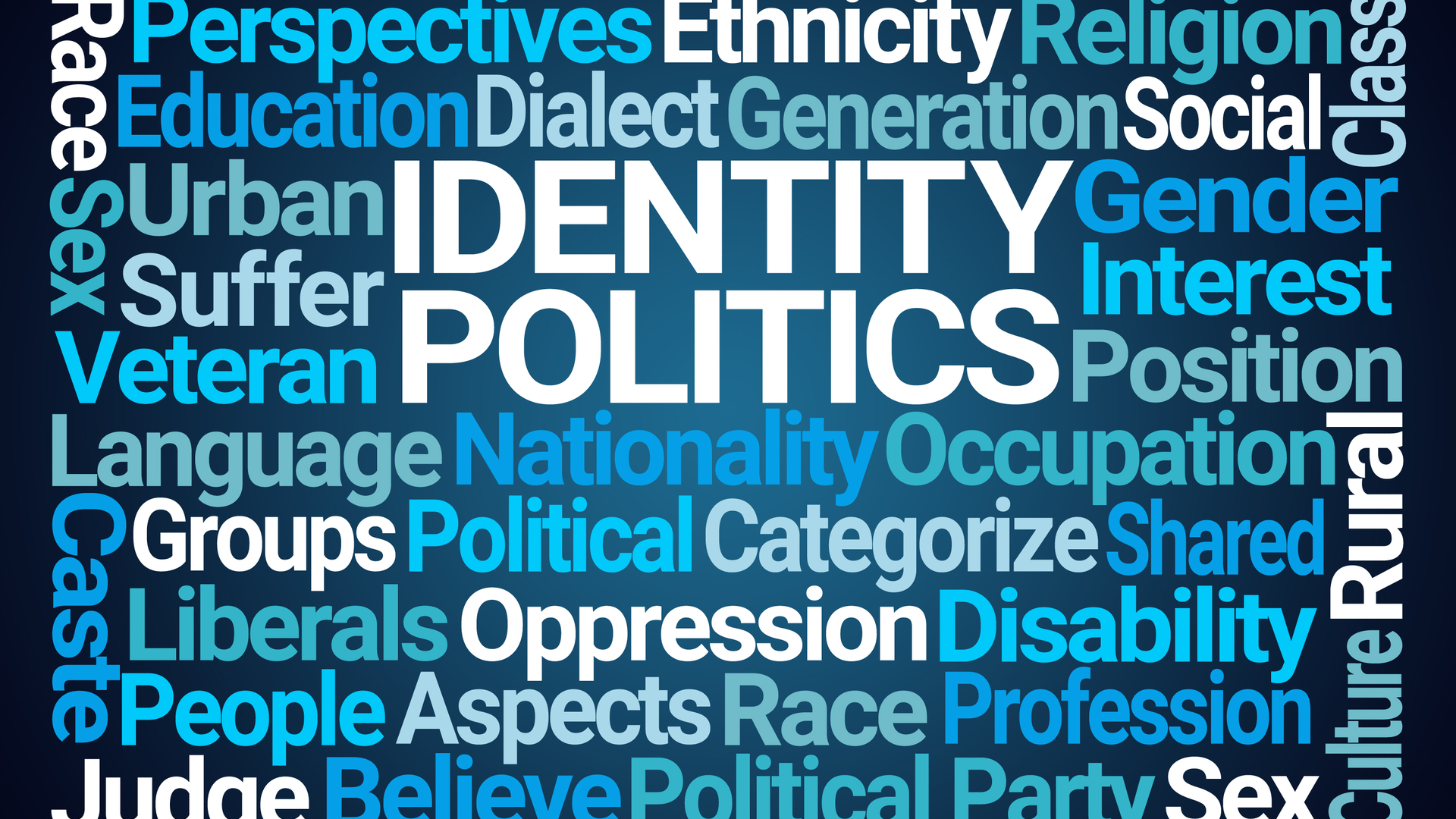
LDS community dynamics in the U.S. (and also in certain other places in the world) have shifted greatly in the past two decades, as someone's politics have largely overshadowed their religious identity. As our guest this episode, Stephen Carter, argues, we now likely know more about someone who identifies themselves as a political conservative (or a liberal or a progressive) than from their being a Latter-day Saint. This has led to many fascinating changes. Among the largest of these, we are now seeing more and more church members who have been radicalized politically beginning to doubt the inspiration of the prophet and other leaders, whereas it was generally those more politically liberal who were the wrestlers with that question. Stephen also suggests that it is now political conservatism that is driving Mormonism than Mormonism influencing members' political leanings. And this is true not only in the LDS church but many others as well. Where can we find escape from politics these days? Stephen argues that the current trend is toward "short-form" religions rather than traditional ones with large, sweeping, mythic arcs that suggest answers for where we came from, why we are here, and where we are going (or, at least, what is the highest form of human flourishing. Drawing on work by scholar Amanda Montell, he notes that it seems that folks leaving traditional worship spaces and communities are gravitating toward fitness groups, such as SoulCycle and CrossFit, and to internet influencers, gurus, etc, that don't require giving ascent to a full religious/mythic worldview so much as gaining "results now." The jolt once recognized as Spirit is now the positive feelings we gain as we note our self-improvement, and when in communities that have formed among those who "gather" in these ways, in person or online, and are not "high-cost" groups. Tying back to the today's politics and religion intermingling, Stephen proposes that now more than ever, we need spaces and community ties that are free from political cultishness and that look forward to future generations and provide them. He believes religions and religious participation might need to be what saves the future by working on "hearts knit in love" and that have a sense of what the big-picture world is and true peace and joy. Ultimately, he proposes that it is worthwhile (to us and to the future) to continue to engage with others in religious spaces, even if we sometimes don't like it at all and fail to receive spiritual uplift. It is the continuation of the religious space and community that is vital. And, of course, at each point in the conversation, LDF host Dan Wotherspoon argues that it is still very possible to experience joy and life- and people-affirming love while at church and in settings dominated by a religious worldview. Please enjoy this fascinating tour through several topics woven together masterfully! And don't let the argument for "Why We Should Attend Church Even If We Might Not Like It" scare you off!

108: Authority
"Authority" takes many forms. According to the gospel writer Mark, people responded to Jesus's teaching in the following way: "And they were astonished at his doctrine: for he taught them as one that had authority, and not as the scribes. (Mark 1:22). What does that mean? What is going on between the speaker and the hearer that would cause the latter to react like this? And how does this sort of authority differ from authority that is embedded in one's particular position? What does it mean when someone or some text is described as "authoritative"? What is the obligation of a member of a group that sees certain people or scriptures in that way? Are they required to agree with everything that person or text says, or is there room for each person to weigh these words, this person, or this text against their own lived experience and what it leads them to think or believe is true and/or inspired? And, if so, are there bounds to what they can say about their disagreements within group settings? What about "priesthood authority"? Does it differ from "priesthood power"? If so, how? What might Joseph Smith have meant when he wrote from Liberty Jail that "the rights of the priesthood are inseparably connected with the powers of heaven, and that the powers of heaven cannot be controlled nor handled only upon the principles of righteousness. That they may be conferred upon us, it is true; but when we undertake to cover our sins, or to gratify our pride, our vain ambition, or to exercise control or dominion or compulsion upon the souls of the children of men, in any degree of unrighteousness, behold, the heavens withdraw themselves; the Spirit of the Lord is grieved; and when it is withdrawn, Amen to the priesthood or the authority of that man." Is someone acting out of alignment with the principles of righteousness no longer "authorized" to serve within the priesthood office to which he (or she--coming soon?) has been ordained? That doesn't seem to be the case. So what is it that is lost? In this episode, you will find an expansive conversation between LDF host Dan Wotherspoon and his partner in Latter-day Faith and the Faith Journey Foundation, Mark Crego, on these and other aspects of "authority." What are the qualities of someone who we might designate as an "authority" for us? Does this make them "authoritative" in our lives in all things? And, finally, what about the title of "general authorities" that is granted to certain LDS male church leaders? How do most Latter-day Saints view that title with regard to their own spiritual lives? Is there a different (and better) way to understand this title? Tune in!

107: Living, Loving, and Growing Strong Amid the Challenges of Mental Illness
Activation Warning: This episode contains discussions of suicidal ideation. If you are experiencing suicidal thoughts, there is always professional help available to assist you, both in the short and long term. If you've reached a crisis point, please reach out to a trusted person or call a suicide hotline. Do not be alone with these thoughts running through your mind! The title of this episode mentions mental illness, but the real emphasis is on the first part: Living and Loving and Growing Strong. As you will hear, today's guest, Diane Bartholomew, is incredible and her spiritual walk powerful and inspiring. As you get to know her a bit here, you will see that the struggles with depression and bi-polar disorder (type 2) she's faced have opened her up to a deep and abiding sense of being unconditionally loved, first within her family, and also by God, and how this love has empowered her to fight and grow into an open-hearted and inviting person who meets challenging situations thoughtfully and powerfully. The discussion also goes into how uninhibited journaling has been an important spiritual practice as she experiences life's ups and downs. She and Dan also talk about the dynamics of interpersonal relationships within groups as well as in one-on-one conversations, which Diane prefers and really leans into. In this we can all learn so much. Meet the incredible Diane! This conversation is one that is sure to inspire and stay with you as you meet your challenges, whatever they are.

106: Gender Equality through Partnership Families
Dr. Julie de Azevedo Hanks is the guest for this podcast discussion that focuses on moving our homes and families, and in doing so wider communities, toward genuine gender equality. In it, she introduces us to a model she created as part of her doctoral dissertation, which she calls the "Partnership Model of Family Organization." She shares fascinating ideas about families and linking with others that match LDS ideas of Zion and even the life of gods, as well as acknowledging how the organization structure and the gendered roles it perpetuates work against full actualization of the church's members. After introducing the larger societal structure as a "dominator" one in which everything is ranked in importance and power, in which men's work is valued more than women's, in which nurturing takes a back seat to breadwinning and climbing the ladder, etc., Julie proposes "partnership" instead. She takes us through eight elements of partnership families and how we can work toward their actualization in our own homes and relationships. LDF host Dan Wotherspoon jumps in (interrupts?) with questions, connections, and angles, keeping us tied to real, lived reality as Latter-day Saints rather than focusing on the 10,000-foot, more theoretical view. It's a great dynamic! You'll learn a lot, recognize yourself in much of what's discussed, and thoroughly enjoy this episode. Dive in!
105: Developing Ou Resilience
This episode releases two weeks after LDS Apostle Jeffrey R. Holland addressed BYU faculty, administrators, and staff, during which he reiterated the Church of Jesus Christ of Latter-day Saints' position on marriage as being only between a man and a woman. He also addressed the activism on the BYU campus supportive of LGBTQ+ students, especially the participation of those who work for the church-supported institution, directing them to refrain from taking part in them. For many students, faculty, and others in the wider Latter-day Saint community who are welcoming and fully accepting of those who identify as queer, these remarks along with the apostle's delivery tone were especially hurtful. How do those so affected become re-centered and come closer to peace after such an (unnecessary) setback? In this episode, Lisa Hansen, the director of Flourish Counseling whose clientele are LGBTQ+, joins LDF host Dan Wotherspoon to talk about "resiliency." What does that term mean? Look like? And how do we develop it within ourselves? It is a deep and rich subject, one only coming into focus in psychological circles within the past decade. Lisa very skillfully introduces us to this concept and quality with a particular emphasis on the extra difficulties experienced by minority communities, especially our queer brothers and sisters. If you think you already understand resilience, you don't. This conversation is rich and full of many "oh my gosh, I hadn't thought of that" moments. This is an episode to listen to multiple times and to share with those who are open to better understanding LGBTQ individuals, as well as themselves. Listen in!
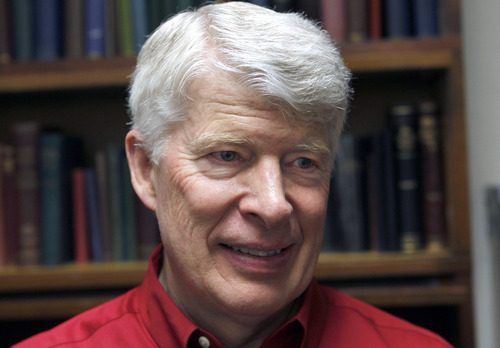
104: Curt Bench--Mentor and Friend
In this episode, Latter-day Faith host Dan Wotherspoon reflects on the life of his wonderful friend, mentor, sounding board, and wise soul Curt Bench who passed away recently. In sharing about Curt and the pivotal role he played in Dan's life, his hope is that we each will take time to consider the people who have made a genuine difference in our lives, especially those who found joy in who we are and have helped us come to understand ourselves more deeply and perhaps point us toward our genuine spiritual gifts. Dan also reflects on the importance of finding more of those kinds of people in our lives. Sometimes they will fall into our orbit naturally, but we also shouldn't hesitate to actively try to develop friendships that might be transformative for us. In the final section of this episode, Dan reads an essay of Curt's that is found in the 2021 book, Why I Stay, volume 2 (Signature Books). In it you will get to meet Curt in his own words as he describes his journey within Mormonism and how he had found fulfillment there even amidst everything that is less than ideal. A part of that journey was his finding examples of others who inspired him in much the same was that Curt inspired Dan. This is a very personal episode. Thank you for allowing this indulgence.
103: Finding Our Path
No two life paths are the same, and this is also true with spiritual ones. Here at Latter-day Faith we talk a lot about "inner work" and practices that are often associated with Christian mysticism. Yet, as Marty Erickson, this week's guest, points out, not everyone wrestling with Mormonism or struggling to discover their own spiritual way relates to the mystic path. Where are they to go? How might they discover the spiritual practices and stories and journey that is right for them? This episode discusses certain ideas that might prove helpful in this discovery process, but even more than that explores such liminal spaces--their difficulties as well as the gifts of the wrestle. Toward the end, Marty draws wonderful and illuminating parallels between spiritual and social justice work. You will love this conversation! Listen in!

102: Mormonism's Rascal—Levi Peterson
Levi Peterson is one of Mormondom's most celebrated authors and writing teachers who, in this episode chats with LDF host Dan Wotherspoon shortly after the release of his latest collection of short stories, Losing a Bit of Eden. His most famous novel is The Backslider, and he has written, among many other things, a celebrated biography of LDS historian Juanita Brooks (who was the first to document in a scholarly way the events of the Mountain Meadow Massacre) and a wonderful autobiography, A Rascal By Nature; A Christian by Yearning. In their conversation, Levi shares a bit about his writing process and the ideas that launched several of his works, his upbringing as a faithful Mormon for whom the church and certain teachings never quite fit but how and why he continued to regularly attend church and gather with fellow Latter-day Saints. He shares about his encounters with Juanita Brooks and how he became fascinated by her and knew that she deserved a thoughtful and scholarly biography, as well as about longtime friendships with Mormon writers and scholars and their impact on his life, especially Lavina Fielding Anderson and Eugene England. Finally, he speaks about the arc of Mormonism and Mormon culture during his lifetime and reflects on certain LDS leaders. This is a fun, wide-ranging conversation that you will enjoy immensely as you come to get a feel for Levi, now 87 years old, and his personality and charisma. He and his works truly deserve celebration and continued reading. Listen in!
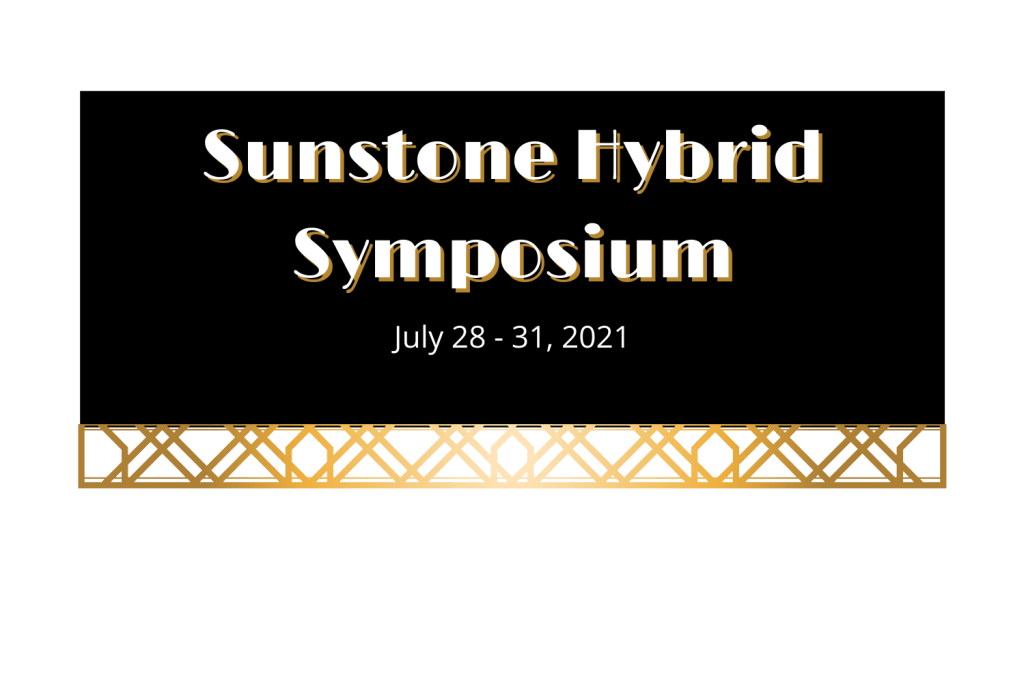
101: Sunstone and It's Upcoming Symposium
In this departure from our usual type of show, this episode takes a short look at the evolution of from the founding of Dialogue: A Journal of Mormon Thought to the beginnings of Sunstone and its symposiums. Featuring Sunstone's director of publishing, Stephen Carter, he and LDF host Dan Wotherspoon (a former editor and executive director of Sunstone) then talk about the 2021 Salt Lake Sunstone Symposium that runs from July 28th to the 31st. Listen in to see if attending it this year, in person or virtually, is something you are interested in. Plus learn of the most excellent opening session in the evening of the 28th! We'll make you listen to find out what that is! (Or, if you want to be that way, you can go to Sunstone.org and find out.) Ha ha!

100: Our 100th Episode! Reflections and Moving Forward
For our 100th Latter-day Faith episode, my good and wise friend, Mark Crego, who is also my partner in making this show and our many events and gatherings possible, get together to reflect on what we started a bit over two years ago. How well does it match with what we started out to do? How have things shifted, and what has brought these on? And, ultimately, how do we see LDF and the Faith Journey Foundation going forward? It's a bit of navel gazing to be sure but still a worthwhile discussion. Hope you will listen in!
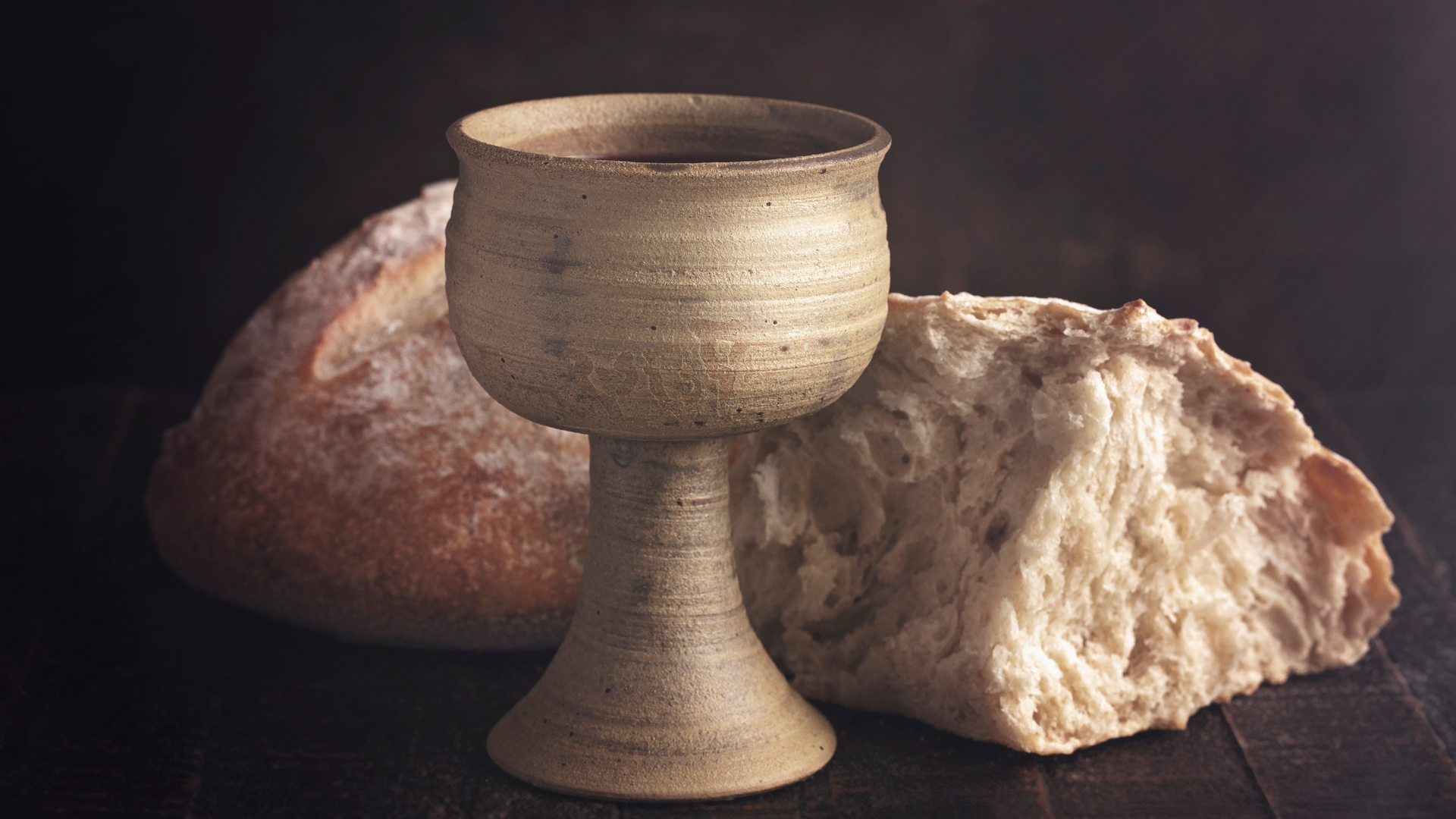
099: The Sacrament: A Communion of Love
For many, the way the sacrament is practiced within Mormonism can feel stale and perfunctory rather than spiritually fulfilling. The LDS practice is very simple, beginning with a hymn, followed by the reading of set prayers (but very rarely feeling like prayer and supplication, an attempt to unite us in common purpose), then being followed by boys and men (only) passing the emblems--plain bread and tap water--to the congregation. It concludes with thanks from the pulpit for those who administered the ordinance, and then the regular flow of sacrament begins again. (Of course, during the pandemic, the sacrament has been moved to the end, following the end of the meeting being streamed to those watching from home.) In this episode, Jody England Hansen and LDF host Dan Wotherspoon, two people who often speak and teach together about ritual and religious practice, offer perspectives that they hope will help everyone deepen their experiences during and surrounding the sacrament. Following their sharing pieces of their own journeys to where they are now in their thinking and practice of the sacrament, they turn the focus toward the sacrament as a "communal meal," a time of sharing and building community among those who choose to unite within God's love and "Way" of being. They speak of the deep yearning we all feel to be connected, to be included, to live with purpose that allows the free flow of that love, that grace. Along the way, they reflect on the ideas that often obscure us from moving into the ritual's true purpose, the power of simplicity in this ordinance, and much more. The episode contains stories, reflections, and rich insights. It is definitely one to listen to--perhaps again and again!
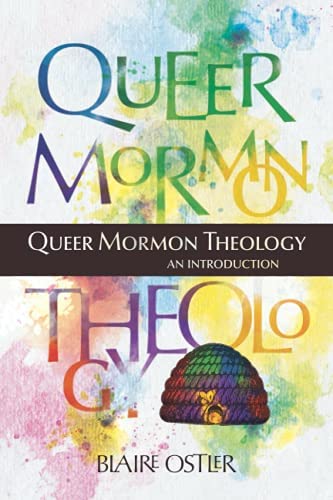
098: Queer Mormon Theology
Mormonism's theology is "queer" in the sense of peculiar, different, and unique in its connections between ideas and the particularity of spirit and matter, along with various practices. Blaire Ostler, in her new book Queer Mormon Theology: An Introduction (By Common Consent Press, 2021) plays on that meaning, while also laying out how in many ways that queer theology has a lot of room for "queer" people: those who identify as gay, lesbian, bisexual, transgender, intersex, asexual, pansexual, or in other ways than simply cis-gendered and heterosexual. She takes a very expansive view of scriptural and other teachings about God, Jesus, Christ, Families and more and paints a very open, graceful gospel, while acknowledging that institutional and cultural Mormonism is currently anti-queer and harmful for those who so identify. But does that always need to be the case? In this episode, Blaire joins Latter-day Faith host Dan Wotherspoon for a far-ranging discussion of aspects of the book and her thinking, as well as her own personal journey to understand and embrace her sexual identities as both bisexual and intersex and how her life has brought her to a place from which she can stand both as a Latter-day Saint and a queer person and write propose such beautiful theology. Please listen in! You'll find this a very mind- and heart-expanding episode.
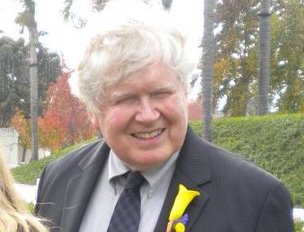
097: Meet My Dad, Jim Wotherspoon
In this special Father's Day episode, LDF host Dan Wotherspoon interviews his dad, Jim. James Richard Wotherspoon has lived a remarkable life. Born blind (as was his brother, Robert), Jim has achieved quite a lot in his 87-plus years. He became one of the first (if not the first) blind person to earn the rank of Eagle scout. He and his brother both mainstreamed at Berkeley High School, where he excelled in his courses, as well as music and chess. He then attended the University of California at Berkeley where he earned his doctorate in history (as well as met his wife, Beverly, and started a family). They then all moved to Sacramento, California, where he taught history at American River College for 43 years. In addition to his life triumphs, he faced many setbacks as well, including a heartbreaking divorce and reactions from church leaders, ultimately staying away from activity for 35 years. He is fully back and involved now, and most impressive of all is his attitude and the spirit of grace and forgiveness that radiate from him. You'll be glad you listened in!
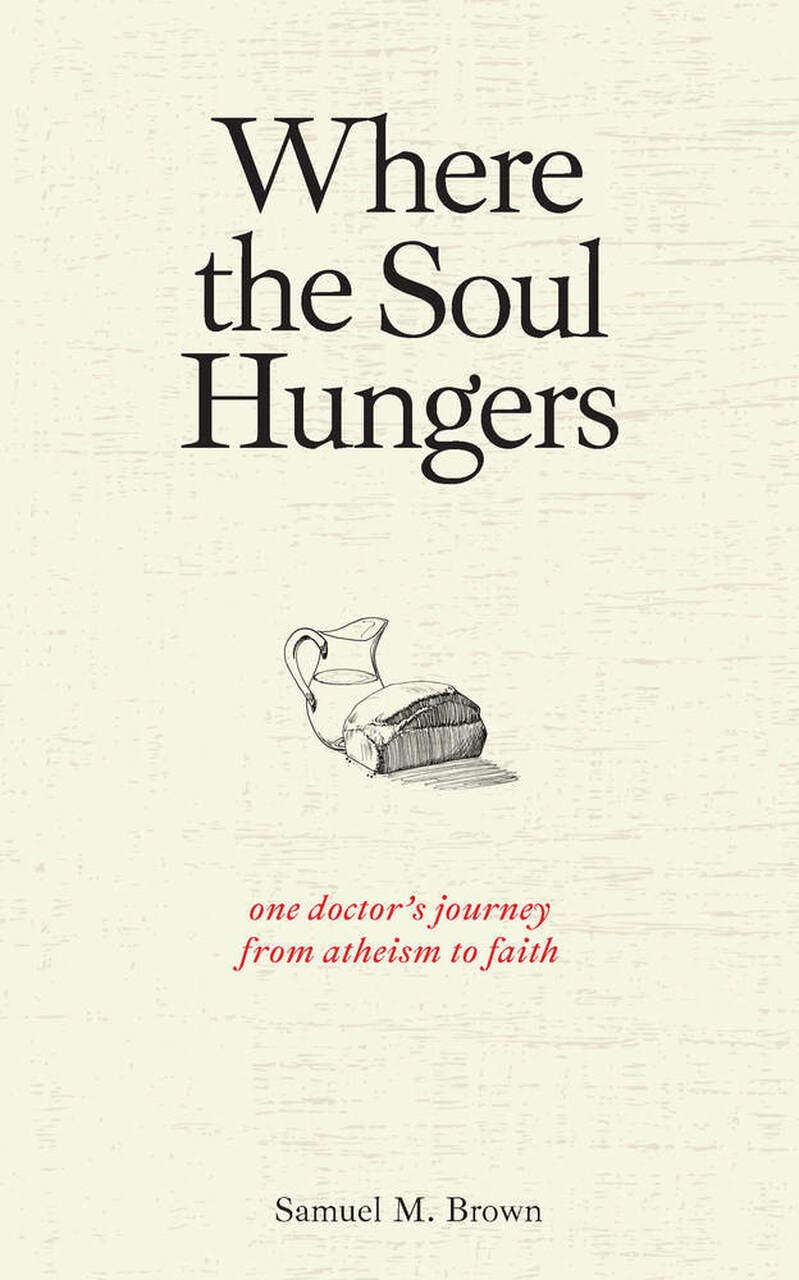
096: Where the Soul Hungers
Samuel Brown lives the life of a physician-scientist whose life journey has brought him step by step and new experience by new experience from rebellion, rationalism, and atheism to a place where, as he says, "[that] we might make sense of our thinking within a world charged by the presence of God." He is not naturally social or comfortable with others but through the decades has come to appreciate the importance of community bonded through commitment to a shared path, open-hearted sharing, and service, as well as the people themselves. But it is a forty-year story that brings him to where he is now: "all in." Sam shares this story in a new book of essays, Where the Soul Hungers: One Doctor's Journey from Atheism to Faith, (Neal A Maxwell Center and Deseret Book, 2021), which he discusses here with LDF host Dan Wotherspoon. In it, they discuss the arc of Sam's life, as well as many interesting takes he has arrived at through his medical and also gospel studies (leaving many more un-noted here but in the book). Among the things he speaks on his why how we frame things is more important than the questions we ask, if there is more to learn from the story of Solomon's wisdom and judgment in the case of the contested baby, from David and Goliath, from baking bread, from ritual and empowering our senses to take us to wonderful views and understanding. Here we are celebrating a wonderful book and the journey of an even more remarkable man. Join us!

095: Disruptive Change and Inner Work
There is no question that we are living during a time in the world that is unlike any other. Brought on by the dawning of the information age, and especially the rise of the Internet and ever-increasing access to it and all the social media and other technologies it has hatched, it is no wonder that societies, cultures, religions, and we ourselves have been thrust into major growing pains--some of which are here ahead of our collective and individual maturity to manage easily as all of it has disrupted our previous comfort levels. Luckily, we have the records of previous major societal upheavals that we can gather lessons from them, with one of them being the good news of major shifts in consciousness that follow in the decades after. In this episode, Caleb Jones, an information engineer, joins LDF host Dan Wotherspoon to talk about many aspects of this time of flux. Caleb keys in on the "Second Great Awakening" that brought forth so much societal change, including the birthing of many religions such a Mormonism. He draws parallels from it and other "Awakenings" to help elucidate the present, especially regarding trends in Mormonism and individual Latter-day Saint lives. In all of this, he and Dan raise questions (and propose tentative thoughts) that can be important guides for our own soul work. May it serve you well in this way as you listen in!