
Latter-day Faith
244 episodes — Page 2 of 5

194: Election Thoughts and How We Can Care for Ourselves in its Wake
In this short episode, LDF host Dan Wotherspoon offers a few of his reactions to the recent presidential election. Without trying to demonize anyone who may have voted differently than he did, Dan speaks to the situation of just how evident it is (and has been for years, but perhaps never so completely clear) that instead of people choosing their politics based on their religious beliefs or core principles, so many of us now let politics alter our religious thinking and behavior. Through Bible passages and a reminder from the Book of Mormon, he offers a few thoughts about what he believes are core messages of Jesus and the way leaders should lead. The primary purpose of this short episode, however, is for him to share a few of his "what now?" hints for helping ourselves manage angst in our souls and be able to return to spiritual equilibrium and a clear vision that nothing about what happens anywhere should take us away from our core calling to return good for evil, love and compassion whenever we see hate and "othering," openness when we see smallness, etc. The episode is pretty raw and recorded on very little sleep, but we hope you will forgive that and listen in. Enjoy!

Can AI Play a Supporting Role in Our Spiritual Journeys?
AI (Artificial Intelligence) is increasingly becoming part of our everyday lives as it is now enhancing the way businesses and health care providers work, as well as assisting in financial fraud detection, cybersecurity, and much more. Its contributions in those areas are mostly invisible to us. But now with the rise of informational/conversational programs like ChatGPT, Gemini, Microsoft Copilot, and others, more and more of us are including AI-based chatbots more directly in our daily lives--including our spiritual lives. In this episode, Mark Crego and Jeff Pratt join LDF host Dan Wotherspoon in a conversation about integrating ChatGPT in our spiritual journeys, as both guests use it regularly for this purpose but in quite different ways.The discussion first provides an orientation to what ChatGPT and other chatbot programs do, the sources of information they draw on, and how their security provisions make them "safe" for us to use even as our chats inevitably involve us sharing personal information about ourselves (though not things like bank account, social security, passwords, or other protected info like that). Following this basic information, Mark and Jeff share the way they have been using ChatGPT to enhance their understanding of scriptural texts, as well as in their spiritual journeys. In sharing about these, they actually play snippets (in the computer voice they have chosen) parts of conversations they have had, and they also demonstrate in real time how they query it. They even did a real-time request that asked for a prayer that includes words of encouragement for a project Dan is working on. It is all quite fascinating, and its likely many of us will warm to the idea that AI can, indeed, assist us in our spiritual walks. Listen in!

192: Reacting to the Announcement of Changes to the LDS Temple Garment
The Church of Jesus Christ of Latter-day Saints has just announced changes to LDS garment styles, including options that don't require shoulders to be covered, along with the option to wear a garment "shift" that doesn't require women to have their legs covered but instead can wear the bottoms under a dress or skirt. Several of the changes relate to women's health issues that often arise in garment wearers who live in tropical or high-humidity areas of the world. It also noted that there were going to be more choices for garment fabrics. A Salt Lake Tribune article about the announcement raised several other issues that are pertinent to the change. One is that it "will make it harder for others to judge who is or is not wearing garments." It goes on to mention a 2023 survey that found 59 percent of women saying they felt judged about how they wear them. A broader issue that was raised is that these new styles still feel "like church leaders are trying to control women's clothing choices." Another piece of the change is interesting for its timing. It was only in April of this year that LDS leaders were emphasizing the importance of wearing garments "as instructed in the temple" and it is "not left to members' individual inspiration and interpretation." That emphasis also added to worthiness to enter the temple new wording about how individuals are keeping their covenant to wear garments, along with a statement to be read by the ecclesiastical leader conducting the temple recommend interview. Many ask what led up to this very quick turnaround of that emphasis. It now seems that the church is now emphasizing "the symbolism of the garment" as "more important than the style." Was it activism by women, surveys that showed how Millennials and Generation Z wear their garments (or don't wear them), or something else? Listen into the great discussion in this episode between LDS podcast host Cynthia Winward, Latter-day Faith board member and frequent guest Terri Petersen, and LDF host Dan Wotherspoon. It's terrific!

191: Responses to the New LDS Emphasis on Christ's Second Coming
In the October 2024 General Conference of the Church of Jesus Christ, Church president Russell M. Nelson indicated that the reason the Church is building so many new temples is related to preparations for Christ's Second Coming. "Why are we building temples at such an unprecedented pace? Why? Because the Lord has instructed us to do so. The blessings of the temple help to gather Israel on both sides of the veil. These blessings also help to prepare a people who will help prepare the world for the Second Coming of the Lord!" Throughout the talk he mentions several times and in different ways how we can prepare to that great event through temple worship, and declares: "The best is yet to come, my dear brothers and sisters, because the Savior is coming again! The best is yet to come because the Lord is hastening His work... I bear my solemn witness that Jesus Christ is the Son of God. I am His disciple. I am honored to be His servant. At His Second Coming, "the glory of the Lord shall be revealed, and all flesh shall see it together." That day will be filled with joy for the righteous! Through the power of the sacred priesthood keys I hold, I declare this truth to you and to all the world! With such strong language, which many Latter-day Saints will hold to as direct prophecy of things to come (and that it will come soon!), we will hear in our wards and stakes, and perhaps in our gatherings with LDS family members and groups echoes of President Nelson's message of a soon-approaching return of Jesus Christ to the world where he "will govern from both old Jerusalem and the New Jerusalem 'built upon the American continent.' From these two centers, He will direct the affairs of His Church." Many Latter-day Saints have already begun to share their thoughts on this new emphasis, and in this podcast episode, LDF host Dan Wotherspoon speaks about his own reactions to President Nelson's message and what it means going forward even if we might be skeptical an imminent Second Coming. He also offers a framing about why he thinks this emphasis is happening now. He then suggests ways that we "fellow travelers" who are actively sorting through so much related to our spiritual and church lives might be able to share our thoughts effectively on those occasions we might not agree with how the Second Coming is being spoken about. Listen in!
190: Discerning Our Life Path
So many of us stumble through life without a genuine sense of who we are and what we should do. One of things that brings us the greatest joy and peace is when we finally connect with what our soul seems to be calling us toward. What are our gifts? What are the through-lines that seem to be showing up again and again in most things we do? Are there practices we can undertake that might help us drill down and name exactly what that those are? This episode is about discernment, especially in relation to our careers, as well as when we meet forks in the road or in some other way are forced to make decisions about what's next. It features LDF host Dan Wotherspoon in conversation with his friend and fellow spiritual traveler, Megan Popa about discerning ways to match what we do in the world with what we sense might be our life's calling. It's a difficult process, and it usually only truly discovered over the course of a lifetime. Still, it is helpful to be able to recognize as early as we can the outline of what that might be. Megan shares about her life path and the various types of work she has done and is doing now, and through this telling we meet a woman continually narrowing down options in search of discovering that which truly matches her soul's calling. Dan speaks a bit about this, too, but also presents several possible exercises we might do in an effort to clarify who we are at our cores and ways we might find a path that is in harmony with what we discover.
189: How Does God Intervene in Our Lives and in the World?
LDS Church teachings about deity suggest that God is very actively engaged in our lives and the world more widely. Many members of the church pray to God for blessings large and small. They try to live in ways that will please God, and avoid those that won't. These notions and actions indicate that they believe in what might be labeled an "interventionist" God. This sense of things sometimes presents a problem for believers when God doesn't seem to answer their prayers, especially when it comes to who lives and who dies. In the same way that other theists will often do, Latter-day Saints have created "explanations" to comfort themselves or others when things don't go their way, and even more widely when any formula that implies "if I do this, God will do that." The question at the heart of this podcast episode is whether or not a belief in this type of God is as spiritually healthy for people as understanding God much more broadly, perhaps allowing the notion of God as a "person" to drop away, shifting to a stance that invites them to re-define God more as the creative, animating power of the universe. Listen in as LDF host Dan Wotherspoon and his friend, frequent conversation partner, and driving force behind the podcast, Mark Crego, discuss this topic. Their spiritual experiences lead both of them to find greater peace from opening themselves to this wider view of God without at all dismissing the notion that God is also a person. It may get nerdy at times (or maybe a lot!) but it's an important topic that they try to approach in a pastoral way.

LatterDayFaith-188
Listen in on a conversation between three longtime confidantes, LDF board member Terri Petersen and her friends, Nancy and Susan as they discuss their changing relationships with the LDS Church and with their loved ones. As will become clear through listening, these three friends are at different places in their spiritual journeys, yet their love and respect for each other has not changed. But each spot brings its own set of relationship issues when children decide to move on from the church, or, in the case of Nancy, a parent opts out while their spouse and children remain in the fold. Learn of their stories within and without formal Mormonism. What have they learned along the way that they can offer as advice to others going through similar challenges. What are the worst things someone can do? What are the best? All three of these chums have ultimately managed such challenges quite well, remaining in close contact with family members who may not agree with others' decisions but have chosen to remain steady in keeping their relationships a priority. As you listen, I bet you will find in these three friends reminders of people you know and love even though it might be difficult at times.

187: The Gospel of Jesus Christ--What is the "Good News"?
The question, "What is the Gospel of Jesus Christ?" might not lead many people to think deeply. For a large number of Mormons and other Christians, our answer is tied up with the messages of their religious tradition and its belief system. Instead of focusing on God and the kind of relationship Jesus modeled with the Father, so often our focus is on our "beliefs" about God and making sure we get it right. Instead of falling in love with God, we settle for a mediated and second-hand relationship. In this episode, Mark Crego, Terri Petersen, and LDF host Dan Wotherspoon discuss the question of the nature of gospel in many different ways. What is the "good news" of the gospel? How did the teachings and life of Jesus get so lost along the way, with most of us focusing on the story that emerged over time and with all its added and distorting layers? What should we focus on instead? The conversation does wander into different questions, at times, but hopefully they are also interesting. Listen in!

186: Life and Other Transformational Stuff
This episode is a joy. In it, LDF host Dan Wotherspoon chats with his friend Stan Bennion about Stan's life and experiences as a Latter-day Saint whose sense of adventure led him and his family to live in interesting places. Stan has had the good fortune to be able to marry his fascination with new and interesting things to his Mormon life in ways that allow him to be more fully himself in church than many people feel able to do. We hope his story and sense of things might help others find this sweet spot as well. The topic thread that emerges from the conversation is about transactional and transformational ways of living the gospel. He shares great sense about how it is essential to grow up viewing the world in mostly transactional ways. It helps us be safe, gives us a sense of what's fair and not fair, and helps bring a little bit of order out of chaos. But he also lays out some of the pitfalls that can arise when we hold too tightly to this way of being, how it can warp our perceptions and inhibit our growth Godward. The transition from the Old Testament to the New Testament was from a world dominated by transactions, including in its sense of and rules for justice, to a new vision taught by Jesus's changes everything. Everything and everyone become more significant, and as we come to understand new ways of seeing them and ourselves, wonderful things unfold in us. In taking us through a few elements of the Sermon on the Mount and then a couple of Jesus's parables, Stan brings this message to life. Enjoy!

185: Garments, Responsibility, and Wisdom
This is a wise and inspiring episode, which uses as a springboard the recent emphases on garment wearing and its relationship to worthiness, including a new statement to be read during the temple recommend interview. It is a conversation between LDF board member Terri Petersen and show favorite Jody England Hansen that addresses these things through a tour of the history of garment wearing in the church, but even more so the garment as symbol within a symbolic ritual, with symbols by definition belonging to each of us individuals for its meaning. The temple endowment's ritual is an ascension story, taking us from one state of being and relationship with the Divine to progressively higher and wider ways of relating to and loving God. With each section, we are forced to confront ourselves and ask what are the things that are holding us back as we take this Godward journey? It is also a wisdom journey, because how can we gain such a boon without our taking responsibility for ourselves and our decisions? One of these responsibilities is making our own decisions about how and when we wear garments. Wearing garments can be problematic for the health of our bodies, and this is especially true for women's bodies. Whether it is because of climate conditions, immune systems, allergies, or body shapes and sizes that don't work well with the standard cut of the garment, wearing these as one's underwear at all times (with very few exceptions) can cause many difficulties. Shouldn't it then be up to each individual to decide how and when she or he wears garments? Why would anyone want to give up her or his own body autonomy because of church statements (which are changing all the time) made most often by men if they know it is harmful to them (physically but at times psychologically as well)? The garment as symbol is to be understood by each of us individually. It follows that part of our own growth to greater wisdom and love should apply to how we choose to wear them. Listen in! This conversation is incredible—and important.

184: How I Stay
In this episode, LDF host Dan Wotherspoon shares something he delivered at the most recent Salt Lake City Sunstone Symposium. He spoke as part of a panel in a long-running Sunstone session titled, "Why I Stay." Instead of giving the "why" of his decision to stay actively involved in the Church of Jesus Christ of Latter-day Saints and Mormon life, he spoke about "how" he manages it. Ultimately, it is because he has figured out the way to be himself at church and in other LDS gatherings. But it was a long and rocky journey from faith crash to rebuilding to confidence, which he shares in this episode. We hope you will listen!

183: Buddhist Insights for Living Within or Without a Religious Tradition
In this wonderful podcast episode, LDF board member Terri Peterson interviews author and podcaster Noah Rasheta about Buddhist teachings that transcend faith boundaries and can help people live with greater clarity and equanimity whether they are formally religious or not. With Terri's prompting, Noah shares his journey as a Latter-day Saint on through his introduction to Buddhism and how well it fit his seeker's temperament. What really stands out in this exchange is Noah's ability to brilliantly and in a plain-spoken way outline the key concepts that underpin Buddhism. The conversation is chock full of "aha" moments, and shows us the value of asking questions that we likely would have never thought about if we live and think only within one religious system. Listen in! You will be very glad you did!

182: Creating a Fulfilling Life Outside of Formal Religious Structures
Most people who come to this podcast have likely, at some time in their life, wondered what their lives would be like were they to step away from Mormonism--and not just the church but, perhaps, everything else that one might call "religious" in nature. What if there is no God? What if there is no need for saving ordinances? What would it be like to not feel pressure to assent to specific beliefs? In her new book, No Nonsense Spirituality: All the Tools, No Faith Required (SacraSage Press, 2024) Brittney Hartley walks us through her own journey that included the total deconstruction of her LDS worldview before she was able to find a beautiful and fulfilling way to live again. Hers is a life without God, Ordinances, Specific (prescribed) Beliefs, or Formal Church structure, but it is in no way bleak or void of meaning, personal ethics, family and individual rituals, contemplative practices. Nor does it reject the importance of feelings of awe or a sense of the transcendent. As she leads us through the book, we can see that she is definitely spiritual but secular. In this episode, Brittney joins LDF host Dan Wotherspoon to talk about her journey and how she, as an athiest, came to be grateful again for the various tools that we typically associate with religion. Some chapters teach us about secular spirituality, the importance of "order" in a chaotic world, finding meaning and purpose, community and love, sacred stories, and human flourishing. It's a great discussion that allows anyone who is convinced of the need for formal religion and all it entails to expand their vision. The beautiful things they will find in Brittney and how she lives and centers her life can serve as a counter narrative they might keep in their minds when they or others around them start to claim that authoritative voices, specific beliefs, certain ordinances, etc. are necessary in one's life now and for their hopes for the eternities. If "salvation" is really "transformation" into more loving, kind, patient, and joyful beings, we should consider what Brittney has to say. Listen in!
181: Temple Recommend Interviews, Worthiness, Self-Assessment
In this wonderful conversation, Latter-day Faith board member Mark Crego talks with Chris Kimball, the author of Living on the Inside of the Edge: A Survival Guide (By Common Consent Press, 2023) about his experiences with the LDS temple recommend processes. Their focus is on the notion of "worthiness," which most Latter-day Saints view as the purpose of the recommend interview. Should it be? Are their other ways to understand it that do not automatically place the bishop in the judgment seat of another's ability to worship in the temple? What might that look like? During his time as an LDS bishop, Chris became increasingly uncomfortable in these interviews--so much so that he was traumatized by it and no longer seeks a recommend. Listen to his story and more about his choices in this regard. (He also writes about it at length in his wonderful book noted above.) Mark and Chris focus on different notions about worthiness, as well as tools within LDS scripture and teaching for assessing one's own "fit" for the temple. Also, how might we approach the matter of our own sense of "worthiness" in the eyes of God, as well as in the church, which are definitely not the same thing! Listen in to this fantastic, expansive episode!

180: Understanding Better Our Own and Others' Motivations
This episode, co-hosted by Dan Wotherspoon and Terri Petersen, brings to the forefront once again the insights and helpful ideas in Jon Ogden's 2017 book, When Mormons Doubt: A Way to Save Relationships and Seek a Quality Life. Jon joins the hosts to discuss his approach to saving relationships through understanding the primary things that we and others choose to focus on in our lives. Are we driven primarily by the search for what is "true"; is he focusing on what is "good"; is she motivated by the search for spiritual health? When we come to understand these focuses and are able to recognize another's highest values as valid and do, indeed, represent something that is worthy to pursue. When we can see the internal calculus by which we all weigh our decisions and approaches to the world, the things that we thought we were in conflict about lose their power to destroy our relationships with others. In the discussion, Jon points out what happens should we pursue our highest values in an unbalanced way, helping us see common pitfalls so we might better avoid them. This discussion is high-level but approachable. Its jargon-free. And the things it highlights are important and wise. Listen in!

179: Experiences with Prayer
As someone is experiencing a shift of faith, it is very common to find a need to change their prayer practices. Likely, their view of God has changed, which leads to confusion about how to approach this new Being or Source. What used to be simple and connective no longer feels the same. Should they stop praying altogether? Many do. In this episode, Terri Petersen and Mark Crego join LDF host Dan Wotherspoon for a discussion of these shifts, as well as how their forms of prayer and experiences in prayer have changed? They discuss common understandings of prayer and how "blessings" or "answers" that come after prayer are often shared--in many cases in ways that discourage others who have not had their prayers answered. They talk about "public" prayers and "private" ones, and the functions of each. If personal prayer is intended to draw us closer to God/Spirit/Creative Energies, how have they found their deeper connections with divinity? What are their past and present prayer practices? What experiences have they had in prayer? This is a great episode! Listen in!

178: Life as a Divorced Mom in the LDS Church—One Woman's Experience
In this wonderful episode, Faith Journey Foundation board member and great friend of the show Terri Petersen speaks with her friend, Christy (pseudonym) about her church life as a active woman with children, who also happens to be divorced. As you can imagine, in a church that touts the vital importance of families, it is not always a comfortable experience when one's family is now differently configured. Christy shares powerfully about both her internal wrestlings with a change from the "plan" she had thought she'd follow for the rest of her life (and in the eternities), as well as the struggles the Church as an institution has in speaking to and including divorce women. She is a wise, articulate, open, and insightful soul, whose words here will pierce every person's heart—man or woman, divorced or married. How should we speak to or interact with someone who is going through a divorce, or who already has one finalized? What should we say and NOT say? How can we help them feel more included and welcomed in our wards? How might Primary and YM/YW leaders tailor what they say when children of divorced parents are in their classes? Can we learn to see these families as still whole, just different? What messaging do or should we give by the way we act around them? Might we learn to invite them to sit with us? Because of certain realities of men's ministering to single women and their families, how can men still be involved with the children, modeling for them what gospel maturity looks like? You will find discussions of all these matters, plus many others, in this episode. We highly recommend it to everyone. There is so much to learn, and in the specificity of Christy's life, it somehow feels more universally applicable. Listen in!
177: Mercy as Taught in the Book of Mormon
If we are not careful, it is very easy to become lazy in our scripture studies--reading but not pausing long enough to really see and understand what it is saying. In the course of our years as Latter-day Saints, we generally have developed ready answers to what this or that passage is about, and we groove those interpretations into our minds. But are the long-standing ways we interpret scriptures always revelatory of what they actually mean? This is especially true when it comes to the topics of Grace and Mercy. Many of us don't quite believe in either, thinking that we must qualify in some way before we can receive either. This isn't what the Book of Mormon teaches about them, and in this episode, Latter-day Faith host Dan Wotherspoon and the wonderful and insightful Danny Kofoed discuss its most profound ways of understanding God's true graceful and merciful nature. The previous episode (#176) discussed the first of these topics: Grace This one presents the Book of Mormons teachings on God's Mercy and how it can transform our lives. Listen in!
176: Grace as Taught in the Book of Mormon
If we are not careful, it is very easy to become lazy in our scripture studies--reading but not pausing long enough to really see and understand what it is saying. In the course of our years as Latter-day Saints, we generally have developed ready answers to what this or that passage is about, and we groove those interpretations into our minds. But are the long-standing ways we interpret scriptures always revelatory of what they mean? This is especially true when it comes to the topics of Grace and Mercy. Many of us don't quite believe in either, thinking that we must qualify in some way before we can receive either. This isn't what the Book of Mormon teaches about them, and in this episode, Latter-day Faith host Dan Wotherspoon and the wonderful and insightful Danny Kofoed discuss its most profound ways of understanding God's true graceful and merciful nature. This episode discusses the first of these topics: Grace The one after that presents the Book of Mormons teachings on God's Mercy and how it can transform our lives. Listen in!
175b: What is Latter-day Faith Podcast? What Do Dan and Mark Really Think? Part 2
Latter-day Faith Podcast has just passed its 4th anniversary, and one of its early listeners who is now a great friend, Terri Petersen, suggested we need an interview show in which she'd ask questions of LDF host Dan Wotherspoon and his great friend and partner for the whole Latter-day Faith enterprise, Mark Crego. Terri reached out to many other listeners and asks her own as well as many of their questions. In the interview's first episode, the focus was on slightly broader themes about the show and its audience and Mark's and Dan's hopes for what Latter-day Faith is and hopes to be doing going forward, but the very skillful also Terri started drilling down to some of the more nitty gritty stuff, pulling out many stories from their lives and faith journeys within Mormonism. This second episode goes even more to that tire-meets-the-road level, including "how" they engage in their wards, families, friends, and with those who have left full engagement with Mormonism. She also takes them into how someone might disagree with what certain leaders say or push while still "sustaining" them, their views about scripture and how it is engaged within today's church, and also Dan's and Mark's views of God. We hope you will listen in!

175: What is Latter-day Faith Podcast? What Do Dan and Mark Really Think?
Latter-day Faith Podcast has just passed its 4th anniversary, and one of its early listeners who is now a great friend, Terri Petersen, suggested we should do an interview show in which she'd ask questions of LDF host Dan Wotherspoon and his great friend and partner for the whole Latter-day Faith enterprise, Mark Crego. Terri reached out to many other listeners and asks her own as well as many of their questions. In this interview first episode, the focus was on slightly broader themes about the show and its audience and Mark's and Dan's hopes for what Latter-day Faith is and hopes to be doing going forward, but the very skillful also Terri starts drilling down to some of the nitty gritty stuff, pulling out many stories from their lives and faith journeys within Mormonism. The next episode will be more about "how" they engage in their wards, families, friends, and with those who have left full engagement with Mormonism. Terri and those who reached out have many questions in this area, so we hope you will join in for it, too! Listen in!
175: Word Shakers
LDS general conferences are often difficult for Latter-day Saints who are experience shifts in their faith, but at the same time wonderful boons to others. Certain talks can be painful reminders of ideas and ways of approaching God and life that we who are in the midst of faith journeys have come to find unhealthy; just as many are exhilarating to others and and fill them with hope. The key determiner in how certain messages will strike our hearts is "us." We come to conference in all sorts of states of mind, and we are often only primed to receive what's said with certain ears. If we expect to find close-minded pronouncements, we will find them. If we are able to sit in a greater space of peace, we will find much that sings to us, as well. As LDS host Dan Wotherspoon was engaging with early April's conference, his mind hit upon the metaphor of "word shakers," which he had encountered in a powerful novel, The Book Thief, by Markus Zusak. It is contained within a short parable within the book itself and refers to those who climb trees that are made of words (and we are trees also constituted to a large degree by words), and help shake down those that are stuck or that aren't landing and being picked up by the people below in the way they deserve to be. Trees made of horrendous words ugly ideas have word shakers helping spread them to those waiting below, and likewise, wonderful, expansive, empowering words have their shakers, too. In the context of general conference, we might imagine church leaders as perched in the branches of the Gospel Tree containing so many wonderful words that make it so beautiful. They will search the branches for words they want to shake down. Their choices of what to shake are dependent upon their own ways of interpreting the Gospel message, as well as their particular temperaments, where and when they were raised or discovered the Gospel, and what has worked "for them" as they grew and developed into who they are and what they see. But, ultimately, it is we who hear the words being shaken who determine whether or not we will be influenced by them and make them a part of us, or if we will reject them because we find them lacking the words and ideas of the Gospel that most resonate with us. In this episode, Dan reflects upon this metaphor as well as how general conference strikes various people in various ways, but ultimately his goal is to suggest how we can all use conference as a powerful time for self-examination and, eventually dialing down to what we value most--and why that is. Like all "inner work," our processing of conference messages must begin by examining the emotions that stir inside of us when we hear them. And it is through these reflections that we gain greater self-knowledge, a clearer sense of whether or not these reactions come from a healthy place, a place of wholeness and peace, or if there is something we may need to look at and examine more closely. Inner work "works" when it brings things to our attention things we might have bypassed and ignored that are nevertheless affecting us in in profound ways. And when we encounter those and gain a clearer picture of what they are, we find ourselves in a state where we might begin to heal the wounds they reveal. General Conference = Great Catalyst (for gaining more self-knowledge and healing). What have the word shakers released into our worlds during the two days of conference, and why are certain ones falling from the same Gospel Tree affecting us the way they are? Maybe this metaphor will provide us a more neutral way to view the role given to those who share from the conference pulpit.
LatterDayFaith-174
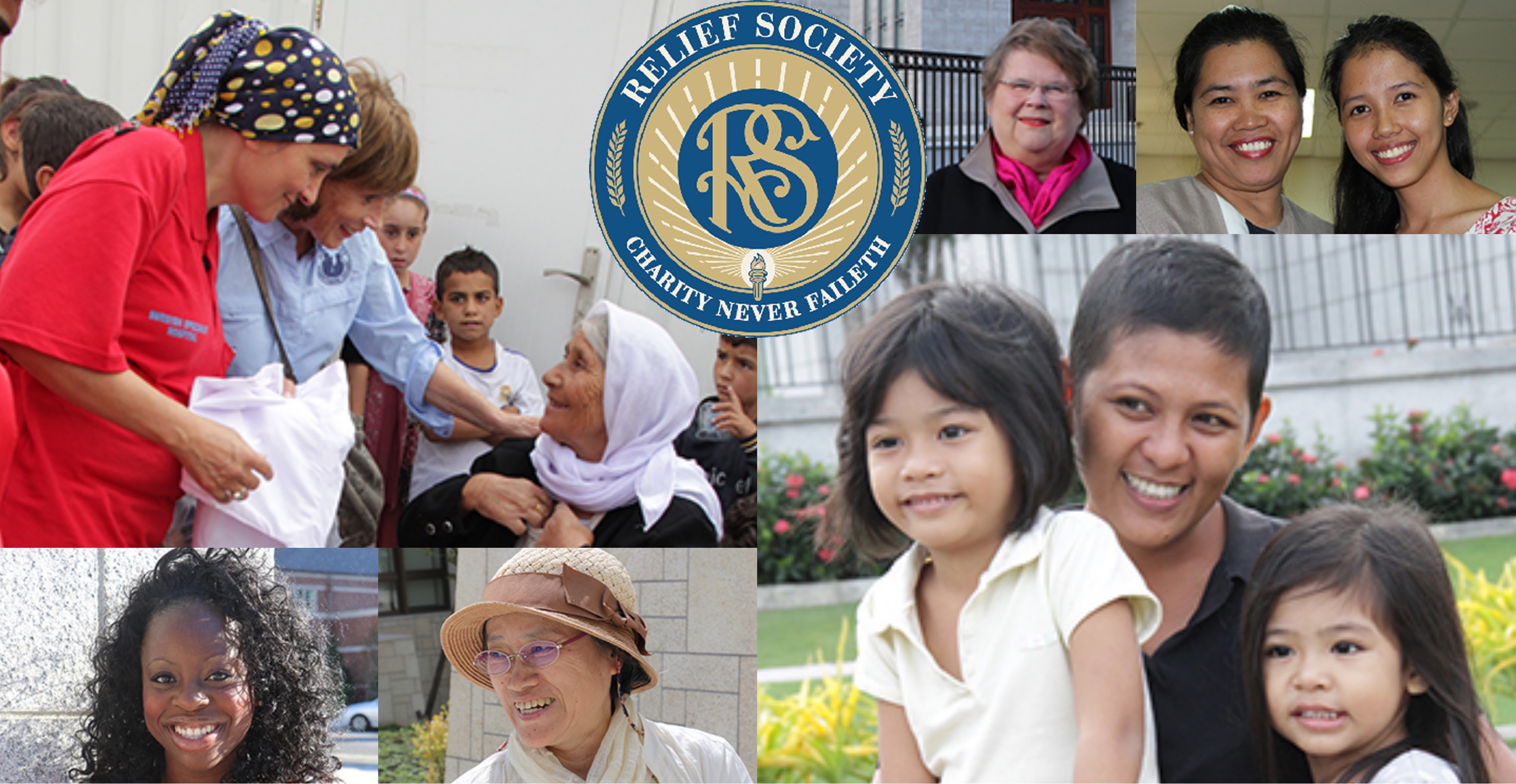
At the Relief Society's Anniversary Conference held March 17, 2024, Sister J. Anette Dennis made a statement that ignited a firestorm online, including on the LDS Church's own Instagram page. Here is the statement in question: "There is no other religious organization in the world, that I know of, that has so broadly given power and authority to women. There are religions that ordain some women to positions such as priests and pastors, but very few relative to the number of women in their congregations receive that authority that their church gives them. "By contrast, all women, 18 years and older, in The Church of Jesus Christ of Latter-day Saints who choose a covenant relationship with God in the house of the Lord are endowed with priesthood power directly from God. And as we serve in whatever calling or assignment, including ministering assignments, we are given priesthood authority to carry out those responsibilities. My dear sisters, you belong to a Church which offers all its women priesthood power and authority from God!." In this episode, Dr. Julie de Azevedo Hanks, a prominent therapist and church commentator, joins LDF host Dan Wotherspoon to talk about the energetic and anguished conversations among Mormon women in response to Sister Dennis' remarks. In it, Dr. Hanks provides an overview of the things that have transpired in the past eight days (from when this episode is posted) and she and Dan speak about the current controversy as well as broader issues related to women's empowerment within Mormonism. Listen in!

173: On the Death of Nephi
The Book of Mormon has become a fraught topic for many Latter-day Saints who are in the midst of a faith shift. Those who are no longer certain what to think about this foundational scripture will often not feel comfortable studying it. And this is especially a problem this year, as the Book of Mormon is the Sunday School text for 2024. In this brief episode, LDF host Dan Wotherspoon, offers some of his perspectives that acknowledge all of the text's (and its origin story's) problems yet ultimately suggests some of the ways he feels it is still worthy of more study, more questioning, more wrestling. He suggests that if we are to "kill Nephi," we should really know what we are doing--as completely dismissing the Book of Mormon is a very serious matter. Listen in!

172: The LDS Church Offers Resources for Those with Questions, Part 2
In mid-December 2003, the Church of Jesus Christ of Latter-day Saints added two new entries to the Gospel Topics section of its website. One addresses those Latter-day Saints who have questions or doubts, or who are undergoing a difficult faith journey. The other offers advice to those who love them or are someone who has been approached by these persons as they wrestle with gospel things. These are important additions to the LDS library as they represent the first genuine attempt to discuss such questioning and questioners in depth. Each of the two sections do very well in many areas, and at times fail in the way they speak on certain aspects, often because of certain blindspots apparent in the write-ups and that might exacerbate rather than aid those it hopes to assist. Two great guests, Jana Spangler and James Jones, join LDF host Dan Wotherspoon in offering perspectives on these now-official documents. This is a two-part podcast, with Episode 171 addressing the write-up on helping others with their journeys, and Episode 172 exploring the advice being given those who are actively questioning aspects of the church, gospel, and/or their place within Mormonism. Listen in!

171: The LDS Church Offers Resources for Those with Questions, Part 1
In mid-December 2003, the Church of Jesus Christ of Latter-day Saints added two new entries to the Gospel Topics section of its website. One addresses those Latter-day Saints who have questions or doubts, or who are undergoing a difficult faith journey. The other offers advice to those who love them or are someone who has been approached by these persons as they wrestle with gospel things. These are important additions to the LDS library as they represent the first genuine attempt to discuss such questioning and questioners in depth. Each of the two sections do very well in many areas, and at times fail in the way they speak on certain aspects, often because of certain blindspots apparent in the write-ups and that might exacerbate rather than aid those it hopes to assist. Two great guests, Jana Spangler and James Jones, join LDS host Dan Wotherspoon in offering perspectives on these now-official documents. This is a two-part podcast, with Episode 171 addressing the write-up on helping others with their journeys, and Episode 172 exploring the advice being given those who are actively questioning aspects of the church, gospel, and/or their place within Mormonism. Listen in!
168–170: Three Encore Christmas Episodes
Merry Christmas, everyone! For this week's show, we are replaying three previous Latter-day Faith episodes related to Christmas! Episode 168 is an encore of the episode released last December, "Looking Fresh at the Creche," featuring Jody England Hansen. Episode 169 is an encore of the episode first released in December 2019, "Christmas: Birthing the Christ Within," featuring Phil McLemore. Episode 170 is an encore of the episode released in December 2021, "Christmas Insights from Catholicism," featuring Mathew Schmalz. All of these are terrific and worthy of an additional lesson as you prepare spiritually and in other ways for Christmas! Listen in!

167: Thomas McConkie: At-One-Ment--Embodying the Fullness of Human-Divinity
This episode celebrates Thomas McConkie's incredible new book, At-One-Ment--Embodying the Fullness of Human-Divinity, and dives into several of its topic areas that LDF Host Dan Wotherspoon chose as potentially helpful to this listening audience. In both a personal and descriptive tone they discuss the importance of training our minds to "concentrate," for it is the primary key that can unlock our ability to live in a state of endless energy, depth, beauty, love, and connection. Tom also talks about "transfiguration." In another important section of the conversation, Tom describes for us certain "energy centers" in our bodies (such as our needs for safety/security, pleasure, esteem/affection, and to experience power within situations) and how these centers often get activated (with negative effects) within our daily lives. He also discusses ways to mitigate in healthy ways the discomfort they create within us. Another topic here is ways to convey what we can expect as we step more fully into a life as a "human-divine." What is it like? What kinds of experiences await? How does yielding to the transfiguring power of the Sacred World affect us? Throughout, both Tom and Dan share from their own personal experiences as travelers stumbling through adolescence before being captured by Spirit and drawn into these kinds of lives. Listen in! And rush to purchase, At-One-Ment--Embodying the Fullness of Human-Divinity!

166: Wrestling with Grooming and Polygamy, Part 2
Note: This two-part episode (Episode 166 is Part 2) is a departure from the usual focus of Latter-day Faith, which emphasizes teaching about and encouraging healthy faith development through introducing listeners to wise and powerful teachers in this area as well as to spiritual practices that can help us face our struggles with faith and church, families, communities, and with the world. In this podcast episode, Latter-day Faith host Dan Wotherspoon and his guest, Annika Rau, seek the same goals but take us into a dark area that will force us to wrestle with our ideas about God and prophets, presented in the context of "sexual grooming" and its relationship to the establishment of polygamy early in the history of the Church of Jesus Christ of Latter-day Saints. Please take care of yourselves. This podcast might not be a safe listen for you, and if you determine that to be the case, do not listen! If you do choose to listen, please stop whenever you might need to. Be kind to yourself. Breathe deeply. Practice self-care at every moment. Bless you. ________________________ Sexual grooming is the use of various techniques that allow someone to isolate a child or another person for the purpose of gaining trust so the groomer can initiate sexual contact with them and to then instruct the victim to keep their sexual relationship a secret. Sexual grooming often involves family members, as well, with the groomer establishing a trusting relationship with them that makes it much less likely they will suspect sexual assault is occurring while also rendering them more likely to reject any story they might be told by the victim. The specific focus of this conversation is the relationship between sexual grooming of both the women he married and, very often, their family members and the establishment of polygamy early in the history of the Church of Jesus Christ of Latter-day Saints. It is vital for all of us to wrestle with the many difficulties involved in hurtful practices instituted and practiced by Joseph Smith, Jr., whom Latter-day Saints consider a prophet of God. We must also wrestle about what, if anything, did God have to do with this practice and the grooming of children/young women that was essential if it were to take hold. Religious and other charismatic leaders within other traditions as well as in politics have also used grooming techniques to further the fulfillment of their sexual desires. Grooming is an absolute evil and it is something we must learn to recognize should someone try to groom us or anyone we love or have direct concern for. Thus, a focus early in this episode is on grooming techniques themselves before turning to the grooming/polygamy question. How might we be able to view Joseph Smith as both a prophet and sexual abuser? Can we? Must we "cancel" him because of this fact of his life history so we can completely ignore every other one of his qualities and positive contributions to many lives, and, as a by-product, the rest of the world? Do we need to wrestle with our conception of God and God's character as most of us have at one time, or even now, taken it at face value that God might require sexual conquest of this type? This episode seeks to inform about grooming and the techniques Joseph and other early church leaders used in helping Joseph convince four of his youngest brides(under the age of 20) to "consent" to this practice, including sexual contact. It does not seek to influence anyone that such conduct is incompatible with claims to be a "prophet" (in whatever sense we might have seen him). It does seek to convince that God had nothing whatsoever to do with polygamy and the grooming it required but everything to do with offering love, comfort, hope, optimism, insight and every other grace to the children and women who found themselves in unwanted relationships. May our struggles with these things bring us into deeper relationship with God/the Universe/Love even if it means we must face very dark and sad facts.

165: Wrestling with Grooming and Polygamy, Part 1
Note: This two-part episode (Episode 166 is Part 2) is a departure from the usual focus of Latter-day Faith, which emphasizes teaching about and encouraging healthy faith development through introducing listeners to wise and powerful teachers in this area as well as to spiritual practices that can help us face our struggles with faith and church, families, communities, and with the world. In this podcast episode, Latter-day Faith host Dan Wotherspoon and his guest, Annika Rau, seek the same goals but take us into a dark area that will force us to wrestle with our ideas about God and prophets, presented in the context of "sexual grooming" and its relationship to the establishment of polygamy early in the history of the Church of Jesus Christ of Latter-day Saints. Please take care of yourselves. This podcast might not be a safe listen for you, and if you determine that to be the case, do not listen! If you do choose to listen, please stop whenever you might need to. Be kind to yourself. Breathe deeply. Practice self-care at every moment. Bless you. ______ Sexual grooming is the use of various techniques that allow someone to isolate a child or another person for the purpose of gaining trust so the groomer can initiate sexual contact with them and to then instruct the victim to keep their sexual relationship a secret. Sexual grooming often involves family members, as well, with the groomer establishing a trusting relationship with them that makes it much less likely they will suspect sexual assault is occurring while also rendering them more likely to reject any story they might be told by the victim. The specific focus of this conversation is the relationship between sexual grooming of both the women he married and, very often, their family members and the establishment of polygamy early in the history of the Church of Jesus Christ of Latter-day Saints. It is vital for all of us to wrestle with the many difficulties involved in hurtful practices instituted and practiced by Joseph Smith, Jr., whom Latter-day Saints consider a prophet of God. We must also wrestle about what, if anything, did God have to do with this practice and the grooming of children/young women that was essential if it were to take hold. Religious and other charismatic leaders within other traditions as well as in politics have also used grooming techniques to further the fulfillment of their sexual desires. Grooming is an absolute evil and it is something we must learn to recognize should someone try to groom us or anyone we love or have direct concern for. Thus, a focus early in this episode is on grooming techniques themselves before turning to the grooming/polygamy question. How might we be able to view Joseph Smith as both a prophet and sexual abuser? Can we? Must we "cancel" him because of this fact of his life history so we can completely ignore every other one of his qualities and positive contributions to many lives, and, as a by-product, the rest of the world? Do we need to wrestle with our conception of God and God's character as most of us have at one time, or even now, taken it a face value that God might require sexual conquest of this type? This episode seeks to inform about grooming and the techniques Joseph and other early church leaders used in helping Joseph convince four of his youngest brides(under the age of 20) to "consent" to this practice, including sexual contact. It does not seek to influence anyone that such conduct is incompatible with claims to be a "prophet" (in whatever sense we might have seen him). It does seek to convince that God had nothing whatsoever to do with polygamy and the grooming it required but everything to do with offering love, comfort, hope, optimism, insight and every other grace to the children and women who found themselves in unwanted relationships. May our struggles with these things bring us into deeper relationship with God/the Universe/Love even if it means we must face very dark and sad facts.

164: God is Loving; You are Beautiful
This has been a tough week in Mormonism, with new rehearsals of old ideas entering the LDS universe that seem to portray God and we humans as less that loving and beautiful. In this environment, Latter-day Faith host Dan Wotherspoon shares his convictions, based on his own experiences, in an effort to encourage and celebrate everyone and the Love that is the animating force of the universe. God is Loving. We are all beautiful One portion of Dan's words speak to the sense he has that what we are seeing in terms of the intensity and increasing frequency of warnings of eternal judgments and the status of LGBTIA+ as needing correction is the continuation of the struggle between an old paradigm trying to remain dominant while a new one gains strength.

163: Abiding in Christ
It is often difficult for Latter-day Saints to understand the distinction between Jesus and Christ as they are used in many other Christian traditions. They also struggle to understand how God can be considered a person if God doesn't have a distinct and tangible body. Mormons often speak of knowing that God knows each of us personally, but don't fathom how this could be true if God is considered Trinity. This episode, featuring Mark Crego and LDF host Dan Wotherspoon introduce how the concept of "Christ," understood by Trinitarians as naming how God is "incarnate" and "immanent" within all things, and how focusing on a definition like that might help LDS folk actually draw closer to God rather than more abstract and distant. Following up on a the notion of "abiding" they discussed in a July Latter-day Faith episode (number 158), they discuss here what it might mean to "abide in Christ." Both of them, who through study and personal spiritual practices which has led them to experience radically deep connection with Earth, the Universe, and all life, consider Joseph Smith's naming of that which is in, through, and around, all things, the "Light of Christ" (D&C 88:6-13), is appropriate, much more so than if he had chosen to label that which connects us with everything else, the "Light of Jesus Christ." How can we learn to think of Jesus, the individual, as someone who fully reflected the "Christ" immanence and energies, rather than focusing on his "only begotten" status and his specialness compared to us? Can we benefit from concentrating on him as an exemplar and guide and how it is through following the path and having the transformative experiences he had as a very important aspect of his being our "savior"? Listen in! You will like it, especially after the shock of thinking in this way wears off.
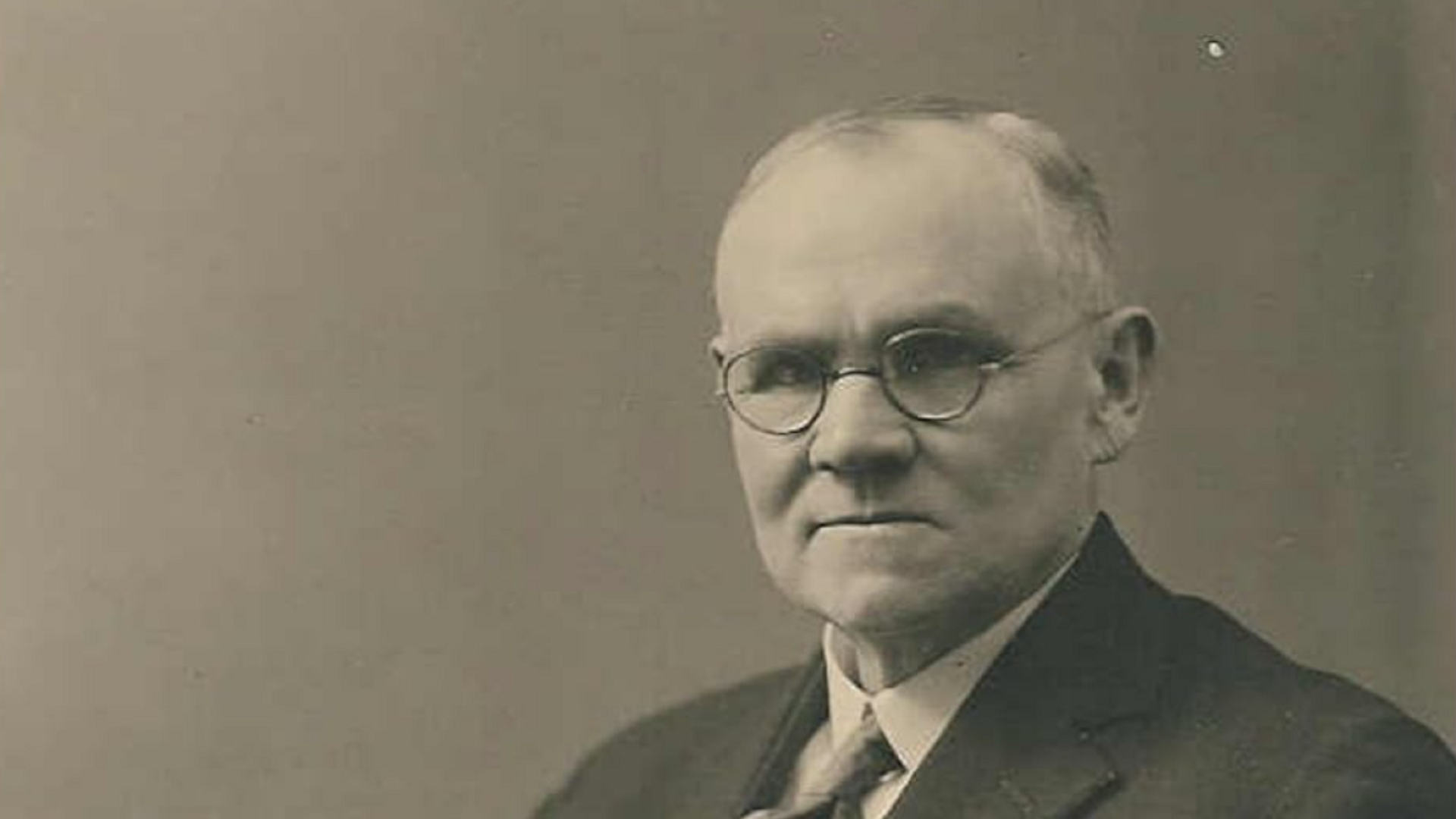
162: Practical and Spiritual Life Lessons from Elder James E. Talmage
This episode features a wide ranging conversation between LDF host Dan Wotherspoon and his good friend and historian James Harris about the life and ministry of Elder James E. Talmage. Just before and then in the first few decades of the twentieth century (1862-1933), Elder Talmage served the Church of Jesus Christ of Latter-day Saints in myriad ways. He is among the earliest academics/scholars to come into the Quorum of the Twelve Apostles (1911), but even before his time in the quorum he was kept busy leading what is now known as the University of Utah, head of its geology department, as well as being heavily consulted by LDS leaders on a myriad of topics. (All this while he was also married and raising a family, as well!) He is most widely known among church members for three books he produced at the request of the First Presidency: The Articles of Faith, Jesus the Christ, and The Great Apostasy, all of which have been very influential in the lives of Latter-day Saints and the narratives they tell about these subjects. What most don't know is much about the man himself--and that is where the expertise of James Harris comes in. From him, we get a nice overview of his schooling and church service that intersected with many interesting leaders and issues. But through story and reflection, Harris helps us get a better feel for the man. We lift him up here as a potential example for many who struggle to be their authentic selves within an organization that often doesn't feel welcoming to secular knowledge. His steadiness and ability to see things from large perspectives, even if some of his colleagues didn't, or in some cases vociferously disagreed with him, is worth considering There is much in this conversation that one might label, "sidetrips," as during the course of things, Dan and Jim reflect on wider issues and things they find helpful or interesting that were prompted by something in Elder Talmage's life. Listen in!

161: Enlivening Spiritual Metaphors and Symbols
This episode features a terrific discussion between Erik Walters and LDS host Dan Wotherspoon on how we can mine for greater meaning and impact wonderful scriptural metaphors and symbols. Here they focus on Lehi's vision (and Nephi's additions) of the Tree of Life, Iron Rod, Great and Spacious Building, and more. Next they take upon the ubiquitous metaphor in today's LDS church of "the covenant path." And finally the metaphors of kingdoms of glory: celestial, terrestrial, and telestial. You will be struck by Eric's ability to bring new and invigorating life to these very familiar symbols that, too often, get fixed in place for Latter-day Saints by the common interpretations shared in the church. Once someone has heard the LDS explanation, she or he will often stop there, accept it, and not think too much more about it, especially how much richer these metaphors can become with just a little more effort. You will also be fascinated by Eric's faith journey, which includes beautiful revelations and speaks of how he found his way to what he is being called to. Listen in! You will be glad you did!

160: Worship
In this episode, Jana Riess and Kathryn Knight Sonntag join LDF host Dan Wotherspoon in talking about "worship." What is worship, or what does it mean to be in worship mode, and how do these differ from reverence, prayer, or gratitude? Do Latter-day Saint worship practices differ from those of other faith traditions? If so, in what ways? Have LDS forms of worship changed over the past 200 years? Why and how? How does worship affect the worshipper individually? The wider world? Join Jana, Kathryn, and Dan for this dynamic and, at times, personal discussion of their experiences in worship!

159: Seeing with More of Ourselves
We often use shortcuts in our daily interactions with people, events, and actions, simplifying what is actually far more complex. We decide this or that ahead of time, and we let that guide what we will focus on. We often label people in a certain way based upon some previous experiences with them (or descriptions given by others) and never really give them a chance to emerge in front of us as whole, experiencing, wrestling (like us) others. We see them as caricatures more than individuals, and, of course, we know many others see us the same way. How might we learn to see and experience more in all our interactions--not only with people but also groups, movements, theories, and other powerful forces? In this episode, Latter-day Faith host Dan Wotherspoon goes solo (rather than in conversation with guests) to explore dynamics like these and how we might learn to better appreciate the full picture of all the things we encounter. The notion of "seeing with more of ourselves" is a paraphrase from a topic Cynthia Bourgealt has spoken and written about, which Dan extrapolates from and shares his own experiences in consciously trying to be more present with the "wholes" of things, drawing on input that often goes unnoticed by us as we go about our way, information that doesn't begin and end with just our cognitive faculties. He argues, following many many others who have embarked on contemplative paths, that we are part of a whole that interconnects with every particular things, whether its a person or things we find in nature. How can we allow this insight and energetic connection to be more present and poignant in each moment? What wonderful things unfold within us as we do so? Listen in!

158: Abiding, Not Presiding
The spiritual concept of "abiding" (in God and God in us) is quite rich. It means to "be here with," and its Greek origins and scriptural usage also suggest other meanings such as "remain," "continue," "endure," "be present with," and more. But even as much as we can understand the concept of through word study and through mental faculties, to really get what "abiding" means requires experience. We can talk about abiding in God and vice versa but we can only truly grasp it through direct participation. In this episode, Faith Journey Foundation board chair and theologian and student of scripture and language, Mark Crego, joins LDF host Dan Wotherspoon in a conversation about abiding, at times as a counter-point to the concept of "presiding." What leadership type would we respond best to? Their conversation also yields a great way to think about the phrase "endure to the end." Mark and Dan also get into certain LDS theological concepts about God's and our nature that in some ways make it easier to approach this topic than do some other Christian understandings of humanity and the Divine. It is a rich discussion. Listen in!

157: Creating Loving and Affirming Communities
In this episode, we focus on ideas for building up spiritual communities that reflect unity, love, and acceptance. How might such become places in which everyone regardless of their theological positions, views about scripture or church strengths and weaknesses, or understandings and stances on today's big social issues can all worship and enjoy community together? We have help on this topic today from two guests from Christ Moravian Church in Calgary, Canada. The first is Jeff Pratt, who was raised a Latter-day Saint and continued to be one, along with his family, for many years before they sought and found a congregation that met their spiritual and community needs better than their Mormon ward and the wider LDS church. Our second guest is Stephen Gohdes, the wonderful and insightful pastor of the Christ Moravian church the Pratt family has become part of. In this conversation, we will hear about both of their stories to faith and how God has led each of them in their journeys, along with their insights about many things related to community flourishing. It's a terrific discussion on many levels. We know you will thoroughly enjoy learning from them!
156: A Transgender Woman's Experience: Laurie Lee Hall
It is Pride Month, and given the current and intense politicalization of the rights of transgender individuals, we are pleased to present here an encore of a conversation between Laurie Lee Hall and LDF host Dan Wotherspoon. Originally presented under the umbrella of how different people view God as gendered or not, Laurie Lee shares her experiences as a transgender woman and Latter-day Saint. She shares her story of presenting as a man for the first fifty years of her life, all the while feeling her spirit is female. During this time, she became an architect who worked for the LDS church for many years designing temples, meeting houses, and other church buildings. She was also married with children and served a full term as a stake president. She eventually knew that she could no longer live with her outside presentation being at odds with her true self and shared her truth with her family, general authorities, and those with whom she served in her stake. This led to many upheavals, including divorce, losing her job with the church, as well as her church membership. All along the way, Laurie Lee had very powerful experiences with God that she touches on here. She also shares the outline of her life and relationships today. This is a powerful episode--one that would be good to share with those who do not understand transgender experience. So many people follow along with the political attacks on these persons, as well using their religious beliefs as weapons and excuses for not truly trying to understand transgender individuals and the violence that is being done to these fellow children of God through their rhetoric and actions. Listen in!

155: Non-Violent Communication
If we truly believe that all people in their essence are divine/good, why do we so often forget that in our interactions with others? Why do we make judgments that harm our relationships? Are there processes we can learn that will help us process things that happen without becoming defensive and, instead, meet these things with compassion for others and ourselves? In the 1980s and '90s, a psychologist, Marshall Rosenberg, developed a set of principles and practices he named Non-Violent Communication (NVC), which is designed to help us refrain from negative judgments of others. In this episode, psychologist and therapist Ben Bailey lays out the basics of the NVC model and together with LDF host Dan Wotherspoon introduces how it can help in LDS and interpersonal settings. Listen in! The model and practices are fascinating, and can really be game changers for all our relationships.

154: Peacemakers Needed!: Do We Even Know How to Be One?
President Russell M. Nelson's recent LDS General Conference talk, "Peacemakers Needed," focuses on the strong need for Latter-day Saints, and basically everyone else, to more actively strive for peace in our interactions in the world at large, and especially with each other personally. Noting the hostility and name-calling and dismissiveness of others dominating public discourse (as well as too often our own family lives), he made a clear call for all of us to treat each other better. Yet, he and we all know that attaining the qualities of a peacemaker is not a simple thing. It requires a great deal of desire, inner reflection, and practicing if we are to meet each other in spirit and in the way we must if we are to ever heal our relationships--and, indeed, the world. His is a call for genuine transformation of our hearts. But, do we know how to be peacemakers? It is one thing to set it forth as worthy work, but it is another to actually know how we might actually begin to embody the spirit of a peacemaker. That's where this discussion begins. With the wonderful Selina Miller Forsyth, this Latter-day Faith Podcast looks at several of the "skills" that peacemakers require. It primarily looks at things we all need to work on in general but notes as well the places where Latter-day Saints might have extra difficulty. One of these is learning to differentiate between "healthy conflict" and "contention." The Book of Mormon phrase about the "spirit of contention" being of the devil (3 Nephi 11:19) is so well engrained in the LDS tradition that many of us are startled and react with fear whenever any sort of disagreement arises in church settings, and even within our own families. Often we don't really know how to discern between important conversations that involve disagreement, putting forth different positions, passion, and intensity with "contention." Another skill of a peacemaker is "emotional regulation." We must learn to be good with ourselves, centered in a sense of security and safety as well as confidence if we are to ever be able to practice genuine peacemaking that does not dismiss or demonize persons who bring something into our world that we don't agree with or have been taught is wrong but that we haven't really wrestled with ourselves. If we allow our emotions to flood our consciousness, blocking out everything but our current discomfort, it's impossible to interact in healthy ways, impossible to be a peacemaker in such situations. Peacemakers must also learn the skill of "listening." So many of us simply do not know how to truly listen to each other, to put aside our own ego, our own agendas, and to actually encounter them and what they are saying in an interested, calm, centered way. What does "listening" actually mean? Are there ways we can learn to listen in the way peacemakers can? This is a terrific conversation. It doesn't come close to offering even a tenth of what there is to be said about each of these areas, and both Selina and LDF host, Dan, are well aware of that--yet it is a start. And it's a conversation we invite you to join in! Let's create more shows to share even more ideas about this really big but oh-so-personal topic, and especially how we might gain the skills to genuinely become persons of peace. Join us!

153: Insights from Jesus' Final Days
This episode is the second in a series of conversations LDF host Dan Wotherspoon had with Annika Rau about New Testament events, with this one focusing on insights in the stories of what happened Thursday through Sunday of Holy Week. In it, they begin with the Last Supper (and also an event that had happened six days earlier) and move through Gethsemane, the betrayal(s), and on to crucifixion and Easter. As a capstone to the discussion, Annika shares a beautiful take on the miracle of the loaves and fishes and the multiplying of love. It is not to be missed. Please join in! There is so much here worth slowing down to consider as we move through our days leading up to Easter.

152: Discernment Journeys, Part 2
This episode features a conversation between LDF host Dan Wotherspoon and Abe Collier, who heads a small international aid NGO currently working in Ukraine. It is set up to be another in what will be a series of episodes on the way people discern what God/Life/the Universe seems to be calling them to do. in this discussion, Abe shares with us his LDS background along with various inflection points that ultimately led him to his work. It's a beautiful story, but one also one that contains confusion and sadness and various trade-offs he was called to experience. But, as you will witness in his story, he has found peace and a beautiful sense of fulfillment in what he is doing. He has wisdom far beyond that of most people his age, and it is a real pleasure to introduce him and his work to the Latter-day Faith audience. Listen in. As is always true, the very specificity of a life journey allows us to notice and connect with things in our selves that simply talking in general terms usually can't. Enjoy!

151: Discerning our Spiritual Path
"What do I want to be (or do) when I grow up?" Early on, our answers to such queries are the ones we pick up from our parents, wider family, friends, religious traditions, and important authority figures in our lives. If we are to have a truly fulfilling life, however, we must begin to find our way to what it is we are actually being "called to" by our life. Can we discern for ourselves what our particular life experiences seem to be pointing us towards--a quest that when engaged with our whole heart and mind will bless the world in the way only we can do? In this episode, LDF host Dan Wotherspoon converses with Valerie Hamaker, the host of the Latter-day Struggles podcast about this sort of journey. It started out with a slightly different plan of talking about "faith journeys" through the lenses of various developmental models but ended up being more about Valerie's own discernment journey that led her to the work she is doing in the world with Latter-day Saints who are struggling to reorient their faith lives during a time when their journeys are taking them places they hadn't previously imagined they would go. Valerie and Dan mention how faith development models have helped them as they have traveled into uncharted territories, and hopefully this element of the conversation will encourage others to look into such models themselves. But the true beauty of what you will encounter here is how God/Spirit/Life has worked in Valerie's life to bring her to this place where she has found a place to stand and do the work it seems her life was leading her toward. It's a thrilling story of a searcher who has looked both outward and inward to discern her calling. Please listen in!
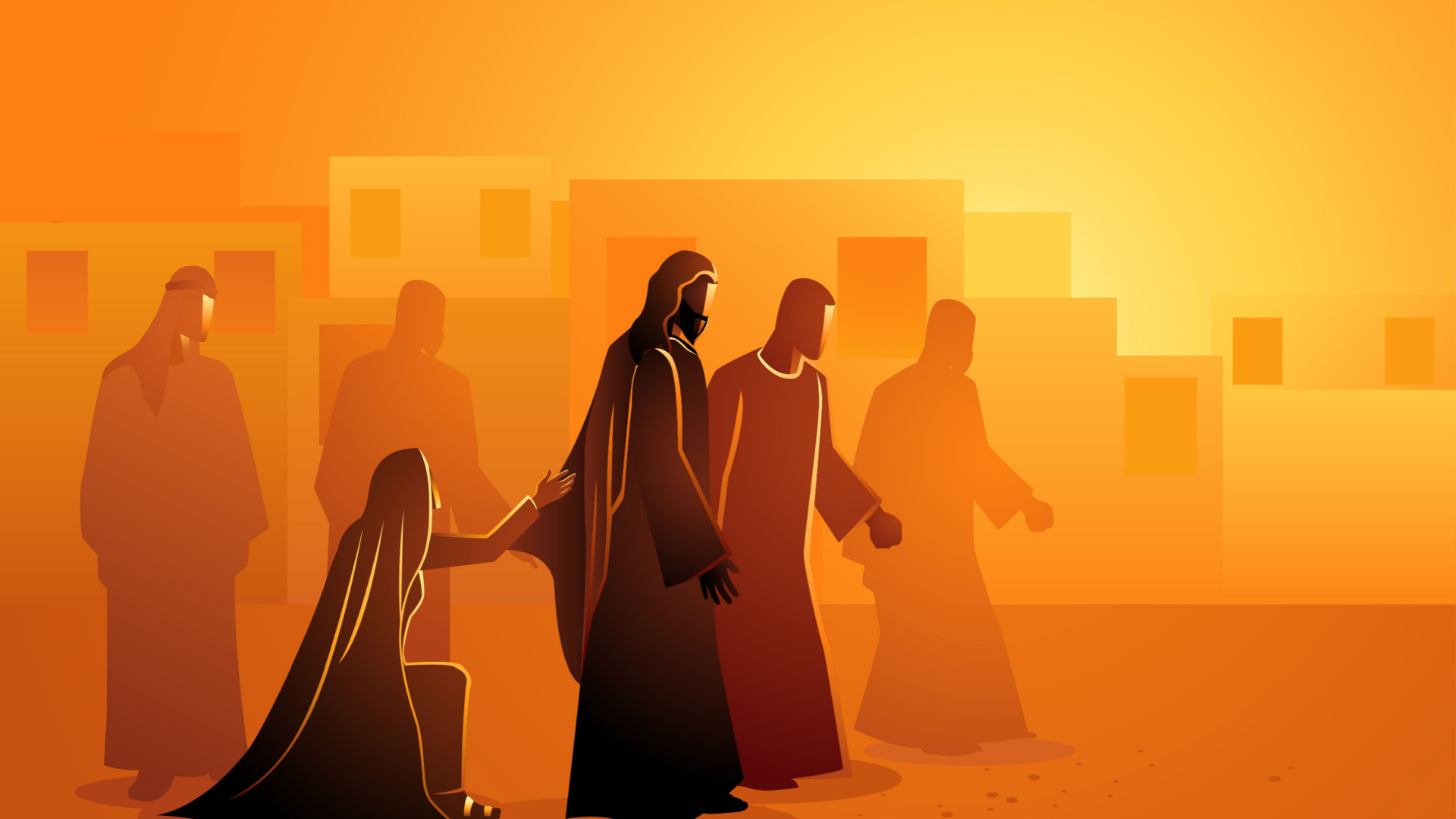
150: Viewing the Miracles of Jesus as Invitations
For some, the miracles of Jesus presented in the Gospels are problematic. Many question their veracity. Did these actually occur, or are they stories that sought to grab the attention of people living in a pre-industrial world? Perhaps "something" happened but surely there are better explanations today than Jesus healing, raising from the dead, and casting out evil spirits. In short, especially for those in the midst of a shift of faith, the miracle stories are far more difficult to make peace with than are his teachings. But what if we didn't care about whether or not they occurred or how early Christians (and many contemporary ones, too) "explain" them? Are there powerful ways to view them through other lenses? In this episode, Annika Rau joins LDF host Dan Wotherspoon in such an exercise. Specifically, Annika speaks about the way she has learned to see them as "invitations." If we pay close enough to the various stories, each in its own context, we are able to see broader themes and concepts that illustrate the way that Jesus operated in the world. Who did Jesus heal? In what ways were these miracles tailored to each individual according to her or his specific needs? Did Jesus require something of the individuals before healing? Why were there such a variety of methods through which he healed? And so many more things to notice. If we were to pay attention to such broader matters, how might that help us in our journey to be more like him? The conversation in this episode draws us into the person of Jesus as well as into much deeper looks at fundamental spiritual questions. Among other things, if features a wonderful discussion of a healing episode found in Mark 8: 22-26, and a broader set of things we might explore in the story of the woman taken in adultery (John 8). And it models ways that we might each seek for new things to notice in these stories (as well as in other events, settings, and details found the Gospels). Listen in! You will really enjoy this terrific conversation!

149: Therapeutic and Spiritual Uses of Psilocybin
In this episode, therapist Julie Keanaaina speaks with LDF host Dan Wotherspoon about psilocybin, which has recently been legalized in Oregon for therapeutic uses, with many other states considering something similar. There have been many stories from studies of its use in television news magazines, newspapers, and other media formats, each affirming the positive effects it has had on patients who are suffering from the effects of trauma, as well as those with depression, including situational depression due to difficult health diagnoses. What is psilocybin? Where does it come from? How has it been used culturally in the past, and what does the future seem to hold? How does it work? What are its benefits? If someone were interested in exploring its use for themselves, what would the dosing and treatments be like--especially if they would like to work with Julie's group in Portland, Oregon? This being a faith journey and spirituality podcast, Julie and Dan also discuss how it can be used as a way to access the reality that embraces more than what we can access through our five senses or process through our conscious minds. And so much more! Enjoy this terrific and informative introduction to this spiritual tool that has been around for centuries but is just now coming into its own these past few decades. We think you will find it fascinating!
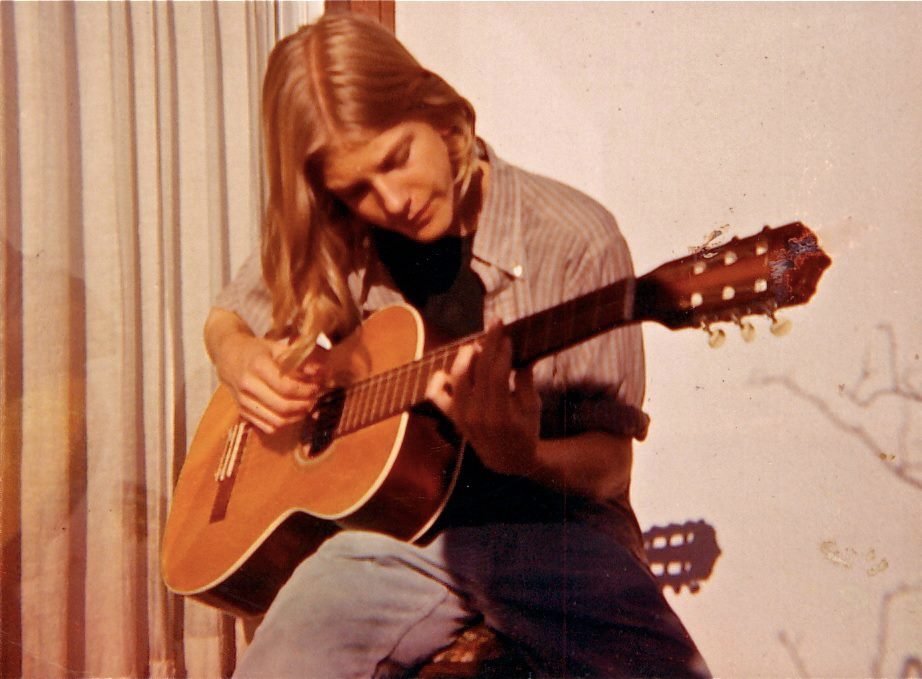
148: Michael Hicks--Musician, Artist, Teacher, Jesus Freak, Mormon
In this wonderful, wide-ranging interview, LDF host Dan Wotherspoon speaks with Michael Hicks, a recently retired professor of Music at BYU, about his life, and especially his growing up in the San Francisco Bay Area in the 60s and 70s. During this period, Michael became very active in the Jesus movement of the time, which has often been referred to as the time of the "Jesus Freaks." After several wonderful and exhausting years that included his playing the guitar and singing songs of Jesus at every school break, being part of a band made up of young Christians, joining a group that became known as Wineskins that served each Sunday at a state hospital and then opened up a gathering spot for anyone to come in an chat about anything (but especially Jesus) and then transforming into a home for alcoholics and addicts, Michael began to have conversations with a young Mormon woman and eventually joined the church. And that's when new adventures started! Very interesting ones. All of this is talked about frankly and revealingly in his new book: Wineskin: Freaking Jesus in the '60s and '70s, a Memoir (Signature Books, 2023). In this interview, Michael and Dan talk about many of these but also only hint at many parts that would be difficult to share in anything but the written word, especially how they all wove together in creating the Michael of today. Learn about his Jesus experience that set his life on an entirely new track. Learn how very difficult experiences with this family, Wineskins, and Mormonism have been transmuted into gold. Michael is someone very much worth getting to know!

147: The World of Jesus and Discovering His Central Message
Latter-day Saints the world over are studying the New Testament this year. Much of value can be gleaned from following the Come Follow Me lessons and questions, but it falls quite short for those wanting to explore Jesus from wider perspectives. This episode, our first of 2023, teases a few of these additional perspectives as our guest, Mark Crego, examines the religious and cultural setting of Judaism during Jesus's time, as well as in the regions in which he taught. Who were the Sadducees, Pharisees, Scribes, Essenes, Zealots, etc.? How did they form? What did they emphasize? What are their key teachings and motivations? In getting to these questions he takes us through the history of Judaism as it emerges from captivity, often quite changed from its leaders' encounters with Babylonian, Persian, Greek, and Zoroastrian philosophies and teachings. It's a fascinating ride! The final third of the episode discusses what both Mark and LDF host Dan Wotherspoon believe is the key teaching of Jesus, and how it can be kept in mind as we engage not only with Sunday School classes, but also in our regular encounters with family, friends, and strangers. Enjoy! We think you will!
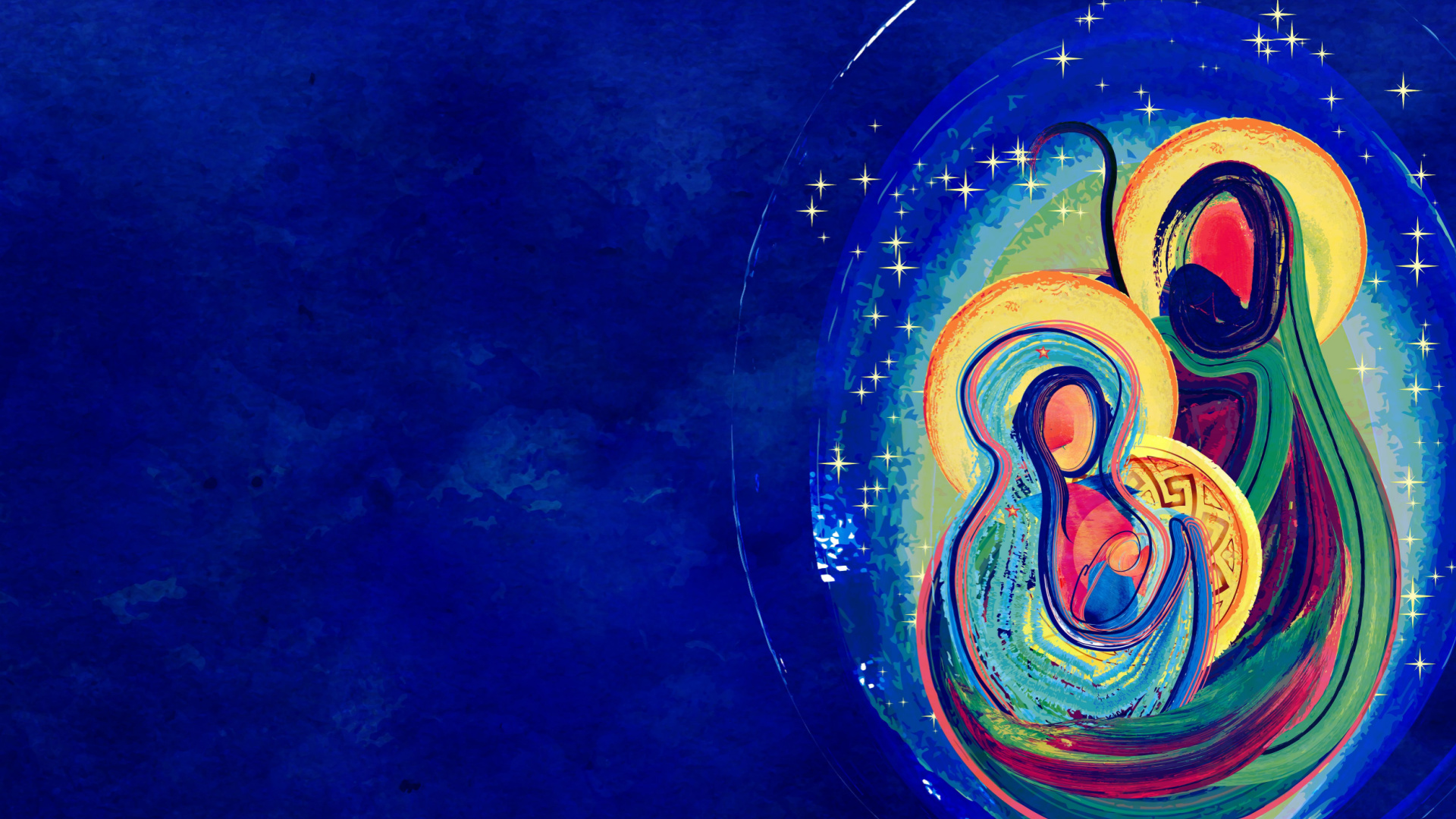
146: Looking Afresh at the Creche
The Creche (the Nativity scene) is a staple in many homes and public places during the Christmas season. We most likely were taught when we were young about each person depicted in the scene, learned that Jesus was born in a manger (hence the animals present in most creche's), and in all of that came to understand via osmosis how our individual families relate to Jesus's birth and the wider Christmas story. For many of us, those impressions and story elements formed and hardened into "our" story. But has that story gone stale? Does it still move our souls in the way it might have once upon a time? Has our growing into adulthood and experiencing faith shifts kept us from leaning into Christmas, allowing worries about historicity of the story and mismatches in the Gospel accounts to come to the forefront? In this episode, our wonderful guest, Jody England Hansen, shares ways that she has reanimated the season by various approaches to the use of the creche--Creche Afresh! She shares various rituals that can surround our putting out the pieces and figures, ones for just ourselves but also for involving children of all ages. The ultimate take-away from our discussion is that it takes more than just a mother to birth God into the world! We are all needed, and by reflecting on the nativity scene we can each find how we are called to that. I think you will find this episode to be very interesting, informative, thought-provoking, and powerful. Perhaps your Christmas will be better from taking the time to listen in today!

145: Spirituality without All the Religious Trappings
When we struggle with previously held beliefs, various actions and teachings of authority figures, and/or religious teachings and practices that seem to not be loving--or even harmful--we can find ourselves wondering if all our work of pulling-apart and examining each element that has made up our worldview will ever end. It is a frightening process, full of many ups and downs. Part of the deep angst we can feel during these times of confusion is our concern that perhaps we will have to give up everything, including spirituality. In this terrific episode, LDF host Dan Wotherspoon is joined by Brittney Hartley, a spiritual director who specializes in working with folks who want spirituality "without the nonsense." Brittney tells us of her own deep wrestles with faith, belief, religion, questions of meaning, including if anything means anything at all! Ultimately, however, she has emerged from the other side of these struggles with a greater and richer spirituality than ever before, just one that is not reliant upon beliefs, religious structures, or outside authority figures (except ones we might choose for ourselves). In course of the discussion, Britney works through nine important topics that provide grounding for a wonderful life—showing how each can come alive and add vitality to our lives even if we give up on truth claims and religious trappings. These are: Rituals Death Morality and Ethics Rewriting your sacred story Meaning and purpose Shadow and Inner Child Work Awe and Transcendence Community and Inspiration Self-Actualization and Human Flourishing This is an important episode that many listeners will connect with in deep ways, and if this path is not really for them, it will be for others in their circle. Formally religious or not, listen in!!!