
Latter-day Faith
244 episodes — Page 4 of 5

094: 1 Corinthians 13--What is Love?
1 Corinthians 13 is one of the best known and most powerful chapters in the Bible. At the end of the chapter before it, Paul says he is going to talk to the people of Corinth about a "more excellent way," and he then launches into his famous discourse on love (translated as "charity" by the King James authors) and its transcendence above all other gifts and qualities. The chapter also contains a gorgeous section about spiritual growth and where it can lead. In this episode, Mark Crego takes us through the many things Paul is saying by highlighting our attention on the Greek words and phrasings in the original text and that expand our understanding of so many new things that English translations simply miss. Things we assumed we already grasped in the chapter are opened to view. The qualities of love Paul describes take on a new vitality, his litany of things that Love does not do opens to subtleties that show the apostle's awareness of the temptations that we too often yield to while showing our love to others. Mark's unpacking of this chapter reveals a Paul at his best, and our appreciation for what he'd come to know through his experiences with God and people grows exponentially. It is difficult to describe her just how interesting and empowering this episode is. Be ready to take notes! And please share this with others!

093: A Spiritual Traveler Finds a Home in Mormonism
Sean McKee is a wonderful member of the Latter-day Faith community, and is someone with a wonderfully diverse spiritual background. In this episode, LDF host Dan Wotherspoon draws Sean out on his life and religious journey. In his telling, we learn a lot about other traditions he's been part of, gain insights on the development of religion more generally, and come to understand what elements of Mormonism ultimately drew him to throw in with the Latter-day Saints. Sean's Mormonism also involves spiritual supplementing with several other groups, personal contemplative practices, and he also "makes things happen" within his ward and stake. Throughout we experience a strong sense of his goodness, his energy and quest to understand and to grow, as well as his brilliant mind. Listen in! Get to know, as the LDF episode introduction says, a true "fellow traveler."

092: A Journey into Grace
There are aspects of Mormon culture and emphases among Latter-day Saint teachings that make it very difficult to for many to understand, let alone, experience true Grace. Katie Langston was one of these people, constantly worrying if she was "doing enough," if she was "worthy" in the eyes of God, if she were innately evil. Ultimately, she was diagnosed with "scrupulosity," a form of obsessive-compulsive disorder that zeros in on such thoughts. As she reached the end of her rope, she began to experience hints of Grace in the form of people in her lives, and then, ultimately, through a powerful, direct experience of God's love. God let her know, in no uncertain terms, that she was loved unconditionally, and has always been and always will be. There is nothing that she could ever do to cause God to cease loving her. She continued to journey within Mormonism for many years before ultimately receiving a "call" to ministry, one that she has chosen to live out within the Lutheran tradition. She has written a memoir about her many experiences along the way, Sealed: An Unexpected Journey into the Heart of Grace, which was just recently published. A long-time friend and collaborator with LDF host Dan Wotherspoon, this episodes celebrates Katie's book and the powerful and powerfully written story of her life up until now which has brought her to the cusp of ordination. It is honest, wise, gut-wrenching, humorous at times, and provides a wonderful introduction to a Grace-filled world. Don't miss out!

091: Witnessing Even When Things Hurt So Badly, Part 2
This past week, the wonderful Mormon mental, spiritual, and sex therapist Natasha Helfer Parker was scheduled to defend herself in a membership council called by the stake presidency in her former stake in Kansas (even though she had moved to Salt Lake City sixteen months earlier). Six friends, including Jana Spangler and Jody England Hansen, two of the women in this podcast episode, were also scheduled to testify on her behalf, and many more were holding a support vigil in a pavilion on the stake center's property, including our other panelist, Shandra Harris. Many things went haywire that evening--as well as in the weeks leading up to that scheduled council--and this podcast shares those stories here. Ultimately, neither Natasha, Jana, Jody, nor four others who had been approved to give testimony before the stake presidency were allowed to participate as promised. It was an emotionally and spiritually painful evening for all there as well as for many others who witnessed it vicariously. The toll from this devastatingly wrong-headed and massively mis-executed council is yet to be measured. In addition to going through the events herein, we have chosen to focus on the vital spiritual role of witnessing, even when it's witnessing the abuse of others. Being witnessed is a big part of what allows someone to stay strong and, perhaps, eventually find comfort and peace. Witnessing involves, as Jody shares in this episode, the ability to stay in the present moment even in times of great suffering. Witnessing also extends past the event(s) as continued care for others' well being, especially as they experience the inevitable ups and downs that come with continued processing of their grief and anger. No one wishes that any of the events that occurred around Natasha's council ever happened. It was unfair and abusive from the very beginning. But we all also know that for our own physical, mental, and spiritual well-being that we must ultimatelyfind our way to healing, for it is in these processes that we discover our own true strength, along with a new, larger, more magnificent God than our old paradigms had ever allowed us to imagine. May this discussion be a stepping stone on the healing journeys for all who choose to listen.

090: Witnessing Even When Things Hurt So Badly, Part 1
This past week, the wonderful Mormon mental, spiritual, and sex therapist Natasha Helfer Parker was scheduled to defend herself in a membership council called by the stake presidency in her former stake in Kansas (even though she had moved to Salt Lake City sixteen months earlier). Six friends, including Jana Spangler and Jody England Hansen, two of the women in this podcast episode, were also scheduled to testify on her behalf, and many more were holding a support vigil in a pavilion on the stake center's property, including our other panelist, Shandra Harris. Many things went haywire that evening--as well as in the weeks leading up to that scheduled council--and this podcast shares those stories here. Ultimately, neither Natasha, Jana, Jody, nor four others who had been approved to give testimony before the stake presidency were allowed to participate as promised. It was an emotionally and spiritually painful evening for all there as well as for many others who witnessed it vicariously. The toll from this devastatingly wrong-headed and massively mis-executed council is yet to be measured. In addition to going through the events herein, we have chosen to focus on the vital spiritual role of witnessing, even when it's witnessing the abuse of others. Being witnessed is a big part of what allows someone to stay strong and, perhaps, eventually find comfort and peace. Witnessing involves, as Jody shares in this episode, the ability to stay in the present moment even in times of great suffering. Witnessing also extends past the event(s) as continued care for others' well being, especially as they experience the inevitable ups and downs that come with continued processing of their grief and anger. No one wishes that any of the events that occurred around Natasha's council ever happened. It was unfair and abusive from the very beginning. But we all also know that for our own physical, mental, and spiritual well-being that we must ultimatelyfind our way to healing, for it is in these processes that we discover our own true strength, along with a new, larger, more magnificent God than our old paradigms had ever allowed us to imagine. May this discussion be a stepping stone on the healing journeys for all who choose to listen.

089: Jesus Lost and Found
Matt Jones has been a faithful Latter-day Saint his entire life, recently serving as a bishop. Yet in the years leading up and into his calling, he struggled with his beliefs regarding Jesus. What he had previously thought about Jesus as son of God and all that follows from that stance, he could no longer affirm. Ultimately, he relaxed and simply let his worries and doubts fall from the front of his eyes and soul--and served. And, guess what? He found Jesus again. A much better, richer, more experiential understanding of Jesus as Christ, one that brings peace to his soul. Please listen in as Matt tells his story in conversation with LDF host Dan Wotherspoon. There's a good spirit in their exchanges, plus a bit of teasing between two old friends.

088: Resurrection Now
In this brief but powerful discussion, LDF host Dan Wotherspoon is joined by the wonderful Kajsa Berlin-Kaufusi for a discussion of Easter, as especially the idea of how we can lean more deeply and intently into the cycle of dying and rebirthing that this holiday features. There are many wonderful teachings around Easter, and the participants honor those and the focuses that are typically presented in church settings. This episode focuses more on the big picture, which (not coincidentally) also takes us inward and toward intimacy with Christ. How can we have more life before death? Can each day, each moment, be a resurrection?
087: Hallmarks of Mature Spirituality (Encore)
I'm excited to offer as an encore one of the earliest LDF podcast episodes. It is one that really highlights the mission of Latter-day Faith, which is to encourage listeners in taking their faith journeys into new spiritual terrain. The offerings in this episode are great reminders that we can't think our way to genuine peace and compassion, patience and hope, nor can we rely on our own willpower to shed the natural man and be transformed into the kind of beings Jesus is calling us towards. I know you will enjoy visiting (or revisiting) this episode! As my good friend Jana Spangler and I talk in this episode about the quality of "spiritual maturity," we note the difficulty involved in a subject like this because such maturity is more of a thing that we might notice in other people and, perhaps, ourselves, yet it is hard to explain in words (and definitely not something someone should claim about themselves). But we pushed on anyway! Our approach was to discuss three qualities or hallmarks that we believe are universal across all spiritual traditions and communities. Jana leads us through discussions of transformational vs transactional relationships with God and others. We move next to someone's ability to examine what ego needs are playing out with others and ourselves, leading us in our relationships and soul work to over-identify with these needs and trying to protect others and us from seeing them rather than coming to center in our highest selves. Our final topic is differentiation. How comfortable are we with expressions of genuine difference, whether they be in others' experiences vs ours or even another's critique? Are we able to validate the positions of and see those who differ from us as fellow travelers rather than enemies who are standing in the way of our vision becoming normative? Do we lead out always with love and compassion first? Are we comfortable enough with ourselves to be okay even in settings in which we might feel a bit like an outsider? This episode contains many terrific insights. Jana knocks everything out of the ballpark here. Prepare for a good and potentially important transformative listen! Cheers! Dan

086: Religion is a Technology: And Jesus Was a Saboteur
This is a fascinating podcast episode that talks about religion and Mormonism in an unfamiliar yet insightful way. Our guide is Latter-day Faith podcast favorite Stephen Carter who draws parallels between the physical technologies we use all the time, including to this listen to this podcast, and "social technologies" that, like the other, are set up to bring about certain results. He and LDF host Dan Wotherspoon spend a good amount of time helping listeners come to a comfort level with talking about things such as democracy, monogamy, and religion as "technologies." From there, Stephen takes us through a model he has constructed outlining one part of the Mormon technology. (See Diagram below) As he demonstrates, the LDS church has a clear idea of what it hopes its members will become and designs a strategy for community, for focused direction, and promises that if we follow the plan the goal it outlined for us will be realized. It is a terrific way to then explore how, like all technologies, this one breaks down at times and common challenges that arrive for various members as they experience things that challenge the model. It's a great section of the episode, especially for those in the middle of their wrestle. There were similar technologies at play within the Judaism at Jesus's time, along with others arriving with the Roman occupation and strategies for overthrowing it. Yet even as Jesus was surrounded by these technologies, he recognized how every social technology if left to do its own thing will surely leave many individuals behind, or even crushed by its momentum. It is at this point that Stephen unfolds what he sees as Jesus's work as a tech "saboteur" and his strategies for mitigating these negative effects. What Stephen comes up with are each very evident in the Gospels but don't receive the reflection they deserve—especially for those seeking to follow him and do the same work, love others in the same way. There is nothing easy in this sort of journey, but it ultimately is the only one through which we can truly assist others and become what we know we can be (and that just so happens to match what Mormon technology set forth as its ultimate goal).

085: Healing the World as Only Mother Can
This episode celebrates Carol Lynn Pearson's recent book, Finding Mother God: Poems to Heal the World, but does so much more. Carol Lynn and Kathryn Sonntag join LDF host Dan Wotherspoon to talk about the deep ache that not only we, but also our societies and the world, have to fully reclaim the presence and energies of the Mother (Divine Feminine, Mother Creator, Nature, Wisdom, Mother in Heaven, etc.). Yet, too often, we fail to recognize this pain, as well as all the ways things are out of balance because of her having been sidelined. The podcast episode features Carol Lynn reading several of her poems, Kathryn reading an excerpt from her writings on Mother, the cycles of life and death, and the Tree of Life, as well as extended conversations about reclaiming partnership, healing, chaos and decay, and (just a bit near the end) today's political climate. Plus more! You do not want to miss this chance to listen to these powerful women about their experiences, motivations, and all the things that propel them forward in the creative work they do.

084: Gifts of the Spirit, Part 2
The notion of "gifts of the spirit" is very familiar within Christianity, and perhaps even more in Mormonism as its books of scripture include two additional enumerations of the list first found in I Corinthians 12. Yet, how well do we understand the notion of gifts, especially the ones in Paul's (and other) lists? Additionally, even given our familiarity with the idea of these gifts, do we stop short of genuine exploration? In this second of two parts of this Latter-day Faith episode, Mark Crego and host Dan Wotherspoon dive into such things, and much more. One focus throughout is a concern that through poor understanding much of the messaging about gifts of the spirit has led many to feel that they have been left out, causing them pain and doubt and feelings of unworthiness. If nothing else is taken away from this conversation, our hope is that this idea can be put to rest. Listen in! The conversation gets nerdy here and there, and you get to listen in to two people who come at matters differently, but perhaps the interaction itself will also be interesting and instructive.

083: Gifts of the Spirit, Part 1
The notion of "gifts of the spirit" is very familiar within Christianity, and perhaps even more in Mormonism as its books of scripture include two additional enumerations of the list first found in I Corinthians 12. Yet, how well do we understand the notion of gifts, especially the ones in Paul's (and other) lists? Additionally, even given our familiarity with the idea of these gifts, do we stop short of genuine exploration? In this Latter-day Faith episode, Mark Crego and host Dan Wotherspoon dive into such things, and much more. One focus throughout is a concern that through poor understanding much of the messaging about gifts of the spirit has led many to feel that they have been left out, causing them pain and doubt and feelings of unworthiness. If nothing else is taken away from this conversation, our hope is that this idea can be put to rest. Listen in! The conversation gets nerdy here and there, and you get to listen in to two people who come at matters differently, but perhaps the interaction itself will also be interesting and instructive.

082: The Spirituality of Accountability
It's is so easy for us to sit in the proverbial catbird seat and scream for others to be accountable for their words, actions, lifestyles, etc. But what about our accountability for these same things? And to what and about what are we accountable? In what ways does the notion of accountability keep us from recognizing God's hand in our lives, and, even more so, the call and yearning of our deepest, eternal selves? This episode features a conversation between the brilliant therapist and teacher Julie de Azevedo Hanks and LDF host Dan Wotherspoon that digs deeper into the notion of accountability. The two of them overview LDS notions of accountability starting with the designated age for baptism, 8 years old, and its being referenced as the "age of accountability" on to ultimately how it is used with regard to repentance. But mostly they work to bring out the vital role it has in spiritual development (which includes all aspects of human development). Hint: even though it seems more fun to imagine no accountability to anyone or anything--living out of this kind of freedom--it's a false freedom that cannot provide the ground for genuine soul rootedness. This discussion also includes tie-ins to recent and ongoing events and rhetoric in Washington, D.C., and around the United States. What might we learn to see and do regarding these things that would reflect a more fully realized sense of accountability? Don't miss out on this discussion!
081:Rethinking Sin, Salvation, and Everything In Between, Part 2
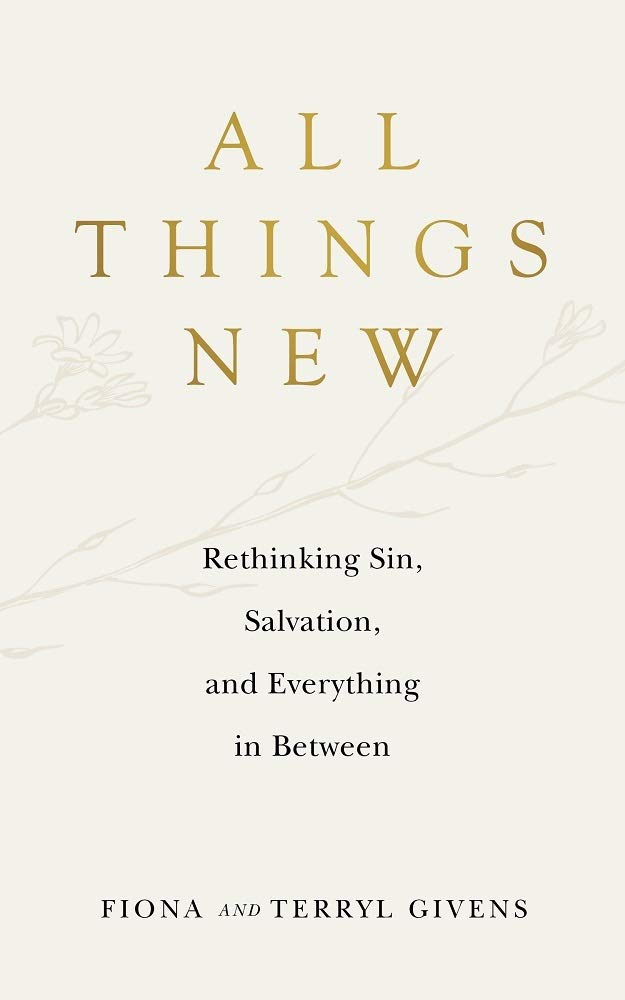
The thoughtful and brilliant Fiona and Terryl Givens have just launched a new book titled "All Things New: Rethinking Sin, Salvation, and Everything in Between." And it's terrific. In this episode, they and LDF host Dan Wotherspoon talk about the ideas in the book and how these feed into a beautiful whole, a reality we can trust and that leads us to a clearer vision of God and ourselves. When we begin from the firm foundation of God's love, and especially so if we have experienced it in direct ways not mediated though "doctrines" and well-worn lenses, we come to understand what the gospel of Jesus says about topics such as justice, repentance, worthiness, church, and so many more. They also discuss how, interestingly, their approach in this book, grounded through close reading of scripture and great literature along with deep dives into the history of Christian formation and transmission, led them to the same sense of the Divine that mystics describe, simply coming to them through different methodologies. It's a wonderful conversation in two parts. Don't miss it!
080: Rethinking Sin, Salvation, and Everything In Between, Part 1
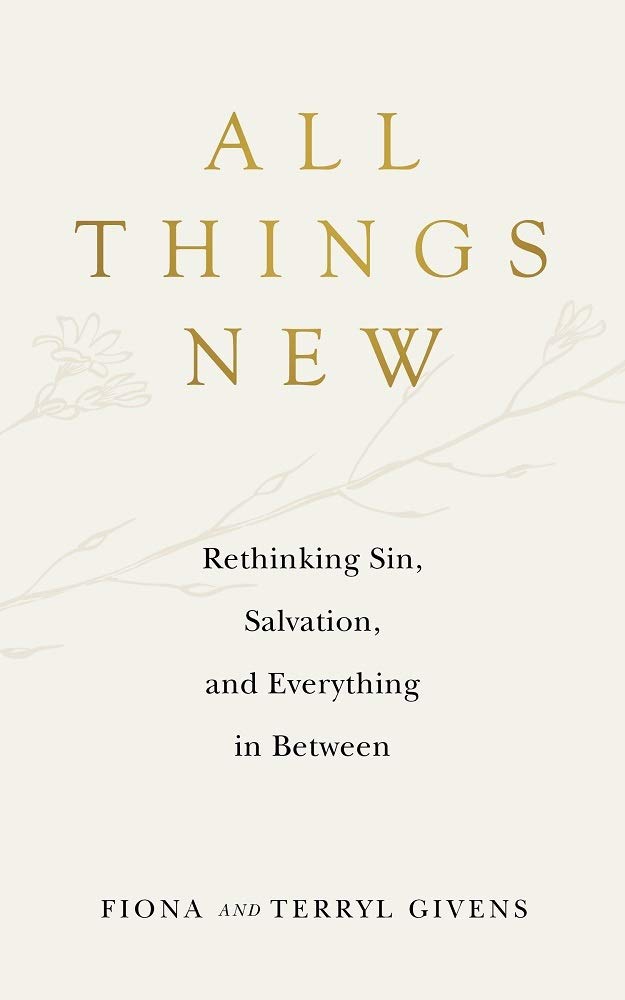
The thoughtful and brilliant Fiona and Terryl Givens have just launched a new book titled "All Things New: Rethinking Sin, Salvation, and Everything in Between." And it's terrific. In this episode, they and LDF host Dan Wotherspoon talk about the ideas in the book and how these feed into a beautiful whole, a reality we can trust and that leads us to a clearer vision of God and ourselves. When we begin from the firm foundation of God's love, and especially so if we have experienced it in direct ways not mediated though "doctrines" and well-worn lenses, we come to understand what the gospel of Jesus says about topics such as justice, repentance, worthiness, church, and so many more. They also discuss how, interestingly, their approach in this book, grounded through close reading of scripture and great literature along with deep dives into the history of Christian formation and transmission, led them to the same sense of the Divine that mystics describe, simply coming to them through different methodologies. It's a wonderful conversation in two parts. Don't miss it!

079: Making Jesus More Real, More Present—Part 2
We constantly hear phrases such as "Come unto Christ" or "We mush gain a personal relationship with Jesus Christ." But when we think about these words as they are hurriedly dashed off, they really don't mean much if we've never given place for them within our own inner lives, never experienced the gifts and grounding that they are pointing toward. In an effort to add deep perspective to Jesus and our relationship with him as Christ during this Christmas season, Latter-day Faith host Dan Wotherspoon invited Phil McLemore, one of his longtime teachers and good friends, to offer insights from his own contemplative experiences with Jesus and how it is possible to come to know and see the world through his/Christ consciousness. It's a wonderful discussion that offers far far more than we can easily comprehend while still conveying a sense of the truth and beauty and boons in finding our way to these experiences.

078: Making Jesus More Real, More Present—Part 1
We constantly hear phrases such as "Come unto Christ" or "We mush gain a personal relationship with Jesus Christ." But when we think about these words as they are hurriedly dashed off, they really don't mean much if we've never given place for them within our own inner lives, never experienced the gifts and grounding that they are pointing toward. In an effort to add deep perspective to Jesus and our relationship with him as Christ during this Christmas season, Latter-day Faith host Dan Wotherspoon invited Phil McLemore, one of his longtime teachers and good friends, to offer insights from his own contemplative experiences with Jesus and how it is possible to come to know and see the world through his/Christ consciousness. It's a wonderful discussion that offers far far more than we can easily comprehend while still conveying a sense of the truth and beauty and boons in finding our way to these experiences.

077: Complicated Grief
TW: Suicide is discussed at length in this episode. If you feel it wouldn't be healthy for you to listen in, please don't. Should you feel that no one in your life can be trusted with all that you are going through, please reach out to the National Suicide Prevention Hotline, 800-273-8255, or hurry to schedule an appointment with a recommended therapist. _____ Grieving a dead loved one is always difficult, but sometimes the grief process is complicated by factors that aren't typically in play when an elderly relative passes naturally and peacefully. Suicide often invokes in friends and family member feelings of guilt about "what might I have done differently" or shame because of the loved one's having chosen to end their life and how that might reflect on us. Other complicating factors can be intense feelings of anger and abandonment, shock, loneliness because of difficulty sharing what we are experiencing with others (coupled with, too often, their reticence in discussing this person's life that ended that way), and wrestling with emotions about this person's (or now our) incomplete life. Grief will often be tougher when it a death was sudden, contaminated by crime, or by our sometimes feeling relief that this person is now gone. We can easily get tangled up. This episode features three panelists, Lisa Hansen (a wonderful therapist), Jana Riess (someone who has in several instances suffered losses that are very complicated), and Latter-day Faith host, Dan Wotherspoon (who is currently struggling with four deaths in his family or close circle that have occurred in the past three and a half months, two by suicide). Our hope in presenting this discussion is that you will come away with not only great advice and perspectives but also a sense of not being alone in your own grieving or feelings that you aren't grieving the right way, that you should be past the emotions that still play out in your mind and heart, that your failing as a human being, and more. It is a powerful episode. Please listen and share with others.
076: President Nelson's "Let God Prevail" Conference Talk
LDS general conference ended just four days ago, and we thought it important to highlight different talks and messages from it that have applicability to the Latter-day Faith emphasis on inner work/inner transformation. One such talk this conference was President Nelson's Sunday morning address, "Let God Prevail." In this episode, LDF host Dan Wotherspoon is joined by a terrific panel of Lyndsay Pulsipher, Mark Crego, and Terri Petersen to discuss the talk's messages, which can be understood many different ways, and at different levels, and especially the concepts that have deep spiritual resonance. The host and panelists selected to talk about three different but related subjects addressed in President Nelson's talk: the concept of allowing God to prevail in our lives (and the world and its history?), his very strong remarks against racist thinking and action, and the theme that he carried throughout of "gathering." It's a wonderful discussion that takes these subjects into really profound areas, and that suggests that even through there is a really obvious surface reading of his remarks in these areas, the concepts are rich and deep and empowering should we ponder them and seek to find the treasures for our own faith and personal development. You should definitely listen in!

075: (Encore) Covenant Belonging
Please enjoy this Encore release of a fascinating podcast from November 2019. In the October 2019 General Conference of the Church of Jesus Christ of Latter-day Saints, as well as the year before at a BYU Women's Conference, Elder Gerrit W. Gong of the Quorum of the Twelve introduced the phrase, "covenant belonging." In doing so, he offered us a term that suggests much deeper meaning is embedded in the now-common phrase, "covenant path." His messages about what covenant belonging might mean are absolutely beautiful and empowering. Sensing this richness, Faith Journey Foundation board member and frequent guest on Latter-day Faith (and Mormon Matters previously) Mark Crego and LDF host Dan Wotherspoon came together for the discussion that is featured in this episode. In it, Mark takes us through the Hebrew Bible (Old Testament) in order to discern the nature of the Covenant that God made with Israel. Moving from Adam to Noah to Abraham and Moses, he demonstrates that although each figure's covenant with God had different specifics, each still falls under the larger framework of Covenant (singular). This one Covenant is essentially that God will be our God, and we will always be His/Her/Their people. It's a fundamental fact for every person on earth, and it is not a covenant of "works" but of "grace." The Covenant undermines the typical quid pro quo understanding of most Latter-day Saints that suggests IF we keep our covenants (plural) THEN we will receive God's blessing/approval/reward. The Covenant, instead, is not a transactional agreement. Through dynamic and excellent scriptural exegesis, Mark unpacks for us how the idea of God always considering Israel (and we are all Israel: all who wrestle with the Divine) as God's own has been present all throughout the Biblical narrative, ultimately repeated in the teachings of, and made manifest in the flesh by, Jesus Christ. God longs for us to come closer and be more intimate with Divine life, magnifying our joys all along the way. This episode's discussion is an example of how scriptural and pastoral theology can serve to enrich and clarify our own sense of who we are, drawing into the notion of the Covenant all persons regardless of their religion or no-religion, and shows that is it not contingent upon where a person might be along his/her/their faith path. The episode will likely be one that you will want to listen to more than once. What it unfolds is a thrilling vision, and affirms to us the inspiration that Elder Gong received (through his study and wrestles) as absolutely worth hearing and considering.

074: (Encore) Let's Talk about "Blessings"
We hear people throughout the religious world use the language of "blessings" when something difficult in their lives is resolved in a wonderful and, what seems to them somewhat mysterious, way. For some who are attuned to trying to experience the heartbeat of the cosmos, we will hear about all of life as a blessing, the very large and very small, all the good and all the bad, light and dark, life and death, things unexpected, desired, dreaded, or confusing. For others who think of God in quite personal terms, as a being that somehow pays really close attention to us and all other individuals on the planet, they sense that blessings are a result of actions they have taken, thinking of them being doled out by this personal God according to some formula that they don't fully understand but are sure is in play. A common refrain from some is that it was God, following their prayer of desperation, who helped them "find their keys," healed their loved one, or perhaps led them safely home through a terrible storm. They will testify to this in a spirit of gratitude, certain that God was definitely the primary actor in such things. However, for many who hear their testimony of God's particular care, such expressions that seem to move beyond "this happened" to why they were particularly gifted with this result bring up many questions: Why didn't my loved one recover from their illness, be warned of an impending accident so they might not have been so badly injured, or worse, from what happened on the highway? Some become fraught with questions and frustration: So God cared about their keys being found just in time to make it to the important meeting—or the temple session they wanted to attend—yet doesn't care enough to rescue others who are imprisoned in sexual slavery, who are murdered or raped or abused, who lose their livelihood from circumstances far beyond their own control? It all can make some stop believing in a God at all and, sometimes, at least for a while, imagining life is meaningless and everything that comes up in life is purely random. In this encore episode originally presented in July 2019, Susan Hinckley, along with host Dan Wotherspoon, explore the idea of blessings and the various ways people think and speak about them. In an effort to "seed" reflection, they explore notions and orientations to blessings like those things mentioned above, as well as reveal their own struggles with the evolution of their ideas about blessings in their own journeys. Are they something that are sort of "earned" by righteousness, or is there a more mysterious sort of calculus in play, such as that suggested by Elder Dale G. Renlund in a recent General Conference address when he proposed: "[Y]ou do not earn a blessing—that notion is false—but you do have to qualify for it."? Or is a better way of approaching life's various movements in terms of "grace," a term for that which is given freely to all things and persons simply through the energies that create and infuse all life? Is that best approach found in the idea of "original blessing," a concept that allows for both God and creation's own mysterious work drawn from the story of Creation in Genesis 1 in which God creates and at each step of separation and differentiation declares it "good," and, ultimately, after the creation of humans, pronounces the result "very good." Please enjoy this discussion! May it stimulate wonderful reflection on this "close to home" topic!

073: Faith Deconstruction/Reconstruction Processes, Part 2
We're excited to present Part 2 of the discussion about deconstructing and reconstructing faith between Caleb Jones and LDF host Dan Wotherspoon. The conversation in this one turns to some of the trends that are showing up in the religious world that definitely need attention if Mormonism is to have a better chance of keeping its young adults, especially, and also a wide variety of Latter-day Saints who come across difficult questions and/or are no longer moved by LDS worship styles and an "answers" approach to religious questions. Caleb then turns to a way of approaching the plan of salvation that he believes holds more promise for this generation that is exposed to so much information, including a strong dose of science. The discussion also includes Caleb's stunning framing for "revelation" that argues that people, in particular those who are marginalized in some way, ARE revelation. You do not want to miss out on this concluding section of Dan's interview with Caleb!

072: Faith Deconstruction/Reconstruction Processes, Part 1
Ultimately this is an episode about faith journeys, but one that focuses on opening ourselves to change--including the type of elements that lead us into deconstruction of previously held and cherished ideas. It features a discussion with Caleb Jones, whose temperament and interests led him to take a very thoughtful and thorough approach to faith reconstruction. As is teased in the beginning of this episode, Caleb identifies as both a nerd and a geek. His mind is very systematic, and in his sharing about his journey laid out so well we can notice and lift up certain universal elements of faith journeying in a way that many others, Latter-day Faith host Dan Wotherspoon included, don't usually pause to examine nearly as carefully. He's brilliant and very insightful, and I know you will love learning from him. Be sure to listen in! Episode 073 that will be released next week is Part 2 of this discussion.

071: Embracing Zion in Our Hearts and Lives
I am joined this week by three wonderful guests--Kathryn Sonntag, Jim Smithson, and Dave Longhurst--in talking about the concept and potential reality of Zion. How does this idea motivate each of us? How do we understand scriptures that speak of Zion being a state in which people are of "one heart and one mind"? About what it means to "live in righteousness"? And about what it means and how do we come to live in ways that there is "no poor among us"? How do we understand the three elements in one of the temple covenants: the Church, the Kingdom of God, and Zion? What are the relationships each has with the others? And much more! This episode is packed with powerful ideas presented beautifully, with many of them being new to me. I hope you'll choose to listen in! Its seriously good!
070: The Power, Meaning, and Relevance Today of the Spirituals
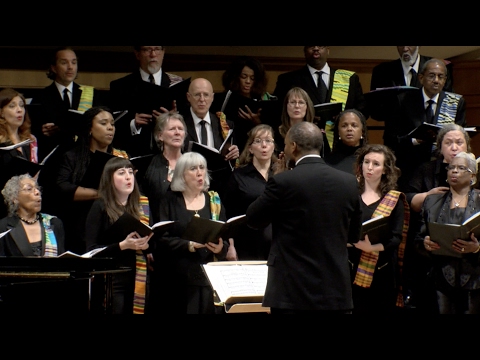
At this time of energetic protesting of police brutality and renewed pushes toward justice, fairness, and the reform of systems and mindsets that work against black Americans, it is important those of us who are working toward these goals understand as much as we can about the black community, including the history and lives of the individuals who were subjected to slavery and its many horrors. One window into this world is the collection of and scholarship about the negro spirituals, the songs and chants, many including dance, that arose during the chattel slave experience in America. For some, including many black people, the spirituals are an embarrassment, evidence of exhausted, down-trodden people hoping for a release from this world into the reward of heaven. Those who feel this way do not understand the spirituals! In this episode, Arthur C. Jones, a black scholar, organizer, performer, and expert on the spirituals, joins Latter-day Faith host Dan Wotherspoon to introduce key elements of these songs, including the influences on their formation, the various roles they played in the lives of the slaves, including subversive messages, signals about secret gatherings and the underground railroad some contain, and much more. At various times during the conversation, Art sings lines or verses of spirituals and unpacks meanings that we would very miss if we were not ourselves enslaved during these times. What emerges from this musical tradition are messages of freedom, comfort, mourning, solidarity, faith, and empowerment--all of them elements that are essential in today's movements toward equal rights and treatment for all. Listen in as Art shares his own professional and personal journey that led him to interest in, and his calling to teach about the spirituals. His journey, though specific to him, resonates with anyone who is on a search to discern what it is that God/Spirit/Mystery/Universe is calling them to do in service of the greater good. You don't want to miss this episode!
069: Redeeming Mormon Racism
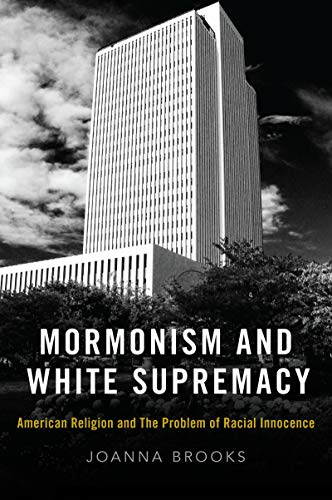
The most urgent call in today's time of pandemic and highly energized demonstrations against racial injustice is for each of us to take stock of ourselves and approach with humility and a repentant heart not only the tragedy and outrage permeating the safety of our internal worlds, but also the beautiful visions for paths to ahead that are being offered. If we are to rise to this moment, we must not stick our heads in the sand or retreat via shallow excuses into a false type of peace, but instead we must lean in. We must read, study, listen and turn to trustworthy voices and educators and allow deep into our hearts their piercing insights and critiques, especially the ones that are painful for us to face). Theirs are the voices of the prophets, not only those who write "on subway walls and tenement halls," but who are also placed among us in every walk of life, from educators to clergy to economists to activists and community organizers, and, occasionally, politicians. Bless you John Lewis. What love animates all of you and allows you to stay the course of speaking truth to power while refusing to demonize even your harshest persecutors and detractors? This episode features a conversation between Latter-day Faith host Dan Wotherspoon and Joanna Brooks. Joanna's recent book, Mormonism and White Supremacy: American Religion and the Problem of Racial Innocence (Oxford University Press, 2020), is at the same time scholarly, substantive, unblinking, courageous, and graceful. Full of grace. In Joanna's hands, we come to understand the history of Mormon attitudes and the choices its leaders have and continue to make that fail to recognize fully the equality of all persons, we learn as well as are given the chance to grieve these things while also learning not to demonize the people and failures of faith and courage that have brought us here, nor must we demonize ourselves for our own blindness and the refuge we white Latter-day Saints have taken within carefully constructed systems of "white innocence." As Joanna shares herein: just because we are guilty of so much that we have never imagined, it doesn't mean that we aren't still lovable, that we aren't irredeemable, nor that God isn't actively loving and encouraging us to continue a path Godward. We cannot continue to see salvation as something solely personal. Christ took upon himself "the sins of the world." We have too long imagined that as limited to our personal sins, those we commit in our hearts and immediate interactions. This must come to an end. We must continue Christ's work to redeem the sins of the entire world, including its systems that harm so many—not only externally but also inwardly. We are now being drawn more and more toward greater solidarity with the unfairness of those systems that have favored white persons over black, indigenous, and other persons of color. We must look inward rather than retreating to our bubbles that keep us from having to see how harmful our systems of law, commerce, criminal justice, education, health care, and much else can be to the not only to the bodies but also the souls of others, and ourselves. We must be able to see how these systems favor the wealthy over the poor, those with good health and access to health care over those who do not, those who enjoy food security over those who struggle to provide even basic sustenance for themselves and their children are showing themselves to be. Our own processes toward redemption cannot be successful without soul-work that learns to witnesses, stand in solidarity with, and work toward relieving all forms of suffering. Listen in! Read Joanna's new book, along with others of hers and those folks she recommends!

068: Religion, Politics, Polarization
At one and the same time, in today's U.S. culture, as well as around the world, the majority of people are coming together in this time of pandemic and efforts to reform racial injustice, while also, when it comes to politics, most observers report a level of hostile polarization that we have rarely seen. Animosity toward those we disagree with is high. And then there's religion, which at its core is generally unifying, centered on beautiful principles that call us to see each other as fellow human beings under God or, if not theistic, in the universe of relations. If that's so, why this antagonism to those "other people" who dare to choose this or that political leader or set of policies and emphases. Are they stupid? Deceived? Evil? LDF host Dan Wotherspoon is joined today by two Latter-day Saint friends, Jenne Alderks and Walt Wood, whose political views often differ from each other but who don't have it in their hearts to demonize and completely dismiss those who differ with them. In the episode, Dan, Jenne, and Walt wrestle with the dynamics at play today, especially in the areas of politics and religion, while also keeping an eye on our needs to self-examine continually, especially in the ways that can lead to deep, personal changes (as we determine needs) and more generosity in today's highly polarized social landscape. What is the role of social media in causing this polarization? What is it that underlies the anger that is such clear display these days? How might understanding that lead us to wider perspectives and greater compassion toward others? How can everyone along any spectrum find scriptural or other forms of authoritative support for their version of things, leaving religion without its full power to call us toward community and the interests of the group over those of us individually? What causes societal shifts? And when a society comes together over something, why do the enthusiasms die down and individualistic tendencies return to transcendence? And much more! There's much in this episode to think on and that, hopefully, can lead us all to greater self examination and the type of deepened spirituality which can lead us to call our opponents "blessed." Listen in!
067: Rituals, Ordinances, and Covenants
Latter-day Saints who are experiencing shifts in their faith and spiritual understandings often begin to ask questions about religious practices, including ordinances that we are taught as being essential to our salvation. Here is an important group of D&C verses that seems to suggest just that: And this greater priesthood administereth the gospel and holdeth the key of the mysteries of the kingdom, even the key of the knowledge of God. Therefore, in the ordinances thereof, the power of godliness is manifest. And without the ordinances thereof, and the authority of the priesthood, the power of godliness is not manifest unto men in the flesh; For without this no man can see the face of God, even the Father, and live. (D&C 84:19–22) This passage can be read at different levels. Is it actually saying that participation in Mormon ordinances are an essential requirement for us if we want to gain the deepest kinds of spiritual insight and empowerment? The panel in this podcast seeks to broaden that idea. If we can learn to view ritual in other than purely transactional terms—"If I do this, then I will get that"—are there affirming ways we can view ritual participation and priesthood ordinances and how they can be important aids for our spiritual journeying? Can we imagine different ways we might interpret "the mysteries of the kingdom," "the key to the knowledge of God," and "the power of godliness?" In this episode, LDF host Dan Wotherspoon calls on his friends Mark Crego and Lindsay Pulsipher to have a discussion of these things, and more! In the early going, they discuss the nature and structure of rituals of various types and from many wider cultures, and point to what they have in common with each other. They discuss what ritual "is trying to do" and why, to use Wotherspoon's phrase, "ritual makes sense" even as it appeals to something deeper in us than what our minds can work out by themselves. In other sections the panel speaks about the transformational qualities of rituals rather than their being something that we must "do" in order to gain salvation or simply as part of "making and keeping covenants." They dial in on how ordinances and ritual, when seen correctly, expresses the key aspect about God's covenant with us, which is that God invites us into full relationship and will always welcome us no matter how far we stray. (And, like the chosen people in the Hebrew Bible, stray we will!) In the final portion, they each share ritual moments they've had and offer final reflections on what they understand as going on within them during such times. It's a terrific discussion with much to chew on! Please listen in!

066: Evil, Part 4
This episode and the previous one features the third and fourth discussions on the topic of Evil by a panel comprised of Latter-day Faith host Dan Wotherspoon and the wonderful and brilliant Kathryn Sonntag and Danny Kofoed. Part 3: The focus in this section is turning back to the scriptures, Jesus's time, the language he spoke, and the agrarian society he taught to open ourselves up to new definitions of good and evil. Rather than evil as sinister and fed by hurtful designs, Jesus' teaching considered it in agricultural terms of being ripe or unripe, fruitful or unfruitful--incapable or not of nourishing, expanding, reproducing, contributing. The panel also considers Paul's phrase that talks of the "wages of sin" as death. There is much more going on in that phrase than simply meaning, as Mormons generally go to first, a spiritual death that will keep us from God in the next life. Part 4: This section takes on two topics. First is a brief look at what has been termed "natural evils": hurricanes, volcanic eruptions, tsunamis, tornados and other things that are often termed "acts of God." Is God actually involved in such things that often bring great destruction and loss of life? Is weather that leads to these things, as well as droughts and famines, etc., as taught in scriptures, God's way of communicating God's dissatisfaction with the way we are living? What are ramifications for our spiritual lives when we live out of a worldview that treats such things this way? The bulk of Part 4 is a deep dive into structural evils: corporate, institutional, political, military, patriarchal, capital-driven, ecclesiastical, etc. How can we better become aware of these things and their effects, often leading us to compromise our values in order to "get ahead" or be held in great esteem by others? What are some of the common-denominator evils in every kind of system or institution? How might we work toward deeper truths and the values that can bless others as we become closer to the Divine and emulating the ways that God works? Listen in! Both of these are really terrific, thoughtful discussions!

065: Evil, Part 3
This episode and the next one features the third and fourth discussions on the topic of Evil by a panel that features Latter-day Faith host Dan Wotherspoon and the wonderful and brilliant Kathryn Sonntag and Danny Kofoed. Part 3: The focus in this section is turning back to the scriptures, Jesus's time, the language he spoke, and the agrarian society he taught to open ourselves up to new definitions of good and evil. Rather than evil as sinister and fed by hurtful designs, Jesus' teaching considered it in agricultural terms of being ripe or unripe, fruitful or unfruitful--incapable or not of nourishing, expanding, reproducing, contributing. The panel also considers Paul's phrase that talks of the "wages of sin" as death. There is much more going on in that phrase than simply meaning, as Mormons generally go to first, a spiritual death that will keep us from God in the next life. Part 4: This section takes on two topics. First is a brief look at what has been termed "natural evils": hurricanes, volcanic eruptions, tsunamis, tornados and other things that are often termed "acts of God." Is God actually involved in such things that often bring great destruction and loss of life? Is weather that leads to these things, as well as droughts and famines, etc., as taught in scriptures, God's way of communicating God's dissatisfaction with the way we are living? What are ramifications for our spiritual lives when we live out of a worldview that treats such things this way? The bulk of Part 4 is a deep dive into structural evils: corporate, institutional, political, military, patriarchal, capital-driven, ecclesiastical, etc. How can we better become aware of these things and their effects, often leading us to compromise our values in order to "get ahead" or be held in great esteem by others? What are some of the common-denominator evils in every kind of system or institution? How might we work toward deeper truths and the values that can bless others as we become closer to the Divine and emulating the ways that God works? Listen in! Both of these are really terrific, thoughtful discussions!

064: Evil, Part 2
This episode features the second of a four-part discussion on the topic of Evil. In it, Latter-day Faith host Dan Wotherspoon is joined by the wonderful Kathryn Sontag and Danny Kofoed to talk about several topic areas in regard to evil. The first two parts are being released the week of June 7th, with Parts 3 and 4 the following week. Part 1: The focus is the nature of evil itself. Is it something that exists eternally, outside of creation and independent of it, or is it a relational concept, relying on the existence of things in relation to each other to even have meaning? The panel also focuses on "the problem of evil" which comes into play (and has side-railed many a person's faith) for theists when we ask, "If God is perfectly good, and also all-powerful, why is there evil in the world?" It's a rich discussion area in philosophy of religion but also in our own lives, especially when tragedy strikes. Does Mormonism have an different take on the question than most Christian faiths? Is these even a problem that is solvable? Part 2: In this section, the discussion turns to the question of Satan/the Devil/Lucifer. Is this being and his minions responsible for temptations that lead us away from the true path? Or is there something else going on within us that gives us the impression of external forces at play when we find ourselves thinking and doing things that we know are not spiritually healthy? Are both things at play? Why is it important to at least consider evil as being fully personified in a being with will and destructive motive? Regardless of the factuality of the idea of a real Satan character, is it helpful or harmful psychologically to believe in one? What do we gain or lose should we just pick one or the other position?

063: Evil, Part 1
This episode features the first of a four-part discussion on the topic of Evil. In it, Latter-day Faith host Dan Wotherspoon is joined by the wonderful Kathryn Sontag and Danny Kofoed to talk about several topic areas in regard to evil. The first two parts are being released the week of June 7th, with Parts 3 and 4 the following week. Part 1: The focus is the nature of evil itself. Is it something that exists eternally, outside of creation and independent of it, or is it a relational concept, relying on the existence of things in relation to each other to even have meaning? The panel also focuses on "the problem of evil" which comes into play (and has side-railed many a person's faith) for theists when we ask, "If God is perfectly good, and also all-powerful, why is there evil in the world?" It's a rich discussion area in philosophy of religion but also in our own lives, especially when tragedy strikes. Does Mormonism have an different take on the question than most Christian faiths? Is these even a problem that is solvable? Part 2: In this section, the discussion turns to the question of Satan/the Devil/Lucifer. Is this being and his minions responsible for temptations that lead us away from the true path? Or is there something else going on within us that gives us the impression of external forces at play when we find ourselves thinking and doing things that we know are not spiritually healthy? Are both things at play? Why is it important to at least consider evil as being fully personified in a being with will and destructive motive? Regardless of the factuality of the idea of a real Satan character, is it helpful or harmful psychologically to believe in one? What do we gain or lose should we just pick one or the other position?
062: Racism, Consciousness, Grief, Hope
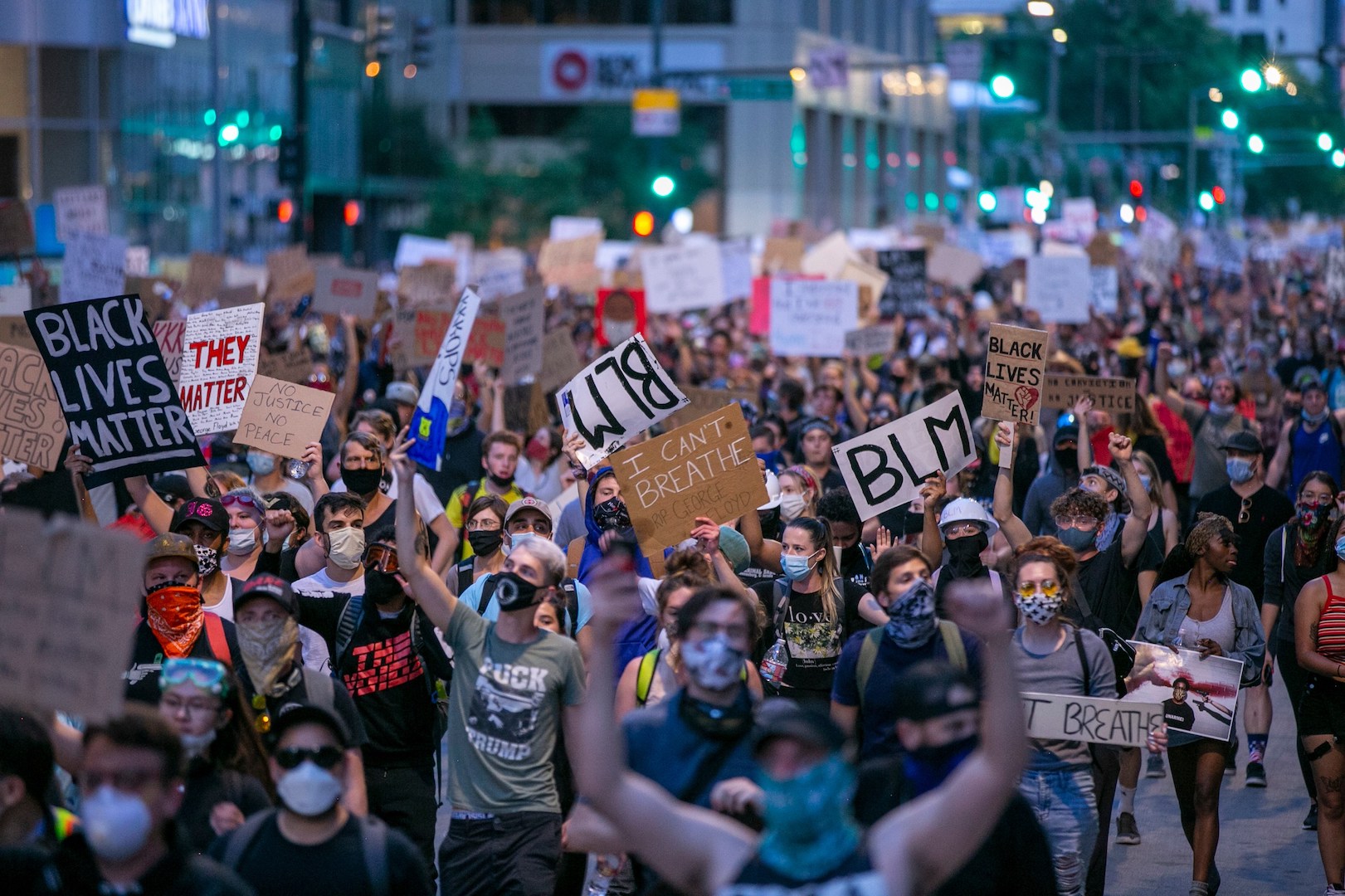
Last week's killing of George Floyd has affected all of our lives. For those who have decided to tune in deeply, we understand that his slaying by the knee of a warped and indifferent police officer is just one of hundreds of similar incidents, such as the police slaying of Breonna Taylor while she laid in bed in her own apartment, and of the long-delayed justice (only know starting its wheels) for Ahmaud Arbery murdered by jogging in a certain kind of neighborhood. Add in the potential and very real danger the Central Park bird-watching Christopher Cooper who was put in because of a woman's racial panic that led her to make a demonstrably false report to police about being threatened by a black man, the police choke-hold death of Eric Garner several years ago, and we cannot help but realize we are being invited in a most intense way to examine the systematic and personal racism that has led to extremely unfair and, too often, violent actions against persons of color, especially black women and men. The fact that this awakening is taking place during a worldwide pandemic is good but also very scary. Good because many of us have fewer distractions that will take our attention away from these crimes and the demonstrations in our streets and around the world. Scary because of the additional health risks that come from people crowding together to protest these and all the thousands of deaths and enslavements of black persons going back more than 400 years. We are grateful that three black counselors, therapists, and educators agreed to come on Latter-day Faith to share their experiences and open a door to the world they have lived in their entire lives and the toll it has taken on them and other black people. This is an episode in which we are taught, taken into new heart and mind spaces, and challenged to examine the world in new ways. But it is also an episode that is full of hope alongside the pain and frustrations shared. Our great thanks to LaShawn Williams, Kimberly Applewhite, and Jameson Holman for being on the show and sharing with us so much of themselves, of their learning, and of their experiences, including those within their faith home, Mormonism. Included in this conversation are great sections about whether or not it is truly "safe" for black persons to share their experiences with white people, and especially to be vulnerable with regard to their own emotions. It is exhausting to constantly have to scan your environment and the settings in which you are being asked to share, judging whether this person or group is only wanting to hear from you in a way that won't lead them to become uncomfortable and defensive. The panelists also address what is harmful and hurtful and ignorant in statements such as, "Well, all lives matter" and "When I see you, I don't see color." These black Mormon therapists also reflect on the LDS Church's recent statement about what is happening in the world right now, especially with regard to the sins of racisms, the need for repentance, and about demonstrations that in some cases have become destructive and even violent. As part of all this, you will hear the "vomit analogy" (unforgettable!) as it relates to white persons' general and specific hesitations to talk directly about race and privilege. So often we will work to avoid at all cost such discussions (both external and internal). The conversation also talks about PTSD and how it applies to black experiences and how it in many cases leads to devastating health (physical as well as mental) effects. But, again, even in all of this you will also find reasons for hope as we and people all over the world find ourselves finally ready to really look at the devastating effects of societal, institutional, and personal racism. This is an unforgettable listen! You won't always be comfortable as you engage with it, but you will, inevitably, be very glad you did.

061: Living Deliberately and Deeply—Lyndsay Pulsipher
This episode features a discussion between LDF host Dan Wotherspoon and the wise and engaging Lyndsay Pulsipher. In it, they talk about Lyndsay's upbringing and fascinating background that features life in different locales with experiences and insights gained from each, a blending of two sets of children into one family, along with Lyndsay's career and general sense of the world. They then focus most intently on her faith journey within Mormonism that she always felt welcomed to blend with spiritual practices discovered in her wide reading and in other traditions. Lyndsay speaks about her experiences with centering prayer (with a Tibetan twist), her interest in and practices regarding angels/family members from the post-mortal realm, and her development of Sabbath Day rituals that enhance her devotions during this special day of the week. Lyndsay's life and spirituality are simply beautiful. We know you'll enjoy this chance to get to know her! Listen in!

060: Carol Lynn Pearson—Walking with All of Us
This episode features the magnificent poet, playwright, author and "wise woman elder" of Mormonism, Carol Lynn Pearson! It's always a pleasure to be exposed to her writing and thinking and hard-won insights about life, God, core values, and so much more. Latter-day Faith host Dan Wotherspoon took the opportunity provided by the recent release of her new children's book (that has incredible messages for adults, too), I'll Walk with You. in the first half of the discussion, Carol Lynn takes us through various stages of her life as a writer and public voice on women's issues, LGBT+ educating and supporting, and several others. She then tells us the story of how this particular book came to be, followed by her reading it. It's an experience not to be missed! After that, she and Dan devote the remaining time to life in this time of coronavirus/covid-19 and what they both hope will continue to happen right now now as well as when we emerge from more stringent social distancing. What should we take to heart that this pandemic has taught us and, even more important, what should we re-think, re-imagine, or jettison going forward? We hope you will listen in! An hour with Carol Lynn is always well spent!

059: God Is Much Bigger Than You Think! -- Grace, Mercy, Belonging in the Book of Mormon, Part 2
Four years ago, Danny Kofoed made discoveries in the Book of Mormon that have radically changed his views about it. As he re-read the book from cover to cover in preparation for lessons he would teach in Gospel Doctrine class, he found in there much greater richness, especially with regard to what it says about God and the type of relationship God is calling us to, than he had ever imagined. In the many years between the previous times he'd studied the book, really difficult circumstances that were far beyond Danny's control led to his being able to see more clearly than ever just how loving and accessible God really is, and it was this centering that had unfolded in his life that allowed him to see this God presented over and over again within that the Book of Mormon pages. It is so easy to think about the portions of the Book of Mormon that talk about performance of ordinances and other more mechanical ways that we too often feel we must do or follow in order to approach God, as well as the warnings we find of "if you don't do x, y, and z you're not going to make it," and similar rhetoric. Yet in every conversion story, and in much of the reflections by prophets and leaders found in various places, the key idea is God's absolute merciful and loving nature and that we are all invited to experience the Divine directly, for ourselves, without organizational or behavioral hoops. In this two-part episode, Danny joins Latter-day Faith host Dan Wotherspoon to talk about his journey and all that led him to a place to appreciate the wonderful theology present in the Book of Mormon. And, most specifically in this conversation, Danny takes us into one of the most powerful sections of the book: Alma and Amulek's encounter with Zoramite worship and their message to those who had been left out of it, not allowed to join in the worship that they had been taught to think was the only way they could approach or please God. Crestfallen and despondent, they were able to open up their hearts to the messages of God's character as merciful and desiring communion with them in every place, on any day, and in all moments of their lives. By emphasizing the Zoramite context, Alma's "experiment" about planting a seed allows us to see what the seed actually is (and what it IS NOT) in a way we likely would miss otherwise, and how seeing this expands the power of these Book of Mormon passages far beyond what we taught as missionaries and/or encounter in Sunday School. The seed is not about truth claims that relate to a church or ordinance or anything as small as that. The seed spoken of is a seed that, if well attended to, can spring up into a full tree that will nurture and sustain us ever and always. It's the kernal and experiences held within its casing that can truly transform us from inside out. Listen in! Danny's passion is inspiring and infectious, and even if you might not always decide to listen to shows related to the Book of Mormon, the message in this episode far transcends the book's stories and settings. Give it a try. You won't be sorry.

058: God Is Much Bigger Than You Think! -- Grace, Mercy, Belonging in the Book of Mormon, Part 1
Four years ago, Danny Kofoed made discoveries in the Book of Mormon that have radically changed his views about it. As he re-read the book from cover to cover in preparation for lessons he would teach in Gospel Doctrine class, he found in there much greater richness, especially with regard to what it says about God and the type of relationship God is calling us to, than he had ever imagined. In the many years between the previous times he'd studied the book, really difficult circumstances that were far beyond Danny's control led to his being able to see more clearly than ever just how loving and accessible God really is, and it was this centering that had unfolded in his life that allowed him to see this God presented over and over again within that the Book of Mormon pages. It is so easy to think about the portions of the Book of Mormon that talk about performance of ordinances and other more mechanical ways that we too often feel we must do or follow in order to approach God, as well as the warnings we find of "if you don't do x, y, and z you're not going to make it," and similar rhetoric. Yet in every conversion story, and in much of the reflections by prophets and leaders found in various places, the key idea is God's absolute merciful and loving nature and that we are all invited to experience the Divine directly, for ourselves, without organizational or behavioral hoops. In this two-part episode, Danny joins Latter-day Faith host Dan Wotherspoon to talk about his journey and all that led him to a place to appreciate the wonderful theology present in the Book of Mormon. And, most specifically in this conversation, Danny takes us into one of the most powerful sections of the book: Alma and Amulek's encounter with Zoramite worship and their message to those who had been left out of it, not allowed to join in the worship that they had been taught to think was the only way they could approach or please God. Crestfallen and despondent, they were able to open up their hearts to the messages of God's character as merciful and desiring communion with them in every place, on any day, and in all moments of their lives. By emphasizing the Zoramite context, Alma's "experiment" about planting a seed allows us to see what the seed actually is (and what it IS NOT) in a way we likely would miss otherwise, and how seeing this expands the power of these Book of Mormon passages far beyond what we taught as missionaries and/or encounter in Sunday School. The seed is not about truth claims that relate to a church or ordinance or anything as small as that. The seed spoken of is a seed that, if well attended to, can spring up into a full tree that will nurture and sustain us ever and always. It's the kernal and experiences held within its casing that can truly transform us from inside out. Listen in! Danny's passion is inspiring and infectious, and even if you might not always decide to listen to shows related to the Book of Mormon, the message in this episode far transcends the book's stories and settings. Give it a try. You won't be sorry.

057: At Last They are Saying It!—Women's Voices in the Church
The title of this episode plays of the name of a new and wonderful podcast, At Last She Said It, co-hosted by Susan Hinckley and Cynthia Winward and produced with help from their wonderful friend Jeralee Renshaw. In it, Susan and Cynthia join LDF host Dan Wotherspoon to talk about women's experiences in the church and how they are often so very different from those of men. It is a terrific discussion, often fun and loaded with "aha's," but also moments that note great sadness and difficulties many Latter-day Saint women encounter as they seek to find and use their voice and, too often, even their place at all within Mormonism. The conversation rotates through topics such as the types of situations in which women and men experience things quite differently, from dynamics in Relief Society and other classes to formal meetings and councils with men presiding and women having no genuine authority to make decisions. It moves into spirituality and thoughts on how men's and women's religious and spiritual lives are affected by their standing within the organization and its many extensions, including "Mormon culture." They discuss how might women lead congregations and pastor their individual ward members differently than do most men? Finally, the panel speaks of obligations that can fall on those who see and can articulate their particular situations within the church. Must they speak up, teach, and help raise awarenesses that might lead to lasting changes, especially ones that will assist the rising generations of women who seem to be voting with their feet that current structures, limits on influence, and gender dynamics must change? This is a rich discussion! Please listen in!

056: Living Atonement
By titling this episode, "Living Atonement," LDF host Dan Wotherspoon signals that the discussion herein focuses on the Atonement as a process rather than an event, and how "at-one-ment" is a life stance for transformation rather than a name for something Jesus performed/did/completed that we somehow "take advantage of" should we "qualify" for its benefits. The very thoughtful Bob Sonntag joins Dan for this conversation and frames atonement in really thought-provoking ways, with language and a heart that cannot help but inspire and draw us in. His views about what atonement means draws us into discussions of this time of pandemic, facing our fears and the yawning abyss we fear, and also a way to frame our weaknesses and distance from God in very matter-of-fact but also ennobling ways. His primary emphasis is on relationships, along with gathering and healing the separations and tragic woundedness inherent in all lives. His scriptural and historical study has led him to understand Jesus and his mission, as well as what Joseph Smith and what he was actually teaching, much differently from when he was younger and his lenses were very much church/organizational focused and and at age 28 feeling "dried up." What he centers in now feels true and whole and inspiring. You will be very glad you spent an hour with Bob!

055: Developing Your Own Spiritual Path
This episode focuses on one person's journey though Mormonism that formed for him a wonderful foundation from which he learned to explore more deeply not only into its teachings but also those of eastern spirituality, especially through Hinduism and Kriya Yoga. It is designed to invite listeners into it as a way to discover touchstones and spiritual shifts that likely resonate with their own journeys. Certainly, no two non-linear spiritual paths can be fully alike, but it is so helpful to know particulars of another's movement into deeper and more expansive experiences. The man willing to share his journey herein is Ben Heaton, a physician, spiritual seeker, and facilitator of important discussions. Latter-day Faith host Dan Wotherspoon joins in to witness Ben's story, as well as to add insights from his own journey and spiritual awakenings. Their conversation explores profound things that are, nevertheless, quite accessible because of Ben's sharing so openly and with very little, if any, jargon that we all know can often be off-putting. Listen in!

054: Increasing Our Sense of 'Belonging'
It is easy to say we "belong" to a group, even a church or a religious tradition, but what does that really mean? How many times have we said or thought to ourselves, "Sure, I belong," but yet we've still kept one foot pointing toward the door in case this belonging thing starts getting really difficult? In this Latter-day Faith podcast episode, host Dan Wotherspoon welcomes his longtime friend Jana Riess whose wonderful writing and voice of reason has led her to become an insightful and impactful Mormon author, editor, and blogger, to talk with him about what it can mean to "belong" to a community of faith. And especially when we are disappointed in important aspects of it. Jana and Dan take as their jumping off point the reaction they and many others within LDS online conversation circles had to the most recent LDS General Conference, which was a sense of feeling let down. Though very little that happened at conference was acutely painful for sensitive listeners, the fact that it came and went without really addressing (with very few exceptions) what is happening in the world today vis a vis the novel coronavirus and Covid-19 led many to feel greatly disappointed. Many who watched and listened carefully experienced sadness over opportunities missed and frustration about organizational and correlation processes that, even if it wanted to, likely hindered the church's ability to pivot from such a heavy emphasis on the First Vision anniversary so as to make room for announcements and at least several addresses focused more on the specific physical, mental, and spiritual needs of today. It is within this context of sadness, disappointment, and frustration that Jana and Dan jump into the importance of "belonging," even when it's not easy. They share their own experiences along the way that led them each to firmly decide to "belong" to this church—as a community, and even an organization whose leadership and fellow-member stances at times leaves them feeling alienated. How do they face situations that require them as "full belongers" to welcome the difficult along with the wonderful? What kind of spiritual gifts can flow from this kind of stance? In the final section of the conversation (that is actually more monologue--sorry!), Dan takes the conversation about belonging into more esoteric territory, at times confusing Jana (and, we're sure, some listeners!). His reasons for doing this was driven by his reactions to conference, his meditations during Holy Week and Easter, as well as about Passover and how stories shape individuals into a "people." His week had been dominated by insights and working with the difficult spiritual notion of accepting "accountability" for not only our personal, but also our community's sins and failures. As a guide for his reflections, he took a Speaking of Faith podcast he'd long held in high esteem that features Krista Tippett's interviewing Rabbi Sharon Brous about Judaism's High Holy Days, and especially Yom Kippur, the "Day of Atonement," which follows ten "Days of Awe" kicked off by Rosh Hashanah. In sharing about his experiences, he tries to describe a kind of ownership of all of Mormonism he experienced that deepened his sense of belonging to this tradition, its history, its journey full of high- and low-points, and the mix of such things playing out in full force today. Finally, he shares how in these experiences he gained a possible glimpse of something that helped begin to make sense for him what Jesus might have been experiencing as he took upon him the sins of all. There is much to chew on in this episode! If you can't fully follow it's move into spiritual and still-being-worked out sensibilities, you won't be alone, and for that we also apologize! Perhaps even just a glimmer of what comes at the end will mean something for you.

053: Expanding the Way We Pray, Part 2
In this second part of the discussion of prayer and additional types of prayer practices, Latter-day Faith host Dan Wotherspoon along with JoDee Baird, Julie Keanaaina, and Marianne Pond. Featured in this episode is introducing the practice of "centering prayer" and discussing its various elements. The panel introduces other wonderful stances that are especially helpful in spiritual lives, especially in the area of what we can do with all those pesky thoughts that still press in on us while we are meditating or engaged in a wordless prayer practice. The final section introduces a possible place in a person's prayer life that includes praying or reading set prayers. And the panelists definitely share about their experiences of overcoming negative attitudes (mostly learned in Mormonism) toward this prayer practice. They also share some of their favorite prayers and readings of this kind. And in the final few moments, Dan, Julie, and Marianne talk about some advantages of creating a prayer routine, especially designating a room, chair, mat, and postures. It is certainly not a requirement for an enlarged and more meaningful prayer practice, but each of the panelists speak of their good experiences in returning again and again to a specific space and posture. Listen in!

052: Expanding the Way We Pray, Part 1
The practice of prayer is fundamental in most of the world's faith traditions. And yet within most of these faiths, one finds that there are many forms this practice can take. Mormonism, still less than 200 years old, hasn't yet developed names and clear ways of referencing types of prayers and stances before God that are contained in its scriptures and other texts that have emerged from it. We believe that is yet to come. What has happened instead is that many Latter-day Saints who are answering the call of their deepest longings to connect with the Divine--God but also within themselves--are doing so with the aid of prayer forms and descriptions that have emerged in other traditions. None of these forms conflict with Mormonism's sense of God and ourselves as, at the core, divine, uncreated, capable of enlargement, nor with the fundamental qualities of both God and our deep selves such as being fully loving, compassionate, patient, trusting, recognizing the divine in everything/everyone, and being ever in the process of expanding to include in relationship more. In this episode, Latter-day Faith host Dan Wotherspoon invited three friends who have experienced wonderful things through prayer practices drawn from elsewhere. It features JoDee Baird, Julie Keanaaina, and Marianne Pond sharing, along with Dan, their journeys with prayer, the ways their practices have expanded, and the spiritual benefits and widened experiences that have resulted. Part 1 also approaches one form of prayer called "Centering Prayer" and begins to talk about it in broad terms and about its intentions but closes right before actually teaching it. Its teaching along with another type of praying that each has found powerful come in Part 2, which will be available the following day. Listen in! Be with people virtually who have explored and expanded their prayer lives and forms and who convey through words and tone and emotion something ultimately ineffable and only able to be truly understood through our own personal experiences. Welcome!

051: Preparing for General Conference
It's LDS General Conference week, and in this episode Ian Thomson and Stephanie Dix join Latter-day Faith host Dan Wotherspoon in discussing the ways each of them prepare for it. As God- and Church-wrestlers, these semi-annual gatherings (and this time virtually only!) sometimes are greeted with less-than-enthusiastic attitudes, perhaps fear of the possibility of hurtful or tone-deaf messages, perhaps confusion as we recognize internal shifts that cast conference and the speakers and messages differently than the way we held them before. Each and every member approaches conference weekends with anticipations unique to them. Ian, Stephanie, and Dan's conversation centers around the panelists own journeys with conference, how they thought of it at earlier times in their lives, what has shifted in them through the years as their journey took them into new perspectives, and more. Each of them also speaks of framings they hold today as they approach conference. Where do they, if they do, find optimism about possibly wonderfully delivered and inspired messages and announcements? How do they temper tendencies toward cynicism and dismissing entire talks or sessions as being ruined or tainted by poorly thought out or insular speech and/or declarative stances? They share experiences in which they felt their hearts and minds shift more toward gratitude and appreciation rather than critique. All in all, it is just a terrific exchange that works toward ways to "get the most out of" conference, whether it is through particular spiritual practices, not engaging with it live but only later in print, or whatever it may be. Listen in as you ready yourself for this most unusual conference to come!

050: Fresh Views of the First Vision
In this episode, Latter-day Saint historian Ron Barney joins LDF host Dan Wotherspoon to talk about the actual historical records related to Joseph Smith's "First Vision." And the documents show that how we generally talk about this event now is far from how it was seen and spoken and written about in the early days of the church, and by Smith himself. Today's assumptions about a clean history of magnificent visitation by God the Father and Jesus Christ are the result of a long line of decisions that chose to canonize in today's Pearl of Great Price the 1838 version. This conversation differs from many that simply teach the various accounts and allow those who read or listen to puzzle for themselves how these various tellings agree or disagree with each other. In no way does this discussion tell anyone what to think in these areas, but instead concentrates on the history of the documents, the circumstances in which they were created, if they were written or overseen and corrected by Joseph Smith himself, who Smith's scribes were and what scribal choices ended up in the established version (things such as when the event took place, and more!) Throughout it all, Ron and Dan talk openly about the complexity of all things surrounding the First Vision while also sharing how they hold these documentable complications in a way that allows them to also incorporate elements of faith that are too often easily dismissed by the skeptical world. Even though no one can ever really know the nature of what Smith experienced in the grove or in any of his visions/visitations, both believe the record quite concretely shows that real spiritual and/or revelatory things occurred that affected him greatly and from which he drew great strength throughout his short but action-filled life. There are too many parallels with other theophanies that led to great movements to dismiss Smith's out of hand simply because he at tames shared different details. General Conference is coming up, and it is said it will celebrate the 200th anniversary of the First Vision. Immerse yourself in Smith's world as Ron shares fabulous details and offers a clear-eyed view of the documentary record itself as it relates to things church leaders likely will focus on this weekend. This episode is definitely worth your time and attention!

049: Behavioral Science Insights for Mormons
In this really insightful episode, LDF host Dan Wotherspoon turns loose his wonderful guest, Jordan Harmon, a Latter-day Saint therapist who brings a wide variety of insights to his work with clients and who has developed specialties in therapeutic practices based on behavioral science. What's especially interesting is Jordan's journey that began with a very low opinion of behavioral therapies for several reasons, but primarily because they have often been abused, such as in LGBT+ conversion therapies and in our criminal justice system. Over the course of his work with clients, he slowly began to gain respect for behavioral science, especially how it has evolved into something that takes in the whole of a person involving deep listening and empathy. In each segment, their conversation features tie-ins to Mormon scripture, themes, insights, and application, as well as certain deficiencies and how these can translate into harmful forms of spiritual counseling. Jordan and Dan discuss questions about agency: how much agency do we really have (we are in a situation of both being an actor but also very much being "acted upon") , and how might we increase it in relation to our deep values? Jordan openly shares about a difficult time as he and his wife tried to work with one of their children, and in the process of that section offers terrific insights into parenting approaches that can also assist us as we interact with our own parents and other loved ones. At the end, they also speak a bit about the LDS concept of Zion and how behavioral science might inform it. You will really want to listen to this episode! It is definitely one that leads to us into deep thinking about ours and others' difficulties, while also offering validation and framings that are very helpful.

048: Living, Loving, Learning in the Age of Coronavirus
Latter-day Faith host Dan Wotherspoon is joined by his two Faith Journey Foundation partners, Mark Crego and Susan Hinckley, for this episode reflecting on the times we are now facing vis a vis covid-19/coronavirus. We are all very likely undergoing big shifts in our daily routines, as well as being hindered in various plans for travel, certain kinds of recreation, and dealing with shut down schools and universities, and more. Dan, Mark, and Susan reflect on this moment in time, sharing about their current lives and what's being impacted, but ultimately they focus on the kind of spiritual shifts that are happening within them. Even though we are being forced to make changes and give up certain freedoms and opportunities, might this time be a Lenten-type season for us (and we actually are in that season of the Christian calendar)? What are other framings that might be helpful at this time and place? Listen in! This episode is being released just a few hours after being recorded, but even with a bit less post-production than usual, there is a great spirit and much good thought in what is offered. Share with us about your experiences in the comments section! Wishing all of you and your dear ones the very best during this difficult season!
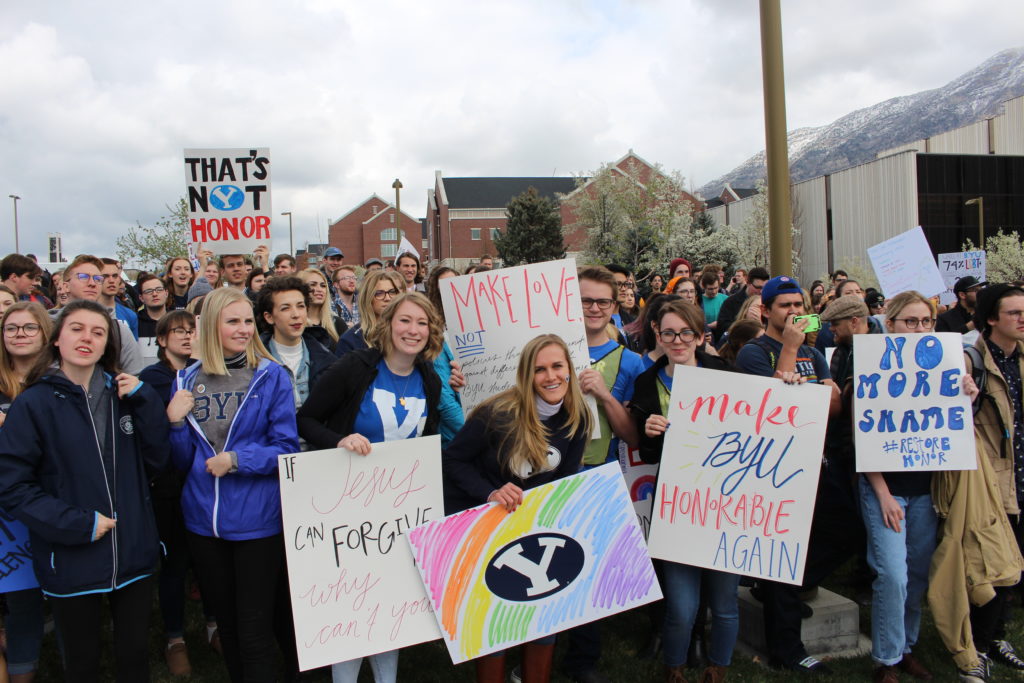
047: The Spirituality of Activism
The Church of Jesus Christ of Latter-day Saints has recently released policies (and made policy reversals) regarding LGBTQ+ persons that have brought on protests, with activists staging events on the Brigham Young University campus, near the Church Office Building in downtown Salt Lake City, as well as across from the LDS temple in New York City. And there are no signs that these gatherings and expressions of grief and disagreement will die down anytime soon. In the midst of these troubled times, we at Latter-day Faith have decided to add to the mix some thoughts on activism, its role and place within the ongoing Restoration, in spiritual journeying writ large, as well as about the spirituality that is inherent in and available to those who find themselves called to make their voice heard in the public arena. In this episode, Latter-day Faith host Dan Wotherspoon discusses with his friend, a well-known and powerful activist on LGBTQ+ issues, Jody England Hansen, about her journey to arrive at a point in her life and spiritual development that she can sustain a life of active involvement in social issues that are in service of those who are being harmed by various societal and cultural practices being able to make themselves and their pain more visible in ways that might lead to positive changes. In all of this, Jody recognizes how her choosing to engage in these ways is sustained by her understanding of the Gospel of Jesus Christ, many teachings of the Restoration, and especially through her inner work with herself and the Divine. What perspectives assist her the most? How have they come to be part of the very fiber of her being and to be understood as vital spiritual practices? What cautions does she have for activists that might help keep them from demonizing those persons and situations against which they are fighting? How might we all draw from her many decades of practice and hard-fought wisdom keys to allowing ourselves to hear the Divine call to grow, expand, and be God's hands and mouthpieces when we are prompted? Jody is powerful, articulate, and clearly grounded in Spirit when sharing about these things. Please listen in on this conversation. This is one of the most powerful LDF episodes to date!

046: Jungian Insights for Psychological and Spiritual Health
In this terrific episode, Latter-day Faith host Dan Wotherspoon brings on his good friend and a Jungian analyst, Christine Chao, to talk about the psychological insights of Carl Jung and, especially, how they relate to good mental, social, and spiritual health. In their conversation, Christine introduces us to Jungian terms and ideas, many of which we likely already heard of yet don't really understand all that well. If you've heard of concepts such as the collective unconscious, archetypes, complexes, dream analysis, individuation, Shadow, and others, Christine wonderfully elucidates these, illustrating them from her own life experiences as well as those of her colleagues and Jung himself. Following this tour through many of the basic insights, the discussion turns to difficulties she and others have with Jung the individual and also with some of his teachings. In this section we can find many similarities with Mormons who are forced to wrestle with bad ideas and hurtful teachings from Joseph Smith, Brigham Young, and other LDS leaders while still seeing and understanding the brilliance and power they also brought into the world. C.G. Jung understood human as well as spiritual development, and this episode closes with the way he responded near the end of his life to questions about whether or not he believed in God. Listen in! You'll love meeting Christine and will find much here to chew on.

045: Psychology and Spirituality
In this terrific episode, Latter-day Faith host Dan Wotherspoon is joined by Dr. Lisa Tensmeyer Hansen, a psycho-therapist and longtime friend, to talk about the nuts and bolts of our brains, our conscious and subconscious minds, our theological notions about God and the meaning of our lives, and the overlay of spirituality upon it all (or is it the underpinning of it?). Lisa takes us into the brain and how it processes experiences and stores memories, how our subconscious minds carry both incredible wisdom and traumatic memories, and how we can access these and heal (and how the areas of the brain activate when we do). We also move into how we create God (Spirit, Life) via our own experiences and theologies in ways that often determine whether we will remain stuck in certain kinds of suffering or move on to new understandings that are based in deep and overpowering experiences of divine love, acceptance, and peace. We also discuss hypnosis and hypno-therapy and how that works and is often effective in calling out of us and our subconscious minds deep meaning and wonderful, healing insights. This is a most excellent episode! Listen in!