Late Night Live — Full program podcast
1,994 episodes — Page 4 of 40
Australian politics by the numbers, an expansion of Indigenous Protected Areas, and January 26 throughout history
What do the numbers tell us about how many Australians are buying into the anti-immigrant rhetoric from the far right? Then, a look at last year's expansion of Indigenous Protected Areas, the biggest in history. Plus, a backwards glance at Australian history through the lens of a single day — January 26 — and the strange, serious, and uncomfortable things that day reveals about our nation.
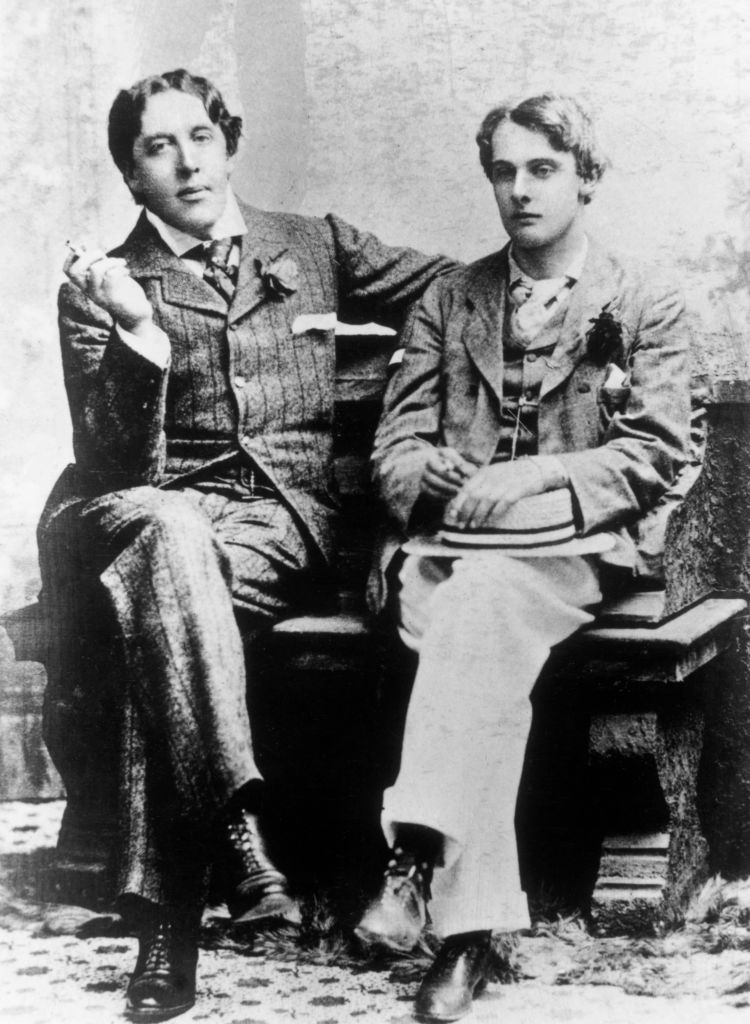
How Oscar Wilde was reclaimed by his grandson
It’s 125 years since the death of Oscar Wilde. The famous playwright and author died alone in a French hotel in 1900. Since that time, so much has been written about his wit, prose and character. Some of it fact, some of it rumour, much of it, speculation. In his new book called After Oscar: The Legacy of a Scandal, Oscar Wilde’s grandson, Merlin Holland, sets the record straight. The book is thirty years in the making and is an exploration of Wilde’s posthumous reputation and how his imprisonment for homosexuality affected Wilde's family, friends and literary legacy.Guest: Merlin Holland, Oscar Wilde's grandson and author, Oscar: The Legacy of a Scandal,Producer: Ali Benton
Ian Dunt: Trump’s tariff strategy and the limits of UK influence, and just who is Stephen Miller?
As US President Donald Trump eyes the UK with tariff threats over Greenland, i Paper columnist and UK correspondent, Ian Dunt, examines Keir Starmer’s response — and whether he has any cards to play. Plus, who is Stephen Miller, the 40-year-old shaping America's immigration agenda?
Bruce Shapiro on Trump's first year plus a Royal finance scandal
Bruce Shapiro looks back at how US President Donald Trump has changed the world in one year, and how the world is responding to his plans for a "Board of Peace". Plus a former British MP investigates just how the Royal family is making its money, and it's not all coming from taxpayers.
Crikey editor Bernard Keane on the political response to the Bondi shooting, and two legal analysts discuss the hate speech legislation
Bernard Keane looks at the political ramifications of the Bondi shooting, and legal experts Katharine Gelber and Greg Barns discuss the limitations of the proposed legislation.
LNL Summer: Tim Minchin on music, fatherhoood, the Internet... and nipples
Tim Minchin turned fifty this year and just ran a marathon for the first time. He's returned home to Australia, with his new album Time Machine, and his tour 'Songs the World Will Never Hear'. In this special one-hour conversation, David speaks to Tim about the joys of running, quitting social media and worrying less.GUEST: Tim MinchinPRODUCER: Ali BentonOriginally broadcast October 16, 2025
LNL Summer: Preventing war in space, plus the rampage of Australia's last outlaws
While we've all been distracted with what's happening on Earth, an Australian lawyer has been helping the United Nations to draft the rules of resources in space. We speak with Emeritus Professor Steven Freeland about who really owns that comet. Then: to the last two Australians who were ever declared outlaws. On the eve of Federation, 1900, the Governor brothers murdered nine people and set of a months-long manhunt. Why has their story been told and re-told for more than a century?
LNL Summer: Unearthing more of Pompeii, and a Hollywood shark-hunter in 1930s Australia
The Director of Pompeii Archaeological Park, Gabriel Zuchtriegel, shares some of the latest discoveries from the buried Roman city, as new areas are excavated for the first time. Plus, the Australian adventures of Hollywood writer Zane Grey, who hunted sharks and other game fish in 1930s Australia.
LNL Summer: John Menadue critiques Australia's media and our relationship with the United States
John Menadue has been at the heart of Australian public life for over fifty years, working for the Whitlam, Fraser and Hawke governments. He oversaw the effective end to Australia's White Australia Policy, was CEO of Qantas and set up the Centre for Policy Development. In the media he ran The Australian for Rupert Murdoch, launched the online weekly New Matilda and founded the influential public policy platform, Pearls and Irritations. Now aged ninety, John reflects on Australia's media, in particular its coverage of the war in Gaza, our attitudes to race relations, AUKUS, our relationship with the United States and how Australia is navigating its place in the world during a global power shift. Guest: John Menadue, Founder and Editor in Chief of Pearls and Irritations Producer: Catherine Zengerer*This show originally aired on 20 August 2025
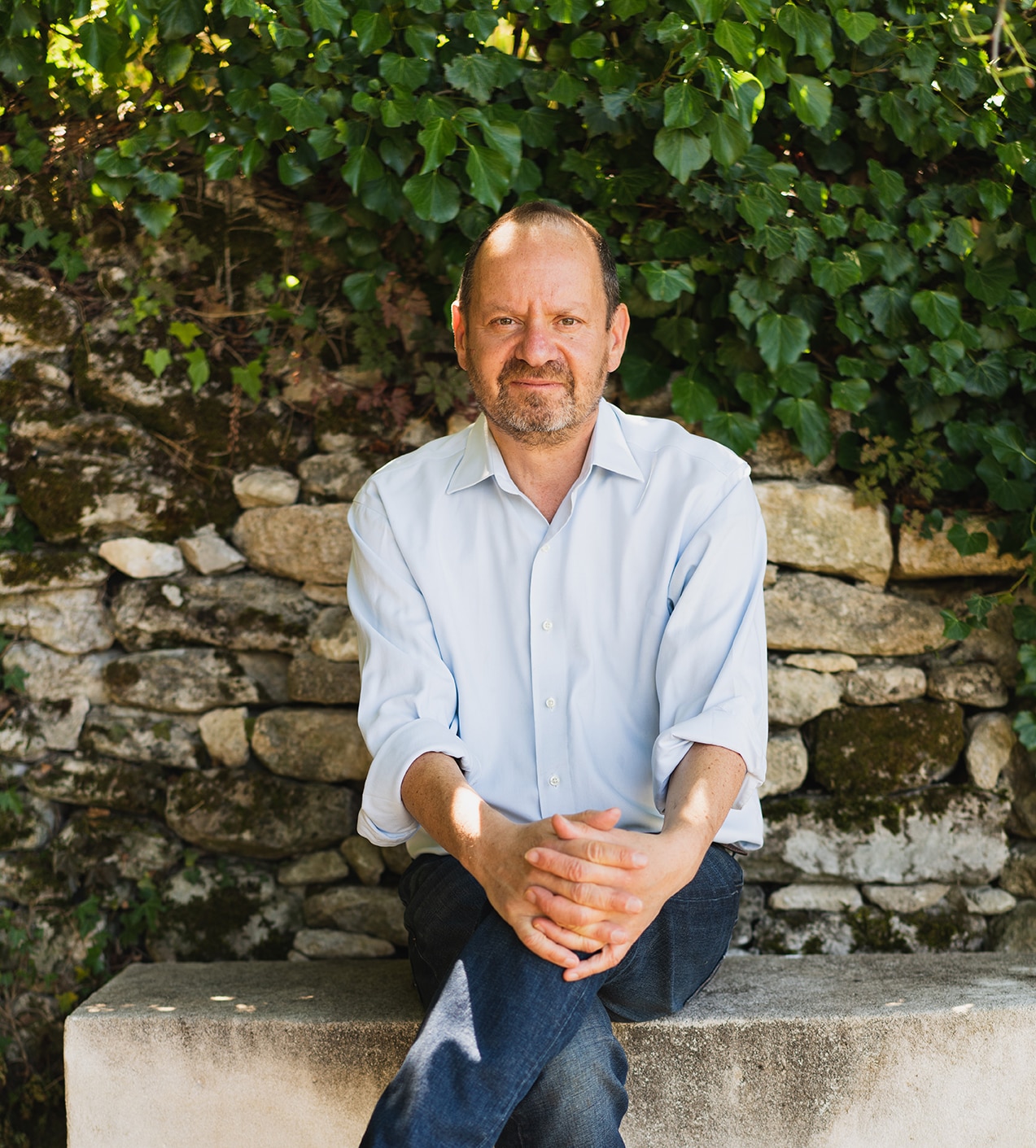
LNL Summer: Philippe Sands on war crimes and impunity - from Pinochet to now
In 1998, the former Chilean head of state Augusto Pinochet was arrested on charges of crimes against humanity and genocide. Philippe Sands was called to advise Pinochet on his claim to immunity, but would instead represent a human rights organisation against him.Guest: Philippe Sands, author of 38 Londres Street: On Impunity, Pinochet in England and a Nazi in PatagoniaOriginally broadcast on 17 April, 2025
LNL Summer: Living rivers, and our obsession with Mars
Environmental lawyers around the world have successfully made the case that rivers have rights, a movement that renowned science writer Dr. Robert Macfarlane tracks in his new book, 'Is a River Alive?'. Macfarlane takes us to some of the world's most beautiful rivers, and asks: what is it about running water that we find so compelling? And speaking of compelling, David Baron tells the story of how humans first become obsessed with the planet Mars. Was a 19th-century American's belief in Martians an accidental catalyst for modern space exploration?
LNL Summer: Journalists Hanna Rosin and Lauren Ober on seeking truth in Trump's America
Acclaimed US journalists and podcast collaborators with The Atlantic Hanna Rosin and Lauren Ober join David Marr in-studio to discuss the MAGA women who love Trump, the state of the media in post-insurrection America, and the importance of complex human storytelling in journalism. Guests: Hanna Rosin and Lauren Ober, co-hosts of the podcast We Live Here Now. Hanna is also Senior Editor at the Atlantic and host of Radio Atlantic Producer: Catherine Zengerer*This show originally aired on 13 August 2025
LNL Summer: Palestinian psychiatrist on the trauma in Gaza, and a yarn about wool and war
Drawing on her expertise in mental health and trauma studies, Palestinian psychiatrist, Doctor Samah Jabr, explores how the trauma of displacement and conflict continues to shape Palestinian lives. And why wool became one of the most important commodities for militaries across the globe.*This episode originally aired on 21 August 2025
LNL Summer: An Indigenous way of seeing the past, plus making shade cool again
What can we learn from Indigenous perspectives on Australian history? Two historians, one Indigenous and one not, explore new and very, very old ways of seeing the past in 'Deep History: Country and Sovereignty'. Then: shade. On a warming planet, shade takes on a new significance. It is an unevenly distributed resource, and, Sam Bloch argues, too often overlooked in urban design. On this special summer episode we look at shade in a new light.
LNL Summer: The feather detective, and the life of Emily Kam Kngwarray
If you left a feather at an American crime scene during the 20th century, chances are that Roxie Laybourne would be called. Laybourne was "The Feather Detective", a Smithsonian forensic ornithologist who solved crimes using her extensive knowledge of birds. Then: the makers of a documentary on the life of Emily Kam Kngwarray, the Indigenous-Australian painter who first picked up a brush in her seventies.
LNL Summer: prison architecture, who invented 'jaywalking', and why keyboards are QWERTY
Should prison architecture be used for punishment, or could it be used to create hope, instead? 'Jaywalking' is being decriminalised in some US states as campaigners say the law has been disproportionately enforced on black and Latino residents. Plus how did we end up with the QWERTY keyboard, when it wasn't designed to be fast or logical?
LNL Summer: Abolishing terra nullius - the legacy of Chief Justice Gerard Brennan
Sir Gerard Brennan served as the 10th Chief Justice of the High Court of Australia, the highest judicial position in the country. He was involved in several landmark cases, including the famous Mabo v Queensland (No 2) (1992) decision. This case overturned the concept of "terra nullius" (land belonging to no one) and recognised the native title rights of Indigenous Australians for the first time under Australian law. His son Frank Brennan has collected his father's speeches in Gerard Brennan’s Articles and Speeches, Vol 2: Law in Accord with Justice Guest: Father Frank Brennan, SJ
LNL Summer: farewell Laura Tingle plus our love of outdoor cinema
After 30 years of appearances on Late Night Live Laura Tingle shared her memories of Australian politics and her favourite LNL appearances before she began her role as ABC Global Affairs Editor. Plus why Aussies are in love with outdoor cinema.
LNL Summer: Antarctica, a tourist hotspot? And Dame Harriet Walter on Shakespeare's women
Is over-tourism coming for Antarctica? As more and more people travel south for awe and adventure, our guest has some proposals to keep Antarctica pristine. Plus: Dame Harriet Walter, internationally famous for her TV roles, has long been a celebrated Shakespeare actor on the stage. Walter has inhabited the minds of Shakespeare's women for more than half a century, and her new book imagines what else those women might have said... if only they'd been given more lines.
LNL Summer: The Roosevelts deadly panda quest, plus is AI a con?
Linguistics Professor Emily Bender, warns that the big tech companies who promote AI, with an almost spiritual zeal, may be off the mark. Plus the bizarre story of the Roosevelt family members who sought to prove the existence of giant pandas to the West.
LNL Summer: Kate Grenville confronts her settler ancestry
20 years on from her famous novel The Secret River, writer Kate Grenville retraces the footsteps of her settler ancestors, and asks what it means to be on land taken from other people.Guest: Kate Grenville, author of Unsettled, published by Black Inc
LNL Summer: Was Hitler's filmmaker Leni Riefenstahl complicit in Nazi atrocities?
Leni Riefenstahl has been hailed as one of the greatest directors of all time, even though her most famous films were works of propaganda for Hitler's Reich. Her film about the 1934 Nuremberg rallies broke new ground in cinematic techniques and had a huge influence on filmmakers for years to come. Riefenstahl always claimed she was just an artist, unaware of Nazi atrocities, but a new documentary reveals secrets from her extensive archives.GUEST: Andres Veiel, Director, 'Riefenstahl', showing at the German Film Festival PRODUCER: Catherine Zengerer*This show originally aired on 01 May 2025
LNL Summer: A legendary Australian publisher, and saving the beach shack
Australian literature was never the same after McPhee Gribble Publishing, the revolutionary women-owned publishing house. The venture was started in 1975 by Diana Gribble, a socialite working in advertising, and Hilary McPhee, a novice editor. Soon authors like Tim Winton, Dorothy Hewett and Helen Garner were knocking at their door. Then: beach shacks, the humble shelters for fishermen and the destitute which adorn Australia's coast.
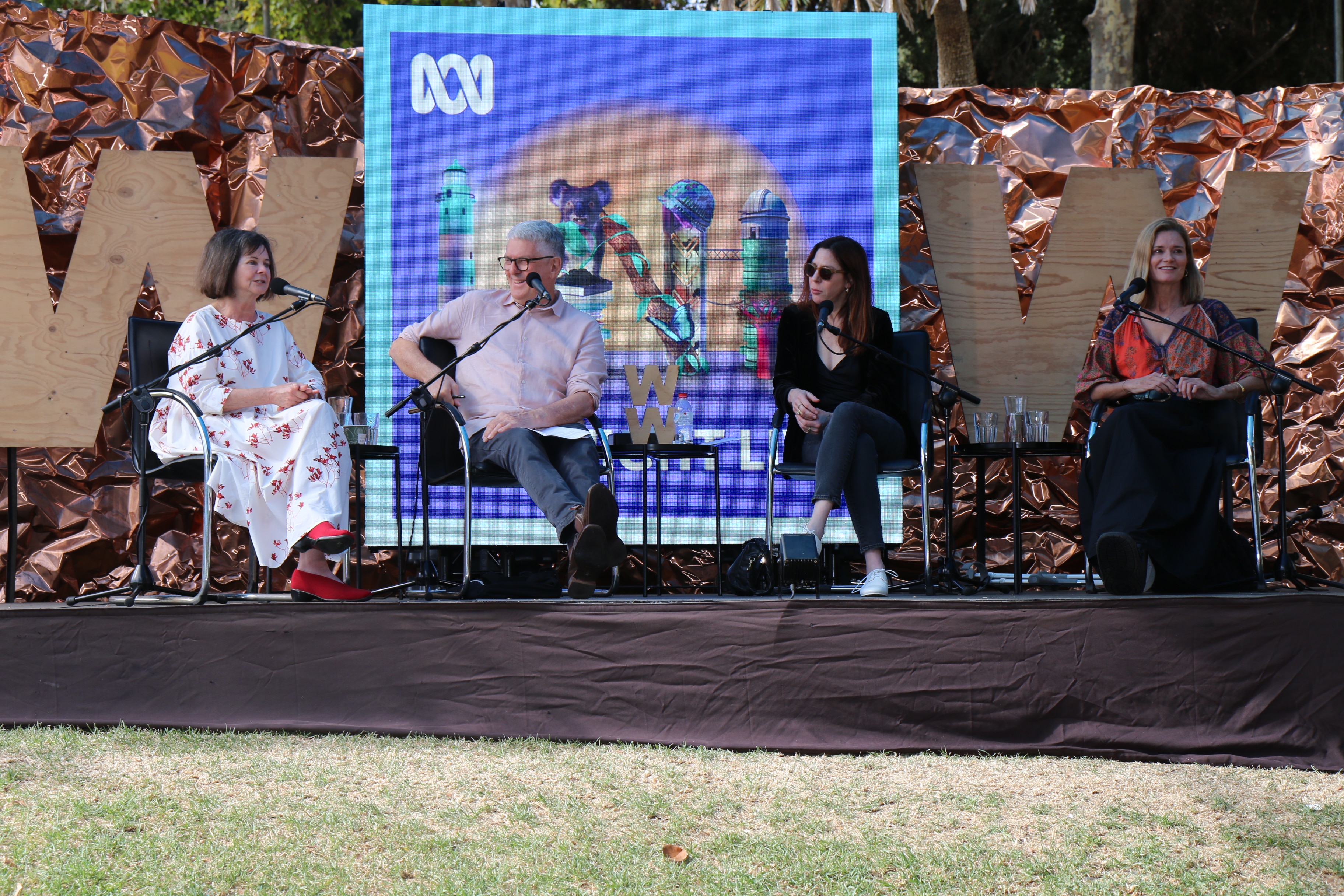
LNL Summer: Geraldine Brooks, Rachel Kushner and Julia Baird at Adelaide Writers Week 2025
Despite the promise that we were “all in it together”, the COVID-19 pandemic led to a flight from sociability. While that escape may have been a relief for some, has it intensified a culture of excessive individualism, narcissism, and disconnection from one another? Julia Baird, Geraldine Brooks and Rachel Kushner join David Marr in front of a live audience at Adelaide Writers' Week.
LNL Summer: Trump's war on journalism, plus Robert Dessaix's chameleonic life
Alan Rusbridger, the former editor in chief of The Guardian UK on Trump's push to silence dissenting voices in the media; and writer Robert Dessaix has a new memoir, Chameleon, in which he reflects on his many identities and his changing understandings of life. Originally broadcast on March 6, 2025
LNL Summer: Trans poet and comedian Alok Vaid-Menon on being banned by Trump
One of US President Donald Trump's first executive orders was to declare there are only two genders and to ban transgender women from participating in female sports. Trans poet and comedian Alok Vaid-Menon says people need to not only have compassion for transgender people, but for the people who are trying to deny their existence. And they're getting their message out through humour. Alok's show Biology is on Youtube.GUEST: Alok Vaid-Menon - comedian, poet and performance artist PRODUCER: Catherine Zengerer*This show originally aired on 27 February 2025
LNL Summer: The Aussies the union movement left behind, and what causes a society to collapse?
A new history of the union movement in Australia looks at those often left out of the picture: migrants, women, Indigenous Australians and LGBTQIA+ people. Plus, Cambridge scholar Luke Kemp and his historical autopsy of why societies collapse.
LNL Summer: Reckoning with the West, and radio propaganda wars in the Middle East
Journalist Omar El Akkad examines what he sees as the moral contradictions of the West in the face of the Gaza war. And historian Margaret Peacock traces the history of radio propaganda in the Middle East from 1940-1960.
LNL Summer: How Australia bought Pollock's 'Blue Poles', plus when America went hair crazy
Political reporter Tom McIlroy tells the story of Jackson Pollock's Blue Poles - the vast paint-splattered canvas, controversially acquired by the Whitlam government for Australia's new National Gallery in 1975. Plus, historian Sarah Gold McBride on 19th Century America's fixation on head and facial hair - believed to connote class and character.
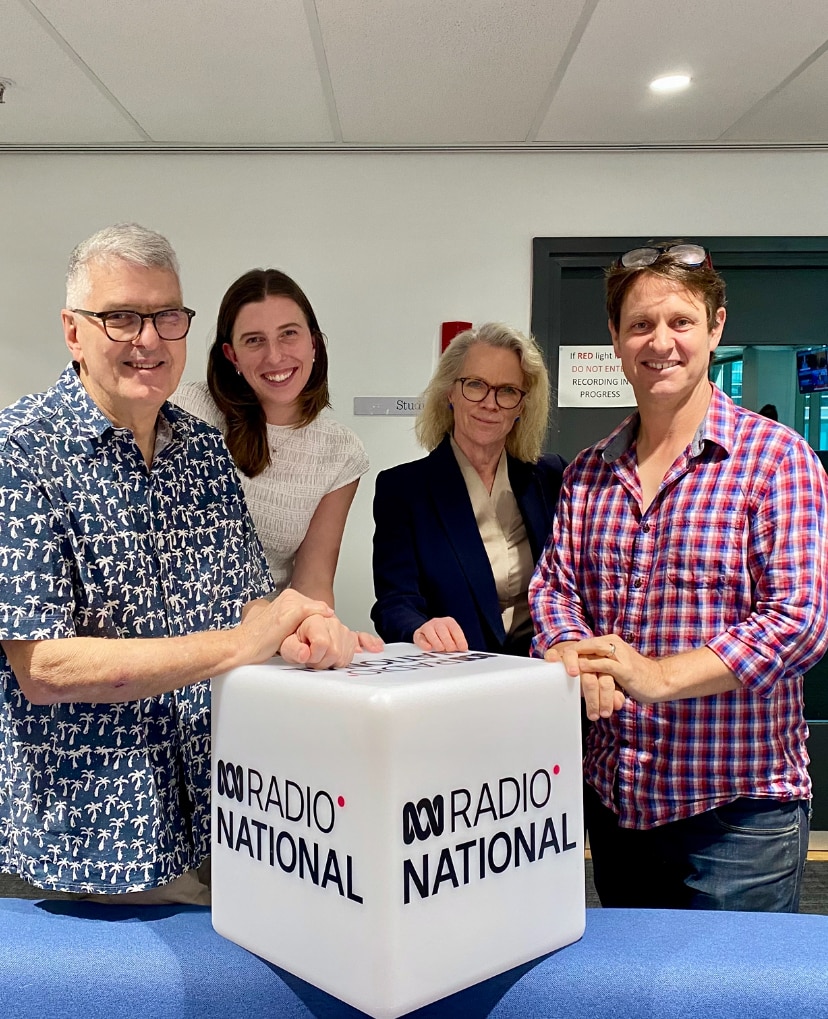
Laura Tingle, Hannah Ferguson and Craig Reucassel farewell 2025
David Marr is joined by Laura Tingle, Hannah Ferguson and Craig Reucassel to review the monumental year of 2025 - including its weirdest moments - and ask where Australia finds itself as another year looms. Guests:Laura Tingle, Global Affairs Editor, ABC (formerly Political Editor, 7.30)Hannah Ferguson, founder of Cheek Media, co host of Big Small TalkCraig Reucassel, presenter of ABC Radio Sydney 702 BreakfastProducer: Catherine Zengerer
Geoffrey Robertson on war crimes impunity, plus how bush medicine saved Allied soldiers in WWII
Renowned human rights lawyer Geoffrey Robertson KC says the killing of two people who survived a US strike on a speed boat off the coast of Venezuela in September is a war crime. Plus, how Indigenous knowledge was used to develop a seasickness pill for the Allied D-Day invasion.
Bruce Shapiro and Ian Dunt dissect a wild year in US and UK politics
Late Night Live regulars Bruce Shapiro (USA) and Ian Dunt (UK) reflect on a turbulent, torrid and at times bizarre year in politics on both sides of the Atlantic: from Trump's America to Keir Starmer's Britain.
Anna Henderson's Canberra, Indian Maoists surrender, plus are public pools doomed?
Anna Henderson looks at the government's control of defence budgets and the blossoming relationship between Pauline Hanson and Barnaby Joyce. In India the Maoist guerillas have surrendered after a fifty-year insurgency and it's a windfall for the Modi government in more ways than one. Plus Australia's public swimming pools are being neglected as Council budgets tighten and fewer people learn to swim.
Who was the oldest prisoner in history? Plus the breathtaking Birrundudu drawings revealed
Author and journalist Gideon Haigh uncovers the intriguing tale of Australian man William Richard Wallace - the oldest prisoner in recorded history. Wallace was a convicted murderer and spent most of his life in the J Ward facility for the criminally insane in Ararat, Victoria. He died behind bars at 106, in 1989. And the story of the extraordinary Birrundudu drawings - a collection of some 800 crayon drawings on brown paper, created by 16 Aboriginal stockmen in the remote Northern Territory in 1945, during a three-month encounter with two German anthropologists. .
Niki Savva on why the 2025 federal election was a political 'earthquake' in Australia
The veteran Canberra journalist Niki Savva dissects the monumental result of the 2025 federal election. Where has it left both the Coalition in opposition, and the Labor party in government? And what does the result says about the political attitudes of modern Australia?Guest: Niki Savva, author of Earthquake: the election that shook Australia, published by Scribe
What happened to Nauru's riches? Transgender troops fight Trump, plus the world's oldest prosthetics
Nauru briefly had one of the highest per-capita incomes on earth, thanks to phosphate mining - so where did all the money go? Transgender troops kicked out of the US army by Donald Trump take their fight to court. Plus, how ancient cultures made - and talked about - prosthetic limbs.
Anna Henderson's Canberra plus Netanyahu's political survival
Pauline Hanson's burka stunt stymies the Senate while the Labor government is deep in negotiations with the Greens and the Coalition to get changes to environment laws through before the end of the year. Plus how Benjamin Netanyahu has survived politically in what Aluf Benn, editor in chief of Haaretz, argues is “perhaps the greatest break with the status quo of Israeli history.”
Simon Winchester on wind: the invisble force that we can't live without
The acclaimed writer Simon Winchester turns his eye to the wind - the invisible force with the power to sustain, relieve, inspire, irritate and destroy us. From antiquity to today, we fear and revere the 'breath of the gods'. Plus, the bold Australian publication Quarterly Essay reaches its 100th edition.
Bruce Shapiro's USA, climate and slavery justice for Jamaica and feral foxes
Bruce Shapiro looks at why Donald Trump has finally agreed to release the Epstein files. After being devastated by yet another hurricane, Jamaica is seeking reparations for both climate havoc and the impact of slavery. And how foxes colonised Australia.
Helen Garner on Erin Patterson's trial and a lifetime of keeping diaries
Author Helen Garner sat through the trial of Erin Patterson, who was convicted of murdering members of her family with deadly mushrooms. She reflects on coming face to face with a murderer, her love of the courts, her faith and what happens when people have to face the consequences of their actions. Guest: Helen Garner, co-author of The Mushroom Tapes: Conversations about a Triple Murder Trial, with Chloe Hooper and Sarah Krasnostein, published by Text. And How to end a story — collected diaries 1978 to 1998Note: Erin Patterson is appealing her convictions, claiming there was a "substantial miscarriage of justice" during her trial.
Anna Henderson's Canberra, inside Myanmar's civil war, and traffic jams in space
After the Liberal Party joined the Nationals in ditching net zero, what is the fate of remaining Liberal Party moderates in city seats? A new documentary reveals the brutality of Myanmar's civil war, as an election looms. Plus, with evermore man-made materials in orbit, how is traffic managed in space?
Gareth Evans: Australia should do more on nuclear control, plus Joseph Stiglitz warns of 'inequality emergency'
As Russia and the US both threaten resume nuclear testing and China has tripled its stock of nuclear arms, former foreign minister Gareth Evans says Australia should lead a new arms control push. Plus economist Joseph Stiglitz is warning we are facing an “inequality emergency.”
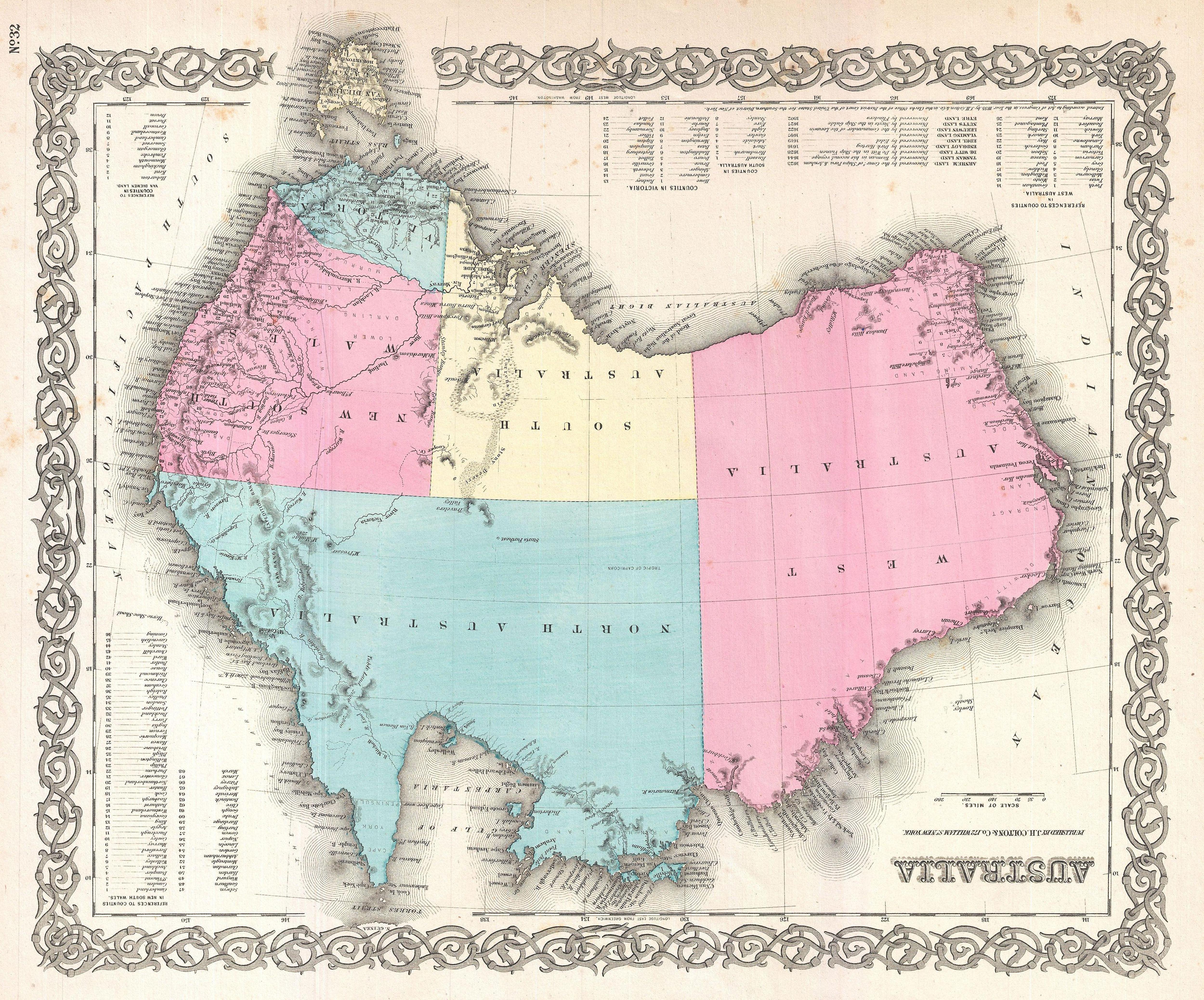
Henry Reynolds turns Australian history upside-down
The writing of Australian history has tended to focus on the south-eastern corner of the continent, but the story of colonisation north of the Tropic of Capricorn paints a vastly different picture of this country, its people, politics and ambitions. Guest: Henry Reynolds, historian and author of Looking from the North: Australian History from the Top Down
Ian Dunt's UK, police brutality in Brazil, and Australia's earliest computer
What caused the latest drama at the BBC, and what does it say about the state of British media? Ian Dunt explains. As Brazil tries to present its best side to the world during COP30, unrest is stirring in Rio de Janeiro. Rio's governor is undertaking a violent crackdown on gangs in the city's favelas, with a death toll in the hundreds. Then, on a happier note, Australia owns the oldest surviving computer in the world, CSIRAC, and the University of Melbourne is celebrating 70 year since computing classes were first taught on the machine.
Anna Henderson's Canberra, Sudan's genocidal gold rush and the missing dismissal footage mystery
The Liberal Party looks likely to drop their net zero policy this week, but what will that do for their base? At the heart of the genocide in Sudan is a fight for control of the country's gold mines, which is making the leader of the rebel forces very rich. Plus the mystery of the missing footage of the Whitlam government dismissal in 1975.
Do modern Liberals still back Whitlam's dismissal? Plus, the courageous life of 'Weary' Dunlop
50 years since the Governor-General sacked sitting Prime Minister Gough Whitlam, do modern Liberal MPs still back the Dismissal? Plus, Peter Fitzsimons pays tribute to the heroic war surgeon, Ernest 'Weary' Dunlop.
Bruce Shapiro on Mamdani's victory, Trump's ballroom blitz, plus an author's win over AI
New Yorkers have shaken the United States's political establishment and delivered 34-year-old socialist Zohran Mamdani a thumping victory in the city's contentious mayoral election. Bruce Shapiro breaks down the early results. And US President Donald Trump said he wouldn't touch the East Wing of the White House. It's now been flattened, and there are plans for a new ballroom to be built. Plus Andrea Bartz, the Queer thriller writer who took on an AI company and won.
The legacy of U Thant plus what Australia's earliest photographs can tell us
U Thant went from being a Buddhist teacher to playing a pivotal role in resolving some of the most dangerous international crises of his time as UN Secretary-General, so why has his legacy been over-looked? Plus what Australia's first photographs can tell us about early colonial life - and what they left out.
Anna Henderson's Canberra, banning kids from social media and cracking the Kryptos code
Anna Henderson looks at the political implications for both the Nationals and the Liberals of the Nats' decision to abandon its net zero policy. Can banning kids from social media really work, and will the big tech companies comply anyway? Plus the strange story of the CIA Kryptos code and why the answer is being auctioned off.
Francesca Albanese: Australia complicit in the Gaza genocide, plus how our polticians got hooked on gambling money
UN Special Rapporteur Francesca Albanese says that rather than ensuring Israel respects the basic human rights and self-determination of the Palestinian people, Western states - including Australia - have provided Israel with military, diplomatic, economic and ideological support. And investigative journalist Quentin Beresford examines the deep connections between the Labor party and the gambling industry in Australia.