
In Depth
185 episodes — Page 2 of 4
How to find — and keep — product-market fit | Bob Moore (Co-founder and CEO at Crossbeam, ex-RJMetrics and Stitch Data)
Bob Moore is the co-founder and CEO at Crossbeam, a “LinkedIn for data” platform that helps companies find overlapping opportunities with their partners. Crossbeam has raised US$117M to date and recently acquired Reveal in 2024. Bob previously cofounded RJMetrics (now part of Adobe Commerce Cloud) and Stitch Data (acquired by Talend). He is also the author of Ecosystem-Led Growth. In today’s episode, we discuss: The unique way he evaluated and validated startup ideas Lessons learned from falling in and out of product-market fit How to recognize and act on market shifts that impact your business Specific tactics for distribution and building with conviction vs. consensus Creating scalable and durable startups Unlocking network effects in software Getting mergers right – Referenced: Adobe’s acquisition of Magento: https://techcrunch.com/2018/05/21/adobe-to-acquire-magento-for-1-6-b/ Amazon Redshift: https://aws.amazon.com/redshift/ Chris Merrick: https://www.linkedin.com/in/merrickchristopher/ Crossbeam: https://www.crossbeam.com/ Crossbeam/Reveal merger: https://www.crossbeam.com/crossbeam-and-reveal-merger-announcement/ Ecosystem-Led Growth: https://www.robertjmoore.com/book Jake Stein: https://www.linkedin.com/in/jakestein/ Nick Mehta: https://www.linkedin.com/in/nickmehta/ Reveal: https://reveal.co/ Rick Nucci: https://www.linkedin.com/in/ricknucci/ RJMetrics: https://en.wikipedia.org/wiki/RJMetrics Simon Bouchez: https://www.linkedin.com/in/simonbouchez/ Stitch Data: https://www.stitchdata.com/ Talend’s acquisition of Stitch Data: https://www.businessinsider.com/talend-acquires-stitch-2018-11 The 4 Levels of PMF: https://pmf.firstround.com/levels – Where to find Bob Moore: LinkedIn: https://www.linkedin.com/in/robertjmoore/ Twitter/X: https://x.com/robertjmoore – Where to find Brett Berson: LinkedIn: https://www.linkedin.com/in/brett-berson-9986094/ Twitter/X: https://twitter.com/brettberson – Where to find First Round Capital: Website: https://firstround.com/ First Round Review: https://review.firstround.com/ Twitter/X: https://twitter.com/firstround YouTube: https://www.youtube.com/@FirstRoundCapital This podcast on all platforms: https://review.firstround.com/podcast – Timestamps: (00:00) Intro (02:44) Tactics for finding founder-market fit (06:17) Speaking to founders about startup ideas (11:16) Why founders loved Crossbeam (19:34) How RJMetrics found market fit then lost it (29:46) Lessons from RJMetrics’ exit (38:06) The importance of intellectual honesty (39:33) Building with conviction versus consensus (42:41) Lessons from a three-time founder (50:26) Building and distributing Crossbeam (57:58) The “joint jam” sales tactic (60:35) Unlocking network effects in a software business (63:27) Why Crossbeam merged with its competitor (72:51) Who had an outsized impact on Bob
Rebooting Intercom: Eoghan McCabe on Defying Silicon Valley Orthodoxy | Co-founder & CEO
Eoghan McCabe is the CEO and cofounder at Intercom, an AI customer service platform. Intercom has raised over $240M, and was last valued at $1.3B in 2018. After spending 9 years building the company, Eoghan left Intercom in 2020, but he’s since returned, reshaping Intercom and pioneering its pivot to an AI-first service. This episode highlights his unabashed takes on leaning into your intuition as a founder, and his perspectives on the critical junctures in company building. – In today’s episode, we also discuss: Eoghan's reflections since leaving Intercom The value of intuition and first-principles thinking The changes Eoghan made upon returning to Intercom How Eoghan increased Intercom's productivity by 41% Tactical advice on hiring top talent Why you can't make small improvements in big categories Crafting a culture of ruthless honesty and transparency Why software branding is in crisis – Referenced: 37signals: https://37signals.com Basecamp: https://basecamp.com Brian Halligan (HubSpot): https://www.linkedin.com/in/brianhalligan David Heinemeier Hansson (37signals, Basecamp): https://www.linkedin.com/in/david-heinemeier-hansson-374b18221 Intercom: https://www.intercom.com Jason Fried (37signals, Basecamp): https://www.linkedin.com/in/jason-fried Salesforce: https://www.salesforce.com Marc Benioff (Salesforce): https://www.linkedin.com/in/marcbenioff Zendesk: https://www.zendesk.com – Where to find Eoghan: LinkedIn: https://www.linkedin.com/in/eoghanmccabe/ Twitter/X: https://x.com/eoghan – Where to find Brett Berson: LinkedIn: https://www.linkedin.com/in/brett-berson-9986094/ Twitter/X: https://twitter.com/brettberson – Where to find First Round Capital: Website: https://firstround.com/ First Round Review: https://review.firstround.com/ Twitter/X: https://twitter.com/firstround YouTube: https://www.youtube.com/@FirstRoundCapital This podcast on all platforms: https://review.firstround.com/podcast – Timestamps 0:00:00 - Founder intuition vs. standard practice 0:25:00 - Silicon Valley knowledge loops 0:28:13 - Building an executive team 0:36:38 - Eoghan’s return to Intercom 0:42:02 - Transparent and honest leadership 0:46:42 - Changing Intercom’s strategy 0:54:22 - AI and category disruption 1:03:17 - How Intercom thinks about brand 1:10:40 - Eoghan’s inspirations

Inside marketing at Stripe, OpenAI and Retool | Krithika Muthukumar (VP of Marketing at OpenAI, ex-Stripe, Retool, Dropbox, Google)
Krithika Muthukumar is a marketing veteran. She is currently the VP of Marketing at OpenAI where she was the first marketing hire. Before that, she was Head of Marketing at Retool. Her longest tenure was at Stripe where she was hired as the first marketer and scaled with the company over nine years, from a 60-person team to 7500+. She began her career in Product Marketing at Google and Dropbox. – In today’s episode, we discuss: Marketing lessons from OpenAI, Stripe, and Retool The 3 pillars of Stripe’s approach to brand How to manage resource allocation as a marketer Adapting marketing strategy to different business models Advice for early marketing hires – Referenced: Coca-Cola AI-generated wish card campaign: https://theprint.in/ani-press-releases/coca-cola-ignites-diwali-celebrations-with-unique-personalized-ai-generated-wish-cards/1840093/ Cristina Cordova: https://www.linkedin.com/in/cristinajcordova/ Gong: https://www.gong.io/ Greg Brockman: https://www.linkedin.com/in/thegdb/ Kenzo Fong: https://www.linkedin.com/in/kenzofong/ Retool: https://retool.com/ Stripe’s “Capture the Flag” campaign: https://techcrunch.com/2012/08/22/stripes-capture-the-flag-2-0-a-hands-on-contest-for-app-developers-to-test-their-security-know-how/ Stripe Press: https://press.stripe.com/ Stripe Sigma: https://stripe.com/us/sigma Tanya Khakbaz: https://www.linkedin.com/in/tanya-khakbaz-a725732/ – Where to find Krithika Muthukumar: LinkedIn: https://www.linkedin.com/in/krithix/ Twitter/X: https://x.com/krithix – Where to find Brett Berson: LinkedIn: https://www.linkedin.com/in/brett-berson-9986094/ Twitter/X: https://twitter.com/brettberson – Timestamps: (00:00) Intro (02:43) Getting involved in Stripe (05:37) Evaluating success in product marketing (06:35) The 3 pillars of Stripe's approach to brand (12:10) Managing resource allocation as Stripe grew (17:22) How Stripe scaled taste (21:30) Were Stripe reviews micromanaging? (24:16) Marketing under founders with strong marketing skills (26:44) Advice for early marketing hires (31:52) Marketing at Retool vs Stripe (33:59) Marketing to mid-market vs SMB vs enterprise (37:02) Marketing programs that had an outsized impact (39:59) Marketing horizontal vs vertical products (43:20) Lessons from OpenAI (52:22) Inside OpenAI’s recent website relaunch (55:57) How OpenAI’s marketers use OpenAI tooling (59:53) When to start hiring marketers (61:34) How to screen early marketing hires (66:39) The biggest influences on Krithika's career (67:52) Outro
Developing technical taste: A guide for next-gen engineers | Sam Schillace (Deputy CTO at Microsoft, creator of Google Docs)
Sam Schillace is the CVP and Deputy CTO at Microsoft. Before Microsoft, Sam held prominent engineering roles at Google and Box. He has also founded six startups, including Writely, which was acquired by Google and became Google Docs. – In today’s episode, we discuss: Sam’s advice for future engineers What’s next for AI How to develop technical taste The importance of asking “what if” questions Lessons on market timing Scaling a software company in 2024 – Referenced: Amazon: https://amazon.com Box: https://www.box.com/ Elon Musk: https://twitter.com/elonmusk Google Docs: https://docs.google.com Itzhak Perlman: https://itzhakperlman.com/ Microsoft: https://www.microsoft.com Netflix: https://www.netflix.com Tesla: https://www.tesla.com/ The Innovator’s Dilemma: https://www.amazon.com.au/Innovators-Dilemma-Clayton-M-Christensen/dp/0062060244 TurboTax: https://turbotax.intuit.com/ Uber: https://www.uber.com/ Walmart: https://www.walmart.com/ Workday: https://www.workday.com/ Writely: https://techcrunch.com/2005/08/31/writely-process-words-with-your-browser/ – Where to find Sam Schillace: LinkedIn: https://www.linkedin.com/in/schillace/ Newsletter: https://sundaylettersfromsam.substack.com/ Twitter/X: https://twitter.com/sschillace – Where to find Brett Berson: LinkedIn: https://www.linkedin.com/in/brett-berson-9986094/ Twitter/X: https://twitter.com/brettberson – Where to find First Round Capital: Website: https://firstround.com/ First Round Review: https://review.firstround.com/ Twitter/X: https://twitter.com/firstround YouTube: https://www.youtube.com/@FirstRoundCapital This podcast on all platforms: https://review.firstround.com/podcast – Timestamps: (00:00) Introduction (02:54) Lessons on market timing (07:30) Developing technical taste (09:51) Asking “what if” questions (14:03) Building Google Docs (19:32) The decline of Google apps (20:57) The Innovator’s Dilemma facing Microsoft (22:53) The differences between Google and Microsoft (24:42) How to build a winning product (27:46) Becoming an optimist (29:12) Why engineering teams aren’t smaller (32:00) Sam’s prediction about AI (34:11) Capturing the value of AI (37:43) How you should think about AI (45:33) Advice for future engineers (48:18) What makes a great engineer (49:45) One thing the best engineers do (51:37) Microsoft’s new leverage (56:01) Scaling software in 2024 (59:50) The future of AI across several sectors (64:28) What Sam and a violinist have in common

How to build and scale winning marketplaces | Casey Winters (Eventbrite, Pinterest, Grubhub)
Casey Winters is a legendary advisor on scaling, product and growth. He’s worked with companies like Airbnb, Faire, Canva, Whatnot, Thumbtack, Tinder, and Reddit. Until recently, Casey was the Chief Product Officer at Eventbrite, and has also led growth and product teams at Pinterest and Grubhub. – In today’s episode, we discuss: What every marketplace founder should think about Why marketplaces are different Finding product market fit Key ingredients to scaling a marketplace Strategies for acquiring demand and supply – Referenced: Airbnb: https://airbnb.com/ Bill Gurley: https://www.linkedin.com/in/billgurley/ Blue Apron: https://www.blueapron.com/ Booking.com: https://www.booking.com/ DoorDash: https://www.doordash.com/ eBay: https://ebay.com/ Eventbrite: https://www.eventbrite.com/ Expedia: https://www.expedia.com/ Faire: https://www.faire.com/ Fermat Commerce: https://www.fermatcommerce.com/ Grubhub: https://www.grubhub.com/ Lyft: https://www.lyft.com/ Pinterest: https://www.pinterest.com/ Postmates: https://postmates.com/ Shopify: https://www.shopify.com/ Simon Rothman: https://www.linkedin.com/in/simonrothman/ Square: https://squareup.com/ Tony Xu: https://www.linkedin.com/in/xutony/ Turo: https://turo.com/ Uber: https://www.uber.com/ Zillow: https://www.zillow.com/ – Where to find Casey Winters LinkedIn: https://www.linkedin.com/in/caseywinters/ Twitter/X: https://twitter.com/onecaseman Website: https://caseyaccidental.com/ – Where to find Brett Berson: LinkedIn: https://www.linkedin.com/in/brett-berson-9986094/ Twitter/X: https://twitter.com/brettberson – Where to find First Round Capital: Website: https://firstround.com/ First Round Review: https://review.firstround.com/ Twitter/X: https://twitter.com/firstround YouTube: https://www.youtube.com/@FirstRoundCapital This podcast on all platforms: https://review.firstround.com/podcast – Timestamps: (00:00) Introduction (02:30) Ingredients for a successful marketplace (05:34) Creating scalable growth loops (08:42) Emerging marketplaces in 2024 (10:56) 2 ways to acquire supply and demand (15:39) What’s unique about building a marketplace (18:27) When to focus on the demand side (23:10) Who to hire (26:22) Finding sticky customers (26:27) What Grubhub should’ve done (30:19) Uber versus Lyft (34:23) One thing all marketplace founders should know (34:45) Finding product market fit (40:45) Single versus multi-category marketplaces (43:02) When to expand (44:22) The best low-frequency marketplace (46:00) The product is supply, not software (50:48) No value in car-sharing (56:11) Improving supply and demand over time (61:04) The “setup, aha, and habit” framework (66:27) Avoid these marketplace mistakes (71:16) 2 people who influenced Casey’s thinking
Lessons from Sentry on scaling DevTools and finding product market fit (again) | Milin Desai (Sentry, VMware, Riverbed)
Milin Desai is the CEO at Sentry, an application monitoring tool for developers. Sentry has recently passed two key milestones: 100K customers and over $100M in ARR. Before Sentry, Milin was a GM at VMware and scaled their cloud networking into a billion-dollar business. Prior to stepping into leadership roles, Milin was a PM at Riverbed and a software engineer at Veritas. — In today’s episode, we discuss: The key ingredients of Sentry’s success Sentry’s developer-centric approach Lessons on pricing, packaging, and product from VMware Being an external CEO at a startup Forging successful relationships with founders — Referenced: Building for the Fortune 500,000: https://blog.sentry.io/building-for-the-fortune-500-000/ Carl Eschenbach: https://www.linkedin.com/in/carl-eschenbach-980543/ Chris Jennings: https://www.linkedin.com/in/chriskjennings/ David Cramer: https://www.linkedin.com/in/dmcramer/ FRC’s product market fit framework: https://pmf.firstround.com/ Martin Casado: https://www.linkedin.com/in/martincasado/ Pat Gelsinger: https://www.linkedin.com/in/patgelsinger/ Raghu Raghuram: https://www.linkedin.com/in/raghuraghuram/ Riverbed: https://www.riverbed.com/ Sentry: https://sentry.io/ Todd Bazakas: https://www.linkedin.com/in/todd-bazakas-b5a2533/ Veritas: https://www.veritas.com/ VMware: https://www.vmware.com/ — Where to find Milin Desai: LinkedIn: https://www.linkedin.com/in/milin-desai-464757/ Twitter/X: https://twitter.com/virtualmilin — Where to find Brett Berson: LinkedIn: https://www.linkedin.com/in/brett-berson-9986094/ Twitter/X: https://twitter.com/brettberson — Where to find First Round Capital: Website: https://firstround.com/ First Round Review: https://review.firstround.com/ Twitter/X: https://twitter.com/firstround YouTube: https://www.youtube.com/@FirstRoundCapital This podcast on all platforms: https://review.firstround.com/podcast — Timestamps: (00:00) Introduction (03:03) Joining Sentry as an external CEO (06:27) The CEO/founder relationship (09:37) Lessons from VMware (13:04) What PMs did differently at VMware (18:04) Becoming the need, not the want (20:53) Scaling Sentry (23:07) Building for the “Fortune 500,000” (27:02) Open versus closed source product (30:43) The key ingredients to Sentry’s success (36:21) How Milin updated his playbook at Sentry (38:49) Focus on packaging, not pricing (40:29) “Build for the many, not the few” (41:53) Sentry’s B2D model (45:10) The second product mindset (51:03) Contrarian take on building for enterprise (52:50) Several people who influenced Milin
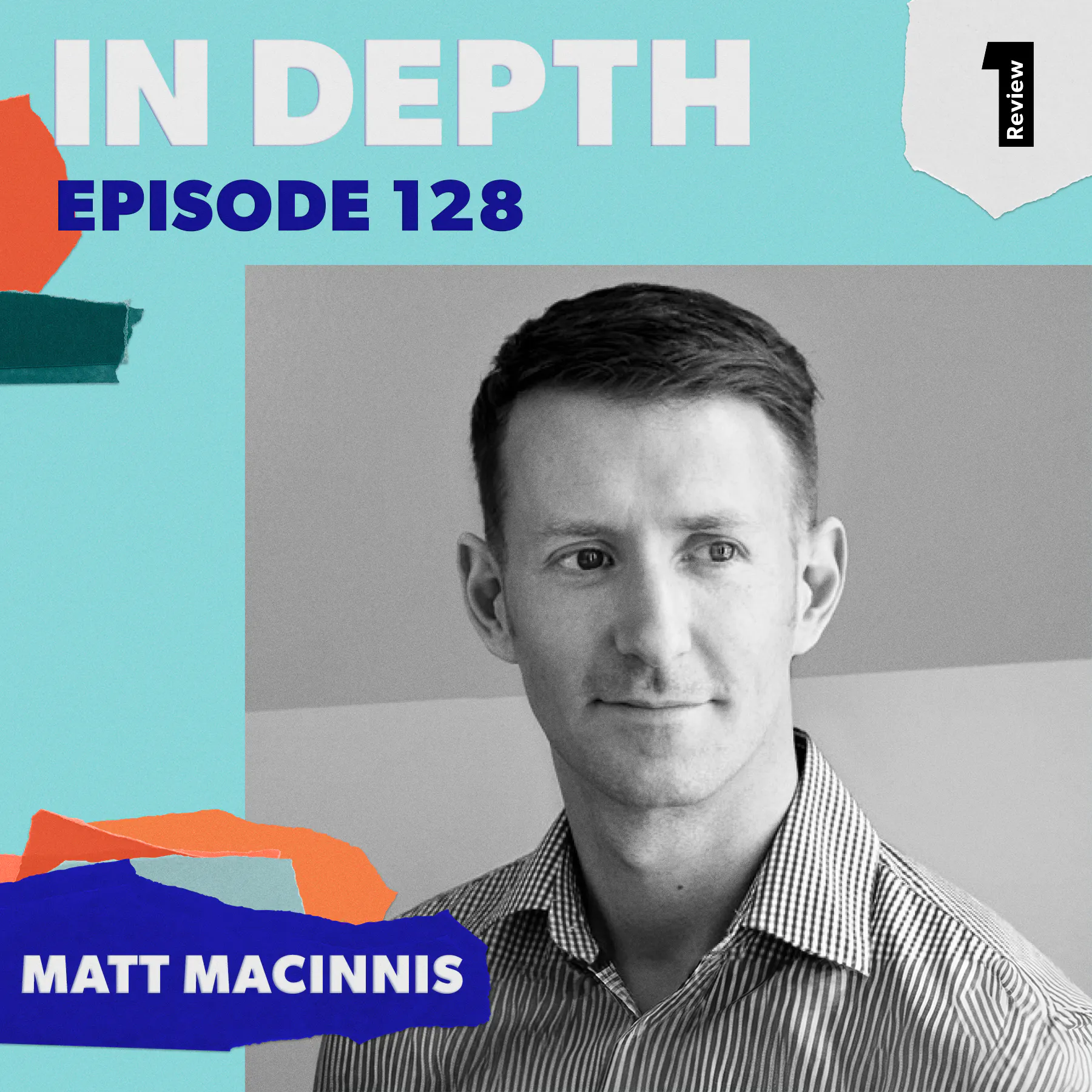
How to be effective up and down the org chart | Matt MacInnis (Rippling, Inkling, Apple)
Matt MacInnis is the COO at Rippling, an all-in-one HR, IT, and finance platform for businesses, which last raised $500M at a $11.25B valuation. Before Rippling, Matt was the co-founder and CEO at Inkling, a mobile learning platform that was acquired in 2018. He also held several management roles at Apple. — In today’s episode, we discuss: Lessons on culture, org-design, and product from Rippling Characteristics of great CEOs How to a better executive leader Leading with kindness and impatience How to fight entropy — Referenced: Andy Roddick: https://www.atptour.com/en/players/andy-roddick/r485/overview Apple: https://www.apple.com Bain & Company: https://www.bain.com/ Bill Campbell: https://en.wikipedia.org/wiki/Bill_Campbell_(business_executive) Conscious Business: https://www.amazon.com.au/Conscious-Business-Build-Value-Through/dp/1622032020 Google: https://www.google.com Inkling: https://www.inkling.com/ McCaw Cellular: https://en.wikipedia.org/wiki/McCaw_Cellular_Communications McKinsey: https://www.mckinsey.com/ Microsoft: https://www.microsoft.com Oracle: https://www.oracle.com Parker Conrad: https://www.linkedin.com/in/parkerconrad/ Peter Currie: https://en.wikipedia.org/wiki/Peter_Currie_(businessman) Rippling: https://www.rippling.com The Effective Executive: https://www.amazon.com.au/Effective-Executive-Peter-Ferdinand-Drucker/dp/0060833459 — Where to find Matt MacInnis: LinkedIn: https://www.linkedin.com/in/macinnis/ Twitter/X: https://twitter.com/stanine — Where to find Brett Berson: LinkedIn: https://www.linkedin.com/in/brett-berson-9986094/ Twitter/X: https://twitter.com/brettberson — Where to find First Round Capital: Website: https://firstround.com/ First Round Review: https://review.firstround.com/ Twitter/X: https://twitter.com/firstround YouTube: https://www.youtube.com/@FirstRoundCapital This podcast on all platforms: https://review.firstround.com/podcast — Timestamps: (00:00) Introduction (02:14) Great CEOs don’t worry about their weaknesses (06:31) The third-time founder mindset (08:09) Why every great CEO is impatient (11:54) How executives fight entropy (19:11) Experience ≠ wisdom (21:26) Managing workplace politics (24:02) Why all businesses should dogfood (26:20) Overseeing employee expenses (27:43) The best CEOs don’t need coaching (29:55) The hidden cost of advice (40:40) Why execs are “tortured but happy” (44:16) Clear versus first principles thinking (51:09) Finding first principles thinkers (53:13) Why people overcomplicate culture (55:53) Don’t make this mistake when interviewing (59:26) The importance of anti-patterns (61:27) Important business values (63:28) How Matt thinks about output (66:33) Rippling’s key leadership principle (71:02) Why kindness matters (72:03) Freeing yourself from self-doubt
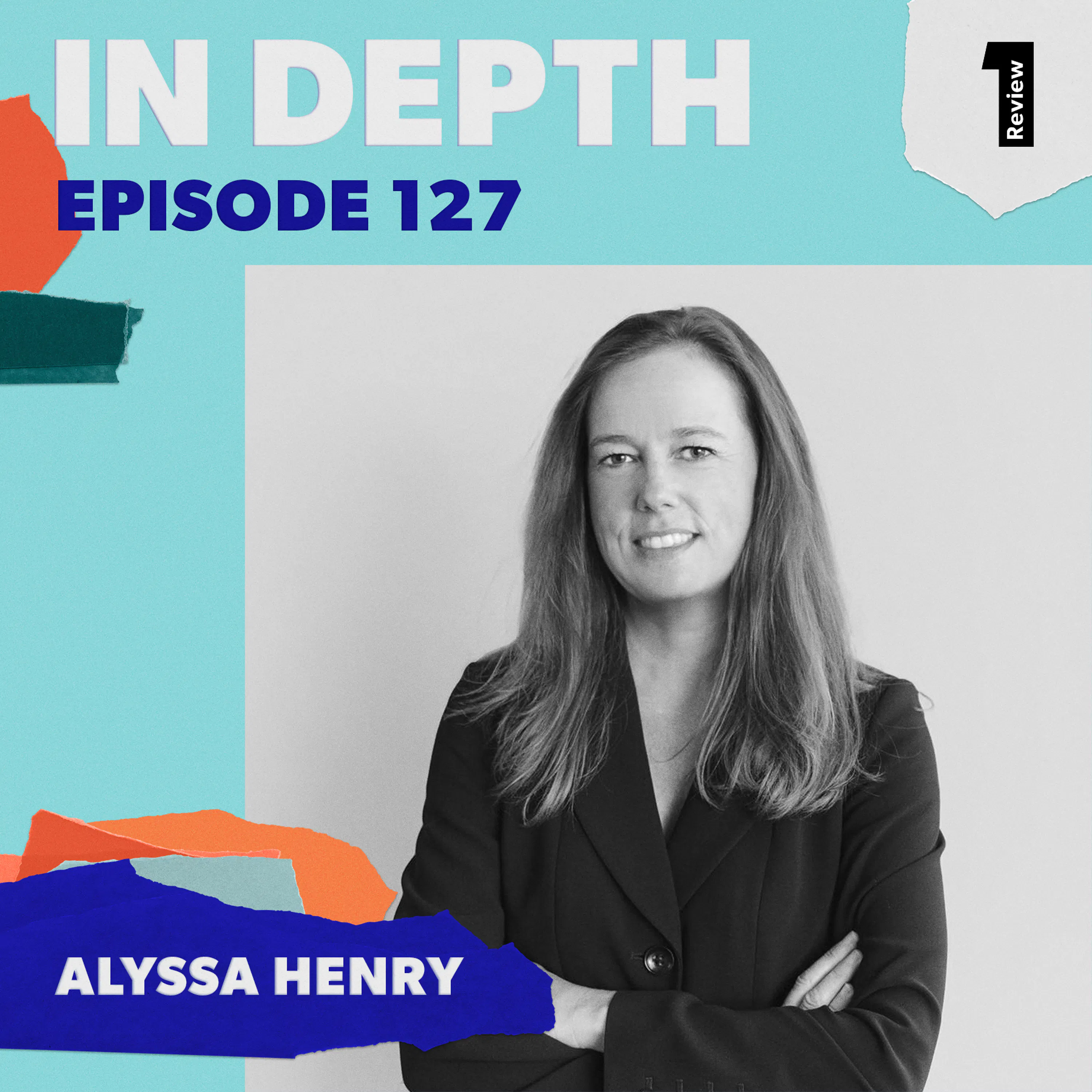
Timeless lessons on running software companies that endure | Alyssa Henry (Square, Amazon, Microsoft)
Alyssa Henry is the former CEO of Square, a financial services company providing products and services used by over 4 million merchants. Formerly at Amazon, Alyssa led the development and growth of Simple Storage Service (S3) at AWS. Alyssa now serves as an Independent Director at Intel and Confluent. — In today’s episode, we discuss: Lessons from Amazon, Microsoft, and Square “Minimum Remarkable Products” versus Minimum Viable Products Navigating different work cultures in big tech Insider reactions to the disruptive launch of AWS “Pioneer” versus “fast-follower” companies — Referenced: Amazon: https://www.amazon.com Amazon Web Services: https://aws.amazon.com Bill Gates: https://www.linkedin.com/in/williamhgates Block, Inc: https://block.xyz Cash App: https://cash.app Fast Company - Back To Square One: https://www.fastcompany.com/3033412/back-to-square-one Gokul Rajaram: https://www.linkedin.com/in/gokulrajaram1 Jack Dorsey: https://twitter.com/Jack James Hamilton: https://www.linkedin.com/in/jameshamilton4 Jeff Bezos: https://twitter.com/jeffbezos Microsoft: https://www.microsoft.com Oracle Corporation: https://www.oracle.com Sarah Friar: https://www.linkedin.com/in/sarah-friar Square: https://squareup.com Tom Szkutak: https://www.linkedin.com/in/tom-szkutak-4b59817 WSJ - Mobile-Payments Startup Square Discusses Possible Sale: https://www.wsj.com/articles/SB10001424052702303825604579513882989476424 — Where to find Alyssa Henry: LinkedIn: https://linkedin.com/in/alyssa-henry-0905692 Twitter/X: https://twitter.com/alyssahhenry — Where to find Brett Berson: LinkedIn: https://www.linkedin.com/in/brett-berson-9986094/ Twitter/X: https://twitter.com/brettberson — Where to find First Round Capital: Website: https://firstround.com/ First Round Review: https://review.firstround.com/ Twitter: https://twitter.com/firstround YouTube: https://www.youtube.com/@FirstRoundCapital This podcast on all platforms: https://review.firstround.com/podcast — Timestamps: (00:00) Introduction (02:20) Lessons from Microsoft and Amazon (08:29) Noticeable consistencies in the human condition (10:50) Differences in culture at Amazon, Microsoft and Square (13:27) Why “customers come first,” even above employees and community (14:01) Why fast-followers can be less customer-focused (15:50) The challenge of commercializing research projects (18:58) Joining Square and “building a picture” of the org (24:55) Knowing what to replicate from past companies (27:45) Questioning norms in new companies (28:41) The importance of effective communication systems (31:31) How to operationalize company values (33:38) Why shared beliefs are crucial for good company culture (37:05) Building Minimal Remarkable Products at Square (38:13) How to scale an aesthetic (42:46) Org design lessons from Square (50:06) How to align different teams behind business priorities (52:57) Lessons learned from fierce competition (57:39) The “fast follower” vs “pioneer” playbook (61:05) The original thinking behind AWS (66:08) The unlikely origin of Amazon CloudFront and other products (73:47) How Jeff Bezos influenced Alyssa
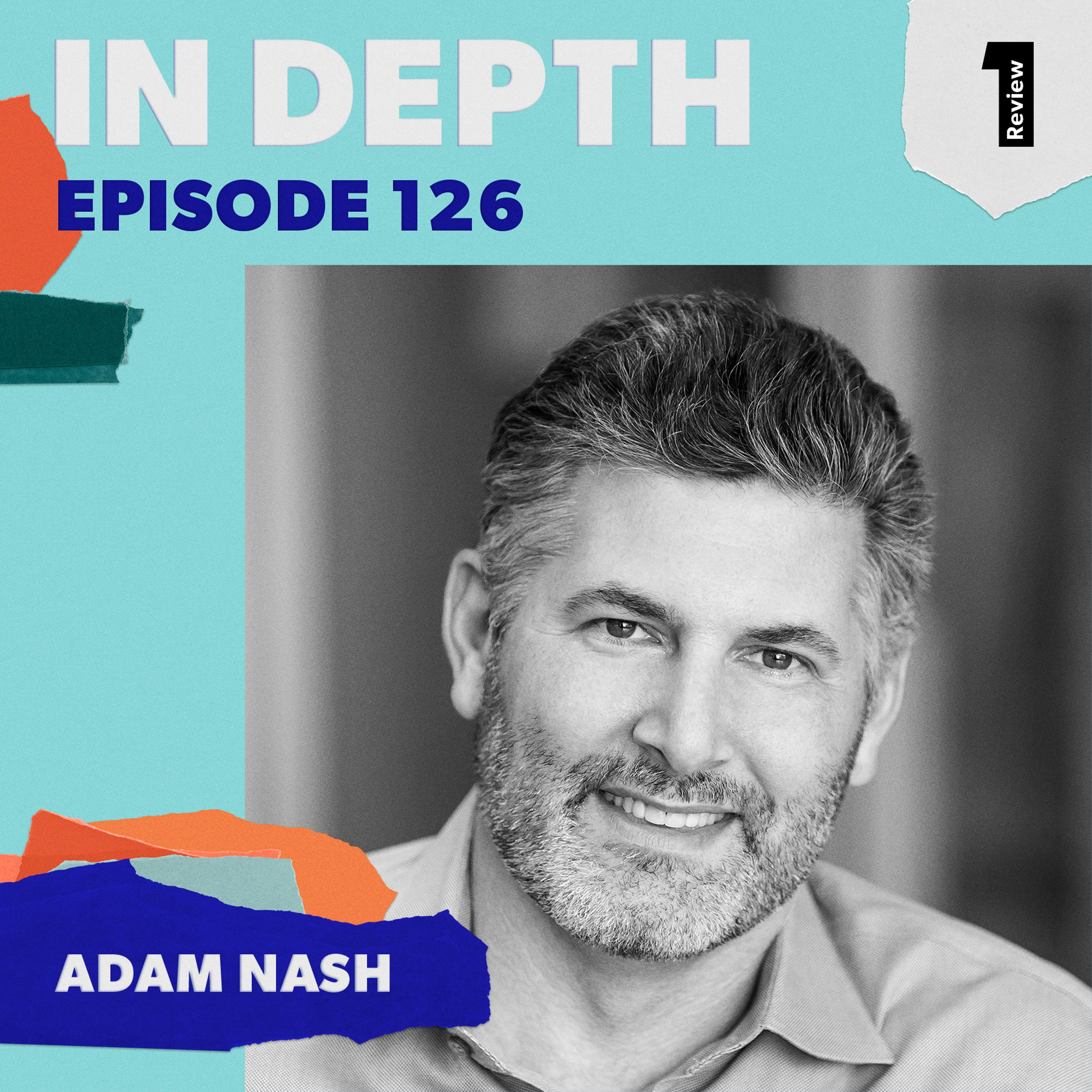
Building products that delight customers | Adam Nash (Daffy, Wealthfront, LinkedIn, eBay, Apple)
Adam Nash is the co-founder and CEO at Daffy, a platform that makes it easier to donate to charities and non-profits. Before Daffy, Adam was the President and CEO at Wealthfront, where he scaled the company’s assets under management from $100M to over $4B. Adam has also held leadership and technical roles at Dropbox, LinkedIn, eBay, and Apple. — In today’s episode, we discuss: Why founders should build platforms, not apps The importance of “delighting” customers How Daffy is disrupting donor-advised-funds Lessons on strategy from LinkedIn How to think about leadership transitions — Referenced: Andy Rachleff: https://www.linkedin.com/in/rachleff/ Bill Gates: https://www.linkedin.com/in/williamhgates/ Daffy: https://www.daffy.org/ Daffy’s 2023 Year in Review: https://www.daffy.org/resources/year-in-review-2023 eBay: https://www.ebay.com/ Jeff Weiner: https://www.linkedin.com/in/jeffweiner08/ Reid Hoffman: https://www.linkedin.com/in/reidhoffman/ Robinhood: https://robinhood.com/ Ryan Roslansky: https://www.linkedin.com/in/ryanroslansky/ The Innovator’s Dilemma: https://www.amazon.com/Innovators-Dilemma-Clayton-M-Christensen/dp/0062060244 Tim Cook: https://www.apple.com/leadership/tim-cook/ Wealthfront: https://www.wealthfront.com/ — Where to find Adam Nash: LinkedIn: https://www.linkedin.com/in/adamnash/ Twitter/X: https://twitter.com/adamnash — Where to find Brett Berson: LinkedIn: https://www.linkedin.com/in/brett-berson-9986094/ Twitter/X: https://twitter.com/brettberson — Where to find First Round Capital: Website: https://firstround.com/ First Round Review: https://review.firstround.com/ Twitter: https://twitter.com/firstround YouTube: https://www.youtube.com/@FirstRoundCapital This podcast on all platforms: https://review.firstround.com/podcast — Timestamps: (00:00) Introduction (02:08) Why the last 10 years have been less disruptive (06:15) Why we think about luck wrong (08:39) How eBay survived the dot com bubble (14:37) The value of building platforms, not apps (22:18) What made LinkedIn successful (27:31) Good company strategy = good product strategy (30:58) Setting LinkedIn’s strategy in 2009 (36:41) Why KaChing didn’t work (40:56) Pivoting to Wealthfront (43:23) Universal lesson on customer acquisition (45:11) Treating growth like a product problem (49:01) Advice on successful leadership transitions (54:20) How to delegate moral authority (60:24) The problem with metrics and customer requests (66:41) Apple’s approach to “delighting” customers (69:16) The 70/20/10 rule you’ve never heard about (70:29) How Daffy ships “delight features”
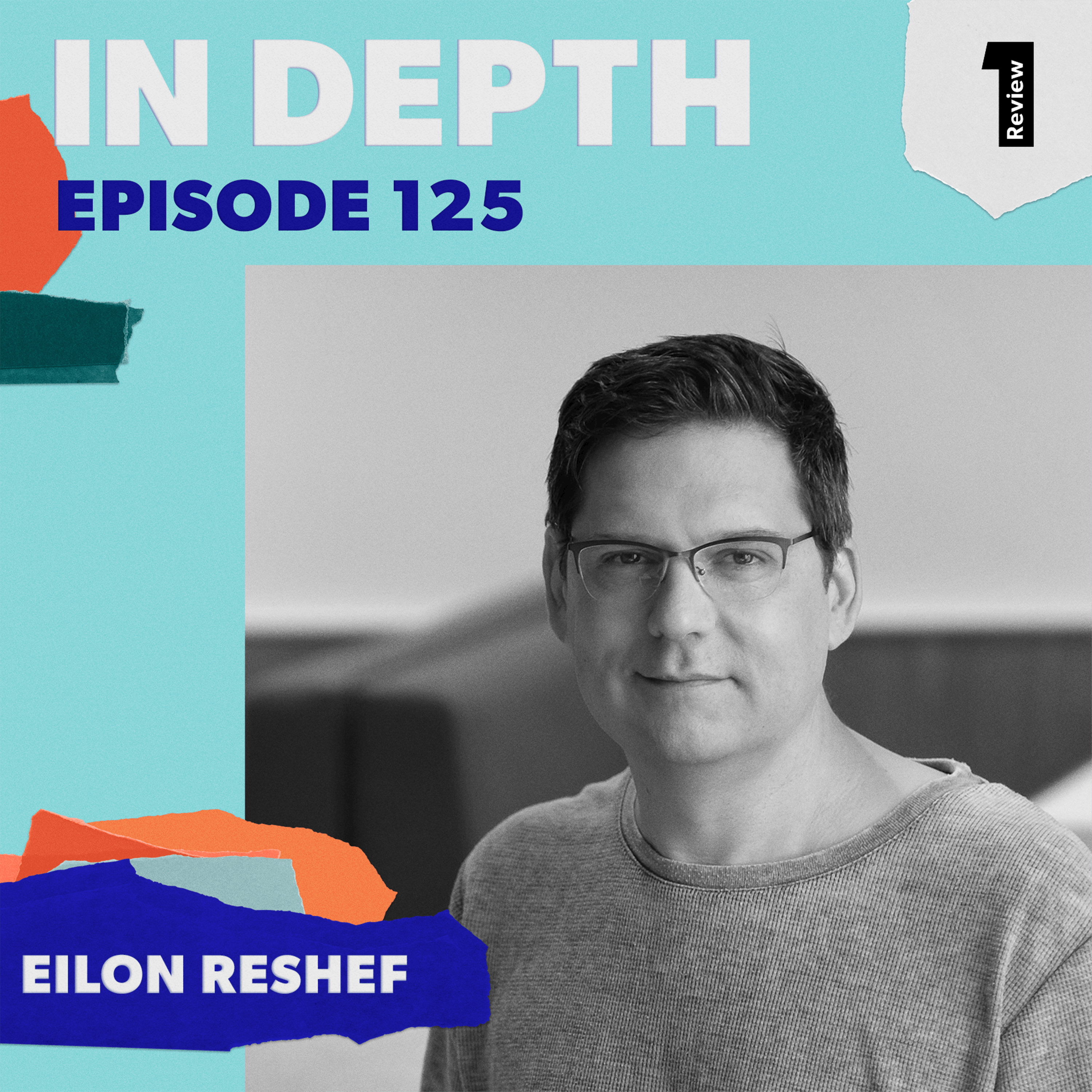
A masterclass in founder conviction | Eilon Reshef (Co-founder and CPO at Gong)
Eilon Reshef is the co-founder and CPO at Gong, an AI-powered platform that tracks, records, and analyzes sales calls to drive revenue growth. In 2021, Gong raised $250M at a $7.25B valuation. Gong was one of the fastest SaaS companies to hit $100m ARR, and now has over 4000 customers. Before Gong, Eilon sold his previous e-commerce startup, Webcollage. — In today’s episode, we discuss: Why Eilon was so bullish on recording sales calls How Gong knew they had product market fit The importance of design partners Expanding into multi-product offerings Lessons from riding the AI wave since 2015 The future of AI in B2B sales efficiency — Referenced: Act-On Software: https://act-on.com/ Amit Bendov: https://www.linkedin.com/in/amitbendov/ BlueJeans: https://www.bluejeans.com/ Crossing the Chasm: https://www.amazon.com/Crossing-Chasm-3rd-Geoffrey-Moore/dp/0062292986 Gong: https://www.gong.io/ Mistral: https://mistral.ai/ OpenAI: https://openai.com/ Salesforce: https://salesforce.com/ Webcollage: https://www.crunchbase.com/organization/webcollage Webex: https://www.webex.com/ Zoom: https://zoom.us/ — Where to find Eilon Reshef: LinkedIn: https://www.linkedin.com/in/eilonreshef/ — Where to find Todd Jackson: LinkedIn: https://www.linkedin.com/in/toddj0/ Twitter/X: https://twitter.com/tjack — Where to find First Round Capital: Website: https://firstround.com/ First Round Review: https://review.firstround.com/ Twitter: https://twitter.com/firstround YouTube: https://www.youtube.com/@FirstRoundCapital This podcast on all platforms: https://review.firstround.com/podcast — Timestamps: (00:00) Introduction (02:32) Eilon’s unwavering conviction in Gong (09:34) Initial reactions to Gong’s demo (13:48) Keeping the beta lean (15:33) Gong’s monetization strategy (16:38) Early signs of product market fit (18:14) The importance of design partners to Gong’s growth (21:52) Why VCs were afraid to invest (23:43) Reaching 100 customers (26:10) Eilon’s unique product roadmap framework (28:22) Going from $2M to $9M ARR in one year (29:02) The journey to multi-product (30:52) How Gong measures success (34:07) Lessons from building AI products for sales (37:45) Predicting the future of B2B sales (38:48) The concept of “raving fans” (39:31) Why it’s “easier” for second-time founders (42:00) Eilon’s favorite books (42:45) Gong in 2024
Essential lessons for building and scaling DevTools | Dennis Pilarinos (Unblocked, Apple, Amazon, Buddybuild, Microsoft)
Dennis Pilarinos is the founder and CEO at Unblocked, a developer tool that lets you talk to your codebase. In 2018, Dennis’ first company, Buddybuild, was acquired by Apple, and he was subsequently appointed Director of Development Technologies. Before that, Dennis was a Senior Director at AWS and a Director at Microsoft. — In today’s episode, we discuss: Lessons on culture and product from Amazon, Apple, and Microsoft Building and scaling DevTools Finding product market fit and monetizing it Why AI is complicating product market fit How Dennis prioritizes mental health as a founder The common mistake people make when hiring — Referenced: Apple’s acquisition of Buddybuild: https://www.cnbc.com/2018/01/02/apple-agrees-to-buy-buddybuild.html AWS: https://aws.amazon.com Bitbucket: https://bitbucket.org Confluence: https://www.atlassian.com/software/confluence GitHub: https://github.com GitLab: https://gitlab.com Looker: https://looker.com Microsoft Azure: https://azure.microsoft.com Stewart Butterfield: https://www.linkedin.com/in/butterfield/ Stripe: https://stripe.com Twilio: https://twilio.com Unblocked: https://getunblocked.com/ — Where to find Dennis Pilarinos: LinkedIn: https://www.linkedin.com/in/dennispi Twitter/X: https://twitter.com/dennispilarinos — Where to find Brett Berson: LinkedIn: https://www.linkedin.com/in/brett-berson-9986094/ Twitter/X: https://twitter.com/brettberson — Where to find First Round Capital: Website: https://firstround.com/ First Round Review: https://review.firstround.com/ Twitter: https://twitter.com/firstround YouTube: https://www.youtube.com/@FirstRoundCapital This podcast on all platforms: https://review.firstround.com/podcast — Timestamps: (00:00) Introduction (02:18) Why building for developers is different (07:28) Buddybuild’s origin story (10:40) Early signs of product market fit (12:22) Managing mental health as a second-time founder (21:09) Building and scaling Unblocked (29:52) Dennis’ cautious take on AI (34:20) Being customer-obsessed (35:25) Unblocked’s decision-making process (38:31) Don’t over-index on competency when hiring (43:36) Why great product is everything (45:41) Monetizing product market fit (48:21) The power of positioning (51:48) Why Dennis doesn’t do demos (54:45) How to deal with customer feedback (57:29) Stewart Butterfield’s impact on Dennis
Scaling and selling AI products for enterprise | May Habib (Co-founder and CEO of Writer)
May Habib is the co-founder and CEO of Writer, a full-stack generative AI platform built for enterprises. The model is trained on a customer’s own data to create content that is consistent with their brand style and voice. Writer recently raised $100M at a valuation of around $500M. Prior to Writer, May co-founded Qordoba, an AI writing assistant. — In today’s episode, we discuss: Advice for AI founders in 2024 Why it’s difficult to scale AI products for enterprise The secret to finding champions Signs of a healthy co-founder relationship The future of agentic AI — Referenced: Accenture: https://www.accenture.com ChatGPT: https://chat.openai.com/ Dropbox: https://www.dropbox.com Goldman Sachs: https://www.goldmansachs.com/ Grammarly: https://www.grammarly.com Jill Kramer: https://www.linkedin.com/in/jill-kramer-64230840/ L’Oreal: https://www.loreal.com/ Northwestern Mutual: https://www.northwesternmutual.com/ Palmyra: https://writer.com/blog/palmyra/ Retrieved Augmented Generation: https://blogs.nvidia.com/blog/what-is-retrieval-augmented-generation/ United Healthcare: https://www.uhc.com/ Vanguard: https://global.vanguard.com/ Waseem Alshikh: https://www.linkedin.com/in/waseemalshikh/ Writer: https://writer.com/ — Where to find May Habib: LinkedIn: https://www.linkedin.com/in/may-habib/ Twitter/X: https://twitter.com/may_habib — Where to find Todd Jackson: LinkedIn: https://www.linkedin.com/in/toddj0/ Twitter/X: https://twitter.com/tjack — Where to find First Round Capital: Website: https://firstround.com/ First Round Review: https://review.firstround.com/ Twitter: https://twitter.com/firstround YouTube: https://www.youtube.com/@FirstRoundCapital This podcast on all platforms: https://review.firstround.com/podcast — Timestamps: (00:00) Introduction (02:34) Writer’s origin story (06:30) Building a full-stack generative AI platform for enterprise (11:56) The #1 challenge building Writer (15:41) Writer’s approach to finding champion customers (20:29) How Writer is winning the enterprise space (27:11) Signs Writer found product-market-fit (29:26) Scaling LLMs for specific use cases (31:53) Writer’s goals for 2024 (33:57) Advice for 0 to 1 founders (35:53) Creating a culture of “connect, challenge, and own”
The secret lever Replit pulled to scale ahead of its competition | Amjad Masad (Co-founder and CEO)
Amjad Masad is the co-founder and CEO of Replit, an online platform designed for collaborative coding in multiple programming languages. Replit boasts over 30m users, has secured $200M in venture funding, and was recently valued at $1.2B. Before Replit, Amjad was a Software Engineer at Facebook, and a Founding Engineer at Codecademy. — In today’s episode, we discuss: How AI is reshaping the software landscape Bridging the gap between ideas and software Why YC almost rejected Replit four times Replit’s fundraising difficulties, and how Paul Graham helped The secret lever Replit pulled to scale ahead of its competition Replit’s impressive distribution engine — Referenced: 7 Powers: https://www.amazon.com/7-Powers-Foundations-Business-Strategy/dp/0998116319/ Codecademy: https://www.codecademy.com/ Hacker News: https://news.ycombinator.com/ I Am a Strange Loop: https://www.amazon.com/Am-Strange-Loop-Douglas-Hofstadter/dp/0465030793 Mythical Man-Month: https://www.amazon.com/Mythical-Man-Month-Software-Engineering-Anniversary/dp/0201835959 On the Naturalness of Software: https://people.inf.ethz.ch/suz/publications/natural.pdf OpenAI: https://openai.com/ Paul Graham: https://twitter.com/paulg Python: https://www.python.org/ Read Write Own: https://www.amazon.com/Read-Write-Own-Building-Internet/dp/0593731387/ Replit: https://replit.com/ Roy Bahat: https://www.linkedin.com/in/roybahat/ Sam Altman: https://twitter.com/sama The Innovator’s Dilemma: https://www.amazon.com/Innovators-Dilemma-Technologies-Management-Innovation/dp/1633691780/ The Little Schemer: https://www.amazon.com/Little-Schemer-Daniel-P-Friedman/dp/0262560992/ Y Combinator: https://www.ycombinator.com/ — Where to find Amjad Masad: LinkedIn: https://www.linkedin.com/in/amjadmasad Twitter/X: https://twitter.com/amasad — Where to find Todd Jackson: LinkedIn: https://www.linkedin.com/in/toddj0/ Twitter/X: https://twitter.com/tjack — Where to find First Round Capital: Website: https://firstround.com/ First Round Review: https://review.firstround.com/ Twitter: https://twitter.com/firstround YouTube: https://www.youtube.com/@FirstRoundCapital This podcast on all platforms: https://review.firstround.com/podcast — Timestamps: (00:00) Introduction (02:31) Replit’s origin story (08:24) Starting Facebook’s JavaScript infrastructure team (10:36) Amjad’s unique path to entrepreneurship (16:04) How Replit got its early users (17:00) Replit’s fundraising difficulties (17:54) Why YC almost rejected Replit four times (20:23) Building Replit’s distribution engine (22:08) Drivers of Replit’s growth (27:41) What Silicon Valley gets wrong (30:09) Replit’s monetization strategy (32:29) Integrating AI into the platform (36:18) The impact of AI on software engineering (39:40) Defining the new “software creator” role (41:43) How to keep up with developments in AI (46:24) Replit’s goals for 2024 (48:11) Advice for founders: defy conventional wisdom (51:12) Amjad’s 4 favorite books
Lessons from Gusto & Square on finding your product wedge | Michael Cieri
Michael Cieri is the Chief Product Officer at Gusto, an HR and payroll platform used by more than 300,000 businesses. With a decade of experience, he has led successful SMB product development and scaled high-performing orgs. Before Gusto, Michael was also the Head of Product at Square, where he led a team of 15+ PMs responsible for $600m in annual revenue. Michael was also the VP of Product Management at Opendoor. — In today’s episode, we discuss: Key product strategies used by Square and Gusto The pros and cons of building for SMBs How to build horizontal after creating a wedge The catch with building vertical SaaS How product teams can move faster Developing product sense and intuition — Referenced: Alyssa Henry: https://www.linkedin.com/in/alyssa-henry-0905692/ Copilot: https://copilot.microsoft.com/ Gokul Rajaram: https://www.linkedin.com/in/gokulrajaram1/ Gusto: https://gusto.com/ High Output Management: https://amazon.com/High-Output-Management-Andrew-Grove/dp/0679762884 Marty Cagan: https://www.linkedin.com/in/cagan/ Opendoor: https://www.opendoor.com/ Silicon Valley Product Group: https://www.svpg.com/ Square: https://squareup.com/ The Three Horizons Model: https://www.mckinsey.com/enduring-ideas-the-three-horizons-of-growth Toast: https://pos.toasttab.com/ — Where to find Michael Cieri: LinkedIn: https://www.linkedin.com/in/michaelcieri/ — Where to find Brett Berson: LinkedIn: https://www.linkedin.com/in/brett-berson-9986094/ Twitter/X: https://twitter.com/brettberson — Where to find First Round Capital: Website: https://firstround.com/ First Round Review: https://review.firstround.com/ Twitter: https://twitter.com/firstround YouTube: https://www.youtube.com/@FirstRoundCapital This podcast on all platforms: https://review.firstround.com/podcast — Timestamps: (00:00) Introduction (02:41) Why SMBs require unique software solutions (05:58) The level of specificity required when building for SMBs (08:47) Finding Square’s form-fitting solution (11:48) Building vertical versus horizontal SaaS (14:34) Inside Square and Gusto’s decision making framework (16:15) How to build horizontally from a wedge product (23:00) Using the Three Horizons Model (25:29) How to craft a compelling vision for products (28:51) How to assess Horizon 3 bets (32:08) How to give employees the freedom to try things (34:24) Creating a risk-taking culture (37:27) Essential advice for new PMs (40:27) Common thread with bad product pitches (42:29) Applying the Horizon framework at Gusto (44:46) Developing good product sense (47:43) 5 signs of great product sense (49:03) Why product sense is like athletic ability (51:43) How to ship faster without increasing headcount (56:10) People who had an outsized impact on Michael
A customer success masterclass | How to design, build, and scale a CS org | Stephanie Berner (LinkedIn)
Stephanie Berner is a Customer Success Executive at LinkedIn. Since 2018, Stephanie has spearheaded all post-sales functions at LinkedIn Sales Solutions through its period of rapid growth. With a background in building and scaling customer success teams at Box, Medallia, and Opower, Stephanie has extensive experience in delivering exceptional customer experiences across various company stages. — In this episode, we discuss: Common customer success mistakes Creating a world-class customer success org Tactics for hiring exceptional talent How to structure compensation packages Where customer success fits into the wider org Key early-stage customer success metrics and rituals Successful strategies from Box, Medallia, and LinkedIn — Referenced: Aaron Levie: https://www.linkedin.com/in/boxaaron/ Box: https://www.box.com/ David Love: https://www.linkedin.com/in/david-s-love/ Gainsight: https://www.gainsight.com/ Jon Herstein: https://www.linkedin.com/in/jonherstein/ Jonathan Lister: https://www.linkedin.com/in/jonathanlister/ Ken Fine: https://www.linkedin.com/in/kmfine/ Medallia: https://www.medallia.com/ Nick Mehta: https://www.linkedin.com/in/nickmehta/ Opower: https://www.oracle.com/utilities/opower-energy-efficiency/ — Where to find Stephanie Berner: LinkedIn: https://www.linkedin.com/in/stephanieberner/ — Where to find Brett Berson: LinkedIn: https://www.linkedin.com/in/brett-berson-9986094/ Twitter/X: https://twitter.com/brettberson — Where to find First Round Capital: Website: https://firstround.com/ First Round Review: https://review.firstround.com/ Twitter: https://twitter.com/firstround YouTube: https://www.youtube.com/@FirstRoundCapital This podcast on all platforms: https://review.firstround.com/podcast — Timestamps: (00:00) Introduction (02:21) Formalizing customer success at a startup (05:01) Hiring ICs before CSMs (06:22) Tactics for hiring standout talent (11:39) 3 questions to ask candidates (15:38) Fail-case patterns among customer success hires (17:49) Considering candidates with non-traditional backgrounds (21:21) Indexing toward a bias for action (24:17) What v1 of customer success looks like (26:03) Key early-stage customer success metrics (28:21) Whether customer success or sales should own renewals (30:40) Where customer success fits into the org (32:14) Why customer success doesn’t report to an executive (33:48) Distinguishing a product problem from a customer success one (35:18) Simple way to deal with customer churn (39:21) Tactics to get customers to give honest feedback (40:58) What happens when customer success and product teams collaborate (44:14) Rituals for zero-to-one customer success (48:23) How to structure an early customer success team (52:01) Structuring compensation packages (54:35) Aligning customer success with the business model (60:14) The role of customer success in B2B software (62:17) Common customer success mistakes (67:44) People who had an outsized impact on Stephanie
The human side of world-class engineering leadership | Michael Lopp (Apple, Palantir, Slack)
Michael Lopp is an experienced engineering leader known for building products at iconic companies like Apple, Borland, Netscape, Palantir, and Slack. Since 2002, Lopp — as he’s more commonly known — has written about engineering, management, and leadership on his popular blog ‘Rands in Repose’. He is also the renowned author of three books: Being Geek, Managing Humans, and The Art of Leadership. — In today’s episode, we discuss: Lopp’s “utopia” — where engineers have time to create and invent What makes an excellent engineering leader The flexibility required for managerial roles in different contexts Navigating internal dynamics between design, engineering, and product How to build and grow effective engineering orgs The importance of understanding individual motivations Key lessons from over 30 years in the industry — Referenced: AOL: https://aol.com Apple: https://www.apple.com Borland: https://en.wikipedia.org/wiki/Borland Netscape: https://en.wikipedia.org/wiki/Netscape Palantir: https://www.palantir.com/ Phillipe Kahn: https://www.linkedin.com/in/philippekahn/ Pinterest: https://www.pinterest.com/ Slack: https://slack.com Stewart Butterfield: https://www.linkedin.com/in/butterfield/ Tom Paquin: https://www.linkedin.com/in/tom-paquin-240b4b2/ — Where to find Michael Lopp: Blog: https://randsinrepose.com/ LinkedIn: https://www.linkedin.com/in/michaellopp/ Twitter/X: https://twitter.com/rands — Where to find Brett Berson: LinkedIn: https://www.linkedin.com/in/brett-berson-9986094/ Twitter/X: https://twitter.com/brettberson — Where to find First Round Capital: Website: https://firstround.com/ First Round Review: https://review.firstround.com/ Twitter: https://twitter.com/firstround YouTube: https://www.youtube.com/@FirstRoundCapital This podcast on all platforms: https://review.firstround.com/podcast — Timestamps: (00:00) Introduction (02:20) Beginning career at Borland (05:41) The difficulty with shipping software at scale (07:52) Why it’s harder to ship today than ever before (09:42) What makes a startup operationally sound (11:23) Why engineers should have concrete time to invent (19:42) How PMs can improve engineering culture (21:35) An engineer’s perspective on good product management (23:36) The role of product compared to design and engineering (26:38) How micromanagement kills creativity (29:35) Fostering a debate culture in an org (31:26) Declarative versus prescriptive leadership (36:09) 3 ideas on leadership from Lopp’s upcoming book (38:29) Understanding employee motivation (42:28) Advice on discovering what motivates people (46:06) Why teams should reorg every 6 months (48:32) One thing all successful leaders do (52:22) Why sound judgment is crucial for decision-making (53:45) Crystallized lessons from working at software giants (56:19) Why Lopp is afraid of becoming irrelevant (57:58) The number one leadership lesson from Lopp’s career (59:32) What Lopp has changed his mind on over time (61:12) People who had an outsized impact on Lopp
Clay’s path to product-market-fit: Building vertical, creating power users, and understanding founder psychology | Kareem Amin (Co-founder and CEO)
Kareem Amin is the co-founder of Clay, a lead-generation software that uses AI to scrape 50+ databases and help companies scale their outbound campaigns. Before Clay, Kareem was the VP of Product at The Wall Street Journal. Kareem also co-founded Frame (useframe.com) which was acquired by Sailthru in 2012. — In today’s episode, we discuss: Creating a community of power users How to stay ruthlessly focused and make decisions faster Clay’s principles for finding product-market-fit Why a company is the reflection of its founder’s personality Aligning your own psychology with the business The mindset change from a first to second-time founder — Referenced: Airtable: https://www.airtable.com/ Clay: https://www.clay.com/ Figma: https://www.figma.com/ Internal Family Systems: https://ifs-institute.com/ NetSuite: https://www.netsuite.com/ Notion: https://www.notion.com Sailthru: https://www.sailthru.com/ — Where to find Kareem Amin: LinkedIn: https://www.linkedin.com/in/kareemamin/ Twitter/X: https://twitter.com/kareemamin — Where to find Todd Jackson: LinkedIn: https://www.linkedin.com/in/toddj0/ Twitter/X: https://twitter.com/tjack — Where to find First Round Capital: Website: https://firstround.com/ First Round Review: https://review.firstround.com/ Twitter: https://twitter.com/firstround YouTube: https://www.youtube.com/@FirstRoundCapital This podcast on all platforms: https://review.firstround.com/podcast — Timestamps: (00:00) Introduction (02:36) Clay’s origin story (05:54) Building for a specific customer (10:42) Knowing when to build for a broader customer-base (12:46) The life spiral framework (15:52) How founders can make better decisions (18:57) Kareem’s principles for product-market-fit (25:36) Clay’s customer journey (30:04) Interesting tactic to find power users (34:00) How to know you have product-market-fit (37:11) The impact of founder psychology on the business (39:41) Mastering commitment to sprints (40:47) How Kareem’s own personality affected his company (43:31) Actionable advice to understand founder psychology (46:25) Why focus is misunderstood (47:09) The mindset shift from a first to second-time founder (50:28) What’s next for Clay (52:14) The best piece of advice Kareem has actioned
Inside Figma’s early days: How to build a world-class sales org | Kyle Parrish (VP of Sales)
Kyle Parrish, Figma’s first sales hire, built the company’s zero-to-one sales engine from scratch. Figma now has more than 3 million monthly users. Prior to Figma, Kyle spent 5 years at Dropbox in various sales roles. At Dropbox, Kyle successfully launched and scaled the Austin office to 100+ people, and then led the enterprise sales function in San Francisco and New York. — In today’s episode, we discuss: The right time to build a sales function Hiring and scaling a successful sales org Building a unique sales culture Career advice for ambitious salespeople Figma’s early sales motion How to integrate your first sales hire Navigating the founder/Head of Sales relationship — Referenced: Amanda Kleha: https://www.linkedin.com/in/amanda-kleha-015599/ Asana: https://asana.com/ Atlassian: https://www.atlassian.com/ Claire Butler: https://www.linkedin.com/in/clairetbutler/ Dropbox: https://www.dropbox.com/ Dylan Field: https://www.linkedin.com/in/dylanfield/ FigJam: https://www.figma.com/figjam/ Figma: https://www.figma.com/ Kevin Egan: https://www.linkedin.com/in/kevin-egan-59719/ Oliver Jay: https://www.linkedin.com/in/oliverjayleadership/ Praveer Melwani: https://www.linkedin.com/in/praveer-melwani/ Salesforce: https://www.salesforce.com/ Slack: https://www.slack.com/ — Where to find Kyle Parrish: LinkedIn: https://www.linkedin.com/in/kparrish8/ Twitter/X: https://twitter.com/KyleHParrish — Where to find Brett Berson: LinkedIn: https://www.linkedin.com/in/brett-berson-9986094/ Twitter/X: https://twitter.com/brettberson — Where to find First Round Capital: Website: https://firstround.com/ First Round Review: https://review.firstround.com/ Twitter: https://twitter.com/firstround YouTube: https://www.youtube.com/@FirstRoundCapital This podcast on all platforms: https://review.firstround.com/podcast — Timestamps: (00:00) Introduction (02:10) What founders need to figure out before hiring salespeople (03:48) Who to hire as your first salesperson (05:34) Transitioning away from founder-led sales (07:07) Tactics for hiring great salespeople (12:50) The ideal experience sales candidates should have (13:49) Common traits of successful salespeople (18:45) What it was like being Figma’s first sales hire (19:59) Interesting tactic to integrate the first sales hire (21:16) How Figma executed its early sales motion (32:27) Why Figma changed its customer narrative (34:03) Building outbound sales strategy at Figma (36:17) Segmented pricing and no discounts (41:55) Kyle’s transition from Dropbox to Figma (47:25) Creating a world-class sales culture (51:46) How Figma does sales differently (54:02) Building the initial sales team around a passion for the product (57:12) Figma’s unique hiring process for salespeople (60:40) Advice for founders hiring their first salesperson (63:18) The secret to Dylan Field’s success (64:33) How to scale yourself as an early hire (66:25) Oliver Jay’s impact on Kyle
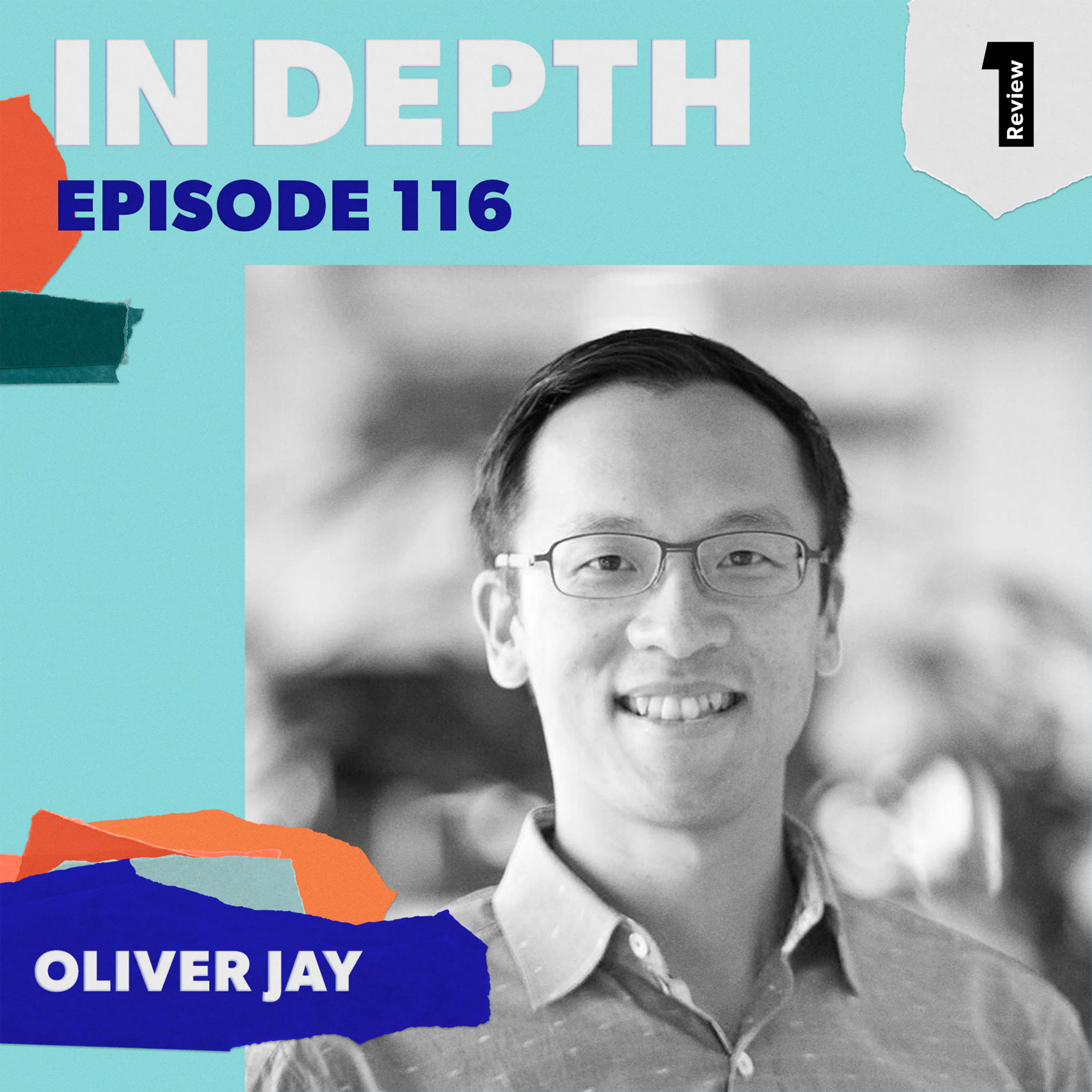
The new PLG playbook | Arming the next generation of product-led companies | Oliver Jay (Asana, Dropbox)
Oliver Jay is a sales and expansion specialist. Oliver was Chief Revenue Officer at Asana and led the company’s global expansion. He grew the team from 20 to 450 people and increased international income to 40% of Asana’s total revenue. Prior to this, Oliver built the first business sales team at Dropbox, and led the company’s expansion into the Asia-Pacific region while tripling ARR. Oliver is now an advisor and leadership coach focused on assisting founders and executives in scaling their businesses. — In today’s episode, we discuss: Common mistakes PLG companies make The “PLG trap” and how to avoid it The playbook for transitioning into enterprise How and when to build an enterprise sales team How PLG companies can break $10 billion market cap Why it’s difficult to emulate Atlassian, Slack or Salesforce — Referenced: Airtable: https://www.airtable.com/ Asana: https://asana.com/ Atlassian: https://www.atlassian.com/ Bitbucket: https://bitbucket.org/product/ Confluent: https://www.confluent.io/ Daniel Shapero: https://www.linkedin.com/in/dshapero/ Datadog: https://www.datadoghq.com/ Dennis Woodside: https://www.linkedin.com/in/dennis-woodside-341302/ Dropbox: https://www.dropbox.com/ Dustin Moskovitz: https://www.linkedin.com/in/dmoskov/ Jay Simons: https://www.linkedin.com/in/jaysimons/ Jira: https://www.atlassian.com/software/jira Justin Rosenstein: https://www.linkedin.com/in/justinrosenstein/ Kim Scott: https://www.linkedin.com/in/kimm4/ Salesforce: https://www.salesforce.com/ Slack: https://slack.com/ The PLG Trap: https://www.linkedin.com/pulse/plg-trap-oliver-jay/ The seed, land, and expand framework: https://www.endgame.io/blog/seed-land-expand-framework Zendesk: https://www.zendesk.com/ — Where to find Oliver Jay: LinkedIn: https://www.linkedin.com/in/oliverjayleadership/ Website: https://www.oliverjayleadership.com/ — Where to find Brett Berson: Twitter/X: https://twitter.com/brettberson LinkedIn: https://www.linkedin.com/in/brett-berson-9986094 — Where to find First Round Capital: Website: https://firstround.com/ First Round Review: https://review.firstround.com/ Twitter: https://twitter.com/firstround YouTube: https://www.youtube.com/@FirstRoundCapital This podcast on all platforms: https://review.firstround.com/podcast — Timestamps: (00:00) Introduction (02:23) Differences between PLG and enterprise companies (05:56) Avoiding the “PLG trap” (07:39) Transitioning to enterprise feels like building two companies (10:57) Thinking about user value versus company value (13:58) The relationship between OKRs and executive champions (14:59) Dropbox had almost no company value (15:33) The strategy PLG companies should avoid (18:30) Why Dropbox is worth $10b, not $50b (19:41) The story of Asana’s expansion (21:16) Asana’s unique customer success team (23:27) How product strategy relates to finding champions (25:03) How Asana structured its GTM org (27:11) What Oliver would have done differently with Asana’s GTM (29:45) Getting executive-level buy-in (31:49) Asana’s concept of “selling clarity” (33:18) An inside look at Asana’s transition into enterprise (37:59) The champion tree framework (40:43) Structuring Asana’s early enterprise sales team (44:27) The impact of company size on GTM (47:20) Common sales mistake (48:29) The seed, land, and expand framework (51:43) Oliver’s advice to founders (54:13) Why building horizontally may be a mistake (55:32) Common challenges faced by PLG companies (58:30) How PLG companies can break the $10b market cap (60:17) Why emulating Atlassian’s playbook is difficult (63:21) People who had an outsized impact on Oliver
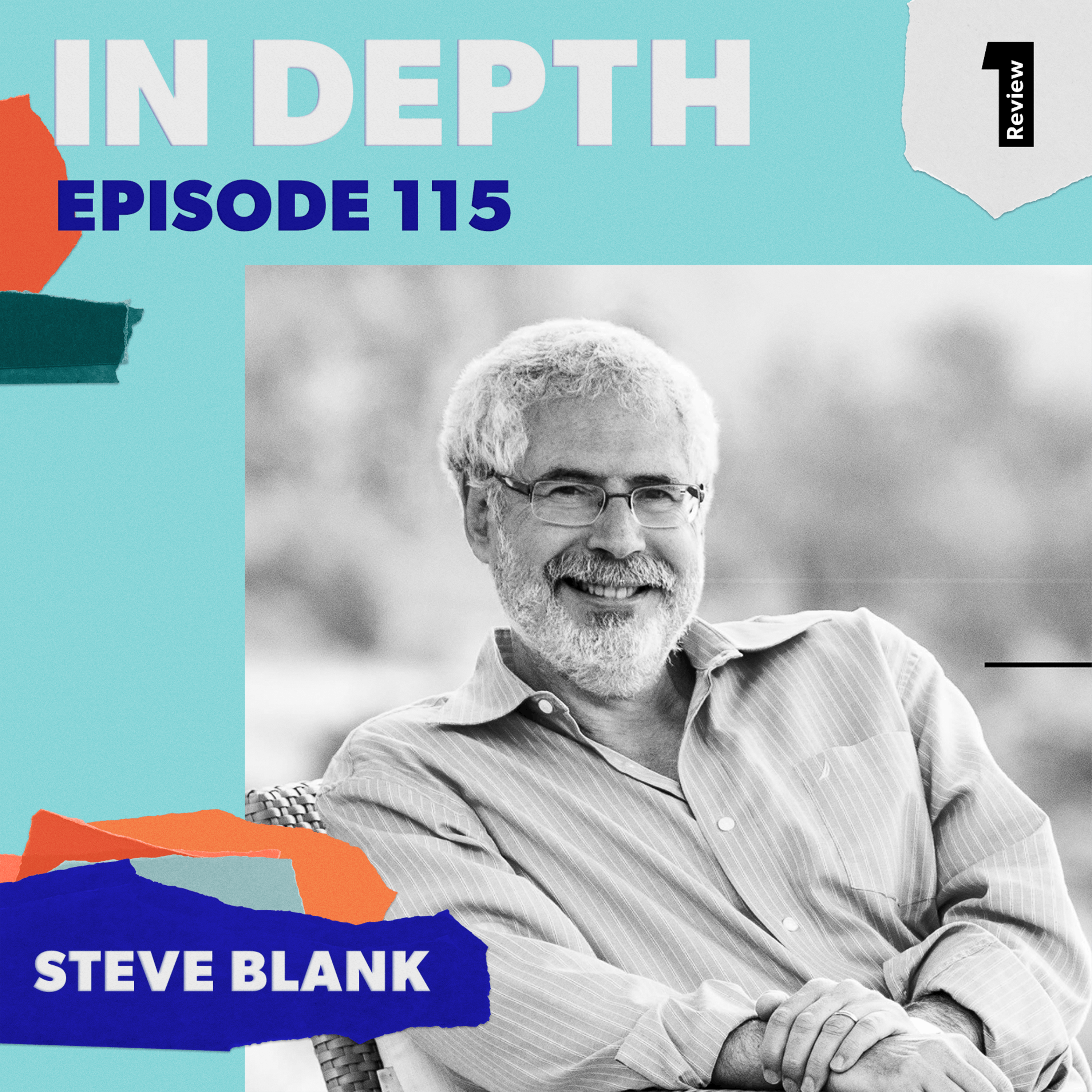
Mastering modern entrepreneurship | Building lean, starting young, and studying customers | Steve Blank (Author of The Four Steps to the Epiphany)
Steve Blank, an Adjunct Professor at Stanford University, is widely regarded as the father of modern entrepreneurship. Prior to academia, Steve’s career spanned eight different startups. Credited with launching the Lean Startup movement with his May 2013 Harvard Business Review cover story, Steve has changed how startups are built, and how entrepreneurship is taught. Steve is also the renowned author of The Four Steps to the Epiphany and The Startup Owner’s Manual. — In today’s episode, we discuss: Why there aren’t more successful startups How to improve entrepreneurship in the USA Misunderstood aspects of the Lean Startup methodology Common traits shared by outlier founders Why successful entrepreneurs are irrational (and need to be) How founders can transition to CEOs Why some second-time founders fail Building in existing versus new markets The Four Steps to the Epiphany in 2023 — Referenced: Alexander Osterwalder: https://www.linkedin.com/in/osterwalder Allen Michels: https://en.wikipedia.org/wiki/Allen_Michels Ben Wegbreit, Co-founder of E.piphany: https://www.linkedin.com/in/ben-wegbreit-22192/ Convergent Technologies: https://en.wikipedia.org/wiki/Convergent_Technologies Eric Ries: https://www.linkedin.com/in/eries/ Gordon Bell: https://www.linkedin.com/in/gordon-bell-3035b43/ JB Straubel: https://www.linkedin.com/in/jb-straubel-b694981/ Kathy Eisenhardt: https://www.linkedin.com/in/kathleen-eisenhardt-5642247/ Roger Siboni, former CEO of E.piphany: https://theorg.com/org/coupa-software/org-chart/roger-siboni Satya Nadella: https://www.linkedin.com/in/satyanadella/ Steve Ballmer: https://www.linkedin.com/in/steve-ballmer-7087a8157/ The lean launchpad at Stanford: https://steveblank.com/2011/05/10/the-lean-launchpad-at-stanford-–-the-final-presentations/ The semiconductor industry - explained: https://steveblank.com/2022/01/25/the-semiconductor-ecosystem/ The three pillars of world class corporate innovation: https://steveblank.com/2022/11/11/the-three-pillars-of-world-class-corporate-innovation/ Tina Seelig: https://www.linkedin.com/in/tinaseelig/ Tom Mueller, Ex-SpaceX Propulsion CTO: https://www.linkedin.com/in/thomas-mueller-2094513b/ Why corporate entrepreneurs are extraordinary: https://steveblank.com/2015/08/25/why-corporate-entrepreneurs-are-extraordinary-the-rebel-alliance/ Why entrepreneurs start companies rather than join them: https://steveblank.com/2018/04/11/why-entrepreneurs-start-companies-rather-than-join-them/ — Where to find Steve: LinkedIn: https://www.linkedin.com/in/steveblank/ Twitter/X: https://twitter.com/sgblank Website: https://steveblank.com/ — Where to find Brett: LinkedIn: https://www.linkedin.com/in/brett-berson-9986094/ Twitter/X: https://twitter.com/brettberson — Where to find First Round Capital: Website: https://firstround.com/ First Round Review: https://review.firstround.com/ Twitter: https://twitter.com/firstround Youtube: https://www.youtube.com/@FirstRoundCapital This podcast on all platforms: https://review.firstround.com/podcast — Timestamps: (00:00) Introduction (02:20) Why there aren’t more successful startups (06:07) Outlier founders have similar childhoods (10:34) How to be a successful founder CEO (12:00) Why entrepreneurship should be taught in schools (16:39) The importance of curiosity (19:57) The role of instincts in entrepreneurship (22:31) Having profound beliefs in a vision (24:17) Building in existing versus new markets (29:09) What second-time founders can get wrong (33:49) Why founders need to be irrational (39:28) Common traits shared by outlier founders (45:05) Evaluating what makes a startup successful (49:44) Steve’s assessment of Satya Nadella at Microsoft (52:26) What it takes to build an incredible company (60:45) The Four Steps to the Epiphany in 2023 (64:36) The origins of The Four Steps to the Epiphany
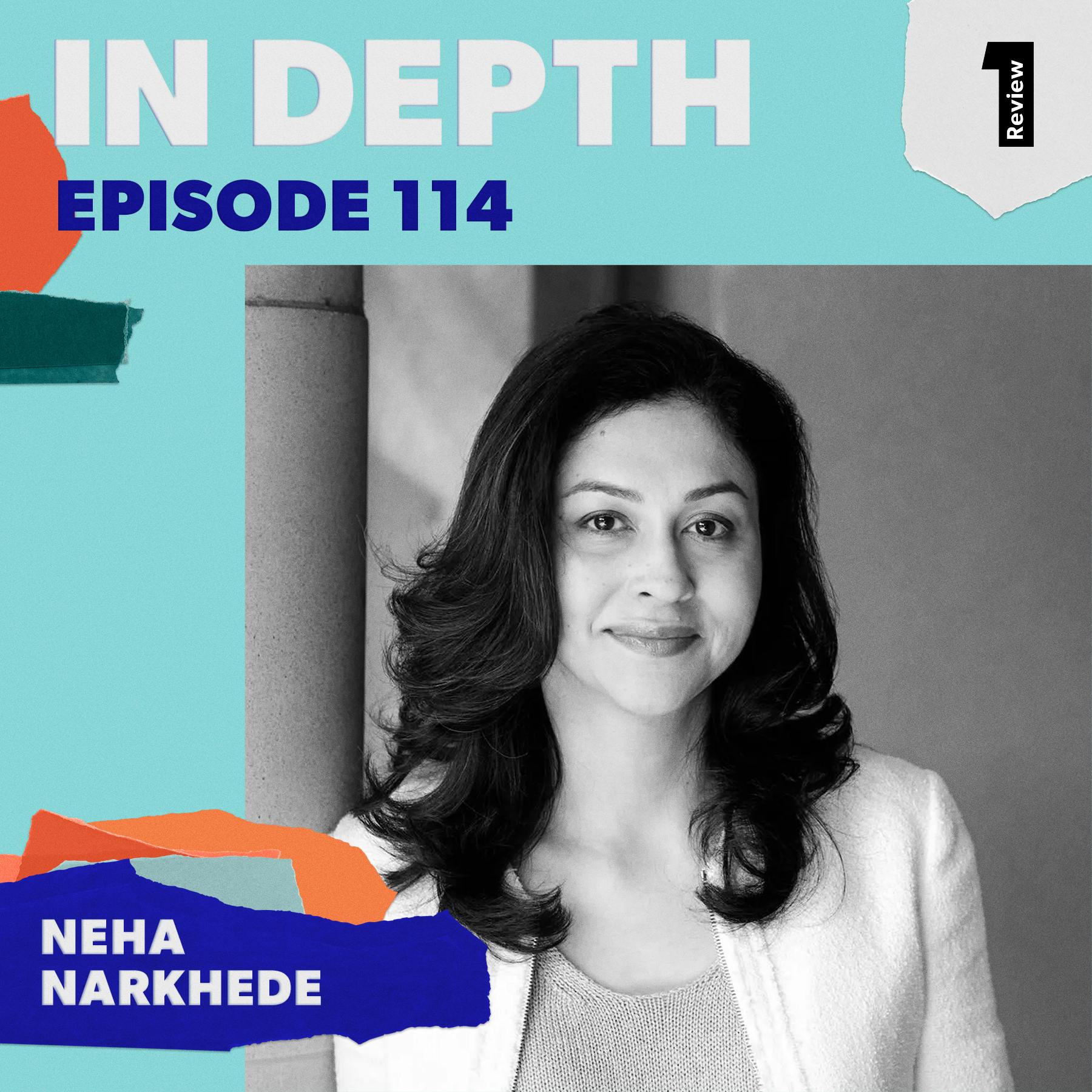
Winning with open and closed source products | Neha Narkhede (Co-founder at Confluent and Oscilar)
Neha Narkhede is a co-founder at Confluent, a data streaming software that raised at a $9.1b valuation in 2021. Neha later co-founded Oscilar, a no-code platform that helps companies detect and manage fraud. Before building these two companies, Neha was a Principal Software Engineer at LinkedIn where she co-created Apache Kafka. Neha is ranked #50 on Forbes’ list of “America’s Richest Self-Made Women 2023” with an estimated net worth of $520m. — In today’s episode we discuss: The origins of Confluent, Kafka, and Oscilar How to become a successful second-time founder Advice for monetizing open source product Neha’s unique GTM strategies How Confluent ran two businesses within one company Neha’s path to founder market fit — Referenced: Apache Kafka: https://kafka.apache.org/ Confluent: https://www.confluent.io/ Confluent Cloud: https://www.confluent.io/confluent-cloud/ Jay Kreps, co-founder at Confluent: https://www.linkedin.com/in/jaykreps/ Jun Rao, co-founder at Confluent: https://www.linkedin.com/in/junrao/ MongoDB: https://www.mongodb.com/ Oscilar: https://oscilar.com/ — Where to find Neha: LinkedIn: https://www.linkedin.com/in/nehanarkhede/ Twitter/X: https://twitter.com/nehanarkhede Website: https://www.nehanarkhede.com/ — Where to find Brett: LinkedIn: https://www.linkedin.com/in/brett-berson-9986094/ Twitter/X: https://twitter.com/brettberson — Where to find First Round Capital: Website: https://firstround.com/ First Round Review: https://review.firstround.com/ Twitter: https://twitter.com/firstround Youtube: https://www.youtube.com/@FirstRoundCapital This podcast on all platforms: https://review.firstround.com/podcast — Timestamps: (00:00) Introduction (02:14)The origin story of Kafka (05:24) Co-creating Kafka at LinkedIn (07:31) Why open sourcing Kafka was a masterstroke (11:04) The unique nature of Confluent's Zero to One phase (16:35) Building for a specific customer early on (18:42) Inside Confluent’s successful launch (20:12) Establishing Confluent as an enterprise company (22:00) The role of developer evangelism in Confluent’s success (23:49) Using developer evangelism in category creation (26:41) Navigating early co-founder dynamics (30:06) Leveraging complementary founder skills (31:56) Advice for future founders (32:45) Building Confluent with monetization in mind (34:38) Monetizing open source products (36:05) GTM for subscription Saas versus consumption SaaS (39:48) The importance of founder-led GTM sales (40:58) Neha’s order of operations for GTM sales (42:33) When to build out outbound sales (45:28) Adding SaaS to a software business (49:48) Choosing what to license and what to open source (53:32) How Confluent’s co-founders decided on SaaS offering (57:58) Neha’s journey as a second-time founder (59:48) Building Oscilar differently to Confluent (64:15) Going from speculation to product realization (70:00) Solving problems people are willing to pay for (72:07) Neha’s “proactive research sprint” tactic (73:48) How Neha has applied this tactic
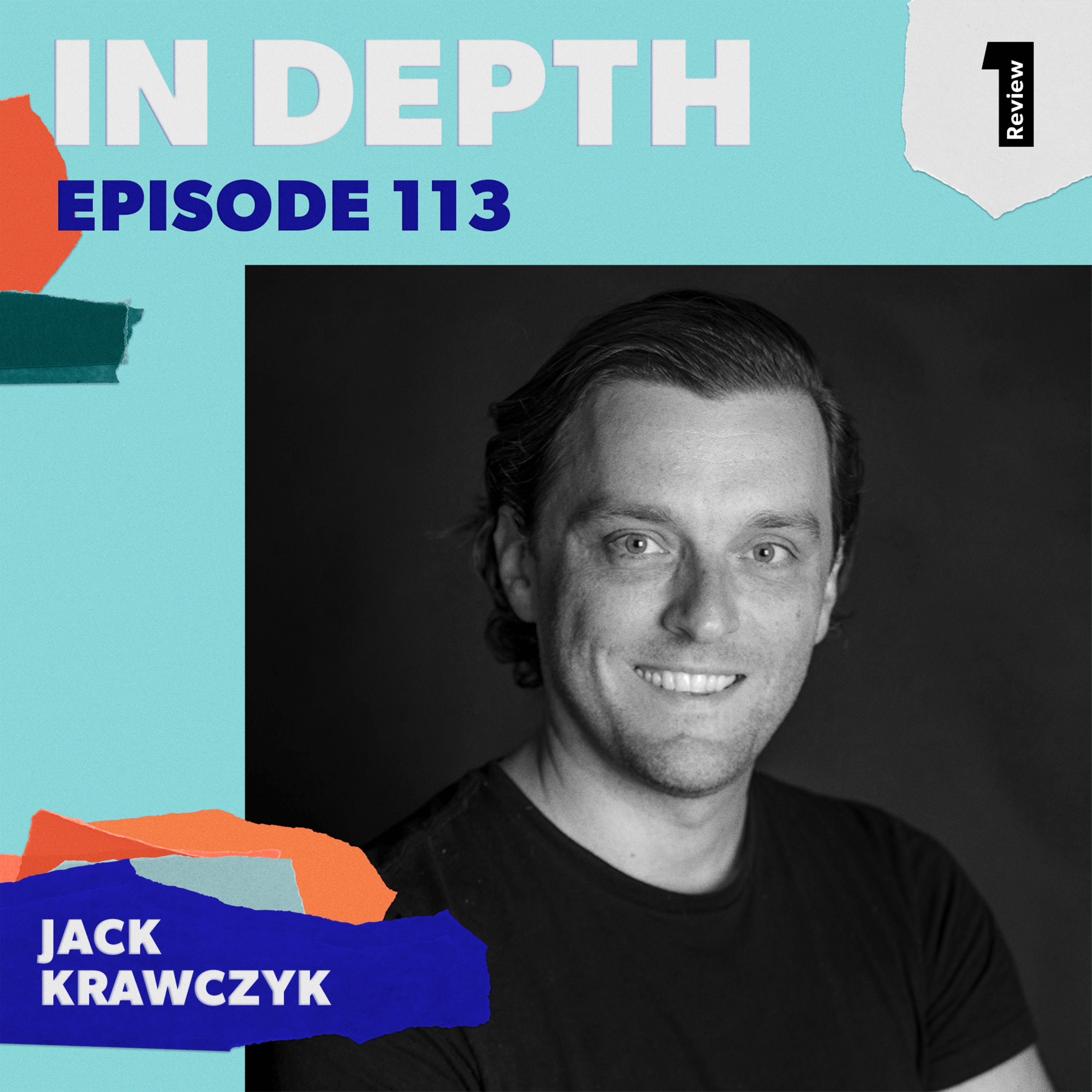
The Bard blueprint | Creating value, shipping fast, and advancing AI ethically | Jack Krawczyk (Google)
Jack Krawczyk is a Senior Director of Product at Google, building Bard. Bard is Google’s collaborative, conversational, and experimental AI tool that’s bridging the gap between humans and bots, while addressing ethical considerations around AI. After joining the project in 2020, Jack helped ship Bard in less than four years. Bard sources information directly from the web, and now enables users to inquire about and summarize YouTube videos. — In today’s episode, we discuss: Key lessons from Bard’s development process Ethics in AI How Bard shipped fast What separates Bard from competitors The future of LLM, Generative AI, and AGI Advice for aspiring AI developers — Referenced: Bard: https://bard.google.com/ ChatGPT: https://chat.openai.com/ Duet AI: https://cloud.google.com/duet-ai Free courses on machine learning by Andrew Ng: https://www.andrewng.org/courses/ Google Assistant: https://assistant.google.com/ Introducing Google Assistant to Bard: https://blog.google/products/assistant/google-assistant-bard-generative-ai/ Large Language Model (LLM): https://en.wikipedia.org/wiki/Large_language_model Meena: https://blog.research.google/2020/01/towards-conversational-agent-that-can.html Sissie Hsiao (GM at Bard): https://www.linkedin.com/in/sissie-hsiao-b24243/ Steve Stoute: https://www.linkedin.com/in/stevestoute/ UnitedMasters: https://unitedmasters.com/ — Where to find Jack Krawczyk: Twitter/X: https://twitter.com/JackK LinkedIn: https://www.linkedin.com/in/jack--k — Where to find Brett Berson: Twitter/X: https://twitter.com/brettberson LinkedIn: https://www.linkedin.com/in/brett-berson-9986094/ — Where to find First Round Capital: Website: https://firstround.com/ First Round Review: https://review.firstround.com/ Twitter: https://twitter.com/firstround Youtube: https://www.youtube.com/@FirstRoundCapital This podcast on all platforms: https://review.firstround.com/podcast — Timestamps: (00:00) Introduction (02:17) Bard’s origin story (03:54) Deciding on the application of Bard (05:59) The ethical considerations around building Bard (10:19) Why Bard launched to the public so early (13:30) Risk-taking at big companies versus smaller ones (16:20) Bard’s early user research (21:21) Bard versus ChatGPT (25:01) The cultural and product principles behind Bard (30:56) Insight into Bard’s impressive development speed (35:17) Deciding when to ship Bard (41:41) Why Bard is different from other products Jack has built (46:30) Evaluating Bard’s original spec (48:02) Insight into Bard's product roadmap (56:00) The toughest challenges Bard has faced (57:50) What’s special about team-building at Bard (62:54) Addressing Bard’s negative press (67:49) Advice for aspiring LLM companies (69:15) Advice for non-LLM companies (71:05) The biggest barriers to advancing AI (75:45) How product people can use or build with AI (77:24) How AI is changing product leadership (79:20) People who had an outsized impact on Jack
A masterclass in engineering leadership from Carta, Stripe, Uber, and Calm | Will Larson (CTO at Carta)
Will Larson is the CTO at Carta, an ownership and equity management platform that raised at a $7.4b valuation in 2021. Prior to joining Carta, Will was CTO at Calm, founded Stripe's Foundation Engineering org, and led Uber’s Platform Engineering people and strategy. Will also writes extensively about engineering leadership, and has authored two books in this area: Staff Engineer, and An Elegant Puzzle. — In today’s episode we discuss: How to form an engineering strategy Common engineering management mistakes, and how to avoid them Advice for explaining, measuring, and optimizing engineering velocity Will’s nuanced approach to organizational policies Why it’s sometimes counterproductive to tell someone not to micromanage — Referenced: Accelerate (book): https://www.amazon.com/Accelerate-Software-Performing-Technology-Organizations/dp/1942788339 Calm: https://www.calm.com/ Carta: https://www.carta.com/ DORA: https://dora.dev/ Good Strategy, Bad Strategy (book): https://www.amazon.com/Good-Strategy-Bad-Difference-Matters/dp/0307886239 JavaScript: https://www.javascript.com/ KAFKA: https://kafka.apache.org/ Minto Pyramid (framework): https://untools.co/minto-pyramid Ruby on Rails: https://rubyonrails.org/ SPACE (framework): https://queue.acm.org/detail.cfm Stripe: https://www.stripe.com/ — Where to find Brett Berson: Twitter/X: https://twitter.com/brettberson LinkedIn: https://www.linkedin.com/in/brett-berson-9986094/ — Where to find Will Larson: Twitter/X: https://twitter.com/lethain LinkedIn: https://www.linkedin.com/in/will-larson-a44b543/ Personal website/blog: https://lethain.com/ An Elegant Puzzle (book): https://www.amazon.com/Elegant-Puzzle-Systems-Engineering-Management/dp/1732265186 Staff Engineer (book): https://staffeng.com/book — Where to find First Round Capital: Website: https://firstround.com/ First Round Review: https://review.firstround.com/ Twitter: https://twitter.com/firstround Youtube: https://www.youtube.com/@FirstRoundCapital This podcast on all platforms: https://review.firstround.com/podcast — Timestamps: (00:00) Introduction (03:03) The nuances of taking lessons from old companies (14:28) The value of writing down engineering principles (17:03) How to structure a strategy document (18:48) The 2 parts of any engineering strategy (21:08) Advice for turning strategy into action (23:44) Carta's unique "navigator" model (24:50) The Hidden Variable Problem (29:59) Explaining, measuring, and optimizing velocity (35:28) Useful metrics for engineering orgs (39:08) The balance between micromanagement and understanding details (43:03) Management anti-patterns (45:49) How to execute policies whilst managing their exceptions (47:56) What an excellent engineering executive looks like (53:53) How Will has evolved as an engineering executive (56:56) How to communicate with executives (63:18) Things that derail meetings (66:10) How to approach presentation feedback (67:30) A bad sign when working with direct reports (69:13) Advice for growing as an early-career engineer (71:11) Will's model for developing engineering teams (74:33) Sources of inspiration for Will's views on engineering management
How goal-setting and planning is different for AI products | Anastasis Germanidis (Co-Founder & CTO at Runway)
Anastasis Germanidis is the Co-Founder & CTO at Runway, an applied AI research company shaping the next era of art, entertainment, and human creativity. Runway has raised $237m and was one of Time Magazine’s “100 most influential companies” in 2023. Runway has been a persistent viral sensation in recent years, and is behind many of the most famous AI demos online. — In today’s episode we discuss: The origins of Runway The limitations of being “customer-driven” when building in AI How Runway balances research development with product development How goal-setting and planning is different for AI products Advice for early-stage AI founders — Referenced: Containerization: https://aws.amazon.com/what-is/containerization/ Docker: https://www.docker.com/ Green screen tool by Runway: https://runwayml.com/green-screen/ Hugging Face: https://huggingface.co/ Hugging Face Spaces: https://huggingface.co/spaces Hugging Face Model Hub: https://huggingface.co/docs/hub/models-the-hub Replicate: https://replicate.com/ Runway Gen-1: https://research.runwayml.com/gen1 Runway Gen-2: https://research.runwayml.com/gen2 Runway’s 30 AI Magic Tools: https://runwayml.com/ai-magic-tools/ — Where to find Anastasis Germanidis: Twitter/X: https://twitter.com/agermanidis LinkedIn: https://www.linkedin.com/in/agermanidis Personal website: https://agermanidis.com/ Personal blog: https://blog.agermanidis.com/ — Where to find Todd Jackson: Twitter/X: https://twitter.com/tjack LinkedIn: https://www.linkedin.com/in/toddj0 — Where to find First Round Capital: Website: https://firstround.com/ First Round Review: https://review.firstround.com/ Twitter: https://twitter.com/firstround Youtube: https://www.youtube.com/@FirstRoundCapital This podcast on all platforms: https://review.firstround.com/podcast — Timestamps: (00:00) Introduction (03:23) The unique story of how Runway's co-founders met (08:27) The origins of Runway (09:28) Forming the initial product (13:55) Turning Runway into a company (14:41)Approach to initial market segments (18:53) Early-adopters (21:20) The limitations of being “customer-driven” (25:54) Forming a vocal community (27:08) Fostering community (29:05) The progression of Runway's tech and use-cases (33:08) How they picked users for early release (34:00) Expanding past the first 100 users of Gen-2 (35:33) Runway’s approach to safety and content moderation (36:44) Balancing product development and research development (43:51) Runway's org structure (45:08) Goal-setting amidst constant change in AI (46:50) Why Runway doesn't plan very far ahead (50:26) Advice to early-stage AI founders (53:11) Will AI replace video editors? (55:04) When Runway had the most momentum (56:49) Anastasis' #1 piece of advice

How Vercel found extreme product-market fit by focusing on simplification | Guillermo Rauch (Vercel's CEO)
Guillermo Rauch is the CEO of Vercel, a frontend-as-a-service product that was valued at $2.5b in 2021. Vercel serves customers like Uber, Notion and Zapier, and their React framework - Next.js - is used by over 500,000 developers and designers worldwide. Guillermo started his first company at age 11 in Buenos Aires and moved to San Francisco at age 18. In 2013, he sold his company Cloudup to Automattic (the company behind WordPress), and in 2015 he founded Vercel. — In today’s episode we discuss: Guillermo’s fascinating path into tech Learnings from building Cloudup and selling the company to Automattic (the company behind WordPress) Vercel’s origin story and path to product market fit How to make an open source business successful Vercel’s unique philosophy on developer experience Insights and predictions on the future of AI — Referenced: Algolia: https://www.algolia.com/ Apache Zookeeper: https://zookeeper.apache.org/ Apache Kafka: https://kafka.apache.org/ AWS: https://www.aws.training/ C++: https://www.techtarget.com/searchdatamanagement/definition/C Clerk: https://clerk-tech.com/ Cloudup: https://cloudup.com/ Commerce Cloud: https://www.salesforce.com/products/commerce/ Contentful: https://www.contentful.com/ Debian: https://www.debian.org/ Fintool: https://www.fintool.com/ Figma: https://www.figma.com/ GitLab: https://about.gitlab.com/ IRC: https://en.wikipedia.org/wiki/Internet_Relay_Chat KDE: https://kde.org/ Linux: https://en.wikipedia.org/wiki/Linux Mozilla: https://www.mozilla.org MooTools (UI library): https://mootools.net/ Next.js: https://nextjs.org/ React Native: https://reactnative.dev/ Red Hat: https://www.redhat.com/ Redpanda: https://redpanda.com/ Resend: https://resend.com/ Rust: https://www.rust-lang.org/ Salesforce: https://www.salesforce.com Servo: https://servo.org/ Shopify: https://www.shopify.com/ Socket.io: https://socket.io/ Symphony: https://symphony.com/ Trilio: https://trilio.io/ Twilio: https://www.twilio.com Vercel: https://vercel.com/ V0.dev: https://v0.dev/ — Where to find Guillermo: Twitter/x: https://twitter.com/rauchg LinkedIn: https://www.linkedin.com/in/rauchg/ Personal website: https://rauchg.com/ — Where to find Todd Jackson: Twitter: https://twitter.com/tjack LinkedIn: https://www.linkedin.com/in/toddj0 — Where to find First Round Capital: Website: https://firstround.com/ First Round Review: https://review.firstround.com/ Twitter: https://twitter.com/firstround Youtube: https://www.youtube.com/@FirstRoundCapital This podcast on all platforms: https://review.firstround.com/podcast — Timestamps: (02:35) Becoming an “internet celebrity” at age 11 (08:30) Guillermo's first company: Cloudup (11:09) Biggest learnings from Cloudup and WordPress (15:06) The insights behind starting Vercel (17:11) Sources of validation for Vercel (20:29) How Vercel formed its V1 product (23:25) Navigating the early reactions from competitors and users (25:58) The paradox of developers and how it impacted Next.js (31:20) Advice on finding product market fit (34:48) The forces behind a trend towards "Front-end Cloud” (38:35) Why people now pay so much attention to the front-end (40:06) How to make an open source business successful (44:54) Insights on product positioning and category creation (48:52) Vercel's journey through becoming multi-product (51:44) Guillermo's take on the future of AI (53:43) Heuristics for building better product experiences (55:49) AI insights from Vercel’s customers (57:37) How AI might change engineering in the next 10-20 years (62:43) Guillermo's favorite advice (65:45) Guillermo's advice to himself of 10 years ago
The business of growing and monetizing an open source product | Ashley Kramer (GitLab CMO/CSO)
Ashley Kramer is the CMO and CSO at GitLab, a publicly listed DevSecOps platform. Ashley took a unique path into her CMO role. She started out in software engineering before becoming a product leader, and eventually, a marketer. Most recently, Ashley was the CPO and CMO at Sisense, a data analytics company last valued at over $1b. — In today’s episode we discuss: How GitLab layered a commercial model on top of open source roots GitLab’s main marketing metrics Examples, benefits, and downsides of a transparent company culture How GitLab serves enterprise customers, and a passionate developer community Unique marketing lessons from working in an open core company An example of a recent marketing campaign — Where to find Brett Berson: Twitter: https://twitter.com/brettberson LinkedIn: https://www.linkedin.com/in/brett-berson-9986094/ — Where to find Ashley Kramer: Twitter/x: https://twitter.com/ashleyekramer LinkedIn: https://www.linkedin.com/in/ashleyekramer/ — Where to find First Round Capital: Website: https://firstround.com/ First Round Review: https://review.firstround.com/ Twitter: https://twitter.com/firstround Youtube: https://www.youtube.com/@FirstRoundCapital This podcast on all platforms: https://review.firstround.com/podcast — Referenced: CISO: https://www.cisco.com/c/en/us/products/security/what-is-ciso.html DevSecOps: https://about.gitlab.com/topics/devsecops/ E-Group: https://about.gitlab.com/company/team/e-group/ GitLab: https://gitlab.com GitLab legal team’s SAFE framework: https://about.gitlab.com/handbook/legal/safe-framework/ GitLab’s open core business model: https://handbook.gitlab.com/handbook/company/stewardship/ GitLab’s open source employee handbook: https://handbook.gitlab.com/handbook/people-group/ GitLab’s open source marketing handbook: https://about.gitlab.com/handbook/marketing/ GitLab’s open source remote handbook: https://handbook.gitlab.com/handbook/company/culture/all-remote/guide/ Sid Sijbrandij, CEO of GitLab: https://www.linkedin.com/in/sijbrandij/ Tableau: https://www.tableau.com/ — Timestamps: (00:00) Intro (02:34) Marketing in closed vs open source companies (07:40) The role of marketing at GitLab (09:23) The tensions of being a commercial, open source company (12:36) Advice for nurturing community and dealing with disagreements (15:02) GitLab's main marketing metrics (20:26) The thinking behind GitLab’s org structure, in and around marketing (28:19) Selling to enterprise as an open core company (29:53) The difference between open core and open source (30:39) Serving many different customer segments (35:10) GitLab's planning process (39:22) An example of GitLab’s marketing in practice (42:12) How marketing collaborates with product (45:55) Marketing lessons from working in an open core company (49:46) Examples of GitLab's focus on transparency (52:22) Why GitLab is transparent about their marketing (54:59) 2 examples of GitLab's uniquely transparent culture (58:35) The downsides of being a transparent company (60:13) GitLab's meeting structure and cadence (62:04) Benefits of having an engineering and product background as CMO (71:09) People who made an outsized impact on Ashley's career
How to leverage intuition, customer support, and raw effort | Colin Zima (Omni & Looker)
Colin Zima is the co-founder and CEO of Omni, a business intelligence tool that has raised over $26.9m. Prior to starting Omni, Colin was Chief Analytics Officer and VP of Product at Looker, which was acquired by Google for $2.6b. Colin was an early employee at Looker, and stood up its high-touch customer support arm, which turned into a cornerstone competitive advantage for the company. — In today’s episode we discuss: Lessons from Looker When, why and how to invest in white-glove customer support Tactics for scaling high-touch customer support Colin’s intuition-based approach to product How Looker hit their goals for 24 quarters in a row The founding story of Omni Colin’s hot takes on picking startups, hiring PMs, and more — Referenced: BigQuery: https://cloud.google.com/bigquery Hotel Tonight: https://www.hoteltonight.com/ Omni: https://omni.co/ Tableau: https://www.tableau.com/ — Where to find Brett Berson: Twitter: https://twitter.com/brettberson LinkedIn: https://www.linkedin.com/in/brett-berson-9986094/ — Where to find Colin Zima: Twitter: https://twitter.com/drinkzima?lang=en LinkedIn: https://www.linkedin.com/in/colinzima/ — Where to find First Round Capital: Website: https://firstround.com/ First Round Review: https://review.firstround.com/ Twitter: https://twitter.com/firstround Youtube: https://www.youtube.com/@FirstRoundCapital This podcast on all platforms: https://review.firstround.com/podcast — Timestamps: (00:00) Introduction (02:30) Colin's unique entry into Looker (04:35) How Colin talks to users (08:20) How Colin's scope at Looker expanded (10:53) Why and how to provide white-glove customer support (20:25) Which companies should invest heavily in customer support? (22:49) Hiring for and hiring from customer support (27:40) The #1 thing for making customer support effective at scale (29:32) The culture of customer support at Omni (32:57) Insights on product strategy (41:33) The role of intuition vs data in product decisions (44:25) The merits and downsides of an intuition-driven approach to product (48:36) Insights from hitting every goal for 24 quarters straight (55:07) The founding story of Omni (58:10) How Colin maintains intellectual honesty as a founder (60:02) How Colin thinks about what to copy vs not copy from Looker (63:25) How to pick which startup to join (66:07) The most underrated trait in early stage startup employees (68:11) Colin's take on founder-market-fit (69:42] Unpopular opinion on how to hire good PMs (72:28) The people who made an outsized impact on Colin's career
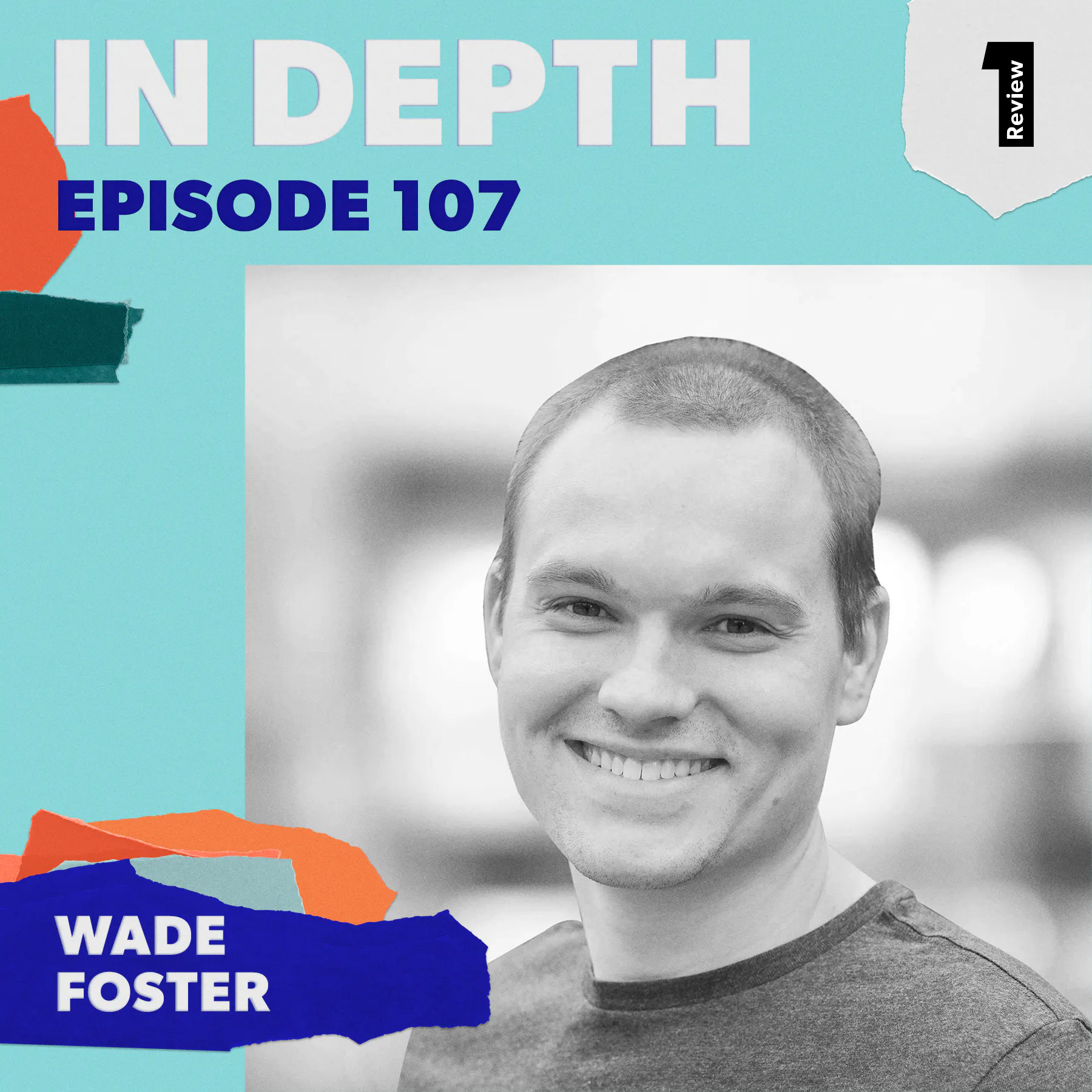
Building Zapier from first principles | Contrarian takes on growth, hiring, fundraising | Wade Foster (Co-founder & CEO)
Wade Foster is the Co-founder & CEO at Zapier, a platform for building workflow automations without a developer. Zapier was started during 2011 in Columbia, Missouri, and by 2021, it was valued at $5b, having only raised $1.3m. Prior to founding Zapier, Wade had just two professional jobs, and had never managed or hired anyone. He worked as a PM on a web app used by 20k students, and as an Email Marketing Manager at Veterans United - a role that had a significant influence on Zapier’s eventual success. In today’s episode, we discuss: The stories and thinking behind Zapier’s most unorthodox decisions How Wade thinks about product market fit How Zapier built their powerful distribution engine The fascinating story of Veterans United, and its impact on Zapier How Wade thinks about fundraising Why Wade lives by “don’t hire ‘til it hurts” Key lessons on people management Referenced: Basecamp: https://basecamp.com/ Bingo Card Creator: https://www.bingocardcreator.com Bryan Helmig, Co-founder of Zapier: https://www.linkedin.com/in/bryanhelmig John Wooden quote: https://www.thewoodeneffect.com/be-quick-but-dont-hurry/ Mailchimp: https://mailchimp.com/ Mike Knoop, Co-founder of Zapier: https://www.linkedin.com/in/mikeknoop Patrick Mckenzie, creator of Bingo Card Creator: https://www.linkedin.com/in/patrickmckenzie/ PayPal: https://www.paypal.com/ Salesforce: https://www.salesforce.com/ SMBs: https://www.techtarget.com/whatis/definition/SMB-small-and-medium-sized-business-or-small-and-midsized-business Stripe: https://stripe.com/ Thinking in Bets by Annie Duke: https://www.amazon.com.au/Thinking-Bets-Annie-Duke/dp/0735216355 Tony Xu, CEO of DoorDash: https://www.linkedin.com/in/xutony/ Twilio: https://www.twilio.com/ Veterans United Home Loans: https://www.veteransunited.com/ Zapier: https://zapier.com/ Where to find Brett Berson Twitter: https://twitter.com/brettberson LinkedIn: https://www.linkedin.com/in/brett-berson-9986094/ Where to find Wade Foster Twitter: https://twitter.com/wadefoster LinkedIn: https://www.linkedin.com/in/wadefoster Where to find First Round Capital: Website: https://firstround.com/ First Round Review: https://review.firstround.com/ Twitter: https://twitter.com/firstround Youtube: https://www.youtube.com/@FirstRoundCapital This podcast on all platforms: https://review.firstround.com/podcast Timestamps (05:46) The fascinating story of Veterans United (06:55) Lessons from Veterans United (08:35) The most important things Zapier got right (10:13) How Zapier built their powerful distribution engine (16:56) Why Zapier didn't move to focusing on enterprise (19:06) How Wade thinks about product market fit (24:26) The role of skill vs luck in Zapier's success (26:23) What was hard about building Zapier (30:03) Key lessons on people management (32:35) Rule of thumb: "don't hire ‘til it hurts” (36:42) Zapier's #1 hiring mistake (42:50) How to test for scrappiness in the hiring process (44:31) Do hiring playbooks transfer between companies? (50:01) The 12 year evolution of Zapier's product (53:20) How Zapier makes product decisions (55:40) How Zapier thought about competition (60:11) How to foster intellectual honesty in yourself and your org (65:35) The people who most impacted Wade's worldviews
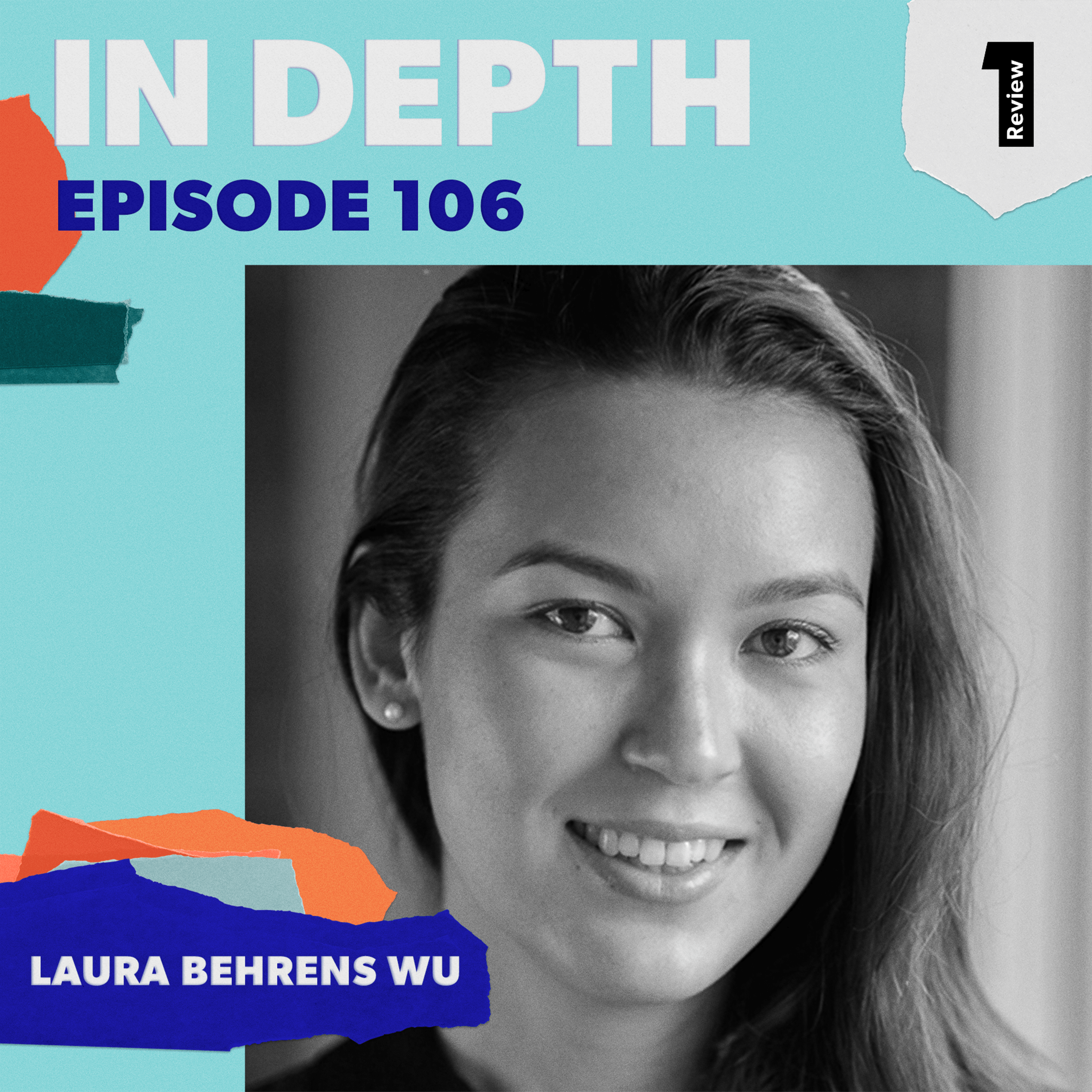
How young outsiders changed the shipping industry by finding product-market fit again and again | Laura Behrens Wu (Shippo)
Laura Behrens Wu is the Founder & CEO at Shippo, a company that has raised $100m+ and was last valued at $1b in 2021. Shippo provides an API and dashboard that makes shipping easy for e-commerce businesses, marketplaces, and platforms. Prior to starting Shippo, Laura graduated from Harvard University, and was heavily influenced by a short internship at LendUp, which exposed her to Silicon Valley and startup culture. In today’s episode we discuss: Shippo’s pivot-stricken origin story Finding product-market-fit, again and again and again Laura’s unique take on founder-market-fit Advice on talking to users The 3 Horizons Framework for prioritizing resources across a core business and longer-term bets The email Laura sends every Sunday because of Frank Slootman’s advice Referenced: Amp It Up by Frank Slootman: https://www.amazon.com/Amp-Unlocking-Hypergrowth-Expectations-Intensity/dp/1119836115 Expedia: https://www.expedia.com/ FedEx: https://www.fedex.com/ Frank Slootman: https://www.linkedin.com/in/frankslootman/ Jerry Colonna: https://www.linkedin.com/in/jerry-colonna-reboot/ Josh Koppelman: https://www.linkedin.com/in/jkoppelman/ Khalid Halim: https://review.firstround.com/the-science-of-speaking-is-the-art-of-being-heard LendUp: https://www.lendup.com/ Shippo: https://goshippo.com/ Shopify: https://www.shopify.com/ SMBs: https://www.fool.com/the-ascent/small-business/articles/smb-business/ Stripe: https://stripe.com/ UPS: https://www.ups.com/us/en/global.page 70/20/10 rule from Google: https://www.itonics-innovation.com/blog/702010-rule-of-innovation Where to find Todd Jackson: Twitter: https://twitter.com/tjack LinkedIn: https://www.linkedin.com/in/toddj0 Where to find Laura Behrens Wu: Twitter: https://twitter.com/LauraBehrensWu LinkedIn https://www.linkedin.com/in/laurabehrenswu Personal website: https://laurabehrenswu.com/ Where to find First Round Capital: Website: https://firstround.com/ First Round Review: https://review.firstround.com/ Twitter: https://twitter.com/firstround Youtube: https://www.youtube.com/@FirstRoundCapital This podcast on all platforms: https://review.firstround.com/podcast Timestamps (02:36) The Shippo origin story (06:57) Why they pivoted into Shippo (11:01) How they got their first customers (13:27) The role of timing in Shippo's early success (14:40) The value of being an outsider (17:49) When founder-market-fit is and isn't necessary (19:07) The path to product-market-fit (22:06) What kept the Shippo team persisting (24:41) Advice on talking to users (29:28) Shippo's fundraising journey (34:26) Finding product-market-fit again and again (37:54) The 3 Horizons Framework (45:04) Shippo's culture and early team (49:17) Hiring people you can learn from (50:40) Laura's most impactful hires (52:12) Frank Slootman's "Sunday Email” (55:43) Laura's #1 piece of advice for founders (57:34) The most memorable influences on Laura's career
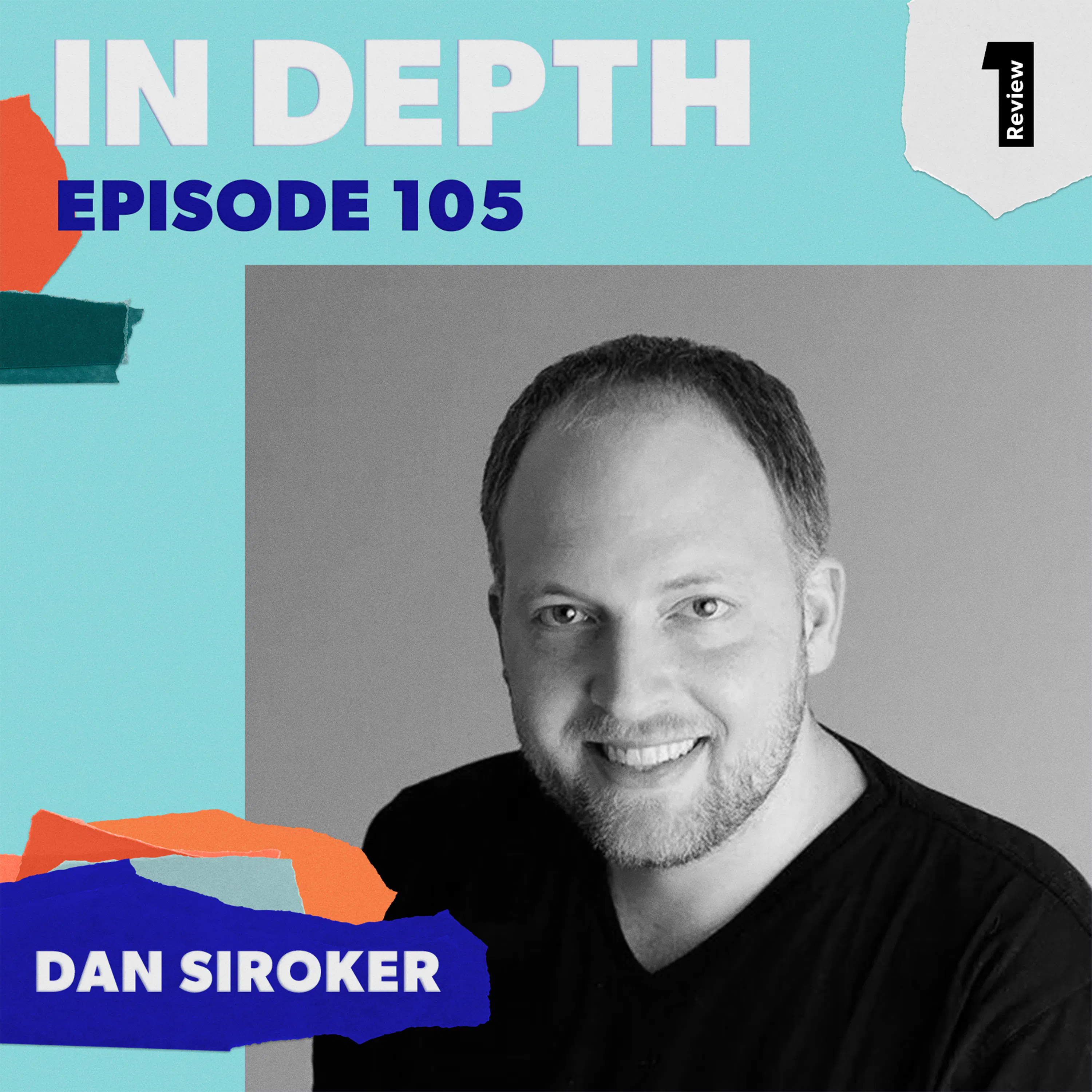
AI Hot Takes and Unusual Twitter Fundraising Strategies with Dan Siroker (Rewind AI)
Dan Siroker is the co-founder and CEO at Rewind AI, a personalized AI powered by everything you’ve seen, said, or heard. Dan launched Rewind to an emphatic response on Twitter, and used a public pitch video to fundraise at a $350m valuation. Prior to starting Rewind, Dan co-founded Optimizely, which reached $120m ARR before being acquired by Episerver, a content management company. Dan was also the Director of Analytics for Obama’s first presidential campaign. In today’s episode, we discuss: Rewind’s journey to Product Market Fit Lessons from Optimizely and being a second time founder Dan’s one-of-a-kind Twitter fundraising strategy Dan’s hot takes on the future of AI Where to build in AI, and what makes a “wrapper” thin versus thick Referenced: Apple’s Silicon: https://www.macrumors.com/guide/apple-silicon/ ChatGPT: https://chat.openai.com/ Dan publicly sharing his own 360 performance reviews: https://twitter.com/dsiroker/status/1689763756459675650 Dan’s public Twitter fundraise: https://twitter.com/dsiroker/status/1646895452317700097 Dan’s Rewind demo tweet: https://twitter.com/dsiroker/status/1638799931891920897 Google Glass: https://en.wikipedia.org/wiki/Google_Glass Google Wave: https://en.wikipedia.org/wiki/Google_Wave Maslow's Hierarchy of Needs: https://www.simplypsychology.org/maslow.html Optimizely: https://www.optimizely.com/ Paul Graham: https://twitter.com/paulg Rahul Vohra’s framework for measuring and optimizing Product Market Fit: https://review.firstround.com/how-superhuman-built-an-engine-to-find-product-market-fit Rewind AI: https://www.rewind.ai/ Scribe (which morphed into Rewind): https://www.scribe.ai/about The Mom Test book: https://www.momtestbook.com/ Where to find Dan Siroker: Twitter: https://twitter.com/dsiroker LinkedIn: https://www.linkedin.com/in/dsiroker Personal website: https://siroker.com/ Blog: https://medium.com/@dsiroker Where to find Todd Jackson: Twitter: https://twitter.com/tjack LinkedIn: https://www.linkedin.com/in/toddj0 Where to find First Round Capital: Website: https://firstround.com/ First Round Review: https://review.firstround.com/ Twitter: https://twitter.com/firstround Youtube: https://www.youtube.com/@FirstRoundCapital This podcast on all platforms: https://review.firstround.com/podcast Timestamps (02:25) Rewind's origin story (04:04) How Rewind works (07:24) Managing scope when building Rewind (13:47) How Dan thought about early user feedback (17:08) Rewind's cultural mantra for shipping and validating fast (18:35) Product positioning as a category creator (20:39) Lessons from being a 2nd time founder (26:11) Cultural values at Optimizely and Rewind (28:22) How Dan defines and operationalizes Product Market Fit (32:06) Audience segmentation (34:32) Measuring Product Market Fit (36:23) Dan's take on the current AI hype (38:11) What makes a "wrapper" thin vs thick? (39:50) Where founders should and shouldn't build within the AI ecosystem (43:22) Trends in consumer expectations around data privacy (46:59) What AI might look like 10 years from now (51:09) Dan's one-of-a-kind public Twitter fundraise (59:40) What's next for Rewind? (61:26) The influence of Paul Graham (62:47) Dan's #1 piece of advice (64:23) Dan's #1 book recommendation
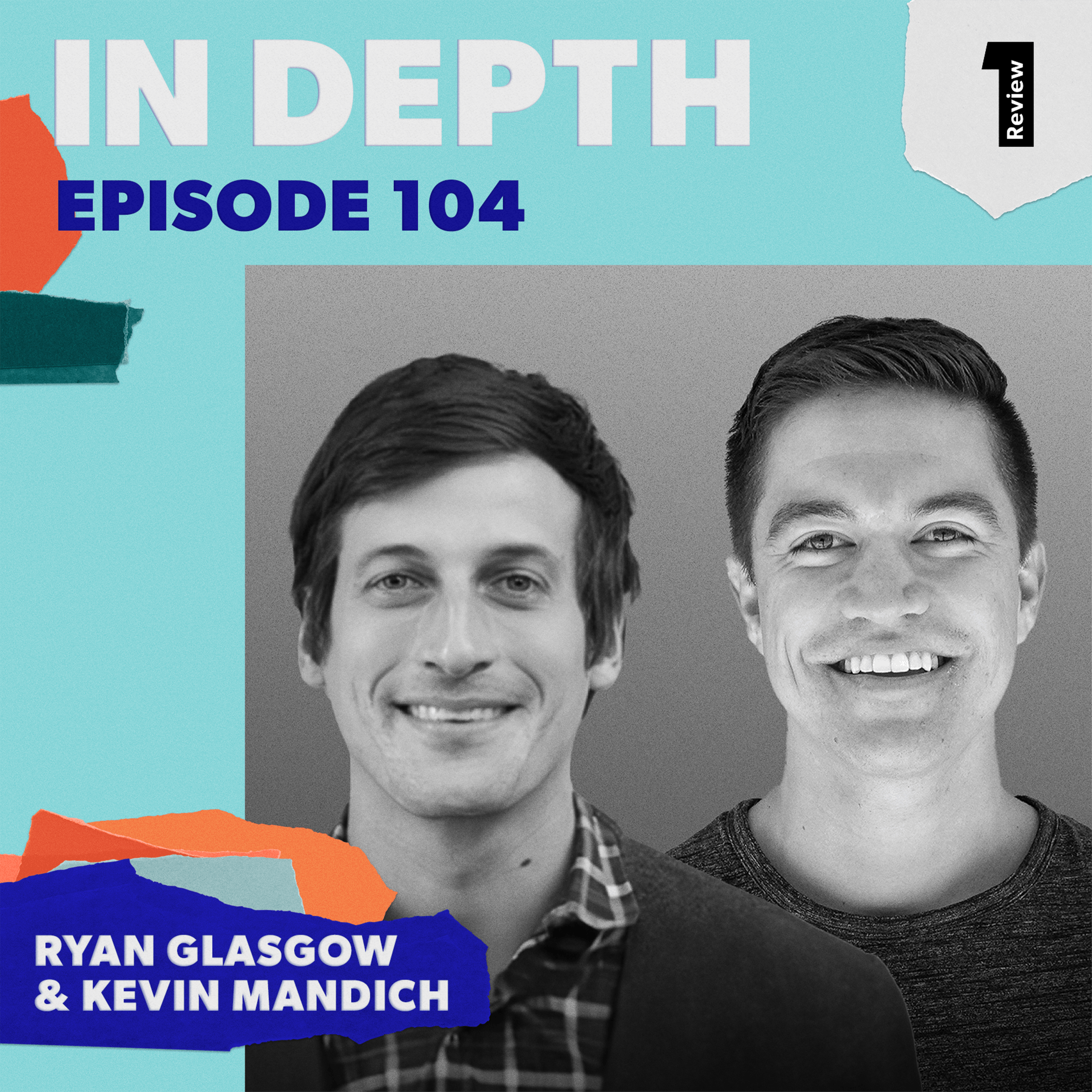
A guide to building product in a post-LLM world | Ryan Glasgow and Kevin Mandich from Sprig
Sprig is an AI-powered user insights platform that has raised over $88m. Today’s discussion features two key individuals in Sprig’s journey so far: Ryan Glasgow, Sprig’s CEO and founder; and Kevin Mandich, Sprig’s Head of Machine Learning. Before Sprig, Ryan was an early PM at GraphScience, Vurb, and Weeby (all of which were acquired), and Kevin was an ML Engineer at Incubit, and a Post-Doctoral Researcher at UC San Diego. In today’s episode, we discuss: Key lessons from the Sprig founding story Product development in the pre vs. post-LLM world How to overcome AI skepticism How to evaluate new models and how to know when to switch Why you need an ML engineer Sprig’s “AI Squad” team structure How Sprig upskills all team members on AI Referenced: Auto-GPT: https://github.com/Significant-Gravitas/Auto-GPT Chat GPT: https://chat.openai.com Google’s BERT model: https://en.wikipedia.org/wiki/BERT_(language_model) Jira: https://www.atlassian.com/software/jira Jobs to Be Done Framework: https://hbr.org/2016/09/know-your-customers-jobs-to-be-done Langchain: https://www.langchain.com/ Sprig: https://sprig.com/ Where to find Ryan Glasgow: Twitter: https://twitter.com/ryanglasgow LinkedIn: https://www.linkedin.com/in/ryanglasgow/ Where to find Kevin Mandich: Twitter: https://twitter.com/kevinmandich LinkedIn: https://www.linkedin.com/in/kevinmandich/ Where to find Brett Berson: Twitter: https://twitter.com/brettberson LinkedIn: https://www.linkedin.com/in/brett-berson-9986094/ Where to find First Round Capital: Website: https://firstround.com/ First Round Review: https://review.firstround.com/ Twitter: https://twitter.com/firstround Youtube: https://www.youtube.com/@FirstRoundCapital This podcast on all platforms: https://review.firstround.com/podcast Timestamps (02:50) Intro (04:57) What attracted Kevin to Sprig (05:53) Kevin's background before Sprig (07:56) How Ryan gained conviction about Kevin (09:55) Key technical challenges and how they solved them (18:46) How to overcome AI skepticism (21:47) The early difficulties of building an ML-enabled product (25:06) Evaluating new models and knowing when to switch (35:09) Using Chat GPT (37:23) Product development in the pre vs. post-LLM world (39:53) The impact of AI hype on Sprig's product development (45:36) Balancing AI automation with user-psychology (48:47) Do recent LLMs reduce Sprig's competitive advantage? (51:00) The importance of "selling the vision" to customers (54:40) How Sprig structures teams (57:25) How Sprig upskills all team members on AI (60:25) 3 key tips for companies trying to navigate AI (66:05) Major limitations with LLMs right now (70:27) The future of AI and the future of Sprig
Ep 103An org-design masterclass from a Square GM | Saumil Mehta
Saumil Mehta is the GM of Square’s flagship point-of-sale business, as well as CRM, Square Staff, and Square Online. Before Square, Saumil was the Founder and CEO of LocBox, which raised over $5.1M, and helped offline/local businesses run multi-channel marketing campaigns, all from one universal dashboard. Saumil has now been a leader at Square for 8+ years, and has overseen many complex re-orgs. These experiences have shaped Saumil into an all-round org-design expert. In today’s episode we discuss: The principles of effective org design Signs your company needs a re-org Square’s GM-led org design, and the reasoning behind it Lessons on incentive-design, pricing, planning, and decision-making at scale The step-by-step process behind a recent re-org at Square 5 lessons from Alyssa Henry, CEO at Square Referenced: Alyssa Henry, CEO at Square: https://www.linkedin.com/in/alyssa-henry-0905692 Saumil’s 6 key principles for effective re-orgs: https://medium.com/@saumil/avoid-the-reorg-from-hell-with-six-key-principles-f8c9cbdfb0bd Saumil’s blog post about “Building Better Products with Escalation”: https://medium.com/swlh/well-that-escalated-quickly-building-better-products-with-escalation-feb259d733c9 Square: https://squareup.com/gb/en Where to find Saumil Mehta: Twitter: https://twitter.com/saumil Linkedin: https://www.linkedin.com/in/saumilmehta1/ Blog: https://medium.com/@saumil Where to find Brett Berson: Twitter: https://twitter.com/brettberson LinkedIn: https://www.linkedin.com/in/brett-berson-9986094/ Where to find First Round Capital: Website: https://firstround.com/ First Round Review: https://review.firstround.com/ Twitter: https://twitter.com/firstround Youtube: https://www.youtube.com/@FirstRoundCapital This podcast on all platforms: https://review.firstround.com/podcast Timestamps [00:02:22] Intro [00:04:20] The principles of effective org design [00:04:32] #1 Align on goals [00:06:14] #2 Separate design considerations from human considerations [00:08:03] #3 Define clear reasons each team exists [00:09:21] #4 Design for durability [00:09:49] #5 Be very intentional with comms [00:10:14] Some stories behind the principles [00:13:55] How to know when you need a re-org [00:16:14] Managing inevitable tradeoffs in org design [00:20:45] Square's "GM-led" structure [00:23:05] Why Square centralized GTM [00:25:39] Managing pricing and packaging across a complex org [00:29:28] Examples of Square's written principles [00:31:19] How Square determines what each GM owns [00:38:35] Collaboration across GMs and products [00:40:32] Key lessons on planning and decision-making at scale [00:43:15] Designing incentives across a massive org [00:49:03] Two reasons GM structures go wrong [00:52:03] 6 Step re-org walkthrough [00:52:37] Step 1: Triggering the re-org [00:53:59] Step 2: Sketching a proposed org design [00:56:17] Step 3: Checking against key criteria [00:59:22] Step 4: Finalizing approach with leadership [01:00:04] Step 5: Planning comms [01:01:58] Step 6: Executing comms [01:04:20] Signals a re-org worked vs failed [01:07:13] 5 lessons from Alyssa Henry, CEO at Square
Ep 102How to supercharge your engineering org | Kellan Elliott-McCrea (Adobe, Dropbox)
Kellan Elliott-McCrea is a Head of Engineering at Adobe, overseeing Frame.io, a newly acquired video review and collaboration platform. He is known for his experience and expertise as an engineering leader. He was previously a VPE at Dropbox, and CTO at Etsy where he built and led a team of 300 people, from tech and platform reboot through to IPO. Kellan also built and scaled teams at Flickr, and has a coaching and advising practice for companies looking to supercharge their engineering teams. In today's episode, we discuss: How software engineering has changed in the last 10-15 years The future of software engineering, and the impact of AI The importance of alignment and tactics for achieving it How to think about and enable engineering productivity Lessons on culture from Adobe, Dropbox, and Flickr Concrete tips for being a better manager Rituals for building business literacy throughout an org Referenced: Adobe: https://www.adobe.com Dropbox: https://www.dropbox.com/ Flickr: https://www.flickr.com/ Frame: https://www.frame.io/ How Complex Systems Fail, by Richard I. Cook, MD: https://how.complexsystems.fail/ How Etsy Grew their Number of Female Engineers by Almost 500% in One Year https://review.firstround.com/How-Etsy-Grew-their-Number-of-Female-Engineers-by-500-in-One-Year Where to find Kellan Elliott-McCrea: Twitter: https://www.twitter.com/kellan LinkedIn: https://www.linkedin.com/in/kellanem Website: https://kellanem.com/ Personal blog: https://laughingmeme.org/ Where to find Brett Berson: Twitter: https://twitter.com/brettberson LinkedIn: https://www.linkedin.com/in/brett-berson-9986094/ Timestamps: [00:02:58] Engineering orgs now vs 15 years ago [00:05:57] Why engineering teams are bigger despite better tools [00:10:45] How to think about engineering productivity [00:15:50] Questioning common compensation models [00:19:39] Slow teams are misaligned teams [00:23:56] How to achieve alignment in engineering teams [00:29:12] How to co-ordinate better across teams [00:35:23] Why so few companies successfully go multi-product [00:38:02] Which elements of successful orgs replicate? [00:41:53] How to approach a new org system at a new company [00:45:48] The value of information sharing and coaching [00:48:55] Best practices for communicating with and across teams [00:51:05] How to approach disagreements [00:54:27] What high-quality engineering management looks like [00:58:37] How to increase organizational capacity [00:63:20] Tactics and rituals for enabling effective teams [00:66:05] How to build business literacy [00:68:30] Kellan's biggest inspirations
The zero to one B2B marketing playbook | Alex Kracov (Lattice, Dock)
Alex Kracov is the CEO and Co-Founder at Dock, and the former VP of Marketing at Lattice. Alex joined Lattice as the first marketer and third employee, and he helped to grow the business from seed to 1850+ customers. Prior to Lattice, Alex was a consultant at Blue State Digital — the team that elected President Obama and orchestrated projects at Google. Since leaving Lattice in 2021, Alex co-founded Dock, a B2B platform that has streamlined the customer buying experience for clients like Loom, Origin, and Instabug. In today's episode, we discuss: The 2023 SaaS marketing playbook How to start your early-stage B2B marketing How to prioritize resources across multiple marketing bets How to think about attribution Lattice’s unorthodox million-dollar marketing campaign How to hire for early marketing roles What makes a standout marketer Advice for building your first website Referenced: Dock: https://www.dock.us/ Lattice: https://lattice.com/ Jack Altman: https://www.linkedin.com/in/jackealtman J Zac Stein: https://www.linkedin.com/in/jzacstein Where to find Alex Kracov: Twitter: https://twitter.com/kracov/ LinkedIn: https://www.linkedin.com/in/alexkracov Website: https://www.kracov.co/ Where to find Brett Berson: Twitter: https://twitter.com/brettberson LinkedIn: https://www.linkedin.com/in/brett-berson-9986094/ Timestamps: [00:00:00] Intro [00:02:45] The challenges and opportunities in early-stage B2B marketing [00:05:13] How to think about short-term versus long-term marketing goals [00:07:31] Allocating resources across marketing bets [00:09:13] Signs your marketing is working [00:11:20] The most underutilized marketing strategy [00:13:03] Creating your company’s first website [00:14:22] How Lattice formed its brand messaging and positioning [00:18:22] Dock’s innovative approach to marketing software [00:20:14] The first thing people should see on your website [00:23:10] Lattice’s most successful early-stage marketing tactics [00:28:05] Determining which marketing strategies are still relevant [00:30:25] Lattice’s unorthodox million-dollar marketing campaign [00:33:26] Why Alex had an outsized impact at Lattice [00:37:05] Lessons from his first marketing hires [00:39:41] When to scale your marketing team [00:40:55] Building an effective early-stage marketing team [00:42:30] A tough conversation with the CEO & Co-founder of Lattice [00:44:46] Achieving early-stage marketing alignment [00:46:20] Transitioning from employee to entrepreneur [00:49:19] Getting the most out of conferences [00:50:47] Selecting marketing channels in the early stages [00:52:44] Hiring marketers for experience versus potential [00:56:34] The 2023 SaaS marketing stack [00:58:19] Advice for Zero to One marketing [00:60:46] What successful B2B marketing looks like

Lessons from Loom on product strategy, organizational leadership, and cross-functional performance | Anique Drumright (COO at Loom)
Anique Drumright is the COO at Loom, a video communication tool for streamlining workflows. Loom has raised over $200M, and was last valued at $1.5B. Anique has a proven track record across product development, executive leadership, and building high-performing organizations. Before joining Loom, Anique was the VP of Product at TripActions, where she scaled the team over 8x globally, and she has also held multiple roles at Uber. In today's episode, we discuss: Best-practice product management How to achieve alignment at scale The importance of cross-functional performance Anique's unique approach to finding top organizational talent How to hire for roles outside your area of expertise Common fail cases with internal and external recruitment Tactics for effective interviews Referenced: Loom: https://www.loom.com/ Navan (formerly TripActions): https://navan.com/ Teach for America: https://www.teachforamerica.org/ Uber: https://www.uber.com/ Where to find Anique Drumright: Twitter: https://twitter.com/aniqued LinkedIn: https://www.linkedin.com/in/anique-drumright-53978a1a Where to find Brett Berson: Twitter: https://twitter.com/brettberson LinkedIn: https://www.linkedin.com/in/brett-berson-9986094/ Timestamps: [00:03:00] The similarities and differences between PM and executive leadership roles [00:06:53] How Loom uses storytelling when launching a product [00:10:01] Managing cross-functional scope and performance [00:13:41] Goal-setting with functional leads [00:16:59] The importance and difficulty of organizational alignment [00:20:40] How Uber achieved alignment at scale [00:24:06] Rituals for staying aligned [00:25:23] Loom's winning one-on-one format [00:27:49] When and how to help functional leads [00:29:13] Hiring for roles outside your area of expertise [00:32:55] Go-to interview questions for prospective leaders [00:33:55] Changing the hiring process for roles outside your area of expertise [00:36:09] Common patterns of failed external hires [00:37:40] Common patterns of failed internal hires [00:39:05] Avoiding over-promotion in your organization [00:40:51] What inspires people in a company [00:45:40] Tactics for getting honest answers in interviews [00:47:12] Asking the right questions during reference checks [00:51:29] A month in the life of a COO [00:52:52] The importance of employee energy levels [00:54:53] Loom's leadership dynamics and why it works [00:57:30] People who had an outsized impact on Anique's career
Lessons from Slack on decision making, product-led growth, and taking big swings — Noah Desai Weiss
Noah Desai Weiss is the Chief Product Officer of Slack, and has an accomplished track record inside and outside of the company. He started Slack’s Search, Learning, and Intelligence division, led the Self-Service (SMB) Business, and led the Expansion and Virtual HQ product areas (responsible for Huddles, Clips, and more). Before joining Slack, Noah was the SVP of Product Management at Foursquare (raised over $390m), and was a Product Manager at Google. In today's episode, we discuss: When to use intuition vs data to drive decisions The most underrated traits in a remote work environment How Slack runs product reviews The importance of a team’s “vibe” Managing pace vs accuracy in decision-making Balancing "big swings" with incremental improvements Advice on product-led vs sales-led growth Curious to learn more about Slack? You can try Slack Pro and get 50% off using this link. Referenced: Creative Selection - Inside Apple's Design Process During the Golden Age of Steve Jobs: https://www.amazon.com/Creative-Selection-Inside-Apples-Process/dp/1250194466 Salesforce acquires Slack: https://slack.com/blog/news/salesforce-completes-acquisition-of-slack Thinking in Bets - Making Smarter Decisions When You Don't Have All the Facts: https://www.amazon.com/Thinking-Bets-Making-Smarter-Decisions-ebook/dp/B074DG9LQF Where to find Noah Weiss: Twitter: https://twitter.com/noah_weiss LinkedIn: https://www.linkedin.com/in/noahw/ Where to find Brett Berson: Twitter: https://twitter.com/brettberson LinkedIn: https://www.linkedin.com/in/brett-berson-9986094/ Timestamps: [2:46] Not all decisions should be data-driven [3:46] When to use data vs intuition to drive decisions [9:15] Taste and judgment are learnable [11:47] How Slack scales intuition across their product org [14:58] Challenges of intuition-led product building [16:43] Matching people to data vs intuition-driven work [19:19] underrated qualities for remote workers [21:34] What's special about Slack's approach to product? [23:33] Which products should focus on end-users versus executives [26:38] What Slack learns from Salesforce [31:44] Pricing lessons from Salesforce and Marc Andreessen [34:10] How Slack runs product reviews [37:02] What creates good vibes in a product team [40:17] Managing pace vs accuracy in decision-making [46:29] Rituals for good decision-making [50:20] Balancing "big swings" with incremental improvements [55:30] Slack's biggest philosophy change [60:05] Slack's humility and why it matters [61:43] Advice for thinking about product-led vs sales-led growth [01:08:14] How to build product with a product-focussed founder [01:12:46] People who made an outsized impact on Noah's career
Lessons in leadership | Scaling an org, developing yourself, and tactical management advice | Jack Altman (Lattice)
Jack Altman is the co-founder and CEO of Lattice, a people success platform for building engaged, high-performing teams. Lattice has raised over $330M, and was last valued at $3B. He is an expert in building company culture, and wrote a book on the topic, titled: “People Strategy”. In today's episode, we discuss: The importance of self-awareness and how to develop it The value of difficult conversations and advice for having them Common mistakes when scaling a company How to approach firing decisions and the associated internal optics How to think about low-performing but “well-liked” employees How to get drastically more out of your team members Adapting to the challenging new economic environment Referenced: Jack’s book: https://www.amazon.com/People-Strategy-Culture-Competitive-Advantage/dp/1119717043 Jack’s company, Lattice: https://lattice.com/ First Round Capital's Newsletter: https://review.firstround.com/newsletter Where to find Jack Altman: LinkedIn: https://www.linkedin.com/in/jackealtman Twitter: https://twitter.com/jaltma Where to find Brett Berson: Twitter: https://twitter.com/brettberson LinkedIn: https://www.linkedin.com/in/brett-berson-9986094/ In this episode, we cover: (2:40) Founders must continually grow with their company (7:23) How to identify hiring errors vs management errors (9:46) Managing the tension of delegation vs control (11:51) How to cultivate self-awareness (14:59) The one thing founders should never give up (17:22) How to build a product org (19:06) Hot take on micro-management (21:05) The importance of context setting as CEO (22:09) What founder transparency actually means (23:43) Examples of “context setting” as a leader (26:09) The value of uncomfortable conversations (27:16) How to have uncomfortable conversations (28:30) Founders must own their most difficult decisions (31:48) Optimizing speed vs accuracy in decision-making (33:50) The hidden biases in group discussions (35:05) When Jack experimented with removing himself from all meetings (37:48) The most unusual element of Jack’s leadership approach (38:34) 4 pieces of advice for CEOs (41:20) How to talk to customers (42:59) The many sources of learning for CEOs (46:45) Instructive framework for maximizing employee performance (49:56) When long-time employees don’t scale with the company (55:07) How to think about low-performing but “well-liked” employees (58:19) Identifying team members that “aren’t a fit” (59:57) Should you tell people why someone was let go? (62:42) Managing in the challenging new economic environment (68:18) Aligning an employee’s career goals with company goals (74:27) You're probably underestimating your team's potential
Ep 97Lessons from Stripe on adding new products - Assessing ideas, structuring teams, and tactics for product reviews | Tara Seshan (Watershed, Stripe)
Tara Seshan is the Head of Product at Watershed, a climate platform that companies use to measure, report, and reduce their carbon emissions. Before joining Watershed, Tara was Head of Product at Stripe throughout the launch of Stripe Billing and Stripe Treasury. As a Thiel Fellow and experienced multi-product builder, Tara brings a wealth of experience with 0-1 SaaS products. In today's episode, we discuss: The different types of multi-product strategies. Stories from Stripe’s multi-product success. How to allocate resources across new and existing products. How to structure teams for launching new products. The best personas for building new products and the hiring tactics for finding those people. Common challenges when going from single to multi-product. How to assess and prioritize new product ideas. How to measure success when launching new products. The 12 questions Tara asks for better product reviews. Tactics for collecting and interpreting user feedback. Referenced: First Round Capital's Newsletter: https://review.firstround.com/newsletter The 'Wins Above Replacement' metaphor: https://en.as.com/mlb/wins-above-replacement-war-baseball-statistic-explained-n/ Zero to One by Peter Thiel & Blake Masters: https://www.amazon.com.au/Zero-One-Notes-Startups-Future/dp/0804139296 Companies Referenced: Atlassian: https://www.atlassian.com/ Cash App: https://cash.app/ Figma: https://www.figma.com/ First Round Capital: https://firstround.com/ Lattice: https://lattice.com/ Notion: https://www.notion.so/ Paypal: https://www.paypal.com/ Stripe: https://stripe.com/ Watershed: https://watershed.com/ People Referenced: Jack Dorsey: https://twitter.com/jack Patrick Collison: https://twitter.com/patrickc Shreyas Doshi: https://twitter.com/shreyas Where to find Tara Seshan: LinkedIn: https://www.linkedin.com/in/tarstarr/ Twitter: https://twitter.com/tarstarr Where to find Brett Berson: Twitter: https://twitter.com/brettberson?lang=en LinkedIn: https://www.linkedin.com/in/brett-berson-9986094/ In this episode, we cover: (0:00) Intro (3:55) How Stripe navigated the path from single to multi-product (6:00) How to allocate resources across a primary product and secondary bets (7:46) How to launch products using small teams (12:25) What makes a great early-stage product thinker (13:08) Key indicators for spotting early-stage product talent (16:33) A common fail-case when hiring for potential over experience (18:32) 5 interview questions to unearth hidden talent among product candidates (20:35) What Stripe got wrong when it first launched Billing (26:00) How Stripe adapted to new buyer profiles (28:50) Why new product teams should be treated like a startup within a company (30:35) The importance of “definite optimism” (31:44) How Watershed prioritizes new products in an early market (33:53) The methodical versus analytical approach to picking new products (40:08) Setting goals and evaluating new product bets (41:55) How Tara runs new-product reviews (42:10) “The Enterprise Rent-A-Car Story” and why it matters (43:56) The 12 questions Tara asks in product reviews (46:17) How to use product review questions pre-meeting (46:34) The rationale behind Tara’s 12 questions (48:13) How Tara re-focusses the questions when building products for net-new-customers (49:43) How to collect and leverage user feedback when building new products (51:58) Why product development must start with problem validation (53:52) Two people who had an outsized impact on how Tara thinks about product (54:50) Outro
Ep 91How to design a high-impact growth org for a PLG startup — Webflow & Dropbox’s Melissa Tan
Our guest today is Melissa Tan, GM of Self-Service and Head of Growth at Webflow and formerly Head of Growth and Monetization for Dropbox Business. In today’s conversation, she unpacks the nuances between the two PLG businesses and how growth strategy changes for a more complex product like Webflow, including: Designing and structuring a growth org The right way to tackle goal-setting How Webflow’s pricing and packaging has evolved How to calibrate pricing feedback You can email us questions directly at [email protected] or follow us on Twitter @firstround and @brettberson.
Ep 95Why is the transition from IC Engineer to Manager so tricky (and how to get it right)? — Marcel Weekes, VP of Product Engineering at Figma
Our guest today is Marcel Weekes, VP of Product Engineering at Figma and former VP of Engineering at Slack. In today’s conversation, he unpacks why most startups get it wrong when they uplevel someone from IC engineer to eng manager and unfurls what stellar engineering management looks like at high-growth companies, including: Setting appropriate expectations and goals Turbocharging the team’s effectiveness Delivering high-impact feedback Going from a peer to a manager What leaders risk when they drag their heels on managing out low-performers You can email us questions directly at [email protected] or follow us on Twitter @firstround and @brettberson.
Ep 94How to pull off the ‘zoom-in pivot,’ and other lessons in early-stage building with Luminai’s Kesava Kirupa Dinakaran
Todd Jackson is back on the mic to guest host another product-focused episode. This time, he chats with Kesava Kirupa Dinakaran, co-founder and CEO of Luminai, a B2B software tool that helps automate any manual process down to just one click. Dinakaran’s personal and professional story is one that you do not want to miss. A former Rubik’s Cube champion and back-to-back Hackathon winner, Dinakaran’s foray into the world of building software products is anything but conventional. The founders stumbled on the idea for its automated “one-click” product started on accident, at a corporate hackathon. But it’s exactly this unique worldview and introspective strategies that make Dinakaran’s advice on the path to finding product-market fit for Luminai so fascinating. Formerly called Digital Brain, Luminai is a Series A startup that’s raised nearly $20 million since its launch out of Y Combinator in 2020. In this episode, we explore the psychology behind the sales process, why sales leaders should consider pitching straight to the CEO and Dinakaran’s decision to scrap hundreds of lines of written code to focus on building out their most beloved customer feature. On the surface, Luminai may seem like just another B2B SaaS startup, but with nearly half the team comprising of former founders (seven of which are ex-YC founders), Luminai is a true example of how the co-founders can really make their mark on shaping their company on the path to product-market fit.
Ep 93The go-to-market guide for open-source companies — Douglas Hanna, COO Grafana Labs
Our guest today is Douglas Hanna, Chief Operating Officer at Grafana Labs. Grafana Labs is an observability stack built around Grafana, a leading open-source technology for dashboards and visualization. Douglas is a seasoned revenue leader, previously leading operations and GTM strategy at Zendesk. At Grafana Labs, Douglas has been instrumental in scaling GTM at the open-source company — building up both team headcount and its revenue model. In our conversation today, Douglas dives deep into the process of bringing products to market at an open-source company. We explore the different facets of building and scaling a revenue model at an open-source company. Douglas opens up the GTM playbook at Grafana Labs sharing: When to commercialize a feature vs. switch to a hosted version of a product Tried and tested frameworks for pricing and packaging How Grafana Labs thinks about what to put behind a paywall How the GTM team was built over time., You can follow Douglas on Twitter at @douglashanna. You can email us questions directly at [email protected] or follow us on Twitter @firstround and @brettberson.
Ep 92What this 3-time founding team did differently to find product-market fit faster — Jessica McKellar, CTO of Pilot
Today’s conversation is with Jessica McKellar, co-founder and CTO of Pilot, which is the largest accounting firm for startups. She’s been working on Pilot for the last 6 years with her two co-founders, Waseem Daher and Jeff Arnold. But what makes this founding trio super unique is that they’ve stuck together in not just one, but three different startups. As repeat founders, the Pilot team has learned a ton from their first two ventures, K Splice and Zulip, and both netted some positive outcomes. But as Jessica will share today, there were mistakes the team made along the way that prevented both products from becoming an outsized success. So she unpacks what they did differently with Pilot — particularly when it came to picking an acute problem and a huge market to tackle. Jessica also shares the tedious process for building the early version of the product, which included looking over Waseem and Jeff’s shoulders as they manually did the bookkeeping for early customers, while she wrote code alongside them. Even going back to the earliest days, Pilot had some really strong product-market fit signals, with customers agreeing to pull out their credit card and pay for the product right away when it was just an idea on paper and eventually pulling the Pilot team into expanding their product suite. Make no mistake about it — being a founder is incredibly difficult — but choosing the right problem to tackle can drastically smooth the path ahead of you.
Ep 91How to measure product-market fit with the REV model — Artem Kroupenev
Our guest today is Artem Kroupenev, VP of Strategy at Augury. Augury is a leader in a category they helped to define known as “machine health.” The company sells products that combine hardware, AI, and SaaS within industrial manufacturing. Artem joined the team at the very beginning of its journey and helped shape strategies for how the team measured product-market fit, go-to-market, and eventually, a strategy for designing a brand new market category they could compete in. In our conversation today, we dive deep into measurable product-market fit and category-creation strategies. Artem shares particular wisdom on: Augury’s storyboard-based approach to product vision How to sell to a limited pool of customers The REV (revenue, engagement and value) model from measuring product-market fit When founders should start exploring creating a new category to operate in You can follow Artem on Twitter at @artemkroupenev You can email us questions directly at [email protected] or follow us on Twitter @firstround and @brettberson.
Ep 88The early user research playbook for founders — Jeanette Mellinger’s expert advice for validating your idea with high-quality interviews
Our guest today is Jeanette Mellinger, Head of UX Research at BetterUp and our User Research Expert in Residence at First Round. In today’s conversation, Jeanette unspools her tested playbook for high-quality customer interviews, with particular advice for founders in the very early days of validating an idea, including: The three-step framework for a thorough user-research process The biggest mistakes she’s noticed after working with dozens of early-stage companies Specific advice for structuring an interview flow and crafting better questions that unlock essential insights You can follow Jeanette on Twitter at @jnetmell You can email us questions directly at [email protected] or follow us on Twitter @firstround and @brettberson.

Ep 89Claire Hughes Johnson on being a “learning organism” during Stripe’s growth, and more scaling advice for leaders
Our guest today is Claire Hughes Johnson, former COO of Stripe and author of the new book, “Scaling People: Tactics for Management and Company Building.” Claire joined Stripe as its COO back in 2014 and, over the course of her nearly seven years in the company’s executive suite, she oversaw rapid growth as Stripe scaled from under 200 employees to over 7,000. Prior to Stripe, she spent 10 years at Google leading various high-impact business teams. In today’s conversation, In today’s conversation, Claire takes us behind the scenes at some of the most pivotal moments in her life that turned her into the type of leader she is today, including: The inside story of her lengthy, no-stone-unturned process of interviewing with the Collison brothers for the COO seat. How she applied some of those same lessons for hiring exceptional talent, including the right way to do reference checks and her own theories on why it’s so hard to get executive hiring right. How her parents instilled her deep curiosity and fierce independence at a very young age. Why she believes all high-performers are “learning organisms.” You can follow Claire on Twitter at @chughesjohnson. Check out her new book, “Scaling People,” as well as the book she recommended from Fred Kofman titled “Conscious Business.” You can email us questions directly at [email protected] or follow us on Twitter @firstround and @brettberson.
Ep 86Notion’s Head of Marketing on building a growth marketing engine at a PLG company — Rachel Hepworth
Our guest today is Rachel Hepworth, Head of Marketing at Notion. Rachel currently runs growth marketing at Notion, and sees her job as bringing process and control to all of Notion’s different marketing channels. Before joining Notion, Rachel launched the first growth marketing team at Slack, laying down the tracks for a well-oiled go-to-market strategy that could be measured easily. Much like Slack, Notion has made a name for itself largely through customer love and a powerful word-of-mouth recommendation engine. As a metrics-focused marketer, Rachel opens up her playbook on how she lassos that kind of word-of-mouth growth and the analytical approach she has toward acquiring and retaining customers. In our conversation today, we focus on the nuts and bolts of what growth marketing looks like inside an organization that’s driven by product-led growth. Rachel shares tactical advice on: Why high-speed feedback cycles are so important Early indicators of which sign-ups are most likely to convert to paid customers Her process for adjusting which top-of-funnel metrics to track over time How marketing, product and sales all work together at Notion to own a different part of the customer funnel You can follow Rachel on Twitter at @rachelhepworth. You can email us questions directly at [email protected] or follow us on Twitter @firstround and @brettberson.
Ep 87What makes someone a truly remarkable talent evaluator — Nadia Singer, Figma’s Chief People Officer
Our guest today is Nadia Singer, Chief People Officer at Figma. Nadia joined Figma in 2020 and has seen explosive growth in her own career alongside the collaborative design platform’s. Before Figma, Singer was a talent expert who has hired hundreds of talented folks at places like Quora, Facebook and Google. In our conversation today, we dive deep into what makes someone a terrific talent evaluator. Nadia opens up her own recruiter playbook and shares: Her personal recruiting trick, which is to study how a candidate reaches an answer, rather than what they say Tactics interviewers can use to avoid pattern matching and other biases The biggest mistakes she made in her early days as a recruiter Ways that Figma tweaked its approach to culture so it could scale alongside the company You can follow Nadia on Twitter at @nadsinger. You can email us questions directly at [email protected] or follow us on Twitter @firstround and @brettberson.
Ep 86How Vanta’s founder bet big on startup security and found product-market fit — Christina Cacioppo
Todd Jackson is back on the mic to guest host another product-focused episode this week with Christina Cacioppo, the co-founder and CEO of Vanta. Vanta is the leading automated security and compliance platform, with thousands of businesses relying on the product to get compliant (and to stay that way). After toying with some initial ideas, like a voice assistant for biologists, Christina started building Vanta to solve a problem that didn’t really exist at the time. The company started out in 2018 by trying to get SOC-2 security compliance for startups — but at the time, startups didn’t even really need to have SOC-2s. But Christina and her team saw the writing on the wall and that security was going to shoot up on the priority list for even the earliest-stage companies, and kept building even when plenty of smart people told them it was a bad idea. It’s a gamble that paid off. After going through Y Combinator, the team nabbed some truly incredible early customers, including Segment, Front and Lattice. Christina tells us exactly how she went from zero selling experience to pulling off big-time deals. She also pulls back the curtain on some of Vanta’s more unconventional moves, like waiting until they acquired hundreds of customers to build a proper website and instead relying almost exclusively on word-of-mouth to grow the business. Christina also shares her thinking behind the fundraising strategy, in which Vanta operated at cash flow break-even for years before going out to raise its Series A.
Ep 85Lessons from Notion on building a thriving decentralized community — Ben Lang
Our guest today is Ben Lang, Head of Community at Notion. Since joining the company in 2019, Ben has had his hand in several high-impact projects at Notion that has grown its tight-knit community of passionate Notion evangelists into millions of users today. But before he was doing this as a full-time job, Ben was already spreading his love for Notion in his free time as a voracious product user. After discovering the tool on Product Hunt, he became obsessed. He got on the company’s radar after launching his own Notion template gallery on Product Hunt and joined as one of the first 15 employees. In our conversation today, we focus on the nuts and bolts of building a global community that drives user growth. Ben shares tactical advice on: Tackling community organically from the bottom-up, and why you shouldn’t go top-down What companies are best suited to a centralized vs. decentralized community approach Partnering with YouTubers and other creators His advice to founders on finding your own first community hire You can follow Ben on Twitter at @benln. You can email us questions directly at [email protected] or follow us on Twitter @firstround and @brettberson.