
In Depth
185 episodes — Page 3 of 4
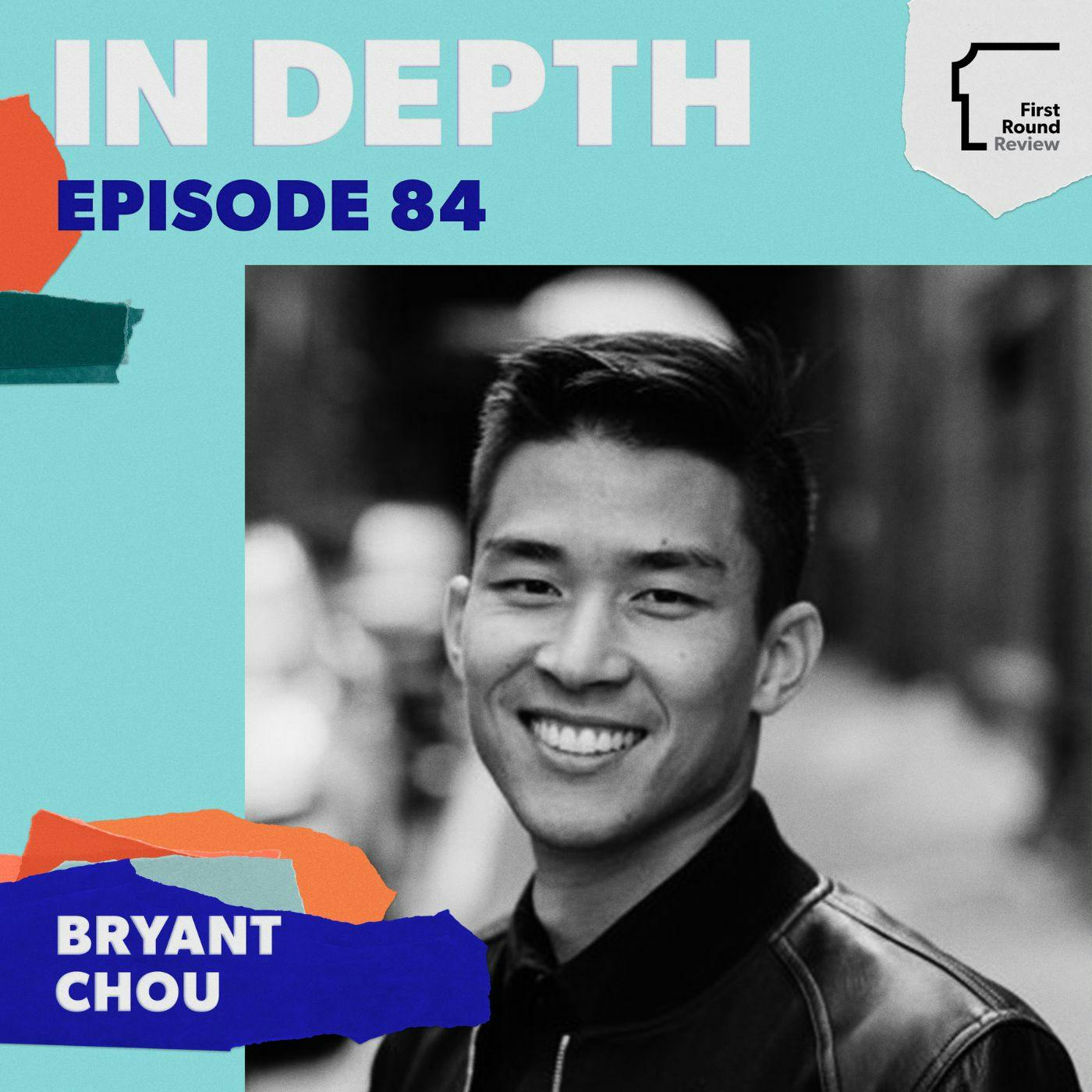
Ep 84From a narrow ICP to a wide-open market – Lessons from Webflow’s Bryant Chou on using customer empathy to get product-market fit
Todd Jackson is back on the mic to guest host another product-focused episode this week. He chats with Bryant Chou, co-founder and founding CTO of Webflow, a no-code visual web design platform built with freelance designers and developers in mind. Today, Webflow is valued at over $4 billion and has millions of users all over the world. More than 200,000 freelancers, agencies, small businesses and enterprises use Webflow to help design and power their websites at businesses large and small. But Webflow didn’t always market to such a wide customer base. In our conversation today, Bryant rewinds the clock to Webflow’s early days — when it was just a co-founder team of three building a better tool to design a website. We explore why the Webflow co-founding team had such a strong conviction that designers were their ICP, and why they took much longer to launch than other folks in their Y Combinator cohort. Bryant also explains how Webflow wrangled their viral launch on Hacker News into a sustainable revenue and shares his root cause analysis framework for collecting customer feedback. On the surface, Webflow’s path to product-market fit seems incredibly smooth. But as Bryant tells it, there were plenty of bumps in the road — and he’s got tons of advice for early-stage founders that are finding their footing.
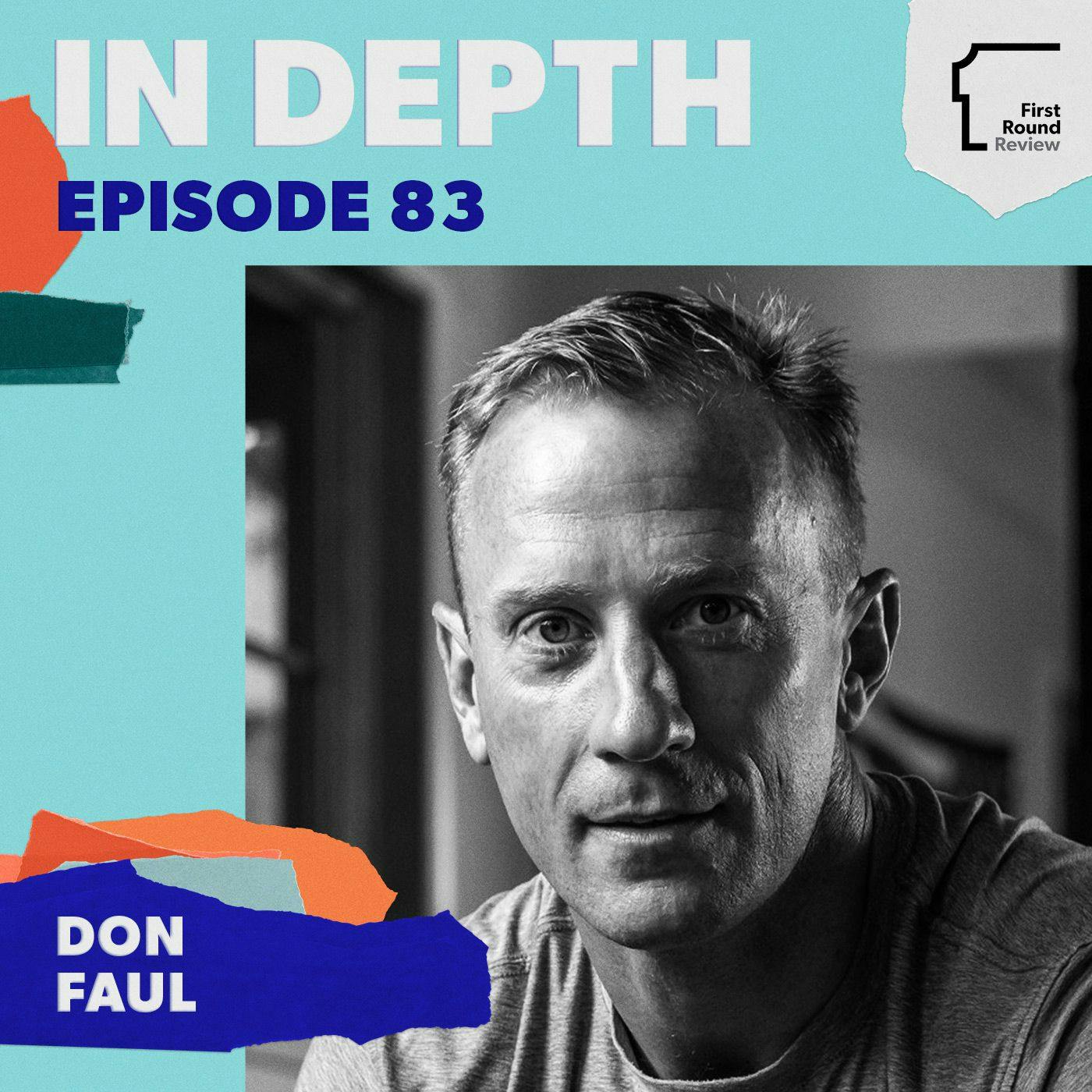
Ep 83How to lead with transparency amidst adversity — Don Faul, CEO of CrossFit and former Google, Facebook & Pinterest exec
Our guest today is Don Faul, CEO of CrossFit. Don has a fascinating background where he’s been able to find success in environments as different as a combat zone and a corporate board room. After spending 8 years as a platoon commander in the U.S. Marine Corps, Don had stints at some of the most vaunted companies in tech, including Google, Facebook and Pinterest, the latter of which he served as the Head of Operations. It’s a really unique set of leadership experiences spanning very different cultures. In today’s conversation, he answers some burning questions like if micromanagement is always a bad thing, how to create a long-term company vision that genuinely gets people fired up about the future, and what folks tend to get wrong in their all-hands meetings. We also discuss what it takes to lead in this current environment, and how leadership looks different when things feel like they’re going off the rails, which plenty of startup folks are feeling right now. Don unpacks his biggest lessons on how to embrace transparency when things aren’t going well, and candidly shares his own experience of having to wind down a company. Read the article Don penned for First Round Review: The Pivotal Stories Every Startup Leader Should be Able to Tell. You can follow Don on Twitter @donfaul You can email us questions directly at [email protected] or follow us on Twitter @ twitter.com/firstround and twitter.com/brettberson
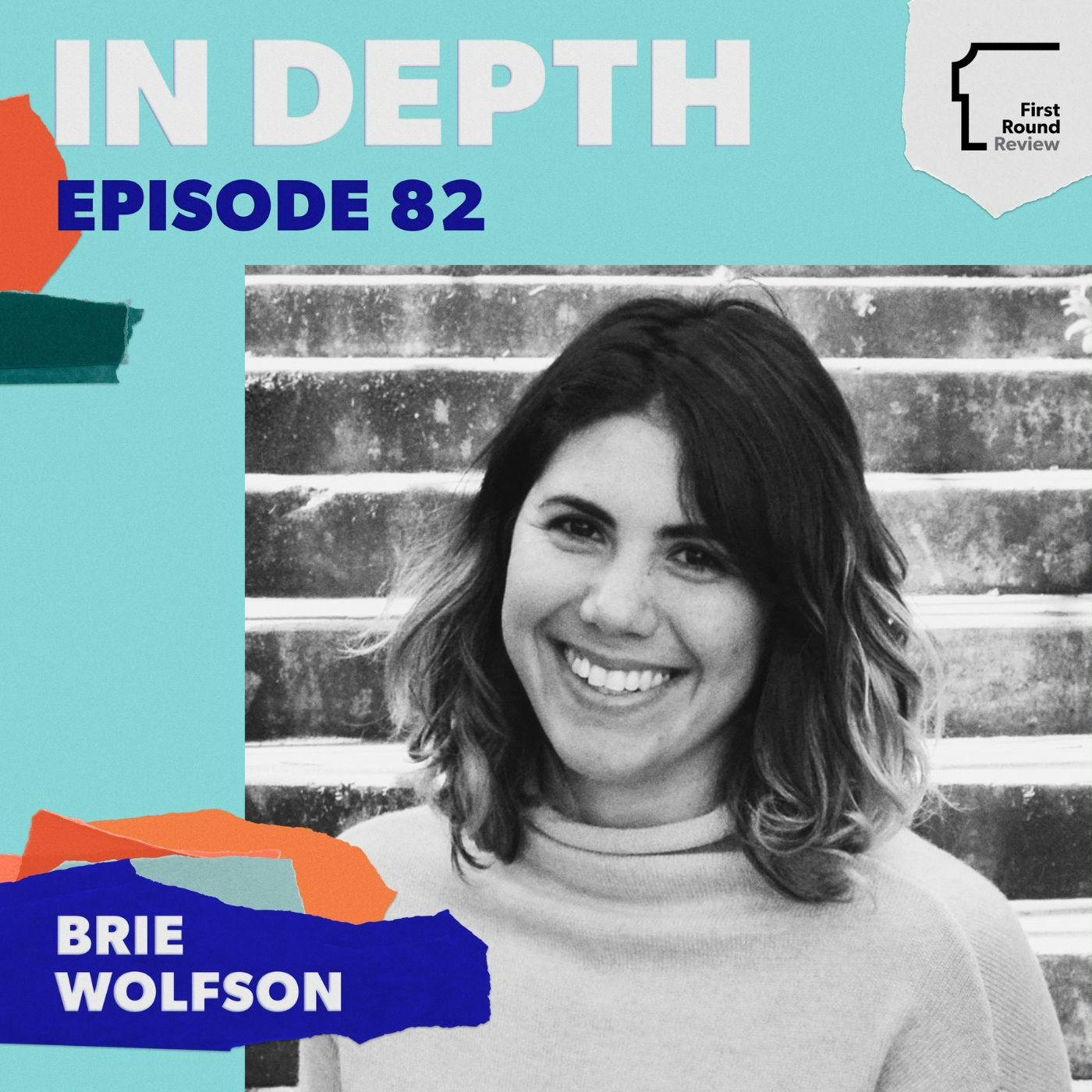
Ep 82From kickoffs to retros and Slack channels — Stripe's documentation best practices with Brie Wolfson
Our guest today is Brie Wolfson. Brie spent nearly 5 years at Stripe, where she worked on bizops and launched Stripe Press, followed by a stint at Figma where she worked on education. She then started her consultancy, named The Kool-Aid Factory, to share her lessons on building team cultures. And now she’s operating as a first-time founder building Constellate, a new productivity and communications tool for teams. In today’s conversation, we’re focused on company culture. A decade or so ago, companies like Google and Amazon dominated the cultural zeitgeist, with founders wanting to emulate their secret sauce. Today, there’s a newer guard of companies that startups want to model themselves after, with Stripe at the very top of the list. Brie peels back the layers into not just the cultural pillars that drove Stripe’s meteoric rise, but also how these showed up in day-to-day work. We also zoom out beyond Stripe to talk about her work teaming up with companies with The Kool-Aid Factory, seeing culture and company-building up close. Brie shares advice on codifying your operating principles, establishing meaningful rituals, and growing this kernel of culture as the company scales. Read the full essay Brie recommended during the interview: Reality has a surprising amount of detail and the article she penned for First Round Review: Ditch Your To-Do List and Use These Docs to Make More Impact. You can follow Brie on Twitter @zebriez You can email us questions directly at [email protected] or follow us on Twitter @ twitter.com/firstround and twitter.com/brettberson
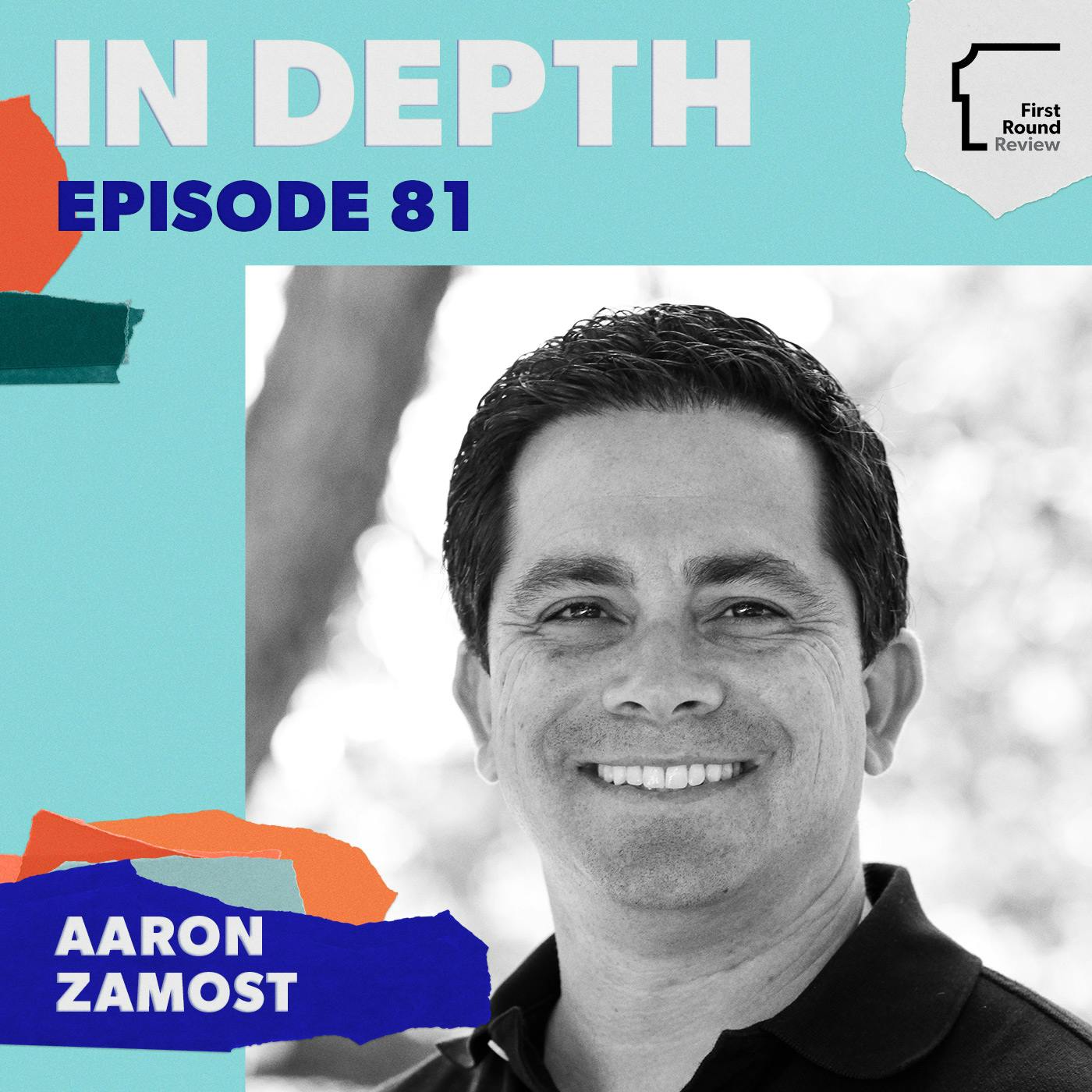
Ep 81Why comms deserves its own spot on the exec team — Aaron Zamost’s lessons from Square
Our guest today is Aaron Zamost. After a comms career at Google, Aaron joined Square in 2011 to lead corporate communications. He went on to join the exec team, reporting directly to Jack Dorsey and leading the comms strategy for Square’s IPO in 2015. In an interesting move, he also took on leading the people organization as well, running both orgs up until he left in late 2020. In addition to lecturing at UC Berkeley's School of Law, Aaron now runs Background Partners, a communications consulting firm. In today’s conversation, we dive deep into what founders need to know about both external and internal comms. Aaron shares more on: Why comms deserves its own spot on the exec team and why most founders shouldn’t hire PR agencies. The jobs-to-be-done of the comms function in the early days of a startup — and why it’s not a good customer acquisition strategy. A 3-question framework for simplifying your company message early on. How to prep for interviews and deal with difficult lines of questioning. How to think about commenting on events in the news, or message layoffs to the team. Given how much the media landscape has changed in recent years, and how many founders are grappling with internal comms issues these days, Aaron’s advice makes for a valuable listen. We also recommend checking out his two excellent Medium posts: -What’s Your Hour in ‘Silicon Valley Time’? No, you don’t need to hire an agency You can follow Aaron on Twitter at @zamosta. You can email us questions directly at [email protected] or follow us on Twitter @firstround and @brettberson.

Ep 80What founders need to know about acquisitions: Shopify’s Daniel Debow on M&A lessons from selling three startups
Our guest today is Daniel Debow, a VP of Product for Demand at Shopify. Daniel is a three-time founder and a seasoned M&A pro. Daniel oversaw the process of all three of his companies’ acquisitions and has helped continue to grow them at scale inside larger corporations. His most recent startup, Helpful, was acquired by Shopify in 2019. Before that, he co-founded Rypple which was acquired by Salesforce in 2011. His first startup, Workbrain, was acquired by Infor in 2007. In our conversation today, we focus on all the moving parts of running an M&A process as a startup . Daniel shares tactical advice on: What conditions founders should look out for at potential acquirers, as well as what established companies can do to create a more “founder-friendly” environment How to spot clear buying signals and weed out companies that are just “tire kicking” How to build meaningful relationships with executives of all types, not just corp dev teams. Techniques for including your investors in the M&A process, as well as messaging tips when opening up about the process to the wider team. You can follow Daniel on Twitter at @ddebow. You can email us questions directly at [email protected] or follow us on Twitter @firstround and @brettberson.
Ep 79How to build your culture like a product — Lessons from Anna Binder, Asana’s Head of People
Our guest is Anna Binder, Head of People at Asana. We go back to the earliest days when Anna first took on the role, starting with how she prioritized the initial things to tackle as a new People exec and combing through a slew of opinions that bubbled up from other folks at the company. Next, she shares her tactical playbook for creating a culture of feedback for not just low-performers, but high-performers, too. Anna also unpacks her methodology of conscious leadership, and how the best leaders always interrogate how the opposite might be true. She shares her insights from working on Asana’s executive team for nearly 7 years, and how to build habits to make sure this group is a healthy nucleus at the center of the company. We end with a rapid-fire round, with some quick hits tackling onboarding, all-hands meetings, and mentors. You can follow Anna on Twitter @annaebinder. You can email us questions directly at [email protected] or follow us on Twitter @ twitter.com/firstround and twitter.com/brettberson

Ep 78How to scale your career alongside your startup: Mike Boufford’s lessons after 10 years at Greenhouse
For our first episode of 2023, our guest is Mike Boufford, CTO of Greenhouse, an applicant tracking system and recruiting platform. Mike has a unique career as an engineering leader. He wrote the first line of code at Greenhouse in May 2012, and he’s still there — over a decade later. This isn’t the typical path of non-co-founding engineers, who usually get layered or leave to start their own ventures. In our conversation today, we focus on how founders build an environment that makes early employees want to stay, and importantly, how leaders can build the career skills and self-awareness they need to succeed at a startup long-term. Mike shares more on: How his own motivation changed over time and how he managed his relationship with the company’s co-founders. The techniques he used to prepare himself for every next phase of growth and how his role would have to change in 18-24 months. Why he read two books on every other executive’s area of the business when he joined the leadership team. Mike also refers to his First Round Review article in the interview, which we definitely recommend reading: Why This Engineering Leader Thinks You Shouldn’t Aim for Zero Regrettable Attrition. You can follow Mike on Twitter at @mboufford. You can email us questions directly at [email protected] or follow us on Twitter @firstround and @brettberson.
Ep 77Founders: Here’s how to get your sales pitch in ship-shape — Peter Kazanjy
Our guest is Peter Kazanjy, co-founder of Atrium and author of “Founding Sales: The Early Stage Go-to-Market Handbook.” As an early-stage founder, there’s something comforting about the build stage. You’re tinkering with the nascent product, honing your MVP and dreaming up the possibilities of how much folks are going to love what you create. But once you get out of that comfort zone of quietly building and start trying to sell, things tend to get infinitely more complicated. In today’s conversation, Pete lays out the roadmap for getting founder-led sales right in the early days. From small exercises to build up your selling muscles, like his “turbo rapport” challenge to thornier topics like self-diagnosing if your selling narrative is working, he’s got tons of advice for breaking down the art of a sales call. Pete also shares tailored guidance for folks who are facing the additional hurdle of creating a new category (and trying to create a new budget), with the playbooks he used building Atrium. You can follow Peter on Twitter @Kazanjy. Check out his articles for First Round Review, including his lessons on building a customer advisory board. You can email us questions directly at [email protected] or follow us on Twitter @ twitter.com/firstround and twitter.com/brettberson
Ep 76Deepak Rao on how X1 pivoted, launched, built a +600K-long waitlist and fundraised in tough times
Todd Jackson is back on the mic to guest host another product-market fit focused episode this week. He chats with Deepak Rao, co-founder and CEO of X1, a consumer fintech startup that’s building a credit card for a new generation. Just last week, X1 announced a $15 million funding round. But we’re here to rewind the clock and unpack how the startup got to this point. As you’ll hear in today’s conversation, the path required a dramatic pivot. Here’s a preview of what Deepak shares: The emotional journey of how the pandemic forced them to abandon the initial idea for a personal loan product. How the team validated demand for the new idea by focusing on the launch announcement and getting all of the branding exactly right — before building anything. The launch strategy that crashed X1’s website and built up a 600K long waitlist. . Why finding product-market fit is different for consumer companies, plus advice on fundraising in tough times. Whether you’re in the early innings of starting a company, going through a tough pivot yourself, or planning out your product’s launch there are tons of helpful tactics here. You can follow Deepak on Twitter at @drao1. You can email us questions directly at [email protected] or follow us on Twitter @firstround and @tjack.
Ep 74How to lower barriers to change when building and selling products — Jonah Berger’s advice for founders
Our guest today is Jonah Berger, a marketing professor at the Wharton School at the University of Pennsylvania and the bestselling author of “Contagious” and “Invisible Influence.” Today we’re chatting about his follow-up book, “The Catalyst: How to Change Anyone’s Mind.” Founders start companies to change industries and behaviors, but change is hard. Going back to chemistry, Jonah notes that catalysts don't just create change by pushing harder or exerting more energy — they remove or lower the barriers to change. (In the book Jonah offers a helpful framework about 5 specific barriers to change, called REDUCE — which stands for reactance, endowment, distance, uncertainty, and corroborating evidence.) We focus on how founders and leaders can do that in the context of building and selling products. Jonah shares his thoughts on: Whether you truly need to build a 10X better product and why a startup’s biggest competitor is actually inertia. The role of urgency in selling or getting someone to adopt a product. How to apply the freemium approach in different contexts, like with physical products. Techniques for negotiating price, as well as the role that identity and category creation play in persuasion and product adoption. You can follow Jonah on Twitter at @j1berger. You can email us questions directly at [email protected] or follow us on Twitter @firstround and @brettberson.
Ep 74How Retool reached $2M in ARR before launch by focusing on developers — David Hsu
Todd Jackson is back on the mic to guest host another product-focused episode this week. He chats with David Hsu, founder and CEO of Retool, a low-code platform for developers building custom internal tools. Today, Retool is valued at over $3 billion and has some of the biggest companies in the world building apps on its platform. But in this conversation, David rewinds the clock to Retool’s early days. He discusses why plenty of smart folks thought the idea for Retool would fail and that the product’s developer focus would sink the company. We explore why David had such strong conviction in his target customer, even in the face of doubters, and his early lessons on finding language-market fit. David also explains how Retool nabbed its earliest customers (which includes Brex, DoorDash and a Fortune 500 BigCo) and shares his playbook for creating incredibly tight feedback cycles with these early evangelists. On the surface, Retool’s path to product-market fit seems incredibly smooth. But as David tells it, there were plenty of bumps in the road — and he’s got tons of advice for early-stage founders that are finding their footing.
Ep 73How to approach GTM with an engineering lens — Rich Rao’s advice from Google & Meta
Our guest is Rich Rao, the VP of the Small Business Group at Meta, where he manages the global revenue and operations for properties including Facebook, Instagram and WhatsApp. He also spent 10 years at Google, where he held a bunch of different go-to-market roles at the company, eventually becoming the GM for the Devices and Education verticals. In today’s conversation, Rich shares how his engineering background influences his approach to GTM, from his architecture method to the concept of refactoring. We also wind back the clock to his earliest days at Google on the team that was building and selling Gmail for your domain. There are a ton of early startup mental models that Rich shares from this period in the company’s history, including why they ended up ditching free trials and his biggest pricing lessons. You can email us questions directly at [email protected] or follow us on Twitter @ twitter.com/firstround and twitter.com/brettberson.
Ep 72What startups can learn from enterprise corporate messaging — Sara Varni’s lessons from Salesforce & Twilio
Our guest is Sara Varni, CMO of Attentive, a conversational commerce platform. Before joining Attentive, Sara was Twilio’s CMO and spent 10 years as a senior marketing leader at Salesforce. In today’s conversation, we talk about what startups can learn from enterprise marketing playbooks, particularly around creating and honing a corporate message. Sara takes us behind the scenes at how companies like Twilio and Salesforce craft a corporate message from the ground up, and tweak it as the company grows. She also shares specific advice for marketers with sights on the CMO seat, including how to form collaborative, not combative relationships with sales counterparts. You can follow Sara on Twitter at @SaraVarniBright You can email us questions directly at [email protected] or follow us on Twitter @ twitter.com/firstround and twitter.com/brettberson

Ep 71Finding product-market fit twice — Alma’s Harry Ritter on pivots and staying close to customers
Todd Jackson’s back on the mic this week. (As a reminder, he’s guest hosting a few product-focused episodes this season — all about finding product-market fit.) Today, Todd chats with Harry Ritter, founder of Alma, a membership-based network that helps independent mental health care providers accept insurance and build thriving private practices. In our conversation, we go deep into Alma’s early days, and how they navigated the journey of finding traction and scaling. As you’ll hear in the episode, the Alma team essentially had to find product-market fit twice as they went from physical, co-working office spaces pre-pandemic, to quickly building out their virtual care capabilities. Here’s a preview of what Todd and Harry cover: Approaching team building as a solo founder Refining the idea and getting more insights from your customers through structured interviews, using the technique doctors are trained on Rallying your team through a pivot Staying competitor aware — not competitor obsessed The difference between building a marketplace versus a platform. Whether you’re in the early stages of starting a company or going through a tough pivot, there are tons of helpful tactics here. You can follow Harry on Twitter at @harryritter1. You can email us questions directly at [email protected] or follow us on Twitter @firstround and @tjack.
Ep 70Why everything we’ve been taught about quitting is wrong — Annie Duke
Our guest is Annie Duke, a retired pro poker player and First Round’s Special Partner focused on Decision Science. She’s also the author of the bestselling book, “Thinking in Bets.” In today’s conversation, we’re talking about her follow-up to that book, titled “Quit: The Power of Knowing When to Walk Away,” which was just released this week. Quitting is not a popular topic in startup circles and history is marked by success stories of founders who refused to quit, even when just about every signal was telling them to do so. But Annie offers a counterintuitive approach. She dives into all the misconceptions about quitting, and makes the case that it can actually be a superpower, rather than a weakness. Annie explores the psychology behind why it’s so hard to walk away, and tactically what folks can do to get a clearer picture of the decisions ahead of them, rather than being clouded by biases. She also offers specific advice for advice-givers who are trying to nudge someone to change course, with tested tips for getting your message across gently, yet firmly. And after the episode be sure to check out “Quit: The Power of Knowing When to Walk Away.” You can follow Annie on Twitter at @AnnieDuke. You can email us questions directly at [email protected] or follow us on Twitter @ twitter.com/firstround and twitter.com/brettberson
Ep 69How to scale your co-founder relationship alongside your startup — Manu Sharma & Brian Rieger of Labelbox
Our guests are Manu Sharma and Brian Rieger, co-founders of Labelbox. In this interview, we take a microscope to their co-founder DNA, exploring the ins and outs of how they’ve made the relationship work over the years. We discuss: How Manu and Brian came together as co-founders and landed on the idea for Labelbox. How they intentionally aligned their skillsets, values and responsibilities before writing a line of code. Their rituals for spending valuable time together as the company grows, including thought-starter questions for deep discussions and sharing an executive coach. How they run the executive team at scale and sketch out decision rights. Manu and Brian both have extremely valuable advice to other founders, either those in the early stages of looking for a co-founder, or folks who want to add a little magic to an existing co-founding relationship. You can follow Manu at @manuaero and Brian at @RiegerB on Twitter. You can email us questions directly at [email protected] or follow us on Twitter @ twitter.com/firstround and twitter.com/brettberson
Ep 68A crash course on founder-led customer success — Sydney Strader’s lessons from Catalyst & InVision
Today’s episode is with Sydney Strader, VP of Customer Success at Catalyst. Prior to joining Catalyst, Sydney was the VP of Customer Success at InVision. In our conversation we focus on founder-led customer success, an area of early company building that’s often overlooked. Here’s a preview of her tactical advice: How to structure early customer check-ins, plus a framework to help surface more specific feedback. The most impactful questions that founders and customer success managers should ask all their customers. Why everyone at the company owns the net revenue retention metric — not just the customer success function. How to make your first customer success hire, from the ideal profile to structuring the interview process and setting comp. You can follow Sydney on Twitter at @sydneystrader. You can email us questions directly at [email protected] or follow us on Twitter @firstround and @brettberson.
Ep 67The founder’s guide to making your first few hires — Steven Bartel on recruiting at Gem & Dropbox
Today’s episode is with Steven Bartel, co-founder and CEO of Gem. Before building the talent acquisition platform, Steven was an early engineer at Dropbox, where he spent 5 years working on analytics, Dropbox Paper, and hiring as the company grew from 25 to 1500 people. This experience from Dropbox, combined with his lessons from building out Gem’s own team and talking to his customer base of recruiters makes Steven the perfect person to talk to about early-stage recruiting. In our conversation we focus on how to make those fourth, fifth, or tenth hires — those really early days when your startup has zero brand recognition or recruiting help. Here’s a preview of his tactical advice: A trick for sourcing second-degree network connections The power of sending a “break-up” message in your candidate outreach. How Gem brought candidates on to work with them in very structured trial periods before making a full-time offer. Advice for working on your recruiting pitch and nurturing passive talent The similarities between early-stage hiring and founder-led sales You can email us questions directly at [email protected] or follow us on Twitter @firstround and @brettberson
Ep 66From product roadmapping to sprint planning: How to ship software at scale — Snir Kodesh
Today’s episode is with Snir Kodesh, Head of Engineering at Retool, which is a development platform for building custom business tools. Before joining Retool, Snir spent six years as a Senior Director of Engineering at Lyft. In our conversation, we cover some of the biggest differences between leading engineering teams for a consumer product versus an enterprise platform — and the things that are consistent across both orgs. First, Snir pulls back the curtain on the software development cycle, starting with setting the product roadmap while balancing a diverse set of customer needs. He outlines who’s in the room to represent product, engineering and design, and what those meetings actually look and sound like. Next, he dives into how engineering actually starts taking that product roadmap and making a plan of action using the “try, do, consider” framework. He makes the case for leaning on QBRs instead of OKRs, why scope creep gets a bad rap, and his advice for getting better at estimating how long a feature will actually take to complete. Finally, we zoom out and cover his essential advice for engineering leaders — especially folks who are scaling quickly from leading a small team to a much bigger one. You can follow Snir on Twitter at @snirkodesh You can email us questions directly at [email protected] or follow us on Twitter @ twitter.com/firstround and twitter.com/brettberson
Ep 65The 5 phases of Figma’s community-led growth — Claire Butler
Today’s episode is with Claire Butler, Senior Director of Marketing at Figma, and one of the company’s first 10 employees. In today’s conversation, she sketches out Figma’s five phases of community-led growth — and shares tons of advice along the way for startups who also are looking to build an organic growth engine. In the first phase, Claire covers the biggest lessons from Figma’s years of stealth mode — and how you can start planting the seeds for a community when you don’t have a fully-formed product. She also unpacks the decision to eventually emerge from stealth, after years of quietly building. In the second phase, Claire opens up the pages of Figma’s launch playbook — from taking over design Twitter, to marketing to folks who tend to bristle at traditional SaaS marketing. In the third phase, she shares how Figma leveraged the community to get folks to try the product, even if they weren’t going to switch over right away to designing in Figma full-time. In this phase of community-building, Figma built out its evangelist strategy and Claire shares tons of tips for generating excitement around your nascent product. In the final two phases, Figma needed to connect the individual users that loved the product with a larger enterprise strategy. They didn’t layer in a sales team until four years after the product launched, and didn’t add a paid product tier until another two years after that. Claire explores the ins and outs of these GTM trade-offs. You can follow Claire on Twitter at @clairetbutler You can email us questions directly at [email protected] or follow us on Twitter @ twitter.com/firstround and twitter.com/brettberson
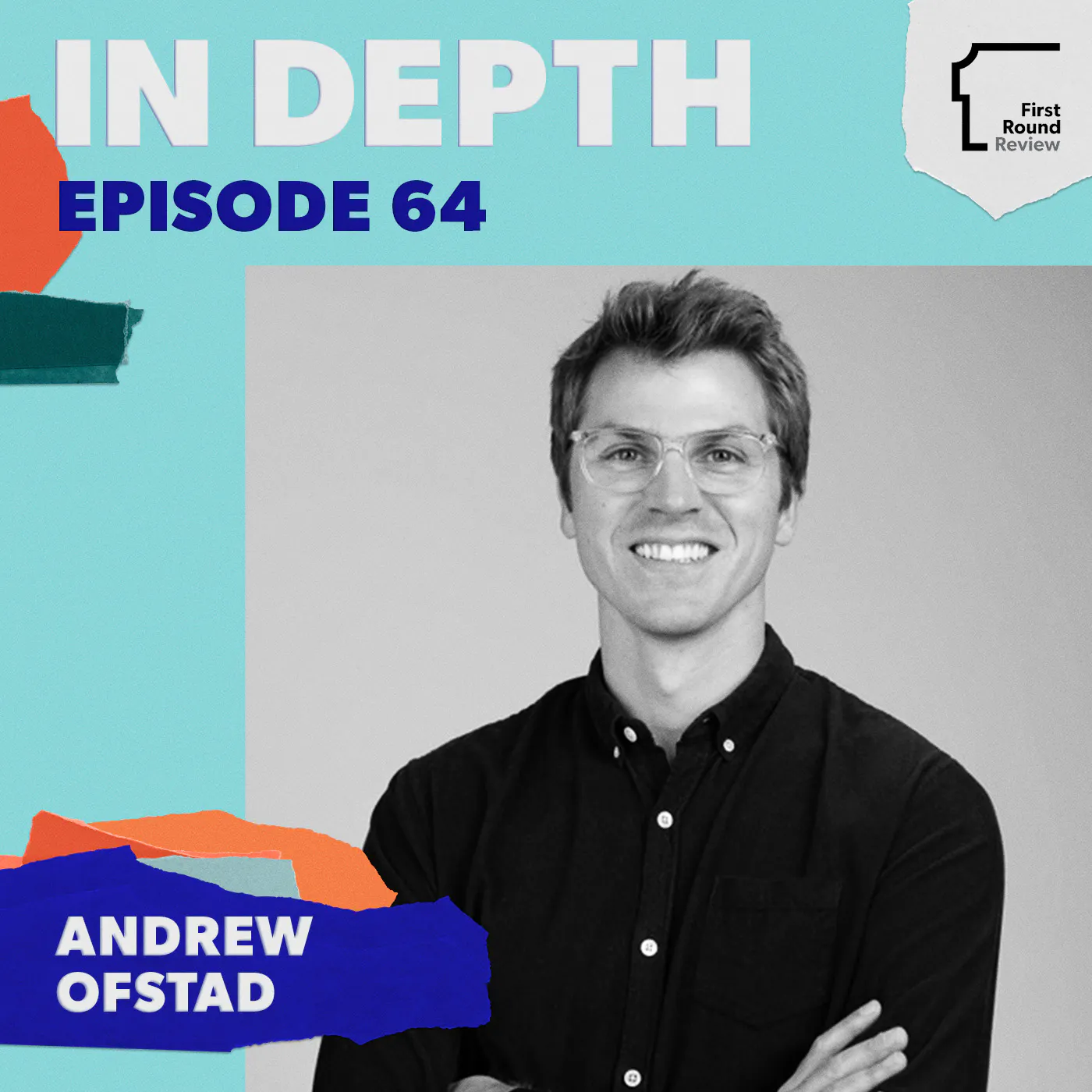
Ep 64Airtable’s path to product-market fit — co-founder Andrew Ofstad on building horizontal products
Todd Jackson’s filling in as host again this week. (As a reminder, he’s hosting a few product-focused episodes this season — all about finding product-market fit.) Today, Todd chats with Andrew Ofstad, co-founder of Airtable. In our conversation, we go deep into Airtable’s early days, and how they navigated the journey of finding traction and scaling. Here’s a preview of what Todd and Andrew cover: How the founders came together, their vision for the product, and what the initial prototypes looked like. Airtable’s alpha, beta, and launch timelines, as well as their early traction. The challenges of creating a horizontal product that can do many things, including identifying initial use cases and figuring out how to describe what they were building. How to approach pricing and competition, as well as their early go-to-market strategy. What the next 3 years will look like for Airtable, and how they’ve navigated scaling while staying true to their vision. Whether you’re a founder validating your own idea, or a product leader looking for growth advice, there are tons of tactics here that go much deeper than the typical founding stories you hear. You can follow Andrew on Twitter at @aofstad. You can email us questions directly at [email protected] or follow us on Twitter @firstround and @tjack.
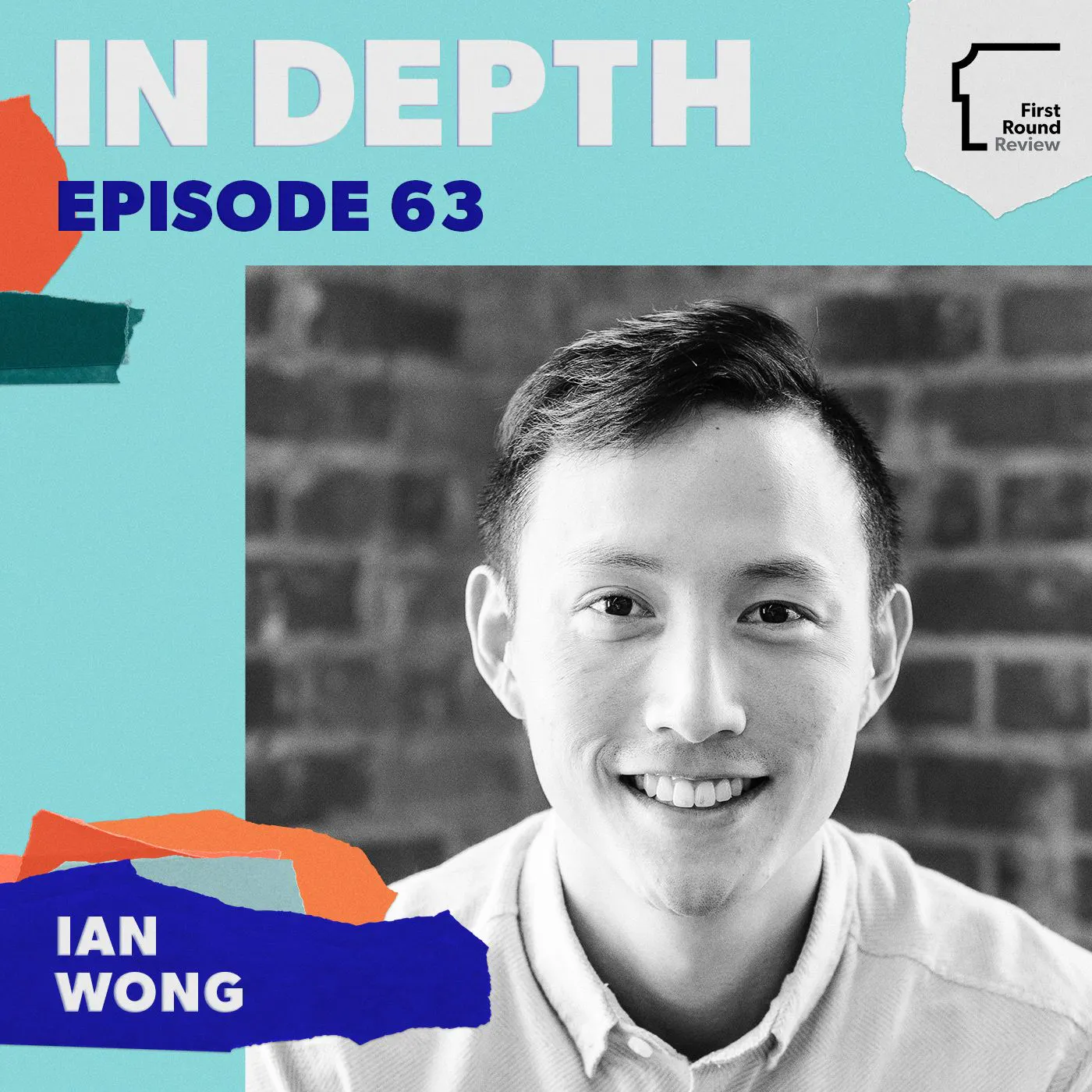
Ep 63Operations vs. Algorithms: Advice for scaling startups, from Opendoor CTO Ian Wong
Today’s episode is with Ian Wong, co-founder and CTO of Opendoor. Before founding Opendoor, Ian was Square’s first data scientist, where he developed machine learning models and infrastructure for fraud detection. In today’s conversation, we cover his essential advice for how to integrate data science into your startup. As Ian puts it, in the early innings it might make sense for your startup to be operations heavy. But as you start to scale, data science becomes a critical component for running a business with longevity in mind. We dive into how both Square and Opendoor approached this transition. Along those lines, we discuss some of the early considerations for your fledgling data science team, including the type of folks to hire for the early team, like whether to look for generalists or specialists, and how to set up your interview loops. Ian also dives into his lessons on structuring the data science function so that it’s deeply integrated with the rest of the technical org. Next, we dive into some of his biggest lessons as a first-time founder and CTO, including his practice with Opendoor’s leadership team of doing pre-mortems to predict why something might not work. He also encourages founders to run through a bi-yearly exercise of re-writing their job rec. You can follow Ian on Twitter at @ihat You can email us questions directly at [email protected] or follow us on Twitter @ twitter.com/firstround and twitter.com/brettberson
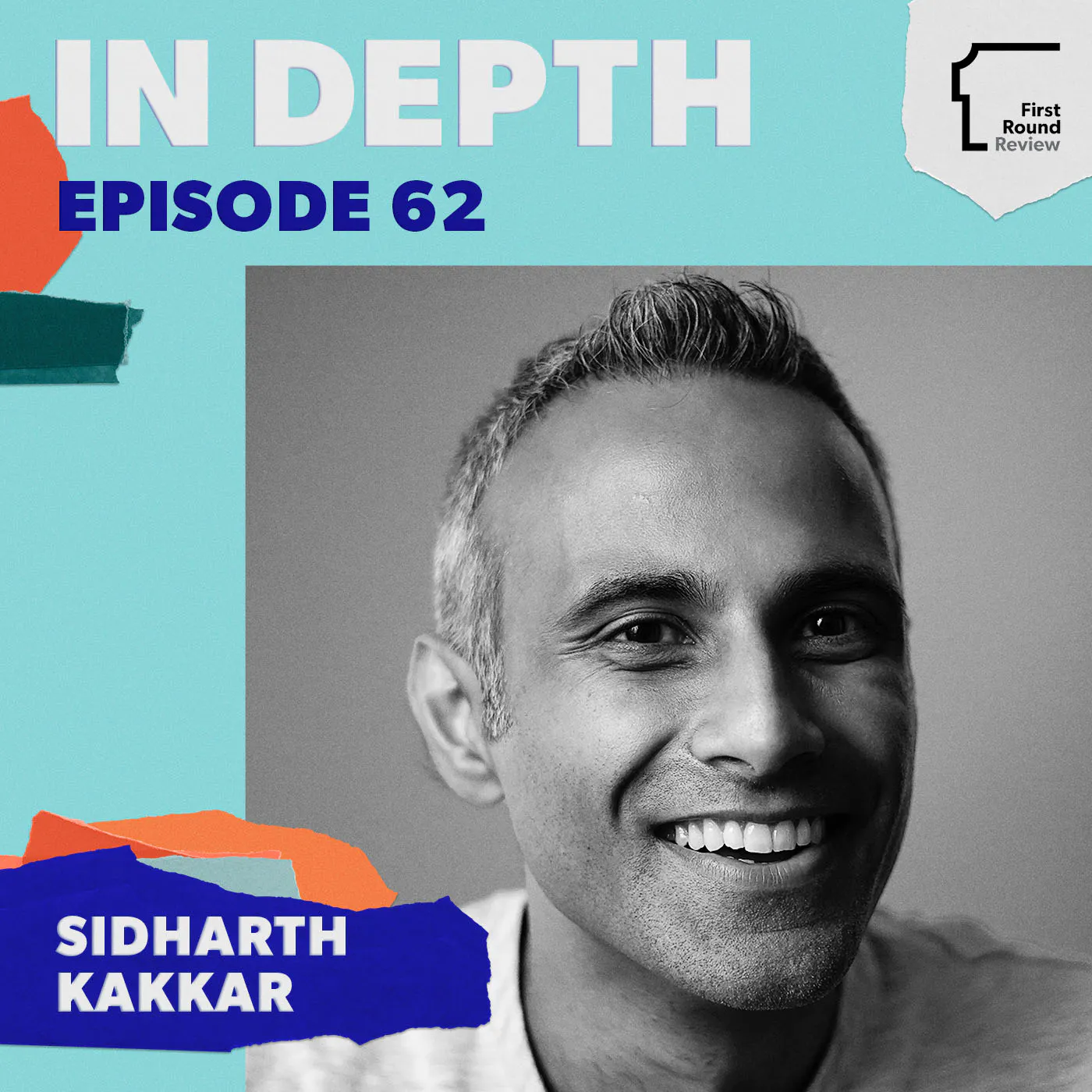
Ep 62Want to go totally asynchronous? Repeat founder Sidharth Kakkar on building a remote team & autonomous culture
Today’s episode is with Sidharth Kakkar, founder and CEO of Subscript, a subscription intelligence platform that empowers B2B SaaS leaders to better understand their revenue. (Read more about the company in this Techcrunch article.) Previously, he was the founder, CEO of Freckle, an education platform that grew to serve 10 million students and was acquired by Renaissance Learning in 2019. As a repeat founder, Sidharth picked up a ton of valuable lessons, particularly when it comes to company culture and management. Right from the start, he knew he wanted to build Subscript to be global, distributed, and asynchronous. That’s why there are no internal company meetings. Everyone also operates autonomously, deciding what to work on for themselves. We dive into both the philosophy behind this unique approach and the nitty gritty details of how exactly it works in practice. Here’s a preview: How to share company updates asynchronously every week. Advice on how to approach goal-setting and performance feedback, while minimizing micromanagement. Tips for improving transparency and documentation, plus details on Subscript’s running product/market fit journal. Thoughts on how to assess asynchronous communication skills when hiring. How this culture impacts a founder’s role and schedule. There’s tons of food for thought in here, whether you’re a founder thinking about shaping your company culture, or a manager looking for some fresh ideas. You can follow Sidharth on Twitter at @sikakkar. You can email us questions directly at [email protected] or follow us on Twitter @firstround and @brettberson.
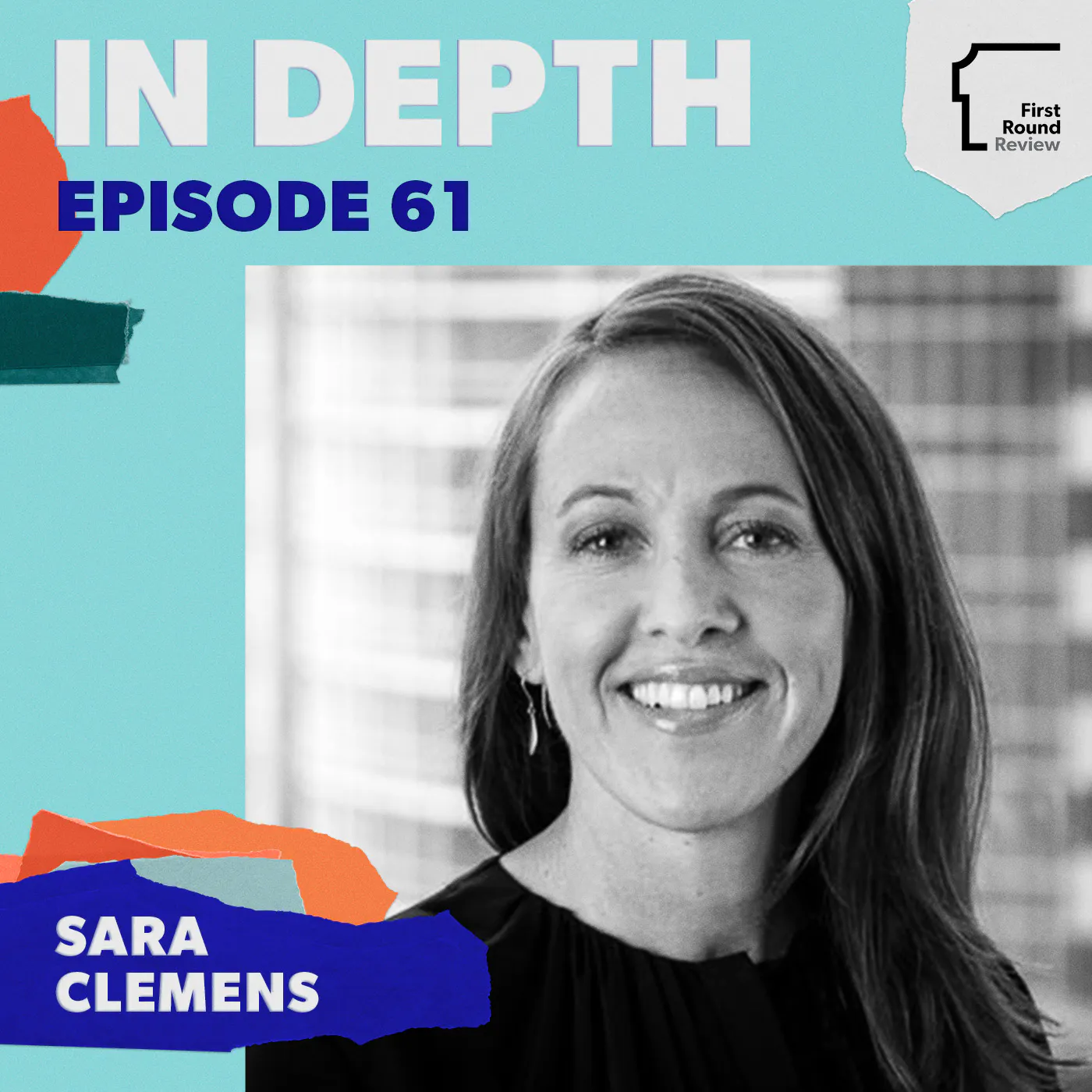
Ep 61Why COO is the most fluid role in the C-Suite — Sara Clemens, former COO of Twitch & Pandora
Our guest is Sara Clemens, most recently COO of Twitch and former COO of Pandora. In this interview, we explore the nuances of the COO role, which can vary drastically across different companies. We cover: The three main COO archetypes and which sorts of folks are best suited for those roles. The tactical elements of being a COO, including Sara’s advice for what good strategy actually looks like, and how to truly create a no-blame culture. Sara’s lessons on keeping pace as a company doubles in size, including her tips on sketching out “decision rights.” Guidance for CEOs considering bringing on a COO to the executive suite. You can follow Sara on Twitter at @ClemensSara You can email us questions directly at [email protected] or follow us on Twitter @ twitter.com/firstround and twitter.com/brettberson Learn more about our sponsor, Cocoon, at meetcocooon.com
Ep 60From PM to VP of Product: Jiaona Zhang’s career advice from Webflow, Airbnb & Dropbox
For our 60th episode, we’re doing things a little bit differently — with a new guest host! Welcome to Todd Jackson, who’s filling in for Brett Berson this week. Todd is also a Partner at First Round, and the episodes he hosts will mostly focus on product, given his previous product roles, from the VP of Product & Design at Dropbox and Director of Product Management at Twitter, to being a PM at Facebook and Google, leading Newsfeed and Gmail. He was also a founder — his startup Cover was backed by First Round in 2013 and later acquired by Twitter. (For more on Todd and his advice for company building, check out his article in The First Round Review from a couple years ago.) Today, Todd chats with Jiaona Zhang, the VP of Product at Webflow. (She goes by JZ though, so you’ll hear that throughout their conversation.) You might remember her popular Review article, Don’t Serve Burnt Pizza (And Other Lessons in Building Minimum Lovable Products) Before joining Webflow, JZ was the Senior Director of Product Management at WeWork, a Product Lead at Airbnb, and a PM at Dropbox and at Pocket Gems, a mobile gaming company. JZ also teaches product at Stanford and mentors a lot of rising product leaders, so she’s the perfect person to talk to about building a career in product. As the framework for the entire conversation, we start with why she doesn’t think of it as a career ladder, but rather as three distinct phases: contributing as a PM, managing PMs, and then leading the function. Here’s a preview of what Todd and JZ cover: The PM role. Advice on breaking into the function, what you should look for when you’re a candidate interviewing for PM roles, and the mistakes that are easy to make early on. The managing phase, including how to think more strategically as you get more senior, archetypes to look for when hiring, and her advice for first-time managers. The executive phase. JZ talks about thinking of your org as a product, and she shares super tactical pointers for working with your CEO, your peers on the exec team, and the board. Whether you’re trying to break into product, grow in your career, or you’re a founder looking for hiring advice, there’s tons in this conversation for you. You can follow JZ on Twitter at @jiaonazhang. You can email us questions directly at [email protected] or follow us on Twitter @firstround and @tjack.
Ep 59“When They Win, You Win”: Russ Laraway unpacks his new guide for the modern manager
Today’s episode is with Russ Laraway, a seasoned leader who's been at Google, Twitter, Candor Inc, Qualtrics, and is now the Chief People Officer for Goodwater Capital Since we last had Russ on the show, he’s written a new book, titled: “When They Win, You Win.” On today’s episode, we dive deep into the management frameworks and original research that Russ discusses in his book. He starts by pointing out how broken our process for selecting managers is to begin with, where we often default to just promoting the highest performer on a team, rather than looking for folks who explicitly demonstrate leadership chops. He explains the raw ingredients that point to whether someone’s ready to take on a management role — even if they weren’t the best individual contributor of the bunch. And if you’re looking to hire a manager from outside of the company, he’s got plenty of interview questions to suss out the right hire. Next, we explore the heaps of research that Russ did in writing this book, and how that led to him pulling together a few specific frameworks for managers to lean on. This includes a list of the behaviors of highly-engaging managers — and how you can put these into practice. As Russ discusses in today’s interview, there are countless resources out there on how to be a better manager — often with tons of conflicting advice. Russ distills all of this down to an essential, research-backed guide for the modern manager that cuts through the noise. You can follow Russ on Twitter at @ral1. His book, “When They Win, You Win” comes out on June 7, 2022. You can email us questions directly at [email protected] or follow us on Twitter @ twitter.com/firstround and twitter.com/brettberson
Ep 58Building a highly-technical enterprise product? Essential advice for product leaders — Nate Stewart of Cockroach Labs
Today’s episode is with Nate Stewart, CPO of Cockroach Labs, the creator of database product CockroachDB. In today’s conversation, we cover his essential advice for building a highly-technical product. He sketches out how the Cockroach team decided on the specific use case for its database product. Nate explains the steps the team took to reach conviction on their go-forward plan — which meant saying no to a lot of customers who didn’t align with the product roadmap. Nate dives into the tactical ways to avoid taking on too many customer commitments, which he calls tech debt for product teams. Next, Nate dives into his advice for approaching design partnerships, especially when handling more conservative enterprise clients. He explains the different types of design partners, and why you should have all of those represented in the early days of your startup. Finally, we wrap up with his advice for other product leaders, including how to create a rock-solid partnership with a CEO as the first head of product, and how he solicits honest feedback across the executive team. You can follow Nate on Twitter at @Nate_Stewart You can email us questions directly at [email protected] or follow us on Twitter @ twitter.com/firstround and twitter.com/brettberson
Ep 62Building & selling a product into government is tricky — Phaedra Ellis-Lamkins shares critical advice for getting it right
Today’s episode is with Phaedra Ellis-Lamkins, co-founder and CEO of Promise, a modern government payment solution. In today’s conversation, Phaedra explores the ins and outs of selling a product into government. Phaedra pulls back the curtain of how she and the Promise team tackle the extra-long sales cycles, navigate layers of subcontractors, and convince risk-averse decision-makers to take a chance on a startup. We also take a step back to traverse the winding road that led to Promise in its current form. Like plenty of founders before her, Phaedra had to pivot her way into product-market fit. She explains the signals that the first iteration of the product, a bail reform platform, wasn’t going to work as she’d hoped. She then doles out lessons for other founders in the process of pivoting. You can follow Phaedra on Twitter at @phaedrael You can learn more about our advertiser Cocoon at meetcocoon.com You can email us questions directly at [email protected] or follow us on Twitter @ twitter.com/firstround and twitter.com/brettberson
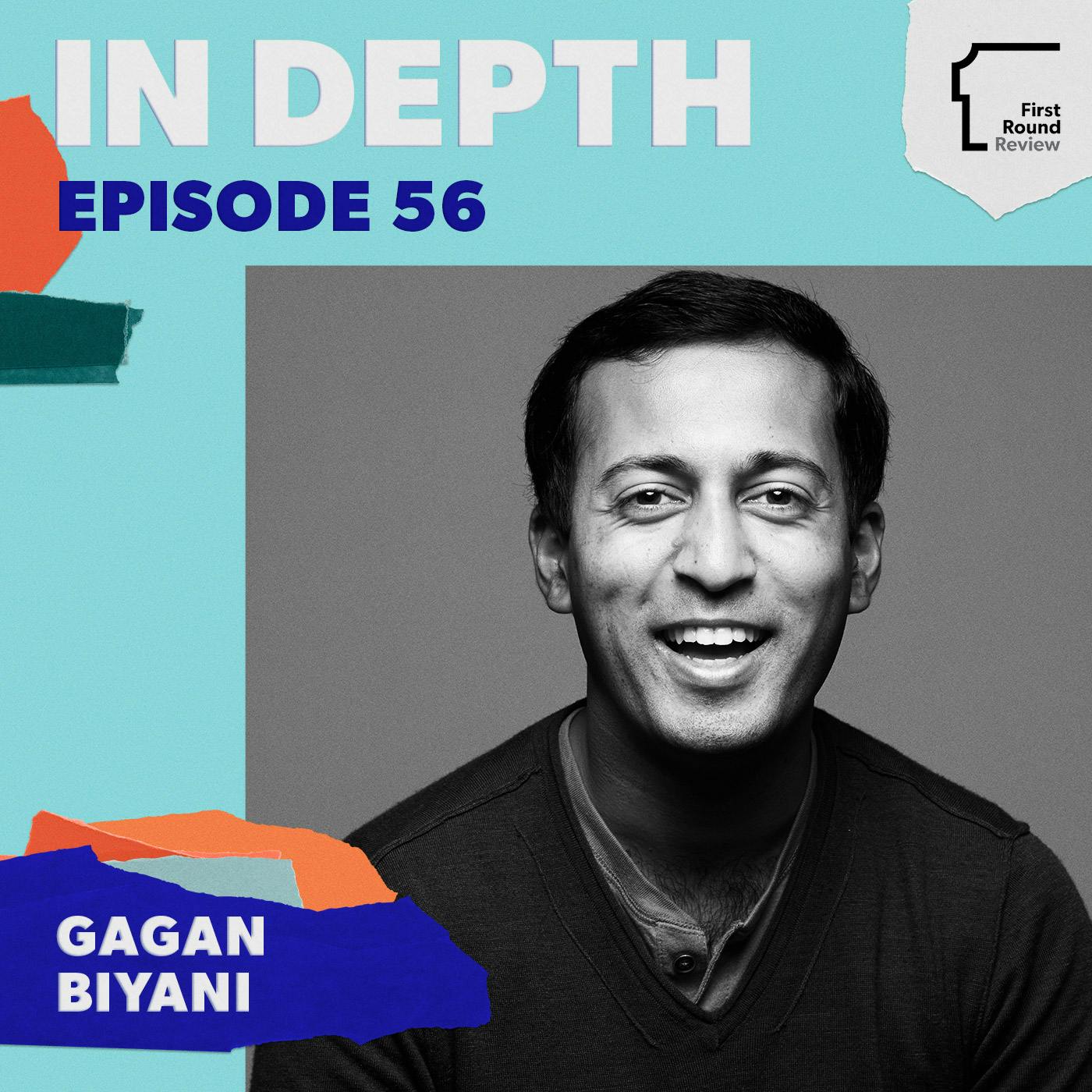
Ep 56The art of starting a startup — Gagan Biyani’s advice for generating, validating, and executing on ideas
Today’s episode is with Gagan Biyani, co-founder and CEO of Maven, a company that empowers the world’s experts to offer cohort-based courses directly to their audience. After being early at 3 startups that achieved over $1 million in run-rate in their first six months of going live, Gagan has learned some valuable lessons and seen a wide range of outcomes — from Udemy going on to IPO in 2021, to Sprig shutting down in 2017. In our conversation, we dive deeper into the process of starting a startup. We start on generating ideas and open-ended exploration. We talk about key signals to look for in the market and the competition, as well as the mistakes he sees many aspiring founders make. Next, he recaps his concept of minimum viable tests for validating early versions of your idea. As we mention in the episode, Gagan wrote a popular article on The First Round Review last year, where he shared much more detail about his “Minimum Viable Testing Process.” Then, we dig into how you start bringing the idea to life, from exploring different potential business models, to selecting your co-founders and managing that relationship as the company grows. If you’re eager to hear even more on finding startup ideas from Gagan, he’s teaming up with The Hustle’s Sam Parr to run an Ideation Bootcamp on the Maven platform — learn more and sign up here by May 2nd if you’re interested. You can follow Gagan on Twitter at @gaganbiyani. You can email us questions directly at [email protected] or follow us on Twitter @firstround and @brettberson.
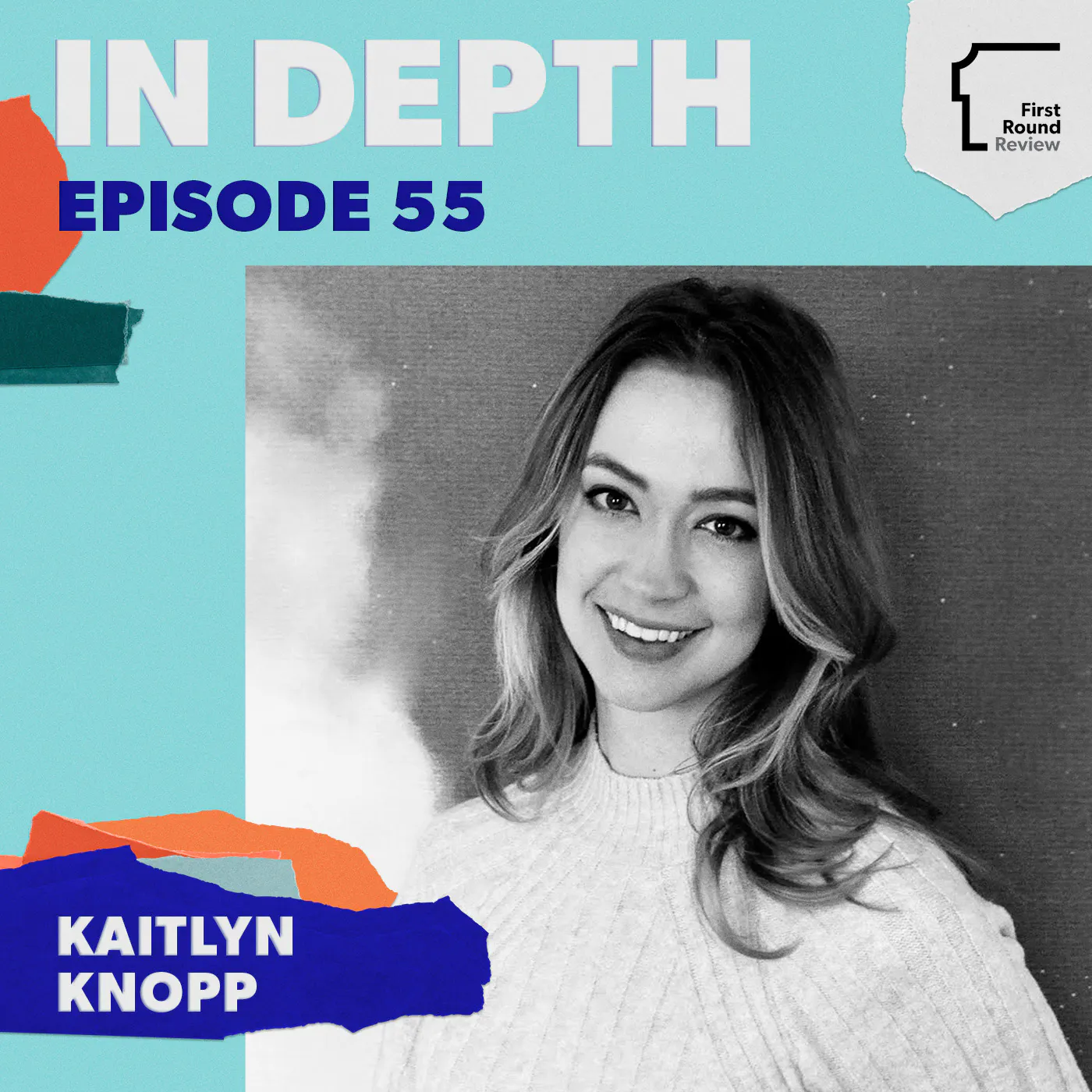
Ep 55How to handle comp challenges at every startup stage — Kaitlyn Knopp’s advice from Pequity, Instacart, Cruise & Google
Today’s episode is with Kaitlyn Knopp, founder and CEO of Pequity, which automates HR workflows to make compensation more equitable and scalable. Prior to starting Pequity, Kaitlyn built compensation programs and teams at companies like Instacart, Cruise, and Google — bringing a deep well of experience to this often complicated topic. We start our conversation with her advice on the traps founders need to avoid when they’re making their first hires. She sketches out a lightweight framework of how to think about comp at this early stage, from broad levels to an initial comp philosophy. We then get into the pros and cons of negotiating offers, as well as creative approaches you can bring to other aspects of comp outside of salary, such as the exercise window. Kaitlyn also shares tons of tips around how to communicate the value of equity, especially with candidates who’ve never worked at a startup before. In the back half of our conversation, we dig into the comp challenges that come up as a company starts to grow quickly. Kaitlyn shares advice on retaining existing employees through techniques like equity refreshes. We also get into the psychology of bonuses, as well as how to navigate inflation and salary adjustments. Kaitlyn shares her take on the recent trend of offering very individualized packages, and she ends on the importance of helping employees to fully understand their comp, and not shying away from topics like dilution and tax considerations. You can follow Kaitlyn on Twitter at @KaitlynKnopp. You can email us questions directly at [email protected] or follow us on Twitter @firstround and @brettberson. For more information on Cocoon, visit http://meetcocoon.com/
Ep 54A crash course on comms for founders — Nairi Hourdajian’s early-stage advice from Figma & Uber
Today’s episode is with Nairi Hourdajian, the VP of Communications, Content and Community Marketing at Figma. Prior to joining Figma, Nairi was the Chief Marketing Officer at Canaan, an early-stage venture capital firm. In 2013, she became Uber’s first communications person and spent the next 3 years building out the function. Before getting into tech, Nairi came from the world of politics. She was a VP at Glover Park Group, a communications consulting firm started by former Clinton officials, and she also served as a policy director for the Democratic Senatorial Campaign Committee and as a staff assistant to then-Senator Joe Biden. Our conversation focuses on what a great communications strategy looks like at early-stage startups. Nairi breaks down the basics for founders who aren’t familiar with this function, and shares advice for thinking beyond just announcing your Series A funding. She shares lots of thoughts on crafting foundational messaging for different audiences and shaping the company narrative — with examples from both Uber and Figma, as well as startups she’s advised. Next, we get into the nuts and bolts of building relationships with reporters. Nairi shares her take on handling negative stories about your competitors, and offers tons of tactical pointers on how to prepare for a media interview. We ended on her advice for assembling the team that can help you shape and execute on your comms strategy — from working with agencies and freelancers, to making your first full-time comms hire. You can follow Nairi on Twitter at @NairiHourdaj. You can email us questions directly at [email protected] or follow us on Twitter @firstround and @brettberson.
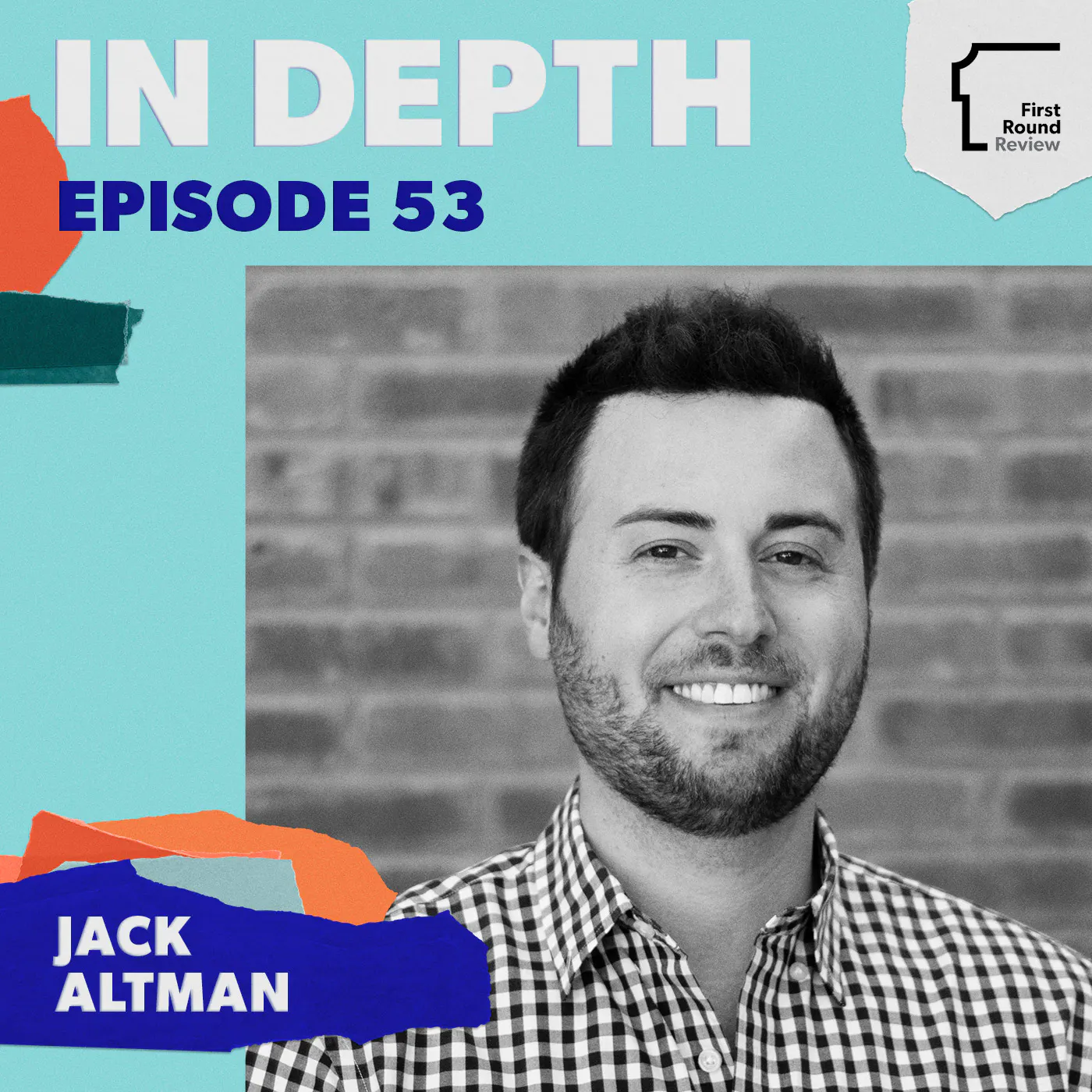
Ep 53How founders can get executive hiring right from startup to scale — advice from Lattice’s Jack Altman
Today’s episode is with Jack Altman, co-founder & CEO of Lattice. There were so many topics we could have gotten into with Jack as it relates to scaling as a founder and CEO, but we decided to dive deep on executive hiring, a huge challenge for founders. The conversation starts with how the hiring profile for executives changes as the company grows. Jack is a strong believer that you should focus on hiring someone who’s a great fit for the next 18-24 months, not the next 5 or 10 years. (Here's the blog post he mentioned about the different stages a CEO faces.) He also talks about the traps of hiring “too big,” whether that’s over indexing on BigCo experience, or focusing on seniority and titles that don’t match your startup’s current challenges. Instead, Jack shares more about why founders should focus on getting good at assessing and taking a chance on more junior, undiscovered talent. Next, we dig deep into his end-to-end hiring process, from how he sources folks and what he asks in interviews, to why he sometimes does references on a candidates’ references. Whether it’s diving into how a leader might build out their team, or the red flags that signal that an executive candidate doesn’t have an ownership mentality, Jack shares tons of tactical pointers. We also get into where executive hiring errors come from, as well as the leading performance indicators to look for and what to do when a new executive leader doesn’t work out. We end by chatting about promoting internally versus hiring externally, and why you should think about your executive team like you’re constructing a portfolio. You can follow Jack on Twitter at @jaltma. You can email us questions directly at [email protected] or follow us on Twitter @firstround and @brettberson.
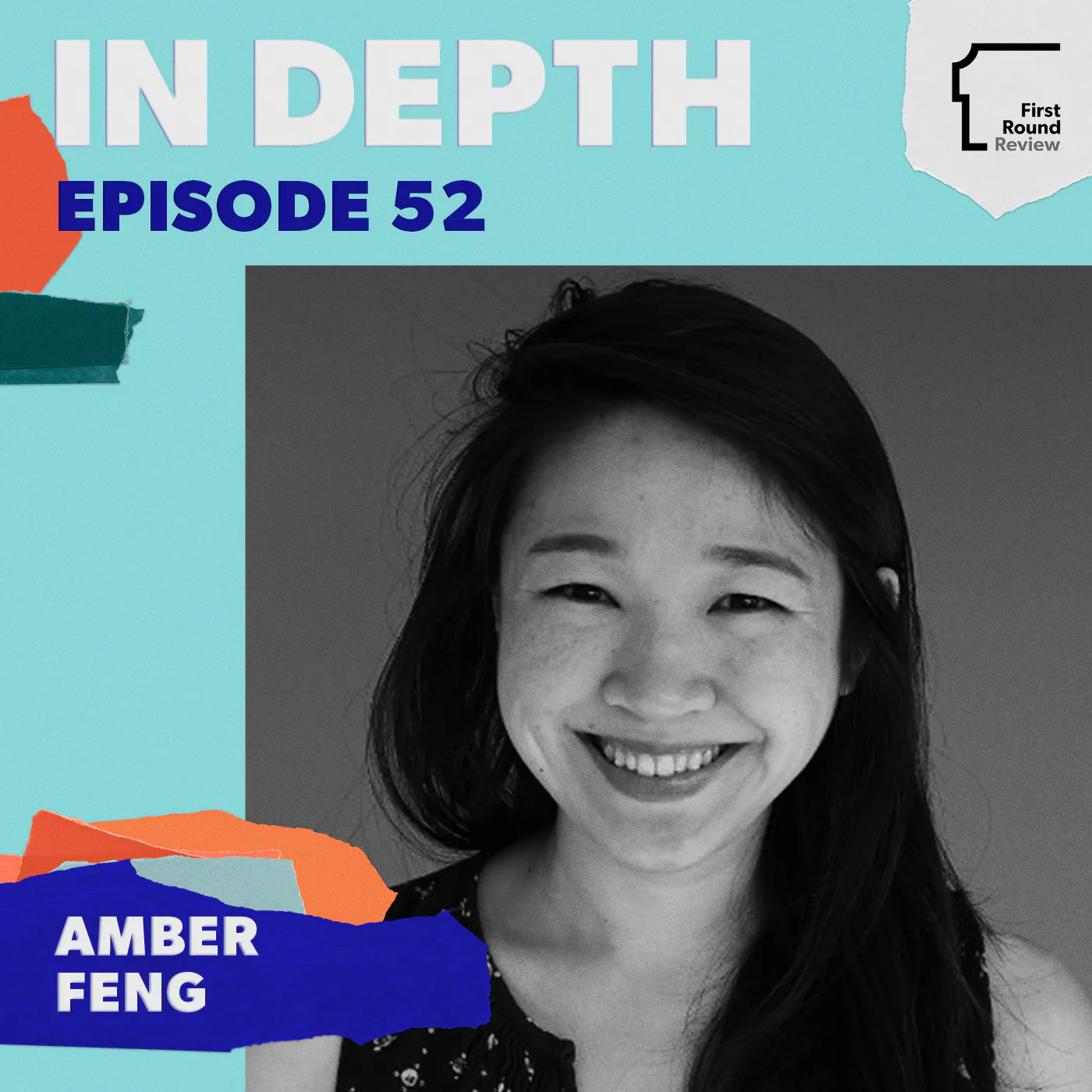
Ep 52IC? Manager? Technical Founder? How to chart your engineering career path — Stripe & Cocoon’s Amber Feng
Today’s episode is with Amber Feng, who is the co-founder and CTO of Cocoon, and was previously an engineering leader at Stripe for eight years. In today’s conversation, we pull on threads from Amber’s engineering career to weave together lessons for other engineers charting their own path. Although Amber’s spent the majority of her career at Stripe, she’s had all sorts of different experiences — from individual contributor, to engineering manager, to heading up entire orgs, and then back to individual contributor again. We begin by discussing the unexpected traits that differentiate the most high-achieving engineers up and down the org chart. We also get into the debate that most engineers face during their career — whether to hone your craft and become an expert IC, or go the management route. Amber’s gone back and forth between the two, and shares the advice she gives to other folks who are considering where their strengths may be best leveraged. Finally, we turn the page to the most recent chapter in her career journey — becoming a first-time founder. She shares the lessons from Stripe’s Patrick Collison that she’s applying to her own company Cocoon and shares words of wisdom for other engineers with interest in starting their own company from 0 to 1. You can follow Amber on Twitter at @amfeng You can read the First Round Review article Amber mentioned with the co-founder questionnaire here: https://review.firstround.com/the-founder-dating-playbook-heres-the-process-i-used-to-find-my-co-founder You can email us questions directly at [email protected] or follow us on Twitter @ twitter.com/firstround and twitter.com/brettberson
Ep 51Never done sales before? Meka Asonye shares GTM playbooks from Stripe, Mixpanel, and backing founders at First Round
Today’s episode is with Meka Asonye, a Partner at First Round Capital. This week marks the one year anniversary since he joined, making the transition from seasoned GTM leader to full-time early-stage investor. Prior to First Round, Meka served as the VP of Sales & Services at Mixpanel, where he ran the more than 100-person global revenue team and owned the customer lifecycle from first website visit to renewal. Meka also spent four years at Stripe as it scaled from 250 to 2000 people and matured its sales org. When he first joined in 2016, he served as one of the payments company’s early account executives, leading their first attempts to go upmarket and land enterprise logos. For the next three years, he headed up Stripe’s Startup/SMB business. In today’s conversation, Meka starts by digging into his playbook for founder-led sales, from what a great first customer conversation looks like, to how to self-diagnose what went wrong. He also shares advice for founders making their first hire, including the leveling mistake that’s easy to make, and what to ask in the interview and in reference calls. He also offers thoughts on comp and the leading indicators to look for after onboarding. We then dig into structuring early pilots, from what makes for a good design partner, to how to make sure your ICP is well defined enough. We also cover helpful tactics for customer success, which Meka finds is often the most overlooked aspect of go-to-market. Throughout the conversation, we also touch on how Meka’s experiences have translated into his first year as a VC. We end on his advice for startup folks looking to transition into venture. To read more of Meka’s go-to-market advice for founders, check out his article in the First Round Review: https://review.firstround.com/this-gtm-leader-turned-investor-crowdsources-early-lessons-from-stripe-figma-and-more You can follow Meka on Twitter at @BigMekaStyle. You can email us questions directly at [email protected] or follow us on Twitter @firstround and @brettberson.
Ep 50The startup playbook for expanding internationally — Advice from Faire CEO Max Rhodes
Today’s episode is with Max Rhodes, the co-founder and CEO of Faire, an online wholesale marketplace that connects independent retailers and brands. Prior to starting Faire in 2017, Max spent several years at Square, where he was a founding member of Square Capital, the first product manager on Square Cash, and a Director of Consumer Product for Caviar. In today’s conversation, we dive deep into how startups can get international expansion right. After launching in the U.K. and Netherlands in March 2021, Faire company expanded into countries like France, Germany, Italy and the Nordic region. They’re now in 15 markets, with over 700 employees in 10 offices around the world. After sharing the company’s origin story and initial strategy, Max offers a helpful analogy that helped him decide when to go international, and details some lessons he learned from other companies like DoorDash and Airbnb. Next, Max takes us through the nuts and bolts of how the Faire team approached their first international launch, from staffing and operations, to how they thought about local competitors. Max also walks us through the operating cadence and strategic planning process that powered Faire’s international growth. We also talk about the human side of scaling internationally, and the growing pains that come along with it. To help mitigate the effects, Max shares how he’s implemented the concepts from the First Round Review article on “Giving away your Legos.” Read the article here: https://review.firstround.com/give-away-your-legos-and-other-commandments-for-scaling-startups You can follow Max on Twitter at @MaxRhodesOK. You can email us questions directly at [email protected] or follow us on Twitter @firstround and @brettberson.
Ep 45Usage-based? Hybrid? Tiered? Which pricing model is right for you? — Stripe’s Jeanne DeWitt Grosser
Today’s episode is with Jeanne DeWitt Grosser, Head of Americas Revenue and Growth for Stripe, where she’s responsible for all sales functions and leads the company’s enterprise strategy. She joined Stripe after a career in sales at Google and also serving as Dialpad’s Chief Revenue Officer. In today’s conversation, we dive super deep into all things pricing. To start, Jeanne outlines the trade-offs when it comes to usage-based pricing versus SaaS pricing, and how usage-based gets your company more closely aligned with the customer. She also debates the merits of hybrid or tiered pricing that Stripe has implemented and provides tips for other companies looking to go this route. Next, she explains her philosophy of treating pricing like a product, and how this shows up in Stripe’s org design. Jeanne outlines some of the pricing experiments that have had the biggest impact on how the company does business, and her tips for getting a steady drumbeat of customer feedback. To wrap up, she shares her advice for founders when it comes to treating pricing as an art and a science. If you’re in sales, or are a founder just starting to think about pricing your product, you won’t want to miss Jeanne’s insights she’s picked up over the course of her career. She’s got plenty of ideas for small startups and larger companies alike. Along the way, Jeanne provides plenty of examples from her time at Stripe to illustrate her playbook in action. You can follow Jeanne on Twitter at @jdewitt29 You can email us questions directly at [email protected] or follow us on Twitter @ twitter.com/firstround and twitter.com/brettberson
Ep 48The Product Strategy Playbook that Powered Growth at Tinder & TripAdvisor — Ravi Mehta
Today’s episode is with Ravi Mehta, who is formerly the Chief Product Officer at Tinder, and taught product strategy as an Executive in Residence at Reforge. In today’s conversation, we dive exceptionally deep into product strategy, starting with what Ravi sees as the most common disconnect between product strategy and what product teams actually work on day-to-day. In the bulk of our discussion, we walk through the core tenants of what he calls the product strategy stack, which includes the company mission, company strategy, product strategy, product roadmap, and product goals. Next, he unpacks his alternative approach to OKRs, called NCTs. He makes the case that outlining narratives, commitments, and tasks sidesteps some of the most common headaches when it comes to OKRs, and gives suggestions for implementing NCTs within your own product teams. Strategy is often misunderstood and has come to mean all sorts of different things. What struck me about Ravi is how clearly he’s able to articulate these amorphous ideas like “mission” or “vision.” He’s also got plenty of examples from his own career at TripAdvisor and Tinder, plus his work as an advisor for other fast-growing startups. You can follow Ravi on Twitter at @ravi_mehta. You can email us questions directly at [email protected] or follow us on Twitter @ twitter.com/firstround and twitter.com/brettberson

Ep 47After building hundreds of startup brands, Arielle Jackson shares 6 early marketing missteps to avoid
Today’s episode is with Arielle Jackson. For the past 7 years, she’s helped hundreds of companies build their positioning and brands from the ground up, both as our Marketing Expert in Residence here at First Round and in her own consulting work. Before helping early-stage startups, Arielle started her career in Product Marketing at Google, where she helped launch and grow Google Books and AdWords before leading marketing for Gmail. She then joined Square, where she led the launch of the Square Stand. She then headed up marketing & communications at Cover, an Android app that was acquired by Twitter. Given that she’s worked with so many companies, Arielle is a pro at spotting common patterns when it comes to early marketing, so today we spend our time digging into the challenges and missteps she’s seen so many founders run into. From category creation and company purpose, to messaging, brand personality and launch strategy, Arielle details both common pitfalls to avoid and the exercises and frameworks that she shares with founders in her consulting work. Whether it’s about not falling into the trap of focusing too much on other startup competitors, relying on emotional instead of functional benefits, or coming with unrealistic PR expectations, Arielle has tons of examples to bring these concepts to life. If you are looking to learn more, Arielle has turned the brand strategy work she does at First Round into a cohort-based course, powered by Maven. The course runs in February and applications close on Jan 28th – find out more and apply here. Additionally, here are the resources we talked about in the episode Arielle’s First Round Review articles: - Positioning Your Startup is Vital — Here’s How to Nail It - Three Moves Every Startup Founder Must Make to Build a Brand That Matters - So You Think You’re Ready to Hire a Marketer? Read This First. The books on the subject that Arielle recommends: - Positioning: The Battle for Your Mind - Play Bigger: How Rebels and Innovators Create New Categories and Dominate Markets - Alchemy: The Dark Art and Curious Science of Creating Magic in Brands, Business, and Life - Predictably Irrational: The Hidden Forces That Shape Our Decisions You can follow Arielle on Twitter at @hiiamArielle. You can email us questions directly at [email protected] or follow us on Twitter @firstround and @brettberson.

Ep 46Buy or build? Focus on the core product or innovate? Zendesk CTO Adrian McDermott's advice for scaling
Today’s episode is with Adrian McDermott, CTO of Zendesk. Adrian started at the company back in 2010, when they were only 50 employees. Since then, he’s led product management and engineering teams as the company has gone public and scaled to over 5000 employees. Our discussion digs into the challenges that come from scaling startups. We start off by diving into a common decision point: whether to continue with what's working or try to make a change. Adrian goes much deeper than the “what got you here won’t get you there” advice you hear all the time in startups. Next, we cover the struggle over exploring new product areas, while still continuing to make the central product brilliant, with Adrian sharing how they use the zone to win frameworks at Zendesk. Then we dive into another classic startup dilemma: whether to build or to buy. Adrian walks us through the origin stories of several Zendesk products, from the wins to the lessons learned. In addition to sharing his perspective on the role of competition in product strategy, he also offers up his definition of a truly great product. In the back half of our conversation, Adrian shares what he’s learned leading both product and engineering teams, as well as some of the go-to-market lessons he’s picked up along the way. We end on team building and recruiting. Adrian’s interviewed more than a thousand engineers, and shares more about how he’s approached hiring at the different phases of scale at Zendesk. You can follow Adrian on Twitter at @amcdermo. You can email us questions directly at [email protected] or follow us on Twitter @firstround and @brettberson
Ep 45The biggest lessons from building Hubspot, from co-founder harmony to engineering the culture — Dharmesh Shah
Today’s episode is with Dharmesh Shah, the co-founder and CTO of Hubspot. In today’s conversation, we deeply explore some of the marquee moments along the 15-year journey building Hubspot. To start, Dharmesh unpacks the very specific way he and his co-founder Brian Halligan approached evaluating their compatibility as co-founders. He’s got tons of advice for other potential founding pairs to increase the likelihood of success and smoother sailing. Next, he points to some of the foundational building blocks that keep him jazzed about his role at Hubspot still to this day, including the way he elicits feedback through “bug reports.” He also explains the reasoning behind his decision to never take on any direct reports and remain an individual contributor as a co-founder. Finally, Dharmesh tells the story about how he came to own culture at Hubspot, even as the self-described least social person at the company. He walks us through how he approached culture as an engineering exercise, which continues today in his assessment of the culture as a product. You can follow Dharmesh on Twitter at @dharmesh.
Ep 44The story of why Canva worked: Zach Kitschke shares his lessons from early hire to current CMO
Today’s episode is with Zach Kitschke, CMO of Canva, an online design and publishing tool. Since launching in 2013, Canva has grown from an Australian startup to a global company, with 60 million monthly active users, over 2,000 employees, and a $40 billion valuation. Zach was one of Canva's first employees, leading comms efforts around their initial launch and fundraise. But since then, he’s done everything from answering support tickets and cooking the team lunch, to serving as a product lead and spinning up the people function. This career history gives Zach a unique vantage point on why Canva worked. The discussion starts off focused on the early days — from unpacking all the work that went into their launch, to how they improved the early product and focused on the use case for social media managers and content creators. Next, we dig into supporting and scaling the team during hypergrowth. Canva has several unique practices around onboarding, learning and development, and keeping the team connected — from vision decks, strategy docs and a specific skills framework, to their ‘chaos to clarity’ spectrum and ‘season opener’ ritual for making company planning more fun. Zach also shares what he figured out personally along the different chapters in his career at Canva, including how to leverage advisors and when to bring someone else in to take over your role. Whether you’re a marketer, a founder, a people leader, or a product manager, there are tons of helpful takeaways for everyone in this conversation. You can follow Zach on Twitter at @zachkitschke. You can email us questions directly at [email protected] or follow us on Twitter @firstround and @brettberson.
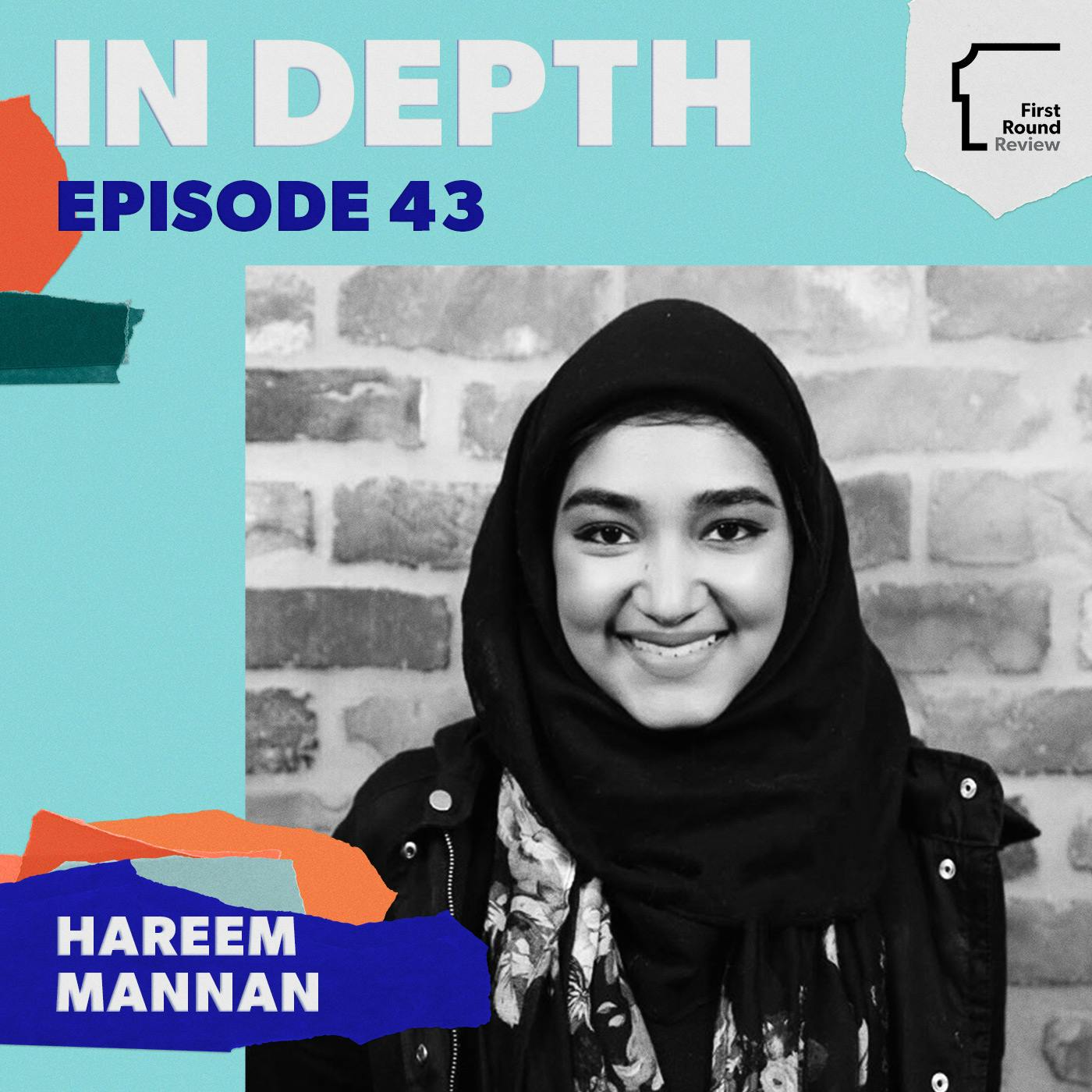
Ep 43Take your design org from good to great with these principles from Segment to Twilio — Hareem Mannan
Today’s episode is with Hareem Mannan, who was a product design leader at Segment for nearly four years, and joined Twilio as a Senior Director of Product, Enablement & Design following the company’s acquisition of Segment. In today’s conversation, we deeply explore Hareem’s three pillars of what makes a great designer. To summarize, they are a product quality ambassador, serve as the glue across product areas, and intricately understand the go-to-market motion. We peel back the layers for each of these pillars to excavate why each is critical, and how folks can build up their skills in every pillar. Next, she takes us through her hiring loop and how she probes for core competencies in each of these three areas. Hareem also flags some of her own mistakes she’s learned from as a hiring manager. From there, she explains her favorite onboarding rituals, like unexpectedly pairing new designers with a solutions engineer, and crowd-sourcing a “Dear New Designer” document that’s become a huge hit on her team. We then turn our attention to her biggest lessons on leading a high-impact design org. She unpacks the aha moment that her fear of micromanaging had unintended consequences, and how she’s leveraged rituals like office hours and team bonding events to set a high bar for design quality. To learn more about the “Dear New Designer” onboarding document, visit Hareem’s Medium page: https://medium.com/segment-design/dear-new-designer-1fd006fc7390 You can follow Hareem on Twitter at @hareemmannan. You can email us questions directly at [email protected] or follow us on Twitter @ twitter.com/firstround and twitter.com/brettberson
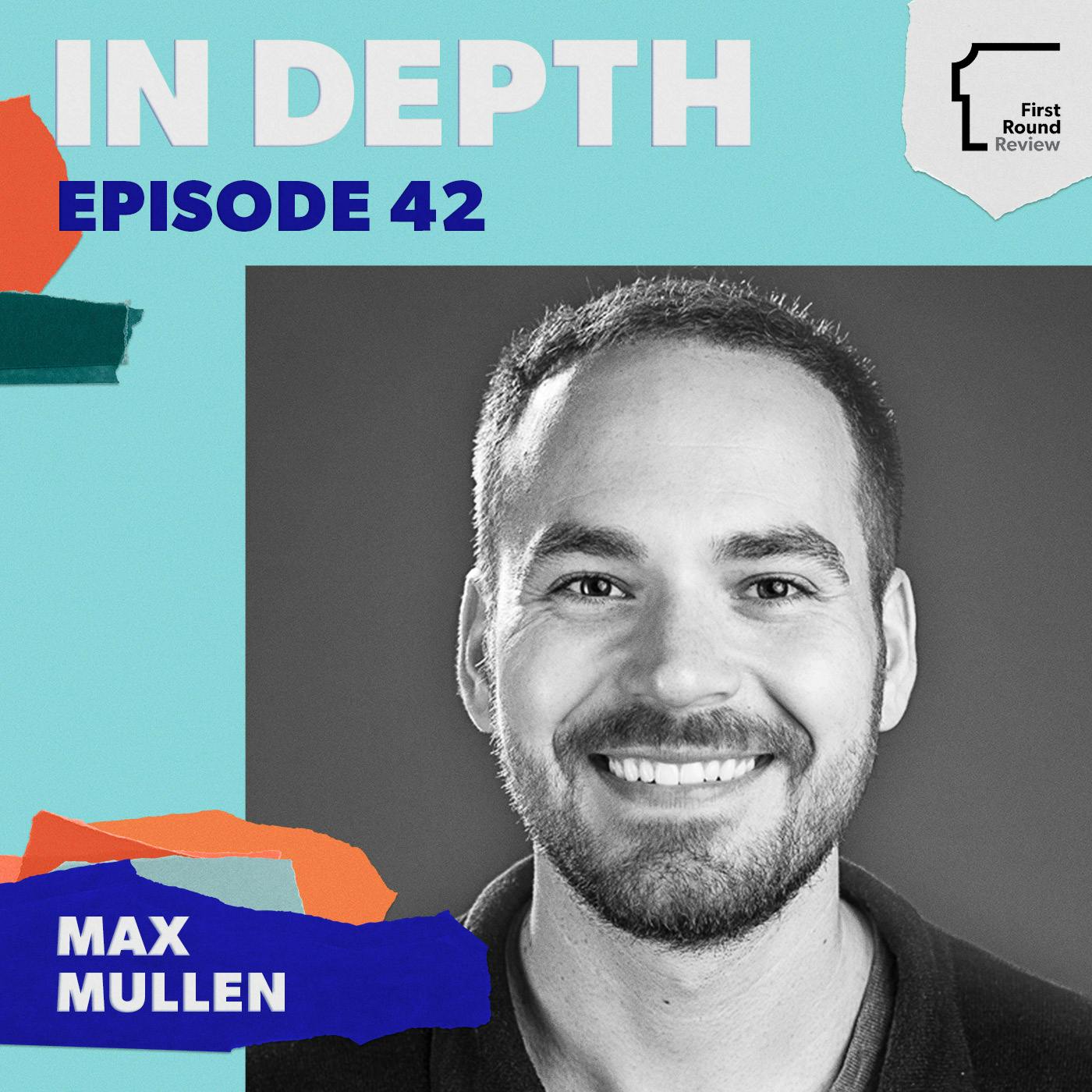
Ep 42Instacart co-founder Max Mullen gets tactical on crafting company values and intentionally building culture
Today’s episode is with Max Mullen, co-founder of Instacart. He started as a generalist, running everything from product to payroll, but as the company has grown over the years, he’s come to focus on one particular area: culture. Since Max is also an active angel investor, he’s also been able to partner with tons of founders and help them think about architecting their own culture at the early stages — which is exactly what we dive into in today’s episode. In the first half of our conversation, we dig into company values. Max shares both the process the Instacart team used to come up with unique values like “Every minute counts,” and his advice for making sure values actually guide behavior. He has tons of creative tactics for making employees feel more connected to them, as well as lots of helpful advice on hiring for values early on. After getting into measuring culture and better surfacing feedback from employees, we end our conversation by chatting about some of the pitfalls when it comes to culture — the mistakes that are easy for founders to make, the factions that can develop between early employees and newcomers, and the onset of politics and bureaucracy as the company gets bigger. There’s lots of great advice here on how founders can take a more deliberate role in shaping culture from the very beginning — we hope you enjoy the episode. You can follow Max on Twitter at @Max. You can email us questions directly at [email protected] or follow us on Twitter @firstround and @brettberson. If you're interested in learning more about how Cocoon makes employee leave easy, visit https://www.meetcocoon.com/
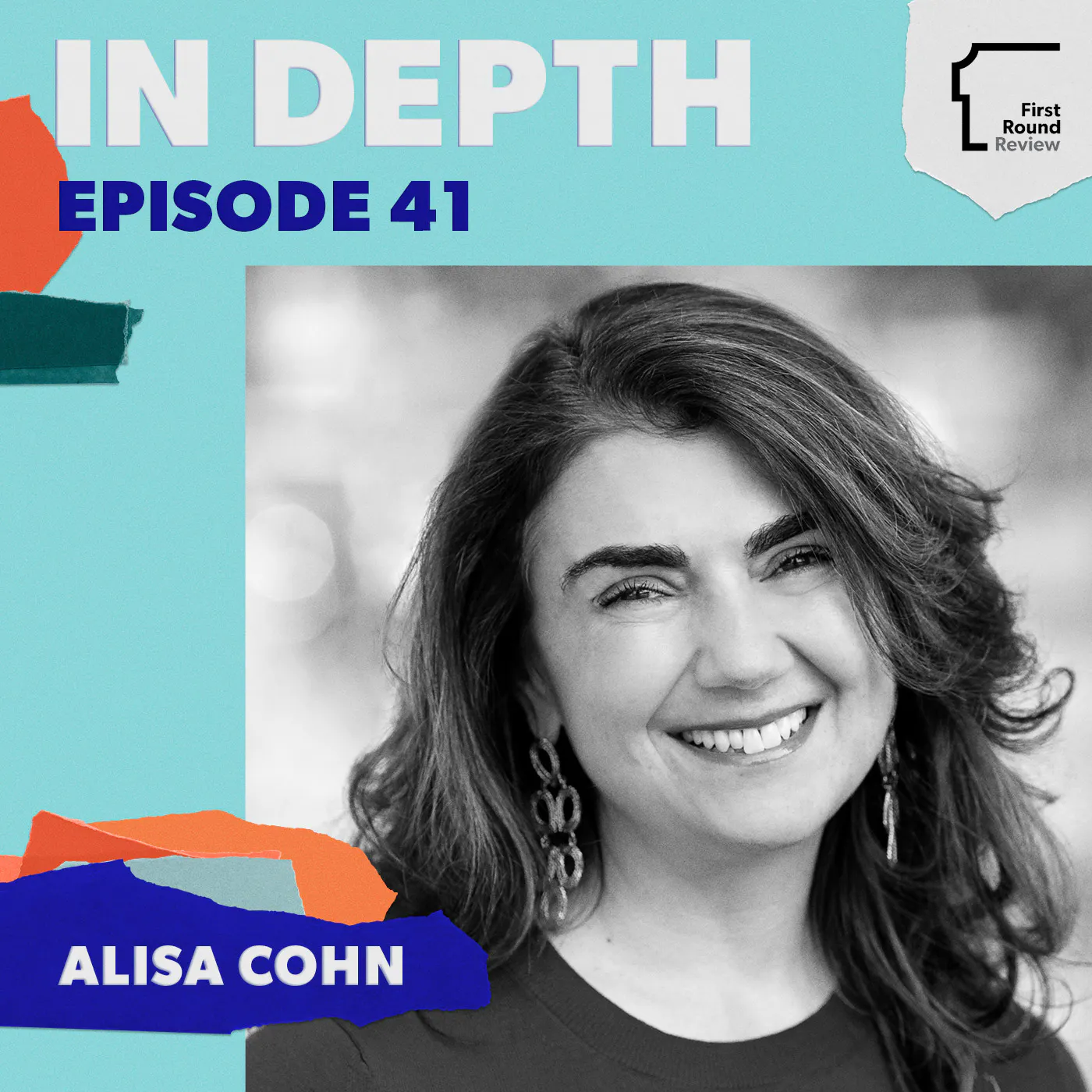
Ep 41Growing from founder to CEO: Executive coach Alisa Cohn on how to get better feedback
Today’s episode is with Alisa Cohn, an executive coach with nearly 20 years of experience working with companies like Etsy, Venmo, InVision, The Wirecutter, Google and IBM. Her new book, From Start-Up to Grown-Up: Grow Your Leadership to Grow Your Business, just came out this week. In our conversation today, we focus on what founders and startup leaders can learn from Alisa’s experiences as a coach. We start by getting into self-awareness, and how tough it can be for executives to get truly candid feedback. As an expert in the art of conducting 360 feedback, Alisa shares the right questions to ask, as well as tips for getting at the root of what people are actually saying in their feedback. We also dive into what to do with what you hear, from why not every piece of feedback is useful, to her tips on how to actually enact change in your day-to-day routine. Next, we tackle the most common opportunities for growth that she’s seen time and time again in her coaching practice, from communication and decision-making, to how the CEO’s own personality is often unconsciously reflected in the company culture. We wrap up by covering how to have effective conversations about layering and letting people go, as well as the reflection ritual that she recommends every founder incorporate into their daily routine. This episode will be helpful for those who are making the transition from scrappy founder to established CEO, but it’s a great listen for any startup leader who’s struggling to give away their Legos. You can follow Alisa on Twitter at @AlisaCohn. You can email us questions directly at [email protected] or follow us on Twitter @FirstRound and @BrettBerson.
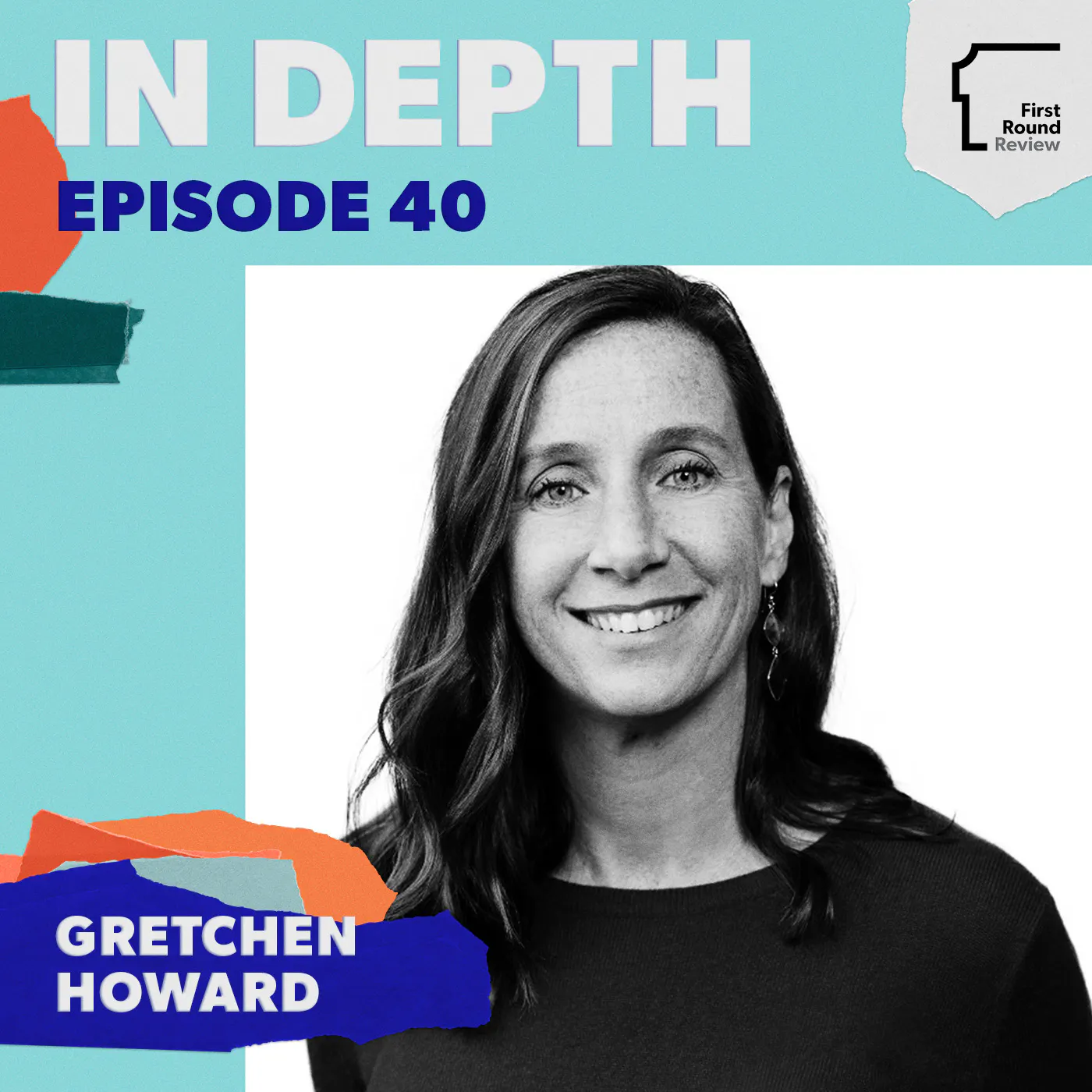
Ep 40Executive hiring is incredibly difficult to get right — Robinhood COO Gretchen Howard shares her playbook
Today’s episode is with Gretchen Howard, COO of Robinhood. Gretchen joined Robinhood in early 2019 as the company’s COO and just its second executive hire. She climbed aboard the Robinhood rocketship after 5 years building CapitalG, Alphabet’s investment fund. In today’s conversation, we dive really deep into what she’s learned about executive hiring. To start, she explains how to align the hiring profile to the trajectory of the business to make sure you’re investing in the right places. She also unpacks her hiring philosophy as it pertains to Robinhood, including balancing financial industry expertise with an innovative, hands-on mindset that’s critical for startups. Next, she walks us through the executive interview process she’s crafted at Robinhood, including the three traits that are always at the top of her wish list for candidates — including sussing out whether someone has a “knower” versus a “learner” attitude. She also explains her complicated feelings towards certain interview exercises and how she leverages reference checks. Finally, she shares her tips for successfully onboarding new executives so these hires don’t result in what she calls “organ rejection.” If you’re struggling with your executive hiring — whether it’s coming up with the right candidate profile, aligning on culture fit, or finding that your interview process doesn’t seem to be surfacing the best candidates, this conversation is a must-listen. You can email us questions directly at [email protected] or follow us on Twitter @ twitter.com/firstround and twitter.com/brettberson Learn more about how Cocoon makes employee leave easy by visiting https://www.meetcocoon.com/
Ep 36Building a hybrid go-to-market motion — GC Lionetti’s lessons from Confluent, Dropbox & Atlassian
Today’s episode is with Giancarlo 'GC' Lionetti, the former CMO of Confluent and VP of Self-Serve Growth at Dropbox. (GC also previously spent 6 years at Atlassian, as a sales engineer and product marketing manager for developer tools.) He describes his career as more of a maze than a ladder, and this functional diversity combined with his deep experience at standout B2B companies gives him a unique perspective. In today’s conversation, we dig deep into why he advocates for a hybrid go-to-market strategy that brings together more traditional selling with modern product-led growth. We start by mining lessons from GC’s time at Atlassian and Dropbox, including his takes on the differences between their business models and what it takes to make a multi-product go-to-market motion work. Then we dive right into his advice for a hybrid approach, covering everything from his litmus tests for picking the right metrics, to the structure of his weekly meetings. GC explains how he sinks tons of time into understanding the customer journey, mapping out the delta between reality and the ideal vision. He also shares plenty of pro-tips about pricing, packaging, and activation, as well as a broader diagnostic framework that he’s developed to evaluate a company’s go-to-market strategy. We wrap up by focusing on team building for a hybrid go-to-market strategy — from hiring profiles to team structure. It’s a great listen for founders, product and go-to-market leaders, with tons of examples of specific impactful experiments he ran, metrics that did or didn’t work out, and common traps that he sees teams falling into. You can email us questions directly at [email protected] or follow us on Twitter @firstround and @brettberson.

Ep 38Creating physical products and getting feedback from toddlers — KiwiCo’s Sandra Oh Lin
Today’s episode is with Sandr Oh Lin, founder and CEO of KiwiCo, which creates hands-on learning kits for children. Sandra started KiwiCo over ten years ago, after a career with executive positions at PayPal and eBay. She was looking for ways to give her own kids more hands-on projects to exercise their creativity, which led her down the path to become an entrepreneur and create KiwiCo. Today, KiwiCo has expanded to include 8 different lines of crates that are shipped out monthly. In the first half of today’s conversation, we excavate some of the thornier challenges that come with creating a physical product — and Sandra’s biggest aha moments as a first-time founder. She talks about creating the first KiwiCo crate, including the product development process and spinning up a supply chain and shipping department. Sandra also walks us through how KiwiCo approaches new product lines, particularly in the last year when KiwiCo demand skyrocketed. She also discusses how the team gathers quality consumer feedback when your customer is often a toddler. In the second half of our interview, she talks about some of the cultural practices at KiwiCo that all sorts of companies can learn from. Sandra’s a big believer in manager training for everyone from folks that manage just one person, to executives that have been managing for decades. She outlines the specific management training modules they leverage at KiwiCo and makes the case for having everyone at the company fill out a motivations spreadsheet. Finally, she discusses the specific tactics she leans on for creating a feedback-rich environment for herself as a CEO. You can follow Sandra on Twitter at @sandraohlin. You can email us questions directly at [email protected] or follow us on Twitter @ twitter.com/firstround and twitter.com/brettberson
Ep 37How to hire the right marketer at the right time for your startup — Mux & Segment’s Maya Spivak
Today’s episode is with Maya Spivak, the Head of Marketing at Mux, which is an API for developers to build video experiences. Maya recently joined Mux after five years at Segment, where she was the company’s second marketer and its Head of Global Brand Marketing and Communications, as well as a stint at Wealthfront as a marketing director. In today’s conversation, she takes a magnifying glass to the core components of a startup’s marketing org. She starts by breaking down the three pillars of marketing roles — product, brand, and growth. She explains the leading indicators that your startup is ready to hire folks within each of these pillars — which starts with analyzing your sales motion and sizing up the founders’ strengths and weaknesses. Next, Maya pulls back the curtain on how she architects interview loops for each of these different roles, and the unique capabilities that separate good candidates from great, must-hire folks. Finally, she reflects on her experience as one of the earliest marketing hires at Segment, and how she built the marketing org in the first couple of years to keep up with the shifting needs of the growing startup. Today’s conversation is of course a must-listen for marketers, particularly marketing leaders and hiring managers that are trying to pluck out the best and the brightest to join their org. But there’s a ton for other folks to learn from this interview, which explains some of the nuances of startup marketing you may not fully appreciate. You can follow Maya on Twitter at @papayamaya. You can email us questions directly at [email protected] or follow us on Twitter @ twitter.com/firstround and twitter.com/brettberson
Ep 36From developer to CMO — Archana Agrawal’s marketing lessons from Airtable & Atlassian
Today’s episode is with Archana Agrawal, CMO of Airtable, a low-code platform for building collaborative apps. Archana joined Airtable last year after 7 years at Atlassian, where she eventually became the company’s Head of Enterprise and Cloud Marketing. She also sits on the board for MongoDB and Zendesk. We start today’s conversation by dissecting some of the messaging challenges facing horizontal products like both Airtable and Atlassian, and her tips for narrowing in on the right persona. She also dives into the close interplay between product and marketing teams, particularly for product-led growth companies. Throughout our conversation, we talk a lot about organizational design, and how to set your teams up for breaking down siloes and fostering experimentation. She explains how she oversees all the different marketing functions that report up to her as CMO, and the rituals she’s established for keeping the pulse on what most deserves her attention. Today’s conversation is of course a must-listen for marketers, but folks all over the org chart at product-led growth companies will appreciate the insights from both Atlassian and Airtable. As a former engineer-turned-marketer, Archana has an incredibly unique, data-driven perspective as a CMO. You can email us questions directly at [email protected] or follow us on Twitter @ twitter.com/firstround and twitter.com/brettberson
Ep 35How to pivot your way to product/market fit & other 0-1 lessons — Rupa Health CEO Tara Viswanathan
Today’s episode is with Tara Viswanathan, co-founder and CEO of Rupa Health. Tara started Rupa Health in early 2018, but the product vision today looks very different from what she first built. As she’ll talk about over the course of today’s interview, she went through plenty of sometimes painful pivots on the path to finding product/market fit for Rupa. Tara is incredibly candid about all of the things she had to learn the hard way as a first-time founder going from zero to one. For the first half of our interview, we pay particular attention to her lessons in finding the elusive startup holy grail of product/market fit. We cover the aha moment that the first iteration of the product wasn’t going to work, and why she thinks hiring a few folks before finding product/market fit was one of her earliest mistakes. We then dive into her decision to create a new product knowing that it wasn’t going to be the thing that ultimately worked — but was bullish that it would lead down the right path. In the second half of our interview, she talks about hiring Rupa’s early team, and her tactics that go against the grain of conventional startup wisdom. For starters, she leaned heavily on external contractors rather than full-time employees on the path to product/market fit — and she thinks more founders should consider doing the same. She also dives into why she hates job descriptions, and what she prescribes instead. As a founder still in the trenches, Tara is game to get super tactical about the things she’s tried along Rupa’s winding journey that did and didn’t work. It’s a must-listen for other founders — or anyone that’s got a burning curiosity about what it’s actually like to be an entrepreneur. You can follow Tara on Twitter at @taraviswanathan. To learn more about the “who” interview, check out the book “Who: The A Method for Hiring.” Be sure to check out the recent coverage of Rupa Health in Forbes. You can email us questions directly at [email protected] or follow us on Twitter @ twitter.com/firstround and twitter.com/brettberson