IEA Podcast
402 episodes — Page 6 of 9

How Britain Learned to Stop Growing | IEA Podcast
In this episode, we explore Ed Davey's proposal for the UK to rejoin the EU customs union. Reem Ibrahim, Tom Clougherty, and Kristian Niemietz demonstrate why this approach would be a backward step even from a Remainer perspective, highlighting how it would give Britain "the worst of all worlds" while restricting its ability to pursue independent trade deals. Their analysis reveals why the customs union was consistently the least beneficial aspect of EU membership for the UK, contrasting with the experience of smaller European nations. Moving to Britain's growth crisis, inspired by Janan Ganesh's thought-provoking FT article "Britain should stop pretending it wants more economic growth", our discussion delves into how politicians repeatedly choose other priorities - from environmental concerns to distribution effects - over growth-oriented policies. The team investigates the difficulties of garnering public support for pro-growth reforms at a time when younger generations lack experience of sustained economic expansion. Our final segment unpacks Labour's Renters' Rights Bill and its likely unintended consequences. The panel outlines how banning "no-fault evictions" and limiting deposits risks making landlords more selective, potentially discriminating against young people and those with irregular incomes. Through detailed analysis, they demonstrate why reducing rental market flexibility and pushing landlords to sell their properties could ultimately disadvantage the very tenants the legislation aims to protect, suggesting that increasing housing supply, rather than additional regulations, holds the key to empowering tenants. We bring you a current affairs podcast with a difference. We want to get beyond the headlines and instead focus on the big ideas and foundational principles that matter to classical liberals.The Institute of Economic Affairs is an educational charity, it does not endorse or give support for any political party in the UK or elsewhere. Our mission is to improve understanding of the fundamental institutions of a free society by analysing and expounding the role of markets in solving economic and social problems. This is a public episode. If you'd like to discuss this with other subscribers or get access to bonus episodes, visit insider.iea.org.uk/subscribe

Converting Socialists Through Stories: The Free the People Method
In this new interview with libertarian power couple Matt and Terry Kibbe, founders of Free the People, hosted by IEA's Communications Manager, Reem Ibrahim, they explore how storytelling and personal narratives can effectively communicate ideas of liberty and economic freedom. From Terry's experience in the defence industry to Matt's discovery of libertarianism through Rush albums and Austrian economics, their journey showcases innovative approaches to reaching new audiences. The discussion delves into their successful strategy of making complex economic concepts accessible through relatable content and storytelling. Their work at Free the People demonstrates how video content and documentaries can bridge political divides, featuring stories from Cuban artists to family-owned businesses affected by COVID-19 policies. Host Reem Ibrahim and the Kibbes examine concerning trends, including that 53% of young adults (18-34) in the UK view socialism favourably. However, they remain optimistic about the future of liberty-focused ideas, particularly through their "gateway drug" approach of introducing these concepts through engaging, personal stories that resonate across political spectrums. This is a public episode. If you'd like to discuss this with other subscribers or get access to bonus episodes, visit insider.iea.org.uk/subscribe

How a 1988 Paper Predicted Today's Housing Nightmare
In this episode of IEA Briefing, we explore why a 37-year-old paper on UK housing remains shockingly relevant today. Dr. Kristian Niemietz joins us to discuss the republishing of "No Room! No Room!" - Professor Alan Evans' 1988 analysis of Britain's housing crisis. Despite being written when multiplex cinemas were new and the Berlin Wall still stood, the paper's diagnosis of the UK's housing problems feels like it could have been written last week. The discussion dives into Evans' key insights about land prices, planning permission, and local authority incentives - issues that have only gotten worse since the 1980s. Dr. Niemietz explains how the paper identified core problems like NIMBYism (before the term even existed in British English) and the green belt's impact on housing development. They also explore how the planning system's effect on land costs leads to compromises in building quality and design. The conversation concludes by examining how the housing crisis has intensified, with current UK housing affordability ratios over 8 times median income in England and over 12 in some areas. While new factors like immigration now affect housing demand, the fundamental problems Evans identified in 1988 remain at the root of today's crisis. The discussion ends with a look at the growing YIMBY movement and whether there's hope for meaningful change in housing policy. This is a public episode. If you'd like to discuss this with other subscribers or get access to bonus episodes, visit insider.iea.org.uk/subscribe
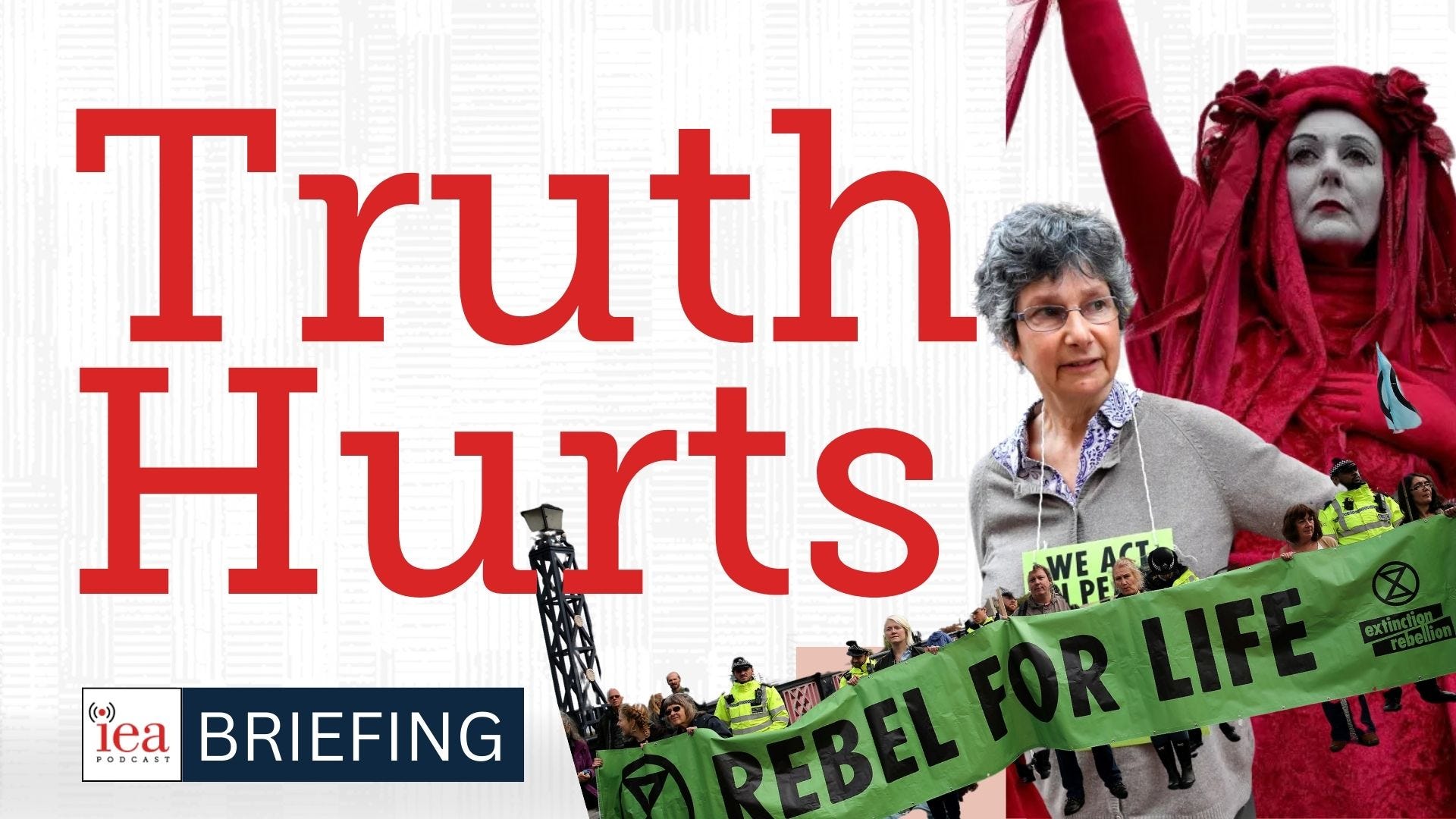
Why Campaign Groups HATE Real Solutions | IEA Briefing
Dr Christopher Snowdon joins us to discuss the "Not Invented Here" syndrome in activist groups and policy campaigns. From weight loss drugs to e-cigarettes, nuclear power to GM foods, Snowdon explores how campaign groups often resist practical solutions that weren't developed by their own organisations - even when these solutions clearly work. Using real-world examples, Snowdon breaks down how activist groups frequently prefer radical societal changes over pragmatic fixes. He examines cases like public health groups opposing effective weight loss medications while pushing for dramatic changes to food environments, and environmental groups rejecting nuclear power despite its clear benefits for reducing emissions. The conversation reveals how institutional preferences and ideological commitments can sometimes override stated goals. The discussion dives into why this resistance happens, from the sunk cost fallacy to anti-corporate sentiment, and explores what it means for solving major societal challenges. Snowdon explains how campaign groups' rejection of market-based solutions often stems from deeper ideological preferences for reshaping society, rather than simply addressing the problems they claim to want to solve. This episode offers insights into why some of our most pressing problems remain stuck in ideological gridlock despite available solutions. This is a public episode. If you'd like to discuss this with other subscribers or get access to bonus episodes, visit insider.iea.org.uk/subscribe

Government Spending Out of Control? And the NHS & Schools Crisis Explained | IEA Podcast
In this episode, we dive into the UK's current borrowing challenges and the government's fiscal rules. Tom Clougherty, Executive Director, explains why the situation presents a significant problem for the government as borrowing costs rise and economic growth remains sluggish. The discussion explores how this could force difficult choices between spending cuts and tax increases, with potential implications for the UK's economic future. The conversation then turns to NHS reforms, where Kristian Niemietz, Editorial Director, analyses the government's recent announcements, including plans for new diagnostic centres and upgrades to the NHS app. He traces the evolution of patient choice reforms from the Blair era and examines how current proposals build on or diverge from previous attempts to introduce market mechanisms into healthcare delivery. The team debates whether these changes represent meaningful reform or just another round of centralised management. The podcast concludes comparing the different approaches to education and healthcare reform. The hosts discuss how the Schools Bill appears to be reversing successful market-based reforms in education, while healthcare policy seems to be cautiously embracing some elements of choice and competition. They explore the growth of private healthcare options in the UK and debate whether this trend should be encouraged.We bring you a public affairs podcast with a difference. We want to get beyond the headlines and instead focus on the big ideas and foundational principles that matter to classical liberals.The Institute of Economic Affairs is an educational charity, it does not endorse or give support for any political party in the UK or elsewhere. Our mission is to improve understanding of the fundamental institutions of a free society by analysing and expounding the role of markets in solving economic and social problems. This is a public episode. If you'd like to discuss this with other subscribers or get access to bonus episodes, visit insider.iea.org.uk/subscribe

The Real Reason UK Growth Collapsed After 2008 with Tyler Goodspeed | IEA Live
Join us for the IEA Ralph Harris Centenary Lecture featuring Tyler Goodspeed, former Acting Chairman of the Council of Economic Advisers, who delivers his analysis of the UK's economic challenges. Goodspeed reveals that the UK is approximately 40% poorer per person than the US, with British workers producing less in a full year than American workers do by August. He explains how the 2008 financial crisis triggered not just a temporary downturn, but a fundamental change in the UK's growth trajectory, largely due to the different regulatory responses in the UK versus the US. The lecture goes on to examine how the UK's institutional structure - from banking to planning laws - has constrained growth. Goodspeed highlights that while US businesses get 80% of their external financing from venture capital and private equity, UK firms still rely on banks for 80% of their funding. He also discusses how green belt restrictions, energy policy, and tax structures create barriers to economic efficiency. The event includes a discussion with IEA Executive Director Tom Clougherty, Editorial Director Kristian Niemietz, and Professor Christian Bjørnskov, who explore these themes further. The panel examines why many UK problems stem from regulatory accumulation rather than any single ideology, making them harder to combat than the economic challenges of previous decades. The discussion concludes with audience questions covering topics from environmental policy to cultural attitudes toward entrepreneurship, offering practical insights into how the UK might return to stronger economic growth. This is a public episode. If you'd like to discuss this with other subscribers or get access to bonus episodes, visit insider.iea.org.uk/subscribe

The Best and Worst Economic Decisions of 2024 | IEA Podcast
In this episode of the IEA Podcast, host Reem Ibrahim joins Tom Clougherty and Daniel Freeman to reflect on the economic and policy highlights and lowlights of 2024. The discussion kicks off with a critical analysis of the government's October budget and its impact on British businesses, followed by concerns about rising protectionism in America and the concerning trend of outdoor smoking bans and other nanny state interventions. The conversation then shifts to more positive developments, including Argentina's promising economic reforms under President Milei and his bold approach to cutting government spending and regulation. The team also discusses the influential UK Foundation essay that sparked important conversations about Britain's planning system and energy costs, and how these factors have contributed to the country's economic challenges. The episode concludes with an optimistic look at the post-election period and the revival of substantive discussions about conservative and free-market principles. The guests explore how recent political developments have led to more meaningful debates about the role of the state and economic freedom, even while acknowledging the challenges of turning these ideas into practical policy. We bring you a public affairs podcast with a difference. We want to get beyond the headlines and instead focus on the big ideas and foundational principles that matter to classical liberals.The Institute of Economic Affairs is an educational charity, it does not endorse or give support for any political party in the UK or elsewhere. Our mission is to improve understanding of the fundamental institutions of a free society by analysing and expounding the role of markets in solving economic and social problems. This is a public episode. If you'd like to discuss this with other subscribers or get access to bonus episodes, visit insider.iea.org.uk/subscribe

Channel 4 Dispatches: Fraser Nelson Inside Britain's Benefits Scandal | IEA Interview
Fraser Nelson, former Editor of The Spectator, joins IEA Communications Manager Reem Ibrahim to discuss his recent Channel 4 documentary "Britain's Benefits Scandal". Nelson explores the concerning rise in long-term sickness benefits claims across the UK, particularly among young adults aged 25-34, where numbers have increased by 65% in just five years. In this conversation, Nelson explains how the current benefits system creates perverse incentives that can trap people in long-term unemployment. He discusses how those seeking work or training often face the risk of losing their benefits, while the system makes it relatively easy to claim but difficult to transition back into employment. The documentary found that many benefit recipients actually want to work but feel stuck in a complex system. Nelson shares insights from his investigation, including conversations with welfare assessors and benefit recipients, and compares the UK's situation with other countries that have managed to reduce their sickness benefit numbers. He suggests that solutions lie not in harsh crackdowns but in understanding why Britain faces unique challenges in this area and creating better pathways back to work. This is a public episode. If you'd like to discuss this with other subscribers or get access to bonus episodes, visit insider.iea.org.uk/subscribe

Jeremy Corbyn is Wrong About the British Empire's Wealth | IEA Briefing
In this episode of the IEA Briefing, Editorial Director Dr. Kristian Niemietz discusses Jeremy Corbyn's recent speech in Jamaica about reparations and colonialism. Despite losing the general election five years ago, Corbyn remains influential with 2.6 million Twitter followers - more than the Prime Minister, Opposition Leader, and Chancellor combined. Niemietz explains why Corbyn's social media presence continues to shape public debate. The conversation examines Corbyn's claim that Britain's wealth was built on slavery and colonial exploitation. Niemietz challenges this view, arguing that while some families got rich from the slave trade, the economic gains from colonialism were relatively small compared to the massive capital investment required for the Industrial Revolution. He suggests that colonial administration and military costs may have actually made the empire economically inefficient. Looking at solutions for addressing historical wrongs, Niemietz argues against reparations, questioning the concept of inherited collective guilt and suggesting that such payments wouldn't differ meaningfully from existing foreign aid. Instead, he advocates for free trade as a more effective way to help formerly colonised nations develop economically. The discussion concludes by examining how modern political movements, including Corbyn's followers, approach trade policy based on political alignment rather than economic merit. This is a public episode. If you'd like to discuss this with other subscribers or get access to bonus episodes, visit insider.iea.org.uk/subscribe

Labour's New Housing Plan, Government Efficiency & Why Growth Stopped in 2008 | IEA Podcast
In this episode of the IEA Podcast, we analyse Angela Rayner's new housing proposals, which include redefining "grey belt" land and changing how housing targets are calculated. Director of Communications Callum Price, Editorial Director Kristian Niemietz, and Managing Editor Daniel Freeman discussed why these market-friendly reforms are coming from an unexpected source and whether they'll be enough to tackle Britain's housing crisis.We then dive into economist Tyler Goodspeed's fascinating analysis of what's really holding back UK growth. While planning restrictions and energy costs play a role, Goodspeed highlights how post-2008 banking regulations have created a credit crunch for British businesses that helps explain the sudden drop in economic growth. The discussion explores why the US banking system, with its many smaller local banks, has proven more resilient. The conversation wraps up with a look at the government's latest push for 5% efficiency savings across departments. Our panel examines whether these targets are realistic, how bureaucracies tend to respond to such demands, and the deeper challenges facing civil service reform - from pay compression to the difficulty of measuring productivity in the public sector. We bring you a public affairs podcast with a difference. We want to get beyond the headlines and instead focus on the big ideas and foundational principles that matter to classical liberals.The Institute of Economic Affairs is an educational charity, it does not endorse or give support for any political party in the UK or elsewhere. Our mission is to improve understanding of the fundamental institutions of a free society by analysing and expounding the role of markets in solving economic and social problems. This is a public episode. If you'd like to discuss this with other subscribers or get access to bonus episodes, visit insider.iea.org.uk/subscribe

Starmer's Vision, Police Crisis & Immigration Chaos | IEA Podcast
In this week’s episode of the IEA Podcast, Callum Price (Director of Communications), Tom Clougherty (Executive Director) and Kristian Niemietz (Editorial Director) analyse Prime Minister Sir Keir Starmer's recent "Plan for Change" speech. The speech set out Labour's vision for growth and public services. Whilst the speech contained some positive ambitions, such as building 1.5 million homes, it lacked a clear theory of change for how these goals can actually be achieved in practice. We explore how the planning system remains a fundamental barrier to progress across multiple policy areas. The conversation then turns to Labour's pledge for 13,000 new community police officers. While increased community policing is welcome, we examine how centralised government control over police hiring creates unintended consequences that reduce effectiveness. The panel also discusses the ongoing prisons crisis and how infrastructure challenges continue to hamper the criminal justice system. Finally, we tackle the latest immigration statistics showing net migration of over 900,000 last year. Our experts debate whether the traditional free market case for immigration needs updating given current numbers, while warning against throwing out liberal economic arguments entirely. The discussion explores how domestic policy constraints, particularly in housing and public services, shape the immigration debate. Or listen wherever you get your podcasts!We bring you a current affairs podcast with a difference. We want to get beyond the headlines and instead focus on the big ideas and foundational principles that matter to classical liberals.The Institute of Economic Affairs is an educational charity, it does not endorse or give support for any political party in the UK or elsewhere. Our mission is to improve understanding of the fundamental institutions of a free society by analysing and expounding the role of markets in solving economic and social problems. This is a public episode. If you'd like to discuss this with other subscribers or get access to bonus episodes, visit insider.iea.org.uk/subscribe

We're Wasting BILLIONS on Net Zero | IEA Briefing
Join IEA's Communications Manager Reem Ibrahim as she sits down with Andy Mayer, Energy Analyst and COO, to discuss Labour's ambitious 2030 net zero plans and the role of nuclear power in Britain's energy future. Following his recent Telegraph article, Mayer explains why the current target of transitioning from 40% renewable energy to 100% by 2030 faces significant challenges, particularly due to the intermittent nature of renewable sources and the inefficiencies in the current gas backup systems. Mayer delves into the unintended consequences of legally binding net zero targets, arguing that they often lead to misallocation of resources and expensive, marginal projects. He explains how the UK has become a world leader in expensive energy while potentially wasting capital on inefficient infrastructure projects. The discussion highlights the delicate balance between energy security, affordability, and decarbonisation goals. The conversation then turns to nuclear power as a potential solution, with Mayer highlighting its impressive 90-95% efficiency rate compared to gas's 60%. He discusses the regulatory challenges that have made nuclear power station construction significantly slower in the UK compared to countries like South Korea, and proposes solutions including regulatory reform and the creation of nuclear freeports. The discussion concludes with insights into small modular reactors and addressing NIMBY opposition to essential infrastructure projects.The Institute of Economic Affairs is an educational charity, it does not endorse or give support for any political party in the UK or elsewhere. Our mission is to improve understanding of the fundamental institutions of a free society by analysing and expounding the role of markets in solving economic and social problems. This is a public episode. If you'd like to discuss this with other subscribers or get access to bonus episodes, visit insider.iea.org.uk/subscribe

The Realignment of British Politics & Net-Zero | IEA Podcast
The latest IEA Podcast tackles some of the most pressing issues in British politics today. Hosted by Executive Director Tom Clougherty, this episode dives into the zero-emission vehicle mandate and the broader push towards net zero, questioning the feasibility and costs of these ambitious goals. Joining Tom are Dr. Kristian Niemietz and Dr. Stephen Davies, who provide their insights into the policies shaping Britain's environmental future. The discussion then shifts to the ongoing realignment in British politics and what it means for the right and classical liberalism. With a Labour landslide that failed to ignite enthusiasm and persistent dissatisfaction among voters, the team explores how identity, economics, and ideology are reshaping political coalitions. This analysis offers a fresh perspective on how shifting priorities could redefine political alignments. Finally, the podcast casts a wide net over the current state of British politics, reflecting on the peculiar challenges and opportunities facing the country. From governmental missteps to structural challenges, the conversation cuts through surface-level commentary to examine the fundamental principles driving these debates. Our goal, as always, is to bring you a current affairs podcast with a difference. We want to go beyond the headlines and the shallow political commentary you may hear elsewhere and instead focus on the big ideas and underlying principles that matter to classical liberals.The Institute of Economic Affairs is an educational charity, it does not endorse or give support for any political party in the UK or elsewhere. Our mission is to improve understanding of the fundamental institutions of a free society by analysing and expounding the role of markets in solving economic and social problems. This is a public episode. If you'd like to discuss this with other subscribers or get access to bonus episodes, visit insider.iea.org.uk/subscribe
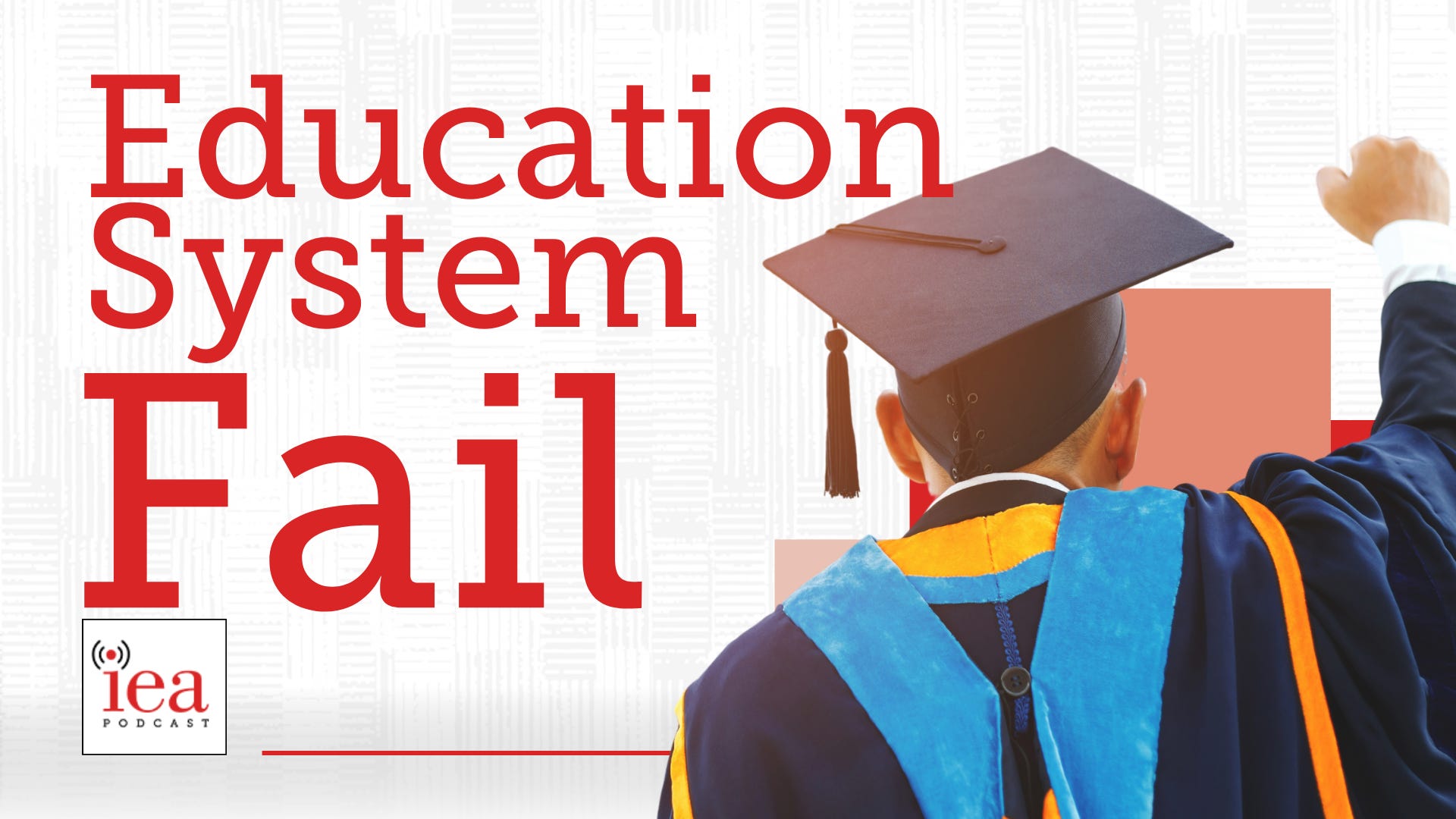
The University System is Broken: Here's How to Fix It | IEA Podcast
Higher education is in crisis, and Peter Ainsworth, Author of the new IEA Publication 'Shares in Students', has a radical solution. In this podcast, he explains how universities are financially struggling, with graduates earning less and carrying massive debt. His proposal? Tie university funding directly to student employment outcomes. Ainsworth argues that the current system incentivises student recruitment, not student success. By redirecting loan repayments back to universities based on graduate earnings, institutions would be motivated to provide education that genuinely improves career prospects. He suggests removing bureaucratic regulations and allowing universities more flexibility in pricing. Drawing inspiration from medieval apprenticeship models, Ainsworth believes these reforms could transform the UK's higher education sector. With potential changes in the US system and declining international student numbers, he sees an opportunity for Britain to become the world's leading university destination by aligning educational and economic interests. This is a public episode. If you'd like to discuss this with other subscribers or get access to bonus episodes, visit insider.iea.org.uk/subscribe
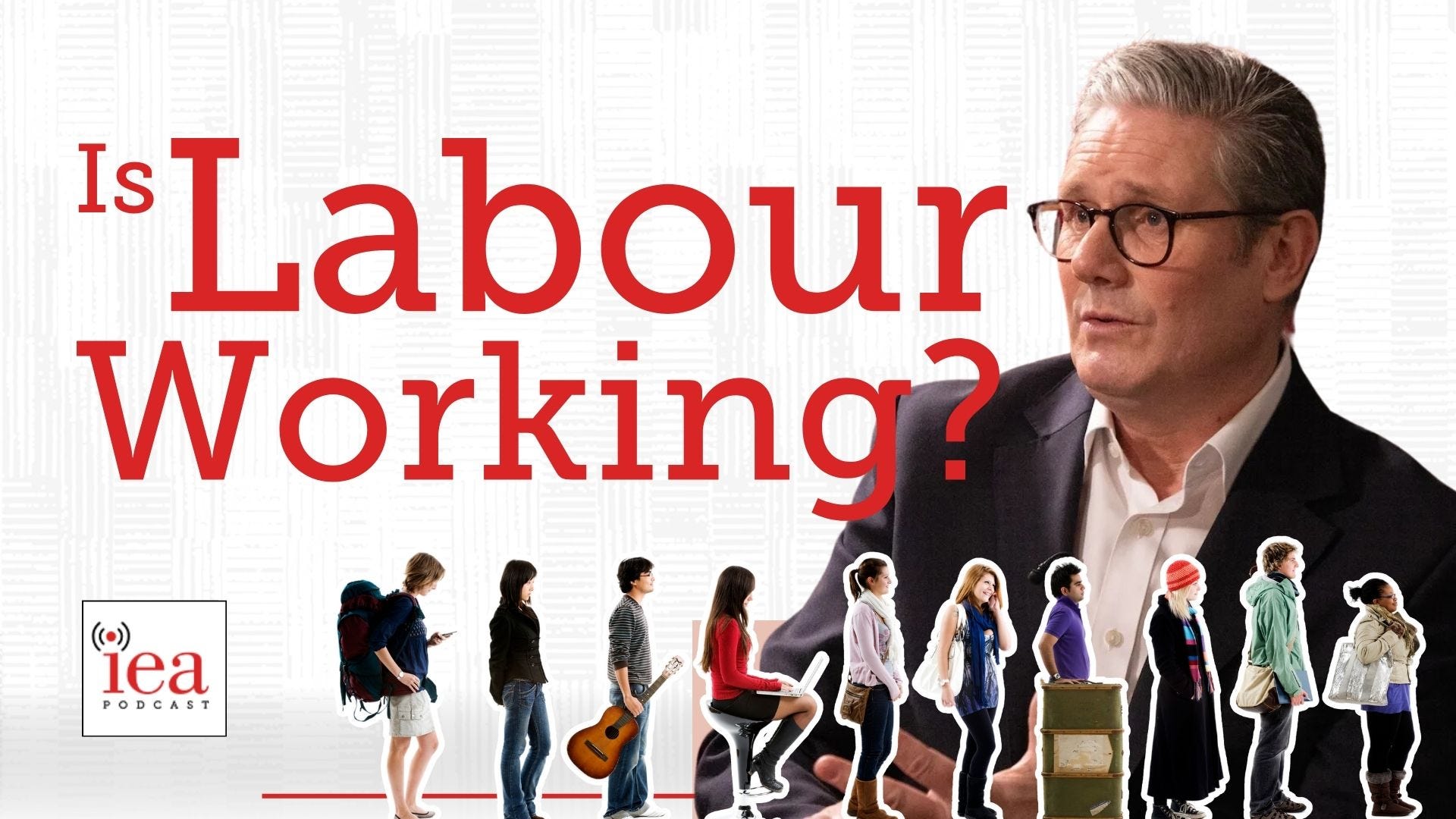
Welfare State Breakdown: Getting Britain Back to Work | IEA Podcast
In this eye-opening episode of the IEA Podcast, Professor Len Shackleton dissects the UK government's latest "Get Britain Working" white paper. With the number of working-age people on benefits rising since COVID, the government is proposing initiatives like mental health consultant support, local trailblazer schemes, and youth work guarantees. Shackleton offers a critical perspective, arguing that the current proposals lack the financial muscle of previous New Labour approaches. He highlights concerns about the incentive structure for work, pointing out that benefits can sometimes be more attractive than low-wage jobs, and questions whether employers will be willing to hire given increased employment costs and regulations. The discussion also explores the complex landscape of mental health and work, with Shackleton suggesting a need for a balanced approach. He advocates for making work more attractive through tax reforms and creating a system where being employed is more appealing than unemployment - drawing on classical liberal principles of incentivising work while providing support for those with genuine health challenges. This is a public episode. If you'd like to discuss this with other subscribers or get access to bonus episodes, visit insider.iea.org.uk/subscribe
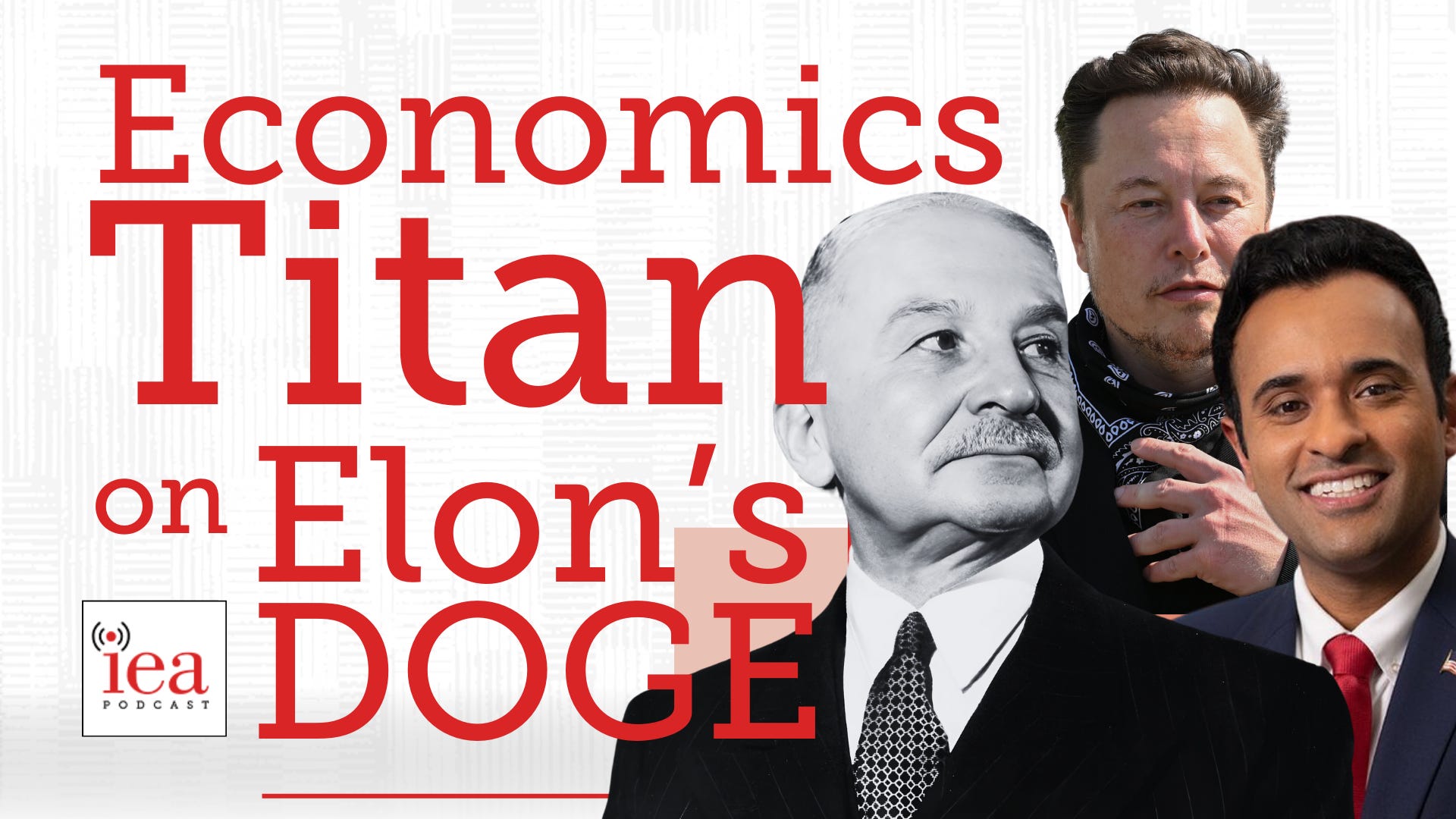
What Would Mises Think of Elon Musk's DOGE Initiative? | IEA Podcast
In this quick-hit episode, IEA's Editorial Director Kristian Niemietz discusses Ludwig von Mises' 1944 book "Bureaucracy" and its relevance to modern government reform efforts. The conversation explores why simply bringing private sector managers into government - like the recent initiative involving Elon Musk - might not be the solution Mises would have recommended. Niemietz explains how Mises saw bureaucracy not as inherently good or bad, but as an inevitable way of organising activity when economic calculation isn't possible. Unlike private companies that can measure success through profit and loss, public sector organisations lack clear metrics, leading them to focus on following processes rather than achieving outcomes. This fundamental difference, rather than the quality of personnel, explains why government departments operate differently than businesses. The discussion then turns to practical implications, comparing different approaches to government reform - from internal efficiency improvements to outright privatisation. Niemietz suggests that while Mises might have been too extreme in rejecting all possibilities for improving state efficiency, his core insight remains valuable: rather than trying to make government do everything better, we should focus on determining what government should and shouldn't do in the first place. We bring you a public affairs podcast with a difference. We want to get beyond the headlines and instead focus on the big ideas and foundational principles that matter to classical liberals.The Institute of Economic Affairs is an educational charity, it does not endorse or give support for any political party in the UK or elsewhere. Our mission is to improve understanding of the fundamental institutions of a free society by analysing and expounding the role of markets in solving economic and social problems. This is a public episode. If you'd like to discuss this with other subscribers or get access to bonus episodes, visit insider.iea.org.uk/subscribe
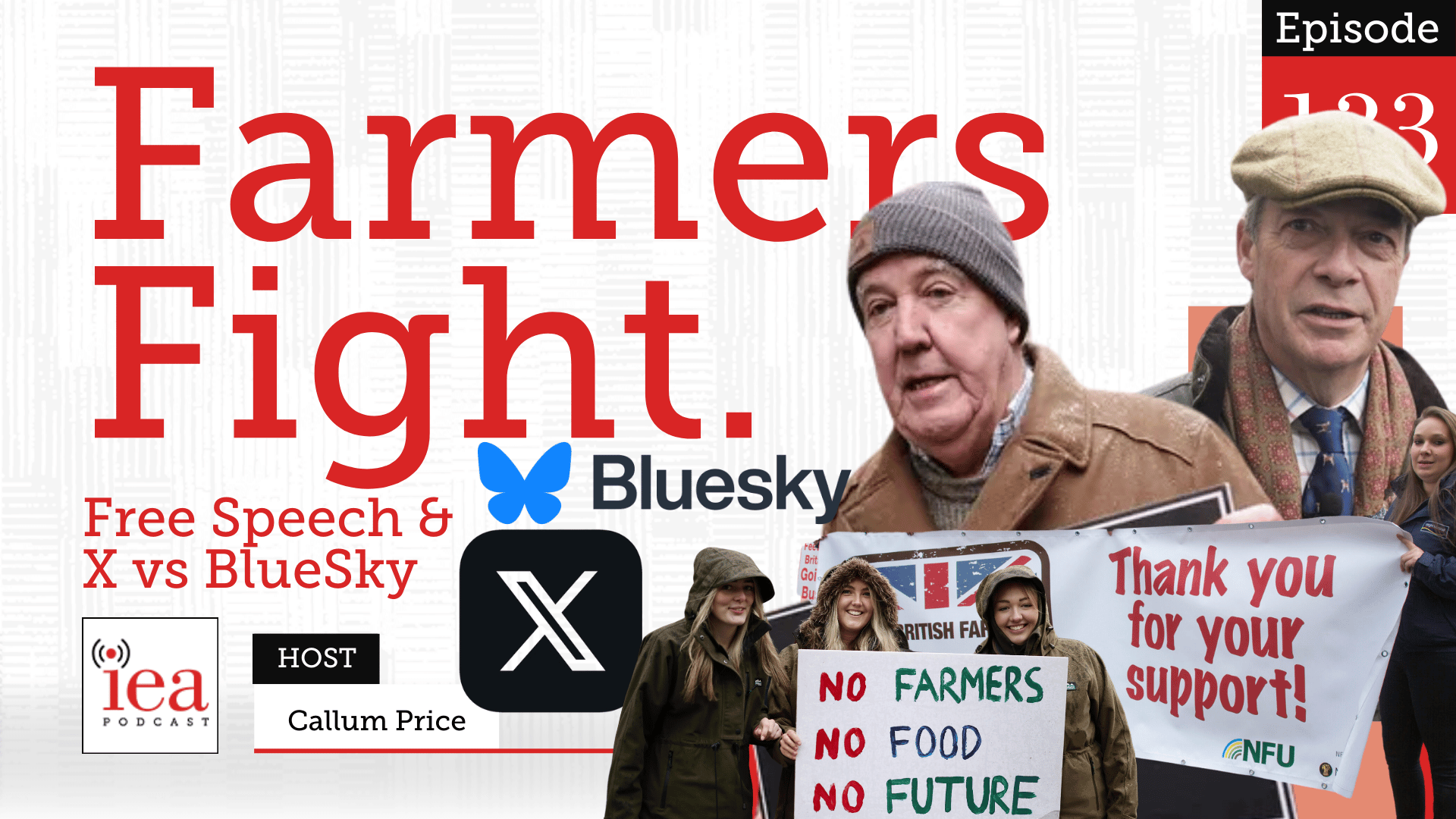
Will Inheritance Tax Kill Family Farming? Free Speech & X vs Blue Sky | IEA Podcast
Join host Callum Price, IEA's Director of Communications, along with Christopher Snowdon, Head of Lifestyle Economics, and Kristian Niemietz, Editorial Director, as they explore the recent farmers' protests in Westminster over inheritance tax changes. Our panel dives into the complex debate around taxing agricultural assets, food security, and the broader implications for Britain's countryside. The discussion weighs the principles of fair taxation against the practical challenges faced by family farms and agricultural businesses. The conversation then shifts to the latest free speech controversy involving police action against a journalist over a tweet. Our guests examine how the discourse around free speech has evolved, noting how different political groups change their stance depending on who's being censored. Snowdon and Niemietz discuss the concerning trend of "sensible centrists" failing to defend free speech principles consistently. Finally, Price leads the panel in analysing the growing competition between X (formerly Twitter) and BlueSky, examining whether social media platforms are truly natural monopolies. The panel explores how user migration works, the role of influential accounts in platform shifts, and whether these platforms are becoming increasingly politically segregated. They also debate whether platform ownership affects content moderation and user experience. We bring you a public affairs podcast with a difference. We want to get beyond the headlines and instead focus on the big ideas and foundational principles that matter to classical liberals.The Institute of Economic Affairs is an educational charity, it does not endorse or give support for any political party in the UK or elsewhere. Our mission is to improve understanding of the fundamental institutions of a free society by analysing and expounding the role of markets in solving economic and social problems. This is a public episode. If you'd like to discuss this with other subscribers or get access to bonus episodes, visit insider.iea.org.uk/subscribe
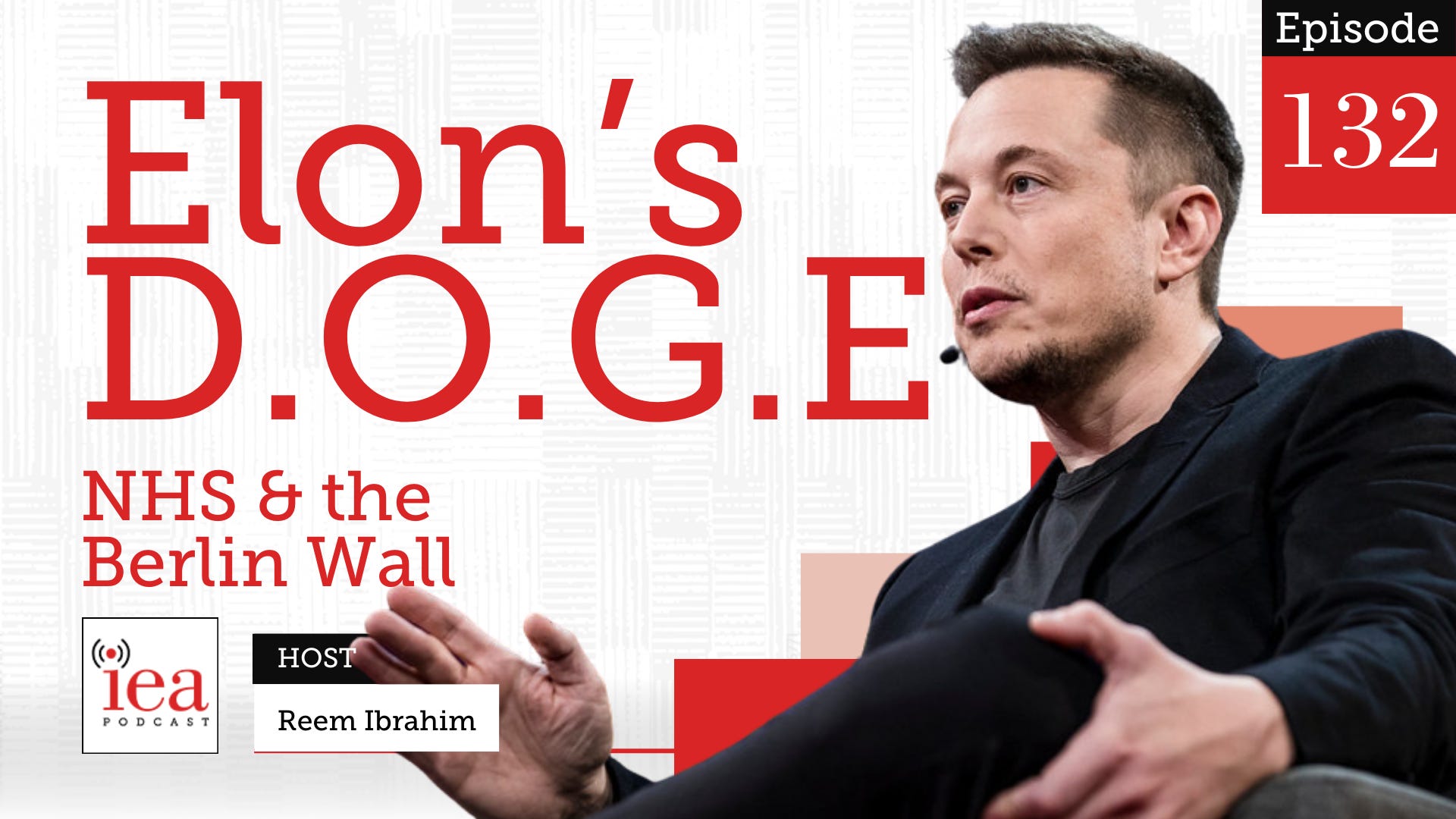
NHS & Can Elon Musk Fix Government Spending? | IEA Podcast
In this episode of the IEA podcast, we dive into Wes Streeting's proposed NHS reforms, exploring whether league tables and performance metrics can truly improve healthcare efficiency. Our guests Tom Clougherty and Kristian Niemietz discuss alternative healthcare systems from around the world, from the Netherlands' market-driven approach to Singapore's health savings accounts, examining how these models might inform NHS reform. We then turn to Elon Musk's appointment to head the new Department of Government Efficiency alongside Vivek Ramaswamy. Our panel debates whether private sector efficiency methods can work in government, drawing parallels with Musk's Twitter reforms and exploring the fundamental challenges of applying business principles to public sector operations. The discussion concludes with reflections on two significant anniversaries: the 1917 October Revolution and the fall of the Berlin Wall. Our guests share personal memories of the latter and examine how these historical events continue to shape current debates about economic systems and political ideologies, particularly among younger generations who didn't experience the Cold War era firsthand. We bring you a public affairs podcast with a difference. We want to get beyond the headlines and instead focus on the big ideas and foundational principles that matter to classical liberals.The Institute of Economic Affairs is an educational charity, it does not endorse or give support for any political party in the UK or elsewhere. Our mission is to improve understanding of the fundamental institutions of a free society by analysing and expounding the role of markets in solving economic and social problems. This is a public episode. If you'd like to discuss this with other subscribers or get access to bonus episodes, visit insider.iea.org.uk/subscribe
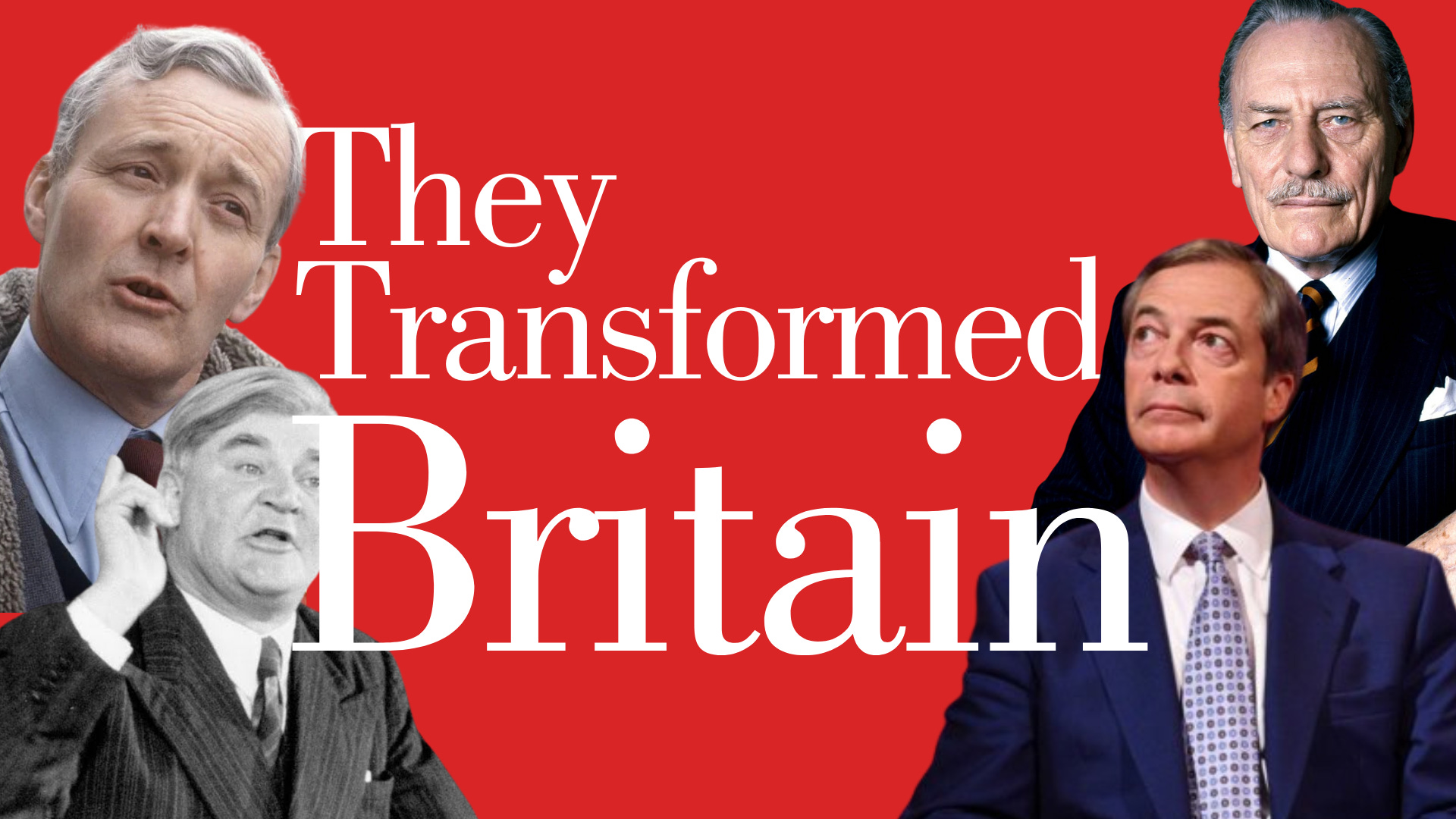
These REBEL Politicians Changed Modern Britain Forever | IEA Book Club
In this IEA Book Club event, Sir Vernon Bogdanor discusses his new book "Making The Weather: Six Politicians Who Changed Modern Britain" with IEA Executive Director Tom Clougherty. Bogdanor examines how certain politicians have shaped Britain's political landscape, focusing particularly on three figures: Aneurin Bevan, Enoch Powell, and Keith Joseph. The discussion explores how these individuals challenged the prevailing consensus of their times and influenced British politics far beyond their immediate careers. The conversation delves into Bevan's creation of the NHS and its lasting impact, Powell's complex political positions beyond his controversial immigration speech, and Keith Joseph's role in developing what would become known as Thatcherite economics. Bogdanor brings fresh insights to these familiar figures, drawing on personal interviews and historical research to paint a fuller picture of their motivations and achievements. Throughout the discussion, Bogdanor and Clougherty explore parallels between these historical figures and contemporary British politics, including Brexit, the future of the Conservative Party, and the challenges of political communication in modern Britain. The event concludes with Bogdanor's thoughts on whether the Thatcher era is coming to an end and what might replace it. This is a public episode. If you'd like to discuss this with other subscribers or get access to bonus episodes, visit insider.iea.org.uk/subscribe
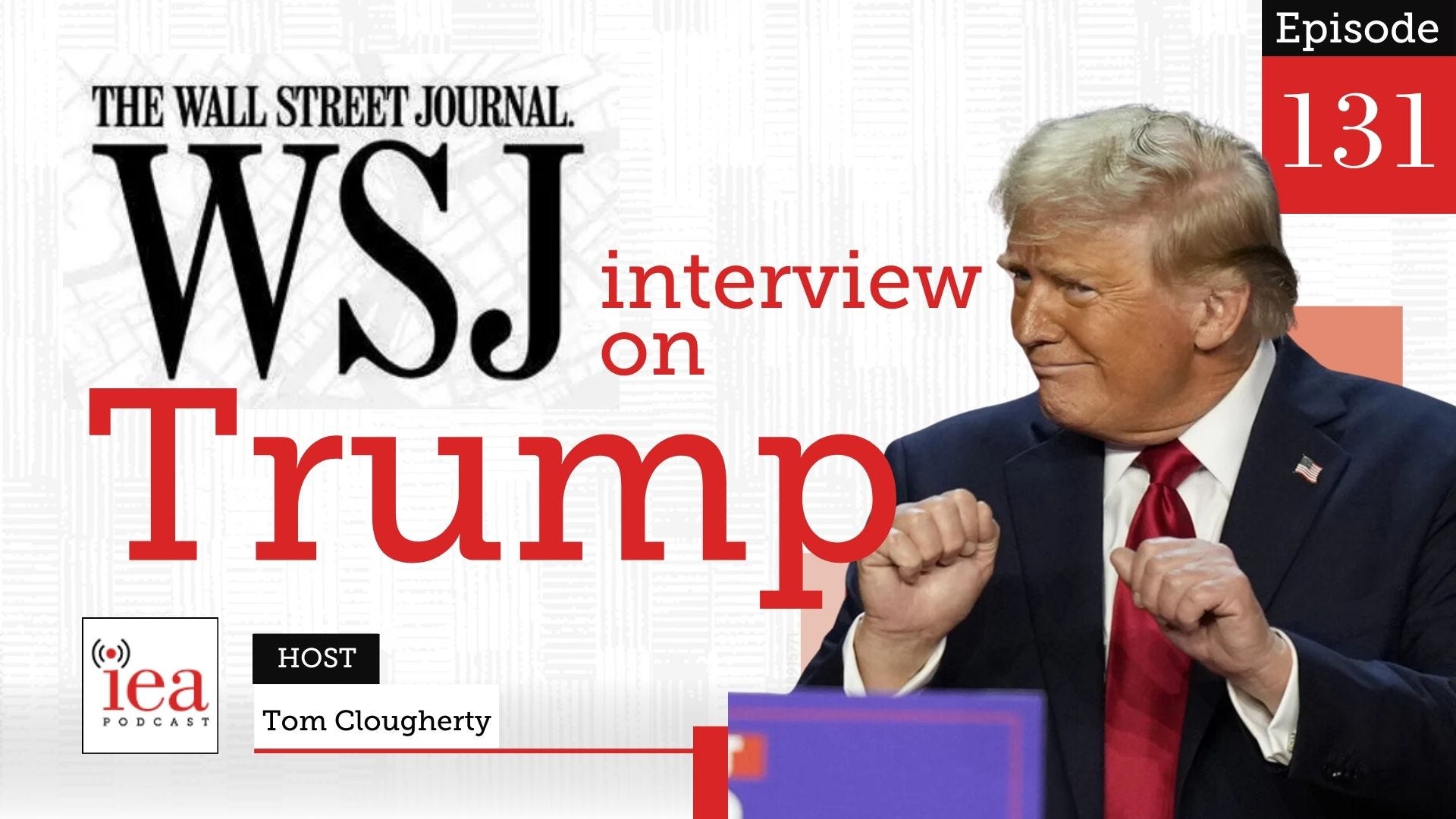
WSJ Interview REVEALS Trump's Economic Policies | IEA Podcast
In this episode of the IEA Podcast, we delve into Donald Trump's decisive victory in the 2024 US presidential election and what it means for economic policy. WSJ columnist Joseph Sternberg breaks down why the election was ultimately decided by economic fundamentals rather than cultural issues, exploring Trump's proposed policies on tariffs, taxation, and government spending. The discussion examines why American voters, despite strong GDP numbers, felt economically insecure under the Biden-Harris administration. The conversation then shifts to the UK, where we analyse Kemi Badenoch's selection as Conservative Party leader and her newly appointed shadow cabinet. Our guests discuss her commitment to "telling hard truths" and whether this signals a return to free-market principles. IEA's Director of Communications Callum Price provides insight into the potential direction of the party under her leadership. The episode concludes with a broader discussion about the future of right-wing politics in Western democracies. Our guests explore whether we're seeing a lasting shift toward national populism or if economic issues will remain the dominant factor in elections. They also tackle the challenging question of Trump's impact on democratic institutions and why voters made the choices they did. We bring you a public affairs podcast with a difference. We want to get beyond the headlines and instead focus on the big ideas and foundational principles that matter to classical liberals. This is a public episode. If you'd like to discuss this with other subscribers or get access to bonus episodes, visit insider.iea.org.uk/subscribe
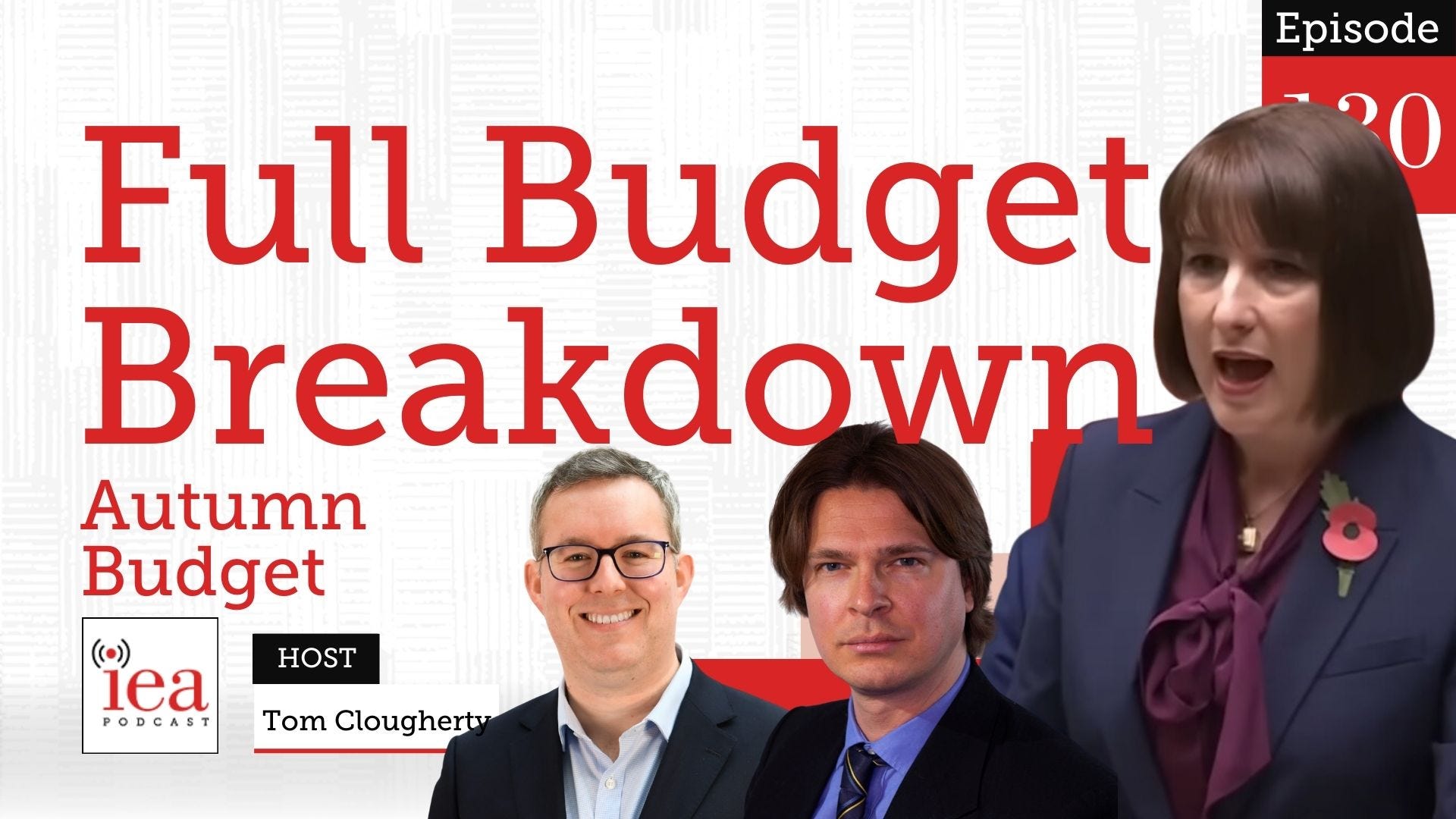
"This Isn't Going to Lead to Growth" | IEA Podcast
In this wall-to-wall budget special, Tom Clougherty, Daniel Freeman, and Dr. Kristian Niemietz break down Chancellor Rachel Reeves' first budget. They examine the major tax increases, including the significant rise in employer National Insurance contributions, changes to capital gains tax, and new measures affecting private schools. The team analyses how these changes impact Britain's economic competitiveness and discusses whether the budget's pro-growth rhetoric matches its actual contents. The discussion delves into the concerning trajectory of Britain's public finances, with both tax and spending set to be five percentage points of GDP higher than pre-pandemic levels by the end of the decade. The panel explores why this dramatic expansion of the state has occurred and whether it can be reversed, considering the limitations of previous attempts at spending restraint and the pressing need for meaningful public sector reform. Looking at the bigger picture, the team questions whether this budget represents a missed opportunity for comprehensive tax reform and meaningful economic change. They examine the similarities with previous Conservative budgets and discuss why the focus on public spending might not deliver the growth the government hopes for, particularly without substantial supply-side reforms in areas like planning and energy. We bring you a public affairs podcast with a difference. We want to get beyond the headlines and instead focus on the big ideas and foundational principles that matter to classical liberals.The Institute of Economic Affairs is an educational charity, it does not endorse or give support for any political party in the UK or elsewhere. Our mission is to improve understanding of the fundamental institutions of a free society by analysing and expounding the role of markets in solving economic and social problems. This is a public episode. If you'd like to discuss this with other subscribers or get access to bonus episodes, visit insider.iea.org.uk/subscribe
The Wealth Gap Myth: Why Everything You Thought About Inequality is Wrong
Daniel Freeman of the Institute of Economic Affairs interviews Professor Daniel Waldenström about his new book, "Richer & More Equal: A New History of Wealth in the West." Waldenström's research suggests that wealth inequality has decreased over the past century, with the middle class experiencing significant growth in wealth accumulation. The discussion covers changes in wealth composition, shifting from agricultural land and industrial shares to widespread homeownership and pension savings. Waldenström examines the effects of world wars and economic policies on wealth distribution, and compares European and American experiences of wealth concentration in recent decades. This conversation explores how wealth is measured, the impact of technological advancements, and the potential benefits of promoting homeownership and funded pension systems. Waldenström's work offers a different perspective on wealth creation and distribution, encouraging viewers to reconsider common assumptions about economic progress in the West. The interview provides an accessible look at wealth inequality trends for those interested in economic history and current debates. This is a public episode. If you'd like to discuss this with other subscribers or get access to bonus episodes, visit insider.iea.org.uk/subscribe
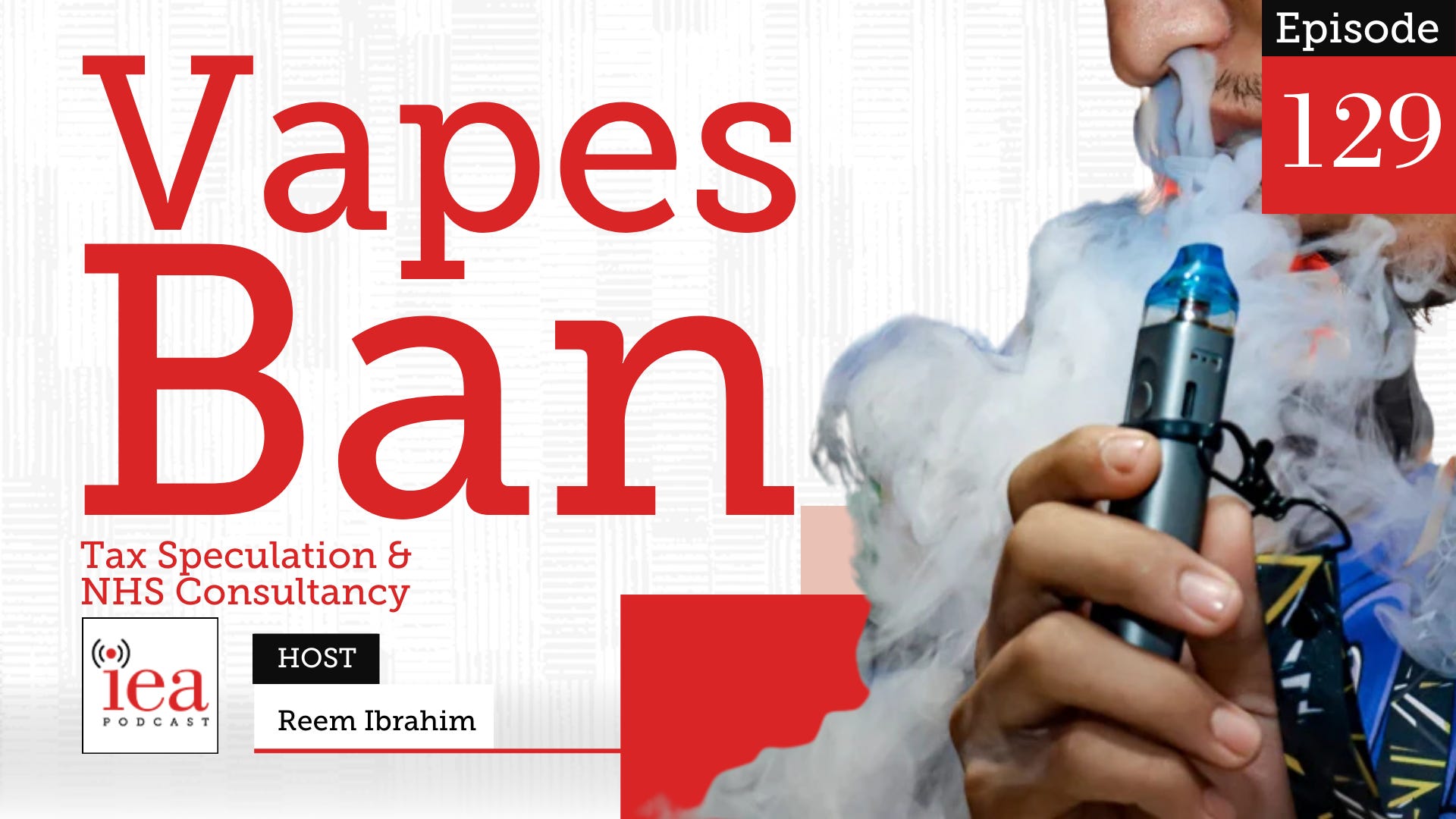
Public Sector Gets a Free Pass on NI Tax Hikes, Vaping Ban & NHS Consultation | IEA Podcast
Join Reem Ibrahim, Acting Director of Communications, as she discusses the latest economic and policy developments with IEA's Executive Director Tom Clougherty and Managing Editor Daniel Freeman. The team dives into pre-budget speculation, particularly focusing on the government's plans to add National Insurance contributions to employer pension contributions - and why the public sector might be exempt from these changes. They explore how this could impact wages, benefits, and the broader economic landscape. The conversation then turns to the controversial ban on disposable vapes. The panel examines why this policy could be counterproductive, discussing how it might affect public health, youth access to vapes, and the potential rise of black market alternatives. They challenge the environmental arguments being used to justify the ban and explore why this could undermine the UK's position as a leader in tobacco harm reduction. The episode concludes with a critical look at the NHS's new public consultation on healthcare reform. The team discusses the role of consultations in policymaking, whether they truly lead to meaningful change, and what real NHS reform might look like. They explore the challenges of implementing effective healthcare management and why some popular reform ideas might be counterproductive. We bring you a public affairs podcast with a difference. We want to get beyond the headlines and instead focus on the big ideas and foundational principles that matter to classical liberals. Timestamps: 01:11 - Pre budget tax speculation and public sector NI 15:25 - Vaping ban 24:57 - NHS consultationThe Institute of Economic Affairs is an educational charity, it does not endorse or give support for any political party in the UK or elsewhere. Our mission is to improve understanding of the fundamental institutions of a free society by analysing and expounding the role of markets in solving economic and social problems. This is a public episode. If you'd like to discuss this with other subscribers or get access to bonus episodes, visit insider.iea.org.uk/subscribe
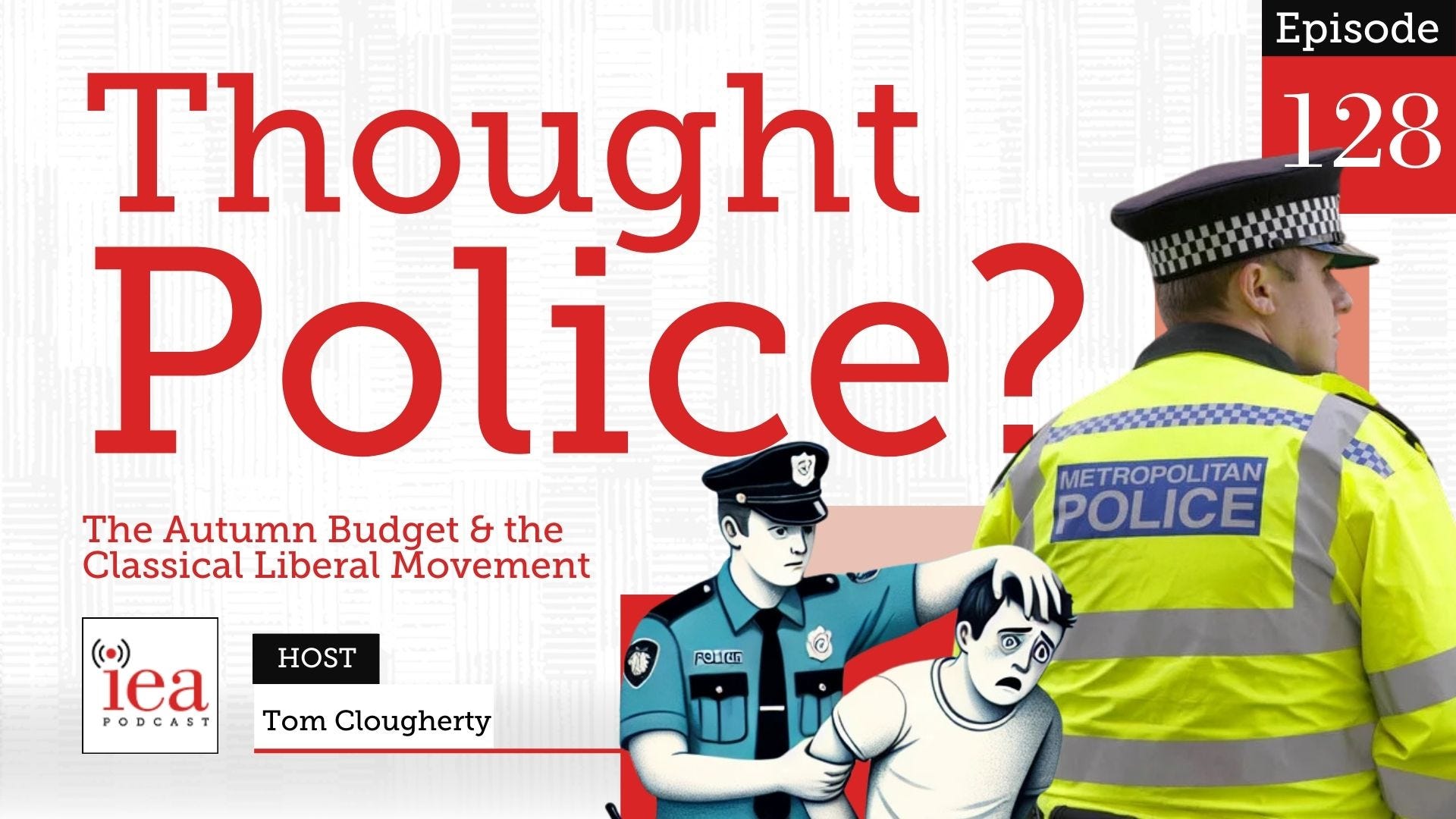
Incoming Tax Hikes, Thought Crime in Britain & the Next Generation of Liberals | IEA Podcast
In this episode of the IEA Podcast, Tom Clougherty, Harrison Griffiths, and Dr. Kristian Niemietz dive into the upcoming Autumn budget and the potential £40 billion tax increases. They discuss the implications of employer National Insurance contributions and the broader impact on workers, while also touching on capital gains tax and the challenges of taxing different forms of income. The conversation then shifts to a concerning case in Bournemouth, where a man was convicted for silently praying near an abortion clinic, sparking a debate about freedom of thought and expression in the UK. The panel examines the implications of this case and its potential impact on civil liberties. Finally, the discussion turns to the state of the classical liberal movement across Europe and the world. Dr. Niemietz shares his insights from a recent European Students for Liberty conference in Iceland, highlighting the growth and diversity of libertarian groups in various countries. The panel also explores the challenges faced by classical liberal movements in different regions and the potential for future growth. We bring you a public affairs podcast with a difference. We want to get beyond the headlines and instead focus on the big ideas and foundational principles that matter to classical liberals.The Institute of Economic Affairs is an educational charity, it does not endorse or give support for any political party in the UK or elsewhere. Our mission is to improve understanding of the fundamental institutions of a free society by analysing and expounding the role of markets in solving economic and social problems. This is a public episode. If you'd like to discuss this with other subscribers or get access to bonus episodes, visit insider.iea.org.uk/subscribe
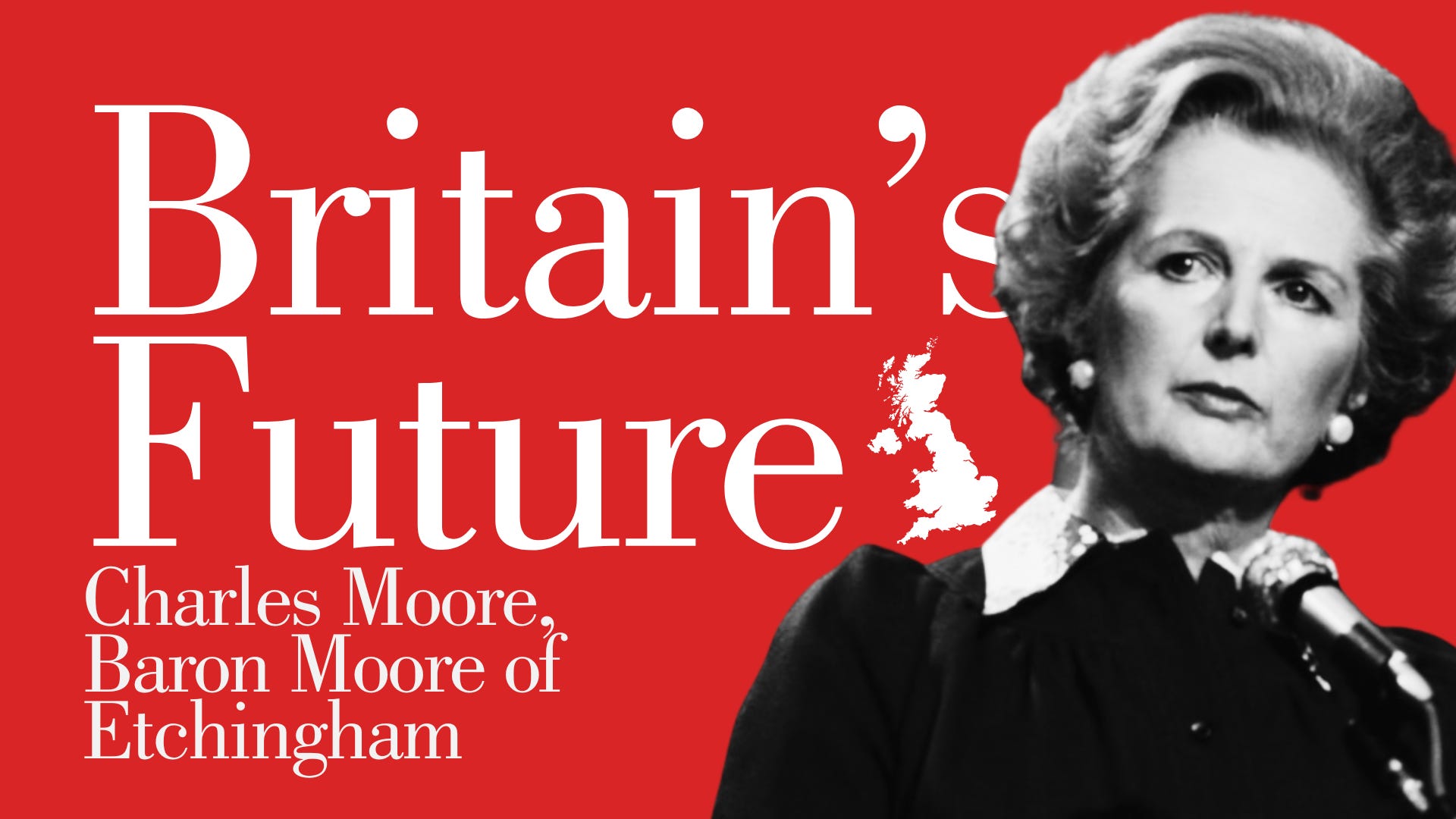
The Thatcher Legacy & The Future of British Politics with Charles Moore | In Conversation
In this new episode in the 'In Conversation' series, Charles Moore, Baron Moore of Etchingham and Member of the House of Lords, sits down with Tom Clougherty, Executive Director of the Institute of Economic Affairs (IEA), to discuss the current state of British politics and the legacy of Margaret Thatcher. Moore, the acclaimed biographer of Thatcher and former editor of The Spectator and The Telegraph, offers unique insights into the challenges facing modern conservatism and draws intriguing parallels between today's political landscape and the era of Thatcher's rise to power. Throughout the discussion, Moore delves into a range of pressing issues, including the impact of globalisation, the changing nature of political institutions, and the cultural shifts affecting contemporary society. He reflects on the lessons that can be learned from Thatcher's leadership style and governance approach, while also addressing the new challenges that have emerged in the decades since her tenure. Moore's nuanced perspective on topics such as immigration, the role of international institutions, and the evolving dynamics within the Conservative Party provides a thought-provoking analysis of the current political climate. This conversation offers viewers a rare opportunity to hear from one of Britain's most respected political commentators as he shares his insights on the past, present, and future of conservative thought. Whether you're a student of politics, a history enthusiast, or simply curious about the forces shaping modern Britain, this discussion between Charles Moore and Tom Clougherty promises to be both enlightening and timely. This is a public episode. If you'd like to discuss this with other subscribers or get access to bonus episodes, visit insider.iea.org.uk/subscribe

Why Britain is Losing its Best and Brightest, Employment Rights & Hayek's Nobel Prize | IEA Podcast
In this episode of the IEA Podcast, we dive into the Adam Smith Institute's new "millionaire tracker" report, which suggests Britain is losing millionaires at an alarming rate. Maxwell Marlow, director of Research and Education at ASI, discusses the potential economic impact and reasons behind this trend, including productivity stagnation, high tax burdens, and an anti-prosperity culture. The conversation explores the broader implications for job creation, investment, and tax revenue. The podcast then turns to the government's newly announced Employment Rights legislation. The panel, including Dr. Kristian Niemietz and host Tom Clougherty, examines the potential consequences of these reforms on productivity, hiring practices, and overall economic dynamism. They express concern that these measures, while politically popular, may inadvertently hinder job creation and economic growth. Lastly, the discussion commemorates the 50th anniversary of F.A.Hayek being awarded the Nobel Prize in Economics. The panel reflects on Hayek's enduring influence on classical liberal thought, his key works such as "The Use of Knowledge in Society," and the importance of his ideas in shaping economic and political discourse. They emphasise the continued relevance of Hayek's insights in today's policy debates. We bring you a public affairs podcast with a difference. We want to get beyond the headlines and instead focus on the big ideas and foundational principles that matter to classical liberals.The Institute of Economic Affairs is an educational charity, it does not endorse or give support for any political party in the UK or elsewhere. Our mission is to improve understanding of the fundamental institutions of a free society by analysing and expounding the role of markets in solving economic and social problems. This is a public episode. If you'd like to discuss this with other subscribers or get access to bonus episodes, visit insider.iea.org.uk/subscribe

Economic Freedom vs. Collectivism: Can Conservatives Save Liberty in Britain?
Join the Institute of Economic Affairs for a panel discussion on "The Torch of Liberty: Can the Conservative Party win back the young?" at the 2024 Conservative Party Conference. Hosted by Reem Ibrahim, Acting Director of Communications at the IEA, this engaging session features Lord David Frost, Conservative Member of the House of Lords, Tom Clougherty, IEA Executive Director, and Dr. Christopher Snowdon, IEA Head of Lifestyle Economics. The panel explores the crucial question of whether the Conservative Party can rediscover its love for liberty and appeal to younger voters. Our speakers delve into topics such as economic freedom, personal liberties, and the challenges facing conservative principles in modern British politics. They discuss the impact of recent policies, the role of ideology in shaping political discourse, and strategies for promoting free-market ideas in an increasingly collectivist environment. Don't miss this conversation as our experts analyse the Conservative Party's recent track record, debate the future of freedom-oriented policies, and offer their perspectives on how to make liberty appealing again. Whether you're a political enthusiast, a young conservative, or simply interested in the future of British politics, this panel provides valuable insights into the ongoing struggle between individual freedom and state intervention.The Institute of Economic Affairs is an educational charity, it does not endorse or give support for any political party in the UK or elsewhere. Our mission is to improve understanding of the fundamental institutions of a free society by analysing and expounding the role of markets in solving economic and social problems. This is a public episode. If you'd like to discuss this with other subscribers or get access to bonus episodes, visit insider.iea.org.uk/subscribe

Boomer vs Zoomer: Exposing Britain's Age Divide
Dive into the pressing issue of intergenerational inequality with the Institute of Economic Affairs' panel from the 2024 Conservative Party Conference. Hosted by IEA Executive Director Tom Clougherty, this discussion features insights from a diverse group of experts including Jack Ranking MP, Matthew Lesh of Freshwater Strategy, Andrew Griffith MP, and Reem Ibrahim, the IEA's Acting Director of Communications. The panel tackles the challenges facing young people in the UK, from housing affordability and economic opportunities to the brain drain and welfare system concerns. Our speakers explore how conservative principles can address these issues, debating topics such as planning reform, fiscal policy, and the need for a positive, aspirational conservative message that appeals to younger voters. Watch this conversation that attempts to shape a future that works for all generations. Whether you're interested in politics, economics, or social policy, this panel offers fresh perspectives on some of the most crucial issues facing the UK today. Join us as we examine how to build a more prosperous, fair, and dynamic society for young and old alike.The Institute of Economic Affairs is an educational charity, it does not endorse or give support for any political party in the UK or elsewhere. Our mission is to improve understanding of the fundamental institutions of a free society by analysing and expounding the role of markets in solving economic and social problems. This is a public episode. If you'd like to discuss this with other subscribers or get access to bonus episodes, visit insider.iea.org.uk/subscribe

Conservative Optimism, UK's Energy Emergency & Shadowy Conferences | IEA Podcast
In this episode of the IEA Podcast, host Tom Clougherty and guests Daniel Freeman and Dr. Kristian Niemietz cover a range of topics: the closure of Britain's last coal-fired power station, the recent Conservative Party Conference, and the Mont Pelerin Society meeting in New Delhi. These discussions offer insights into energy policy, political strategy, and the future of classical liberal thought. The conversation begins with an analysis of the UK's energy landscape following the shutdown of its final coal power plant. The team explores the implications for Britain's economic competitiveness, the challenges of transitioning to renewable energy sources, and the potential role of nuclear power in ensuring a stable energy future. They discuss the broader impact on industries, the rising costs of electricity, and the need for a coherent energy strategy to support economic growth. Moving to politics, Clougherty shares his observations from the Conservative Party Conference, noting the surprisingly upbeat mood despite recent electoral defeats. The discussion delves into the party's internal debate about its future direction, analysing a pamphlet on "Conservatism in Crisis" released by Kemi Badenoch's campaign. Lastly, Dr. Niemietz provides insights from the Mont Pelerin Society meeting, explaining the organisation's history, its role in shaping classical liberal thought, and its relevance in addressing contemporary challenges. We bring you a public affairs podcast with a difference. We want to get beyond the headlines and instead focus on the big ideas and foundational principles that matter to classical liberals. The Institute of Economic Affairs is an educational charity, it does not endorse or give support for any political party in the UK or elsewhere. Our mission is to improve understanding of the fundamental institutions of a free society by analysing and expounding the role of markets in solving economic and social problems. This is a public episode. If you'd like to discuss this with other subscribers or get access to bonus episodes, visit insider.iea.org.uk/subscribe

Freebies and Scandals: Can Starmer Unite the Party at Conference?
In this episode of the IEA Podcast, host Reem Ibrahim is joined by Matthew Lesh and Tom Clougherty to discuss the recent Labour Party Conference, the growing issue of long-term sickness benefits in the UK, and the influential "Foundations: Why Britain has Stagnated" report. The conversation kicks off with insights into the Labour Party's current positioning and challenges as they prepare for a potential return to power, including the party's struggle to articulate a clear vision for governance beyond simply not being the Conservatives. The discussion then shifts to the concerning trend of increasing long-term sickness benefit claims, particularly among young people and men. The panel explores the potential causes behind this surge, including changes in the benefits system, mental health issues, and the broader economic implications. They debate the balance between providing necessary support and creating incentives for work, touching on both the fiscal and moral dimensions of the issue. Finally, the podcast delves into the "Foundations" report, which argues that the UK's economic stagnation is largely due to self-imposed barriers to investment and growth. The panel examines the report's key points, including how relaxing planning restrictions and improving infrastructure could rapidly boost the UK's economic performance. They also discuss the report's optimistic outlook and its potential impact on future policy discussions. We bring you a public affairs podcast with a difference. We want to get beyond the headlines and instead focus on the big ideas and foundational principles that matter to classical liberals. The Institute of Economic Affairs is an educational charity, it does not endorse or give support for any political party in the UK or elsewhere. Our mission is to improve understanding of the fundamental institutions of a free society by analysing and expounding the role of markets in solving economic and social problems. This is a public episode. If you'd like to discuss this with other subscribers or get access to bonus episodes, visit insider.iea.org.uk/subscribe
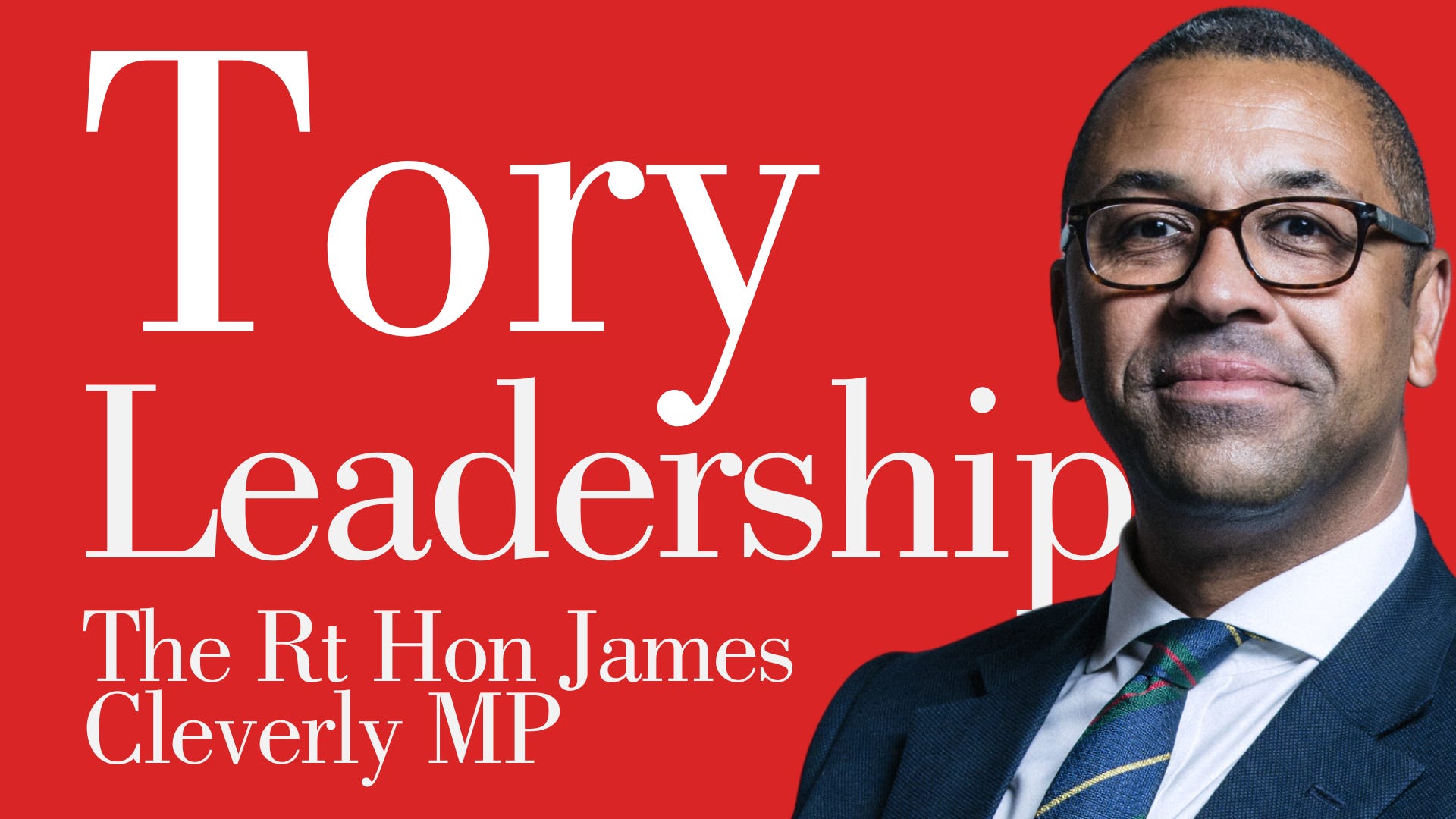
James Cleverly MP Reveals His Vision for the UK | In Conversation
Note: The Institute of Economic Affairs (IEA) does not endorse or support any political candidate or party. This video is for educational purposes only. In this new In Conversation event, The Rt Hon James Cleverly MP, Conservative Party Home Secretary and leadership candidate, sits down with Tom Clougherty, Executive Director of the Institute of Economic Affairs, to discuss his vision for the future of the Conservative Party and the UK. Cleverly outlines his Thatcherite economic philosophy, emphasising the need for free markets, lower taxes, and reduced regulation to drive economic growth and prosperity. Throughout the discussion, Cleverly addresses key issues facing the UK, including housing affordability, welfare reform, and the challenges of an aging population. He argues for bold policy changes to increase housing supply, incentivise work, and create a more sustainable relationship between younger and older generations. Cleverly also shares his views on the importance of global engagement and the need to revitalise London's financial services sector. As a self-described "doer" inspired by Ronald Reagan's communication skills, Cleverly emphasises the importance of selling conservative values to a new generation. He advocates for a positive, optimistic approach to leadership that can inspire public support for necessary reforms. This conversation offers valuable insights into Cleverly's political philosophy and his vision for addressing the UK's most pressing economic and social challenges.The Institute of Economic Affairs is an educational charity, it does not endorse or give support for any political party in the UK or elsewhere. Our mission is to improve understanding of the fundamental institutions of a free society by analysing and expounding the role of markets in solving economic and social problems. This is a public episode. If you'd like to discuss this with other subscribers or get access to bonus episodes, visit insider.iea.org.uk/subscribe
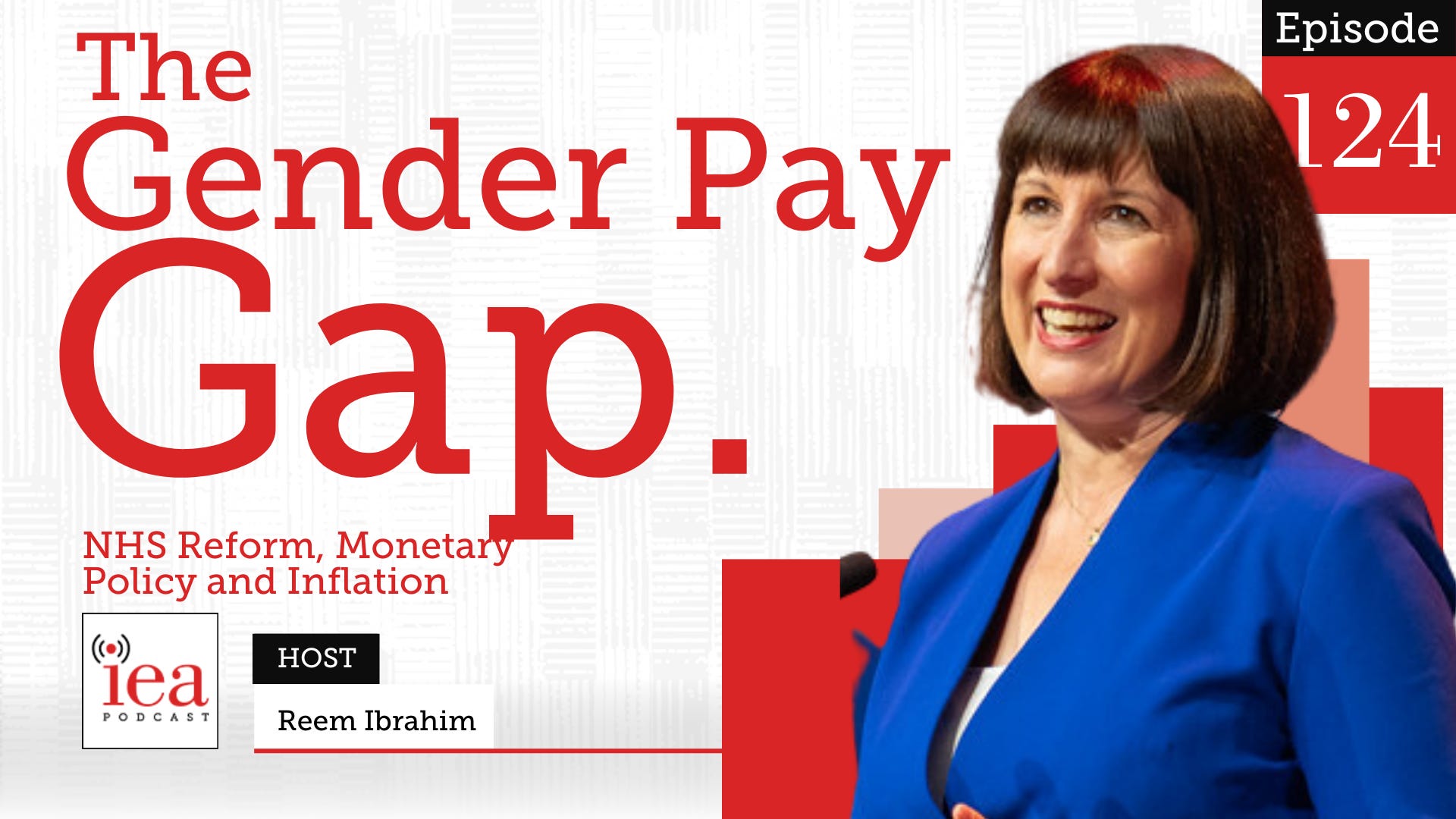
"Scrapping" the NHS & the Gender Pay Gap Myth | IEA Podcast
In this episode of the IEA Podcast, we delve into three critical topics shaping the UK's economic and social landscape this week. First, we explore the IEA's new publication "Denationalisation of Healthcare" with author Dr. Kristian Niemietz. The discussion examines the potential benefits of transitioning from the NHS to a social health insurance system, addressing concerns about disruption and emphasising the importance of patient choice and competition among providers. Next, we turn our attention to the Bank of England's recent monetary policy decisions. Our panel, featuring Tom Clougherty and Kristian Niemietz, analyses the implications of keeping interest rates at 5% and the continuation of quantitative tightening. The conversation highlights the divergent views between the official Monetary Policy Committee and the IEA's shadow committee, exploring the merits of different approaches to managing inflation and economic growth. Lastly, we tackle the controversial topic of the gender pay gap, prompted by Rachel Reeves' recent announcement of the "Invest in Women" taskforce. Ibrahim discuss the complexities behind pay gap statistics, challenging the narrative of widespread discrimination and examining the role of individual choices in shaping career outcomes. The conversation also touches on the broader implications of government intervention in labour markets and the potential unintended consequences of well-intentioned policies. We bring you a public affairs podcast with a difference. We want to get beyond the headlines and instead focus on the big ideas and foundational principles that matter to classical liberals.The Institute of Economic Affairs is an educational charity, it does not endorse or give support for any political party in the UK or elsewhere. Our mission is to improve understanding of the fundamental institutions of a free society by analysing and expounding the role of markets in solving economic and social problems. This is a public episode. If you'd like to discuss this with other subscribers or get access to bonus episodes, visit insider.iea.org.uk/subscribe
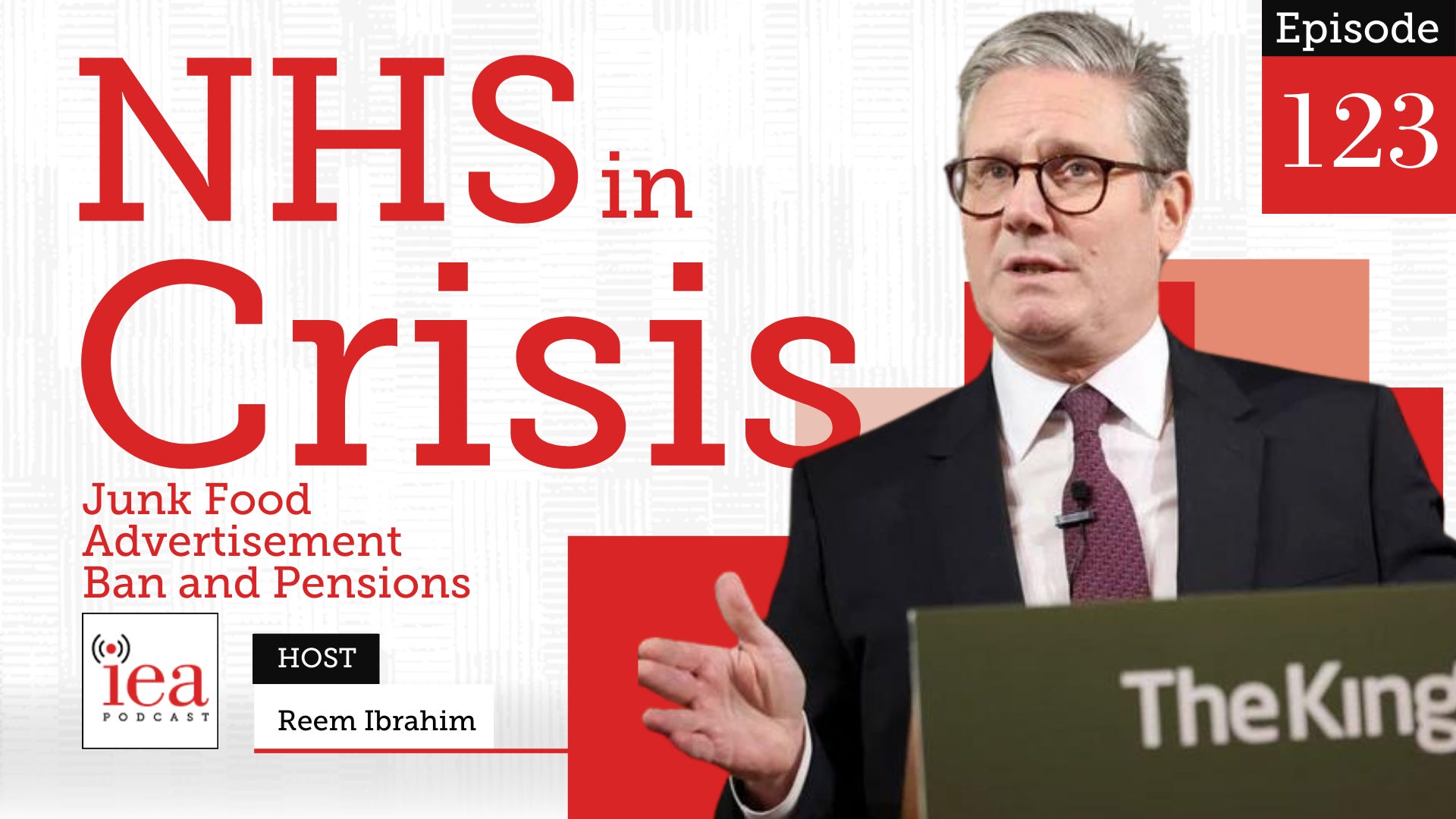
NHS Crisis: Is Labour's Plan a Band-Aid on a Bullet Wound? | IEA Podcast
In this episode of the IEA Podcast, host Reem Ibrahim is joined by Tom Clougherty, Executive Director, and Kristian Niemietz, Editorial Director, to discuss pressing issues in UK policy. The conversation kicks off with an analysis of the Darzi report, which exposes deep-rooted problems within the NHS and the government's response to these challenges. The guests explore the limitations of the report and the need for more radical reforms to truly address the health service's issues. The discussion then shifts to the Labour government's controversial proposal to ban junk food advertising before 9:00 PM. Our experts examine the effectiveness of such measures in tackling childhood obesity and question the underlying statistics used to justify these policies. They also delve into the potential negative impacts on businesses and the broader implications for personal freedom. Finally, the podcast tackles the complex and often overlooked issue of pension reform. The guests discuss the sustainability of the current system, the misconceptions surrounding pension tax relief, and the long-term fiscal challenges facing the UK. They explore potential solutions to ensure a more stable and equitable pension system for future generations. We bring you a public affairs podcast with a difference. We want to get beyond the headlines and instead focus on the big ideas and foundational principles that matter to classical liberals.The Institute of Economic Affairs is an educational charity, it does not endorse or give support for any political party in the UK or elsewhere. Our mission is to improve understanding of the fundamental institutions of a free society by analysing and expounding the role of markets in solving economic and social problems. This is a public episode. If you'd like to discuss this with other subscribers or get access to bonus episodes, visit insider.iea.org.uk/subscribe
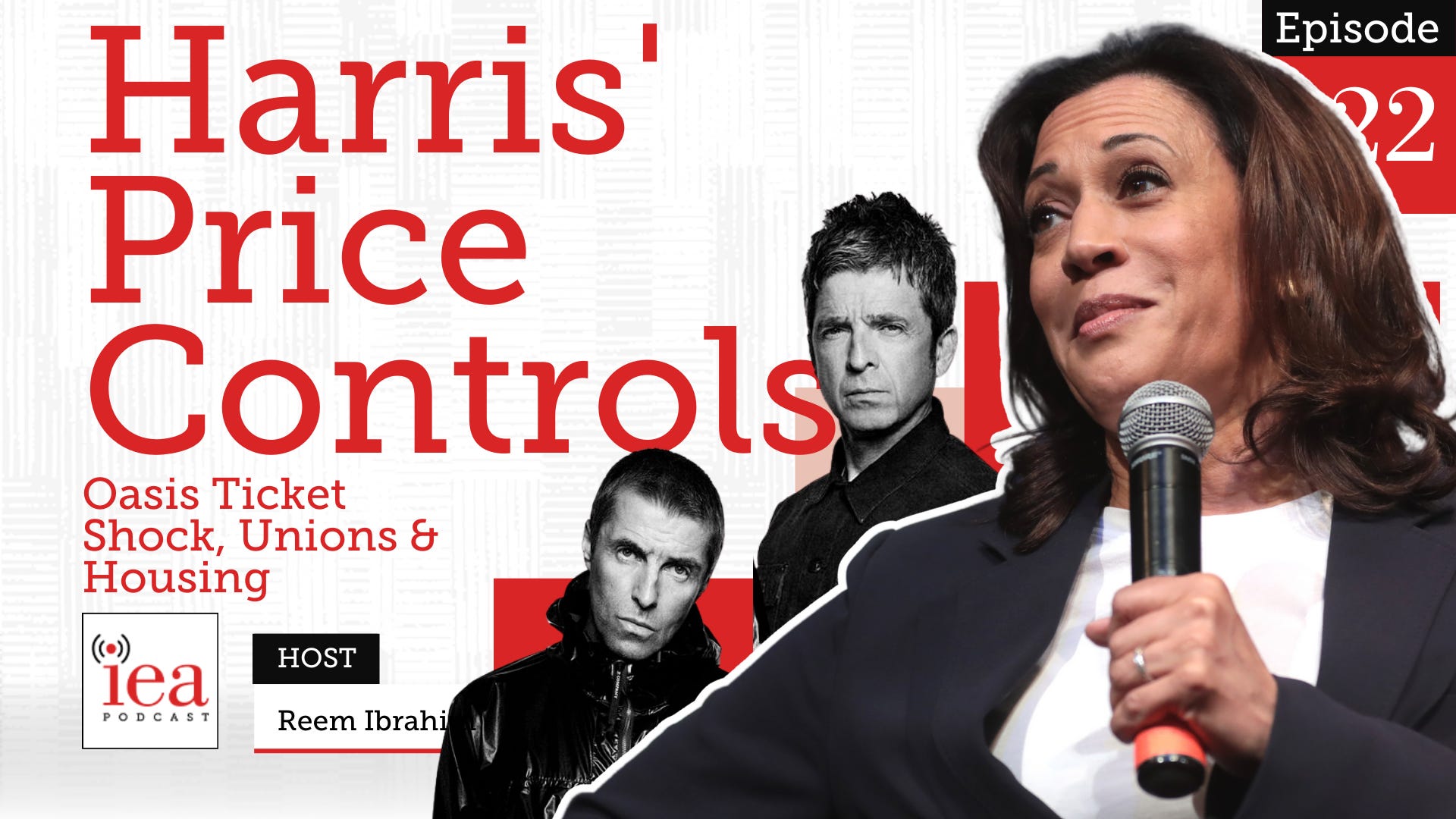
The Oasis & Kamala Harris 'Vibes-Based' Politics, Trade Unions & the Housing Crisis | IEA Podcast
In this episode of the IEA Podcast, join host Reem Ibrahim as she engages in a thought-provoking discussion with Kristian Niemietz and Tom Clougherty on pressing issues shaping contemporary political discourse. The trio delves into the concept of 'vibes-based' politics, exploring how superficial appeal often overshadows substantive policy discussions, particularly in areas like price controls and ticketing regulations. The conversation then shifts to the complex world of trade unions, examining their historical role, current challenges, and potential future directions. Drawing from a newly published book by Len Shackleton, the panel offers fresh perspectives on union dynamics in both public and private sectors, challenging common misconceptions about free-market views on organised labor. Lastly, the podcast tackles the persistent and worsening housing crisis in the UK. Revisiting Alan Evans' prescient 1988 book "No Room!, No Room!" the guests discuss how many of the issues identified decades ago remain unresolved, if not exacerbated. They explore the political and economic factors contributing to the crisis, including the contentious role of green belts and the broader implications for intergenerational equity and political alignments. We bring you a public affairs podcast with a difference. We want to get beyond the headlines and instead focus on the big ideas and foundational principles that matter to classical liberals.The Institute of Economic Affairs is an educational charity, it does not endorse or give support for any political party in the UK or elsewhere. Our mission is to improve understanding of the fundamental institutions of a free society by analysing and expounding the role of markets in solving economic and social problems. This is a public episode. If you'd like to discuss this with other subscribers or get access to bonus episodes, visit insider.iea.org.uk/subscribe
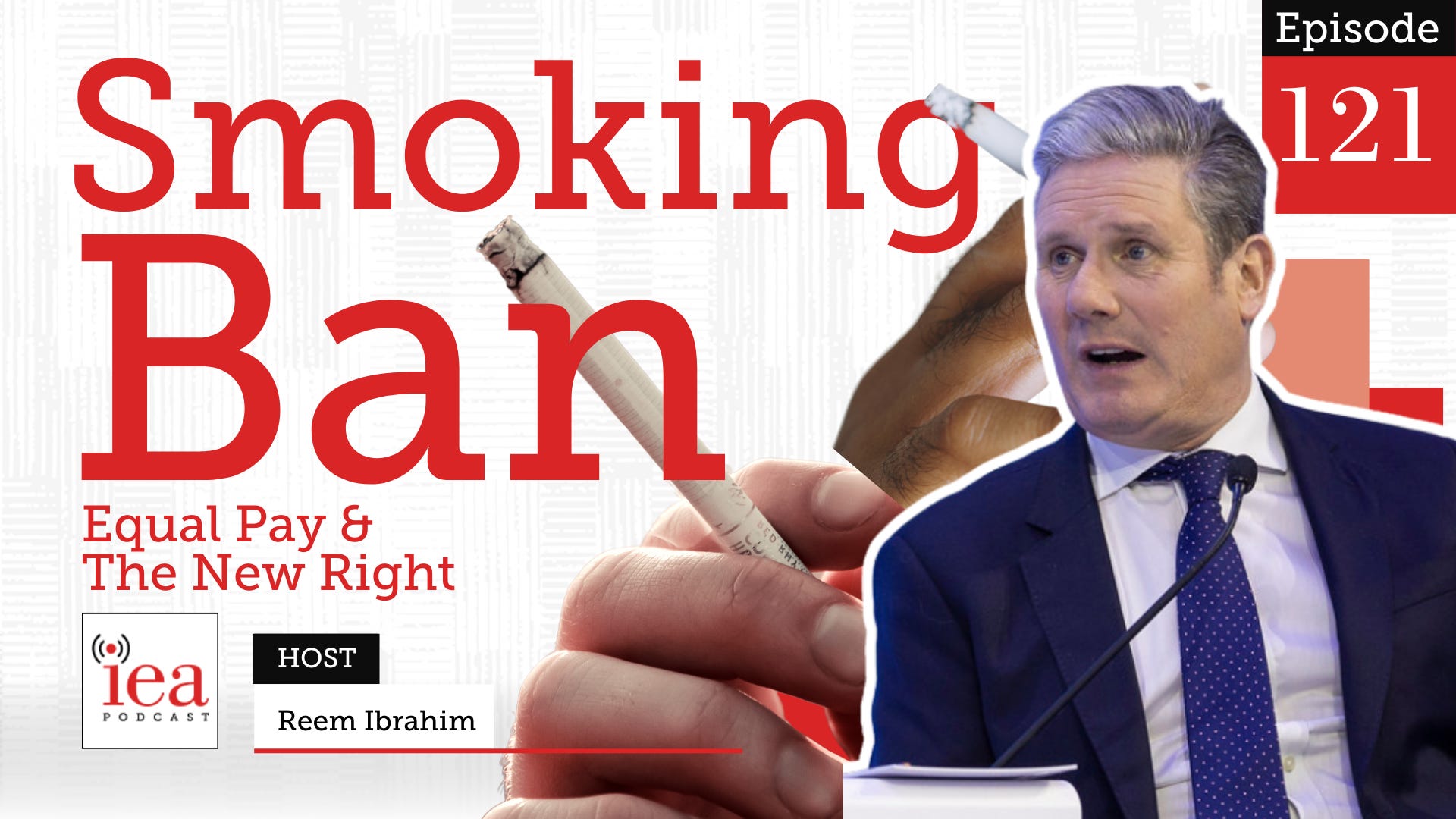
Smoking Ban in Beer Gardens: The Death of Personal Freedom? | IEA Podcast
In this episode of the IEA Podcast, host Reem Ibrahim is joined by Kristian Niemietz and Tom Clougherty to dissect recent political developments through a classical liberal lens. The panel critically examines Labour's controversial plan to ban smoking in outdoor areas, including pub beer gardens, questioning the justification and potential consequences of such nanny state interventions. They also delve into the implications of the Next equal pay dispute, highlighting the disconnect between economic reasoning and legal judgments in employment tribunals. The conversation takes a broader turn as the guests explore the shifting landscape of political ideologies. They discuss how traditional definitions of 'liberal' no longer apply in today's context, with both the left and right embracing forms of authoritarianism and interventionism. The panel contemplates the challenges faced by classical liberals in finding political allies and considers the potential for a new movement centered on freedom, dynamism, and progress. Throughout the episode, Niemietz, Clougherty, and Ibrahim offer insightful commentary on the erosion of personal freedoms, the unintended consequences of well-intentioned policies, and the importance of maintaining a commitment to free-market principles. Their discussion provides a nuanced perspective on current affairs, challenging listeners to think critically about the role of government in society and the future of liberal thought. We bring you a public affairs podcast with a difference. We want to get beyond the headlines and instead focus on the big ideas and foundational principles that matter to classical liberals.The Institute of Economic Affairs is an educational charity, it does not endorse or give support for any political party in the UK or elsewhere. Our mission is to improve understanding of the fundamental institutions of a free society by analysing and expounding the role of markets in solving economic and social problems. This is a public episode. If you'd like to discuss this with other subscribers or get access to bonus episodes, visit insider.iea.org.uk/subscribe
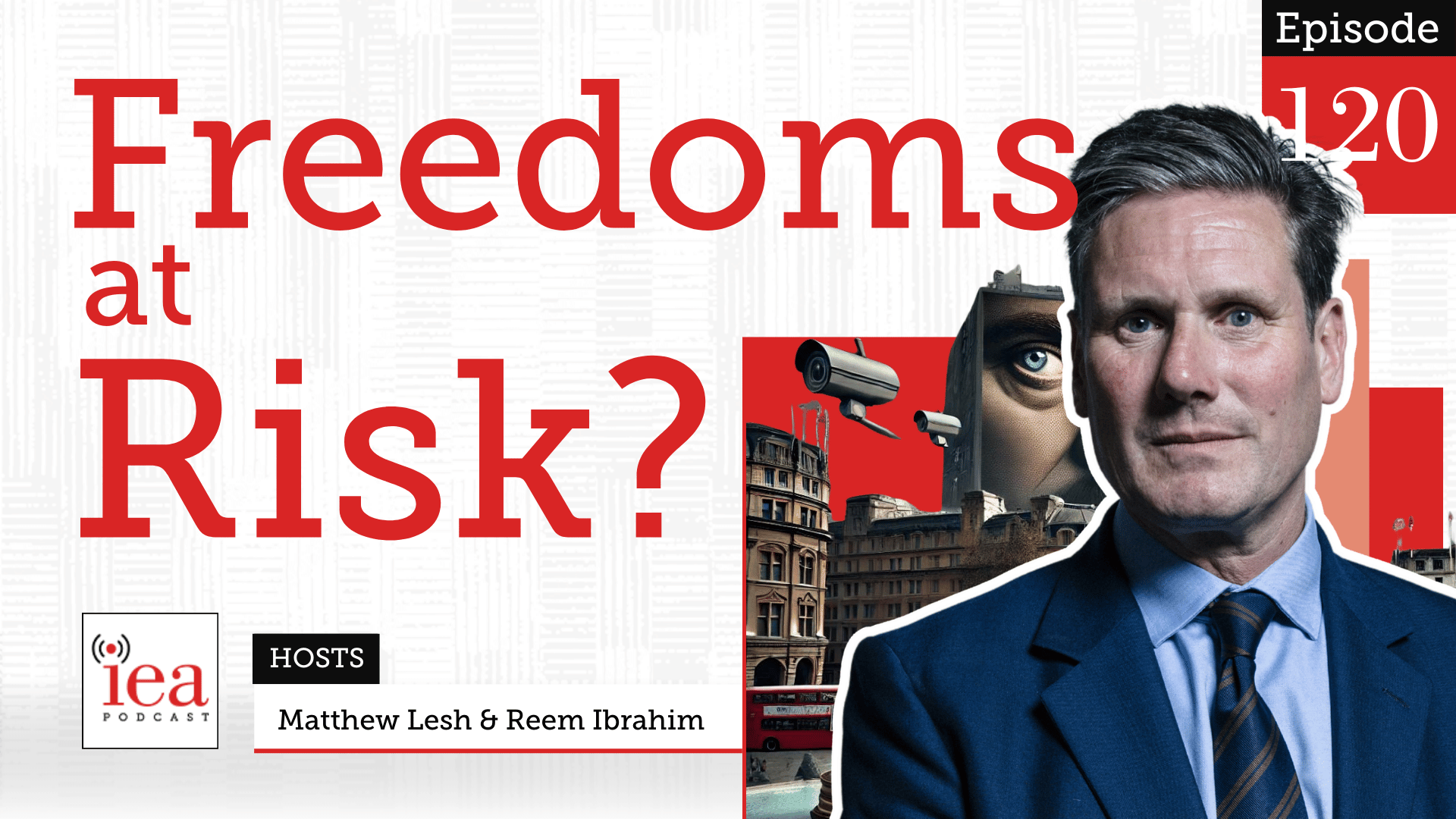
Is Liberty Dying in Britain?: IEA's Legacy and the Fight for Liberty
Join us for an engaging episode of the IEA Podcast as we delve into the rich history of the Institute of Economic Affairs and explore the enduring importance of freedom in today's world. Our panel, featuring Harrison Griffiths, Communications Manager, Reem Ibrahim, Communications Officer, and Matthew Lesh, Director of Public Policy & Communications, takes us on a journey through the IEA's impactful legacy and discusses how its principles continue to shape economic thought and policy. In this special farewell episode for Matthew Lesh, we examine the current state of freedom in the UK, addressing the challenges and opportunities facing advocates of liberty in modern Britain. Our panel shares valuable insights on the role of communications in disseminating ideas, the future of the free market movement, and the importance of developing optimistic narratives that address contemporary societal issues. From the foundational principles of classical liberalism to the practical applications of free market ideas in today's complex world, this episode offers a thought-provoking discussion on the power of voluntary exchange, the dangers of central planning, and the ongoing struggle to preserve and expand individual liberty. Don't miss this opportunity to gain a deeper understanding of the ideas that have shaped our economic landscape and continue to influence policy debates. We bring you a public affairs podcast with a difference. We want to get beyond the headlines and instead focus on the big ideas and foundational principles that matter to classical liberals.The Institute of Economic Affairs is an educational charity, it does not endorse or give support for any political party in the UK or elsewhere. Our mission is to improve understanding of the fundamental institutions of a free society by analysing and expounding the role of markets in solving economic and social problems. This is a public episode. If you'd like to discuss this with other subscribers or get access to bonus episodes, visit insider.iea.org.uk/subscribe

The Battle for Truth: Social Media, Riots, and Freedom of Expression
In this thought-provoking episode of the IEA Podcast, host Matthew Lesh and editorial director Kristian Niemietz are joined by Claire Fox, director of the Academy of Ideas, to discuss the complex interplay between free speech, misinformation, and recent UK riots. The conversation delves into the challenges of defining and addressing disinformation in the digital age, exploring how attempts to suppress speech can inadvertently fuel conspiracy theories and erode trust in institutions.The panel examines recent cases where individuals have faced legal consequences for offensive social media posts, questioning the balance between protecting free expression and maintaining public order. They debate the effectiveness of content moderation strategies, from government intervention to community-driven approaches like Twitter's "community notes" feature. The discussion also touches on the broader cultural shift away from free speech principles and the potential dangers of overreacting to perceived threats to democracy. Throughout the episode, Fox, Lesh, and Niemietz offer nuanced perspectives on the complexities of managing speech in the modern era. They consider the unintended consequences of well-intentioned policies and emphasize the importance of fostering a culture that values open dialogue and critical thinking. This episode provides listeners with a deeper understanding of the tensions between free expression and social harmony in contemporary society. We bring you a current affairs podcast with a difference. We want to get beyond the headlines and instead focus on the big ideas and foundational principles that matter to classical liberals.The Institute of Economic Affairs is an educational charity, it does not endorse or give support for any political party in the UK or elsewhere. Our mission is to improve understanding of the fundamental institutions of a free society by analysing and expounding the role of markets in solving economic and social problems. This is a public episode. If you'd like to discuss this with other subscribers or get access to bonus episodes, visit insider.iea.org.uk/subscribe

Riots, Rates, and Market Fears: Are UK Riots a Wake-Up Call? | IEA Podcast
In this episode of the IEA Podcast, hosts Tom Clougherty and Matthew Lesh are joined by Andrew Lilico, Executive Director & Principal of Europe Economics, to discuss the recent riots across the UK, monetary policy shifts, and financial market volatility. The conversation begins with an in-depth analysis of the factors behind the riots, exploring whether they reveal deeper issues in British society or if they're simply a result of opportunistic behaviour. The panel debates the role of social media, immigration policies, and the effectiveness of law enforcement in handling such situations. The discussion then shifts to the recent cut in interest rates by the Bank of England and its potential implications. Andrew Lilico, as co-chair of the IEA Shadow Monetary Policy Committee, offers valuable insights into the timing of this decision and whether it may be too little, too late. The podcast delves into the complexities of monetary policy, exploring the differing approaches of central banks and the potential consequences of their actions on inflation and economic growth. Finally, the panel examines the recent volatility in financial markets, discussing the factors behind the brief panic and subsequent rebound. They explore the interconnectedness of global economies, the impact of technological advancements like AI, and the challenges of predicting market crashes. The conversation concludes with a critique of fiscal rules and their effectiveness in managing government spending and debt. We bring you a public affairs podcast with a difference. We want to get beyond the headlines and instead focus on the big ideas and foundational principles that matter to classical liberals. This is a public episode. If you'd like to discuss this with other subscribers or get access to bonus episodes, visit insider.iea.org.uk/subscribe
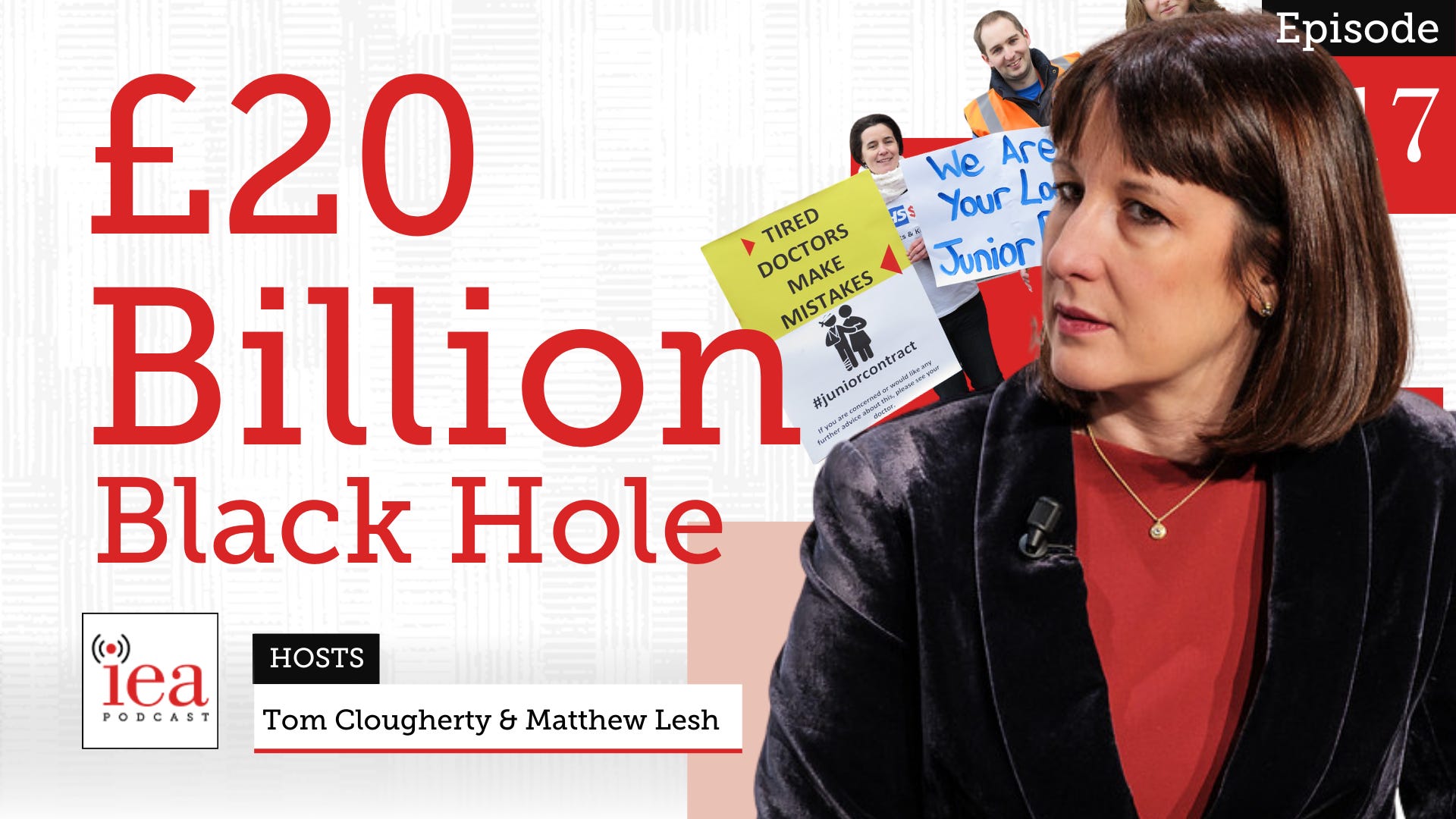
£20 Billion Black Hole, Junior Doctor's Pay & Minimum Wage | IEA Podcast
In this episode of the IEA Podcast, we dive deep into the recent £20 billion "black hole" reported in the UK's public finances. Our expert panel, featuring Professor Len Shackleton, Editorial & Research Fellow, alongside hosts Matthew Lesh and Tom Clougherty, dissects the reality behind these figures and what they mean for the country's economic outlook. The discussion explores how this financial shortfall might impact future government spending and policy decisions. The conversation then shifts to the contentious issue of junior doctors' pay and the broader implications for public sector wages. Our panel examines the recent pay settlements, their potential consequences for productivity and efficiency in the NHS, and the delicate balance between fair compensation and fiscal responsibility. The role of unions in these negotiations is also scrutinised, with insights into how their influence might shape future labor market dynamics. Lastly, the podcast delves into the current government's plans for labour market regulation. The panel analyses proposed changes to minimum wage policies, employment rights, and sector-specific bargaining. They discuss the potential impacts of these reforms on businesses, workers, and the overall economy, offering a critical perspective on whether these changes align with the goal of promoting economic growth. We bring you a public affairs podcast with a difference. We want to get beyond the headlines and instead focus on the big ideas and foundational principles that matter to classical liberals.The Institute of Economic Affairs is an educational charity, it does not endorse or give support for any political party in the UK or elsewhere. Our mission is to improve understanding of the fundamental institutions of a free society by analysing and expounding the role of markets in solving economic and social problems. This is a public episode. If you'd like to discuss this with other subscribers or get access to bonus episodes, visit insider.iea.org.uk/subscribe
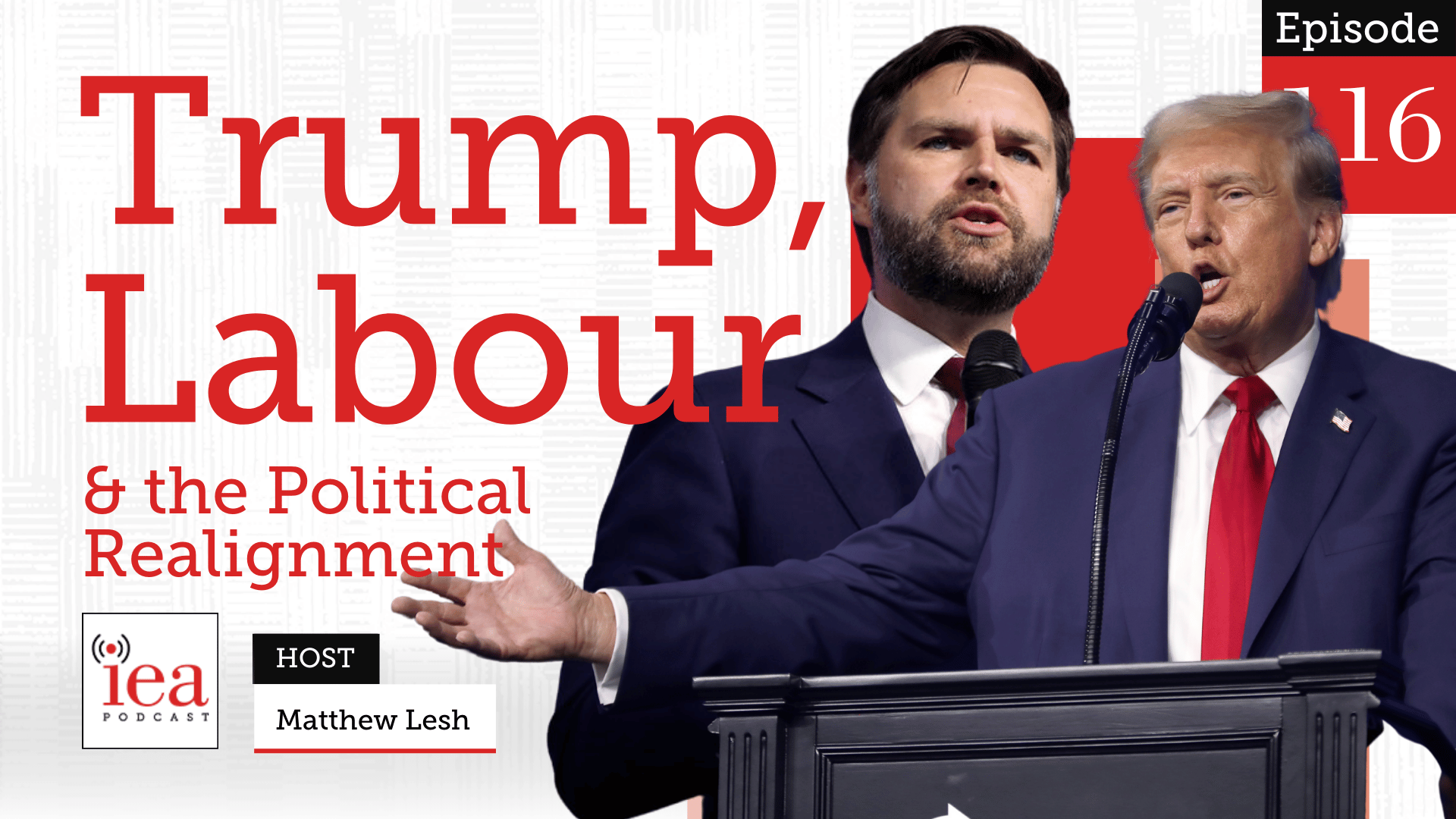
Political Earthquake: How Realignment is Reshaping UK and US Politics | IEA Podcast
In this episode of the IEA Podcast, Dr. Stephen Davies, Senior Education Fellow, Harrison Griffiths, Communications Manager, and host Matthew Lesh, Director of Public Policy & Communications, delve into the complex landscape of political realignment in the UK and US. They explore how traditional left-right divisions are being reshaped by new cultural and economic fault lines, examining recent electoral shifts and their implications for the future of politics. The discussion covers a wide range of topics, from the transformation of the Republican Party under Trump to the challenges facing classical liberals in this new political environment. The guests offers analysis on the rise of populism, the changing nature of voter coalitions, and the potential long-term consequences of these shifts for economic and social policy. Dr. Davies provides a historical perspective on political realignments, while the panel debates strategies for promoting liberal ideas in an increasingly polarised landscape. They grapple with difficult questions about the future of free market economics, individual liberty, and the role of government in addressing societal challenges. We bring you a public affairs podcast with a difference. We want to get beyond the headlines and instead focus on the big ideas and foundational principles that matter to classical liberals.The Institute of Economic Affairs is an educational charity, it does not endorse or give support for any political party in the UK or elsewhere. Our mission is to improve understanding of the fundamental institutions of a free society by analysing and expounding the role of markets in solving economic and social problems. This is a public episode. If you'd like to discuss this with other subscribers or get access to bonus episodes, visit insider.iea.org.uk/subscribe
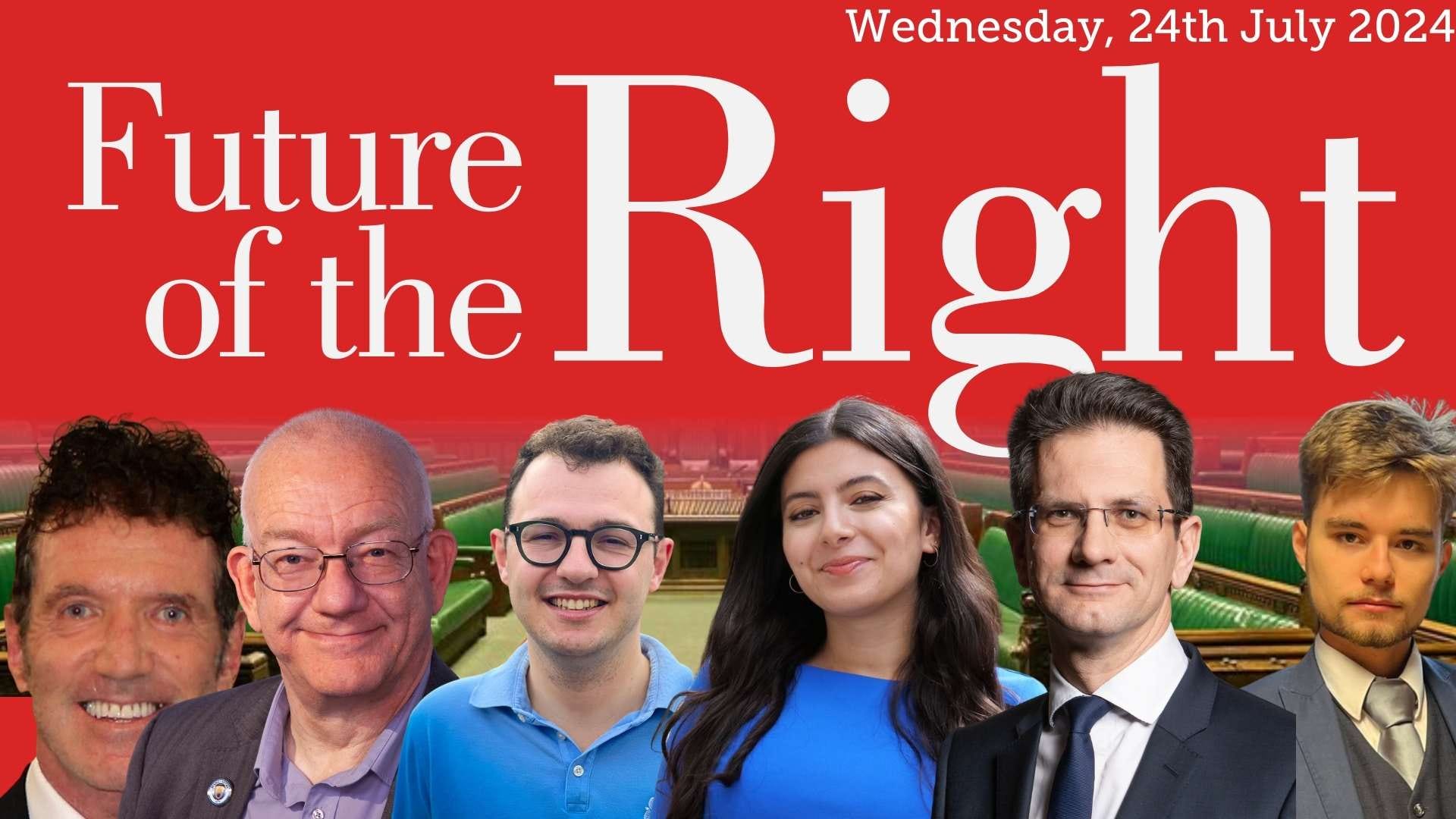
Tory Collapse, Freedom, Nationalism & Future Direction | Future of the Right Panel
Join us for the recent Institute of Economic Affairs (IEA) panel discussion "The Future of the Right". Chaired by Reem Ibrahim, Communications Officer, this event brings together The Rt Hon Steve Baker FRSA, Jack Rankin MP, Dr Steve Davies, Paul Reynolds, and Bartek Staniszewski to explore the critical issues facing the political right and following the Conservative's recent landslide defeat. Our panelists delve into a wide range of topics, including the future of the Conservative Party, the meaning of freedom in modern politics, economic challenges facing the UK, and the evolving definition of right-wing ideology. They discuss the impact of recent election results, the need for a new generation of conservative thinkers, and the balance between free-market principles and state intervention. The conversation also touches on controversial subjects such as immigration, housing policy, and the sustainability of the welfare state. This thought-provoking discussion offers unique insights into the challenges and opportunities facing conservative politics. Whether you're a political enthusiast, a concerned citizen, or simply curious about the future of the right, this event provides a comprehensive and engaging exploration of the issues that will shape our political landscape for years to come. Don't miss this opportunity to hear from some of the most influential thinkers in conservative politics as they chart a course for the future of the right.The Institute of Economic Affairs is an educational charity, it does not endorse or give support for any political party in the UK or elsewhere. Our mission is to improve understanding of the fundamental institutions of a free society by analysing and expounding the role of markets in solving economic and social problems. This is a public episode. If you'd like to discuss this with other subscribers or get access to bonus episodes, visit insider.iea.org.uk/subscribe
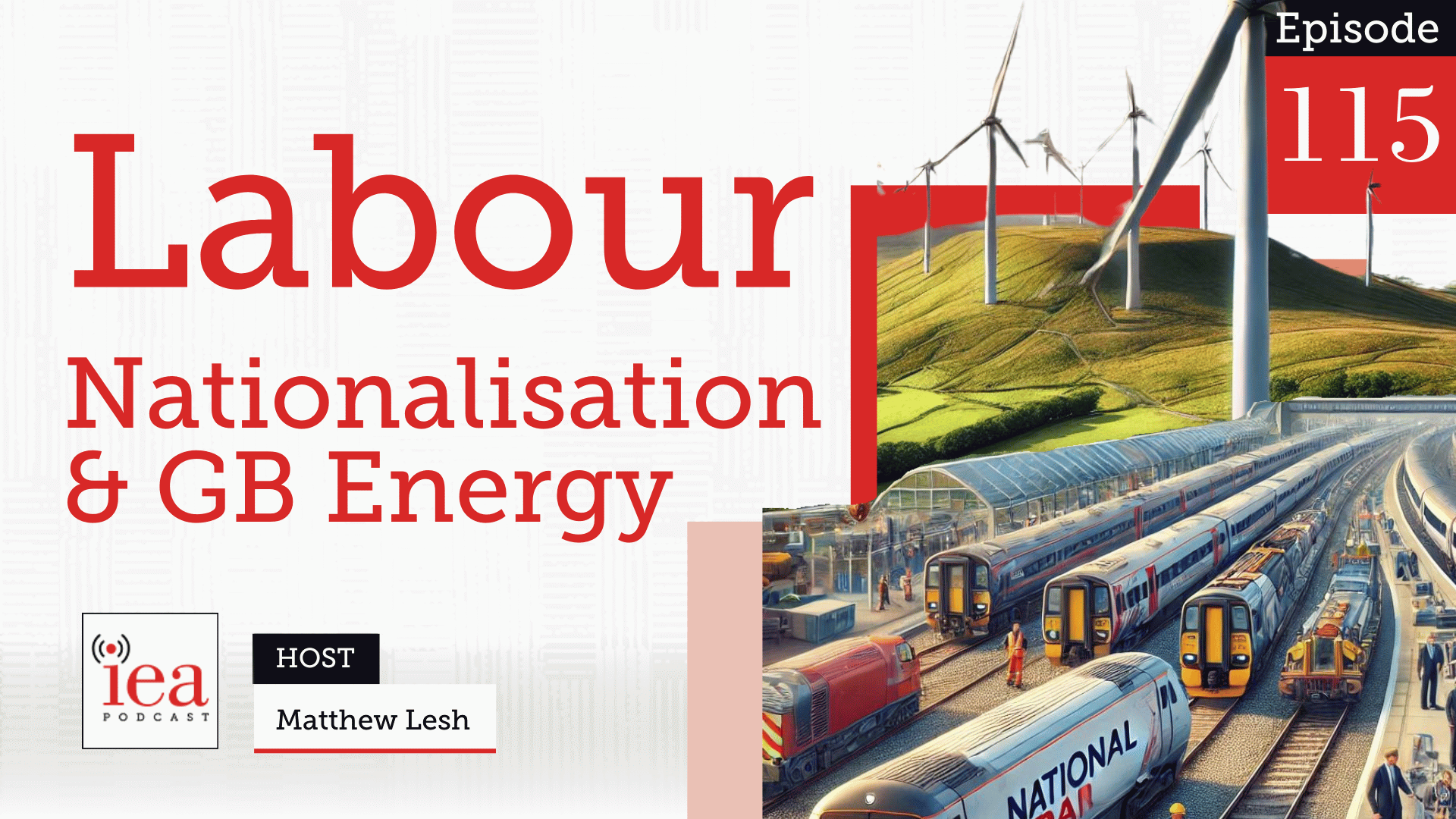
Planning Revolution, Energy Shakeup, Railway Takeover: Unpacking the King's Speech | IEA Podcast
In this episode of the IEA Podcast, host Matthew Lesh is joined by Andy Mayer, Chief Operating Officer, and Harrison Griffiths, Communications Officer, to dissect the recent King's Speech and its implications for the UK's energy, planning and railway sectors. The panel dives deep into the government's ambitious planning reforms, exploring how these changes could potentially boost economic growth while addressing concerns about overregulation and bureaucratic overreach.The discussion then shifts to the energy sector, examining the establishment of Great British Energy and the controversial ban on new oil and gas exploration. The team critically analyses these policies, questioning their effectiveness in achieving net-zero goals and their impact on energy security. Finally, the podcast tackles the government's plans to renationalise railway franchises, debating the merits and pitfalls of increased state involvement in public transportation. Throughout the episode, our experts offer insightful commentary on how these policies align with classical liberal principles and their potential consequences for the UK's economic future.Our goal is to bring you a public affairs podcast with a difference. We want to get beyond the headlines and the shallow political commentary you'll get elsewhere and focus instead on the big ideas and foundational principles that classical liberals should care about. This is a public episode. If you'd like to discuss this with other subscribers or get access to bonus episodes, visit insider.iea.org.uk/subscribe
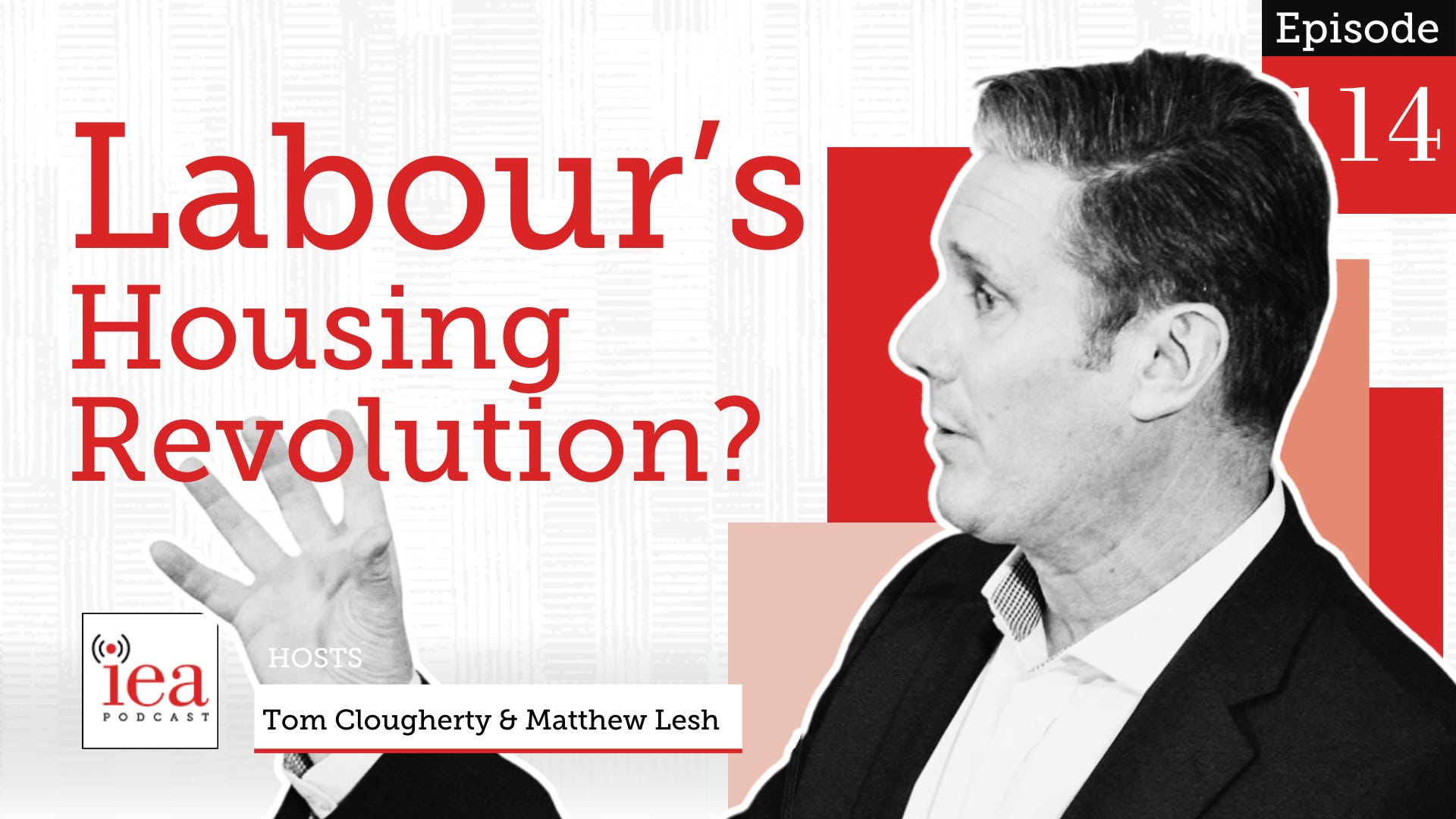
Labour's Shocking Plan to Revolutionise UK Housing Crisis | IEA Podcast
In this episode of the IEA Podcast, Tom Clougherty and Matthew Lesh are joined by Sam Dumitriu, Head of Policy at Britain Remade, to discuss Labour's ambitious plans for housing, infrastructure, and economic growth. The conversation delves into the party's strategy to reform the planning system, restore housing targets, and streamline infrastructure projects. Sam provides insights into the challenges faced by previous governments and explores whether Labour's approach can overcome the long-standing obstacles to development in the UK. The discussion covers a range of topics, including the impact of NIMBYism, the complexities of the planning process, and the potential for private sector involvement in infrastructure projects. The panel examines the role of judicial reviews in delaying major developments and debates the merits of Labour's proposed National Wealth Fund. This episode offers a comprehensive analysis of the UK's housing and infrastructure challenges, providing listeners with a deeper understanding of the issues at stake and the potential solutions on the horizon. Our goal is to bring you a public affairs podcast with a difference. We want to get beyond the headlines and the shallow political commentary you'll get elsewhere and focus instead on the big ideas and foundational principles that classical liberals should care about.The Institute of Economic Affairs is an educational charity, it does not endorse or give support for any political party in the UK or elsewhere. Our mission is to improve understanding of the fundamental institutions of a free society by analysing and expounding the role of markets in solving economic and social problems. This is a public episode. If you'd like to discuss this with other subscribers or get access to bonus episodes, visit insider.iea.org.uk/subscribe

UK Election: What's Next for British Politics? | IEA Podcast
In this episode of the IEA Podcast, host Tom Clougherty and co-host Matthew Lesh are joined by Dr. Michael Turner, a pollster, strategist, and fellow at the Adam Smith Institute, to dissect the recent UK General Election results. The conversation delves into Labour's victory, exploring the nuances behind their substantial majority and the implications for their policy agenda. The panel examines the challenges facing Keir Starmer's leadership and the potential obstacles in implementing promised reforms. The discussion also turns to the Conservative Party's defeat, analysing the factors contributing to their loss and the party's future direction. The rise of Reform UK and its impact on the political landscape is explored, along with the changing dynamics of voter behaviour and party loyalty. This episode offers a comprehensive look at the election's outcomes, the shifting political geography in the UK, and the potential consequences for policy-making in the coming years. Our goal is to bring you a public affairs podcast with a difference. We want to get beyond the headlines and the shallow political commentary you'll get elsewhere and focus instead on the big ideas and foundational principles that classical liberals should care about.The Institute of Economic Affairs is an educational charity, it does not endorse or give support for any political party in the UK or elsewhere. Our mission is to improve understanding of the fundamental institutions of a free society by analysing and expounding the role of markets in solving economic and social problems. This is a public episode. If you'd like to discuss this with other subscribers or get access to bonus episodes, visit insider.iea.org.uk/subscribe
Why Socialists Once Championed Free Trade | IEA Book Club
The Institute of Economic Affairs hosted a Book Club event featuring author and Lecturer in Imperial History at the University of Exeter, Marc-William Palen, hosted by IEA Managing Editor Dan Freeman, to discuss his book "Pax Economica: Left-Wing Visions of a Free Trade World." In this fascinating conversation, Palen explores the often-overlooked history of left-wing free traders from the 1840s to the present day, challenging common narratives about the origins of free trade ideology. The discussion covers a wide range of topics, including the role of figures like Richard Cobden, Karl Marx, and Cordell Hull in shaping left-wing free trade thought. Palen examines how free trade was connected to anti-imperialism, peace movements, and workers' rights in leftist ideology. The conversation also touches on the evolution of socialist attitudes towards free trade and the impact of the Cold War on political alignments around trade policy. This thought-provoking event offers fresh perspectives on the history of economic thought and international relations. Palen and Freeman explore the complexities of how free trade has been viewed across the political spectrum, providing insights relevant to contemporary debates about globalisation, protectionism, and the future of international trade.The Institute of Economic Affairs is an educational charity, it does not endorse or give support for any political party in the UK or elsewhere. Our mission is to improve understanding of the fundamental institutions of a free society by analysing and expounding the role of markets in solving economic and social problems. This is a public episode. If you'd like to discuss this with other subscribers or get access to bonus episodes, visit insider.iea.org.uk/subscribe
Analysing Farage on Ukraine | IEA Podcast
In this episode of the IEA Podcast, host Tom Clougherty and Matthew Lesh are joined by Daniel Freeman to discuss three timely and controversial topics. They begin by examining Nigel Farage's recent comments on Ukraine and NATO expansion, exploring the nuances of the situation and how it's perceived differently in the UK versus the US. The conversation then shifts to the potential implementation of road pricing in the UK, weighing its economic benefits against political challenges. Finally, the panel dives into a discussion on whether neoliberalism leads to populism, inspired by a recent Financial Times article. They examine the rise of populist movements across Europe and consider alternative explanations for this political trend. Throughout the episode, the hosts and guest offer insightful analysis and challenge conventional wisdom, providing listeners with a deeper understanding of these complex issues from a classical liberal perspective. Our goal is to bring you a public affairs podcast with a difference. We want to get beyond the headlines and the shallow political commentary you'll get elsewhere and focus instead on the big ideas and foundational principles that classical liberals should care about. The Institute of Economic Affairs is an educational charity, it does not endorse or give support for any political party in the UK or elsewhere. Our mission is to improve understanding of the fundamental institutions of a free society by analysing and expounding the role of markets in solving economic and social problems. This is a public episode. If you'd like to discuss this with other subscribers or get access to bonus episodes, visit insider.iea.org.uk/subscribe

Sir Vince Cable & Lib Dems Debate the Controversial 'Orange Book': 20 Years Later
The Institute of Economic Affairs recently hosted a Book Club event reflecting on "The Orange Book" published by the Liberal Democrats 20 years prior in 2004. The event was hosted by Tom Clougherty, Executive Director of the IEA, and featured three of the original authors - Mark Oaten (Former MP & Home Affairs Spokesperson), Baroness Susan Kramer (Former Minister of State for Transport), and Sir Vince Cable (Former Leader of the Liberal Democrats). The panelists discussed the origins and impact of The Orange Book, which aimed to reclaim economic liberalism within the Liberal Democrat party at the time. They reflected on how ideas changed during the Coalition government years, with insights around industrial policy, privatisations, regulation, public service reform and more. Key topics covered included the struggle to enact radical policies, the role of the market vs. government intervention, and the compatibility of economic and social liberalism. Looking ahead, the panel debated what a new "Orange Book" focused on reclaiming liberalism might include today - addressing issues like the fiscal challenges, Brexit, environmentalism, and even artificial intelligence. While differences remained between the economic and social liberal perspectives, there was shared emphasis on the need for a more popular, outward-looking brand of liberalism to tackle nationalism and populism.The Institute of Economic Affairs is an educational charity, it does not endorse or give support for any political party in the UK or elsewhere. Our mission is to improve understanding of the fundamental institutions of a free society by analysing and expounding the role of markets in solving economic and social problems. This is a public episode. If you'd like to discuss this with other subscribers or get access to bonus episodes, visit insider.iea.org.uk/subscribe

The Myth of America's Free Market Healthcare | IEA Book Club
The Institute of Economic Affairs hosted a Book Club event featuring Michael F. Cannon, Director of Health Policy Studies at the Cato Institute, to discuss his book "Recovery: A Guide to Reforming the U.S. Health System." The event was moderated by Tom Clougherty, IEA Executive Director. Cannon provided an in-depth analysis of the U.S. healthcare system, challenging the common perception that it is a free market system. He argued that the U.S. has every form of socialised medicine found in other countries, from employer-sponsored insurance to government programs like Medicare and Medicaid. Cannon advocated for market-based reforms to drive down costs, improve quality, and increase access to healthcare. Key topics covered included the role of third-party payers in driving up healthcare spending, the innovations emerging in pockets of the market, and the need to empower consumers to control their healthcare dollars. Cannon also reflected on the life and legacy of David Boaz, the late Executive Vice President of the Cato Institute and a titan of the liberty movement. This is a public episode. If you'd like to discuss this with other subscribers or get access to bonus episodes, visit insider.iea.org.uk/subscribe

Is Europe Being Left Behind in the Technology Revolution? | IEA Podcast with David Galbraith
On this episode of the IEA Podcast, host Matthew Lesh is joined by David Galbraith, a British architect, designer and internet entrepreneur to ask: Is Europe Being Left Behind? Galbraith argues that Europe's postwar economic model rewarding hard work but providing a massive welfare state is now unaffordable given demographic realities. He sees Europe struggling to adapt to the digital and post-industrial economy, lacking companies on the scale of U.S. tech giants like Google, Amazon and Apple. Cultural factors like greater risk aversion have held Europe back from the kind of technological breakthroughs seen in Silicon Valley. The conversation ranges from Europe's green energy policies and nuclear power to the latest AI developments like large language models. Galbraith sees AI and compute power as key to solving challenges like climate change. He calls for policies that create an environment for private sector innovation and risk-taking, warning against premature over-regulation that could leave Europe on the sidelines of the AI revolution. This is a public episode. If you'd like to discuss this with other subscribers or get access to bonus episodes, visit insider.iea.org.uk/subscribe
You Do Not Exist: An Introduction to George Orwell's 1984
"You Do Not Exist: An Introduction to George Orwell's 1984" is a comprehensive analysis of one of the most influential novels of the 20th century, published by the Institute of Economic Affairs (IEA). This thought-provoking work delves into the life of George Orwell, the historical context that shaped his writing, and the enduring relevance of his masterpiece, 1984. Through a meticulous examination of Orwell's experiences, influences, and the novel's themes, the author, Christopher Snowdon, offers a compelling exploration of the novel's warnings against totalitarianism, the corruption of language, and the erosion of objective truth. Combining biographical details, literary analysis, and contemporary parallels, "You Do Not Exist" serves as an invaluable guide to understanding the depth and resonance of Orwell's dystopian vision, inviting readers to contemplate the timeless lessons and cautionary tales embedded within its pages. This is a public episode. If you'd like to discuss this with other subscribers or get access to bonus episodes, visit insider.iea.org.uk/subscribe