IEA Podcast
402 episodes — Page 2 of 9
The Wealth Tax Delusion: The Policy That Promises Everything and Delivers Nothing | IEA Interview
Why Don't Governments Just Print More Money? | MMT Myth | IEA Interview
COVID Was the Biggest Event Since WW2 — And We've Learned Nothing | IEA Podcast
Why Are Young People Giving Up on Work? | IEA Podcast
Has The Left Already Won Britain?
Britain Is Poorer Than Every US State | IEA Podcast
Net Zero's Dirty Secret | IEA Interview
What do Britons Really Think About the Economy? | IEA Interview
Should the Government Ban Kanye? Plus Rent Controls & the Minimum Wage Trap | IEA Podcast
Why Britain Is Poorer Than America | Tyler Goodspeed
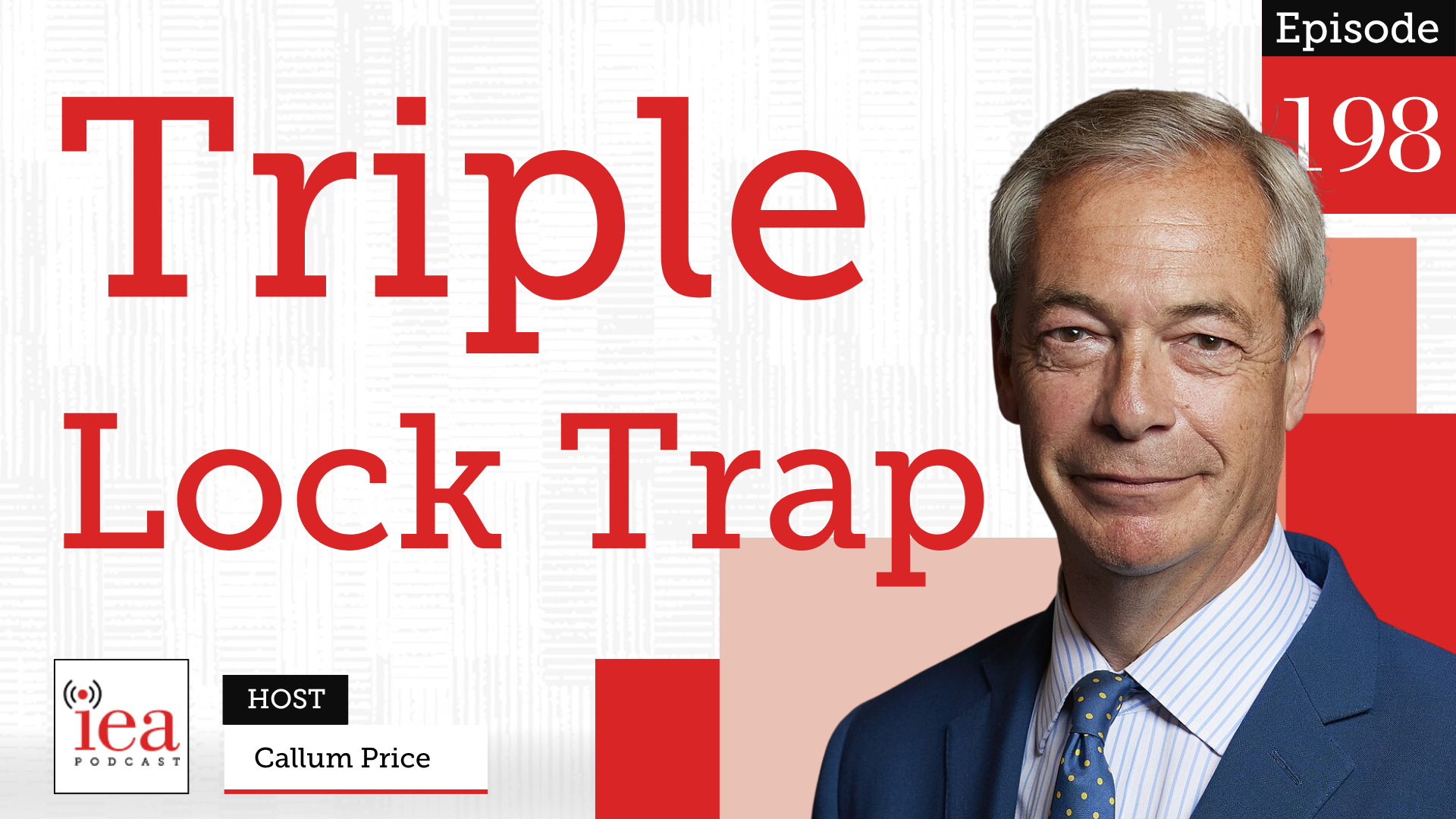
Pensions, Speech, Censorship
Is the triple lock on the state pension sustainable? What does the future of free speech in Britain actually look like? And when does safety regulation cross the line into doing more harm than good? Kristian Niemietz, Lord Frost, and host Callum Price tackle three of the most contested policy questions in British public life right now.The panel examines the case for and against the triple lock, exploring what a fairer, more sustainable pension system might look like and how the retirement age should relate to rising life expectancy. They also dig into the Adam Smith Institute’s proposed free speech bill, asking whether Britain’s long-standing reputation as a bastion of free expression still holds up when you look at the laws actually on the statute book.Finally, the group debates the real-world costs of building safety regulation, and whether politicians and the media are willing to have an honest conversation about trade-offs. It is easier said than done, but without that conversation, good policy becomes almost impossible to make.The Institute of Economic Affairs is a registered educational charity. It does not endorse or give support for any political party in the UK or elsewhere. Our mission is to improve understanding of the fundamental institutions of a free society by analysing and expounding the role of markets in solving economic and social problems.The views represented here are those of the speakers alone, not those of the Institute, its Managing Trustees, Academic Advisory Council members or senior staff. This is a public episode. If you'd like to discuss this with other subscribers or get access to bonus episodes, visit insider.iea.org.uk/subscribe
Does Britain Need a Second London? | The 33rd IEA Hayek Lecture
In this Institute of Economic Affairs podcast, chair Callum Price hosts the 33rd Hayek Lecture, introduced by Lord Frost, IEA Director General. Harvard Professor of Economics Edward Glaeser delivers the lecture entitled “Does Britain Need a Second London?”, examining the relationship between urban density, housing supply and economic growth. Kristian Niemietz, IEA Editorial Director, joins the panel discussion alongside Lord Frost to respond to the lecture and discuss its implications for Britain.Glaeser sets out the economic case for cities, arguing that density drives productivity, innovation and upward mobility. He examines Britain’s chronic failure to build housing and infrastructure, tracing it to planning restrictions that have constrained London’s growth and throttled the capacity of other cities to develop. Drawing on data from across the United States, he argues that high house prices are a supply problem, not a demand problem, and that the places which build the most are consistently the most affordable. He also challenges the case for rent control, new state-built cities and large-scale rail investment, arguing instead for deregulation, brownfield densification and mass production in housebuilding.The panel discussion ranges across Britain’s 18 years of near-stagnant per capita growth, the counterintuitive finding that planning restrictions worsened under Thatcher, the limits of government competence in directing economic development, and Lord Frost’s observation that government policy effectively killed Birmingham as a productive city in the post-war decades. The conversation closes with the argument that Britain is not physically full — it simply believes it is, and that changing that psychology is essential to changing the country’s economic prospects.The Institute of Economic Affairs is a registered educational charity. It does not endorse or give support for any political party in the UK or elsewhere. Our mission is to improve understanding of the fundamental institutions of a free society by analysing and expounding the role of markets in solving economic and social problems.The views represented here are those of the speakers alone, not those of the Institute, its Managing Trustees, Academic Advisory Council members or senior staff. This is a public episode. If you'd like to discuss this with other subscribers or get access to bonus episodes, visit insider.iea.org.uk/subscribe
The Book That Predicted Modern Tyranny: Hayek's Law, Legislation and Liberty
Hayek’s Law, Legislation and Liberty is one of the most important works of political philosophy of the 20th century -- but it’s also one of the most difficult to read. Written over 15 years while its author battled illness, moved between continents, and collected a Nobel Prize, the book is uneven, repetitive, and densely philosophical in places. In this interview, Dr Eamonn Butler, director of the Adam Smith Institute, explains why he wrote a guide to make Hayek’s ideas accessible to a modern audience.At the heart of Law, Legislation and Liberty is Hayek’s theory of cultural evolution: the idea that our most important institutions -- justice, morality, language, markets -- were not designed by anyone, but emerged gradually over millennia. Butler explains why Hayek believed this process produces a kind of accumulated wisdom that no government planner can replicate, and why attempts to redesign society from scratch -- from the French Revolution to Soviet Russia -- have so consistently ended in failure, repression, and corruption.The interview also covers Hayek’s famous critique of social justice, his views on the proper limits of democracy, the difference between “law” and “legislation,” and what the most important lesson of the book is for policymakers today. Dr Butler’s guide to Law, Legislation and Liberty is published by the IEA and is available now -- link in the description. This is a public episode. If you'd like to discuss this with other subscribers or get access to bonus episodes, visit insider.iea.org.uk/subscribe
Made in Britain: The 500-Year Story Behind the Industrial Revolution | IEA Interview
In this Institute of Economic Affairs podcast, Daniel Freeman, Managing Editor at the IEA, speaks with Dr. Gregory Clark, Professor of Economics at the University of Southern Denmark and author of A Farewell to Alms (2008) and The Son Also Rises (2014). The conversation explores why economic growth was almost non-existent before 1800 and what set Britain on the path to the Industrial Revolution, focusing on the relationship between social mobility, fertility patterns and the gradual transformation of human behaviour over centuries.Dr. Clark sets out his argument that pre-industrial England was characterised by a consistent fertility advantage among the upper and middle classes, with wealthier families producing significantly more surviving children than poorer ones. He explains how this demographic pressure drove the slow downward spread of commercially useful traits through the population over many generations, contributing to declining interest rates, rising literacy, and falling rates of violence long before industrialisation took hold. The discussion also covers why other societies with comparably sound institutions, including ancient Rome, Babylonia and Qing Dynasty China, never made the same transition, and what role European marriage patterns, particularly the tendency to marry later and for love rather than family arrangement, may have played in shaping the distribution of abilities within society.The Institute of Economic Affairs is a registered educational charity. It does not endorse or give support for any political party in the UK or elsewhere. Our mission is to improve understanding of the fundamental institutions of a free society by analysing and expounding the role of markets in solving economic and social problems. The views represented here are those of the speakers alone, not those of the Institute, its Managing Trustees, Academic Advisory Council members or senior staff. This is a public episode. If you'd like to discuss this with other subscribers or get access to bonus episodes, visit insider.iea.org.uk/subscribe
Why Is Britain Taking the Biggest Growth Hit in the G20? | IEA Podcast
In this Institute of Economic Affairs podcast, Callum Price is joined by Kristian Niemietz, IEA Editorial Director, and Lord Frost, IEA Director General. They discuss the OECD’s latest growth forecasts, which place the UK as the hardest hit economy in the G20, the Government’s response to the energy price shock, and what — if anything — should be done about rising inflation.The conversation then turns to the Government’s new towns plan, narrowed from 12 to 7 proposed sites. Kristian and Lord Frost debate whether these amount to genuine new towns or simply extensions of existing conurbations, whether the history of new towns offers any useful lessons, and whether the current planning system is capable of delivering the housing numbers the country needs.The final segment examines a piece in The Critic by Steve Loftus arguing that AI will be so transformative that capitalism itself will need to be replaced. Kristian and Lord Frost push back, questioning whether AI is truly different in principle from previous technological revolutions, what the productivity figures actually show so far, and what Hayek’s insights about tacit knowledge mean for the limits of machine intelligence.The Institute of Economic Affairs is a registered educational charity. It does not endorse or give support for any political party in the UK or elsewhere. Our mission is to improve understanding of the fundamental institutions of a free society by analysing and expounding the role of markets in solving economic and social problems.The views represented here are those of the speakers alone, not those of the Institute, its Managing Trustees, Academic Advisory Council members or senior staff.0:00 Introduction 1:56 OECD Growth Forecasts & The UK’s Energy Crisis 11:20 New Towns: Central Planning or Pragmatic Housing Policy? 24:18 Will AI Replace Capitalism? This is a public episode. If you'd like to discuss this with other subscribers or get access to bonus episodes, visit insider.iea.org.uk/subscribe
Are We in the Biggest Bubble in History?
Are we living through the biggest financial bubble in history — and does anyone in power know it? In this IEA event, Rt Hon Steve Baker FRSA and Max Rangeley present a joint case that decades of deficit spending, money creation and artificially low interest rates have inflated an asset bubble unprecedented in its scale and scope. Drawing on data from the OBR, the Bank of England and the OECD, Baker sets out the broad strategic context: from Nixon closing the gold window in 1971 and the collapse in the purchasing power of money, to the tripling of the UK money supply between 1997 and 2010, and the Government effectively printing its way through Covid.Rangeley then takes the argument further, showing how each recession since the late 1980s has been met with lower interest rates and larger debt bubbles — from the dot-com crash to the 2008 financial crisis to the present day, where total global debt has surpassed $300 trillion. Using original data on corporate productivity, zombie companies and asset valuations, he argues that this cheap credit has not driven investment and innovation but instead entrenched stagnation, priced young people out of housing, and suppressed birth rates across the developed world.Baker closes with a warning and a call to action. When this bubble bursts, he argues, it must not be misdiagnosed as a failure of free markets — it is the product of a centrally planned monetary system propping up a welfare state that cannot fund itself through taxation alone. The speakers urge economists, journalists and policymakers to undergo a paradigm shift in economic thinking before it is too late, and make the case that the choice ahead is not inevitable decline but one between collapse and renewal.The Institute of Economic Affairs is a registered educational charity. It does not endorse or give support for any political party in the UK or elsewhere. Our mission is to improve understanding of the fundamental institutions of a free society by analysing and expounding the role of markets in solving economic and social problems.The views represented here are those of the speakers alone, not those of the Institute, its Managing Trustees, Academic Advisory Council members or senior staff. This is a public episode. If you'd like to discuss this with other subscribers or get access to bonus episodes, visit insider.iea.org.uk/subscribe
The Wealth Tax That Runs Out by Friday | IEA Podcast
In this Institute of Economic Affairs podcast, host Callum Price is joined by Editorial Director Kristian Niemietz and, making his first appearance on the podcast, Senior Economist Dr Valentin Boboc. Together they discuss a busy week in British economic policy. The episode opens with Rachel Reeves' Mace lecture, in which the Chancellor set out her theory of growth and the case for an "active and strategic state." The panel assess what she got right on diagnosis, where the contradictions lie, and what the same-day announcement of 50% steel tariffs reveals about the direction of travel.The conversation then turns to the Green Party leader’s economic speech, which the panel characterise as “karaoke anti-Thatcherism” — a consistent set of arguments, consistently wrong. Topics covered include the claim that private housebuilding cannot solve the housing crisis, the energy supply problem, and the proposal for a wealth tax projected to raise around £15 billion, which Dr. Bok notes is roughly four or five days of current government spending. Kristian also examines the historical record of wealth taxes and why a narrowly targeted version is unlikely to raise the sums being claimed. The episode also addresses the government’s approach to youth unemployment, where measures including the National Insurance rise and the Employment Rights Bill are seen to be working against the very problem a new youth employment hub is supposed to fix.The final segment covers a piece on supermarket planning restrictions, exploring how the town centre first policy has driven up costs, squeezed out independent retailers and forced supermarkets into buildings never designed for the purpose. The panel argue that the real issue is not supermarket-specific but reflects a broader failure of land use and planning policy — one with consequences across housing, energy, infrastructure and the cost of living.The Institute of Economic Affairs is a registered educational charity. It does not endorse or give support for any political party in the UK or elsewhere. Our mission is to improve understanding of the fundamental institutions of a free society by analysing and expounding the role of markets in solving economic and social problems. The views represented here are those of the speakers alone, not those of the Institute, its Managing Trustees, Academic Advisory Council members or senior staff.Photo: Chris McAndrew / UK Parliament This is a public episode. If you'd like to discuss this with other subscribers or get access to bonus episodes, visit insider.iea.org.uk/subscribe
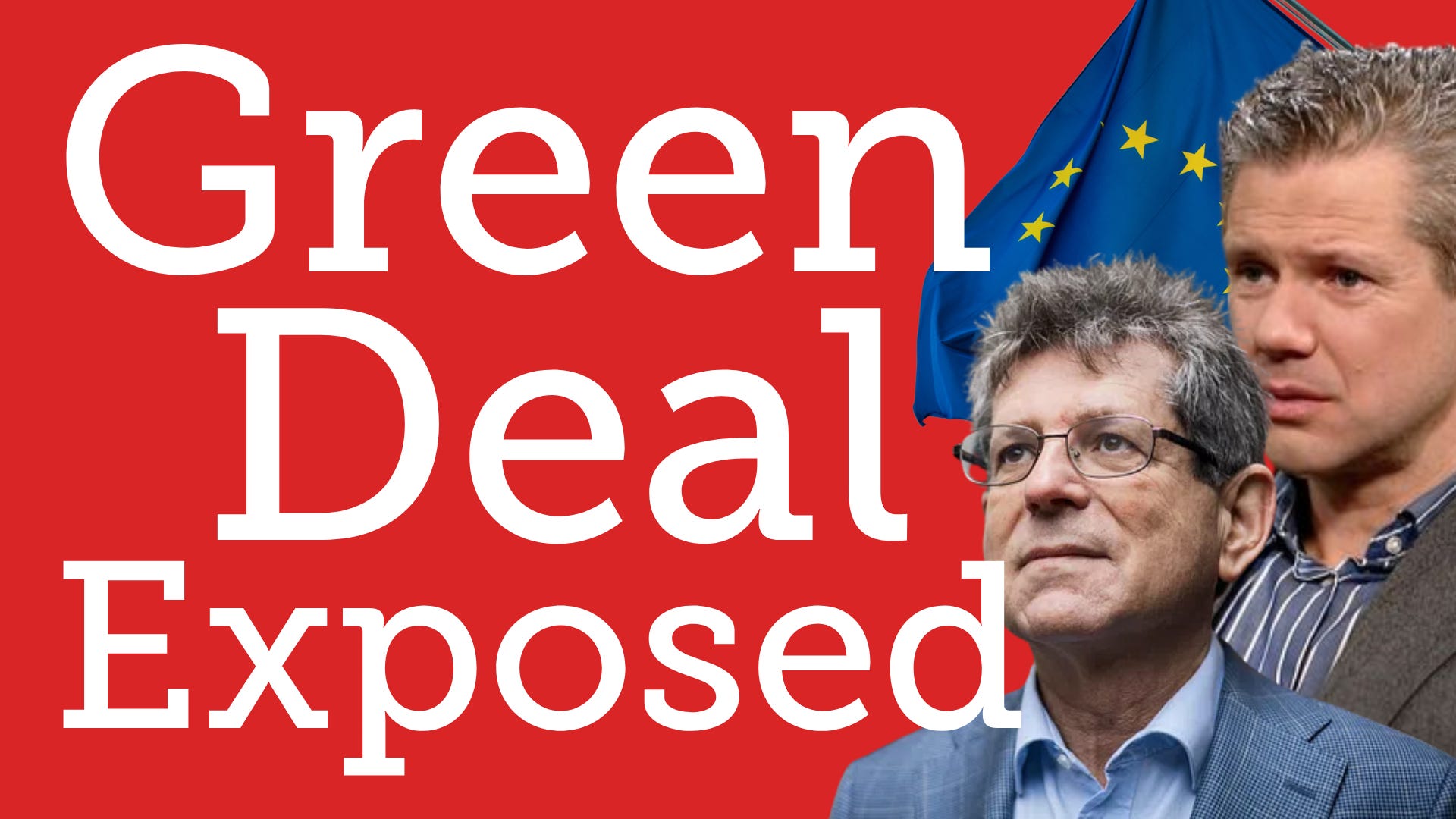
Green Deals in the EU Exposed | IEA Interview
Governments across Europe have convinced themselves they can pick winners, drive innovation and save the planet — all at the same time. But what happens when the bill comes due? Kristian Niemietz is joined by Professor Kristin Sandstrom and Professor Magnus Henriksen, authors of a new IEA report on green industrial policy in the EU, to find out.From Northvolt — the European Union’s flagship battery manufacturer that became Sweden’s largest bankruptcy since the 1930s — to the broader failure of the Green Deal to deliver on its promises, the case studies are damning. The professors argue that the problem with industrial policy is not just picking winners, but creating losers: distorting markets, misallocating capital and leaving local communities to foot the bill.Climate policy has become the Trojan horse for a new era of big government intervention — and the economics profession has largely failed to push back. This interview cuts through the green rhetoric and asks what a genuine exit strategy from the Green New Deal would actually look like.The Institute of Economic Affairs is a registered educational charity. It does not endorse or give support for any political party in the UK or elsewhere. Our mission is to improve understanding of the fundamental institutions of a free society by analysing and expounding the role of markets in solving economic and social problems.The views represented here are those of the speakers alone, not those of the Institute, its Managing Trustees, Academic Advisory Council members or senior staff.The professors' book, A Green Entrepreneurial State?, is open access and available here: https://link.springer.com/book/10.1007/978-3-032-15512-2 This is a public episode. If you'd like to discuss this with other subscribers or get access to bonus episodes, visit insider.iea.org.uk/subscribe
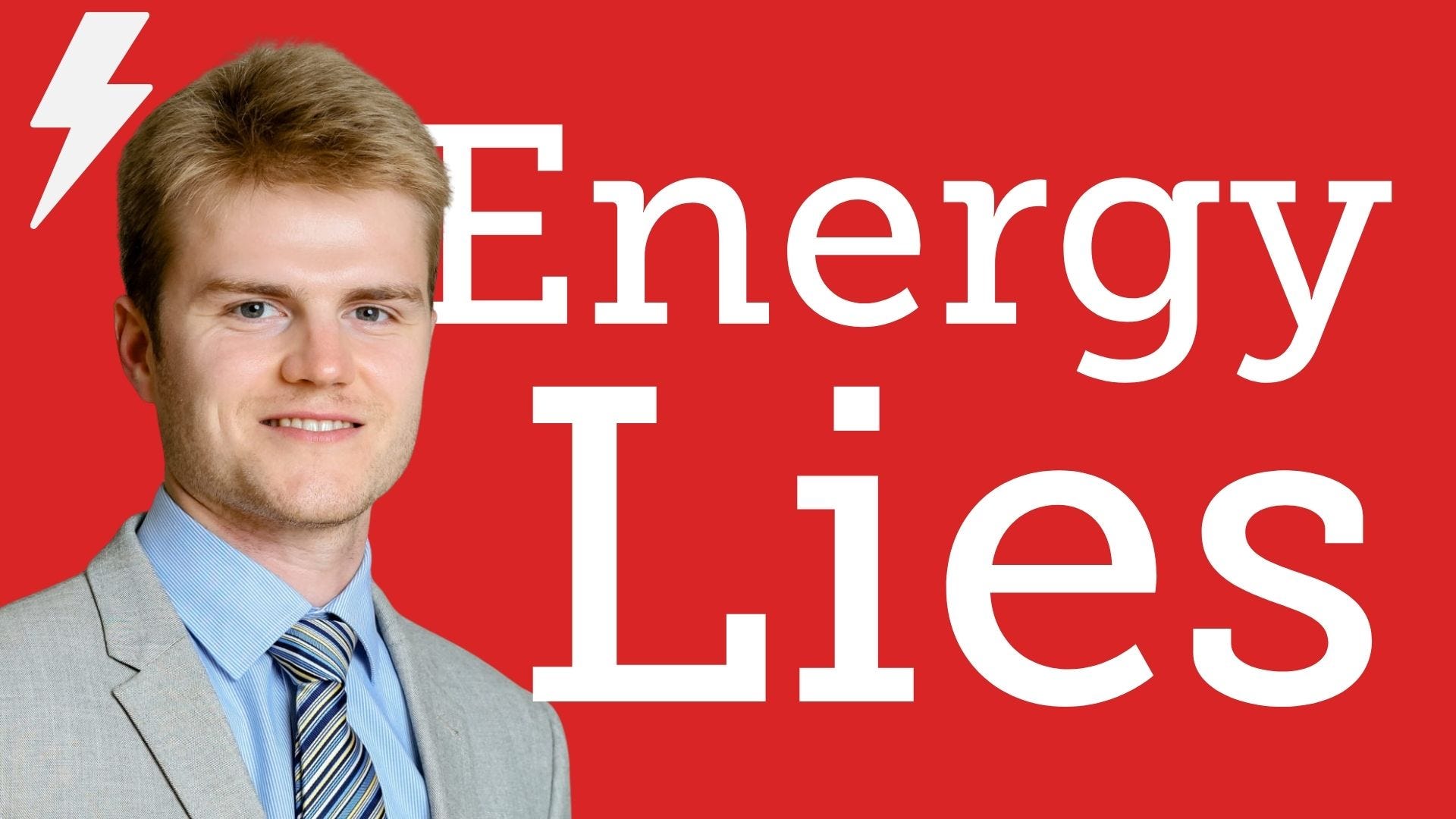
Britain's Broken Energy System | Free the Power | IEA Podcast
Join Andy Mayer, IEA Chief Operating Officer, with Sean Ridley, energy and environment analyst at the Centre for Policy Studies and co-author of Power to the Markets, for a comprehensive breakdown of why Britain’s energy market has stopped functioning as a market at all. This episode of Free the Power explores how decades of subsidies, government targets, and intervention have eroded price signals to the point where costs are locked in for generations, and consumers are left footing the bill.Ridley traces the journey from the 2008 Climate Change Act through to Ed Miliband’s Clean Power 2030 plan, explaining how a drive to decarbonise the grid has produced a system built around capacity rather than price. The discussion unpacks the Contracts for Difference model, the Renewables Obligation, and the regulated asset base model for Sizewell C, revealing how each layer of policy has compounded costs for households. As one industry executive told a parliamentary committee, even if wholesale prices halved, bills would still rise due to the upward pressure of accumulated policy decisions.The conversation also examines Great British Energy, the government’s flagship national energy champion, questioning whether an £8 billion capitalisation can realistically compete with the likes of EDF or Orsted, and whether it risks becoming a return to 1970s-style nationalised industry. Ridley argues that Power Purchase Agreements, better price signals, and a genuine market role for small modular reactors offer a credible alternative path to cheap, reliable energy without the government picking winners.The Institute of Economic Affairs is a registered educational charity. It does not endorse or give support for any political party in the UK or elsewhere. Our mission is to improve understanding of the fundamental institutions of a free society by analysing and expounding the role of markets in solving economic and social problems.The views represented here are those of the speakers alone, not those of the Institute, its Managing Trustees, Academic Advisory Council members or senior staff. This is a public episode. If you'd like to discuss this with other subscribers or get access to bonus episodes, visit insider.iea.org.uk/subscribe
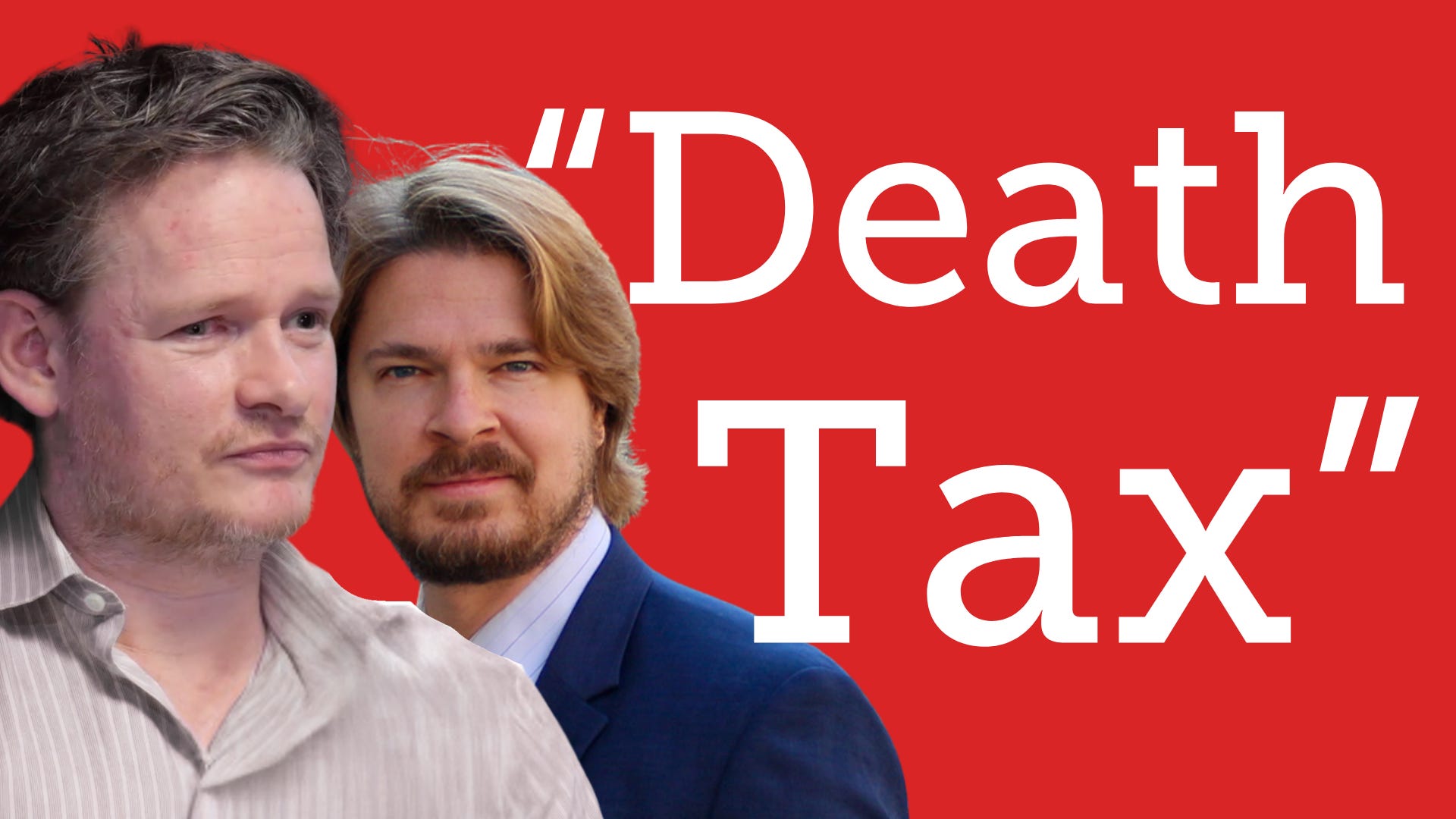
Is Inheritance Tax Britain's Worst Tax? | IEA Podcast
Inheritance tax is one of Britain’s most hated taxes -- but is the outrage justified? Kristian Niemietz sits down with Rory Meakin, Research Fellow at the Taxpayers’ Alliance and author of a new IEA paper on inheritance tax, to examine what this tax actually does, how much it raises, and whether it makes any economic sense. From the farmer protests that pushed the issue back into the headlines, to the surprising fact that Britain sits in the global top five for inheritance tax rates, this conversation cuts through the politics to look at the hard numbers.Rory and Kristian explore the serious practical problems with inheritance tax -- from the near-impossible task of valuing a privately owned family business, to the compliance costs that fall squarely on grieving families rather than the state. They also tackle the ideological debate head-on, revealing that the case for a 100% inheritance tax has been made not just by left-wing commentators, but by figures like James Buchanan, the Nobel Prize-winning father of public choice economics -- and they explain why that argument ultimately fails in the British context.The conclusion is striking: inheritance tax doesn’t raise much revenue, likely damages savings and investment, and is the least popular tax in Britain -- yet the current system is more punitive than most comparable countries, particularly when it comes to passing wealth to your own children. Rory sets out what a reformed system could look like, including raising the threshold to £2 million -- which would remove 95% of estates from the tax altogether -- and explains why, even if full abolition is off the table, there are straightforward ways to make this tax far less damaging.The Institute of Economic Affairs is a registered educational charity. It does not endorse or give support for any political party in the UK or elsewhere. Our mission is to improve understanding of the fundamental institutions of a free society by analysing and expounding the role of markets in solving economic and social problems.The views represented here are those of the speakers alone, not those of the Institute, its Managing Trustees, Academic Advisory Council members or senior staff. This is a public episode. If you'd like to discuss this with other subscribers or get access to bonus episodes, visit insider.iea.org.uk/subscribe

Dubai, Net Zero & Free Speech: What's Really Going Wrong in Britain?
In this episode of the IEA Podcast, Lord Frost is joined by Kristian Niemietz and Andy Mayer to discuss the growing “Dubai phenomenon” — why increasing numbers of Brits are leaving the UK to build a better life abroad, and why politicians like Ed Davey are wrong to criticise them for it. The panel argues that rather than attacking those who leave, Britain should be asking why it can no longer offer the living standards, low crime, and economic opportunity that draws people to places like Dubai in the first place.The conversation turns to energy policy, where Andy Mayer welcomes the Government’s moves to implement the Fingleton Review on nuclear energy, making the case that a nuclear-led decarbonisation strategy would cost around £400 billion less than the current renewables-heavy approach. The panel challenge the Committee on Climate Change’s claim that net zero will cost Britain almost nothing, arguing the assumptions behind it are implausible and that nuclear power — with a 90% capacity factor versus solar’s 10-12% — is simply a far more reliable and affordable path to decarbonisation.Finally, the panel examines a troubling free speech case in Germany, where an IEA author was accused of posting a Nazi symbol for sharing a satirical image comparing Putin to Hitler. Kristian and Andy argue this reflects a broader erosion of free speech culture across the West — where laws designed for a pre-internet world are being weaponised in bad faith to silence political opponents, and where the only real safeguard is a strong cultural commitment to free expression that is increasingly absent.The Institute of Economic Affairs is a registered educational charity. It does not endorse or give support for any political party in the UK or elsewhere. Our mission is to improve understanding of the fundamental institutions of a free society by analysing and expounding the role of markets in solving economic and social problems.The views represented here are those of the speakers alone, not those of the Institute, its Managing Trustees, Academic Advisory Council members or senior staff. This is a public episode. If you'd like to discuss this with other subscribers or get access to bonus episodes, visit insider.iea.org.uk/subscribe
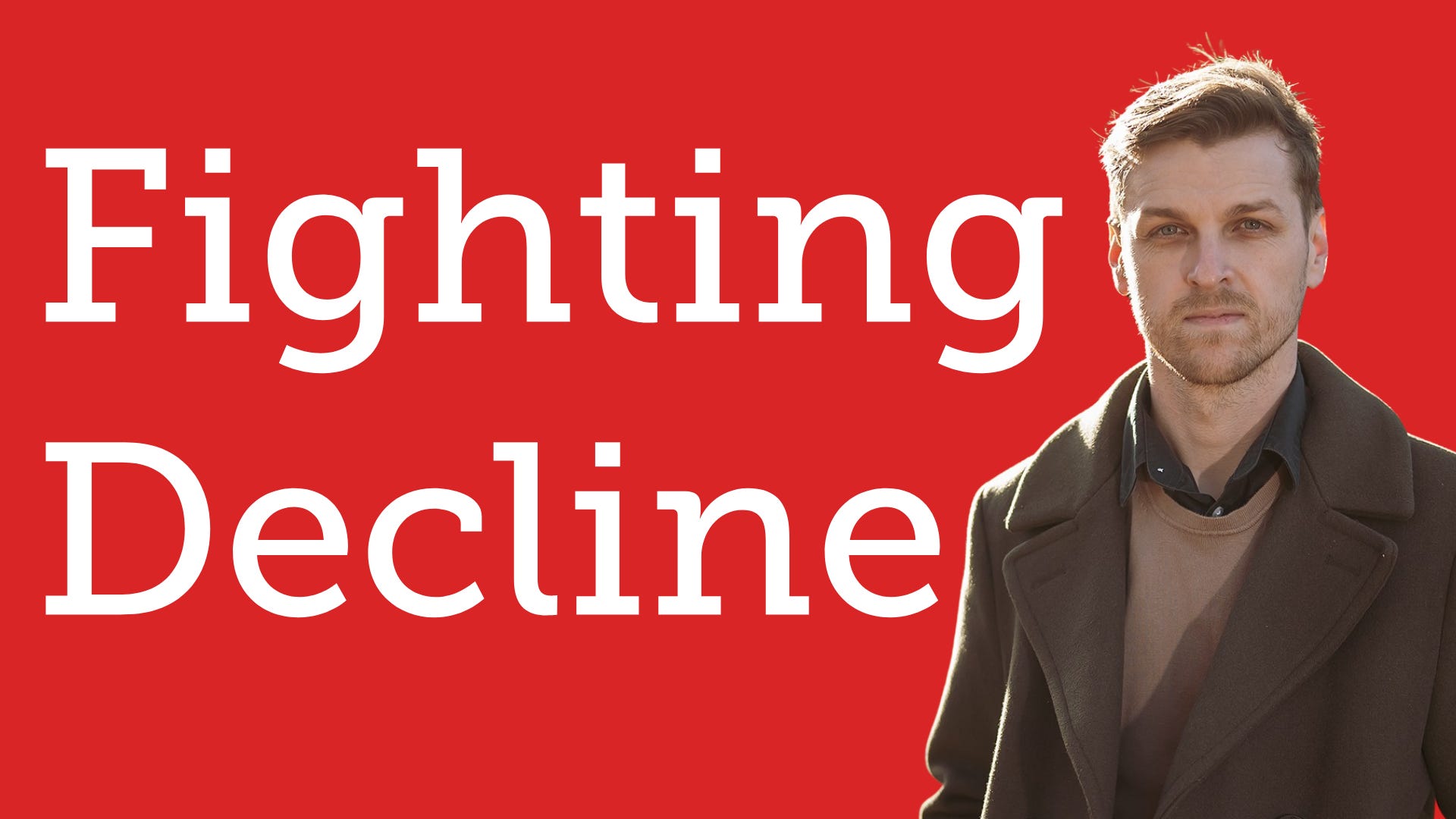
Britain's Growth Crisis: Is Anyone Actually Fixing It? | Dr Lawrence Newport
Callum Price is joined by Dr Lawrence Newport, co-founder of Looking for Growth, a grassroots movement pushing for meaningful economic reform across the UK. Lawrence explains how the movement was born out of frustration with the Government’s first budget, which he argues was indistinguishable from years of previous Treasury thinking, typified by managed decline and a lack of ambition from the political class.The conversation covers the deep structural problems holding Britain back, from the inability to build infrastructure at reasonable cost and speed, to a legal and planning system that actively subsidises frivolous objections. Lawrence draws on concrete examples, including the Thames Valley Crossing, HS2, and the extraordinary case of a 30-year charity kite festival being shut down over a rare flower, to illustrate how quangos and an ever-expanding regulatory regime are strangling the country’s capacity to get things done.The pair also discuss the student loans crisis and the campaign to release Longitudinal Educational Outcomes data so that parents and students can make genuinely informed decisions about university. Lawrence argues that universities have engaged in deeply misleading practices for years, and that publishing this data in full would shatter a number of sacred assumptions about the value of a degree, ultimately benefiting students, taxpayers, and universities alike in the long run.The Institute of Economic Affairs is a registered educational charity. It does not endorse or give support for any political party in the UK or elsewhere. Our mission is to improve understanding of the fundamental institutions of a free society by analysing and expounding the role of markets in solving economic and social problems.The views represented here are those of the speakers alone, not those of the Institute, its Managing Trustees, Academic Advisory Council members or senior staff. This is a public episode. If you'd like to discuss this with other subscribers or get access to bonus episodes, visit insider.iea.org.uk/subscribe
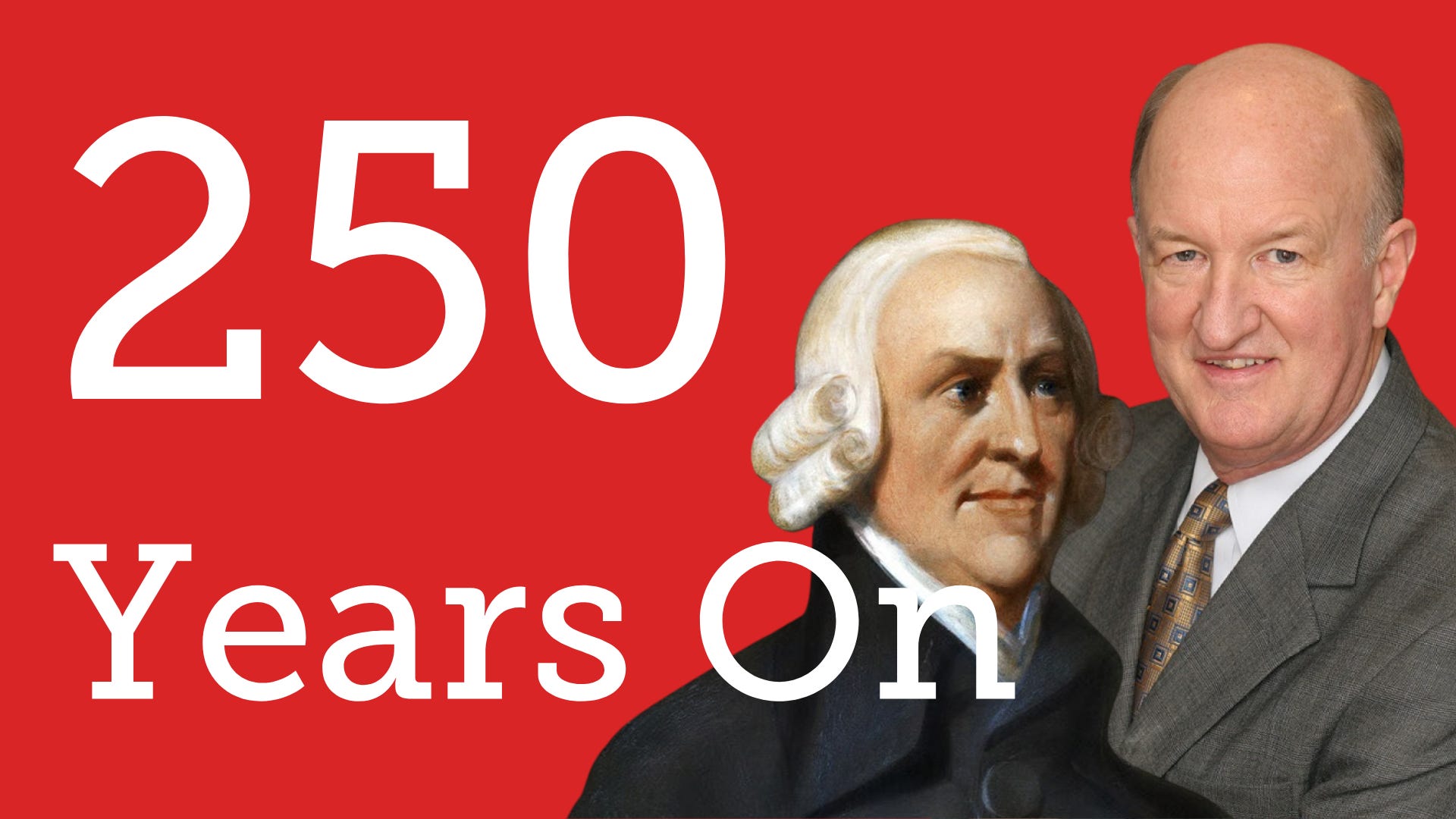
Adam Smith: The Greatest Economist You've Never Heard Of | Mark Skousen
On the 250th anniversary of its publication, we revisit one of the most consequential books ever written: Adam Smith’s The Wealth of Nations. Published on 9th March 1776 — the same year as the American Declaration of Independence — Smith’s masterwork laid the intellectual foundations for modern economics, free trade, and the idea that individual freedom, properly channelled through law and competition, can transform entire nations from poverty to prosperity.Daniel Freeman is joined by Dr Mark Skousen, presidential fellow at Chapman University and author of The Making of Modern Economics and the new IEA paper The Genius of Adam Smith. Together they explore why Smith, a Scottish moral philosopher with no economics department to his name, produced ideas that still define debates about wealth, inequality, and the role of government today. From the invisible hand to the system of natural liberty, Skousen unpacks why Smith’s three grand principles — justice, freedom, and competition — remain as radical and relevant as ever.They also take stock of the state of the Adam Smith model in 2026, asking whether his vision of peace, easy taxes, and a tolerable administration of justice is advancing or retreating in the face of rising protectionism, trade wars, and renewed enthusiasm for state intervention. With Smith’s ideas increasingly under pressure from all sides of the political spectrum, this conversation is a timely reminder of what is at stake — and why, 250 years on, the debate Smith started is far from over.The Institute of Economic Affairs is a registered educational charity. It does not endorse or give support for any political party in the UK or elsewhere. Our mission is to improve understanding of the fundamental institutions of a free society by analysing and expounding the role of markets in solving economic and social problems.The views represented here are those of the speakers alone, not those of the Institute, its Managing Trustees, Academic Advisory Council members or senior staff. This is a public episode. If you'd like to discuss this with other subscribers or get access to bonus episodes, visit insider.iea.org.uk/subscribe

Should We Ban Under-16s from Social Media? | Matthew Lesh
Australia made global headlines when it introduced a social media ban for under-16s, but does the evidence actually support such a drastic step? In this episode, Callum Price is joined by IEA Public Policy Fellow Matthew Lesh to examine the claims driving the push to restrict young people’s access to social media platforms. They explore what the research really says about social media and children’s mental health, drawing on the work of leading academic sceptics who find the link far weaker than campaigners often claim.The episode takes a close look at Australia’s ban in practice, finding that millions of accounts have been deleted whilst VPN usage has surged and teenagers are simply finding workarounds. Matthew argues that bans of this kind create a false sense of security for parents, undermine open conversations between families about online safety, and strip young people of the very safe, age-appropriate accounts that platforms have developed. The discussion also turns to the UK’s own consultation on a potential under-16s ban, including the alarming prospect of extending restrictions to AI chatbots.Matthew and Callum argue that well-intentioned as these policies may be, they risk doing more harm than good. Rather than reaching for prohibition, the answer lies in parental responsibility, digital education, and making better use of the child safety frameworks that already exist under the Online Safety Act. With the Government now openly consulting on measures that could dwarf what Australia has done, the stakes for British children’s access to the open internet have never been higher.The Institute of Economic Affairs is a registered educational charity. It does not endorse or give support for any political party in the UK or elsewhere. Our mission is to improve understanding of the fundamental institutions of a free society by analysing and expounding the role of markets in solving economic and social problems.The views represented here are those of the speakers alone, not those of the Institute, its Managing Trustees, Academic Advisory Council members or senior staff. This is a public episode. If you'd like to discuss this with other subscribers or get access to bonus episodes, visit insider.iea.org.uk/subscribe
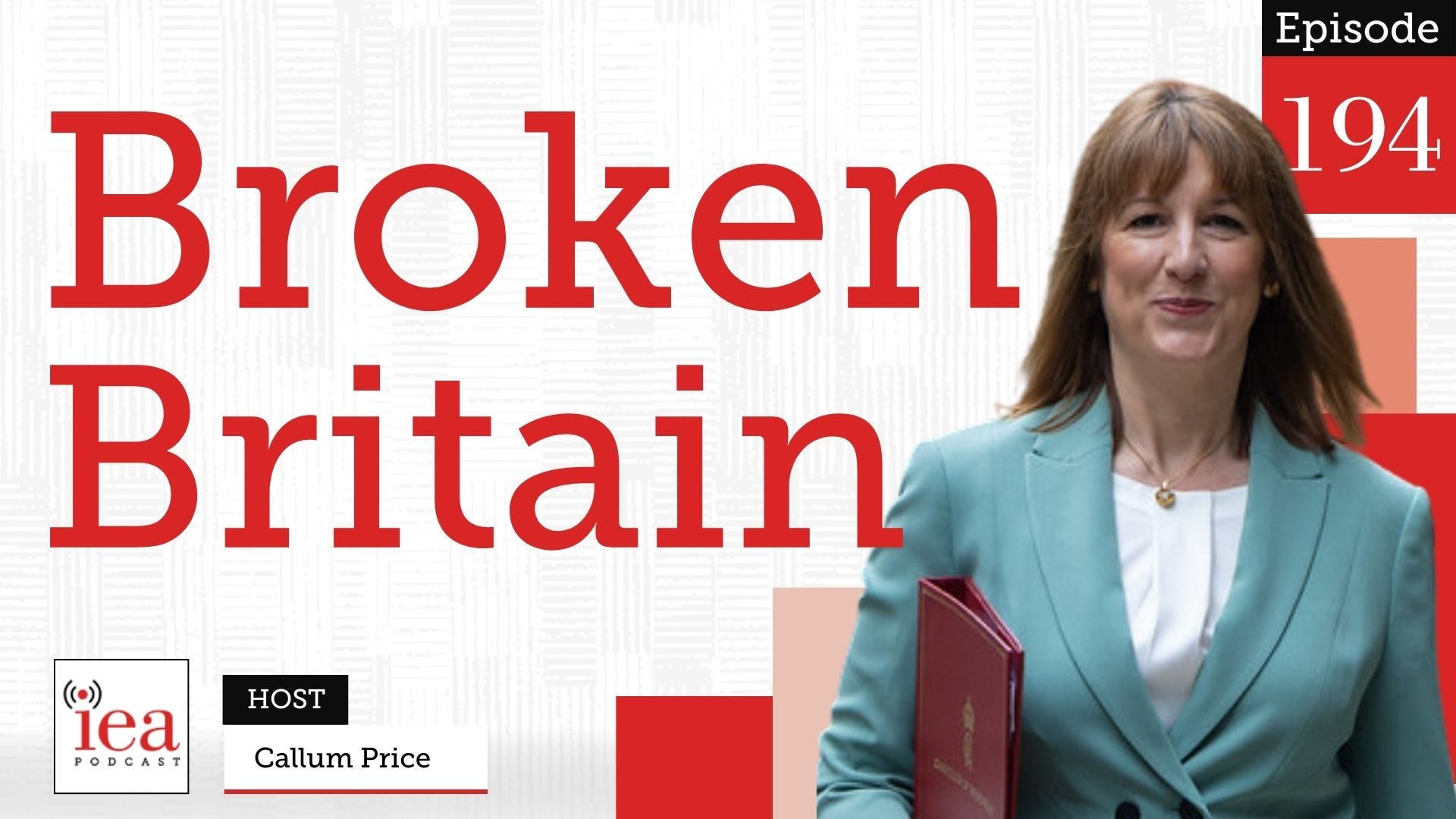
Spring Statement, Middle East Crisis & the North Sea Oil We're Refusing to Use | IEA Podcast
In this Institute of Economic Affairs podcast, IEA Director of Communications Callum Price is joined by Editorial Director Kristian Niemietz and Director General Lord Frost to discuss the Spring Statement, the Middle East crisis and its economic repercussions, and shifting British attitudes towards national identity and the NHS.The trio assess Rachel Reeves’s Spring Statement, which delivered little in the way of new policy direction. They examine the OBR’s report and note a modest but meaningful shift in tone from official forecasters, who are increasingly acknowledging the distortionary effects of high taxation and the link between employment rights legislation and rising unemployment. With the tax burden at a historic high and youth unemployment worsening, the panel argues the conditions are ripening for a more serious public debate about economic reform. They also discuss the geopolitical fallout from the Middle East crisis, warning that Britain’s energy policy, its cancellation of North Sea licences, and its strained relationships with key energy suppliers leave the country exposed to a significant price shock.The conversation concludes with a look at a Pew Research survey on national pride, which finds British respondents unusually likely to cite things they are not proud of. The panel explores the collapse in NHS satisfaction, noting that only 12% of people now cite the health service as a source of national pride, a dramatic reversal from its near-unanimous approval during the pandemic. They discuss what this signals for the appetite for reform and whether a return to economic growth could restore the national mood more broadly.The Institute of Economic Affairs is a registered educational charity. It does not endorse or give support for any political party in the UK or elsewhere. Our mission is to improve understanding of the fundamental institutions of a free society by analysing and expounding the role of markets in solving economic and social problems. The views represented here are those of the speakers alone, not those of the Institute, its Managing Trustees, Academic Advisory Council members or senior staff. This is a public episode. If you'd like to discuss this with other subscribers or get access to bonus episodes, visit insider.iea.org.uk/subscribe
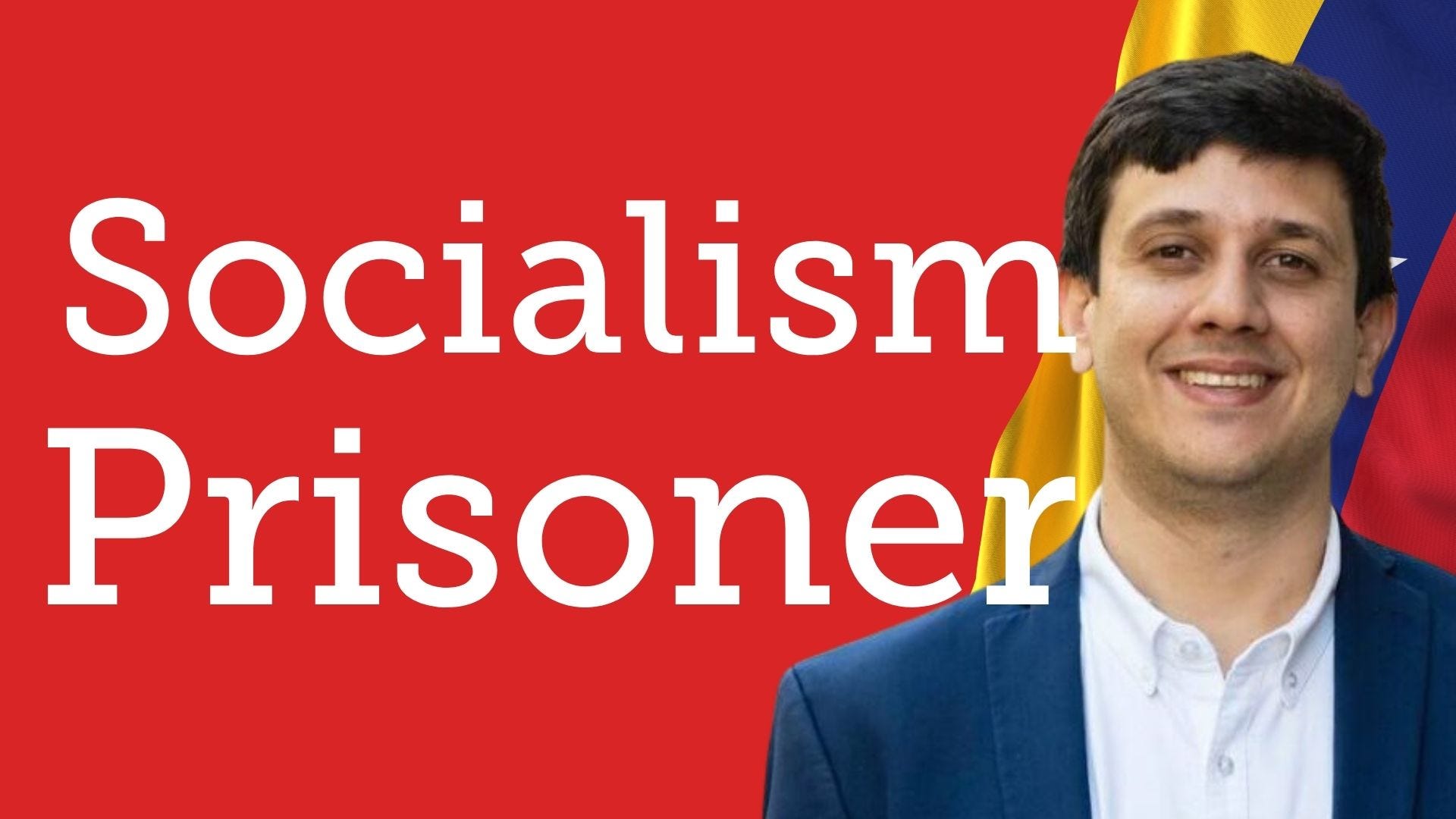
Kidnapped & Imprisoned: Venezuelan Political Prisoner Jesús Armas Speaks Out
In this Institute of Economic Affairs interview, IEA Editorial Director Kristian Niemietz speaks with Jesús Armas, Venezuelan opposition activist and former IEA intern, about his imprisonment by the Maduro regime following the disputed July 2024 presidential election. Jesús describes being kidnapped by regime security forces, held in clandestine detention, subjected to torture, and kept in isolation for months, as well as the broader collapse of Venezuelan civil society under Chavismo.The conversation examines how Venezuela descended from a state with at least nominal civil liberties into a full dictatorship, drawing parallels with Soviet-era show trials and Hayek’s Road to Serfdom. Jesús explains how the opposition won the 2024 election with 70% of the vote, collected the tallies to prove it, and were then systematically persecuted for doing so. He also discusses the current political situation under Delcy Rodriguez, the prospects for democratic transition, Venezuela’s economic collapse including salaries below $1 a month, the destruction of the oil industry through nationalisation, and why 9 million Venezuelans have fled the country.The Institute of Economic Affairs is a registered educational charity. It does not endorse or give support for any political party in the UK or elsewhere. Our mission is to improve understanding of the fundamental institutions of a free society by analysing and expounding the role of markets in solving economic and social problems. The views represented here are those of the speakers alone, not those of the Institute, its Managing Trustees, Academic Advisory Council members or senior staff. This is a public episode. If you'd like to discuss this with other subscribers or get access to bonus episodes, visit insider.iea.org.uk/subscribe
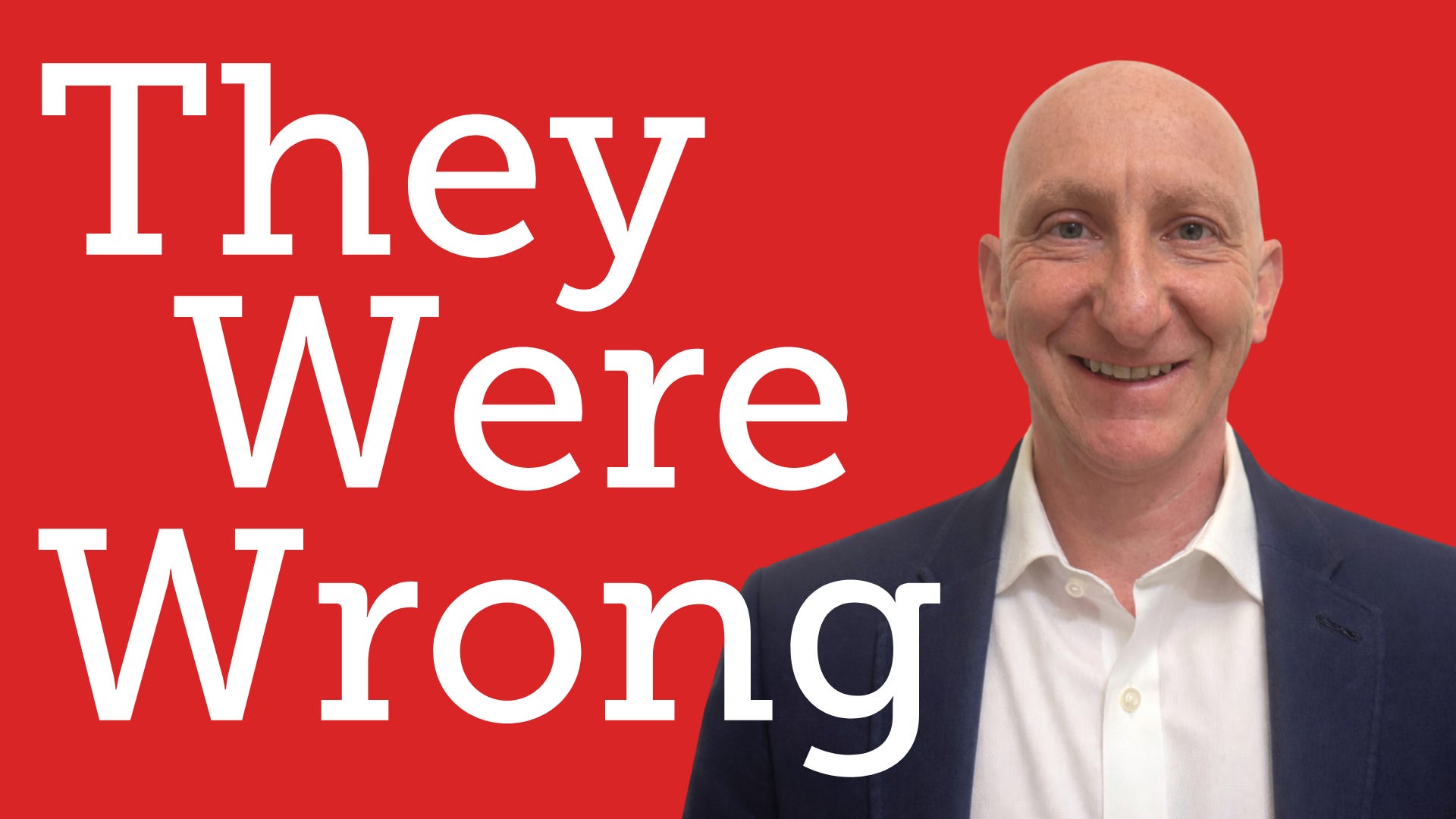
Rejected to Relentless: Simon Krystman’s Entrepreneurial Rise
The latest event in the Entrepreneurial Minds series brought together entrepreneur and mentor Simon Krystman in conversation with Lord Kamall for a wide-ranging discussion on entrepreneurship, innovation and the realities of building businesses. Designed to give aspiring founders and those interested in enterprise an honest insight into entrepreneurial journeys, the event explored the motivations, risks and lessons that shape successful ventures. Through an informal interview format followed by audience questions, attendees heard first-hand reflections on decision-making, resilience and the importance of learning through both success and failure.Krystman reflected on his unconventional route into entrepreneurship, challenging the assumption that entrepreneurs are simply “born” with innate talent. Drawing on early experiences founding a technology business in the 1990s, he described the risks of leaving secure employment with little preparation, the setbacks encountered when initial ideas proved unworkable, and the rapid pivot that ultimately enabled growth. The discussion highlighted practical themes including idea validation, customer demand, scaling challenges and the distinction between enjoying entrepreneurial creation versus managing large organisations.The conversation broadened into wider policy and social questions, including regulation, access to investment, community entrepreneurship and the cultural attitudes that shape innovation ecosystems. Audience discussion touched on philanthropy, local enterprise initiatives and comparisons between British and American approaches to risk and failure. Krystman emphasised mentorship and evidence-based validation as critical tools for founders, arguing that understanding customer need, rather than pursuing investment alone, remains the central determinant of entrepreneurial success.The Institute of Economic Affairs is a registered educational charity. It does not endorse or give support for any political party in the UK or elsewhere. Our mission is to improve understanding of the fundamental institutions of a free society by analysing and expounding the role of markets in solving economic and social problems.The views represented here are those of the speakers alone, not those of the Institute, its Managing Trustees, Academic Advisory Council members or senior staff. This is a public episode. If you'd like to discuss this with other subscribers or get access to bonus episodes, visit insider.iea.org.uk/subscribe
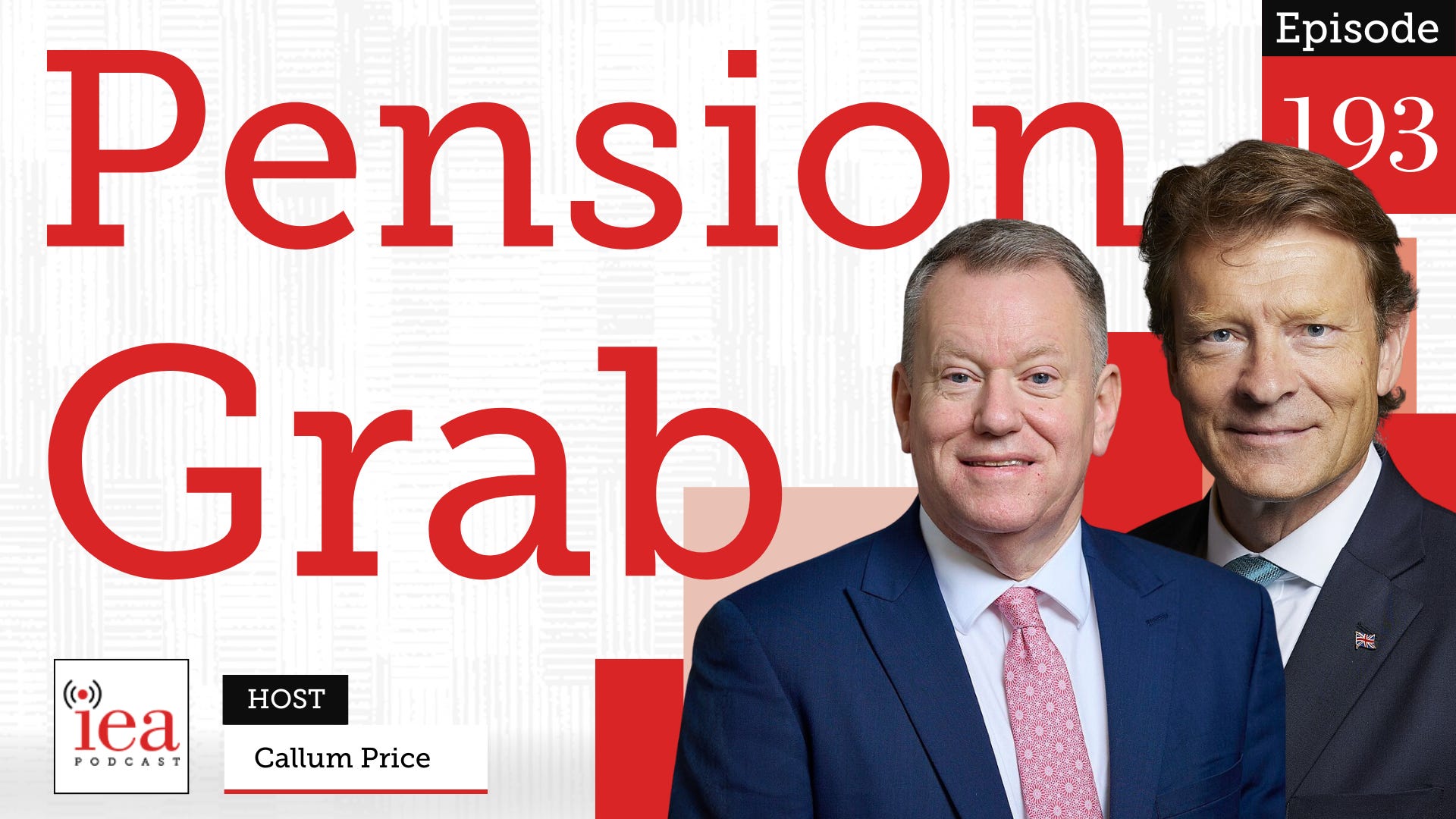
Reform, Net Zero Madness & the Social Media Ban: Are Politicians Completely Out of Touch?
Lord Frost and energy analyst Andy Mayer join host Callum Price to dissect Reform UK’s latest economic pitch, weighing up Richard Tice’s proposals for a Great Repeal Act and a sovereign wealth fund built from public sector pension pots. While the panel finds much to welcome in Reform’s supply-side instincts, including scrapping the net zero legal target and reopening the North Sea, they warn that the plan contains a fundamental contradiction: you cannot credibly promise to burn red tape whilst simultaneously reaching for tariffs, protectionism, and “Buy British” mandates.The conversation turns to energy bills, where Andy Mayer delivers a forensic takedown of the Government’s claim that falling prices represent genuine progress. He argues that shifting green levies from household bills onto general taxation is an accounting trick, not a saving, and that forcing vast amounts of renewables onto an already strained grid is making energy both more expensive and less reliable. The panel agrees that without a serious commitment to nuclear power and a halt to the clean power drive, the UK risks sleepwalking into an energy crisis of its own making.The episode closes with a pointed debate on the Conservative Party’s push to ban social media for under-16s, with both guests pulling no punches. They argue that exploiting bereaved parents at a press conference to push poorly evidenced legislation is cynical and reckless, that hard cases make bad law, and that banning children from the internet does nothing to address the real causes of poor mental health. The broader concern, as Lord Frost puts it, is a political class that simply does not trust ordinary people to think for themselves.The Institute of Economic Affairs is a registered educational charity. It does not endorse or give support for any political party in the UK or elsewhere. Our mission is to improve understanding of the fundamental institutions of a free society by analysing and expounding the role of markets in solving economic and social problems.The views represented here are those of the speakers alone, not those of the Institute, its Managing Trustees, Academic Advisory Council members or senior staff. This is a public episode. If you'd like to discuss this with other subscribers or get access to bonus episodes, visit insider.iea.org.uk/subscribe
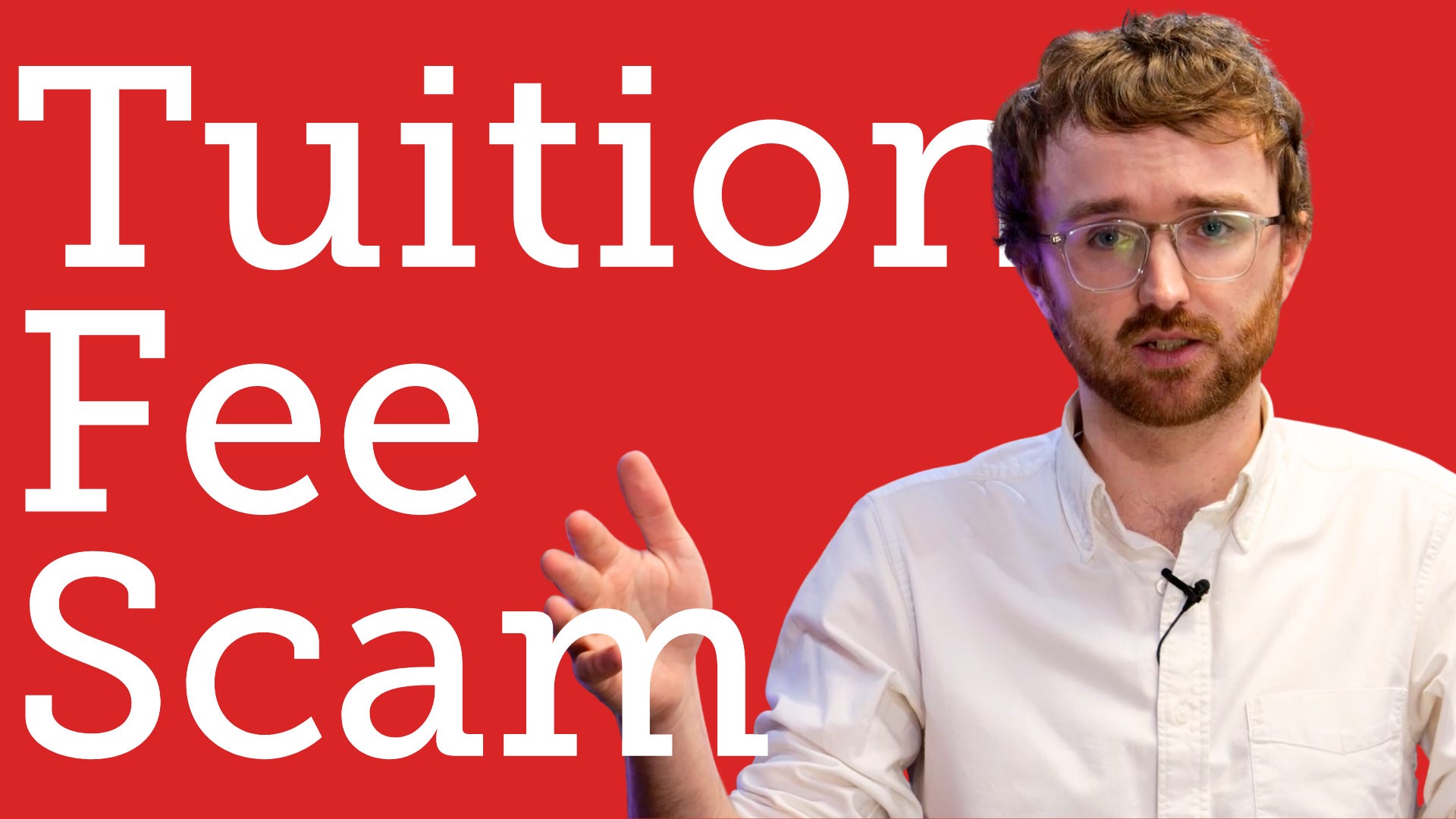
The Student Loan Trap: Why the System is Broken (And How to Fix It)
Your student debt keeps growing even as you pay it off. Sound familiar? Callum Price breaks down why the student loan system is failing students, taxpayers, and universities alike, and why tinkering with interest rates will never be enough. The real problem is that universities are paid to recruit students, not educate them, creating a system with completely misaligned incentives.The solution requires genuine structural reform: make universities financially responsible for the degrees they offer. If universities had to fund degrees themselves, they would have a real incentive to ensure graduates land well-paying jobs. Lift the tuition fee cap, allow proper market competition, and let third-party funders into the space.But fixing universities alone is not enough. The Government’s Employment Rights Act, National Insurance hikes, and minimum wage increases are making it harder and more expensive for businesses to hire young people. Until that changes, even the best-educated graduates will struggle to find the jobs that make their degrees worthwhile.The Institute of Economic Affairs is a registered educational charity. It does not endorse or give support for any political party in the UK or elsewhere. Our mission is to improve understanding of the fundamental institutions of a free society by analysing and expounding the role of markets in solving economic and social problems.The views represented here are those of the speakers alone, not those of the Institute, its Managing Trustees, Academic Advisory Council members or senior staff. This is a public episode. If you'd like to discuss this with other subscribers or get access to bonus episodes, visit insider.iea.org.uk/subscribe
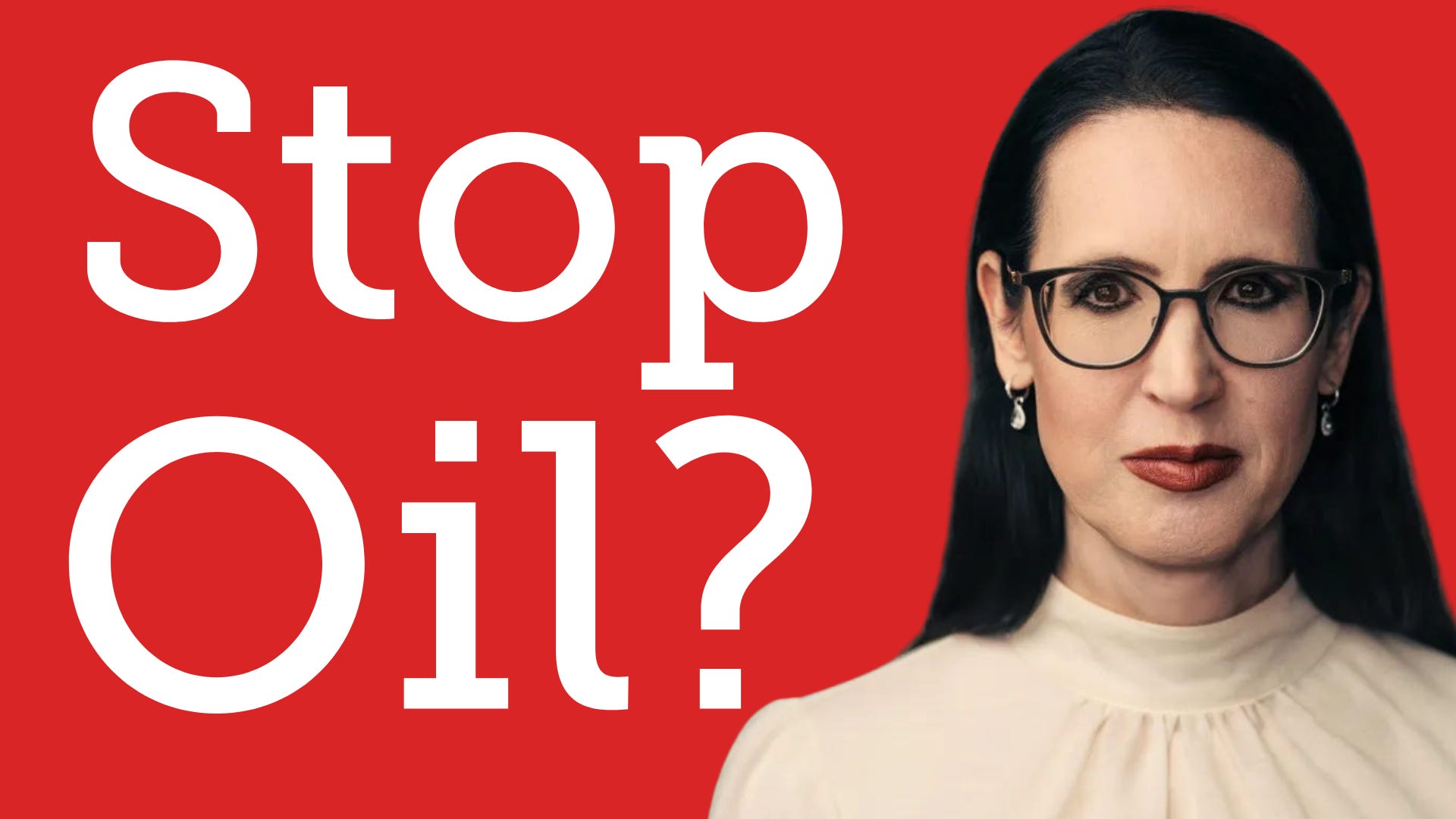
Why Net Zero Is Failing Britain
Lord Frost, IEA Director General, joins energy analyst Kathryn Porter, author of the IEA’s landmark new report “Just Stop Oil?”, for a wide-ranging discussion on why oil and gas remain indispensable to modern life. Porter argues that the entire premise of the “just stop oil” movement is born from privilege, ignoring the fundamental role hydrocarbons play in medicine, agriculture, and technology. From hospitals built on petrochemicals to Sri Lanka’s fertiliser disaster, the case against abandoning fossil fuels is forensically made.The conversation shifts to Britain’s North Sea, where both speakers argue the Government is actively sabotaging a domestic resource. Porter warns that without domestic extraction, Britain will simply pay Norway to sell its own oil and gas back to it, while importing higher-carbon hydrocarbons from elsewhere at a net fiscal loss. Frost reflects on why this “collective madness” has gripped Western governments simultaneously, and what forces may finally be turning the tide.Rounding off the discussion, Porter outlines a looming gas supply crisis, the fragility of energy interconnectors with Europe, and why energy nationalism is not just predictable but legally and politically inevitable. Both speakers see signs of a shifting debate, with the IEA’s own research receiving greater media traction than ever before. The supertanker, they suggest, may finally be beginning to turn.The Institute of Economic Affairs is a registered educational charity. It does not endorse or give support for any political party in the UK or elsewhere. Our mission is to improve understanding of the fundamental institutions of a free society by analysing and expounding the role of markets in solving economic and social problems.The views represented here are those of the speakers alone, not those of the Institute, its Managing Trustees, Academic Advisory Council members or senior staff. This is a public episode. If you'd like to discuss this with other subscribers or get access to bonus episodes, visit insider.iea.org.uk/subscribe
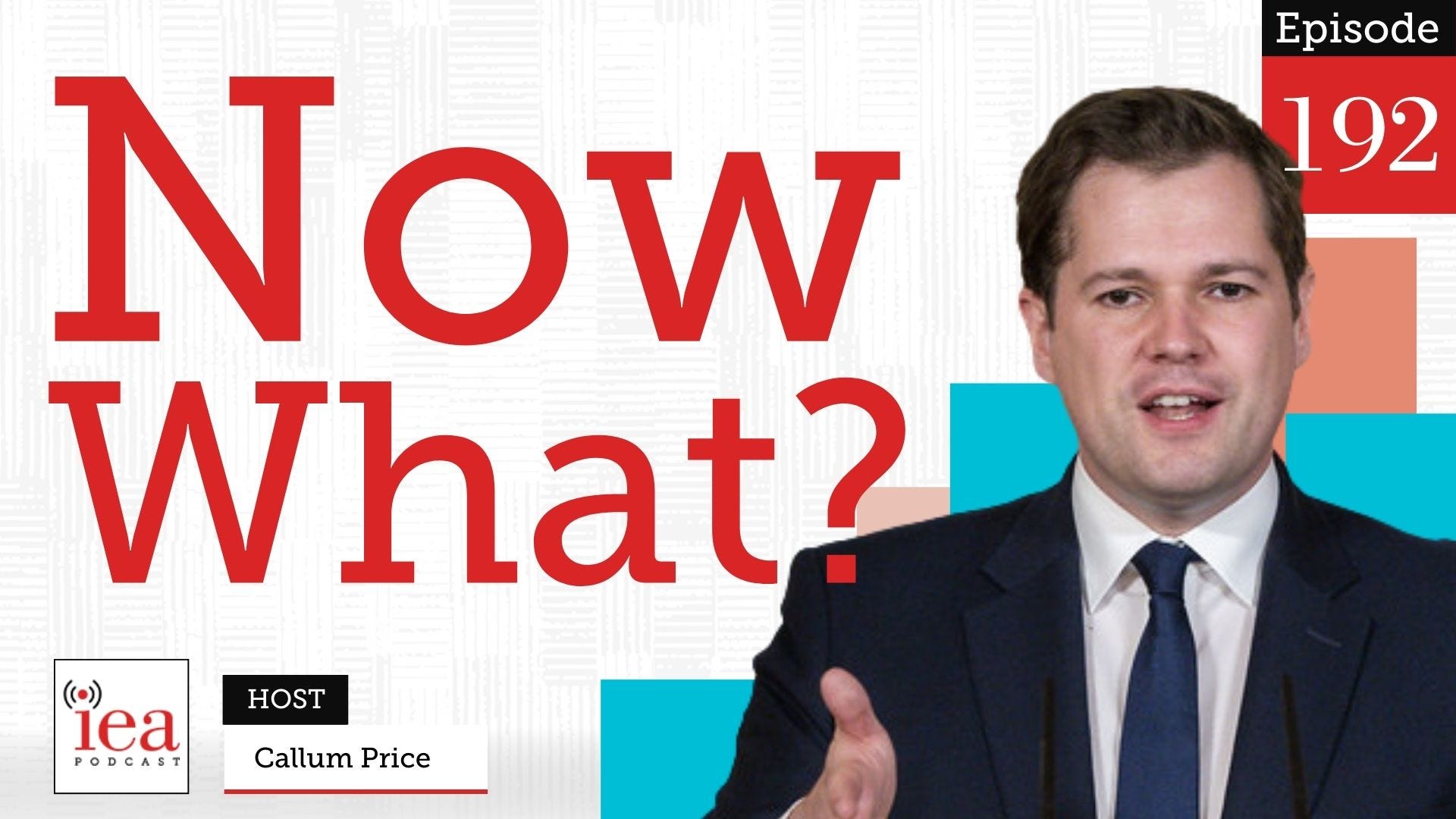
We Had a Great Economy. Then We Wrecked It. | IEA Podcast
In this Institute of Economic Affairs podcast, Director of Communications Callum Price is joined by IEA Director General Lord Frost and Editorial Director Kristian Niemietz to discuss the week’s major economic and political developments. The conversation opens with Robert Jenrick’s debut economic policy speech as Reform’s Treasury spokesperson, examining whether it marks a serious shift towards credible fiscal conservatism or a watered-down pitch to reassure the bond markets.The panel then turns to two conflicting data releases: rising unemployment, with the rate hitting 5.2% and youth unemployment now above the European average, against a stronger-than-expected January public sector surplus of £30 billion. Lord Frost and Niemietz debate what these figures reveal about the impact of the Employment Rights Bill and the Government’s broader economic approach, including the possibility of a U-turn on the youth minimum wage. The discussion also covers whether Britain has quietly surrendered its long-standing advantage of a flexible, low-unemployment labour market.The episode closes on a data integrity scandal: child poverty figures have been found to be based on significantly under-reported benefit income, with a gap of up to £44 billion between what people said they received and what the DWP actually paid out. Niemietz argues this is a long-standing and predictable problem with self-reported income data, and that relative poverty measures are a fundamentally flawed basis for policy anyway.The Institute of Economic Affairs is a registered educational charity. It does not endorse or give support for any political party in the UK or elsewhere. Our mission is to improve understanding of the fundamental institutions of a free society by analysing and expounding the role of markets in solving economic and social problems. The views represented here are those of the speakers alone, not those of the Institute, its Managing Trustees, Academic Advisory Council members or senior staff. This is a public episode. If you'd like to discuss this with other subscribers or get access to bonus episodes, visit insider.iea.org.uk/subscribe
Are Student Loans Mis-Sold? | Peter Ainsworth
Student loans are broken. Peter Ainsworth, author of the IEA’s “Shares in Students” paper, joins Callum Price to explain why the current system fails everyone involved. Graduates face ballooning debts that never shrink despite years of payments, whilst the Government estimates losses of £10 billion per year on current loans. Universities receive guaranteed funding regardless of whether students get good jobs, creating perverse incentives that harm outcomes.Peter argues that student loans are fundamentally mis-sold to young people, with websites obscuring the reality of £50,000 debts and compound interest. Middle earners are trapped in a psychological nightmare, whilst low earners carry “fantasy loans” and high earners pay theirs off quickly. The system subsidises universities rather than students, with humanities students cross-subsidising expensive STEM courses despite lower expected earnings.The solution? Abolish the Office for Students, allow universities to lend directly to students, and save taxpayers an estimated £200 billion. This is a broken system that needs radical reform.The Institute of Economic Affairs is a registered educational charity. It does not endorse or give support for any political party in the UK or elsewhere. Our mission is to improve understanding of the fundamental institutions of a free society by analysing and expounding the role of markets in solving economic and social problems.The views represented here are those of the speakers alone, not those of the Institute, its Managing Trustees, Academic Advisory Council members or senior staff. This is a public episode. If you'd like to discuss this with other subscribers or get access to bonus episodes, visit insider.iea.org.uk/subscribe
You're Getting Poorer: Here's Why the GDP Figures Prove It | IEA Podcast
In this Institute of Economic Affairs podcast, host Callum Price speaks with Lord Frost, Director General, and Kristian Niemietz, Editorial Director. The conversation examines the latest GDP figures showing 0.1% growth in the final quarter of 2024, with GDP per capita falling for the second consecutive quarter. They discuss why Keir Starmer's celebration of these figures misses the point that people are not actually getting richer, and how Labour's Employment Rights Act and tax rises have contributed to economic stagnation.The discussion turns to whether any political party has a credible growth strategy, criticising the Liberal Democrats' proposal to split the Treasury and relocate part of it to Birmingham as "cargo cult economics". They examine Andy Burnham's economic thinking, including his views on electoral reform and nationalisation, questioning whether his prescriptions would actually lead to the stability and growth he promises. The conversation also covers why proportional representation might create less political stability rather than more, and the persistent problem of "rich country syndrome" where Britain maintains the political discourse of a prosperous nation despite 15 years of stagnation.The podcast concludes with debates on water nationalisation, examining why the sector lacks genuine competition and whether state ownership would solve fundamental problems of investment and infrastructure. They discuss the parallels with the NHS's short-term investment failures, the planning system's role in preventing reservoir construction despite Britain being one of the wettest countries in the world, and a bizarre Supreme Court ruling banning the use of the word "milk" for plant-based products.The Institute of Economic Affairs is a registered educational charity. It does not endorse or give support for any political party in the UK or elsewhere. Our mission is to improve understanding of the fundamental institutions of a free society by analysing and expounding the role of markets in solving economic and social problems.The views represented here are those of the speakers alone, not those of the Institute, its Managing Trustees, Academic Advisory Council members or senior staff. This is a public episode. If you'd like to discuss this with other subscribers or get access to bonus episodes, visit insider.iea.org.uk/subscribe
Wealth Tax Exposed: Do Rich People Really Want Higher Taxes?
The IEA’s Kristian Niemietz joins Callum Price to dissect the Patriotic Millionaires campaign and their push for wealth taxes. Survey evidence shows millionaires support higher taxes on themselves, but is this genuine commitment or virtue signalling? Niemietz examines the gap between stated preferences and revealed preferences, exploring why talk is cheap when there’s no real cost to supporting a tax that may never happen.The conversation challenges the claim that millionaire support for wealth taxes proves they won’t have negative behavioural effects. Even if wealthy individuals approve of taxation in principle, Niemietz argues they still respond to tax incentives in practice, just as shoppers react to VAT without making philosophical statements. He dismantles Gary Stevenson’s appeal to authority and explains why making money from binary bets doesn’t validate broader economic theories.Whether progressive taxation advocate or free market sceptic, this episode offers a critical examination of wealth tax campaigns and the disconnect between what people say they support and how they actually behave when faced with real economic incentives.The Institute of Economic Affairs is a registered educational charity. It does not endorse or give support for any political party in the UK or elsewhere. Our mission is to improve understanding of the fundamental institutions of a free society by analysing and expounding the role of markets in solving economic and social problems.The views represented here are those of the speakers alone, not those of the Institute, its Managing Trustees, Academic Advisory Council members or senior staff. This is a public episode. If you'd like to discuss this with other subscribers or get access to bonus episodes, visit insider.iea.org.uk/subscribe
Is Inflation Really Under Control? The Psychology of Rising Prices
The Bank of England has held interest rates at 3.75%, but Lord Frost and Kristian Niemietz warn that the “psychology of inflation” remains unbroken in the UK economy. With wages rising by government fiat and consumers still expecting persistent price increases, they argue that rushing back to near-zero rates would be a mistake. The Bank has simultaneously downgraded GDP growth forecasts to just 0.9% for this year, down from 1.4% last year, revealing an economy trapped in stagnation. Frost argues that a decade of near-zero interest rates has fundamentally distorted Britain’s economic structure, keeping unprofitable companies alive and preventing investment from flowing to its most productive uses.On Brexit, the conversation turns to Labour’s proposed “reset” with the EU and whether Britain has genuinely diverged enough to make realignment difficult. Frost reveals that the final thing he did in Number 10 on Brexit night was argue about game bird regulations, symbolising how deeply EU rules constrained British sovereignty even in the smallest areas. Both guests contend that Britain has done just enough post-Brexit reform to compensate for the estimated 1% cost of leaving the single market, which is why growth patterns haven’t dramatically changed. However, the failure to diverge more substantially leaves the door open for future governments to drift back towards EU alignment.The discussion highlights a fundamental tension in British economic policy. Without meaningful regulatory divergence, the single market remains an attractive option for those prioritising frictionless trade over sovereignty. Yet as Frost warns, rejoining would mean accepting rules with no influence over their creation, from pesticide regulations to gene editing restrictions. With inflation expectations still elevated and growth forecasts dire, Britain faces a choice between the painful structural reforms needed for genuine recovery or the comfortable drift back towards European regulatory convergence.The Institute of Economic Affairs is a registered educational charity. It does not endorse or give support for any political party in the UK or elsewhere. Our mission is to improve understanding of the fundamental institutions of a free society by analysing and expounding the role of markets in solving economic and social problems.The views represented here are those of the speakers alone, not those of the Institute, its Managing Trustees, Academic Advisory Council members or senior staff. This is a public episode. If you'd like to discuss this with other subscribers or get access to bonus episodes, visit insider.iea.org.uk/subscribe
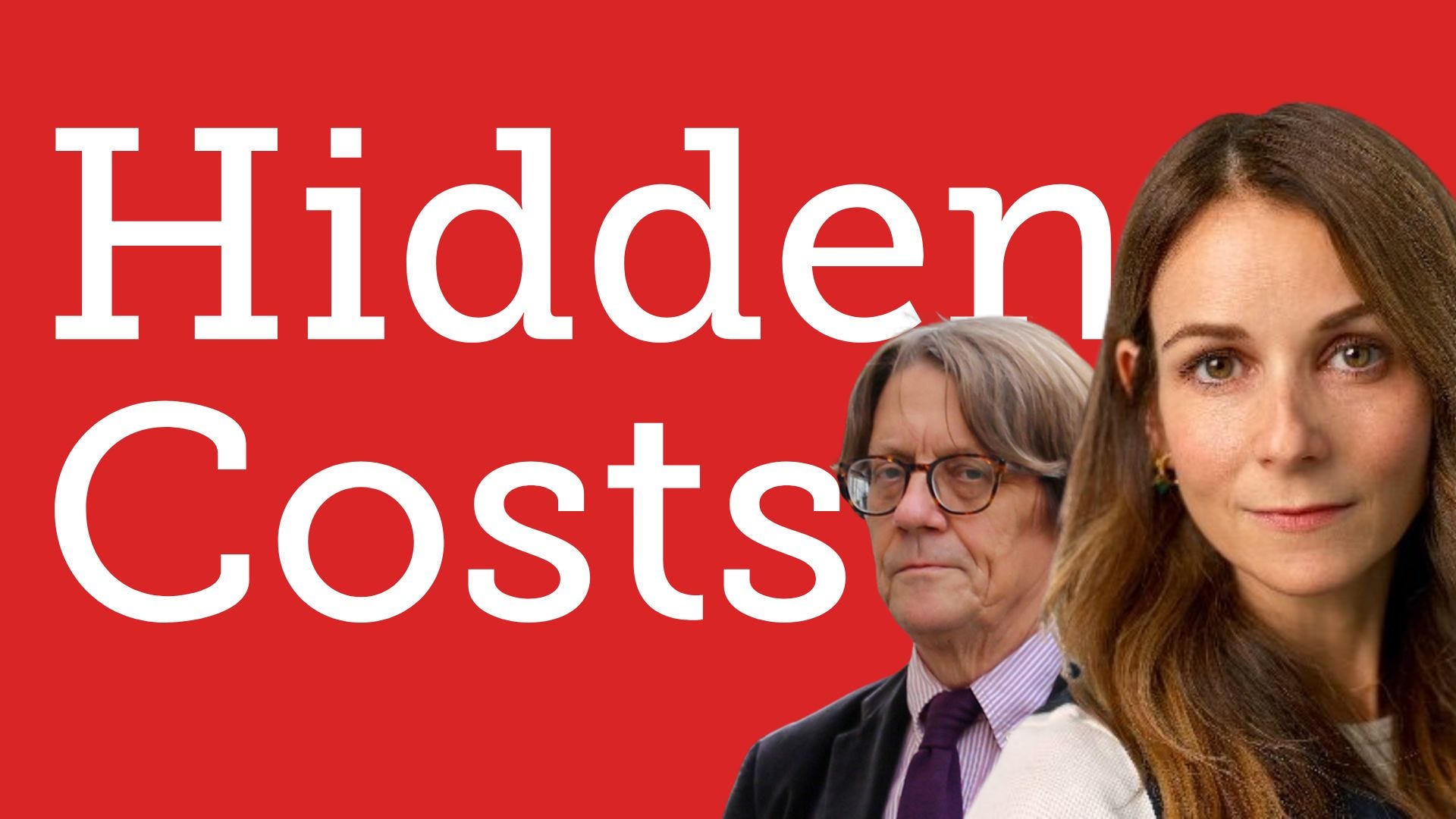
Flexible Working Mandates: Good Intentions, Terrible Results | IEA Briefing
In this Institute of Economic Affairs podcast, Callum Price, IEA Director of Communications, interviews Len Shackleton, IEA Editorial and Research Fellow, and Annabel Denham, columnist at The Telegraph and former IEA policy analyst. The conversation examines a new IEA paper on the government’s expanded flexible working mandates introduced in the Employment Rights Act, which now makes it extremely difficult for employers to refuse requests for flexible working arrangements.Len and Annabel discuss the hidden costs and unintended consequences of these mandates, including how they may actually harm the workers they are designed to protect. They explore how protected characteristics combined with flexible working requests can expose employers to unlimited discrimination claims, potentially leading businesses to avoid hiring workers with protected characteristics such as working mothers. The conversation also examines how flexible working creates pay disparities between those who can work remotely (effectively receiving a 5 to 7% pay increase) and essential workers in hospitals, transport and other sectors who cannot, particularly affecting public sector pay structures.The discussion concludes with analysis of the Employment Rights Act’s broader impact on economic growth and productivity, particularly in the public sector where productivity remains below pre-COVID levels. Len and Annabel argue that whilst flexible working can benefit both employees and employers in certain circumstances, the government should step back and allow employers and employees to negotiate these arrangements directly rather than imposing top-down mandates that create regulatory burdens, slow wage growth and ultimately discourage employment.The Institute of Economic Affairs is a registered educational charity. It does not endorse or give support for any political party in the UK or elsewhere. Our mission is to improve understanding of the fundamental institutions of a free society by analysing and expounding the role of markets in solving economic and social problems.The views represented here are those of the speakers alone, not those of the Institute, its Managing Trustees, Academic Advisory Council members or senior staff. This is a public episode. If you'd like to discuss this with other subscribers or get access to bonus episodes, visit insider.iea.org.uk/subscribe
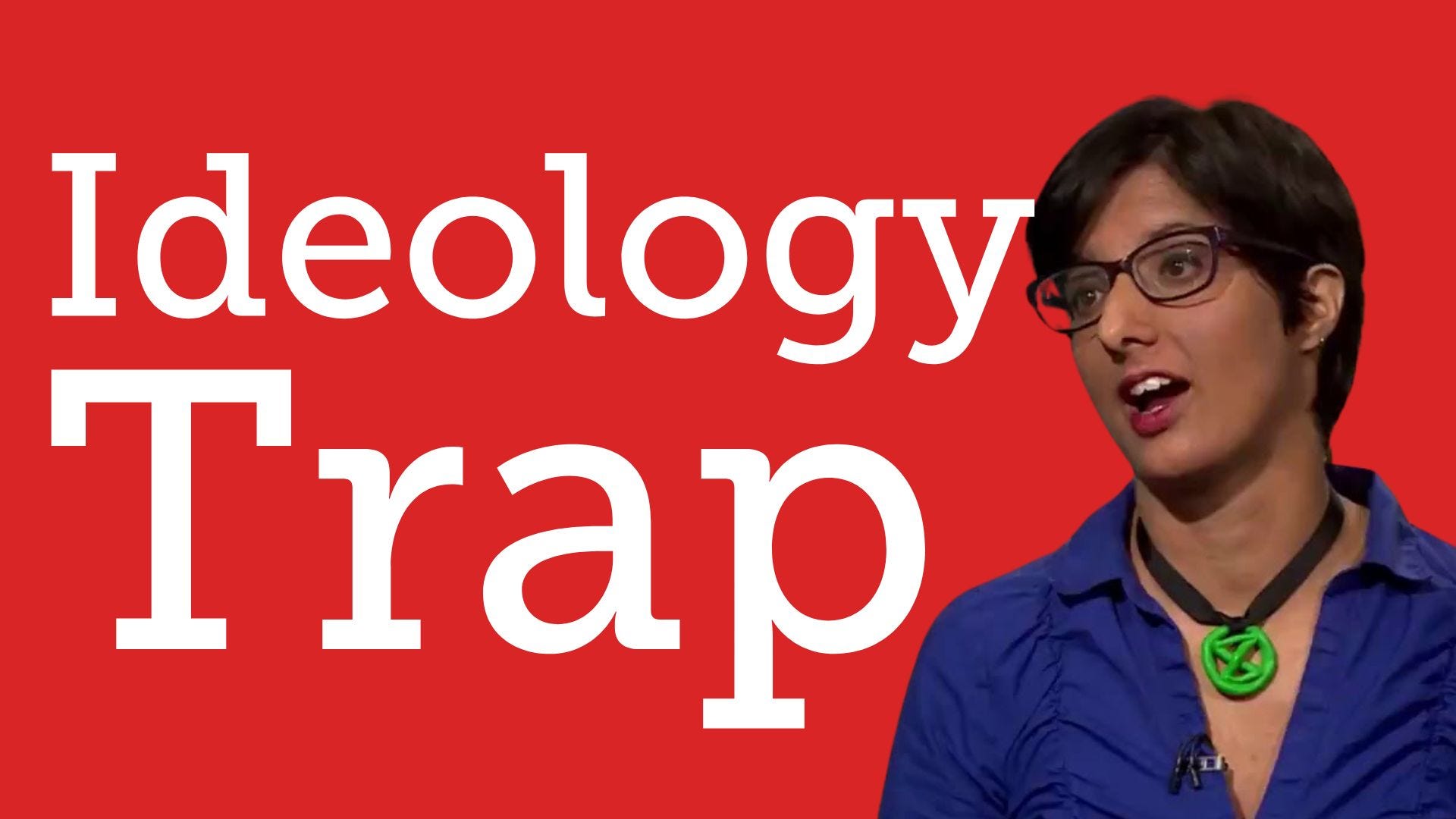
From Extinction Rebellion to Nuclear Advocacy | IEA Briefing
Former Extinction Rebellion spokesperson Zion Lights joins Christopher Snowden to discuss her new book ‘Energy Is Life’ and her remarkable transformation from environmental activist promoting energy scarcity to advocate for nuclear power and technological abundance. Lights reveals the shocking hostility she faced from the Green Party simply for asking questions about nuclear energy, despite not even being pro-nuclear at the time. She explains how the environmental movement’s anti-technology stance and refusal to tolerate questioning ultimately drove her to break from her activist tribe and rethink everything she believed about energy and environmental solutions.The conversation explores why modern environmentalism often opposes the very technologies that could solve climate challenges whilst reducing consumption and emissions. Lights argues that groups like Extinction Rebellion are fundamentally driven by a romanticised view of poverty and a desire to return humanity to pre-industrial simplicity, rooted in what she calls ‘immense privilege and abundance’. She discusses the practical potential of small modular reactors versus large-scale nuclear plants, the importance of building nuclear facilities in communities that already understand and support the technology, and why transparency in nuclear development is essential for public acceptance.This wide-ranging discussion touches on fusion energy, desalination, artificial intelligence applications, and the psychological underpinnings of degrowth ideology. Lights makes a compelling case for why her new book represents a complete reversal of her 2015 publication promoting low-carbon lifestyles, and why questioning environmental orthodoxy remains so difficult within activist circles even today.The Institute of Economic Affairs is a registered educational charity. It does not endorse or give support for any political party in the UK or elsewhere. Our mission is to improve understanding of the fundamental institutions of a free society by analysing and expounding the role of markets in solving economic and social problems.The views represented here are those of the speakers alone, not those of the Institute, its Managing Trustees, Academic Advisory Council members or senior staff. This is a public episode. If you'd like to discuss this with other subscribers or get access to bonus episodes, visit insider.iea.org.uk/subscribe
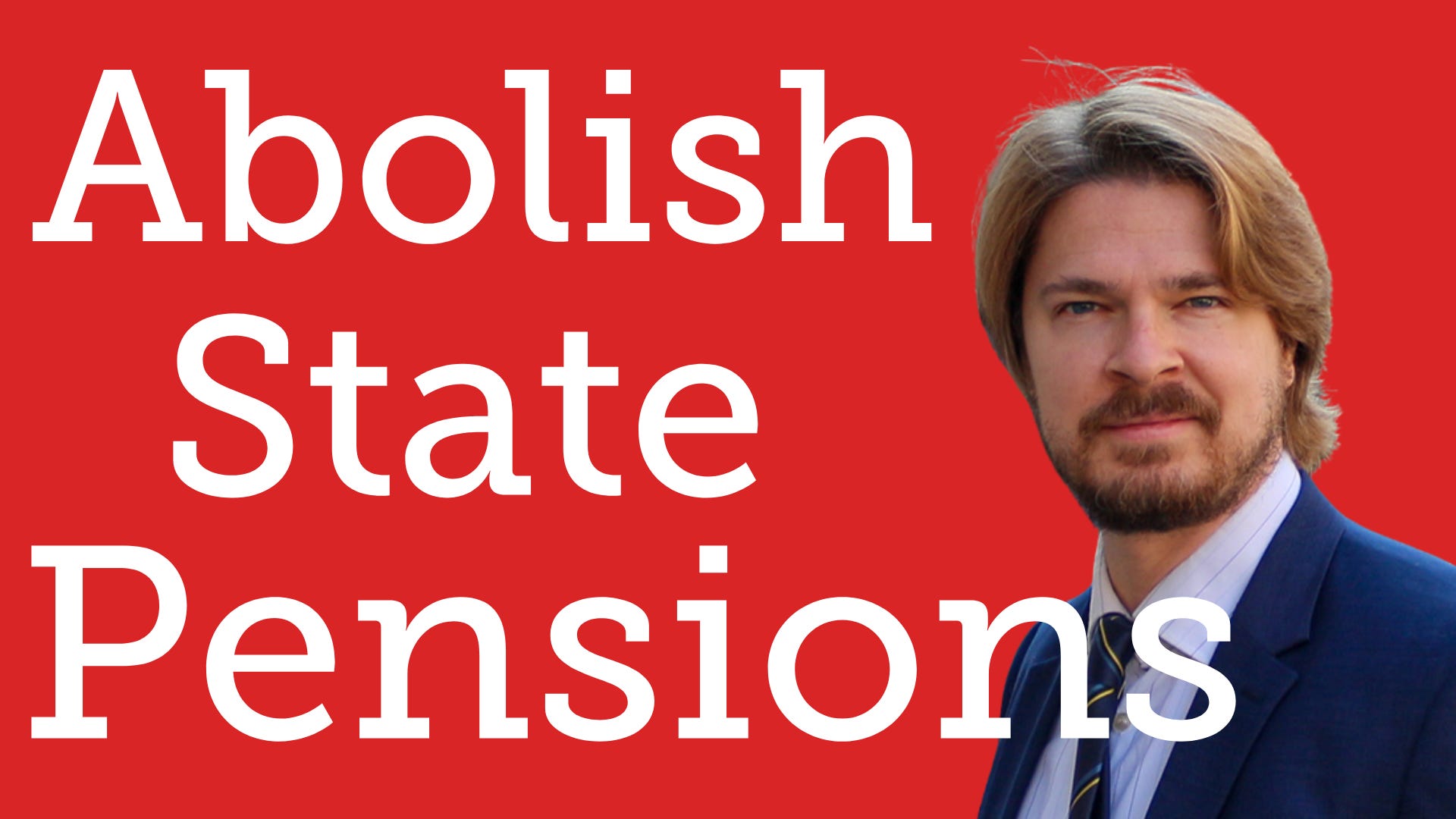
Why Britain Should Abolish the State Pension | Kristian Niemietz
In this special briefing episode, IEA Editorial Director Kristian Niemietz joins host Callum Price to discuss the latest instalment of the British Afuera series on Substack. Inspired by Javier Milei’s radical state reform in Argentina, the project examines which parts of the British state could be abolished entirely rather than simply cut back. Niemietz explains why this approach differs fundamentally from the Cameron-Osborne austerity years, which merely reduced spending across existing services rather than questioning whether the state should provide them at all.Niemietz makes a bold case for abolishing the universal state pension system and replacing it with an Australian-style model based on private savings. He argues that roughly 80% of the British population are perfectly capable of saving for their own retirement, and that the current system, which costs 7.5% of GDP, is economically unjustifiable for the vast majority. Drawing on international comparisons, Niemietz shows how countries like Australia manage to spend just 4.5% of GDP on old age benefits whilst maintaining adequate safety nets for those genuinely unable to save, demonstrating that a savings-based system can deliver better outcomes without leaving the vulnerable behind.The discussion covers the practical challenges of transitioning to such a system, including how to convert National Insurance into private pension savings, the risks of government interference in pension fund investment decisions, and how to design means-tested safety nets that don’t destroy savings incentives. Niemietz addresses common objections and explains why a capitalised pension system, where savings are invested in productive assets, delivers superior returns compared to the current pay-as-you-go model that depends on an ever-shrinking ratio of workers to retirees.The Institute of Economic Affairs is a registered educational charity. It does not endorse or give support for any political party in the UK or elsewhere. Our mission is to improve understanding of the fundamental institutions of a free society by analysing and expounding the role of markets in solving economic and social problems.The views represented here are those of the speakers alone, not those of the Institute, its Managing Trustees, Academic Advisory Council members or senior staff. This is a public episode. If you'd like to discuss this with other subscribers or get access to bonus episodes, visit insider.iea.org.uk/subscribe
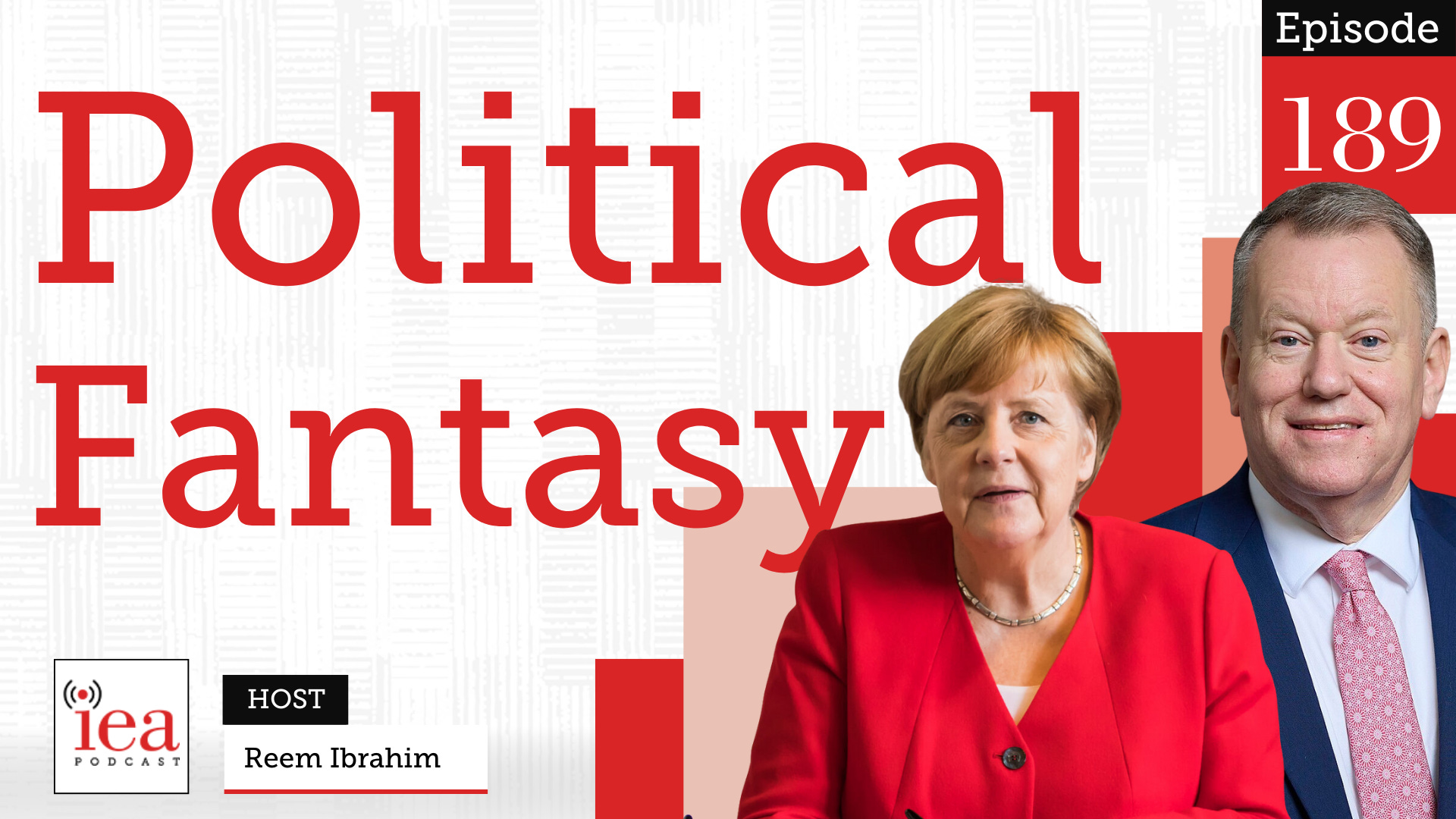
Can Britain's Economy Recover? The Case for Scepticism
In her final IEA podcast before moving to Washington DC, Reem Ibrahim is joined by Director General Lord Frost and Editorial Director Kristian Niemietz to examine two pressing economic questions: should we be optimistic about Britain’s economic future, and do we need a universal basic income because of artificial intelligence?The conversation begins with a critical analysis of recent claims that Britain stands on the verge of economic recovery, driven by stored-up capital and AI productivity gains. Lord Frost and Niemietz push back against this optimism, arguing that Britain’s structural problems, particularly around energy policy and net zero constraints, make such a recovery unlikely. They contrast Britain’s anaemic 0.1% growth with America’s 3.5%, pointing to affordable energy as a crucial differentiator that UK policy actively undermines.The discussion then turns to universal basic income, prompted by fears that AI will destroy jobs. Whilst acknowledging the theoretical free-market case for UBI as a replacement for the current welfare system, all three conclude it is a political fantasy. They argue that once introduced, UBI would prove impossible to reverse, would fail to meet the needs of specific groups requiring additional support, and would sever the essential link between work and market demand, creating what Niemietz calls a ‘self-indulgence economy’.The Institute of Economic Affairs is a registered educational charity. It does not endorse or give support for any political party in the UK or elsewhere. Our mission is to improve understanding of the fundamental institutions of a free society by analysing and expounding the role of markets in solving economic and social problems.The views represented here are those of the speakers alone, not those of the Institute, its Managing Trustees, Academic Advisory Council members or senior staff. This is a public episode. If you'd like to discuss this with other subscribers or get access to bonus episodes, visit insider.iea.org.uk/subscribe
The Nuclear Option: Rethinking Britain's Path to Net Zero with Henry Hill
In this episode of Free the Power, IEA climate and energy analyst Andy Mayer sits down with Henry Hill, deputy editor of Conservative Home, to dissect the failures and future of Britain’s net zero strategy. Hill argues that whilst net zero emissions remains an exciting prospect in theory, the government’s approach has been fundamentally flawed through ‘legacy by fiat’ legislation that sets distant targets without front-loading the necessary infrastructure investment. The conversation explores why politicians like Theresa May and Rishi Sunak preferred symbolic targets over the difficult upfront decisions required for nuclear power, tidal energy and the 400,000 kilometres of onshore cabling that experts say Britain needs.The discussion reveals how affordability concerns have become central to the net zero debate, particularly during cost of living crises. Hill contends that no government can win re-election if people feel poorer at the end of its term, and that environmentalists must prioritise reconciling green policies with economic growth and rising living standards. Drawing on his 2023 Telegraph piece arguing the Tories needed to U-turn on how they were implementing net zero, Hill advocates for a nuclear-focused, technology-neutral approach that treats energy generation as a consumer good rather than a rationing exercise. He warns against mandates like the zero emissions vehicle requirement that drive up costs and remove consumer choice.Looking ahead to the next election, Hill maps out starkly different scenarios depending on whether Britain gets a Conservative government, a Labour continuation, or a Reform-Conservative coalition. Whilst a single-party Conservative government would likely maintain modified net zero commitments with stricter cost-of-living protections, a Reform-led coalition might scrap the entire agenda to find budget savings for their working-class electorate. Throughout, Hill emphasises that green initiatives must focus on technological innovation and R&D investment rather than demand suppression, arguing that Britain’s over-complicated government processes and ‘everything bagel liberalism’ have crowded out practical solutions in favour of politically correct box-ticking.The Institute of Economic Affairs is a registered educational charity. It does not endorse or give support for any political party in the UK or elsewhere. Our mission is to improve understanding of the fundamental institutions of a free society by analysing and expounding the role of markets in solving economic and social problems.The views represented here are those of the speakers alone, not those of the Institute, its Managing Trustees, Academic Advisory Council members or senior staff. This is a public episode. If you'd like to discuss this with other subscribers or get access to bonus episodes, visit insider.iea.org.uk/subscribe
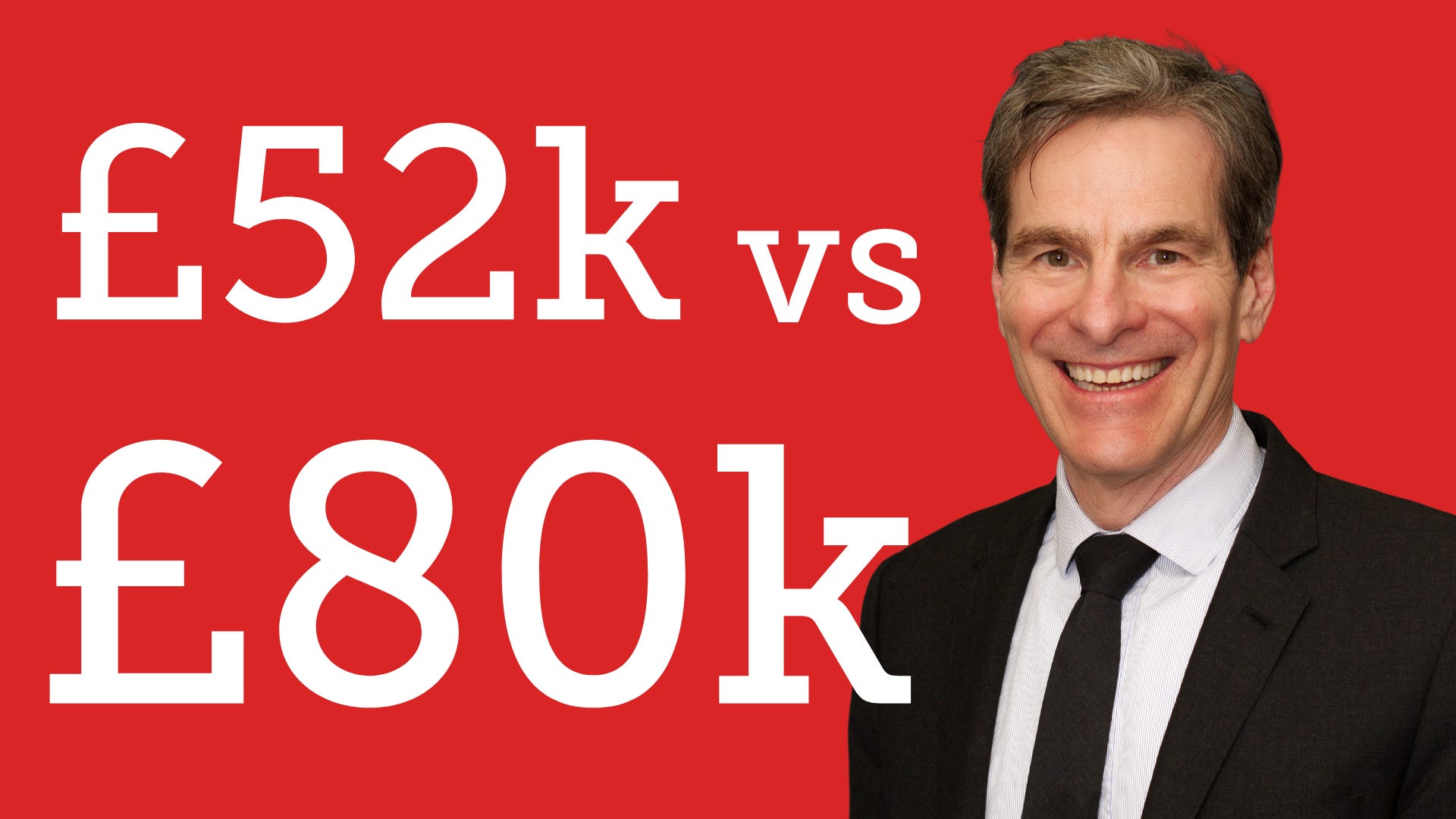
From £52k to £80k: John Cochrane on How Britain Can Catch Up With America
John Cochrane, fellow of the Hoover Institution and author of “The Fiscal Theory of the Price Level”, joins us to discuss the West’s economic stagnation and what it would take to restore robust growth. From America’s slowdown to Britain and Europe’s near-zero growth since 2010, Cochrane diagnoses the fundamental supply-side challenges holding back prosperity and explains why the UK’s GDP per capita of £52,000 lags so far behind America’s £80,000 and Singapore’s £90,000.The conversation explores what Cochrane calls the “Marie Kondo approach” to economic policy, where growth requires systematic institutional reform rather than stimulus spending. He analyses everything from California’s failing £100 billion high-speed rail project to Britain’s planning system, arguing that cost disease and regulatory sclerosis have made it impossibly expensive to build anything. Cochrane also examines why the 2021 inflation proved secular stagnation theory wrong and what “frontier growth” versus “catch-up growth” means for different economies.In the final section, Cochrane turns to fiscal crises and financial reform, warning that sovereign default is now a realistic possibility for major economies including the United States. He makes the case for narrow banking to prevent future financial crises, explains why there is no such thing as “maturity transformation”, and offers a surprisingly optimistic view that political change can happen faster than anyone expects, pointing to Trump’s election and Argentina’s libertarian president as examples of rapid shifts in the politically possible.The Institute of Economic Affairs is a registered educational charity. It does not endorse or give support for any political party in the UK or elsewhere. Our mission is to improve understanding of the fundamental institutions of a free society by analysing and expounding the role of markets in solving economic and social problems.The views represented here are those of the speakers alone, not those of the Institute, its Managing Trustees, Academic Advisory Council members or senior staff. This is a public episode. If you'd like to discuss this with other subscribers or get access to bonus episodes, visit insider.iea.org.uk/subscribe
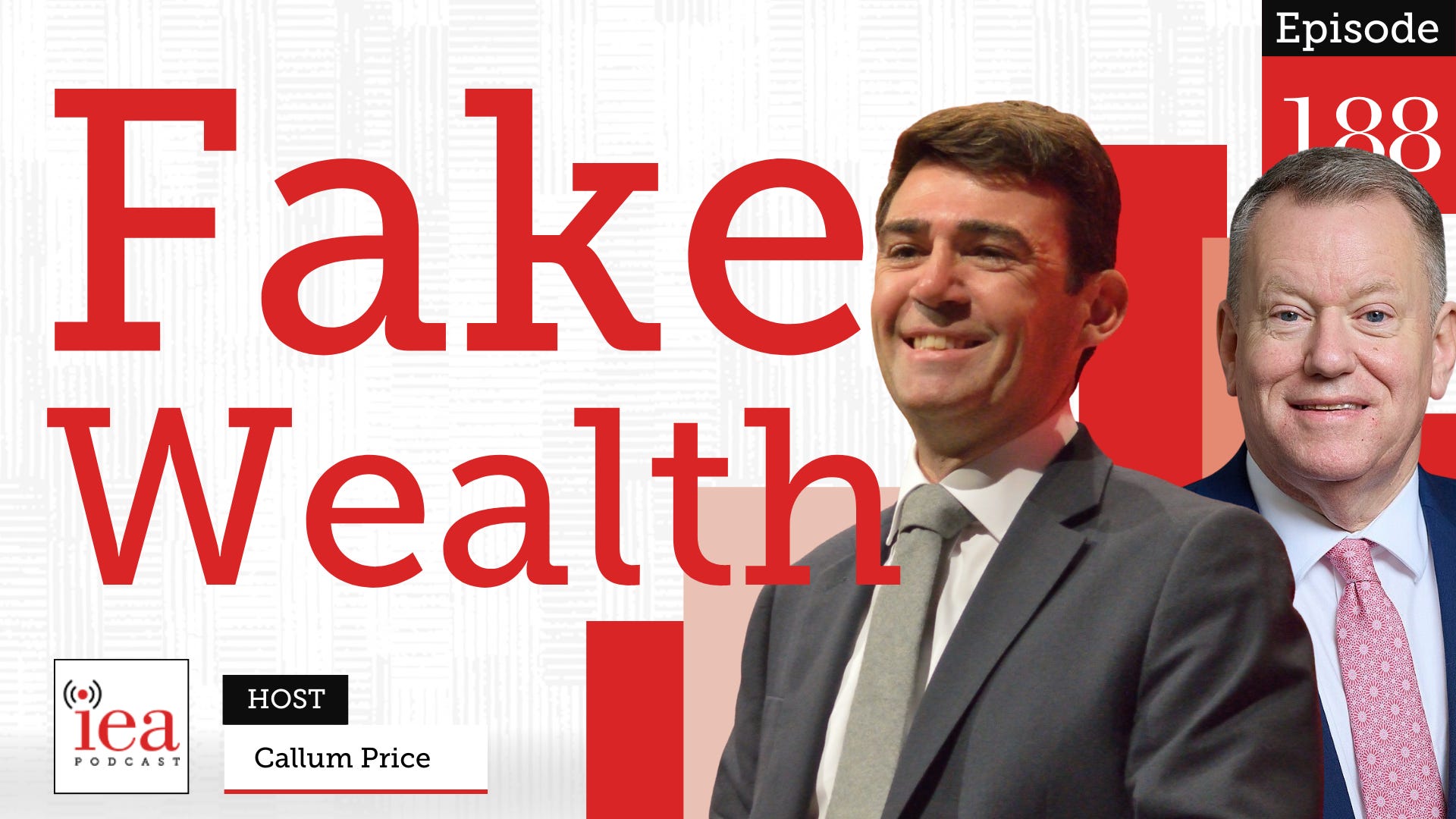
Andy Burnham's Manchesterism: The Mazzucato Playbook Rebranded
In this Institute of Economic Affairs podcast, IEA Director of Communications Callum Price is joined by Editorial Director Kristian Niemietz and former Brexit Minister Lord Frost to discuss Andy Burnham’s ‘Manchesterism’ speech, industrial strategy and Britain’s misplaced sense of affluence. The conversation examines whether Burnham’s vision for regional economic policy represents genuine innovation or rebranded central planning, and why Britain’s political class consistently overestimates the country’s wealth.Kristian Niemietz critiques Burnham’s rhetoric as ‘straight out of the Mariana Mazzucato playbook’, noting that whilst some proposals like releasing greenbelt land are sensible, the speech presents a false dichotomy where free market advocates supposedly ‘lean back and do nothing’. Lord Frost questions the underlying logic of designating growth clusters and directing where businesses should locate, arguing this approach lacks the ability to sustain prosperity over the medium term. The discussion highlights how Burnham attempts to rebrand the original ‘Manchester School’ tradition of free trade and laissez-faire economics into something closer to ‘city bossism’ and public sector-led activity.The conversation shifts to examining why Britain behaves like a wealthy country when GDP per capita figures tell a different story. Niemietz argues Britain is around 7% poorer than the Western European average yet makes policy decisions as if it were Luxembourg. Lord Frost reflects on how Britain’s decline isn’t immediately visible because the capital stock deteriorates slowly, leaving people surrounded by ‘the wealth of the past’ whilst the economy falls behind North America and East Asia. The panel explores how this disconnect fuels both NIMBYism amongst affluent groups and left-wing populism from figures like Zack Goldsmith, who promise redistribution without growth.The Institute of Economic Affairs is a registered educational charity. It does not endorse or give support for any political party in the UK or elsewhere. Our mission is to improve understanding of the fundamental institutions of a free society by analysing and expounding the role of markets in solving economic and social problems.The views represented here are those of the speakers alone, not those of the Institute, its Managing Trustees, Academic Advisory Council members or senior staff. This is a public episode. If you'd like to discuss this with other subscribers or get access to bonus episodes, visit insider.iea.org.uk/subscribe
Why Smart People Flee Their Own Countries | Elena Panaritis | IEA Interview
In this Institute of Economic Affairs podcast, IEA Head of Media Reem Ibrahim interviews Elena Panisset, an institutional economist, former World Bank advisor, and founder of Thought for Action. The conversation explores why Latin American economies struggle despite having intelligent leaders and educated populations, examining the critical role of property rights, trust, and institutional reform in economic development. Elena draws on her extensive experience working with Peru, Brazil, Venezuela, and Panama to explain how bureaucratic complexity drives people into the informal economy.Elena explains how excessive regulation and bureaucratic bottlenecks create impossible barriers for ordinary citizens trying to participate in the formal economy. From taking a year to buy a second-hand car to over two years to get a divorce, she illustrates how government complexity forces 70% of populations into informal markets where they cannot prove ownership, access credit, or reach their entrepreneurial potential. The discussion examines why capable individuals thrive abroad but struggle in their home countries, identifying the absence of secure property rights and continuous trust as the fundamental problem holding back development.The interview concludes with Elena’s vision for formalising informal economies through simplified regulations and clear property rights frameworks. She argues that without the ability to prove ownership and existence, free markets cannot function properly and entrepreneurship remains stifled. Elena emphasises that reducing bureaucracy and establishing transparent property rights systems are essential for countries to unlock their economic potential and allow citizens the freedom to flourish.The Institute of Economic Affairs is a registered educational charity. It does not endorse or give support for any political party in the UK or elsewhere. Our mission is to improve understanding of the fundamental institutions of a free society by analysing and expounding the role of markets in solving economic and social problems.The views represented here are those of the speakers alone, not those of the Institute, its Managing Trustees, Academic Advisory Council members or senior staff. This is a public episode. If you'd like to discuss this with other subscribers or get access to bonus episodes, visit insider.iea.org.uk/subscribe
The Stakeholder State: Why Britain Can't Build Anything | IEA Briefing
In this special briefing episode, Christopher Snowdon and Lord Frost join Callum Price to dissect the ‘stakeholder state’ – the coalition of NGOs, activist judges, commissioners and endless judicial reviews that has paralysed government action in Britain. Sparked by recent complaints from Keir Starmer’s former director of strategy, the discussion examines how decades of poorly drafted legislation, gold-plated by activist judges, has created a system where the state simultaneously grows bigger whilst systematically emasculating itself.Snowdon and Frost explore why governments of all stripes have found themselves unable to implement even manifesto commitments, from planning reform to welfare changes. Rather than blaming celebrities writing letters or legitimate lobbying, they argue the real problem lies in accumulated legislation that needs urgent amendment or repeal. Lord Frost draws on his experience in government to highlight how Labour mobilised these very stakeholders when in opposition, only to discover them blocking their own agenda in power.The conversation reveals a fundamental tension between democratic control and the proliferation of ‘independent’ bodies and commissioners, all vying for relevance and expanded budgets. From the Food Standards Agency’s mission creep to civil servants becoming guardians of process rather than delivery, the episode makes a compelling case that Britain’s next reforming government must prioritise legislative reform. As Snowdon puts it: anything from the last 20 years is fair game – Britain functioned perfectly well, if not better, without most of it.The Institute of Economic Affairs is a registered educational charity. It does not endorse or give support for any political party in the UK or elsewhere. Our mission is to improve understanding of the fundamental institutions of a free society by analysing and expounding the role of markets in solving economic and social problems.The views represented here are those of the speakers alone, not those of the Institute, its Managing Trustees, Academic Advisory Council members or senior staff. This is a public episode. If you'd like to discuss this with other subscribers or get access to bonus episodes, visit insider.iea.org.uk/subscribe
Britain's Economic Decline, Net Zero Costs, and the War on Digital Freedom
Is Britain sleepwalking into economic stagnation whilst authoritarian policies threaten our civil liberties? In this essential episode, IEA Director General David Frost and Energy Analyst Andy Mayer join host Reem Ibrahim to dissect November’s disappointing GDP figures, which show the UK economy growing at just 0.3%. Whilst a temporary bump in tax consultancy services ahead of the budget masked deeper problems, the reality is stark: Britain is falling further behind the United States and other major economies, with cumulative growth to 2030 forecast at barely 12% compared to nearly 60% for the BRIC nations. David and Andy expose how regulatory burdens, government interference, and disastrous energy policies have strangled British productivity and entrepreneurialism.The discussion then turns to offshore wind contracts and the government’s net zero agenda, revealing how taxpayers are being forced to subsidise increasingly expensive renewable energy through contracts that lock in inflated prices. Andy explains how these arrangements guarantee profits for developers regardless of market conditions, whilst the government’s renewable energy targets drive up costs across the economy. The panel examines why Britain’s approach to energy policy has become so counterproductive, comparing our self-imposed constraints with more pragmatic approaches elsewhere that balance environmental goals with economic reality.In a powerful conclusion, the conversation tackles the government’s troubling assault on digital freedoms. From proposals to ban X (formerly Twitter) in response to concerns about Grok AI to the recent U-turn on mandatory digital ID schemes, the panel exposes how Labour’s authoritarian instincts threaten fundamental civil liberties. David, who resigned as a minister over vaccine certification, draws parallels between digital ID systems and instruments of state control, whilst Reem highlights the dangers of centralised government databases tracking citizens’ every movement. This wide-ranging discussion reveals how technology is reshaping the relationship between state and individual, and why classical liberals must remain vigilant against creeping authoritarianism disguised as convenience or safety.The Institute of Economic Affairs is a registered educational charity. It does not endorse or give support for any political party in the UK or elsewhere. Our mission is to improve understanding of the fundamental institutions of a free society by analysing and expounding the role of markets in solving economic and social problems.The views represented here are those of the speakers alone, not those of the Institute, its Managing Trustees, Academic Advisory Council members or senior staff. This is a public episode. If you'd like to discuss this with other subscribers or get access to bonus episodes, visit insider.iea.org.uk/subscribe
What is Market Failure? Episode 3 | Economics 101
Welcome to Economics 101, a new series designed to distil the fundamental principles of economics into clear, easy-to-understand explanations. Join Dr Stephen Davies as he breaks down complex economic concepts using simple analogies and real-world examples, making economics accessible to everyone regardless of their background. Whether you’re a student, professional, or simply curious about how the economy works, this series will equip you with the essential knowledge to understand the economic forces that shape our daily lives.In this episode, Dr Davies tackles the widely taught concept of market failure, which dominates contemporary economics teaching and public policy discussions. He explains how neoclassical economics defines market failure as any deviation from perfect market conditions, including externalities, public goods, information asymmetry, monopolies and sticky prices. However, Dr Davies challenges this entire framework, arguing that comparing real-world markets to an impossible ideal of perfect competition is like calling normal travel a ‘failure’ because we cannot move at the speed of light. He demonstrates how the phenomena labelled as market failures are simply features of the real world that markets must navigate, and argues that voluntary exchange and private solutions have historically proven more effective than government intervention at overcoming these challenges.The Institute of Economic Affairs is a registered educational charity. It does not endorse or give support for any political party in the UK or elsewhere. Our mission is to improve understanding of the fundamental institutions of a free society by analysing and expounding the role of markets in solving economic and social problems.The views represented here are those of the speakers alone, not those of the Institute, its Managing Trustees, Academic Advisory Council members or senior staff. This is a public episode. If you'd like to discuss this with other subscribers or get access to bonus episodes, visit insider.iea.org.uk/subscribe
The Great Millionaire Exodus: Why the UK Ranks Worst for Capital Flight.
Join Daniel Freeman in conversation with Andrew Henderson, founder of Nomad Capitalist and one of the world’s leading advisers on international tax planning and strategic relocation for high net worth individuals. Henderson explains the philosophy behind his mantra ‘go where you’re treated best’ and why successful entrepreneurs and investors are increasingly voting with their feet, leaving high-tax Western countries for more competitive jurisdictions. From giving up his US citizenship eight years ago to building a global advisory business helping clients navigate second citizenship and residence options, Henderson offers a provocative perspective on tax competition and personal freedom.The discussion reveals the stark reality facing the UK economy: the country now has the highest millionaire outward migration per capita in the world after China, with wealthy individuals fleeing to countries across Europe, the Middle East and beyond. Henderson explains why the cancellation of investor visas and the non-dom programme has made the UK virtually inaccessible for foreign investors and entrepreneurs whilst simultaneously driving British citizens abroad. He argues that Western countries, particularly the UK, have turned culturally against wealth creation whilst governments pursue ever-higher taxation, creating a perfect storm that pushes productive citizens towards more welcoming jurisdictions.Looking globally, Henderson identifies where opportunity and quality of life are genuinely improving. Eastern European countries like Georgia and Serbia, alongside Southeast Asian nations like Malaysia, are offering not just competitive tax rates but improving infrastructure, rising incomes and better passport quality. He argues that whilst Western economies stagnate with anemic growth, the Global South is experiencing genuine prosperity gains, falling poverty rates and increasingly attractive lifestyles. For those willing to look beyond traditional Western destinations, Henderson suggests the future belongs to countries that actually want successful people rather than demonising them.The Institute of Economic Affairs is a registered educational charity. It does not endorse or give support for any political party in the UK or elsewhere. Our mission is to improve understanding of the fundamental institutions of a free society by analysing and expounding the role of markets in solving economic and social problems.The views represented here are those of the speakers alone, not those of the Institute, its Managing Trustees, Academic Advisory Council members or senior staff. This is a public episode. If you'd like to discuss this with other subscribers or get access to bonus episodes, visit insider.iea.org.uk/subscribe
Why Net Zero Will Bankrupt Britain | Free the Power
Join Andy Mayer, IEA Chief Operating Officer, with David Turver, independent energy analyst and author of the Eigenvalues Substack, for an unflinching examination of Britain’s net zero policy. This episode of Free the Power explores Turver’s forensic analysis of the true costs of decarbonisation, revealing how official estimates from bodies like the Climate Change Committee and National Energy System Operator dramatically understate the financial burden on British households and businesses.Turver traces the origins of net zero from the 2008 Climate Change Act through Theresa May’s 2019 commitment, explaining how an 80% emissions reduction target became a 100% target with minimal parliamentary scrutiny or proper costing. The discussion unpacks the accounting tricks, flawed assumptions about renewable energy costs, and the staggering scale of investment required, with estimates ranging from £7.6 trillion to over £9 trillion when carbon costs are included, all to reduce emissions that represent just 0.8% of the global total.The conversation examines growing political cracks in the net zero consensus, from Kemi Badenoch’s Conservative opposition to Reform’s pledge to annul renewable contracts. Turver argues that whilst nuclear energy offers potential, Britain’s overregulation makes it prohibitively expensive compared to countries like South Korea. With energy bills hitting households hard and industrial jobs at risk, the episode makes a compelling case that Britain’s net zero ambitions are economically ruinous and climatically irrelevant, risking irretrievable damage to the economy in pursuit of an unachievable goal. This is a public episode. If you'd like to discuss this with other subscribers or get access to bonus episodes, visit insider.iea.org.uk/subscribe
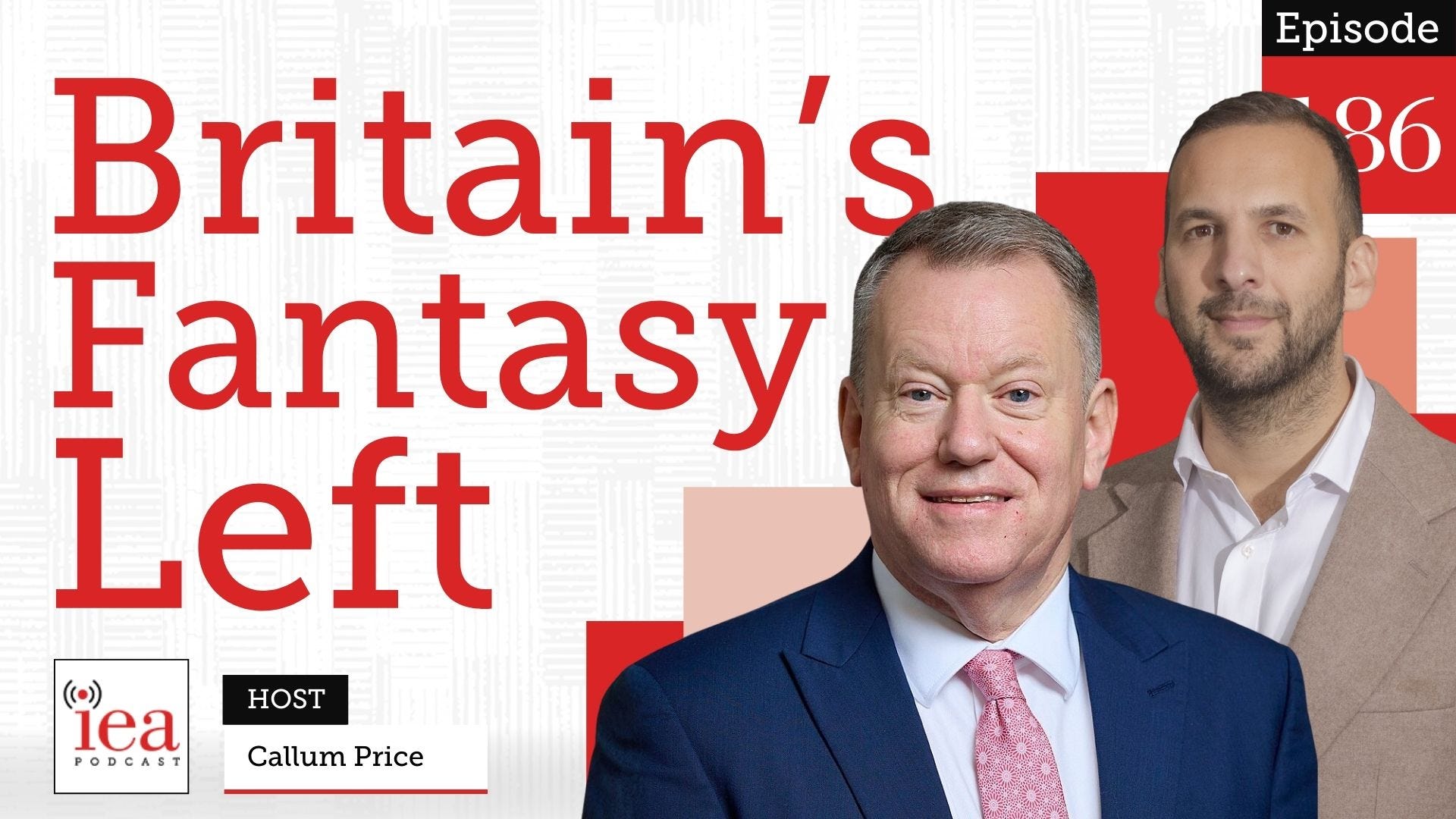
The Three Groups Destroying Britain | IEA Podcast
In this Institute of Economic Affairs podcast, IEA’s Callum Price and Editorial Director Kristian Niemietz are joined by Lord Frost, who discusses why Britain is losing the argument for classical liberalism and free markets. Lord Frost identifies three distinct groups opposing free market economics: fantasy leftists promoting modern monetary theory, blue labour protectionists advocating industrial policy, and establishment economists favouring high public investment and state intervention. The conversation examines which of these groups classical liberals could potentially form coalitions with and why anti-capitalist sentiment prevents meaningful overlap with the progressive left.The discussion turns to Brexit and regulatory alignment, with Lord Frost criticising the government’s failure to capitalise on post-Brexit regulatory freedoms. He argues that Britain’s continued adherence to EU regulations, despite having the legal ability to diverge, creates unnecessary trade barriers whilst delivering none of the benefits of genuine regulatory independence. Niemietz highlights the paradox of maintaining identical legal frameworks to the EU whilst being treated as a third country, comparing it to requiring professional translation between British and American English.The podcast concludes with predictions for 2025, including Lord Frost’s forecast that UK economic growth will fall below 1% as the consequences of recent policy decisions materialise. The panel discusses the likelihood of further tax rises in the next budget, potentially driven by continued NHS underperformance and waiting list pressures. Niemietz predicts that at current rates, waiting lists would not return to pre-pandemic levels until 2037, likely triggering emergency spending injections and accompanying tax increases to fund the health service.The Institute of Economic Affairs is a registered educational charity. It does not endorse or give support for any political party in the UK or elsewhere. Our mission is to improve understanding of the fundamental institutions of a free society by analysing and expounding the role of markets in solving economic and social problems.The views represented here are those of the speakers alone, not those of the Institute, its Managing Trustees, Academic Advisory Council members or senior staff. This is a public episode. If you'd like to discuss this with other subscribers or get access to bonus episodes, visit insider.iea.org.uk/subscribe
US Military Strikes Venezuela: The New Age of Great Power Politics | IEA Briefing
In this Institute of Economic Affairs briefing, Callum Price, Head of Communications, interviews Dr Stephen Davies, IEA Senior Education Fellow, about the recent US military intervention in Venezuela and what it means for the international rules based order. The discussion covers the Trump administration’s seizure of President Nicolas Maduro following air strikes and naval blockades, examining whether the post 1945 international legal framework has effectively collapsed. They analyse how US foreign policy reflects a hardheaded reassessment of America’s relative global position and its shift towards regional dominance in the Western Hemisphere.Dr Davies argues that whilst the rules based order was always partial and frequently violated, the mask has now been completely ripped off, returning international relations to a world where might makes right. He discusses whether classical liberals should accept this new reality of great power competition or whether there are alternative visions worth pursuing. The conversation explores the tension between pragmatic acceptance of regional hegemonies operating like a 19th century concert of powers versus maintaining hope for more radical alternatives.The briefing concludes by examining the classical liberal response to regime change operations, even when targeting authoritarian governments like Maduro’s Venezuela. Dr Davies draws on 19th century anti imperialist thinkers like Richard Cobden and John Bright, arguing that classical liberals should rediscover their radical tradition of opposing great power politics rather than accepting it as grim inevitability. He emphasises the importance of maintaining utopian visions of a world based on free trade and self governing communities, even whilst acknowledging current geopolitical realities.The Institute of Economic Affairs is a registered educational charity. It does not endorse or give support for any political party in the UK or elsewhere. Our mission is to improve understanding of the fundamental institutions of a free society by analysing and expounding the role of markets in solving economic and social problems.The views represented here are those of the speakers alone, not those of the Institute, its Managing Trustees, Academic Advisory Council members or senior staff. This is a public episode. If you'd like to discuss this with other subscribers or get access to bonus episodes, visit insider.iea.org.uk/subscribe