
Grad Chat - Queen's School of Graduate Studies and Postdoctoral Affairs
274 episodes — Page 5 of 6
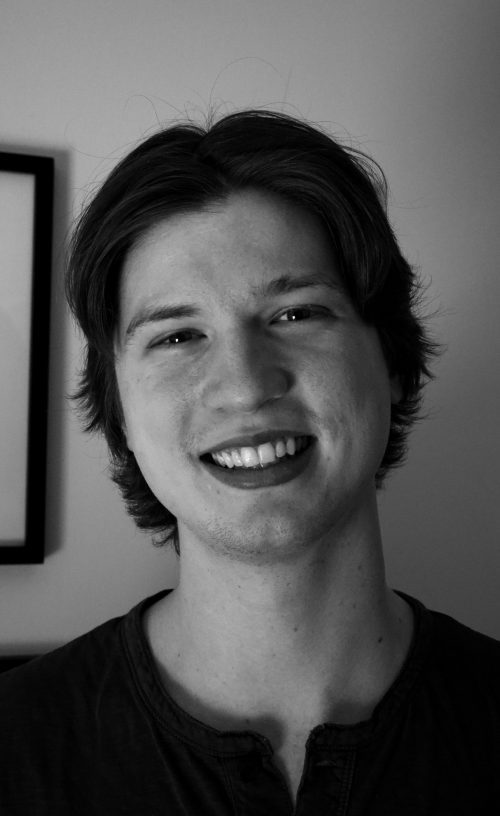
Joshua Jones, PhD in Environmental Studies supervised by Dr Mick Smith
Topic: The Emptiness of Ecological Loss and Extinction. Overview: The goal of my research is to rethink the notions of ecology and extinction so that we can better understand the connections they have to emptiness, as well as explore the ramifications of emptiness for both the human, and more-than-human, world.
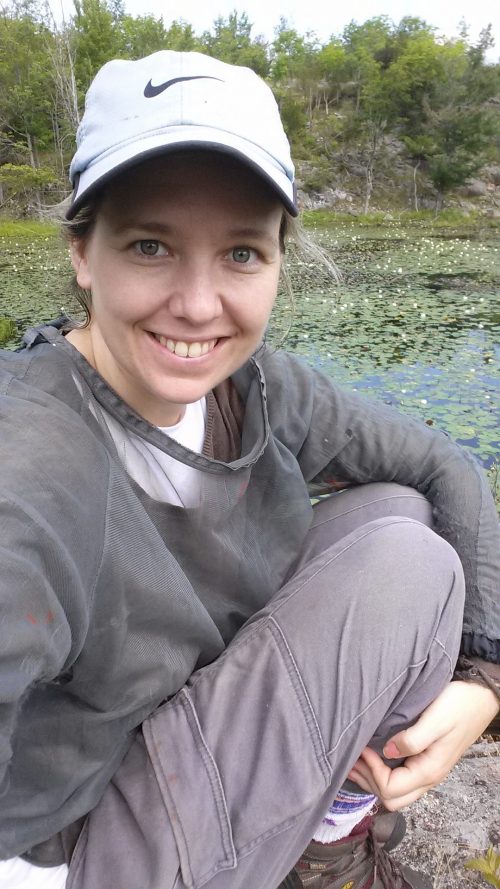
Rachel Kuzmich, PhD in Geography & Planning supervised by Dr Paul Treitz
Topic: Examining bird habitat structure across space and over time using remote sensing data. Overview: My research will contribute to an enhanced understanding of habitat occupancy by using airborne laser scanning to describe and quantify relevant habitat structure. It will also make a methodological contribution to the emerging field of ecoacoustics by developing and testing a method for using bird recording data captured at survey points in the field.
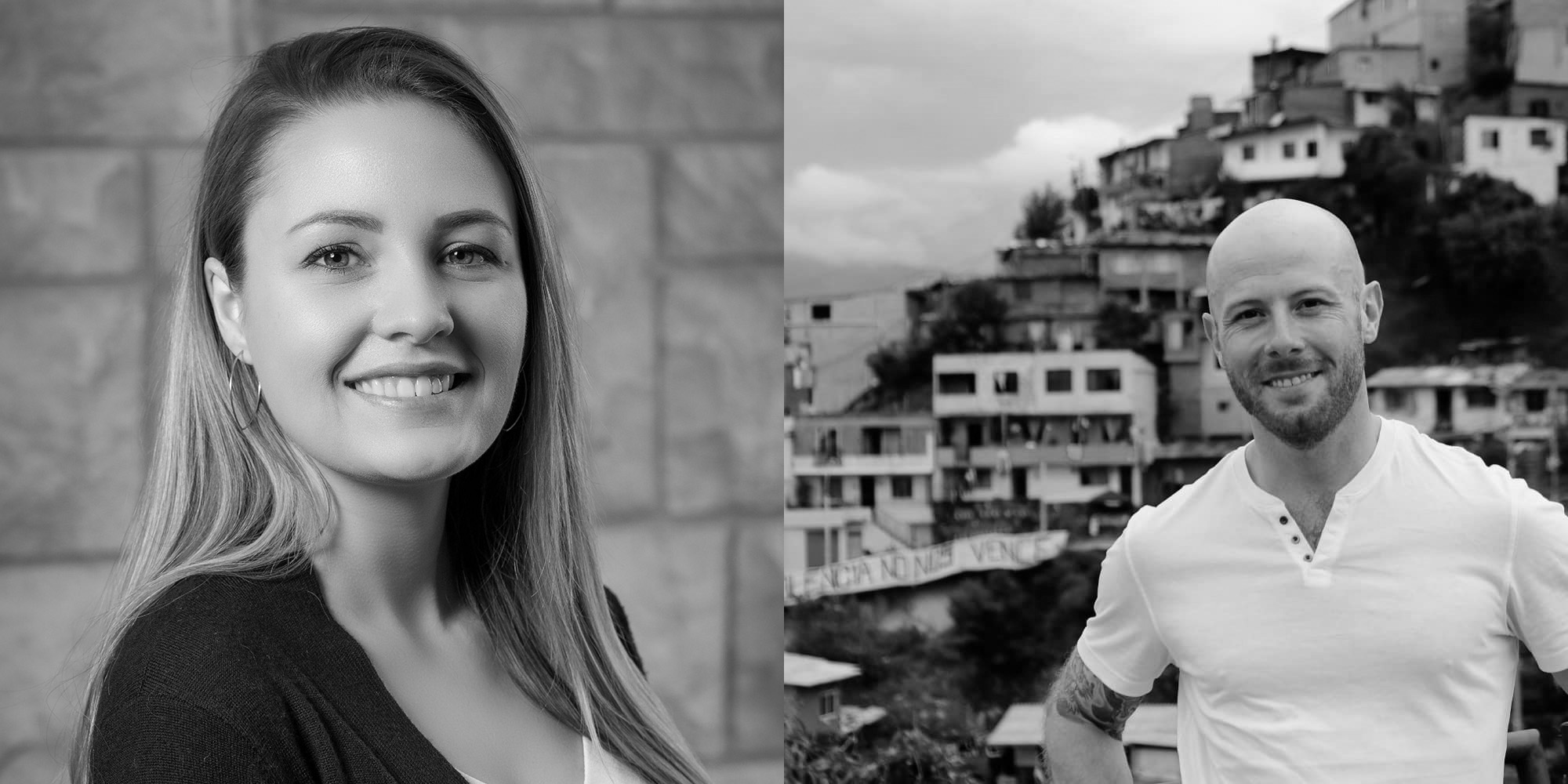
Brittany Jennings and Andrew Evans, MEERL;
Topic: Everything you wanted to know about MEERL! Overview: MEERL or Master of Earth and Energy Resources Leadership program. What is the significance of this program and how has it impacted industry?
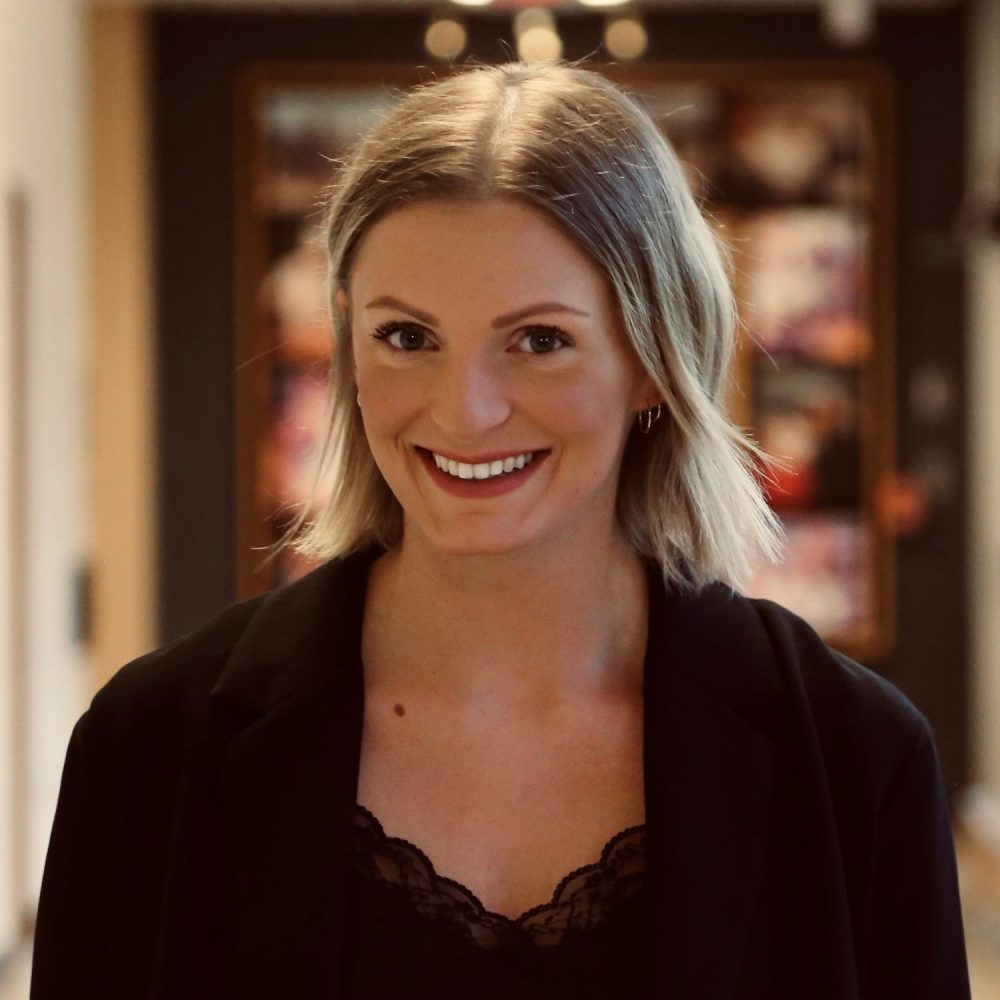
Megan Tucker, M.Ed in Education, supervised by Dr Elizabeth MacEachren
Topic: Experiences that inspires one to be an Environmentalist Overview: The purpose of this research is to explore environmentalists’ perceptions and sense of oneness with the natural world. By listening to the stories of environmentalists, this study will explore participants’ significant life experiences, and the everlasting sensory impression of those experiences on current understanding of their sense of oneness with the natural world. Lastly, this study will explore the significance of environmentalists’ in sharing their personal stories.
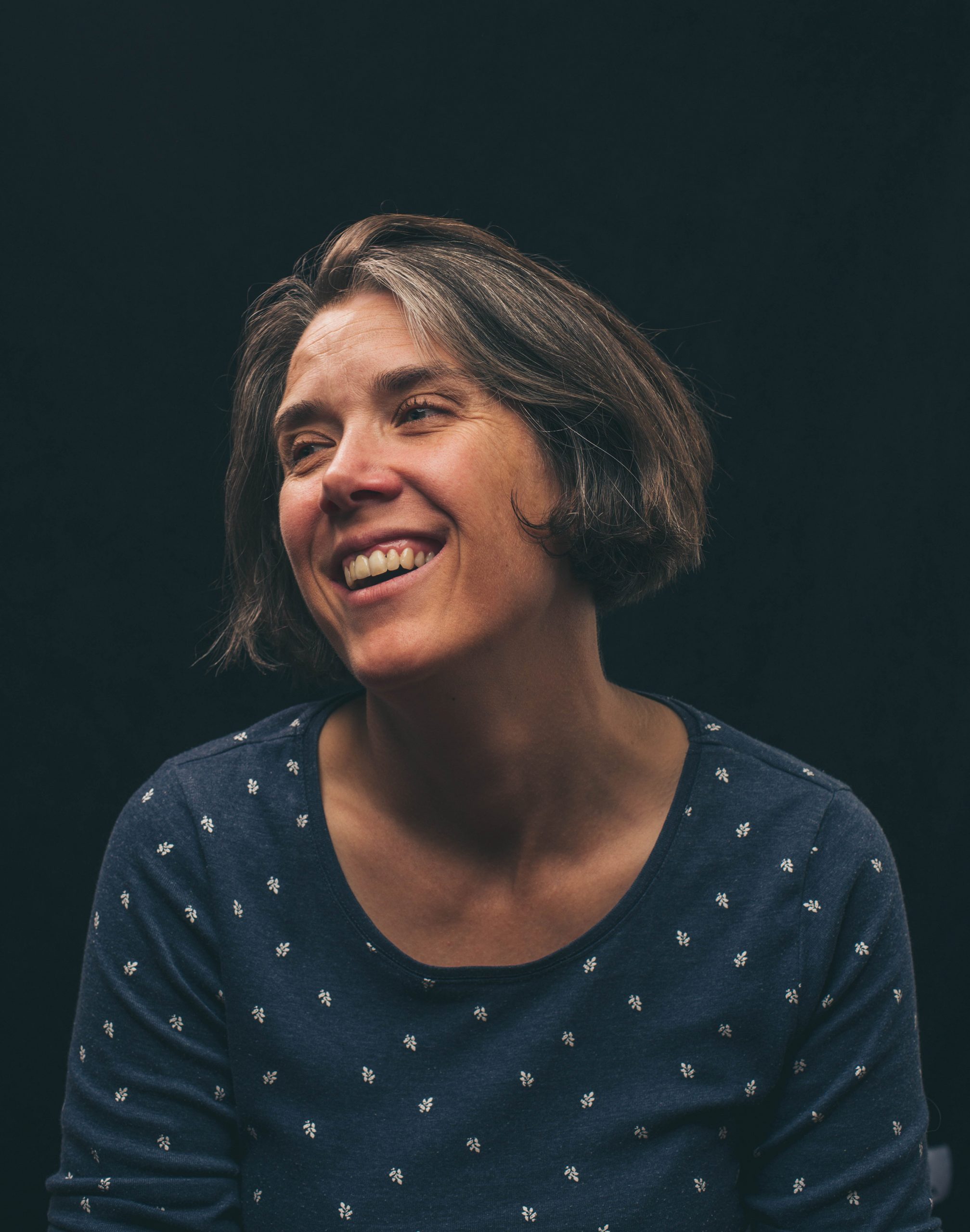
Claudia Hirtenfelder, PhD in Geography & Planning, supervised by Drs Laura Cameron and Carolyn Prouse
Topic: Cast Out Urbanites: A comparative history and geography of how cows disappeared from Kingston and Cape Town Overview: Today, while certainly not absent in all cities, cows are invisible as lively beings in many urban areas in which they once lived, illustrating the changing multi-species nature of urbanisation. Historically, cows were present in urban settlements and were used by humans as sources of milk, meat, leather, and labour. While humans continue to use cows for much the same, the spatiality and scale of these relations has undergone dramatic changes. In order to understand how urbanisation is shaped through processes of multi-species inclusion and exclusion, this research aims to unpack how cows became absent in two cities, Cape Town (South Africa) and Kingston (Canada).
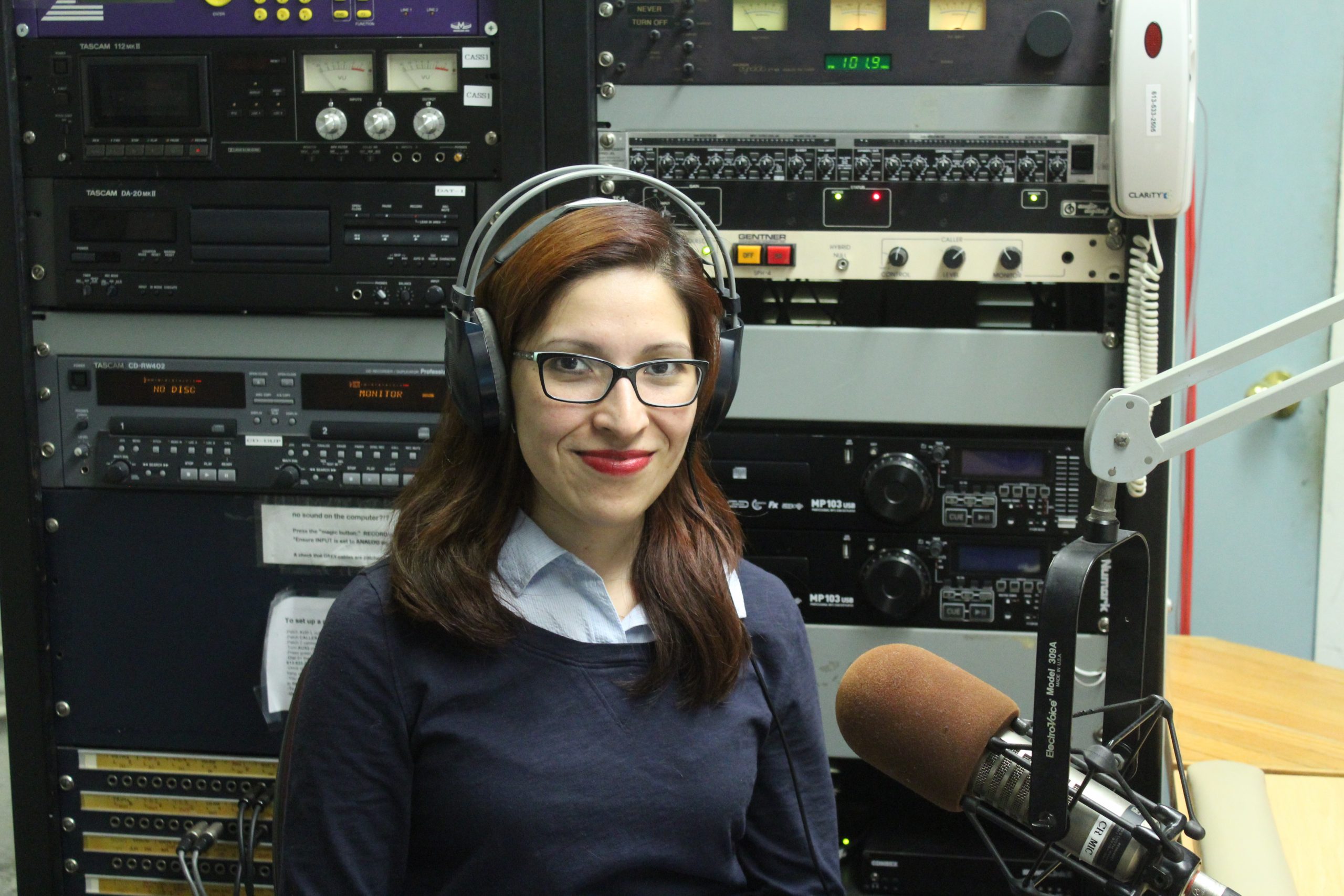
Suyin Olguin, PhD in English Language & Literature, supervised by Dr Brooke Cameron
Topic: What's it like being a student parent during Covid-19 Overview: Tips on how to keep your kids occupied, home schooled, feel special and still get your research done too.
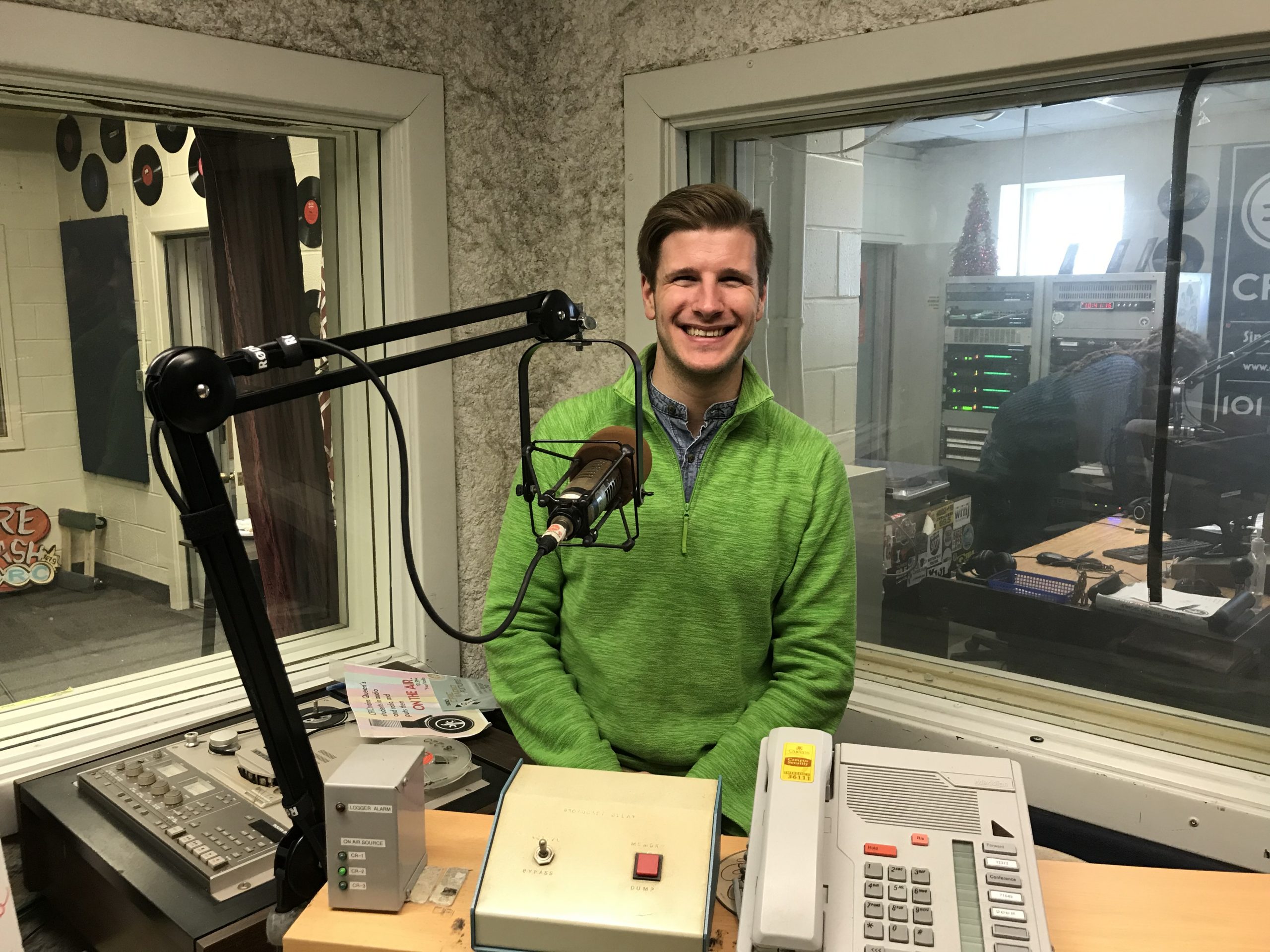
Alastair Keirulf, PhD in Chemistry, supervised by Dr Diane Beauchemin
Topic: Working remotely Overview: Tips on how to continue to move forward with your research, keep positive and look after yourself, family and friends.
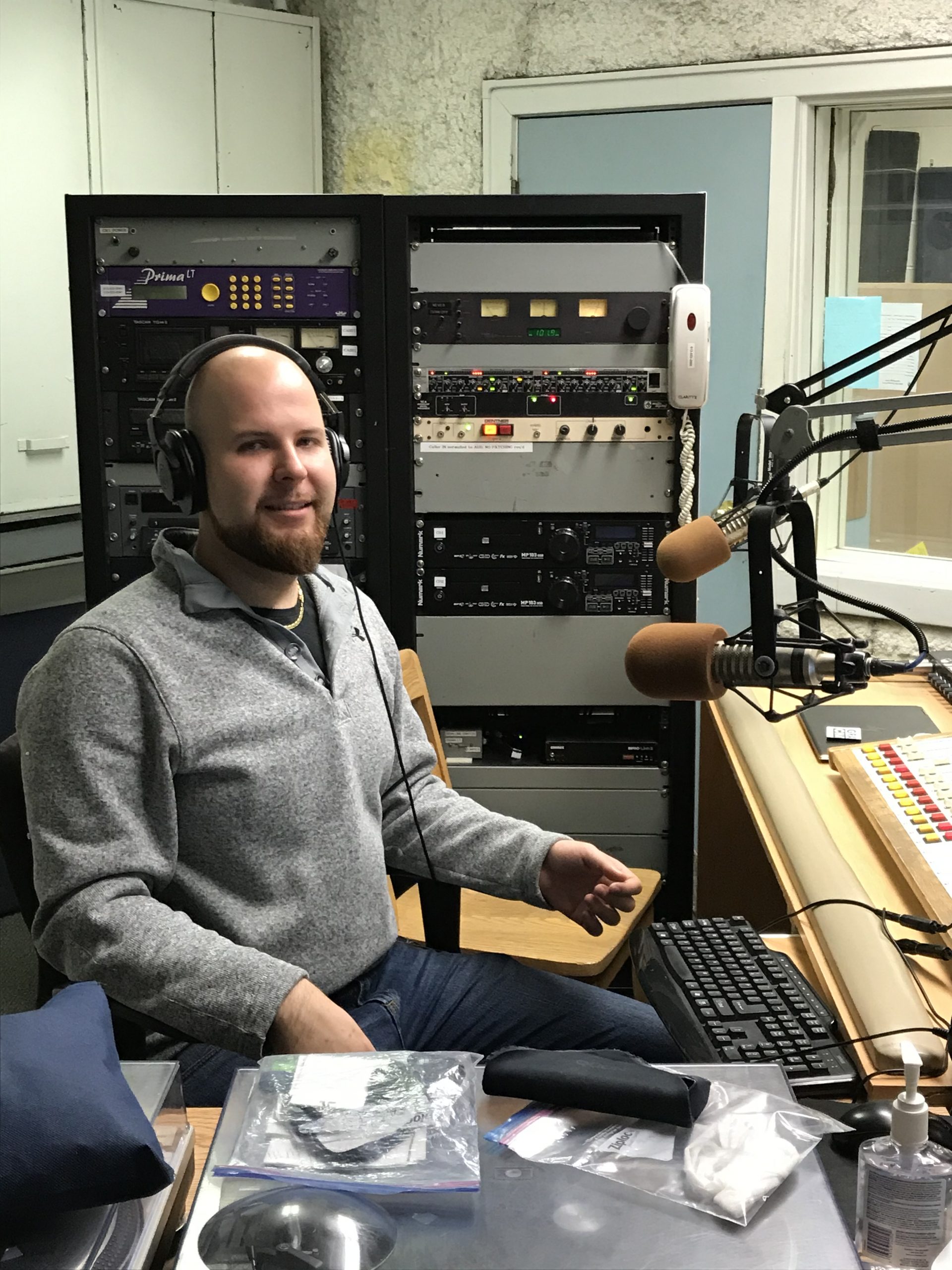
Leo Erlikhman, Masters in Sociology & Public Administration, supervised by Drs Victoria Sytsma and Heather Murray
Topic: Youth Alcohol in Kingston Overview: Recent evidence shows an increase in alcohol-related emergency department (ED) visits among youth. We sought to quantify the impact of ED visits (type and frequency, patient characteristics and resource use) related to alcohol in our centre
Leo Erlikhman, Masters in Sociology & Public Administration, supervised by Drs Victoria Sytsma and Heather Murray
Topic: Youth Alcohol in Kingston Overview: Recent evidence shows an increase in alcohol-related emergency department (ED) visits among youth. We sought to quantify the impact of ED visits (type and frequency, patient characteristics and resource use) related to alcohol in our centre
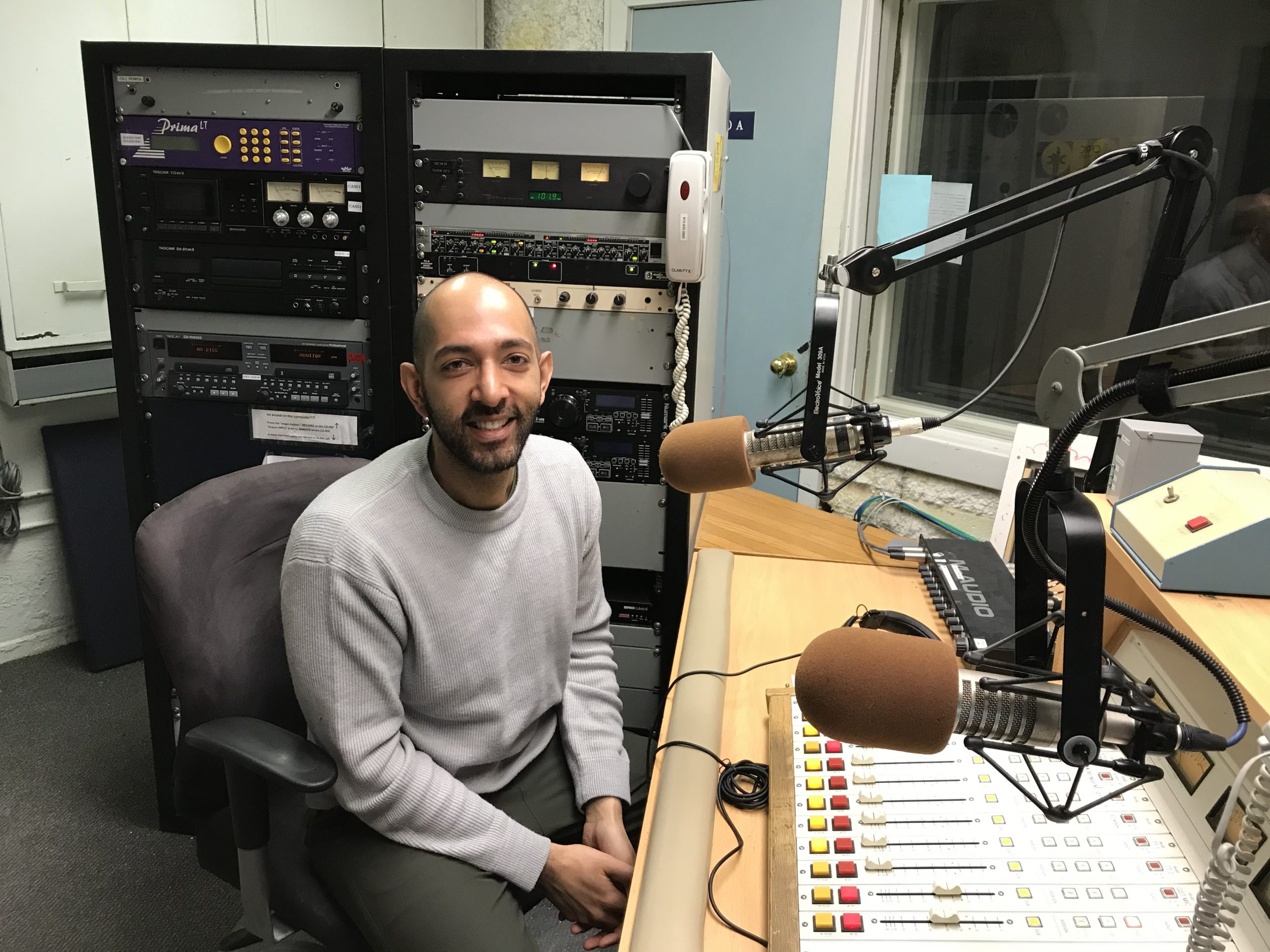
Zuhaib Mir, MSc in Epidemiology, supervised by Dr Patti Groome
Topic: Postoperative liver decompensation events following partial hepatectomy for hepatocellular carcinoma among patients with cirrhosis Overview: My research is focused on studying adverse outcomes after surgical resection of liver tumours. Specifically, the majority of patients with liver cancer also have underlying liver disease, called cirrhosis. So, the decision to remove the cancerous portion of their liver must also take into account the function of the remaining liver left behind
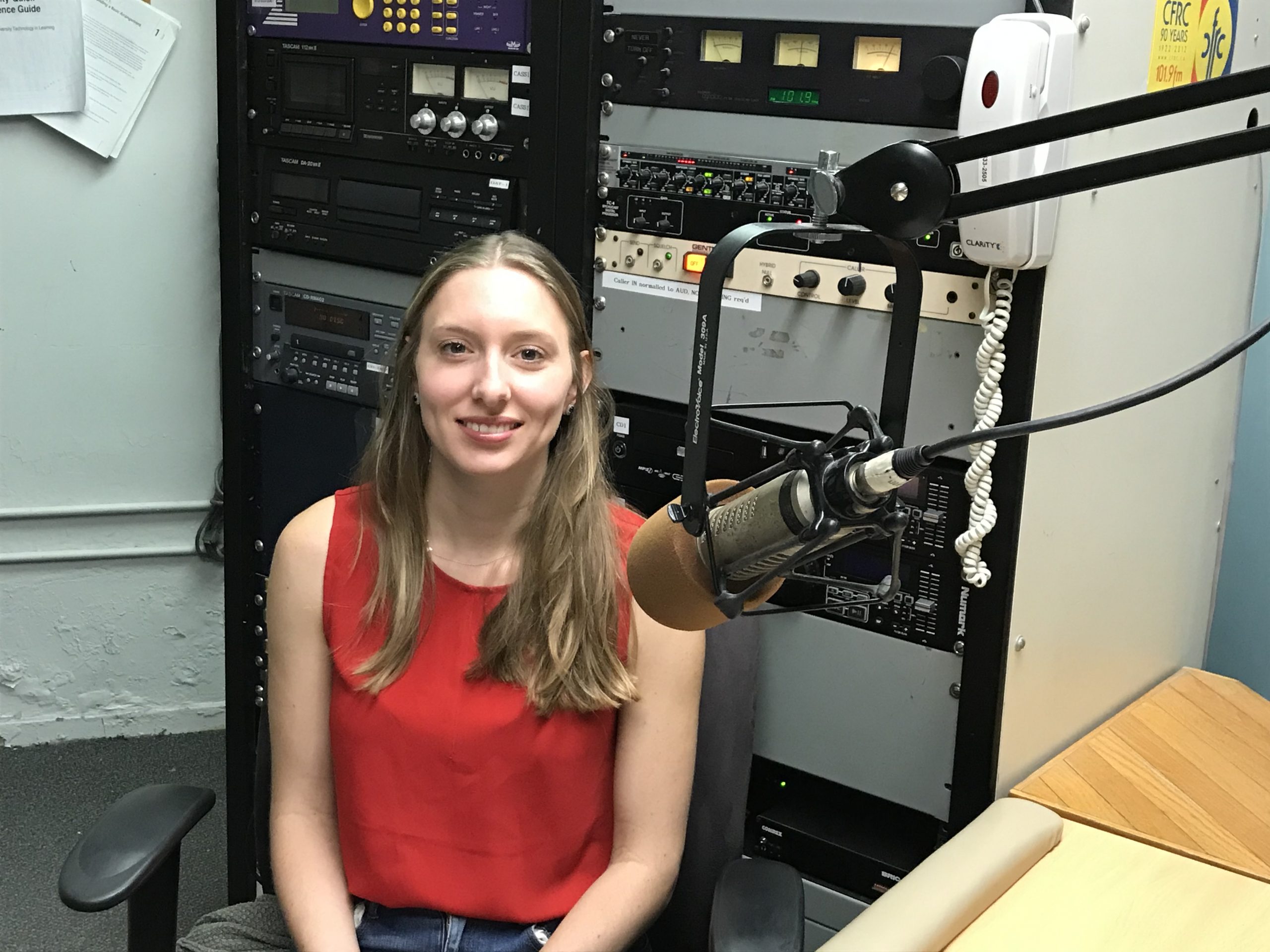
Jennifer Ritonja, PhD in Epidemiology, supervised by Dr Kristan Aronson
Topic: Night shift work, melatonin, and circadian gene methylation in the development of breast cancer Overview: Breast cancer is the most common cancer among women in Canada and globally. Breast cancer etiology is complex, and work environment as a risk factor is still poorly understood, particularly with respect to night shift work. It is estimated that 10-30% of the global working population are night shift workers. While research indicates that night shift work raises the risk of breast cancer, not all research is consistent, due to differences across studies. Further, it is still unclear how night work may make an individual more susceptible to breast cancer.
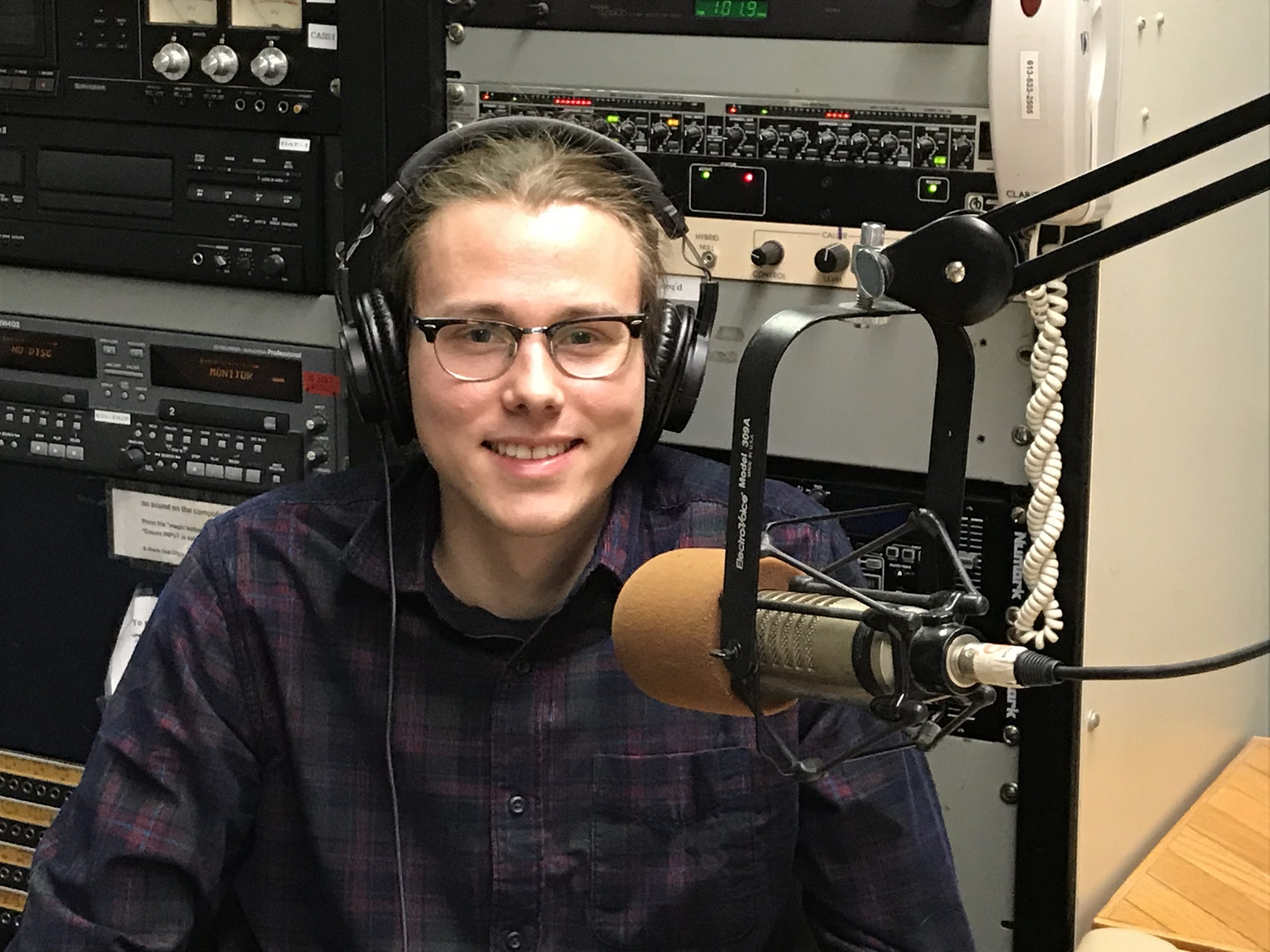
Jackson Pind, PhD in Education, supervised by Dr Theodore Christou
Topic: The history of Indian Day Schools in Ontario between 1920-2000 Overview: My research will conduct oral history Interviews with Indian Day School survivors by using Indigenous methods of data collection. I will then contextualize these histories with additional archival research conducted at the Library and Archives of Canada. This research will inform our understandings of Canada’s colonial educational system and provide a voice for survivors to share their stories that have yet to be documented in Ontario.
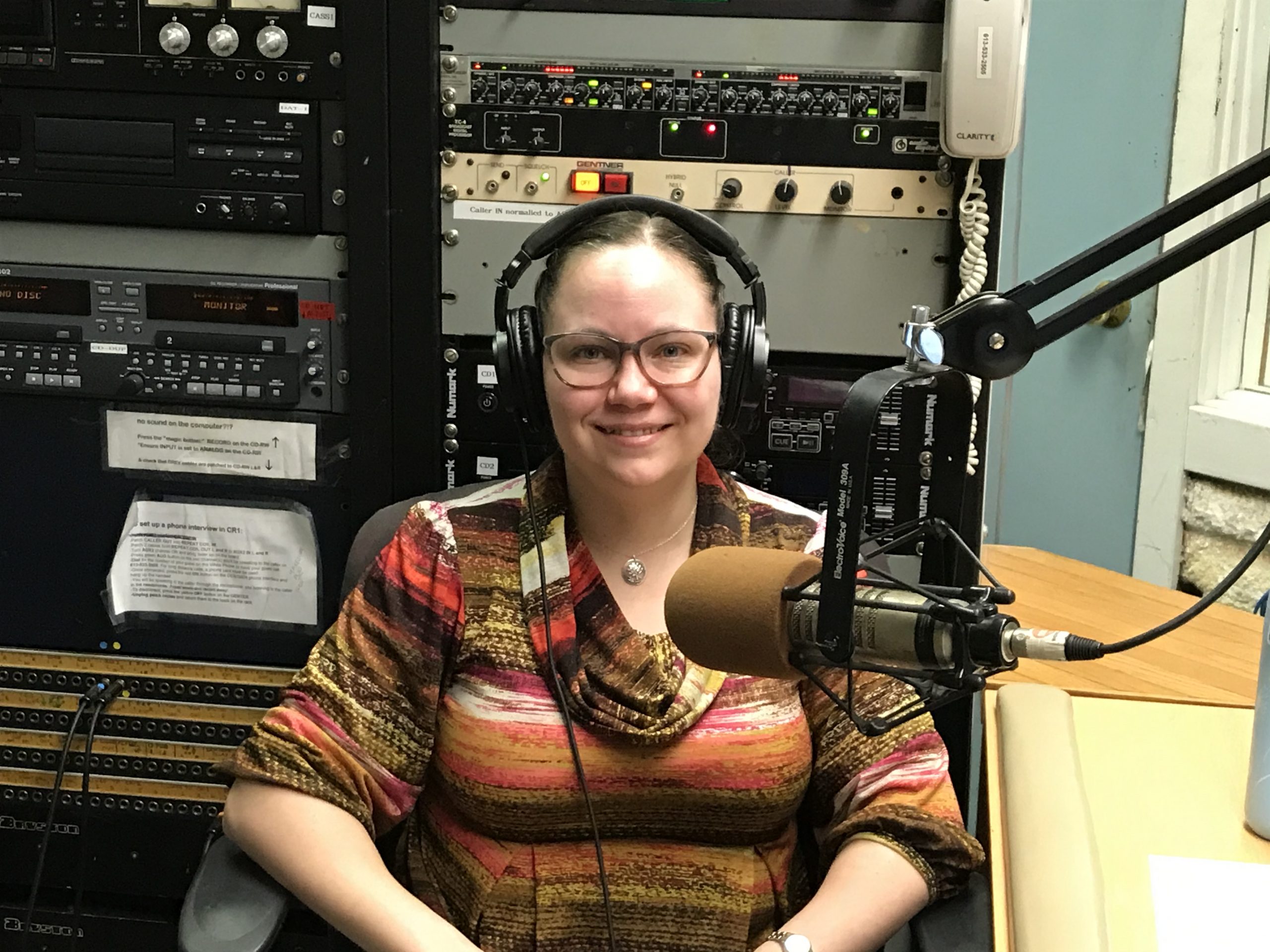
Sherri Dutton, PhD in Public Health Sciences, supervised by Dr Colleen Davison
Topic: The use of arts-based methods in health research Overview: I will be talking about my Master's work and what I intend to do with my PhD exploring the use of arts-based methods in health research and incorporating a collage activity into that research as well.
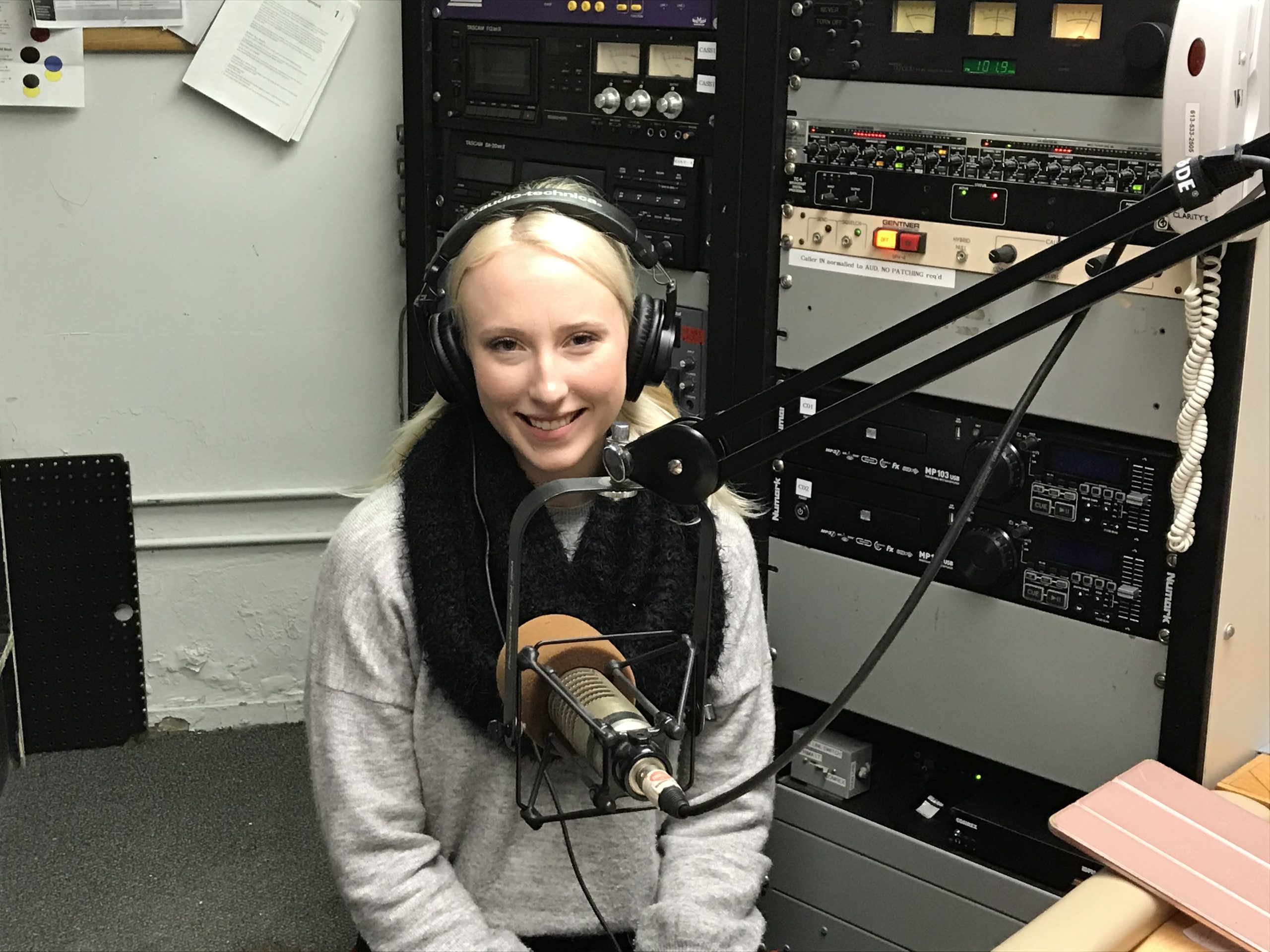
Morgan Lehtinen, PhD in Chemistry, supervised by Dr Guojun Liu
Topic: H2Only: Smart Filters for Efficient Oil/Water Separation. Overview: In a world that relies heavily on the use of crude oil as an energy source, clean oil recovery and spill remediation is of dire importance. Removing oil from surfactant stabilized oil-in-water emulsions has become an issue in numerous industries as current separation processes are tedious and wasteful of resources. Our research group has developed functionalized 'smart' filters that can selectively and efficiently separate the oil from oil-in-water emulsions. I will discuss the environmental and operational advantages of this novel filter and its potential to improve the cleanliness of a normally dirty industry.
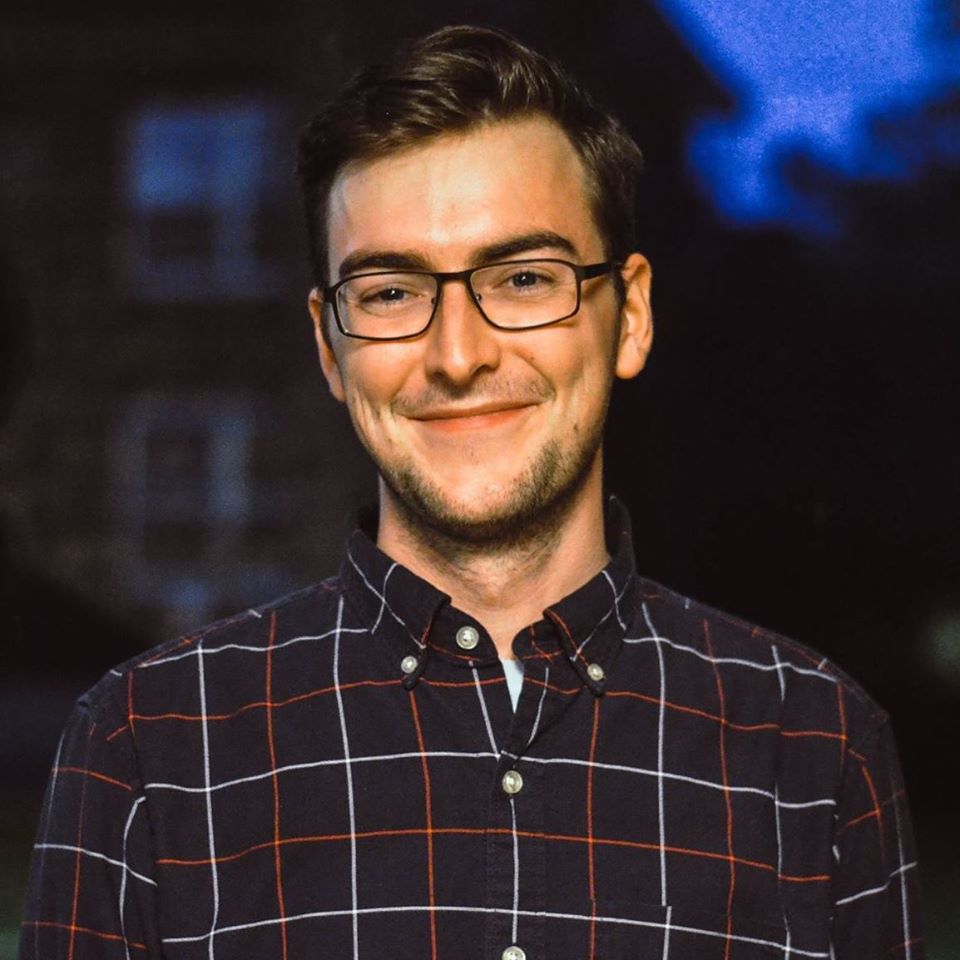
Keegan Turner-Wood, PhD in Biomedical & Molecular Sciences, supervised by Dr Steven Smith
Topic: How to gain access to energy stored in plants by designing biological nanomachines which can efficiently release trapped energy. Overview: With the continued depletion of fossil fuels the search for new sources of renewable energy are growing ever more urgent. One possible source of energy is the vast repository of carbon found within plant biomass. We aim to gain access to this functionally limitless pool of energy by designing biological nanomachines which can efficiently release their trapped energy
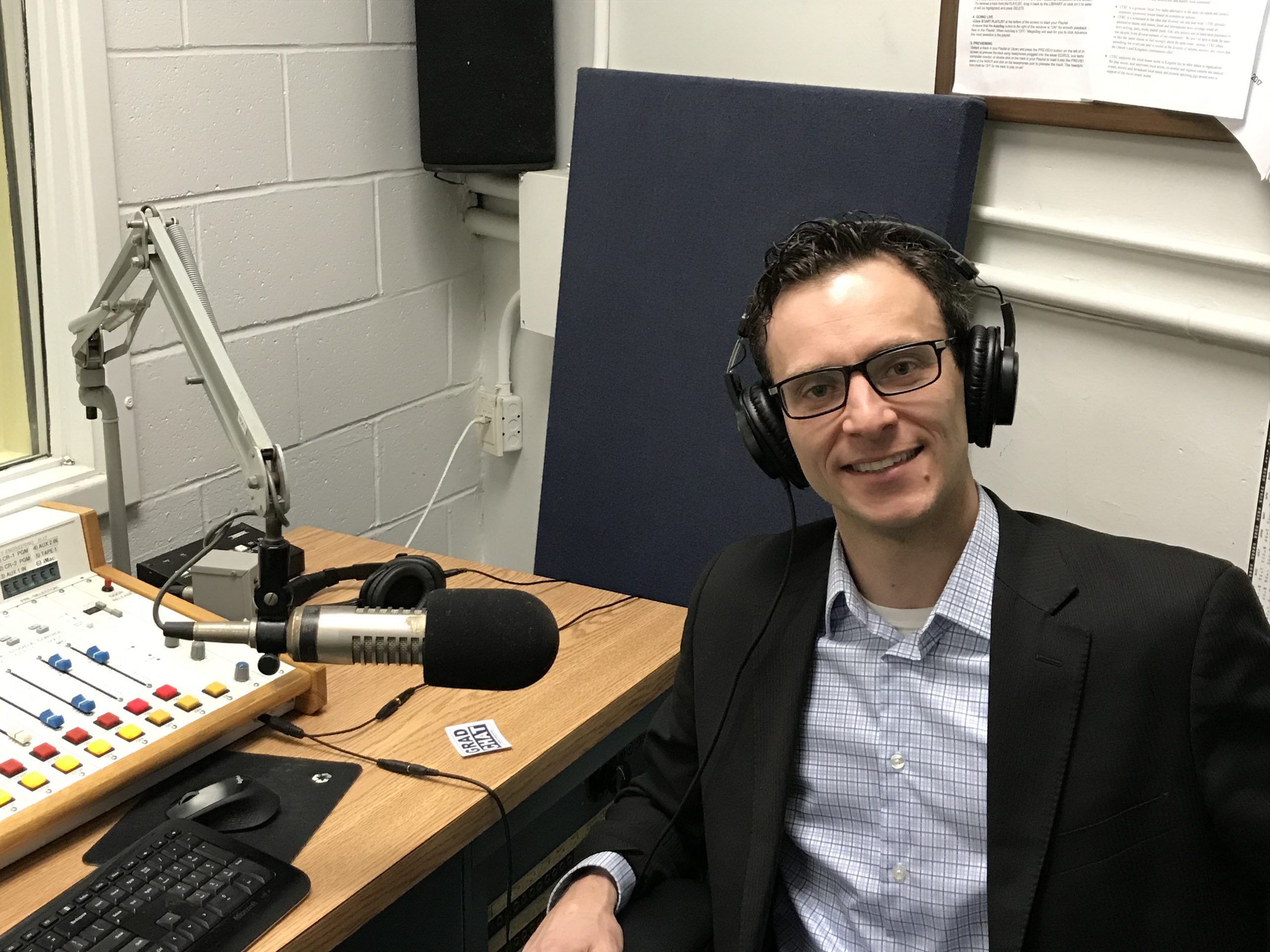
Jasmin Manseau, PhD in Management, supervised by Dr Tracy Jenkin.
Topic: “The Future of Work” Overview: I am interested in the future of work and the changing nature of work more specifically how employees are beginning to use artificial intelligence at work through interactions with chatbots (i.e. IBM Watson) and intelligent employee assistants (i.e. Alexa for Business, Google Home at work, etc.). What is the work of tomorrow shaping to be like?
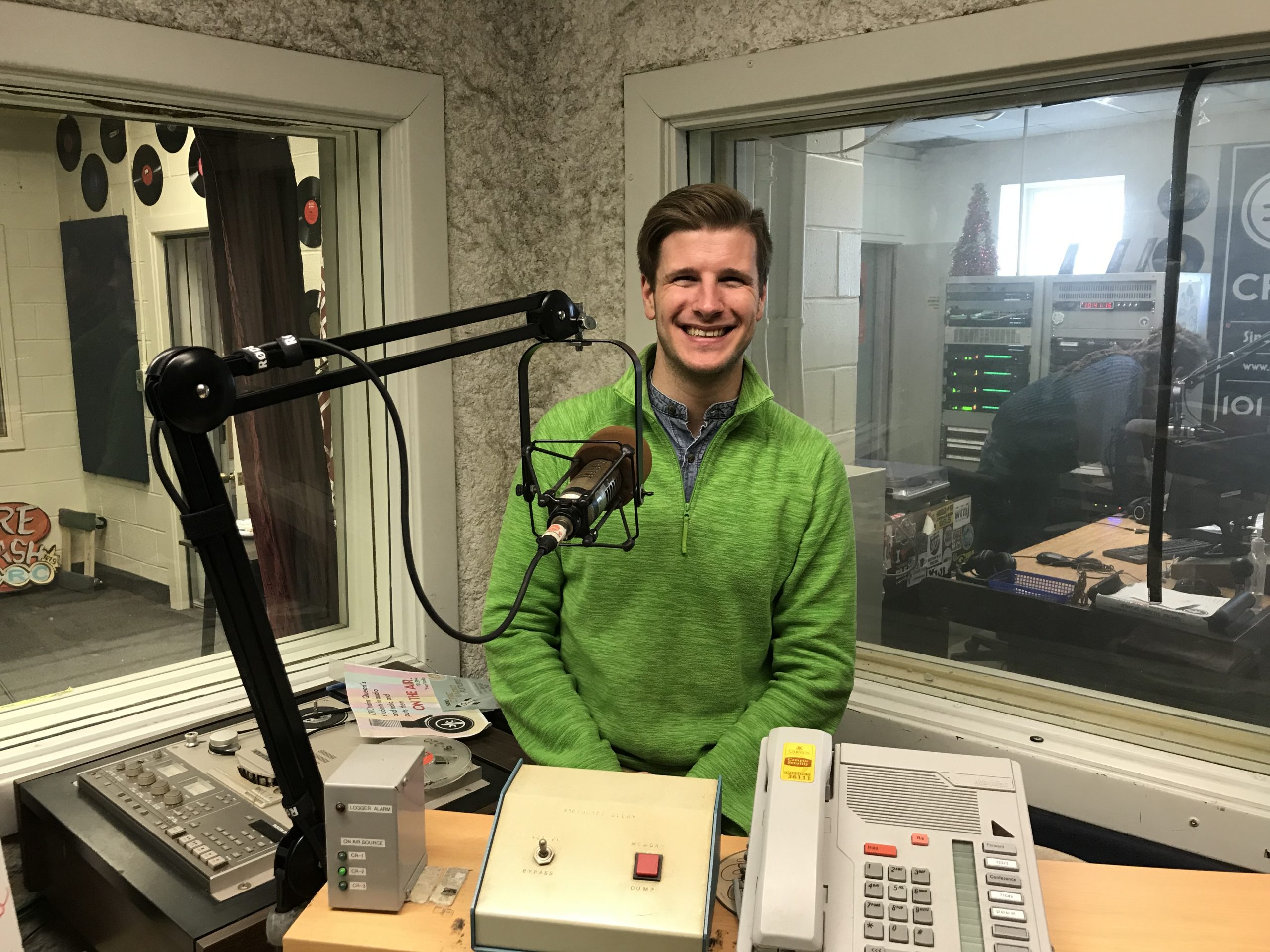
Alastair Keirulf, PhD in Chemistry, supervised by Dr Diane Beauchemin
Topic: Developing the Continuous Online Leaching Method for use in Bioaccessibility Risk Assessments Overview: When soil is contaminated, we must perform a risk assessment to determine the potential for hazard towards humans who may work, play, or live in contact with the soil. A common method for modeling this soil exposure is through a bioaccessibility study, which can be performed in-lab without the need for animal subjects. My work is on validating a continuous on-line leaching method. Conventional methods use a batch method of analysis, which can take hours to complete, but we have seen results with the online leaching method take as low as 30 minutes!
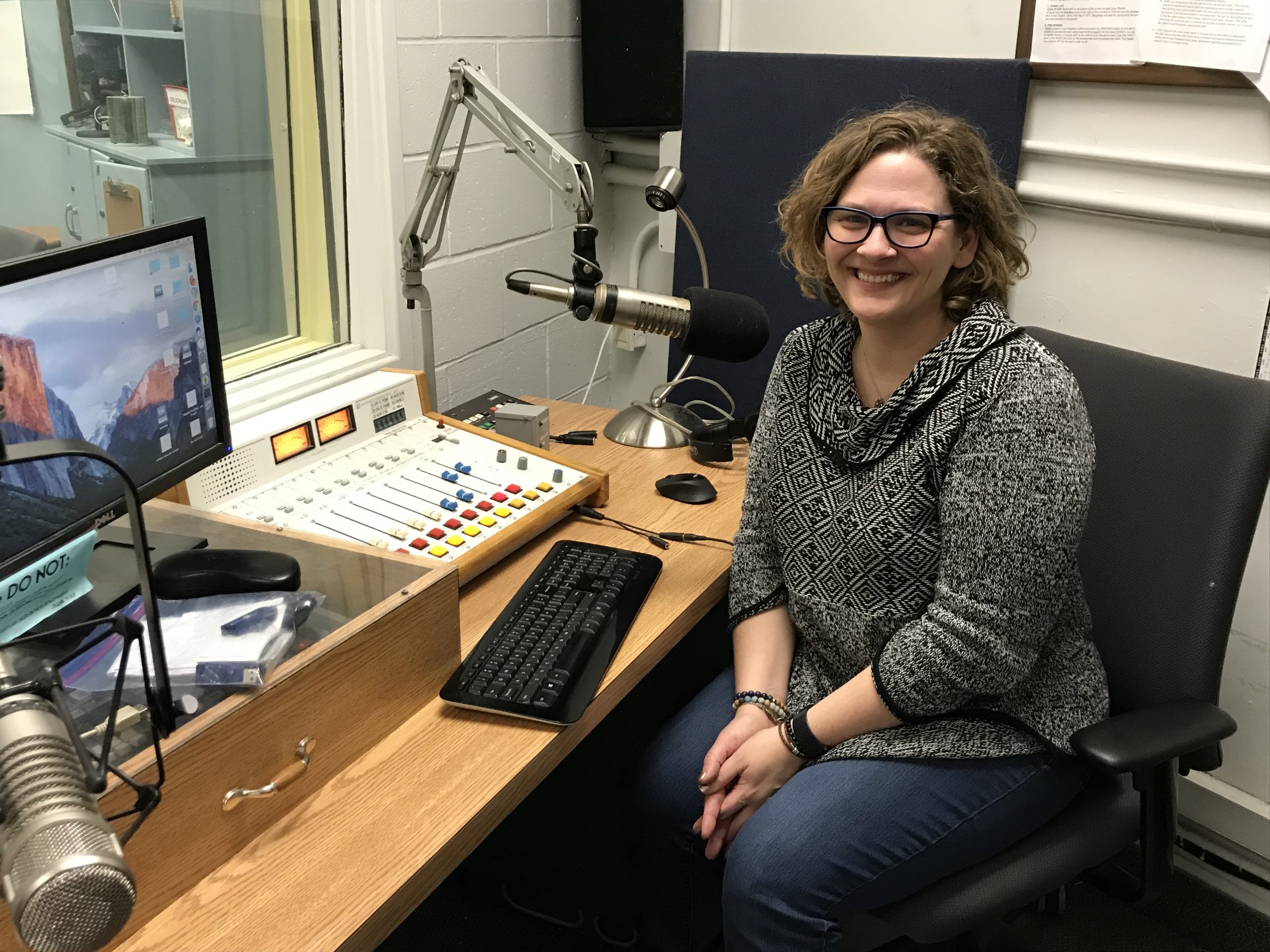
Jen McConnel, PhD in Education, supervised by Dr Pamela Beach.
Topic: “Academic literacy in first year college (the necessary “language” for communicating successfully in college)” Overview: I’m researching the perceptions teachers and students have of academic literacy in the first-year of college.
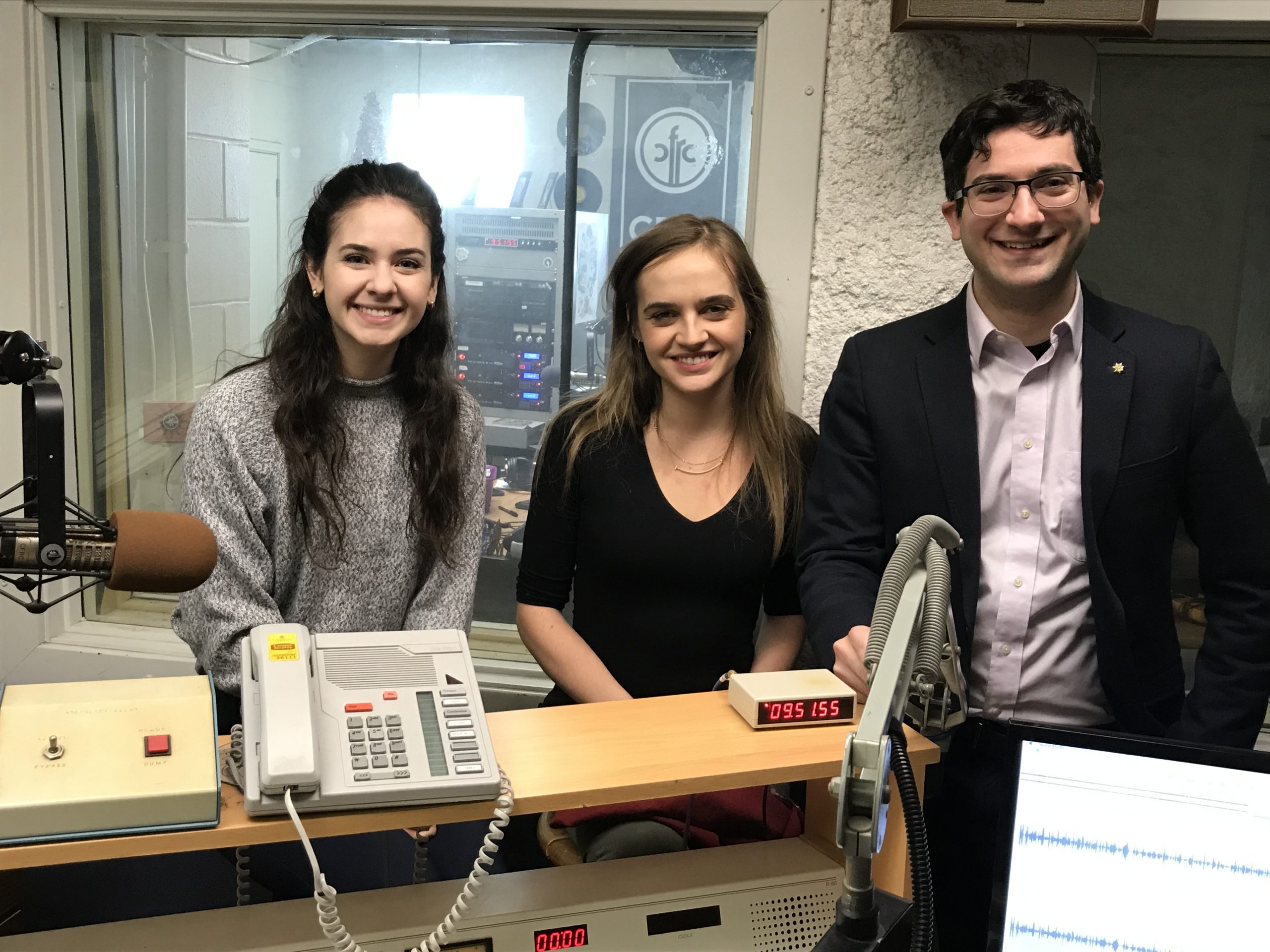
Terry Soleas, Jennifer Guiho, Bessi Qorri
Topic: “TEDx Annual Conference Overview: Grad students discuss what it means to do a TED talk
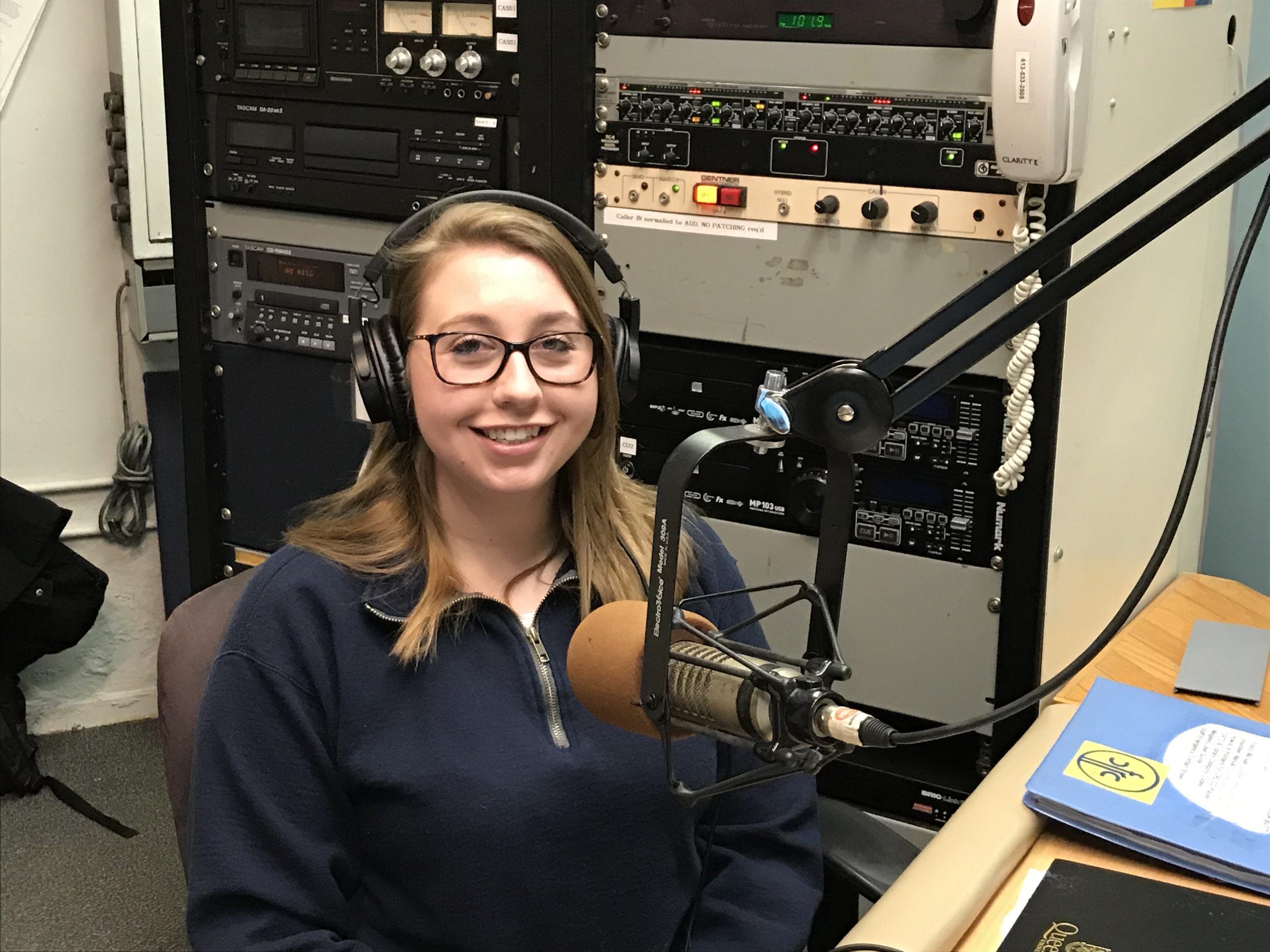
Shannon Hill, PhD in Rehabilitation Sciences, supervised by Dr Heidi Cramm
Topic: Understanding and Supporting the School Transitions of Military-Connected Adolescents Overview: The purpose of my two-phased sequential qualitative study is to (1) provide an in-depth, multi-perspective understanding of the school transition experiences of military-connected adolescents in Ontario, and (2) provide recommendations to inform policy and practice related to the school transition experiences of military-connected adolescents across Canada
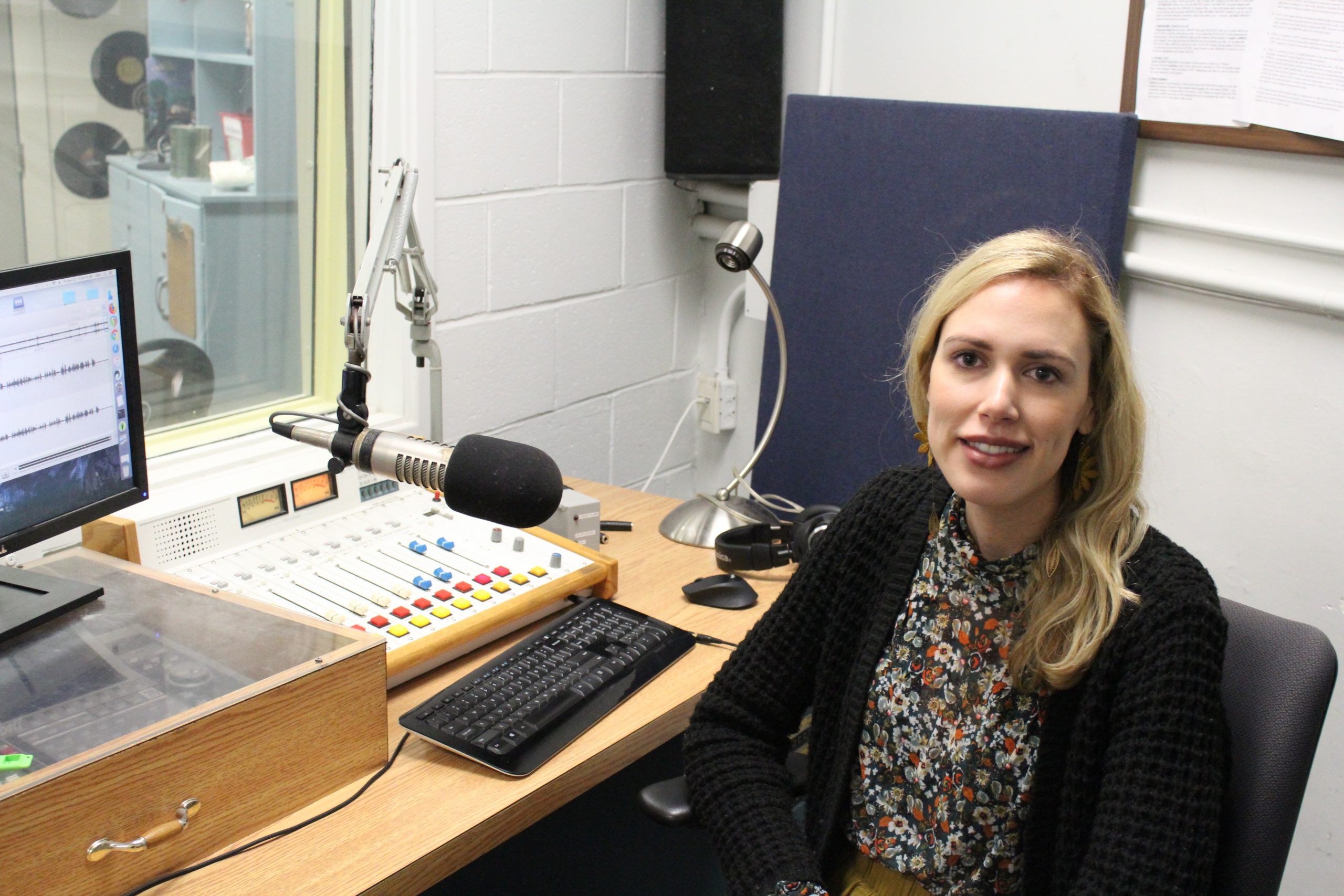
Linda Mussell, PhD in Political Studies, supervised by Dr Margaret Little.
Topic: “Handing Over The Keys: Intergenerational Legacies of Incarceration Policy in Canada, Australia, and Aotearoa/New Zealand.” Overview: I use critical policy analysis to unpack the legacies of incarceral policies in three countries, where generations of people within one family or community can be criminalized and experience institutionalization.

CJ the DJ and Suyin DJ Bear.
Overview: It's New Year's Eve but we are still on the air! Hear what is in store for grad studies in 2020
CJ the DJ and Suyin DJ Bear.
Overview: It's a special day, so with that comes a special edition of Grad Chat as we wrap up 2019.
Abbey Lee Hallett, Masters in Art Leadership.
Abbey Lee Hallett, Masters in Art Leadership. Overview: Abbey Lee talks about the Arts Leadership program and why it is important to train the next group of Arts Leaders who can lead the next generation of our country's arts and culture.
Sidra Shafique, PhD in Biomedical & Molecular Sciences.
Topic: Valproic acid induced neural tube defects. Overview: Deviations in embryonic cell signaling induces birth defects such as neural tube defects seen in children born to mothers who are exposed to valproic acid during pregnancy.
Aprajita Sarcar, PhD in History.
Topic: Mythical Families in Mythical Cities: Small Family Norm in India, 1955-77. Overview: I trace the emergence of India's first advocacy campaign about the nuclear family. Through it, I analyze the nuclear family's rise in metropolitan India. The project studies urbanization patterns with an eye on contraceptive use amongst families.
Maram Taibah, PhD in Cultural Studies.
Topic: Gender Performance in Children's Literature and Media in the Middle East. Overview: As a writer with an MA in film production, I have explored the child’s perspective in both fiction and screenplays. For the past year, I’ve been engaged with a body of fantasy fiction where the story is told through the eyes of an eleven-year-old girl living in Riyadh, Saudi Arabia. The heroine strives to reconcile certain systems and doctrines in her environment with what she sees in the magical worlds that she travels to. This work brings to my attention the need for a closer look at how Arab children’s identities are shaped by the storytelling that they consume, be it offered by close loved ones or the media machine. For more information on Maram's books and short films, check out her website at https://www.maram-taibah.com/
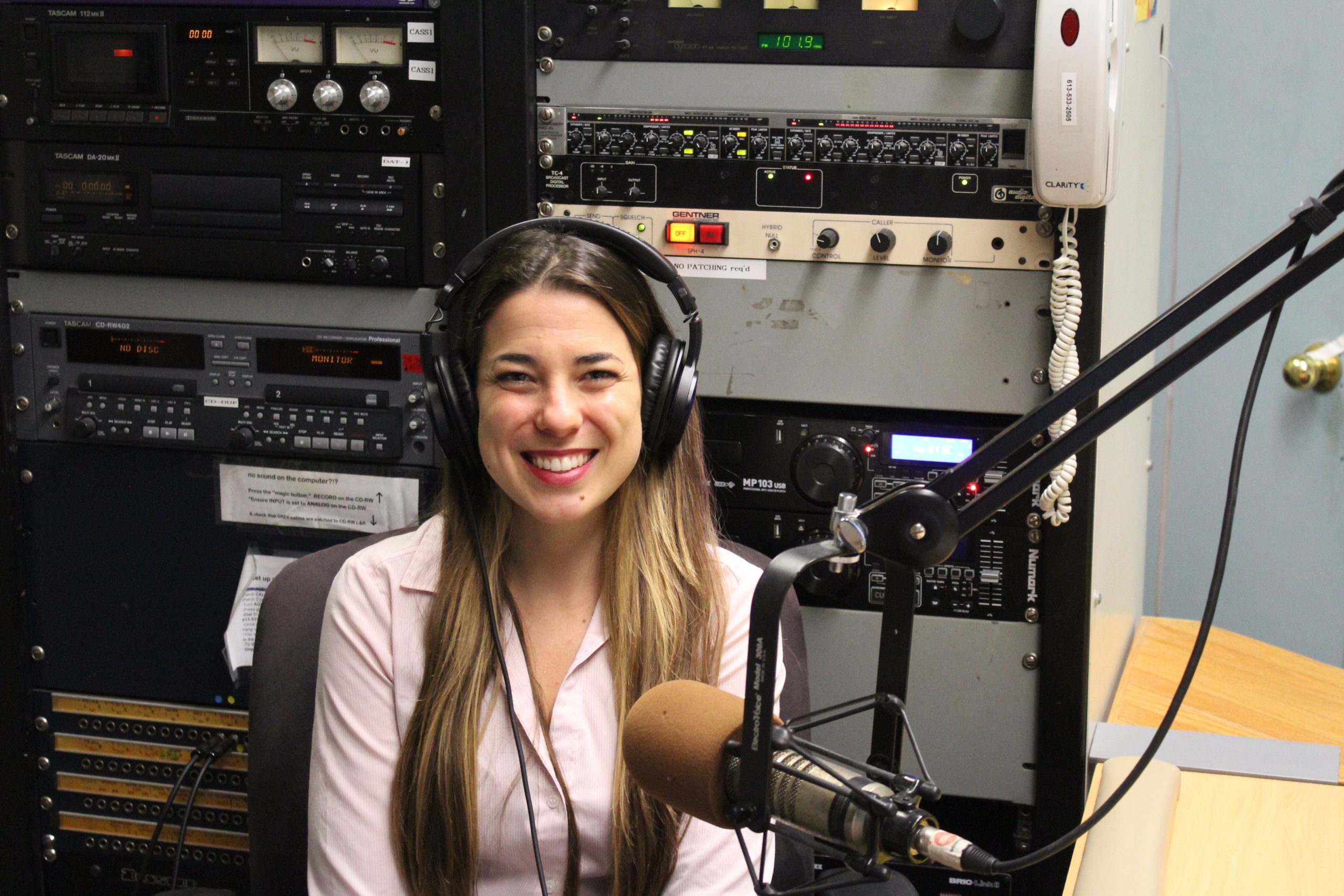
Amanda Guarino, MA in History.
Topic: Treating hunger: medical expertise, nutritional science, and the development of technical food solutions. Overview: I looked at how, starting with World War II until contemporary times, hunger came to be predominantly seen as a medical object, and food relief was reconceptualized as medical treatment. The scientific community's research of hunger gave it a medical connotation that influenced the way hunger was managed: from the development of technically-engineered nutrition solutions that were guided by medical expertise to making hunger relief subjected to medical supervision. A medical framework reduces hunger to a biological problem, missing the socio-cultural experience and politico-economic roots of hunger. Further, it favors fast-acting, industrialized, expert-designed, and short-term nutritional solutions. This materialized in various products starting in the 1950s until current times. In viewing hunger through a medical prism, the broader structural causes of hunger and socio-cultural meanings of food are more easily obscured, favoring technical solutions that emphasize immediate, efficient and effective medical and nutritional results. If you want to learn more about Big Bothers Big Sisters and perhaps volunteer then go to their website at - https://kingston.bigbrothersbigsisters.ca/
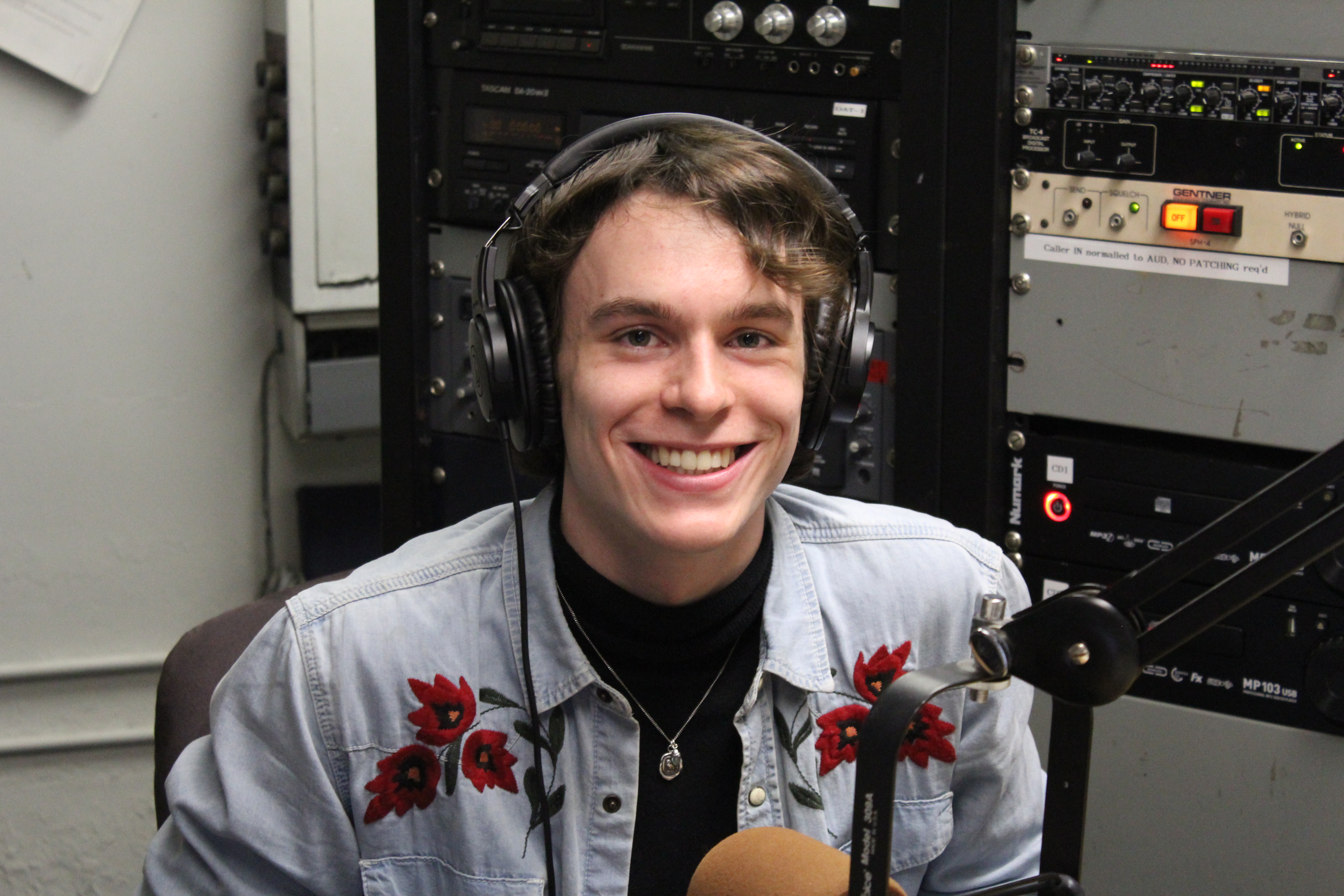
Sam MacLennan, MA student in Religious Studies.
Topic: The role of medicine in investigating stigmata, the (re)appearance of Christ’s Holy Wounds on various bodies, in the context of Catholic canonization procedures. Overview: Stigmata are the focus of this research as they are constantly being interpreted and reinterpreted by various groups, going all the way back to St. Francis. I am focused on 20th century stigmatics, as their lives coincide with the rise of professionalized medical organizations, as well as significant global events related to religion, secularity, and secularism (e.g. WWI & WWII, the Cold War, Vatican II reforms, etc.). Despite popular tendencies to see Catholicism and scientific, empirical inquiry as oppositional, this project shows that clinical medicine and the Catholic hierarchy cooperate and overlap in investigative approaches and how they expect stigmatic-patients to present themselves to inquiry.
Sam Maclennan, MA student in Religious Studies.
Topic: The role of medicine in investigating stigmata, the (re)appearance of Christ’s Holy Wounds on various bodies, in the context of Catholic canonization procedures. Overview: Stigmata are the focus of this research as they are constantly being interpreted and reinterpreted by various groups, going all the way back to St. Francis. I am focused on 20th century stigmatics, as their lives coincide with the rise of professionalized medical organizations, as well as significant global events related to religion, secularity, and secularism (e.g. WWI & WWII, the Cold War, Vatican II reforms, etc.). Despite popular tendencies to see Catholicism and scientific, empirical inquiry as oppositional, this project shows that clinical medicine and the Catholic hierarchy cooperate and overlap in investigative approaches and how they expect stigmatic-patients to present themselves to inquiry.
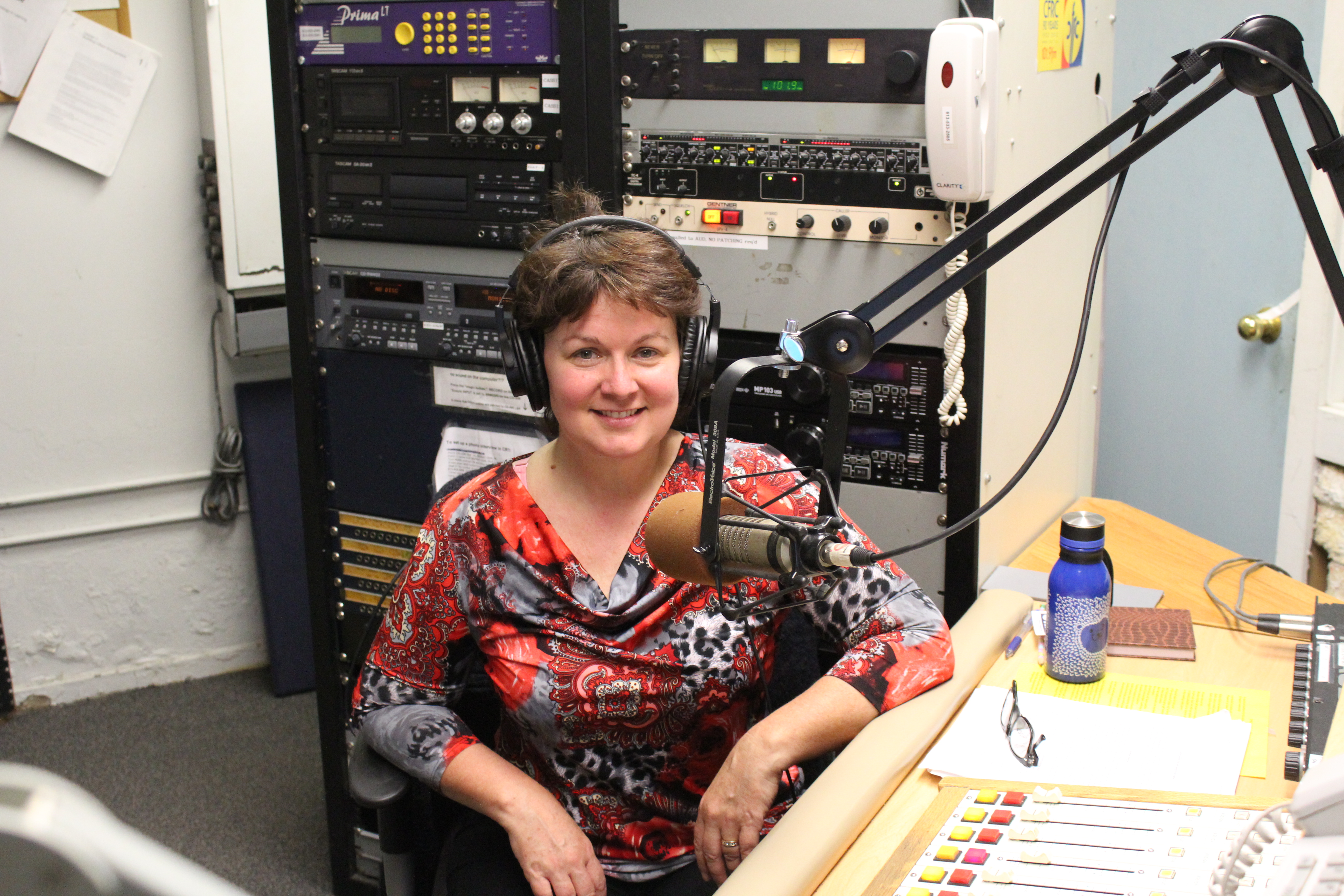
Rebecca Stroud-Stasel, PhD student in Education.
Topic: Teacher acculturation in the context of sojourning overseas. Overview: While overseas teaching can offer many capacity-increasing opportunities plus a chance to see the world, there are many complicating factors that deserve greater scrutiny. For one thing, teacher turnover is higher overseas and in some schools, the rate in which teachers break their contracts is concerning. Among many challenges facing new teachers, those who go overseas to teach must additionally confront culture shock—or acculturation—as well as policyscapes.
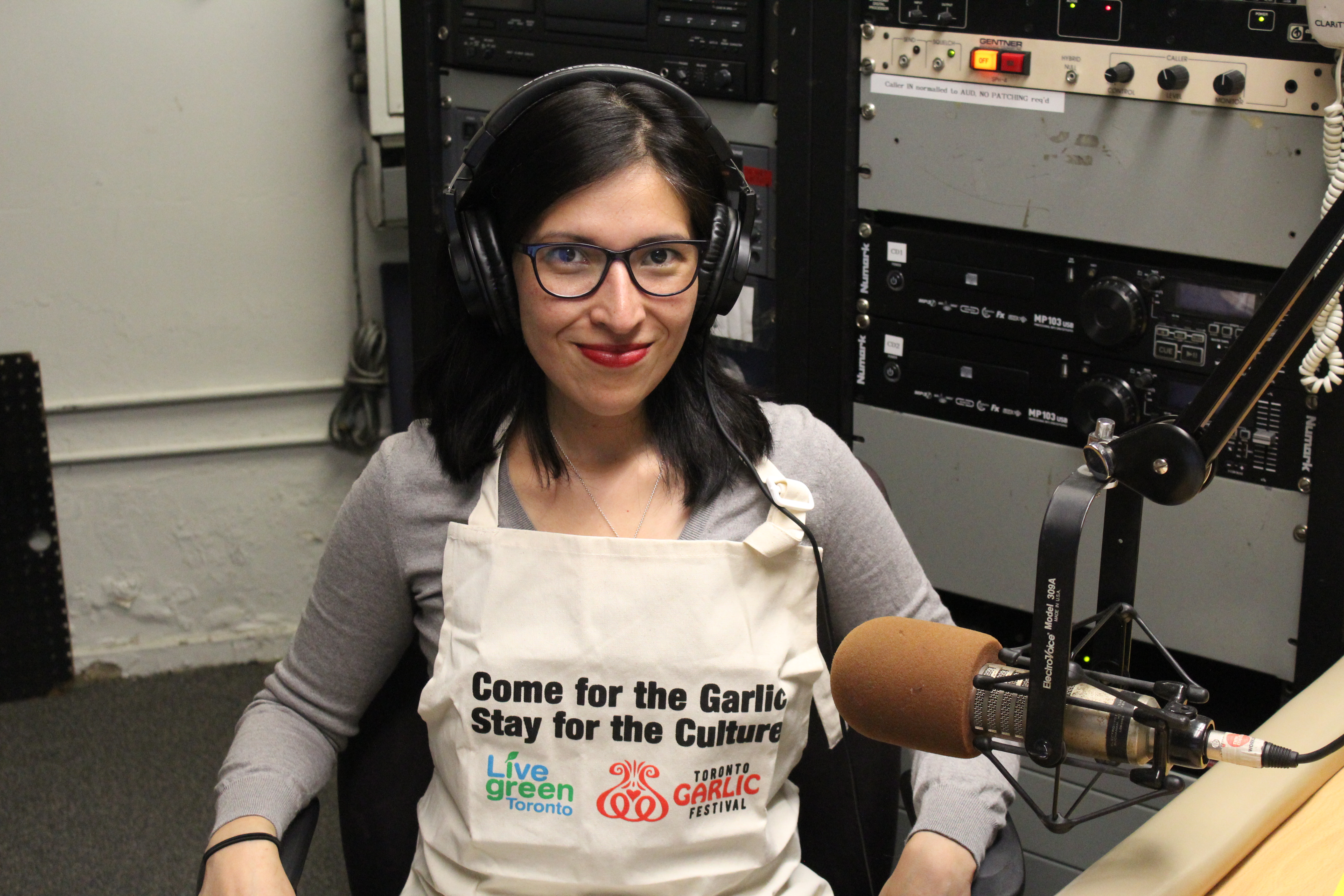
Suyin Olguin, PhD student in English Language & Literature.
Topic: Halloween Special - Vampires and Garlic: the Science, Literature, and Folklore of Fending off Vampirism". Overview: Why does learning more about vampires and garlic matter?
Erin Gallagher-Cohoon, PhD student in History.
Topic: Canadian history of gay and lesbian/queer parenting. Overview: My research looks at gay parenting from the 1970's to 2005, looking at custody cases in the 1970s where a parent's, often a mothers, sexuality was raised as a potential reason for withholding custody and ending with the ways in which a symbolic child and the presumed childlessness of queer couples was raised in the House of Commons debates on same sex marriage.
Carmel Mikol, MA student in English Language & Literature.
Topic: Disappearance narratives in contemporary global women's literature. Overview: My research seeks to identify the social and political uses of disappearance narratives by post-war women writers. Also Carmel speaks about her podcast hyacinthpodcast.com
Jeffrey Allan, PhD student in Political Studies, supervised by Dr Christian Leuprecht
Topic: Why come back to graduate studies now? Overview: After a successful career as a journalist for the CBC and then a member of various United Nations departments, Jeff has come back to do a PhD. This interview will discuss why some students start their graduate life a little later in their career.
Kyle Vader, PhD student in Rehabilitation Science, supervised by Dr Jordan Miller
Topic: Chronic pain management in primary health care Overview: The overarching purpose of my thesis is to understand social contributors to chronic pain as well as experiences, barriers, and facilitators to inter-professional chronic pain management in primary health care.
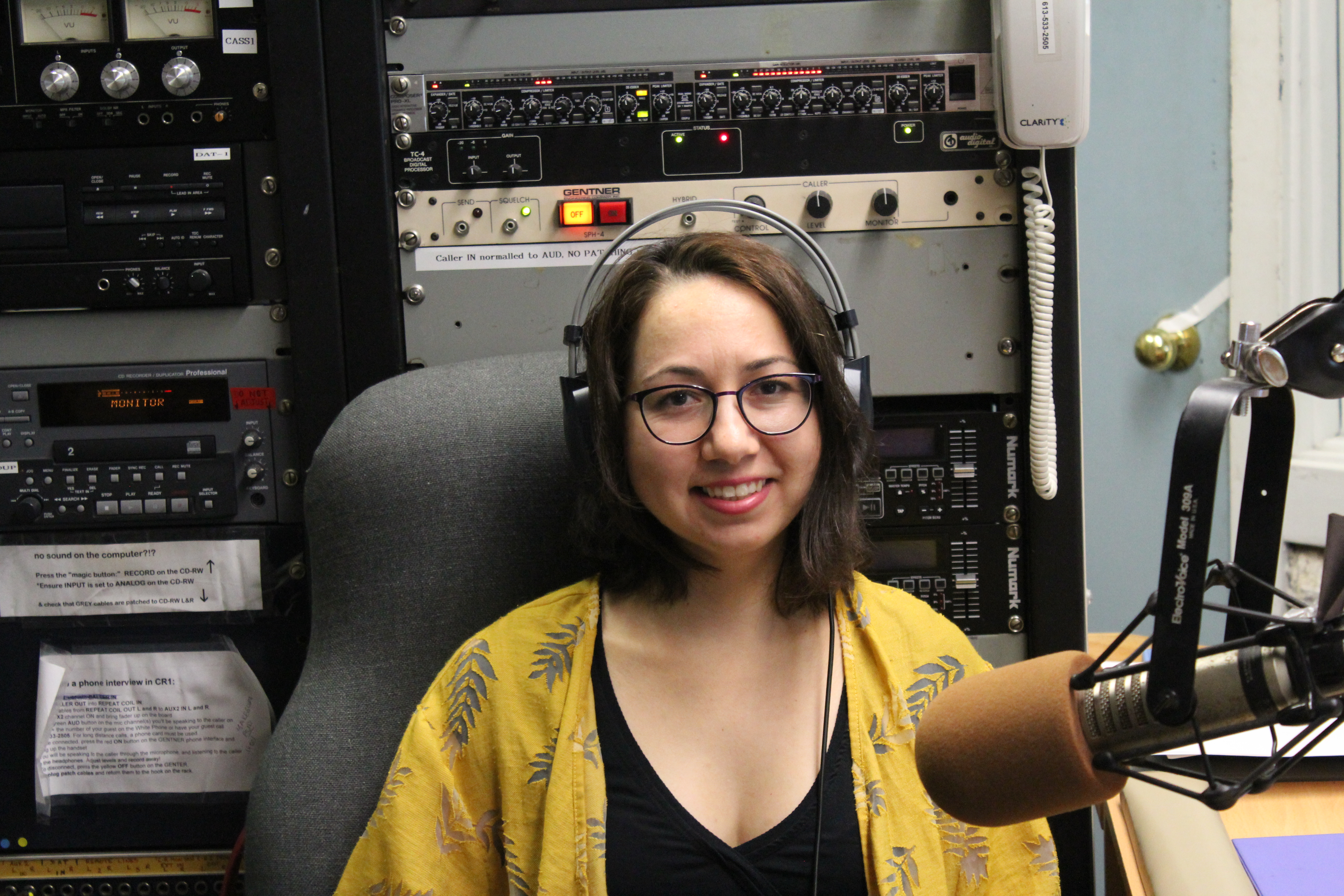
Derya Gungor, PhD in Sociology supervised by Dr Annette Burfoot.
Topic: The feminist IMPLICATIONS OF maternal and infant health promotion in turkey through the current FAMILY medicine model’s pregnancy-monitoring mandate. Overview: In my PhD research, I examined the implications of a Turkish health policy that has a national level mandate to register pregnant women from a feminist perspective. The documented objective of this program and its pregnancy-monitoring mandate is to improve the maternal and infant health rates of the country by providing prenatal medical care and pregnancy-related health-promotion education to all pregnant women.
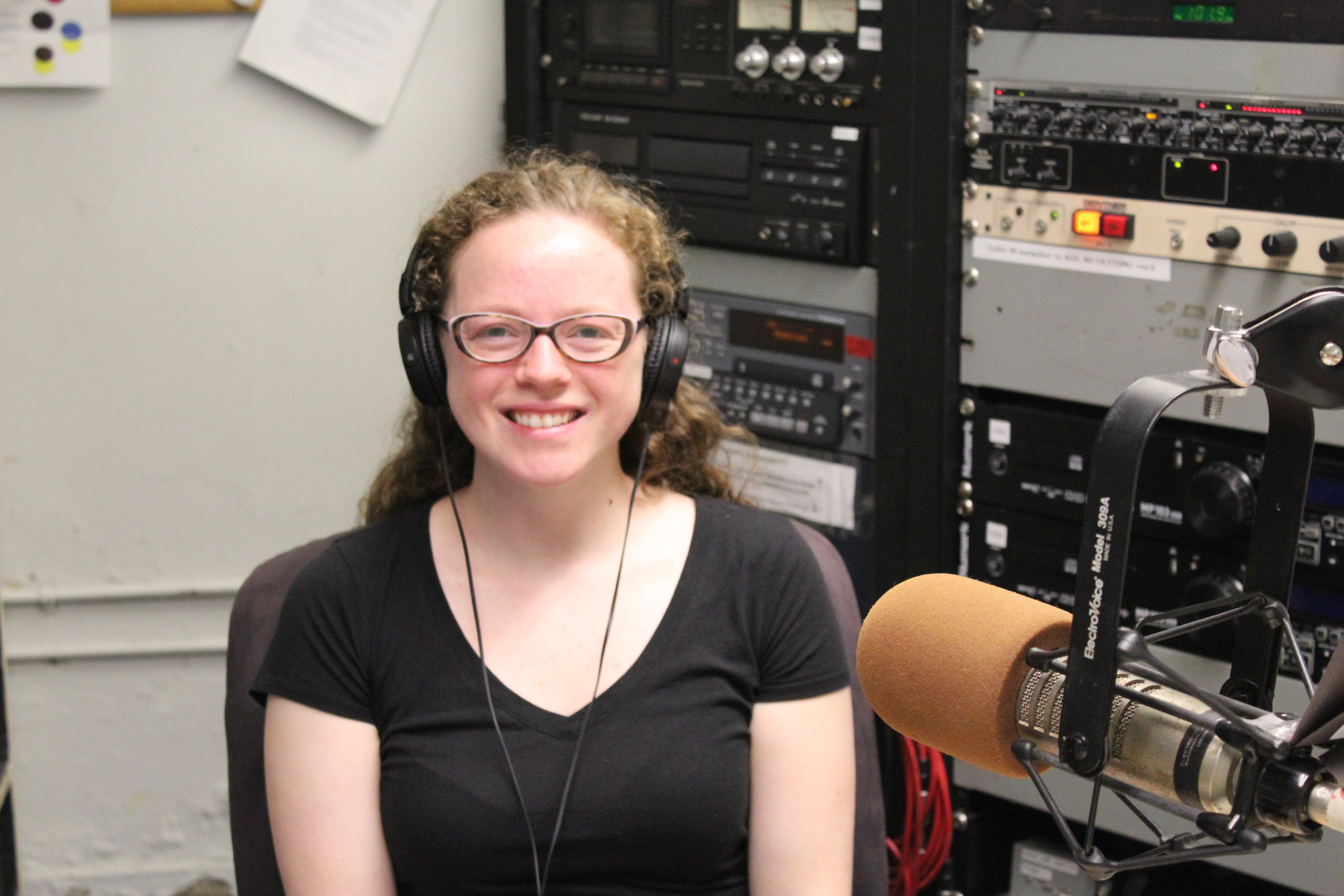
Ashley Williams, PhD student in Rehabilitation Science supervised by Drs Catherine Donnelly and Heidi Cramm .
Topic: Access to primary health care during the military to civilian transition. Overview: My research is focused on how do Canadian Veterans experience the transition from the Canadian Forces Health Services to provincial primary care during military to civilian transition and how do provincial interdisciplinary primary care teams provide service to Veterans.
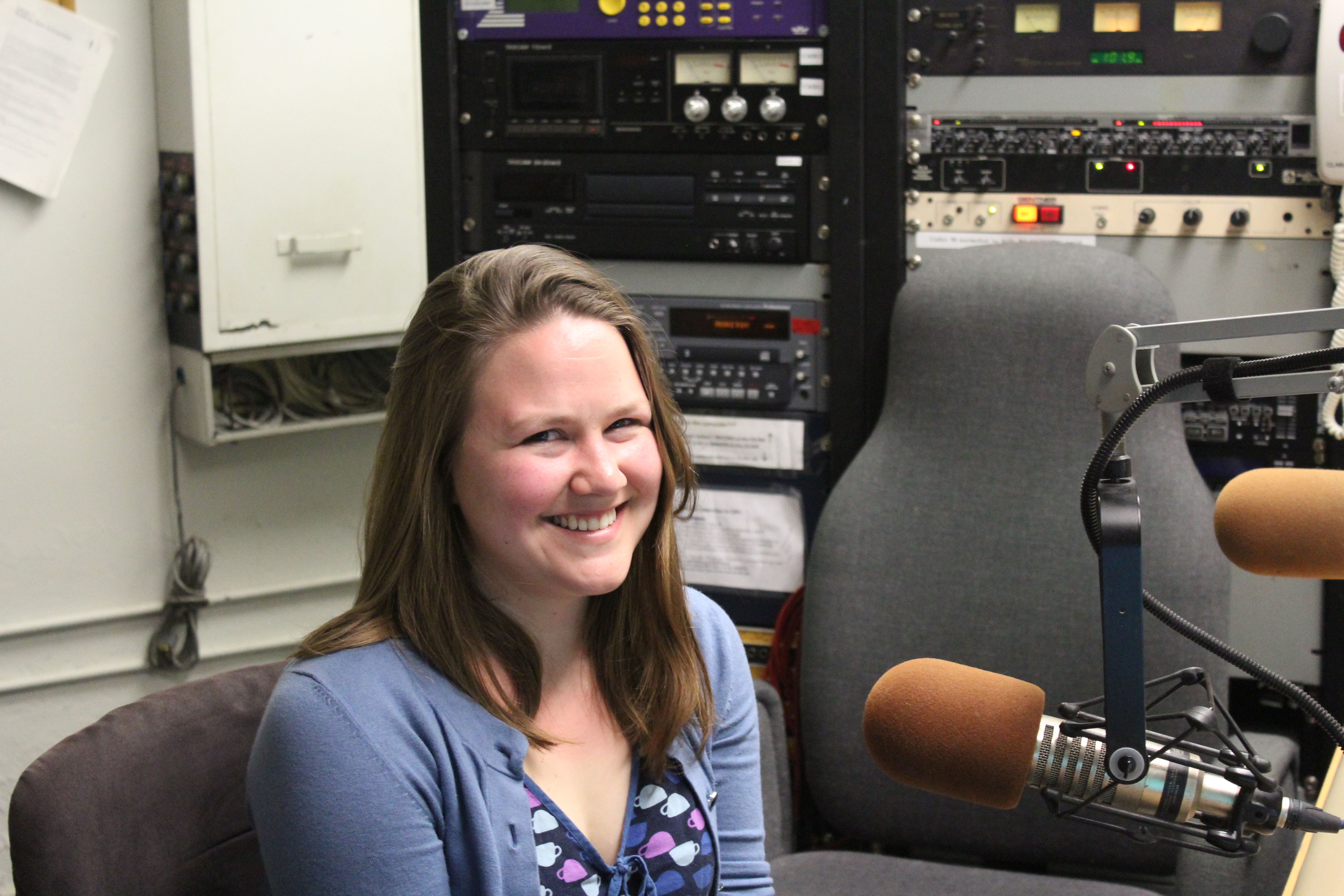
Stephanie Gauvin, PhD student in Clinical Psychology, supervised by Dr Caroline Pukall
Topic: Rainbow Reflections: Body Image Comics for Queer Men Overview: Stephanie and her collaborators have put together a comic book anthology. This is an exciting way to explore the consequences of body dissatisfaction to the health of queer men and to highlight the resilience that queer men experience against body dissatisfaction. A launch of the comic books is coming soon to Kingston. If you are interested and what to find out more follow Stephanie's group on the Twitter handle @QueerBodies
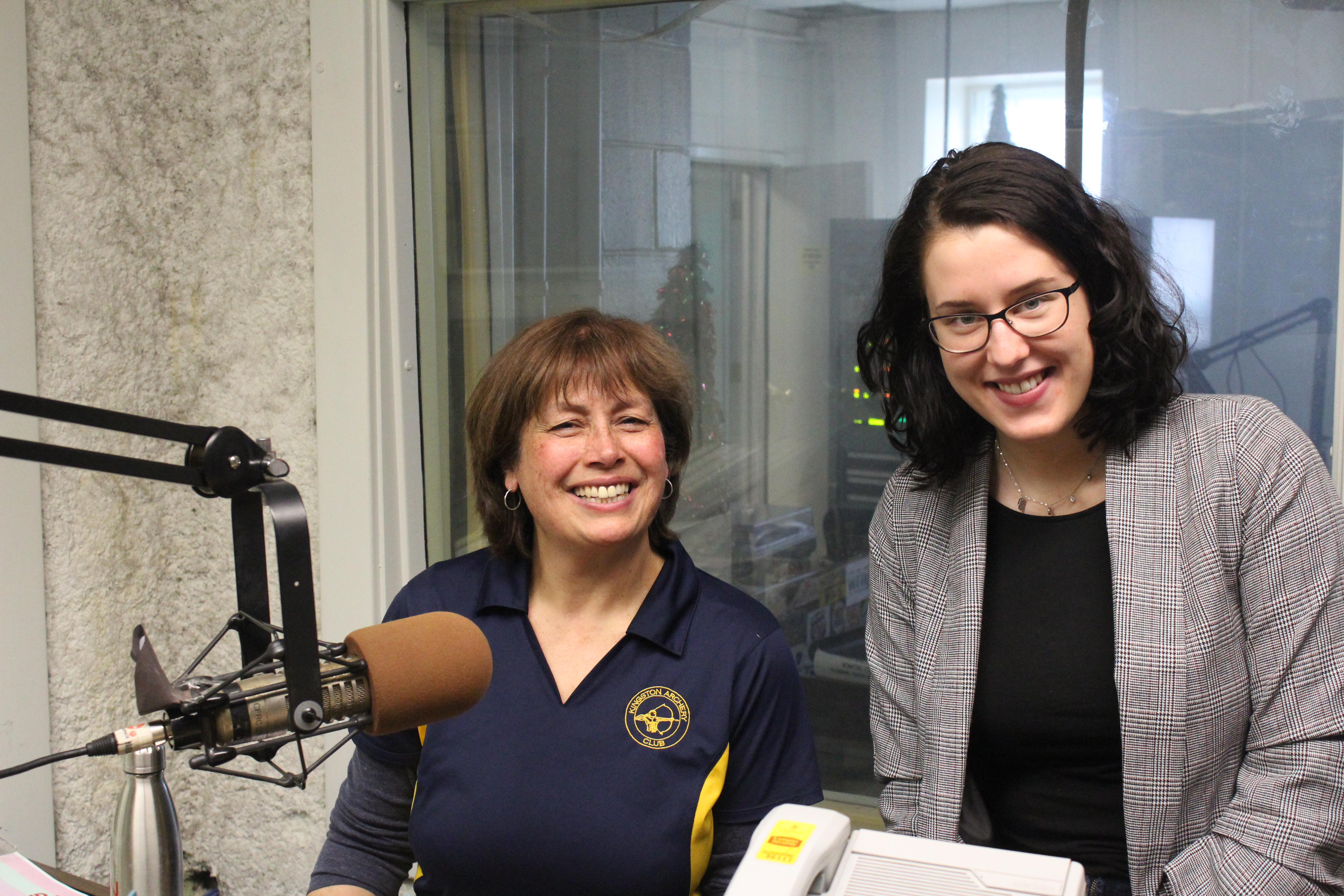
Sue Bazely (PhD student) and Paulina Marczak (MSc student) both in Geography and Planning
Overview: Sue and Paulina discuss the "Stage 1 Cultural Resource Recording Project: Under the St. Paul’s Church Hall, Lower Burial Ground in Kingston" and how you can also get involved. See the Kingston Lower Burial Ground website for more details and how to volunteer.
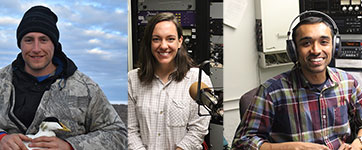
Branaavan Sivarajah , PhD student in Biology, supervised by Dr John Smol. Wraps up the Symposium
Russell Turner, MSc student in Biology, supervised by Dr Vicki Frieisen. Research topic - Population genomics of an Arctic seabird, the majestic Common Eider sea duck! Christina Braybrook , MSc student in Geography, supervised by Dr Neal Scott and Dr Paul Treitz. Research topic - Modelling growing season net CO2 exchange for High Arctic mesic tundra using high resolution remote sensing data. Overview: Part 3 of the Northern Research Symposium, the graduate students assisting in the program and how their research is related to the North.
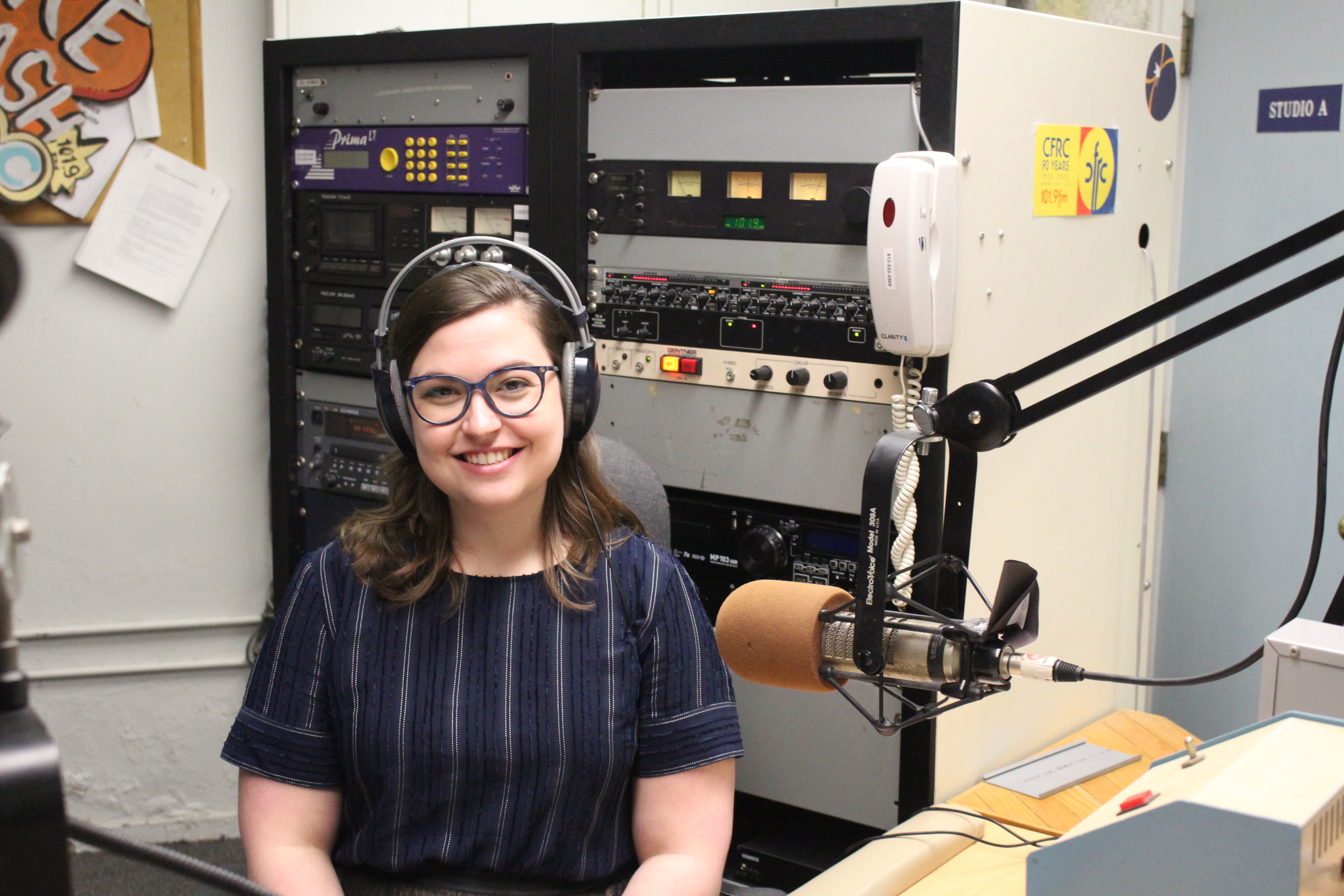
Kayla Dettinger, M.A (History), supervised by Dr Sandra den Otter
Research: The history of the UK charity the Pilgrim Trust from 1930-1960 and its efforts to come to the "rescue of the things that mattered in our country" as a self-defined "salvage corps". Overview: Talking on both Kayla's Master's experience as well as her role now with University Relations and how her graduate experience helped her with this job.
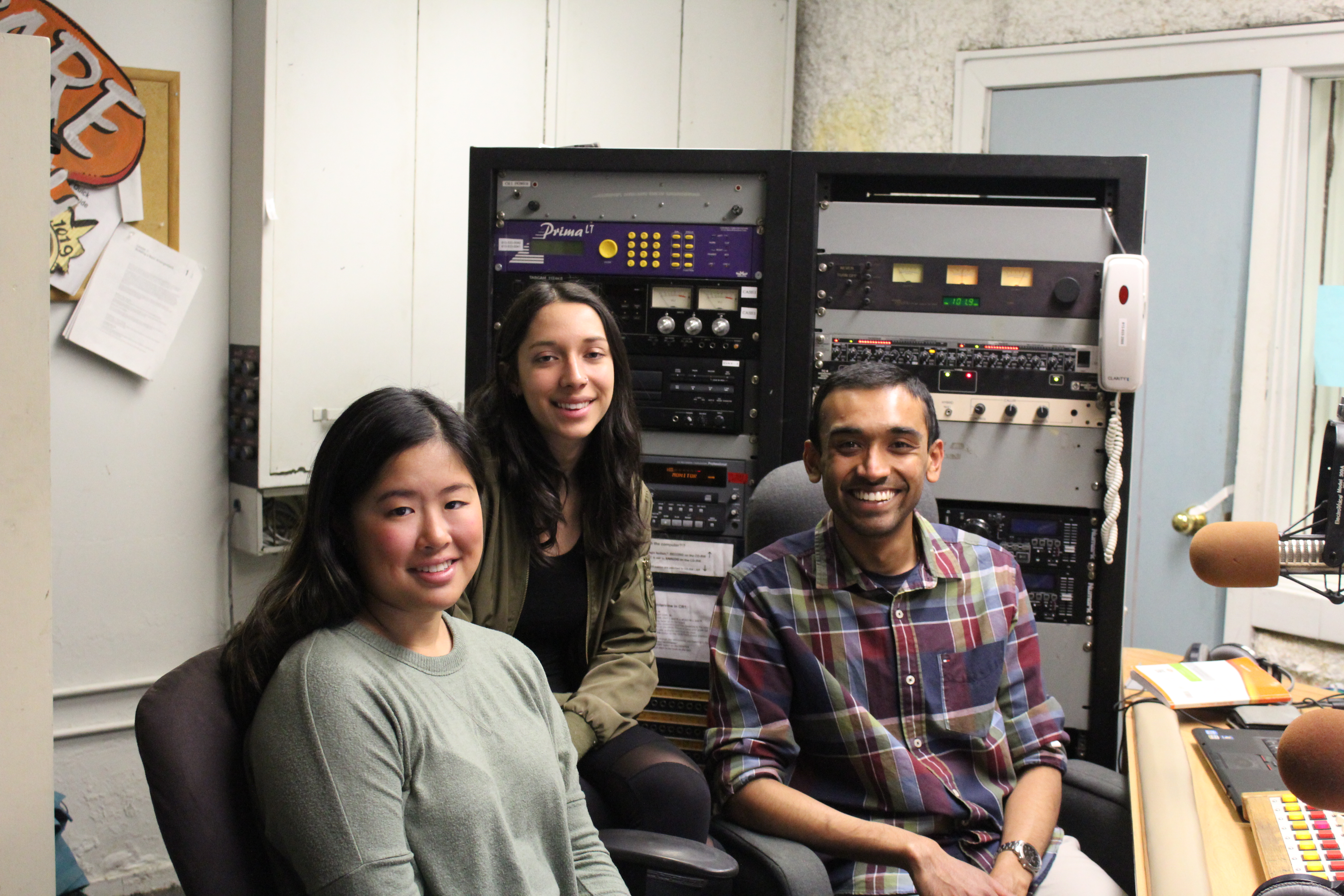
Branaavan Sivarajah , PhD student in Biology, supervised by Dr John Smol. Talks about the Symposium
Lila Colston-Nepali , MSc student in Biology, supervised by Dr Vicki Frieisen. Research topic - Using genomic tools to answer conservation questions in an arctic seabird, the Northern Fulmar Jacqueline Hung , PhD student in Geography, supervised by Dr Neal Scott and Dr Paul Treitz. Research topic - Seasonal controls on terrestrial carbon and nutrient cycling in the Canadian High Arctic. Overview: Part 2 of the Northern Research Symposium, the graduate students assisting in the program and how their research is related to the North. For more information go to the Symposium website
Branaavan Sivarajah , PhD student in Biology, supervised by Dr John Smol. Talks about the Symposium
Greg Robson , MSc student in Geography, supervised by Dr Paul Treitz and Dr Scott Lamoureux. Research topic - Risk assessment of permafrost disturbances via differential interferometric synthetic aperture radar (DinSAR) Dana Stephenson , MSc student in Geography, supervised by Dr Laura Thomson. Research topic - Glaciology, glacier dynamics. Overview: An introduction to the Northern Research Symposium, the graduate students assisting in the program and how their research is related to the North. For more information go to the Symposium website
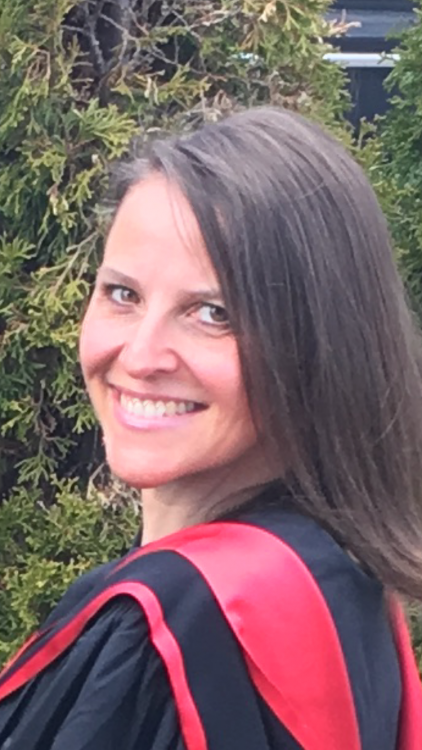
Carolyn DeLoyde , PhD student in Geography, supervised by Dr Warren Mabee.
Topic: Quantifying ecosystem services to enhance the use of Natural Heritage Systems to respond to climate change. Overview: My research is focused on developing better responses to climate change within the context of land use planning. I am exploring the potential of Ontario’s Natural Heritage System (NHS) planning approach to facilitate this.
Julian Yang , PhD student in Medieval History, supervised by Dr Richard Greenfield.
Topic: Constructing holiness and unholiness through writing and reflection of authorial motivations in Christian literary works produced in medieval Byzantium. Overview: For the successful completion of this project, examining the authorial role in composing hagiographical literature and possible motivations behind hagiographers for promoting the cult of saints is paramount. Medieval Byzantium was actually quite a skeptical society, and as such, hagiographers were necessitated to bolster the persuasiveness of their narrative by using various literary techniques for a successful fashioning of their protagonists as saints. Spiritual and religious motivations were not the only inspirations of their strong dedication, however, because in Byzantium, ecclesiastical, imperial, or popular recognition of the cult could result in substantial economic and political benefits for its followers. These apparent circumstances around the genre of hagiographical literature and the cult of saints in Byzantium are deeply considered at the heart of my historical investigation.
Nasreen Sultana, supervised by Dr Liying Cheng.
Topic: Influence of an English public examination on classroom teaching and learning: A washback study. Overview: My research investigates the washback effect of the biggest secondary public English examination in Bangladesh on classroom instruction. The results of the exam work as the gatekeeper to higher studies, better career as well as better financial prospects.
Karina Gerhardt-Strachan , Masters in Kinesiology & Health Studies, supervised by Dr Elaine Power.
Topic: Exploring the place of spirituality in Canadian health promotion. Overview: Advocating a holistic approach, health promotion examines many aspects of health and well-being, including physical, mental, sexual, community, social and ecological health. Despite this holism, there is a noticeable absence of discussion surrounding spirituality and spiritual health. For this thesis project, I was interested in exploring how leading scholars in the field of health promotion, in Canada, understand the place of spirituality in health promotion
Drs Caroline Tuck & Sean Bennet, supervised by Dr Stephen Vanner.
Topic: The role of diet in gastrointestinal disorders on gut health. Overview: Our research investigates the role of dietary modification and its effect on gut health including the microbiota, metabolomics and symptom profiles. Want to help out with the research? Caroline and Sean are looking for volunteers to help with two studies and need some people to act as controls and also people who have irritable bowel syndrome or inflammatory bowel disease. Contact Celine Morissette (Hotel Dieu Hospital) - 613 544 3400 ext 2479 or email [email protected] OR Contact Caroline Tuck - 613 549 6666 ext 6526 or email [email protected] Follow what is going on twitter - @tuck_caroline or @DrSeanBennet
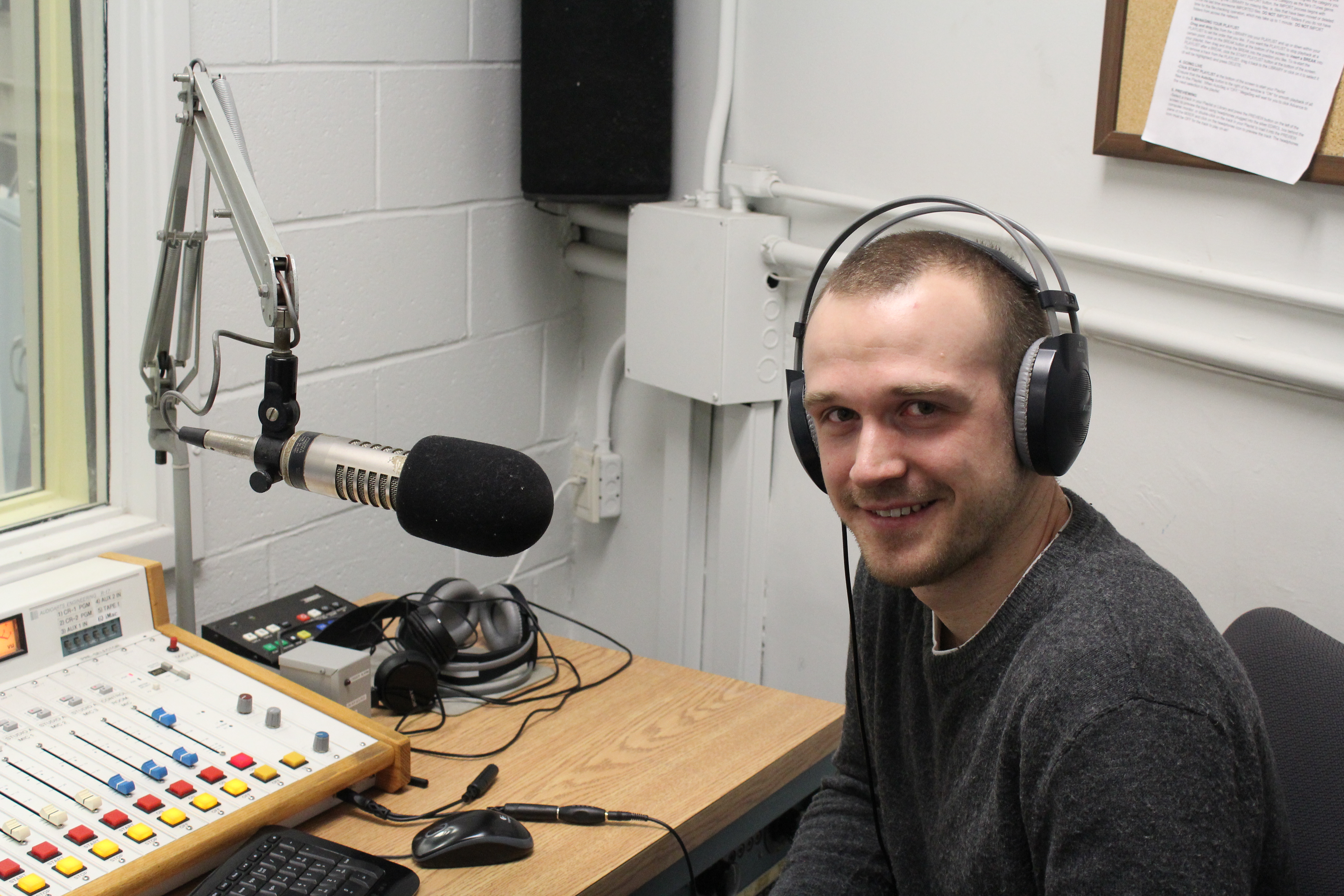
Kaj Sullivan, PhD in Geological Sciences, supervised by Drs Daniel Layton-Matthews and Matthew Leybourne.
Topic: Postprandial zinc isotopic effect in human serum. Overview: My research will help ensure the best representative sample is taken in future studies investigating the potential of zinc isotopes as biological markers of disease like breast cancer and Alzheimer’s.