
Grad Chat - Queen's School of Graduate Studies and Postdoctoral Affairs
274 episodes — Page 6 of 6
Nevena Martinovic, PhD in English Language and Literature, supervised by Professor Leslie Ritchie.
Topic: 18th Century Theatre. Aging actress on the long 18th C London stage. Overview: Women were first allowed on stage in London in 1667 when the theatres reopened after the Interregnum. I’m interested in how these first female players navigated the negative reception to their aging bodies and how they represented themselves in the face of it
Jill Price, PhD in Cultural Studies, supervised by Professor Matt Rogalsky.
Topic: ReCraftivism: Unmaking One’s Way Out of the Anthropocene. Overview: My research asks, how can reclaiming, and recrafting of textiles offer technologies of resistance and restorative narratives to counteract capitalist ideologies and the phenomena of consumptionism found in the shadows of Canada’s colonial history? See some of Jill's work on her website at www.jillpricestudios.ca
Shikha Gupta, PhD in Rehabilitation Science, supervised by Professor MaryAnn McColl.
Shikha Gupta, PhD in Rehabilitation Science, supervised by Professor MaryAnn McColl.Topic: Extent, determinants, and consequences of cost-related non-adherence to prescription medications among people with spinal cord injuries in Canada. Overview: Many people in Canada have to forgo their medications due to cost; a phenomenon called "cost-related non-adherence." Despite emerging evidence, there is little conceptualization or exploration of cost-related prescription non-adherence with respect to disability in Canada. Spinal cord injury (SCI) is one of the most catastrophic and devastating disability for patients, their families, the community, and the healthcare system. Although people with SCI are high users of medications, evidence is missing regarding implications of medication-related costs on their health and social outcomes. This research aims to address this.
John David More, PhD in History of Pre-Confederation Canada, supervised by Professor Jane Errington.
John David More, PhD in History of Pre-Confederation Canada, supervised by Professor Jane Errington. Topic: French-Canadian Mariners on Canada’s Fourth Coast During the Early Post-Conquest era, 1760-1815. Overview: Thousands of Canadien mariners, including shipmasters, officers, sailors, boatmen and shipbuilders were essential to the successful defense of Quebec and Upper Canada during American invasions of 1775-6 and 1812-14. My research into their complex histories deepens our understanding of French-English relations during this crucially important period in Canadian History..
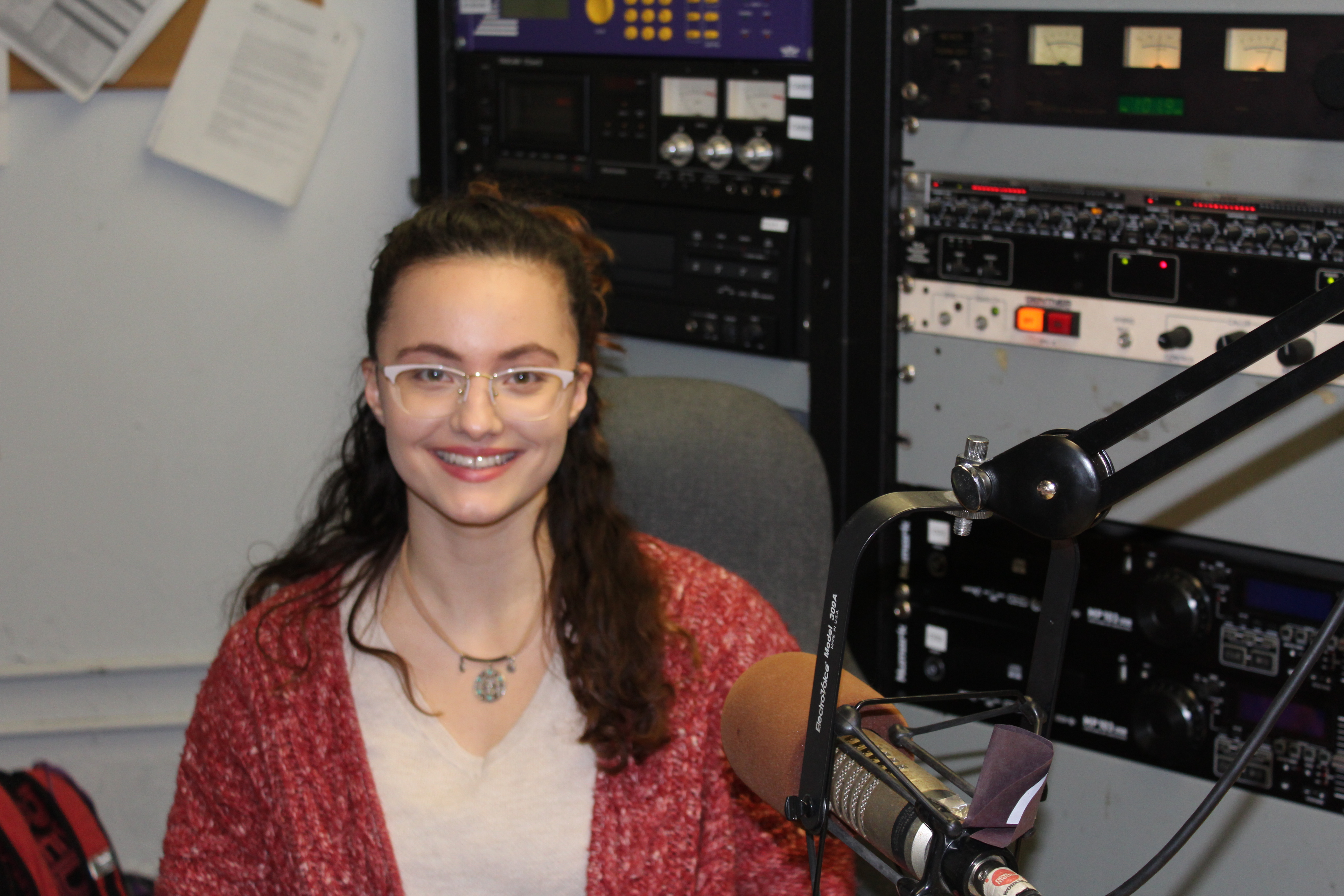
Luissa Vahedi, MSc in Epidemiology, supervised by Dr Susan Bartels and Dr Heather Stuart.
Topic: ‘Even Peacekeepers Expect Something in Return’: An Exploratory Cross-Sectional Analysis of Sexual Interactions Between UN Peacekeepers and Haitian Citizens. Overview: In 2004, the United Nations (UN) Security Council established Resolution 1542: The United Nations Stabilization Mission in Haiti (MINUSTAH). MINUSTAH officially began in June of 2004 and ended in October 2017, making it the longest UN peace operation in Haiti. During this time, allegations of sexual interactions between male UN peacekeepers and female Haitian civilians, including sexual abuse and exploitation, surfaced in the media. The UN frames civilian-peacekeeper sexual interactions as inherently exploitative and abusive, thereby supporting a zero-tolerance policy on sexual interactions with beneficiaries of assistance. However, during MINUSTAH civilian-peacekeeper sexual interactions were widespread and, in some cases, conceived children fathered by peacekeepers born to Haitian women- known as peace babies. The UN does not claim responsibility for children fathered by peace keepers, resulting in Haitian women bearing the burden of establishing the paternity of their children. My research will examine community-level narratives of sexual relationships between Haitians and United Nations (UN) peacekeepers during the MINUSTAH. Using qualitative and quantitative methods, this thesis will aim to: (1) Understand the lived experiences of Haitian women who are raising peace babies conceived during MINUSTAH; (2) Investigate the association between geographical location and community-level accounts of sexual interactions between Haitian citizens and MINUSTAH peacekeepers; (3) Investigate the relationship between the subject matter of participants’ narratives and perceptions of UN legitimacy in Haiti.
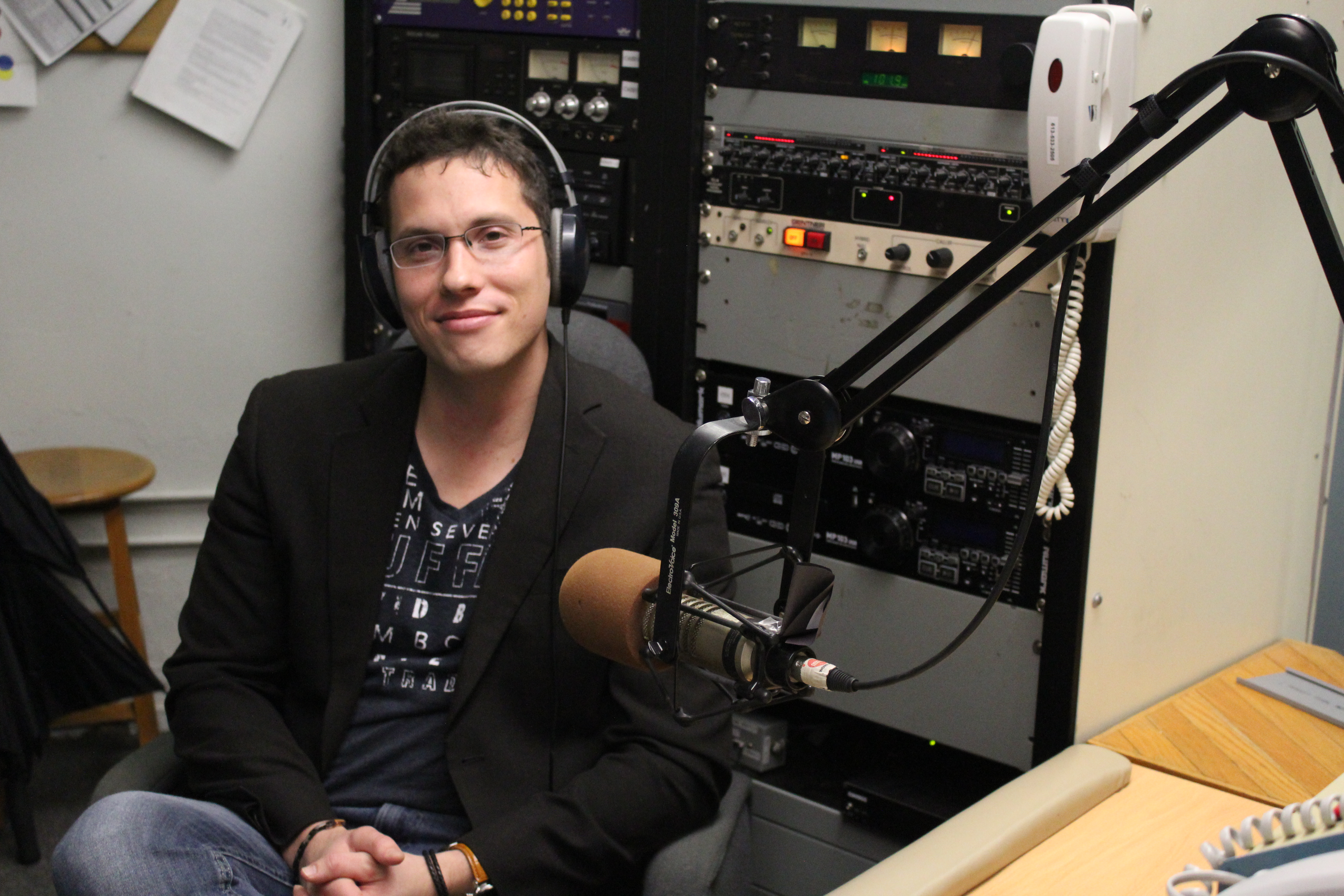
Michael Wood, PhD in Neuroscience, supervised by Dr J. Gordon Boyd.
Topic: Low levels of brain tissue oxygenation during critical illness may be associated with the subsequent development of delirium and cognitive impairment. Overview: Survivors of life support often develop newly-acquired impairments that reduce their quality of life (e.g., ability to live independently). An early indicator of neurological dysfunction while on life support is the onset of delirium, which is characterized by inattention, altered levels of consciousness, or disorganized thinking. However, the underlying cause of delirium, as well as long-term cognitive dysfunction, remains poorly understood. Approximately 230,000 Canadians are cared for in ICUs annually, and the majority of these patients will experience delirium. As the mere presence of delirium has been associated with debilitating outcomes, delirium represents a major public health concern.
CJ the DJ. and Chantal Valkenborg.
Topic: What to expect in 2019. Overview: From workshops to community events, find out what is happening in graduate studies for the winter and summer terms.
CJ the DJ is being interviewed by Suyin Olguin (DJ Bear) as we wrap up 2018
Topic: What happened in 2018?. Overview: The wrap up Grad Chat 2018.
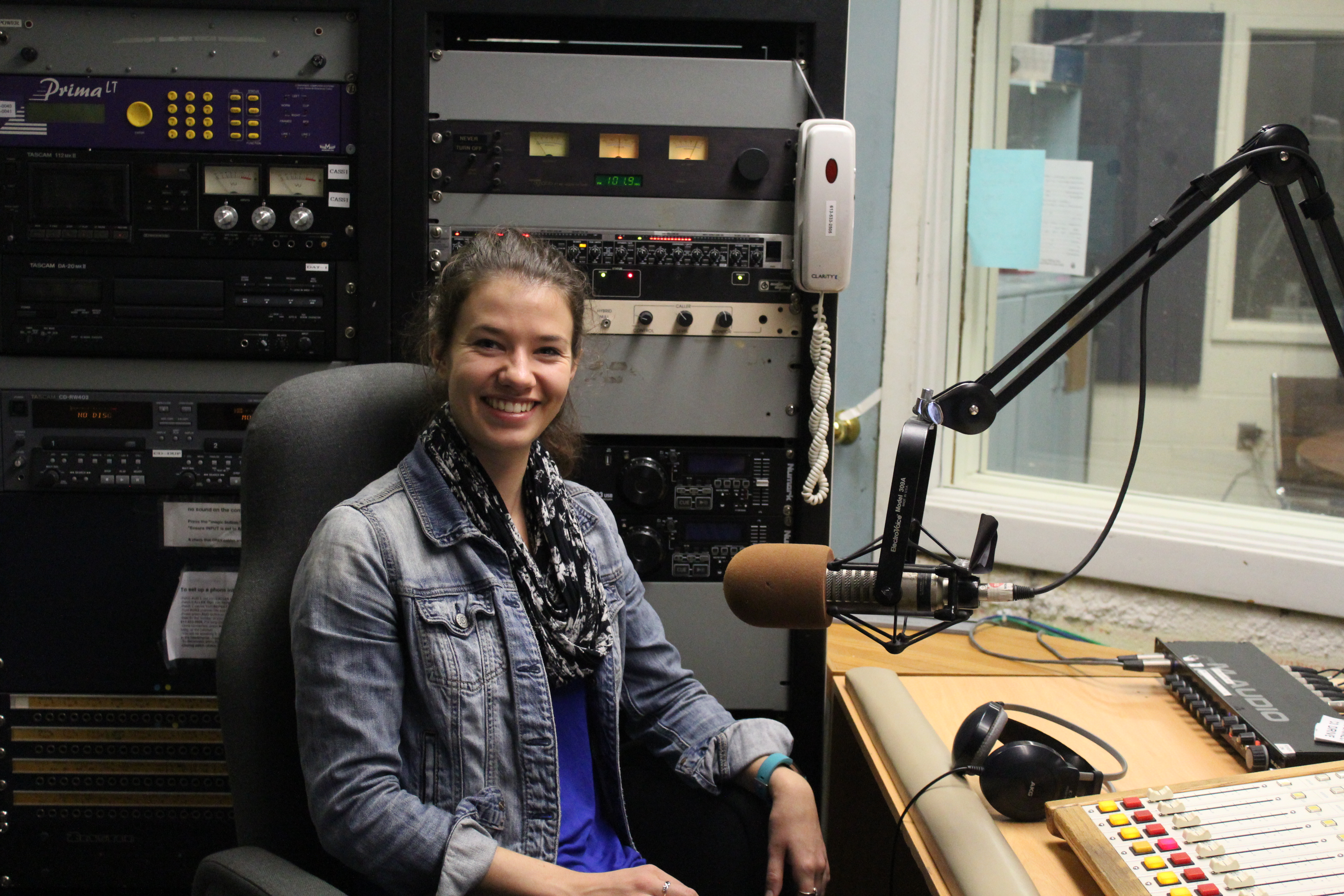
Lauren Welte, PhD in Mechanical & Materials Engineering, supervised by Dr Michael Rainbow.
Topic: Fundamental research in how the human foot functions during walking and running. Overview: We investigated how modifying the shape of the arch of the human foot affects the energy absorbed and returned during a dynamic compression. To change the shape of the arch, we engaged the windlass mechanism of the plantar fascia by elevating the toes, which then causes the arch to be higher, but shorter in length. This mechanism has previously been suggested to stiffen the foot to prepare the foot for push – off while walking. However, we found that the foot absorbs and dissipates more energy when the windlass was engaged, compared to when the toes were lowered. This means that the foot was less stiff when the windlass was engaged. This has implications in shoe and foot orthosis design, where a change in the toe angle could affect the way the arch of the foot absorbs and dissipates energy.
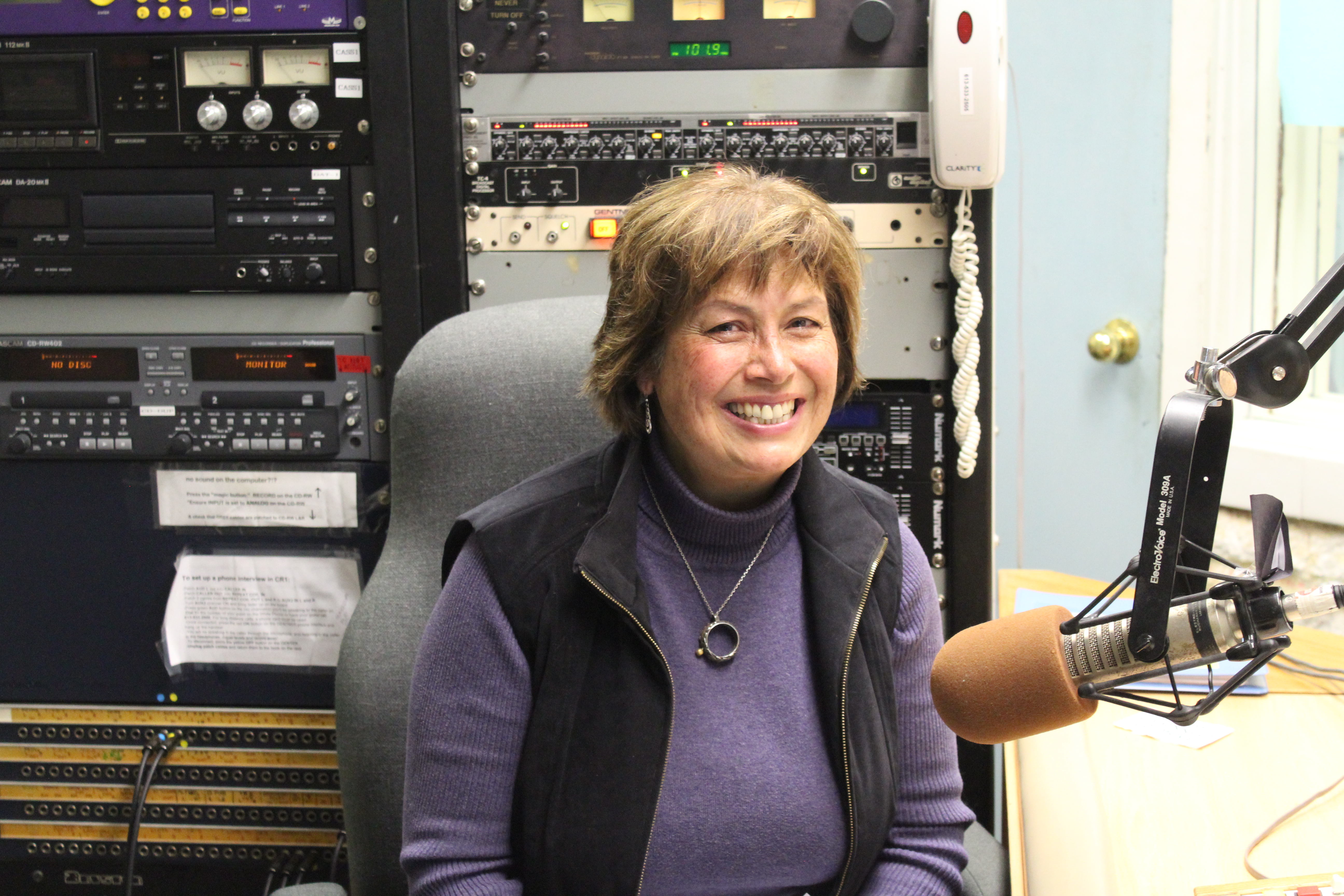
Susan Bazely, PhD in Geography, supervised by Drs Brian Osborne & Joan Schwartz
Topic: Changing heritage practice on the Rideau Canal and Kingston Fortifications World Heritage Site. Overview: The Rideau Canal corridor is comprised of a complex combination of resources, stories and activities that today serve multiple interests. The philosophies, policies, and management of heritage sites are experiencing pressures emanating from the demands of ‘experiential tourism’, the opportunities and challenges of ‘virtual reality’ presentations, and the economic pressures of escalating maintenance costs. My research will assess the current value of, and potential threats to the Rideau Canal and Kingston Fortifications and its UNESCO World Heritage designation by examining how this landscape resource is perceived today. During this research the interrelationship between the site, interpretation, presentation, stewardship, public use and experiences with the site are explored, considering threats and benefits to the site, the communities and world heritage status.
Bailey Gerrits, PhD in Political Studies, supervised by Drs Elizabeth Goodyear-Grant & Margaret Little
Topic: Who’s Responsible?: Explaining How Contemporary Canadian Newspapers Frame Domestic Violence. Overview: My research in gender and politics advances an understanding of the political economic relationships that shape public discourses about gendered violence. I specifically examine contemporary Canadian newspaper coverage of domestic violence, documenting the patterns of coverage and illustrating how actors and structures interact to influence these news productions..
James Anderson, MA in Political Studies, supervised by Dr David Haglund
Topic: Canada-US defense relations in the age of America First. Overview: My research seeks to examine Canada-US defense relations in the age of America First. Specifically, I will look at Canadian Strategic Culture to investigative any possible shifts/changes that could occur in our continental relationship on topical issues like NORAD, Counter-ISIS, Arctic Security, Space policy, and the Defense Industrial Base. As he embarks on his Fulbright scholarship, I am anxious to experience Canada’s personal story, to delve into the importance of national culture, network with Canadian-American defense professionals, with hopes of identifying new avenues for interstate cooperation between the U.S. and Canada.
Camille Usher, PhD in Cultural Studies, supervised by Dr Dylan Robinson
Topic: Urban experiences of Indigenous folks, learning about who we are, away from where our ancestors are from. Overview: It is often through a complex web that urban Indigenous peoples understand and learn about their ancestors, a further level of difficulty is added when the place in which we are learning is so far removed from where we are from. This work, tentatively titled Subtle Gestures: Sovereignty through Indigenous Stories of Public Mark Making is seeking to begin answering how Indigenous peoples are revolutionizing the stewardship of land and space by new activations of public colonial structures through their art and their bodies. Furthermore, my research questions how this spatial reactivation is publicly reclaiming what Gerald Vizenor termed as survivance, melding together survival and resistance. Survivance expresses how Indigenous peoples can use the strength of our cultures to fight colonialism and what Glen Coulthard has termed Urbs Nullius, “urban space void of Indigenous sovereign presence.”.
Christine Moon, MD/PhD; PhD in Sociocultural Studies in Kinesiology, supervised by Dr Sammi King
Topic: Experiences of Medical Assistance in Dying (MAID) for Racialized Canadians. Overview: Medical assistance in dying (MAID) has recently been legalized in Canada. My dissertation research will explore experiences of racialized Canadians with MAID. My proposed doctoral work will help us understand what assisted dying means to racialized Canadians, who are often left out of local and national discourses. It will provide a previously unexplored, qualitative and in-depth look at how assisted dying plays out in everyday lives of people who are thinking about, requesting, or receiving assisted dying. .
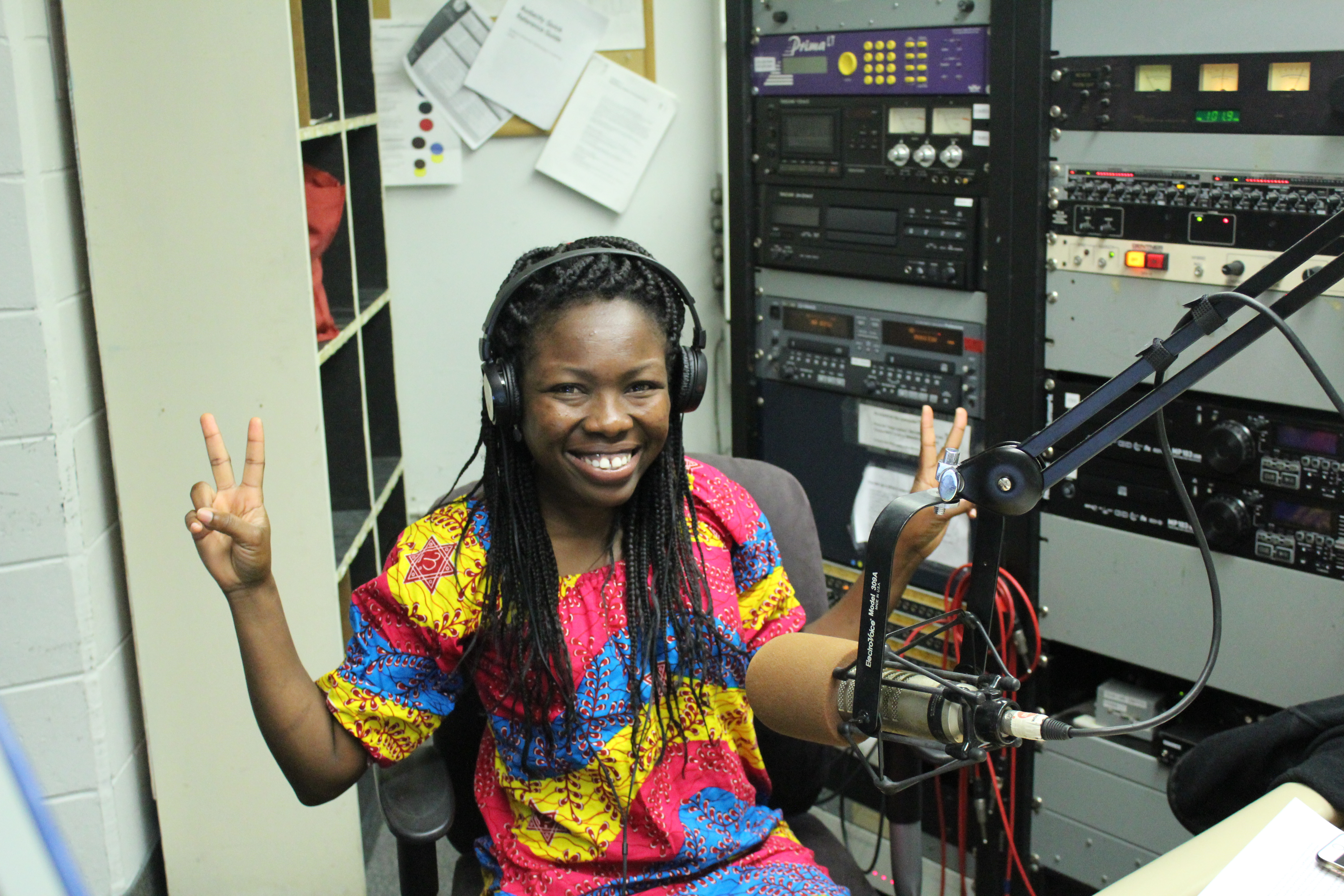
Christiana Okyere, PhD in Rehabilitation Science, supervised by Drs Heather Aldersey and Rosemary Lysaght
Topic: Inclusive Education for Children with Intellectual and Developmental Disabilities in Ghana. Overview: The 2030 Sustainable Development Goals and Human Rights Conventions such as the United Nations Convention on the Rights of Persons with Disability have recognized the right of children with disabilities to be included in general education settings. Several empirical global studies on inclusion and disability have shown that inclusive education provides the best opportunity to support the development of persons with disabilities. However, implementing inclusive education in developing countries such as Ghana where disability often signifies a complete disqualification from education can be challenging. The overarching goal of my research is to understand the experience and implementation of inclusive education with children with intellectual and developmental disabilities (IDD) in Accra, Ghana.
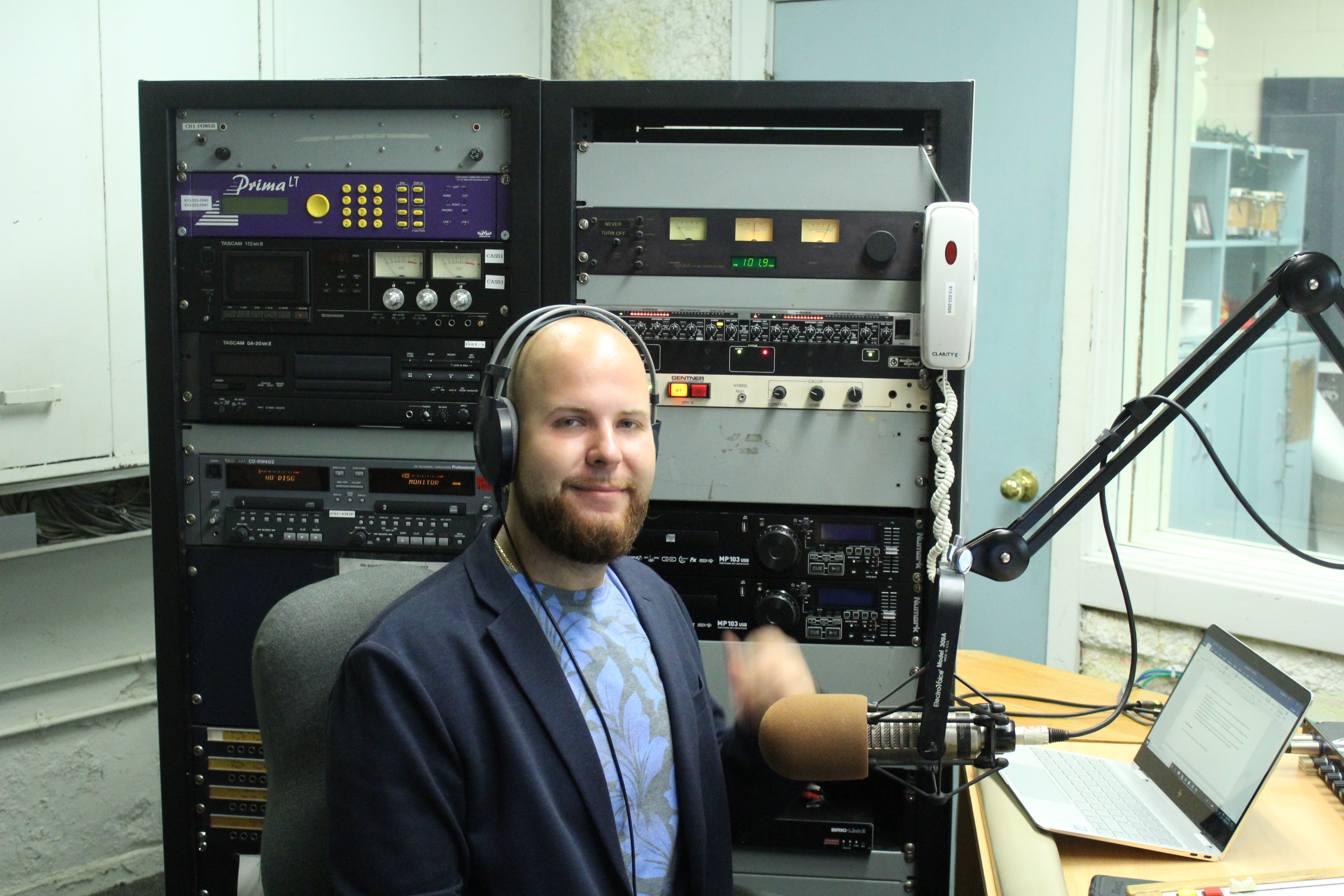
Leo Erlikhman, MA in Sociology, supervised by Drs Victoria Sytsma, Heather Murray and David Walker
Topic: Youth Alcohol in Kingston. Overview: Our objective is to describe youth presentation at the Emergency department from alcohol related issues. Information gathered will allow for temporal maps to be developed along with demographic profiles of those who access services.
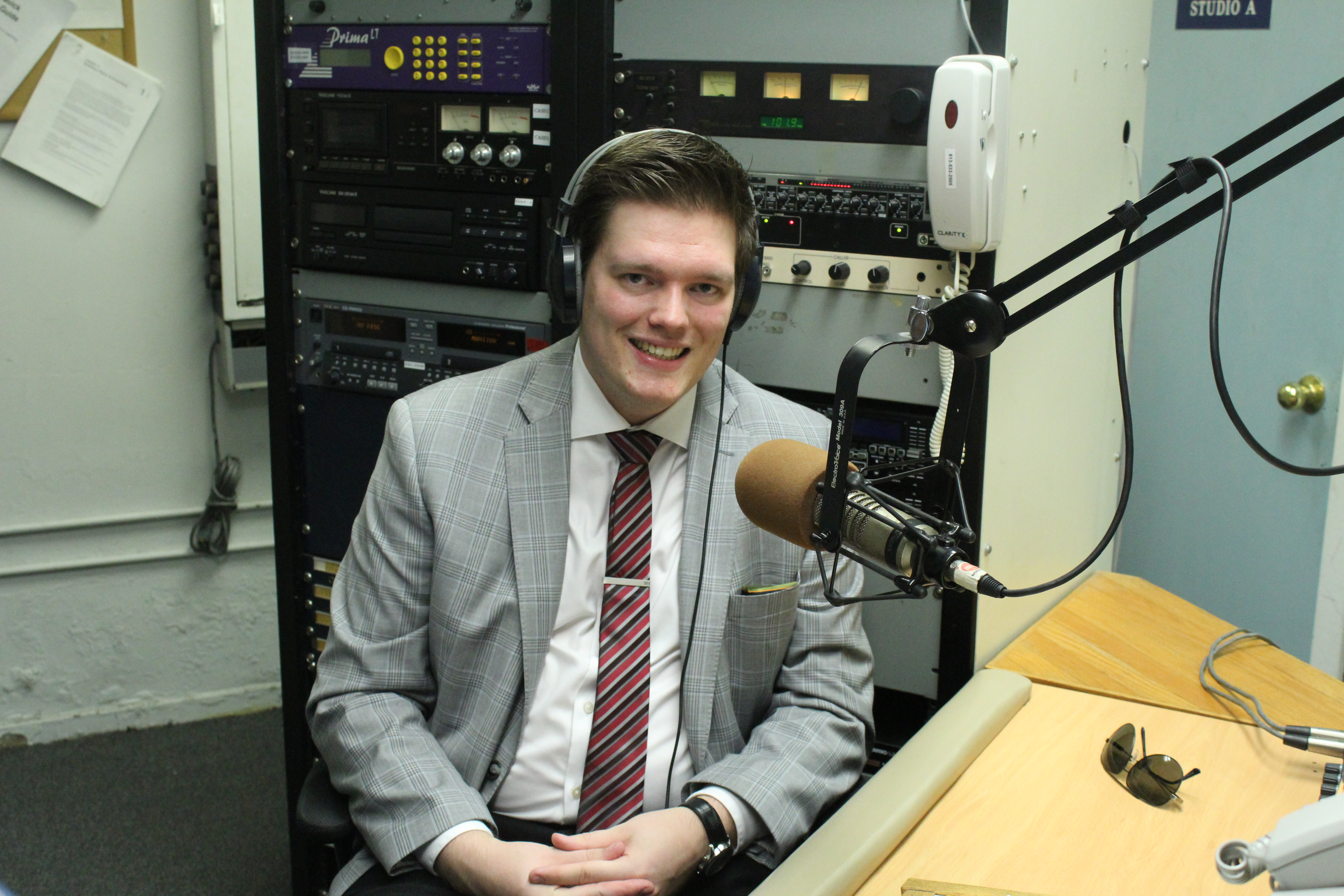
Sawyer Hogenkamp, Master of Education, supervised by Dr Ben Bolden
Topic: Bus Drivers Perceptions’ of Bullying on the Bus. Overview: Through surveys and interviews with Ontario bus drivers, I uncovered how they perceived bullying, the strategies they used to address bullying, and gained an overall sense of what is working/not working for them when dealing with bullying on school buses.
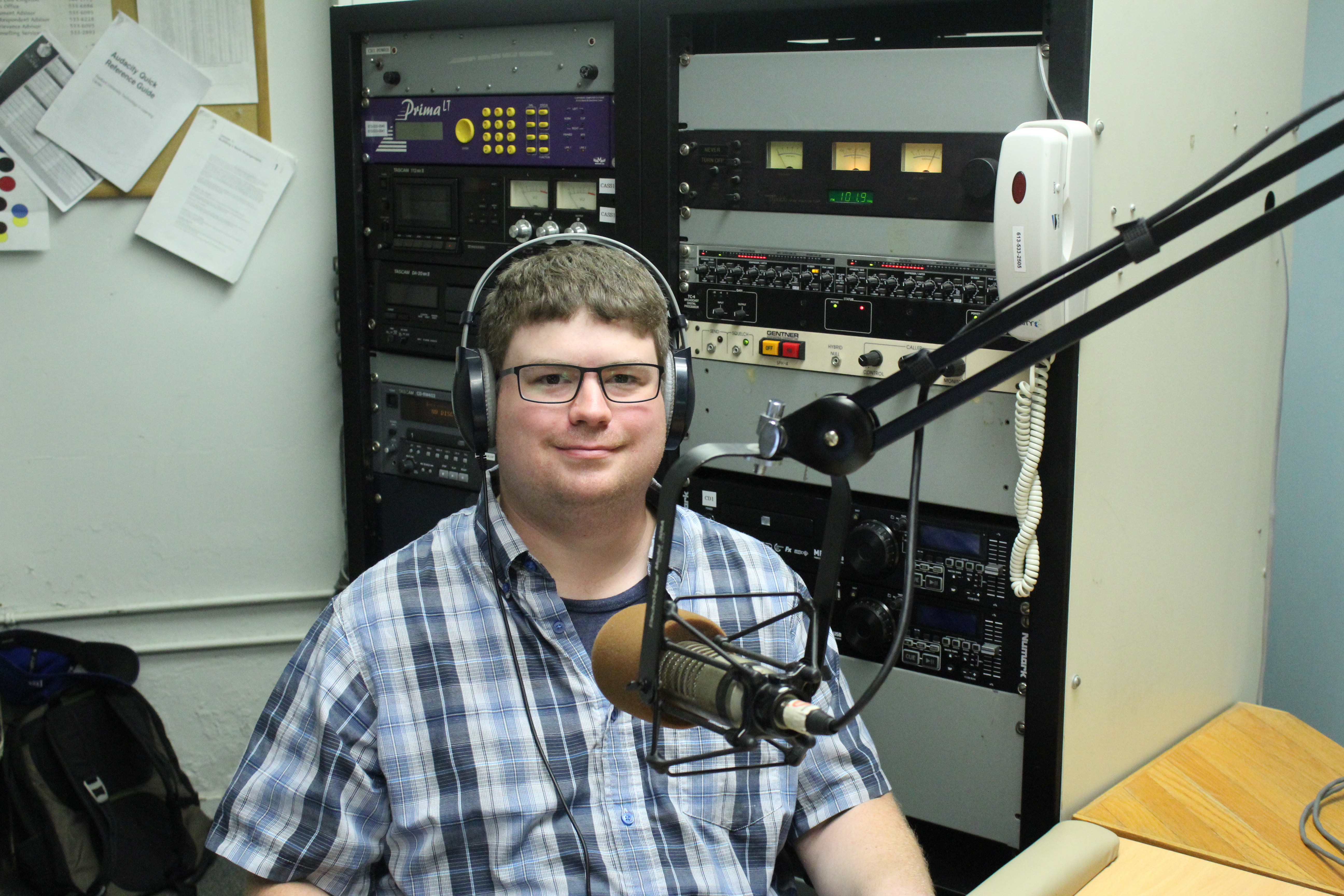
Eric Bateman, PhD in History, supervised by Dr Adnan Hussain
Topic: Inter-religious encounters during the Crusades (Medieval History). Overview: My research focuses on the emotional and affective aspects of Muslim-Christian encounters during the Crusades (1095-1291). I am currently focusing on reading and re-evaluating the written chronicles of the first Crusade (1095-1099) in order to pay attention to the emotional, gestural and affective practices at play in the texts.
Grad Chat: Vanessa Silva e Silva, Organ Donation
Vanessa Silva e Silva, PhD student in Nursing supervised by Dr Joan Tranmer Topic: Organ Donation Program Evaluation/Quality Assurance Overview: My research focuses on improving the quality of organ donation programs through studying in depth organ donation processes to increase the number of organs available for transplantation.
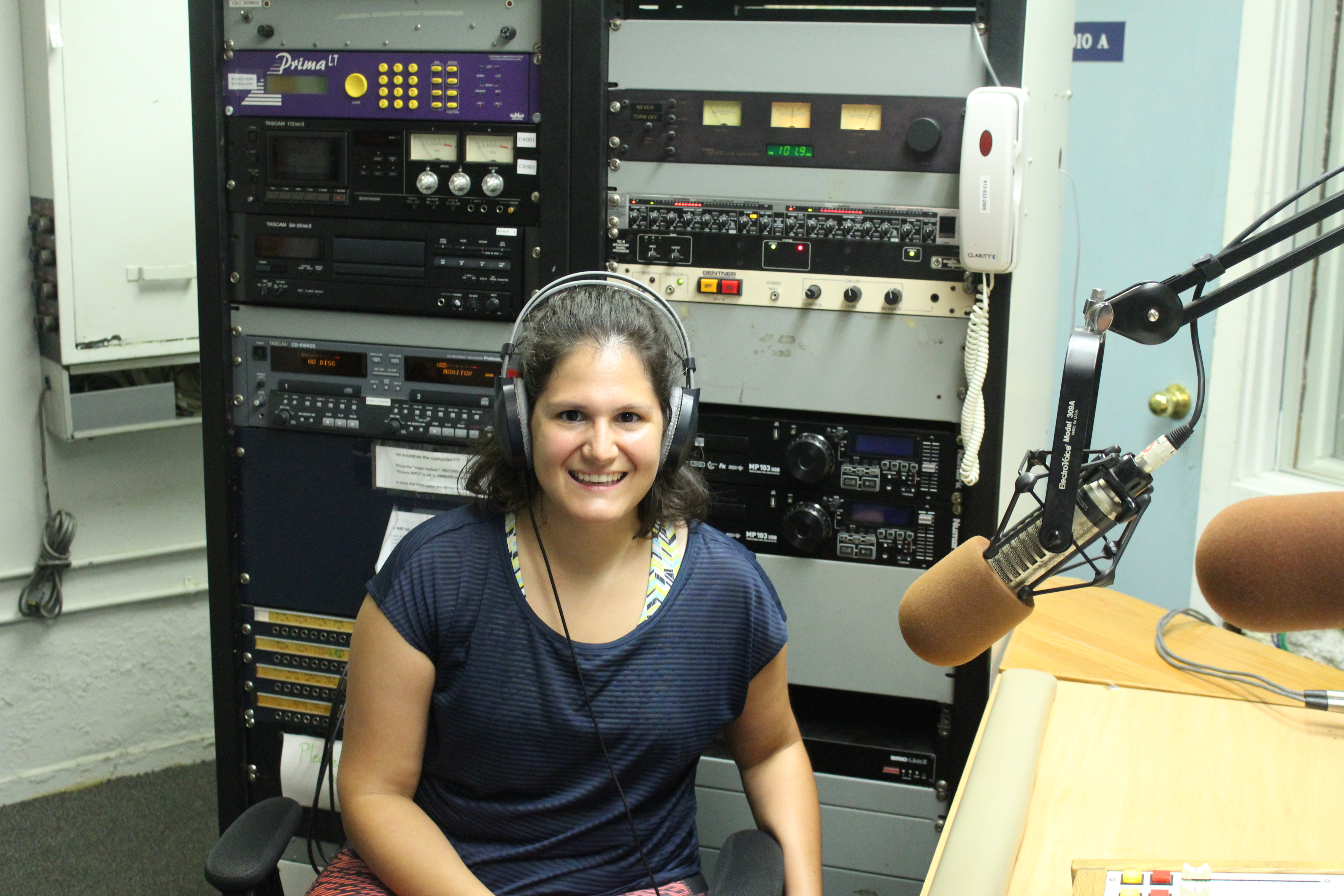
Vanessa di Battista, PhD in Civil Engineering, supervised by Dr Kerry Rowe
Topic: Geosynthetics in Site Remediation. Overview: Contaminated sites are a worldwide problem from fuel spill affected areas in Antarctica to brownfield site reuse in urban areas. This research has focused on investigating the use of geosynthetic (geomembranes and geosynthetic clay liners) barrier systems in the remediation and reuse of these sites..
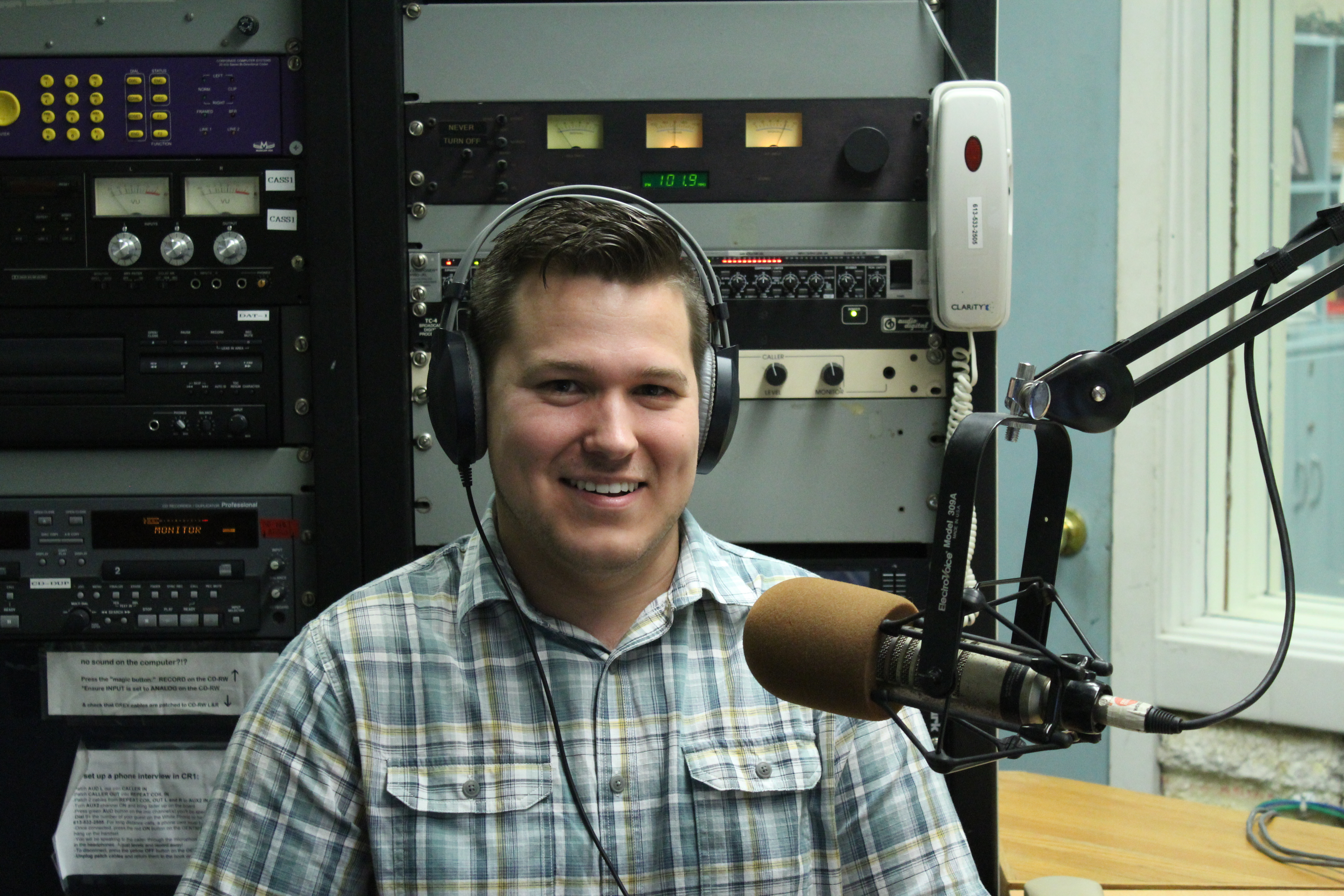
Evan Keys MNSc in Nursing, supervised by Dr Marian Luctkar-Flude
Topic: The integration of virtual simulation into undergraduate nursing training in resuscitation science. Overview: Virtual simulation, or ‘serious games’, are educational games which enable students to learn course content through an engaging and innovative modality. Virtual simulation has shown promising results in a variety of nursing roles, and therefore it is imperative that we evaluate the potential benefit of virtual simulation in improving the training of one of nursing’s most crucial tasks.
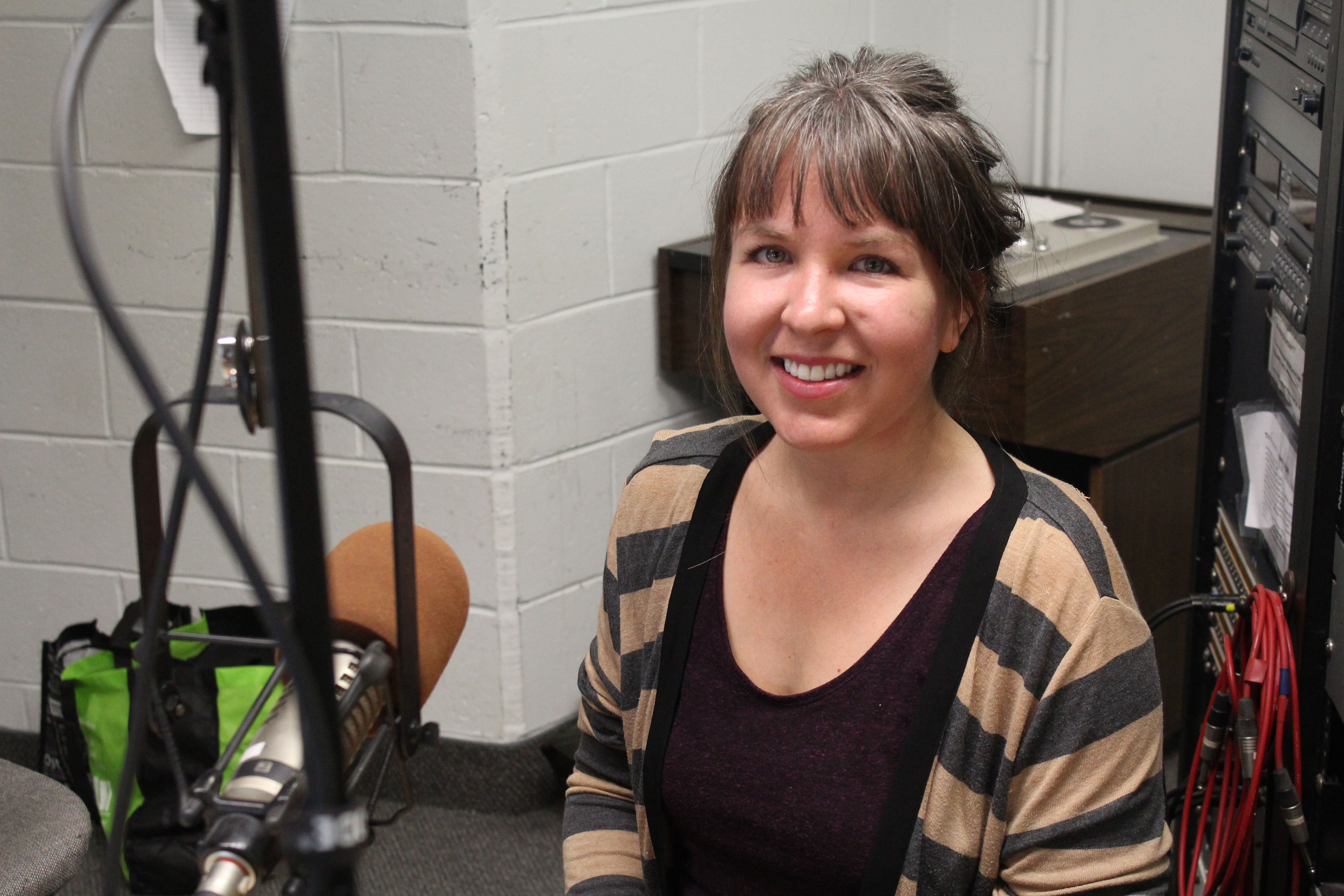
Natasha Larkin, MN (PHCNP) in Nursing
Topic: The implications for travelling for childbirth from rural and remote areas to urban centers Overview: Last summer I did a Joanna Briggs Institute systematic review as a part of a masters requirement course on the experiences of women who travel for childbirth. Women from rural and remote areas who have to travel for childbirth experience emotional and financial stressors, as well as negative impacts on their relationships and feelings of autonomy. Current practice does not align with evidence, and contributes to the vulnerability of an already vulnerable population.
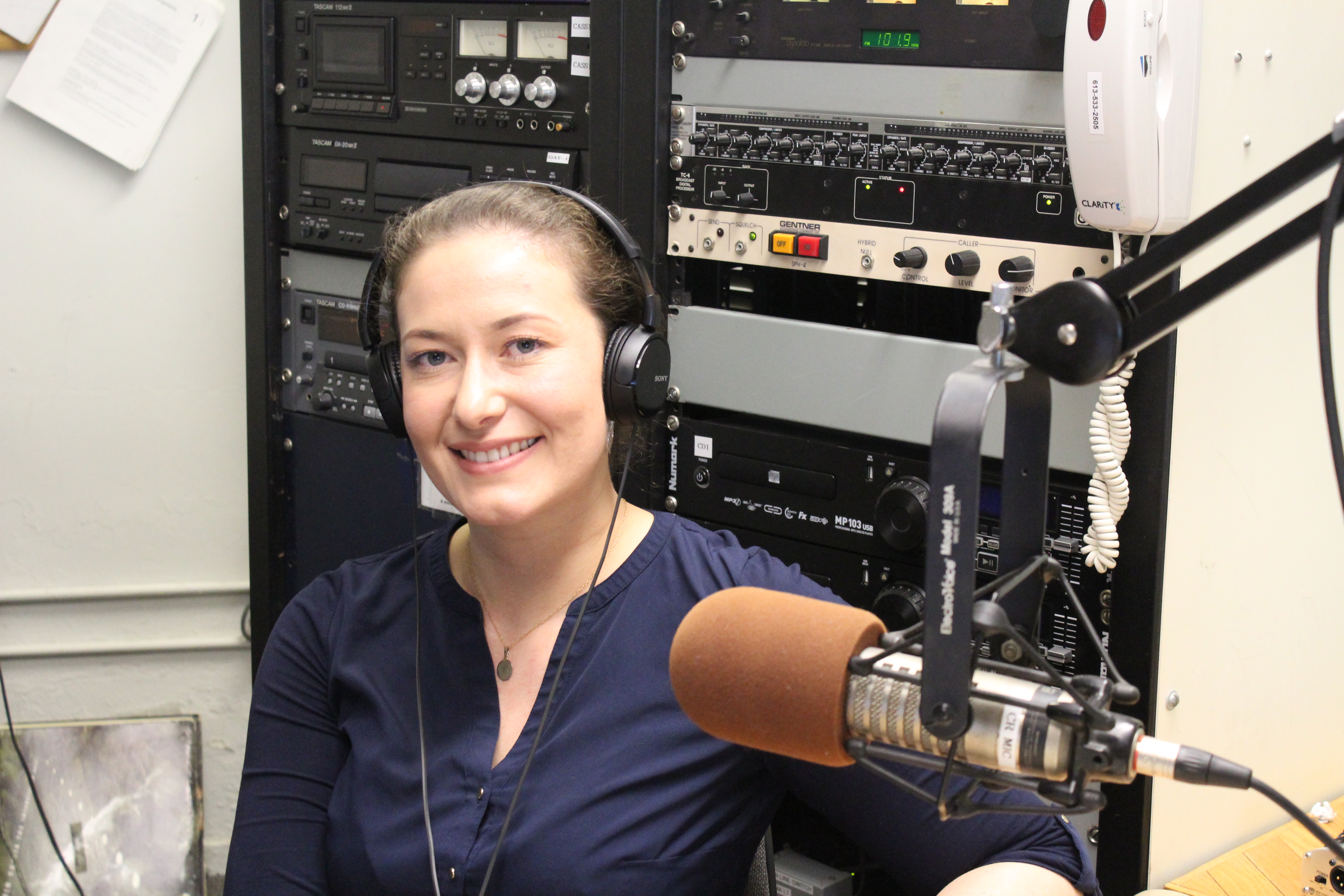
Vanessa Silva e Silva, PhD student in Nursing supervised by Dr Joan Tranmer
Topic: Organ Donation Program Evaluation/Quality Assurance Overview: My research focuses on improving the quality of organ donation programs through studying in depth organ donation processes to increase the number of organs available for transplantation.
CJ the DJ reports back from the School of Graduate Studies Welcome & Resource Fair for new graduate students
Overview: During the Welcome event, several new graduate students will be interviewed. Listen to what their first impressions are and what they came to Queen’s to study.