
Grad Chat - Queen's School of Graduate Studies and Postdoctoral Affairs
274 episodes — Page 2 of 6
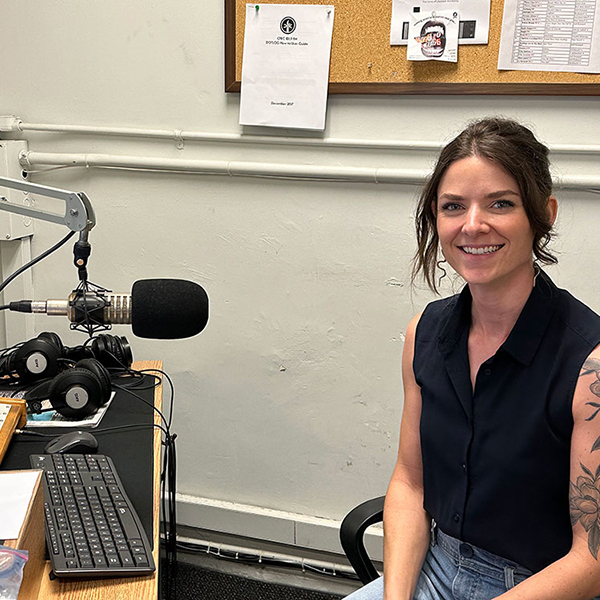
Laura Szczyrba (Geological Sciences) – Modern Coastal Processes
The coastal zone is shaped by sea level change, wave action, geological characteristics, and human decisions. These processes are spatially continuous, therefore techniques that monitor larger regions, such as remote sensing and numerical modeling, allow for a more detailed understanding of the drivers of coastal change. In Laura’s research, she applies these techniques to understand how waves and shoreline erosion evolve during storm events. Her main area of focus is the sandy beaches of the Outer Banks, North Carolina, USA. Here, the rate of erosion is so high that local infrastructure is critically threatened and her research informs better approaches to mitigate local-scale coastal risk. For upcoming interviews check out the Grad Chat webpage on Queen’s University School of Graduate Studies & Postdoctoral Affairs website
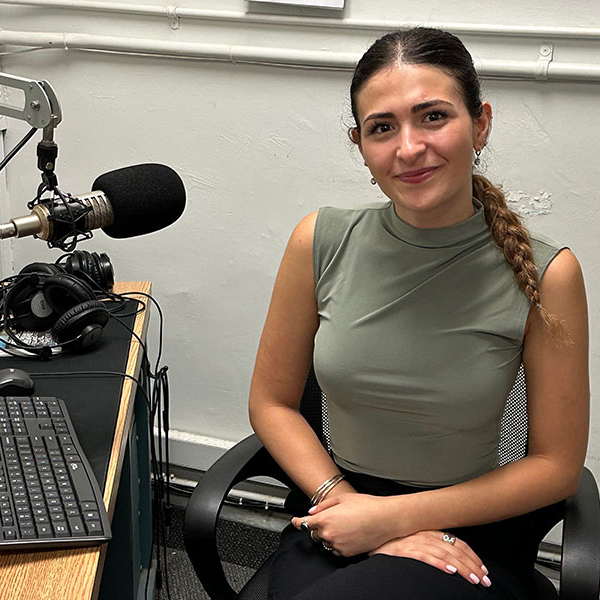
Rashelle Aldbai (Biomedical & Molecular Sciences) – Impact of cannabis on cancer metastasis mediated through epigenetic rewiring
The plant Cannabis sativa L. has historically served as a herbal remedy, garnering a considerable surge in both recreational and medicinal domains in contemporary times. However, this increased application has not aligned with our clinical awareness regarding the disturbances associated with cannabis. This assumes heightened significance in the context of palliative care for cancer patients, as the parameters controlling the interactions between cannabis and cancer have remained poorly defined. For upcoming interviews check out the Grad Chat webpage on Queen’s University School of Graduate Studies & Postdoctoral Affairs website.
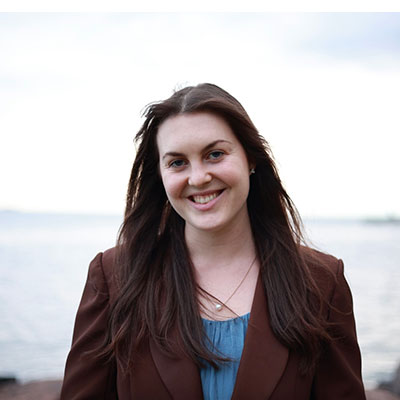
Kennedy Quigg (Chemistry/Chemistry Biology) – Discovery and Characterization of Putative Thermostable Enzymes for the Degradation of Polyether-Polyurethane Foam
Over 2,000 garbage trucks worth of plastic waste enter our oceans, lakes, rivers, and estuaries every day. Of the 300 million tons of plastic produced annually, only 10% is recycled. Due to the inertness and durability of plastic materials, current industrial recycling processes employ energetically demanding processes such as combustion and melting which further the global climate crisis by releasing greenhouse gases into the atmosphere. As such, enzymatic degradation of plastic has emerged as a promising alternative to traditional plastic recycling approaches since enzymes operate under significantly milder and less energetically demanding conditions. For upcoming interviews check out the Grad Chat webpage on Queen’s University School of Graduate Studies & Postdoctoral Affairs website.
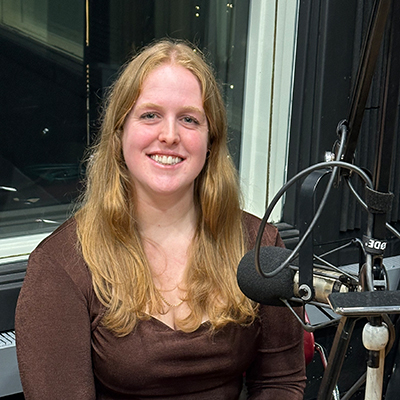
Jessica Burnside (Epidemiology) – The Burden of Steatotic Liver Disease in Canada: Sex Differences in Prevalence and Cardiometabolic Profiles
Jessica discusses the characteristics of metabolic dysfunction-associated steatotic (fat build up) liver disease (MASLD) in the Canadian context. For upcoming interviews check out the Grad Chat webpage on Queen’s University School of Graduate Studies & Postdoctoral Affairs website.
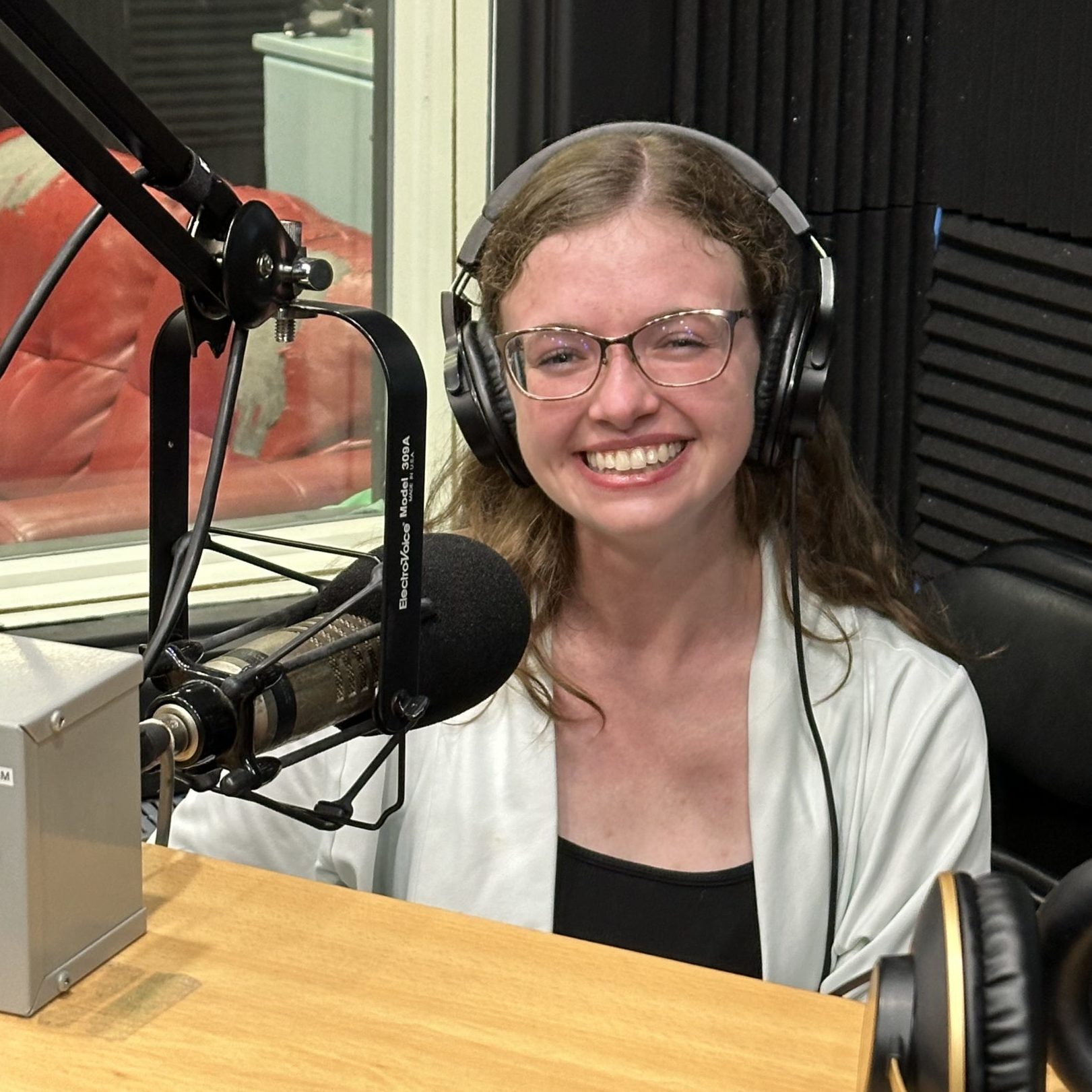
Taylor Rae Morrell (Geological Sciences) – how the pre-existing faults in the tectonic plate that is thrust beneath the other plate can be reactivated or move during collision
Taylor is a structural geologist, which means I study the architecture and processes behind the development of mountain systems. As a structural geologist, I need to factor in all the different aspects of a mountain system to effectively study it and create a comprehensive tectonic model to explain the evolution of the mountain system. For upcoming interviews check out the Grad Chat webpage on Queen’s University School of Graduate Studies & Postdoctoral Affairs website.
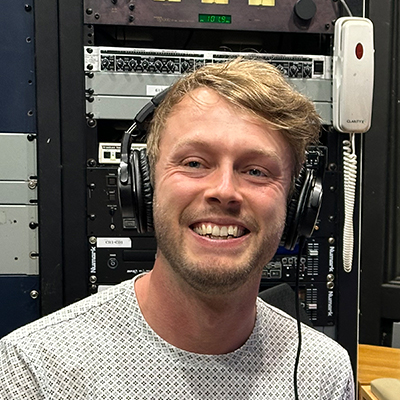
Lyn Wattam (Religious Studies) – The Trump Prophecy Movement
Mapping out and understanding the rise, power and resiliency of modern Christian prophecy among American evangelical voters that relate to Donald Trump’s presidency. For upcoming interviews check out the Grad Chat webpage on Queen’s University School of Graduate Studies & Postdoctoral Affairs website.
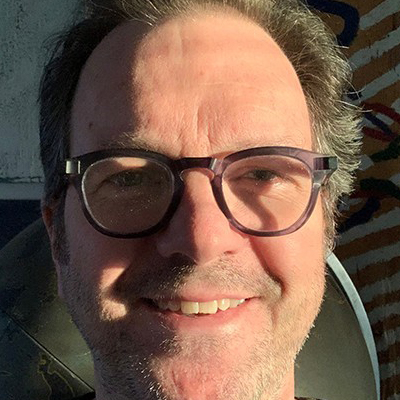
David McFarlane (TMU) – How we might come to understand the Great Lakes as animated actors in their own rights, with their own unique subjectivities?
David’s research-creation project draws on his experiences as a musician and visual artist, to employ sonic data gathering techniques such as biodata sonification and field recordings, alongside embodied and Indigenous-informed research methodologies in order to undertake a co-created artistic acoustic ecology with the Great Lakes. For upcoming interviews check out the Grad Chat webpage on Queen’s University School of Graduate Studies & Postdoctoral Affairs website.
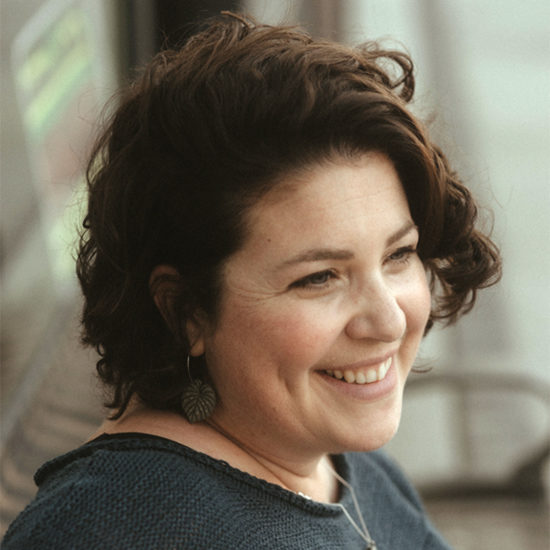
Jenelle Regnier-Davies (Toronto Metropolitan University)- Food security and food insecurity responses on the municipal level
Jenelle’s Ph.D. dissertation research examines the impacts of the COVID-19 pandemic on community-based food security responses in Toronto and entails broader examinations of food system governance in practice. Her work interrogates the equitable distribution of resources among the non-profit sector and examines EDI practices within philanthropic and government granting mechanisms. For upcoming interviews check out the Grad Chat webpage on Queen’s University School of Graduate Studies & Postdoctoral Affairs website.
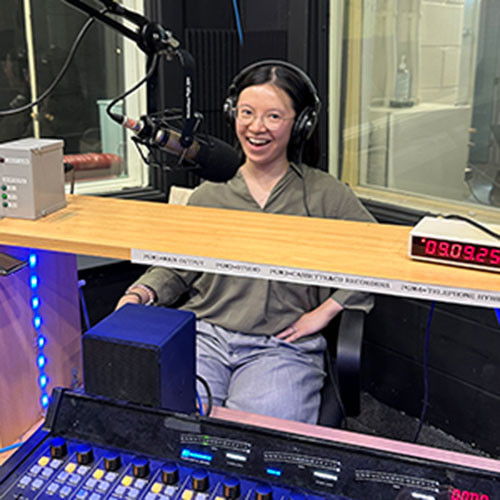
Jiale Xie (MSc in Translational Medicine) – Personalizing Blood Pressure Targets in the ICU to Improve Survivor Cognitive Outcomes
Each year, approximately 230,000 Canadians, or 1 in 100, receive ICU care. While over 90% survive, up to 55% of survivors develop long-lasting cognitive impairment within two years of ICU discharge. Recent research suggests that inadequate blood flow to the brain may play a role. The purpose of Jiale’s research is to identify patients’ optimal blood pressure ranges in real-time in the ICU and explore the feasibility of maintaining them within these ranges using clinically available blood pressure infusions. For upcoming interviews check out the Grad Chat webpage on Queen’s University School of Graduate Studies & Postdoctoral Affairs website
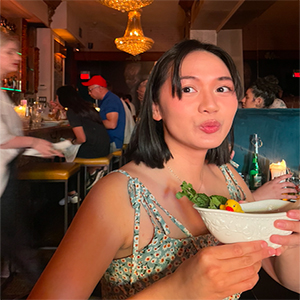
Debbie Hernandez (English & Film Studies) – Demythologizing Our Stories: (Re)connecting with Cultural Teachings in the Filipino Diaspora
Debbie Hernandez, a PhD student from Wilfrid Laurier University, explores the importance of cultural teachings in Filipino communities, focusing on how these teachings are remembered, experienced, used, and passed on, despite being marginalized within dominant cultures. Guided by feminist theory and postcolonial studies, particularly M. Jacqui Alexander’s concept of “pedagogies of the Sacred,” herwork respects these belief systems as real and valuable, rather than dismissing them as mere cultural artifacts. For upcoming interviews check out the Grad Chat webpage on Queen’s University School of Graduate Studies & Postdoctoral Affairs website.
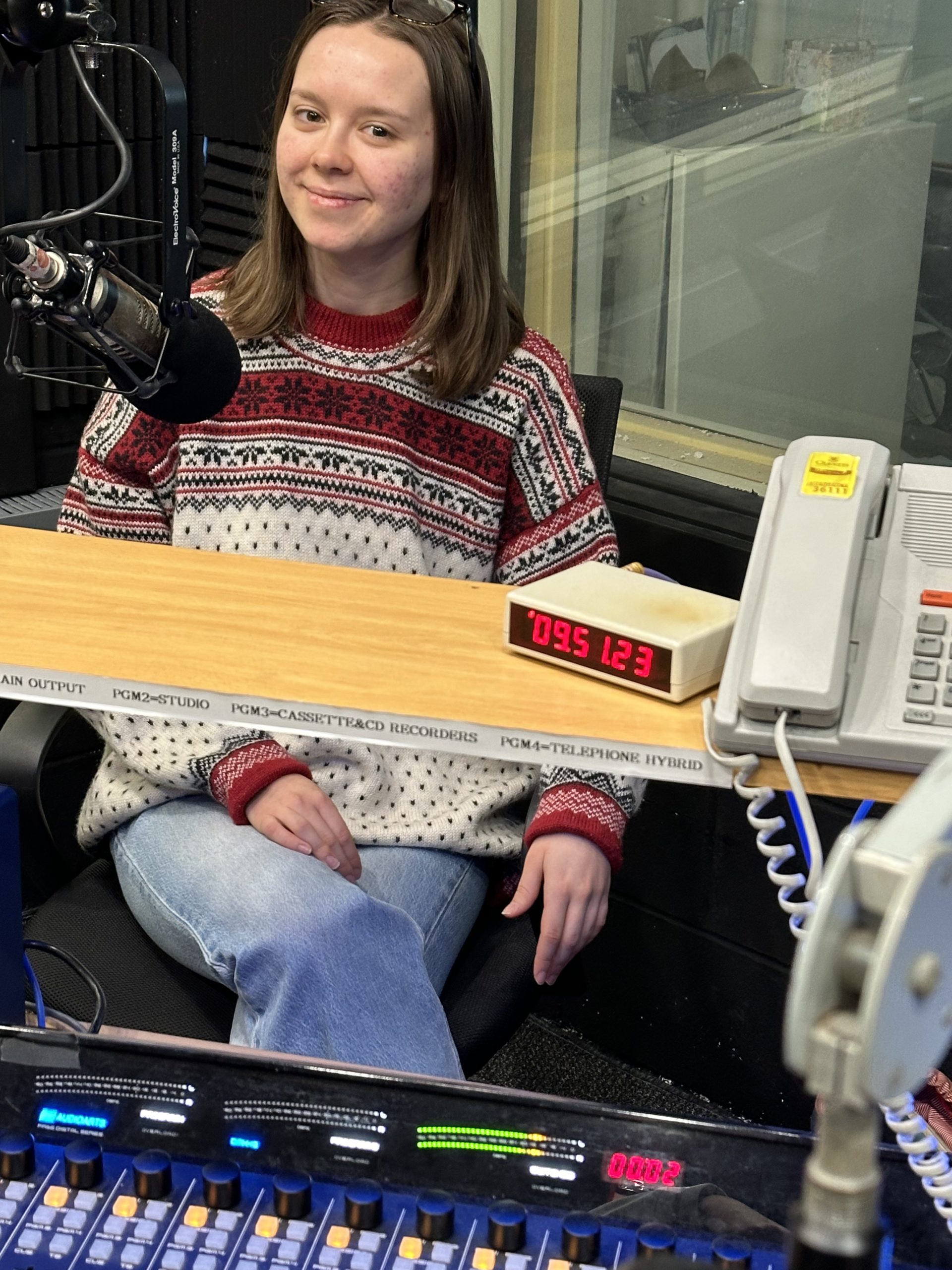
Julianna Petrenko (Biology) – Urban Ecology
Julianna talks about how we are losing biodiversity at an alarming rate, largely because of human-caused habitat degradation and loss. Yet, some species are persisting or even increasing for reasons that are often unclear. Some species might persist because of their ability to tolerate life in cities – one of the most dramatically human-modified habitats. Surprisingly, city birds were no more likely to have stable populations than birds that avoid cities, illustrating that urban tolerance does not protect against population declines. For upcoming interviews check out the Grad Chat webpage on Queen’s University School of Graduate Studies & Postdoctoral Affairs website.
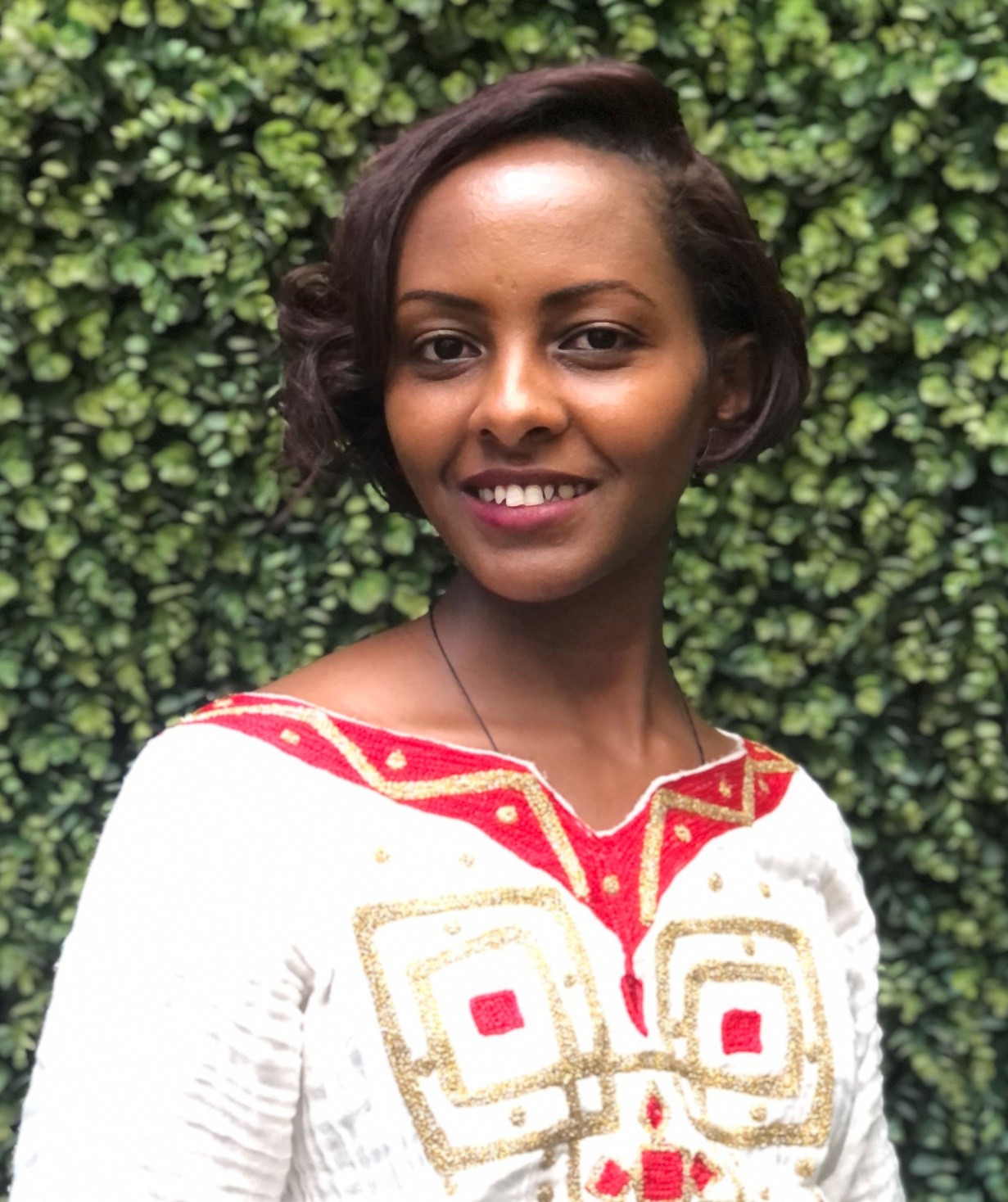
Bilen Mekoonen Araya (Rehabilitation Science) – The experience of infertility and rehabilitation services for women experiencing infertility in Ethiopia
Infertility – involuntary childlessness – affects millions of people, especially women, globally. In Ethiopia, it causes significant distress and burden on women, but there is limited research on rehabilitation services available to them. Understanding the psychological, social, and financial challenges for women living with infertility in Ethiopia is important. For upcoming interviews check out the Grad Chat webpage on Queen’s University School of Graduate Studies & Postdoctoral Affairs website.
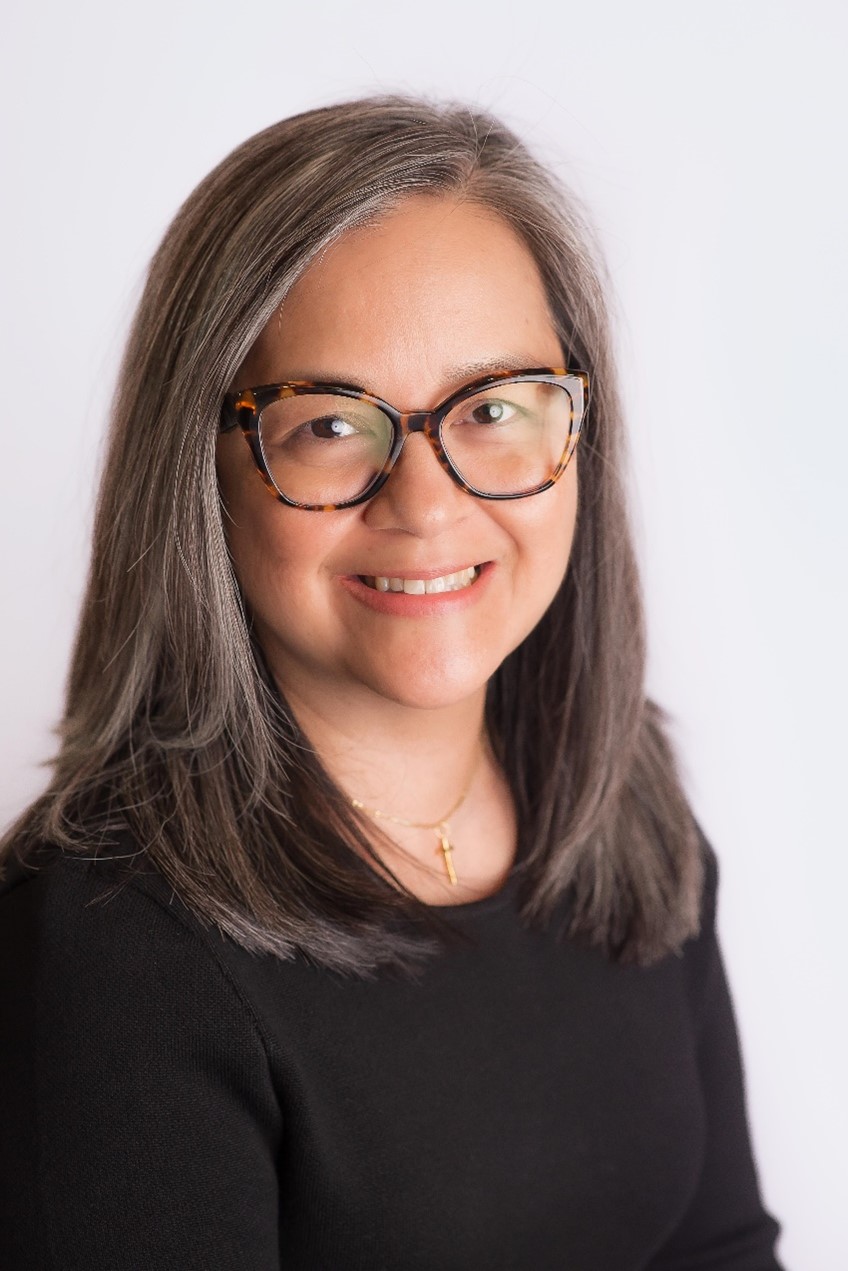
Jovina Concepcion Bachynski (Nursing) – Kidney Supportive Care
Kidney supportive care (KSC) is palliative care for people with advanced kidney disease. It provides relief of suffering and improves quality of life through early identification, assessment, and management of the symptom burden associated with kidney disease. KSC encompasses advance care planning (ACP)—a key element—in which patients’ goals, values, and preferences for present and future care are elicited to ensure concordant care. Nephrology nurses have a vital role in the delivery of KSC, particularly to people receiving dialysis, but they do not routinely engage in conversations with patients about their goals regarding critical matters such as end-of-life concerns. The purpose of my constructivist grounded theory method (GTM) study was to construct a substantive theory about the process of engagement in KSC by nurses in Canadian dialysis settings. For upcoming interviews check out the Grad Chat webpage on Queen’s University School of Graduate Studies & Postdoctoral Affairs website.
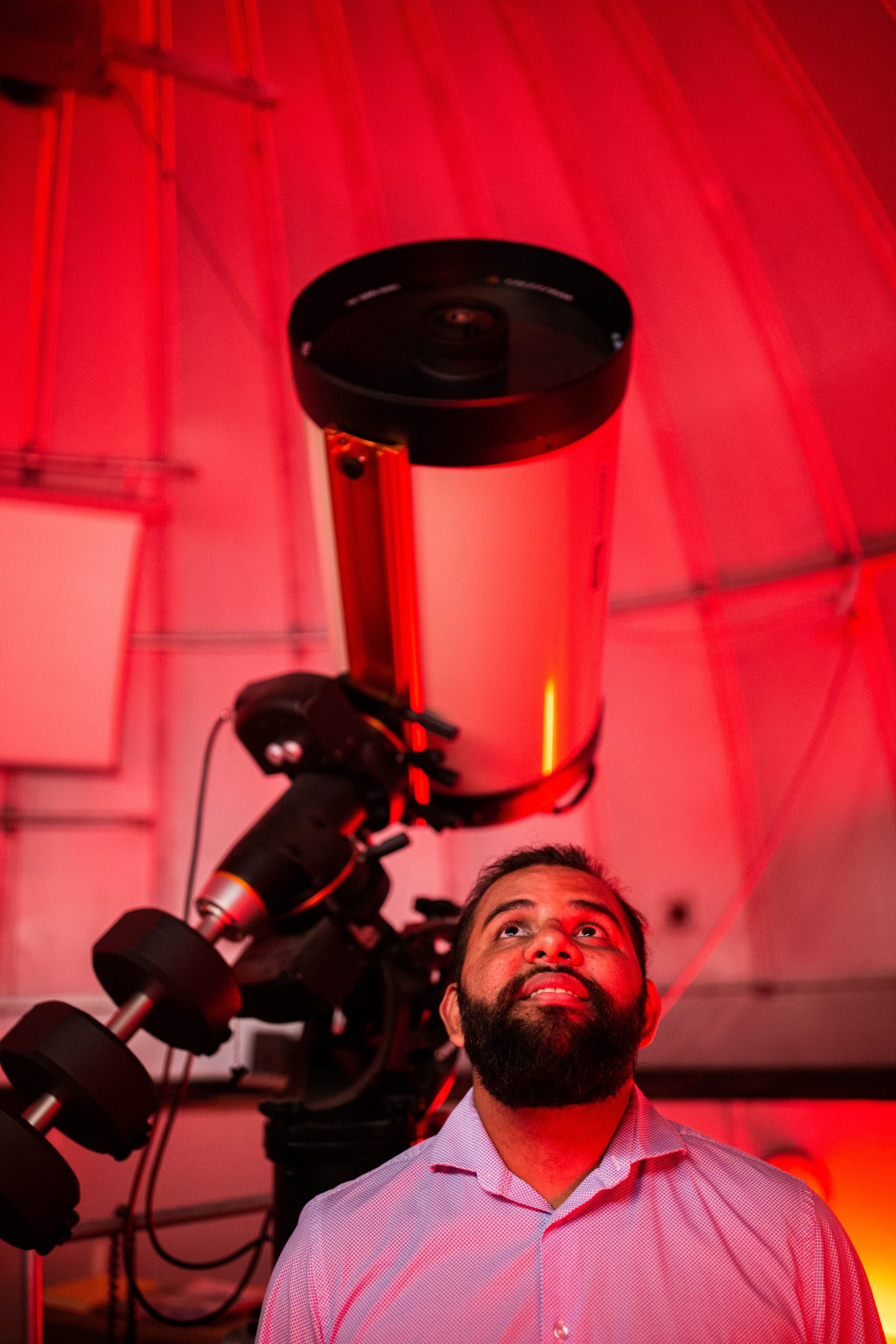
Dr Nikhil Arora (Astrophysics) – Comparing cosmological simulations with observations of galaxies to better understand their formation and evolution.
Dr Arora’s aim has been to uncover the intricate dynamics and evolutionary pathways of galaxies within our Universe. Through his research, he offers a distinct perspective on these cosmic entities, equipped with the expertise to navigate both theoretical frameworks and observational data. The careful comparison of telescopic observations with theoretical models is pivotal, forming the cornerstone for attaining a comprehensive understanding of galaxy formation and evolution in our cosmos and the role dark matter plays in their formation. For upcoming interviews check out the Grad Chat webpage on Queen’s University School of Graduate Studies & Postdoctoral Affairs website.
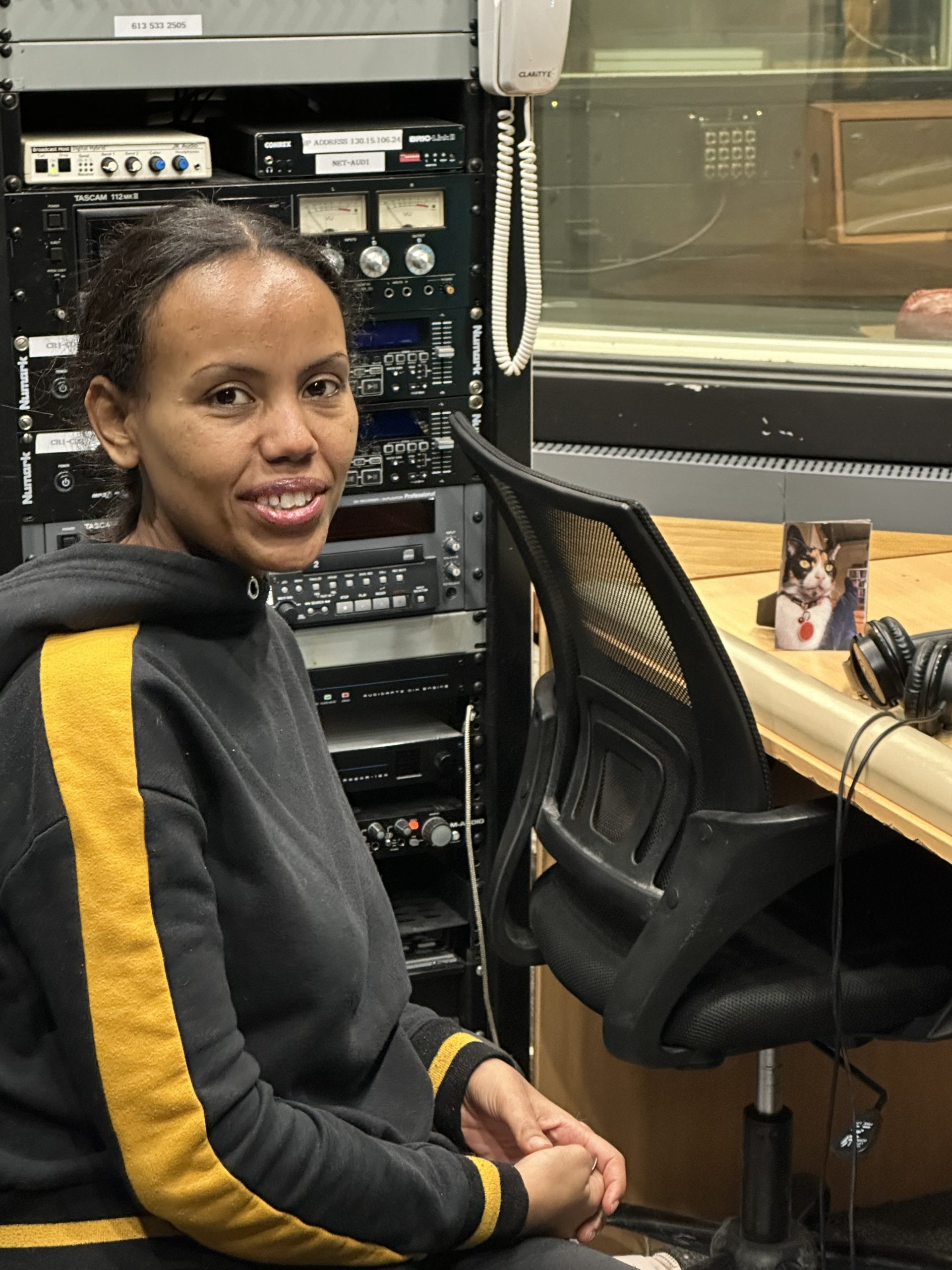
Tibeb Debele (Rehabilitation Science) – Beyond repair: The process of social inclusion of women after Obstetric fistula surgical repair in Ethiopia
Obstetric fistula is a birth-related injury that results when women go through prolonged and obstructed labor. As a result, some women experience stigma and exclusion from their families and the community. This study focuses on understanding how these women are included in their families and communities after receiving surgical correction. For upcoming interviews check out the Grad Chat webpage on Queen’s University School of Graduate Studies & Postdoctoral Affairs website.
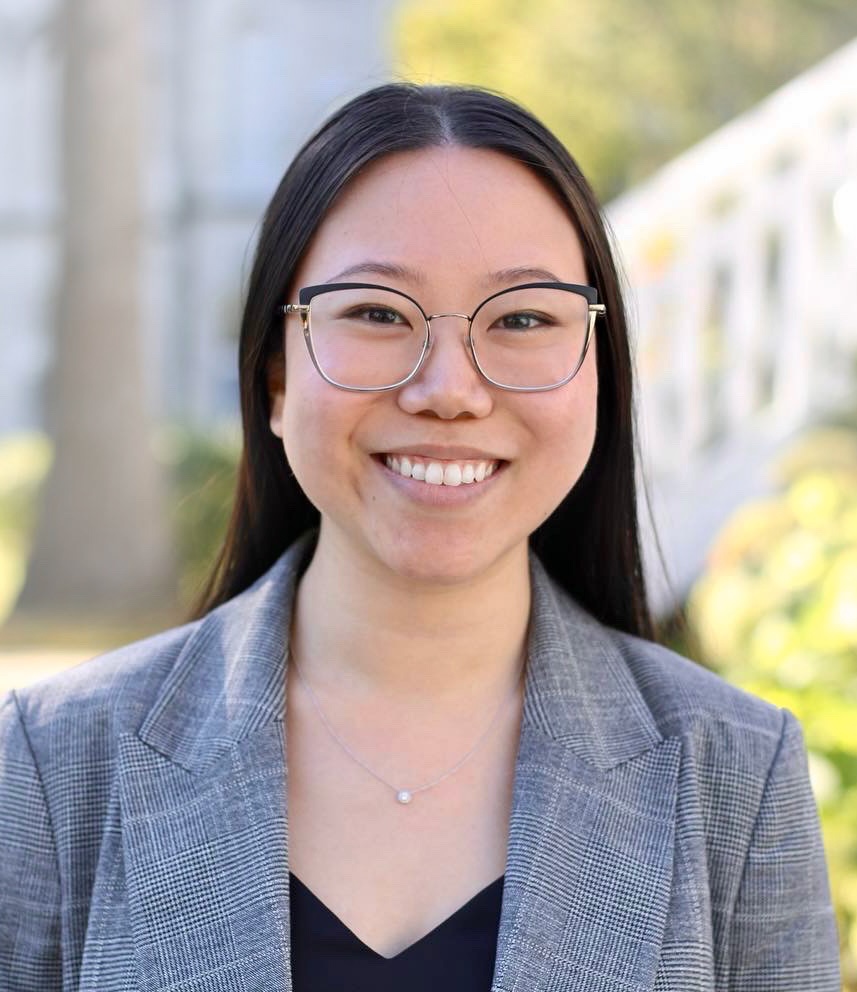
April Saleem (Pathology & Molecular Medicine) – Investigating the role of the gut microbiota in depressive disorders
Depressive disorders effect over 310 million people worldwide, reduce quality of life, co-occur with other physical disorders, and increase risks of premature death. Recent studies have suggested a link between the microbes residing in the human gut and the central nervous system, suggesting a bidirectional interaction called the microbiota-gut-brain axis. For upcoming interviews check out the Grad Chat webpage on Queen’s University School of Graduate Studies & Postdoctoral Affairs website
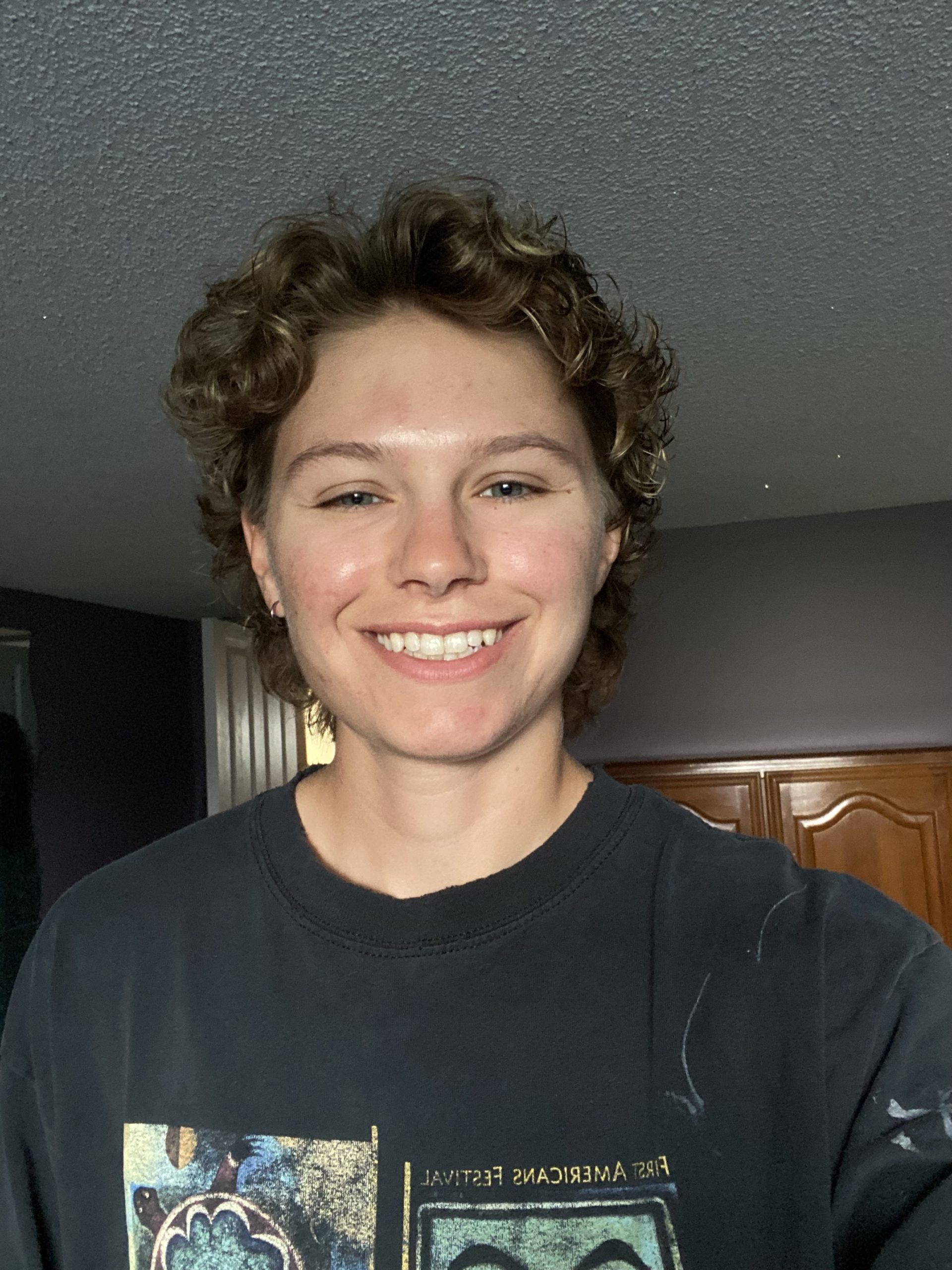
Dakota Urban (Classics & Archeology) – Transcultural language in Diasporic Jewish Inscriptions
The diasporic (Jewish) experience is characterized by the dynamics of acculturation and enculturation; a twofold process entailing a degree of integration into the majority culture and at the same time a strong retention of the Jewish identity. The primary purpose of Dakota’s thesis is to demonstrate how diasporic Jewish communities in the Graeco-Roman world adapted to different contexts in which they were the minority, while cultivating their identity within these contexts and making it accessible and receptive for non-Jews. To achieve this, Dakota explores how transcultural language in Greek-language inscriptions expresses the Jewish identity in a manner fitting both the boundaries of Judaism and the larger societal framework of the Graeco-Roman world. For upcoming interviews check out the Grad Chat webpage on Queen’s University School of Graduate Studies & Postdoctoral Affairs website.
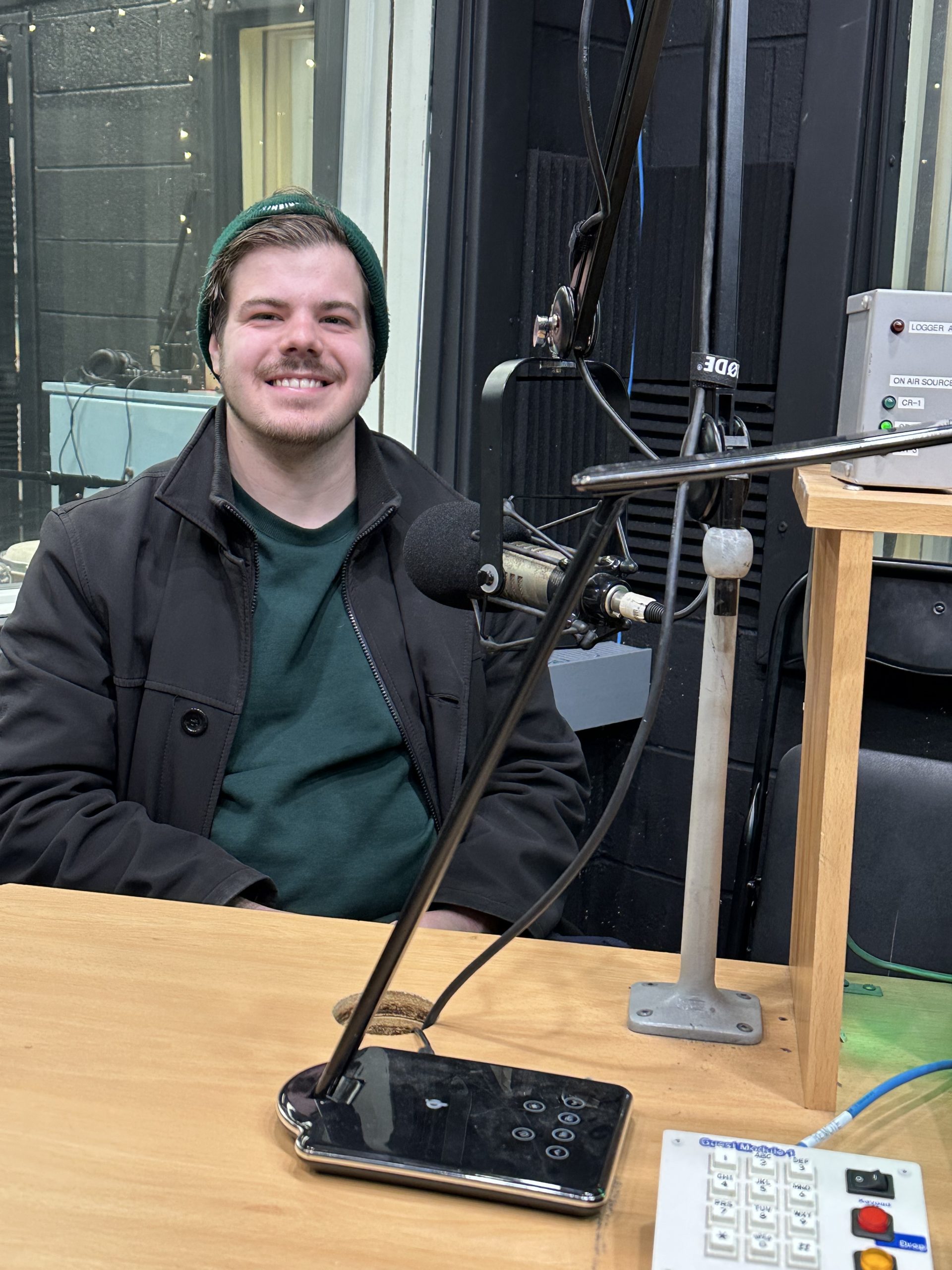
Riley Cooper (MASc, Electrical & Computer Engineering) – Data-Driven Nonlinear Model Predictive Control for an Autonomous Surface Vessel
How to improve the autonomy of a robotic boat. For upcoming interviews check out the Grad Chat webpage on Queen’s University School of Graduate Studies & Postdoctoral Affairs website
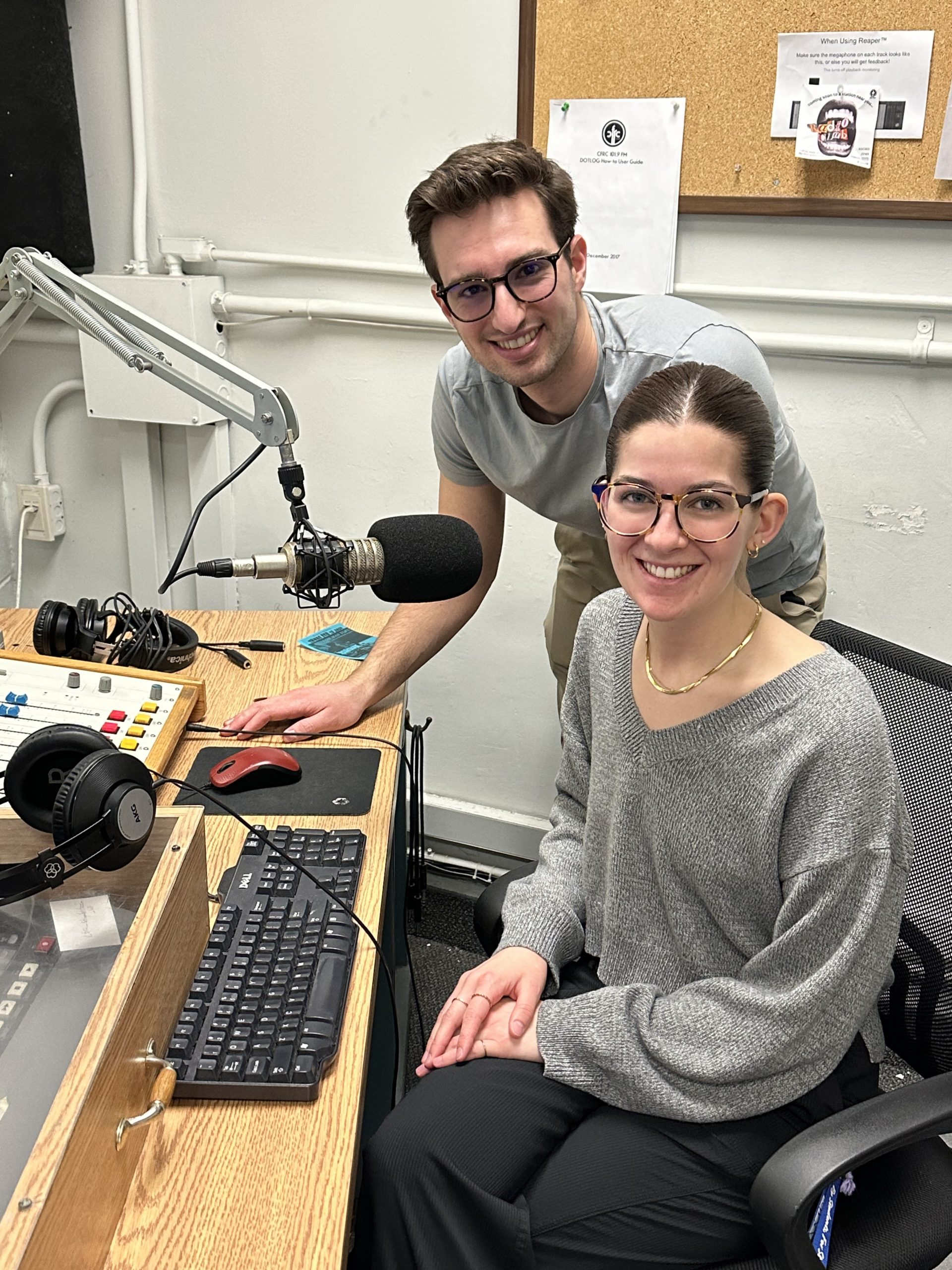
Sofia Skebo and Isaac Emon (Translational Medicine) – Pulmonary Hypertension, what is it?
Isaac is investigating the role of CHIP mutations and inflammation in pulmonary arterial hypertension, while Sofia is examining the impact of BMPR-II loss on blood vessel growth in pulmonary arterial hypertension. Two different angles, but it is still in relation to pulmonary arterial hypertension. For upcoming interviews check out the Grad Chat webpage on Queen’s University School of Graduate Studies & Postdoctoral Affairs website – https://www.queensu.ca/grad-postdoc/research/share/grad-chat

Mary Johnson (English) – Ecocritical approaches to children’s literature
Mary is interested in exploring intersections of girlhood and wild spaces in “Golden Age” (1865-1926) children’s literature. In particular, I want to consider how relationships with wild spaces (re)configure awareness of the body, especially when contextualized with the ED (disordered eating) rhetoric that continues to be quietly pervasive across children’s literature. Mary also discusses her first published childrens book called “The curse of Eelgrass Bog”, under the pen name Mary Averling, which is now available via Penguin Random House For upcoming interviews check out the Grad Chat webpage on Queen’s University School of Graduate Studies & Postdoctoral Affairs website
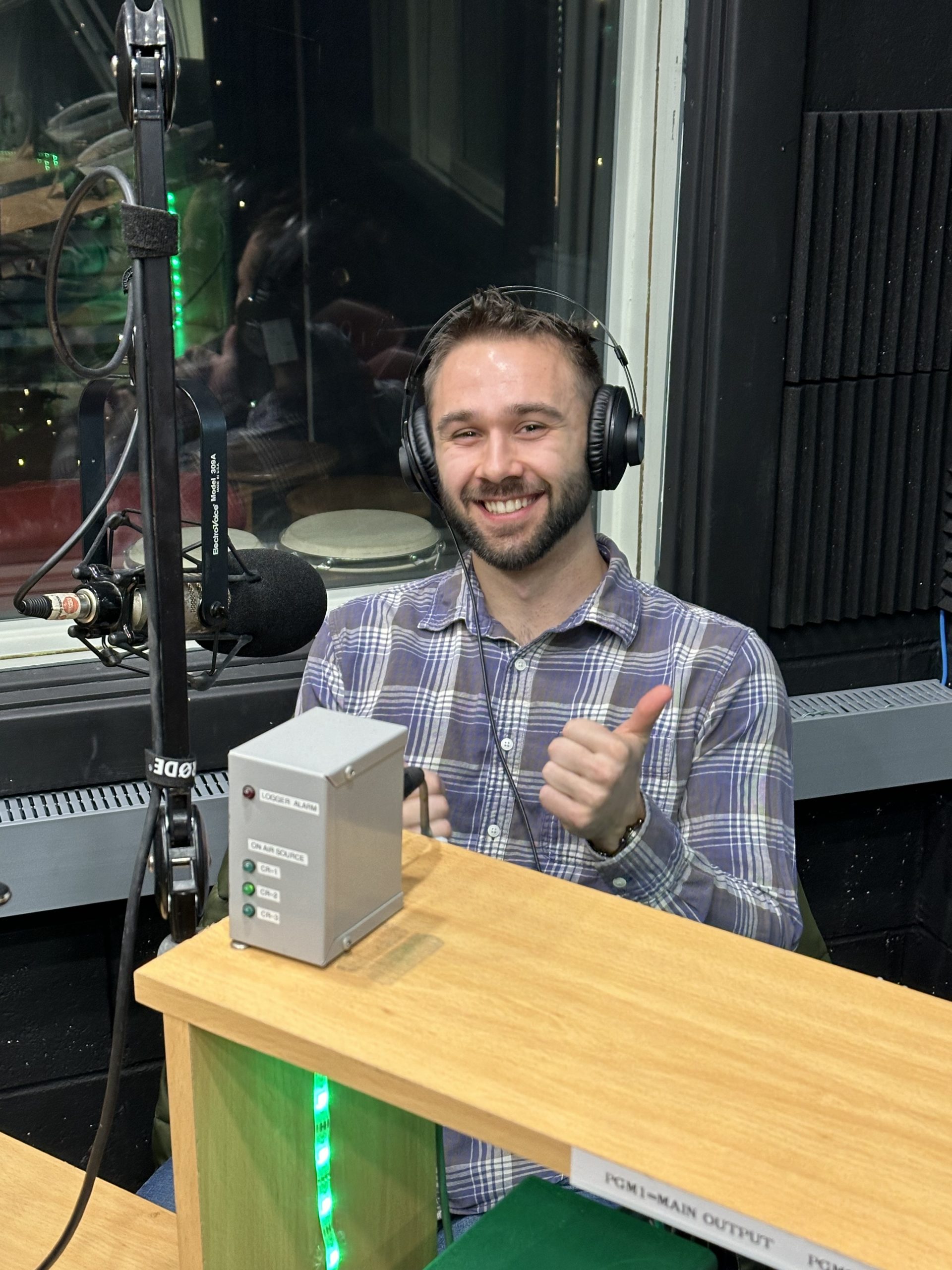
Shamus Tobin (MSc, Astronomy) – Investigating Annular Rings in Young Protostellar Disks
During star formation, gas and dust that goes into forming a new star also go to forming an equatorial disk of material known as protostellar disks, these are where planets form. Young disks (<1Myr), as opposed to their older cousins, have only recently been able to be studied in detail thanks to recent advancements in ground based observing facilities. My research focuses on two young protostellar disks that have been found to possess substructures in the form of annular rings. Similar rings have been previously found in much older disks (1-5Myr), but this is some of the first evidence of these kinds of structures existing at such an early stage of a disk’s life. My goal is to accurately model the physical characteristics of these two disks to better understand how they and their rings evolve into their later stages. For upcoming interviews check out the Grad Chat webpage on Queen’s University School of Graduate Studies & Postdoctoral Affairs website.
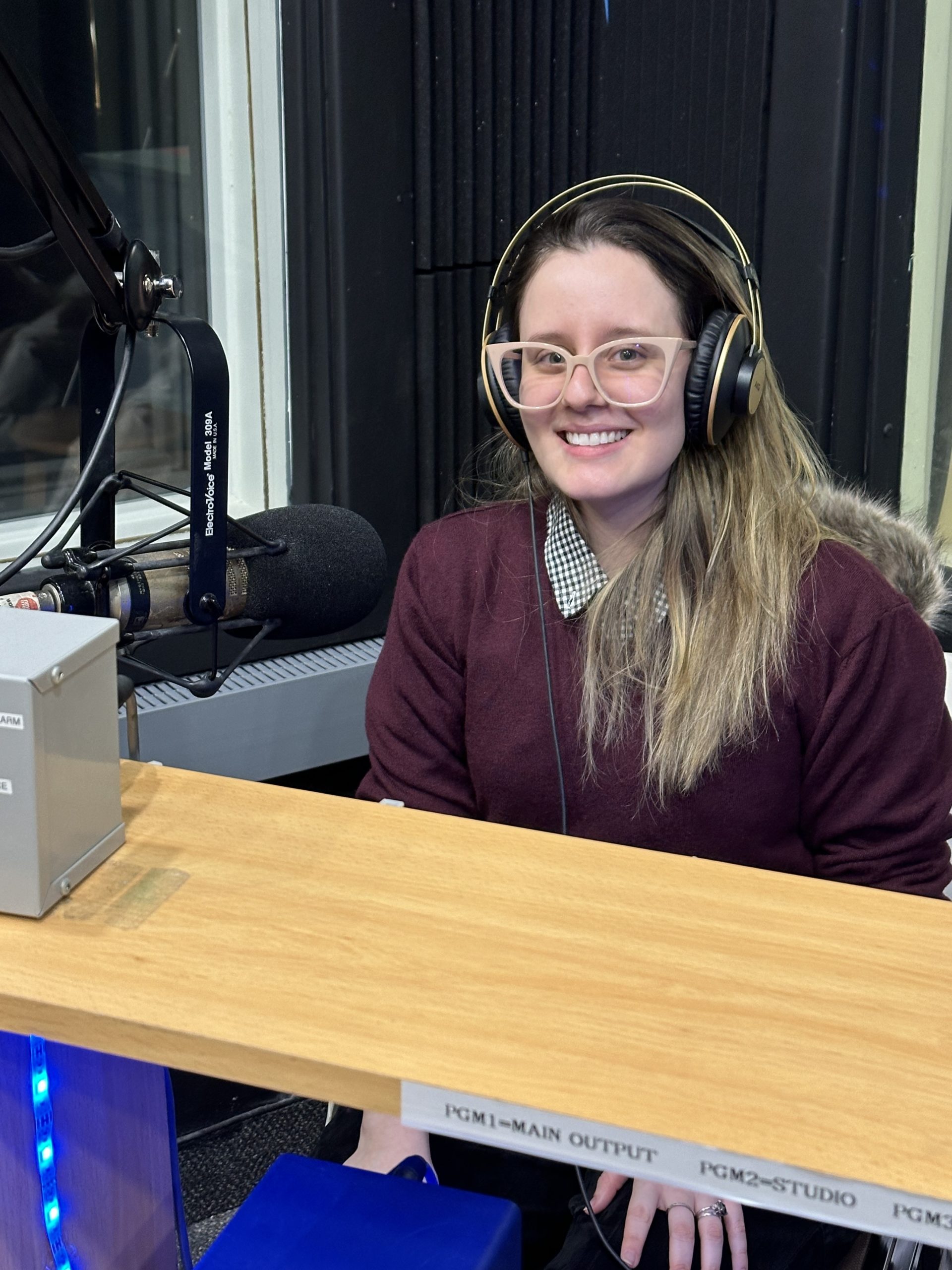
Graziella Bedenik (Mechanical & Materials Engineering) – the potential to monitor freshwater lakes using robot swarms
Development and Application of Autonomous Multi-Agent Underwater Robot Swarms for Environmental Monitoring and Response in Canadian Freshwater Lakes. For upcoming interviews check out the Grad Chat webpage on Queen’s University School of Graduate Studies & Postdoctoral Affairs website.
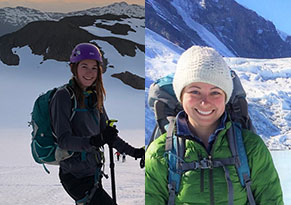
Sofia Guest & Madeline Myers (Geography) – What We Can Learn from Studying Glaciers in the Arctic
Sofia Guest (MSc student) talks about precipitation sources and summer snowfall in the Canadian Arctic, while Maddie Myers (PhD candidate) talks about how glacier surface mass change is affected by climate change. Both are part of the ICElab at Queen’s under the supervision of Dr Laura Thompson. For upcoming interviews check out the Grad Chat webpage on Queen’s University School of Graduate Studies & Postdoctoral Affairs website.
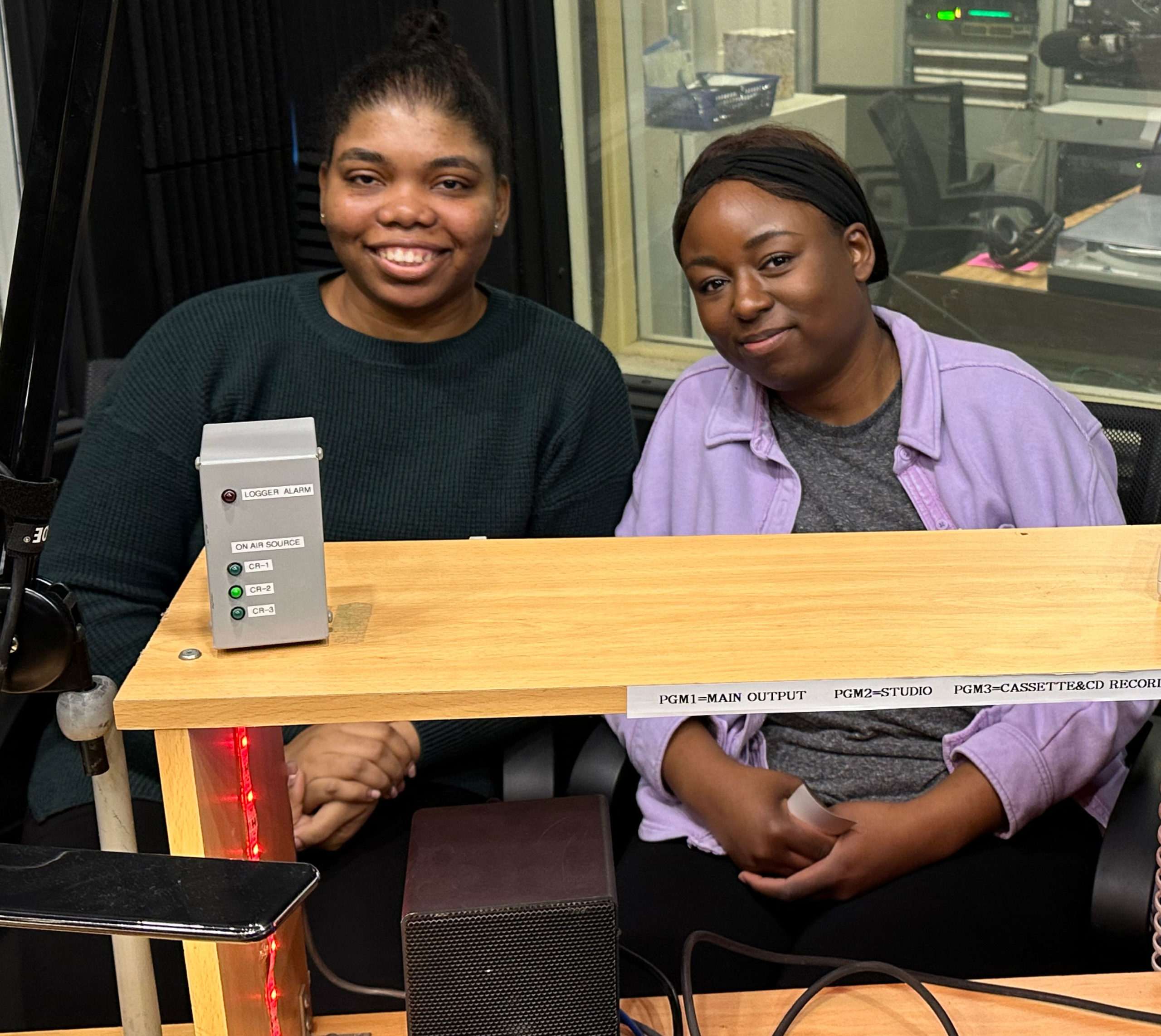
Angela Stanley & Kharoll-Ann Souffrant – Predoctoral Fellows in Black Studies
Kharoll-Ann’s research examines the “#MoiAussi movement (#Metoo)” in the province of Quebec from the perspective of Black feminist activists and black women survivors. Angela Stanley’s research looks at “Queer and Disabled Afterlives of Racial Eugenics”. For upcoming interviews check out the Grad Chat webpage on Queen’s University School of Graduate Studies & Postdoctoral Affairs website.
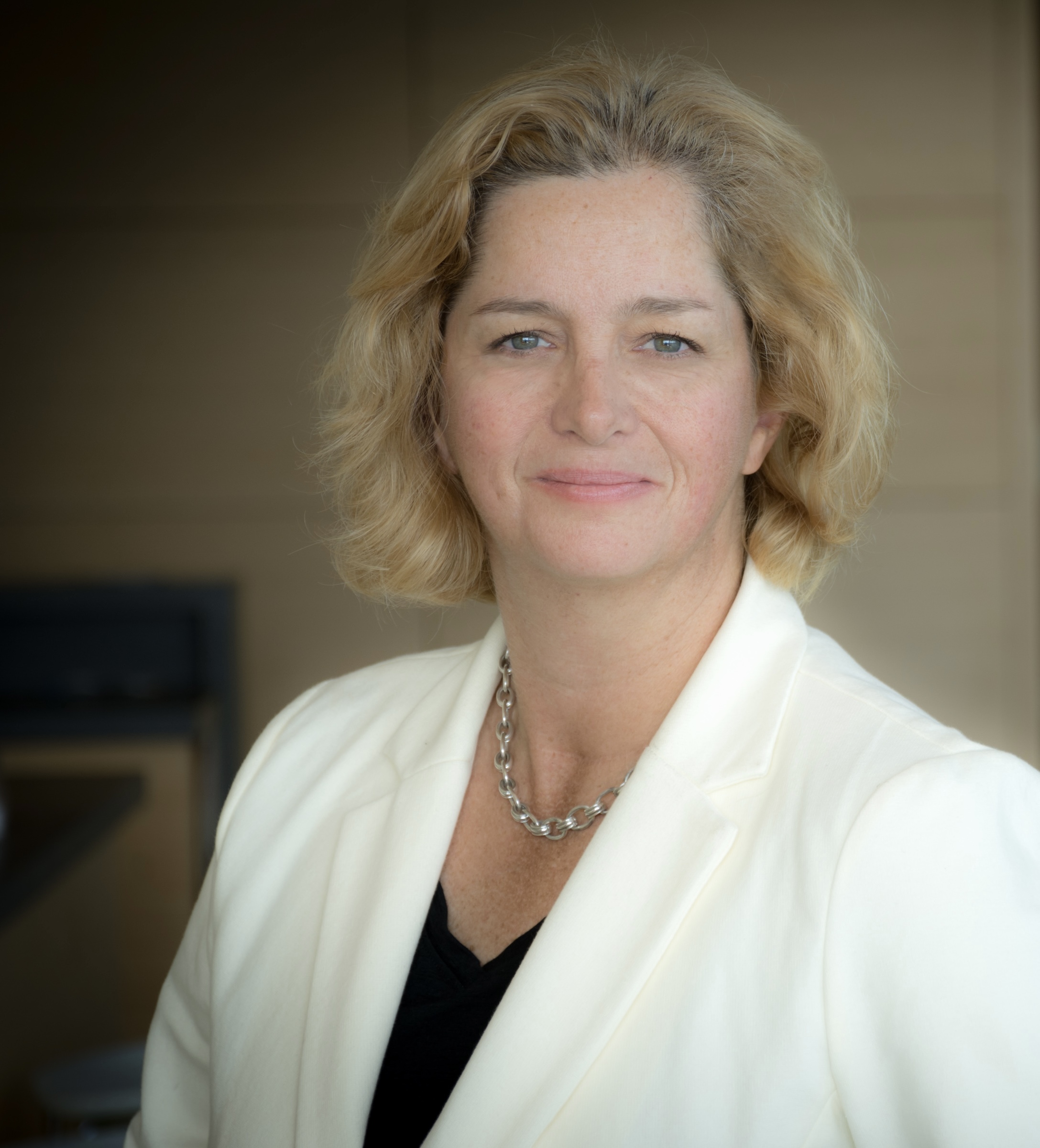
Heather Morrison (PhD, Education) – Could a national museum dedicated to women’s history as a vehicle for public pedagogy strengthen liberal democracy in Canada?
Heather has two primary objectives. The first is to demonstrate Public Pedagogy’s role as a foundational tenet of liberal democracy in that it promotes responsible citizenship and fuels social change through knowledge acquisition. The second is to build an evidence-based case for establishing a national museum of women’s history, amplifying the little-known and untold stories of the contributions of all women, including pre-colonial women and those who self-identify as women, to the lands now known as Canada. For upcoming interviews check out the Grad Chat webpage on Queen’s University School of Graduate Studies & Postdoctoral Affairs website – https://www.queensu.ca/grad-postdoc/research/share/grad-chat
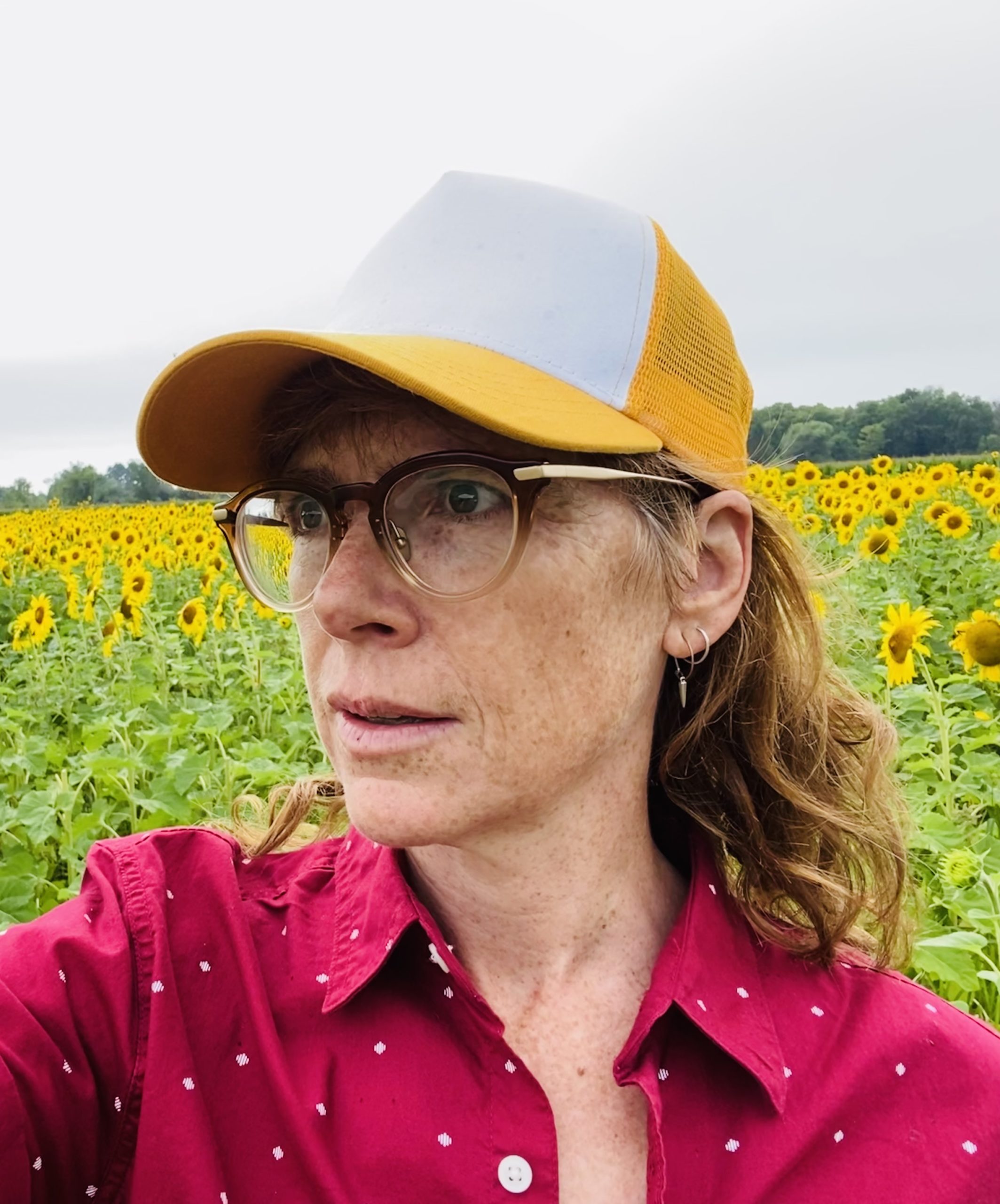
Evalyn Parry (MA, Cultural Studies) – Distant Early Warnings: Arts Leadership and Creative Practice in Unsettled Times
Evalyn talks about her research-creation project that reflects on the relationship between arts leadership, creative practice, and cultural change. Using songwriting as an embodied, queer feminist method, this ‘portfolio’ format thesis includes three songs and six written chapters to examine the experience of being the Artistic Director of Buddies in Bad Times Theatre between 2015 and 2020. Here is a link to the 3 songs used in this research project – https://on.soundcloud.com/1MqaMLbqw3ooUpX49 For upcoming interviews check out the Grad Chat webpage on Queen’s University School of Graduate Studies & Postdoctoral Affairs website.

What’s happening in winter 2024!
A look at what is happening in graduate studies at Queen’s this winter! It’s all about celebrating research. For upcoming interviews check out the Grad Chat webpage on Queen’s University School of Graduate Studies & Postdoctoral Affairs website – https://www.queensu.ca/grad-postdoc/research/share/grad-chat
It’s a Wrap for 2023
Wrapping up what has been going on in 2023 within graduate studies at Queen’s University. For upcoming interviews check out the Grad Chat webpage on Queen’s University School of Graduate Studies & Postdoctoral Affairs website – https://www.queensu.ca/grad-postdoc/research/share/grad-chat
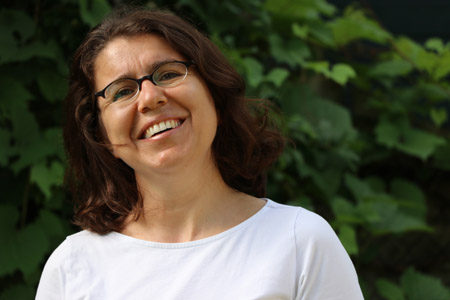
Ozlem Atar (PhD in Cultural Studies) – the “Gradifying” blog, who writes it and why?
Ozlem primarily talks about our weekly blog, Gradifying – Who Writes It, and Why? The beginning of this session however she talks about her own research on “irregular migration from Central America and Mexico to the United States”. For upcoming interviews check out the Grad Chat webpage on Queen’s University School of Graduate Studies & Postdoctoral Affairs website – https://www.queensu.ca/grad-postdoc/research/share/grad-chat
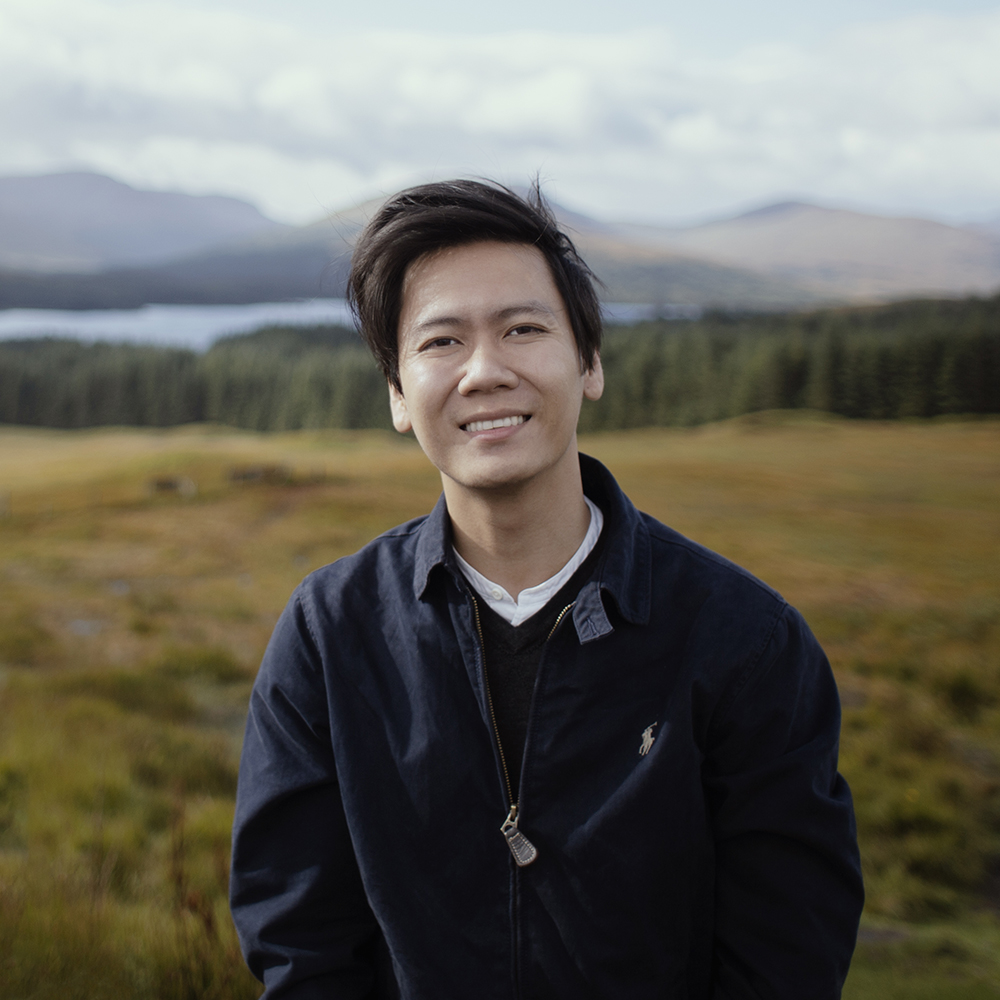
Vince Ha (PHD in Screen Cultures and Curatorial Studies) – the intersection of transnational media and queer studies
Vince looks at queer sociality through the Boys Love media, a genre that portrays homoerotic relationships between two men by straight female creators for often assumed straight female readers. This genre was developed in Japan after WWII and was argued to liberate women from gender constraints. Since then, the genre has gained tremendous popularity in other parts of Asia and eventually in Europe and North America. Vince traces this East-to-West media flow to present alternative views of queerness, inspecting the engagement of queer Asian diasporic communities with BL and how it can complicate our Western-centric view of individual and communal identities. For upcoming interviews check out the Grad Chat webpage on Queen’s University School of Graduate Studies & Postdoctoral Affairs website – https://www.queensu.ca/grad-postdoc/research/share/grad-chat
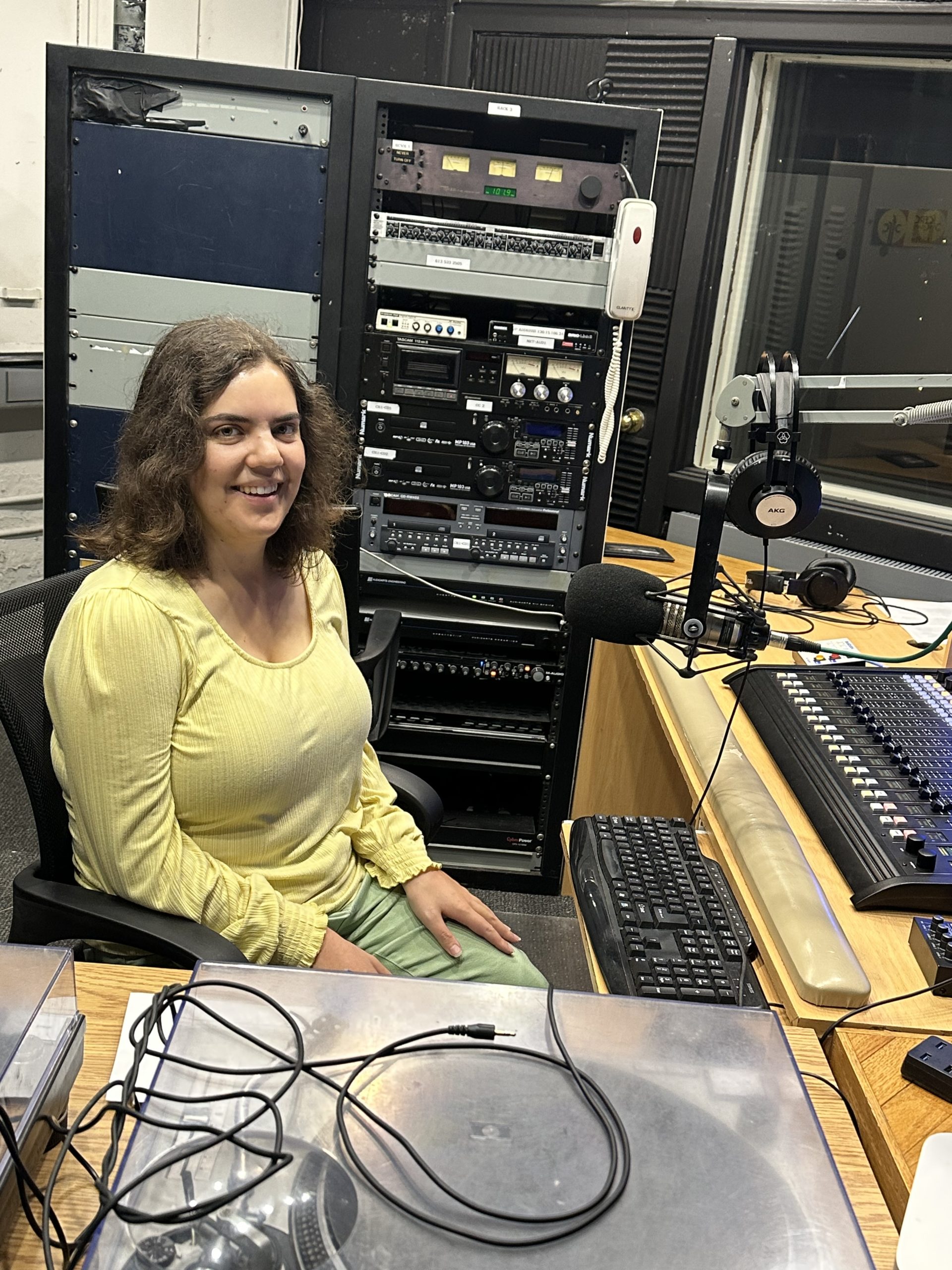
Natasha Lomonossoff (PHD in English Literature) – the religious and political writings of Anna Laetitia Barbauld, a thinker and educator who lived in Britain from 1743-1825
Natasha is particularly interested in Barbauld’s contributions to public debate in the nation following the French Revolution in 1789, which some Britons supported as an example to follow. For upcoming interviews check out the Grad Chat webpage on Queen’s University School of Graduate Studies & Postdoctoral Affairs website – https://www.queensu.ca/grad-postdoc/research/share/grad-chat

Arvind Krishendeholl (Master of Public Health)
Race, Mobilization, and Advocacy: Non-profit Representation in Times of Crisis
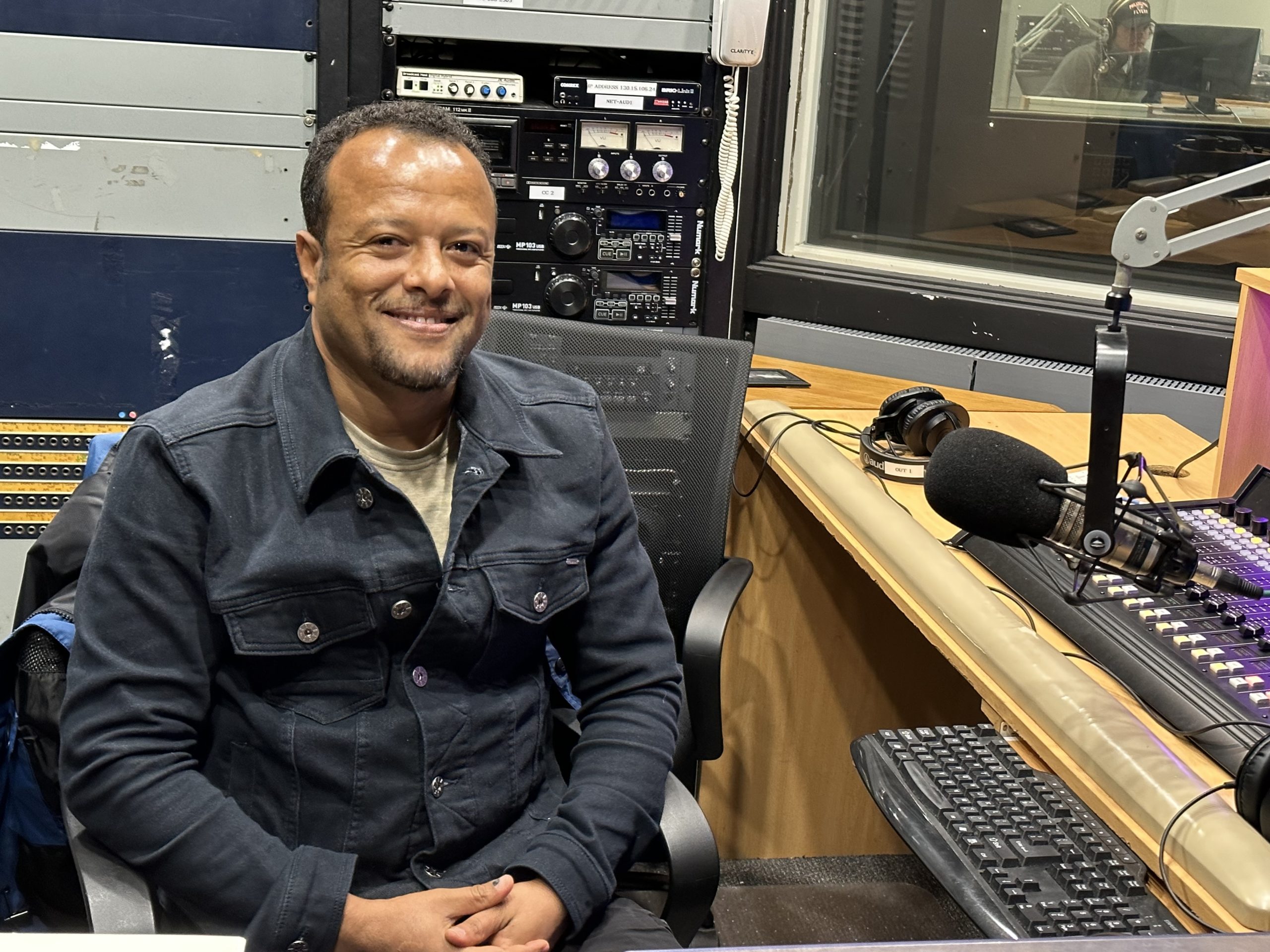
Abebe Alemu (Law) – Deaf Access to the Criminal Justice System in Ethiopia
The Ethiopian criminal justice system relies on spoken language and written communication for its day-to-day business. In principle, the system is supposed to serve everyone equally without any discrimination based on legally prohibited grounds. In Ethiopia, there are about 2.5 million Deaf and hard-of-hearing people most of whom rely on either sign language or other methods of communication other than spoken language for their communication. This begs the question of how these groups of people meaningfully interact with the criminal justice system (police, prosecution, judges) as victims of crime, suspects/accused, or witnesses. For upcoming interviews check out the Grad Chat webpage on Queen’s University School of Graduate Studies & Postdoctoral Affairs website – https://www.queensu.ca/grad-postdoc/research/share/grad-chat
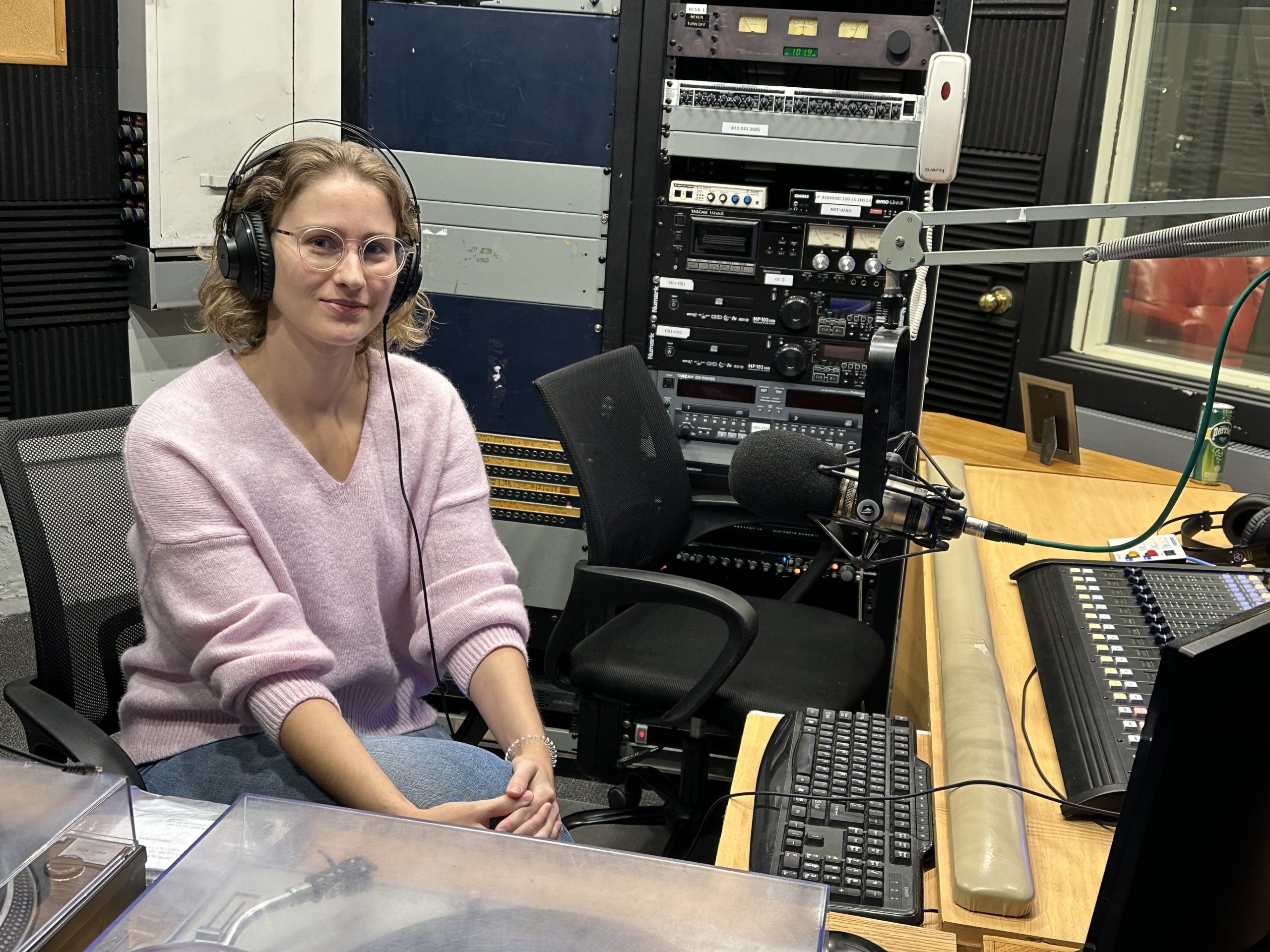
Lisa Bas (Psychology) – Exploring the malleability of social preferences: How, when, and why people make altruistic decisions.
Society benefits from altruistic individuals, but despite decades of research across disciplines, effective long-term interventions to increase altruistic behavior remain elusive. Therefore, we need to understand why, how, and when individuals will behave altruistically toward others (or not). For upcoming interviews check out the Grad Chat webpage on Queen’s University School of Graduate Studies & Postdoctoral Affairs website – https://www.queensu.ca/grad-postdoc/research/share/grad-chat
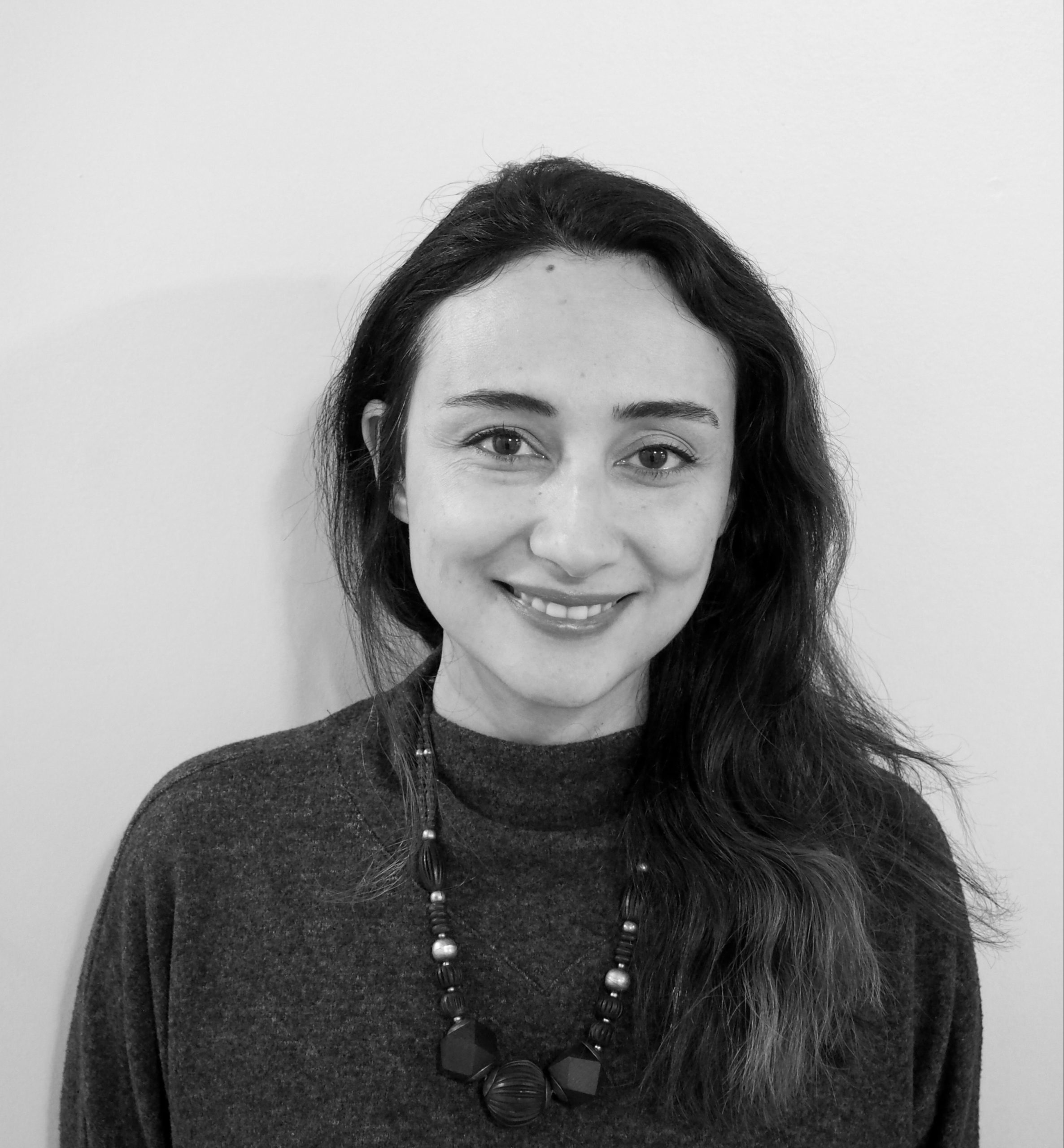
Dr Esra Alkim Karaagac (Postdoctoral Fellow), Geography and Planning: “International Student Indebtedness in Canada”
Examing the role of private lending practices in Canada’s international higher education system, focusing on the socio-economic impacts of predatory lending on international student experiences in university towns. For upcoming interviews check out the Grad Chat webpage on Queen’s University School of Graduate Studies & Postdoctoral Affairs website – https://www.queensu.ca/grad-postdoc/research/share/grad-chat
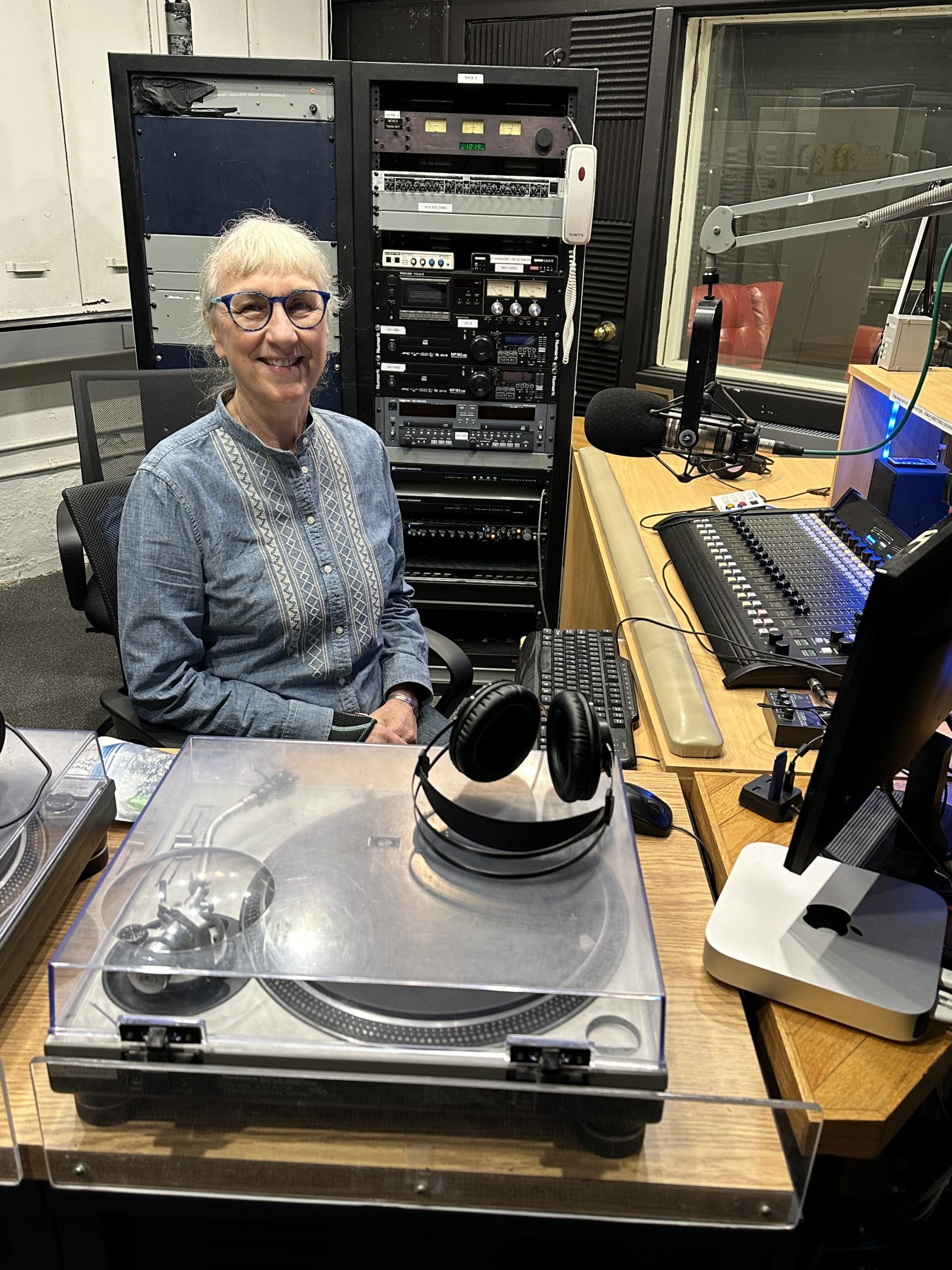
Micky Renders (Environmental Studies) – Arctic Waste in Panniqtuuq (Pangnirtung) on Eastern Baffin Island
My Ph.D. project is a creative research collaboration with Inuit Elders, artists and youth in Panniqtuuq (Pangnirtung), Nunavut, a remote community of 1600 on Eastern Baffin Island. Inuit have identified waste as a serious environmental and health threat. Central to my inquiry is ‘Who gets to define ‘waste’?’ and ‘who is responsible?’ for the myriad of waste-related issues in Inuit Nunangat. For upcoming interviews check out the Grad Chat webpage on Queen’s University School of Graduate Studies & Postdoctoral Affairs website – https://www.queensu.ca/grad-postdoc/research/share/grad-chat
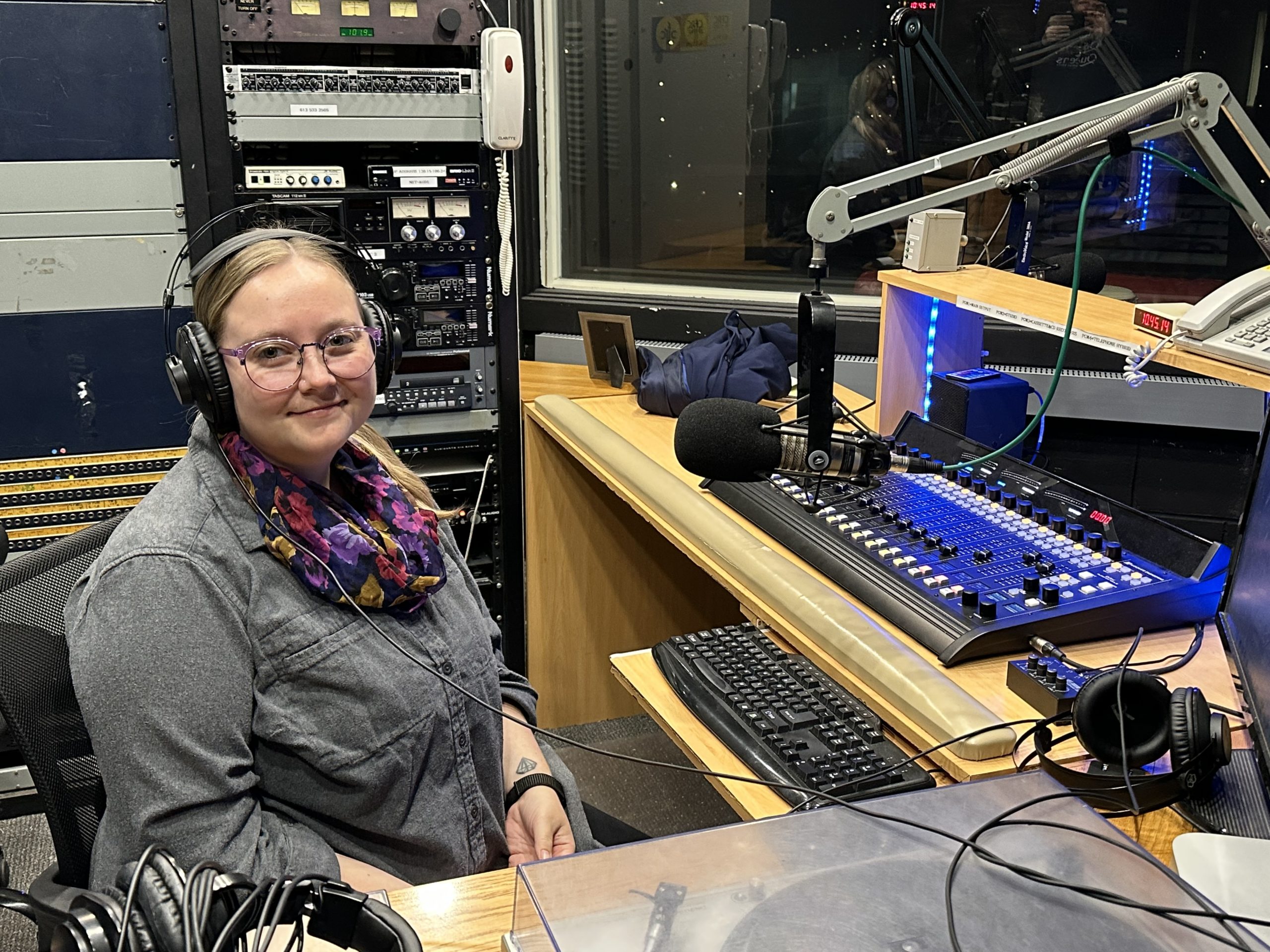
Katie-Marie McNeill – Making the most of opportunities in higher education for your academic, professional and personal growth.
A look at what graduate students can participate in during their studies that helps them personally, professionally and academically. For upcoming interviews check out the Grad Chat webpage on Queen’s University School of Graduate Studies & Postdoctoral Affairs website – https://www.queensu.ca/grad-postdoc/research/share/grad-chat
Katie-Marie McNeill (History) – Prisoner Aid Beyond Borders: A Transnational History of Prisoner Aid Societies in Canada, Australia, New Zealand, and the United States, 1930-1970
The mid-twentieth century saw an increase in the volume and variety of activities that prisoner aid societies in each of the four areas of study conducted both inside and outside of prisons. Treated together, the histories of prisoner aid societies in the key commonwealth nations of Canada, New Zealand, and Australia, and in the close neighbour of the United States offer an opportunity to explore how citizens engaged with justice systems, the role that volunteers played in the rehabilitation of prisoners, and how prisoner aid societies advocated for change in all levels of their respective legal systems. For upcoming interviews check out the Grad Chat webpage on Queen’s University School of Graduate Studies & Postdoctoral Affairs website – https://www.queensu.ca/grad-postdoc/research/share/grad-chat
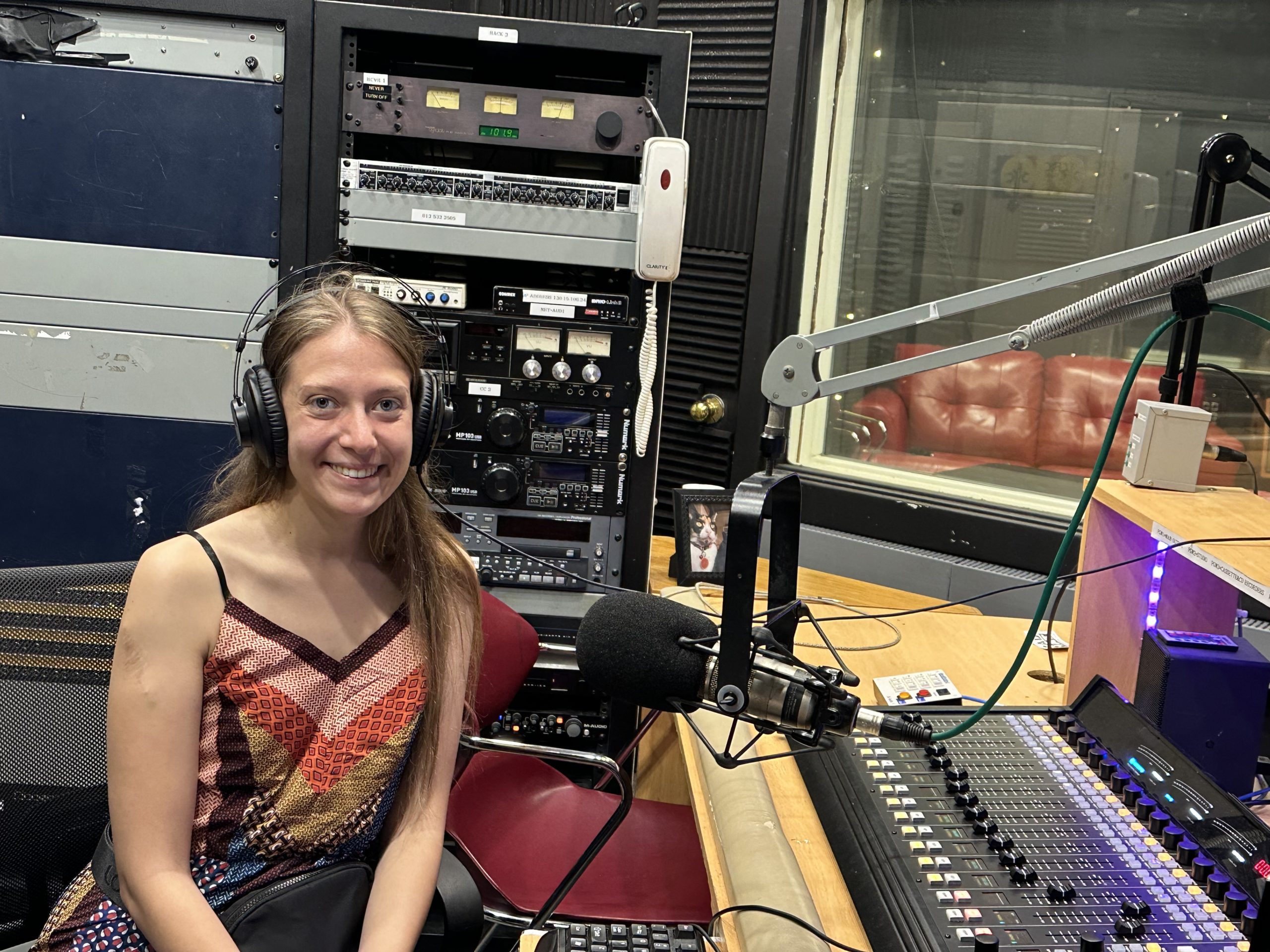
Zoe Lord (Chemistry) – Testing the impact of cognitive overload on task performance in virtual reality (VR) to provide insights into VR design for chemistry education
Chemistry educators are turning to new technology like virtual reality (VR) to bring their students three-dimensional, interactive, and user-controlled learning environments to conceptualize molecular models. With the emergence of VR in chemistry classrooms, educators and developers must consider students’ varying spatial abilities in VR design to ensure that students are not overwhelmed. Students may experience cognitive overload in VR, where they exceed the amount of working memory that can be applied to the task. For upcoming interviews check out the Grad Chat webpage on Queen’s University School of Graduate Studies & Postdoctoral Affairs website – https://www.queensu.ca/grad-postdoc/research/share/grad-chat
David Rodrigues (Aging and Health) – Dentures and their Nutritional Impact in Older Adults
Older adults are at an increased risk of experiencing loss of natural dentation; thus experiencing suboptimal nutritional status. So what impact do dentures have on nutritional levels in older adults and what can be done to improve it? For upcoming interviews check out the Grad Chat webpage on Queen’s University School of Graduate Studies & Postdoctoral Affairs website – https://www.queensu.ca/grad-postdoc/research/share/grad-chat
Gabrielle Pulver (Environmental Studies) – “Water is Life”: Creative Action to Heal Bodies of Water
We are all bodies of water, from humans, to other animals, plants, watersheds and waterways; all require water to survive and thrive. Considering ourselves and others bodies of water helps to illustrate the interrelationships between self and others, and water protection involves protecting all life, while also addressing intersecting issues such as racism and colonialism. With a lens of a feminist ethics of care, I explore the role of creative action in the water protection movement at Lake Superior. For upcoming interviews check out the Grad Chat webpage on Queen’s University School of Graduate Studies & Postdoctoral Affairs website – https://www.queensu.ca/grad-postdoc/research/share/grad-chat

Kunal Parikh (Aging and Health) – Virtual Training Programs for Informal Caregivers of Older Adults
Informal caregivers of older adults often feel unprepared and underconfident in their role. Conventional (in-person) caregiver psychoeducation or skills-based interventions are difficult to accommodate in their unpredictable routines. The aim of this study was to map the impact of virtual caregiver psychoeducation interventions on informal caregivers of older adults. For upcoming interviews check out the Grad Chat webpage on Queen’s University School of Graduate Studies & Postdoctoral Affairs website – https://www.queensu.ca/grad-postdoc/research/share/grad-chat

Yvonne Runstedler & James Dixon – The experiences of transgender students in Catholic Secondary Schools
Yvonne Runstedler is doing a PhD in Human Relationships at Wilfrid Laurier University, alongside James Dixon, who is doing a BA in Christian Studies & Global Citizenship. They are special guests this week. Ontario Catholic schools operate under the authority of the provincial Ministry of Education and have denominational rights under the law. Since these schools are publicly funded, divergent values can cause tension between and among the various public and ecclesiastical stakeholders. Best practices on the inclusion, treatment and belonging of transgender students is a topic that has caused a myriad of responses. For upcoming interviews check out the Grad Chat webpage on Queen’s University School of Graduate Studies & Postdoctoral Affairs website – https://www.queensu.ca/grad-postdoc/research/share/grad-chat
Elizabeth Nelson, PhD in Geography – Designing Intercultural Cities: Community Organizations & Care
This project explores the experiences of a diverse array of community organizations in Kingston, Ottawa, and Cornwall, Ontario, examining their relationship with municipalities and their role in community development. Despite the numerous logistical, spatial, and financial challenges they encounter, community organizations provide invaluable care work and contribute significantly to overall wellbeing and the vibrancy of urban life. This care work is largely under-recognized and unsupported by municipalities, who do not understand their role within the community service landscape. For upcoming interviews check out the Grad Chat webpage on Queen’s University School of Graduate Studies & Postdoctoral Affairs website – https://www.queensu.ca/grad-postdoc/research/share/grad-chat
Elham Yousefinejad (Sociology) – Municipal climate change governance: A pathway to resilience-building and and vulnerability-reduction: A case study of Kingston, Ontario
In 2019, Kingston became the first municipality in Ontario to declare a ‘climate emergency’. This declaration stimulated further commitments to reduce greenhouse gas emissions and to enhance community resilience to adapt to climate change impacts. My PhD dissertation research evaluated Kingston municipal government’s climate policies to understand strengths, weaknesses, and areas for potential improvement. For upcoming interviews check out the Grad Chat webpage on Queen’s University School of Graduate Studies & Postdoctoral Affairs website – https://www.queensu.ca/grad-postdoc/research/share/grad-chat
Francesco Marrato (Electrical & Computer Engineering) – Training a robot dog for search and rescue
Working with the Boston Dynamics Spot robot to develop autonomous exploration systems that use sound as a metric for where to search next. For upcoming interviews check out the Grad Chat webpage on Queen’s University School of Graduate Studies & Postdoctoral Affairs website – https://www.queensu.ca/grad-postdoc/research/share/grad-chat
Adaku Echendu (Environmental Studies) – Urban Flooding and Changing Landscapes: Improving Environmental Sustainability By Incorporating Urban Communities’ Experiences, Perceptions, and Knowledge in Environmental Management in Nigeria
Flooding is a disaster with ripple effects. Its environmental, social, and economic impacts are significant. Floods annually ravage Nigeria constituting an immediate and growing threat amid the global climate crisis. For upcoming interviews check out the Grad Chat webpage on Queen’s University School of Graduate Studies & Postdoctoral Affairs website – https://www.queensu.ca/grad-postdoc/research/share/grad-chat
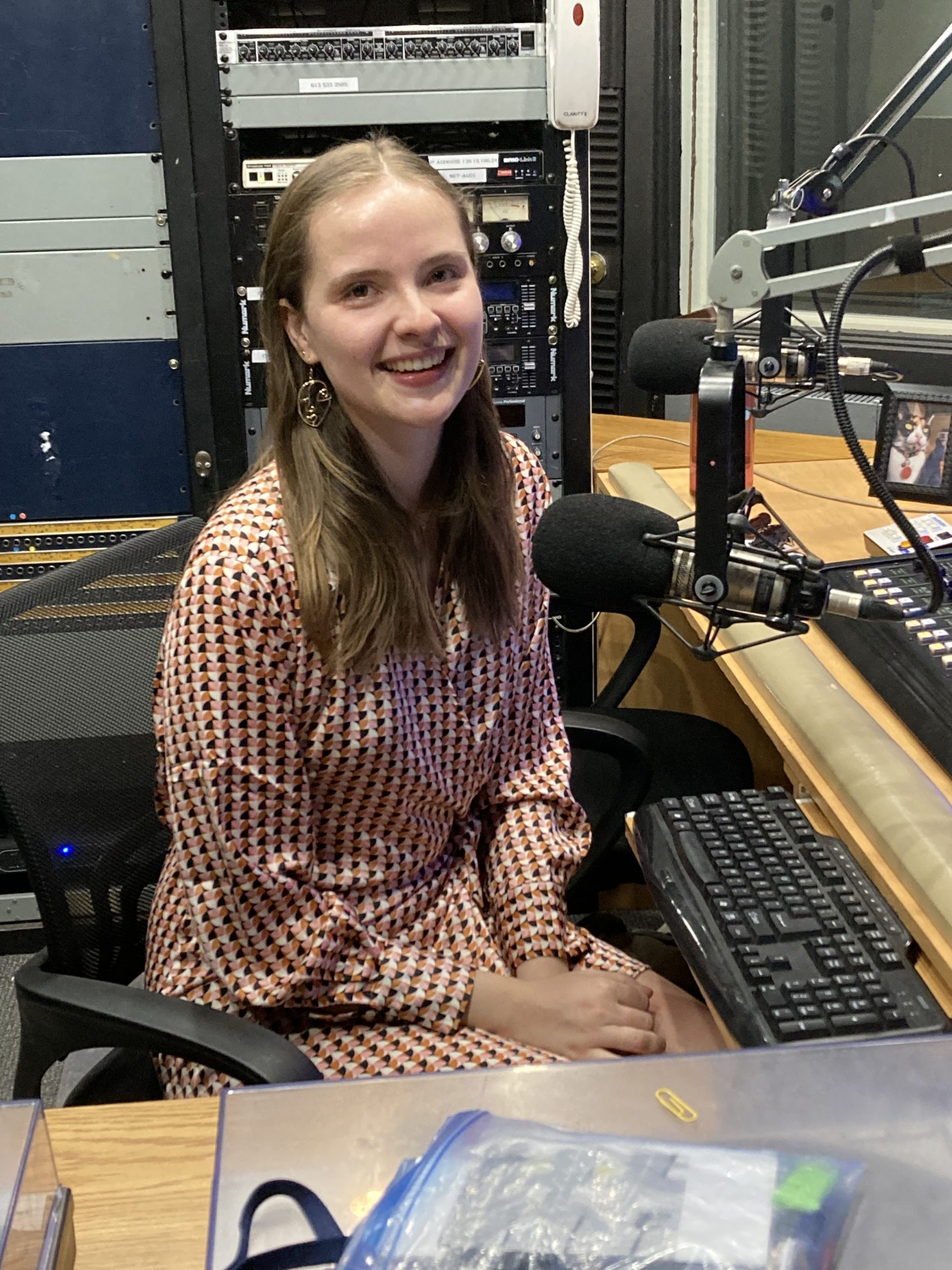
Annelies Verellen (Art History) – Women’s Self-portraiture in the Seventeenth Century
Annelies studies women’s strategy of self-fashioning in the early modern period, specifically through their self-portraits. She examines the prejudices embedded within the practice of women looking at themselves in a mirror through vanitas prints and paintings. She is particularly interested in learning how women artists circumvented those prejudices in their self-portraits and how they came up with methods of self-representation that would avoid accusations of vanity or pride. For upcoming interviews check out the Grad Chat webpage on Queen’s University School of Graduate Studies & Postdoctoral Affairs website – https://www.queensu.ca/grad-postdoc/research/share/grad-chat
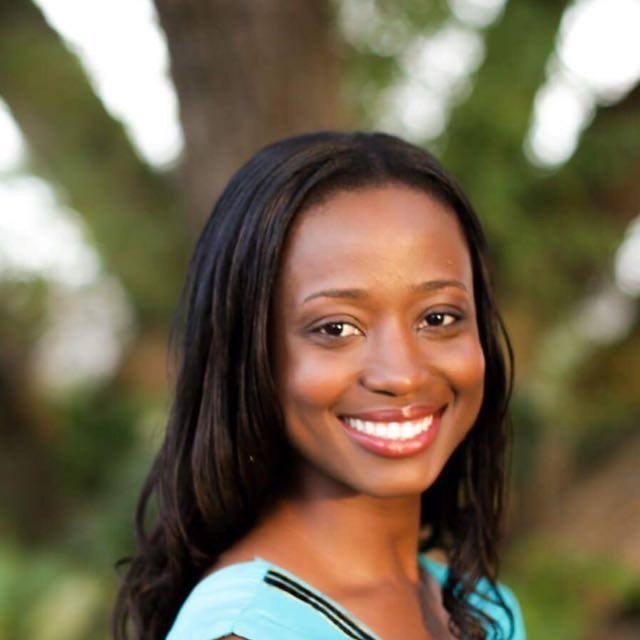
Paulina Bleah (PhD in Nursing) – The Experience of Living with Diabetes in Liberia
Diabetes is a growing public health concern in Liberia; recent data shows about 2.1% of the population are living with the disease. This figure is likely a gross underestimation of the burden of disease in the country given the limited disease surveillance infrastructures and systems that exist. Diabetes places immense socioeconomic pressure on individuals and their families and burdens an already overstretched healthcare system, still recovering from the destructive effects of the 14-year civil war and the recent West African Ebola virus outbreak. The goal of my study was to explore what is it like to live with diabetes in Liberia. For upcoming interviews check out the Grad Chat webpage on Queen’s University School of Graduate Studies & Postdoctoral Affairs website – https://www.queensu.ca/grad-postdoc/research/share/grad-chat
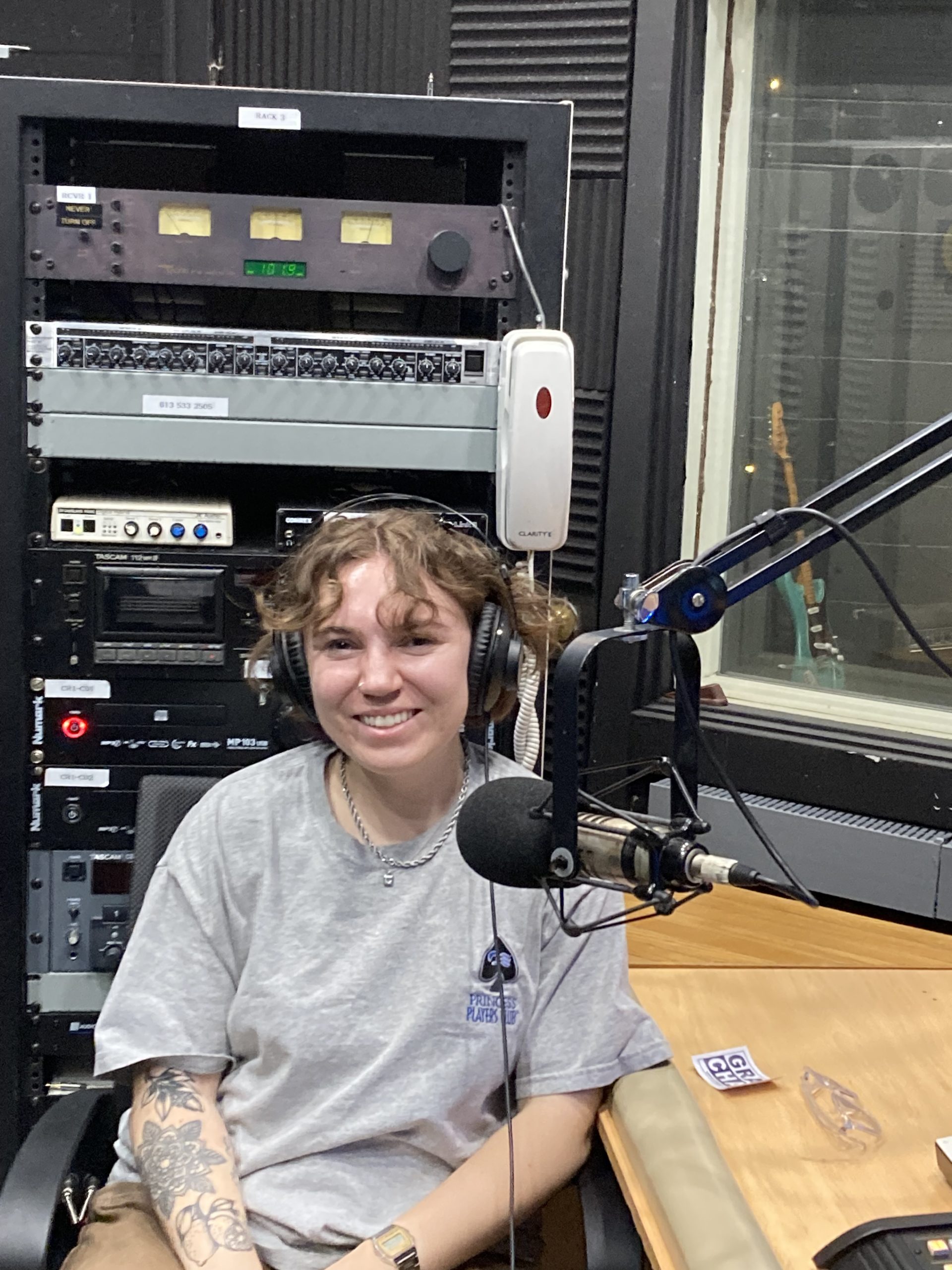
Olivia Scully (MA in Kinesiology & Health Studies) – Exploring the effects of the body acceptance movement for women and gender diverse people
Olivia investigates how people have taken up the body acceptance movement on social media, and how it has affected their relationships with their bodies, as well as how they navigate diet and wellness culture. She is especially interested in how different identities such as race, gender, and sexuality influence how people experience those spaces. For upcoming interviews check out the Grad Chat webpage on Queen’s University School of Graduate Studies & Postdoctoral Affairs website – https://www.queensu.ca/grad-postdoc/research/share/grad-chat